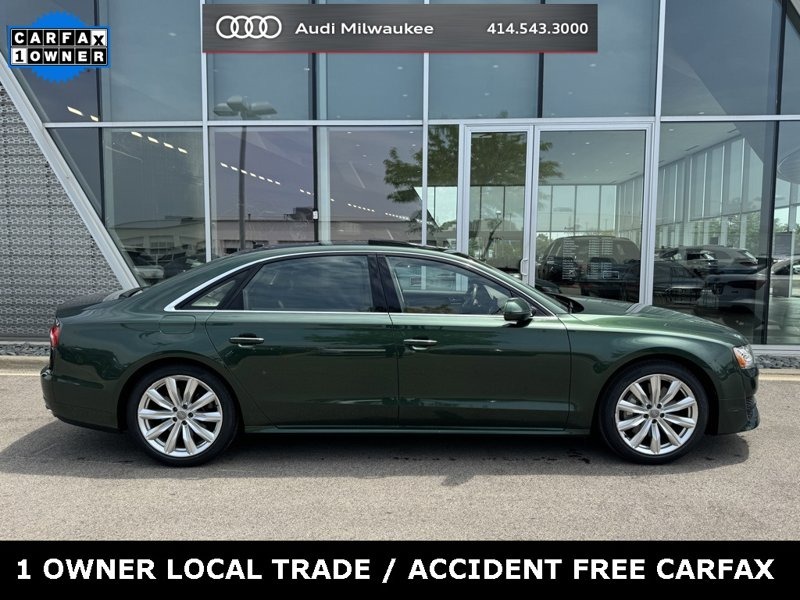
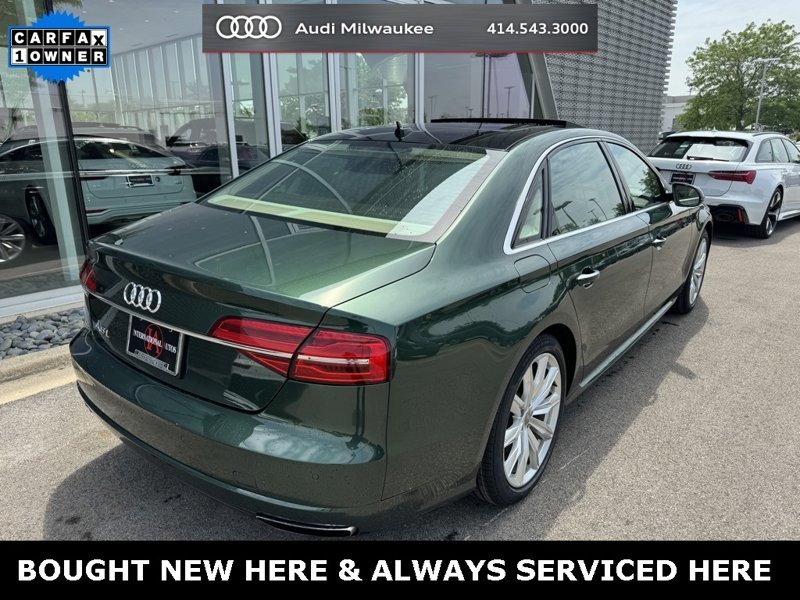
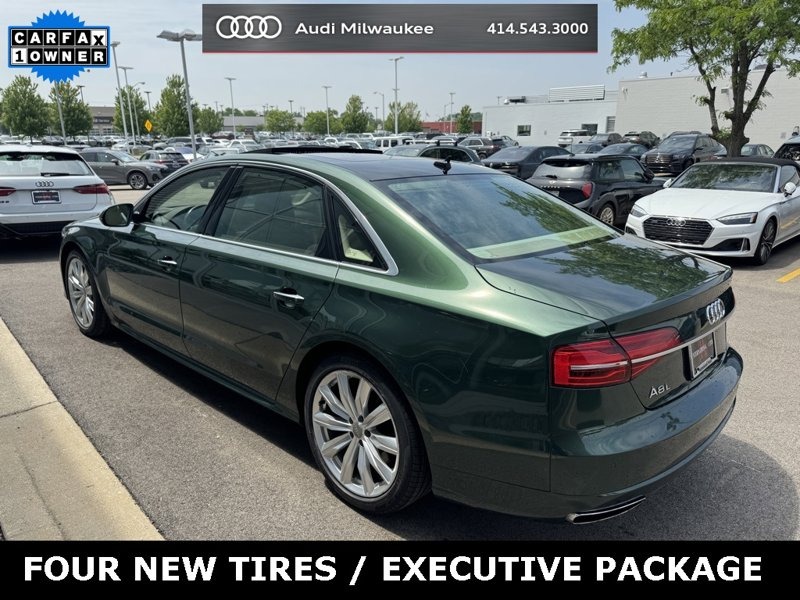
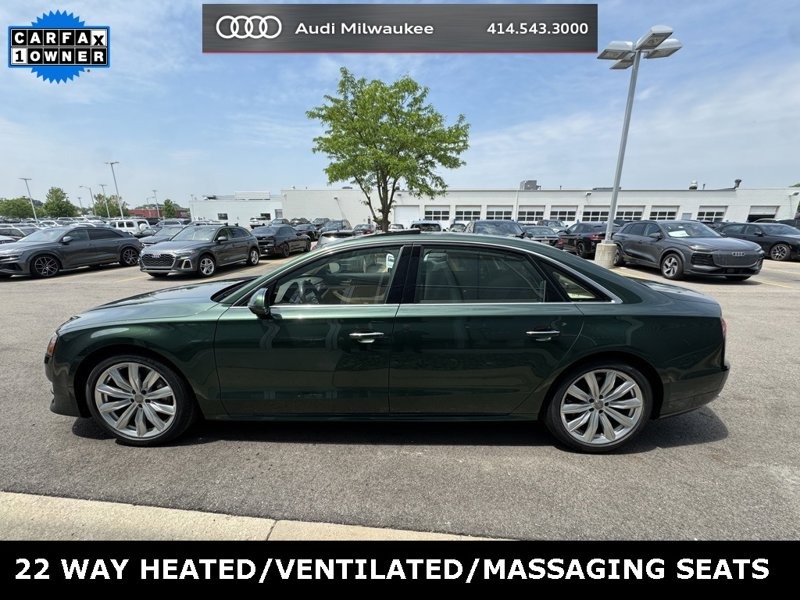
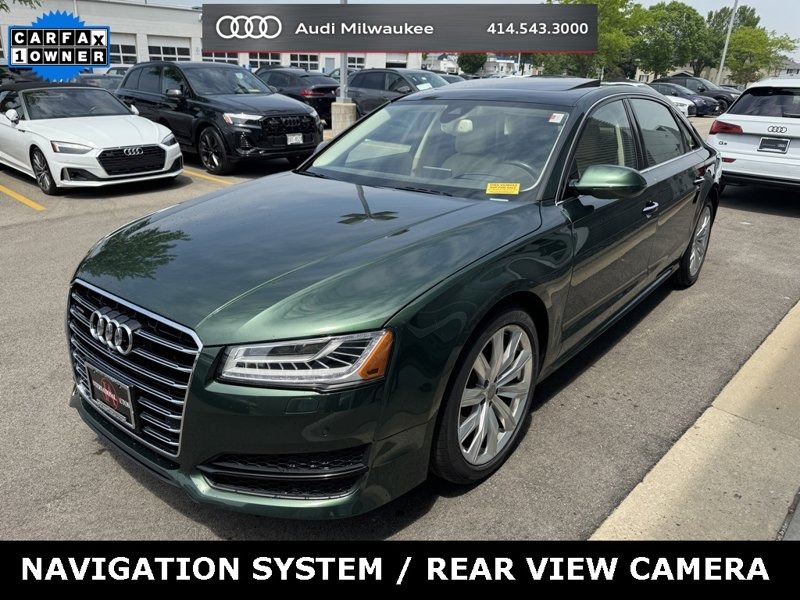
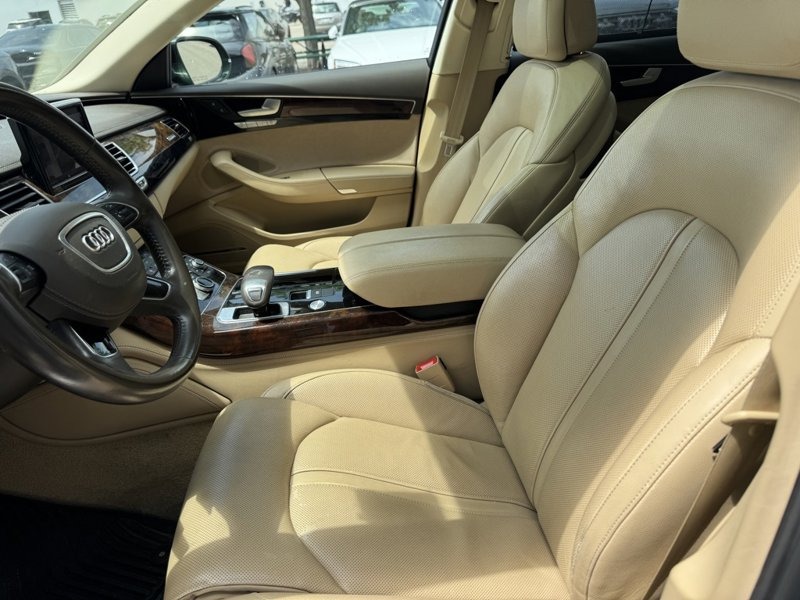
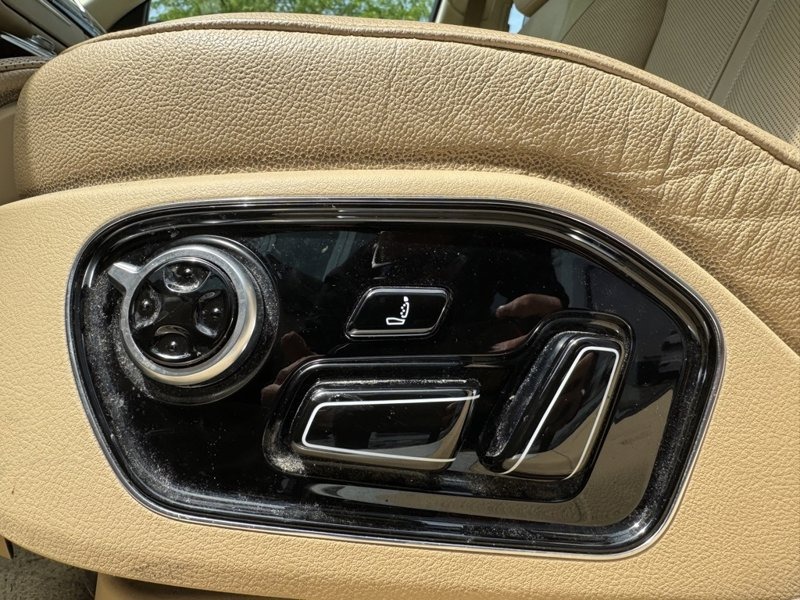
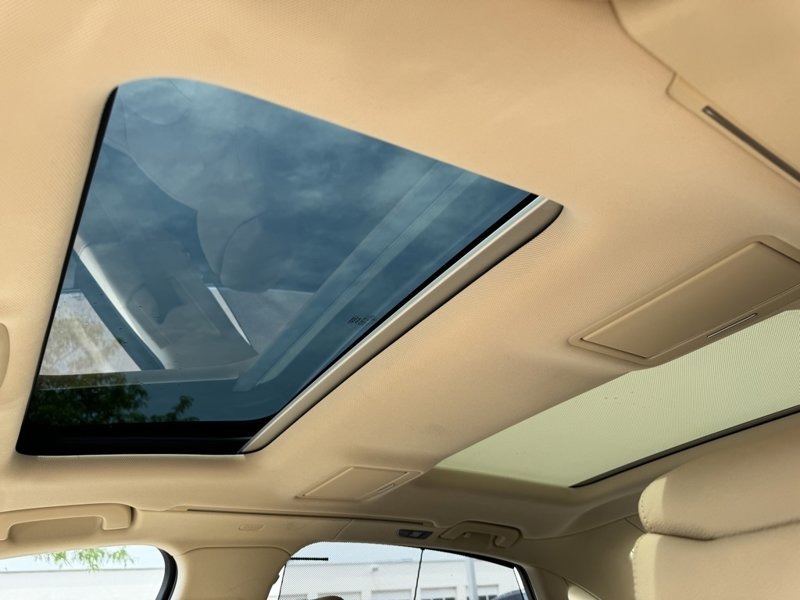
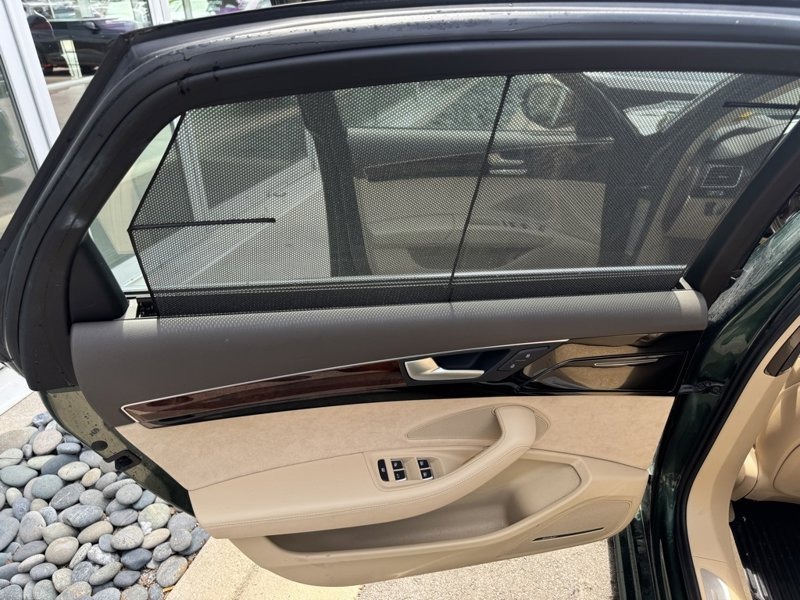
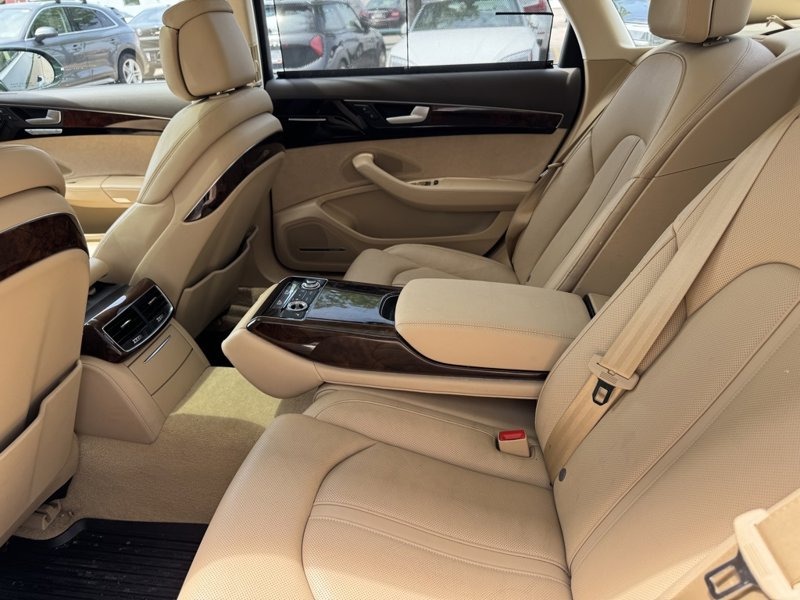
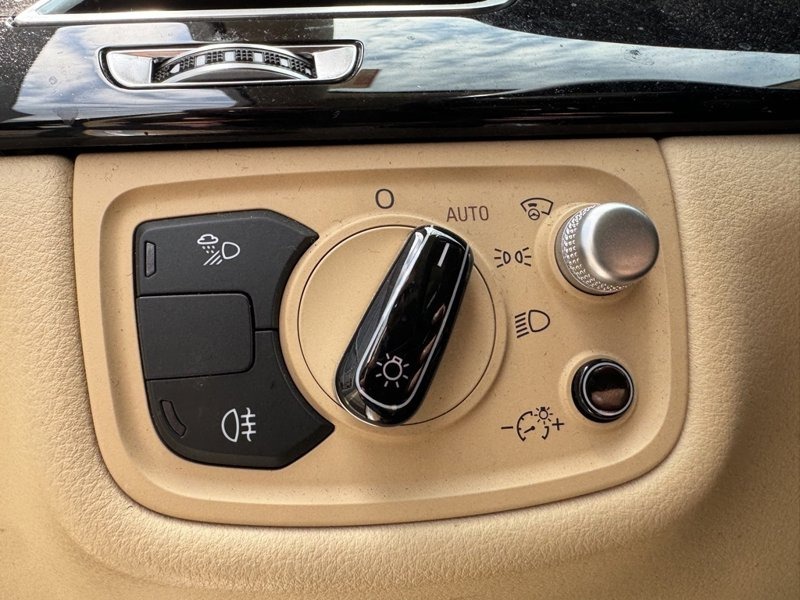
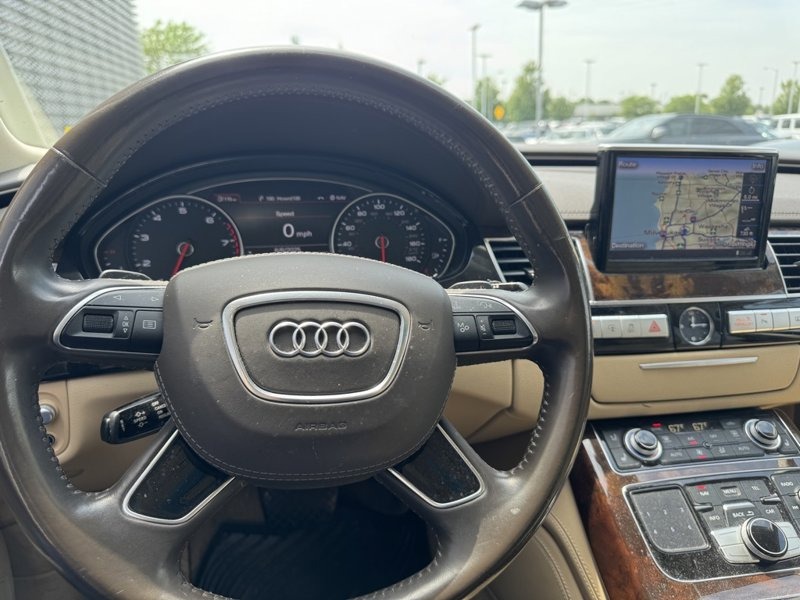
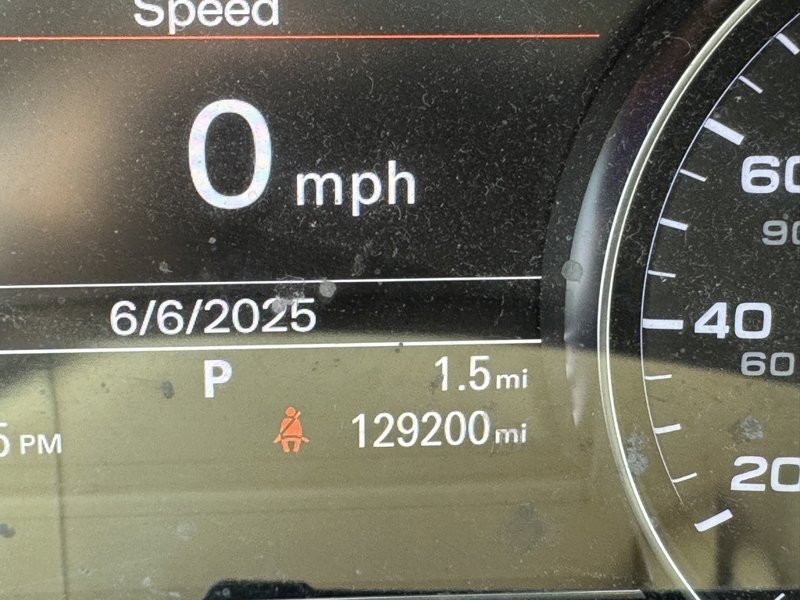
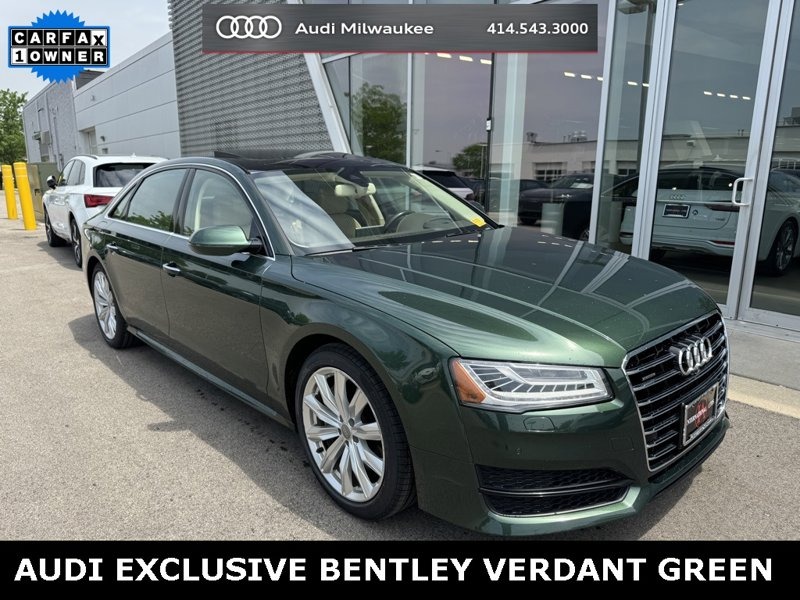
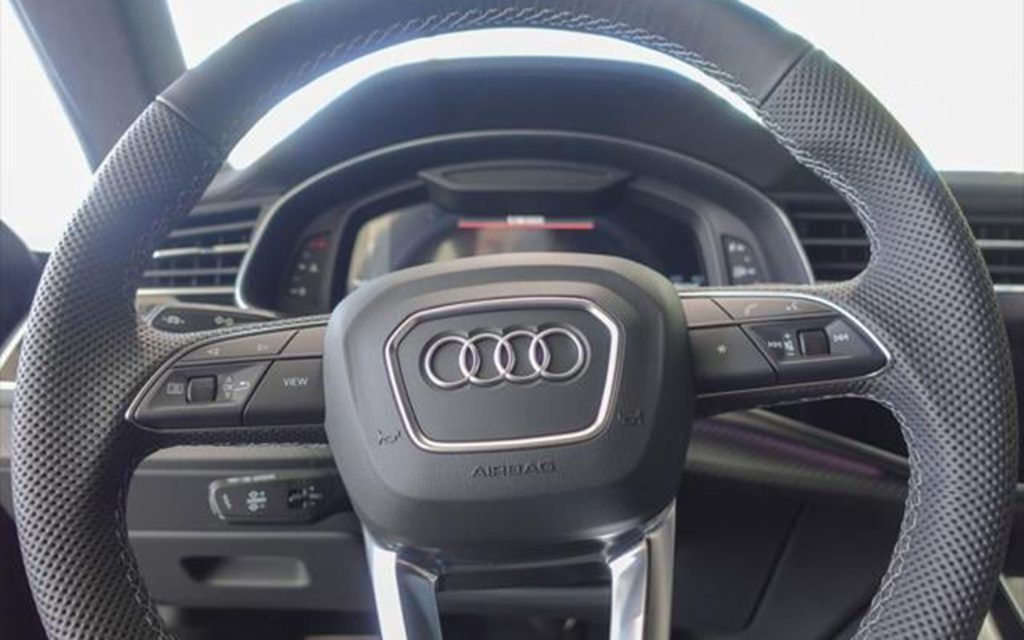
What: 2017 Audi A8 L Color: Audi exclusive Verdant Green(verdantgrün; metallic UNI; LO6A; Audi) Chassis: WAU44AFD9HN008969 Mileage: 129,198 Price: $18,990 CarFax:Link Window Sticker: N/A Location: Milwaukee, WI Sales listing:Audi Milwaukee
It sure seems to cluster, doesn’t it? The Tailored staff finds one vehicle in a genuinely uncommon hue, and just a few days later, we find another. Call it frequency delusion if you will, but we’re quite happy when a second of something pops up, even moreso when it happens to be a personal favorite. Bentley’s Verdant Green initially entered our radar when it was spotted on a senior Audi staffer’s personal car in Ingolstadt, and promptly featured on our prior endeavor, Foutitude. The post caught fire, that executive car left an indelible impression and went on to inspire more than a few applications of Verdant here in the US. While we can’t be sure if this is one of them, we can say that the color looks great on anything, and this A8 L is no exception.
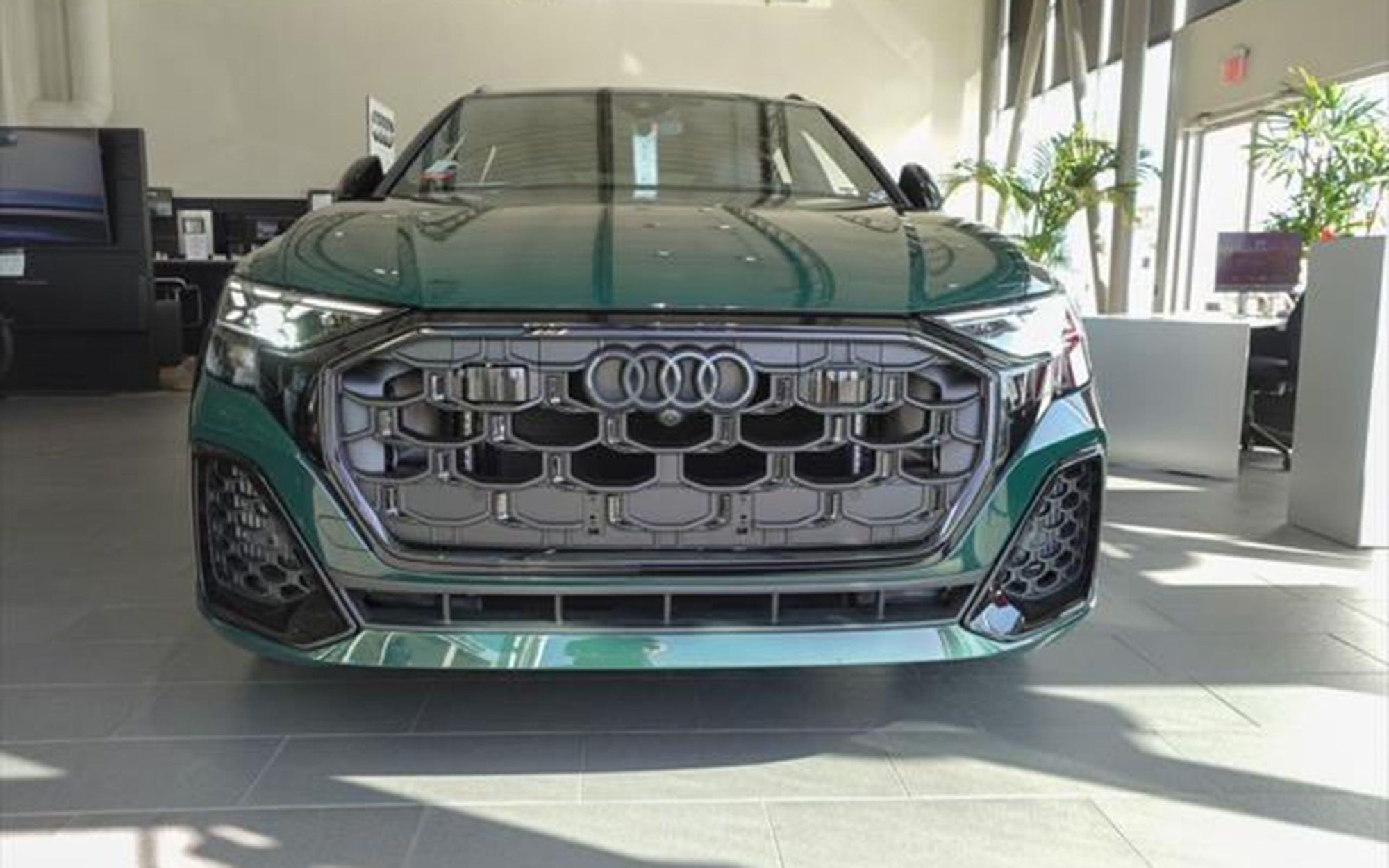
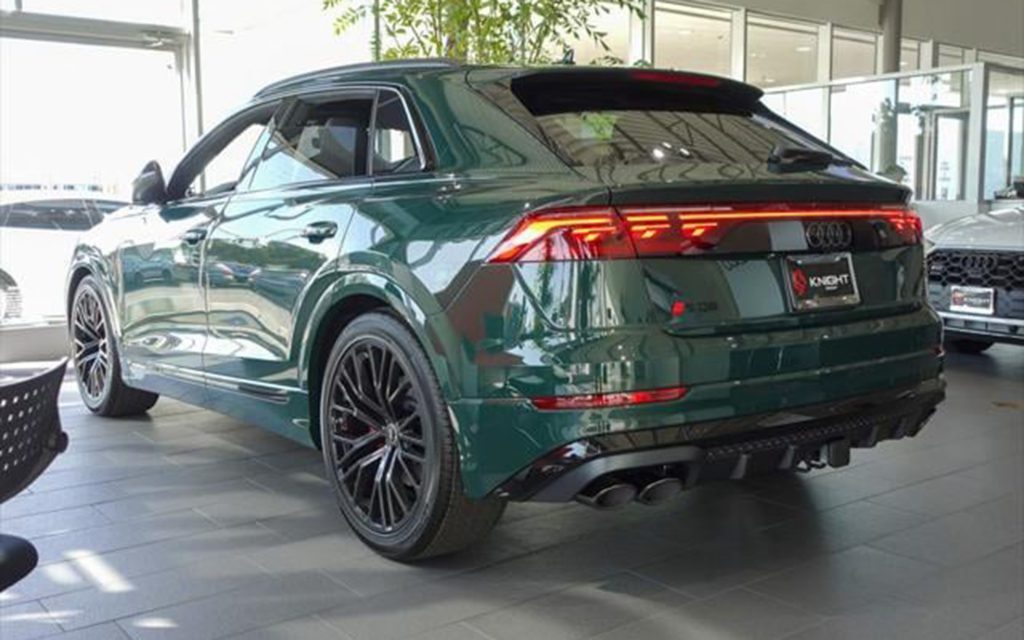
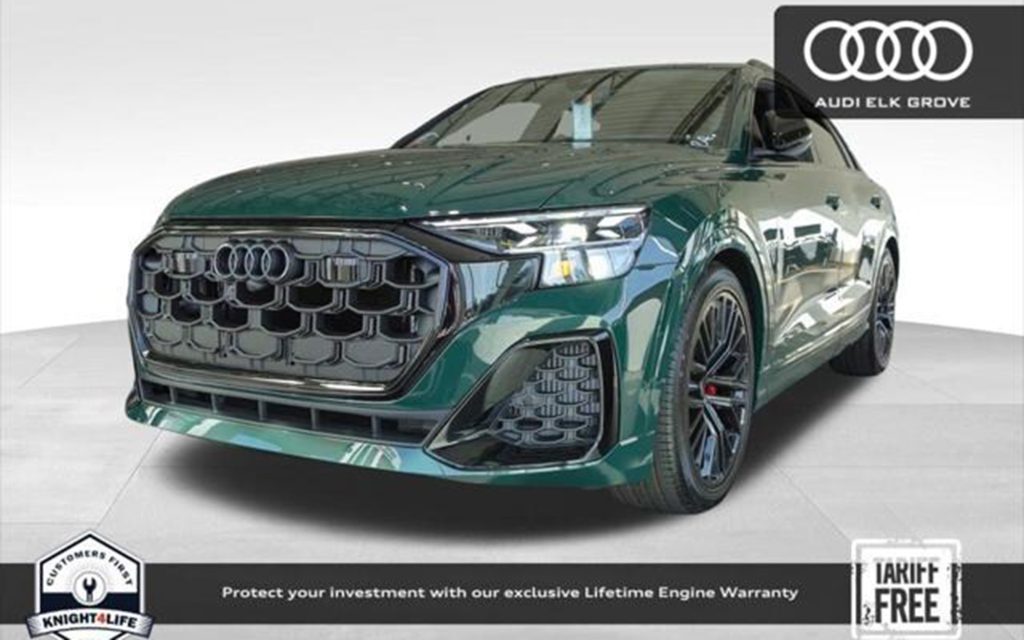
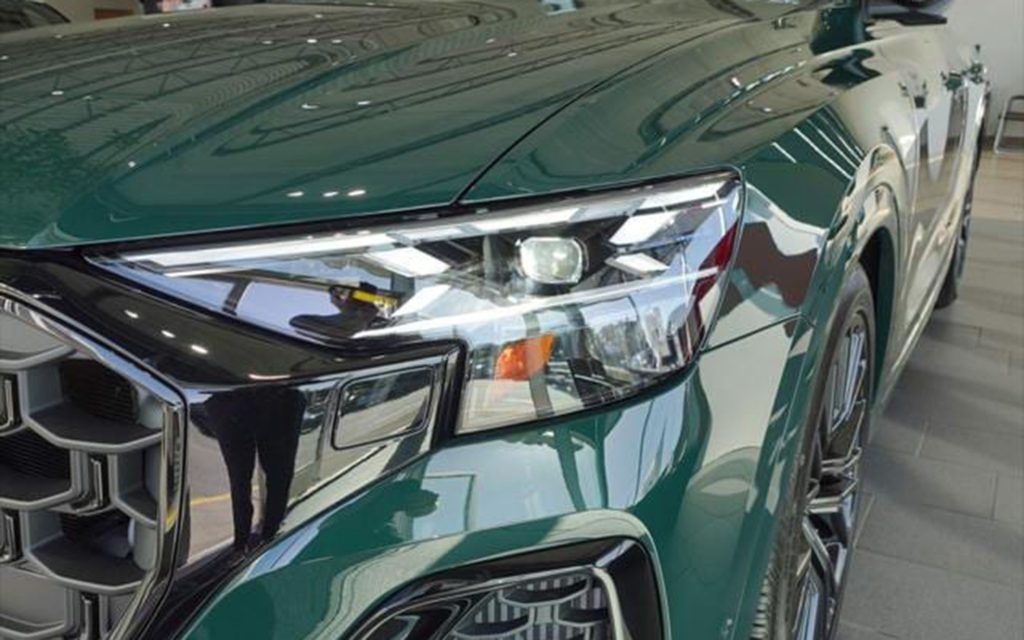
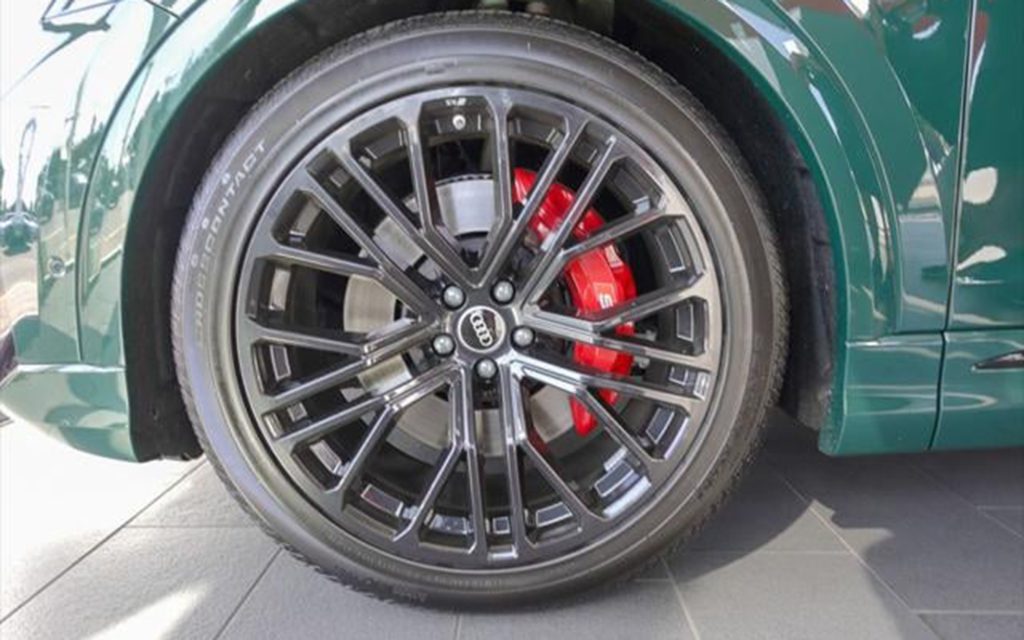
What: 2025 Audi SQ8 Color: Goodwood Green (goodwoodgrünperleffekt; metallic UNI; Z6X; Audi) VIN: WA1CWBF11SD023686 Mileage: Delivery Price: $131,455 CarFax: N/A Window Sticker: N/A Location: Audi Elk Grove, Elk Grove, CA Listing:Link
The facelifted Audi SQ8 is still relatively new to the market, and in as much we haven’t seen much in the way of Audi exclusive examples yet. Typically these begin with special orders then eventually start slipping through with dealer-ordered examples. So while we’ve seen a lot of updated SQ8s on the market, this is one of the first Audi exclusive examples we’ve seen available at a dealership.
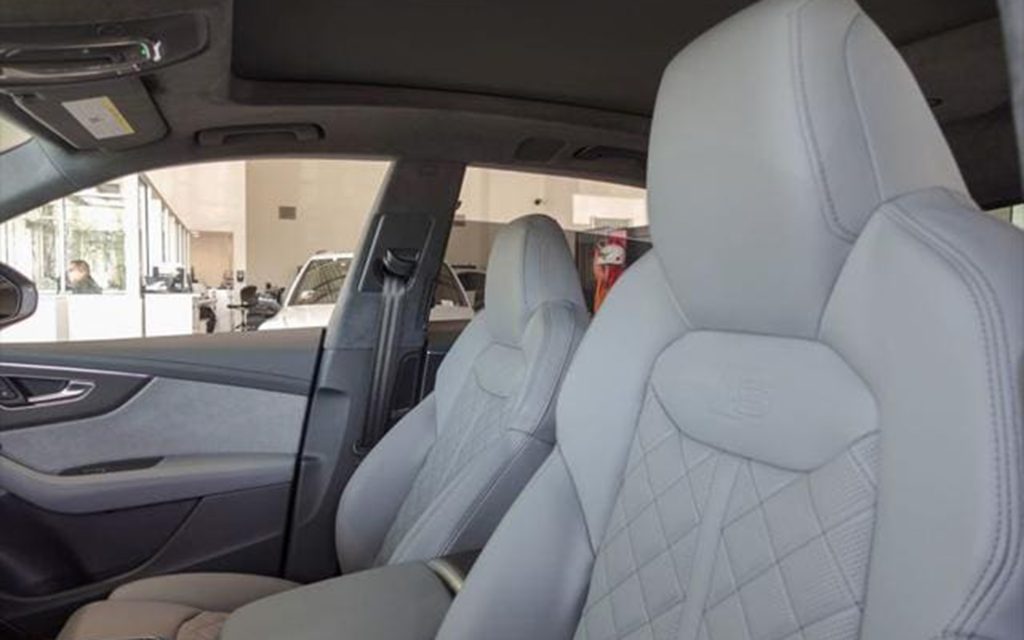
The exterior color is an Audi staple. Goodwood Green has been around since the B5 RS 3 and D2 S8, and remains a favorite in the Audi exclusive catalogue. Here, it’s paired handsomely with grey leather intro.
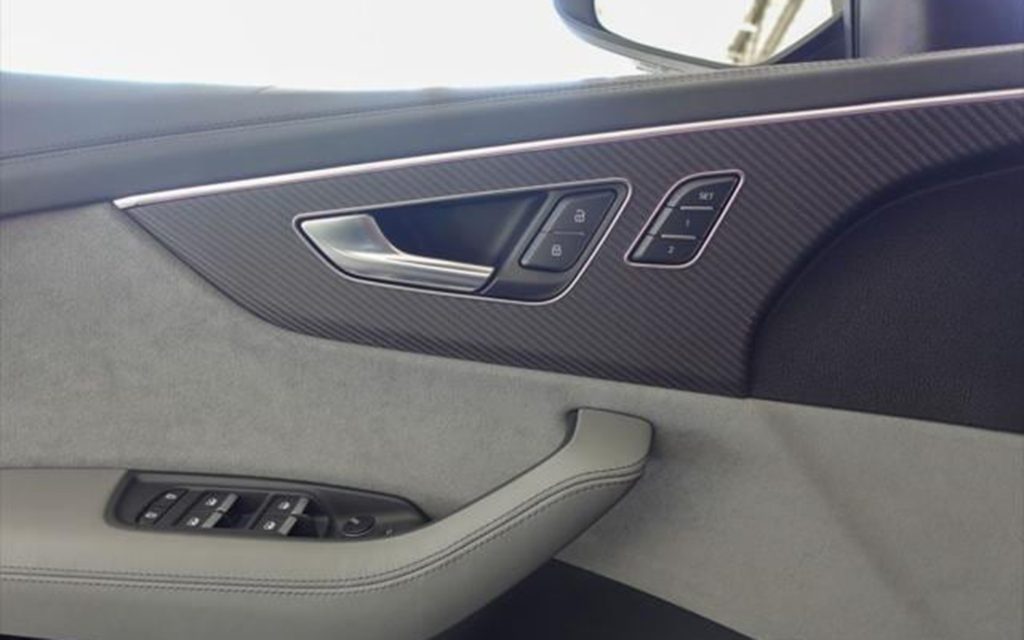
This new example is a Prestige equipment level, meaning relatively loaded. It’s also got full black optics, meaning black finish on the wheels too.
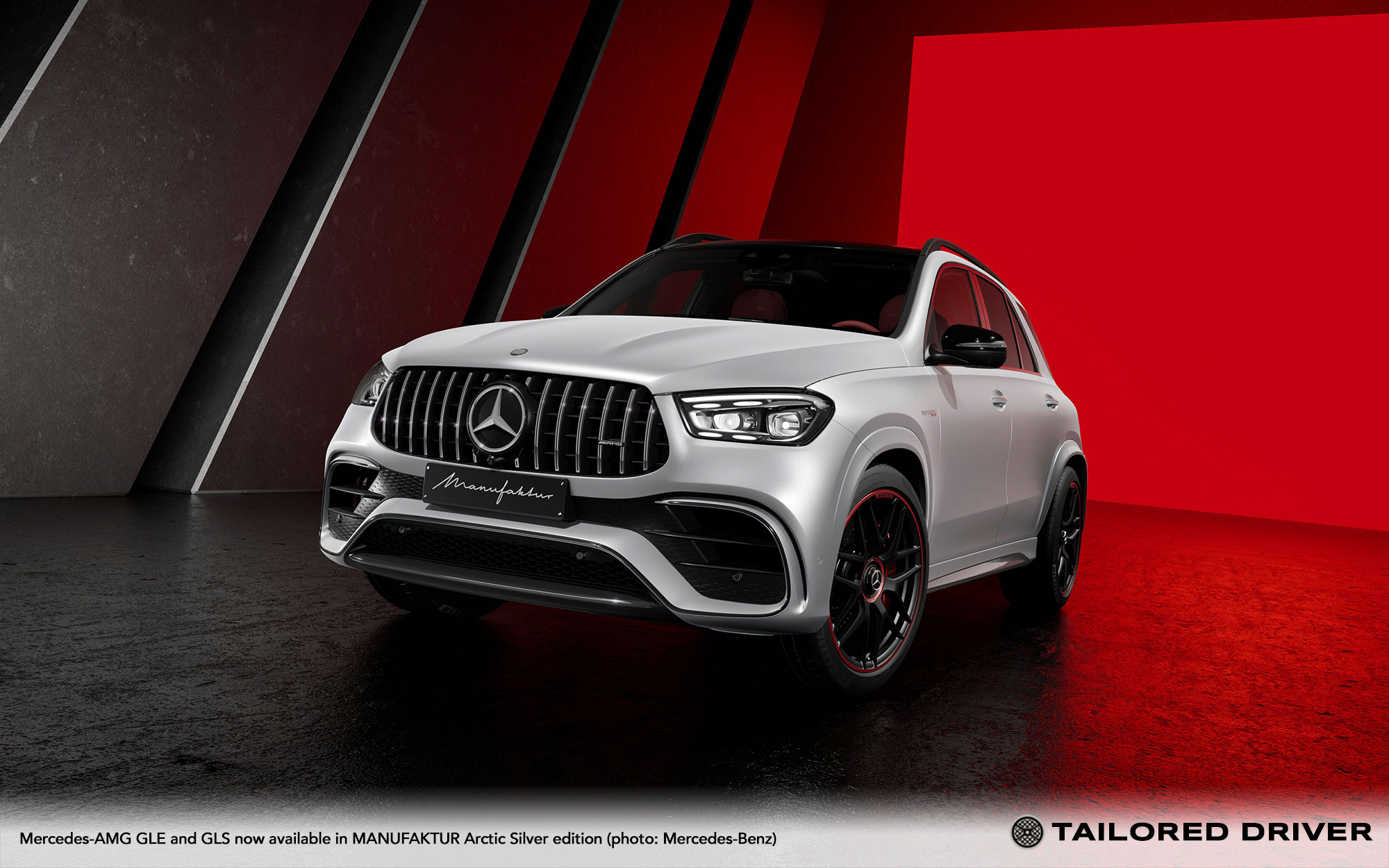
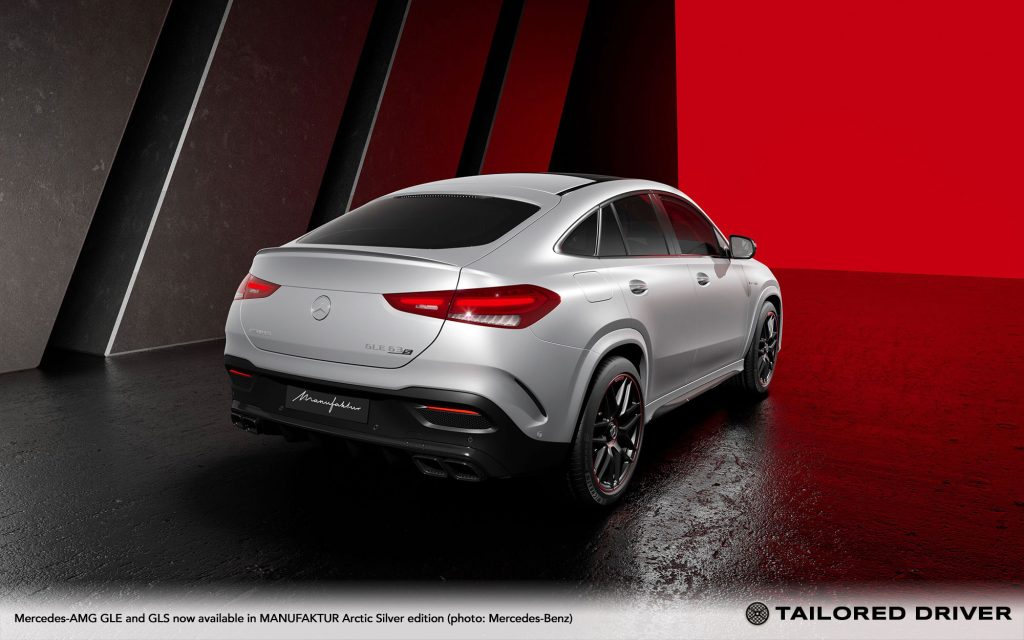
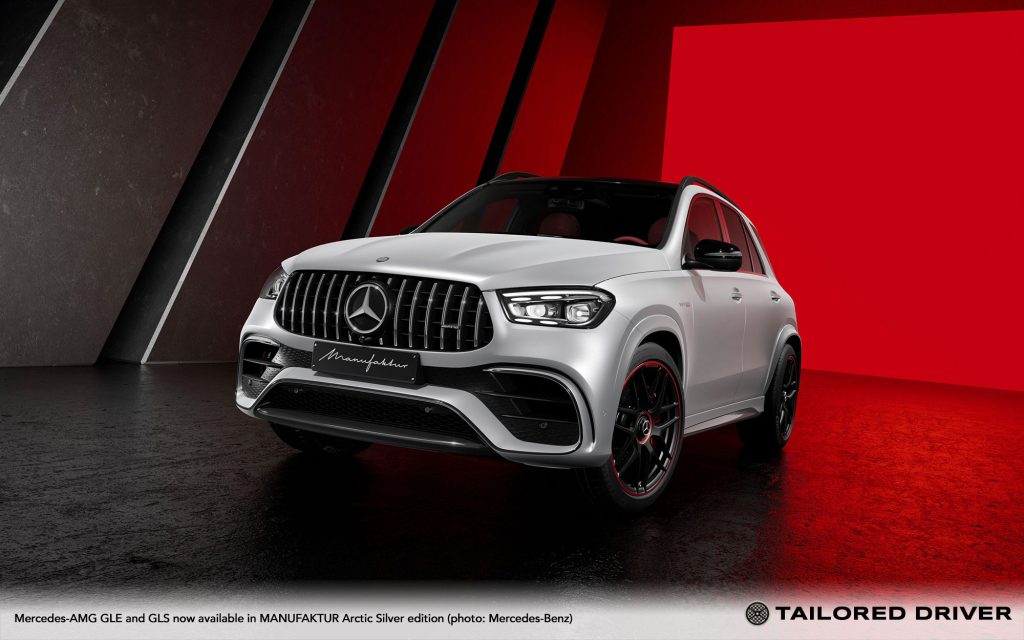
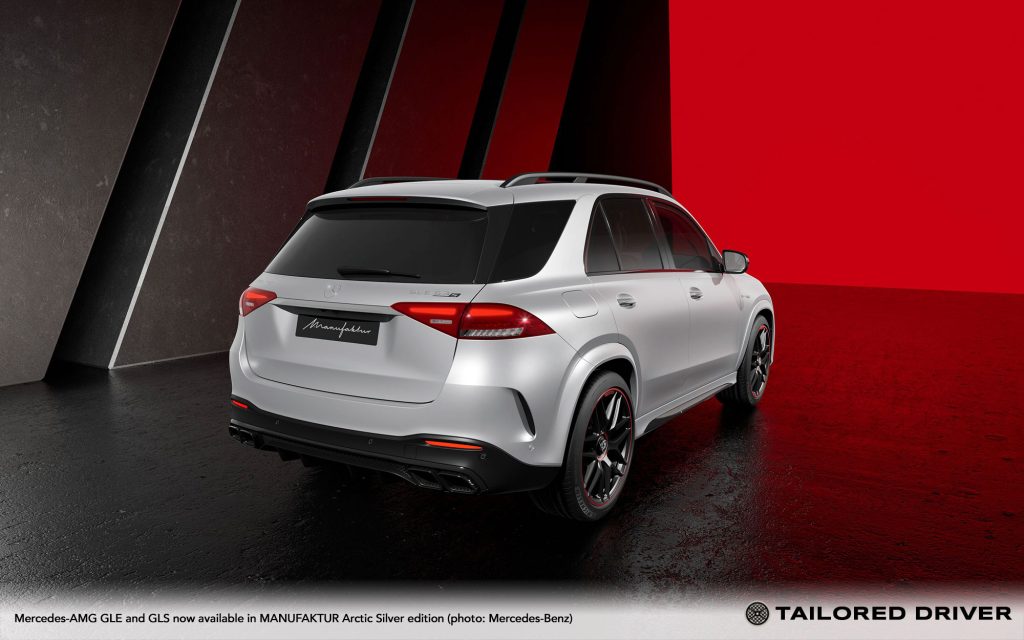
Mercedes-AMG has announced its latest special edition, tailored versions of its GLE and GLS SUVs centered around High-Tech Silver Magno (HightechSilber; metallic matt effect; 734 / 9734 ; Mercedes-AMG).
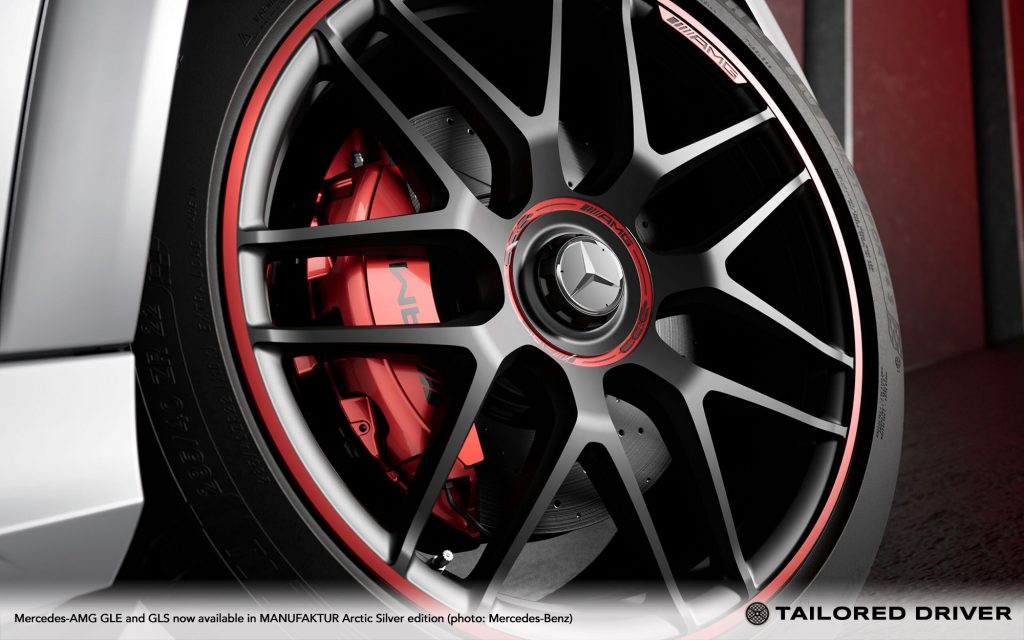
The main look of the package accents the silver with black and red accents. This includes multi-spoke forged 22-inch wheels for the GLE and 23-inch for the GLS, finished in matte black and accented with red flanges. Wheel hub covers get AMG logos combined with laurel wreath elements. Brake calipers are finished at front and rear. Finally, it’s paired with the AMG Night package with gloss black exterior elements that include the front splitter, decorative strip on AMG skirt panel, side mirror covers, insert on the rside skirt panels, window surrounds and trim on the rear apron. Dark chrome tailpipe trim and matte black roof rails finish off the exterior appearance.
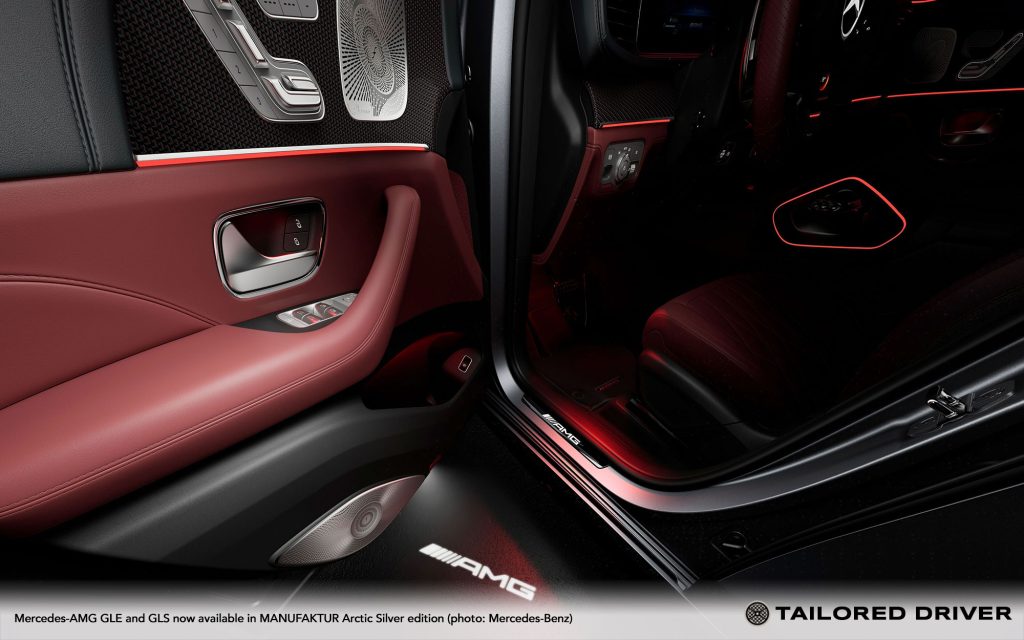
The black and red theme continues inside. AMG MANUFAKTUR Carmine Red and Black Exclusive Nappa Leather are the main focus, with rhombus quilting elements. Special MANUFAKTUR door sills with illuminated AMG logo, MABUFAKTUR rear seat headrests and special edition logo bright chrome letters on the passenger side.
A performance steering wheel in Carmine Red and AMG carbon decorative trim with red embroidery are components especially unique to these specials. AMG crests stamped on the front headrests and black AMG door sills with white illumination make it even more exclusive. Even the deep pile floor mats get red stitched AMG logos on black leather.
The market launch for the Arctic Special edition will be July 2025 and only 450 units will be offered worldwide.
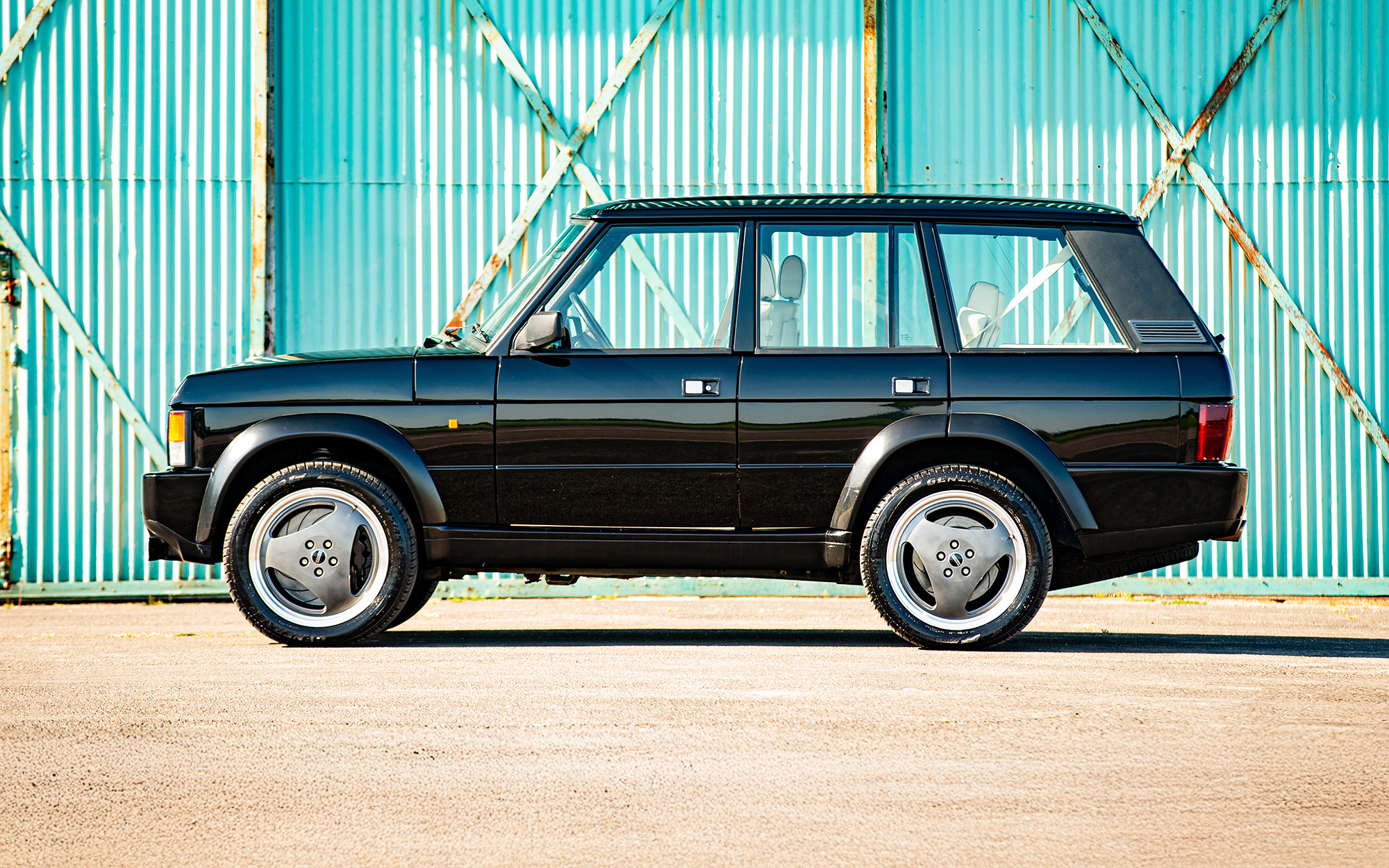
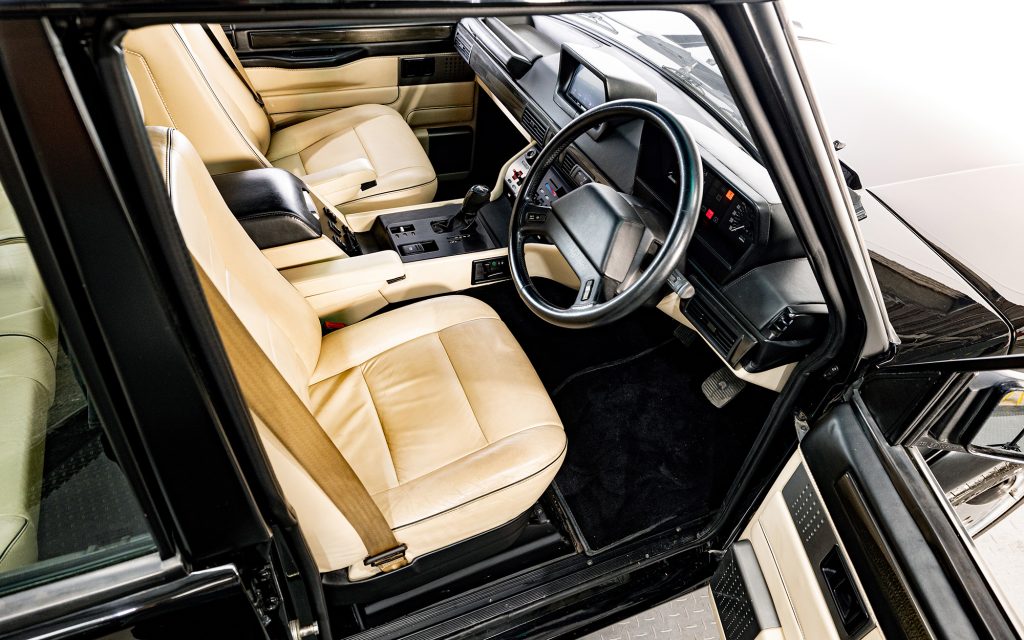
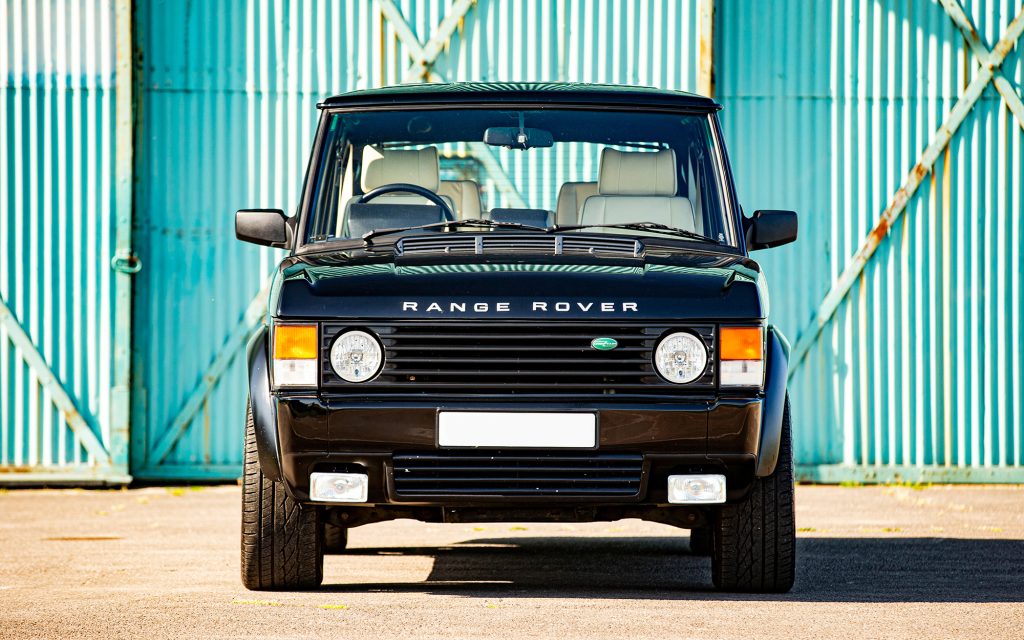
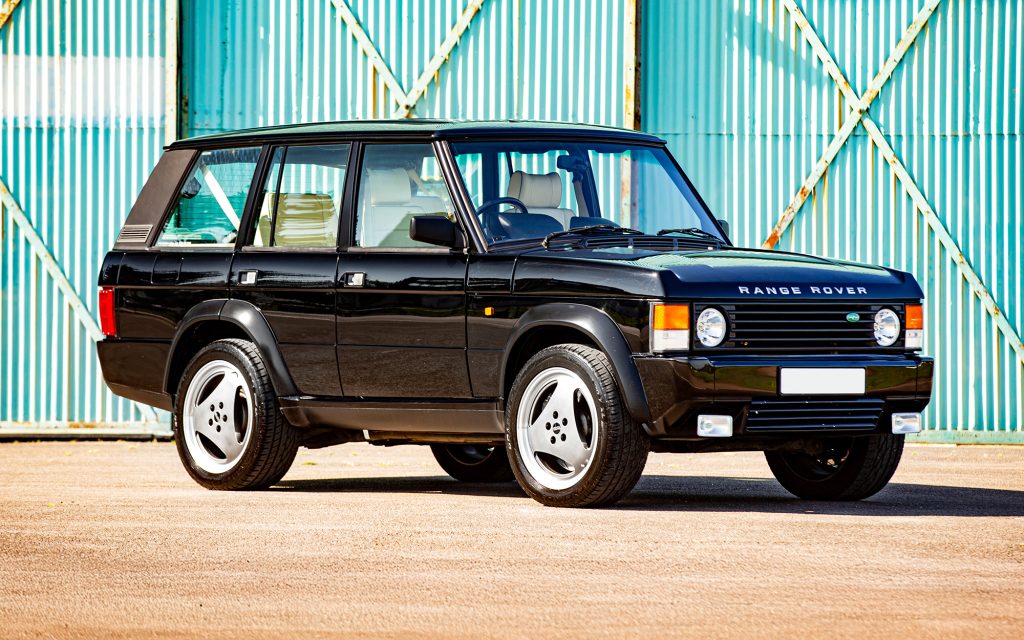
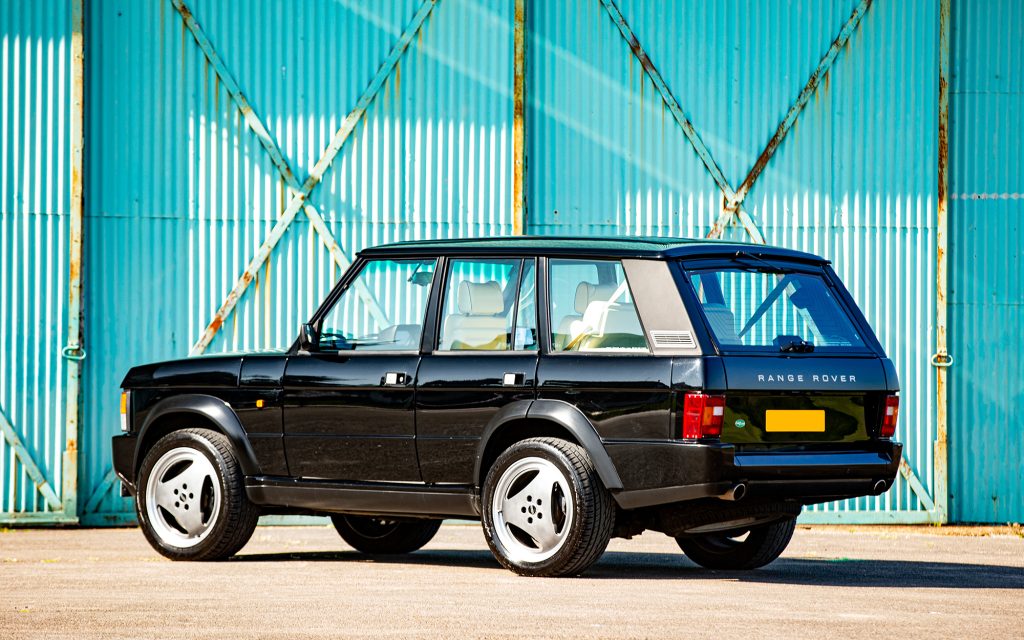
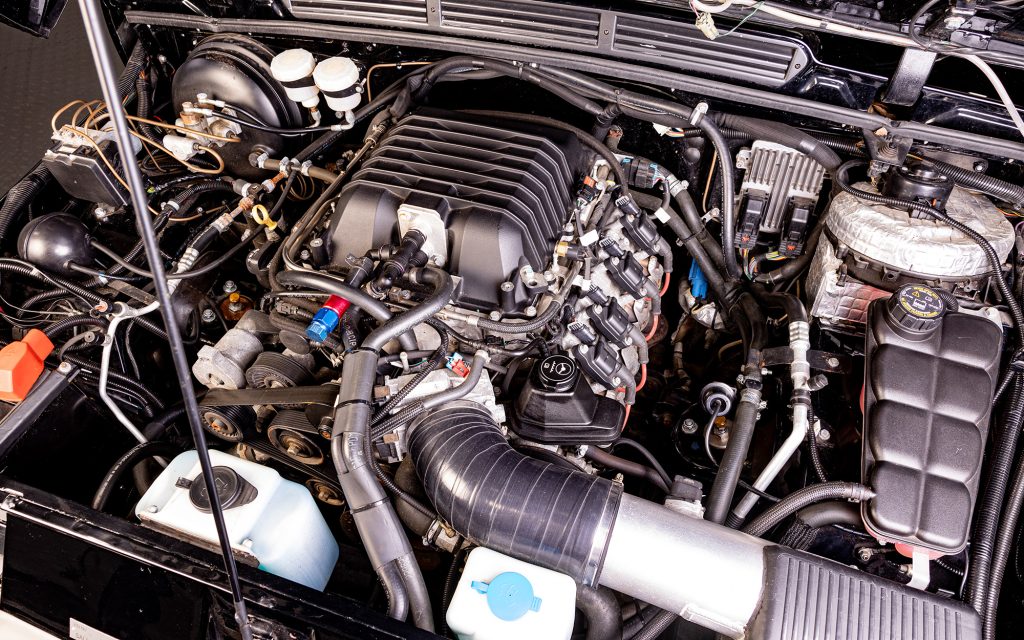
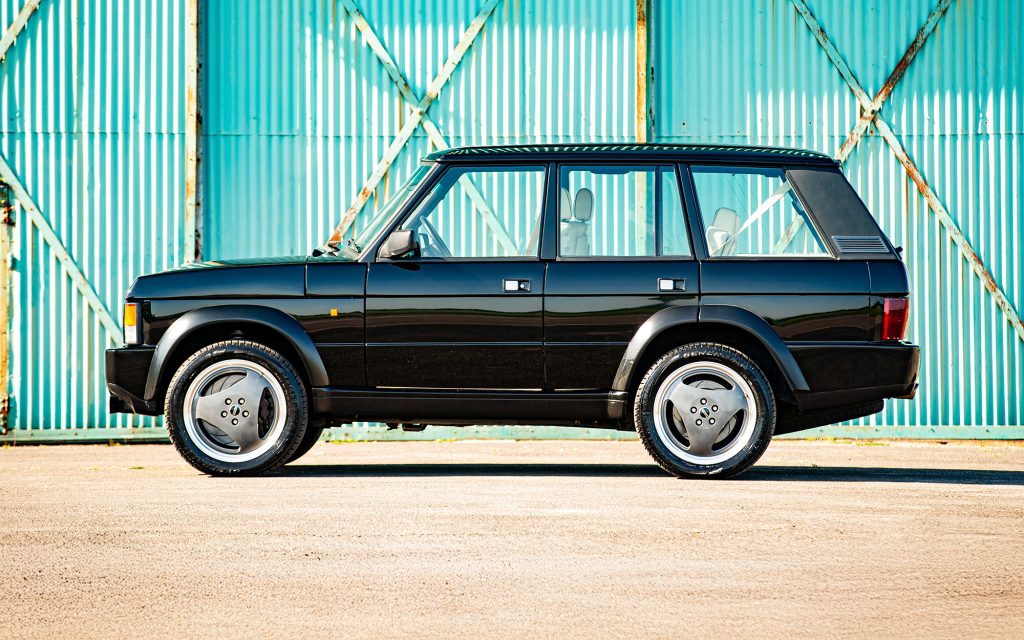
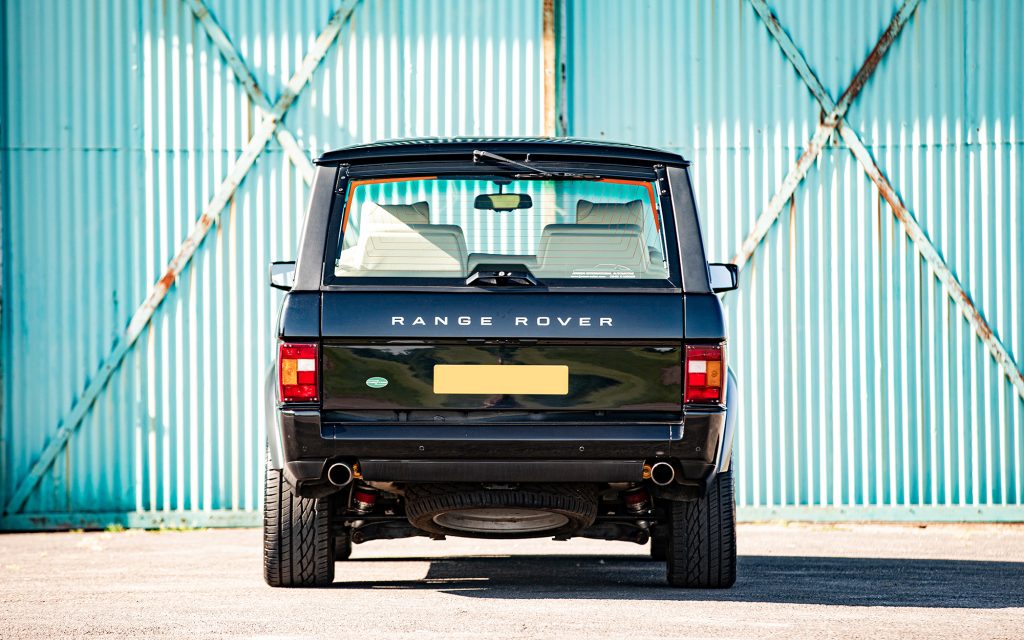
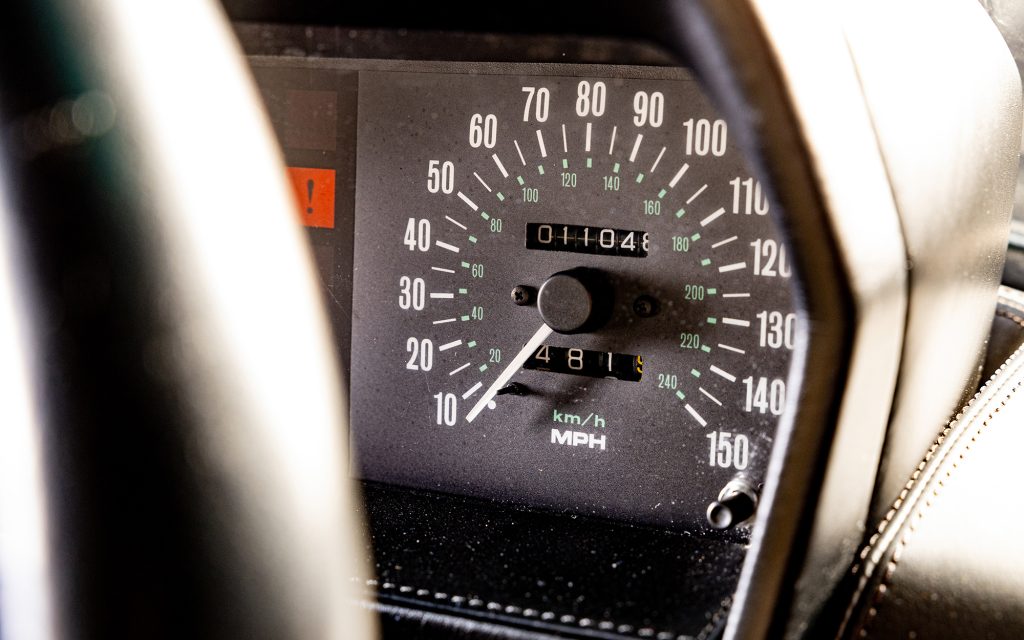
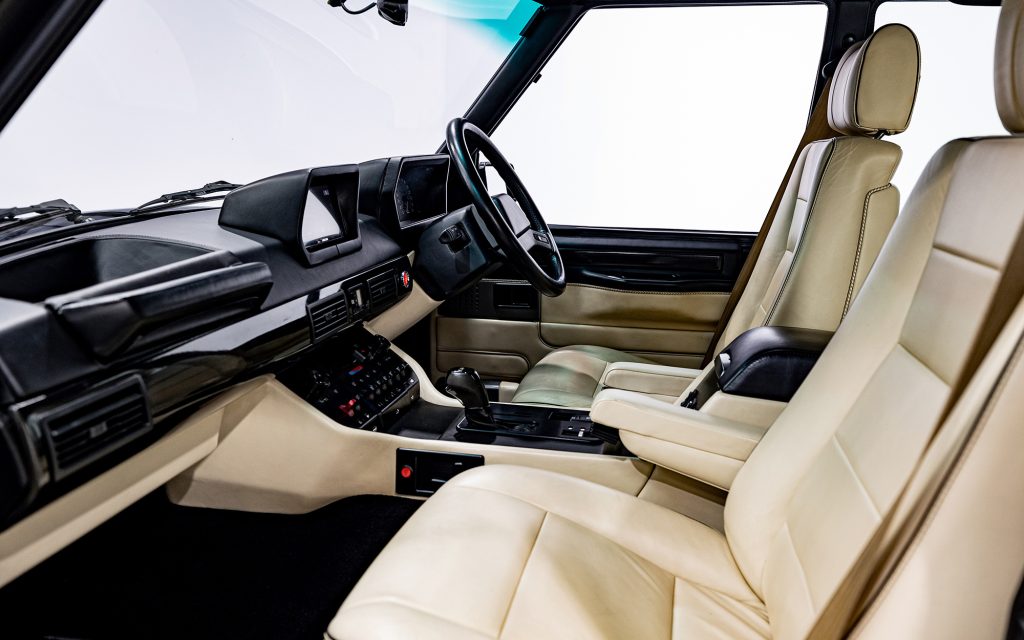
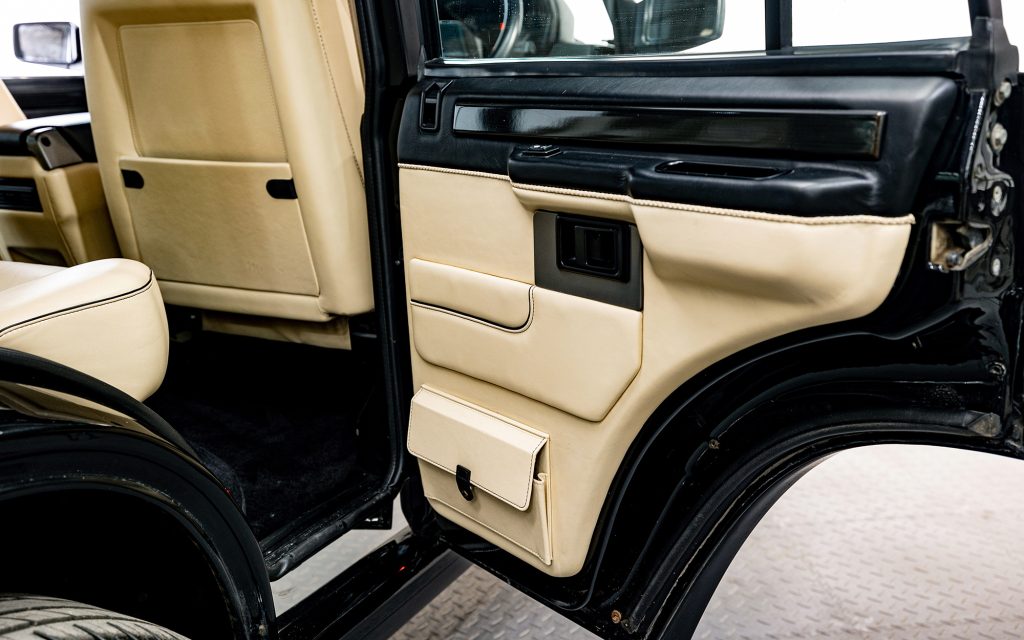
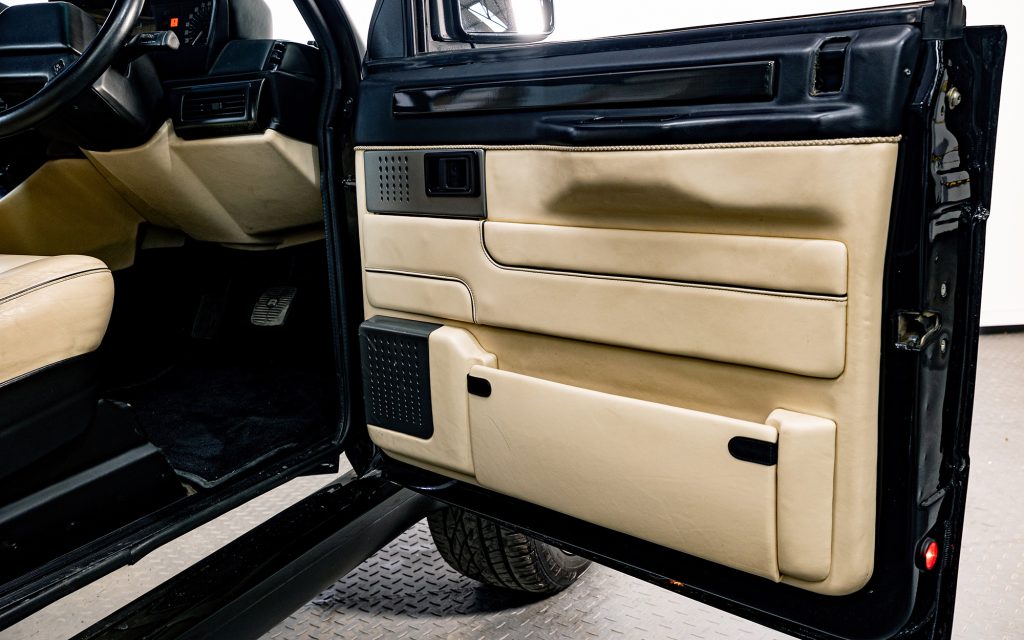
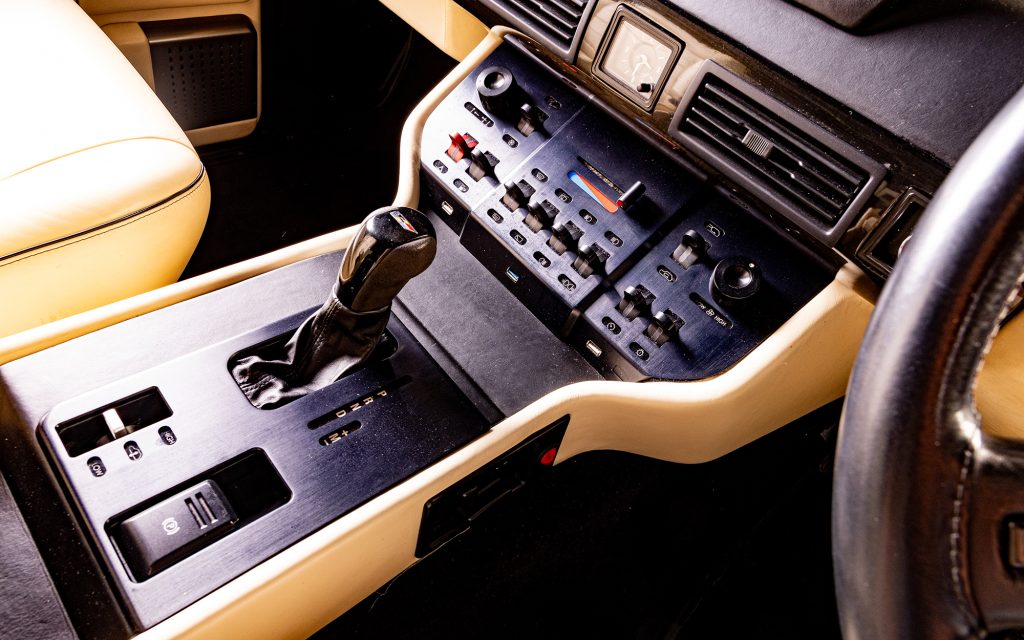
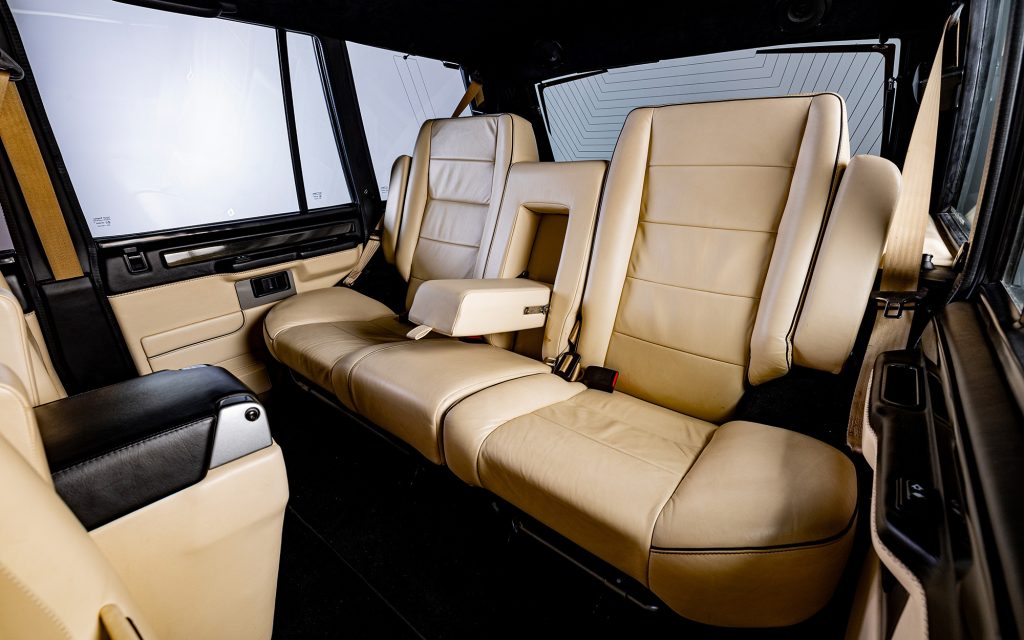
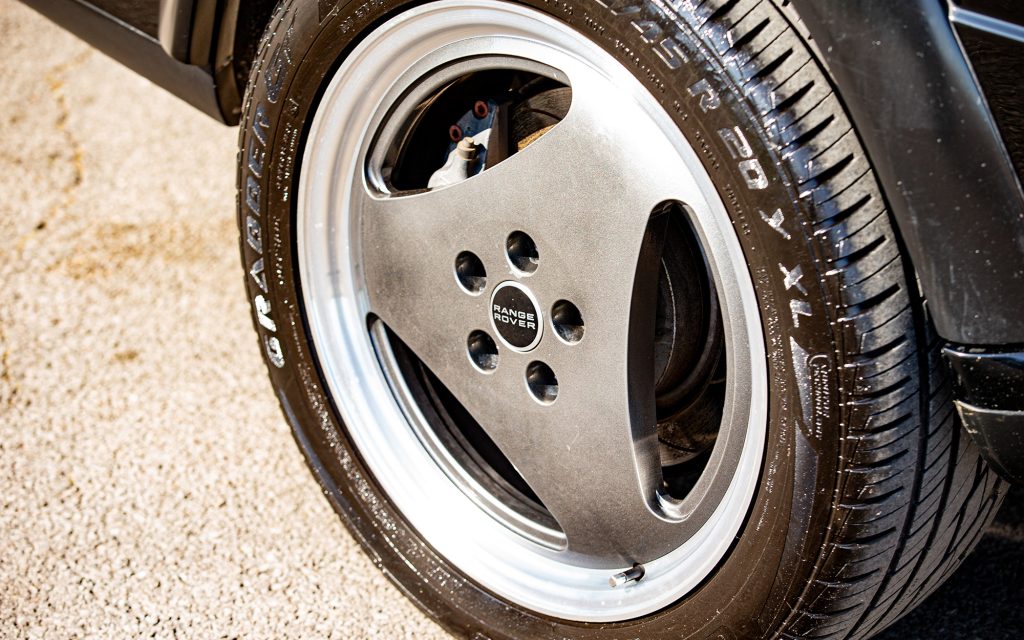
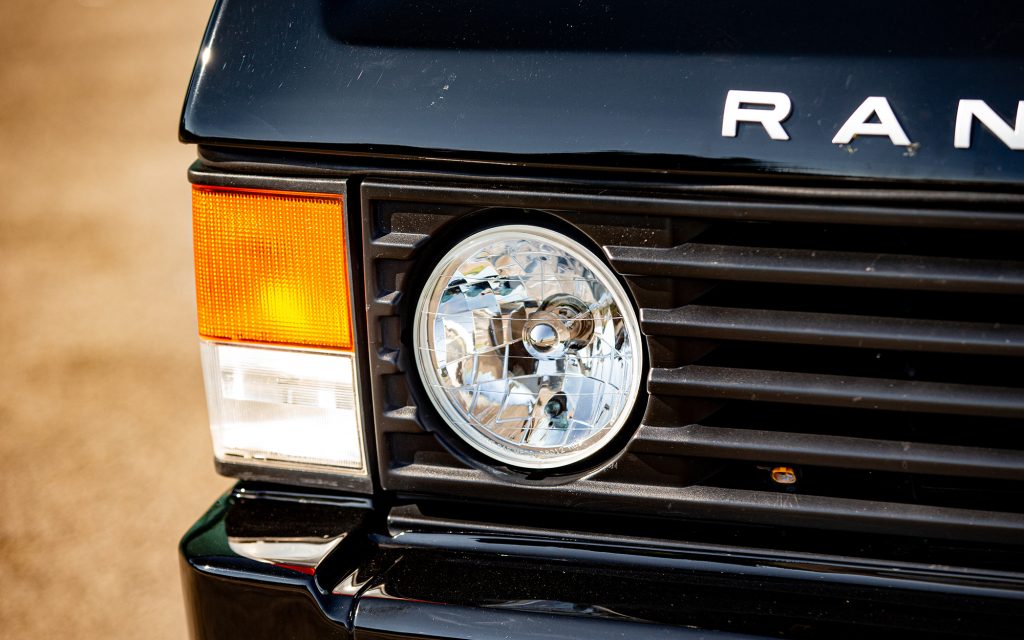
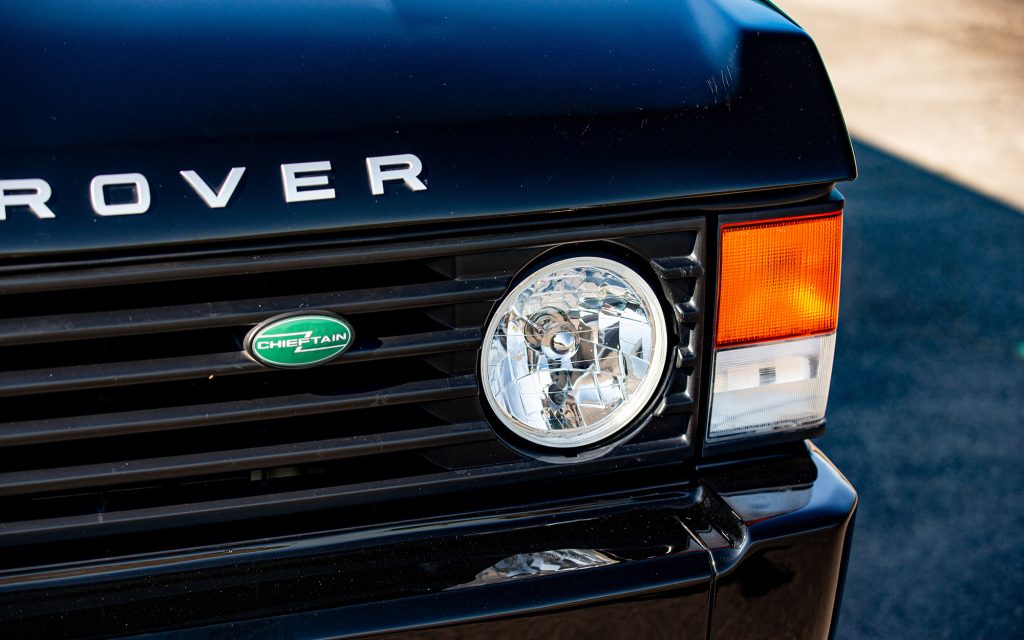
What: 2017 LAnd Rover Range Rover by Chieftain Color: Undisclosed Black Chassis: SALLAAA135A311116 Mileage: Undisclosed AuctionPrice Estimate: £80,000 – £120,000 GBP CarFax: N/A Window Sticker: N/A Location: Taplow, Berkshire, United Kingdom Sales listing:Link
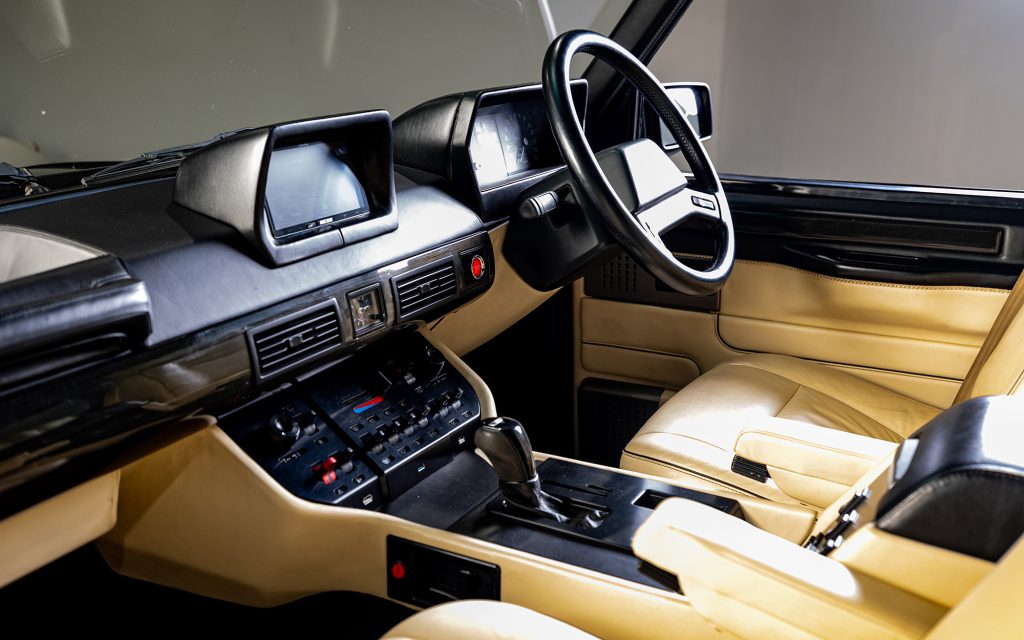
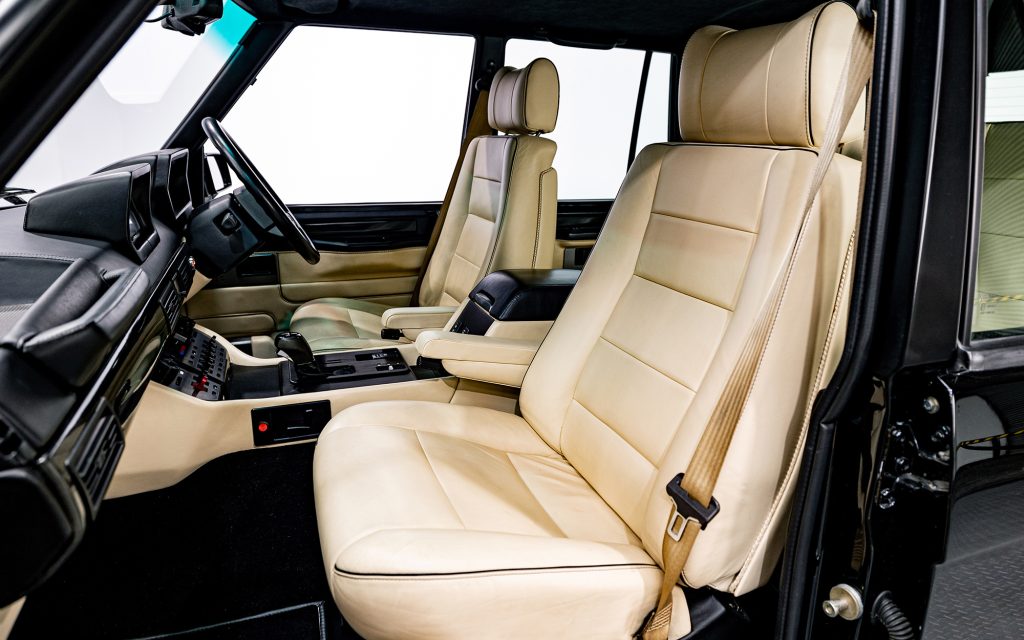
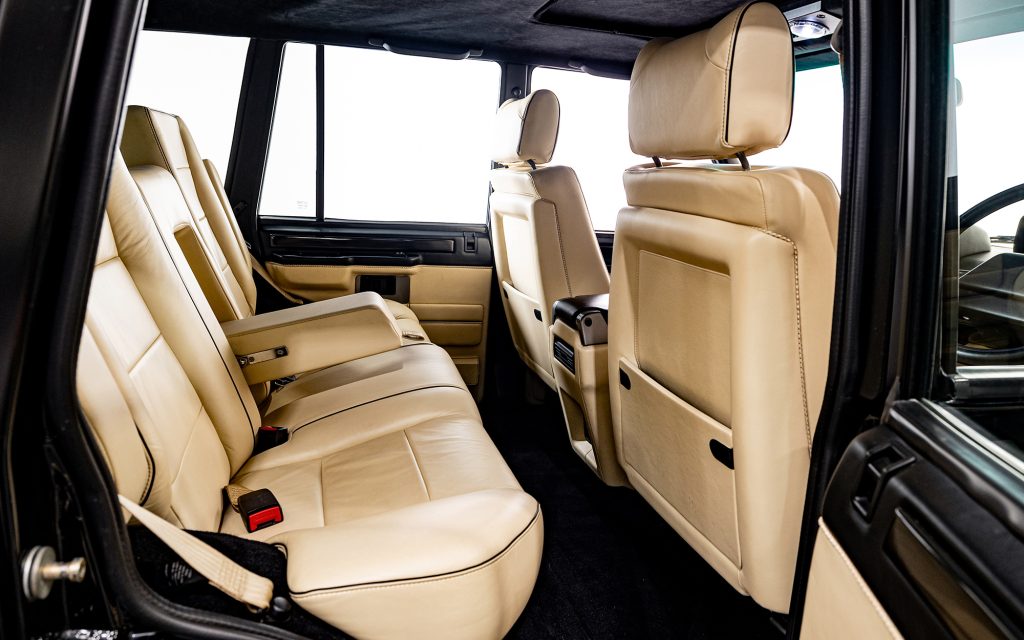
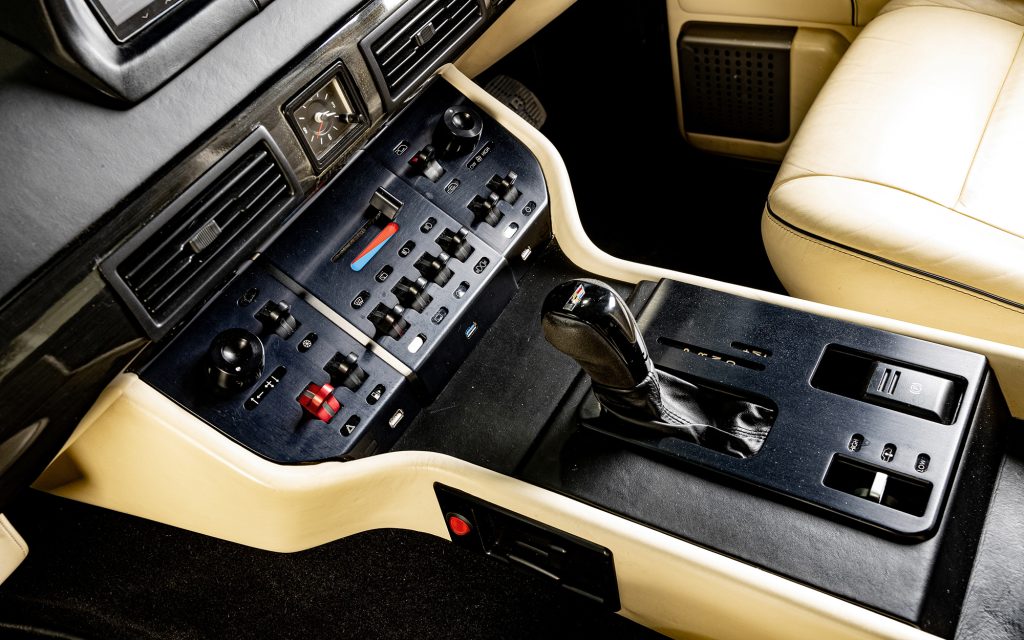
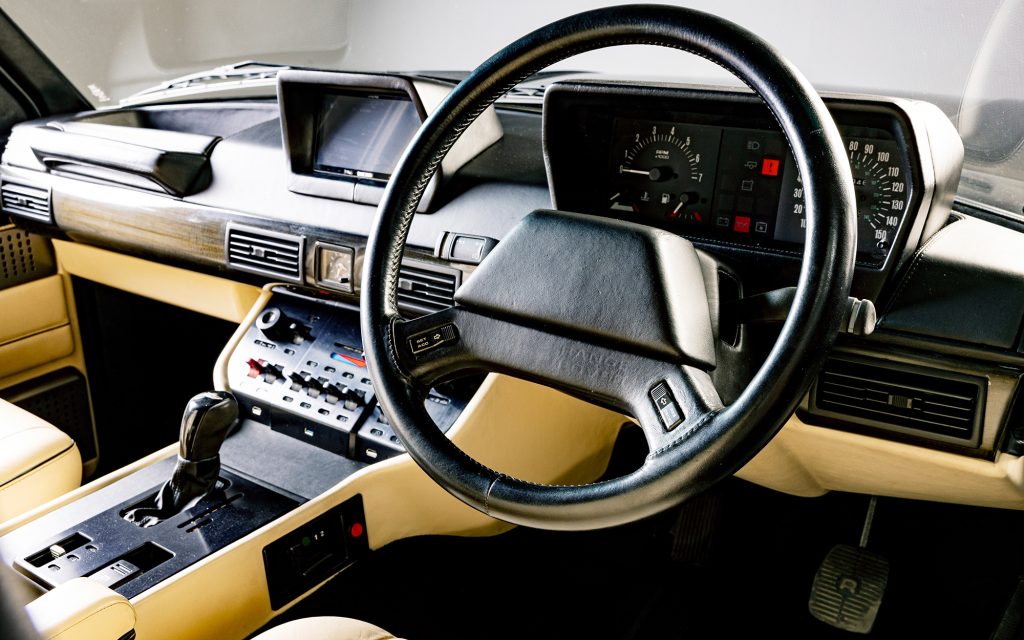
Fancy yourself a modernized Range Rover Classic? Then the car you see here may be the perfect answer. Yes, we all know they didn’t build Range Rover Classics in 2017, but this one’s been built on a Discovery 3 chassis.
The truck you see here was built by Chieftain as a reimagining of the classic, one of the first examples built by the firm and used as a demonstrator, appearing in multiple magazine stories and company promotional materials. From there it was sold from JIA Ltd—parent company of Chieftain to its current owner in July 2020.
The colors and miles aren’t in the listing by RM, but we’d be surprised if they can’t provide that for you.
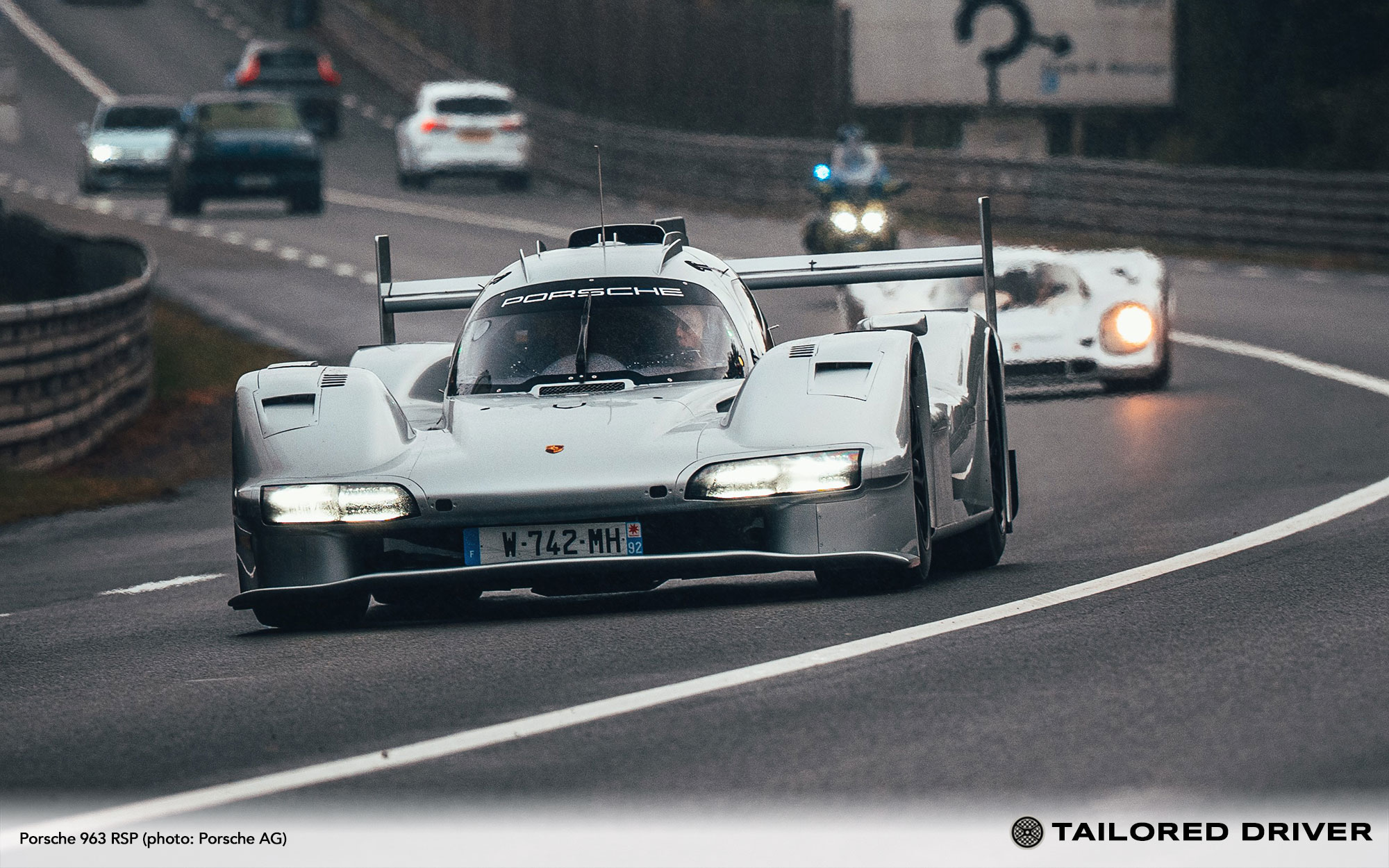
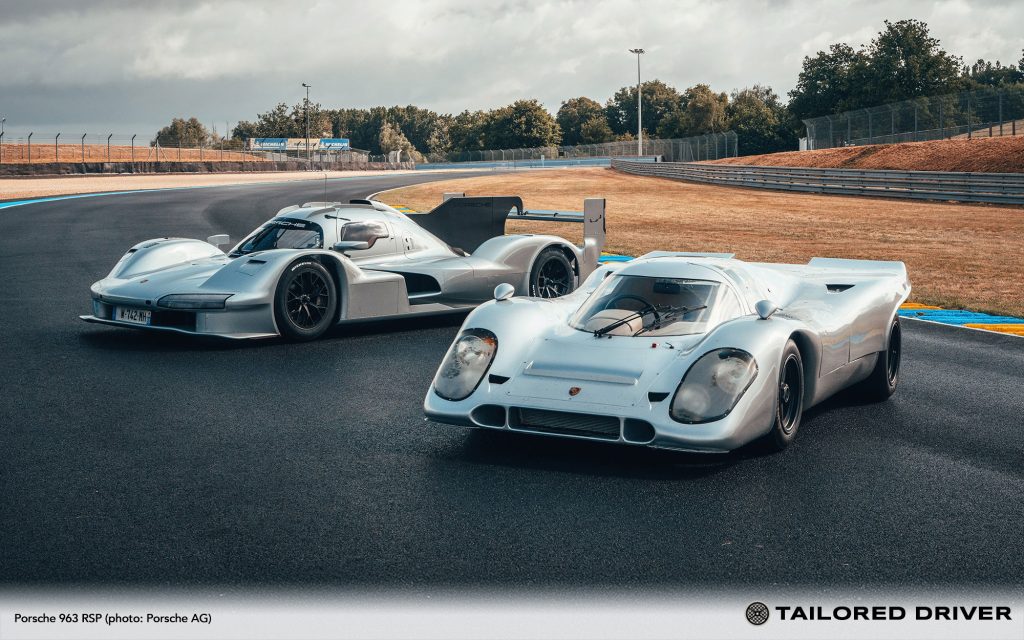
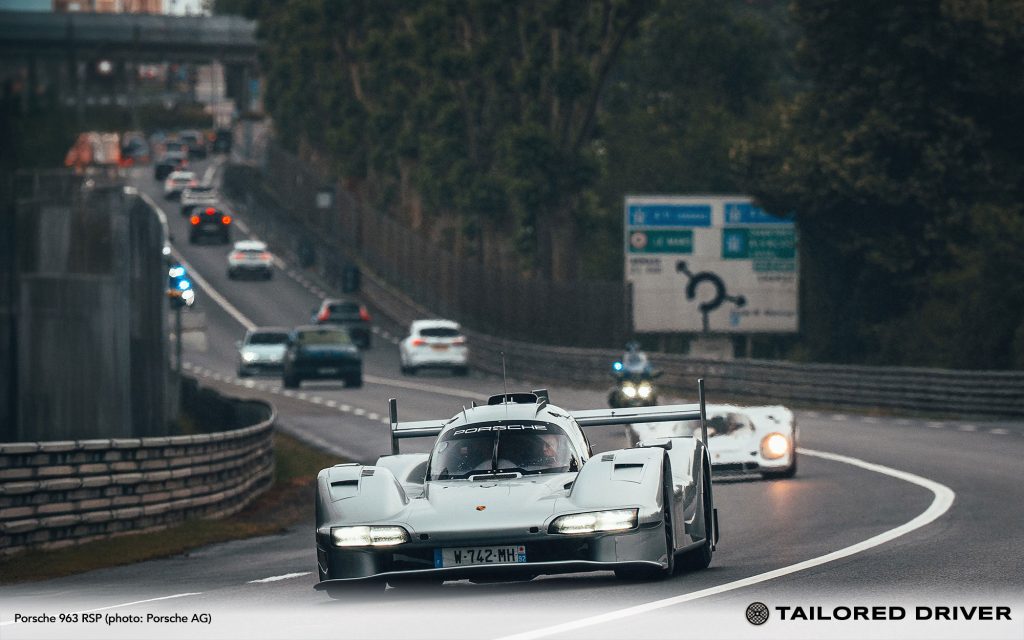
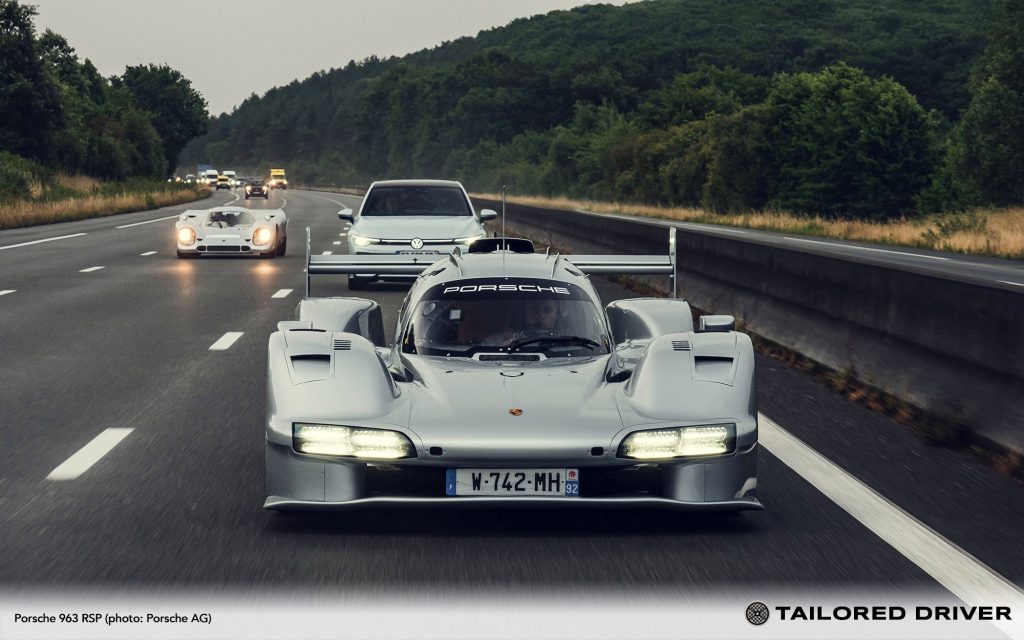
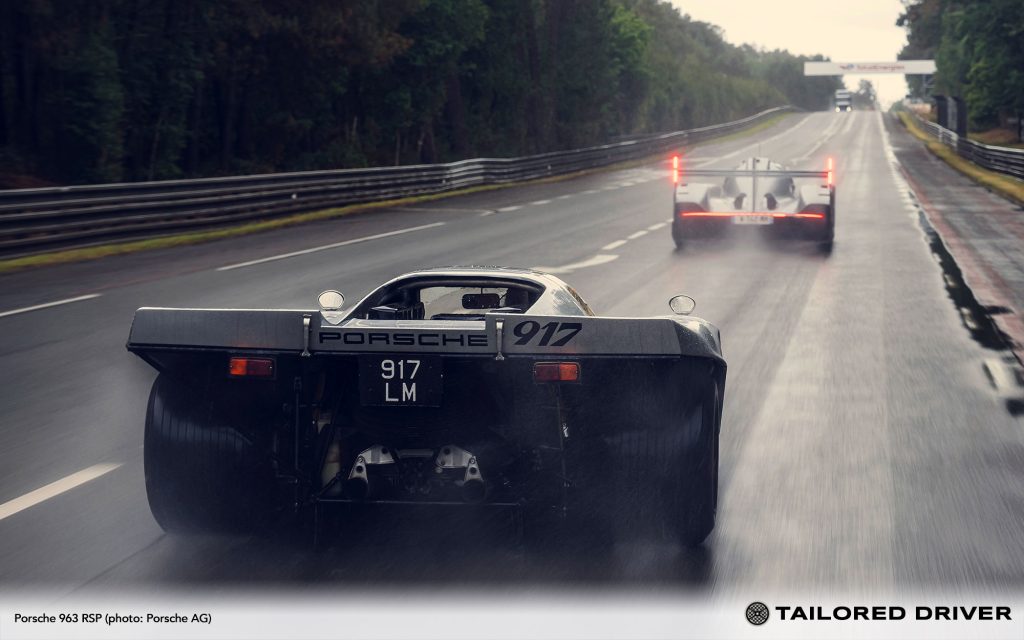
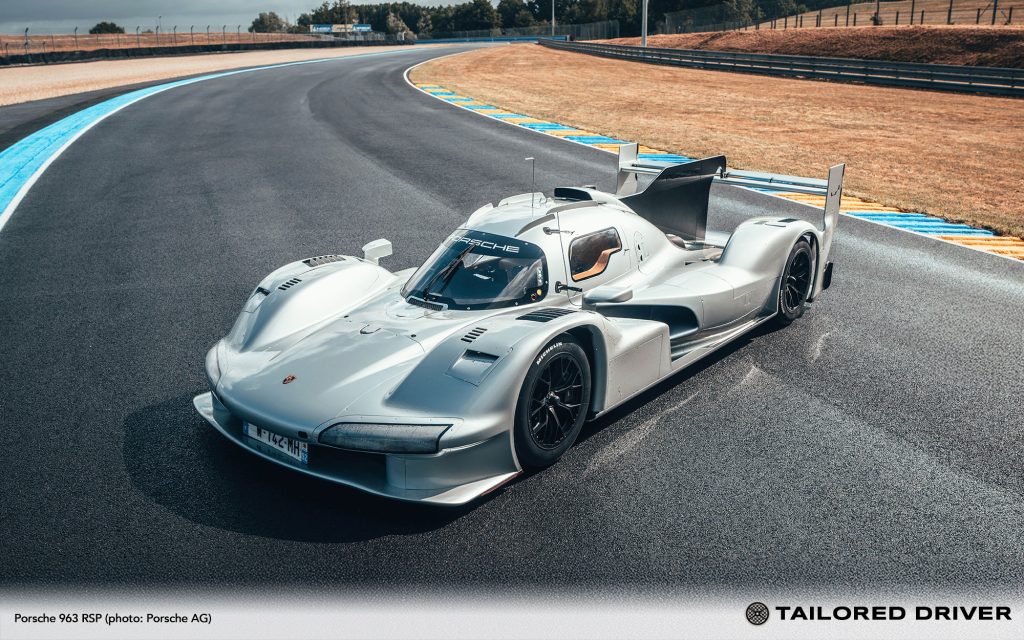
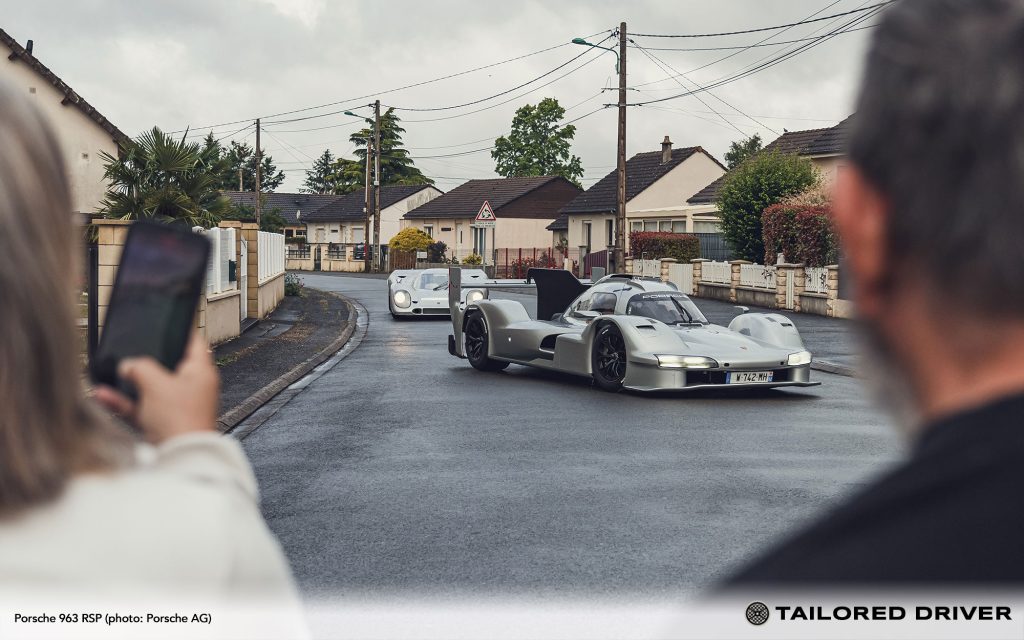
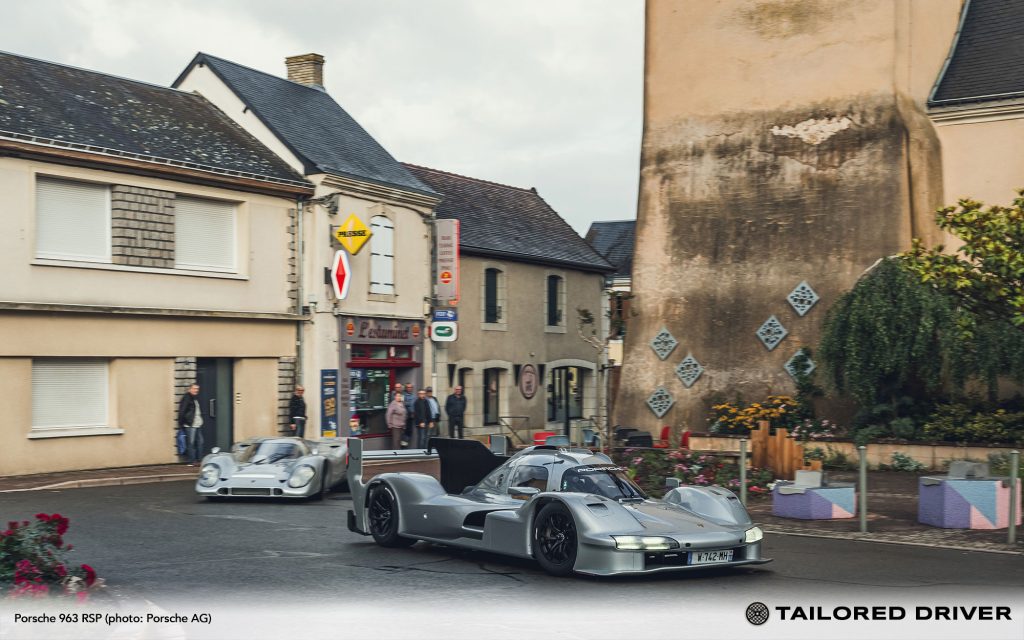
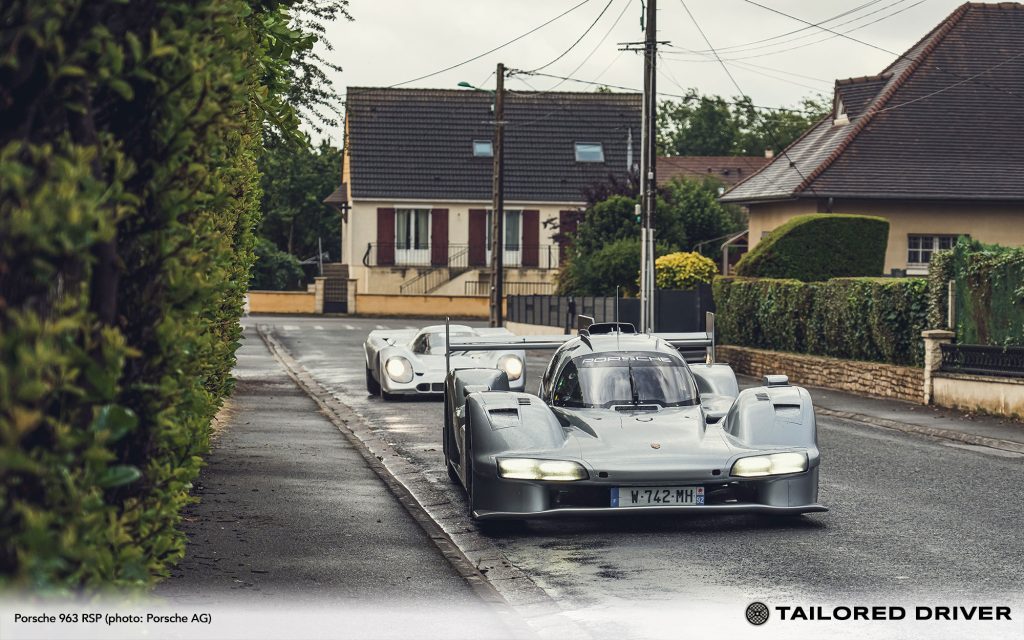
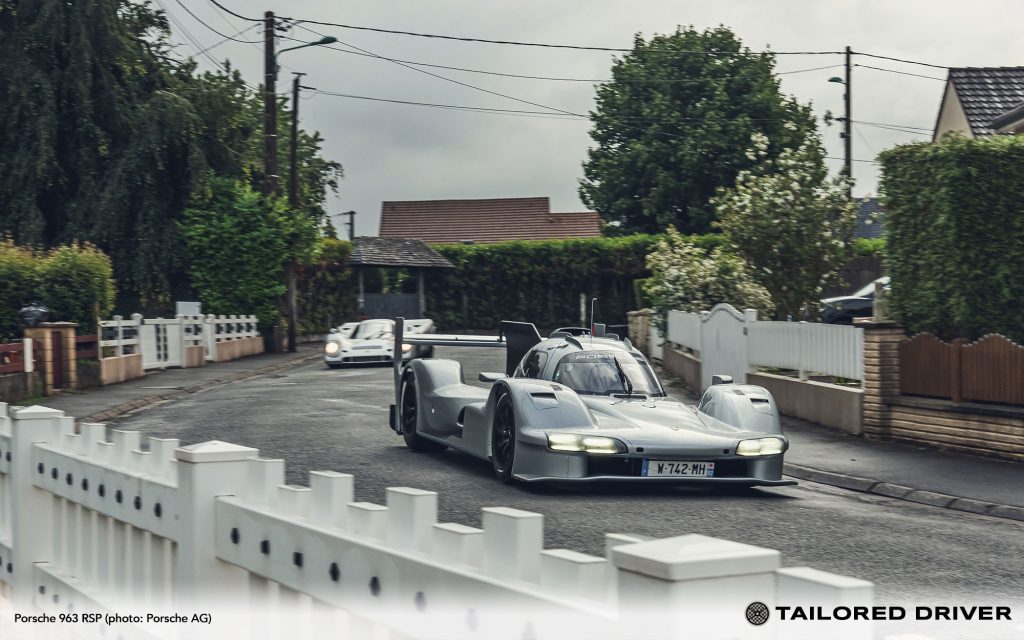
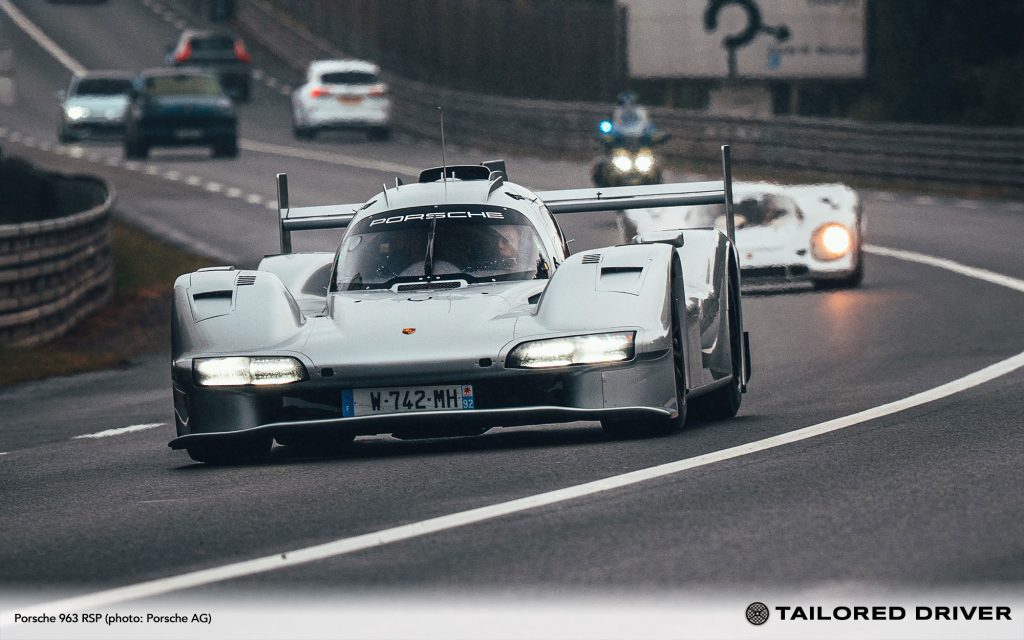
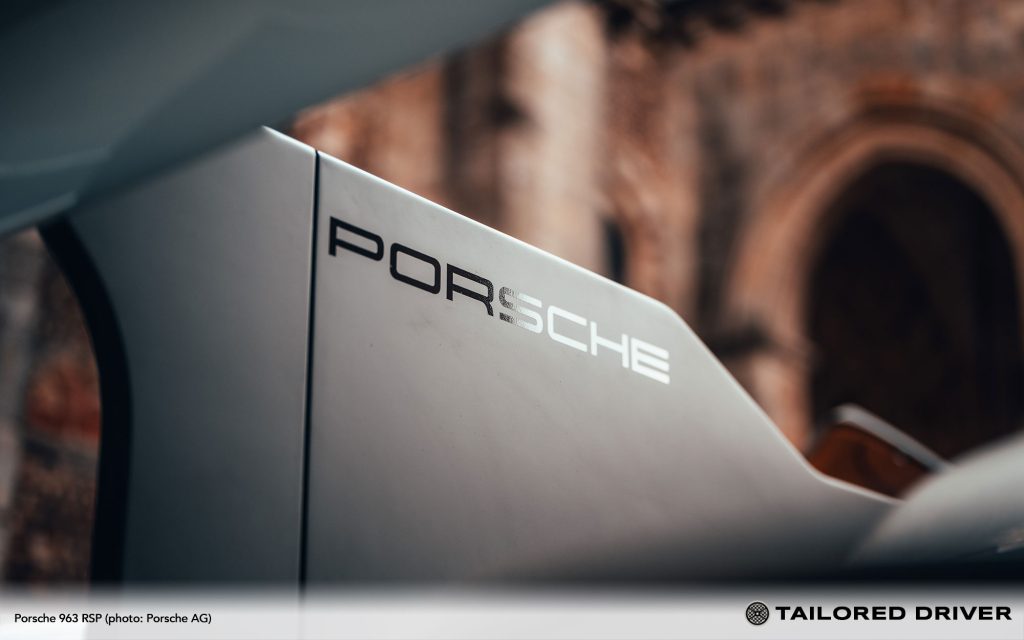
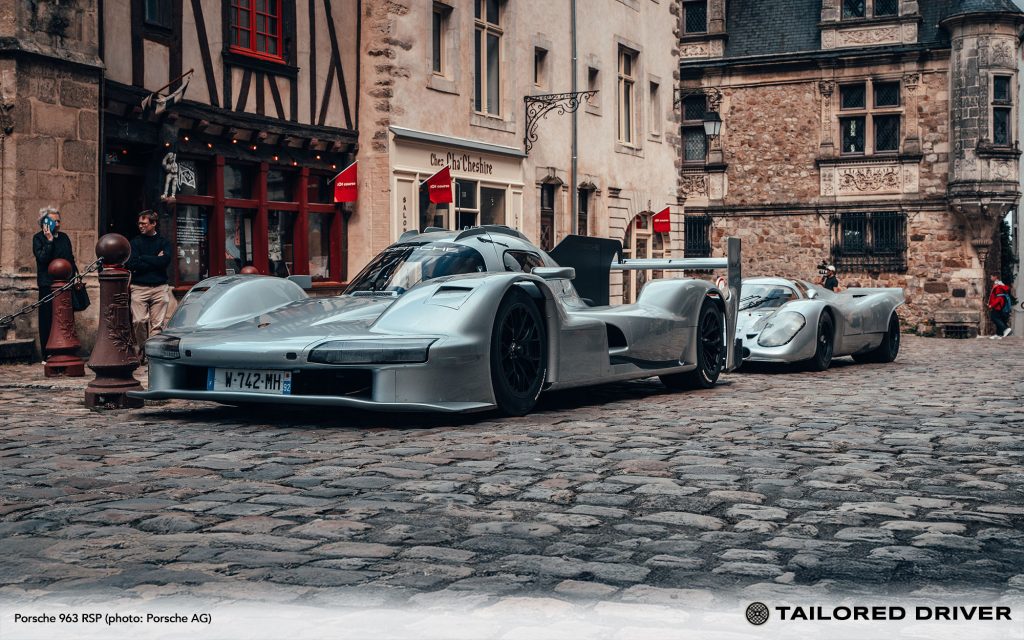
Today marks the first day of scrutineering for the 2025 24 Hours of Le Mans, which is effectively the first day in more than a week of race activities. Porsche chose to celebrate its annual return to La Sarthe by celebrating a cool anniversary and building something very special. The net result is something very, very cool, a tribute to Roger Penske and a one hell of a flex for the brand’s Sonderwunsch department.
If you follow IMSA or FIA WEC sportscar racing, you likely know that the Porsche 963 is a racing car of the sports prototype variety that races in the Hypercar class at Le Mans and the GTP class in IMSA. Effectively, this is today’s naming convention for the top class, and it’s in this category that the greatest manufacturers fight for an all-out win.
Though the name of the class changes over the years, this is top-tier racing at Le Mans, a point Porsche can both point back to with authority. For Porsche, the story of outright wins begins in 1970 with the Piëch family-backed Porsche Salzburg-backed 917K. They’d win again in 1972, this time by Martini Racing.
Those would be the only wins for the 917, because the car was banned from racing at Le Mans largely due to its dominance. Even still, it was the unequivocal star of Le Mans quite literally, capturing the imaginations of racing fans the world because it also starred in the 1971 movie Le Mans starring Steve McQueen.
By 1975 the car had been dually retired. Following Le Mans it had been evolved as an open-top prototype for racing in the North American CAN-AM series and Europe’s Interserie, but at this point it was a legend without a home. Given the circumstances, what happened next is truly remarkable and something for which Porsche is truly one of the few factories that could have pulled it off. And, this isn’t the first time.
Martini Flex, the 917 KH of 1975
Flight of fancy may be an understatement, but when you have gargantuan resources and a strong association with racing, living a fantasy while promoting what you do isn’t such a bad mix. The car was 917 chassis #30, a car that had been originally raced in period. The man was an Italian businessman Martine heir Gregorio Rossi di Montelera – known more commonly as “Count Rossi”, a renowned powerboat racer, bobsledder and Porsche enthusiast. And yes, when we think of the Martini & Rossi sponsored Martini Racing, he was that Rossi.
In 1975, the car had returned to the factory much as some owners today send their old cars to Porsche Classic department for restoration or the brand’s fantastical Sonderwunsch department for other upgrades of their choosing.
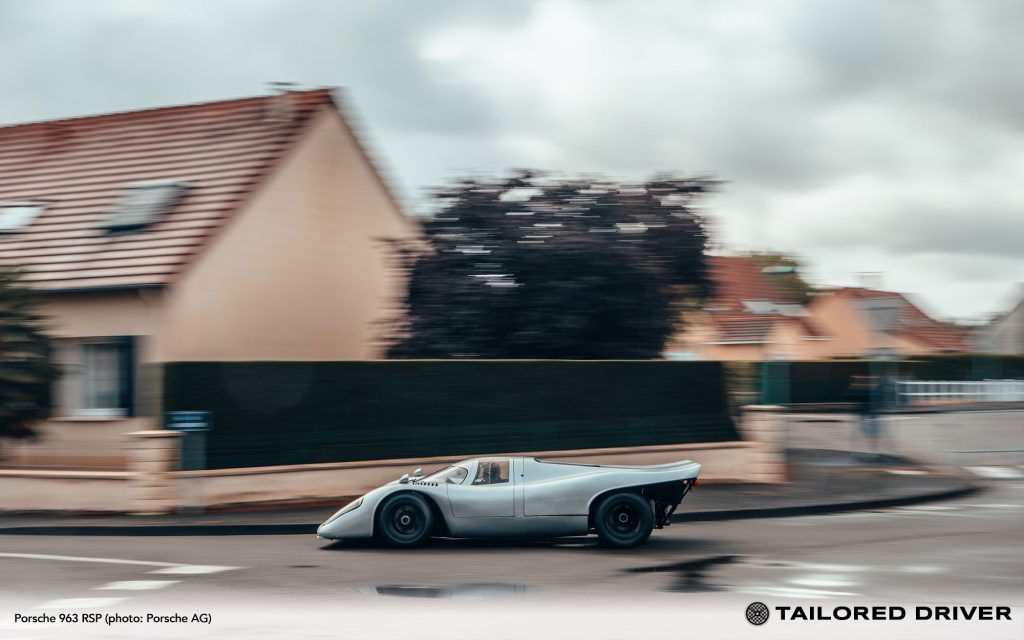
In the 917’s case, it was finished in Martini Silver, and fitted with a set of “rudimentary exhaust mufflers”, additional rearview mirrors, side indicators and other road car kit… like a horn. It carried the requisite spare tire beneath the rear clamshell, while inside two seats were re-skinned in tan Hermès leather with additional surfaces, doors, dashboard and roof lining in suede. Other cues from the racecar such as the balsa wood shift knob and drilled key were retained. Finally, the car was registered by Count Rossi in Alabama, presumably due to the more liberal registration requirements of this American state.
When the car first rolled out as a road car from the Porsche factory in Stuttgart, Rossi set out in the direction of France. His destination was Paris, several hundred miles away. In making the trip, Rossi and his 917 became the stuff of legends. That particular 917 KH is now registered in the UK, though is kept in the south of France where the current owner enjoys it with regularity.
Next Up, the Porsche 963 RSP
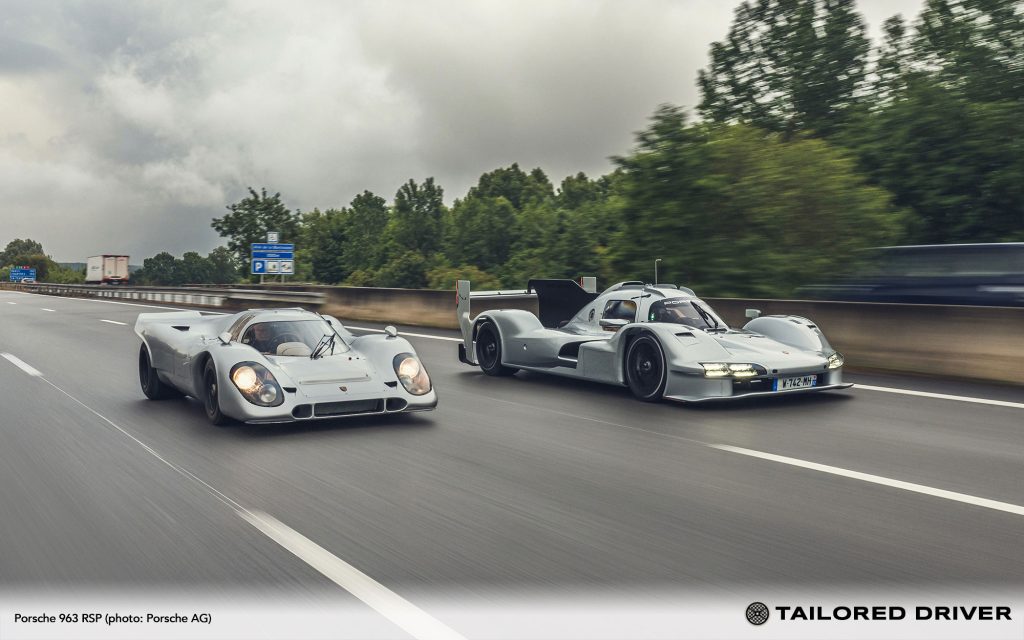
“This really started out as a “what if?” – a passion project by a small team of enthusiasts at Penske and at Porsche who together imagined a version of the 963 that really resembled as closely as possible the spirit and appearance of the Count Rossi 917,” state Porsche Cars North America President and CEO Timo Resch. The idea is credited to Resch. “The 917 from the story was every inch a race car – albeit one driven on the road – and we took the same approach with the 963 RSP. It uses beautiful materials of the best quality available, but is still every bit a race car underneath.”
Though the Porsche 963 hasn’t yet logged a 24 Hours of Le Mans victory since its debut in 2023, it’s been doing just fine outside of La Sarthe, logging championships in IMSA and the WEC at the hands of Penske Racing. And as Porsche Motorsport arrives in Le Mans ready to further build upon its record on this hallowed ground, the 963 RSP has been revealed – a tribute to the 917 KH that’s now 50 years old.
The car is the result of a collaboration between Porsche AG, Porsche Penske Motorsport and Porsche Cars North America. Like Count Rossi with the 917, Penske founder and owner Roger Penske just happens to have the same initials as the car’s designation “RSP” – not a coincidence.
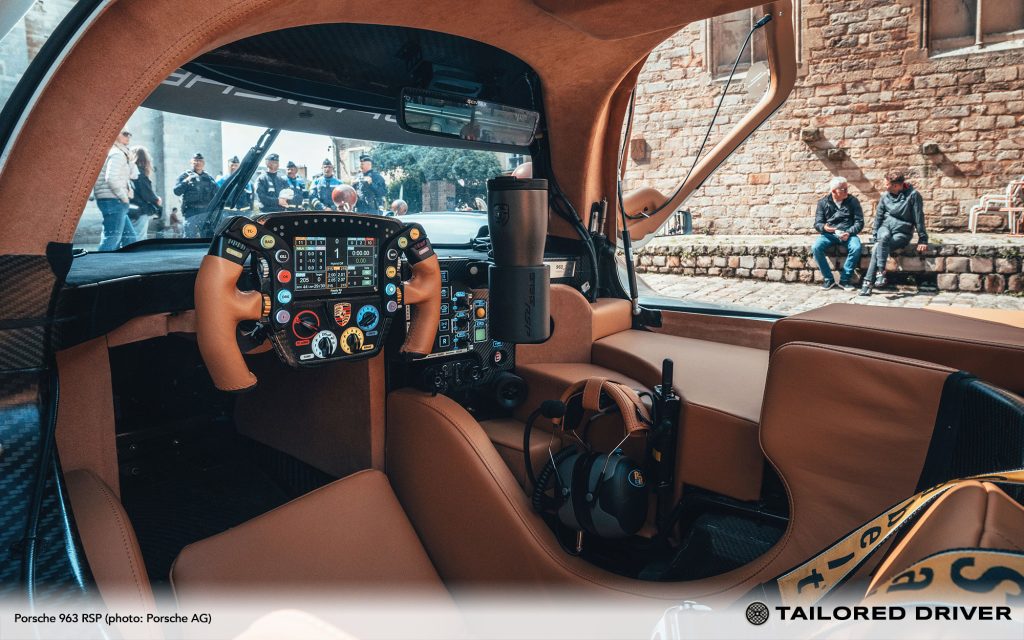
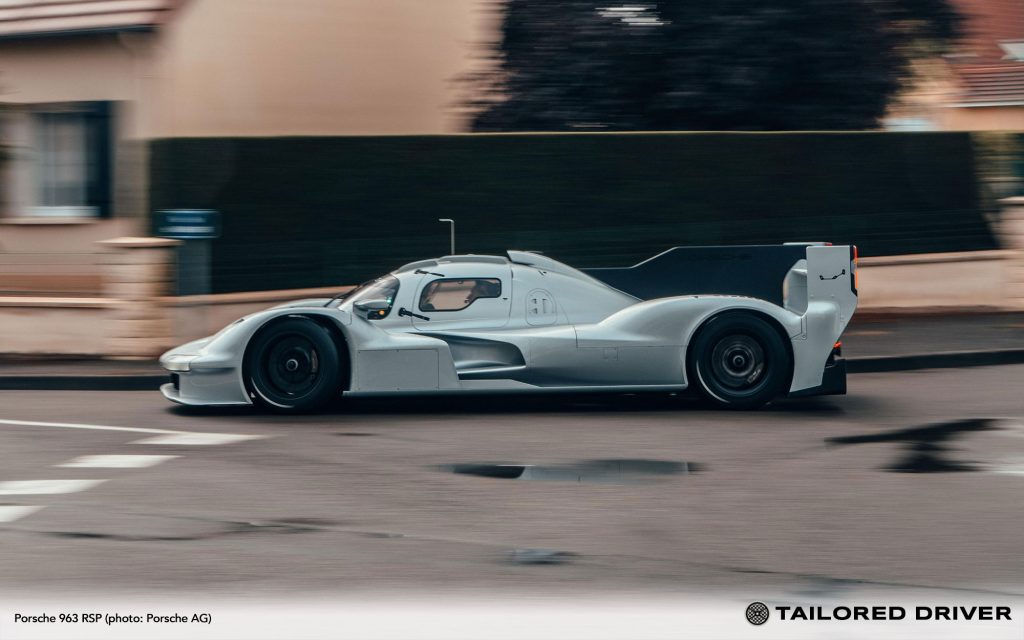
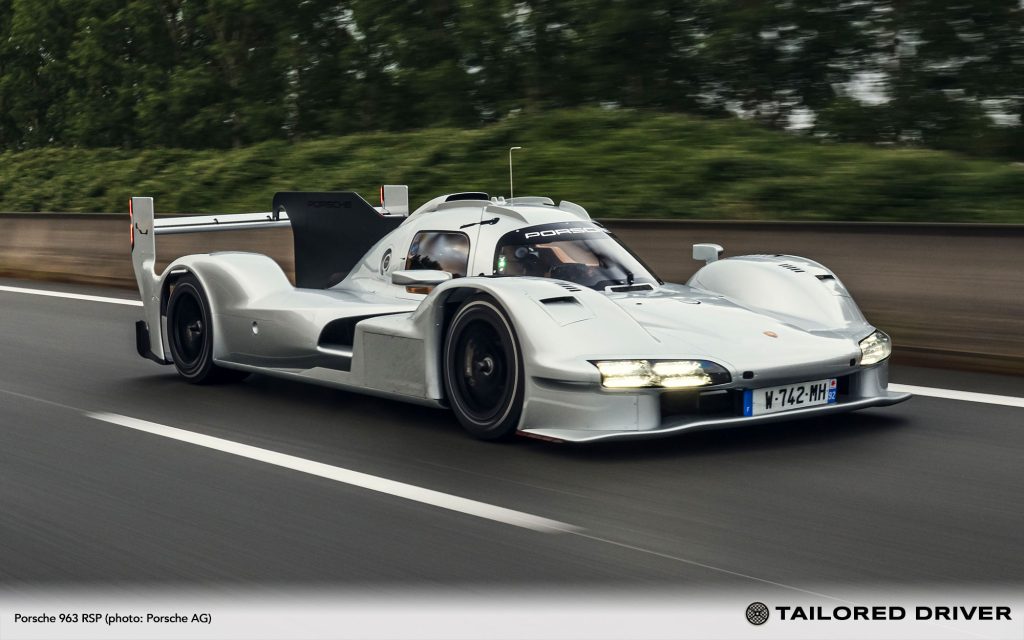
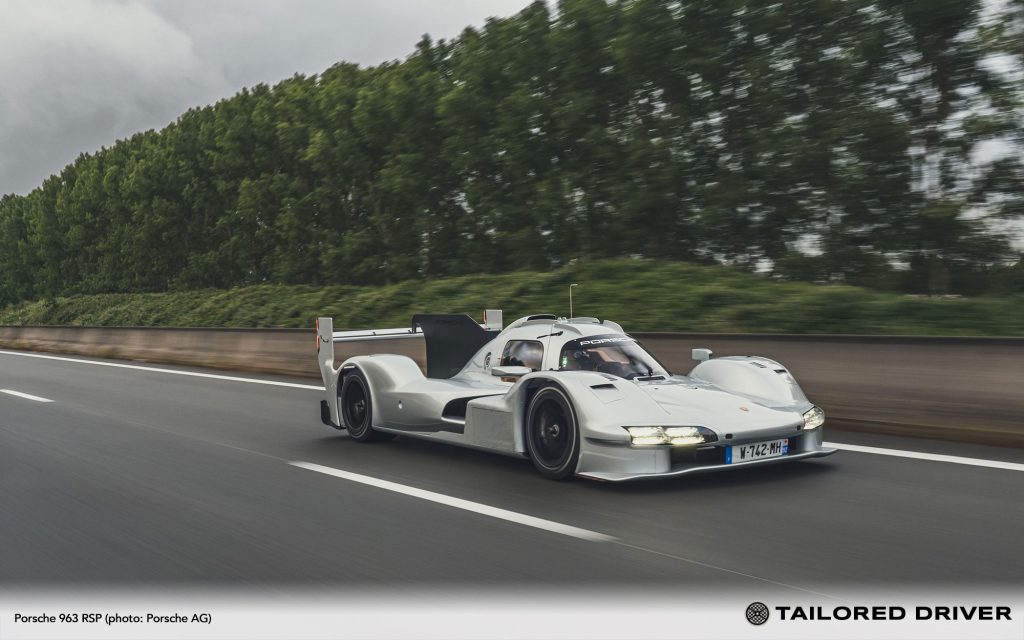
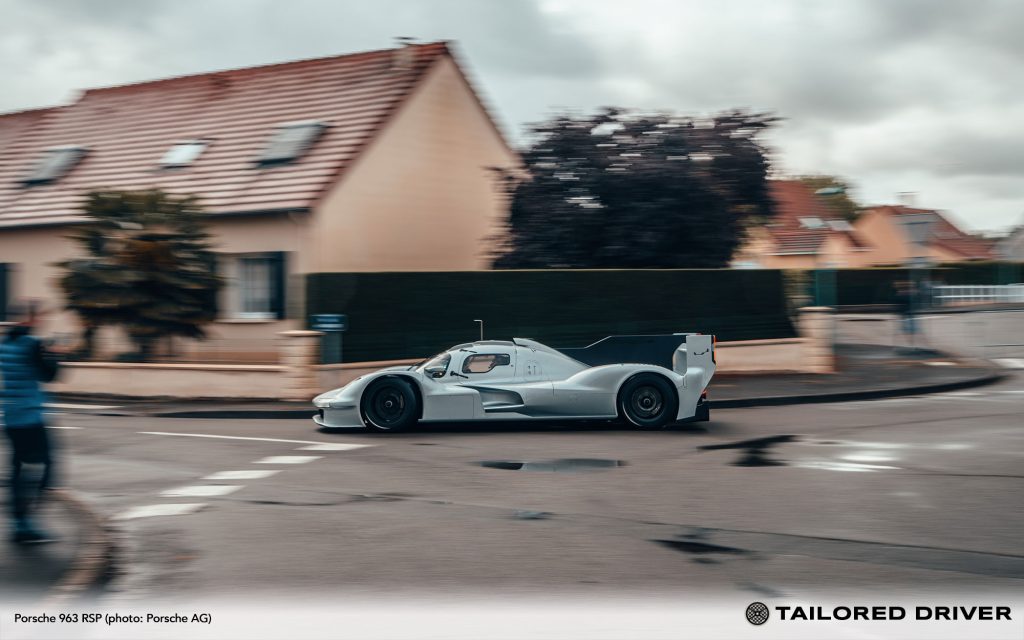
As you might expect, this isn’t just a matter of applying silver metallic paint over the 963’s bodywork though even that is a surprisingly complex change. The competition 963 always gets wrapped in a vinyl livery, so the thin carbon and Kevlar bodywork presents challenges that required some modifications before the Martini Silver paint chosen as a tribute to the 917 could be applied. Inside, the 963 has been fitted with tan leather and Alcantara, again inspired by the Count Rossi car.
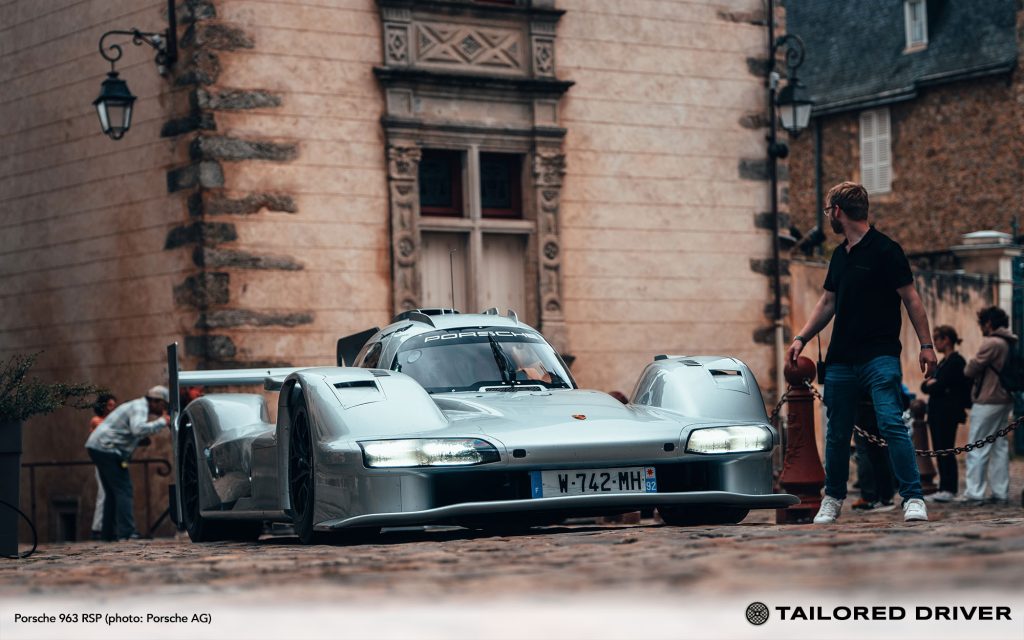
Other mechanical changes were needed to make the car road worthy. This includes raised ride height, softened dampers and reprogrammed control unit so as to allow the headlights and taillight to operate like those of a road car. Other bodyworks changes were made to properly cover the wheel arches, while a set of Michelin wet weather compound tires with tread qualifies for road use, and of course like the 917 it needed a horn.
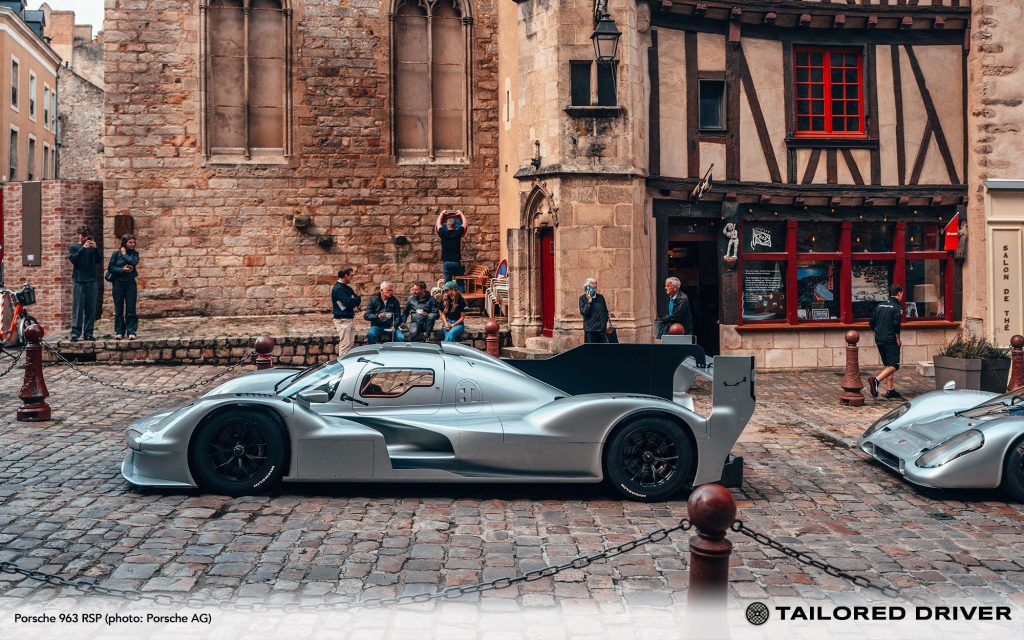
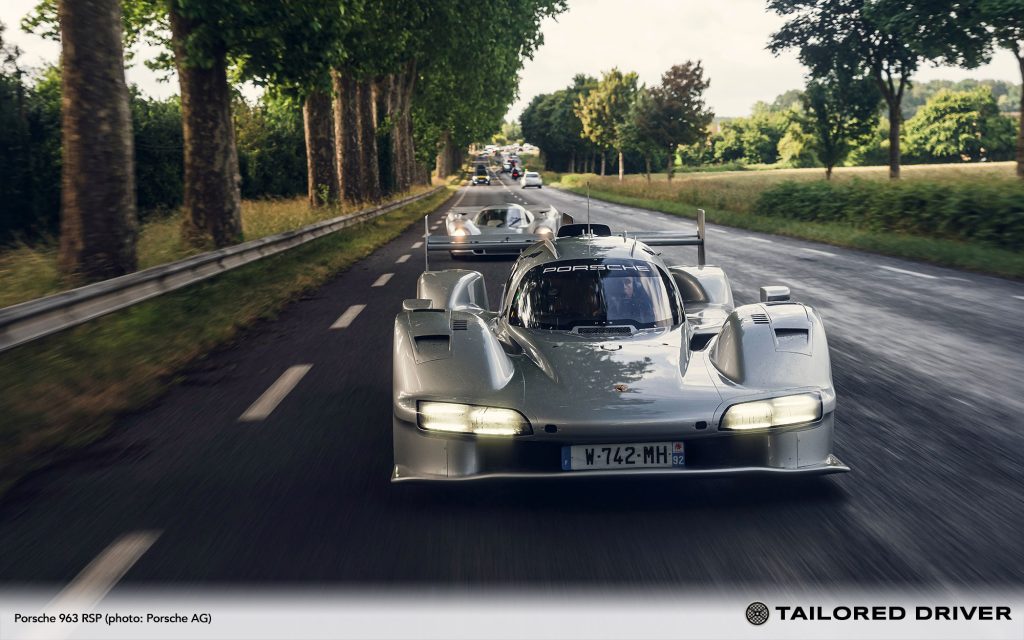
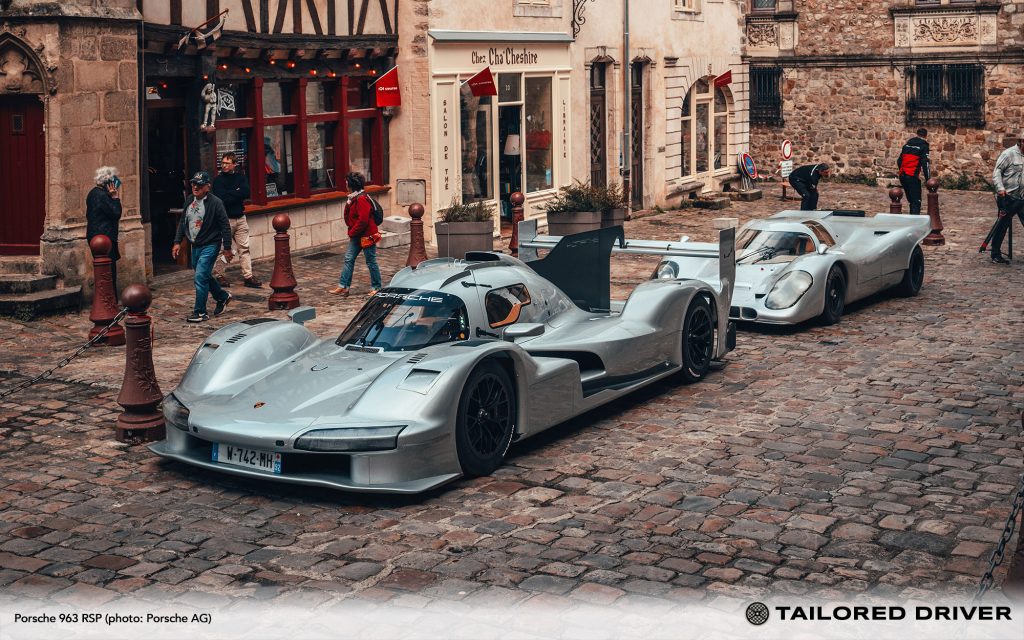
With these changes completed, the car met the necessary requirements to be allowed to wear registration plates under special permission from the French authorities. For the 963, there was no need to ring up the Alabama’s D.O.T. and the 963 was allowed to debut on the streets around Le Mans to the delight of the Automobile Club de l’Ouest (ACO) that runs Le Mans and no doubt every other racing enthusiast who caught it driving by.
“That was an experience that will stay with me for a lifetime,” said Timo Bernhard, who piloted the 963 RSP for the debut. “Driving down a public road with a 917 beside me – it felt unreal. The car behaved perfectly – it felt a little friendlier and more forgiving than the normal 963 – and felt super special and a lot more comfortable, especially as I was not needing all my safety gear.”
“We have enjoyed a terrific relationship with Porsche dating back to 1972. The Porsche 917/30, in particular, was one of the greatest eras in Team Penske history with numerous wins and championships, along with the closed-course speed record set by Mark Donohue in 1975,” said Roger Penske, Chairman of the Penske Corporation. “With such a remarkable partnership continuing to this day, we felt it was time to create the most exciting car we could imagine. Just like the 917, I wanted this car to be authentic to its origin and have as few changes to it as possible. When we got into the project, the differences in the two generations of race cars provided a great challenge. What emerged is a car that has lost none of its edge and is exciting whether on the track or on the road.”
The 963 RSP will be on display at the Circuit de la Sarthe for this year’s 24 Hours of Le Mans. Following the race, it will go to Stuttgart and take a spot at the Porsche Museum. Then, in July, the car will appear with the 917 at the Goodwood Festival of Speed.
Photo Gallery
963 RSP DEEP DIVE, THE PROCESS AS COMMUNICATED BY PORSCHE
[SOURCE: PORSCHE AG]
Design process – exterior:
With the concept established, the Sonderwunsch team in Zuffenhausen began translating the idea to reality in cooperation with the Sonderwunsch colleagues at Porsche Classic in Atlanta – a standalone facility opened in 2023. Drawing on the changes selected by Count Rossi in 1975, Grant Larson, Director of Special Projects at Style Porsche, and his designers envisioned a 963 that would stay as close as possible to the original car with a silver and black color pallet on the outside, and a tan leather and Alcantara mix for the interior. This extended to the decision to paint the car – as was the case with the 917 – rather than wrapping it, as is the norm with current race cars, and a significant challenge due to the Kevlar® and carbon fiber body construction. The paint to sample color – ‘Martini Silver’ – was verified from the records held by the Porsche Museum in Stuttgart-Zuffenhausen, with a triple-layer lacquer applied. Minor components such as hinges and wing connectors are all finished in satin black with a unique 3D printed ‘963 RSP’ created and applied to the rear of the car.
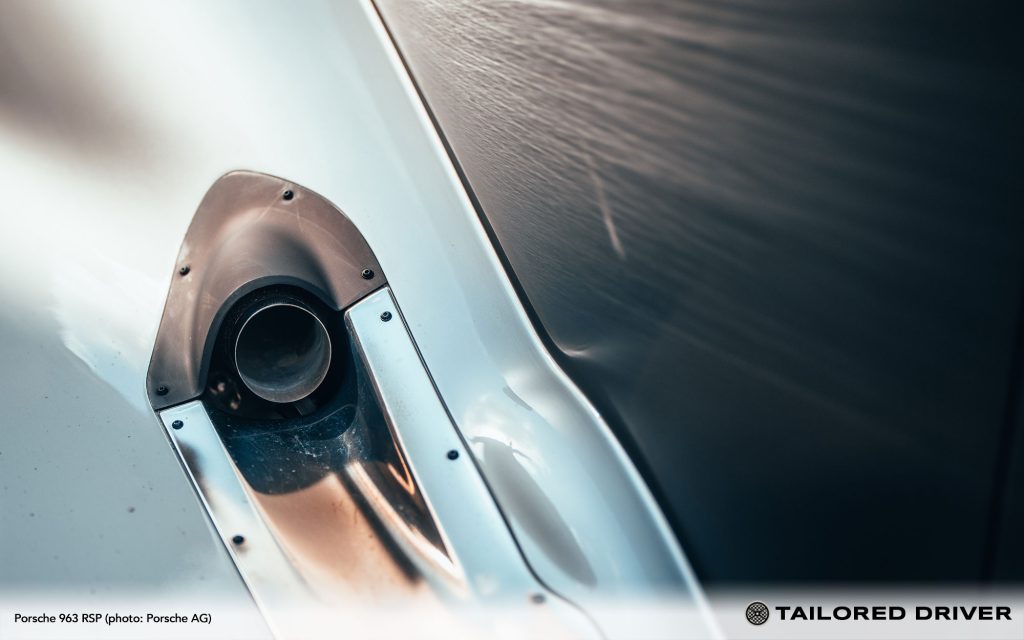
To closer align the 963 to the form of the 917, bodywork changes were made to the 963 RSP. These include the creation of unique fender vents – where otherwise the front and rear fender vents would be open. A collaboration between Sonderwunsch and Porsche Penske Motorsport, the vents were digitally rendered first before applied to the car, with the new design allowing air within the wheel wells to escape. Additionally, the carbon fiber blanking plates that sit within the rear wing – a requirement on the race car – were able to be removed for the 963 RSP.
Added to the nose of the car – replacing the graphic that is applied to all conventional 963s – was an enamel Porsche badge, a detailed shared with the 917.
A small detail change was the addition of 1970s-era Michelin logos for the tire walls, and rain-spec 18-inch tires over forged OZ racing wheels. Finally – and in another first – mounting points for front and rear license plates were added ahead of the car being driven on public roads to mark the 50th anniversary of the first street drive of the 917.
Design process – interior:
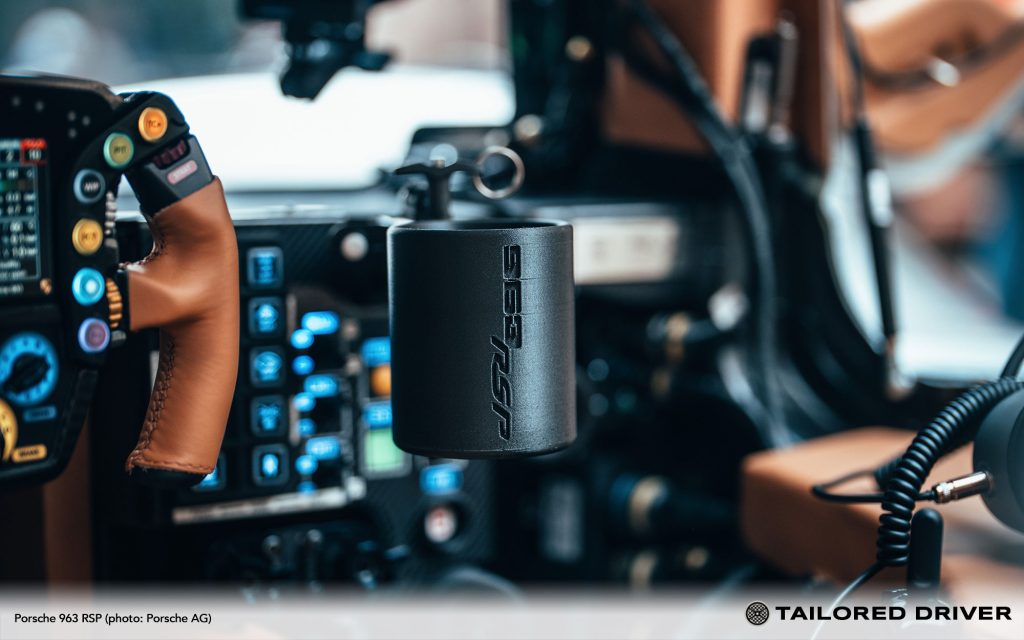
Possibly the greatest departure from the 963 race car occurs inside the 963 RSP. Following the lead of the handcrafted and completely bespoke interior of the 917 (which remains unrestored to this day) the 963 RSP features a mix of soft tan leather and Alcantara. Whereas the race car features very few comfort features, the 963 RSP is more accommodating – with the single piece carbon seat trimmed in leather with soft cushioning placed down the center and a fixed headrest mounted on the carbon fiber bulkhead. The seats are – in common with the race version – air conditioned. The leg cushions in the footwell as well as the roof lining and pillars have been retrimmed in light Alcantara while the steering wheel – where the majority of the vehicle’s functions are located – has been finished in leather. A light-hearted addition is a detachable 3D-printed cup holder capable of securely holding a Porsche travel mug.
Next to the driver, a new trimmed panel provides a location for the car’s Peltor headset and steering wheel when not in use as well as a platform for the laptop that starts and assists in the operation of the car and Roger Penske’s custom carbon crash helmet.
While the color of design of the interior are obvious references to the 917, more subtle design elements can be found – among them bespoke end plates for the ventilation system which mimic the styling of the fan on top of the 917’s flat-12 engine.
The doors are finished in leather and Alcantara, with a small alloy plaque set into one of them denoting the chassis number and the date and location of construction.
Mechanical changes:
The ride height of the car was raised to its maximum available setting to accommodate road use, while the adjustable Multimatic DSSV dampers designed for racing prototypes are in their softest setting to create a more compliant ride.
The control unit was modified to allow the car to operate turn signals and allow the headlights to be adjusted for road. The hybrid V8 powertrain with a lithium-ion battery – capable of being run on electrical power only – remains in standard race tune in the 963 RSP, but power delivery from the MGU has been remapped to provide smooth delivery more appropriate for road use versus race competition The powertrain was also re-mapped to be capable of running on pump gas – a significant undertaking for the team.
Finishing touches:
Accompanying the 963 RSP are a custom fitted carbon crash helmet with Martini Silver accents to match the car, and a bespoke Snap On toolset with a chest bearing accents in the same color, a plaque commemorating the project and its namesake, and handles wrapped in the same leather used in the interior of the car. The drawers also feature custom foam inserts to carry tools and special equipment necessary to start, service and operate the car.
While capable of being driven on the road under special circumstances and in accordance with local requirements (the modifications to the car allowed it to use French ‘W’ or manufacturer license plates for its debut), the 963 RSP is not a homologated addition to the Porsche model line-up and is intended to remain a very special one-off.
The powertrain of the 963:
The 963 is powered by a 4.6 liter twin-turbocharged V8 making up to approximately 680 hp that has its origins in the RS Spyder race program operated by Penske which claimed all titles in the LMP2 class of the American Le Mans Series from 2006 to 2008. The engine was enlarged from 3.4 to 4.6 liters and then used in the limited-production 918 Spyder road car, which debuted in 2013. The flat crankshaft and short stroke of the engine allow for a low mounting point, helping to optimize the center of gravity of the car. While the 918 Spyder used the engine in naturally aspirated form, the 963 pairs it with two turbochargers provided by the Dutch manufacturer Van der Lee. These turbochargers generate very moderate boost pressure and are mounted on the hot side of the engine, optimizing throttle response. Overall, around 80 percent of the engine components in the 963 are shared with the 918 Spyder, which was already designed to work together with a hybrid system.
The standardized components of the electric boost system are supplied by Bosch (motor generator unit, electronics and software) and Williams Advanced Engineering (high-voltage battery). The motor generator unit (MGU), which is responsible for the power output and recuperation under braking at the rear axle, works in direct interaction with the sequential seven-speed gearbox from Xtrac. The MGU sits in the bell housing between the combustion engine and the gearbox.
The hybrid’s entire electrical system produces up to 800 volts. The uniform battery has an energy capacity of 1.35 kWh, which can be mobilized at any time under acceleration. An output of 30 to 50 kW is available in short bursts but does not change the overall output of the powertrain. When the thrust of the MGU kicks in, the power of the combustion engine, which can reach over 8,000 rpm (depending on the BoP), automatically decreases.
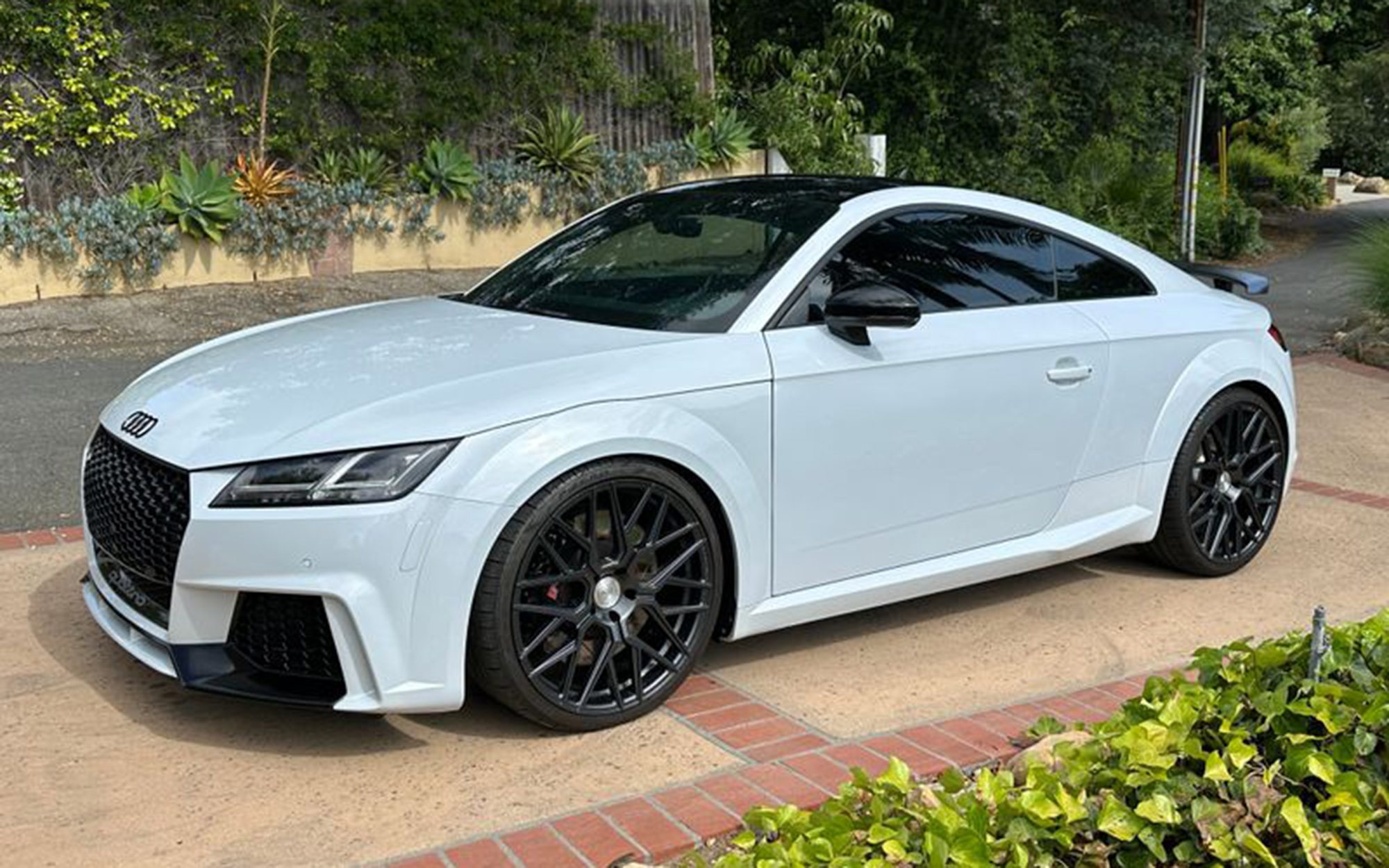
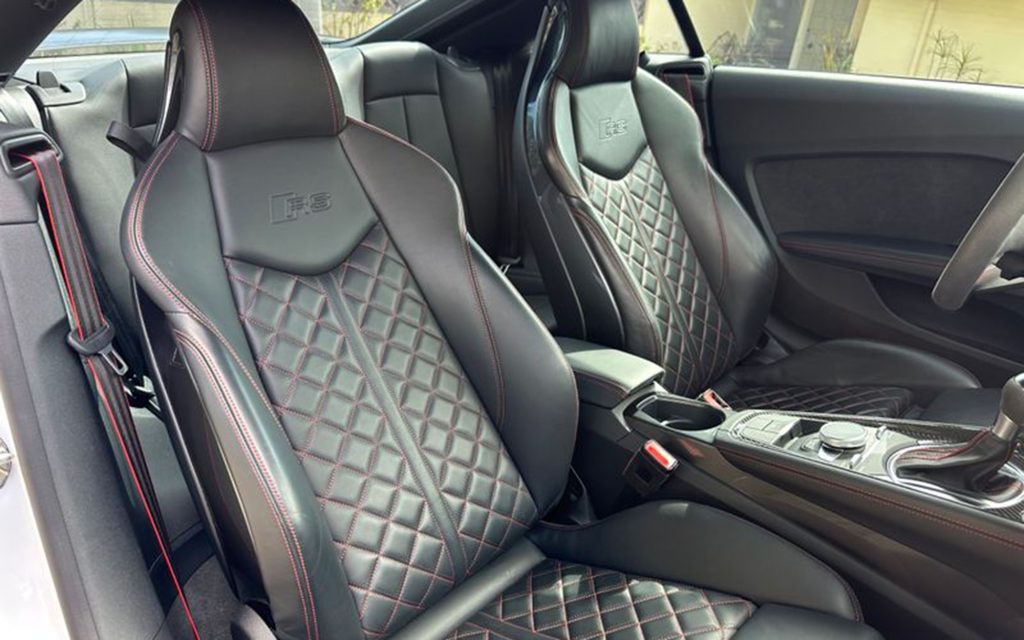
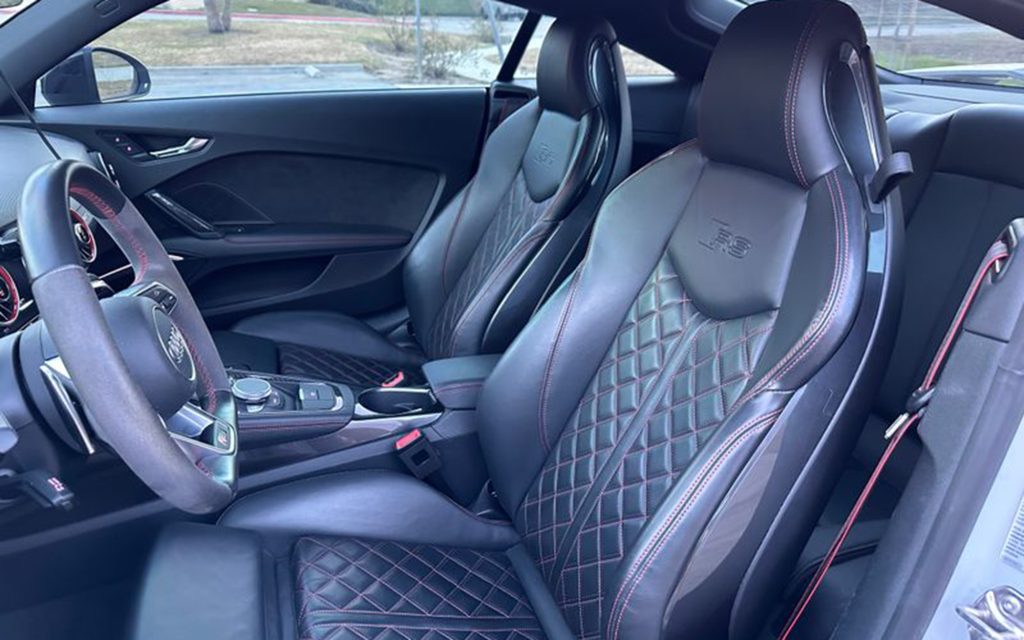
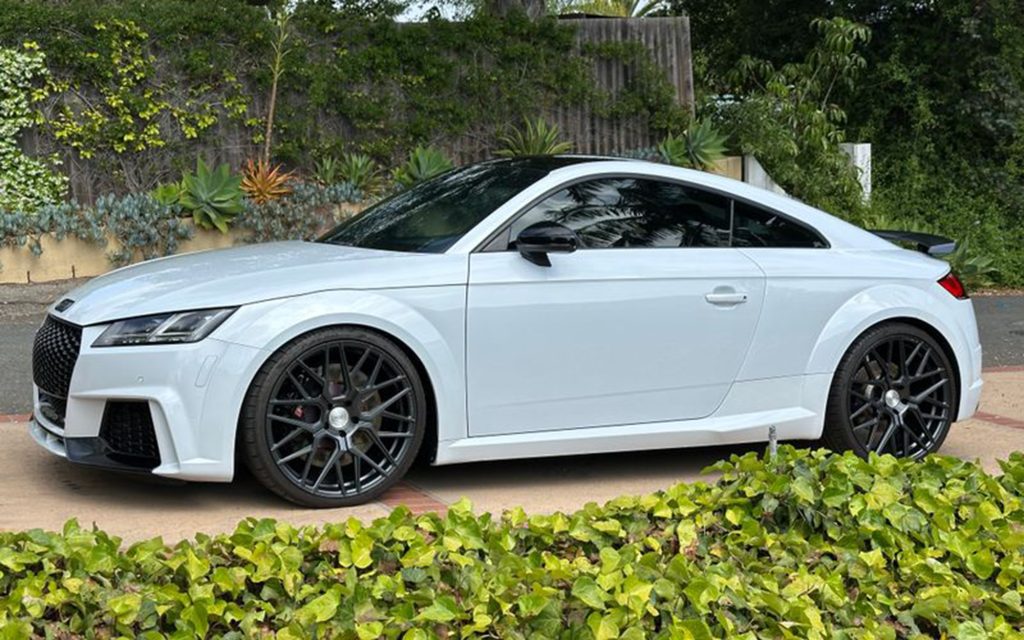
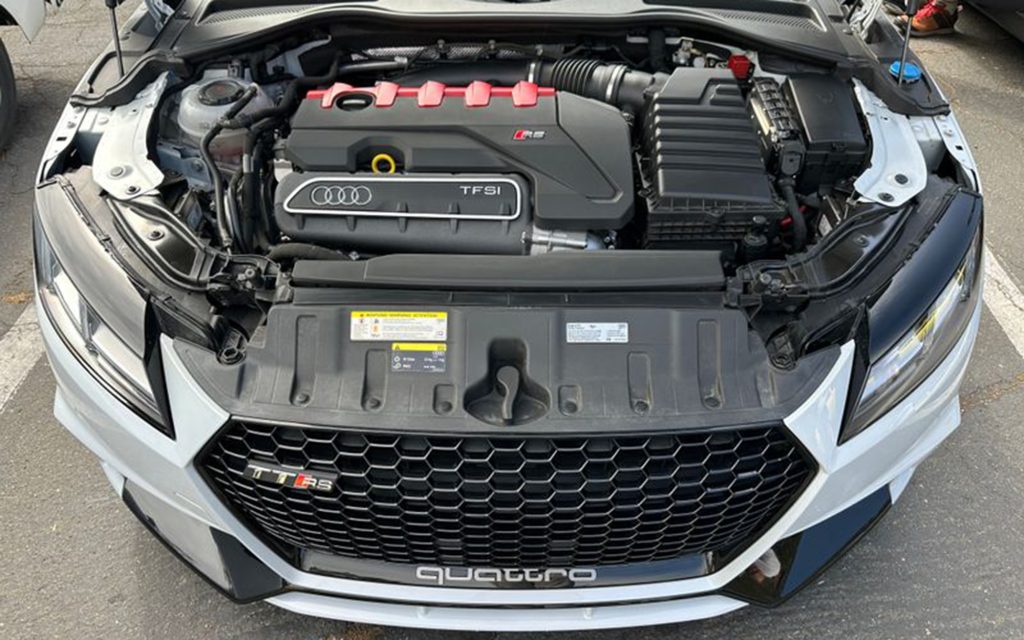
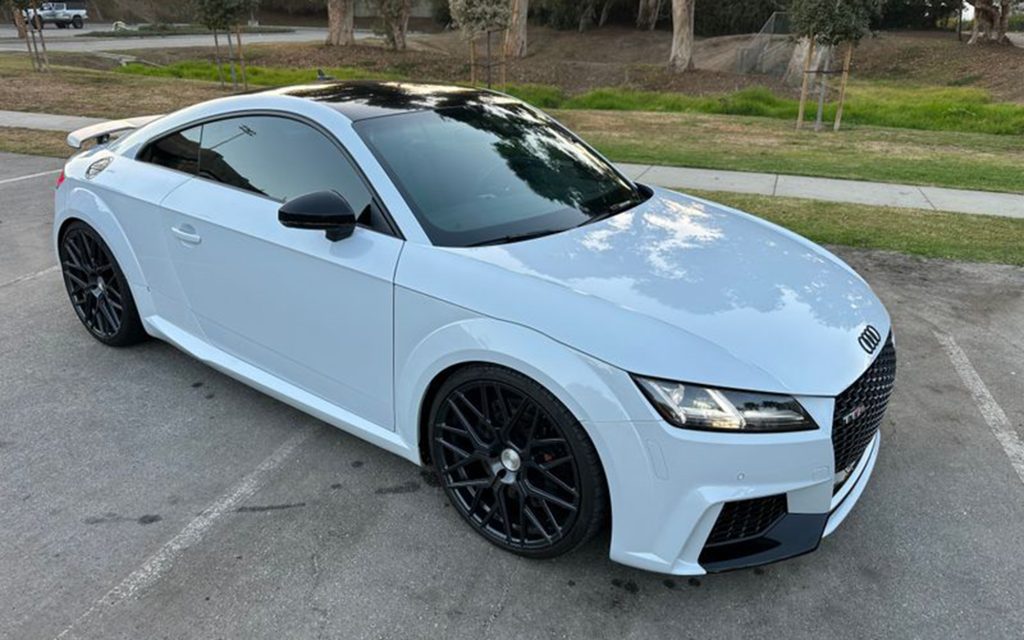
What: 2018 Audi TT RS Color: Audi exclusive Suzuka Grey Pearl Effect(SuzukaGrau; pearl effect; LY7F / M1 ; Audi) Chassis: WUACSAFVXJ1901312 Mileage: 28,200 mi Price: $52,900 CarFax: N/A Window Sticker: N/A Location: Santa Barbara, CA Sales listing:Link
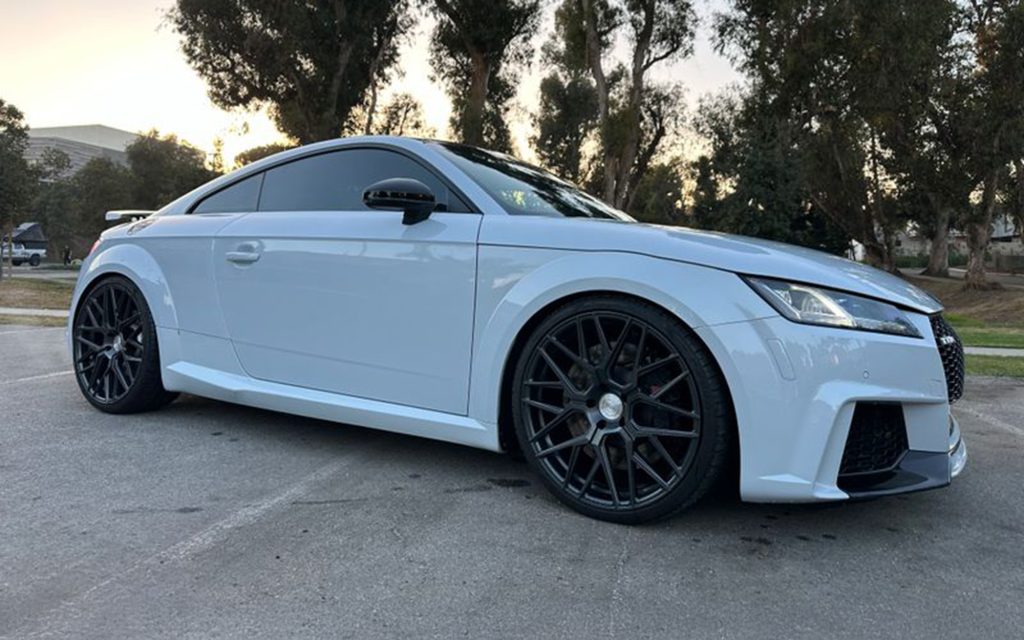
As a color, Suzuka Grey began in the B7 RS 4 era. It’s a light bluish grey that often gets mistaken for white. In person though, the color has an interesting depth that pops amongst white cars and takes on different colors as you can see in the varying lighting conditions even in this listing’s basic photo set.
Though standard in some Audi RS cars during other eras, Suzuka Grey was not an option in the Mk3 TT RS. In as much, it would have been an Audi exclusive special.
This one has a few modifications, most obviously those large black wheels seen in photos. Whether those wheels improve the overall look of the car is up for debate and in the eye of the beholder, but what we can all agree on is that the final TT RS generation makes for a substantive performance car. Now out of production, those seeking them should be seeking a unique and/or well kept specimen and we think this one applies.
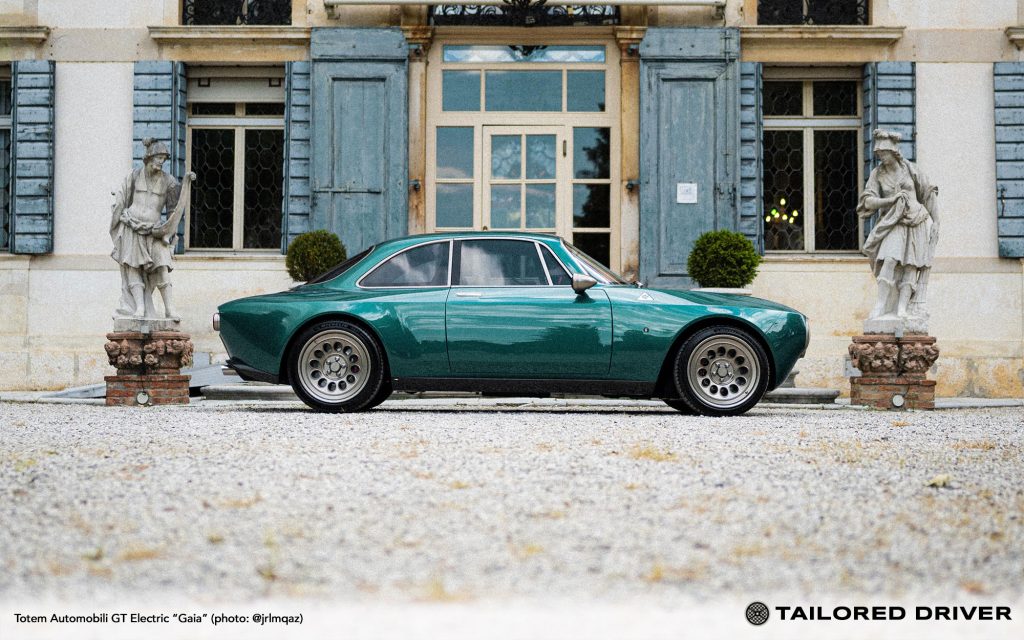
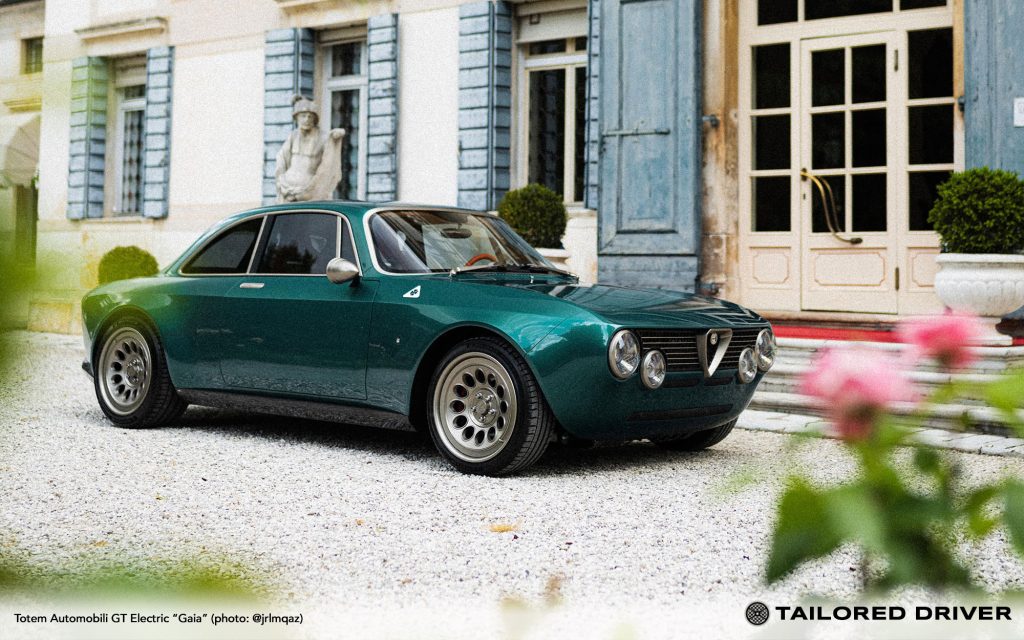
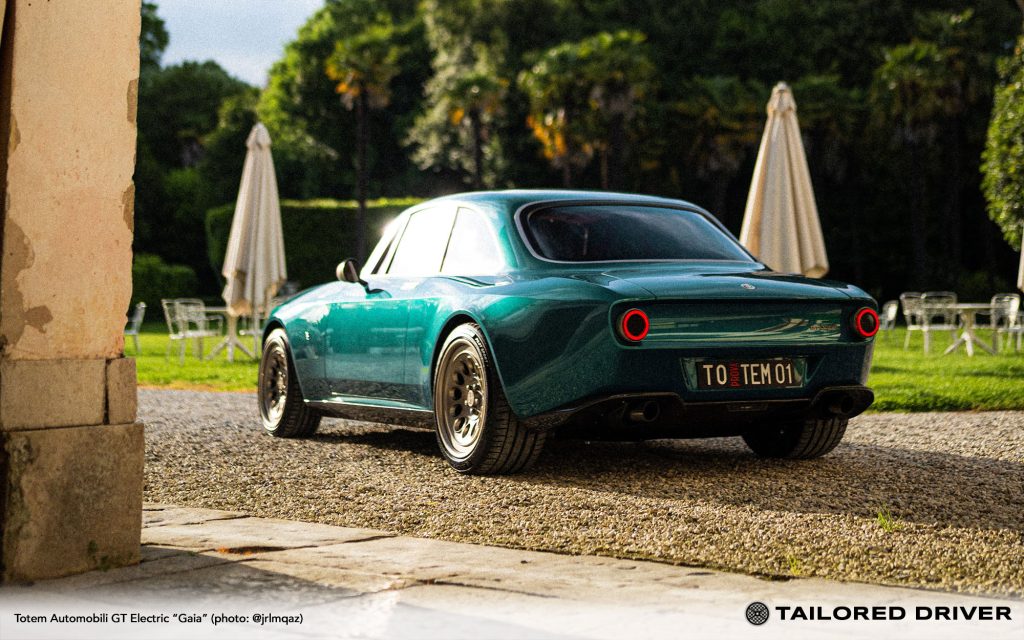
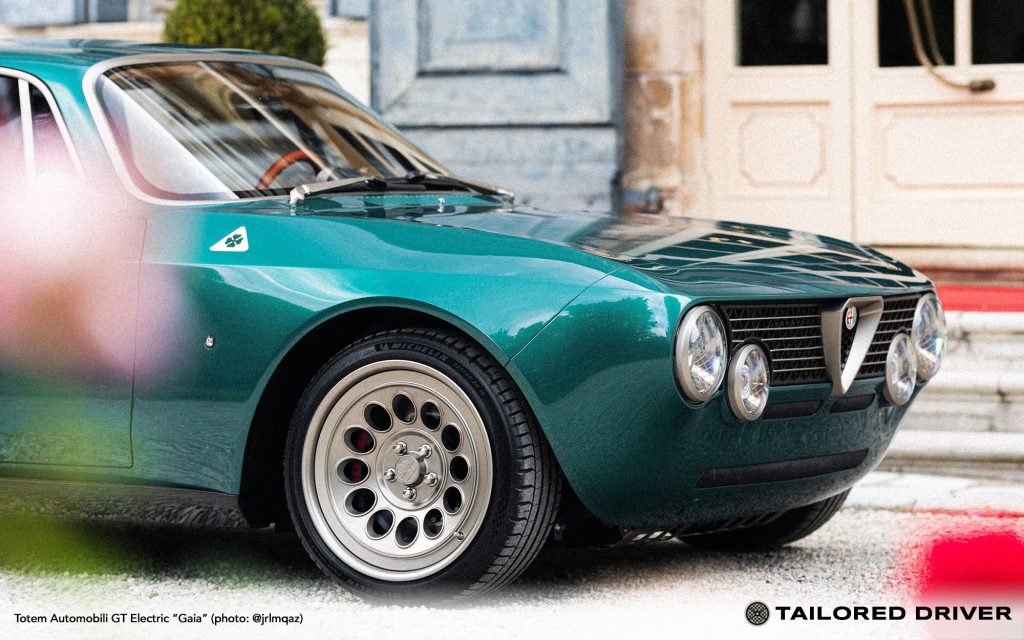
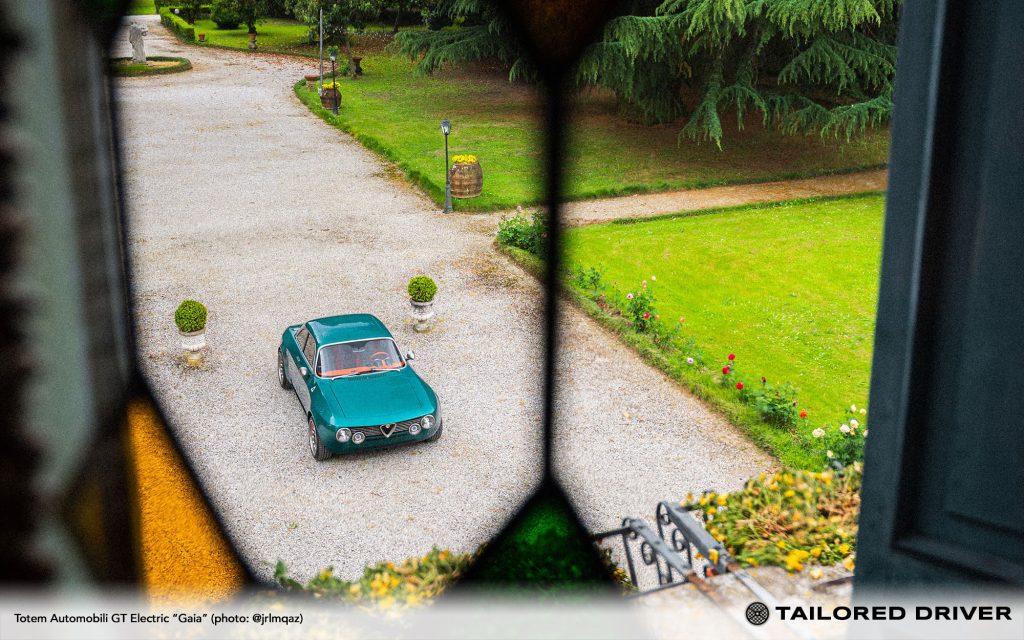
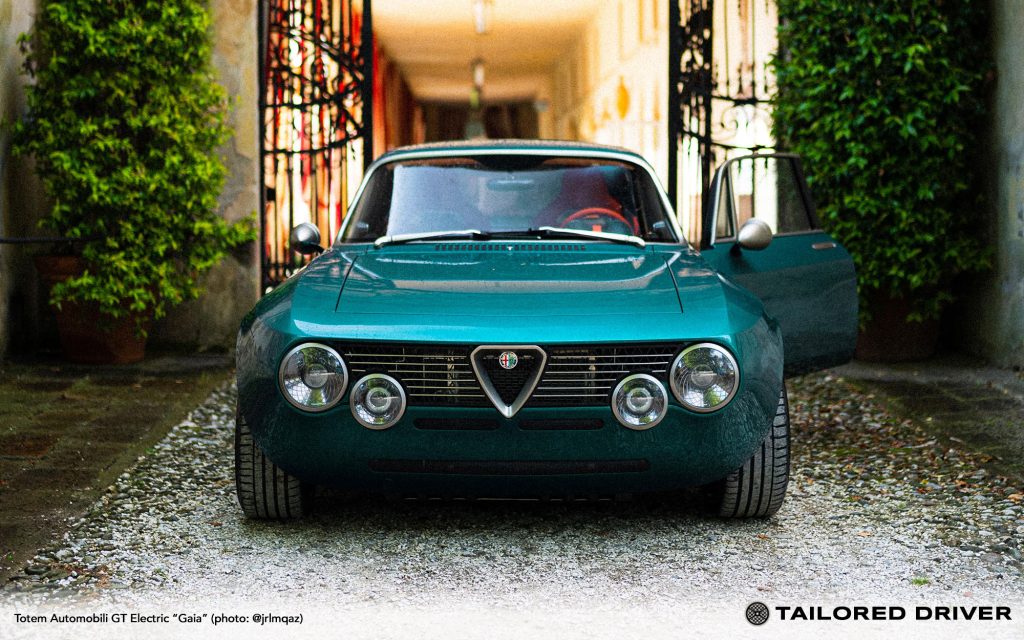
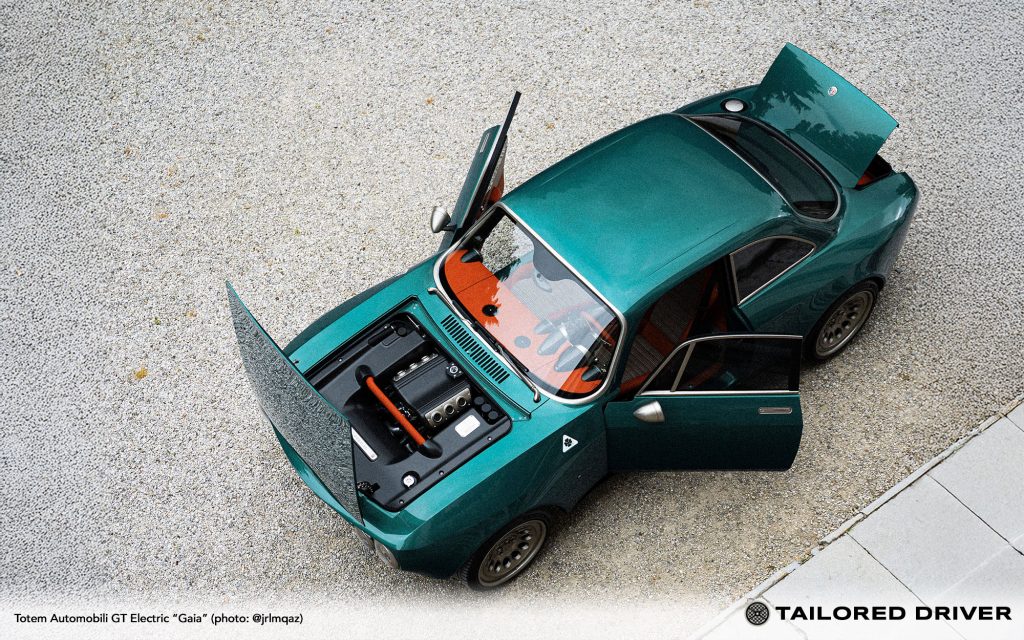
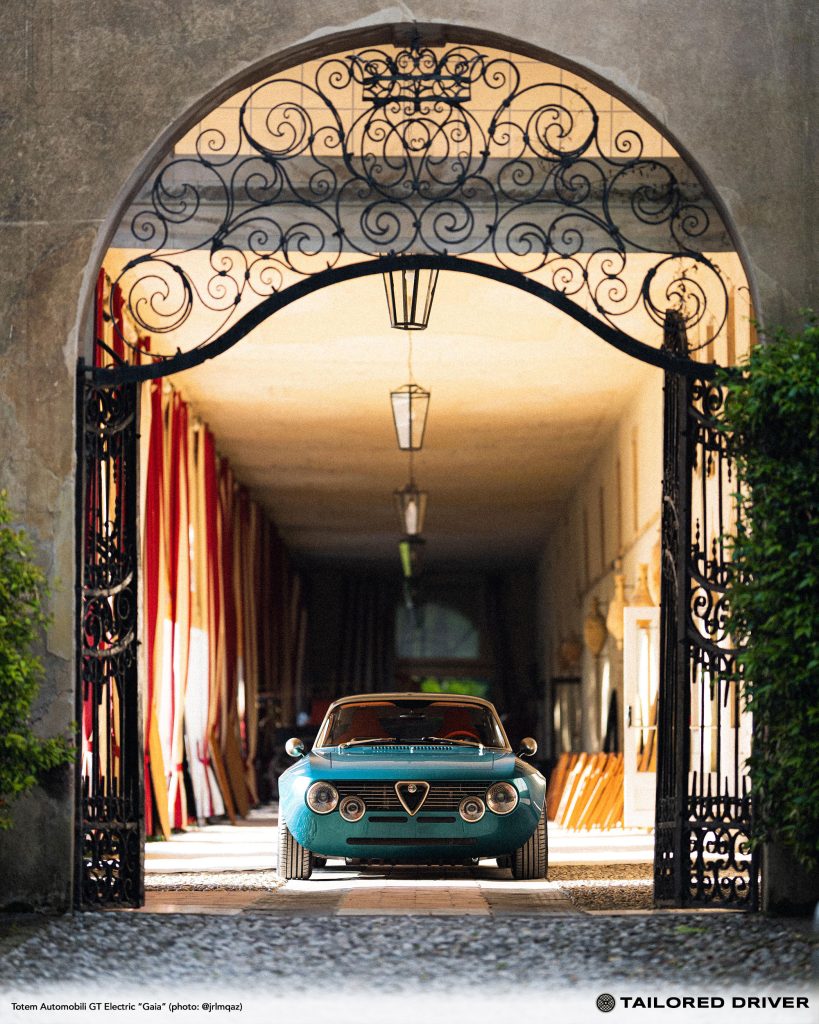
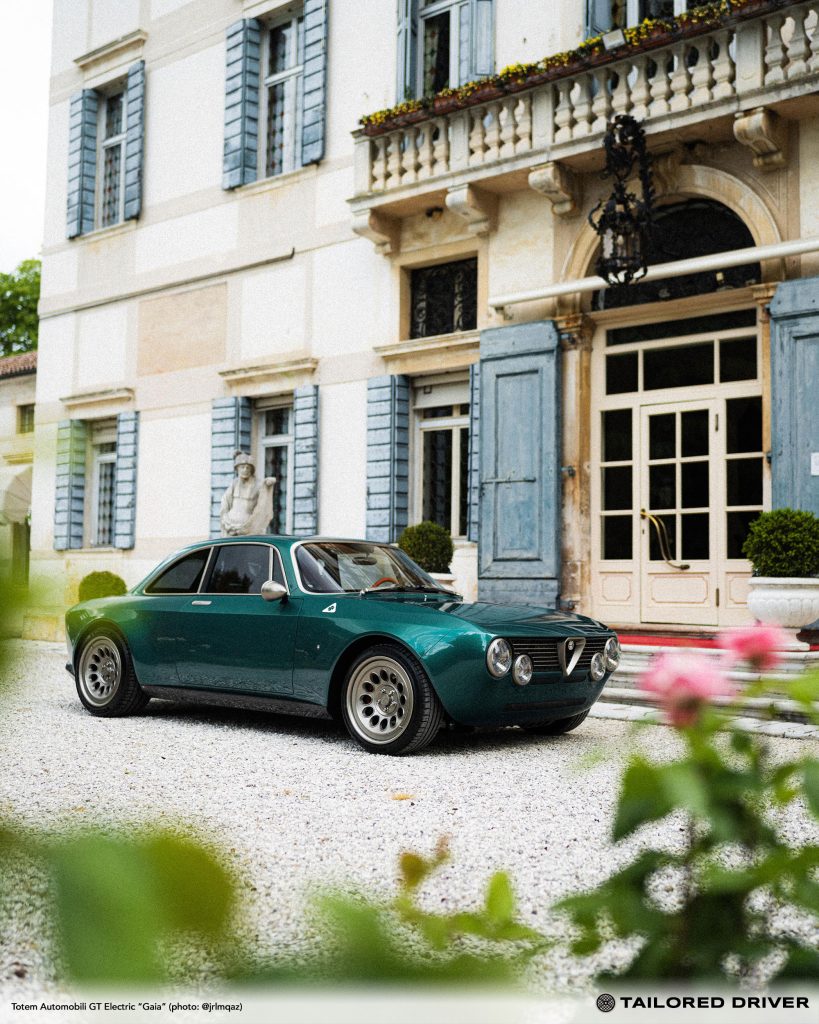
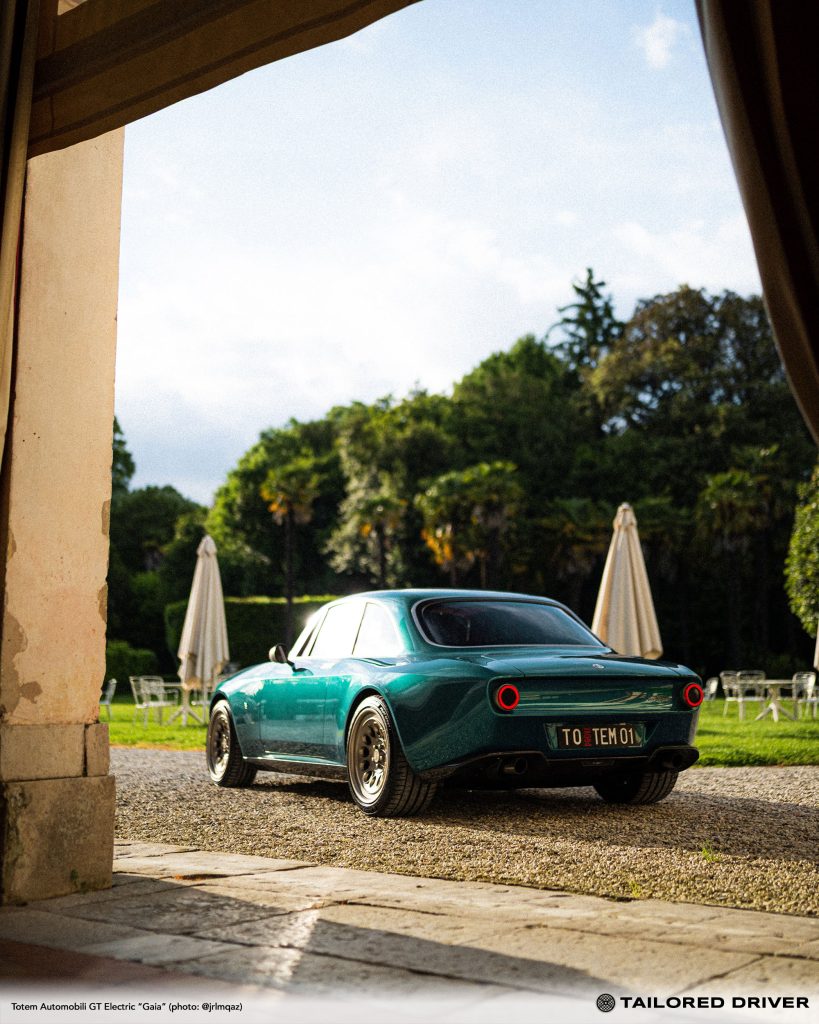
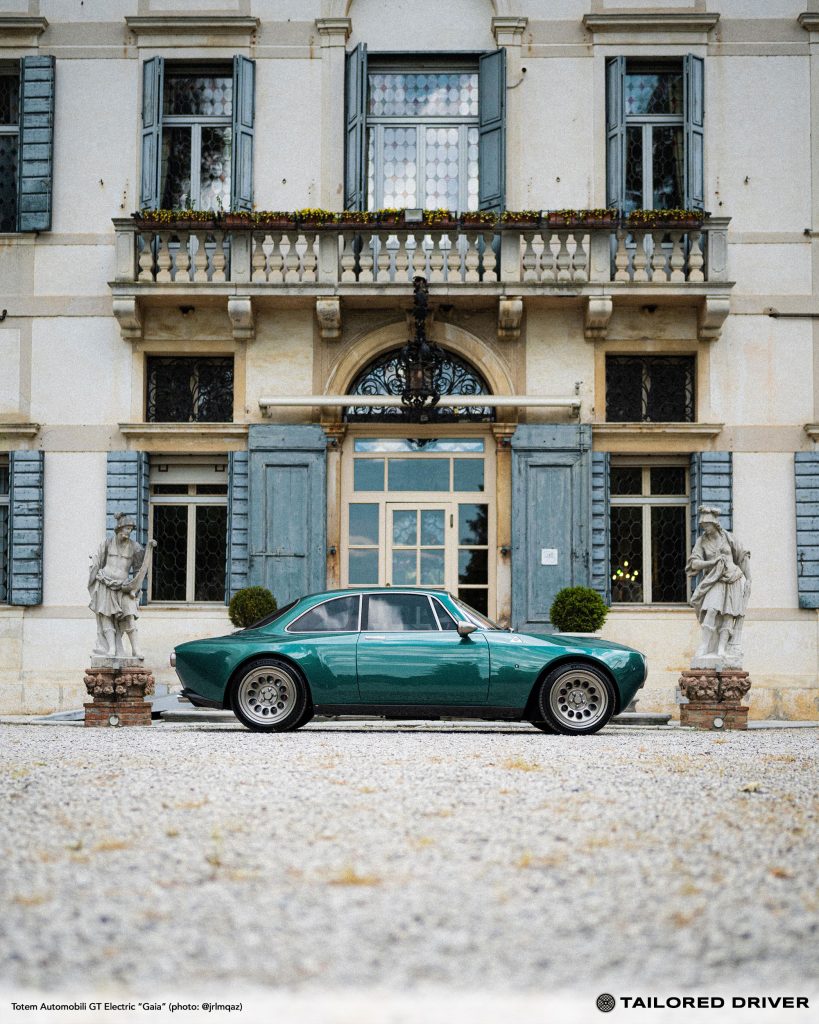
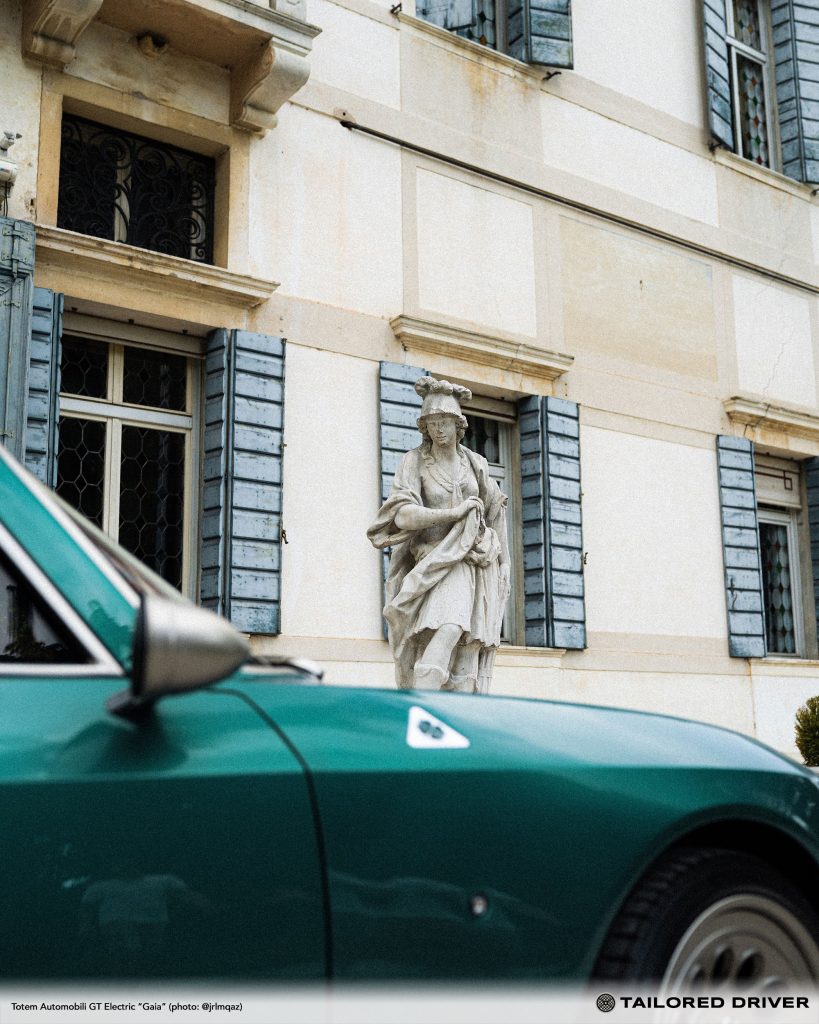
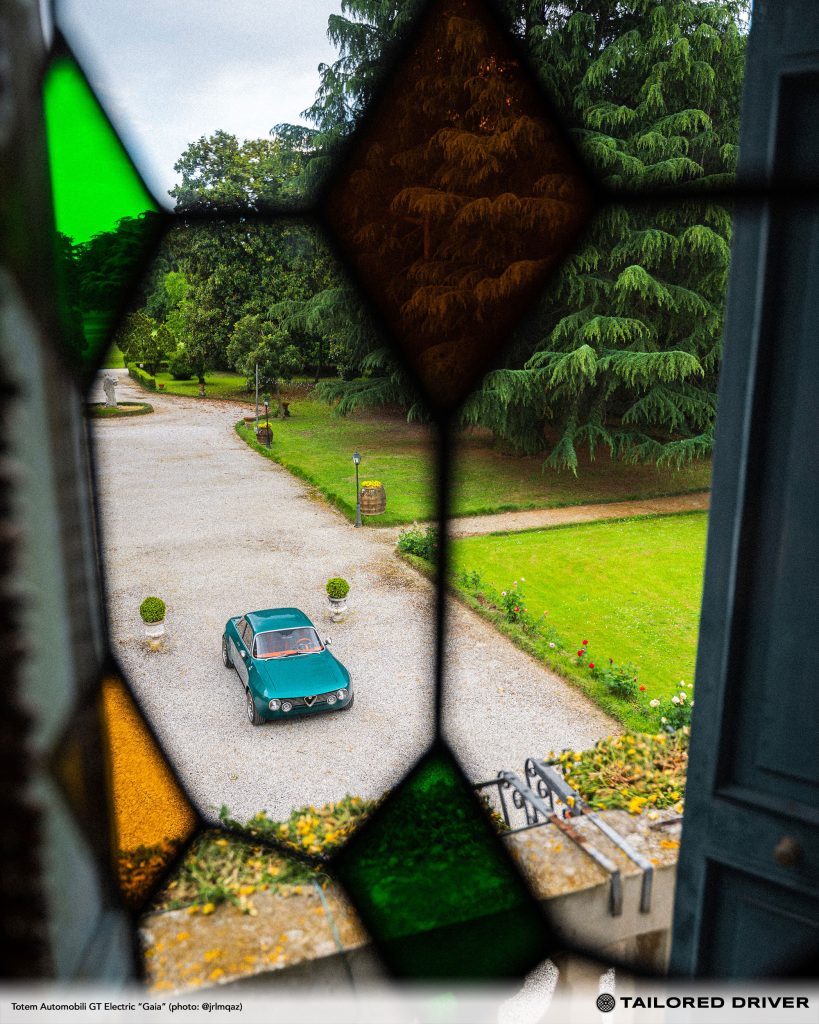
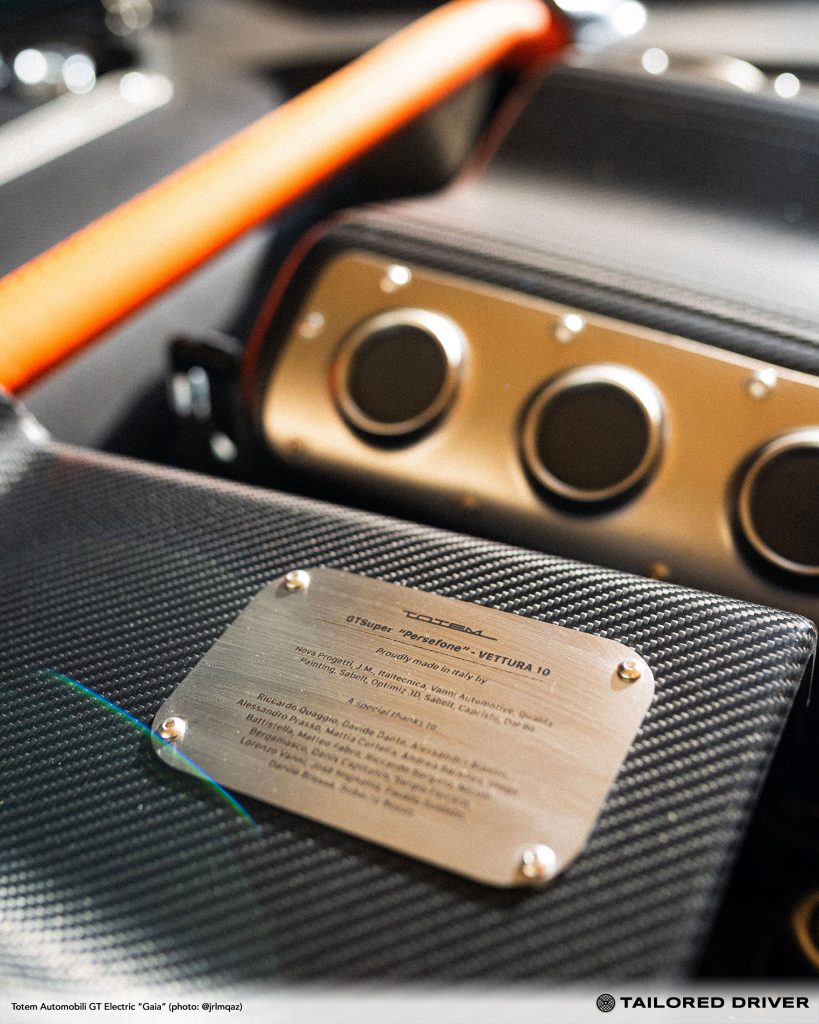
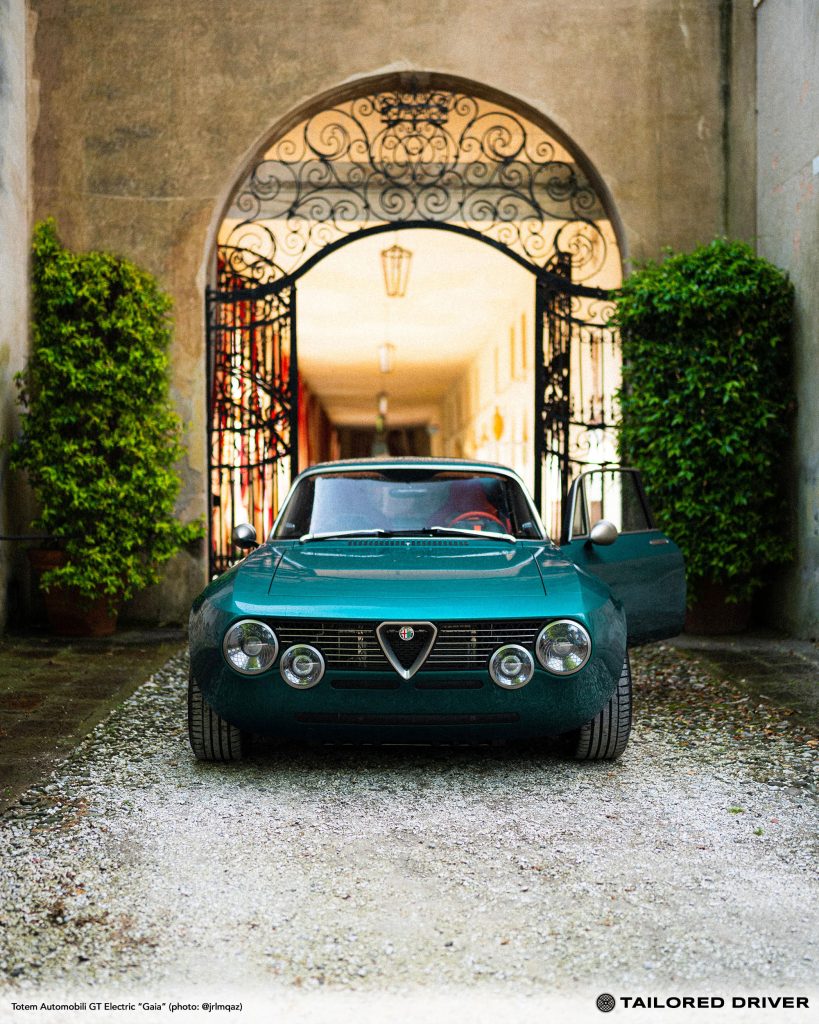
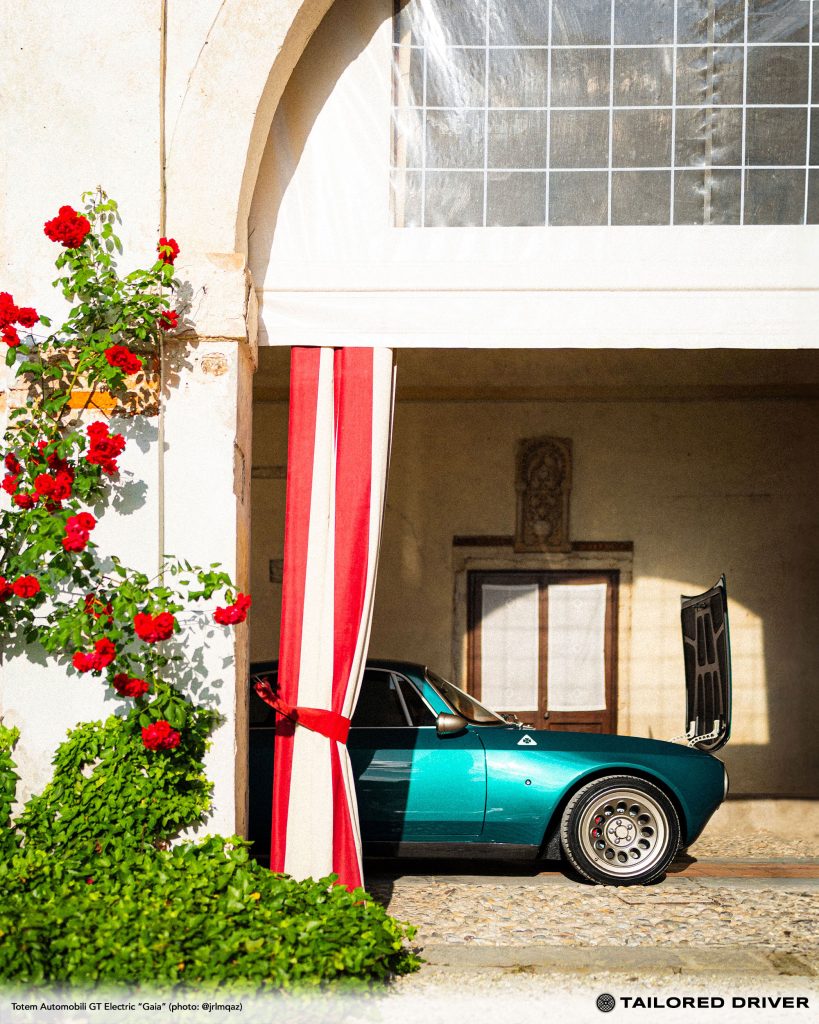
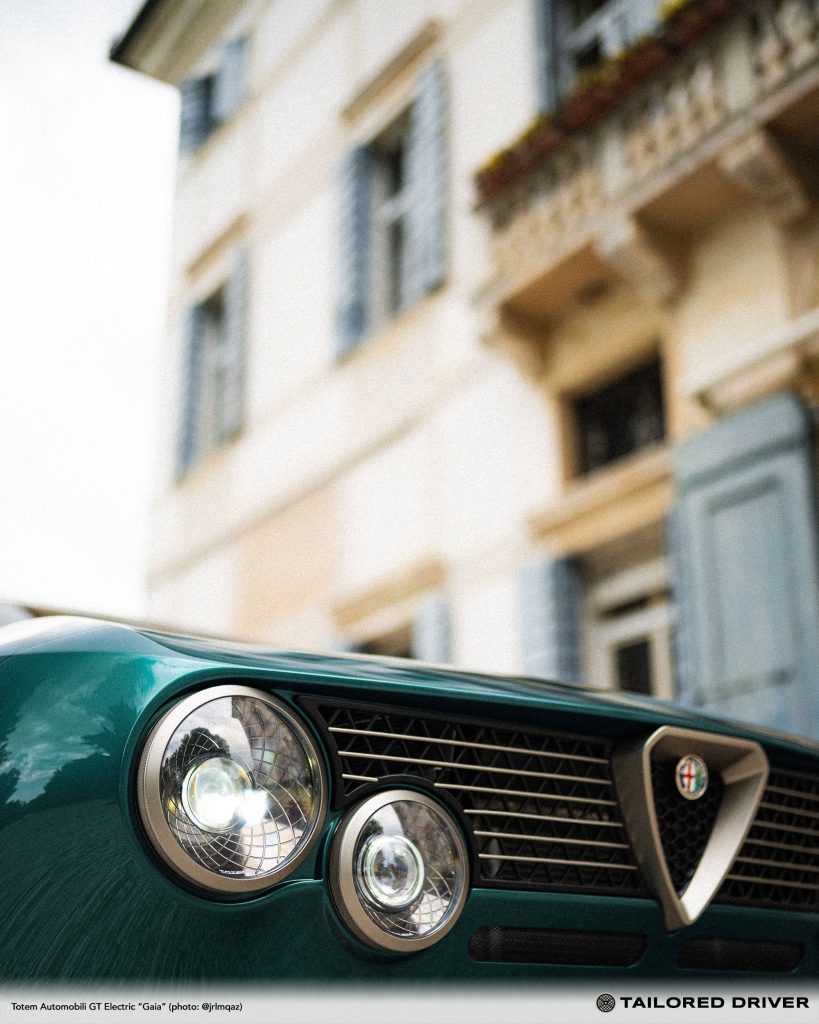
For Totem Automobili, the star of the 2025 Concorso d’Eleganza Villa d’Este weekend was “Persephone”, their latest commission and GTSuper No. 10. That it sat in the garden of Villa Condulmar, a 17th-century Venetian estate located minutes from the firm’s Treviso atelier was also significant as it marked the beginning of a new partnership between the Alfa Romeo remastering company and this beautiful space.
For Totem, Villa Condulmar will play a part as a venue for public and private events. Figure exclusive gatherings reserved for clientele.
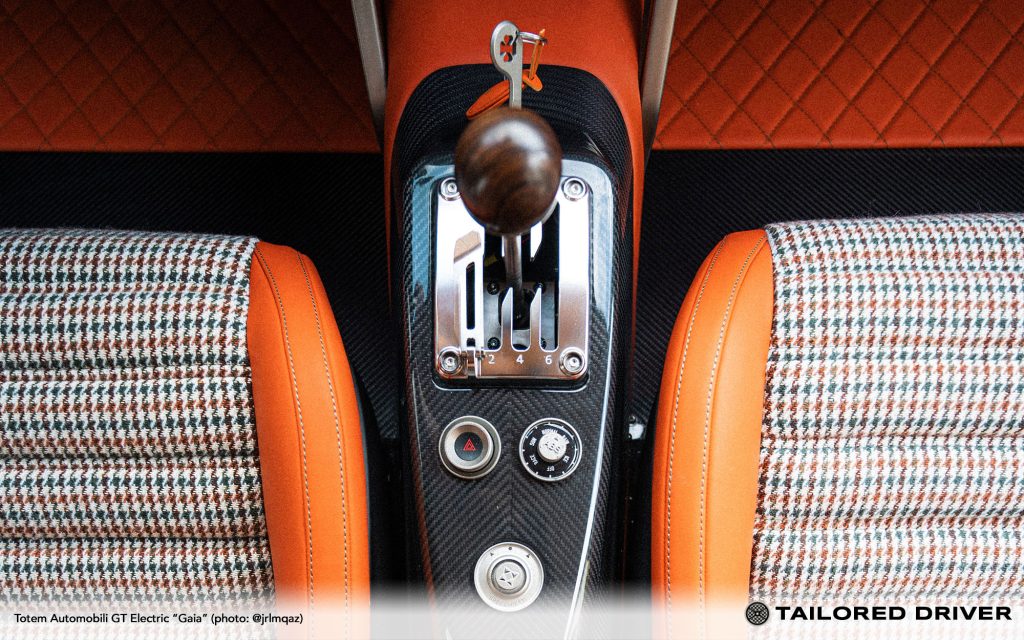
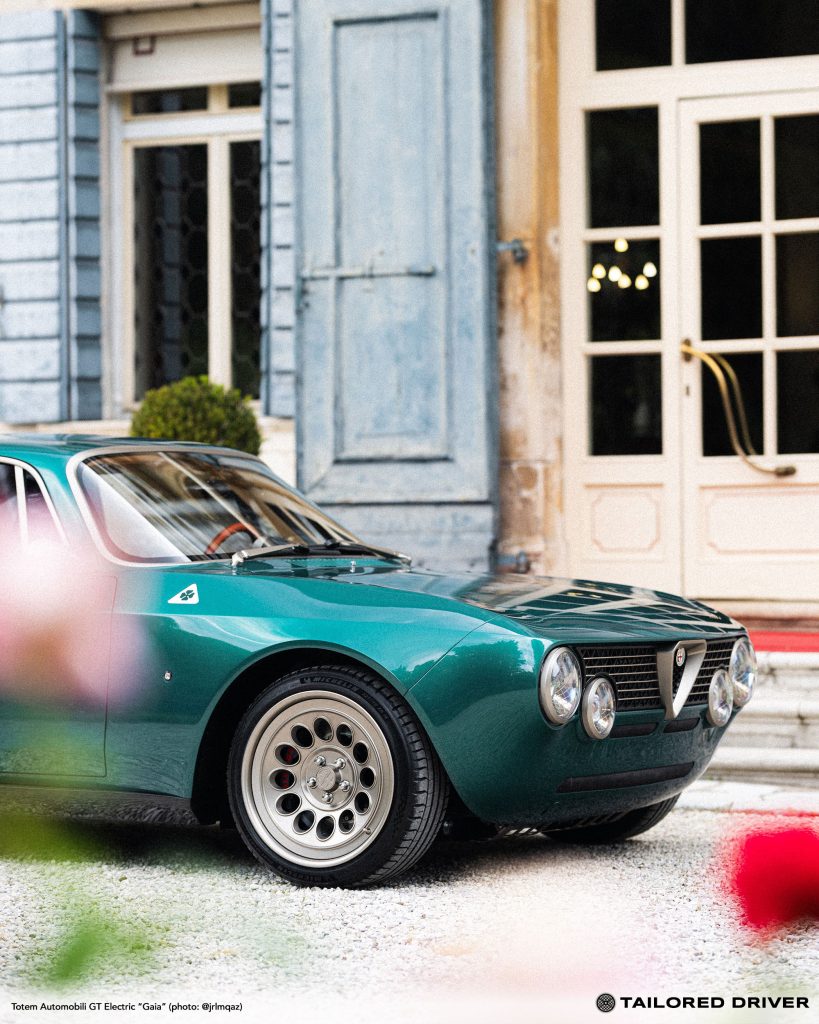
AS for “Persephone”, at its heart is a 2.8-liter twin turbo V6 rated at 640 hp sourced from Italtecnica and paired to a 6-speed manual gearbox with gated shifter.
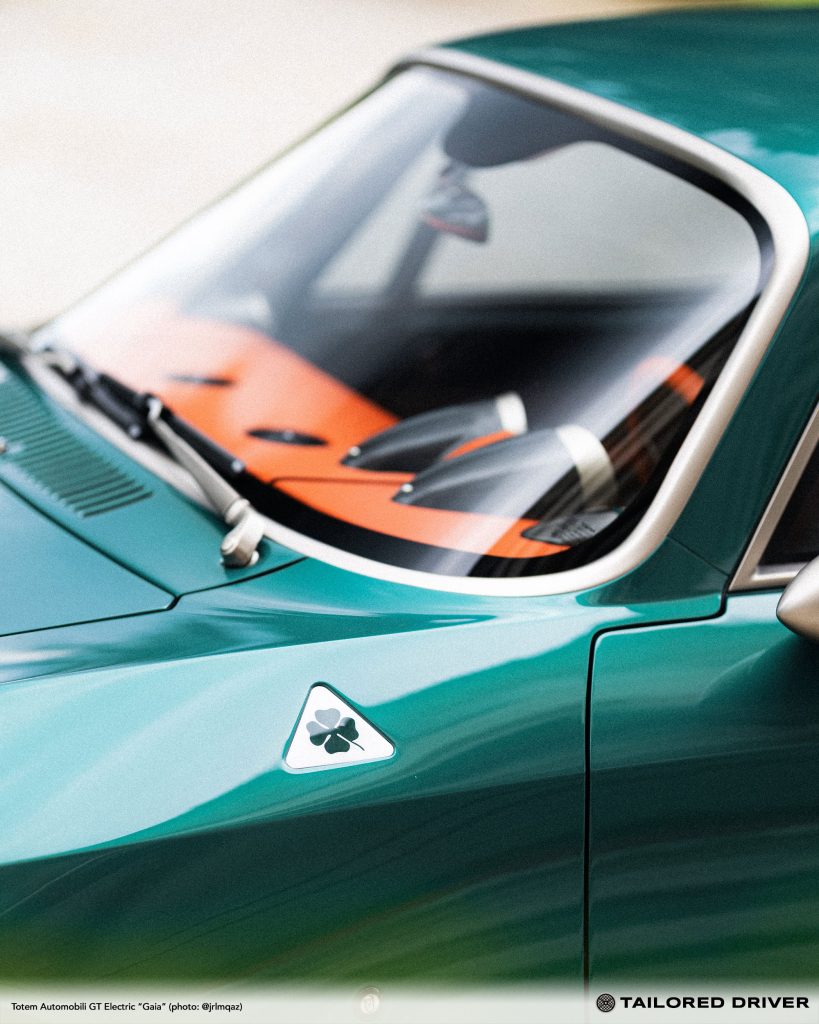
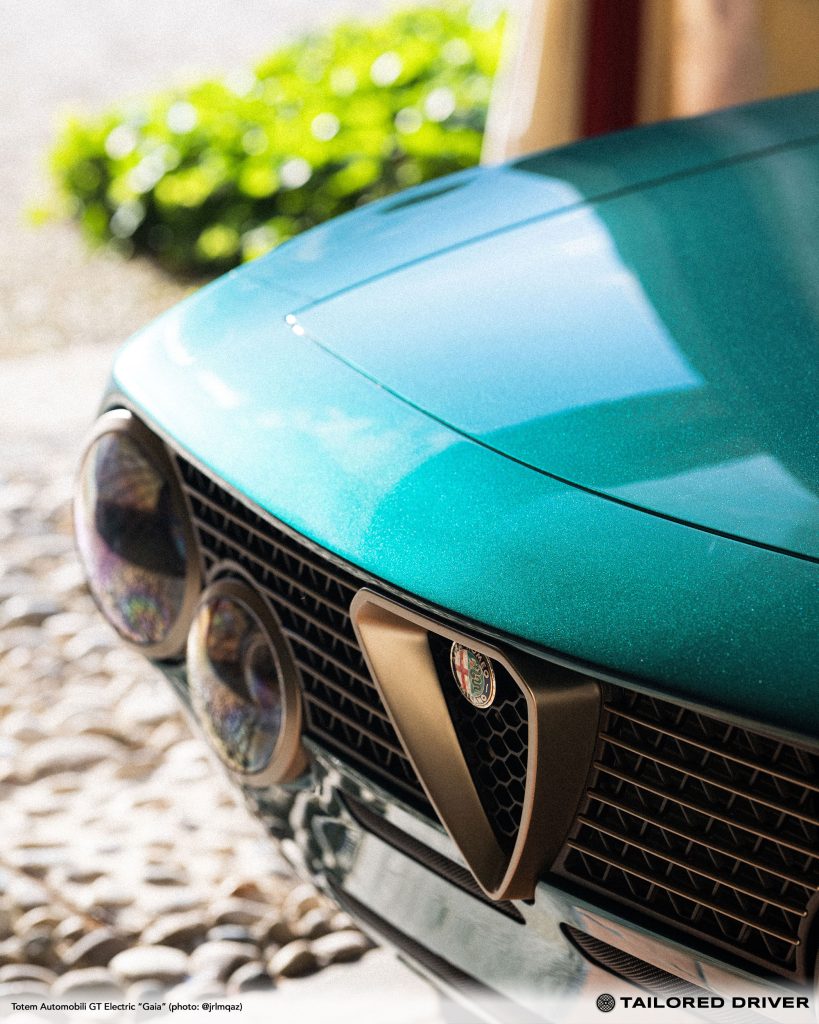
The color is “Verde Pino”, a historic color and favorite of Totem Automobili. The handsome wheels that hark a great era at Alfa Romeo are machined from solid billet and finished in nickel.
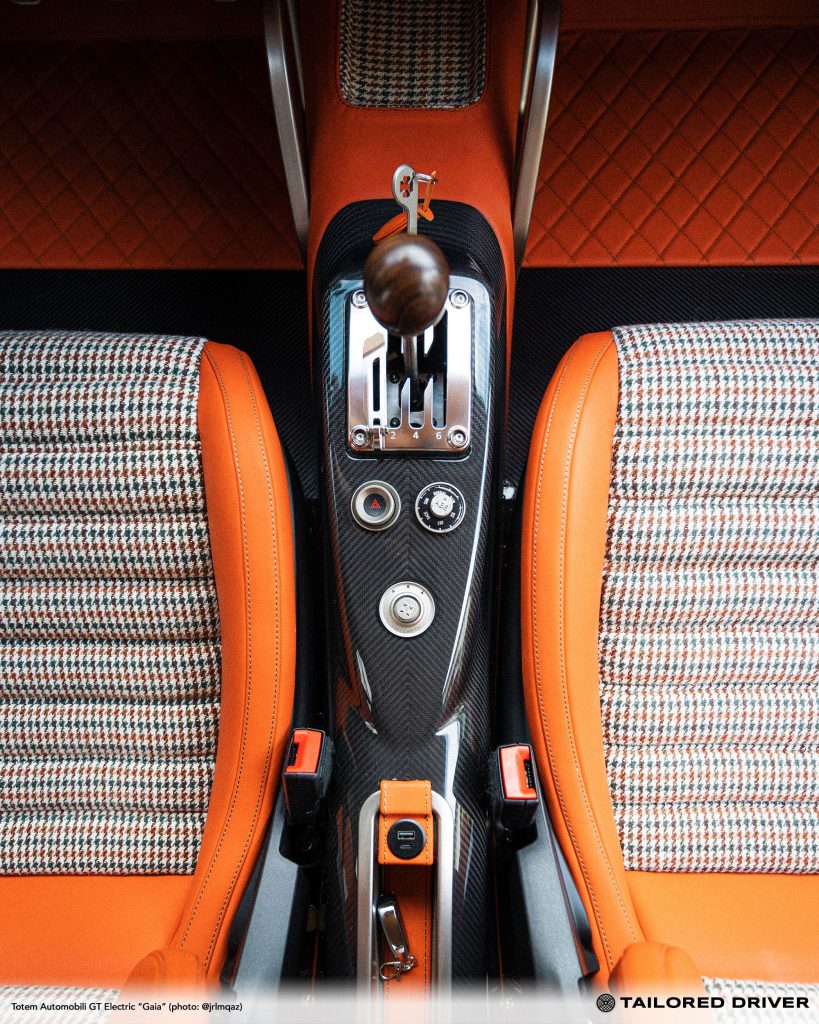
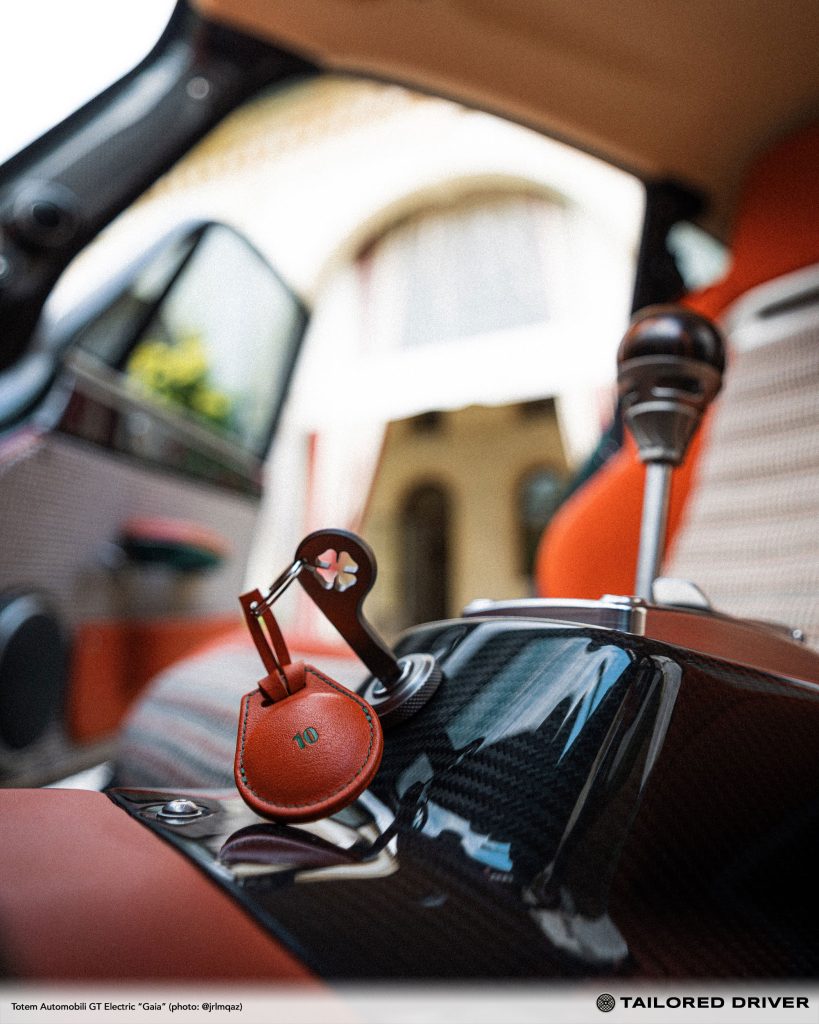
Inside, the color orange adorns the nappa leather, while pied de pool fabric seat inserts accent it beautifully. Carbon fiber also takes a prominent place in the cabin, finished in high gloss in all configurable components. Also inside is the latest evolution of they firm’s instrument cluster, introduced in their third ever build though now showing a more intricate designs.
PHOTO GALLERY
PRESS RELEASE
TOTEM AUTOMOBILI UNVEILS “PERSEPHONE”
source: Totem Automobili
Totem Automobili is proud to present “Persephone”, GTSuper No. 10 — a creation that embodies the technical refinement, aesthetic purity, and artisanal craftsmanship at the heart of every Totem project. This occasion also marks a significant milestone for the company: the beginning of an official partnership with Villa Condulmer, a magnificent 17th-century Venetian estate located just minutes from our Treviso atelier.
Villa Condulmer will serve as a distinguished venue for both public and private events hosted by Totem. These gatherings, particularly the private ones, will be highly exclusive — reserved for our international clientele seeking a truly immersive Italian experience. We extend our sincere gratitude to the Monti family, proprietors of this remarkable villa, for supporting our mission: to promote and safeguard Italy’s cultural and historical heritage around the world.
“Persephone” is as unique as the setting in which it was unveiled — a car whose creation demanded exceptional commitment from our entire supply chain, with a final result that reflects the collective excellence of every contributor.
Powering the car is the “Gloria” engine: a 2.8-liter twin-turbo V6 delivering 640 horsepower, paired with a six-speed manual gearbox featuring an open-gate shifter. The body is finished in a special triple-layer metallic paint, inspired by the legendary “Verde Pino” — a historic shade that graced some of the most beautiful classic cars ever built.
The interior showcases premium orange nappa leather and hand-crafted pied de poule fabric inserts, produced in Florence on a bespoke basis for each vehicle to match its unique configuration. This particular unit also features the latest version of our instrument cluster, introduced starting from car No. 3, now more intricate and refined than ever before.
Exterior trims and wheels — the latter machined from solid billet locally — are finished in a bespoke Nickel coating. Meanwhile, the carbon fiber used throughout the interior and in all configurable components displays a traditional weave and high-gloss finish, a stylistic homage to the golden age of automotive design that inspired this model.
“Persephone” is not only a technical and aesthetic milestone, but also a manifesto of our dedication to merging timeless beauty with cutting-edge innovation.
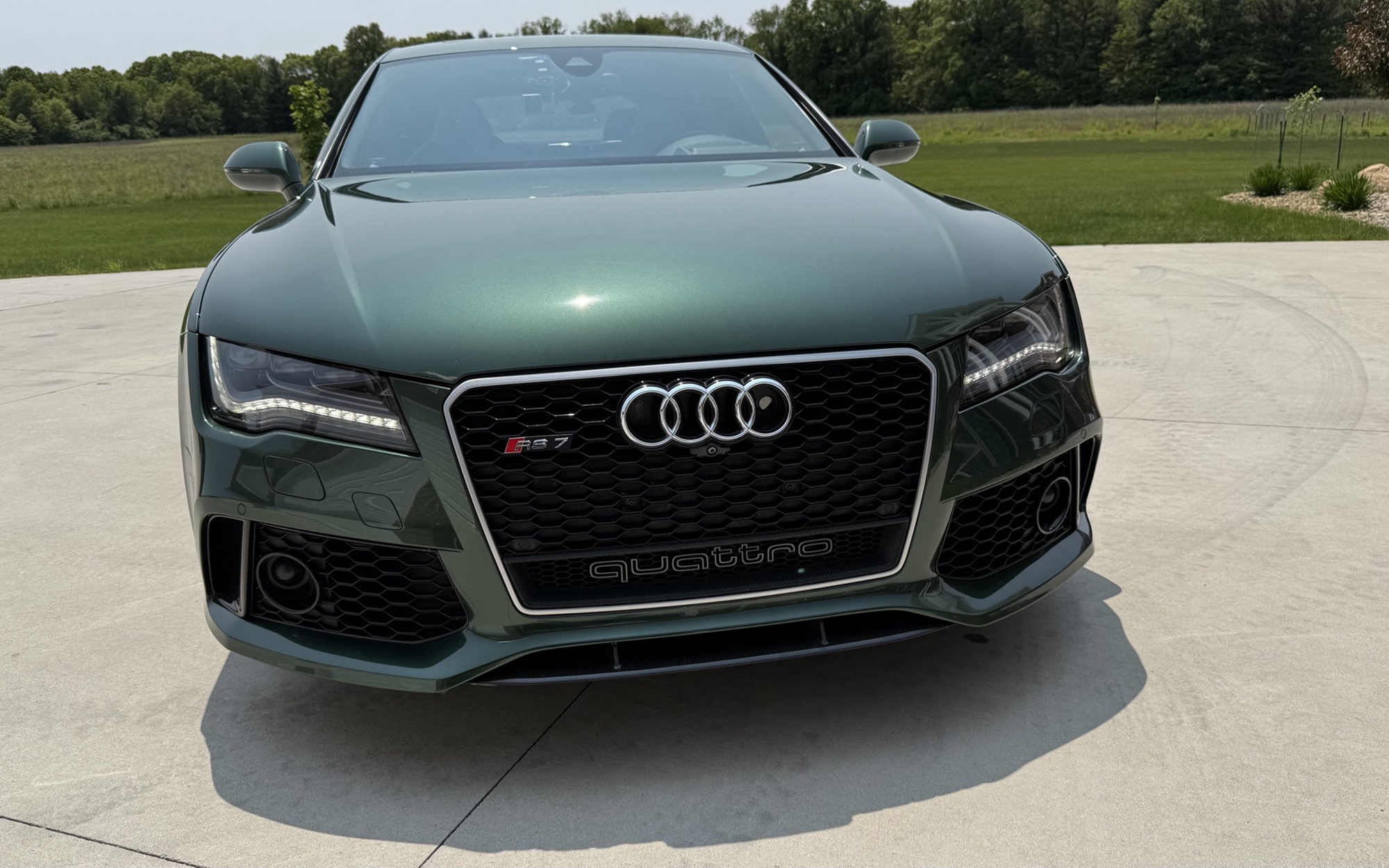
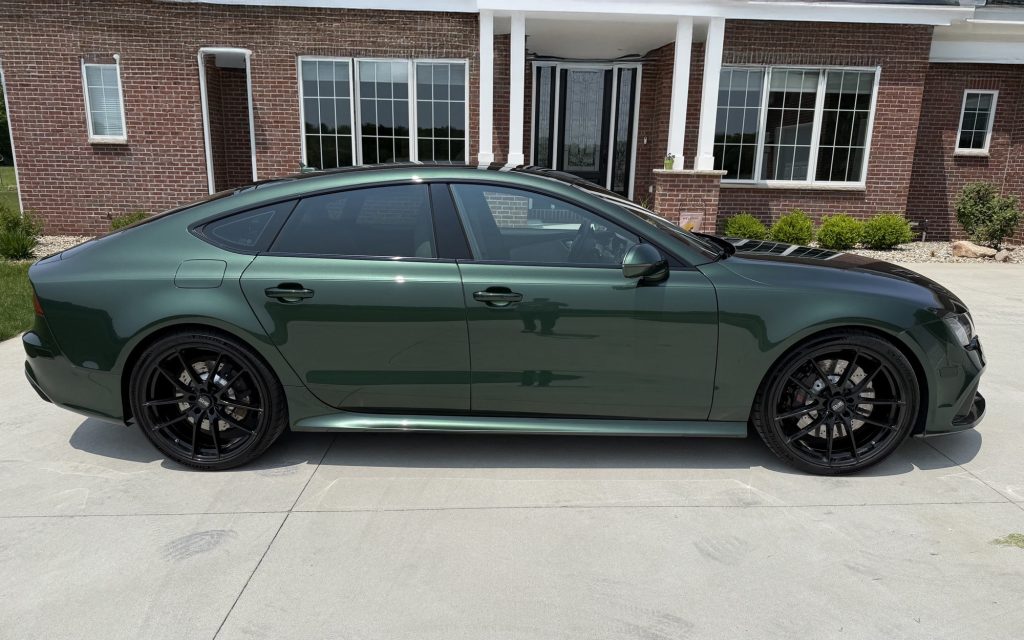
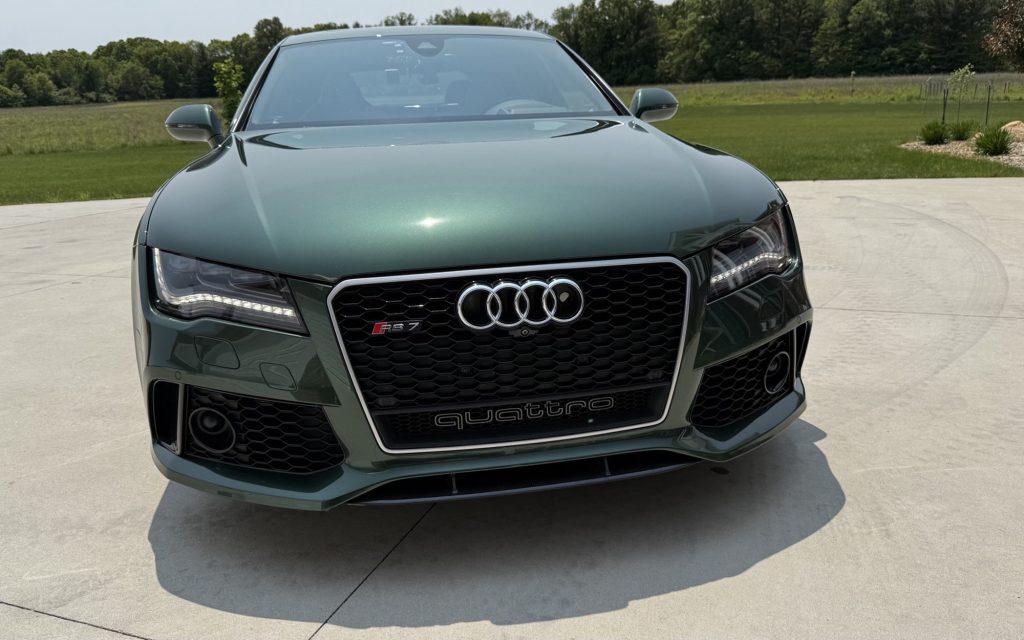
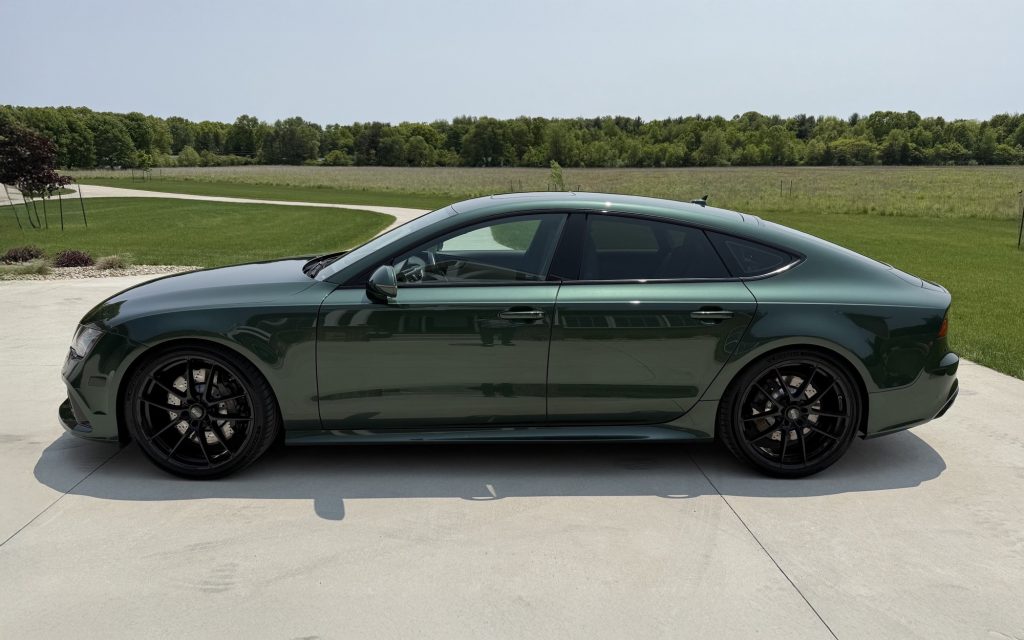
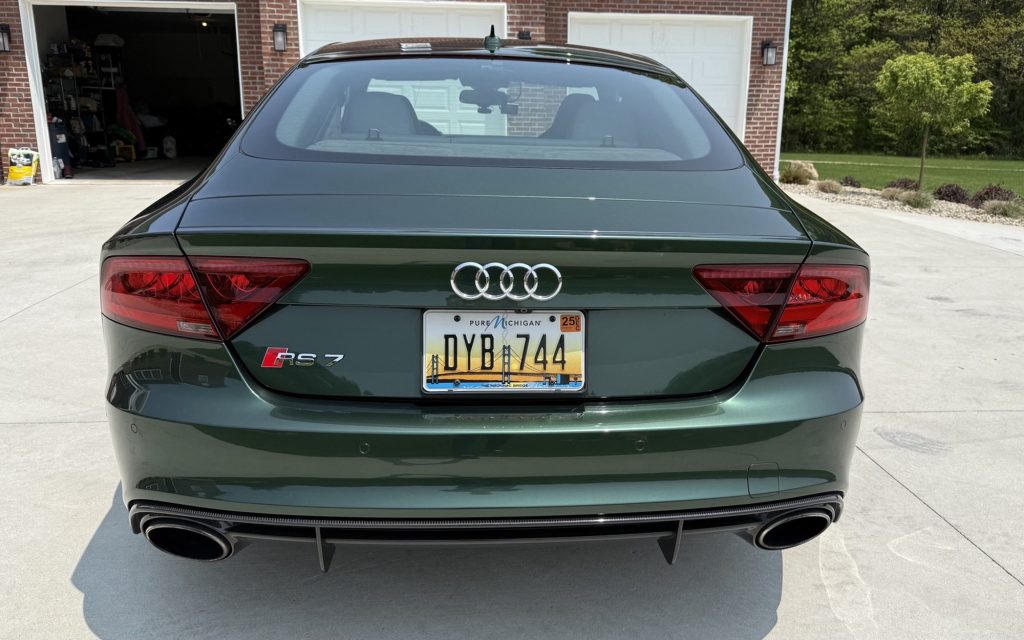
What: 2014 Audi RS 7 Color: Verdant Green (verdantgrün; metallic UNI; LO6A; Audi) VIN: WUAW2AFC9EN903062 Mileage: 46,100 Price: $62,000 CarFax: N/A Window Sticker: N/A Location: Private Party, Undisclosed, MI Listing:Link
Verdant Green is a color Audi borrowed from Bentley, the ultra luxurious British marque that’s a sibling to Audi in the Volkswagen Group. And while the hue looks natural on something Anglo and stately like a Continental GT, we’d also argue it looks the business on an RS 7.
This one is up for private party sale on AutoTrader. It does sport some modifications (those black wheels in the photos are clearly not factory), and the owner also sounds pretty specific about imperfections it has collected in its first 46,100 miles.
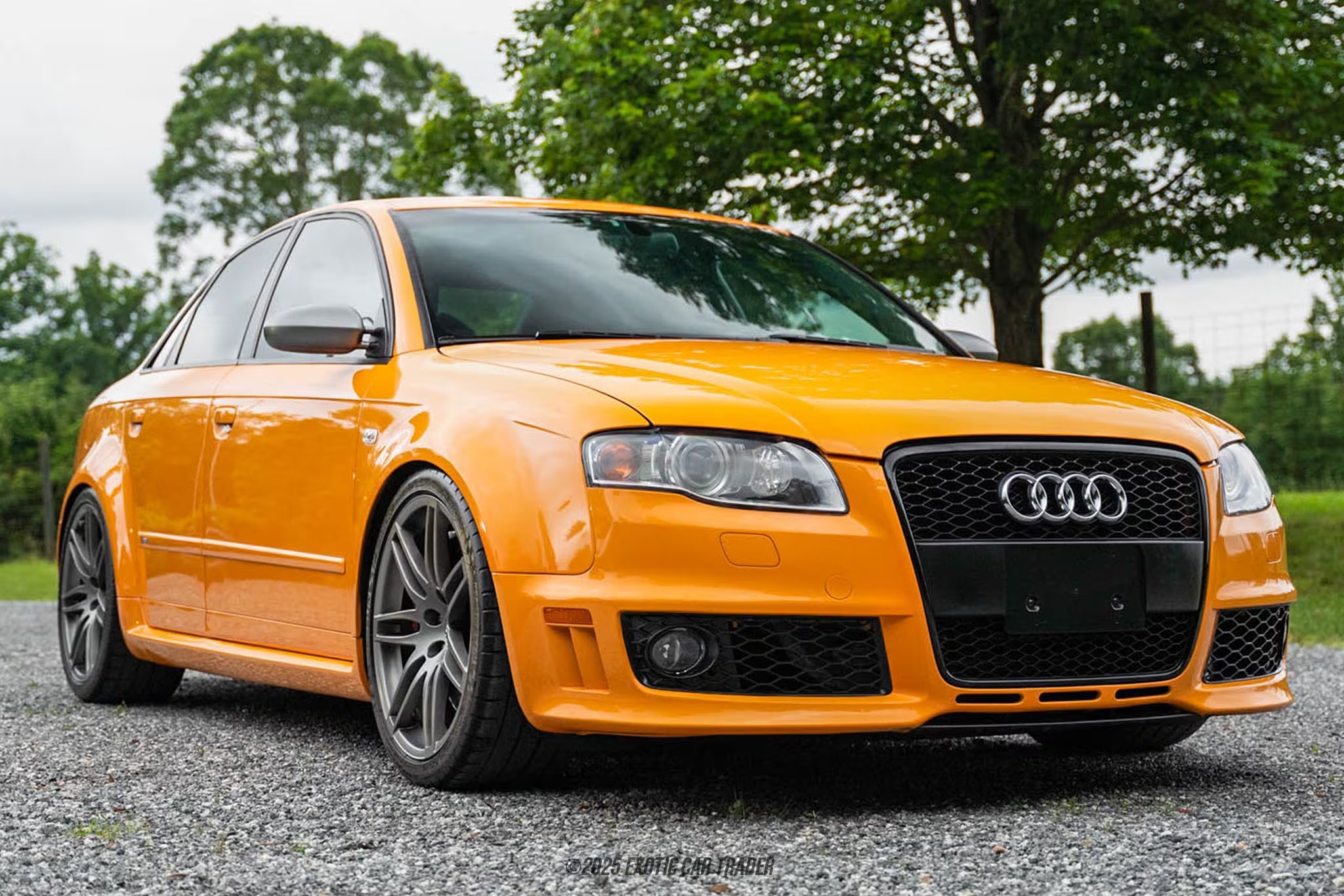
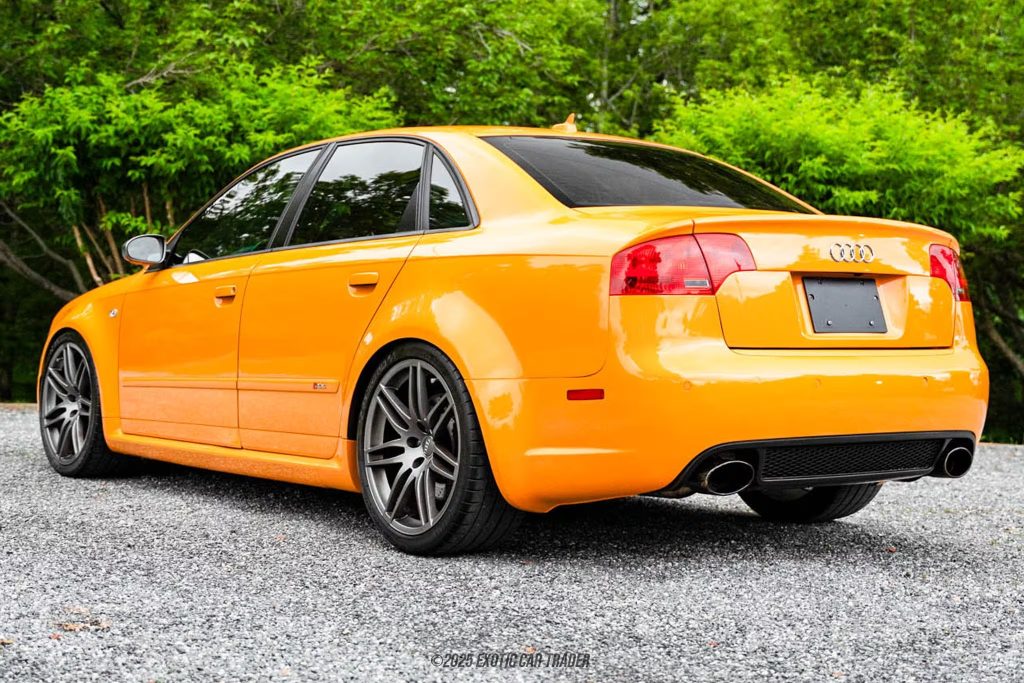
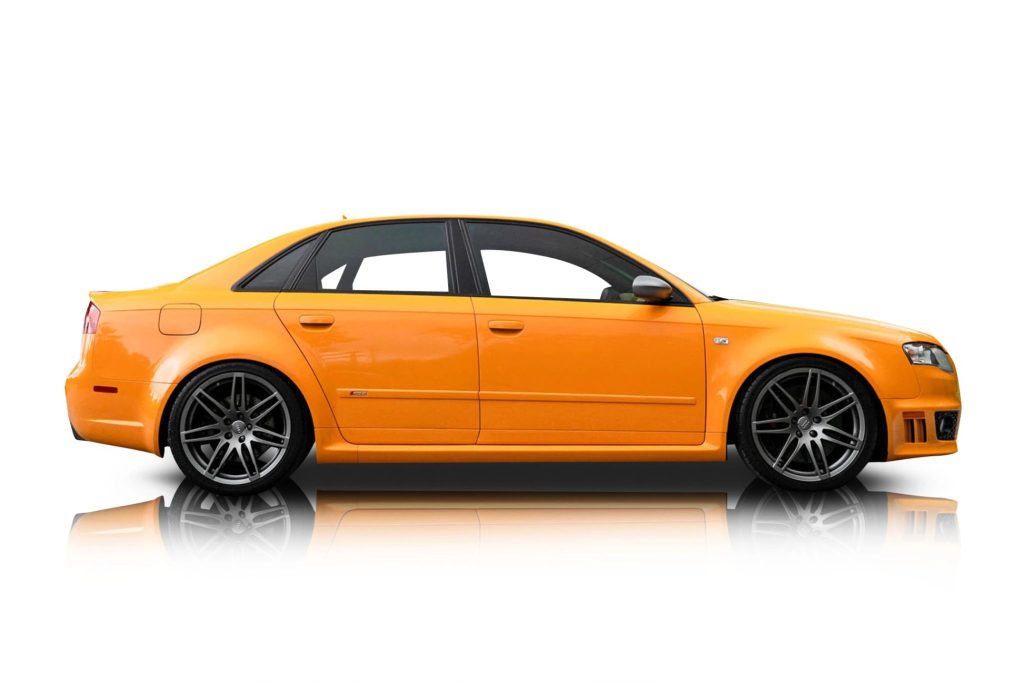
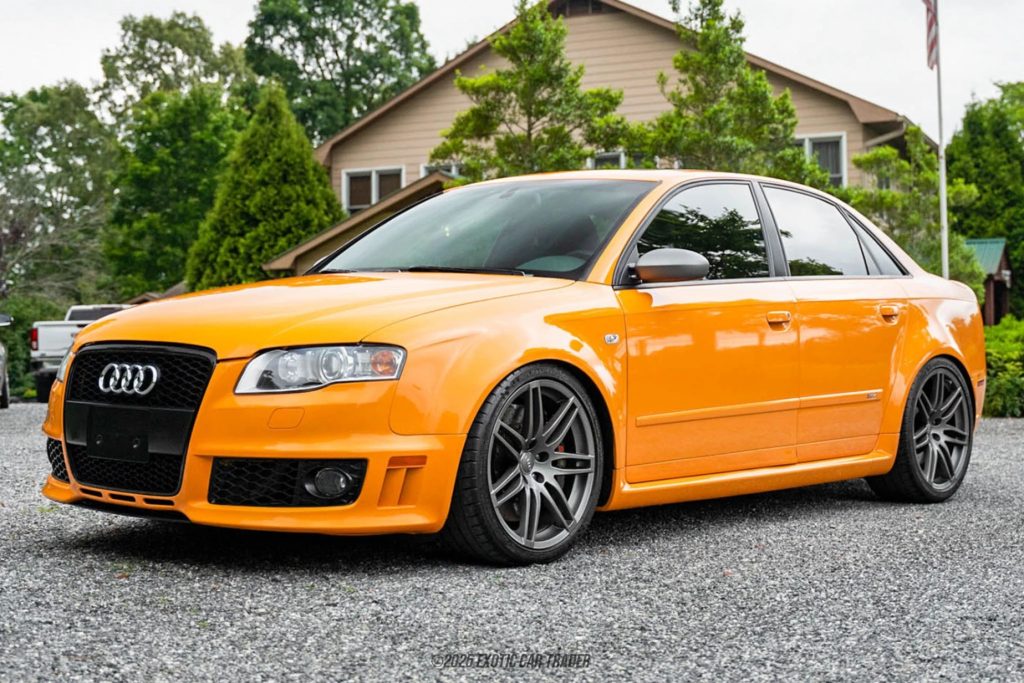
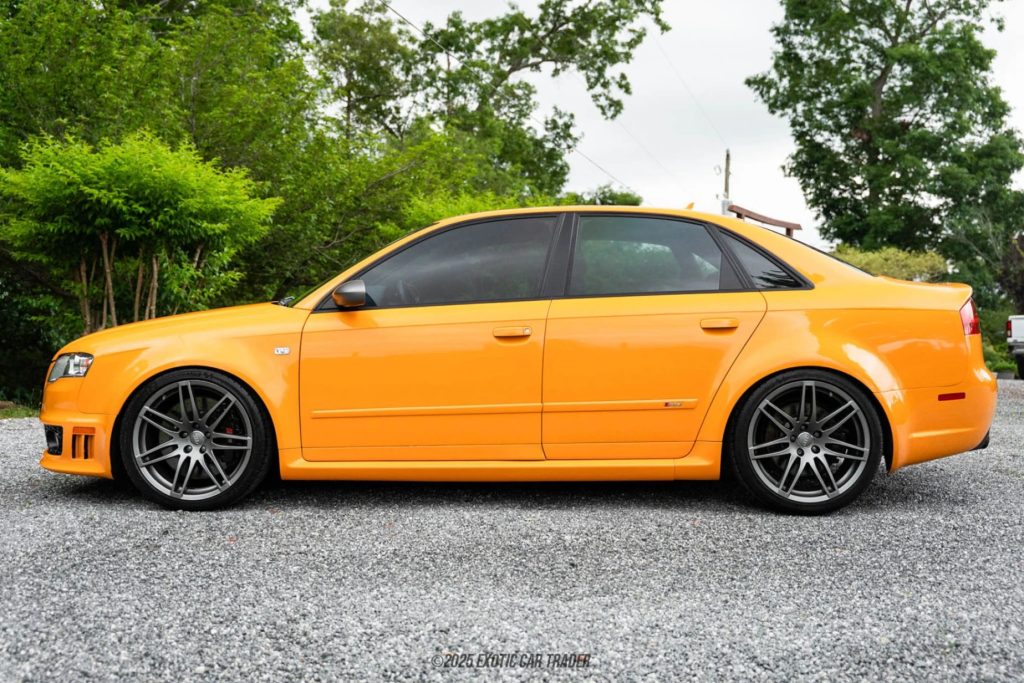
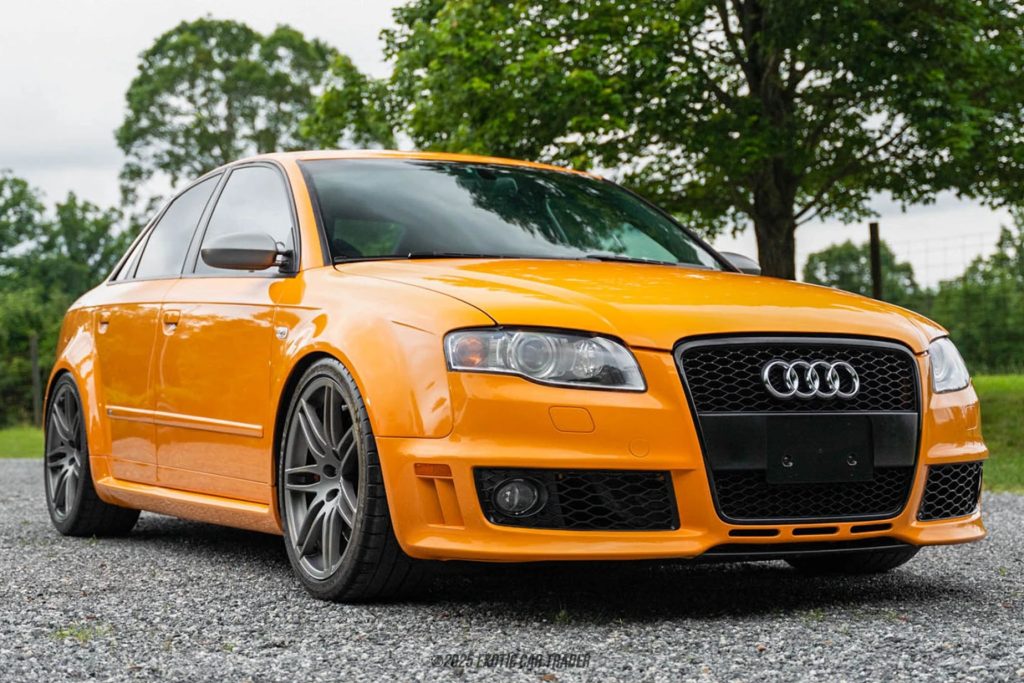
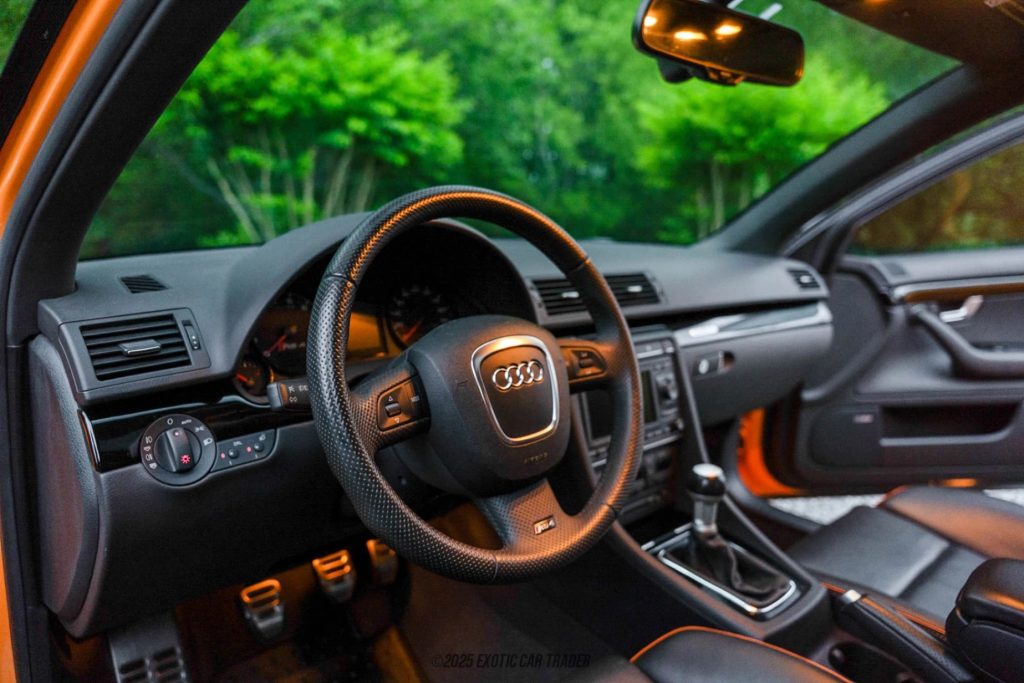
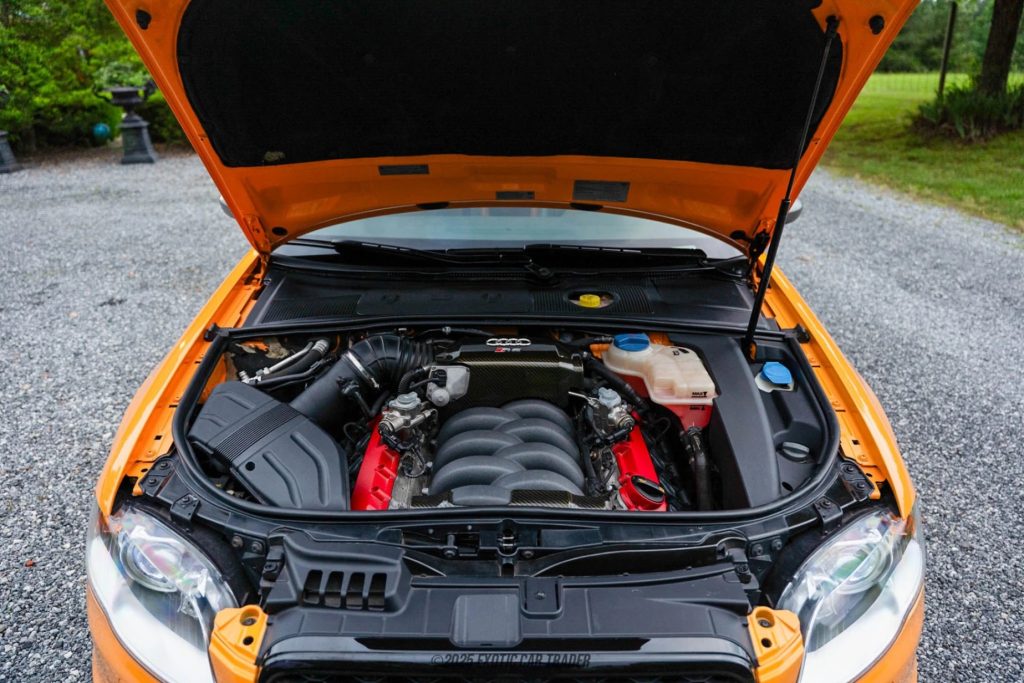
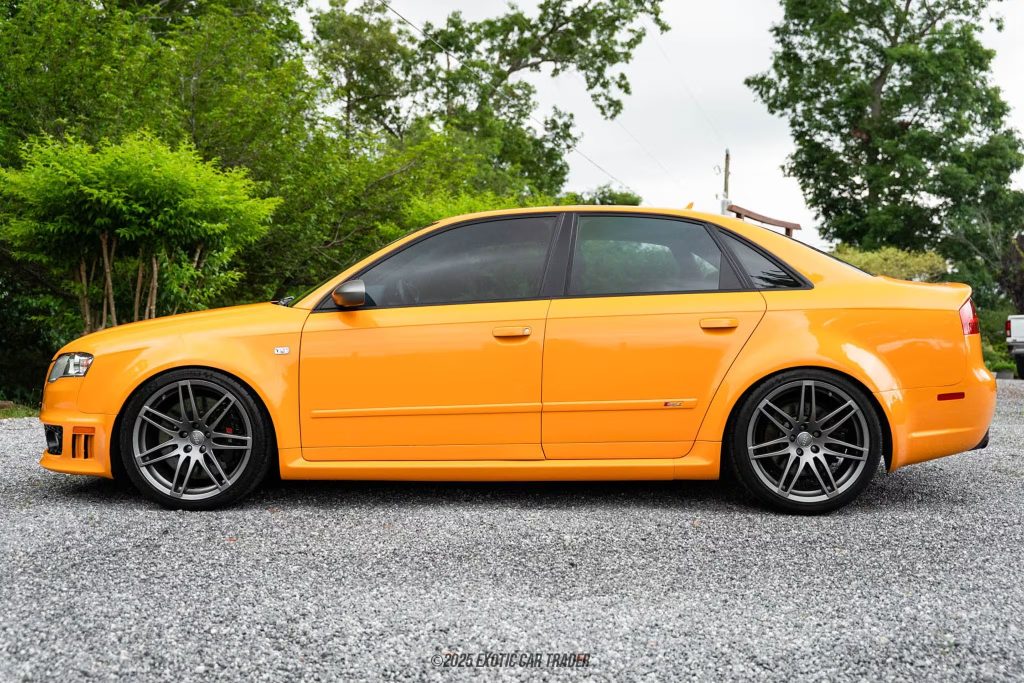
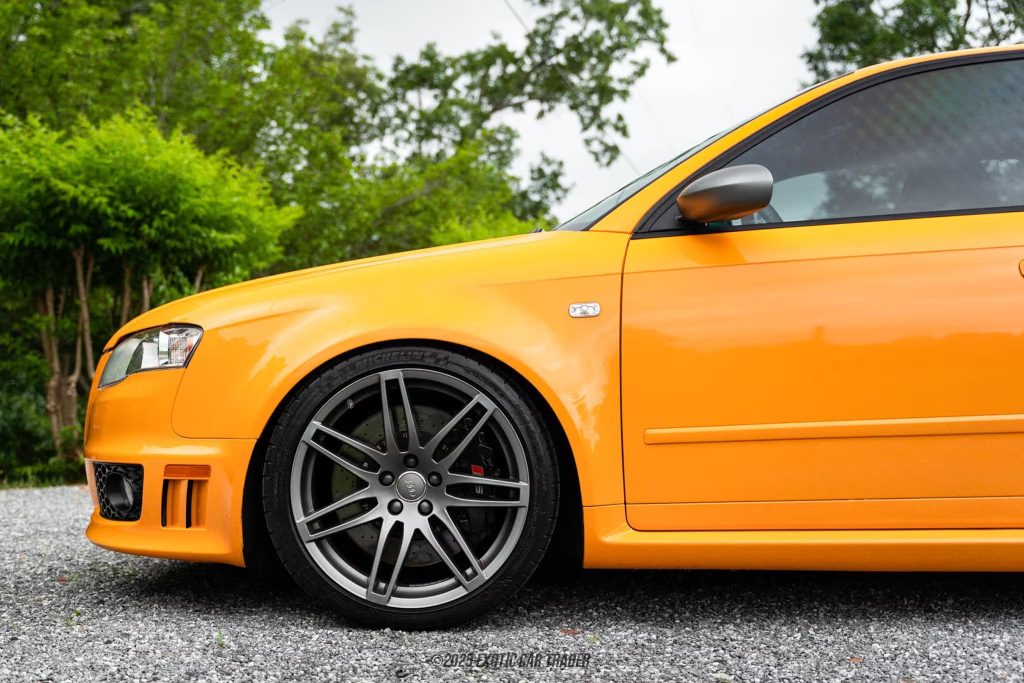
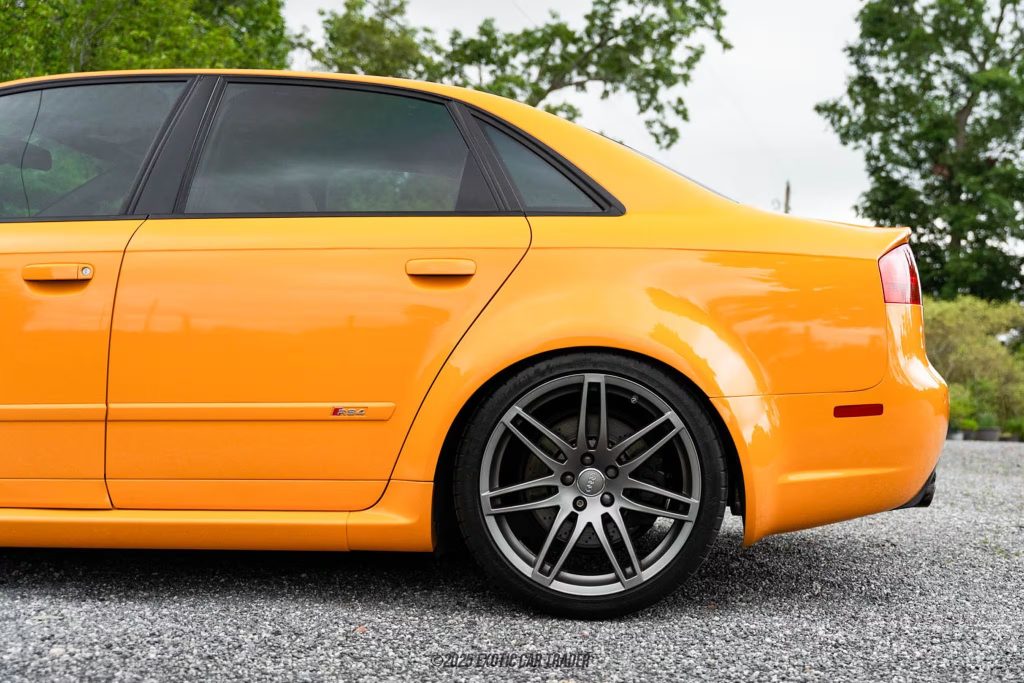
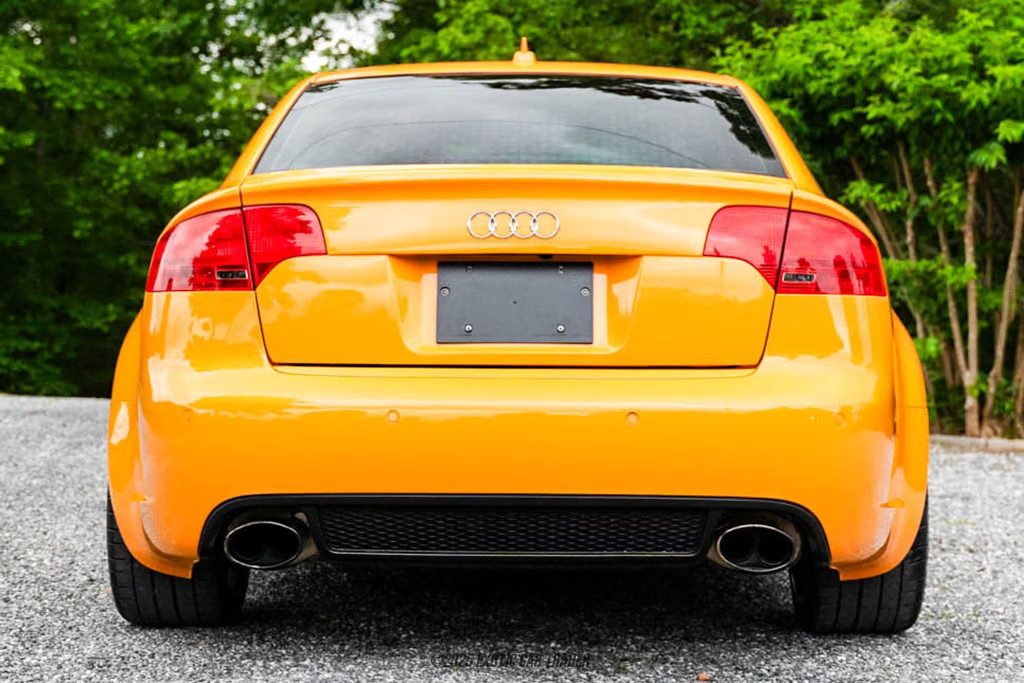
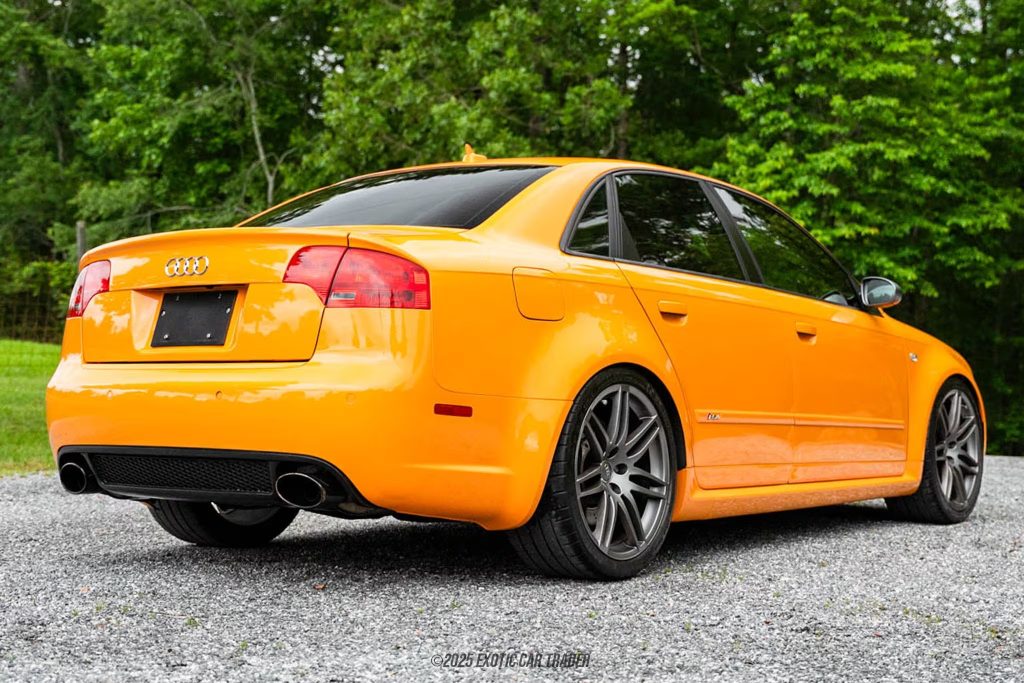
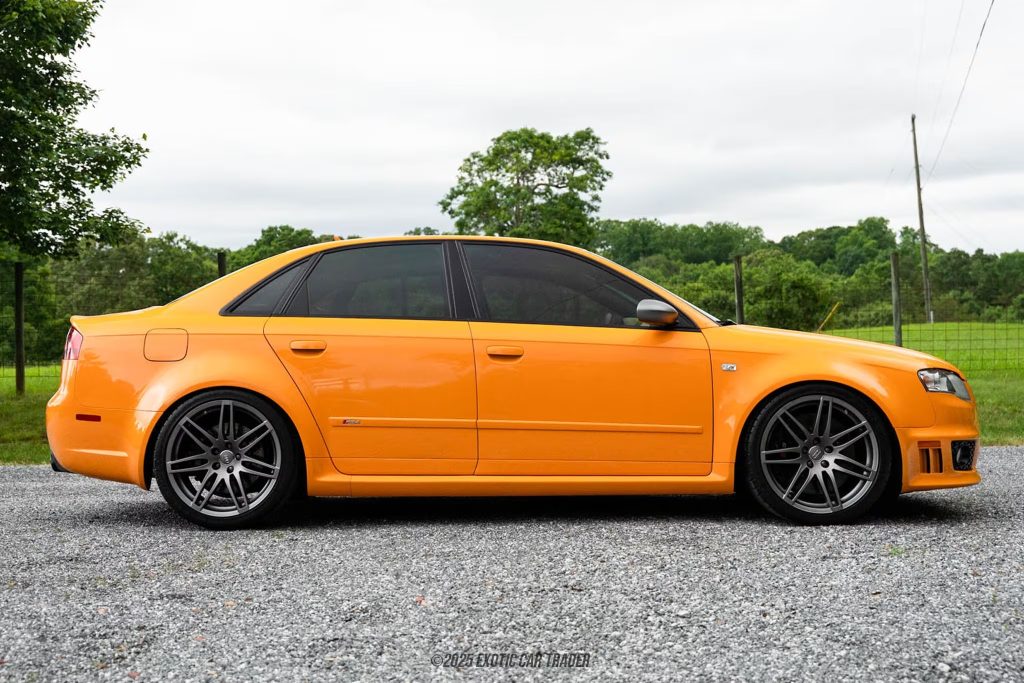
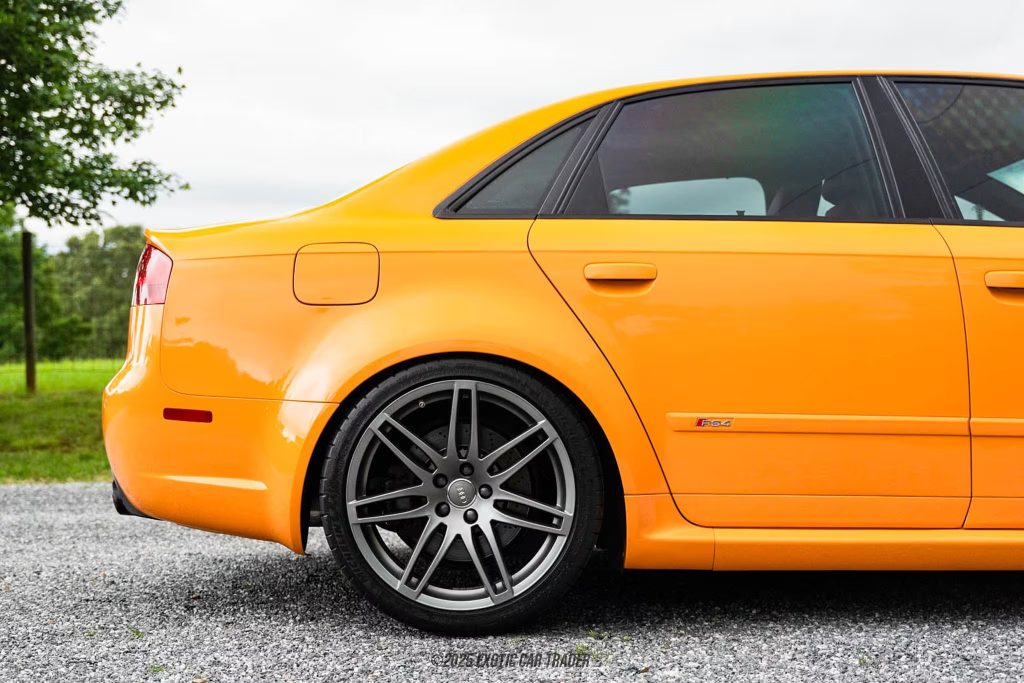
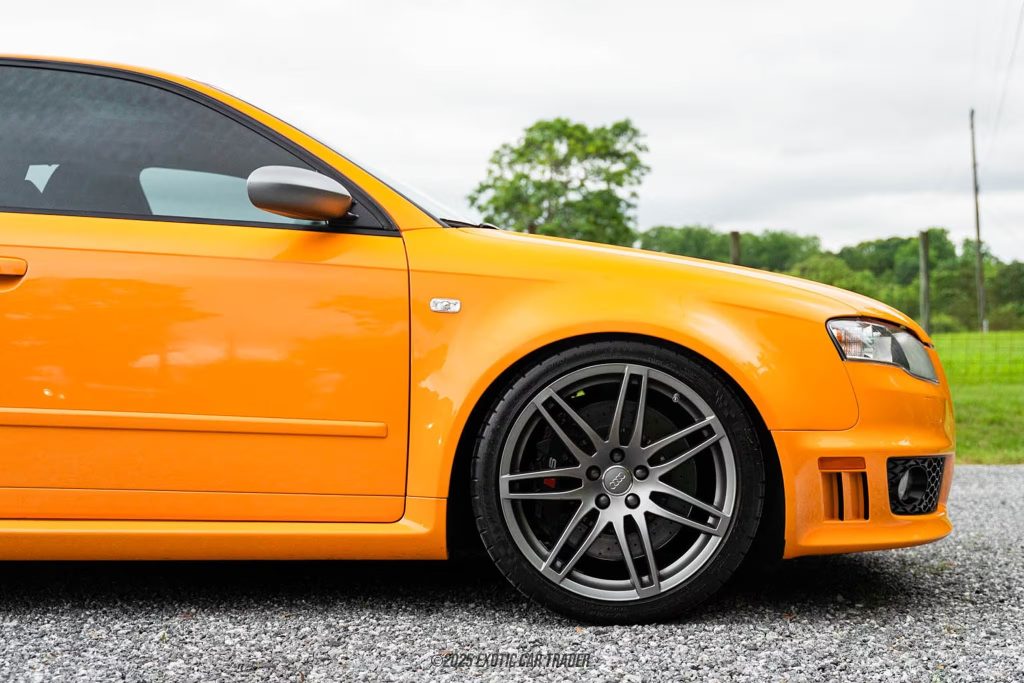
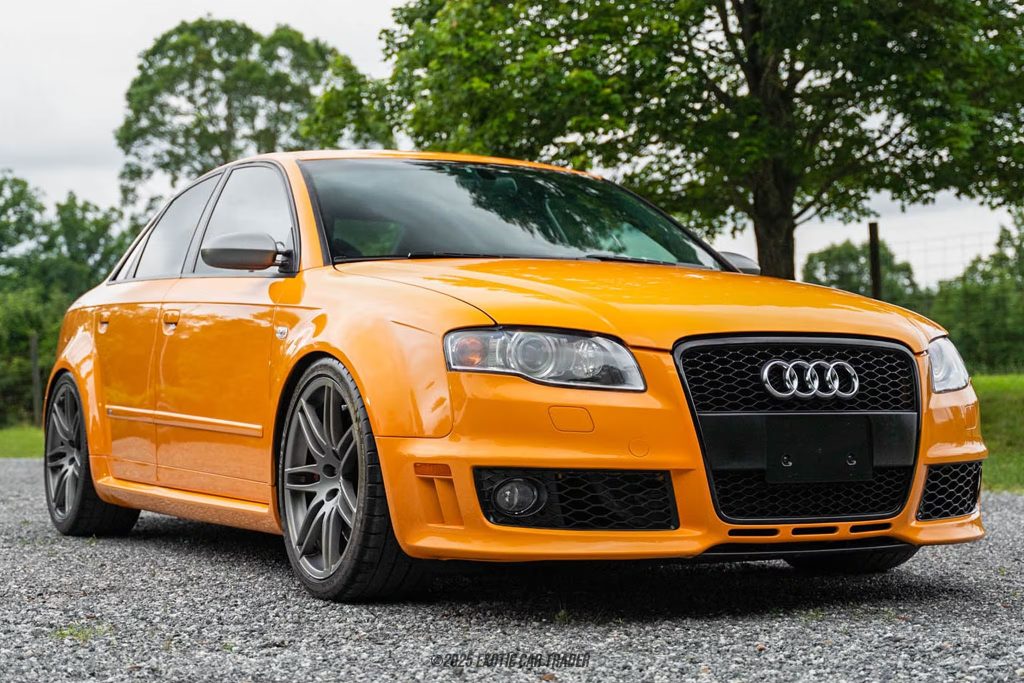
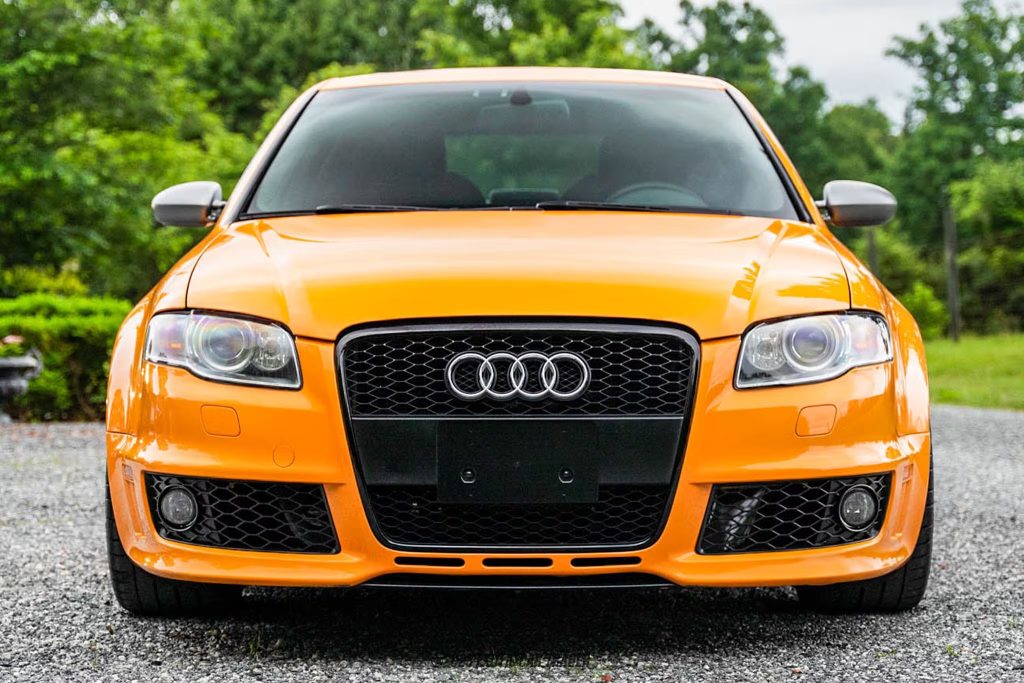
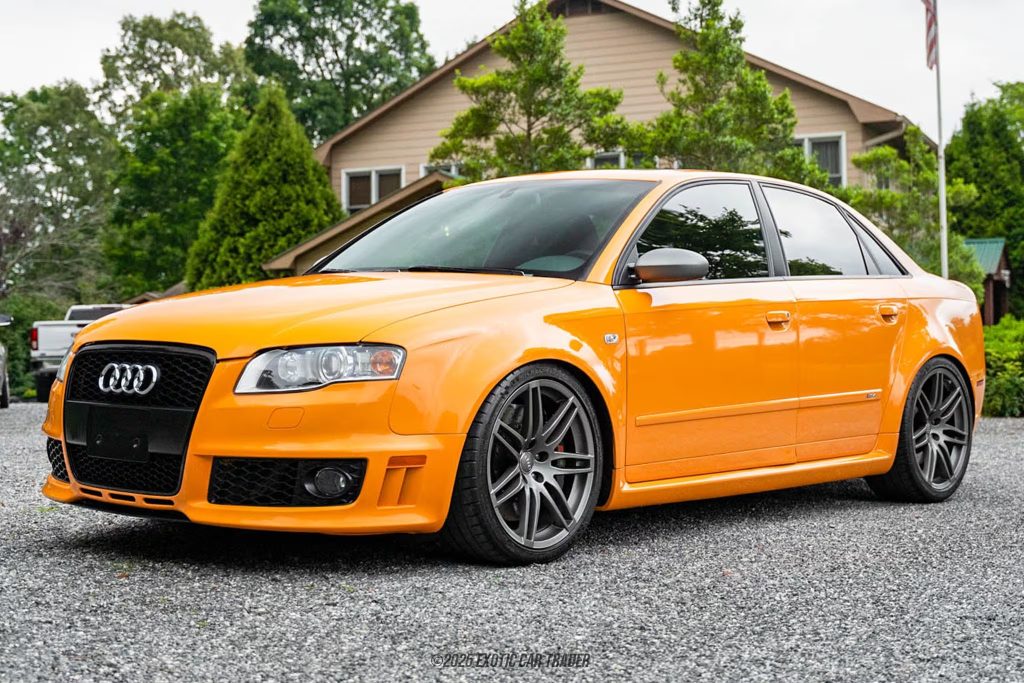
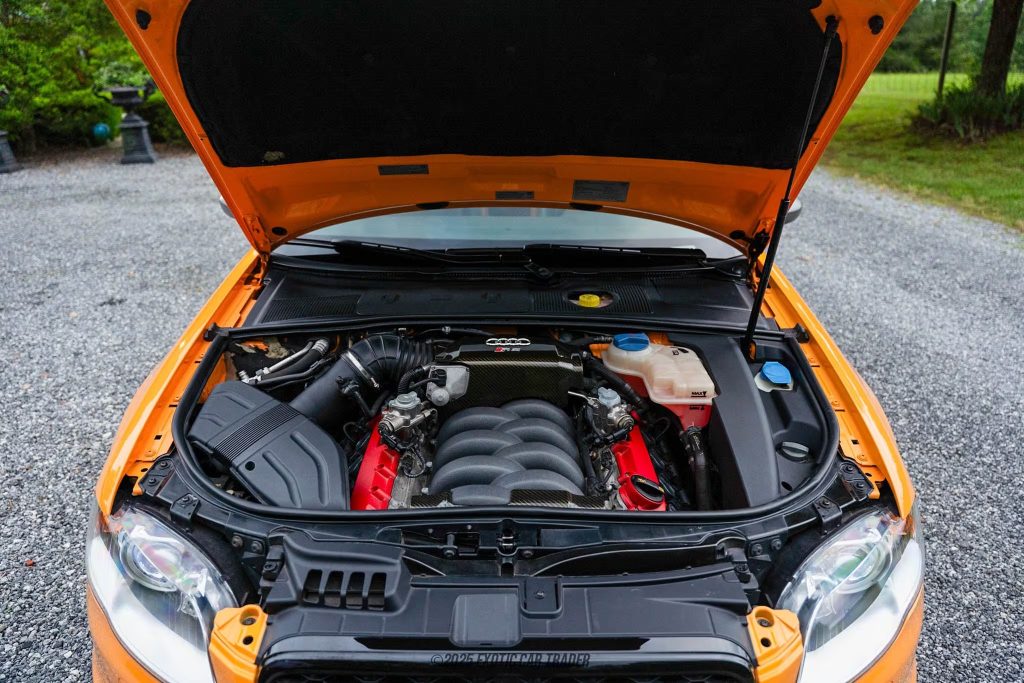
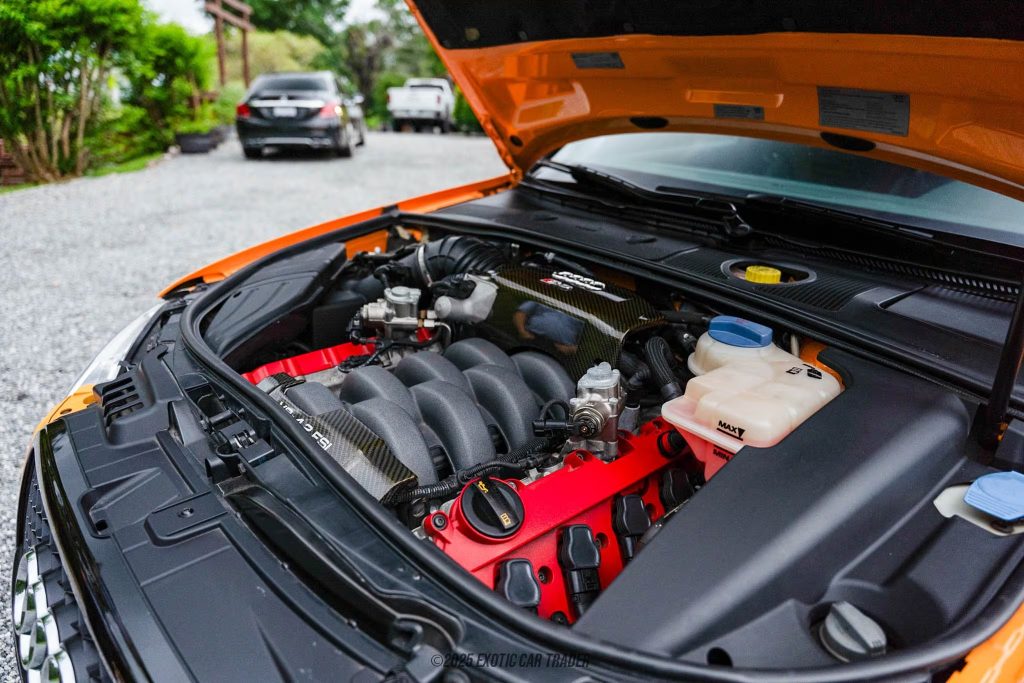
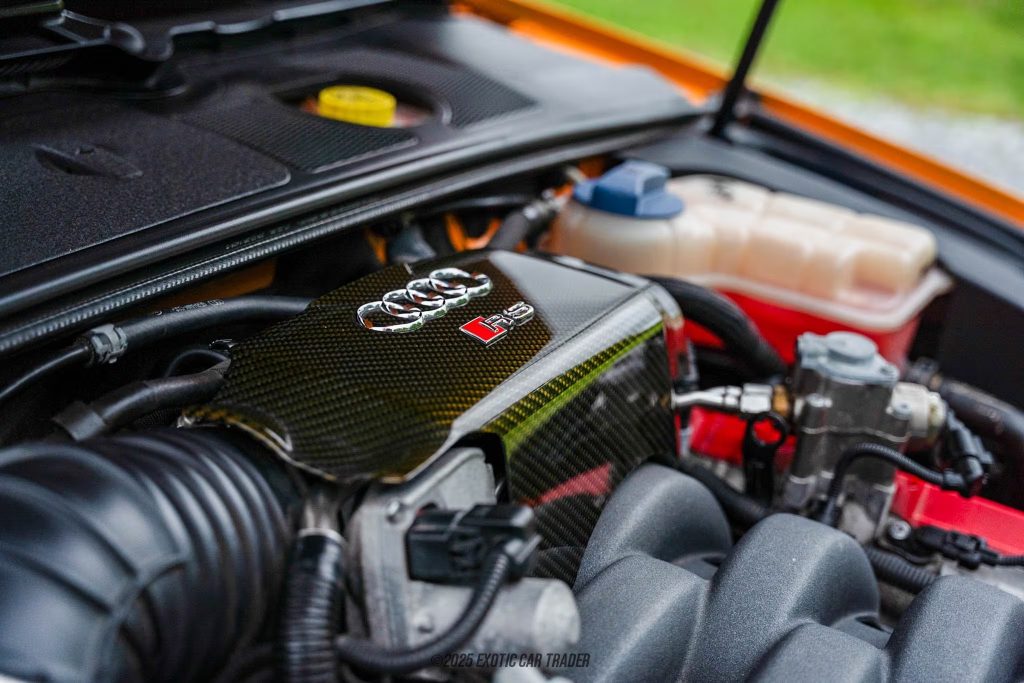
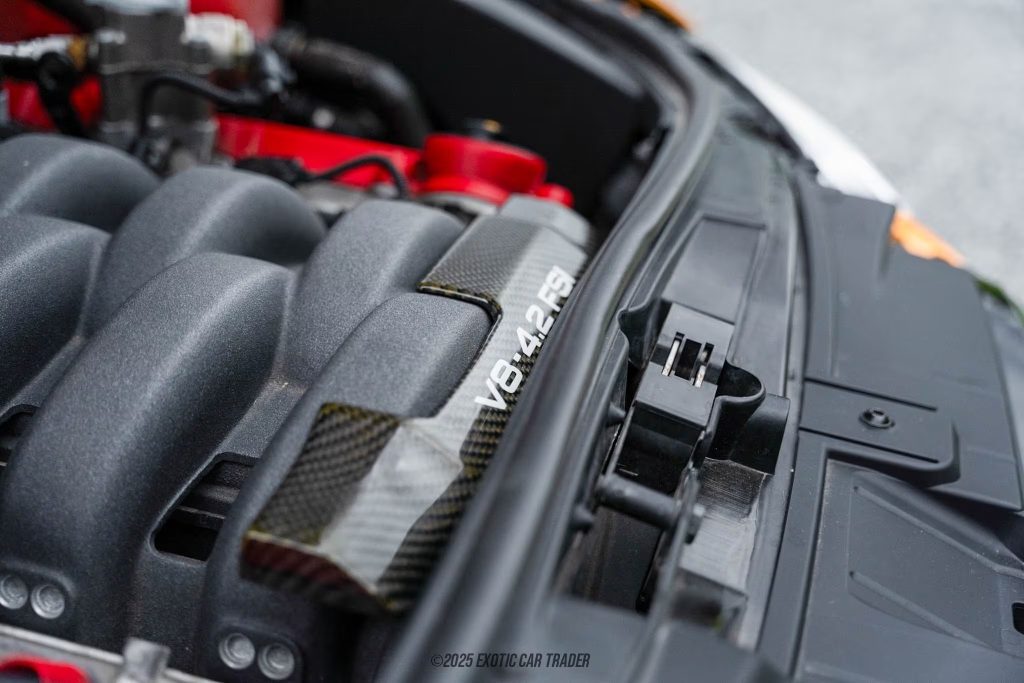
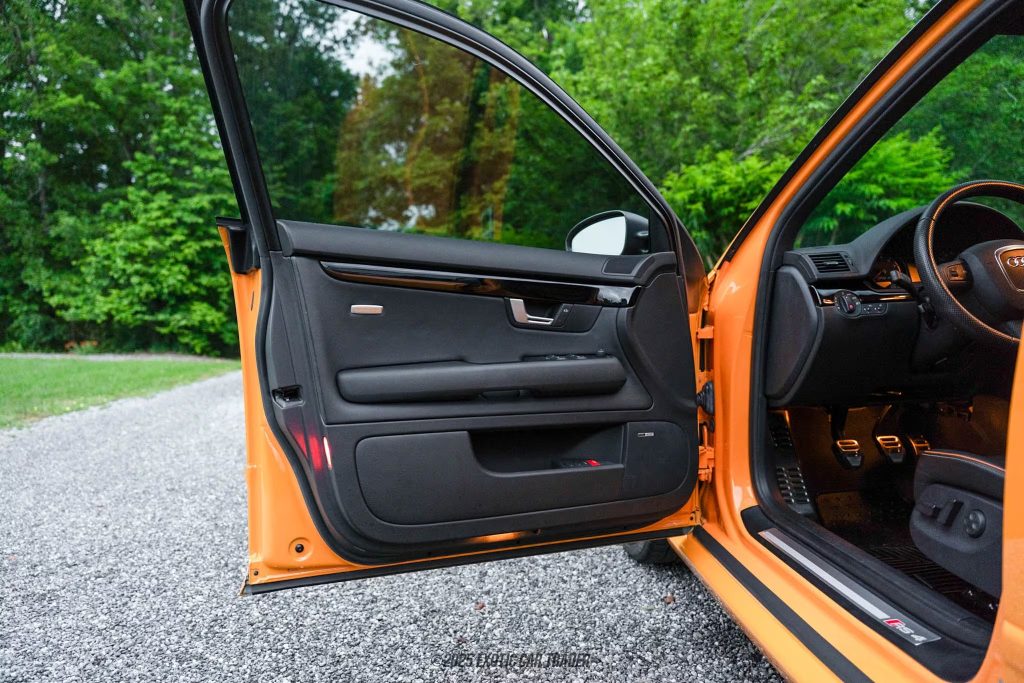
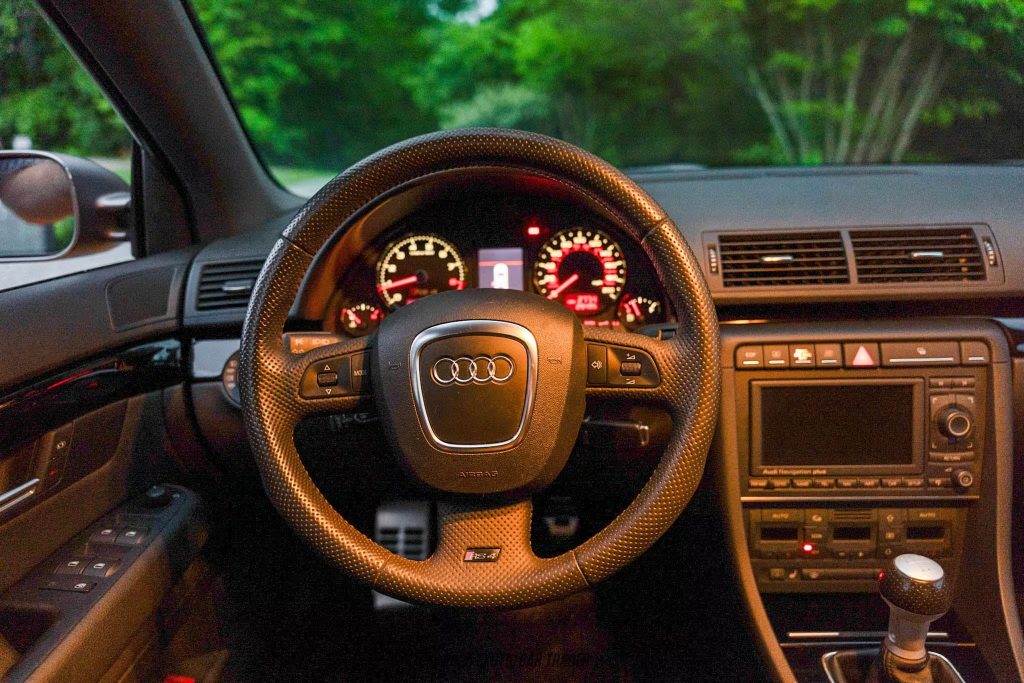
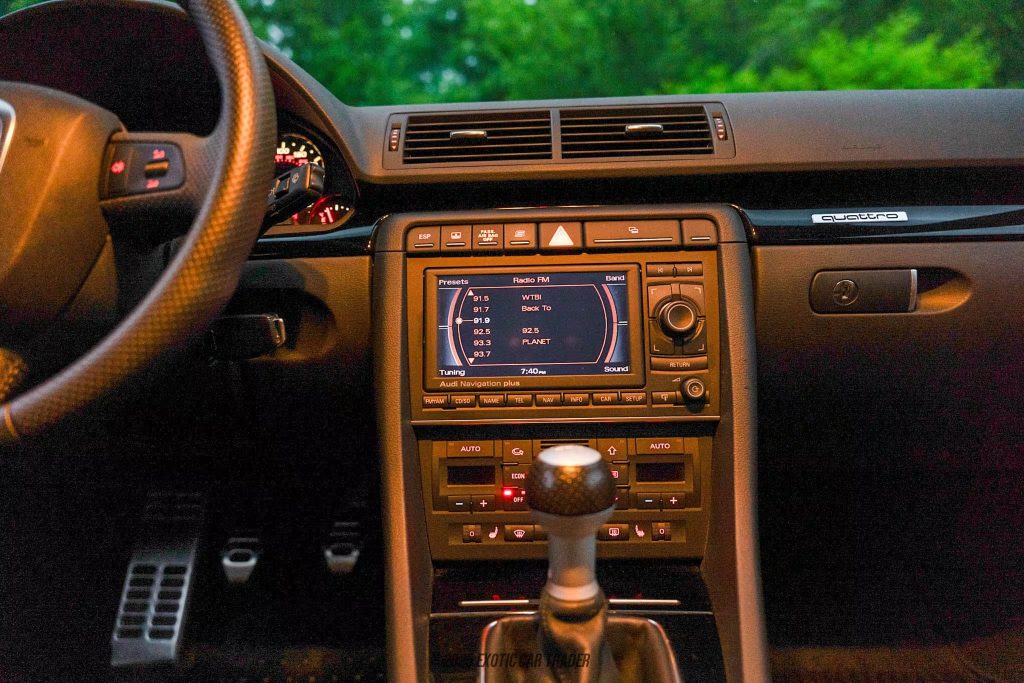
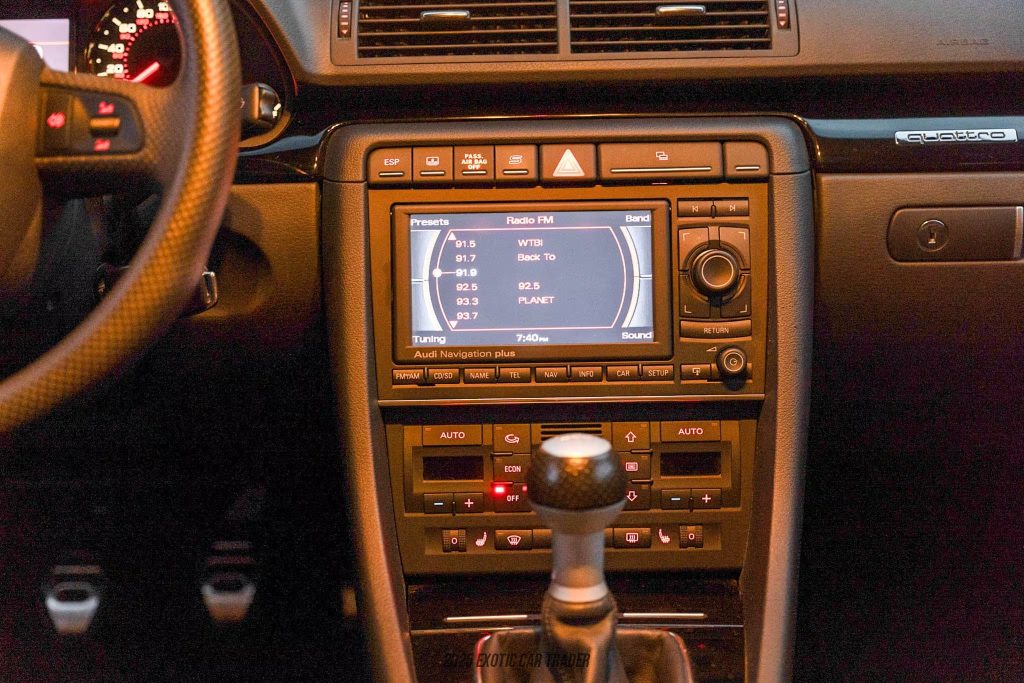
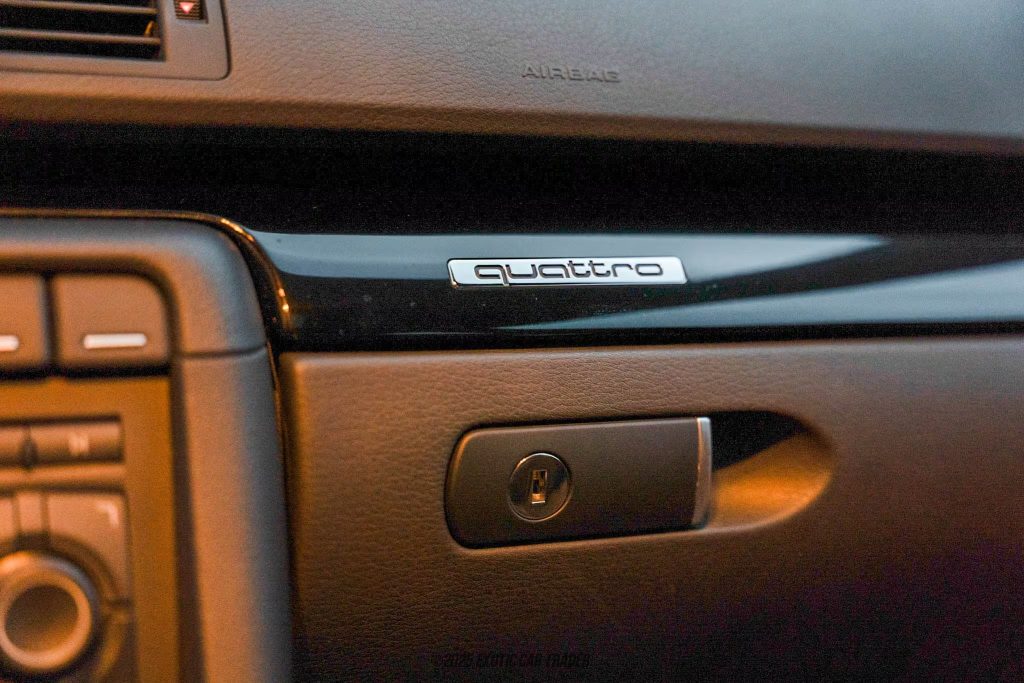
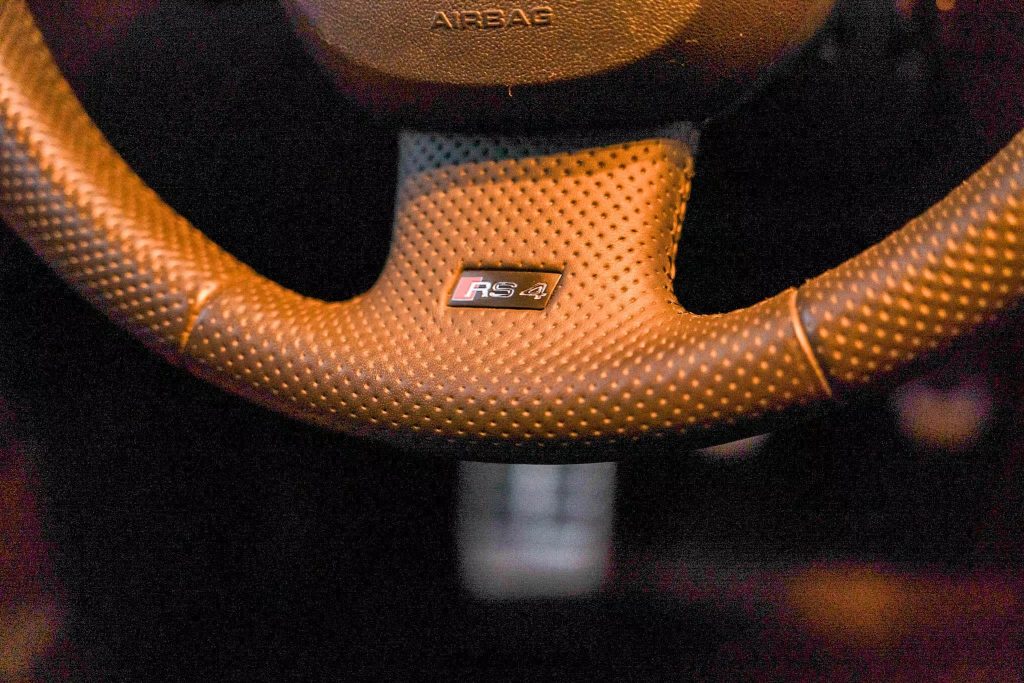
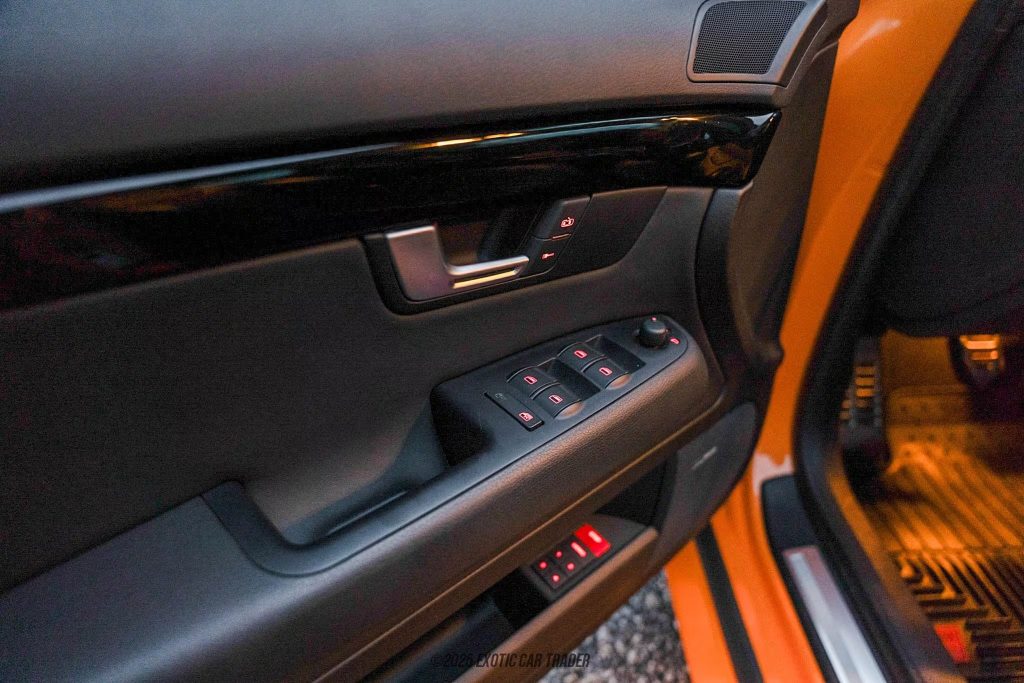
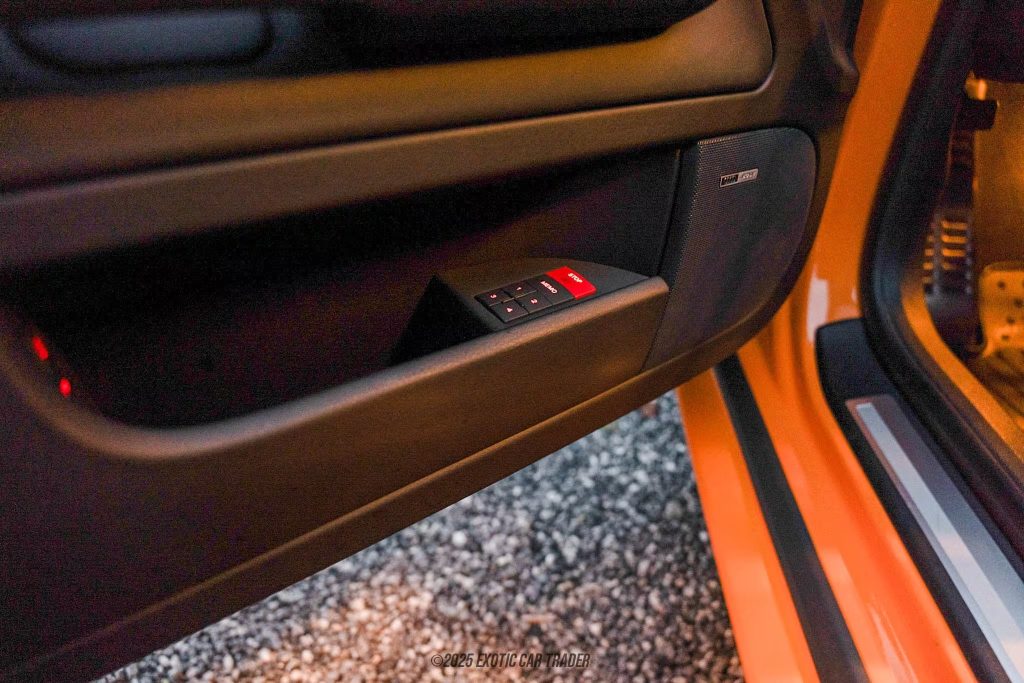
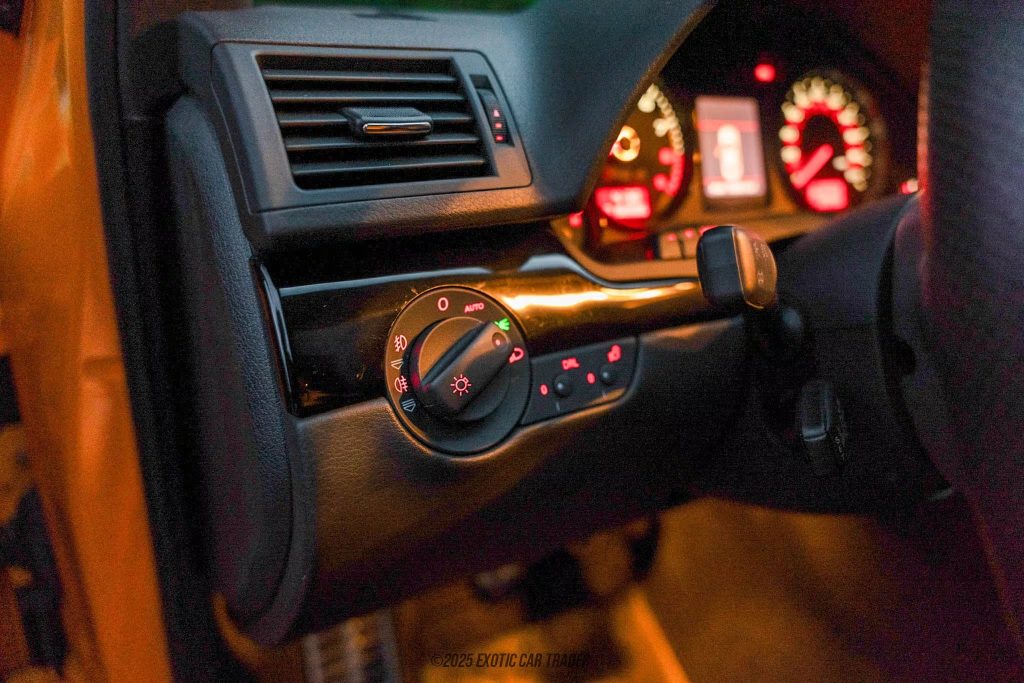
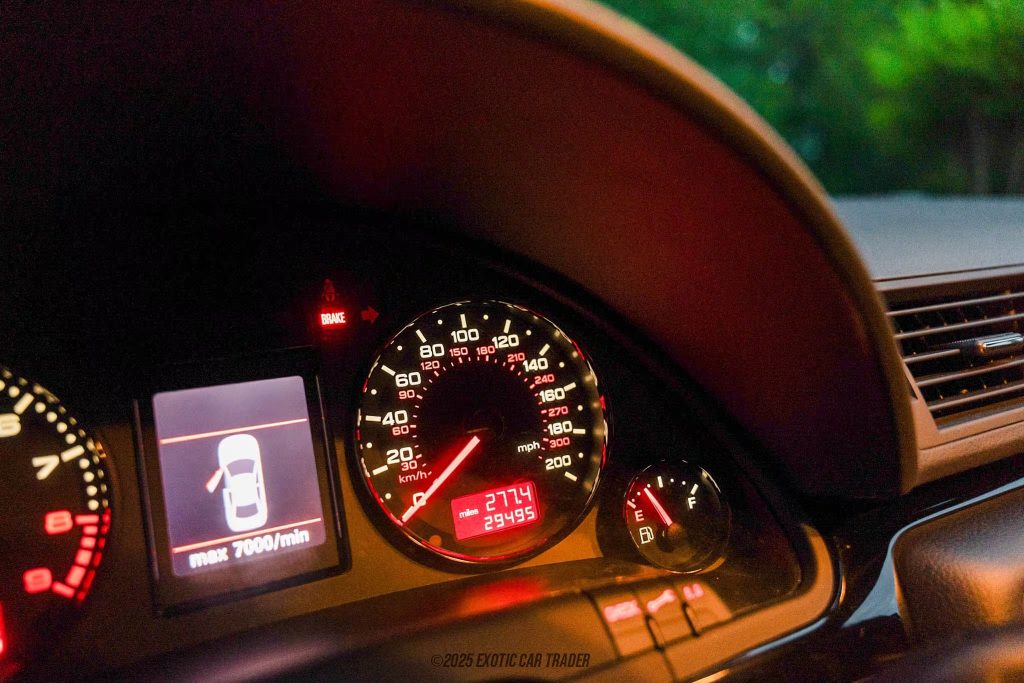
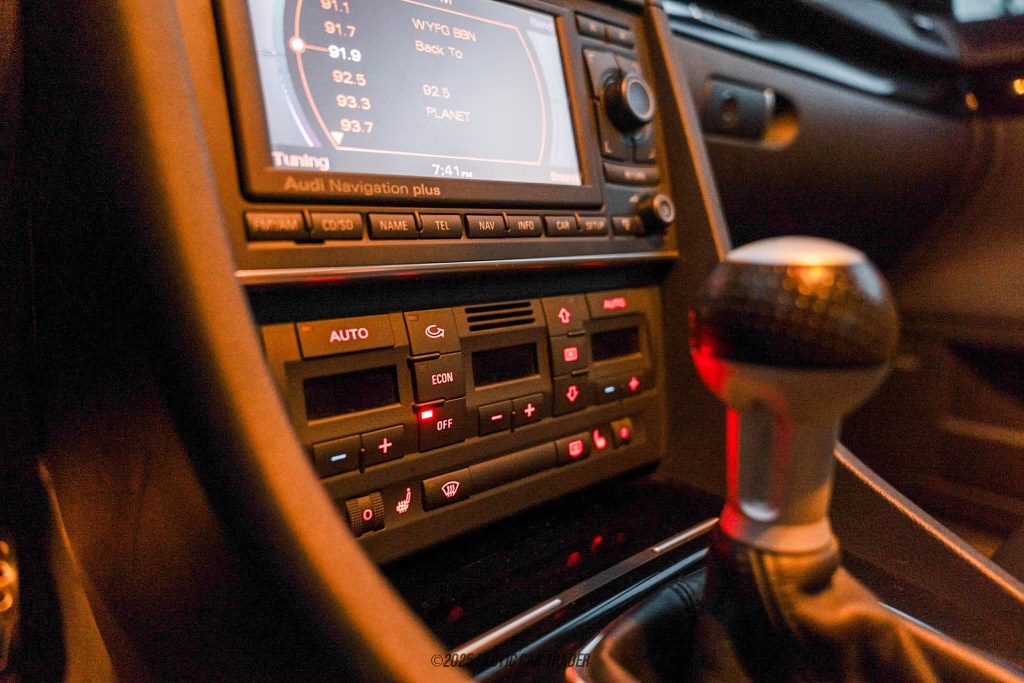
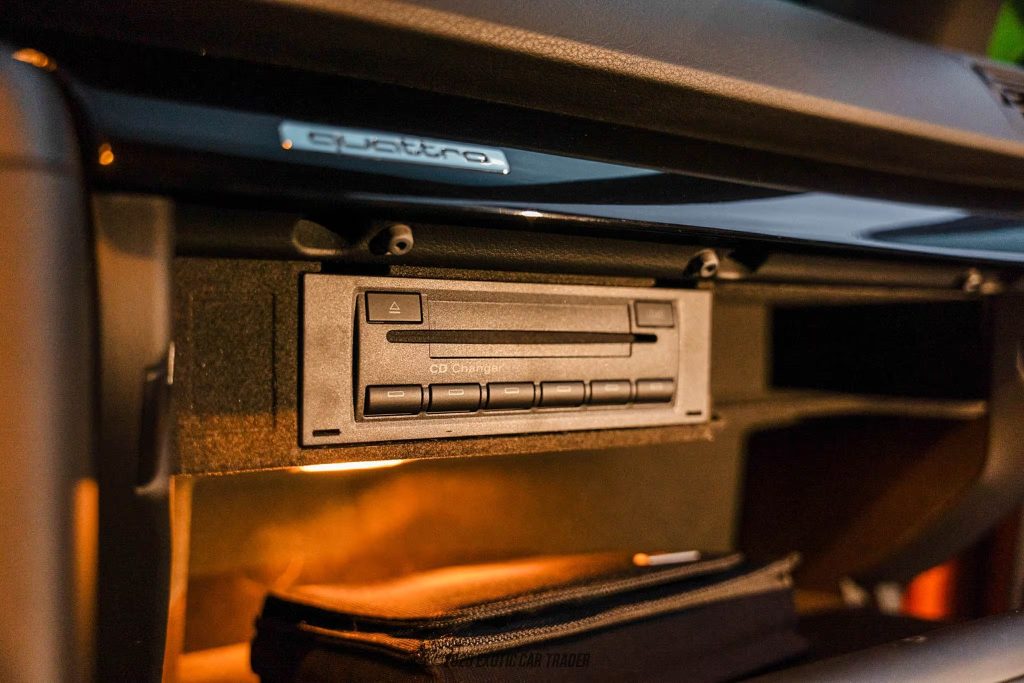
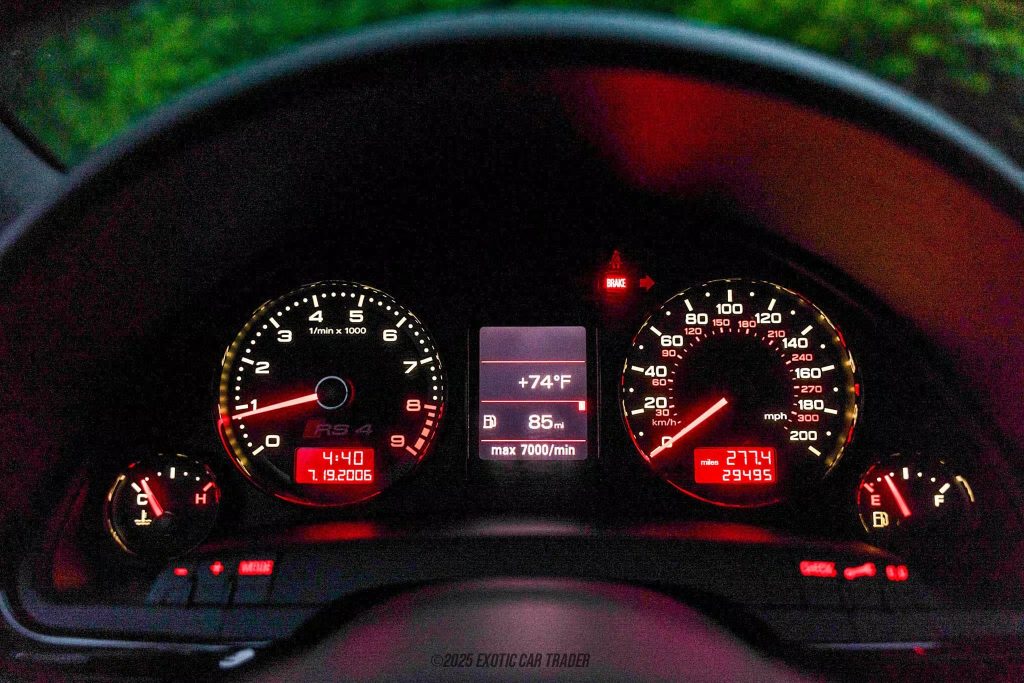
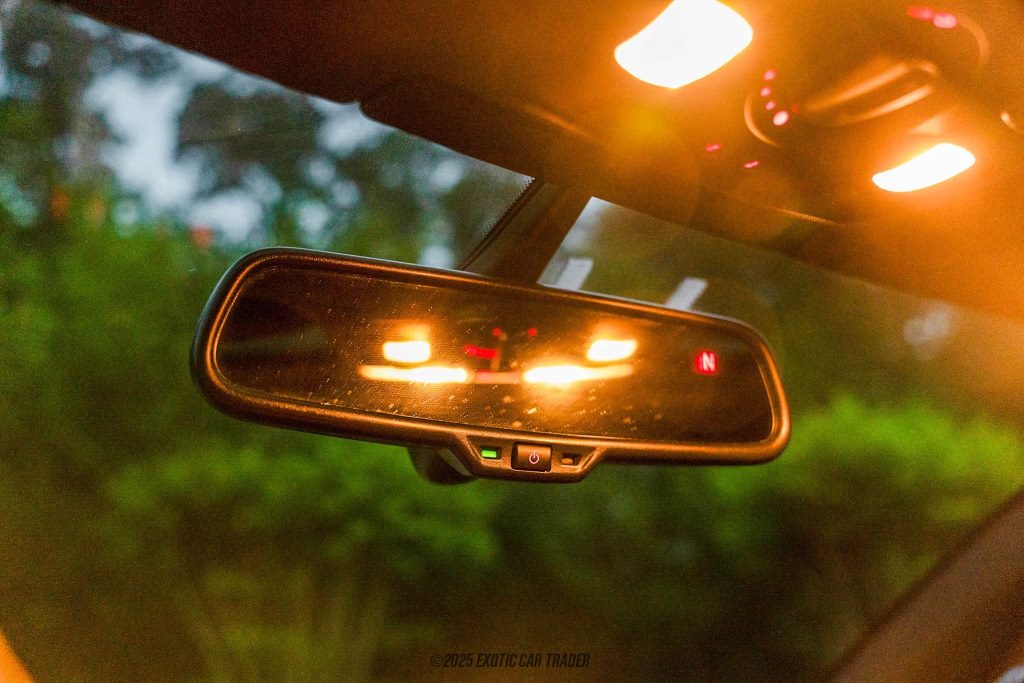
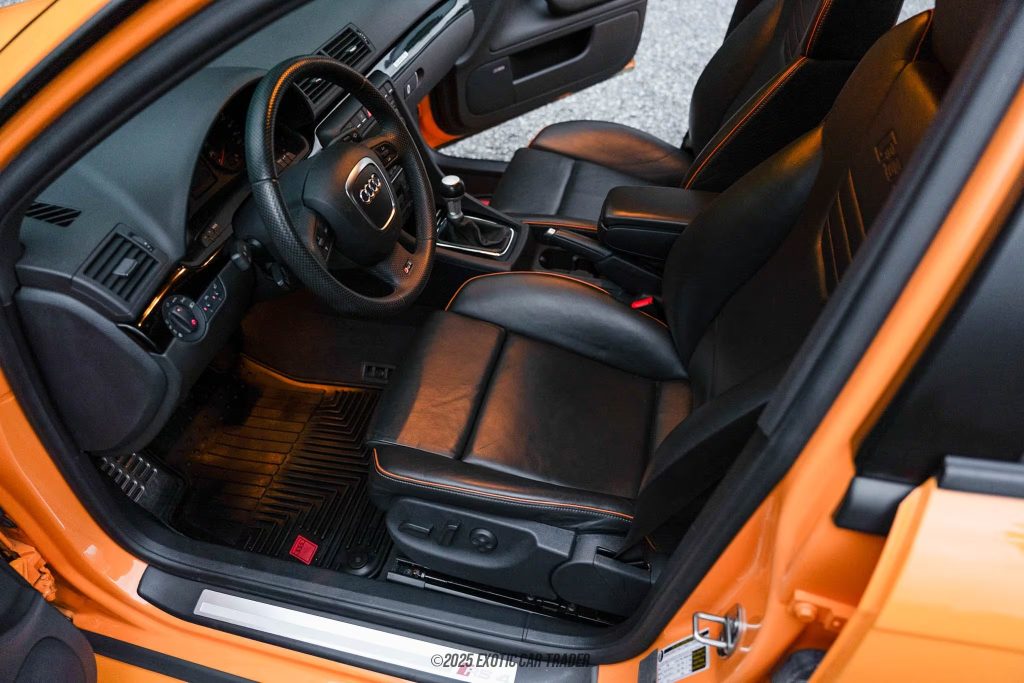
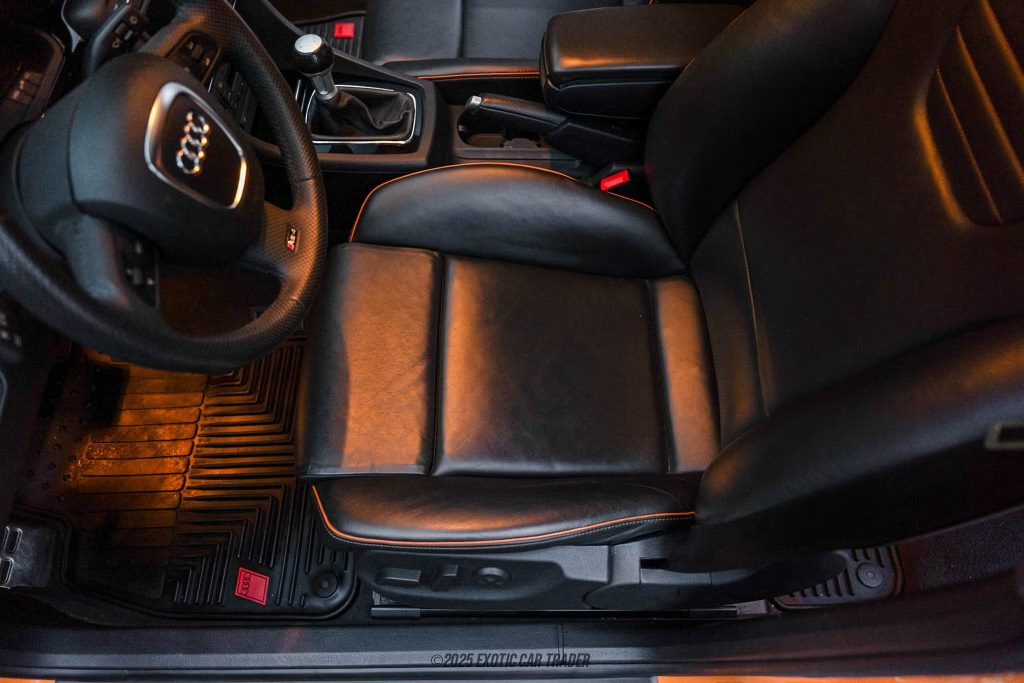
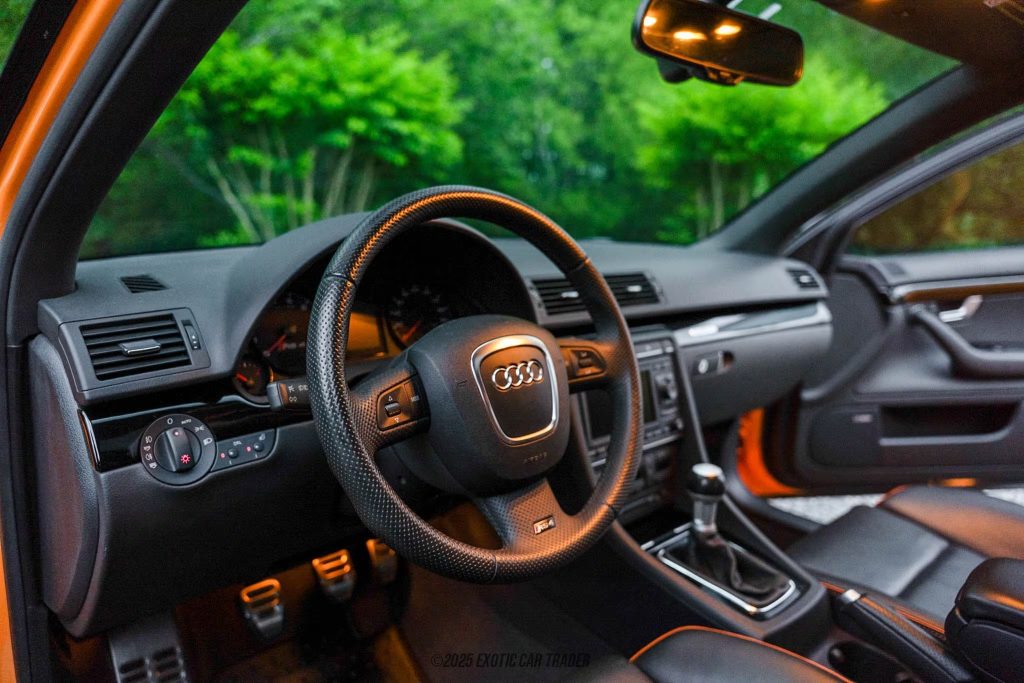
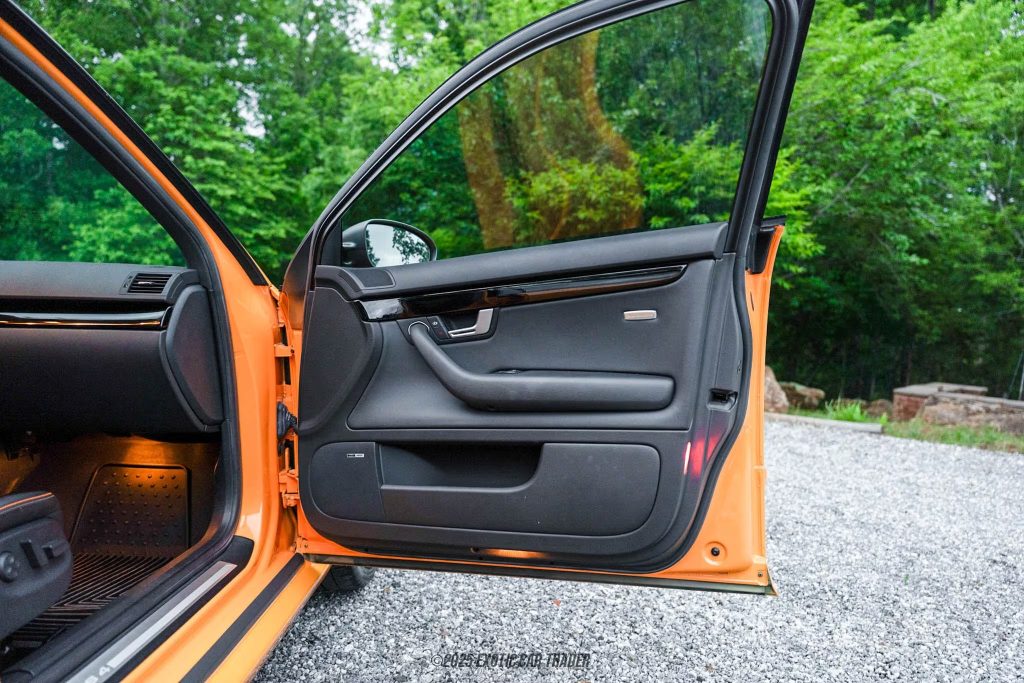
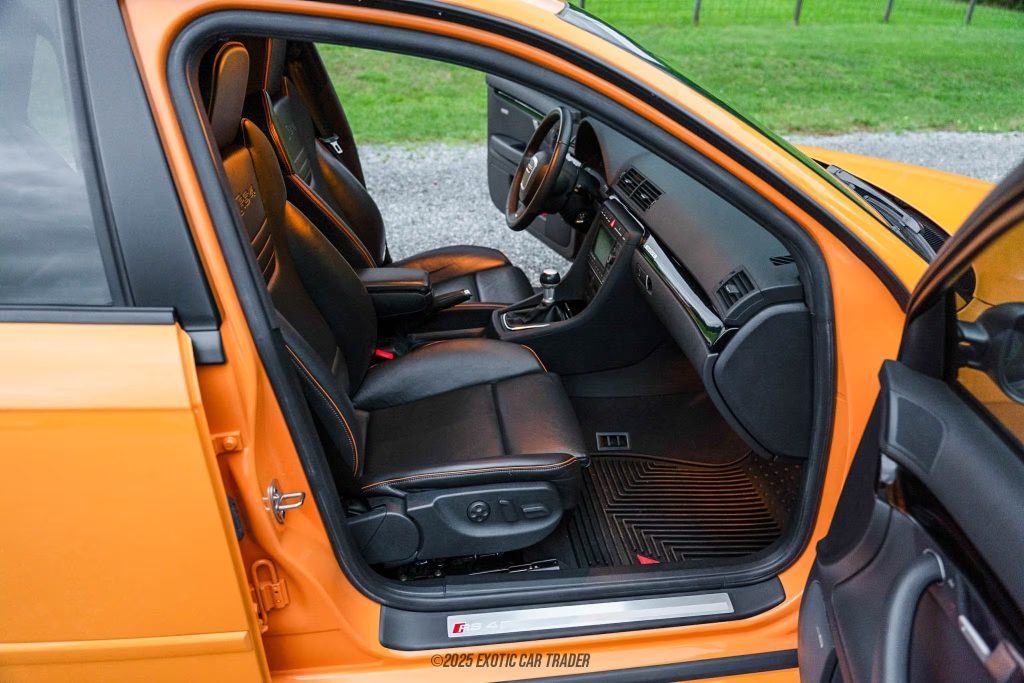
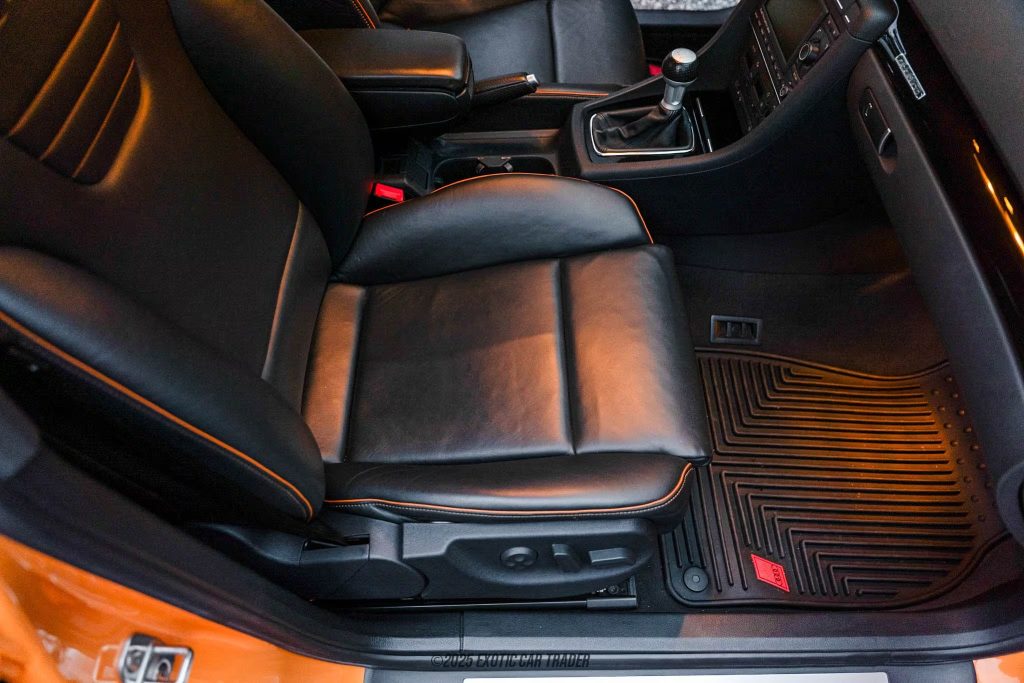
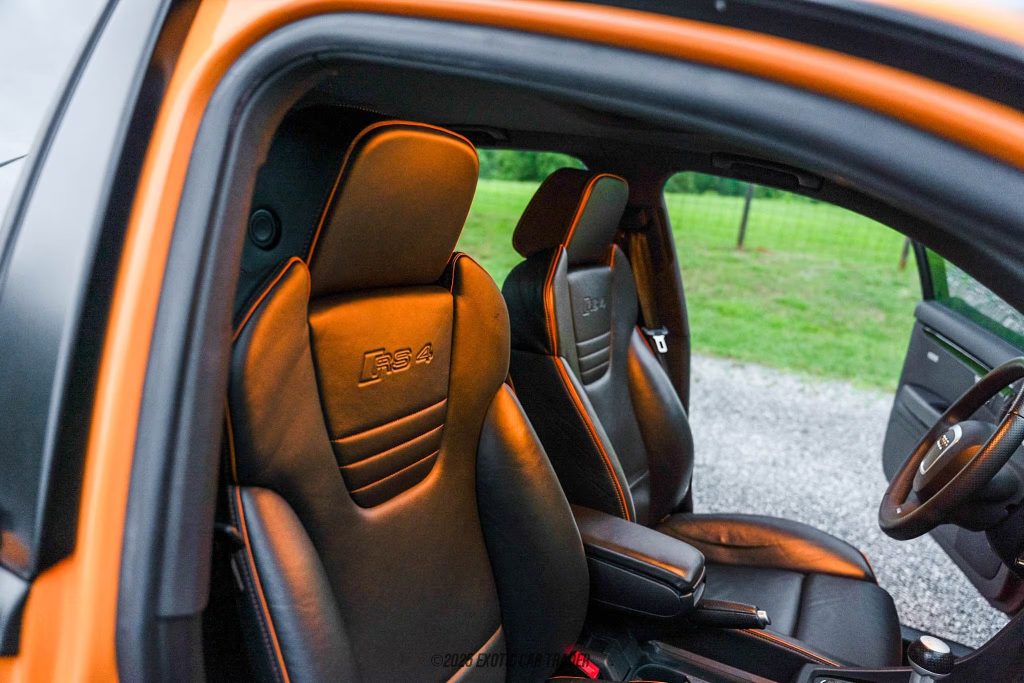
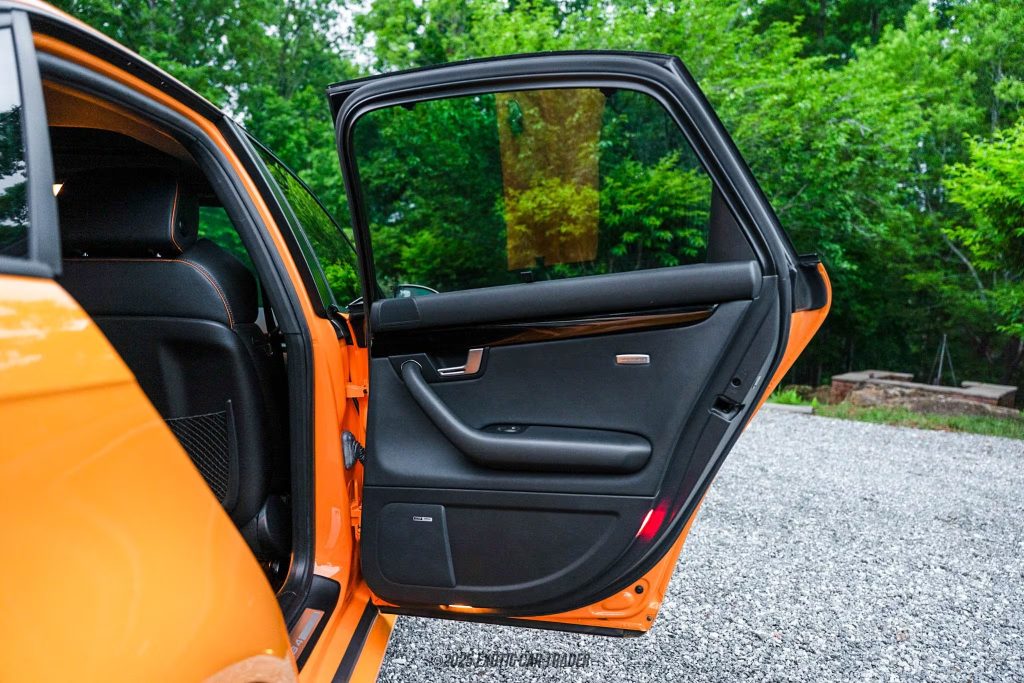
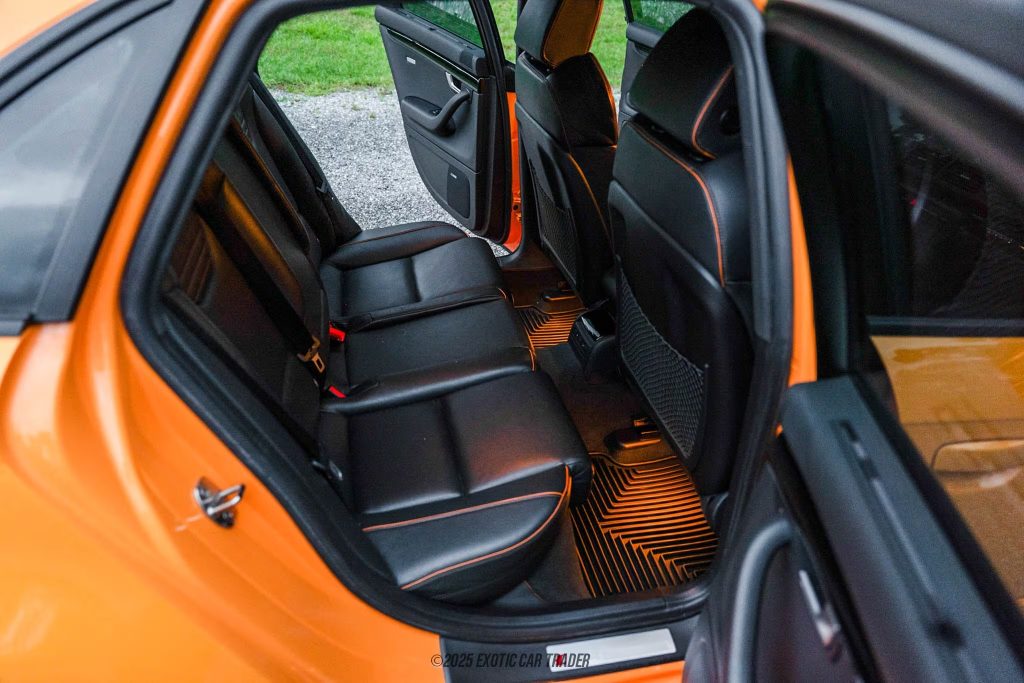
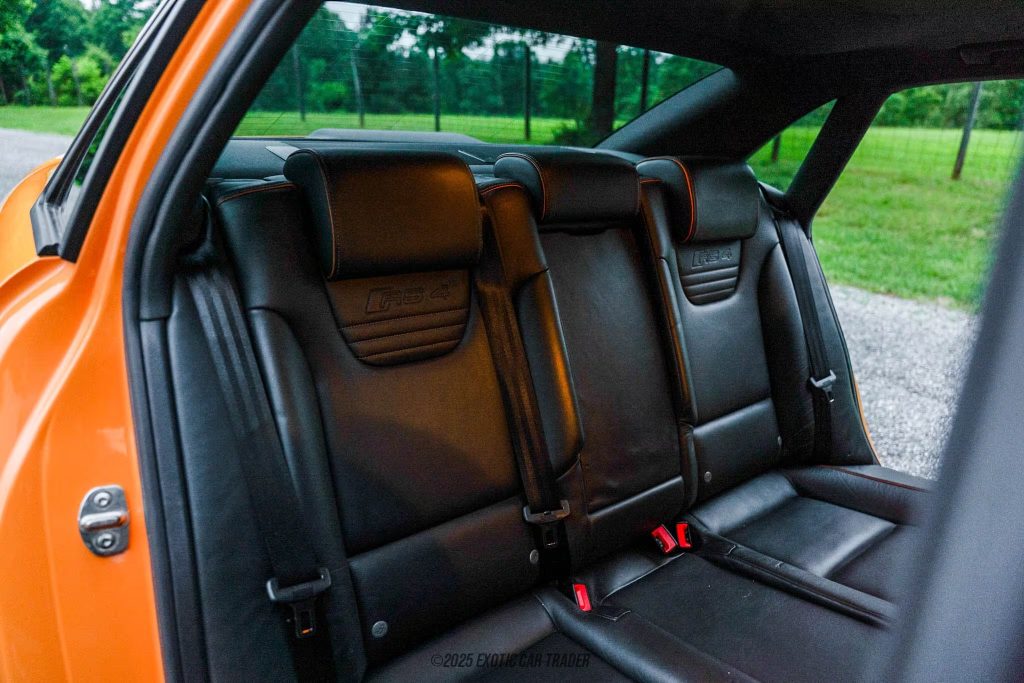
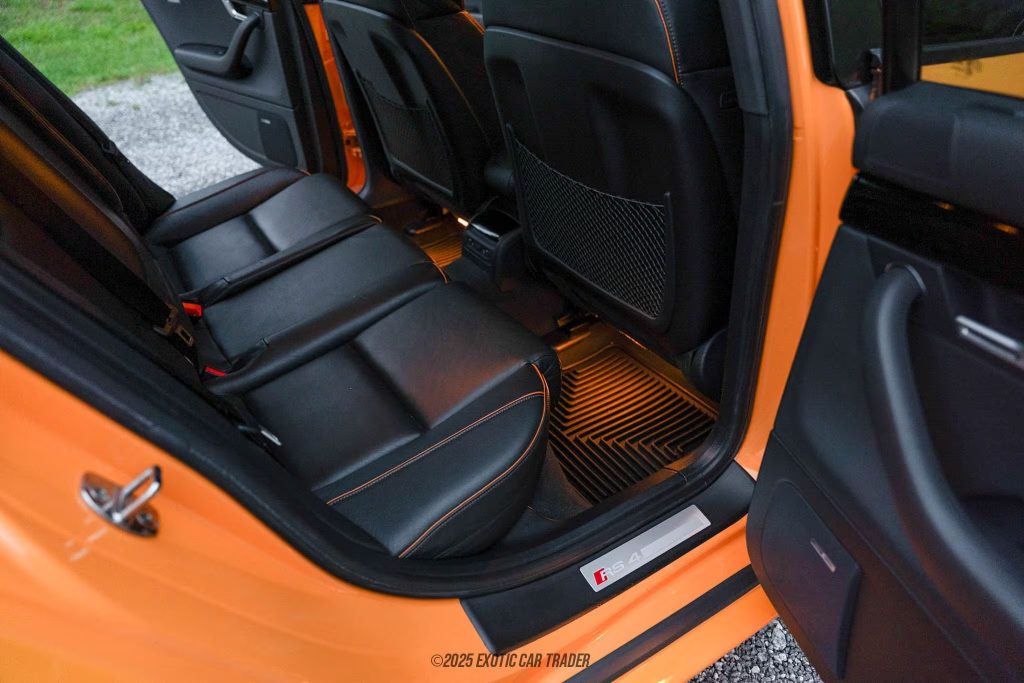
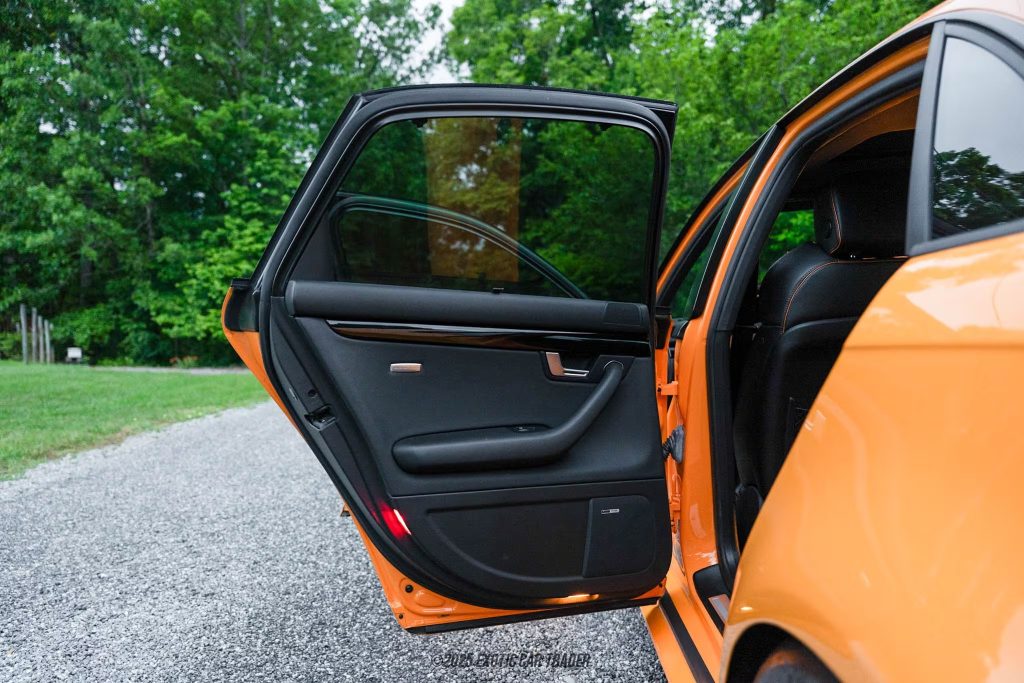
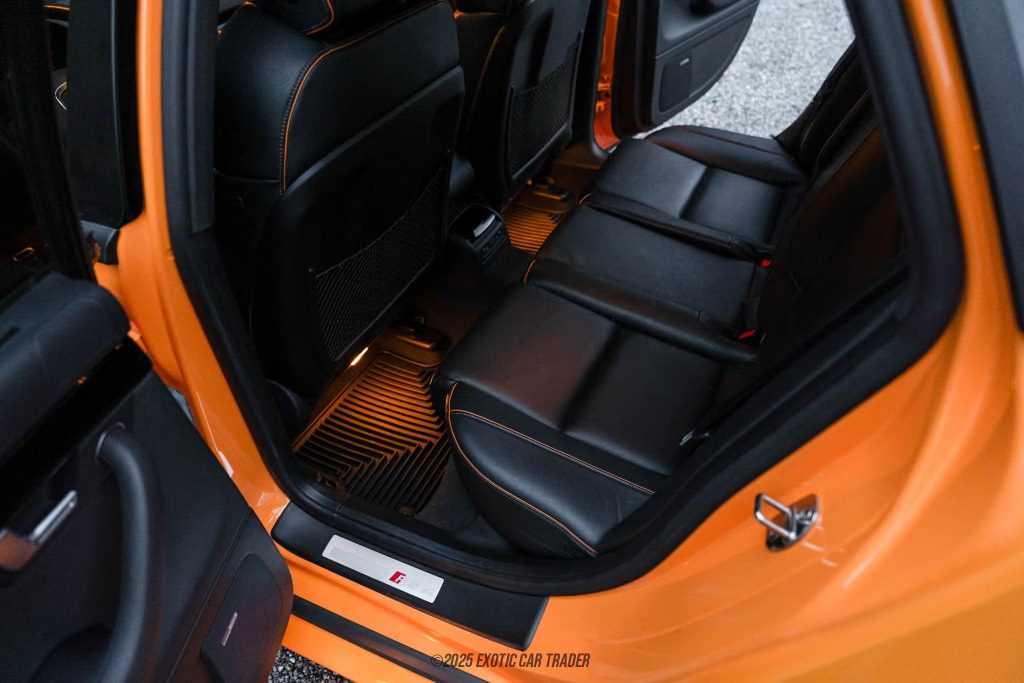
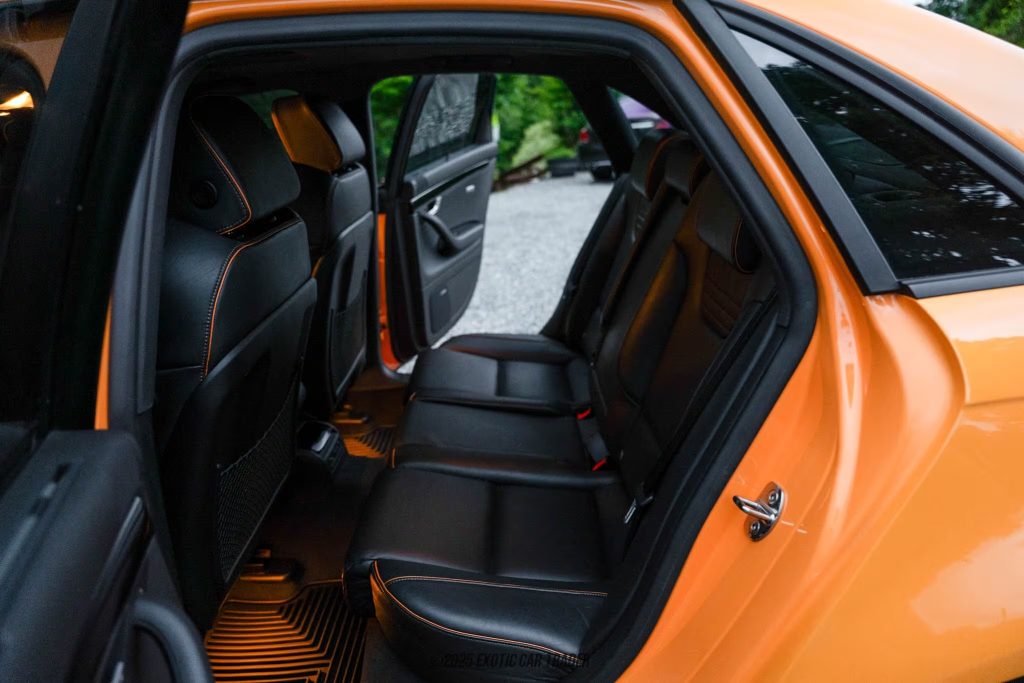
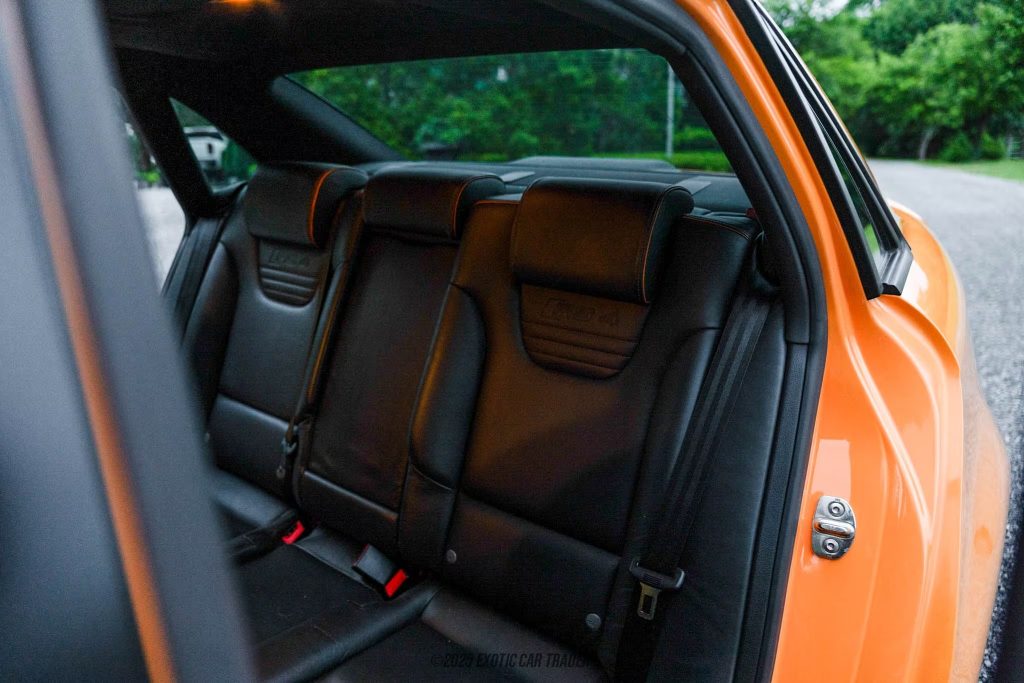
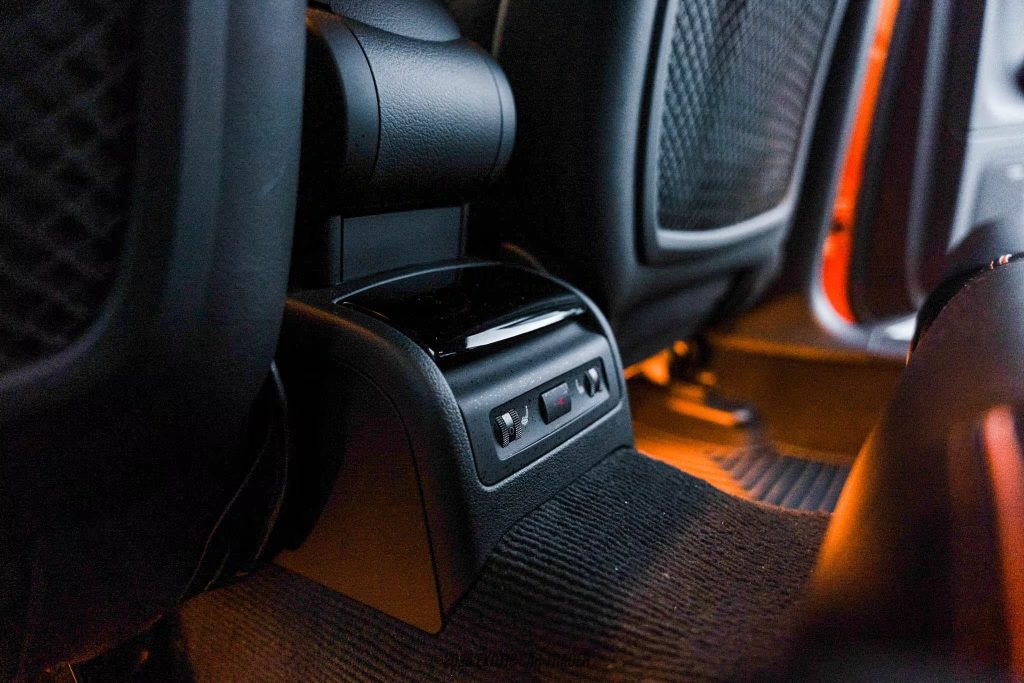
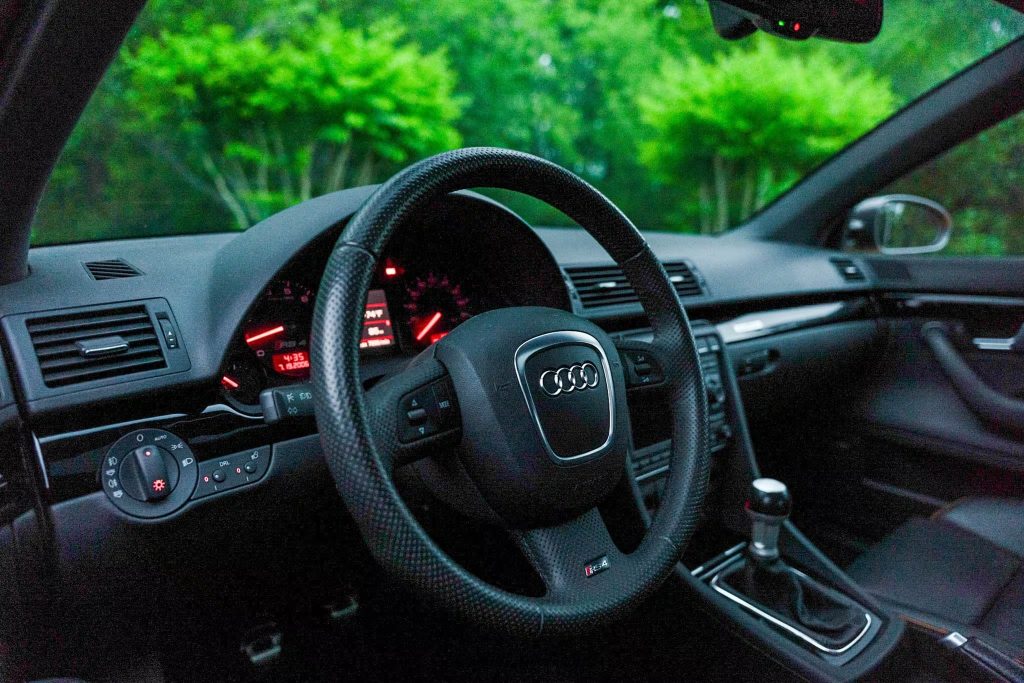
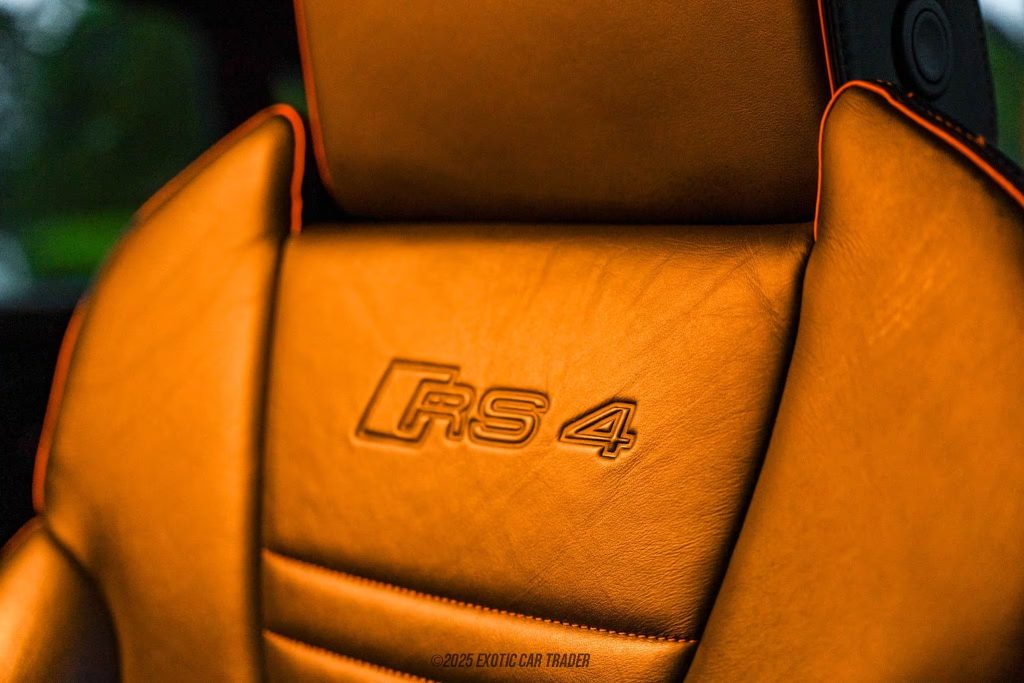
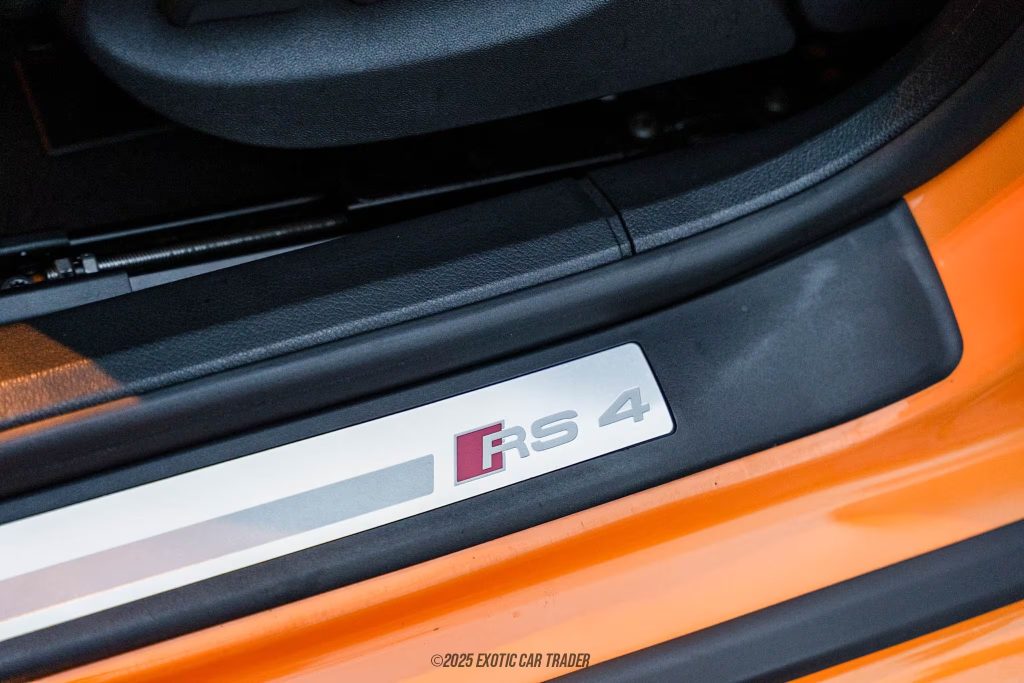
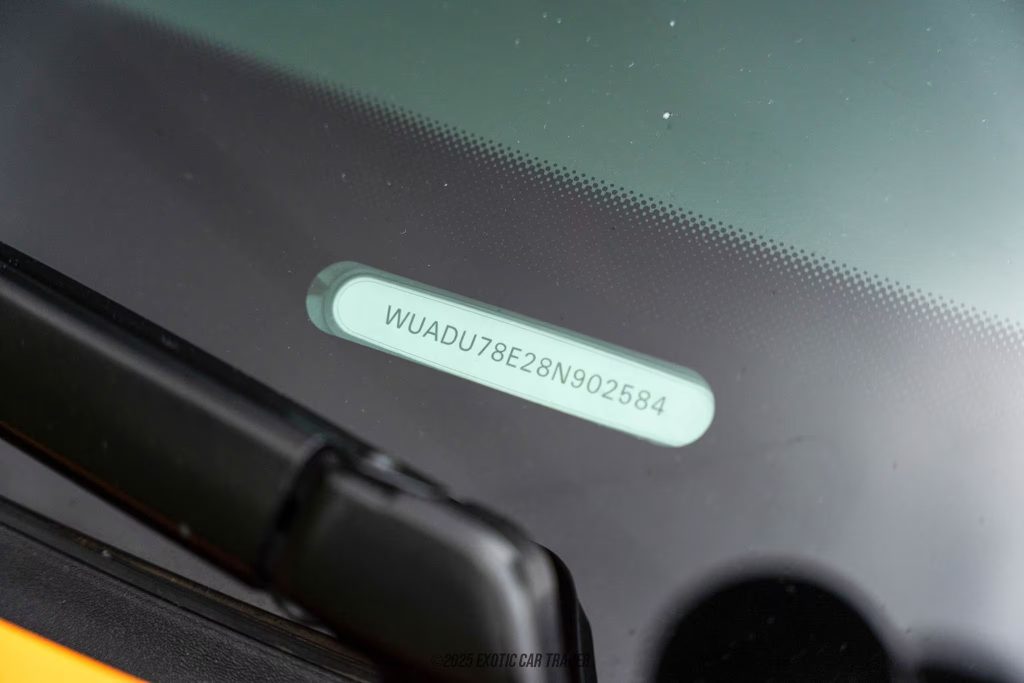
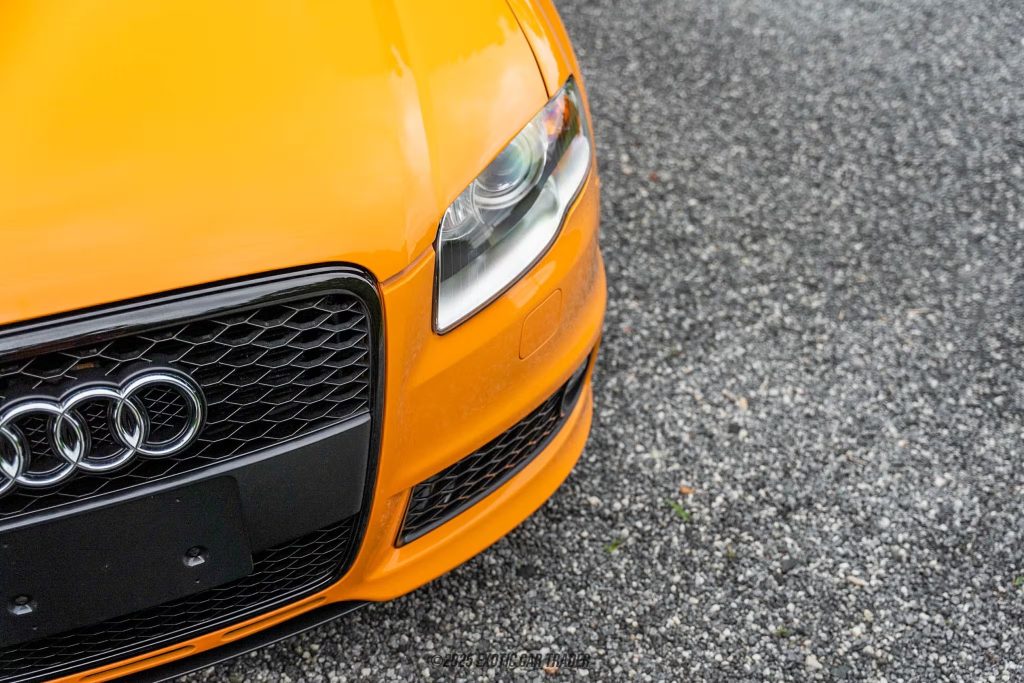
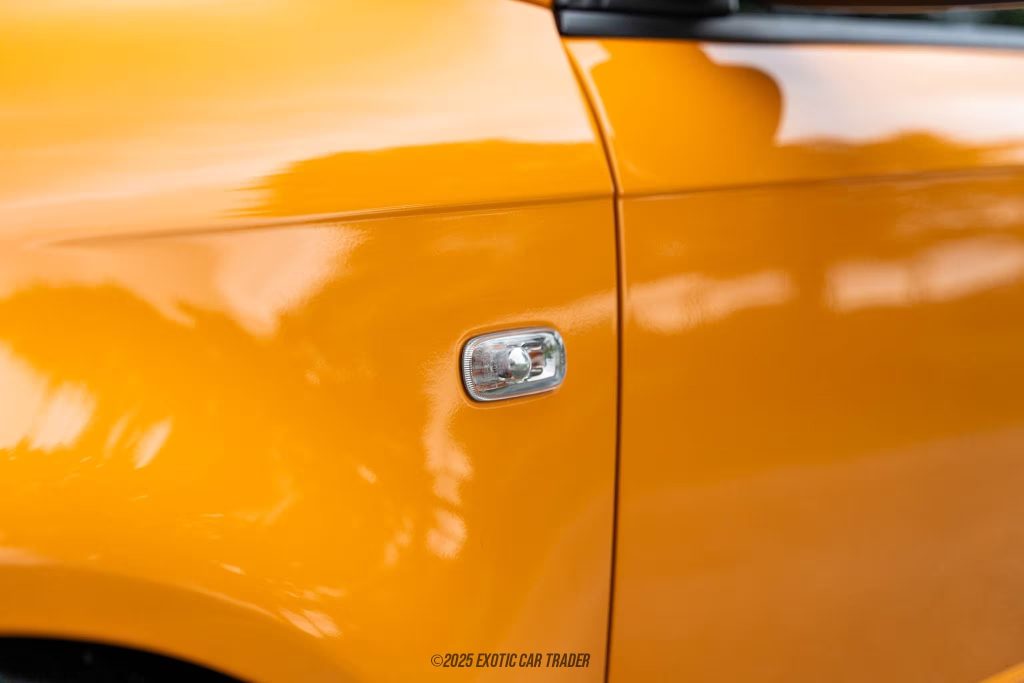
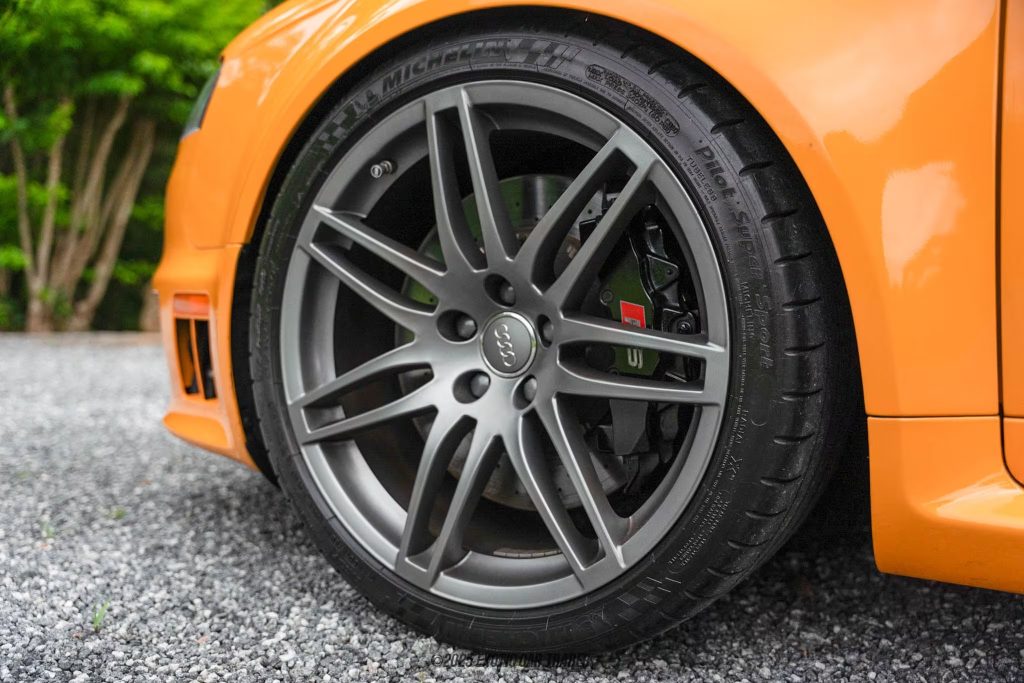
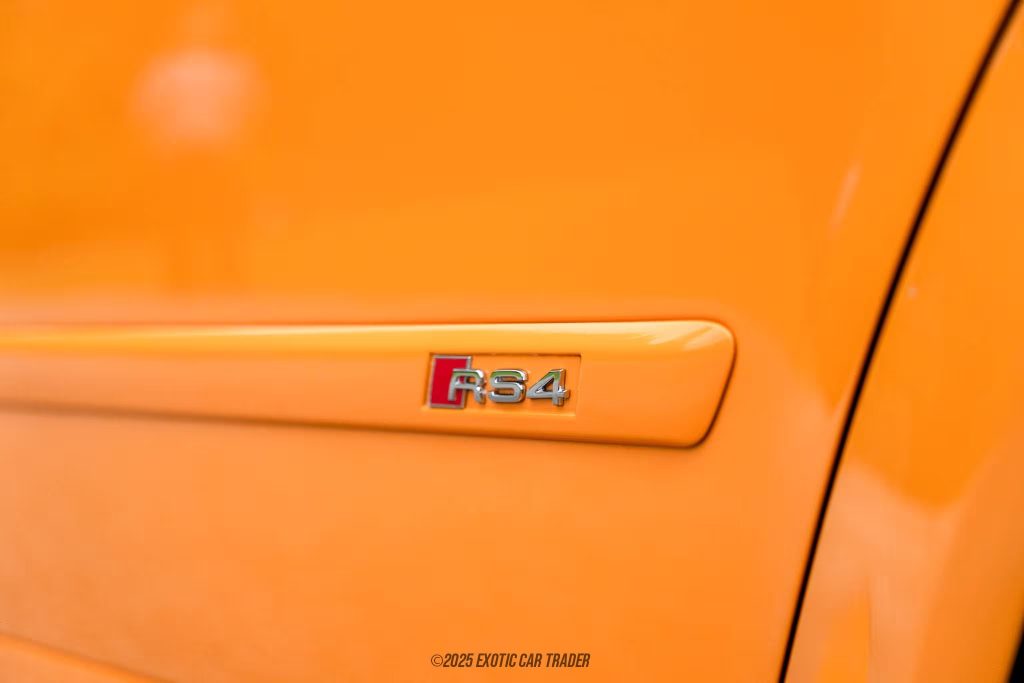
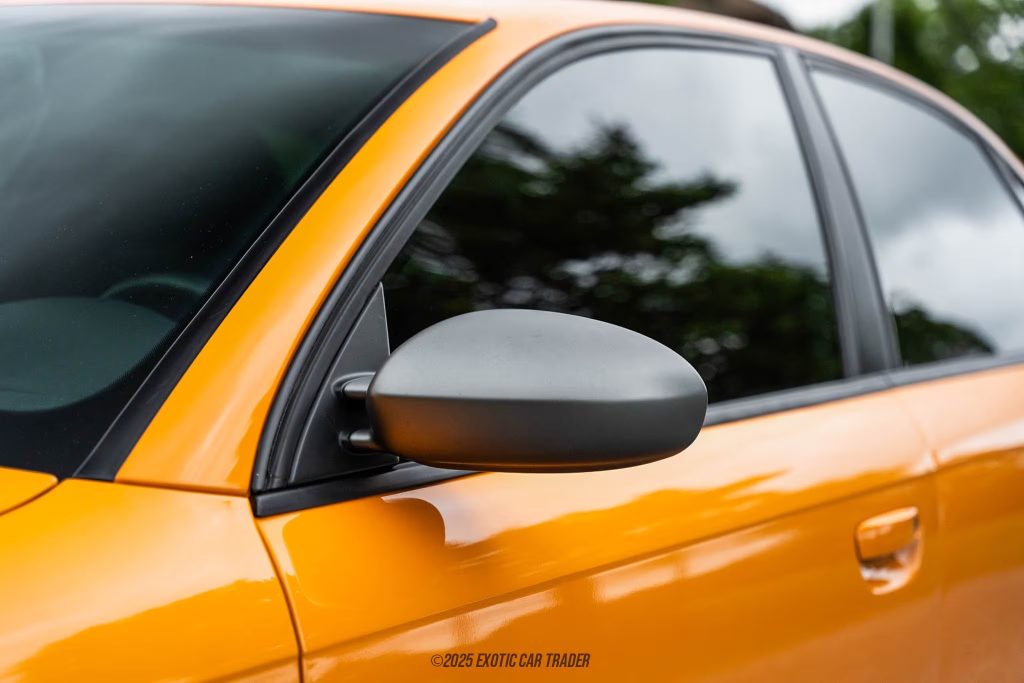
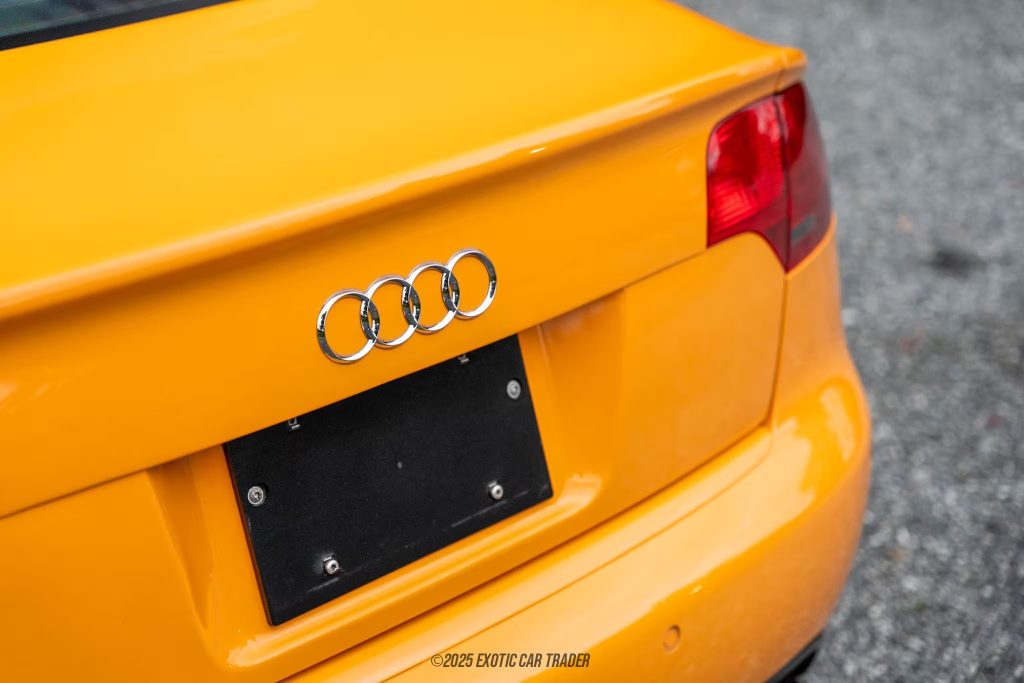
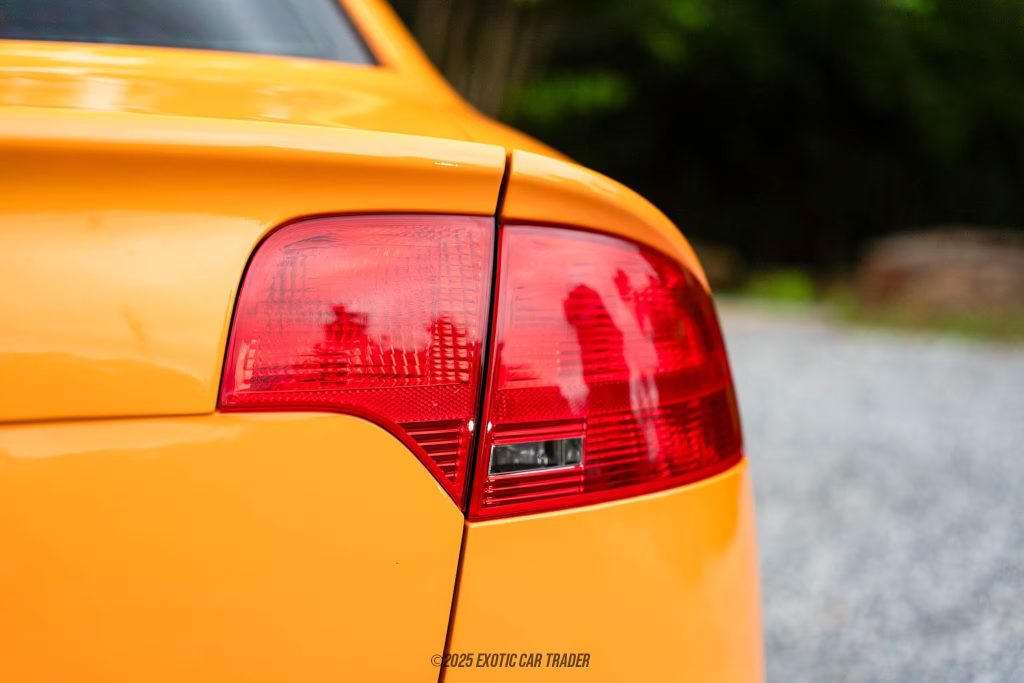
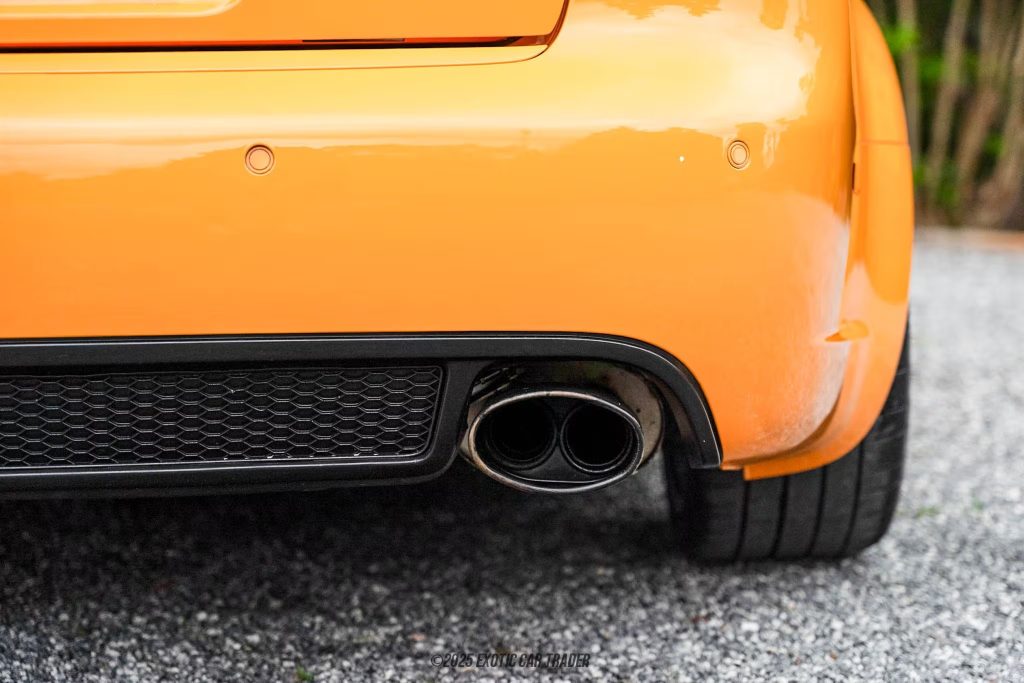
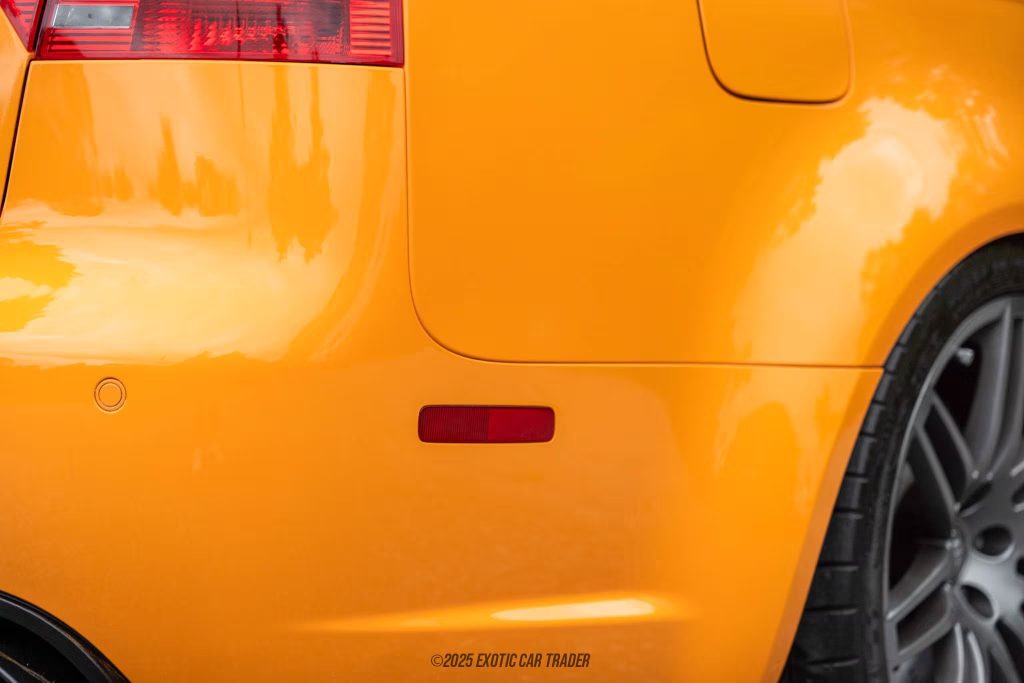
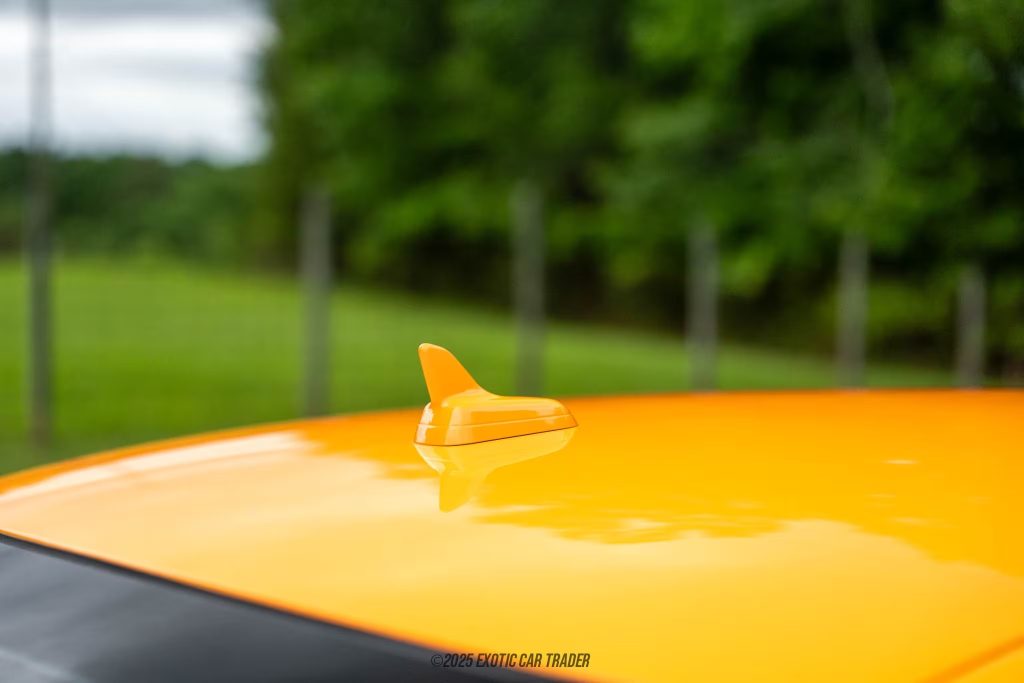
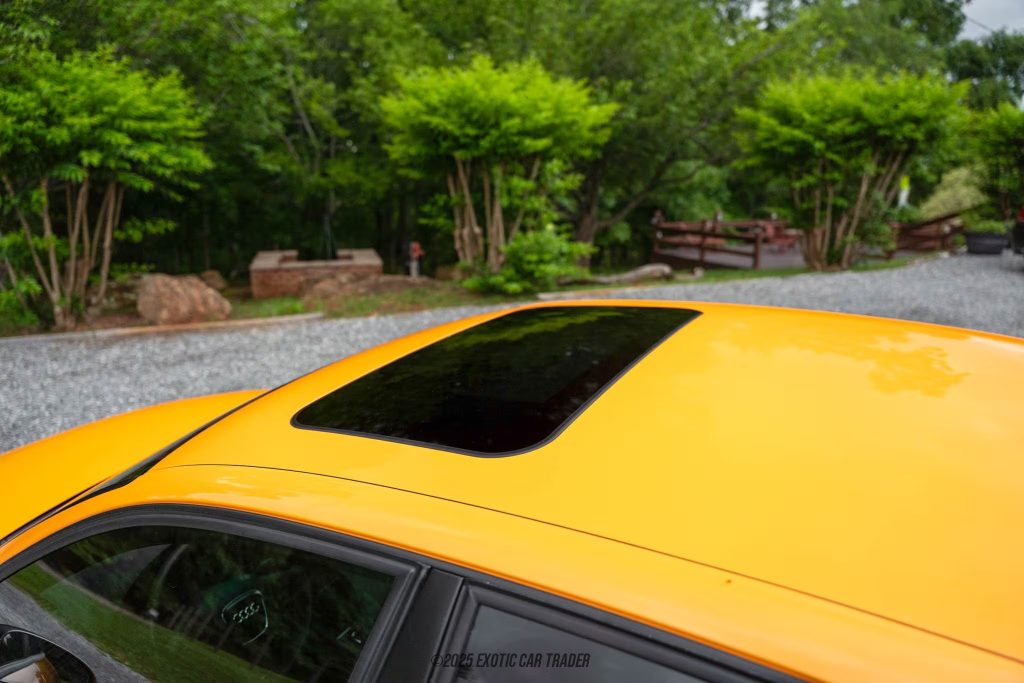
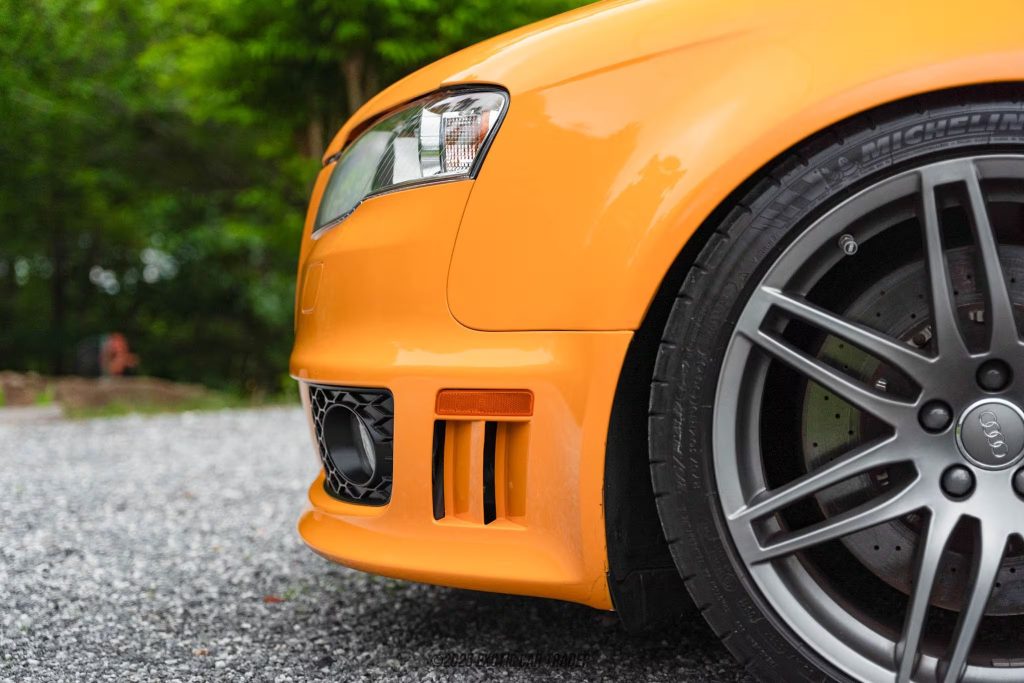
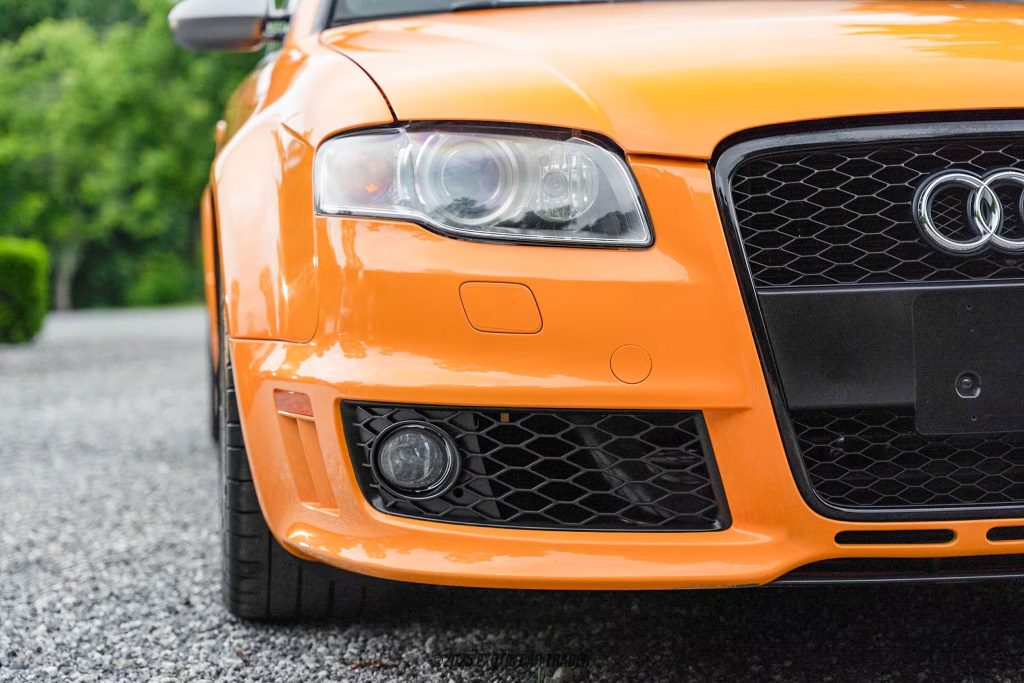
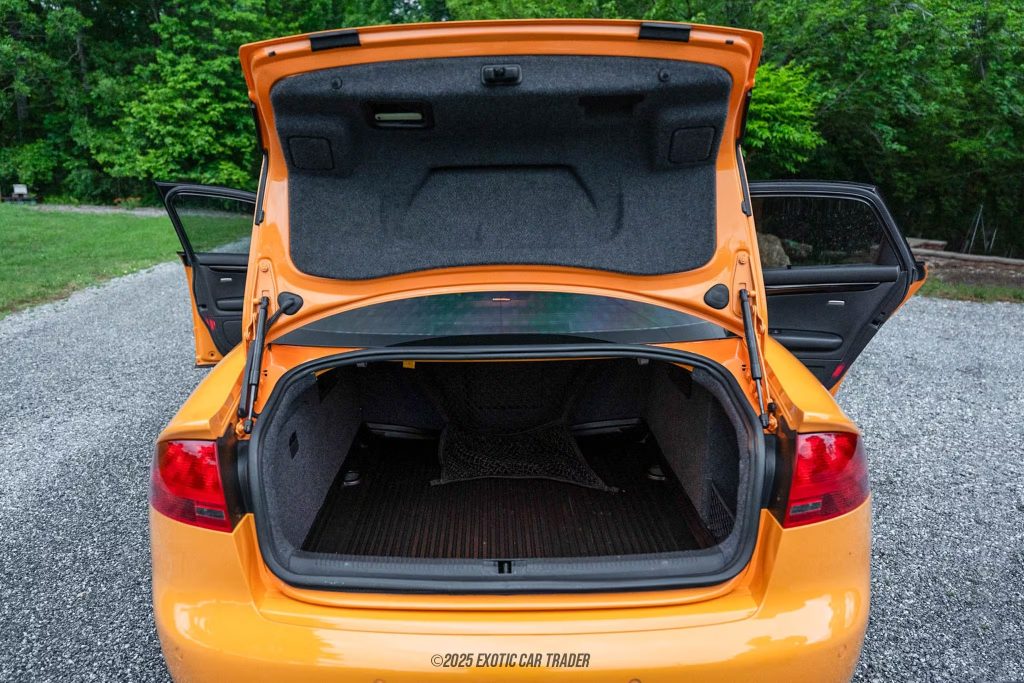
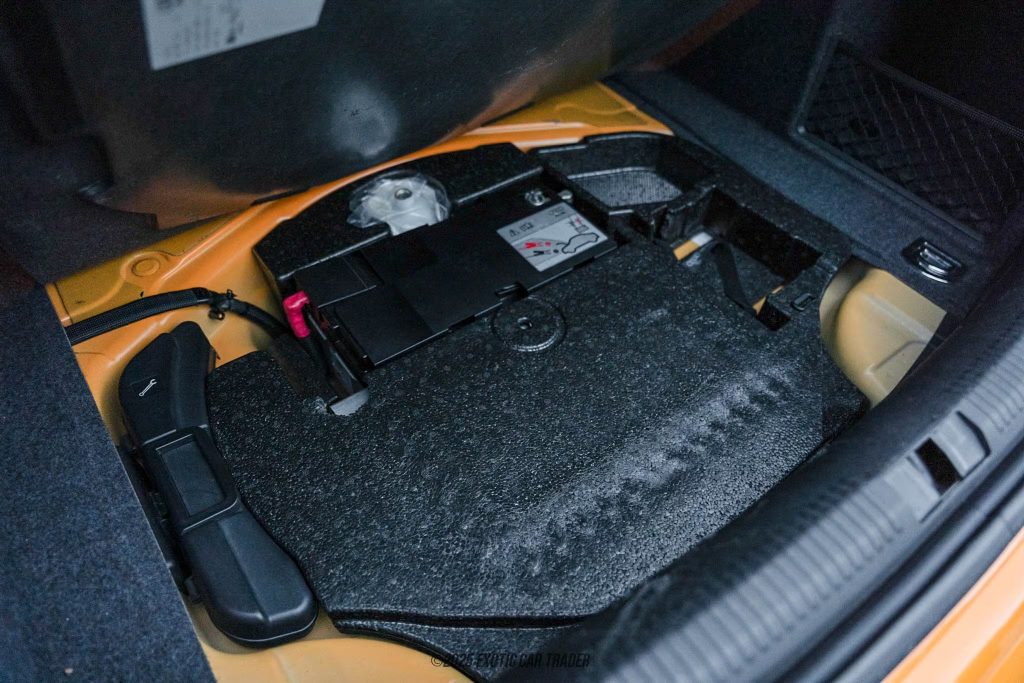
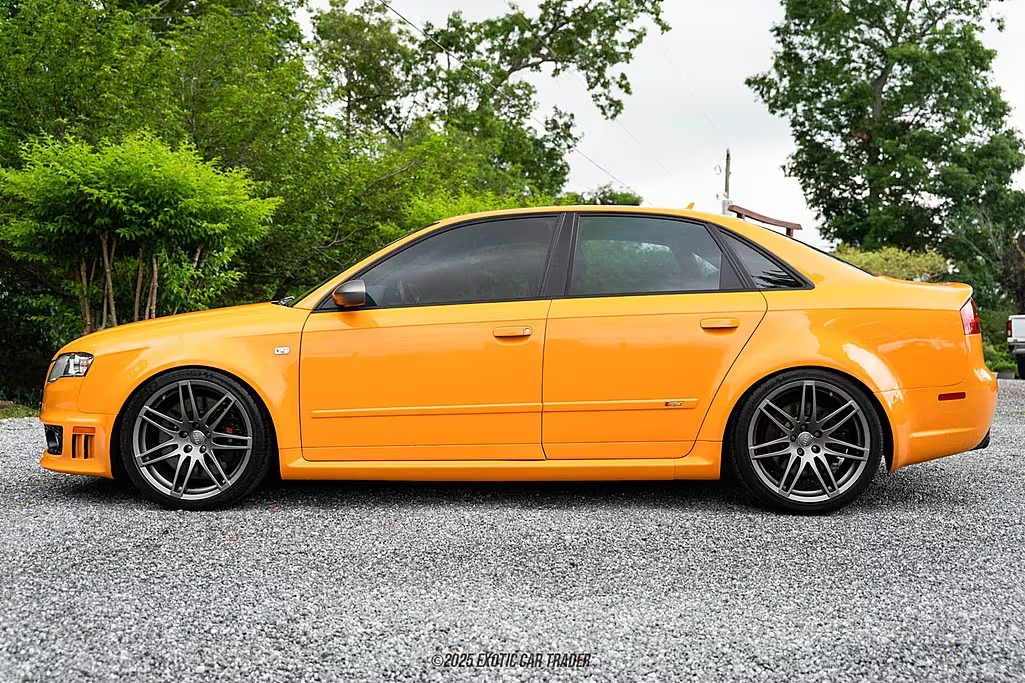
What: 2008 Audi RS 4 Color: Audi exclusive Papaya Orange(non-metallic UNI; LY2B; Audi) VIN: WUADU78E28N902584 Mileage: 29,495 Price: $54,991 CarFax:Link Window Sticker: N/A Location: Mooresville, NC Listing:Exotic Car Trader Marketplace
Every car has a story, and this Tailored RS 4 is no exception. Previously offered on Bring A Trailer before being withdrawn, this RS 4 was “structurally” damaged at Summit Point Motorsports Park- an unfortunate side effect of proper usage. In the roughly 13 years since repair, the car has been driven approximately 10,000 miles. Using Ed Bolian math, that’s a generally a decent way of saying that while the car may not be as it was when it left Neckarsulm, it’s certainly a hell of a lot better then when it left Summit Point, West Virginia. This certainly not the first somewhat risky proposition we’ve featured on Tailored Driver before, but we’re glass-half-full kind of people, and some among our faithful likely are as well. If that’s you, and you don’t mind rolling the dice, we think this Tailored Driver could be right up your alley.
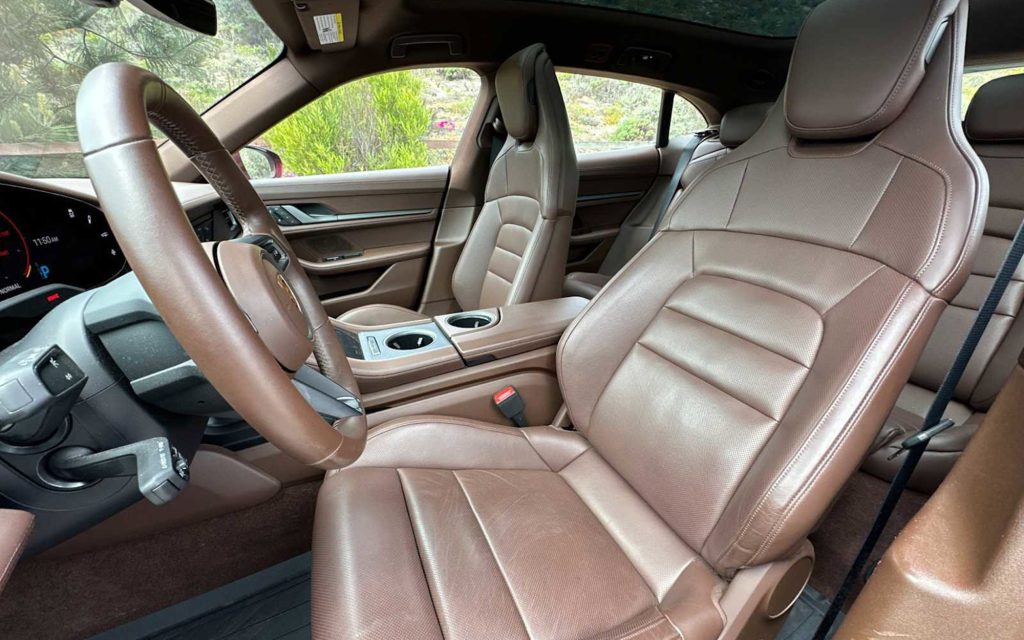
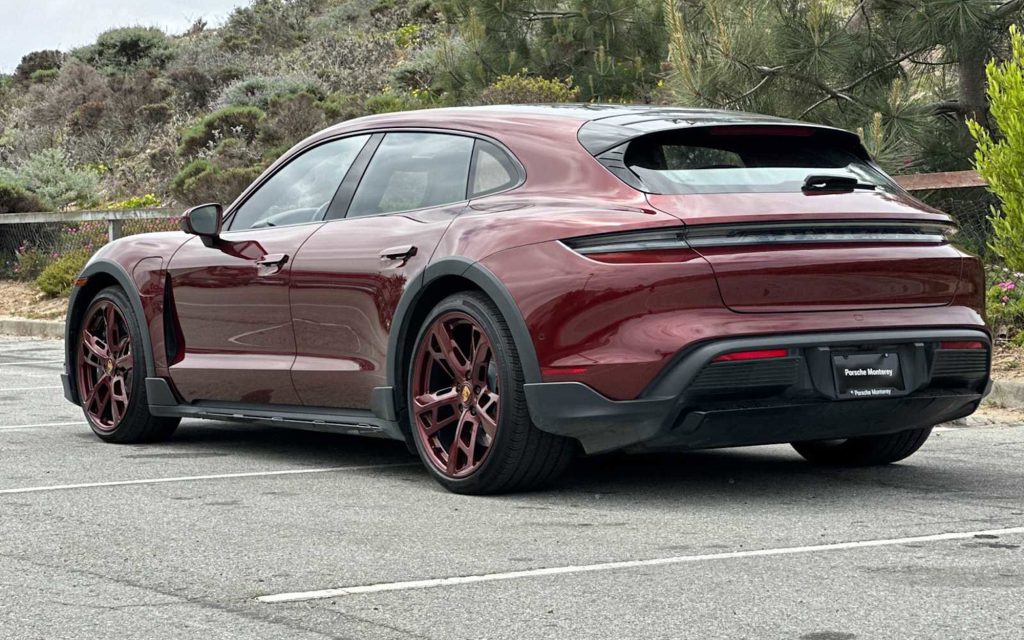
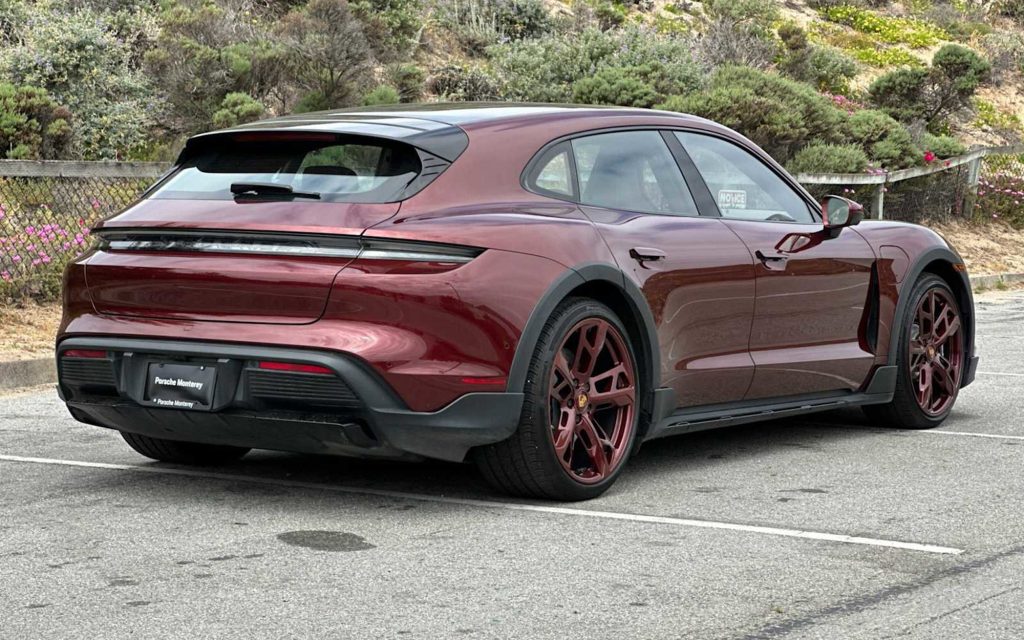
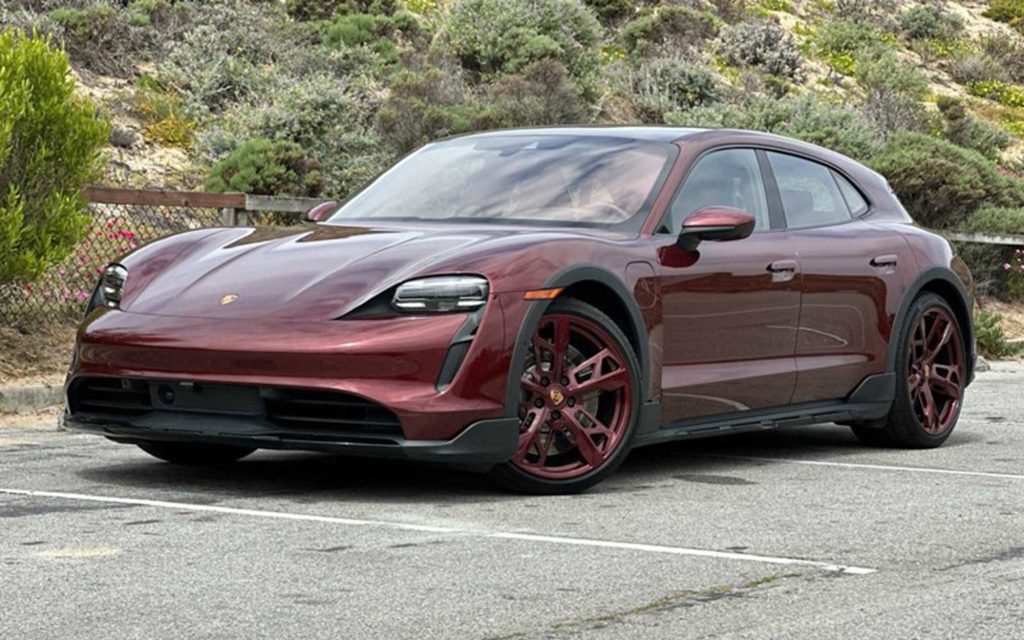
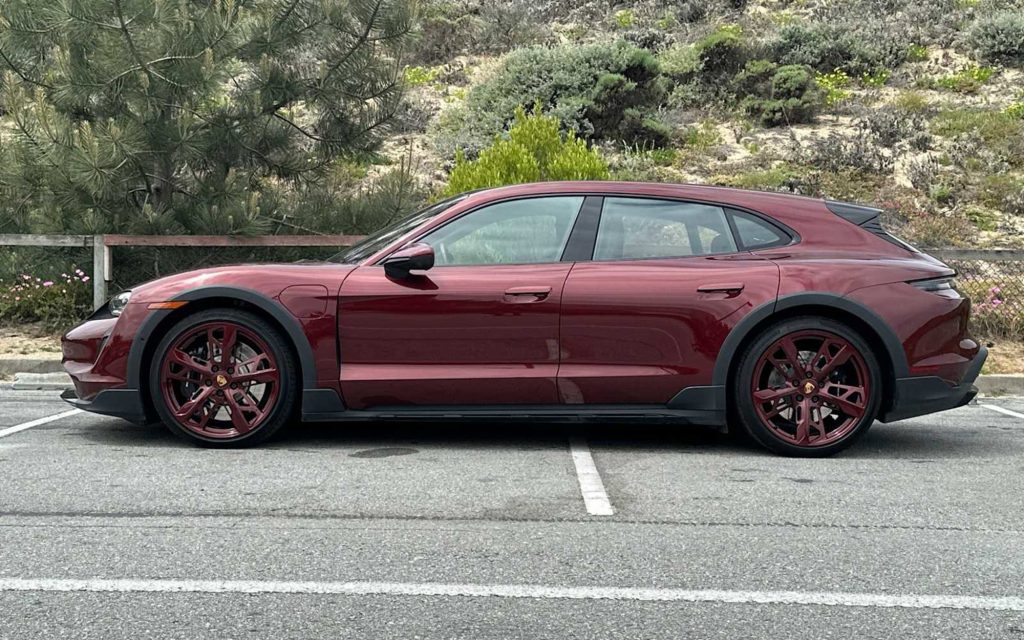
We’ve asked the question time and time again. Does a car artfully built from the standard options list count as tailored? I’d argue they do, and there’s an art to creating something truly unique within the confines of those options. By these criteria, I’d argue this Taycan Cross Turismo 4S is tailored.
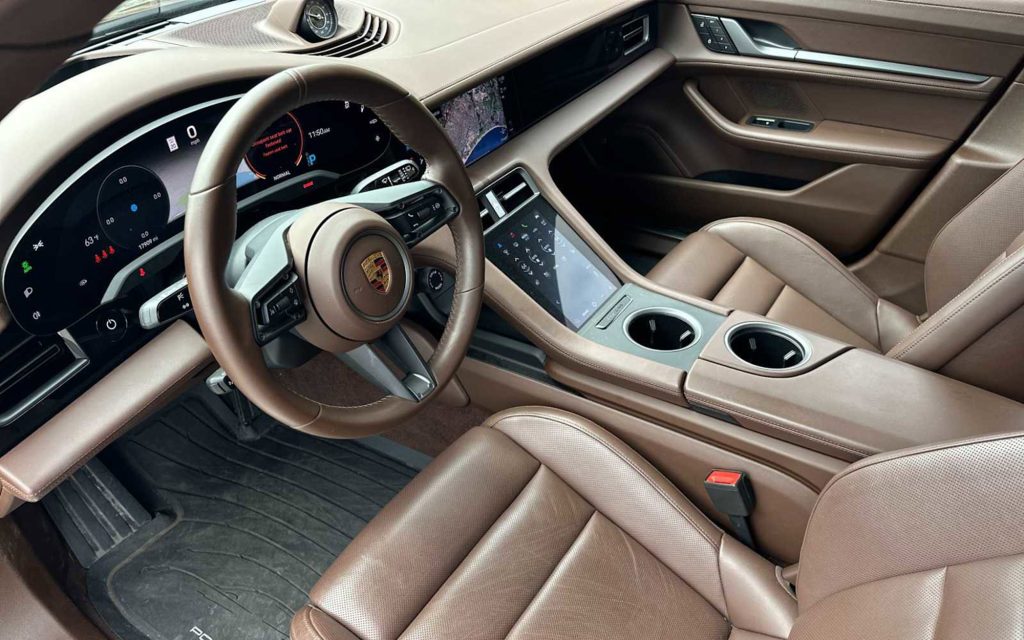
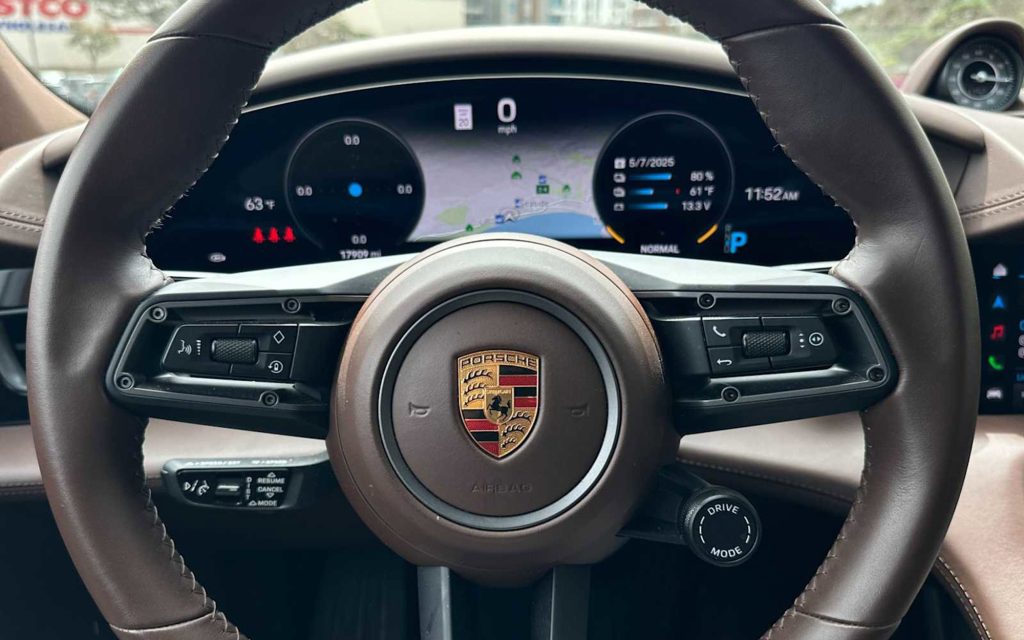
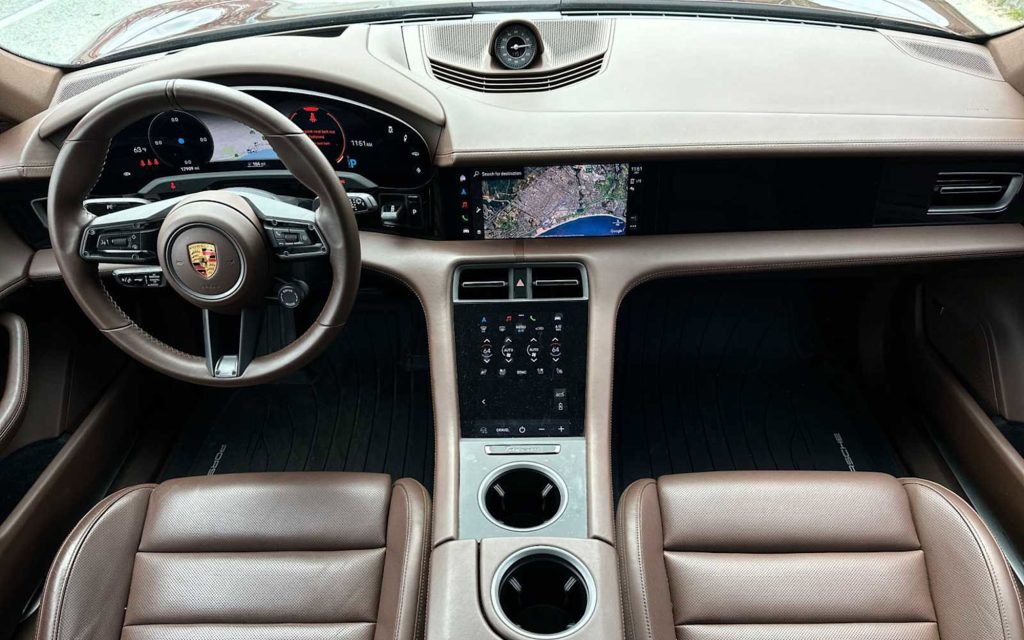
The color is a standard one and known as Cherry Metallic. On the inside, it’s paired with Porsche’s Olea Leather option package, one that in this case includes rare Truffle Brown leather that pairs excellently with the exterior color.
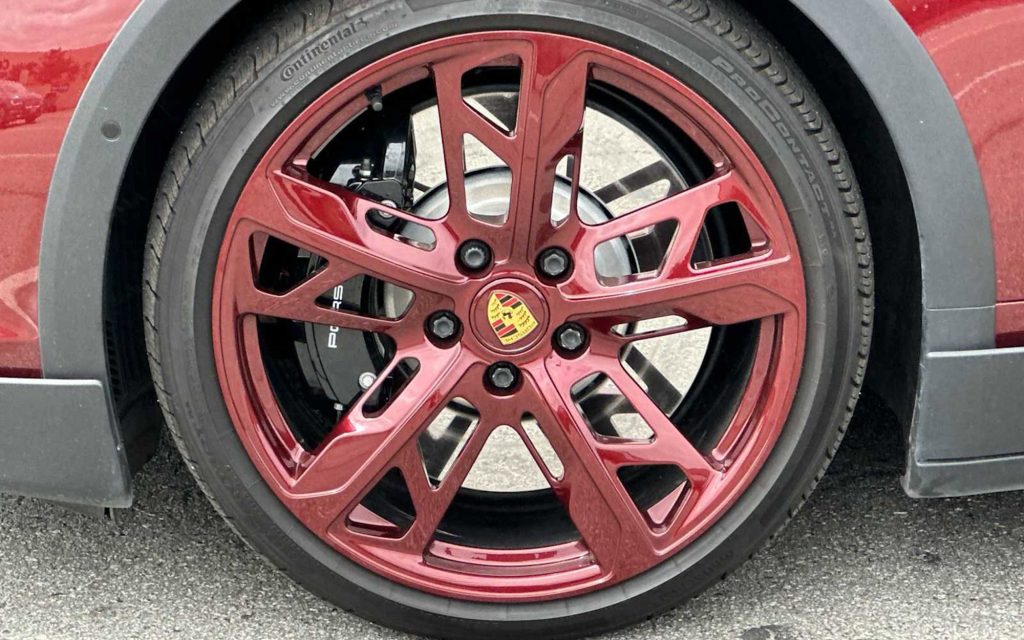
Another rare option list choice is color-matching the wheels. Back in the 1980s, color-matched Fuchs on a G-body 911 was a popular option and thus the look became distinctively Porsche. This isn’t the first time we’ve seen those 5-spoke alloys color-matched to a Taycan, but we can’t remember ever seeing it done in Cherry Metallic.
One last thing, this is a late model electric car, meaning it succumbs to a heavy level of depreciation. In as much, lightly used examples make for an excellent buy. Priced at $84,991, it’s well below its original window sticker price.