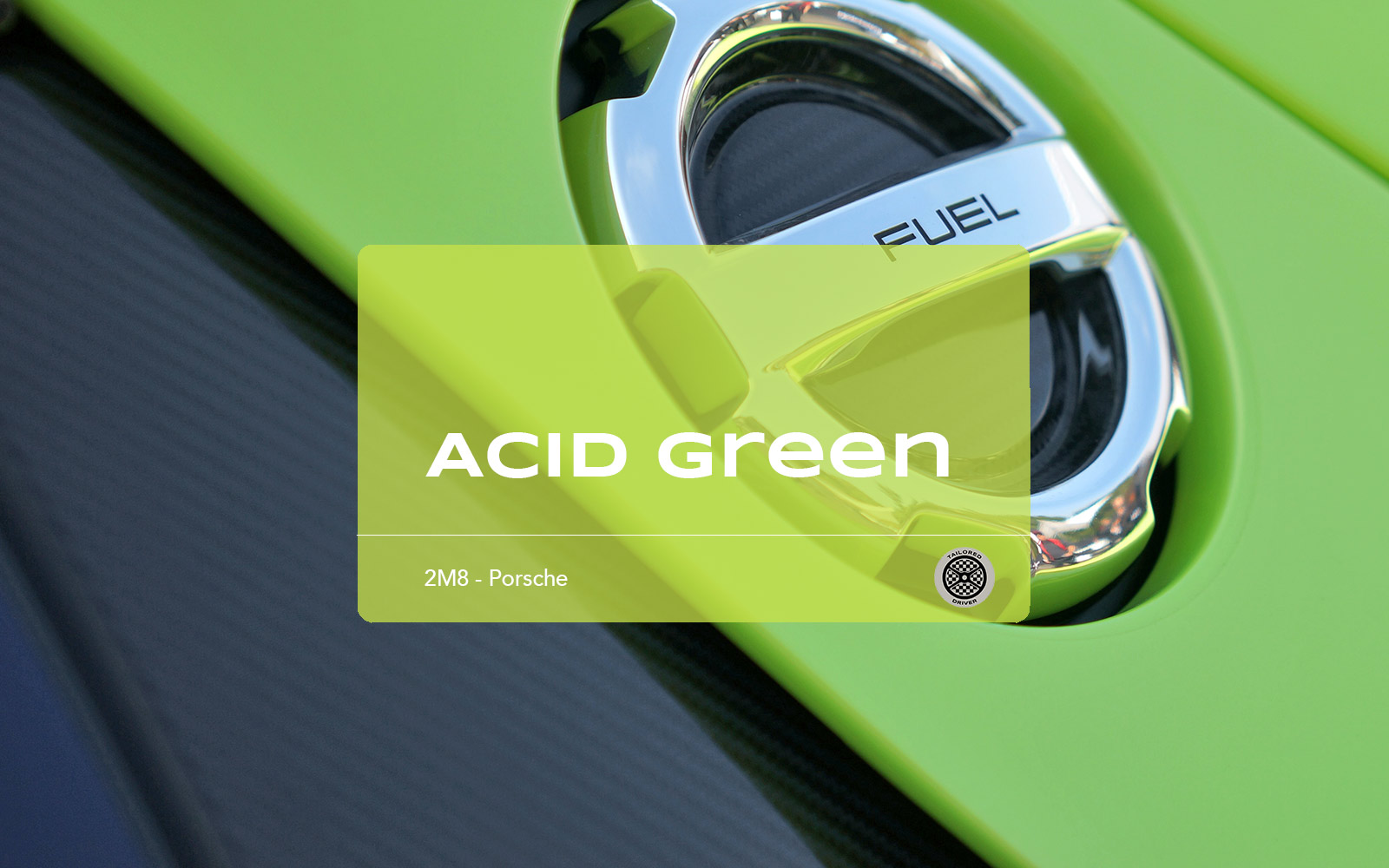
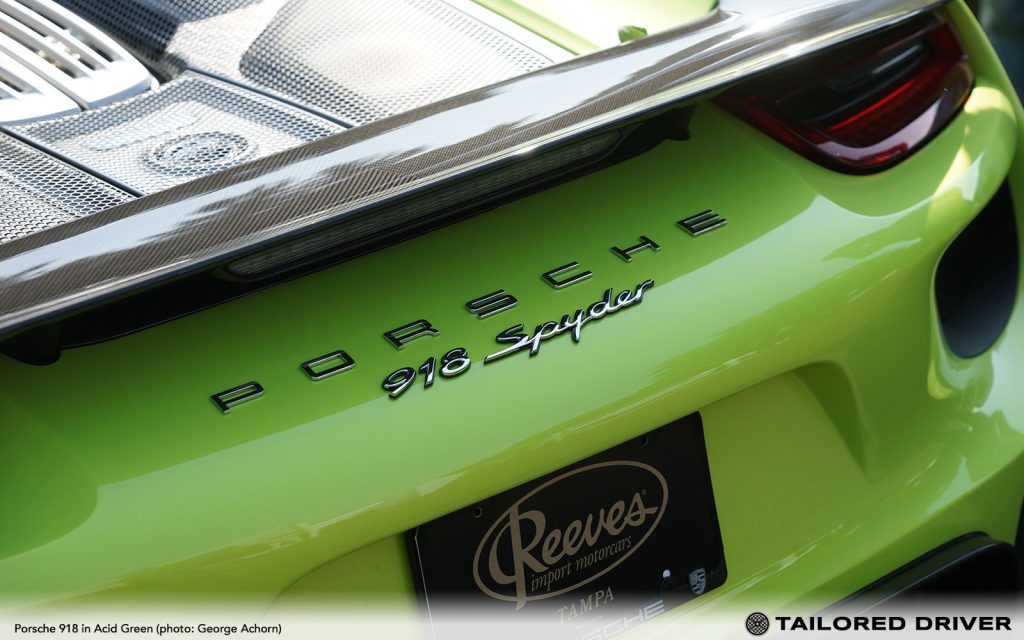
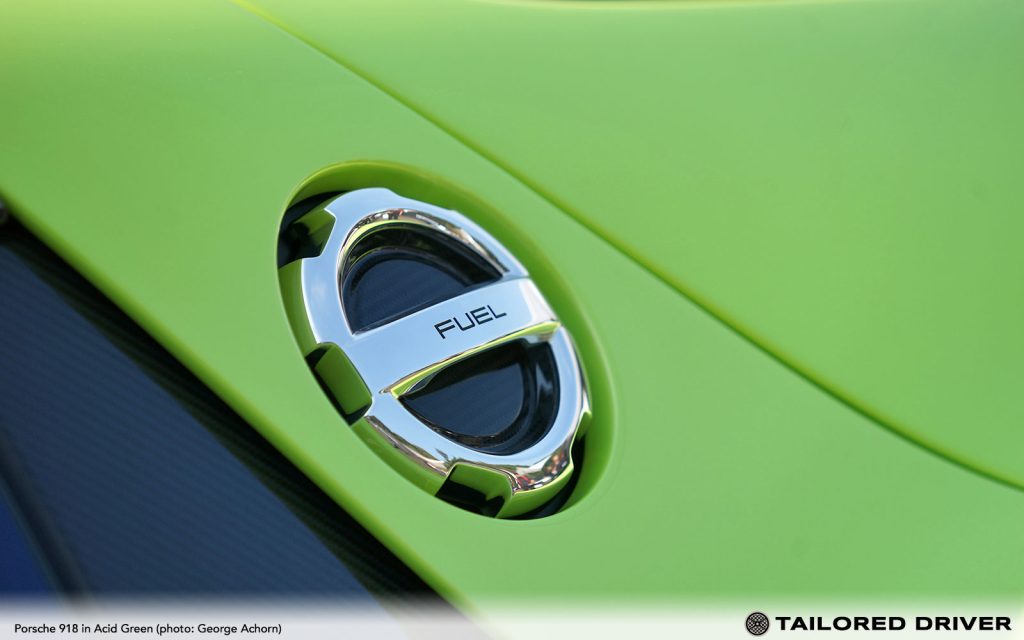
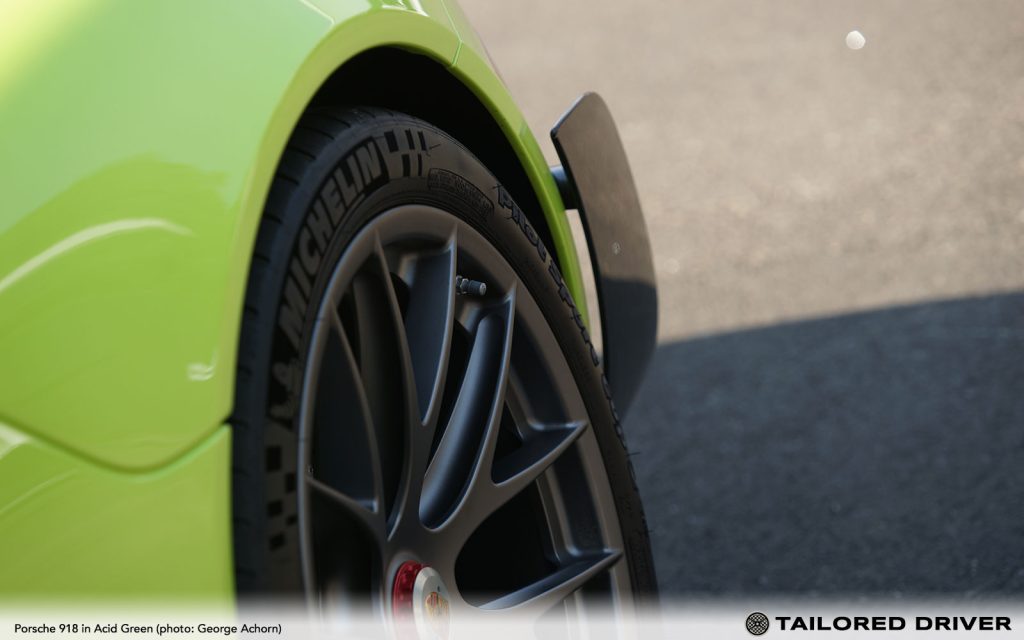
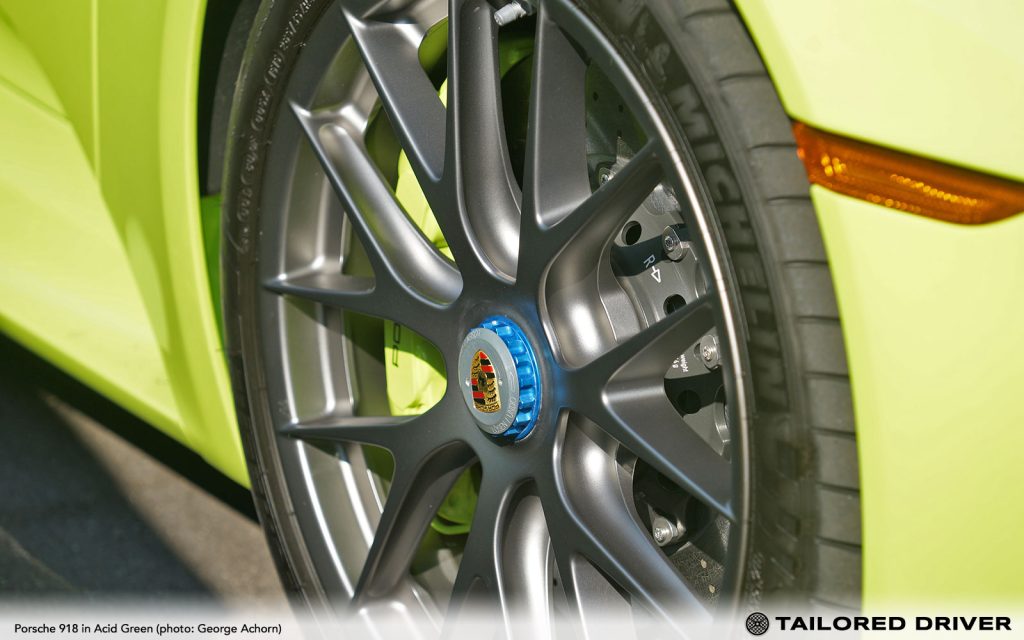
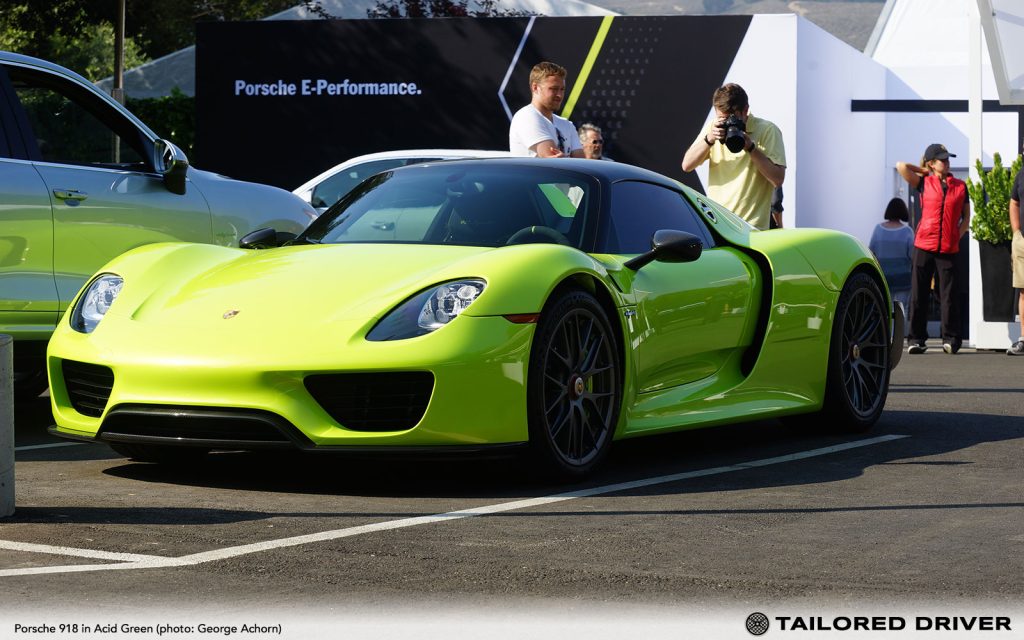
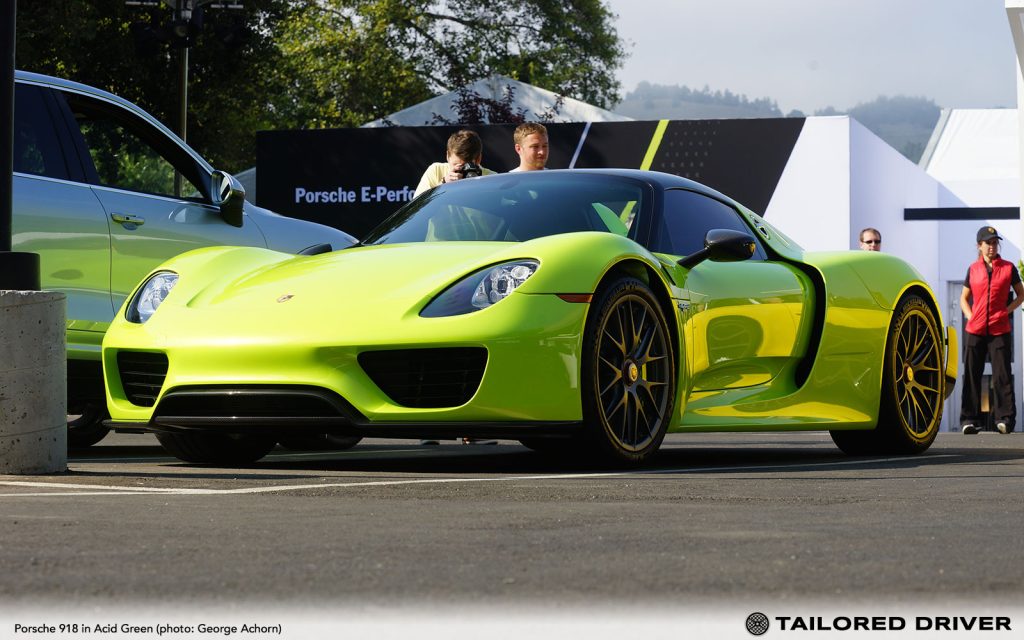
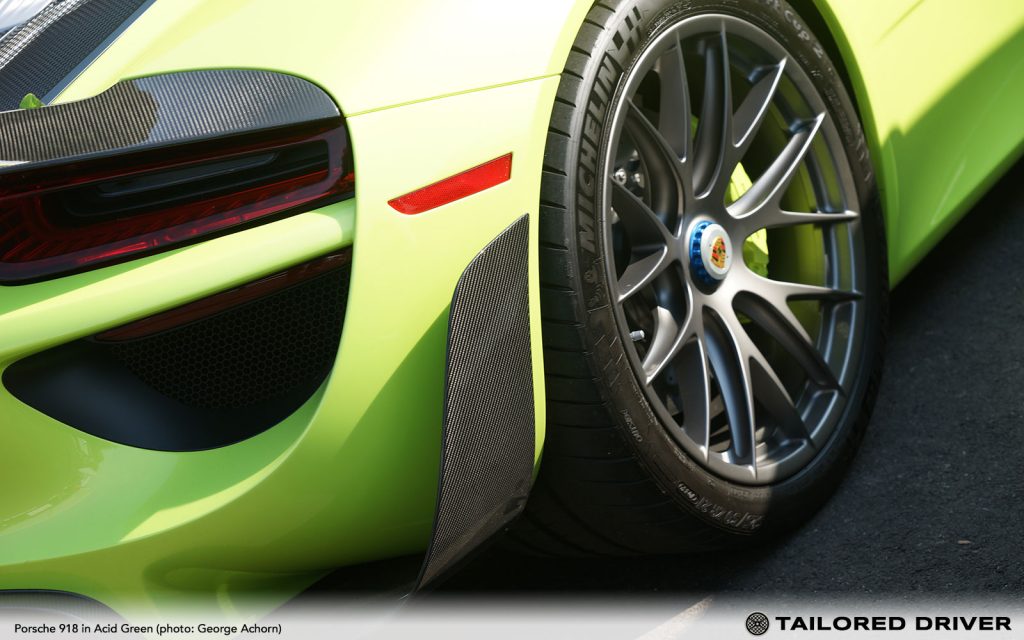
According to Porsche Club of America’s Rennbow website, Acid Green (acidgrün; non-metallic Uni; 2M8; Porsche) first came available in 2011 on the 911. Where it really took hold though was as a presence in the 918 program that would launch a few years later. The 918, of course, was a hybrid and pushing the “green” nature of Porsche’s hyridized and models like the Cayenne Hybrid made it the perfect attention-getting accent for these vehicles.
Acid green seems to hark 70s era neon green colors, though is considerably more saturated and thus intense. By contrast, it makes 70s era neon greens almost look washed out. To this day, it remains a fairly regularly seen offering within Porsche’s Paint to Sample program.
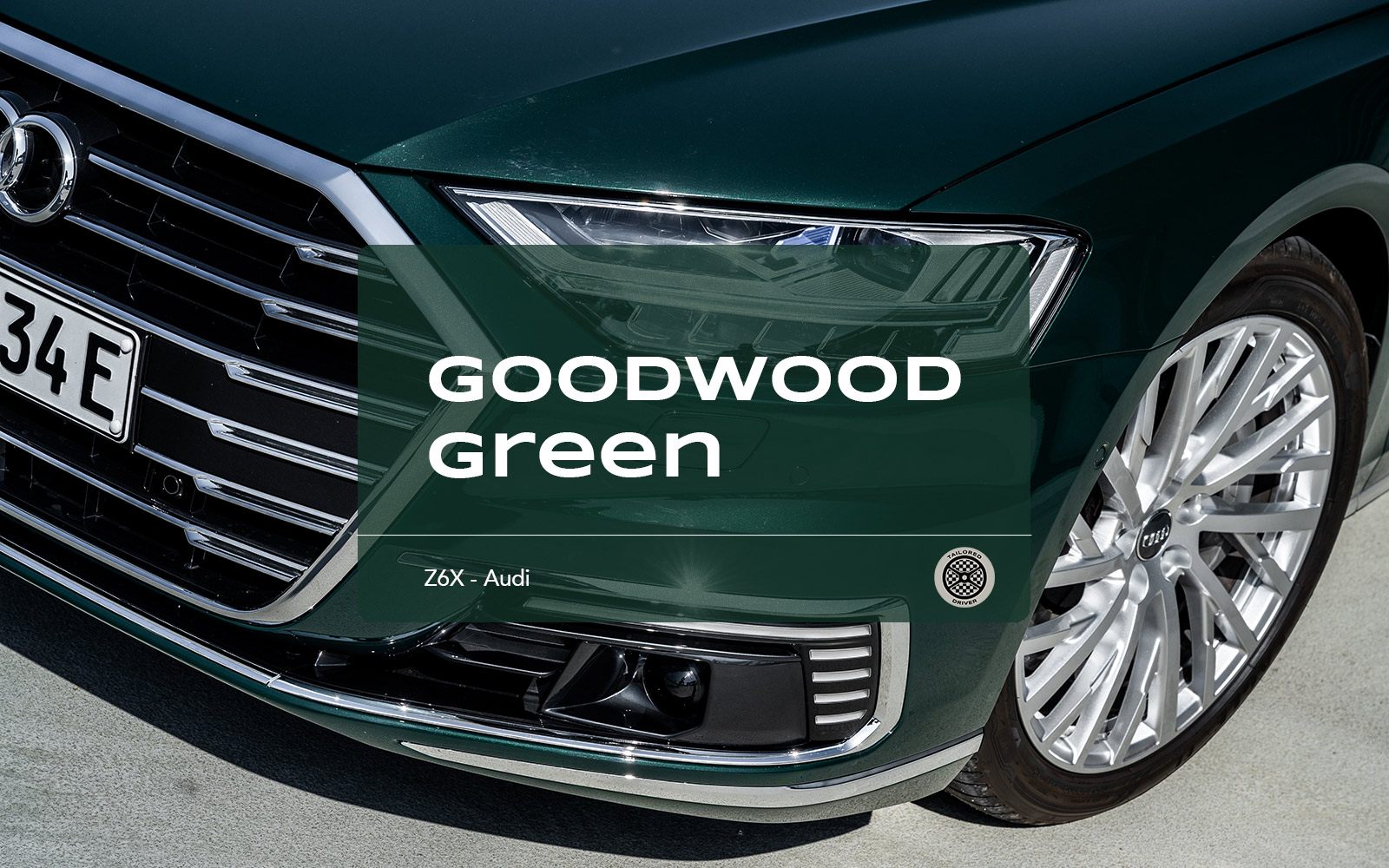
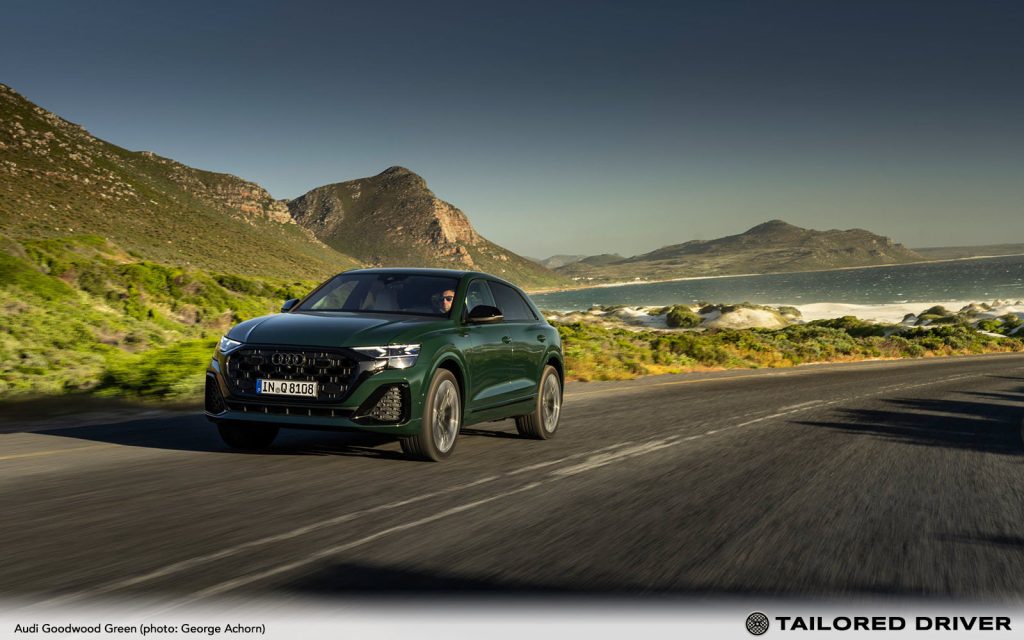
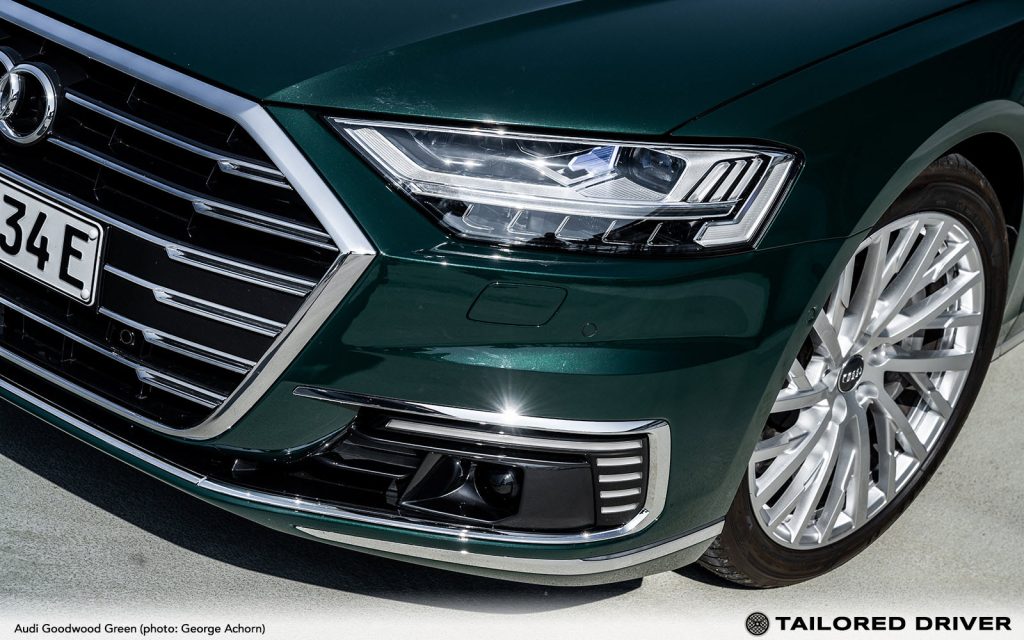
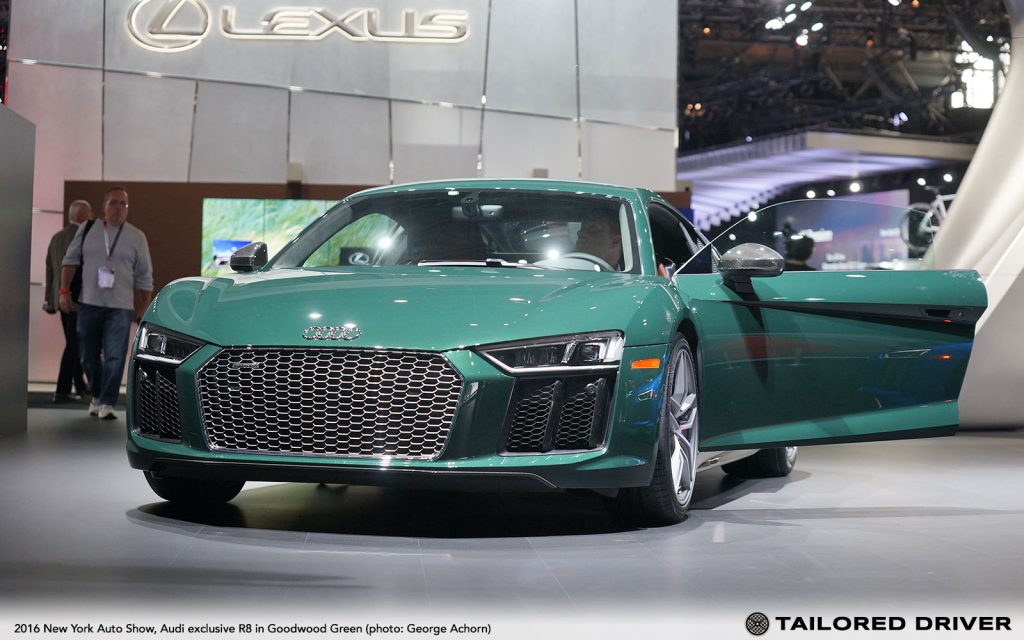
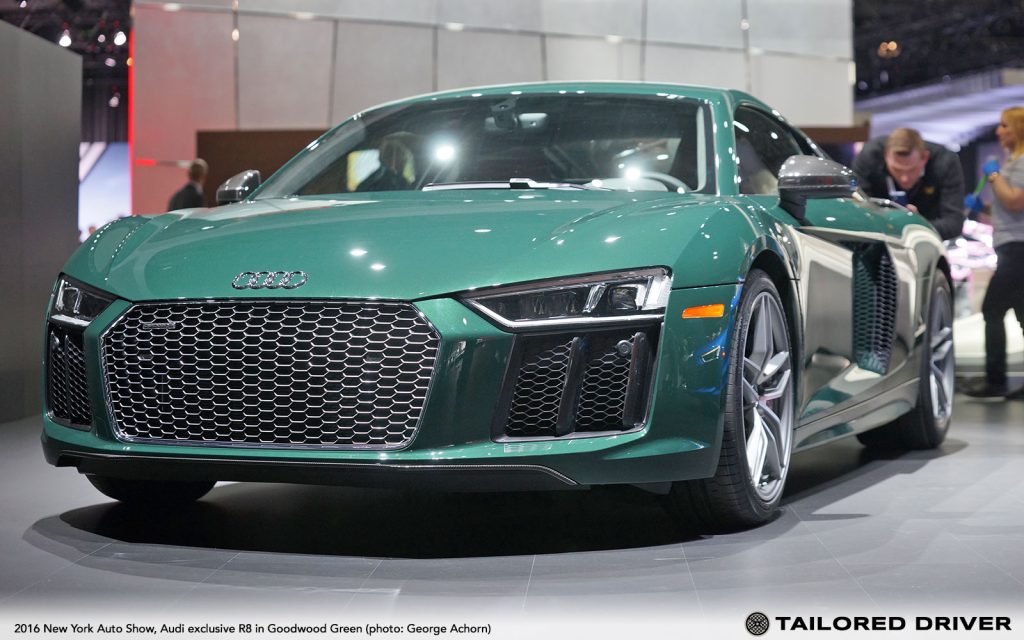
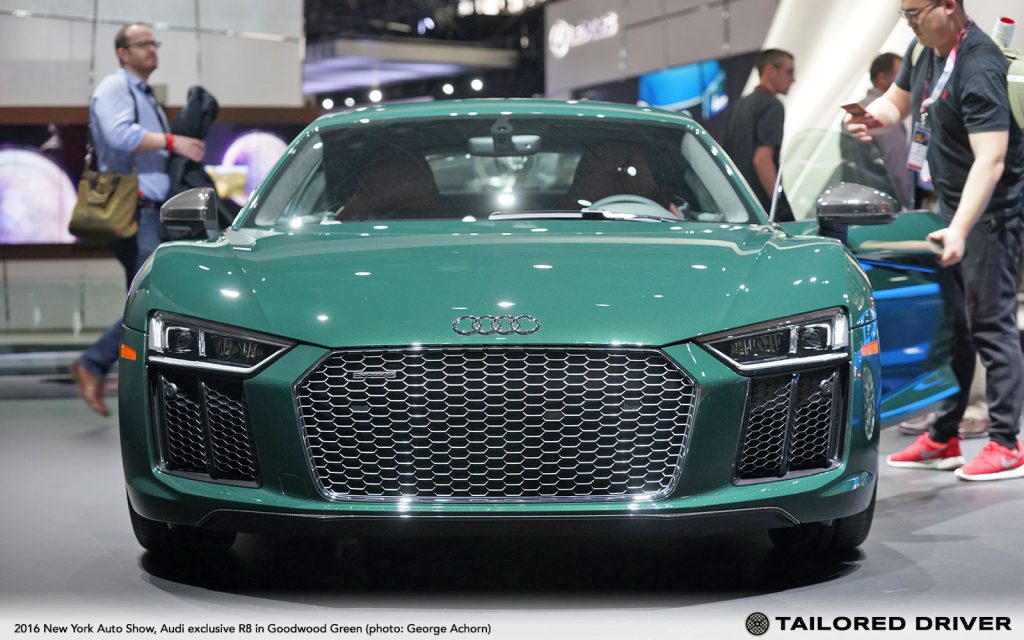
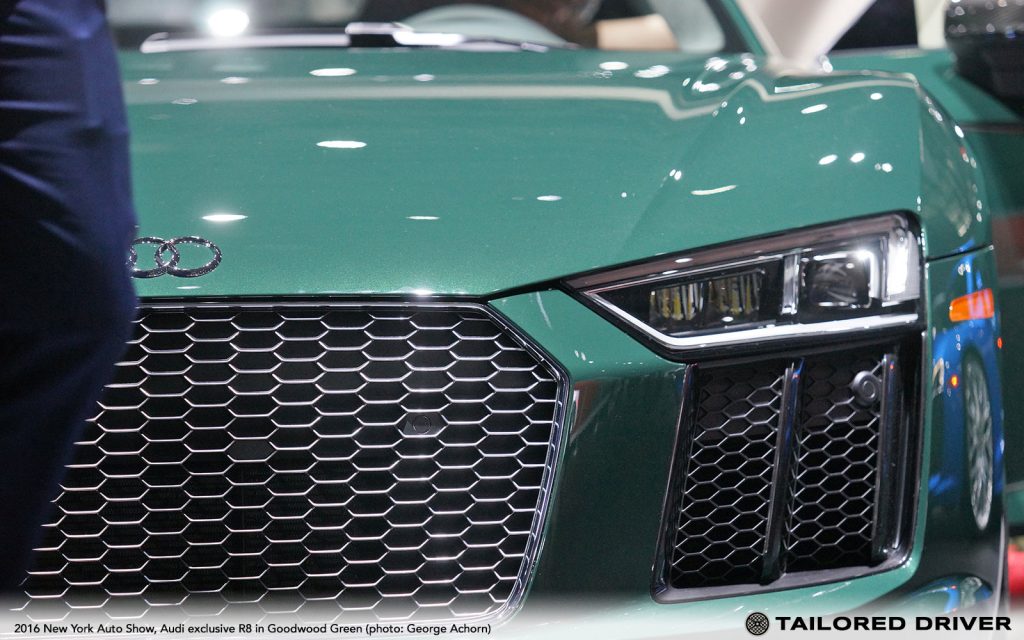
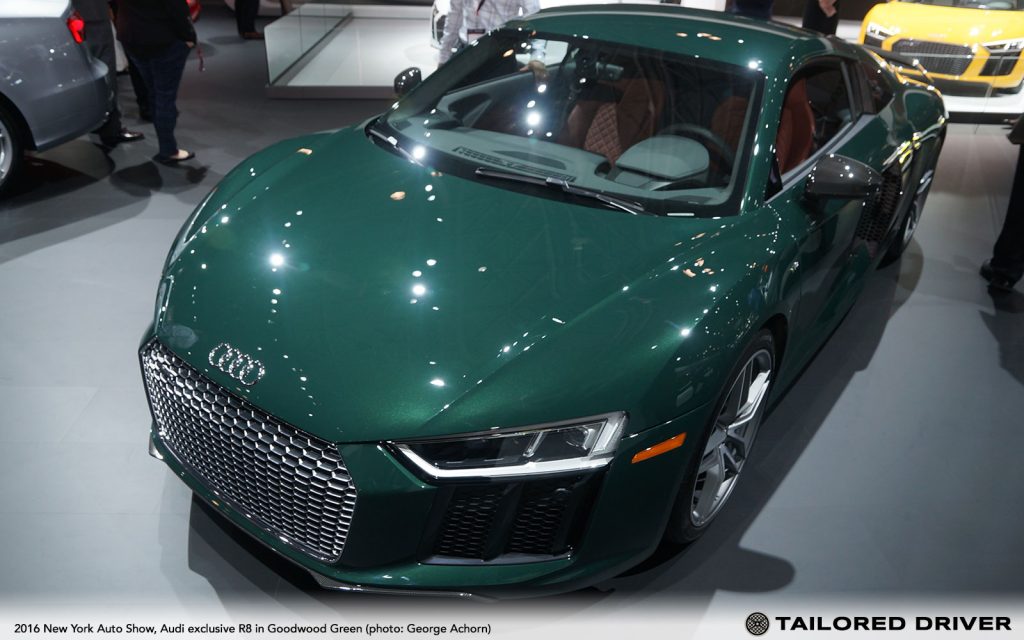
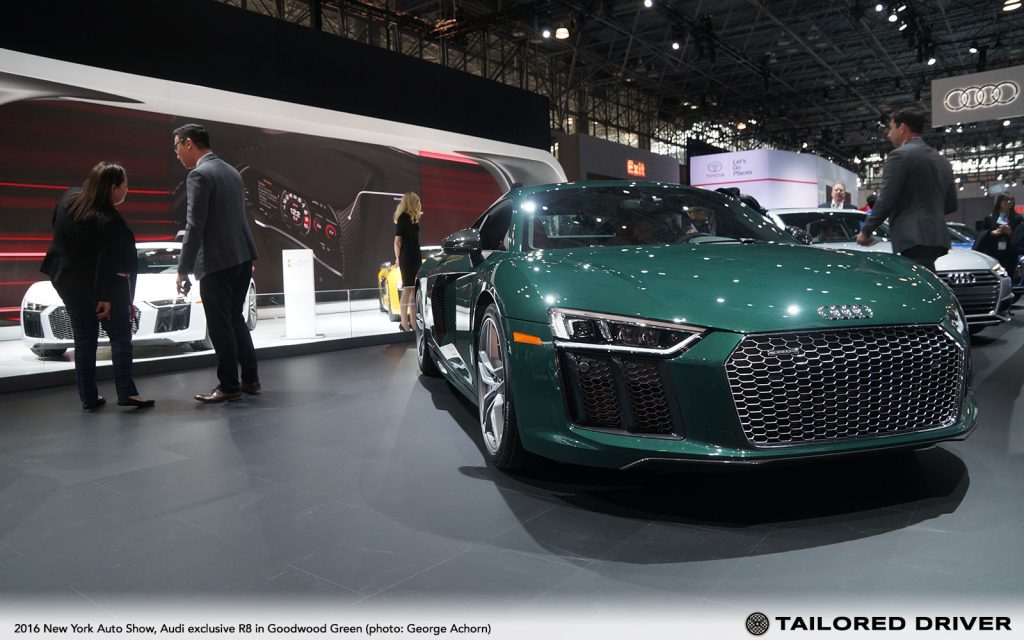
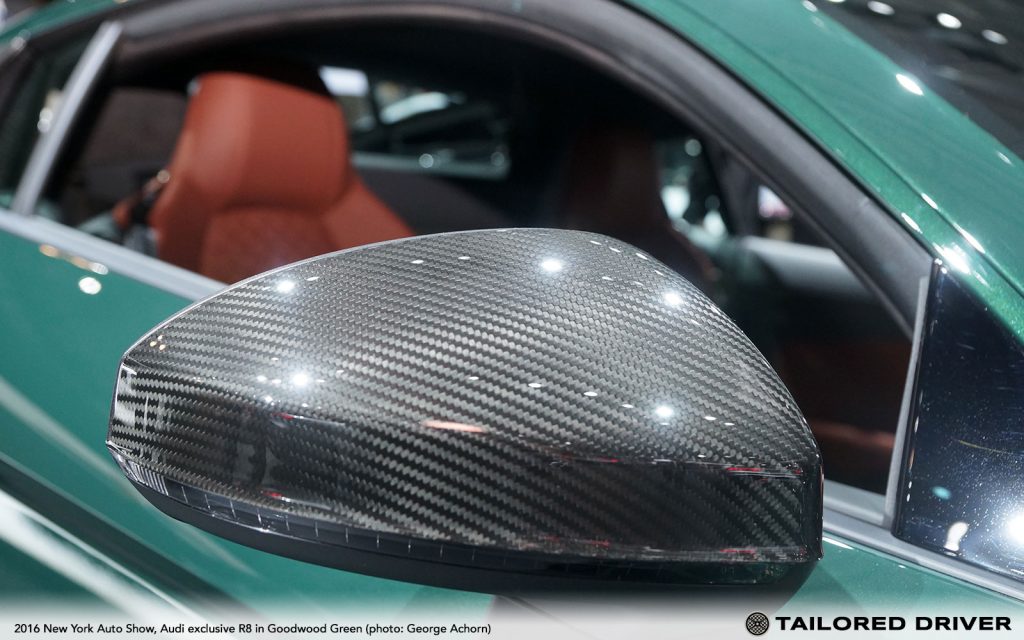
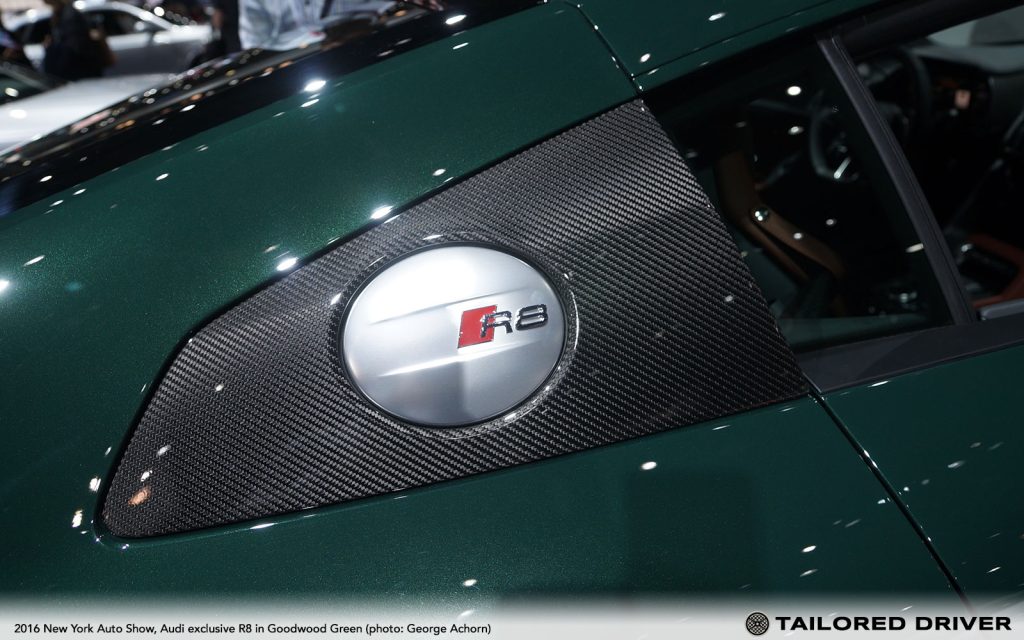
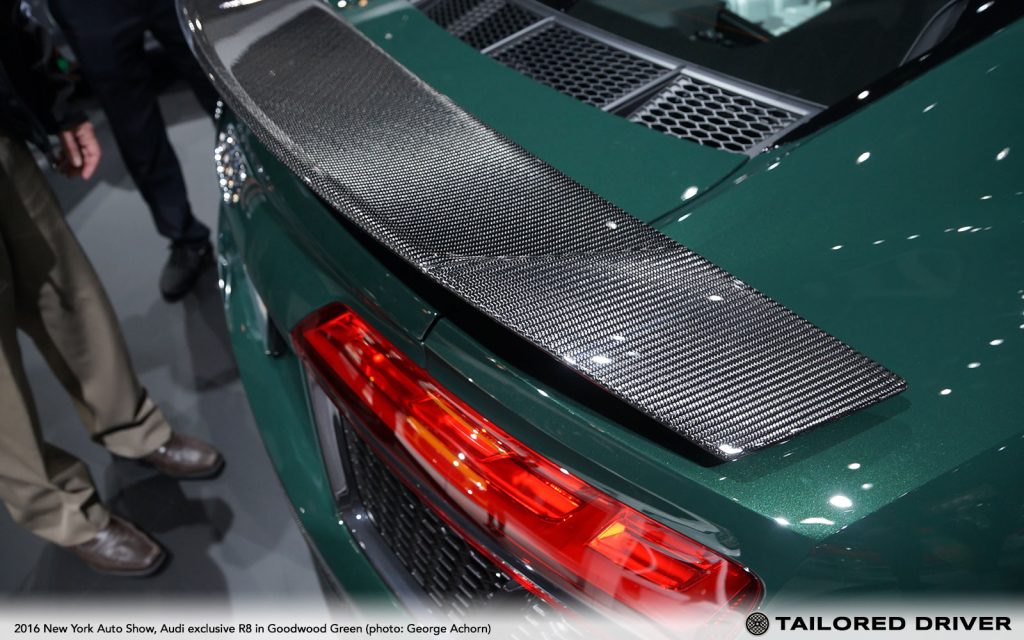
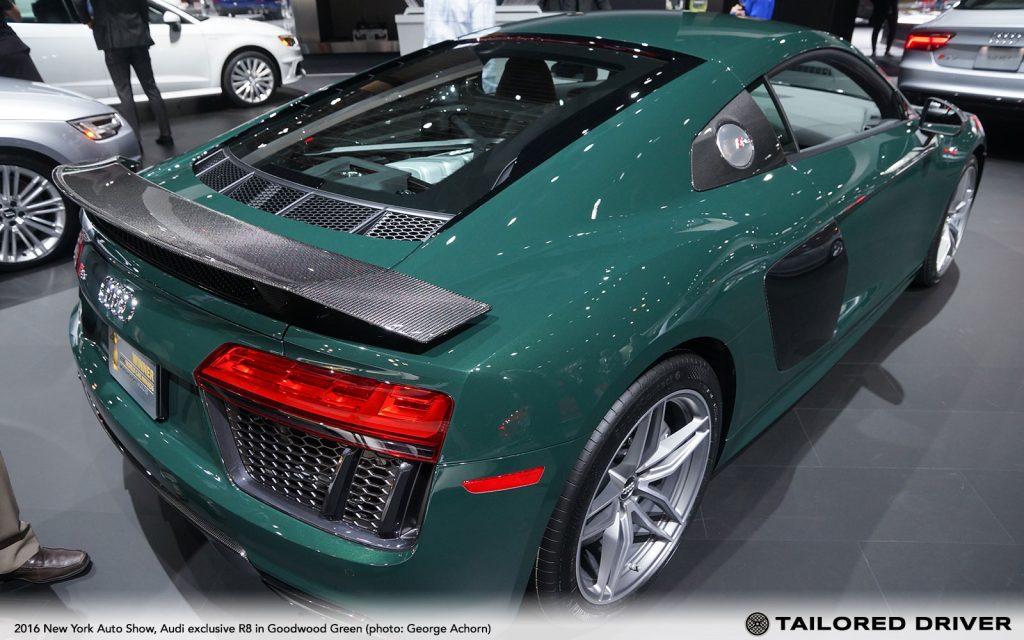
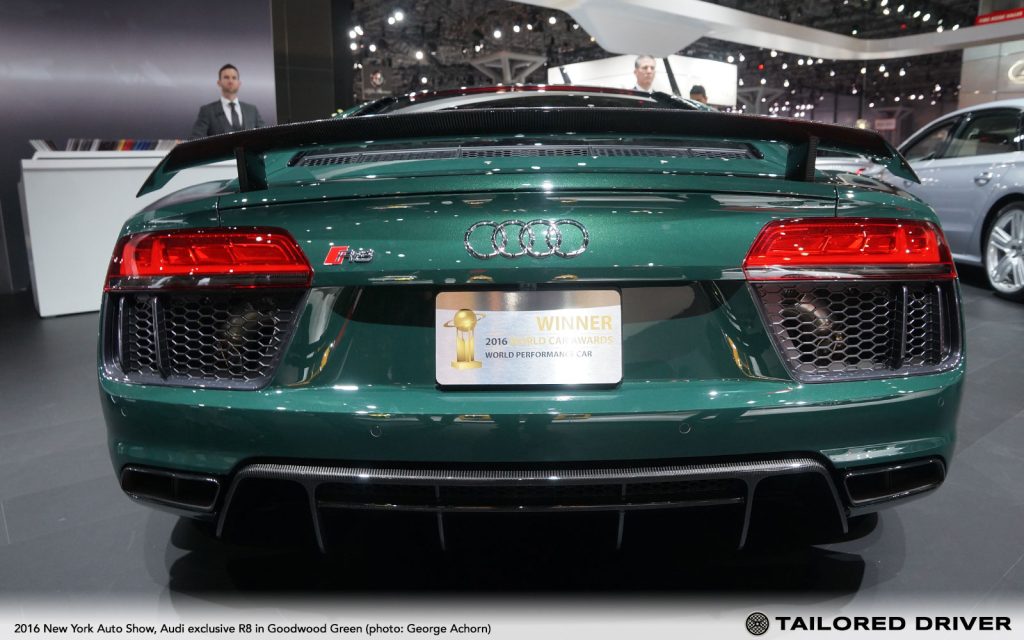
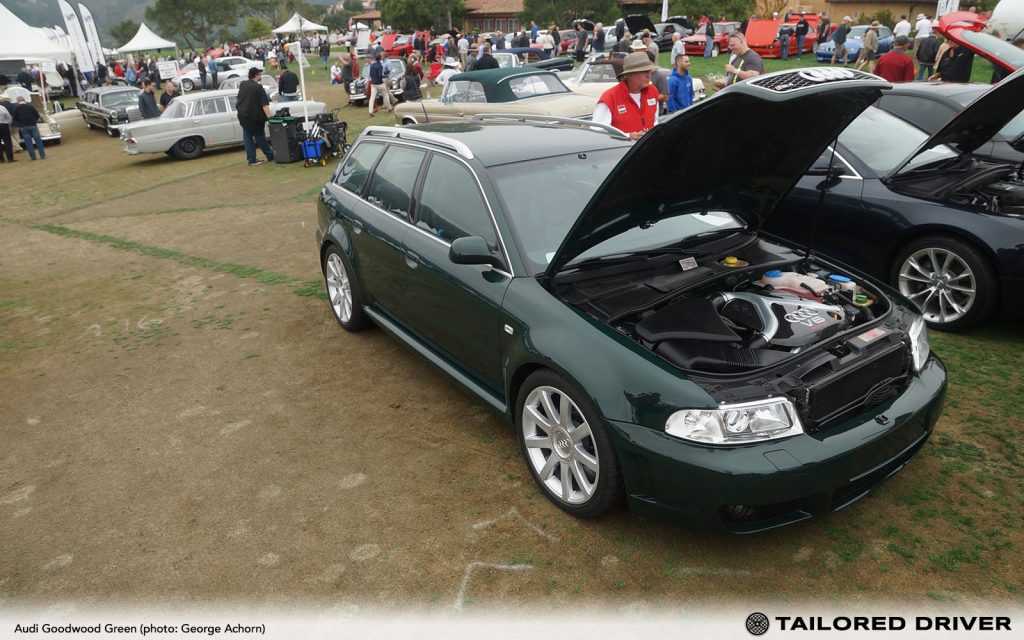
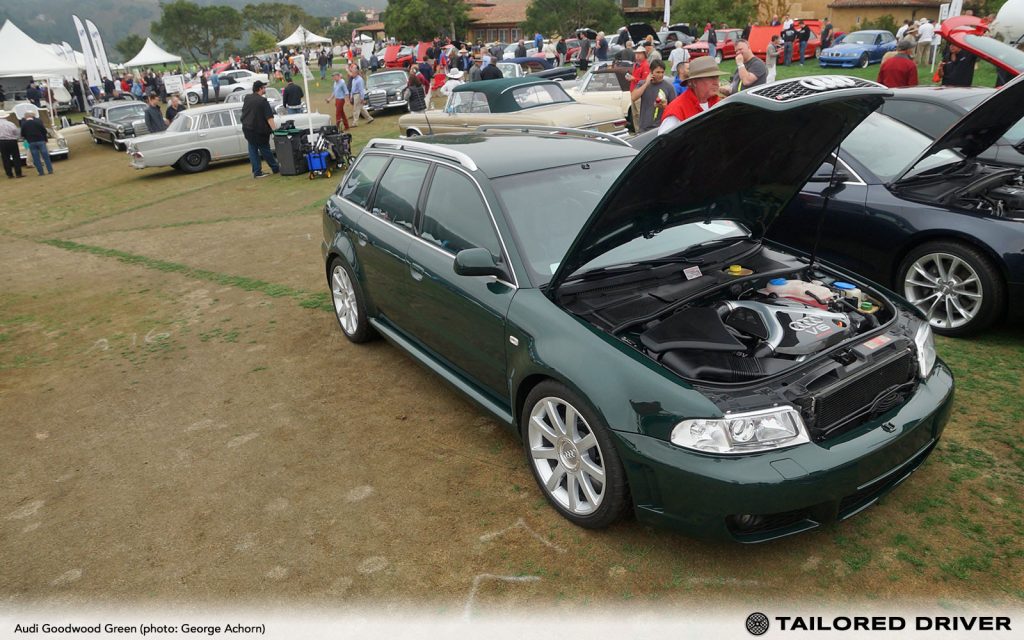
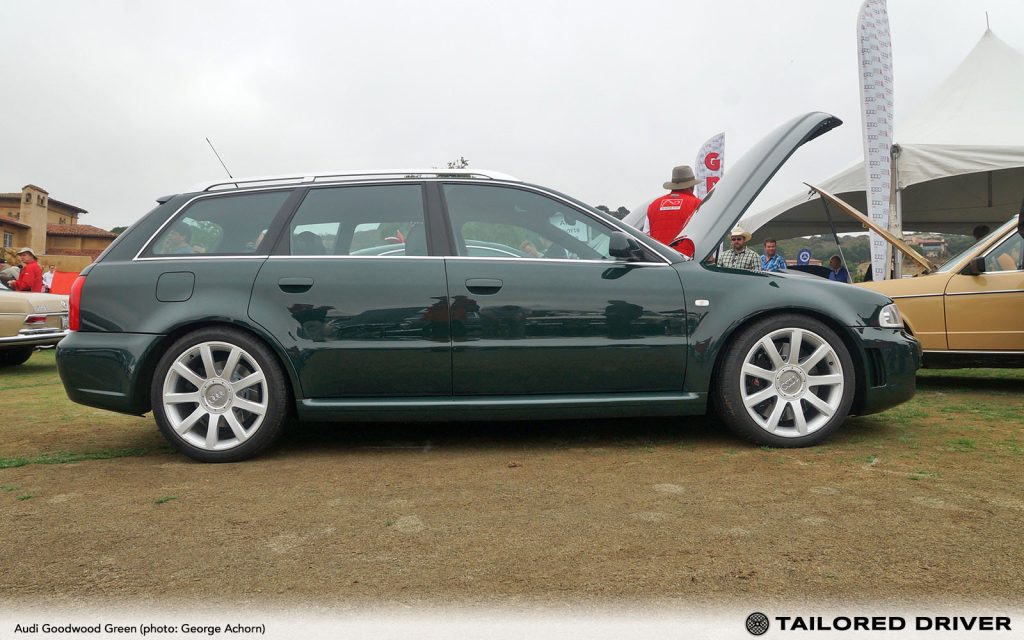
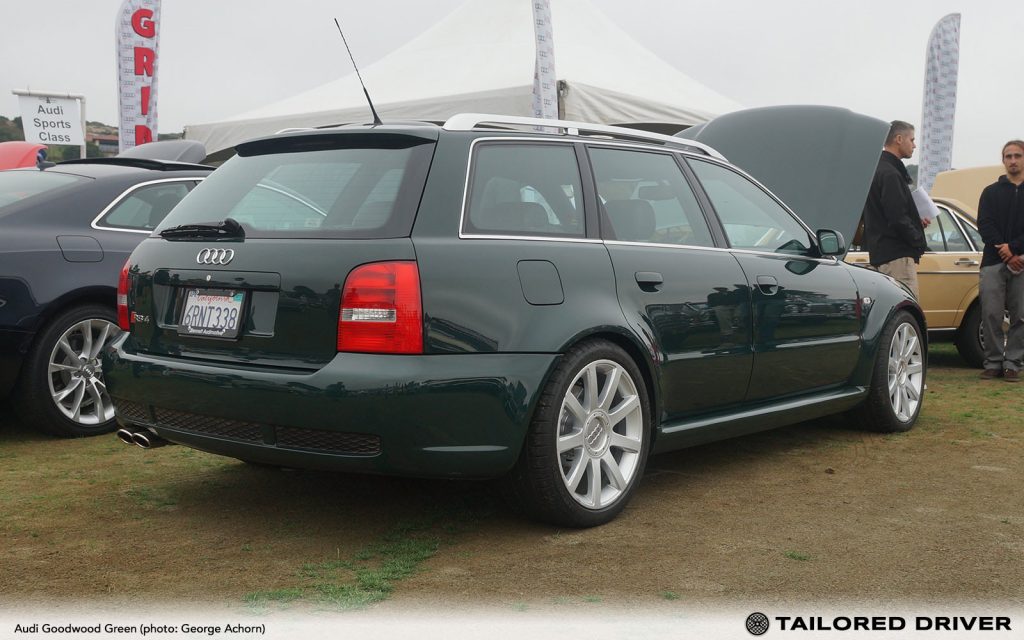
Aud’s Goodwood Green (goodwoodgrünperleffekt; metallic UNI; Z6X; Audi) was introduced in the early 2000s, quickly making its way to the RS 4 Avant (B5), then TT (Mk1), A4 and S4 (B6), S6 and RS 6 (C5) and S8. Unlike other Audi greens, Goodwood was close enough to British Racing Green to be universally appealing. No doubt this wasn’t lost on Audi designers and marketers who named the color for the historic British Estate that plays home to a historic racing circuit plus incredibly exclusive racing and automotive events.
Despite the appeal of British Racing Green-like colors in the market, Goodwood didn’t prove to perform particularly highly when it came to install rates. Cars offered with Goodwood as standard remain relatively rare in their respective places, however the color has done much better within the Audi exclusive special paint program where it remains a popular choice.
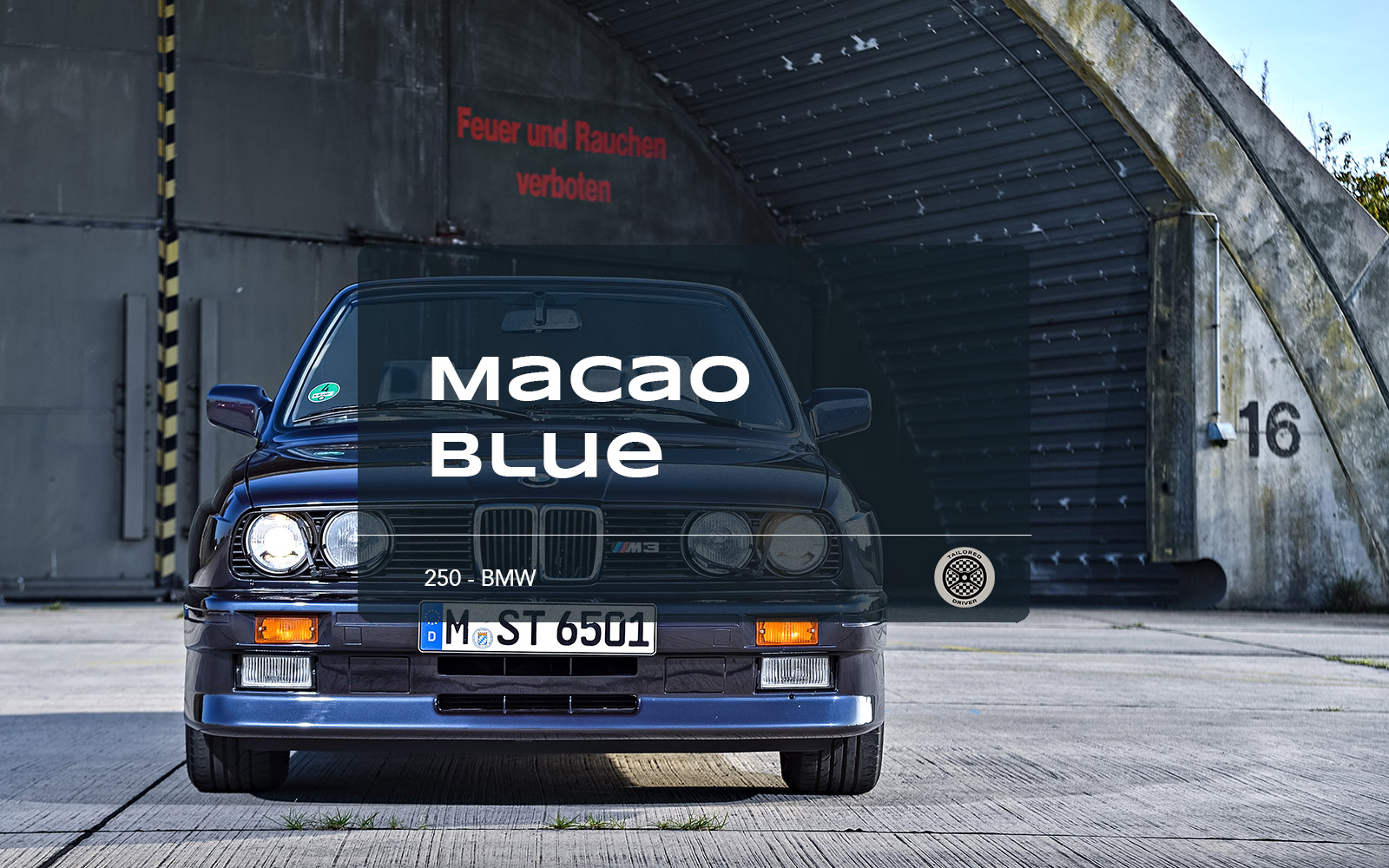
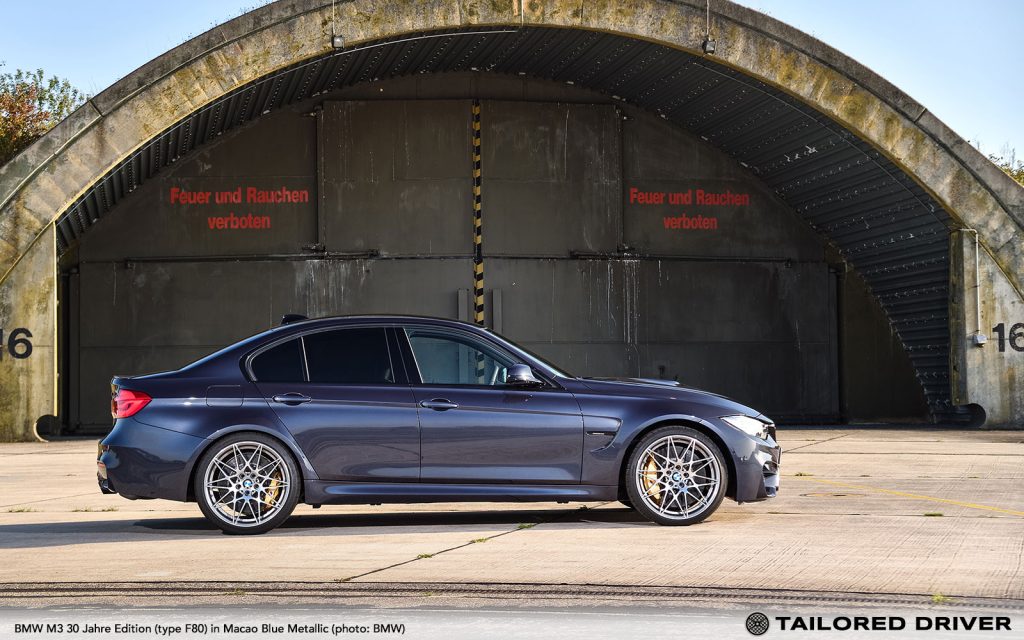
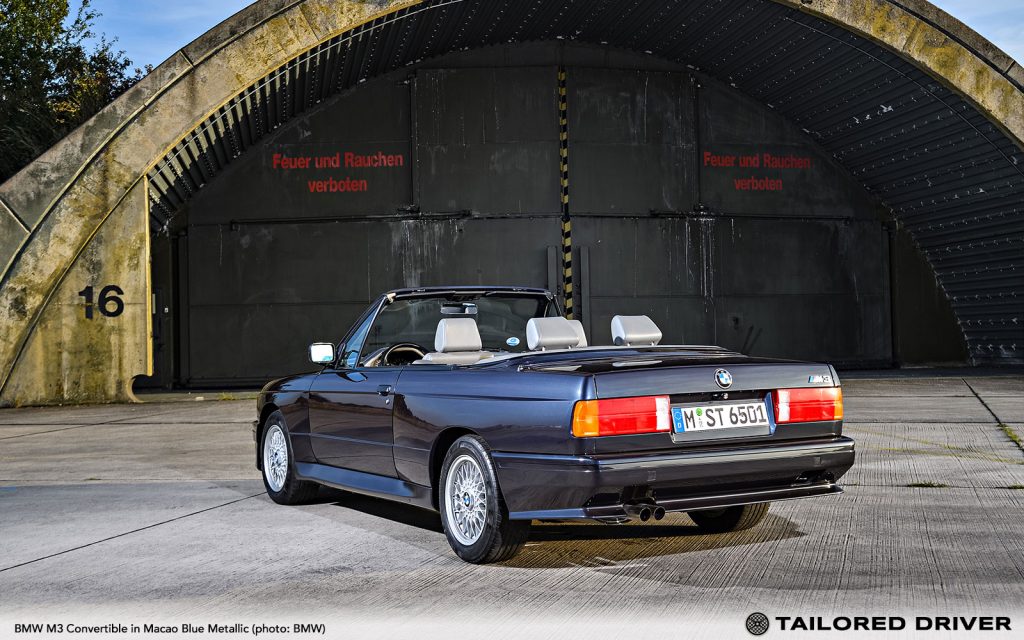
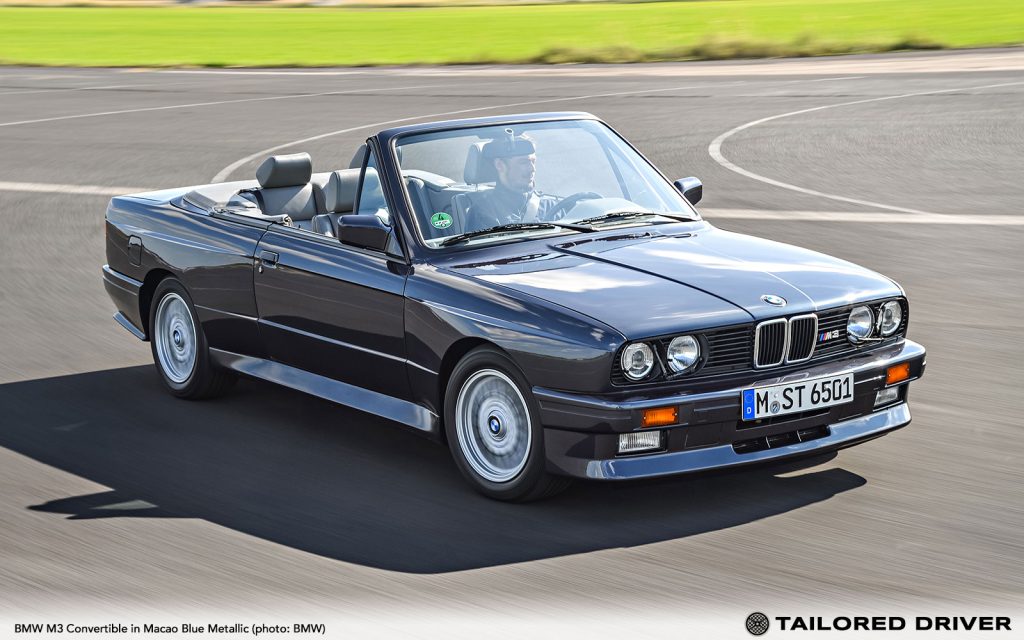
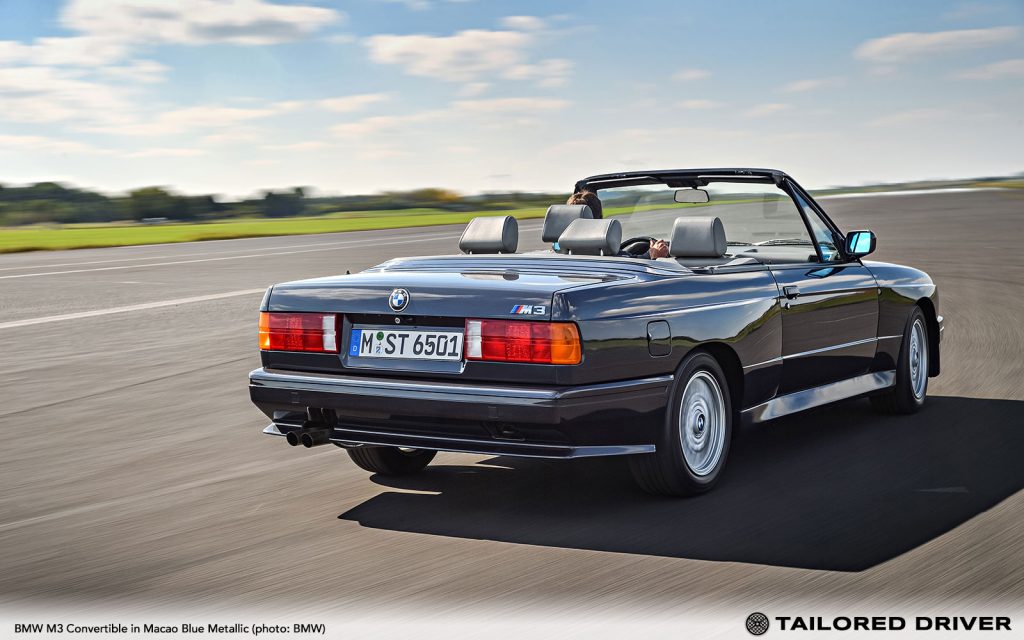
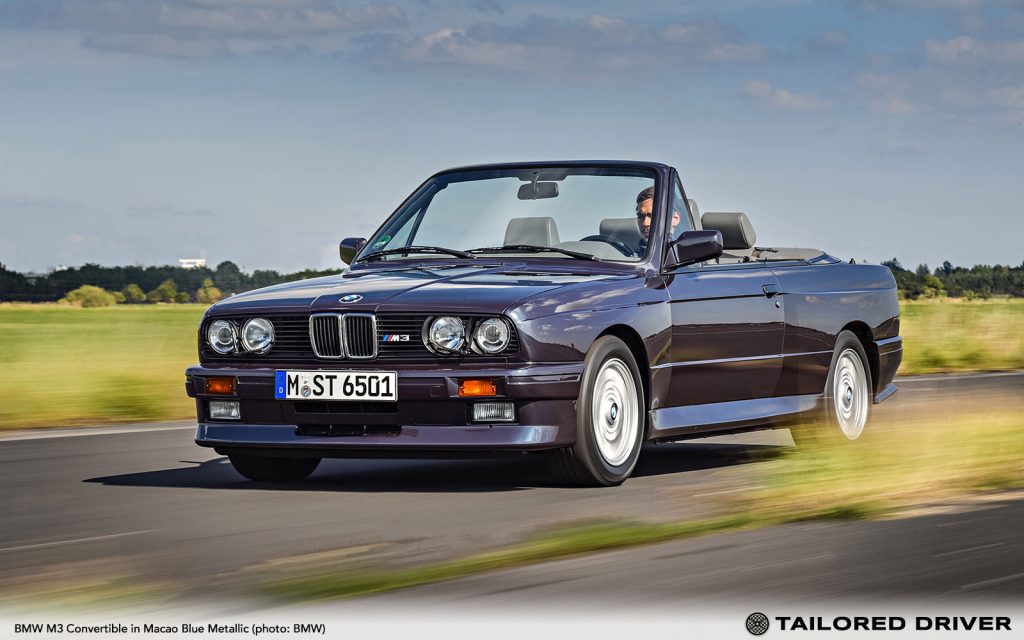
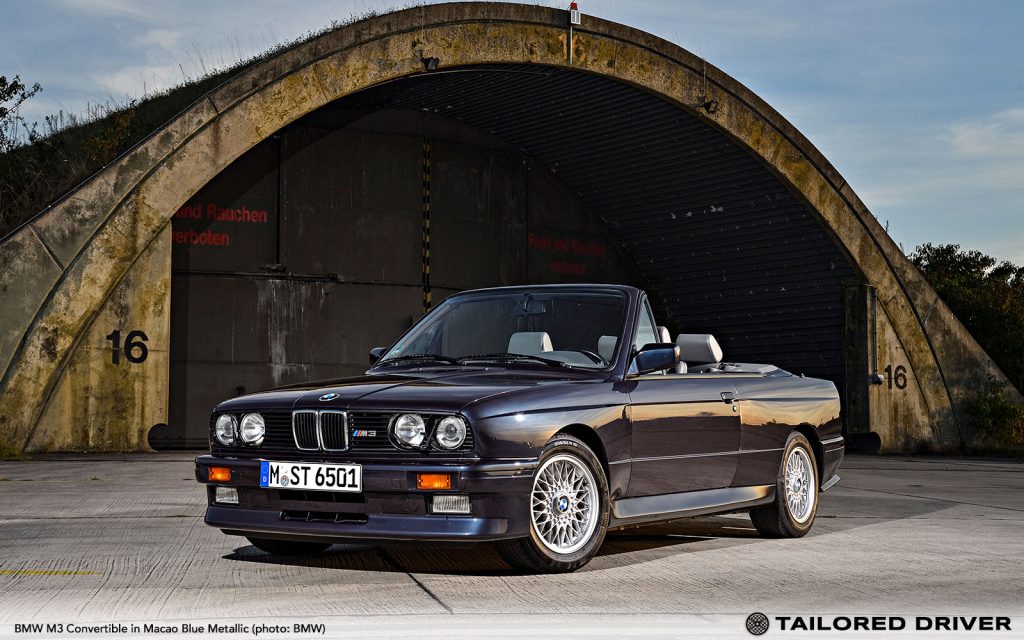
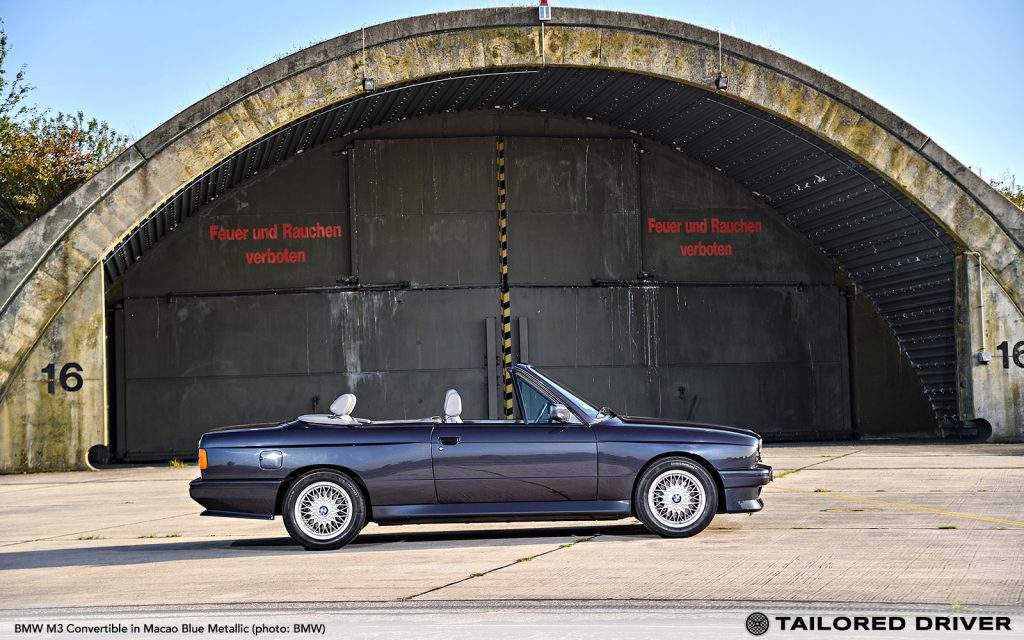
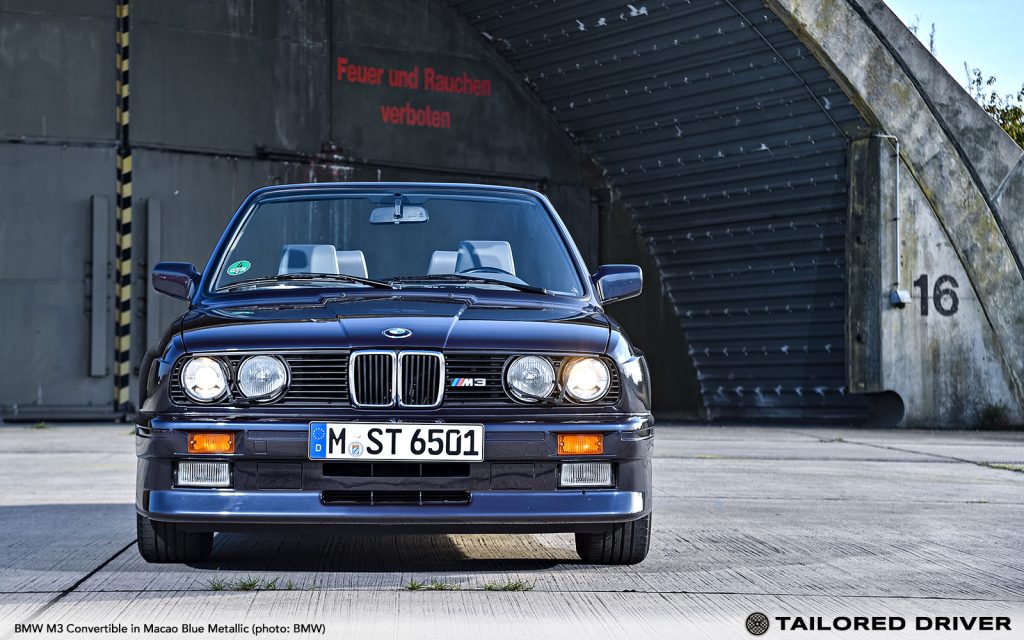
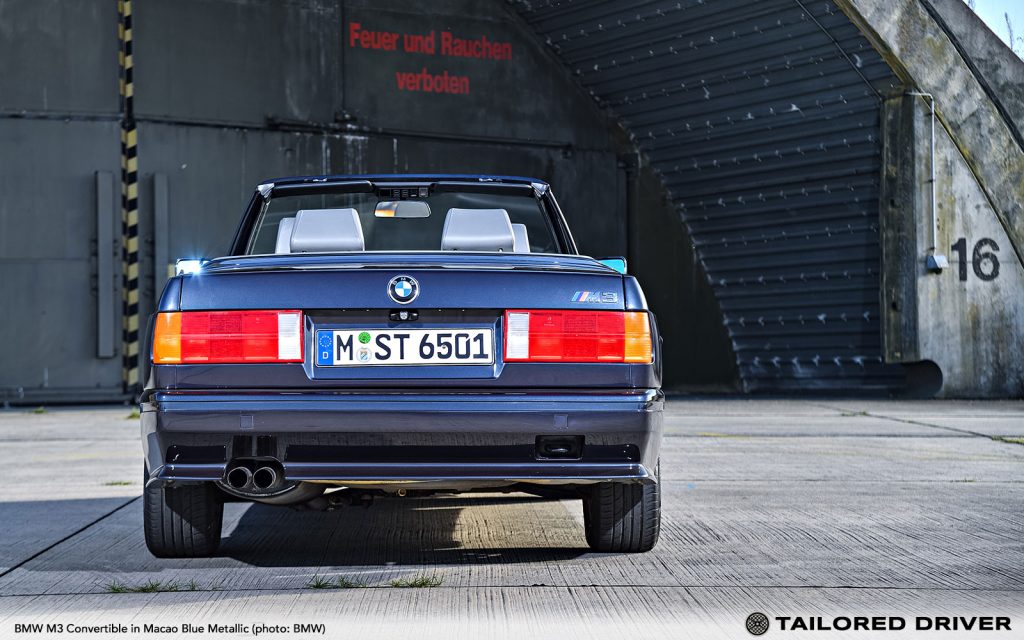
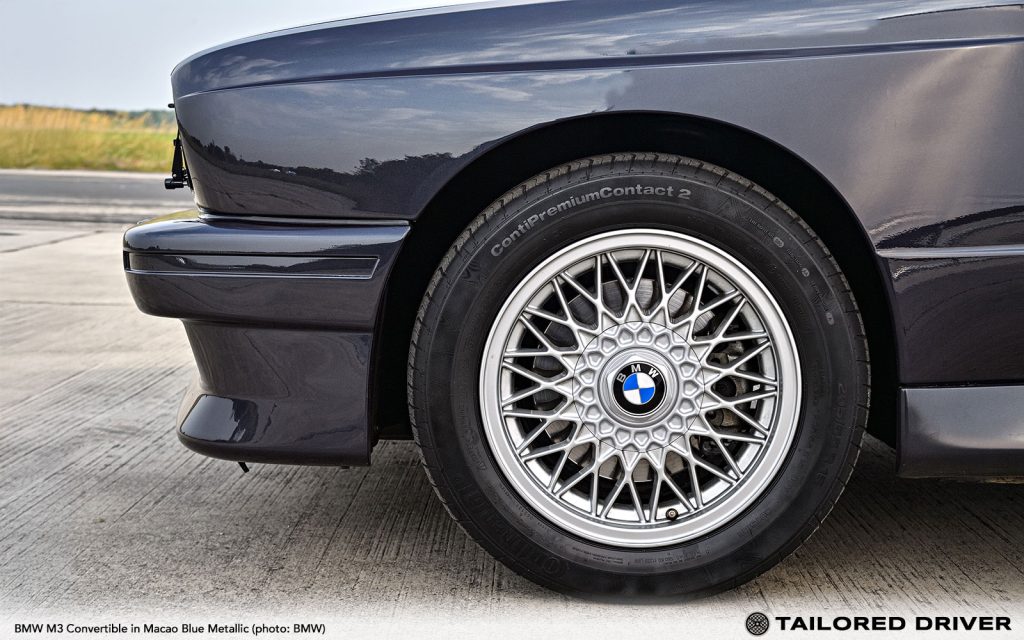
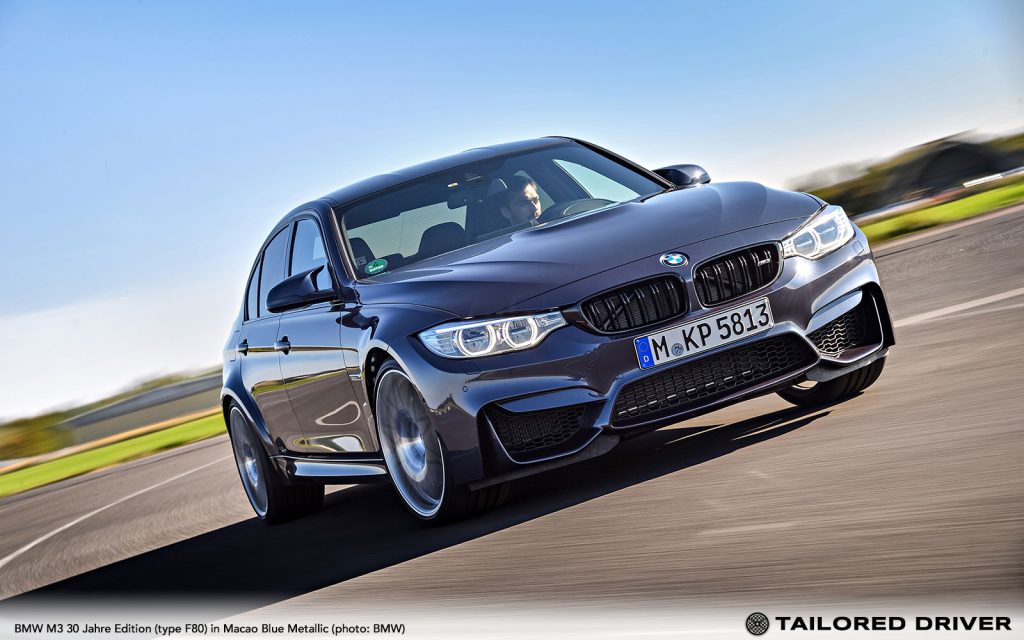
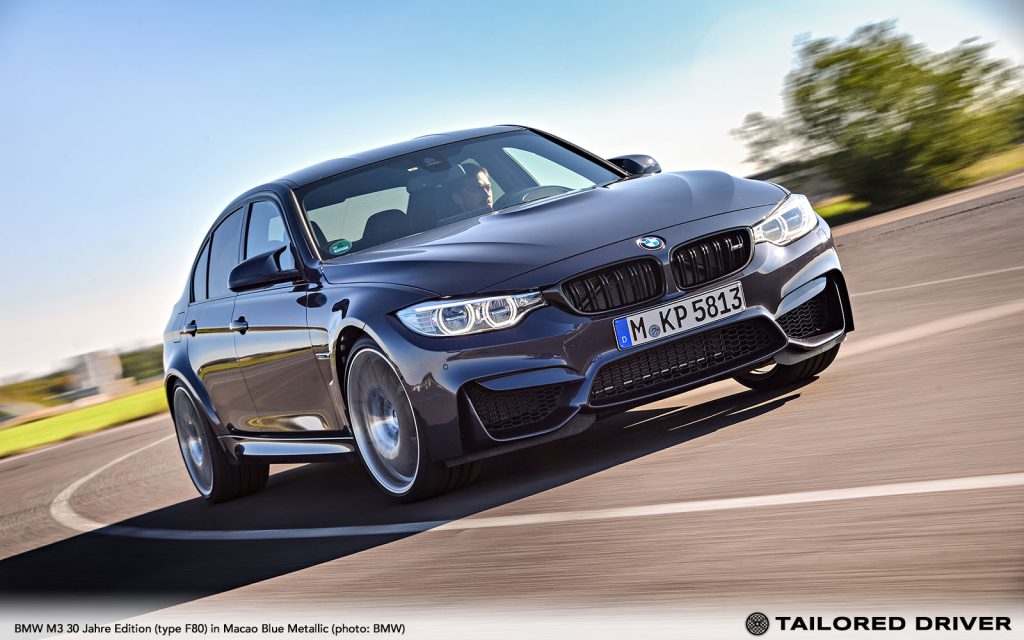
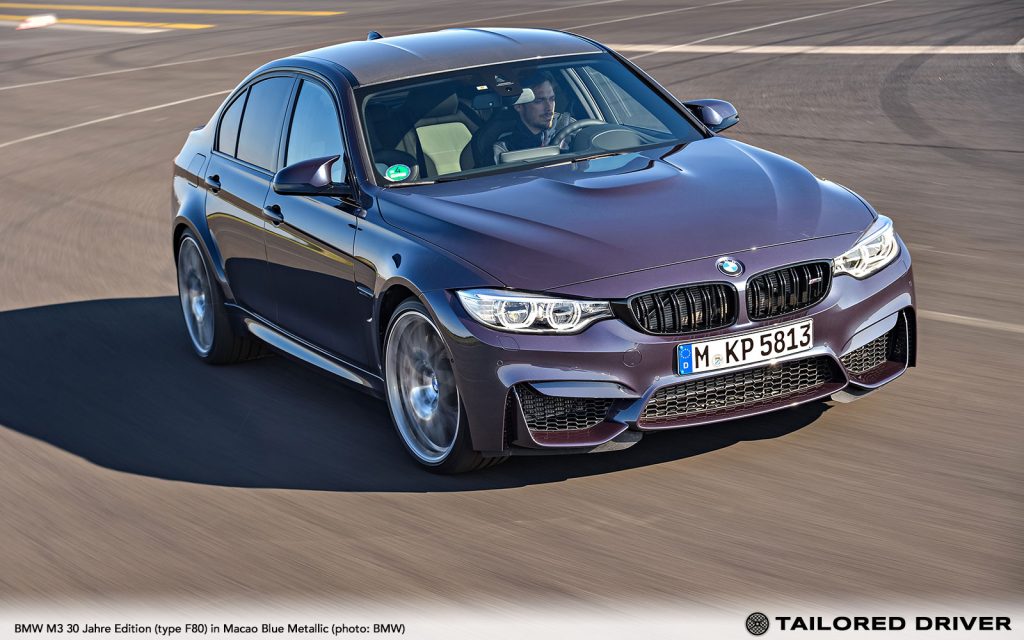
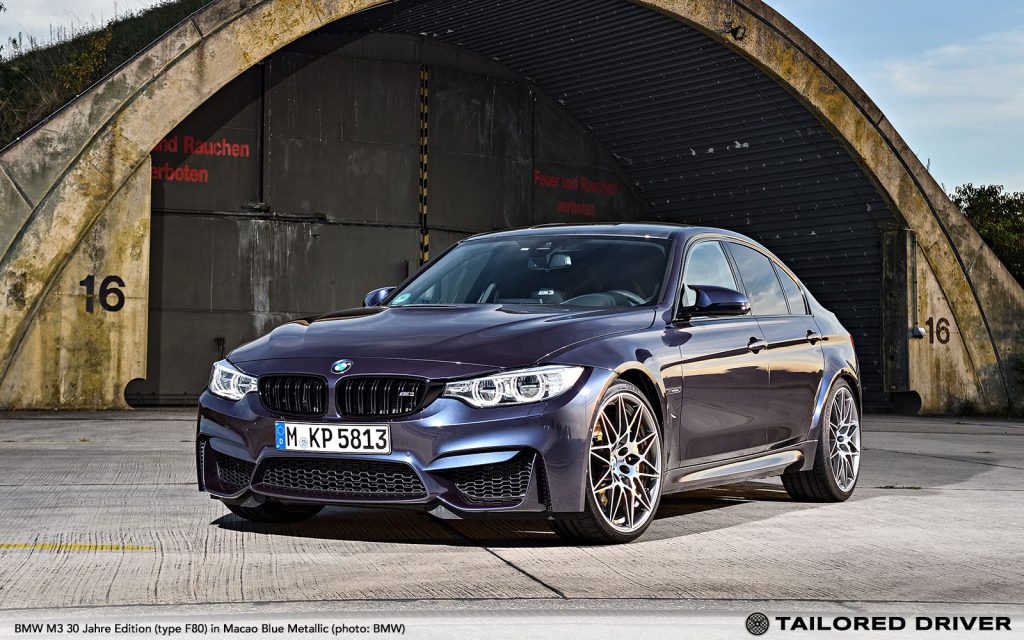
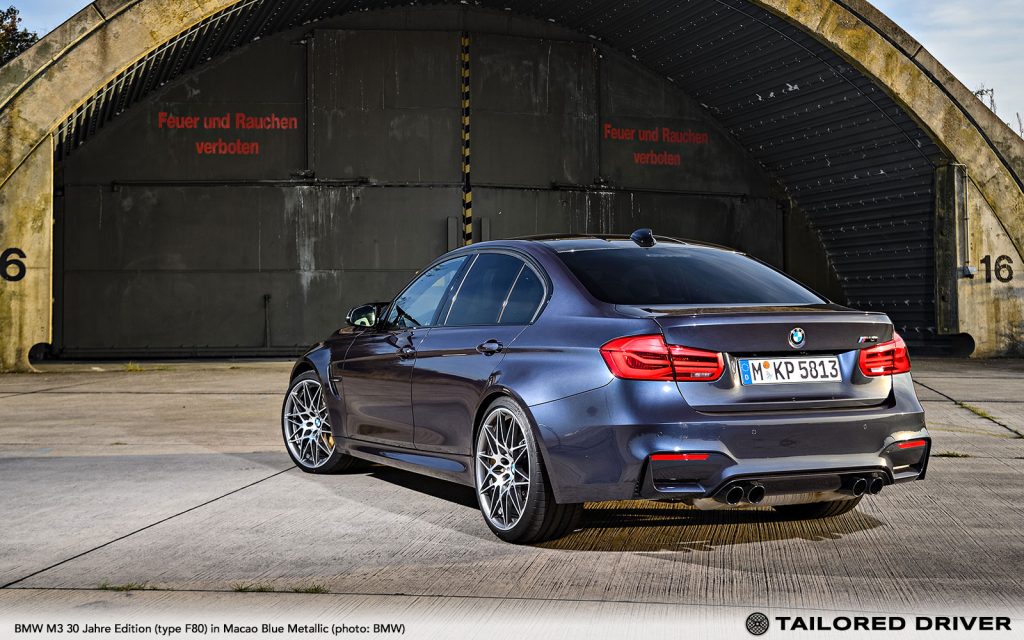
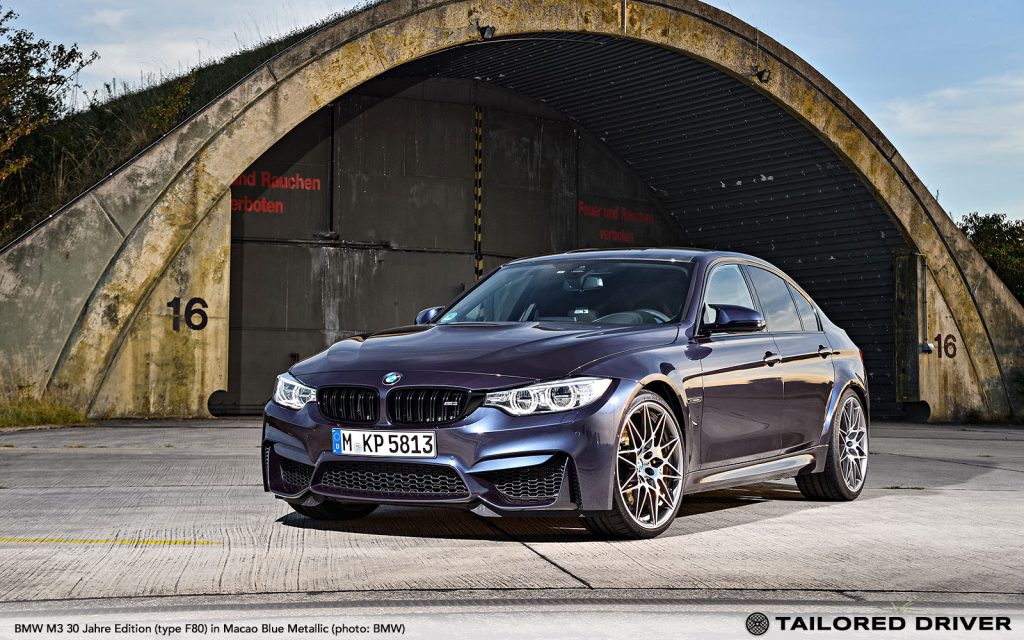
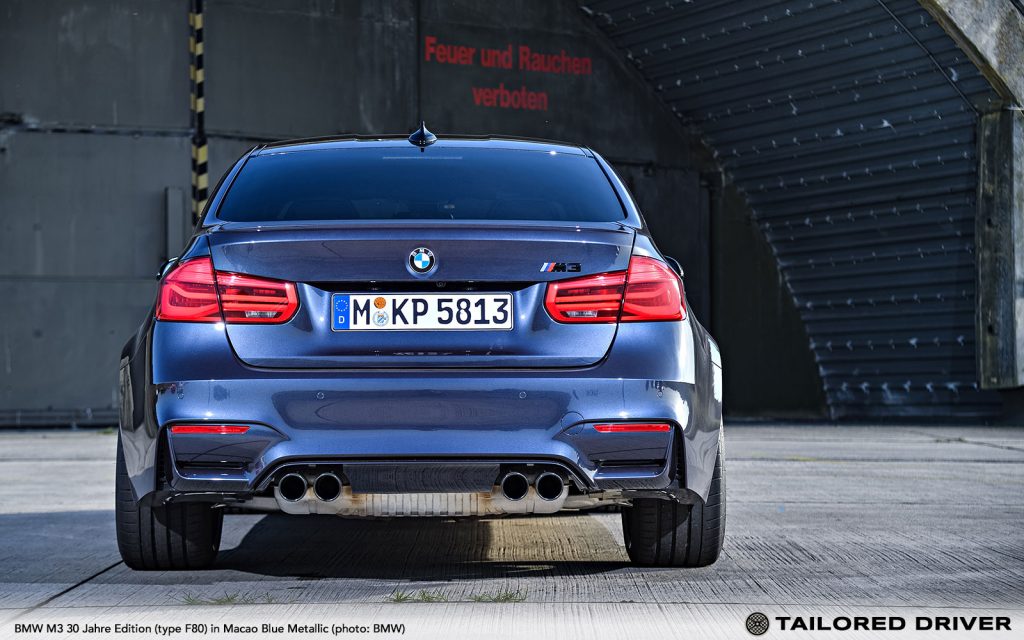
BMW Macao Blue Metallic is a color that’s only ever been standard on M cars. It debuted on the BMW M3 (type E30) in 1986, though didn’t carry over to more modern M-cars until 2016 when it resurfaced as the spec color for the BMW M3 30 Jahre (type F80).
Macao Blue Metallic is a darker blue, sitting more on the purple side of the blue spectrum. Most often, it appears as blue, though purple undertones seem to pop under certain lighting.
Given its history with BMW’s M division, Macao Blue is a subtle choice that can be had from BMW Individual, harkening an if-you-know-you-know appreciative nod from other BMW aficionados while largely going unnoticed to average members of the populace.
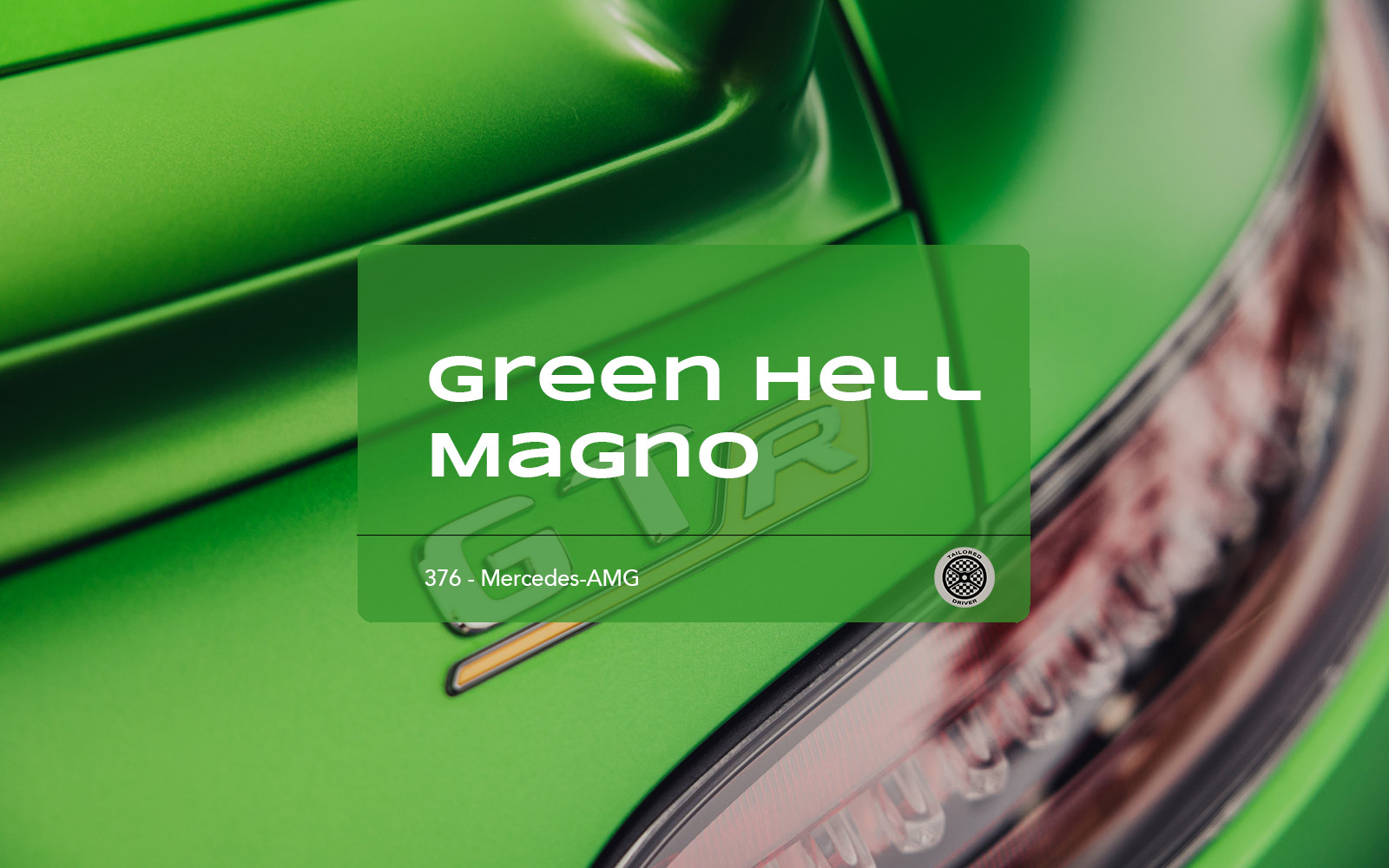
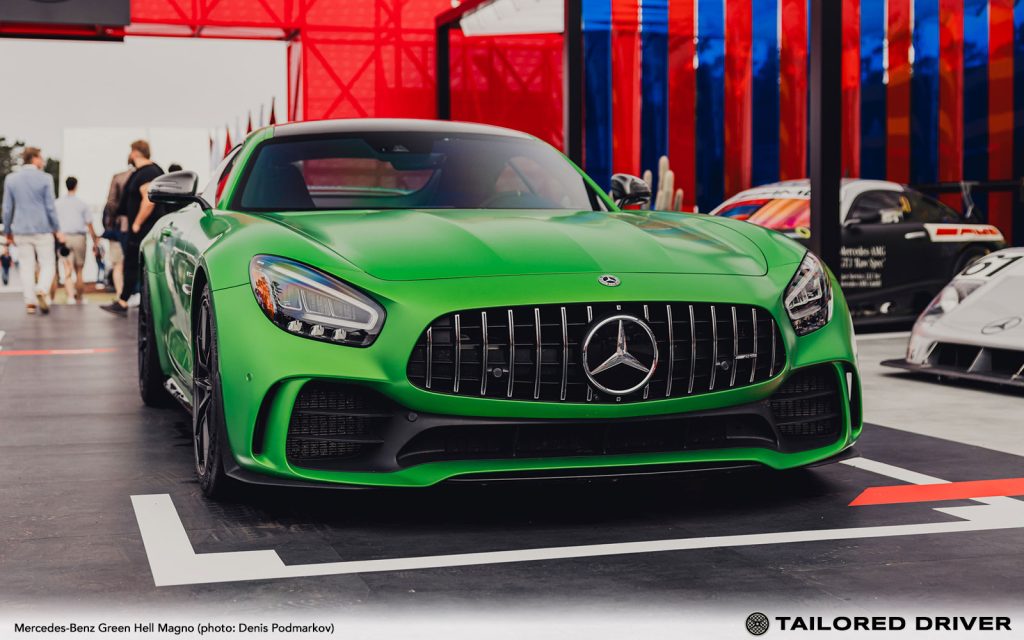
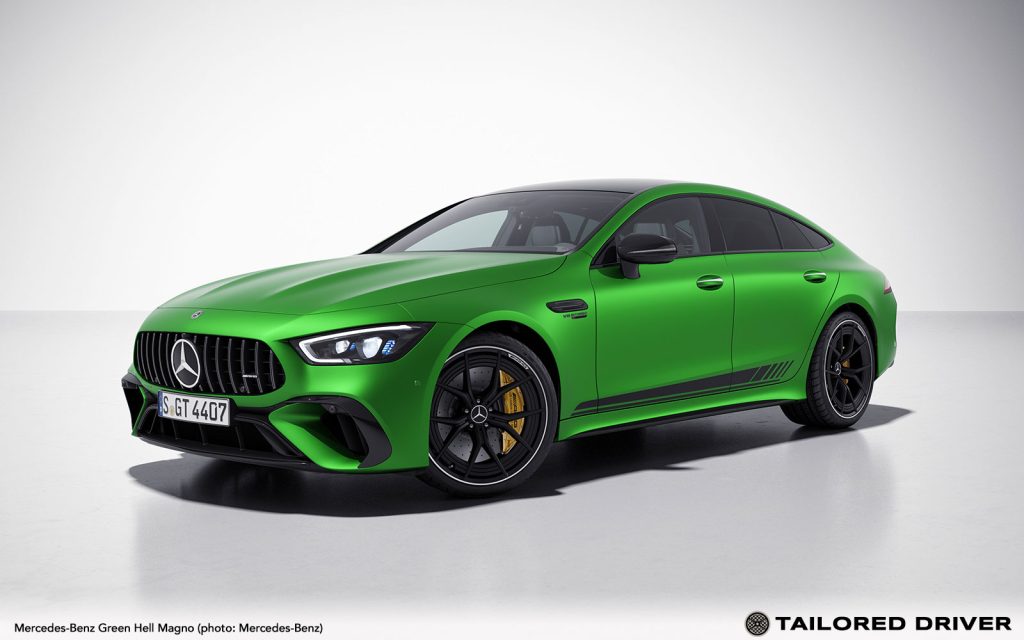
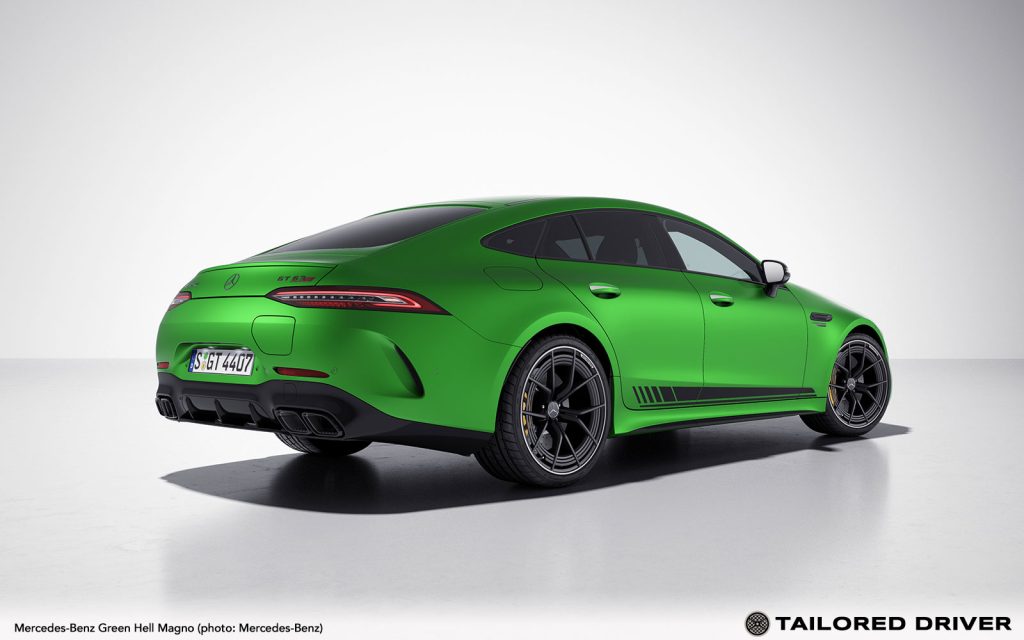
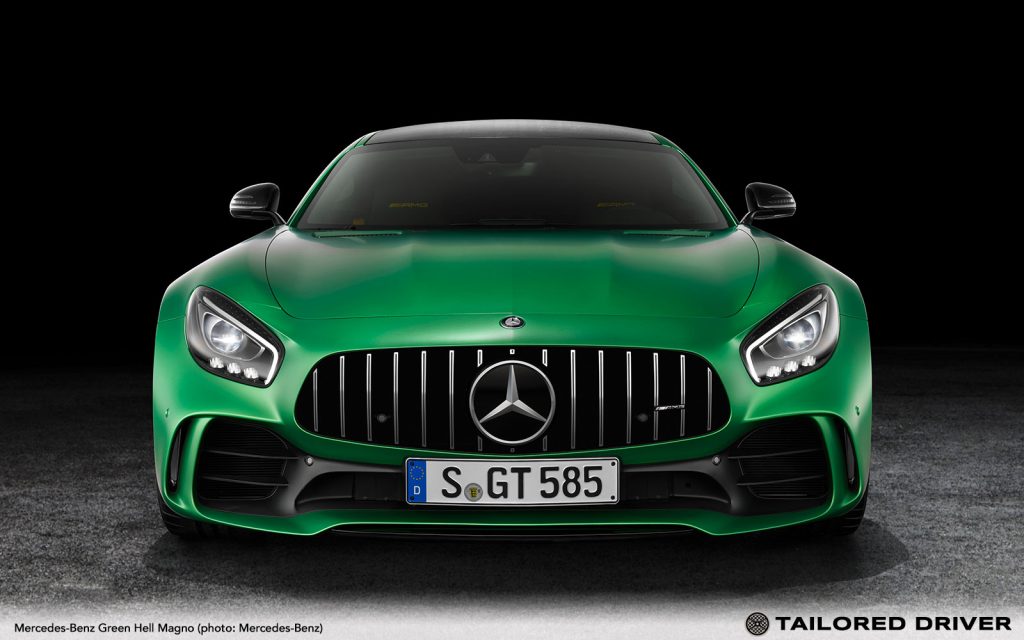
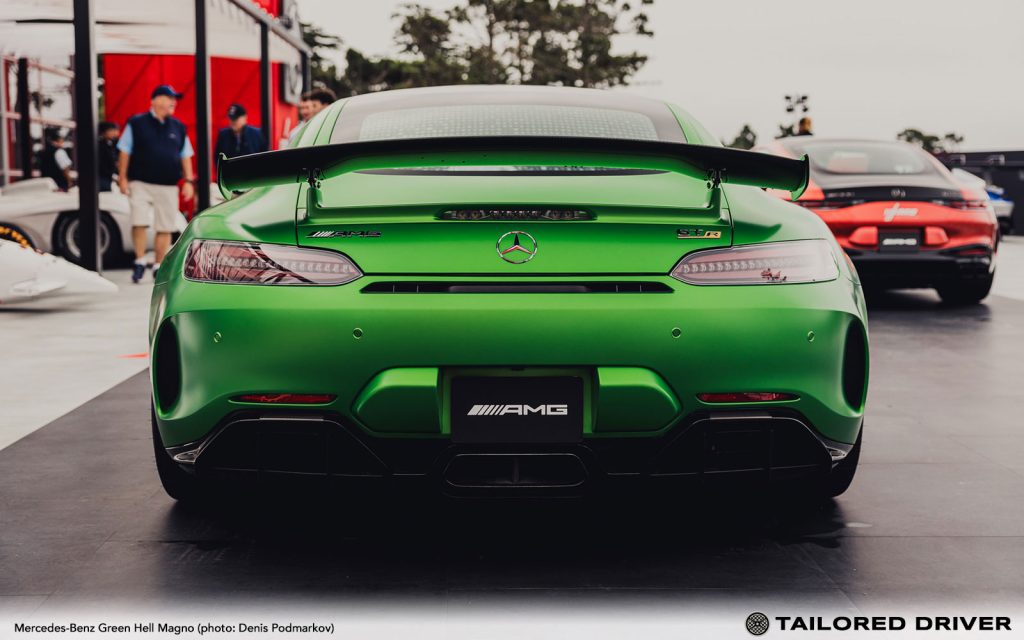
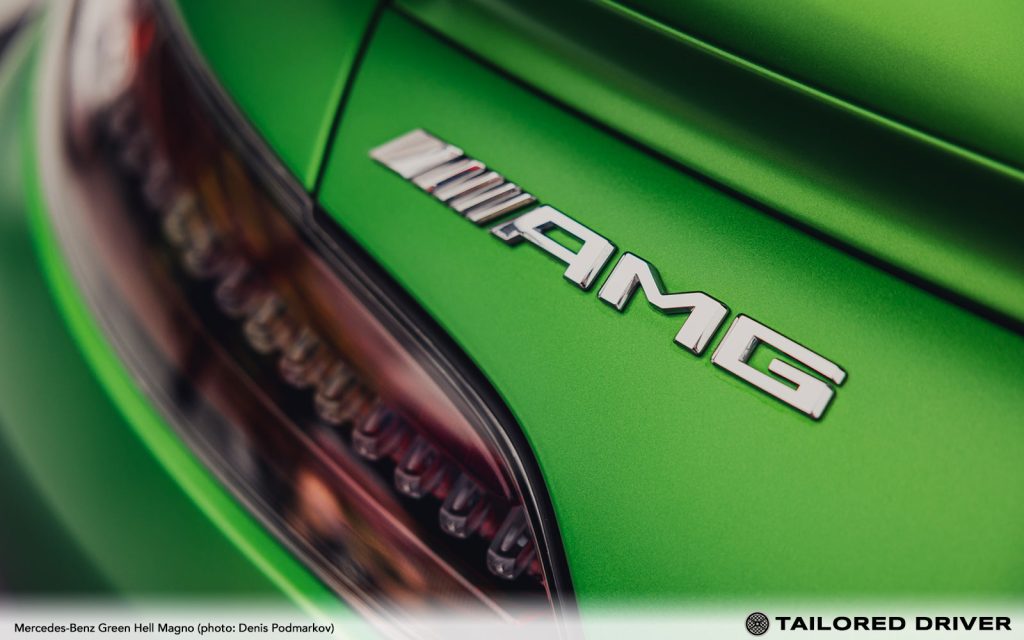
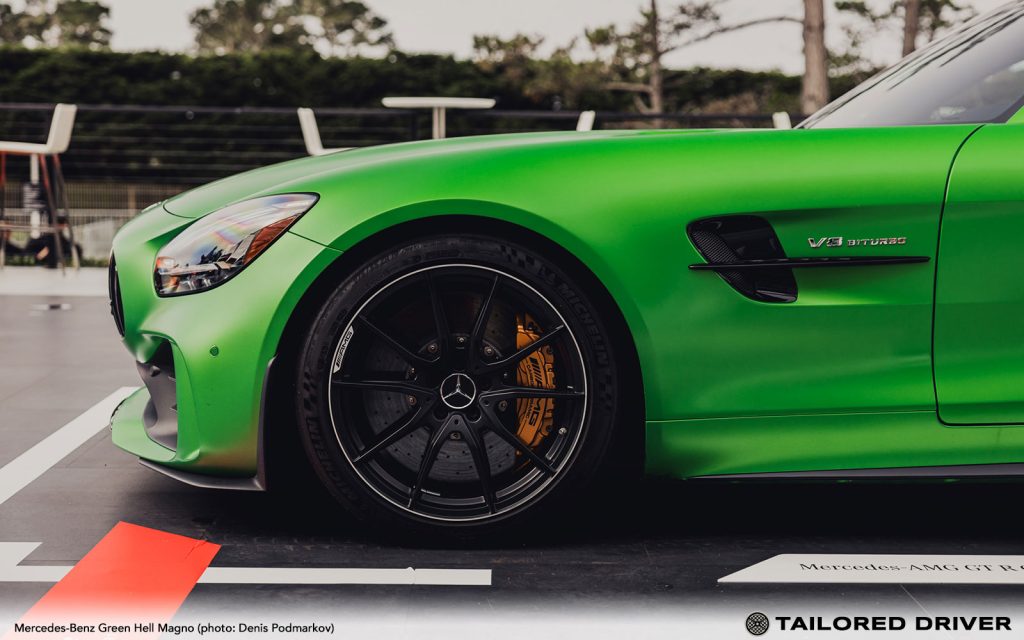
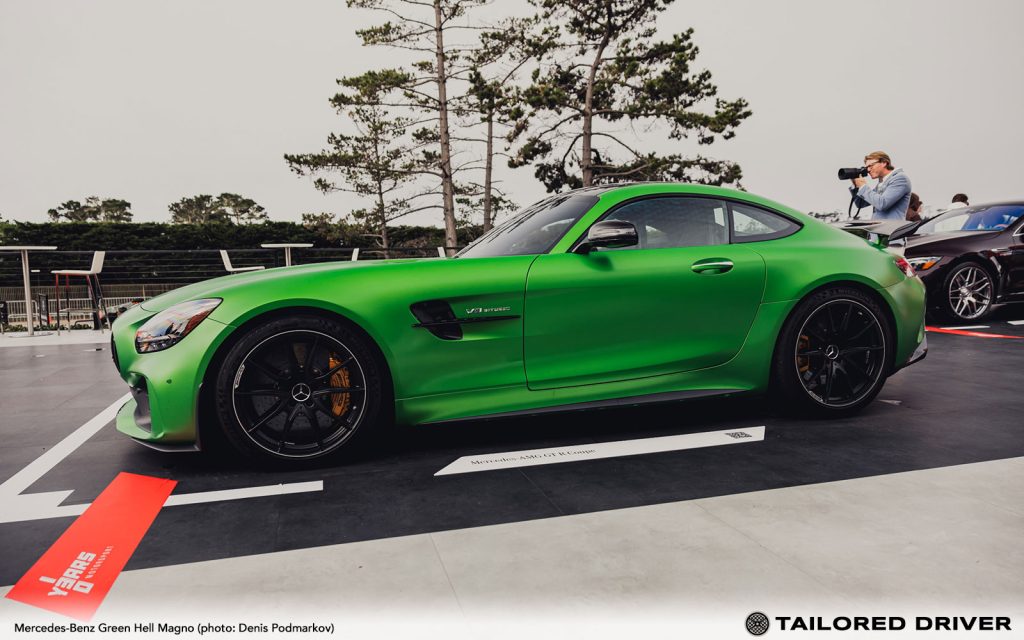
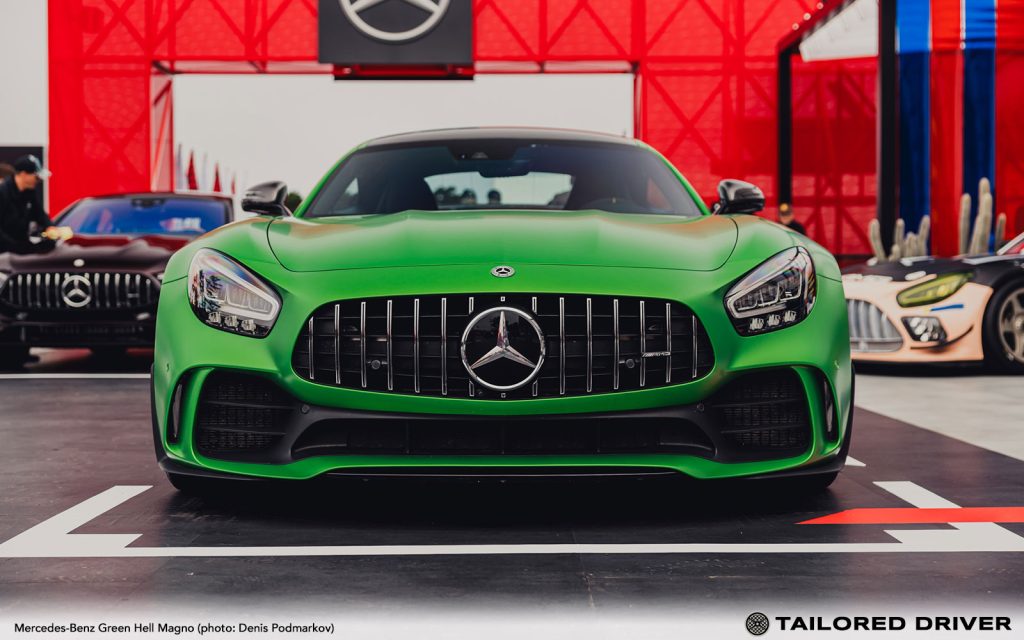
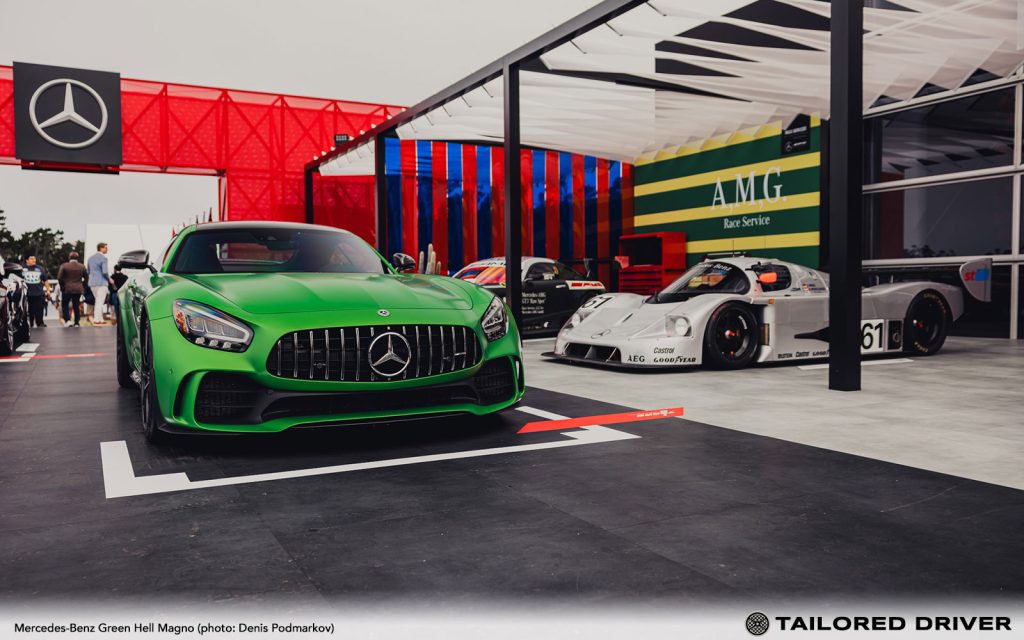
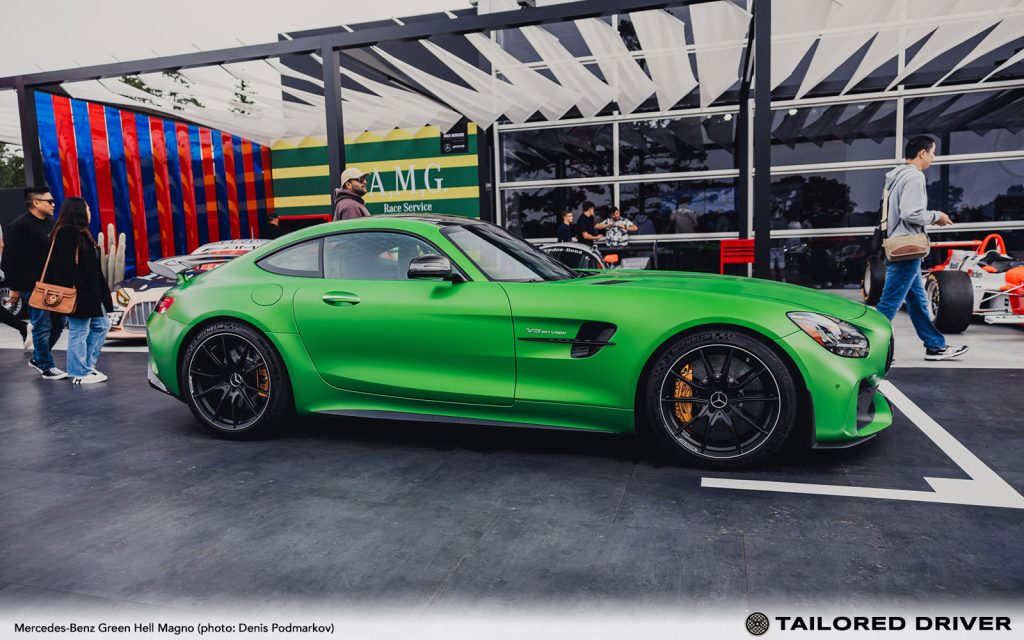
If Green Hell Magno looks right at home on the AMG GT R from Mercedes-AMG, that’s because it was created to celebrate the car. You see, the AMG GTR spent most of its development time on the legendary Nürburgring Nordschliefe circuit (a.k.a. the “Green Hell”).
Likely the color comes from the green forest that surround the historic Norschliefe, and certainly they inspired the name in the track’s nickname. The other part of that name, “Magno”, is Mercedes-Benz speak for matte paint finish. In the end, it’s likely the most striking (and fitting) of the colors offered on the AMG GT R.
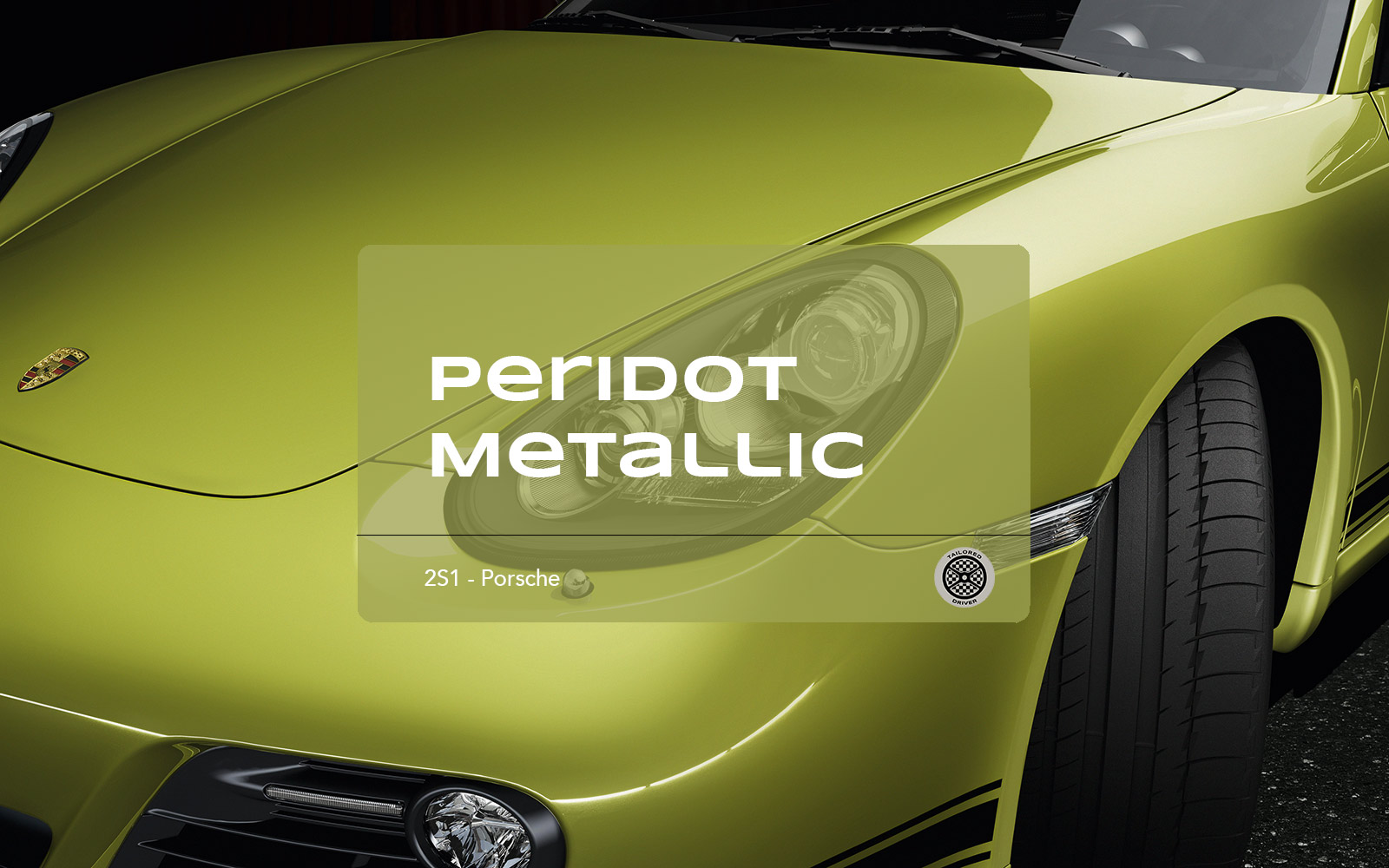
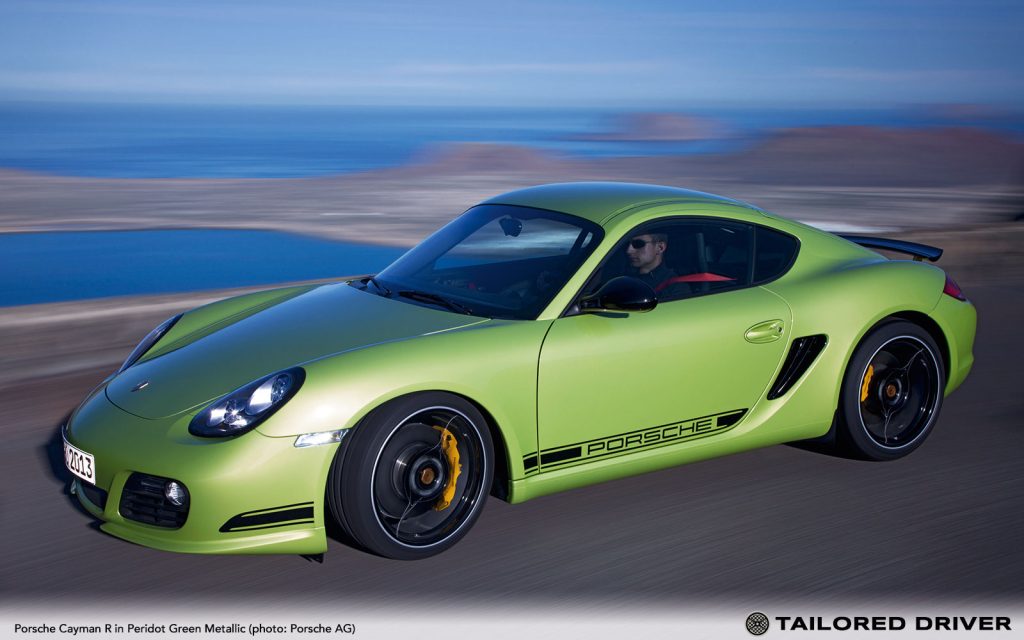
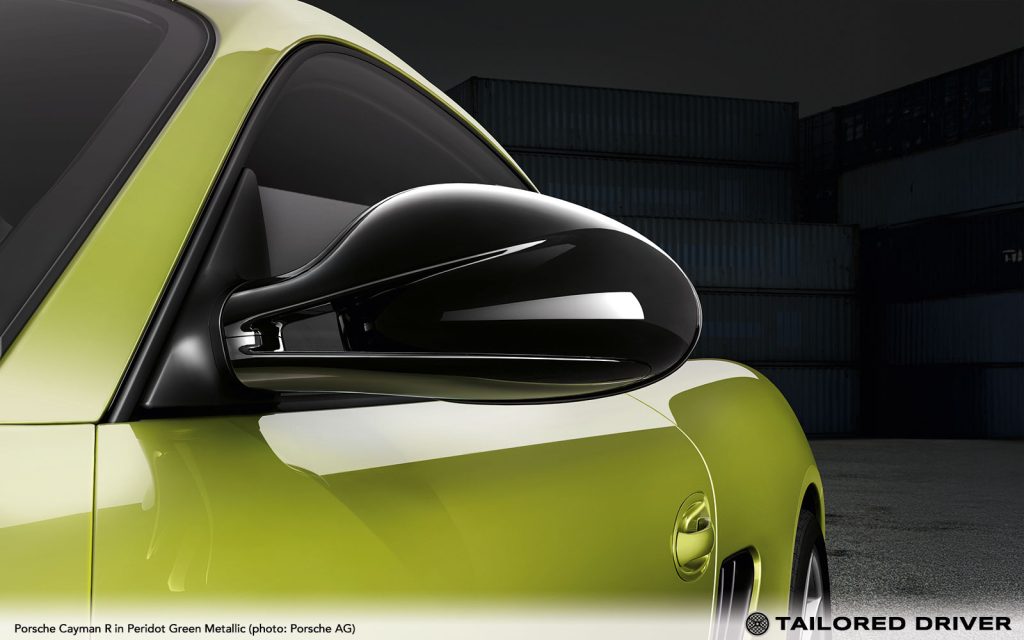
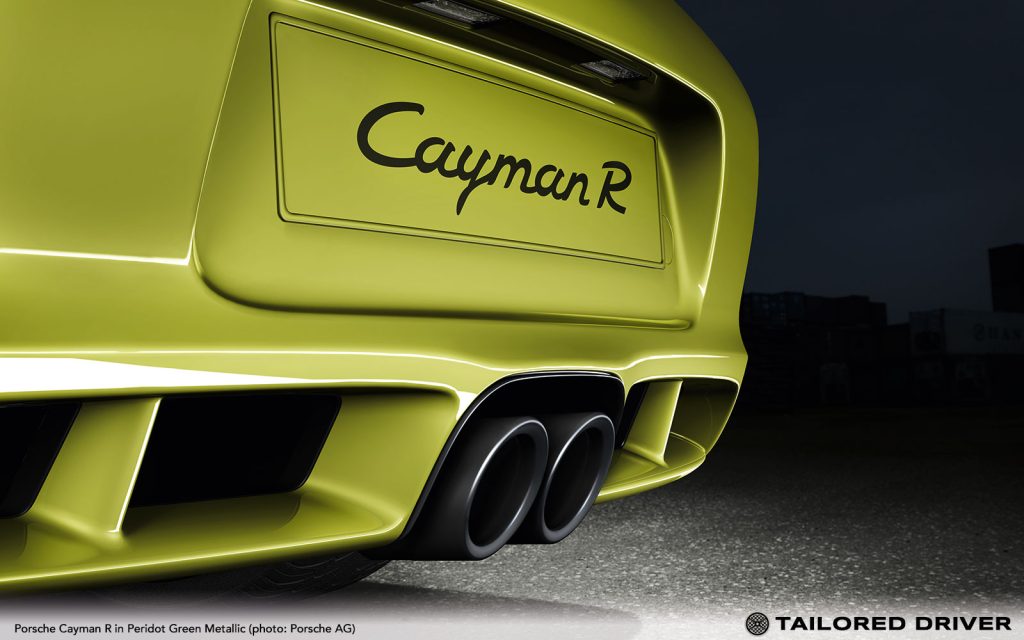
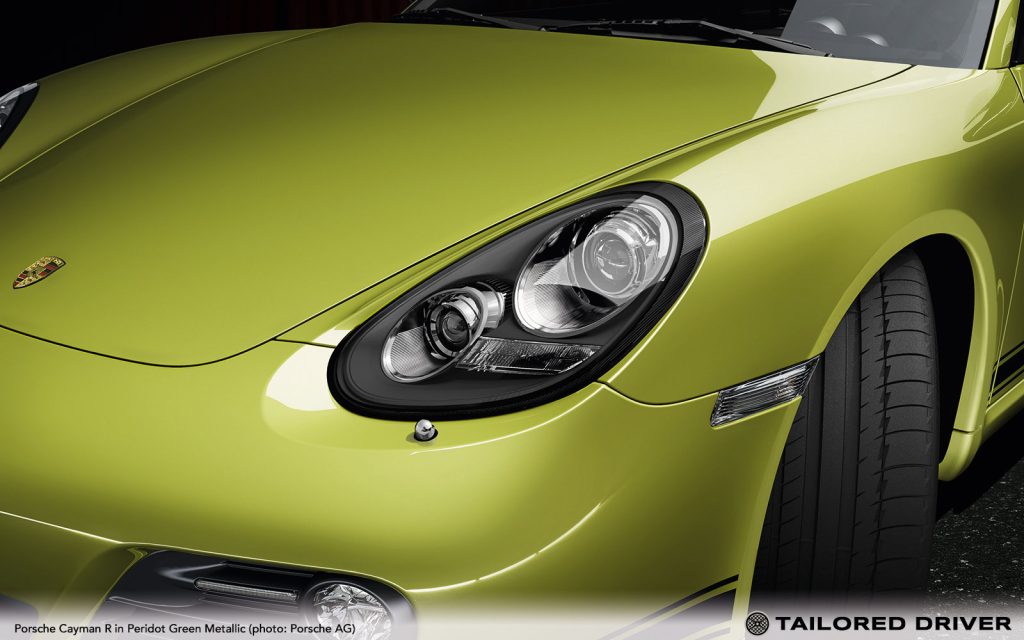
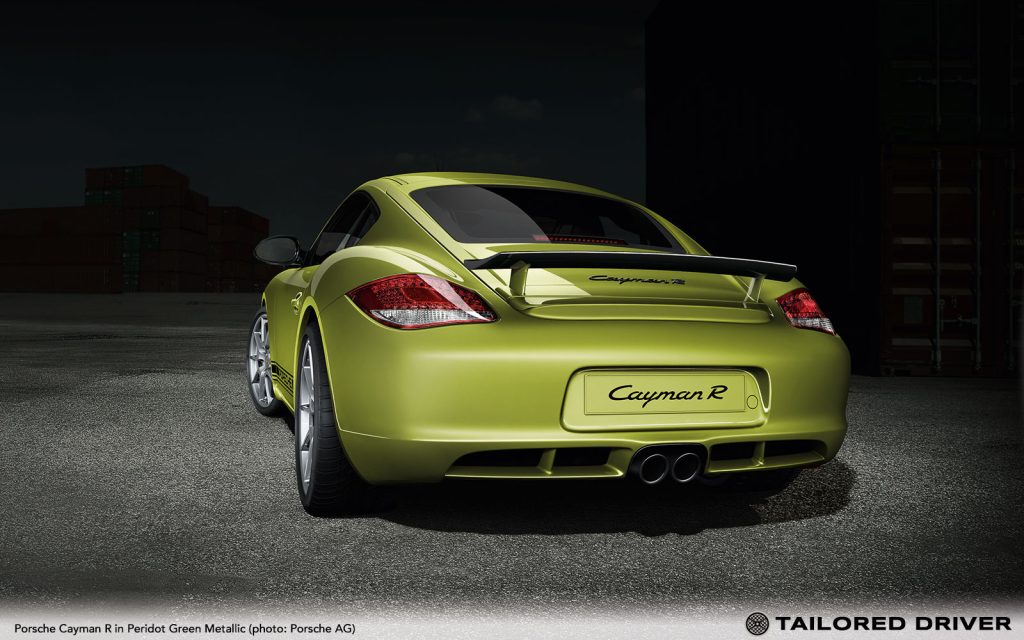
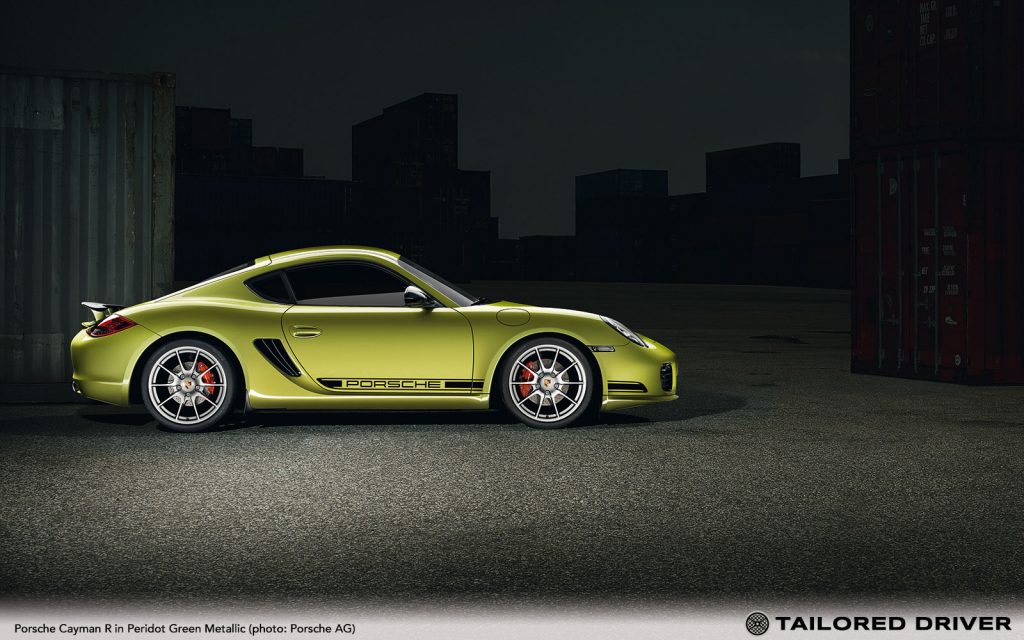
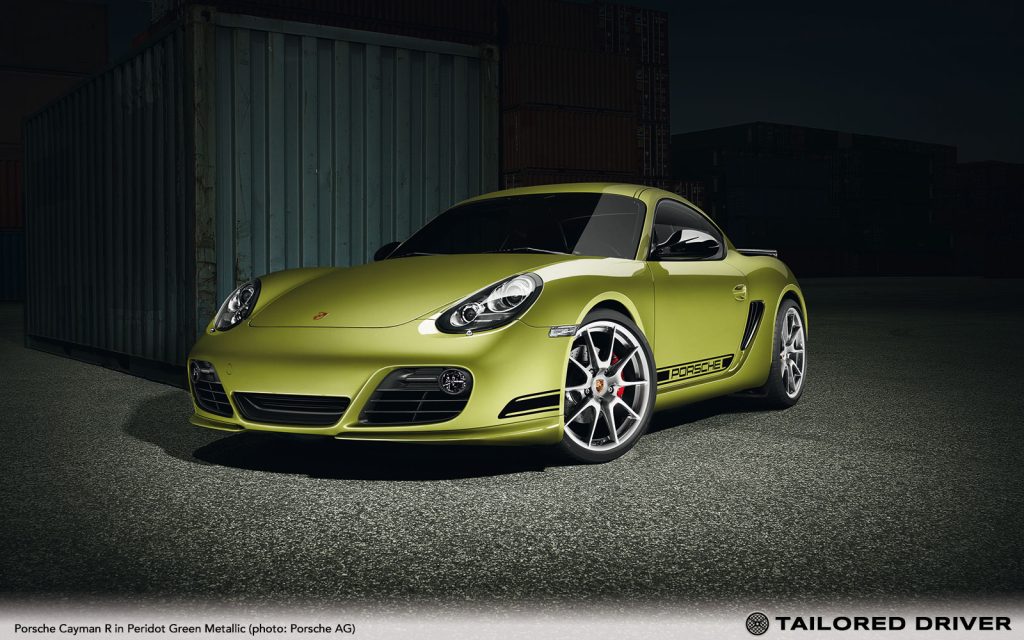
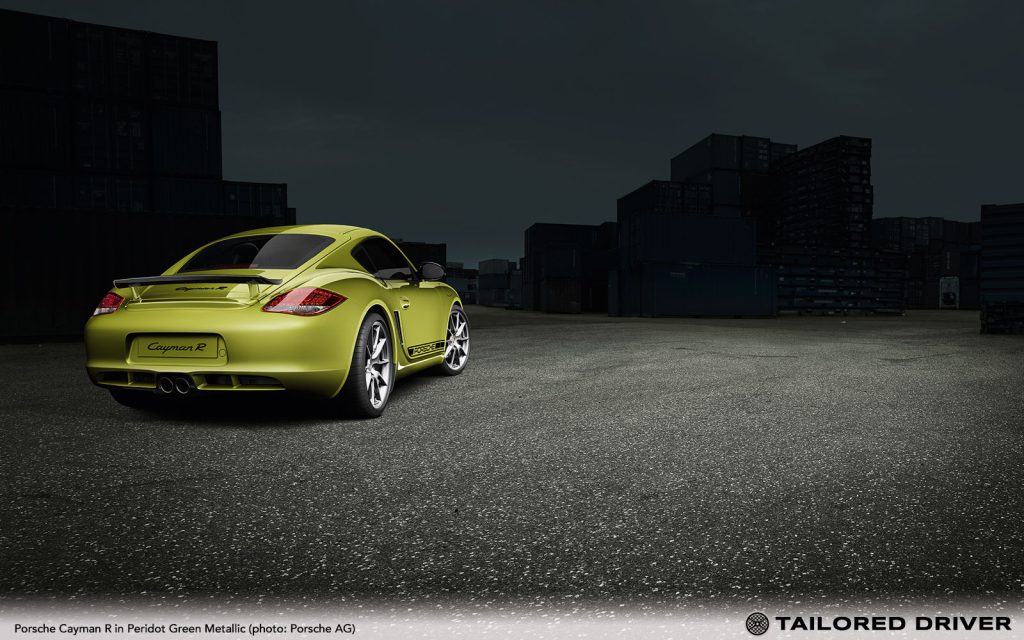
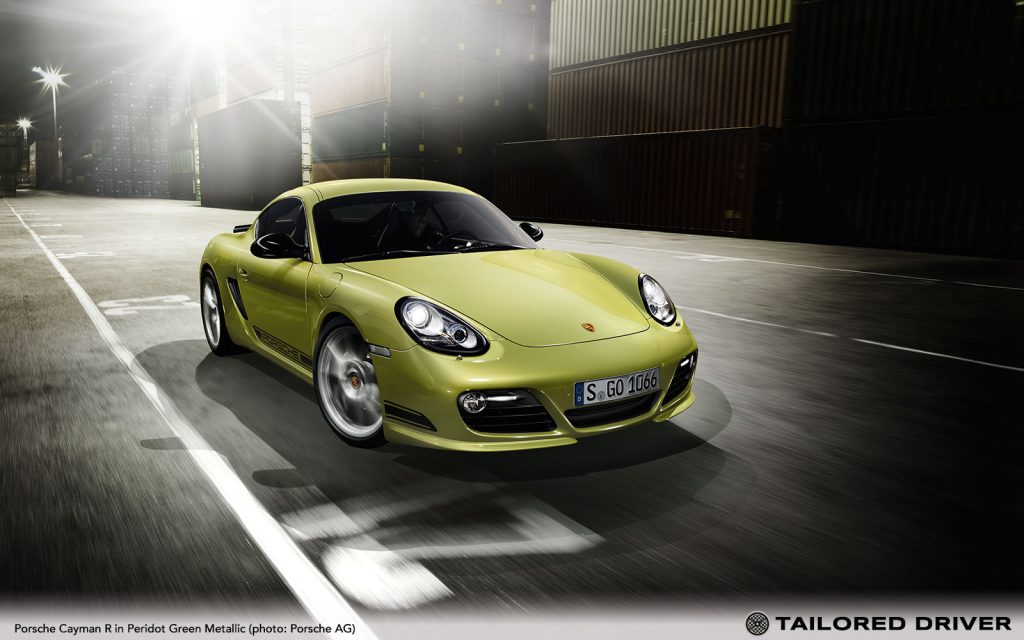
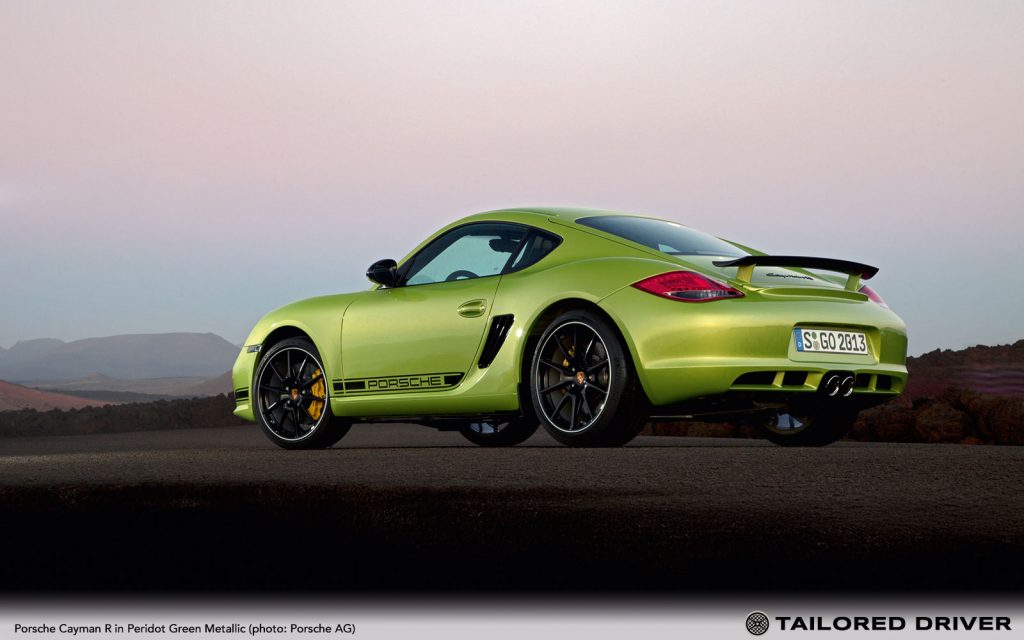
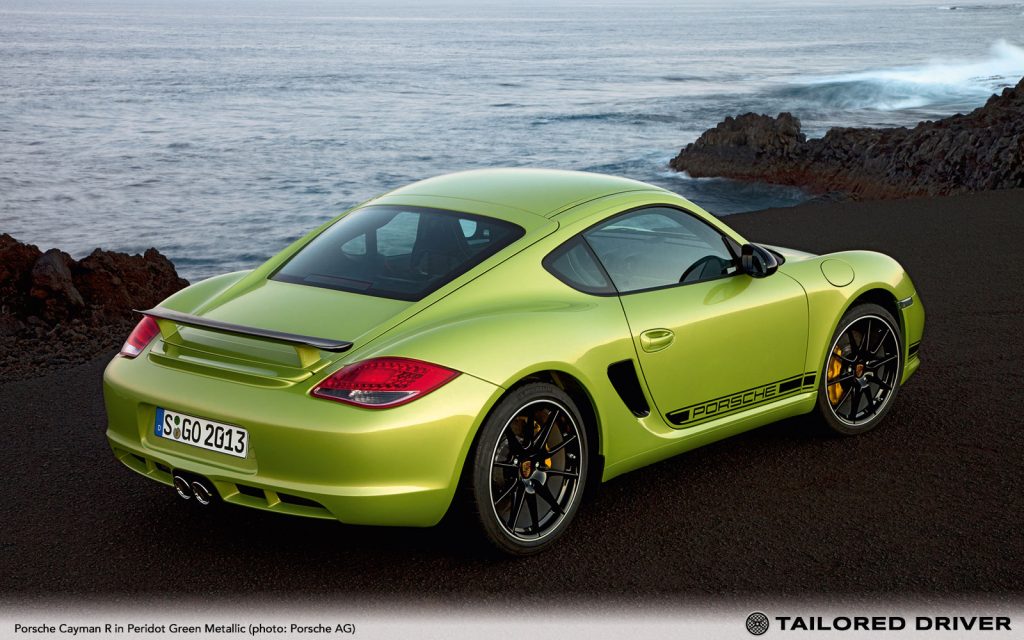
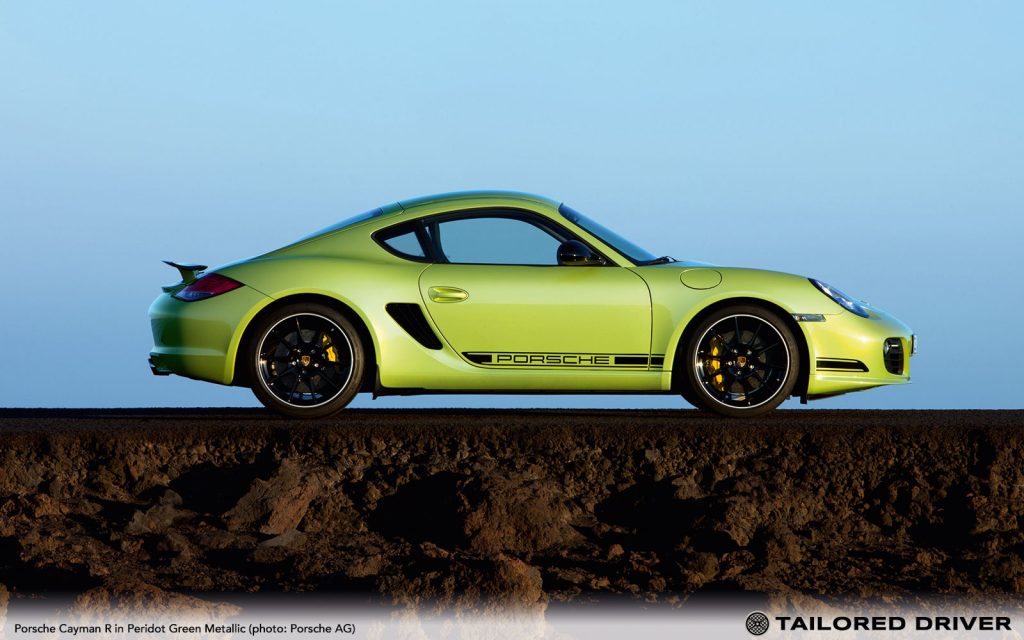
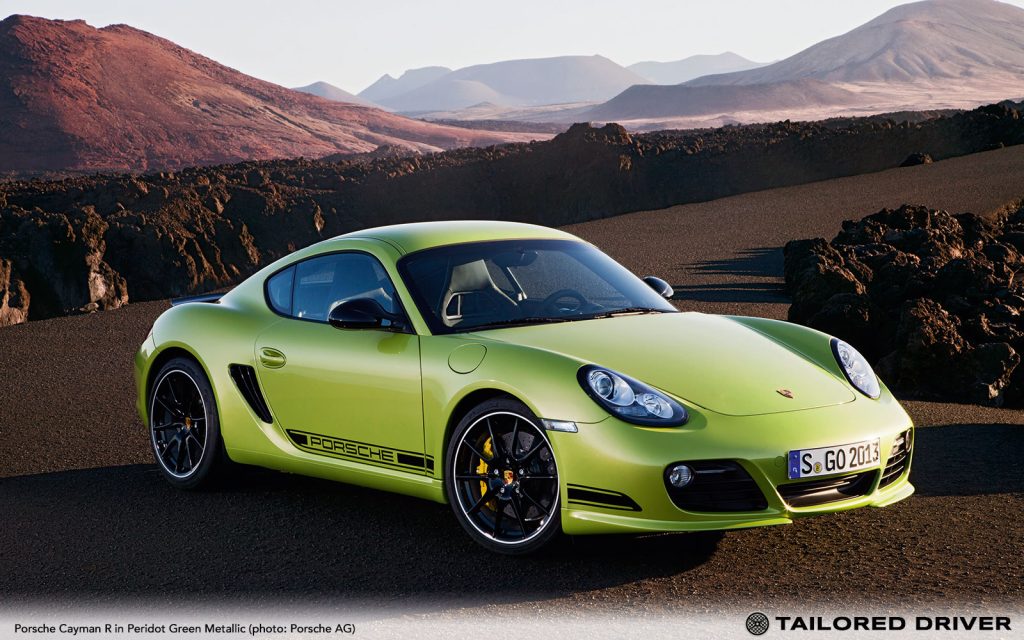
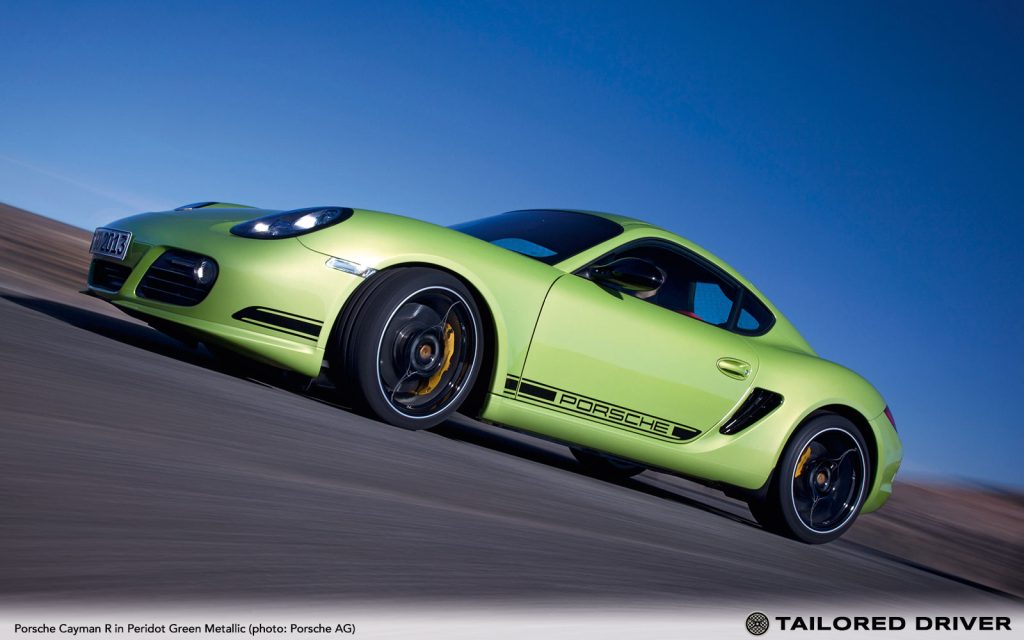
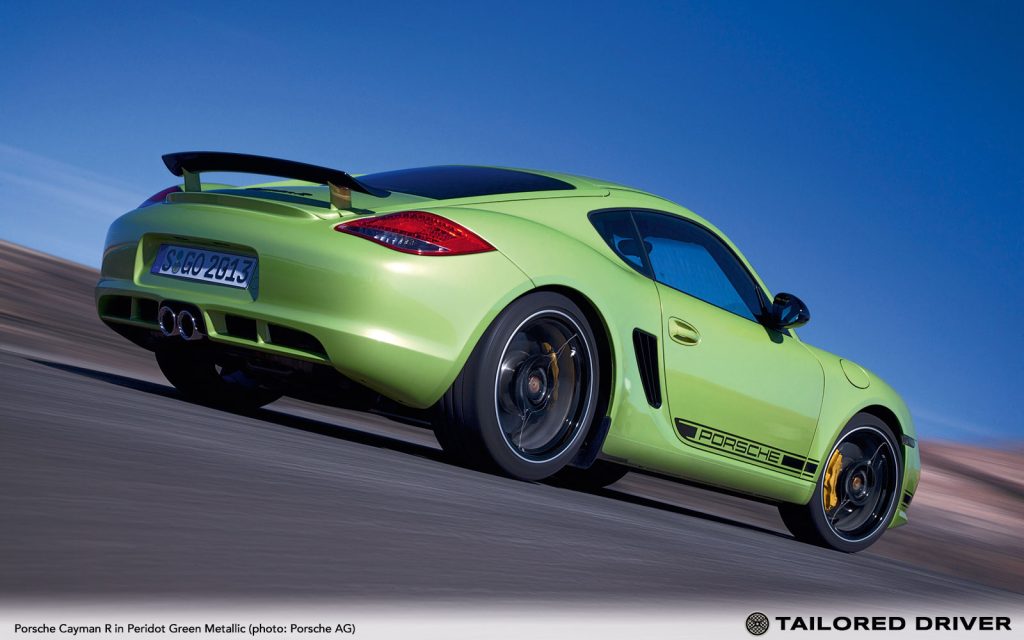
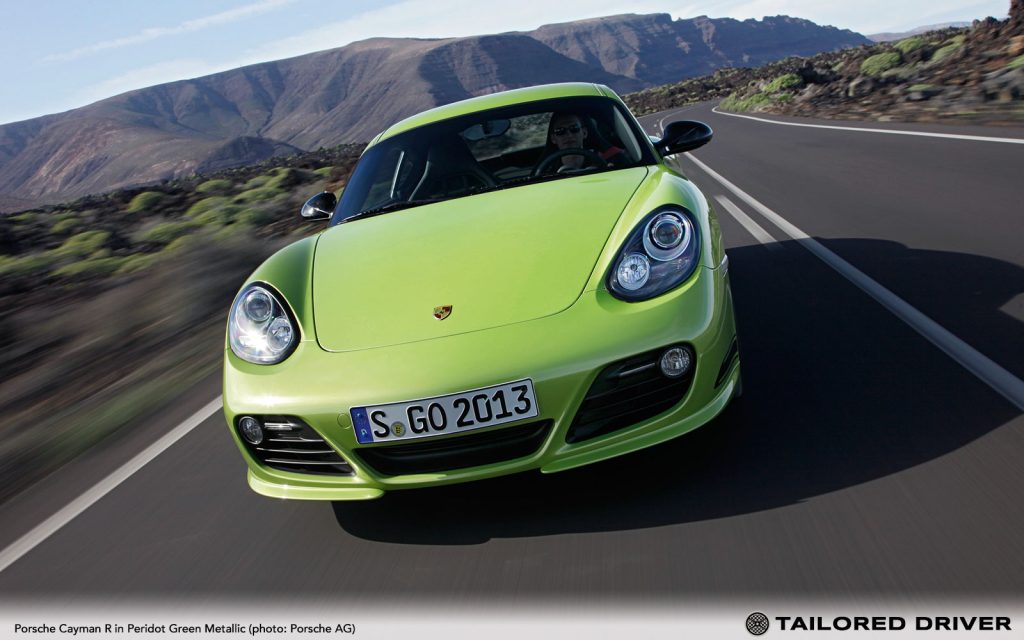
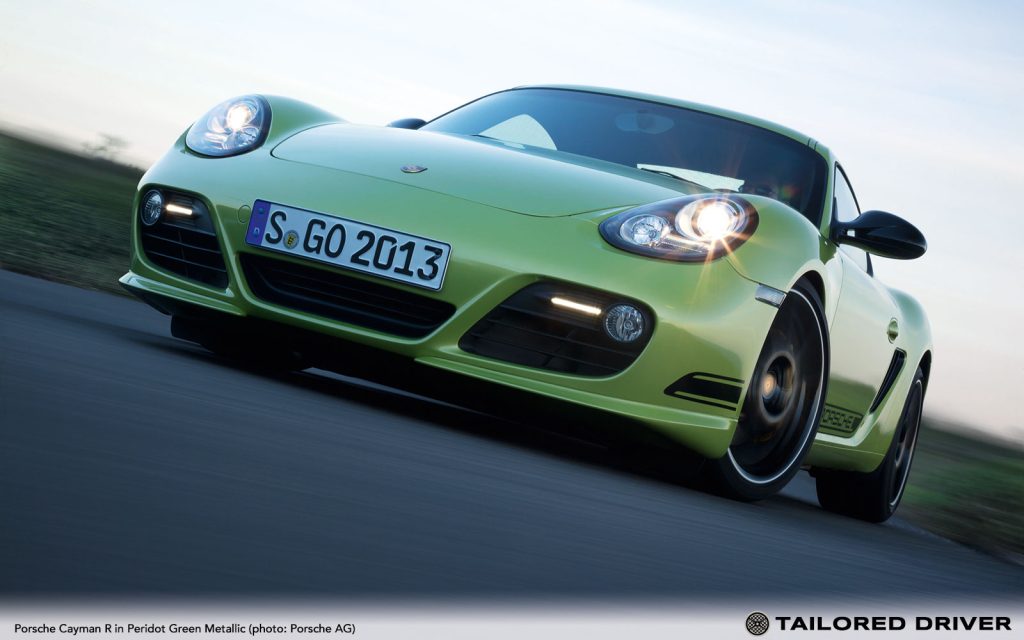
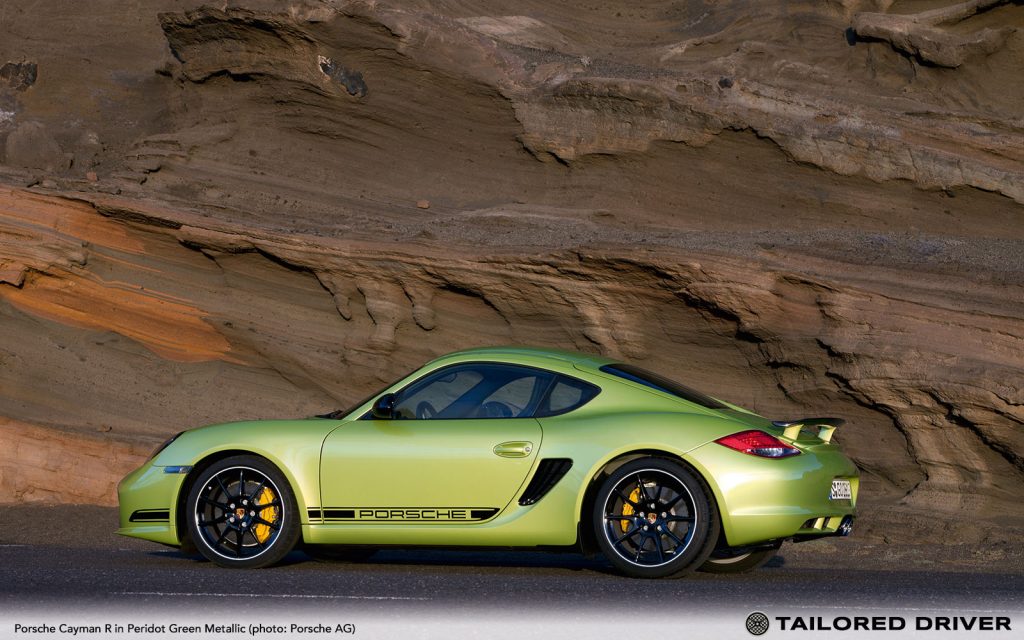
Launched most memorably on the original Porsche Cayman R (987) in 2012, Peridot Metallic (peridotmetallic; metallic UNI; 2S1; Porsche) has seen regular use since that time. This citrus green/yellow metallic harkens the neon-like colors from Porsche during the 1970s, shades like Linden Green. In the case of Peridot Metallic though, it is a thoroughly modern metallic.
Peridot takes its name from the semi-precious stone of similar color that is common in olivine deep within the earth’s crust and is brought to the surface by volcanic activity. In Hawaiian lore, peridot symbolized the tears of Pele, the volcano goddess of fire who controls the flow of lava.
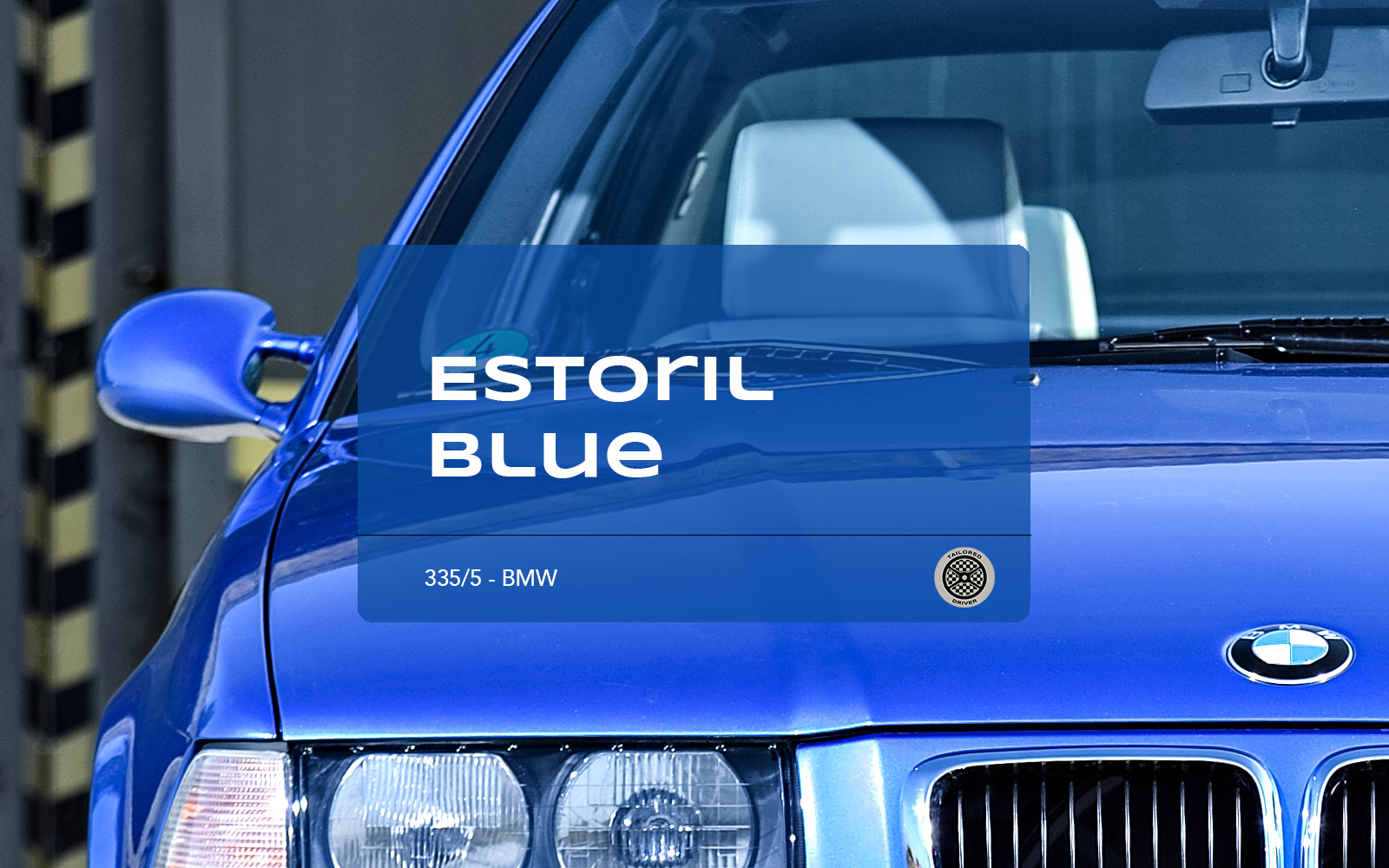
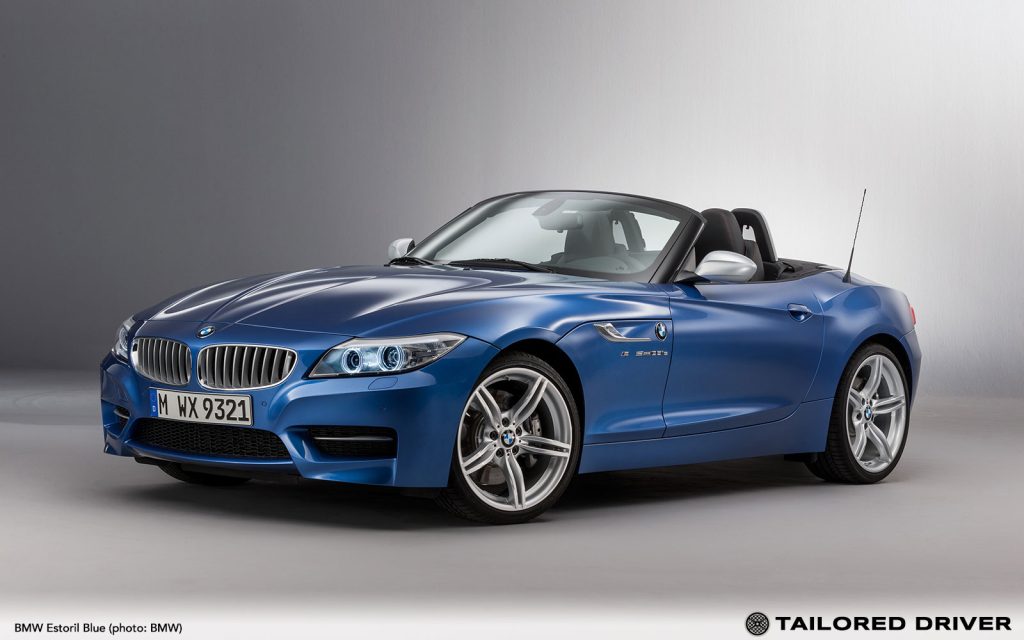
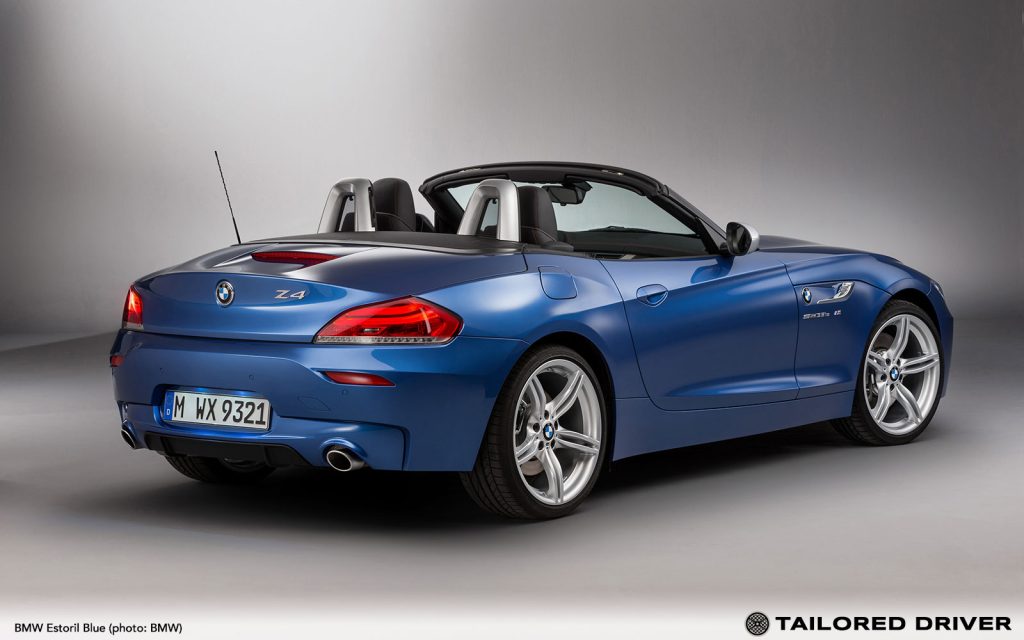
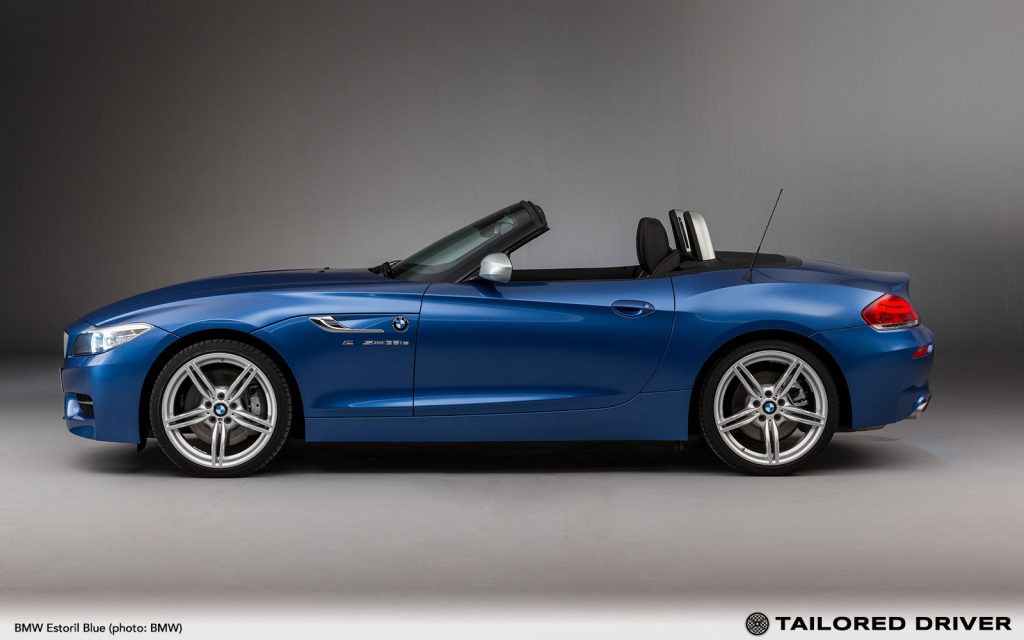
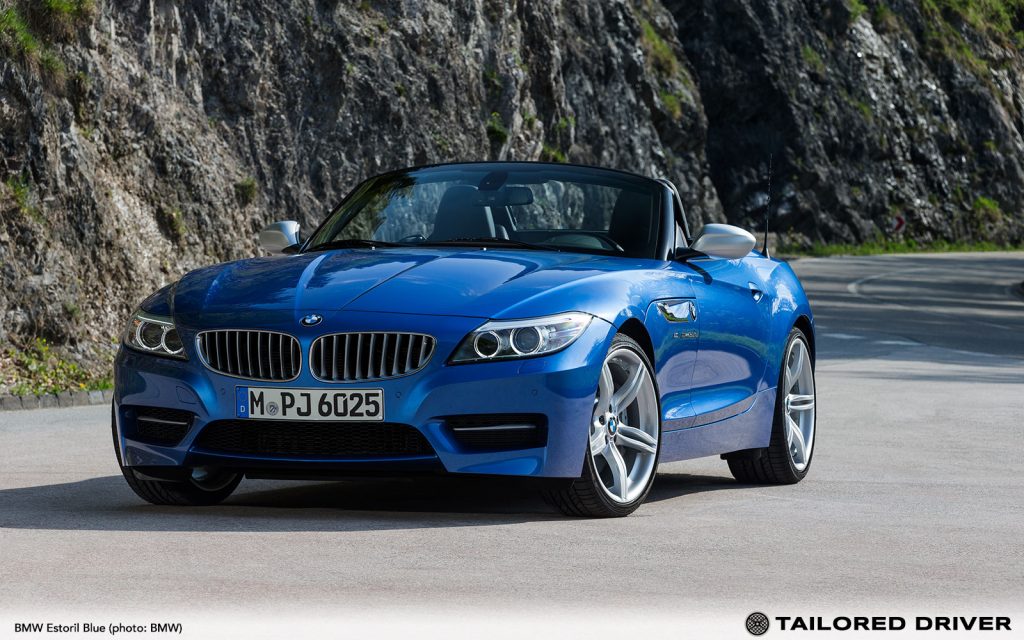
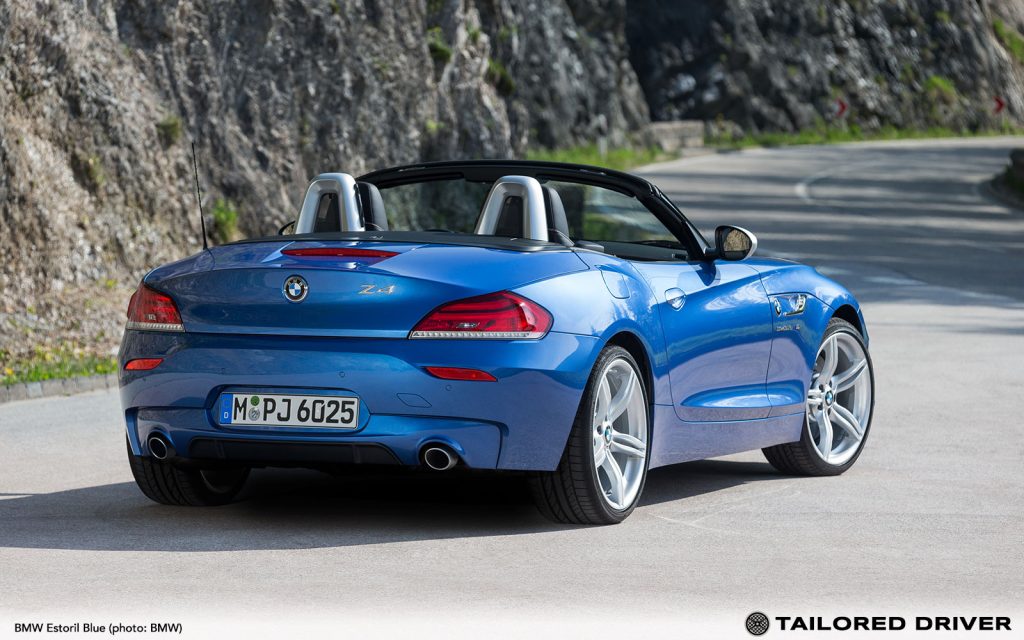
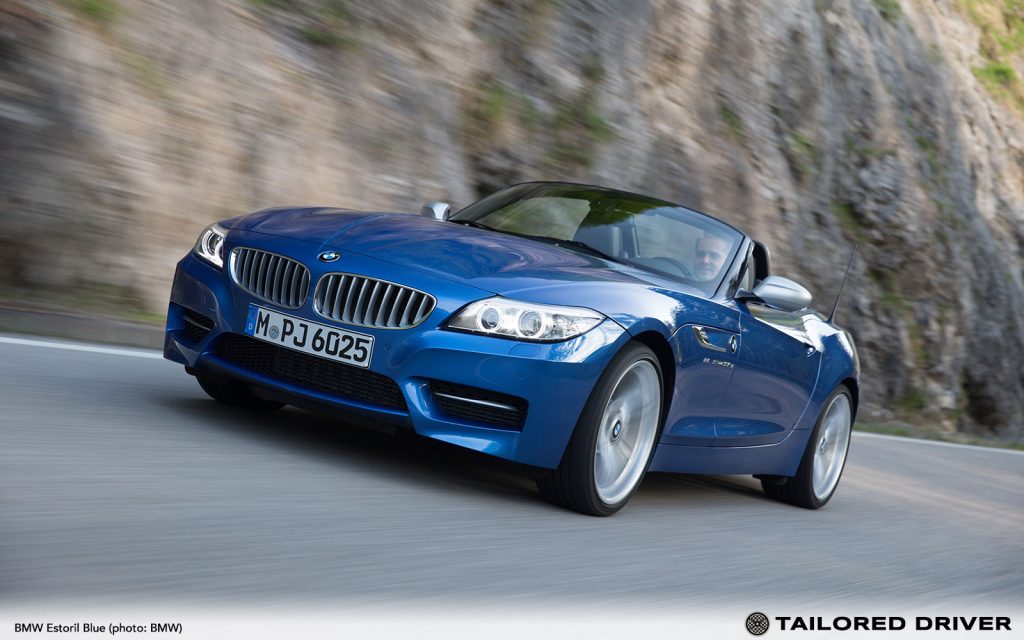
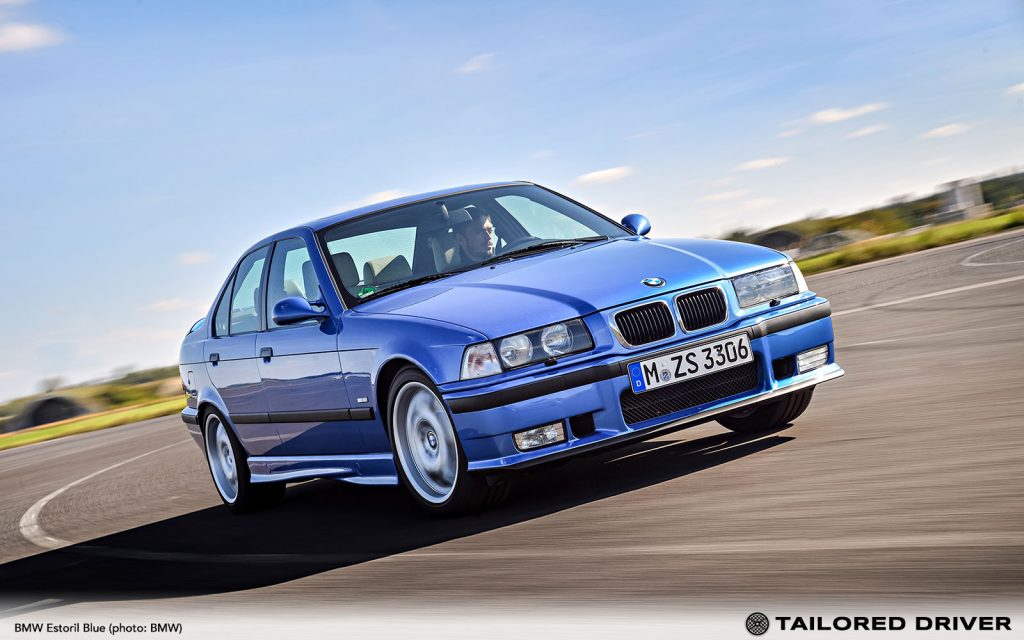
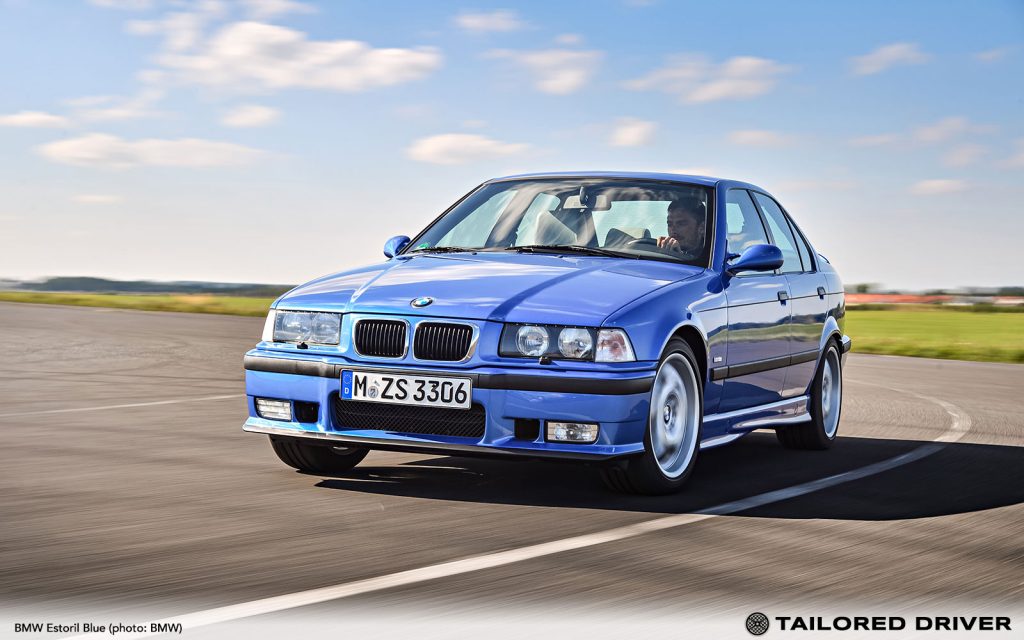
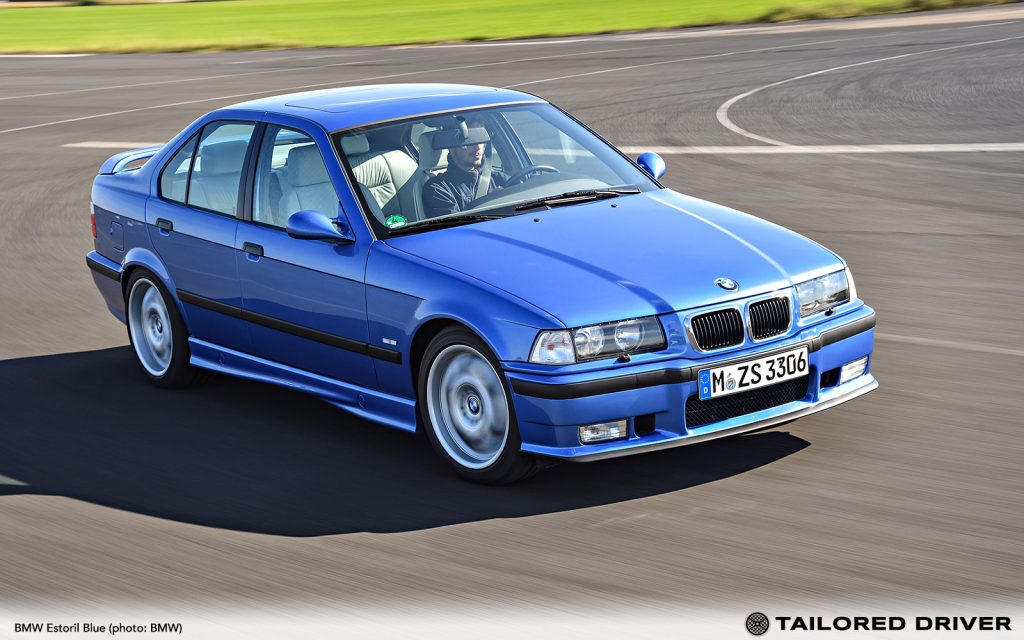
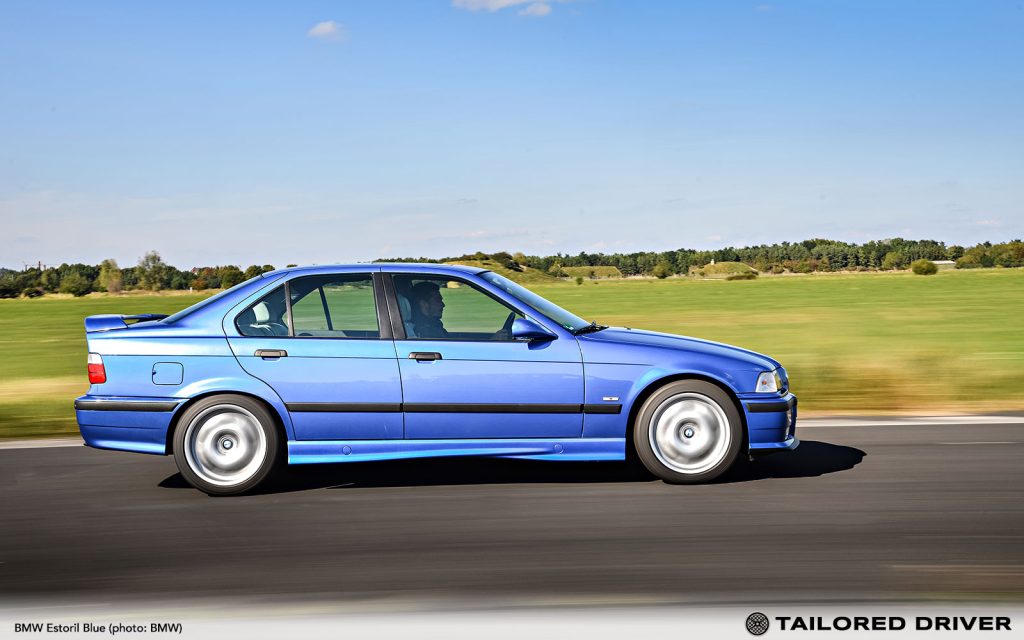
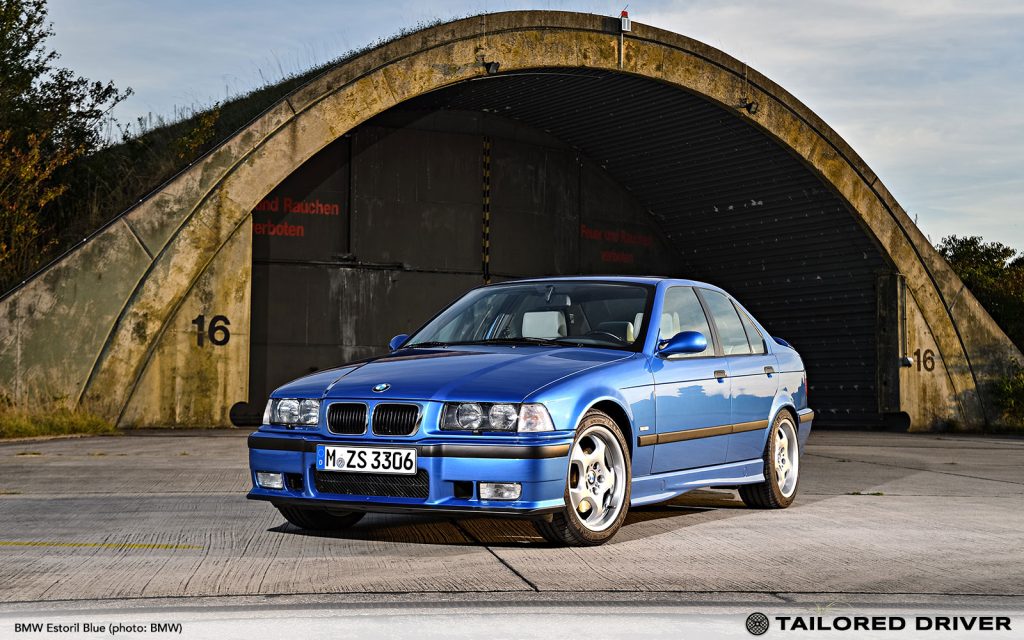
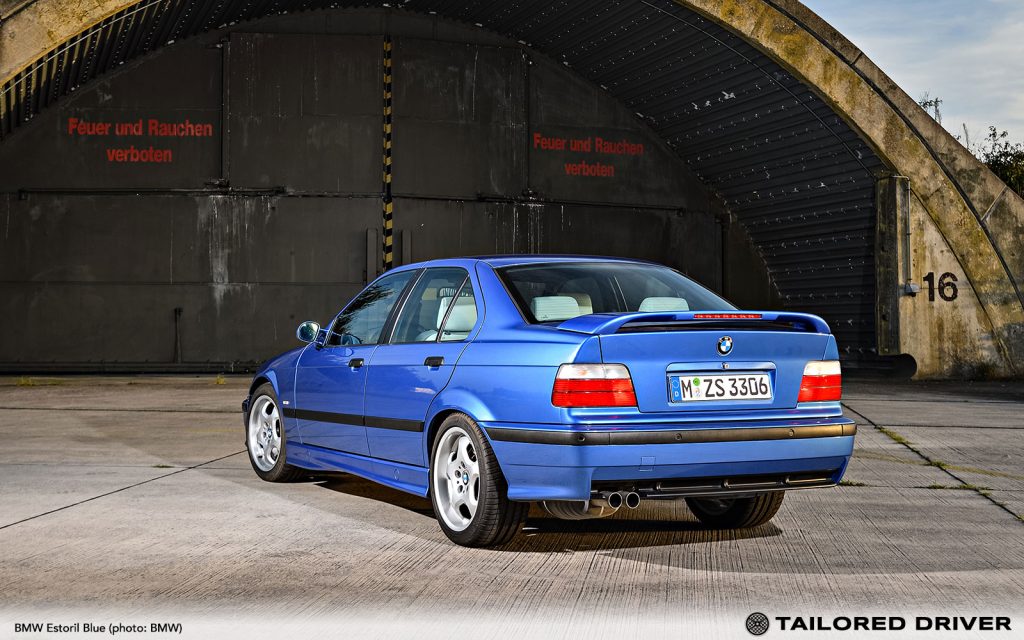
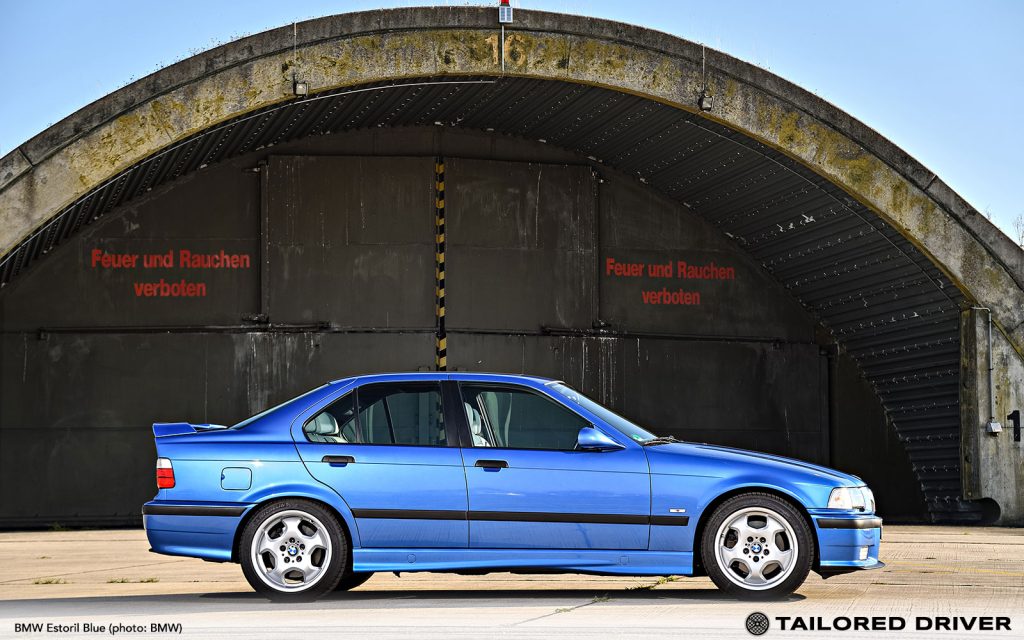
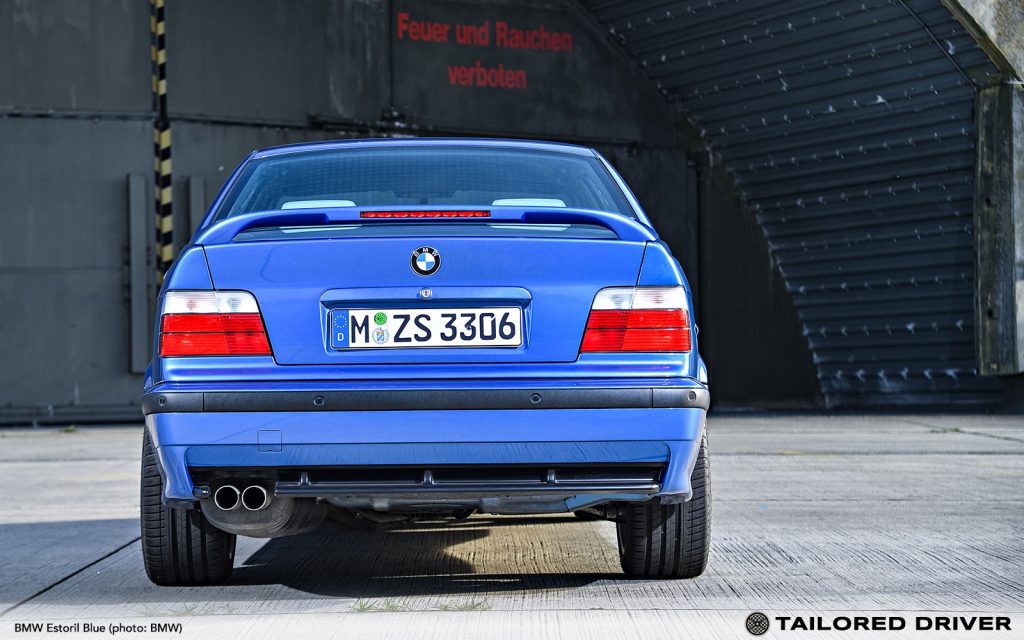
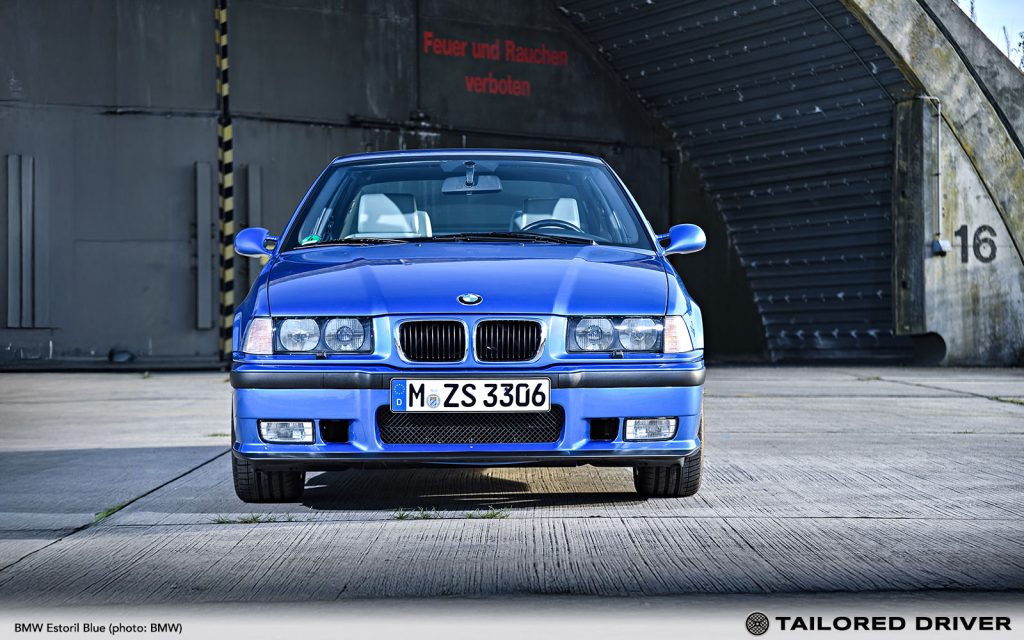
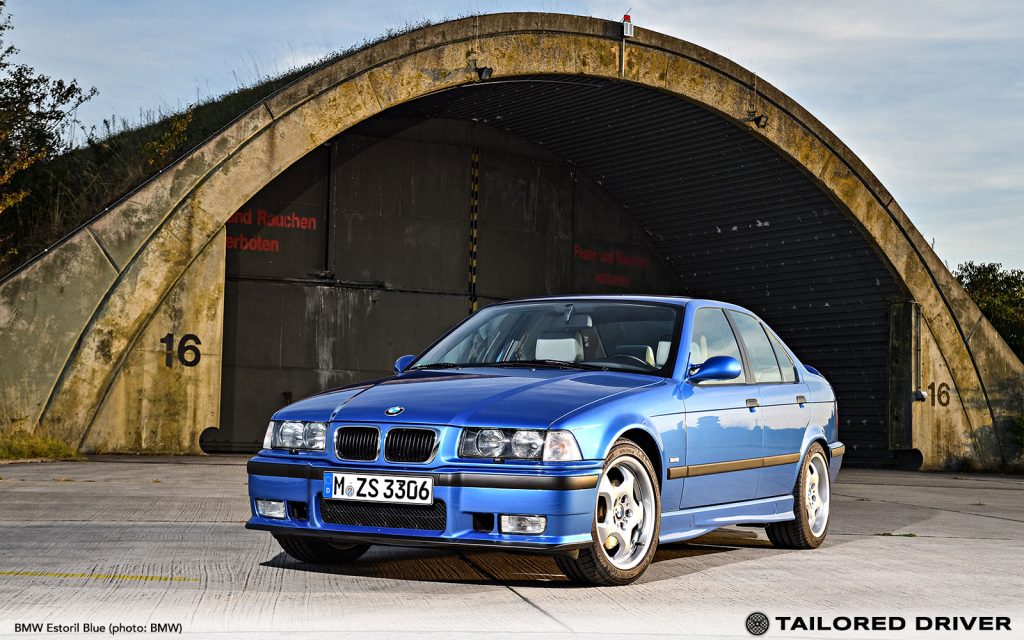
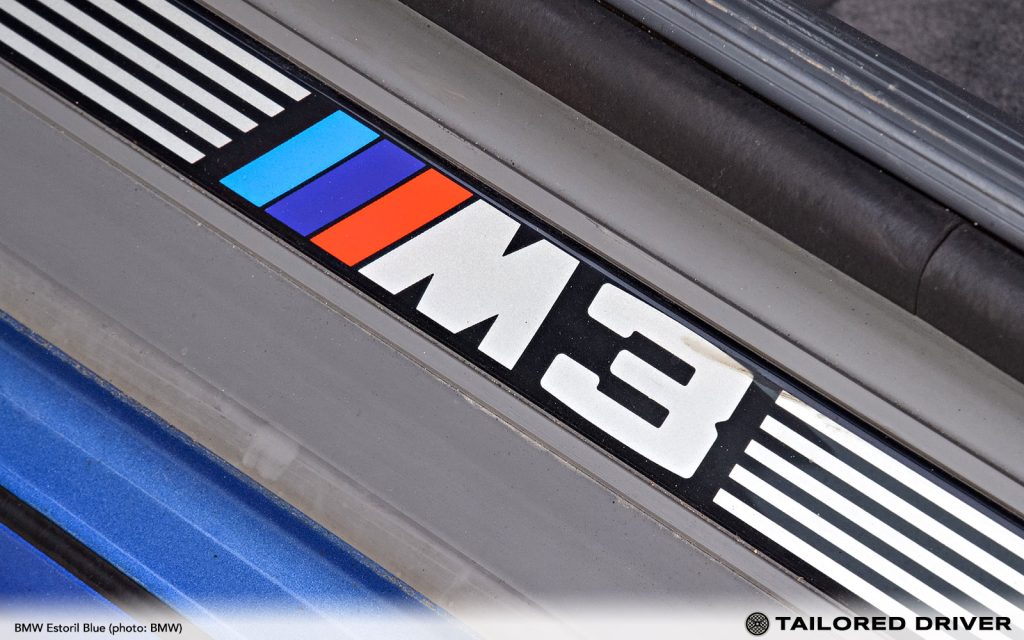
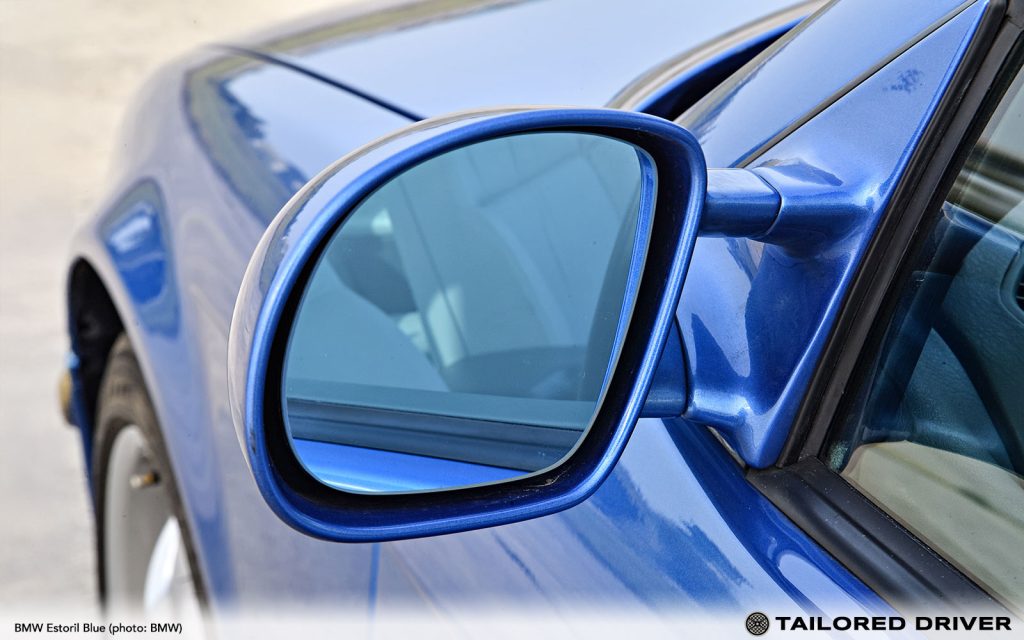
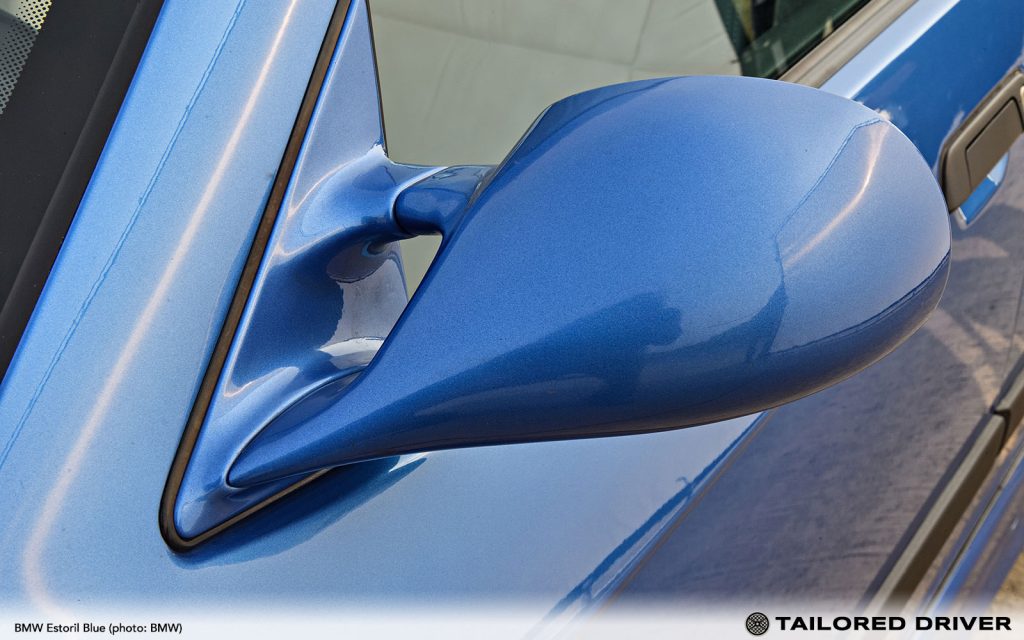
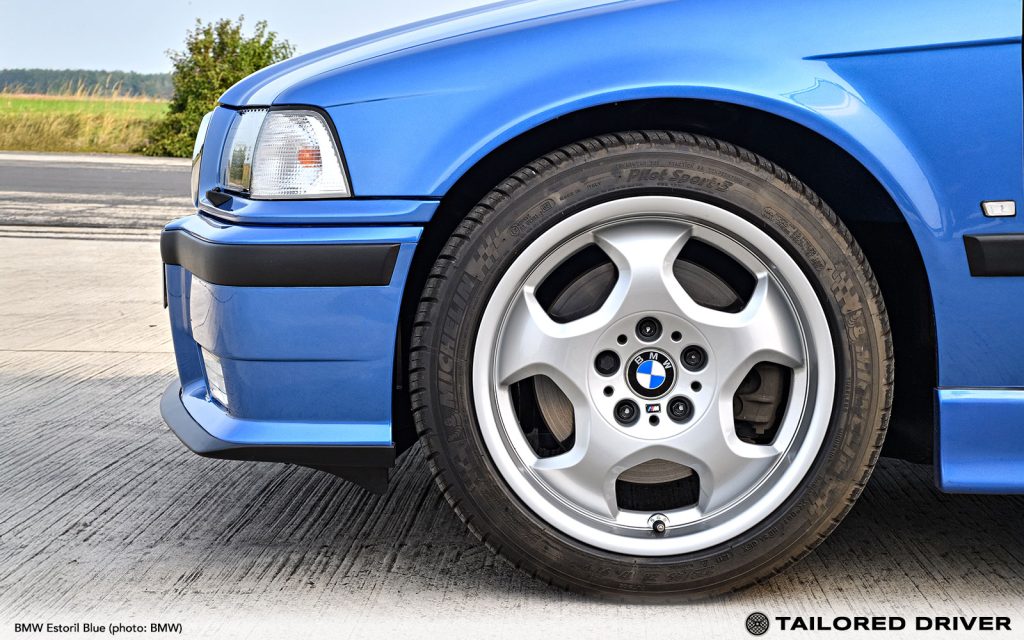
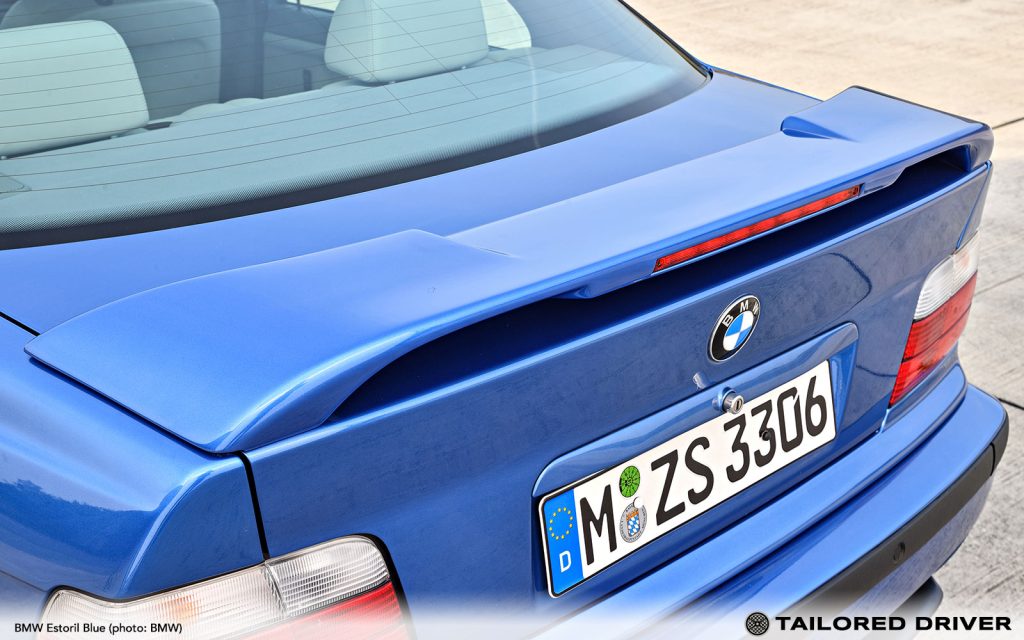
Introduced in 1992 on the E36 M3, Estoril Blue (estorilblau; metallic; 335; BMW) has become one of the more memorable rad-era colors to come from BMW M. BMW shares that the color was inspired by the blues of Portugal where the Estoril racing circuit calls home. Whether it’s the cool blue surf of the Atlantic Ocean off the Portuguese coast or the almost always-clear skies overhead, the reference to Estoril definitely sticks. That BMW Motorsport in both two and four-wheeled forms has plenty of history with the Portuguese track doesn’t hurt either.
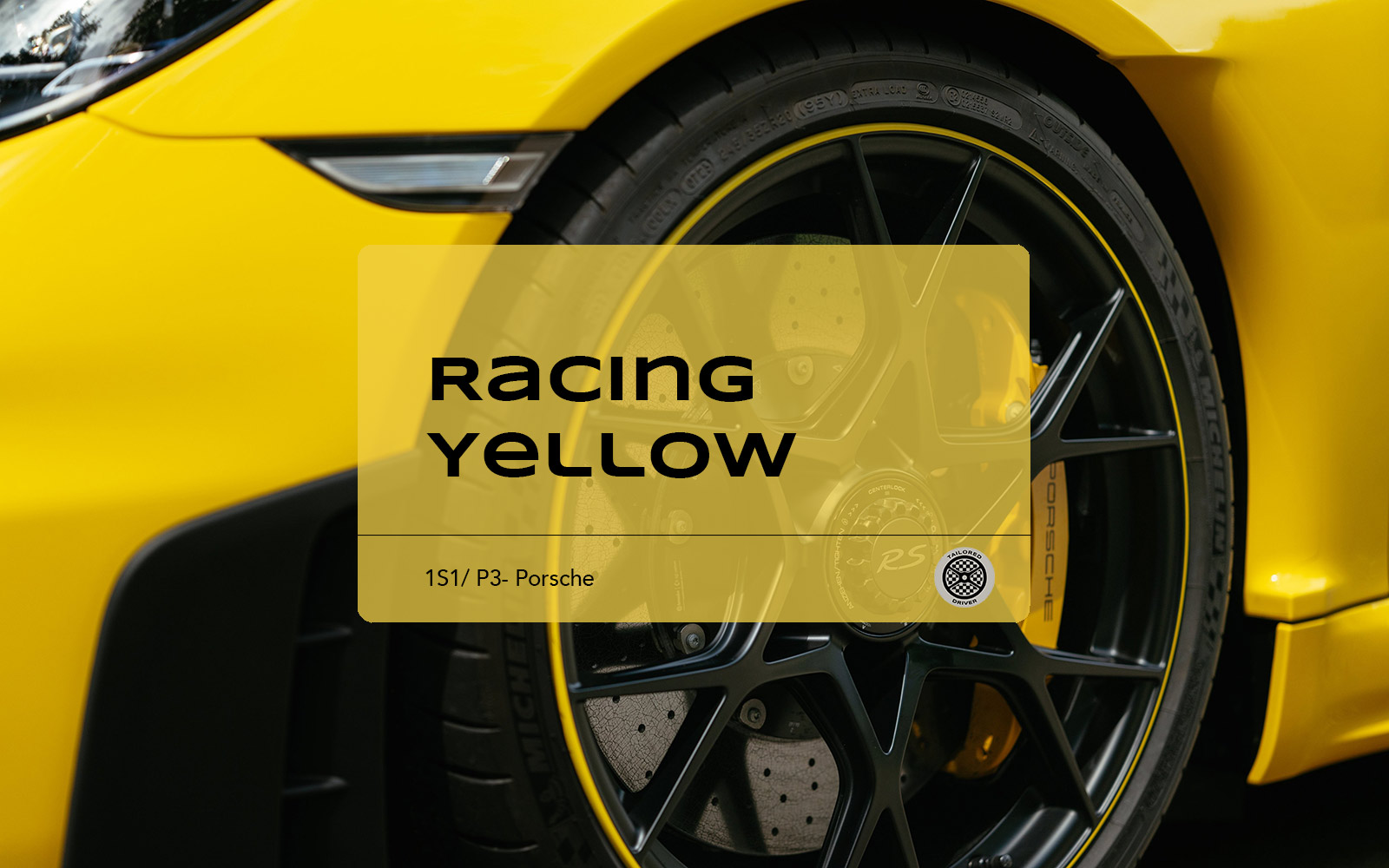
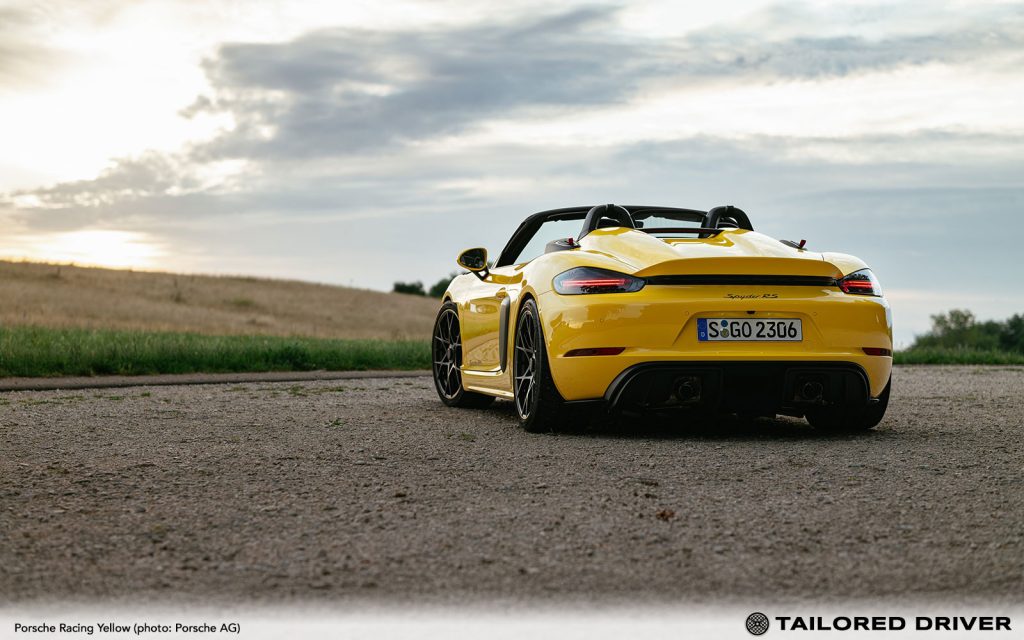
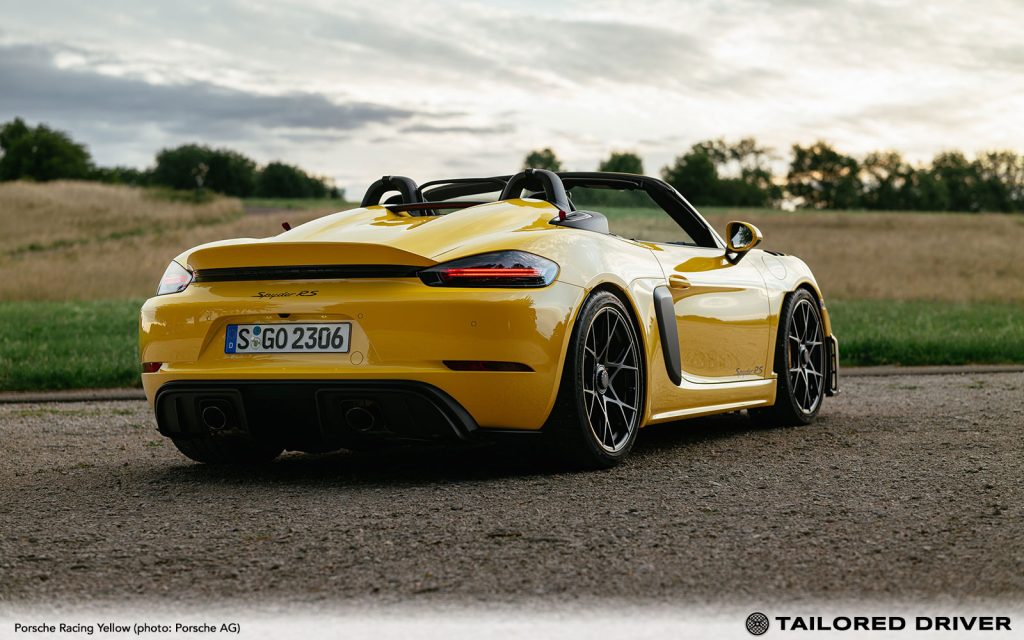
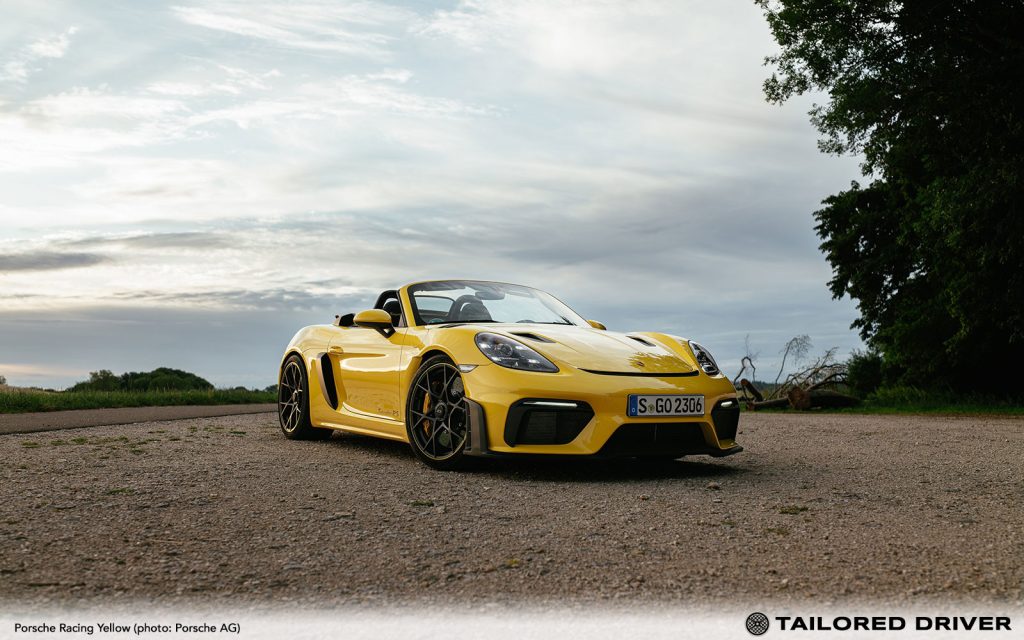
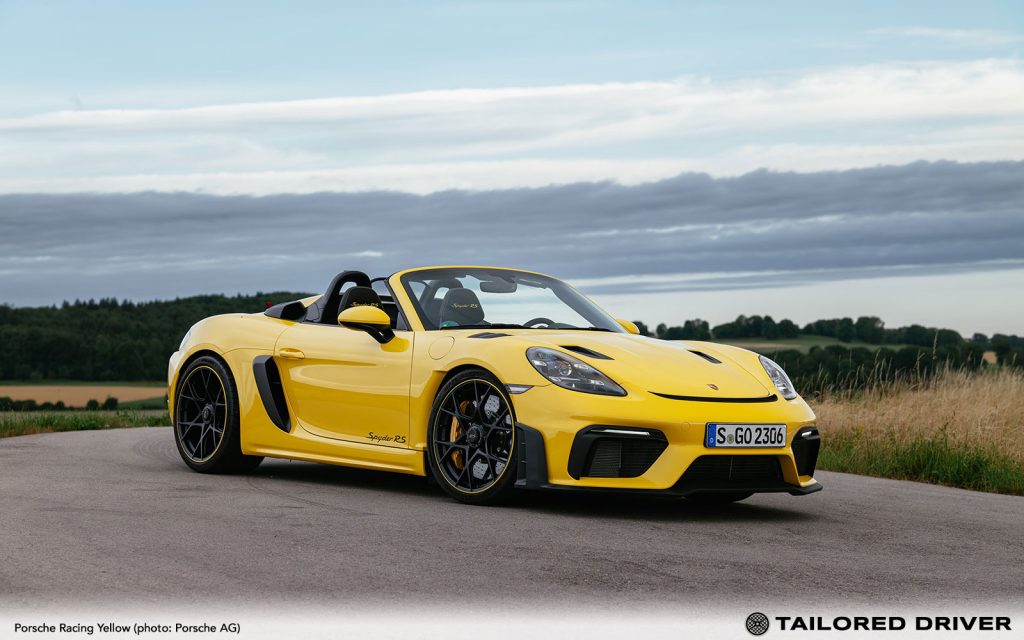
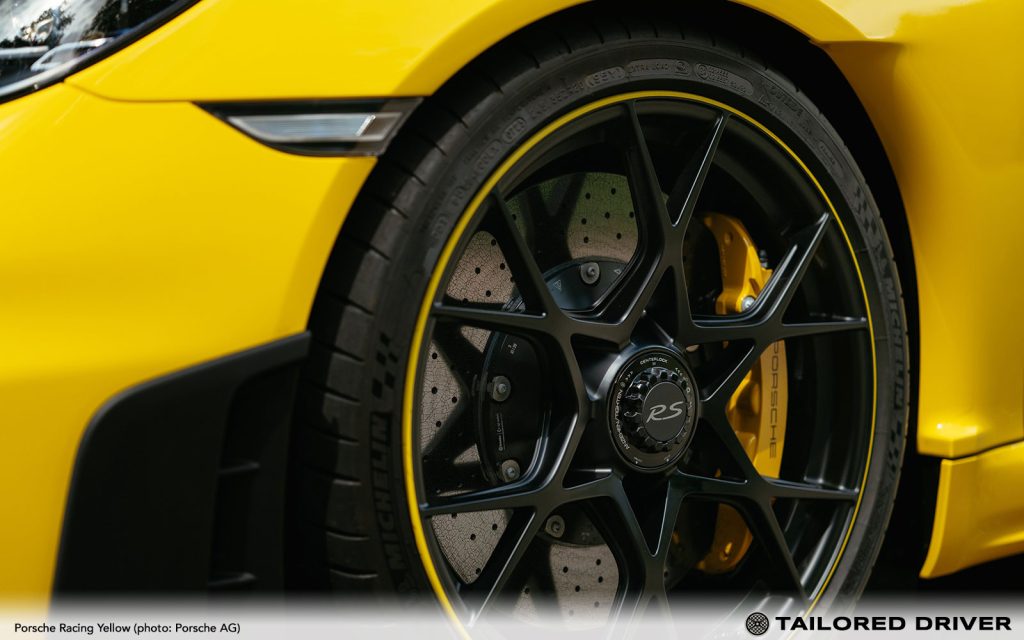
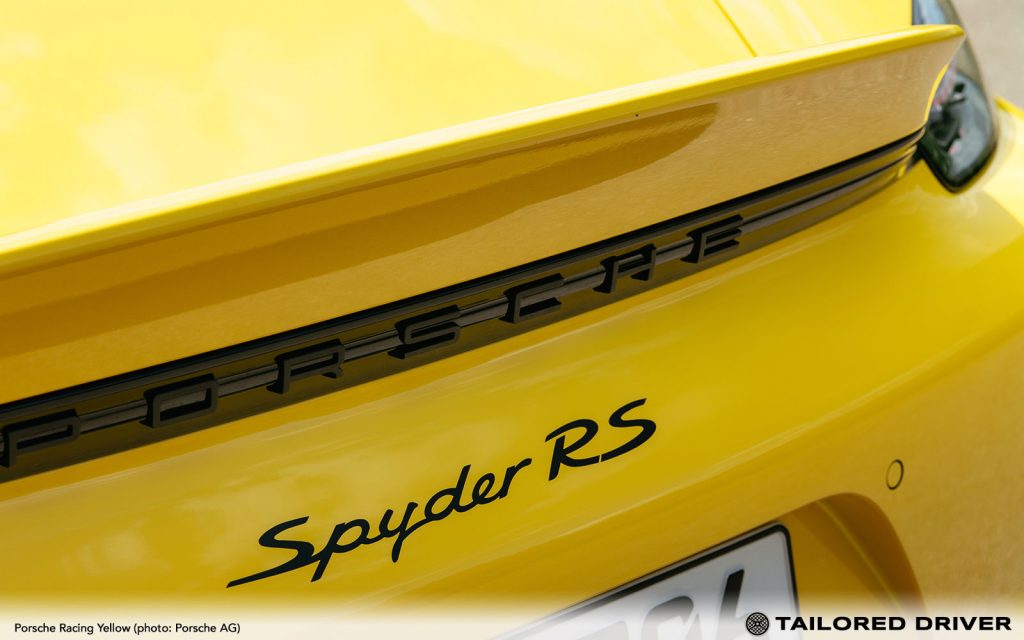
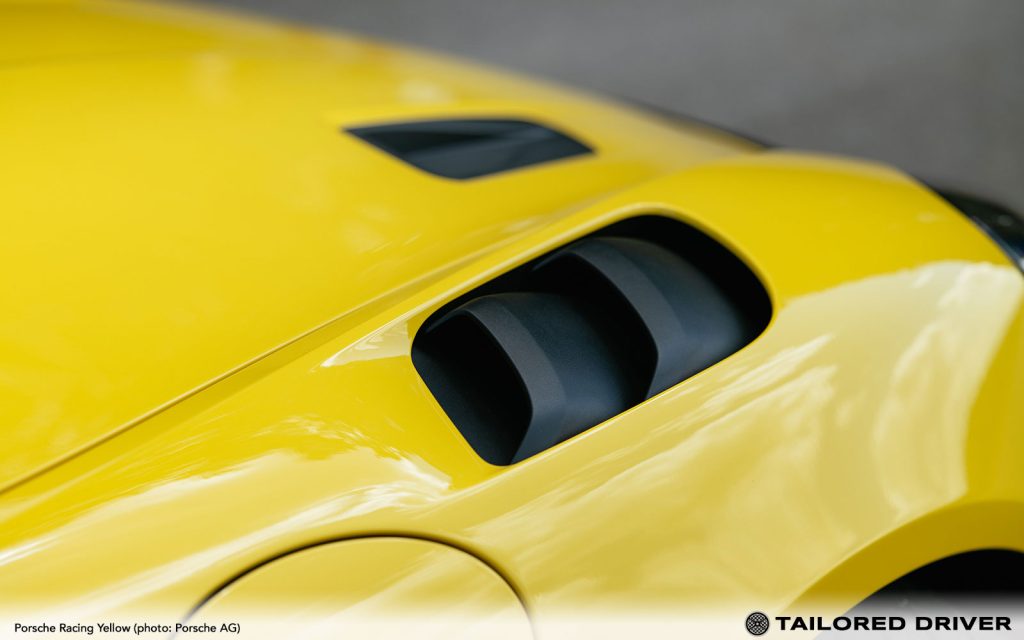
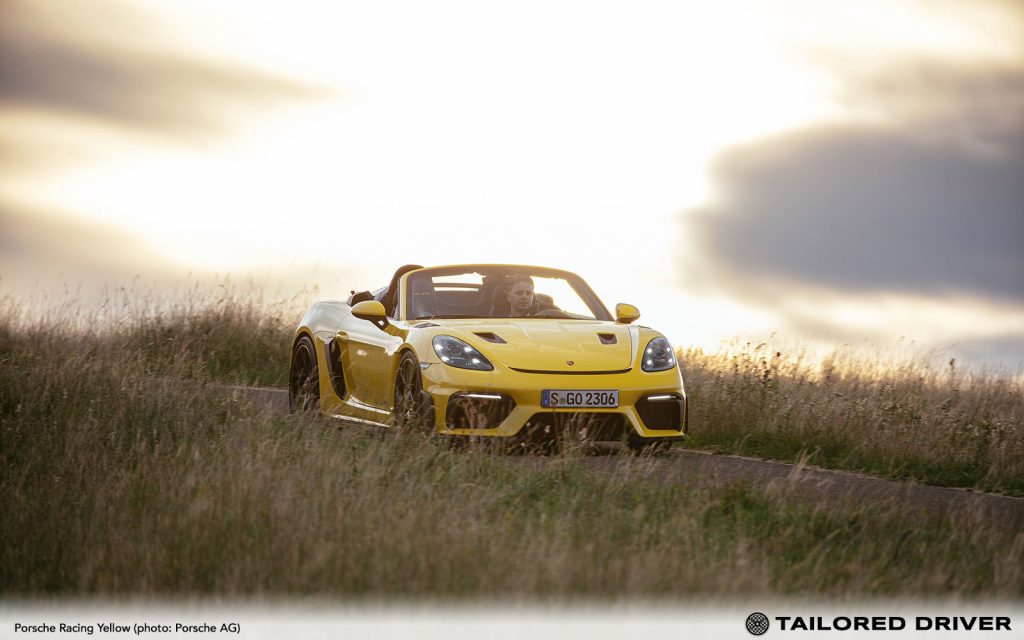
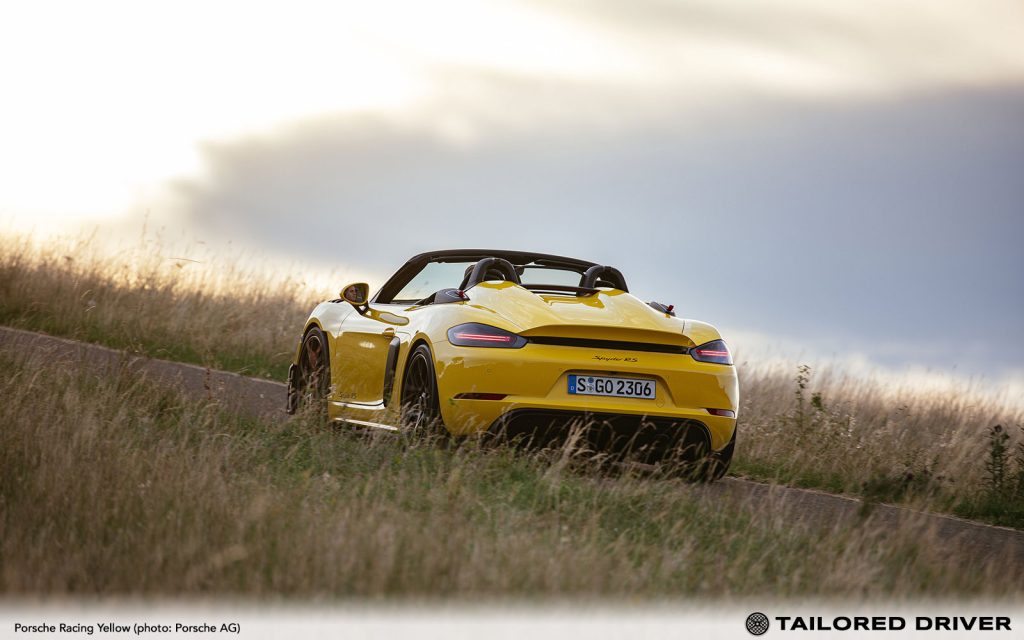
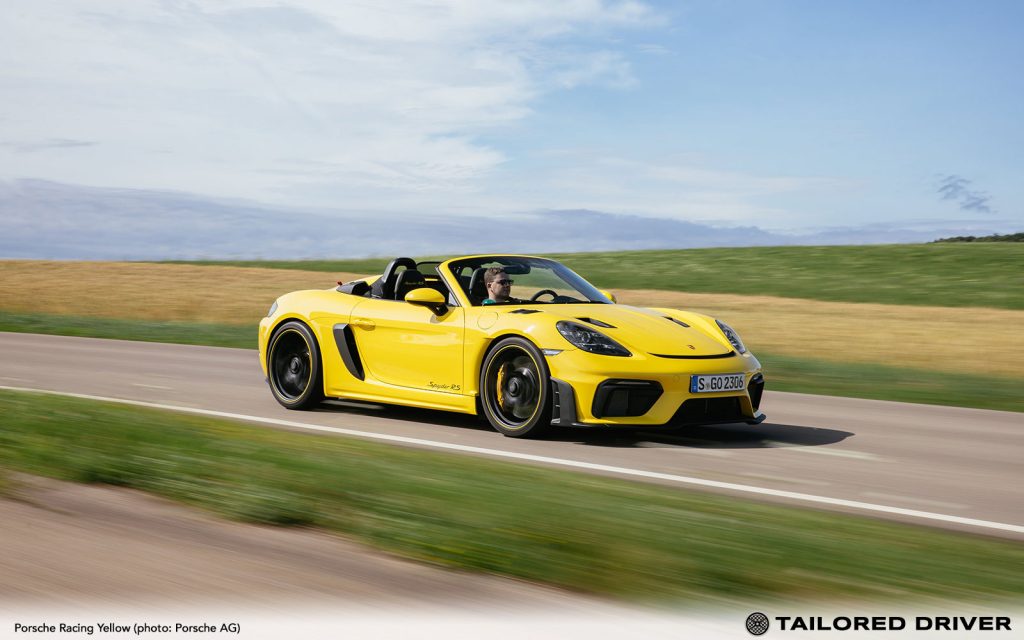
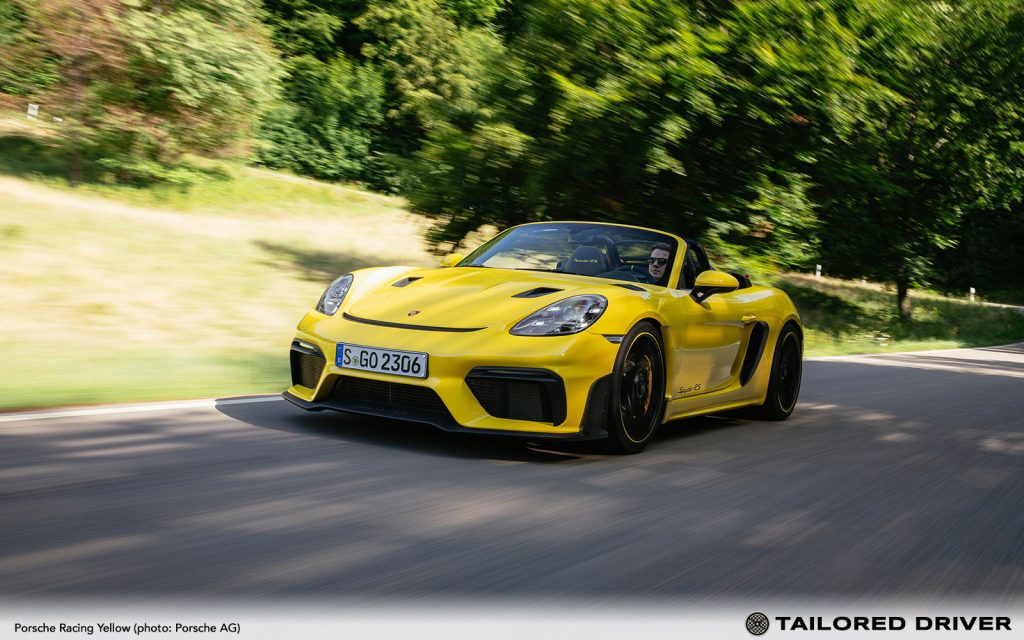
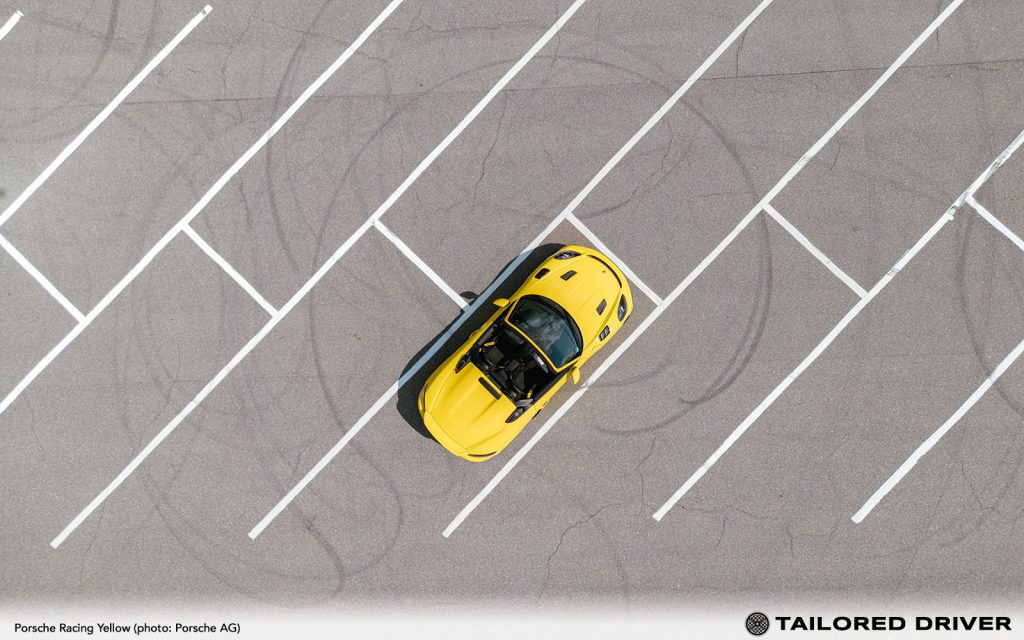
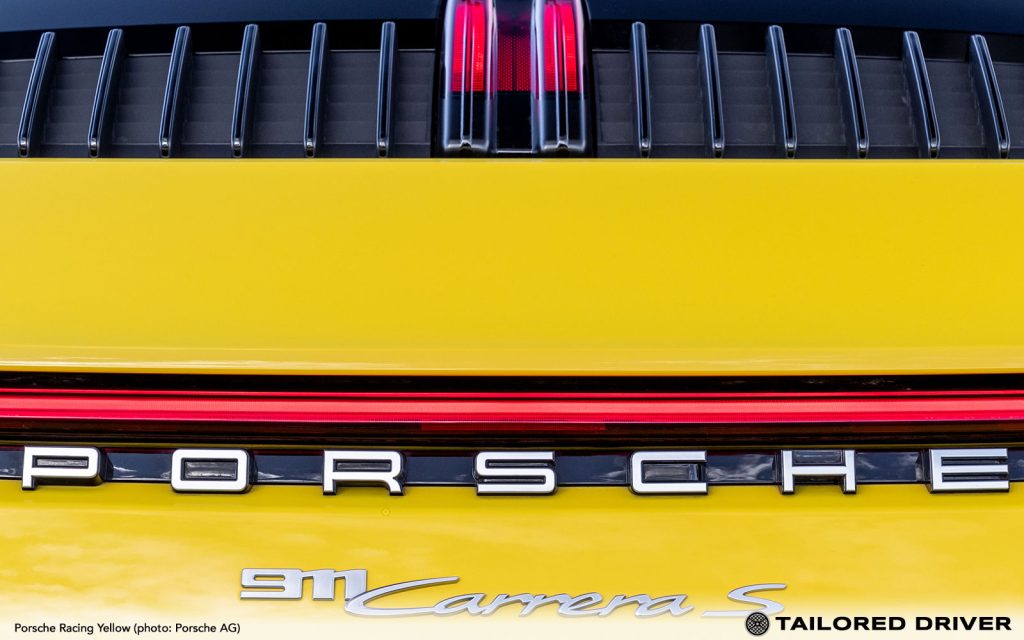
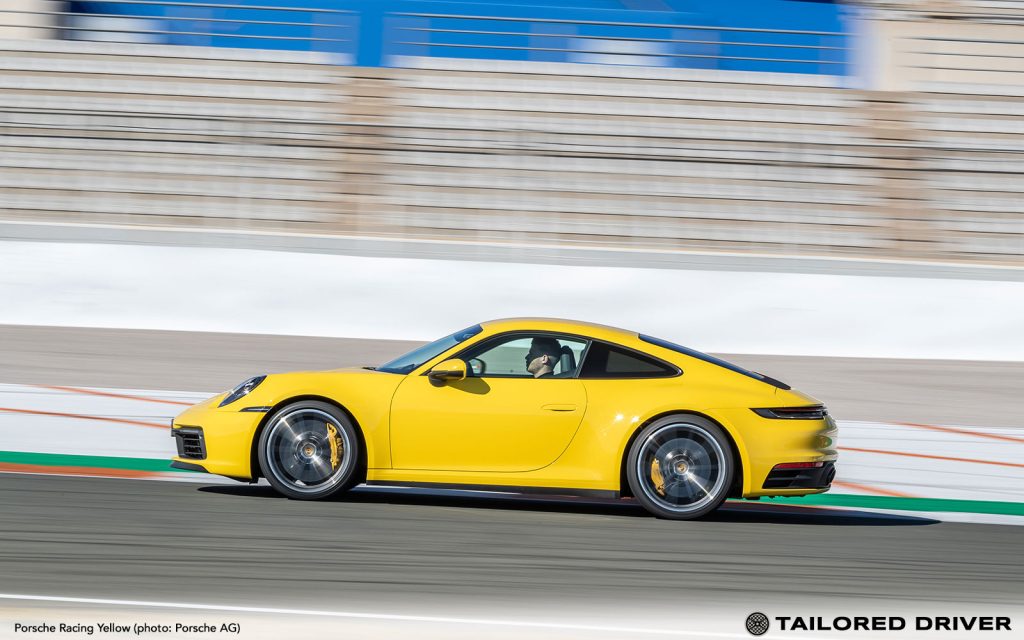
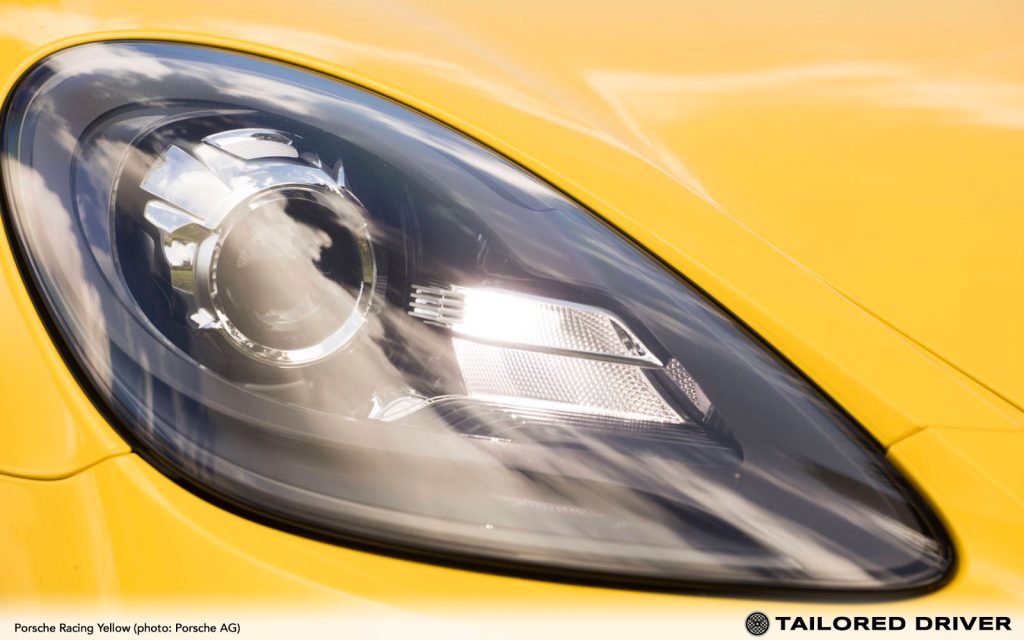
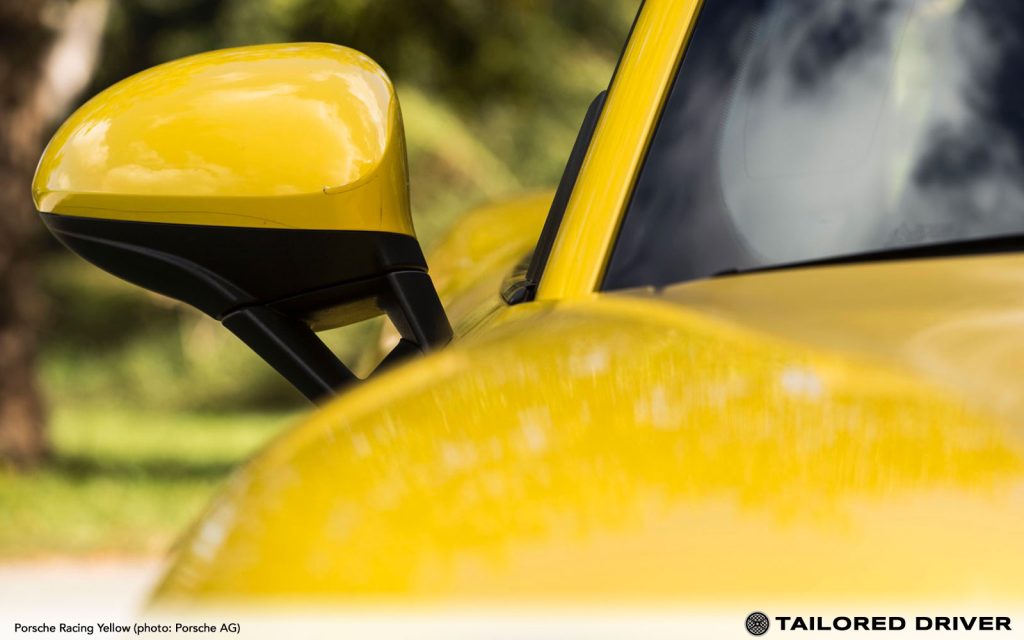
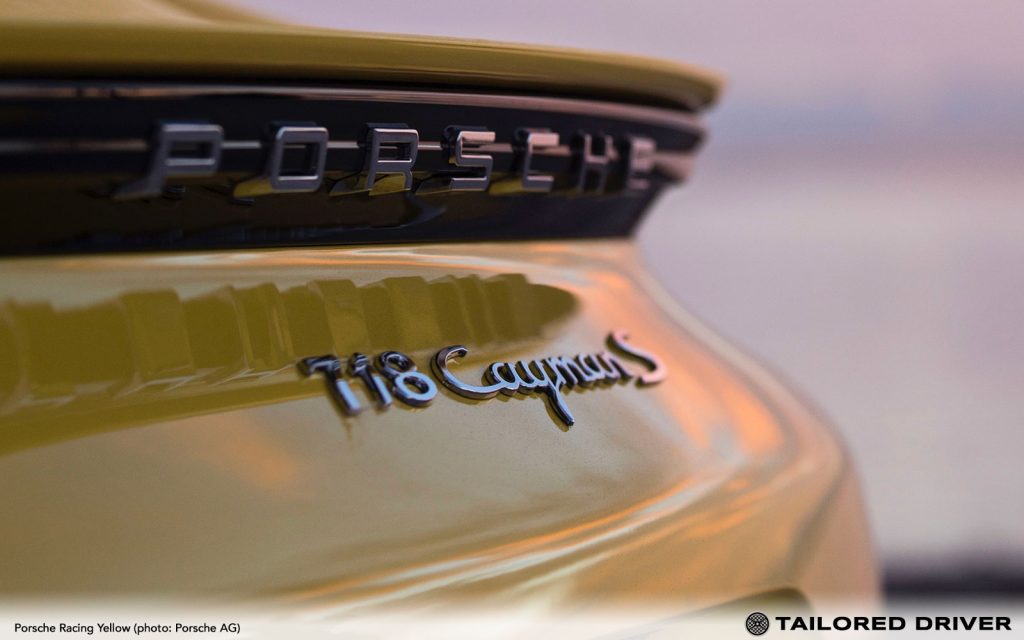
According to Porsche Club of America’s Rennbow color index, Racing Yellow (renngelb; non-metallic UNI; 1S1 / P3; Porsche) replaced Speed Yellow as the go-to yellow of choice when Porsche includes a yellow in its modern models. Rennbow also shares that, in person, Racing Yellow is a touch more green than Speed Yellow. Given its commonality as a standard offering, this isn’t an extremely rare color.
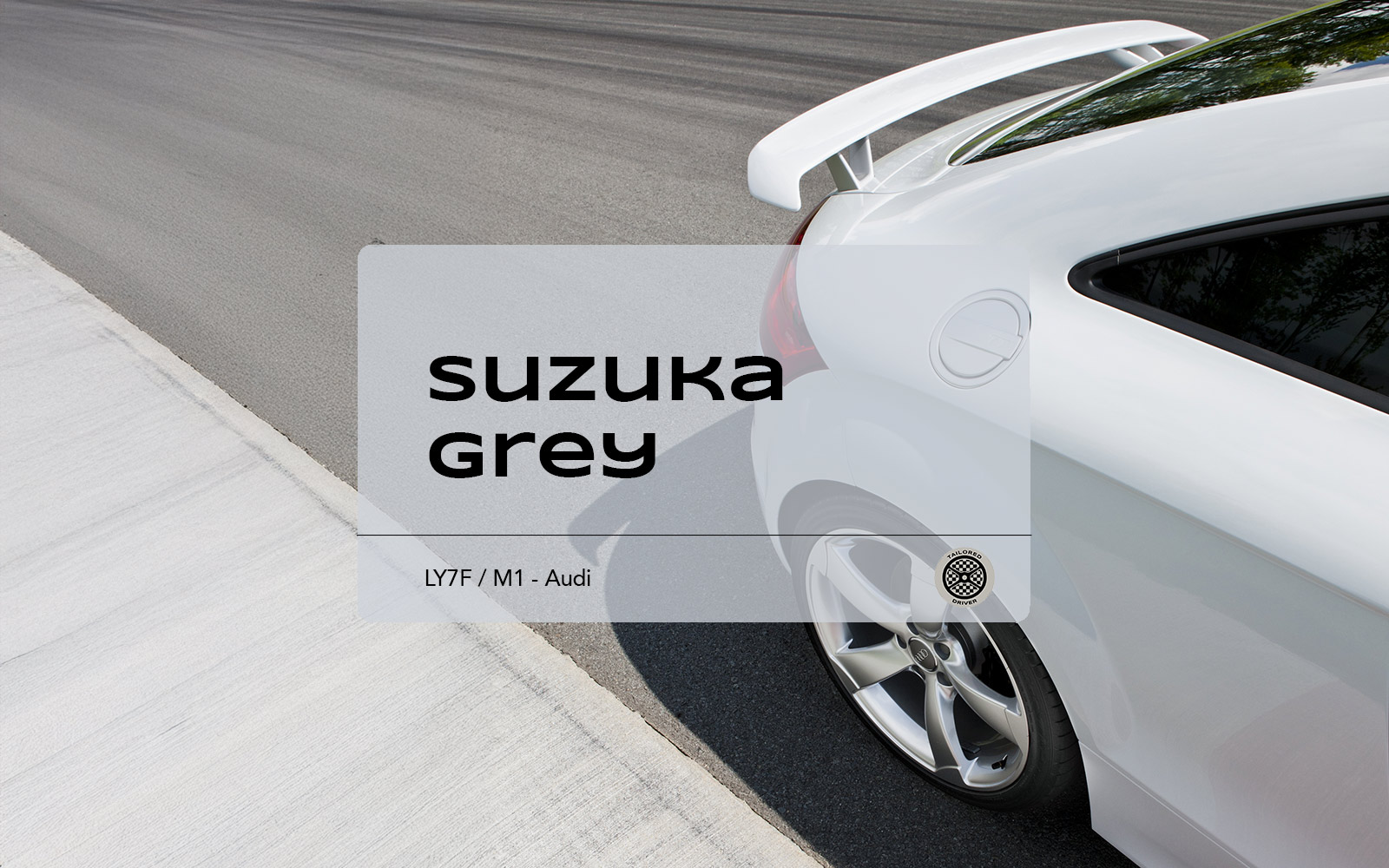
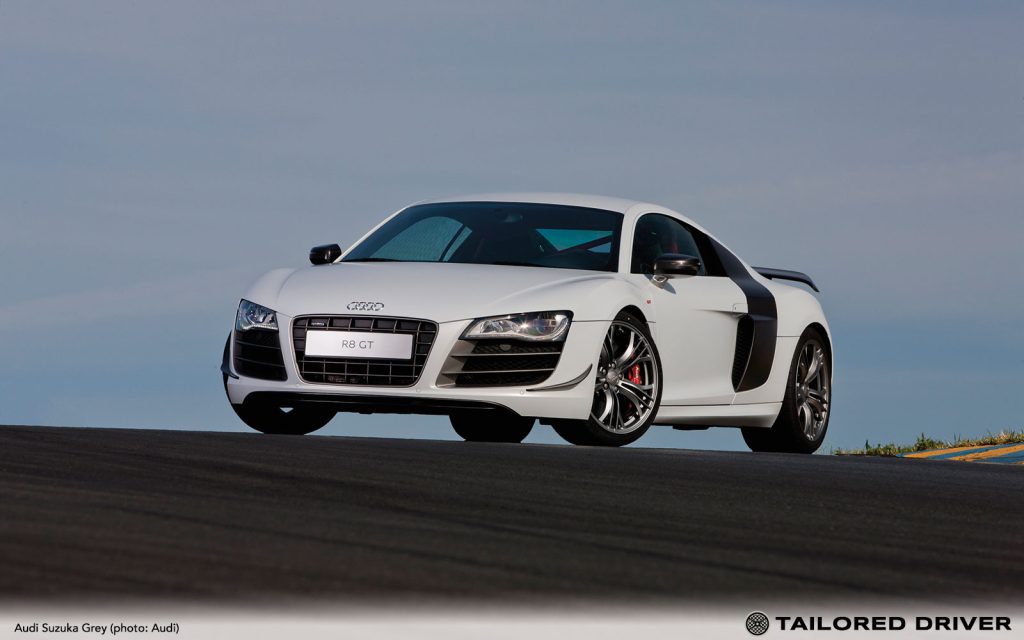
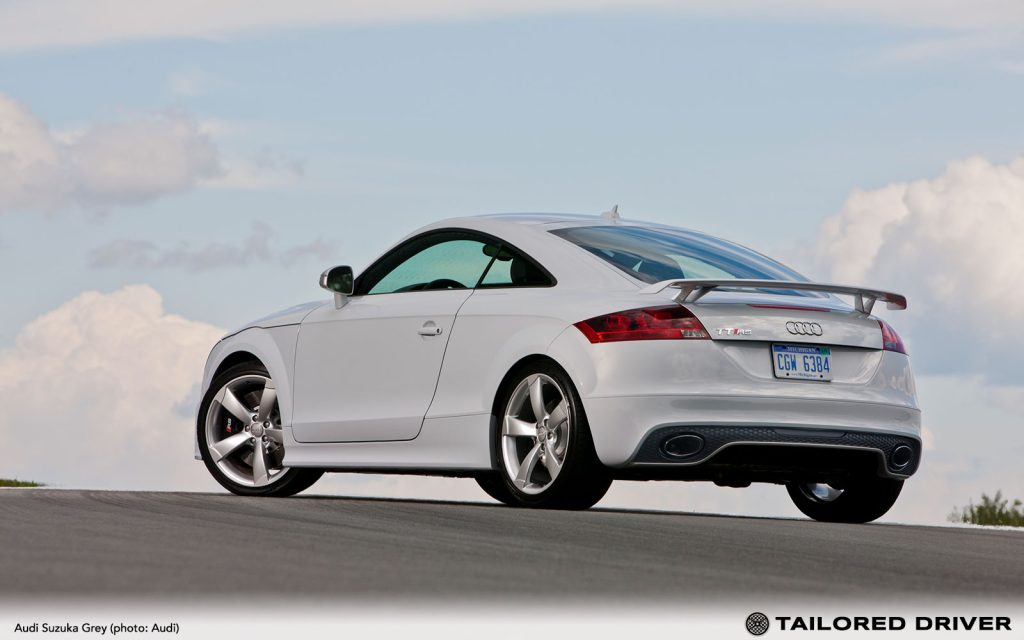
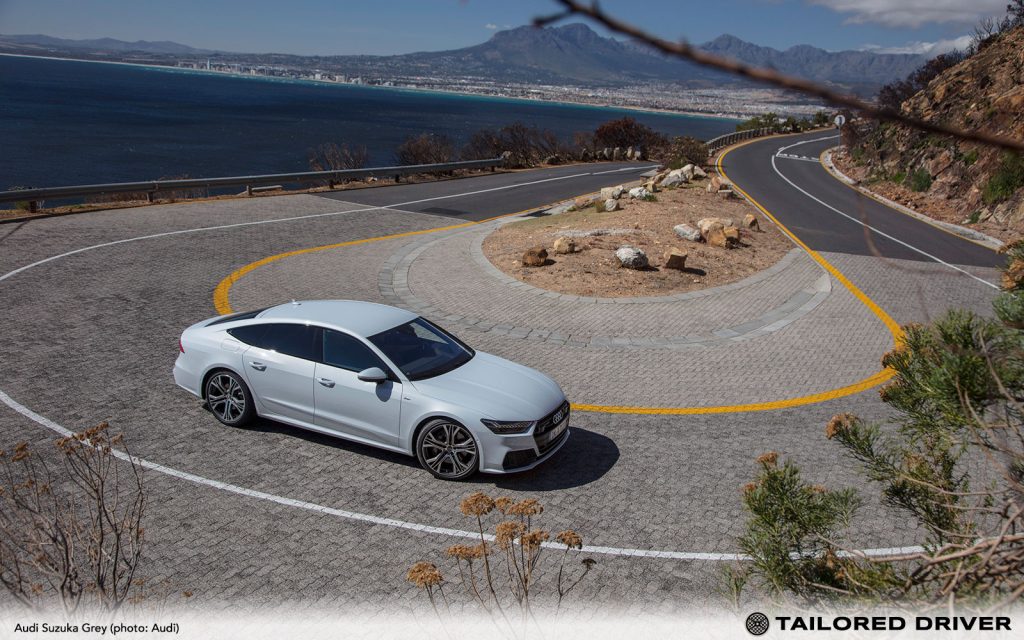
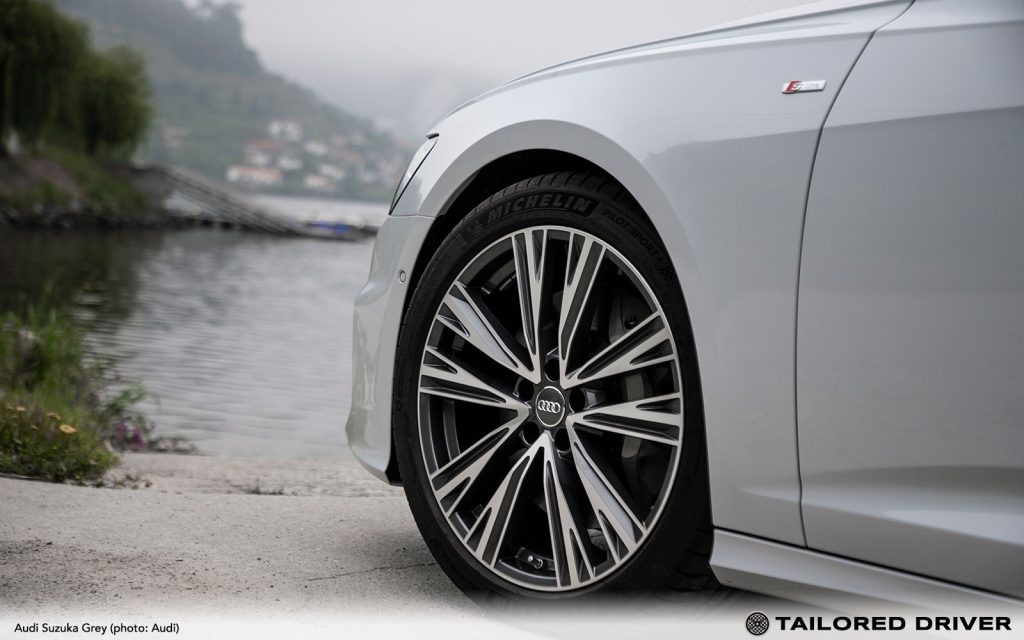
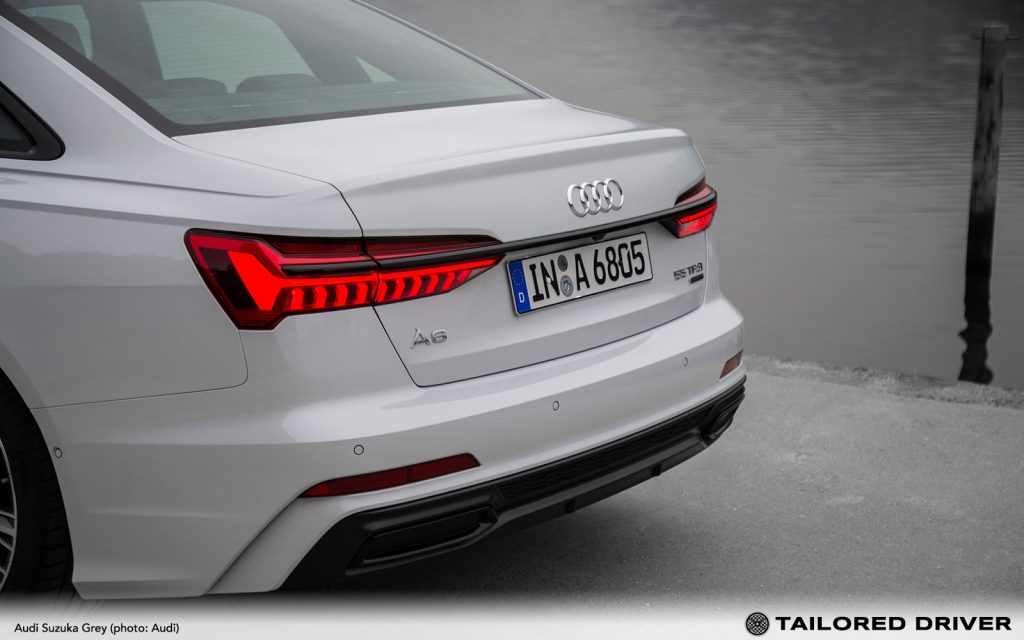
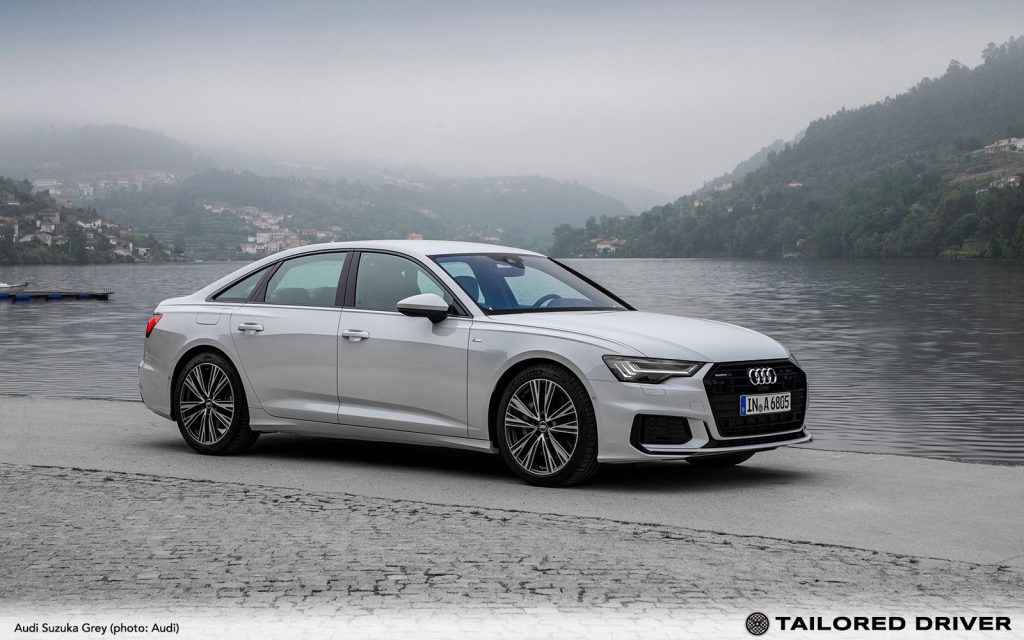
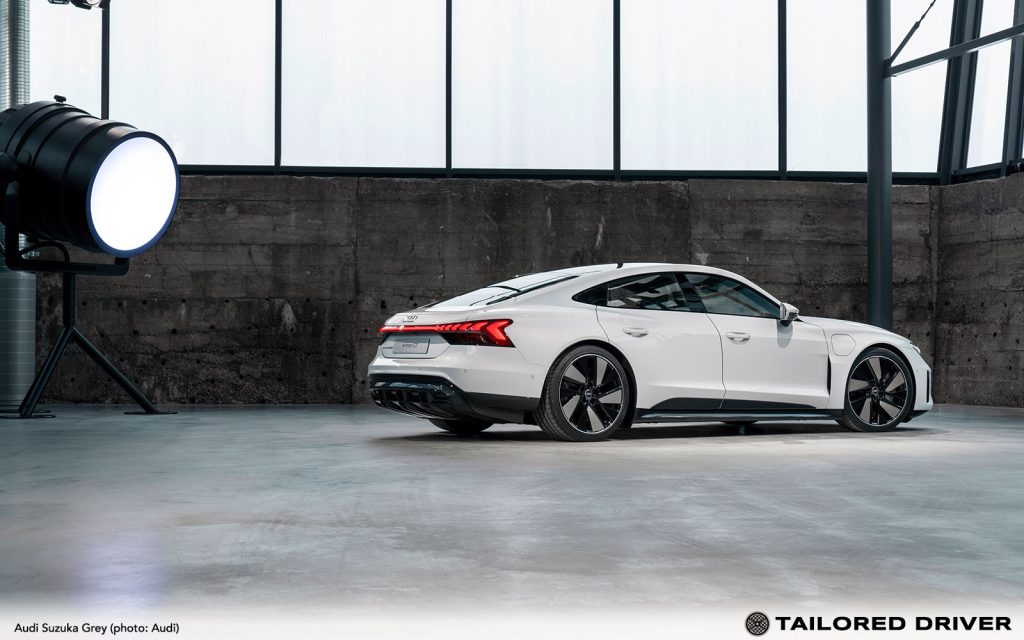
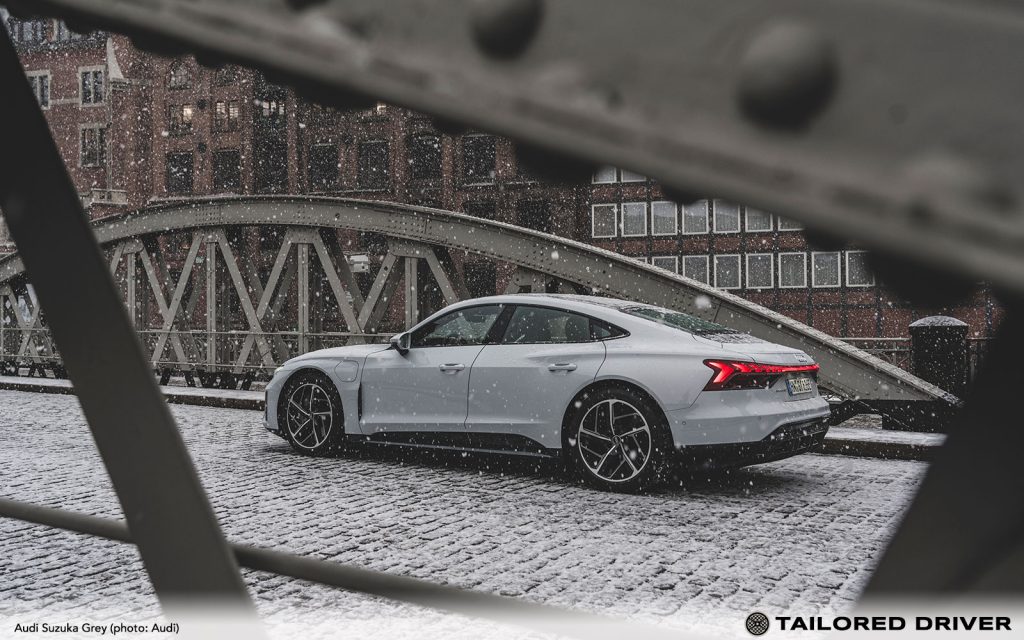
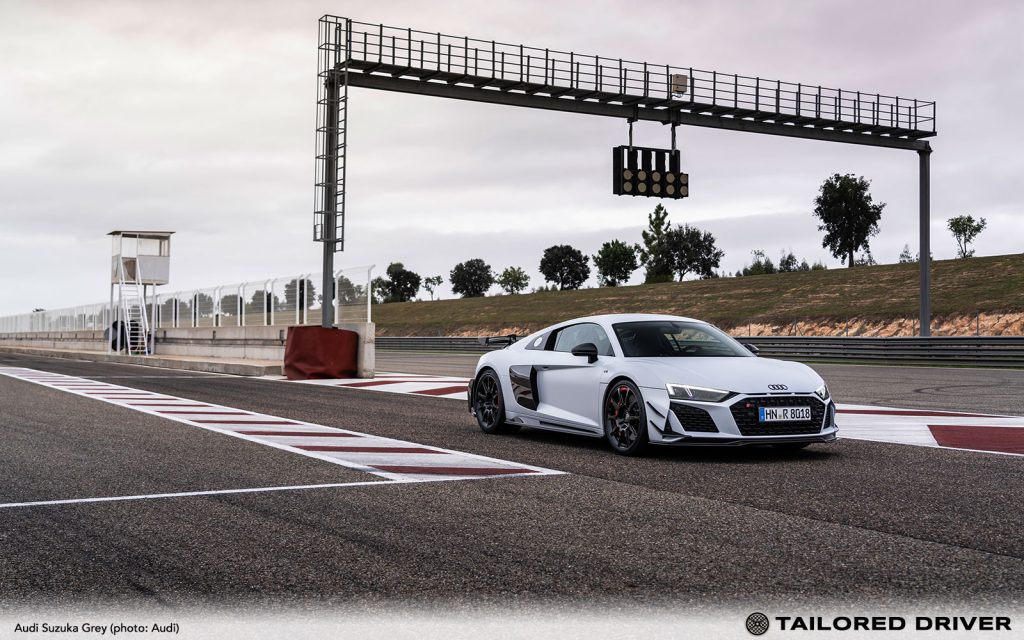
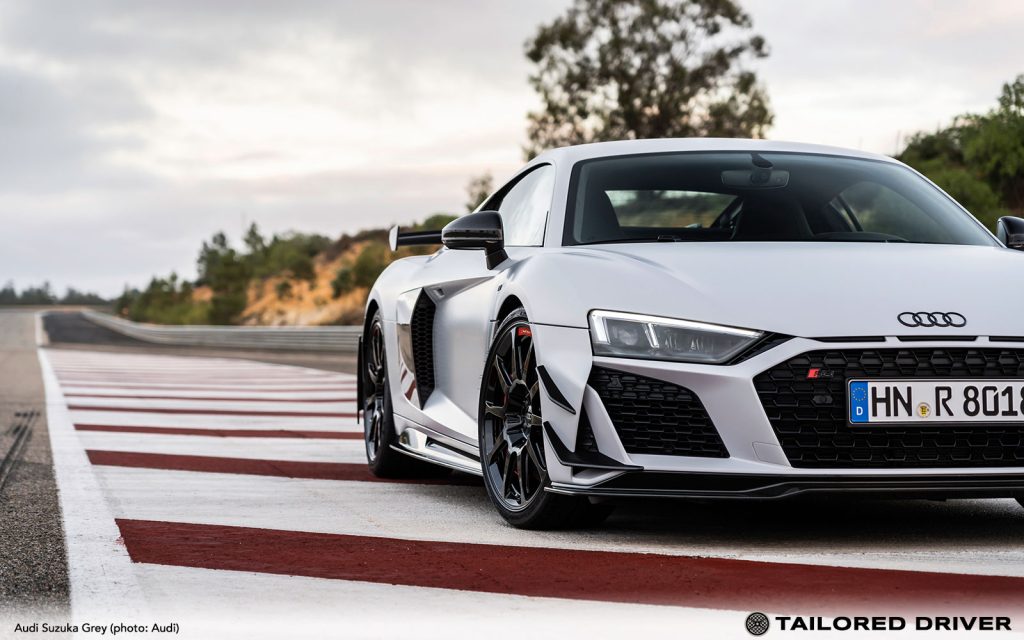
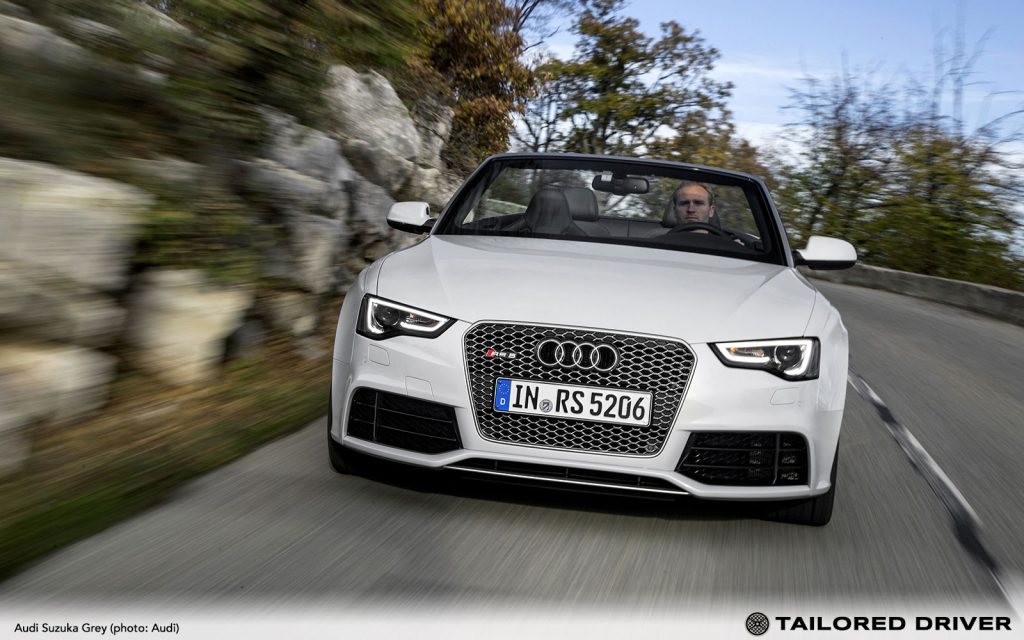
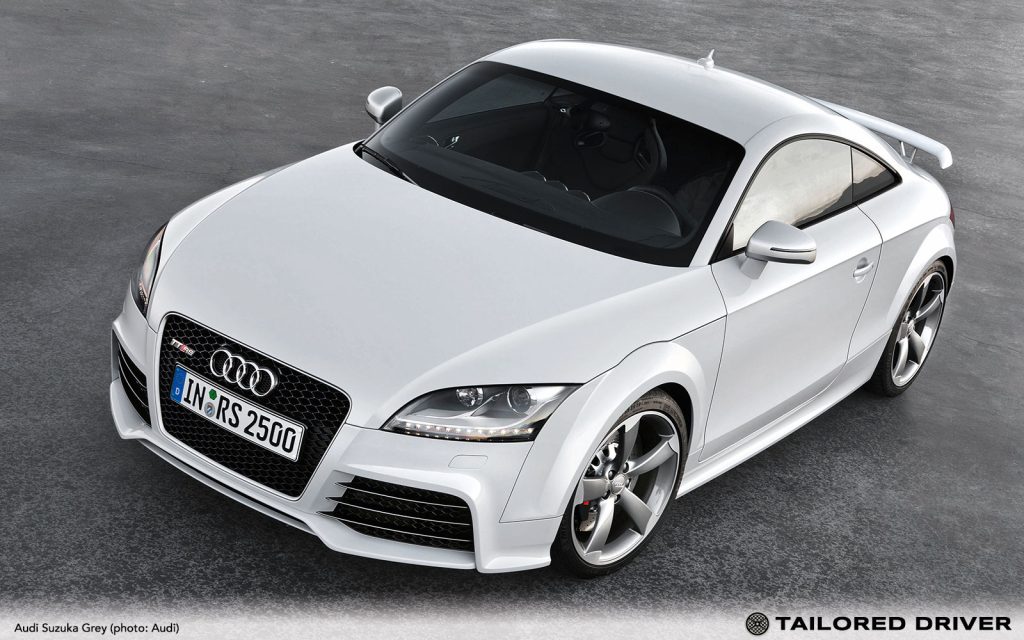
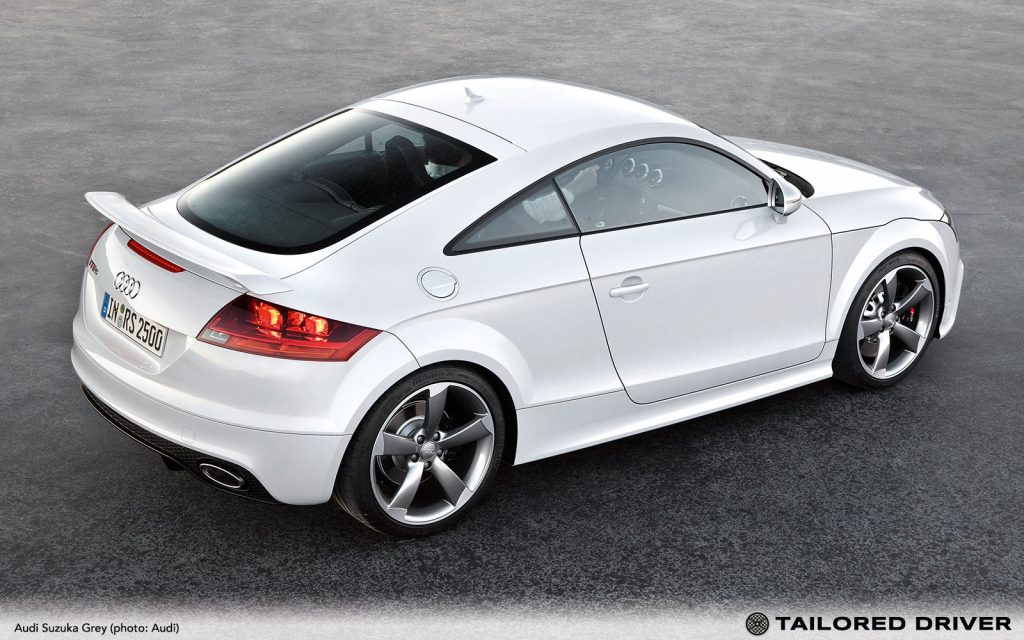
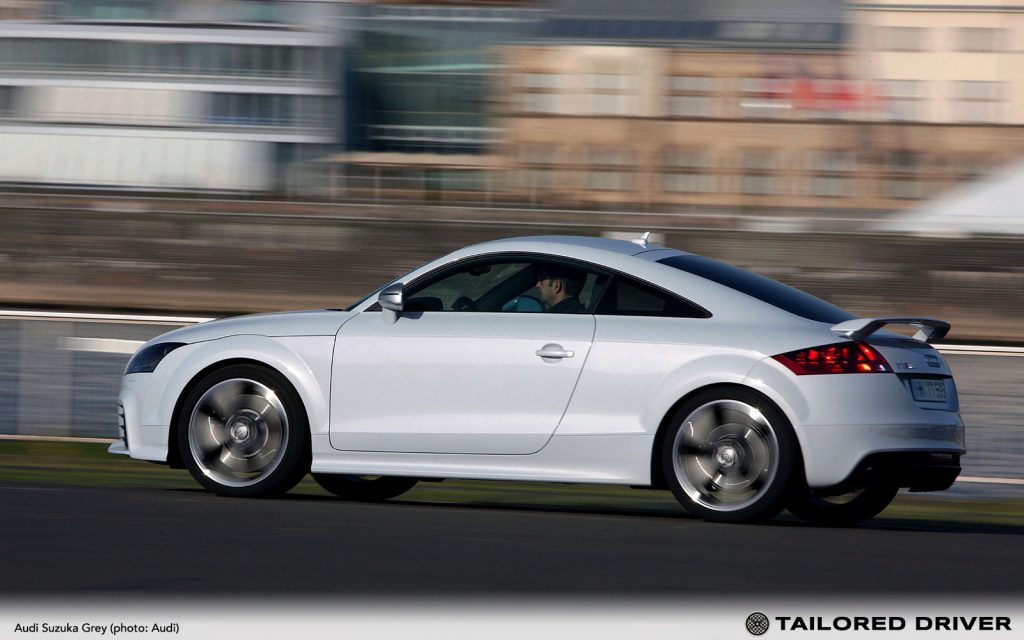
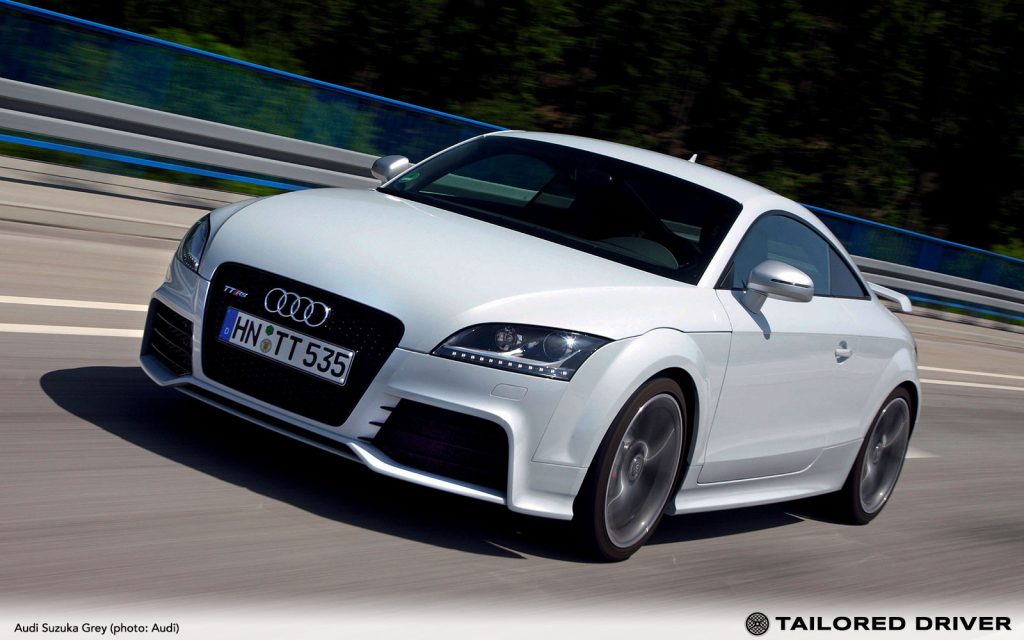
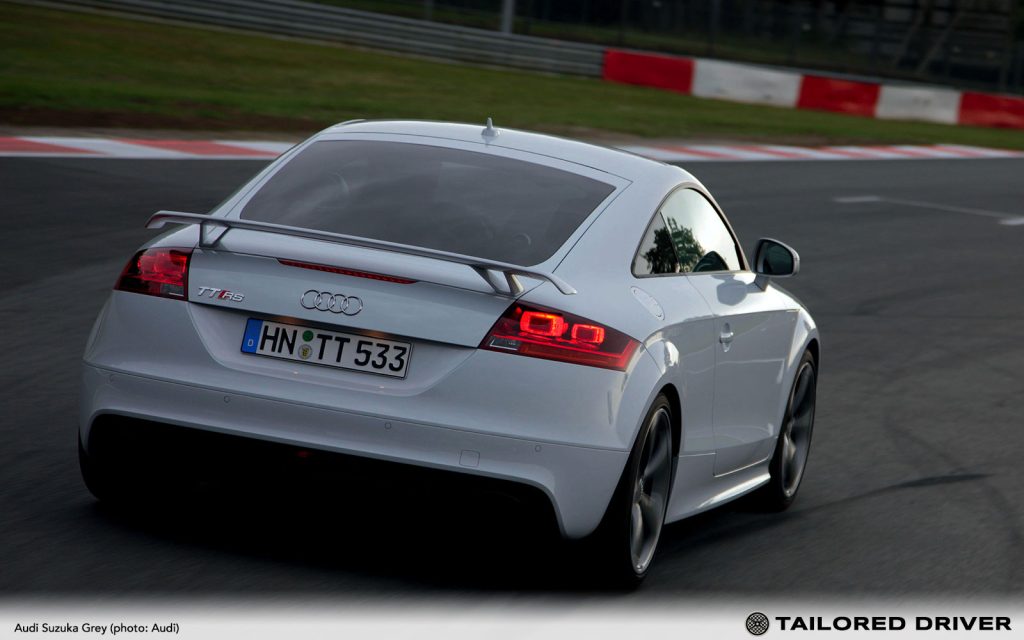
So far as we can tell, Suzuka Grey Pearl Effect (SuzukaGrau; pearl effect; LY7F / M1 ; Audi) first started appearing on quattro GmbH company cars at the Audi factory facilities in Ingolstadt and Neckarsulm during the early B7 RS 4 days. Typically paired with black optics, it’s been mostly an RS model only offering here and there over the years, most recently being a model year color palette offering on the RS e-tron GT.
Likely named for the Suzuka Circuit, a 3.6-mile road course located in Suzuka City, Mia Prefecture Japan. The track is home to F1’s Japanese Grand Prix amongst other races, and it’s operated by Honda Mobilityland, a subsidiary of Honda Motor Company.
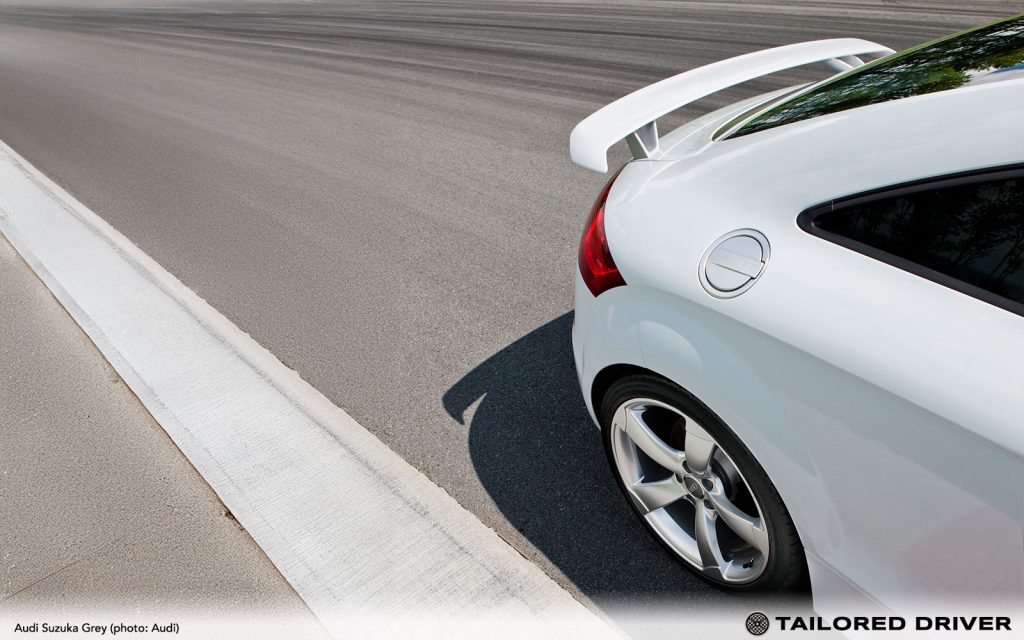
As greys go, Suzuka Grey is so light that it is often mistaken for white. Look closely though and you’ll find it’s slightly darker than white and slightly cooler than a desaturated grey of equivalent brightness. In as much, it’s a subtle shade that leaves most guessing thanks to a strong if-you-know-you-know quotient. Its strong association with Audi RS cars also gives it an extra level of performance cred… at least in Audi circles.
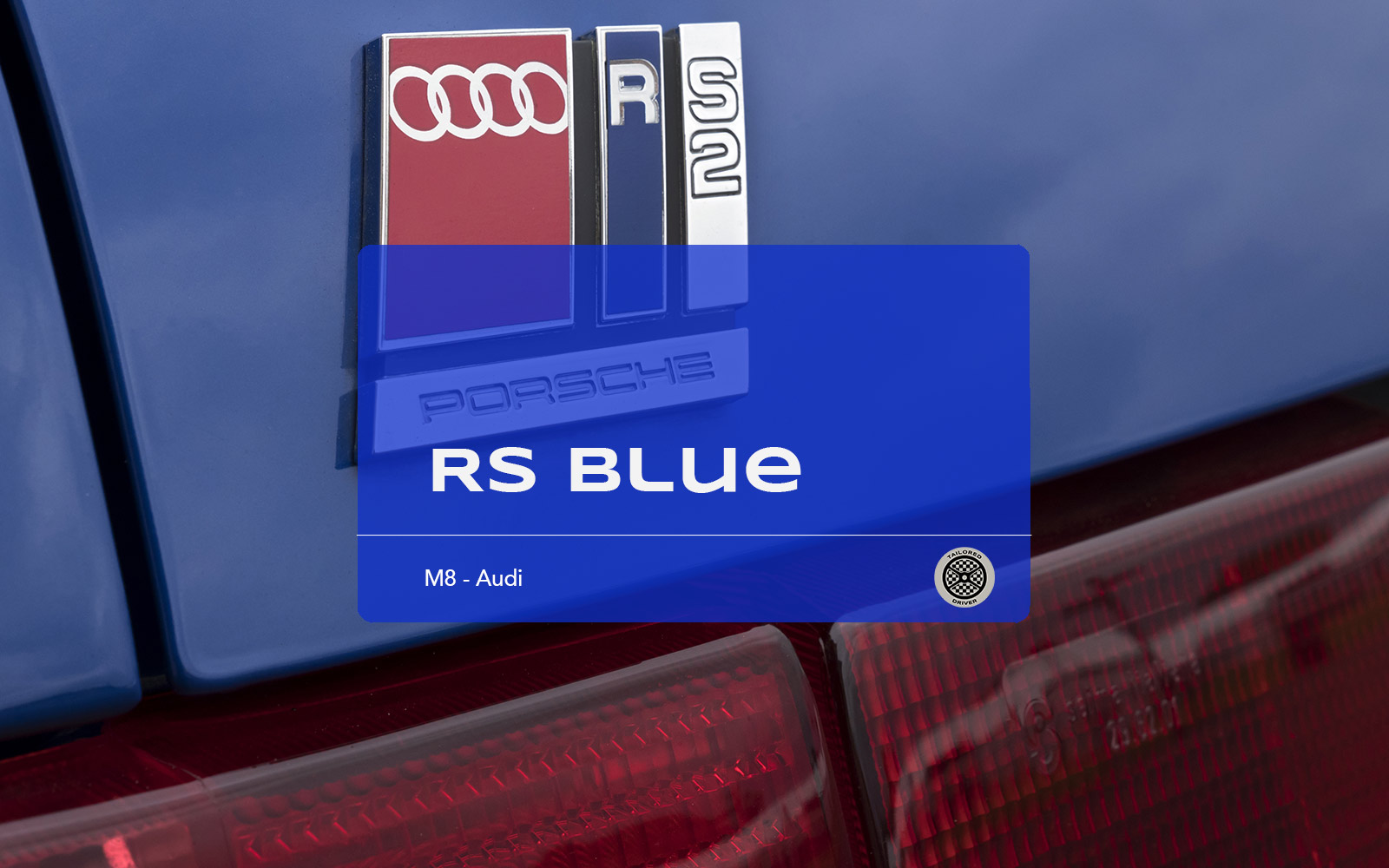
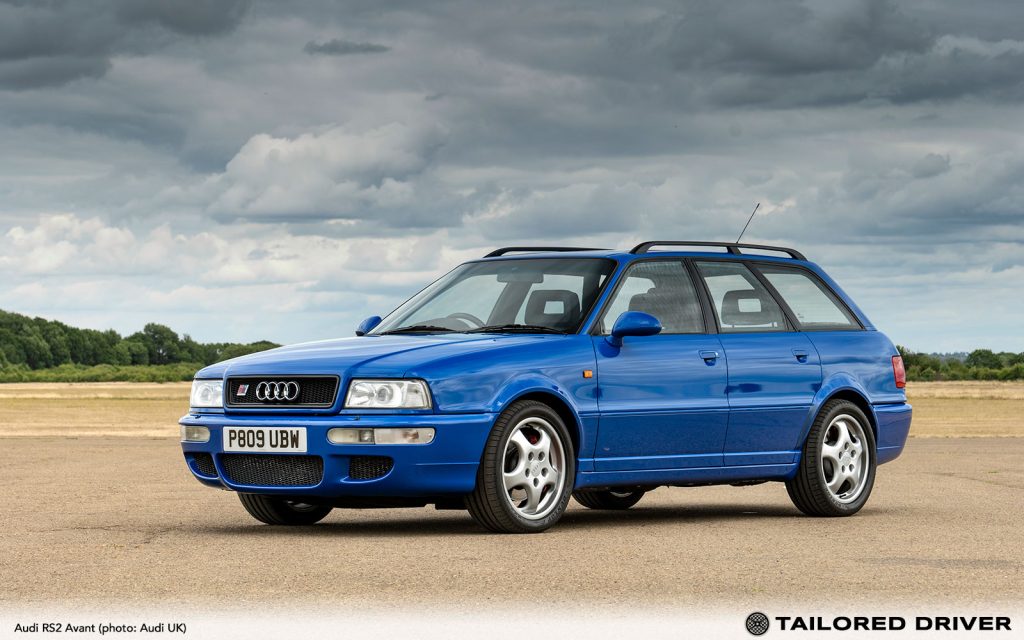
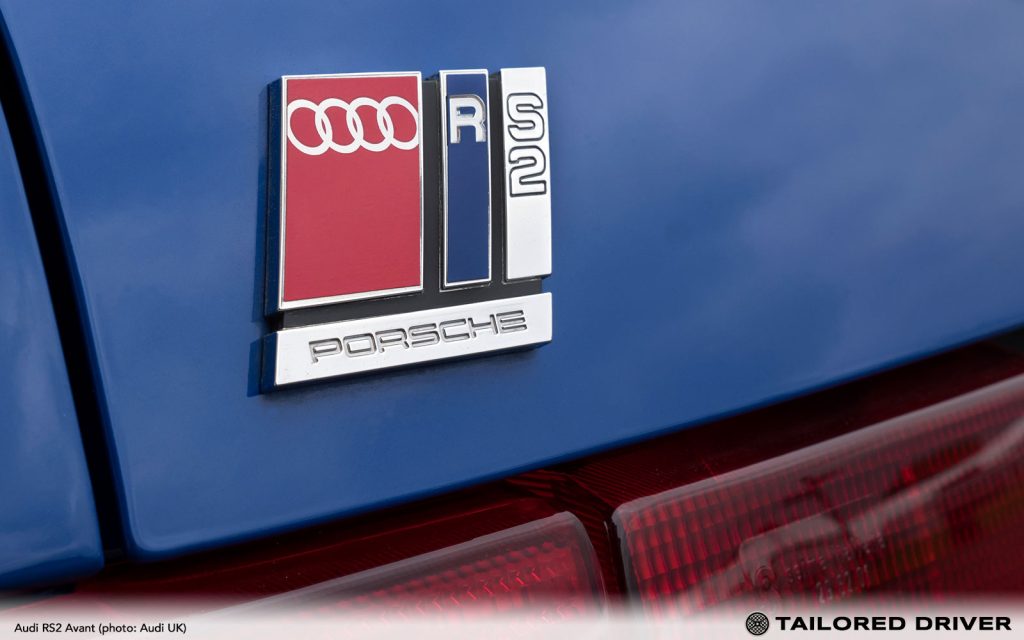
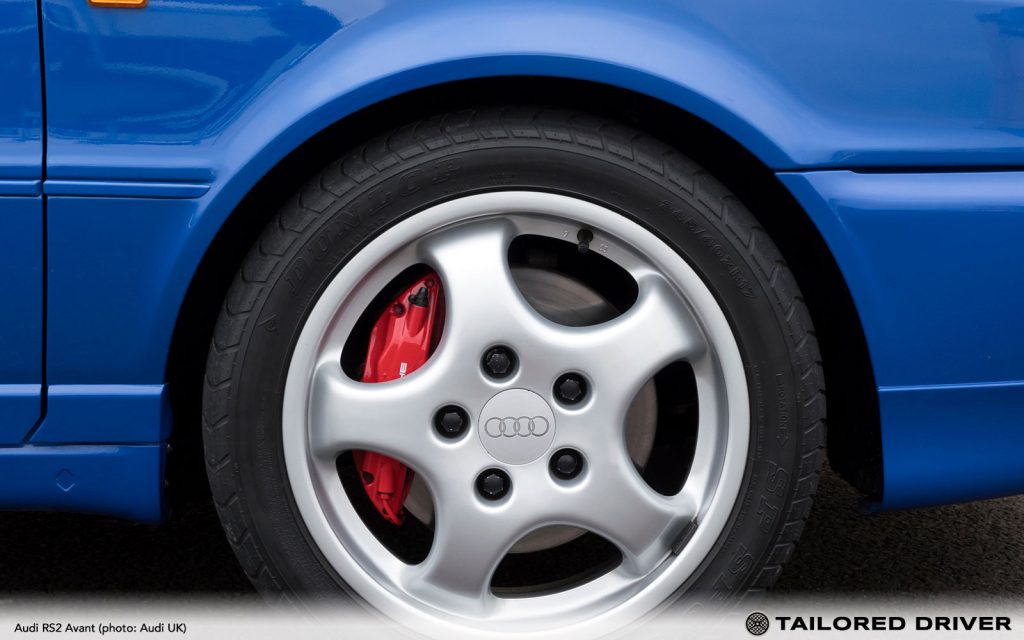
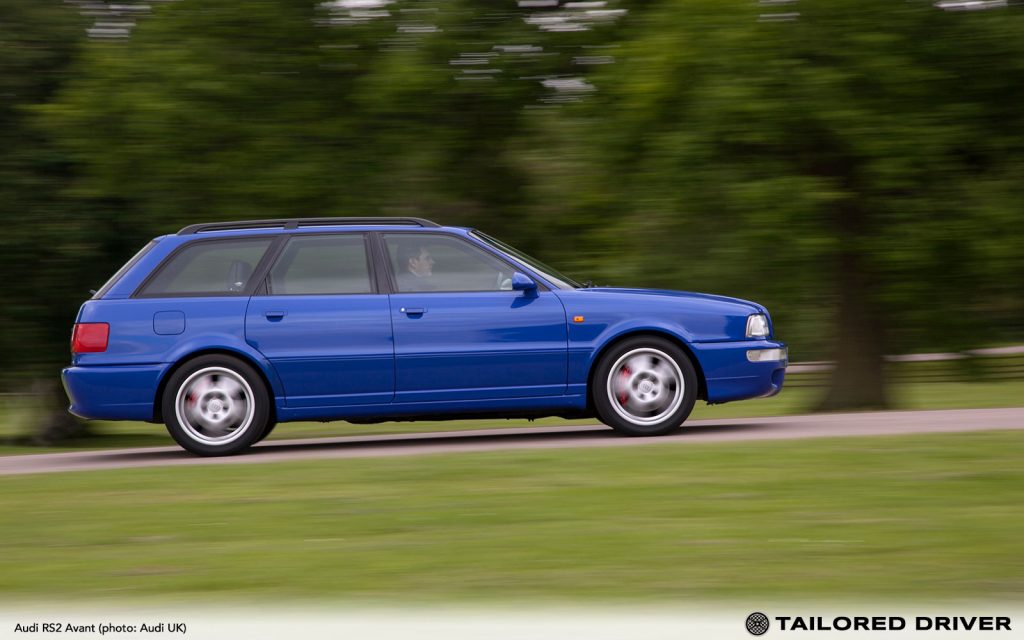
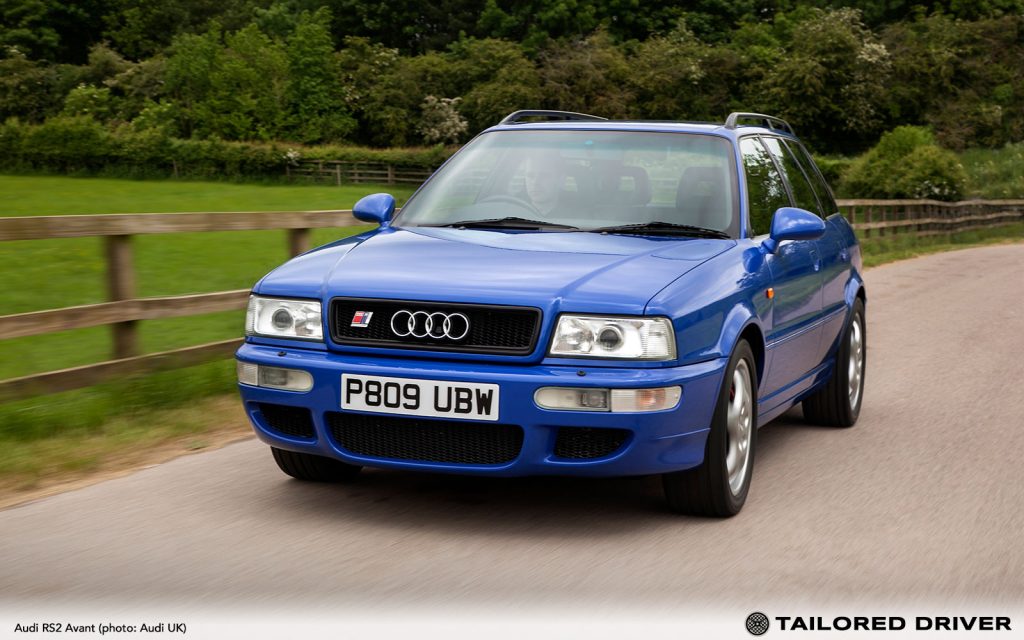
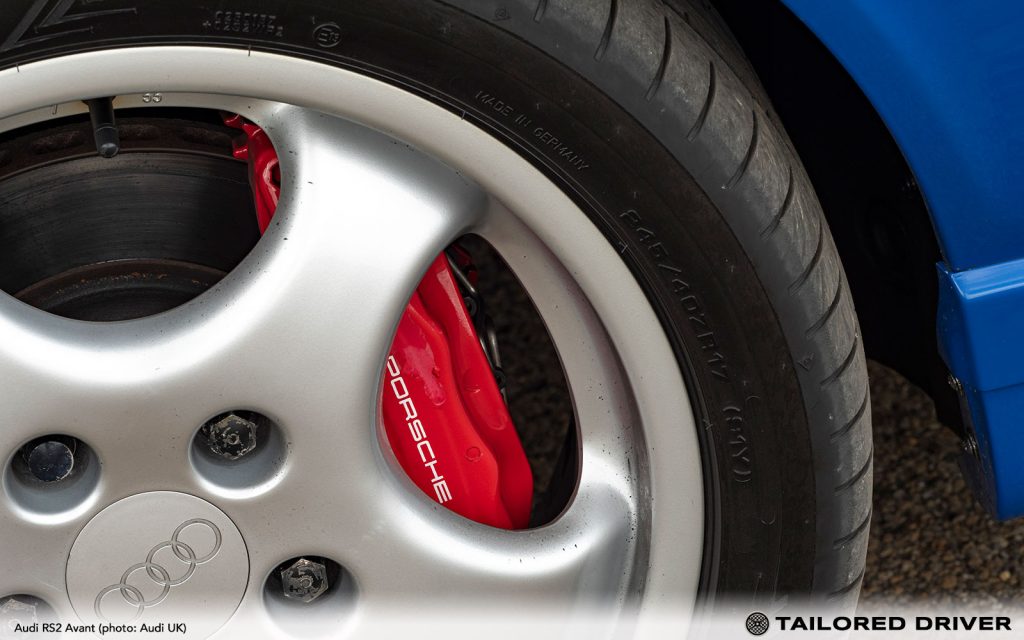
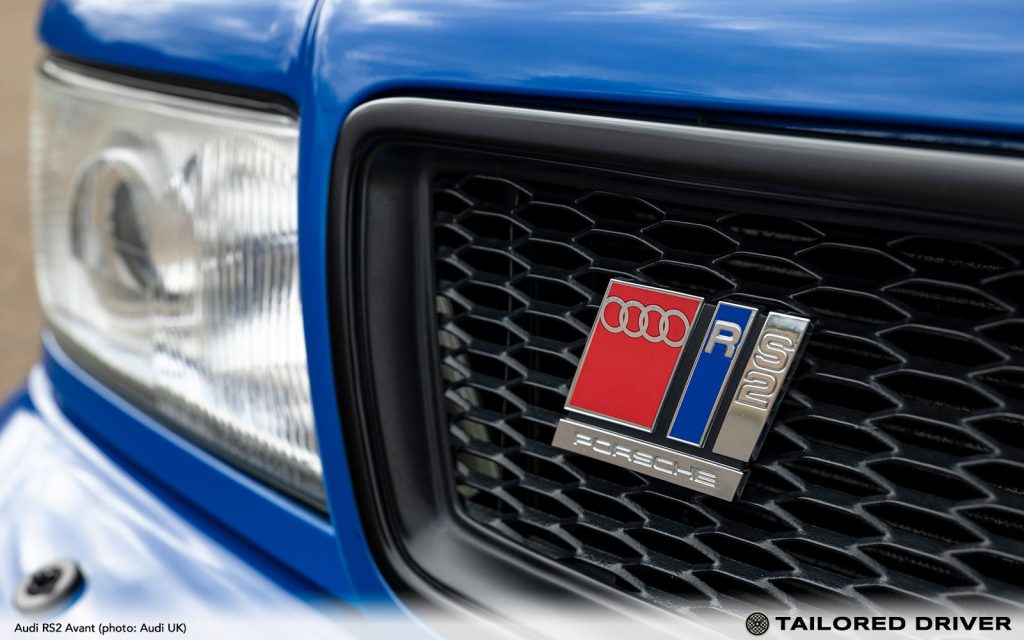
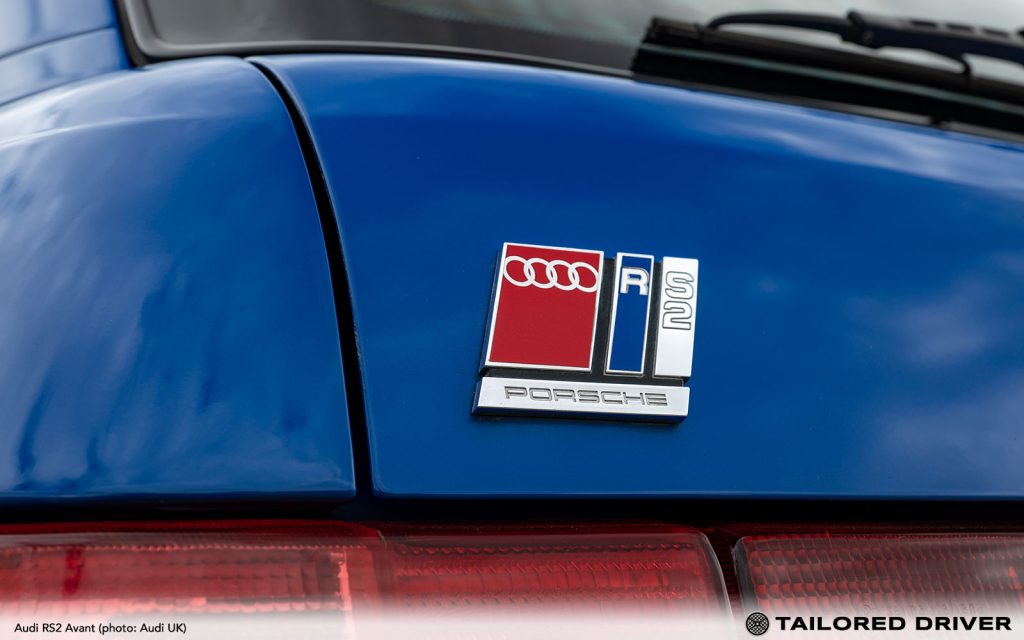
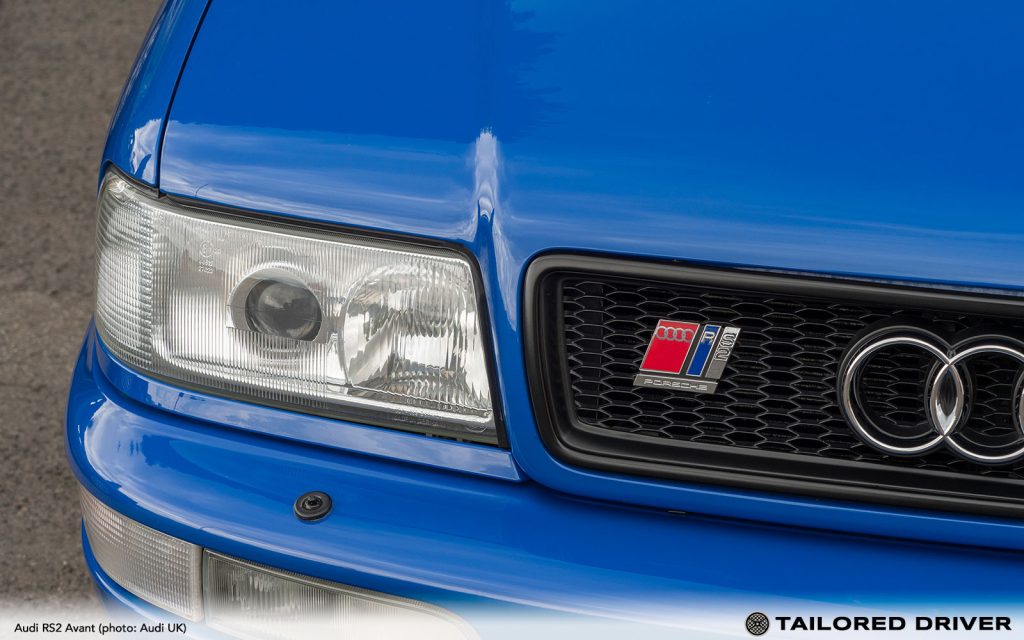
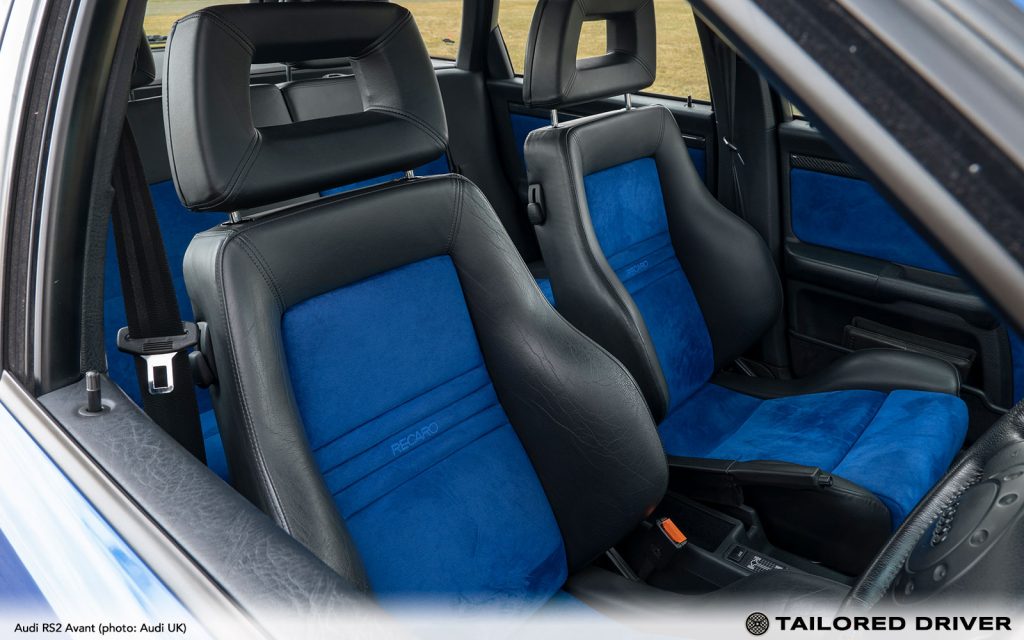
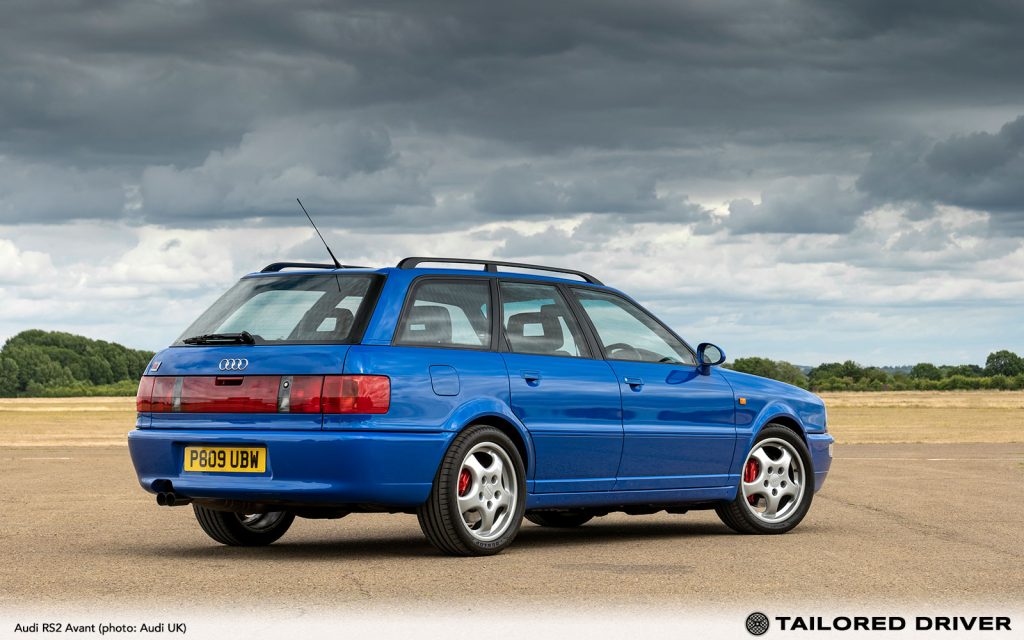
SUMMARY: In the world of OEM paint colors, we sometimes see name changes without reformulation. One example is Audi’s RS Blue (rsblau; pearl effect UNI; M8; Audi) that is perhaps the most iconic (and likely most popular) color of the Audi RS2 stock color offerings. By the time the color returned on Audi’s B5 S4, it had undergone a name change to Nogaro Blue (nogaroblau; pearl effect UNI; Z5M; Audi), but the color itself remained the same.
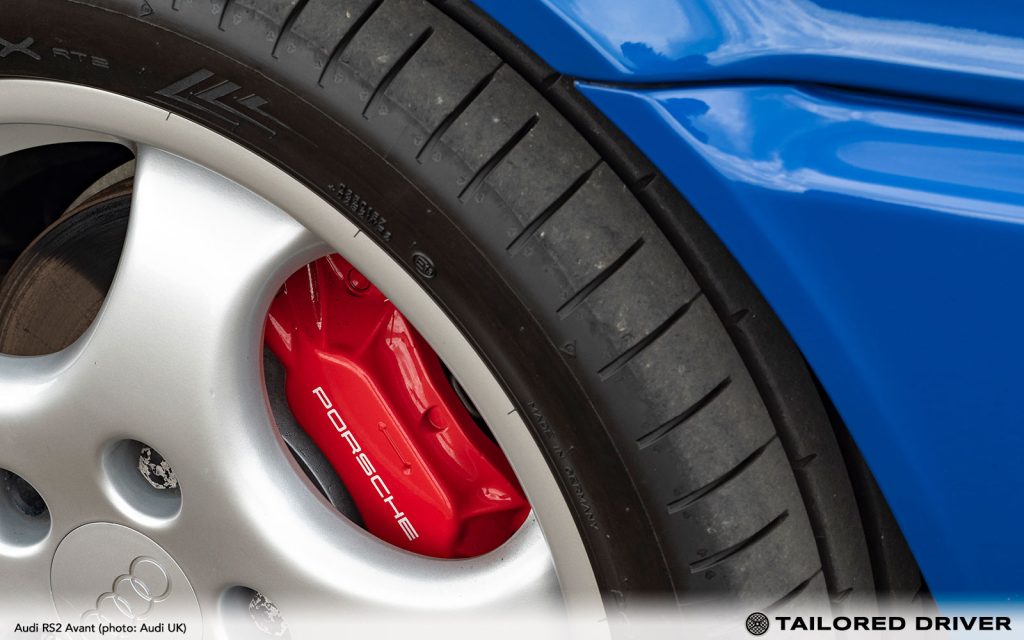
Given the lineage, tracing its roots to the wagon project conceived between Audi and Porsche and built in Stuttgart by Porsche themselves, Nogaro Blue has become an icon in and of itself, highly sought after in Audi exclusive builds or the rare times when Audi offers it on the occasional limited production special edition.
Few, other than RS2 aficionados, know it as RS Blue though. And whatever the name, the color can likely point towards the pre-war national racing color of French Blue for its inspiration. Rumor has it that Audi designers in the Simi Valley design studio sprayed out a marine blue in a request back to the factory for company car specification, which inspired the development of RS Blue.
Don’t confuse RS Blue (or Nogaro Blue) with Porsche’s Maritime Blue, a then-current Carrera Cup color at the time the RS2 rolled new out of Porsche’s factory. Models wearing Porsche badges such as the 911 Carrera RS (type 964) and 968 were rolling out of that same manufacturer painted Maritime Blue. The timing, Porsche DNA and and their similar appearance would suggest they might be the same code by another name, but park them next to each other and you’ll see a difference.
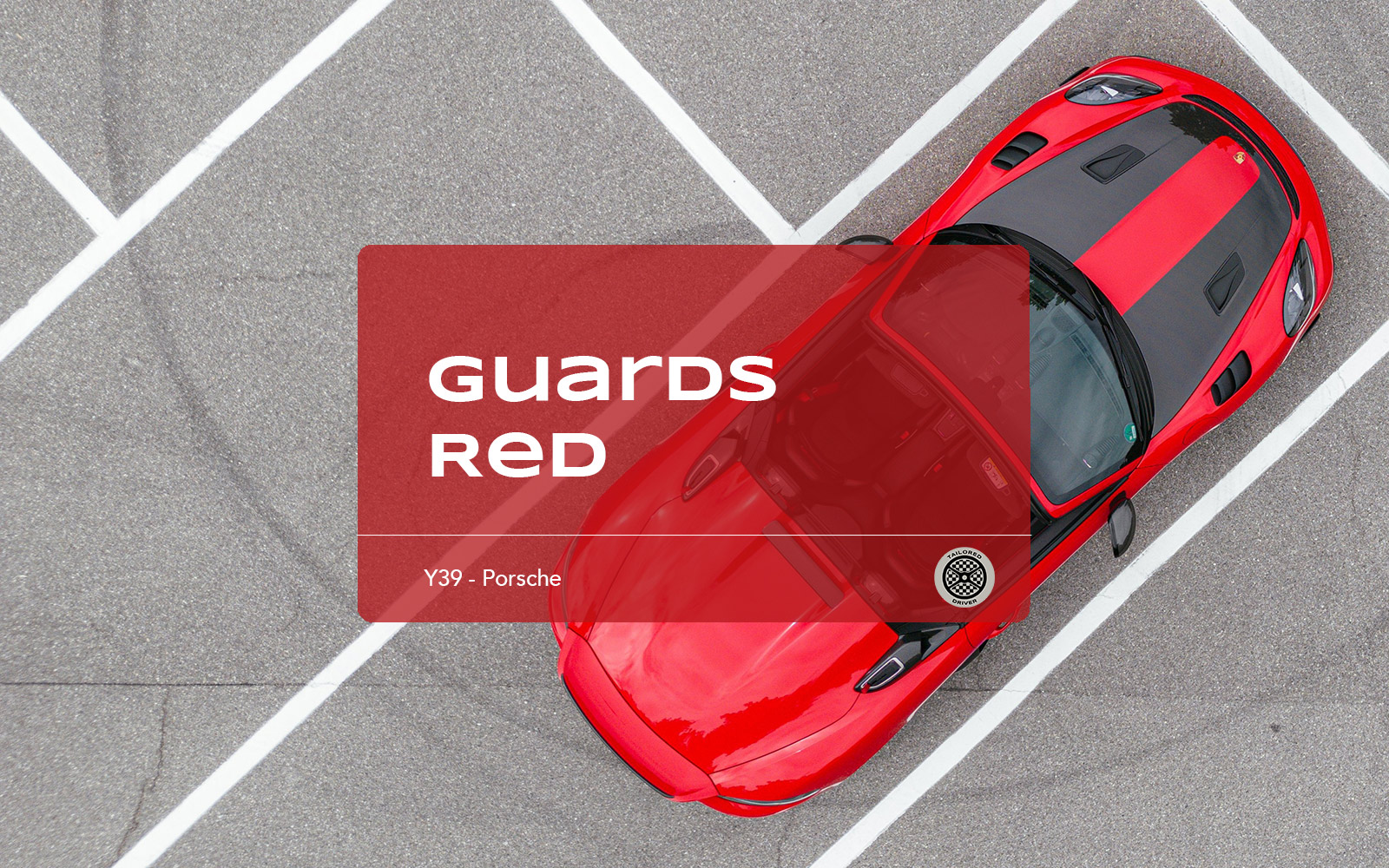
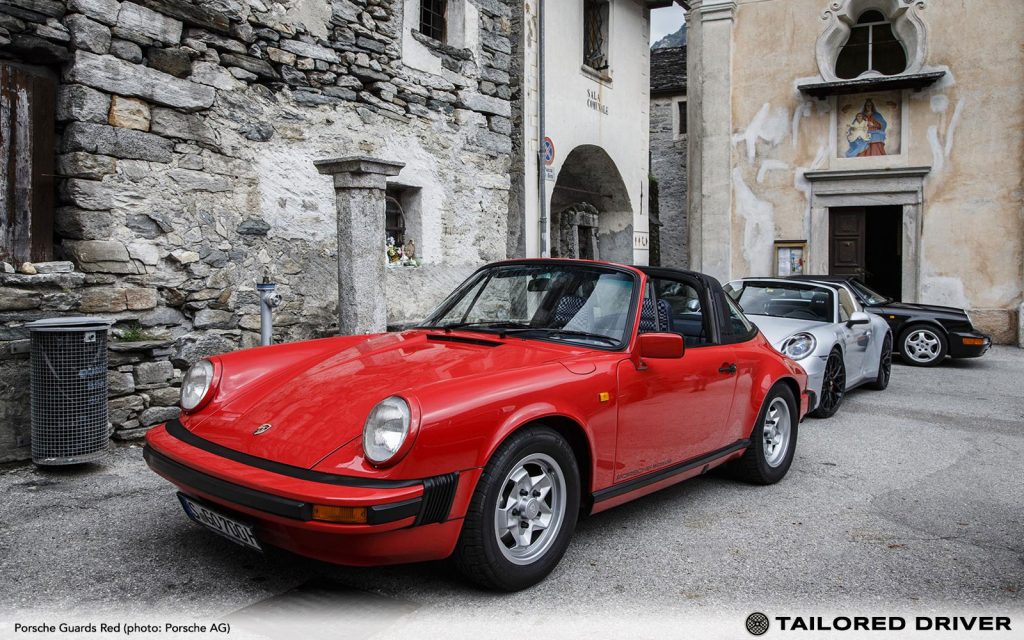
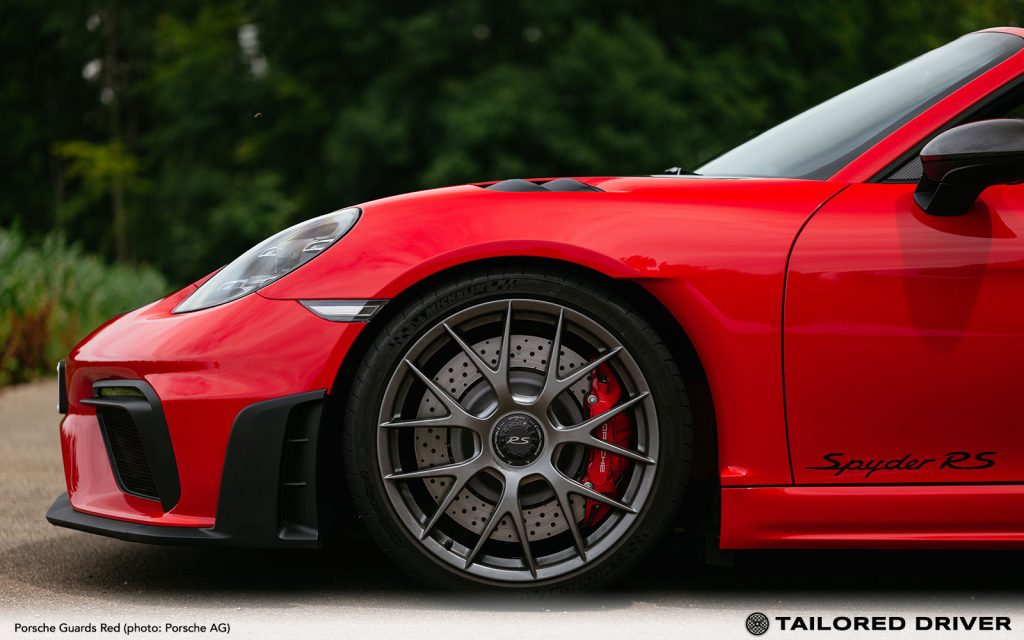
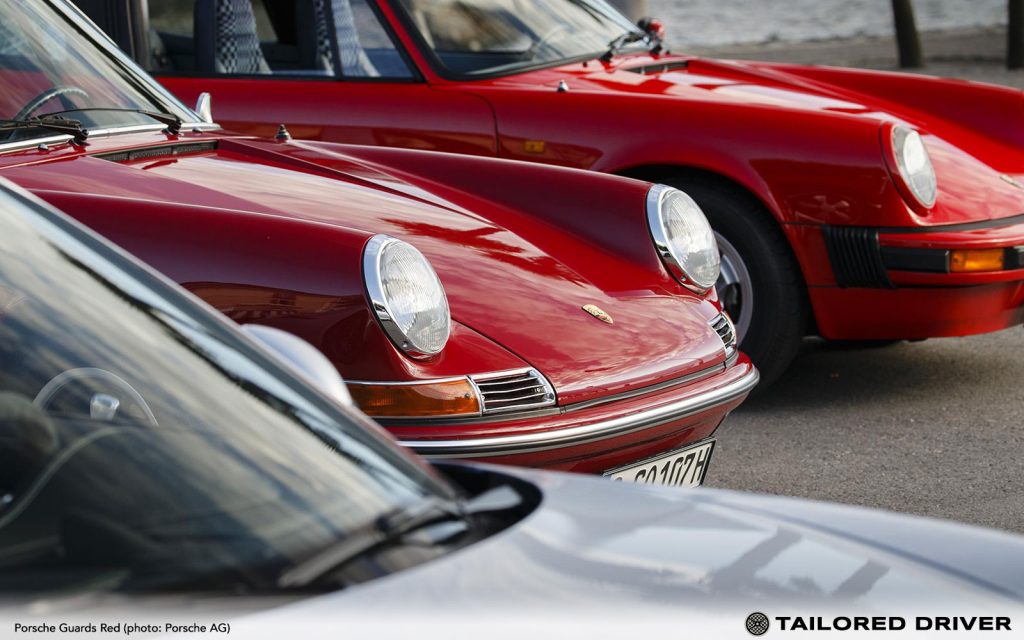
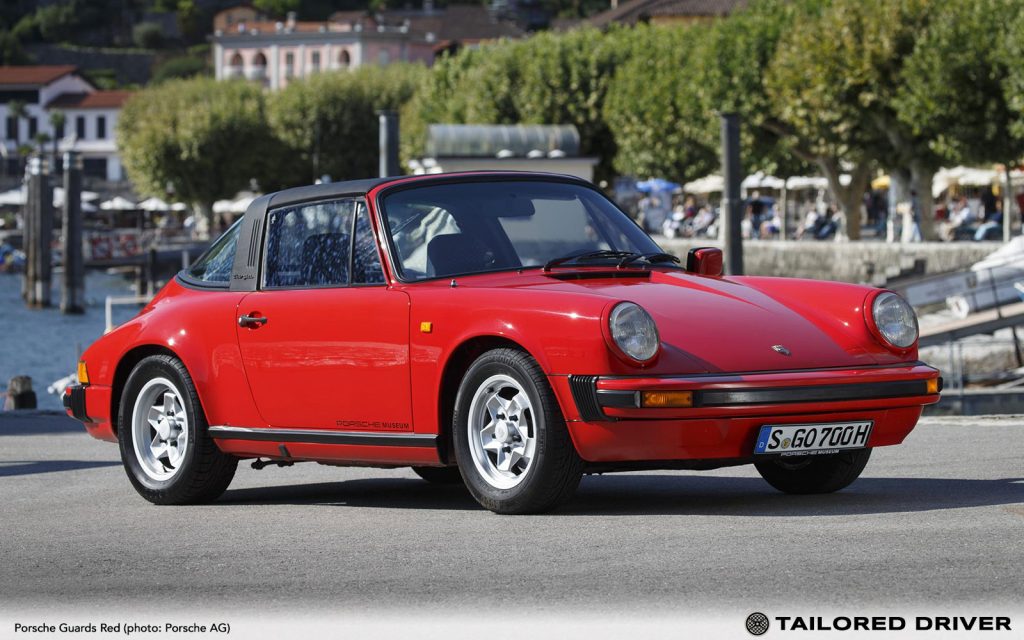
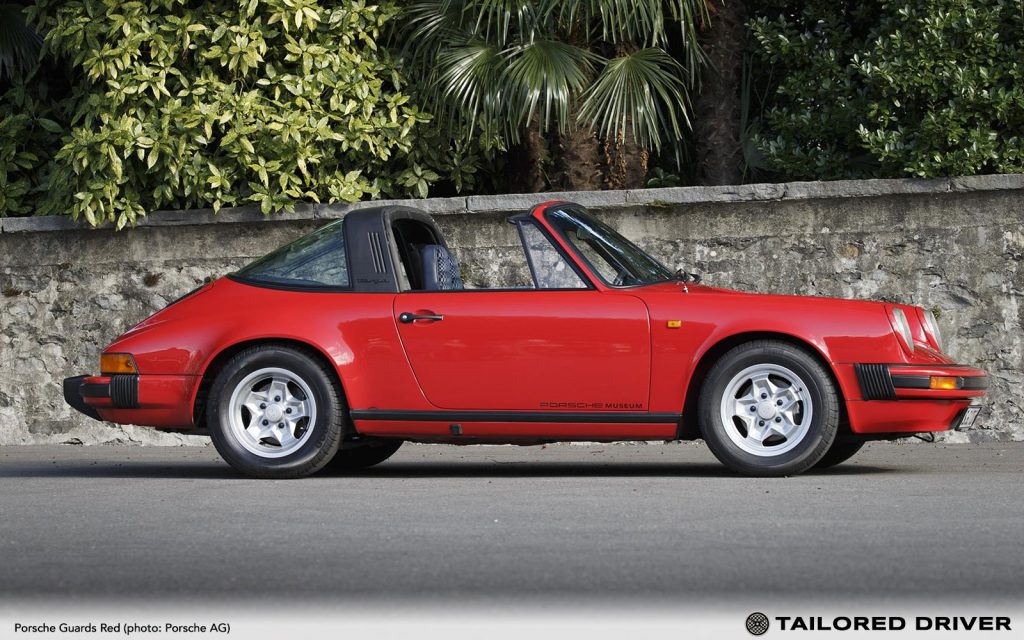
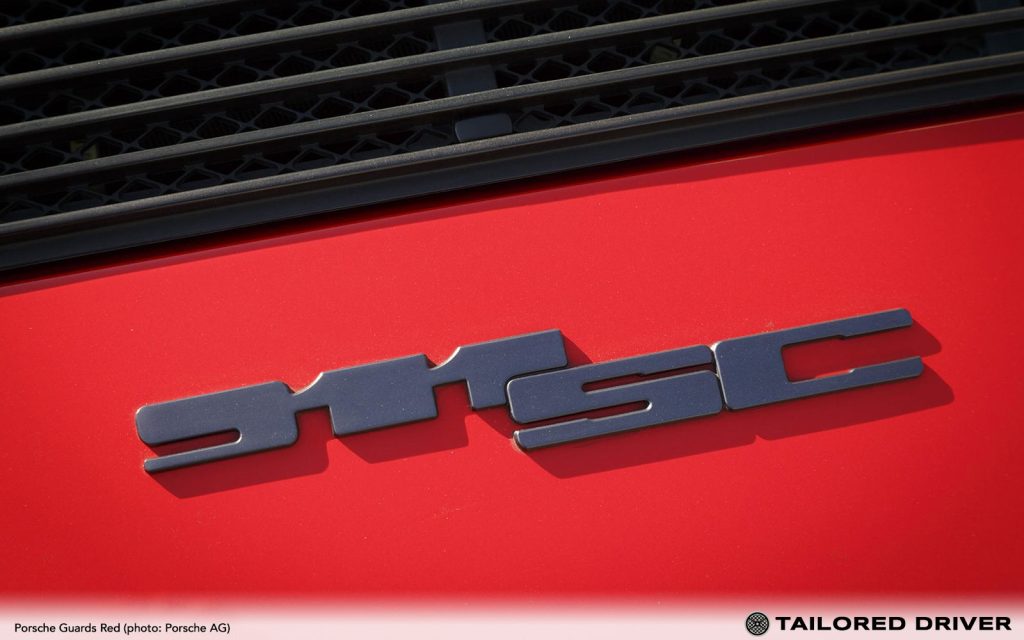
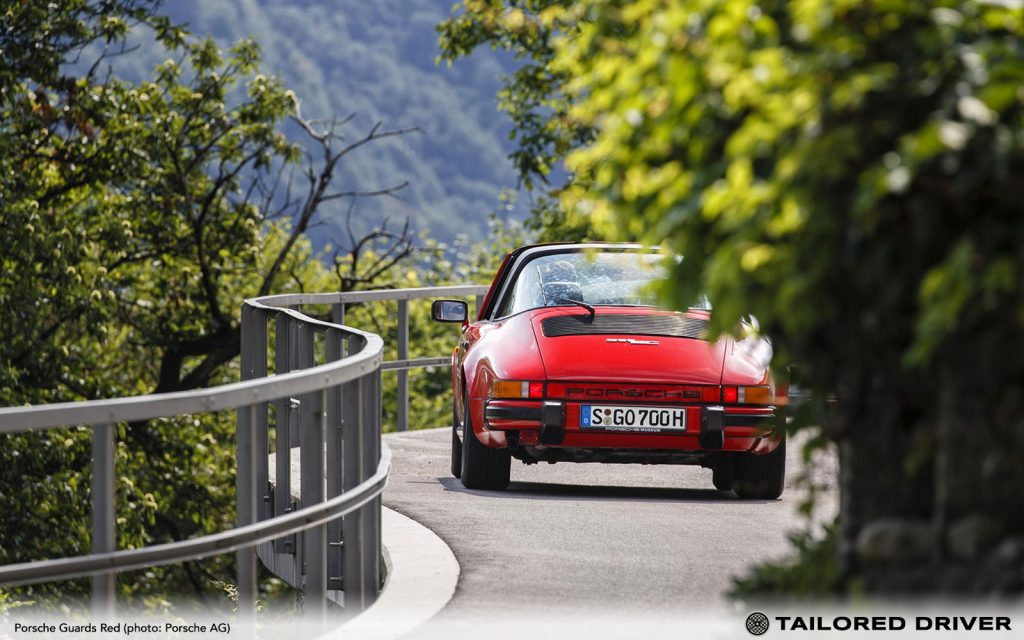
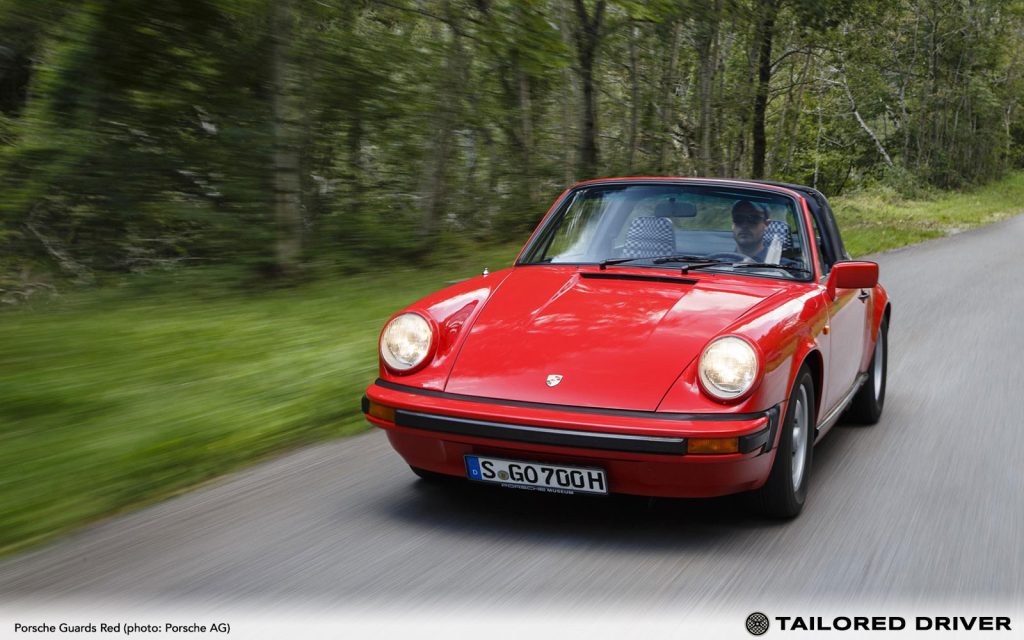
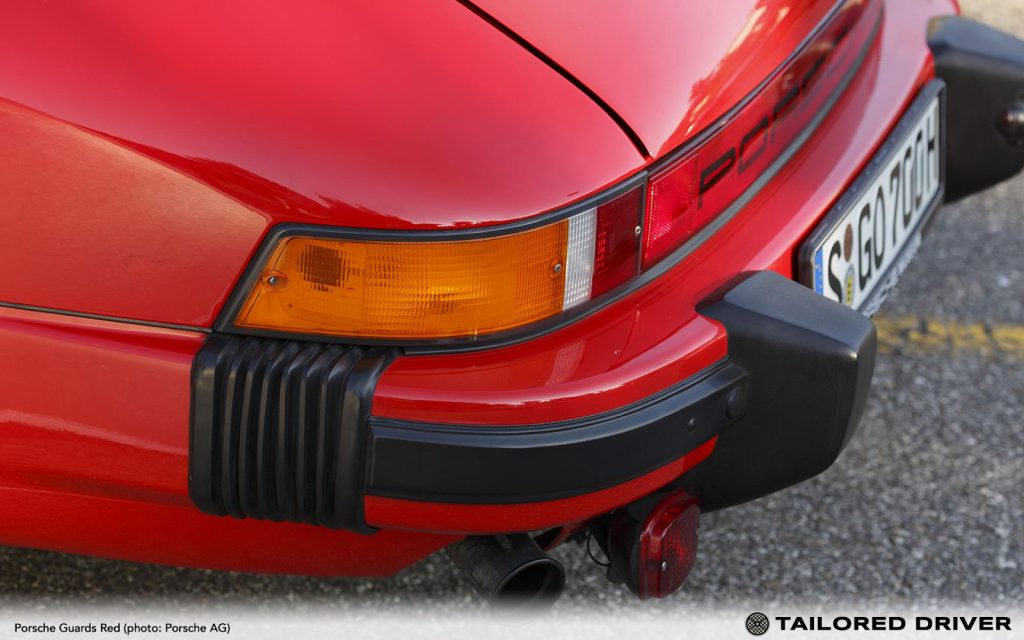
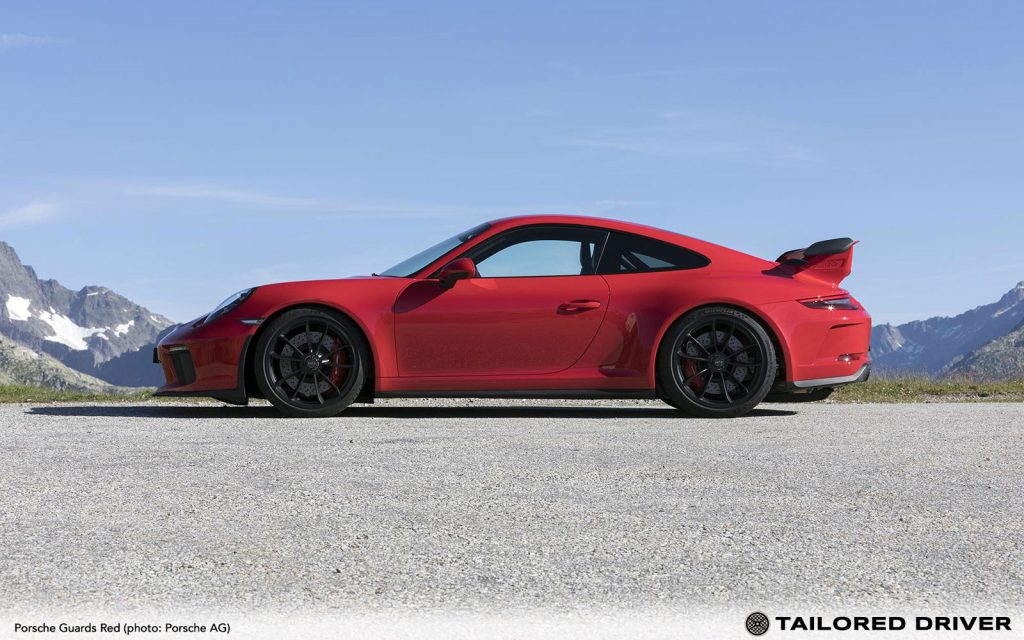
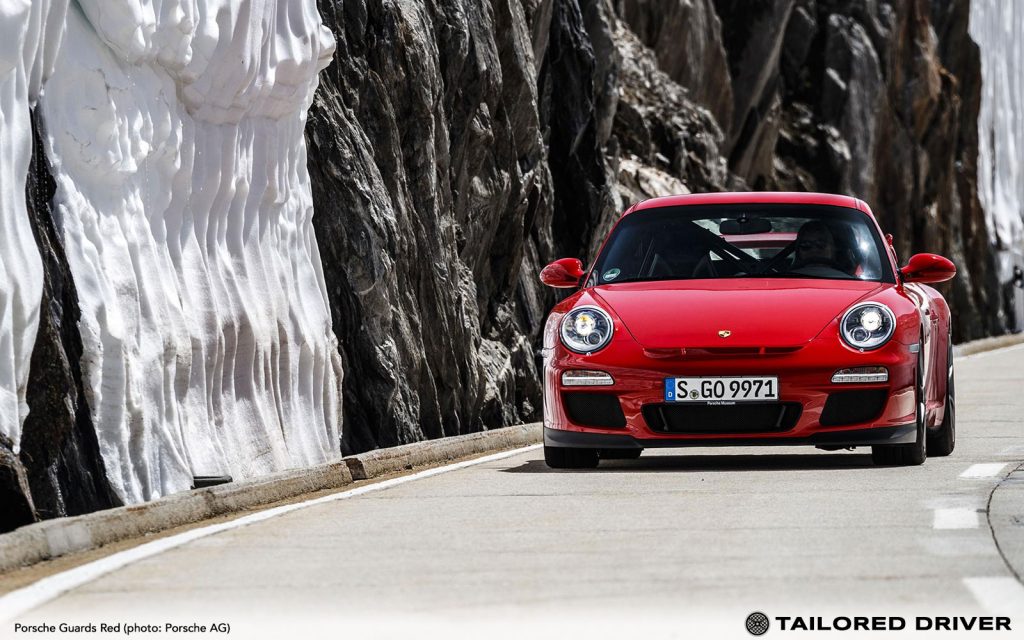
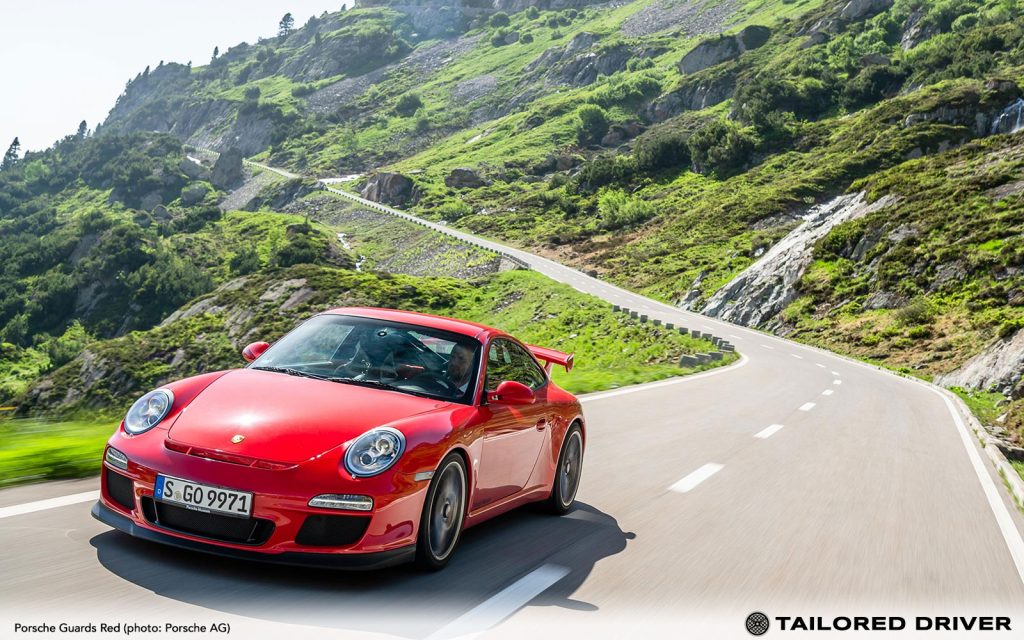
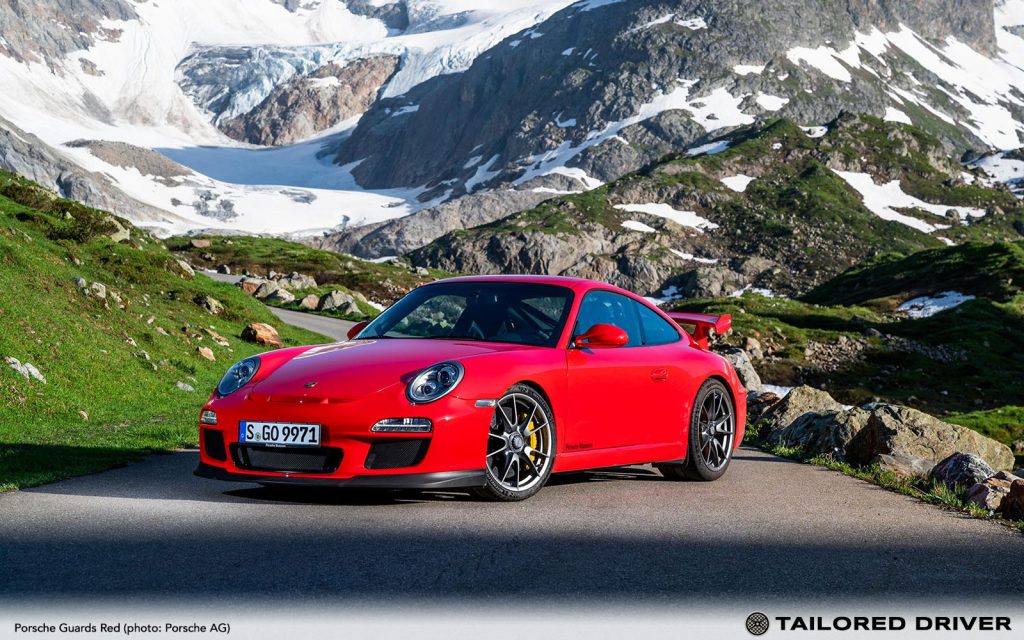
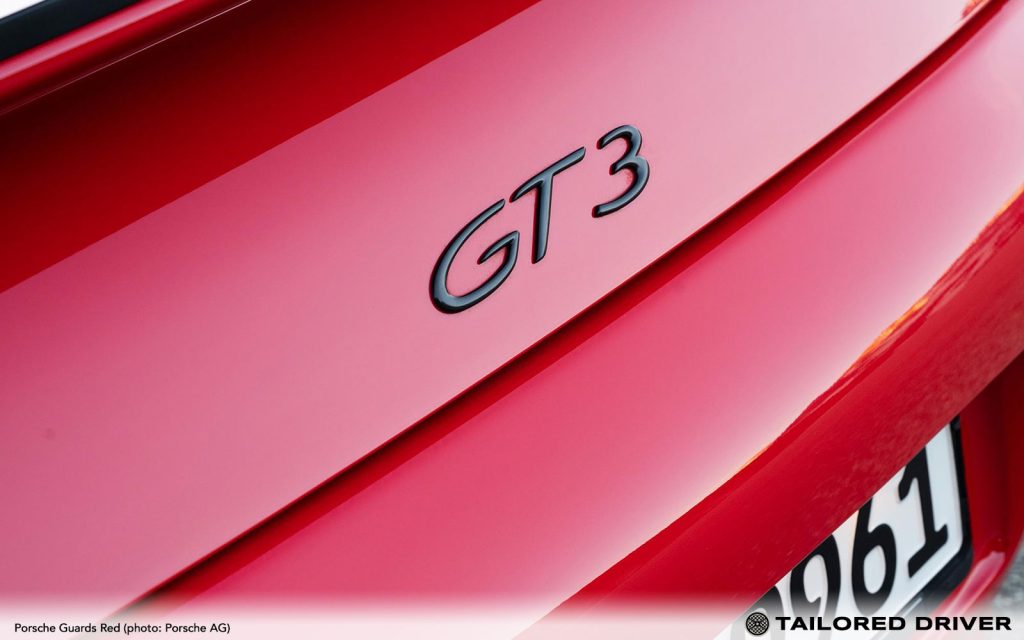
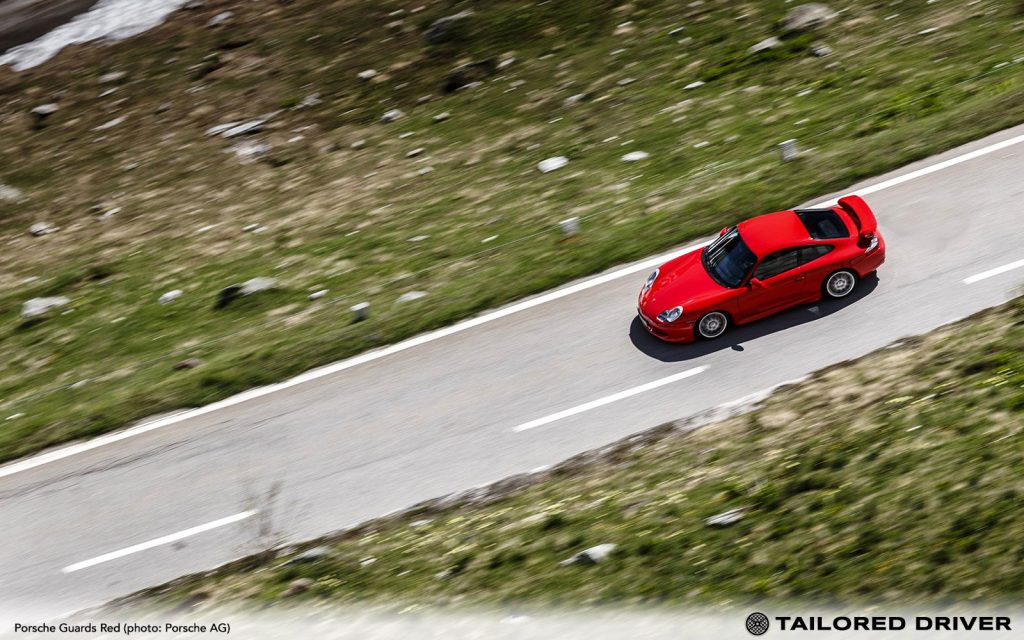
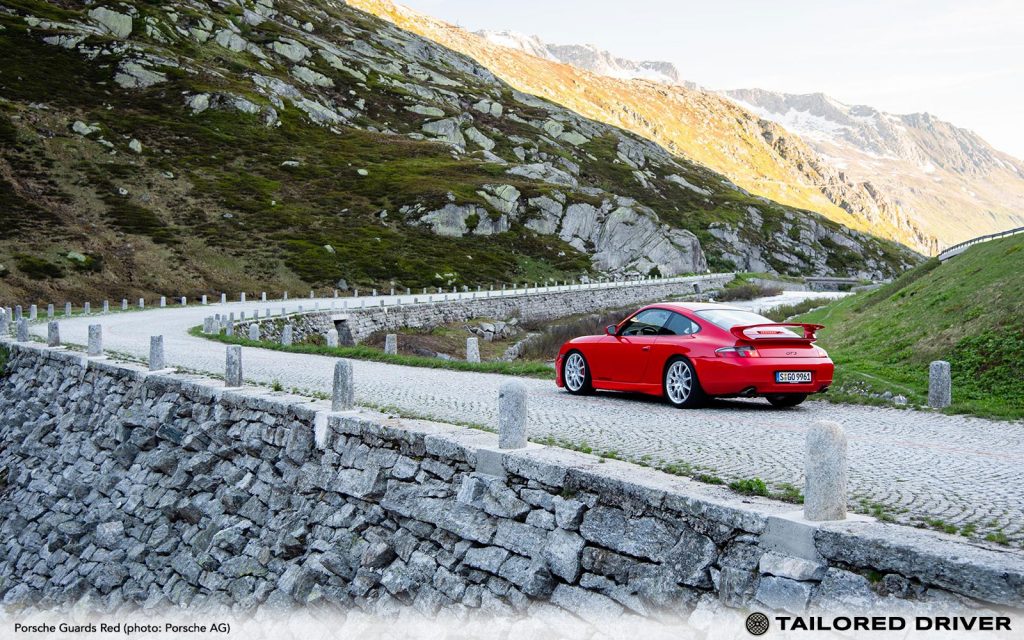
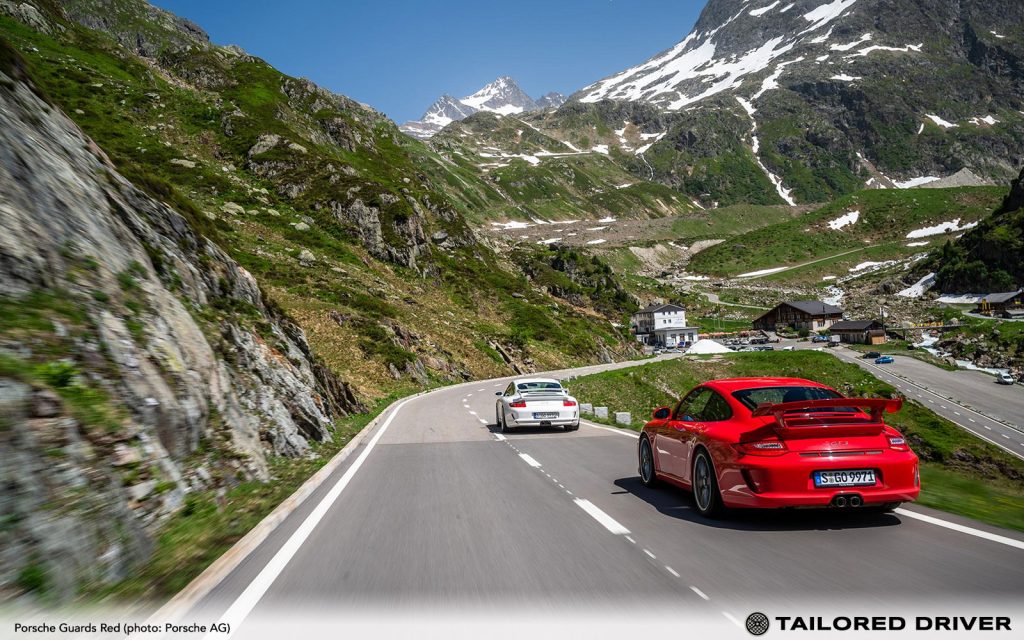
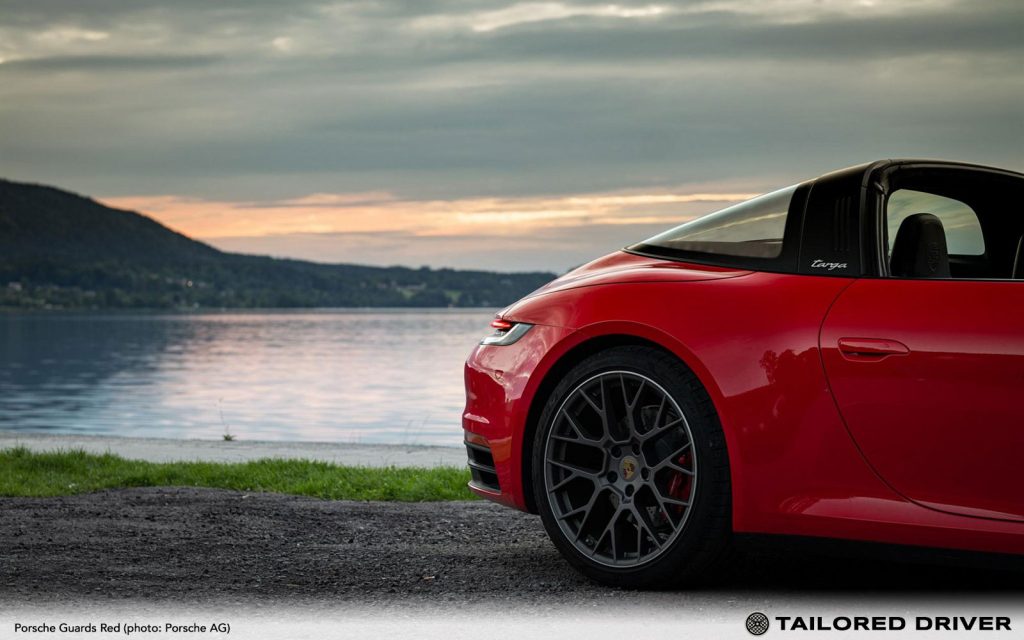
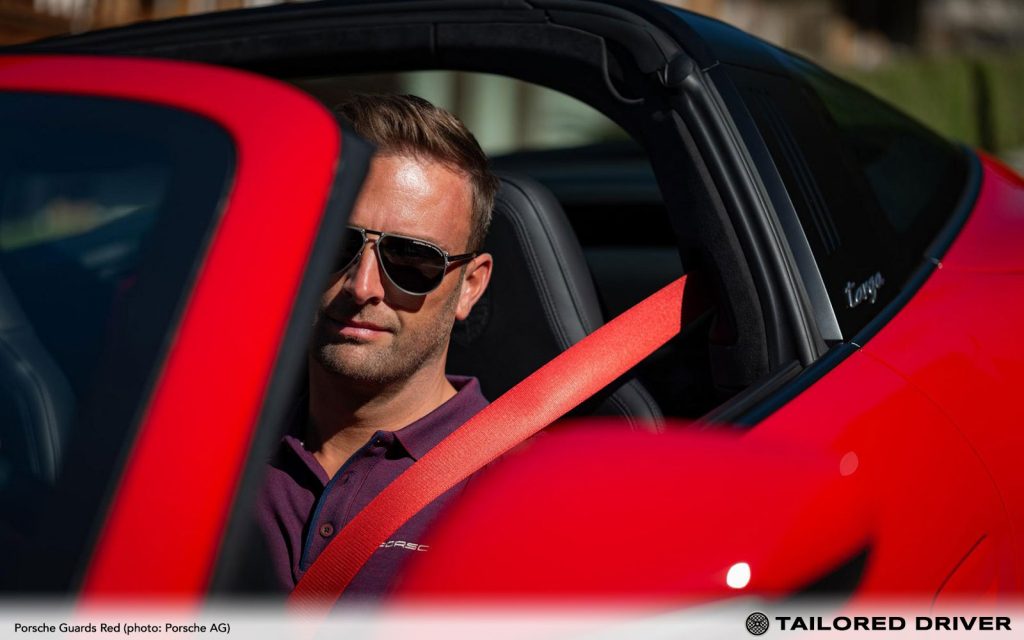
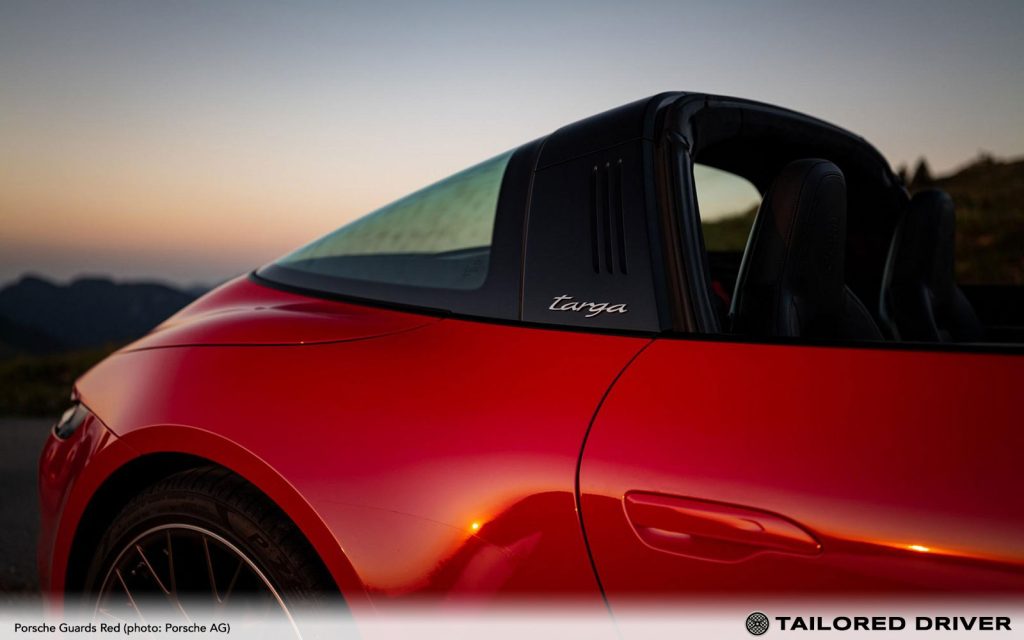
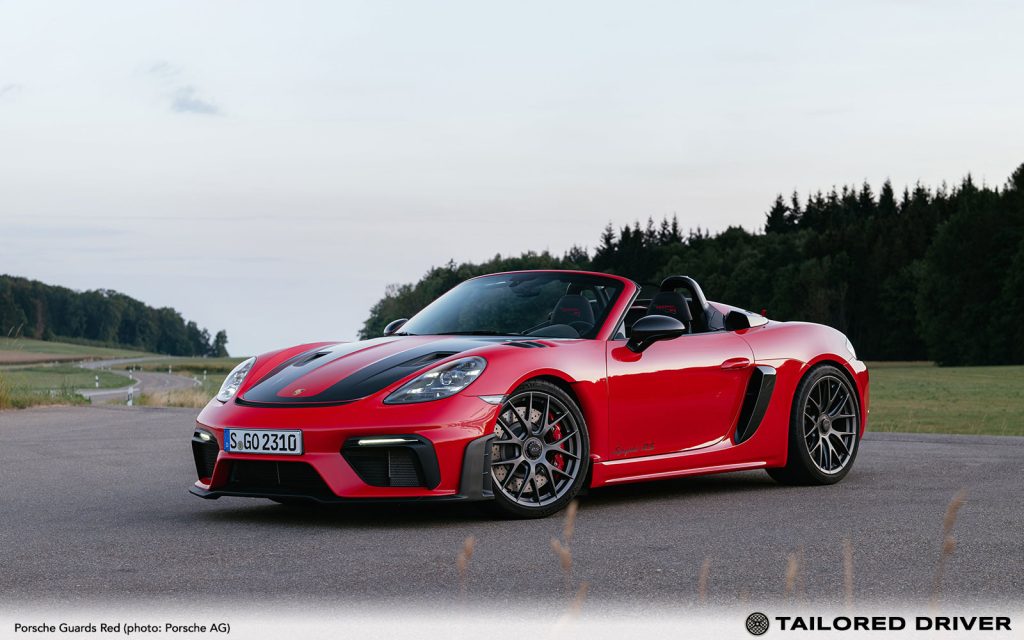
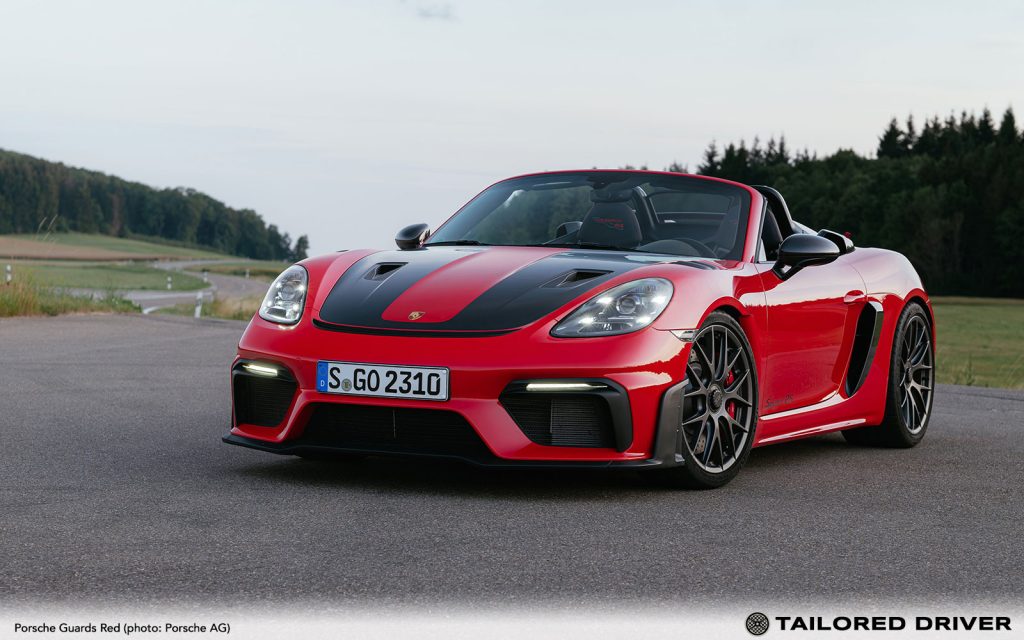
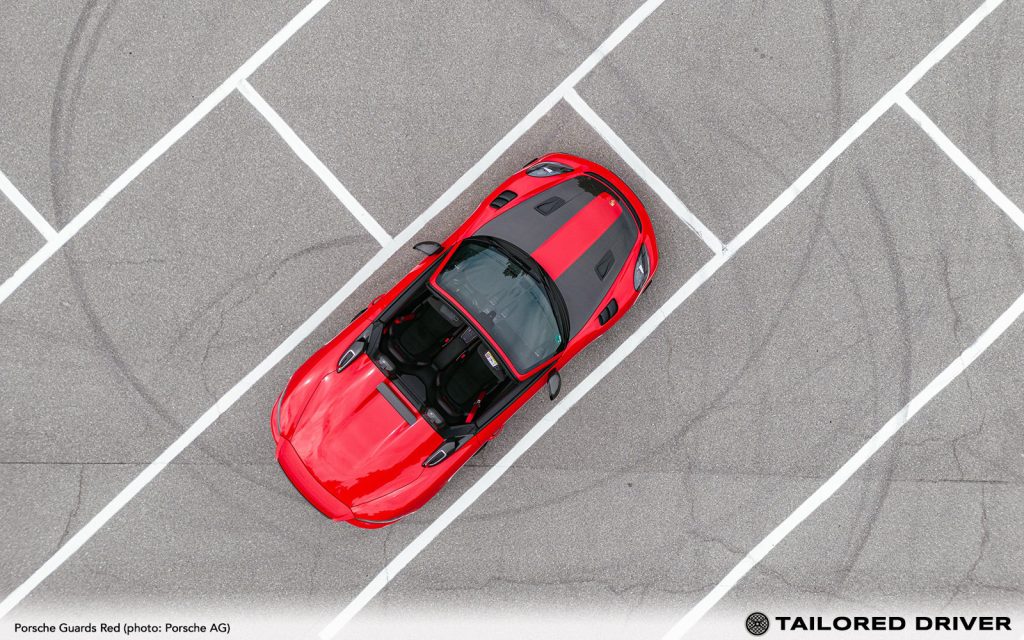
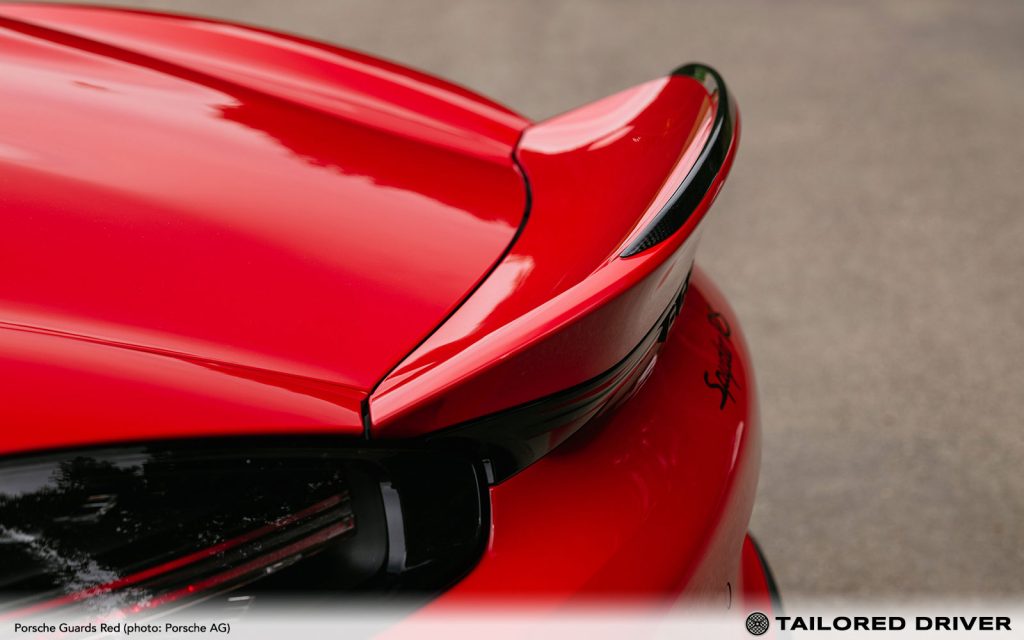
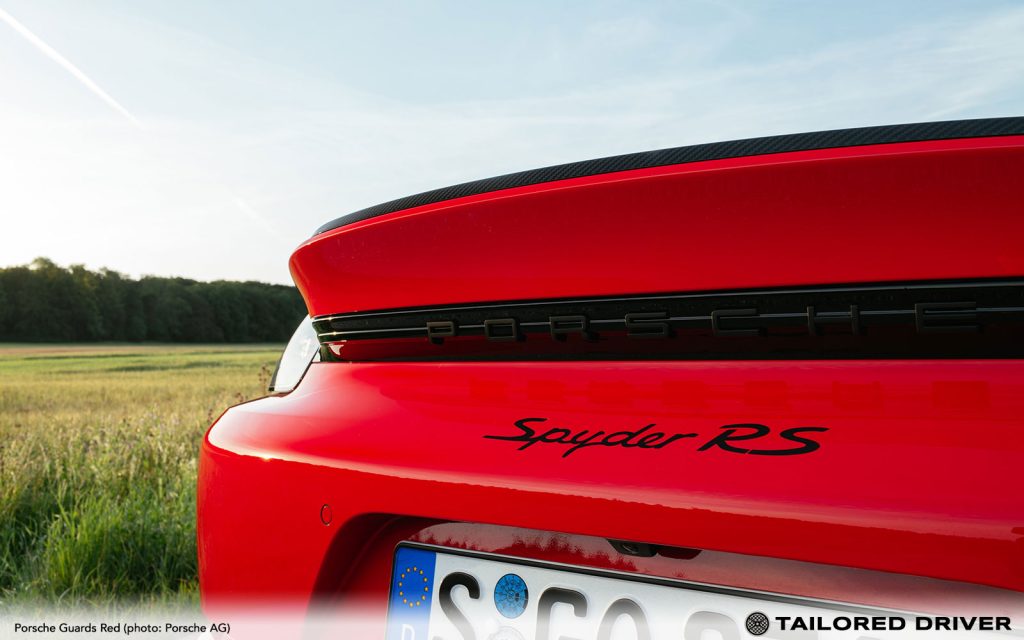
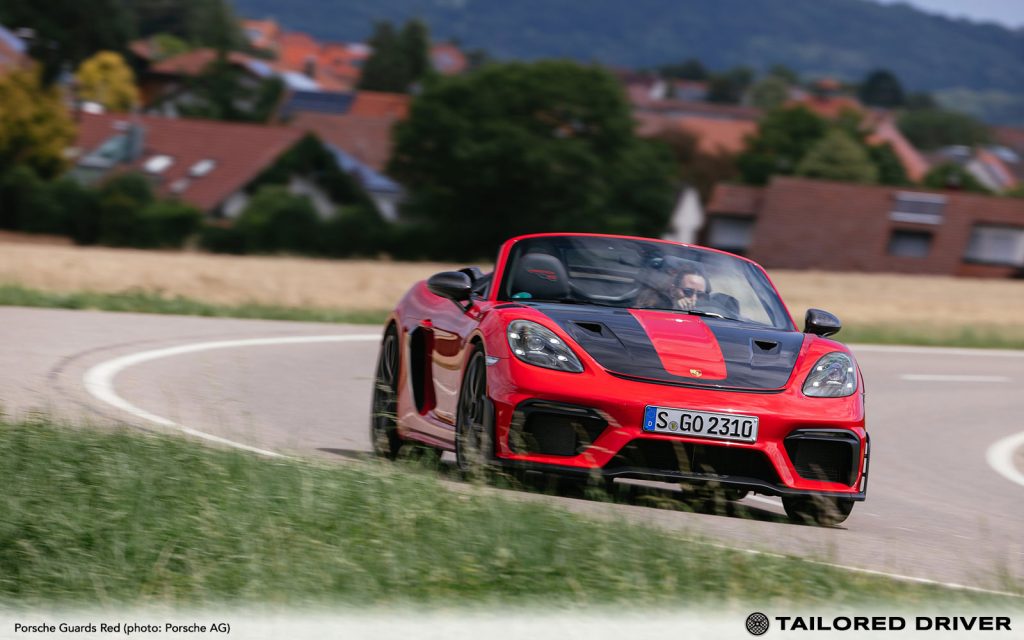
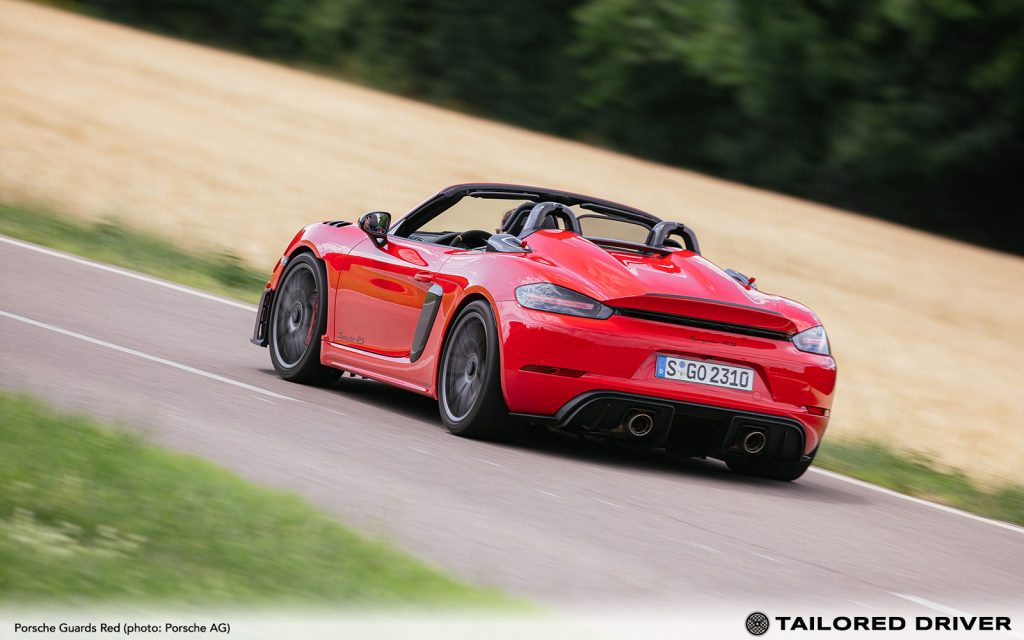
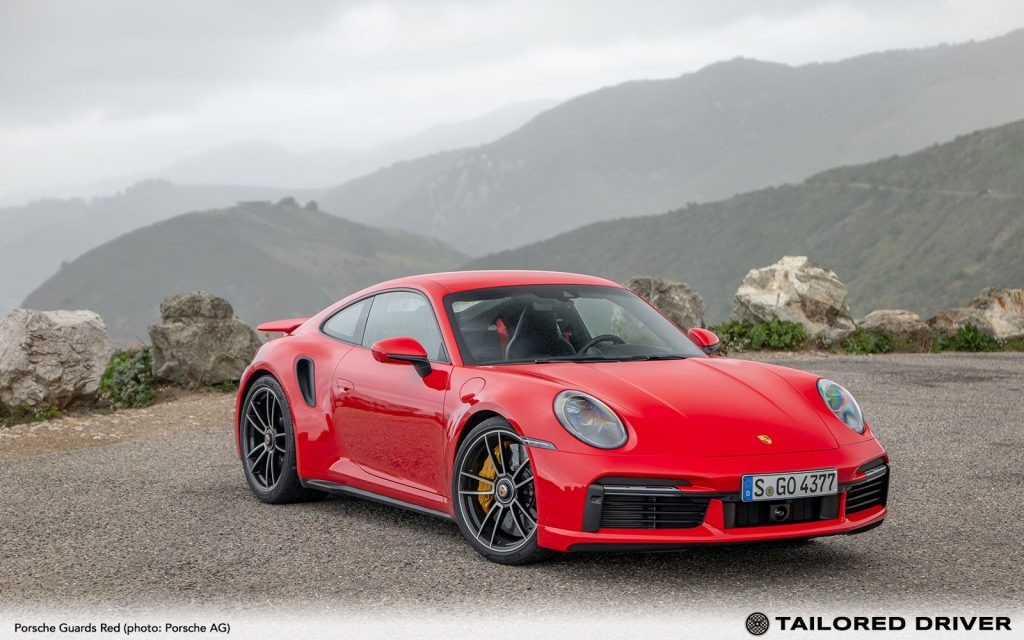
Guards Red (indischrot; non-metallic UNI; Y39; Porsche) a.k.a. “India Red” is maybe the most Porsche of Porsche colors. No, it’s not a quirky shade nor has it got “Signal” in the name, but it is perhaps the most ubiquitous. It seems like half the Porsches delivered in the 1980s could have been Guards Red, a time when it was not uncommon for owners of less desirably colored Porsches to respray their non-red Porsche to fit in.
Near as we can tell, Guards Red begins around 1974 on the 911 and never really stops from that point on. Porsche’s official color configurator lists the color code as Y39, though many other codes have been assigned to Guards Red over the years, including: 027, G1, 84A, 80K, M3A, LM3A and L80K.
Beyond ubiquitousness, Guards Red was also significant on track and also the silver screen. Originally India Red, the color was one of the initial 15 colors to be painted on the iconic Porsche 911 RSRs run in the 1973-1974 IROC series. More on the pop culture side of the Porsche cultural spectrum are movie cars, including a Guards Red Porsche 911 Cabriolet in Against all Odds and an early 944 that starred in Sixteen Candles.
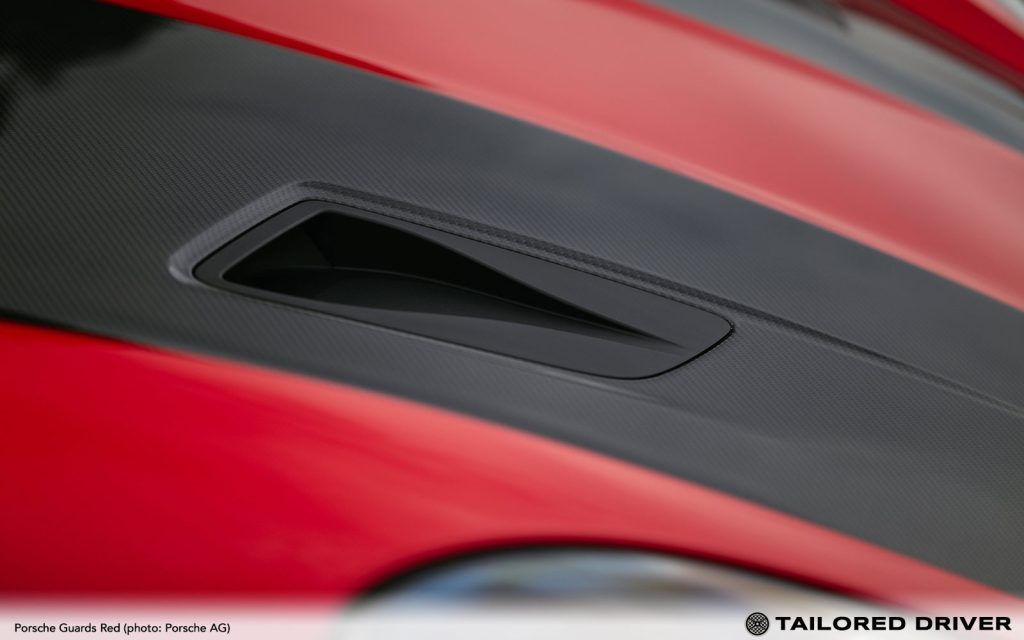
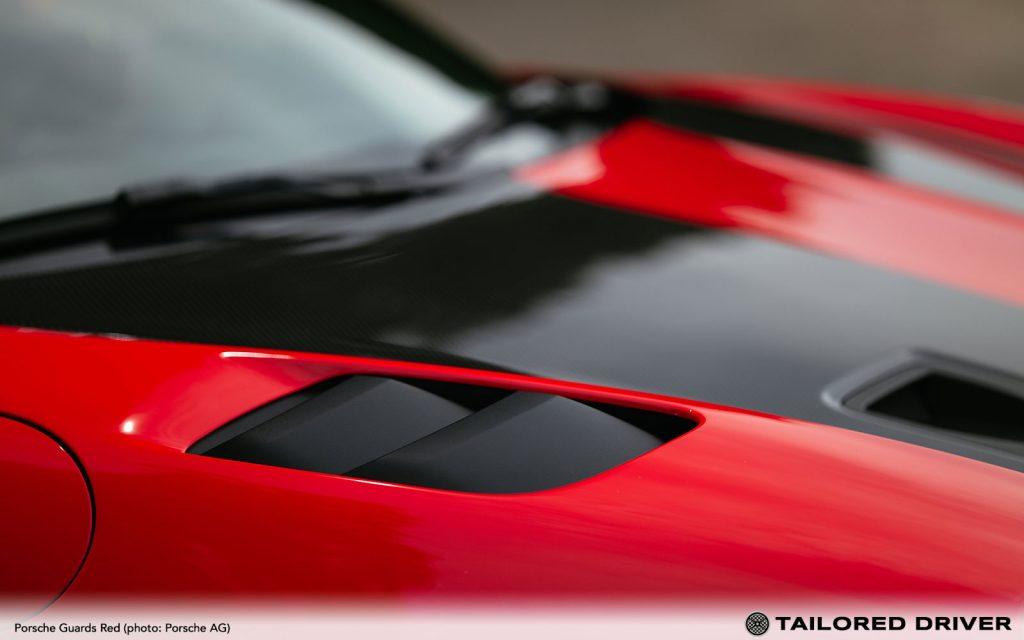
Guards Red isn’t exactly a primary red, which may explain why it didn’t get a name like “Signal Red”. It tends to be a bit more orange than primary, and perhaps just a tad darker. However it’s been tuned to deviate with a basic primary red, the formula has proven not just to be winning, but so beloved that its presence in the Porsche lineup near seems to end.