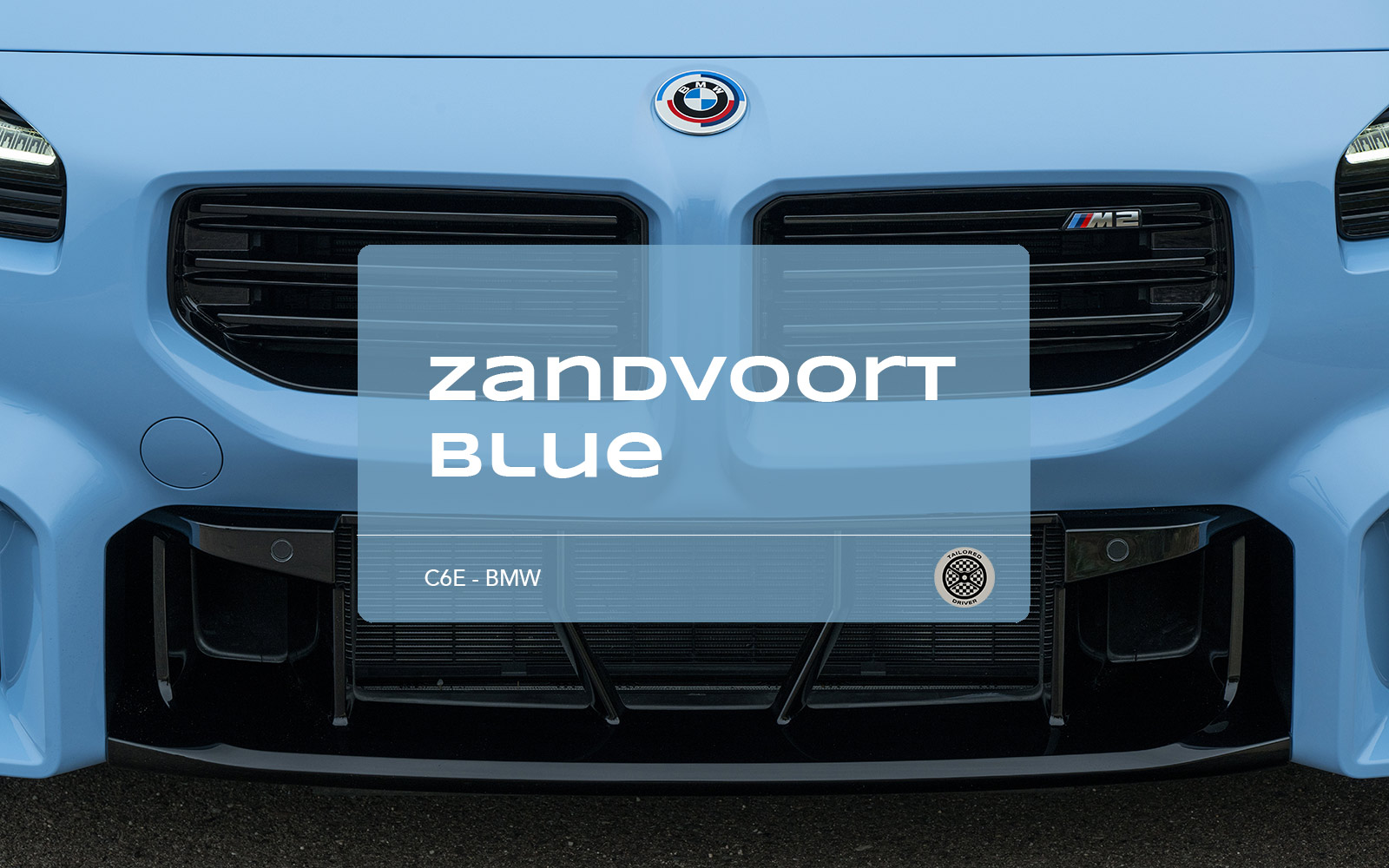
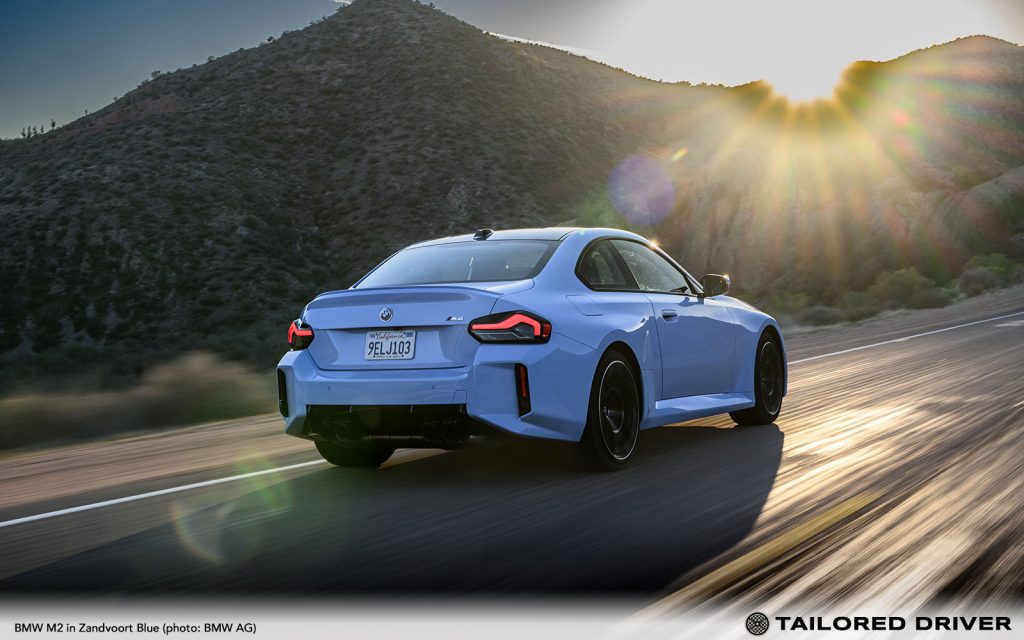
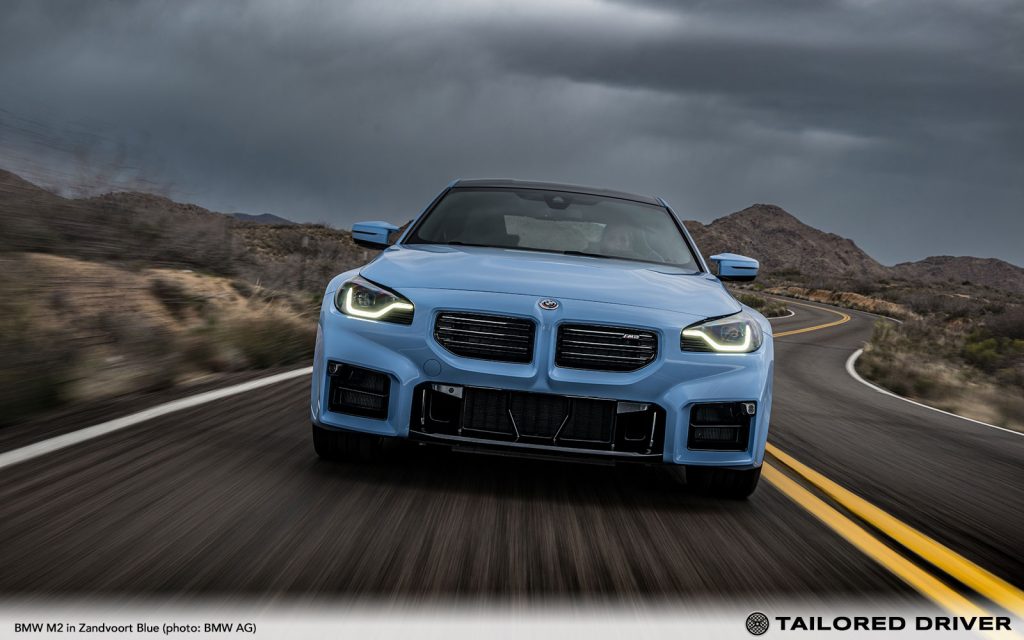
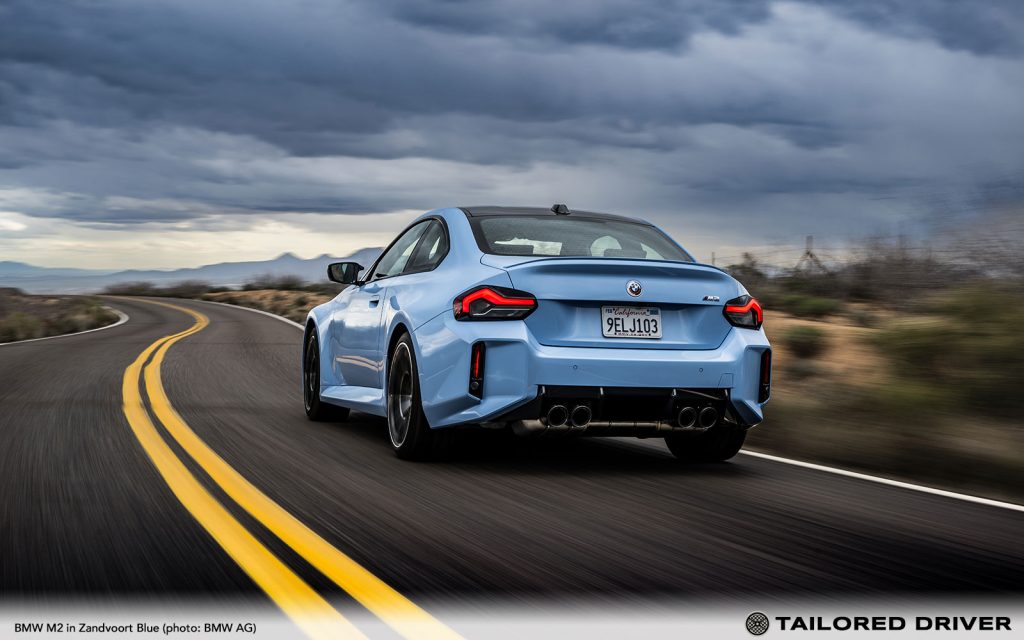
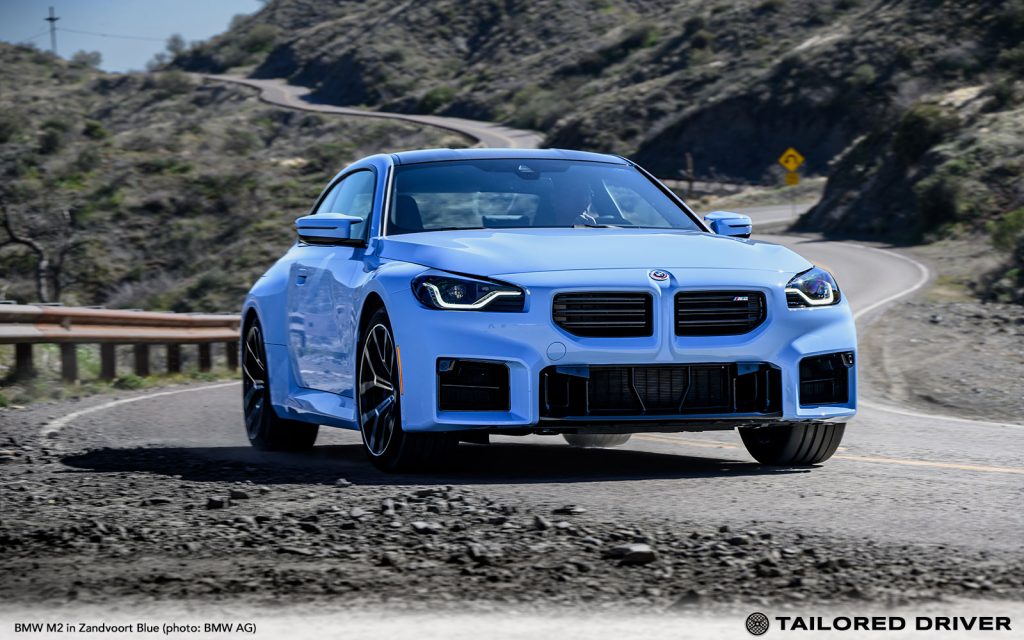
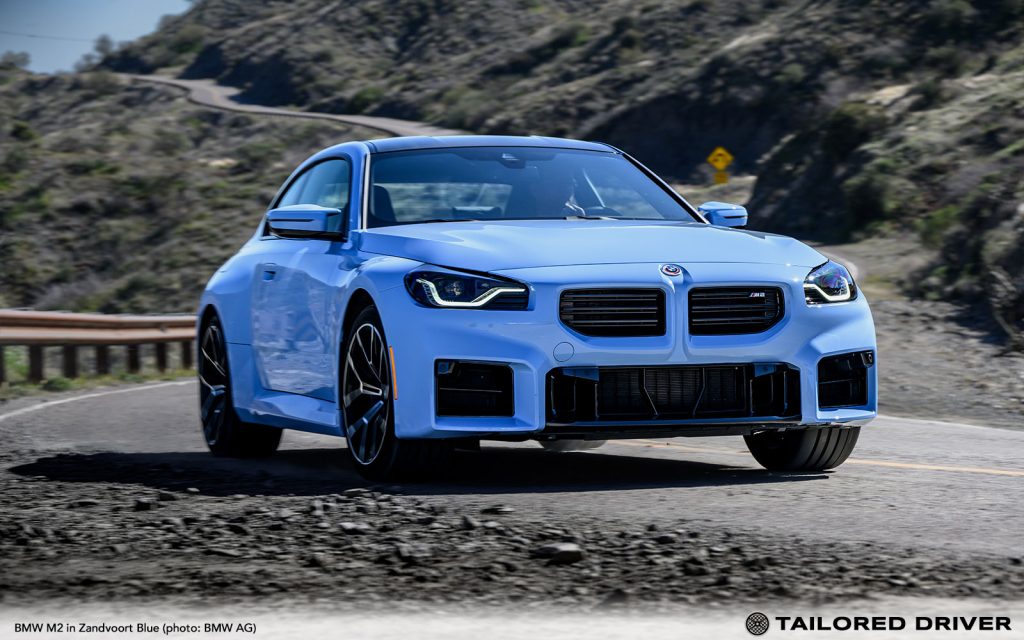
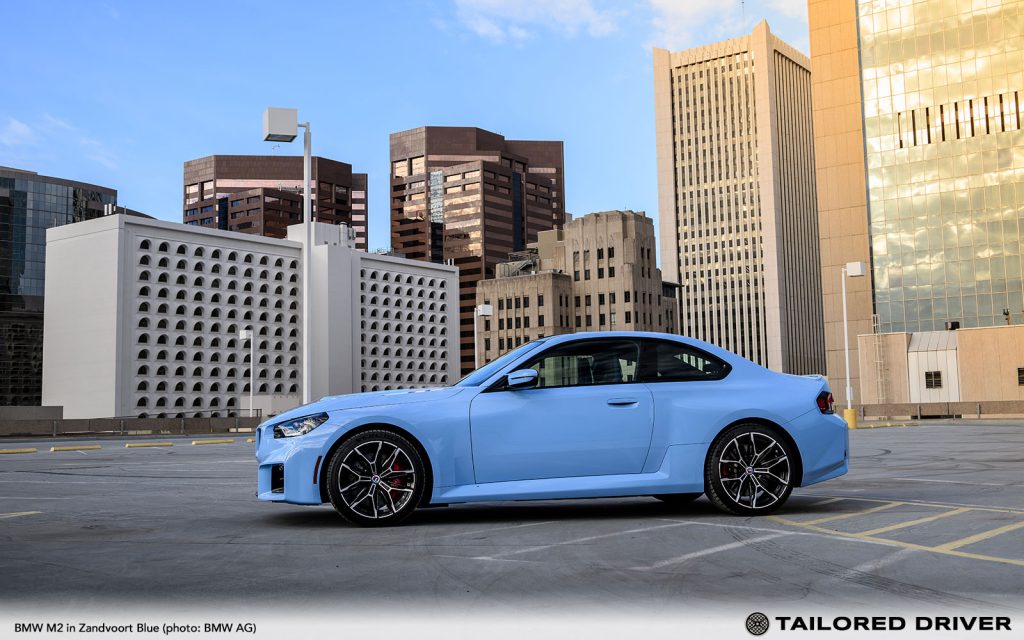
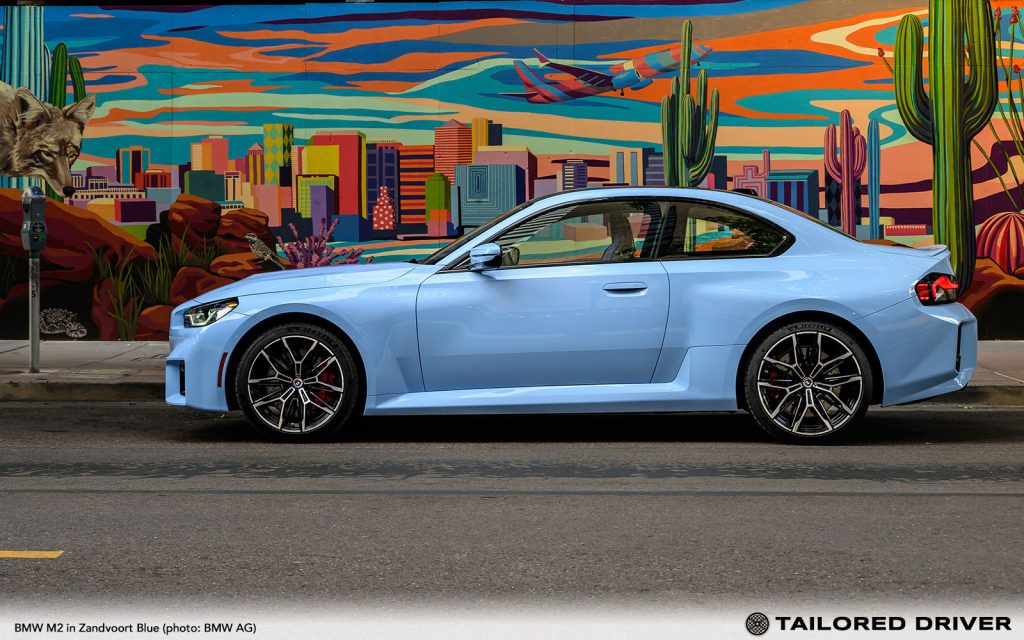
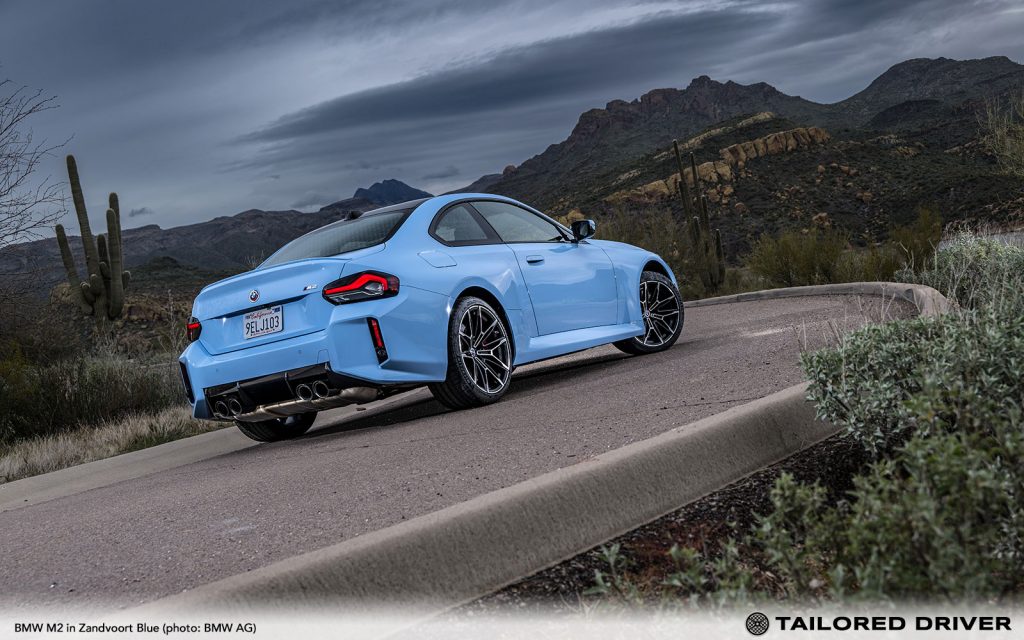
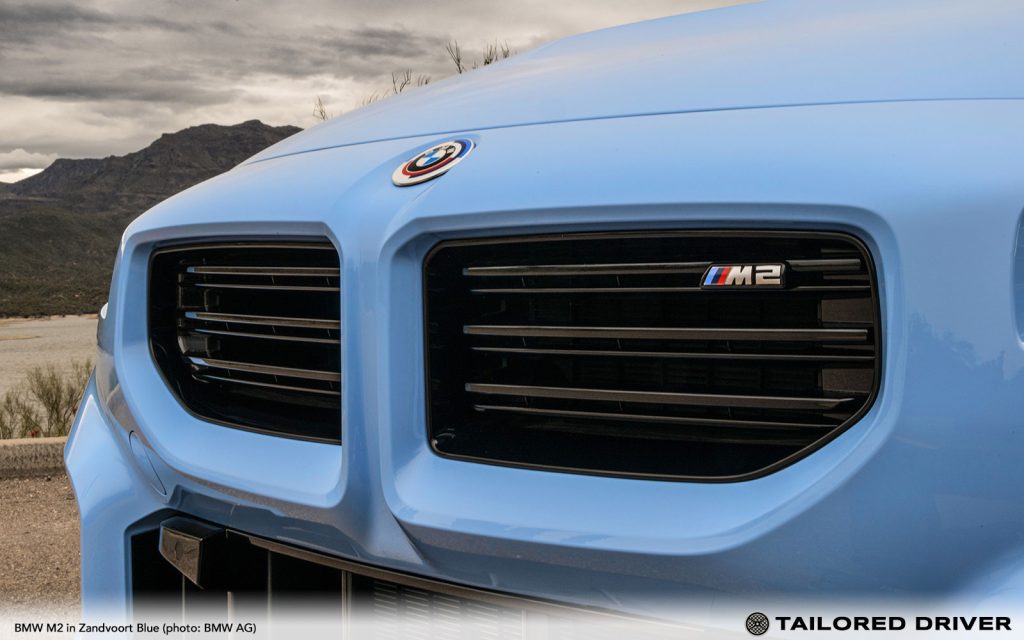
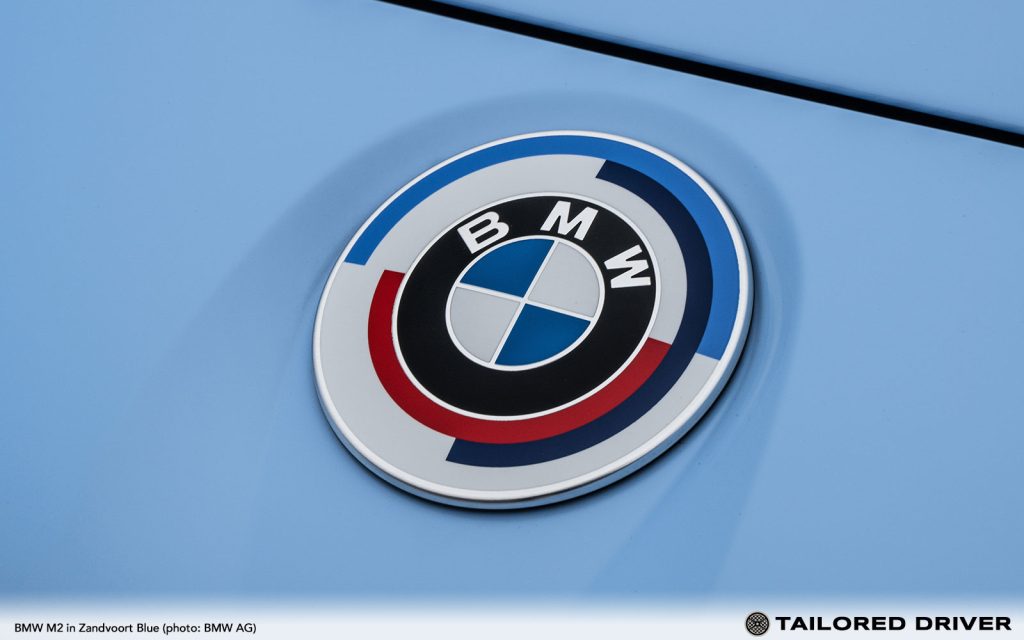
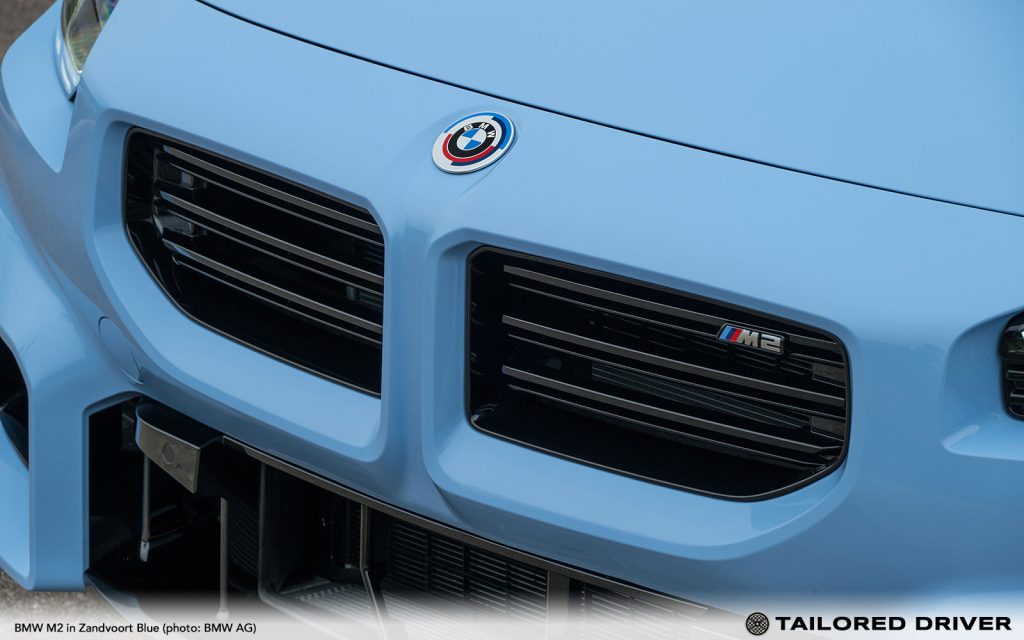
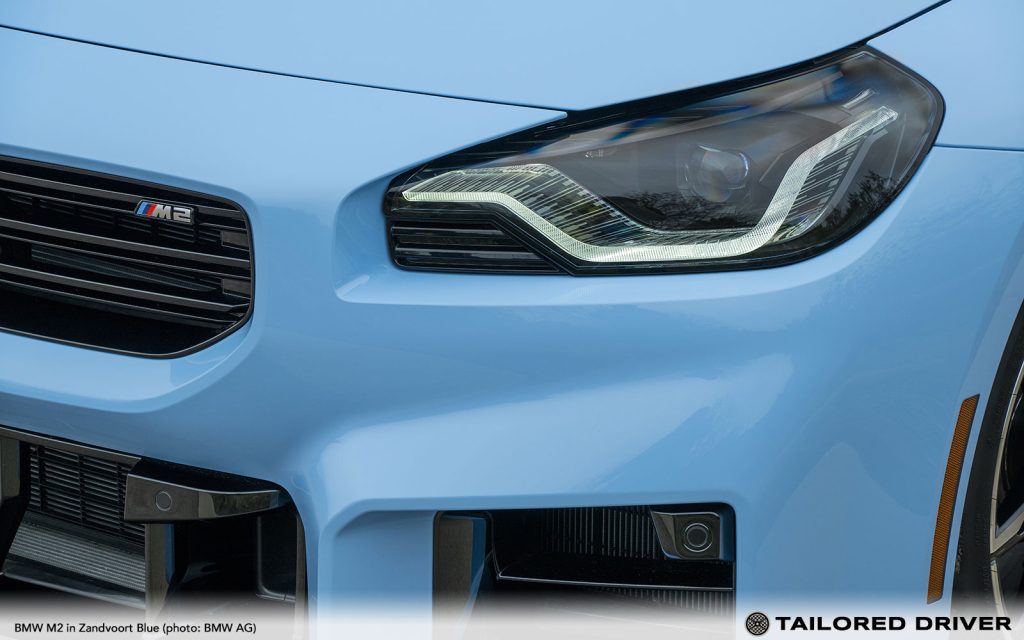
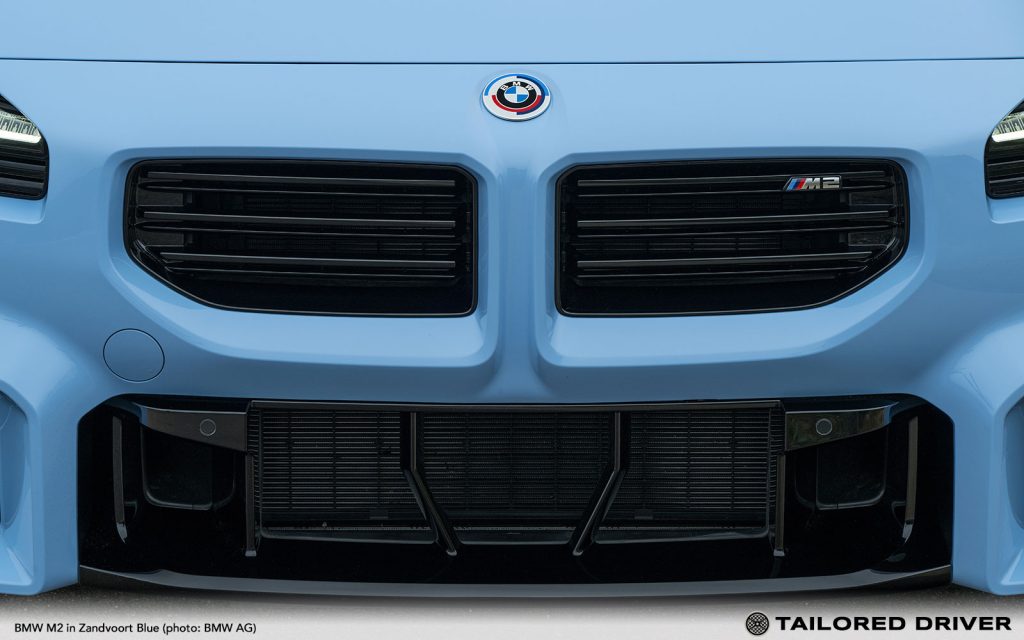
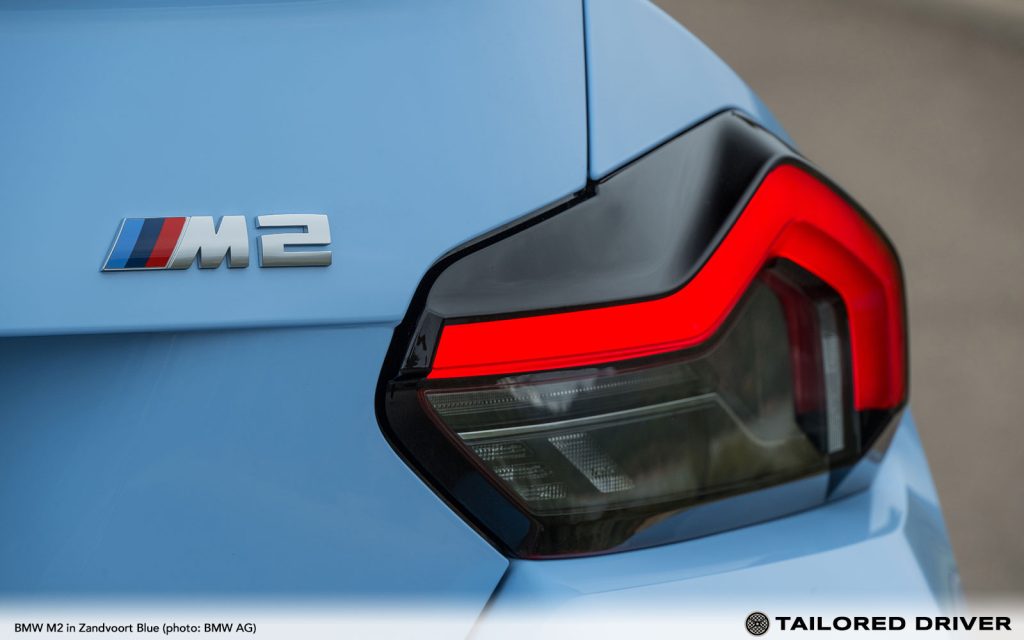
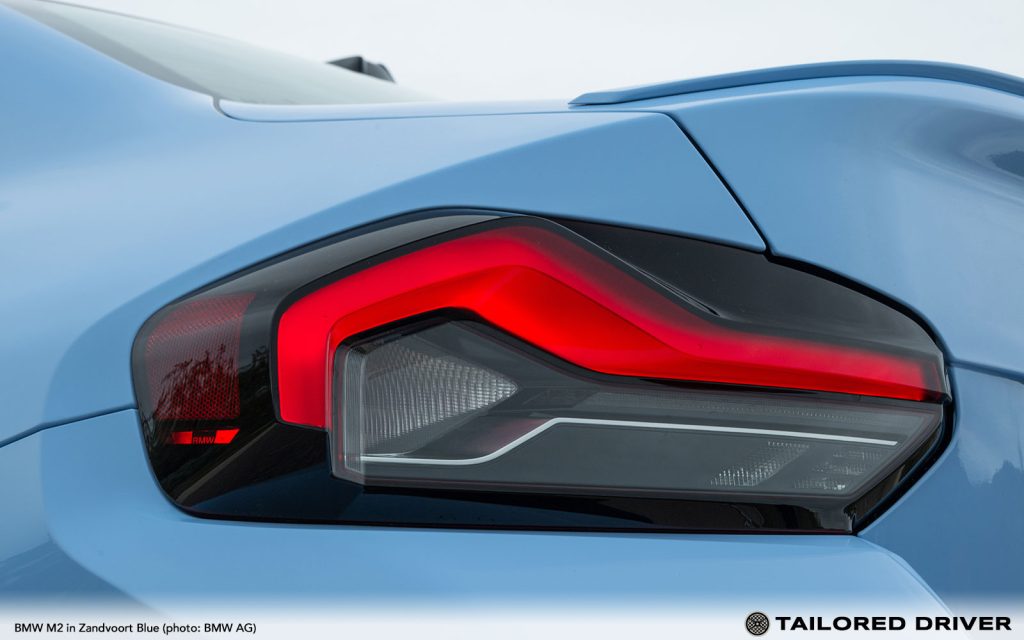
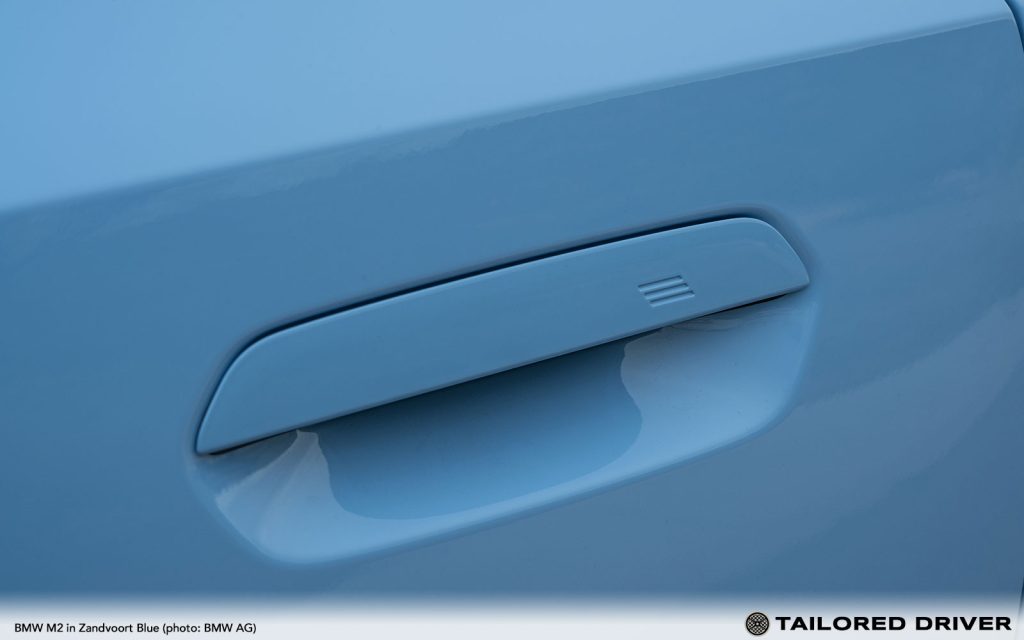
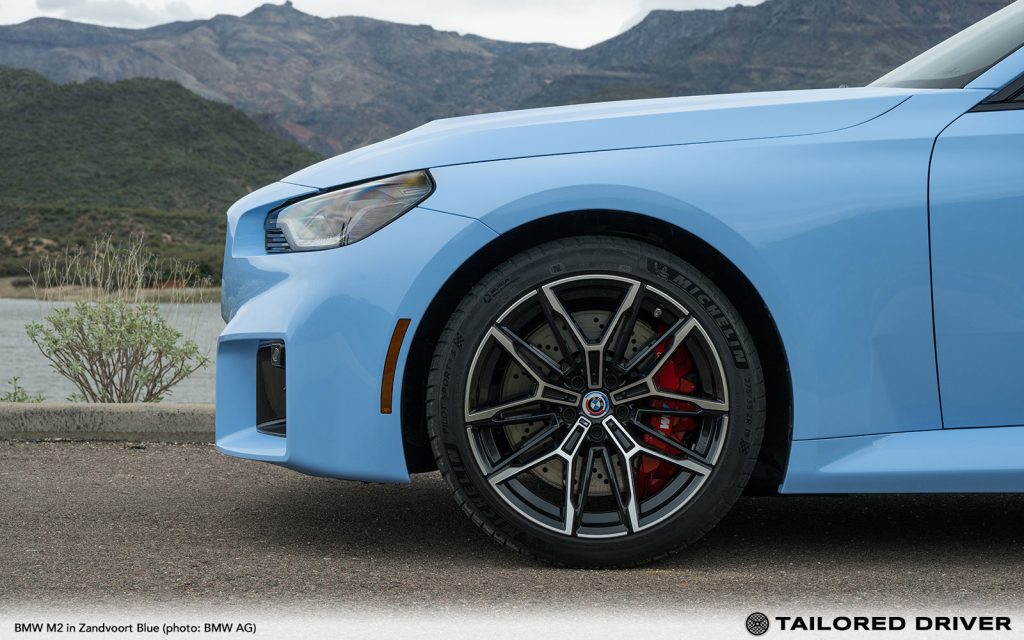
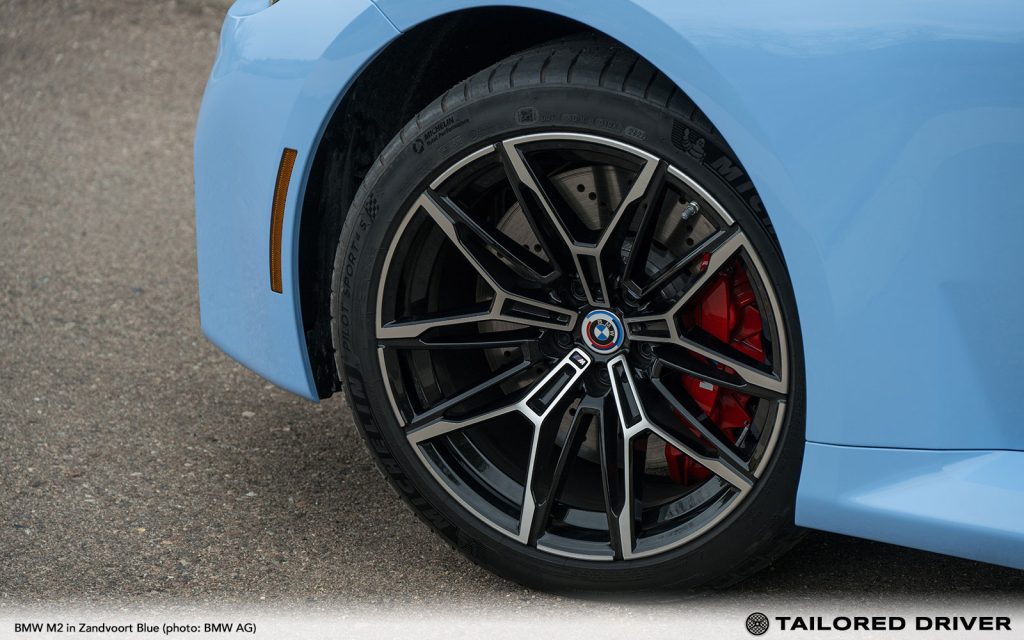
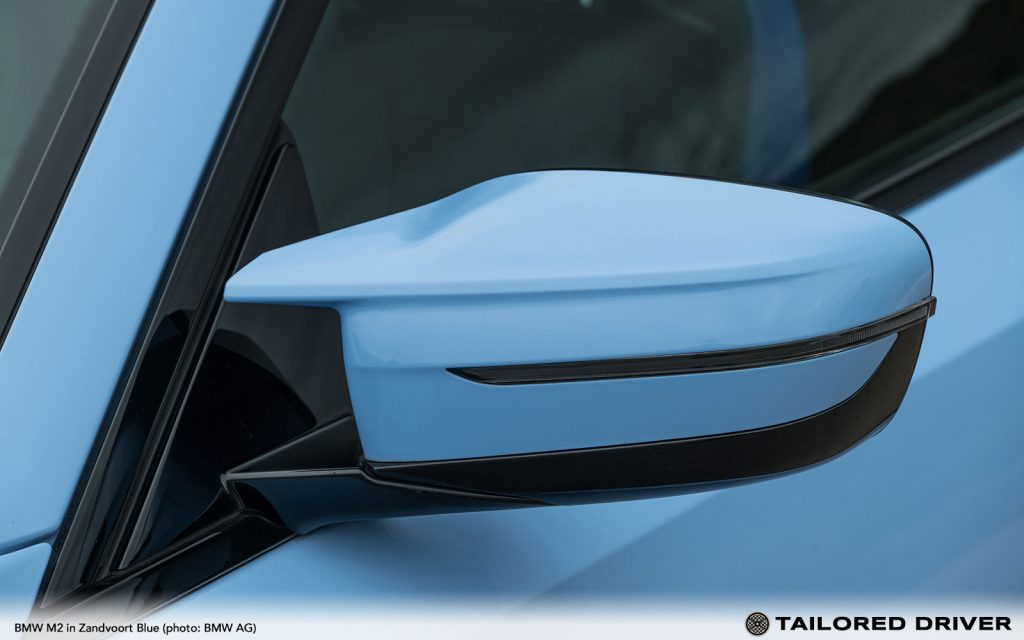
Near as we can tell, Zandvoort Blue (zandvoortblau; non-metallic uni; C6E, BMW) was introduced with the launch of the G87-generation BMW M2 as a standard color. Similar to Yas Marina Blue in the F80 M3 era, Zandvoort Blue appears to be a color-coordinated stand-in for the blue amongst the three colors in the BMW M tricolore rhombus.
Traditionally in the M motorsport logo, that blue is a light blue based on the Bavarian blue from the blue checks in the flag of Bavaria. In Zandvoort Blue’s case, it’s a bit lighter and not altogether far from Porsche Gulf Blue. Whatever the case, and artistic license considered, Zandvoort is the latest take on the blue in that logo as one of several representative colors in the G87 M2 color palette.
Also worth noting is the significance of the name. Circuit Zandvoort is a race track with F1 pedigree in The Netherlands.
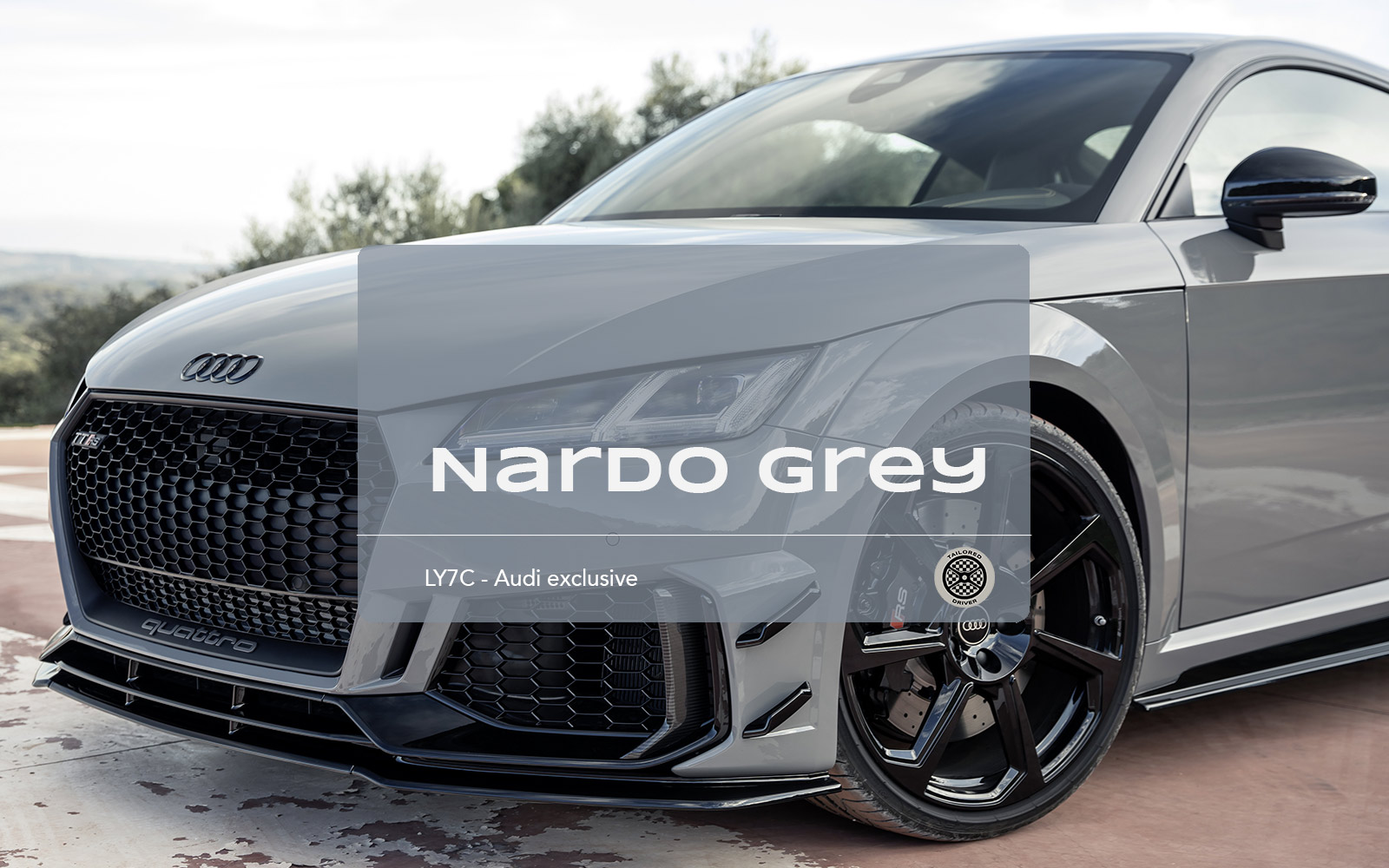
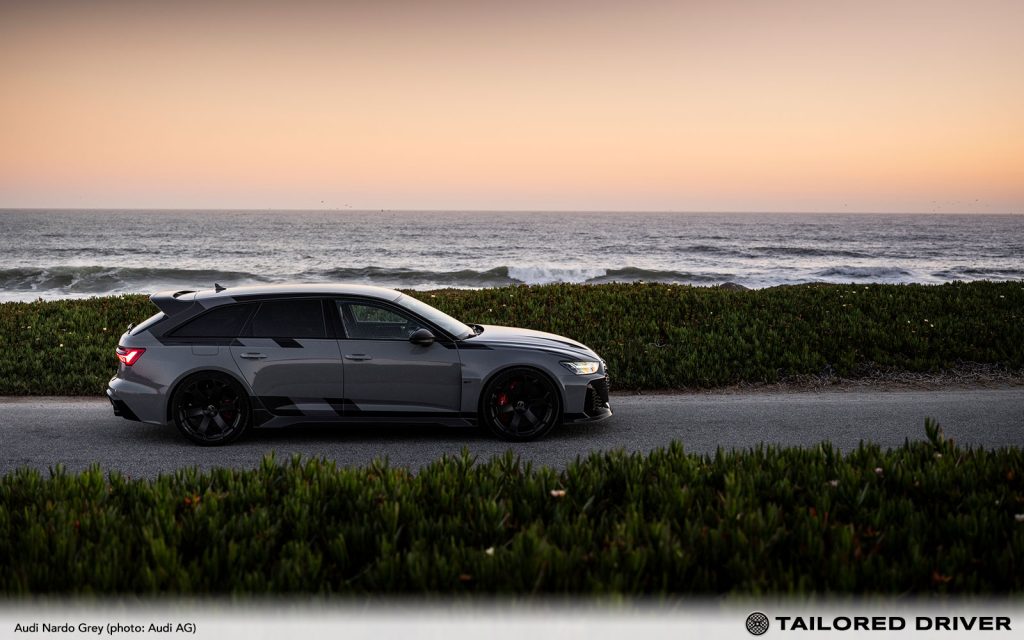
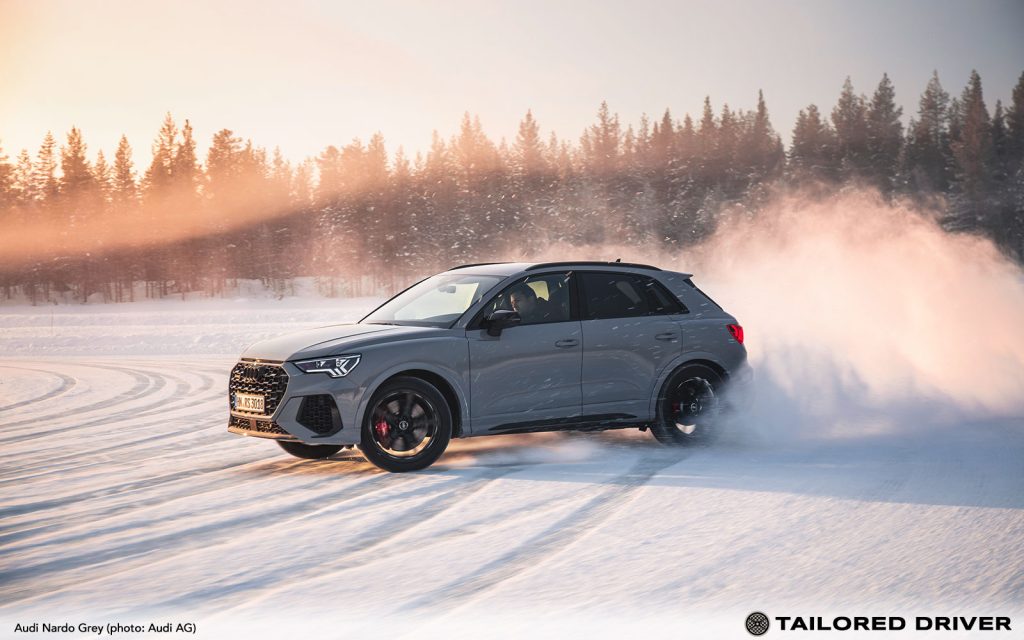
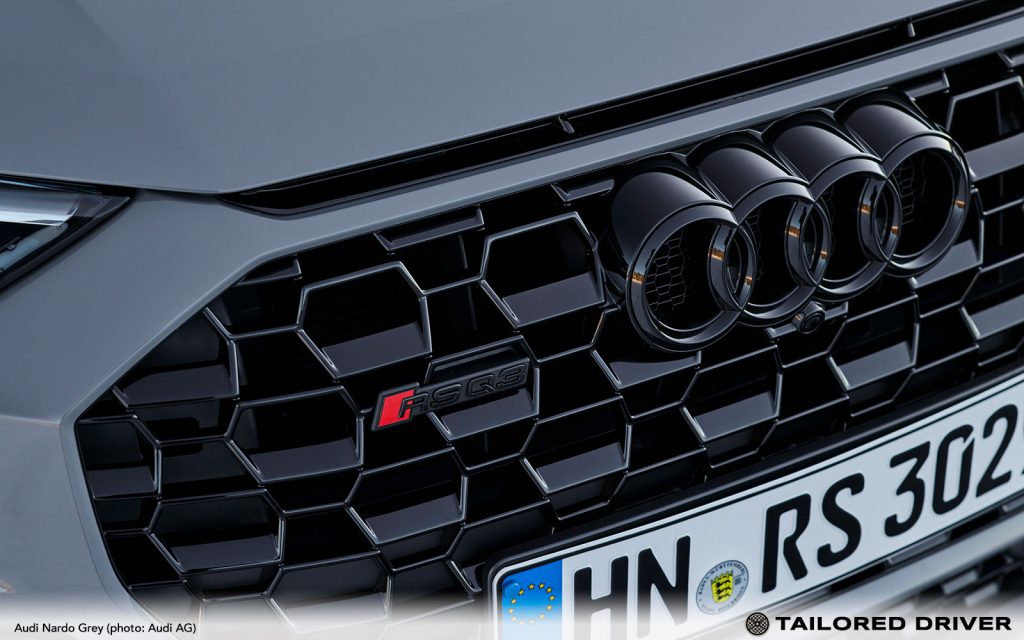
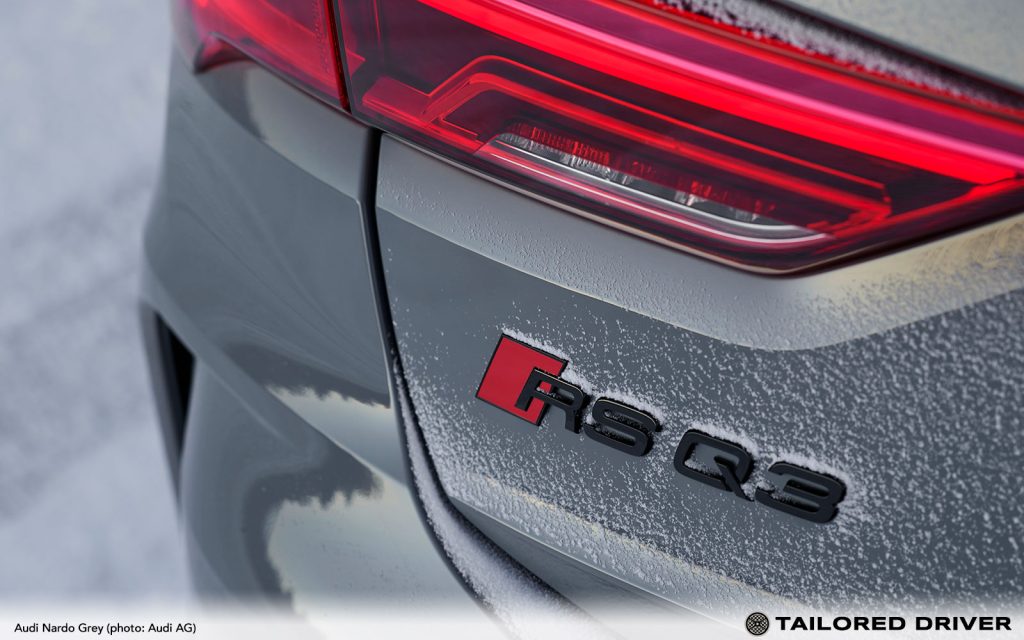
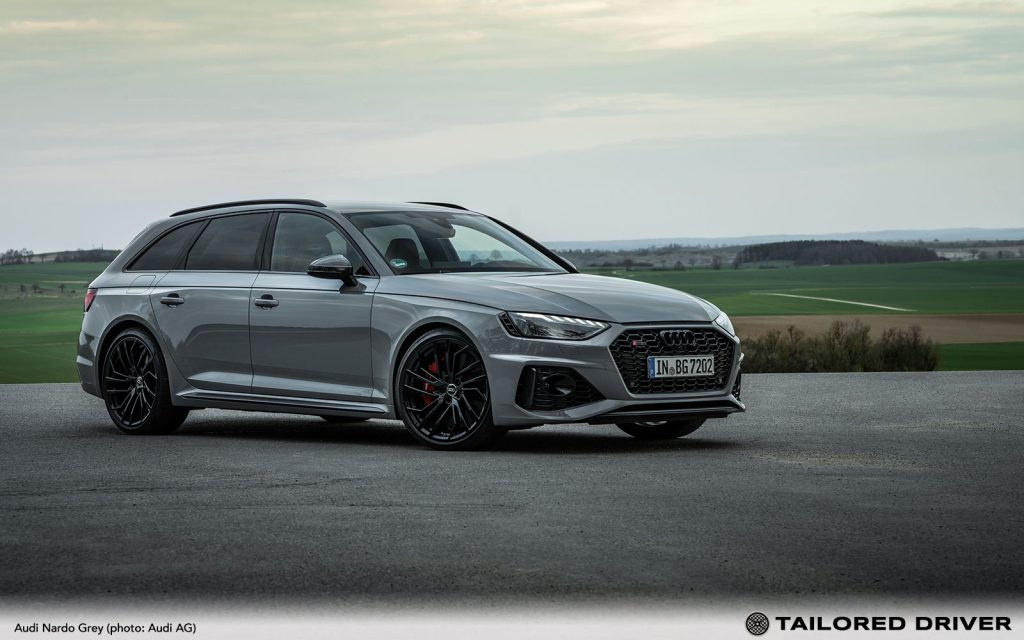
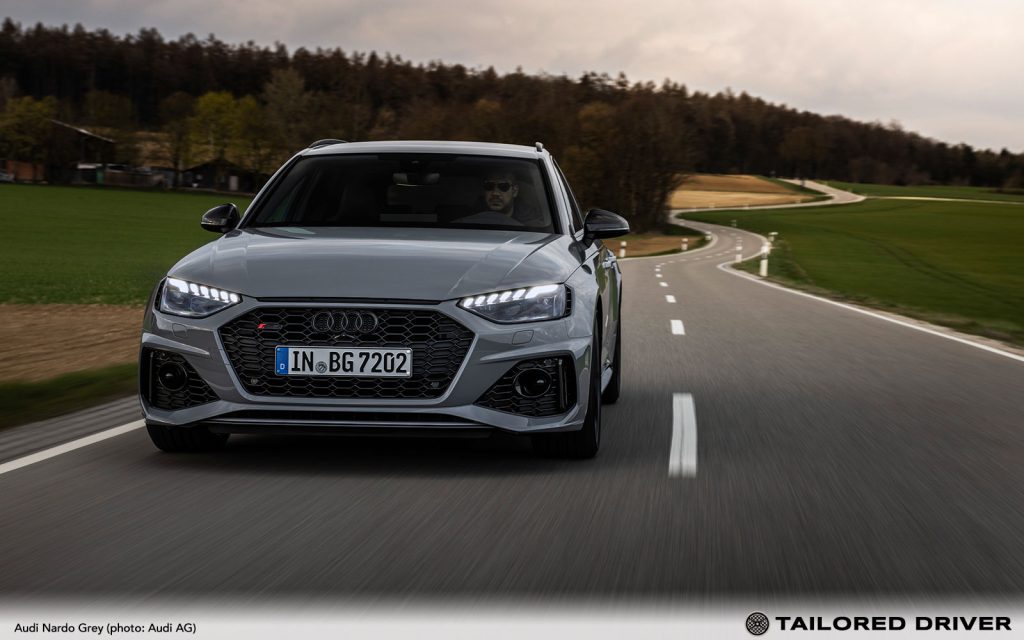
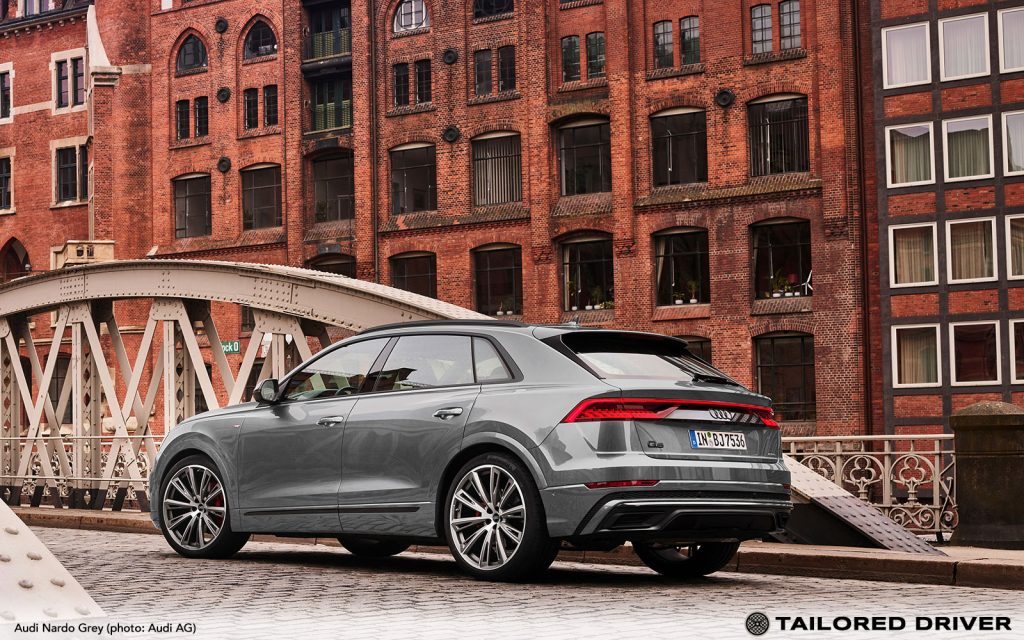
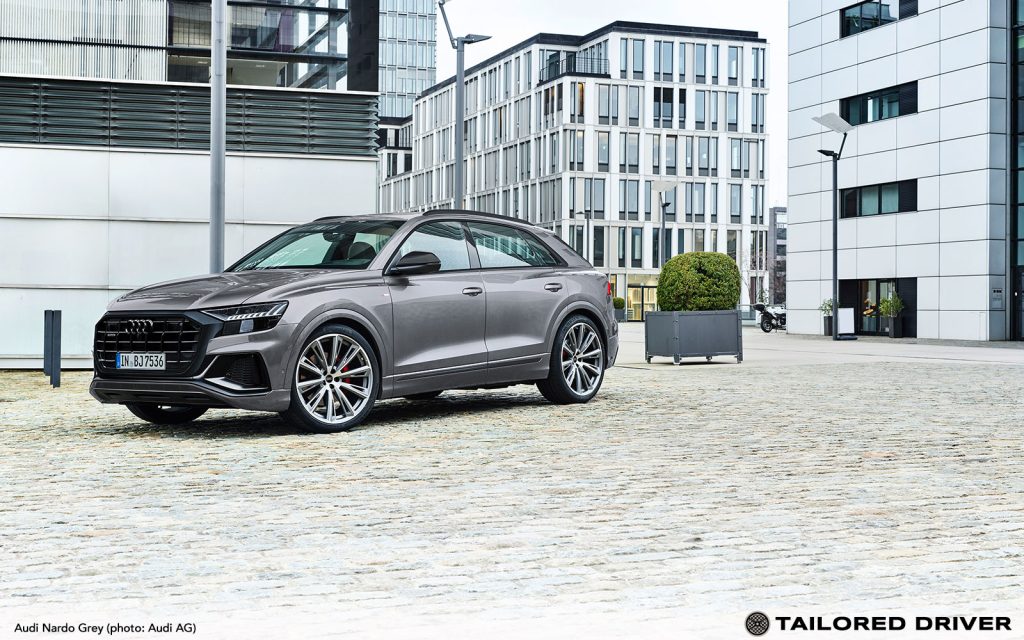
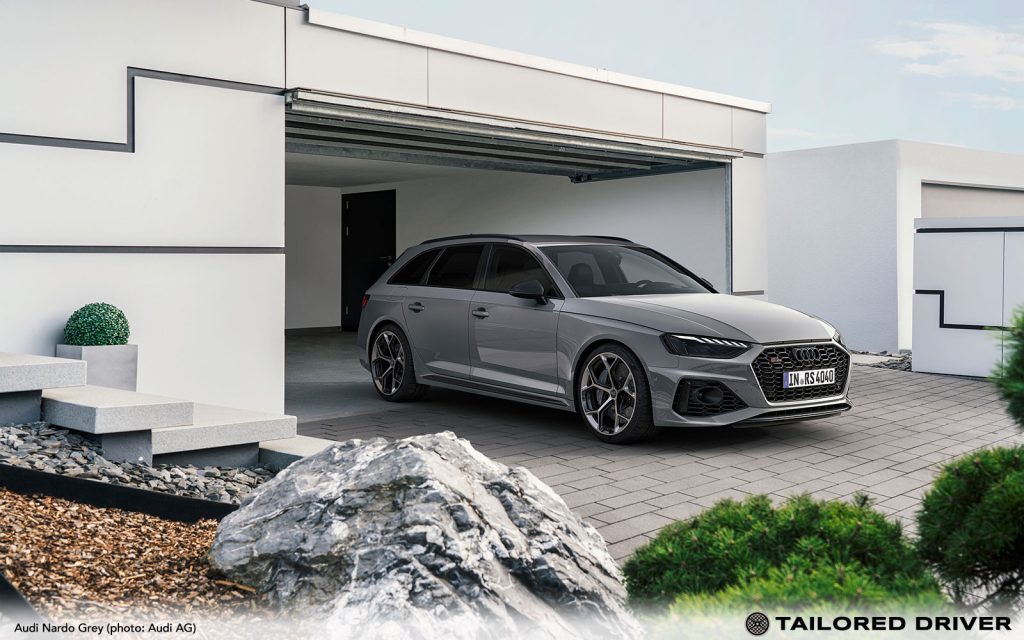
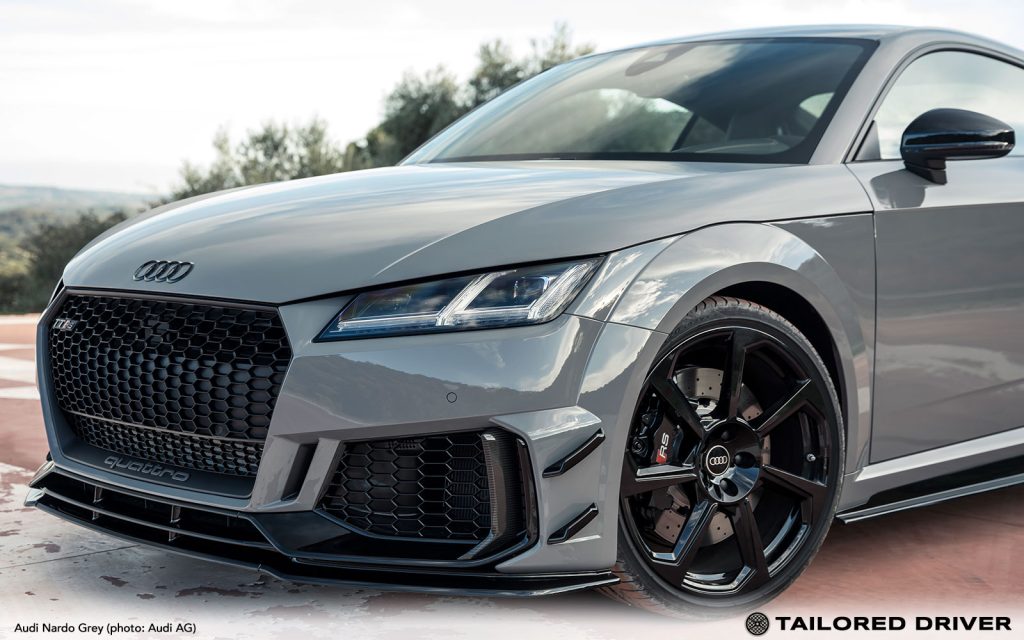
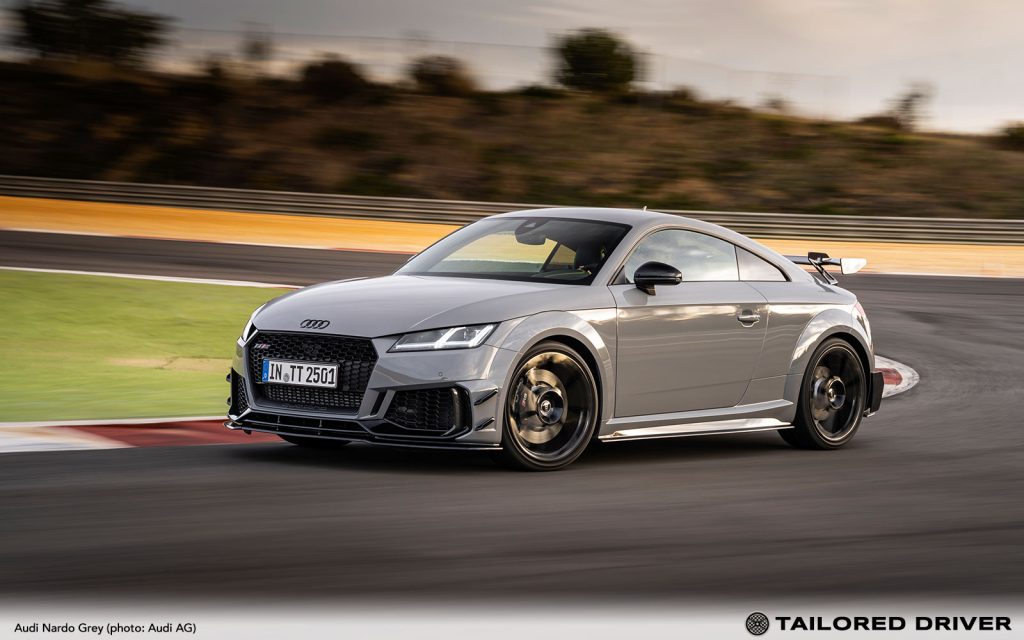
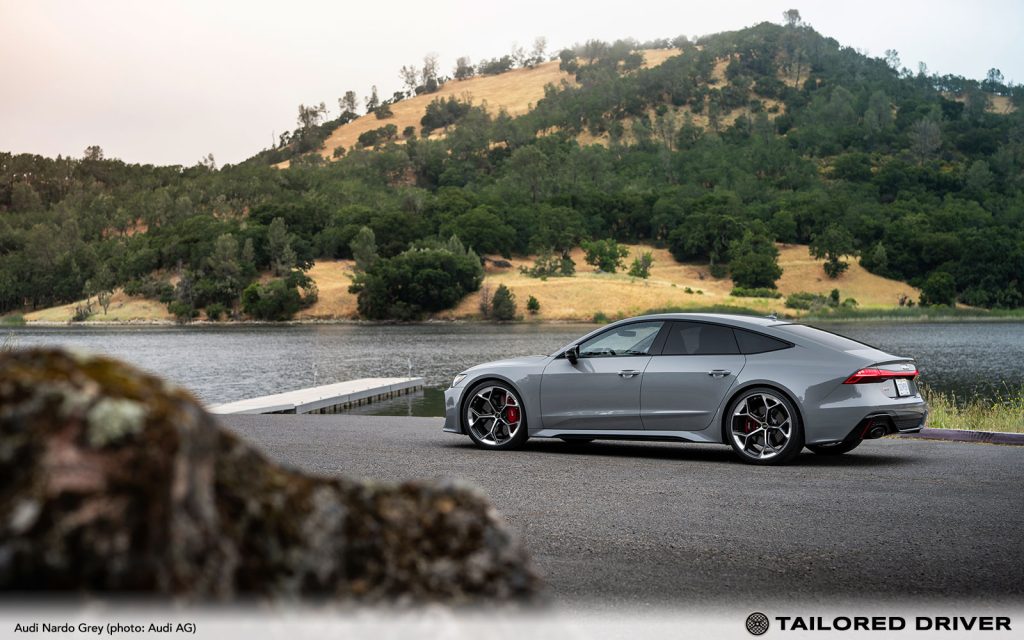
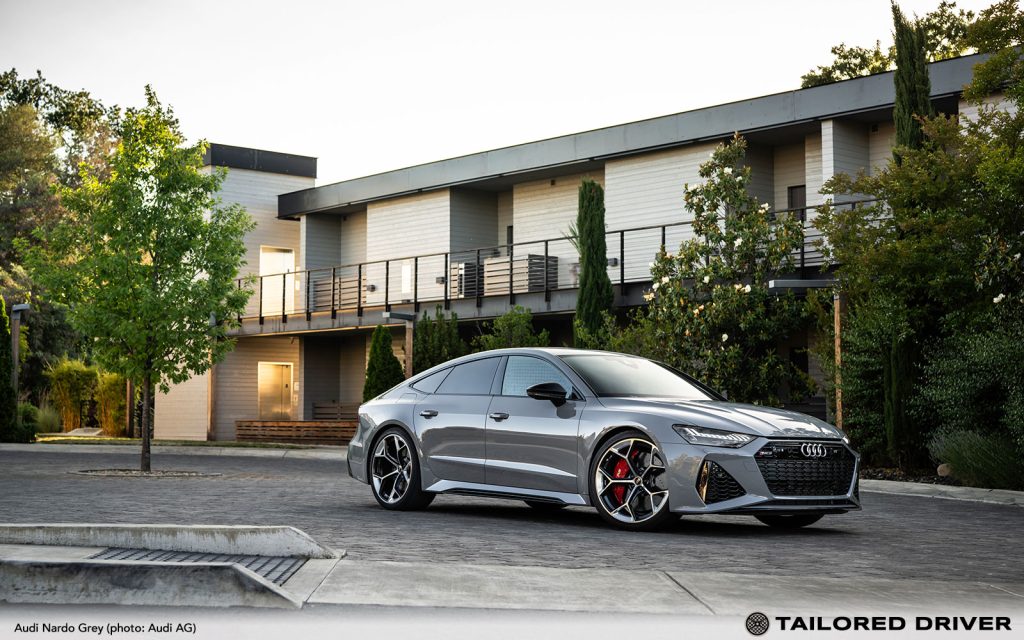
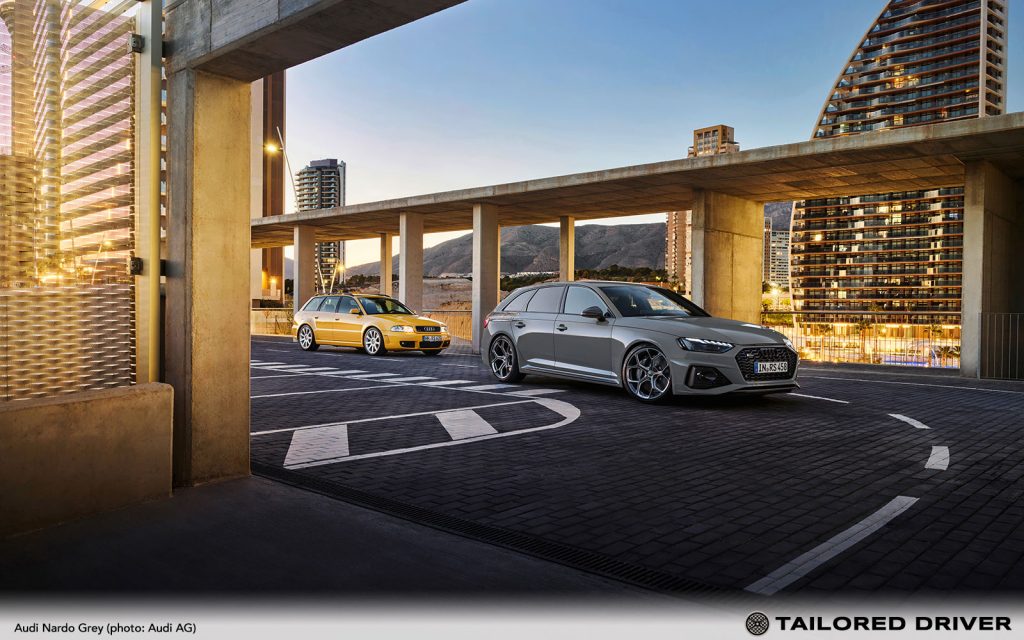
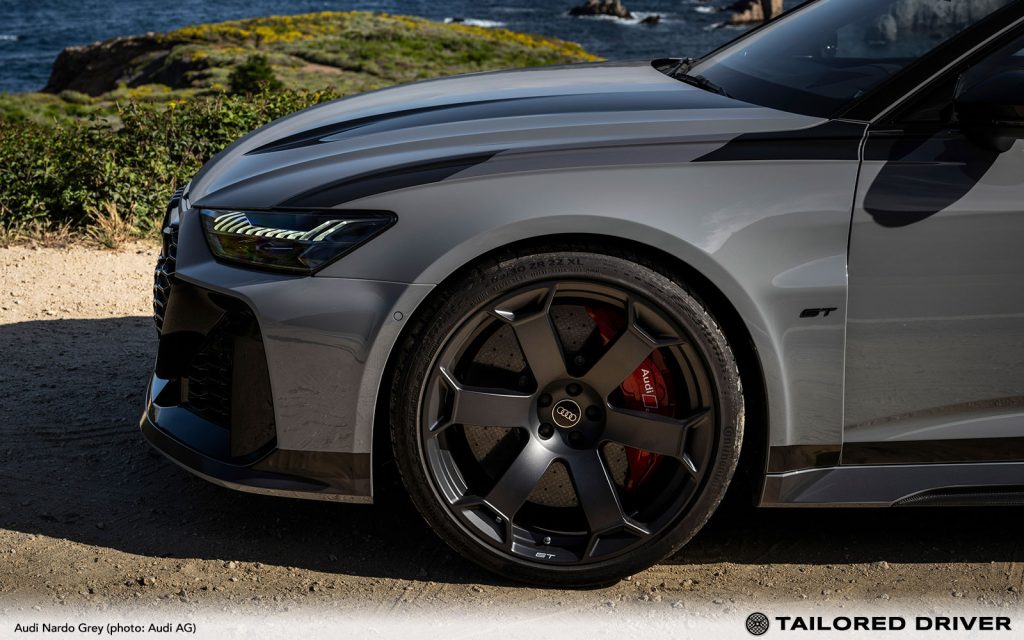
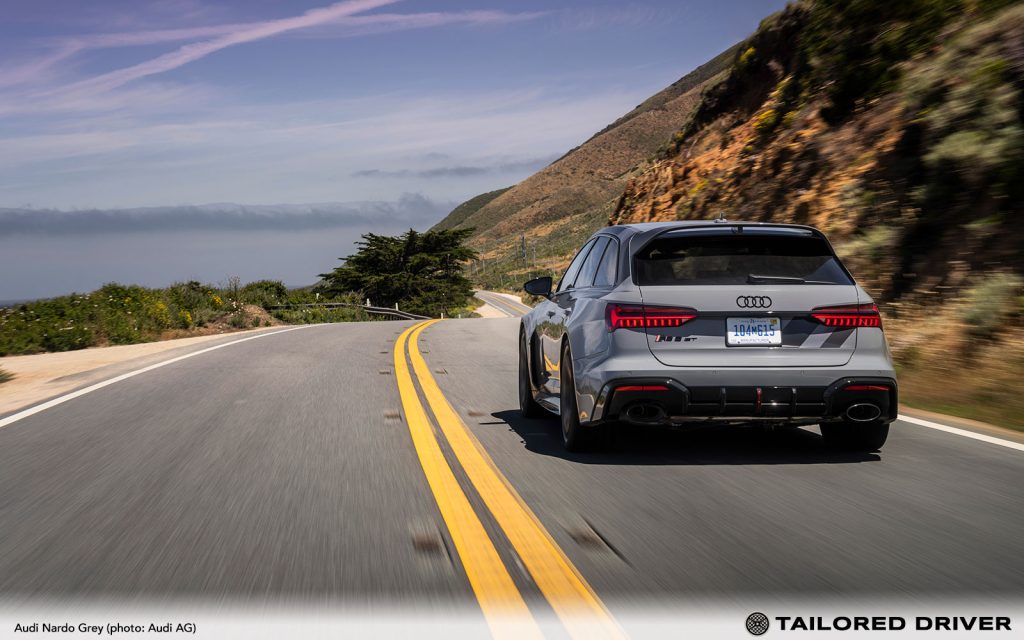
It’s funny, there are some colors that become meteoric, becoming so popular that they become iconic and risk becoming ubiquitous. Such is the case of Audi’s Nardo Grey (nardograu; UNI; LY7C; Audi exclusive), a light grey that came on the scene as a standout in Ingolstadt’s RS car lineup.
Variations on the pastel light grey theme were a thing in the early 2000s, with the Audi TT’s Aviator Grey then Suzuka Grey, Porsche’s Sport Classic Grey then later Chalk. Nardo Grey came into the lexicon roughly in the middle of this grey cloud and seemed to strike a nerve.
Maybe it’s the nature of the general idea of battleship grey. Ian Fleming’s original James Bond 007, the one in the book and not the movies, famously first drove a Blower Bentley painted battleship grey. And though that car has never graced the silver screen, many other racing cars have including in the pre-war era that would have birthed the Blower Bentley.
By the time Nardo came on the scene on cars like the Mk2 TT RS or the B8 RS 5, what was old was new again and the shading had a certain perfect balance of light and dark that all made it very distinctive. It was so popular that it became a very regular choice in Audi exclusive tailored specifications, and even got picked up by clients from other brands. Today, it remains common in the Audi RS stock palette though we’d argue so common that it’s now not quite as special in those early Mk2 TT RS days. Nevertheless, it’s still handsome.
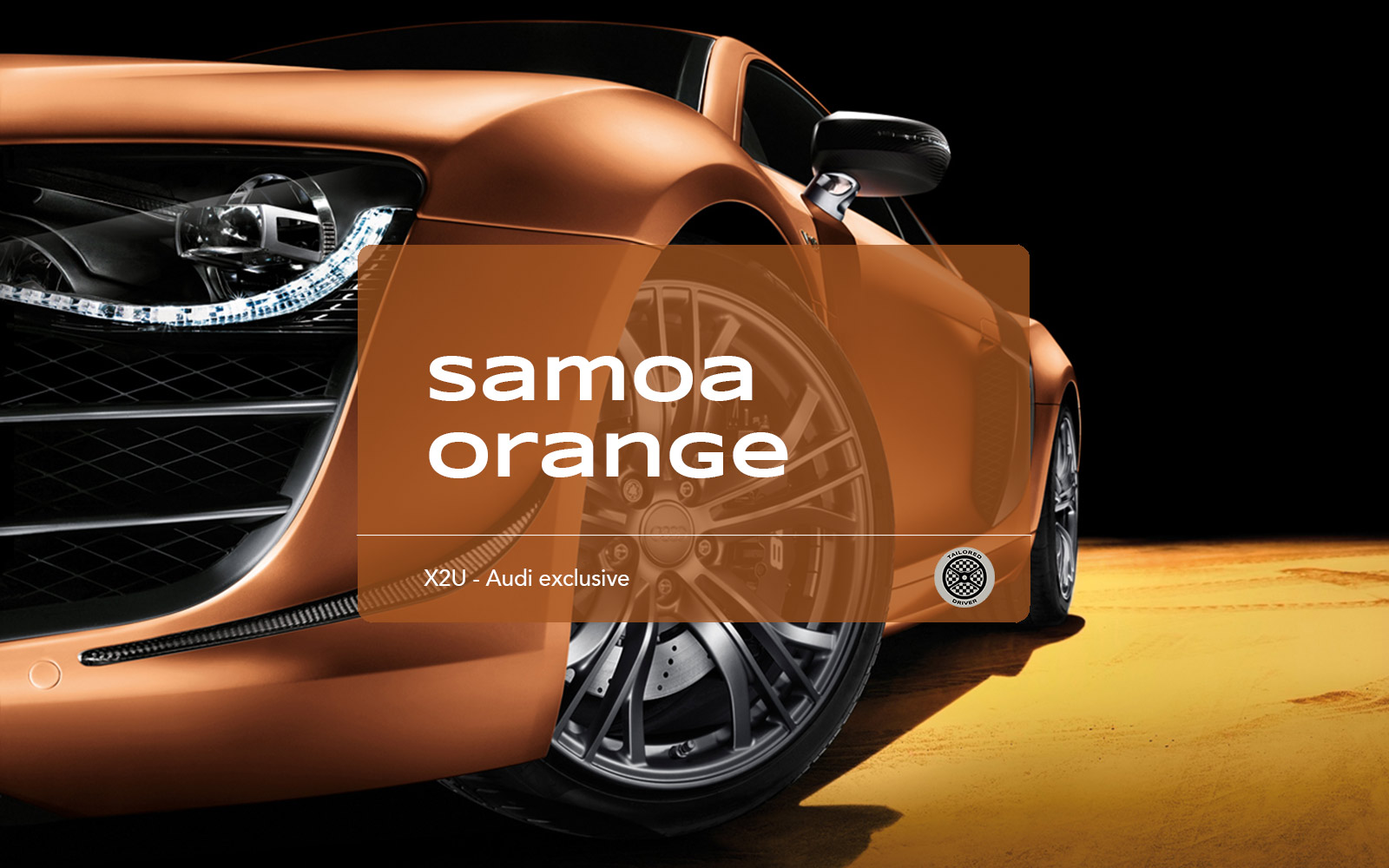
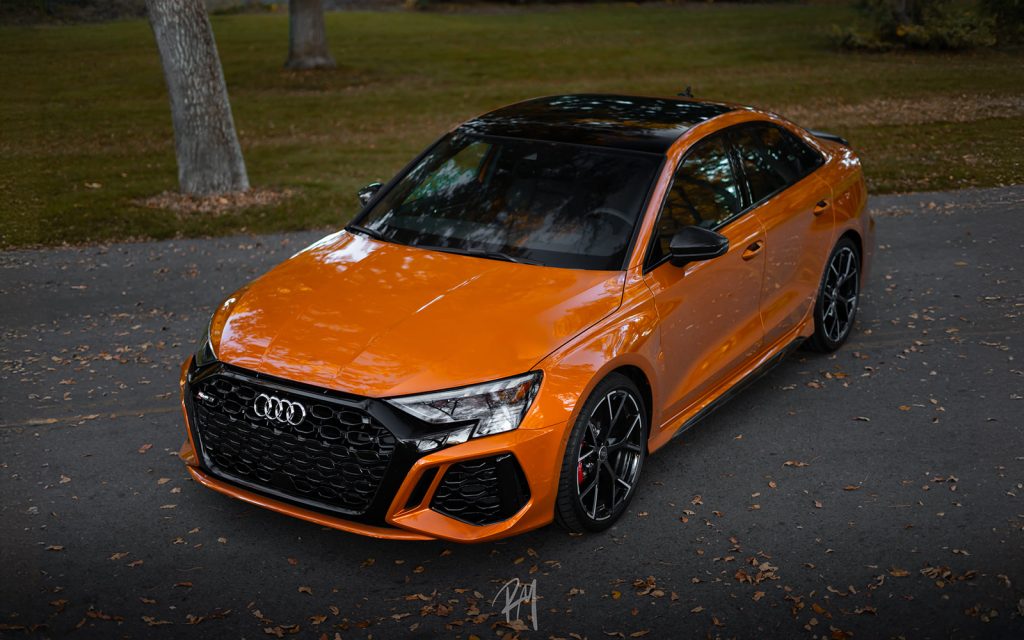
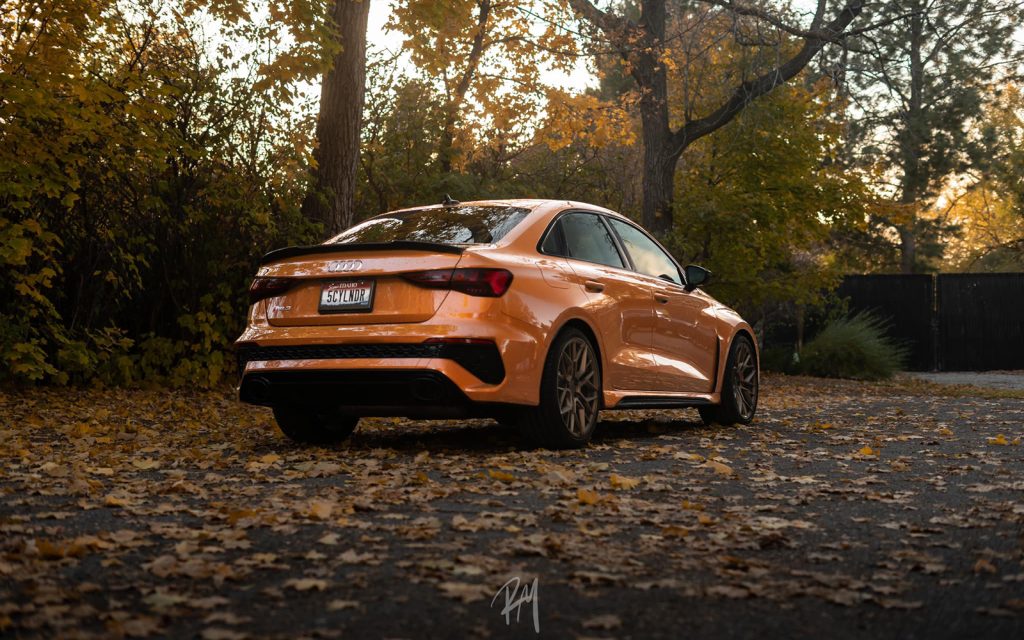
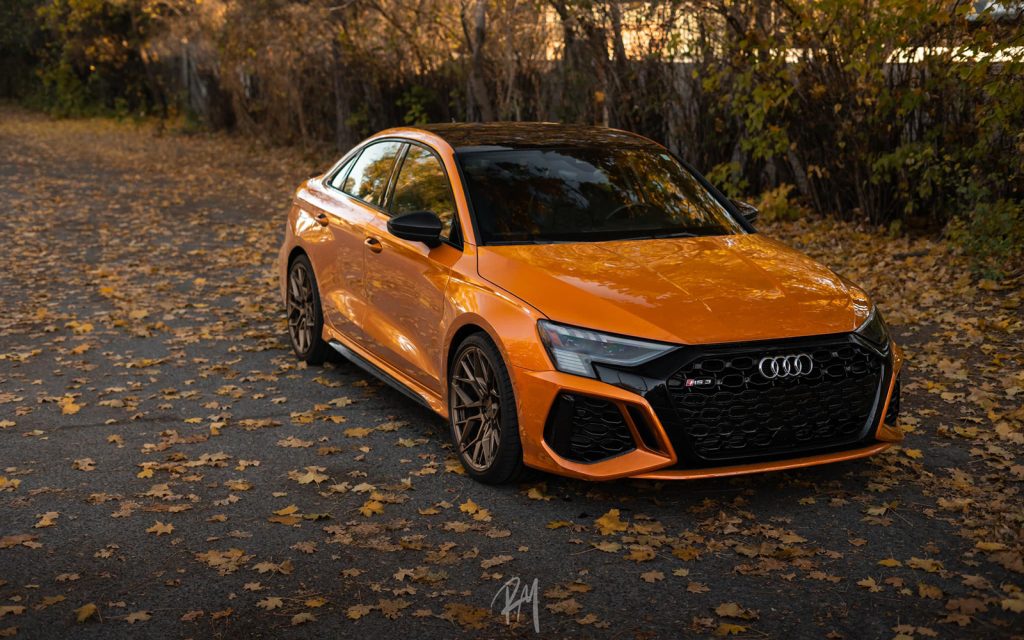
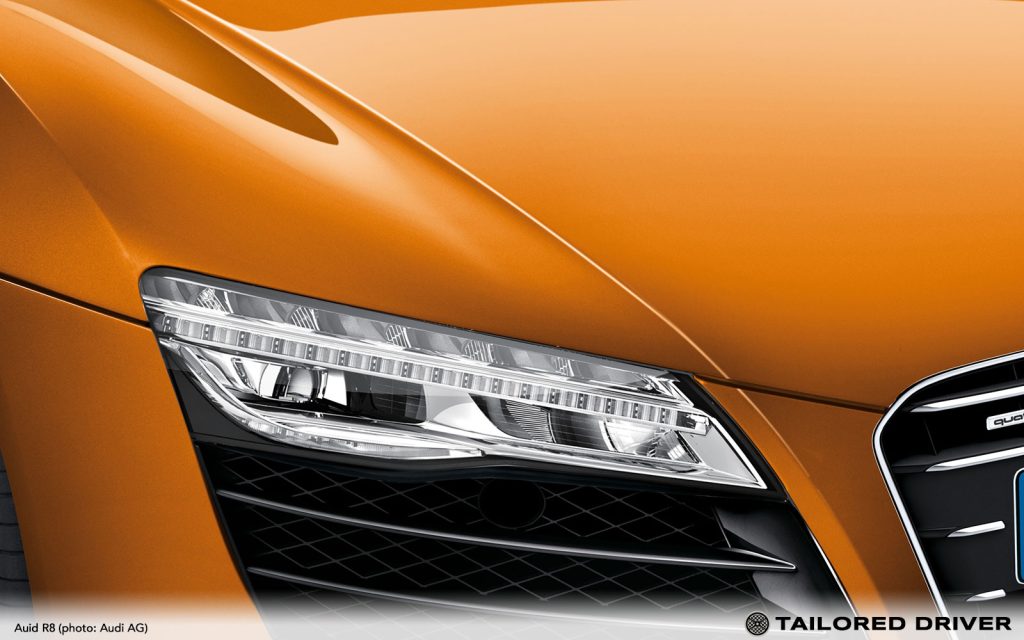
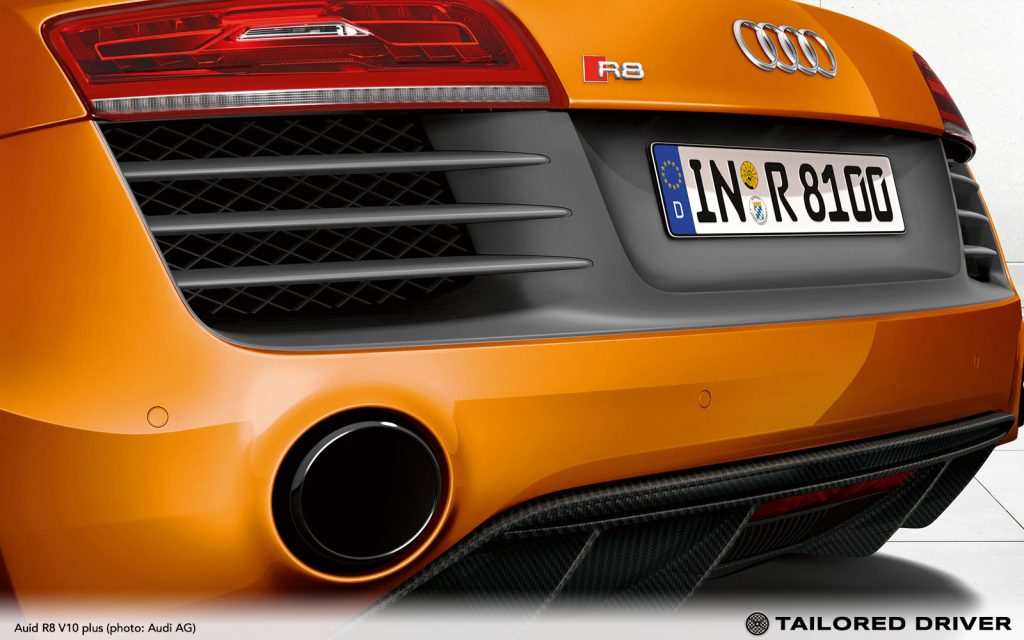
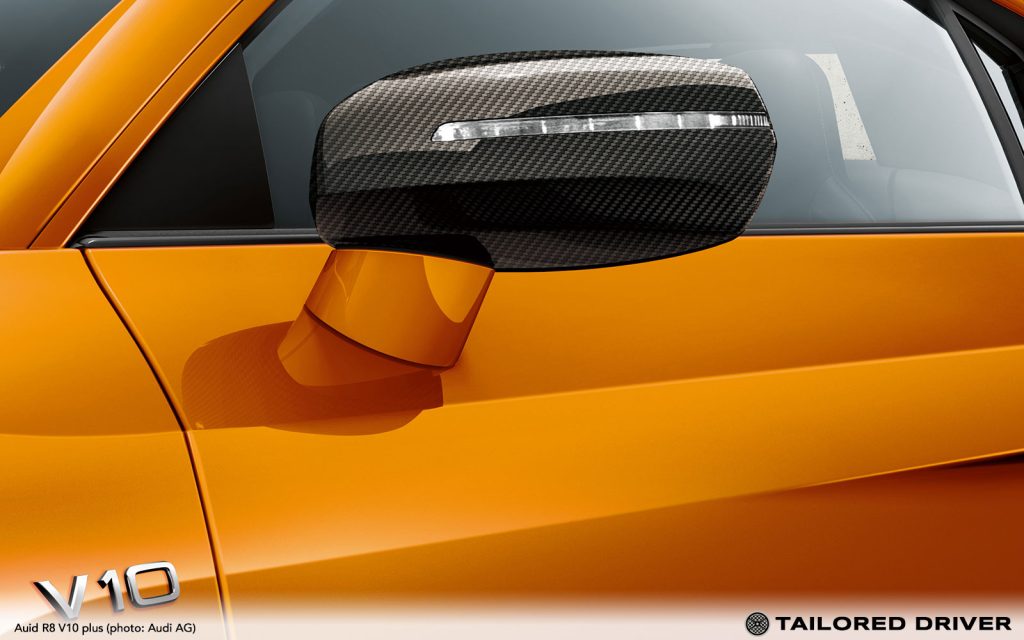
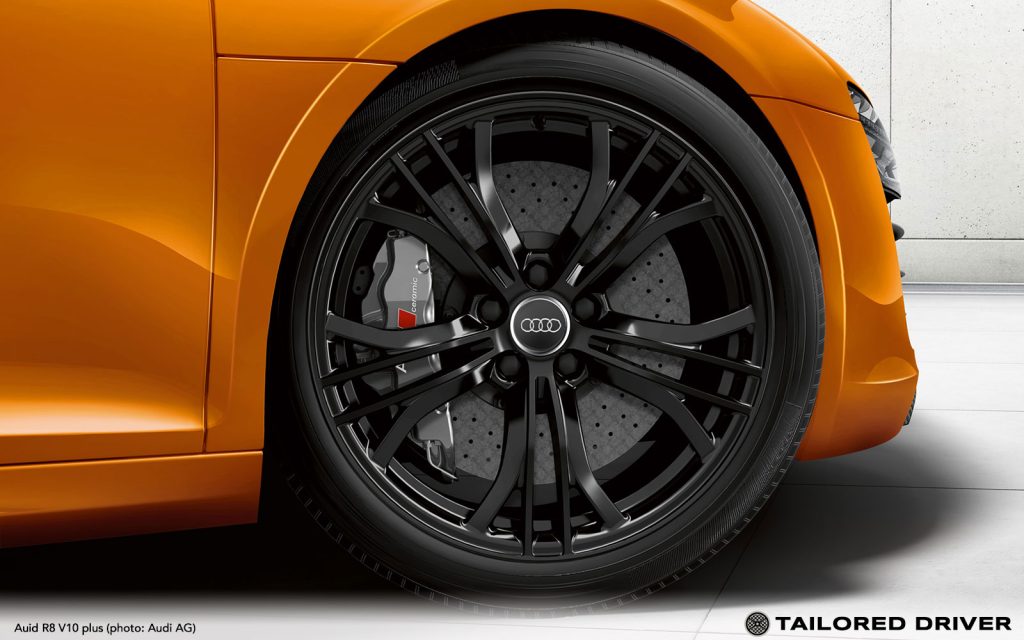
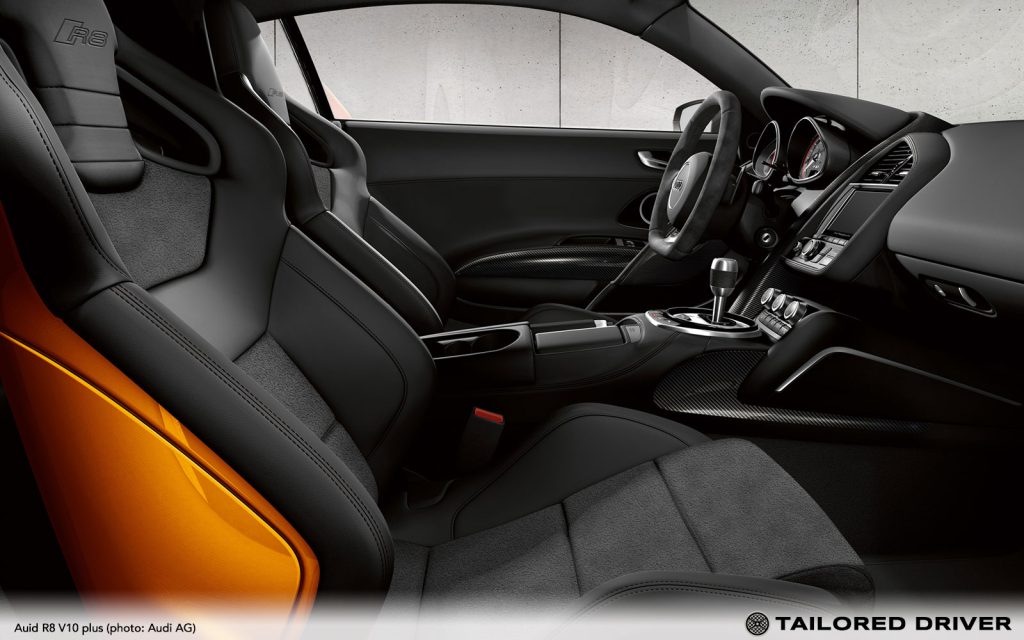
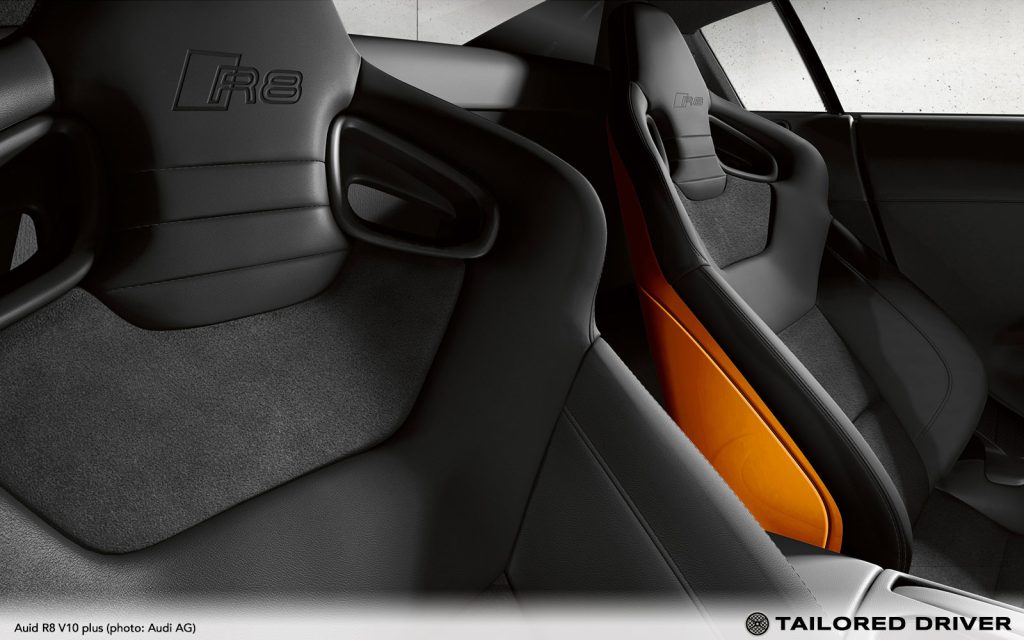
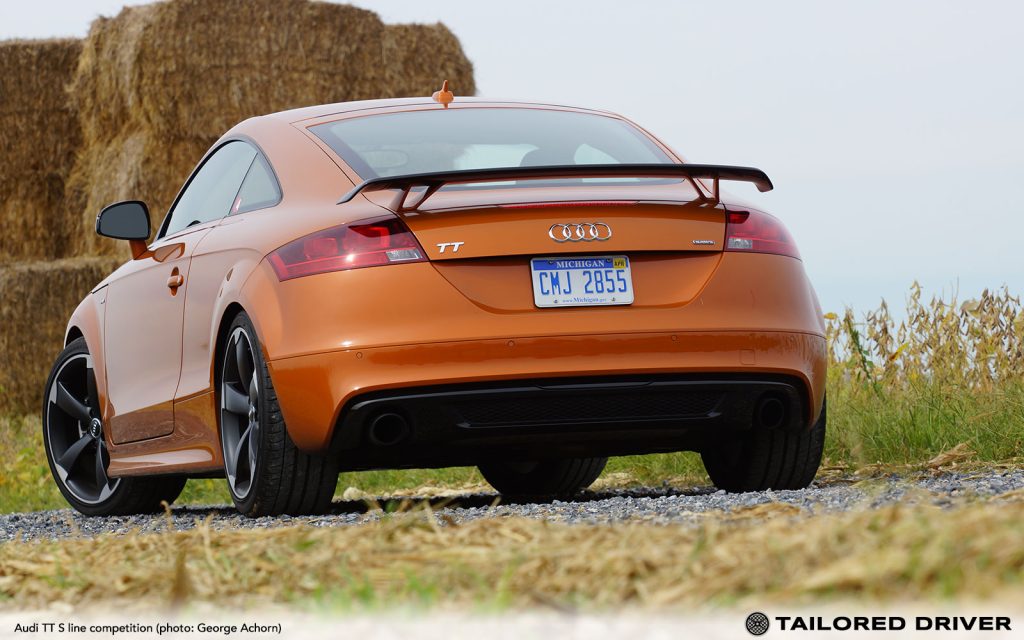
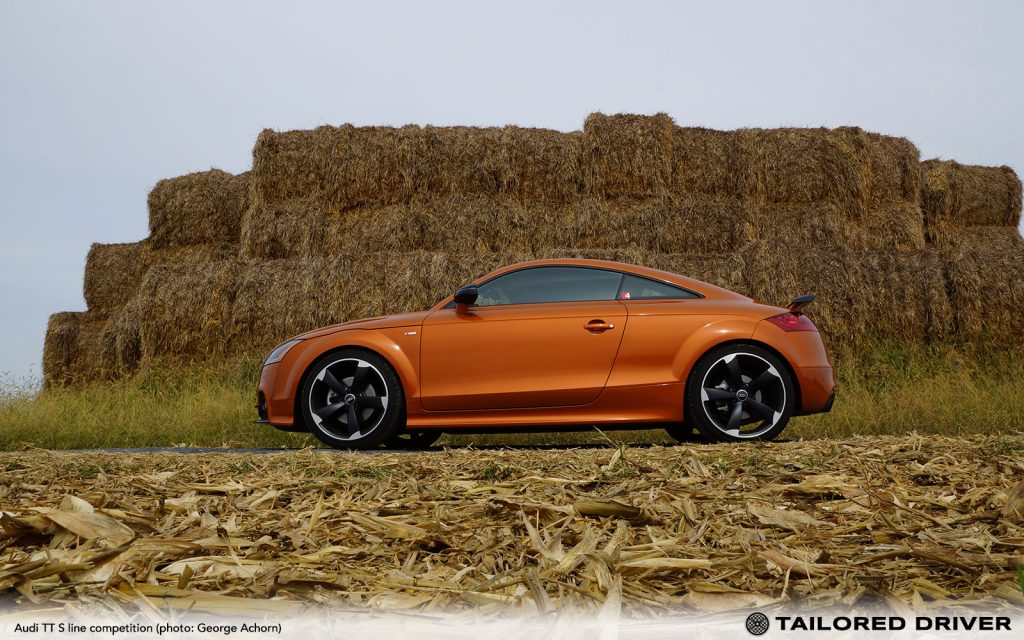
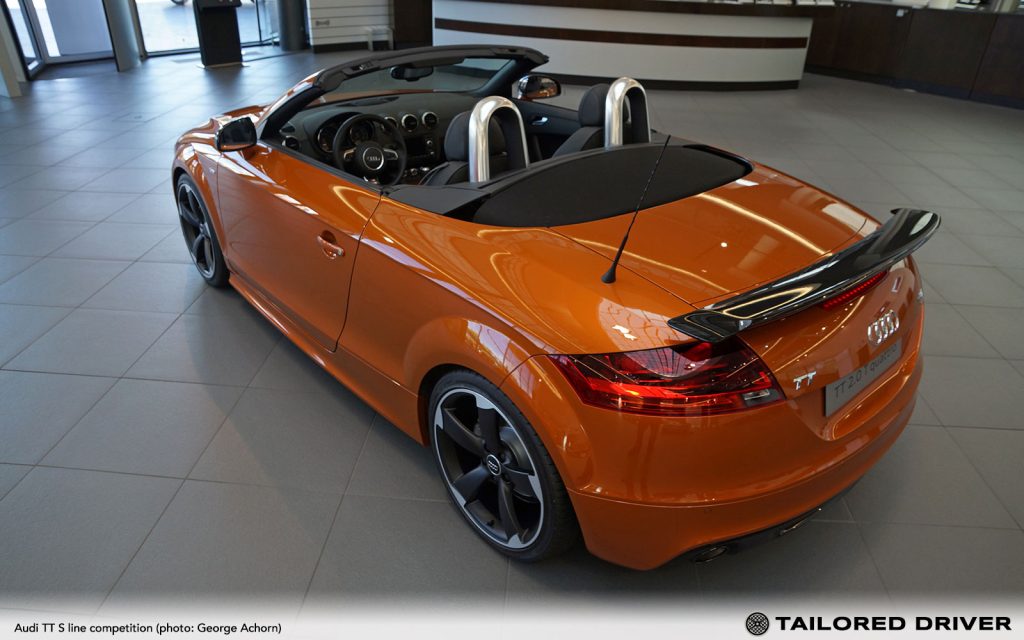
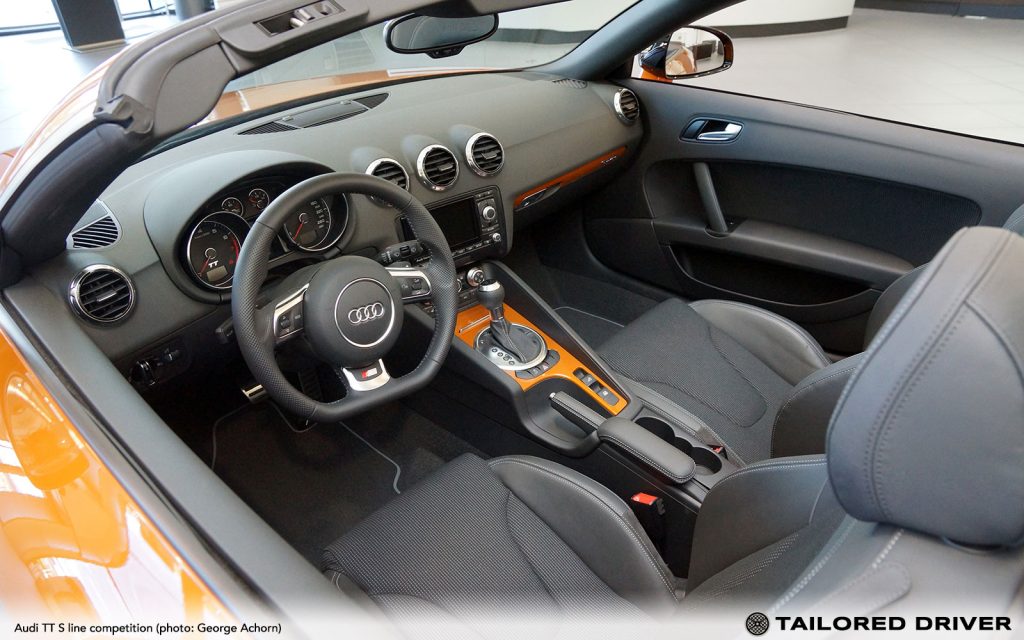
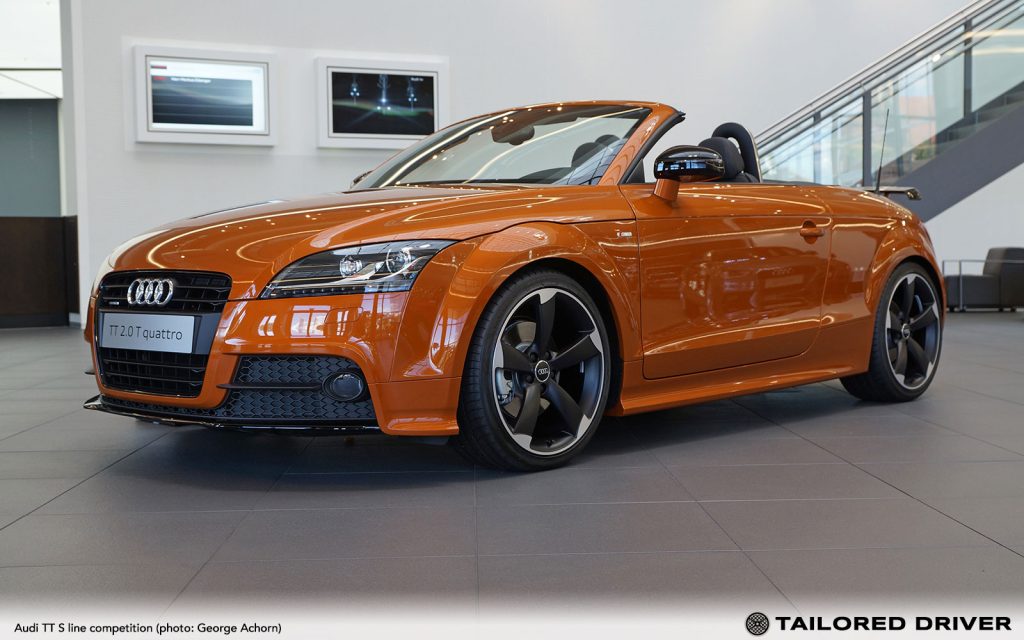
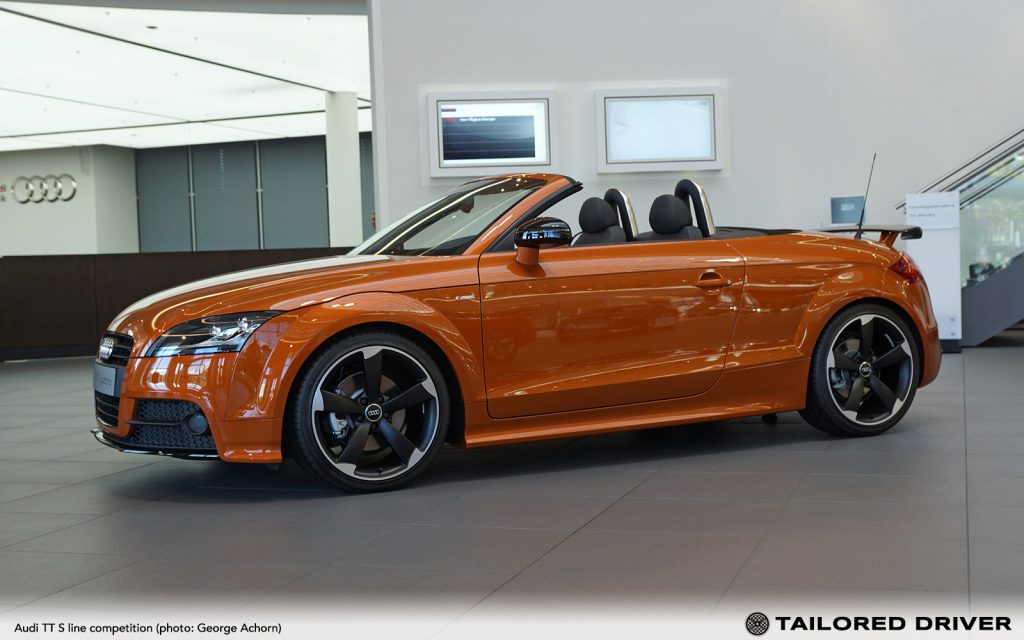
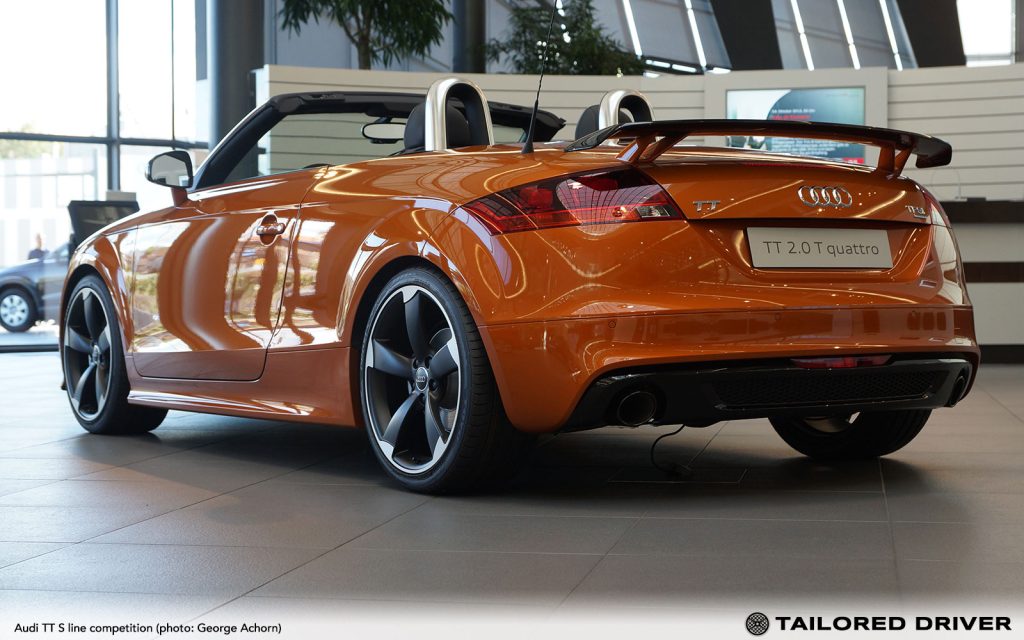
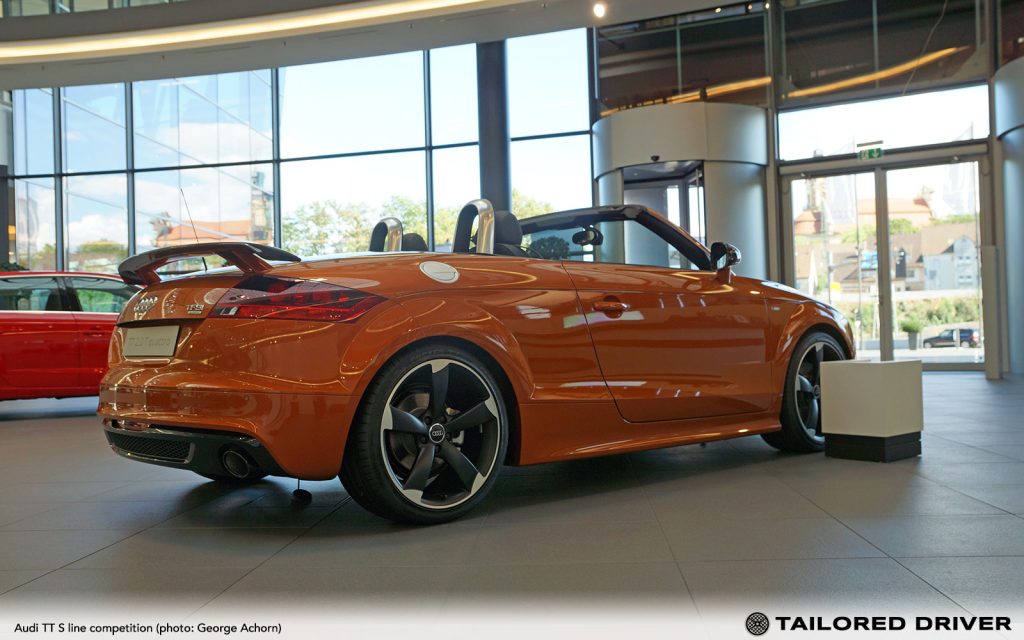
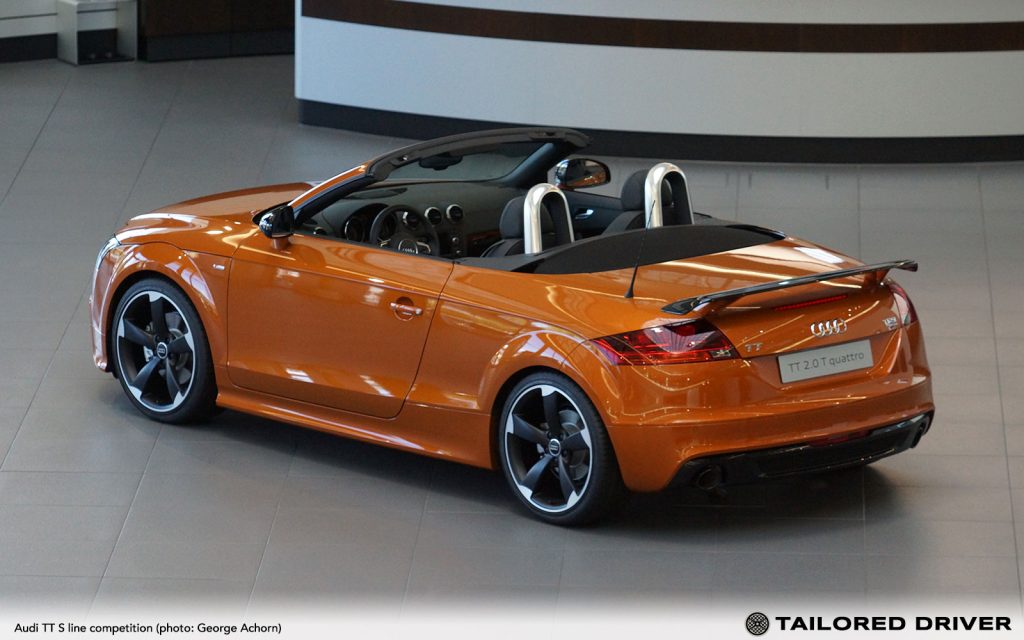
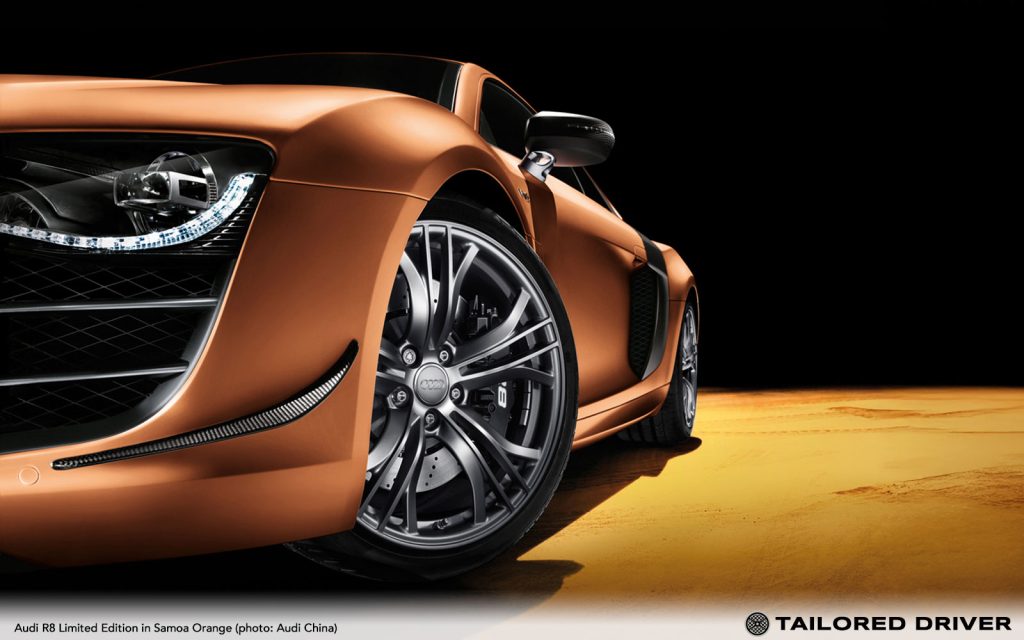
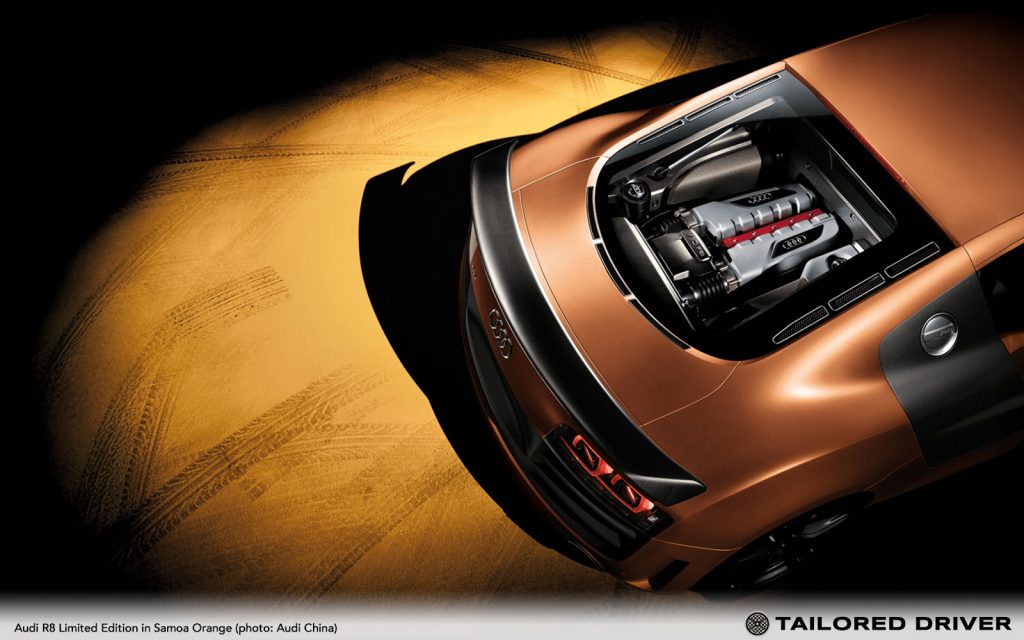
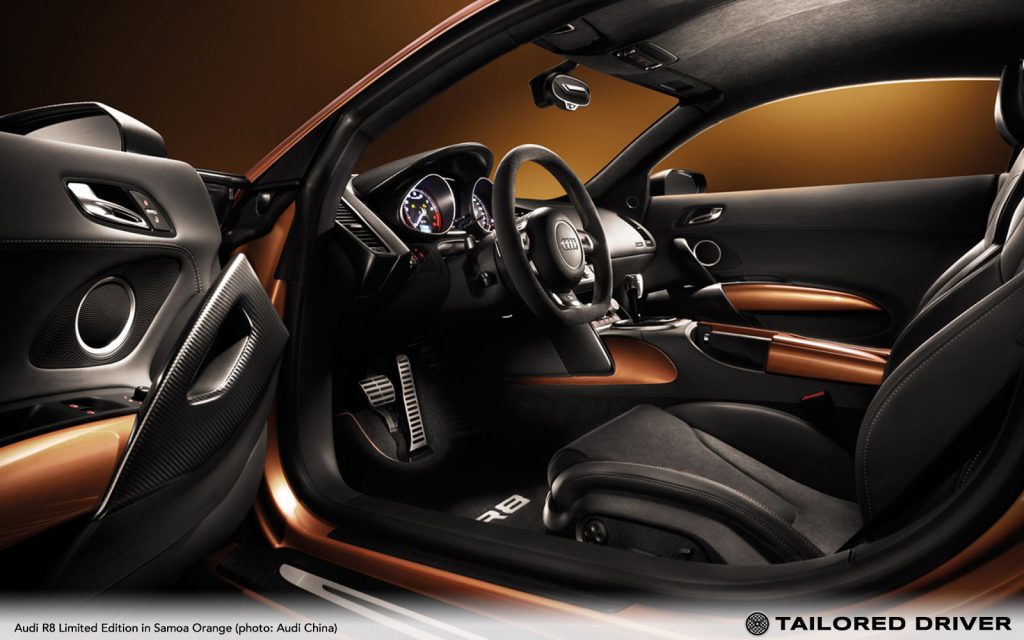
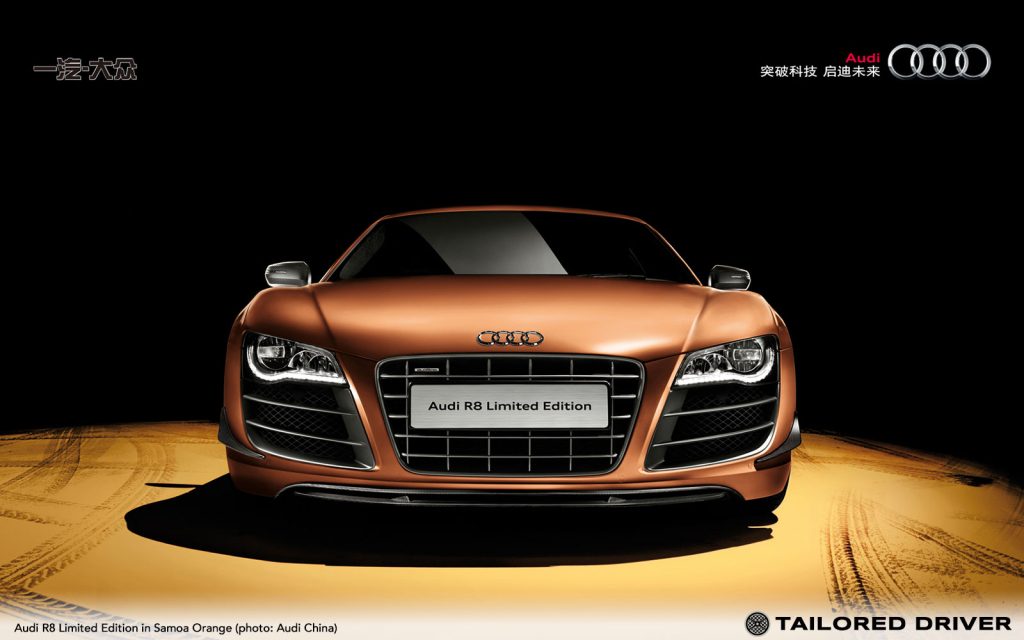
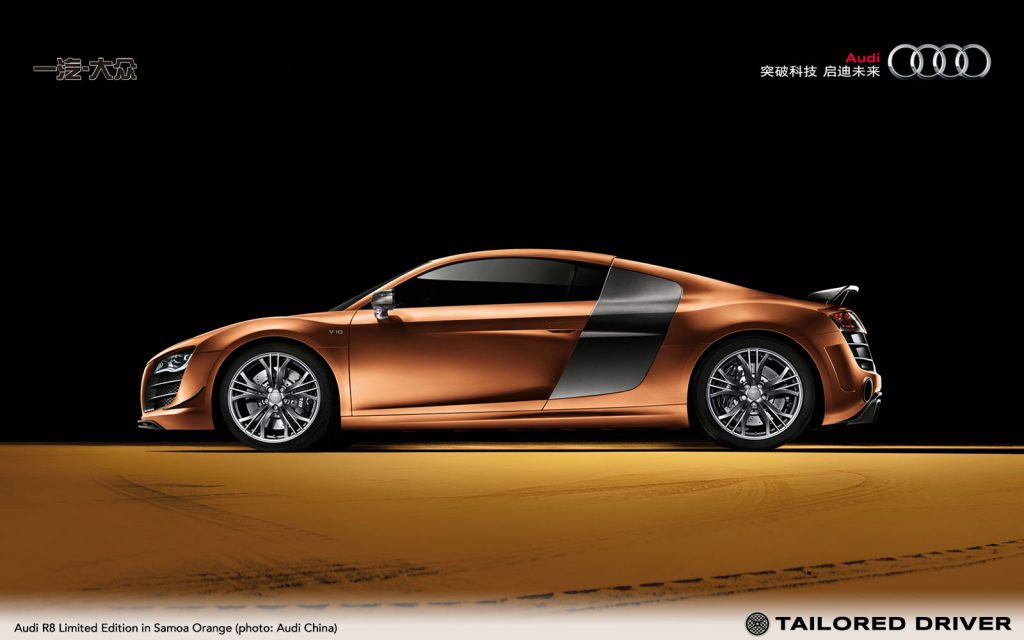
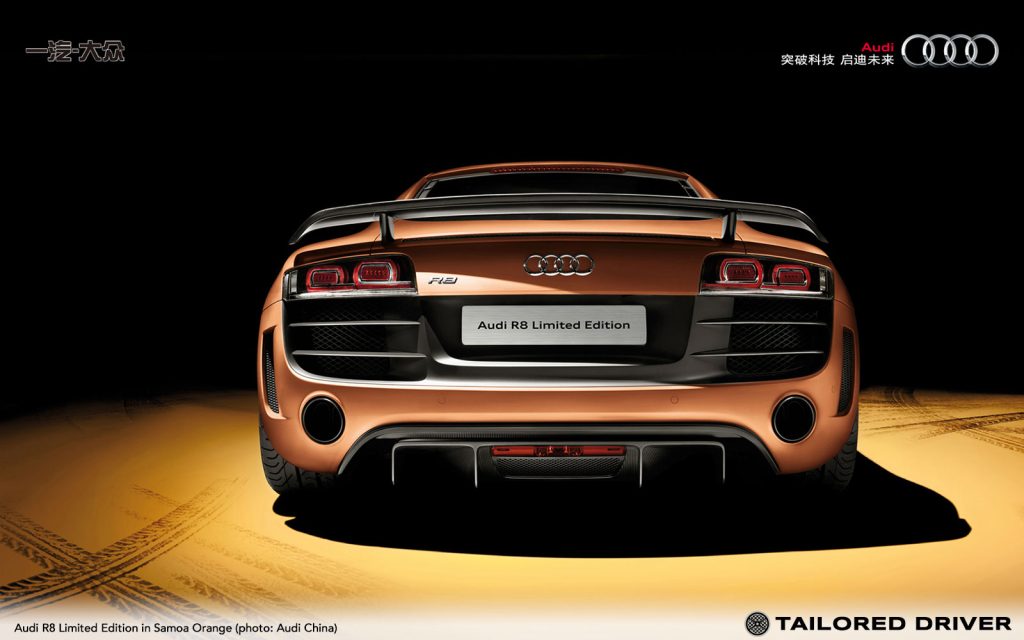
Believed to be used initially as a launch color for the R8 GT, Samoa Orange Metallic (samoaorange; metallic UNI; X2U; Audi) embraced Audi’s heritage for earth tones in the late 2000s, a time that also birthed Ipanema Brown and Teak Brown. This fiery dark orange would later be used as more of a standard color when the first-generation R8 got its facelift, then later on the TT competition. It even shows up on an R8 Mk2 on screen as Tony Stark’s R8 Coupé in Marvel’s Avengers: Age of Ultron. As a result, Samoa Orange Metallic remains a popular choice in the extended Audi exclusive color palette.
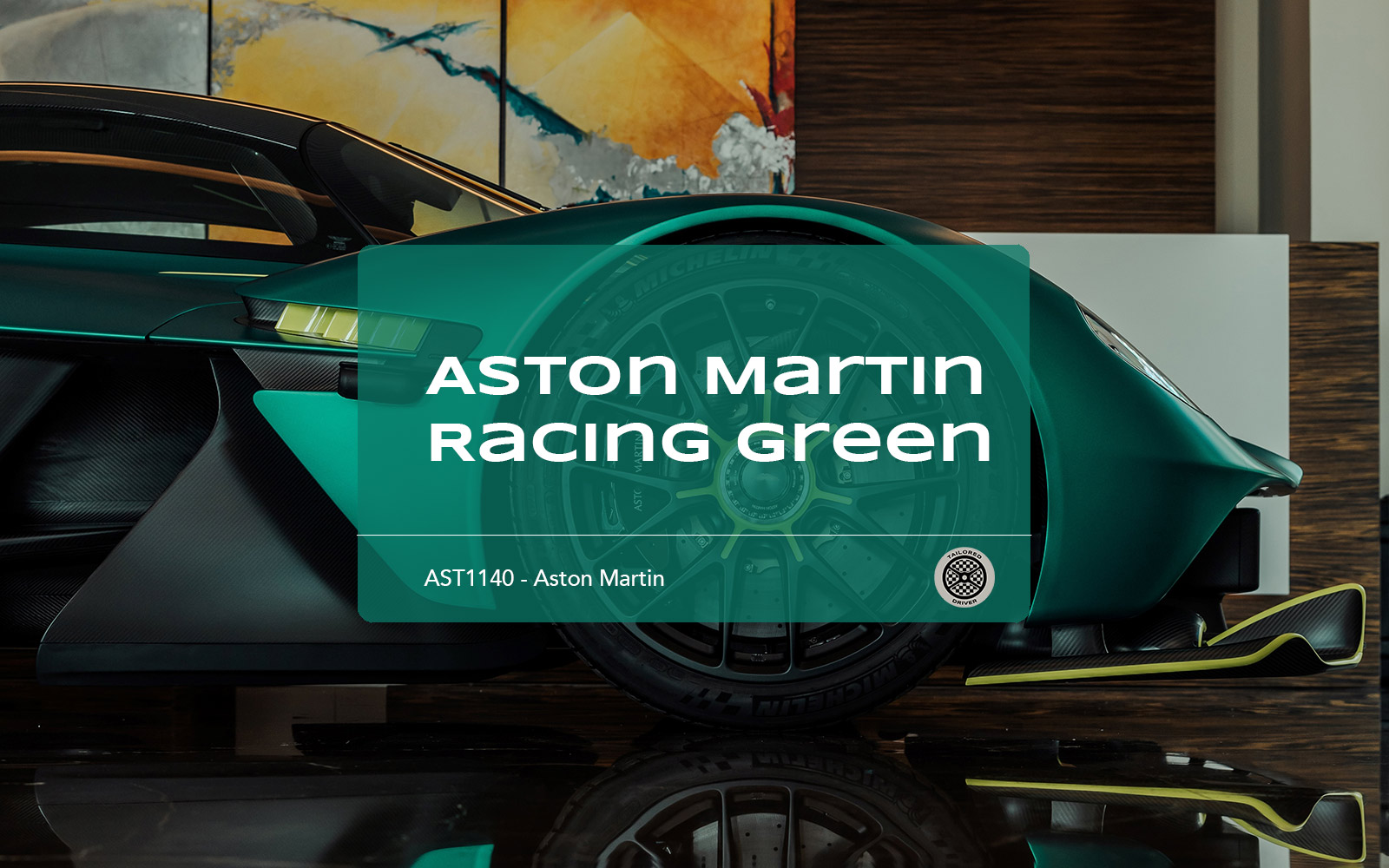
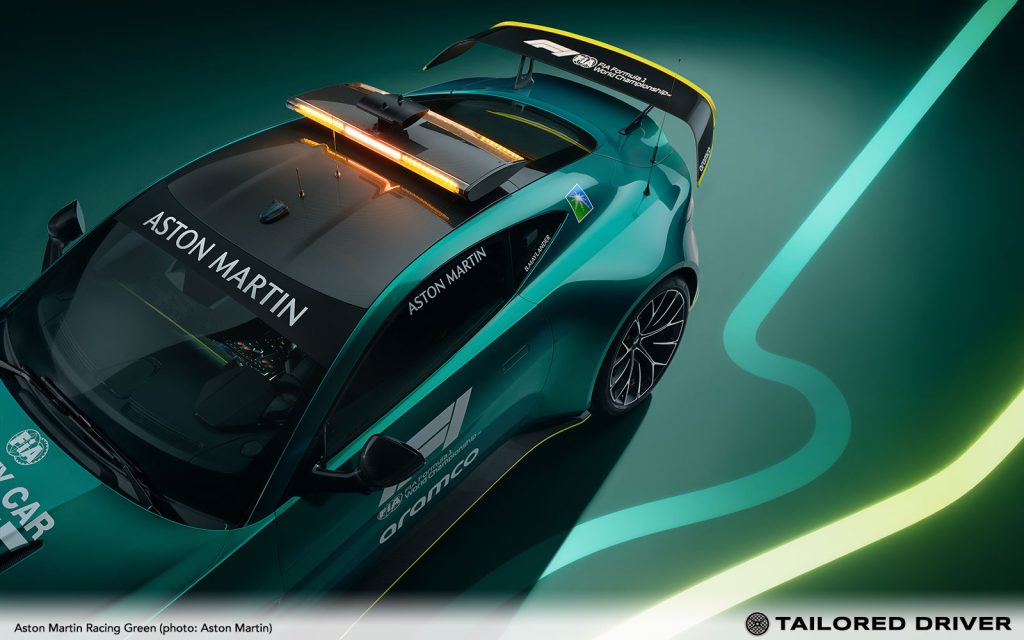
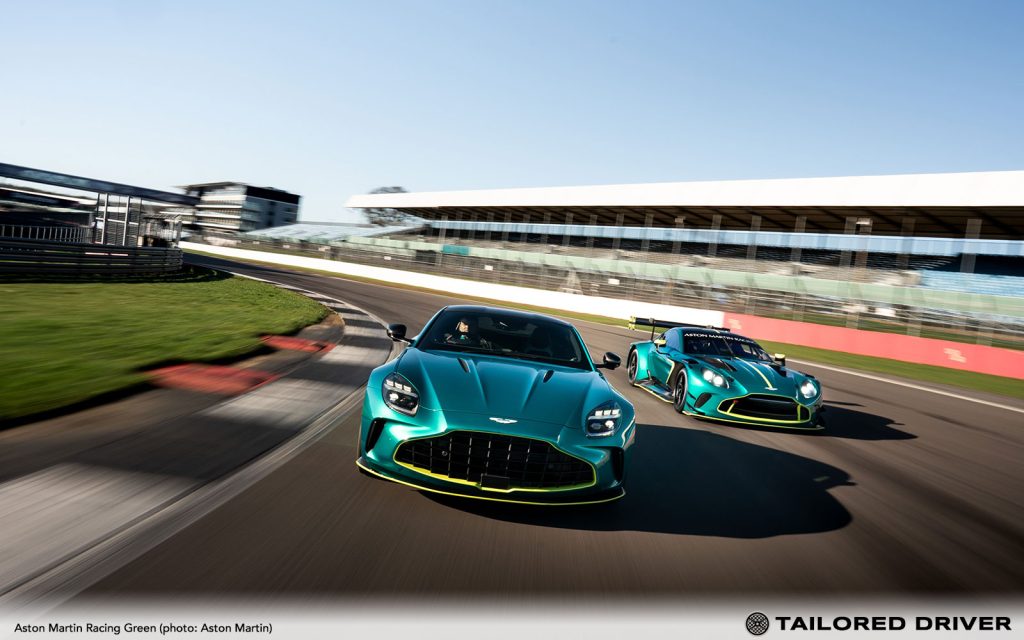
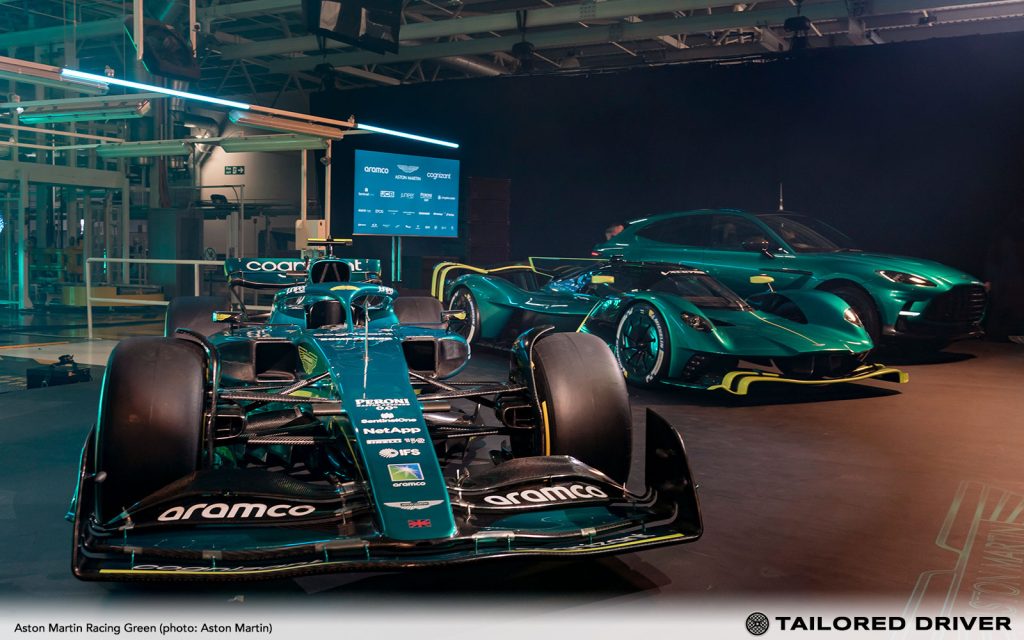
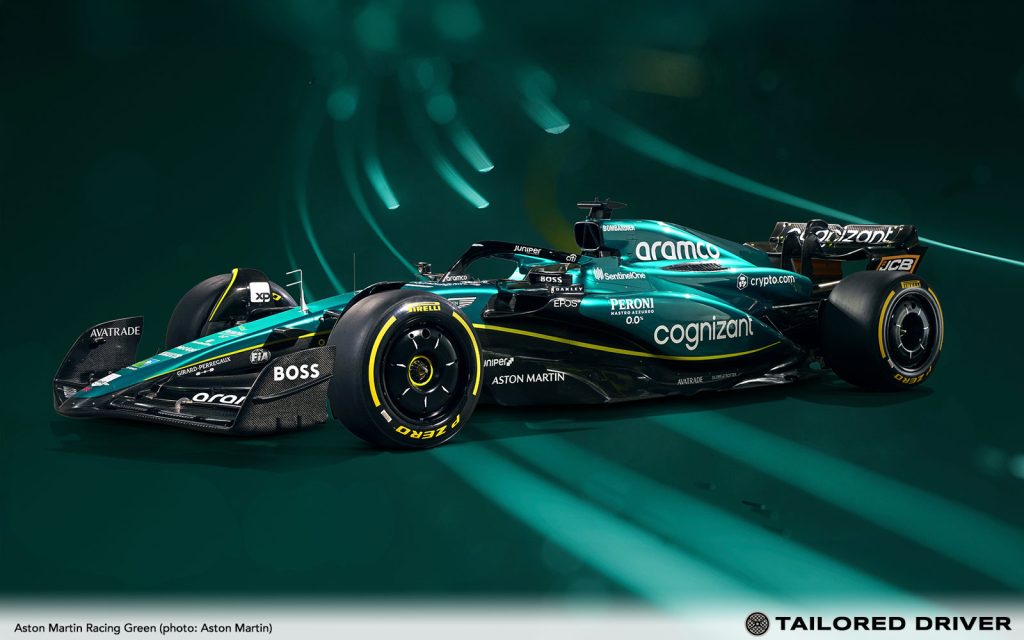
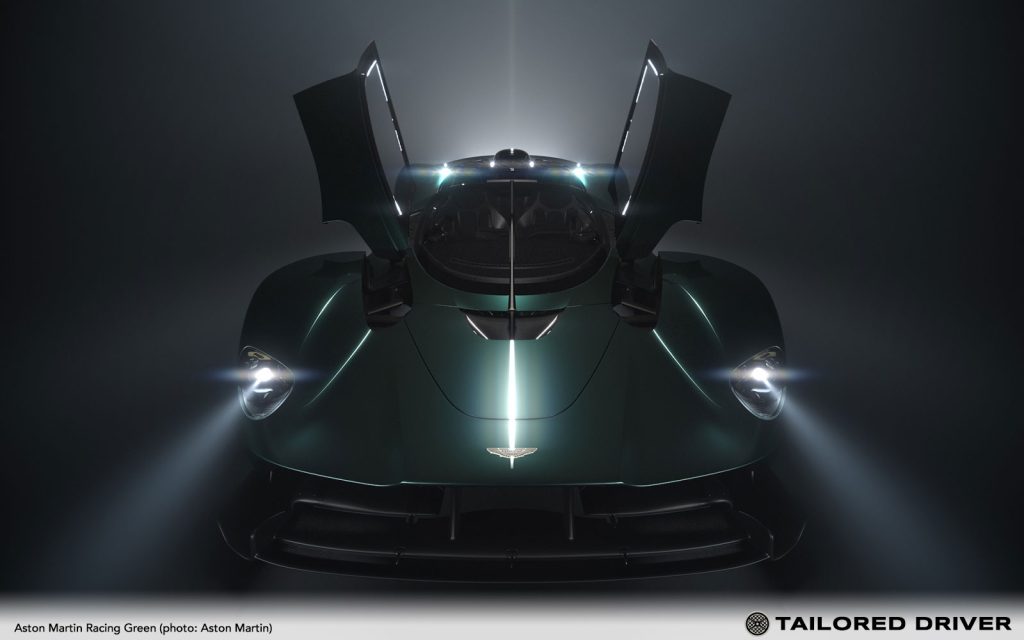
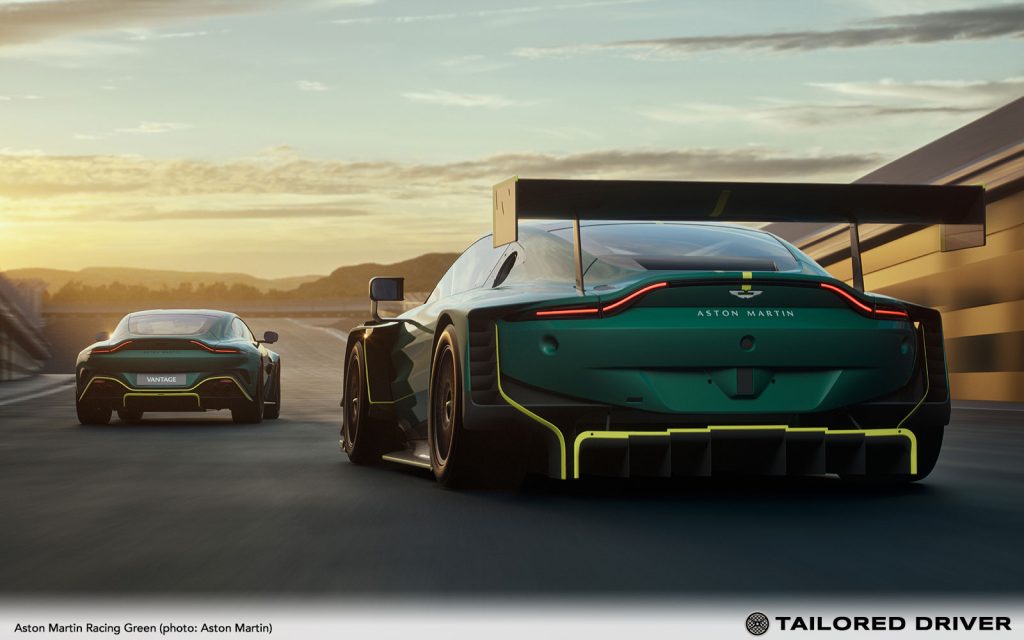
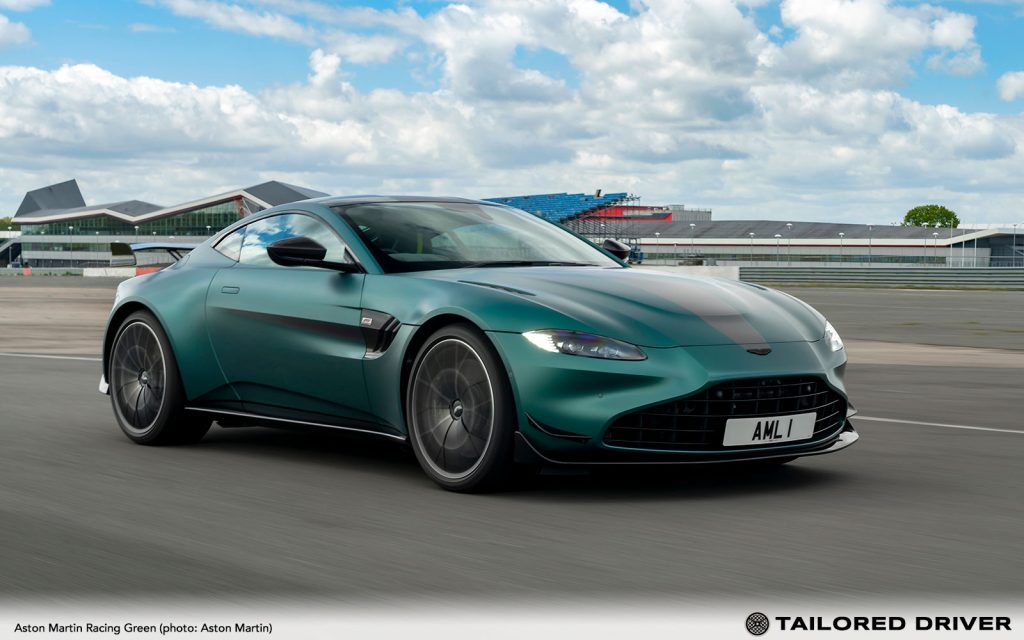
The story of Aston Martin Racing Green likely begins with England’s pre-war national racing color of British Racing Green. At a time when top-tier racing represented pride in one’s nation, blue stood for France, red for Italy, white (the silver) for Germany, yellow for Belgium, white with blue stripes for the USA and for England… green.
Why green? The exact origin of this association with Great Britain isn’t fully clear, but the most common tale that tends to be told involves a nod to the so-called Emerald Isle of Ireland. At the time, racing on public roads of Great Britain was banned, so British racers tended to head to Ireland for such competitions.
Brand historians will tell you that green hasn’t always been the theme at Aston Martin. Initial racing cars from Gaydon were presented in grey, black or natural metal finishes. At that time, the races they were entering weren’t international, but in 1922 when an Aston Martin was entered in the French Grand Prix, that car car was painted a very dark shade of green that would adorn works Aston Martins into the late 1940s.
Then, in 1949, that green shifted to a pale, metallic shade of green. The underlying paint code in question was more commonly referred to as Almond Green by paint suppliers and manufacturers. However, as Aston Martin became more of a racing fixture in the world of sportscars and also Formula 1, the color became more indelibly linked to Aston Martin.
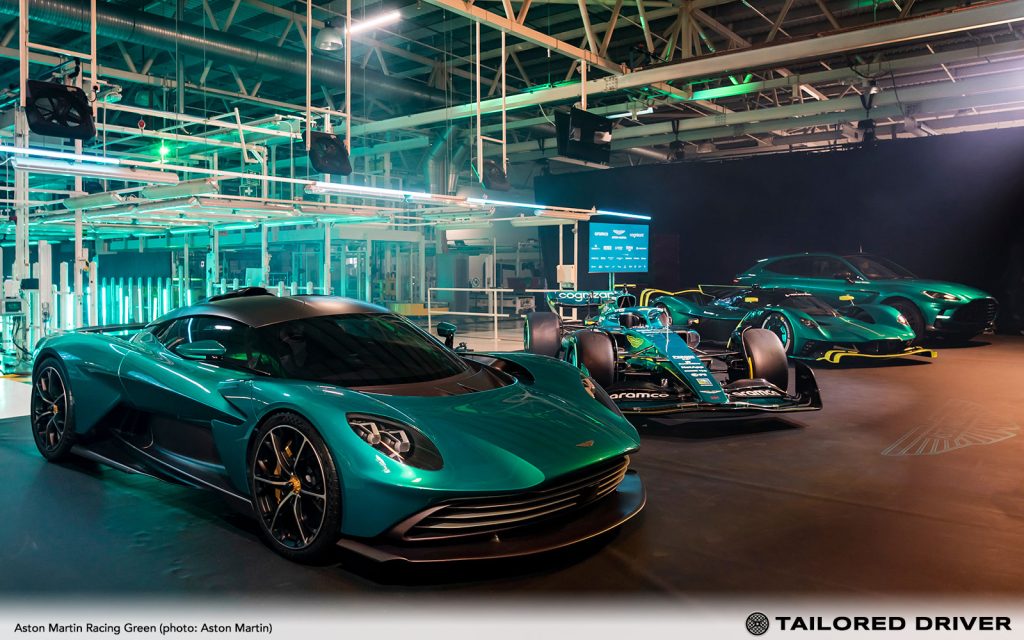
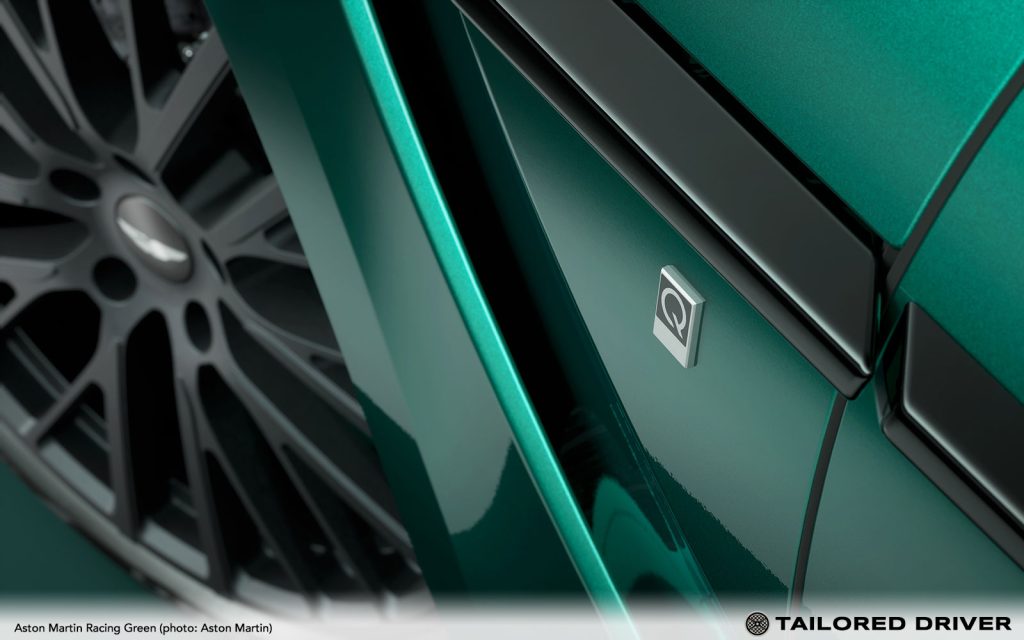
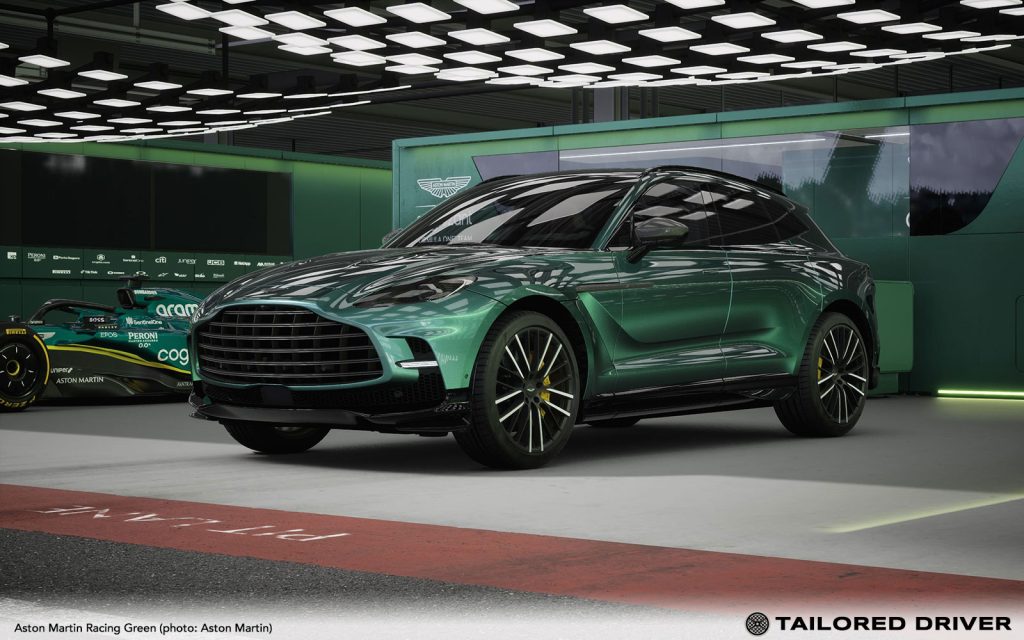
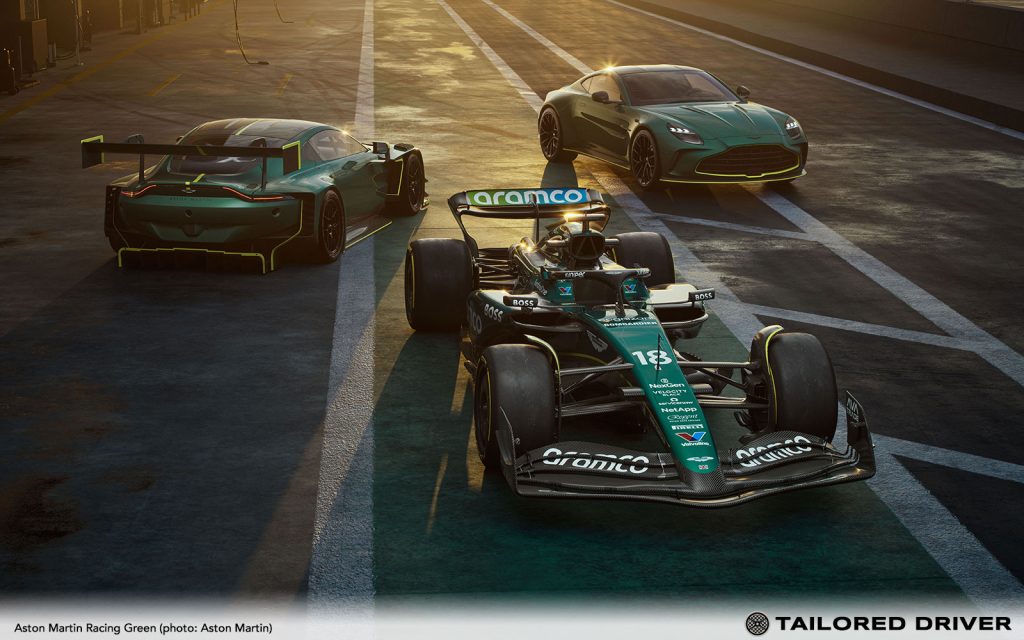
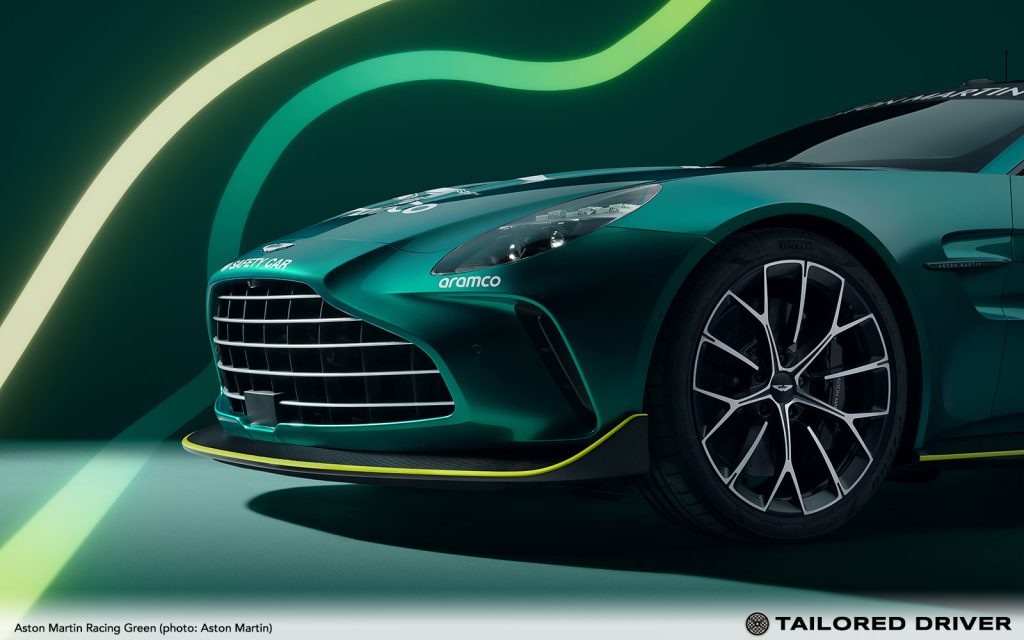
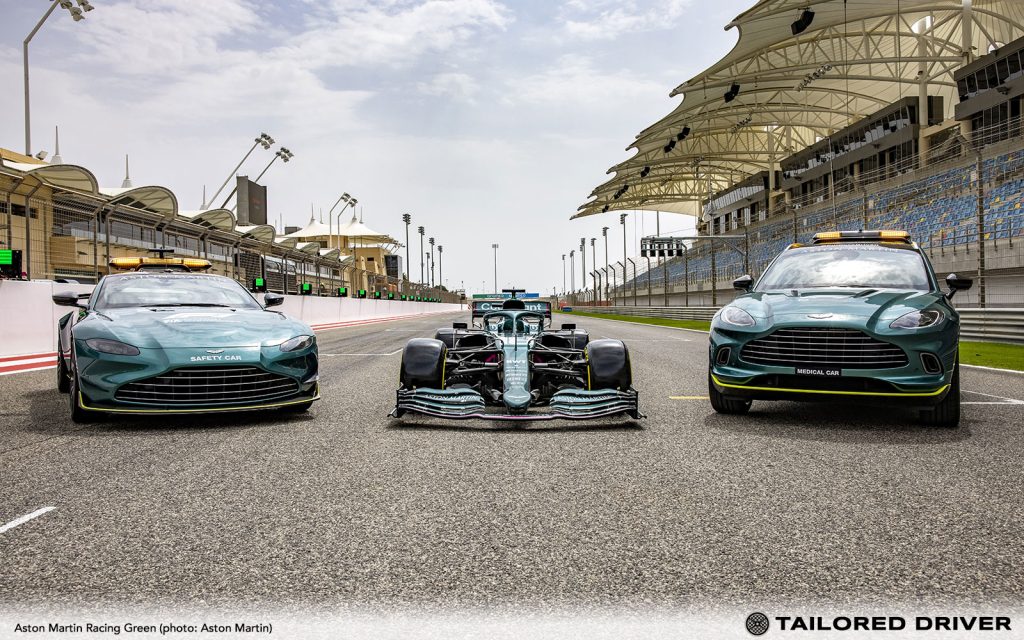
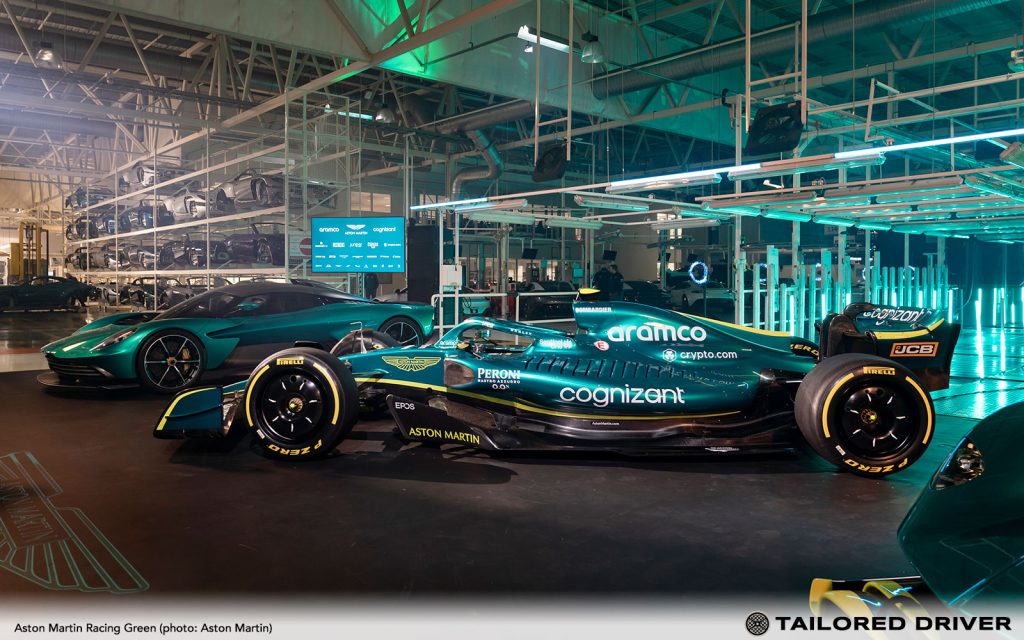
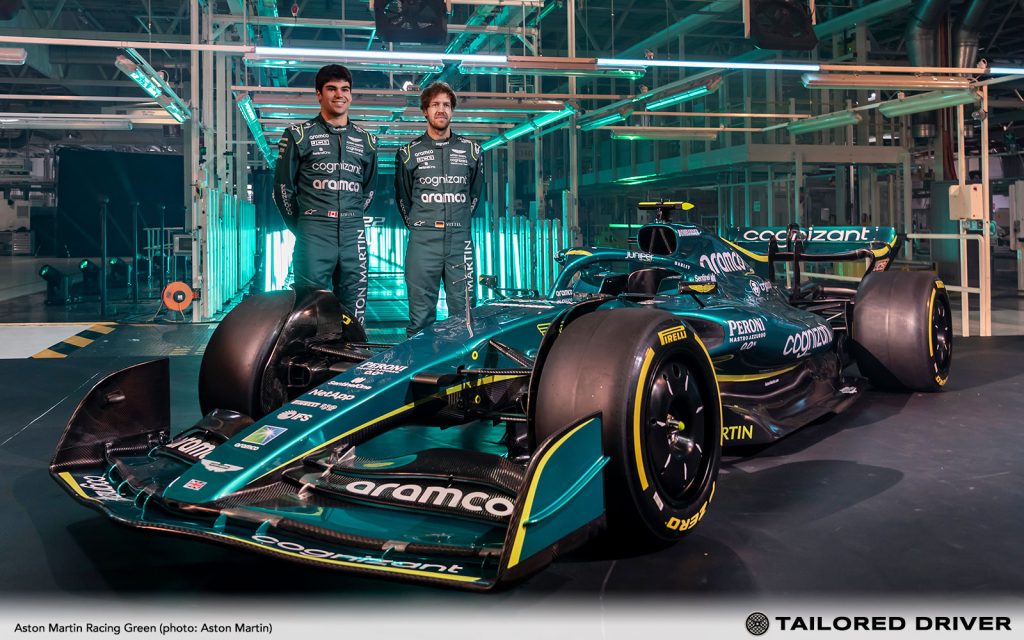
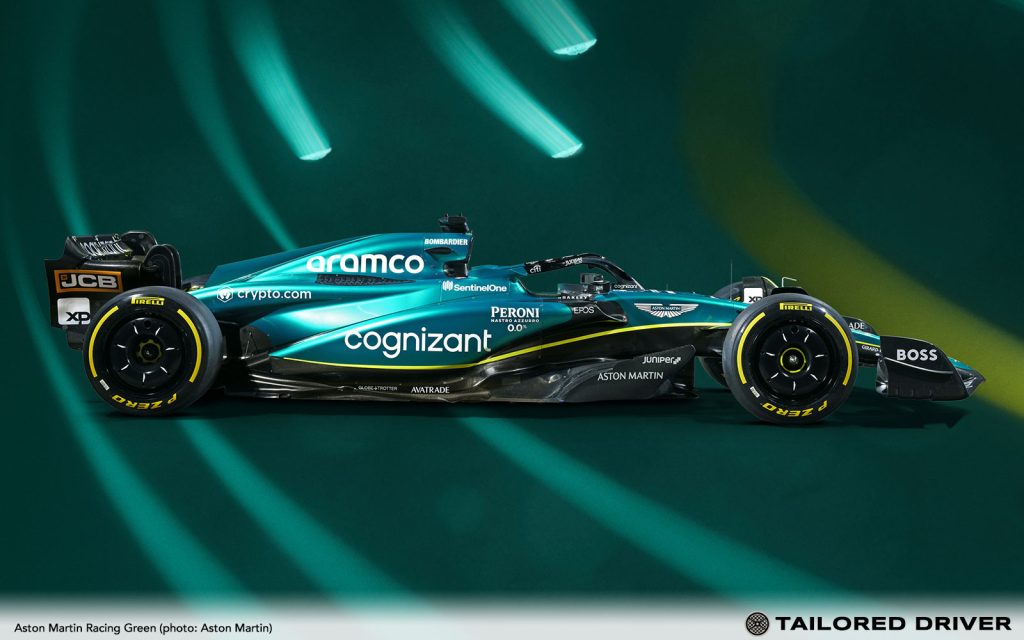
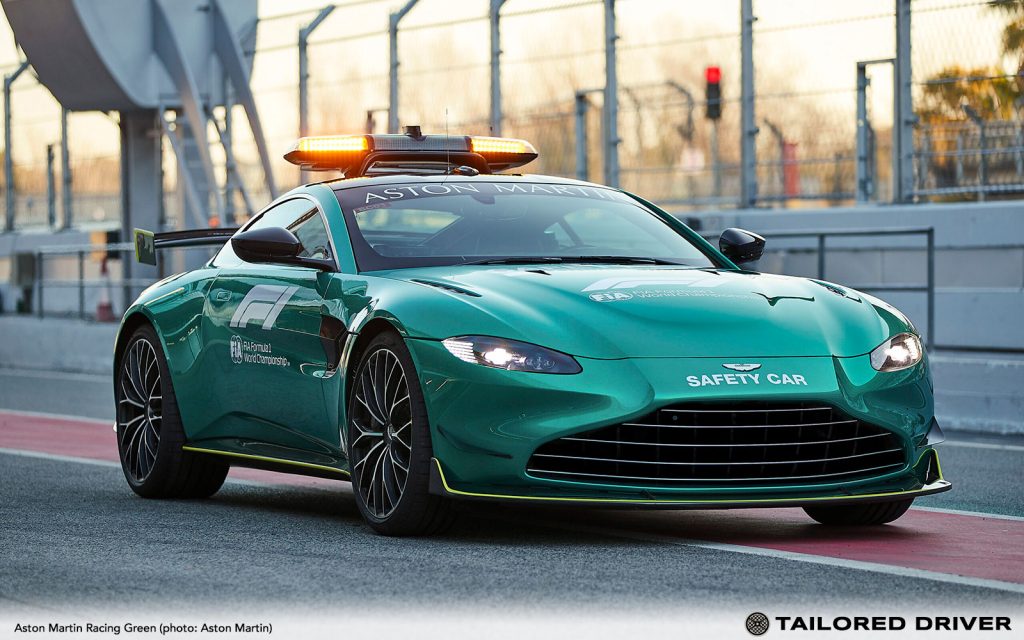
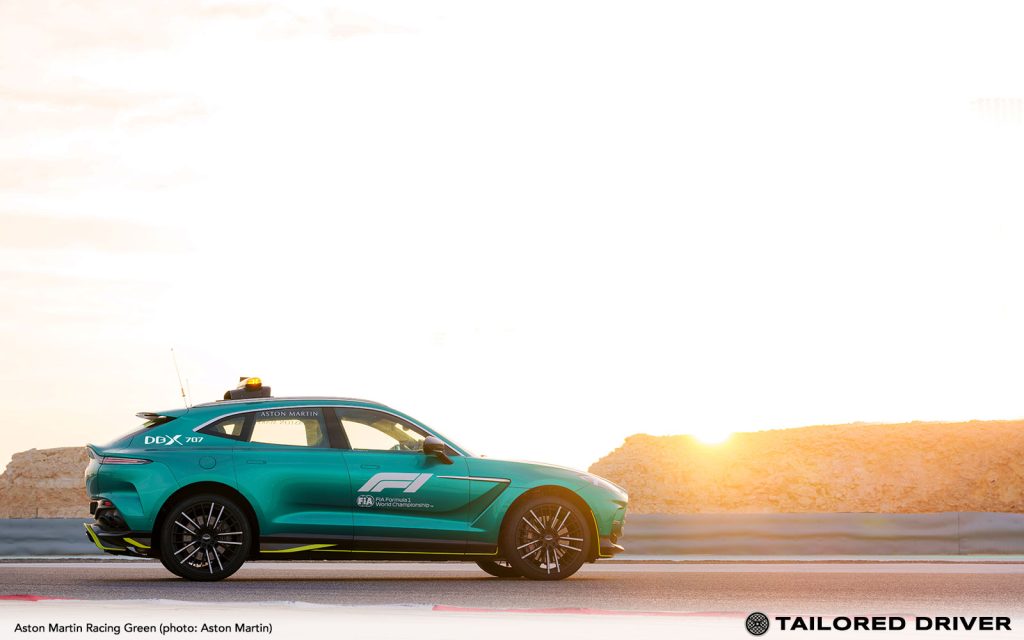
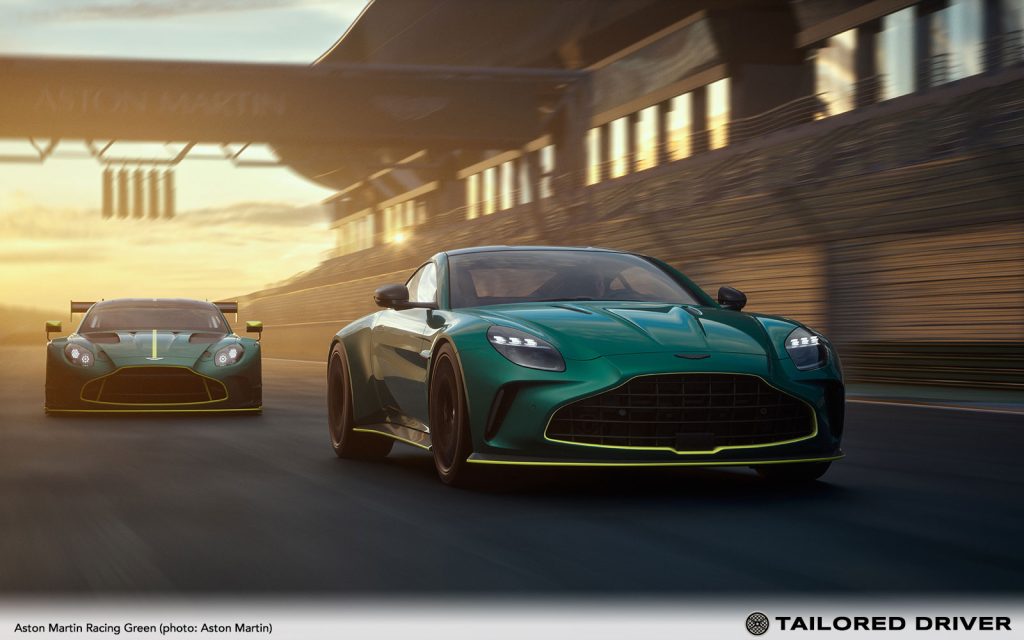
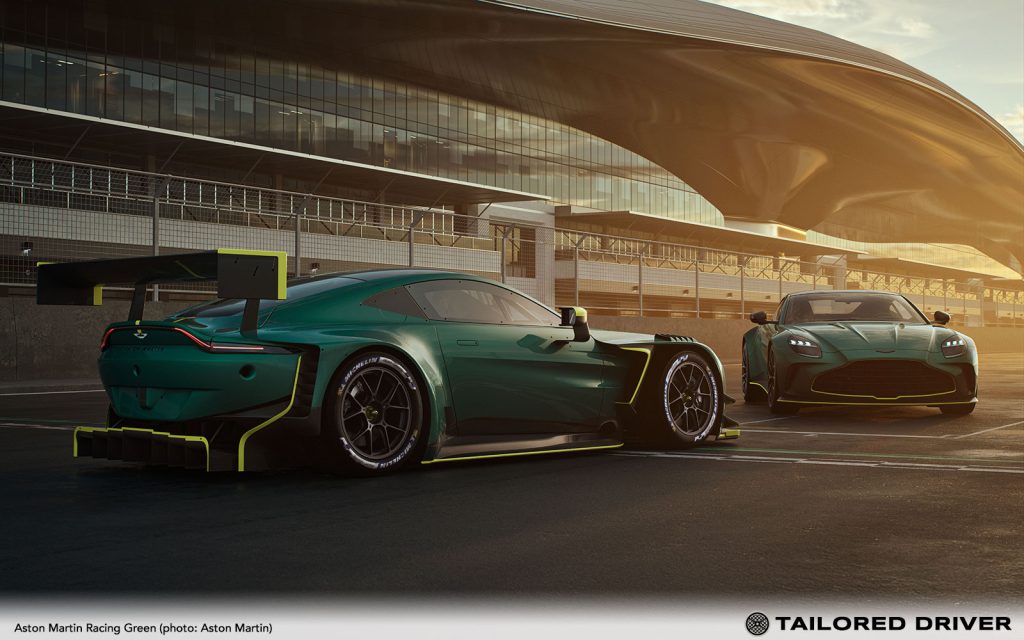
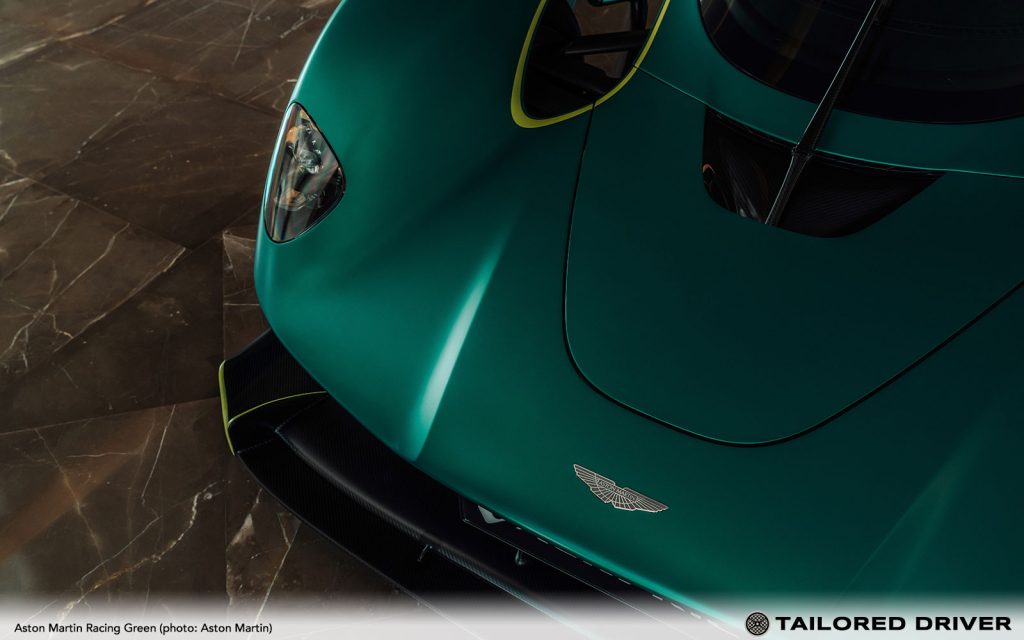
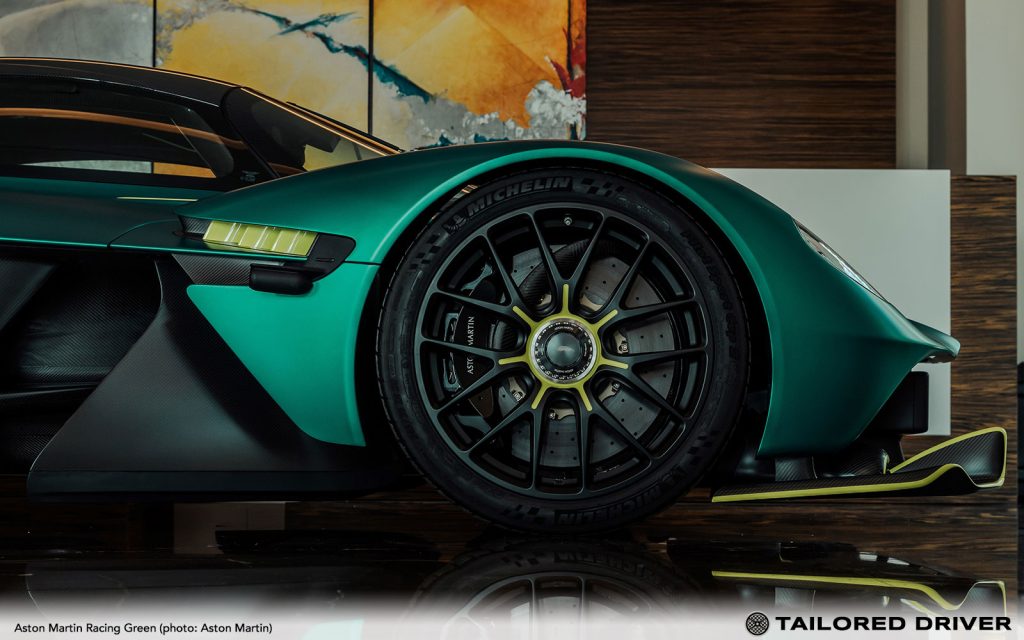
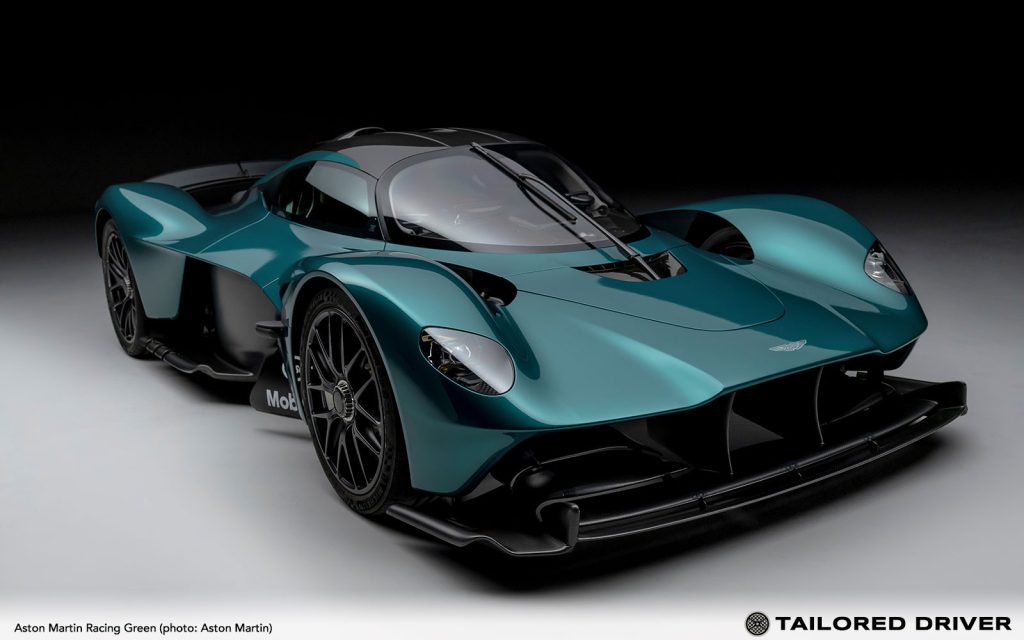
In 1999, on the occasion of marque’s 40th anniversary of winning the 24 Hours of Le Mans, Aston Martin reintroduced the color and coining the name “Aston Martin Racing Green”. And, when Aston Martin reemerged in F1 in 2021, the marque saw the opportunity to cement its own racing identity with its distinctive take on green – with less emphasis on the more traditional and darker hue we tend to think of when we imagine British Racing Green. Over several seasons since their return, the color has been further perfected.
“There’s been a lot of work since (2021) to bring out the green,” says Jack Brown – Senior Manager Colour, Material and Finish for Aston Martin.
“The F1 car that we launched in ’21 was a very sophisticated colour, and it looks truly amazing on road cars – but it was a little bit too dark for the cameras, appearing almost black in certain lights. Our task then, was to capture that darkness and sophistication in subsequent cars but give it more brightness and punch in the highlighted areas. It wasn’t a case of making the paint lighter, just a question of making the highlighted areas shine.
“Ceramic pigments float within different layers of the paint and you have to ensure those pigments are suspended in exactly the right layer for the highlighted areas to be bright enough. And, because this is F1, we strived to achieve the lightest application of paint to keep the weight down. The paint is applied at a microscopic level. It’s about 20 microns thick – that’s less than half the width of a human hair.”
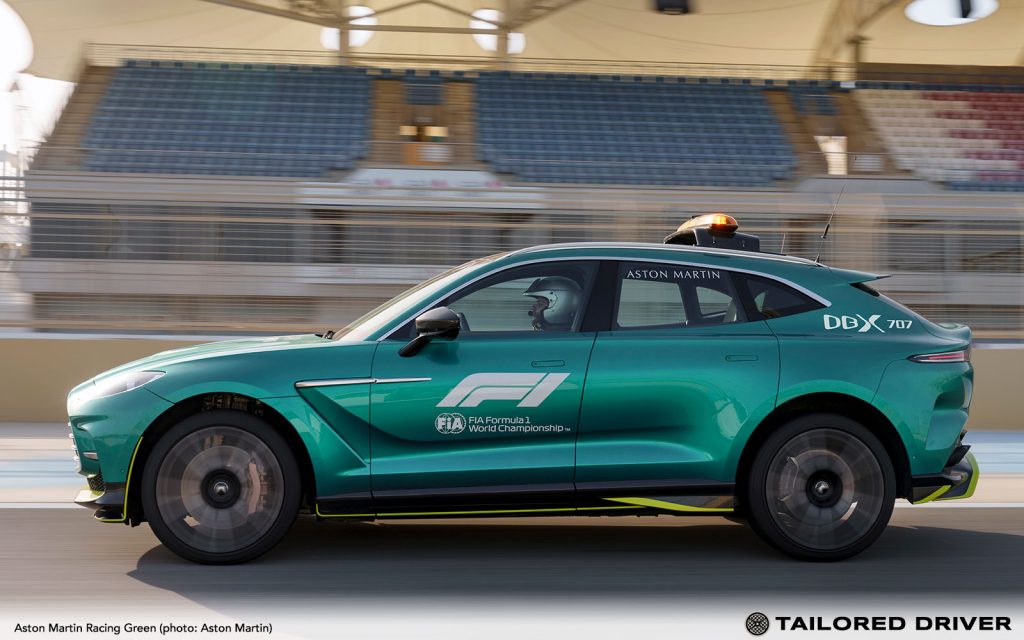
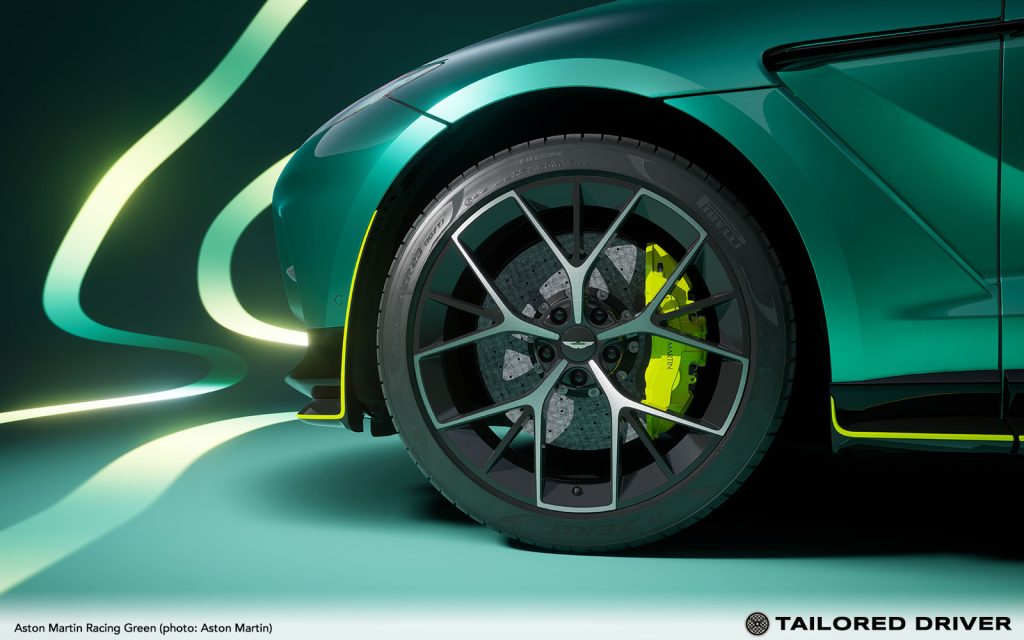
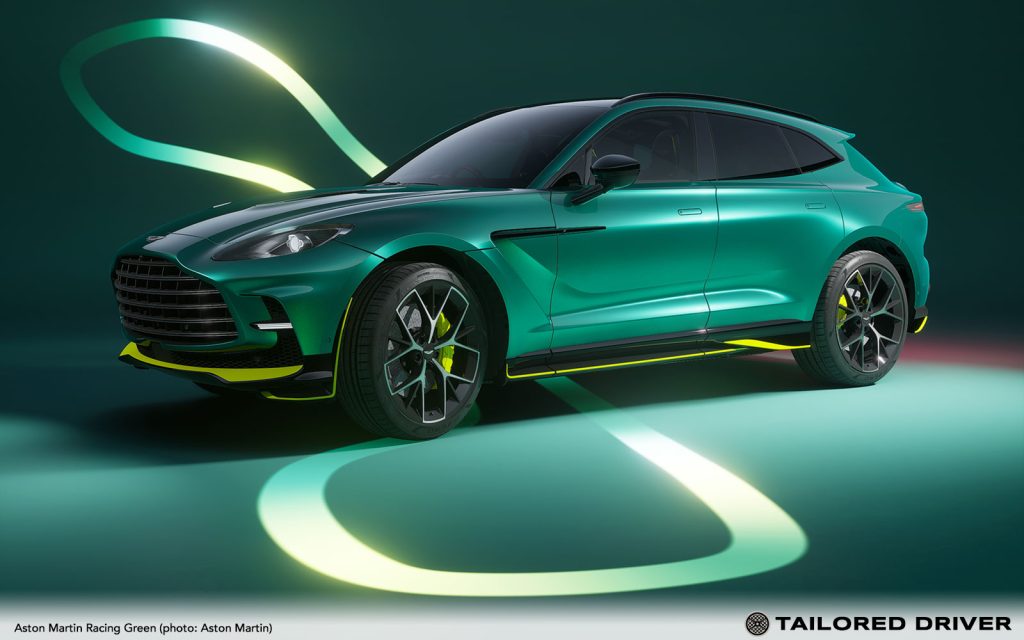
Since its association with the modern Aston Martin Racing F1 team, not to mention painting it on GT racing cars and safety cars around the world, Aston Martin Racing Green has captured the heart of brand enthusiasts seeking a tailored build for their car. Whereas Almond Green had a limited take rate amongst Aston Martin road car clients in the 1950s, Aston Martin Racing Green is the most popular color for today’s Aston Martin customers.
Jack Brown continues, “I think that’s a really nice link to the pinnacle of performance for our customers. It doesn’t just look like the paint on the F1 car, if you buy a car in Aston Martin Racing Green, it genuinely is the paint from the F1 car. It’s exactly the same formulation.”
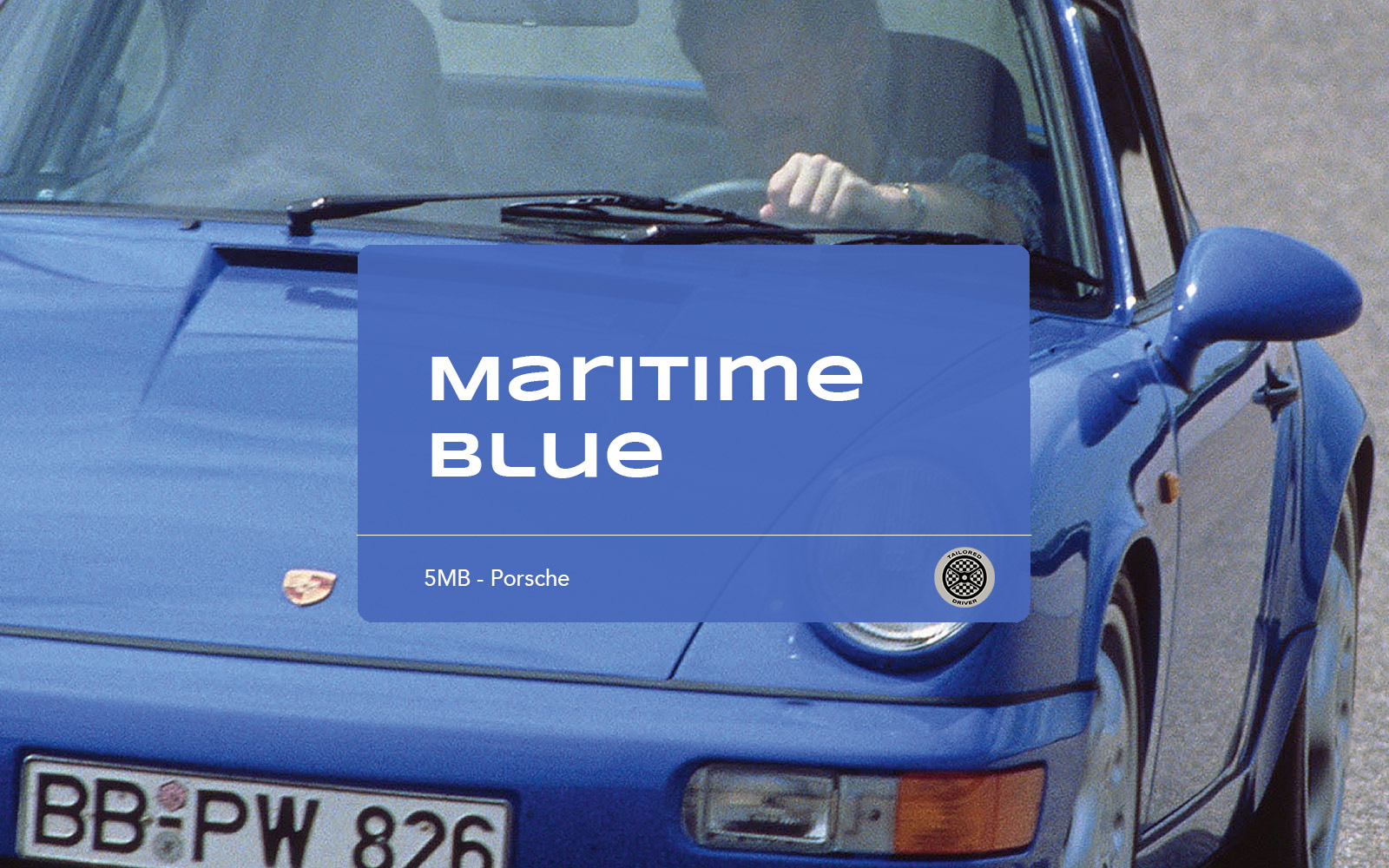
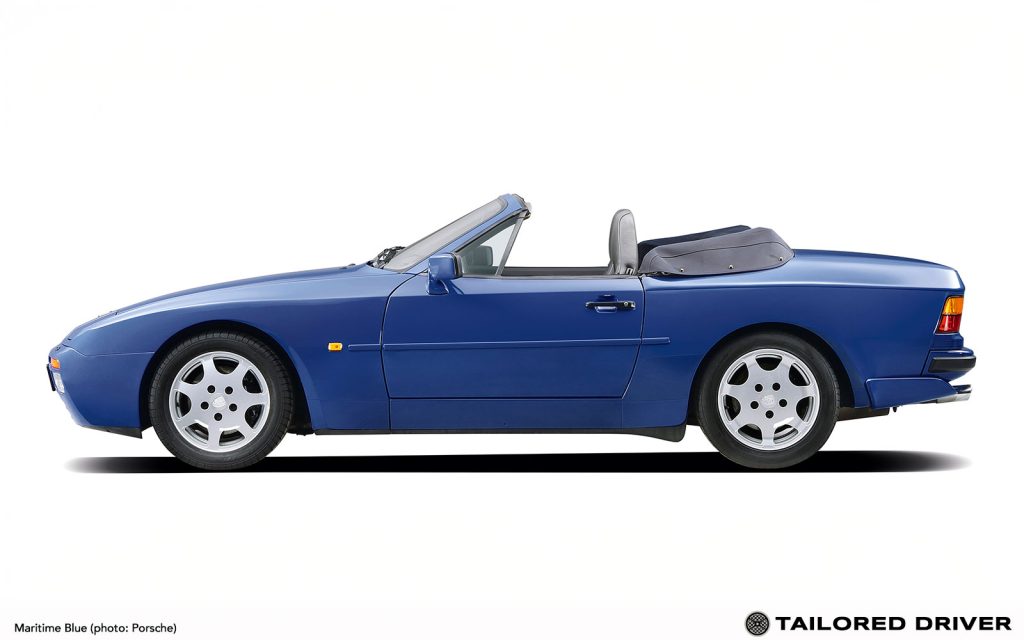
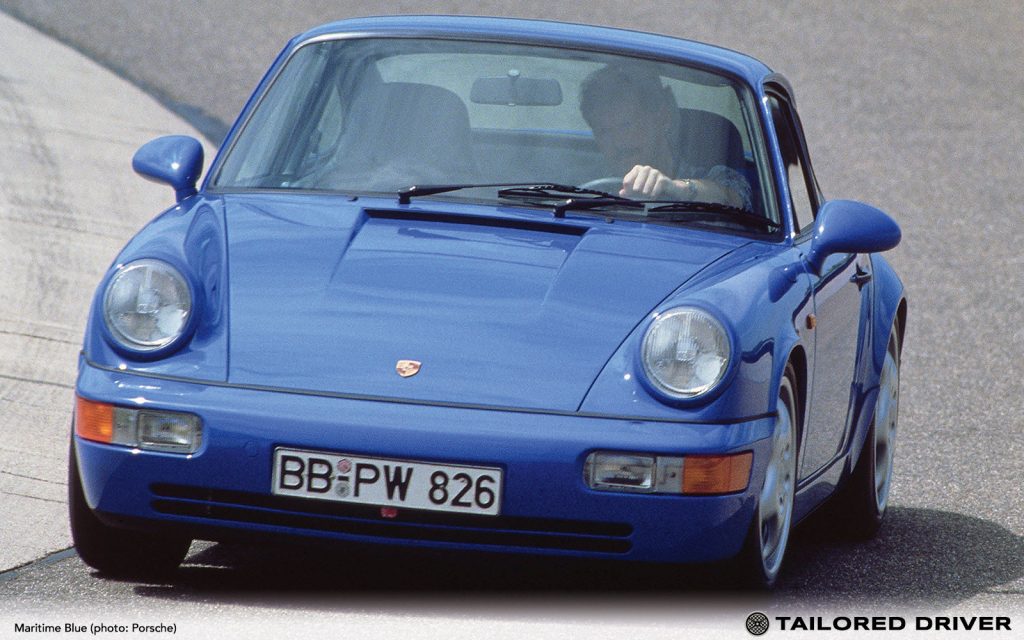
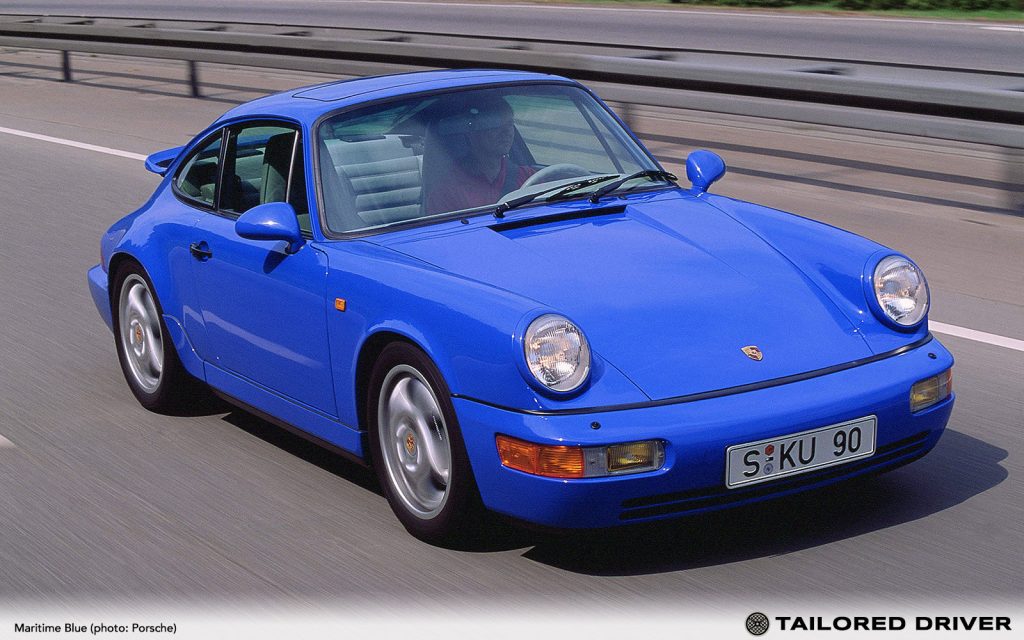
SUMMARY: Near as we can tell, Maritime Blue (maritimblau; non-metallic UNI; 5MB; Porsche) as a color was introduced or at least popularized during the 964 era. Porsche Club’s Rennbow website lists it as mainly available from 1991 to about 1995 with a few exceptions since and potentially in 1979 on the Carrera SC. They also suggest it may have evolved from early Porsche Enamel Blue. Whatever the case, the idea is simple enough – a practically primary blue that harks early national racing colors of France, often referred to as French Blue and popularized in those early pre-war racing years by Bugatti.
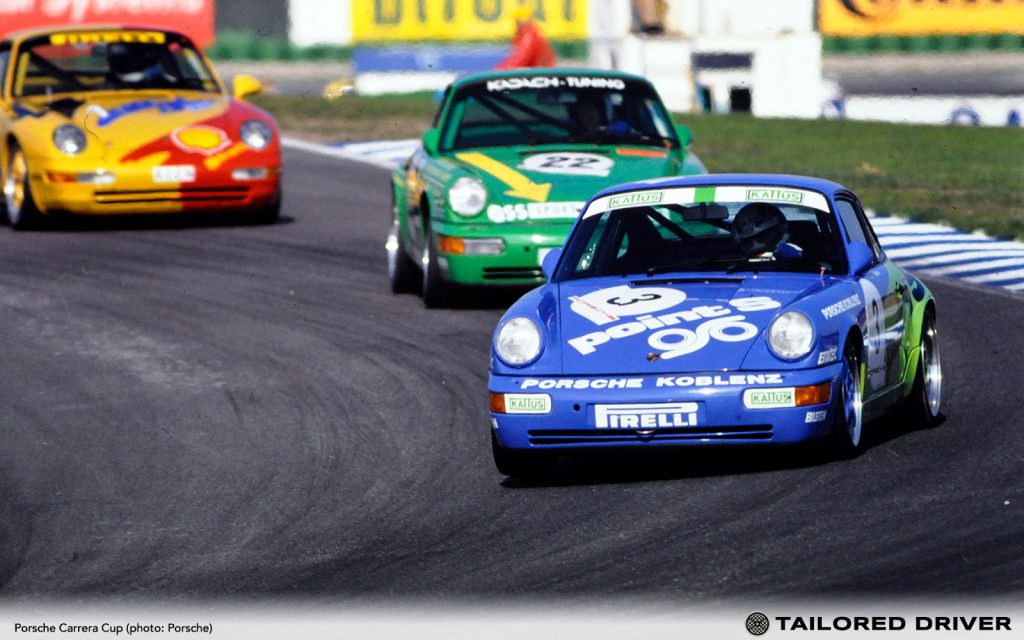
By the 964 era, the boring tones and colors (or ubiquity of Guards Red) of the 1980s were about to give way to a return to more avant-garde hues. While just colorful and envelope-pushing as were the 1960s and 1970s, the 1990s had their own unique feel. Its in this timeframe that Maritime Blue drops, alongside other colors like Rubystar and Mint Green, and quickly made even more sought after thanks to an association with the just-launched 911 Carrera Cup.
Some will mistake Maritime Blue for Audi’s Nogaro Blue. That’s not surprising given they are both very close to each other in tone, and Nogaro Blue traces its own roots to the Porsche-developed Audi RS2 Avant that came to market during the 964 era. Even still, they’re not the same and that becomes evident on the rare occasions each of these colors find themselves parked next to each other. Worth noting, Nogaro Blue is also a pearlescent paint whereas Maritime Blue is not.
Given its history with the Porsche brand and the much-loved 964 era in particular, Maritime Blue remains a popular Paint to Sample color to this day.
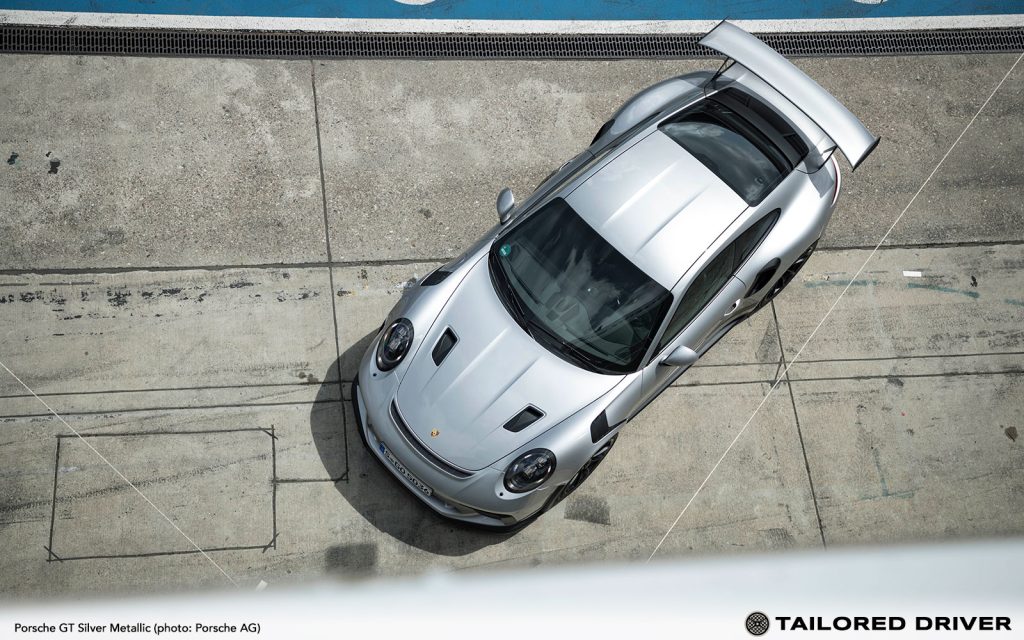
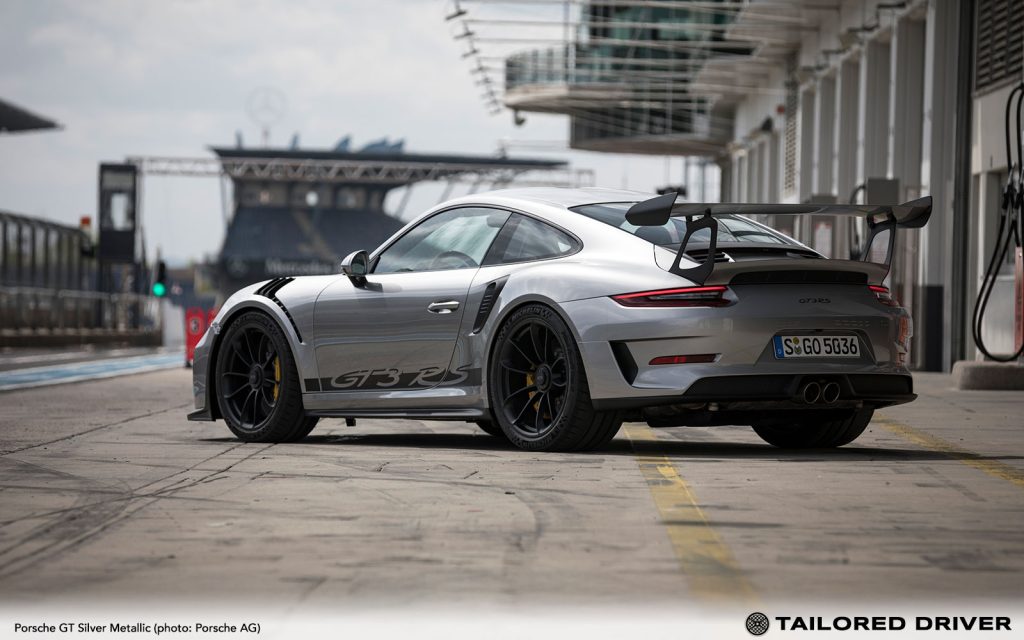
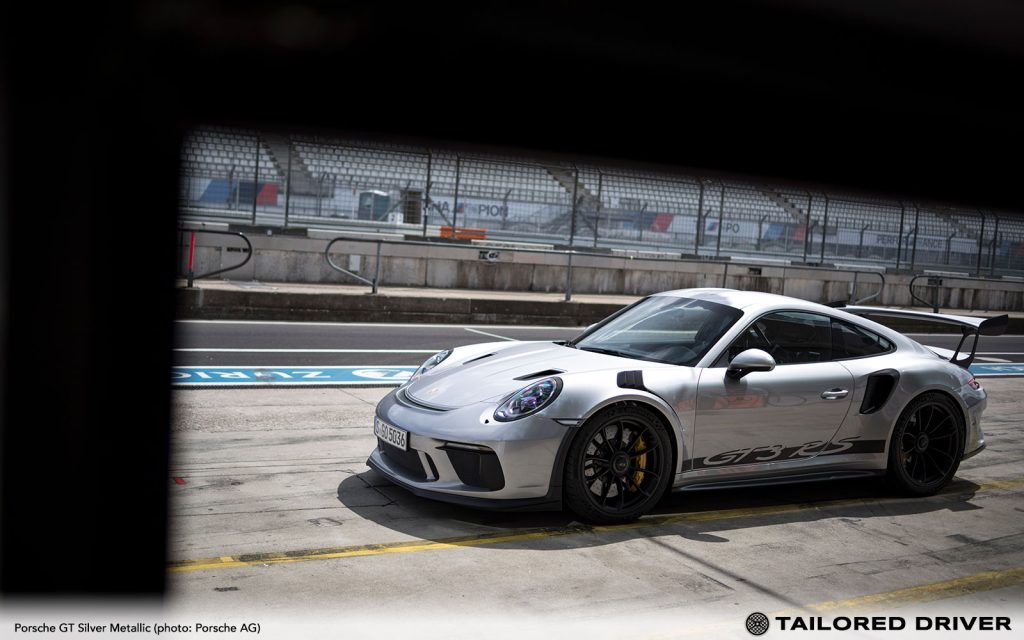
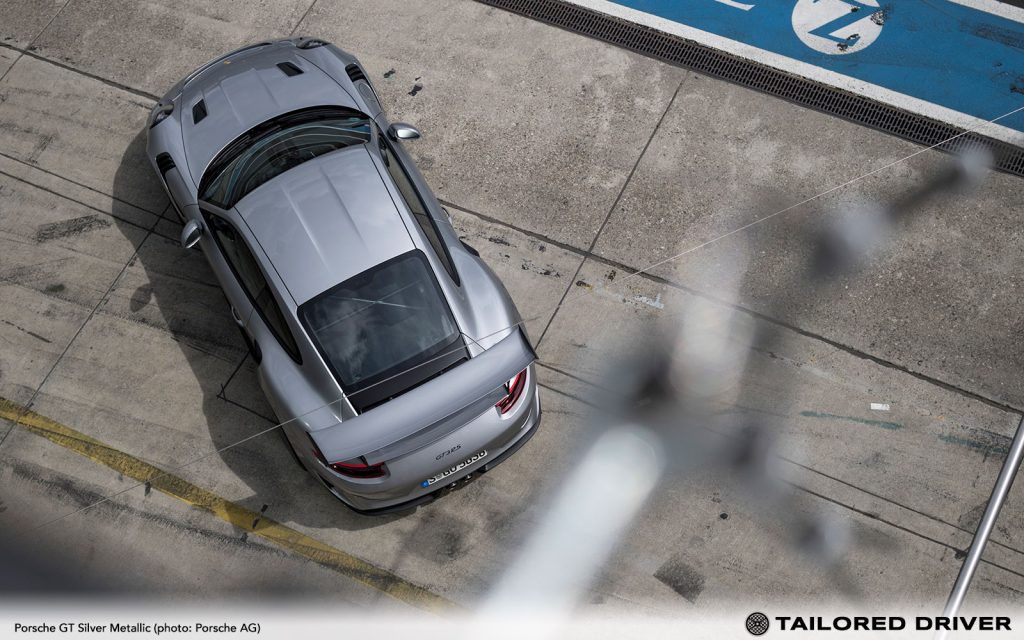
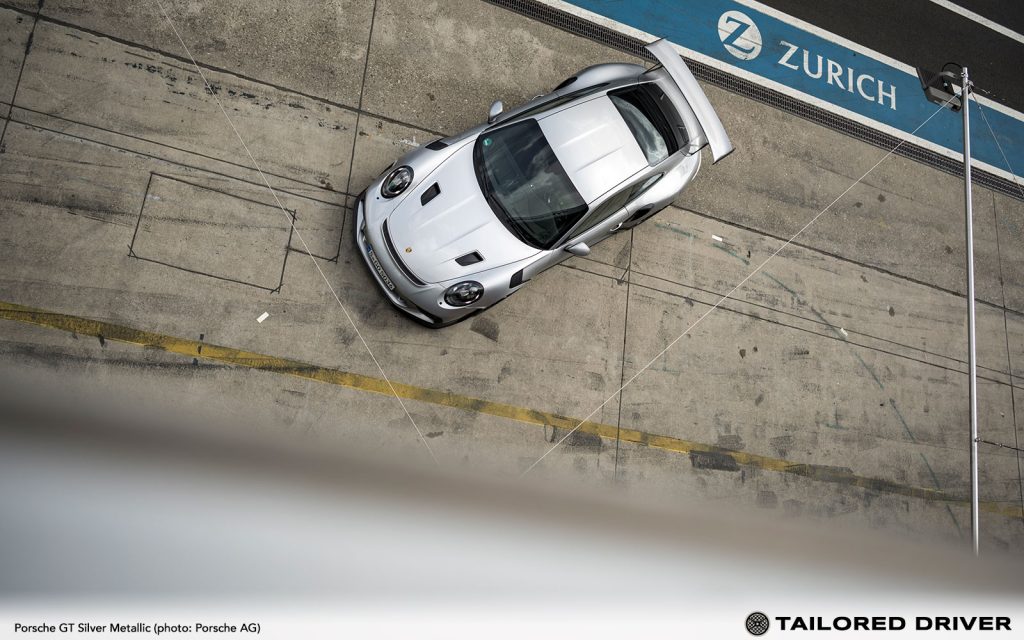
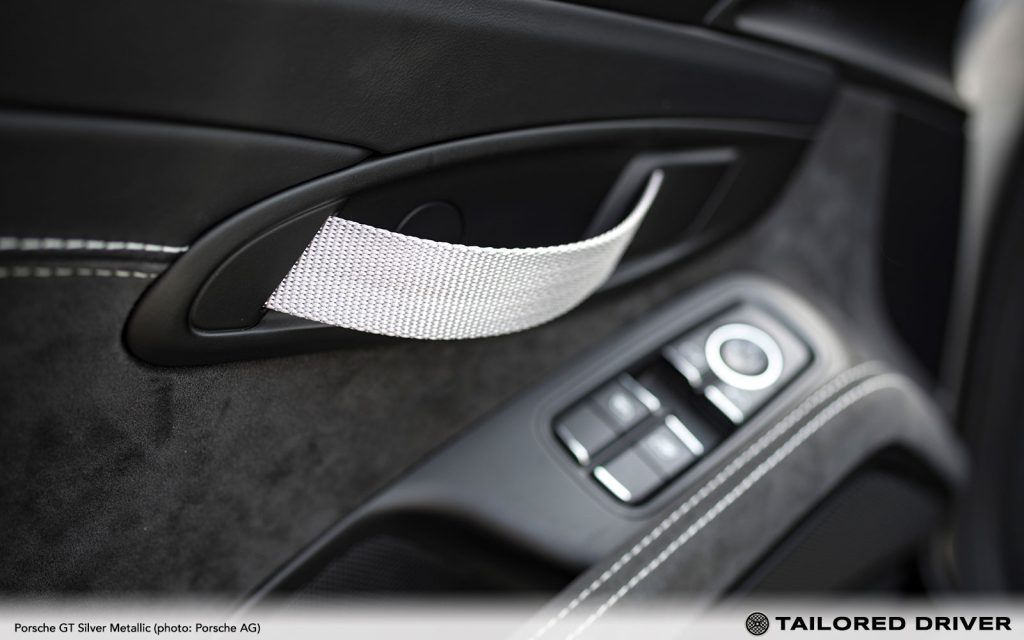
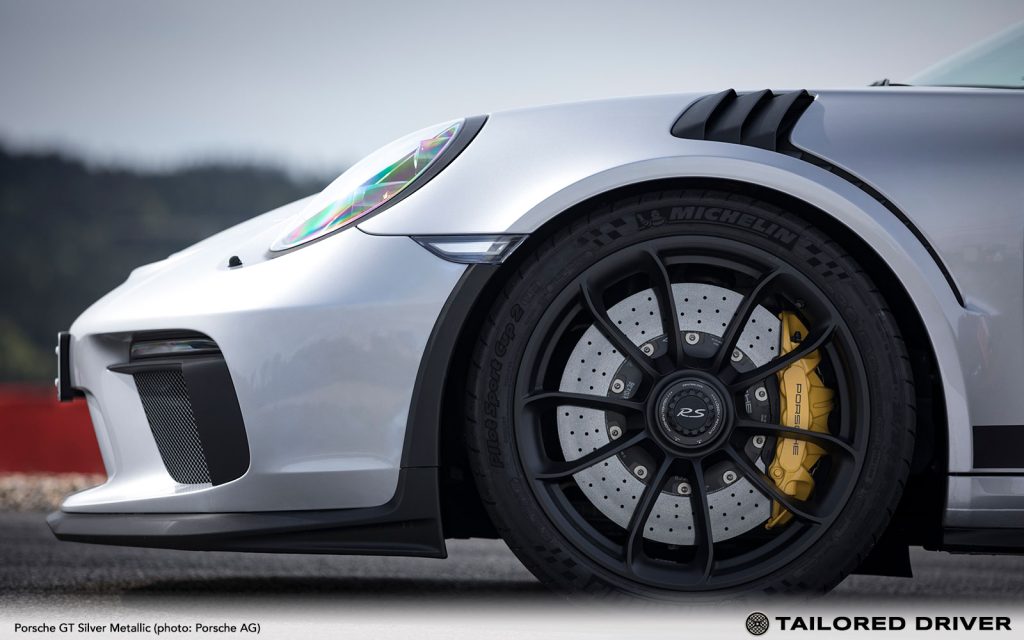
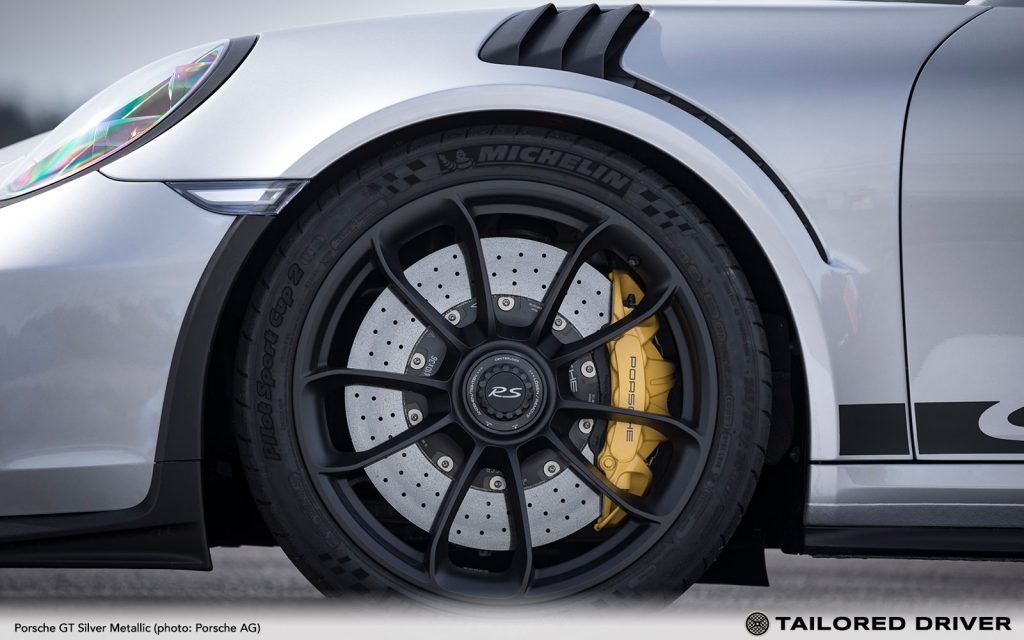
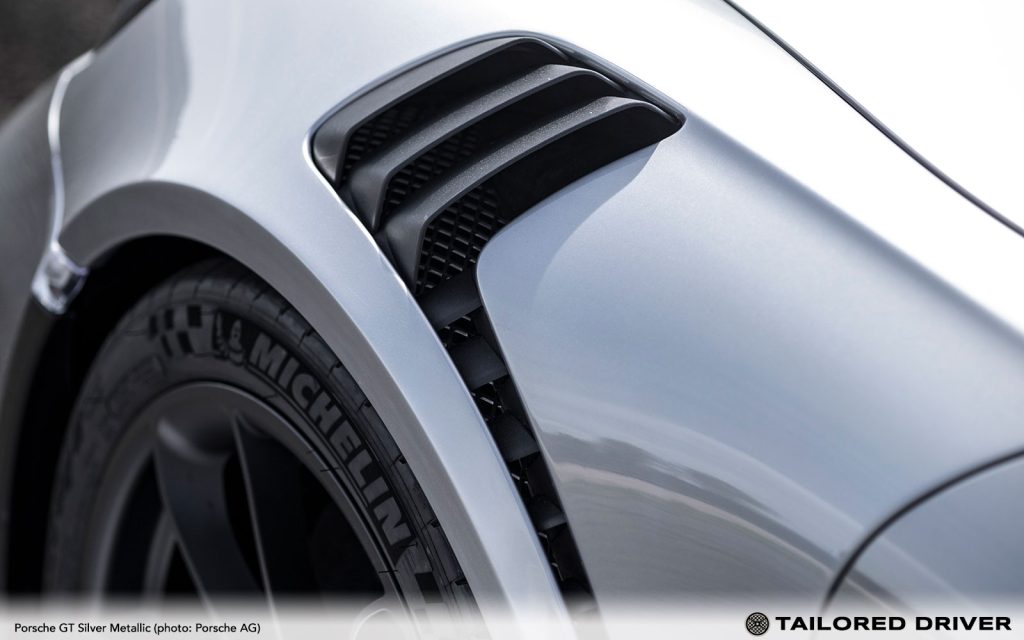
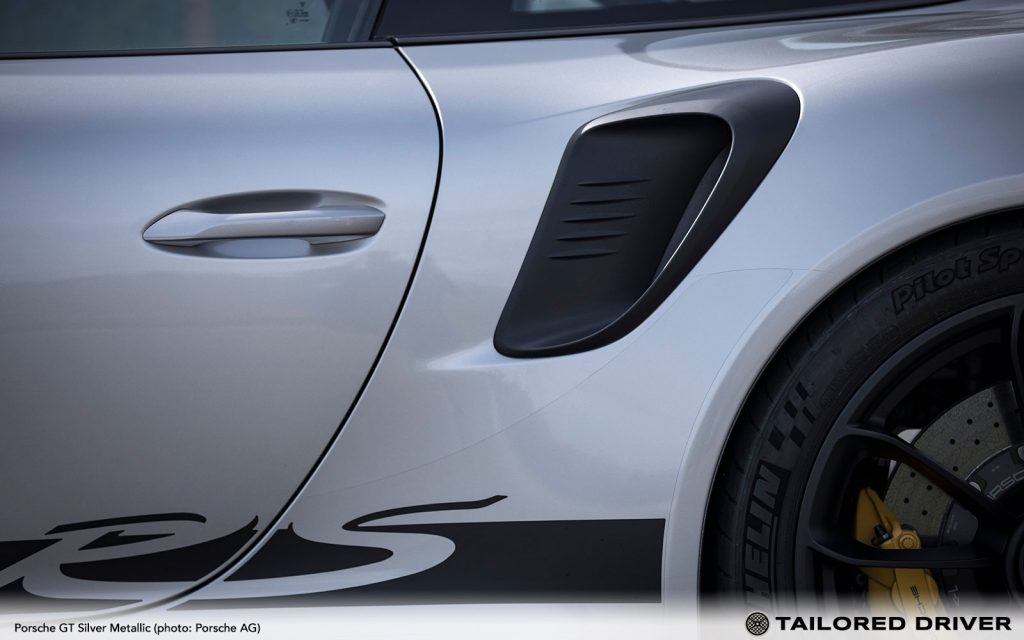
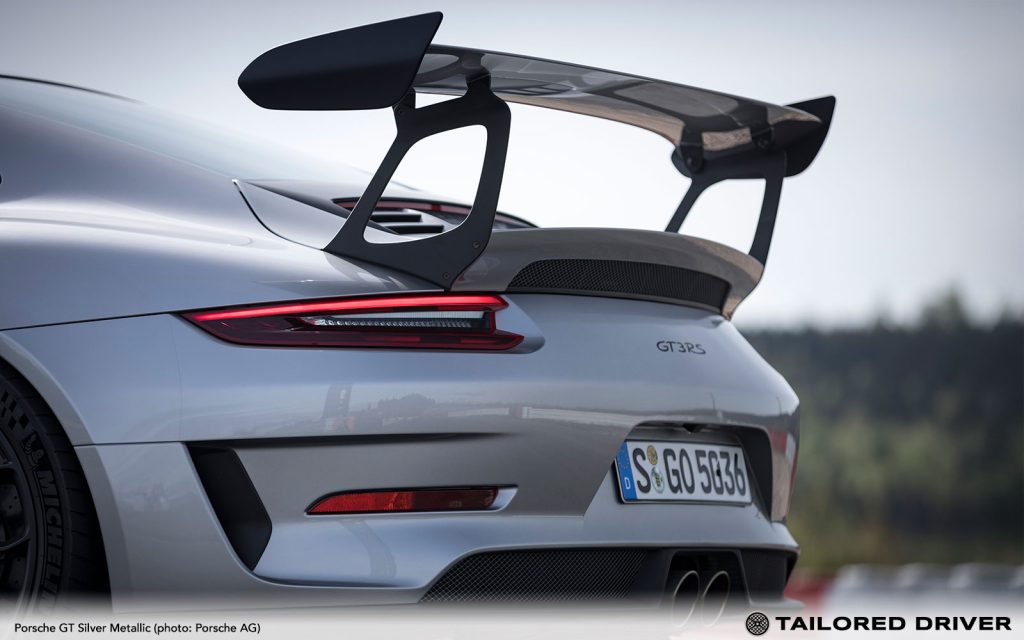
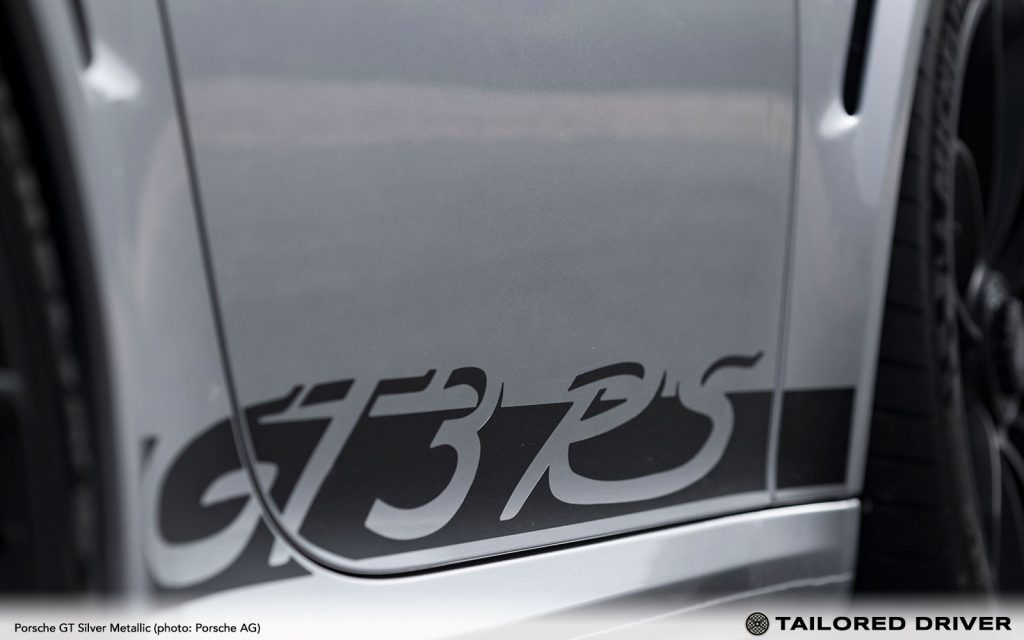
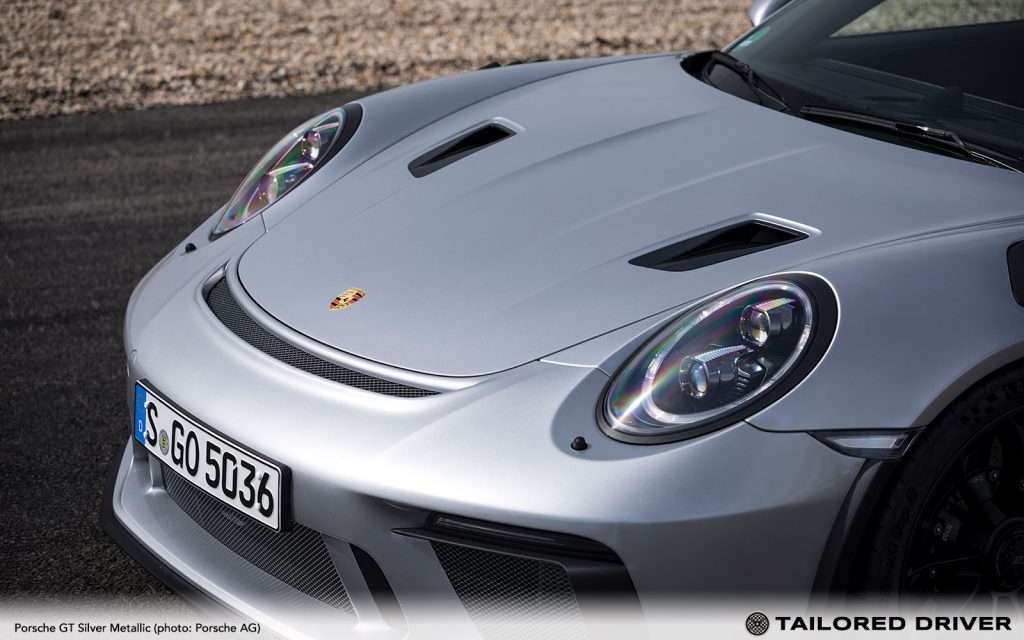
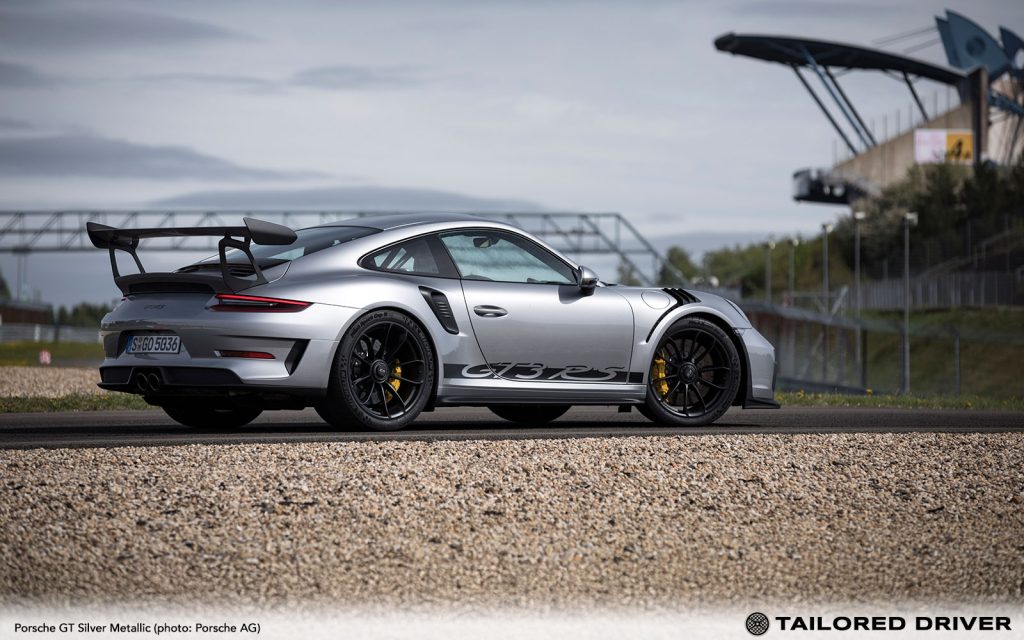
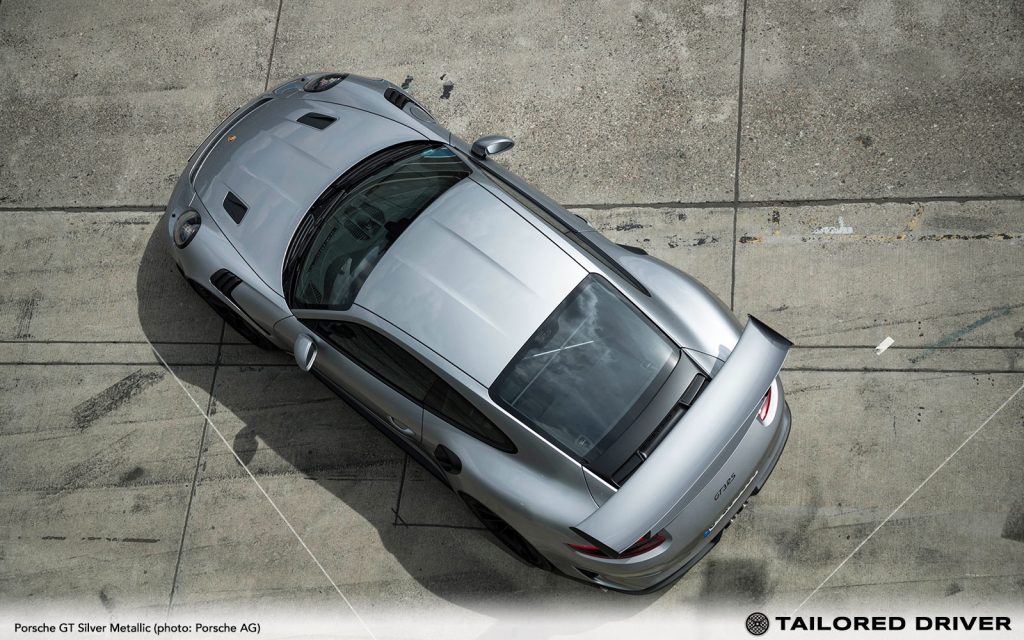
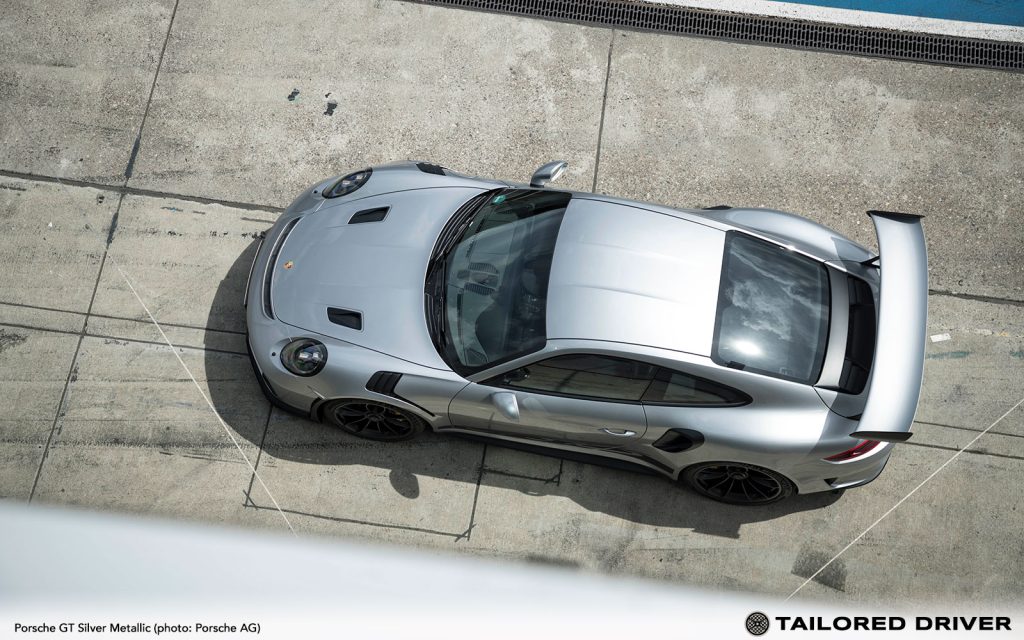
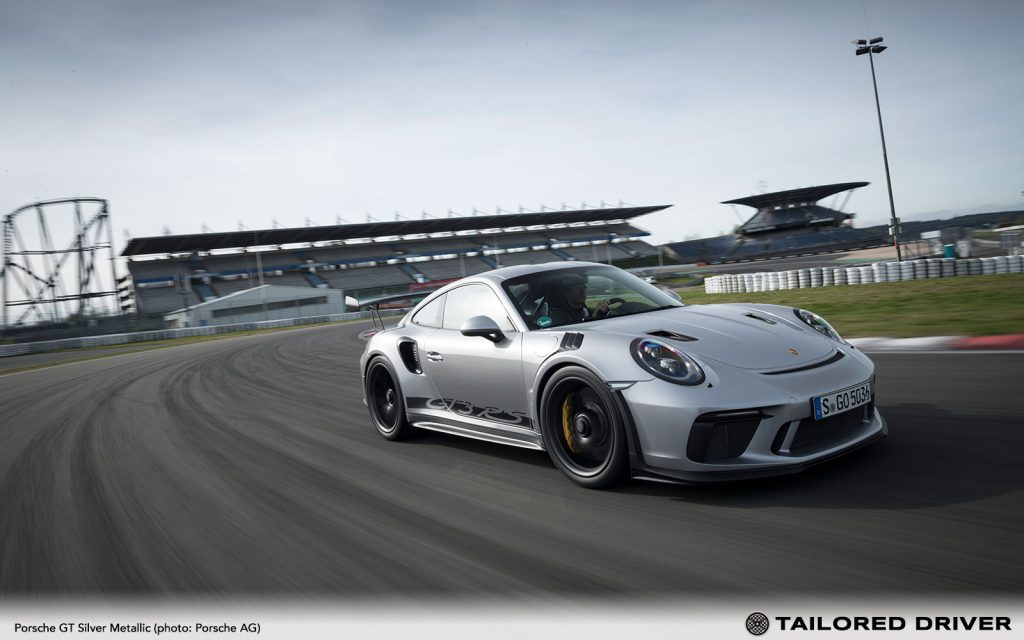
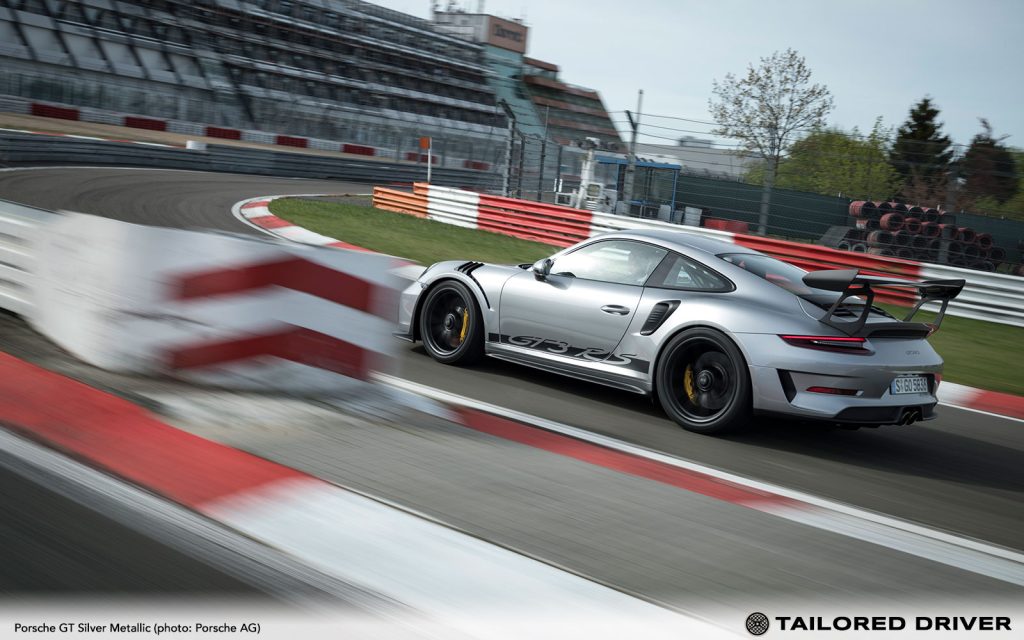
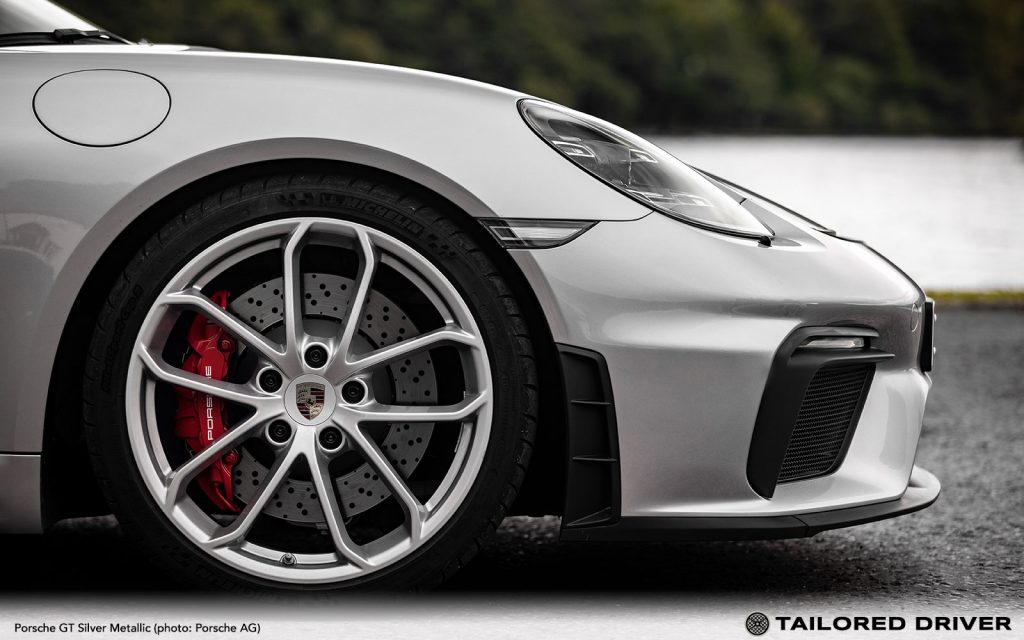
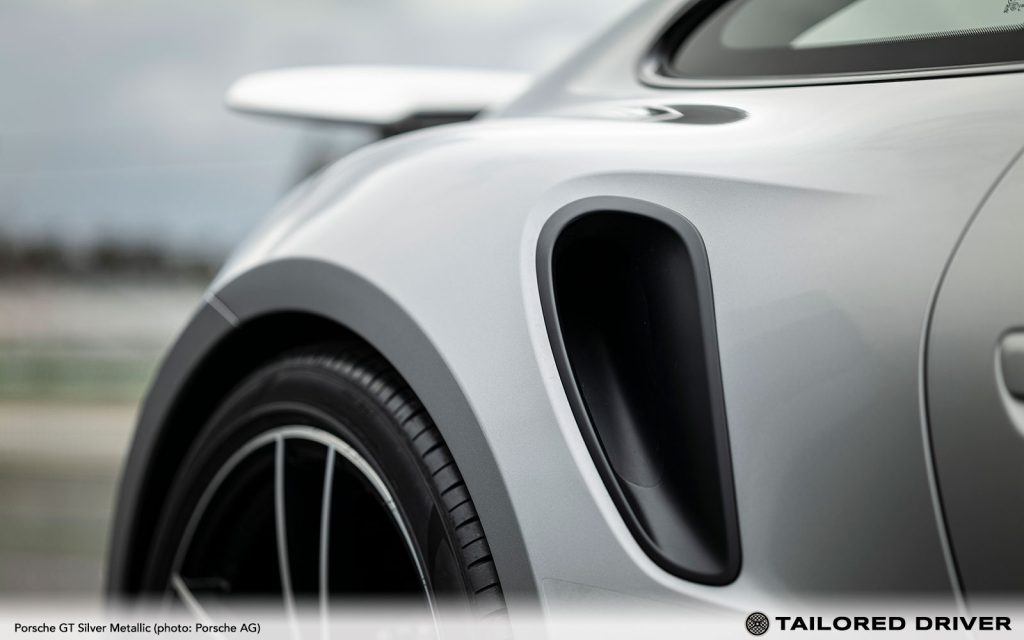
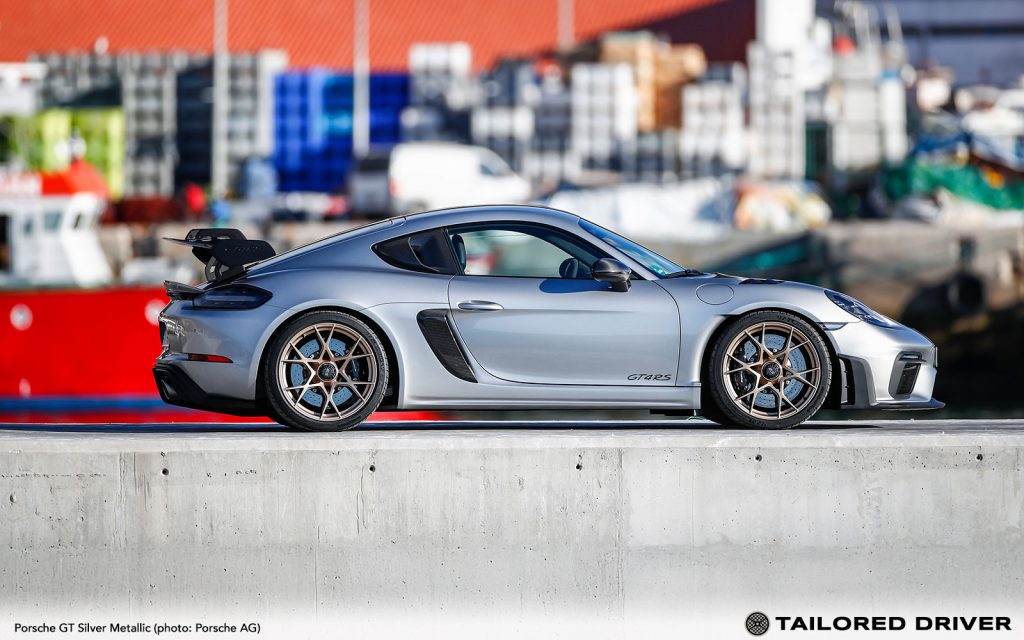
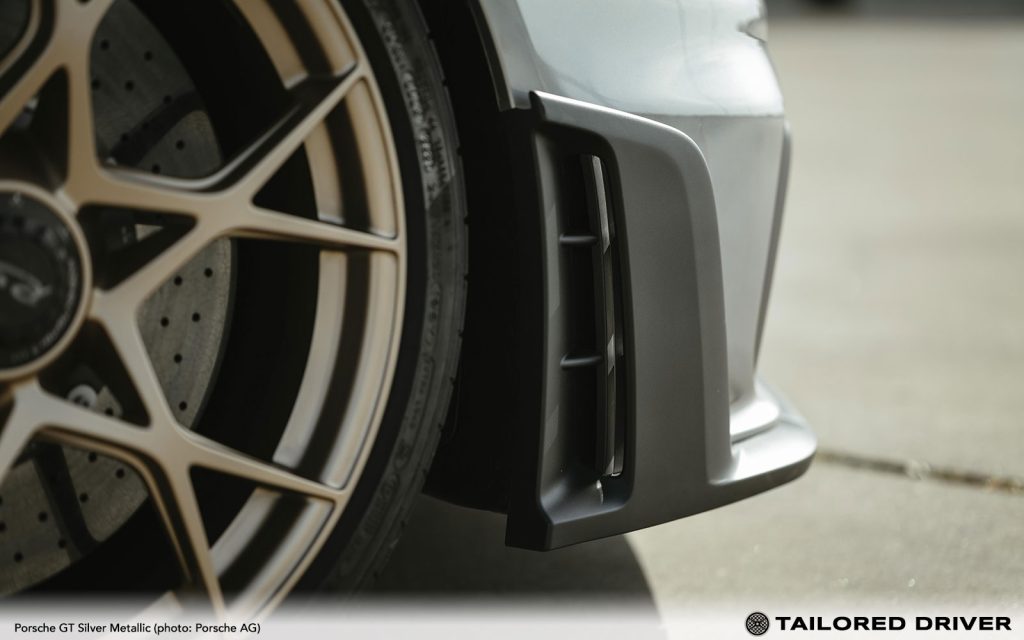
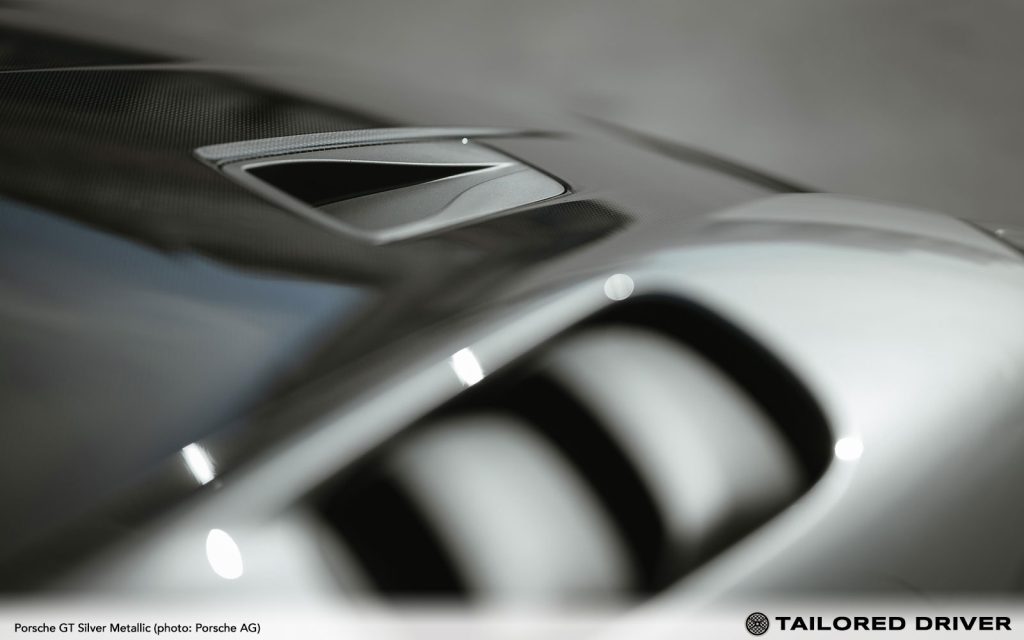
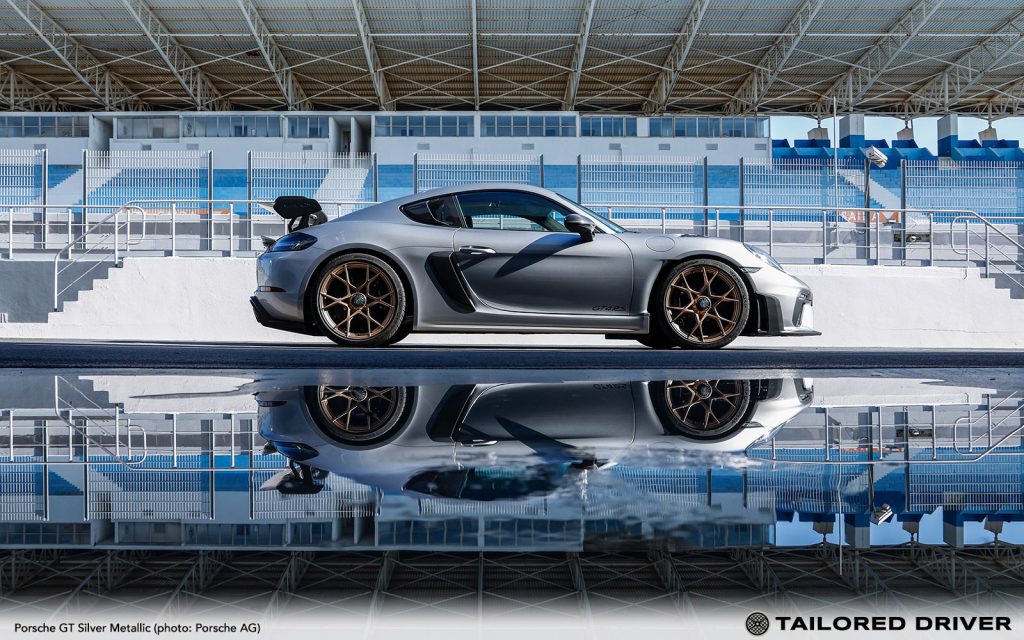
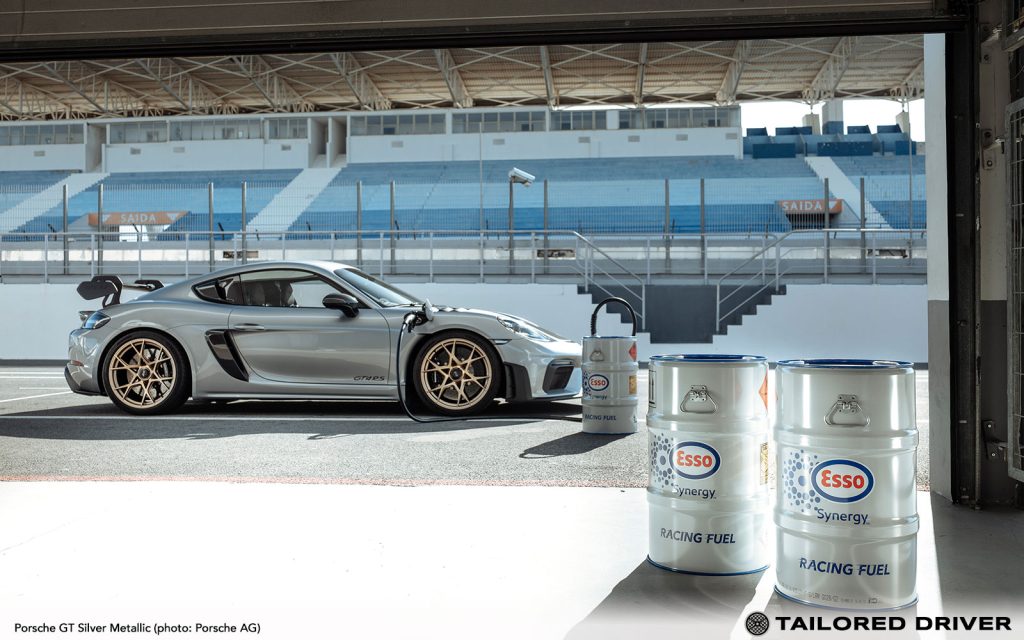
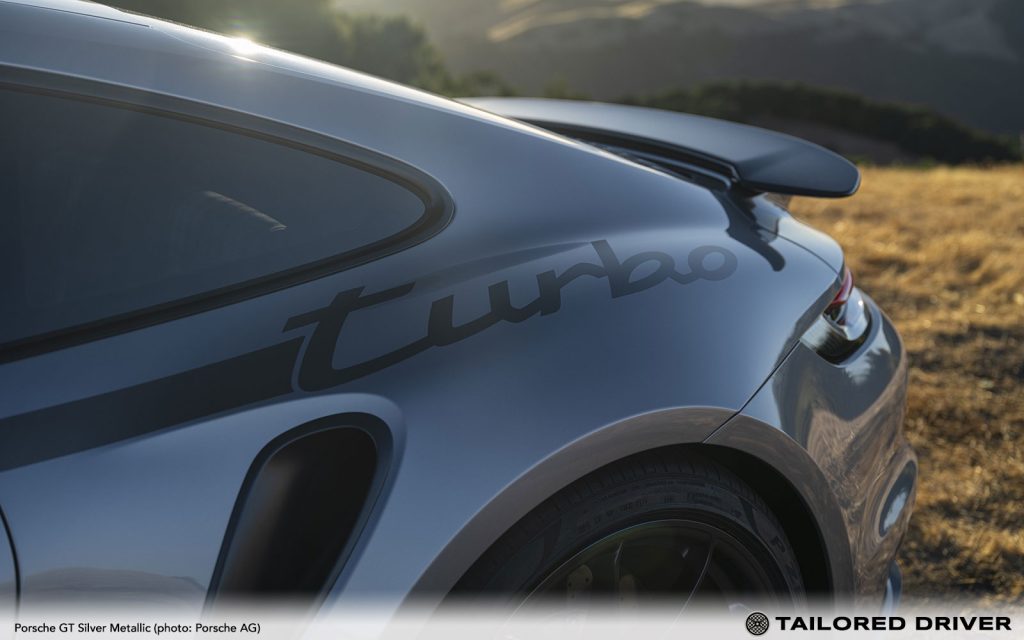
SUMMARY: When it comes to core racing colors, silver and Germany go hand-in-hand since the pre-war Silver Arrows days of Mercedes-Benz and Auto Union. And though Porsche tends to lean towards the original german racing color of white in more recent years, there’s no doubt that its classic 1950s racers predominantly went silver. And one of the most popular modern Porsche silver colors is GT Silver Metallic (gtsilbermetallic; metallic UNI; M7Z / U2; Porsche).
GT Silver is a fairly ubiquitous color offered on the standard palette for a plethora of Porsche automobiles, so you’re unlikely to see it as a Paint to Sample special. Even still, it’s an excellent and classic base for special Manufaktur or Sonderwunsch builds where more bold interior colors are paired with a neutral exterior in order to grab more attention.
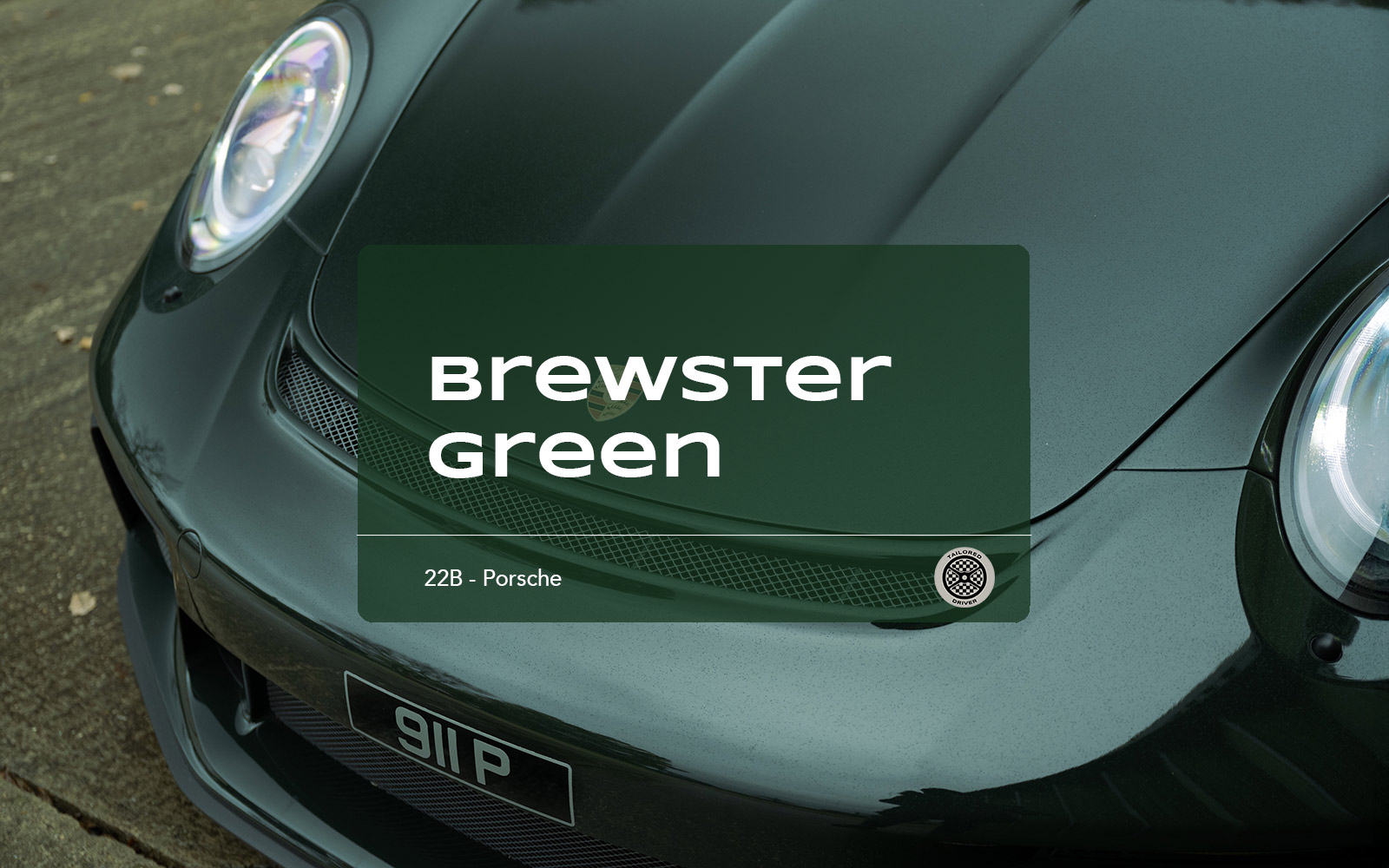
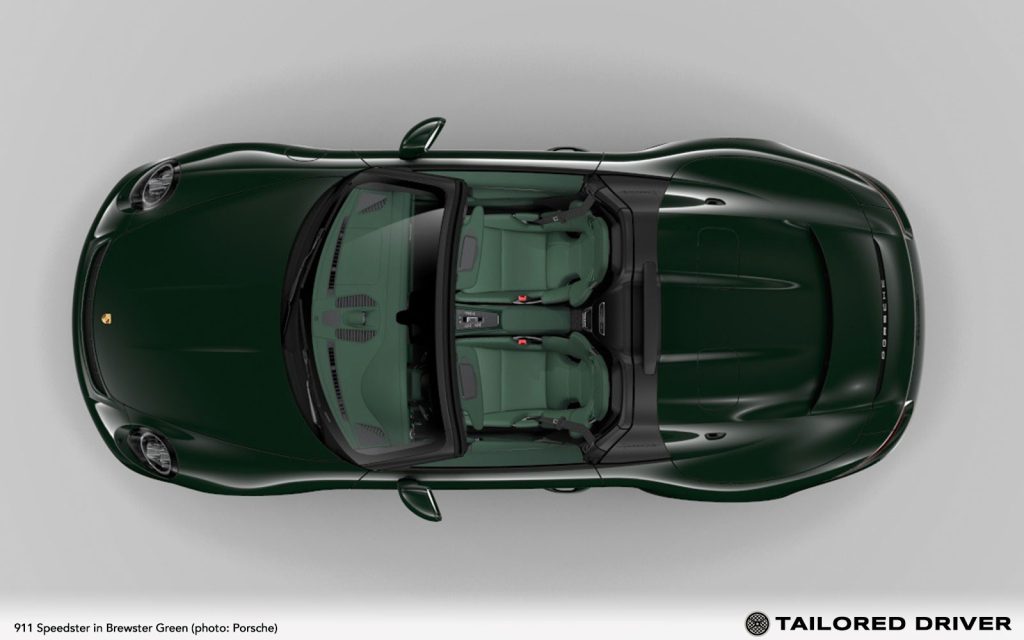
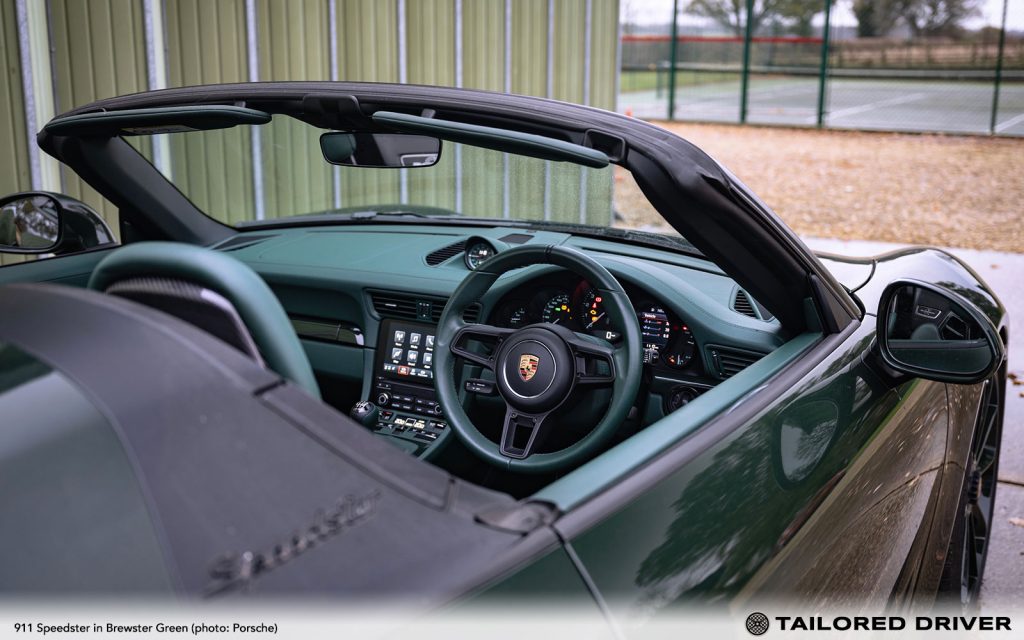
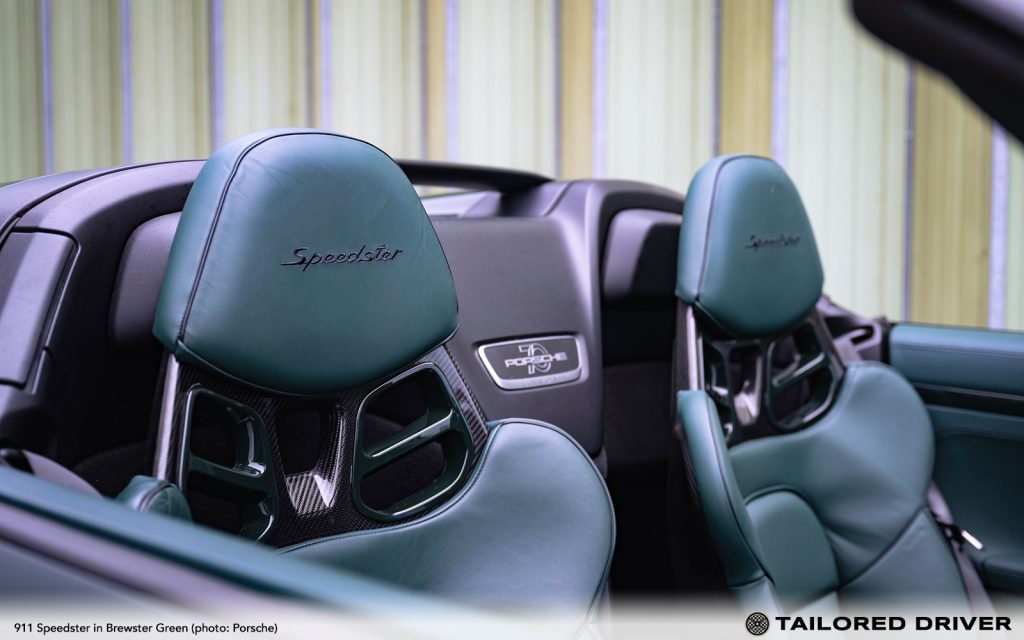
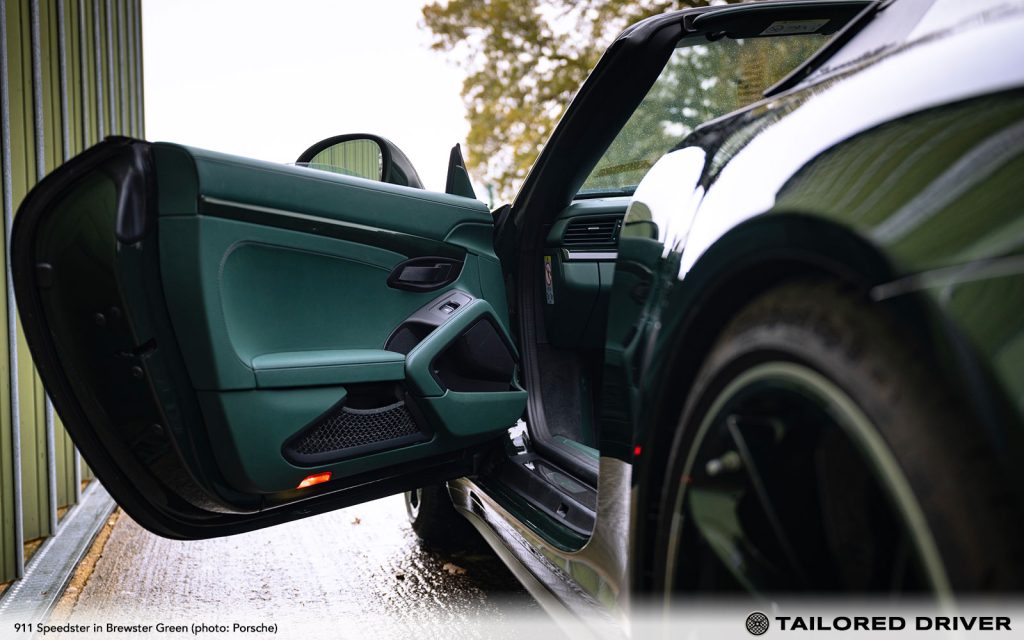
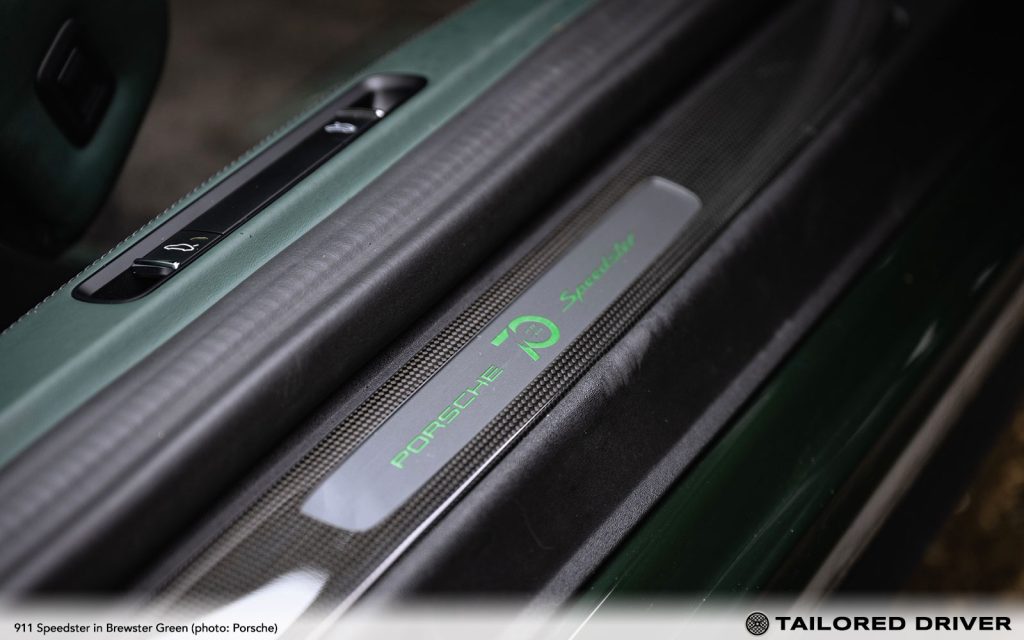
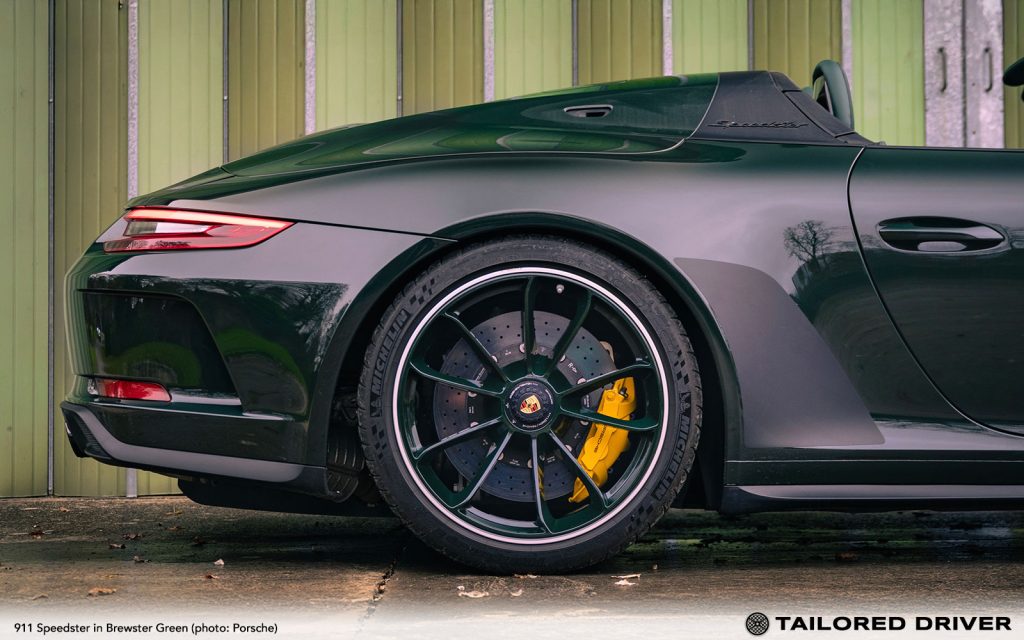
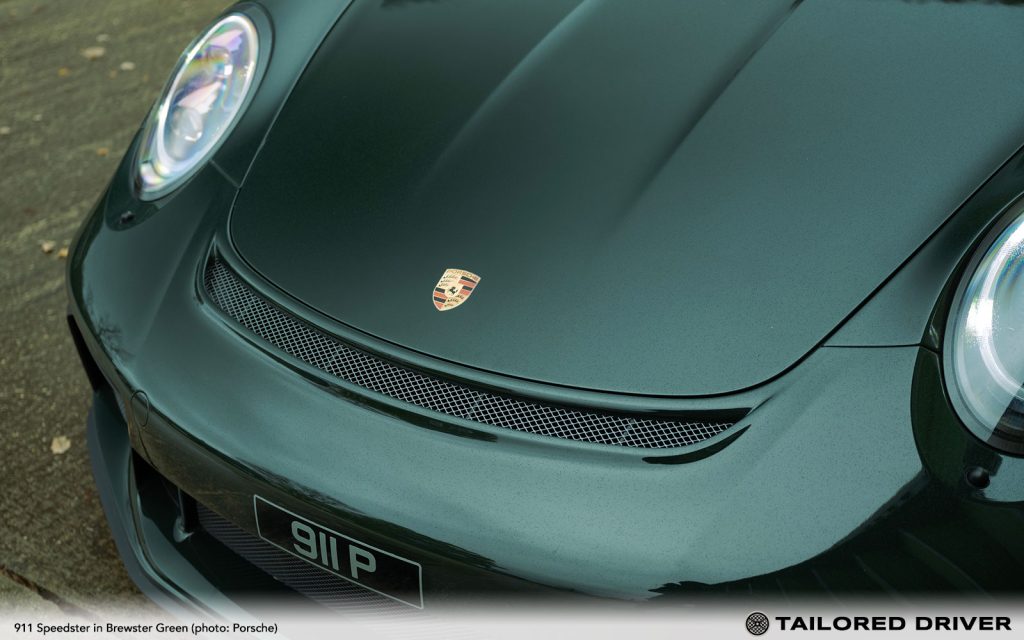
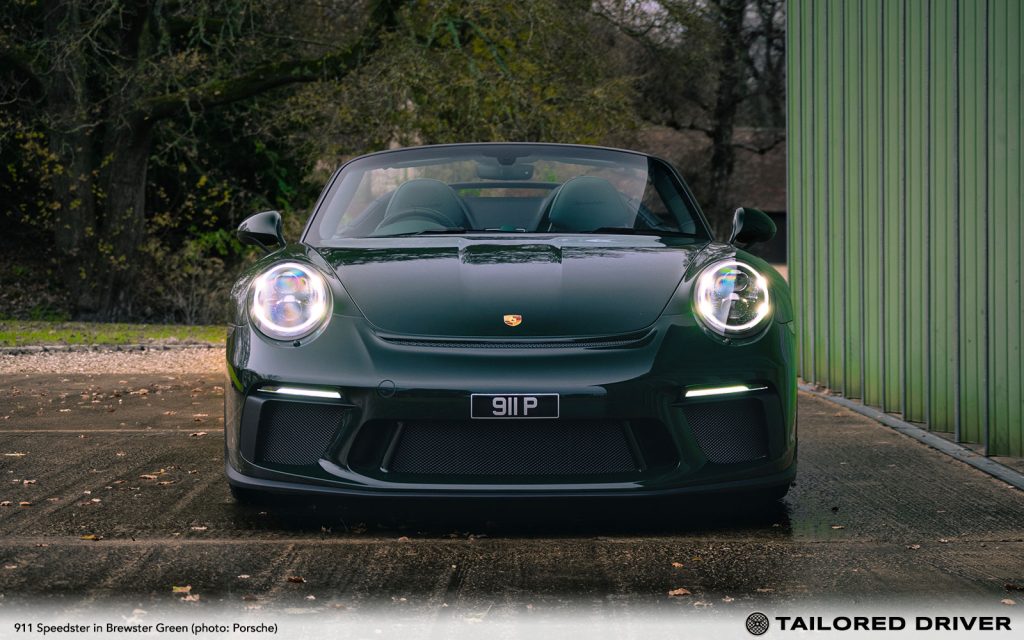
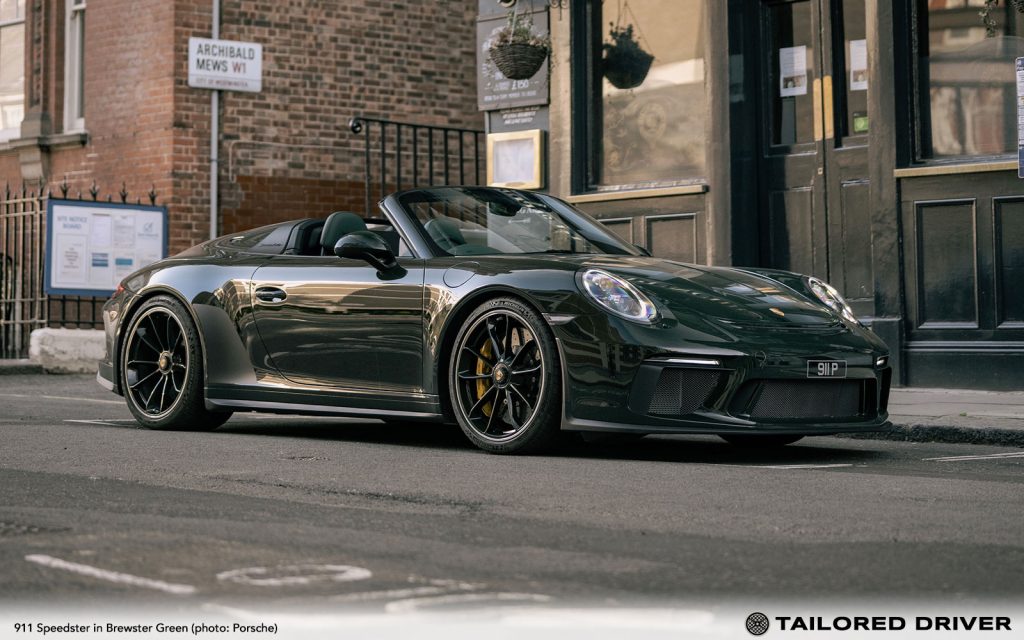
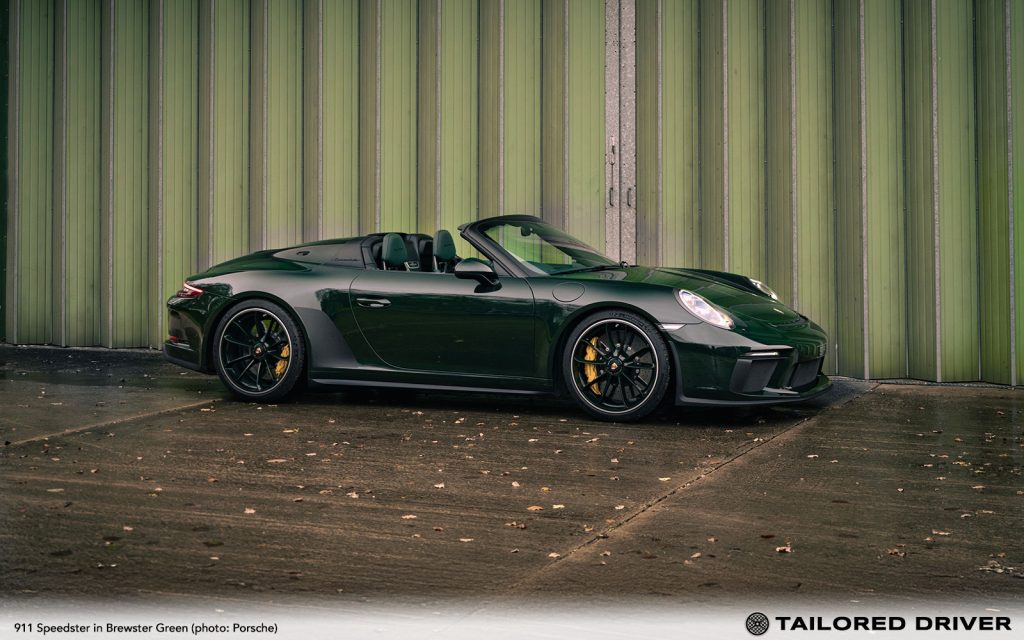
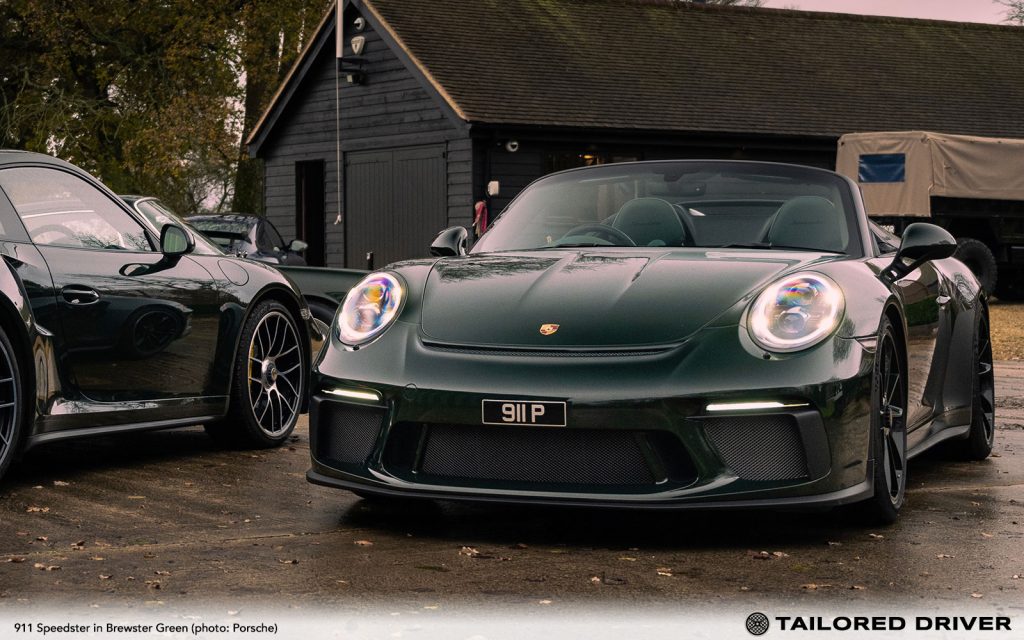
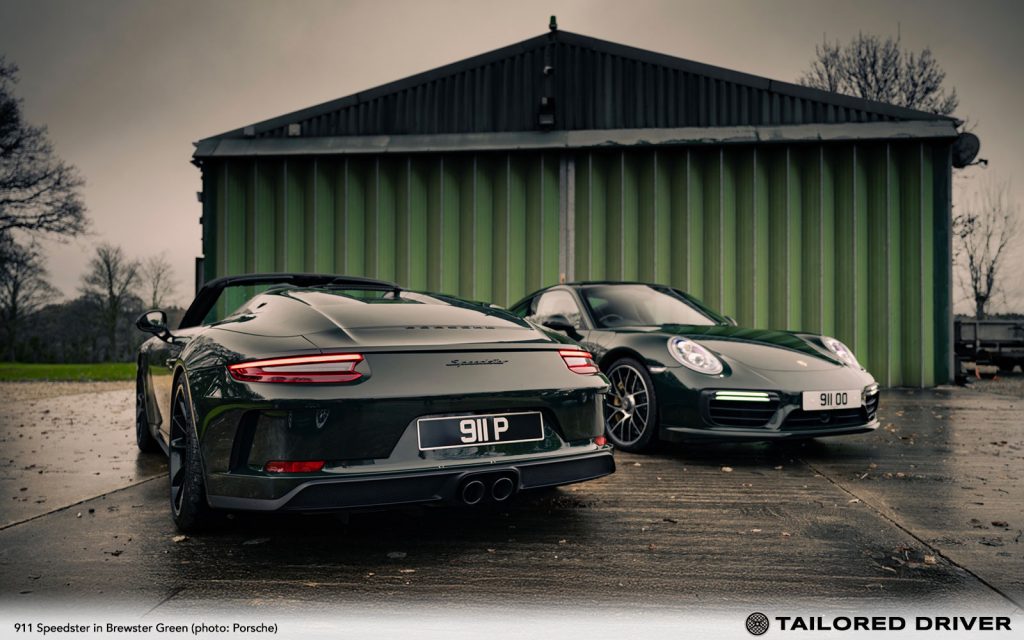
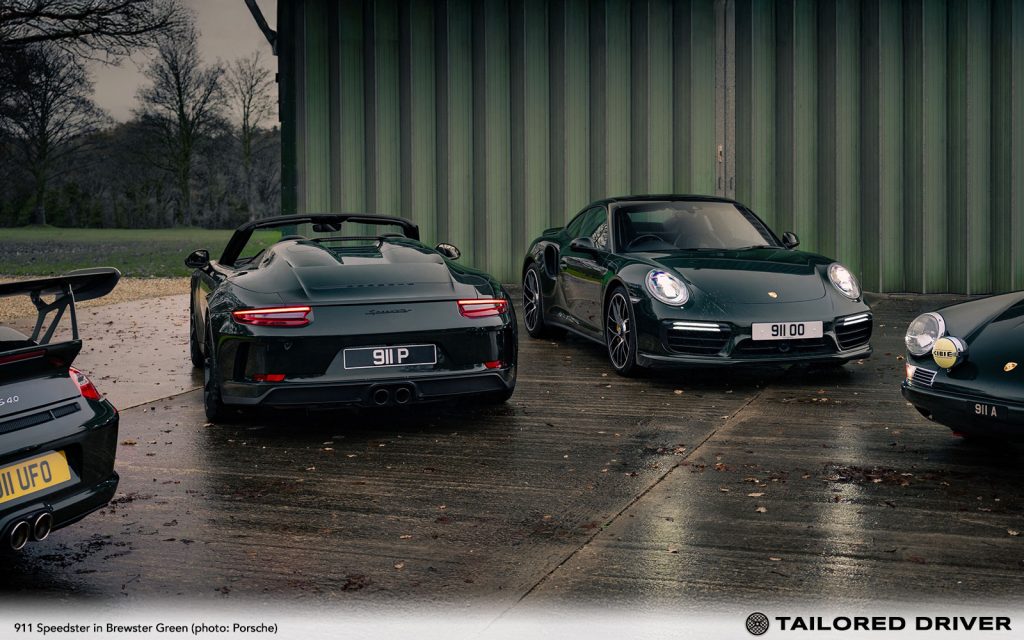
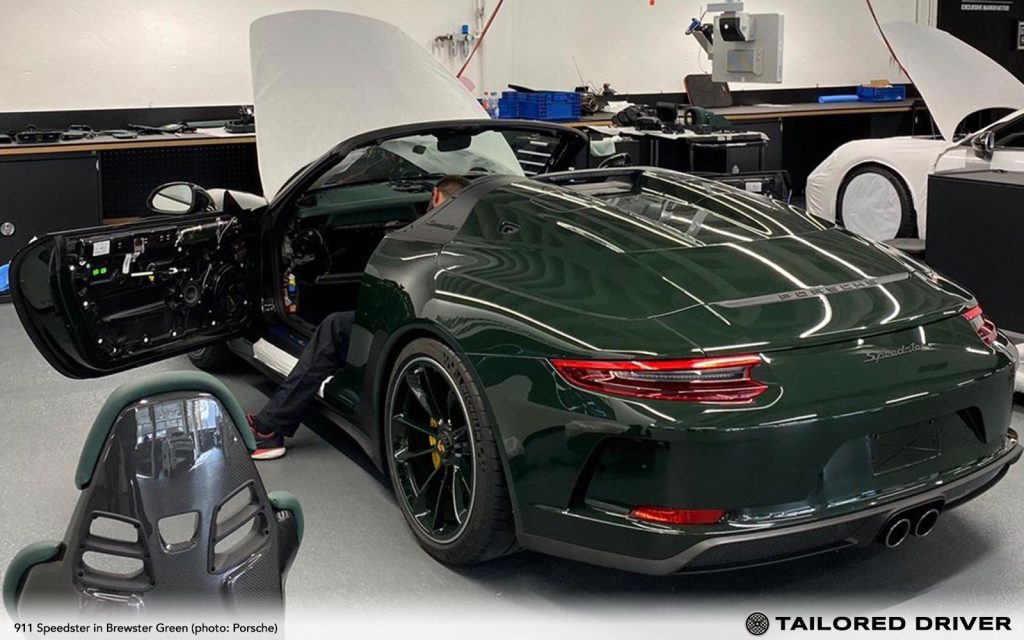
SUMMARY: Some say Porsche’s non-metallic Brewster Green (brewstergrün; nonmetallic UNI; 22B; Porsche) is Stuttgart’s take on British Racing Green. However, we’d suggest it’s just another shade by Stuttgart of England’s original national racing color. Where Irish Green goes just a bight lighter than a lot of traditional British Racing Greens, Brewster Green goes a bit darker. In lower light it can sometimes even look black, though under direct light the green hue and the relationship to the British national racing color is undeniable.
Brewster Green was a favorite of Ferdinand “Ferry” Porsche and other Porsche family members like Wolfgang Porsche for their own personal cars. As a result, it’s been a popular choice over the years, occasionally offered as a standard color and regularly chosen for Paint to Sample specifications.
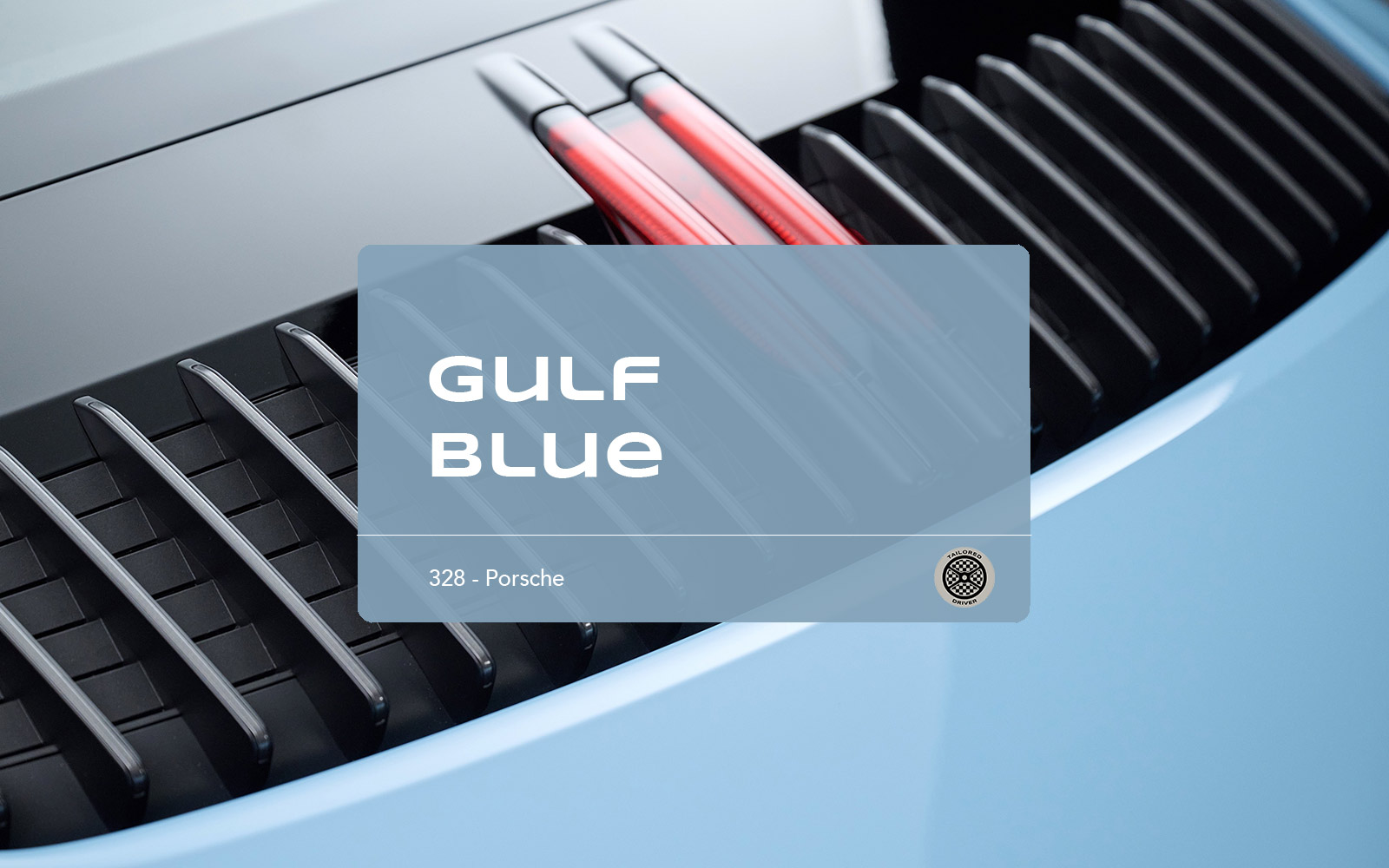
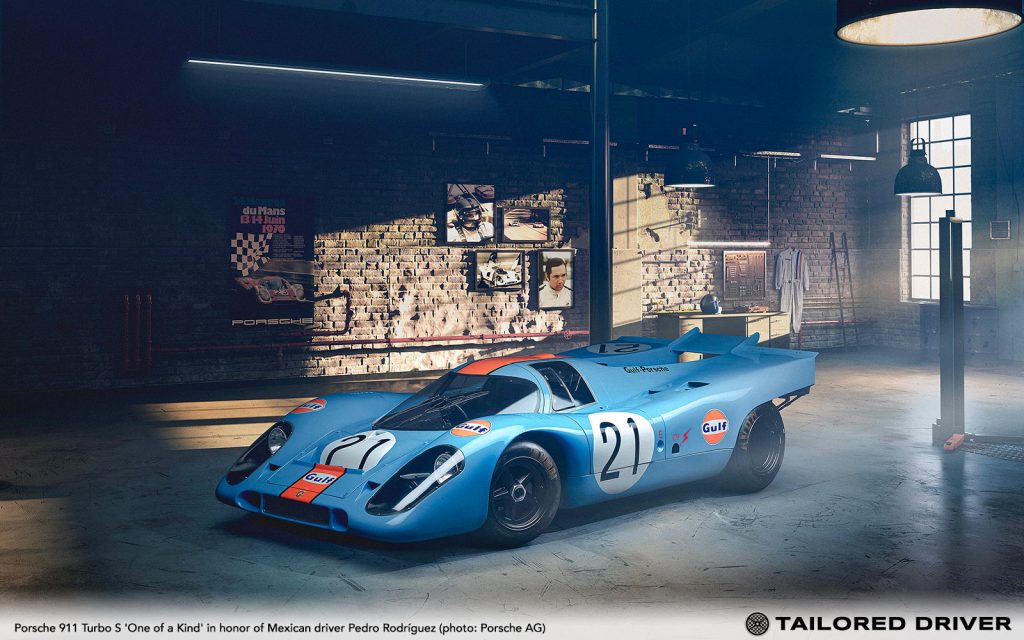
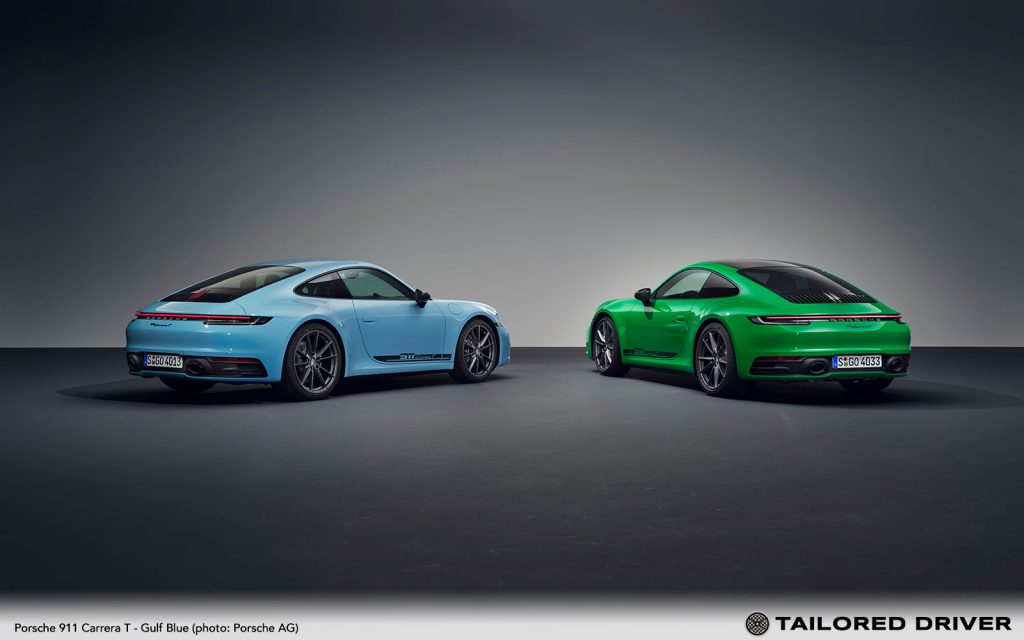
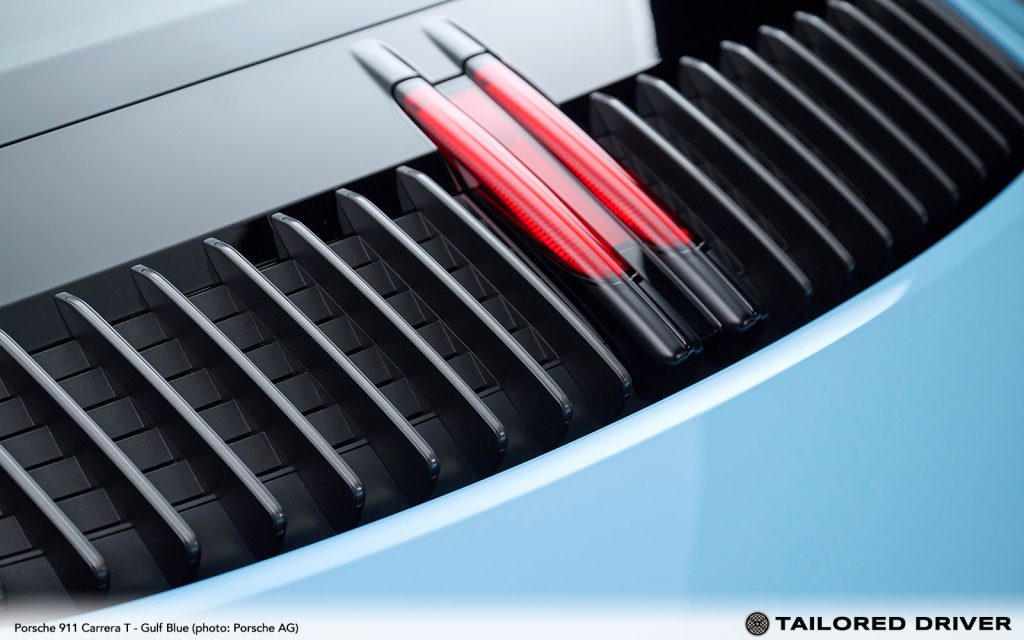
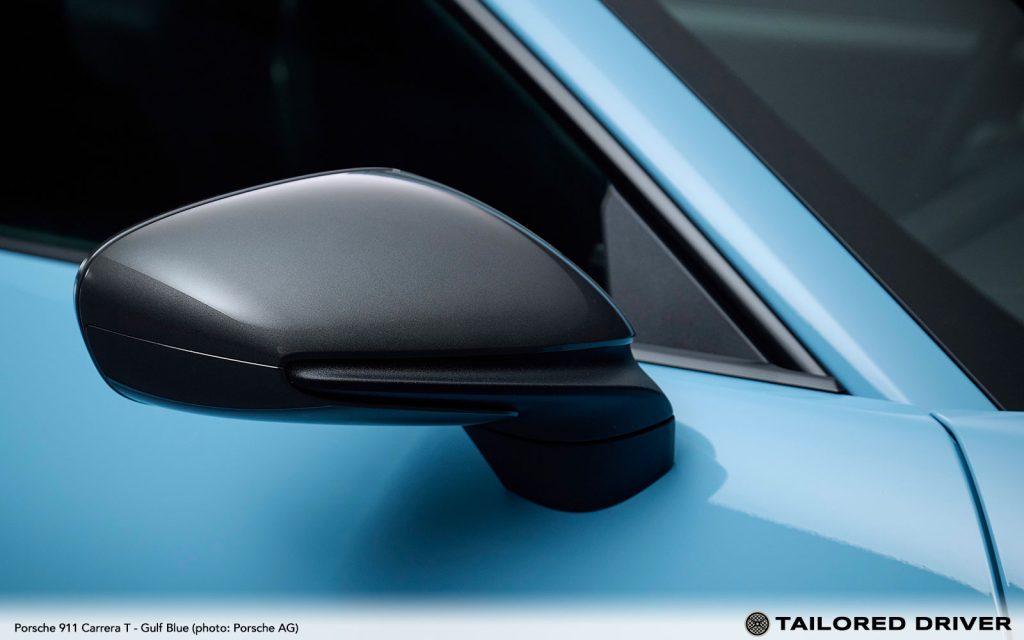
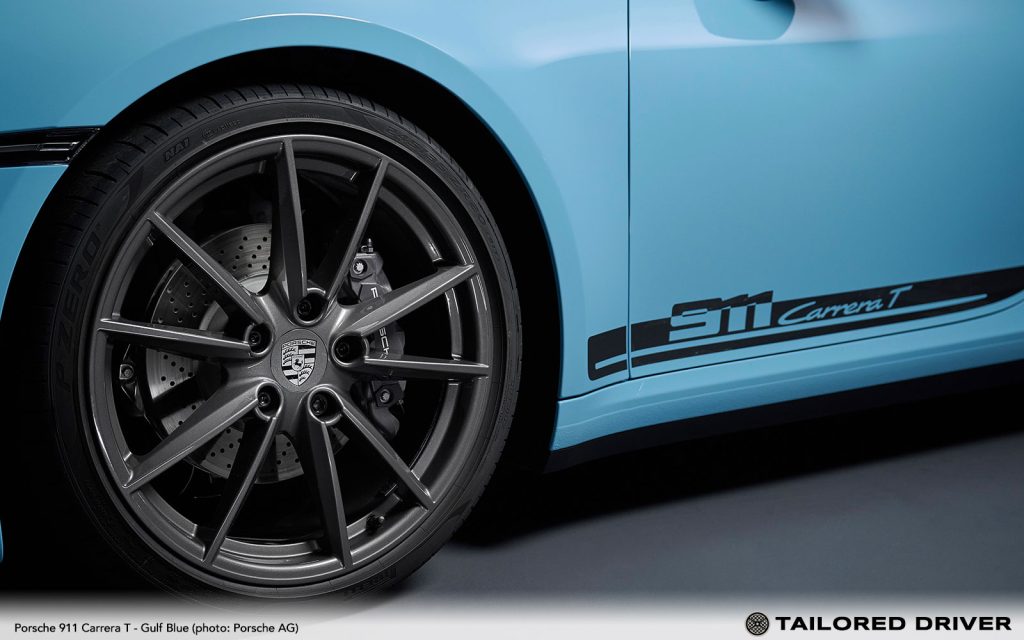
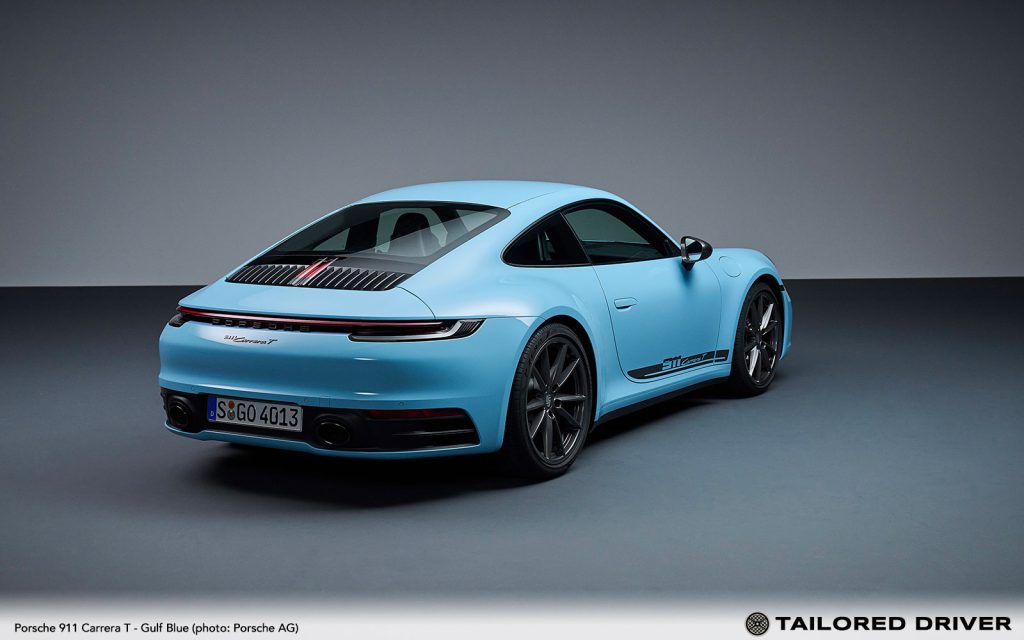
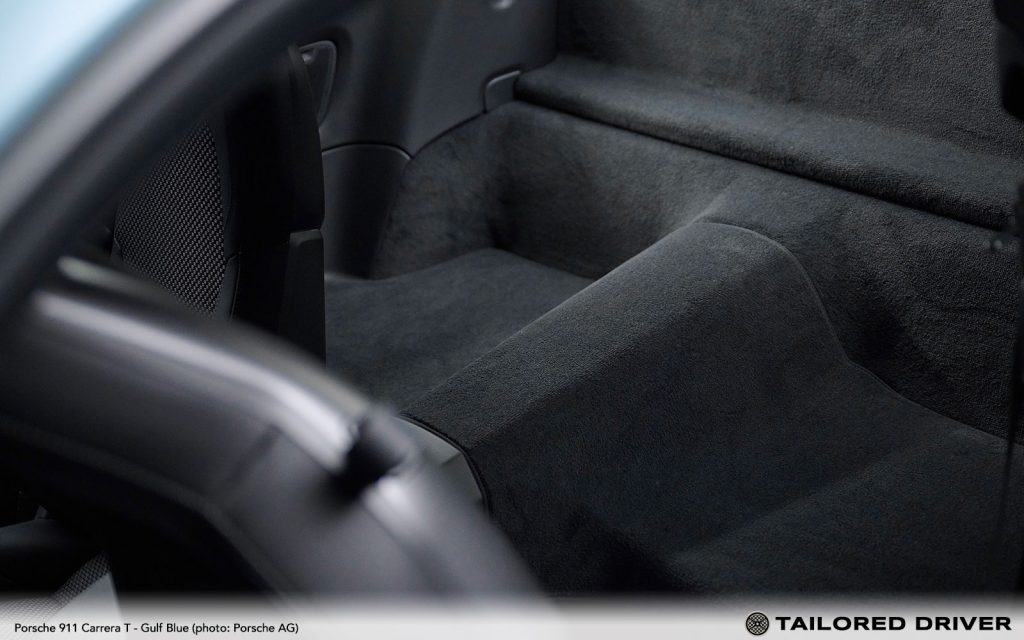
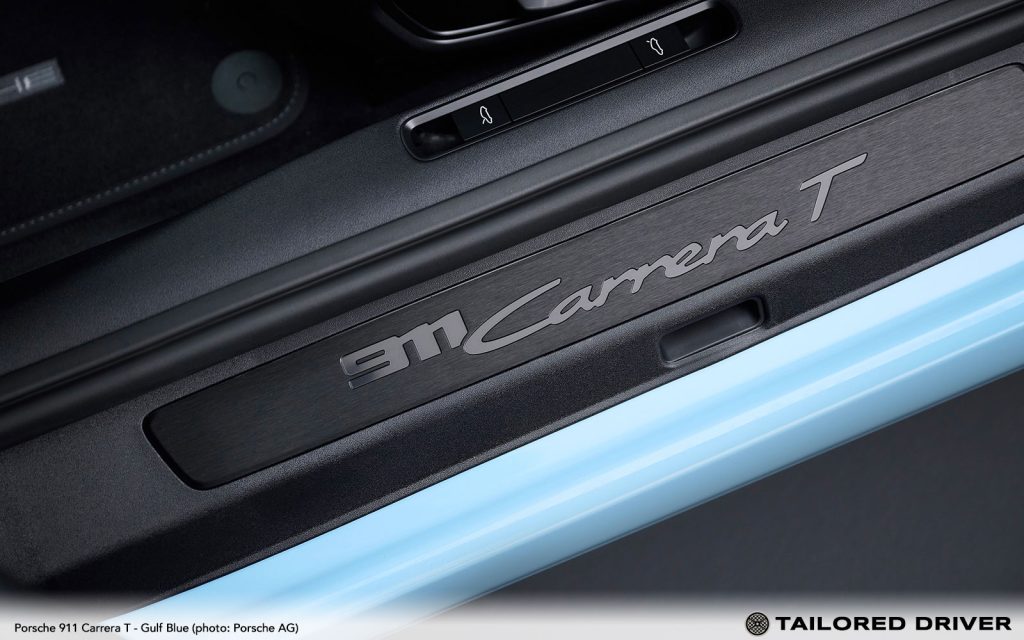
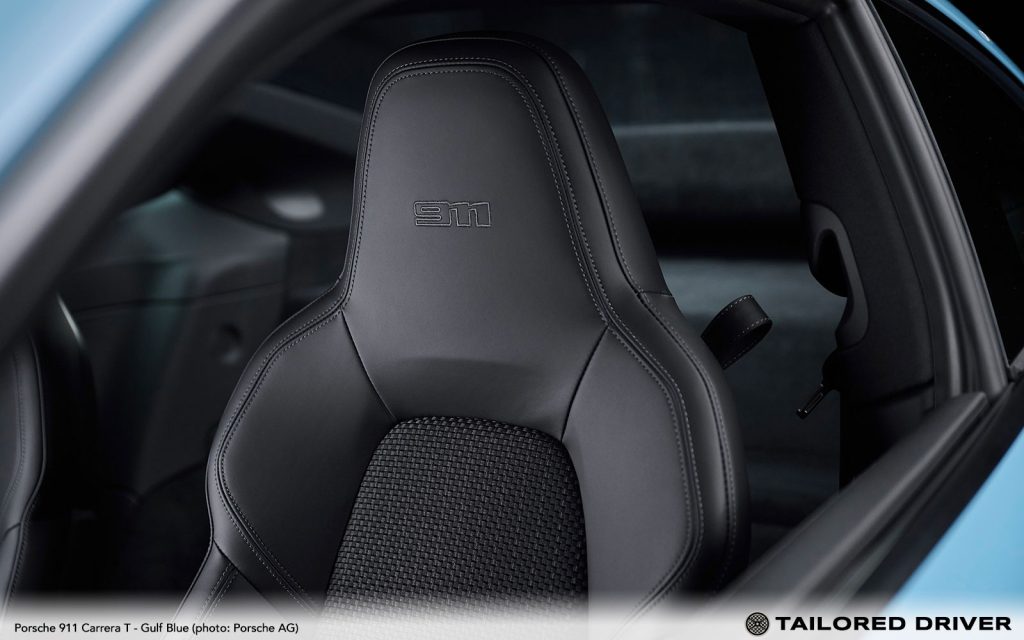
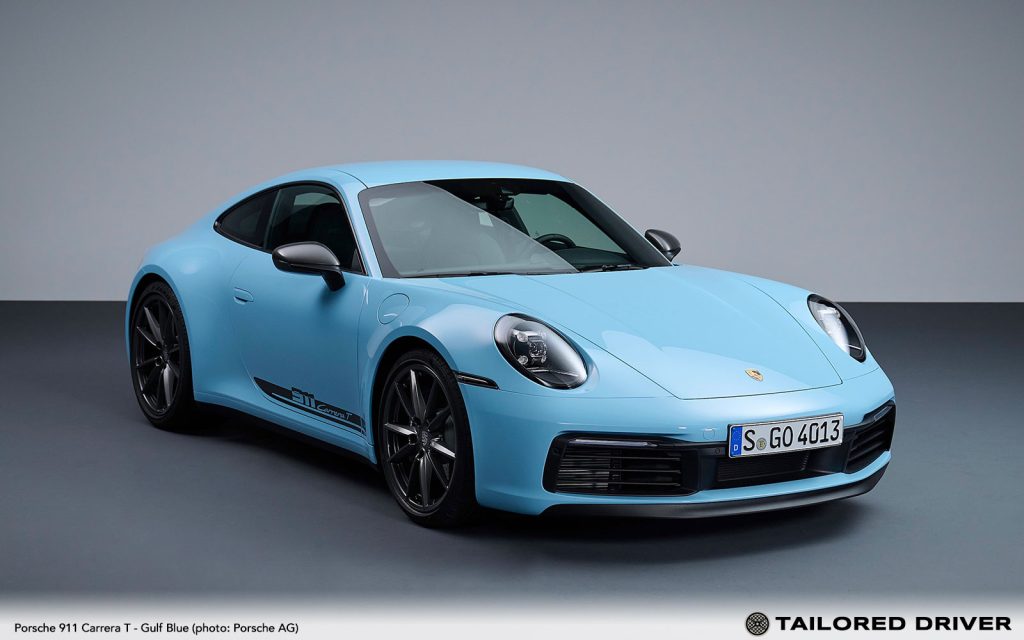
SUMMARY: The term “icon” may be loaded. For starters, the word itself is used far too often, in a way that waters down the value of the label. And, in the case of a truly iconic color such as Gulf Blue (gulfblau; non-metallic / non-metallic UNI; 328; Porsche), the color also tends to get over-used by Paint to Sample clients seeking the obvious Porsche motorsport heritage play. And what a play it is.
Gulf Blue gets is name from the petroleum company bearing its name. Gulf Oil has been a longtime sponsor of racing. Its trademark livery with its blue and orange color schemes have adorned race cars from far more brands than simply Porsche. Lore suggests Gulf colors used as racing livery began in 1967, with the brand’s first major win at the 24 Hours of Le Mans painted to a Ford GT40 a year later in 1968, and then again in 1969. For 1970, Gulf shifted to Porsche and adorned the 917K. That same year, Steve McQueen and his Solar Productions crew showed up in Le Mans to film the movie by the same name Le Mans. The latter catapulted the blue and orange into the consciousness of automobile and racing fans around the world, and it kicked off a long association between Gulf and Porsche.
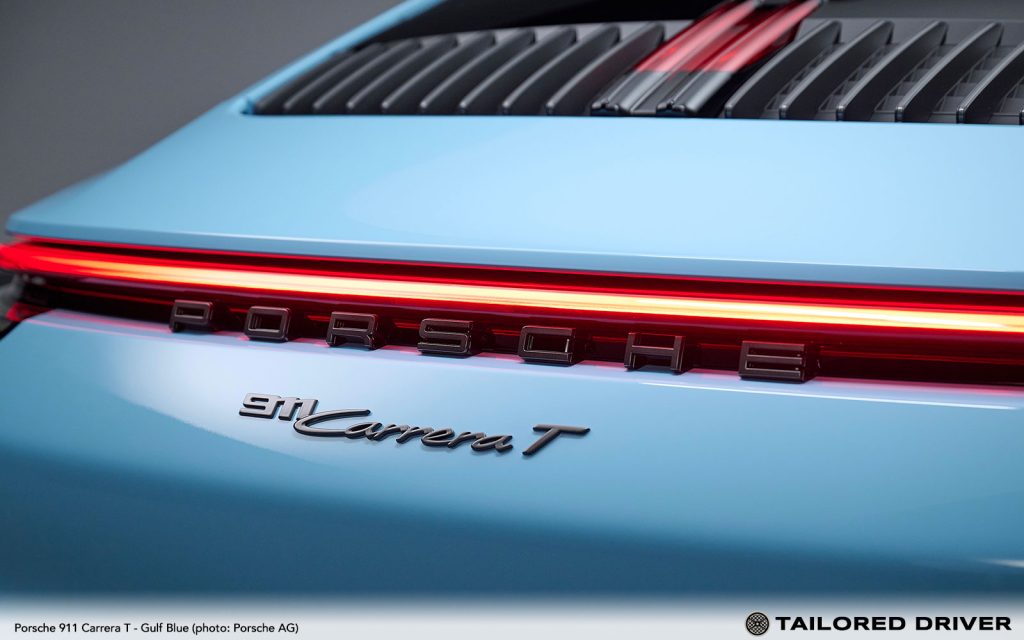
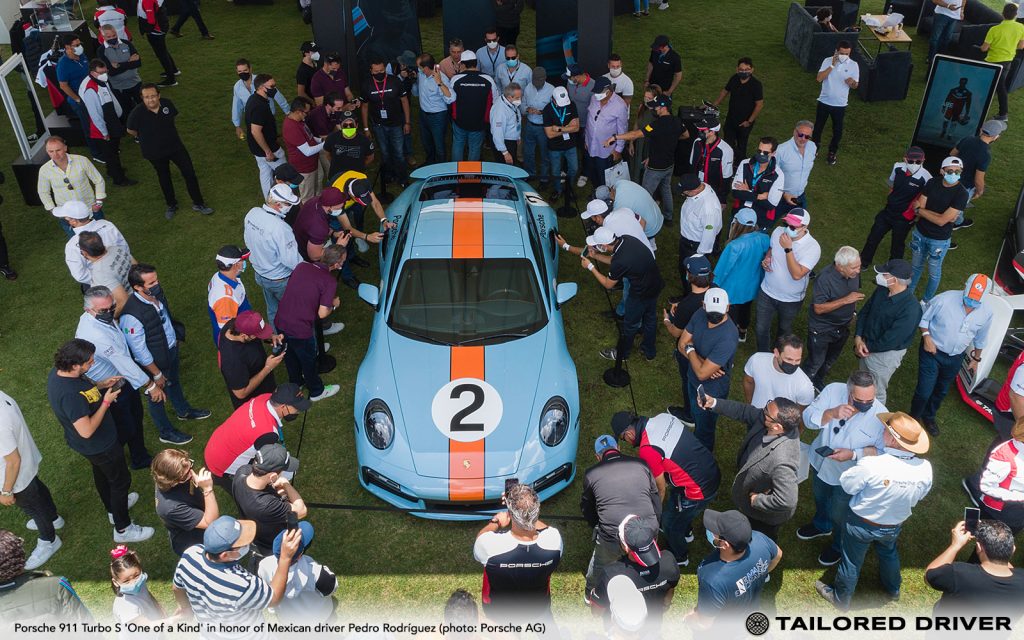
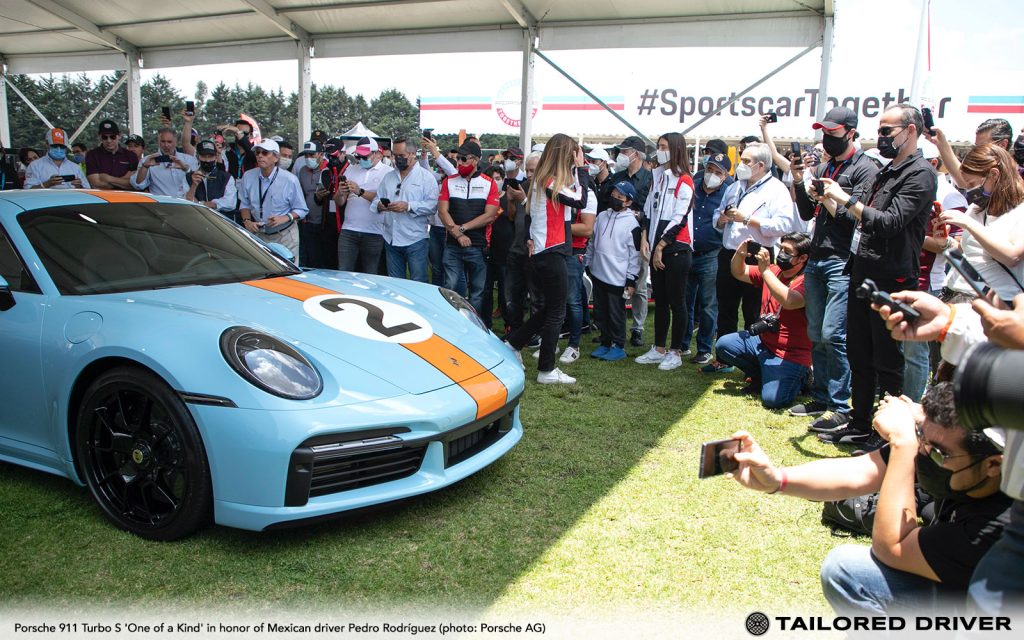
Gulf Blue is a non-metallic light blue, almost a powder blue and not far off from what American college football fans would call a Carolina Blue. It’s quite common in the Paint to Sample Porsche space, and often paired with other race livery colors such as navy blue and orange (a.k.a. Gulf Orange, but that’s a color for another Color Focus).
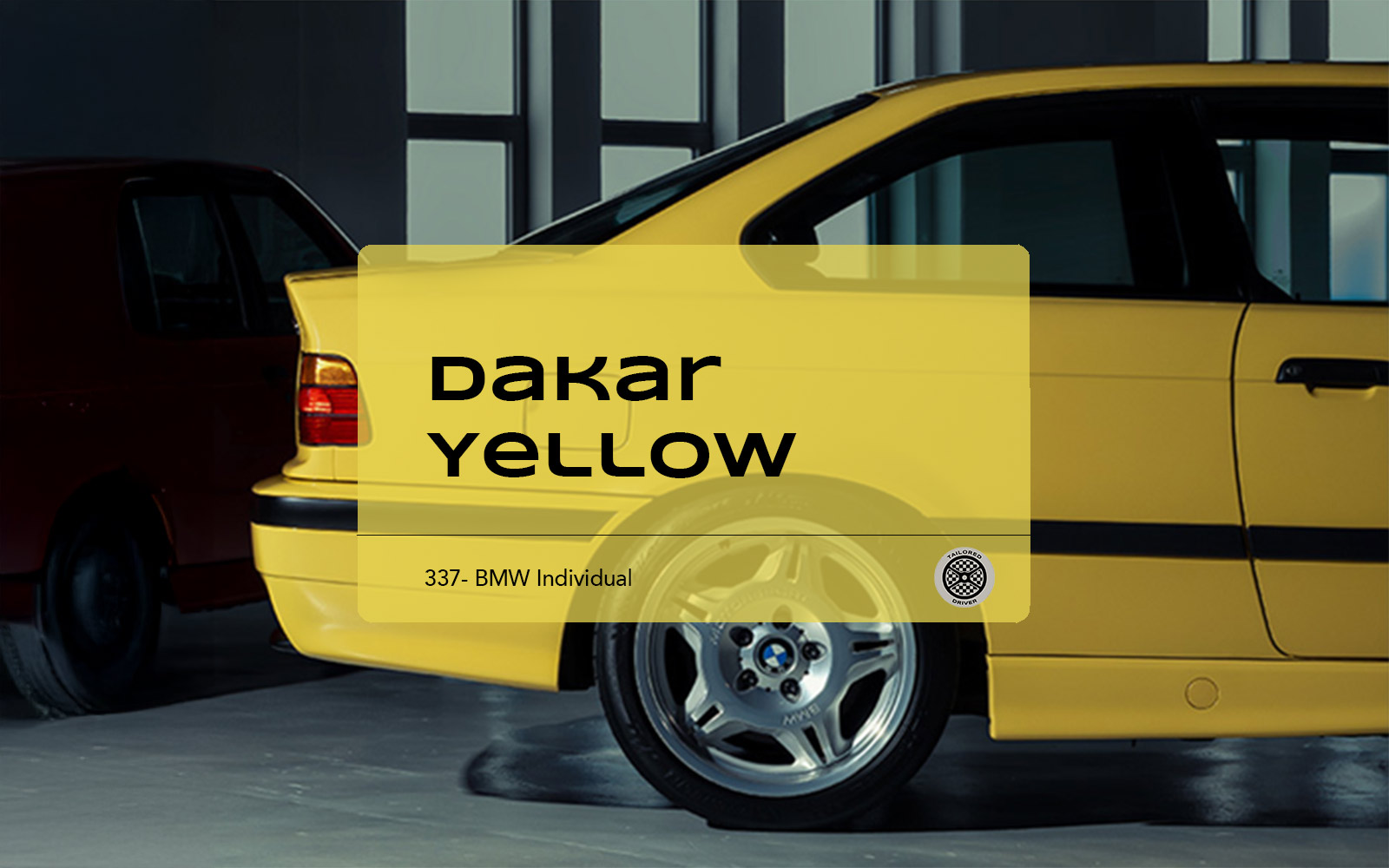
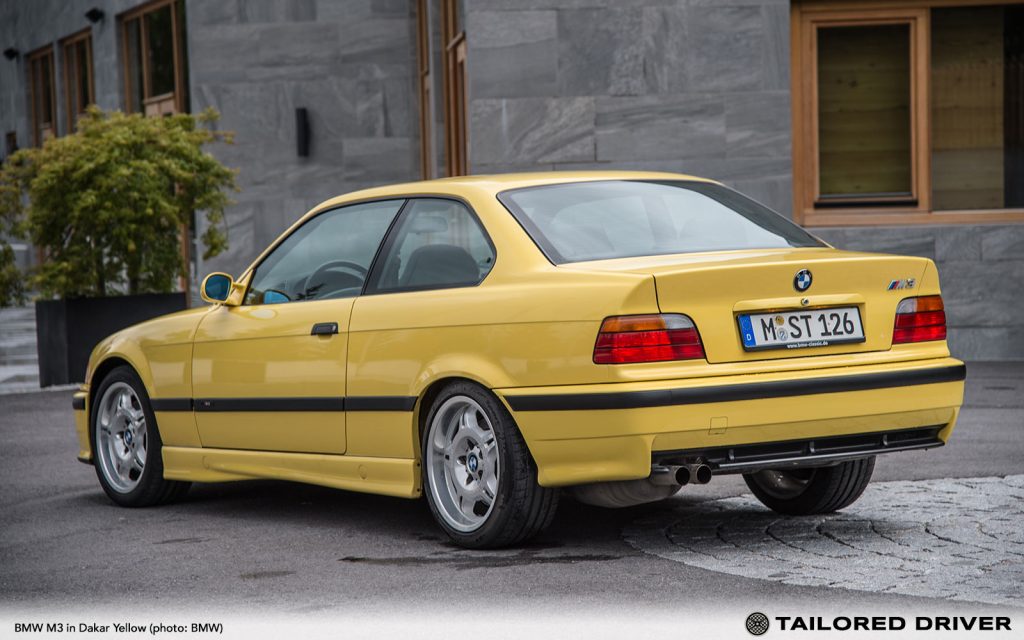
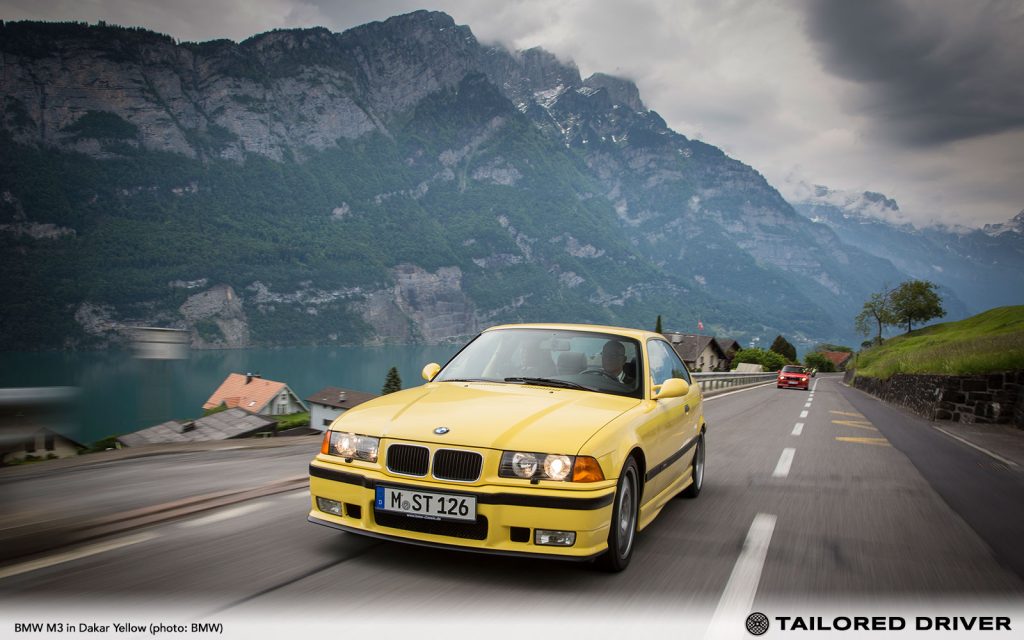
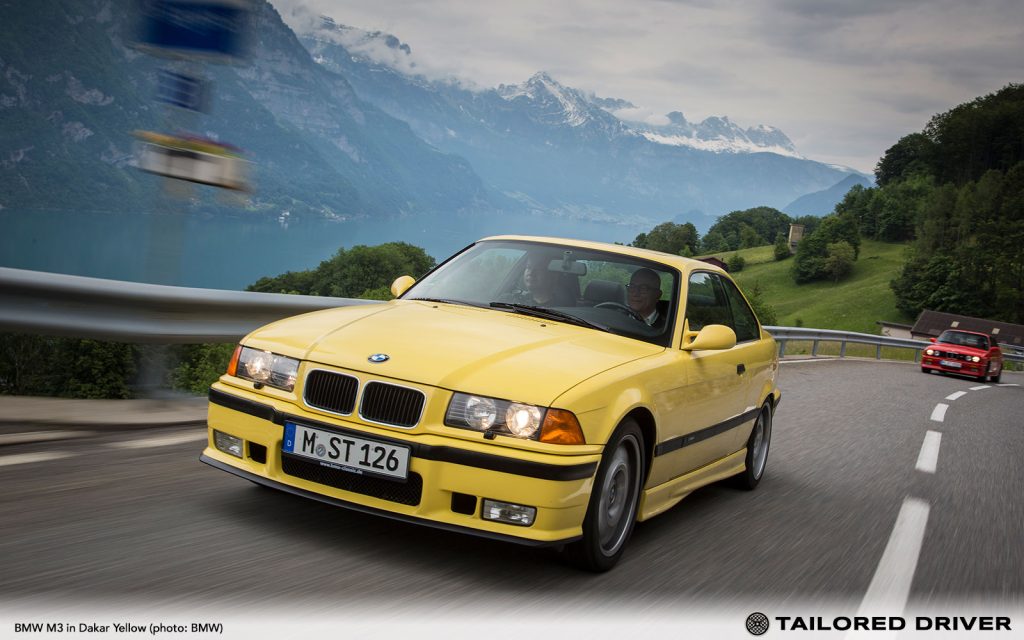
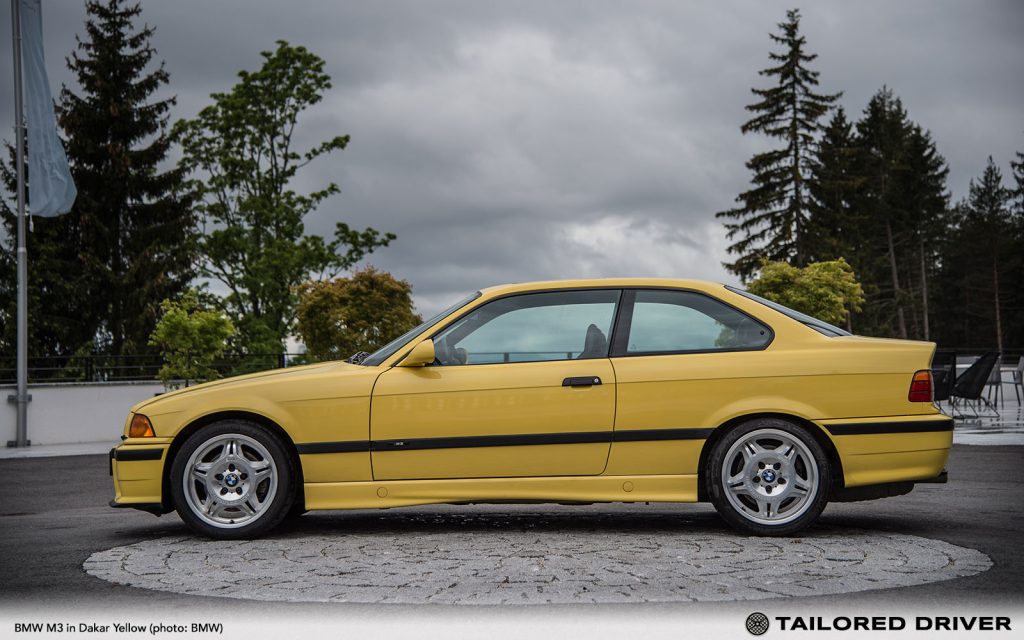
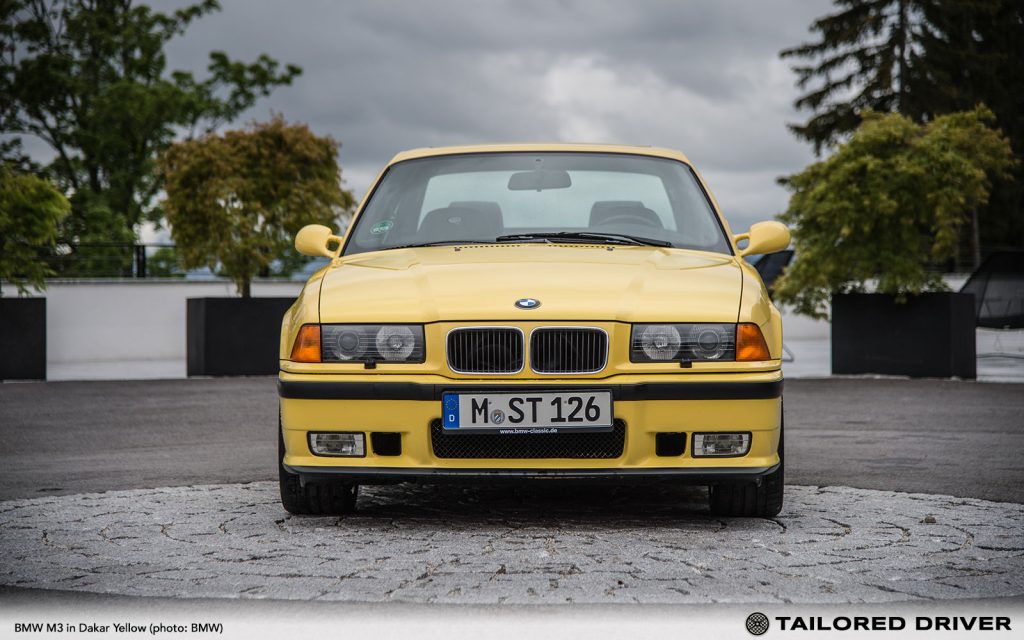
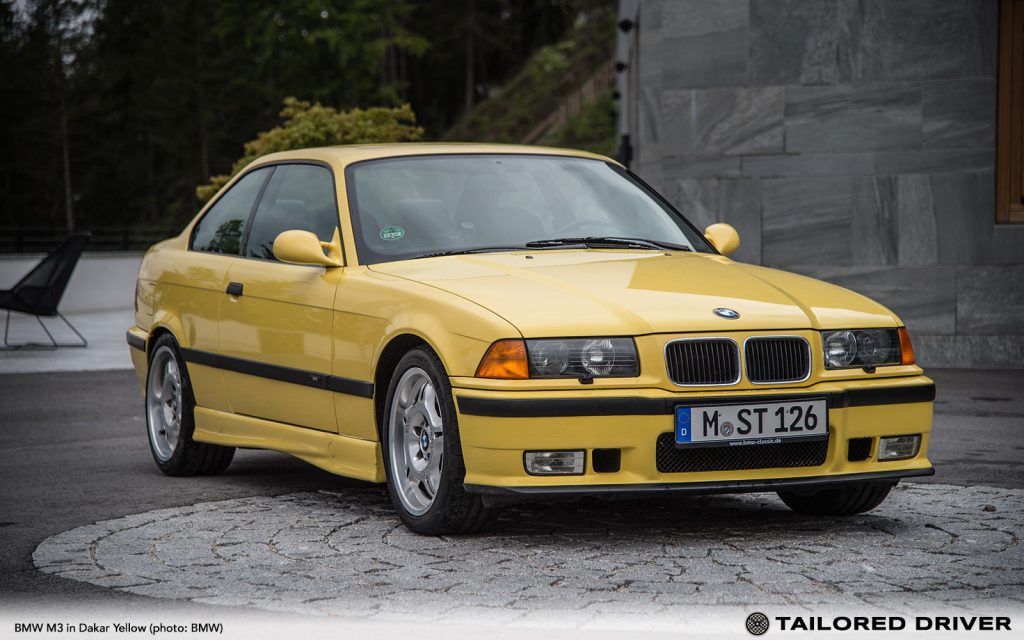
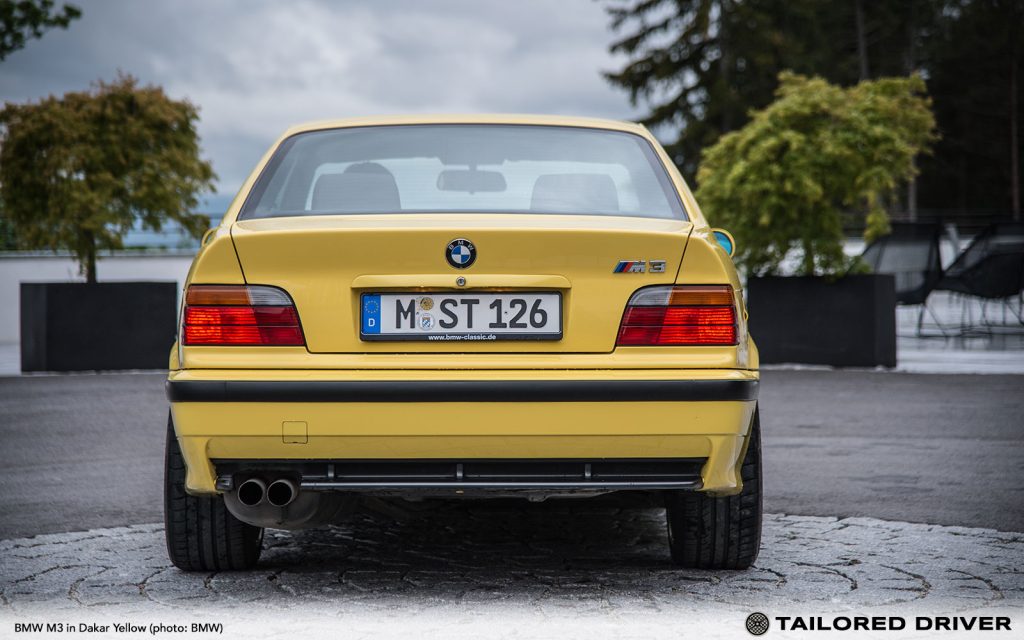
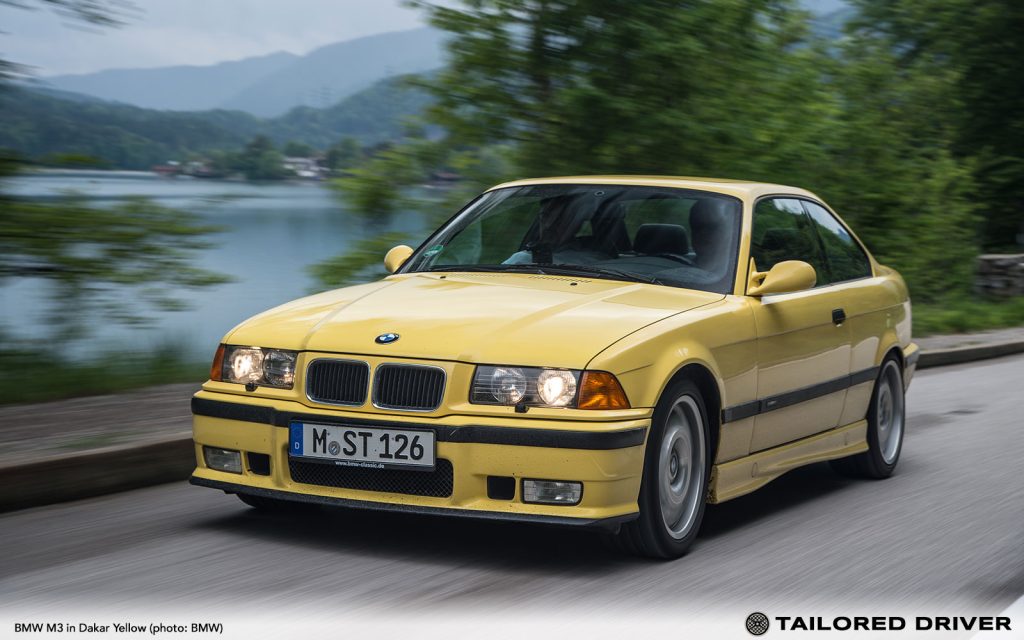
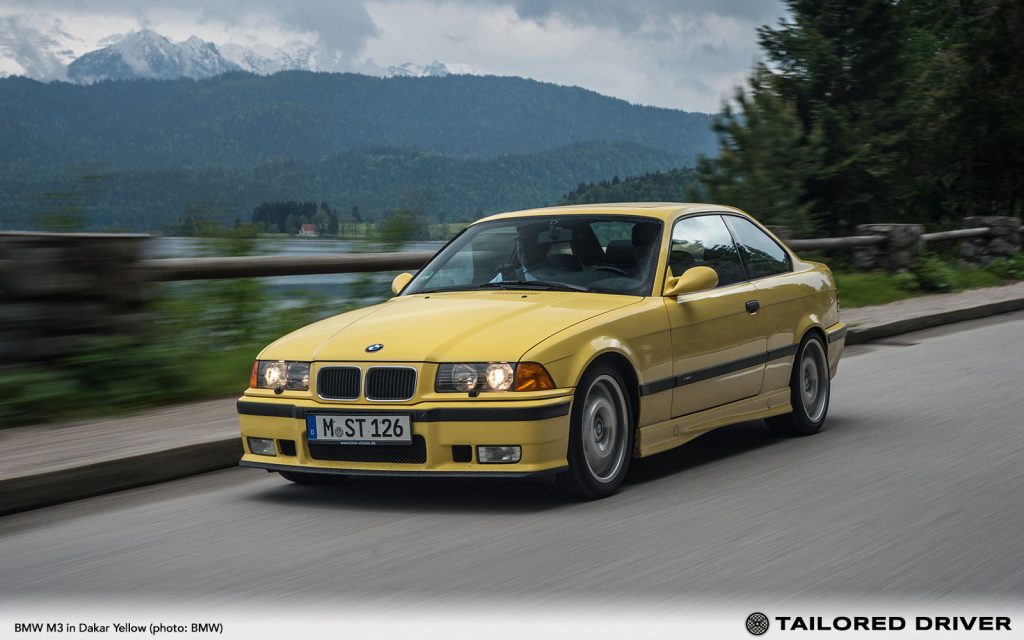
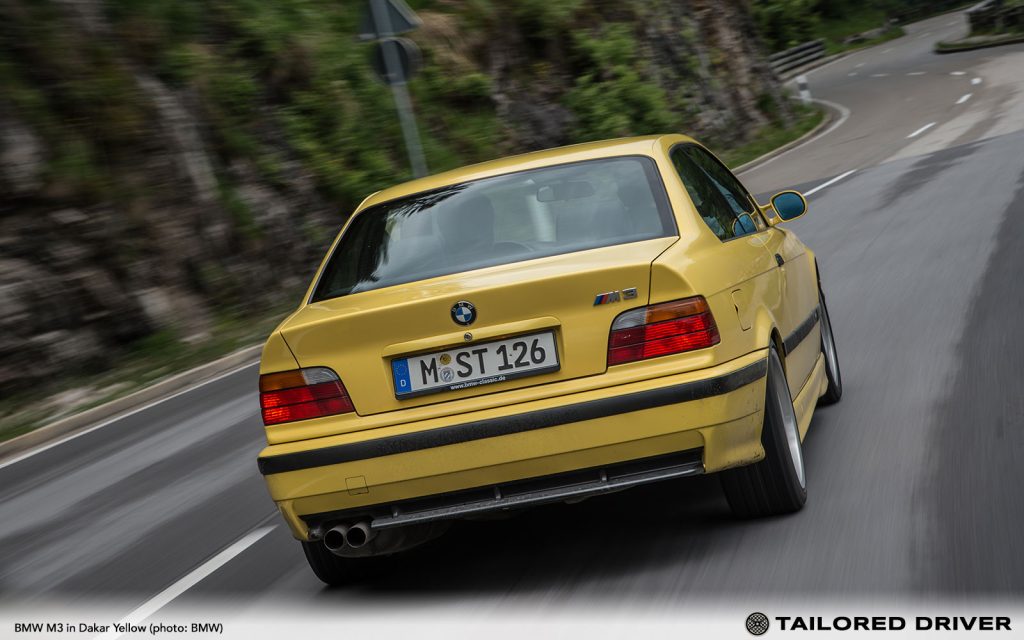
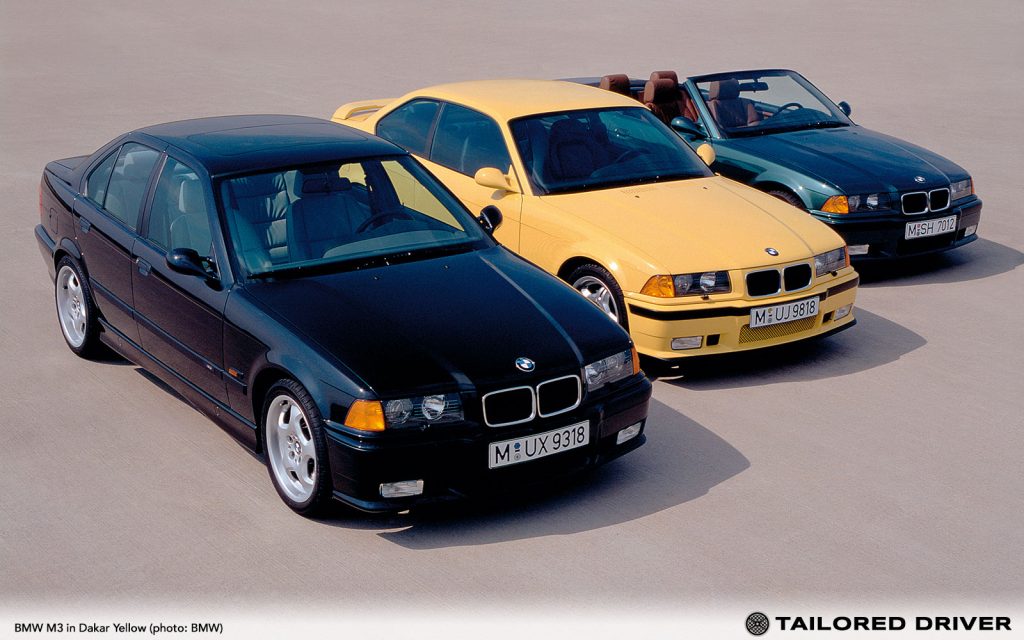
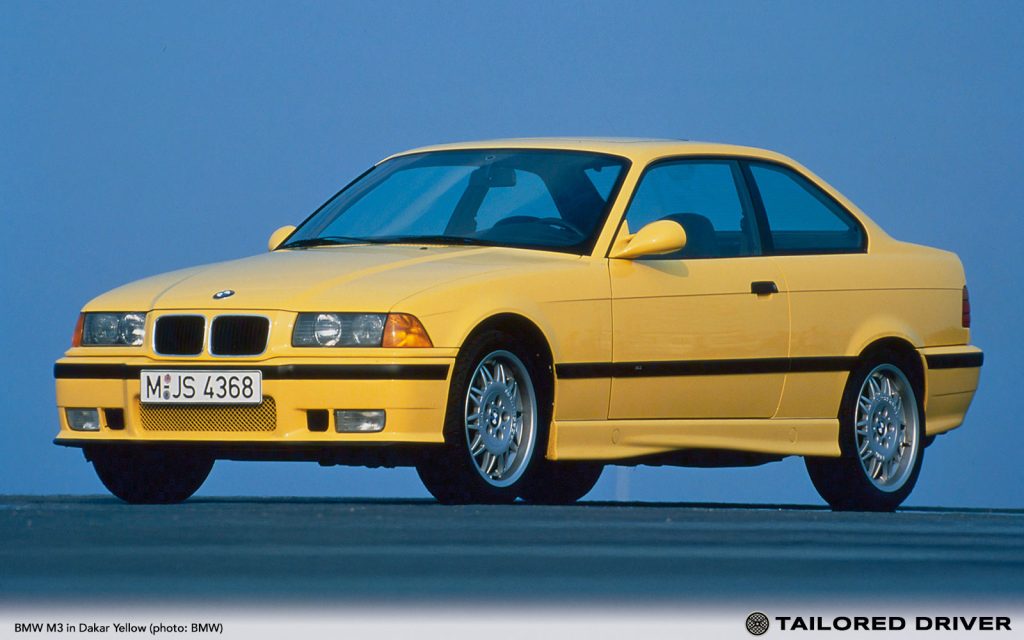
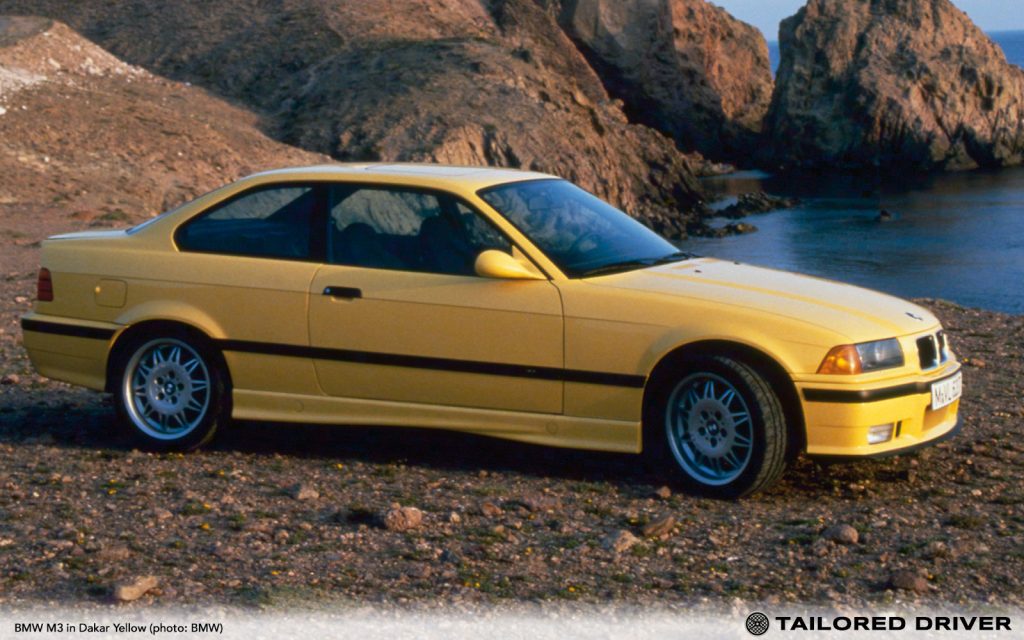
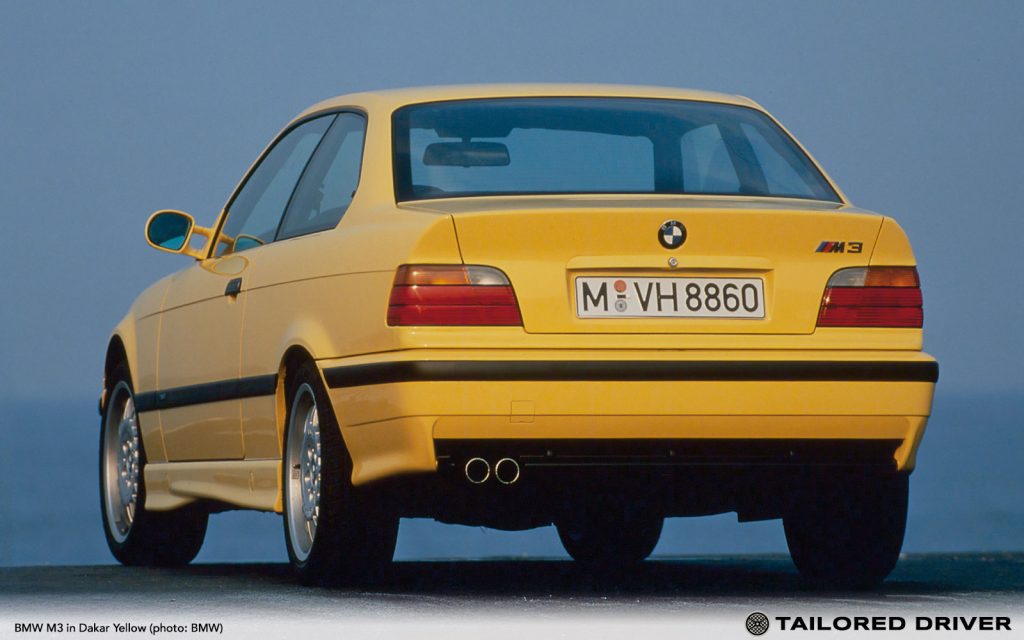
SUMMARY: BMW named this yellow hue after the iconic Dakar Rally, the ultimate rally raid style endurance race that originally trekked from Paris to Dakar, though presently is now held in Saudi Arabia. Though BMW automobiles has never competed as a factory at Dakar, BMW Motorrad won the motorcycle class of the Dakar Rally six times, including its first victory in 1981 when Hubert Auriol won on the R80 G/S. Though we don’t know for sure, it’s a safe guess that these victories are quite likely the inspiration for the name of this almost buttery shade of yellow BMW used to debut the BMW M3 type E36.
Dakar Yellow (dakargelbii; non-metallic uni; 337; BMW) is considered one of BMW Individual’s most iconic colors, and has been a popular choice through BMW Individual since that E36 era. Worth noting, there is also a color known as Dakar Yellow II, though it shares the same 337 color code with the main difference noted by enthusiasts as simply Dakar Yellow with a UNI clear coat.
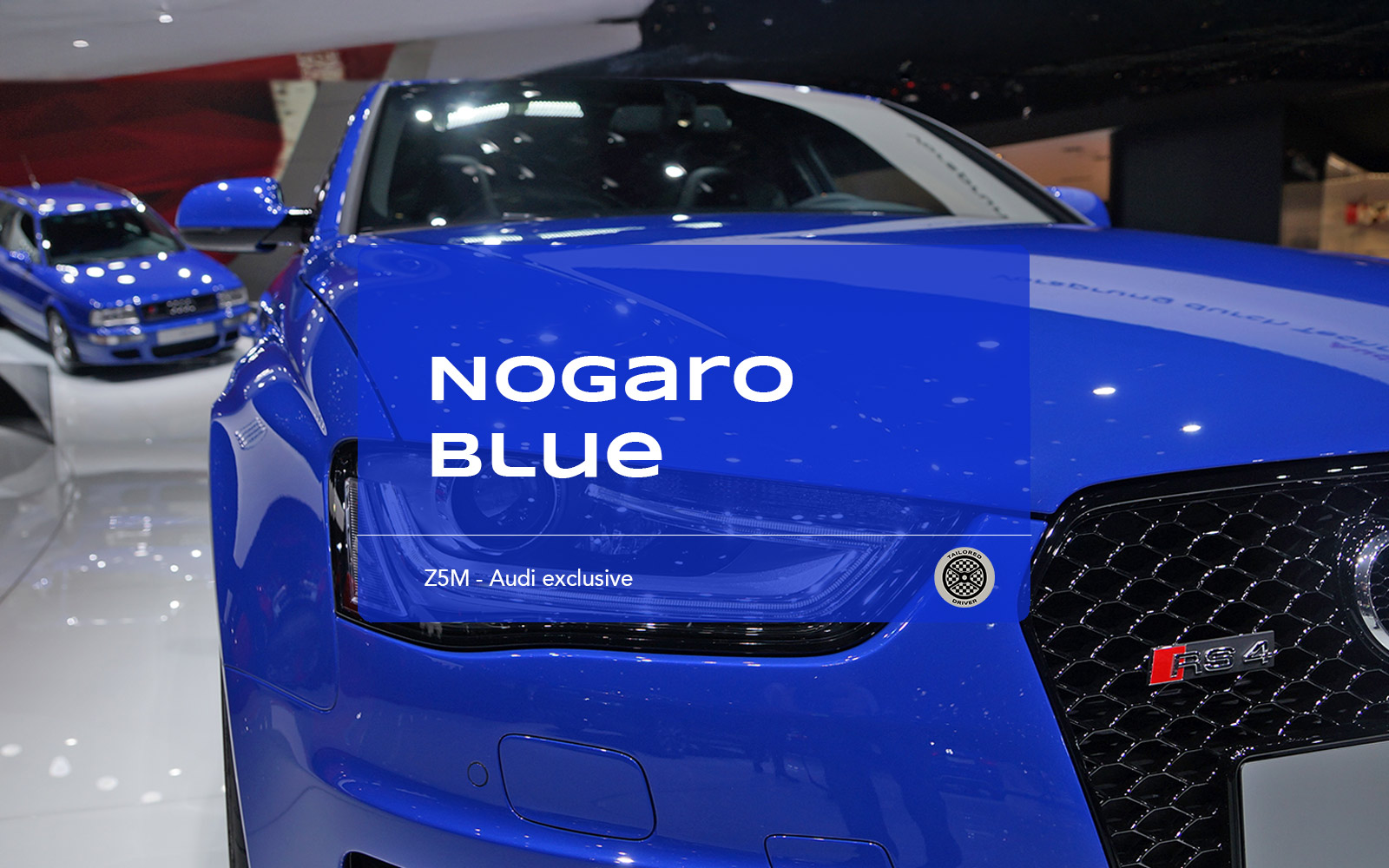
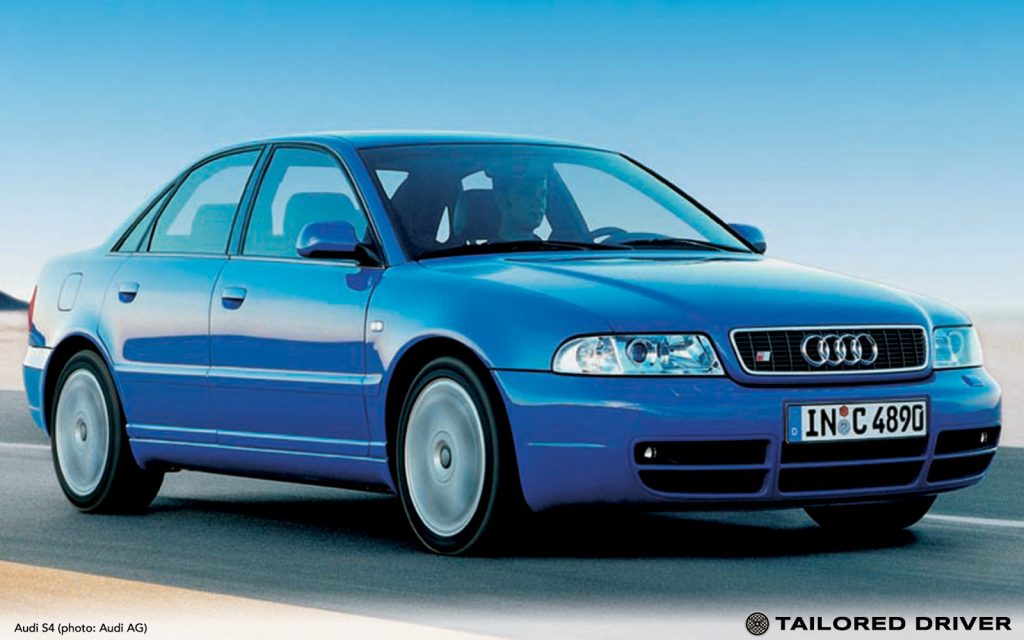
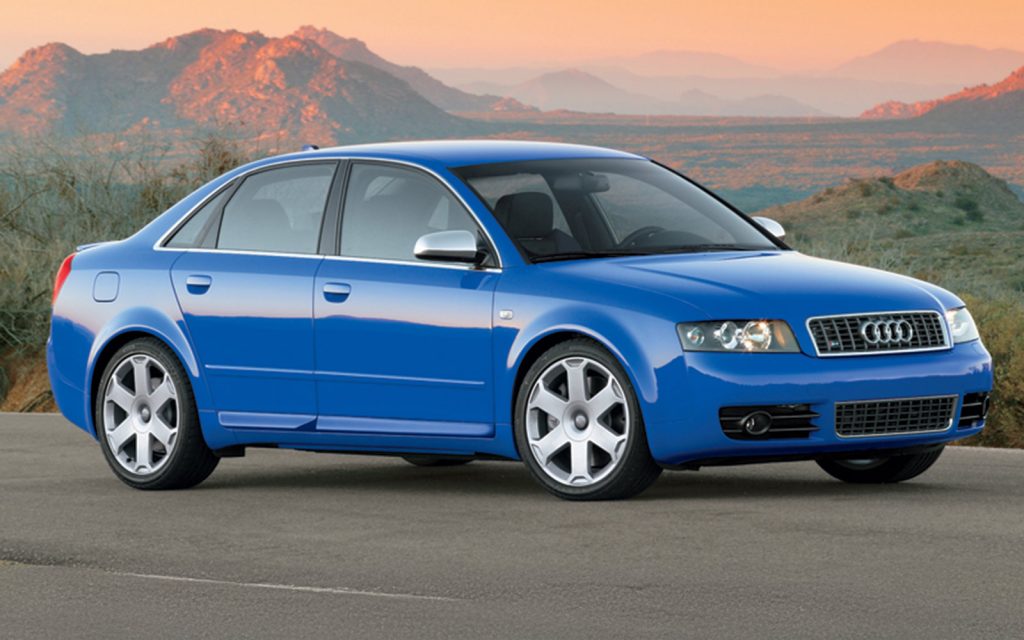
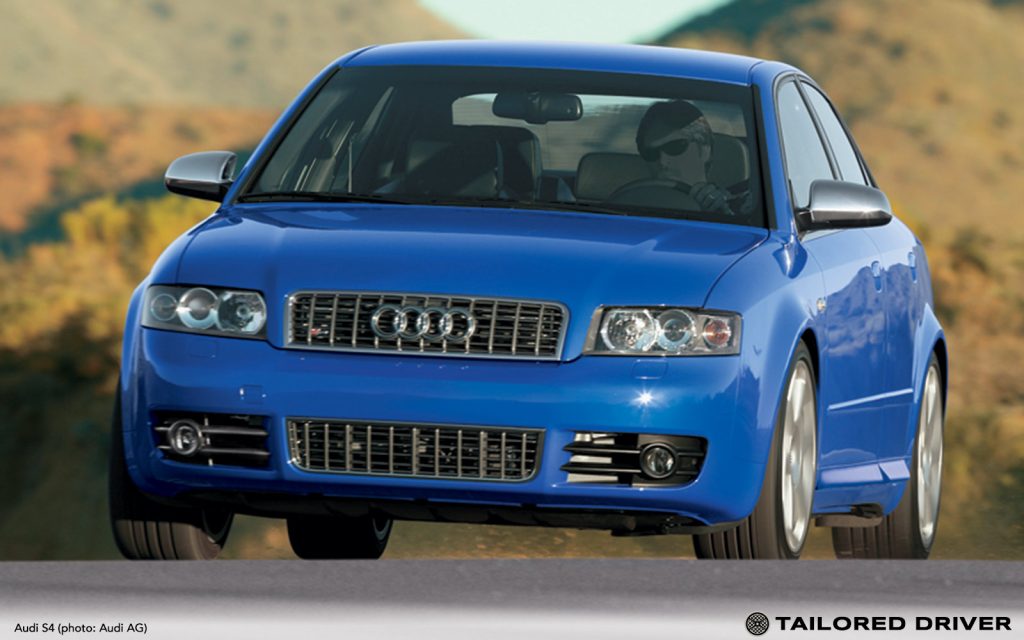
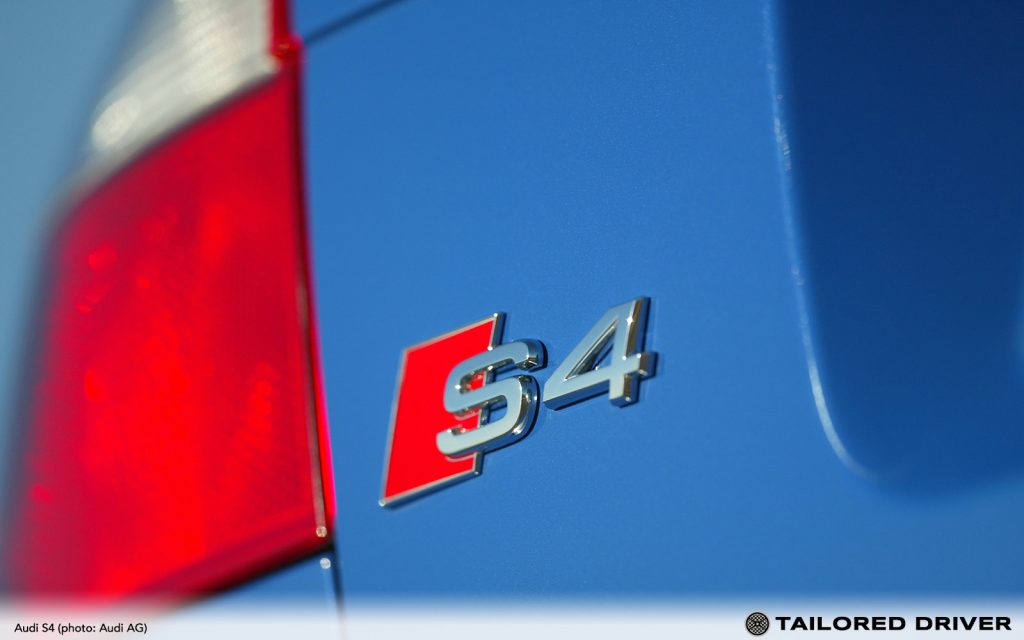
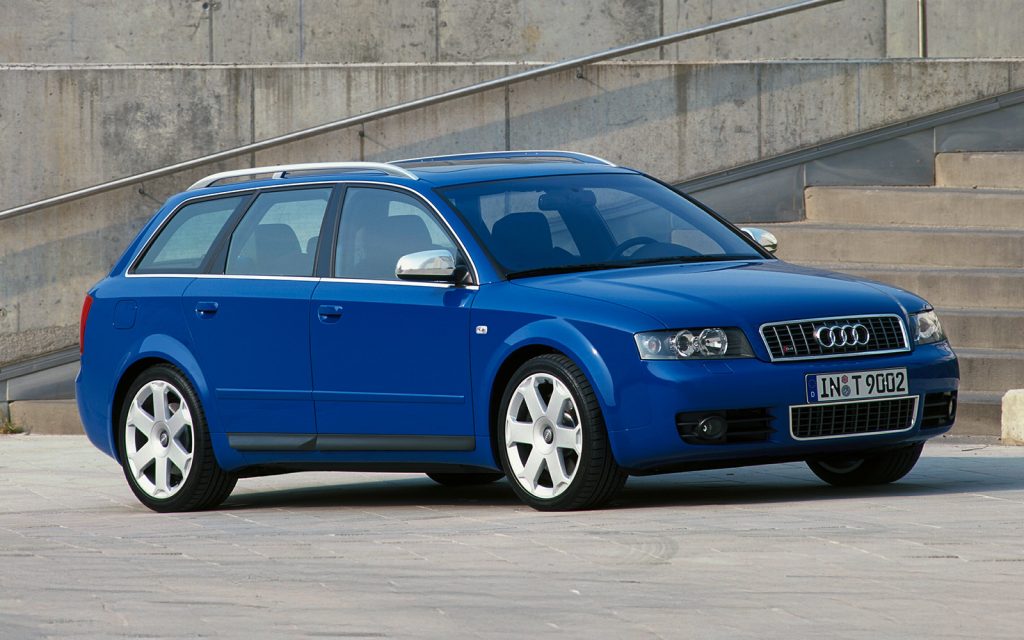
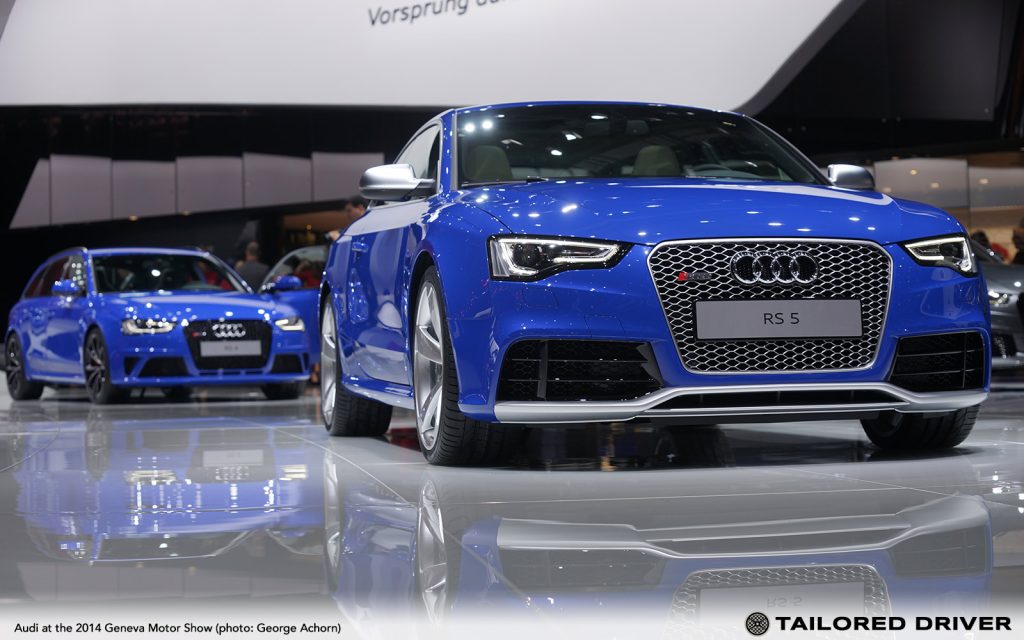
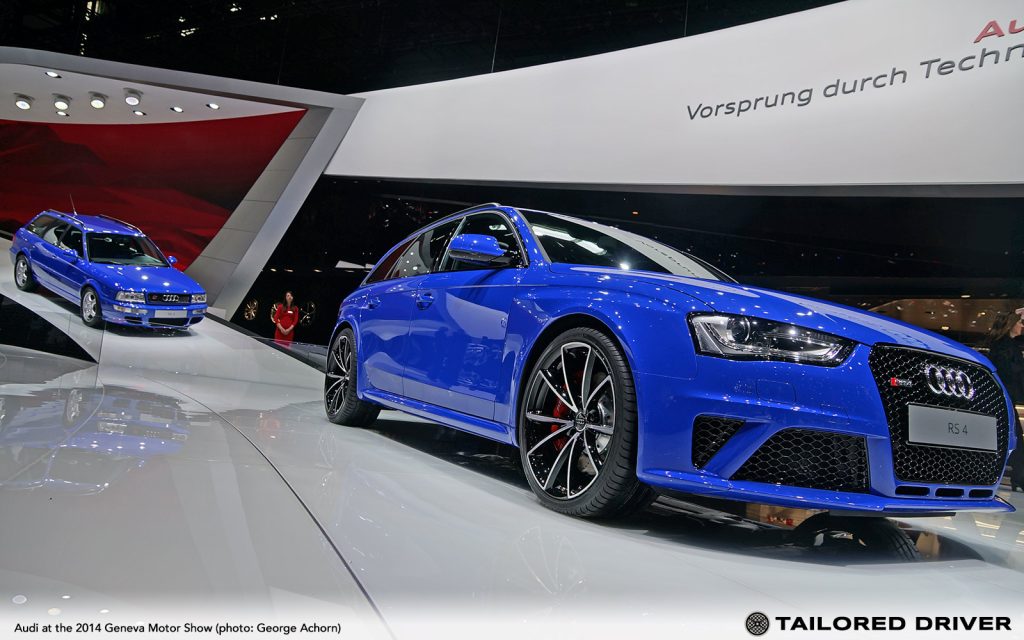
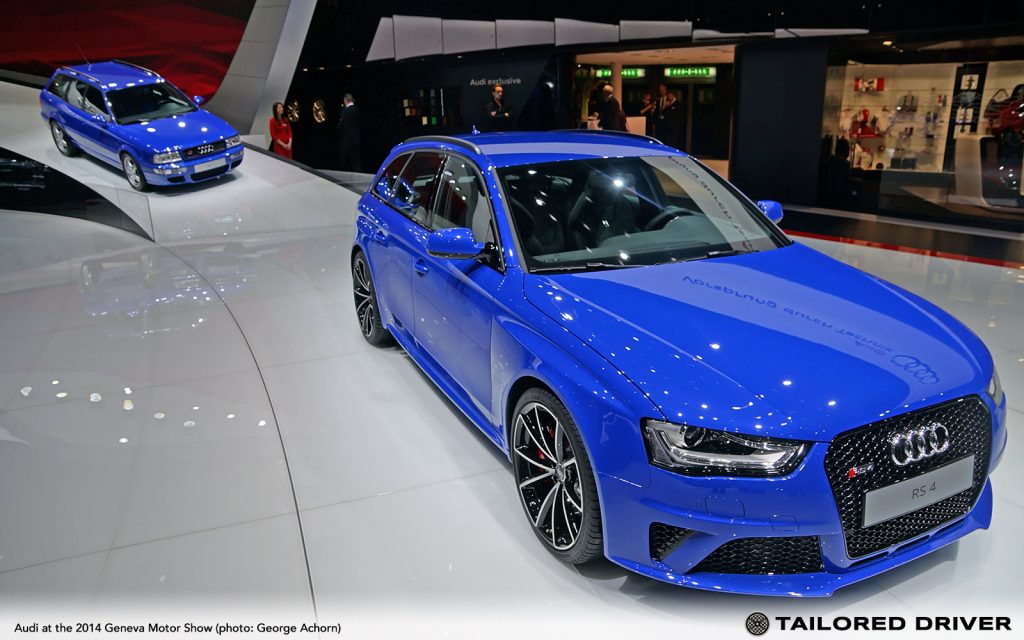
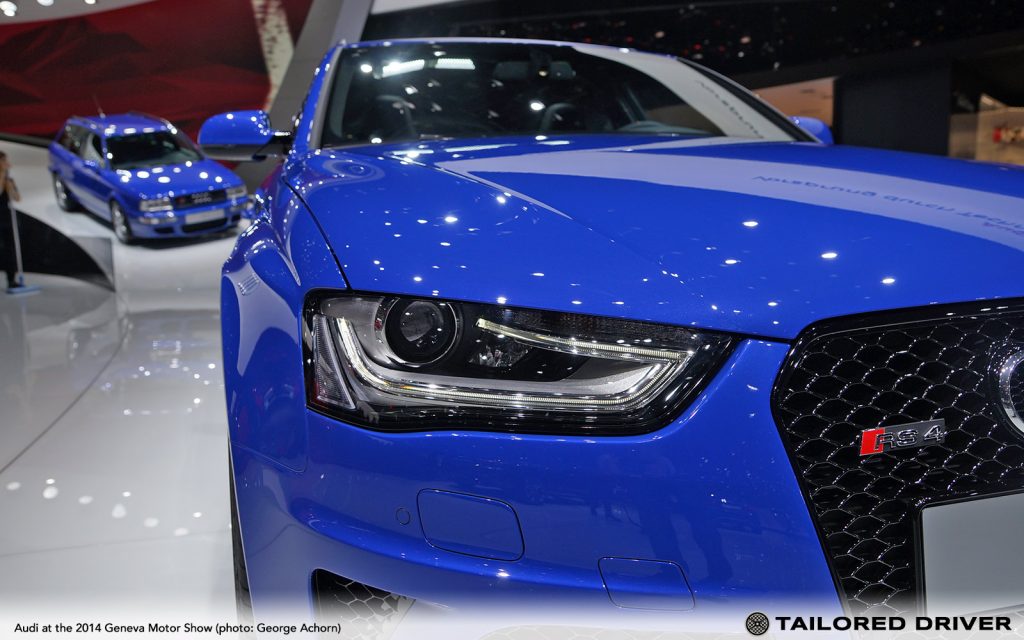
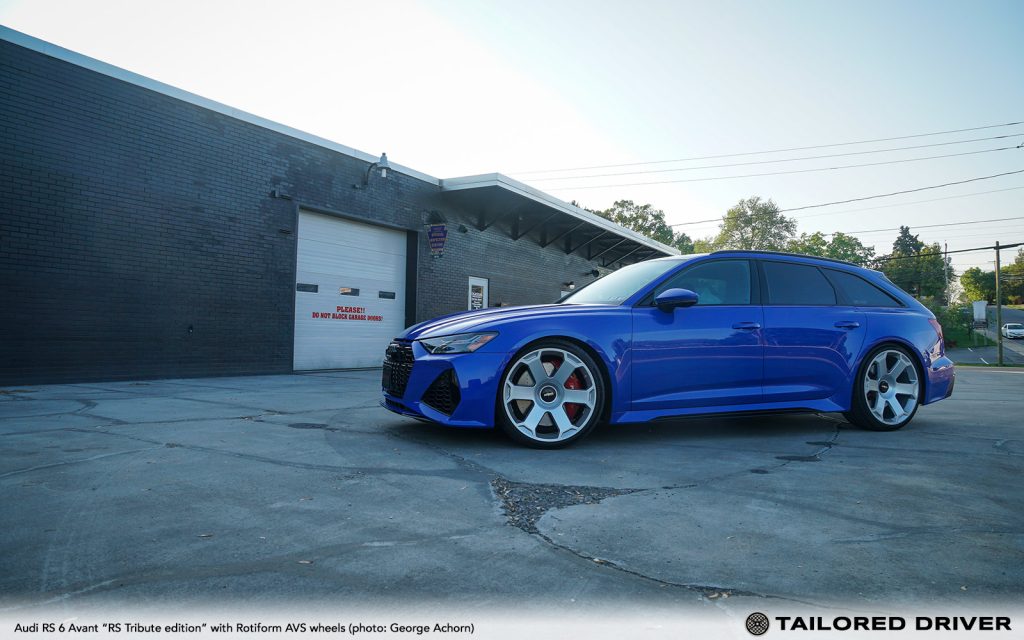
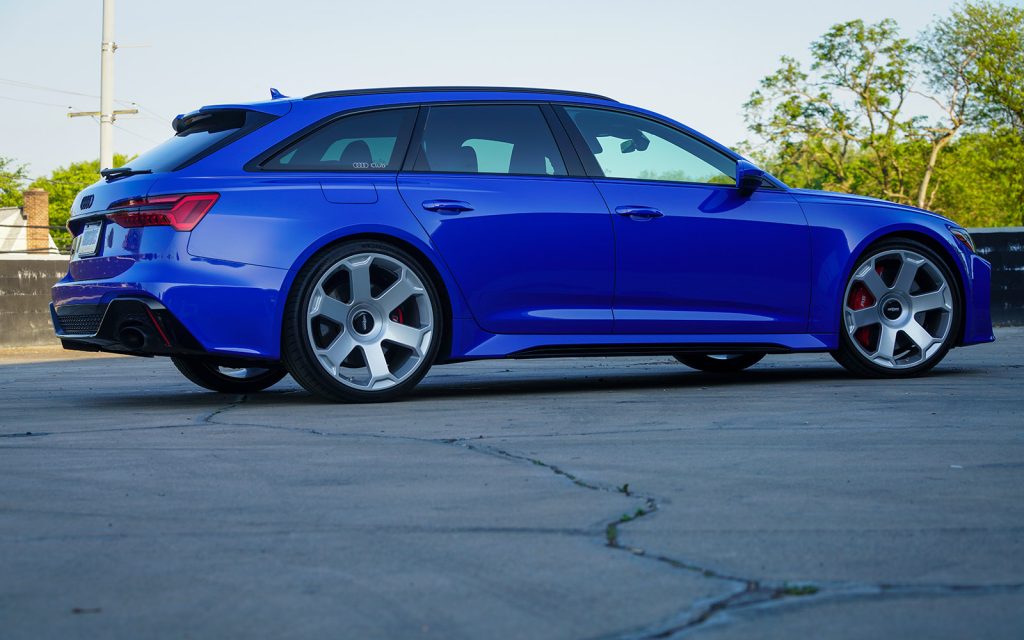
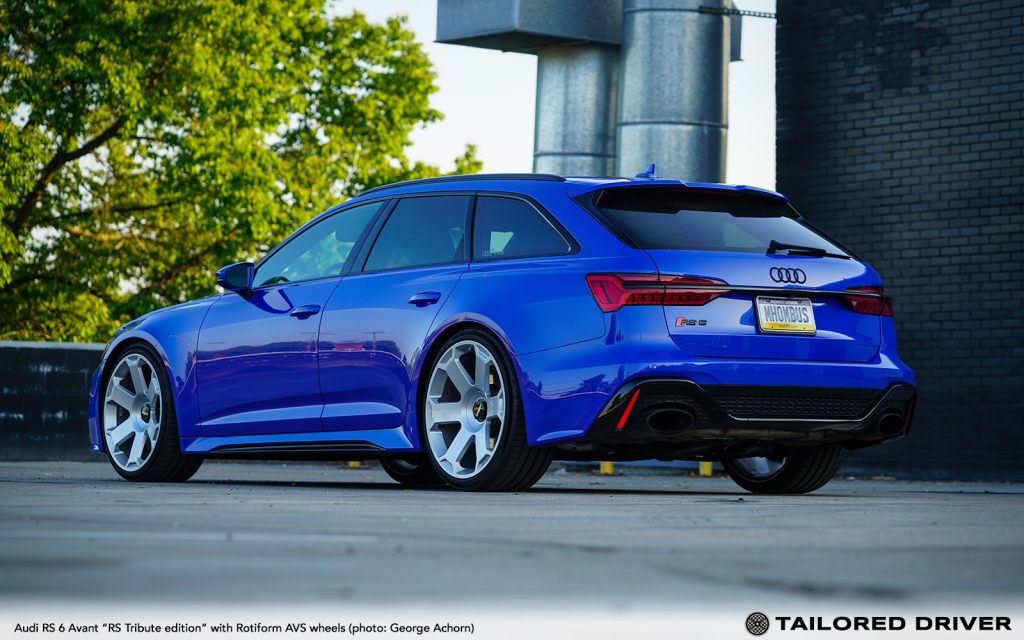
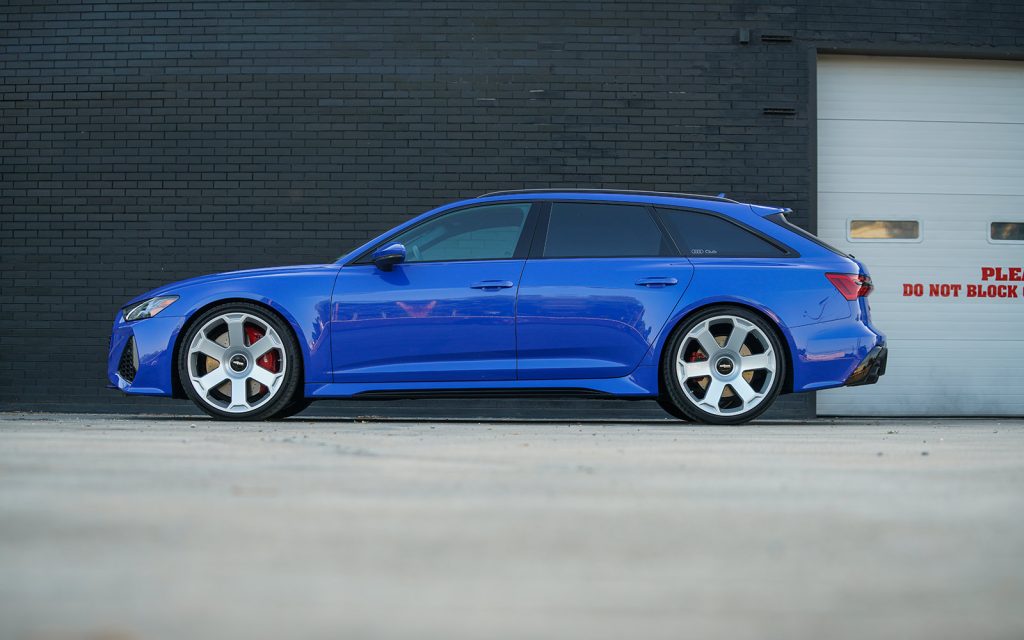
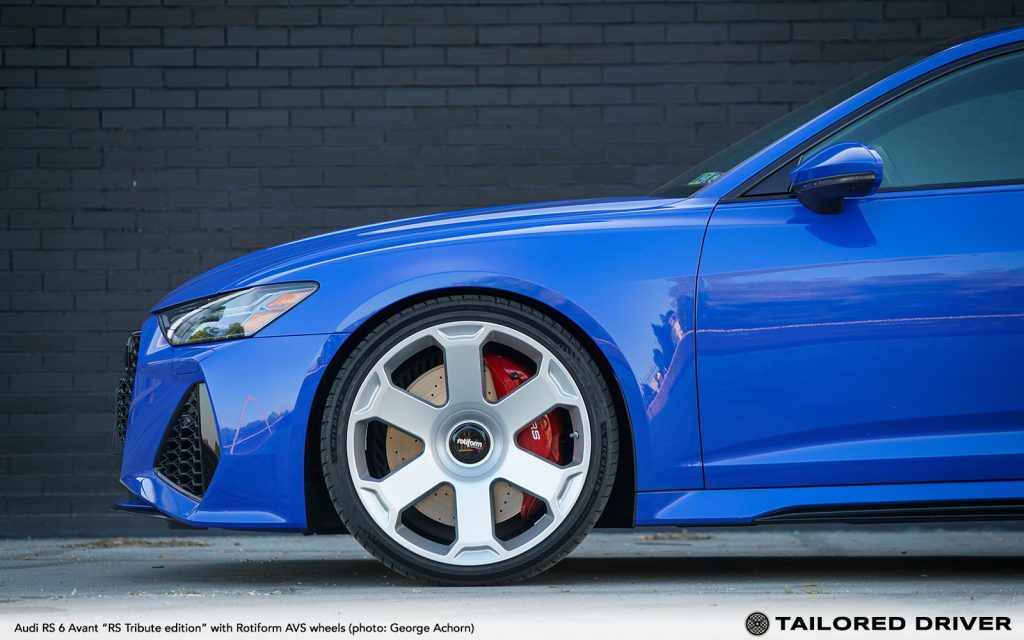
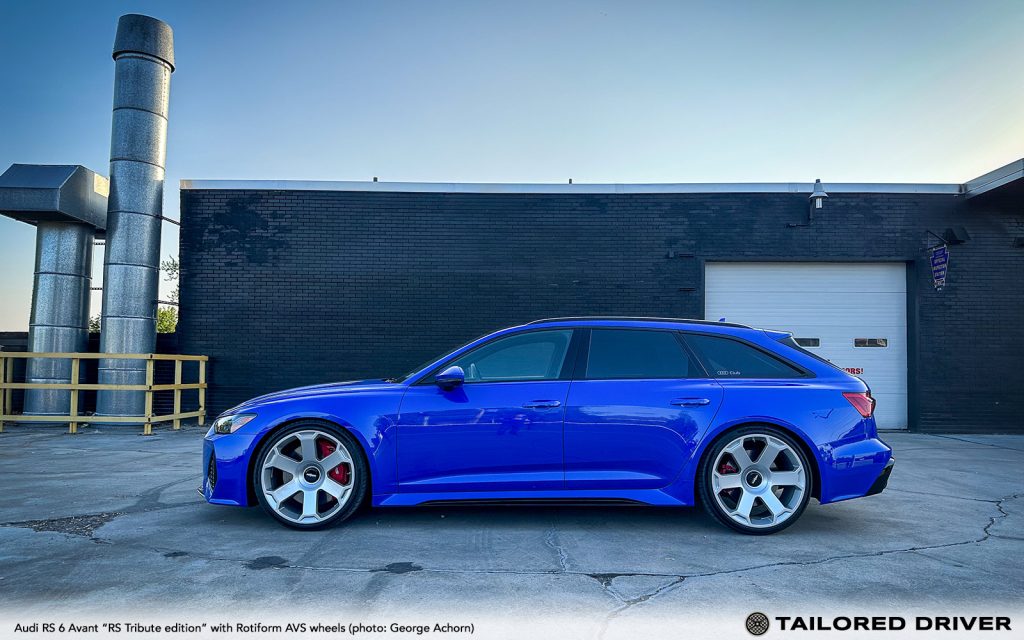
SUMMARY: Might Nogaro Blue (nogaroblau; pearl effect UNI; Z5M; Audi) be the ultimate color for four rings cars wearing an RS badge? Well, we know it is pretty much the original. The color first launched as RS Blue when it first appeared on the Porsche-built and developed RS2 Avant. It would later reappear in the B5 S4, first-generation S3 and remain a favorite for S and RS applications and special editions through to today. The “RS Tribute Edition” take not the RS 6 Avant, itself a tribute to the RS2, remains one of the most sought-after of the C8 RS 6 models sold in the U.S.A.
Nogaro Blue is a pearl effect blue that seems to hat tip the pre-war national French Blue made iconic in that era when raced on the likes of the Type 33 grand prix cars. Rumor has it that Audi designers in the Simi Valley design studio sprayed out a marine blue in a request back to the factory for company car specification, which inspired the development of RS Blue.
Don’t confuse that with Porsche’s Maritime Blue, a 90s Carrera Cup color of the same era popular on the 911 Carrera RS (type 964) and 968. The timing, Porsche DNA and and their similar appearance would suggest they might be the same code by another name, but park them next to each other and you’ll see a difference.