Category: One-Offs

  • Porsche 963 RSP, an LMDh for the Road

    Porsche 963 RSP, an LMDh for the Road

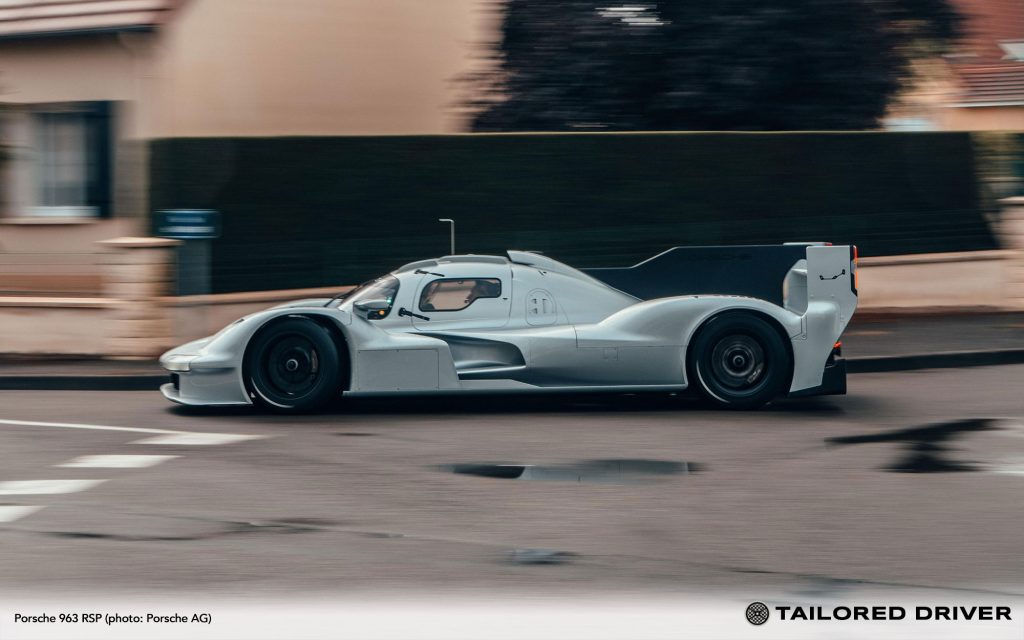
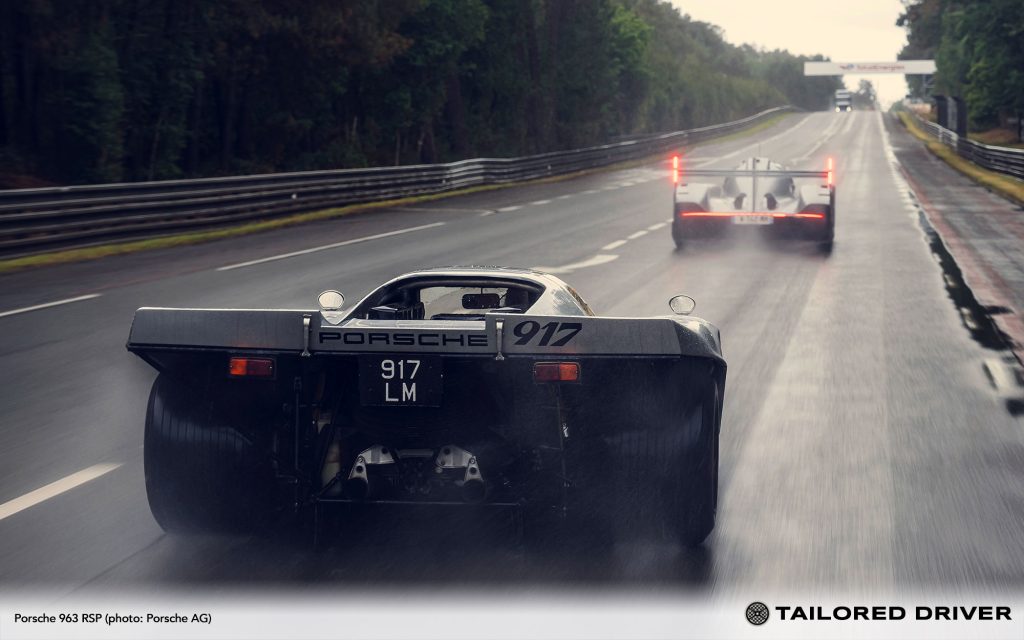
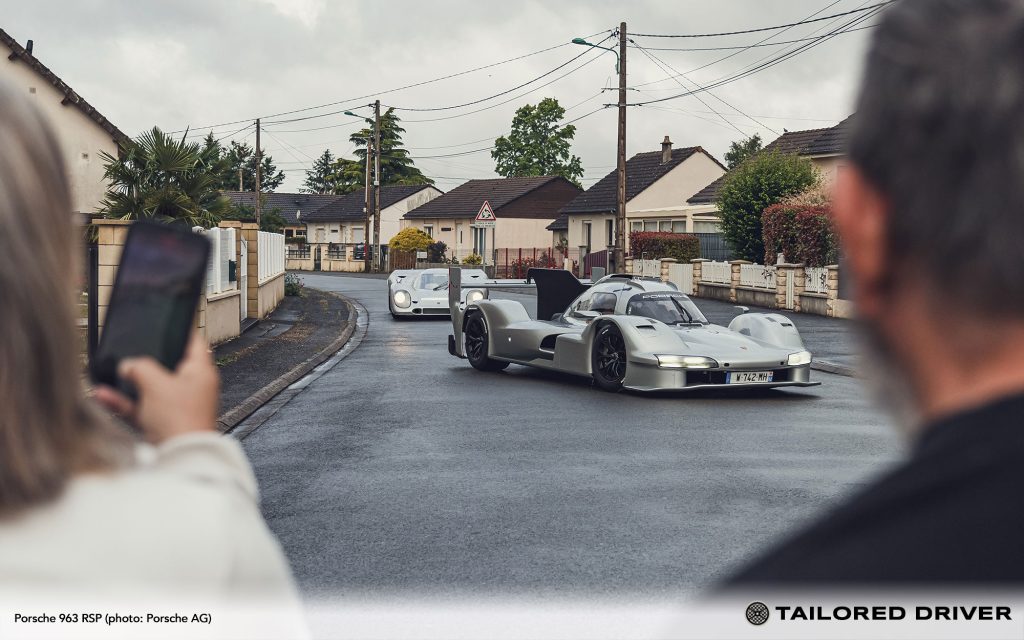
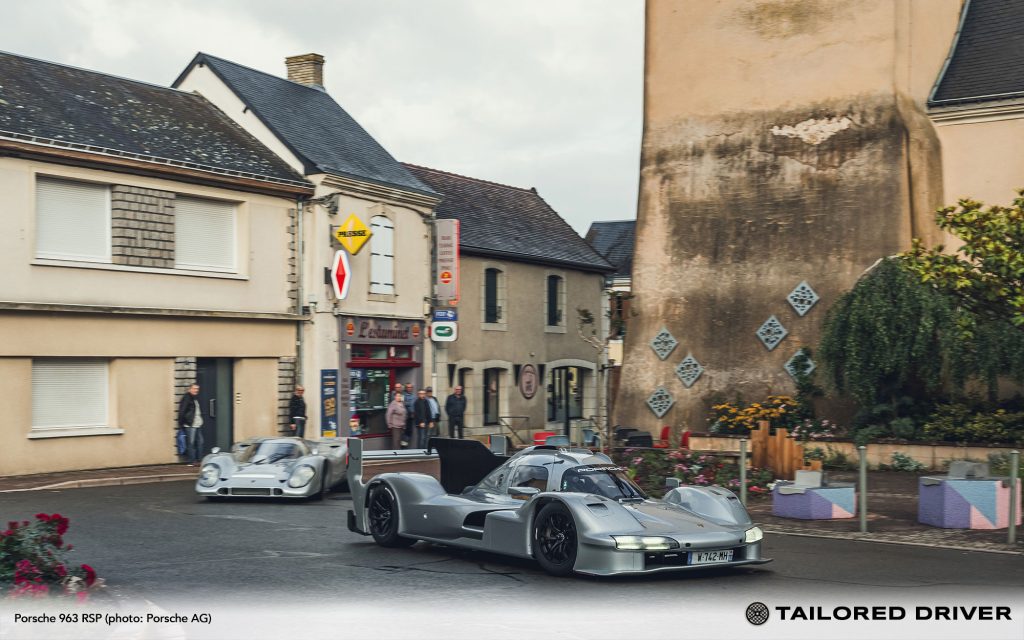
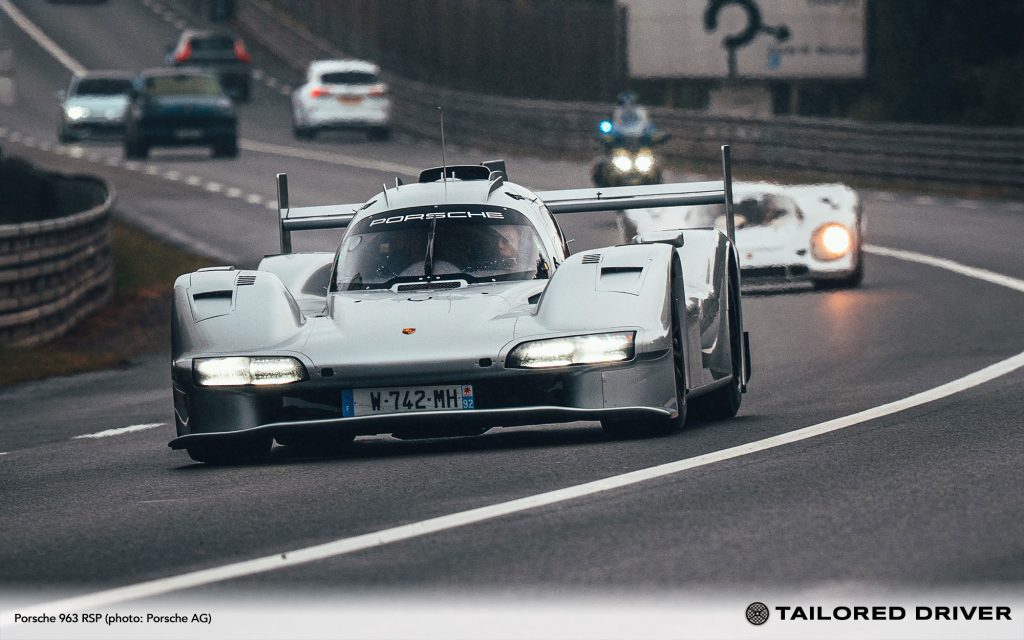
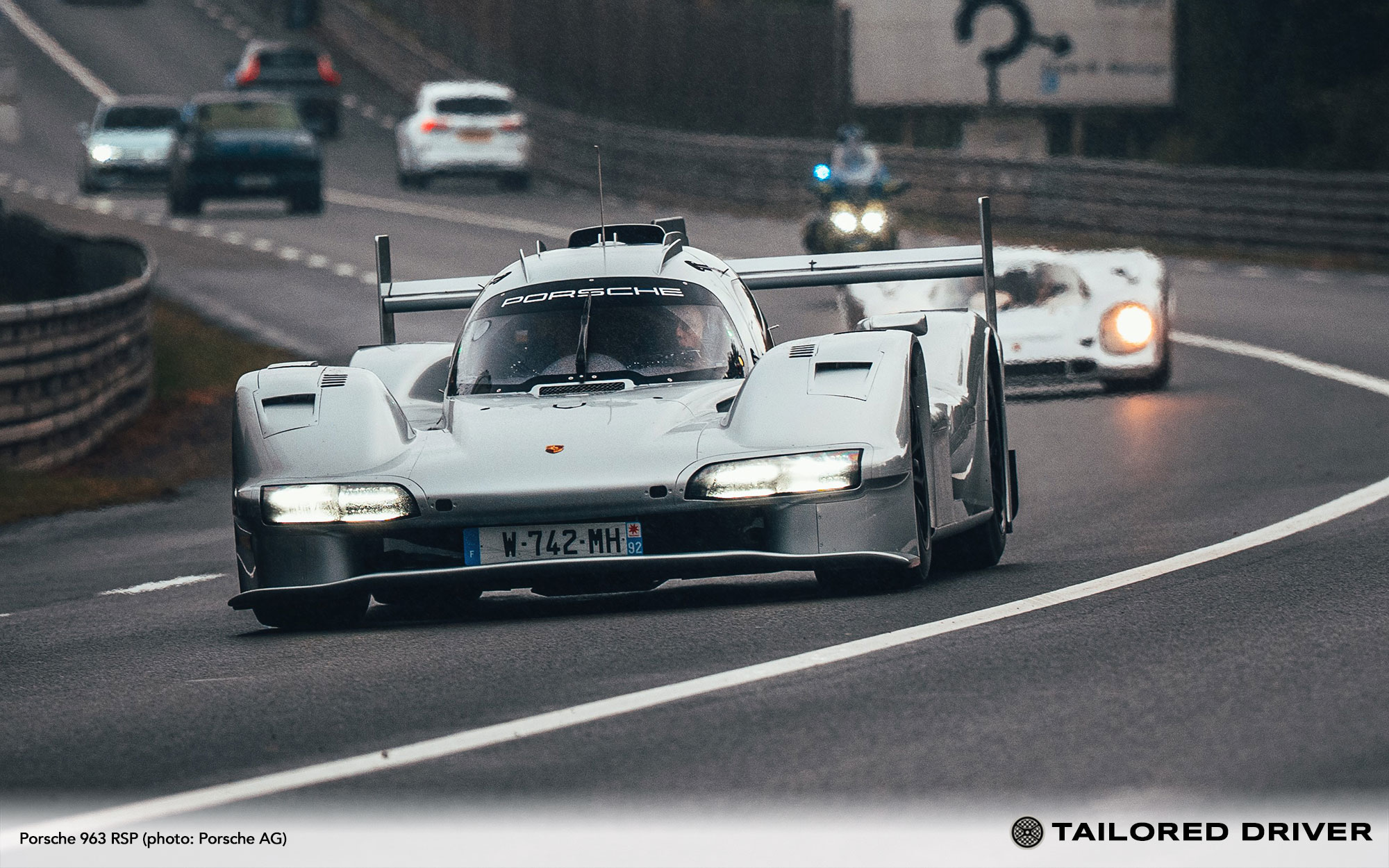
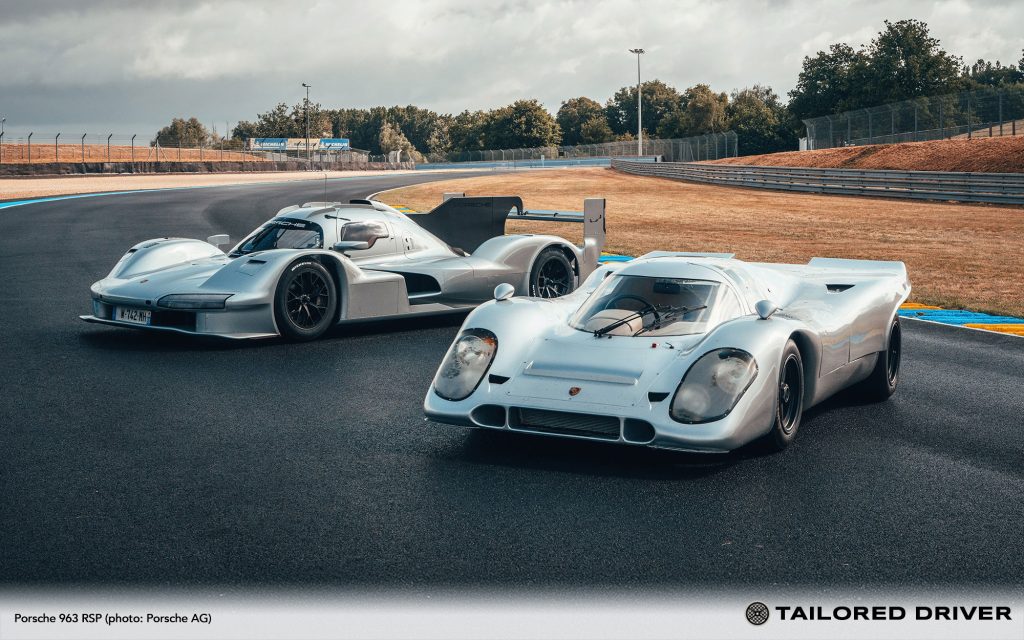
    Today marks the first day of scrutineering for the 2025 24 Hours of Le Mans, which is effectively the first day in more than a week of race activities. Porsche chose to celebrate its annual return to La Sarthe by celebrating a cool anniversary and building something very special. The net result is something very, very cool, a tribute to Roger Penske and a one hell of a flex for the brand’s Sonderwunsch department.

    If you follow IMSA or FIA WEC sportscar racing, you likely know that the Porsche 963 is a racing car of the sports prototype variety that races in the Hypercar class at Le Mans and the GTP class in IMSA. Effectively, this is today’s naming convention for the top class, and it’s in this category that the greatest manufacturers fight for an all-out win.

    Though the name of the class changes over the years, this is top-tier racing at Le Mans, a point Porsche can both point back to with authority. For Porsche, the story of outright wins begins in 1970 with the Piëch family-backed Porsche Salzburg-backed 917K. They’d win again in 1972, this time by Martini Racing.

    Those would be the only wins for the 917, because the car was banned from racing at Le Mans largely due to its dominance. Even still, it was the unequivocal star of Le Mans quite literally, capturing the imaginations of racing fans the world because it also starred in the 1971 movie Le Mans starring Steve McQueen.

    By 1975 the car had been dually retired. Following Le Mans it had been evolved as an open-top prototype for racing in the North American CAN-AM series and Europe’s Interserie, but at this point it was a legend without a home. Given the circumstances, what happened next is truly remarkable and something for which Porsche is truly one of the few factories that could have pulled it off. And, this isn’t the first time.
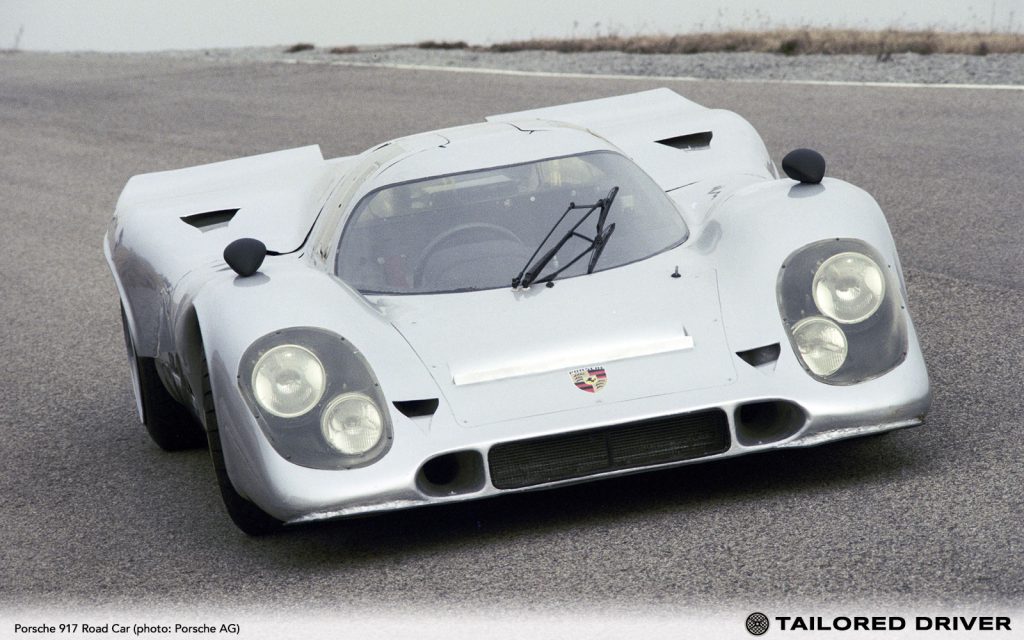
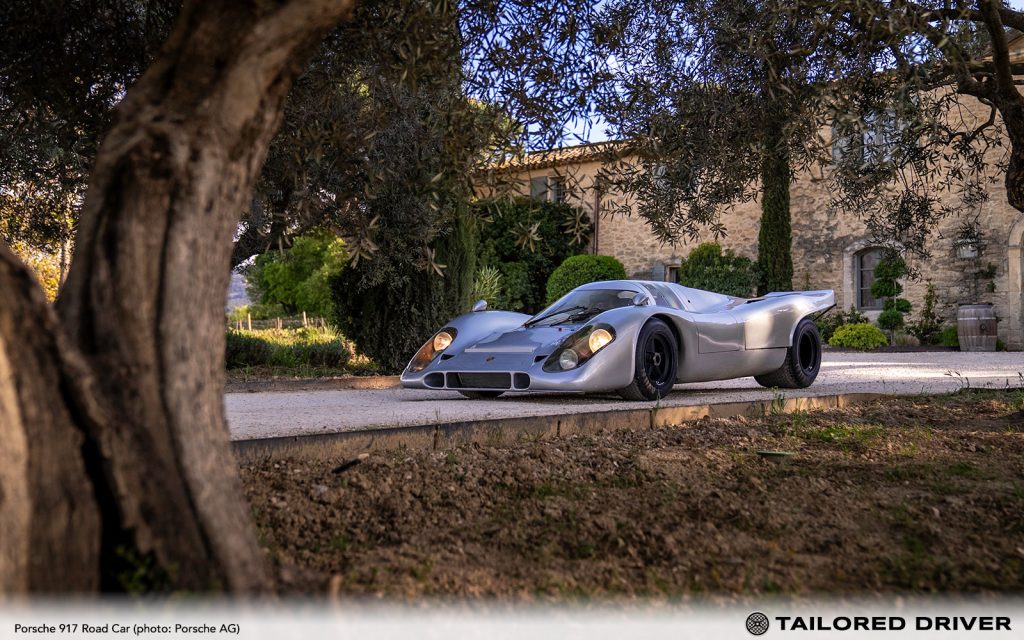
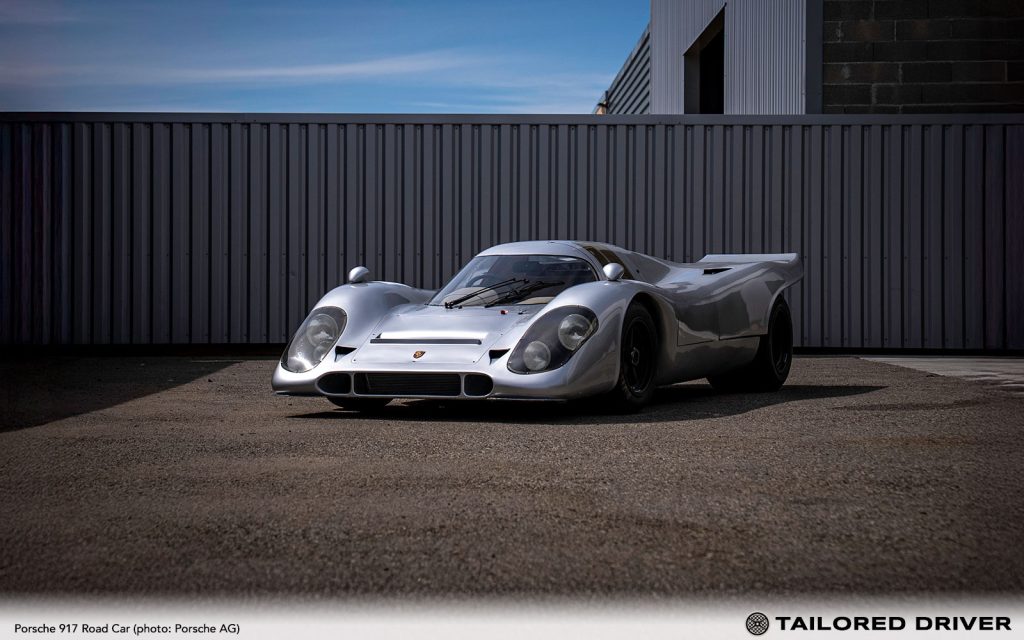
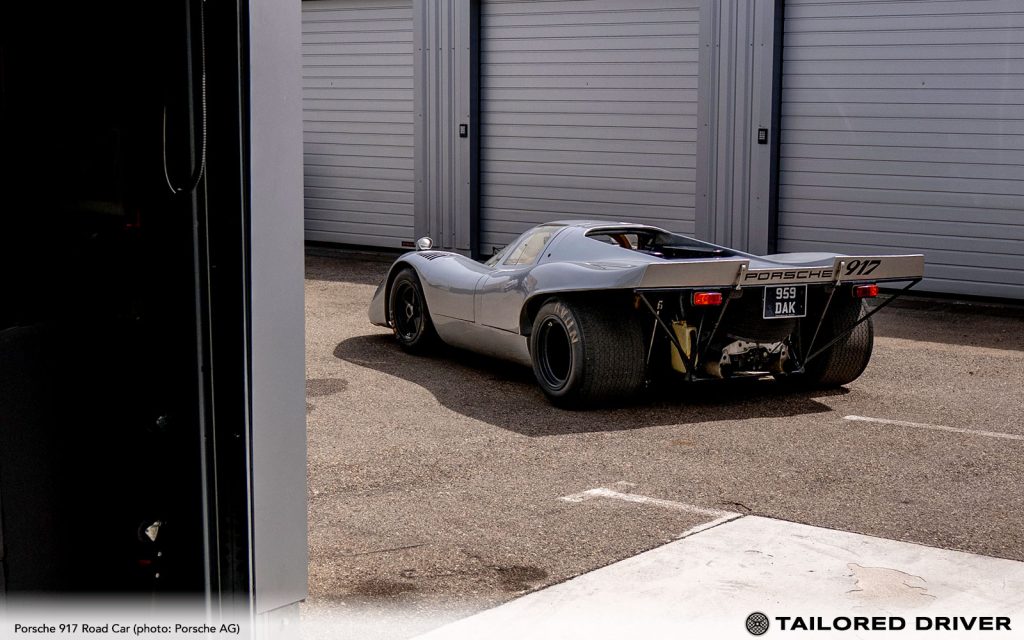
    Martini Flex, the 917 KH of 1975

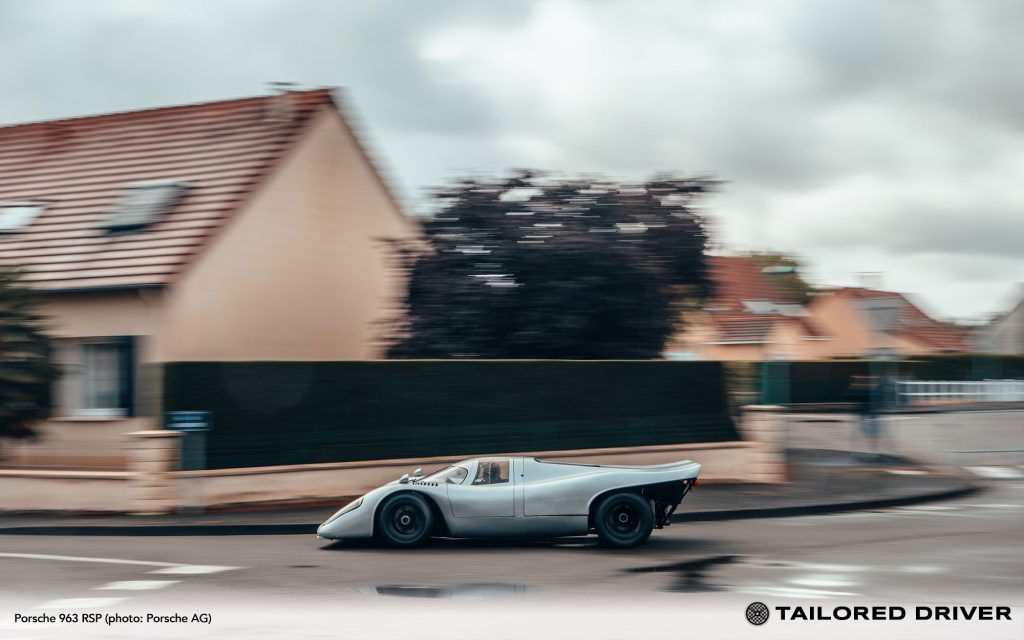
    Flight of fancy may be an understatement, but when you have gargantuan resources and a strong association with racing, living a fantasy while promoting what you do isn’t such a bad mix. The car was 917 chassis #30, a car that had been originally raced in period. The man was an Italian businessman Martine heir Gregorio Rossi di Montelera – known more commonly as “Count Rossi”, a renowned powerboat racer, bobsledder and Porsche enthusiast. And yes, when we think of the Martini & Rossi sponsored Martini Racing, he was that Rossi.

    In 1975, the car had returned to the factory much as some owners today send their old cars to Porsche Classic department for restoration or the brand’s fantastical Sonderwunsch department for other upgrades of their choosing.

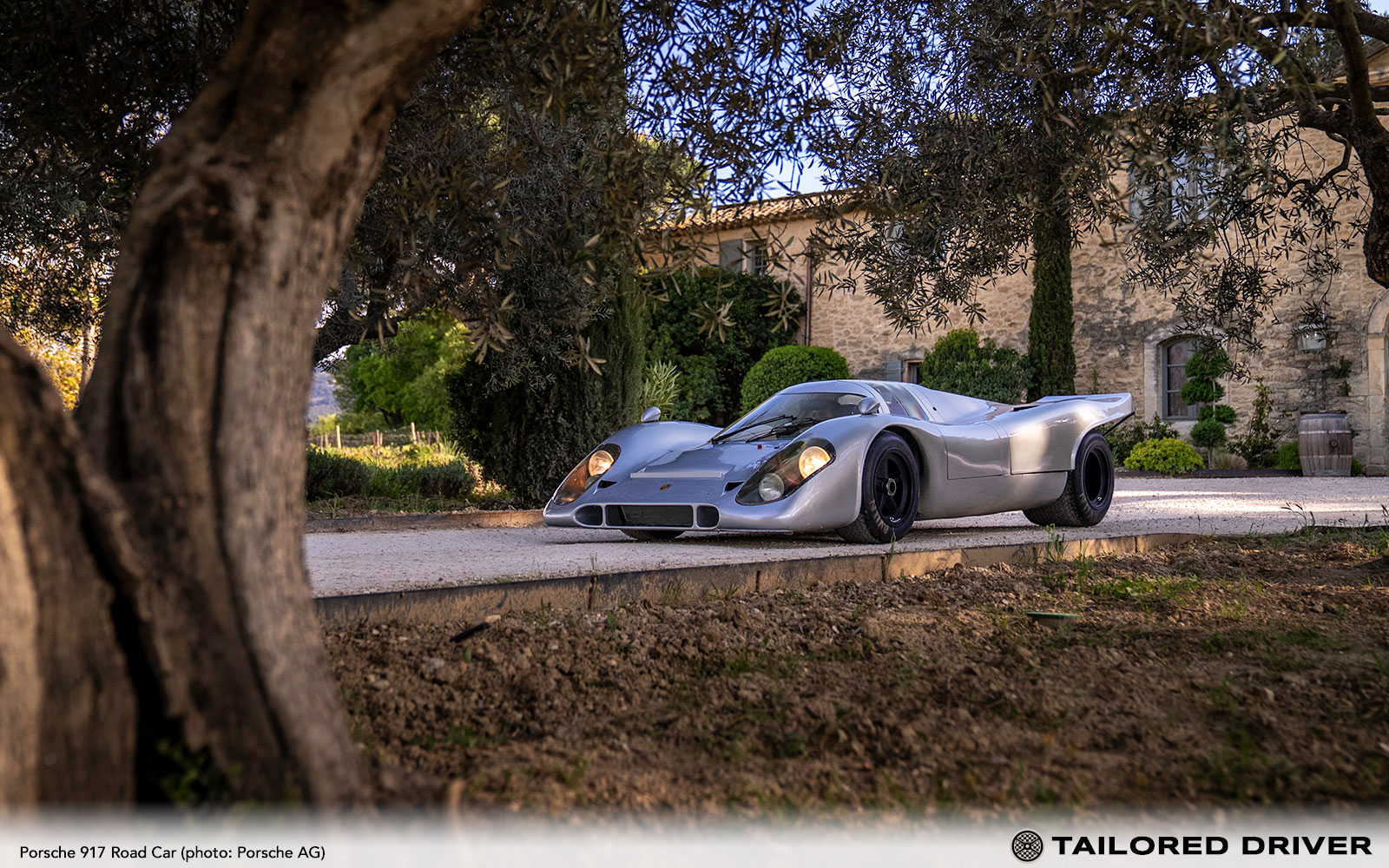
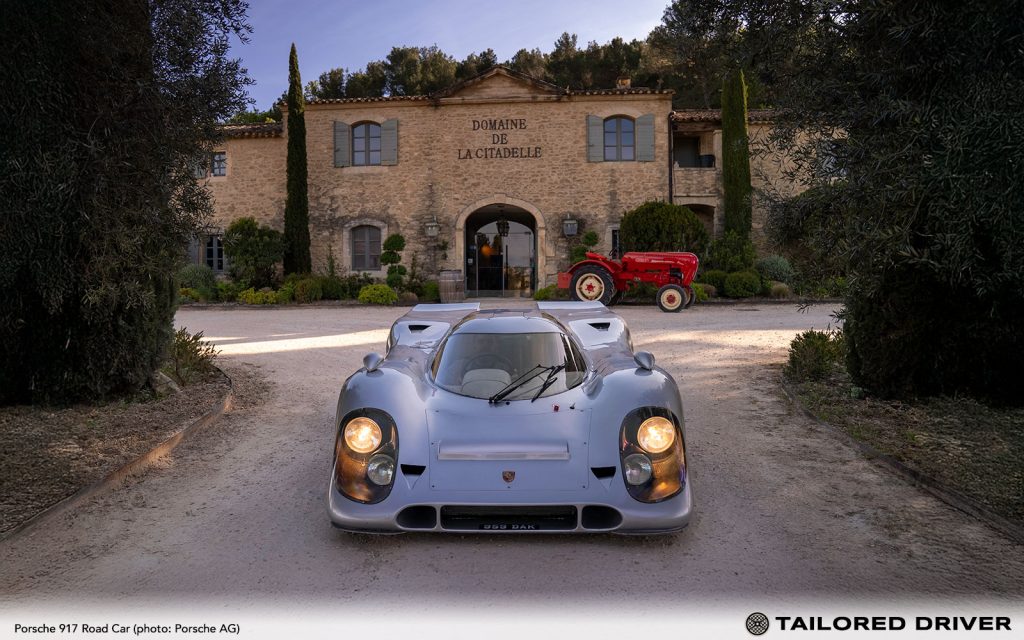
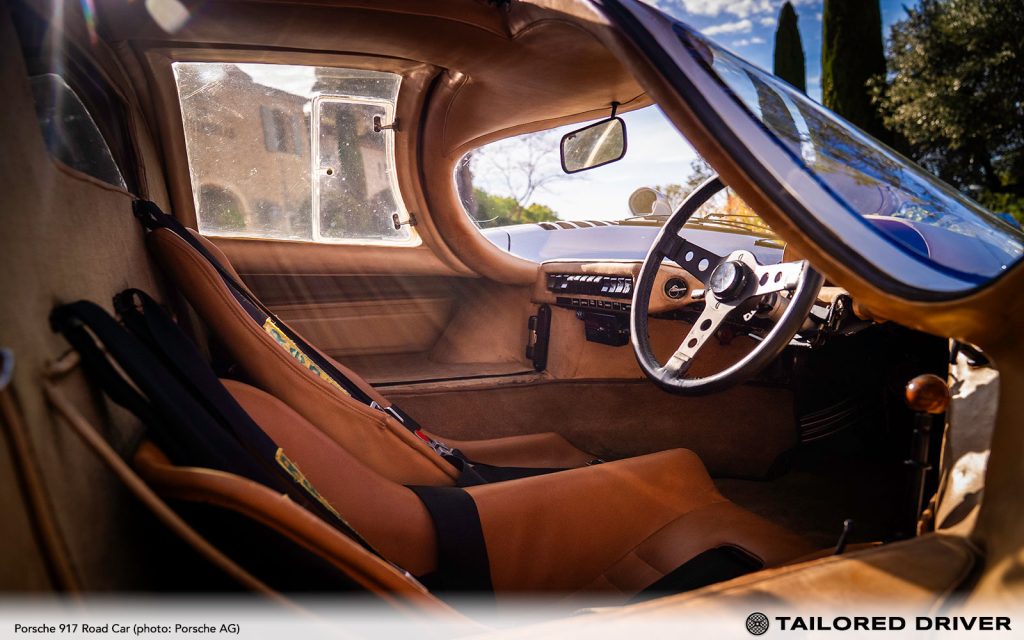
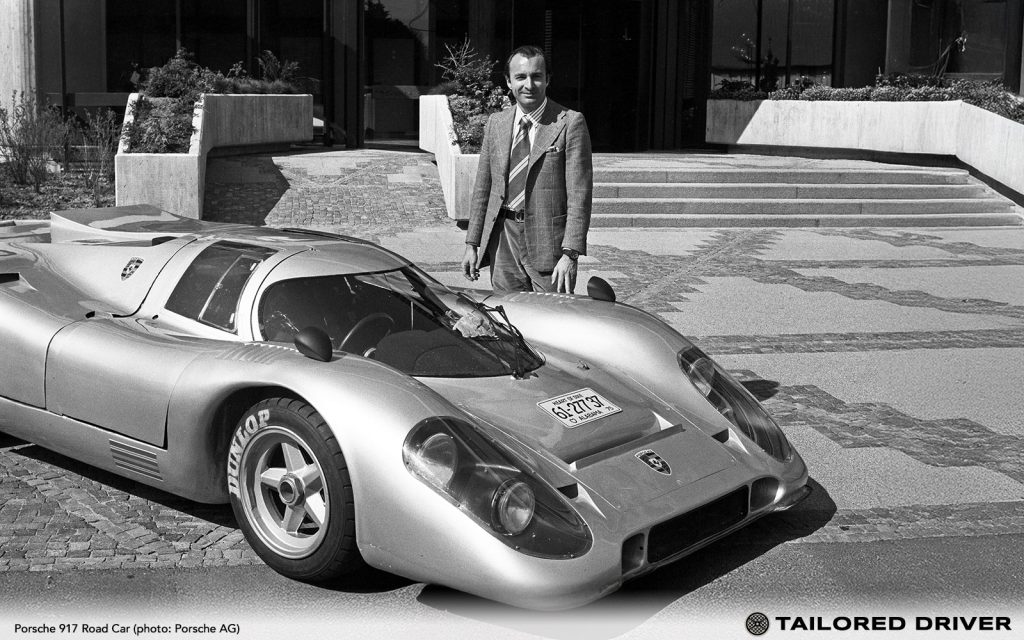
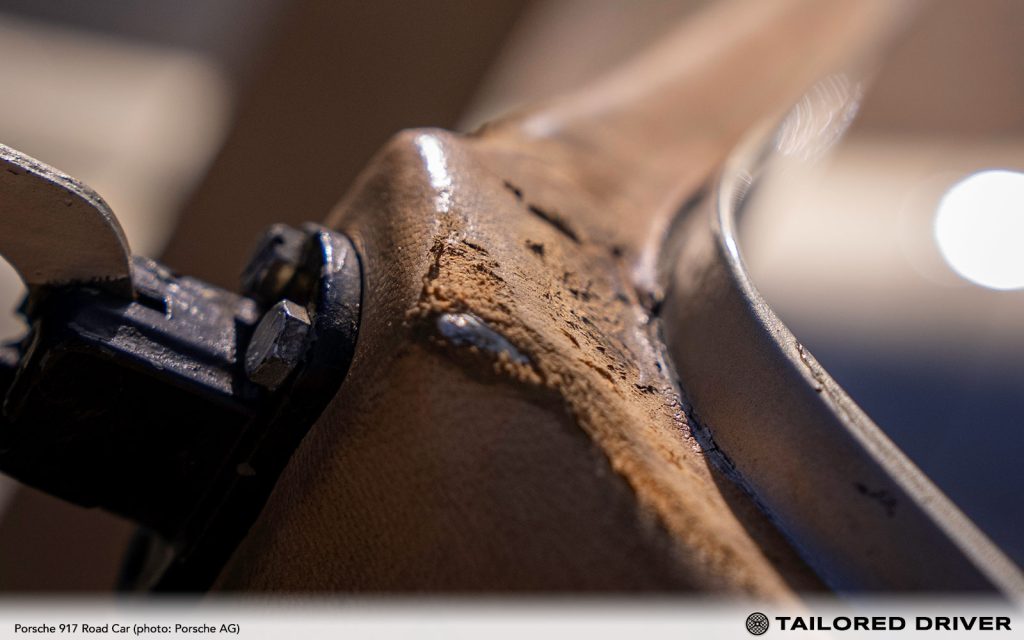
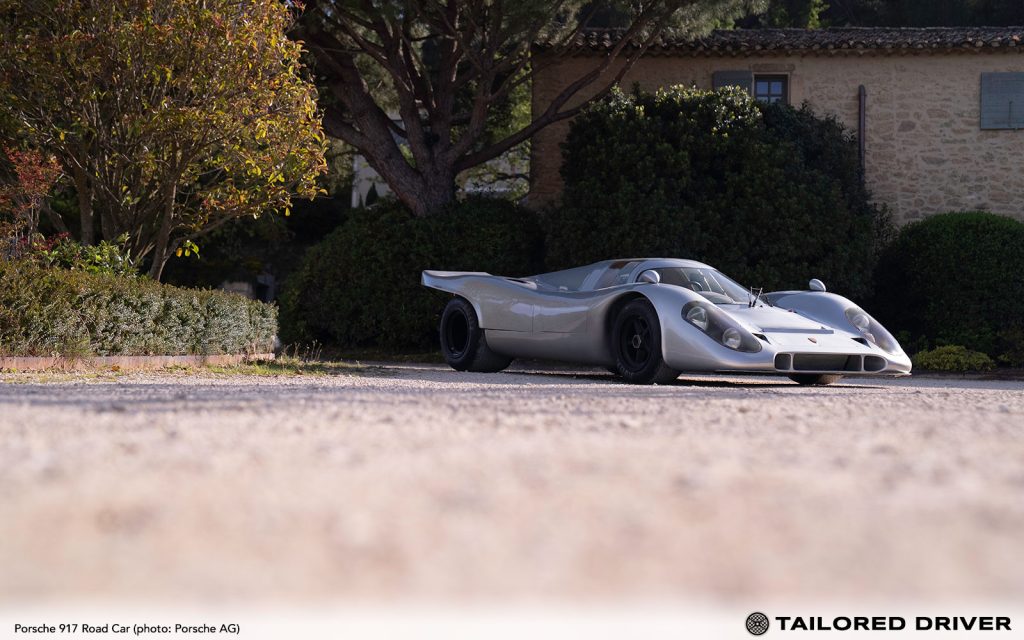
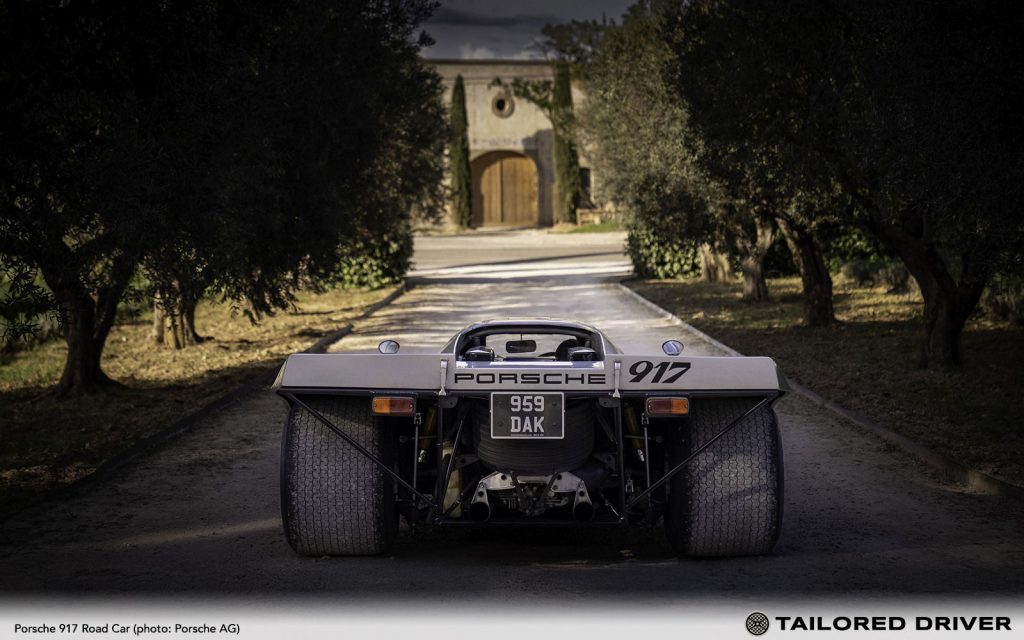
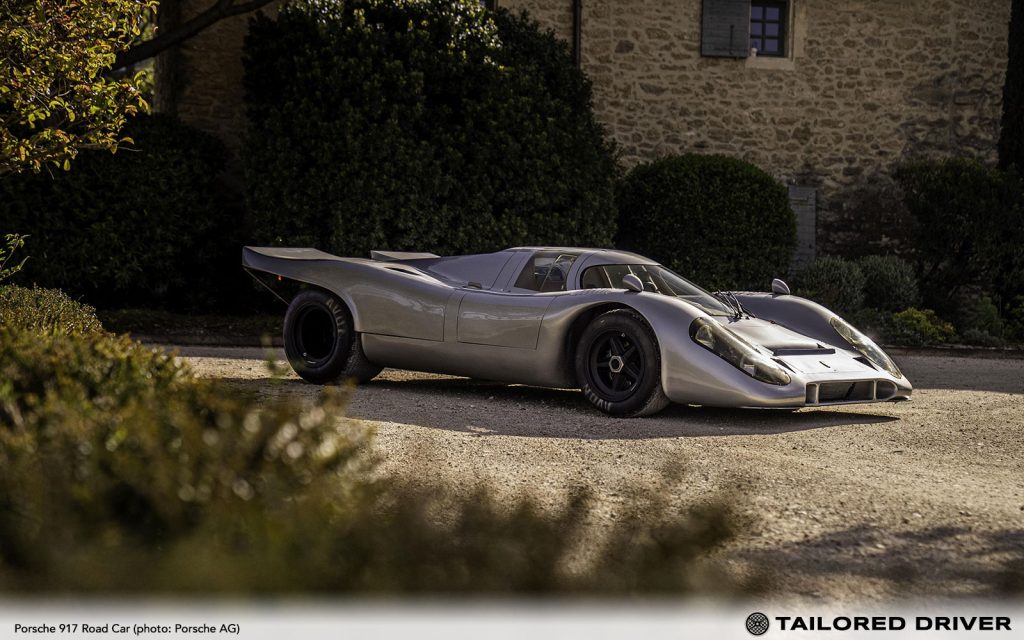
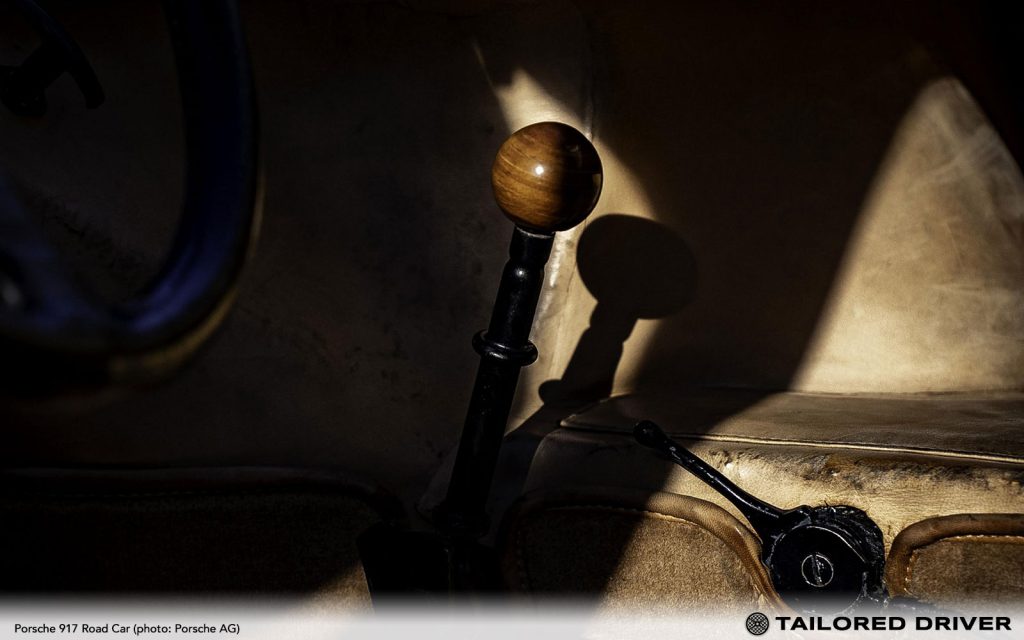
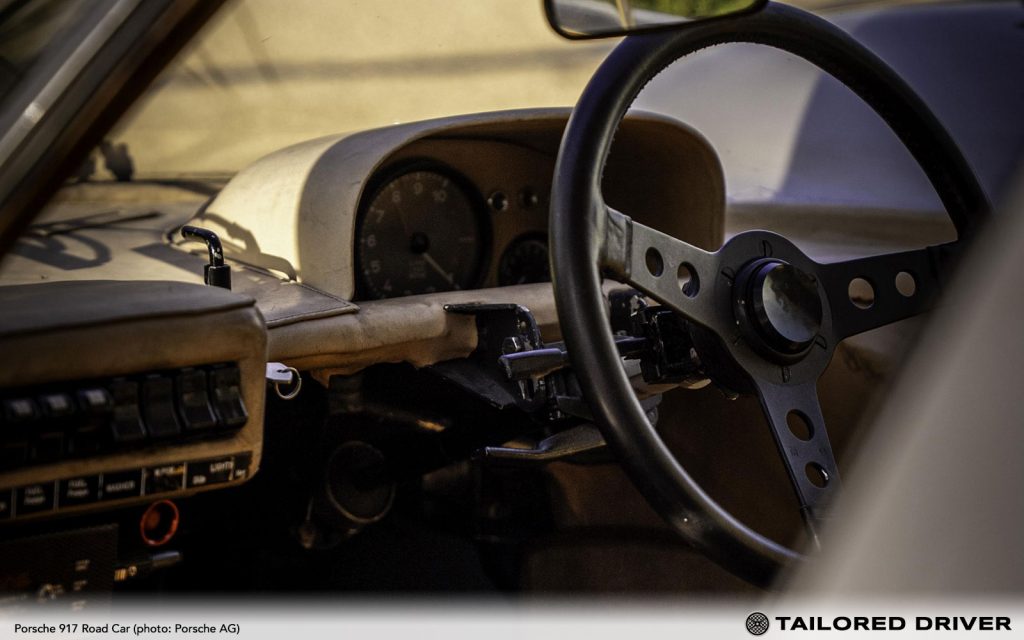
    In the 917’s case, it was finished in Martini Silver, and fitted with a set of “rudimentary exhaust mufflers”, additional rearview mirrors, side indicators and other road car kit… like a horn. It carried the requisite spare tire beneath the rear clamshell, while inside two seats were re-skinned in tan Hermès leather with additional surfaces, doors, dashboard and roof lining in suede. Other cues from the racecar such as the balsa wood shift knob and drilled key were retained. Finally, the car was registered by Count Rossi in Alabama, presumably due to the more liberal registration requirements of this American state.

    When the car first rolled out as a road car from the Porsche factory in Stuttgart, Rossi set out in the direction of France. His destination was Paris, several hundred miles away. In making the trip, Rossi and his 917 became the stuff of legends. That particular 917 KH is now registered in the UK, though is kept in the south of France where the current owner enjoys it with regularity.
    Next Up, the Porsche 963 RSP

    “This really started out as a “what if?” – a passion project by a small team of enthusiasts at Penske and at Porsche who together imagined a version of the 963 that really resembled as closely as possible the spirit and appearance of the Count Rossi 917,” state Porsche Cars North America President and CEO Timo Resch. The idea is credited to Resch. “The 917 from the story was every inch a race car – albeit one driven on the road – and we took the same approach with the 963 RSP. It uses beautiful materials of the best quality available, but is still every bit a race car underneath.”

    Though the Porsche 963 hasn’t yet logged a 24 Hours of Le Mans victory since its debut in 2023, it’s been doing just fine outside of La Sarthe, logging championships in IMSA and the WEC at the hands of Penske Racing. And as Porsche Motorsport arrives in Le Mans ready to further build upon its record on this hallowed ground, the 963 RSP has been revealed – a tribute to the 917 KH that’s now 50 years old.

    The car is the result of a collaboration between Porsche AG, Porsche Penske Motorsport and Porsche Cars North America. Like Count Rossi with the 917, Penske founder and owner Roger Penske just happens to have the same initials as the car’s designation “RSP” – not a coincidence.

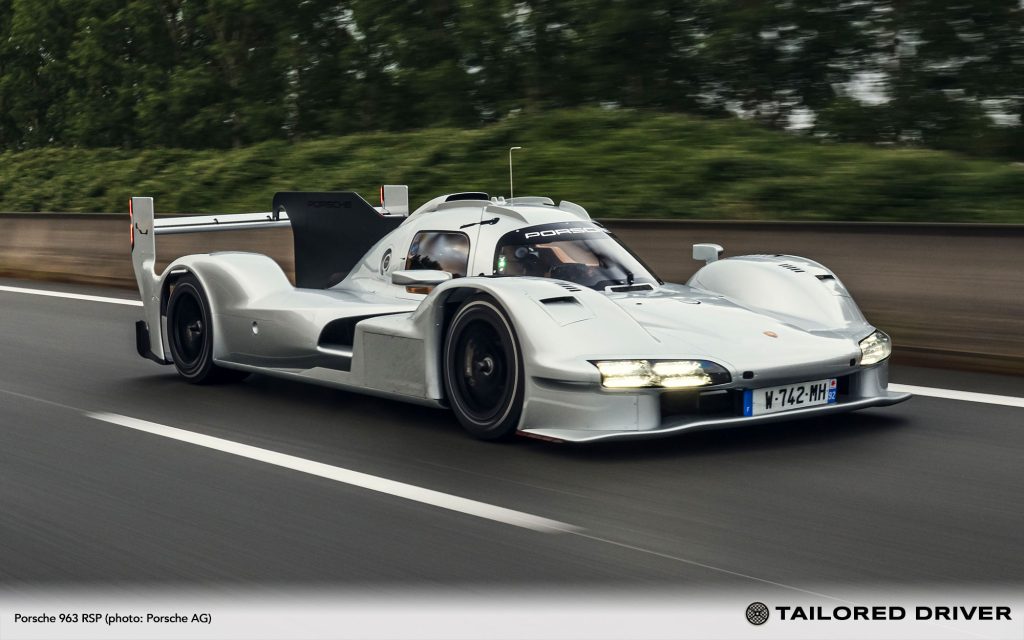
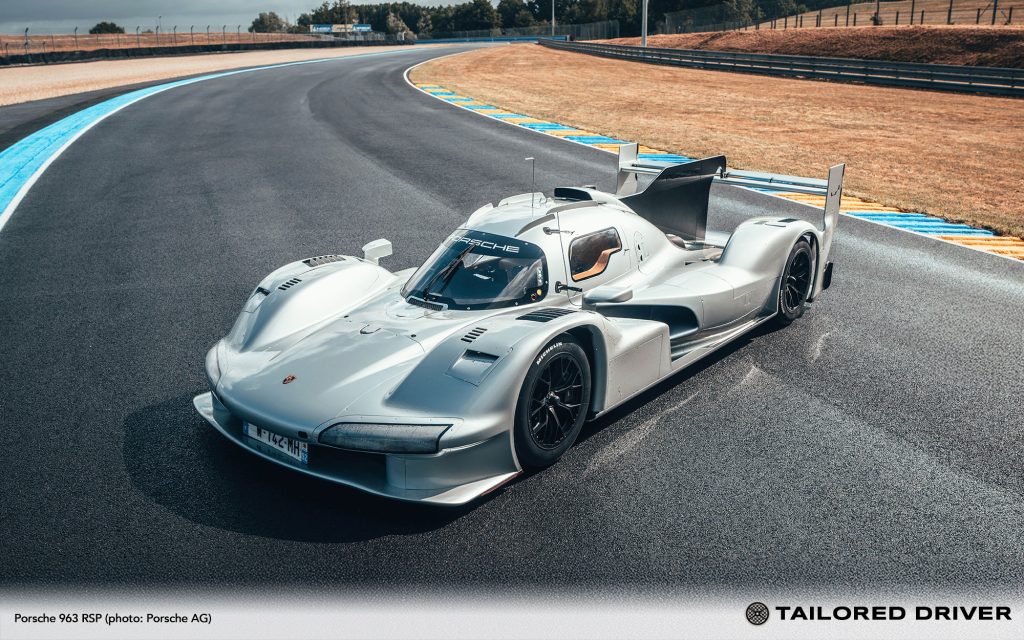
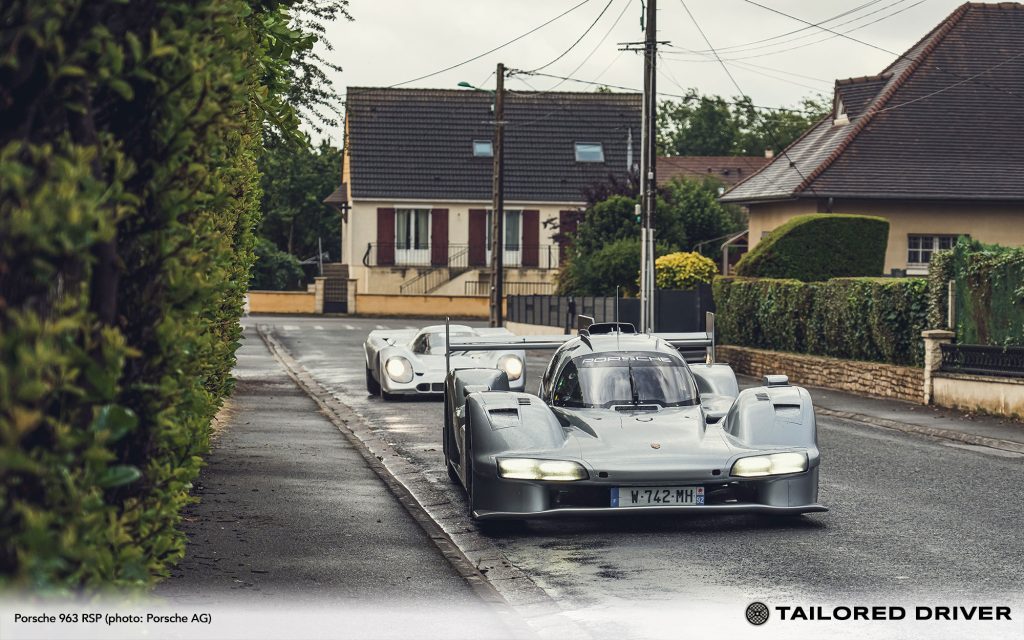
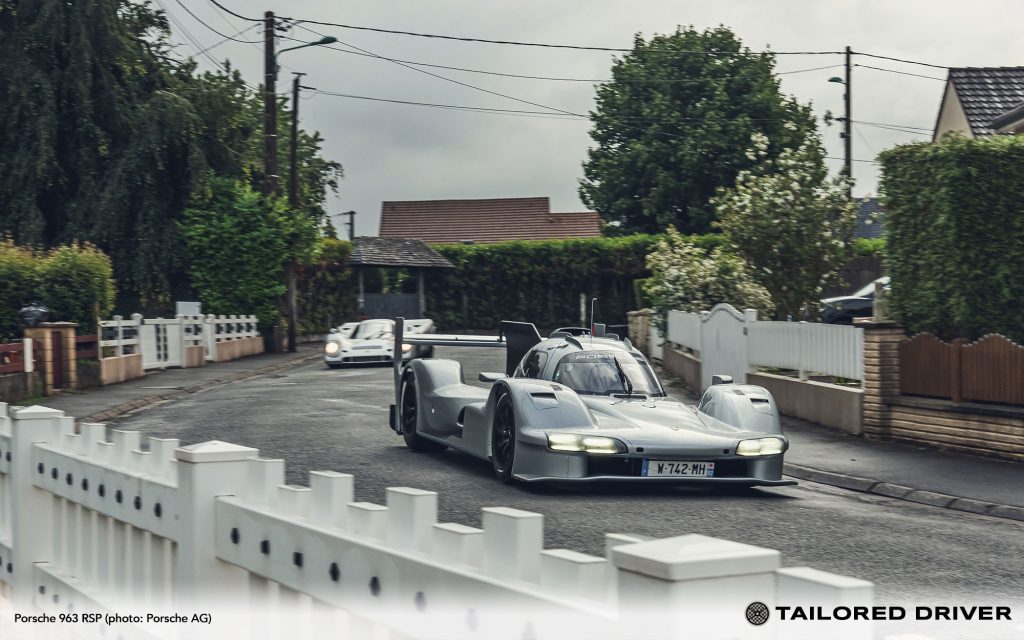
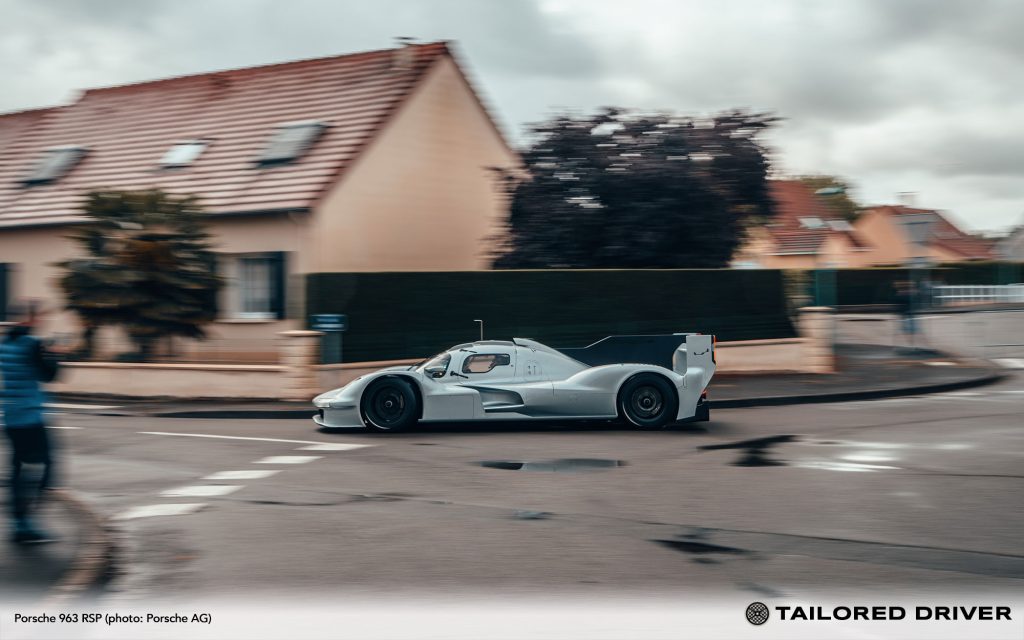
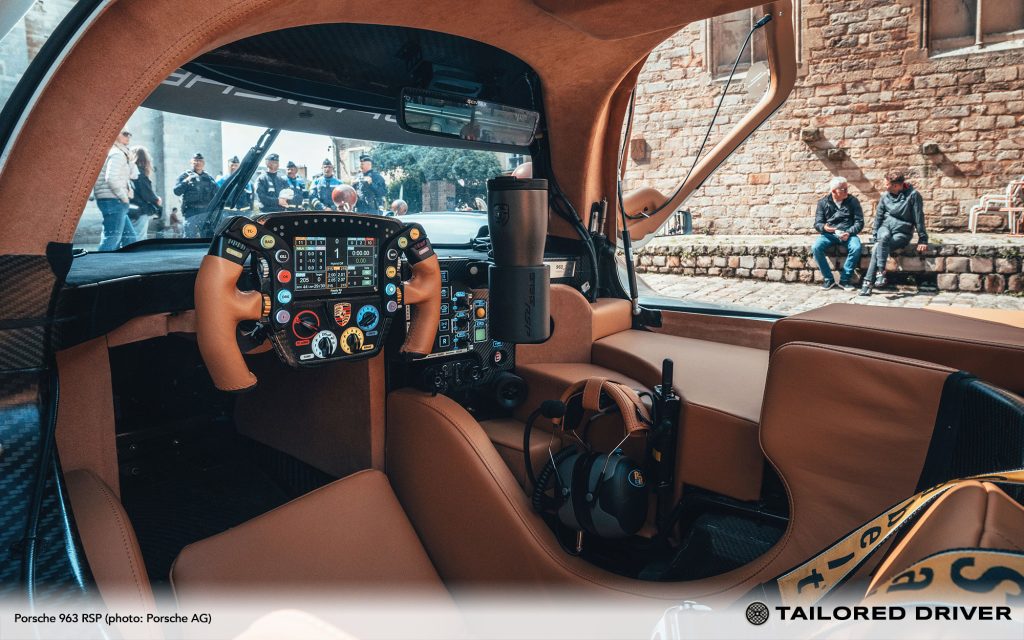
    As you might expect, this isn’t just a matter of applying silver metallic paint over the 963’s bodywork though even that is a surprisingly complex change. The competition 963 always gets wrapped in a vinyl livery, so the thin carbon and Kevlar bodywork presents challenges that required some modifications before the Martini Silver paint chosen as a tribute to the 917 could be applied. Inside, the 963 has been fitted with tan leather and Alcantara, again inspired by the Count Rossi car.
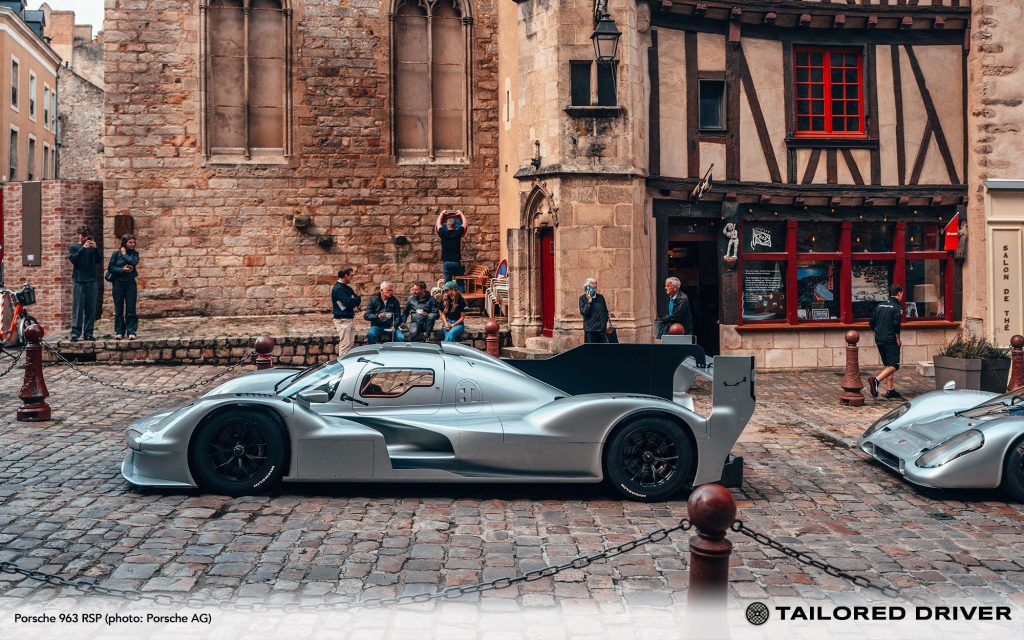
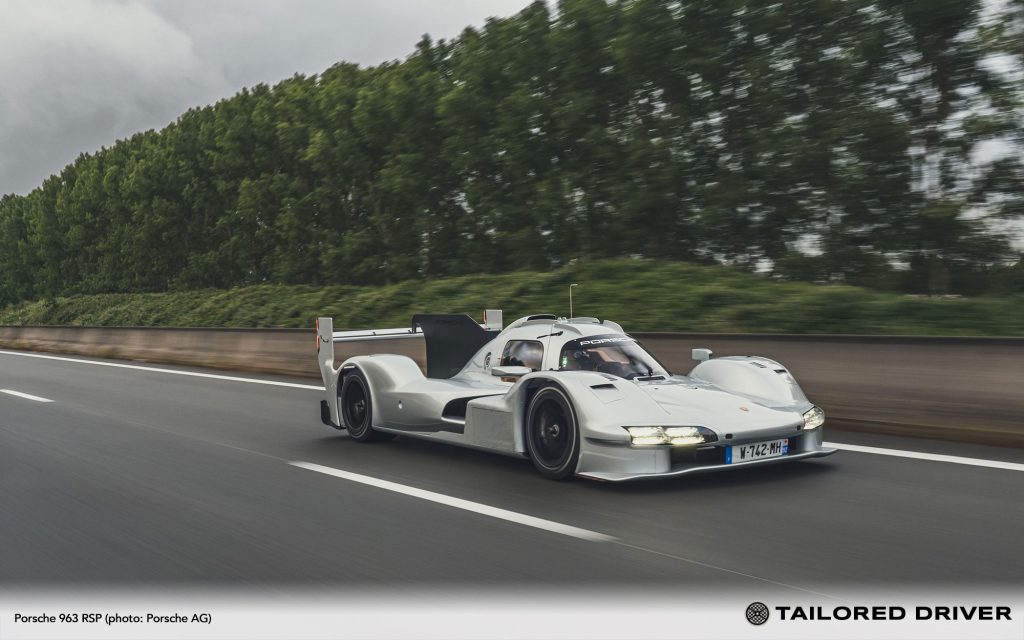
    Other mechanical changes were needed to make the car road worthy. This includes raised ride height, softened dampers and reprogrammed control unit so as to allow the headlights and taillight to operate like those of a road car. Other bodyworks changes were made to properly cover the wheel arches, while a set of Michelin wet weather compound tires with tread qualifies for road use, and of course like the 917 it needed a horn.

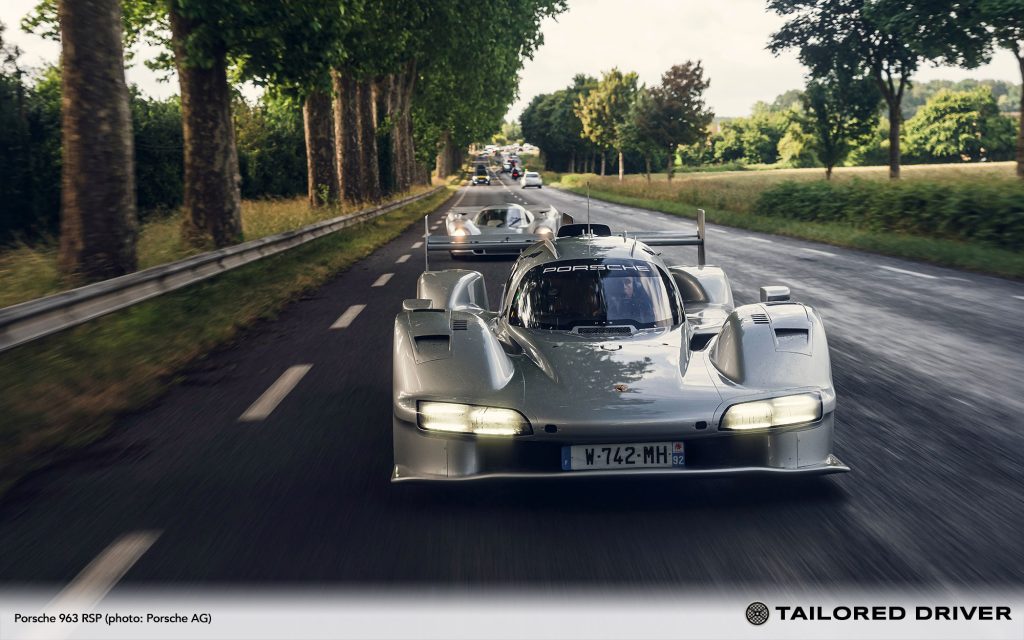
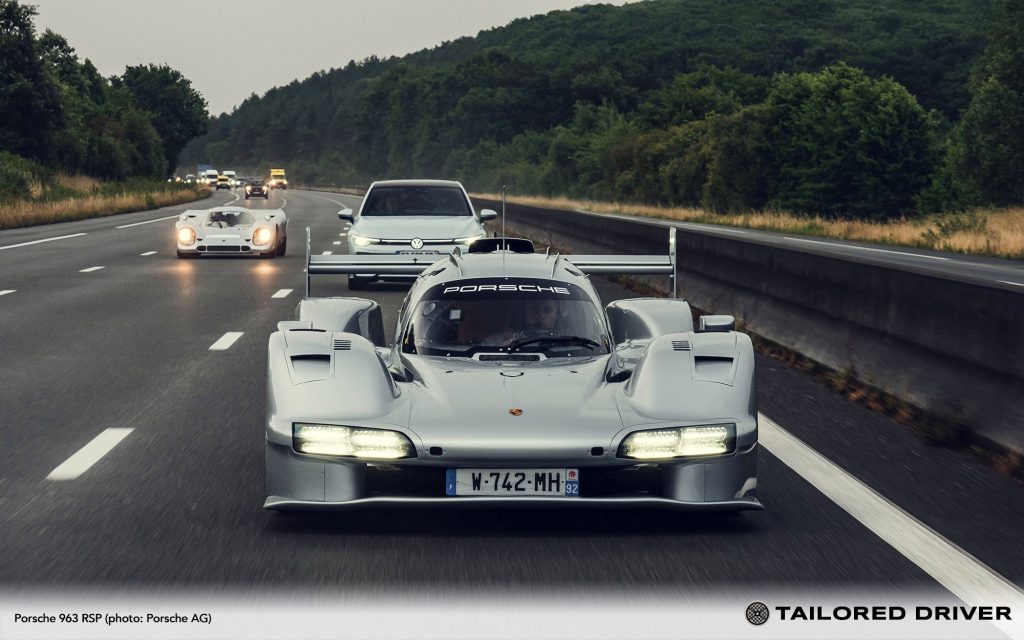
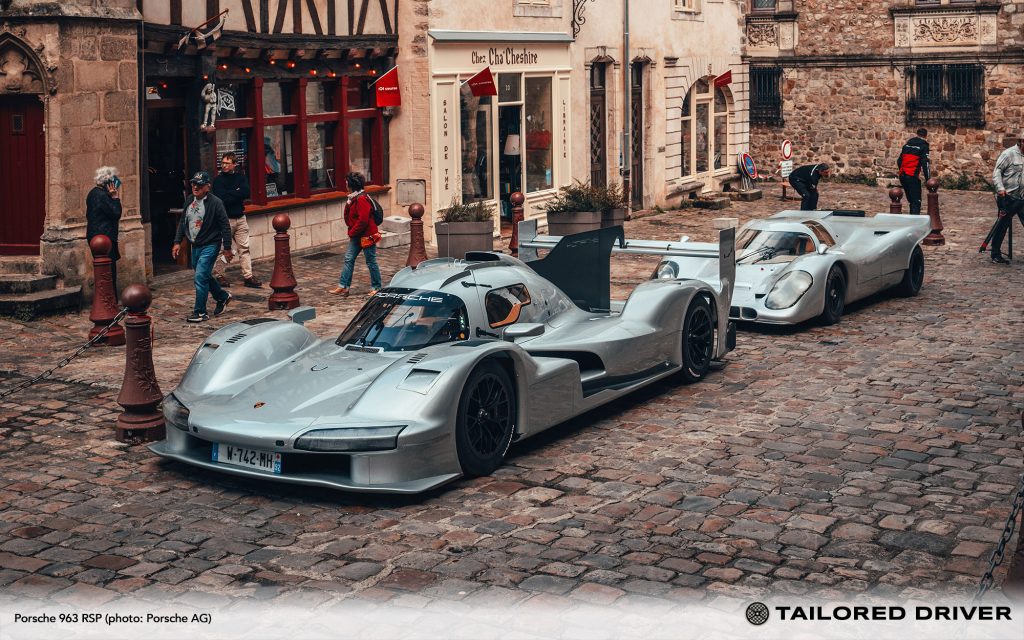
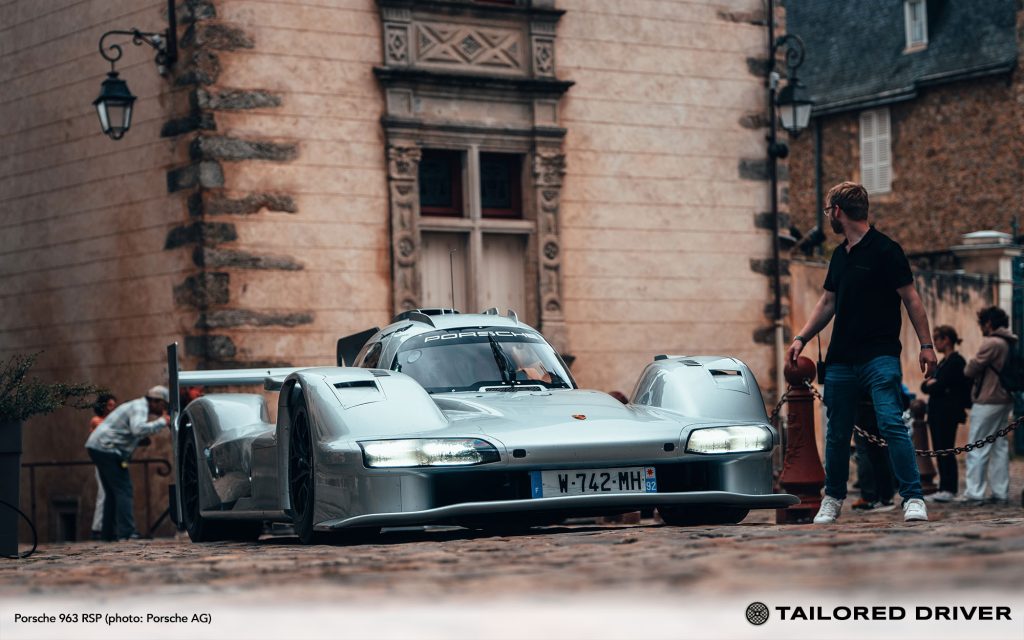
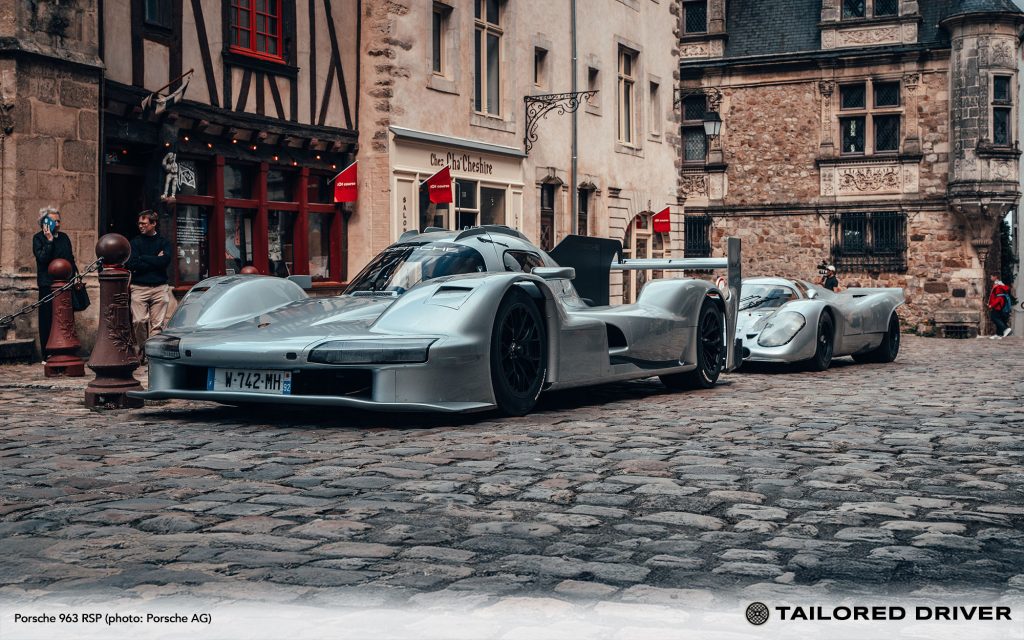
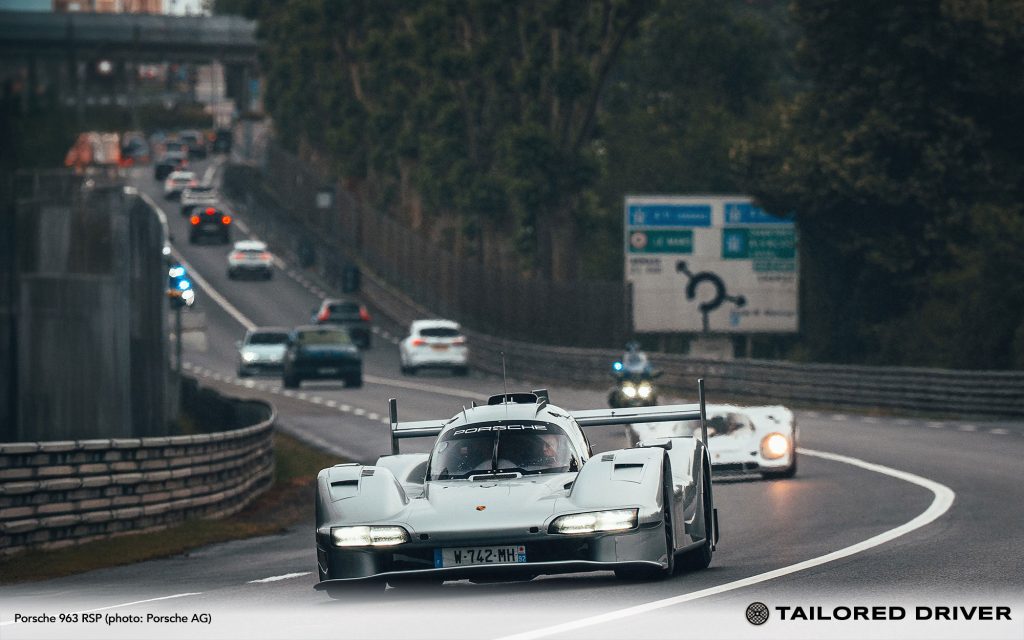
    With these changes completed, the car met the necessary requirements to be allowed to wear registration plates under special permission from the French authorities. For the 963, there was no need to ring up the Alabama’s D.O.T. and the 963 was allowed to debut on the streets around Le Mans to the delight of the Automobile Club de l’Ouest (ACO) that runs Le Mans and no doubt every other racing enthusiast who caught it driving by.

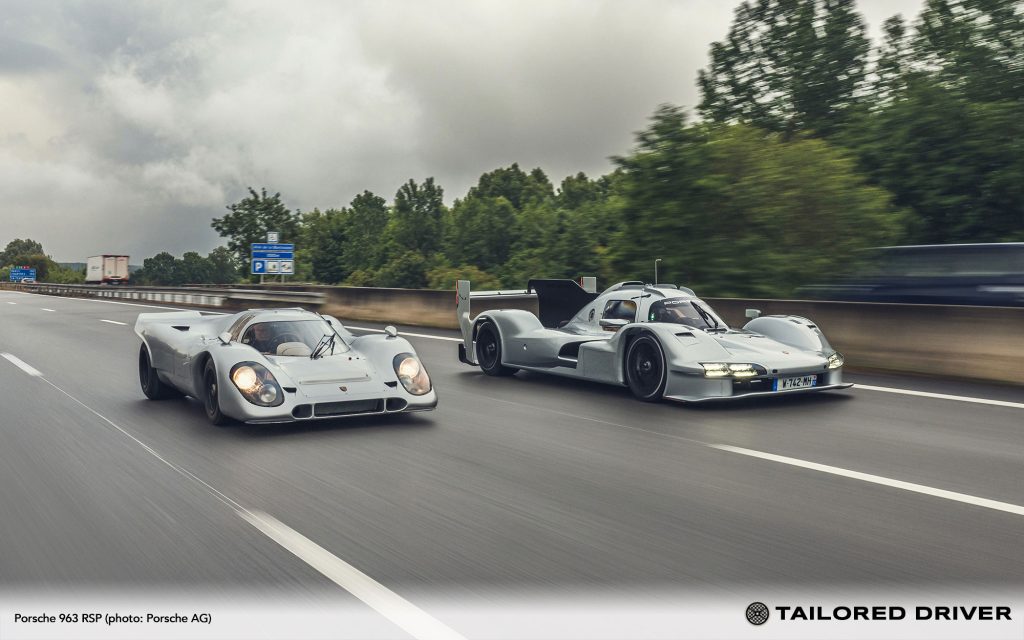
    “That was an experience that will stay with me for a lifetime,” said Timo Bernhard, who piloted the 963 RSP for the debut. “Driving down a public road with a 917 beside me – it felt unreal. The car behaved perfectly – it felt a little friendlier and more forgiving than the normal 963 – and felt super special and a lot more comfortable, especially as I was not needing all my safety gear.”

    “We have enjoyed a terrific relationship with Porsche dating back to 1972. The Porsche 917/30, in particular, was one of the greatest eras in Team Penske history with numerous wins and championships, along with the closed-course speed record set by Mark Donohue in 1975,” said Roger Penske, Chairman of the Penske Corporation. “With such a remarkable partnership continuing to this day, we felt it was time to create the most exciting car we could imagine. Just like the 917, I wanted this car to be authentic to its origin and have as few changes to it as possible. When we got into the project, the differences in the two generations of race cars provided a great challenge. What emerged is a car that has lost none of its edge and is exciting whether on the track or on the road.”

    The 963 RSP will be on display at the Circuit de la Sarthe for this year’s 24 Hours of Le Mans. Following the race, it will go to Stuttgart and take a spot at the Porsche Museum. Then, in July, the car will appear with the 917 at the Goodwood Festival of Speed.

    Photo Gallery
    963 RSP DEEP DIVE, THE PROCESS AS COMMUNICATED BY PORSCHE

    [SOURCE: PORSCHE AG]

    Design process – exterior:

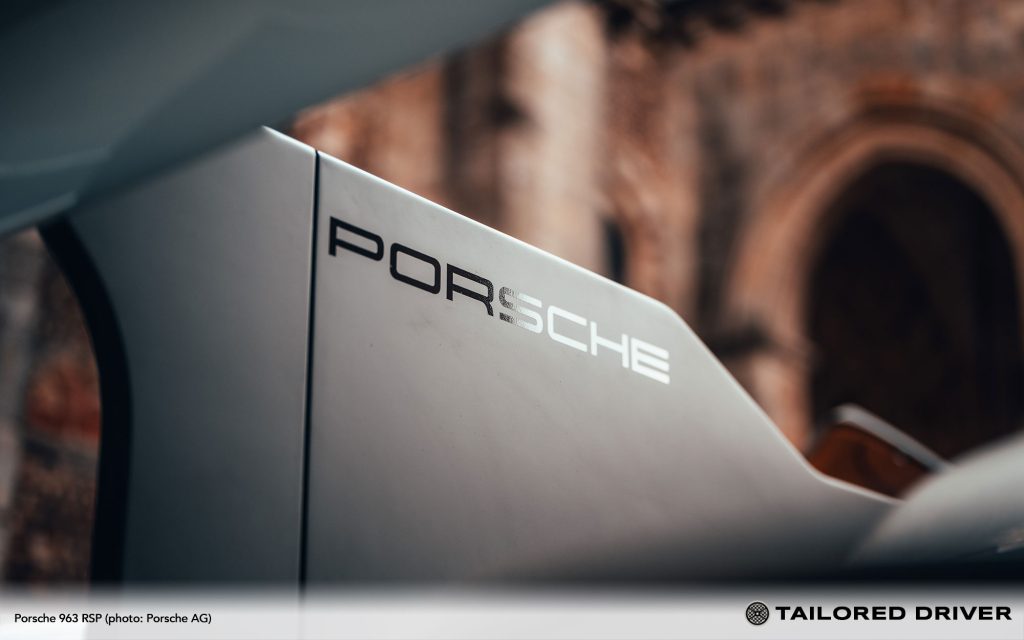
    With the concept established, the Sonderwunsch team in Zuffenhausen began translating the idea to reality in cooperation with the Sonderwunsch colleagues at Porsche Classic in Atlanta – a standalone facility opened in 2023. Drawing on the changes selected by Count Rossi in 1975, Grant Larson, Director of Special Projects at Style Porsche, and his designers envisioned a 963 that would stay as close as possible to the original car with a silver and black color pallet on the outside, and a tan leather and Alcantara mix for the interior. This extended to the decision to paint the car – as was the case with the 917 – rather than wrapping it, as is the norm with current race cars, and a significant challenge due to the Kevlar® and carbon fiber body construction. The paint to sample color – ‘Martini Silver’ – was verified from the records held by the Porsche Museum in Stuttgart-Zuffenhausen, with a triple-layer lacquer applied. Minor components such as hinges and wing connectors are all finished in satin black with a unique 3D printed ‘963 RSP’ created and applied to the rear of the car.

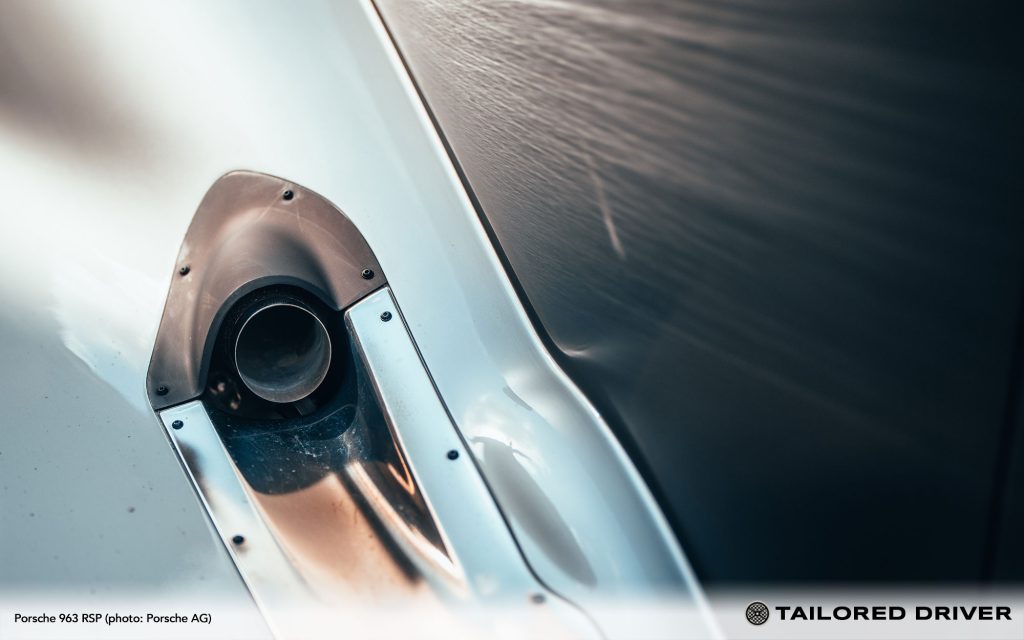
    To closer align the 963 to the form of the 917, bodywork changes were made to the 963 RSP. These include the creation of unique fender vents – where otherwise the front and rear fender vents would be open. A collaboration between Sonderwunsch and Porsche Penske Motorsport, the vents were digitally rendered first before applied to the car, with the new design allowing air within the wheel wells to escape. Additionally, the carbon fiber blanking plates that sit within the rear wing – a requirement on the race car – were able to be removed for the 963 RSP.

    Added to the nose of the car – replacing the graphic that is applied to all conventional 963s – was an enamel Porsche badge, a detailed shared with the 917.

    A small detail change was the addition of 1970s-era Michelin logos for the tire walls, and rain-spec 18-inch tires over forged OZ racing wheels. Finally – and in another first – mounting points for front and rear license plates were added ahead of the car being driven on public roads to mark the 50th anniversary of the first street drive of the 917.

    Design process – interior:

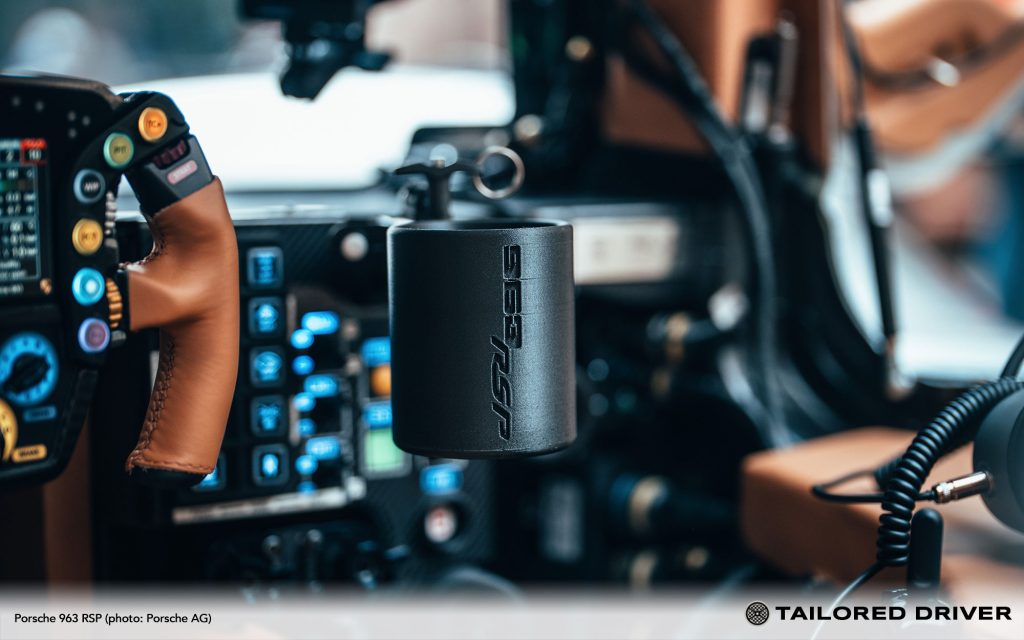
    Possibly the greatest departure from the 963 race car occurs inside the 963 RSP. Following the lead of the handcrafted and completely bespoke interior of the 917 (which remains unrestored to this day) the 963 RSP features a mix of soft tan leather and Alcantara. Whereas the race car features very few comfort features, the 963 RSP is more accommodating – with the single piece carbon seat trimmed in leather with soft cushioning placed down the center and a fixed headrest mounted on the carbon fiber bulkhead. The seats are – in common with the race version – air conditioned. The leg cushions in the footwell as well as the roof lining and pillars have been retrimmed in light Alcantara while the steering wheel – where the majority of the vehicle’s functions are located – has been finished in leather. A light-hearted addition is a detachable 3D-printed cup holder capable of securely holding a Porsche travel mug. 

    Next to the driver, a new trimmed panel provides a location for the car’s Peltor headset and steering wheel when not in use as well as a platform for the laptop that starts and assists in the operation of the car and Roger Penske’s custom carbon crash helmet.

    While the color of design of the interior are obvious references to the 917, more subtle design elements can be found – among them bespoke end plates for the ventilation system which mimic the styling of the fan on top of the 917’s flat-12 engine.

    The doors are finished in leather and Alcantara, with a small alloy plaque set into one of them denoting the chassis number and the date and location of construction.

    Mechanical changes:

    The ride height of the car was raised to its maximum available setting to accommodate road use, while the adjustable Multimatic DSSV dampers designed for racing prototypes are in their softest setting to create a more compliant ride.

    The control unit was modified to allow the car to operate turn signals and allow the headlights to be adjusted for road. The hybrid V8 powertrain with a lithium-ion battery – capable of being run on electrical power only – remains in standard race tune in the 963 RSP, but power delivery from the MGU has been remapped to provide smooth delivery more appropriate for road use versus race competition The powertrain was also re-mapped to be capable of running on pump gas – a significant undertaking for the team.

    Finishing touches:

    Accompanying the 963 RSP are a custom fitted carbon crash helmet with Martini Silver accents to match the car, and a bespoke Snap On toolset with a chest bearing accents in the same color, a plaque commemorating the project and its namesake, and handles wrapped in the same leather used in the interior of the car. The drawers also feature custom foam inserts to carry tools and special equipment necessary to start, service and operate the car.

    While capable of being driven on the road under special circumstances and in accordance with local requirements (the modifications to the car allowed it to use French ‘W’ or manufacturer license plates for its debut), the 963 RSP is not a homologated addition to the Porsche model line-up and is intended to remain a very special one-off.

    The powertrain of the 963:

    The 963 is powered by a 4.6 liter twin-turbocharged V8 making up to approximately 680 hp that has its origins in the RS Spyder race program operated by Penske which claimed all titles in the LMP2 class of the American Le Mans Series from 2006 to 2008. The engine was enlarged from 3.4 to 4.6 liters and then used in the limited-production 918 Spyder road car, which debuted in 2013. The flat crankshaft and short stroke of the engine allow for a low mounting point, helping to optimize the center of gravity of the car. While the 918 Spyder used the engine in naturally aspirated form, the 963 pairs it with two turbochargers provided by the Dutch manufacturer Van der Lee. These turbochargers generate very moderate boost pressure and are mounted on the hot side of the engine, optimizing throttle response. Overall, around 80 percent of the engine components in the 963 are shared with the 918 Spyder, which was already designed to work together with a hybrid system.

    The standardized components of the electric boost system are supplied by Bosch (motor generator unit, electronics and software) and Williams Advanced Engineering (high-voltage battery). The motor generator unit (MGU), which is responsible for the power output and recuperation under braking at the rear axle, works in direct interaction with the sequential seven-speed gearbox from Xtrac. The MGU sits in the bell housing between the combustion engine and the gearbox.

    The hybrid’s entire electrical system produces up to 800 volts. The uniform battery has an energy capacity of 1.35 kWh, which can be mobilized at any time under acceleration. An output of 30 to 50 kW is available in short bursts but does not change the overall output of the powertrain. When the thrust of the MGU kicks in, the power of the combustion engine, which can reach over 8,000 rpm (depending on the BoP), automatically decreases.
  • Rolls-Royce Phantom Goldfinger Debuts at Concorso d’Eleganza Villa d’Este

    Rolls-Royce Phantom Goldfinger Debuts at Concorso d’Eleganza Villa d’Este

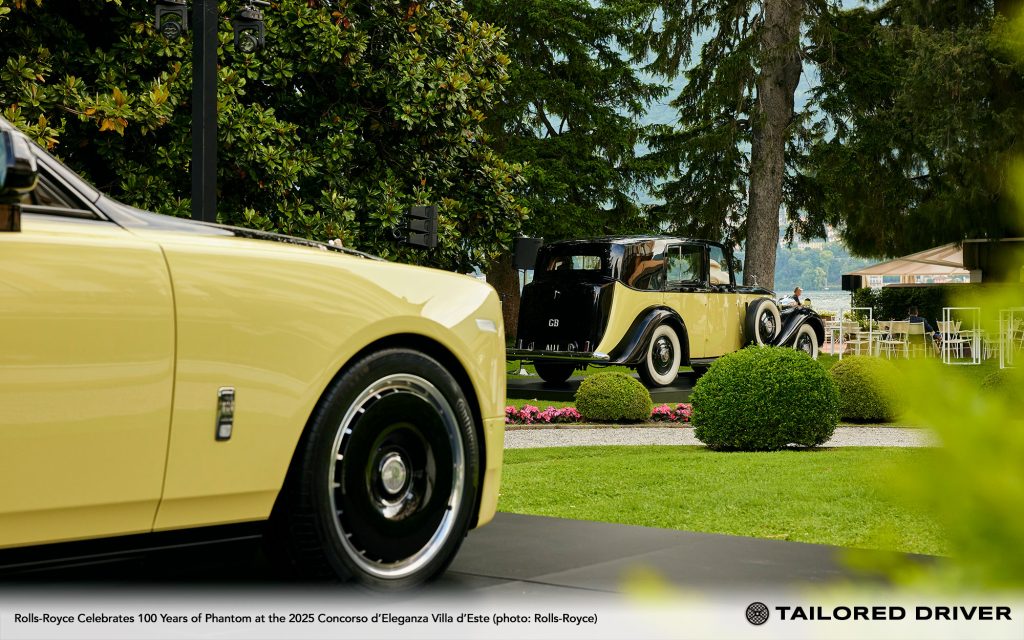
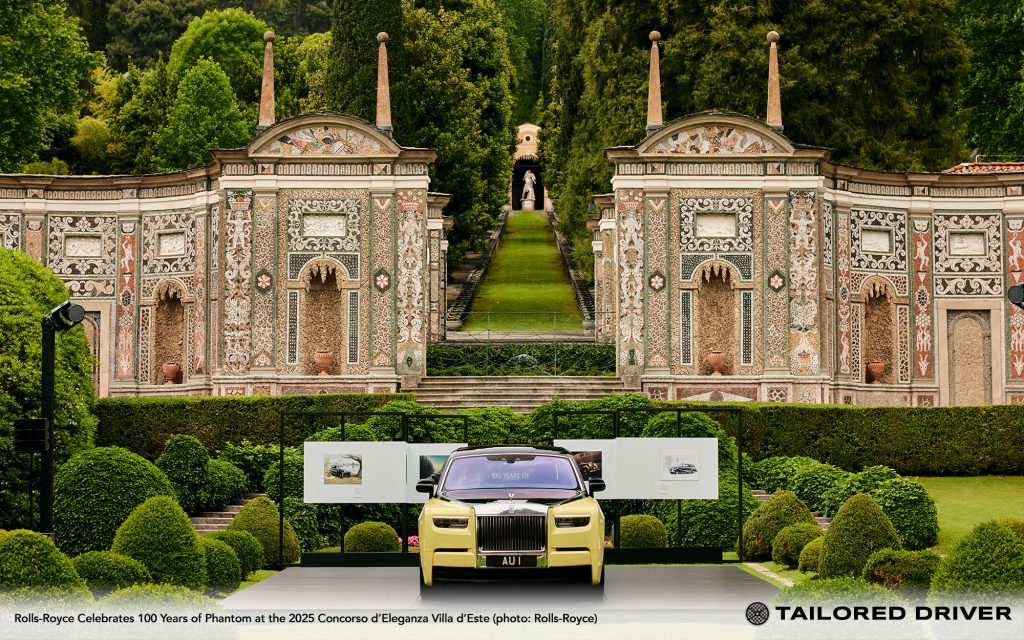
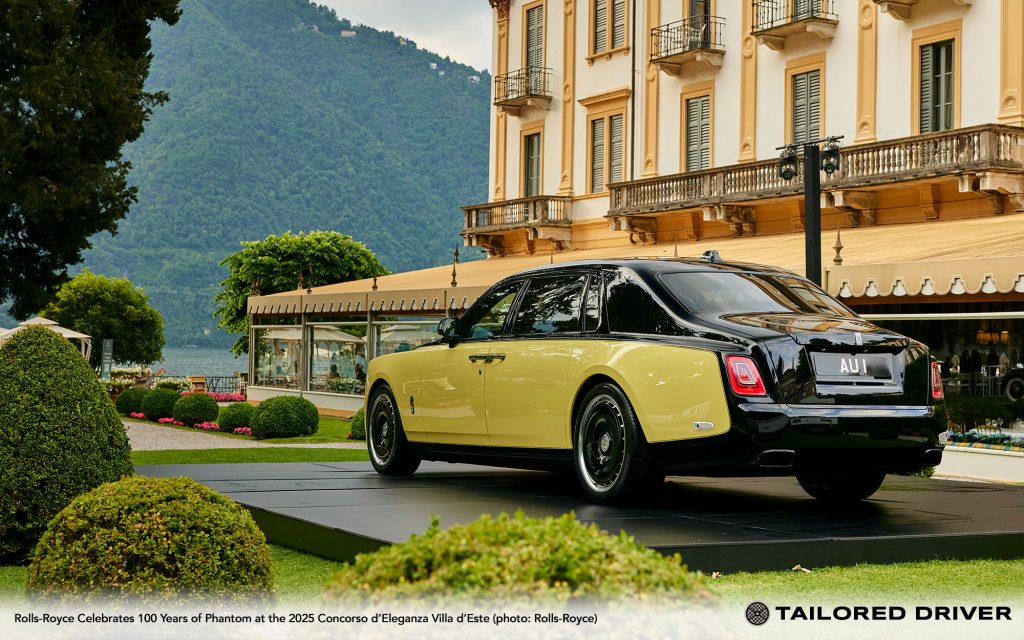
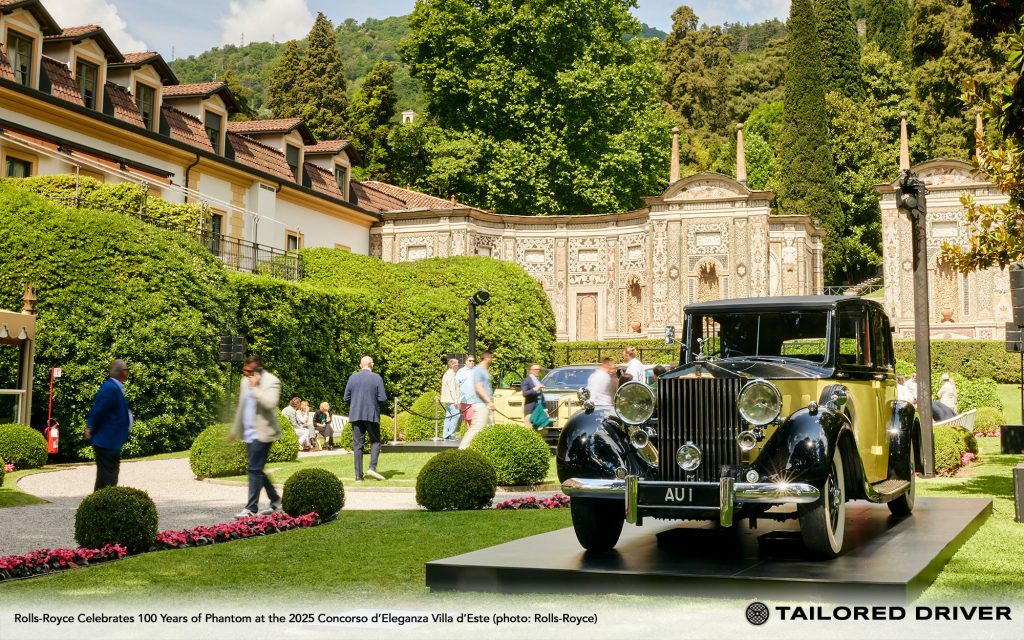
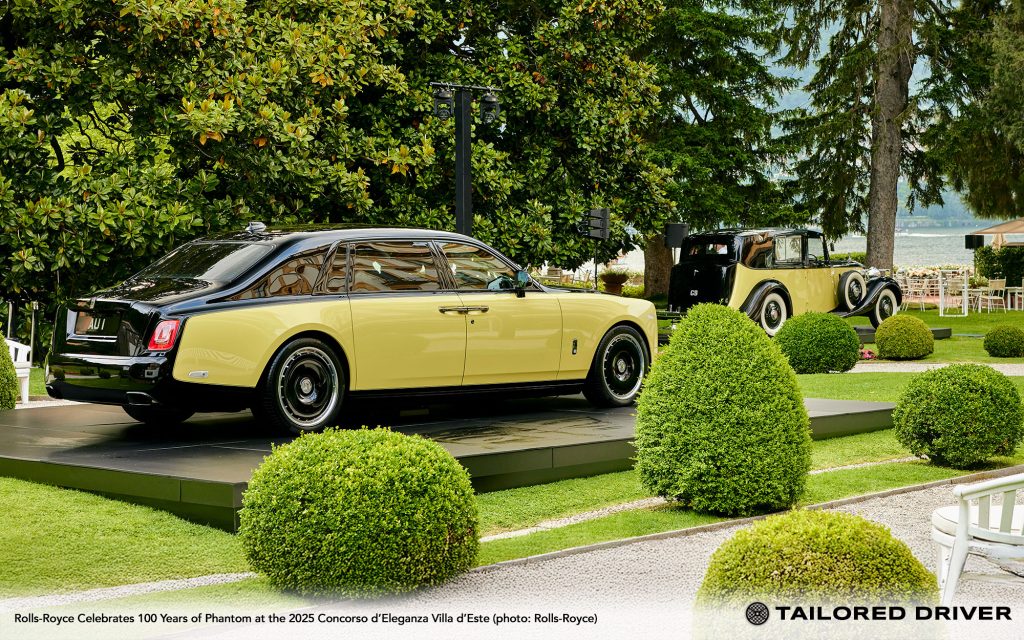
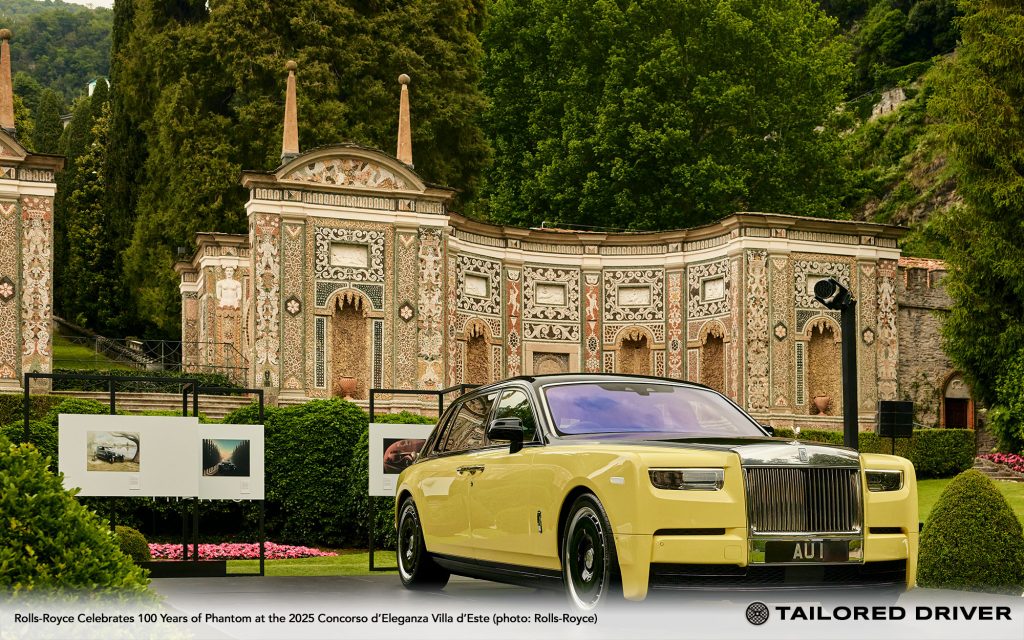
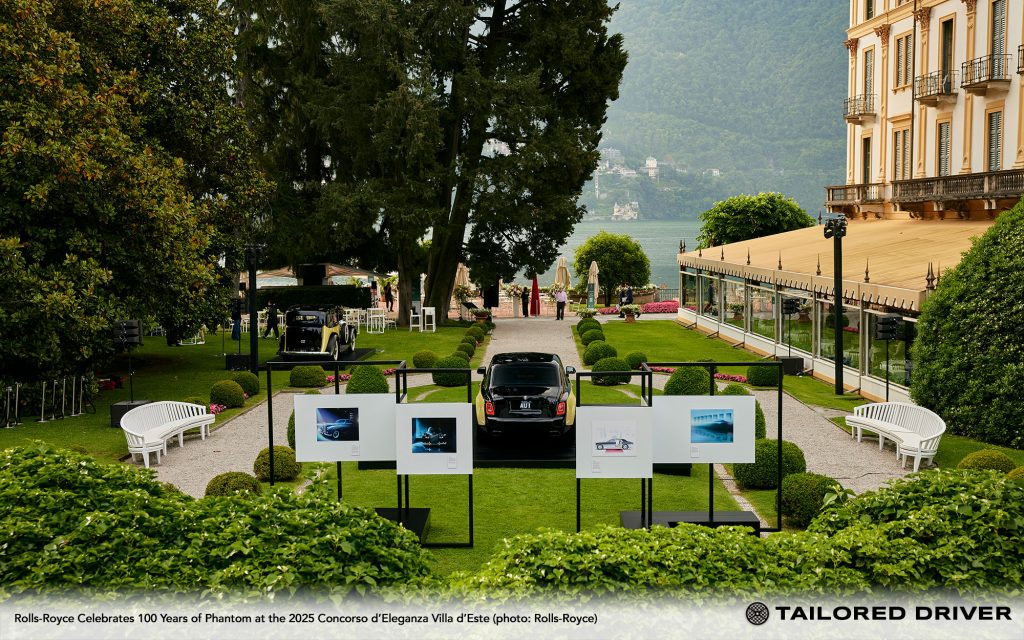
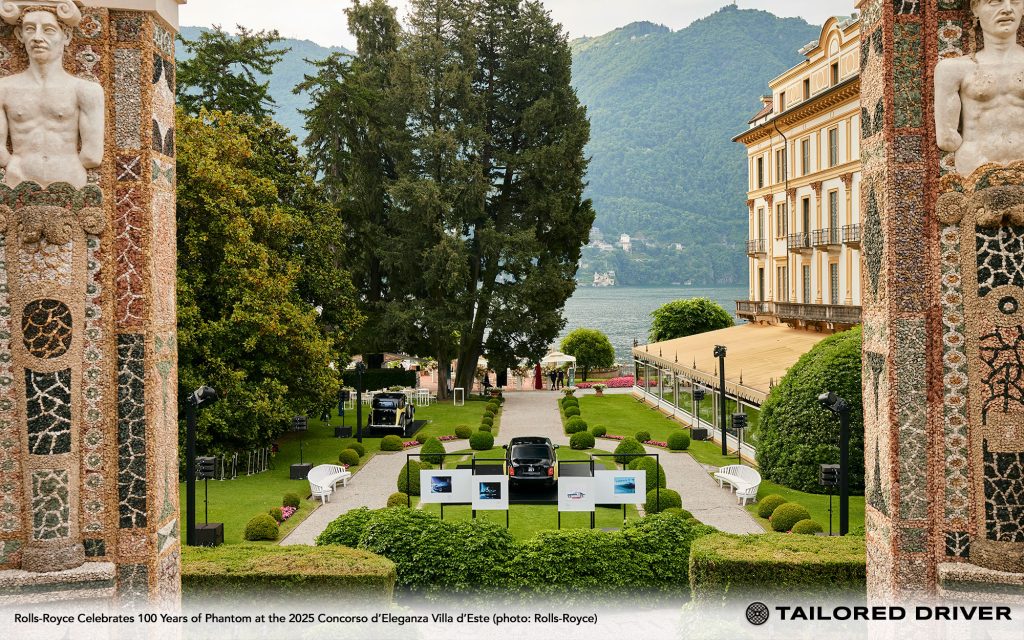
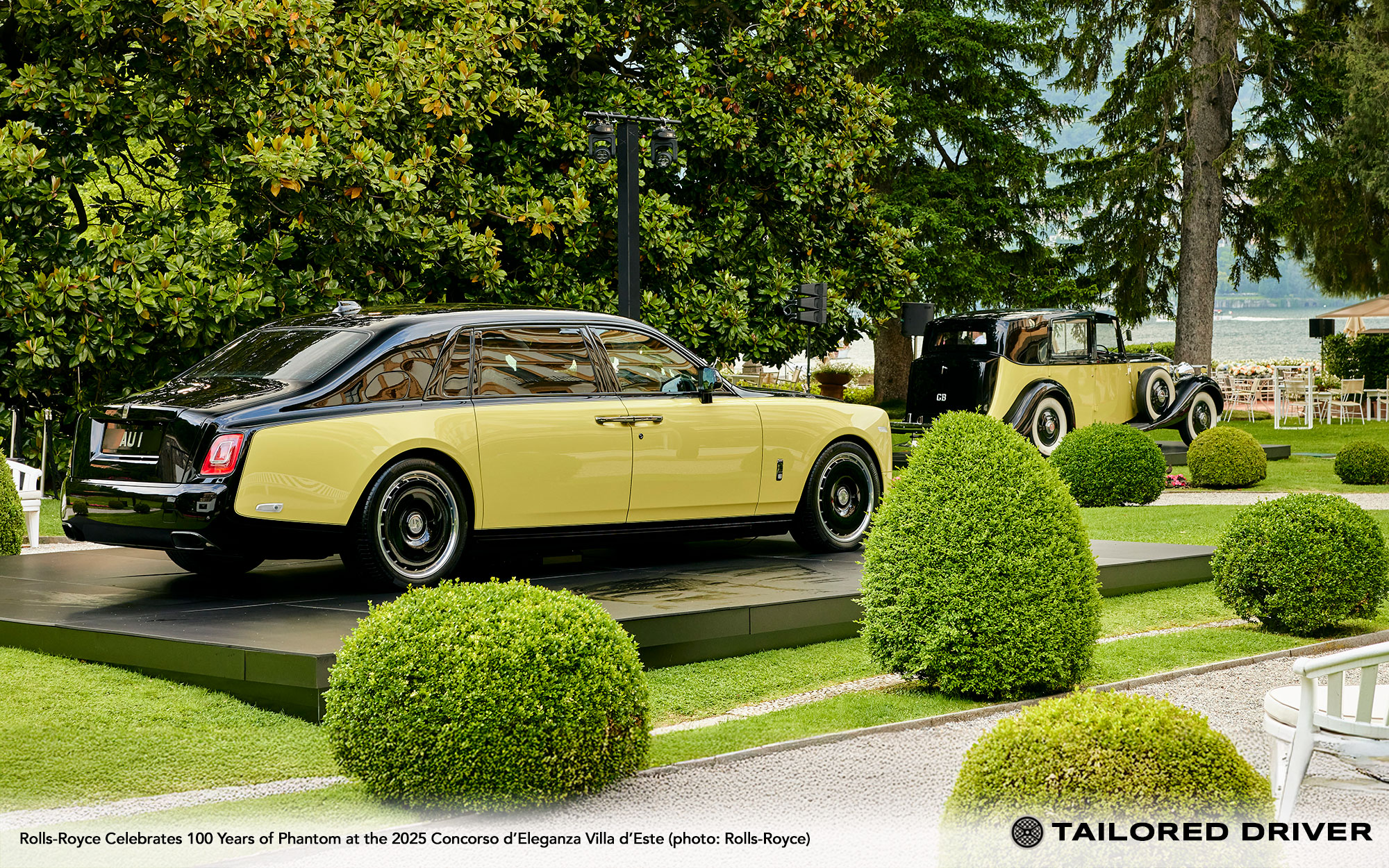
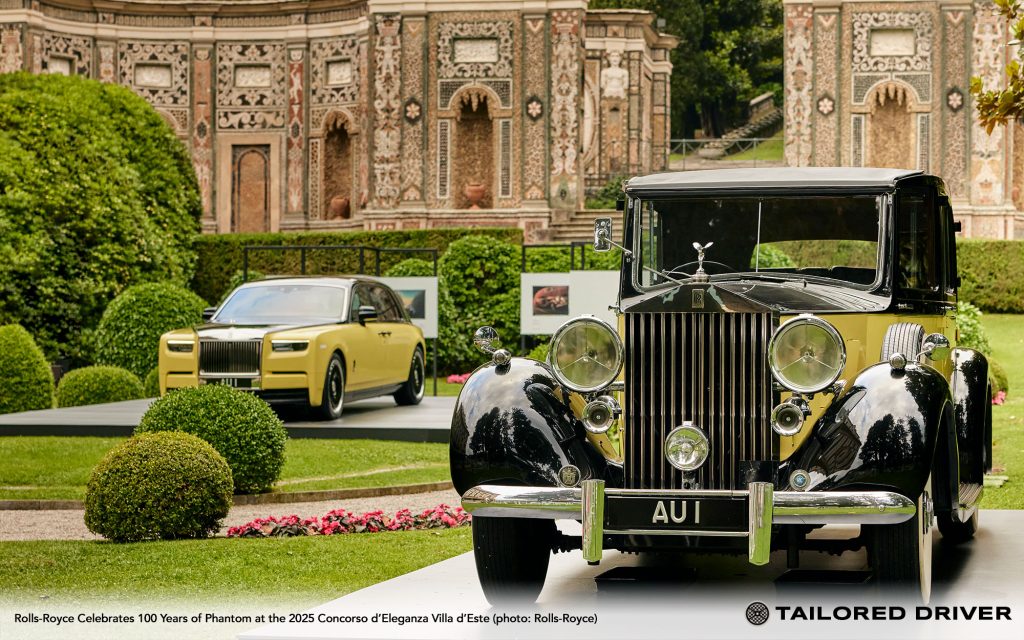
    Rolls-Royce is celebrating 100 years of the Phantom nameplate, so what better and more opulent car and backdrop could emphasize this point than the one-of-one commissioned Phantom Goldfinger on display at the 2025 Concorso d’Eleganza Villa d’Este. It just sort of makes sense.

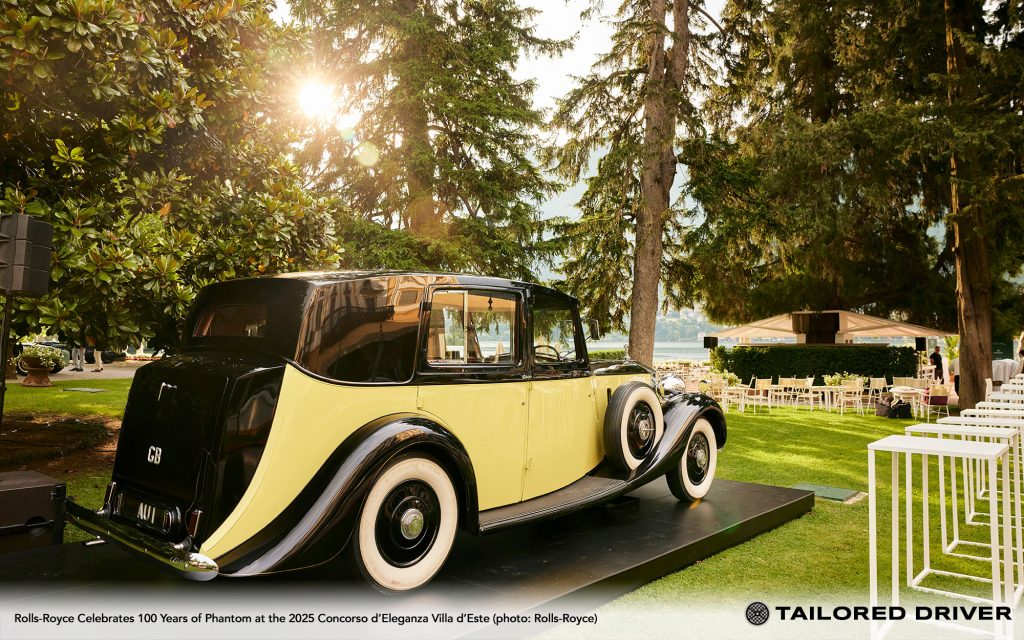
    In case you missed it, the Phantom Goldfinger is a lavishly appointed bespoke example built to honor the 1964 James Bond movie Goldfinger. This private commission includes 24-carat gold details paying tribute with unique film references throughout the car. Rolls-Royce revealed full details of the car and its highly unique specification back in October and we published that information HERE.

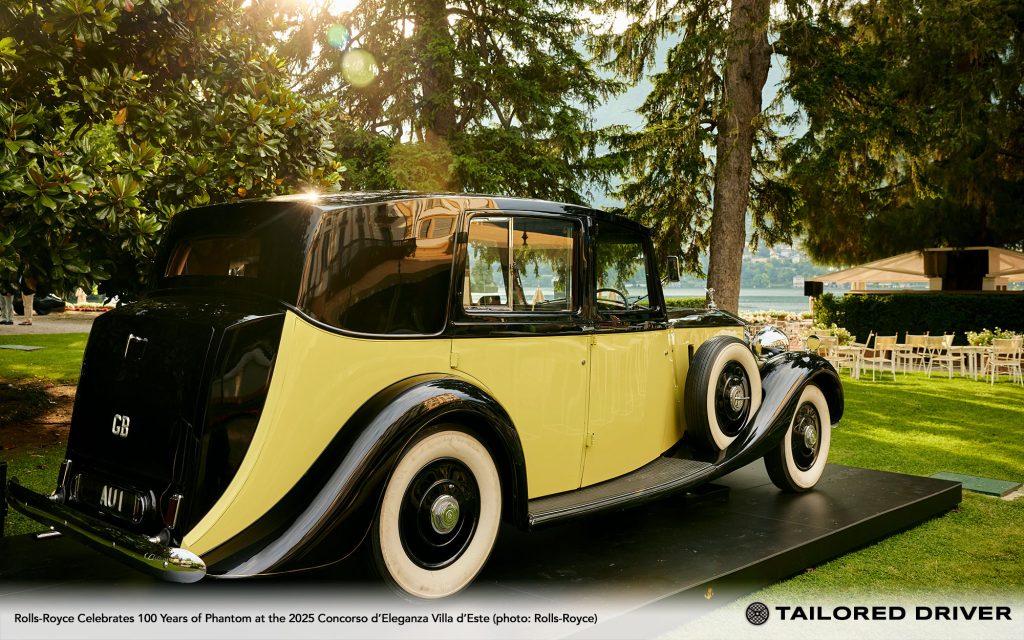
    Fans of the James Bond films will likely remember that the film’s villain Auric Goldfinger himself drove a 1937 Phantom III Sedan de Ville.

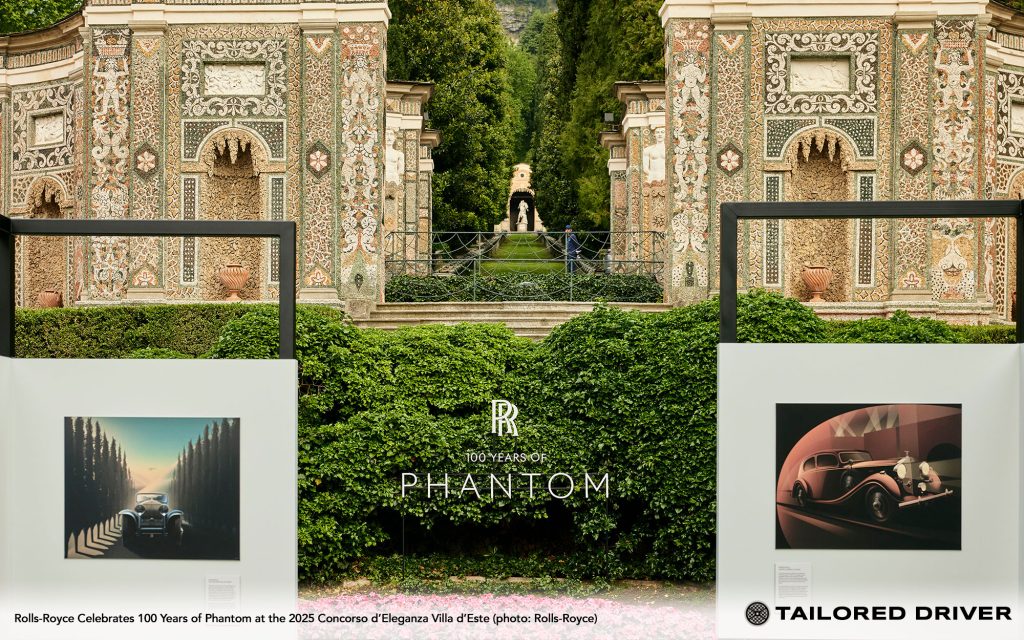
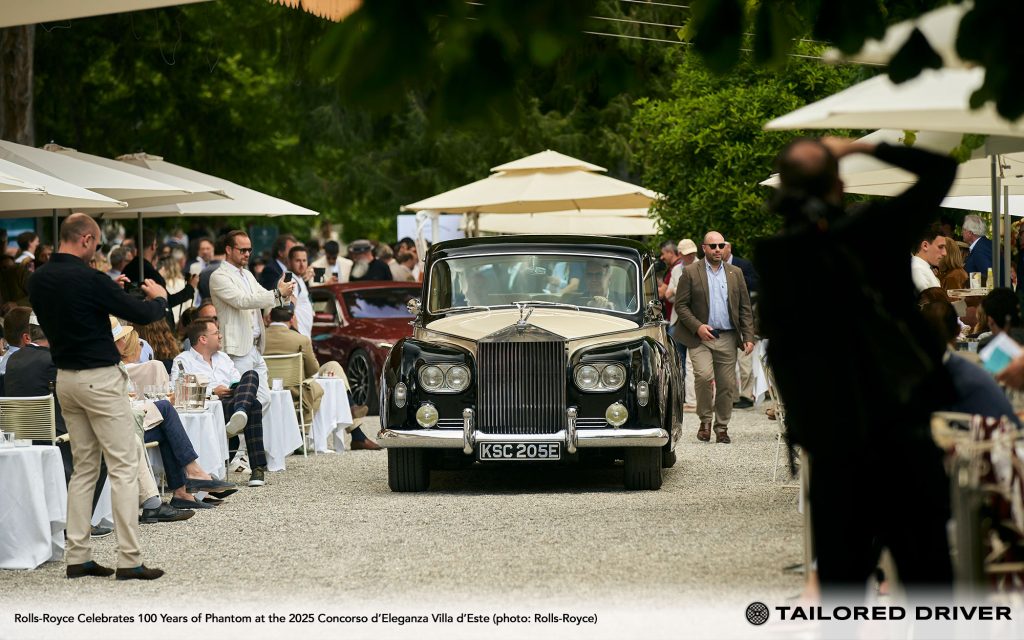
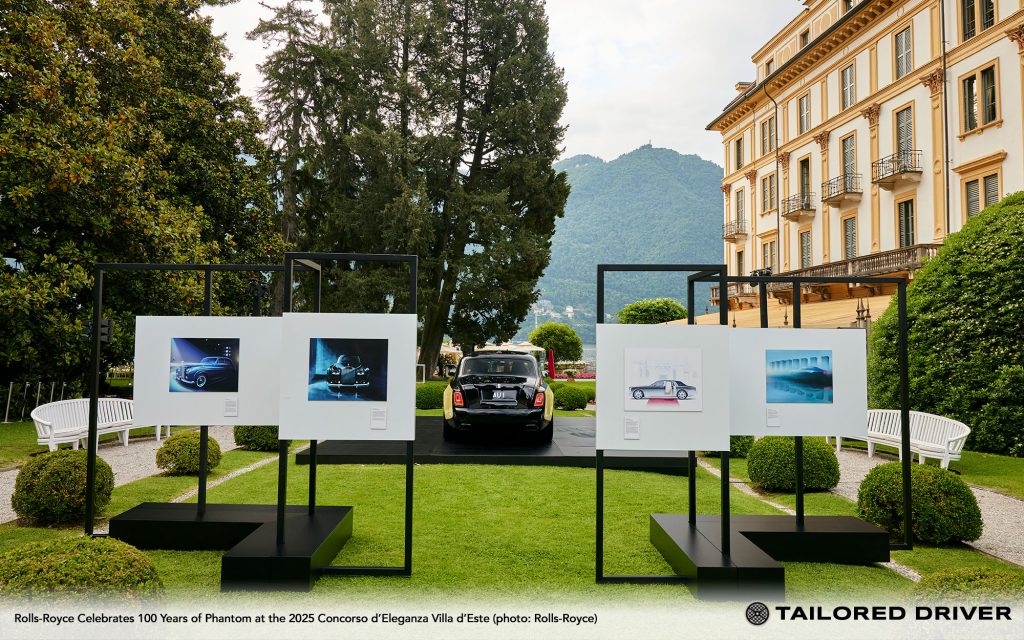
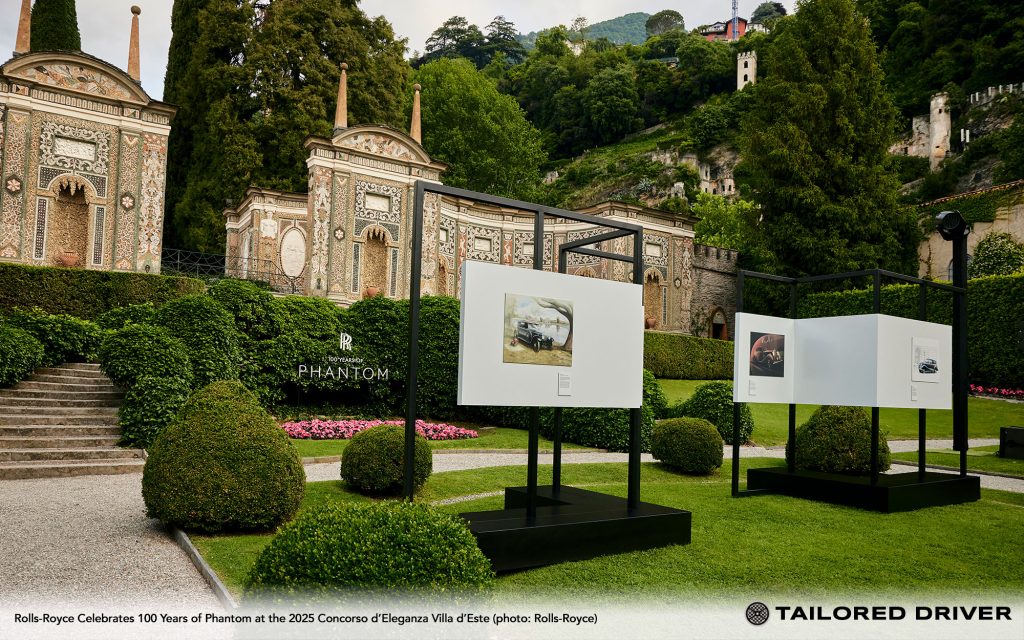
    Beyond the cars, the Rolls-Royce design team exhibited eight artworks highlighting the evolution of the Phantom, while a Phantom V drove in the event’s opening parade.

    PHOTO GALLERY

    PRESS RELEASE

    [source: Rolls-Royce]

    • Rolls-Royce celebrates 100 years of Phantom at 2025 Concorso d’Eleganza Villa d’Este
    • Public debut of Phantom Goldfinger, a one-of-one commission honouring the 1964 James Bond film Goldfinger
    • Landmark Private Commission includes 24-carat gold details and film references
    • 1937 Phantom III Sedanca de Ville owned by film villain Auric Goldfinger also displayed
    • Rolls-Royce designers exhibited eight artworks charting the evolution of Phantom
    • Phantom V, a famous example of the nameplate, driven in the opening parade

    The Concorso d’Eleganza Villa d’Este is the perfect setting for Rolls-Royce, as both this gathering and our marque celebrate the motor car as an object of art, craftsmanship and cultural expression. In this exceptional location, we are proud to make the public debut of Phantom Goldfinger, a remarkable expression of our Bespoke capabilities and a powerful tribute to a film cherished by the client. To have the original 1937 model, which featured in the film and inspired this motor car, displayed at the event makes this moment even more special. Presenting these exquisite Phantoms and original artworks created by our designers in tribute to the nameplate in its centenary year is a fitting celebration of our pinnacle motor car.”Chris Brownridge, Chief Executive, Rolls-Royce Motor Cars

    Rolls-Royce Motor Cars celebrated the 100th anniversary of Phantom, the marque’s most famous nameplate, at the Concorso d’Eleganza Villa d’Este, Italy, on 24 May 2025.

    Rolls-Royce chose this exclusive gathering for the worldwide public debut of Phantom Goldfinger, presented on the Grand Hotel’s renowned Mosaic Lawn on the shore of Lake Como. The striking one-of-one Phantom Extended pays homage to the 1964 James Bond film, Goldfinger – one of twelve Rolls-Royce appearances in the 007 film franchise.

    Revealed in 2024, the film’s 60th anniversary year, the motor car takes inspiration from the 1937 Phantom III Sedanca de Ville owned by the title’s eponymous villain, Auric Goldfinger, which was also shown at the event. The story of this motor car and the film is masterfully explored in Phantom Goldfinger, which includes 18- and 24-carat gold detailing, cinematic references, and intricate storytelling elements inspired by the film’s characters, locations and themes.
    Further celebrating the centenary of Phantom, an exhibition of eight original artworks charted the evolution of Phantom’s design, and the world it has both inhabited and shaped over the past 100 years. Designers at Goodwood created the series, each capturing a different Phantom generation in the artistic style of its era. The settings of each piece also reflect the influence Phantom has exerted over its ten decades, and the many roles it has played and guises it has assumed.
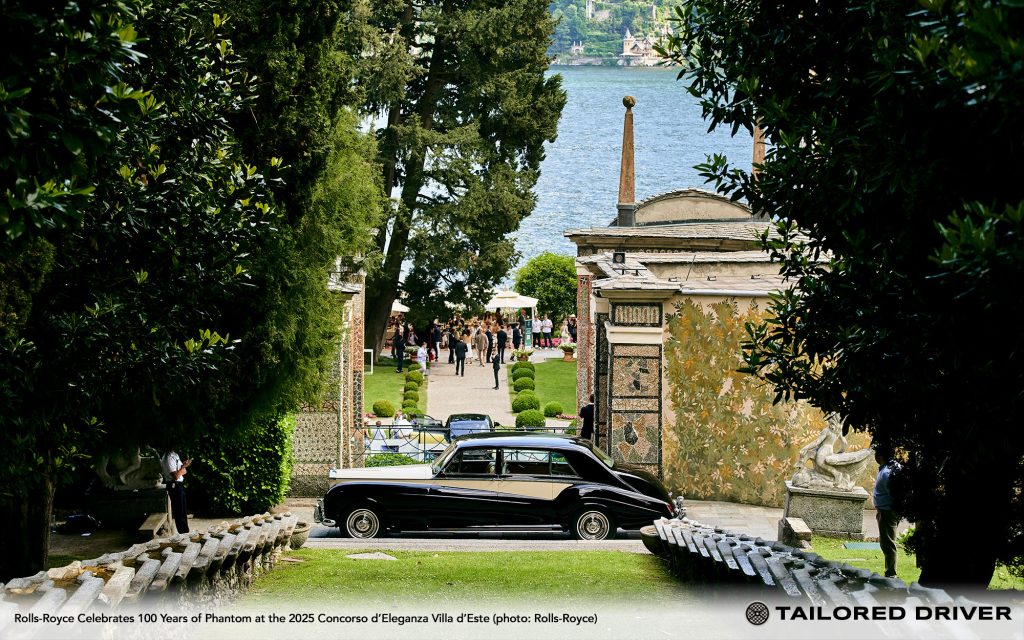
    Guests and media from around the world also witnessed the gathering’s opening parade, which included an immaculately presented example of Phantom V. This celebrated generation of the marque’s flagship motor car has been owned and loved by some of the most significant cultural and political figures in modern history, a reminder of Phantom’s role as a symbol of power, influence, and leadership.

    Amid a year of heightened cultural and luxury activity across Italy, the debut of Phantom Goldfinger and the celebration of Phantom’s centenary at the event became a defining expression of Bespoke artistry and enduring cultural significance. This moment reflects not only Phantom’s remarkable legacy but also its ongoing power to inspire, captivate and lead as it enters a new century.


    – ENDS –

    JAMES BOND,  and related James Bond copyrights and/or trademarks authorized for use under license from MGM. © [2025] MGM. All Rights Reserved.

    CO2 EMISSIONS & CONSUMPTION.

    Phantom Extended: NEDCcorr (combined): CO2 emissions: 345 g/km; Fuel consumption: 15.1 ltr/100 km / 18.7 mpg. WLTP (combined): CO2 emissions: 362-348 g/km; Fuel consumption: 15.9-15.2 ltr/100 km / 17.7-18.6 mpg.

  • Range Rover SV Lech One of One

    Range Rover SV Lech One of One

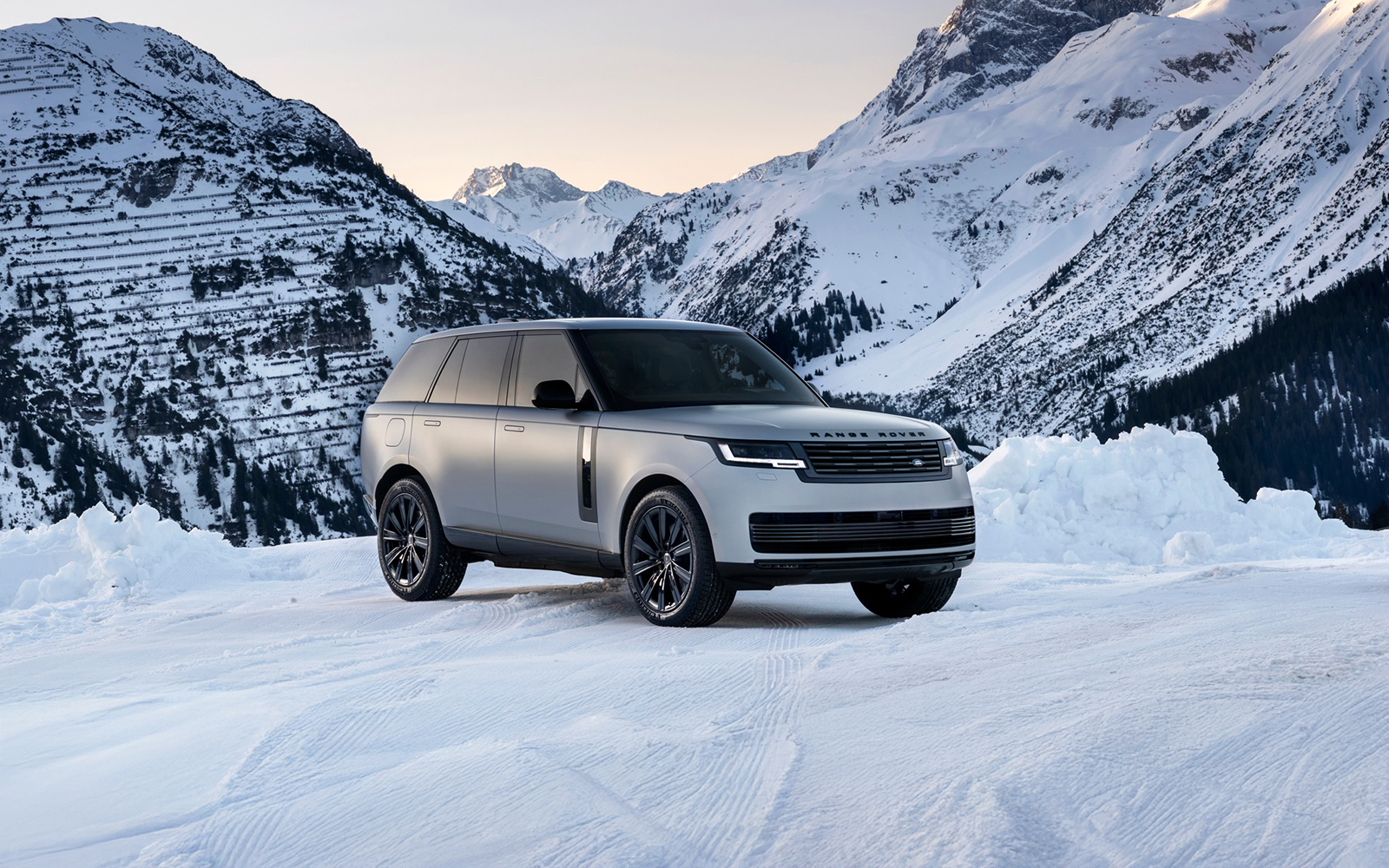
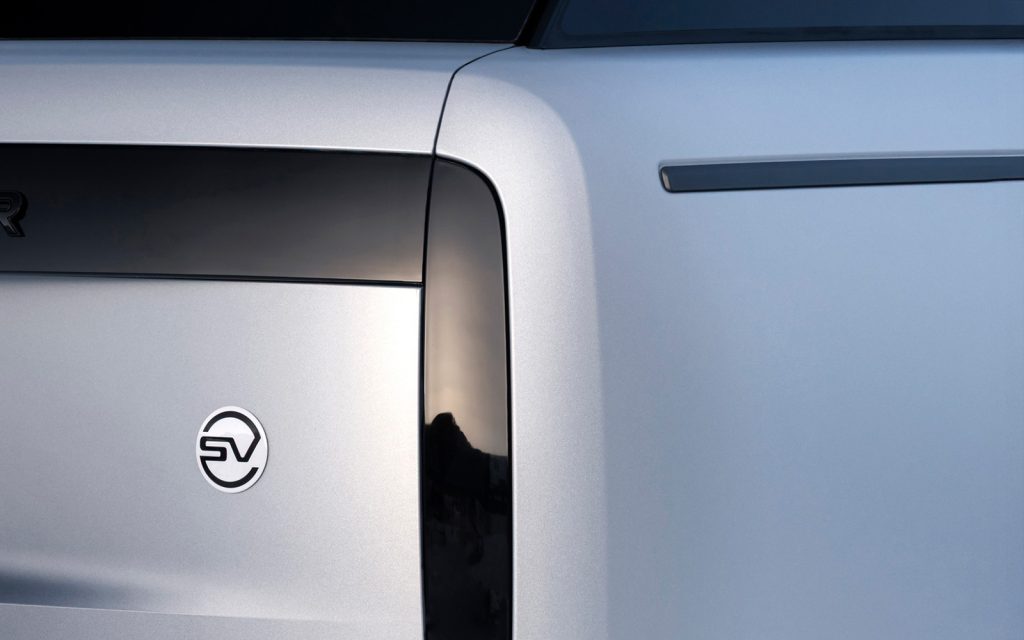
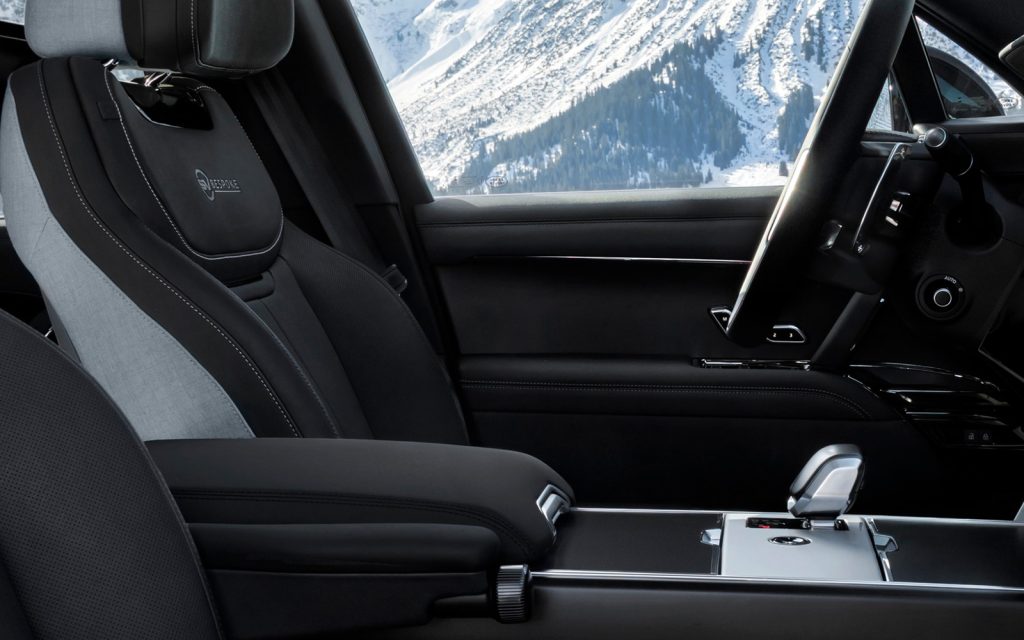
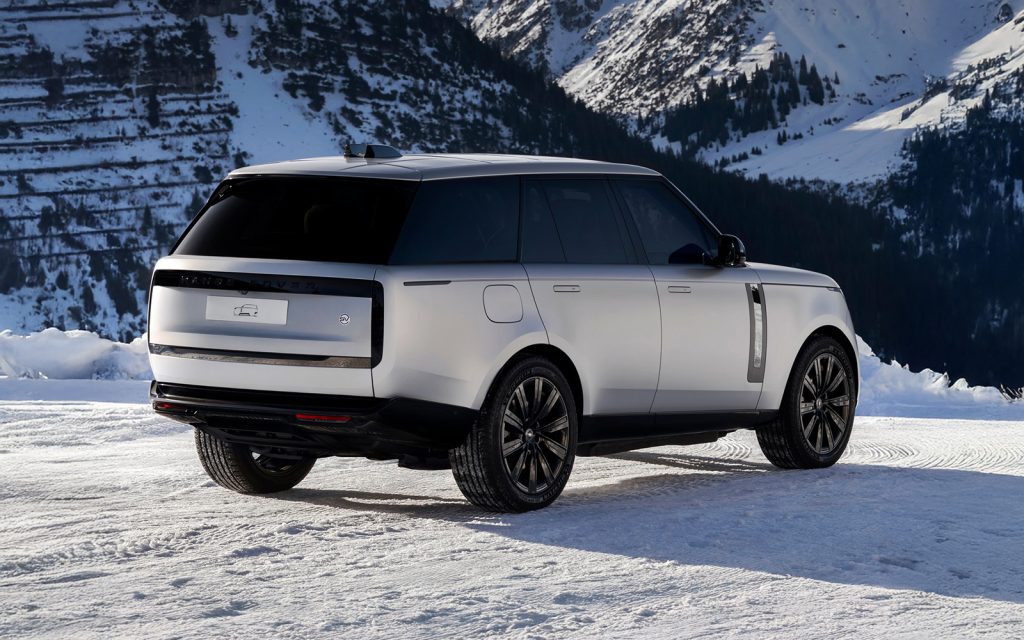
    Range Rover’s SV department continues to show off their capabilities. This time around, it’s the Range Rover SV Lech, a one-of-one ode to Austria’s alps. The finish is Arlberg Silver Satin.
    We found some basic photos and specs on Range Rover’s Facebook page. Follow that HERE if you want to see more and more of what Range Rover is up to.

  • Porsche Celebrates 50 Years Since the 917 Strasse Version Took to the Road

    Porsche Celebrates 50 Years Since the 917 Strasse Version Took to the Road

    [source: Porsche Cars North America]

    On April 28, 1975 a one-off Porsche 917 race car left the Weissach development center. It headed not for a track – like every 917 before – but instead, and for the very first time, it took to public roads.

    Atlanta. It was an audacious adventure driven by the passion of a private owner and the commitment of a small team within Porsche to fulfil the wishes of customers, no matter how outlandish the request. Fittingly, that first exploratory drive did not end after a prudent cruise around local roads, but when the car reached Paris – several hundred miles later. It was a feat that would go on to inspire many more adventures in the decades that would follow.

    The car – 917 chassis 30 – which was originally raced, featured an array of changes that dominated endurance racing in the early 1970s. Some of the enhancements were mandated by the laws of the time, and others at the request of its owner – Italian businessman and Martine heir Gregorio Rossi di Montelera – known more simply as “Count Rossi”, a renowned powerboat racer, bobsledder and Porsche enthusiast.

    Finished in Martini Silver, the car featured a set of rudimentary exhaust mufflers, additional mirrors, side indicators and even a horn. It carried the mandatory spare tire beneath its rear clamshell. Inside there were small concessions to comfort – the two seats (a requirement for endurance racers of this period) were re-finished in tan leather (commissioned from Hermes) with accompanying suede surfacers for the roof lining, doors and dashboard. The gear shifter retained the same wooden finish as the racers, and even kept the same drilled, lightweight key. The car originally wore an Alabama license plate obtained by Count Rossi.

    Today the car is still enjoyed by its enthusiastic current owner on the open roads in the south of France where it resides – now registered in the U.K. and having undergone recent restoration work (albeit preserving its original paint and interior) to prepare it for its next half century of surprising other road users.

    Importantly, as it’s descendent enjoys success on the track today, the spirit and desire within Porsche that allowed the creation of a 917 for the road all that time ago remains very much alive five decades on – prompting the question: what if?

    About Porsche Cars North America, Inc. | One Porsche Drive, Atlanta, GA 30354 USA

    Established in 1984, Porsche Cars North America, Inc. (PCNA) is the exclusive U.S. importer of the Porsche 911718 Boxster718 CaymanMacanCayennePanamera and Taycan. The Porsche Car Configurator can be used by anyone to customize and pre-order any vehicle in that lineup at any time. Headquartered in Atlanta, Georgia, since 1998, PCNA is home to the first Porsche Experience Center in North America, which features two module-based 1.6 mile driver development tracks, a business center and Restaurant 356. The campus is also home to the U.S. headquarters of Porsche Classic. The company operates a second Porsche Experience Center near Los Angeles. That complex features a driver development track with eight educational modules totaling 4.1 miles, a business center, Restaurant 917 and the headquarters of Porsche Motorsport North America. PCNA supports 203 independently owned and operated Porsche dealerships in the U.S., four Porsche studios and five satellite stores in the U.S., including supplying parts, service, marketing, and training. They, in turn, work to provide Porsche customers with a best-in-class experience that is in keeping with the Porsche brand’s 75-year history of leadership in the advancement of vehicle performance, safety, and efficiency. PCNA is an indirect wholly owned subsidiary of Porsche AG, which is headquartered in Stuttgart, Germany.

    At the core of this success is Porsche’s proud racing heritage that boasts some 30,000-plus motorsport wins to date.

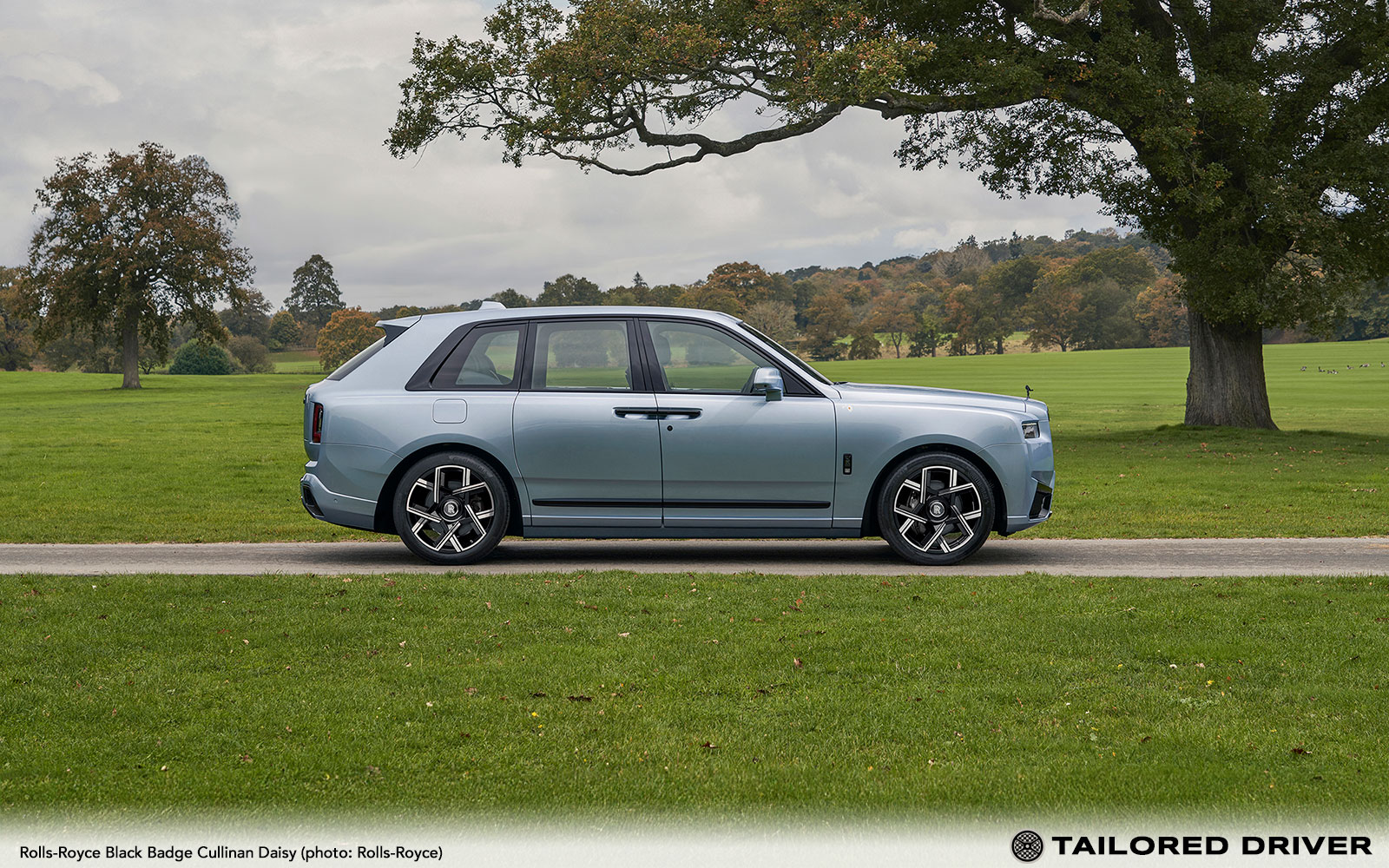
  • Rolls-Royce Black Badge Cullinan Daisy

    Rolls-Royce Black Badge Cullinan Daisy

    • Rolls-Royce Motor Cars presents Black Badge Cullinan Daisy
    • One-of-one Black Badge Cullinan Series II inspired by a client’s favourite hiking trail
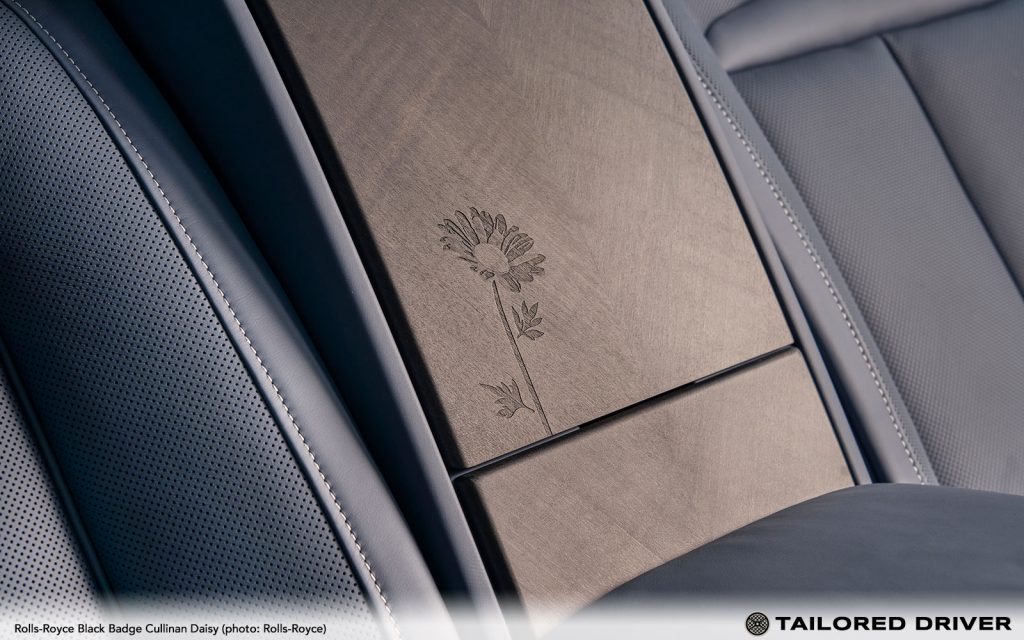
    • Features wood sandblasting technique, which creates striking three-dimensional effect
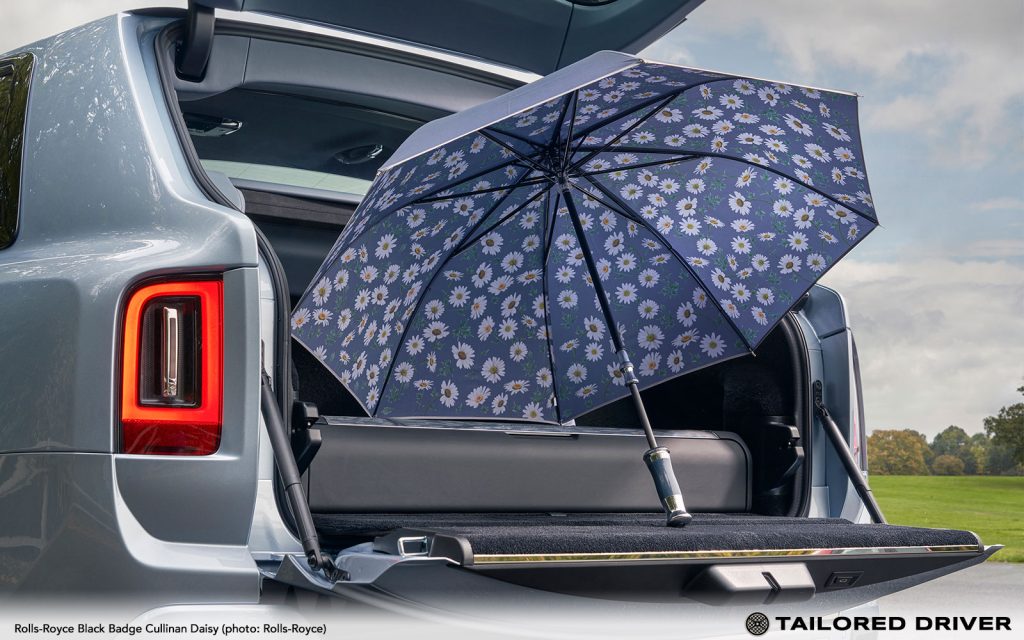
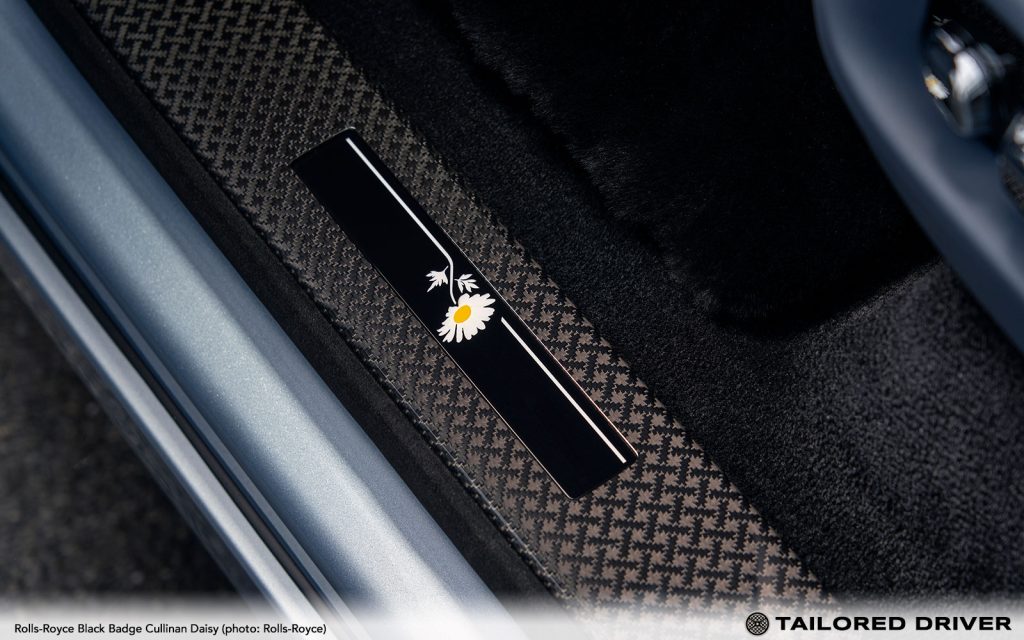
    • Daisy motif extends to Coachline, Bespoke umbrellas and Illuminated Treadplates
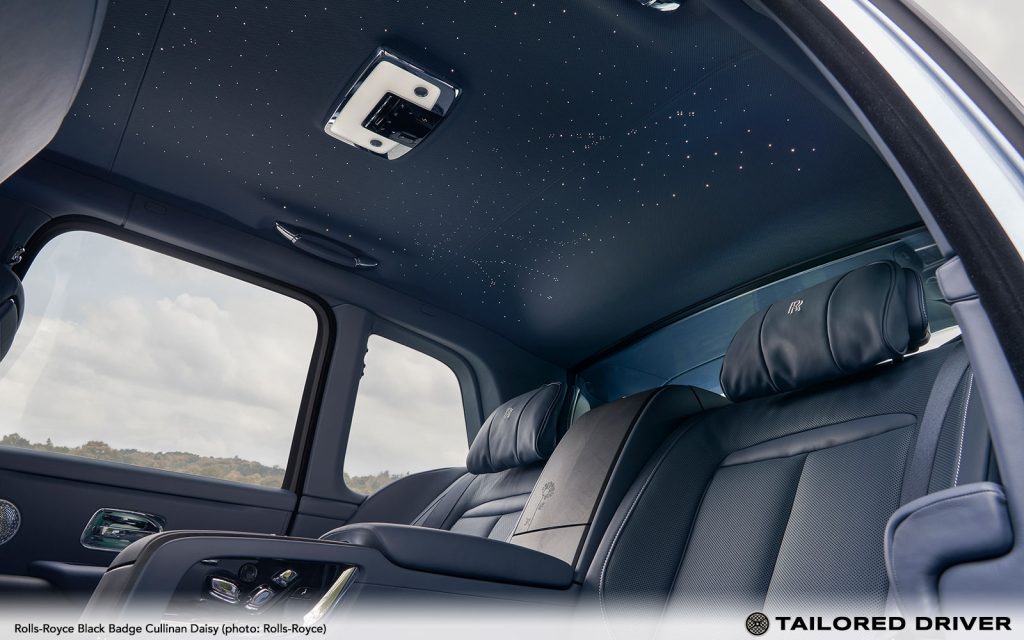
    • Bespoke Starlight Headliner depicts Ursa Major, Ursa Minor, Gemini and Taurus
    • Completed with a Recreation Module for storing hiking equipment

    [source: Rolls-Royce]

    “My love for the outdoors has been a driving force behind both my personal passions  and professional success. The inspiration for this commission came from a field of daisies on my favourite trail in the High Tatras mountains – a place I return to when I need to clear my thoughts.  I’m continuously amazed not only by the beauty but the resilience of this flower that seems to thrive in the face of nature’s challenges. I envisioned Black Badge Cullinan Daisy as a symbol of perseverance – balancing strength with serenity”.
    Commissioning Client, Black Badge Cullinan Daisy

    “This commission challenged us to explore how natural motifs can be translated through craft and materiality. From the delicately etched Blackwood to the daisy detail hidden inside the umbrellas, we told the client’s remarkable story through unexpected textures and an entirely new palette. Black Badge Cullinan Daisy is quietly confident, rich in symbolism, yet modern in execution. It also represents a different kind of Bespoke languagewhere emotion is captured through restrained and thoughtful contrasts.”
    Martina Starke, General Manager, Bespoke Design, Rolls-Royce Motor Cars

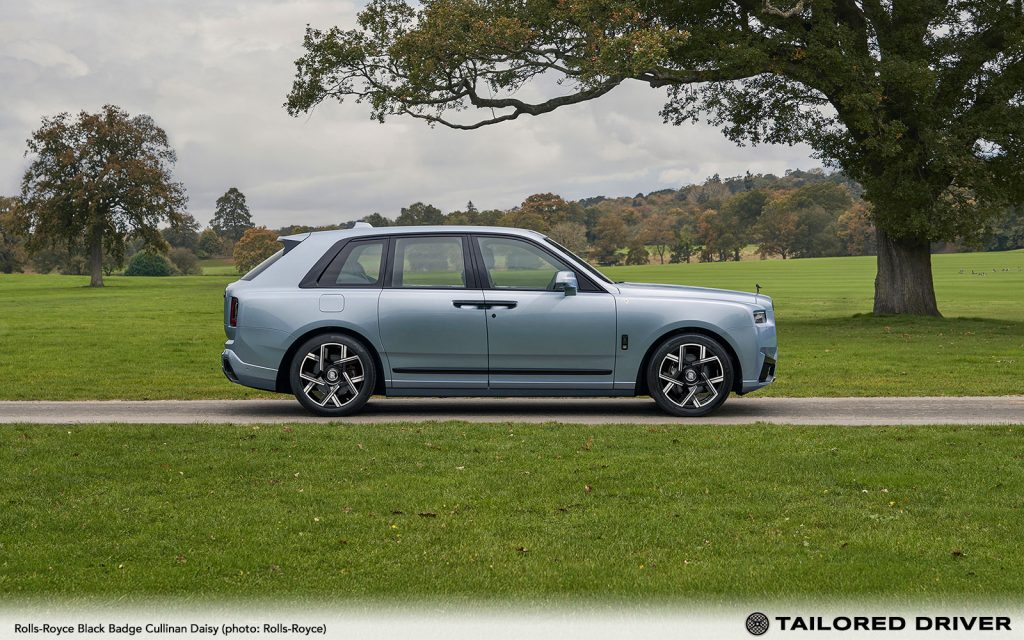
    Rolls-Royce Motor Cars presents its latest Bespoke commission, Black Badge Cullinan Daisy – a striking one-of-one Black Badge Cullinan Series II reflecting the commissioning client’s love of hiking and the outdoors. Drawing inspiration from a field of daisies on the client’s favourite trail in the High Tatras mountains, Black Badge Cullinan Daisy represents resilience and perseverance – much like a daisy that thrives in a variety of conditions. Commissioned by an individual who built their success in the outdoor and adventure equipment sector, Black Badge Cullinan Daisy symbolises their path to success.

    EXTERIOR: BALANCING POTENCY AND RESILIENCE
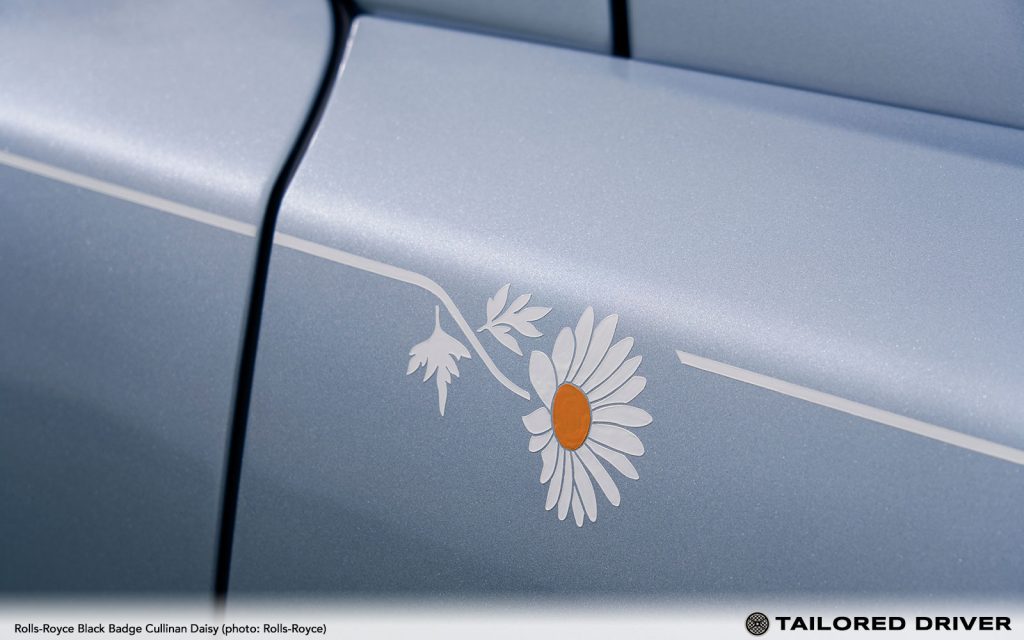
    The daisy flower appears as a Coachline motif, meticulously hand-painted to complement the single Coachline applied over the Powder Blue Exterior. The subtle colour palette provides a striking contrast to the darkened Black Badge Pantheon Grille, Spirit of Ecstasy and exterior brightwork.

    INTERIOR SUITE: ELEGANCE AND COMPLEXITY
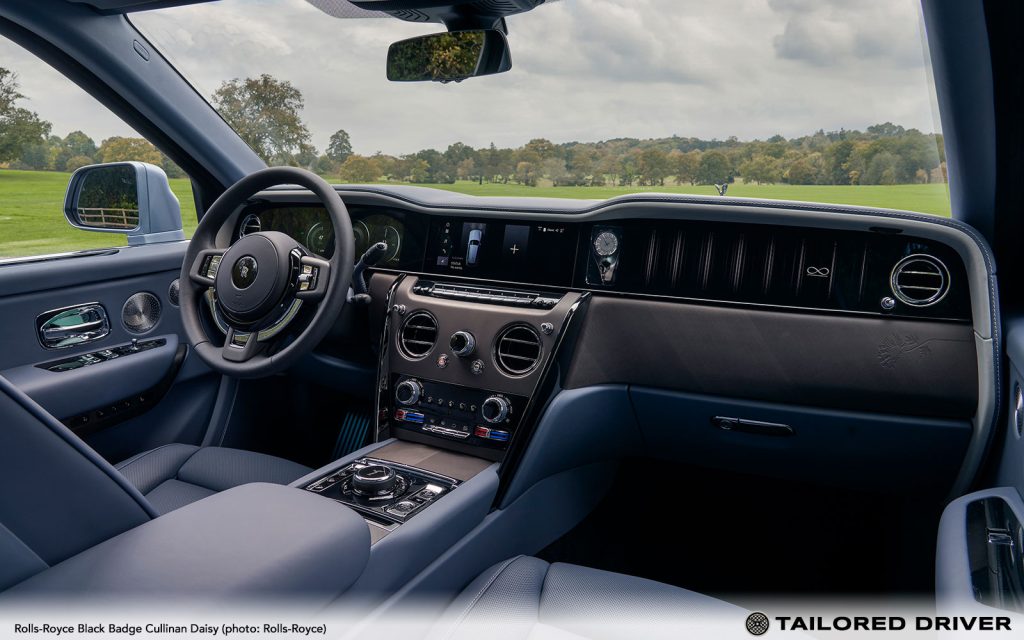
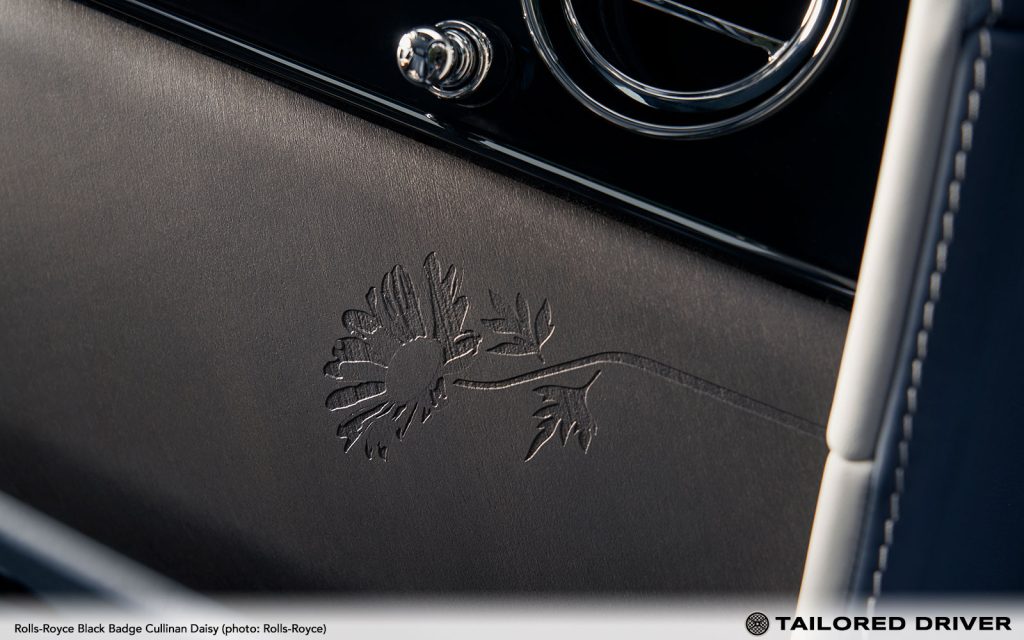
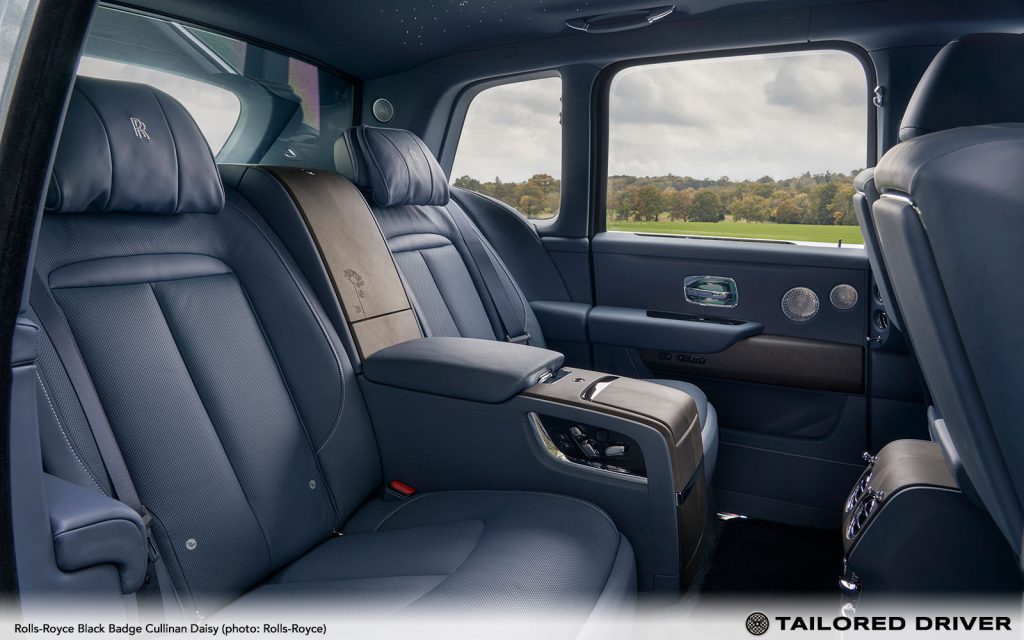
    Inside, the daisy motif adorns the front fascia and the waterfall section between the rear seats. The design is meticulously applied to the Blackwood surface using a sandblasting technique. To create the design, the wood is subjected to a precision blasting process in which a stream of fine mineral particles is directed at the veneer, which delicately etches away microscopic layers of the surface. The interplay of light and shadow across the sculpted surface creates a three-dimensional effect, adding visual interest to the finished piece.

    The Blackwood veneers are complemented by a subtle three-colour interior palette. The main leather hue is Fleet Blue, which extends to the Rotary Controls and B and C pillars. It is complemented by Selby Grey and Black leathers, with Fleet Blue seat piping and Selby Grey contrast stitching and headrest monograms. The interior is completed with Bespoke Illuminated Treadplates with a daisy design.

    BESPOKE UMBRELLAS: FLOWERS IN THE RAIN
    The daisy motif also graces the inside of the Bespoke umbrellas concealed in Cullinan’s rear Coach Doors. The playful pattern can only be seen on the interior of the umbrellas, recalling the ambience of a daisy field in full bloom on a rainy day.

    BESPOKE STARLIGHT HEADLINER: A WINDOW INTO THE HEAVENS
    Black Badge Cullinan Daisy is fitted with a Bespoke Starlight Headliner, capturing four of the great constellations that dominate the night sky in northern latitudes: Ursa Major, also known as the Great Bear, the Plough, and the Big Dipper; Ursa Minor, which includes Polaris, or the North Star; Gemini, clearly distinguished by the bright stars, Castor and Pollux; and Taurus, ‘the Bull’, identified by the red giant Aldebaran and the Pleiades star cluster.

    RECREATION MODULE: ADVENTURES AWAIT 
    Black Badge Cullinan Daisy is completed with a Recreation Module – an automatically-deployable storage compartment mounted on the luggage compartment floor, designed to house the client’s favourite hiking equipment.

    TECHNICAL INFORMATION
    WLTP (combined) CO2 emission: 380-363 g/km; Fuel consumption: 16.8-17.7 mpg / 16.8-16.0 l/100km.

    FURTHER INFORMATION

    You can also follow the marque on social media: LinkedInYouTube; Instagram; and Facebook.

    ABOUT ROLLS-ROYCE
    Rolls-Royce Motor Cars is a true luxury house, creating the world’s most recognised, revered and desirable handcrafted Bespoke products for its international clientele.

    There are over 2,500 people working at the Home of Rolls-Royce at Goodwood, West Sussex. This comprises both its global headquarters and Centre of Luxury Manufacturing Excellence – the only place in the world where Rolls-Royce motor cars are designed, engineered and meticulously built by hand. An independent study by the London School of Economics & Political Science confirms that since the company first launched at Goodwood in 2003, it has contributed more than £4 billion to the UK economy and adds more than £500 million in economic value every year.

  • The Victoris Bentley Bentaygas: New Paint Technology Creates Unique Cars for Charity

    The Victoris Bentley Bentaygas: New Paint Technology Creates Unique Cars for Charity

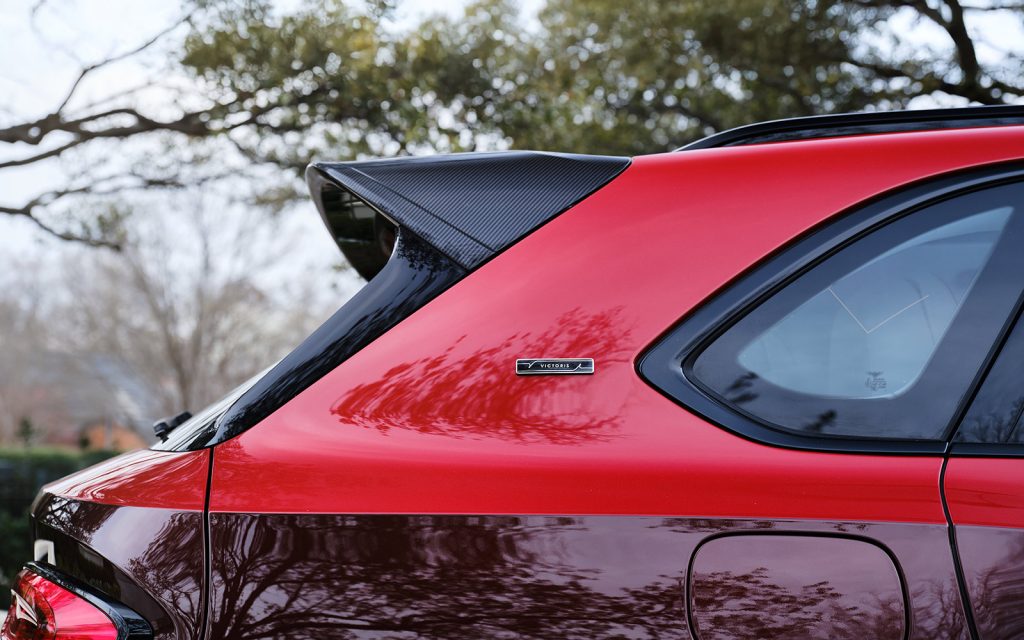
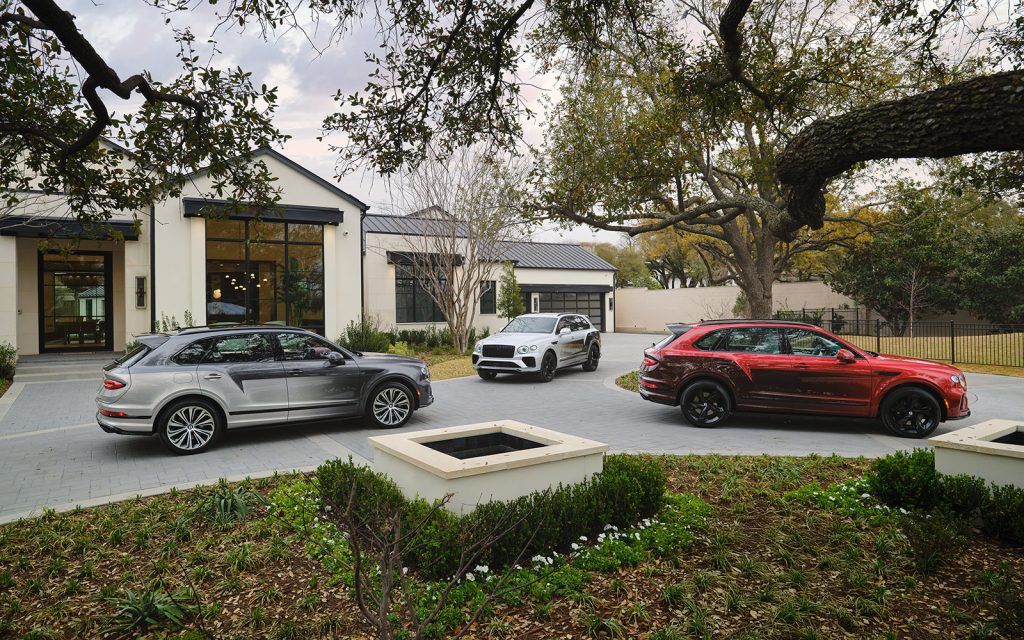
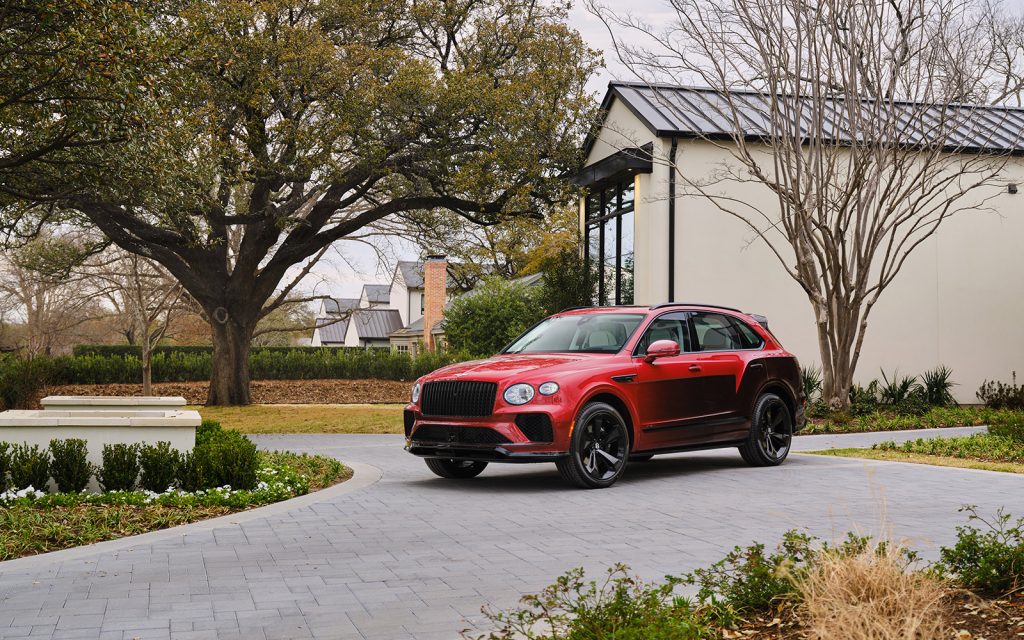
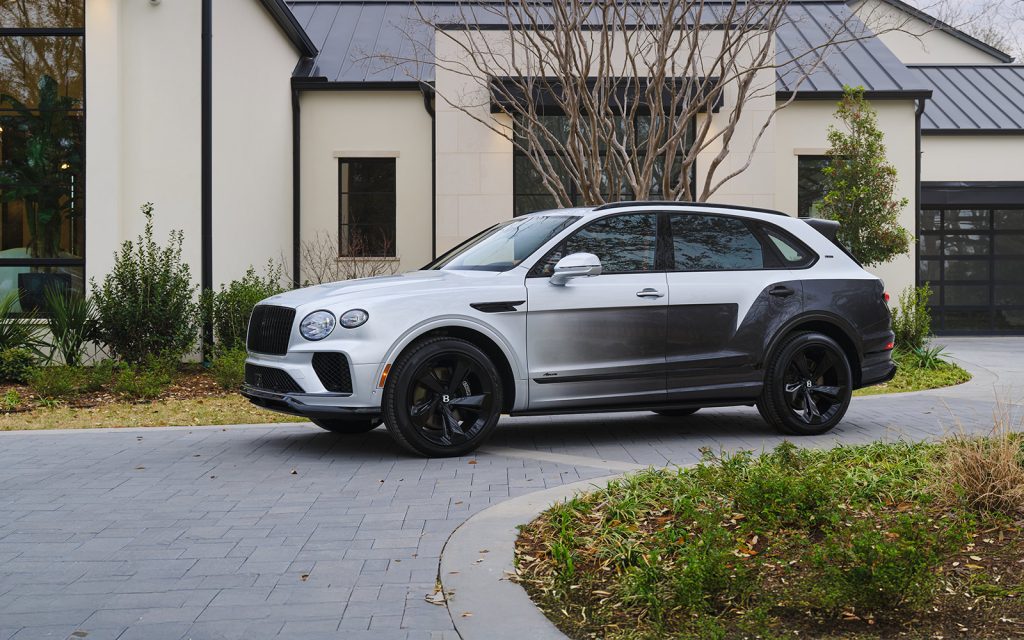
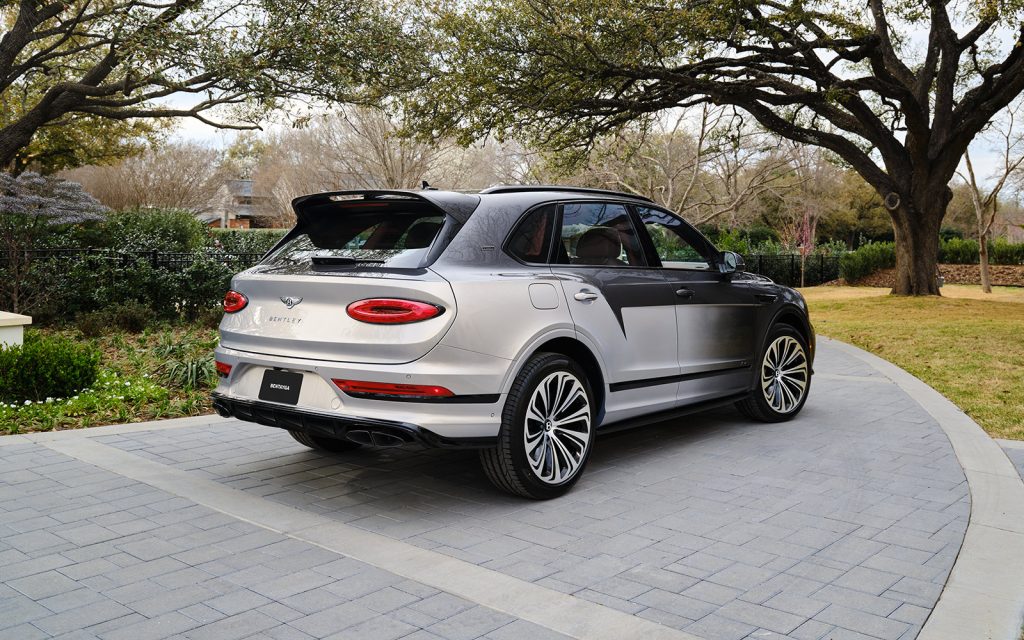
    • Three one-of-one Bentaygas showcase new graduated paint technology, commissioned by Bentley Dallas for its Victoris philanthropic initiative, 
    • Close collaboration between Bentley Dallas, artist Stephen Seltzer and Bentley Mulliner
    • Net sale proceeds donated to Children’s Cancer Fund, Cook Children’s Medical Centre, and Children’s Health charities
    • Bespoke paint-fading process pioneered at Bentley’s Excellence Centre for Bespoke Paint
    • Exterior finishes alone took 70 hours of painstaking work per vehicle
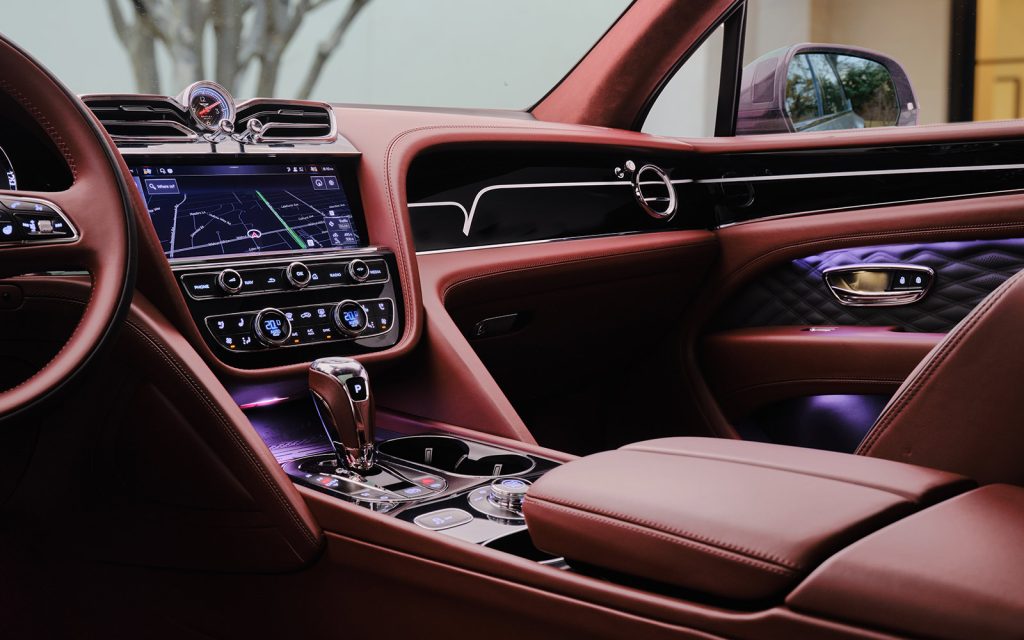
    • One-off features include Victoris pinstripe device on fascia, headrest embroidery and badging

    [source: Bentley]

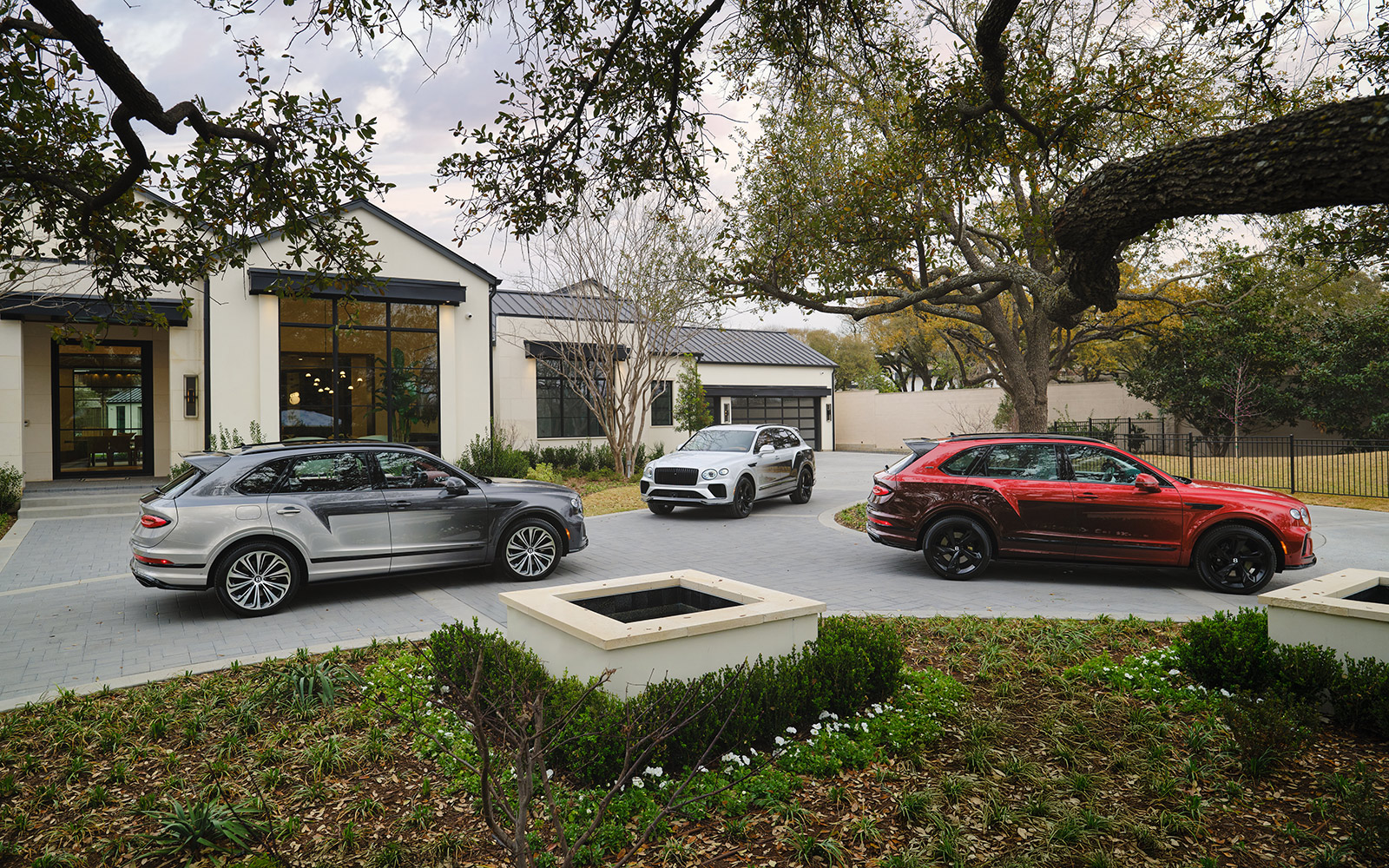
    Crewe, England – Children’s charities in Texas will soon be benefitting from a $75,000 windfall, thanks to a philanthropic initiative from Bentley Dallas. The Victoris programme, its name representing triumph over adversity, takes the form of three exceptional Bentaygas whose unique design and craftsmanship are the fruit of a three-way collaboration between Bentley Dallas, artist Stephen Selzer and Mulliner, Bentley’s bespoke commissioning division. 

    Each Bentayga is a showcase for a unique fusion or art and craftsmanship, including a bespoke graduated paint process pioneered by Bentley’s Excellence Centre for Paint team at Crewe, England. Purchasers of these three vehicles will enjoy the knowledge that they own a true ‘one of one’ Bentley and that their generosity will be helping children in need overcome some of life’s most serious challenges. 

    Pioneering dual-tone graduated paint process

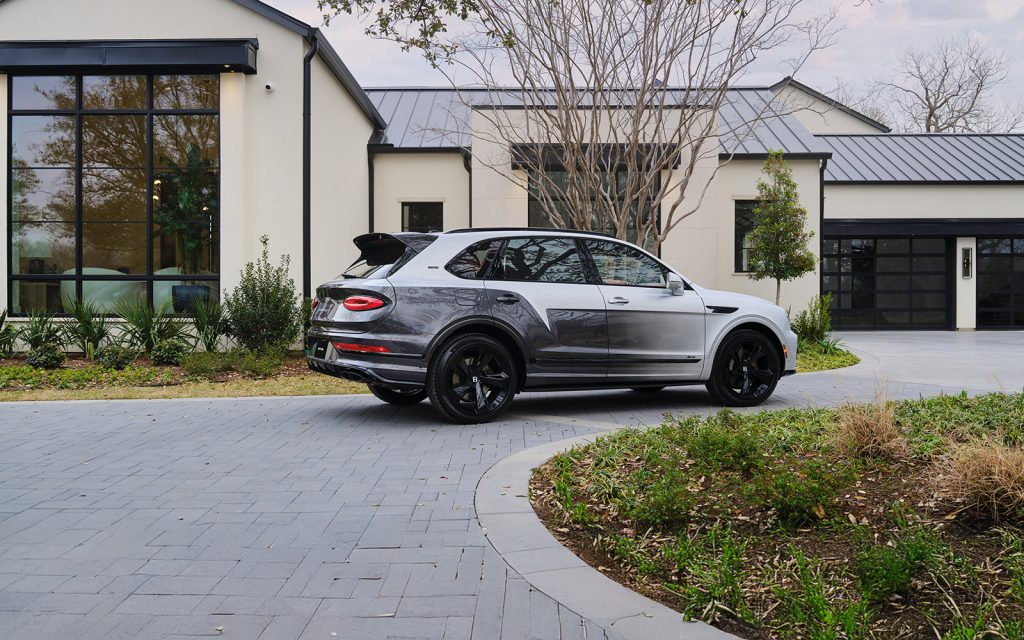
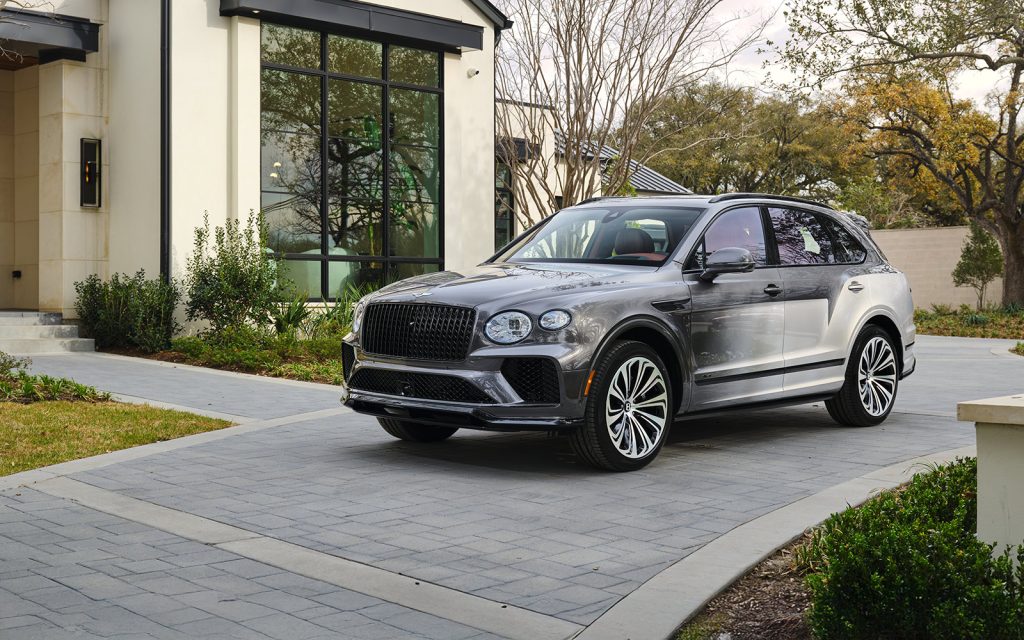
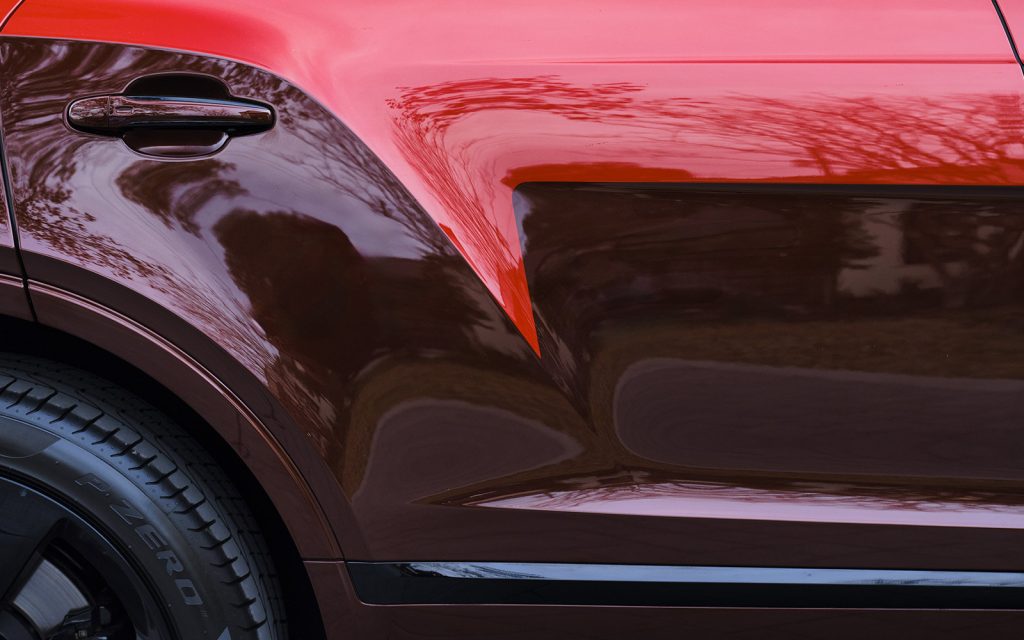
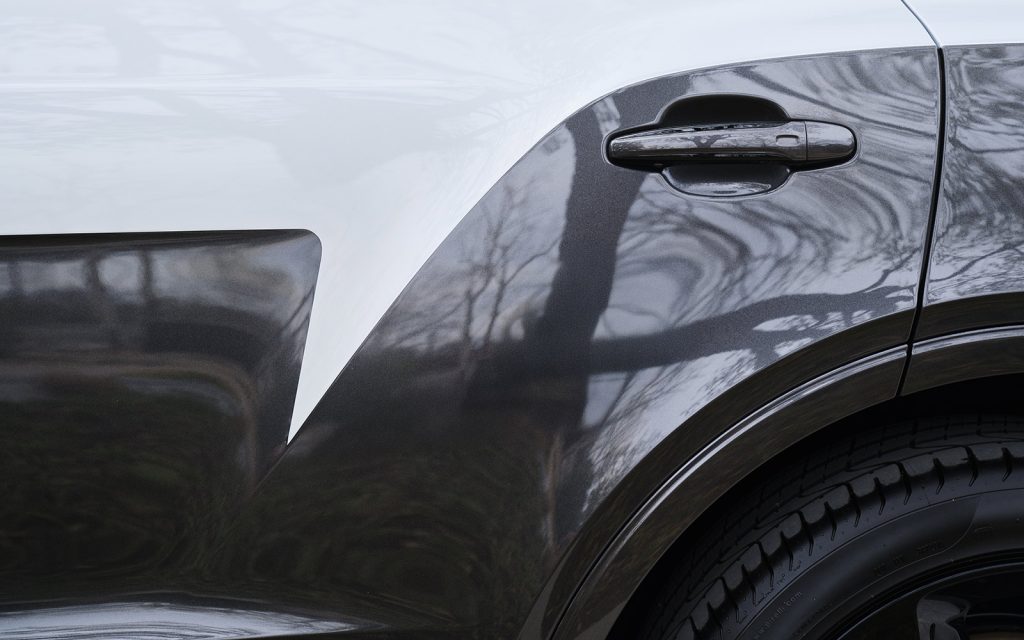
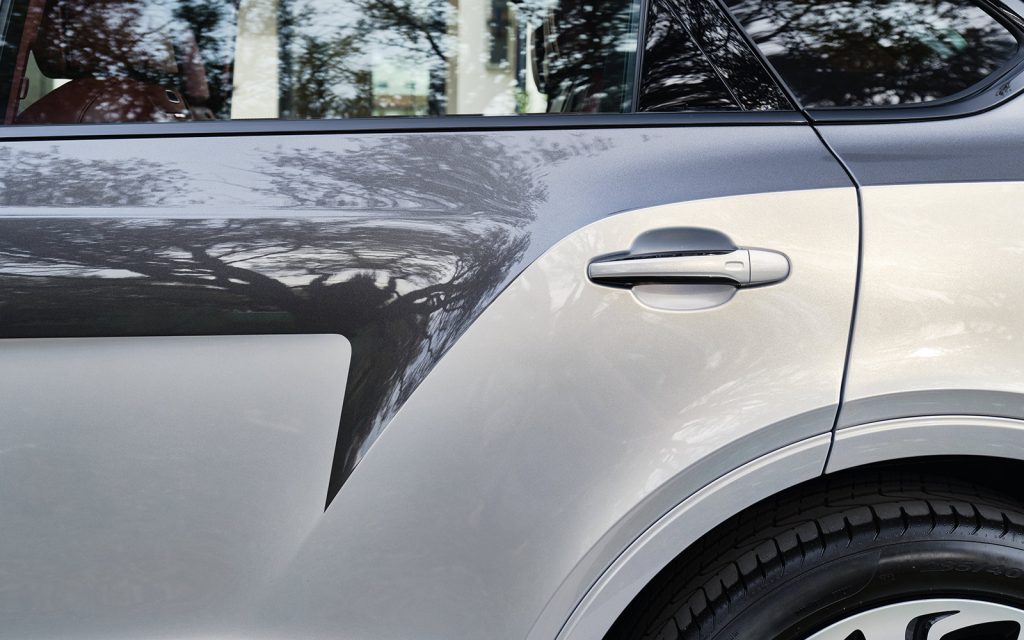
    All three Victoris Bentaygas make a powerful visual impact thanks to their remarkable bespoke paint transitions, with each model featuring its own dual-tone finish. Creating the gradual ‘fade’ from one tone to another called for the utmost precision, with components such as bumpers and door handles aligned perfectly with the corresponding colour gradient on the body.     

    The preparation and hand-spraying of each body and its related components took over 70 hours of dedicated work at Bentley’s Excellence Centre for Paint. Unlike standard single-colour painting, this technique involves the meticulous application of pre-tinted shades in specific positions on the vehicle’s body, creating a seamless gradient transition. Meticulous masking, employing custom-fabricated stencils, ensured uniformity across all three cars to an accuracy of just 2mm. Each body was then mirror-polished for a flawless finish.

    Three colour stories

    Each Victoris Bentayga is a one-of-one creation, based on a standard wheelbase V8 Azure with Blackline Specification, Styling Specification and LED welcome lamps. Other common features include interior mood lighting, five-seat Comfort specification and illuminated Bentley treadplates.     

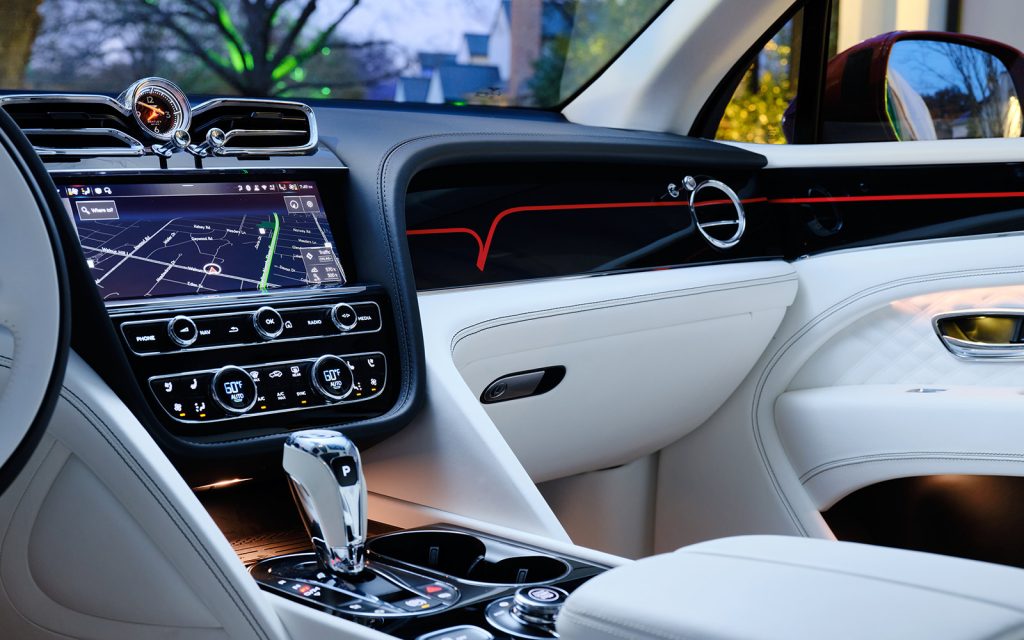
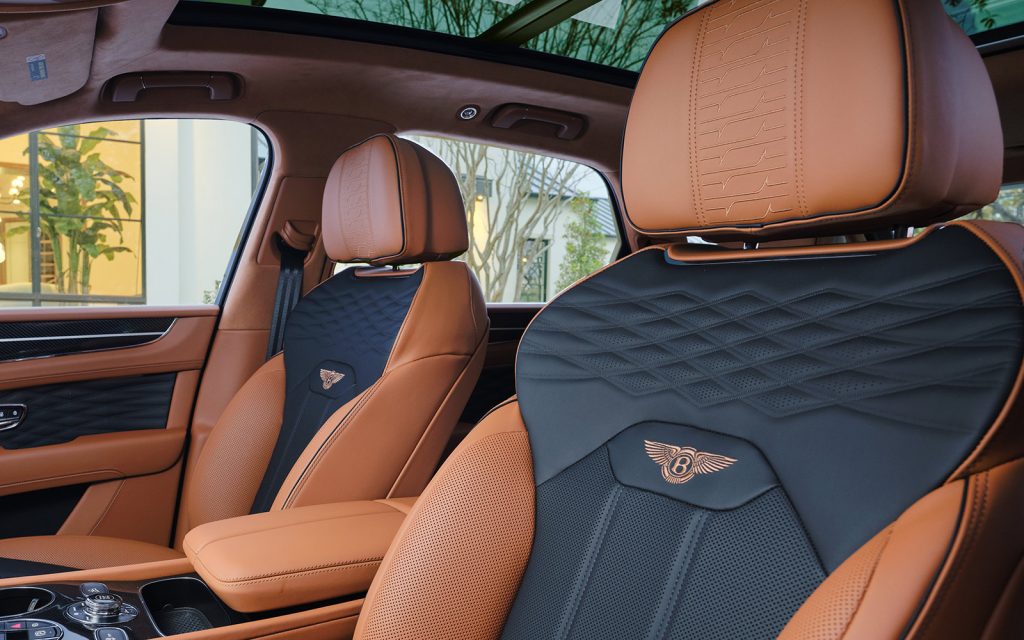
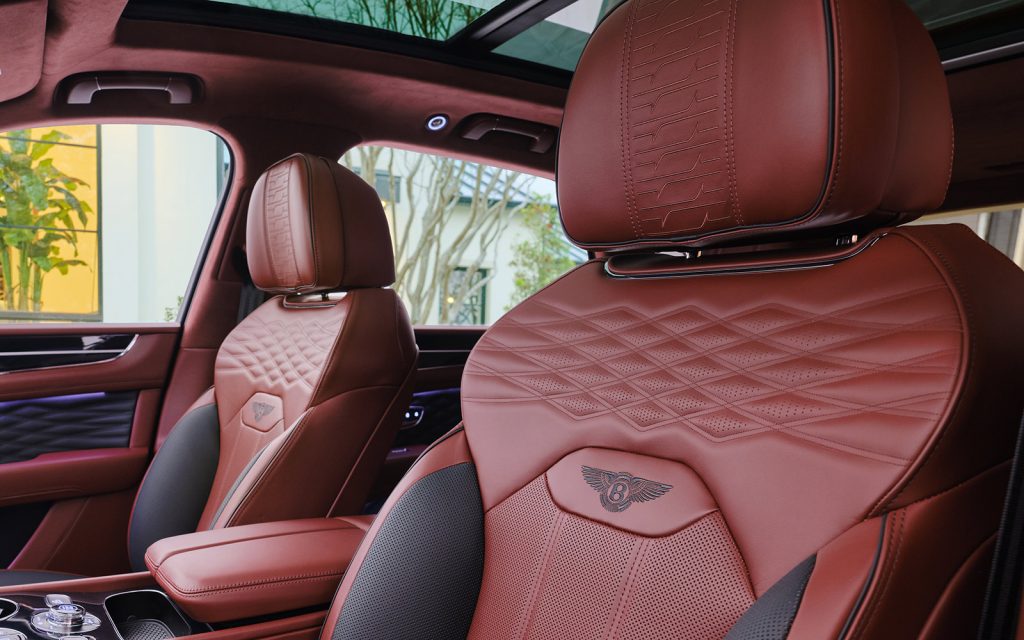
    The first of artist Stephen Selzer’s Victoris designs features a duo-tone red paint fade of Candy over Cricketball. The D pillar carries a Victoris badge in chrome and gloss black, while the wheels are five-spoke 22” items in gloss black with black callipers. Its interior is upholstered in Beluga black and Mulliner white hide, while all veneered surfaces are finished in Grand Black. The Victoris pinstripe in Pillar Box red sweeps around the cabin on the door waistrails and fascia, with the distinctive ‘V’ swoosh on the fascia continuing into a Pillar Box red upper vane on the fascia bullseye air vent. The seats feature embroidered Bentley wings in Silver while the Victoris repeat pattern is blind embossed on the headrests.     

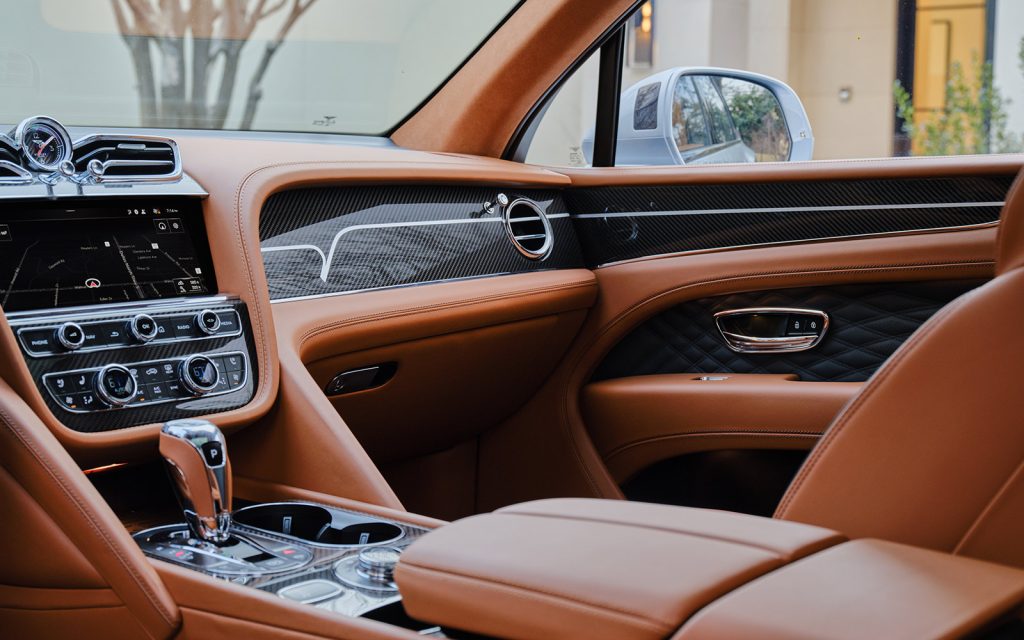
    The second of three Victoris Bentaygas is finished in duo-tone Moonbeam silver over Anthracite grey, while the interior features a bespoke colour split of Beluga black and Saddle brown. All veneered surfaces are executed in high gloss carbon fibre, while the Victoris pinstripe on waistrails, fascia and air vent upper vane is picked out in Moonbeam white.     

    Selzer’s third design in collaboration with Mulliner has a striking exterior of Anthracite fading to Extreme Silver. On this Victoris Bentayga the wheels are 22” ten-spoke designs in gloss black and bright machined finish, the latter selected to pick up the Extreme Silver paint fade. Inside, driver and passengers are greeted by a bespoke upholstery split of Cricketball and Beluga. The Victoris pinstripe on waistrails, fascia and fascia bullseye air vent in Moonbeam makes a dramatic contrast with the Grand Black veneer it bisects. 

    The Spirit of Victory

    The development of the Victoris Bentaygas is the result of close collaboration between Bentley Dallas, automotive artist Stephen Selzer and the team at Bentley Mulliner. The projected net proceeds of $75,000 from their sale will be donated to Children’s Cancer Fund, Cook Children’s Medical Centre, and Children’s Health.     

    As Hesham Algaghil, President, Avondale Dealerships observes, “The message of Victoris is the triumph of resilience over adversity. We hope to inspire owners to support our initiative and promote victories in the lives of children battling life-changing challenges. They will appeal to individuals who value not only the unique aesthetics and performance of a Bentley but also have a deep sense of social responsibility.”

  • Rolls-Royce Presents Phantom Cherry Blossom

    Rolls-Royce Presents Phantom Cherry Blossom

    • Rolls-Royce presents highly Bespoke Phantom ‘Cherry Blossom’ commission
    • Inspired by ‘Hanami’, the Japanese tradition of viewing cherry blossoms in the spring
    • Client sought to capture the beauty of this natural spectacle to share with their family
    • Client’s vision realised through 250,000 stitches and six months of development
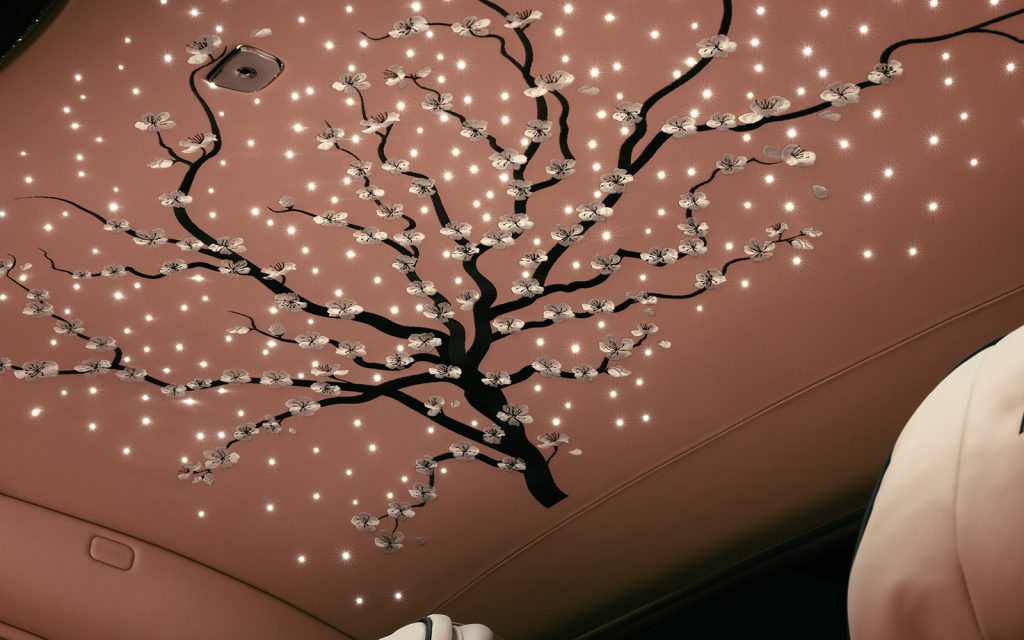
    • Starlight Headliner recreates cherry blossom with exquisite embroidery
    • First-ever application of sculptural 3D embroidery in a Rolls-Royce motor car
    • Rolls-Royce Phantom nameplate celebrates its centenary in 2025

    [source: Rolls-Royce]

    “Cherry blossoms are cherished in Japan as a symbol of the ephemeral nature of life and the beauty of transience. With this magnificent commission, we translate an internationally renowned moment into our pinnacle motor car, Phantom, with exquisite embroidery comprising more than 250,000 stitches. For the first time at Rolls-Royce, we have applied three-dimensional embroidery that gives the falling flower petals a tactile, sculptural quality. Developed using ancient Japanese stitching techniques, this motor car represents a deeply personal memory for the client and demonstrates the power of Bespoke in uniting individual meaning, heritage craftsmanship and modern artistry.”
    Martina Starke, General Manager, Bespoke Design, Rolls-Royce Motor Cars

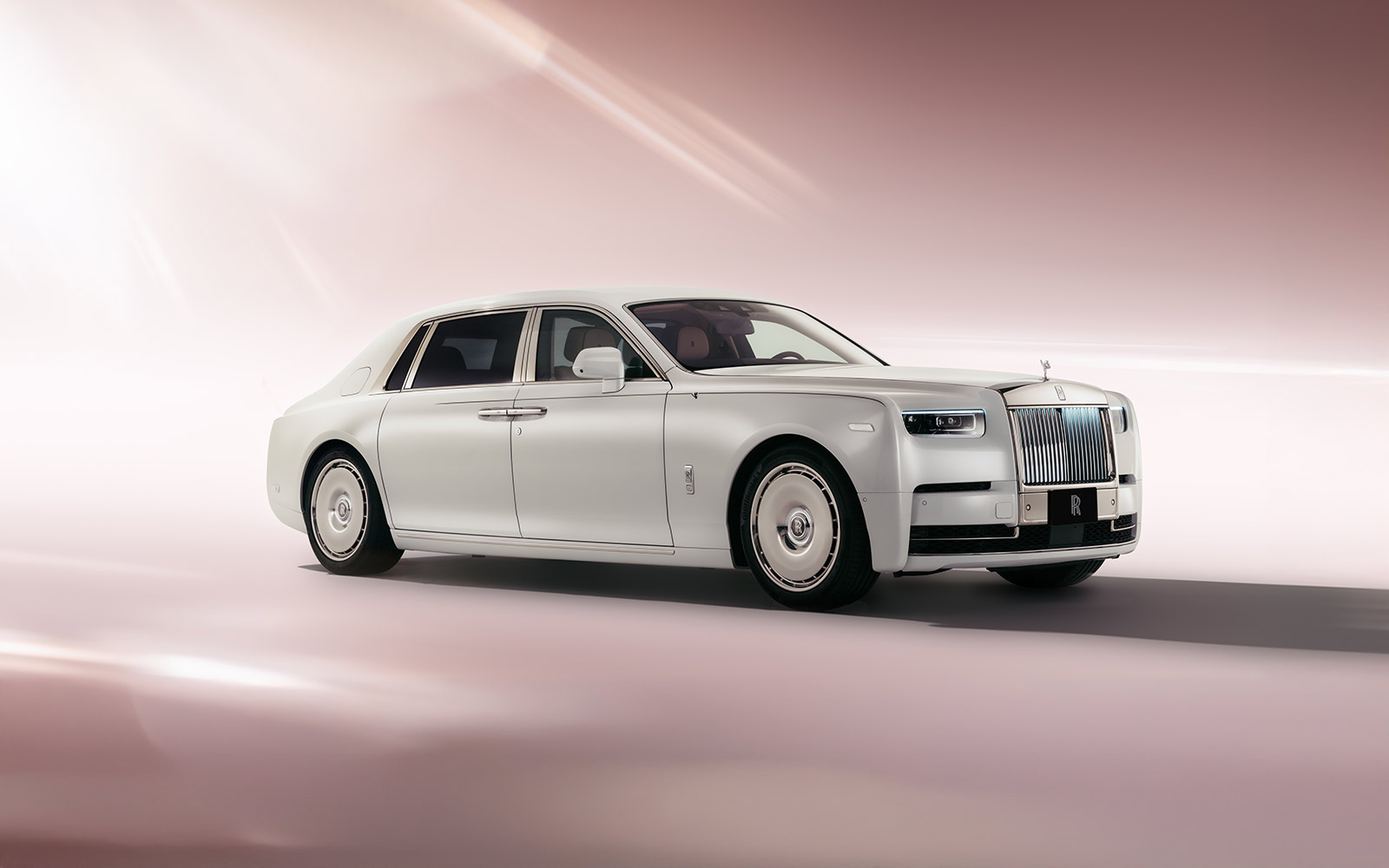
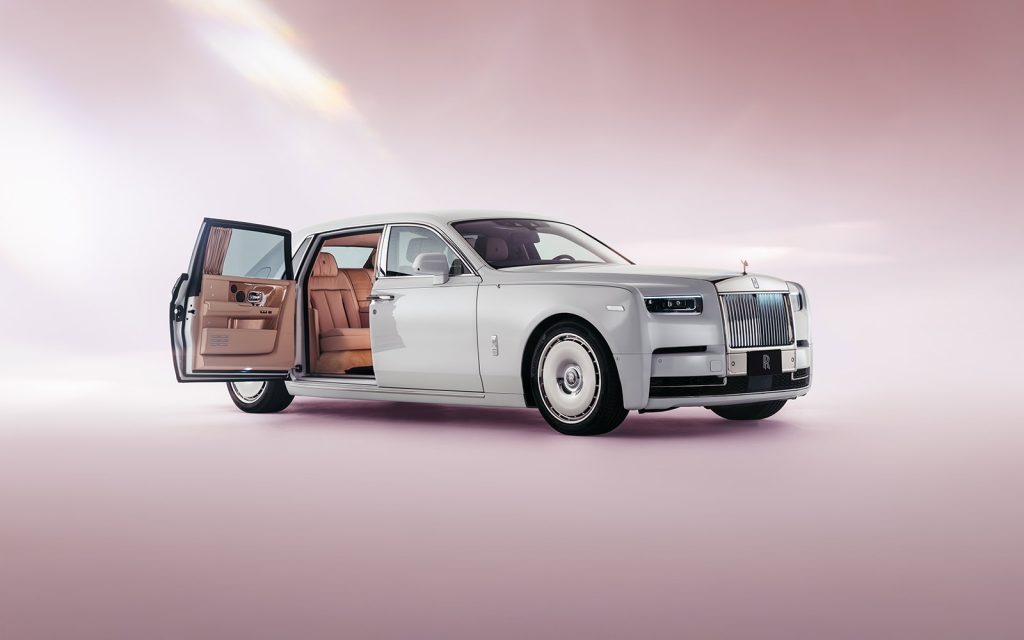
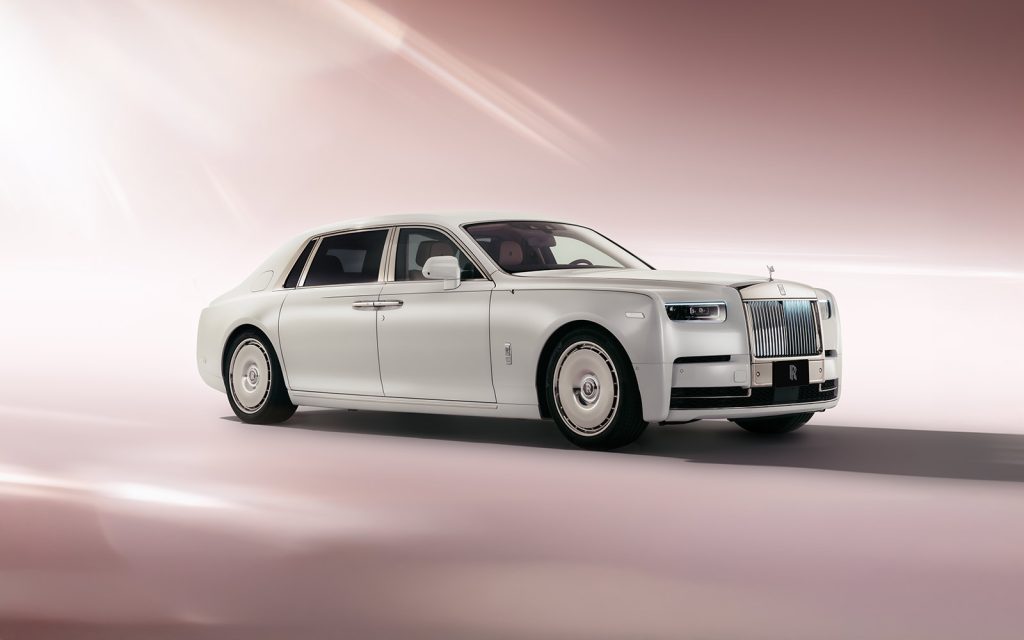
    As Sakura season arrives, blanketing various regions around the world in pink petals, Rolls‑Royce Motor Cars is proud to present Phantom Cherry Blossom. This magnificent one-of-one Phantom Extended commission is inspired by the fleeting beauty of the Sakura blooms and a Japanese client’s formative memories of this stunning natural spectacle.

    In Japanese culture, cherry blossoms are a powerful symbol of nature’s rhythms, the arrival of spring and the beauty of impermanence. As Sakura blooms are short-lived, lasting only around a week, they serve as a poignant reminder to cherish the present and embrace life. This symbolism is deeply embedded in Japanese art, literature and philosophy.

    Cherry blossoms are celebrated in the centuries-old tradition of ‘Hanami’, or ‘flower viewing’. During Hanami, families and friends gather beneath the delicate pink blooms of cherry trees for picnics and celebrations, relishing the transient beauty of the season.

    A client in Japan wished to capture their cherished Hanami memories, spanning both childhood and parenthood. They wished to create their highly Bespoke Phantom as a legacy and experience to be passed down through the generations in their family, evoking the same spirit as Hanami itself.

    PHANTOM CHERRY BLOSSOM: A BESPOKE VISION BROUGHT TO LIFE
    The design for Phantom Cherry Blossom was conceived three years ago, when Rolls-Royce artisans met the commissioning client in Japan to fully understand their vision. This elegant, exquisitely detailed motor car is a stunning example of Bespoke artistry, not only expressing the client’s personal ambition but also the peerless skill and commitment of the Bespoke Collective. Now delivered to its proud custodian in Japan, this one-of-a-kind masterpiece is a true reflection of their individuality and passion.

    FLORAL SANCTUARY: EXPANSIVE 250,000-STITCH EMBROIDERY
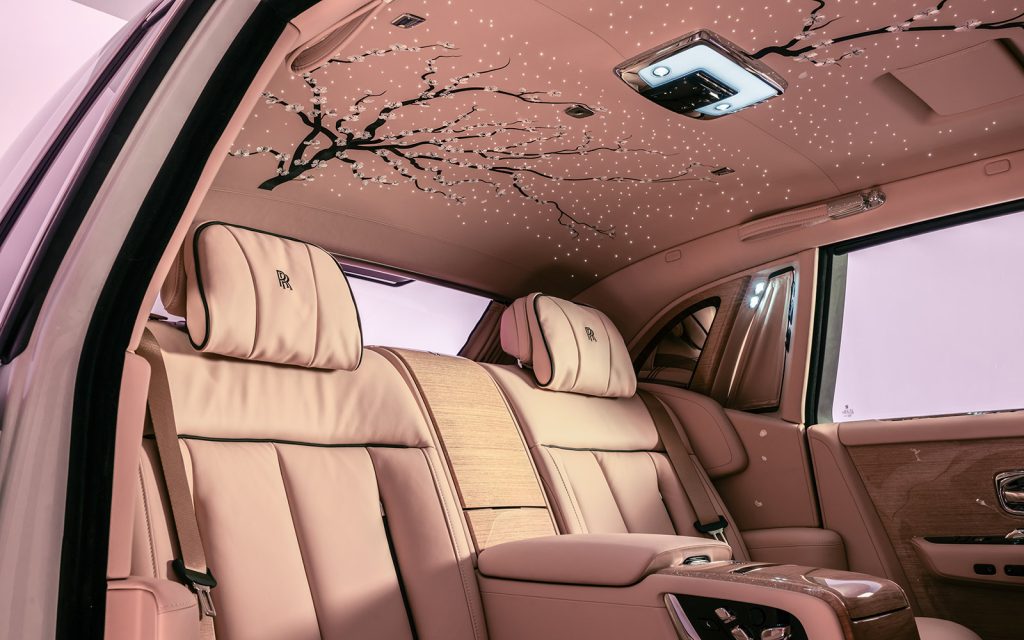
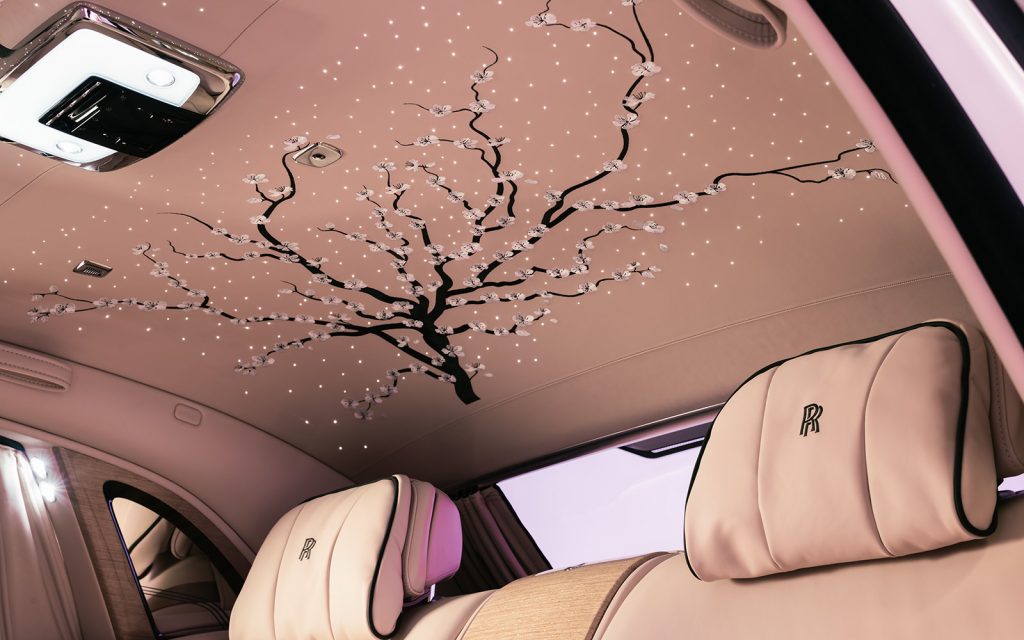
    Inside the motor car, intricate embroidery captures the sensation of sitting beneath a flowering tree during Hanami, just as the client envisioned. A Bespoke Starlight Headliner is adorned with an embroidered cherry bough, sprinkled with delicate white blossoms. The falling petal embroidery appears on the rear door panels and Privacy Suite partition between the front and rear passenger compartments. The design and development of this remarkable expression of contemporary craft spanned more than six months. The headliner required three weeks alone to embroider and exceeds 250,000 stitches.

    As light plays across this expansive embroidery, it reveals the intricate detail and ingenuity required to bring it to life. The rich thread texture of the embroidered cherry tree is achieved using an offset tatami stitch, inspired by the ancient Japanese weave technique.

    The embroidered branches appear to be intertwining, growing over and under one another. To achieve this effect, a single artisan meticulously aligned 11 individually embroidered frame sections to create a single, seamless graphic rising from the rear of the motor car and flowing forward over the rear passengers.

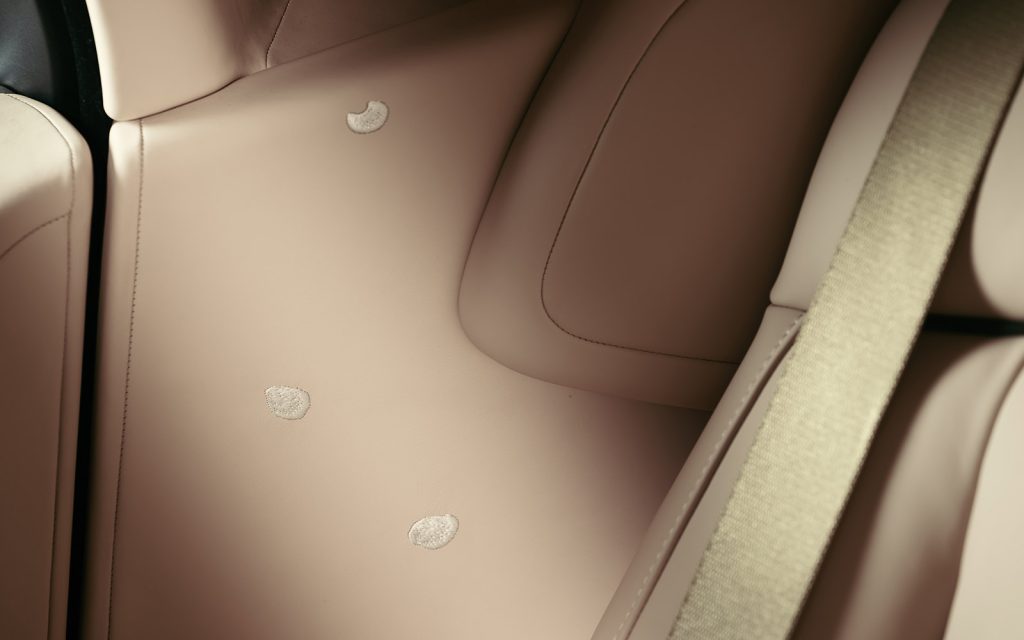
    Finally, the headliner is embroidered with cherry blossom flowers, formed of individual satin-stitch petals designed to capture the light at different angles with a jewel-like quality. The petals can be seen throughout the rear cabin, falling onto the doors and division of the motor car’s Privacy Suite.

    ROLLS-ROYCE FIRST: SCULPTURAL 3D EMBROIDERY
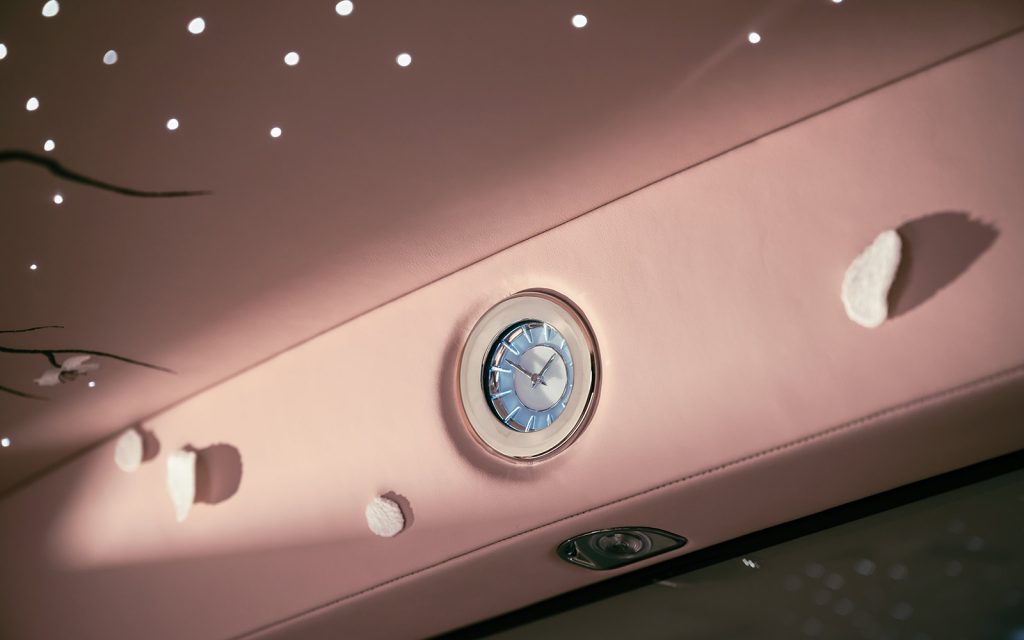
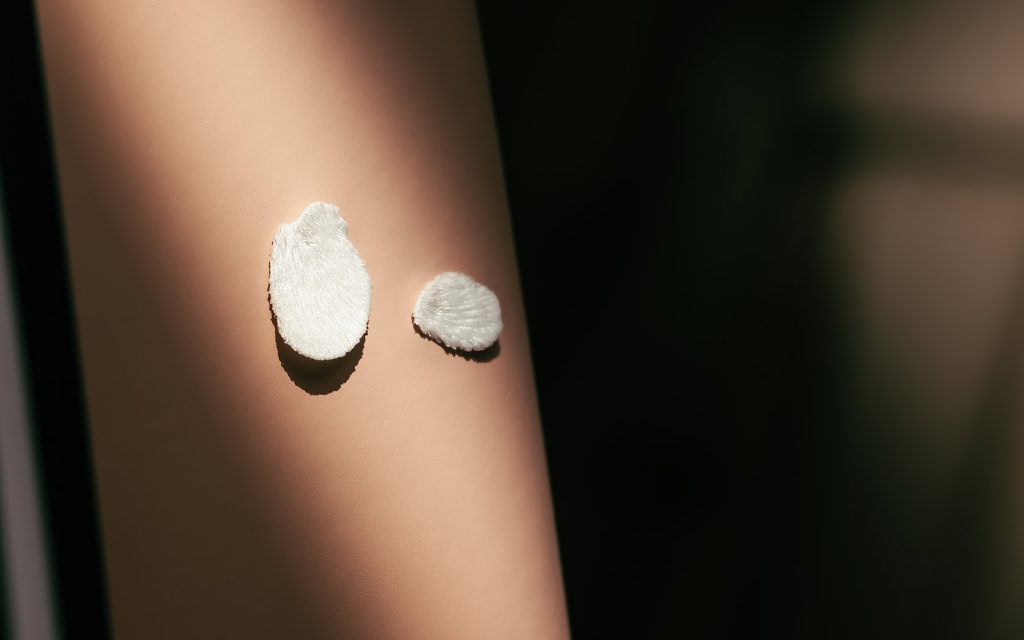
    In a Rolls-Royce first, the interior is completed with three-dimensional cherry petal embroidery. These tactile, sculptural details grace the division, creating a striking contrast to the classic stitchwork of the falling cherry petals on the doors.

    Creating these three-dimensional embroideries required specialists to pioneer a new technique, where the thread is layered upon itself to form a self-supporting structure. Each petal is then shaped and sculpted into its final form by hand before being stitched into place, individually positioned to complement the interior lighting and create soft shadow effects.

    FLORAL INSPIRATION: AN ELEGANT BESPOKE STATEMENT
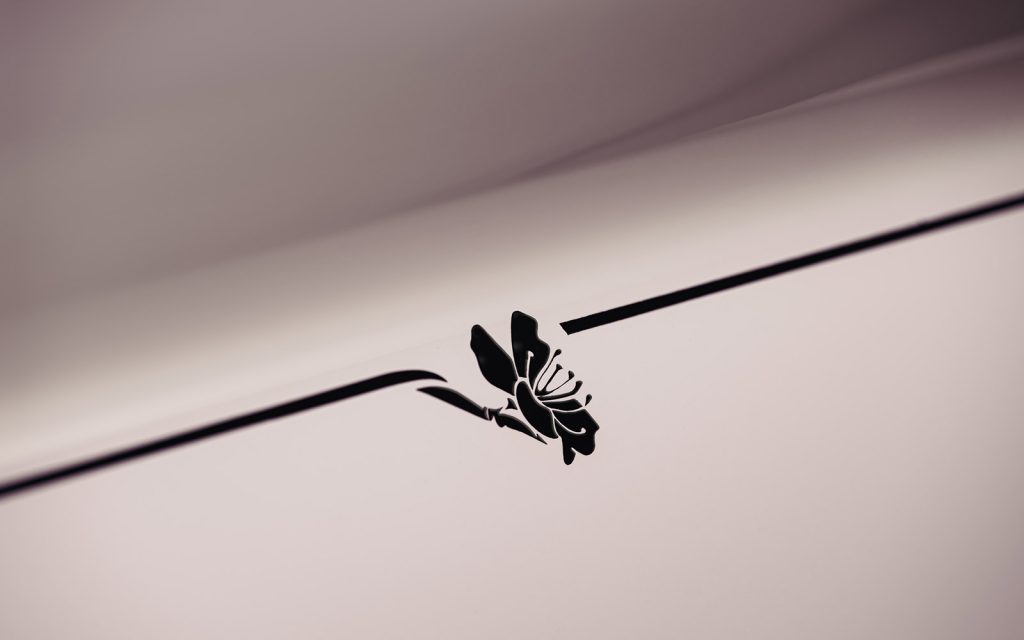
    Extending the Hanami theme, a falling petal motif appears on the inner lining of the Bespoke umbrellas, concealed within the motor car’s doors. The exterior also features a subtle reference to the theme; the Crystal over Arctic White coachwork incorporates a distinctive hand-painted coachline that elegantly tapers midway along the rear passenger door and features a delicate cherry blossom motif – an elegant preview of the artistry within.

    TECHNICAL INFORMATION
    NEDC combined: CO2 emissions: 345 g/km; Fuel consumption: 18.7 mpg / 15.1 l/100km. WLTP combined: CO2 emissions: 353-365 g/km; Fuel consumption: 17.4-18.1 mpg / 16.2-15.6 l/100km.

    FURTHER INFORMATION
    You can find all our press releases and press kits, as well as a wide selection of high resolution, downloadable photographs and video footage at our media website, PressClub.

    You can also follow marque on social media: LinkedInYouTubeInstagram; and Facebook.

    ABOUT ROLLS-ROYCE
    Rolls-Royce Motor Cars is a true luxury house, creating the world’s most recognised, revered and desirable handcrafted Bespoke products for its international clientele.

    There are over 2,500 people working at the Home of Rolls-Royce at Goodwood, West Sussex. This comprises both its global headquarters and Centre of Luxury Manufacturing Excellence – the only place in the world where Rolls-Royce motor cars are designed, engineered and meticulously built by hand. An independent study by the London School of Economics & Political Science confirms that since the company first launched at Goodwood in 2003, it has contributed more than £4 billion to the UK economy and adds more than £500 million in economic value every year.

    Rolls-Royce Motor Cars is a wholly owned subsidiary of the BMW Group and is a completely separate, unrelated company from Rolls-Royce plc, the manufacturer of aircraft engines and propulsion systems.

  • Update: Niels van Roij Design Testarossa Targa Closer to Completion

    Update: Niels van Roij Design Testarossa Targa Closer to Completion

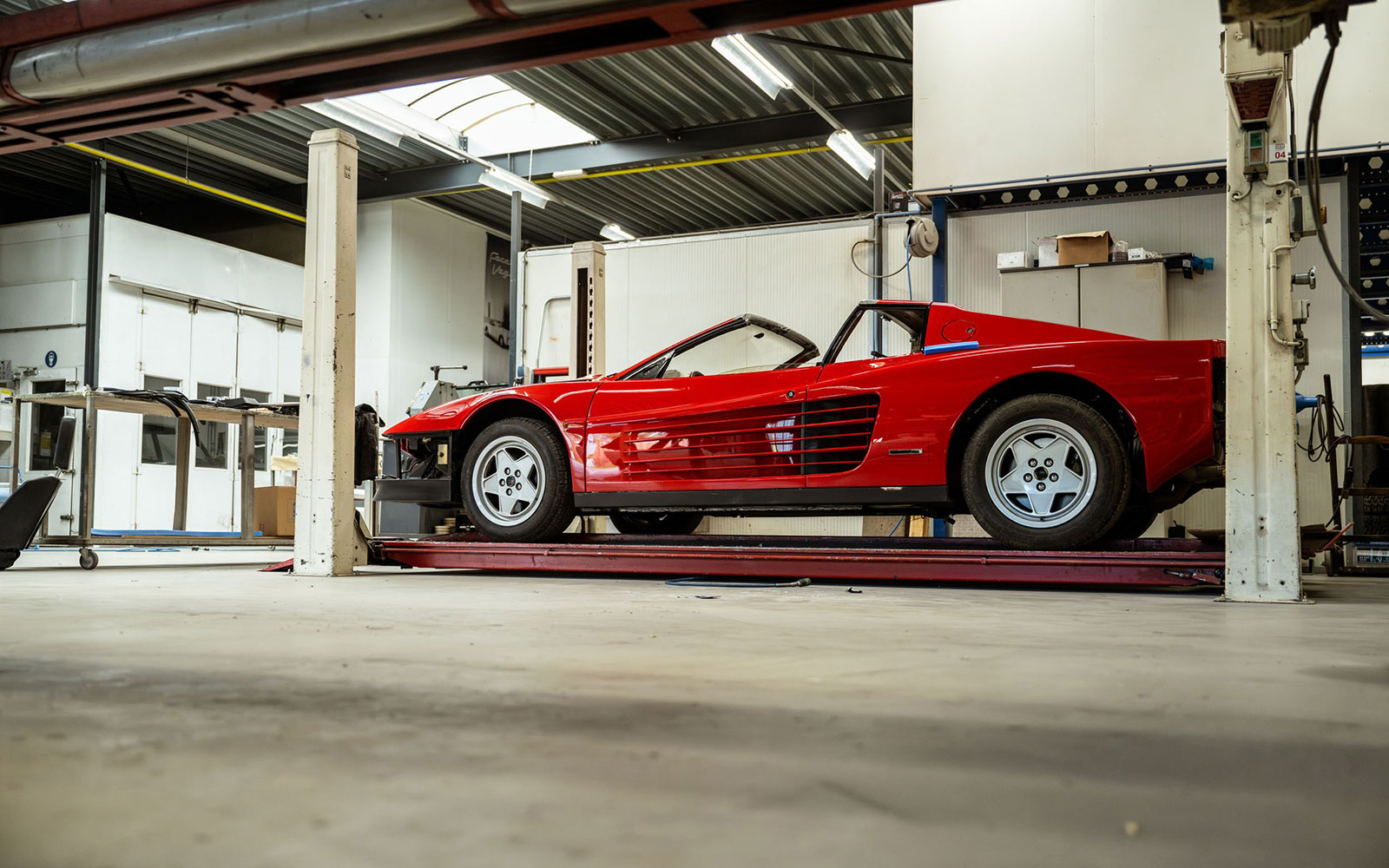
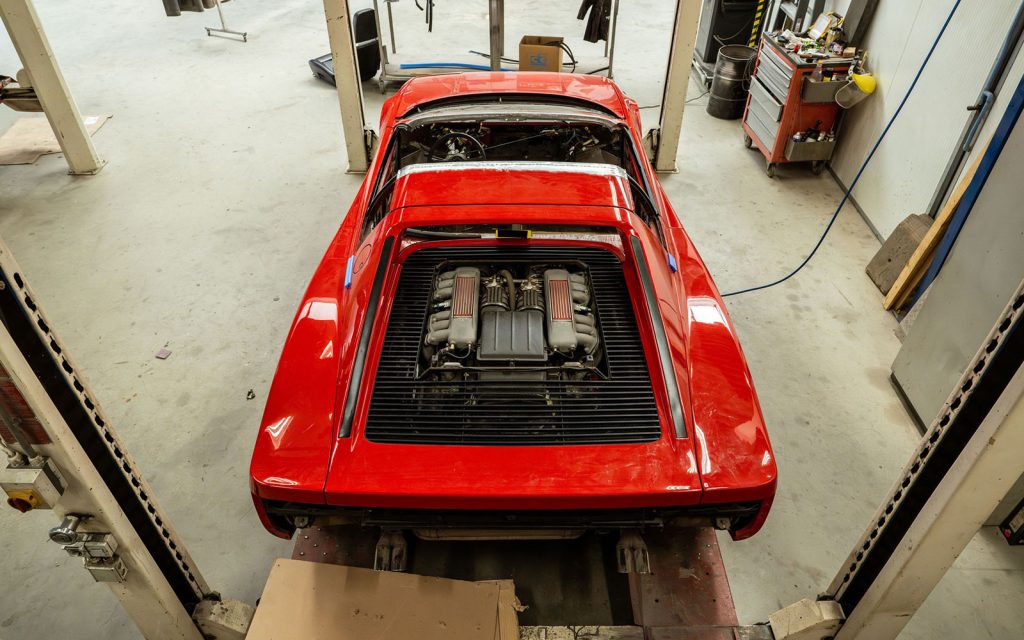
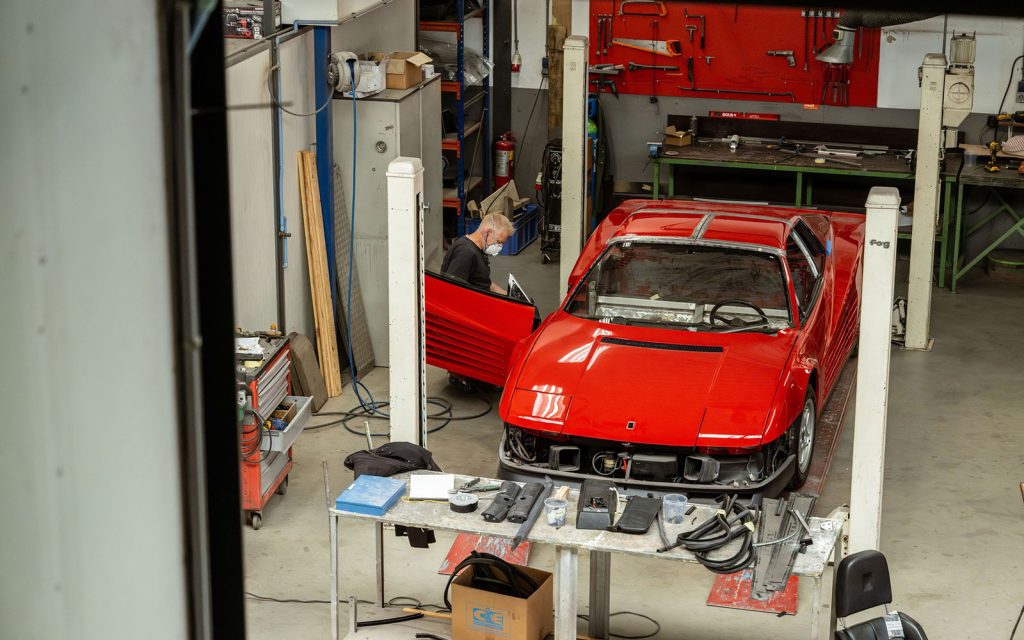
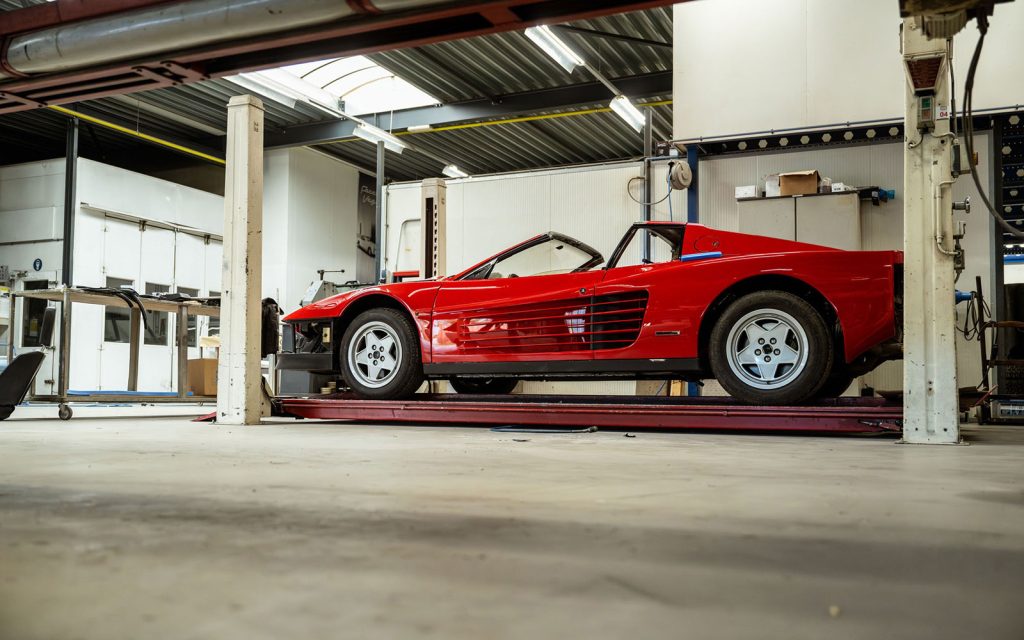
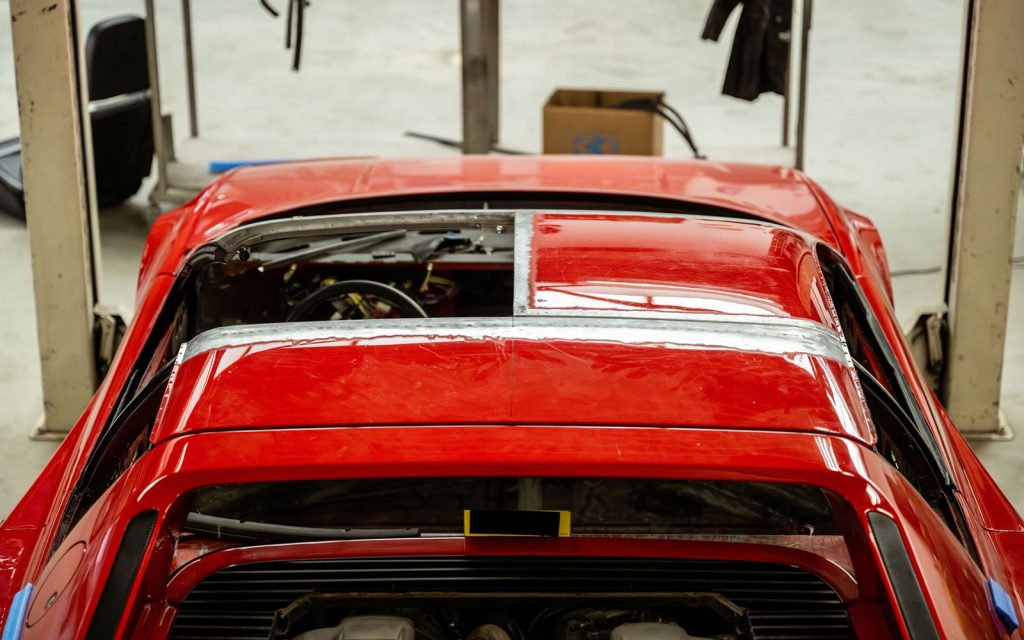
    Coachbuilding house Niels van Roij Design continues progress on its open-top Testarossa commission, giving an even closer look at what the finished product will be. An update was posted to their Facebook Page HERE.

    We’ve covered this open-top Testarossa before HERE, and even more recently were reminded that a similar conversion was offered by Ernst Berg Systems (EBS) back in 1985. How this “targa” style conversion differs remains to be seen.

    Earlier drawings revealed by the firm appeared to show more of a hinged “Superamerica” style roof. These more recent images seem to show a split roof – not a T-top, but similarly cut.

    Whatever the case, the project is nearing completion, and based on other work we’ve seen by Niels van Roij Design, we’re eager to see the final product.

    More Information: nielsvanroij.com

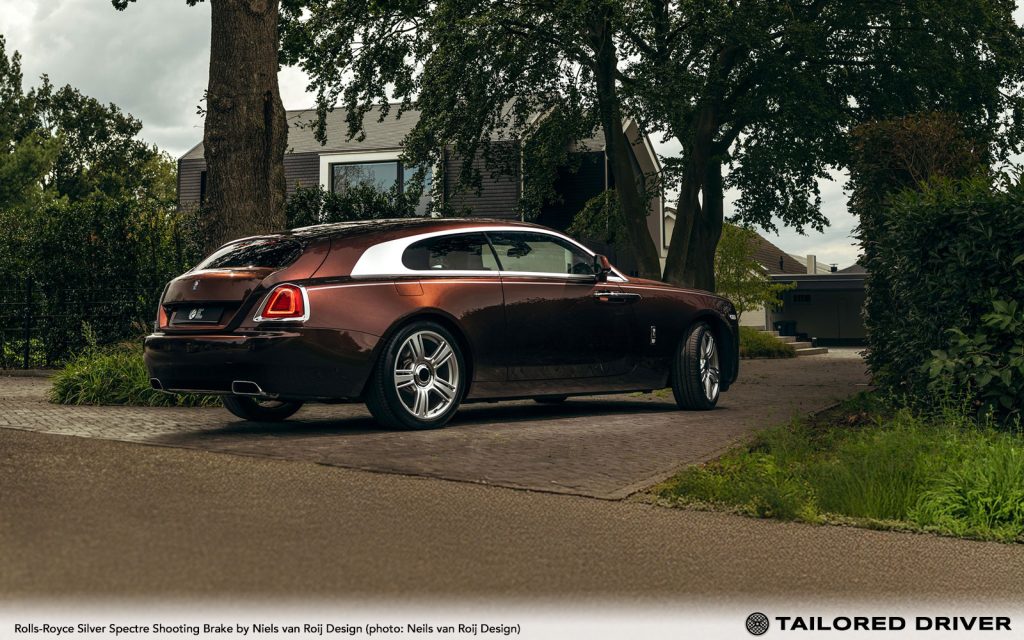
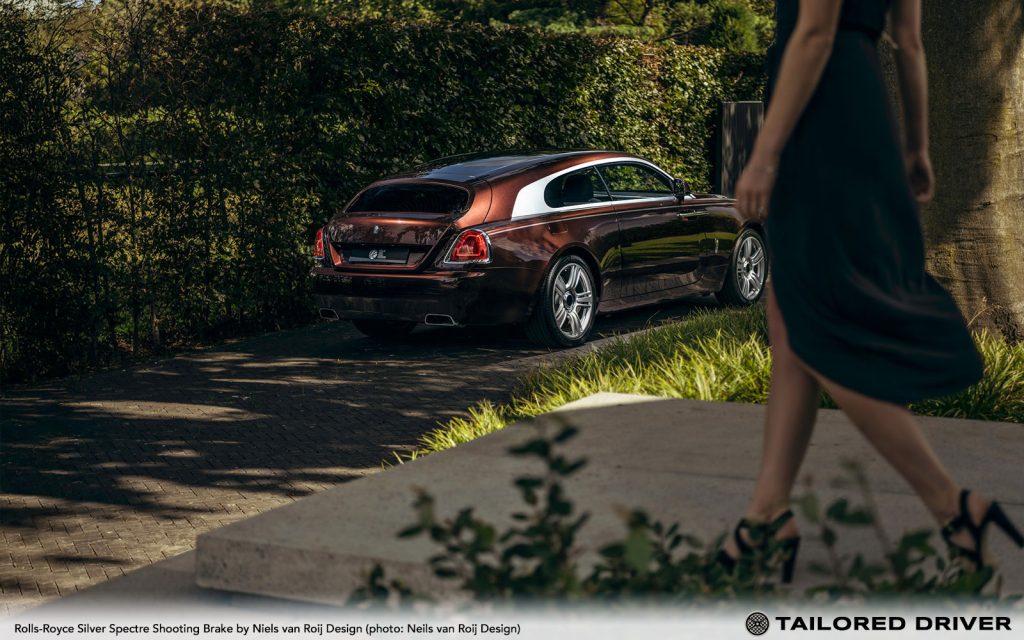
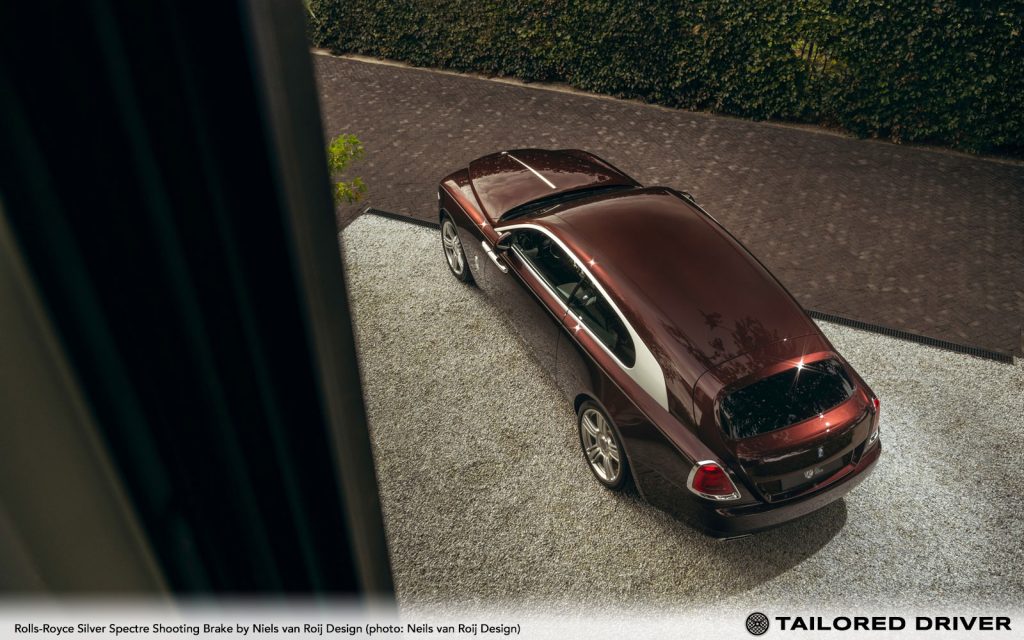
  • Dario Franchitti Aquires 1-of-1 Rolls-Royce Silver Spectre Shooting Brake by Niels van Roij Design

    Dario Franchitti Aquires 1-of-1 Rolls-Royce Silver Spectre Shooting Brake by Niels van Roij Design

    Admittedly, we watch Netherlands-based Niels van Roij Design with great interest. While no, they’re not a factory tailor nor a remastering firm like so many you’ll find on this site, they perhaps are even more unique.

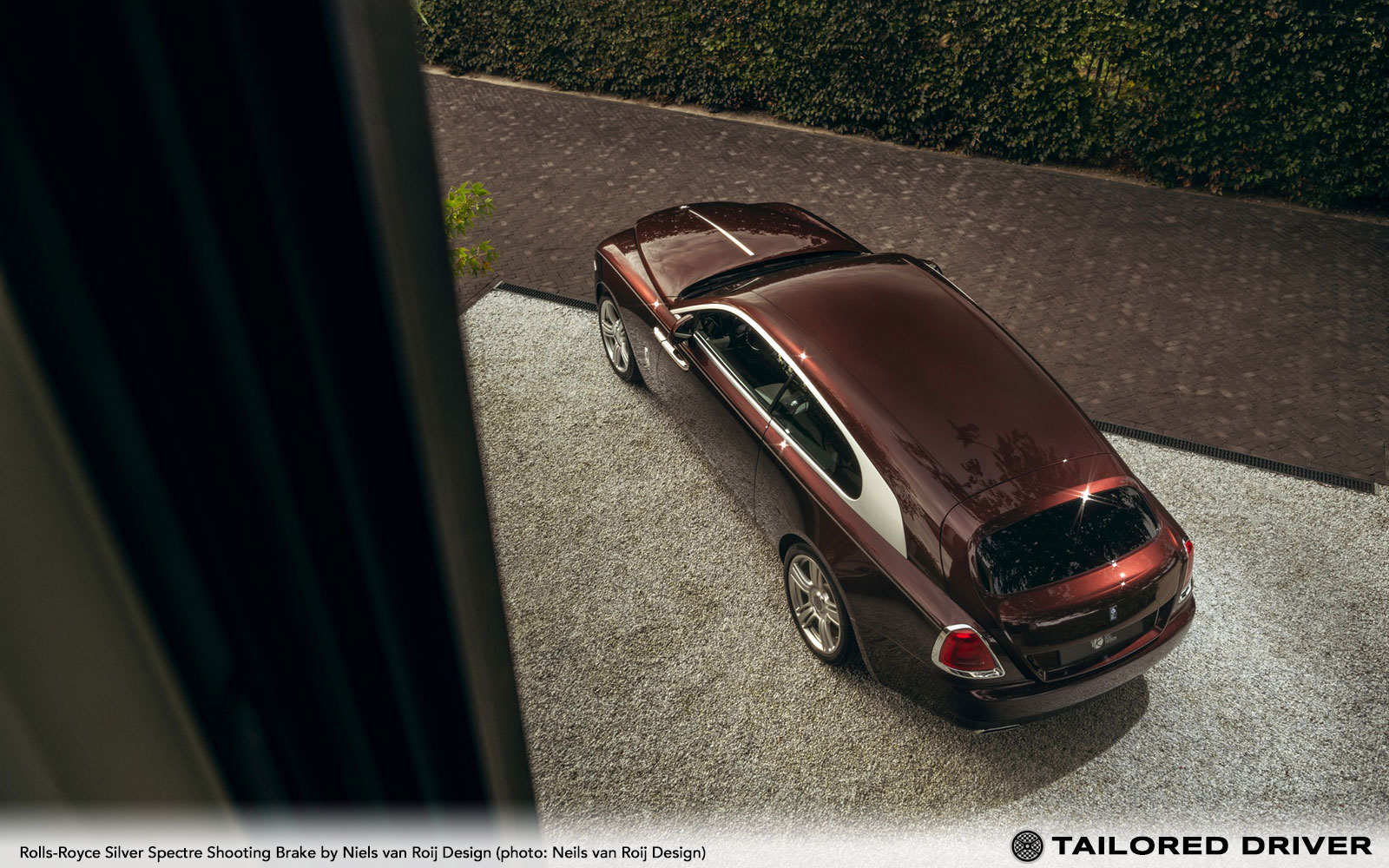
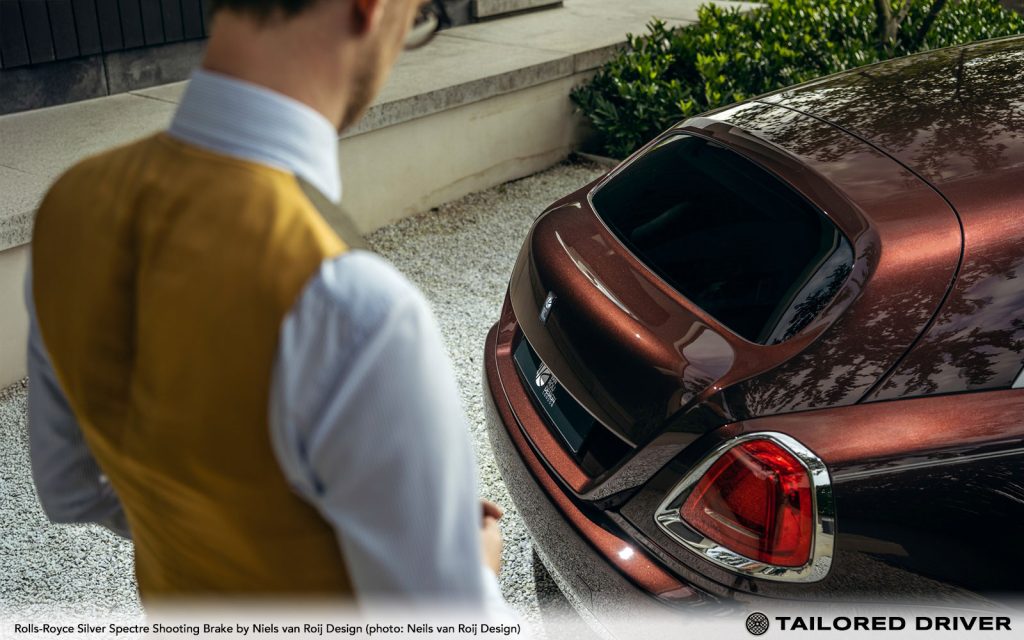
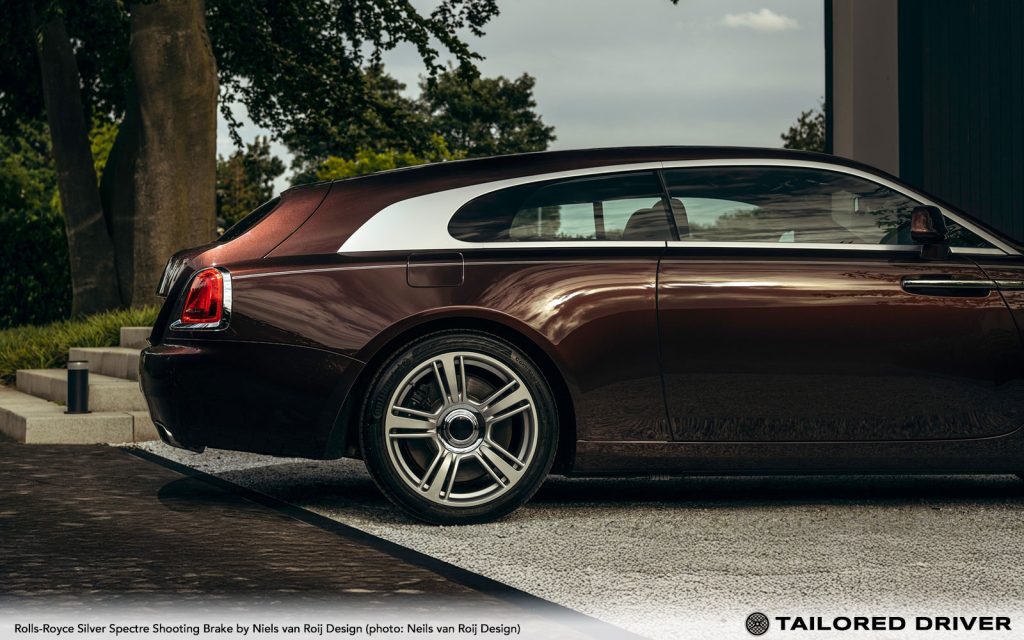
    They’re a coach builder. They use the terms and we’d agree. In the spirit of pre-war coach builders from whom you’d commission your custom bodied Rolls-Royce, Bentley, Horch, Bugatti, Packard or the like, clients can and do commission highly specialized cars from Neils van Roij, and his firm delivers. In this case, the car was a modern Rolls-Royce Silver Spectre, though built as a shooting brake.

    What’s a “shooting brake”? Much like the “station wagon” term comes from the day of horses pulling carriages. Whereas you’d take your station wagon with bed for storage to the train station, you’d take your shooting brake built for carrying guns and equipment to go out shooting. It’s all very logical of course, just like shooting brakes and station wagons with their long roofs enabling you to carry more luggage, gear, guns, hunting hounds, or whatever you may need.

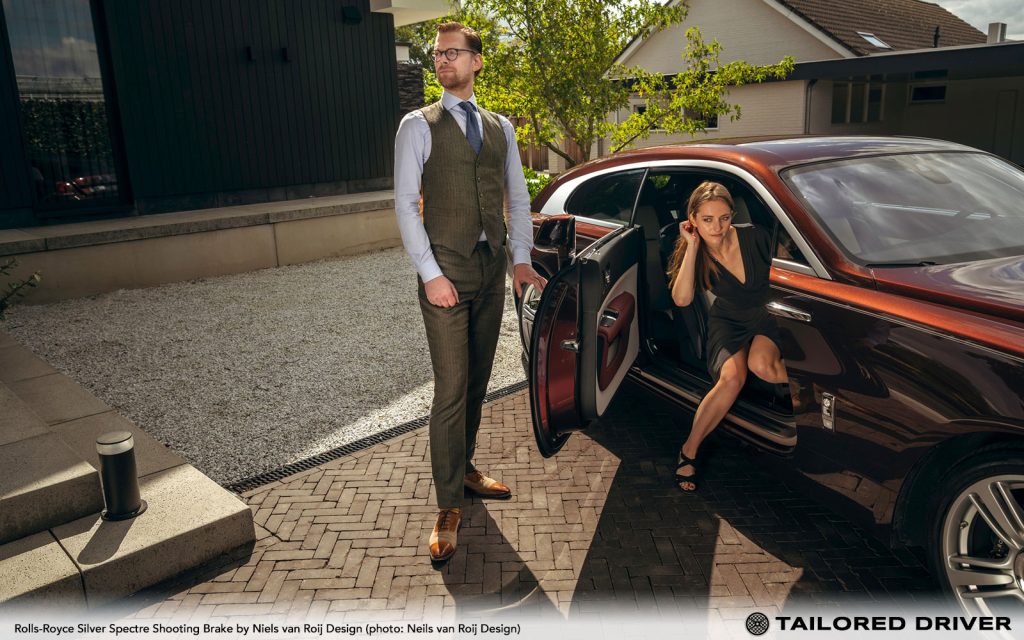
    This isn’t a reveal of the Silver Spectre Shooting Brake. The car has made its rounds on media platforms, though Neils van Roij design’s post this week on social media is still worth taking note of. As it turns out, this very special car has a notable new owner – famed racing driver Dario Franchitti.

    According to the post, the car was recently listed with Joe Jacari, which is how Franchitti came to own it.

    Follow Niels van Roij design HERE.

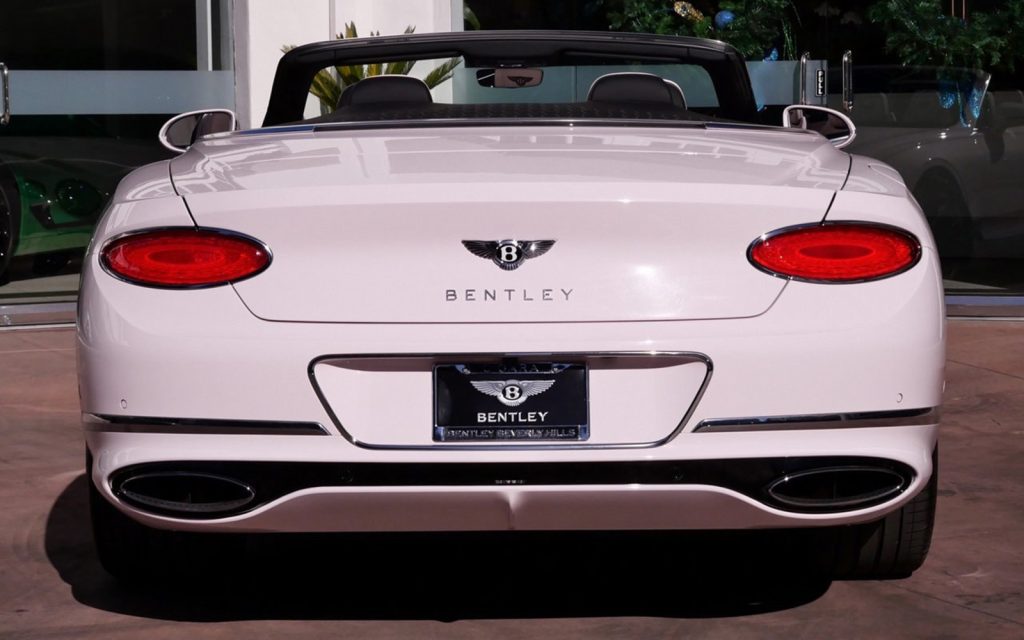
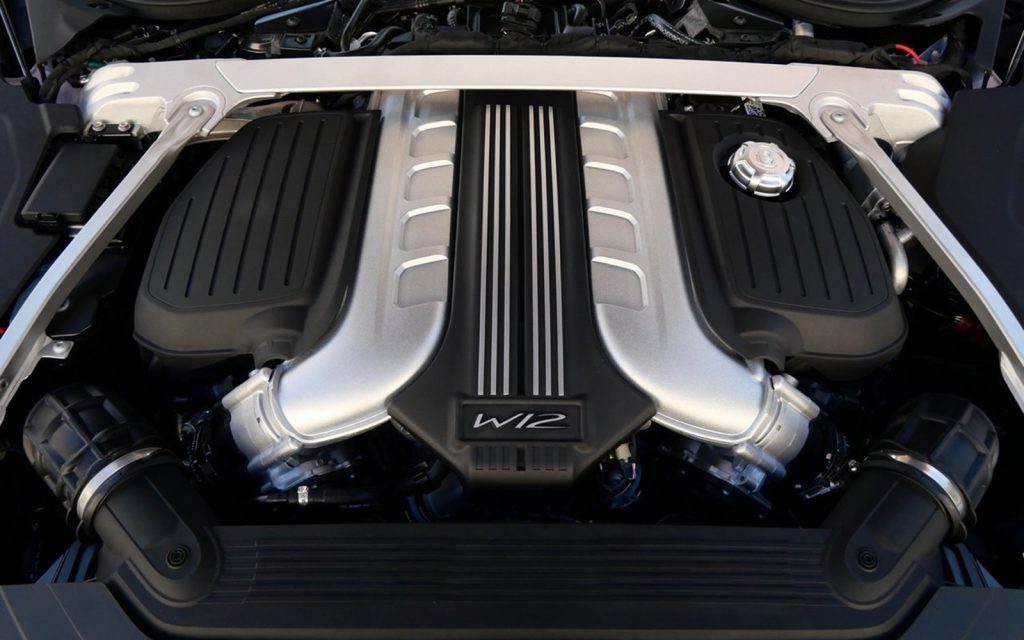
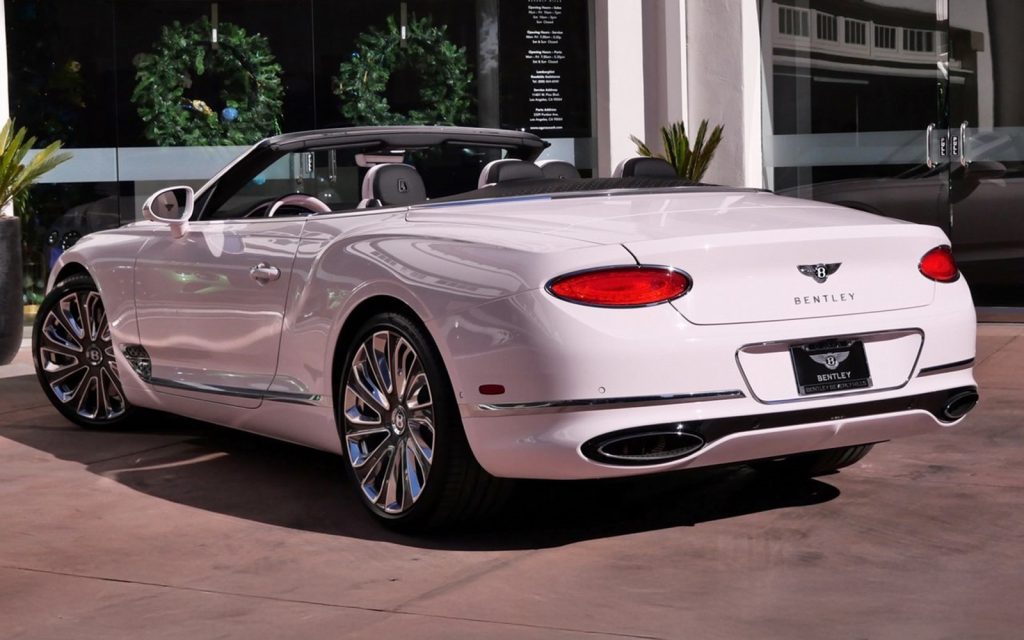
  • Market Find: Pink on Pink Final W12 Continental GTC in Beverly Hills

    Market Find: Pink on Pink Final W12 Continental GTC in Beverly Hills

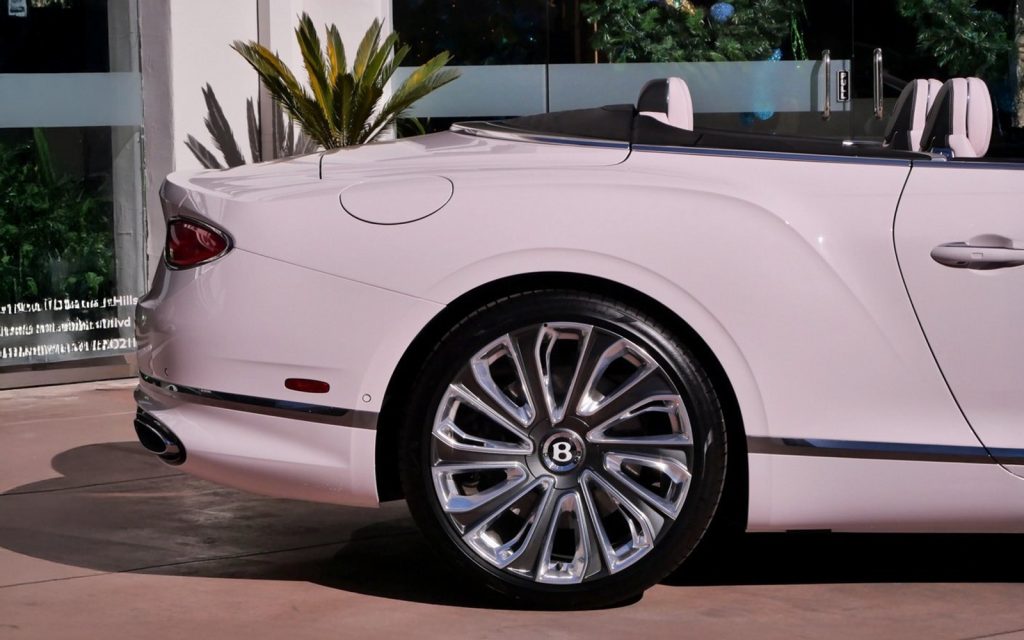
    What: 2024 Bentley Continental GTC Mulliner W12
    Color: Pink Frost (pinkfrost; unknown; unknown; Bentley Mulliner)
    VIN: SCBDT4ZG3RC017079
    Mileage: 33
    Price at Time of this Writing: $459,260
    CarFax: N/A
    Window Sticker: N/A
    Location: O’Gara Coach, Beverly Hills, CA
    Dealer listing: Link

    Why we love mention it:

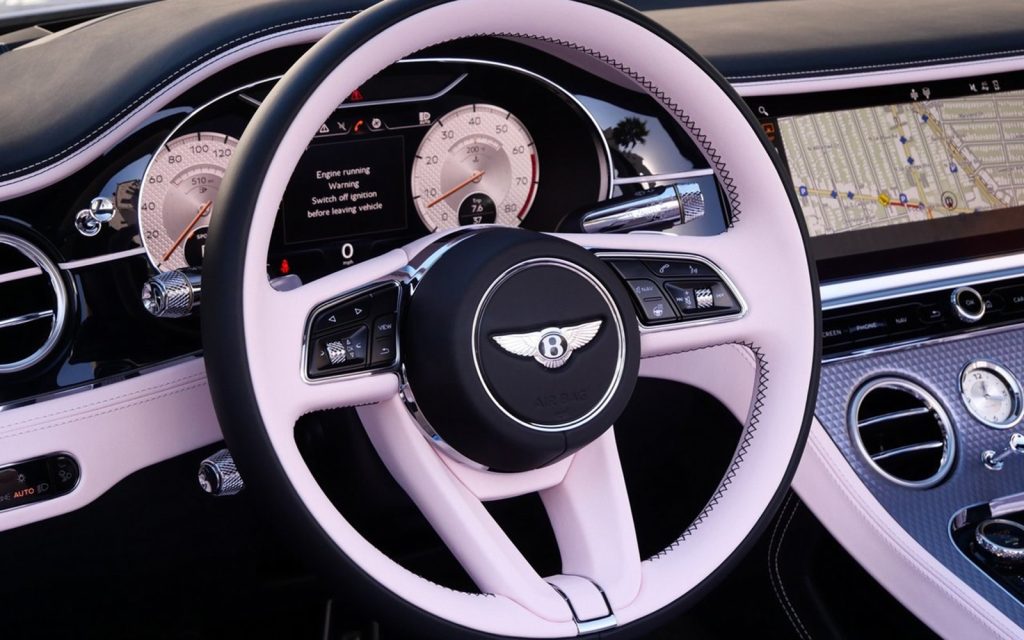
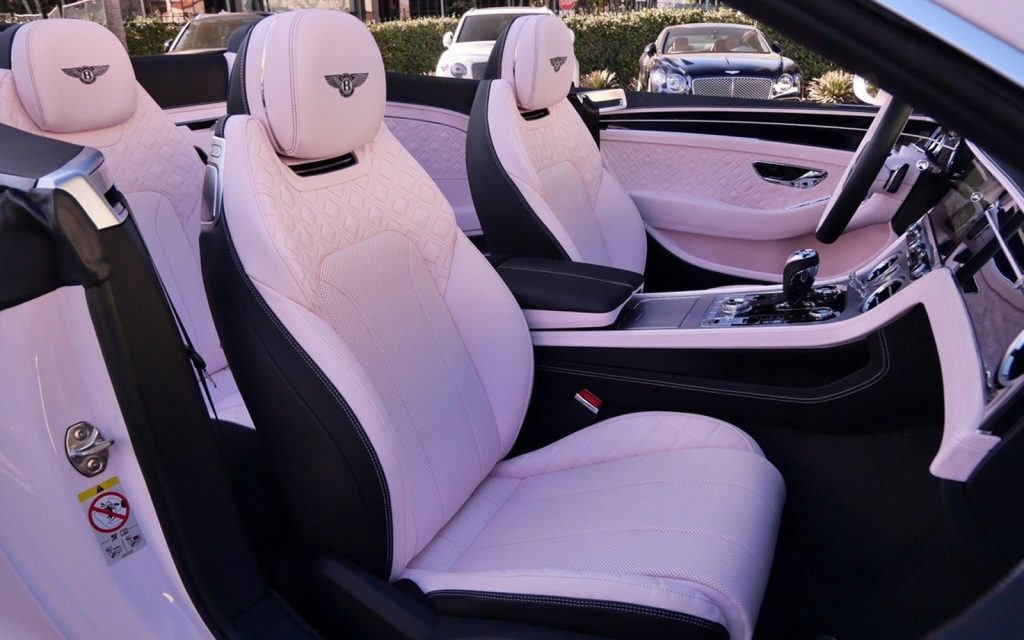
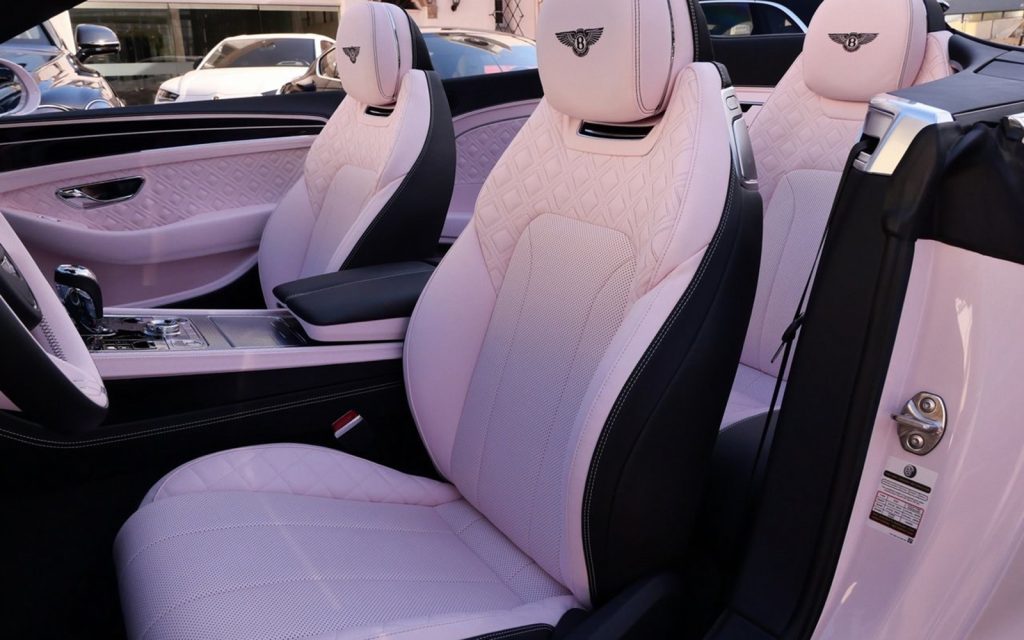
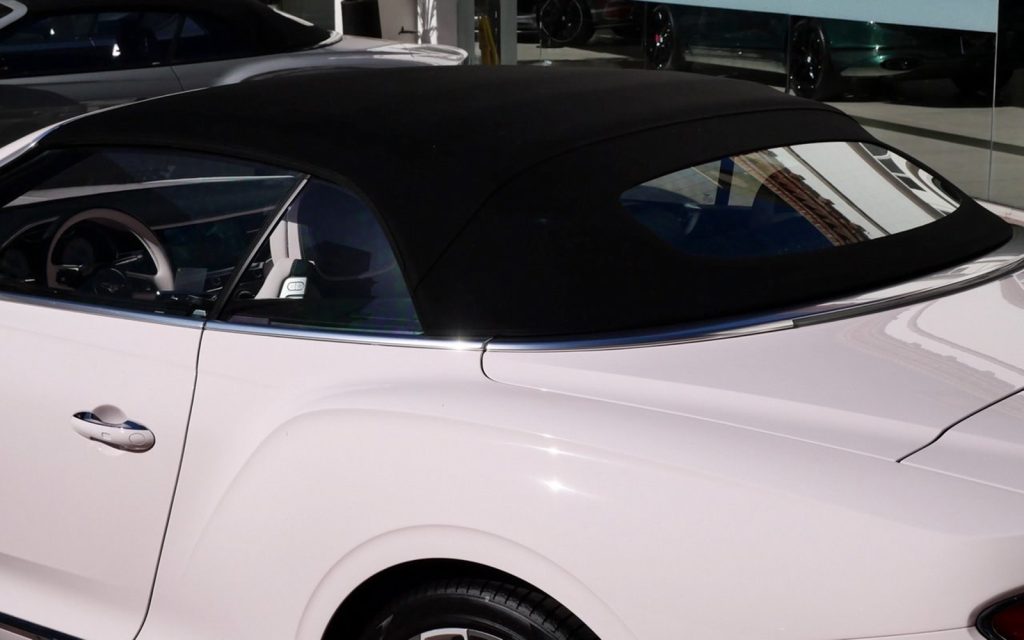
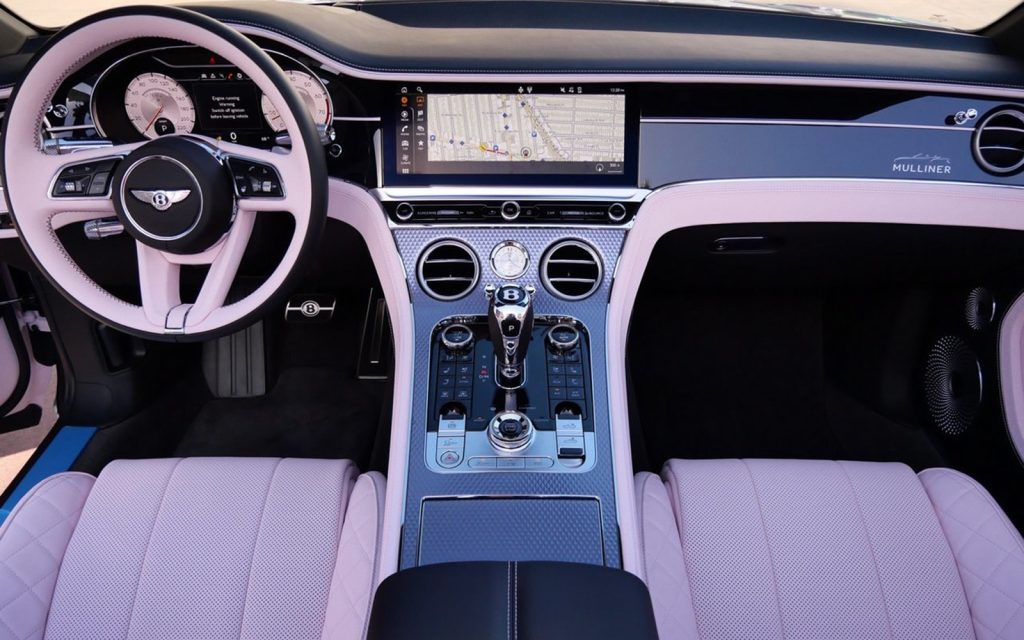
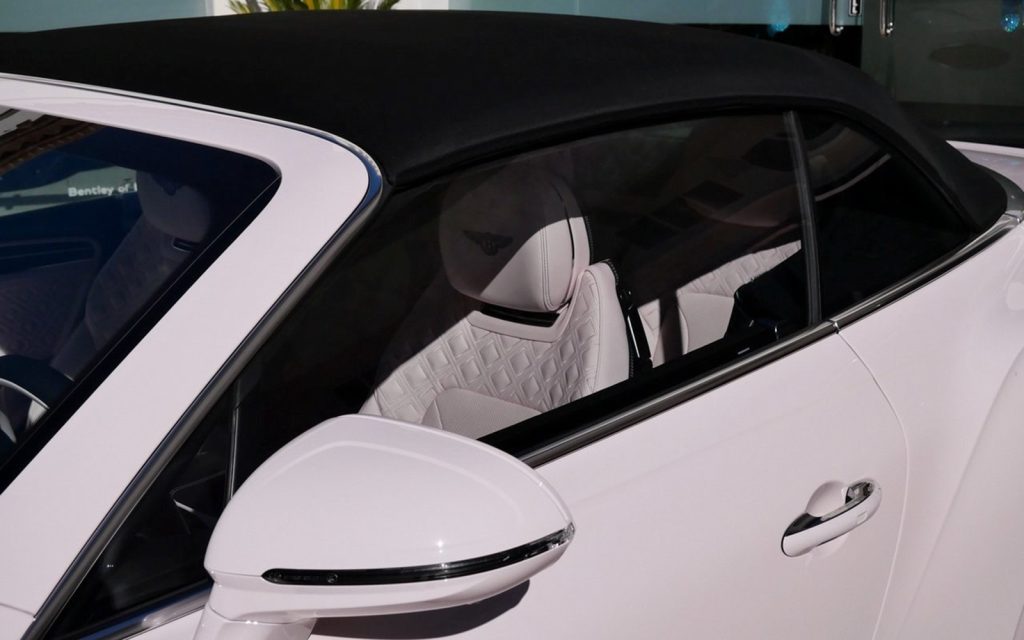
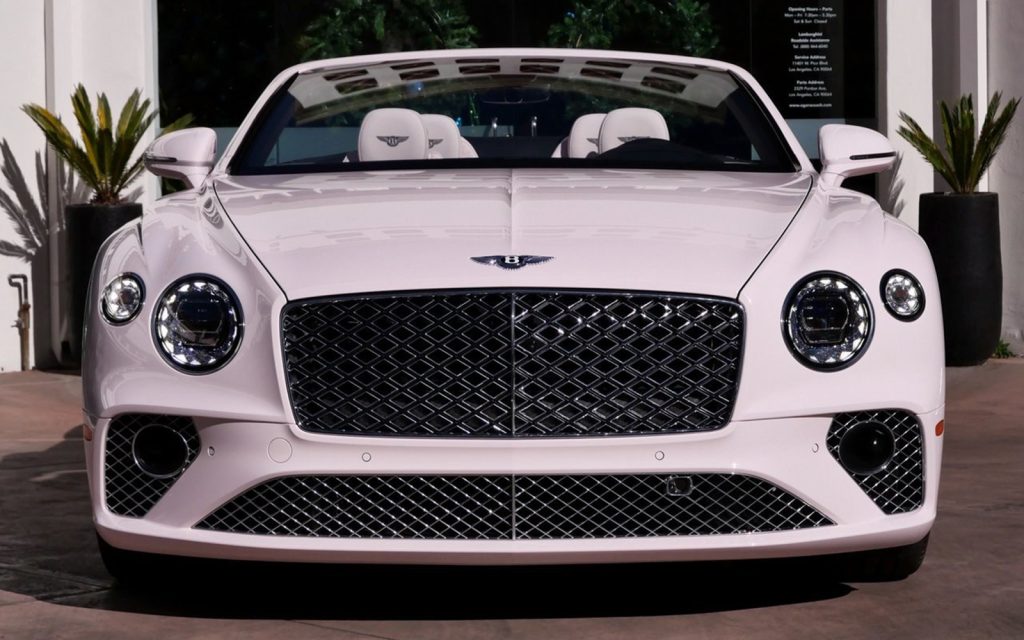
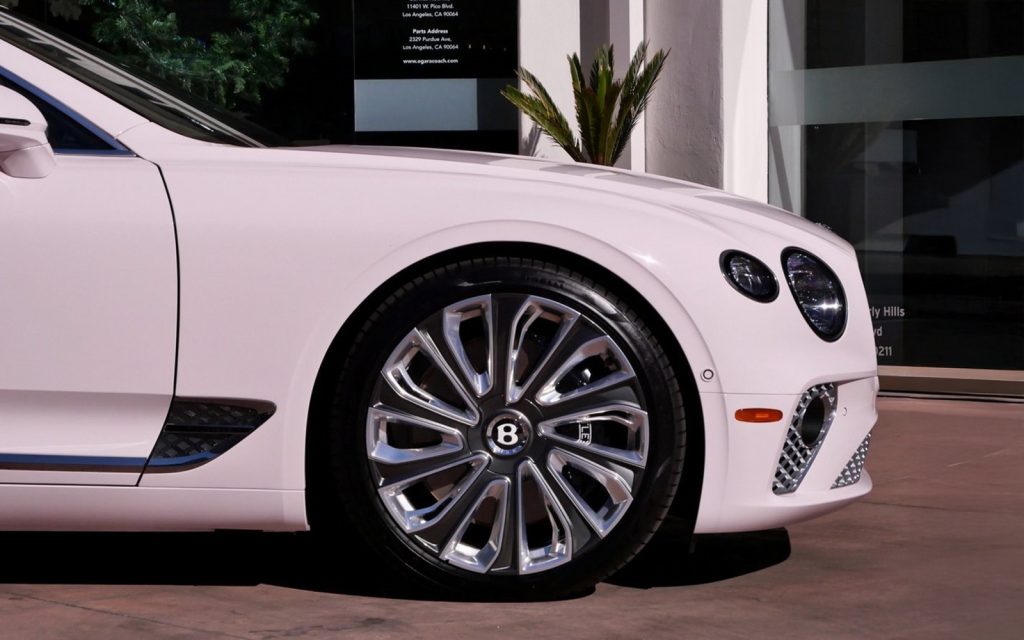
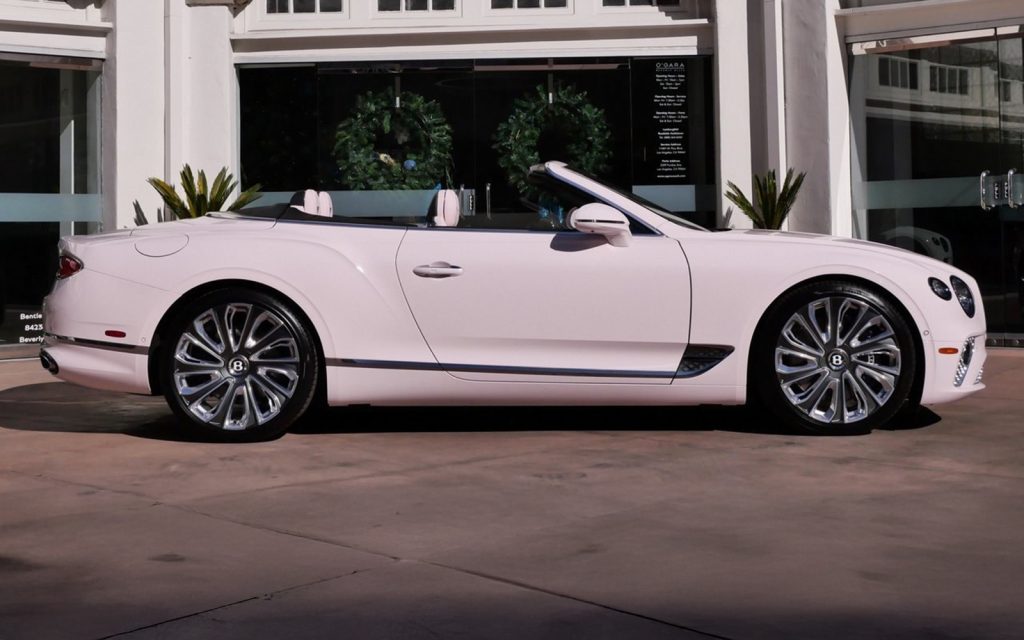
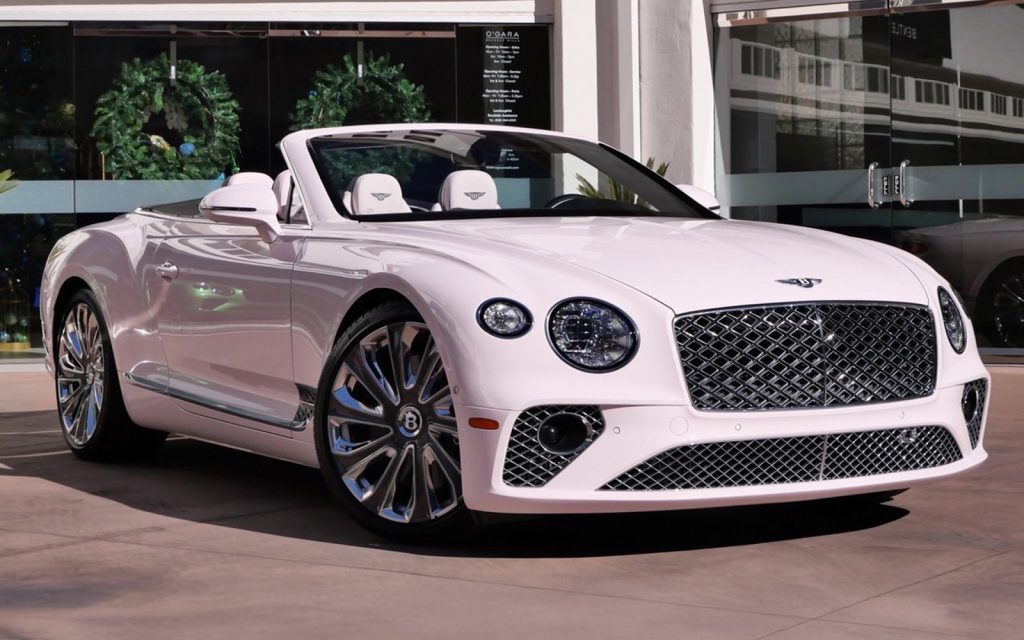
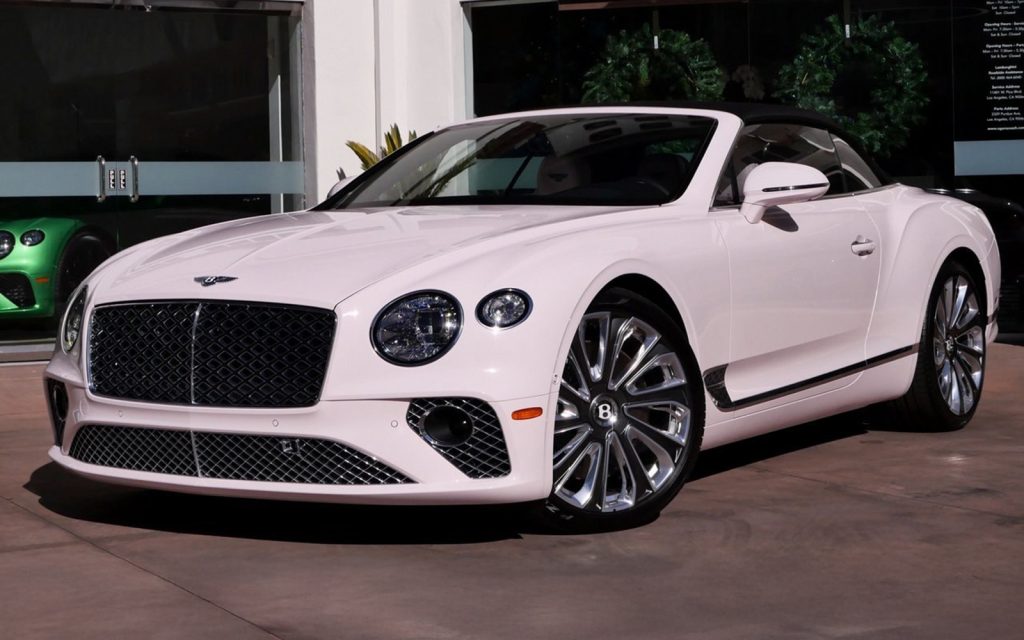
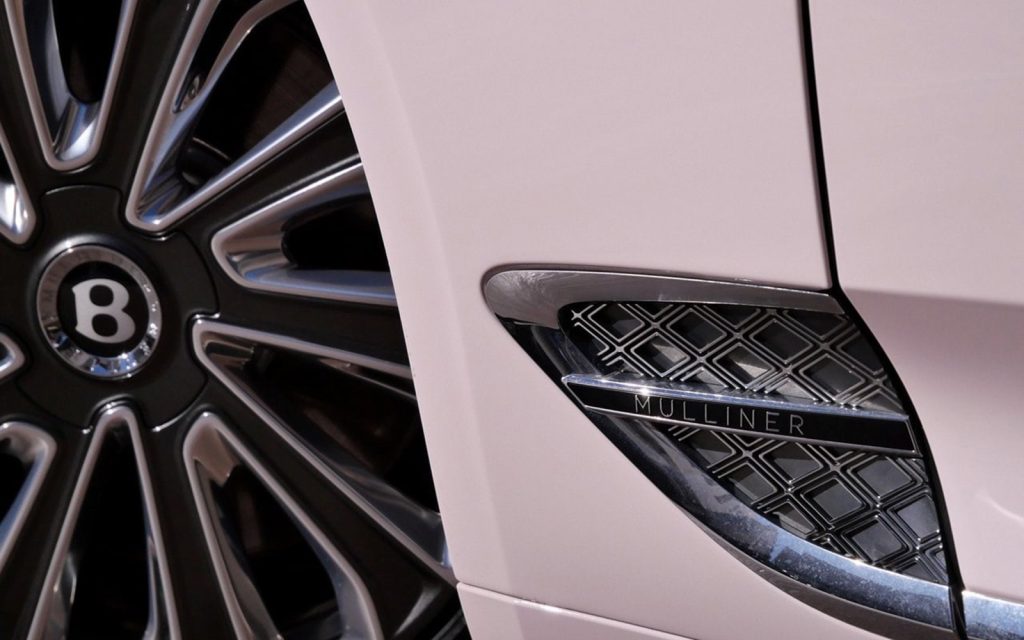
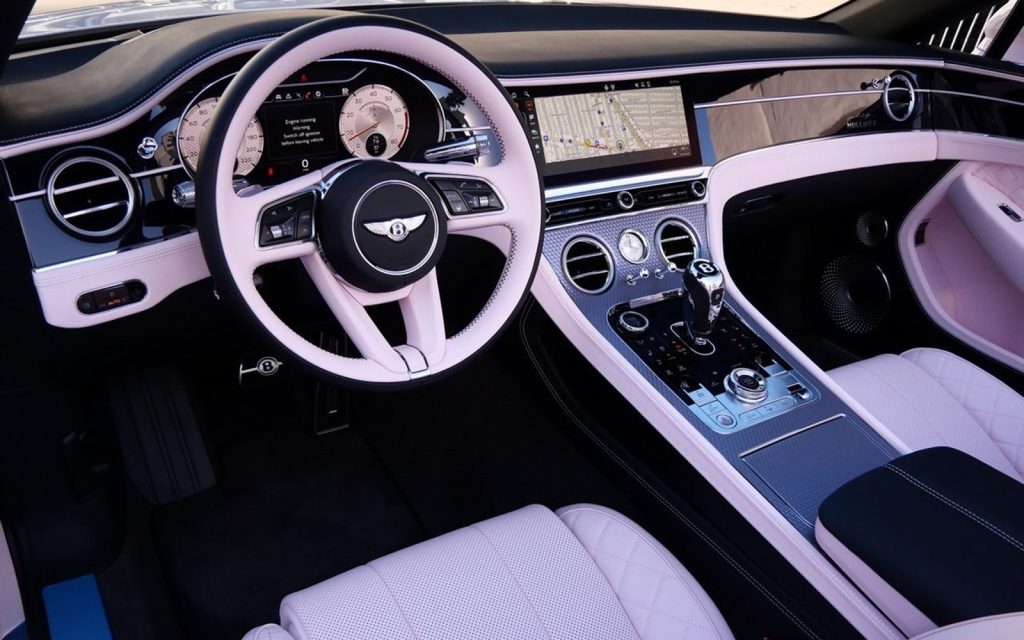
    There’s no doubt the Bentley Continental GTC you see here is polarizing. When the Bentley dealership in Beverly Hills commissions a special order car from Mulliner to celebrate the final W12 twin turbo delivery to the store, maybe it shouldn’t be so surprising that they’d go with something as bold as pink over pink.

    Not much is known about Pink Frost at this time, though it’s an incredibly light and almost white pastel pink, light pastel in the vein of Porsche Chalk or Audi Cumulus Blue… but pink.

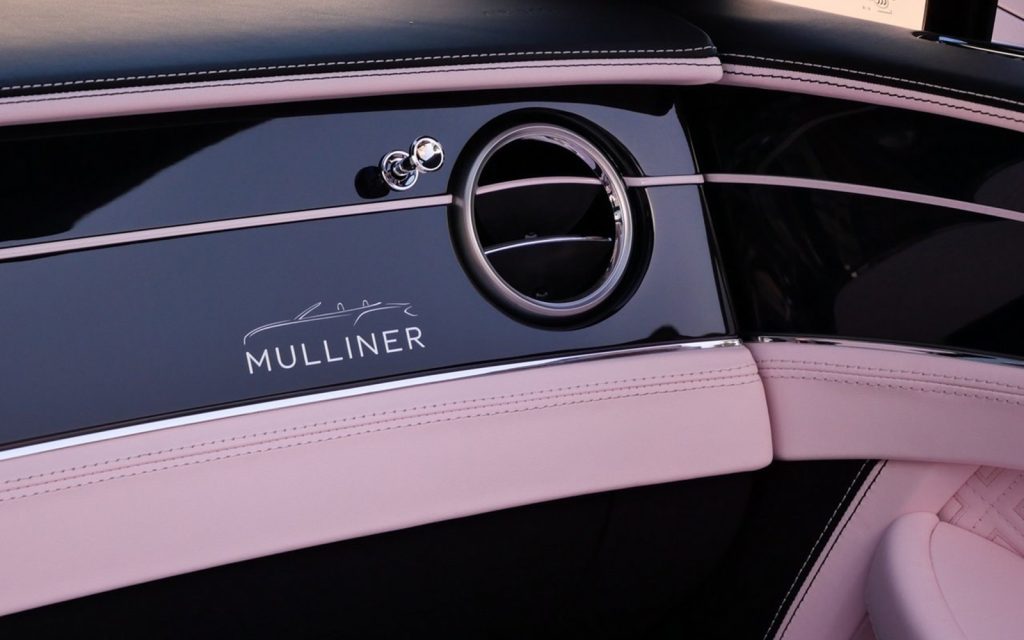
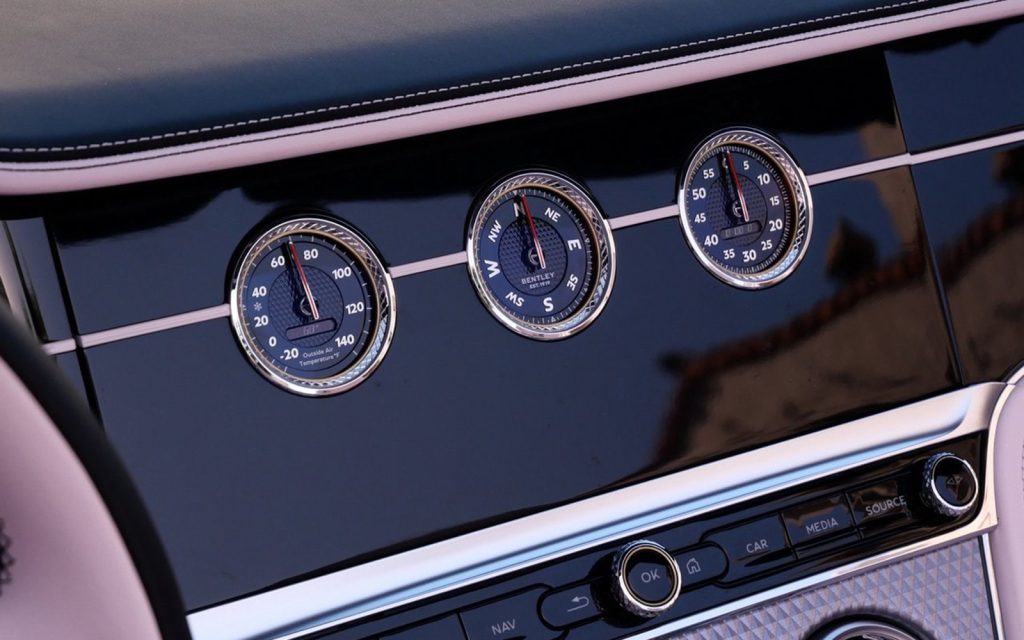
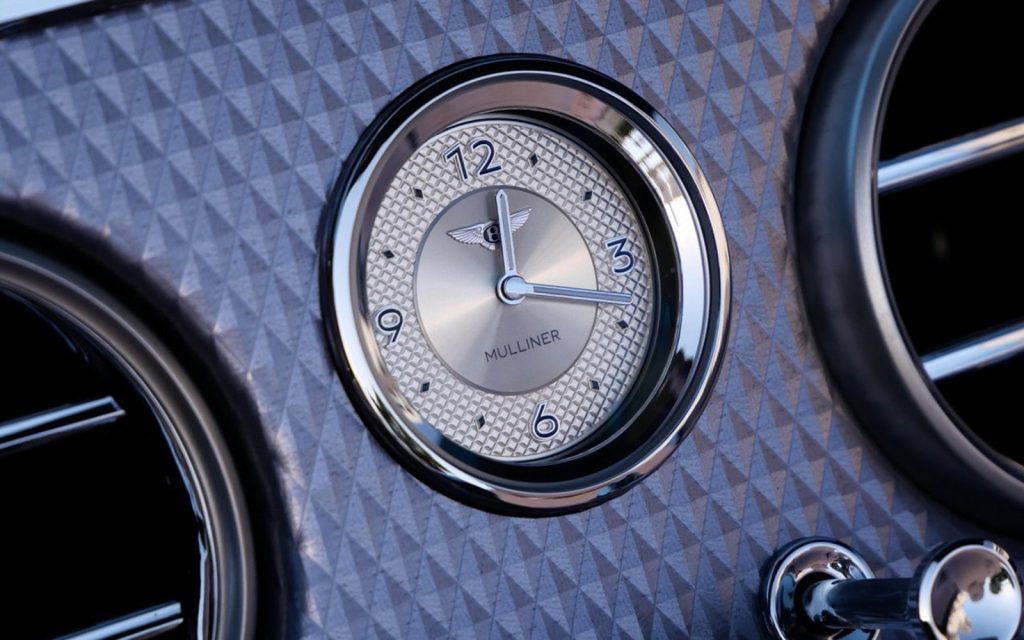
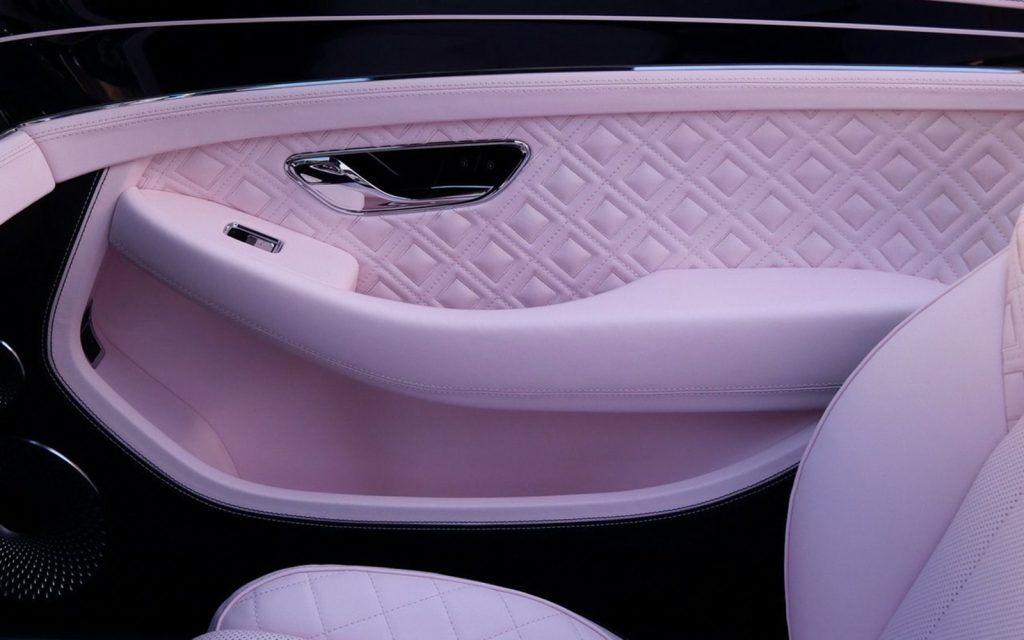
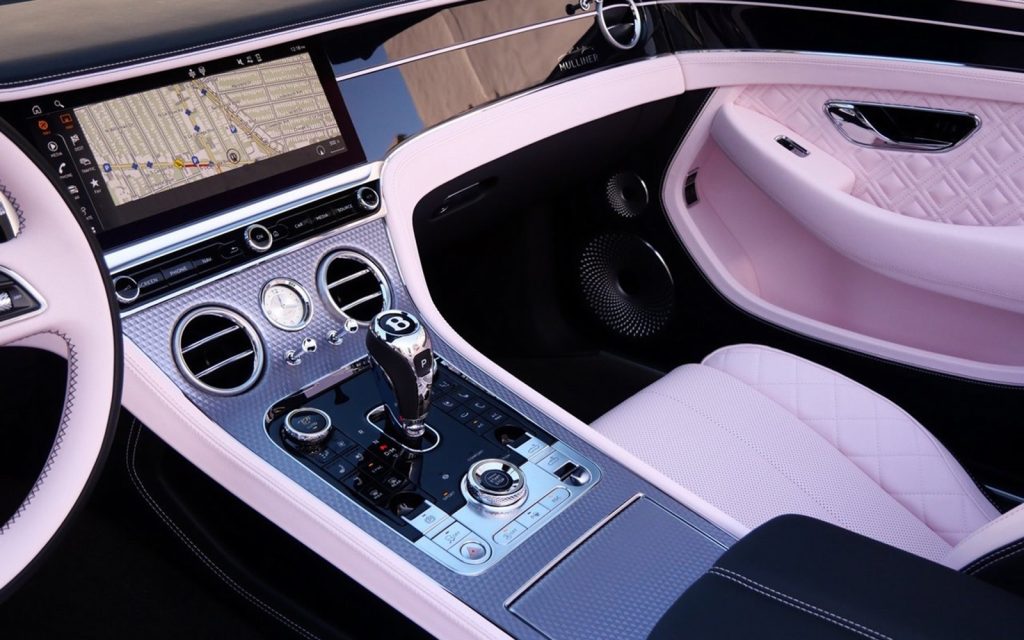
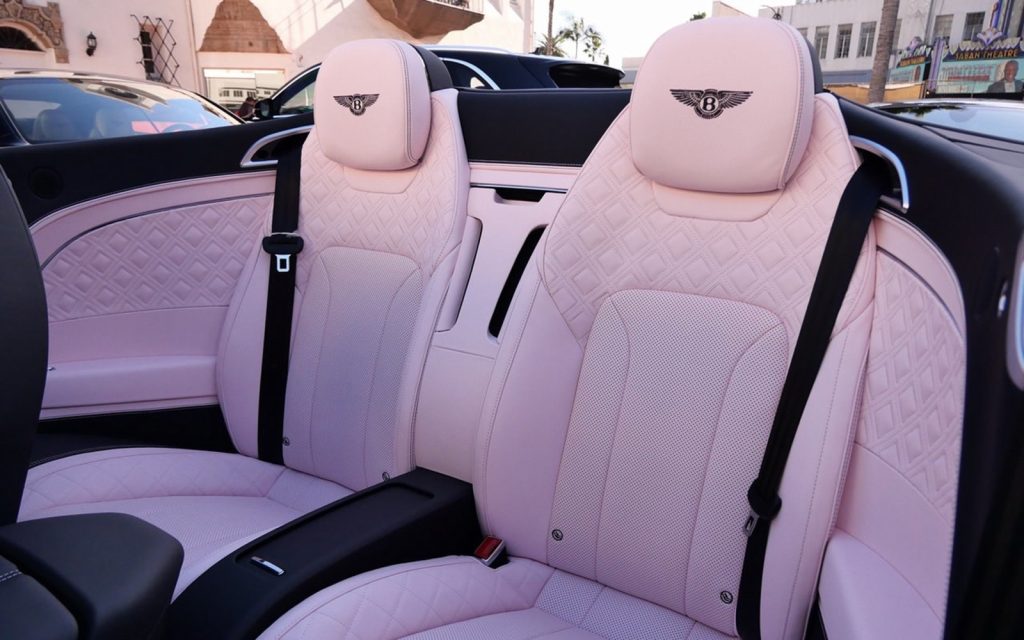
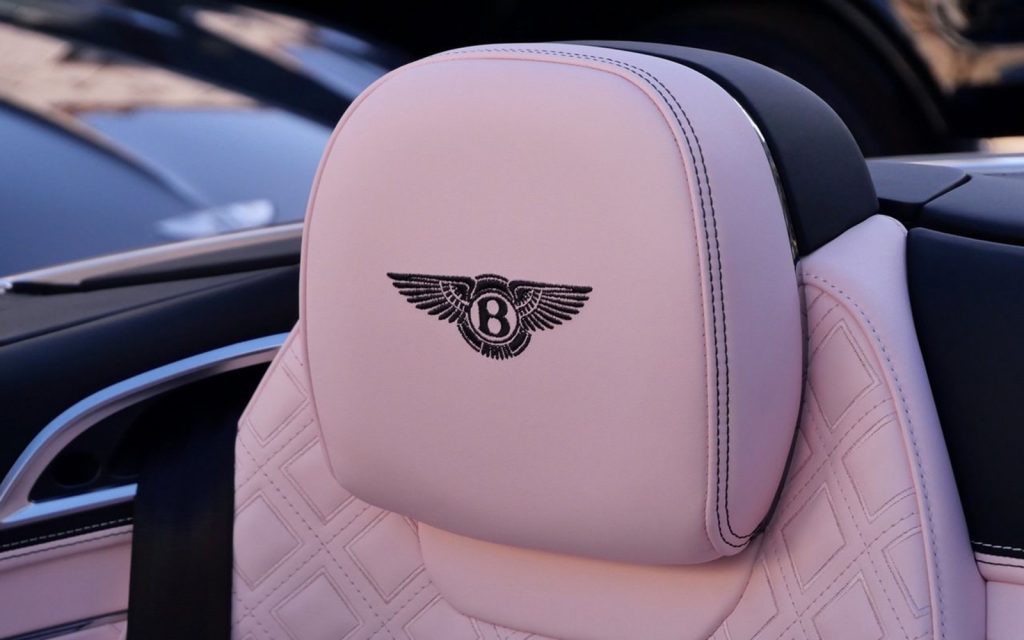
    We also don’t know much about the interior specification. The car’s listing states it as “Beluga”, though it’s definitely got Bentley’s Mulliner – Bespoke Interior Color Split on the build list and we’re guessing that may have been to mirror the Pink Frost exterior color.

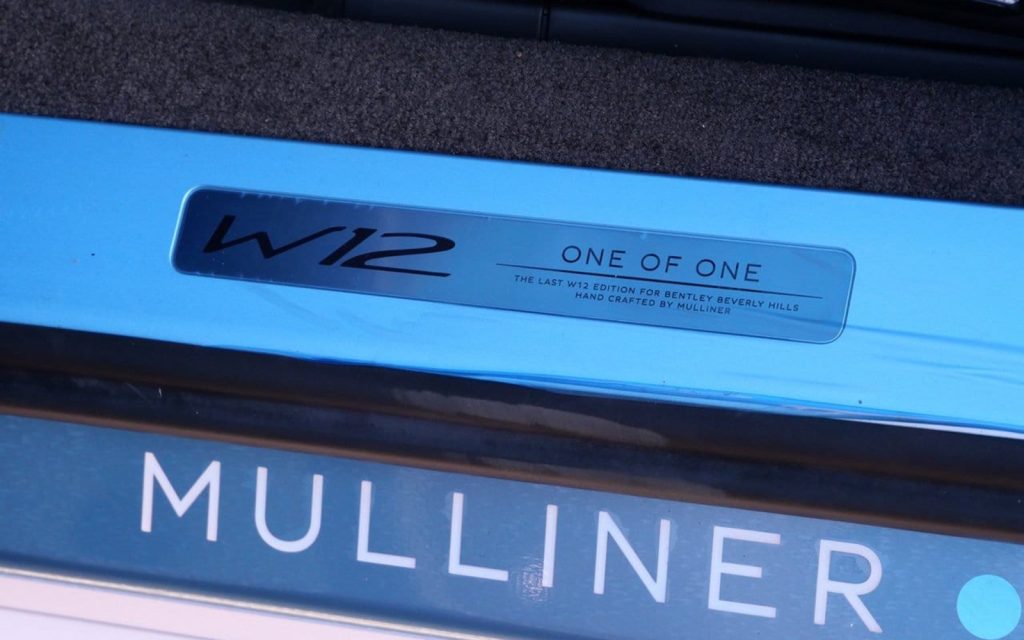
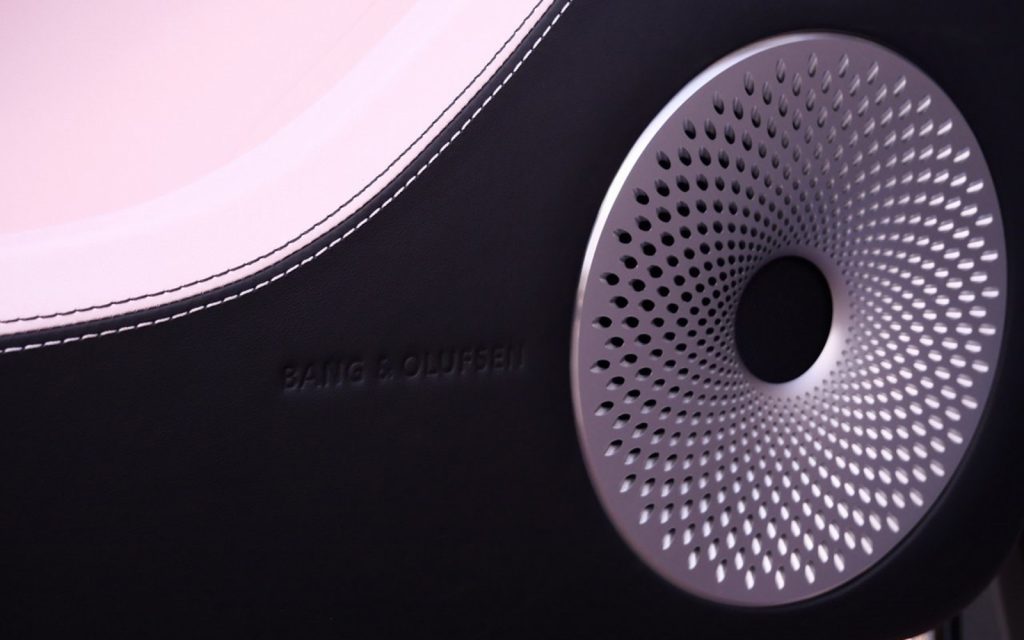
    Whatever, the car is a one of one build by Mulliner for Bentley Beverly Hills, with other options including Mulliner – Personal Paint – Solid & Metallic, Mulliner – Bespoke Interior Colour Split, Bang & Olufsen for Bentley, Mulliner PCG – Pinstripe Fascia/Door WR, Mood Lighting with Personalised TP, Mulliner PCG – Bespoke Treadplate Plaques, Mulliner PCG – Mulliner Overmats (Front) and Mulliner – Quilted Tonneau Cover.

    There’s no doubt this is a fascinating build, and a significant one named explicitly on the sill plate. For the right buyer seeking this sort of car, it is spectacular. For many others, it will no doubt cause discussion.