Category: Restoration

  • Lamborghini Polo Storico Celebrates Ten Year Anniversary

    Lamborghini Polo Storico Celebrates Ten Year Anniversary

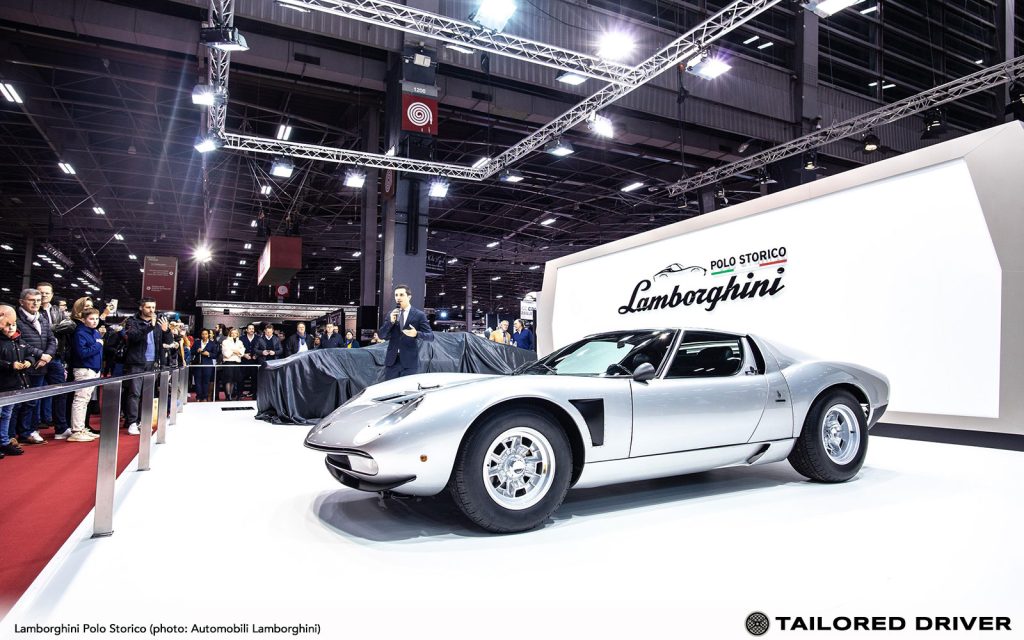
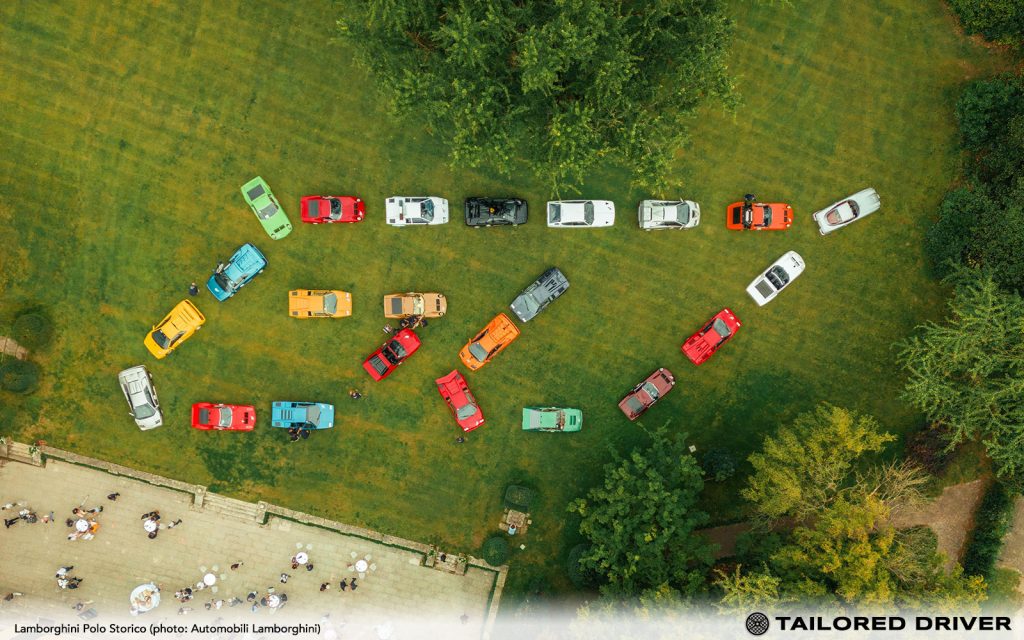
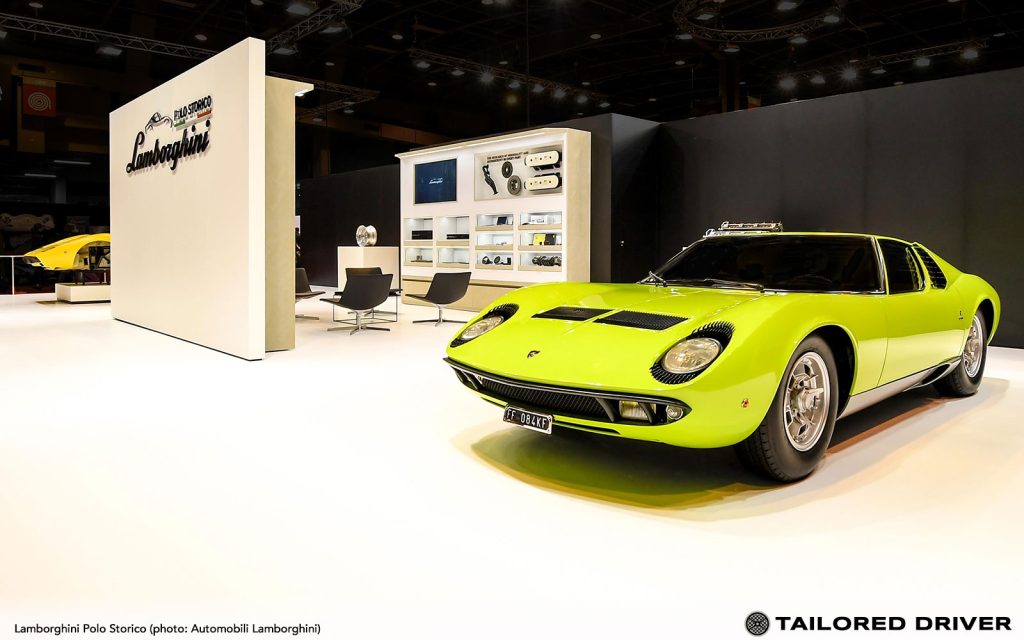
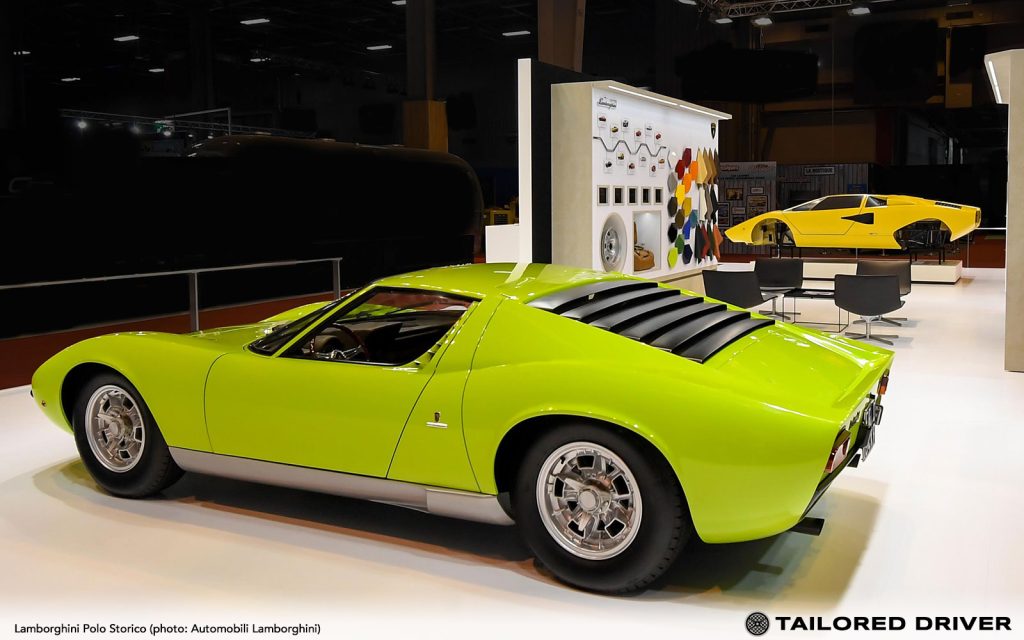
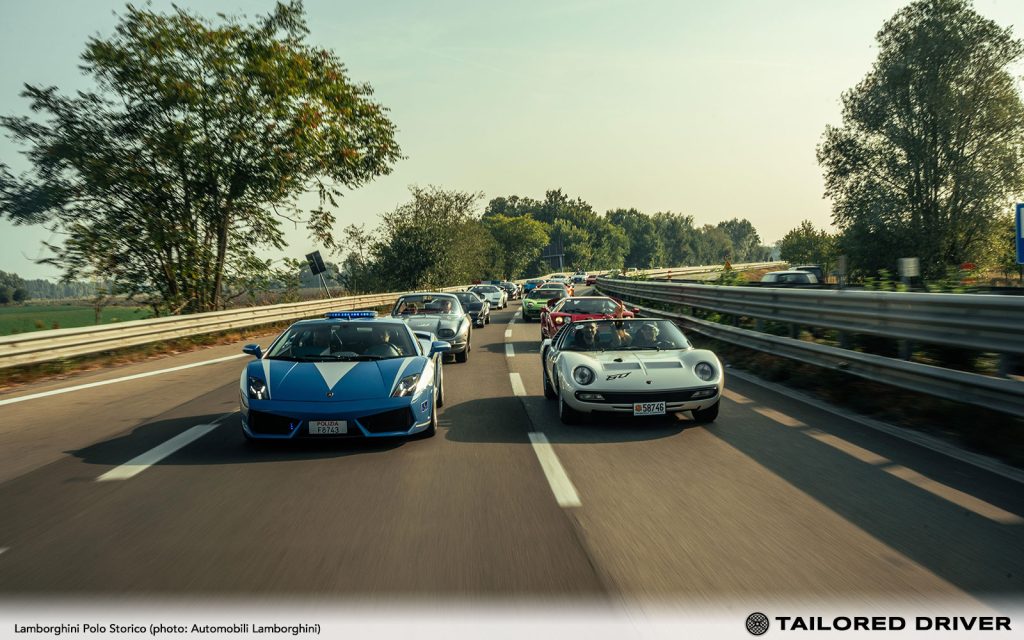
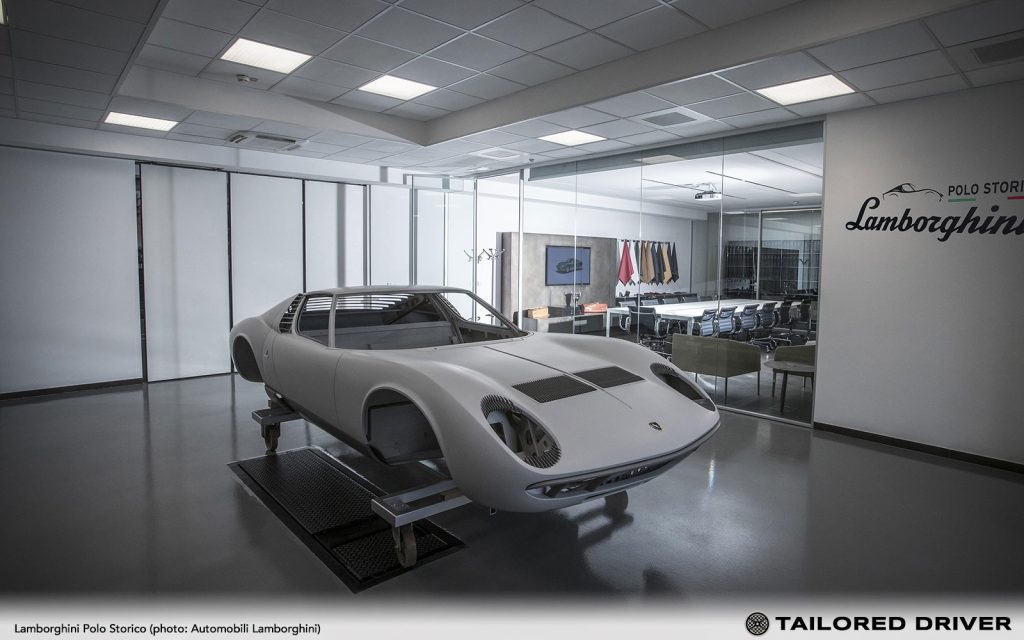
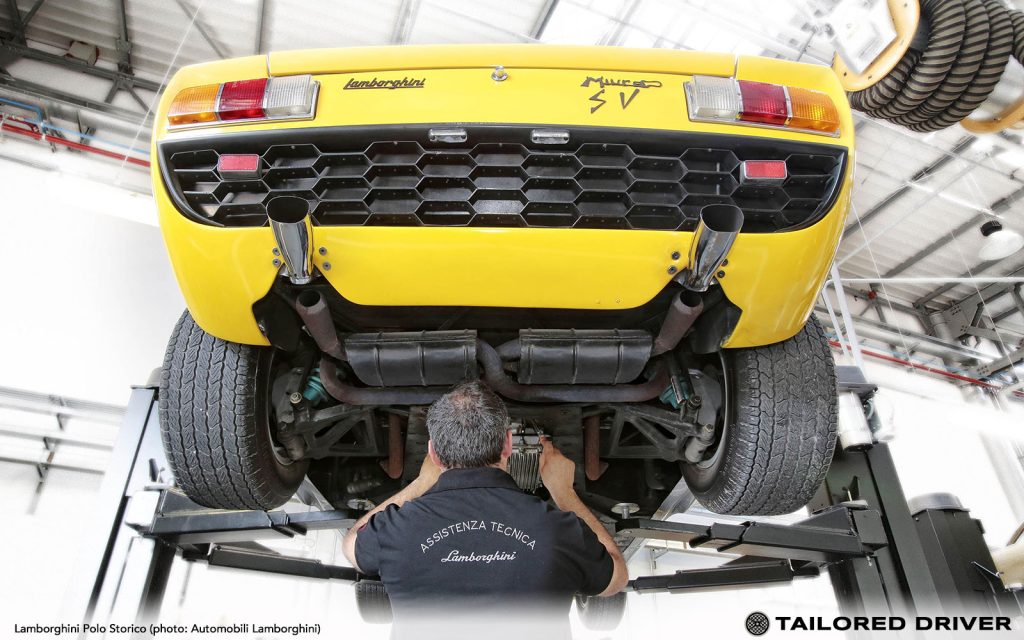
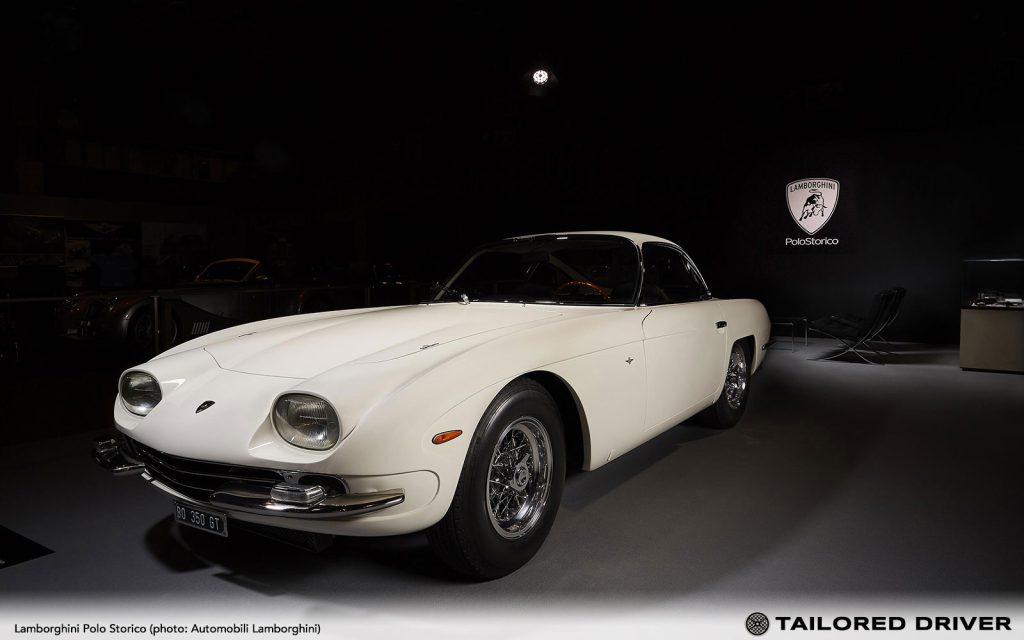
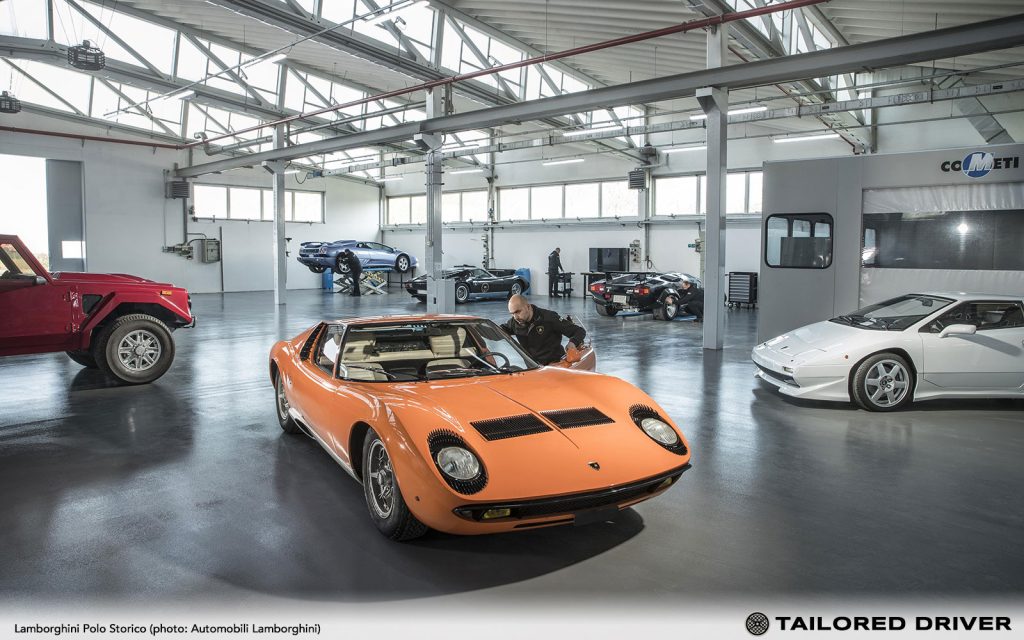
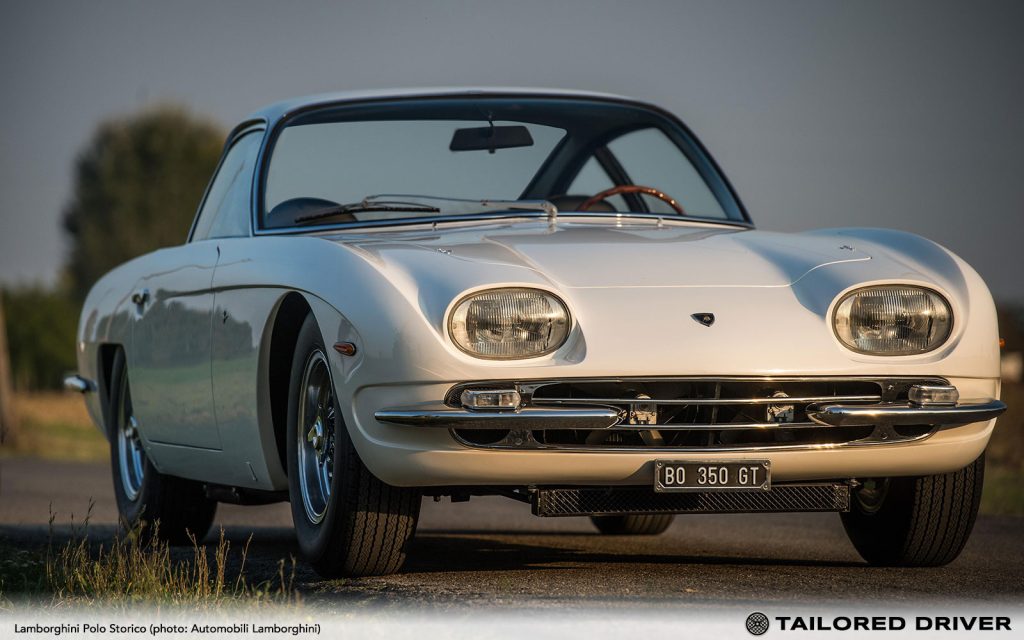
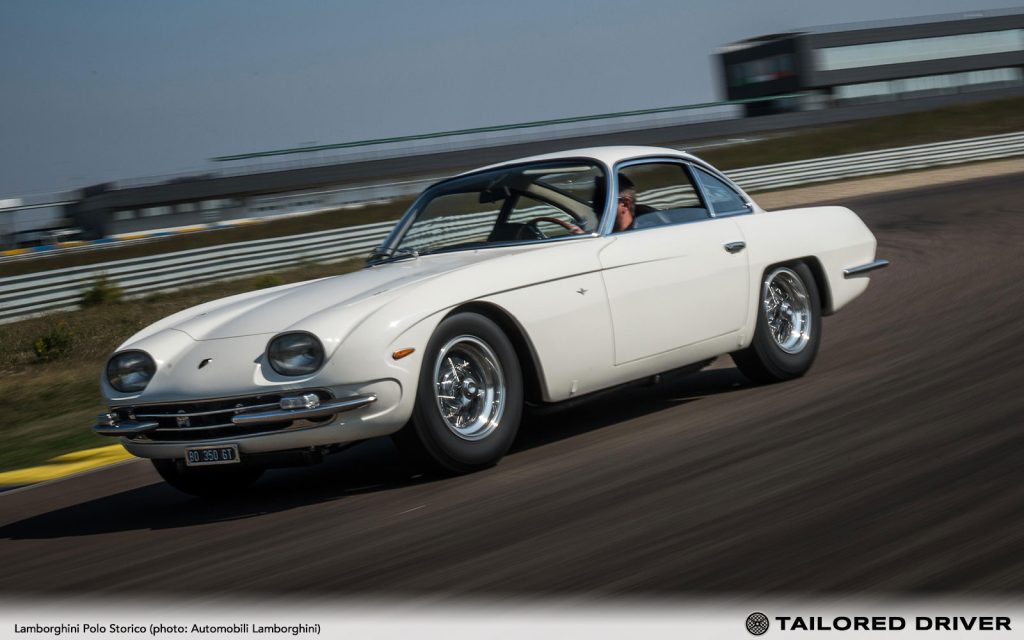
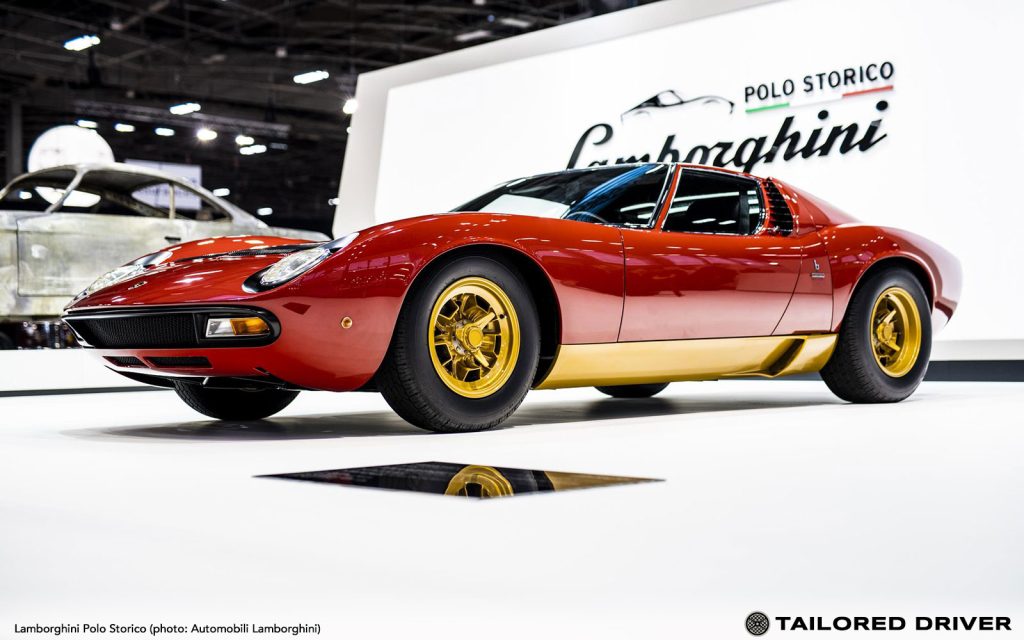
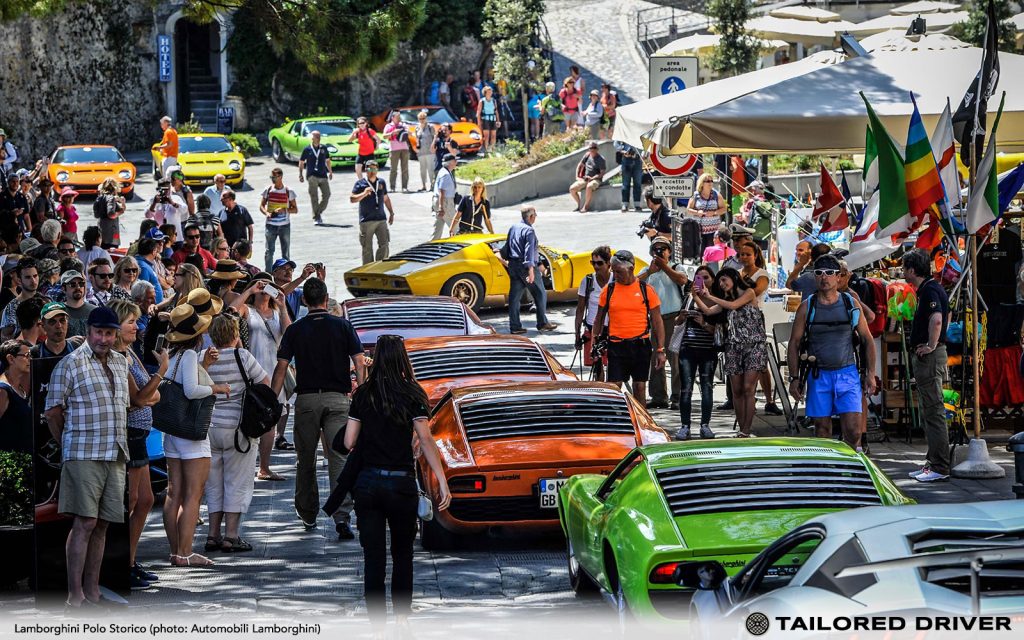
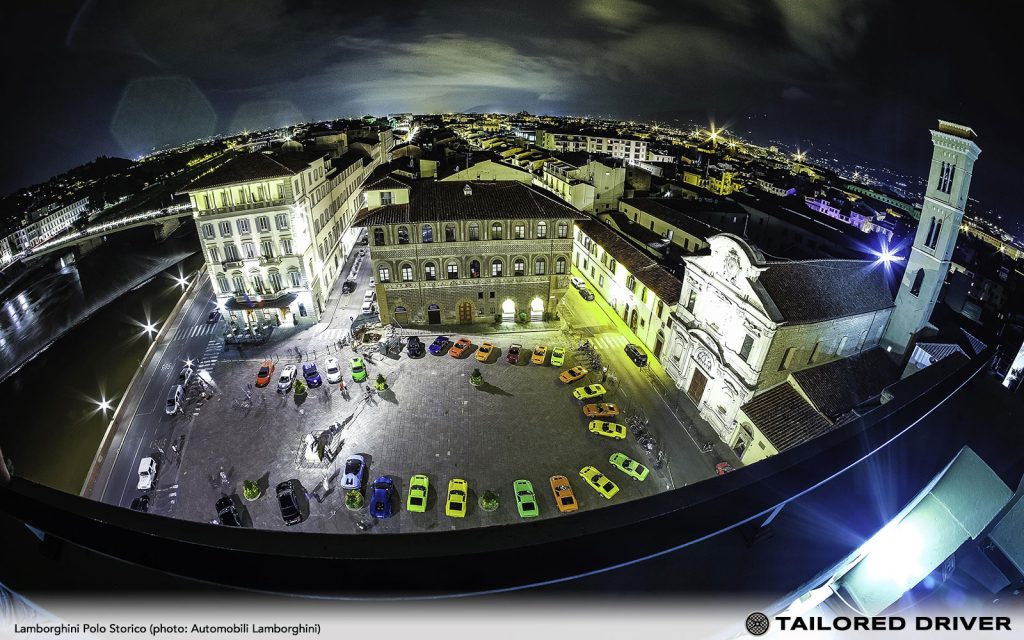
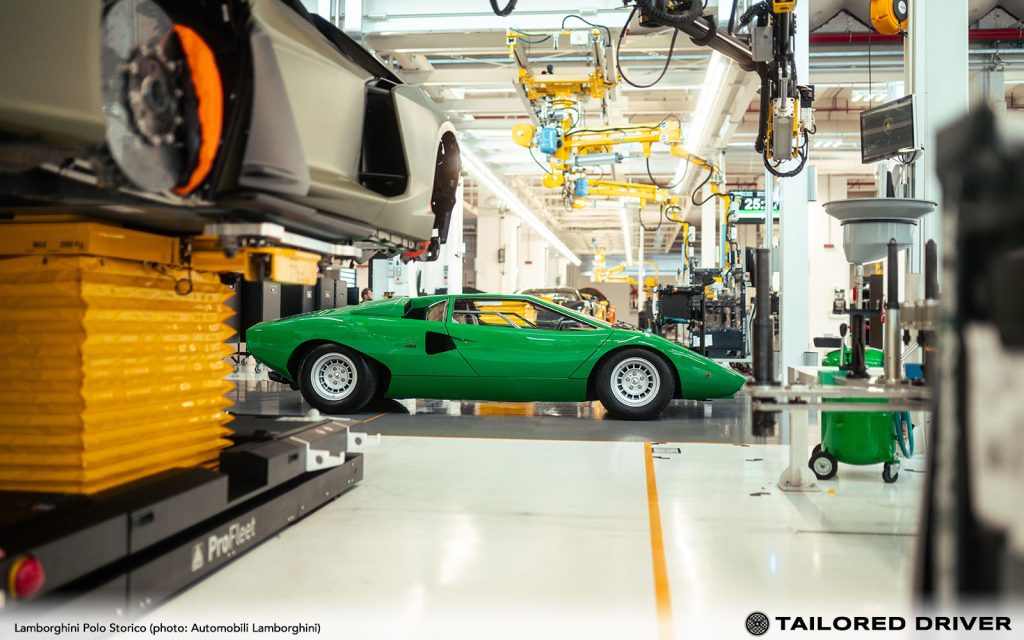
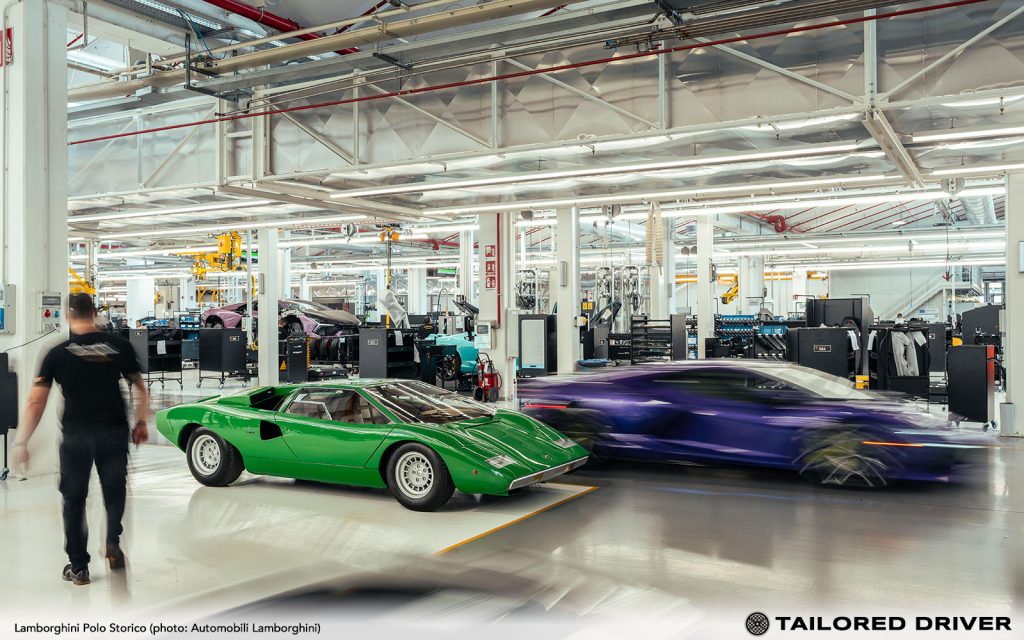
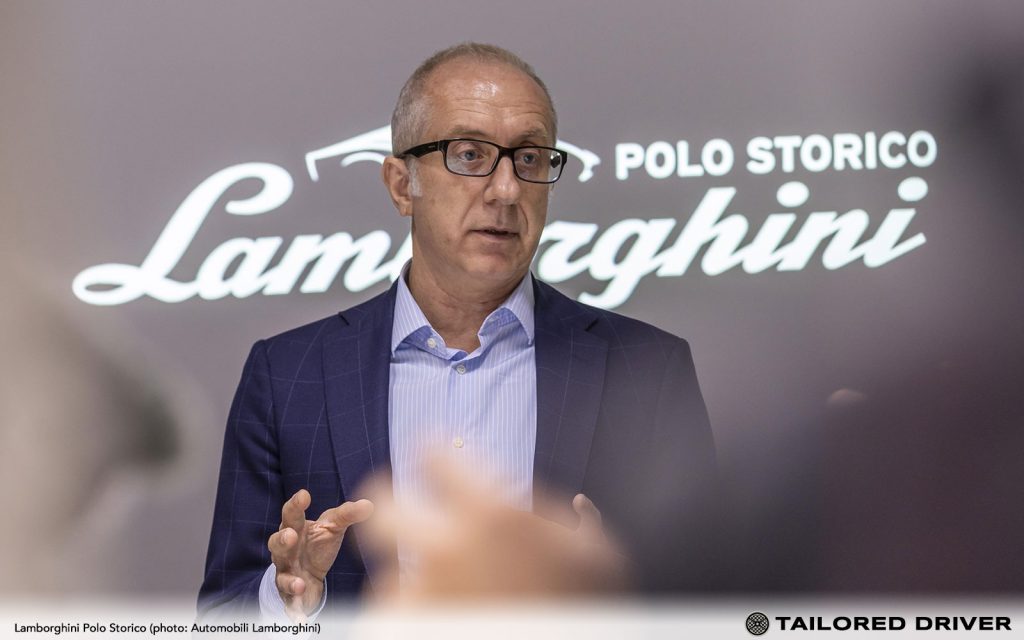
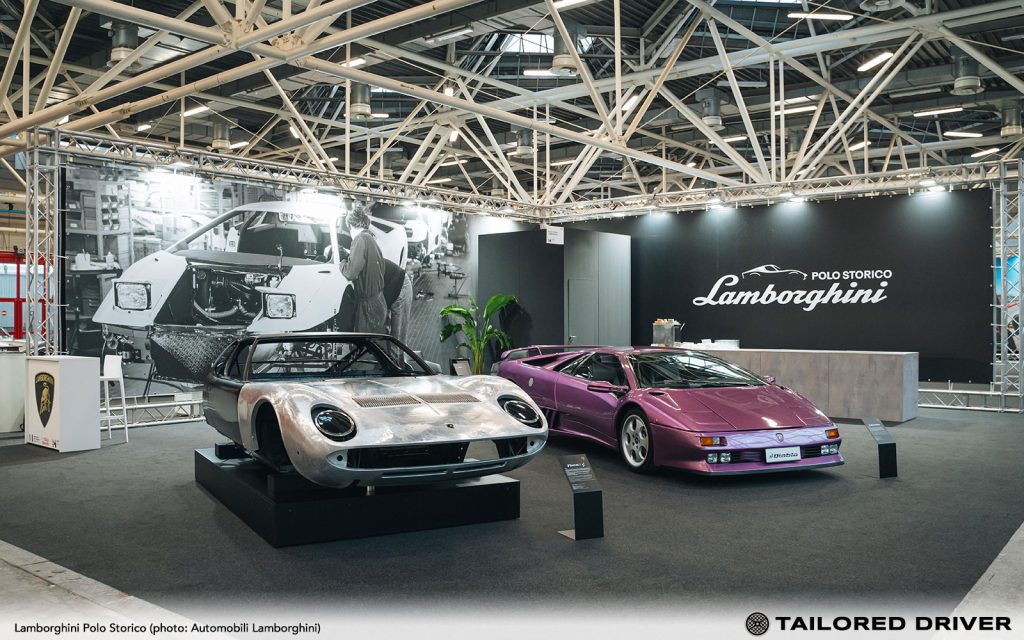
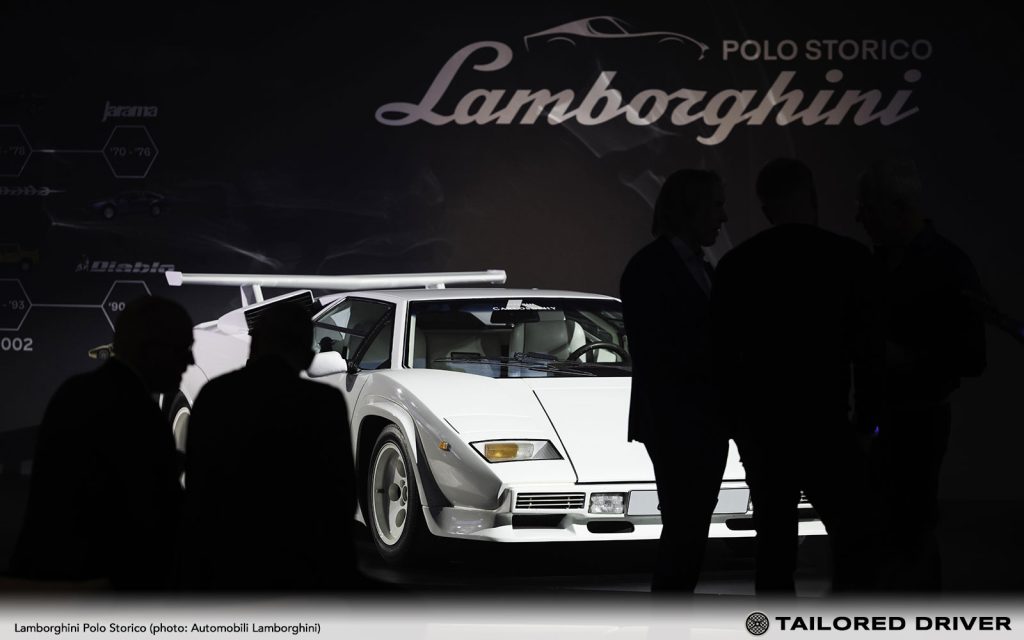
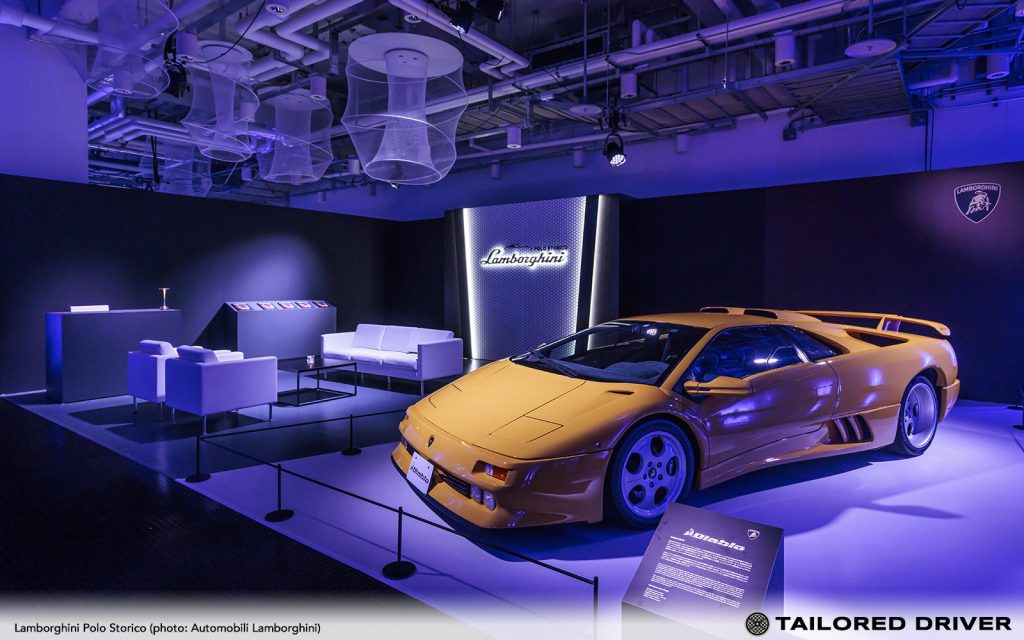
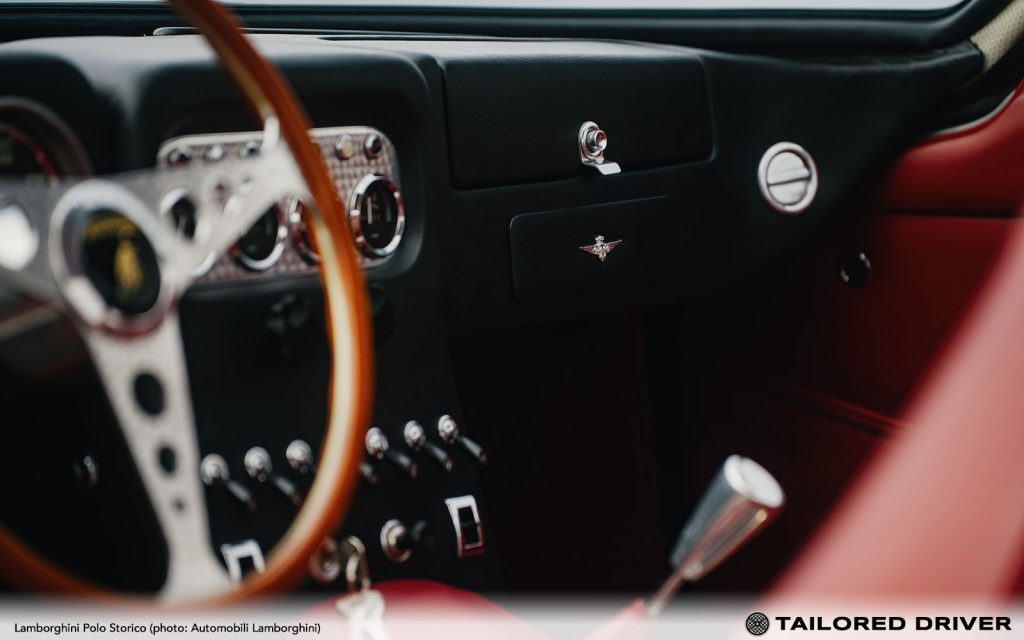
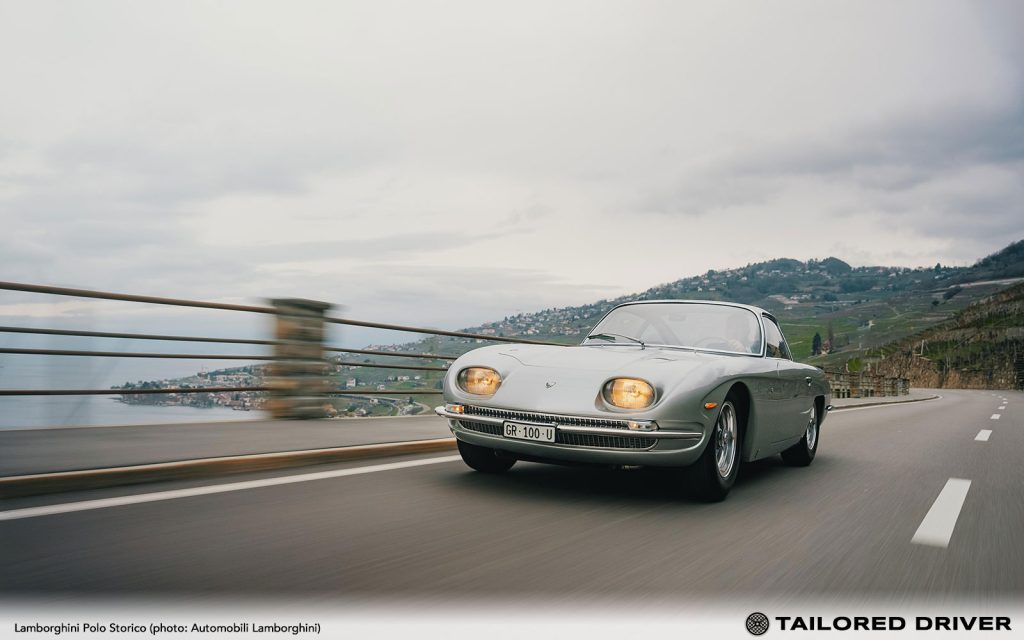
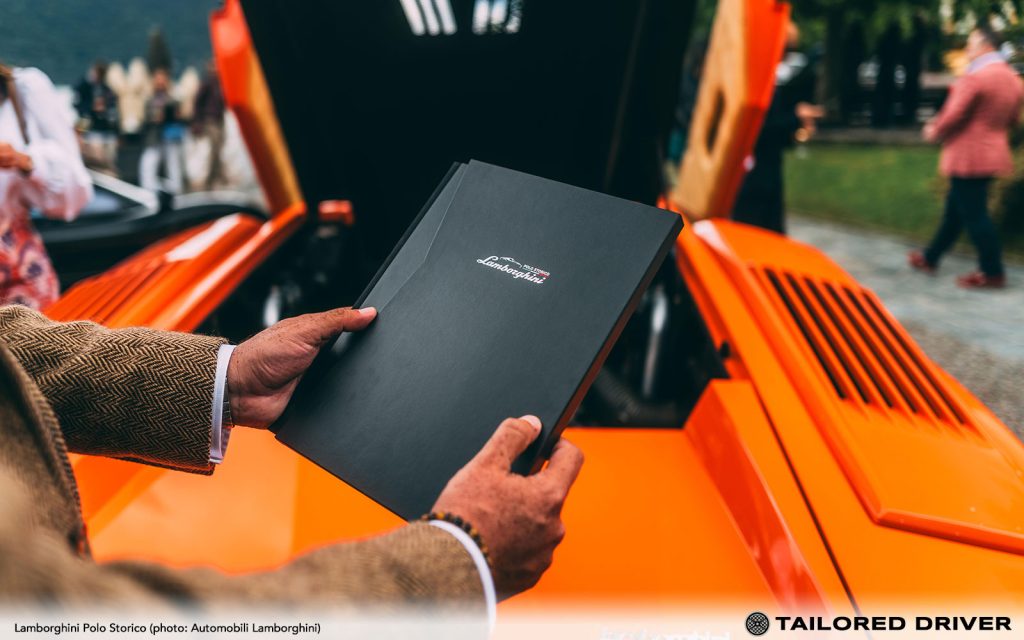
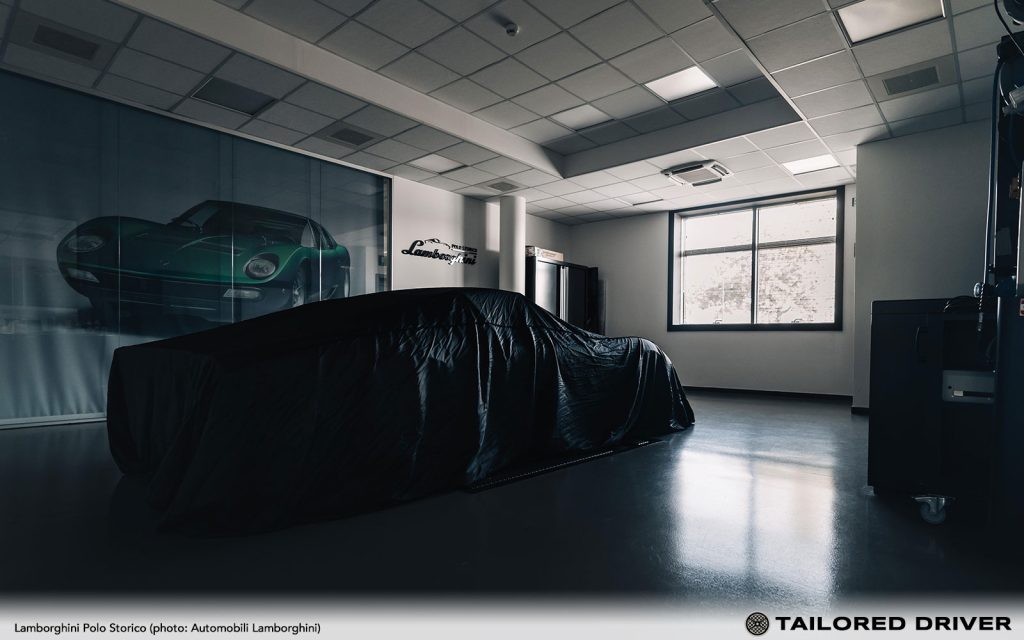
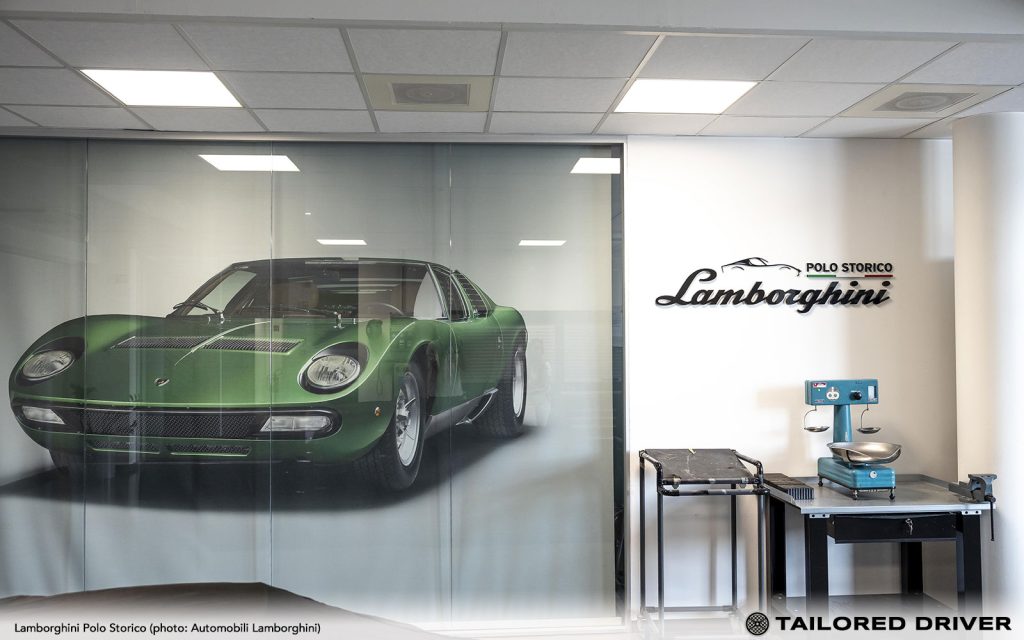
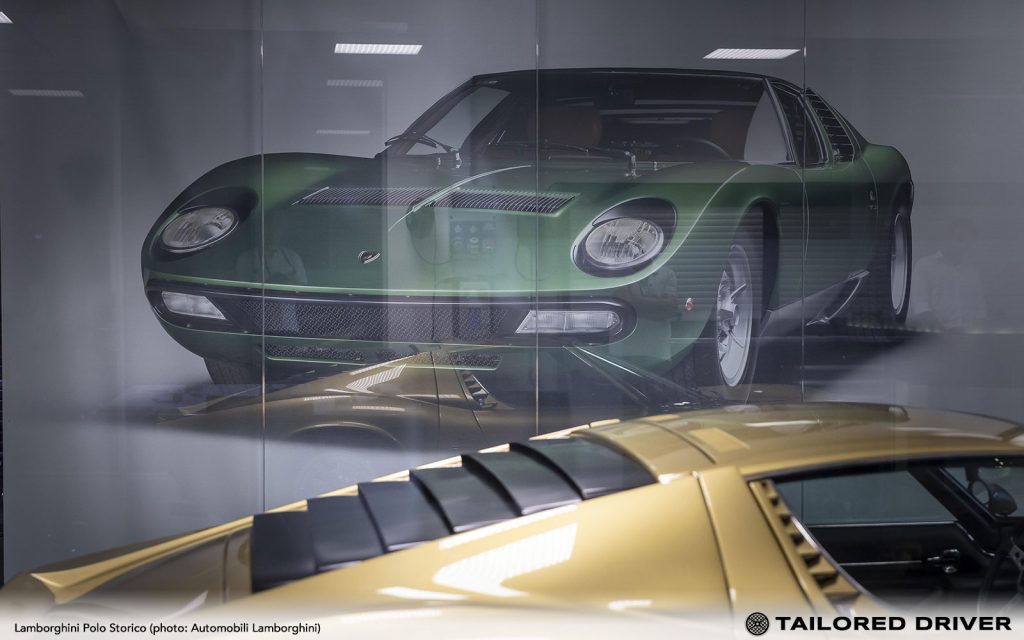
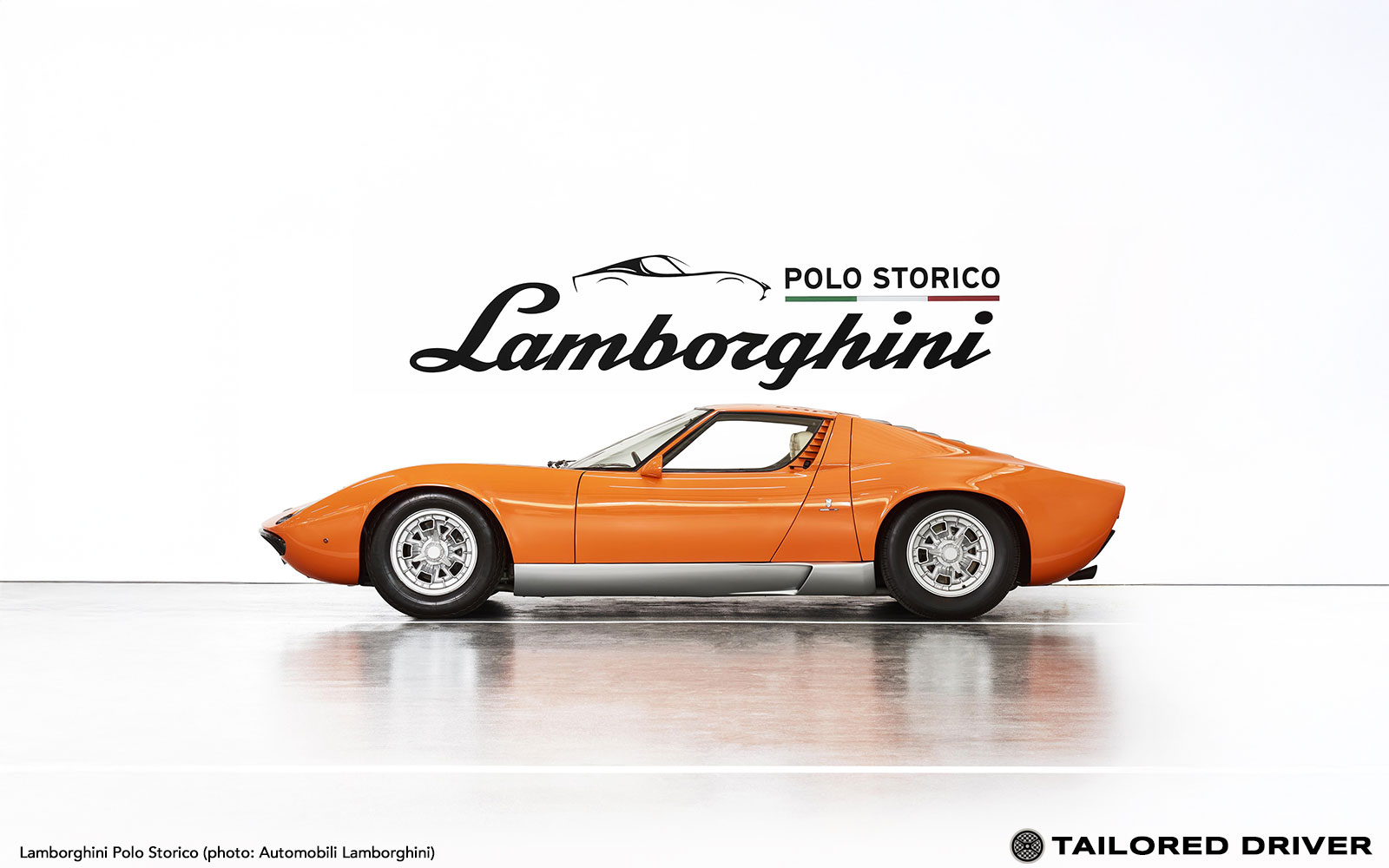
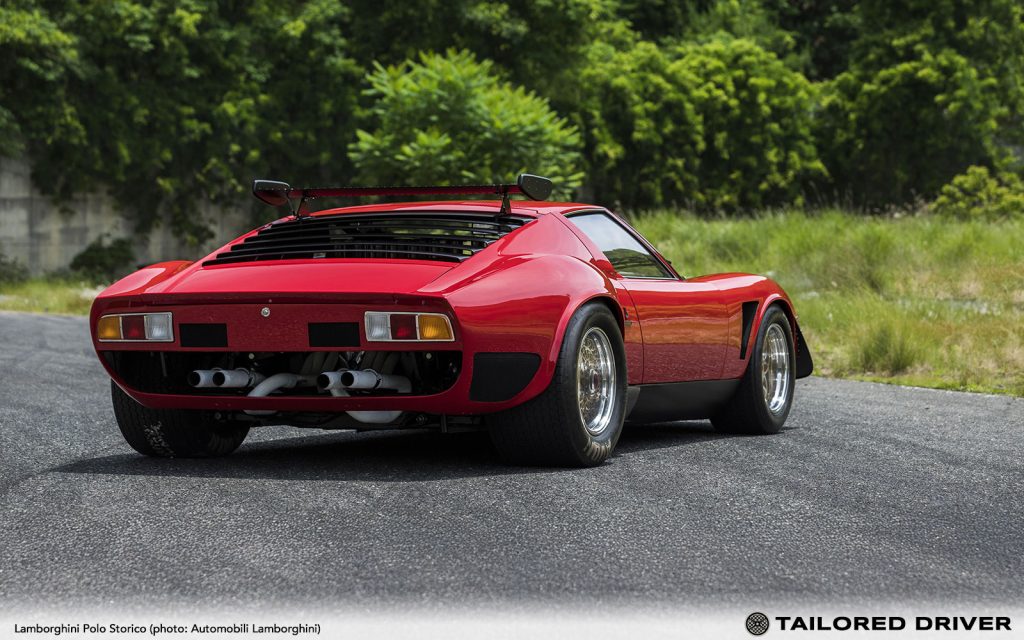
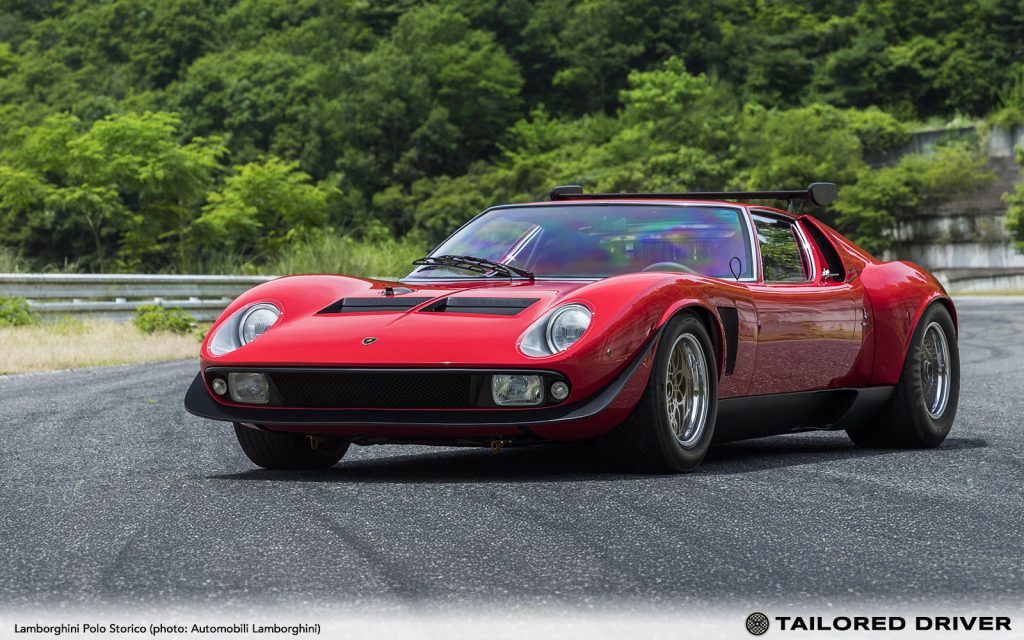
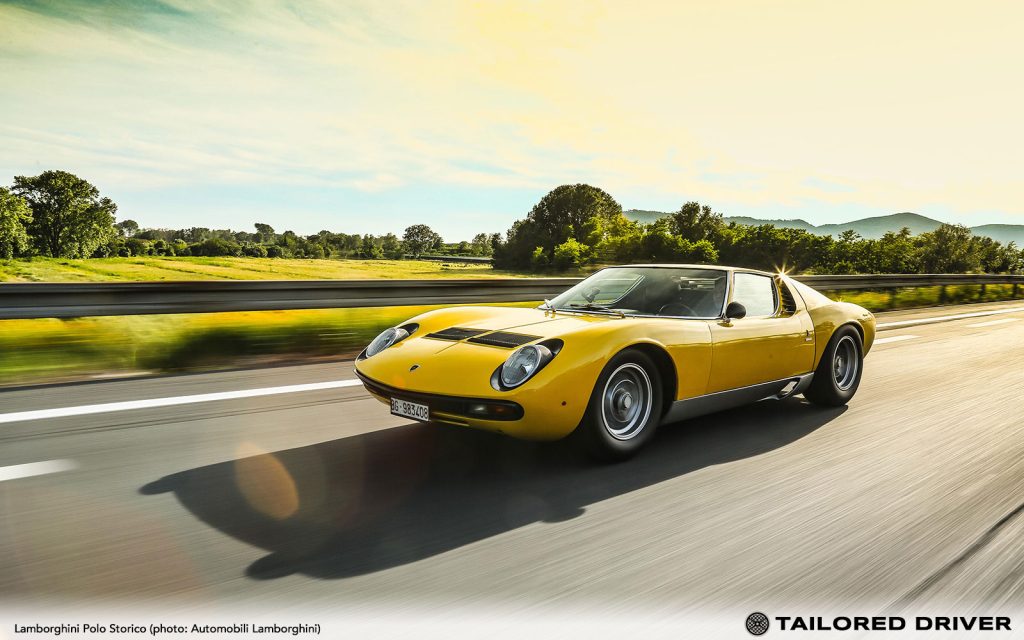
    Sant’Agata Bolognese, Italy – Automobili Lamborghini celebrates the tenth anniversary of Lamborghini Polo Storico, the department established in 2015 with the aim of preserving and enhancing the brand’s priceless historical heritage and cars. Preserving the company archives and ensuring the proper conservation of Lamborghini’s historic models, Polo Storico is responsible for vehicle restoration and certification, actively contributing to the long-term preservation of these cars. During its ten years of activity, the department has completed various significant projects, growing steadily and becoming an international benchmark for collectors and enthusiasts alike. Polo Storico oversees Lamborghini historic cars from the 350 GT to the latest versions of the Diablo, playing a crucial role as an authoritative source in defining the company’s historical identity. Like the rest of the company, Lamborghini Polo Storico also looks to the future, preserving past icons while preparing to welcome the models that will one day join its ranks. On the tenth anniversary of Polo Storico, Automobili Lamborghini is celebrating the department’s history and its most important projects and has organized a program of events around the world with customers, the media and enthusiasts.

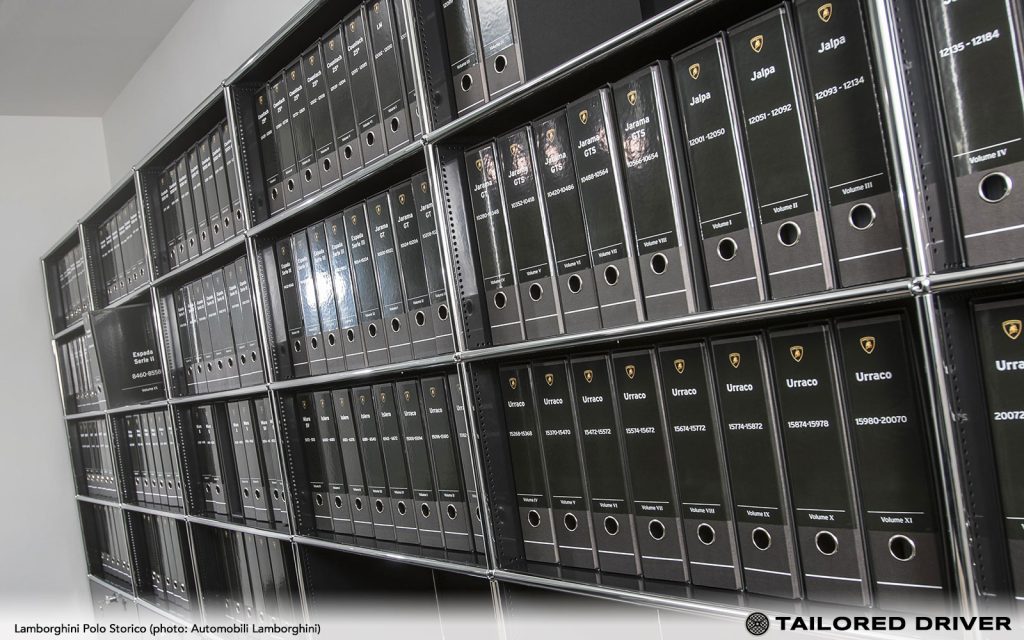
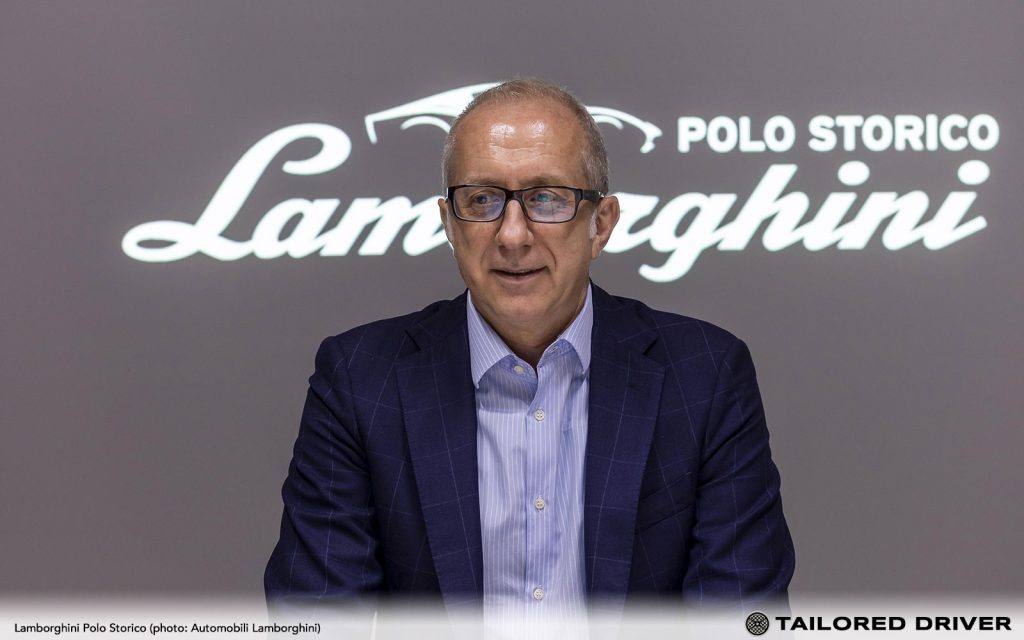
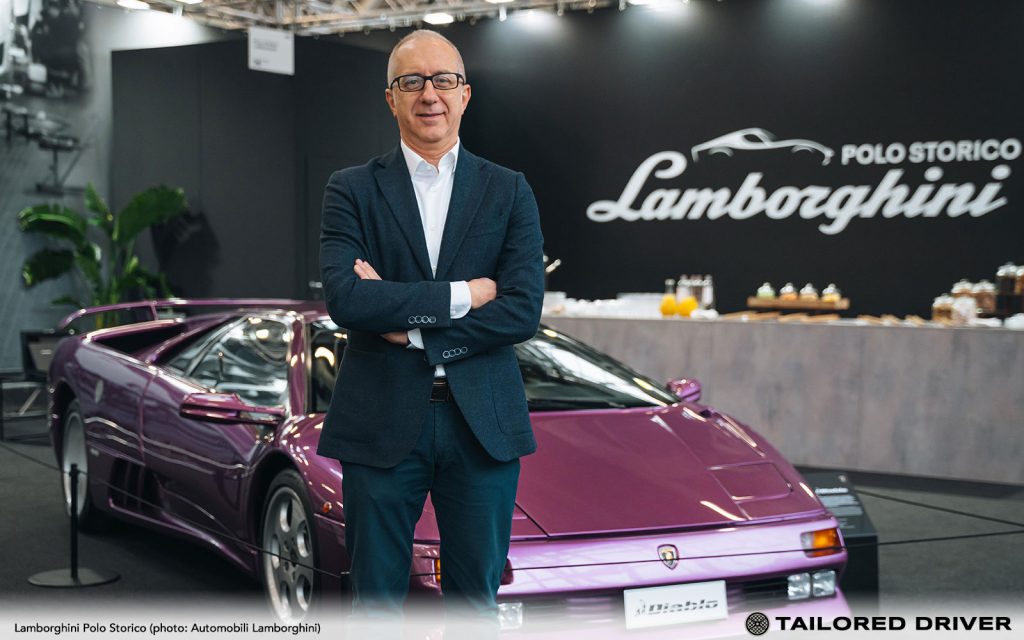
    “For us, Lamborghini Polo Storico represents a cornerstone of the company’s commitment to the world of heritage and tradition,” commented Stephan Winkelmann, Chairman and CEO of Automobili Lamborghini. “Polo Storico is vital not only to the research carried out and the enrichment of our company archives, with the digitalization of over 30,000 historical documents, but also for its genuine commitment to the restoration and certification of the brand’s historic cars. With more than 40 restorations completed — each of which required thousands of hours of work — and over 200 certifications issued, Polo Storico plays a vital role in the preservation and enhancement of our automotive heritage.”
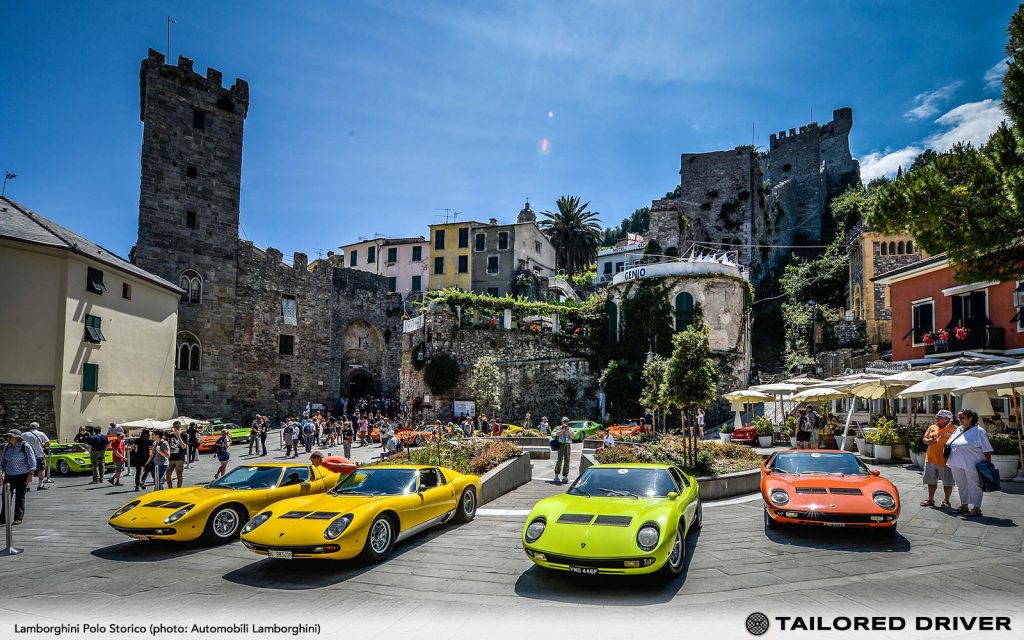
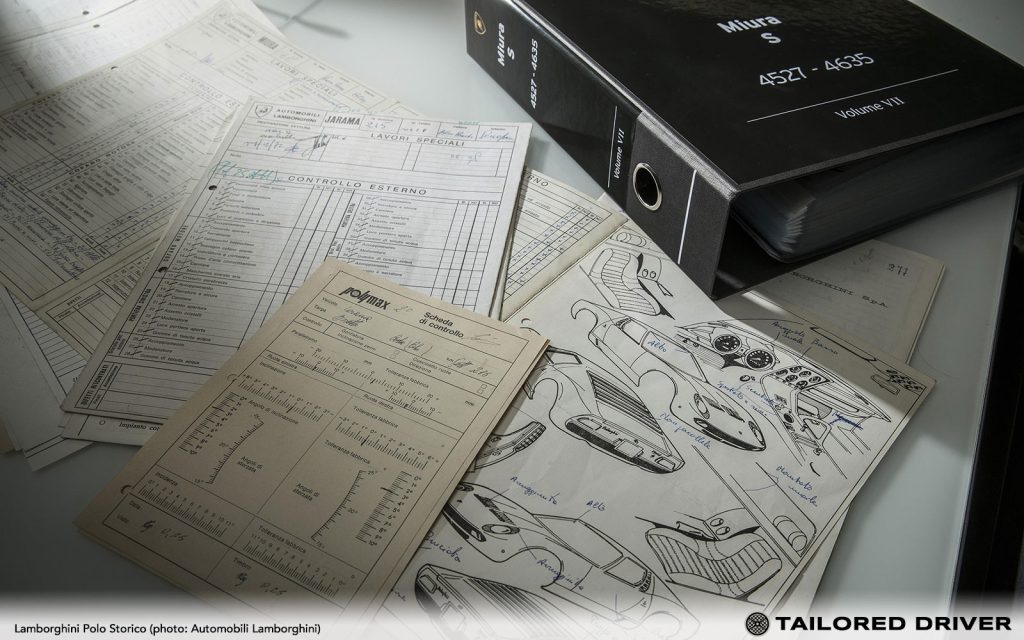
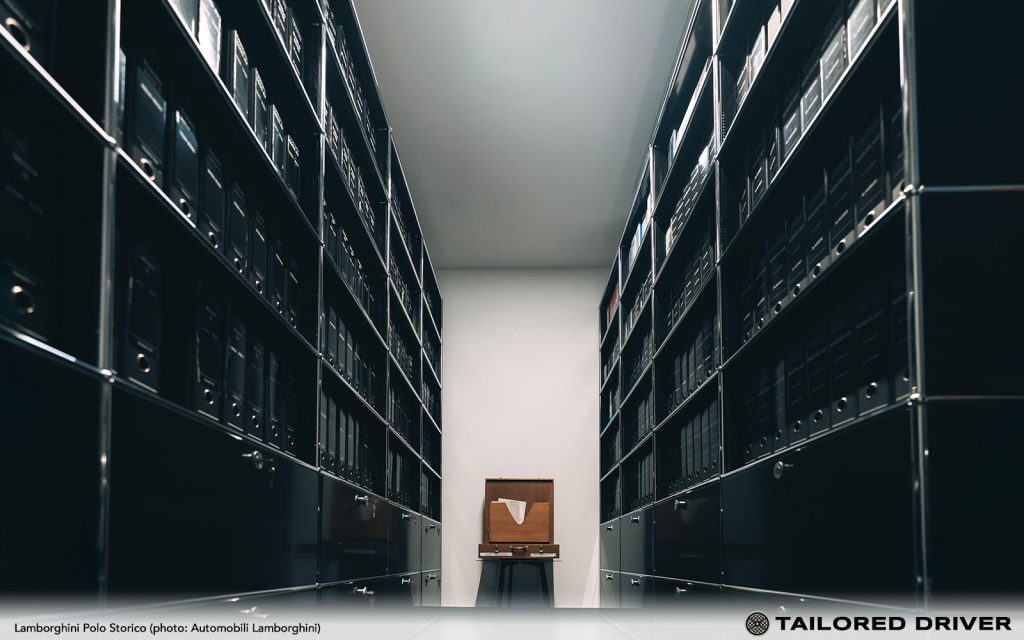
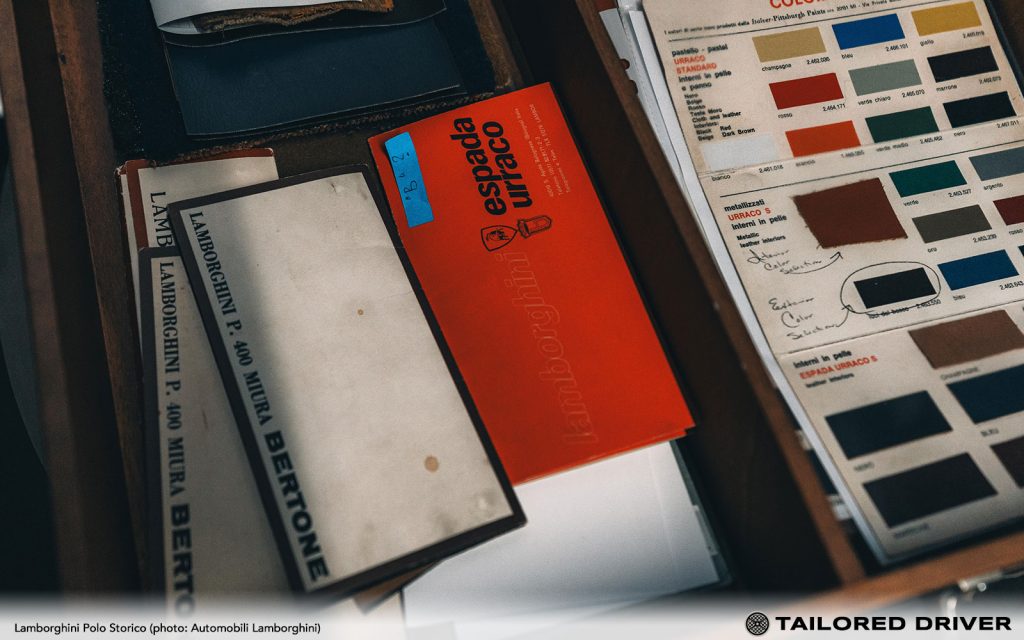
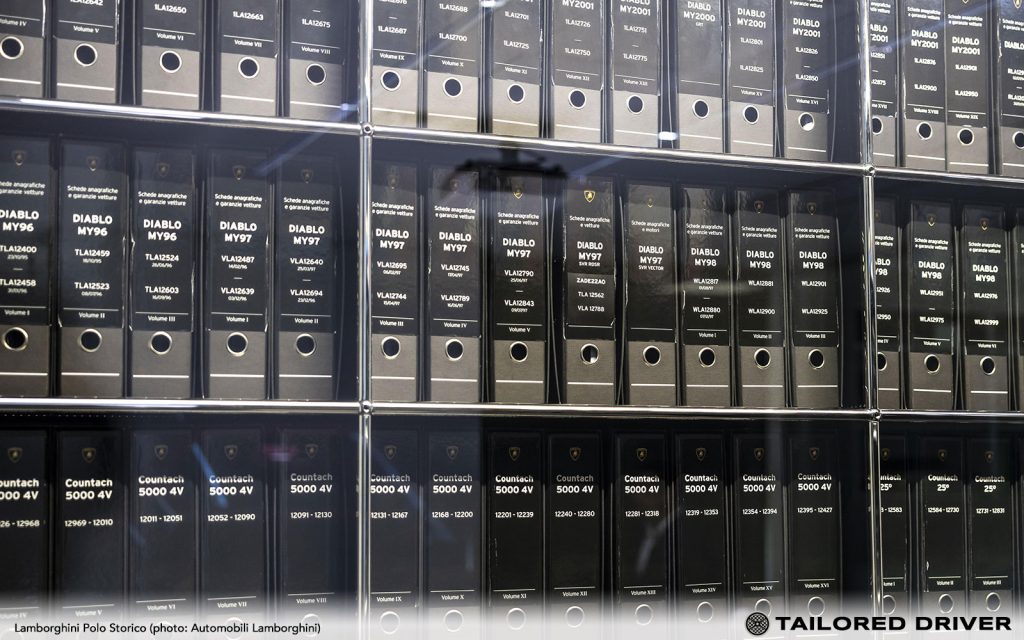
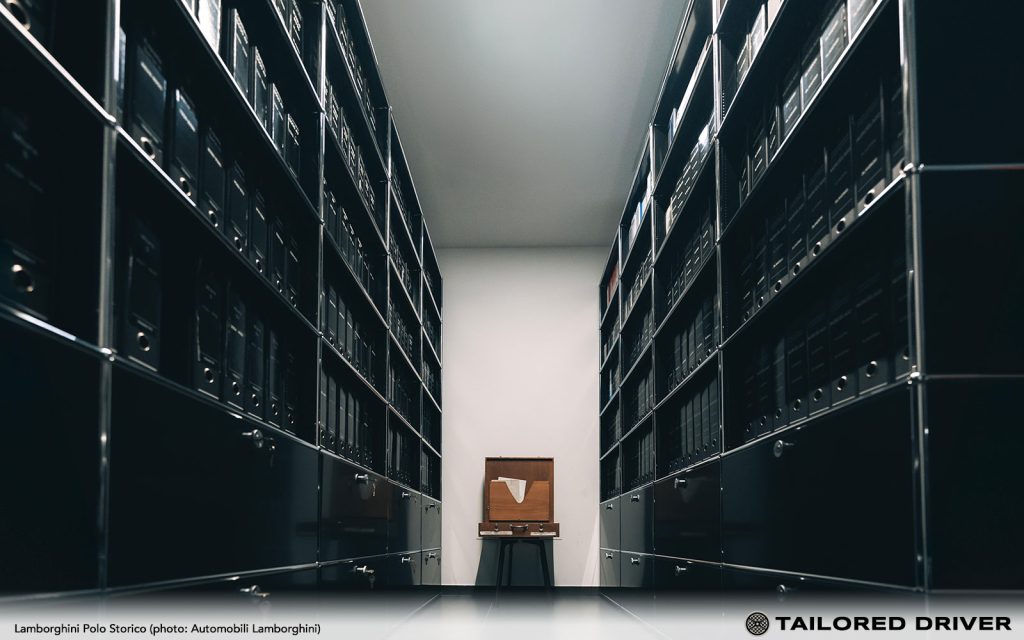
    Polo Storico, inaugurated on 16 April 2015, started its activities with the centralization and digitalization of the company’s entire historical records, which up to then had been divided between different departments. Among the items cataloged were technical drawings, production sheets, type-approval documents, original materials, historical images, sales and administrative documents, and official company publications, contributing to the creation of a well-structured and authoritative historical archive. At the same time, a special technical unit was set up at the Sant’Agata Bolognese headquarters, where a specialist team started working on historic cars in the months immediately prior to the formal launch of the department.

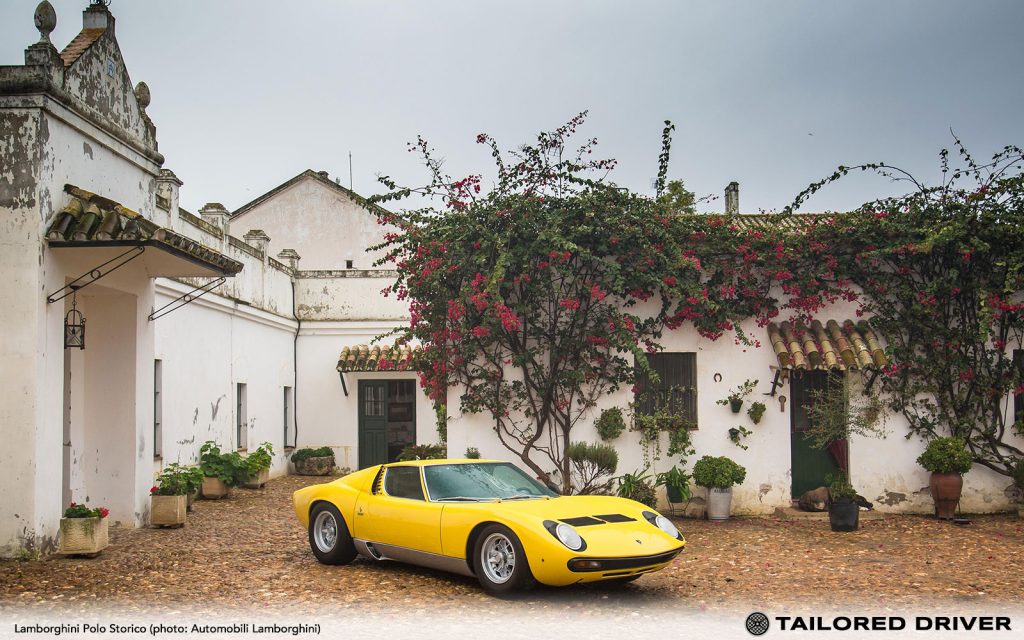
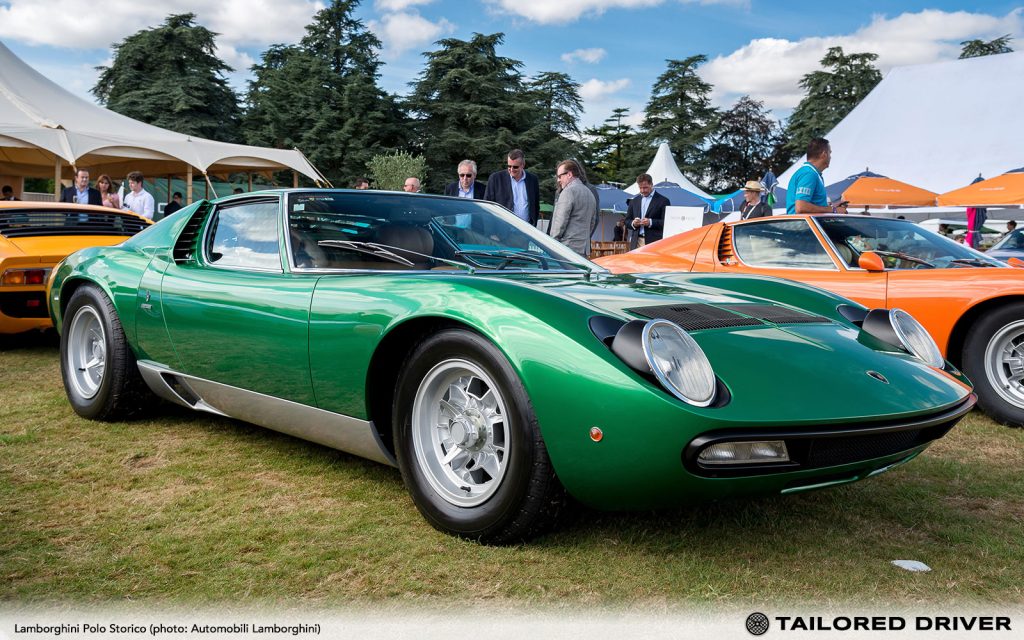
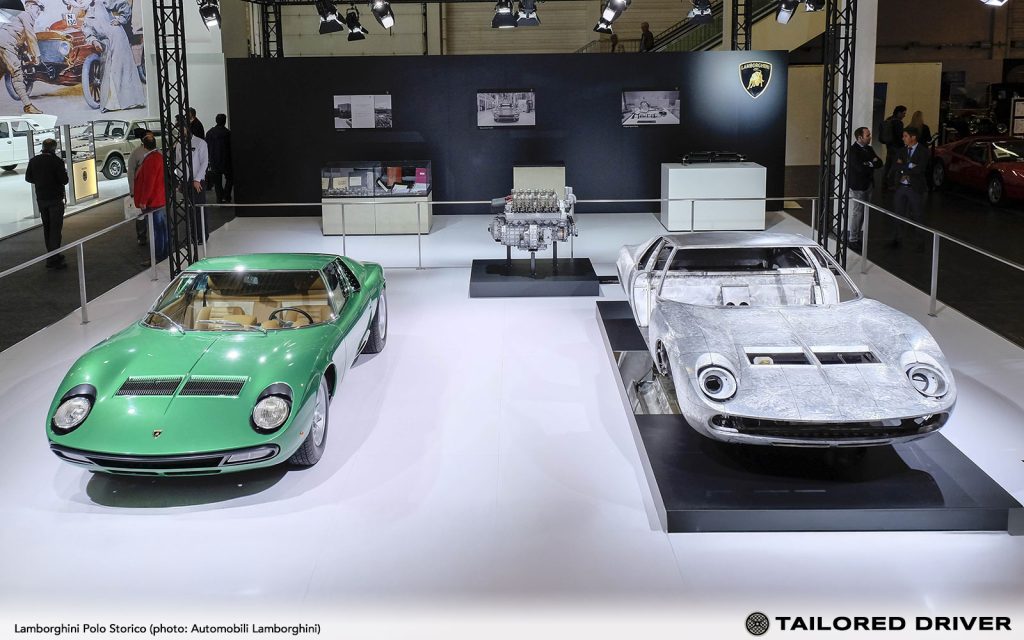
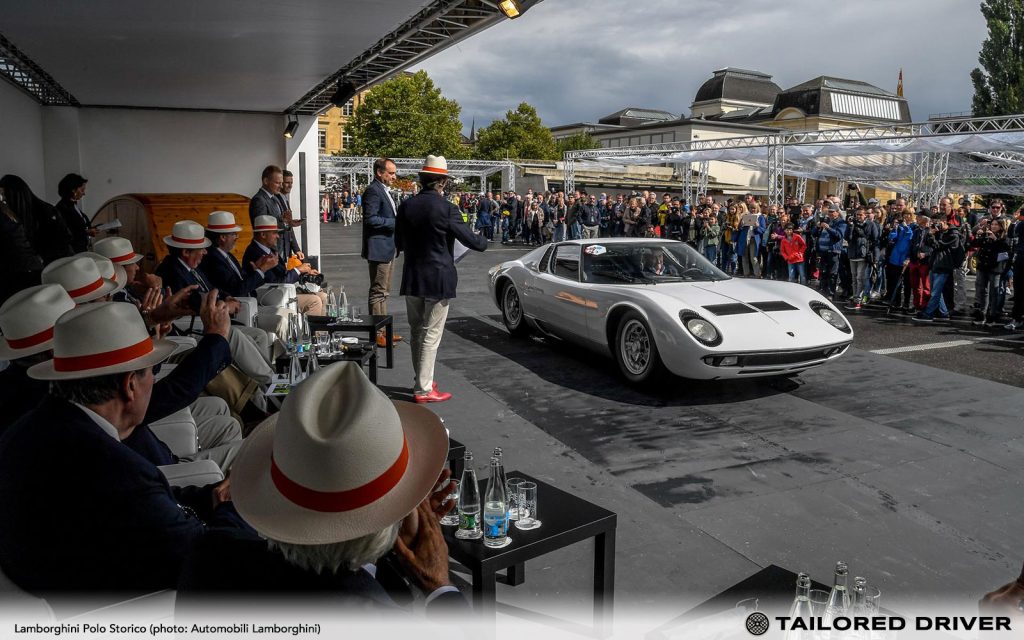
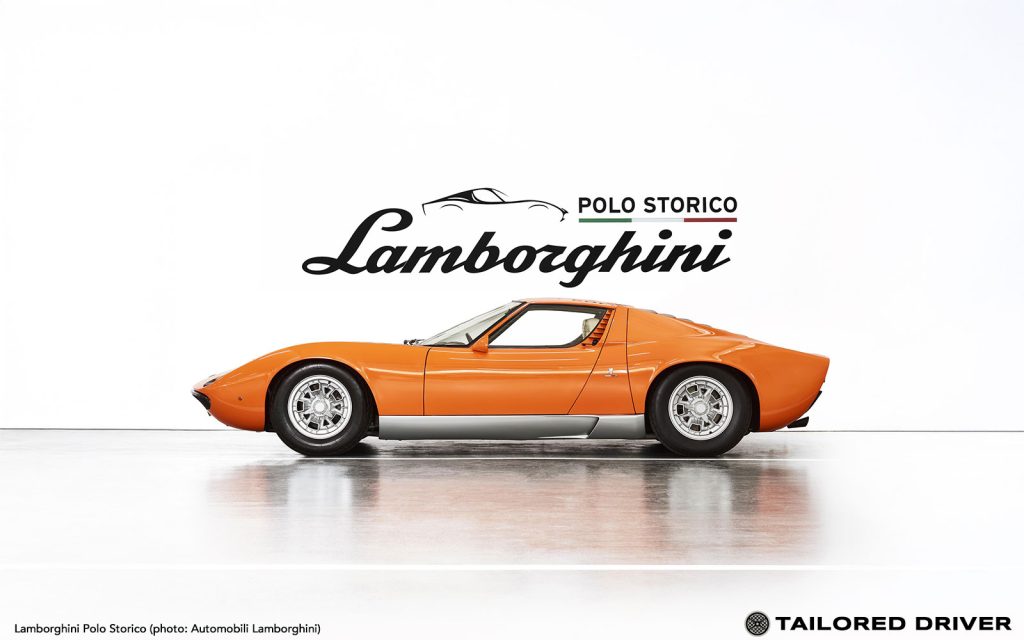
    Polo Storico restorations always maintain a clear objective: to return every car back to its original condition, in full respect of its historical, technical and aesthetic identity. Each project starts with an in-depth search of the archives and thousands of hours of skilled work, coordinated and supervised by the Polo Storico team, also in partnership with leading external suppliers. The restorations that have been made public form just a part of the department’s activities: many collectors choose not to disclose the work carried out on their cars. However, even just the projects shared are evidence of the vital role of Polo Storico. In 2016, the Miura SV #4846, the first project presented to the public by Lamborghini Polo Storico, was completely restored and presented at the Amelia Island Concours d’Elegance, before going on to win Best in Class at Salon Privé. The following year the Miura SV #5030 was exhibited at Techno-Classica Essen, after being restored over a 20-month period, involving 2,000 hours of work and using exclusively original spare parts. Also in 2017, Polo Storico delivered the Miura P400 #3165 to Giampaolo Dallara, which had been restored over a period of 14 months involving 3,000 hours of work, to celebrate his 80th birthday.
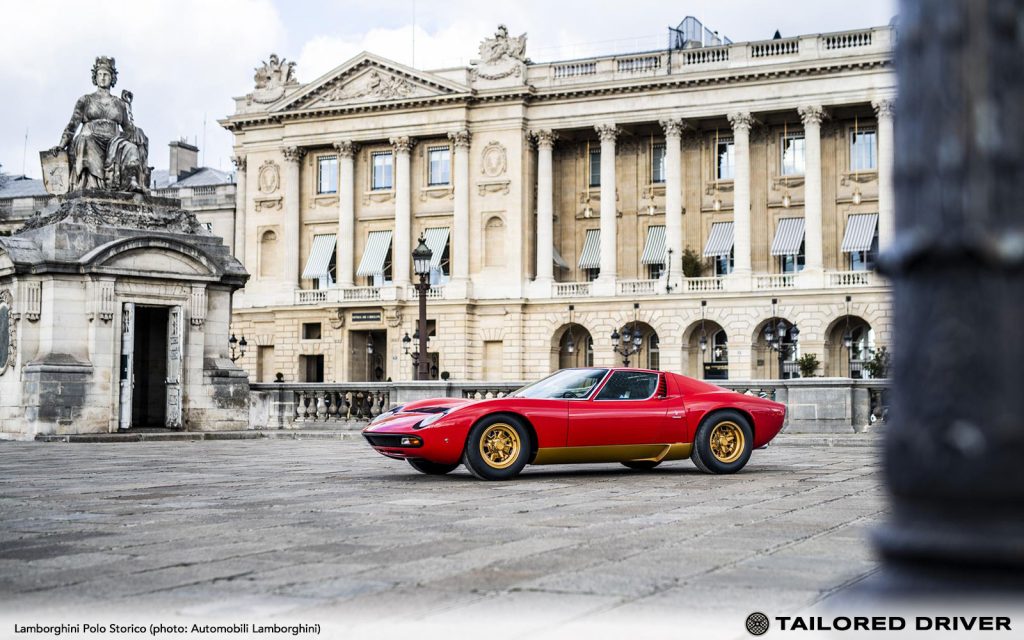
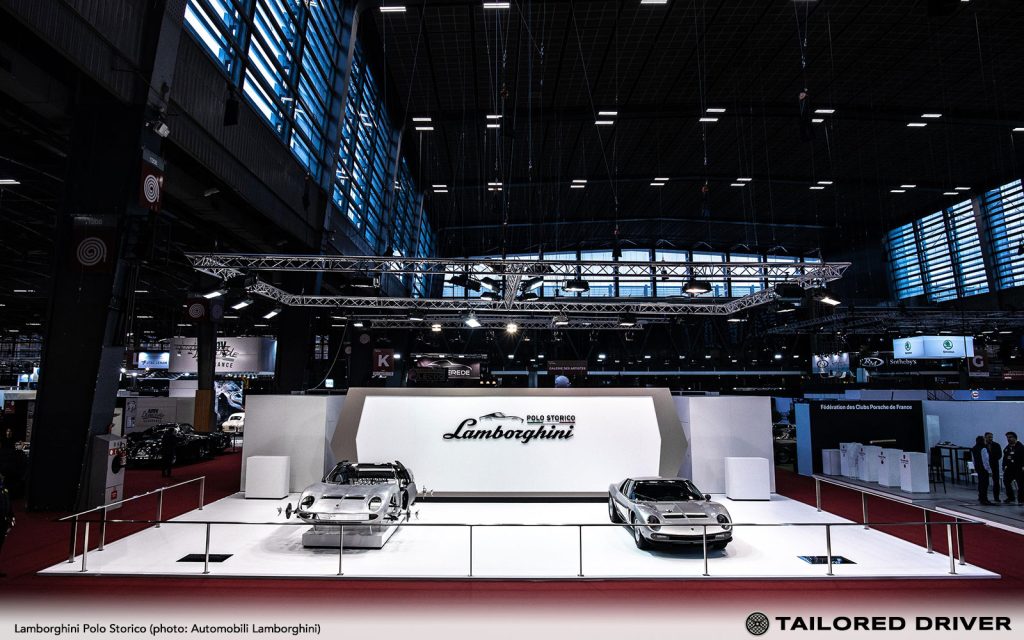
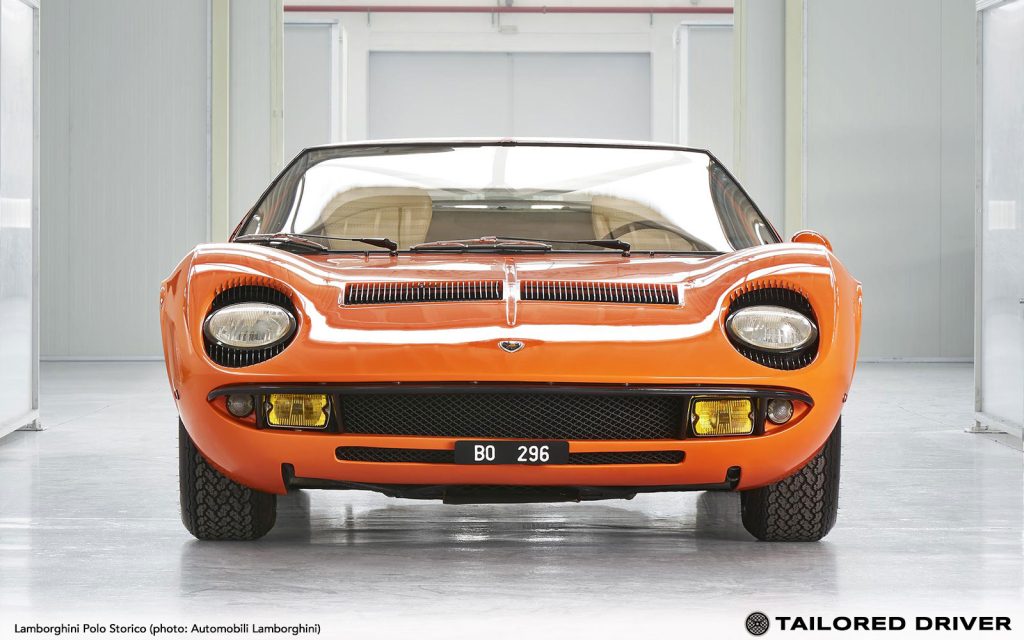
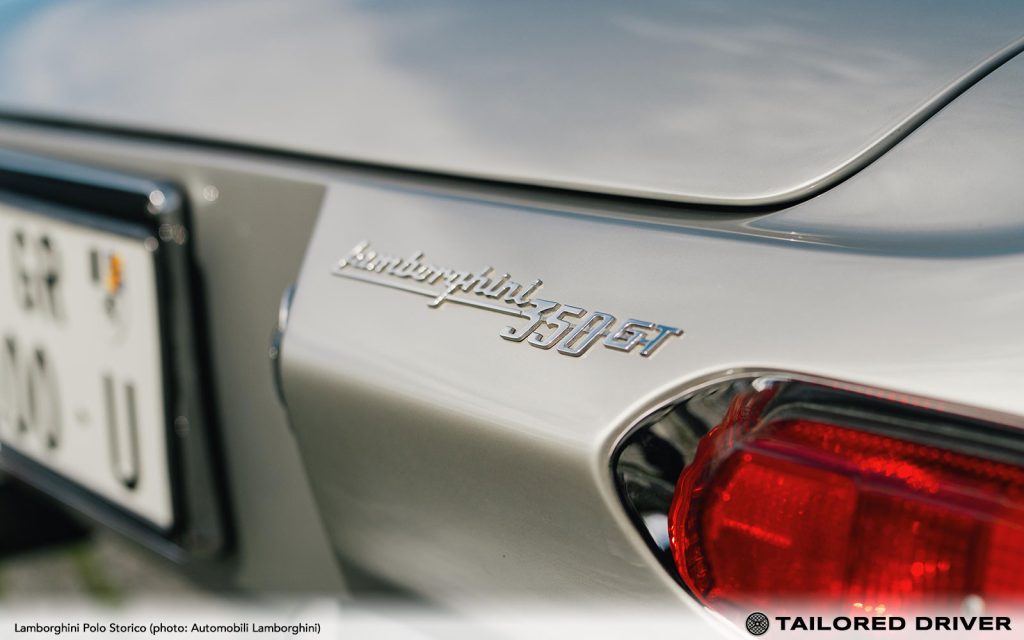
    Also among the first full restorations was the 350 GT #0121, one of the very first Lamborghini cars produced. The restoration involved 1,150 hours of work on the body and interior, and a further 780 hours for the mechanical and electrical checks. In 2018, the restoration of the Miura P400 #3264 was completed after ten months of work. The car was then displayed at the Polo Storico stand at Rétromobile in Paris. In the same year, Polo Storico concluded its work on the Miura S #4863, which won Best in Class and the most iconic car at Salon Privé in London. In 2019, a particularly important project was completed, involving the restoration of the Miura SV #3673, finished shortly before its debut at Rétromobile and showcased on the Polo Storico stand. An in-depth historical investigation enabled the complex history of the car to be reconstructed, and this was followed just a few months later by the Best in Class award at the Pebble Beach Concours d’Elegance. Also in 2019, Polo Storico certified the Miura P400 #3586, officially identifying it as the model used in the original shooting of the film The Italian Job, solving a long-standing mystery using archival materials and eyewitness accounts.

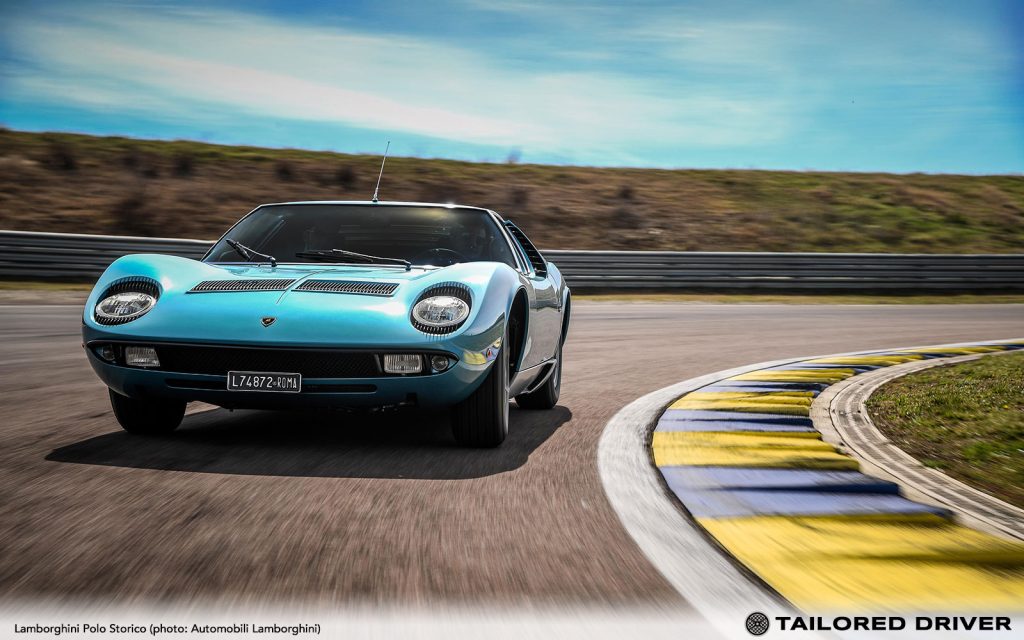
    One of the most recent restorations was of the Miura P400 S #4797, which belonged to the Italian singer Little Tony and one of only seven painted in Azzurro Mexico (light blue), presented at Villa d’Este in 2019. In 2020, at Rétromobile, Polo Storico presented one of few Miura SVJs produced, chassis #4860 built in 1973. A captivating historic car, it was the subject of careful conservation work aimed at preserving the original condition, with the complete overhaul of all the technical and mechanical components, while keeping even the smallest details intact.
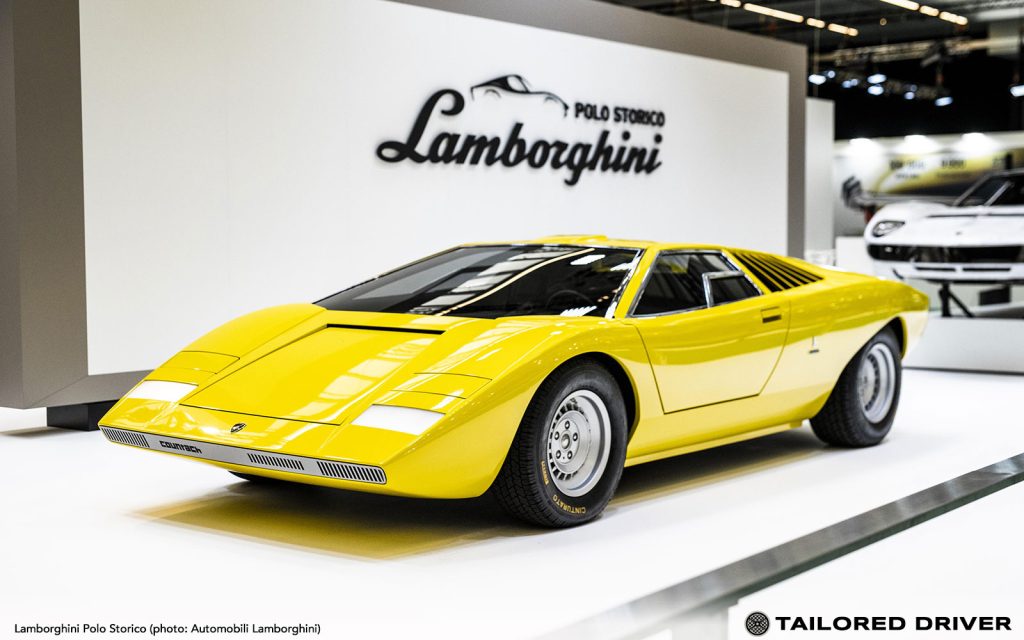
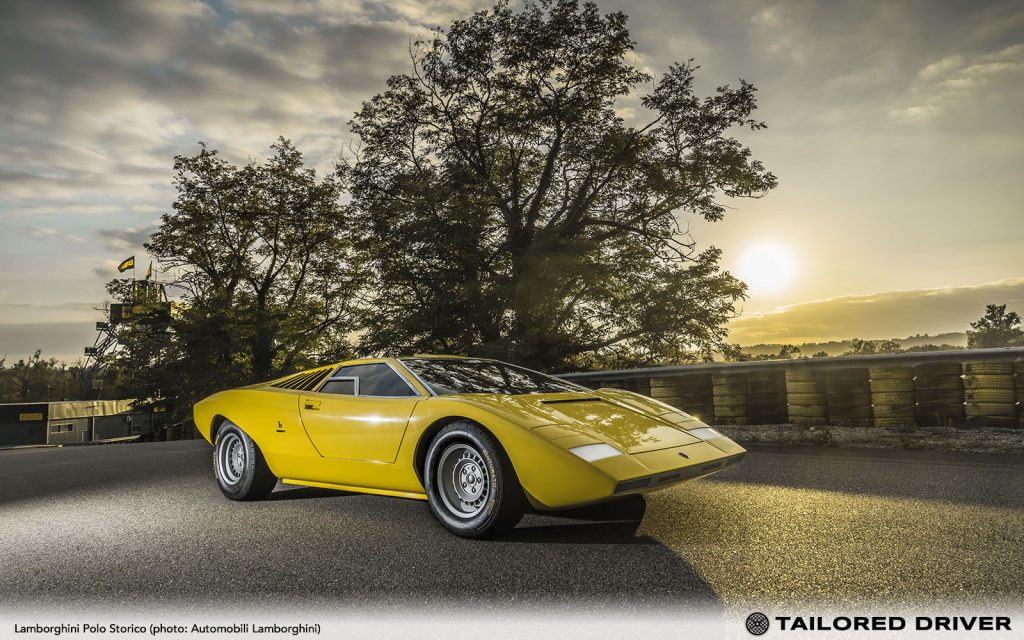
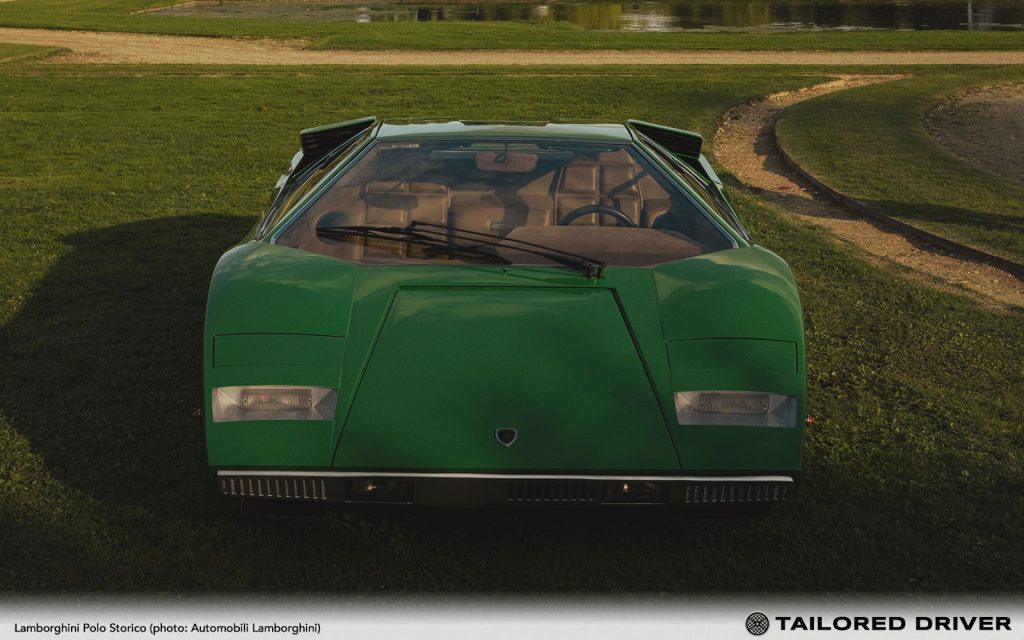
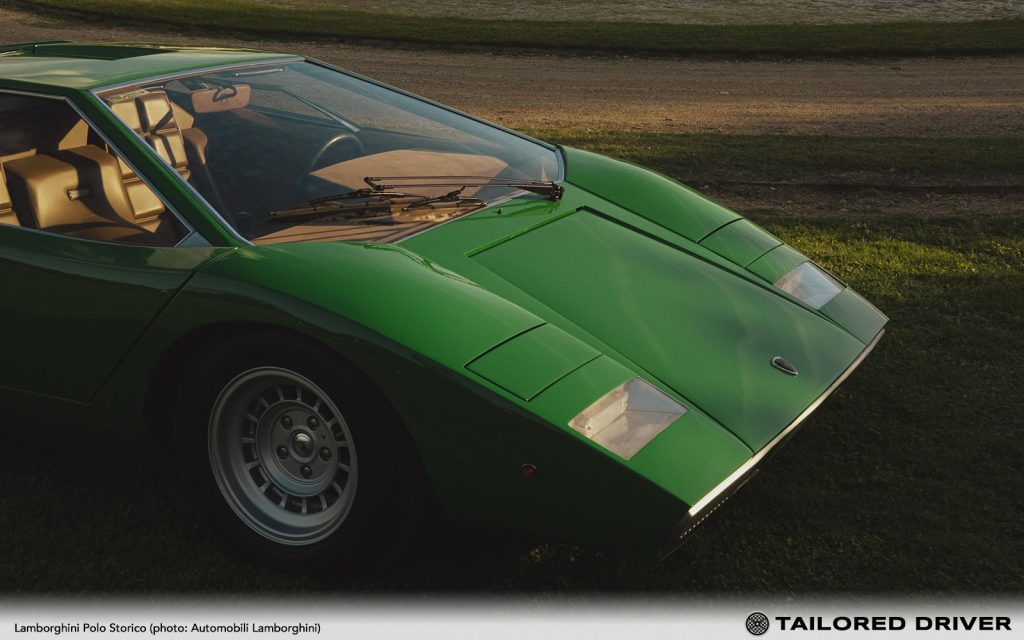
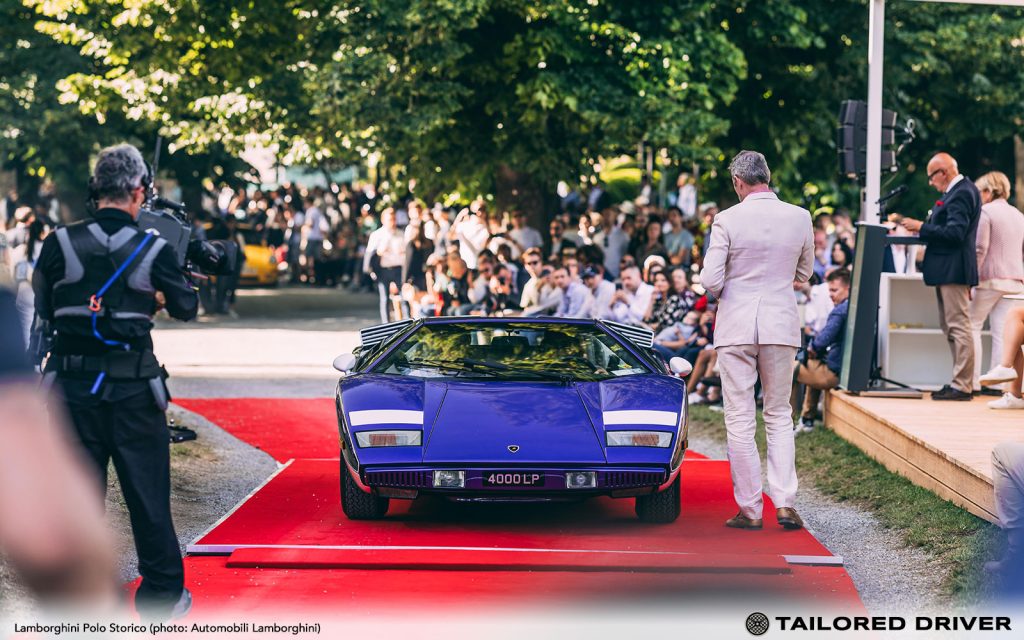
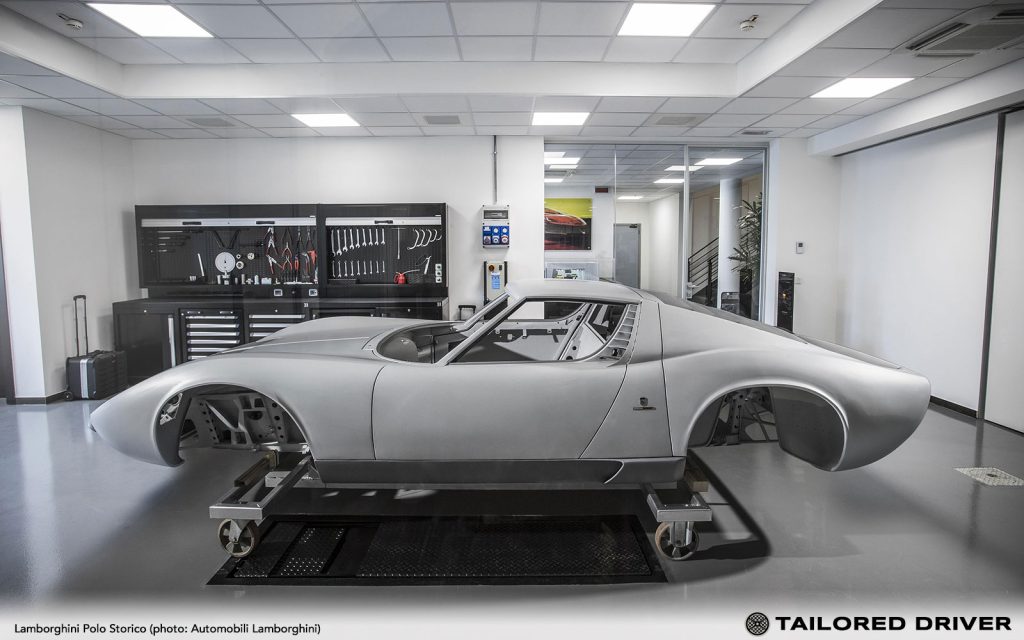
    But the project that best represents the department’s capabilities and expertise is the full reconstruction of the 1971 prototype Countach LP 500, destroyed in crash tests over 50 years ago. Completed in 2021 after over 25,000 hours of work, it was recreated from scratch starting only with the archive documents, historical photographs and firsthand accounts: an undertaking that perfectly embodies the spirit and mission of Polo Storico.

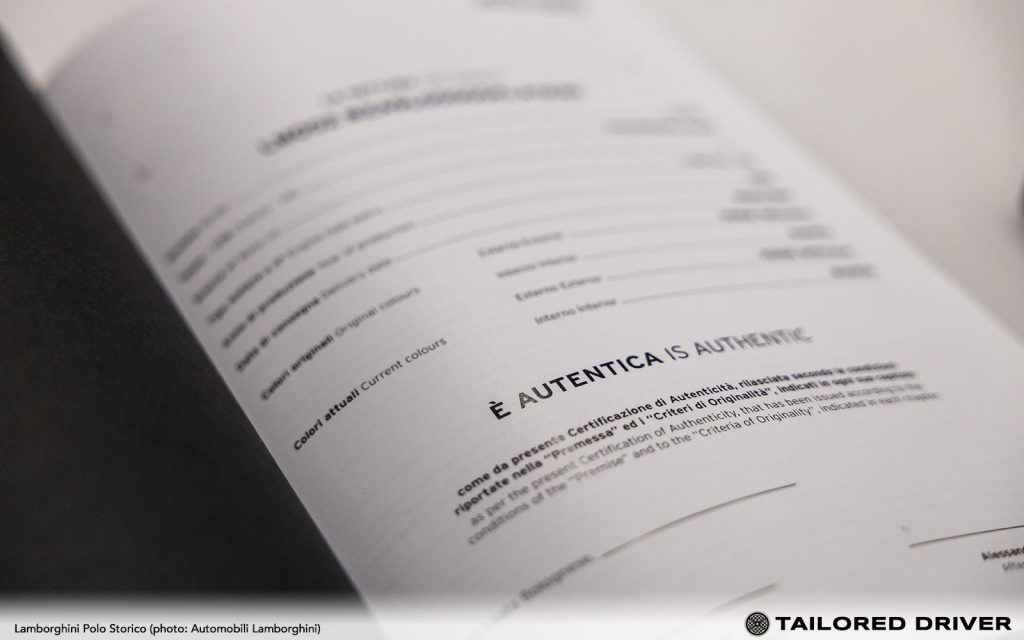
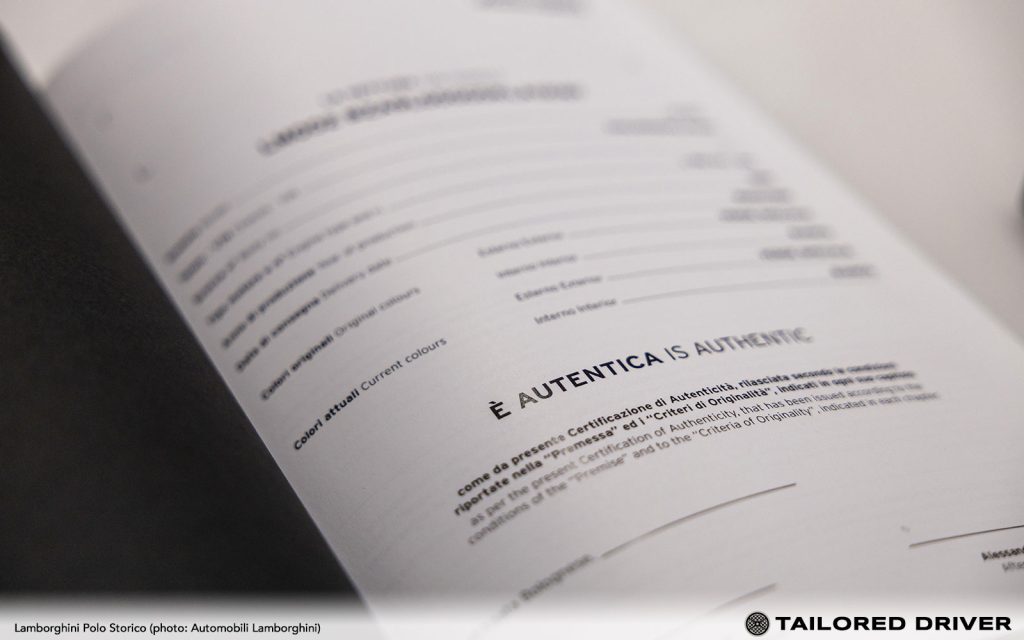
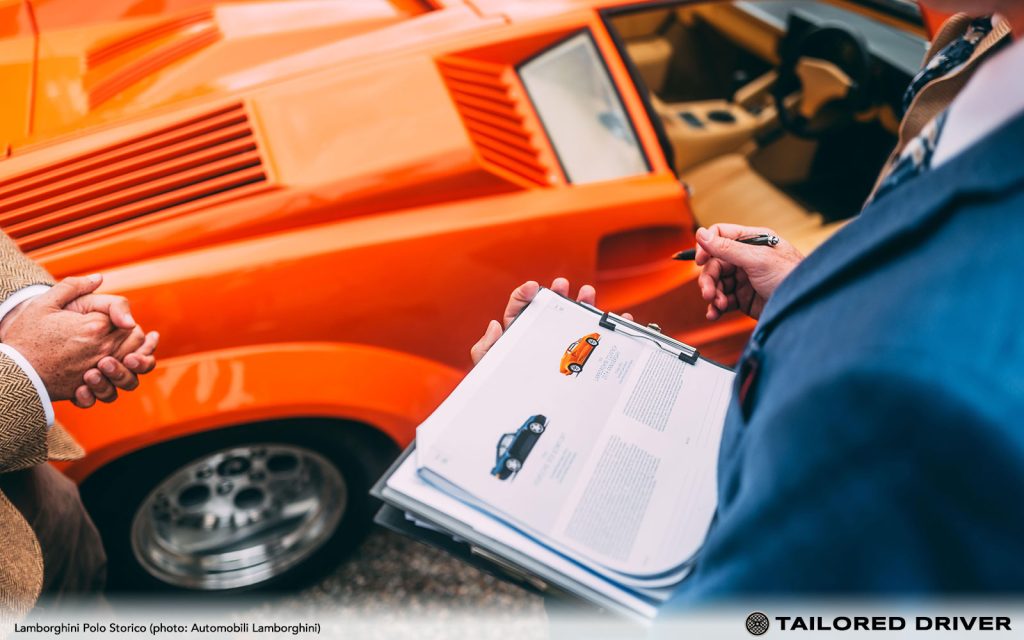
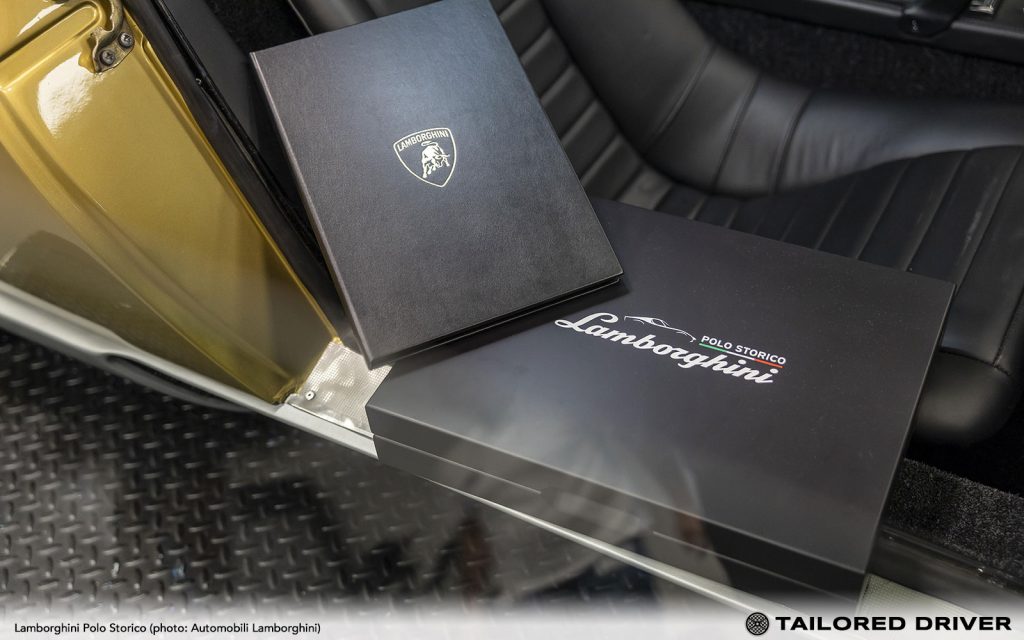
    Another cornerstone of Polo Storico’s activities is the Certification of Authenticity service, which certifies the authenticity and conformity (or otherwise) of the historic cars relative to the original factory specifications. Through a rigorous process, an analysis is carried out of the mechanical components, interiors, paintwork, modifications, and work done subsequently to the activities performed by the company, comparing every detail with archival documentation. This procedure can require hundreds of hours of work, and concludes with a detailed technical report. In some cases, during these ten years of activity, Polo Storico has identified some cars that cannot be certified due to technical or historical discrepancies. Under these circumstances, the customer will receive a full report with a list of the nonconformities found, with no additional charge except for the logistics costs. This is a particular service by Lamborghini that confirms the primary objective of Polo Storico: to preserve Lamborghini’s historic cars and guarantee that every certification stands as a mark of authenticity, transparency, and accountability.
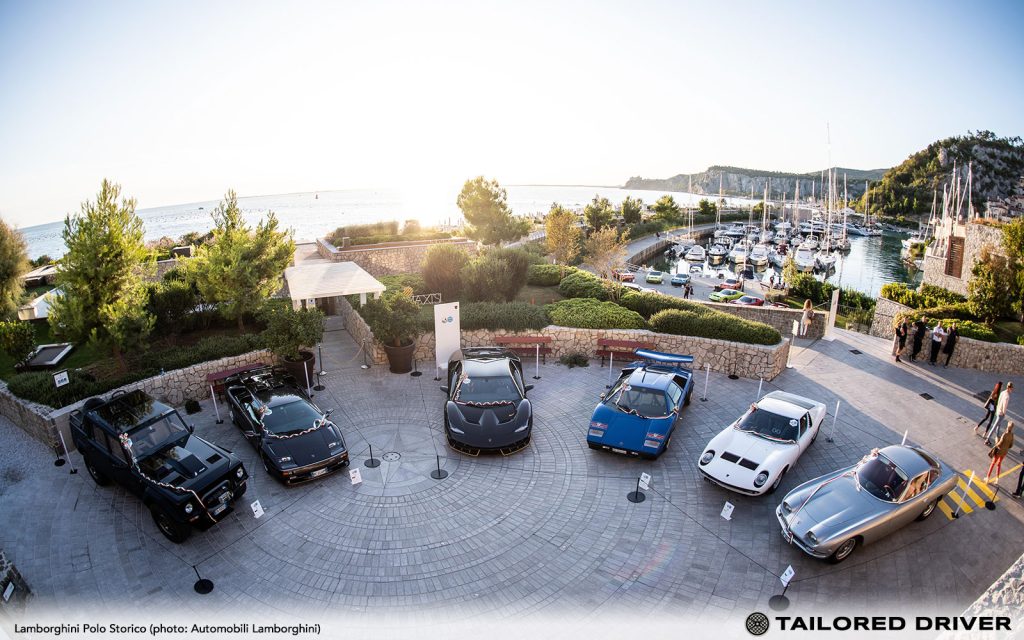
    To support the processes of archive enrichment, certification and restoration, a committee was established comprising a group of former employees who played an operational role in the company’s history, known as the “Comitato dei Saggi” (Committee of the Wise). With firsthand experience in Lamborghini’s past operations, these former employees provide support to Polo Storico in verifying information; solving and clarifying technical challenges; and reconstructing data that is not always available in the official archives.

    At the end of each process, Polo Storico forms another internal committee to approve the work. As well as its own team, this committee includes representatives from strategic departments such as the legal department, type-approval, research and development, aftersales, and the chairman’s office, responsible for signing off all certifications and restorations. This multidisciplinary team guarantees that every action is validated with the utmost accuracy and consistency.
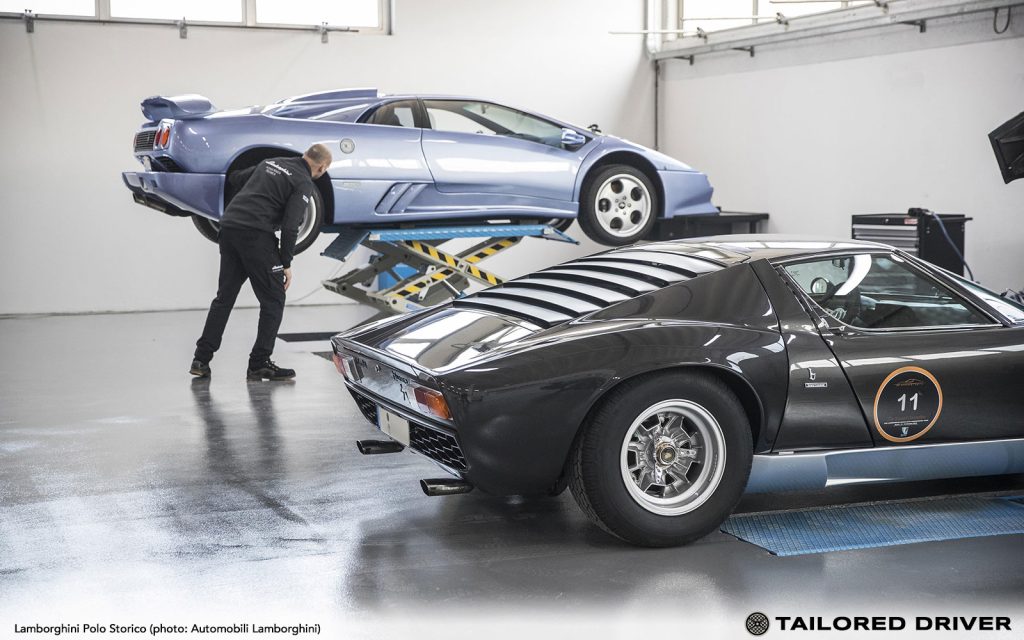
    Polo Storico’s activities, which are continuously expanding, sometimes involve the collaboration of key suppliers for highly specialized work. These suppliers are also selected in line with the department’s values, involving local businesses that are often historical partners of the company already operating at the time of the original production of the cars. In parallel, Lamborghini has invested in the expansion of its in-house skills: today, Polo Storico has access to advanced technologies and a team able to directly manage an increasing number of processes. Lamborghini’s Original Spare Parts department also plays a key role, constantly enriching its portfolio with parts that are no longer available by manufacturing new to the original specification, developed based on needs emerging from the restorations and work on historic cars.

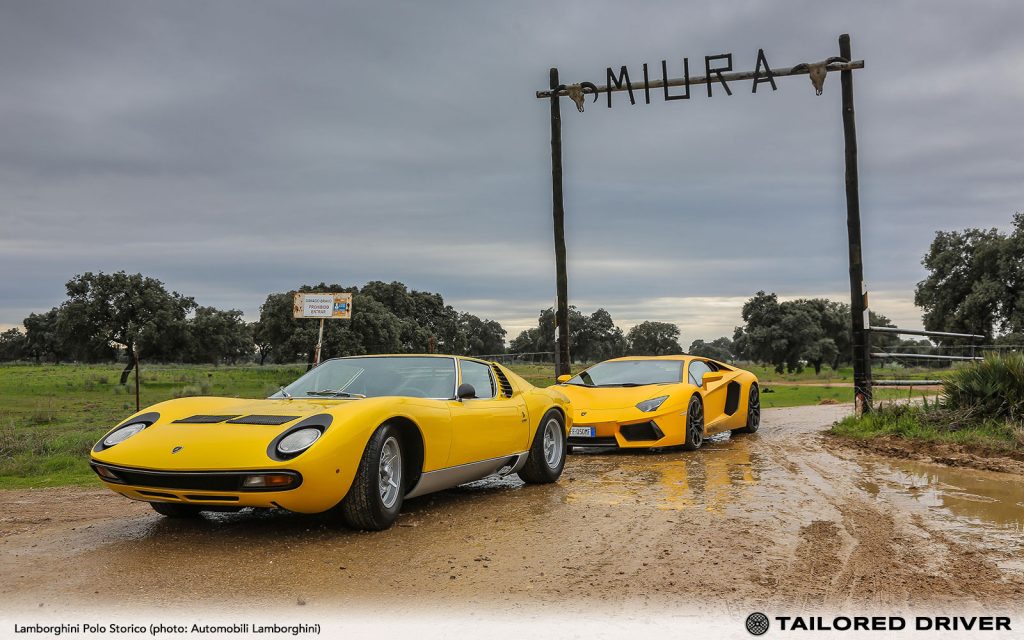
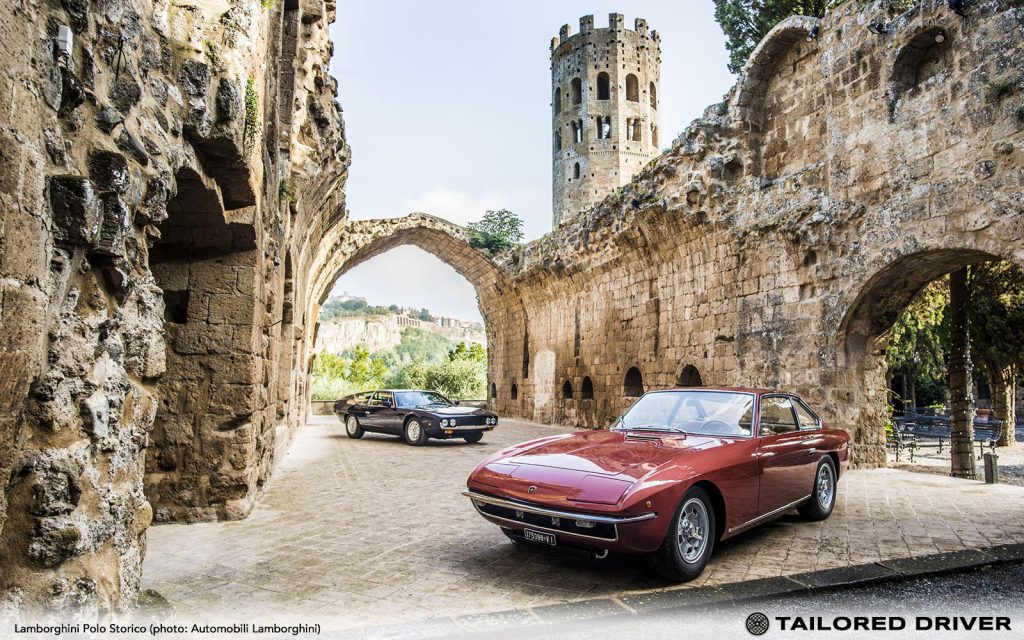
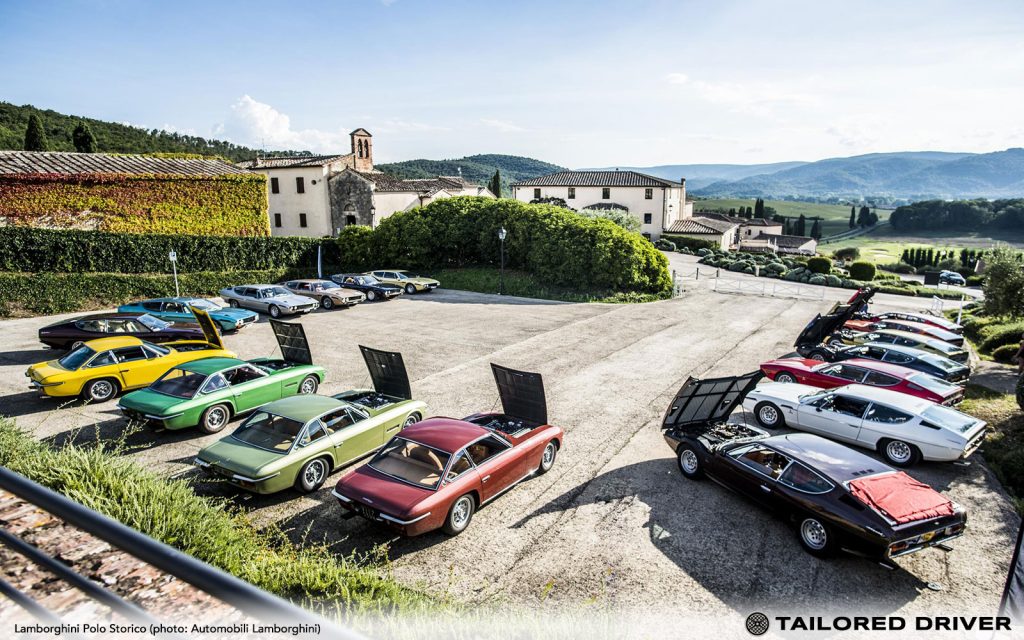
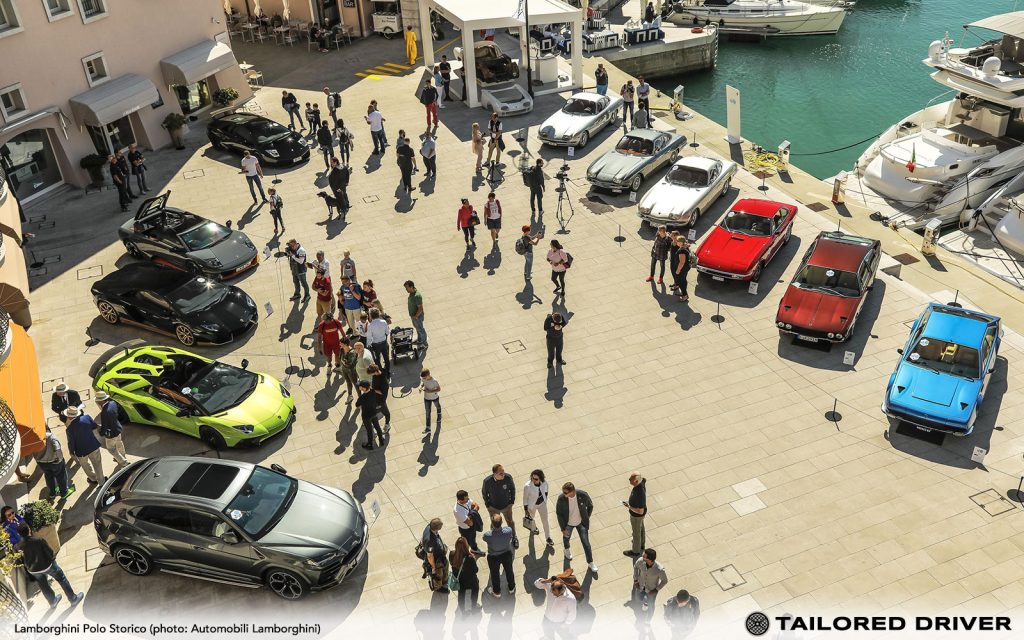
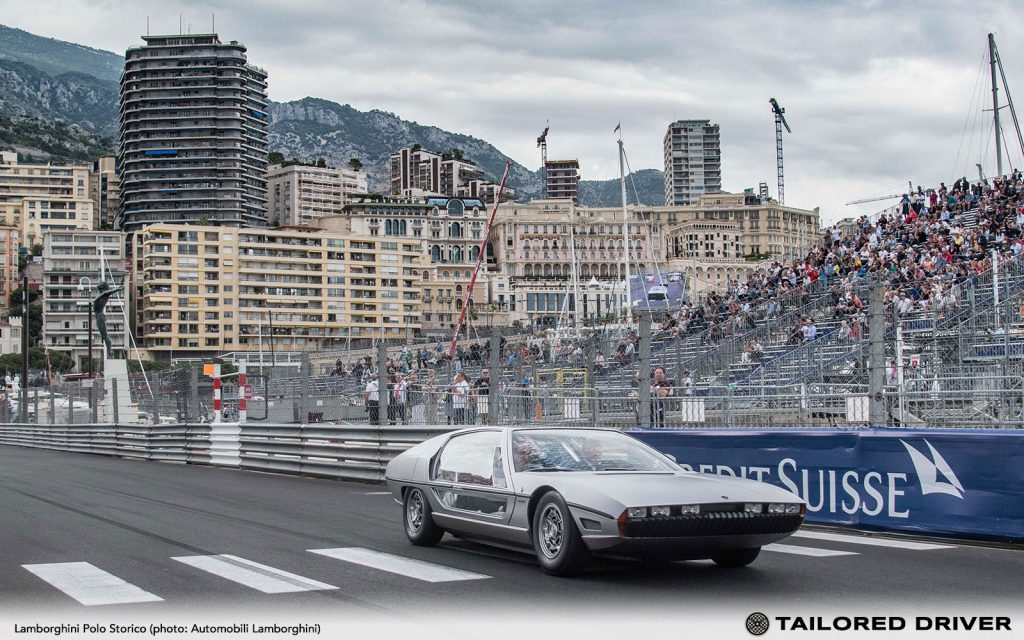
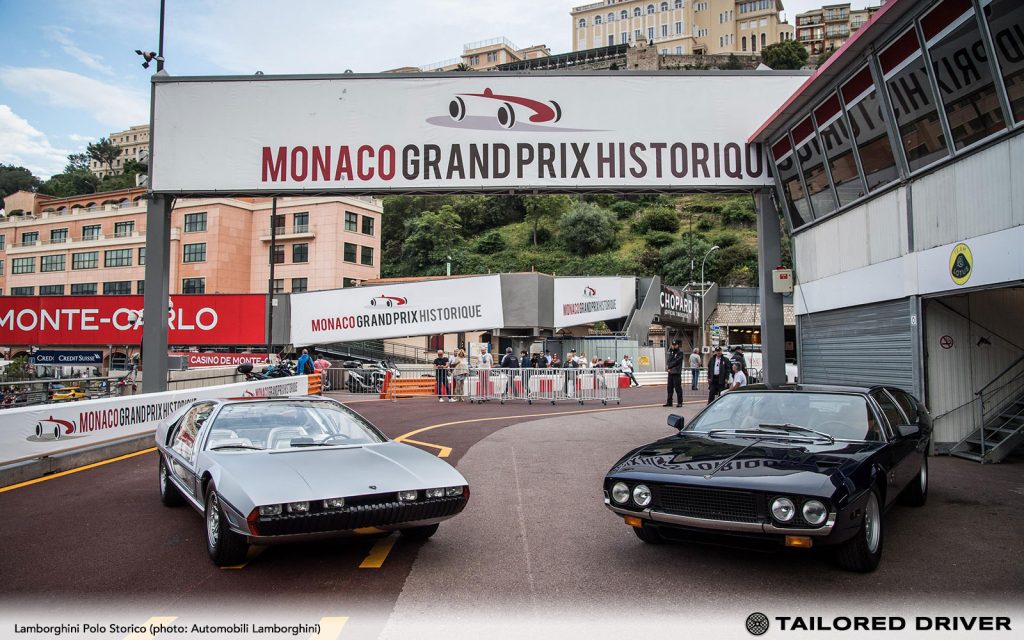
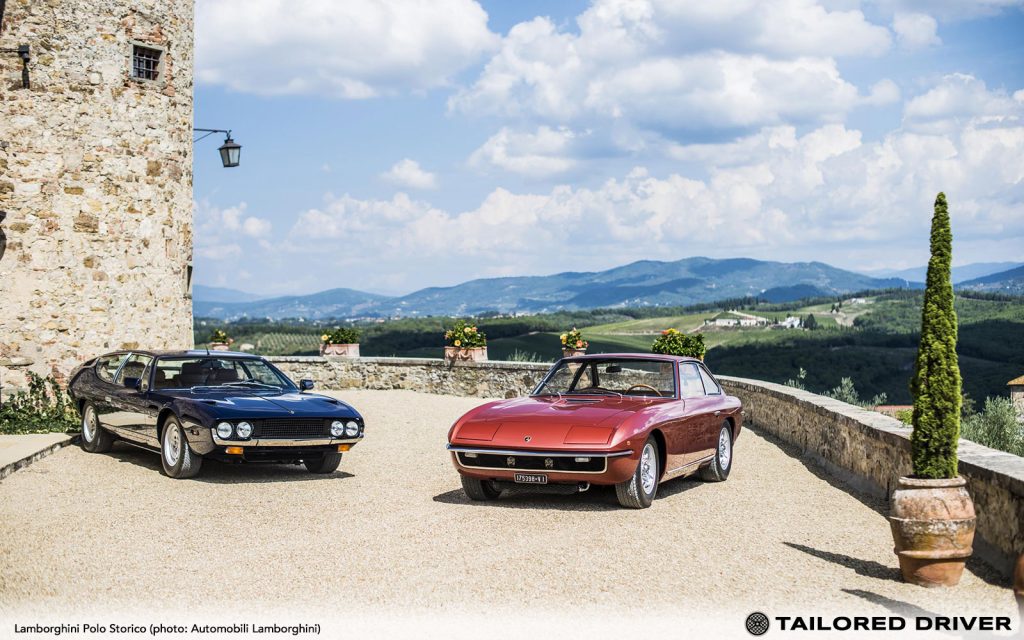
    Polo Storico’s activities also focus on enhancing the brand’s technical and cultural heritage. Alongside the restoration and certification work, the department is often the main player – and sometimes the direct organizer – of international events celebrating the history of Automobili Lamborghini. Some of the most significant events organized by Polo Storico itself include: the 2016 tour from Madrid to Lora del Rio in honor of the 50th anniversary of the Miura; the Lamborghini Marzal’s return to road on the occasion of the 2018 Grand Prix de Monaco Historique, with His Serene Highness Prince Albert II of Monaco at the wheel; the tour celebrating 50 years of the Espada and Islero (September 2018); the Espada Series 3 photographed on the iconic Abbey Road crosswalk and hosted at the Royal Automobile Club in London (October 2018); the 2019 “Lamborghini & Design” Concorso d’Eleganza organized in Portopiccolo, Trieste; and, more recently, the Lamborghini 60th anniversary tour in 2023 on the roads of Franciacorta, Alto Garda and Valpolicella.
    To celebrate its tenth anniversary, Polo Storico has planned a calendar of international events taking place throughout 2025. The celebrations started in February in St. Moritz and will continue from 24 to 27 April with participation in the first edition of the Anantara Concorso d’Eleganza, organized in the heart of Rome and dedicated to Italian classic cars. In the summer, from August 16 to 18, Polo Storico will play a leading role at Pebble Beach in California, with an exclusive area inside Villa Lamborghini. During the year, Polo Storico will also attend official brand events, such as the Lamborghini Days in Germany and Japan, and will take part in a number of international classic car events, meeting with customers, collectors, and enthusiasts. The final event is planned for October, with participation in the Auto e Moto d’Epoca show in Bologna from 23 to 26 October, celebrating the history of Lamborghini and the department’s activities together with customers and enthusiasts from all over Europe.

    “We want to celebrate this important anniversary together with our customers and collectors, highlighting the value of the work carried out by Polo Storico and the central role it plays today in preserving our heritage,” explained Stephan Winkelmann, Chairman and CEO of Automobili Lamborghini. “Its contribution is set to grow even further: every Lamborghini falls within the remit of Polo Storico twenty years after the end of production. With the increase in production volumes and the high degree of customization of our cars, the amount of work required will become increasingly broader and more strategic. Polo Storico will play an ever more crucial role in preserving the authenticity, quality and memories of our brand.”
  • A Busy 2024 for Lamborghini Polo Storico as It Prepares for 10th Anniversary

    A Busy 2024 for Lamborghini Polo Storico as It Prepares for 10th Anniversary

    [source: Lamborghini]

    Sant’Agata Bolognese, Italy – The year 2024 comes to a close following important work by Lamborghini Polo Storico: it was a year full of activities and awards won in the most prestigious international concours d’elegance that further cemented its role as the point of reference for Lamborghini collectors globally. In 2025 Polo Storico will celebrate its tenth anniversary, a significant milestone that attests to this department’s continuous evolution.

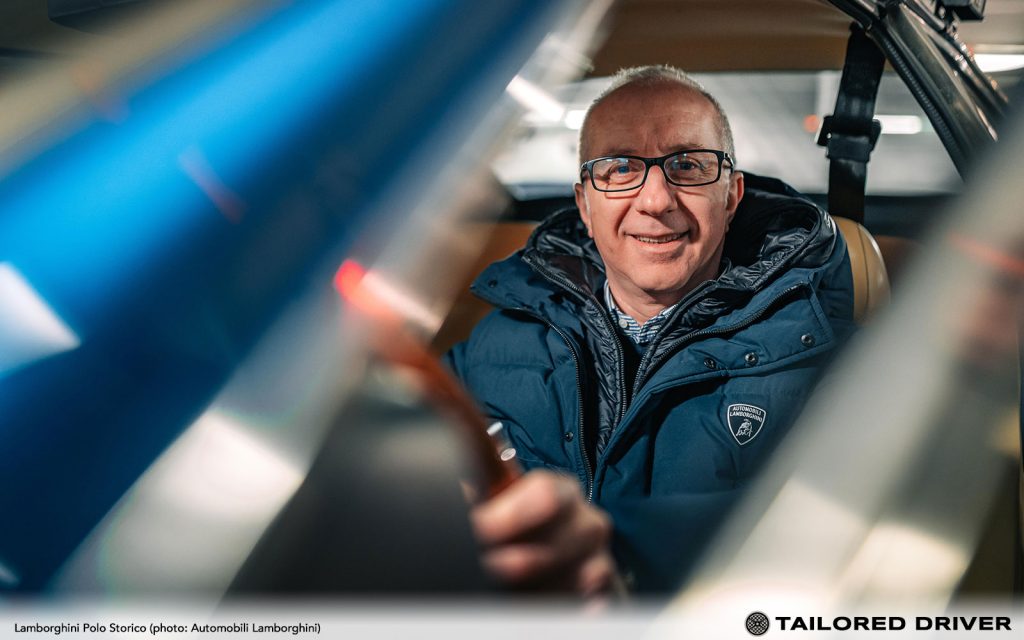
    “2024 has been a year both challenging and richly gratifying for our entire team,” said Alessandro Farmeschi, After Sales Director of Automobili Lamborghini.  “Not only have we achieved excellent results commercially in terms of certifications and restorations, but we have also shared and enhanced the history of the brand and our cars with customers and enthusiasts all over the world.”
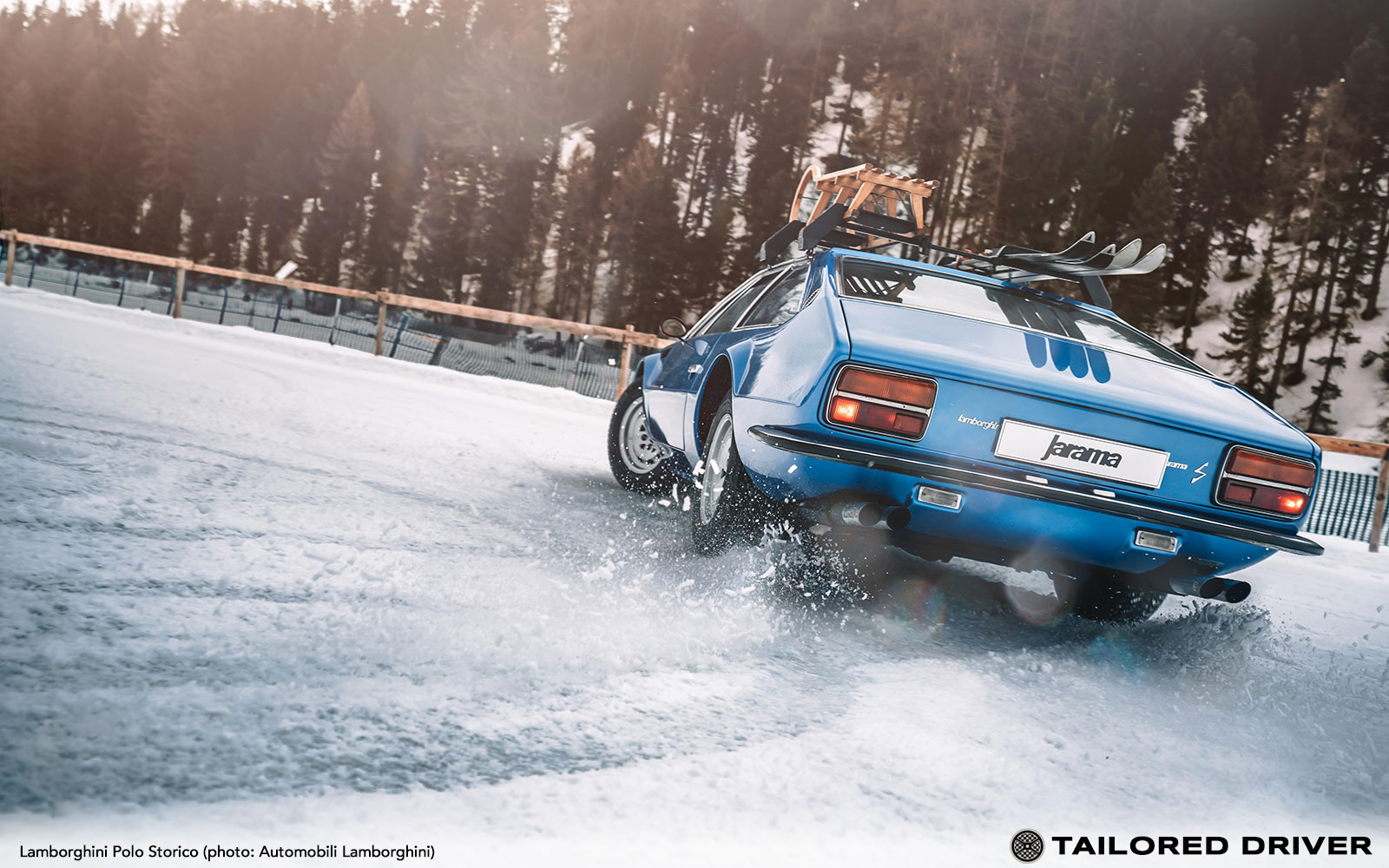
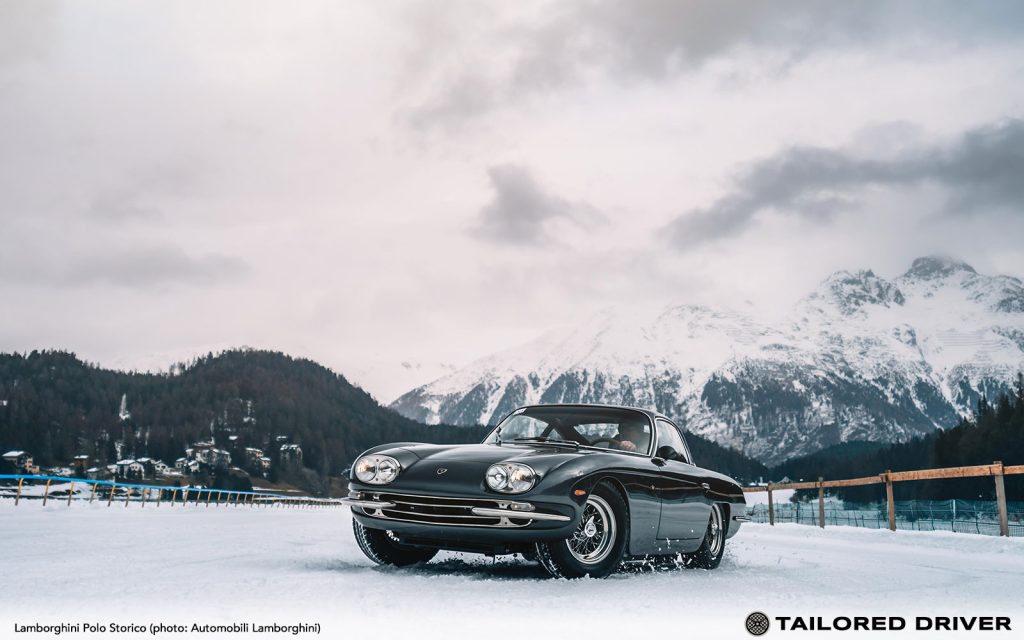
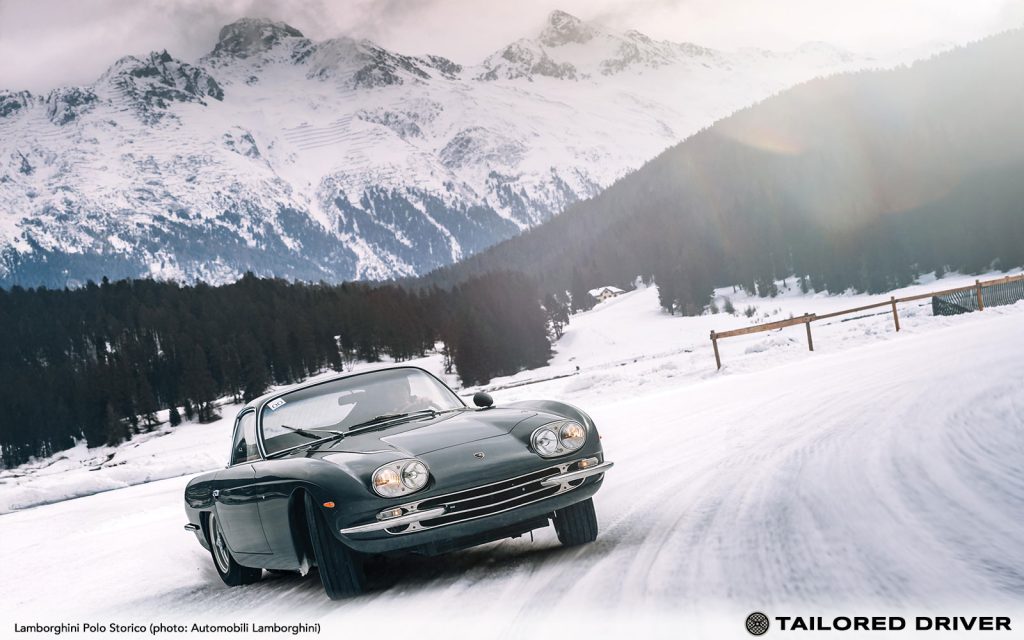
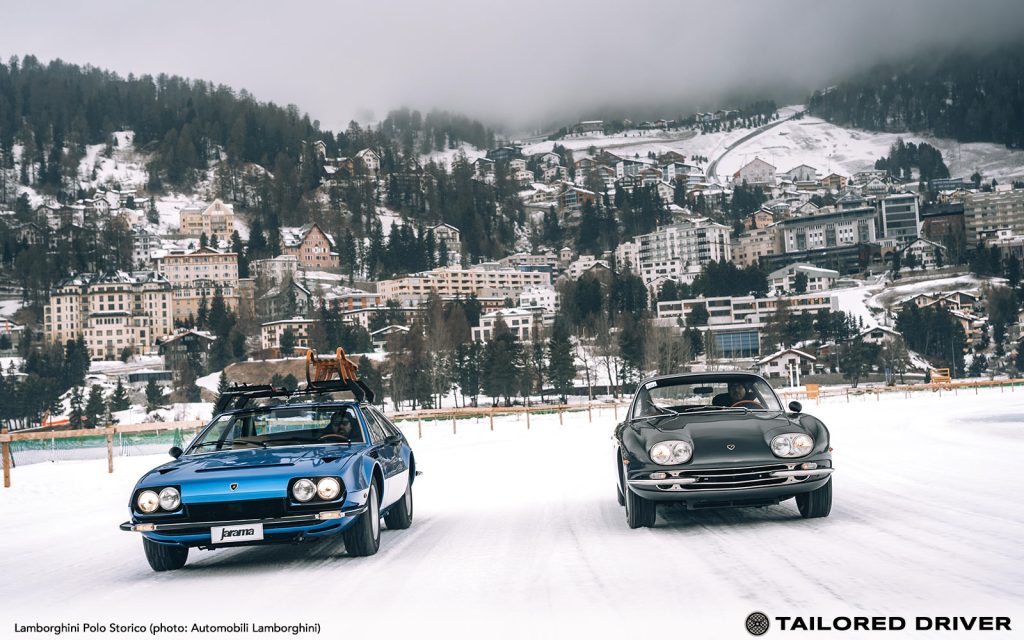
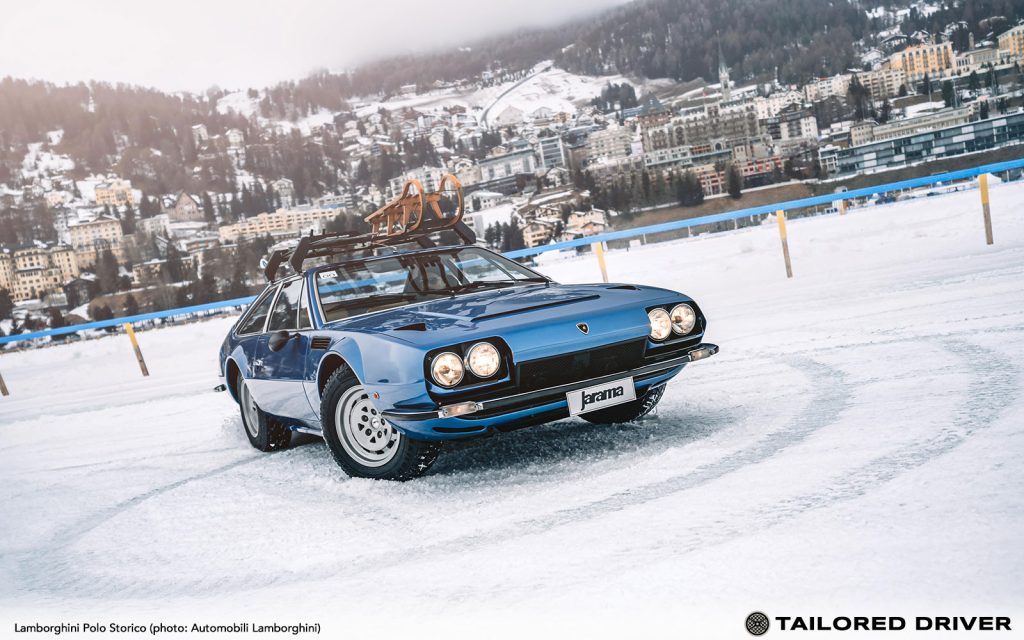
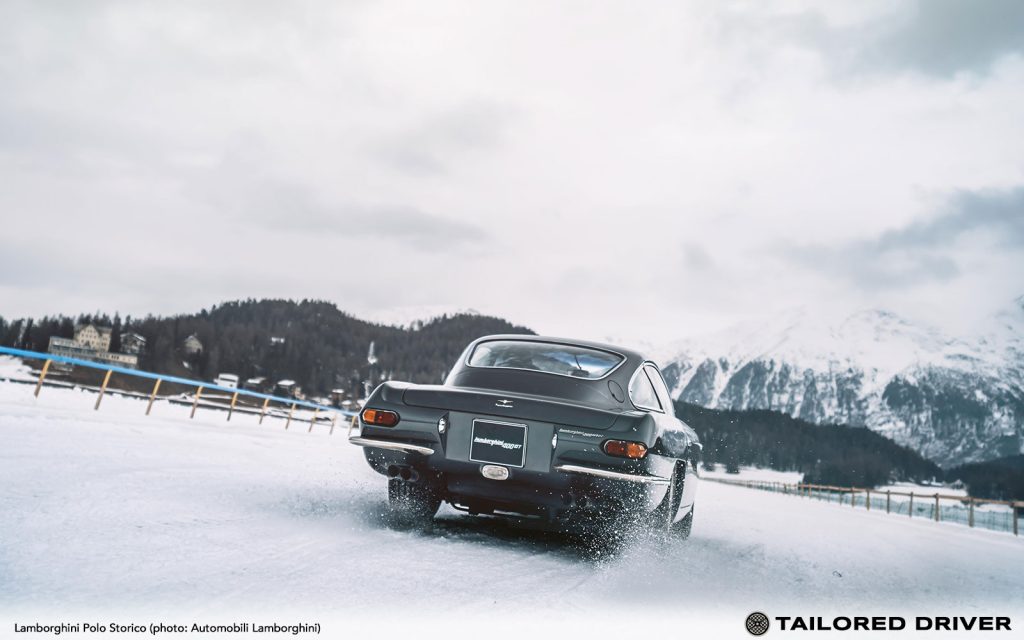
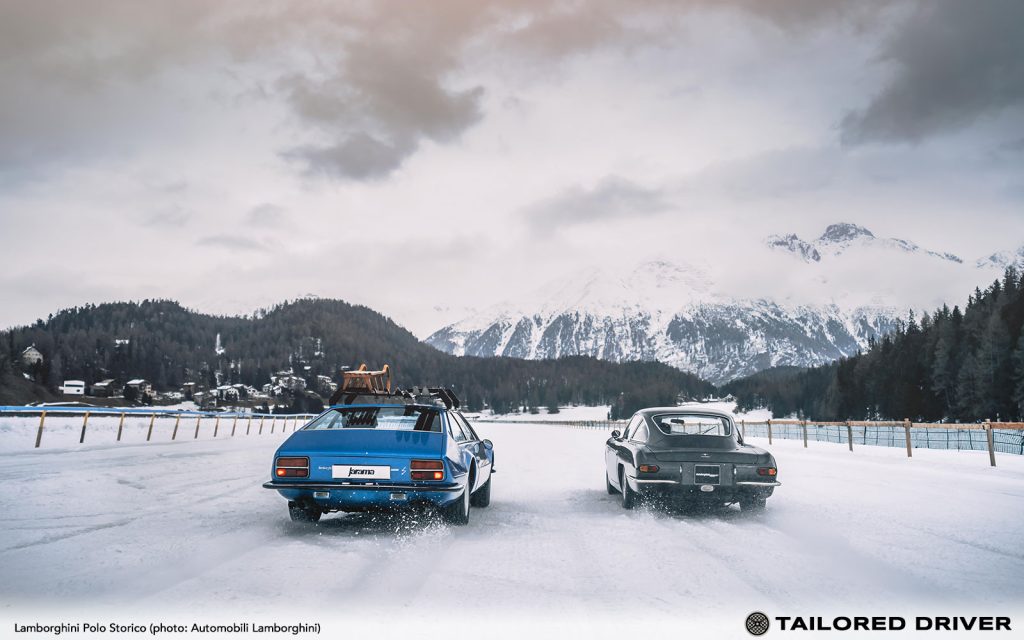
    In February, Polo Storico participated in The ICE event held in Saint Moritz, where it showcased two iconic models from the Lamborghini Museum on the frozen lake: a 1973 Jarama S and a 1968 400 GT 2+2, both equipped with the legendary Lamborghini V12 engine.

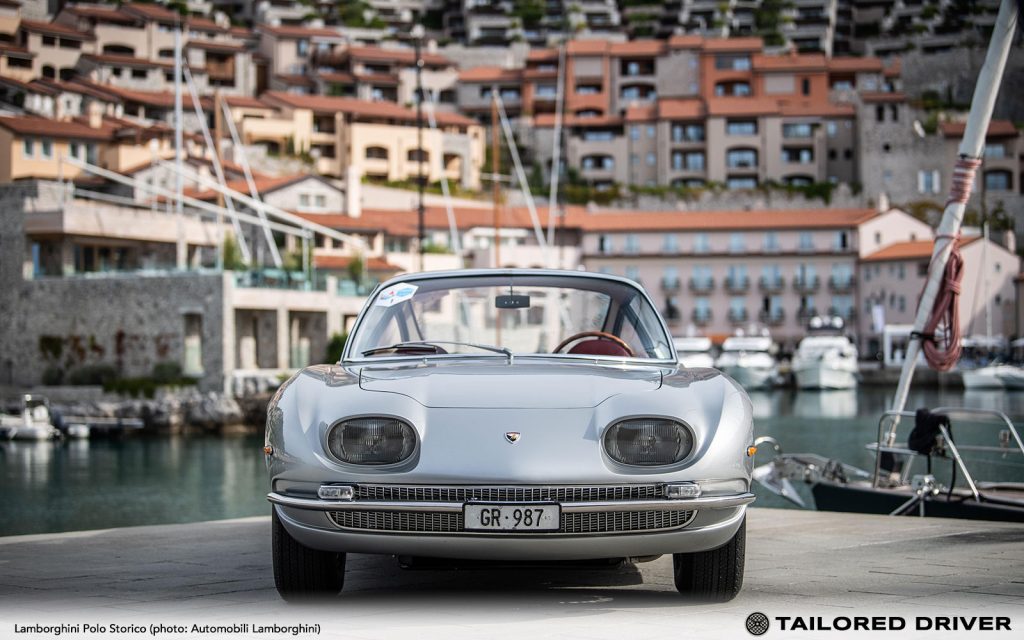
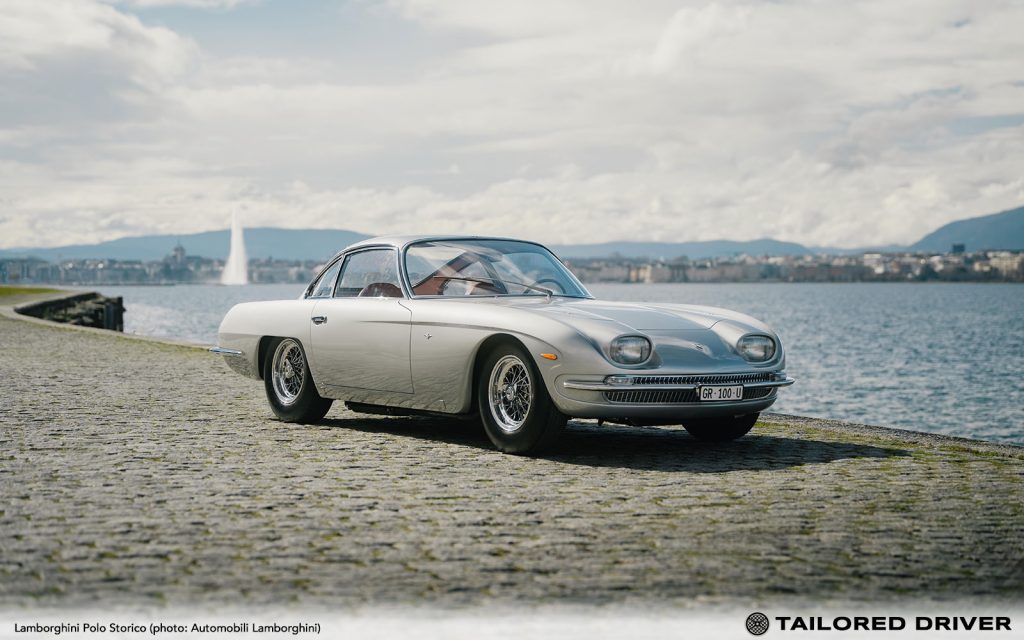
    In March, on the 60th anniversary of the 350 GT, Lamborghini’s first production car was taken to Geneva to commemorate the model’s debut at the 1964 Motor Show.

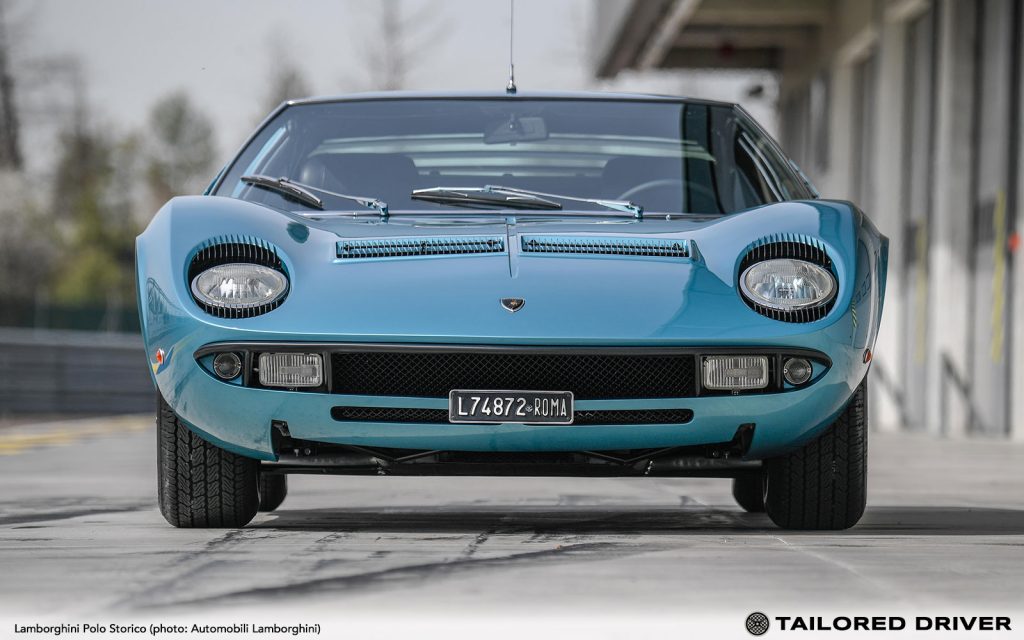
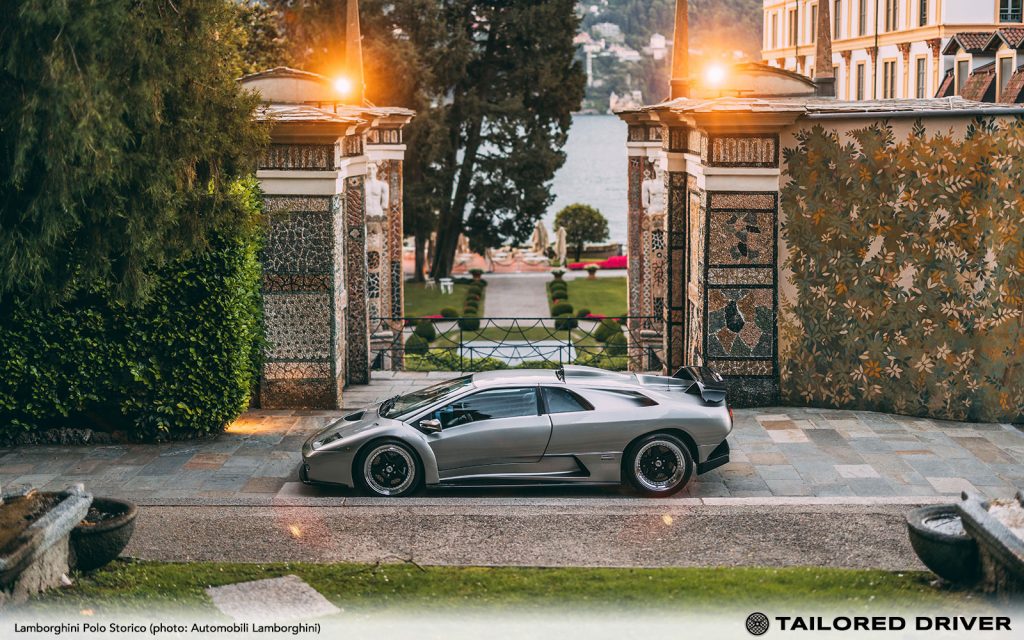
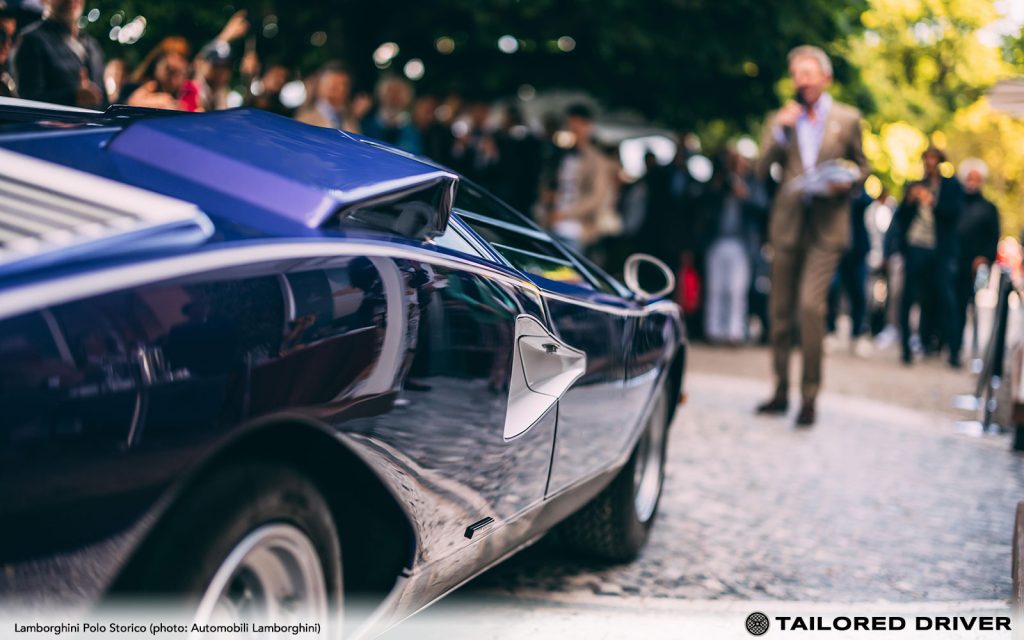
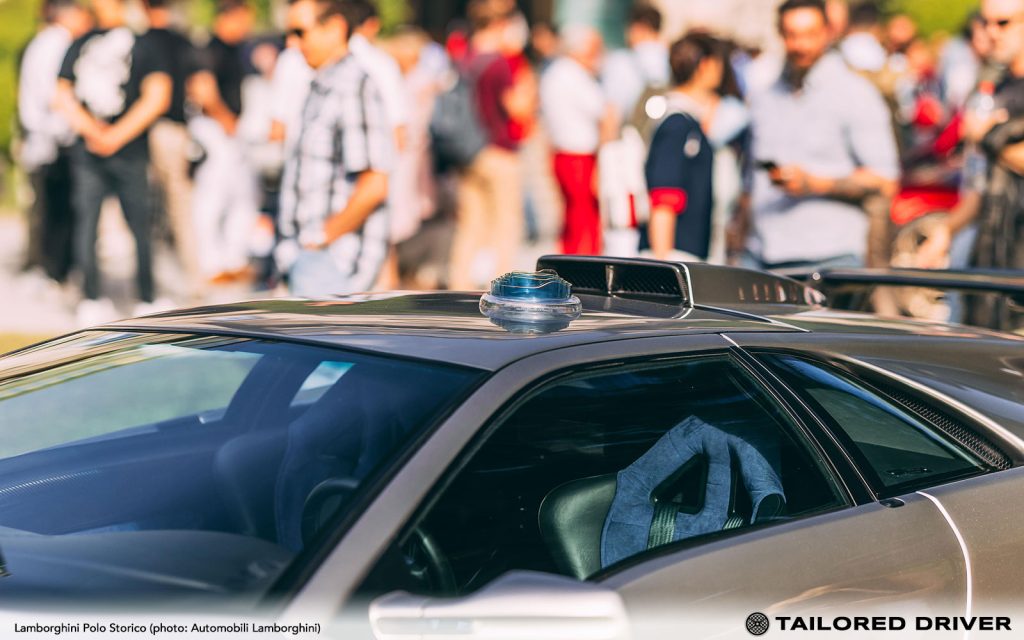
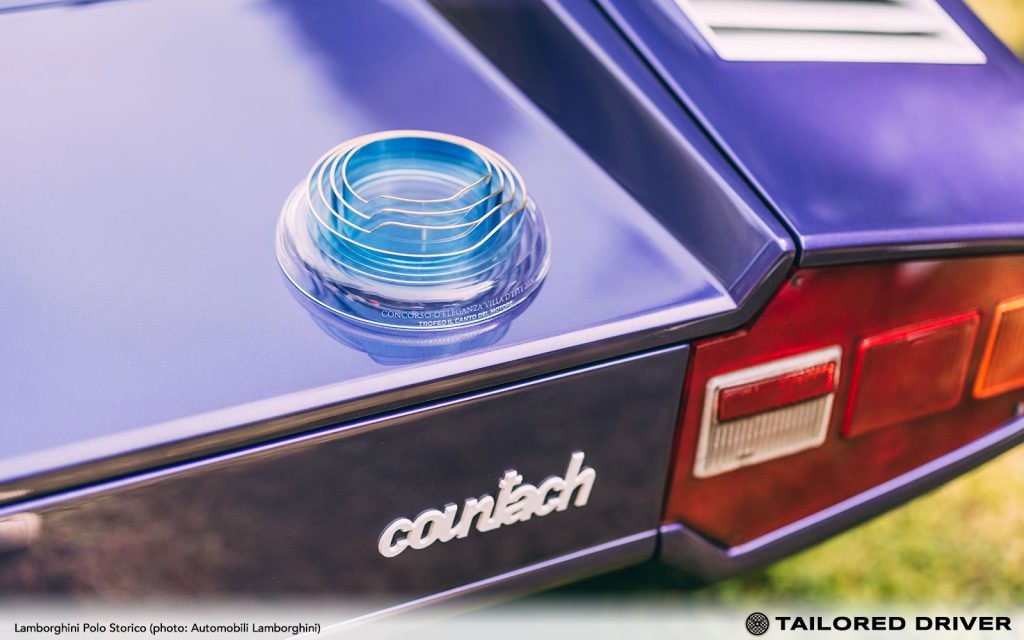
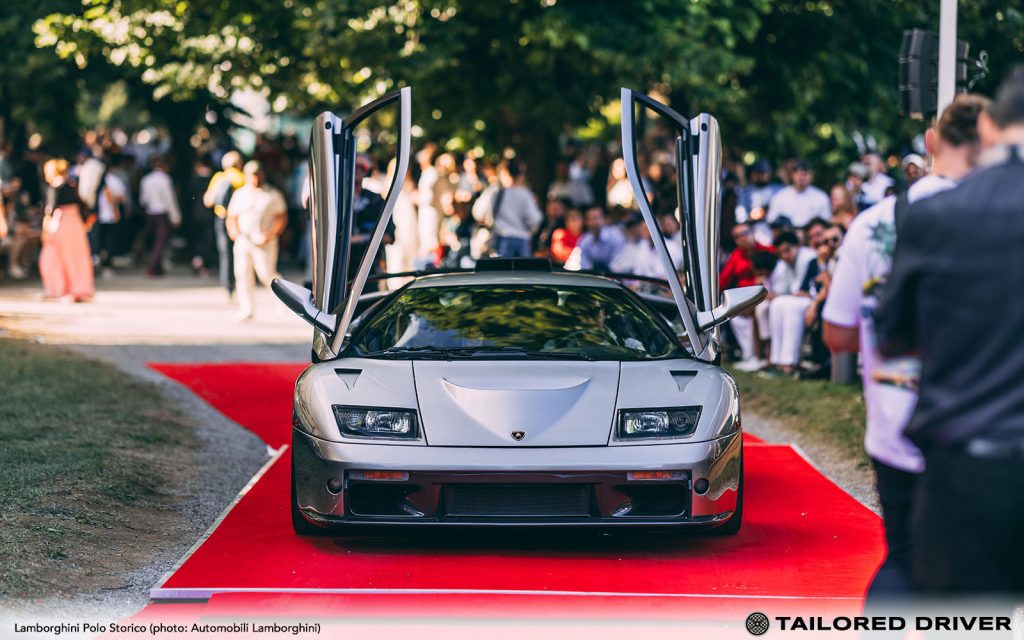
    In May, the Villa d’Este Concorso d’Eleganza hosted four classic Lamborghinis. These included a 1967 Miura P400 and a 1976 Countach LP 400, which was awarded by the jury with the Il Canto del Motore prize for the best sound. Also on display were a 1990 Countach 25th Anniversary, certified by Polo Storico, and a 1999 Diablo GT, currently undergoing analysis to obtain certification, which won the BMW Group Ragazzi trophy at Villa Erba, an award that confirms the growing attention of collectors to the youngtimer models. Also in May, Polo Storico participated in the Lamborghini Day UK event, where it showcased a Diablo SV and a Countach LP400, the first version of the iconic Lamborghini that in 2024 celebrated its 50th anniversary since going into production.   

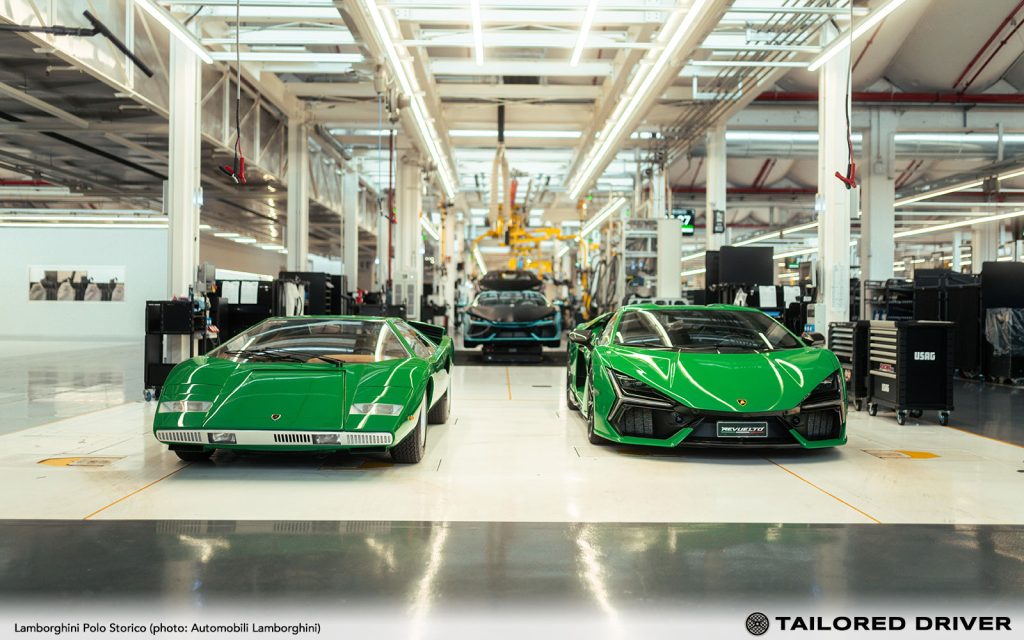
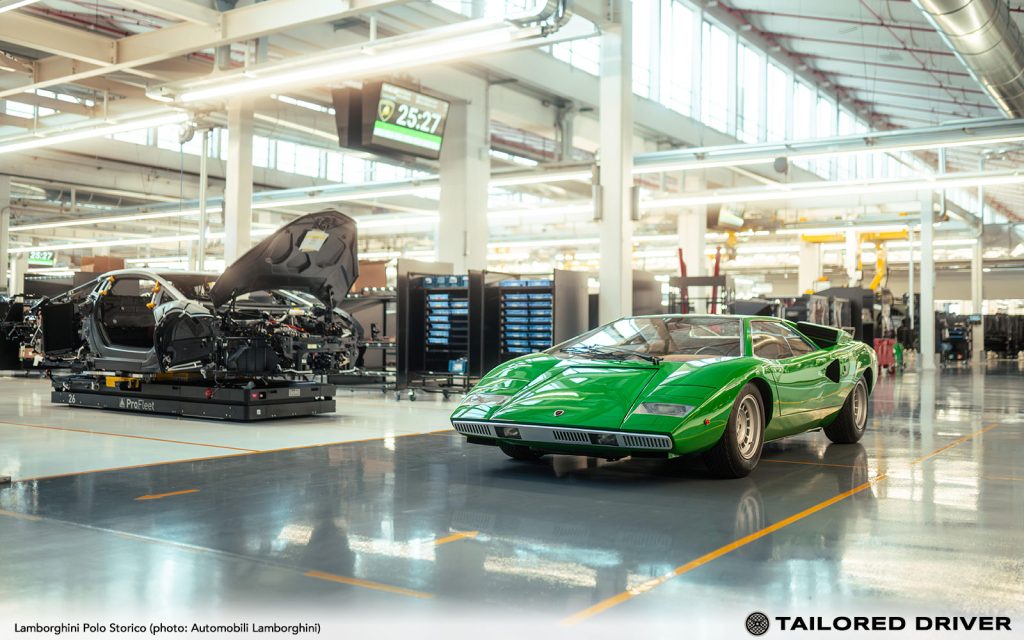
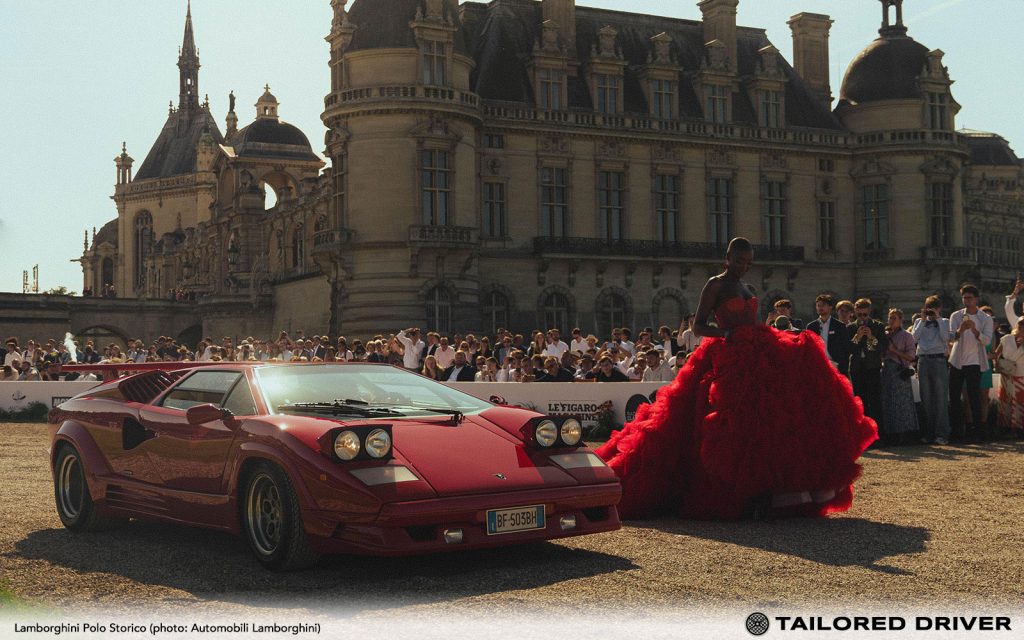
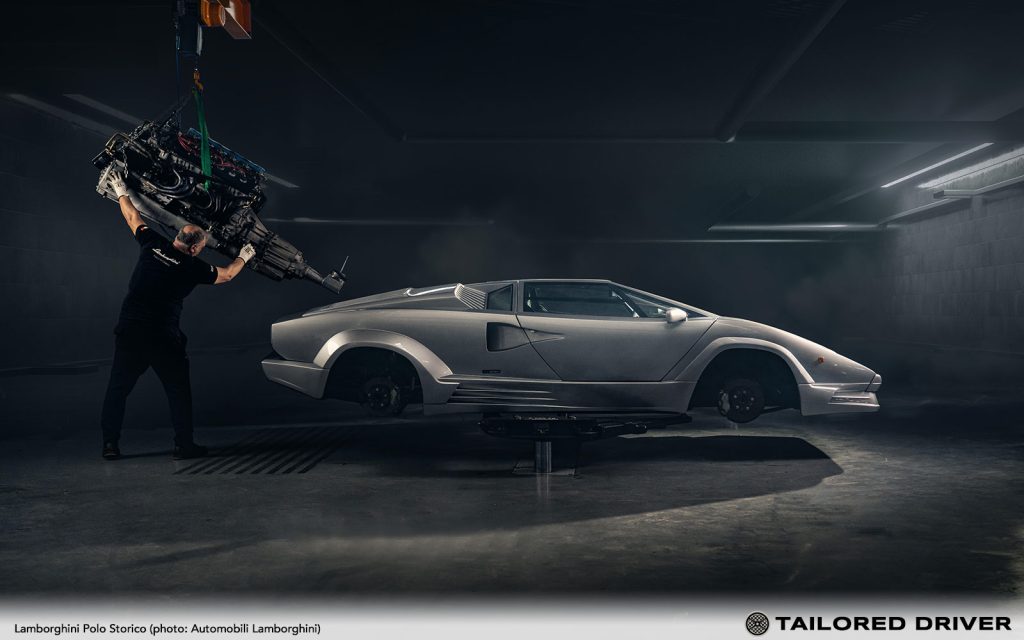
    September marked some special moments linked to the Countach’s 50th anniversary. At the Chantilly Arts & Élégance Richard Mille, held in September in France, the Countach was the star of a dedicated class, with the presence of the very first production car built (chassis number 001). This historical example also returned to the original production line, the same place where the Lamborghini Revuelto is currently being produced, for a photo shoot that established a dialog between the past and present of the Lamborghini V12.

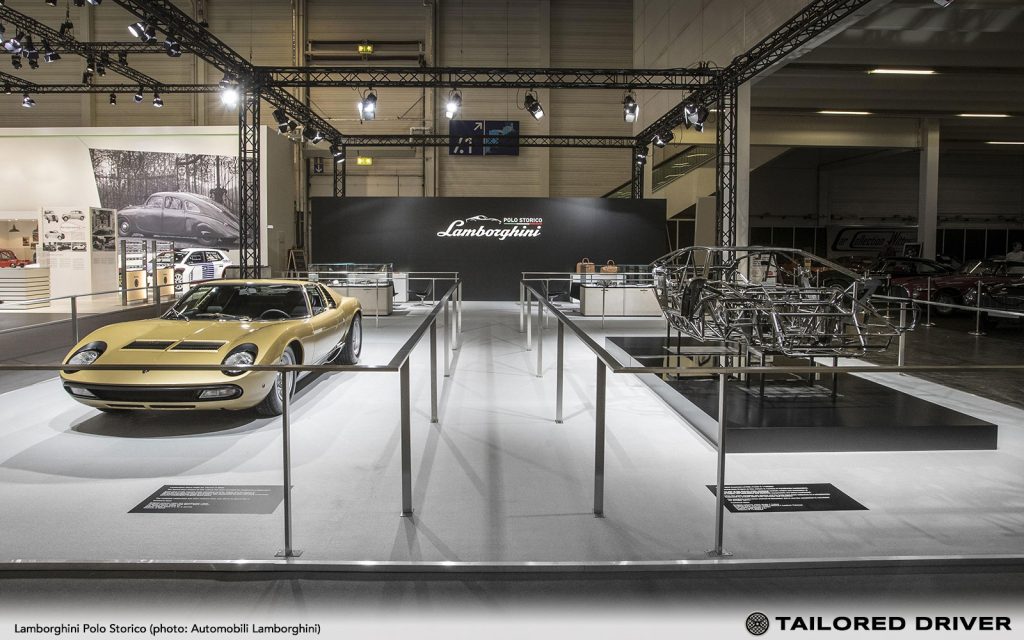
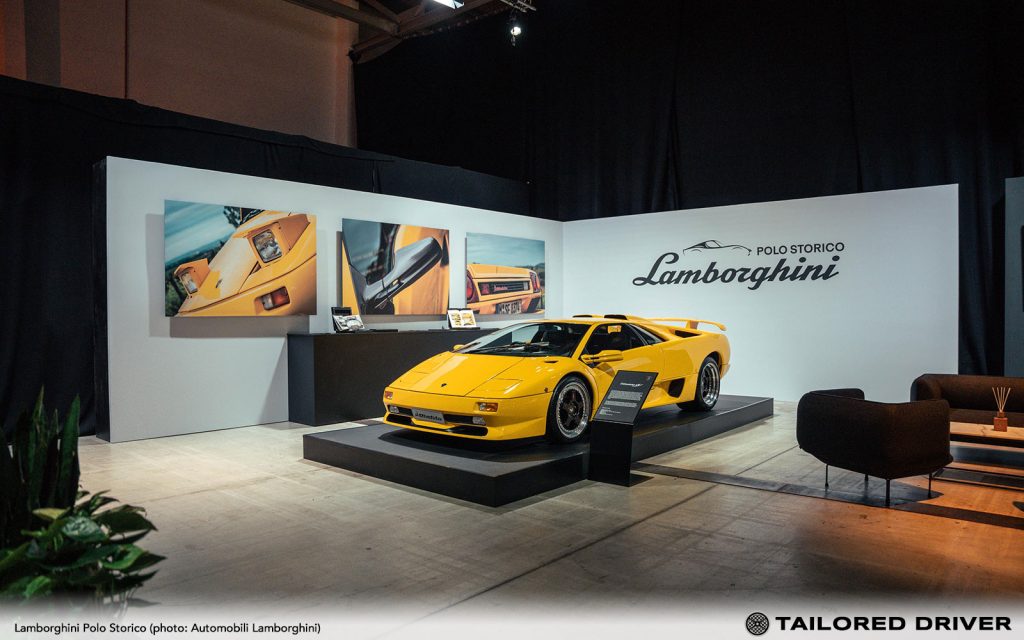
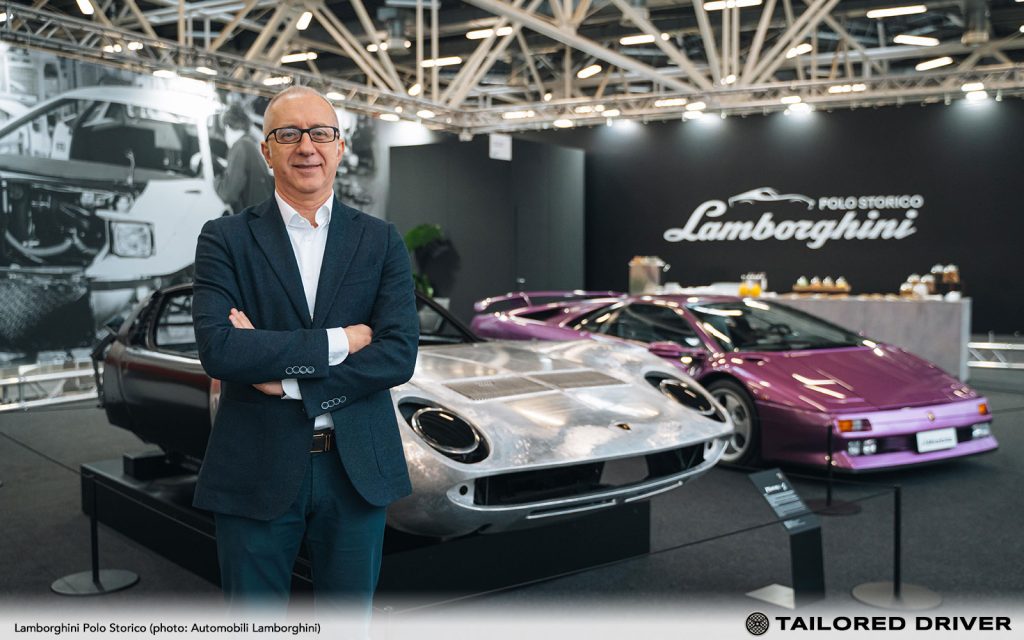
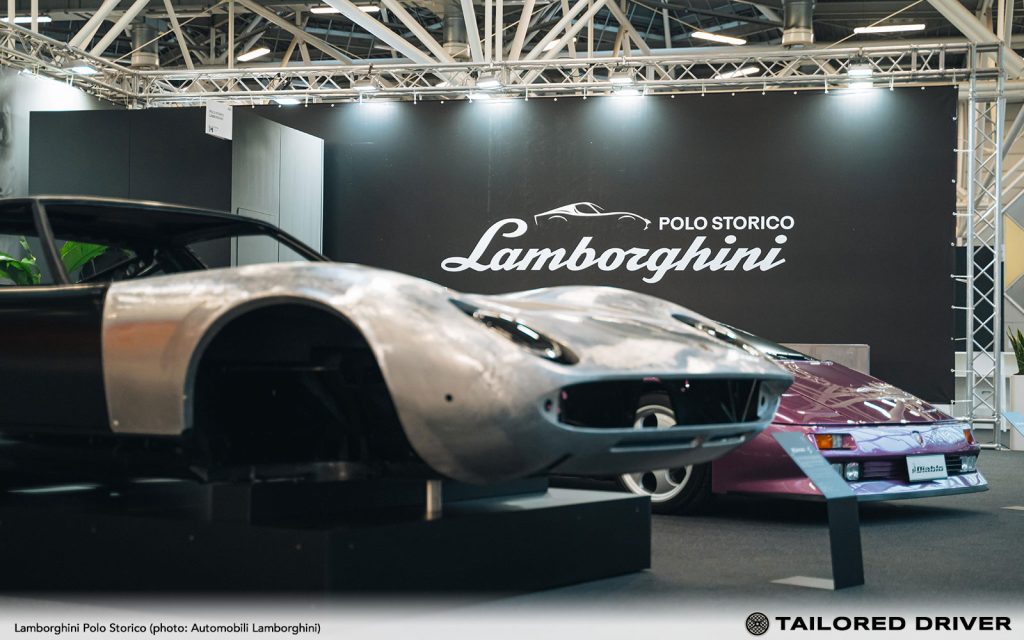
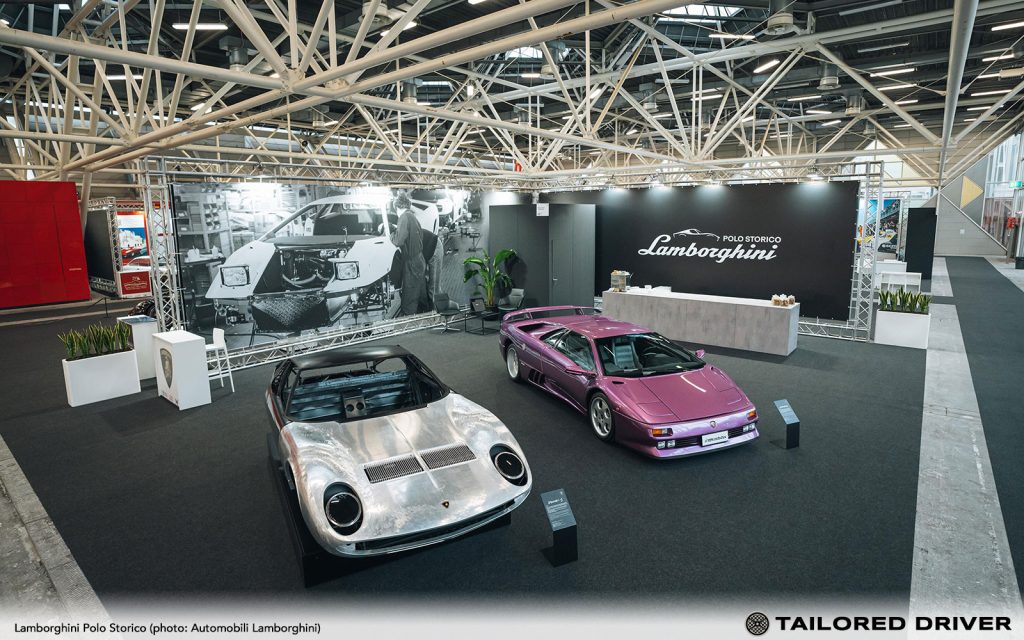
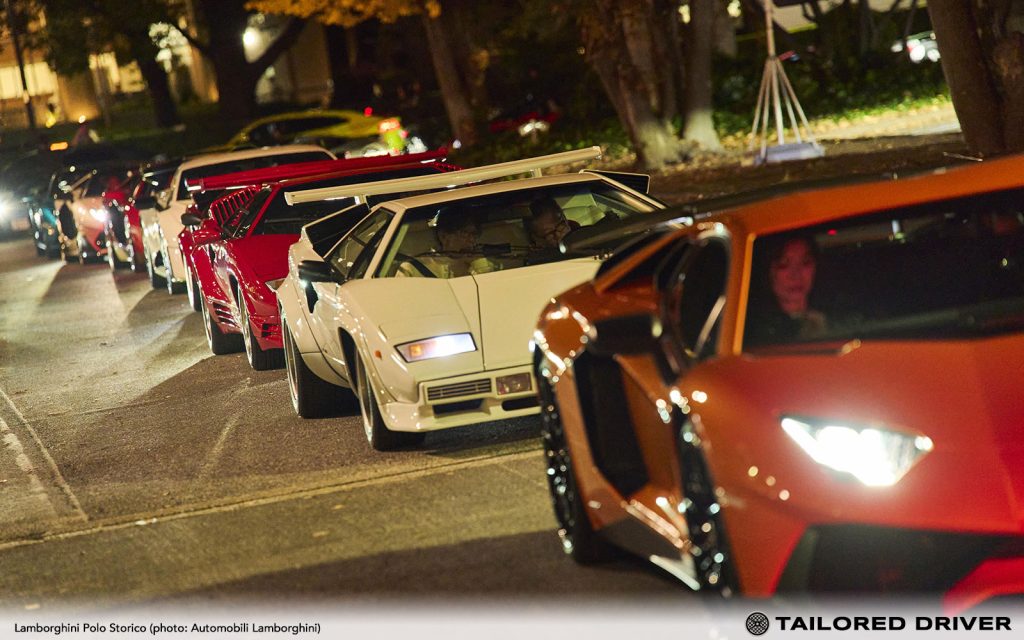
    In October, at the Auto e Moto d’Epoca show in Bologna, Polo Storico displayed the body of a 1968 Miura S currently undergoing restoration and a 1994 Diablo SE in the process of certification. Finally, during the month of November, Polo Storico supported Lamborghini Day Germany with the presence of three classic Lamborghinis on display, all certified by Polo Storico: this was followed by Lamborghini Day Japan, an event enlivened by a parade of 131 cars, including 30 classic models supported by Polo Storico, representing the brand’s heritage through the streets of Tokyo. Being involved so extensively in these prestigious events during 2024, further strengthened the international ambassadorial role of Polo Storico on behalf of Lamborghini.

    Continuing its steady growth, Lamborghini Polo Storico will mark its tenth anniversary in 2025. This important milestone is an opportunity for the Polo to celebrate its evolution and activities by participating in international and company events, along with concours d’elegance around the world, consolidating its central role in the preservation and enhancement of the brand’s history.

  • Golf Clap to Mercedes-Benz, Celebrating and Supporting Modern Classics

    Golf Clap to Mercedes-Benz, Celebrating and Supporting Modern Classics

    Here’s the dirty little secret about the car business. Though they’re well loved by aging car enthusiasts finally ready to spend some of that disposable income, newly minted vintage cars (30-years old in this case) can tend to be a paint for car manufacturers. Many of these cars have been garaged or retired, yet a smaller owner base remains a small yet highly outspoken group. Even still, this group holds a lot of influence with friends and family, meaning they help sell the new cars where the actual money is made. Classic parts divisions are often on minimal budgets if they exist at all. Still, some companies get the value, underlining the timelessness and inherent value of their product, and one of those is Mercedes-Benz.

    We caught the below press release from the Mercedes-Benz global PR distribution, highlighting the latest cars to get support from their classics department. You’ll notice some regular players from our Market Finds series, with Mercedes’ own MANUFAKTUR division active in that time period, as well as Designo and Avantgard paint and design packages regulars in our European Market Finds mix for their unique and colorful options.

    Bravo Mercedes. This isn’t a part of the business most easily associated with profits, but it remains core to support of owners and enthusiasts who care about your brand, which pays dividends in authenticity and passion that are hard to quantify yet critically necessary for a long-lived and/or premium brand.

    BEGIN PRESS RELEASE – One Star, Four Eyes and Thousands of Parts: Mercedes-Benz Classic for the H Number Plate

    [source: Mercedes-Benz]

    • Premiere of model series 210 in 1995: First E-Class with “four-eye face”
    • The Sprinter shapes an entire vehicle category
    • Further models and model variants from 1995 are ready for the classic car certificate
    • Mercedes-Benz Classic Genuine Parts keep classics on the road

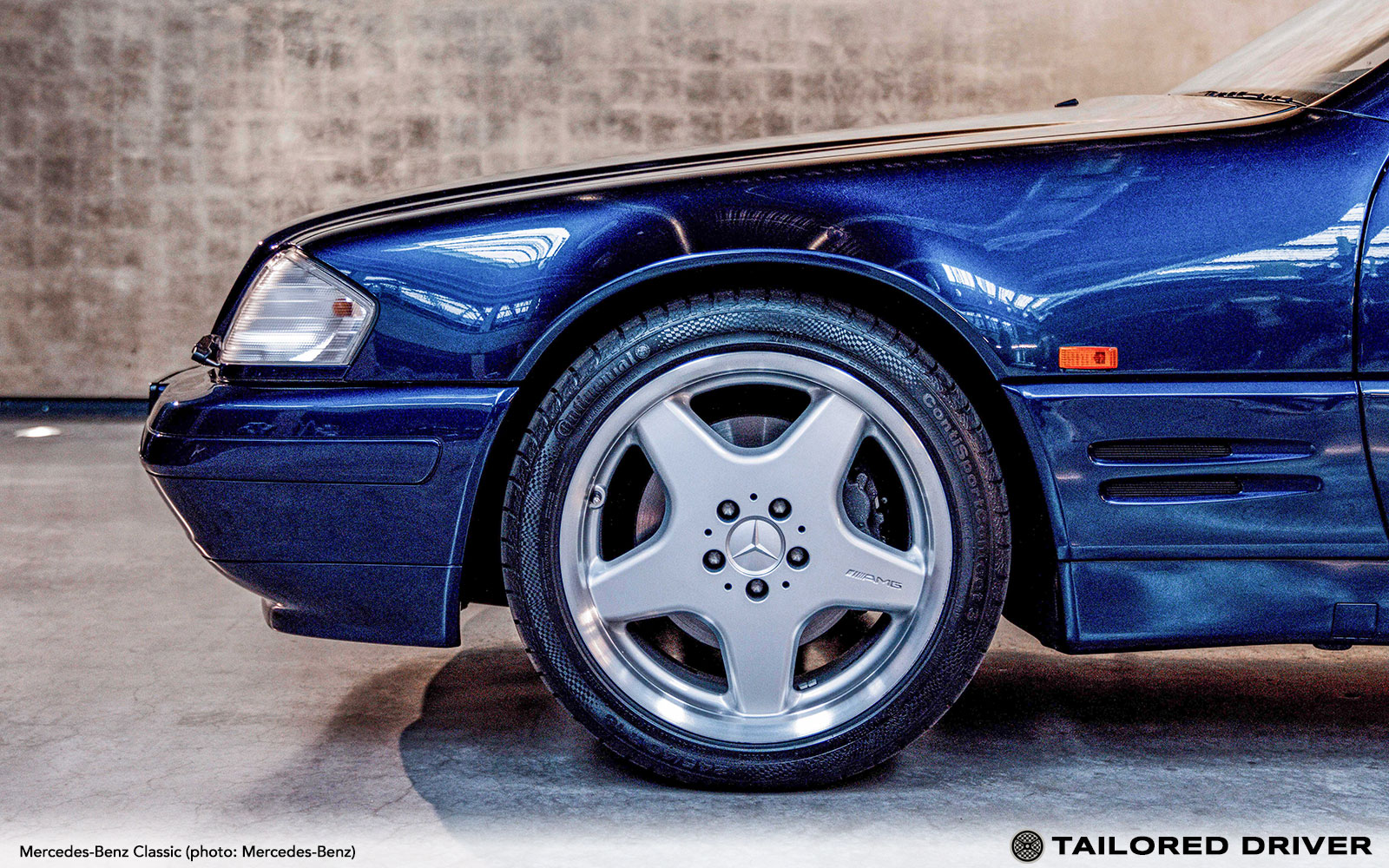
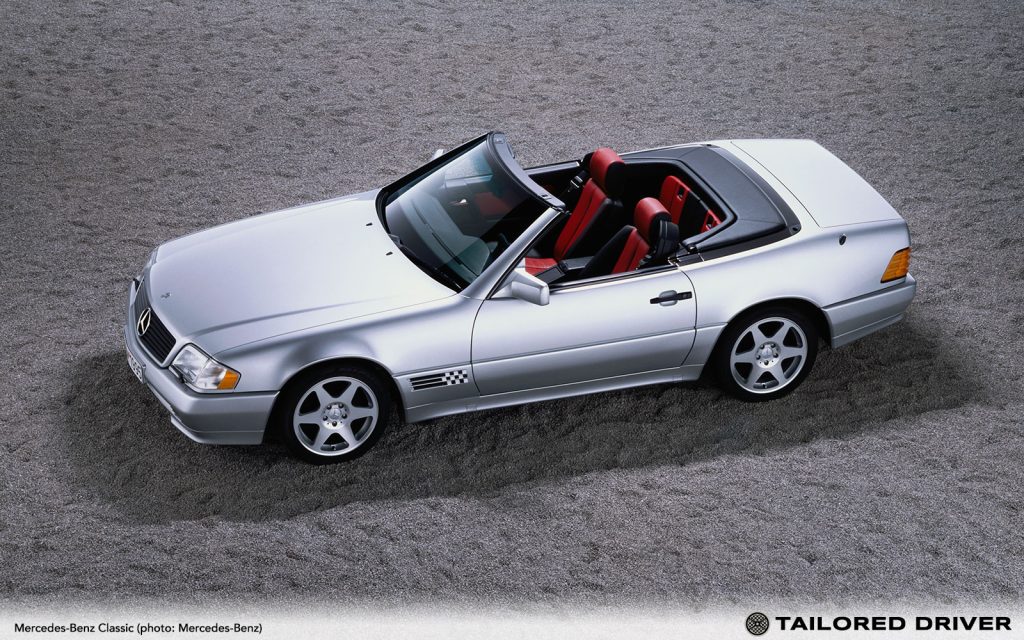
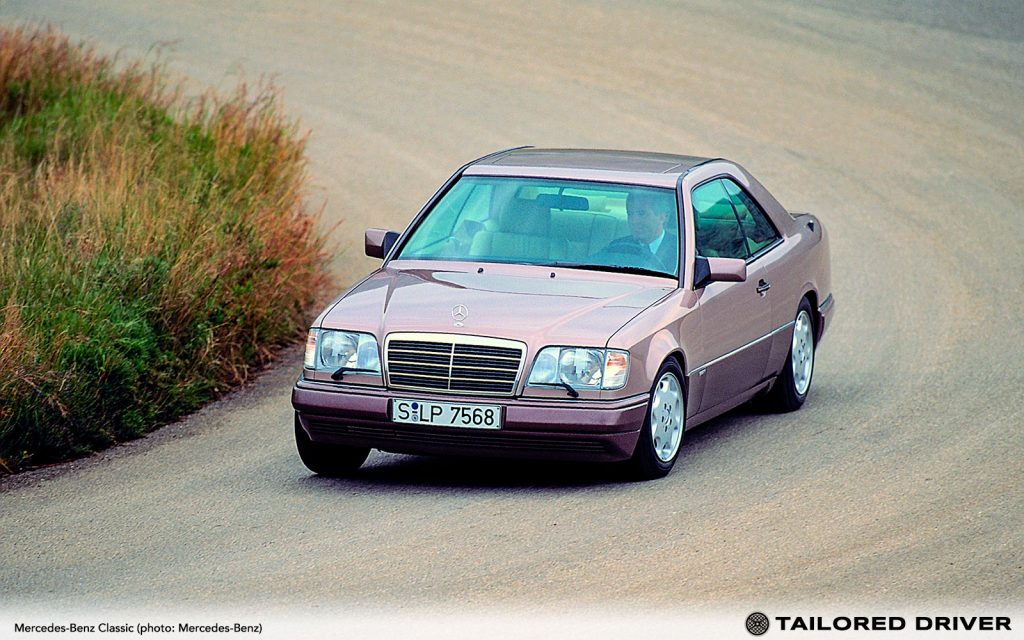
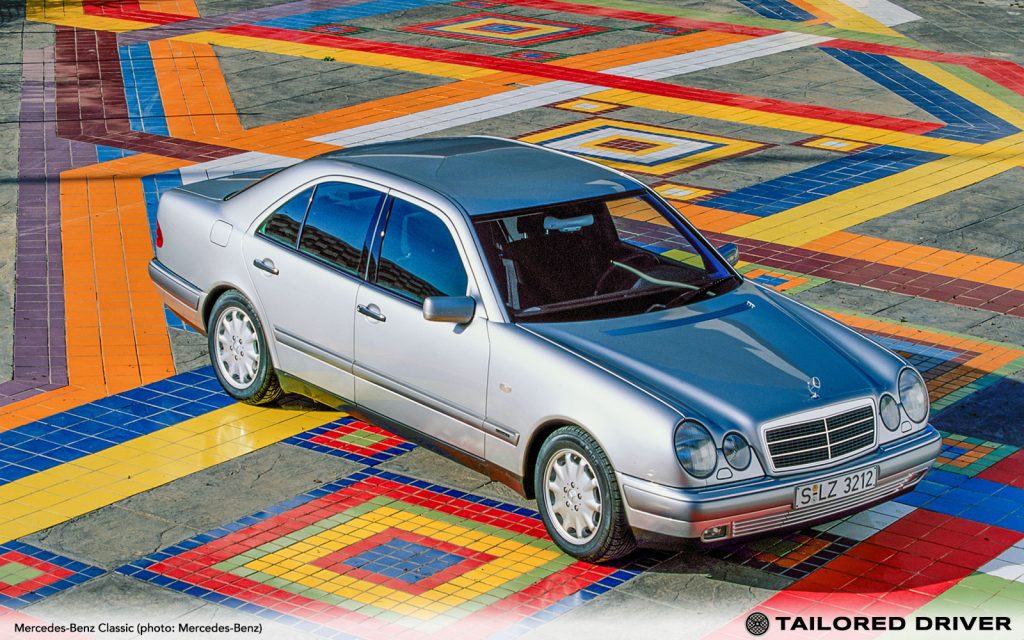
    Is your favourite car with the star actually already due for the H number plate? Every year, owners of Mercedes-Benz vehicles which have weathered the years marvel at which of the brand’s models and model series find themselves on this threshold to becoming classics. In 2025, for the first time, these include the E-Class of model series 210, the first generation of the Sprinter and models of the SL of model series 129 and the E-Class Coupé of model series 124.

    One prerequisite for the coveted H number plate is a classic car certificate in accordance with Section 23 of the German Road Traffic Licencing Code (StVZO). Vehicles can qualify which are 30 years or older. This certificate attests to the good original condition of a classic vehicle. With or without the H number plate: with its services, Mercedes-Benz Heritage GmbH plays considerable role in keeping classics as well as younger vehicles from throughout the brand’s history in optimum condition. Particular attention is paid to components which are relevant to driving and safety. Mercedes-Benz Classic offers an extremely comprehensive supply of spare parts worldwide with around 160,000 part items. Many are ready for pick-up within 24 hours from just under 3,000 authorised dealers in 170 countries.

    January 1995: Sprinter becomes new synonym for vans

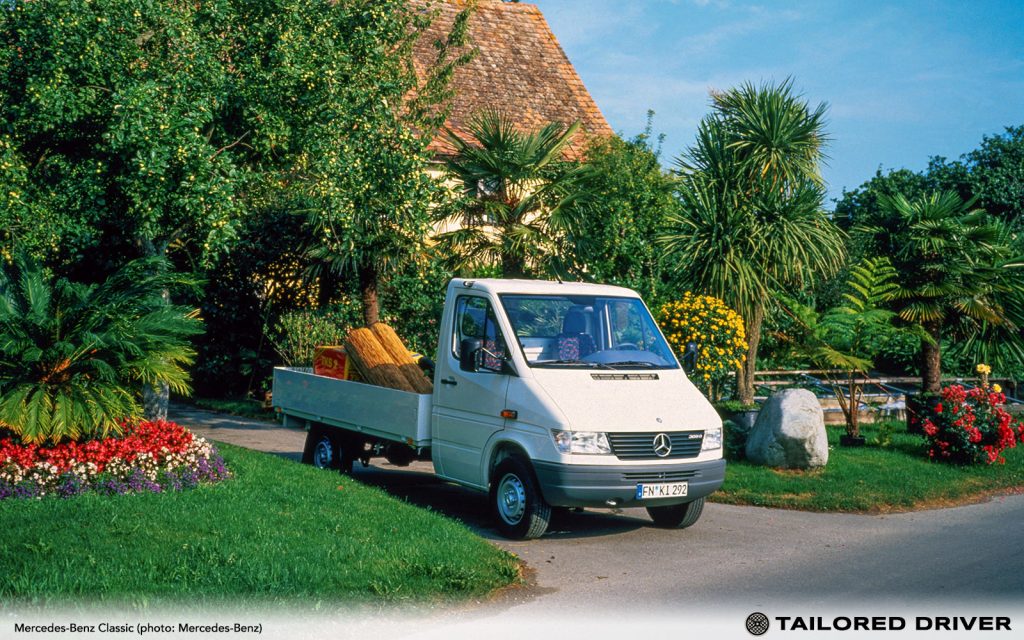
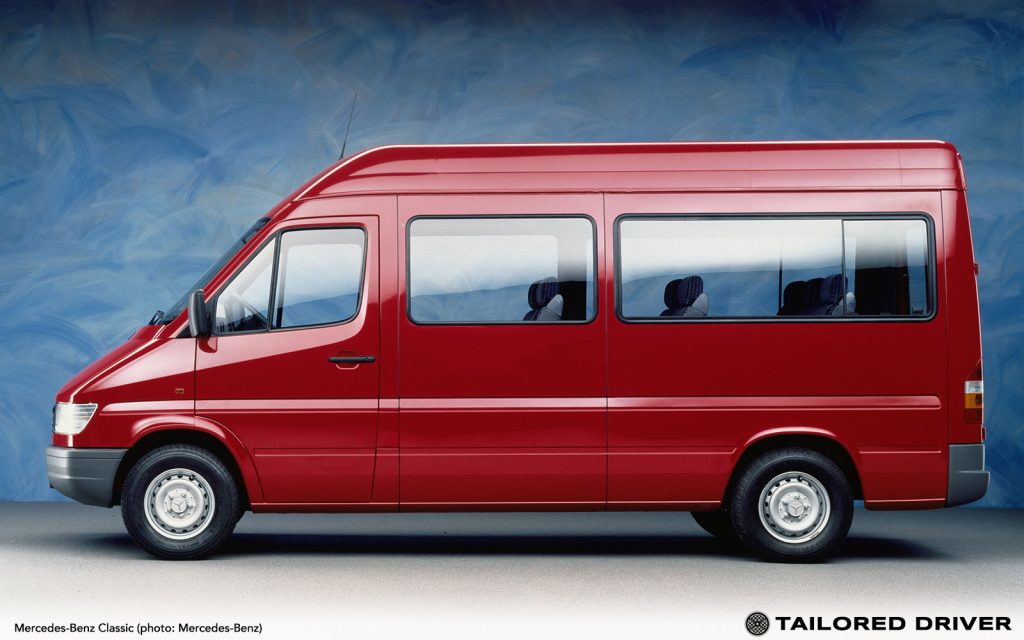
    The Mercedes-Benz Sprinter premieres on 23 January 1995. On this day, 500 of the agile vans leave the Düsseldorf plant bound for German Mercedes-Benz dealerships. The “Van of the Year 1995” is so successful that it soon lends its name to an entire vehicle category – known colloquially as the “Sprinter Class”. The van is available in various wheelbases with different body variants. The offer initially comprises three models with petrol, diesel and turbodiesel engines. The ABS anti-lock braking system, ABD automatic brake differential and – for the first time in a van – four disk brakes are standard features.

    June 1995: E-Class of model series 210 with “four-eye face”

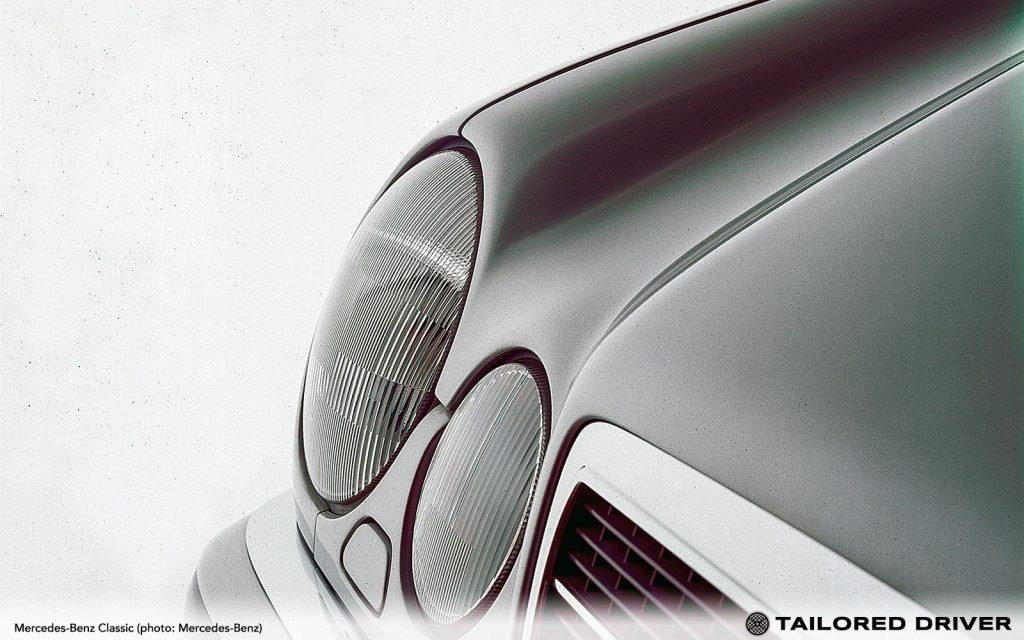
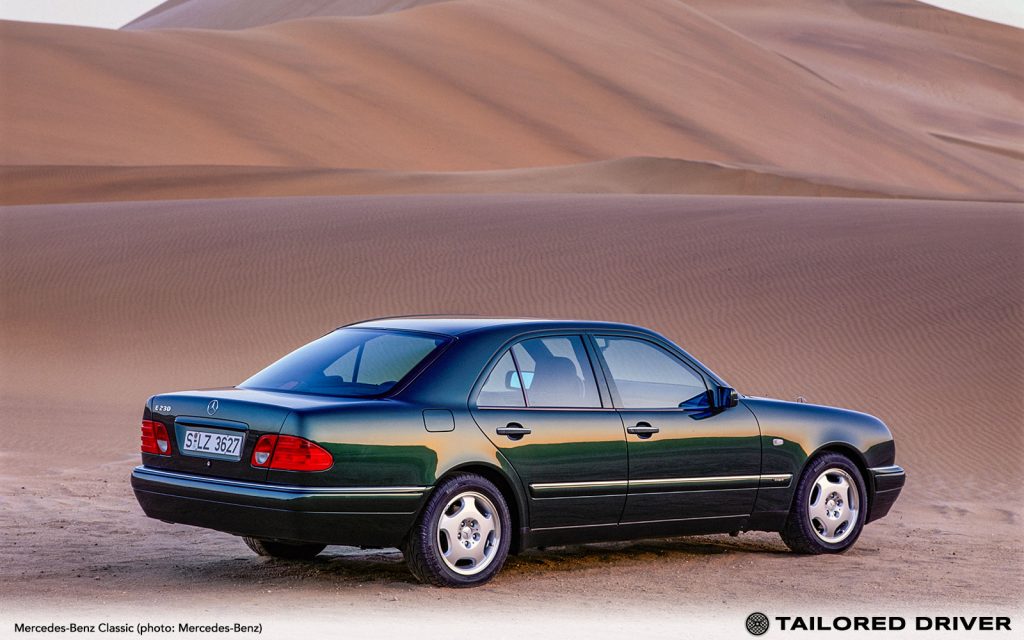
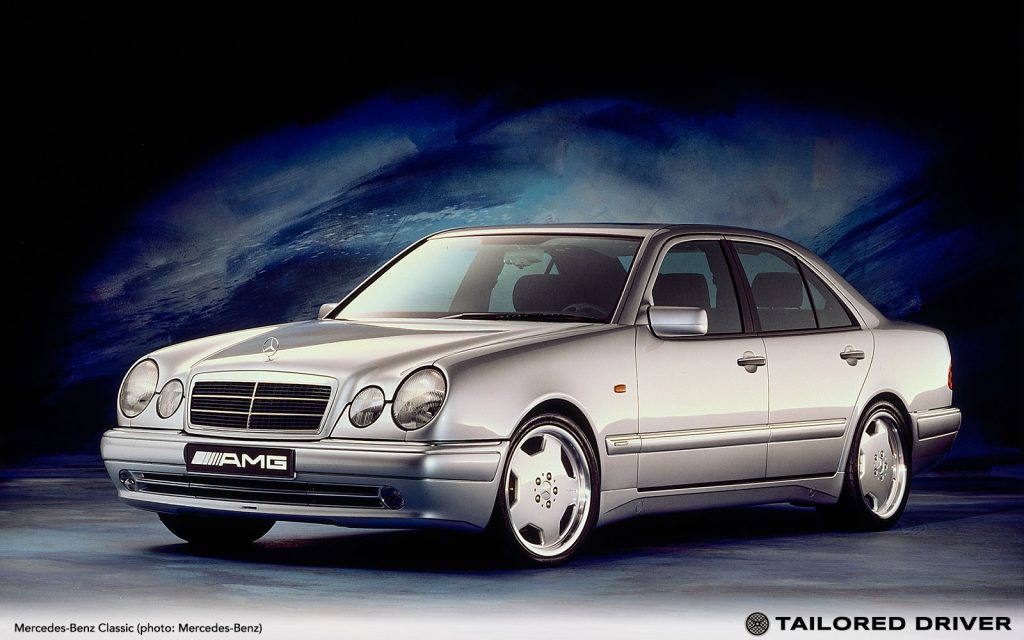
    Mercedes-Benz presents the second E-Class generation in June 1995. Model series 210 sets an unmistakable visual accent with its “four-eye face”. This designation comes from the four round headlamps at the front. The CLASSIC, ELEGANCE and AVANTGARDE feature lines on offer are groundbreaking. The new E-Class initially starts with four diesel engines with four, five and six cylinders, as well as five petrol engines with four and six cylinders, and the E 420 with eight cylinders. In September 1995, the E 50 AMG follows as a top-of-the-line model; its eight-cylinder engine has an output of 255 kW/347 hp.

    March and September 1995: Model series 129 with facelift and special model “Mille Miglia”

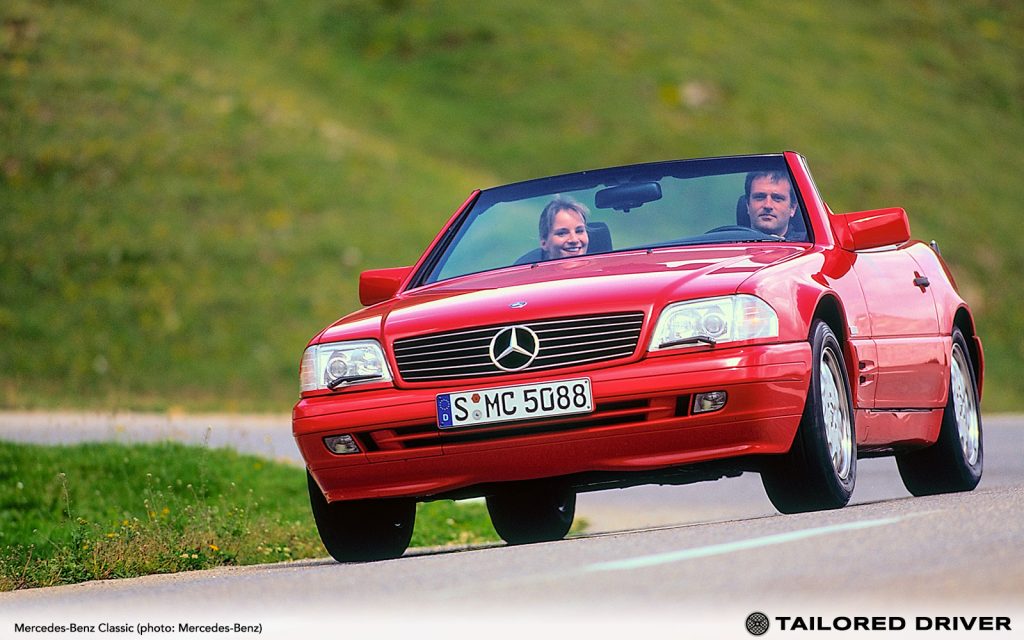
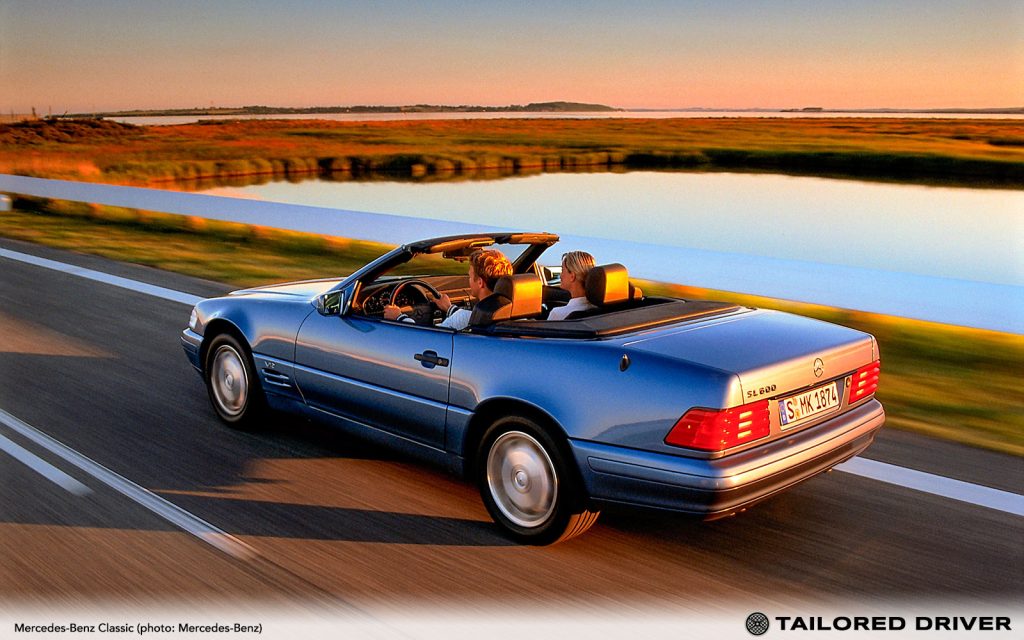
    The updated SL of model series 129 premieres in September 1995. It is the first facelift of this generation of the Mercedes-Benz sports car. In addition to changes regarding details of the design, the SL is subject to technical innovations. These include a five-gear automatic transmission and revised engines in the SL 500 and SL 600. The Electronic Stability Program ESP® is available upon request for the two top models of model series. Headlamps with xenon gas discharge bulbs and a hardtop with a glass roof are now available as special features. In 1995, Mercedes-Benz presents the SL special model “Special Edition” of the W 129 with Mille Miglia style elements, of which 630 vehicles are produced. The “Mille Miglia” model is even more exclusive. Created as a support vehicle of the famous regularity drive for classic automobiles, only ten units are produced on the basis of the Special Edition.

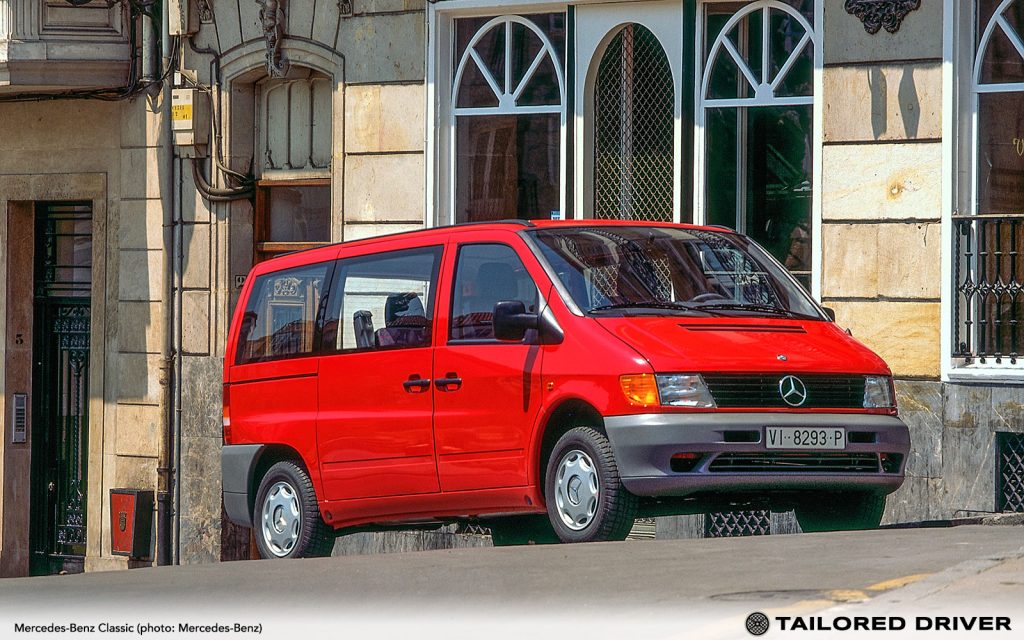
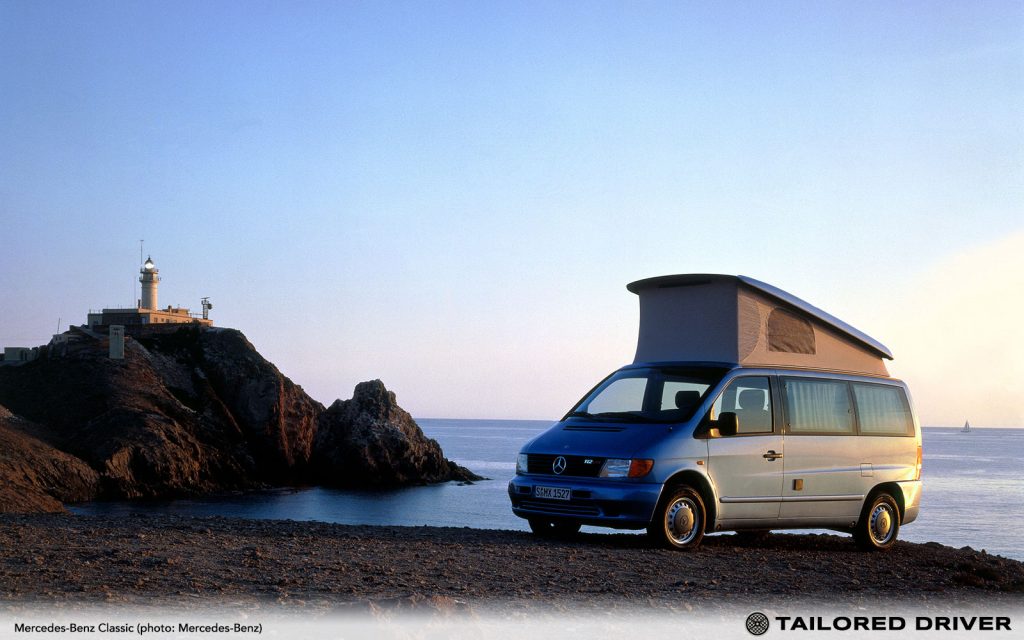
    October 1995: Mid-size van Vito

    Vito is the name of the new light van in the mid-size segment from Mercedes-Benz. Model series 638 is presented in Madrid in October 1995. The commercial vehicle ranked below the Sprinter is available in Germany from March 1996 on. The offer comprises three feature versions and four engines.

    Model variants and facelift in 1995

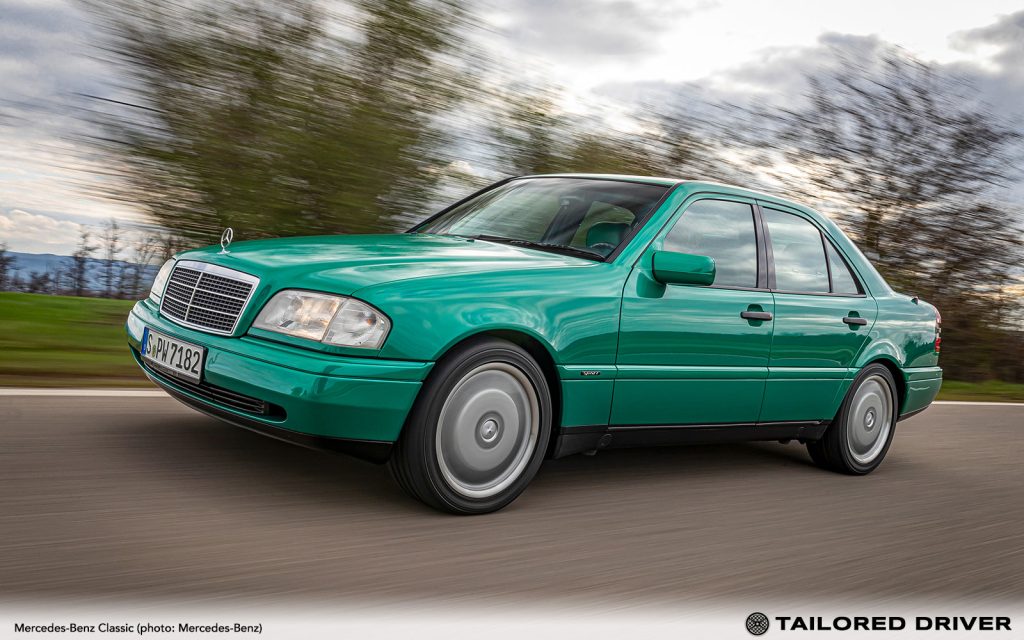
    In the course of 1995, new models complement the Mercedes-Benz passenger car range. From January 1995, the E 200 Coupé of the 124 model series, previously reserved for export to Italy, Greece and Portugal, is also available in Germany. The C-Class of model series 202 is revised in September 1995 and is provided with an extended range of engines.

    With genuine parts, the classic remains on the road – Authentic and stable in terms of value

    Whether for the second generation of the E-Class, the SL of model series 129, the first Sprinter or other classics with the star: Mercedes-Benz Classic Genuine Parts have a comprehensive range of spare and wearing parts available for classic automobiles of the brand. The service stands for the highest quality and originality down to the last detail. Thus, Mercedes-Benz Heritage GmbH makes a significant contribution to maintaining the authentic condition of the brand’s classics in the long term.

    A selection of parts for the vehicles presented here:

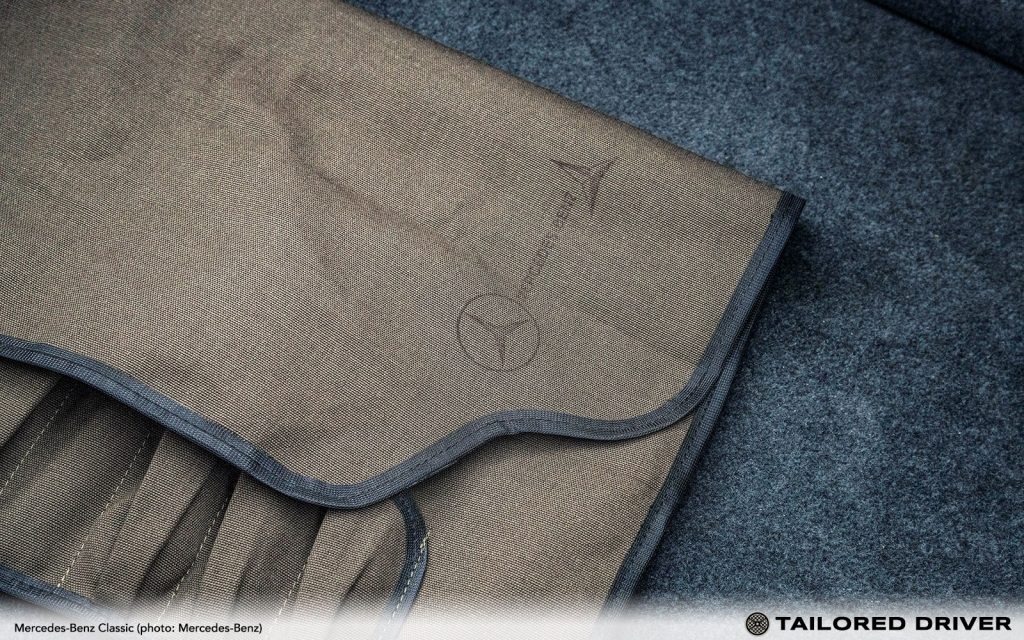
    • For the E-Class of model series 210, the radiator grille (part number A 210 880 00 83, EUR 755.67), left headlamp (part number A 210 820 03 61 64, EUR 594.79), right headlamp (part number A 210 820 04 61, EUR 594.79) and tool bag, empty (part number A 314 585 00 01, EUR 36.84) are available. The range of parts available for the E 50 AMG includes the left front catalytic converter (part number HWA 210 490 03 19, EUR 1,485.95), left front brake disk (part number HWA 210 421 01 12, EUR 481.62) and right front brake disk (part number HWA 210 421 02 12, EUR 481.62).
    • The spare parts portfolio for the Sprinter comprises, for example, the grille for the bonnet (part number A 901 830 02 18, EUR 18.09), the right headlamp (part number A 901 820 06 61, EUR 328.15) and left headlamp (part number A 901 820 05 61, EUR 328.15) as well as the right rear lens (part number A 000 826 19 56, EUR 55.12) and left rear lens (part number A 000 826 18 56, EUR 55.12).
    • For the facelifted SL of the 129 model series from September 1995 onwards, among other parts, the radiator (part number A 129 500 01 03, EUR 797.82), the front right mud wing (part number A 129 880 04 18, EUR 957.95), the front left mud wing (part number A 129 880 03 18, EUR 957.95) and the windscreen (part number A 129 670 09 01, EUR 1,003.57) are available.
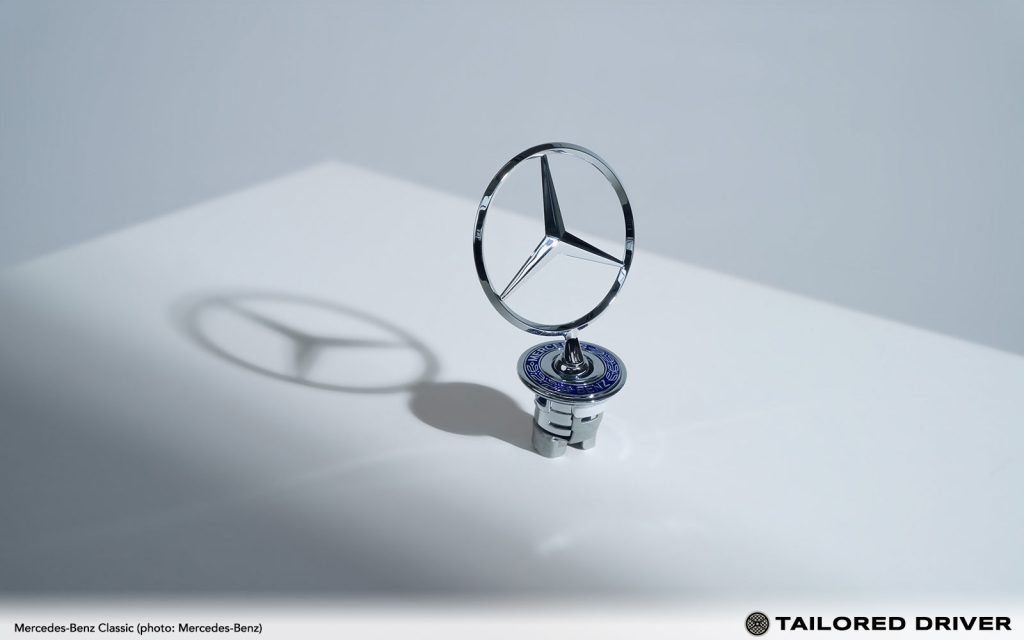
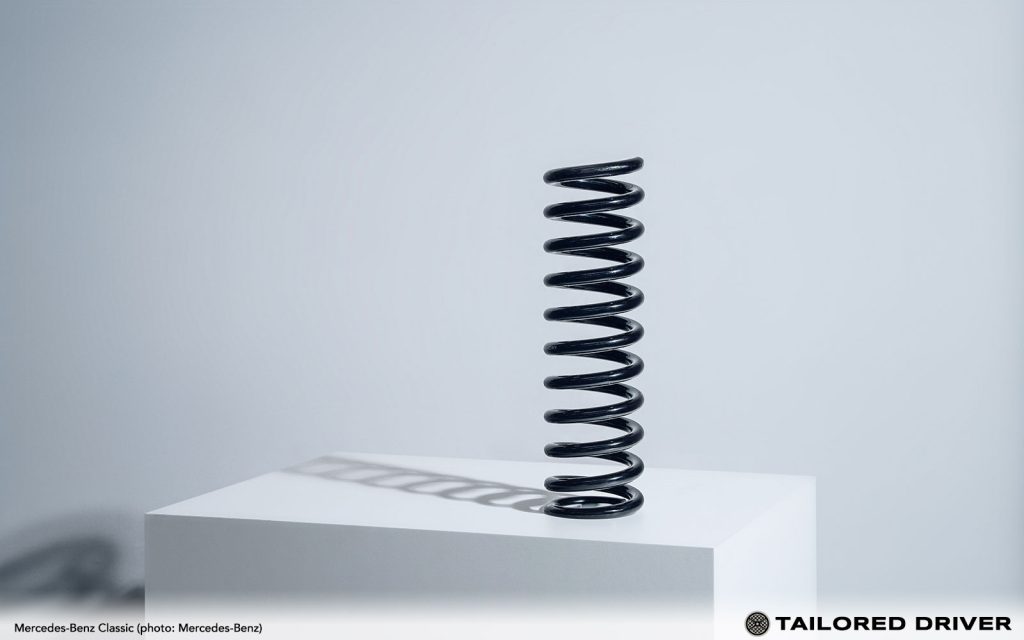
    • For the E 200 Coupé of the 124 model series, for example, the eight-hole rim 6.5 x 15 (part number B 664 700 85, EUR 240.00), the front axle spring (A 124 321 19 04, EUR 167.22) and the Mercedes star (part number A 210 880 01 86, EUR 39.71) are available.
    • For the facelifted C-Class of the 202 model series, in addition to many other parts, the gear lever of the mechanical five-gear transmission (part number A 202 267 01 11 9C 05, EUR 220.39), the steering knuckle on the right (part number A 202 330 01 20, EUR 338.45) and the steering knuckle on the left (part number A 202 330 00 20, EUR 338.45) are available.

    All prices specified are recommended retail prices for Germany and include 19 per cent value added tax. The Mercedes-Benz Classic Genuine Parts specified and other Mercedes-Benz Classic Genuine Parts can be found at: teilesuche.mercedes-benz-classic.com

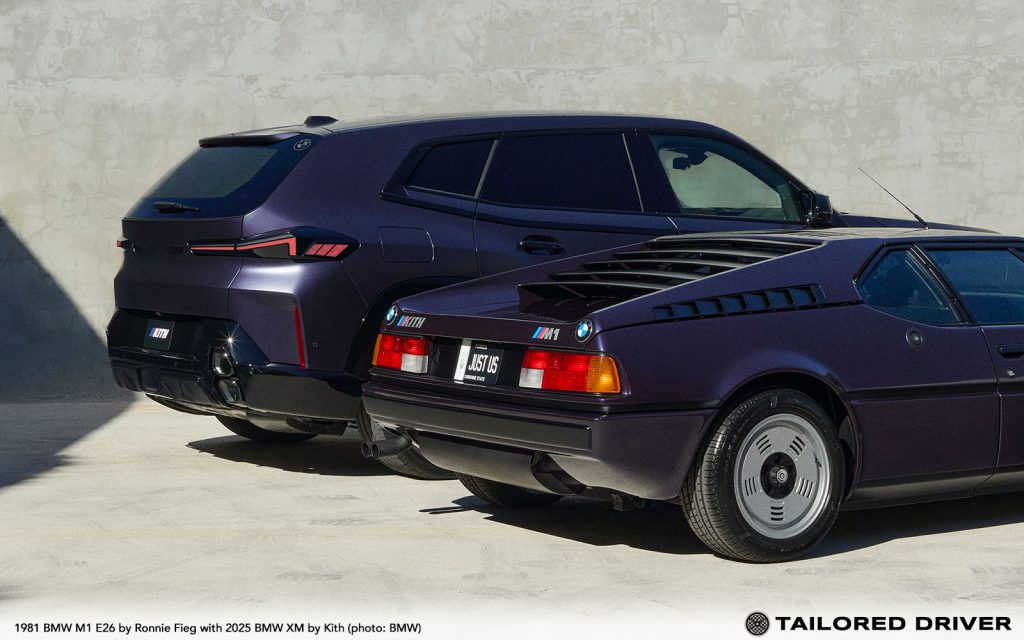
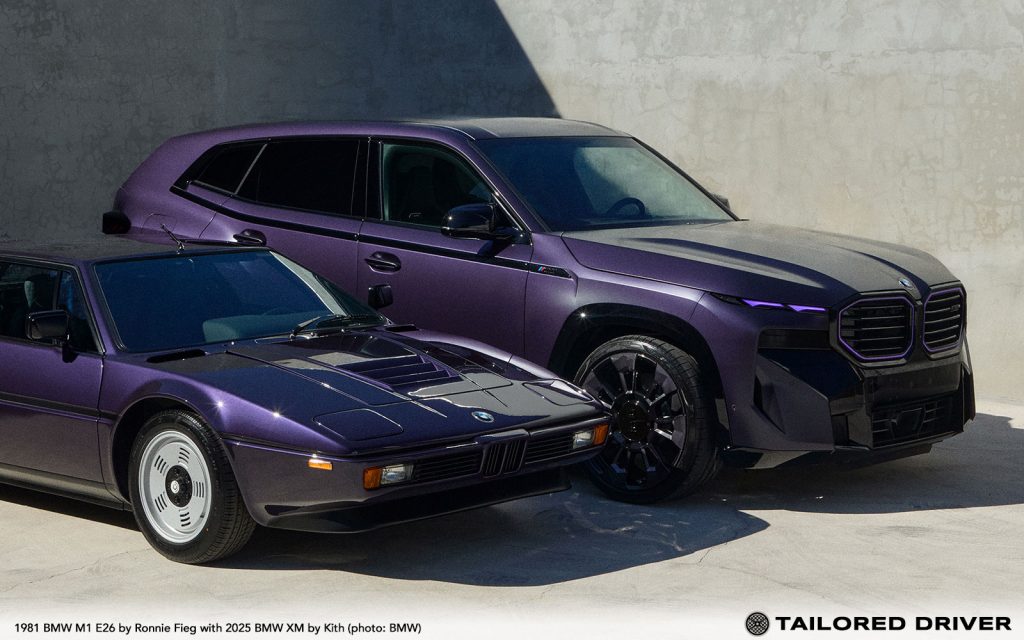
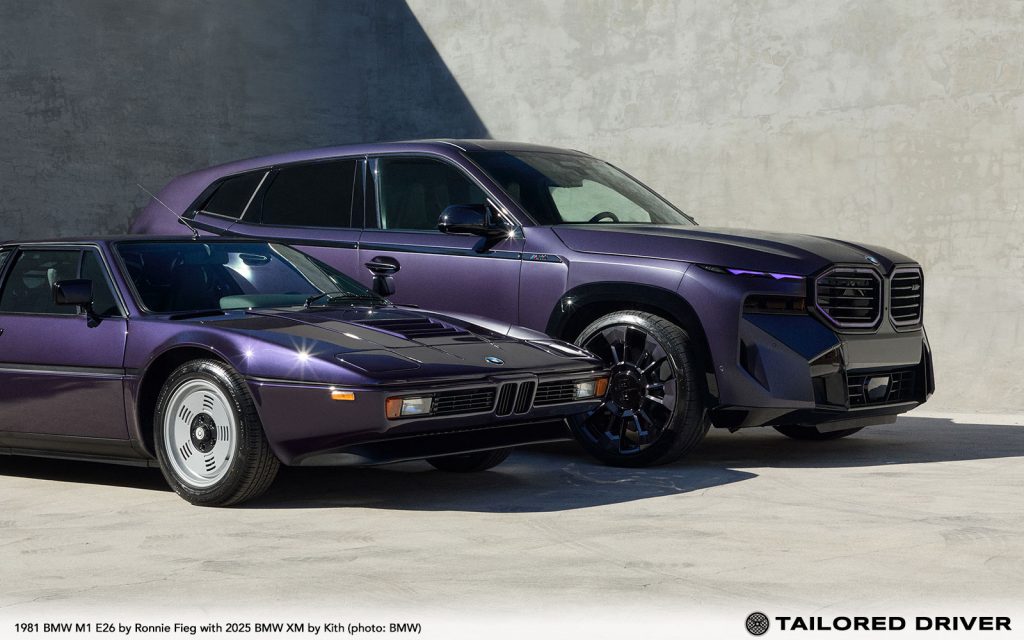
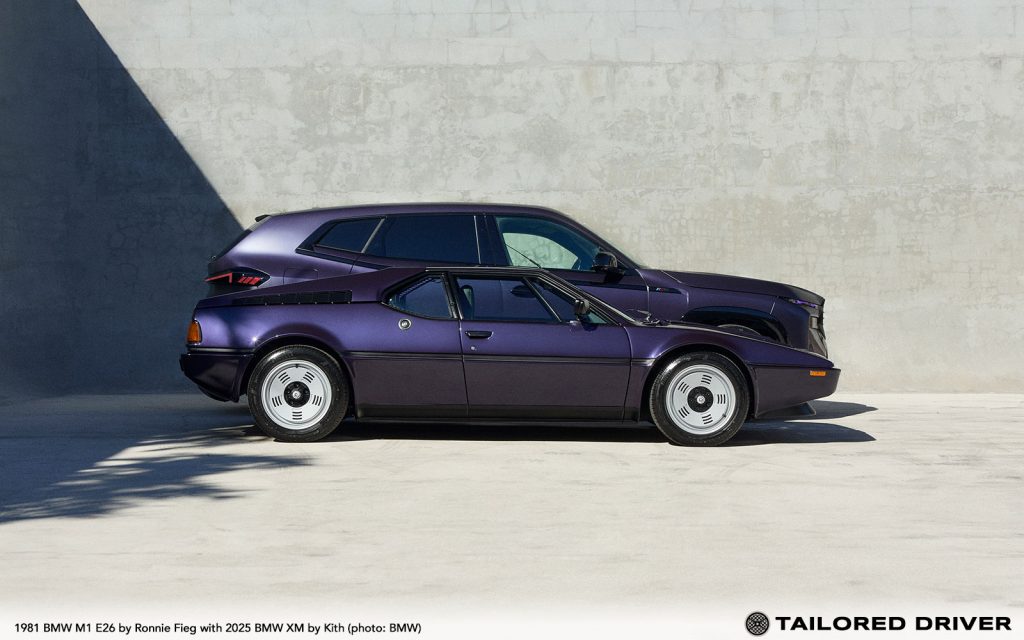
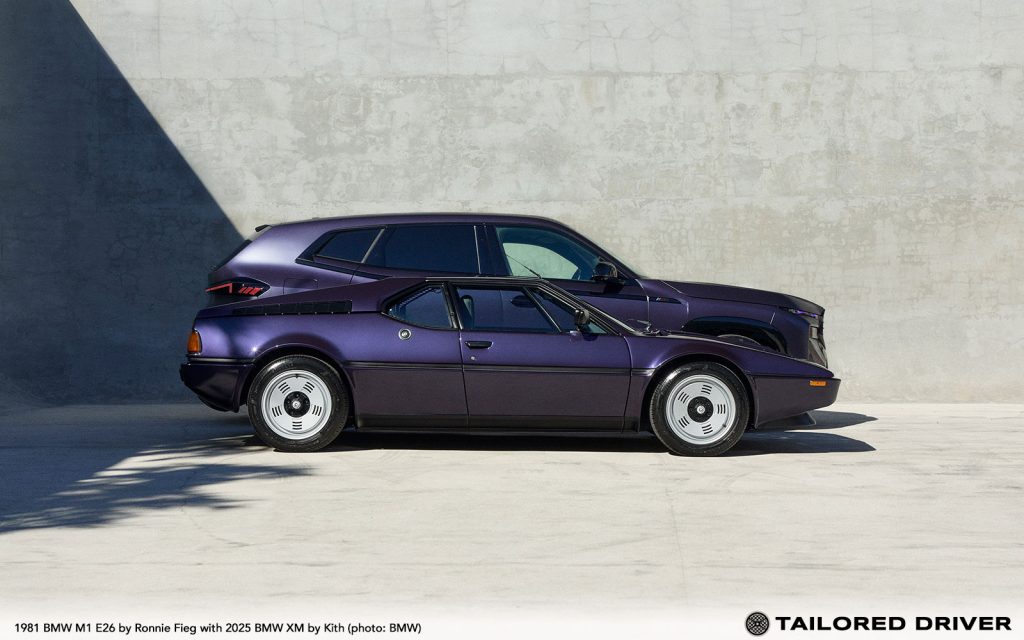
  • Reconstructing a Legend: 1981 BMW M1 E26 by Ronnie Fieg.

    Reconstructing a Legend: 1981 BMW M1 E26 by Ronnie Fieg.

    [source: BMW]

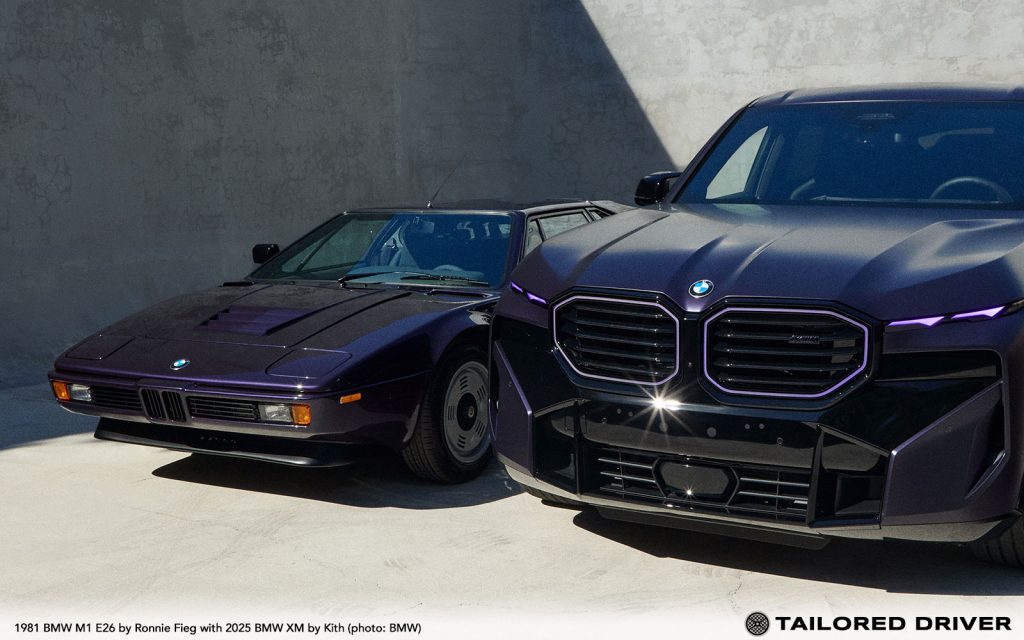
    Munich/Miami Beach. BMW and Kith are launching a new edition of their successful collaboration. The BMW XM* and its links to the legendary BMW M1 are the focus of the third collaboration between the premium car manufacturer and Ronnie Fieg’s world-renowned lifestyle brand, Kith. The high-performance plug-in hybrid will be available next year as the 2025 BMW XM by Kith, with exclusive exterior and interior designs.

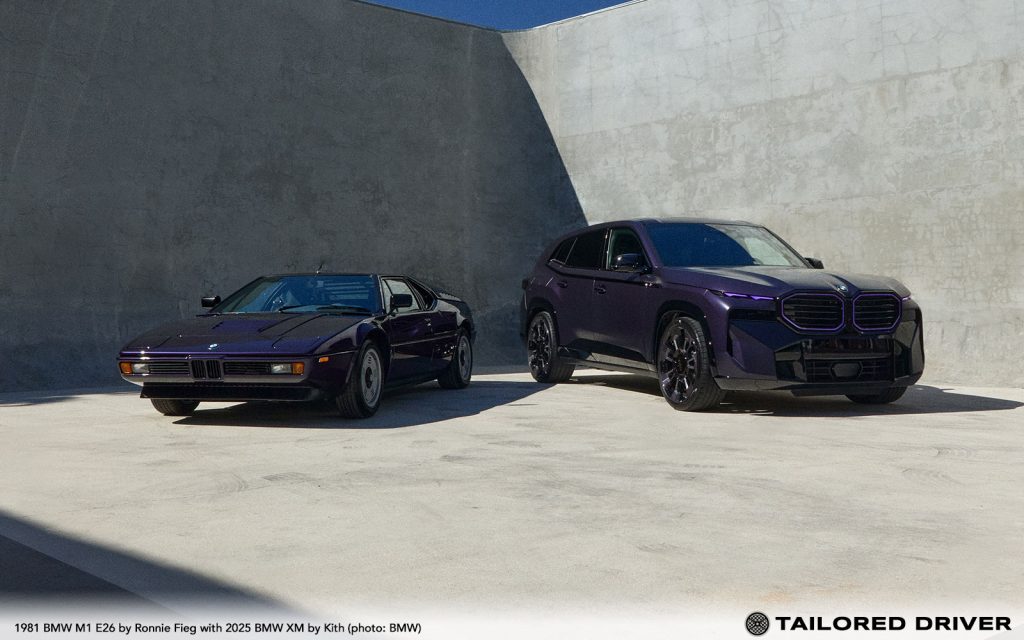
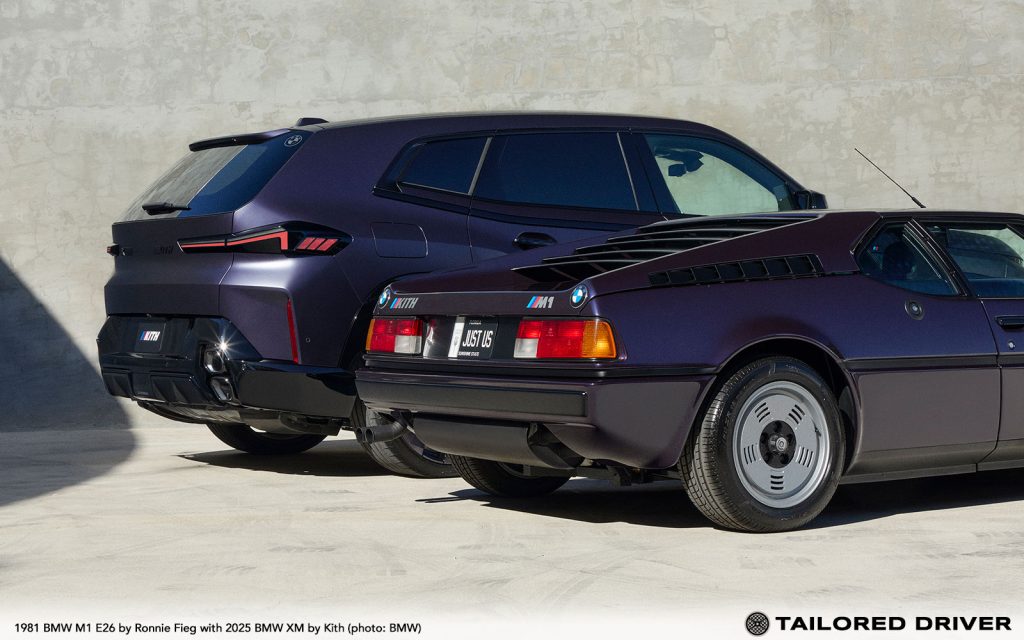
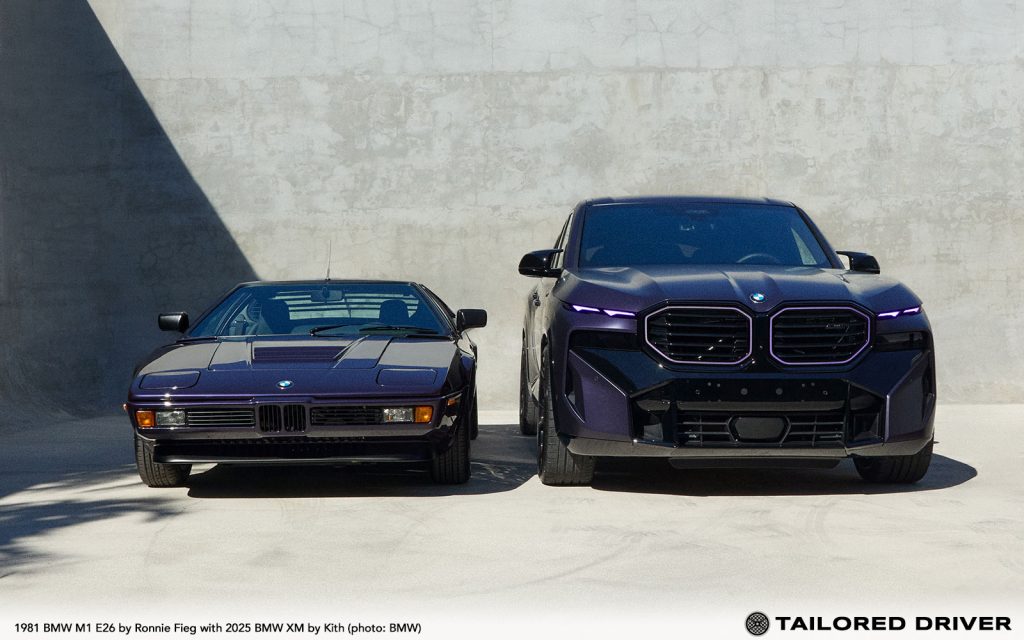
    The 2025 BMW XM Kith Concept offers a first look at the car, which will be manufactured as a one-of-one vehicle and presented at Art Basel Miami 2024, taking place from December 6-8 at the Miami Beach Convention Center,  alongside another unique piece, Ronnie Fieg’s 1981 BMW M1 E26. A new Kith for BMW collection of apparel and lifestyle products will also be launched.

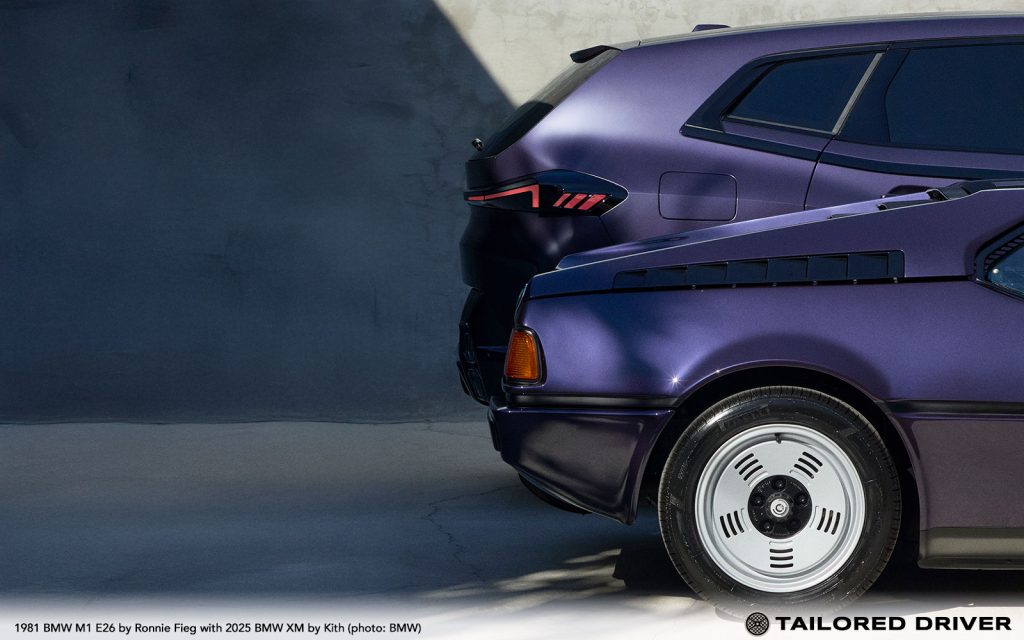
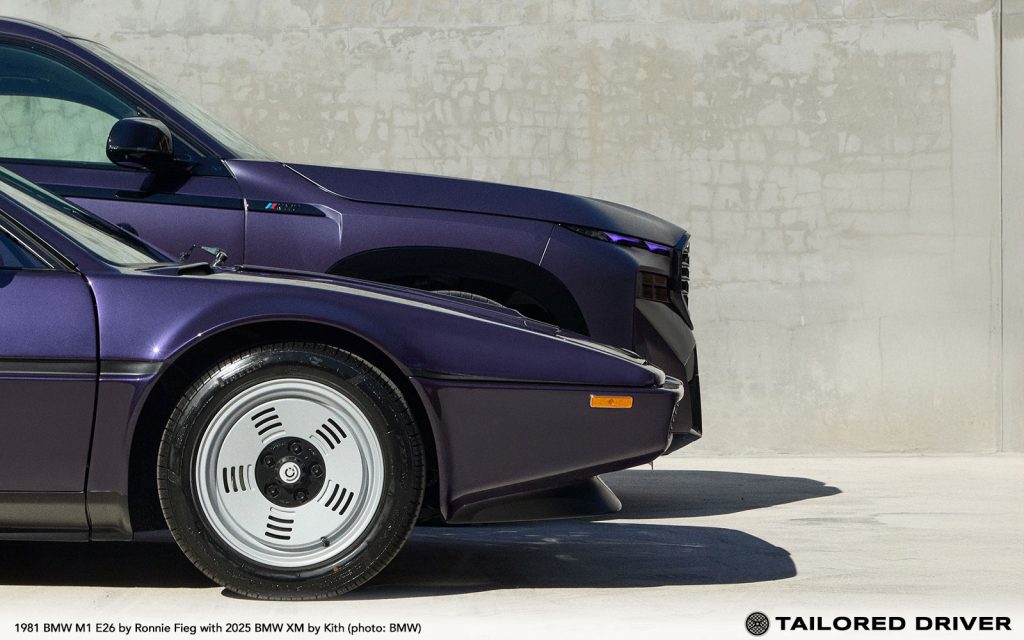
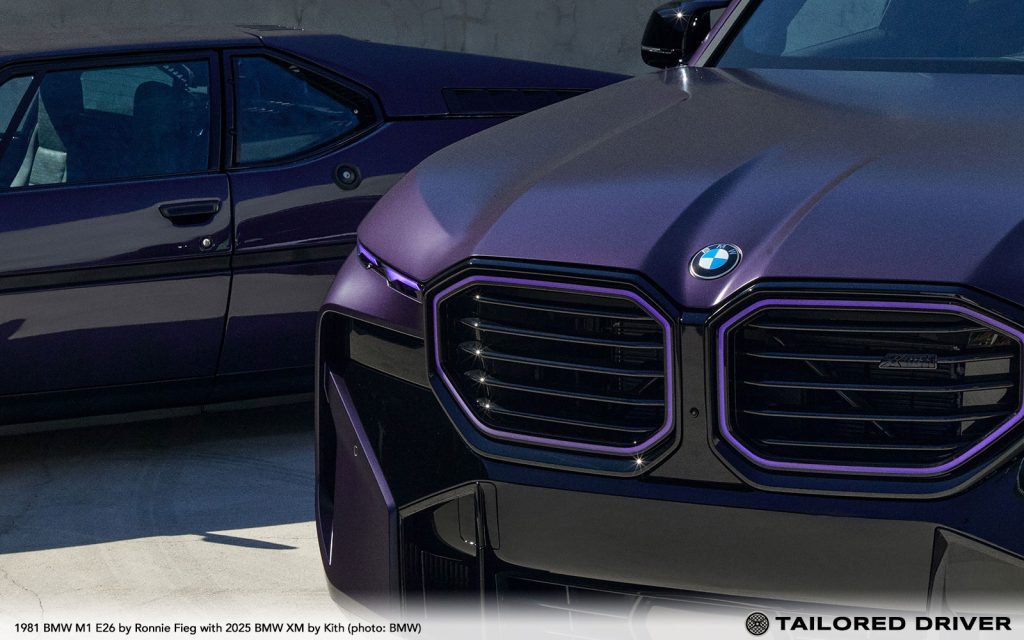
    Following the edition vehicles designed by Ronnie Fieg based on the BMW M4 Competition Coupé* from 2020 and the BMW i4 M50 xDrive* from 2022, BMW and Kith are once again dedicating the latest chapter of their partnership to an exceptional BMW M automobile. The BMW XM, which is also the first original BMW M automobile since the BMW M1 produced from 1978 to 1981, features the newly developed M HYBRID drive system for the first time. The BMW XM features striking details inspired by the design of the legendary mid-engined sports car, such as the side accent strips, the two BMW emblems at the rear and the louvre structure of the rear lights.

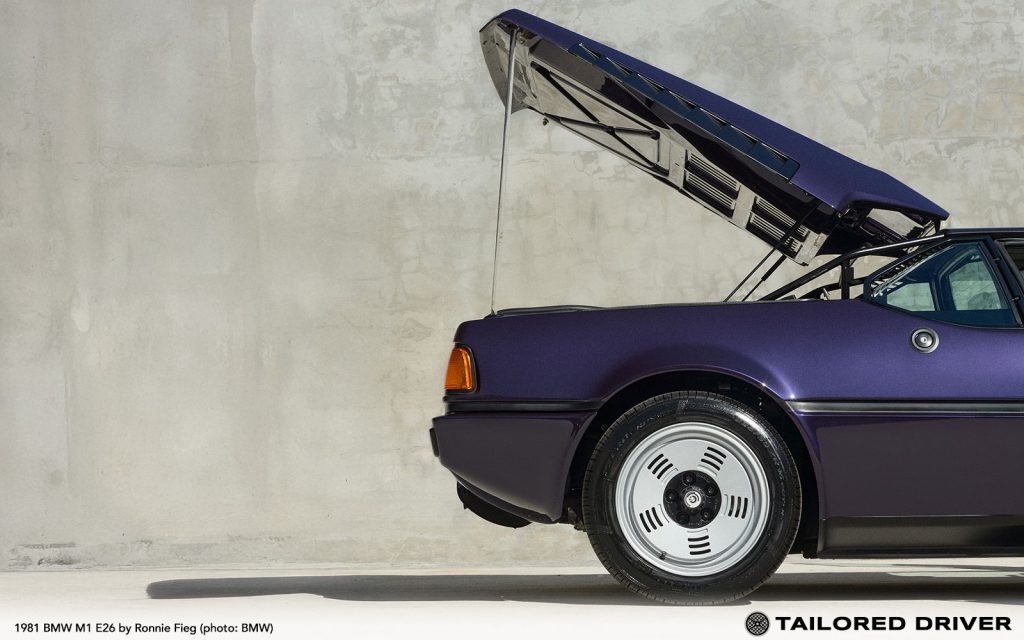
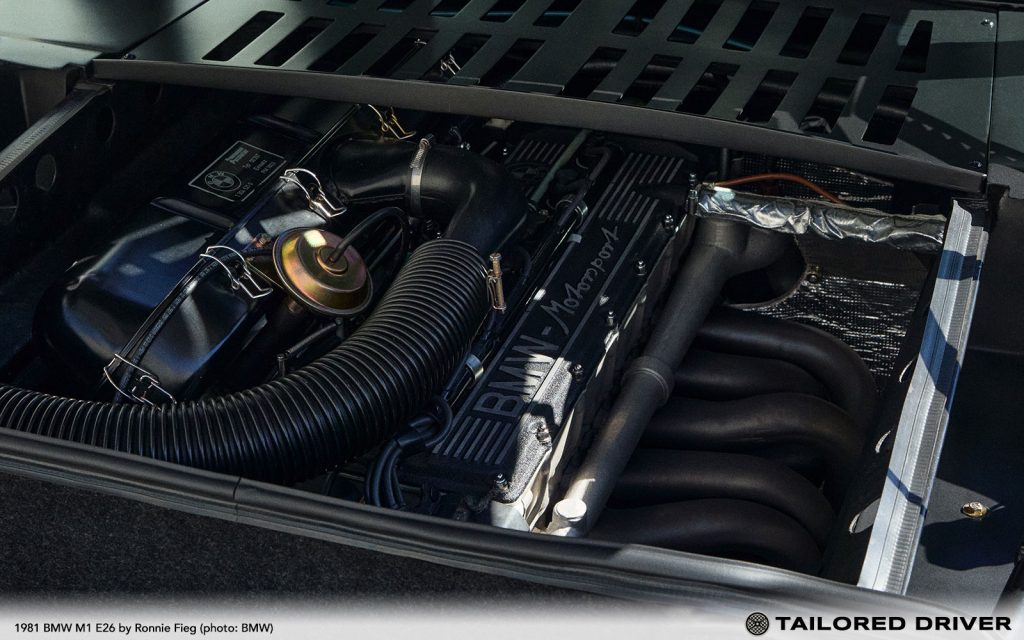
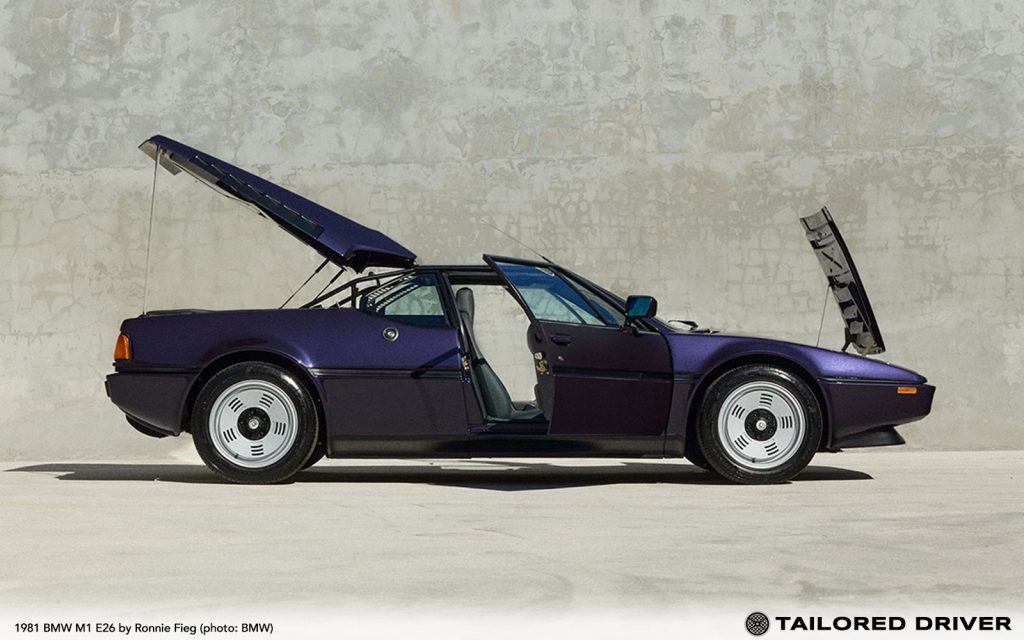
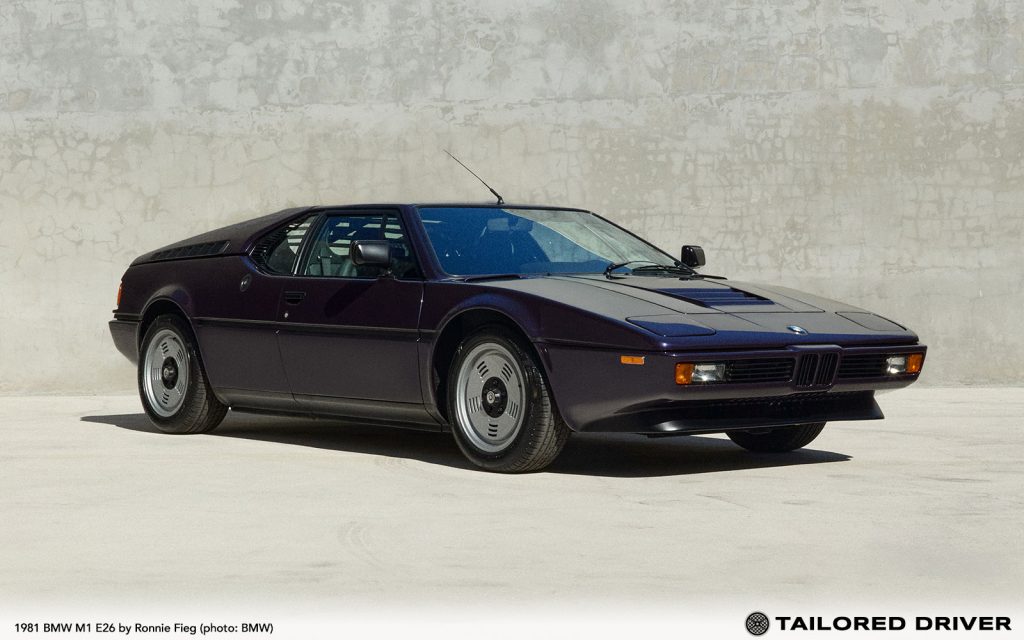
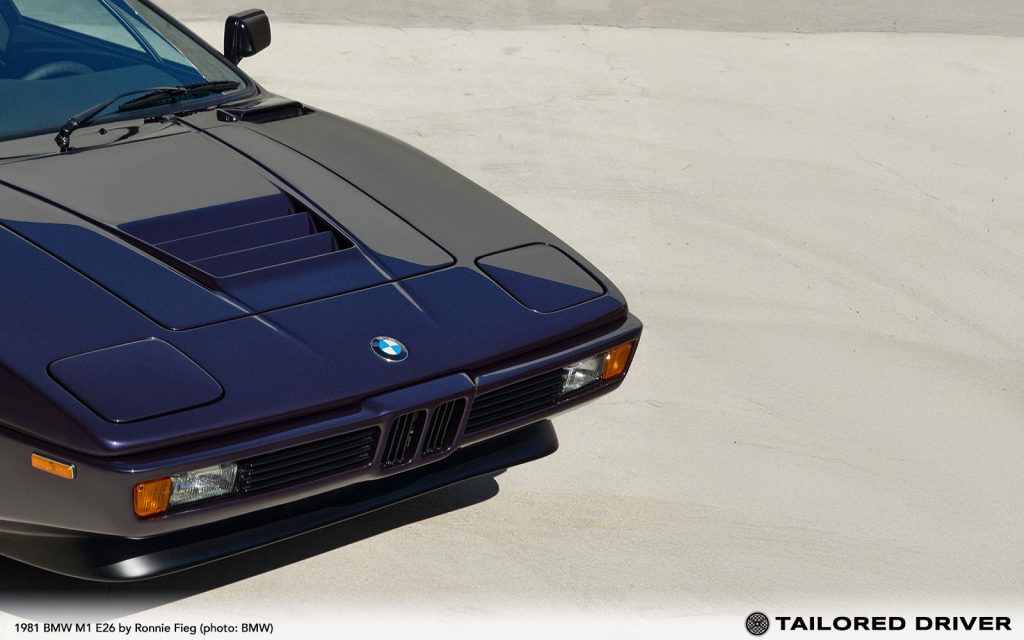
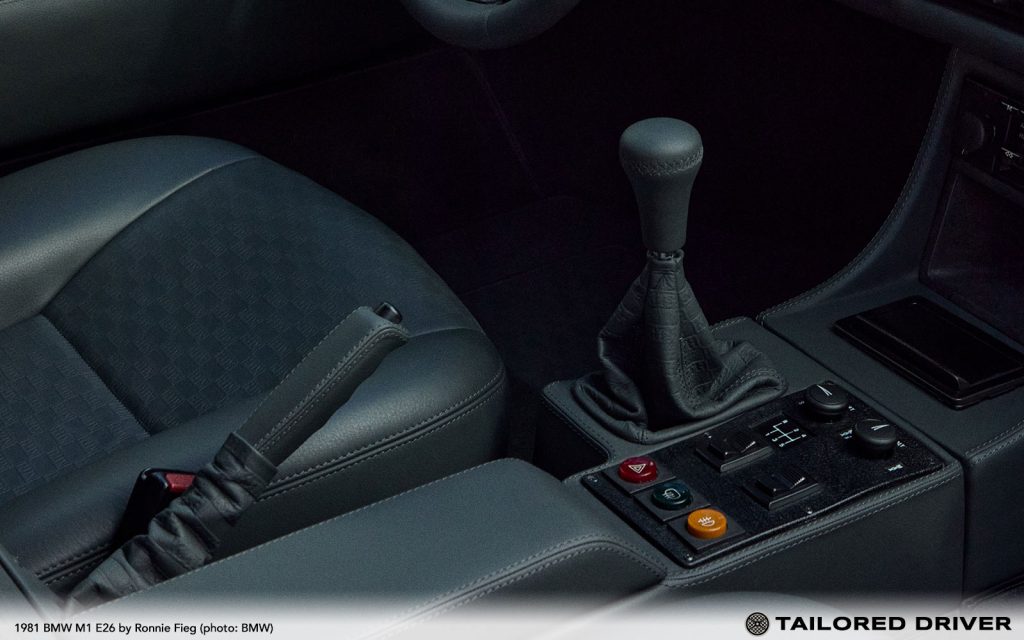
    Reconstructing a legend: 1981 BMW M1 E26 by Ronnie Fieg.
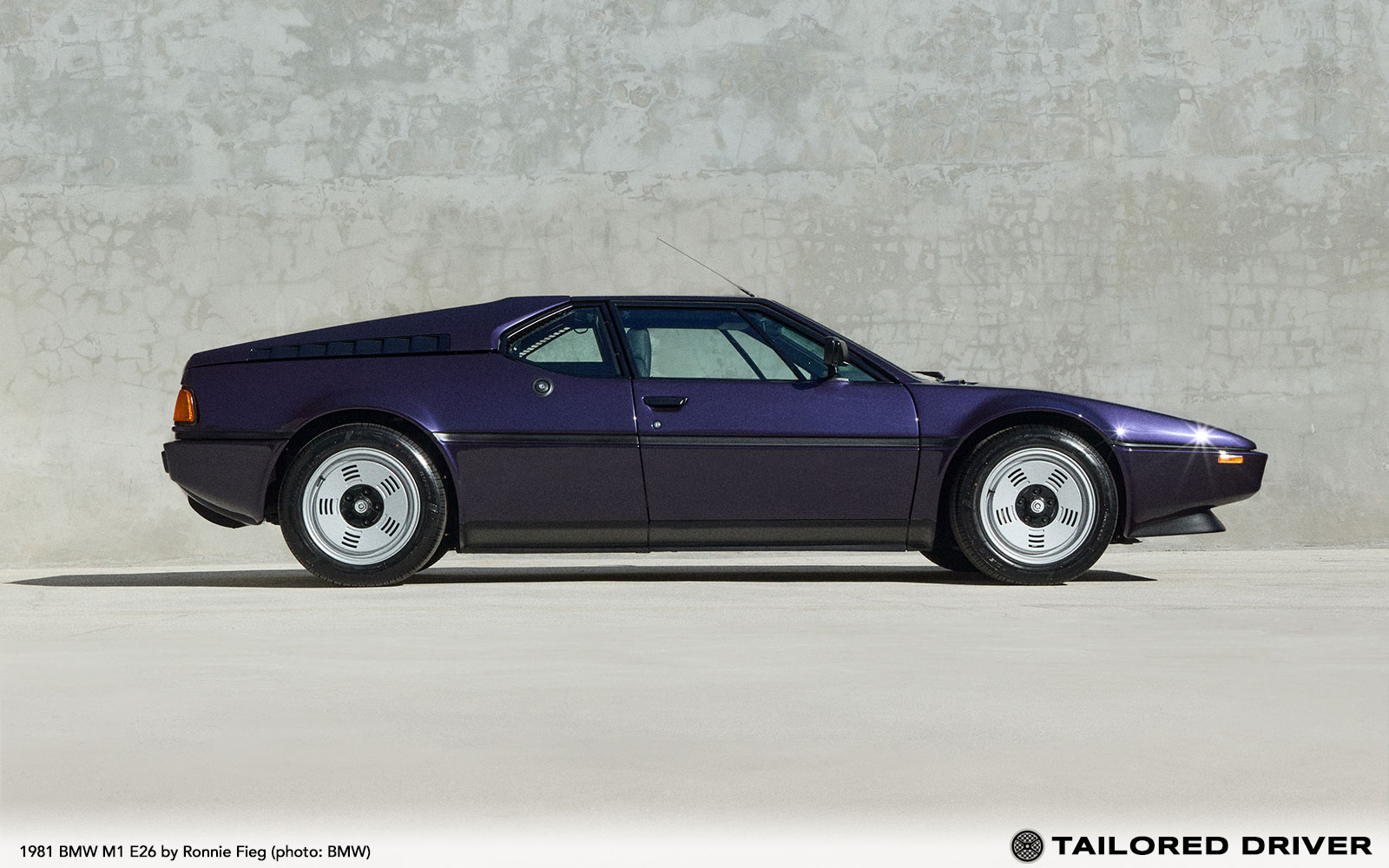
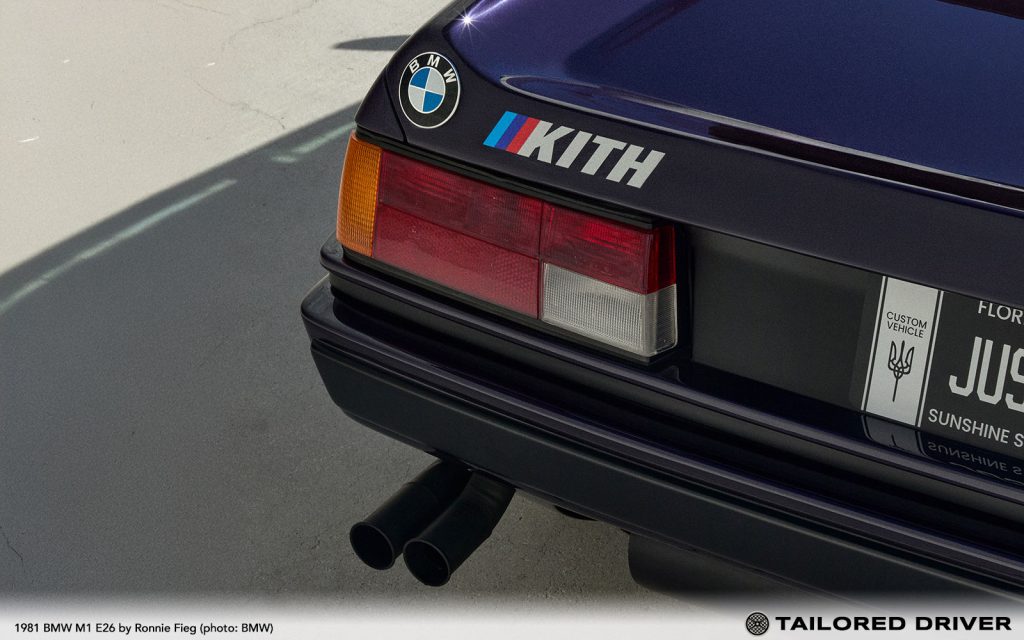
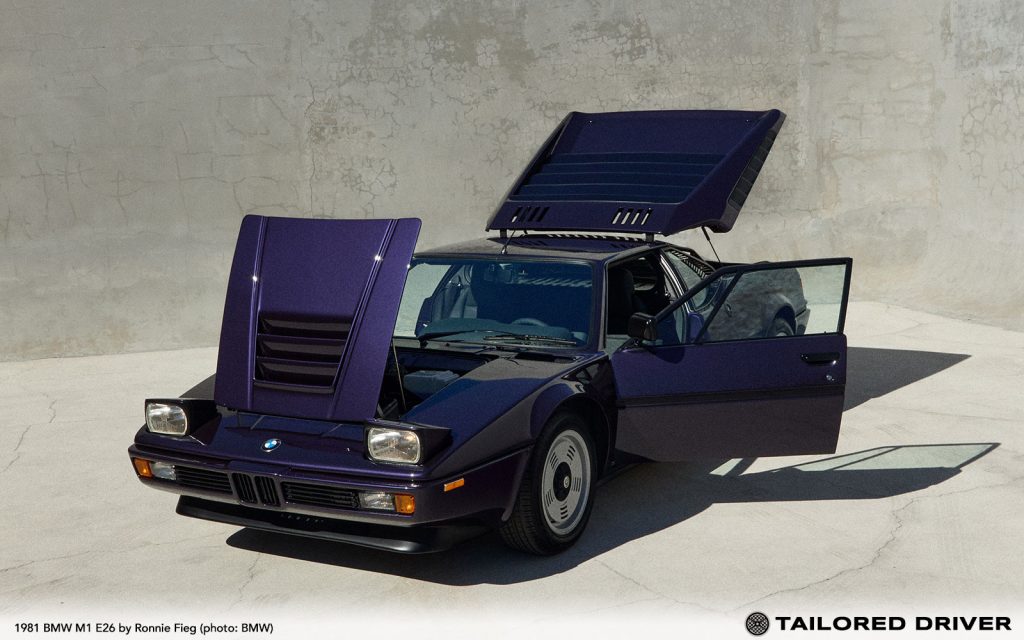
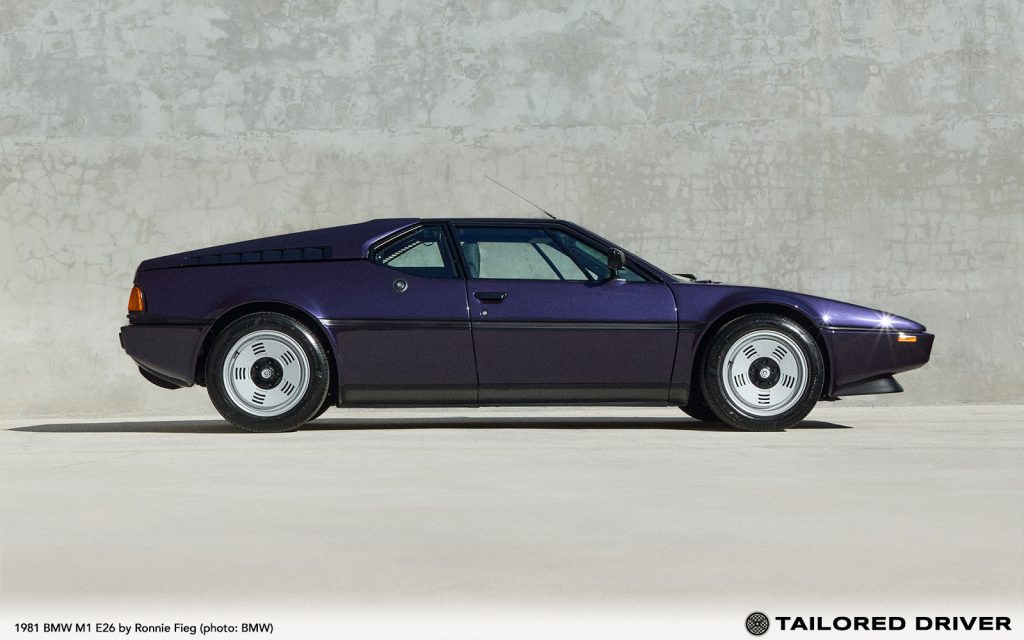
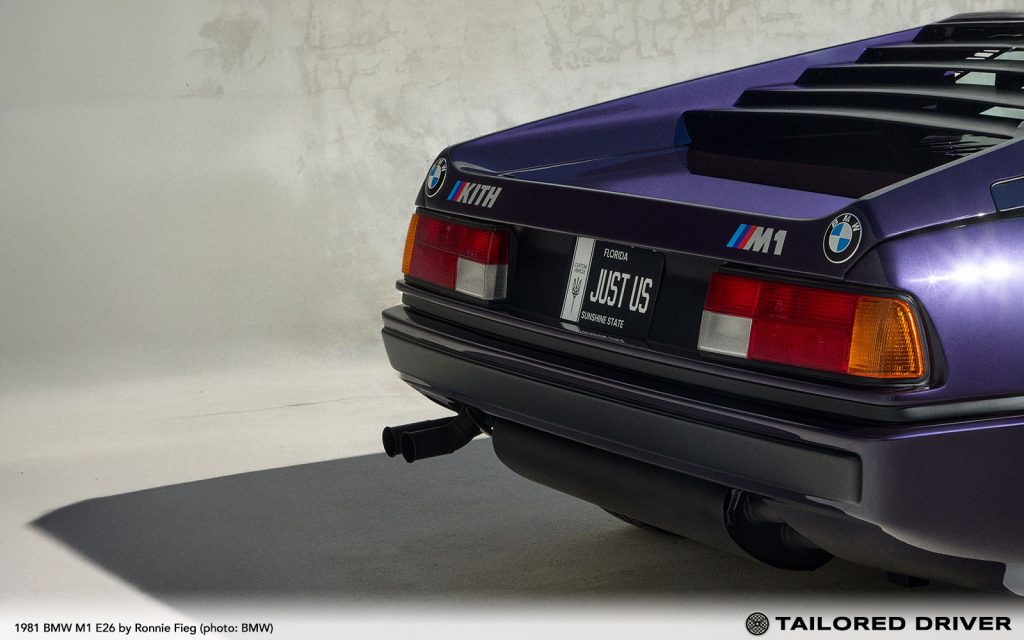
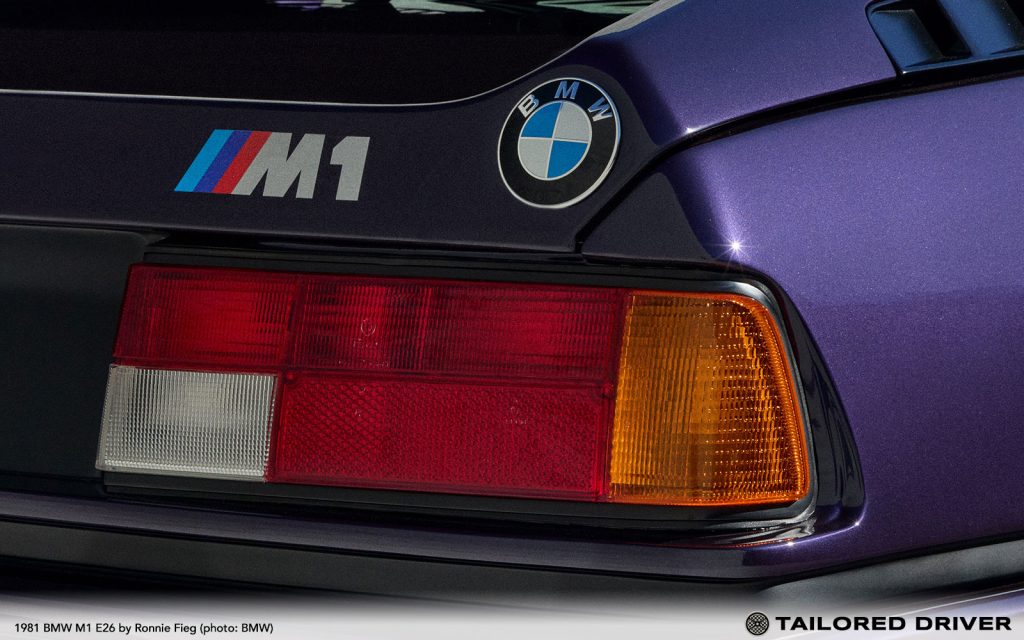
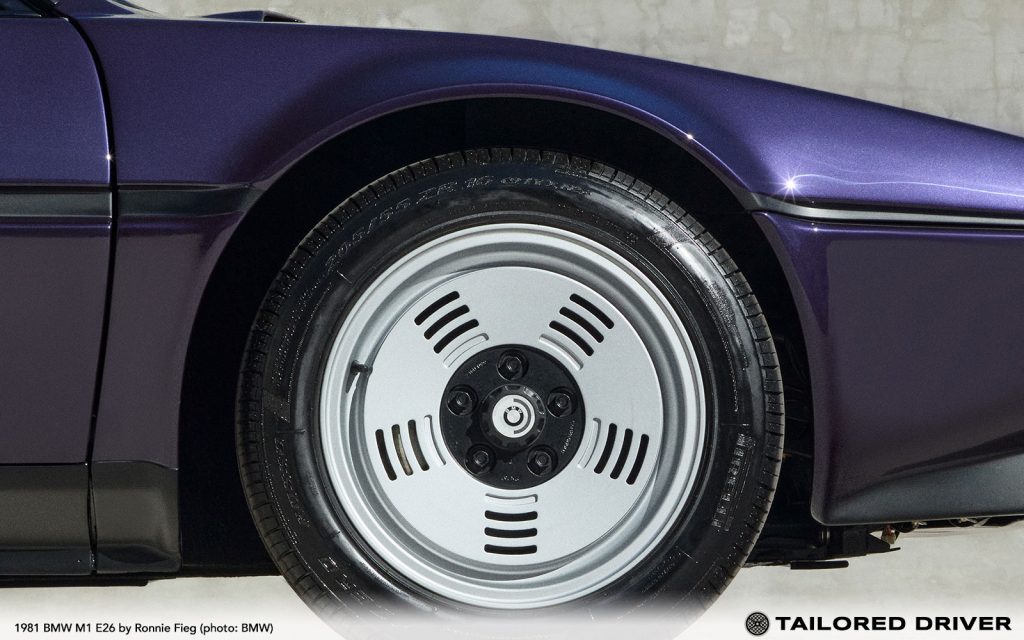
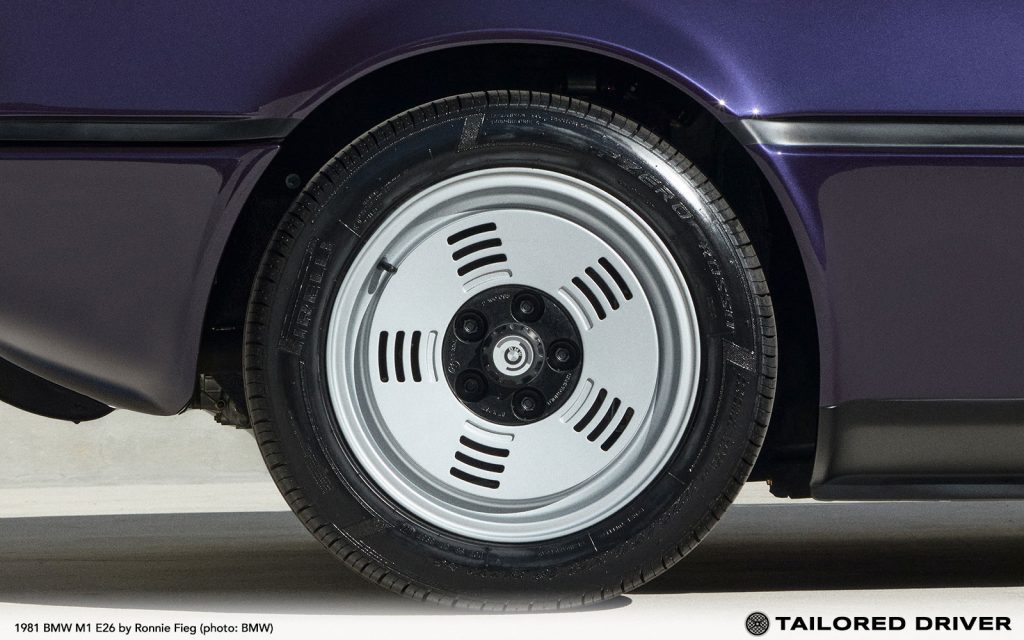
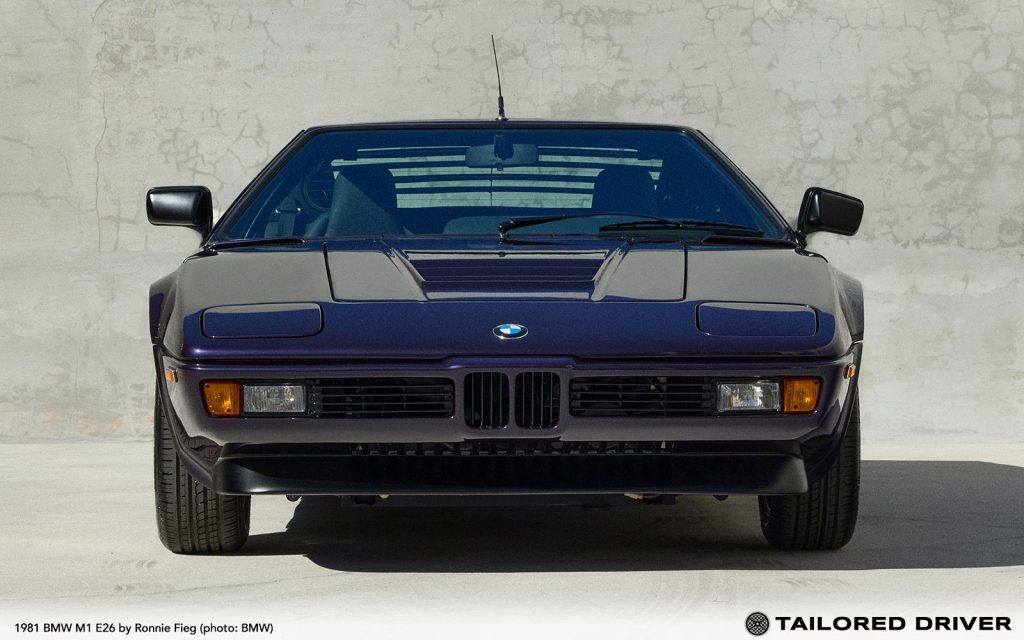
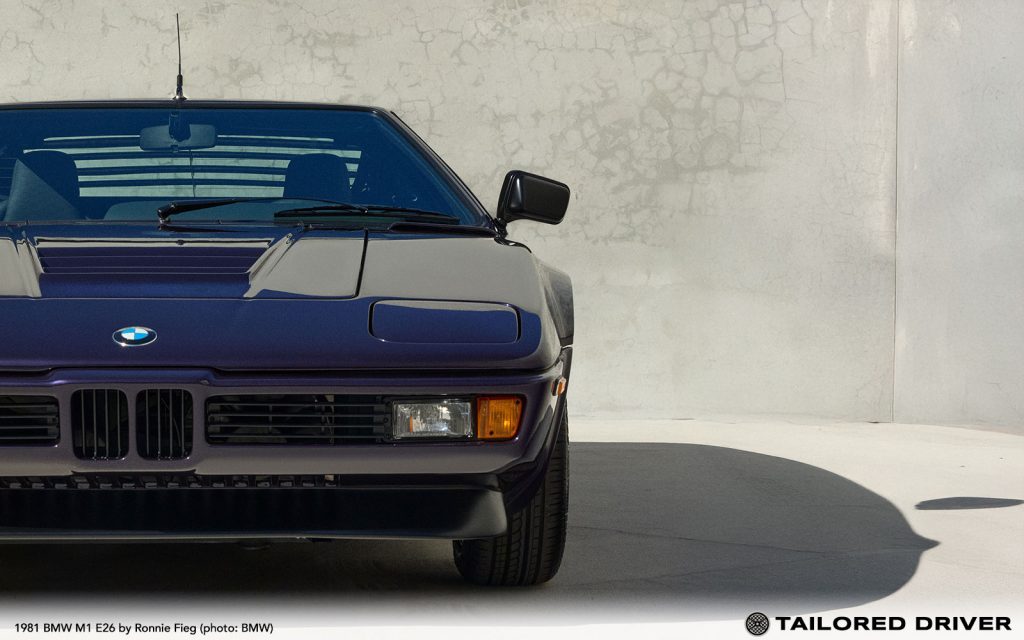
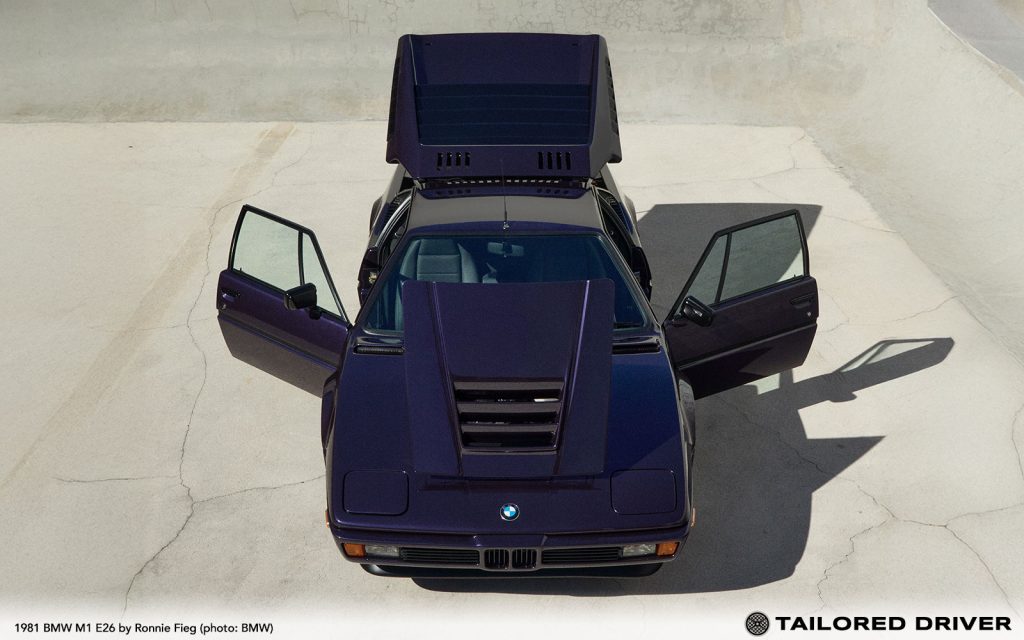
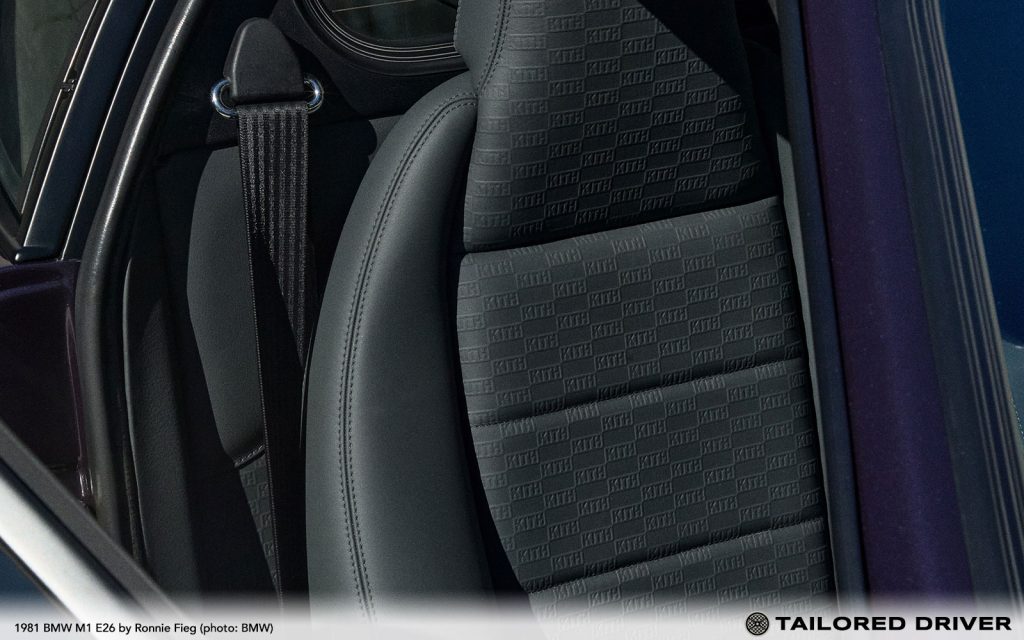
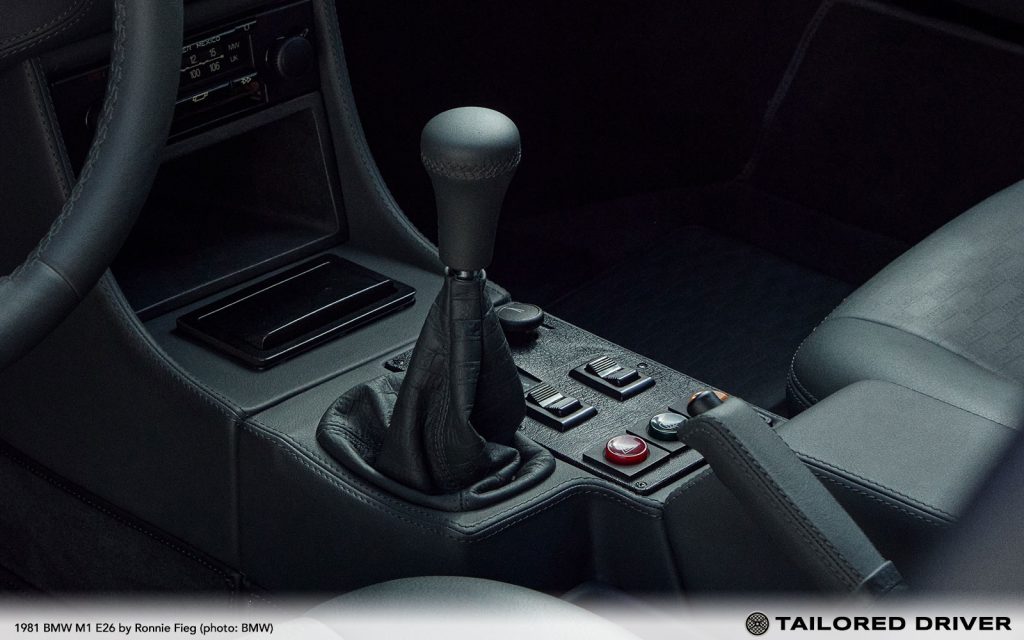
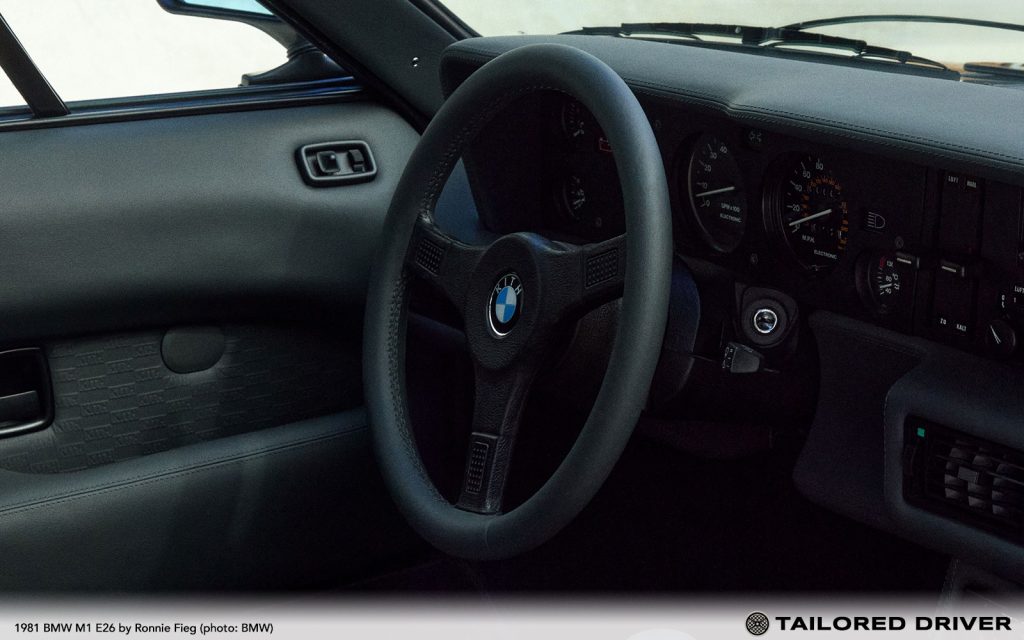
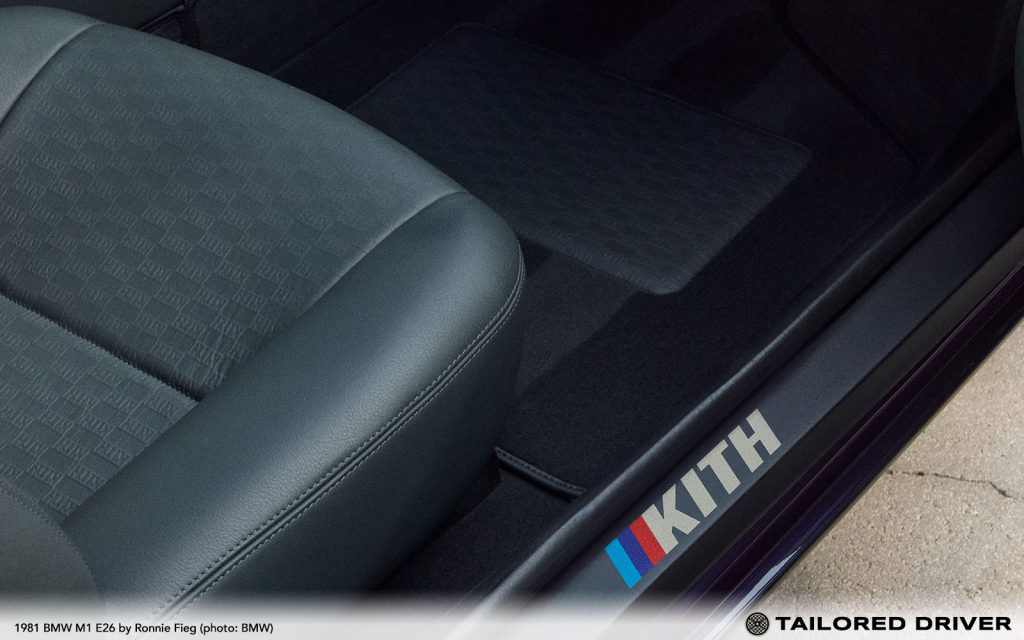
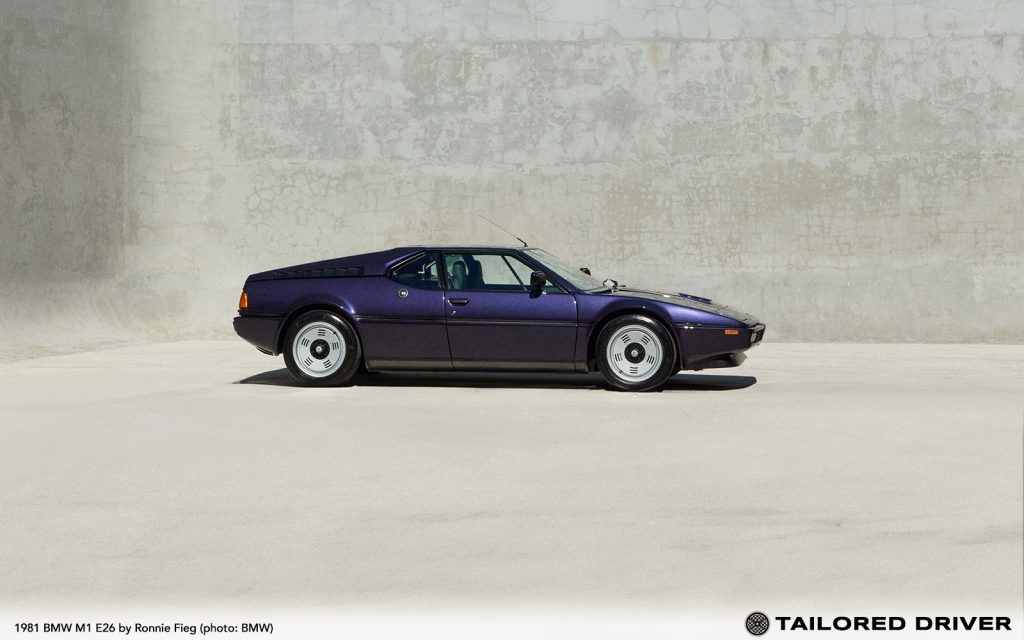
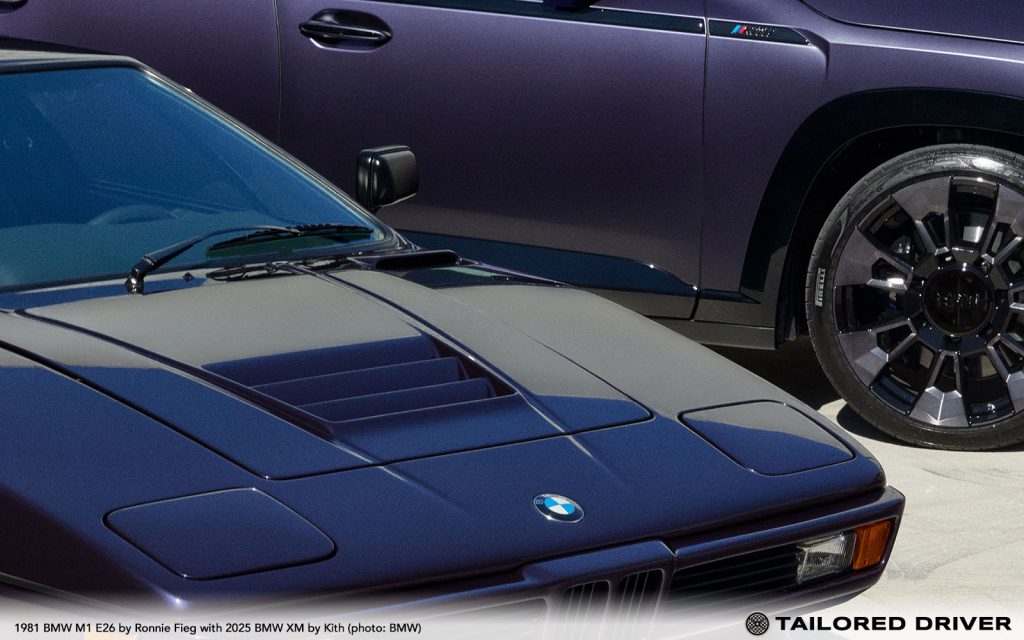
    To place both the concept car and the limited edition of 47 2025 BMW XM by Kith in a historical context, another unique model will be presented to the public for the first time in Miami Beach. The 1981 BMW M1 E26 by Ronnie Fieg is an extensively reconstructed one-of-one example of the sports car with specific details from the design repertoire of the Kith label.

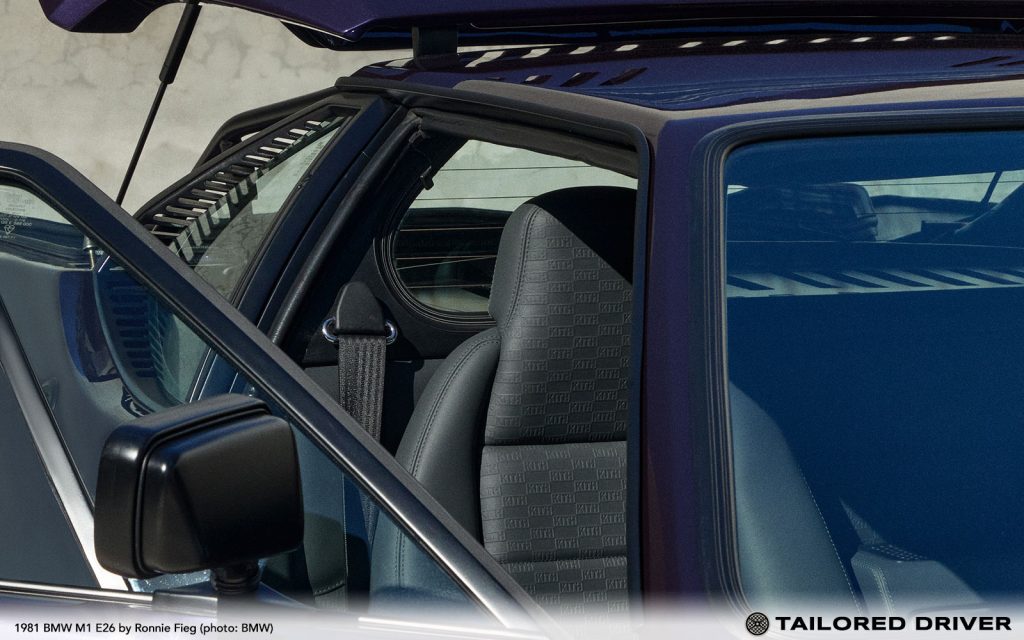
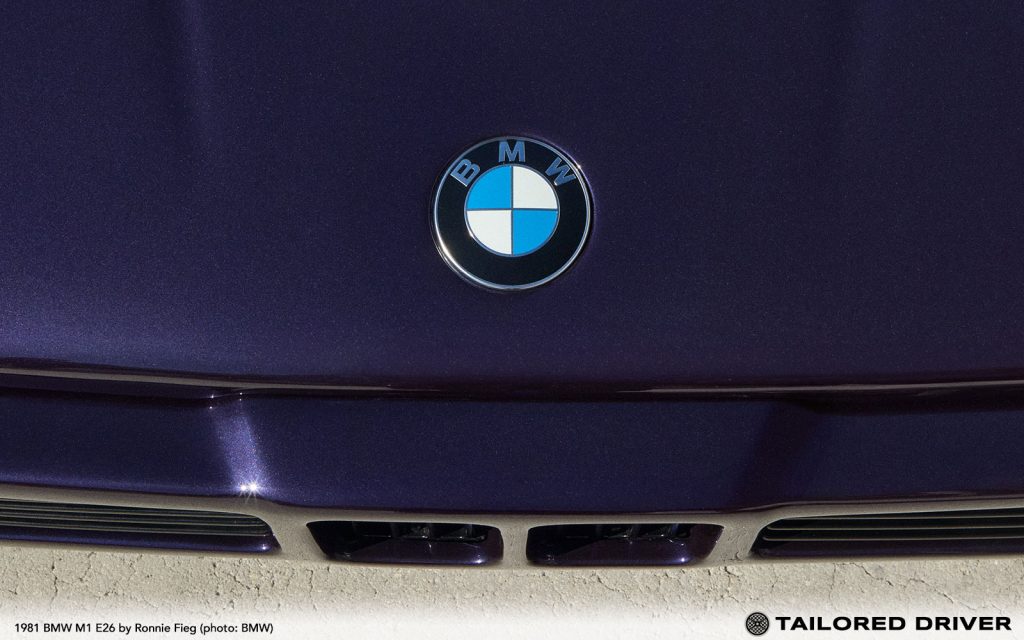
    The car, which bears the model designation, year of manufacture and internal model series code as well as the name of the Kith founder was according to Ronnie Fieg’s ideas. A Techno Violet paint finish (technoviolett; metallic; 299; BMW), the combined M and Kith emblem on the tailgate and an interior with embossed Kith lettering create new design parallels between Ronnie Fieg’s 1981 BMW M1 E26 and the 2025 BMW XM Kith Concept, in addition to the similarities in the design of the production vehicles. Their joint appearance in Miami Beach thus forms a bridge between the first and the last model to be developed and produced exclusively as a BMW M in the more than 50 years of the company’s history.

  • Speed Six Continuation Series Debuts at Goodwood Festival of Speed

    Speed Six Continuation Series Debuts at Goodwood Festival of Speed

    • The first car in the Speed Six Continuation Series makes its global debut at the Goodwood Festival of Speed
    • ‘Speed Six Car Zero’ is the engineering development car for the programme, and will be retained by Bentley
    • Continuation Series by Mulliner based on original drawings and mechanic’s notes drawn from the archive
    • 1930 24 Hours of Le Mans competitor ‘Old Number 3’ and Bentley’s own Speed Six (GU409) provide real-world references
    • Finished design includes race improvements found between the 1929 and 1930 iterations of the 24 Hours of Le Mans
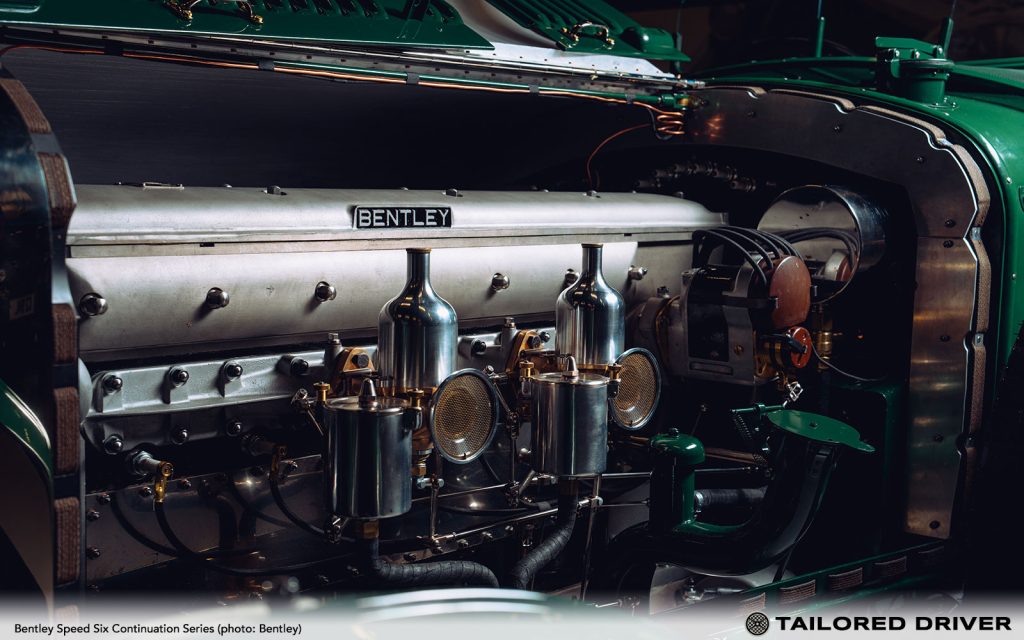
    • 600+ new components comprise 6½-litre six-cylinder race-spec engine
    • Initial engine tests indicate peak power of 205 bhp, within 5 bhp of original Le Mans spec engine of 1929 and 1930
    • One ‘Factory Works’ car and 12 pre-sold customer cars to follow, with each customer offered a personal fitting service for their car
    • Every single car handcrafted from scratch in the Mulliner workshop in Crewe, with each taking 10 months to complete

    [source: Bentley]

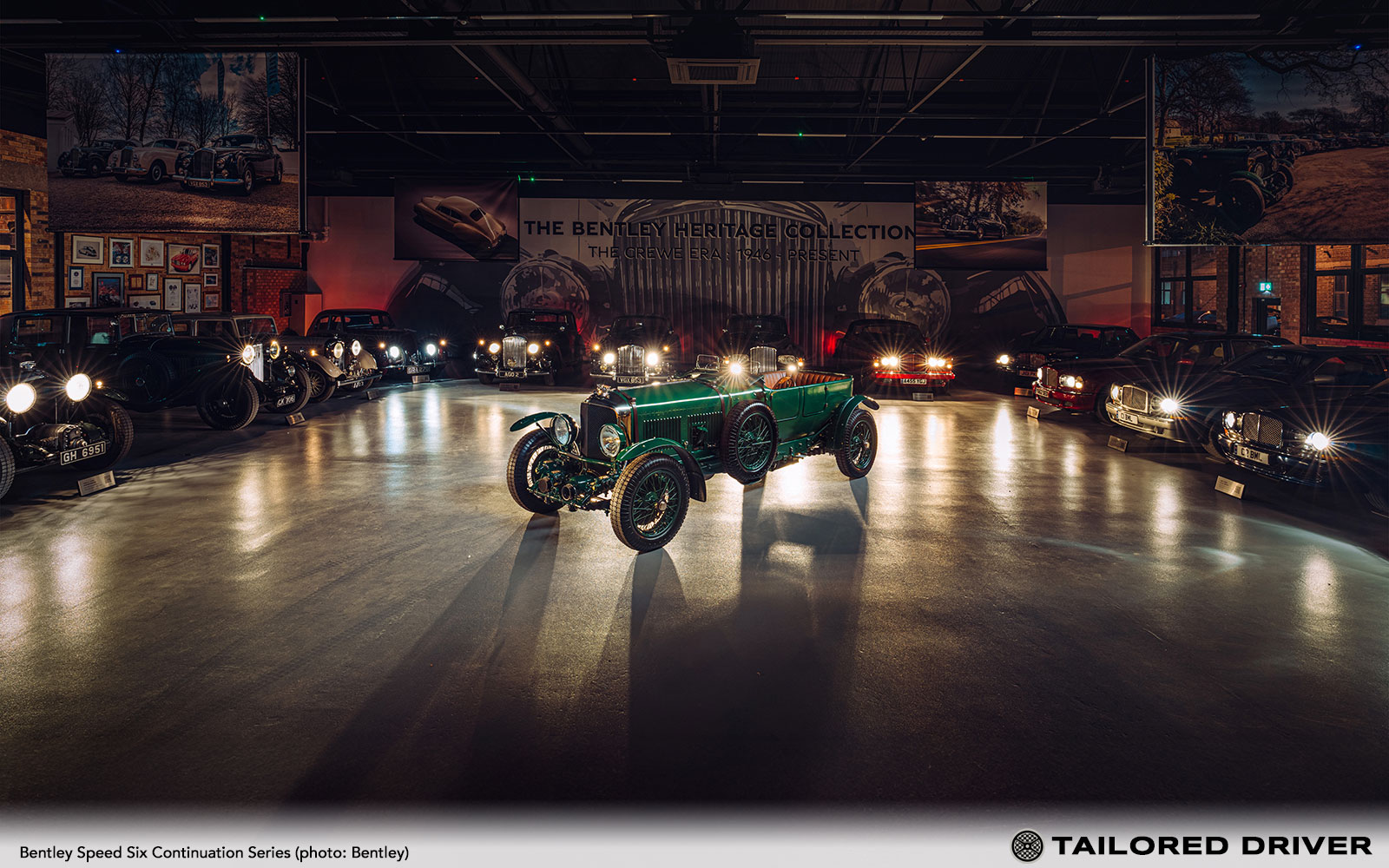
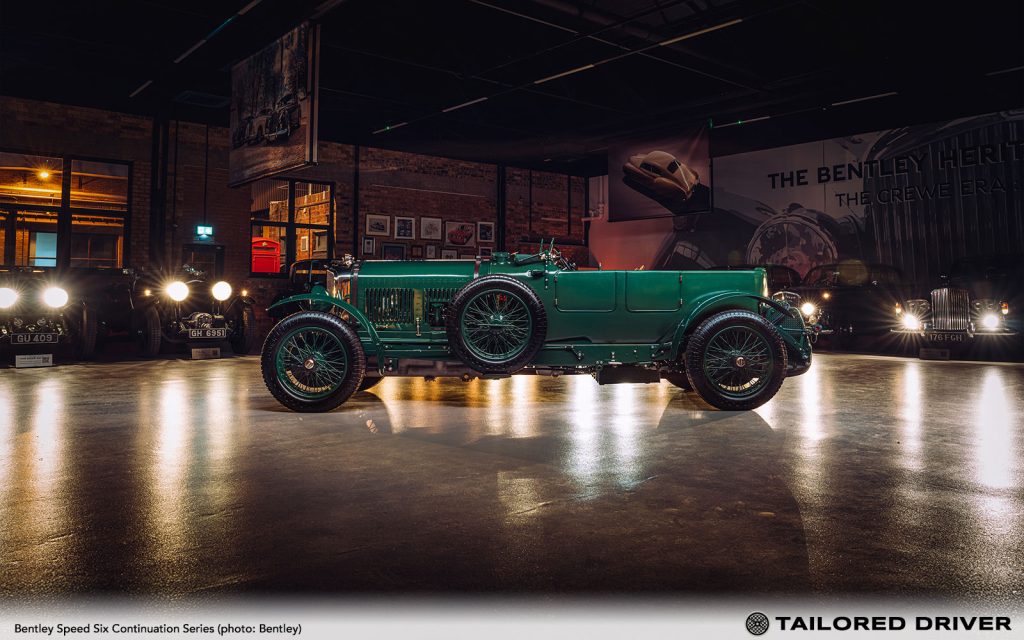
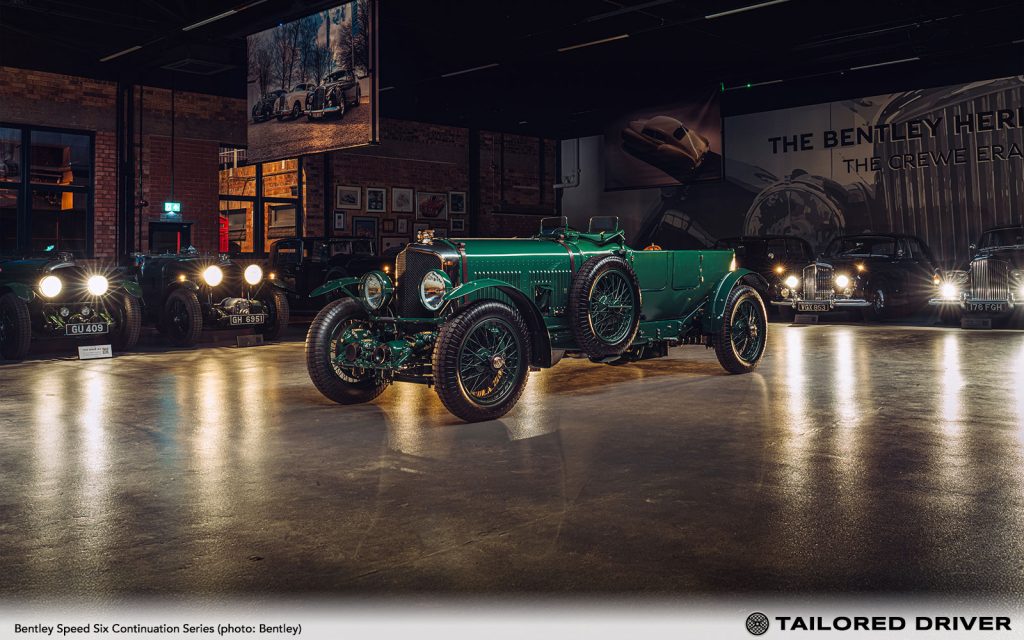
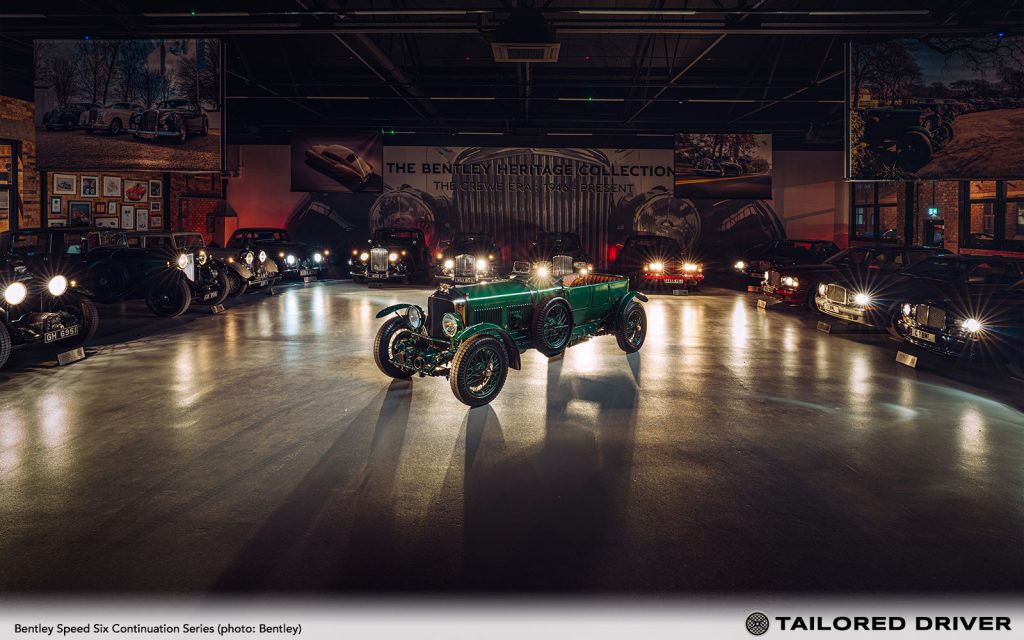
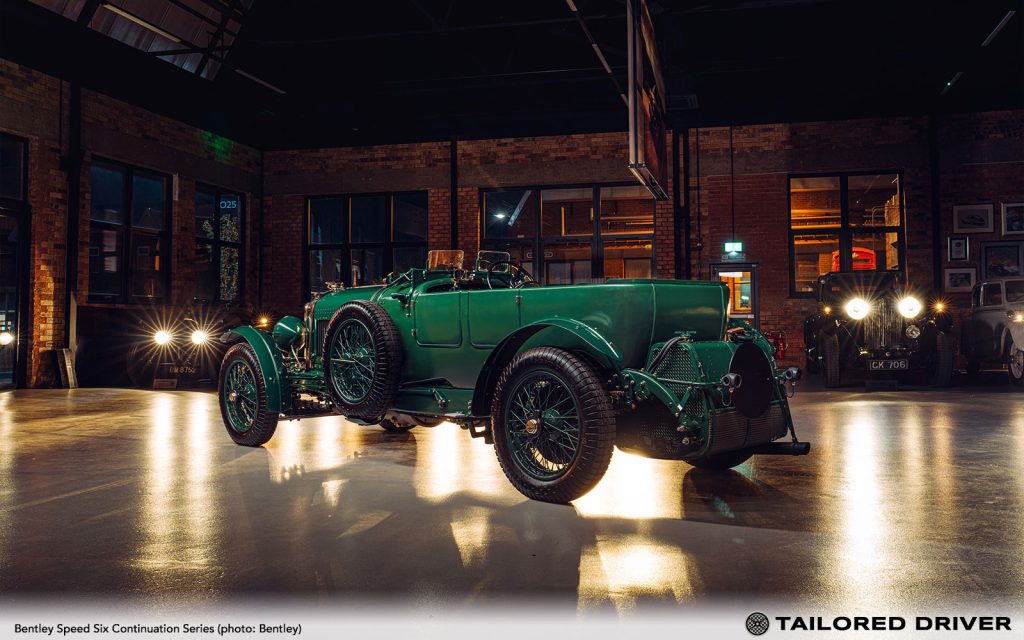
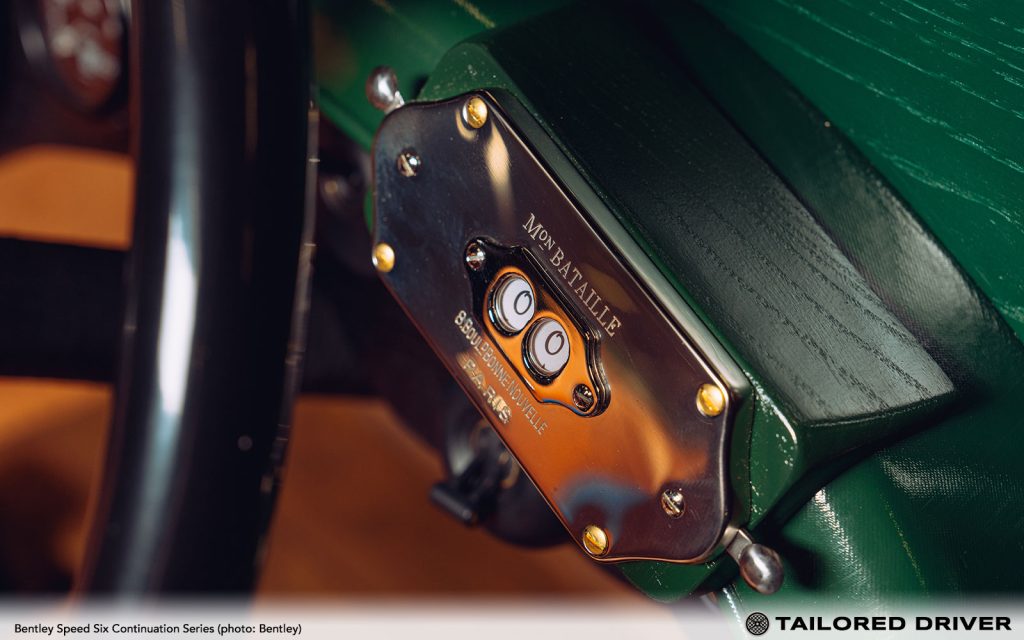
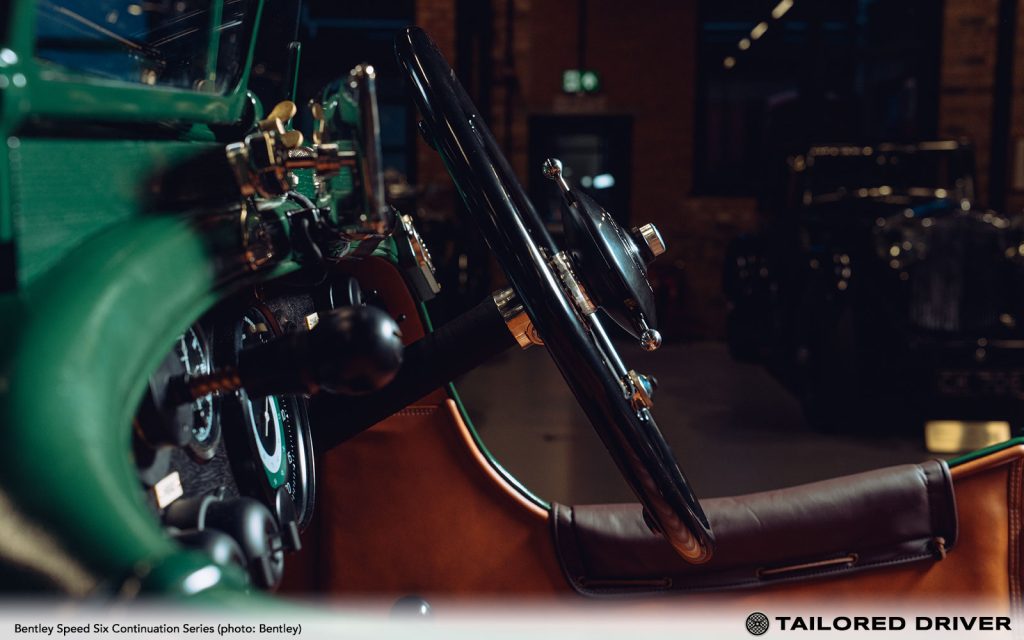
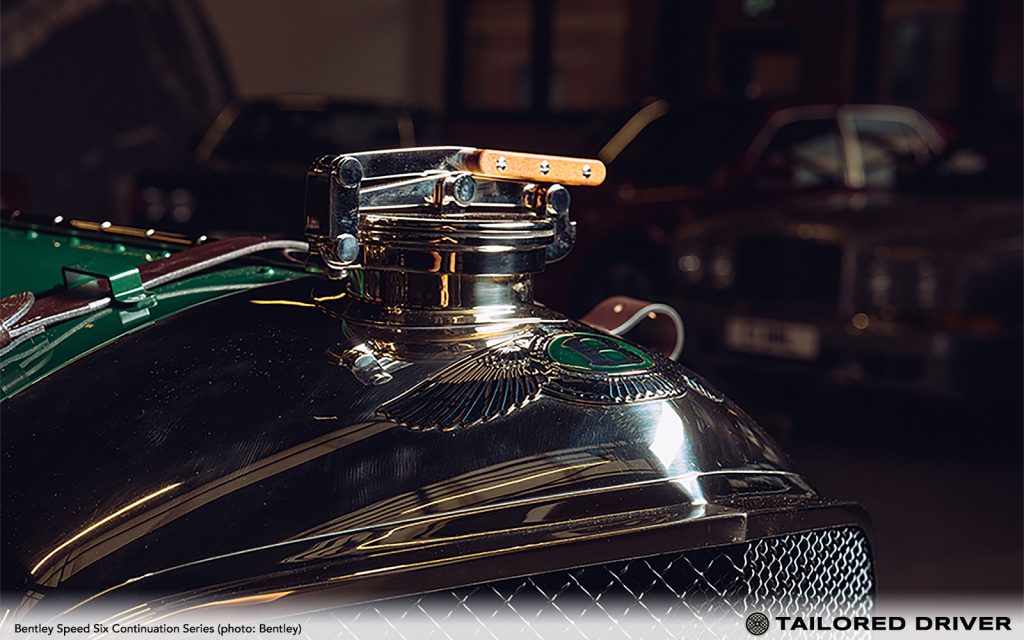
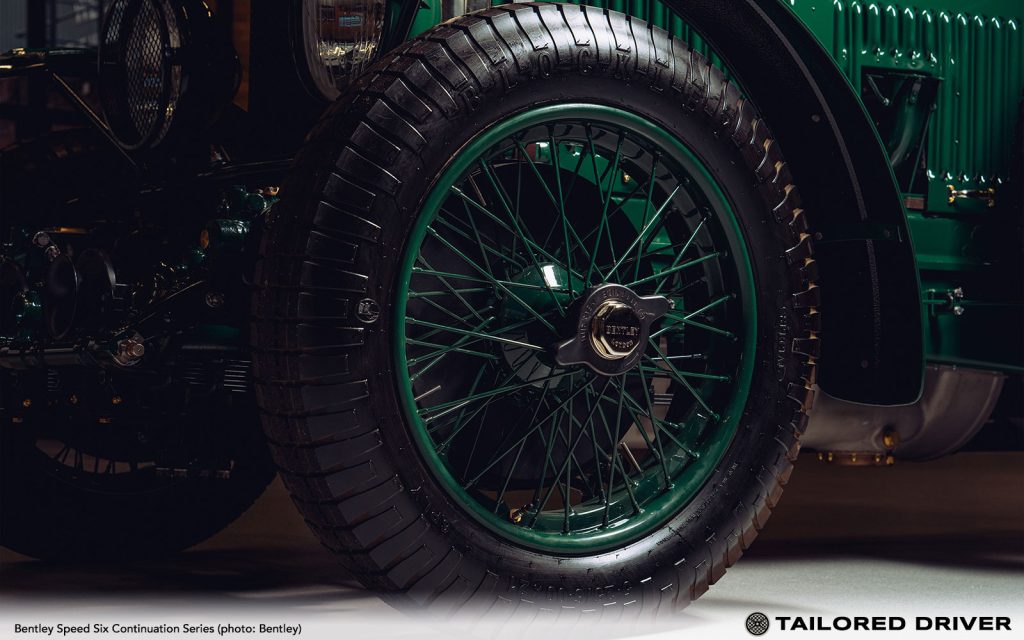
    Crewe, England – The first new Speed Six in 93 years will makes its global debut at this year’s Goodwood Festival of Speed. The most successful Bentley racing car ever, the Speed Six is regarded as one of the most important Bentleys in history. The newest Speed Six – Car Zero – will be used in a development programme consisting of real-world durability and track based testing, before being retained by Bentley ahead of the build of 12 customer cars – all of which are already sold. 

    So much more than a replica, a continuation car is built to the same designs, using the same processes, as the original car that inspires the series. The Speed Six is the second pre-war Continuation Series by Mulliner, Bentley’s bespoke and coachbuilding division, following the Blower Continuation Series which itself was the first pre-war continuation ever created.

    Extensive research has been undertaken to ensure the content of the Speed Six is correct and authentic, with particular focus on the specification and setup of the original cars for the 1930 24 Hours of Le Mans. As many original drawings have been used as possible; with 80% of the originals found via the WO Bentley Memorial Foundation. The drawings have been supplemented by original mechanic’s notes that detailed the changes between the 1929 and 1930 races, alongside data taken from the 1930 Speed Six in the Bentley Heritage Collection and an original 1930 Le Mans racer, known as Old Number 3.

    In excess of 600 individual new parts have been required for the creation of the new 6½-litre six-cylinder race spec engine. Initial dyno testing has shown the first engines to develop 205 bhp at their peak, within 5 bhp of that documented for the original race-tuned engines in 1930.

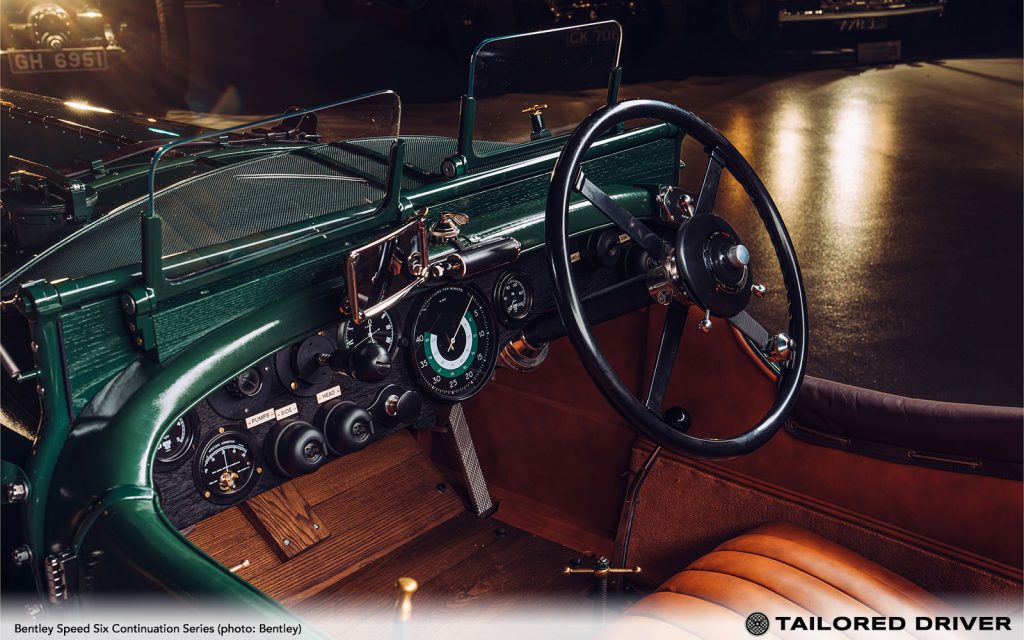
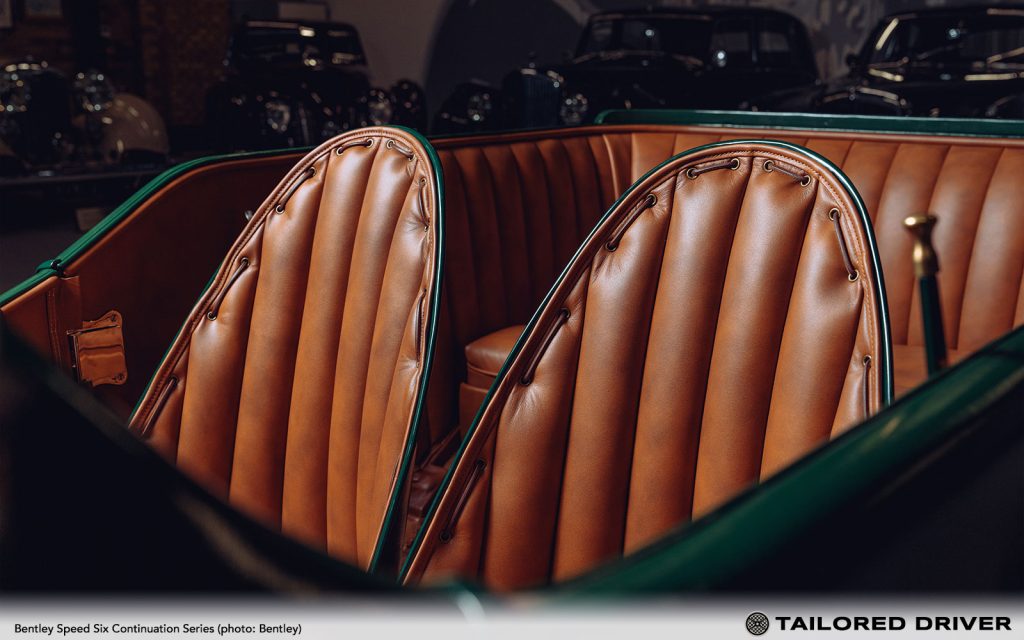
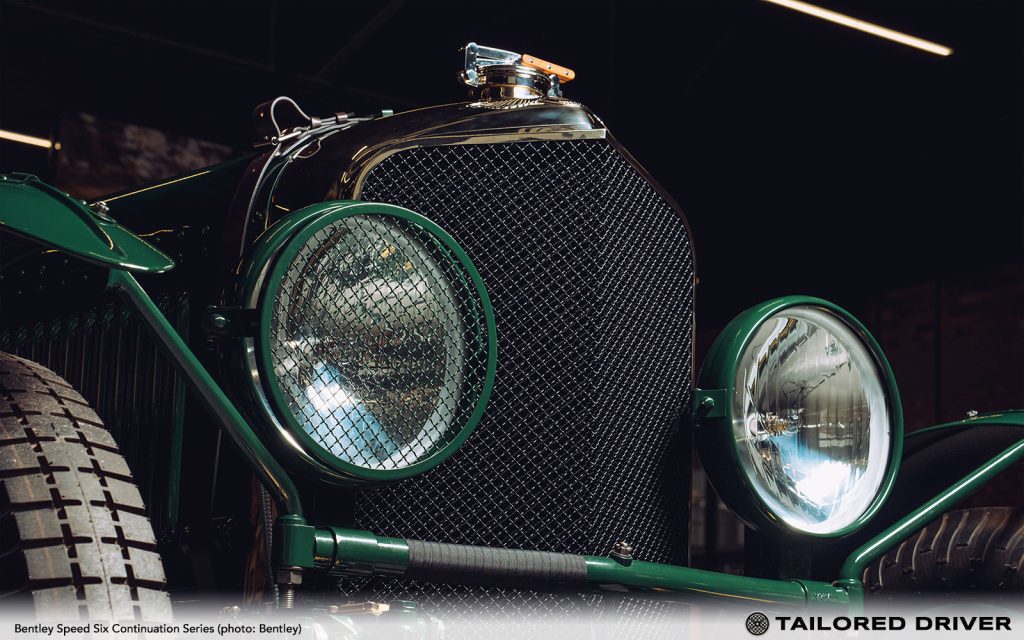
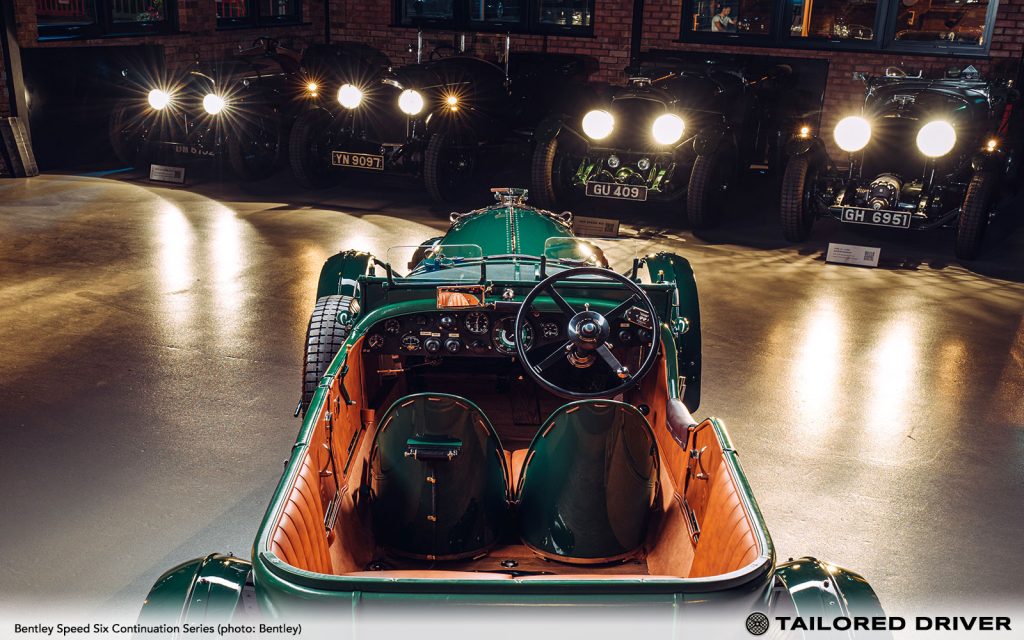
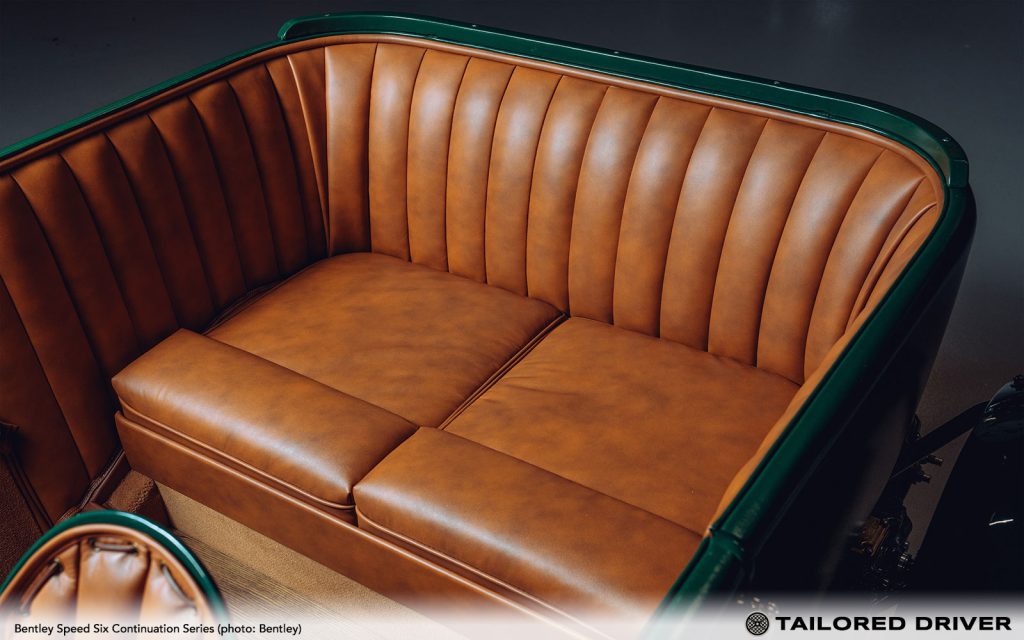
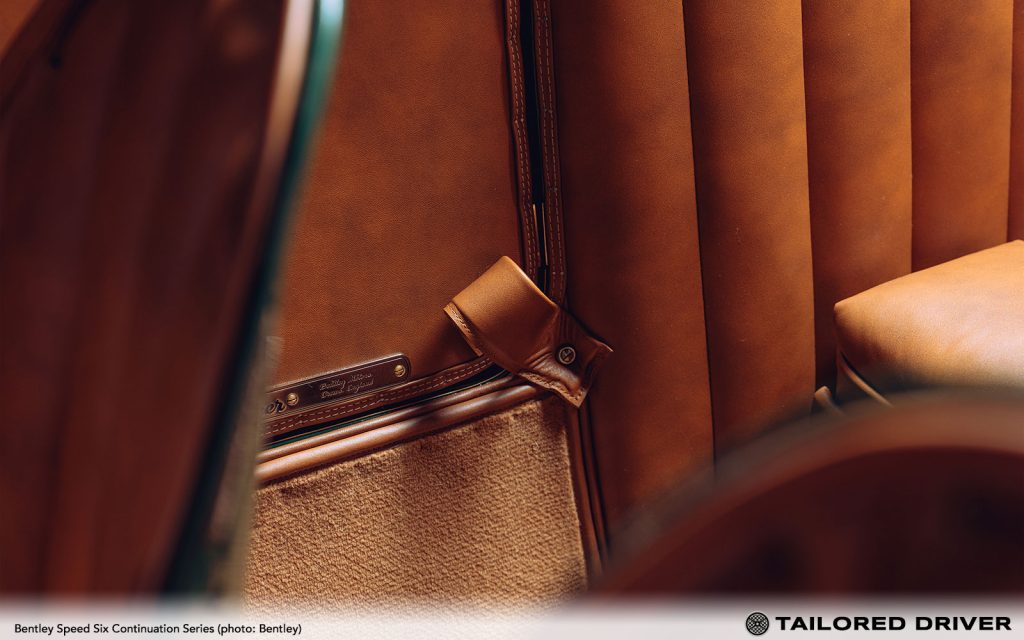
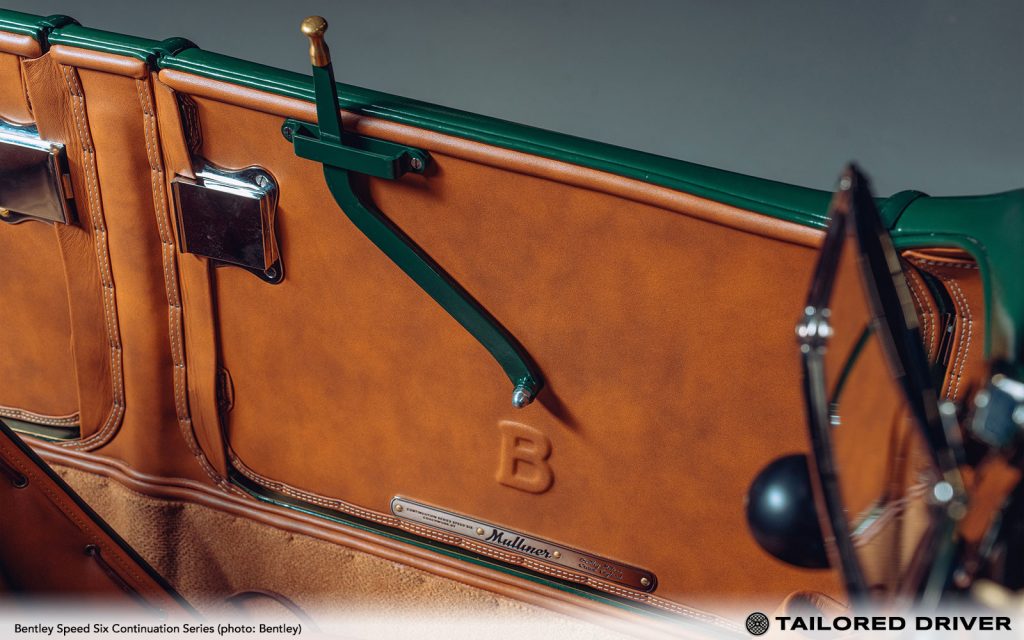
    Many of the authentic materials used on the Blower Continuation Series have also been utilised for the Speed Six, particularly on a number of the trimmed elements. Mulliner team members revisited the archives at the National Motor Museum in Beaulieu, Hampshire in order to offer five authentic period Parsons exterior paints. Speed Six Car Zero is finished in Parsons Napier Green, with an interior in Tan leather.

    Speed Six Car Zero has been built over the last ten months by an exceptionally skilled team of Mulliner artisans and specialists. As with the Blower Continuation Series, a major driver of the Speed Six programme is the development and retention of modern and traditional coachbuilding skills, and the build has seen craftspeople with decades of experience working alongside the younger generation so that skills are passed on. The finished car is a work of art, having been built and trimmed entirely in the Mulliner workshop at Bentley’s Dream Factory in Crewe.

    Over the next six months customers will have chance to discuss their specifications in further detail in personal commissioning sessions. Customers will be offered a personal fitting service in the second development car, known as Speed Six Factory Works, to ensure each car is built to each individual customer’s comfort needs.

    The validation programme for Speed Six Car Zero is comparable to that for  Blower Car Zero, and will include real world mileage accumulation and two race simulations.

    The History Of The Speed Six

    The Speed Six became the most successful racing Bentley in history, as a high-performance version of the 6½ Litre, and won Le Mans in 1929 and 1930 at the hands of Woolf Barnato, Sir Henry ‘Tim’ Birkin and Glen Kidston.

    W.O. Bentley believed that the best way to increase power was to increase capacity, as opposed to Tim Birkin’s faith in supercharging. He therefore developed a new, larger engine to succeed the 4½-litre. With a bore of 100 mm and a stroke of 140 mm, his new straight six had a capacity of almost 6.6 litres. In base form, with a single Smiths five-jet carburettor, twin magnetos and a compression ratio of 4.4:1, the 6½ Litre delivered 147 bhp at 3500 rpm. 362 examples were built at Bentley’s factory in Cricklewood, North London, on a variety of chassis of different lengths depending on the body style requirements of individual customers. 

    The Speed Six chassis was introduced in 1928 as a more sporting version of the 6½ Litre. The engine was modified to liberate more power, with twin SU carburettors, a higher compression ratio and a high-performance camshaft, responsible for an increase to 180 bhp. The Speed Six chassis was available to customers with wheelbases of 138 inches (3,505 mm), 140.5 inches (3,569 mm), and 152.5 inches (3,874 mm), with the short chassis being the most popular. 182 Speed Six models were built between 1928 and 1930, and the factory race cars were built on a 134 inch (11’2”) chassis frame.

    The racing version of the Speed Six had a further-developed engine running a compression ratio of 6.1:1 and producing 200 bhp. Two wins at Le Mans in 1929 and 1930 cemented the Speed Six’s place in Bentley history, with the 1929 victory setting a new benchmark for dominance at the race. Driven by Woolf Barnato and Sir Henry ‘Tim’ Birkin, a Speed Six led from the first lap until the chequered flag, followed by a procession of three other Bentleys. A new lap record of 7:21 had been set by Birkin, taking 46 seconds off the previous best and requiring an average speed of 83 mph, and in covering a 2,844 km distance, a further record was also attained. Such a dominant performance by one manufacturer was not seen again at Le Mans for nearly 30 years.

    Real Life Endurance 

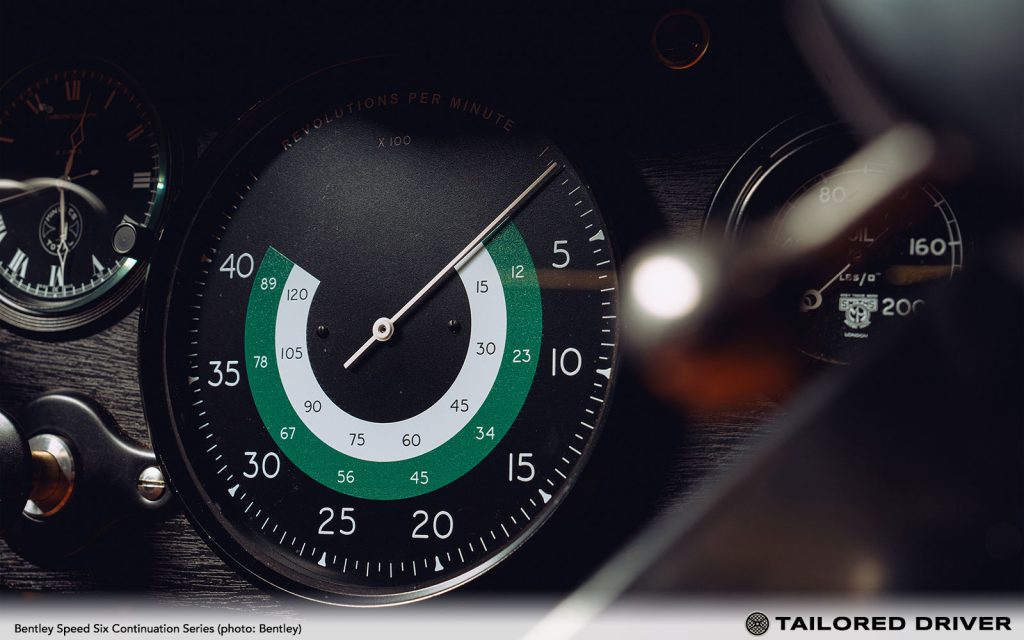
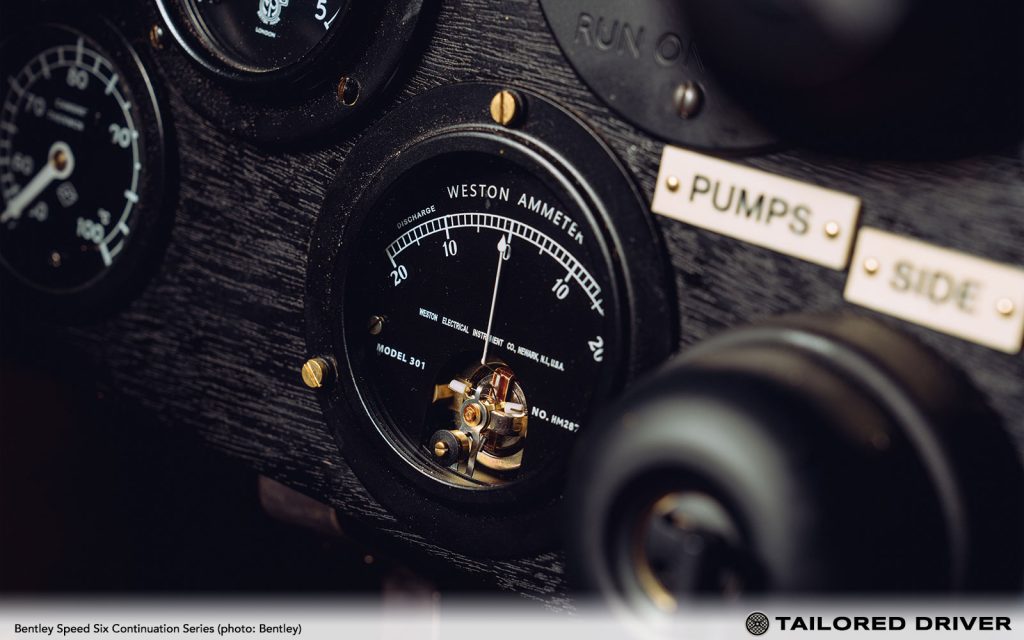
    Speed Six Car Zero, which will be displayed at this year’s Goodwood Festival of Speed, will show further instrumentation that will not be fitted to customer cars.  This has been added to the car to support the validation process and record many different aspects of data during the next six months.

    With the build of Car Zero now complete, a programme of real-world durability testing will begin. The test programme is designed to achieve the equivalent of 35,000 kilometres of real-world driving across 8,000 kilometres of track driving. Intervals of gradually increasing duration and speed will check functionality and durability under the most challenging conditions; giving confidence in future customer cars. 

    The first customer car will start build in October of this year, and the series of 12 customer cars is due to be completed by the end of 2025, with each car taking 10 months to complete.

  • Bell & Sport Classic Reveals 3-Year Restoration of Concours-Wining Ferrari 330 GTC

    Bell & Sport Classic Reveals 3-Year Restoration of Concours-Wining Ferrari 330 GTC

    • 1966 Ferrari 330 GTC restored by world-leading specialist Bell Sport & Classic
    • Concours-winning perfection further embodies the game-changing standards Bell Sport & Classic applies to every restoration
    • Beyond obsessive approach results in arguably the best 330 GTC on the planet and further underlines Bell Sport & Classic’s position on the global stage

    [source: Bell & Sport Classic]

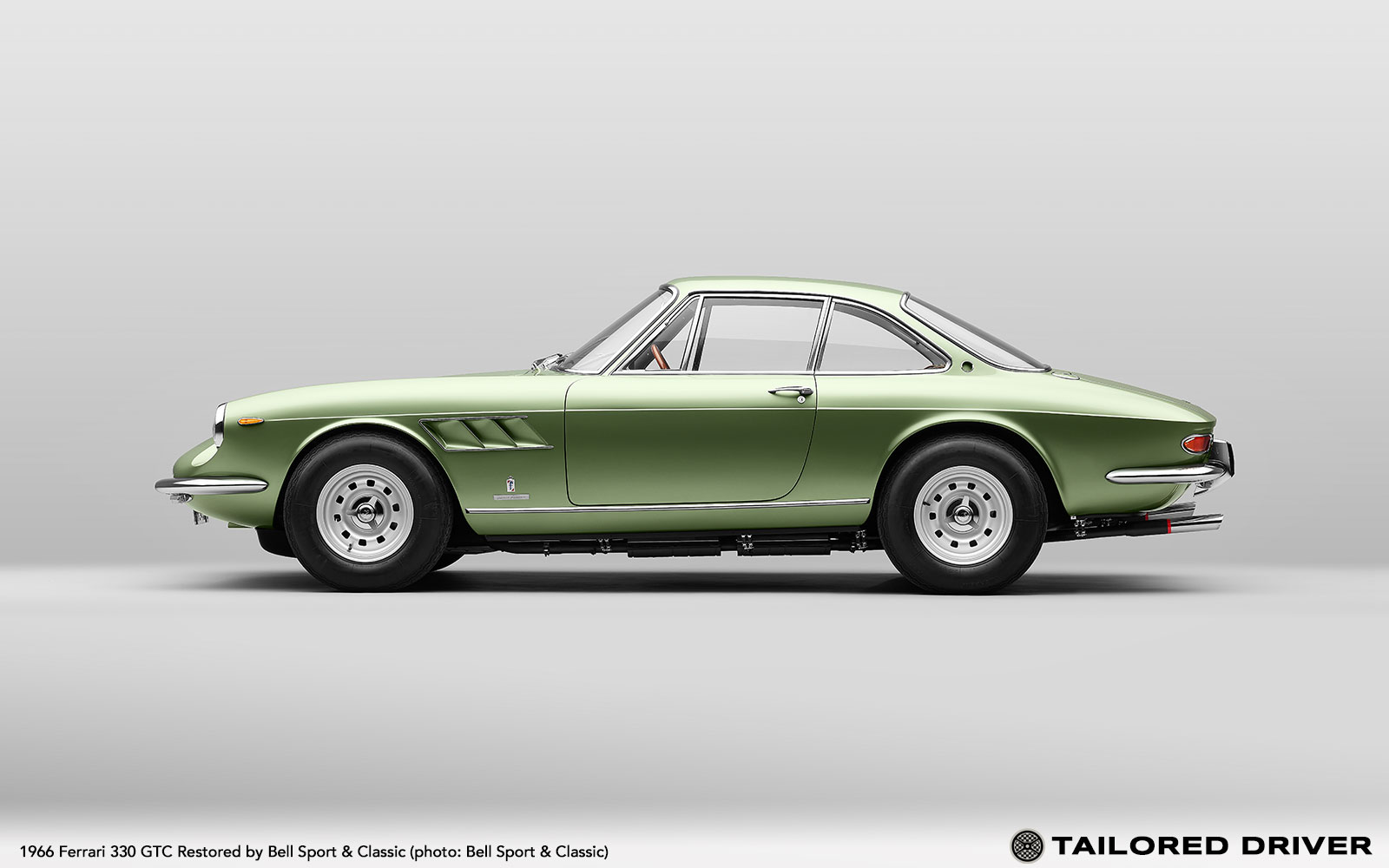
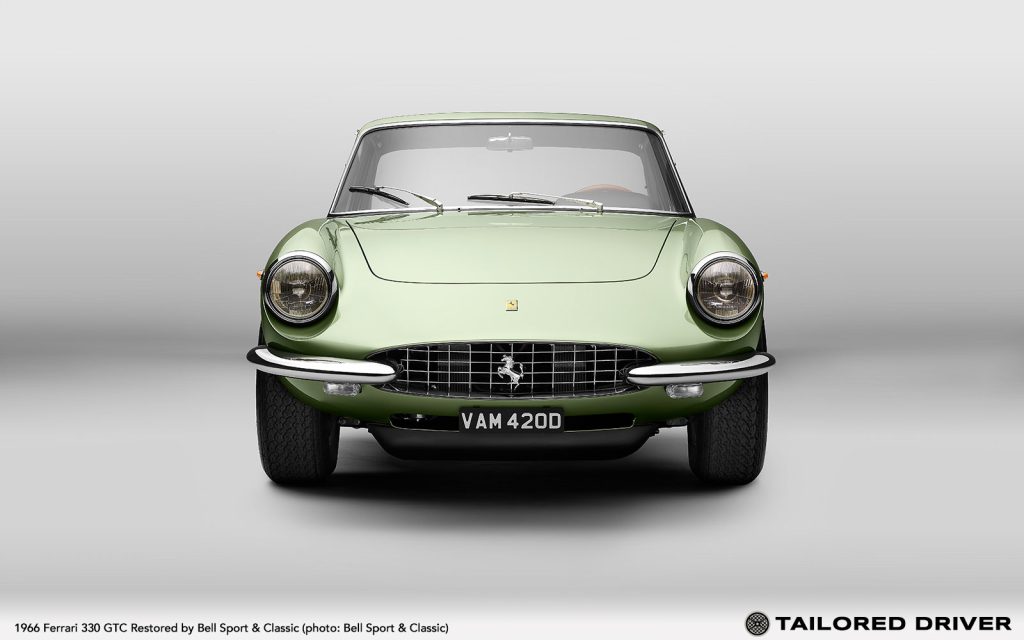
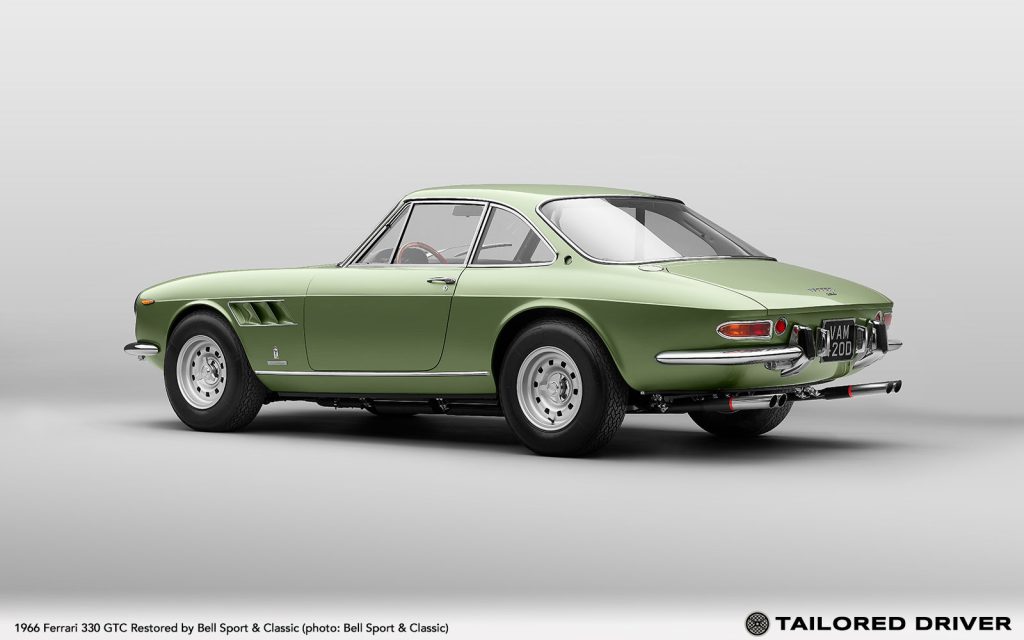
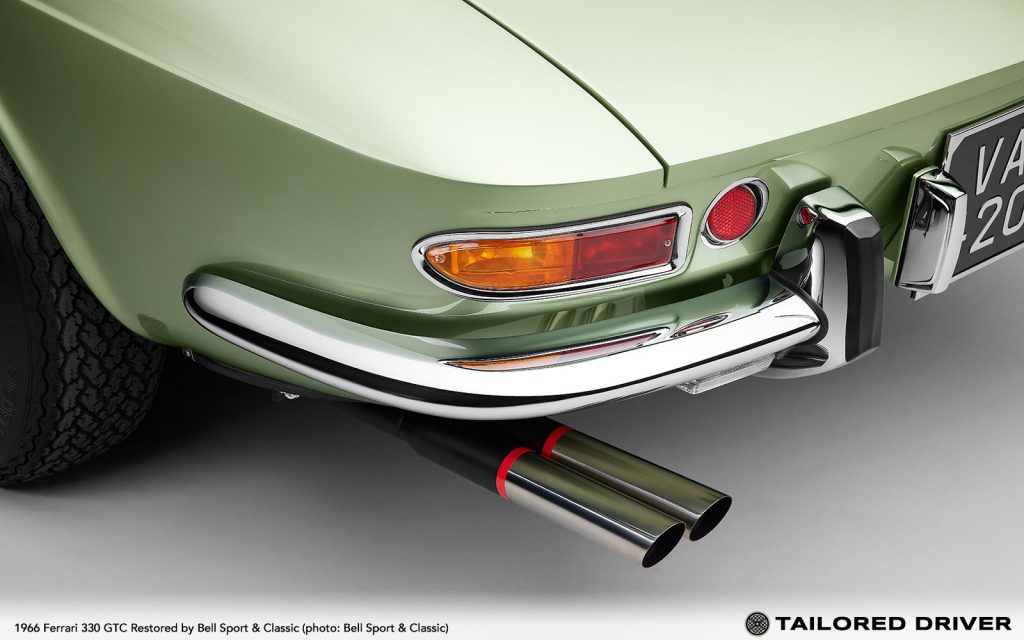
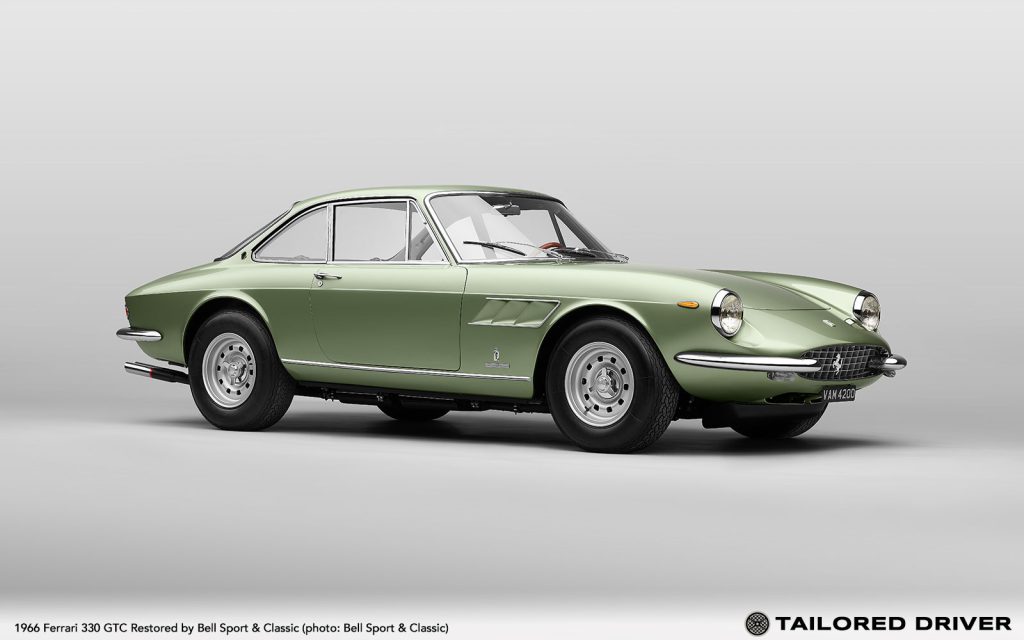
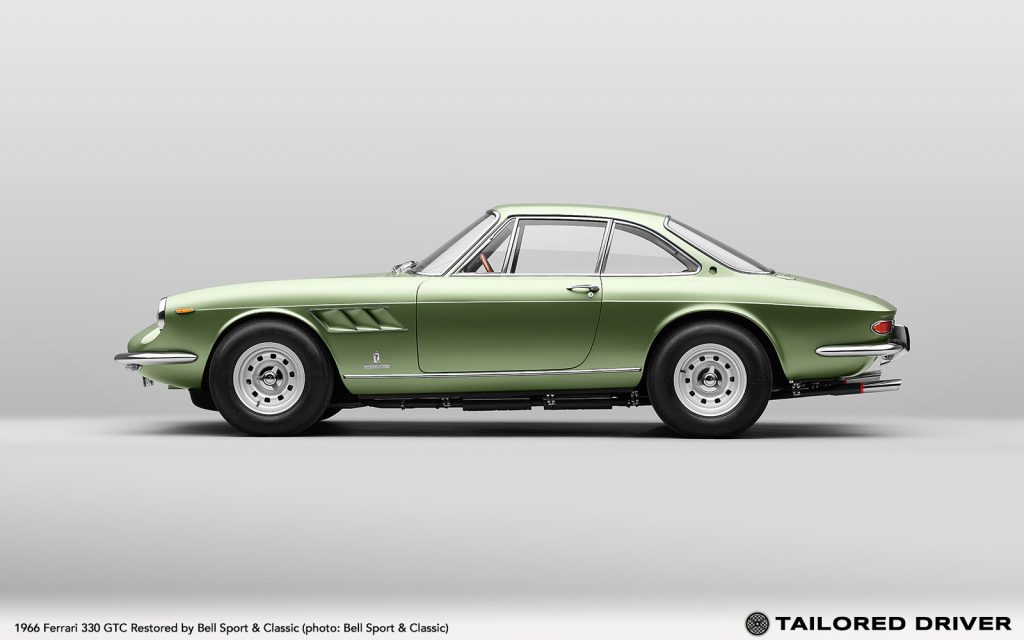
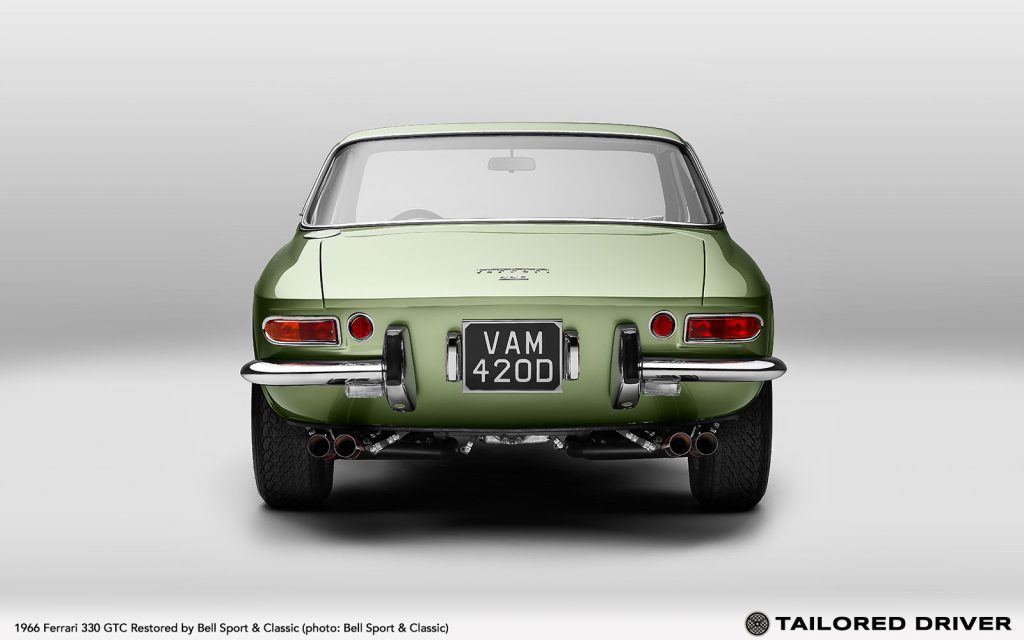
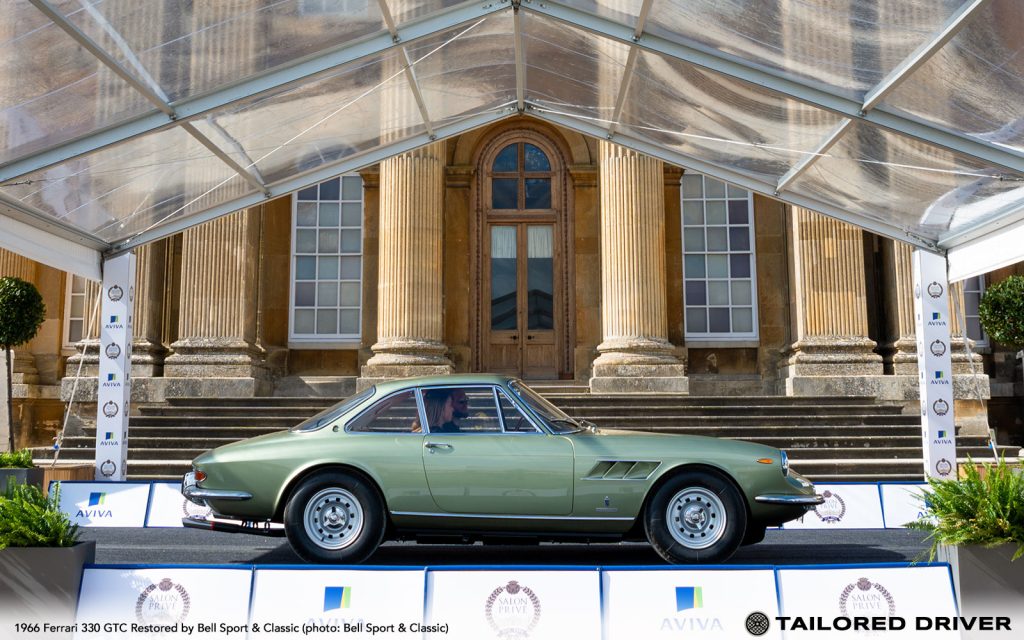
    Markyate, Hertfordshire, UK – Leading Ferrari specialist Bell Sport & Classic is proud to reveal full details of the benchmark-setting restoration of a 1966 Ferrari 330 GTC, which secured a convincing victory at the 2022 Salon Privé Concours d’Elégance in September against world-class opposition.

    The concours award and the car’s Ferrari Classiche Certificate stand testament to the intensive three-year-long restoration and rebuild at Bell Sport & Classic’s Hertfordshire headquarters. Led by the company’s expert team, who together have many decades of experience in Ferrari restoration, every component on the 330 GTC has either been restored, overhauled or reverse engineered, with the very latest restoration and engineering techniques employed.

    Like all Bell Sport & Classic’s restorations, a beyond obsessive approach was applied through an unmatched blend of experience and expertise, creating a car that is in every facet better than when it left the factory – and what is quite probably the finest Ferrari 330 GTC in existence. 

    The gentleman’s Ferrari 
    “Unveiled at the 1966 Geneva Motor Show the 330 GTC took its chassis from the 275 GTB Berlinetta and its 300hp four-litre V12 engine from the 330 2+2 Coupé. Cloaked in an achingly elegant Pininfarina body, it made an immediate impact and was very much a car for the more discerning driver. It’s the kind of Ferrari that you could imagine Enzo using as a daily driver,” explains Tim Kearns, Bell Sport & Classic’s Managing Director.

    “Maranello built 600 examples between 1966 and late 1968 and this example was built during the initial year of production,” adds Bell Sport & Classic’s Head of Acquisition & Sales, Peter Smith. “It first came to us six years ago having clearly had a good amount of use, the car initially sold into Switzerland had spent time in the US and was eventually found in Venezuela. Although the engine wasn’t running and it had been repainted blue, literally every nut and bolt was original, so it was a good example to start with – but we knew we could make it as close to perfect as possible.” 
    Two weeks were spent methodically removing all the Ferrari’s interior components before the restoration team, led by Elliot East, turned to the exterior trim and began carefully stripping parts, including the brightwork, bumpers, headlights, and glass. Only after that stage was completed was attention turned to the drivetrain and suspension components.

    Restored to factory-fresh specification 
    Bell Sport & Classic’s exacting approach means that the same effort is lavished on every element of the car – whether visible or not. The 330’s heavily kerbed and severely corroded original 14-inch cast magnesium wheels were restored and elevated to gleaming concours-winning condition; this same approach is applied throughout the car – even to components that will remain hidden from view, deep in the fabric of the machine.

    As Matt Wilton, who oversaw the project and has a lifetime of experience at the highest level of Classic Ferrari Restoration, explains: “Several of the imperfections were relatively minor, and would most likely never be seen by a customer, but for a Bell Sport & Classic restoration, everything matters. Yes, it’s highly time-consuming, but it gives our customers complete confidence that a car they receive from us is perfect in every detail.”
    A month was dedicated to stripping the suspension down, and the components sandblasted, before undergoing repainting and replating as required. The original shock absorbers, suspension arms and springs were all refurbished and retained.

    “The steering arm and every little bracket that had been nickel-plated originally, were replated,” continues Matt Wilton. “Other components, such as the anti-roll bar drop link, were restored to their original satin nickel finish. Absolutely everything on this car is in the same condition, or better, as the day it left the factory.”

    Walnut shells for that delicate touch 
    The process that would eventually ensure an exquisite exterior finish utterly devoid of even the slightest blemish began more than two years before painting was scheduled, and involved blasting the car’s body, not by sand, but by crushed walnut shells.

    “One of the disadvantages of using sandblasting on the delicate areas of the larger panels is that it can put heat into the steel and cause it to distort. However, that doesn’t happen with walnut-blasting,” continues Elliot East. “It’s a technique that’s always best for the potentially more fragile areas.”

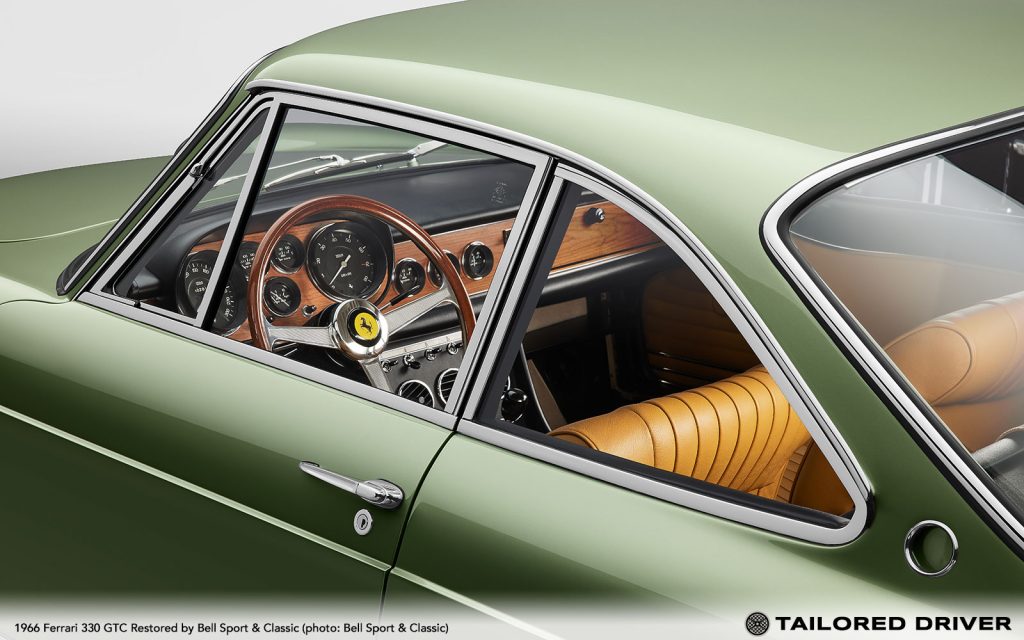
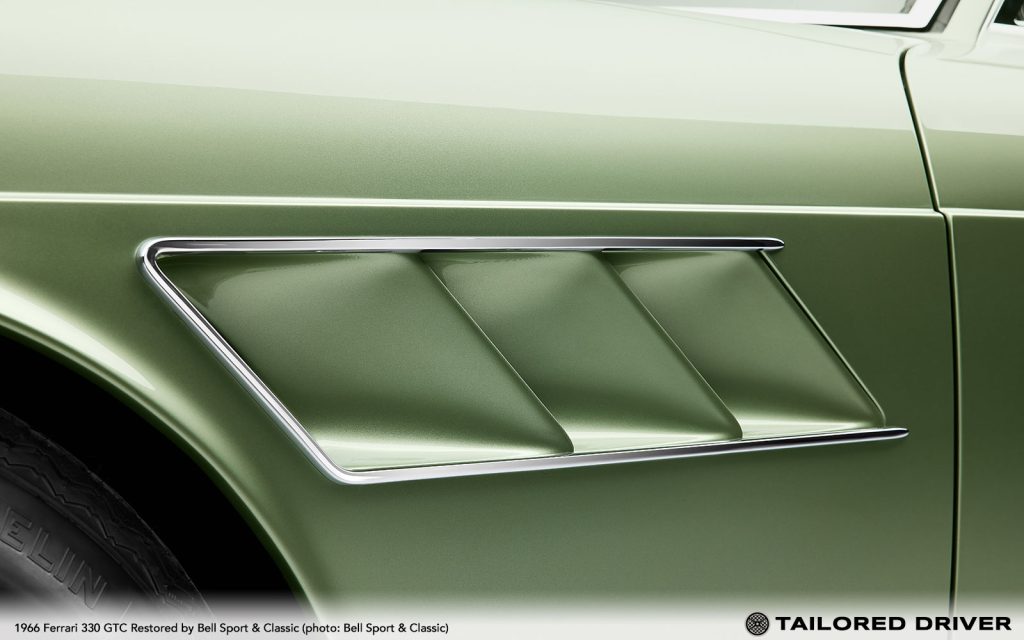
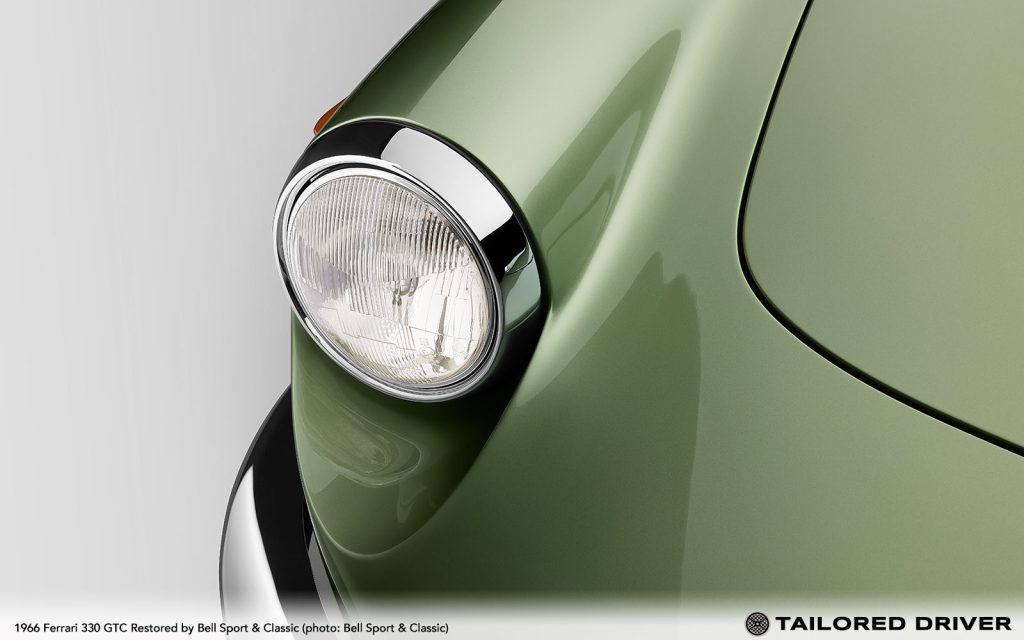
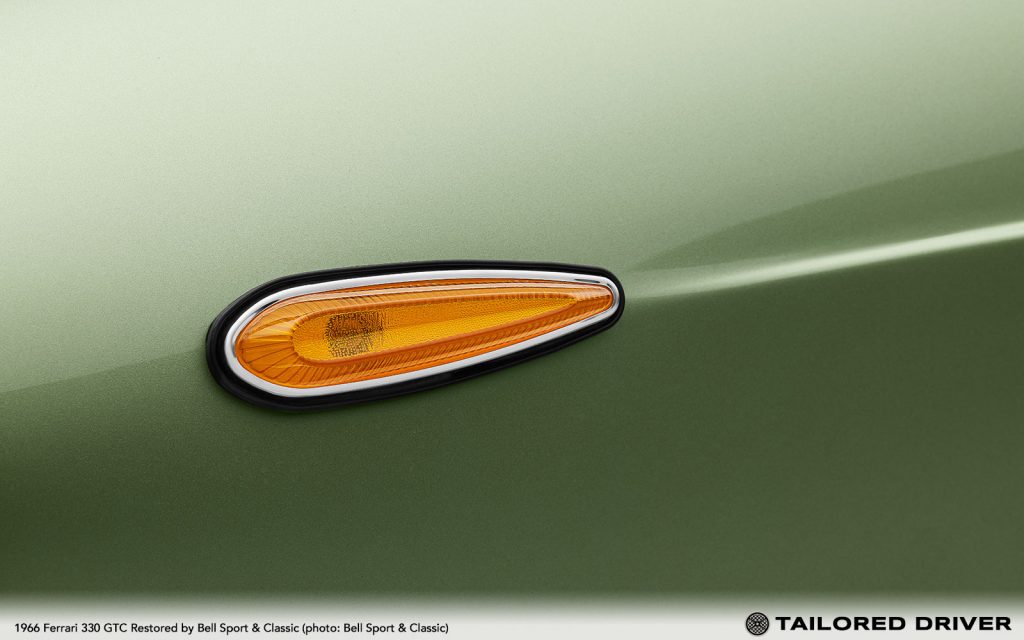
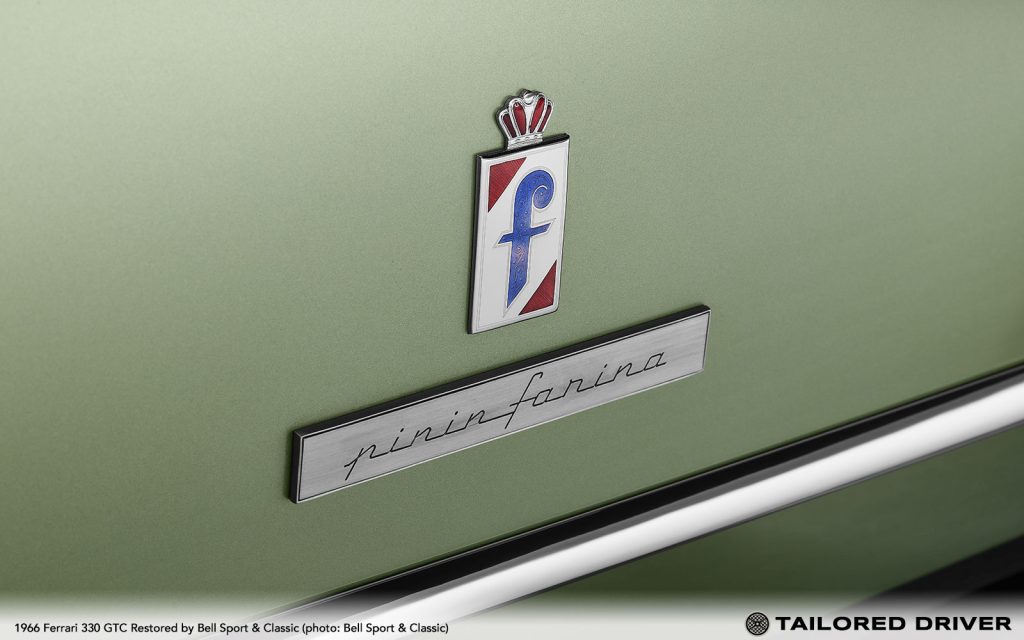
    When the car arrived at Bell Sport & Classic it was a pale blue and had clearly been painted several times over its life.  As part of the team’s restoration research process, the original factory build sheets were sourced confirmed that 330 GTC Chassis No. 9069 left Maranello a beautiful and unusual pale green.  Before the body was painted and the Ferrari returned to its stunning original light green metallic Verde Chiaro Metallizato, the team undertook a complete dry build. While this process of reassembling and then stripping back down again before painting takes time, it’s integral to every restoration project undertaken by Bell Sport & Classic.

    And again, despite the team’s accumulated decades of experience restoring historic Ferrari models, it ensures that nothing is taken for granted or left to chance. At this point, the bodywork is fully re-assembled, with components such as the glass, chrome wear, doors and all exterior fixtures fully incorporated. Every stage of the process is precisely measured, and triple checked. This painstaking attention to detail is critical to mitigating the effect of the additional thickness of the primer and paint.

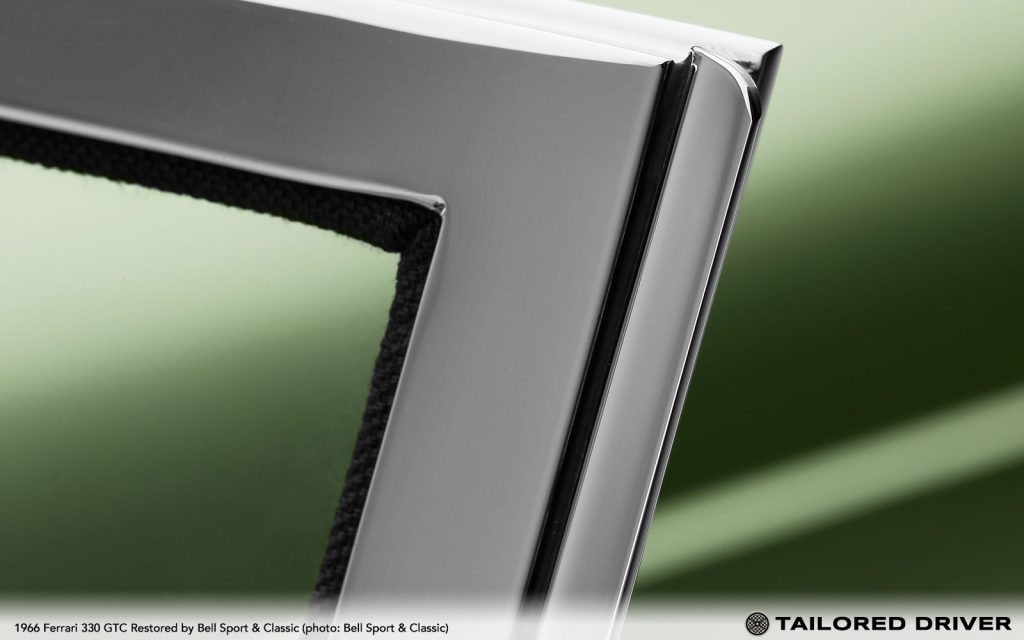
    “If you have too much paint on the window frames, it could prevent the glass from fitting, or if there is too much in the guttering on the roof, it could prevent the door seal from fitting properly. We’re only talking points of a millimetre, but often that’s all it takes to make the difference,” explains Elliot East.

    No detail too small
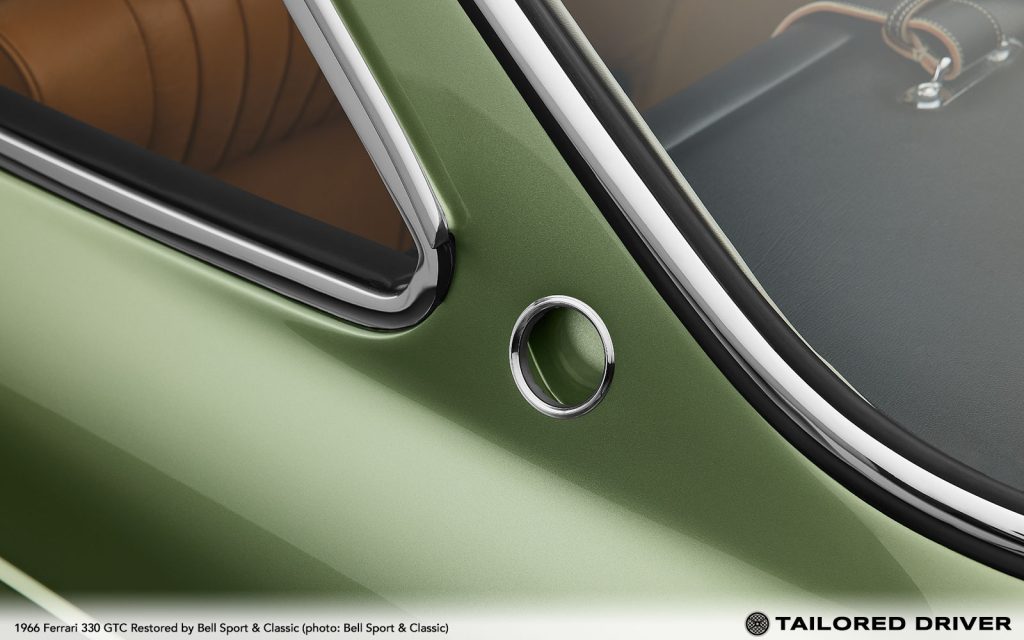
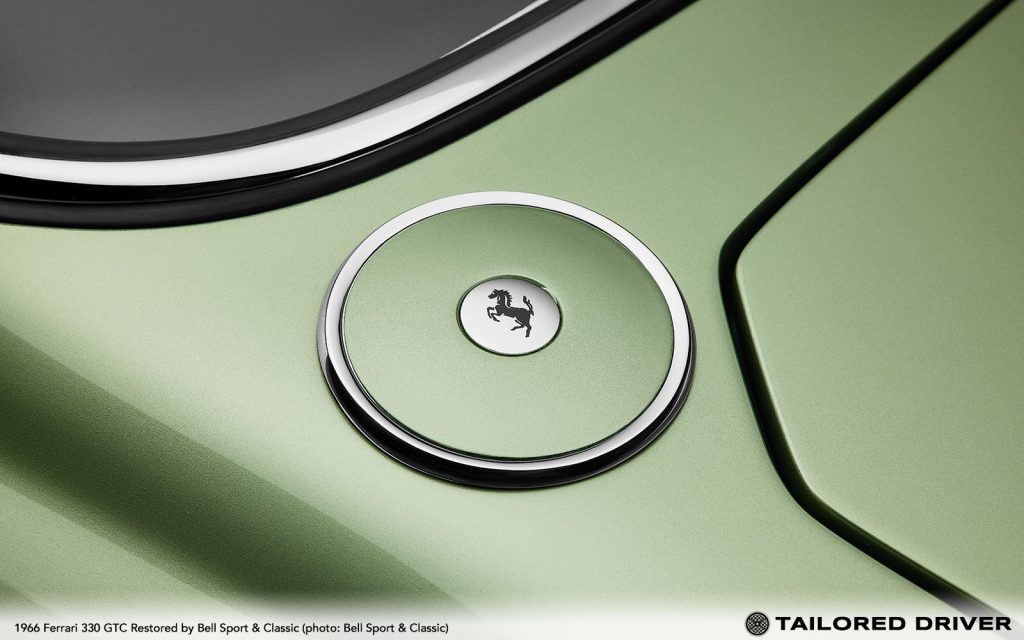
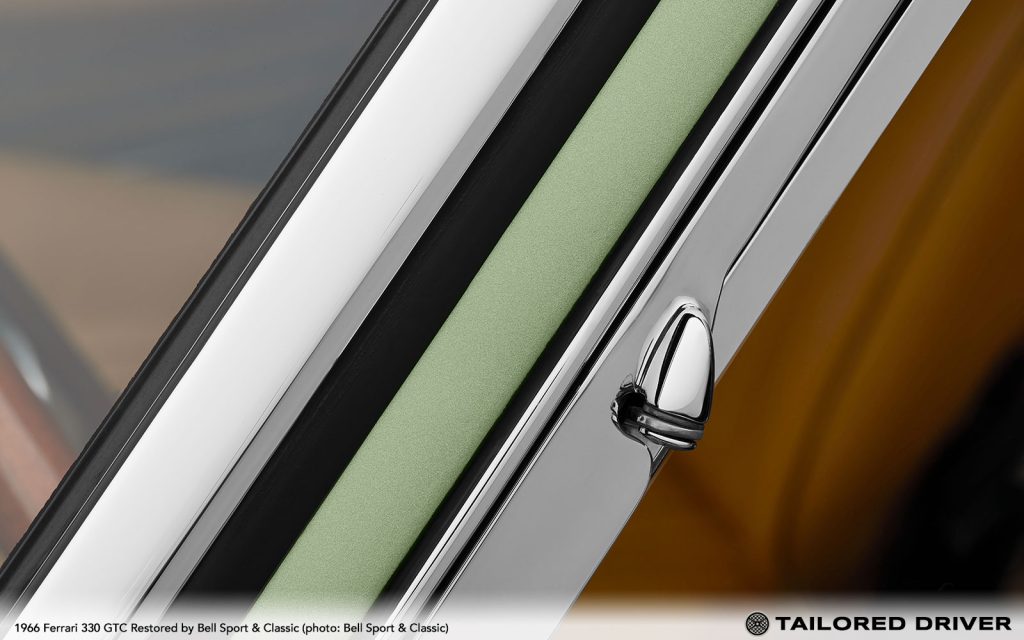
    As typified by the GTC’s chassis, Bell Sport and Classic poured as much time and effort into perfecting the paint finish on the details that can’t be seen. Even the quality of the paint finish inside the small circular demister vent in the C-pillar matches the outstanding finish of the paint on the body, a rare achievement on this model, a real ‘tell’ for those in the know.

    “As soon as we unveiled the car at Salon Privé, that was one of the areas that the judges and aficionados who really know this model went to straight away,” smiles Matt Wilton.

    “And it was the same with the satin black paint inside the wheel arches and engine bay. It took three attempts before we were certain we got exactly the correct and original degree of shine and tonality.”

    Even after the concours judges had peered into the C-pillar air vents, crawled underneath, and lifted the boot carpet, Bell Sport & Classic’s impeccable craftsmanship still stood up to the strictest scrutiny.

    Again, the pursuit of perfection continued to areas that aren’t even visible. “Despite having been painted black at some stage – as most have been – when the car was new, its twin fibreglass-coated fuel-tanks were painted a pale turquoise blue,” explains Elliot East. “It’s not an easy colour to match, and some might argue that it’s not that important as the carpet hides the tanks. But it’s important to us. And that’s why the fuel tanks are once again finished in period-perfect turquoise after we found and original area of paint inside one of the necks and colour matched it.”

    V12 beating heart
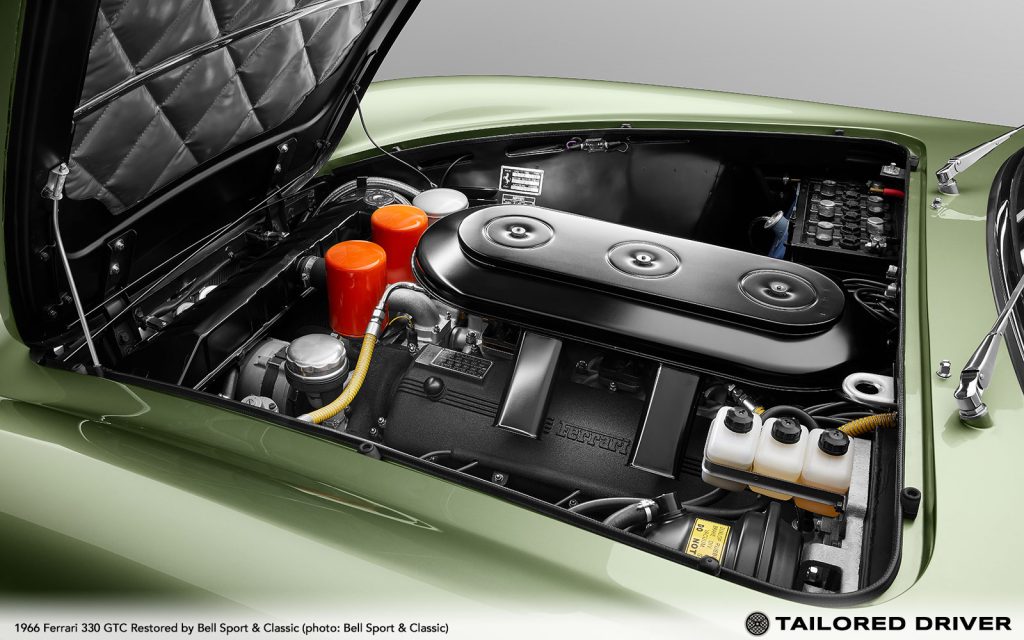
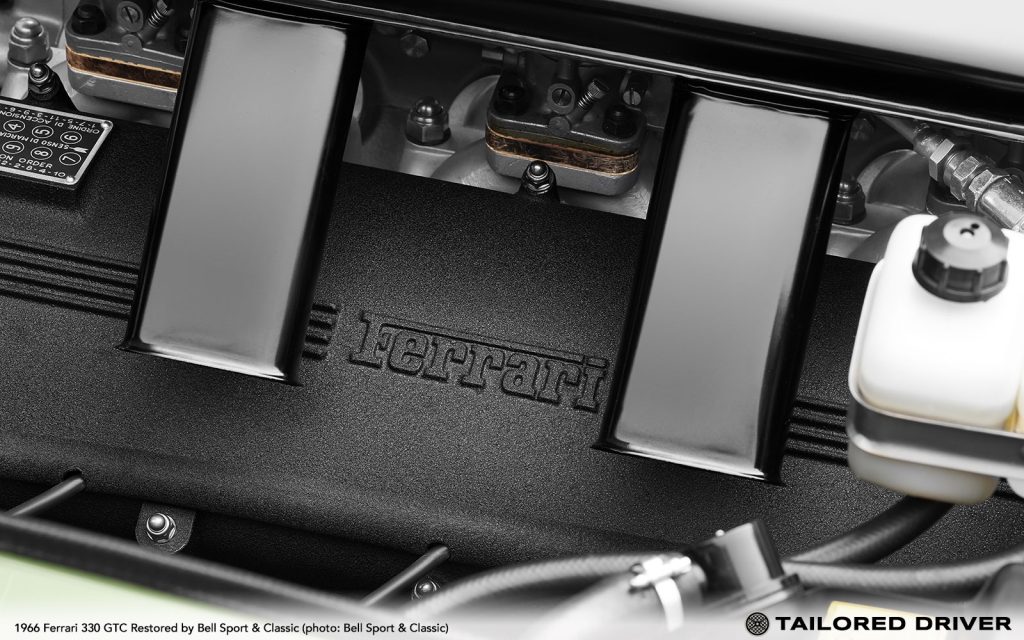
    Each phase of the strip-down, refurbishment, reassembly, and testing, of the 330 GTC’s Colombo V12 engine was completed at Bell Sport & Classic’s in-house engine workshop, under the lead of Attilio Romano, a former member of the Ferrari factory technical team in Maranello, who ran H.R. Owen’s Ferrari technical department for 22 years.

    It’s an obsessive approach, but it ensures perfection, with every single component, down to the smallest stud, stripped, vapour-blasted, refurbished and replated as required, regardless of time and expense. Once the V12 was reassembled, two days were spent on dyno-testing, assiduously checking for the most minor issues, such as potential minute oil leaks.

    Then, after the car was rebuilt and the engine placed back in situ, it was subjected to 500 miles of road testing. “We restore cars, not just to be sat on a concours lawn, but driven and enjoyed by their owners,” adds Peter Smith, himself an experienced racer and part of the project’s dynamic sign-off process. The fully rebuilt engine produces 300hp at 7000 rpm – precisely the same as in period.

    The gearbox was exposed to the same in-depth strip-down and rebuild process as the engine. And while every effort was made to maintain optimum originality, certain new parts were required to ensure a sublimely smooth driving experience. These included the selector forks, synchroniser hubs and synchroniser rings.

    In many ways, the four-pot calliper braking system proved the most challenging aspect of the drivetrain, as Elliot East explains. “We weren’t happy with the existing brake servo, which was challenging because finding an original replacement part in good condition was just about impossible.  But it’s like trying to ease off a seized nut – we never give up. And as we have contacts with parts suppliers and Ferrari enthusiasts all over the globe, we finally sourced an original.” 

    Creating a sublime interior
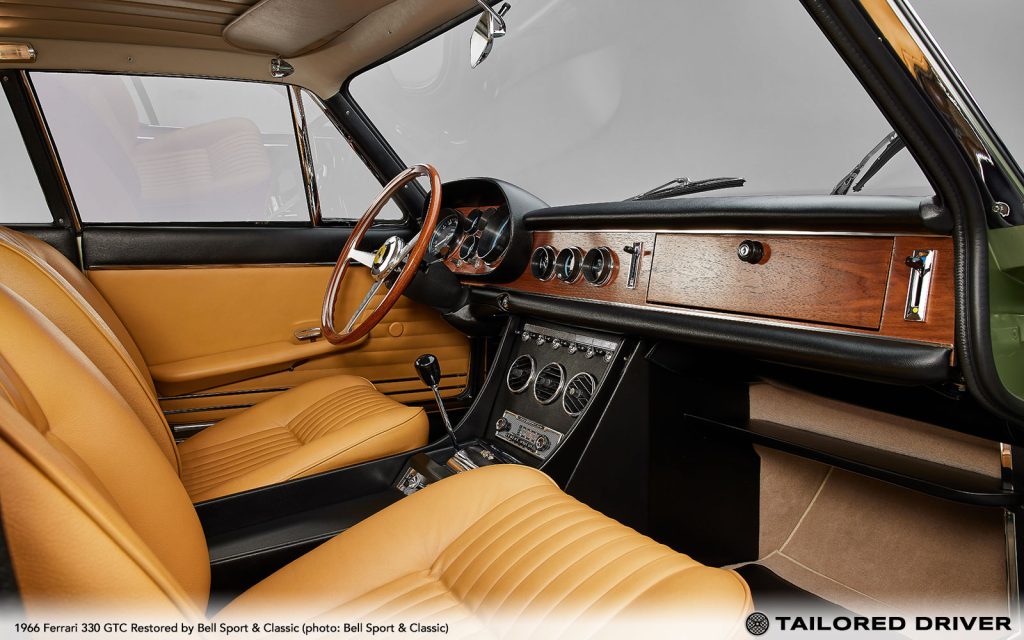
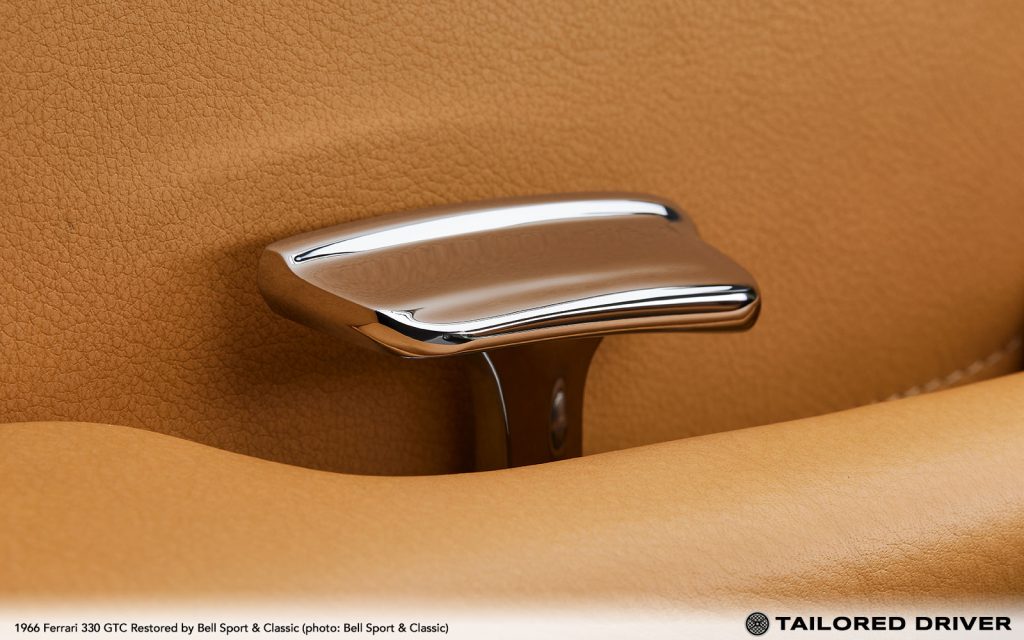
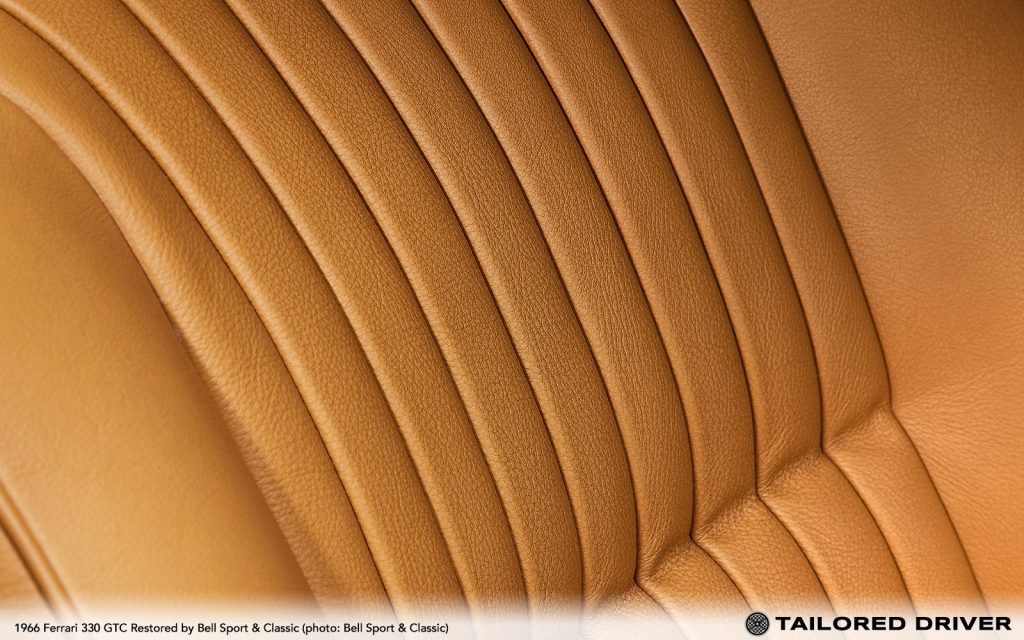
    Back in 1966, the 330 GTC left Maranello sporting a gorgeous black leather interior, but more than half a century of use had taken a very heavy toll upon it. Restoring the cabin of a historic Ferrari to its former glory represents a significant challenge that not many can truly perfect.

    Bell Sport & Classic entrusted the restoration of the car’s cabin to O’Rourke Coachtrimmers and Suppliers. Based in Rudgwick in West Sussex, the company has decades of experience in restoring Ferrari cabins to concours-winning, period-perfect condition. O’Rourke Coachtrimmers and Suppliers has built its world-leading reputation not just on the quality of its craftsmanship, but also by applying the same forensic approach and research-driven authenticity that Bell Sport & Classic exercises itself.

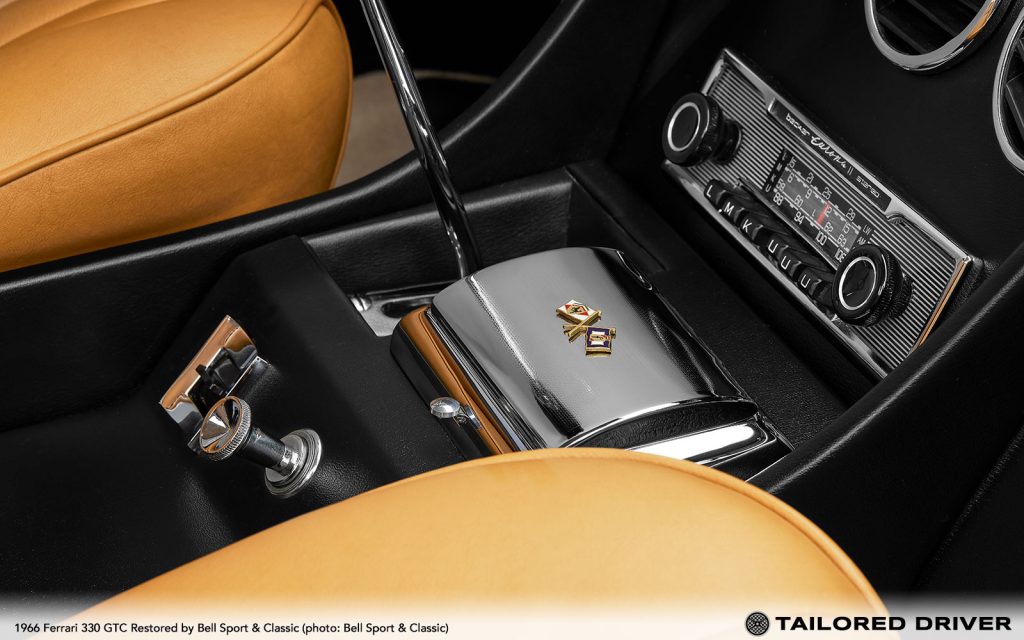
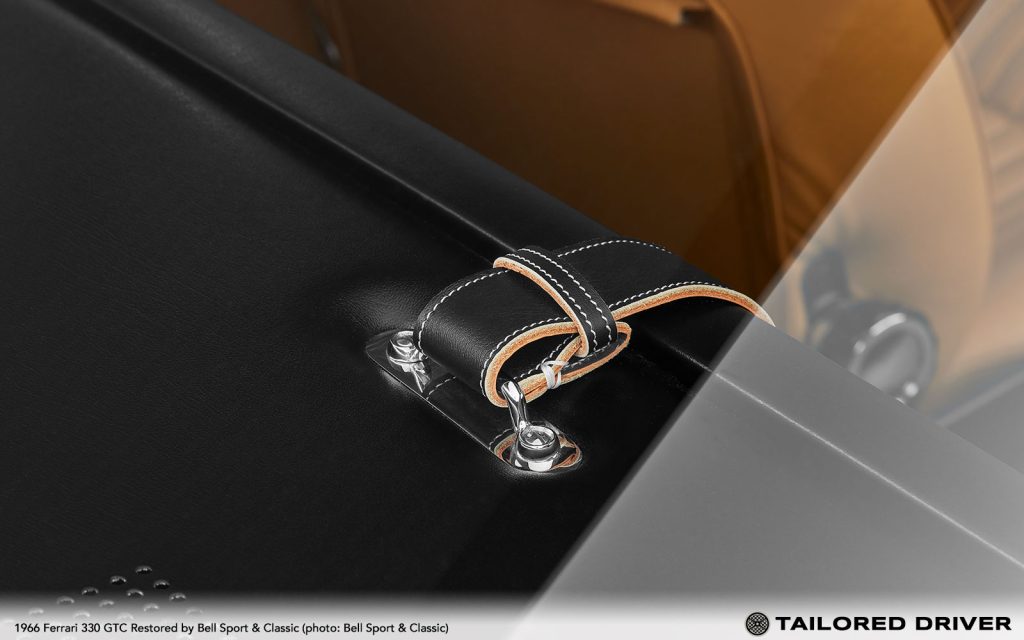
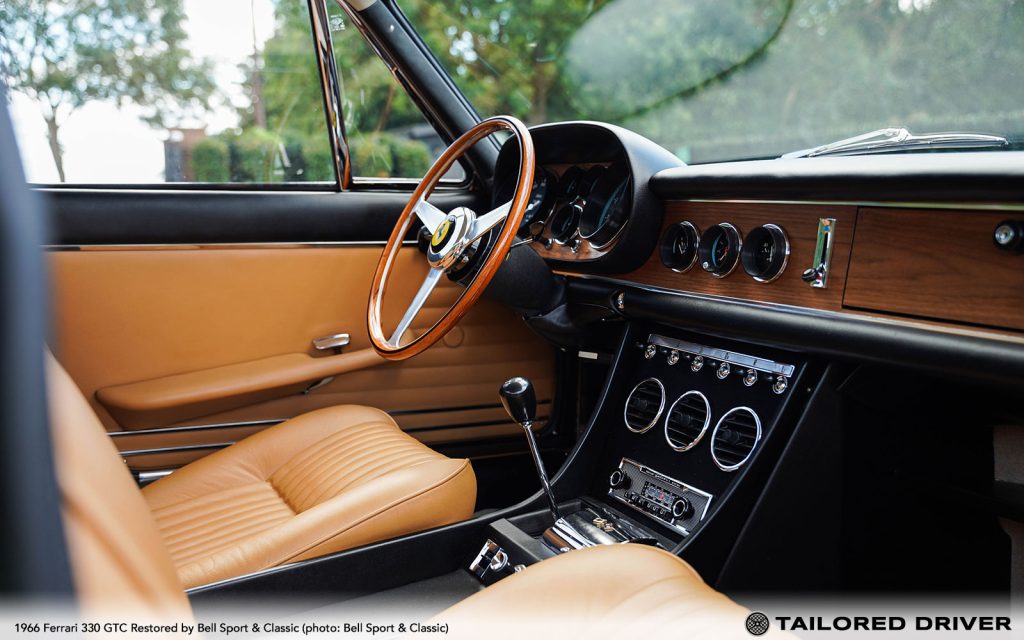
    So, when the customer wished to change the colour of the leather, it was a straightforward task for O’Rourke Coachtrimmers and Suppliers to outline the range of options offered by the factory more than half a century ago. As a result, the car’s new owner was able to select the precise Ferrari Conolly VM 218 fawn leather colour, which was matched with period-correct detailing, including the colour and weave of the carpets and the headlining, right down to the vinyl on the binding of the carpets, with all material sourced from Italy.

    Fortunately, the car’s original seat frames were in good condition and retained, although new foam inserts were fitted to ensure optimum comfort and support. New webbing was used for the belts, but all the fittings and buckles are original and have been restored, including the iconic Irvin badges.

    The Ferrari’s wooden veneer dashboard was in relatively good condition, apart from the fact that it had a mysterious hole in it. “All the original dials and controls were present and correct and accounted for, so the hole had presumably accommodated an additional aftermarket feature that had been fitted at some point and then removed again,” deduced Elliot East. Once again, vast reserves of skill, experience and patience were required to perfect this element of the restoration, with dozens of different wood stains tried and revised before the correct match was found.

    At some point in the car’s history, a 1980s radio cassette had been fitted to the centre console.  Bell Sport & Classic removed the unit and fitted an original Beck Europa radio, of the precise type the car would have left the factory with. Restored and uprated by vintage car radio specialists, Chrome London, the period radio is equipped with modern internals and Bluetooth compatibility.

    Beauty that is much more than skin-deep 
    “With this Ferrari 330 GTC, we have created a car that looks perfect from first glance right down to the details you will never see,” adds Peter Smith. “We believe passionately that beauty is so much more than skin-deep. That’s why, if you took this car apart, every component would look new, even though it is fifty-six years old. Versus the more famous V12 Ferrari of the period, the 330 GTC hides its light under a relative bushel, but it is such a wonderful combination of style and performance that this is one Ferrari unlikely to remain underrated for much longer.” 

    Bell Sport & Classic Managing Director, Tim Kearns concludes: “It’s a fundamental part of our philosophy that we just don’t build a car to get maximum points from the judges in a concours, it’s got to drive beautifully, too. The 330 GTC was the only car in its class to take part in the Salon Privé tour in the lead up to the event. It was driven enthusiastically and enjoyed on the wonderful roads of the Cotswolds over two days, before arriving at Blenheim Palace, parking up on the Concours judging lawn, and then taking the top Ferrari prize. 

    “Every car we restore, while flawless visually, has got to perform at the highest possible level ­– it’s got to be a true driver’s car. And it has got to be capable of being used every day of the week even if it isn’t. We are confident that Bell Sport & Classic sets the standard for the restoration of historic Ferrari models. The plaudits this 330 GTC has achieved validate the beyond obsessional approach of our exceptionally talented, knowledgeable, and passionate team. It builds on the success of our other recent Ferrari restoration projects – which have been met with universal acclaim for their pursuit of perfection – and further underlines our objective to continually raise the bar. This is exactly what Bell Sport & Classic does. Watch this space for our next project.” 

    About Bell Sport & Classic 
    Bell Sport & Classic is a team of experts who have come together to provide customers unrivalled expertise across the sales, service, and restoration of the world’s most revered classic and modern classic cars, specialising primarily in notable Ferraris but also Aston Martin and Lamborghini and other leading marques.

    Authenticity, originality, and quality are the bedrocks of the business; Bell Sport & Classic prides itself on sourcing the ultimate in collector cars and bringing new standards to classic car restorations. Bell Sport & Classic stands apart in the classic car world as an innovator and leader in customer service.

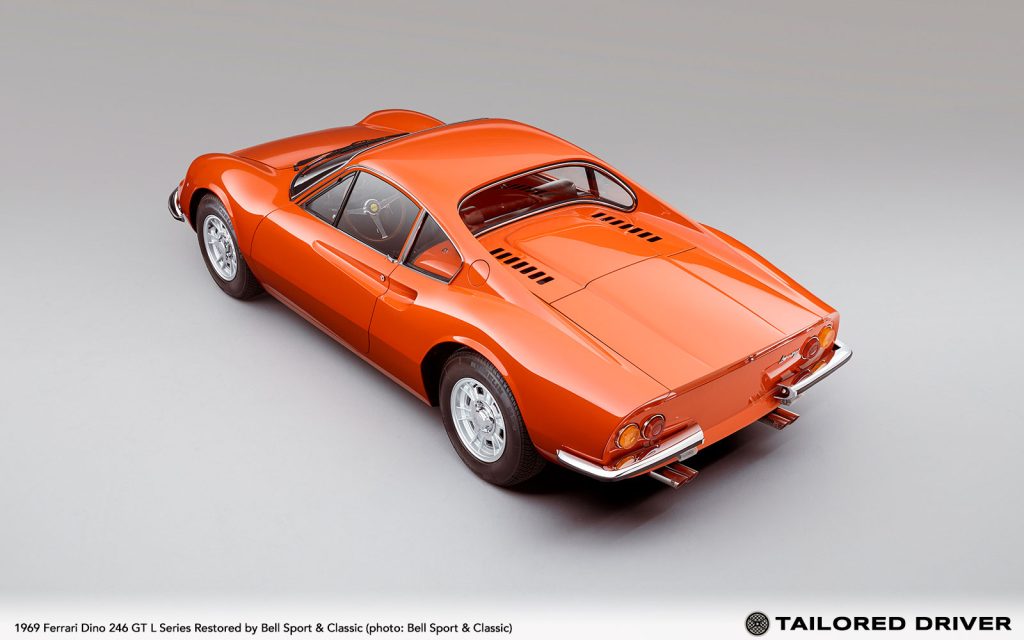
  • Bell Sport & Classic Completes Concours-Level Restoration of Rare Ferrari Dino 246 GT L Series

    Bell Sport & Classic Completes Concours-Level Restoration of Rare Ferrari Dino 246 GT L Series

    • Originally appearing on Ferrari’s stand at the 1969 Frankfurt Motor Show, this remarkable Dino 246 GT L Series has been meticulously restored to concours condition
    • Four year strip down and rebuild to Ferrari Classiche standard by Bell Sport & Classic restoration team
    • Iconic model represents seminal period in Ferrari history
    • Arguably now the best Dino in the world, it is the latest demonstration of the  benchmark-setting levels of finish Bell Sport & Classic applies to every restoration

    [source: Bell Sport & Classic]

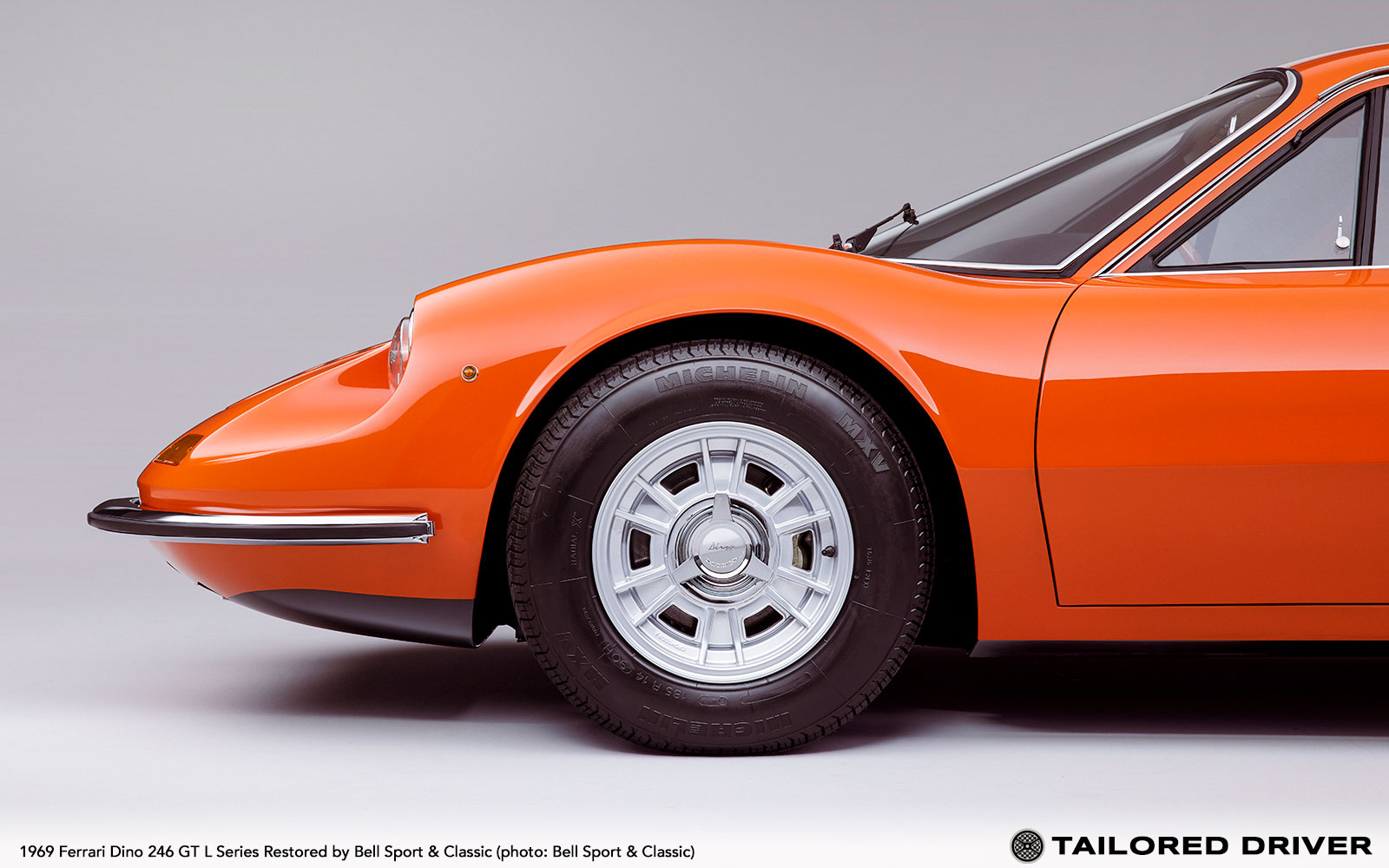
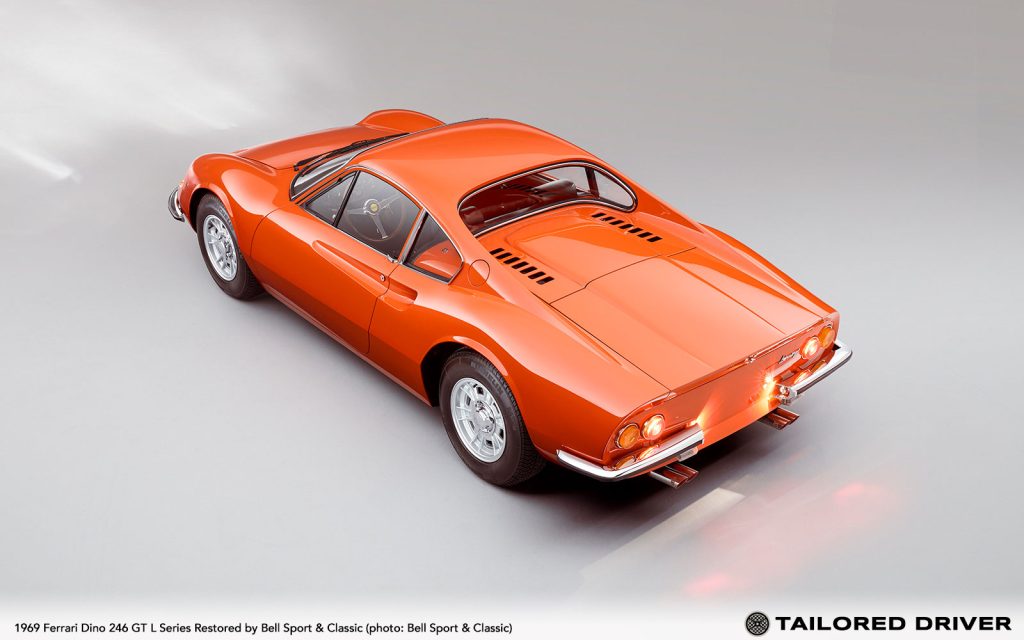
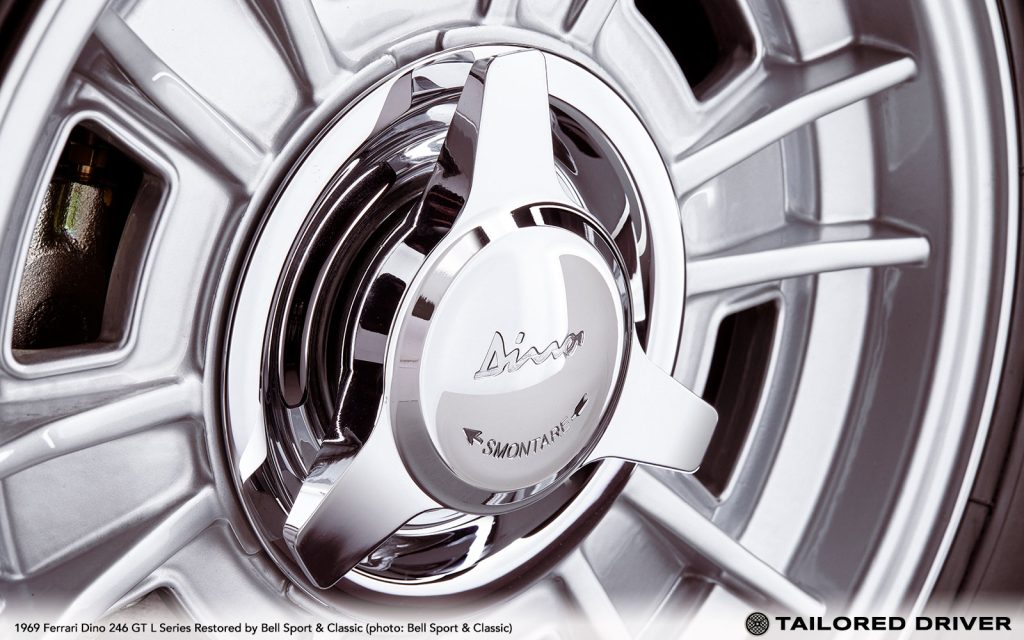
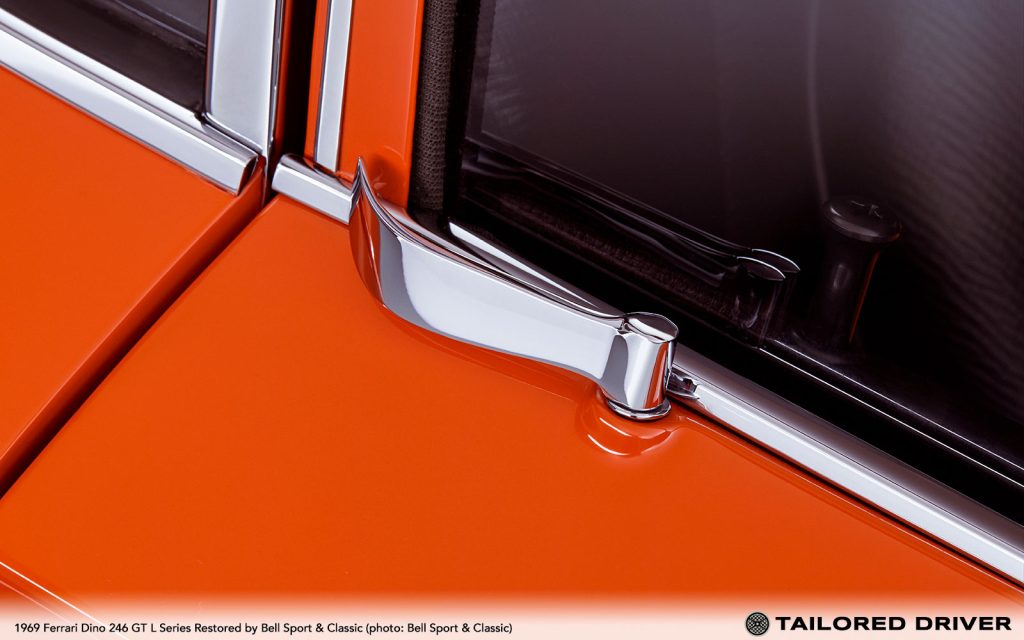
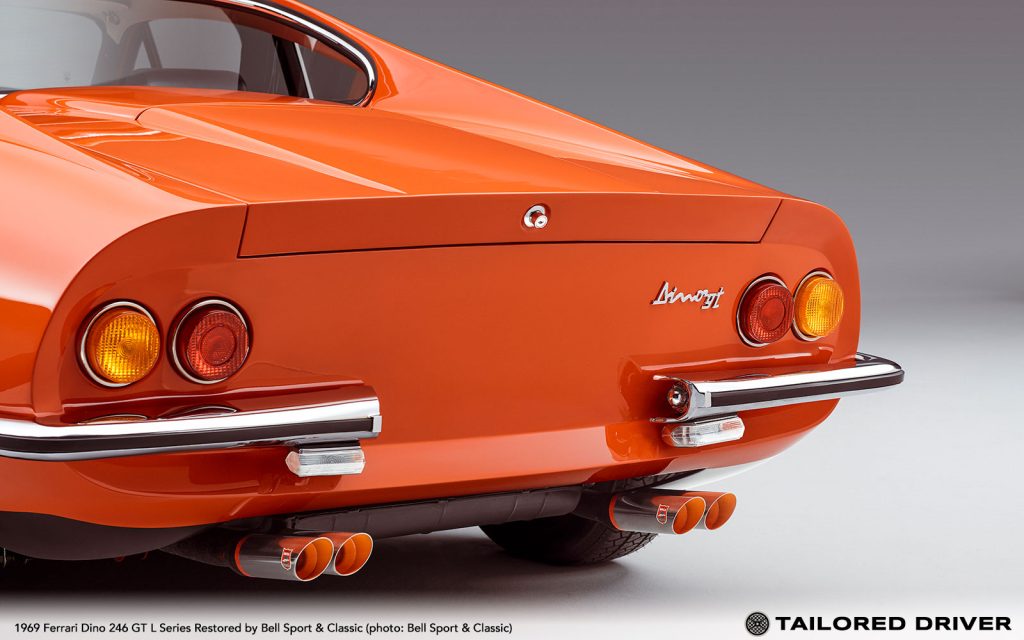
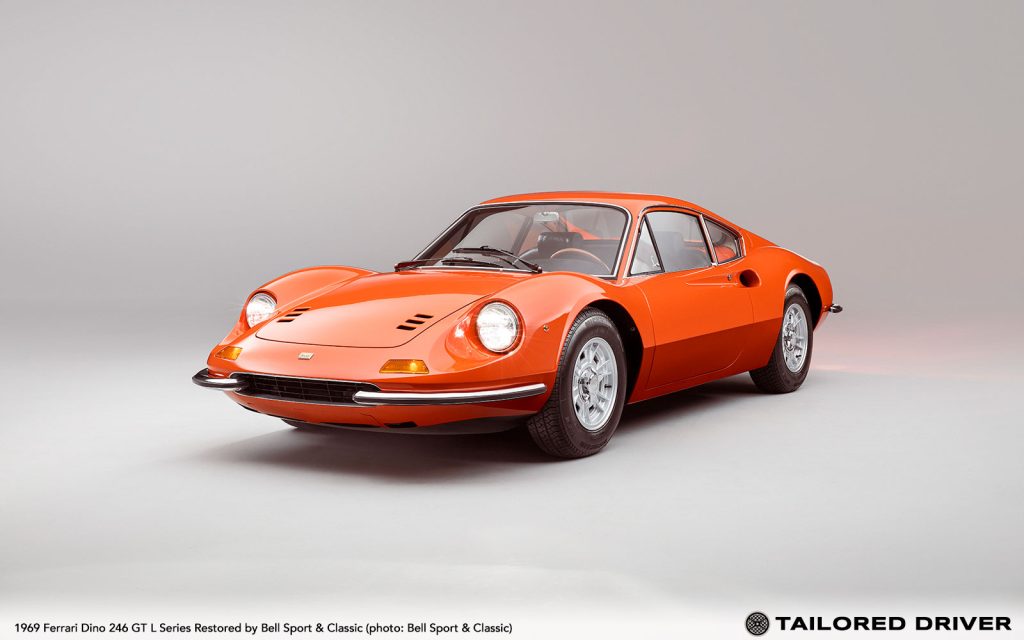
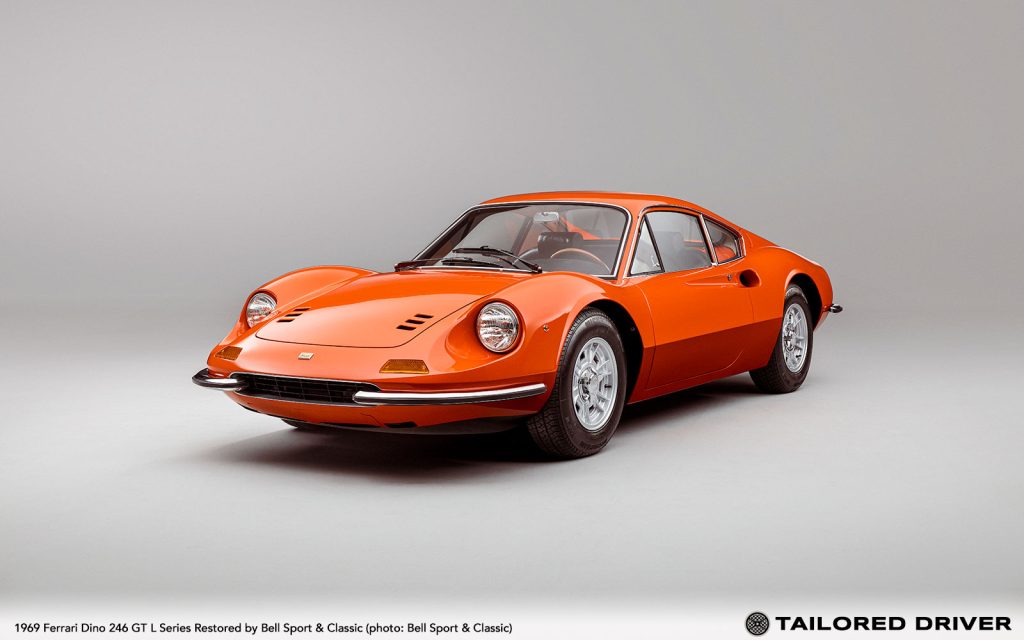
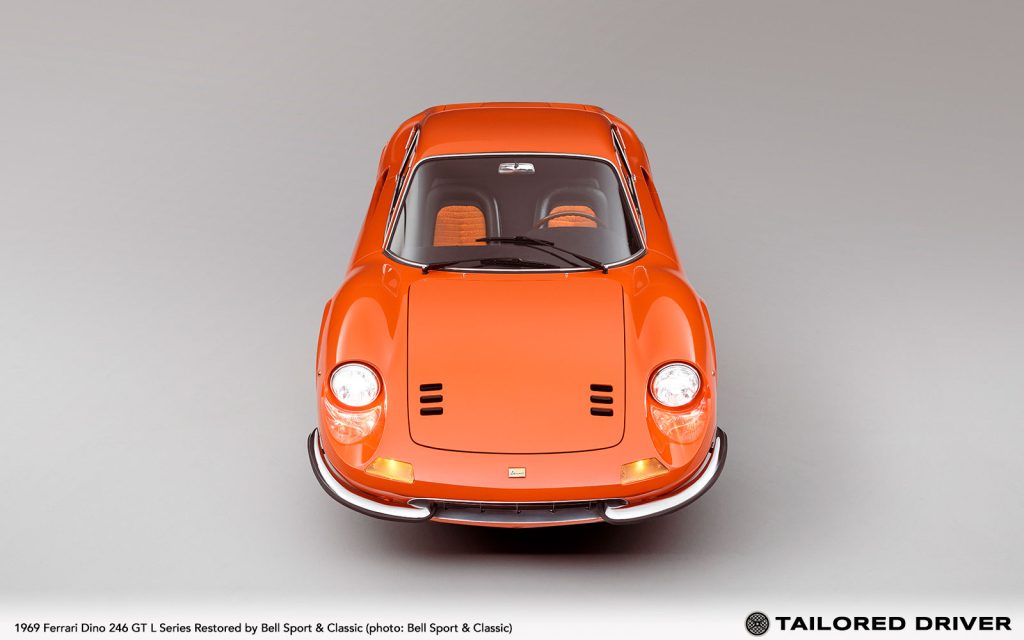
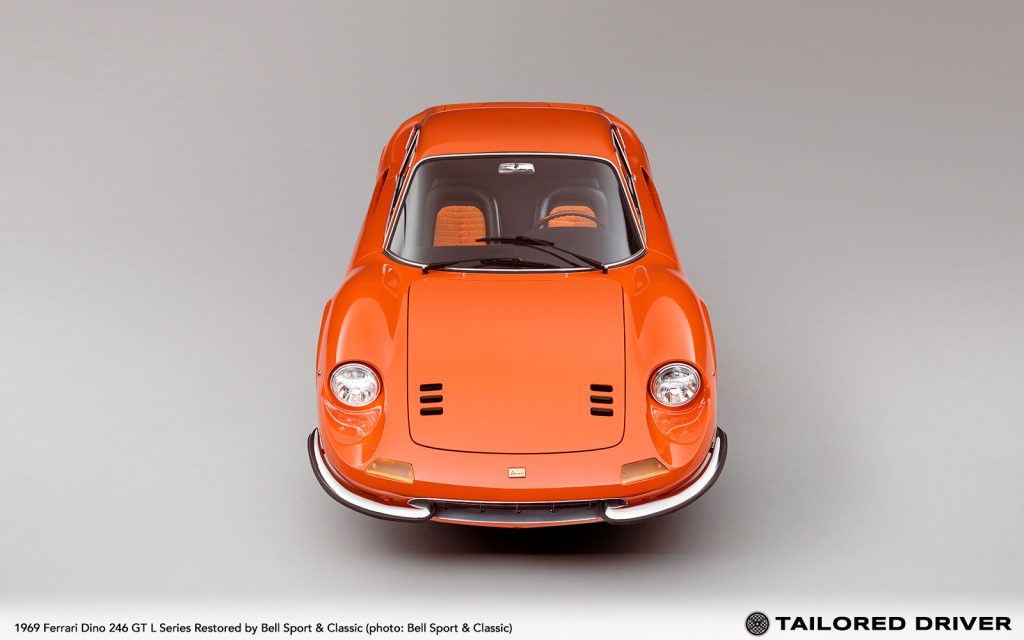
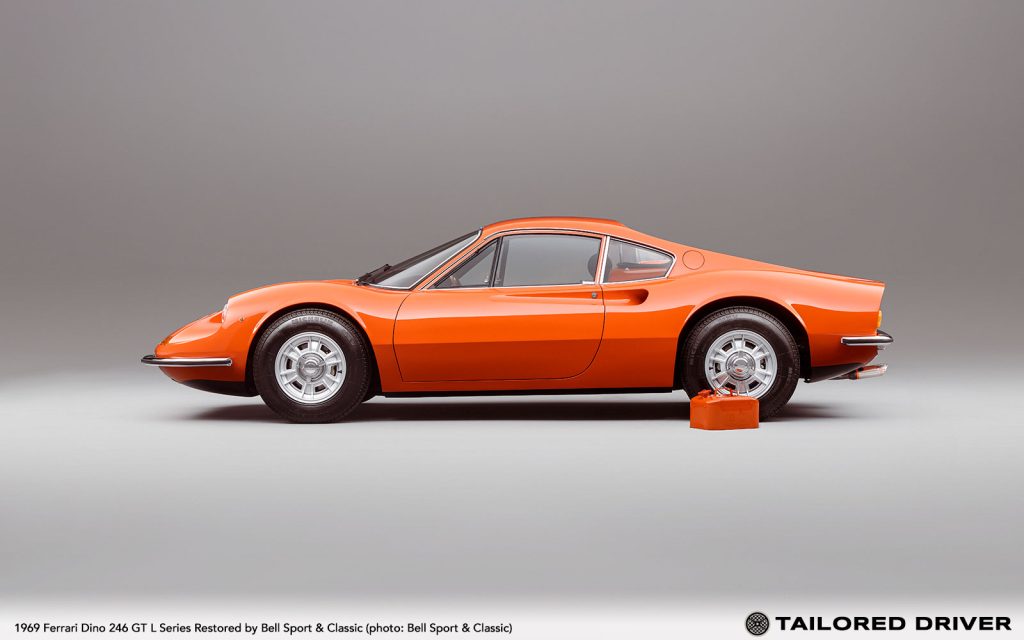
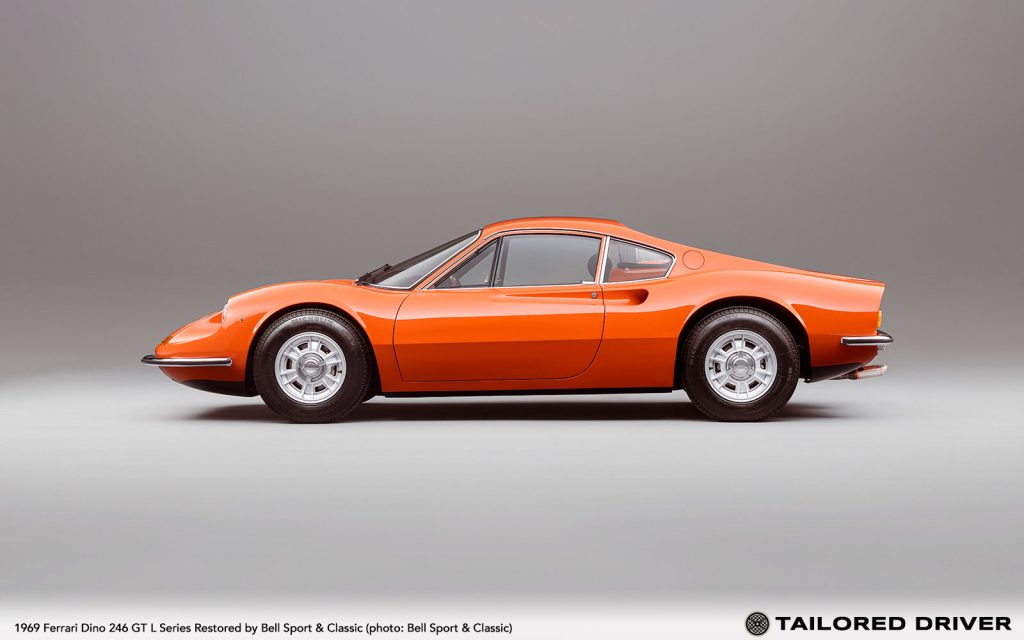
    Markyate, Hertfordshire, UK – Bell Sport & Classic is delighted to reveal the latest example of its exceptional in-house Ferrari restoration expertise: a complete, ground-up, concours-level restoration of the original 246 GT Dino L Series that debuted on Ferrari’s stand at the 1969 Frankfurt Motor Show.

    A seminal model from marque’s history, this significant car has been the subject of Bell Sport & Classic’s benchmark-setting standards, blending originality and the utmost attention to detail with the very latest restoration techniques to create arguably the best Dino on the planet.

    Leaving the Maranello factory in 1969 and exhibited at that year’s Frankfurt Motor Show before being delivered to a customer in West Germany, it was the first Dino to be sold in the country and the seventh L Series ever made by Ferrari. Today, this concours-condition, low-mileage, early left-hand drive car represents an exceptionally rare opportunity for an aficionado to add one of the most important models built by Ferrari to their collection.  

    Fitting tribute and lasting legacy
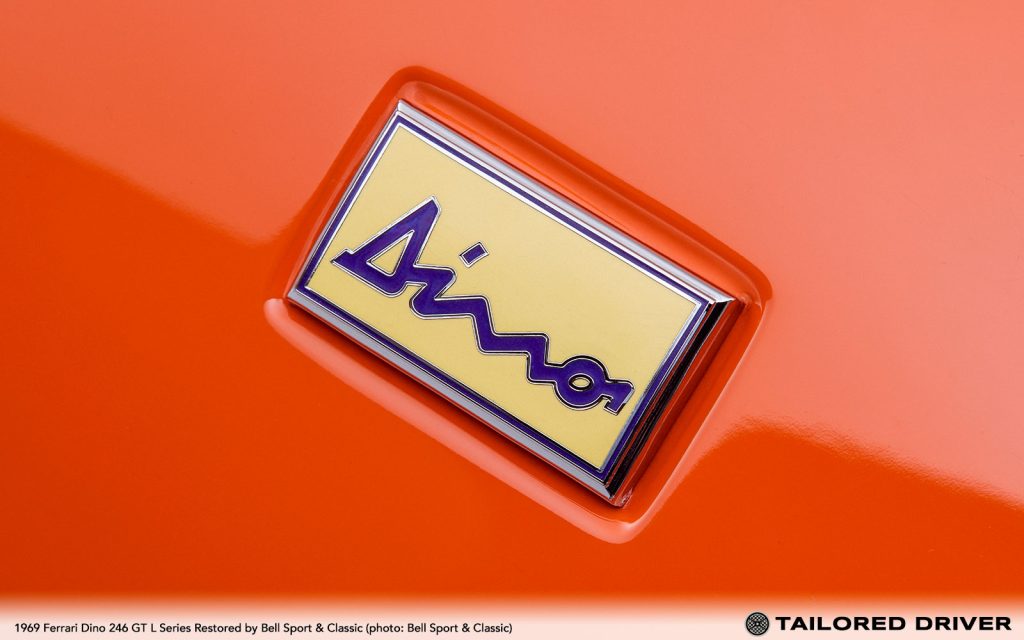
    “Enzo Ferrari first used the ‘Dino’ name to denote a range of V6 Formula 1 and Formula 2 racing engines as a tribute to his first son Alfredo ‘Dino’ Ferrari, helped develop the engines, but tragically succumbed to illness at the age of 24 in 1956,” recounts Tim Kearns, Managing Director of Bell Sport and Classic. “When Ferrari launched its first V6-powered, mid-engined road car in 1968, it did so under the ‘Dino’ brand. And instead of the traditional Cavallino Rampante or Prancing Horse Ferrari badge, the Pininfarina-designed cars carried the signature of Alfredo ‘Dino’ Ferrari.”

    The first Dino launched was the 206 GT variant, powered by a 2.0-litre V6 engine. A year later, this model was followed by the 246 GT L, which featured a 60mm longer wheelbase and boasted a more powerful 2.4-litre engine – as did the 246 GTS targa model. Maranello built just 357 examples of the L-series Dino, before following it up with the M and E-series variants, which were produced in greater numbers.

    In 1969, the highly respected motoring writer and racing driver Paul Frère summed up the Dino 246 GT L’s exceptional driving attributes: “The Dino is most fun to drive on roads with lots of bends and good visibility. I know of very few cars that offer as much driving enjoyment through this type of terrain as this one does.” 

    Frère was far from alone in his enthusiasm for the Dino. “Critics and customers alike loved the way the Dino looked, sounded and drove. The car soon became acknowledged as a ‘lifestyle’ icon, even achieving fame in the cult classic detective television series ‘The Persuaders’, in which Tony Curtis drove a 246 GT,” reveals Tim Kearns.

    “It’s remarkable to think that at the time the car made its debut, Enzo Ferrari was adamant that his road-going creations should only be fitted with V12 engines and launched the new V6-powered Dino as a sub-brand. Yet today, Ferrari has closed the circle and returned to the V6 engine format, albeit in turbocharged guise, with its new 296 GTB.”

    Improving standards, respecting authenticity
    Before arriving at Bell Sport & Classic’s extensive restoration facilities in 2017, the Dino 246 GT, which carries the chassis number 00436, confirming its status as the 7th of 357 examples built, had been moved around the globe, spending time with owners in Germany, France, Canada, and the US. Despite the car’s far-flung travels, it had accrued only 53,400 miles (86,000km) over a period of forty-eight years. But it was, however, in a very sorry state of disrepair.

    “To be honest, I doubt if many other proper restoration companies would have even considered taking this project on. The tired state the Dino was in, it just didn’t look economically viable to attempt to return it to its former glory,” recalls project leader Peter Ensor, who along with Marc Holden, Elliot East and technical director Attilio Romano formed the key team responsible for the Dino’s restoration.

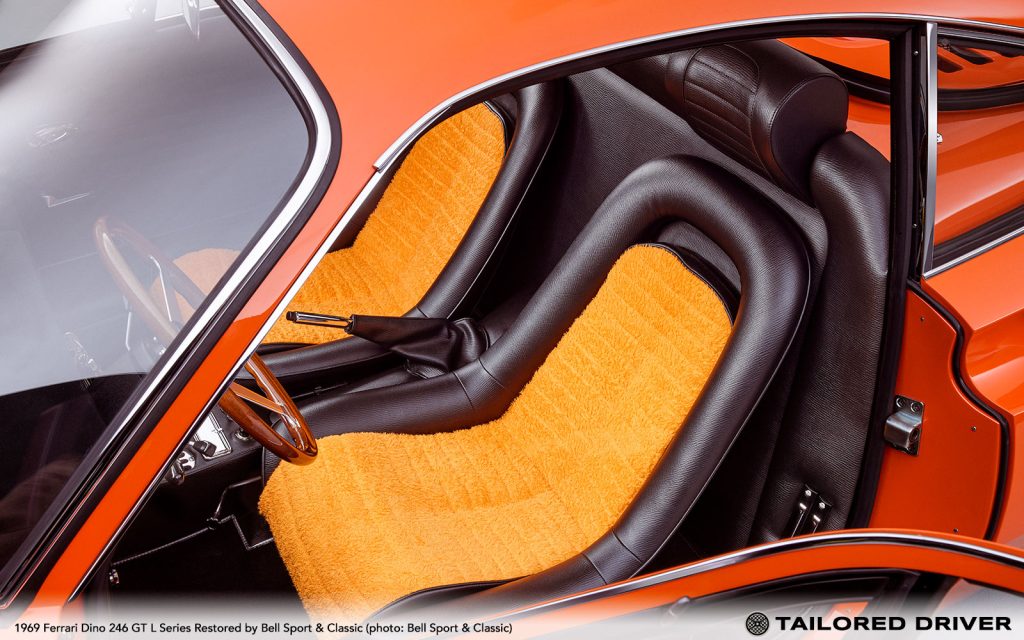
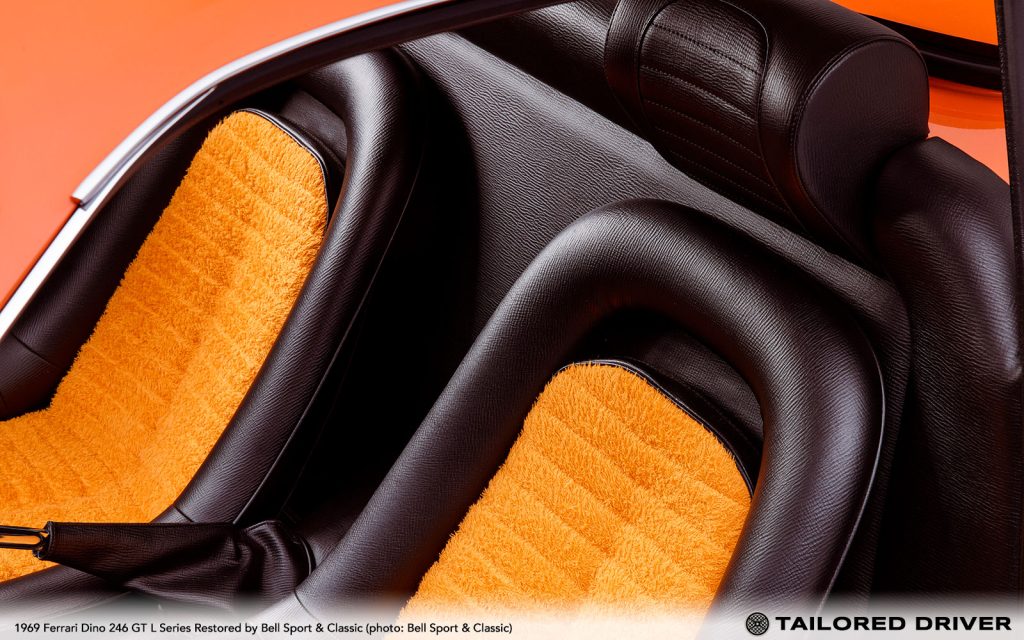
    “The car had been restored twice before in its life already, but lacked real care and precision. It was painted Rosso Corsa red instead of the original Rosso Dino, which has a more ‘orangey’ hue, the leather trim was incorrect too – it was black and red as opposed to the black with orange seat towelling interior fitted at the factory. And that was just for starters. When we delved deeper, we realised that there were plenty of other problems to address too.”

    Rust plagued the inner wings and the misshapen front and rear valances. The ‘scoops’ on the door panels did not align with those on the body, neither in terms of height nor angle, the wheel arch heights didn’t match from one side of the car to the other and the rear roofline was off-kilter. “And those were just the things we could see,” adds Elliot East wryly. “We also found that at some stage replacement front wing panels had been welded on top of the original items. The same ‘technique’ had been used on the sills and rocker panels, which meant the seam lines had been lost and rust had been locked in underneath.” 

    The full extent of the perilous state of the car was only revealed when Bell Sport & Classic completed a full strip-down to the steel monocoque. This process took several months, with the team carefully removing the aluminium panels, doors, glass and all mechanical components. Only then did it become apparent just how much effort, time, and skill – not to mention expense – would be required to restore the Dino. Yet, in some ways, the poor state of the car made it an ideal project for Bell Sport & Classic to exercise its renowned bodywork, mechanical and interior trim refurbishment expertise upon. The company prides itself in setting standards that are unmatched across the industry and deliver a level of finish significantly superior to that with which the vehicle would have left the factory in period, while fully respecting the car’s originality.

    Working to the very highest standards and having gained the coveted Ferrari Classiche certification for its impeccable work restoring previous Ferrari models, Bell Sport & Classic was eminently qualified to undertake the Dino project. But despite its exceptional knowledge and experience bank, the company left no stone unturned by seeking the expertise of Matthias Bartz, a highly respected author, and the world-leading authority on the Dino model. This enabled the vehicle’s authenticity to be determined beyond any doubt, and detailed information on the original factory specification to be obtained.

    Obsessive level of detail
    The team fully stripped the 2.4-litre V6 engine, triple Weber 40 DCF carburettors, five-speed gearbox, all-round disc brake system, front and rear coil spring, and double-wishbone suspension.

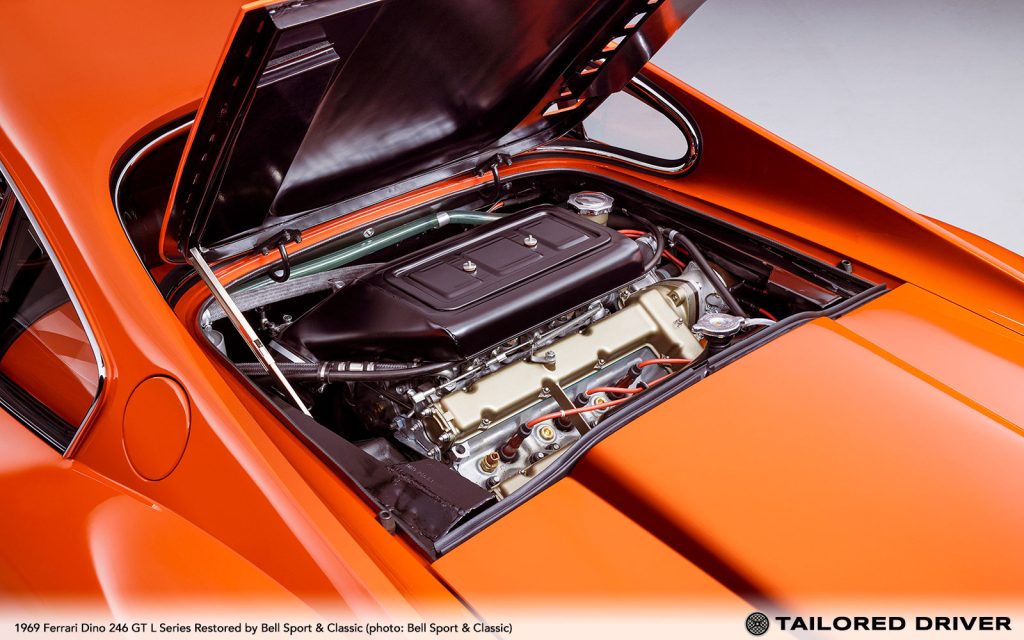
    Each component was painstakingly restored to original specification, with all worn parts refabricated or replaced as required. Once rebuilt at Bell Sport & Classic’s own specialist engine workshop, the V6 was tested on a dynamometer and bench-run for a day. After being reinstalled in the car, the engine was re-tested on a rolling road and fine-tuned to ensure it produced the precise 191bhp it left the factory with.

    Using the specialist information supplied by Bartz, the Bell Sport & Classic team went to extraordinary levels of meticulous detail to ensure they restored the Dino to the highest possible specification. “For example, there is a panel seal that runs along the sill underneath the doors. On sub-standard Dino restorations, it’s all too easy for this to fill up with paint, so the detail gets lost,” explains Ensor. “That might only be a minor thing to some people, but little things like that are everything to us. Call it obsession if you like, but on our Dino, there is not a single spec of paint on the panel seal, and the detailing is perfect.”

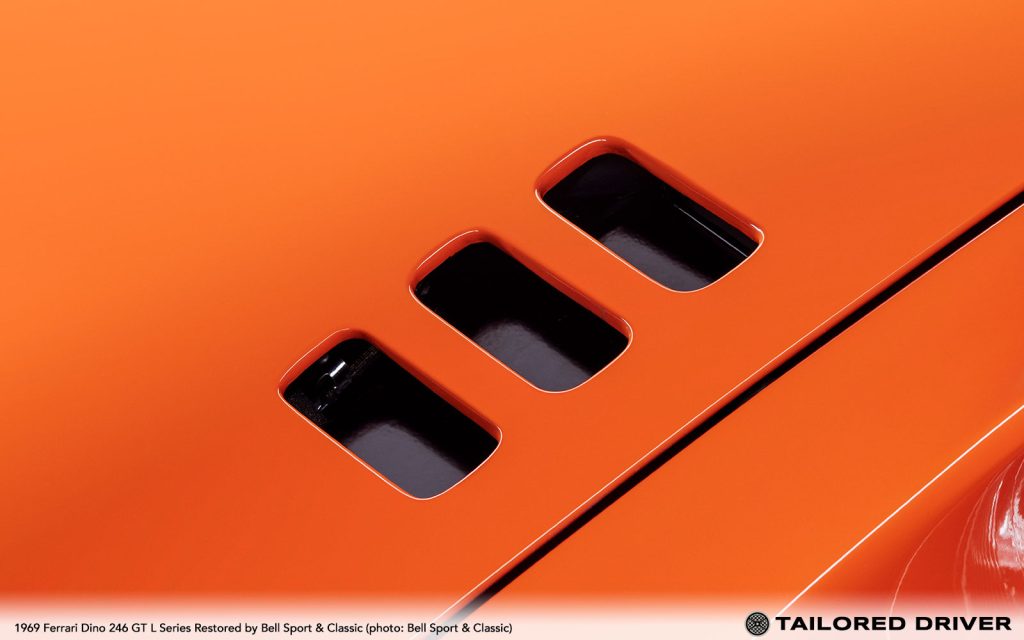
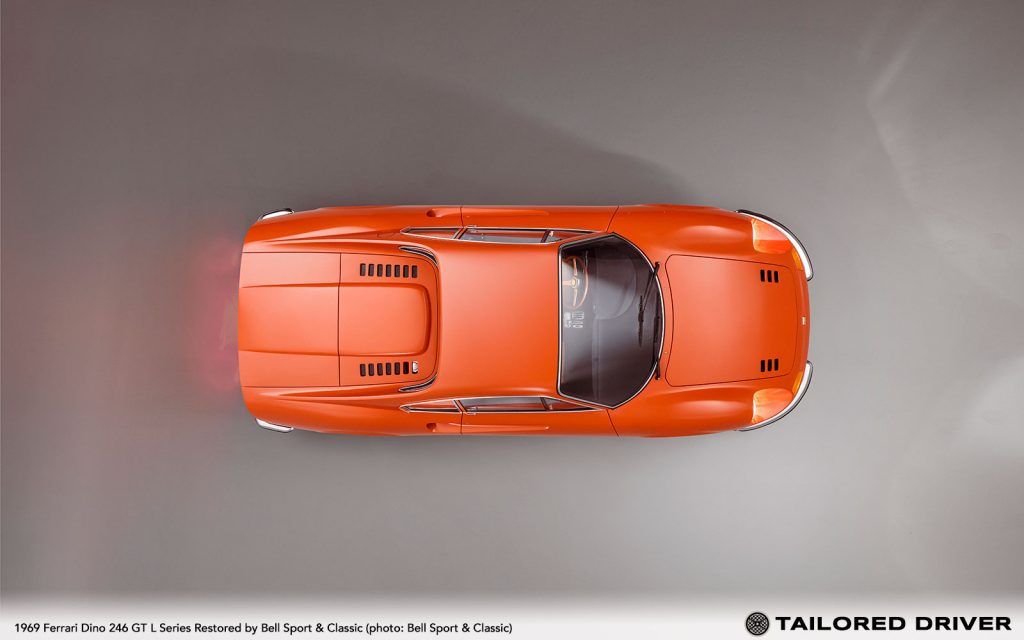
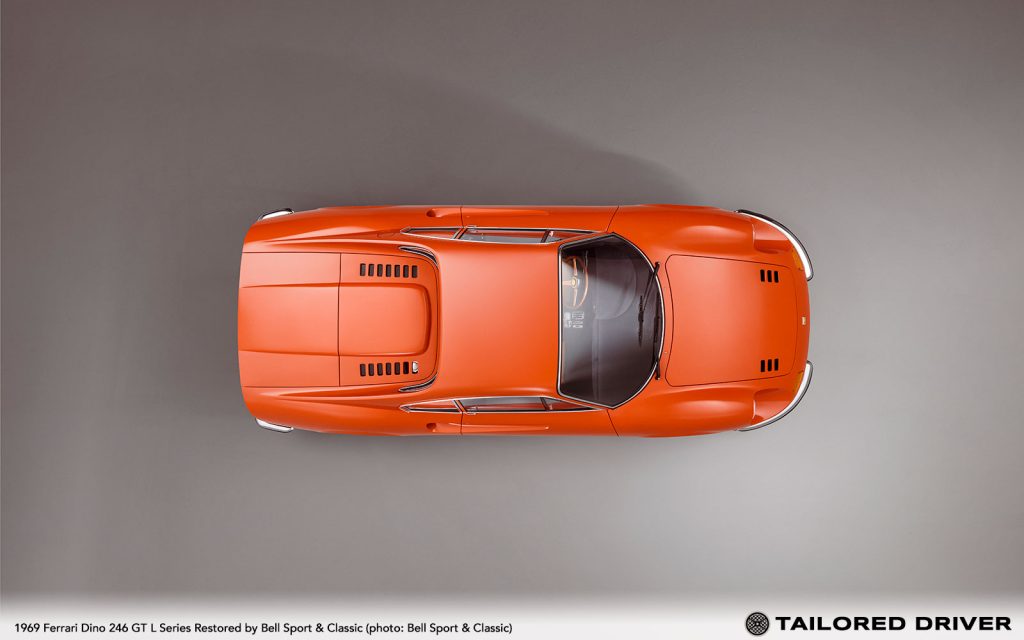
    The team took a similar fastidious approach to the Dino’s iconic air intake scoops, which cut elegantly into the doors and carry on along the rear panels to ensure the mid-mounted V6 engine has a plentiful supply of cool air. “Back in the 1960s, the people building these cars at Maranello did not have the technology at their disposal that we do today and so fit and finish were often not what they could have been,” continues Ensor. “When chassis number 00436 left Maranello in 1969, it did so with a slight mismatch on the position of the door scoops, a common enough problem at the time. We have spent hundreds of hours ensuring that the scoops are now correct.”

    Achieving symmetrical perfection required the wheel arches to be reformed and new sills to be fabricated and fitted. “Once we had the body panels perfect, we still had the issue of ensuring the scoops on the doors would align correctly with those on the body panels. That meant refabricating the doors and aluminium-welding the original scoops into the new skins,” reveals Ensor.

    Dry build for perfect finish
    Bell Sport and Classic is adamant that restoration is both a science and an art. It does not consider the process to be a matter of simply replacing damaged panels and worn-out parts. Even though doing this can save time and money, the team believes that the greater the number of new components fitted to a vehicle, the greater the risk its originality becomes depleted.

    Instead, the team uses its technical excellence, outstanding craftsmanship, and often its sheer patience in the passionate pursuit of perfection, carefully restoring and refurbishing every component to avoid needing new parts where possible. “Of course, lavishing attention to detail on every individual component makes the rebuild process even more challenging,” explains Ensor. “No car ever goes back together easily, and the more thorough the restoration, the more demanding the rebuild is because every single part of the car has been completely reengineered.” 
    The delicate and painstaking rebuild process is where the team’s skill and experience truly came to the fore, with near-constant minute adjustments of components such as body panels, window frames and sills required to ensure the perfect finish.

    “It took two weeks before we were completely satisfied that the doors opened and closed correctly and that the scoops on the doors aligned absolutely perfectly with those on the rear body panels. We spent a similar amount of time fitting the curved rear screen. That’s a very tricky job because the screen is actually bigger than the space it is going into. The only way to fit it is to put one side in first and then flex the screen ever so slightly to get the other end in,” recalls Ensor.

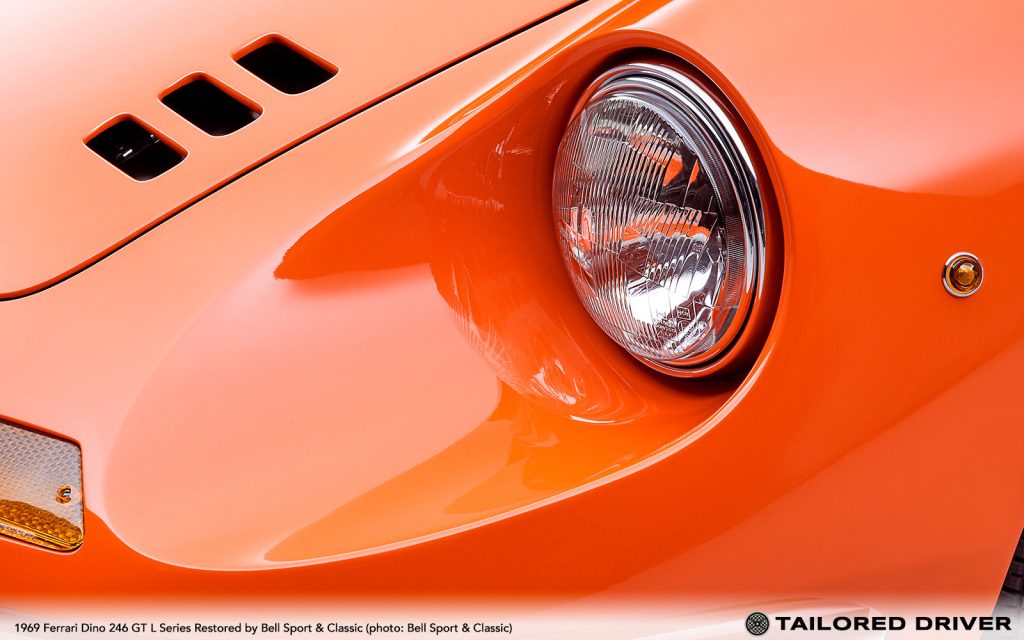
    More days and weeks ticked by with endless hours lavished on countless tasks such as repairing and polishing the front grille and ensuring the perfect positioning of the front sunken indicators. No component, no matter how small, escaped Bell Sport & Classic’s famous obsessive attention to detail. 

    Even the thin aluminium shell of the interior mirror had two days of polishing lavished upon it to attain perfection.

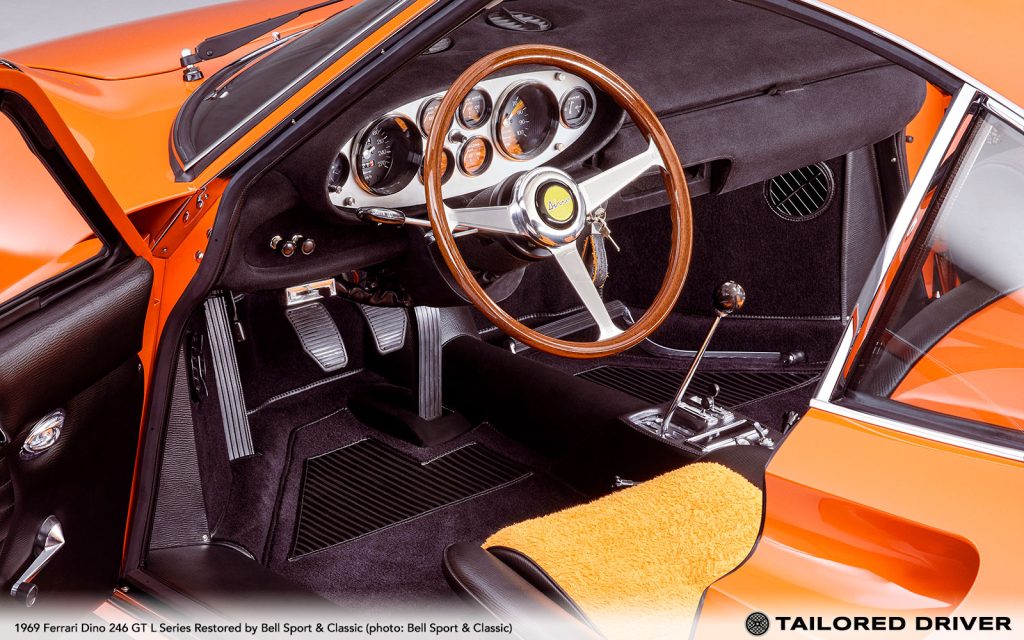
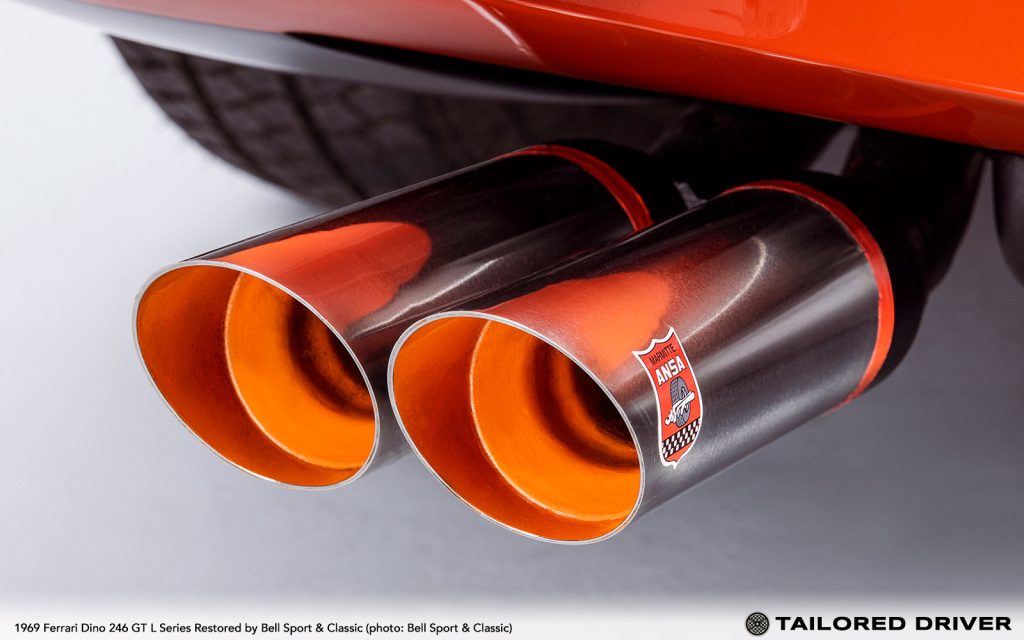
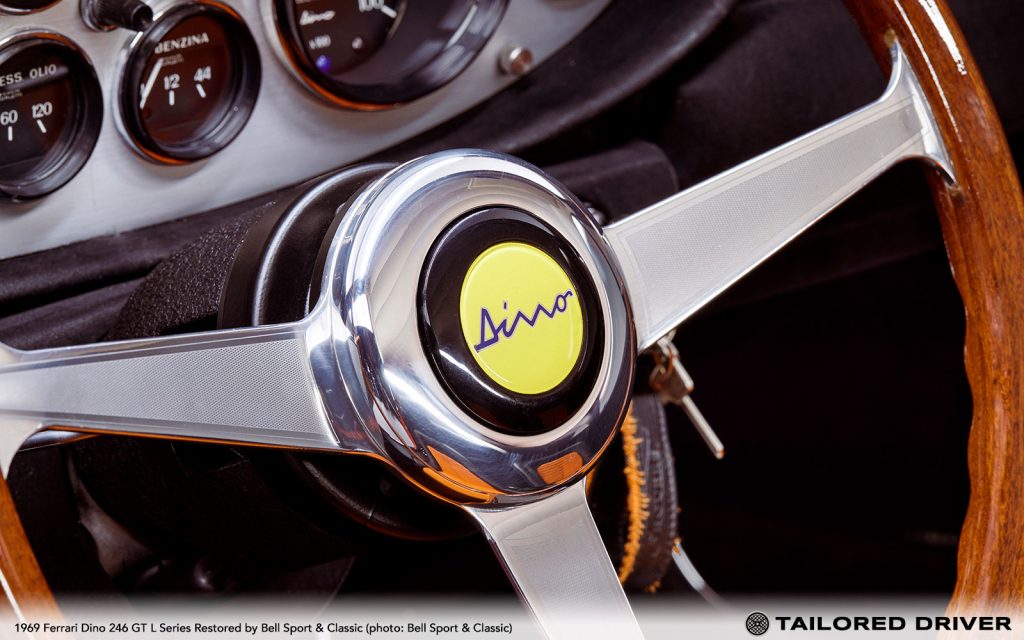
    The Dino 246 GT 00436 has been gloriously returned to its Rosso Dino (rosso dino; non-metallic Uni; 350; Ferrari) paint finish, which involved first applying the period-correct grey primer followed by a Rosso Corsa undercoat with Rosso Dino final coat. This painstaking, multi-tone process ensures the rare and desirable Rosso Dino is shown most effectively. The seats have been reupholstered in period-correct black leather complete with orange towelling inserts, and beautifully installed along with a newly built dashboard. Even the engine cam covers have been restored to their original bronze colour, ensuring the car is precisely as it left the factory in August 1969 – only better.

    Tim Kearns, Managing Director of Bell Sport and Classic, said: “Like every project we undertake, bringing the Dino 246 GT back to be life has been a true labour of love and most definitely not a clock-watching exercise. No amount of time, expense or attention to detail has been spared in ensuring the car is now in even better condition than when it left the factory. Along with its concours condition, the car’s low mileage adds to its considerable allure. With its mid-mounted V6 engine, the Dino differs from the Ferrari V12 GT models that preceded it. It represents a seminal point in the company’s history and stands as a fitting tribute to Alfredo ‘Dino’ Ferrari. There will always be an air of intrigue to this car too, as one cannot look at it without wondering what direction Ferrari may have taken if Alfredo had lived to take over the company’s reins from his father, Enzo. And that makes the Dino an exceptional car.”
    About Bell Sport & Classic 
    Bell Sport & Classic is a team of experts who have come together to provide customers unrivalled expertise across the sales, service and restoration of the world’s most revered classic and modern classic cars, specialising primarily in notable Ferraris but also Aston Martin and Lamborghini and other leading marques.

    Authenticity, originality and quality are the bedrocks of the business; Bell Sport & Classic prides itself on sourcing the ultimate in collector cars and bringing new standards to classic car restorations. Bell Sport & Classic stands apart in the classic car world as an innovator and leader in customer service.

  • Porsche Individualization: Specialists in Meeting Individual Customer Sishes

    Porsche Individualization: Specialists in Meeting Individual Customer Sishes

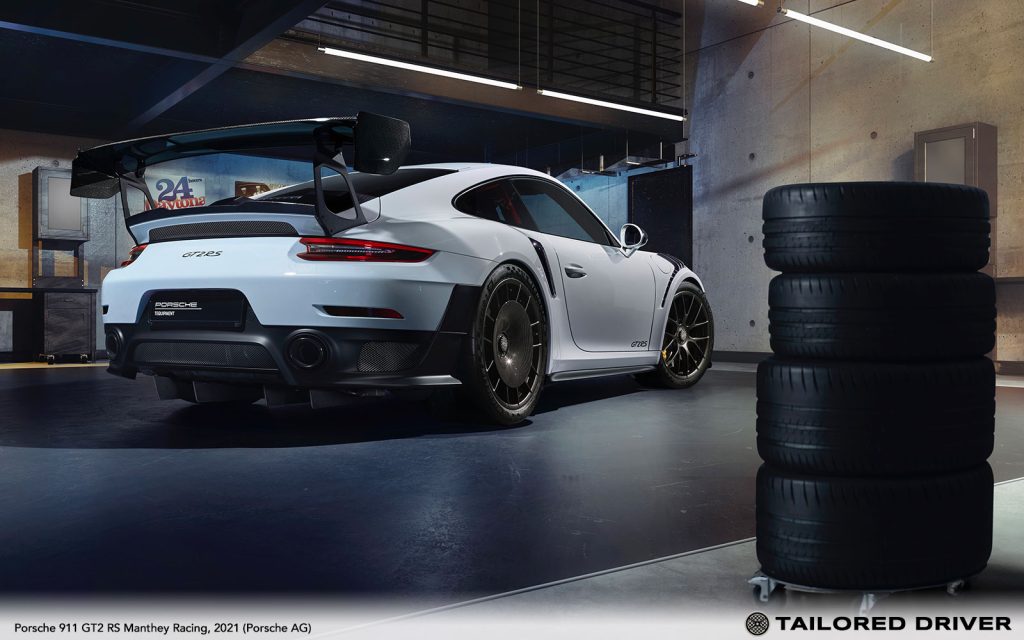
    Meeting the wishes of customers is an important part of the global offering from Porsche, which pursues this goal with its Porsche Exclusive Manufaktur, Porsche Tequipment and Porsche Classic divisions. Now the company is planning to meet these special requests to an even greater extent, with a new and significantly extended range of products and services.

    [source: Porsche AG]

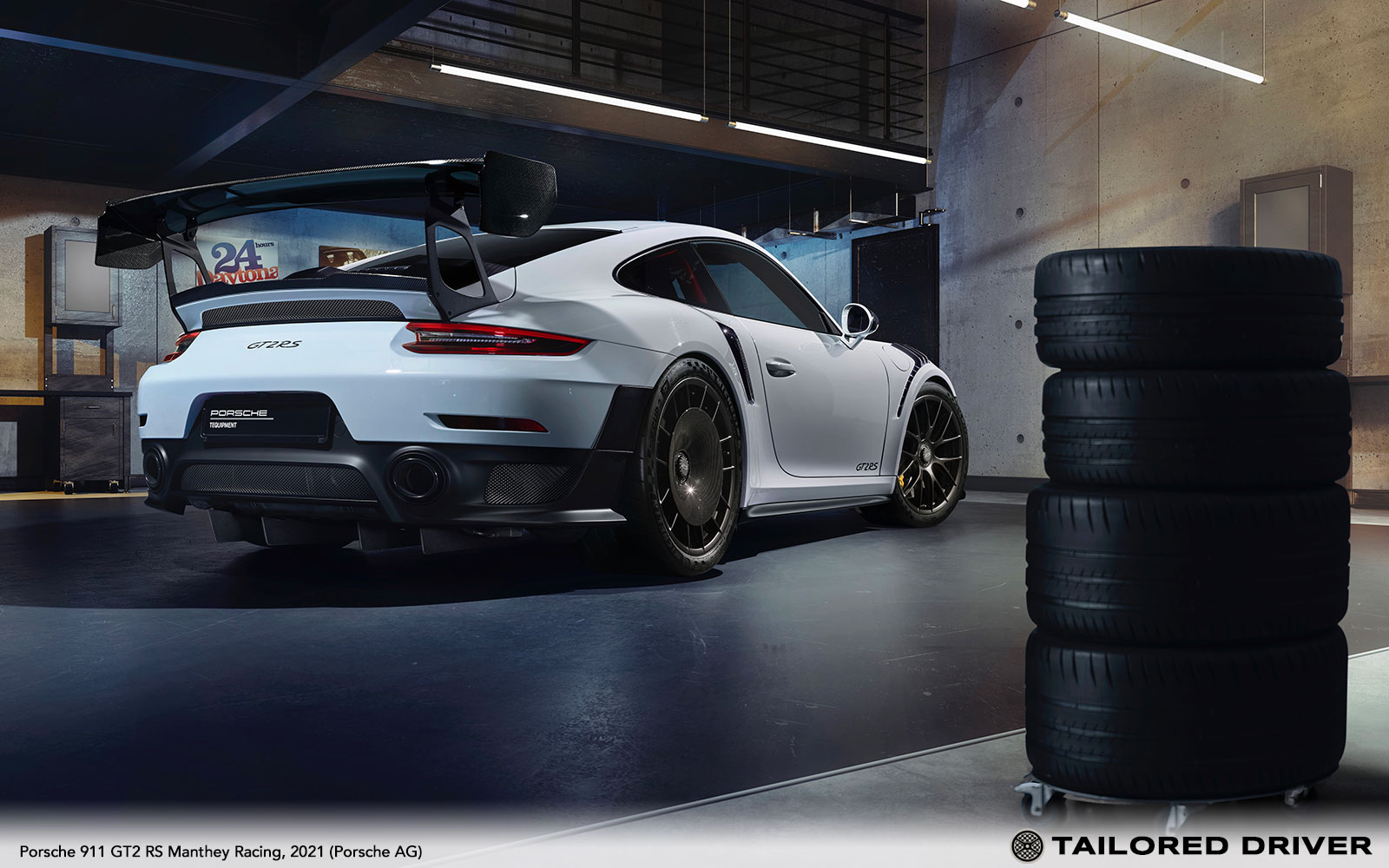
    This new offering includes various options to individualise Porsche sports cars, turning them into true one-offs. Porsche is extending the personalisation options for individual components directly in the Car Configurator, while a Performance Parts range will supplement its offering for new, pre-owned and classic vehicles. As part of its Co-Creation strategy, Porsche’s Sonderwunsch (special request) programme of the late 1970s is being reinterpreted too, making it possible to design individualised one-off cars in future – co-created by the customer and realised professionally by Porsche.

    The range of individualisation options for new vehicles currently extends from personal customer consulting during the configuration process through to realisation of limited small series. Through Tequipment, Porsche also offers numerous accessory products and retrofit options and when it comes to classic vehicles, Porsche currently focuses on spare parts supply and factory restorations.

    The Stuttgart-based sports car manufacturer is now significantly extending its offering in all business areas. “It is our goal to provide customers around the globe with even more accurately tailored and demand-based products within the context of classic, existing and new cars, and to also offer a comprehensive range of individualisation options,” says Alexander Fabig, Vice President Individualisation and Classic. “With the new offerings we are responding to the great global demand for our products. Starting with new possibilities for individualisation and personalisation of individual components, through the additional range of Performance Parts, up to the realisation of uniquely individualised sports cars, we have the right option for every customer.”
    More personal than ever before: individual enhancements

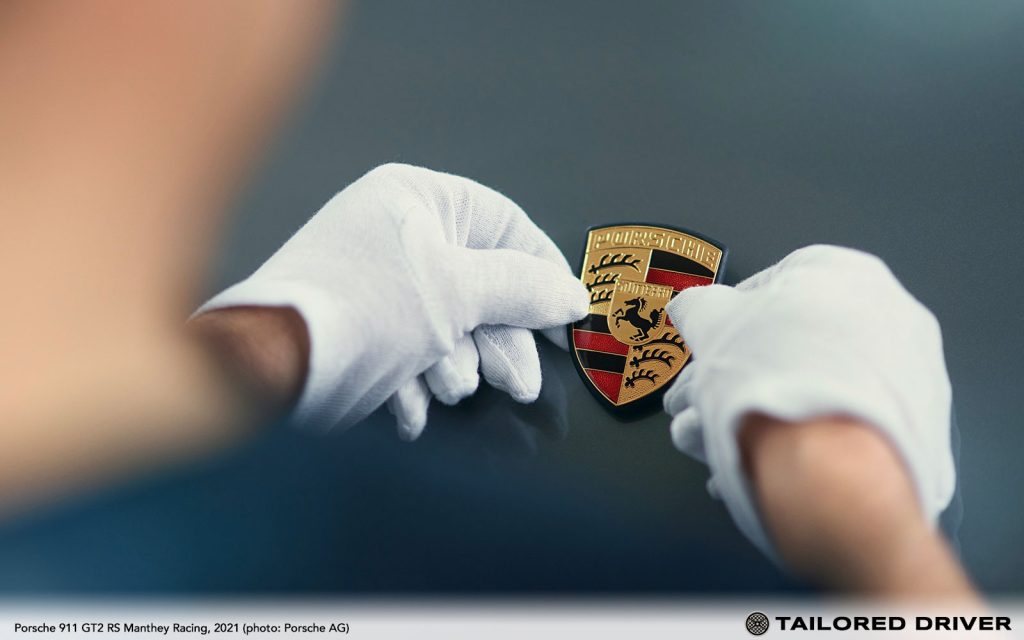
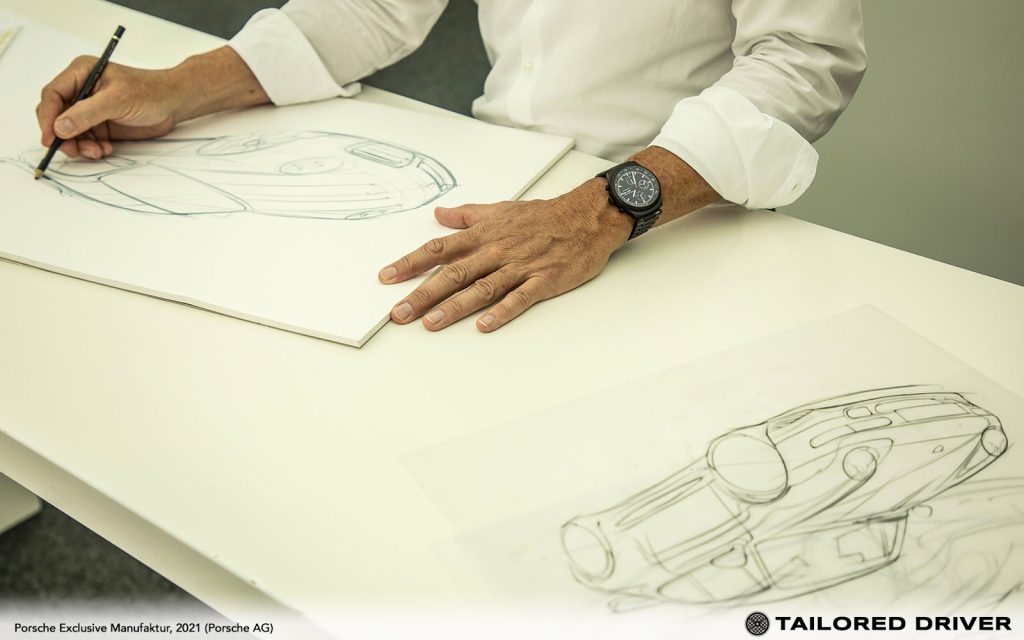
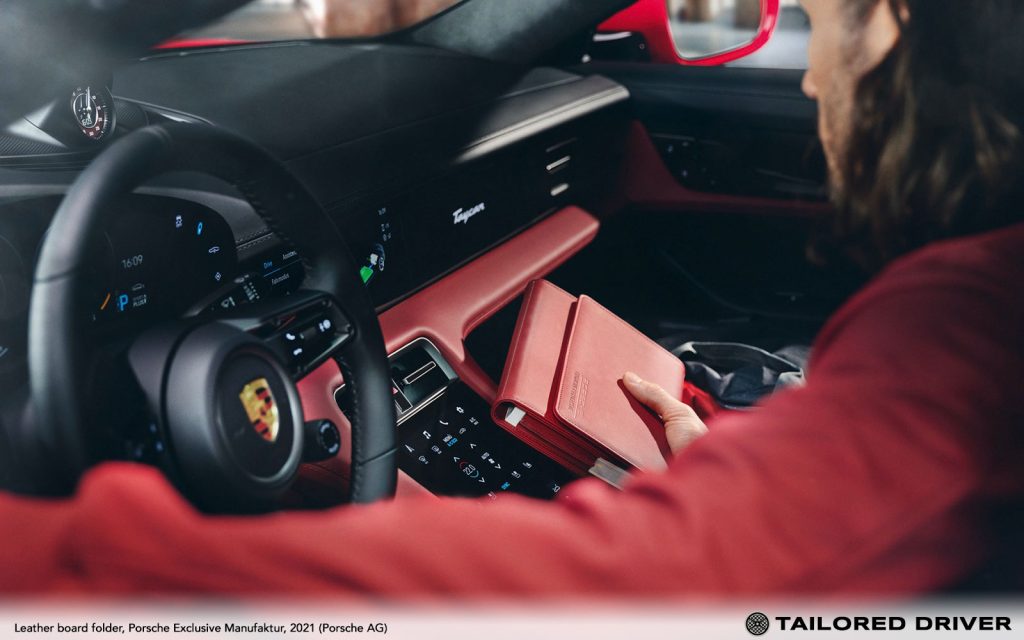
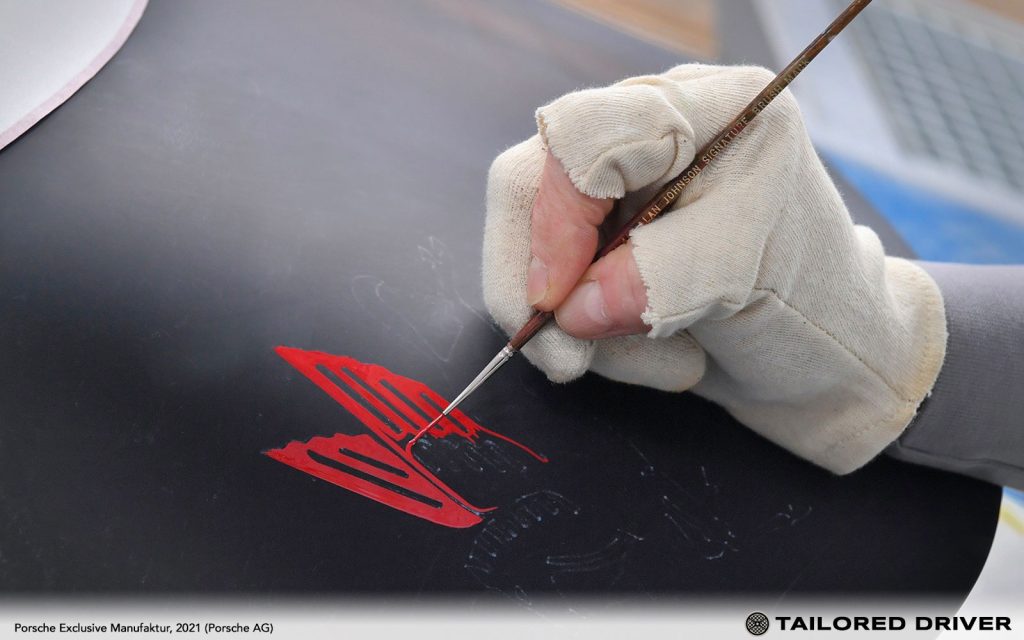
    The Porsche Exclusive Manufaktur is successively expanding its range of products that can be individualised and personalised – and many more options will be available here in future. Examples include exterior wrapping options, individual starting numbers, prints on the floor mats, illuminated door entry guards and logo projectors in the vehicle doors. Customers can also choose to become designers themselves during the ordering process. The personalisation options at this stage include individual design elements such as colours, logos, lettering and text.

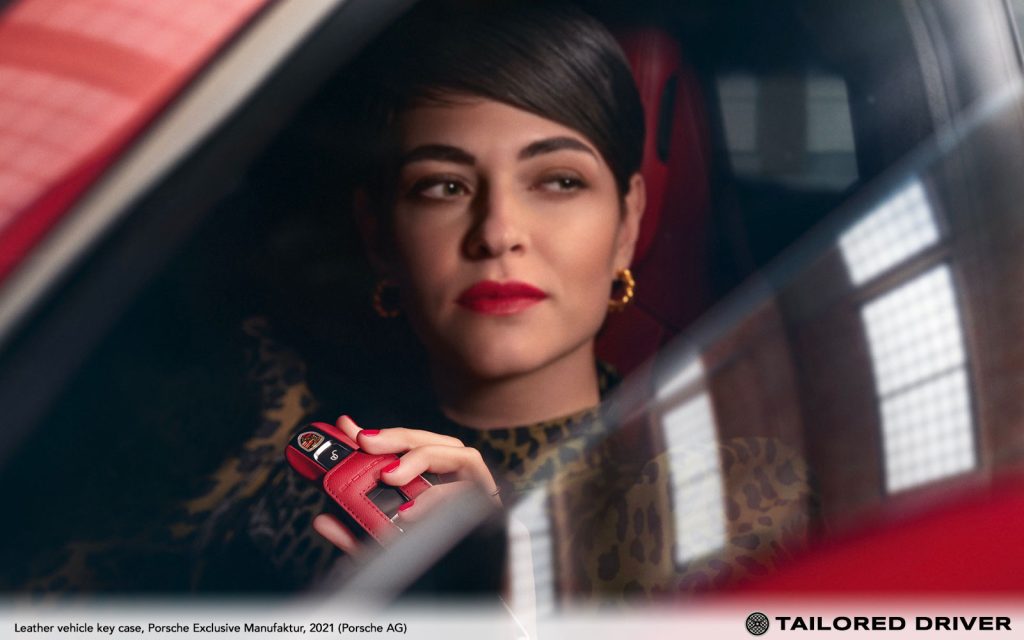
    Using a digital application in the Porsche Car Configurator, it is possible to specify own designs for various items. For example, customers can have their own signature embossed on elements in the vehicle interior, such as the leather-covered cover on the centre console. The range is rounded off by personalised wraps and decals on selected exterior areas and individual paint finishes on the wheels.

    New components for GT models and classic cars

    Porsche will offer a large number of new components for new vehicles as well as pre-owned and classic cars with its Performance Parts programme. The Porsche Tequipment range for new and pre-owned vehicles is aimed at drivers who are motorsport enthusiasts and amateur racing drivers. Porsche Classic will offer new developments with a historical reference, components for performance enhancement and also lifestyle products for both newer and more historic classic cars. The aim is to increase performance or improve the cars’ everyday usability.

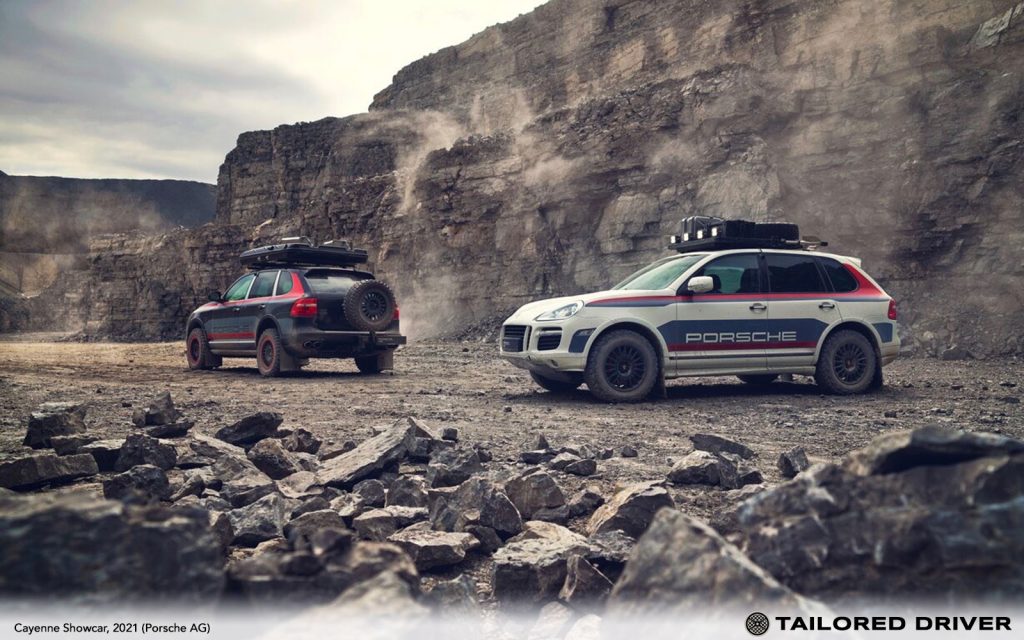
    The Classic division has created a pair of show cars, based on two first-generation Cayenne models, which showcase the possible new individualisation offerings, with both an outdoor and an off-road focus.

    Modern and classic sports cars as one-offs

    As part of its Co-Creation strategy, Porsche is now offering a new interpretation of its legendary Sonderwunsch (special request) programme from the late 1970s and will make it possible to design individualised one-off cars in the future – co-created by the customer and realised professionally by Porsche. The expansion of this offering is divided into different areas: Factory Commissioning for individual customer colour and material wishes directly in production, and subsequent Factory Re-Commissioning and Factory One-Off services for after a vehicle has been delivered to the customer.

    Whereas Factory Re-Commissioning is all about individual colours and materials, the Factory One-Off service is a systematic, technical new development. Depending on the age of the vehicle in question, either the technical experts at Porsche Exclusive Manufaktur or the specialists at Porsche Classic will take care of implementation.

    About Porsche Exclusive Manufaktur and Porsche Tequipment

    Across all model series, customers can currently choose from more than 700 Porsche Exclusive Manufaktur options. The demand for individualisation is increasing all the time. The level of vehicle enhancement is particularly extensive in 25 per cent of all 911 models delivered worldwide: they visit the Porsche Exclusive Manufaktur workshops at the parent plant in Zuffenhausen for exclusive re-commissioning. Sonderwunsch one-offs and limited small series are also produced in the Porsche Exclusive Manufaktur.

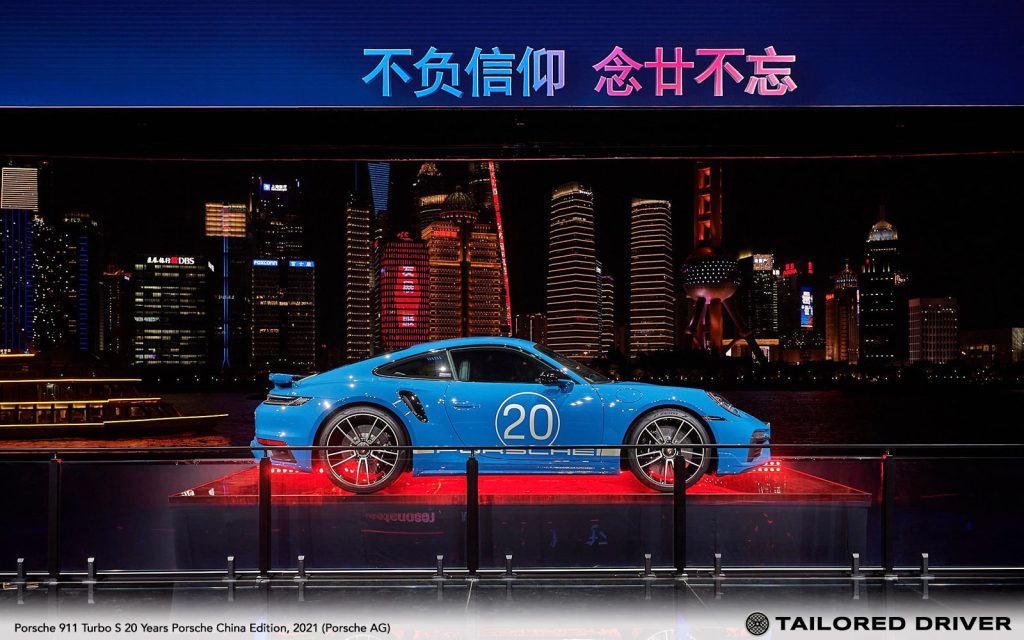
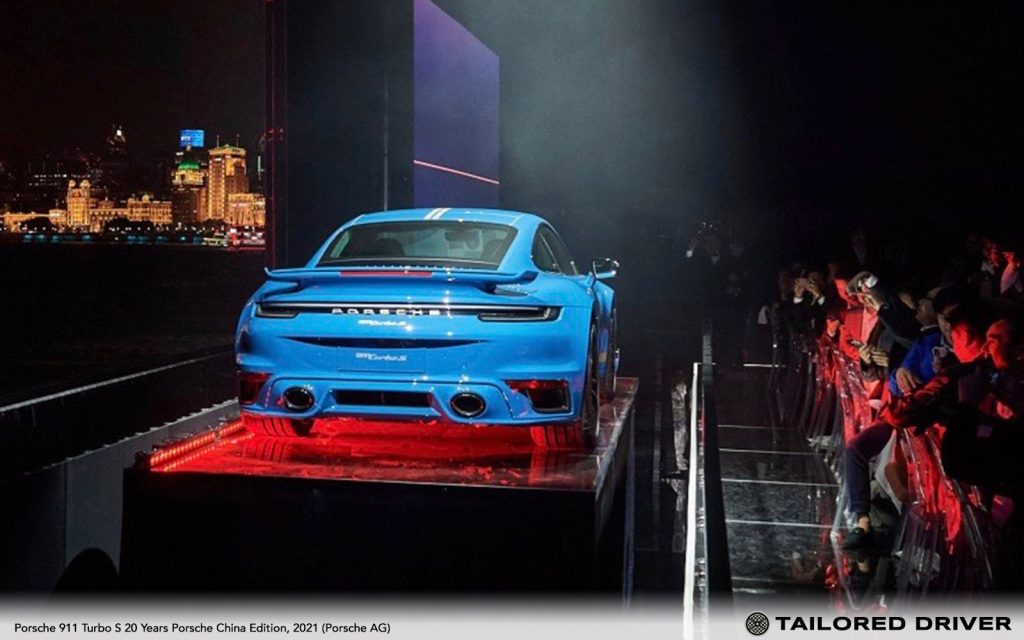
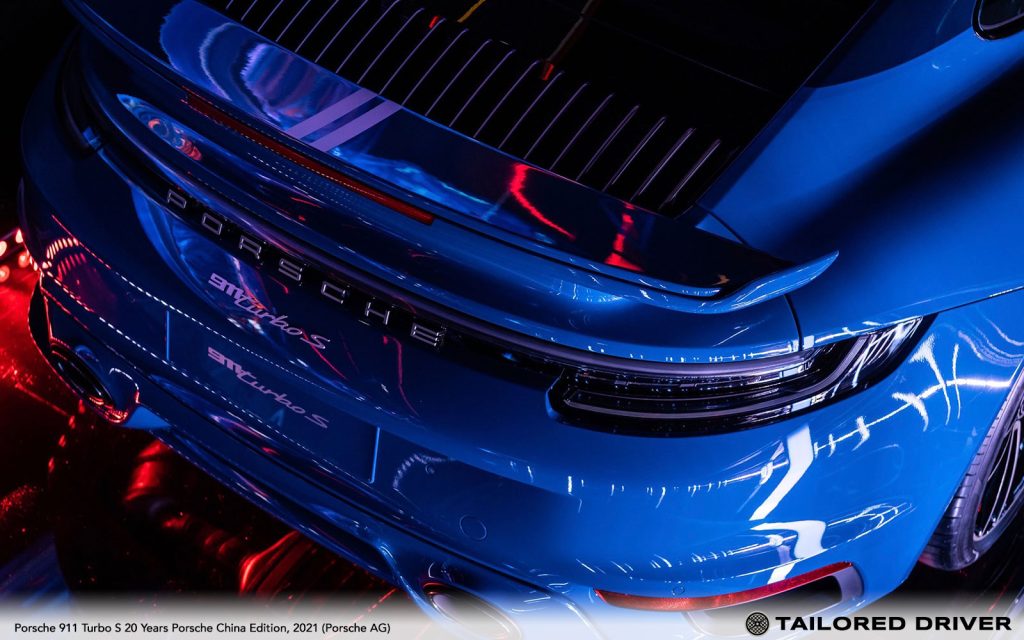
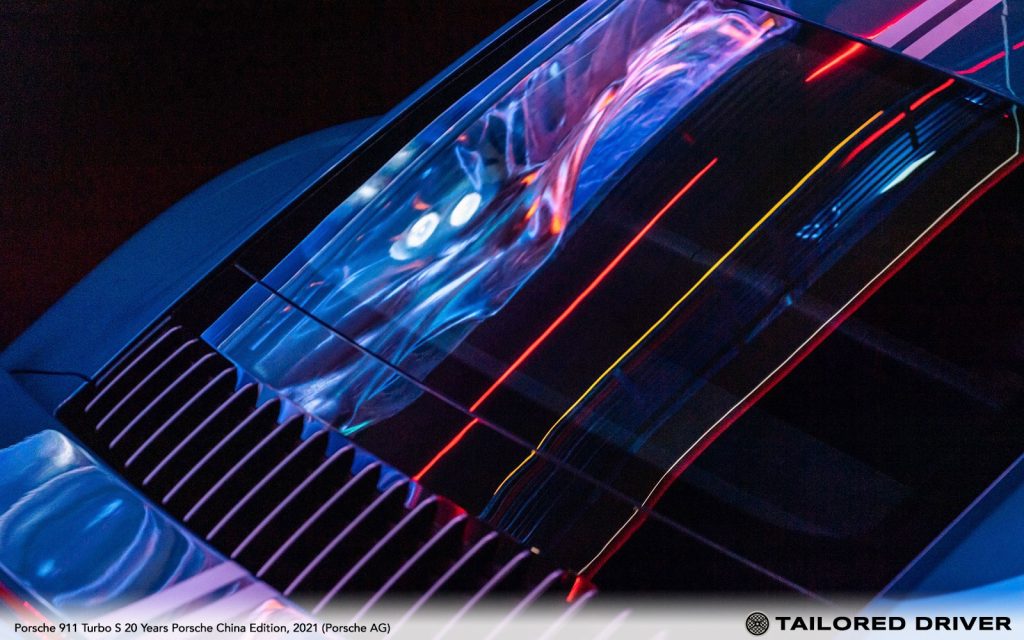
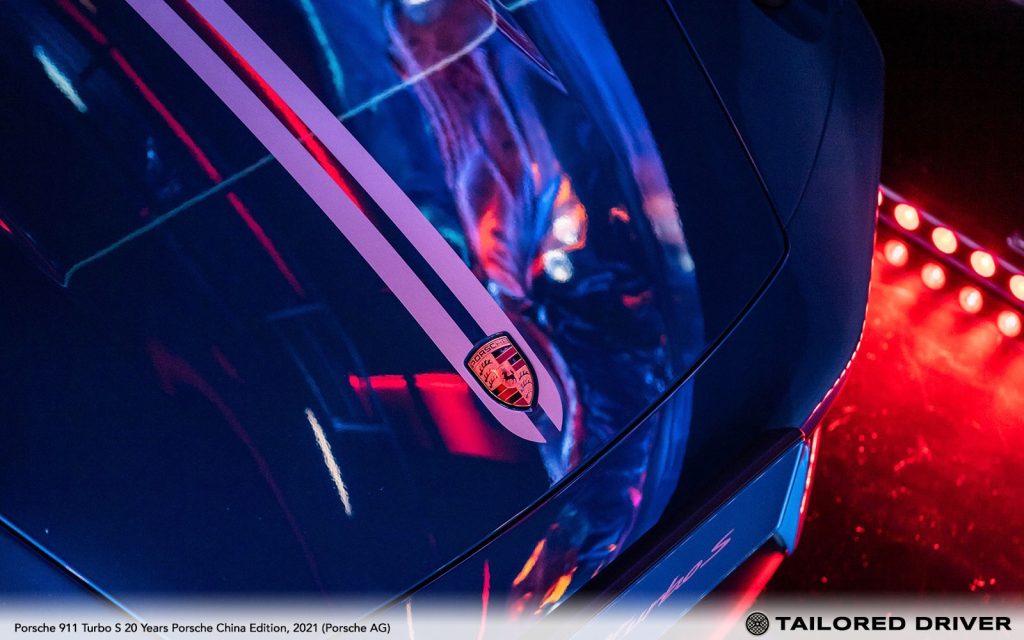
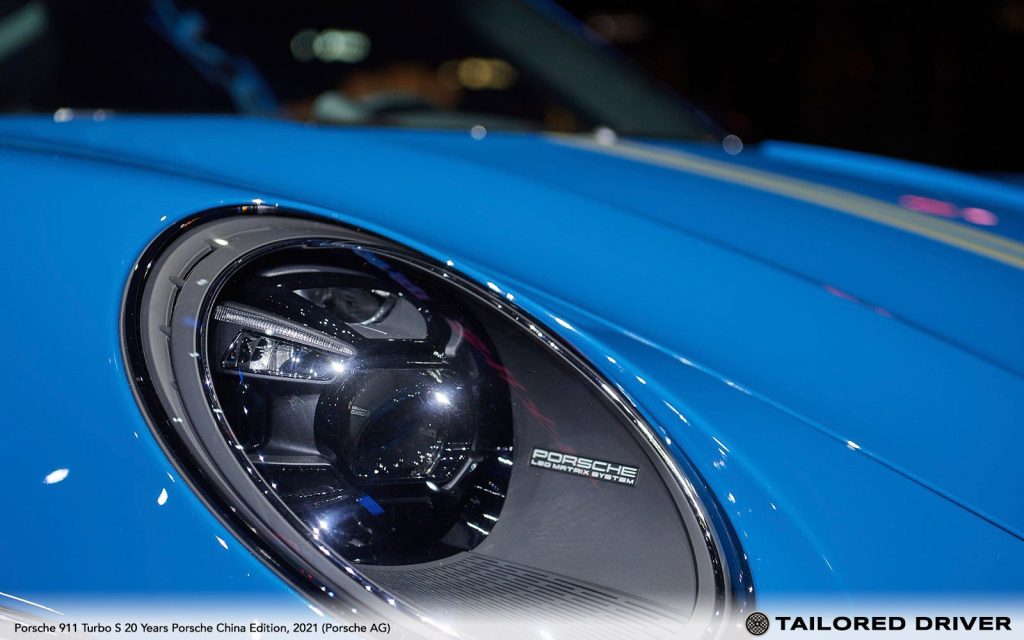
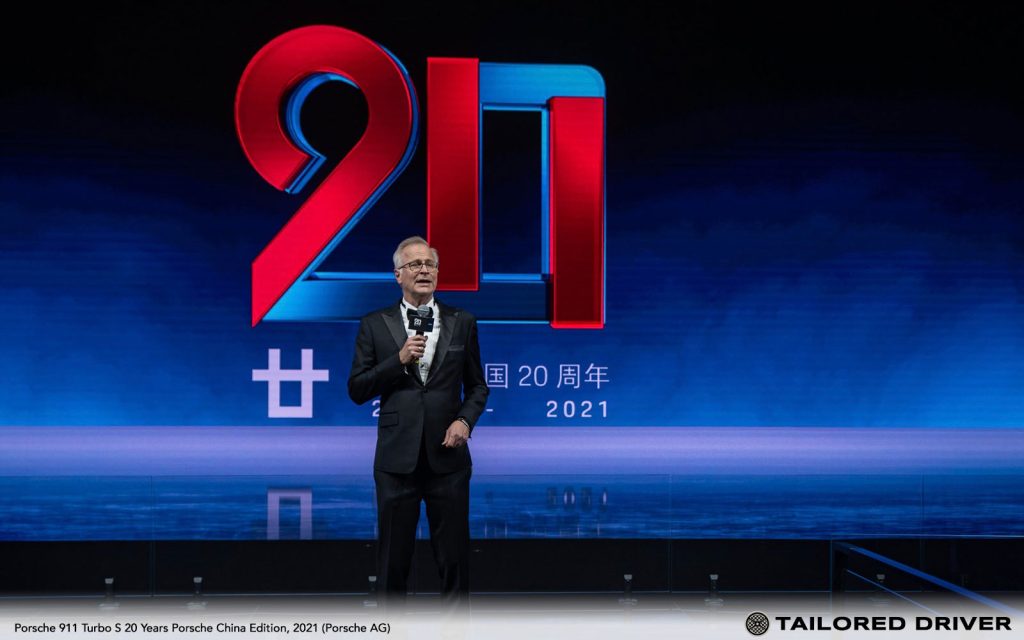
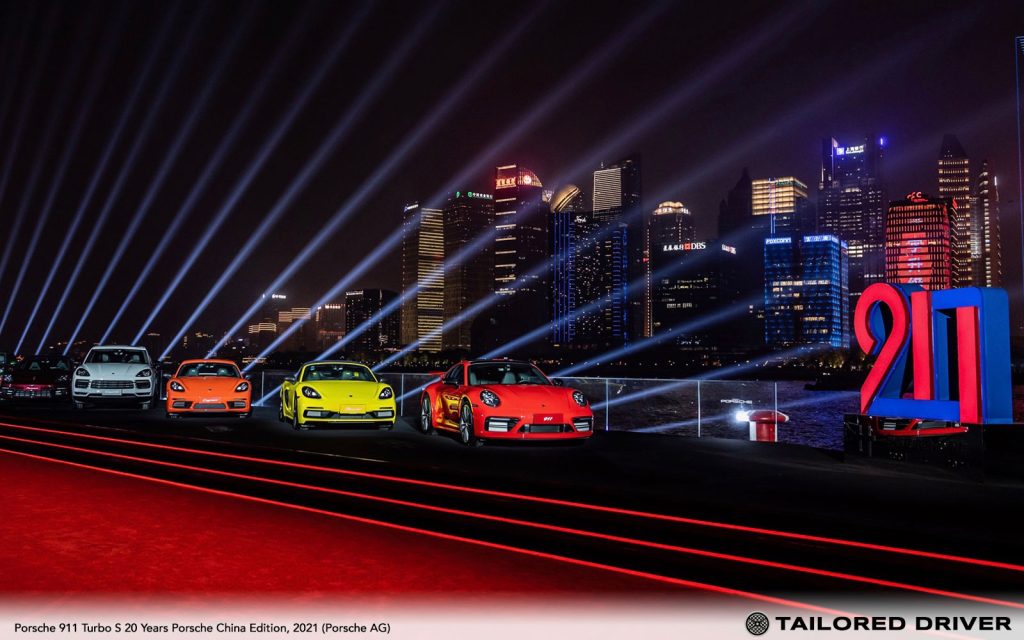
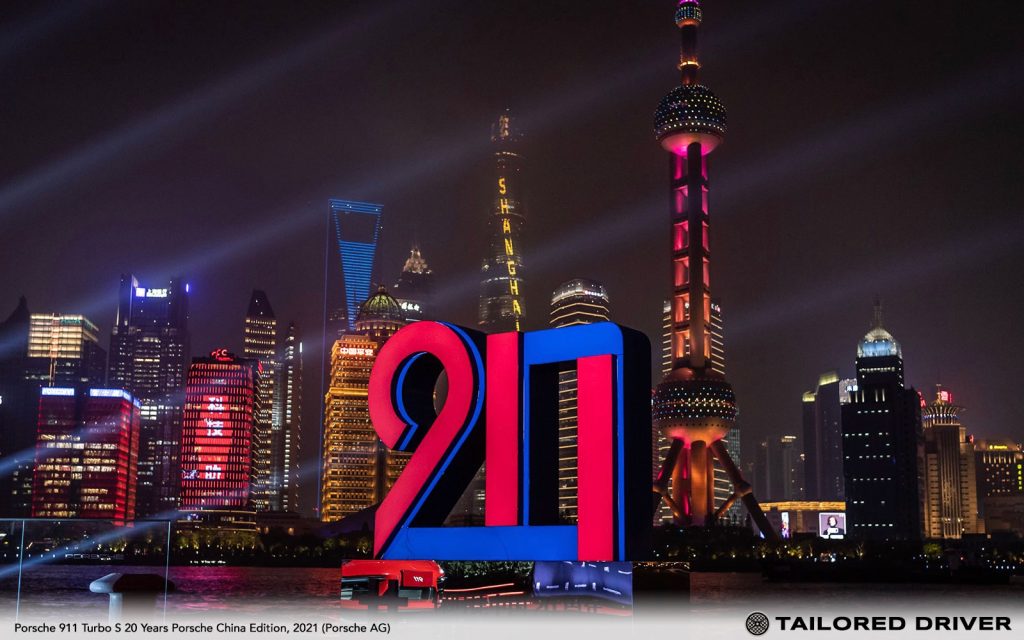
    Current examples are the Porsche 911 Targa 4S Heritage Design Edition and a limited 911 special model which was produced to mark the 20th anniversary of Porsche China. Porsche offers numerous accessory products and retrofit options via the Tequipment division. The overall range of initially around 150 parts has continuously grown to now include more than 500 Tequipment options.

    About Porsche Classic

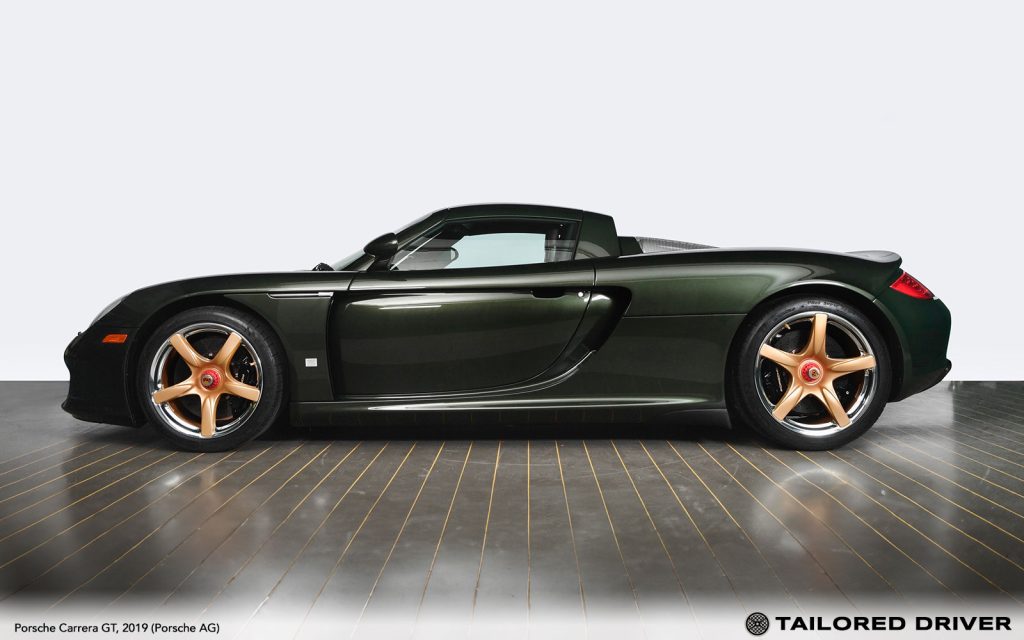
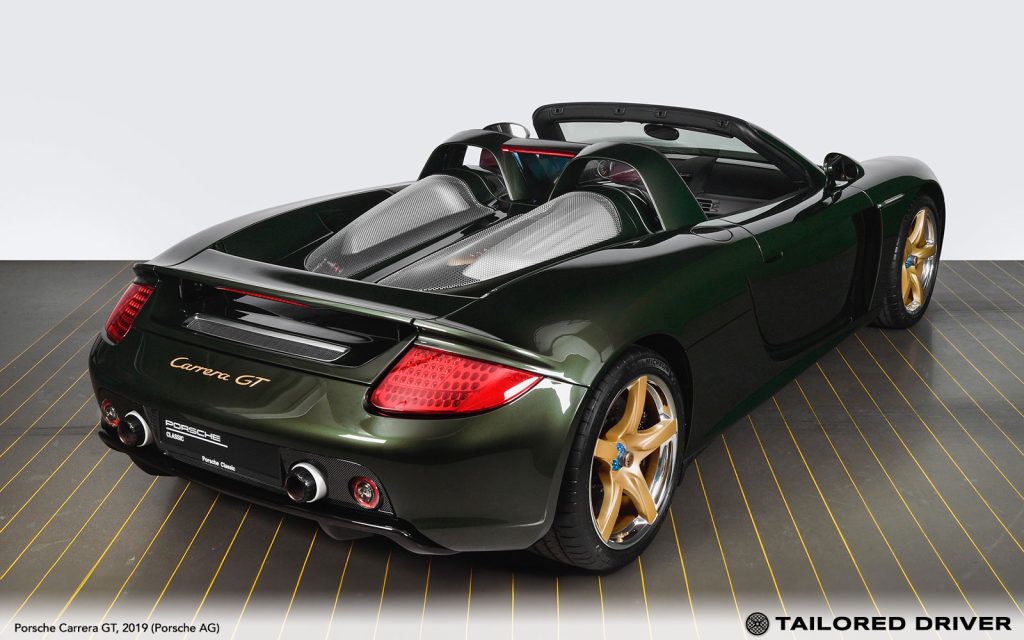
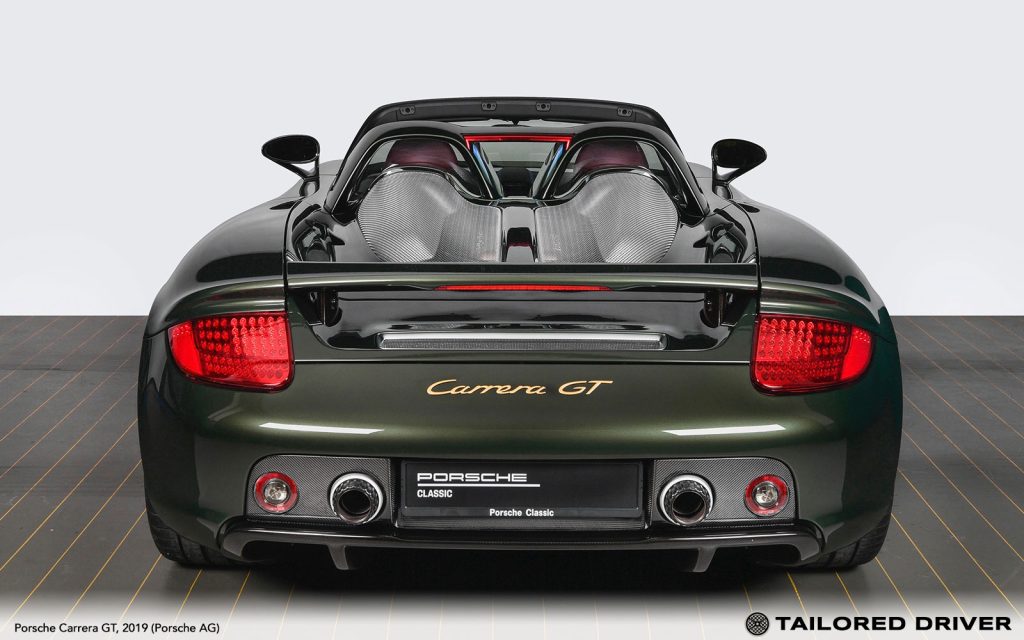
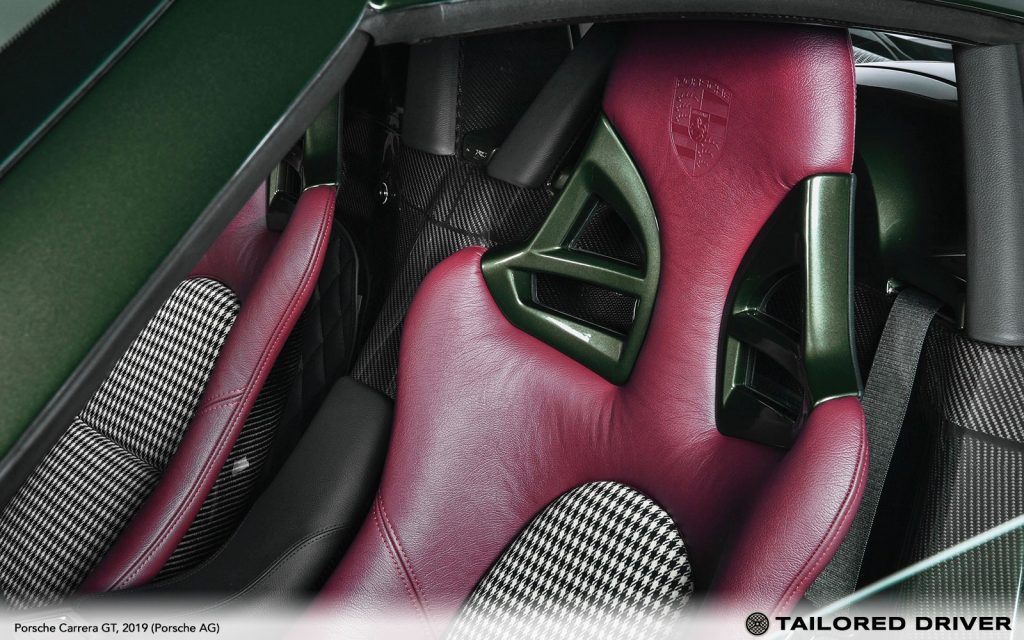
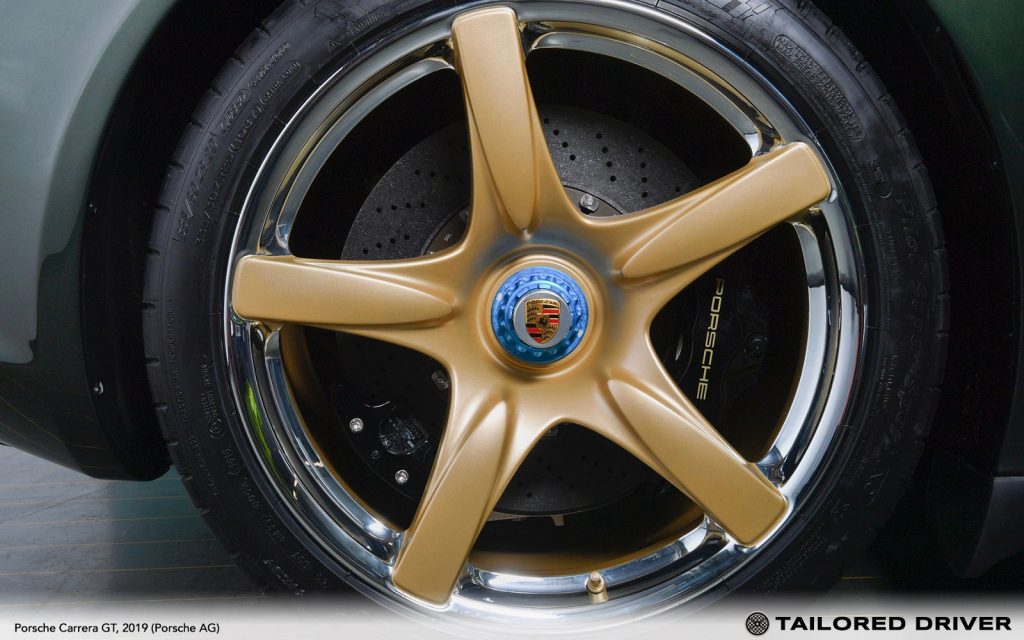
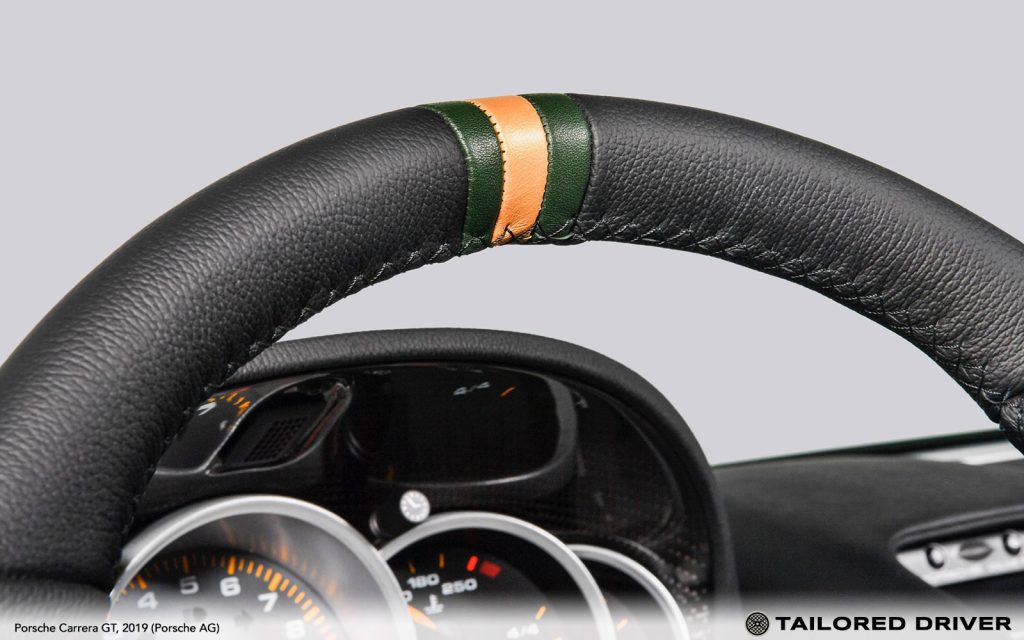
    Porsche Classic is responsible for spare parts supply and factory restorations of all of the brand’s road-approved classic cars. The range extends from a selection of various accessories and technical literature through to classic spare part supply and new editions of spare parts that are no longer available. Every year around 100 classic vehicles from the Porsche 356 through to the 911 (Type 996) and Boxster (Type 986) pass through the Classic workshop for accident repairs and other repair work. Complete restorations are available for all cars prior to the 996 generation of the 911, the Boxster Type 986 and the Carrera GT.

    The current spare parts range includes more than 60,000 items. This is supplemented each year by an average of 300 new issues of spare parts that are no longer available as well as new accessory, lifestyle or performance-enhancing parts. Porsche is also extending its international dealer and service network with the Porsche Classic Partner programme. These are existing Porsche Centres with specific expertise in handling classic Porsche cars. The network currently comprises 76 locations, including four Porsche Classic Centres.

    Info

    The vehicles shown are show cars. They are for illustrative purposes only and have been modified from their series production condition and equipped with accessories, some of which do not originate from Dr. Ing. h.c. F. Porsche AG and which cannot be purchased from Porsche or from the Porsche sales organisation. Dr. Ing. h.c. F. Porsche AG has not tested these modifications and accessories and has not approved them for use.