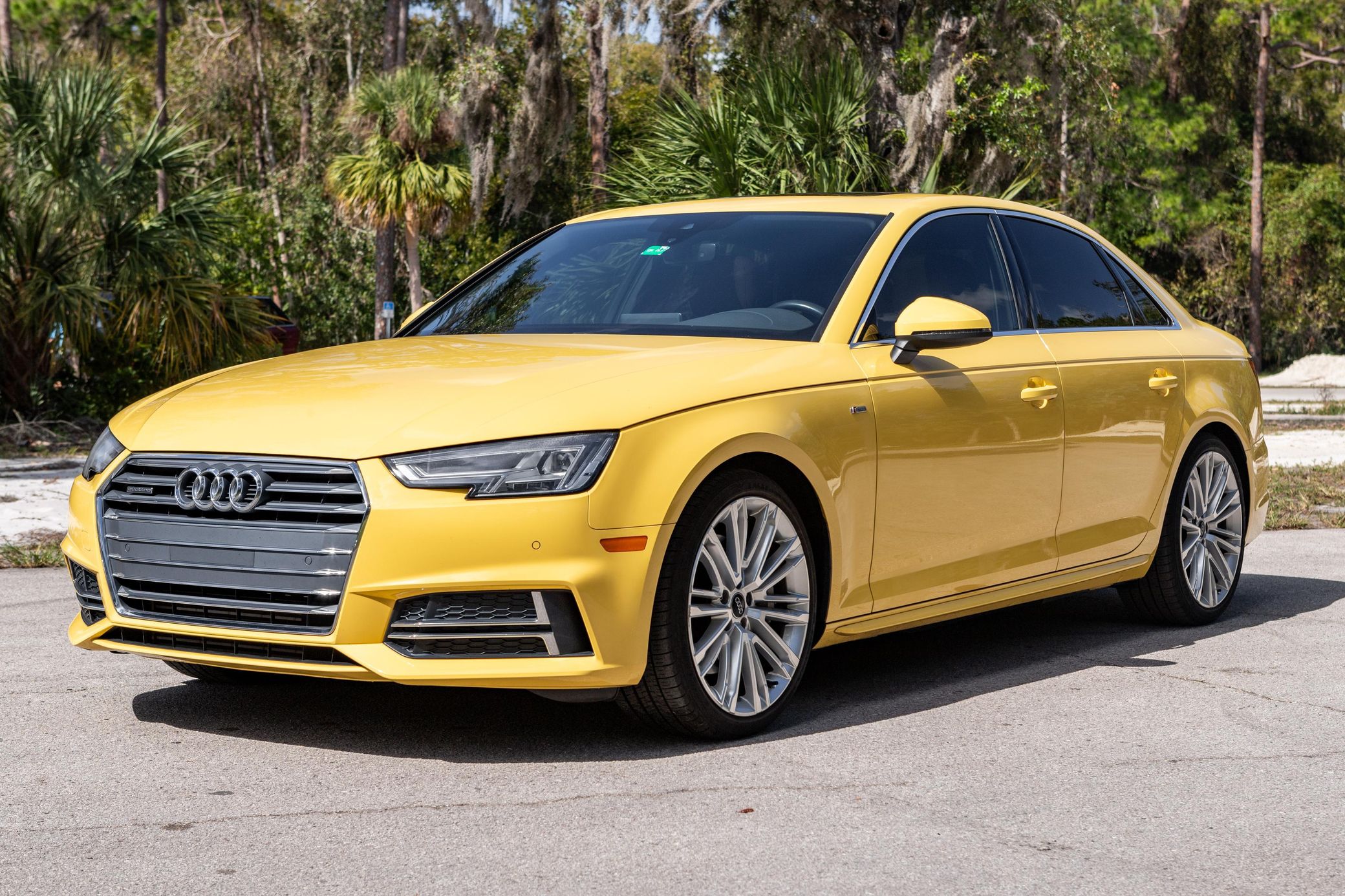
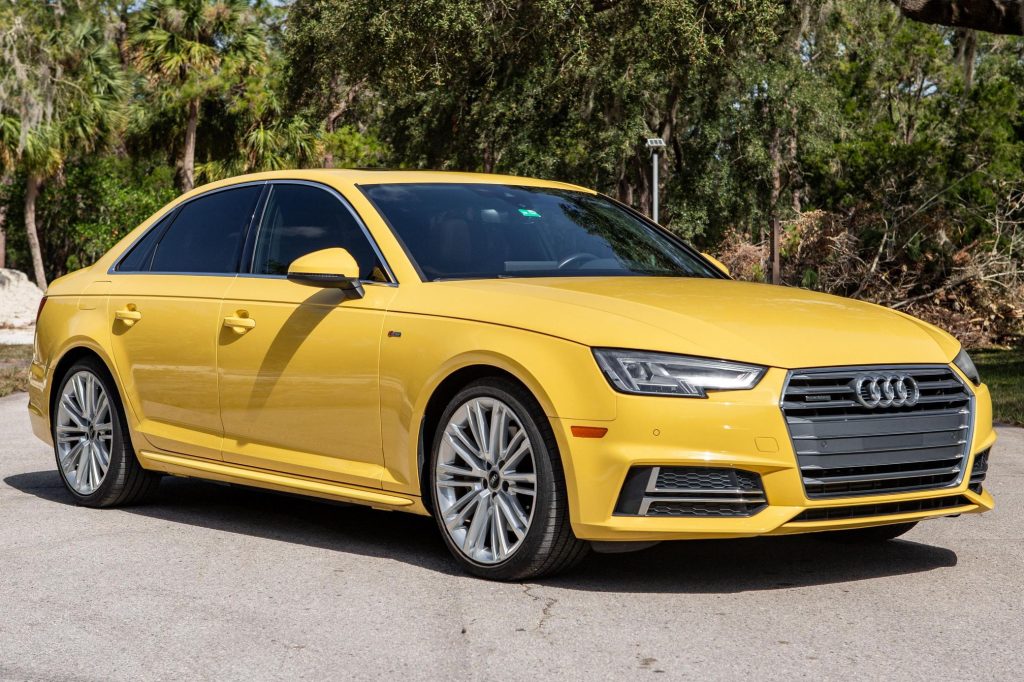
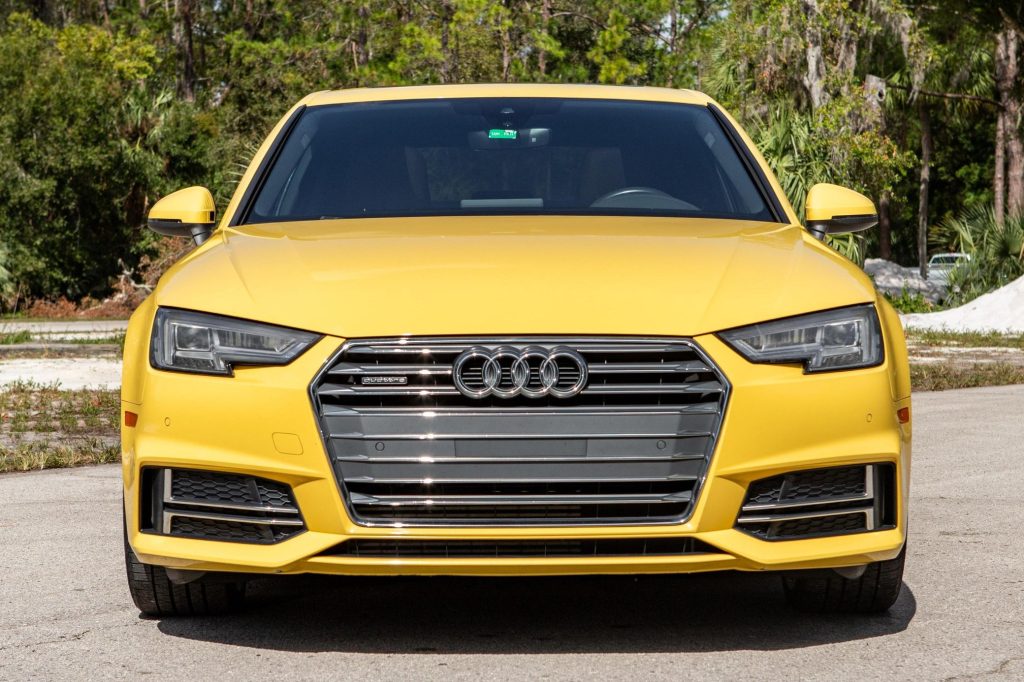
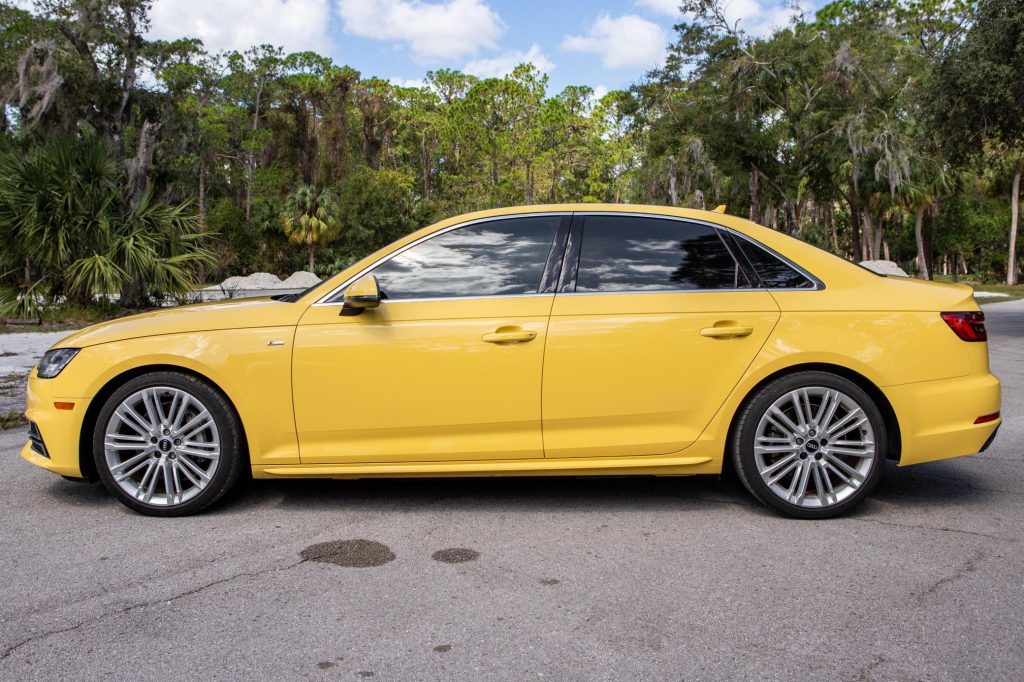
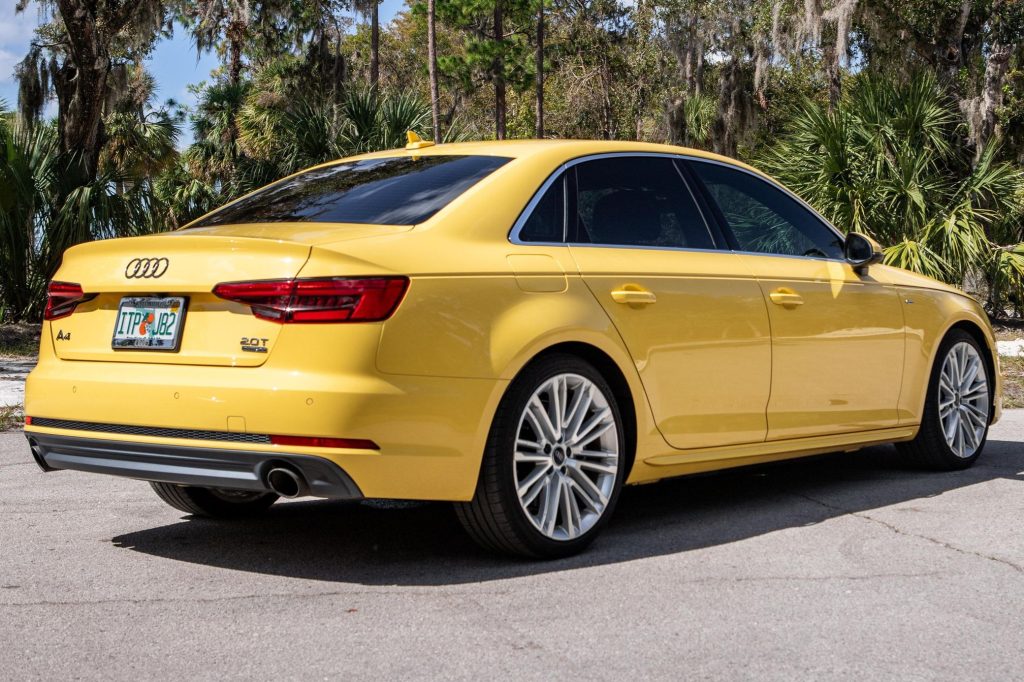
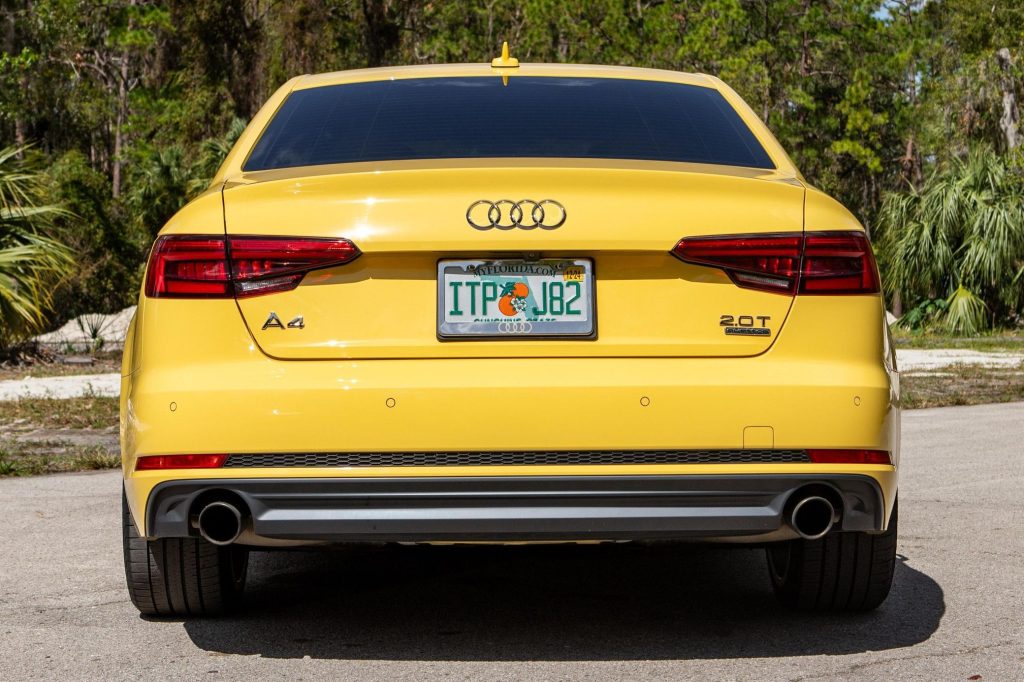
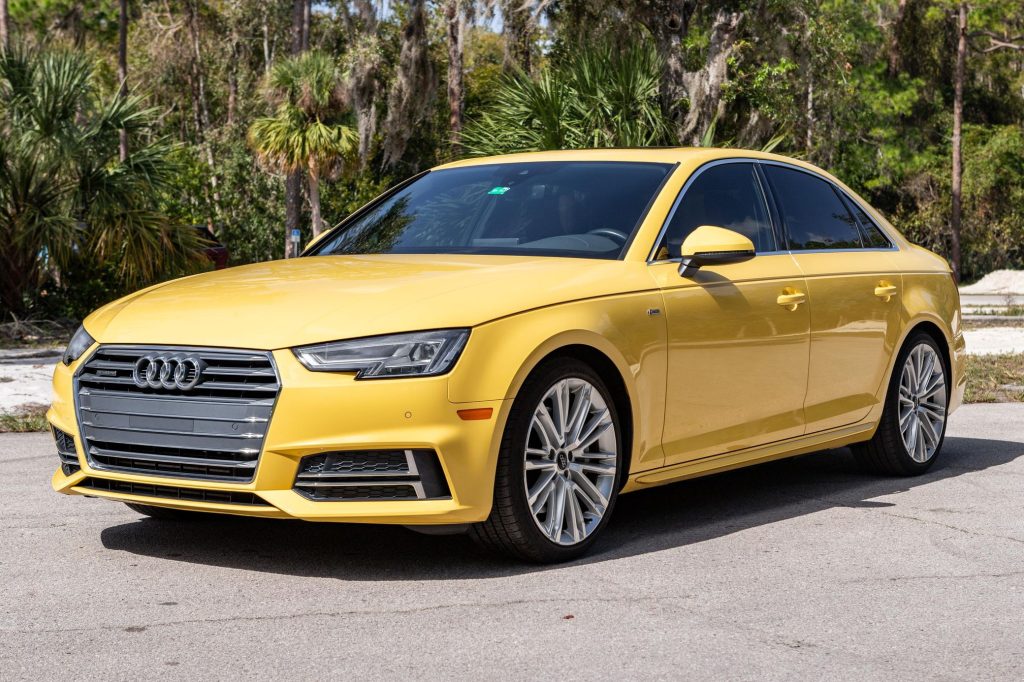
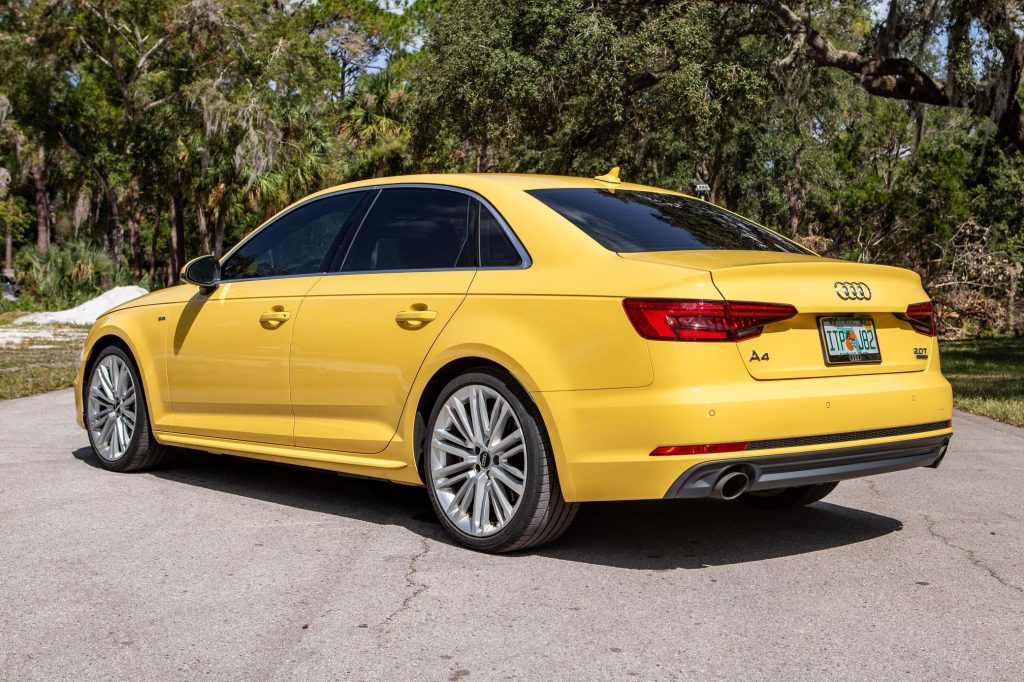
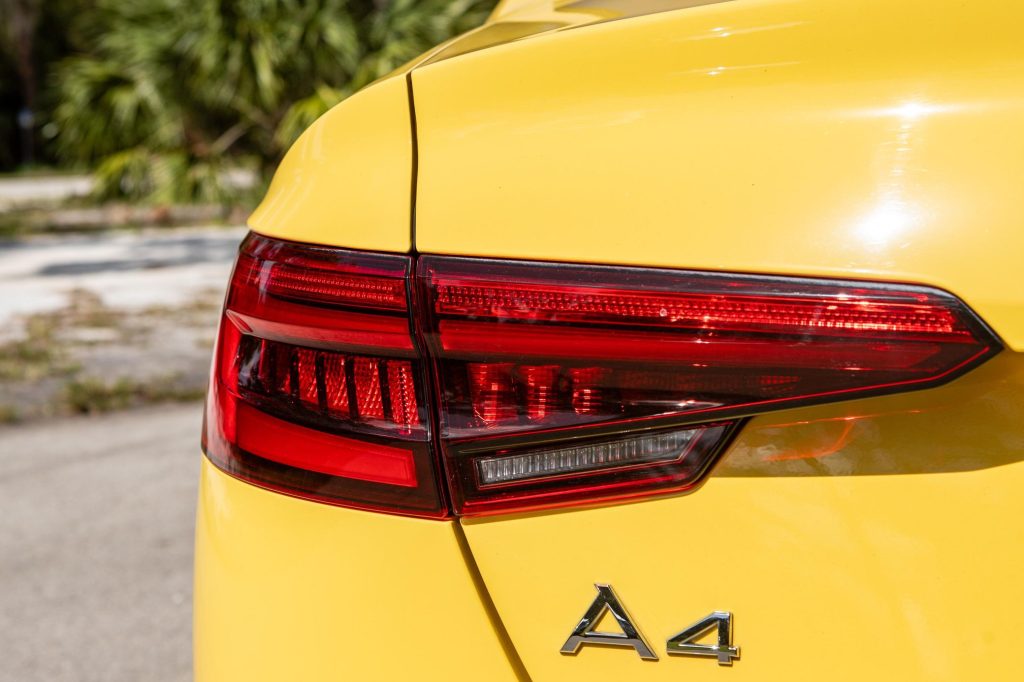
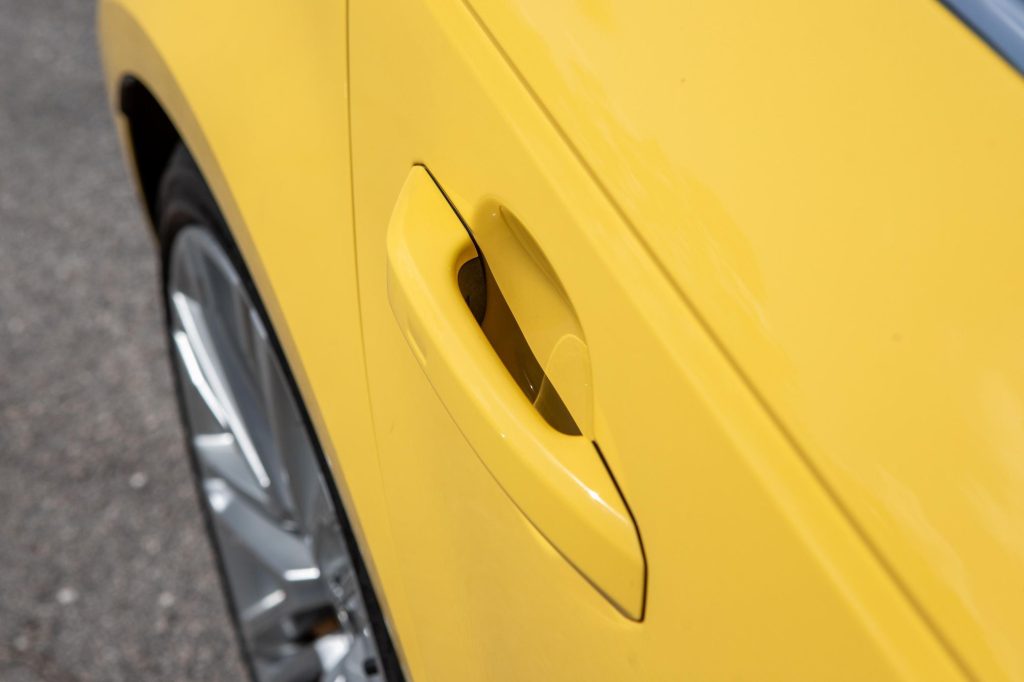
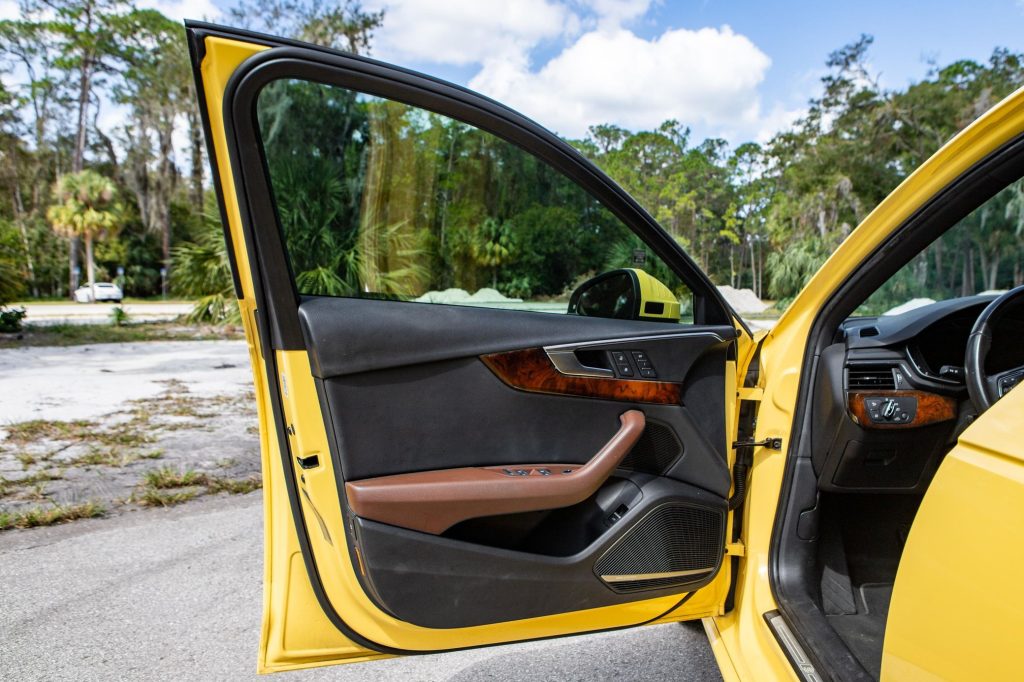
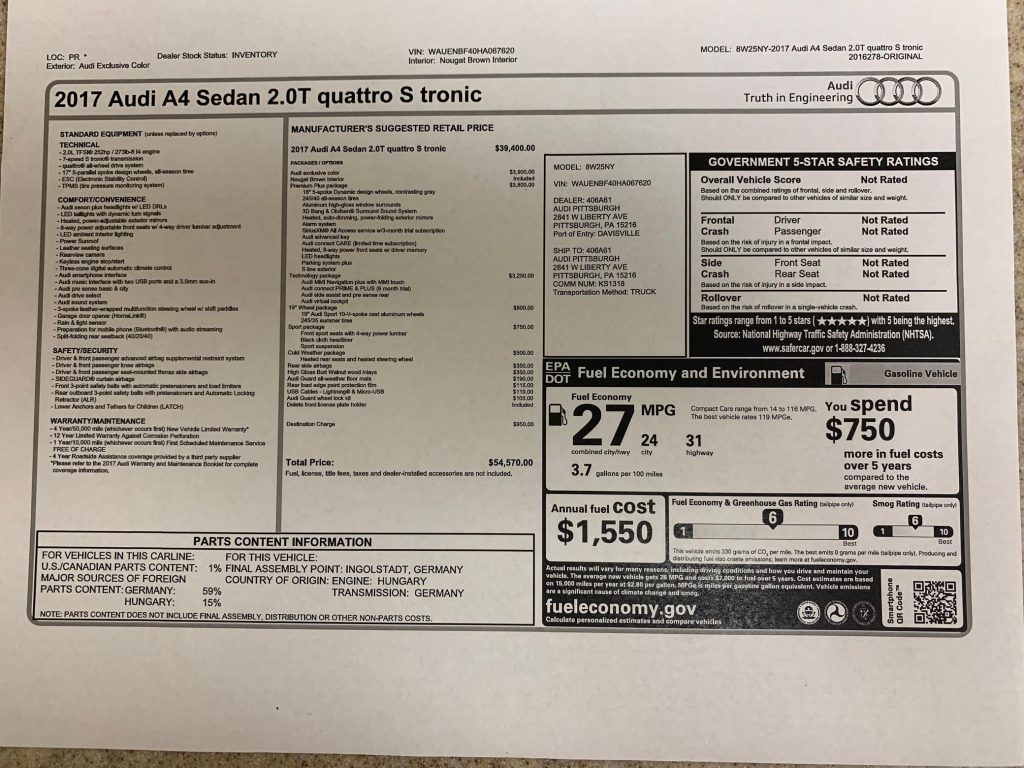
What: 2017 Audi A4 Color: Audi exclusive Toucan Yellow (Tukangelb; LY1H; Audi) VIN: WAUENBF40HA067620 Mileage: 42,000 Price at Time of this Writing: Auction CarFax:Link MonroneyLabels.com Window Sticker: N/A Location: Palm Harbor, FL Auction listing:Link
Why we love it:
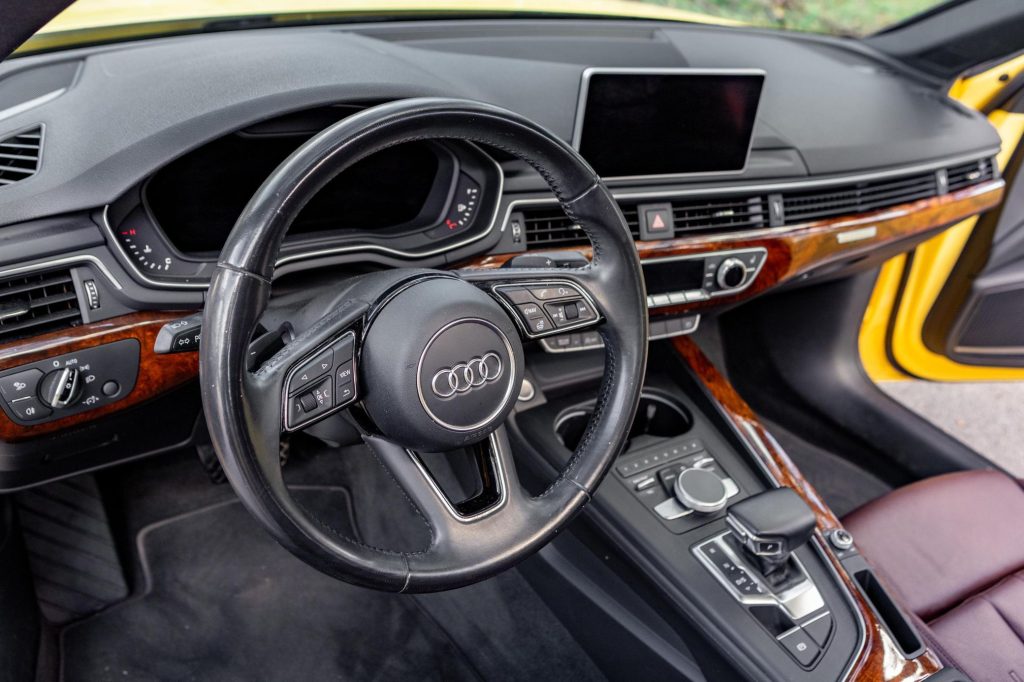
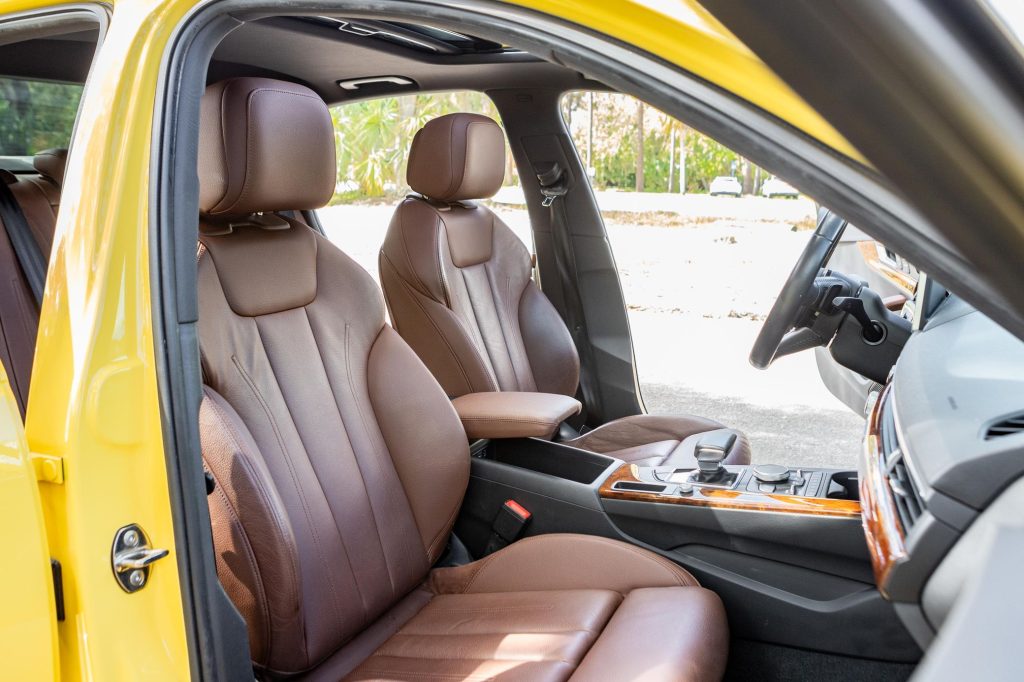
If Tailored Driver is about anything at all, it’s about the desire to be uncommon. By that metric, the initial owner of this 2017 Audi exclusive Toucan Yellow A4 can certainly be considered a kindred spirit. Beyond the fairly rare Toucan Yellow exterior, this Tailor opted for Nougat Brown sport seats with Dark Walnut high gloss trim. We like all of these thing independently. Together? Well, beauty is in the eye of the beholder.
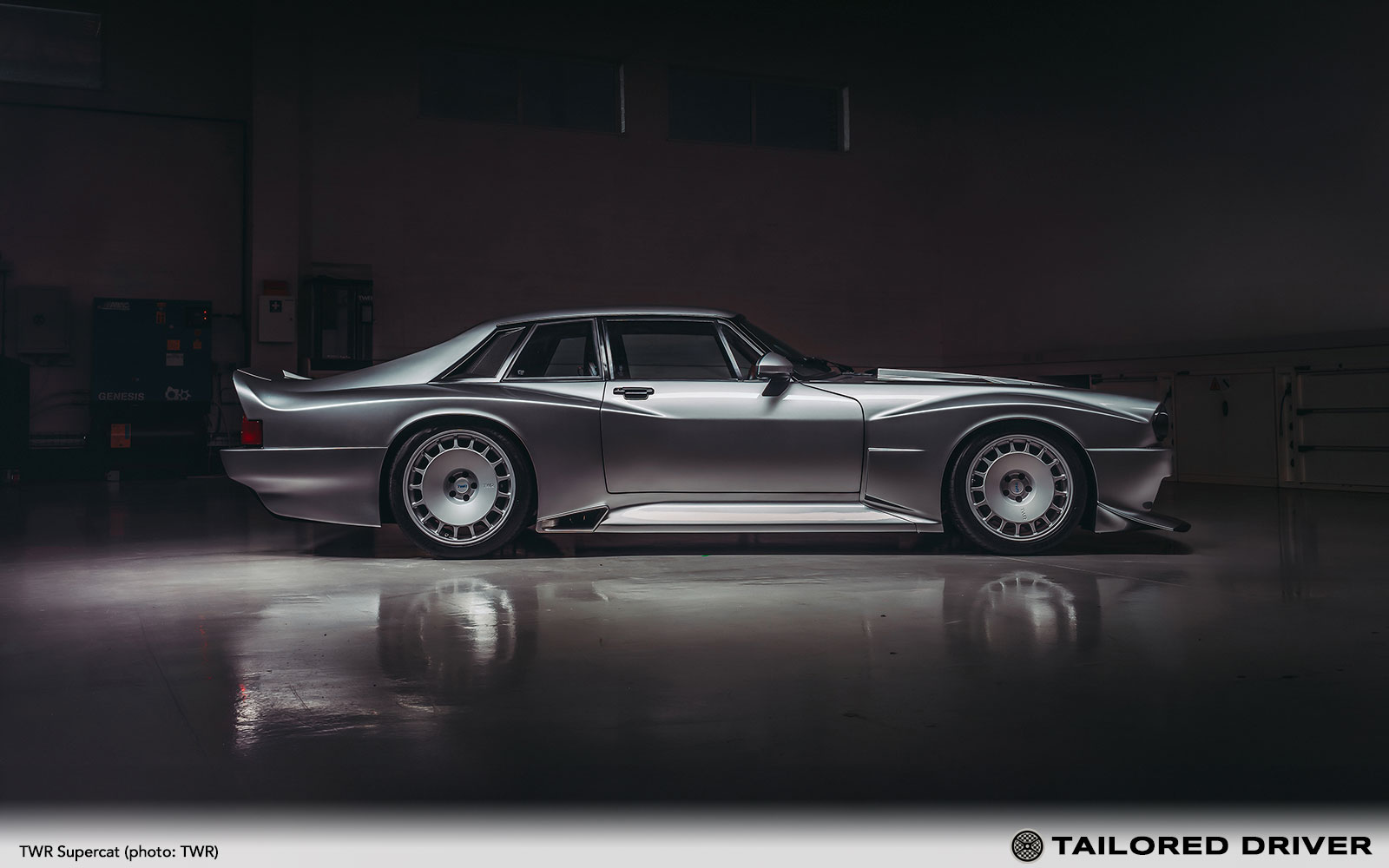
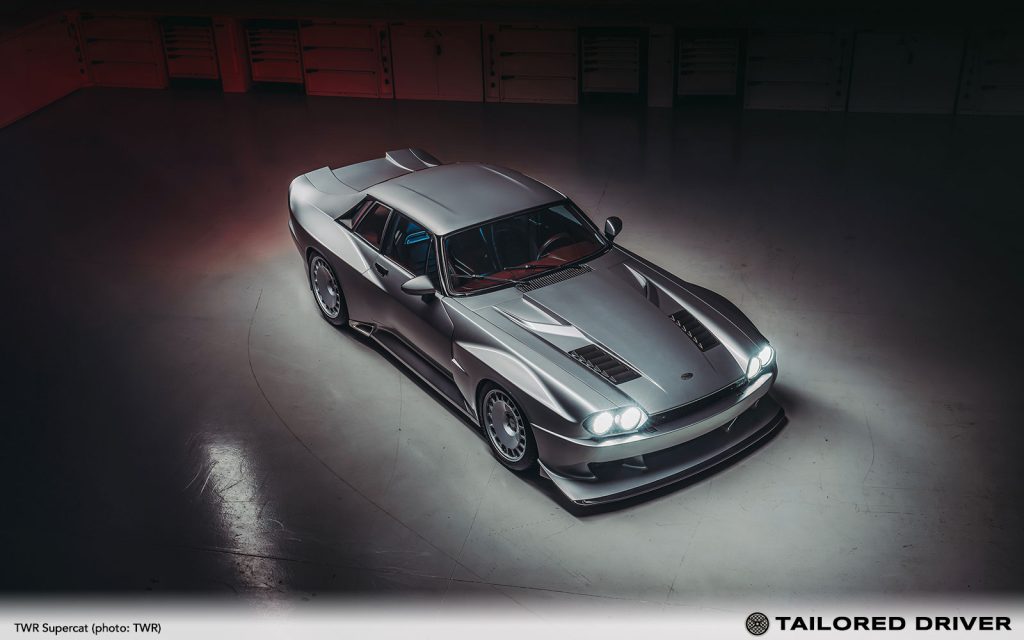
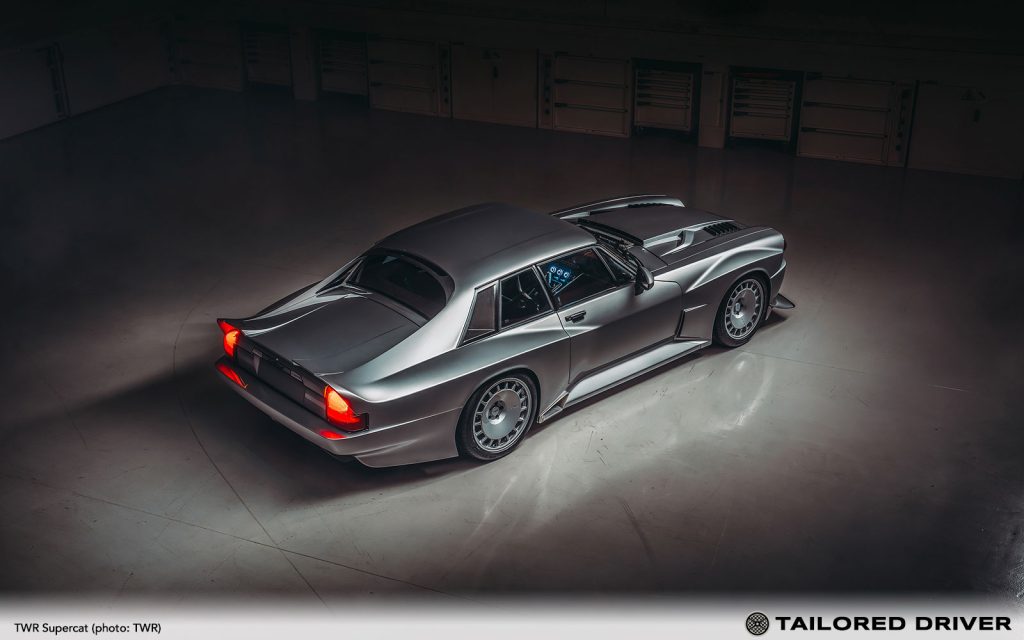
Contemporary carbon-fibre body constructed on classic Jaguar XJS foundations.
Supercharged V12 engine with confirmed output of 660bhp and 730Nm torque.
Immersive and analogue driving experience from 6-speed manual gearbox and rear-wheel drive.
Available to commission now, with numbers strictly limited to 88.
Available in the UK and markets worldwide.
[source: TWR]
Newbury, UK
“Almost 40 years after my father’s original company dominated the racetrack, we’ve brought the TWR name roaring back with our new Supercat. Our debut product, designed as an authentic, analogue Super-GT for the committed driving enthusiast, has been developed for over three years by some of modern motorsport’s brightest talent. Built on the foundations of the classic Jaguar XJS, it uses modern materials and production methods, plus our in-house supercharged V12, to deliver a visceral, immersive driving experience on the road and the track. With production limited to just 88 examples and every car individually commissioned, it’s a chance to own something truly unique and personal, rooted in motorsport history but completely contemporary in its design, engineering and performance.” Fergus Walkinshaw, Director and Founder, TWR
TWR has formally unveiled the Supercat, its radical new Super-GT underpinned by the legendary Jaguar XJS. Widely previewed in the summer of 2024, the Supercat has already earned acclaim from clients and commentators ahead of its public launch today.
The Supercat has been engineered by a team representing some of the most celebrated names in motorsport, including McLaren, Ferrari, Porsche, Williams, and Renault F1. The team is led by TWR director and co-founder Fergus Walkinshaw. His father, Tom Walkinshaw, the revered constructor and racer behind the original TWR, drove Jaguars to victory in the European Touring Car Championship, Spa 24 Hours, and Bathurst during the 1980s.
A True TWR Super-GT The Jaguar XJS provides the essential foundation for the TWR Supercat, which also incorporates design elements inspired by other iconic racing Jaguars of the era, including the XJR-9, XJR-15, and the XJ220 supercar.
True to its motorsport heritage, the Supercat features rear-wheel drive and a six-speed manual gearbox, delivering an authentic, engaging, and entirely analogue driving experience. Beneath its long, sculpted, carbon-bodied bonnet lies a formidable supercharged V12 engine, developed in-house by TWR engineers. This power unit produces an impressive 660bhp and 730Nm of torque.
TWR’s philosophy emphasises that exceptional driving cars are not solely defined by raw power. This is demonstrated through a suite of engineering enhancements ensuring the Supercat excels dynamically in the world’s most demanding motorsport and road environments.
To manage the significant increase in power, the car’s structure has been reinforced with an integrated tubular steel framework, while lightweight carbon-fibre body panels contribute to a 9.3% reduction in weight compared to the original Jaguar XJS (1,605kg vs 1,770kg).
Additional features include the option for carbon ceramic disc brakes, fully programmable traction control, launch control, and five distinct driving modes. These modes enable drivers to tailor the car’s dynamics to suit various road and track conditions.
Double wishbone suspension, enhanced by an active dynamic damping system, ensures a composed and comfortable Super-GT driving experience on extended continental journeys. It also provides the precision, feedback, and stability required for dynamic road and track settings. This duality of character defines the Super-GT ethos, fulfilling the mission of creating a car capable of both high-speed touring and spirited track performance.
The Supercat excels at delivering on its mission. It is the perfect tool for driving to the Nürburgring, offering adjustable suspension and steering for a supreme GT driving experience on the journey there. Once on the track, the car adapts seamlessly to deliver exhilarating performance, before returning occupants home in supreme comfort.
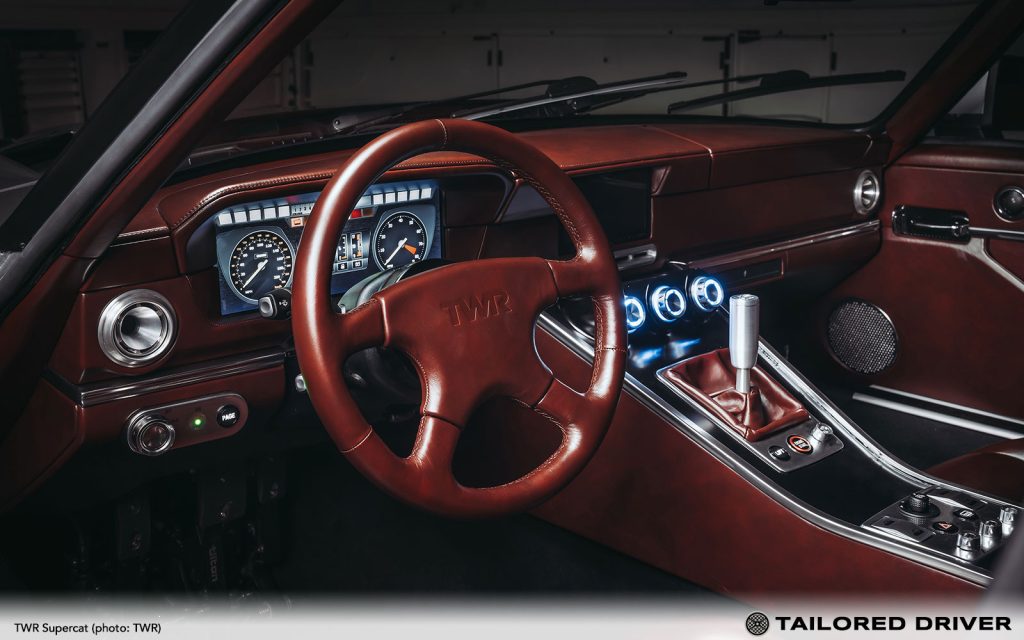
Practicality has not been overlooked. The rear seats have been replaced with a significantly expanded luggage area, ensuring ample space for long-distance touring — a hallmark of the Super-GT DNA. Interior comfort is elevated with a completely overhauled cabin that integrates modern features while paying homage to the classic Jaguar XJS design.
This includes a fully digital multimedia interface (MMI) with Apple CarPlay and Android Auto compatibility. Suspension and steering settings can be easily adjusted via an intuitive toggle interface. Carbon fibre-backed leather seats are available in a contemporary design or a ‘heritage’ option, referencing the original XJS seat louvres.
Radically Styled “I am proud to have designed a TWR true to its racing and performance DNA, building on the foundations of one of Britain’s great automotive icons. The TWR Supercat represents an entirely new expression of the original. As a designer, working with a new palette of highly technical materials has allowed me to re-energise the form and stance of the Jaguar XJS, boldly expressing our mission to create a true Super-GT. Collaborating with TWR’s exceptional team of engineers and aerodynamicists, we’ve created a car where every line and feature serves a performance purpose, authentically representing TWR’s legacy on both the track and the road.” — Khyzyl Saleem, Designer, TWR Supercat
The TWR Supercat brings to life a vision for a modern, high-performance TWR car built upon the classic Jaguar XJS. Its striking silhouette has been designed by Khyzyl Saleem, one of the world’s leading digital and 3D car concept stylists, renowned for his performance-focused projects with iconic names such as the late Ken Block and Travis Pastrana.
Saleem’s design efforts were further bolstered by the involvement of Magnus Walker, the legendary British-born designer and car collector. Walker’s expertise in global car culture was instrumental in refining the vision of creating a vehicle that blends the Jaguar XJS’ foundational legacy with the bold, distinctive aesthetics and substance of a contemporary TWR car.
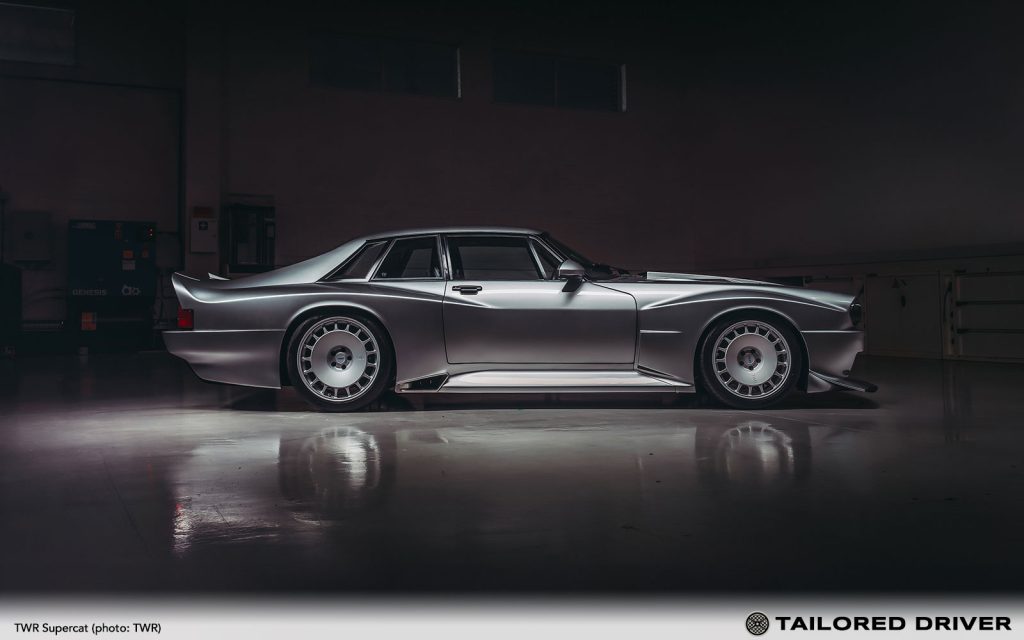
Their combined efforts lend the Supercat a more aggressively muscular character while preserving the Jaguar XJS’ iconic profile, including its signature silhouette, flying buttresses, and front-end graphic. Subtle design cues pay homage to TWR’s decades-long relationship with the Jaguar marque.
In keeping with TWR’s guiding philosophy, the Supercat’s design is driven by engineering requirements to achieve exceptional performance. Saleem’s design proposals were rigorously evaluated for aerodynamic efficiency by a former World Championship-winning Mercedes-Benz F1 aerodynamicist. This collaboration ensures the Supercat delivers a visceral and engaging driving experience, fulfilling the original design brief.
The resulting design not only communicates the Super-GT’s dynamic intent but also incorporates a suite of aerodynamically functional features to generate critical downforce. These include precision-designed splitters and in-body aero enhancements that provide the stability demanded in both high-speed touring and track settings.
Key aerodynamic innovations include a complete reimagining of the XJS’ iconic flying buttresses, now reshaped to optimise airflow from the body to the rear haunches. The floorplan has been flattened and paired with a bespoke, fully re-engineered rear splitter to generate additional downforce necessary to manage the Supercat’s extraordinary power output. To accommodate these changes, the exhaust system has been repositioned from the rear to the side of the car.
The Supercat’s broader stance further reinforces its dynamic character. Its width has increased from 1,793mm to 1,975mm compared to the original XJS, enhancing its visual and aerodynamic profile. This wider footprint is complemented by TWR Forged Monoblok wheels, sized at 18 inches at the front and 19 inches at the rear — a significant evolution from the original XJS’ 15-inch alloys.
The First of a New Breed of TWRs As the first TWR production car, the Supercat is the perfect exemplar of the company’s philosophy: blending modern engineering, materials, and methods with a classic base to create something that truly captures the spirit of TWR, which reshaped world motorsport in the 1980s and 1990s.
Future TWR models will undergo the same rigorous development and testing process, adopting protocols and facilities used by the world’s leading sports car brands, racing teams, and other performance specialists.
The same philosophy is applied to the manufacturing of every TWR product, with every car hand-built at the company’s facility in Newbury, Berkshire, at TWR’s dedicated factory.
The Magic Number TWR is now accepting commissions for the Supercat, whose production run will be strictly confined to just 88 examples worldwide, in homage to Tom Walkinshaw’s famous win with the XJR-9 at Le Mans in 1988. The first customer deliveries are expected in the summer of 2025.
Every Supercat is built to order, and customers have a wide range of personalisation options. Orders have already been taken across the United States, the UK, Europe, Asia, and the Middle East in both right-hand-drive and left-hand-drive configurations. Prices will vary according to individual specifications but start at £225,000, excluding local taxes. A limited number of build slots remain open, with a £35,000 deposit.
TECHNICAL SPECIFICATIONS
Component
Subcomponent
Jaguar XJS V12 HE
TWR Supercat
Chassis
Steel Monocoque
Steel Monocoque + Steel and Carbon Fibre Reinforcement
About TWR: Established in 2020 by Tom Walkinshaw’s son, Fergus Walkinshaw, alongside his business partner John Kane, TWR aims to stretch the famous name into the modern automotive world. While a separate entity from the original Tom Walkinshaw Racing, the new company shares much of the DNA and spirit that helped the original TWR brand to become a world leader in performance and motorsport engineering. From its base in Newbury, Berkshire, TWR is making its name as a constructor of bespoke automobiles for a whole new generation, seeking to protect and perfect the analogue driving experience with its products, whilst also working with class-leading manufacturers to help maximise the potential of their offerings
KEY PEOPLE Fergus Walkinshaw, Co-Founder & Technical Director For Fergus Walkinshaw, TWR co-founder, success on the race track and through performance car engineering is in his DNA. His father, Tom, is the ‘TW’ in the first generation of TWR, and Fergus was along for as much of the fun as he could be. “Growing up, I was always around cars and motorsports. They’re part of the family – obviously because of my dad, but my mum was also very much into cars. There was no escape from it.”
Walkinshaw’s upbringing, along with all things quick, served him well. He competed in the Ginetta Juniors championship and Supercup and fixed up his own and others’ cars for road and track. His aptitude for all things mechanical led him to the Automotive Engineering degree at the UK’s Oxford Brookes University. Walkinshaw aimed to use his knowledge to set up his race team.
In the early 2010s, Walkinshaw’s motorsport business changed tack – he noticed there was more interest in modifying road cars and building track cars than creating machines for competition. We always tried to stick with more unique stuff where you had to think about it, design something. We wanted to do proper engineering.”
It may seem like Walkinshaw was looking to follow in his father’s footsteps from early on, but that isn’t quite the case: “I wanted to go my own path with it. But there was always the heritage of what my dad did in the background.”
Meeting co-founder John Kane through a rally, and establishing a relationship with him over years of building cars, Walkinshaw notes that the idea of bringing TWR back started as an initial business conversation that has now yielded the introduction of an extraordinary new car, the Supercat Super-GT.
In realising their shared vision to build a car worthy of TWR’s racing and performance car heritage, they have created a new segment in the introduction of a true drivers’ Super-GT. This is just the beginning. “We’re not going to be a company that just does Jaguar, or restomods. We’re an engineering company that focuses on cars – road, or race and there is such diversity in the marques TWR has been associated with, our Supercat is just the start.
John Kane, Co-Founder, TWR John Kane is founder and co-owner of the next generation of TWR and is a man with a huge passion for cars. “From early on I always played around with and modified my cars. From a Vauxhall Belmont, to a Montego… even a Citroen AX. At this early stage he also had an affiliation with the big cats, buying an XJ6 and XJ-C along the way. I did the basics: wheels, stereo, lights, etc. I did what you did when you were young.”
Kane went into property development, which meant he left his Citroen behind: “In the 2000s I had a BMW 330Ci, then an M3 and progressed to a Ferrari 430. That was my first serious car. But I was, as before, into trying to make them better. That part is where my passion comes from.”
Kane found himself racing Caterhams, learning about dynamics and development, and creating fearsome track cars – including some incredible Time Attack machines. Having nurtured his passion for driving on track, and touring around the world, his collection grew to include over 50 cars. His tastes are broad, as he holds the keys for a selection of everything from a 1965 Lotus 7, and a Mini Cooper, to modern Supercars and Hypercars.
It’s through that collection he crossed paths with Fergus Walkinshaw. In 2017 the pair met while taking part in a car rally and struck up a friendship. The duo ended up working together on a series of cars – even creating an unusual track spec Alfa Romeo 4C together.
In 2018 Kane took ownership of the facility TWR is based in now, though its purpose was not defined. He wanted to create a hub for car culture, this turned out to be the popular Podium Place in Newbury, UK. The plan was to open the space to other businesses, and early on it became clear that not only was TWR going to come back, but it would be from there it would make its return.
“The Supercat is the kind of car I want to build. A proper enthusiasts’ car. We call it a Super-GT, which in my mind is the best of all worlds. It’s the car that you can drive across countries with a passenger and a bunch of luggage, then take on a track.” Kane notes that track-biassed GTs come with plenty of punch, but not much space, and conventional GTs get space without the track chops. His ideal car is comfortable, adjustable, durable, and punishingly fast. His ideal car is the Supercat.
For Kane, TWR’s attitude is key. He saw what the company did on and off track in its heyday and his goal is to carry on that spirit. With the XJS-based Supercat, he feels the company’s on the right track: “I feel like this is something that TWR would have done if they had the chance. TWR’s deal is to push the boundaries of what you can do with a car, and that’s what we’ve done.
About Magnus Walker Magnus Walker is one of the best known petrolheads in the world. His distinctive style, and seemingly endless creativity has garnered him global respect. Above all else, though, is his passion. When Magnus Walker sets his mind to making something, you know it’ll be something truly special.
Walker moved to the US from Sheffield in 1986, swiftly pouring his talent into his clothing line, Serious, which outfitted everyone from Alice Cooper to Madonna. The popularity of his designs allowed him to indulge another passion: real estate. After several timely building acquisitions in LA’s Downtown led him into the commercial film business, he also started amassing an enviable collection of Porsches. In 2012 the Urban Outlaw film made its debut. Telling the story of Walker and his race-inspired road-going Porsche builds, it made him an overnight star in the automotive world.
His collection has since evolved – where once it was mostly made up of a single marque, today it features vehicles from brands located all over the world.
Known for his distinctive dreadlocks and epic beard, Magnus Walker’s style has been wrought from decades working in several of the most creative industries on the planet, which is why we approached him to work with us on bringing the next generation of TWR to life.
He is familiar with TWR’s stellar past, and knows the legacy the next generation has to live up to. Our collaboration will mark the first time Walker has worked in an official capacity with a vehicle manufacturer.
An iconic marque, an iconic man… a combination that can only lead to great things.
About Khyzyl Saleem If you’ve been anywhere near the internet, you’ll know Khyzyl Saleem’s work. A petrolhead from a young age, he got into photoshop, and then 3D modelling, which resulted in global acclaim for his myriad creations. His work took him to the world of video games, where he worked for Electronic Arts on various titles. In his free time, Khyzyl created his own takes on supercars, modified icons, and did whatever took his fancy in the virtual world. As a result of his tinkering, his Instagram account became a shop window for what happens when a truly brilliant mind is given the space to create anything they want, and it blew up. Soon enough everything he created became newsworthy.
At the same time, Khyzyl set up LTO – Live To Offend. There was demand for Khyzyl’s work to make the leap from the virtual world to reality, and he was more than willing to make that happen, and so LTO was formed to create body kits for some of the world’s most iconic cars.
You’ll likely have seen LTO’s work at events all over the globe, notably Las Vegas’ SEMA show where Khyzyl’s creations draw huge crowds. Such is the impact of his work, that Khyzyl’s been called upon by the likes of the late Ken Block, Travis Pastrana, and more to give their cars a little something that others simply don’t have.
Though he’s been responsible for plenty of bodykits and renders over the years, before working with TWR Khyzyl hadn’t turned his skill to a whole car. This will be his first full-on design – every detail has come about as a result of his seemingly limitless creativity, of course with input from Walker.
With Walker and Khyzyl on board, it’s clear to see that TWR is taking the next generation seriously: working with two of the greatest minds of the modern automotive era.
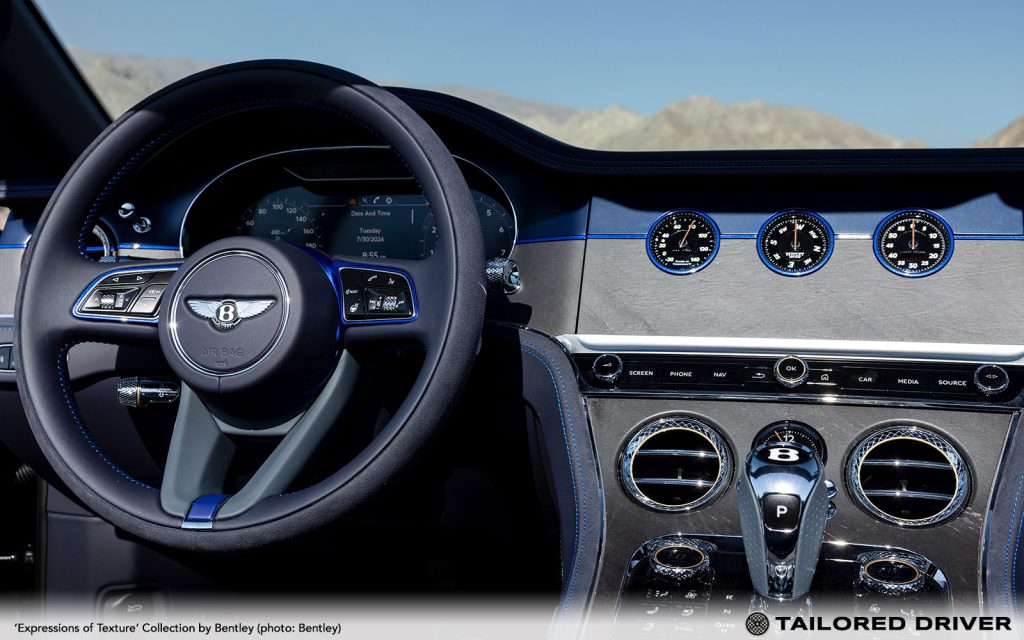
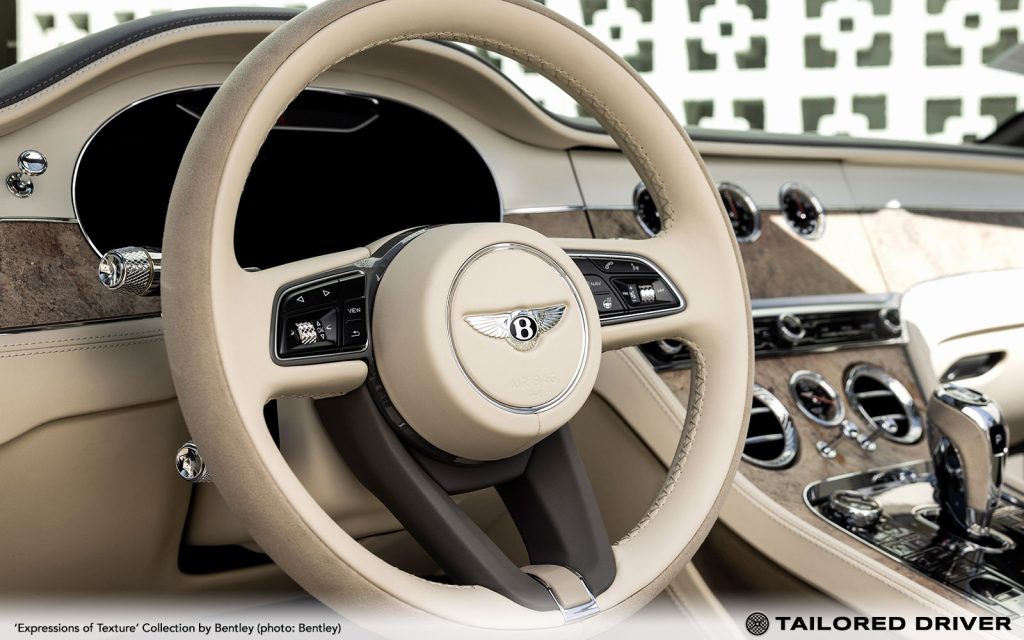
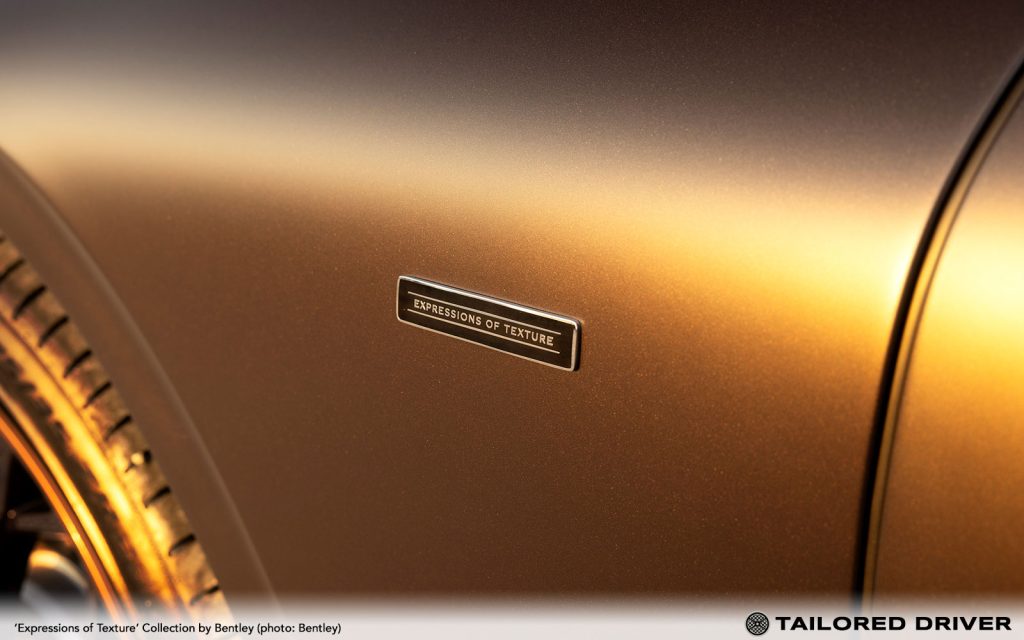
‘Expressions of Texture’ Collection commissioned by Bentley Rancho Mirage, California
Four bespoke Continental GT Speed Convertibles show range of creative possibilities offered by Mulliner Personal Commissioning
Each design inspired by the stunning landscapes, scenery and skies around Palm Springs
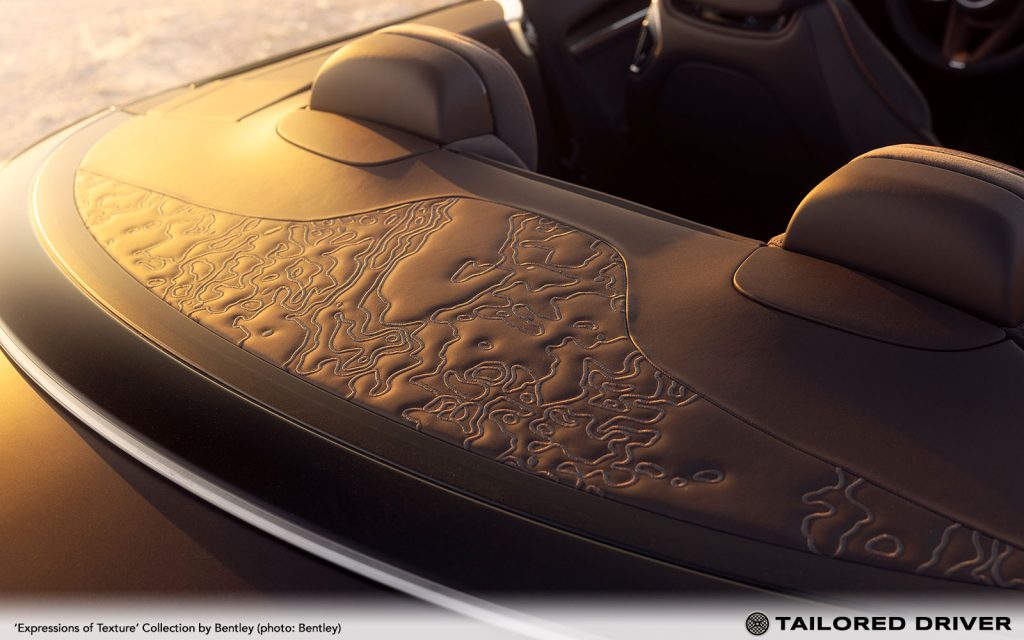
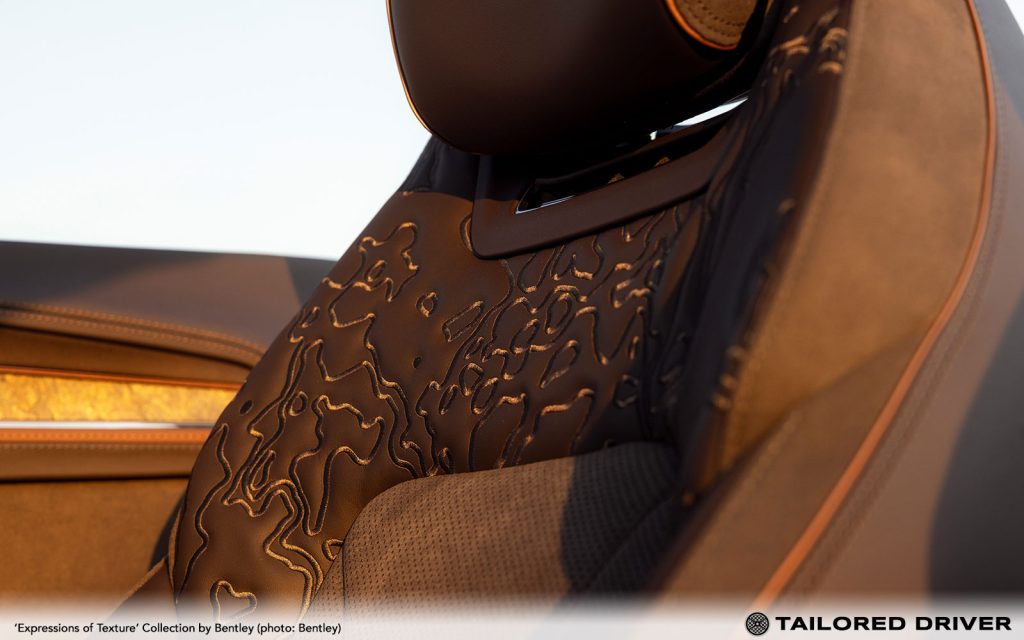
Satin exterior finishes, stone fascia veneers and one-off blind embossed upholstery among the many bespoke features
75 per cent of Bentley customers now add Mulliner content to their car
[source: Bentley]
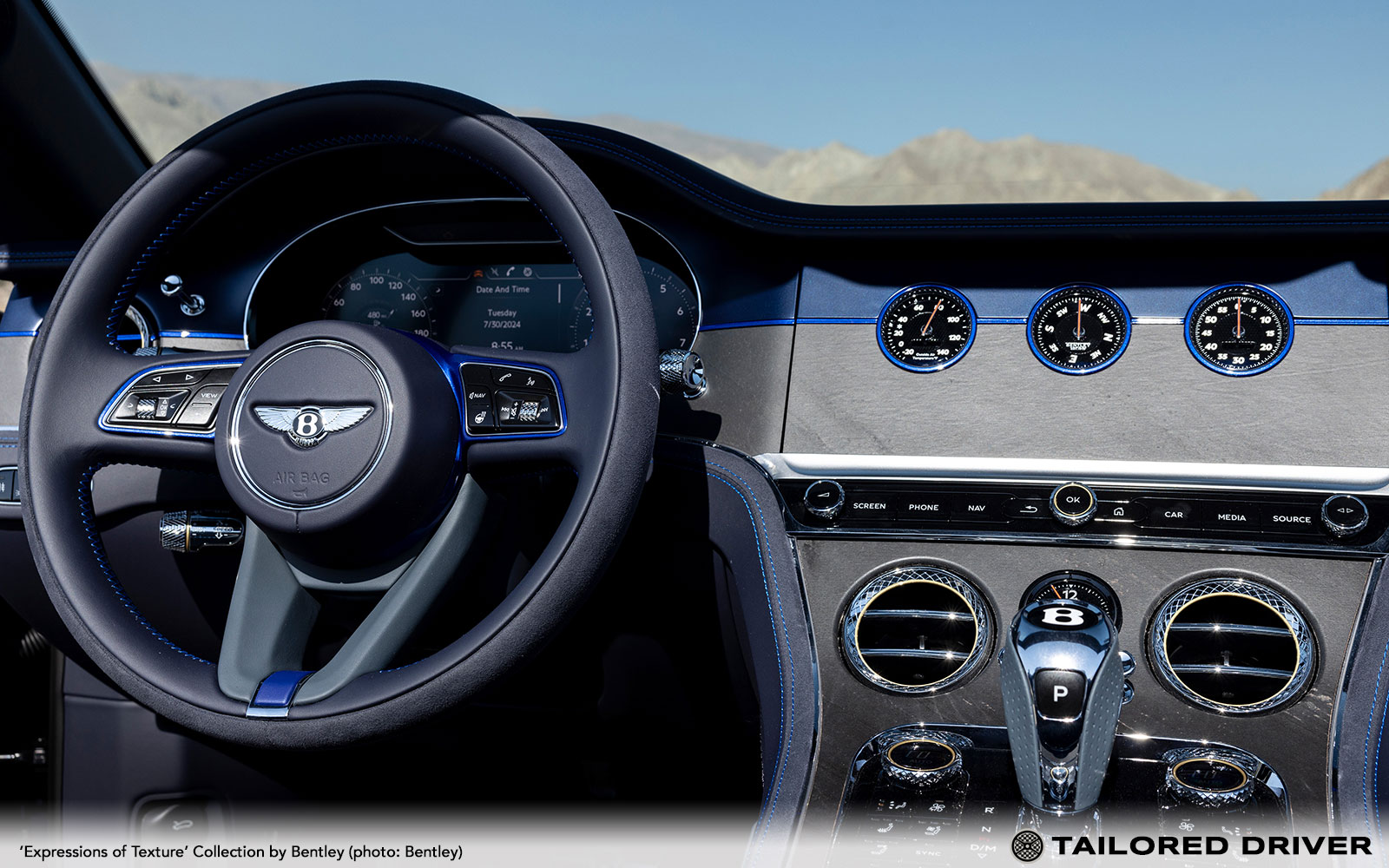
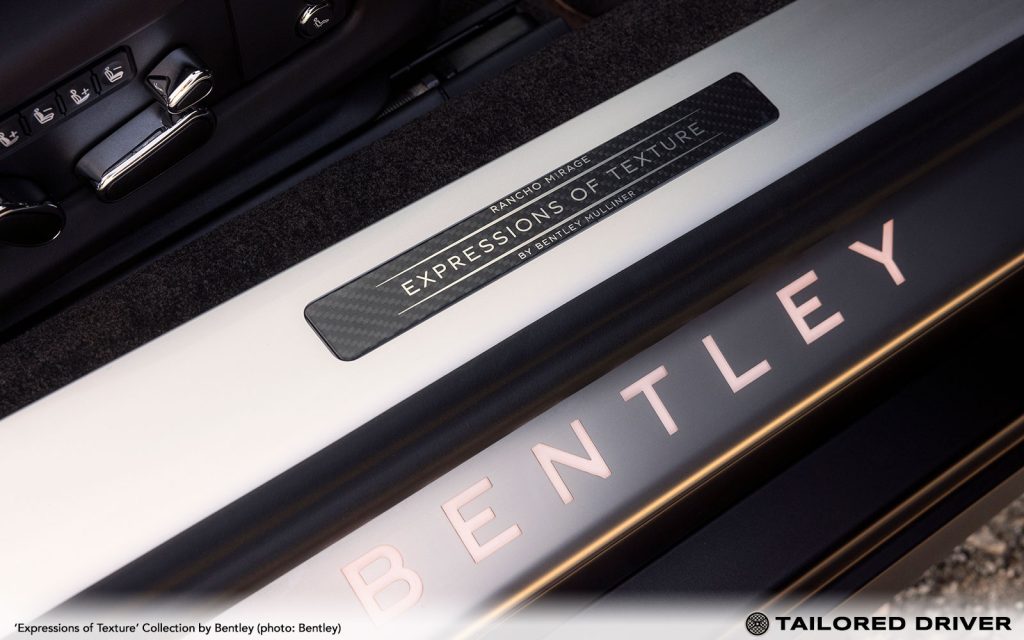
Crewe, England – ‘Expressions of Texture’, a collection of four Continental GT Speed Convertibles, provides a visual and tactile showcase for the creative possibilities offered by Mulliner Personal Commissioning. The Collection was a co-creation between Bentley Rancho Mirage and the Mulliner bespoke team, each side inspiring the other to greater heights of creativity.
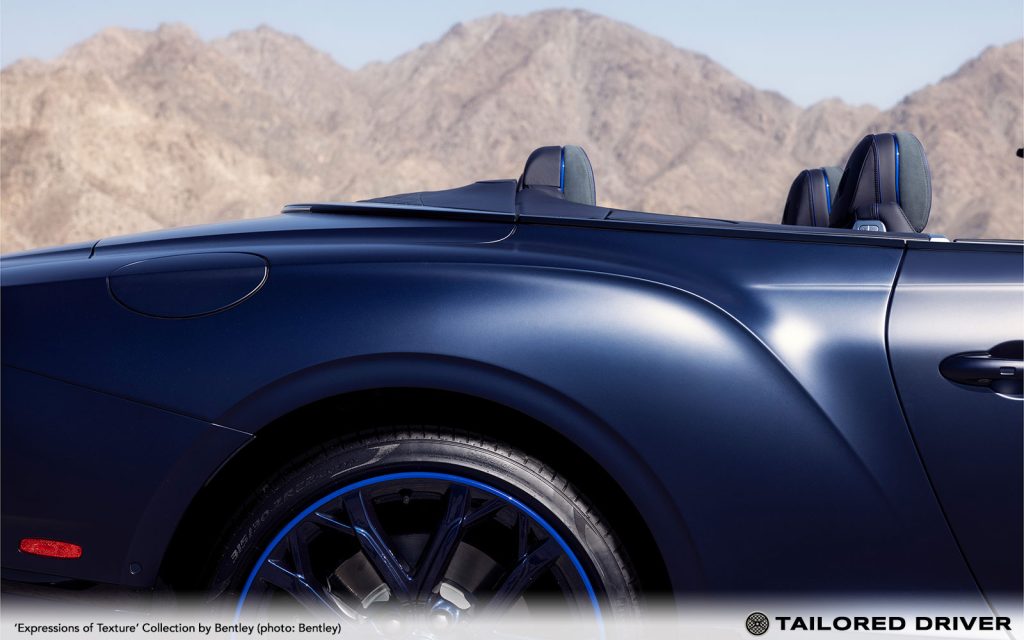
All four models are specified in satin paint from Mulliner’s 15-colour range, with each finish taking up to 55 hours of painstaking craftsmanship. Other exceptional features include wafer thin 200-million-year-old stone veneers, and blind embossed upholstery whose design reflects the landscapes of the Colorado Desert’s Coachella Valley.
Reflections of landscape The desert resort city of Rancho Mirage is set amid the varied and spectacular landscapes of the Coachella Valley, with arid desert, vivid greenery and rugged, age-weathered mountains all within easy driving distance. This variety provided the inspiration for the team at Bentley Rancho Mirage, expressed through the specifications of the four Continental GT Speed Convertible models in the Expressions of Texture Collection.
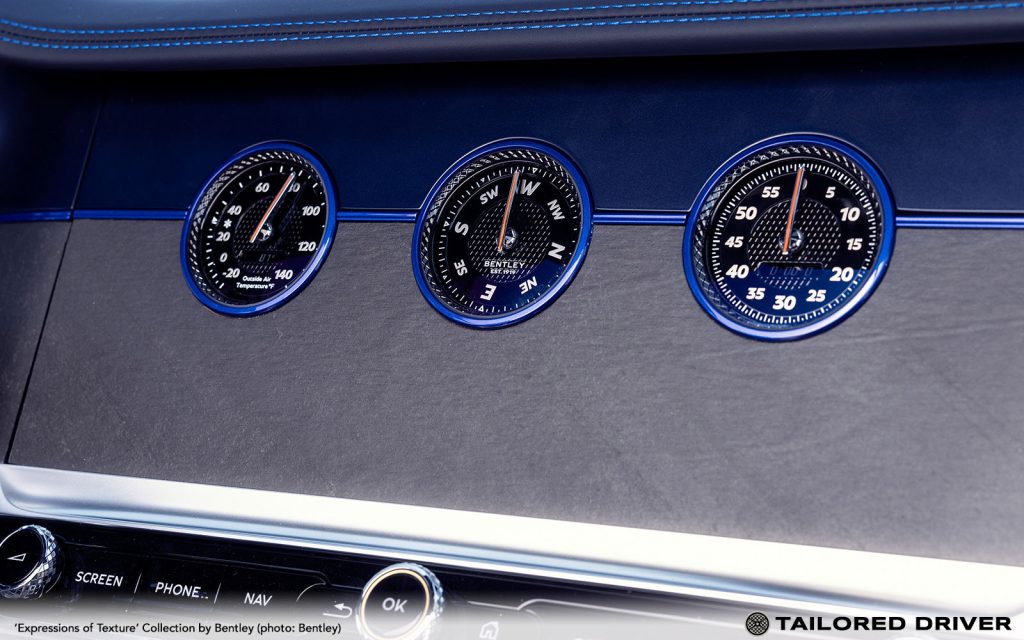
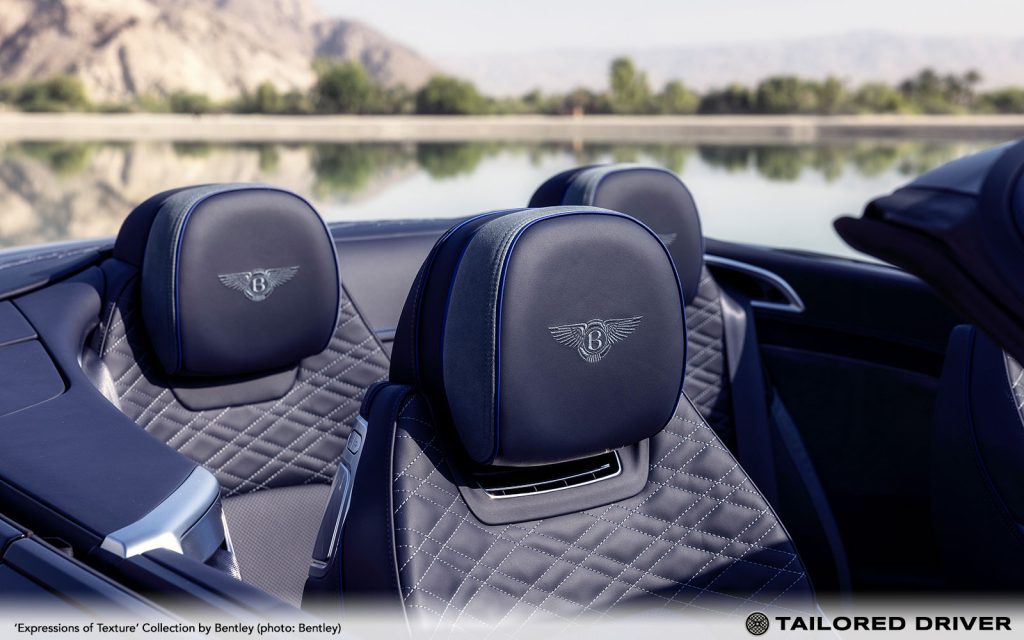
The clear, star-studded night skies of the Coachella Valley inspired a Continental GT Speed Convertible in Peacock Blue satin, the exterior subtly enhanced by a tri-tone Styling Specification featuring satin carbon fibre, Electro Blue and Peacock Blue. For the interior, a two-tone fascia in Peacock Blue satin is paired with Slate stone veneer and divided by an Electro Blue pinstripe, the same colour outlining the bullseye air vent vanes and headrests. Other exquisite details include Serenity quilting on the seat uppers and tonneau cover.
The rippling, fluid forms of sand dunes sculpted by the desert wind are reflected in another model from the collection, finished in Ghost White Pearl satin with Tungsten wheels and featuring a Silver Tempest pinstripe. The blind quilting of the seat uppers and tonneau cover was created specifically for this model, their flowing graphics inspired by the desert dunes. A fascia and console in Ghost White Pearl satin over Autumn Stone veneer is a masterclass in subtle sophistication.
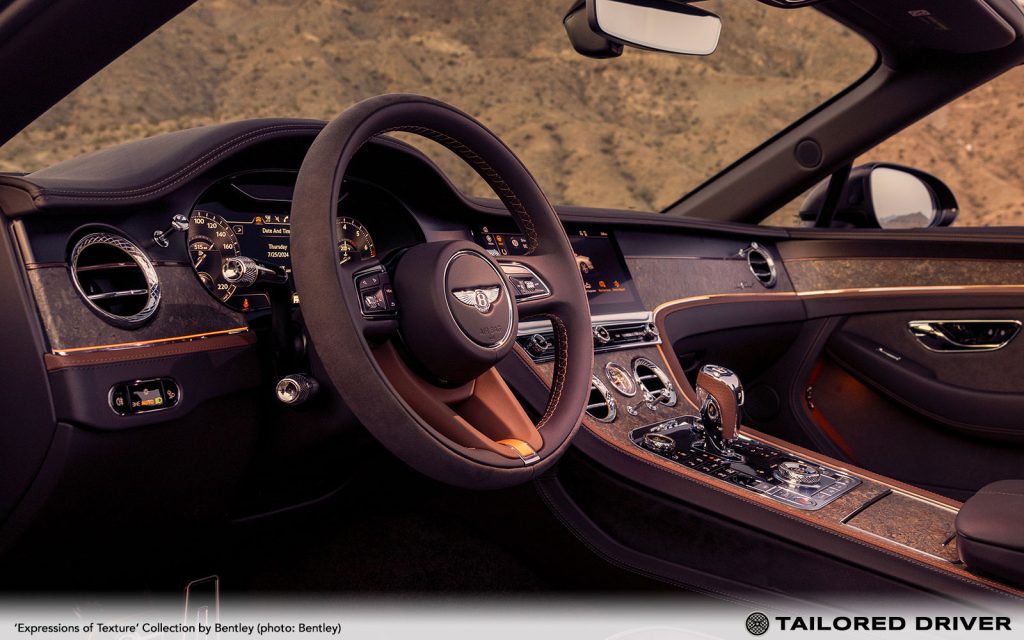
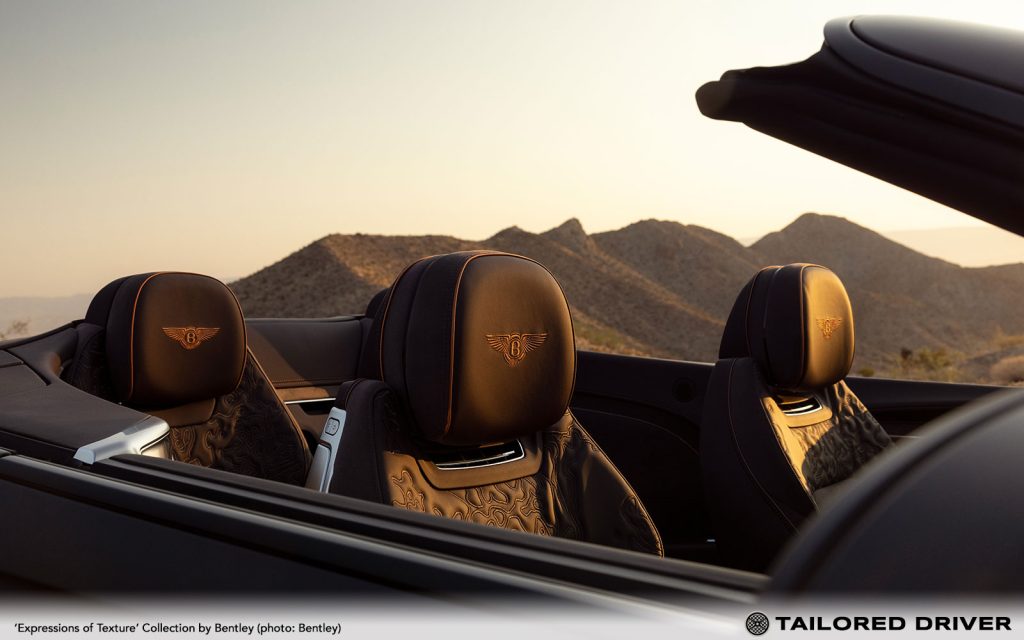
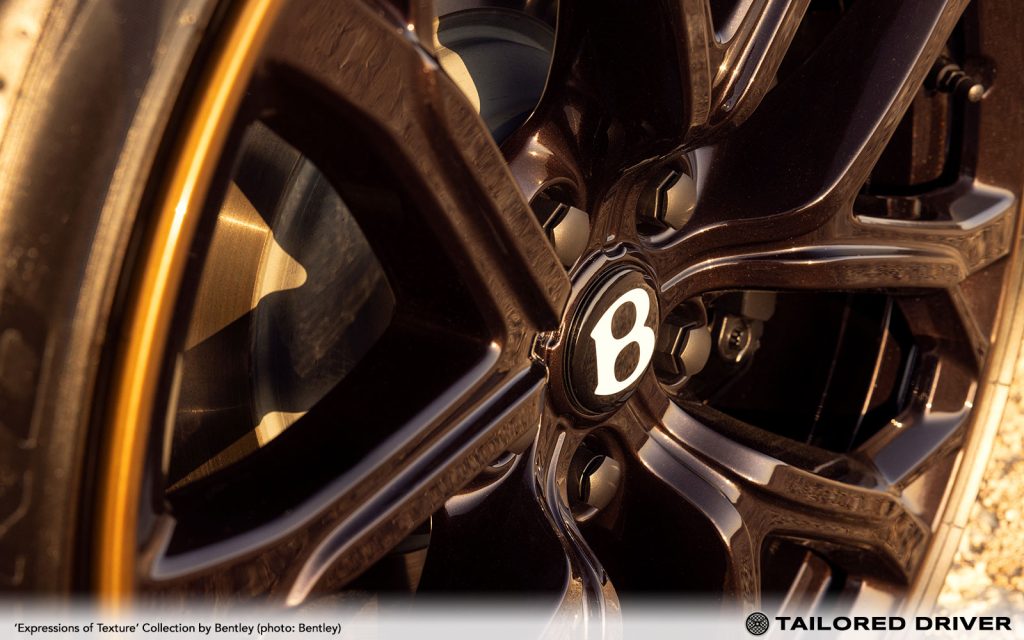
The inspiration for a Havana satin Continental GT Speed Convertible came from the rugged mountains that surround the Coachella Valley and their earthy tones in the glow of the setting sun. The interior of Cognac and Burnt Oak hide is enhanced by bespoke, blind quilted seat backs and tonneau cover whose design represents the topographic features of California’s Death Valley. The same topographic map design is even carved in 3D on the floor mats, while the fascia and console feature the exterior finish of Havana satin over Copper Stone veneer, divided by a pinstripe in Bronze.
Adventures in colour, texture and form All four models in the ‘Expressions of Texture’ Collection, which also includes a Continental GT Speed Convertible in British Racing Green satin, demonstrate that the choice of colour is just one element in the personal commissioning journey. The tactile softness of Dinamica upholstery, the cool touch of stone veneer and the yielding contours of quilting all offer customers a limitless palette of creative possibilities.
Mulliner’s Chief Commercial Officer, David Parker comments, “We hope that the Expressions of Texture Collection will inspire customers to explore the full range of possibilities offered by the Personal Commissioning Guide. At Mulliner we believe that whatever our customers can imagine, we can create.”
Bentley Mulliner Bentley Mulliner is the birthplace of coachbuilding – the oldest automotive coachbuilder in the world. As Bentley’s personal commissioning division, Bentley Mulliner responds to the requirements of Bentley’s most discerning customers, creating vehicles that are a true expression of their individuality. From special features and finishes to unique and limited-edition coachbuilt vehicles, the Mulliner name continues to represent the ultimate in Bentley design and craftsmanship.
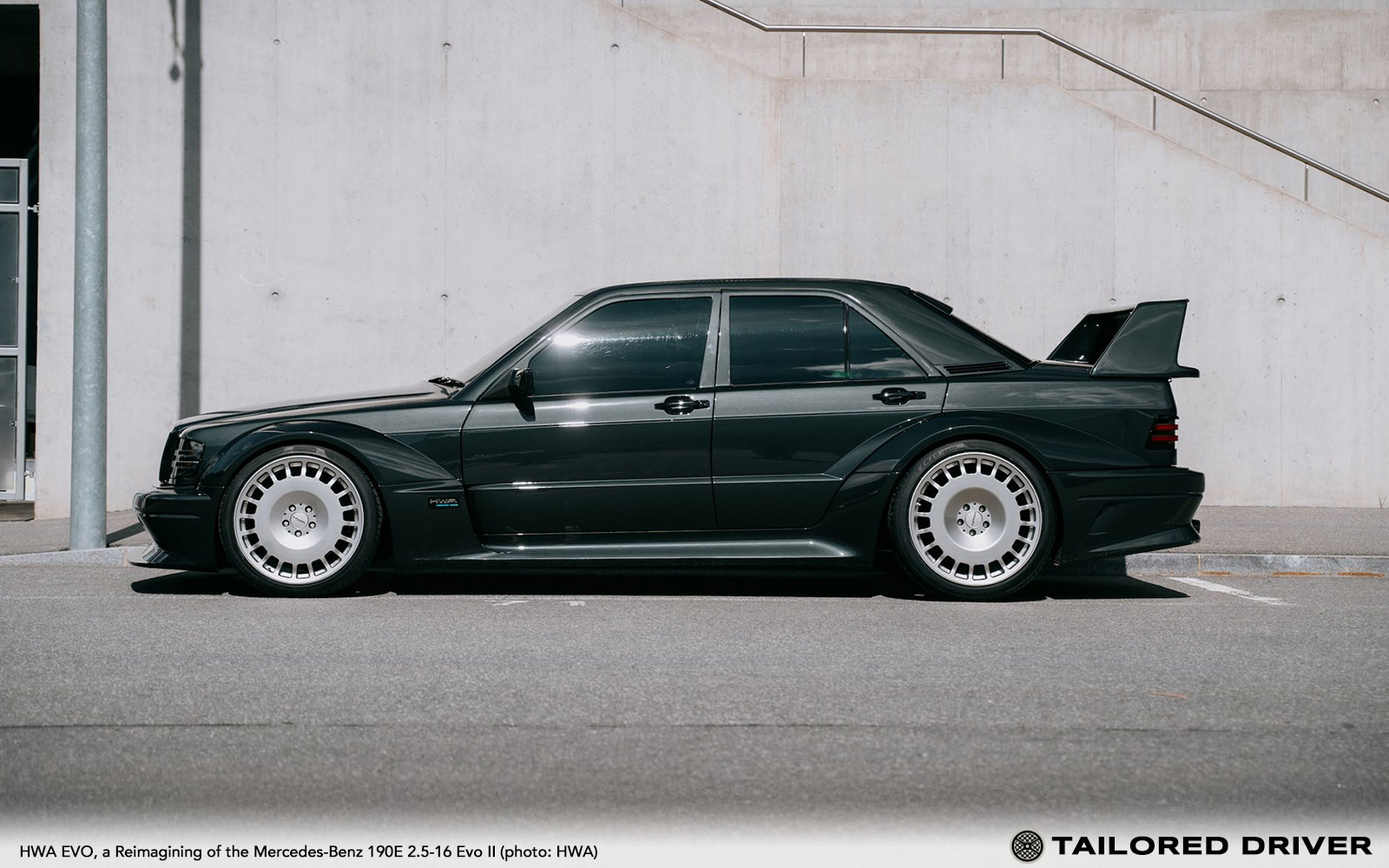
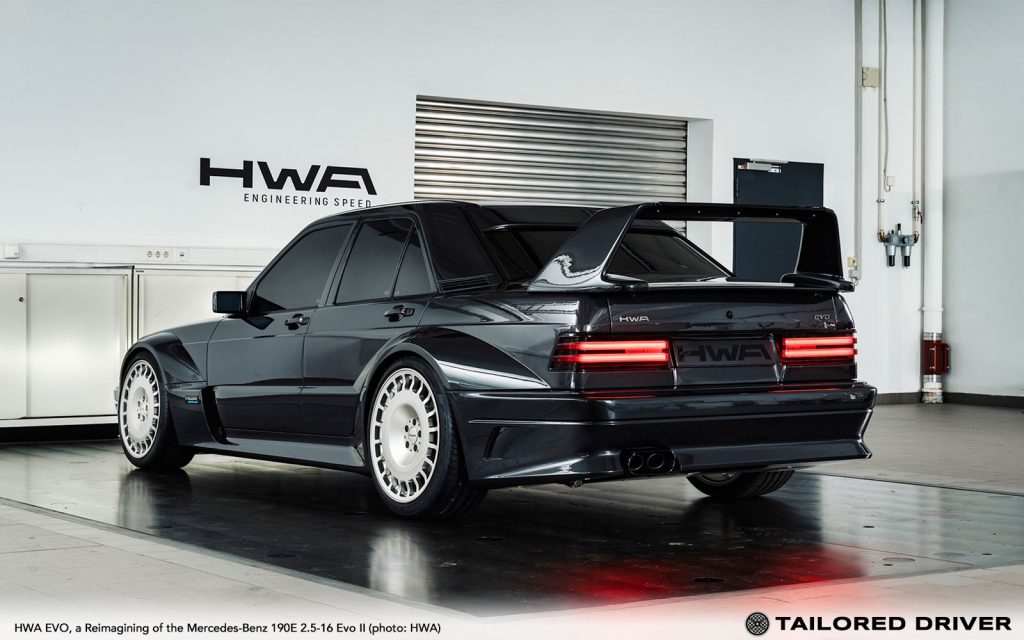
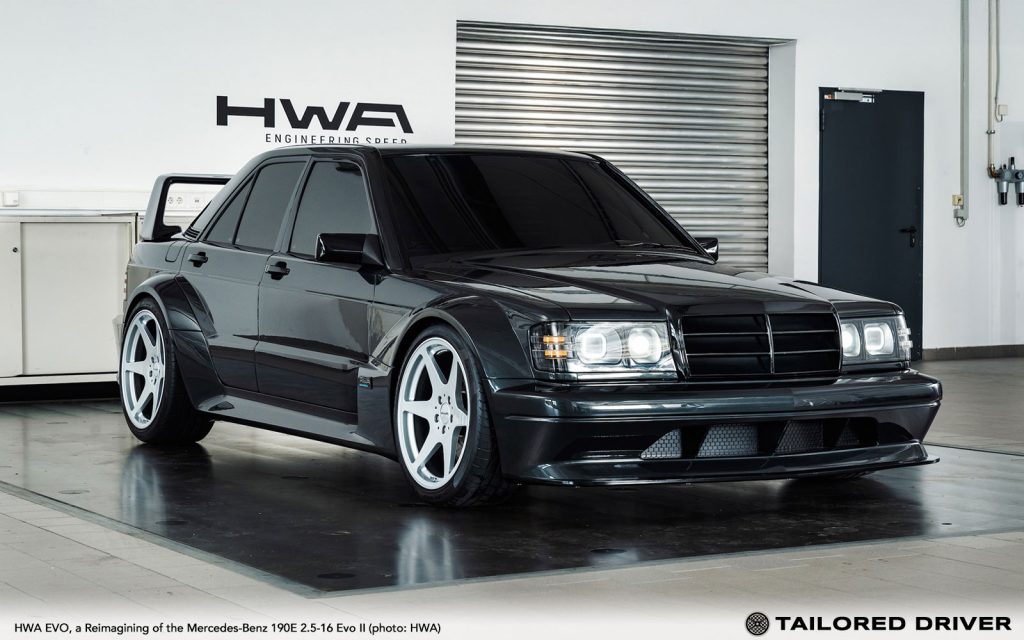
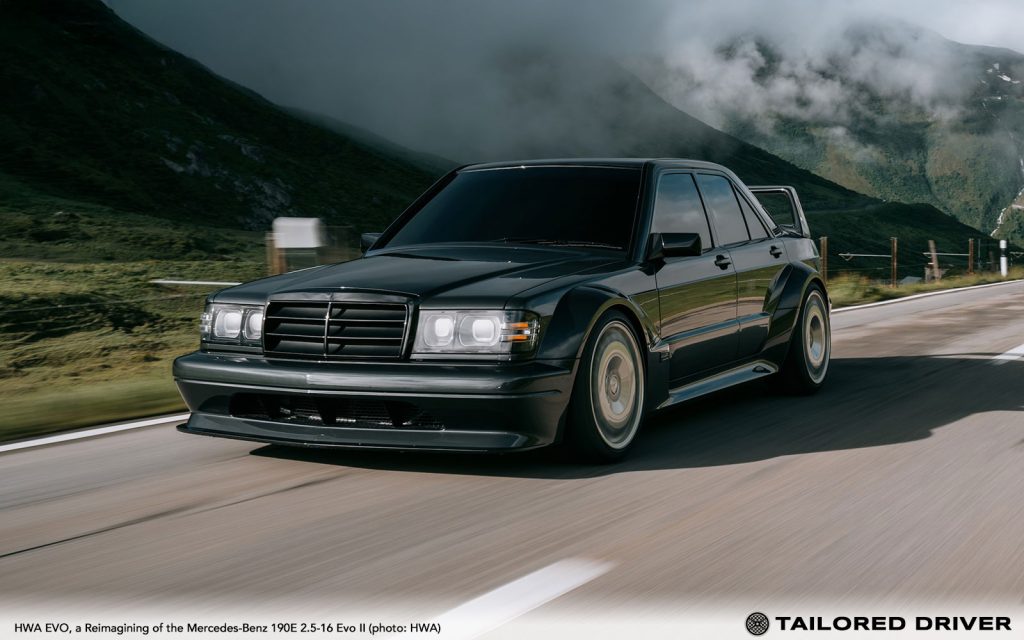
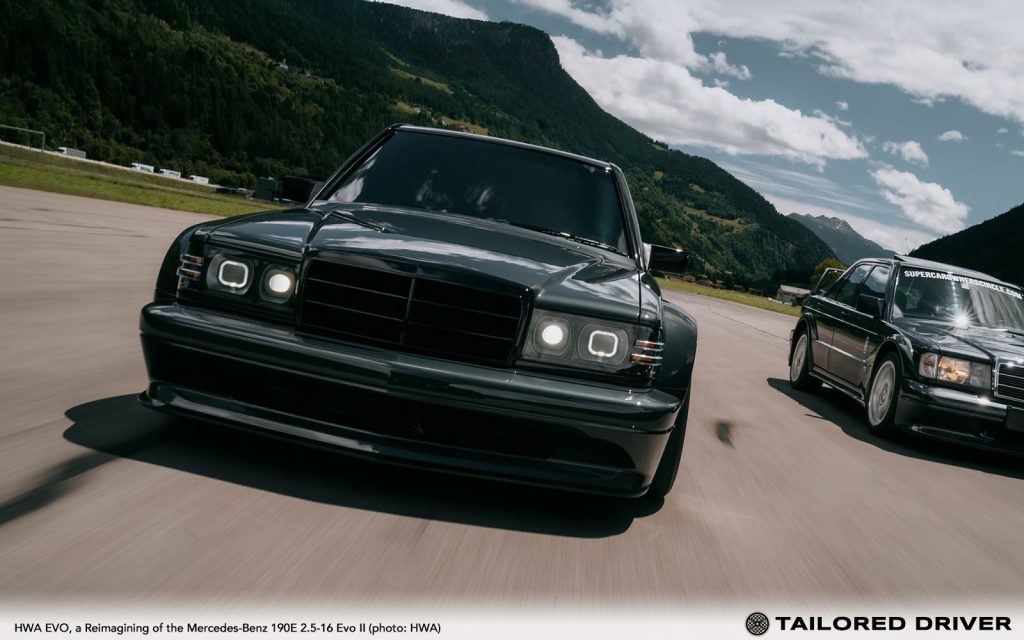
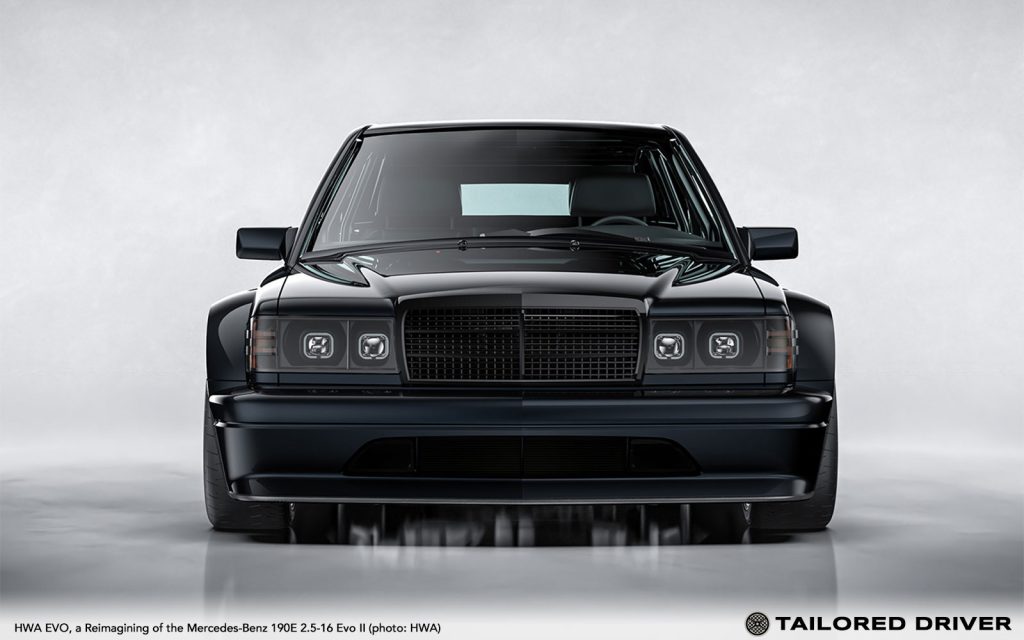
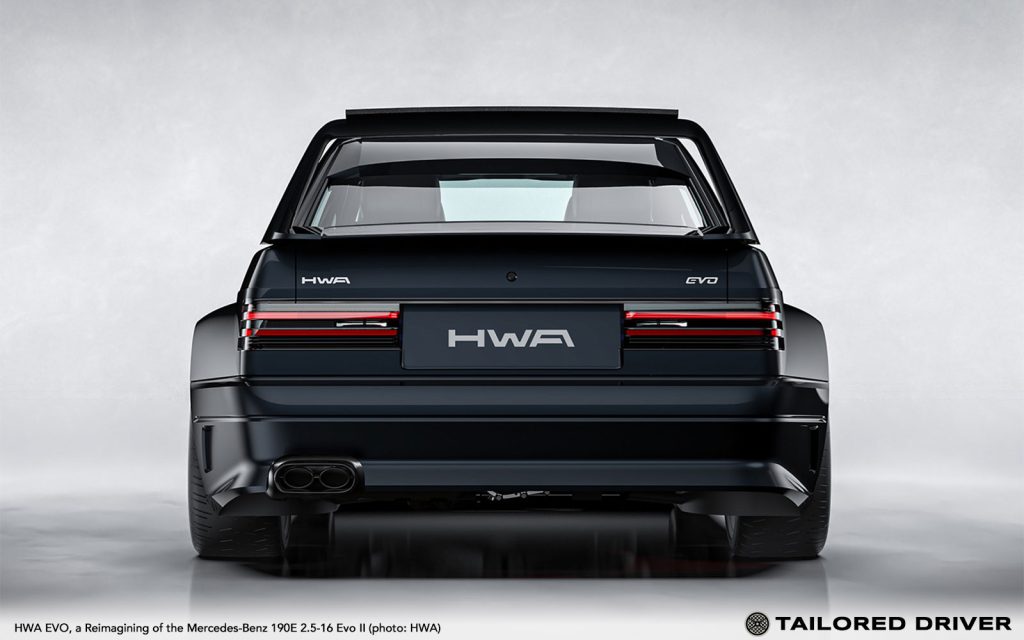
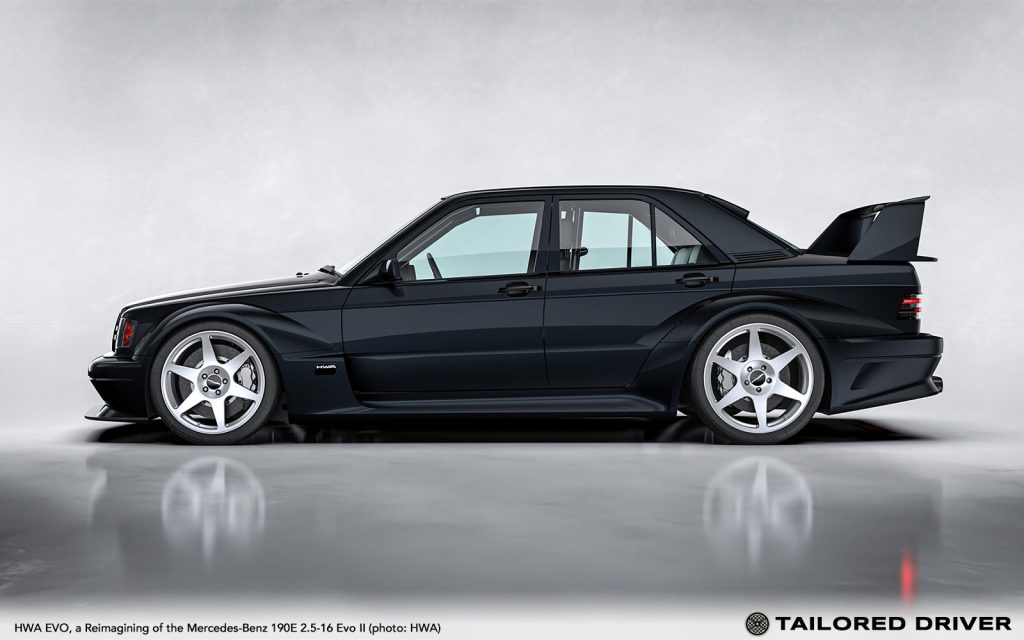
There’s no doubt that the so-called “Rad Era” of the 80s and 90s is one of the hottest segments in the classic car space. As Generation X ages and builds disposable income, more and more attention is being paid to the cars and fantasy cars of their youth. Throw in racing homologation provenance and you have a recipe for a win. Such is the case of the DTM-spec Mercedes-Benz 190 E 2.5-16 Evo II.
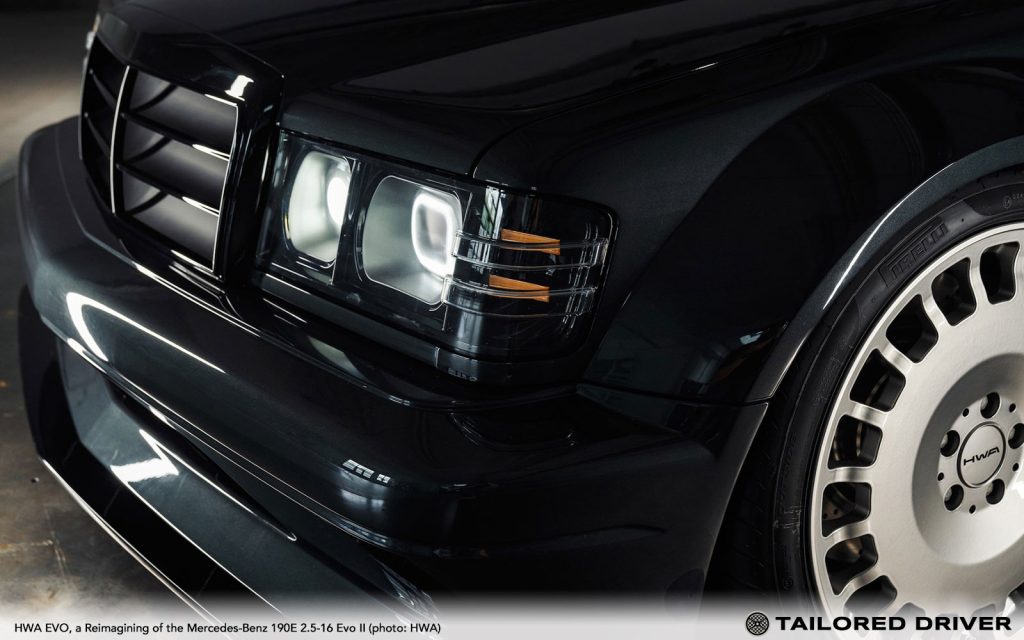
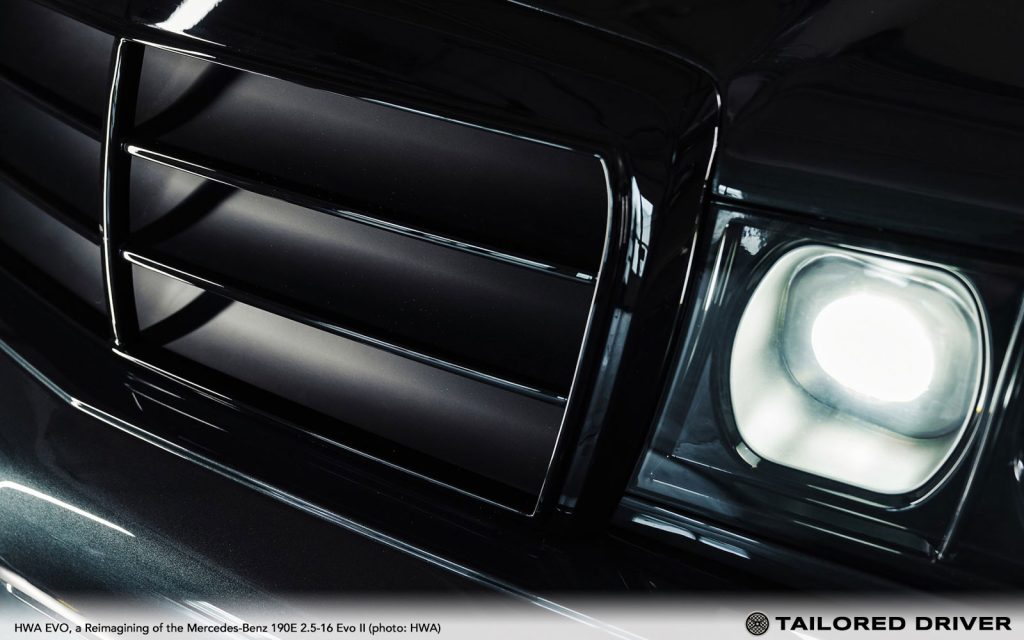
This final evolution of Mercedes’ 190 E (W201) was built with the Deutsche Tourenwagen Masters (a.k.a. DTM) touring car series in mind. That’s the same series that birthed the E30 M3, and while the box-flared Bimmer achieved icon and unaffordable status many years ago, the 190 E 2.5-16 is only more recently rediscovered. Prices have shot up over the last few years, and it’s likely this attention that inspired the team at a company by the name of HWA to consider a reinvention of the car.
What is HWA? The acronym represents the initials of company founder Hans-Werner Aufrecht. The firm began business in motorsport back in 1999, managing motorsport campaigns for Mercedes- directly.
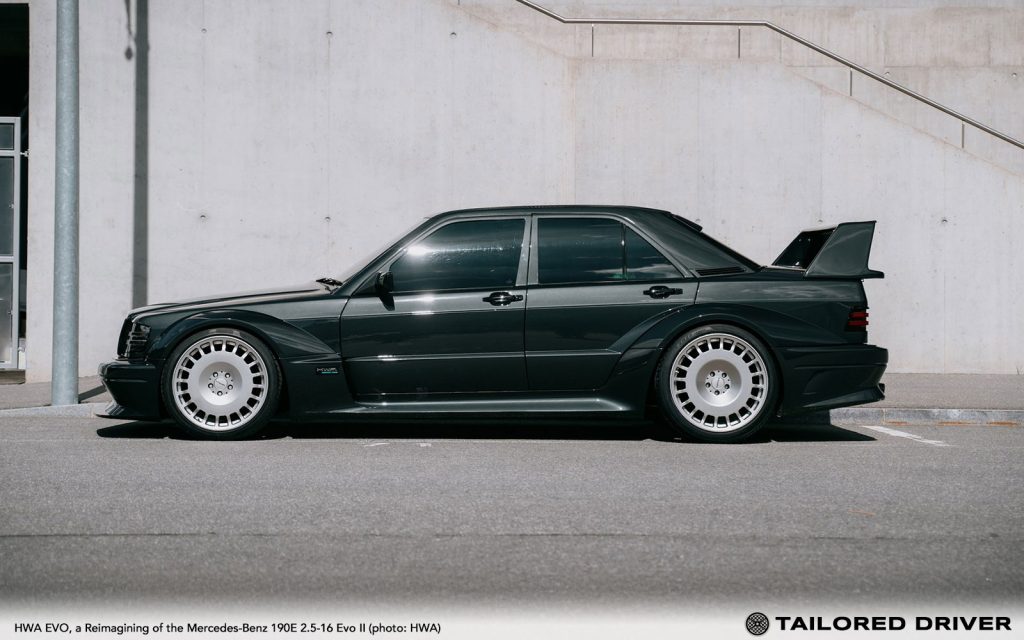
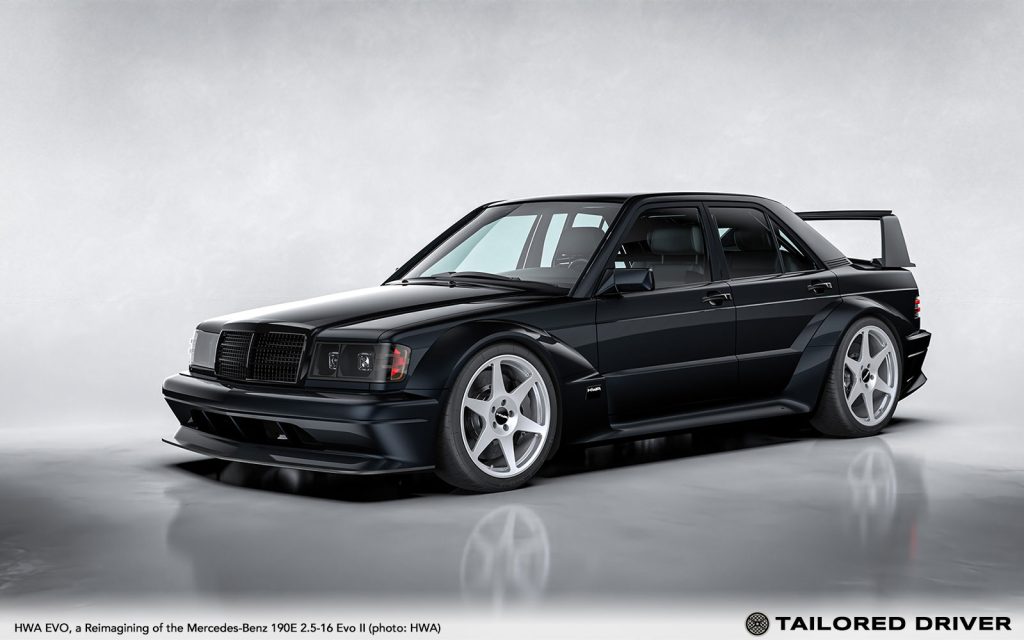
HWA is a German engineering and racing-specialist firm with deep ties to AMG and the motorsport wing of Mercedes-Benz, creating strong and authentic ties to the marque of the three-pointed star. In part as celebration of HWA’s now 25 years of success with Mercedes-AMG, HWA began to envision the EVO as a collaboration with the restoration firm Curated. HWA plans to build just 100 units of their HWA EVO, aiming for a serious and substantive augmentation that will cost a cool €714,000.
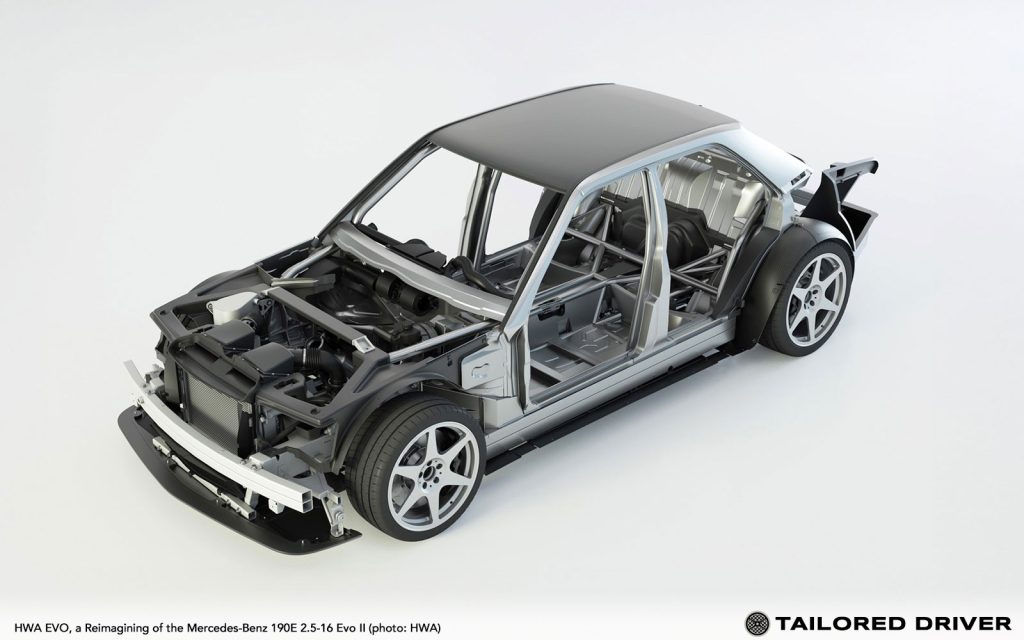
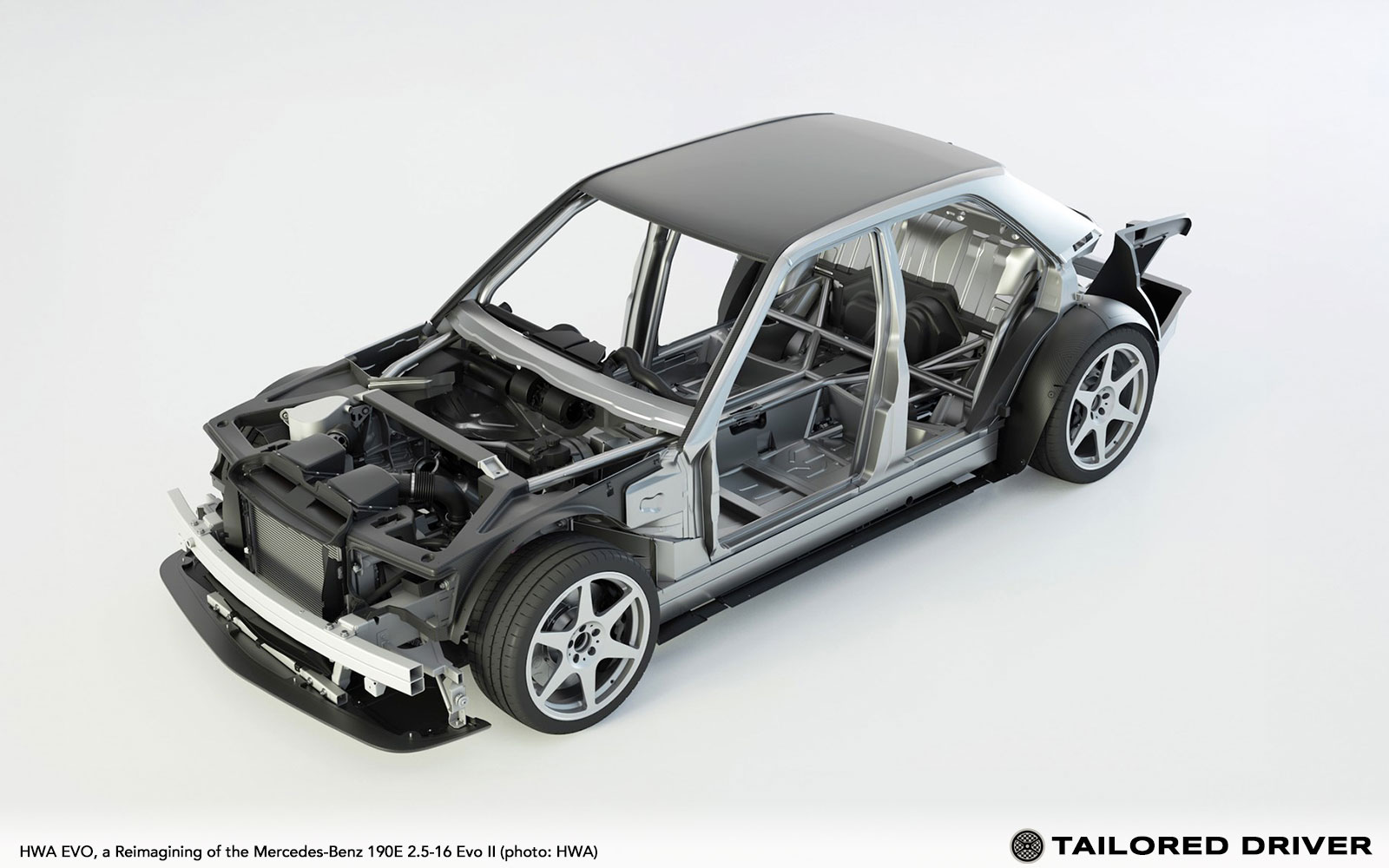
Each build will begin with a W201 chassis that is inspected by the HWA engineering team before replacing 75% of the car. This replacement includes removal of front and rear portions of the original steel chassis, replacing them with sub-frames manufactured in high-strength steel in order to improve rigidity. The A, B and C pillars are also replaced, resulting in a net result of doubling the car’s torsional stiffness – effectively elevating the W201 shell to modern supercar standards.
HWA also moves the front axle 50 mm forward in order to allow the car’s 3.0-liter biturbo V6 to sit lower in the chassis. The car’s 6-speed manual gearbox gets relocated to the rear, bestowing the car with a lower center of gravity and perfect 50:50 weight distribution.
The car also gets DTM-derived wishbones, machined wheel carriers, Brembo brakes (steel or ceramic), KW dampers (electric or manually adjustable), and H&R roll-bars. And all this top of the line component kit is expected, you’ll also be surprised to hear that HWA has worked with Bosch to develop ESP and ABS systems for the car, not to mention bespoke engine tuning.
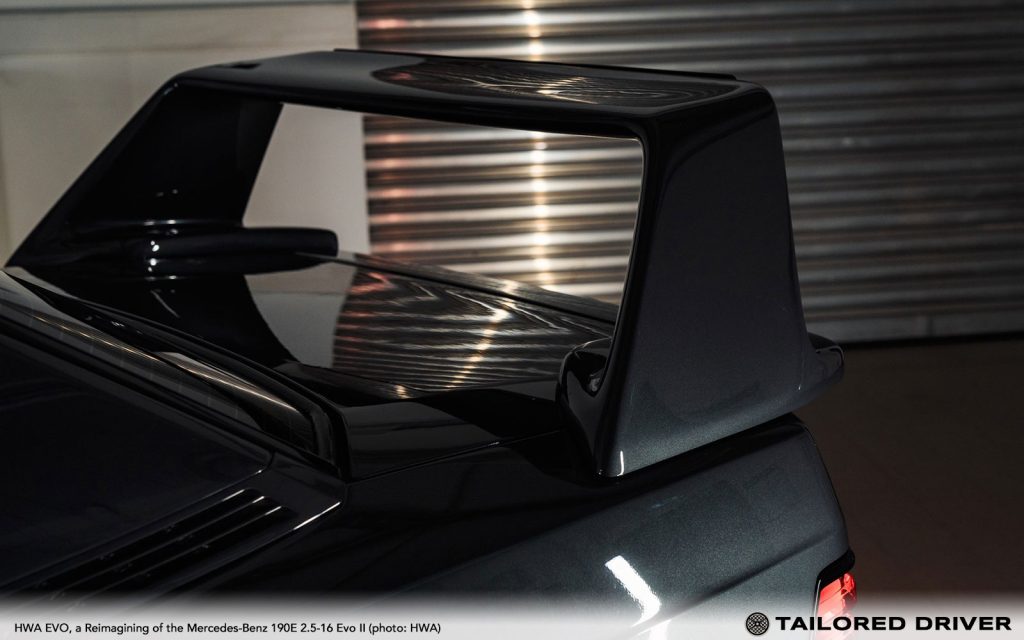
Typical of the price and the remaster segment where the HWA EVO sits, carbon fiber bodywork is definitely part of the mix, dropping the car’s curb weight even further.
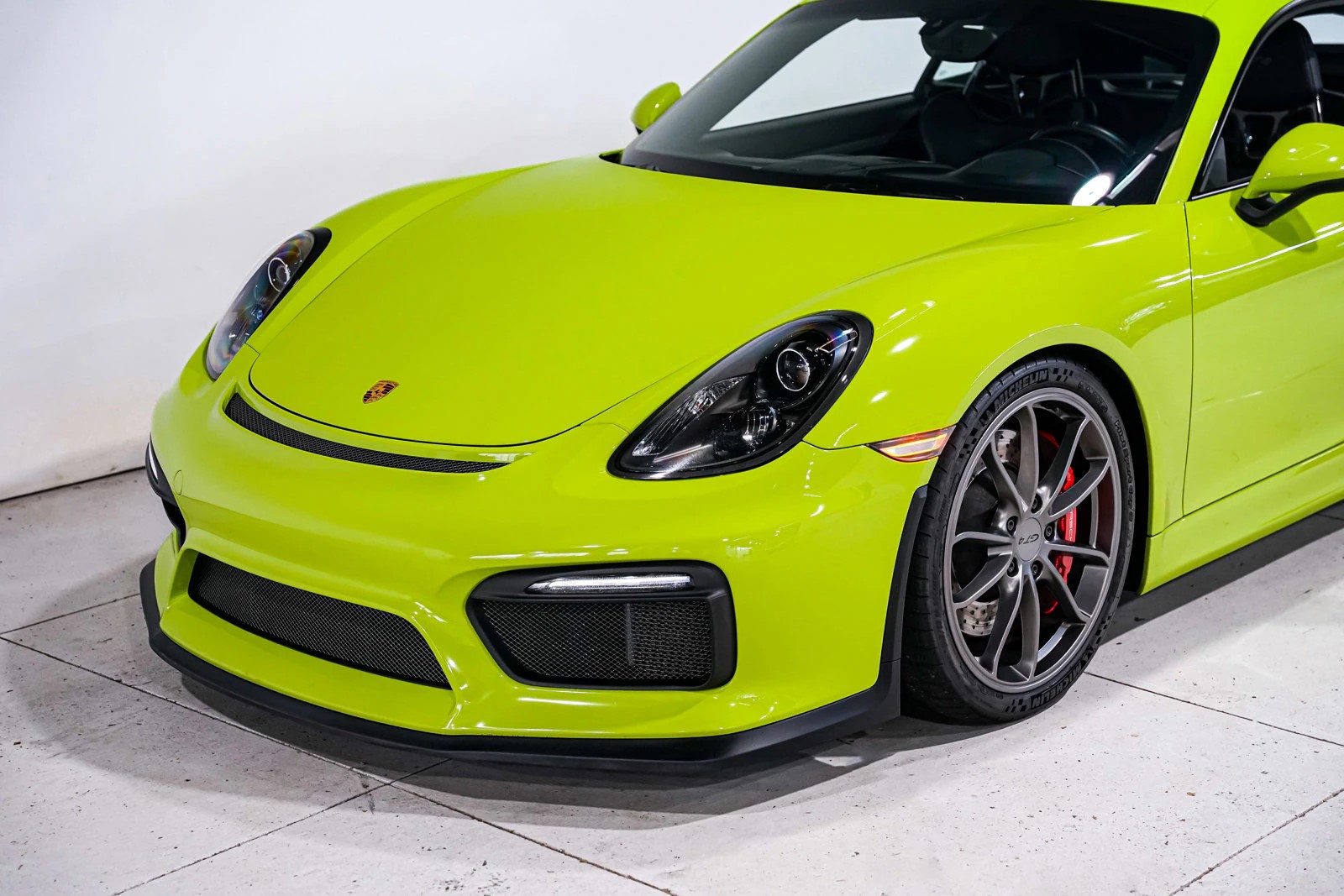
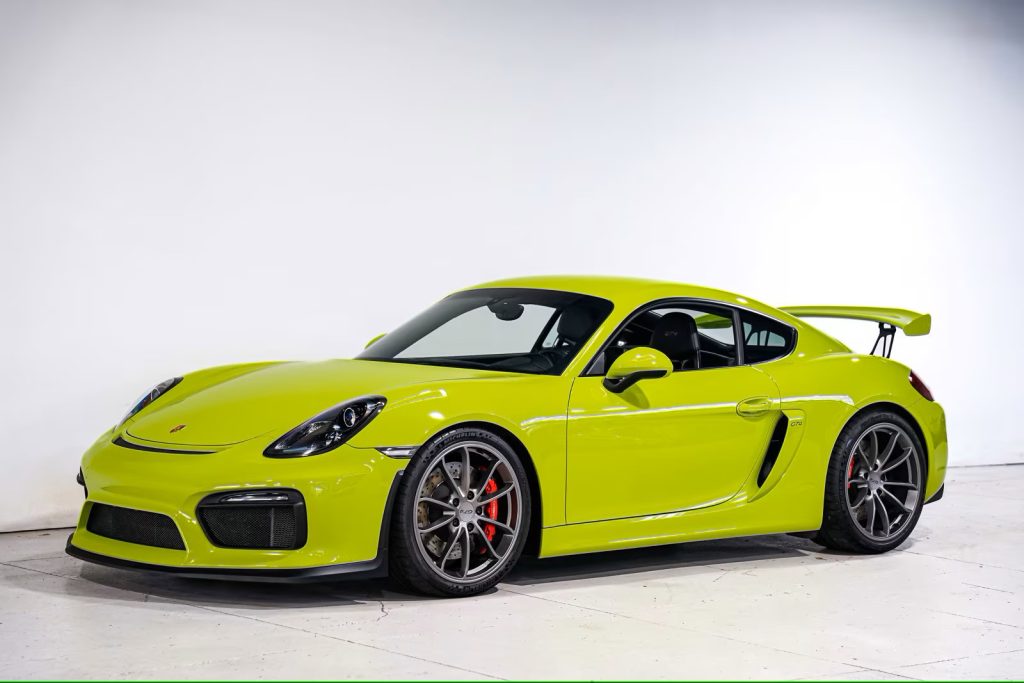
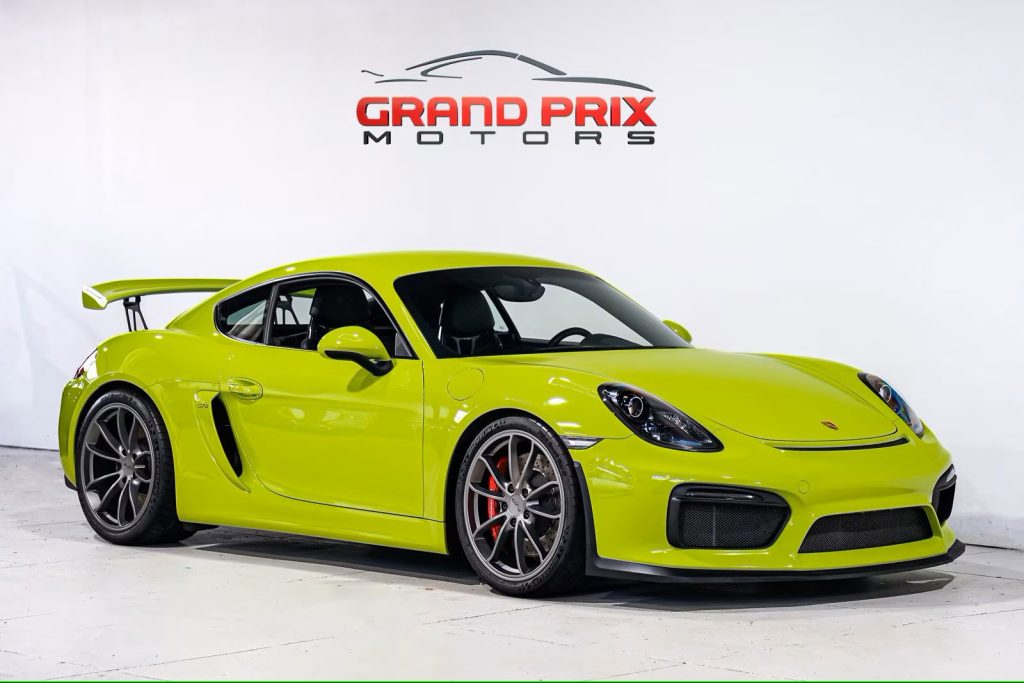
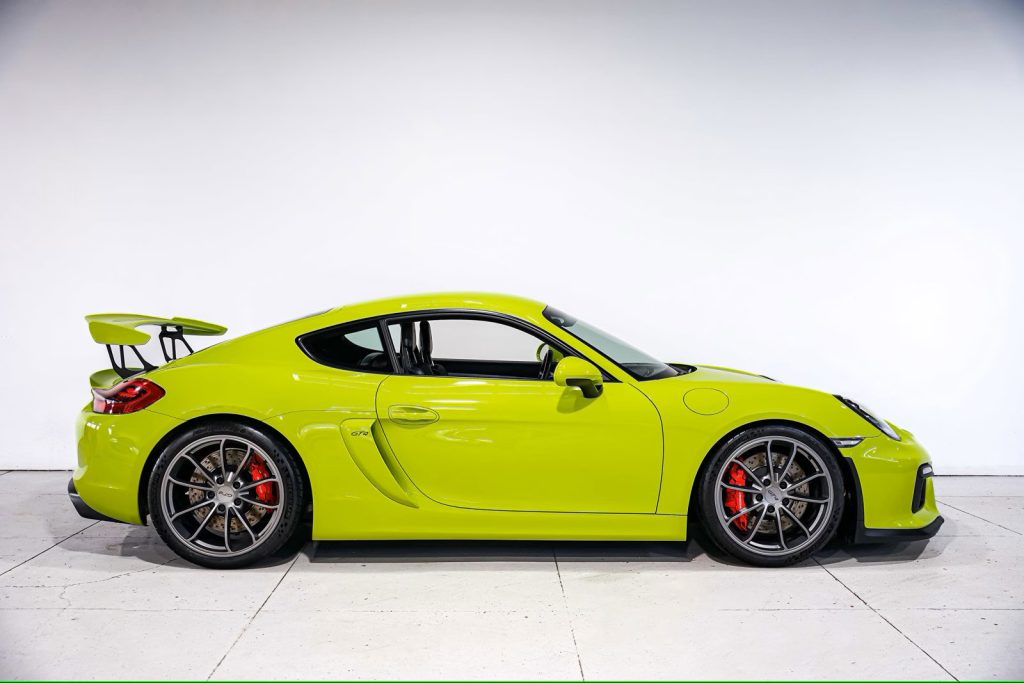
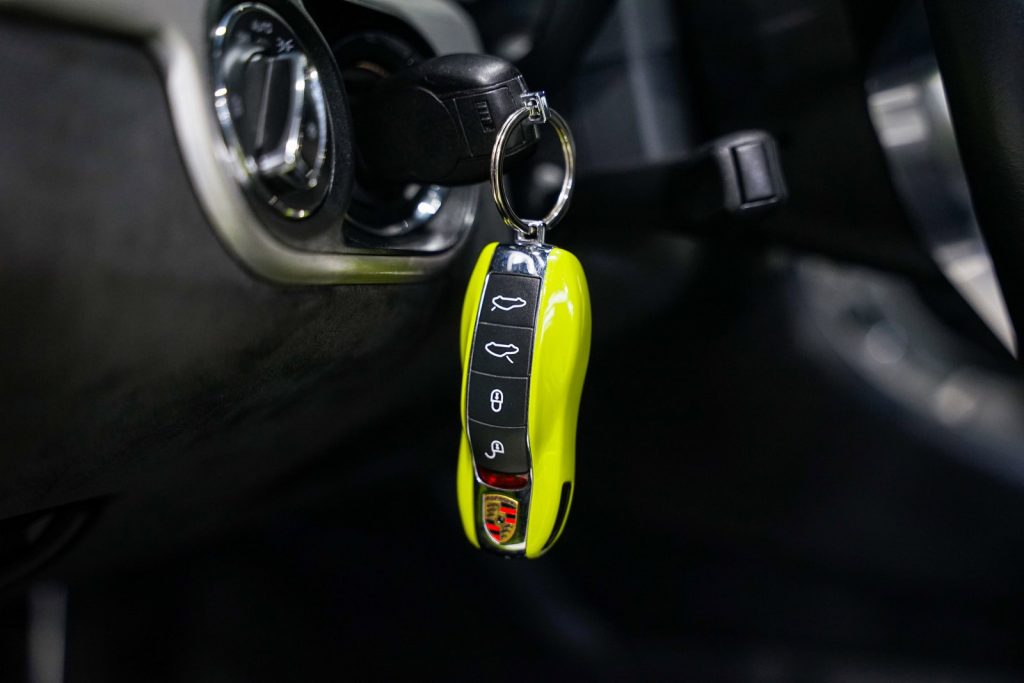
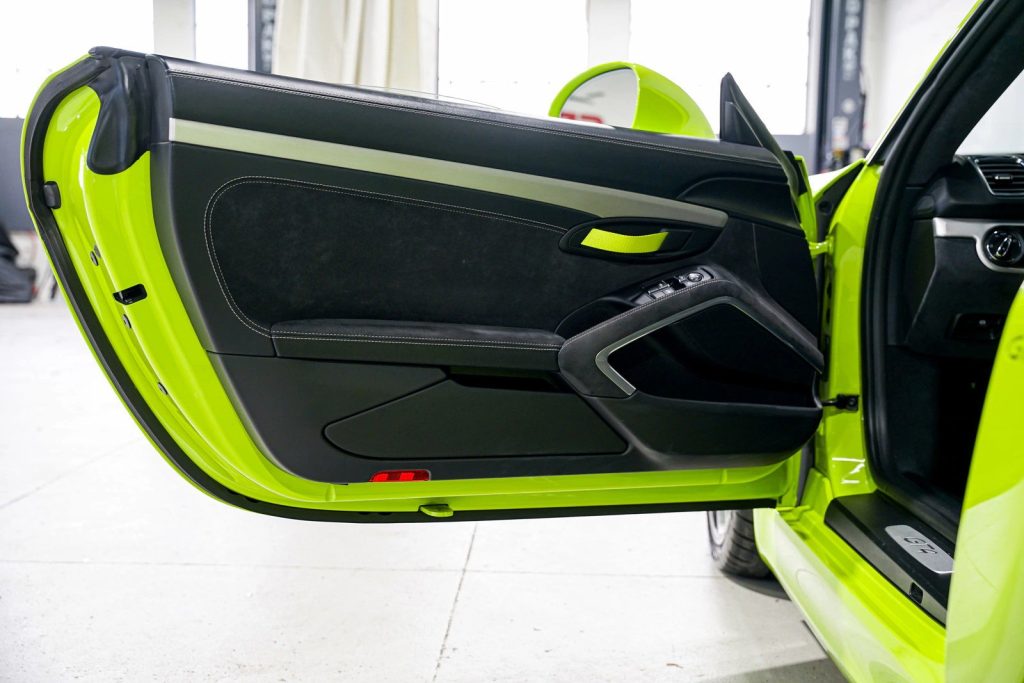
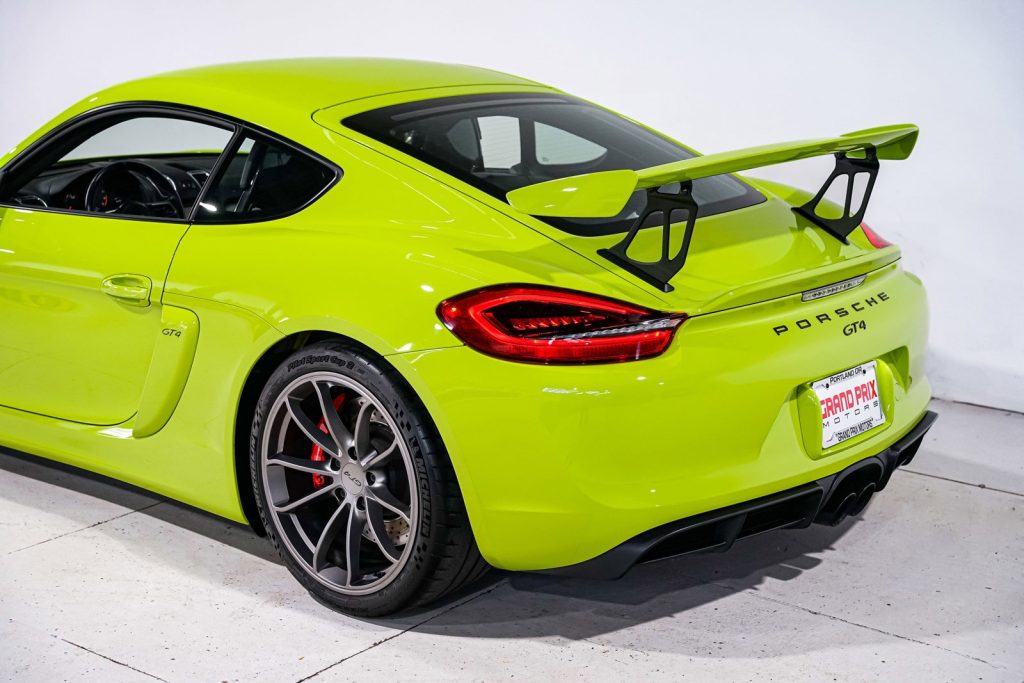
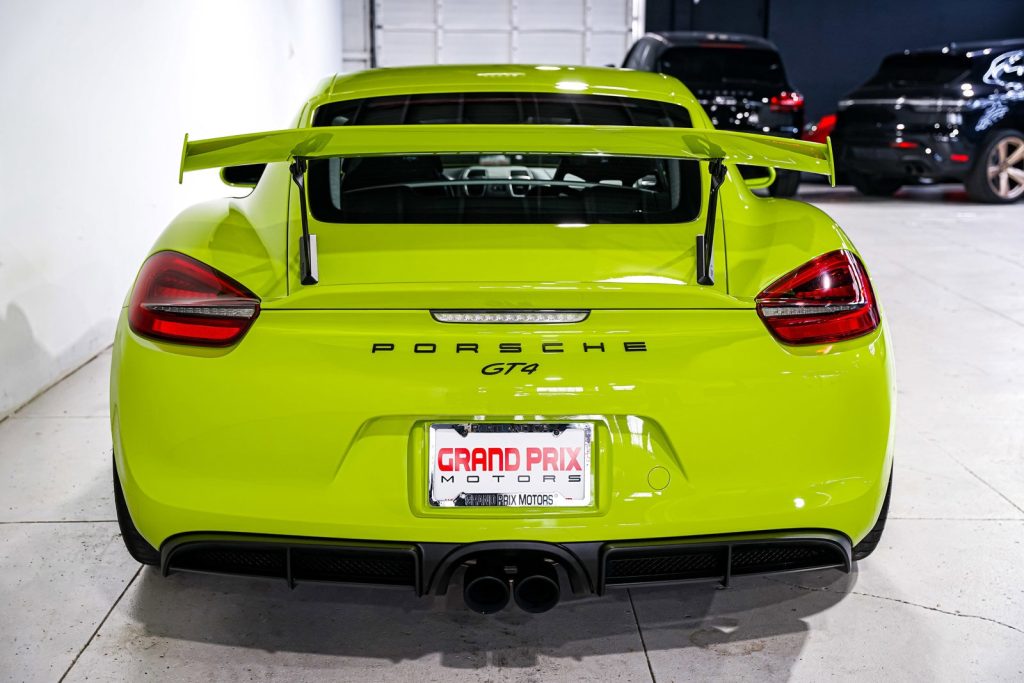
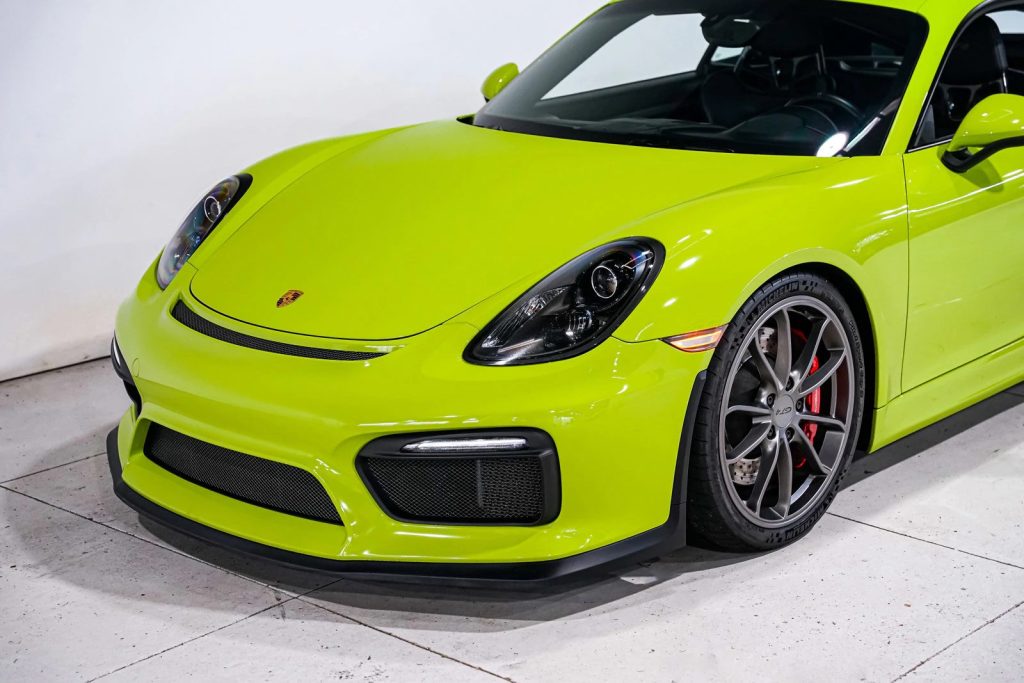
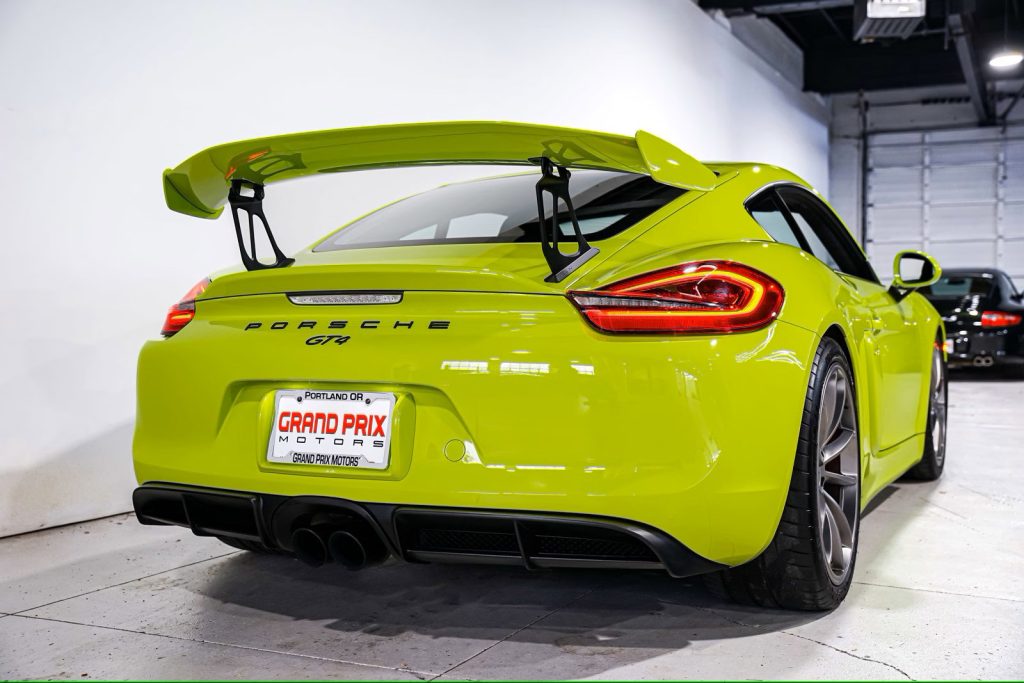
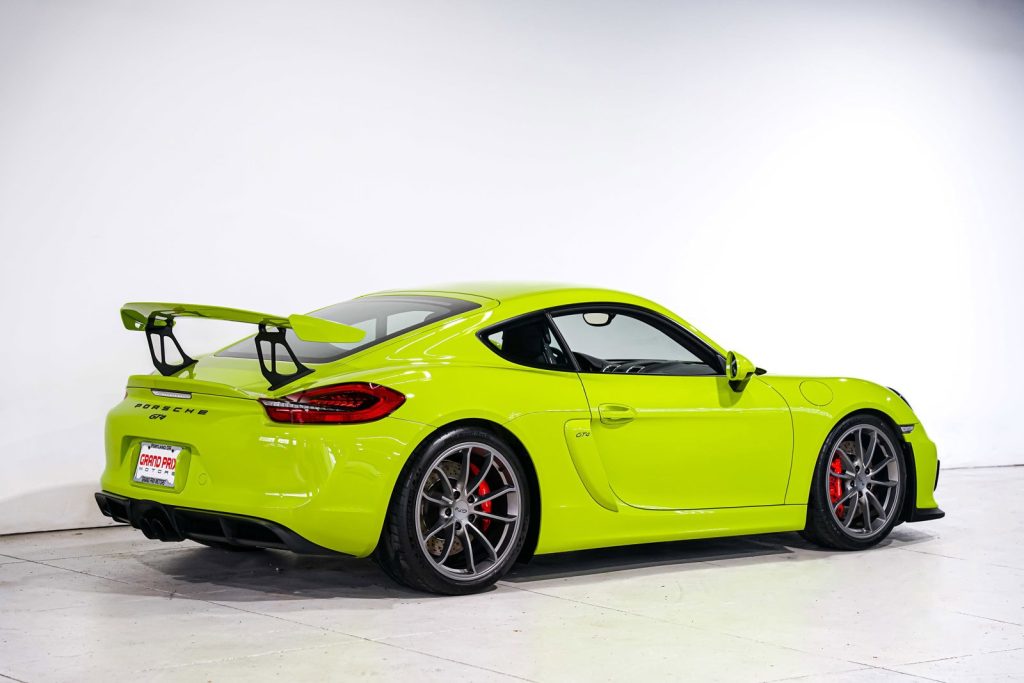
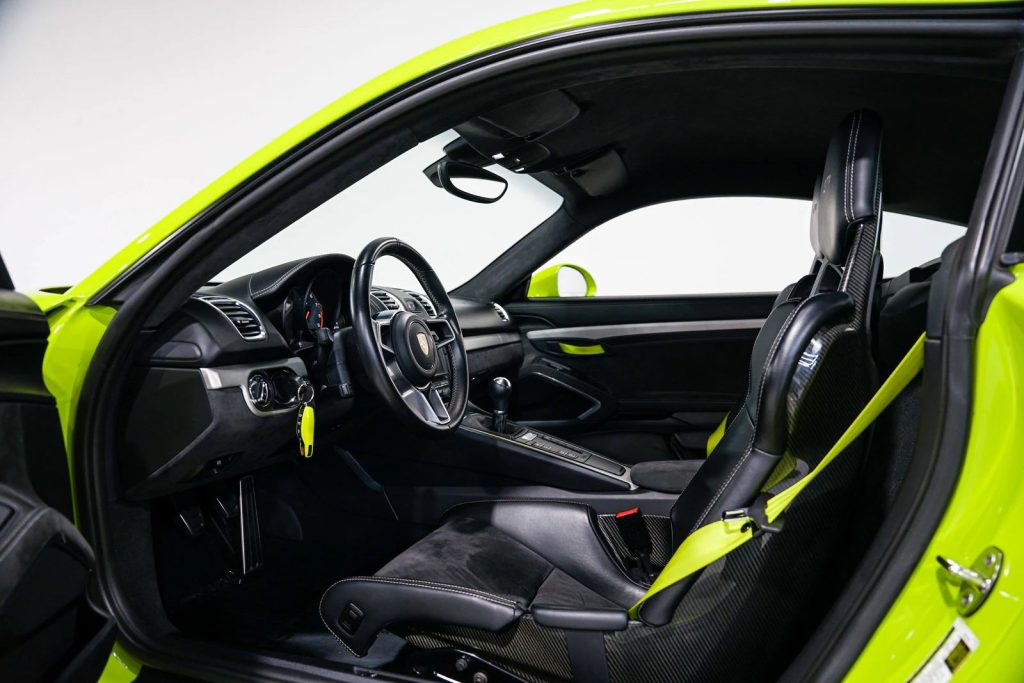
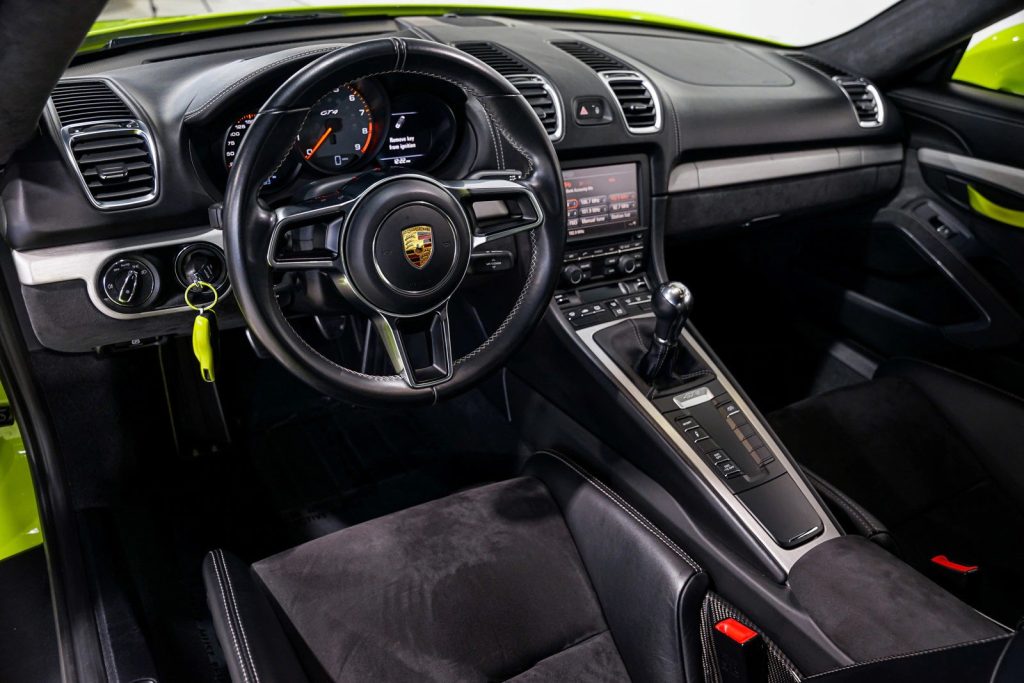
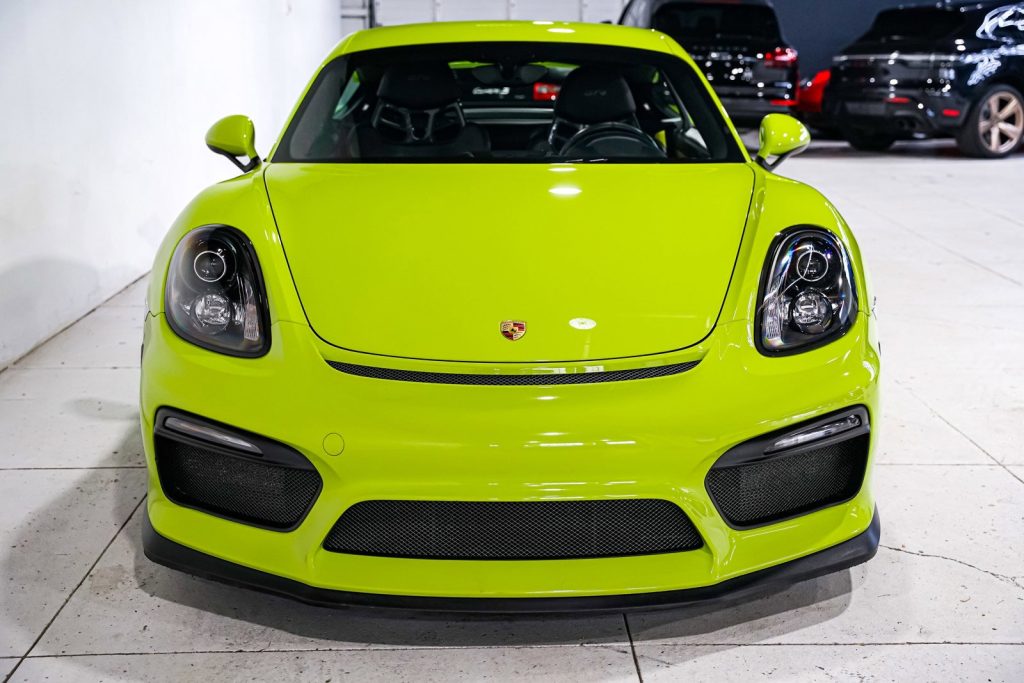
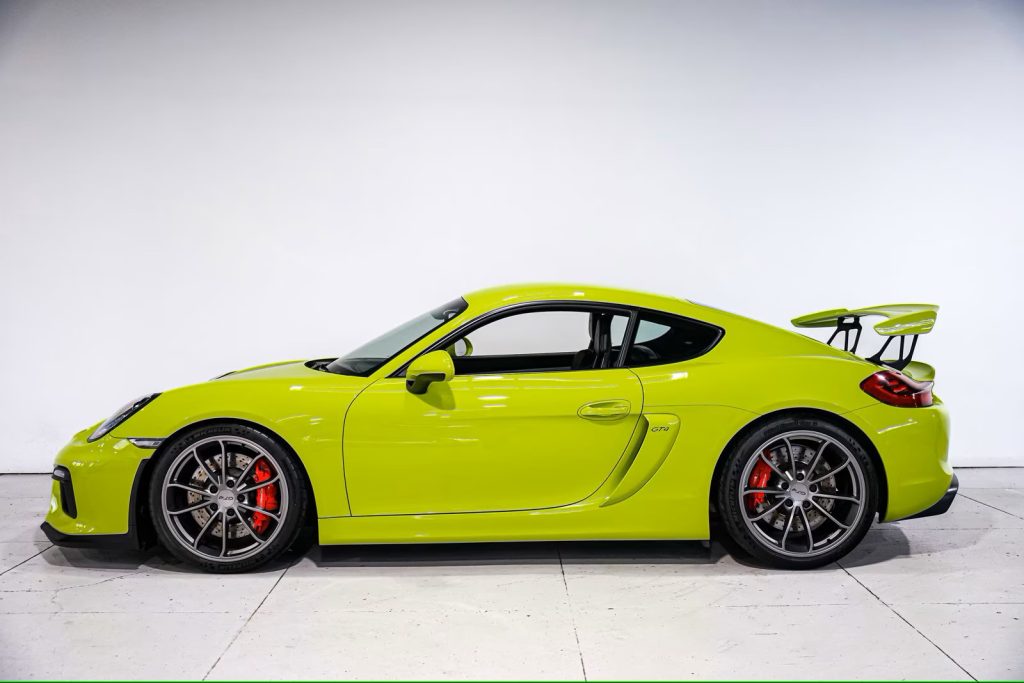
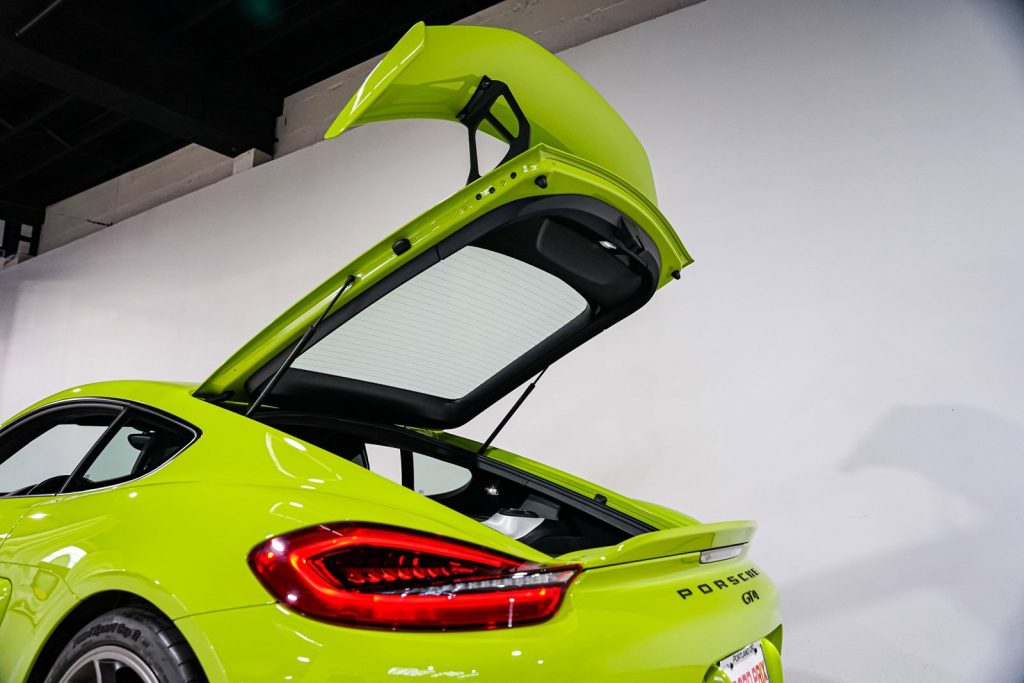
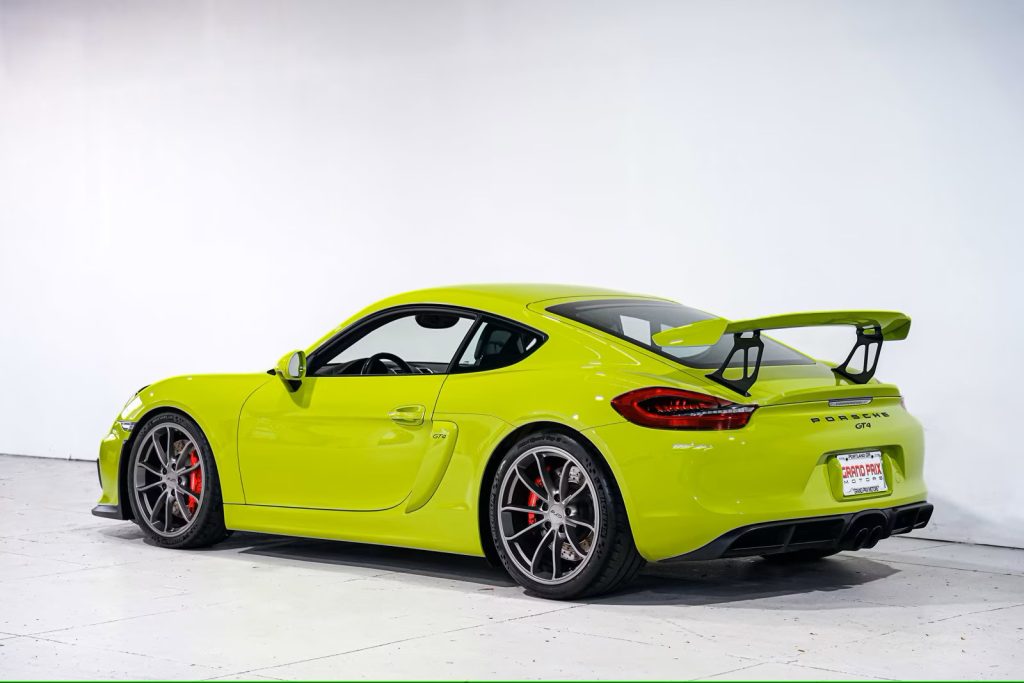
What: 2016 Porsche Cayman GT4 Color: Porsche Paint to Sample Birch Green (birkegrün; 253; Porsche) VIN: WP0AC2A88GK191175 Mileage: 17,253 Price at Time of this Writing: $139,900 CarFax: N/A MonroneyLabels.com Window Sticker: Link Location: Portland, Oregon Dealer listing:Gran Prix Motors
Why we love it:
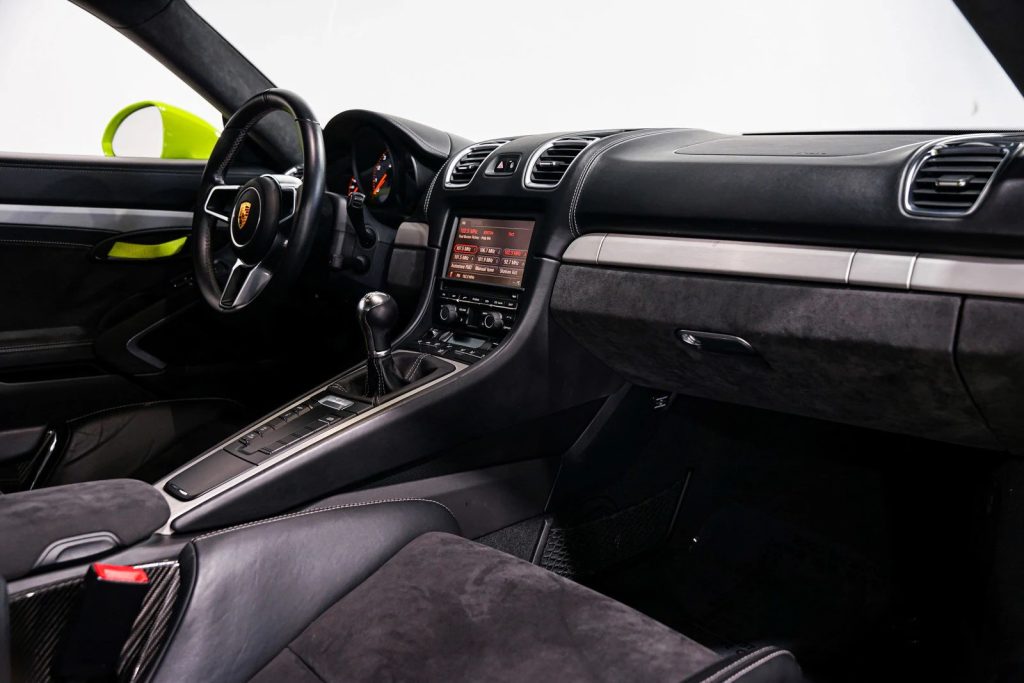
We’ve long been fans of the Cayman GT4, and equally fans of the more ‘acidic’ greens like Lotus’s Krypton Green which was one of the less common colors applied to their Exige and Elise models. We’re also suckers for detail and theme. Here, Paint to Sample Birch Green flows from the exterior to the cabin of this Cayman GT4, with Birch applied to the cloth door pulls, seat belts, and key fob. Rounding out what we feel to be a top tier GT4 spec are Bucket seats, extended leather dash (with Race Tex on the lower half), and steel brakes.
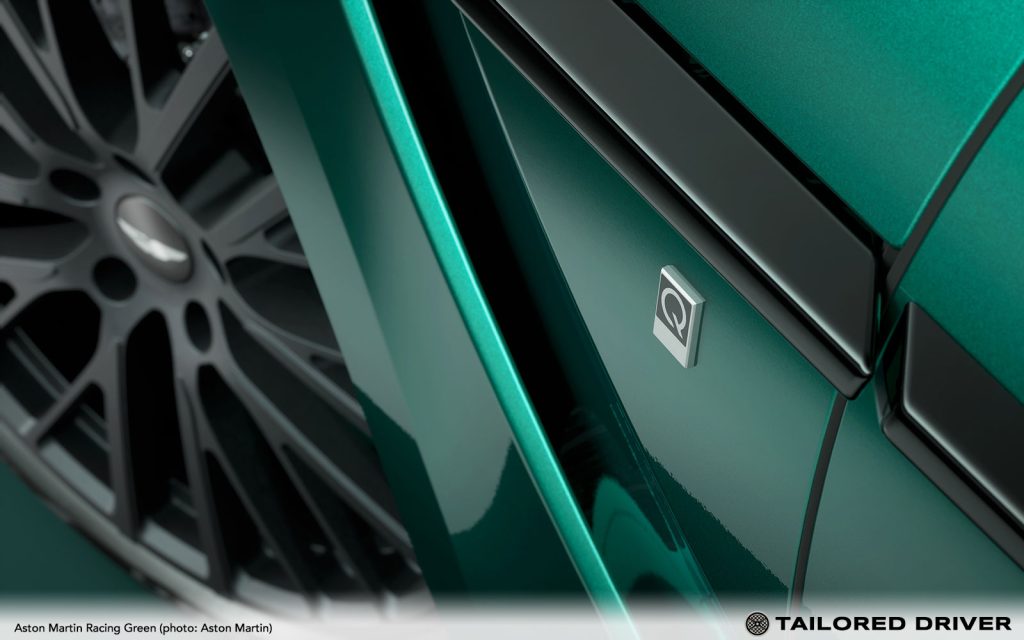
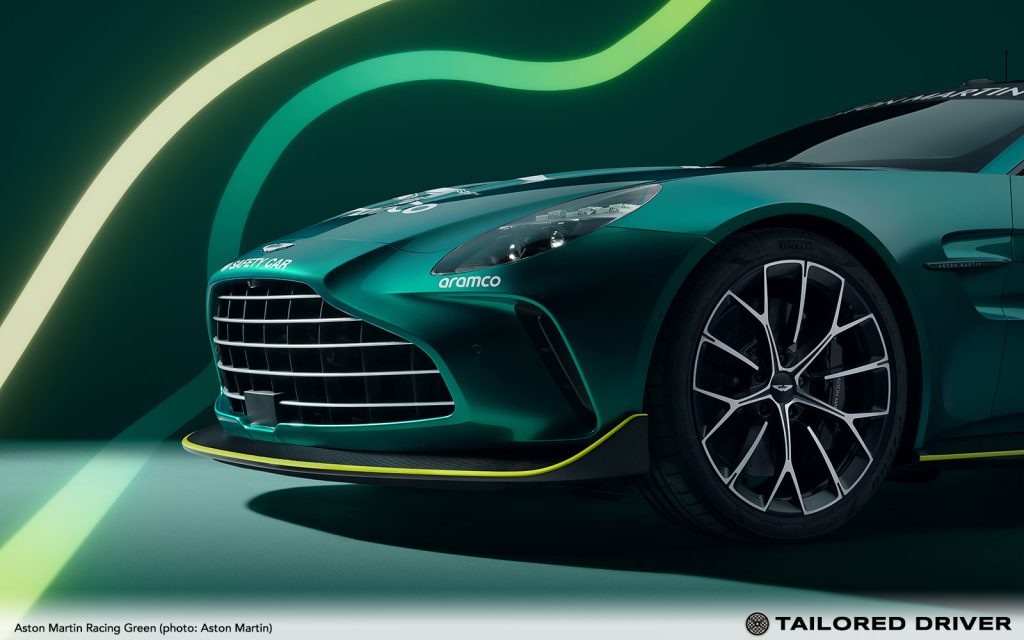
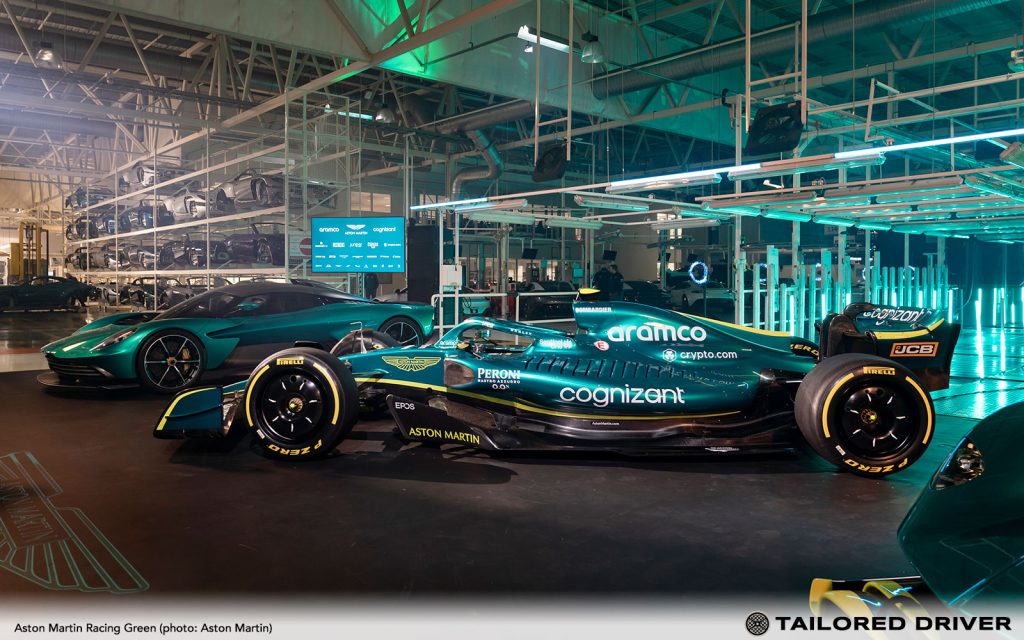
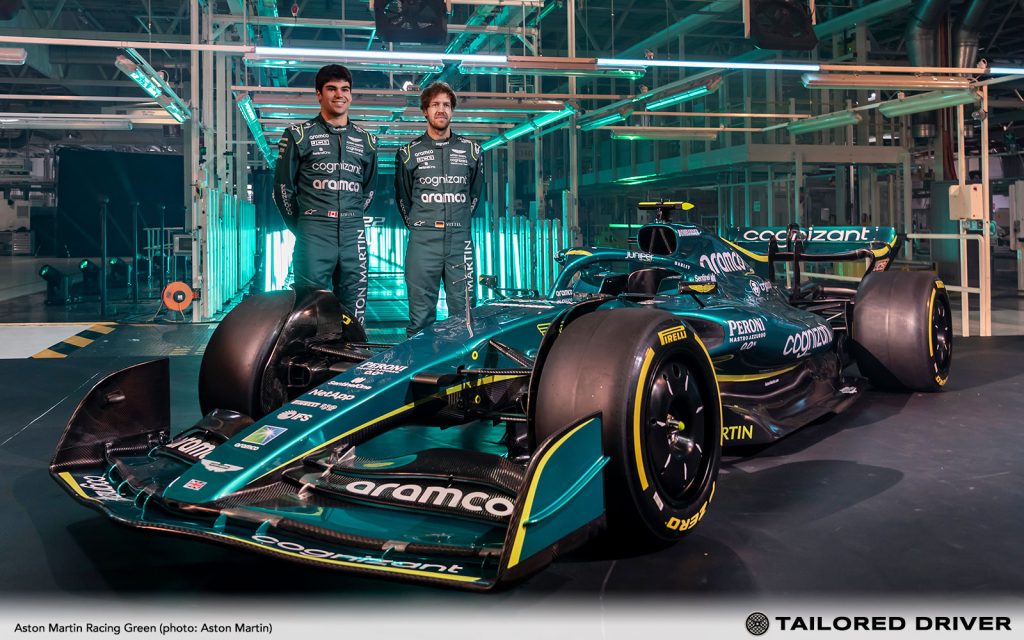
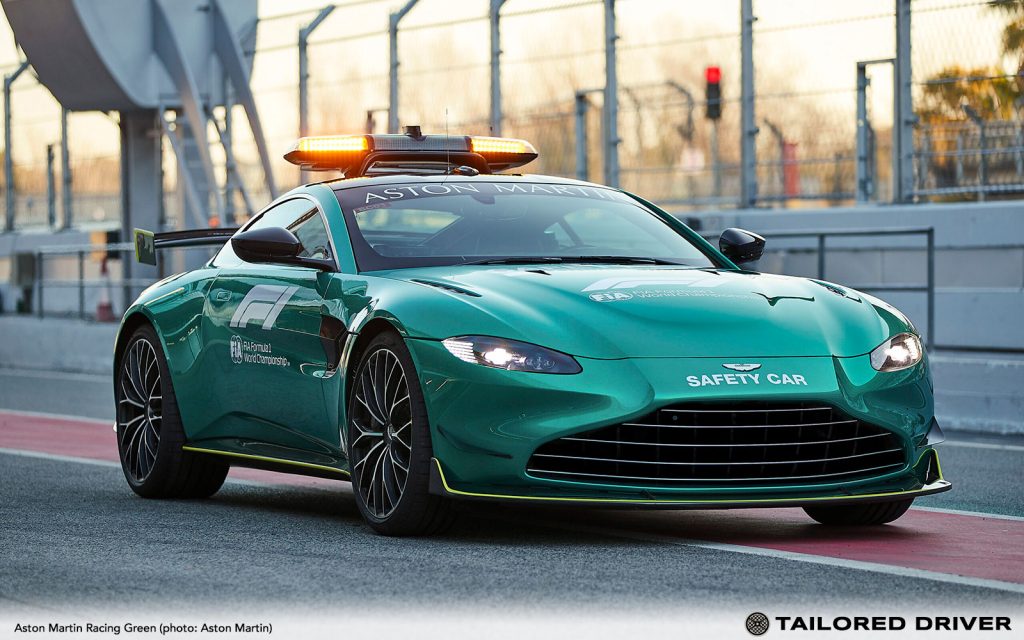
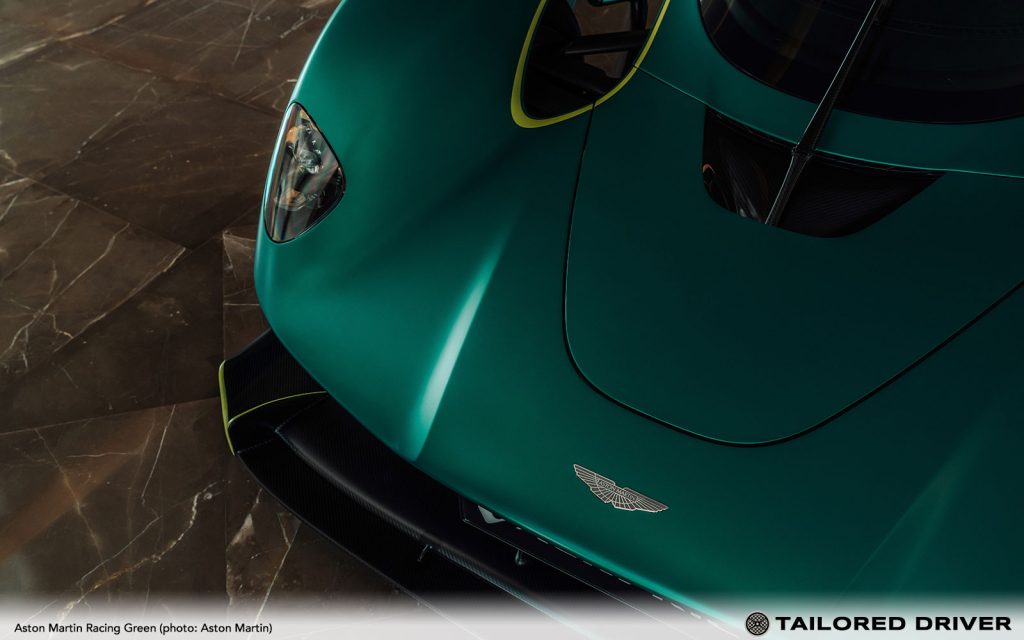
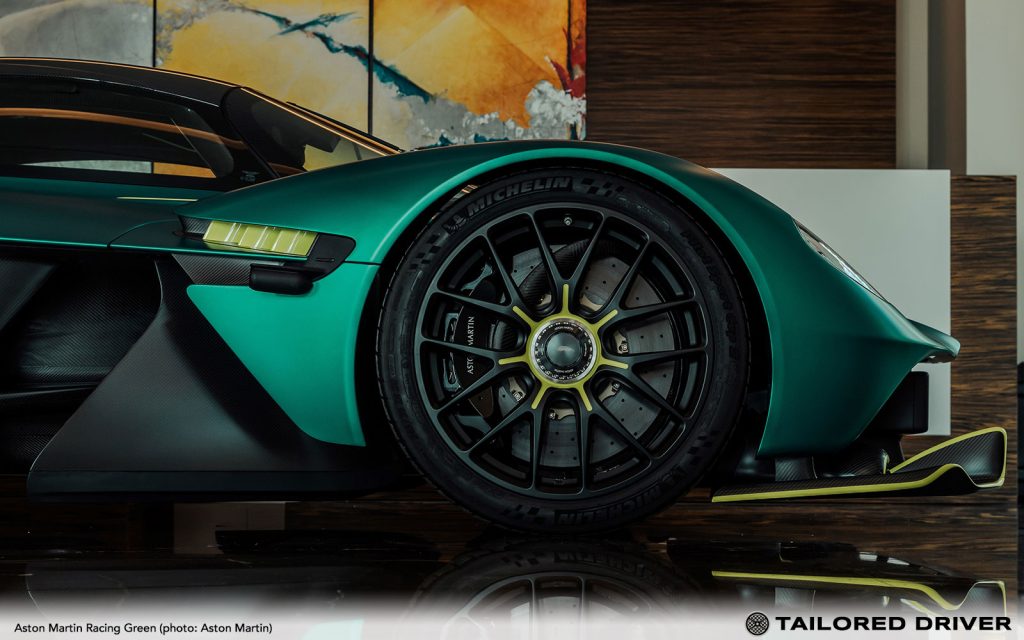
The story of Aston Martin Racing Green likely begins with England’s pre-war national racing color of British Racing Green. At a time when top-tier racing represented pride in one’s nation, blue stood for France, red for Italy, white (the silver) for Germany, yellow for Belgium, white with blue stripes for the USA and for England… green.
Why green? The exact origin of this association with Great Britain isn’t fully clear, but the most common tale that tends to be told involves a nod to the so-called Emerald Isle of Ireland. At the time, racing on public roads of Great Britain was banned, so British racers tended to head to Ireland for such competitions.
Brand historians will tell you that green hasn’t always been the theme at Aston Martin. Initial racing cars from Gaydon were presented in grey, black or natural metal finishes. At that time, the races they were entering weren’t international, but in 1922 when an Aston Martin was entered in the French Grand Prix, that car car was painted a very dark shade of green that would adorn works Aston Martins into the late 1940s.
Then, in 1949, that green shifted to a pale, metallic shade of green. The underlying paint code in question was more commonly referred to as Almond Green by paint suppliers and manufacturers. However, as Aston Martin became more of a racing fixture in the world of sportscars and also Formula 1, the color became more indelibly linked to Aston Martin.
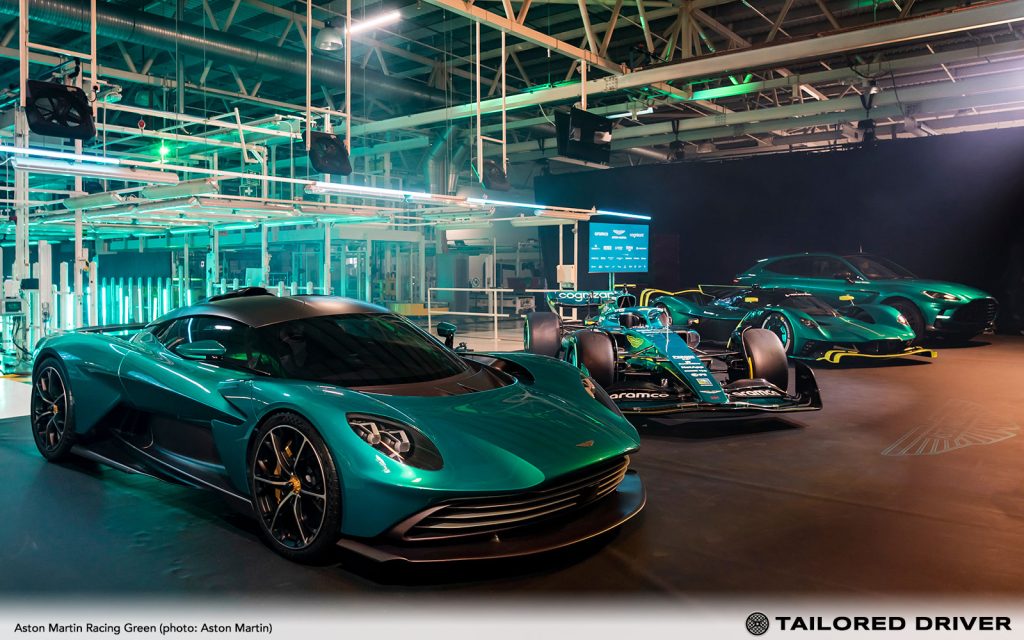
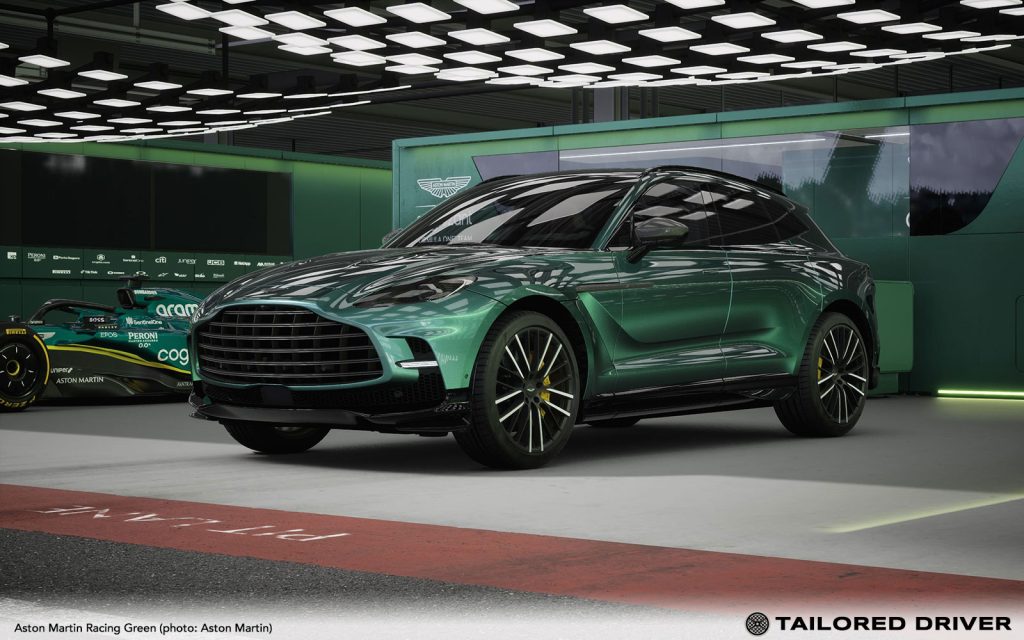
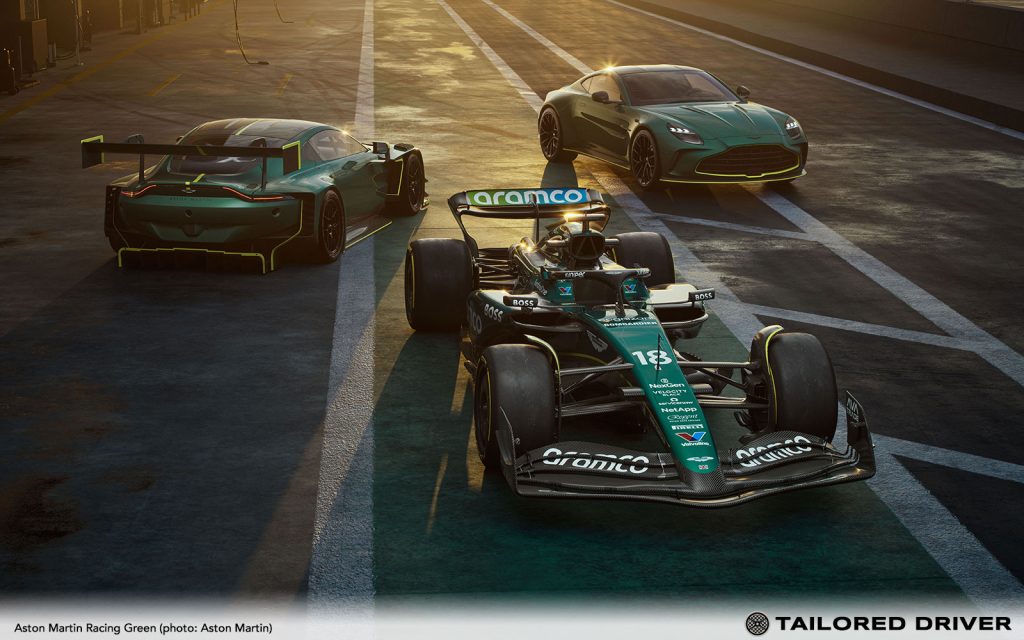
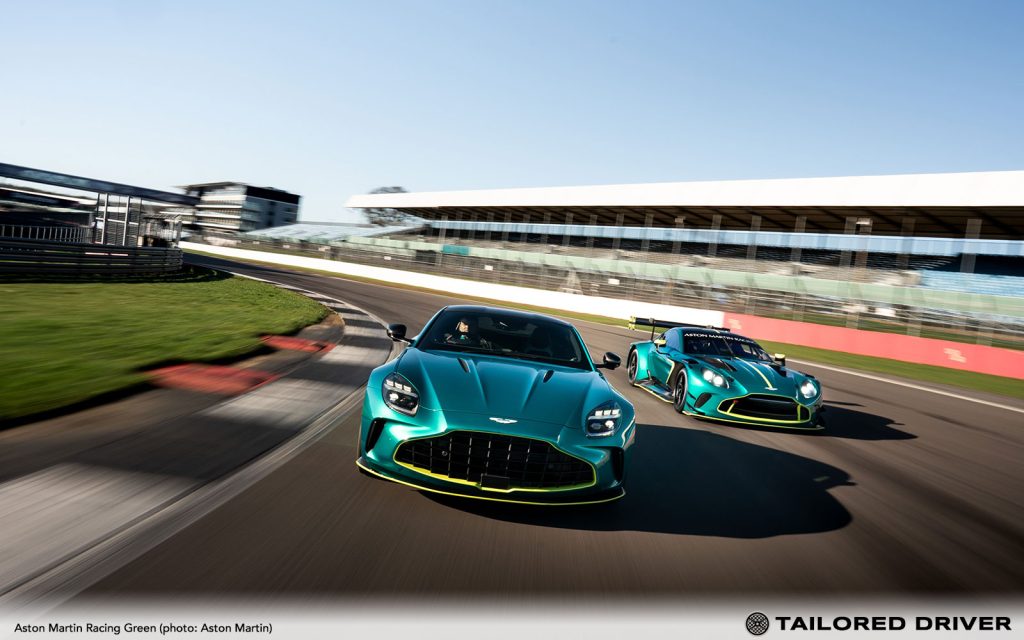
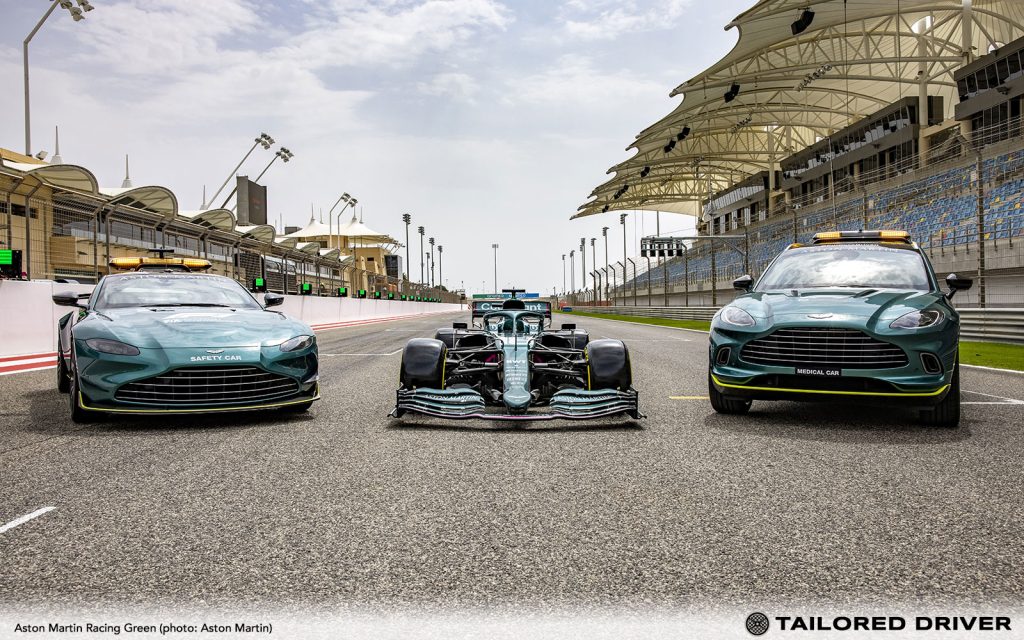
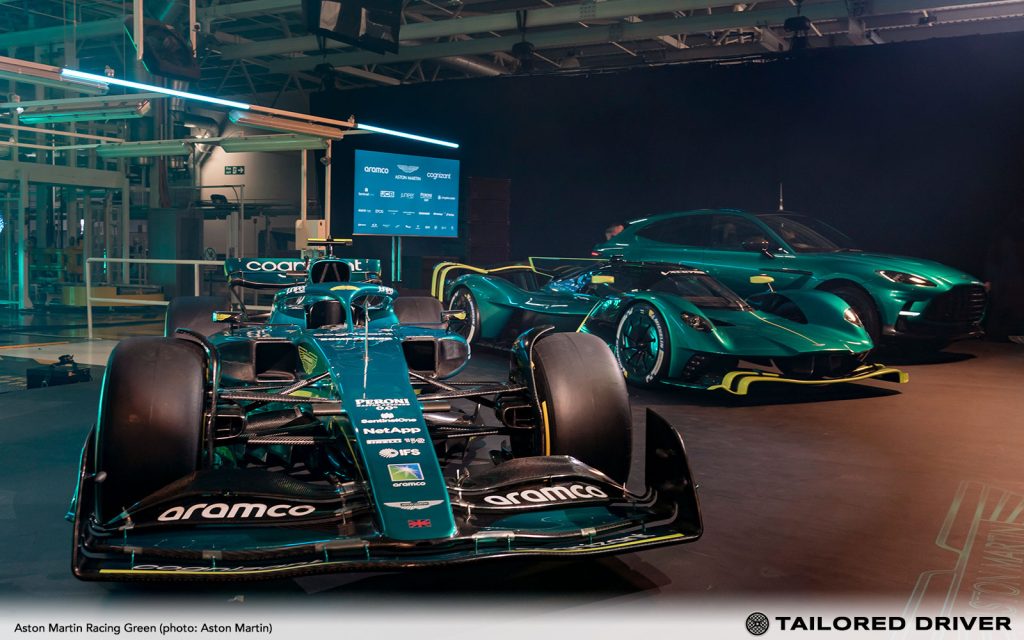
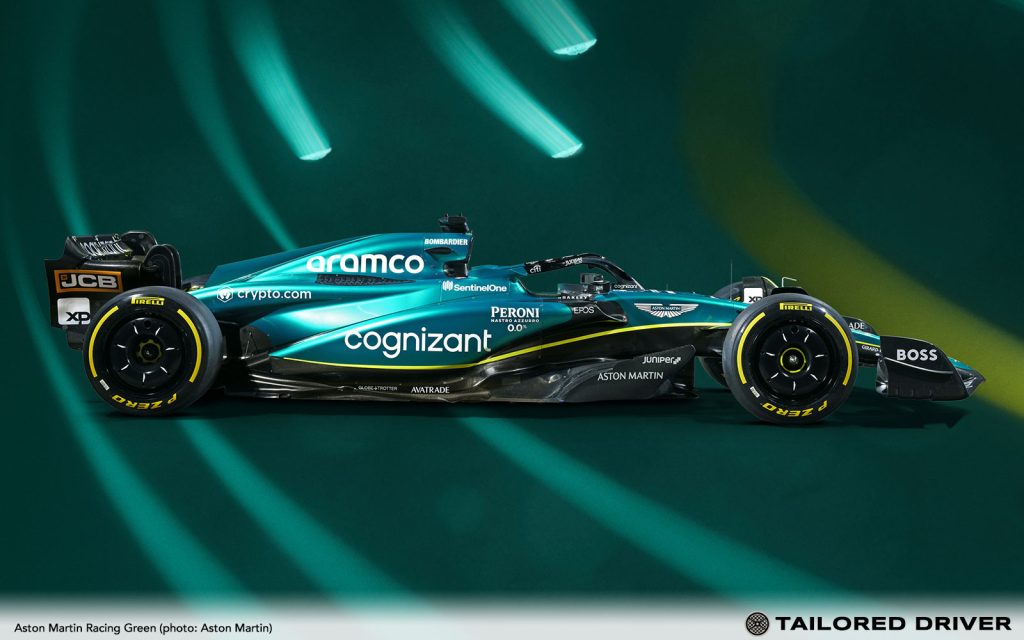
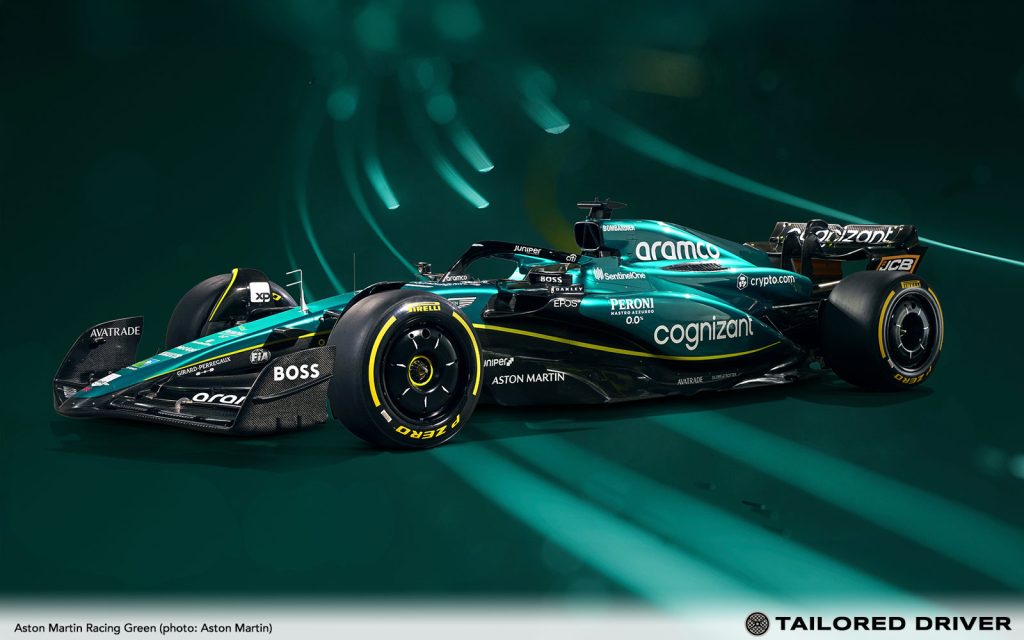
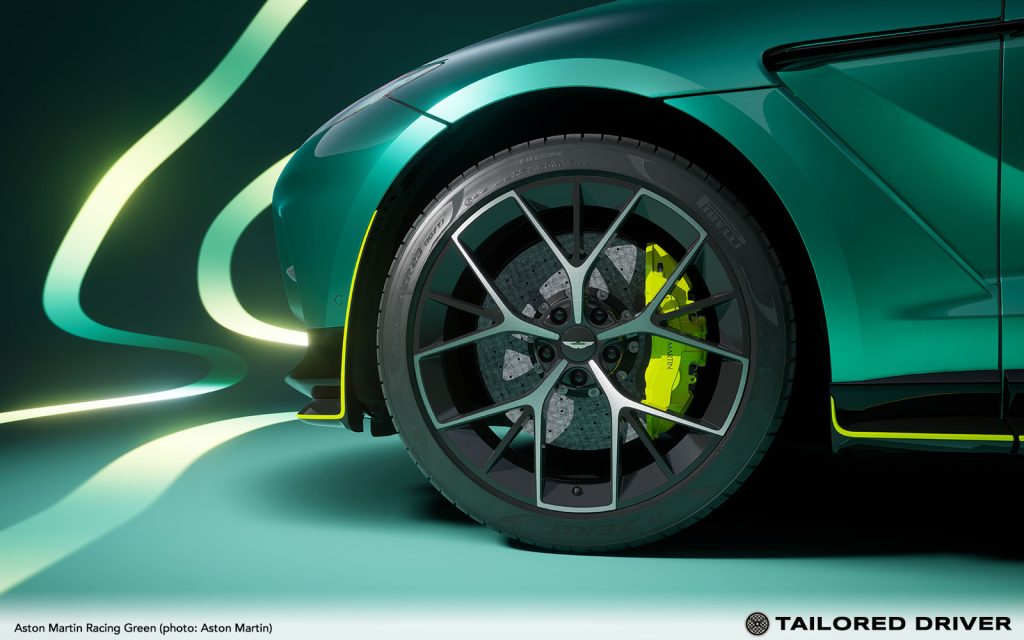
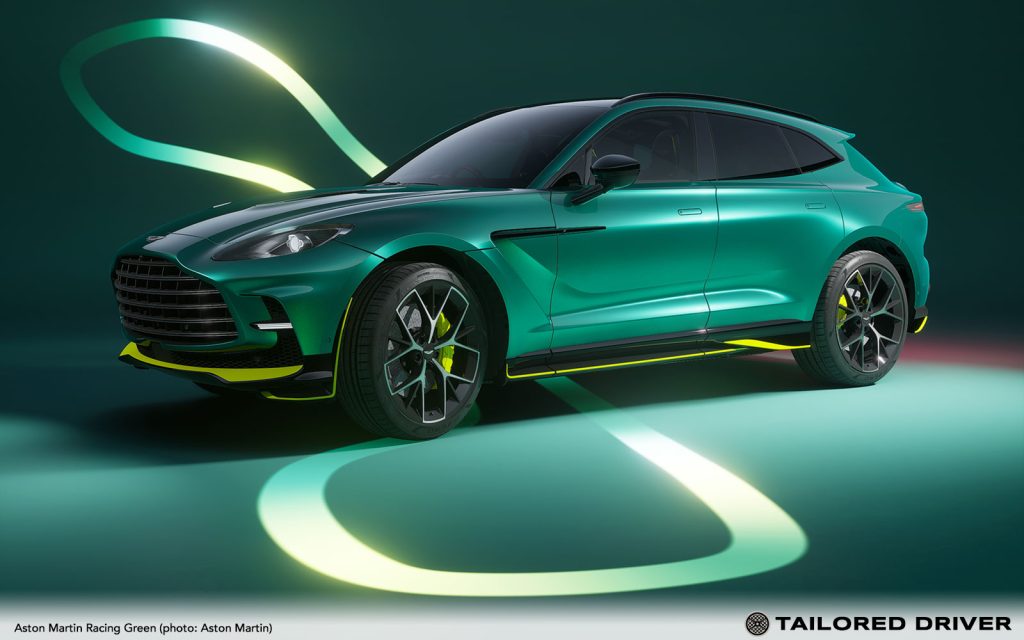
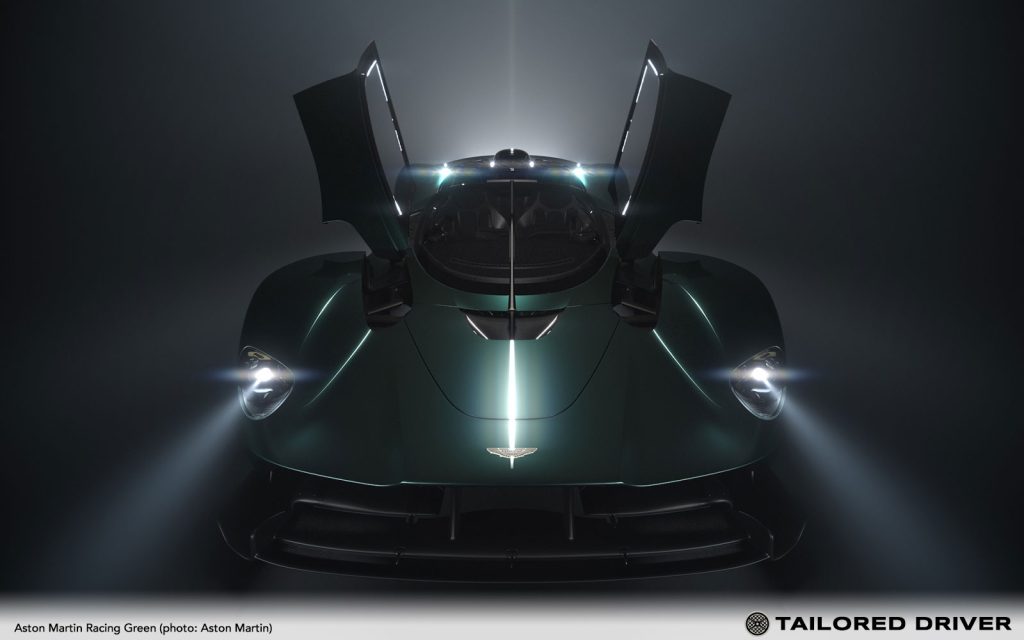
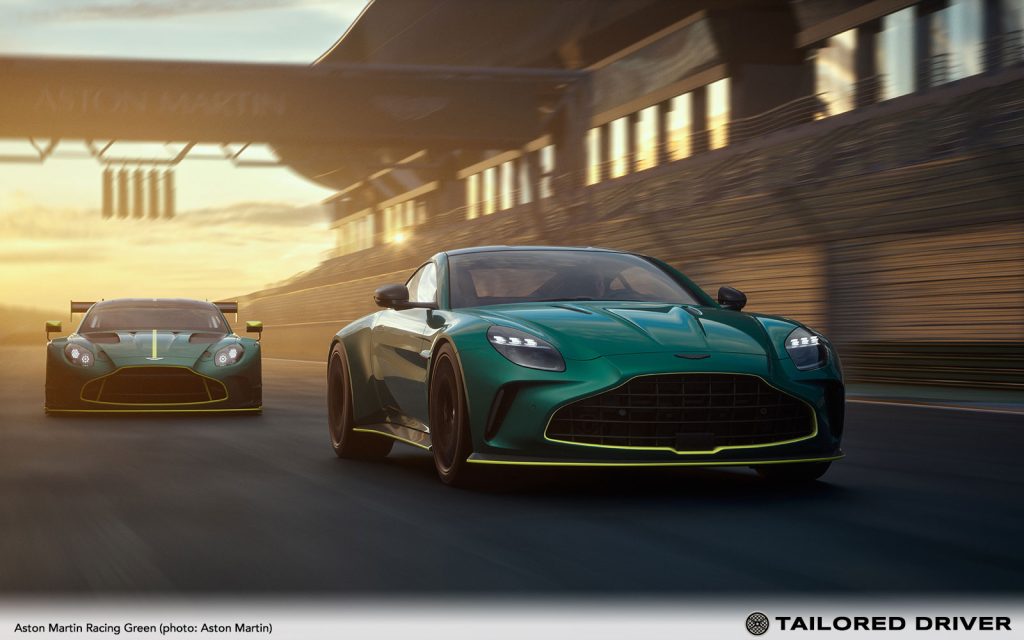
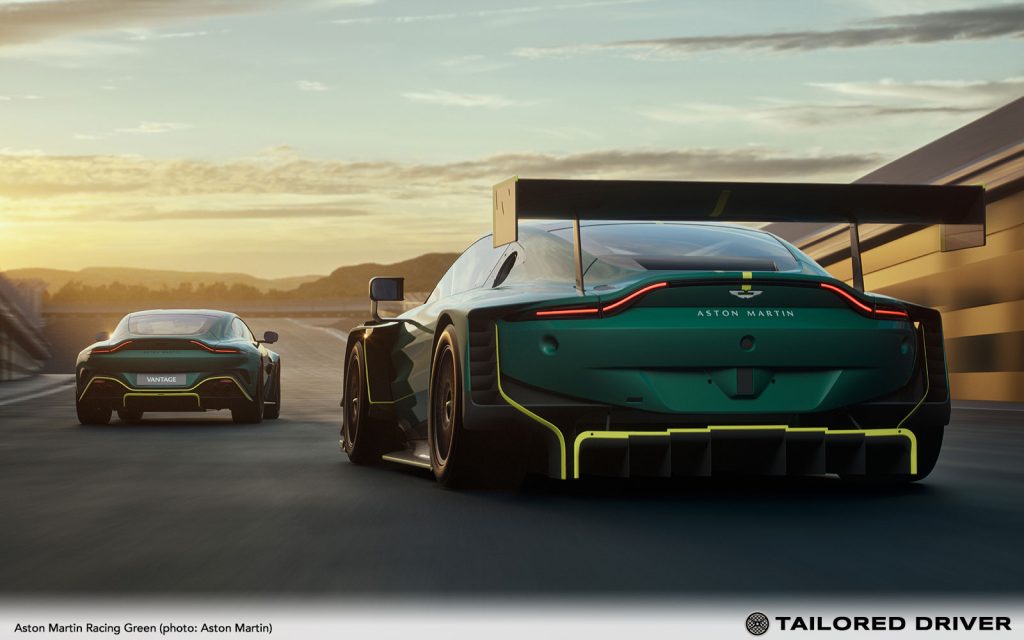
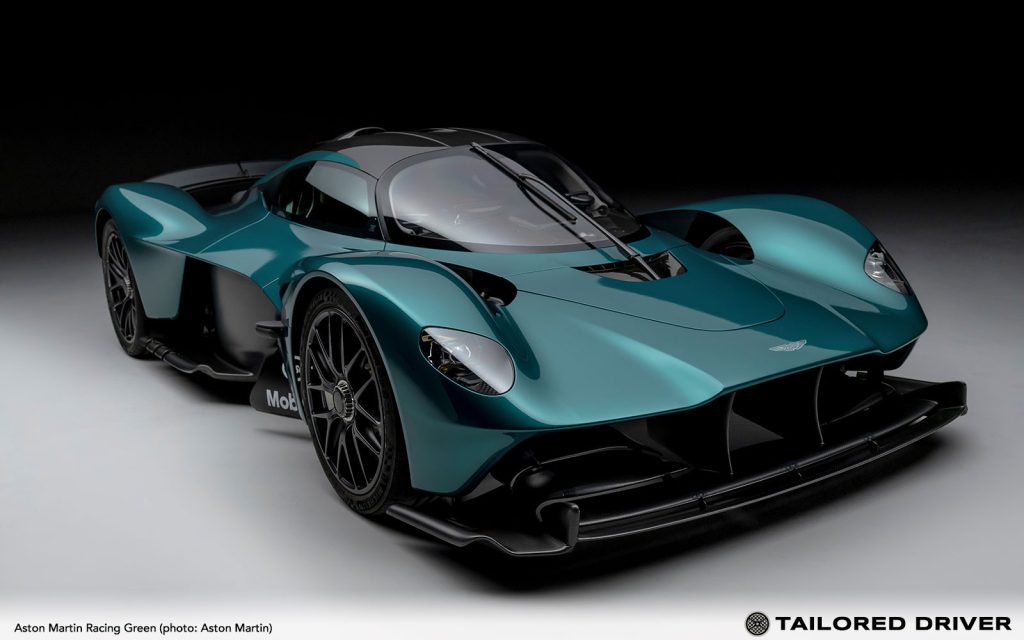
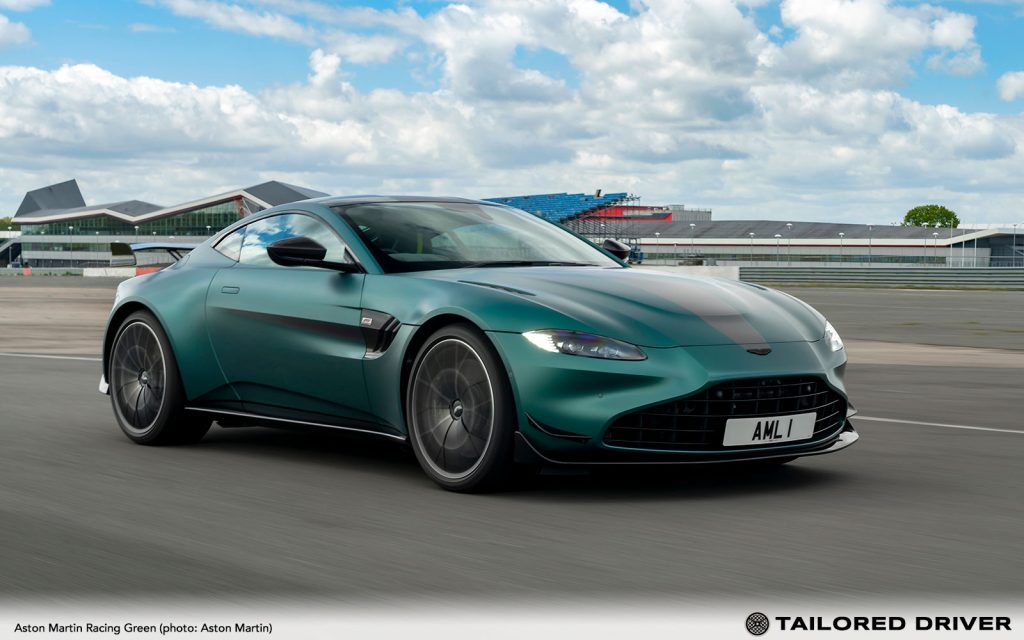
In 1999, on the occasion of marque’s 40th anniversary of winning the 24 Hours of Le Mans, Aston Martin reintroduced the color and coining the name “Aston Martin Racing Green”. And, when Aston Martin reemerged in F1 in 2021, the marque saw the opportunity to cement its own racing identity with its distinctive take on green – with less emphasis on the more traditional and darker hue we tend to think of when we imagine British Racing Green. Over several seasons since their return, the color has been further perfected.
“There’s been a lot of work since (2021) to bring out the green,” says Jack Brown – Senior Manager Colour, Material and Finish for Aston Martin.
“The F1 car that we launched in ’21 was a very sophisticated colour, and it looks truly amazing on road cars – but it was a little bit too dark for the cameras, appearing almost black in certain lights. Our task then, was to capture that darkness and sophistication in subsequent cars but give it more brightness and punch in the highlighted areas. It wasn’t a case of making the paint lighter, just a question of making the highlighted areas shine.
“Ceramic pigments float within different layers of the paint and you have to ensure those pigments are suspended in exactly the right layer for the highlighted areas to be bright enough. And, because this is F1, we strived to achieve the lightest application of paint to keep the weight down. The paint is applied at a microscopic level. It’s about 20 microns thick – that’s less than half the width of a human hair.”
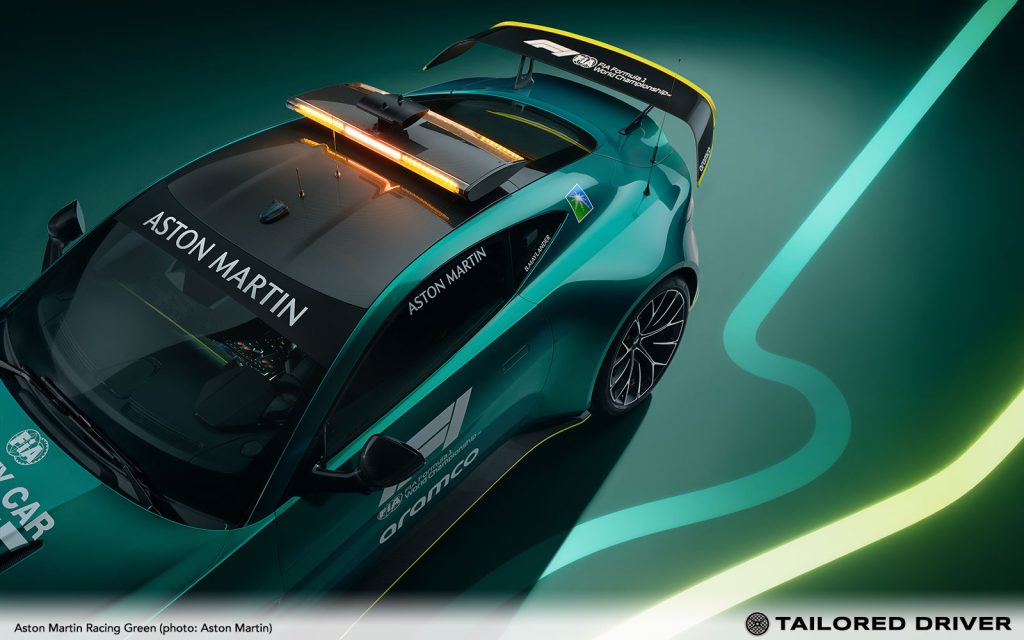
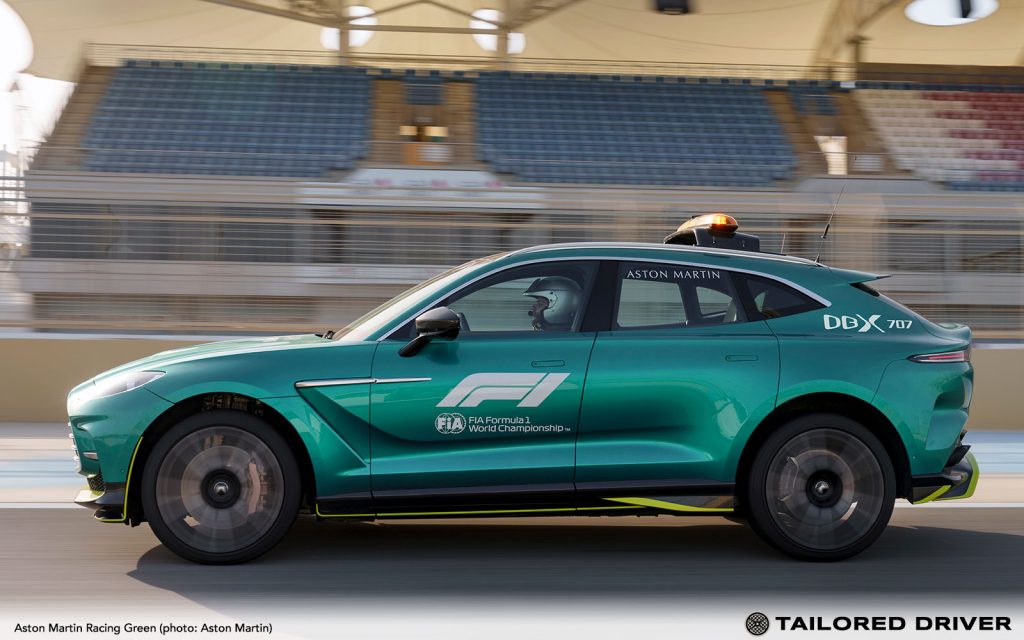
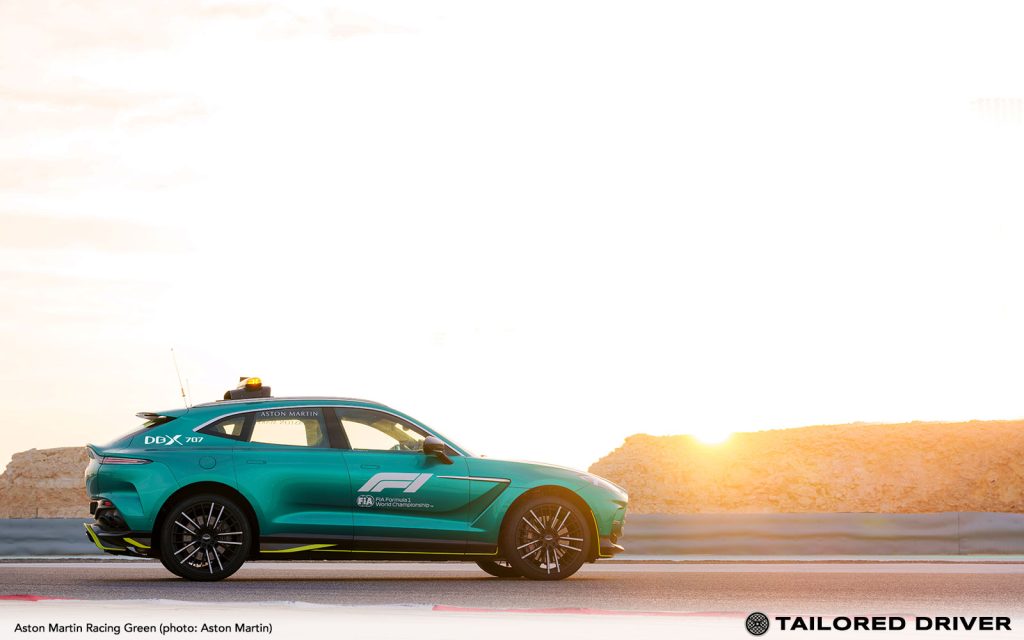
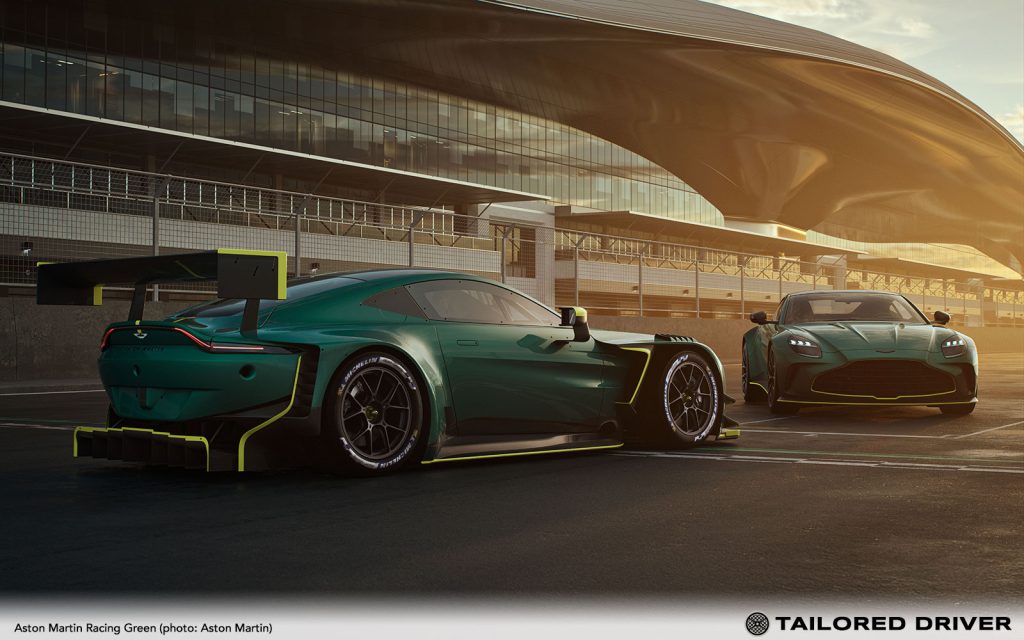
Since its association with the modern Aston Martin Racing F1 team, not to mention painting it on GT racing cars and safety cars around the world, Aston Martin Racing Green has captured the heart of brand enthusiasts seeking a tailored build for their car. Whereas Almond Green had a limited take rate amongst Aston Martin road car clients in the 1950s, Aston Martin Racing Green is the most popular color for today’s Aston Martin customers.
Jack Brown continues, “I think that’s a really nice link to the pinnacle of performance for our customers. It doesn’t just look like the paint on the F1 car, if you buy a car in Aston Martin Racing Green, it genuinely is the paint from the F1 car. It’s exactly the same formulation.”
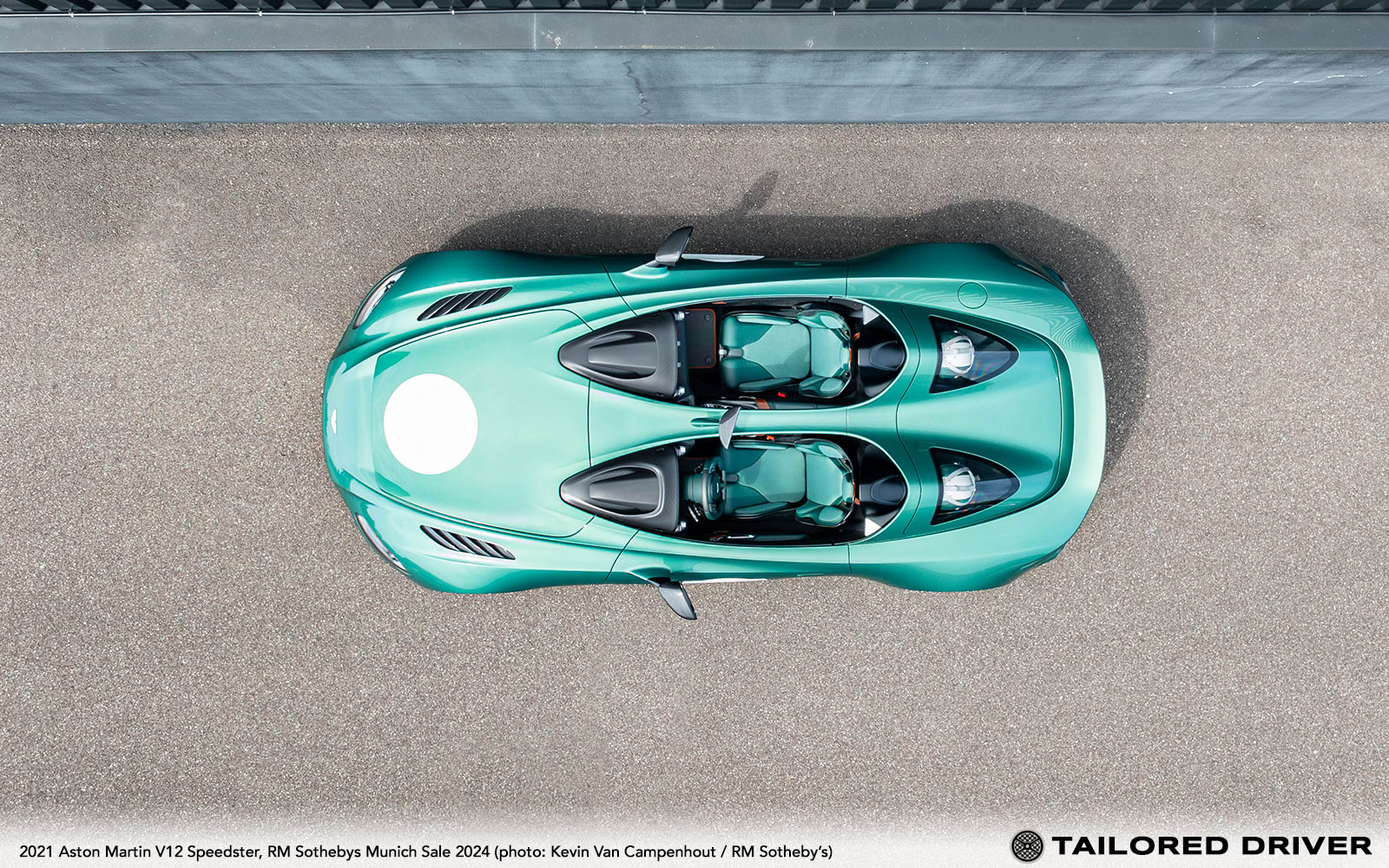
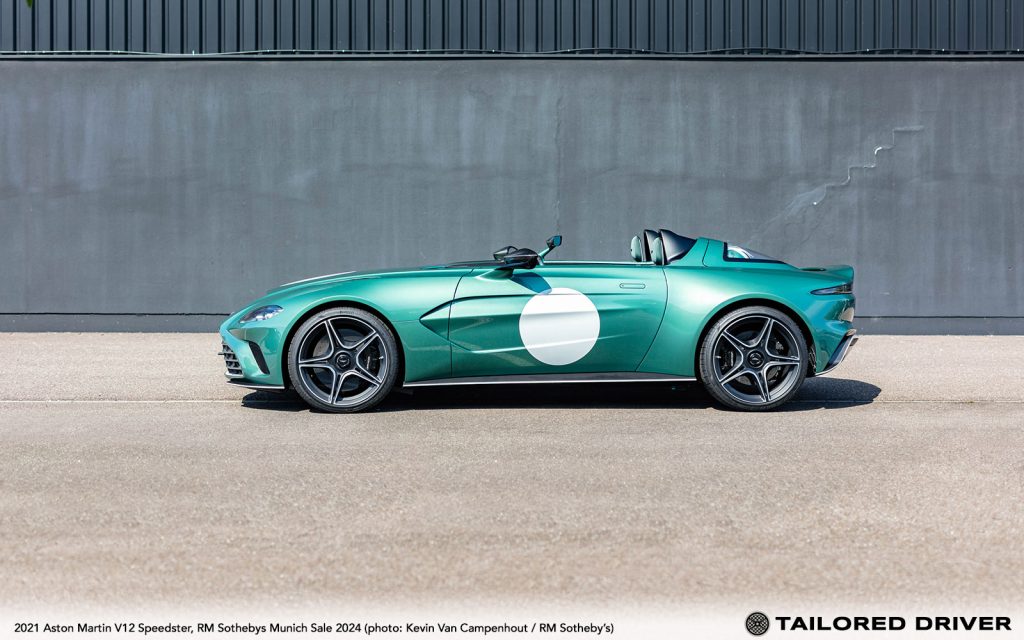
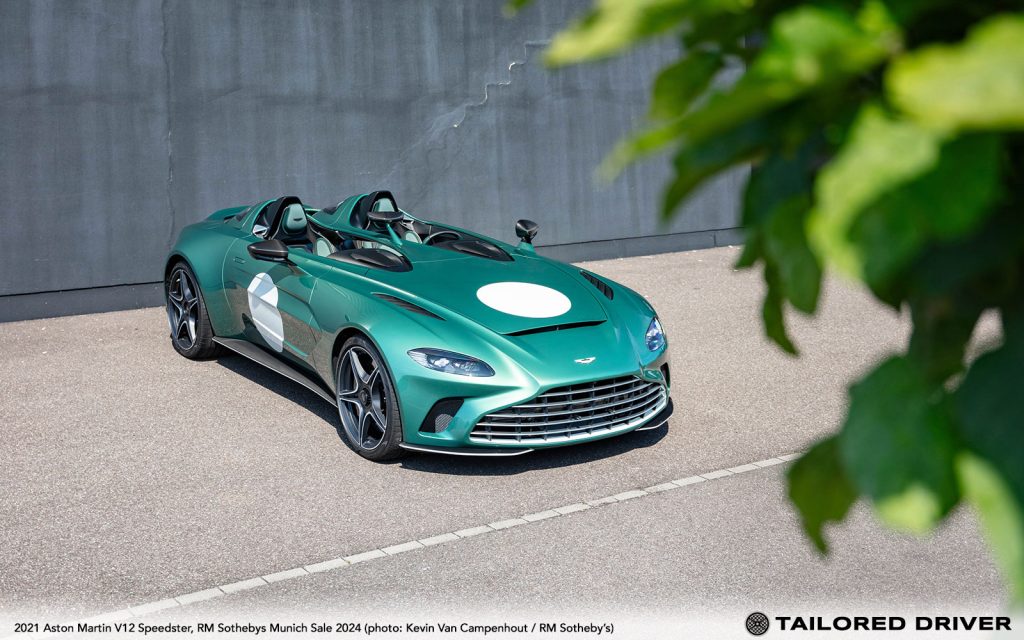
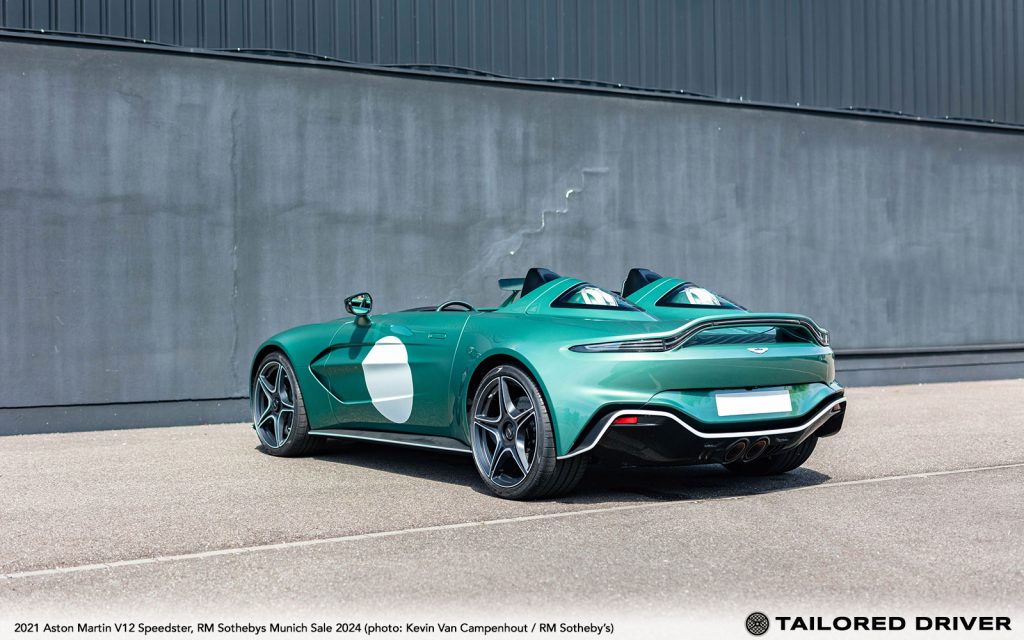
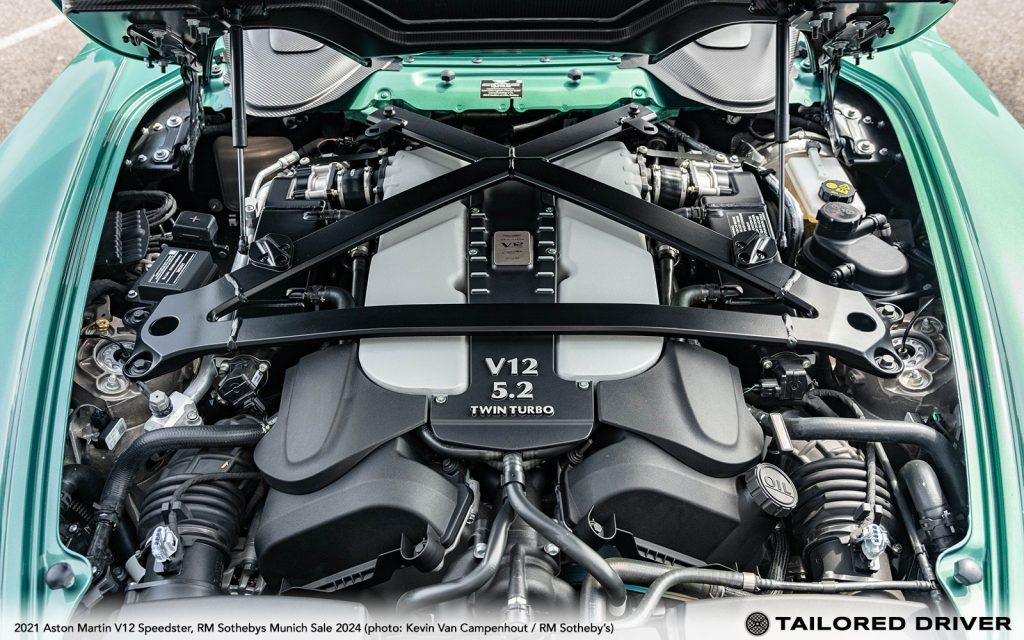
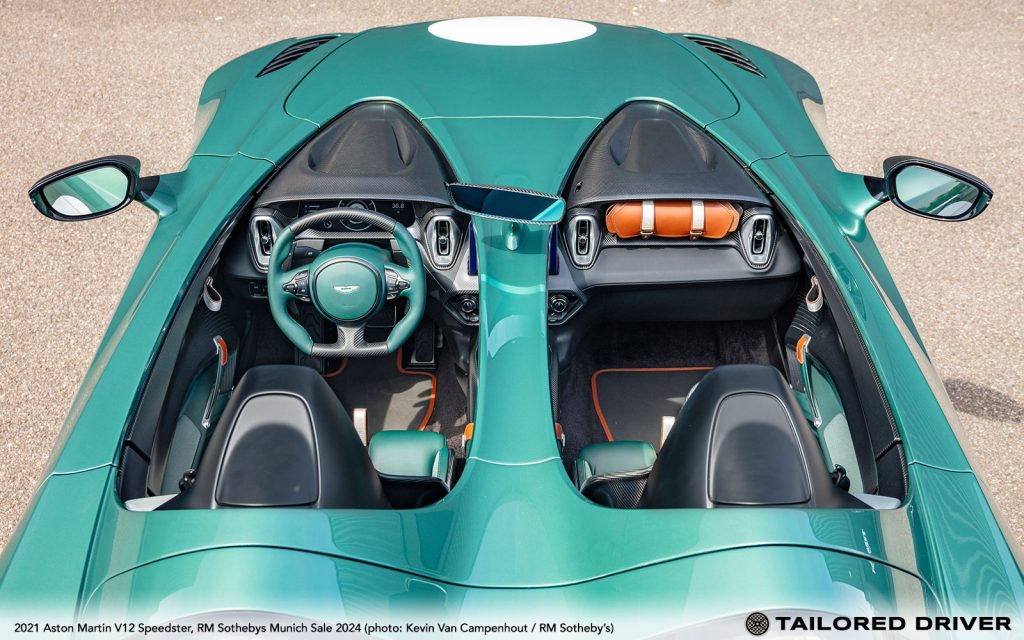
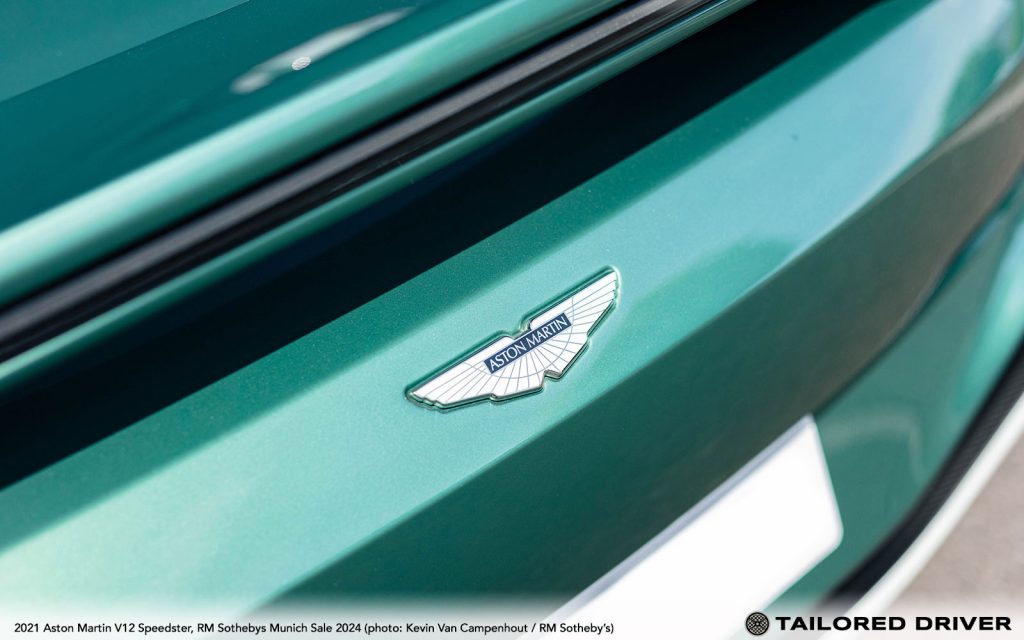
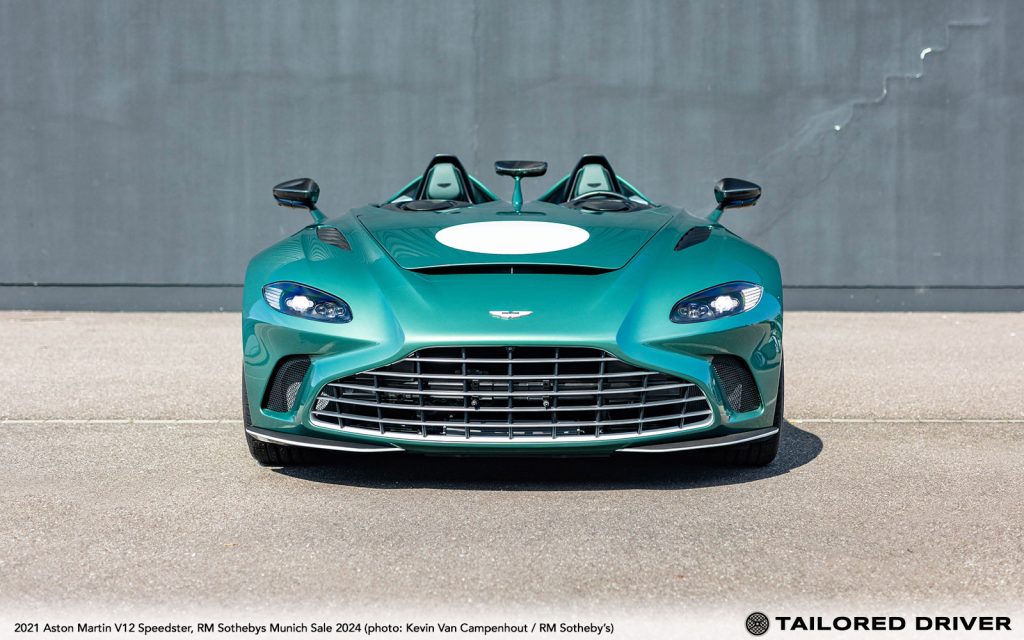
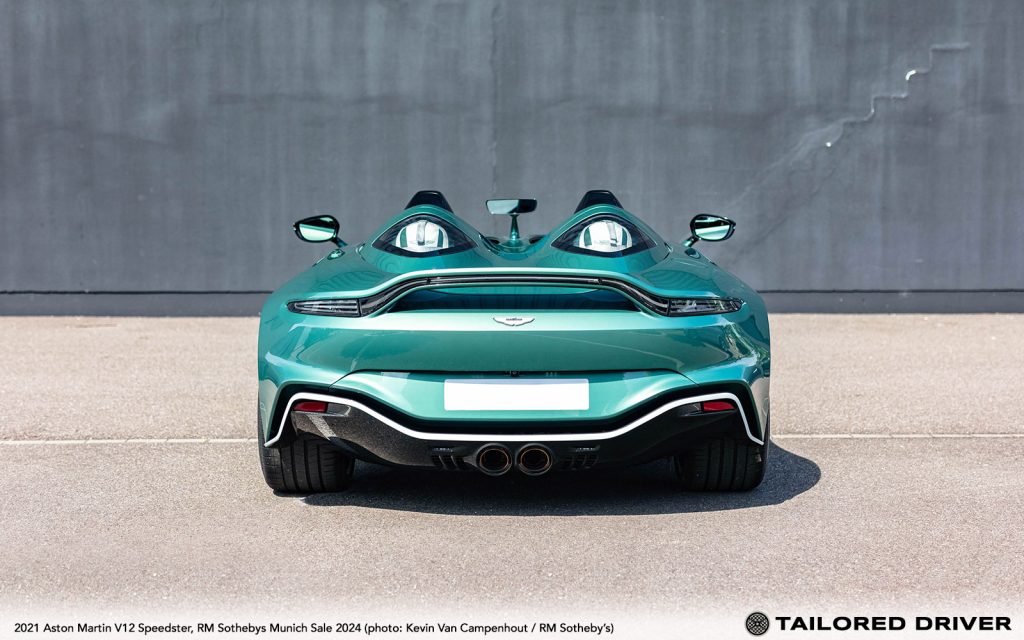
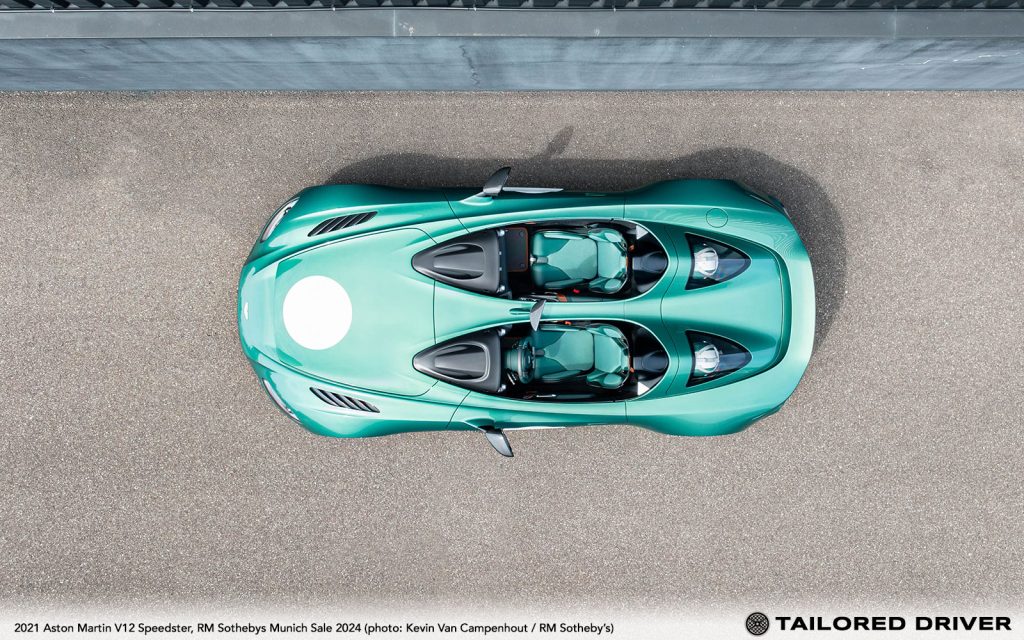
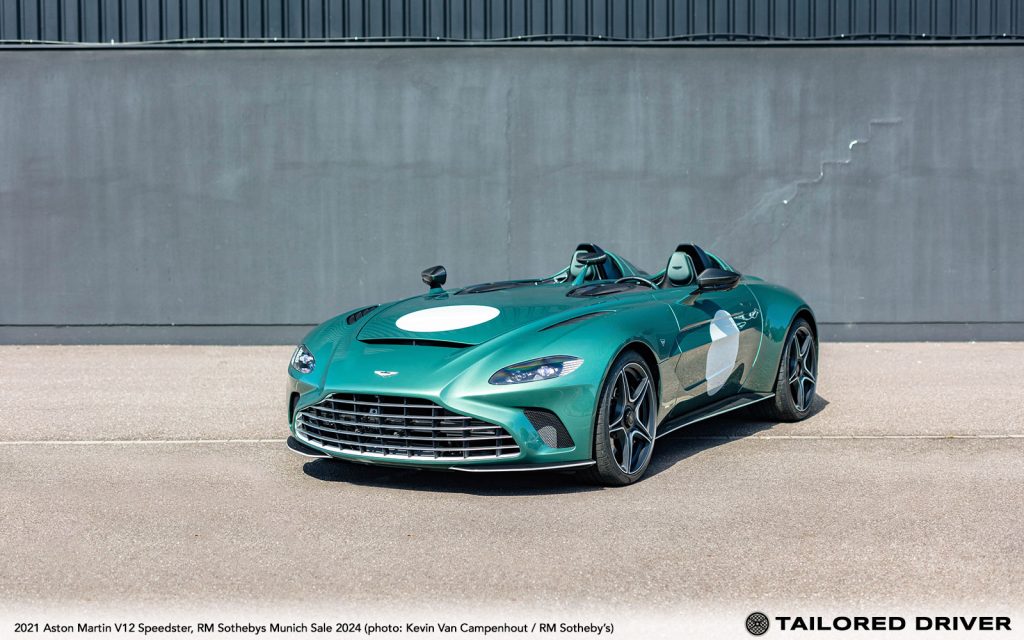
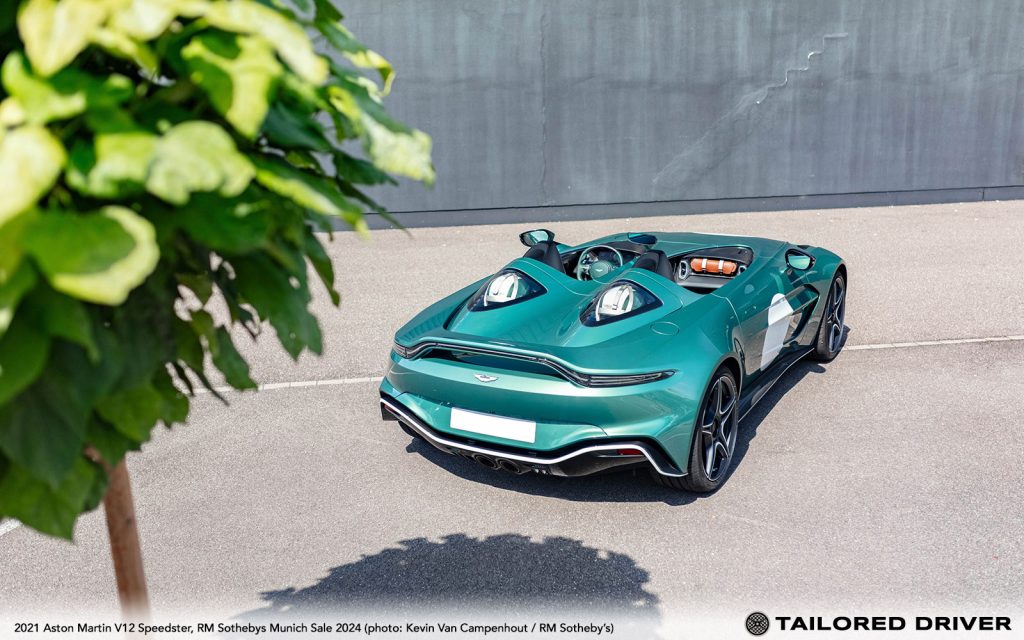
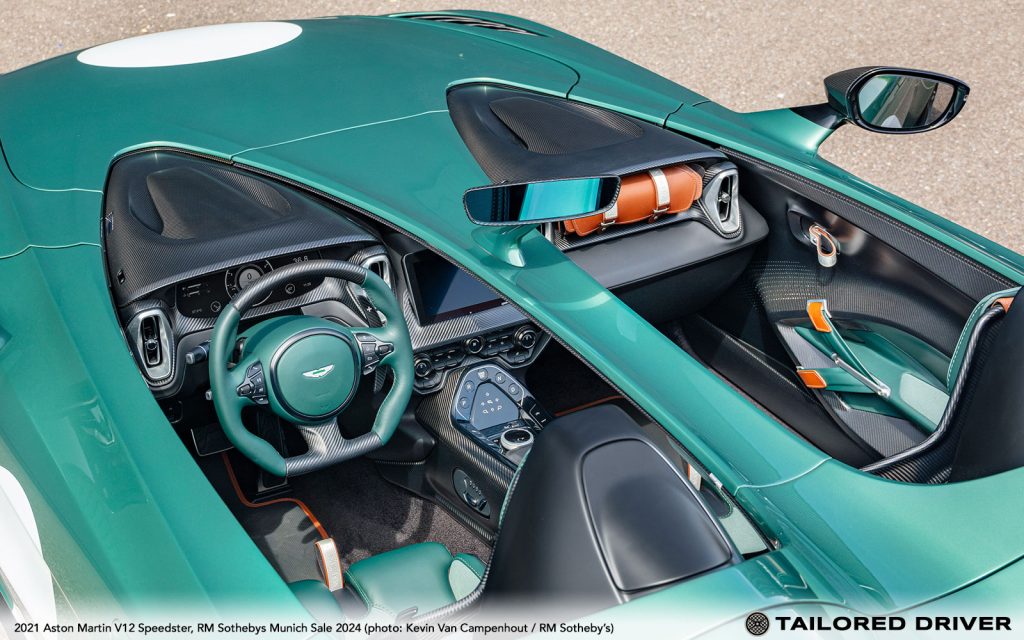
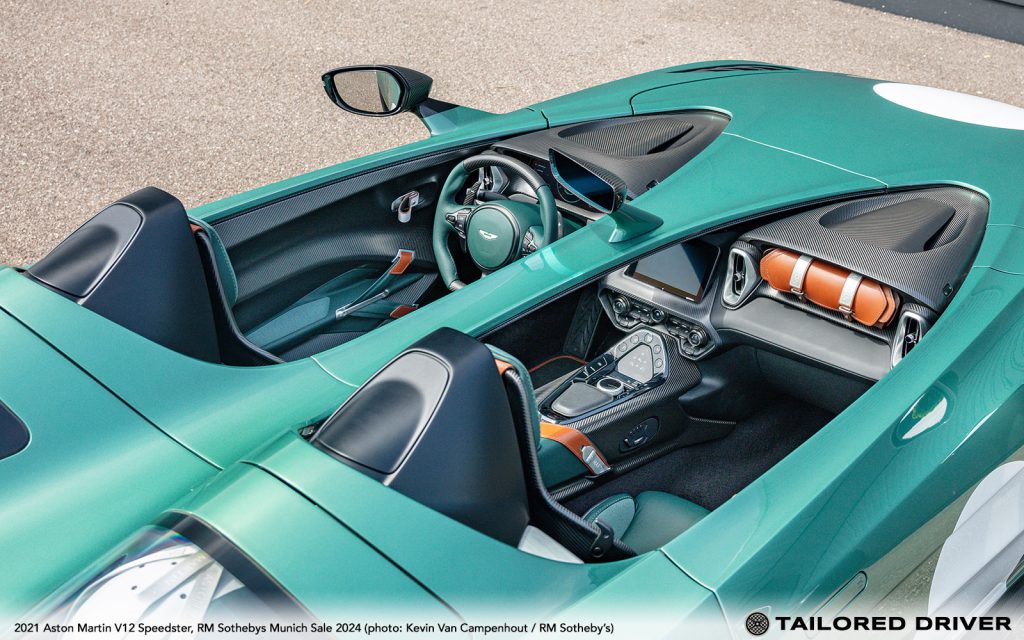
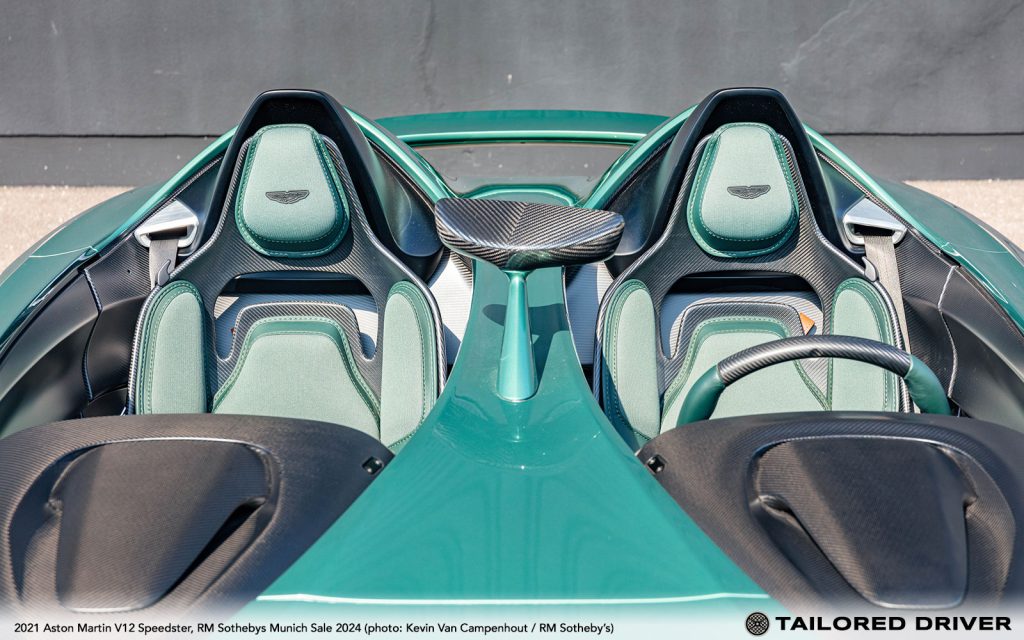
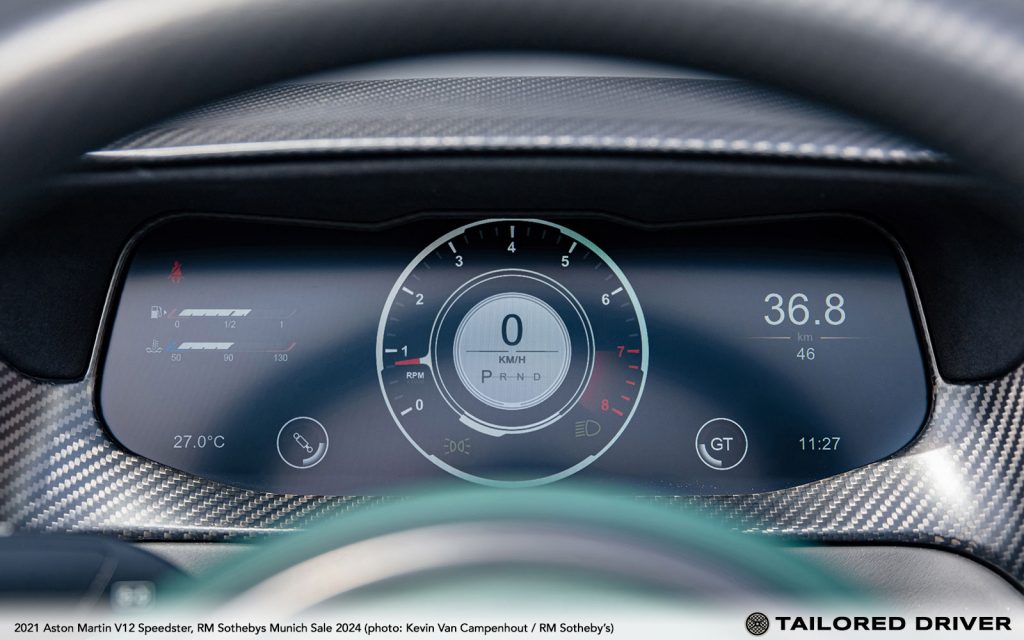
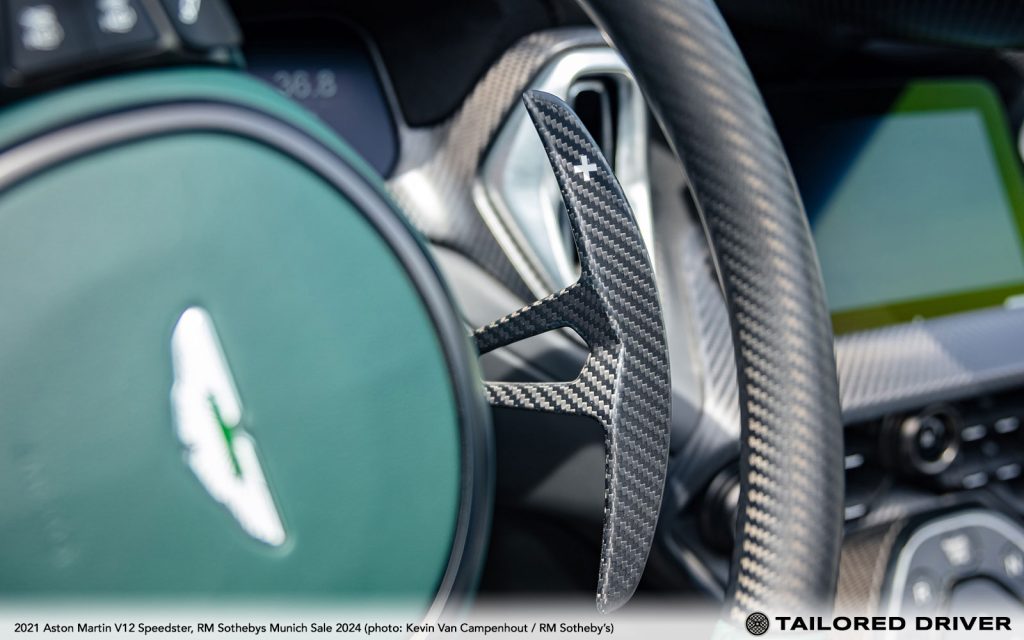
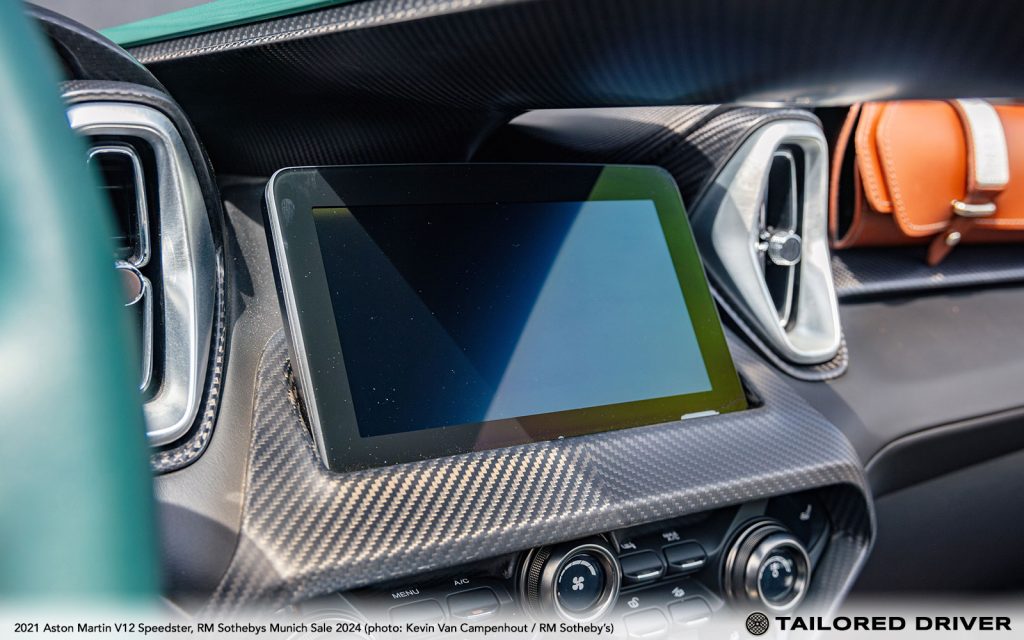
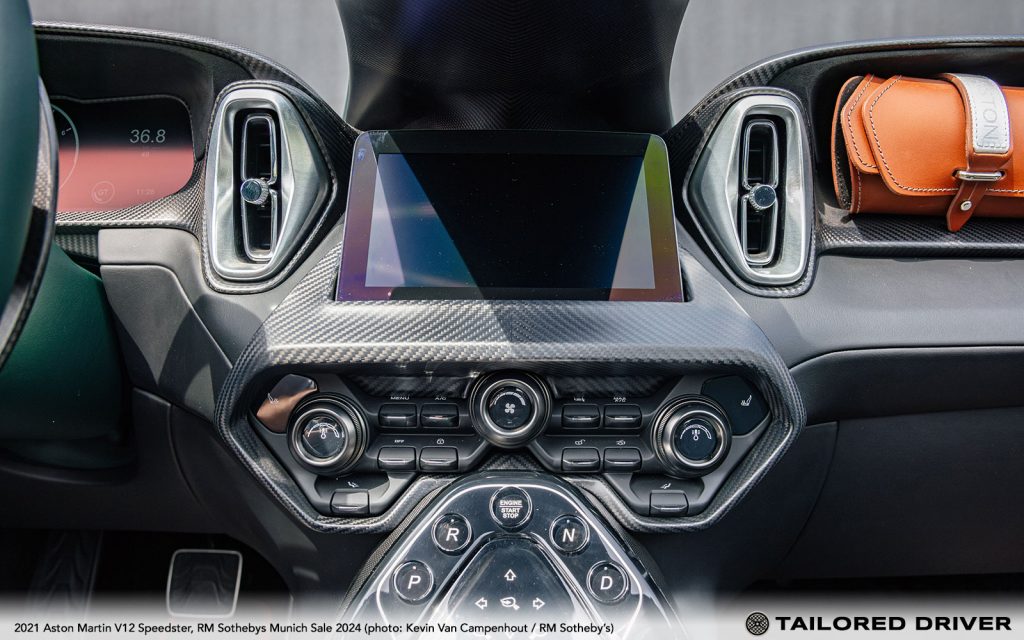
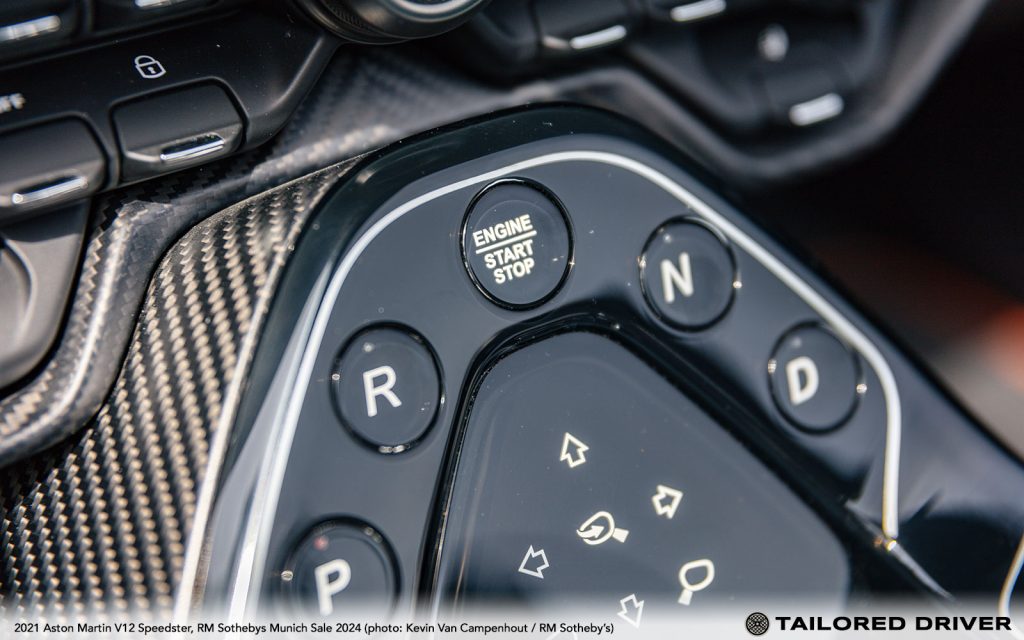
What: 2021 Aston Martin V12 Speedster Color: Aston Martin Racing Green (racinggreenmetallic; metallic UNI; AST1140; Aston Martin) VIN: SCFWMLAV5MGS90079 Mileage: 46 km Price at Time of this Writing: Estimated €780,000 – €1,080,000 EUR CarFax: N/A MonroneyLabels.com Window Sticker: N/A Location: RM Sotheby’s Münich Sale, 2024 Dealer listing: RM Sotheby’s
Why we love it:
Whether or not you’re in the income bracket that can choose to buy an Aston Martin with no top nor windshield, or have the means to enjoy it in whatever capacity one would, we still find cars like this “barchetta” style 2021 V12 Speedster to be fascinating. Aston Martin only built 88 examples of this open cockpit two-seater as tribute to the DBR1 that won the 1959 24 Hours of Le Mans, and they rarely come on the market. So, it’s notable when this single family owned example with just 46 kilometers on the odometer hits the market, as this one will very soon from now as part of RM Sotheby’s Münich sale.
This particular car represents Aston Martin’s racing pedigree well, finished as it is in Aston Martin Racing Green, then accented with Clubsport White roundels (a.k.a. meatballs). Inside, its Conker saddle leather is finished in Virdian Green and Caithness leather accents. It also comes with its books and a pair of Aston Martin Racing Green helmets.
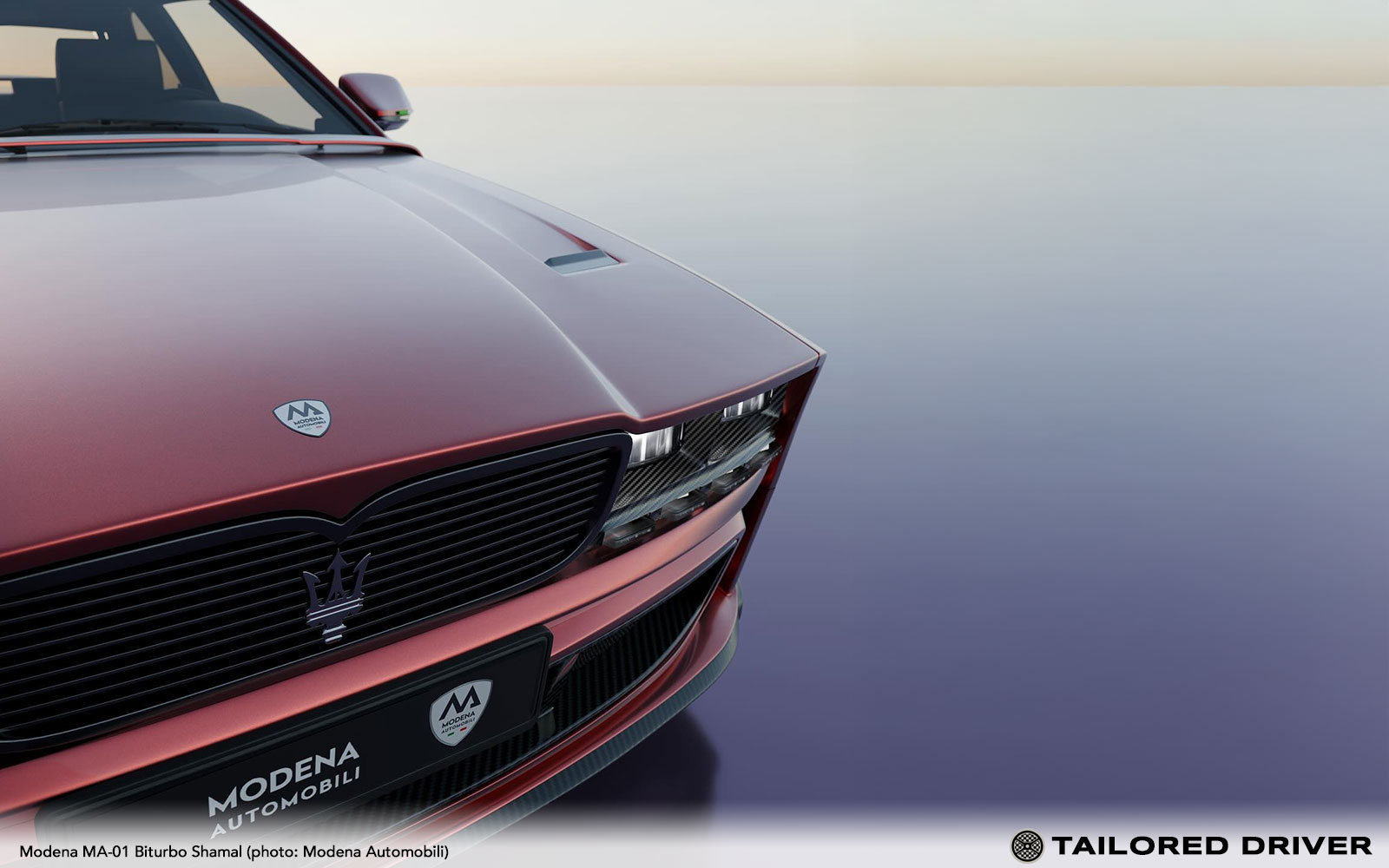
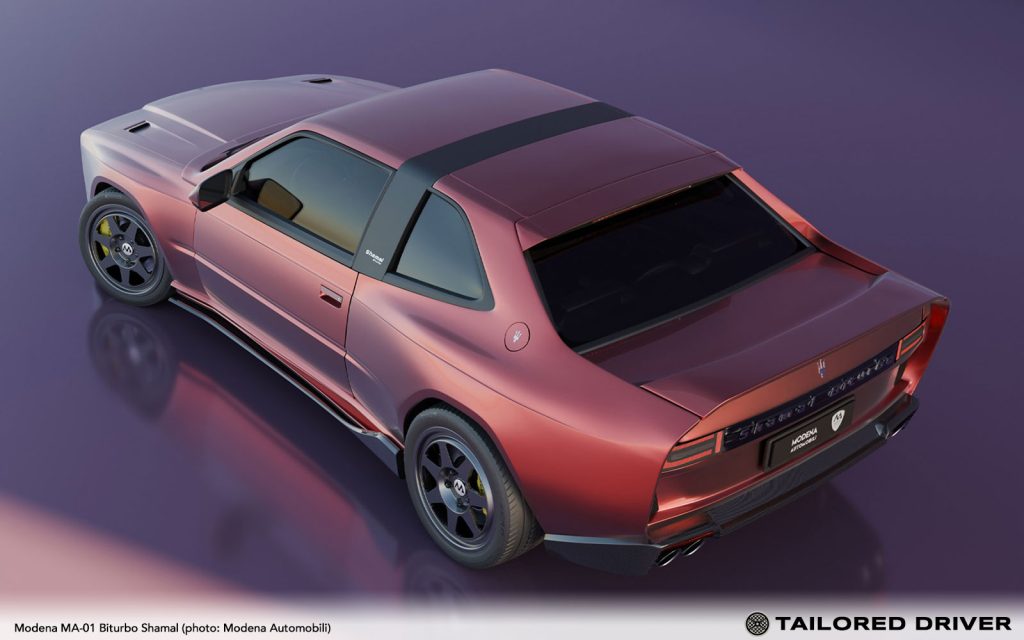
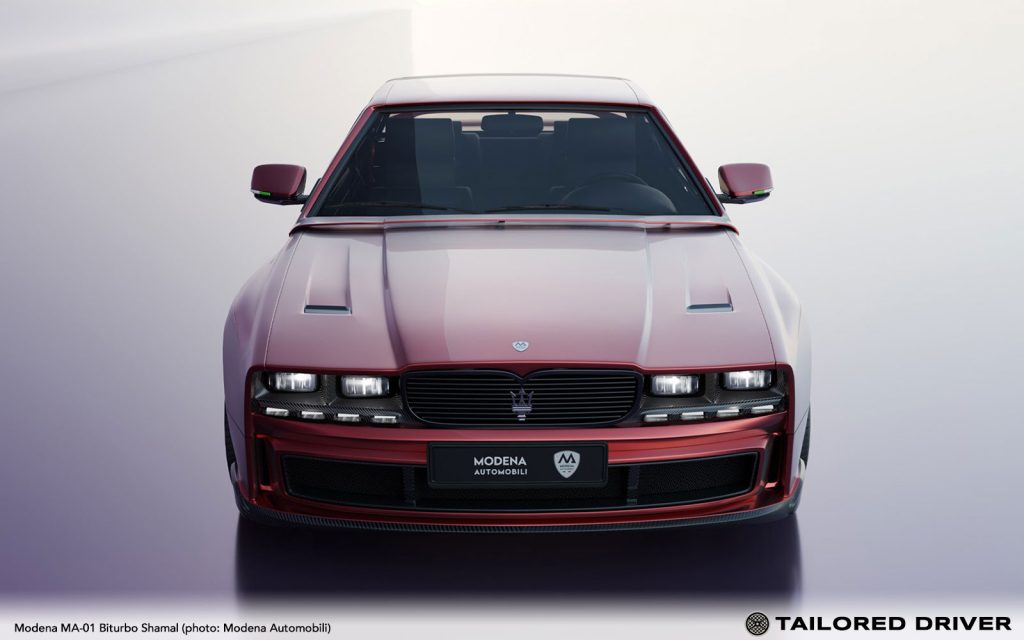
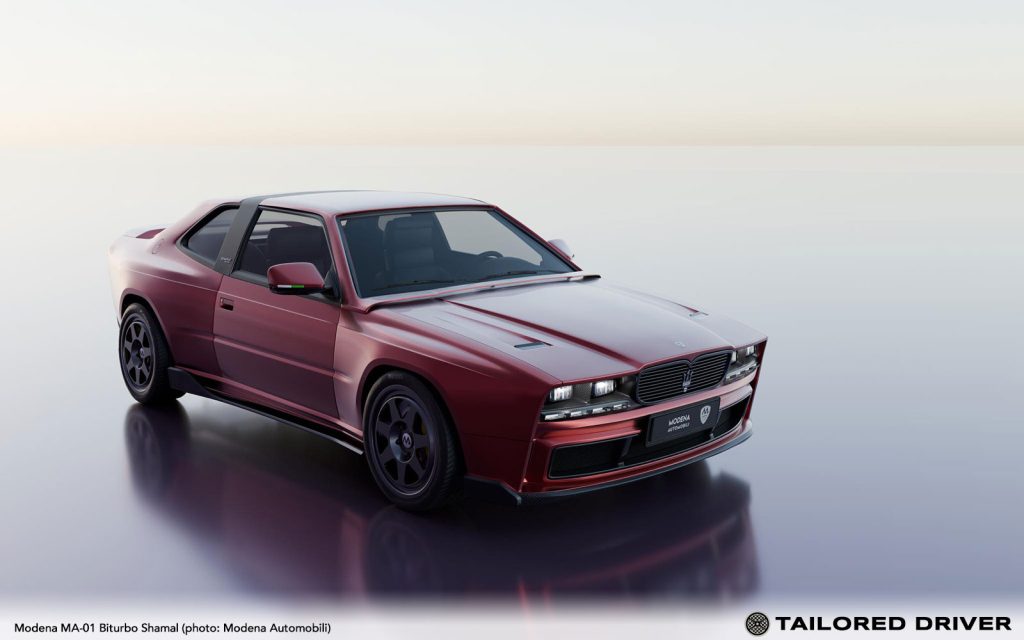
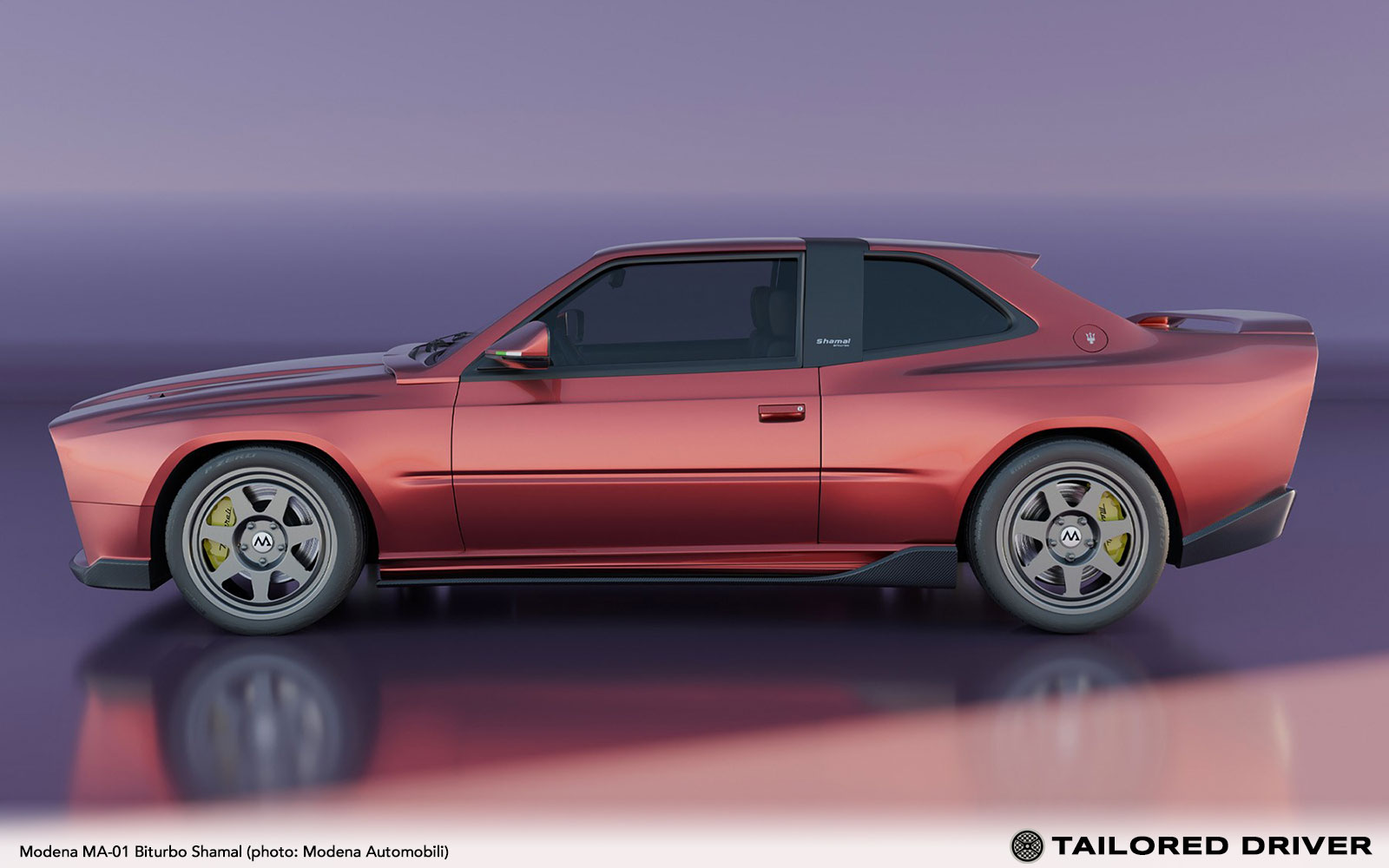
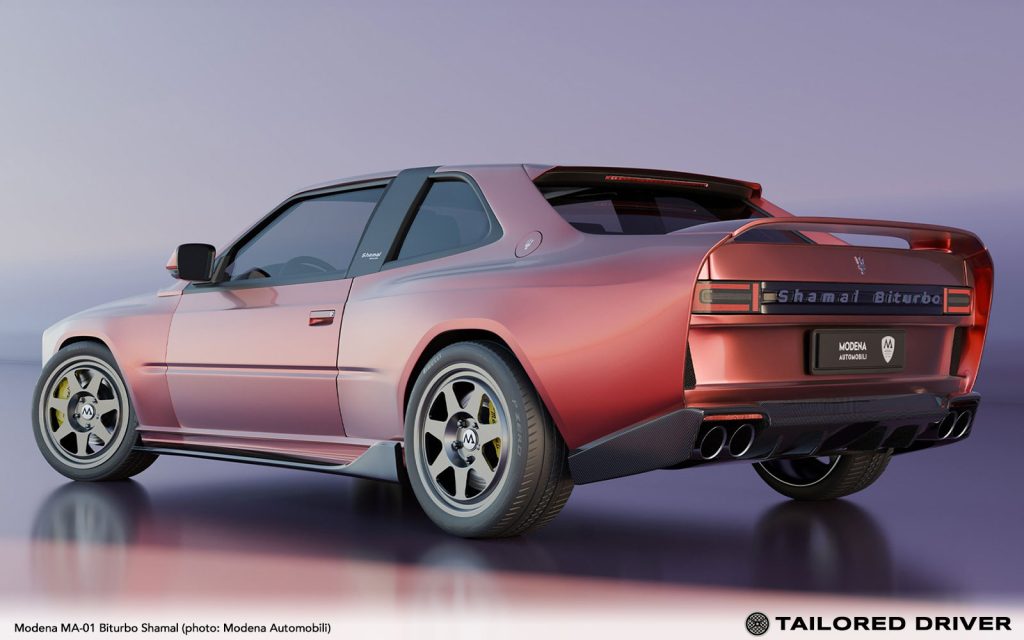
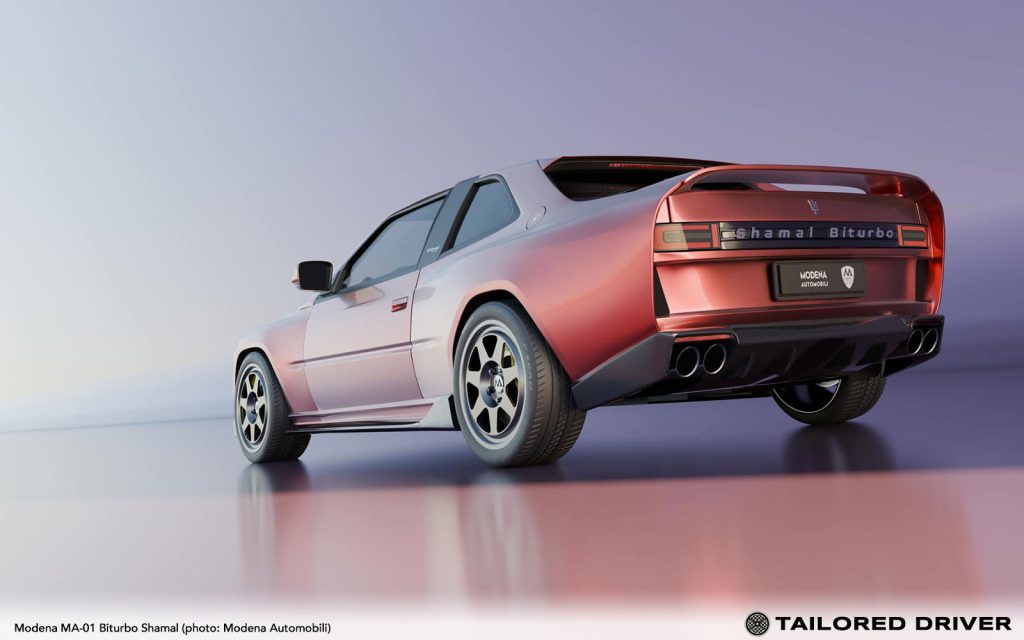
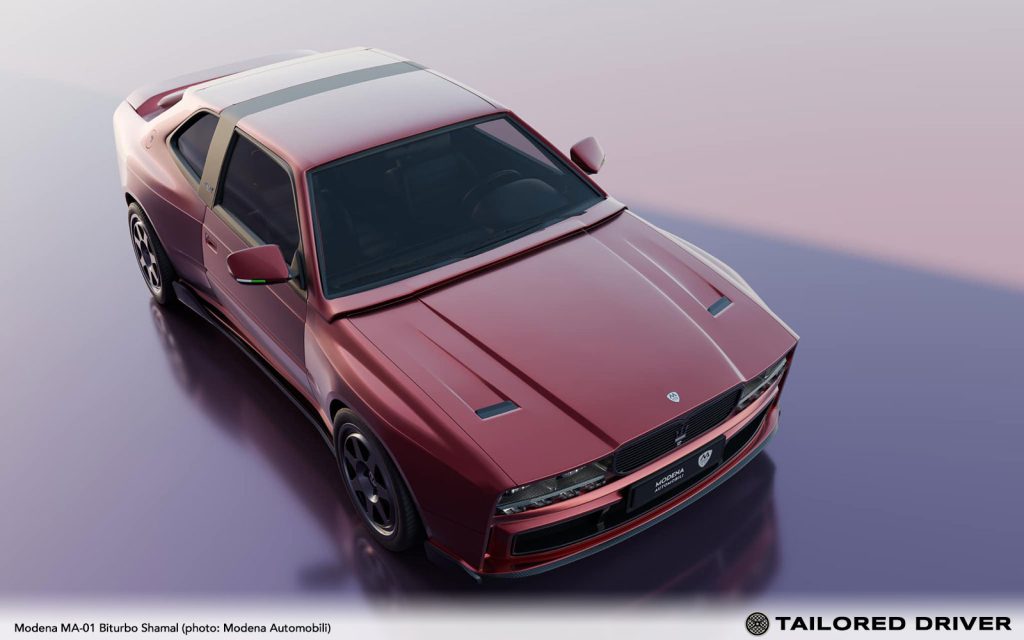
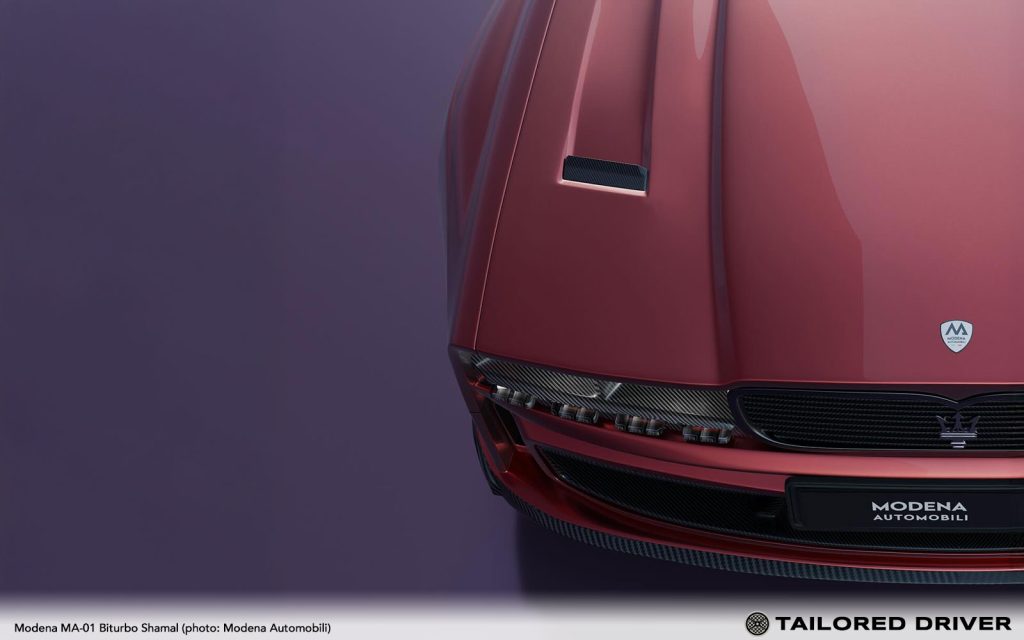
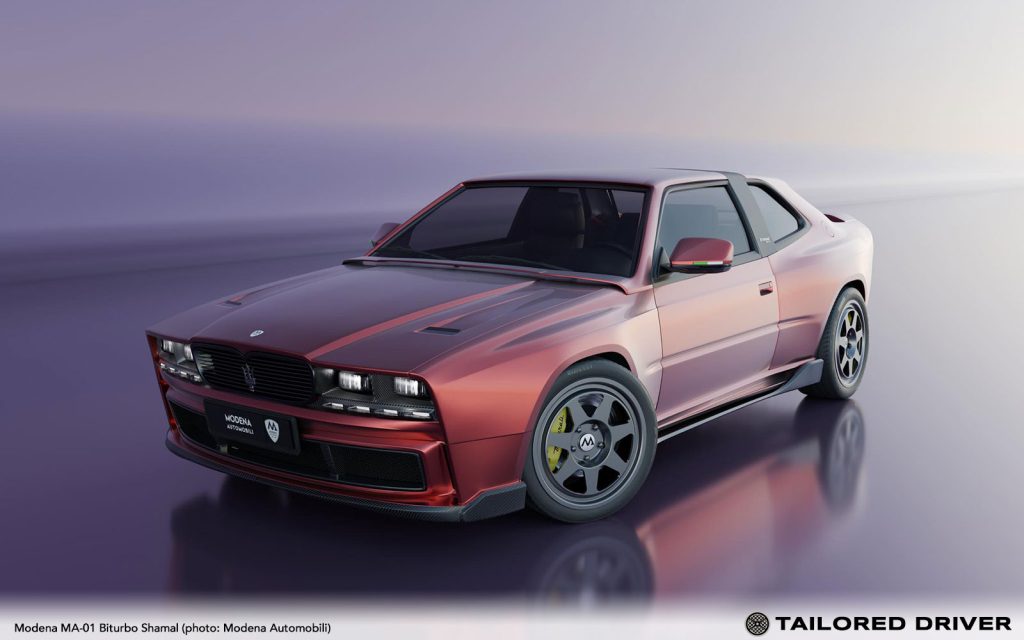
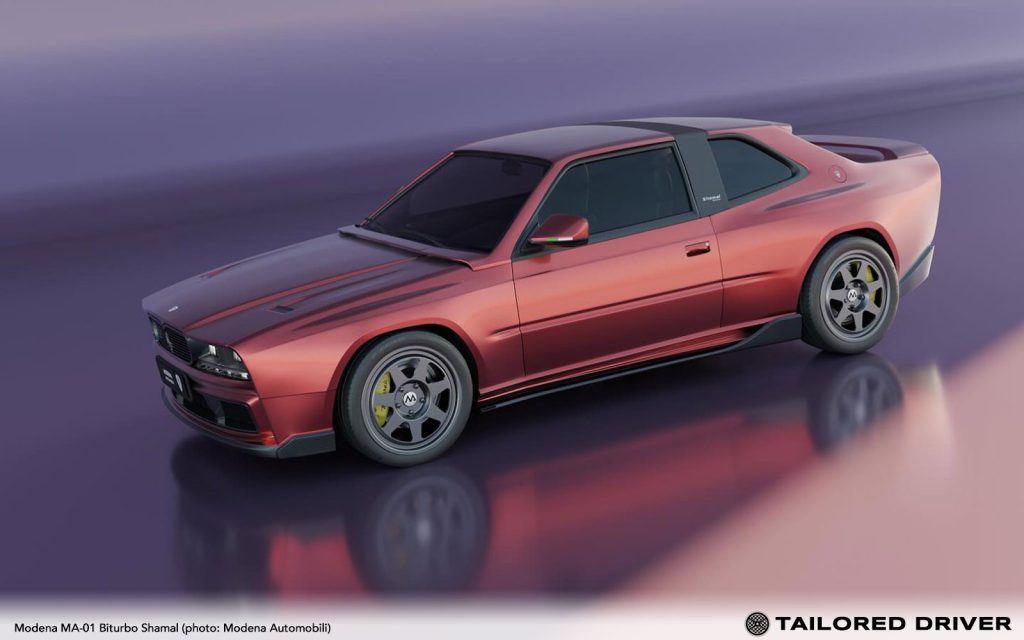
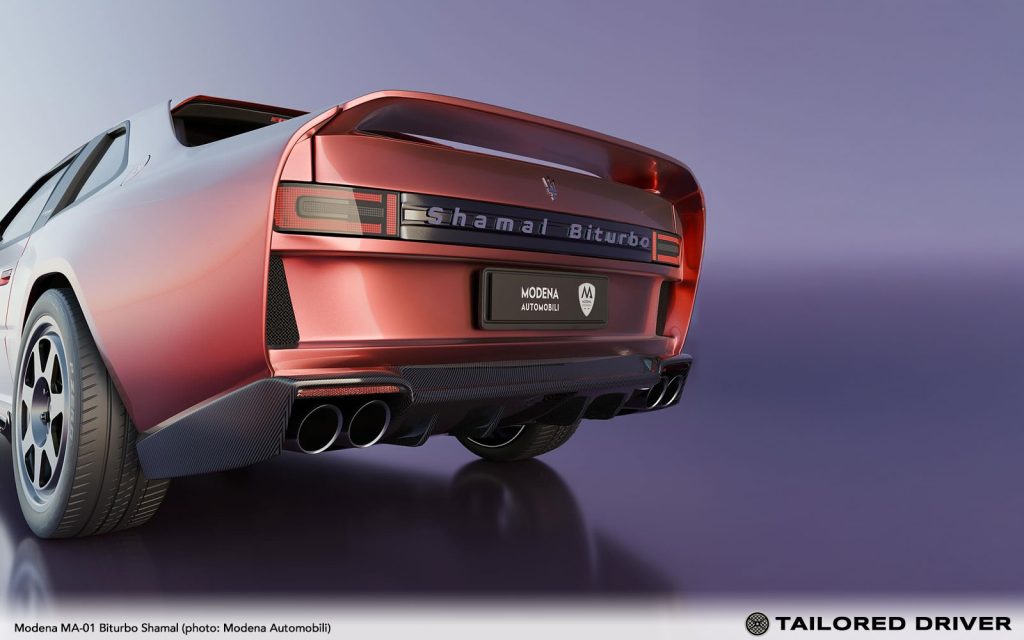
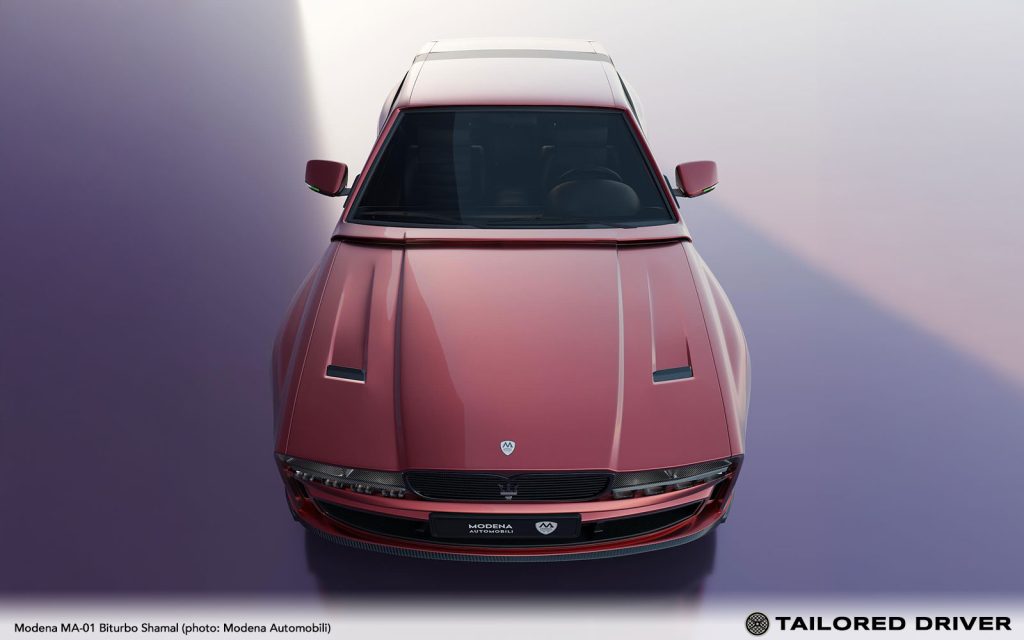
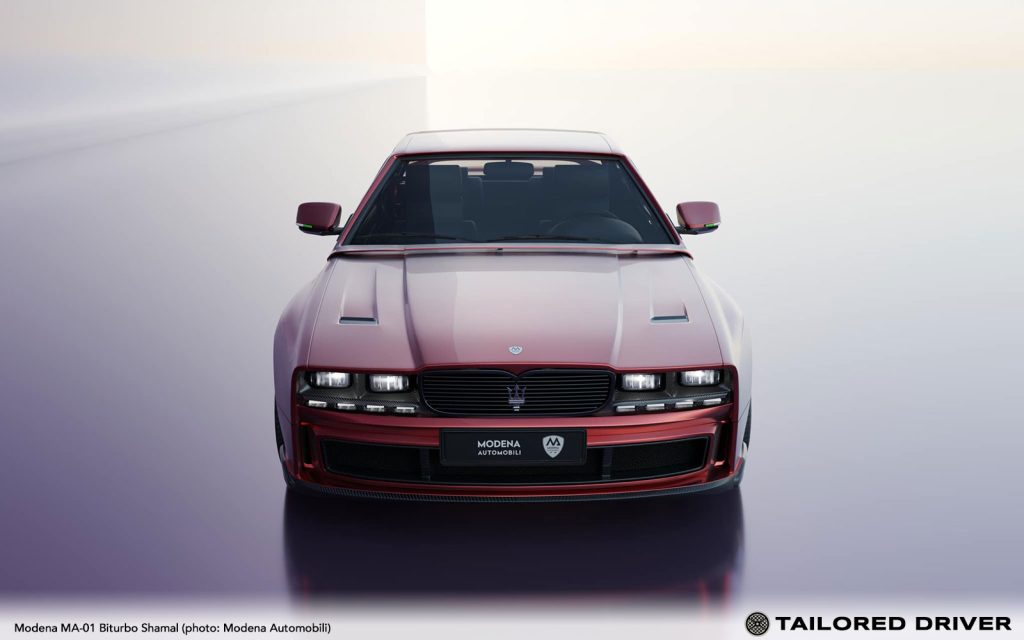
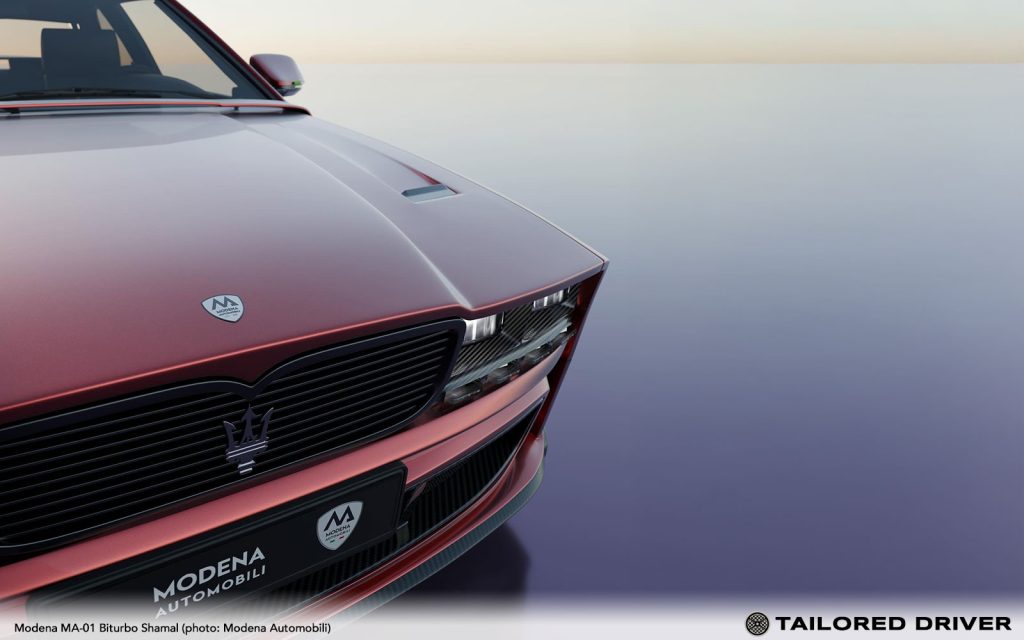
One of the most interesting aspects of the whole automotive remastering segment is the notion of improving upon considerable flaws of the past. Admittedly, there is a segment of cars that were beautifully designed, perhaps even potently fast, but nevertheless flawed by unreliability. Such is the case of the Maserati Biturbo and pinnacle Shamal, cars that create lustful thoughts until reality sets in. Righting those mechanical wrongs can be an epiphany, and that’s what the shot the Modena MA-01 is calling, a shot that’ll set you back about a half million Euros.
Modena Automobili was established in 2022 with the mission to reimagine “an iconic masterpiece of the nineties into a unique, modern, beautiful and fast car of our times.” Their first product is Project MA-01, and a this stage appears to be a computer rendering. Modena Automobili shares that it is a “work in progress”, they are “bringing forward with the help of top notch engineering companies and automotive industry experts on top of Modena Automobili internal team of passionate managers, entrepreneurs, experts of style, powertrain, mechanics, homologation and pilots.” That project is the creation of a Maserati Biturbo Shamal restored.
For those unfamiliar, the Shamal was built from 1990-1996. It was one of the final cars produced by Maserati before Fiat took over the marque in 1993. Only 369 Shamals were produced, and it was the pinnacle of the Biturbo range, a product that actually began further back in 1982.
Using the shell from a donor Biturbo, Modena Automobili builds from there using a more modern Maserati Ghibili S engine (tuned to 500 bhp) as well as the Ghibli’s 8-speed ZF transmission. Modena Automobili reports this configuration is capable of 0-62 mph in 5.0 seconds and a maximum speed of 180 mph.
The design does take more liberties than we typically see in the restomod segment, particularly at the rear with its wrap-over C-pillar. Ducts added to the hood and wheel arch blisters, as well as exposed carbon fiber around LED lights all modernize the car considerably… though traditionalists might question how much modernization is needed. With restomods, this is always a balance and, on that scale, Modena Automobili pushes that envelope with the MA-01.
Singer partners with renowned luxury automotive group to provide support for clients commissioning restorations in Saudi Arabia, Bahrain, Kuwait and Qatar.
Singer presents its Classic Turbo and DLS Turbo restoration services for the first time in Saudi Arabia.
[source: Singer Vehicle Design]
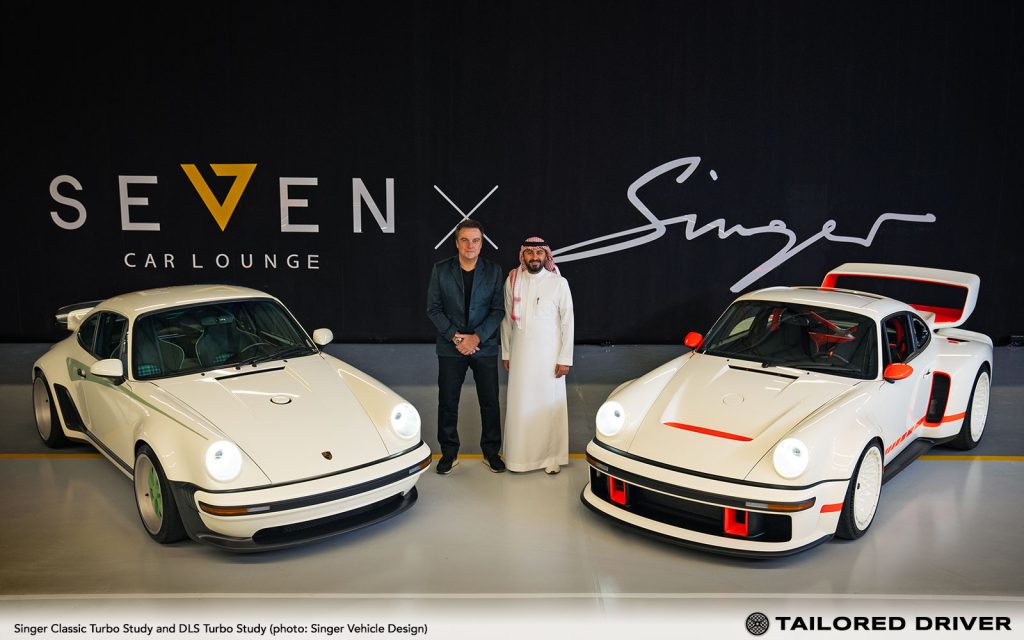
Riyadh, Saudi Arabia– California-based luxury specialist, Singer, recognized worldwide for its restorations of the air-cooled Porsche 911, is today announcing the appointment of Seven Car Lounge as its new partner, supporting clients commissioning restorations in selected markets in the Middle East. The announcement was made today in Riyadh during a special event held for customers and the media.
Singer’s focus on the region is part of a global strategy to form partnerships with world-class operations with deep experience in the luxury market. The company currently operates with valued partners in North America, Europe, Australia, and Asia.
Clients commissioning restorations in Saudi Arabia, Bahrain, Kuwait and Qatar will now be able to learn about Singer’s restoration services and discuss their requirements with the experienced luxury automotive team from Seven Car Lounge. The announcement also means that both Singer’s existing clients and future owners in the region will have wider access to expert, in-country servicing and maintenance.
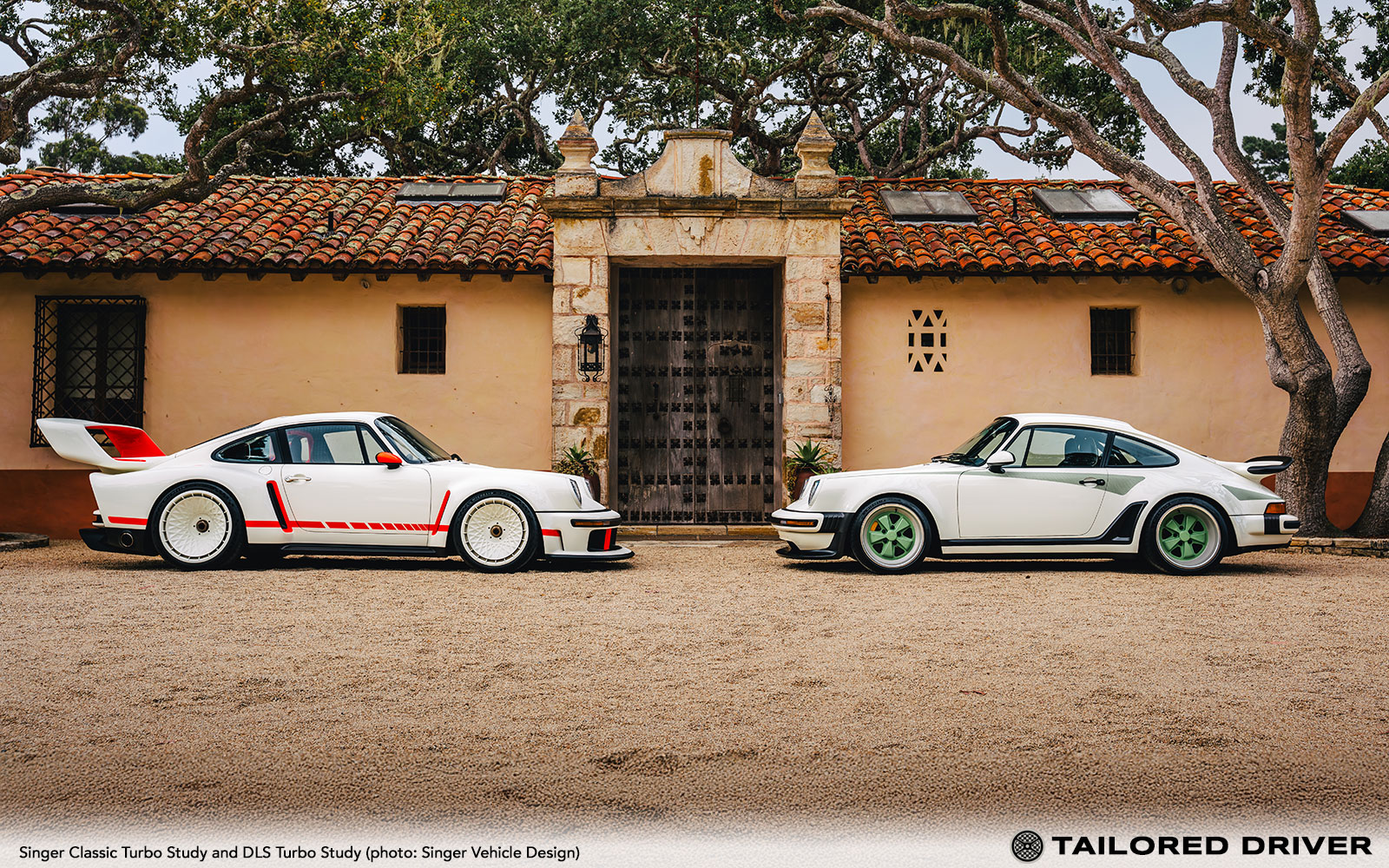
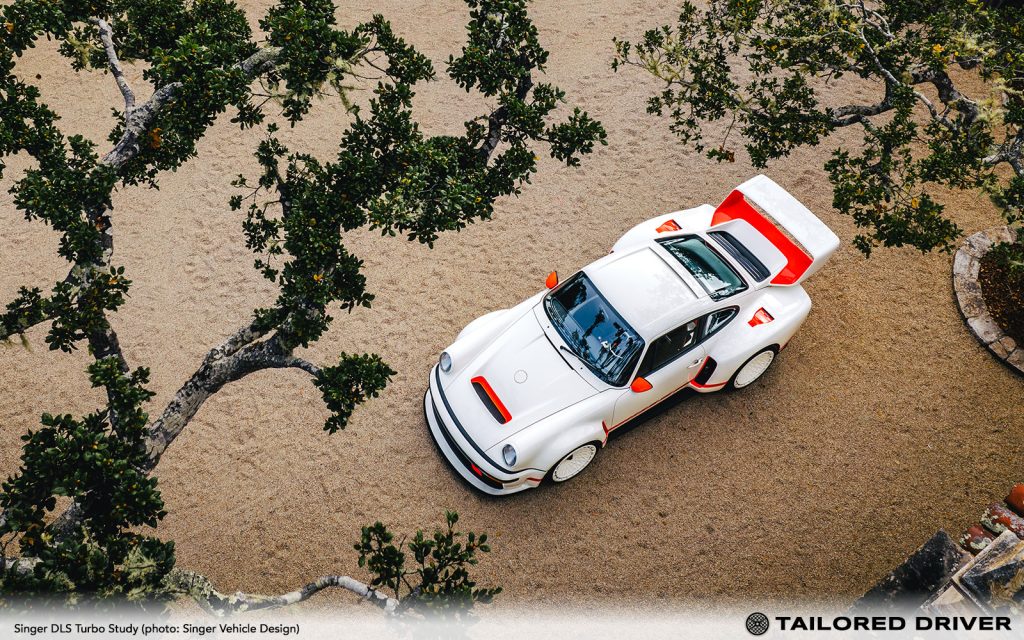
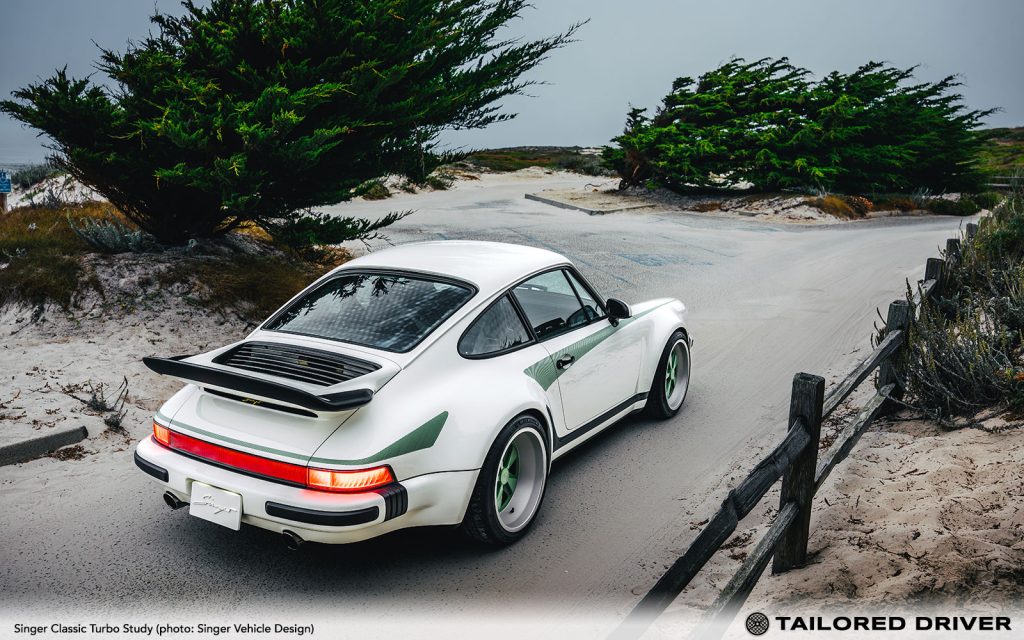
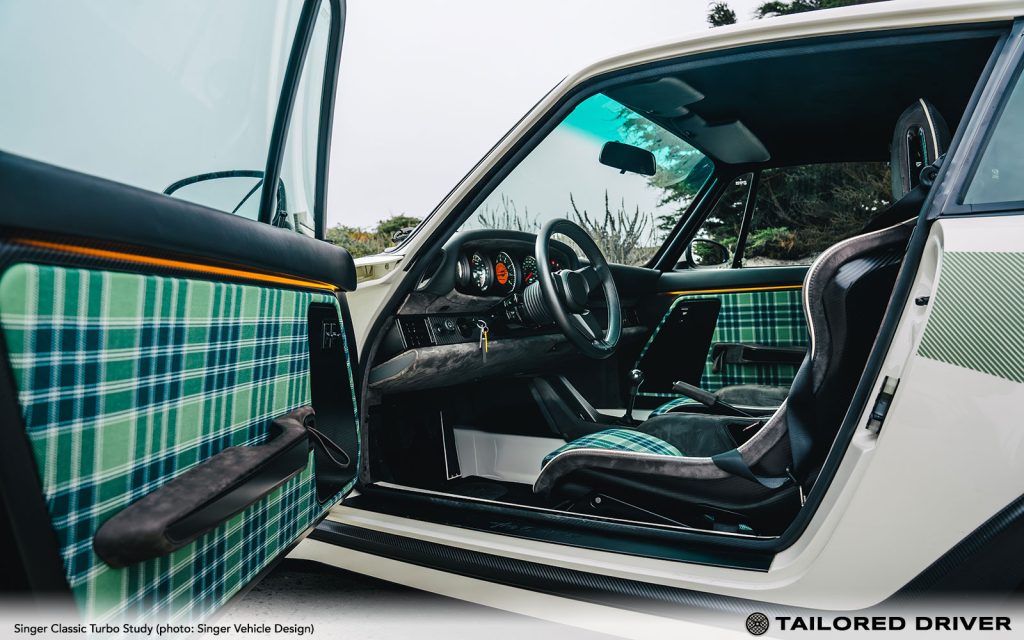
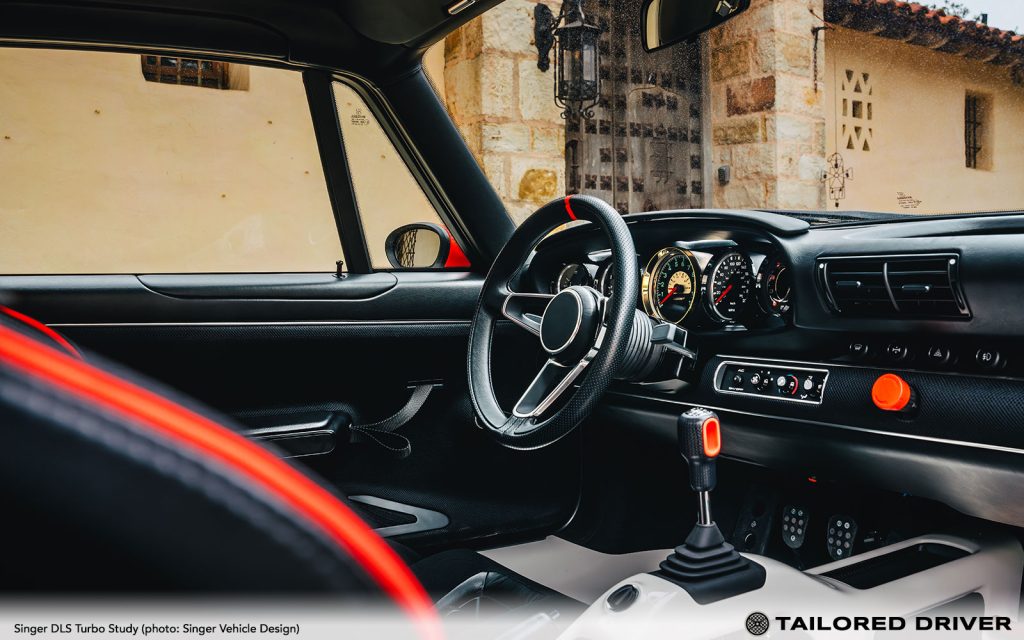
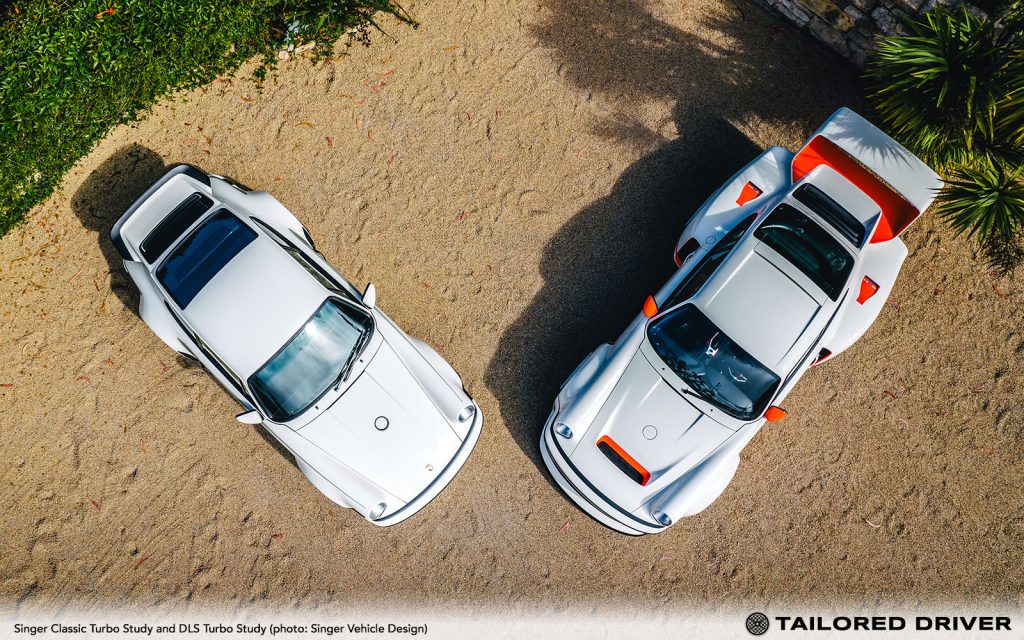
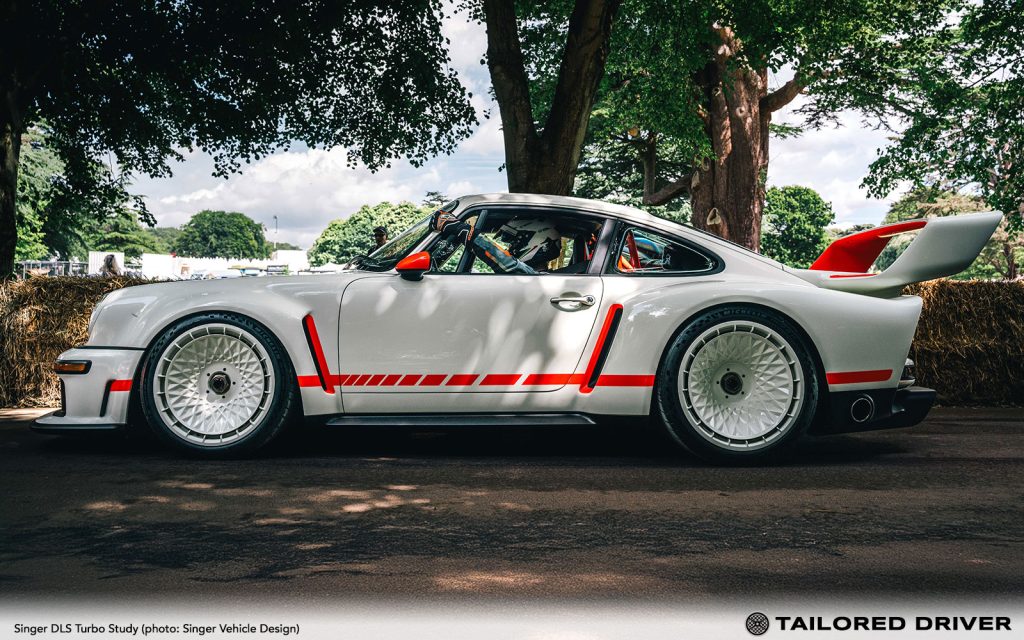
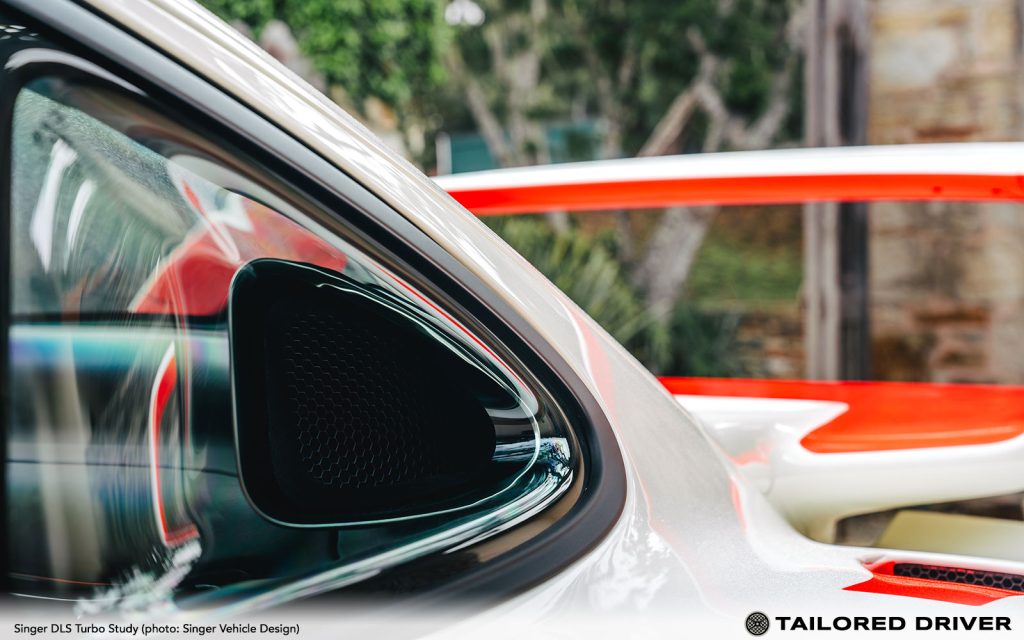
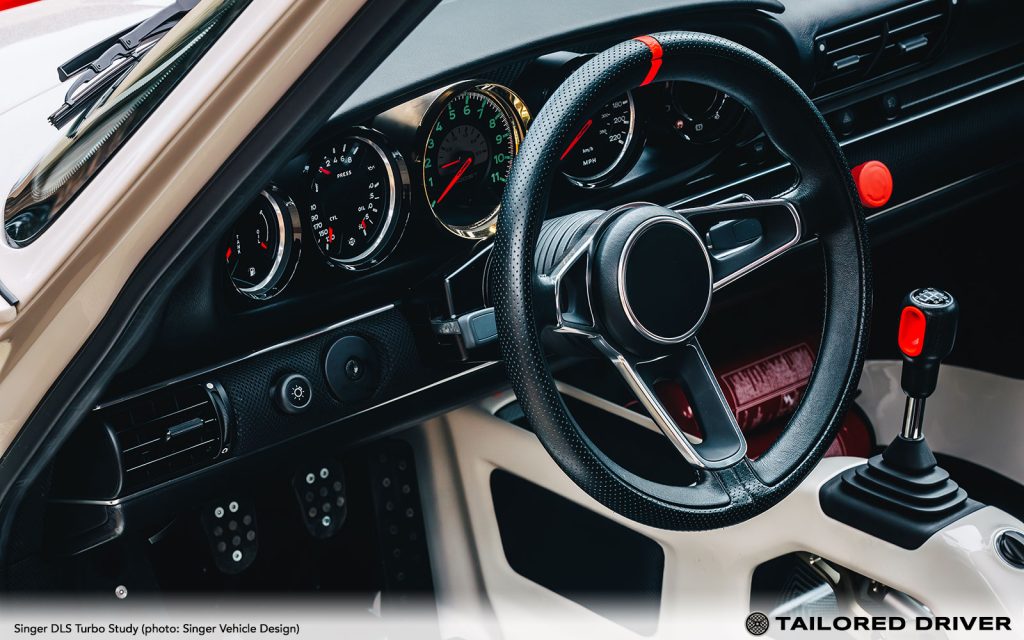
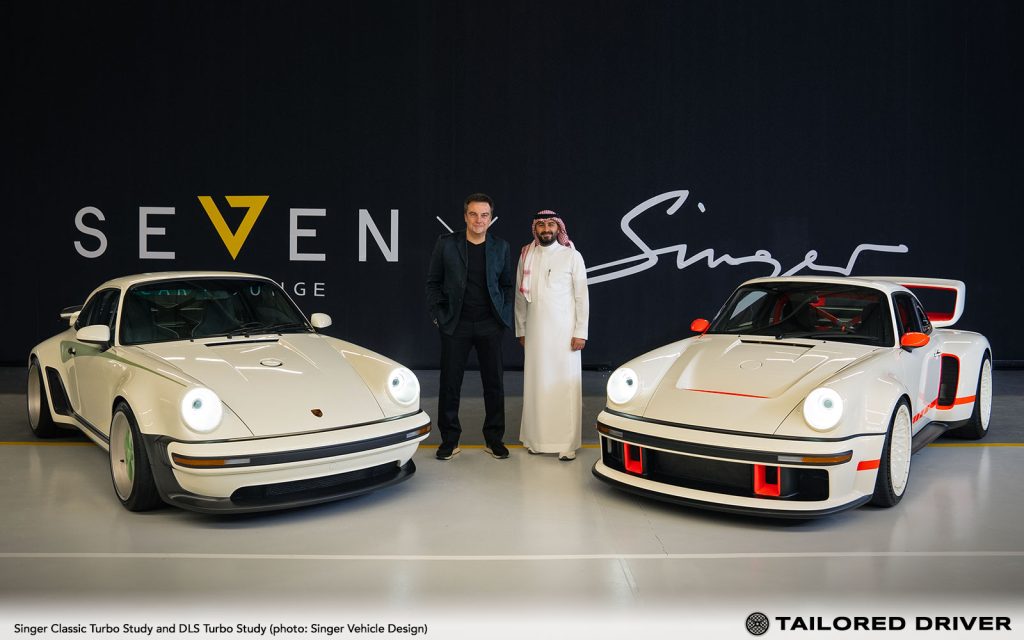
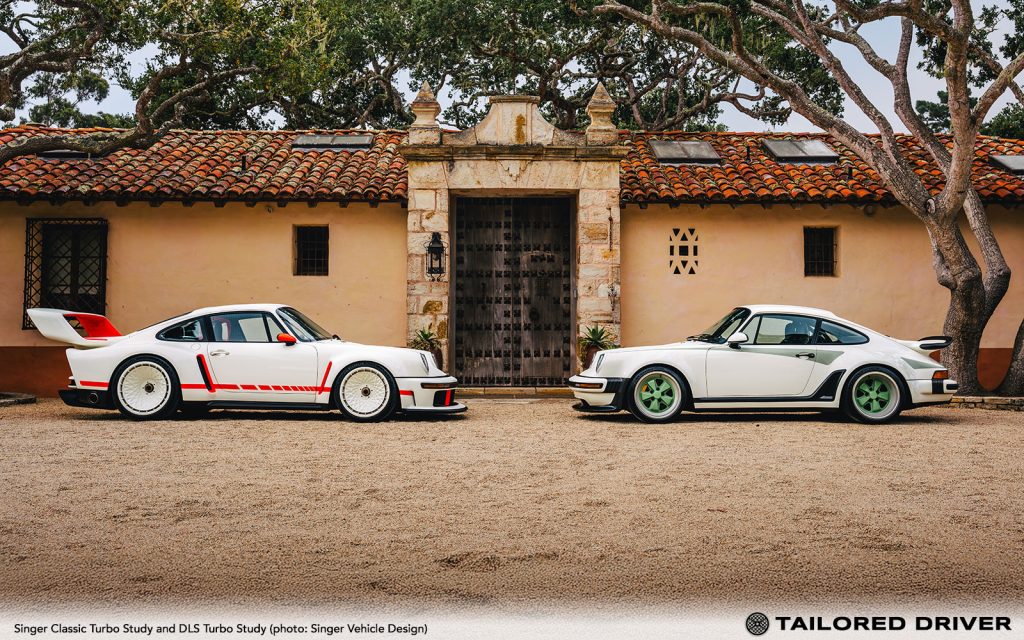
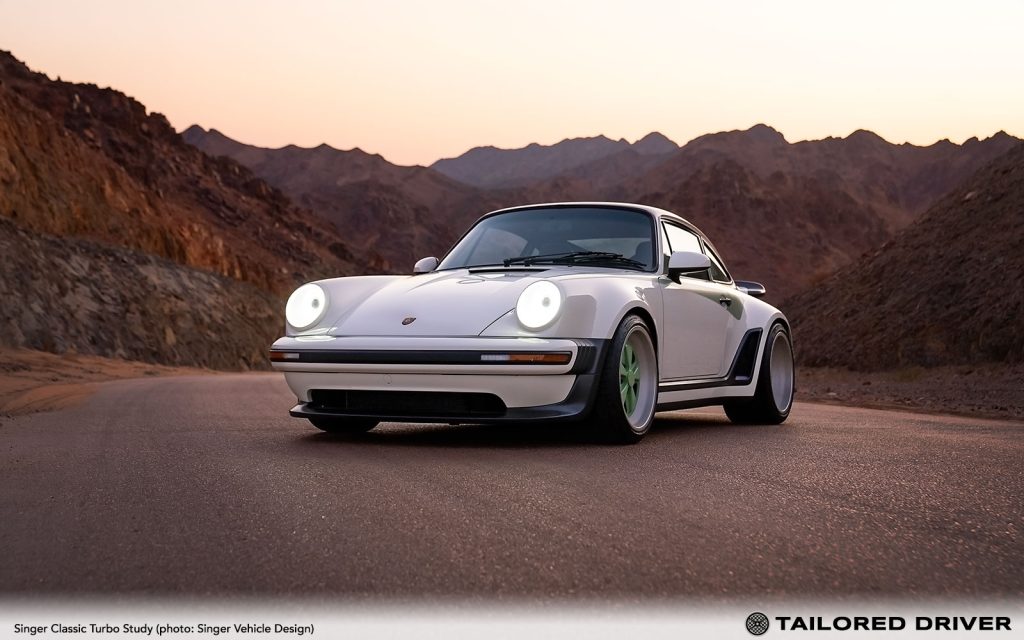
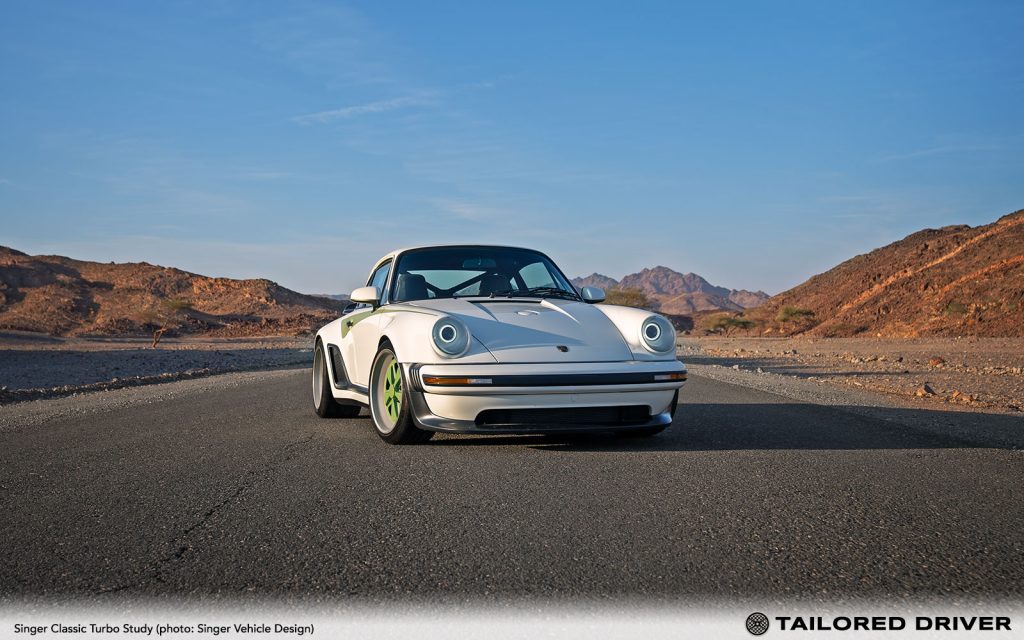
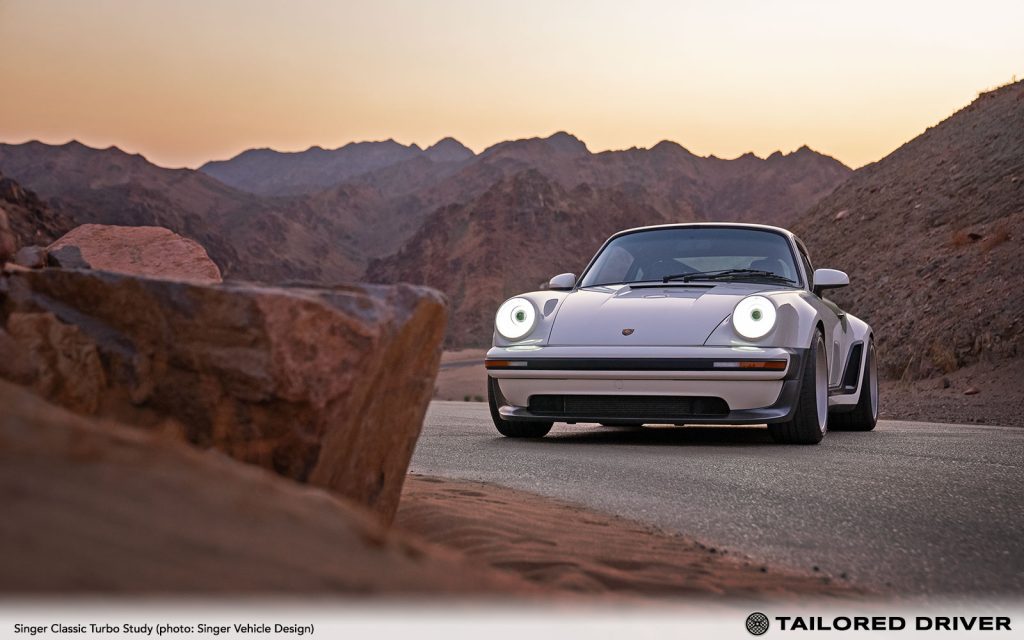
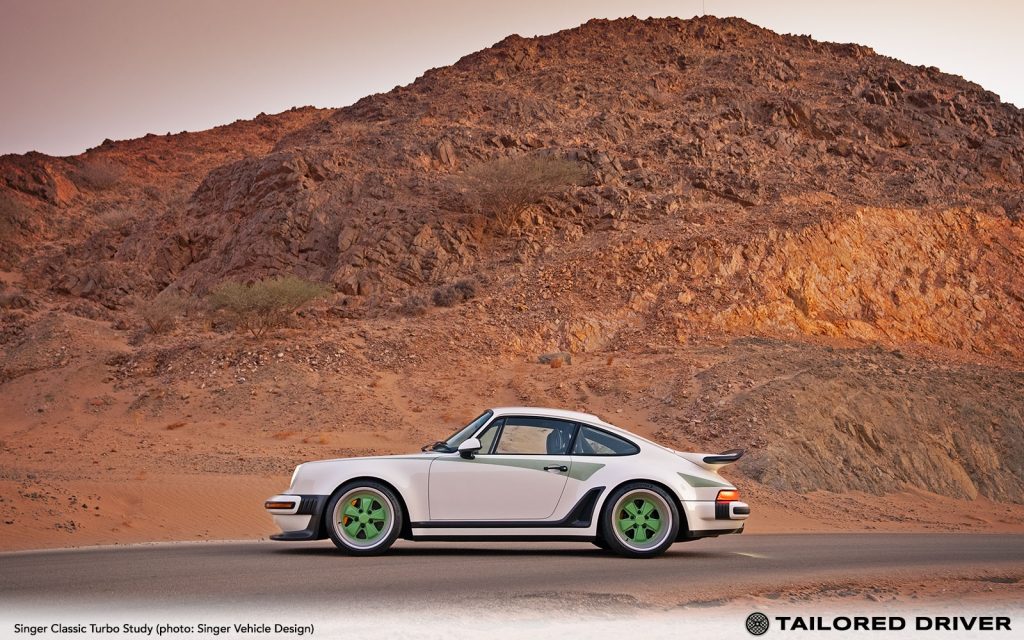
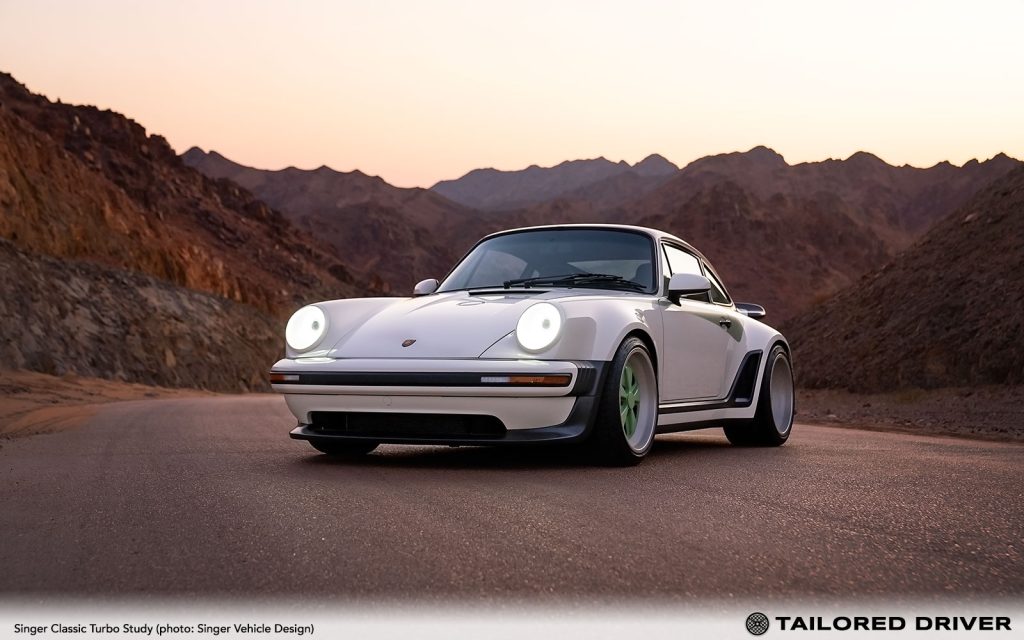
At the launch event in Riyadh for owners, prospective owners and media, Singer and Seven Car Lounge showcased, for the first time in Saudi Arabia, two turbocharged Porsche 911s Reimagined by Singer. One car, in Singer Racing White and Green has been restored for its owner through Singer’s Classic Turbo services – which celebrate the iconic Type 930, launched in 1974. The second car, in Singer Racing White and FluroRed has been restored through Singer’s DLS Turbo services, inspired by the Type 934.5 endurance racer of 1977.
Each Porsche 911 Reimagined by Singer is unique and represents a personalized restoration of the owner’s Type 964 Porsche 911.
Founder and Executive Chairman of Singer, Rob Dickinson commented – “Since I founded Singer in 2009, our mission has been to celebrate the brilliance and the heritage of the Porsche 911. Our goal is to connect with owners and enthusiasts around the world who share our obsession with this iconic sports car. We’re thrilled to be in Saudi Arabia and to experience another incredible car culture as we expand the support we can provide for our amazing clients. Seven Car Lounge are luxury specialists with a deep understanding of what it takes to be successful here and we’re excited to have them by our side.”
Singer’s CEO, Mazen Fawaz noted – “Our work on behalf of Porsche owners is defined by a focus on beauty, craftsmanship and innovation. We’re delighted to be partnering with Seven Car Lounge, who share our commitment to excellence, and excited to bring these incredible cars and our awesome team from California and the UK to meet new audiences around the world.”
Adel Alrajab, CEO of Seven Car Lounge commented: “We’re very happy to be working with such an exciting brand and to be supporting Singer’s clients in the region. We at Seven Car Lounge strive to provide a unique experience for our members by offering them the full range of services: from acquiring their dream car, servicing and storage at our world class facilities and, more importantly, unforgettable driving experiences that explore the beauty of Saudi Arabia and the wider world.
Singer Summary Founded in California in 2009, Singer represents a philosophy expressed as A Relentless Pursuit of Excellence. The company has become renowned for its collaboration with owners of the air-cooled Porsche 911 to reimagine bespoke restorations. Singer’s philosophy embodies:
A highly personalized approach and exquisite execution.
A passionate focus on iconic design and a homage to the world’s most iconic sportscars.
Modern engineering and material science combined with jewel-like details.
A deep connection with California and its automotive zeitgeist.
Singer’s automotive services enable owners to restore beautiful, analogue sports cars for the road and track.
About Seven Car Lounge Seven Car Lounge is a Saudi-made brand founded by Talal & Adel Alrajab in 2014. As a leader in the exotic and lifestyle industry, Seven focuses on elevating the ecosystem of collectable cars by offering the highest standards of professionalism and transparency for all their members and clients around the world. Seven’s services include sales, aftersales, and tailored driving experiences for both local and international clients.
Singer Quick Timeline: 2009 – Company founded; first restoration presented at Monterey Car Week 2014 – First all-wheel-drive and Targa restorations completed 2017 – Singer Reimagined watch company launched 2018 – DLS services presented 2022 – Classic Turbo services presented 2023 – DLS Turbo services presented
About Singer and our services We’re different from other car companies. Singer is not a manufacturer; we provide personalized restoration services for owners of air-cooled Porsche 911s.
The correct way to describe a car that we have restored for its owner is:
Porsche 911 Reimagined by Singer Please use this terminology when writing about Singer, to help us make sure that our services are accurately described.
We would also like to draw your attention to the following information about Singer. Singer is not sponsored, associated, approved, endorsed nor, in any way, affiliated with Porsche Cars North America, Inc., or Dr. Ing. h.c. F. Porsche, AG. Dr. Ing. h.c. F. Porsche AG is the owner of numerous trademarks, both registered and unregistered, including, without limitation, the Porsche Crest®, Porsche®, and the model numbers and names and the distinctive shapes of the Porsche automobiles, such as the federally registered 911 automobile. Any mention of Porsche Cars North America, Inc., or Dr. Ing. h.c. F. Porsche, AG. trademarked names or other marks is for purpose of reference only.
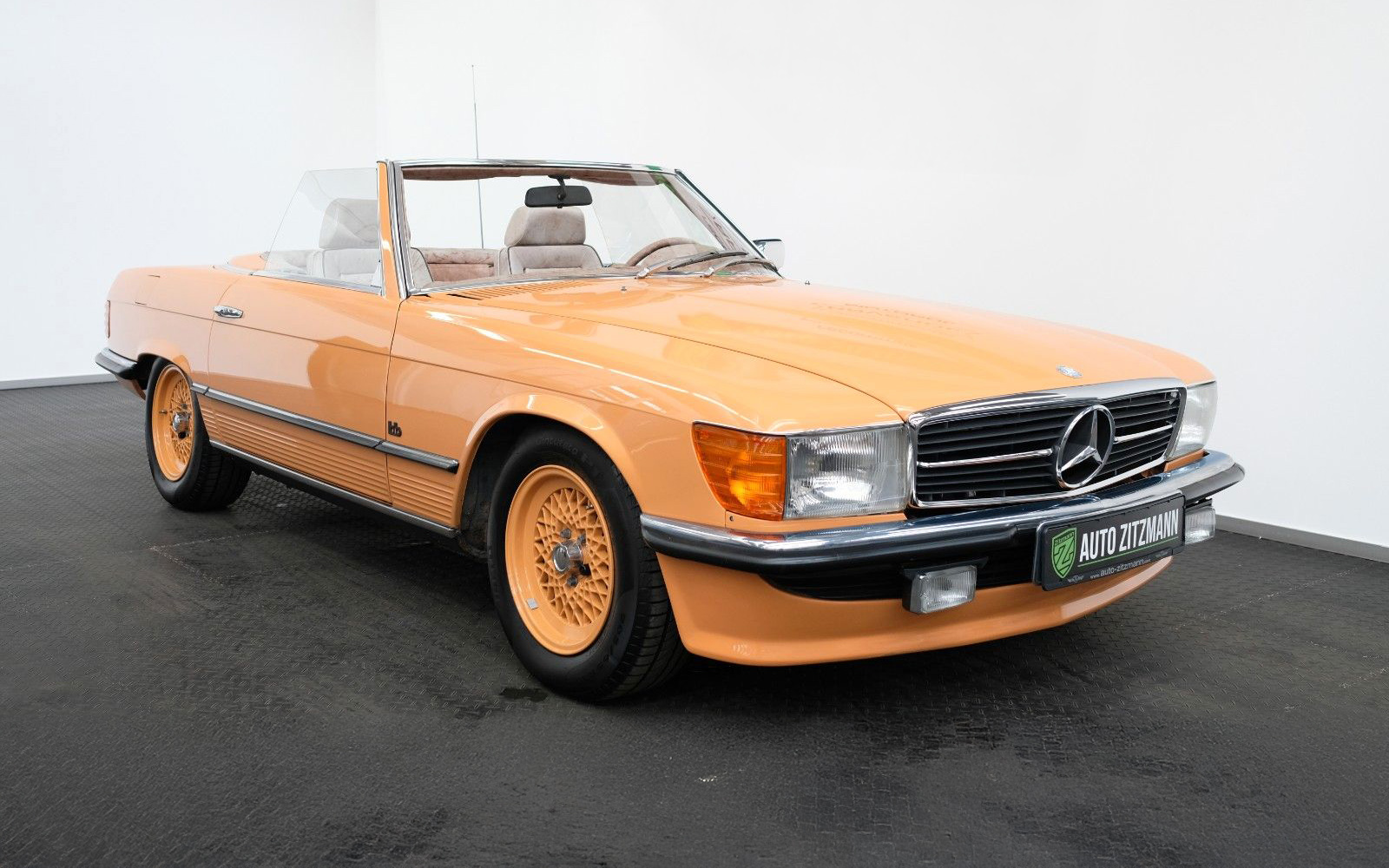
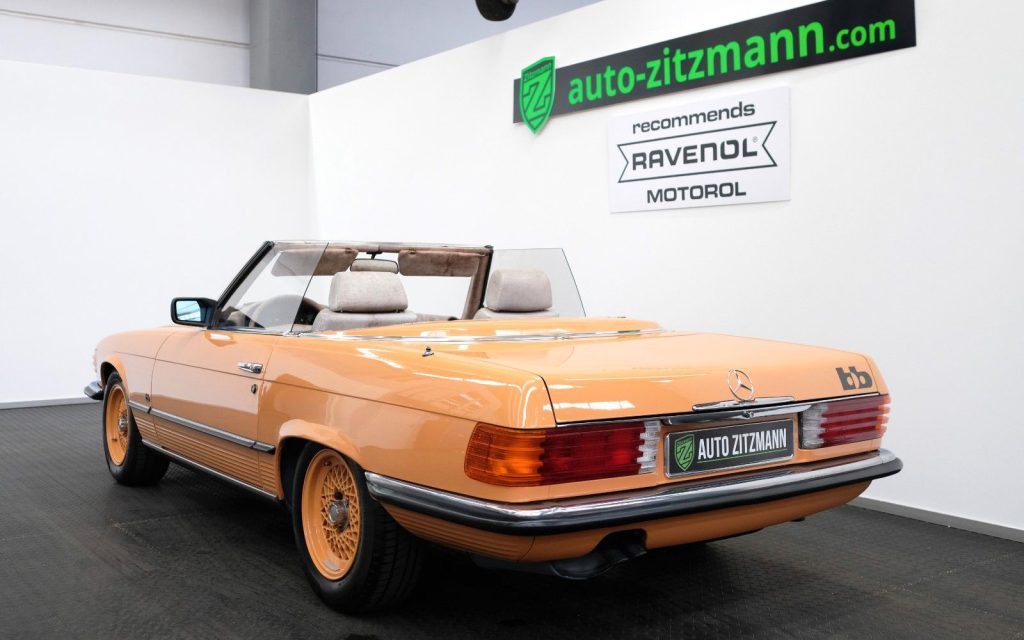
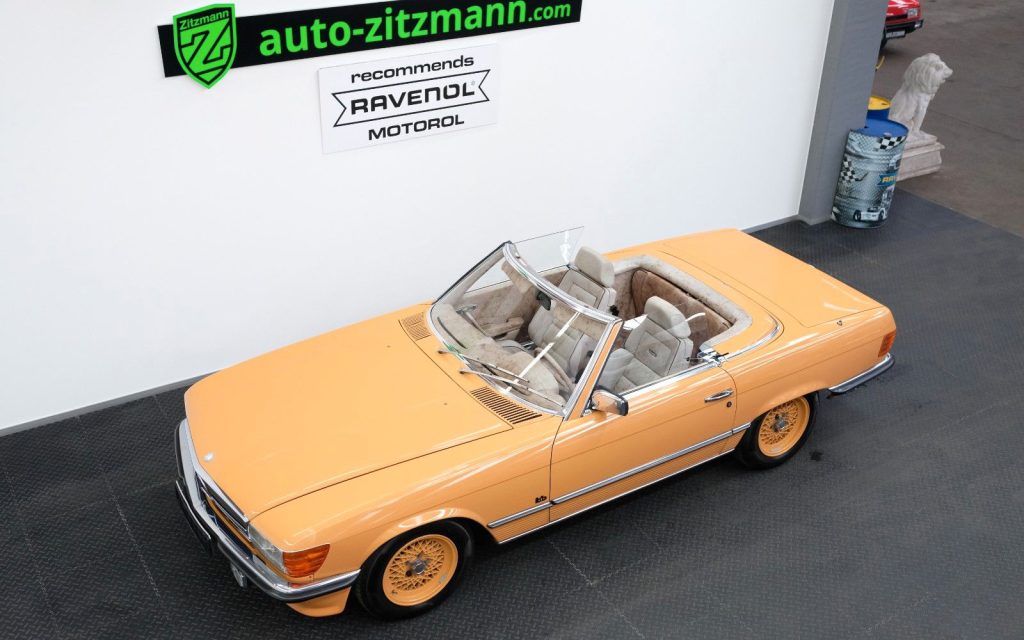
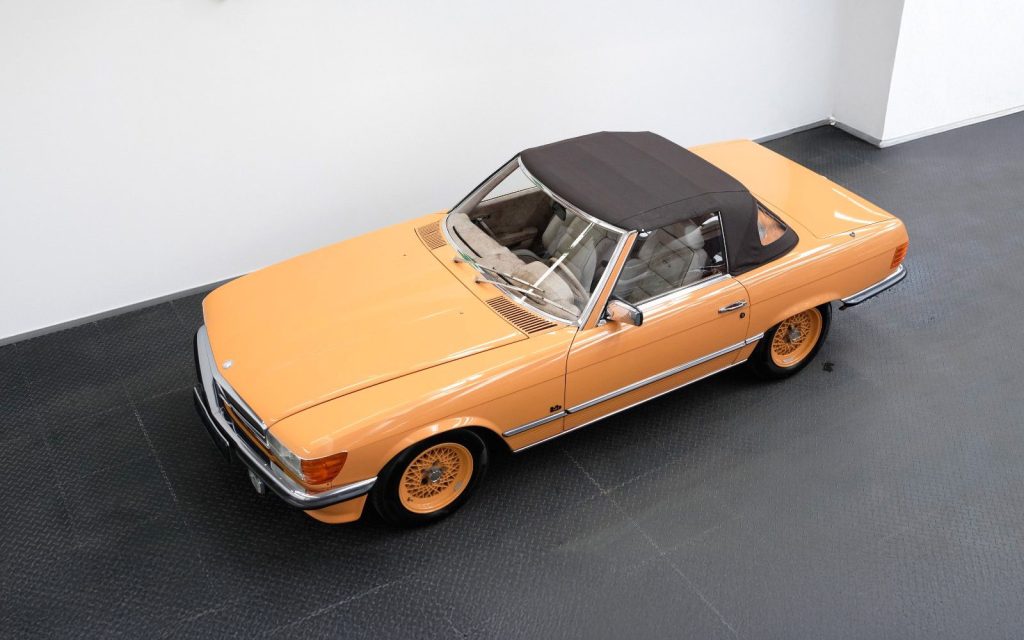
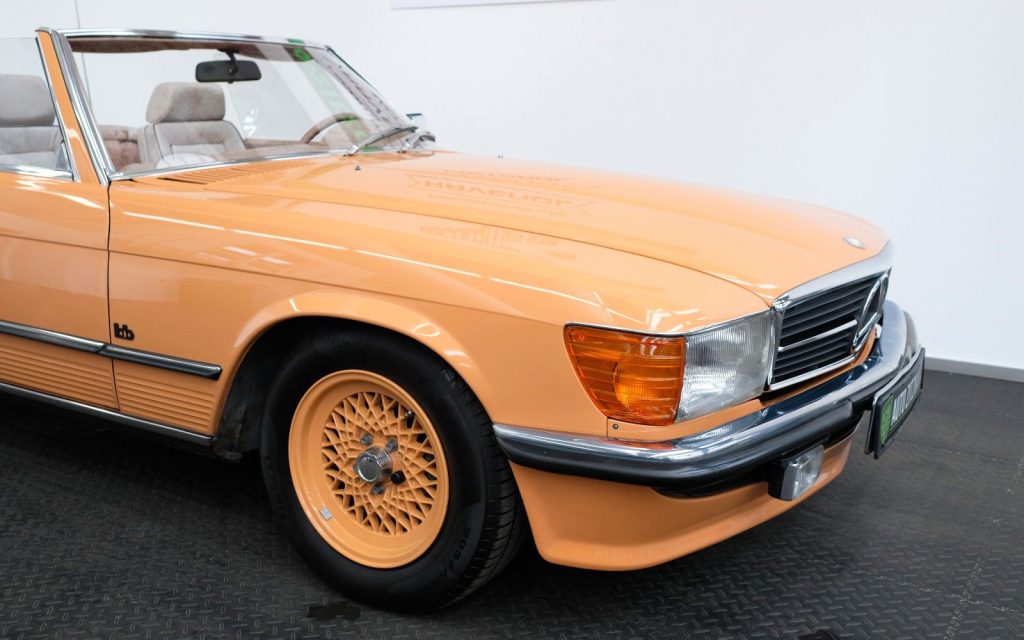
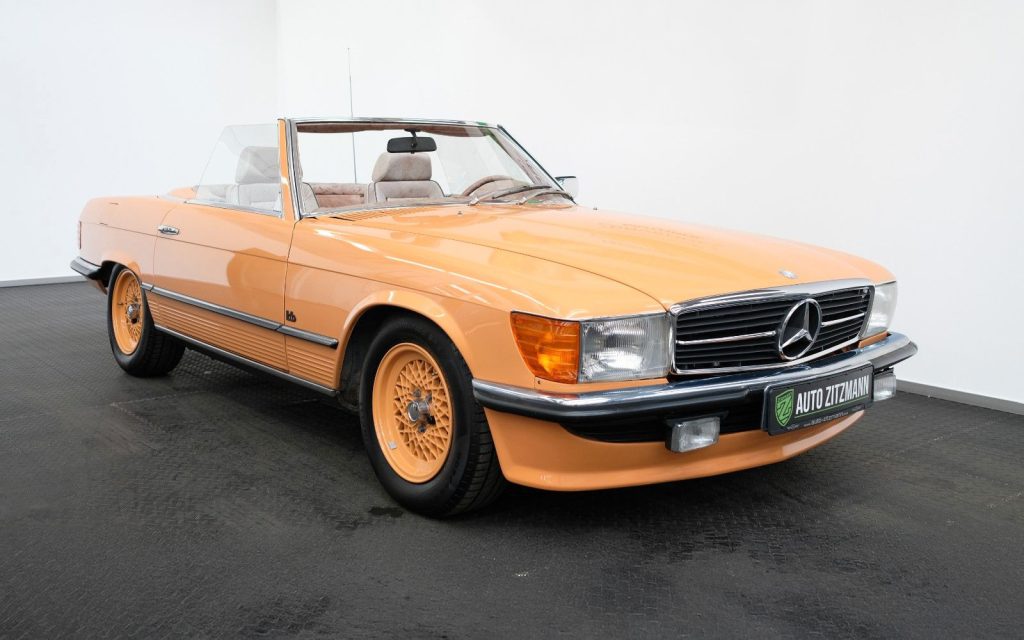
What: 1977 Mercedes Benz SL 280 built by BB Manufaktur Color: Cayenne Orange (cayenneorange; non-metallic UNI; 406; Mercedes-Benz) VIN: UD | F10095 Mileage: 17,500 km Price at Time of this Writing: €61,990 CarFax: N/A MonroneyLabels.com Window Sticker: N/A Location: Nuremberg, Germany Dealer listing:Auto Zitzmann GmbH
Why we love it:
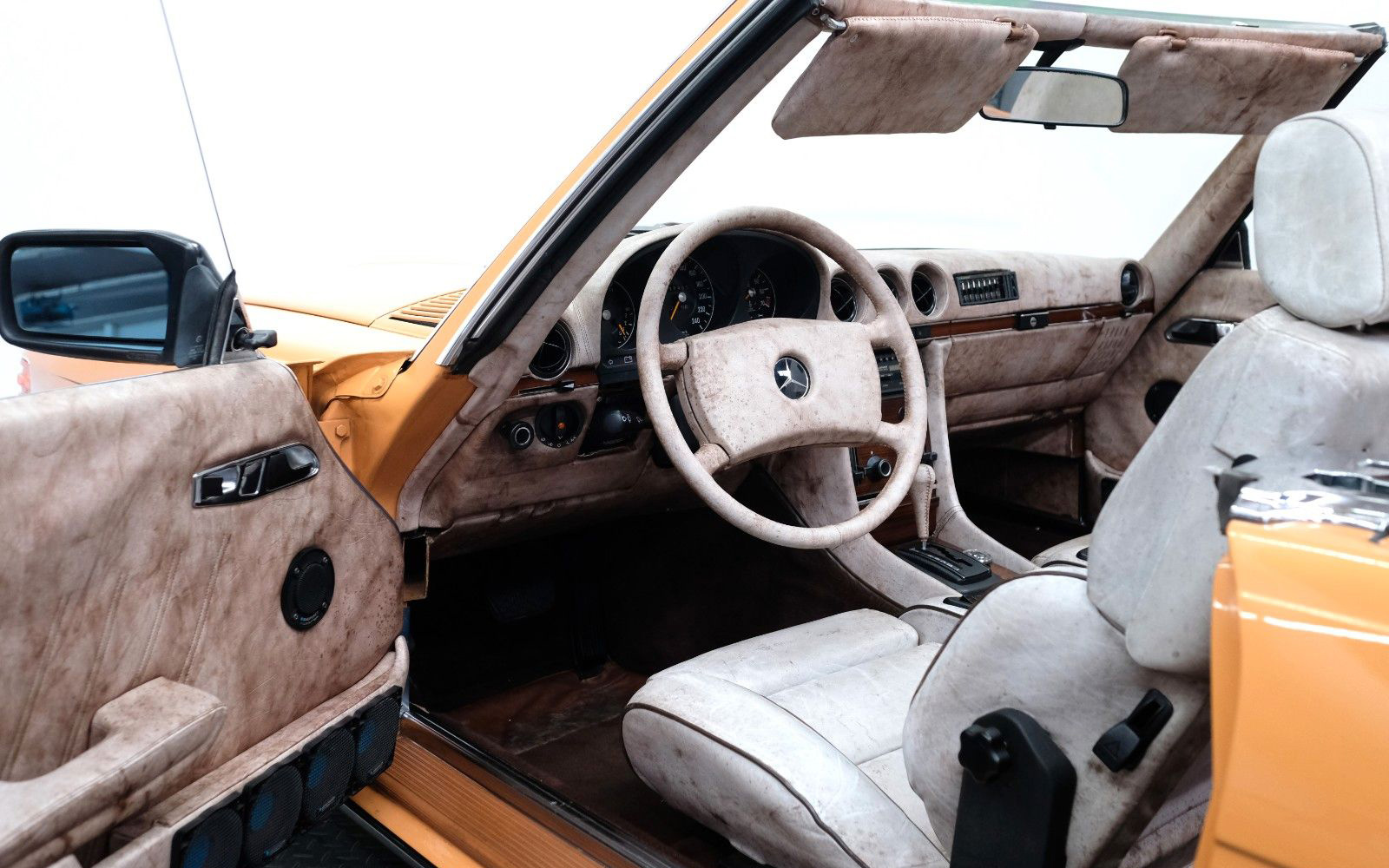
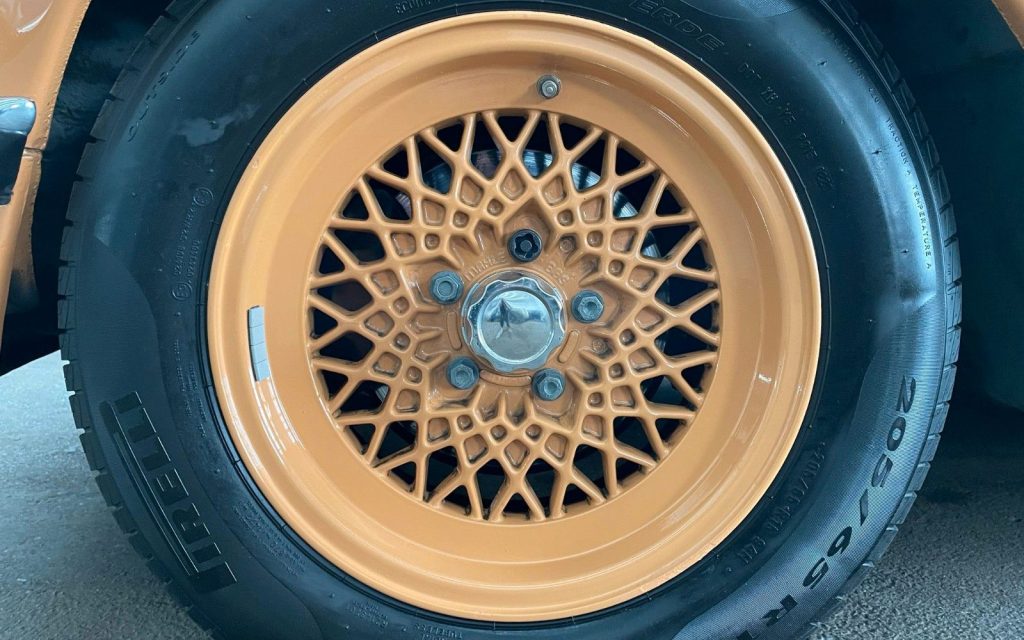
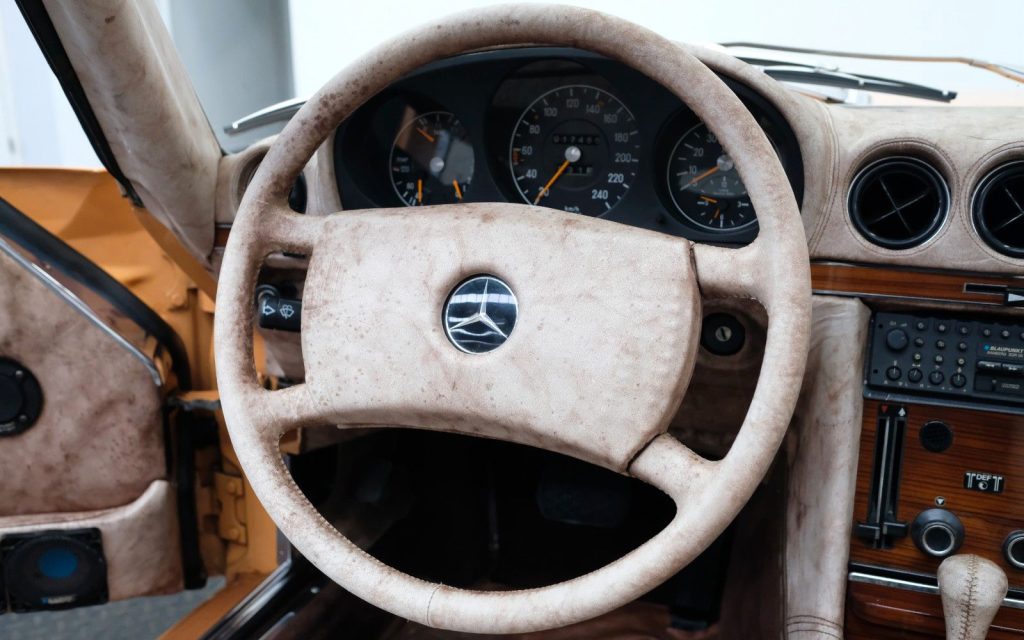
While the third-generation Mercedes-Benz SL (C107) isn’t hasn’t proven as graceful at aging as the second-generation W113 Pagoda, it has come into its own as 80s cars begin to bask in the glow of Radwood and other Reagan era automotive celebration. Technically though, cars like this 1977 SL 280 pre-date the 80s/90s cut-off of an event like Radwood, but if you can talk your way through the entry line then we think you’d have a good chance at winning with a car like this example. Built by BB Tuning, Rainer Buchmann Frankfurt-based customization shop that built some of the wildest cars you might see, and with a heavy focus on Porsche and Mercedes-Benz.
Interestingly, this is a stock period correct Mercedes-Benz color. Like the build itself, Cayenne Orange appears to be peak trendy and bordering on kitsch-cool back in the late 1970s. In some ways it was so unique that it aged out quickly and today is undoubtedly cool… even if ironically so.
And speaking of both ironic cool and period trendy, that’s probably the best way to describe how BB Tuning builds such as this car remain today. Likely largely untouched from the day it finished its aftermarket tailored build by BB Tuning, the car commands a presence and a premium well above its bone-stock period counterparts… probably even over pristine Cayenne Orange examples.
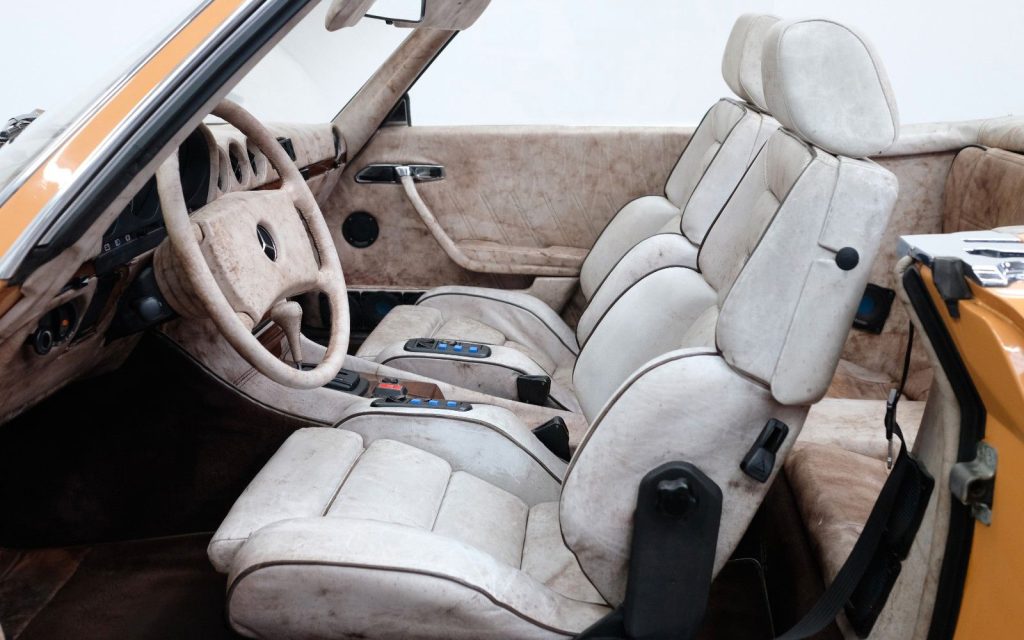
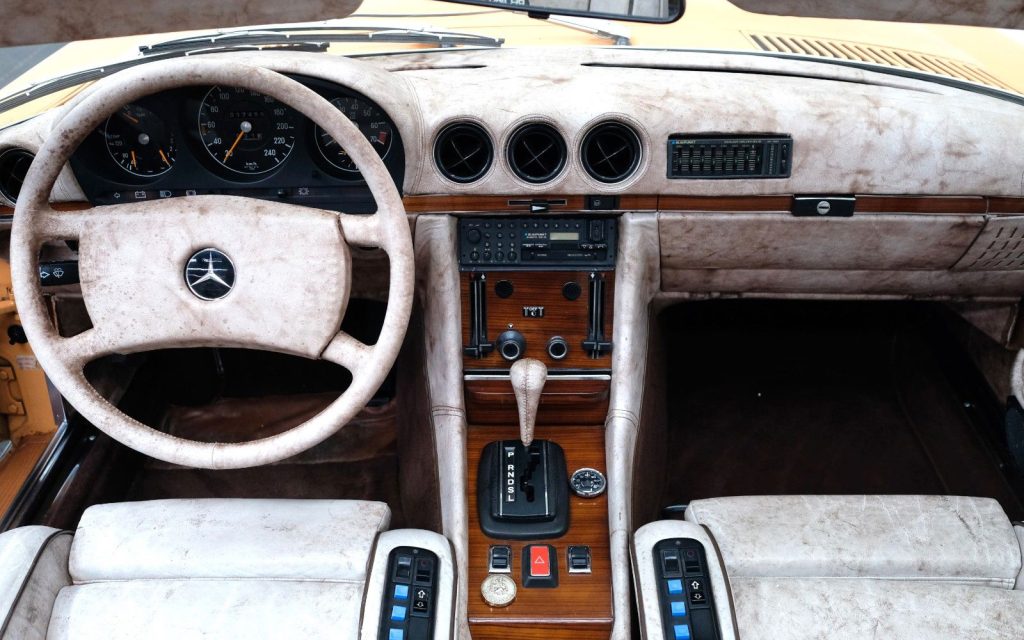
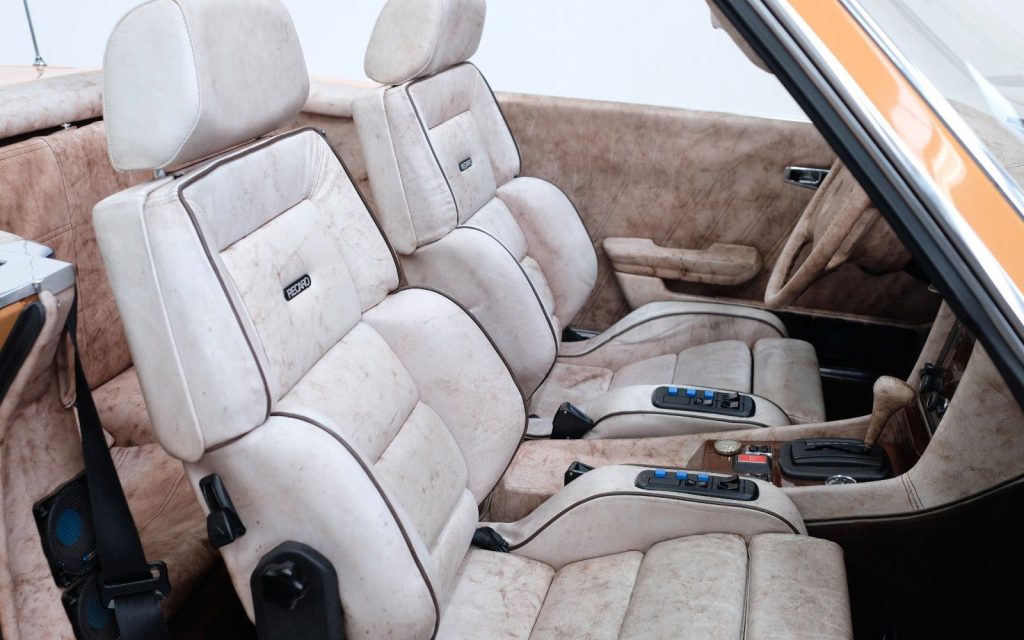
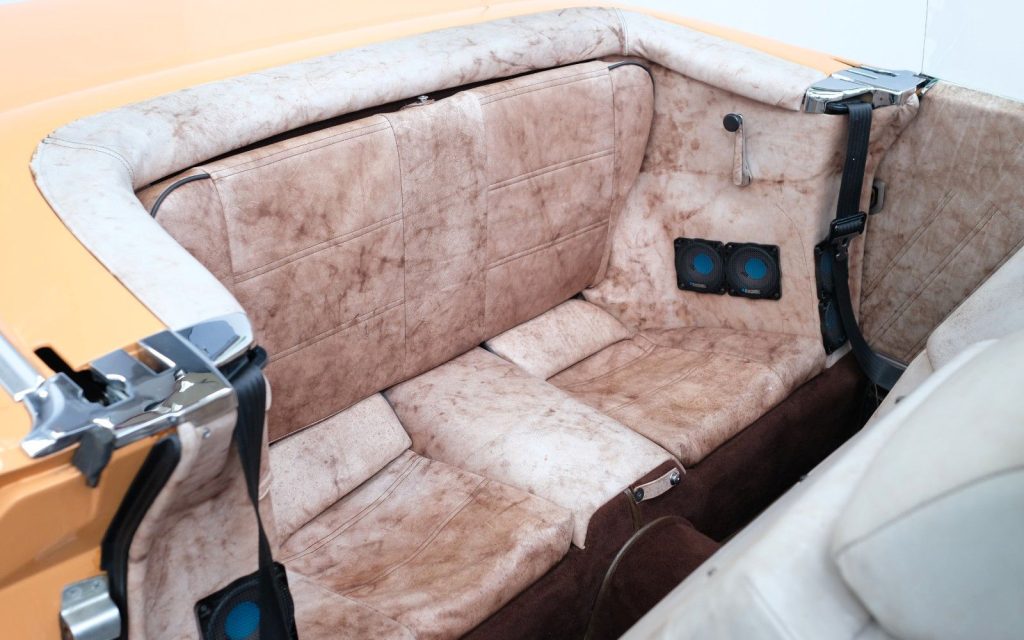
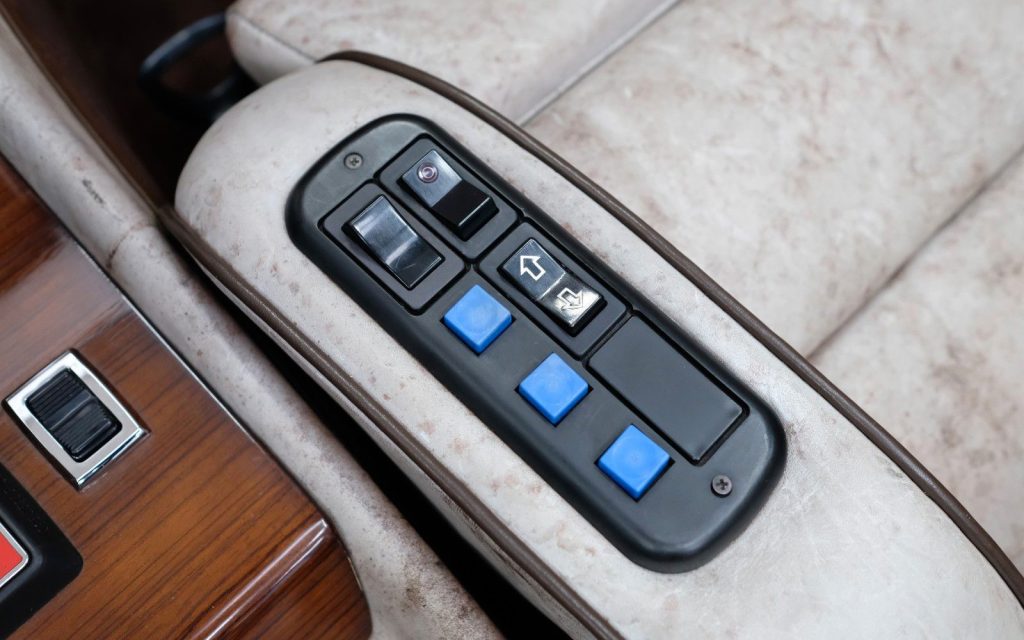
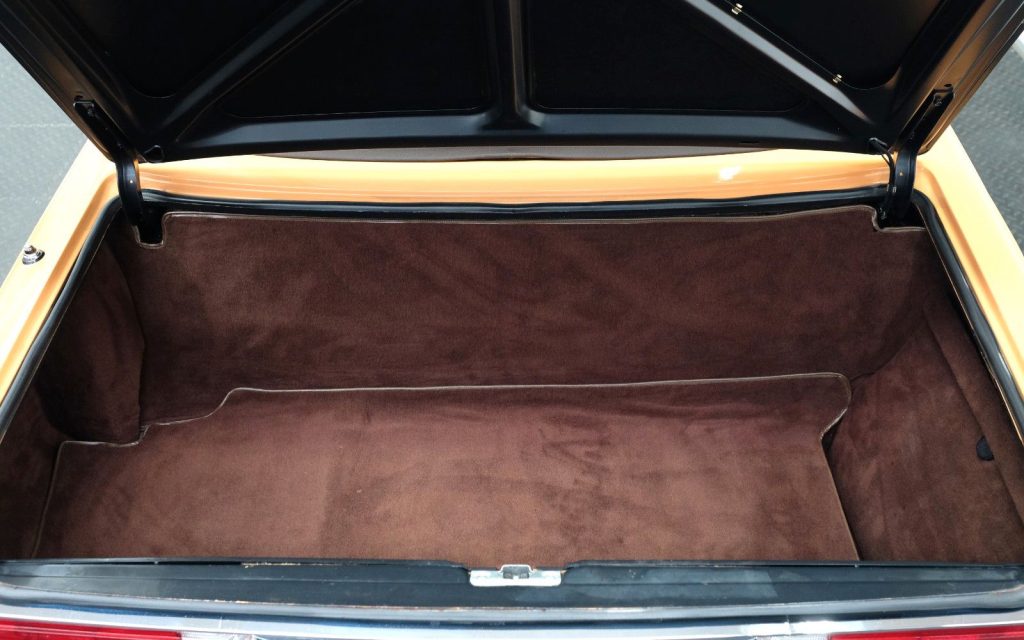
Look past the Cayenne Orange paint and color-matched BBS wheels and you’ll find a most interesting interior. Tailored in marbled leather, popular at the time but seldom seen today, it’s not exactly tasteful by today’s standards, but it’s so period and unique that we have no doubt the new owner will love it just the same.
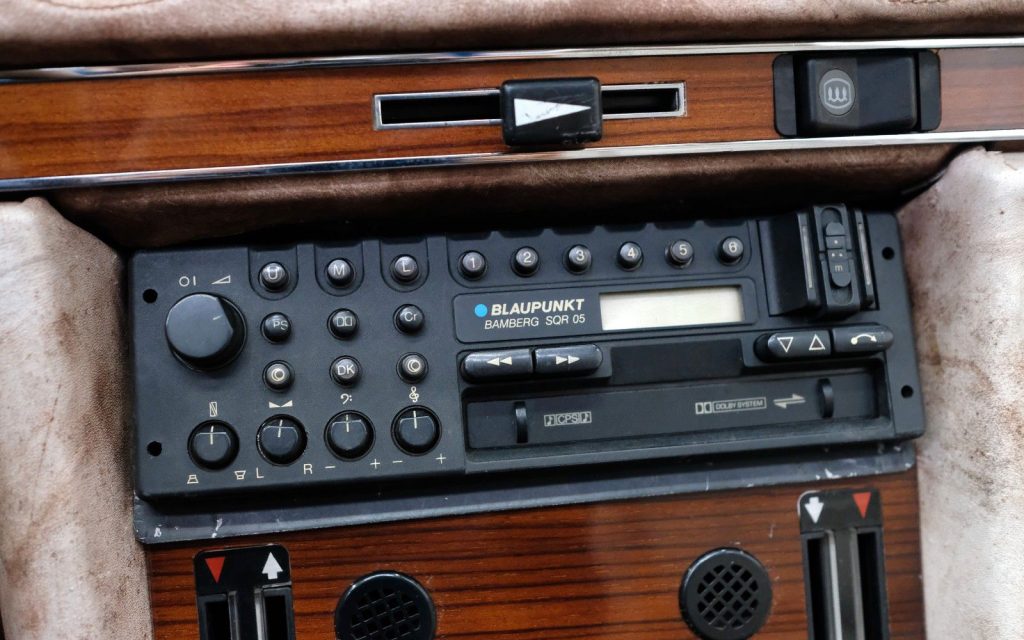
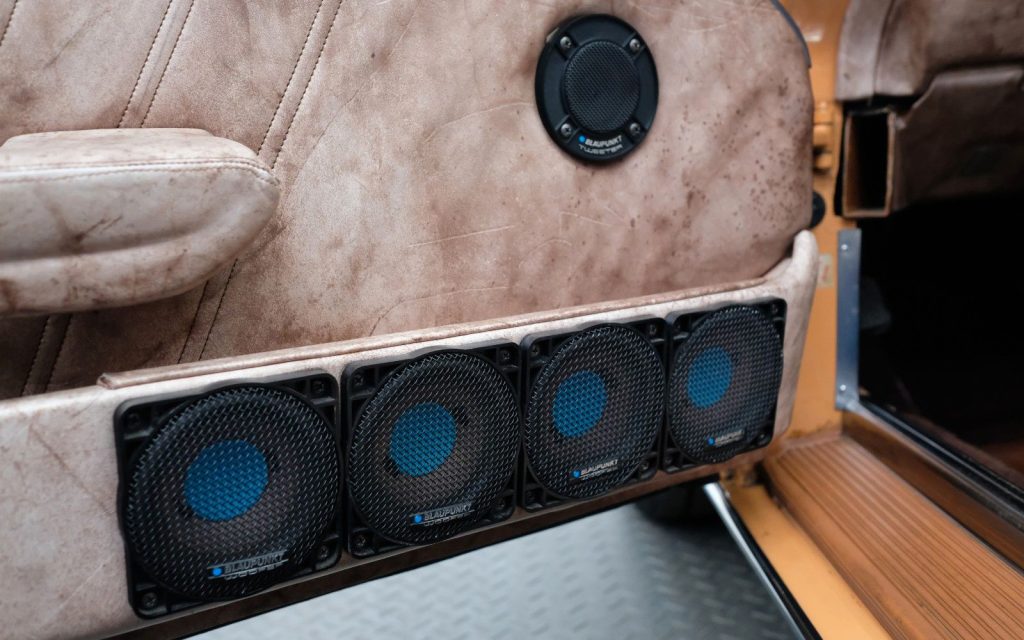
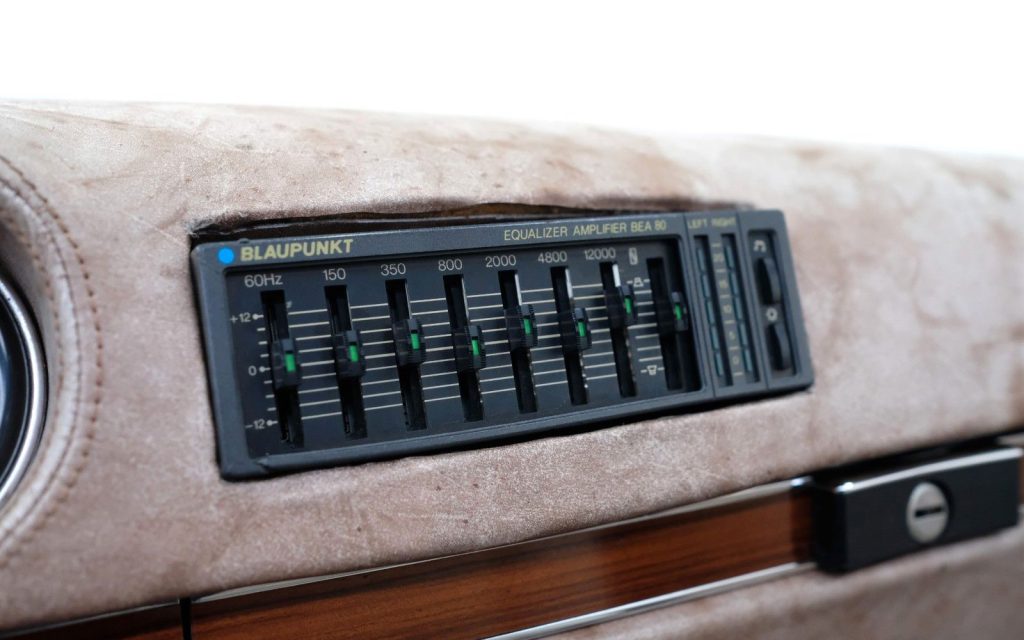
Embracing the period theme even more so is the audio system with components by Blaupunkt. Given the anemic audio comping from the factory at that time, aftermarket stereos were virtually required on builds such as this. Brands like Blaupunkt led the way in the German aftermarket, and this system is based on a Monza head unit with no less than 12 speakers throughout the marbled leather cabin.
Okay, this car’s not for everybody. But, we suspect if you get it then you’ll probably want to get it.