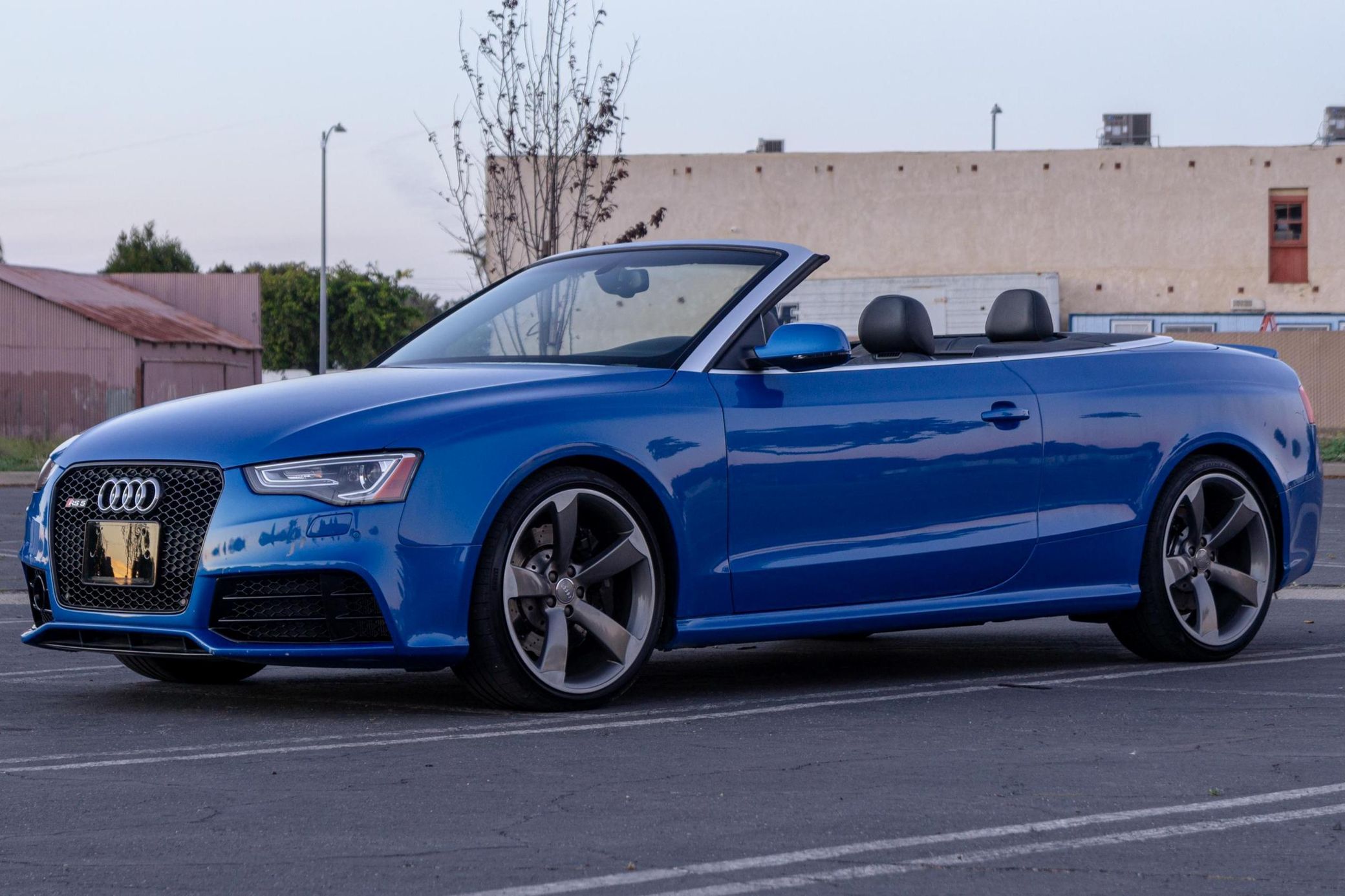
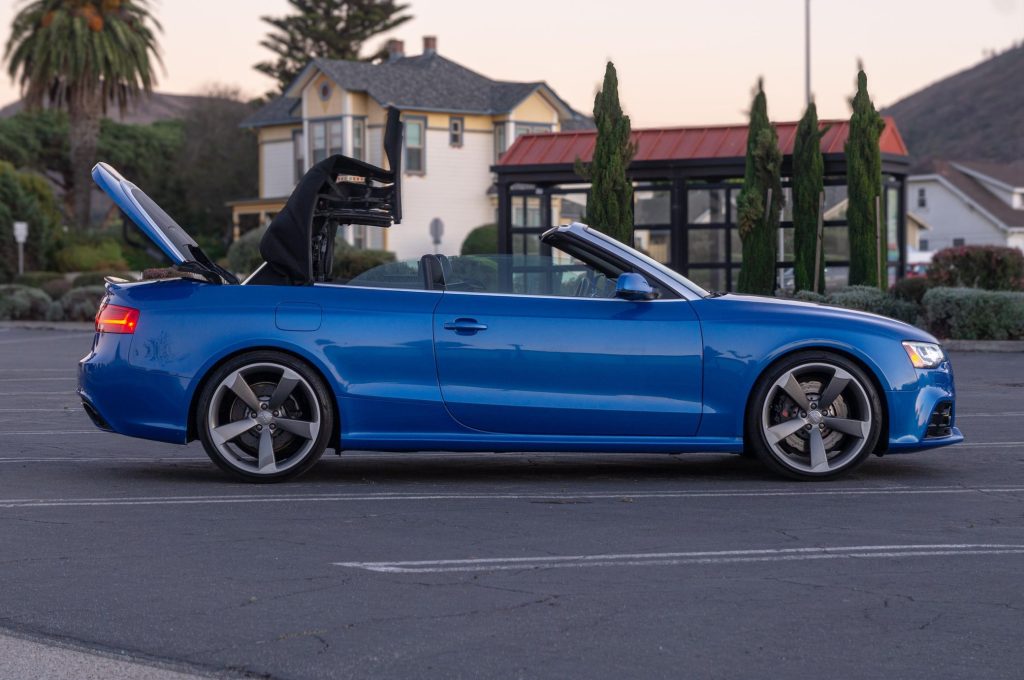
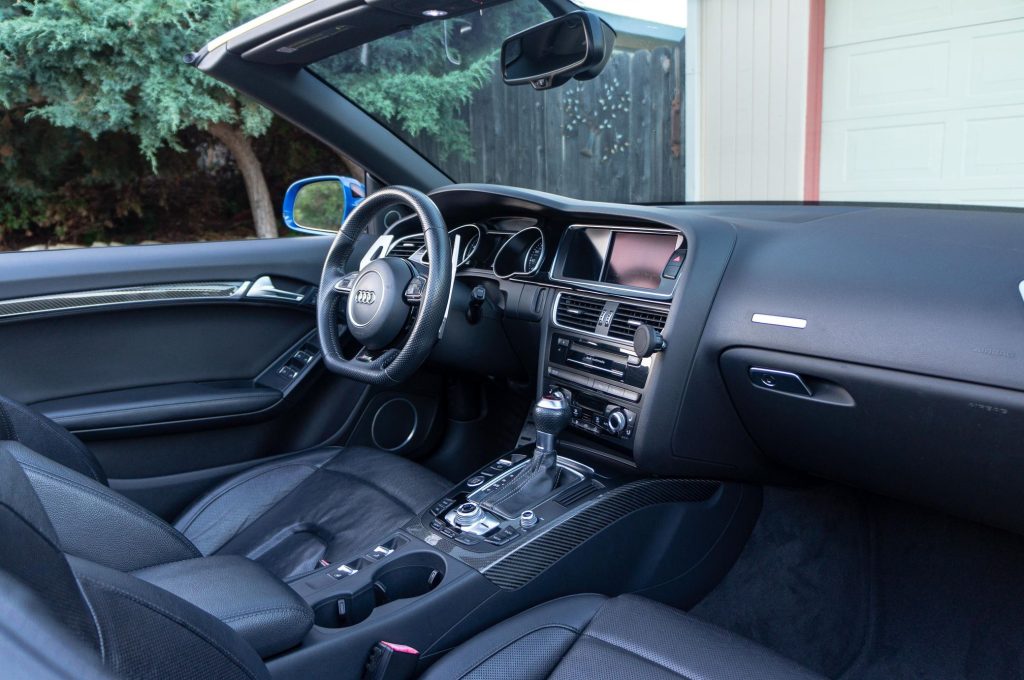
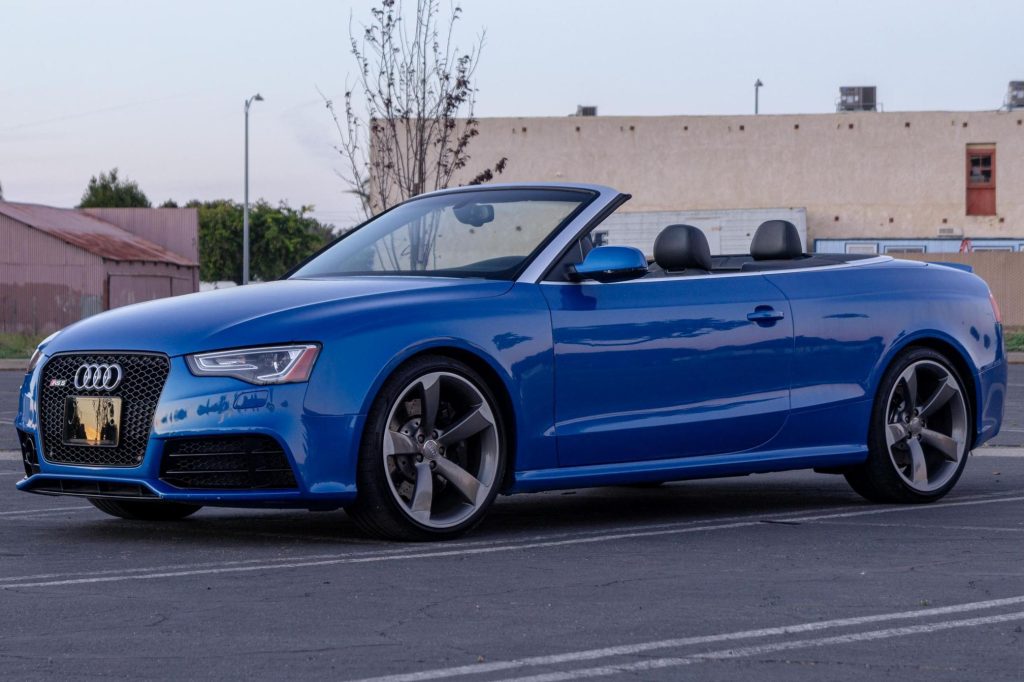
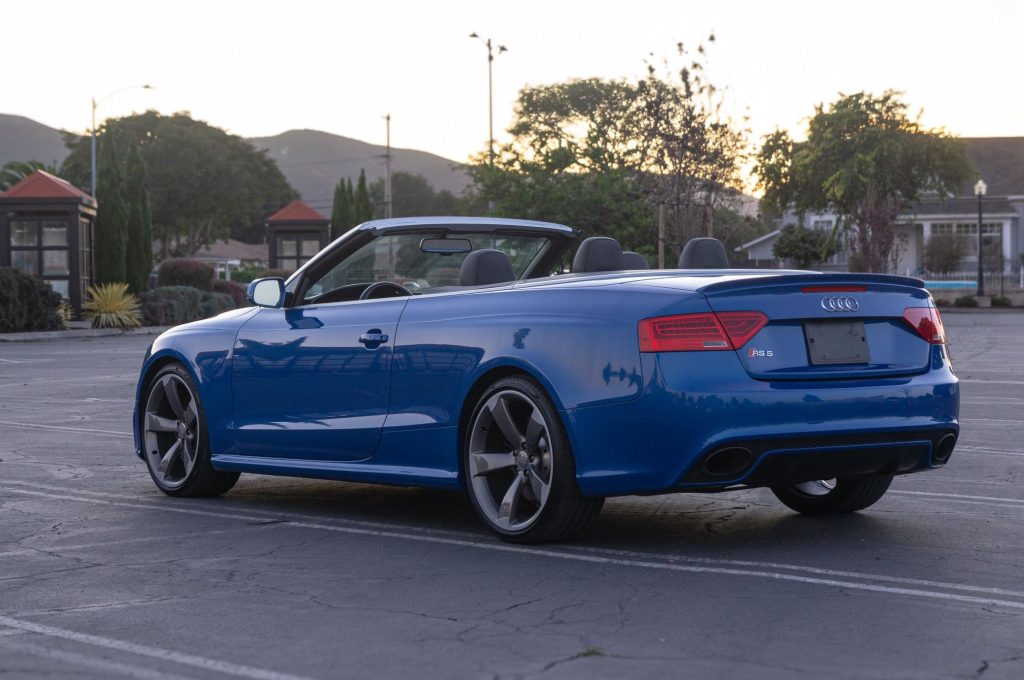
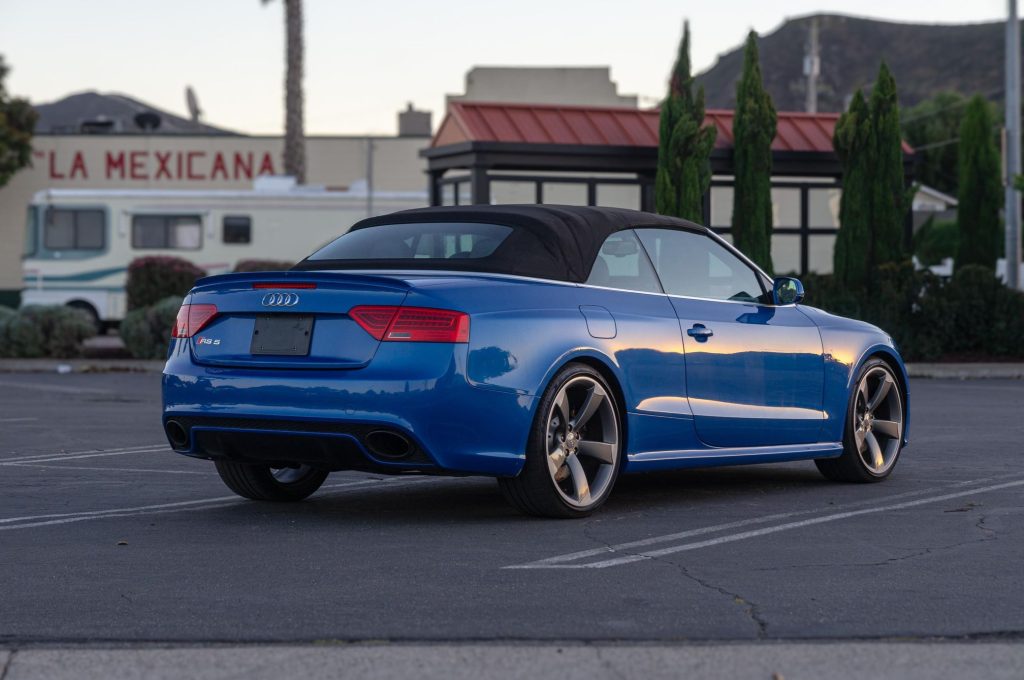
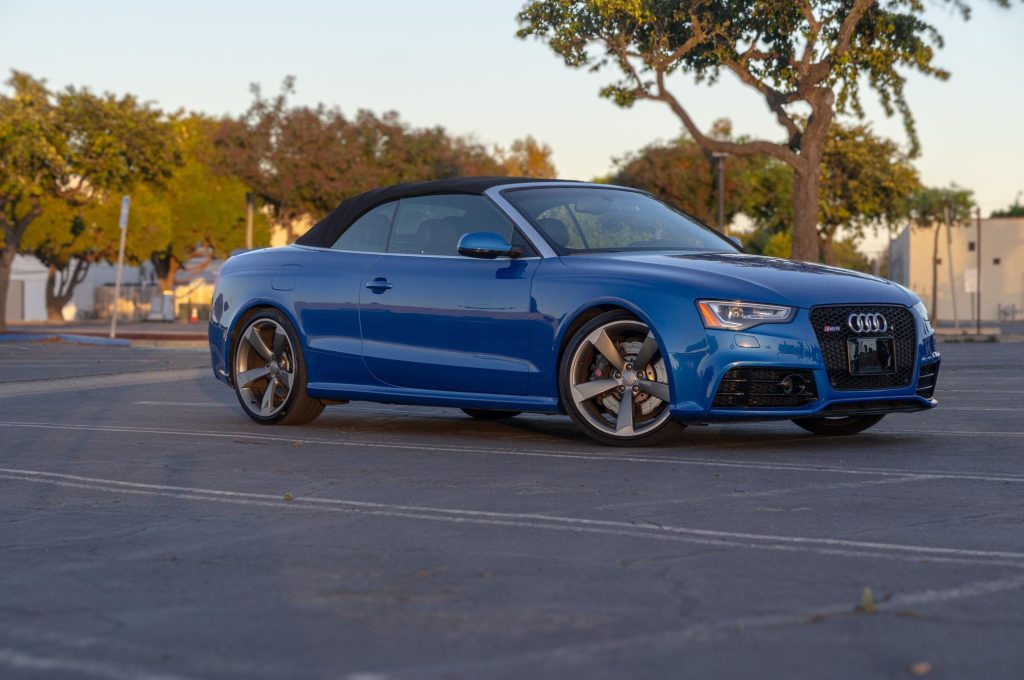
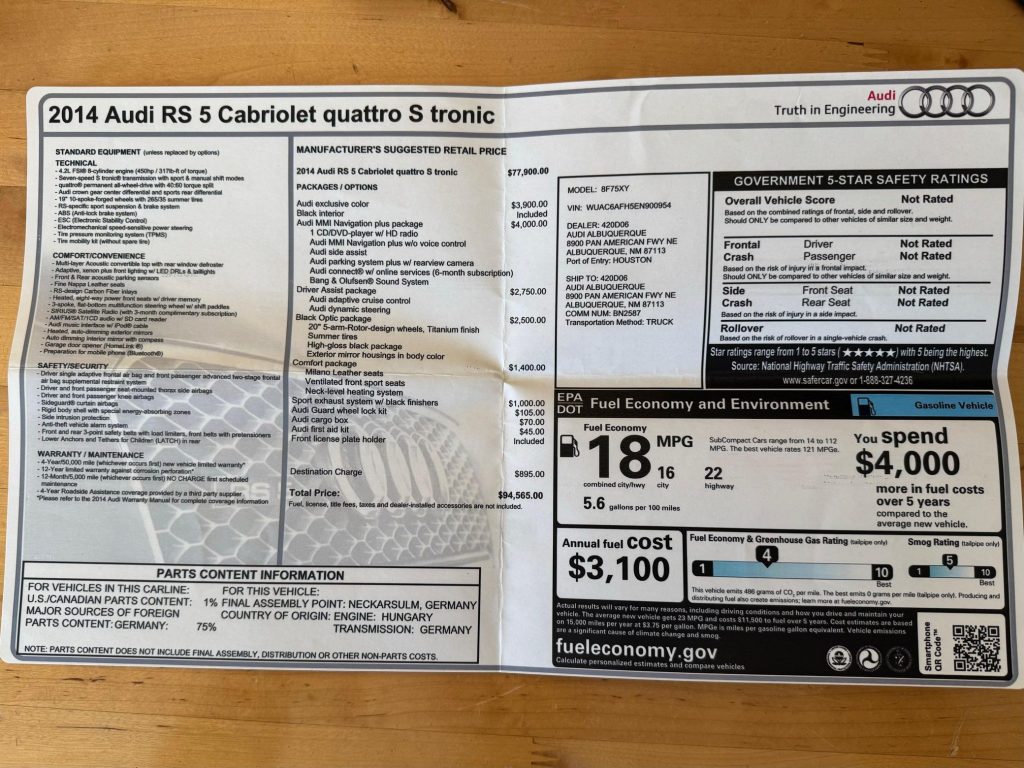
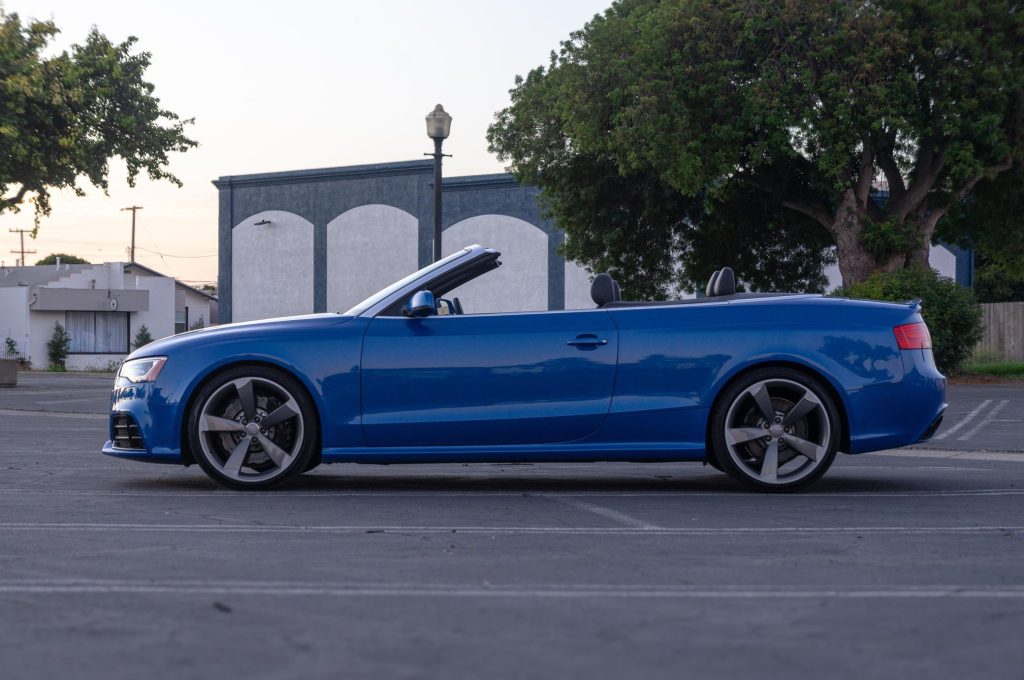
Today we’re excited to bring you the first of what we hope to be many for Tailored Driver– fan submitted content. Kaleb, the owner of this Audi exclusive Sprint Blue (sprintblau; pearl UNI; LZ5F / 5N; Audi) RS 5 Cabriolet, reached out shortly before his Cars and Bids listing went live, and we were happy to hear from him. Not only a fantastic, incredibly high sticker ($94k!) Tailored Driver, but also a truly great enthusiast’s car to boot.
The B8.5 Audi RS 5 Cabriolet is already a rare car. If production numbers we’ve found over on Audiworld.com are accurate, only 769 U.S. market Cabriolets were produced (versus 2747 Coupes) between MY2013 and MY2015. And while this does sound consistent with what we’ve heard in the past, it’s the note of Audi exclusive painted examples that make us think their count may be missing at least some color data as they list no “individual” colors in MY2013 or M&2014 (like this car), though do list 25 “Exclusive” colors in MY2015. No doubt Audi might provide more specific details on the Audi exclusive mix, or if this car is one of multiple or one of one as it sits in its Sprint Blue on black leather color way.
What is Sprint Blue? The color appears to have debuted on the B7-generation Audi S4. Having produced Nogaro Blue from the earliest RS2 production (as RS Blue) and through B5 and B6, it seems the brand was looking for a new bold blue paint code to freshen up that end of the palette spectrum. Sprint Blue Pearl was that blue, though favors more to the green/cyan side of the blue spectrum as compared to the more purple/magenta oriented Nogaro Blue.
In period, Sprint Blue was a popular factory color choice and is seen regularly on the B7 S4, B7 RS 4 and early B8 S and RS models. By the time the B8 received its “B8.5” facelift like this car though, Sprint had been replaced with Audi’s Sepang Blue that is a bit lighter and with less green. So, when cars like this RS 5 were produced, Sprint Blue had already gone. Likely the person who chose this specification fell in love with the color and kept it going with this special order. And it’s hard to argue. The car looks fantastic.
Get all the details and follow along on Cars and Bids as the auction for this Tailored Driver (VIN: WUAC6AFH5EN900954) will close in just two days.
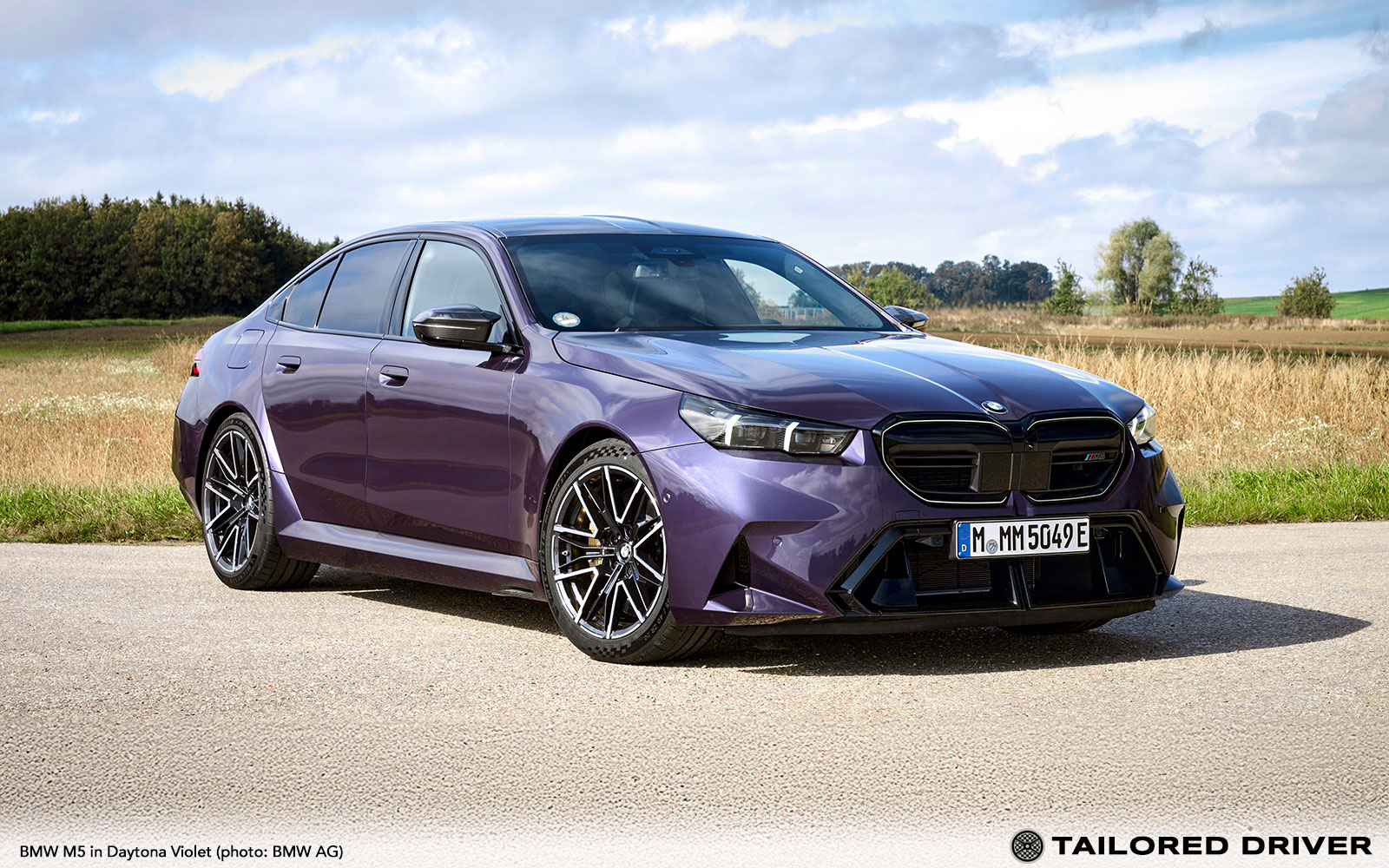
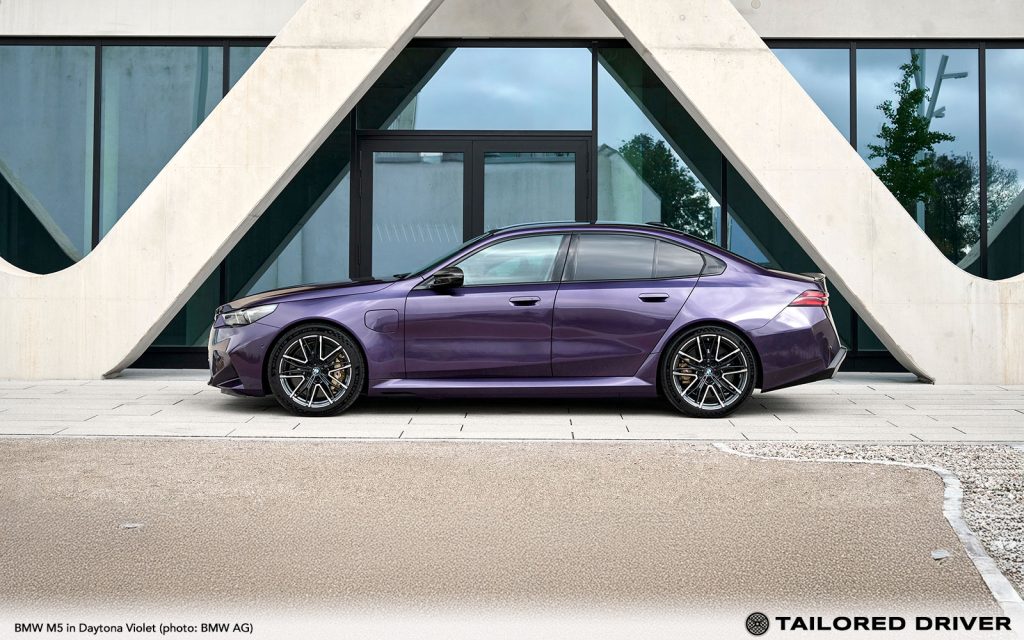
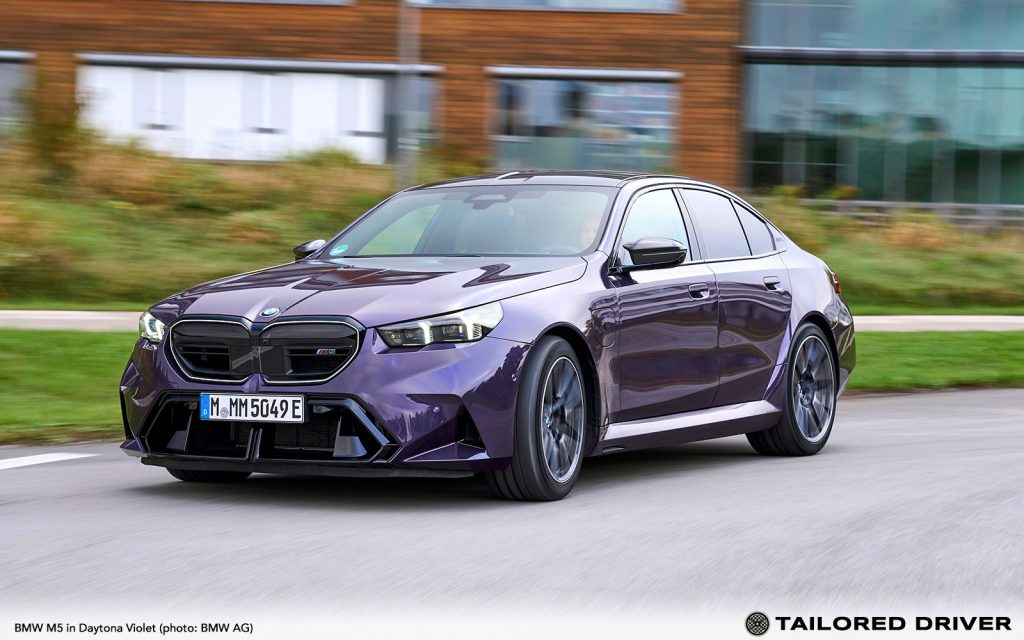
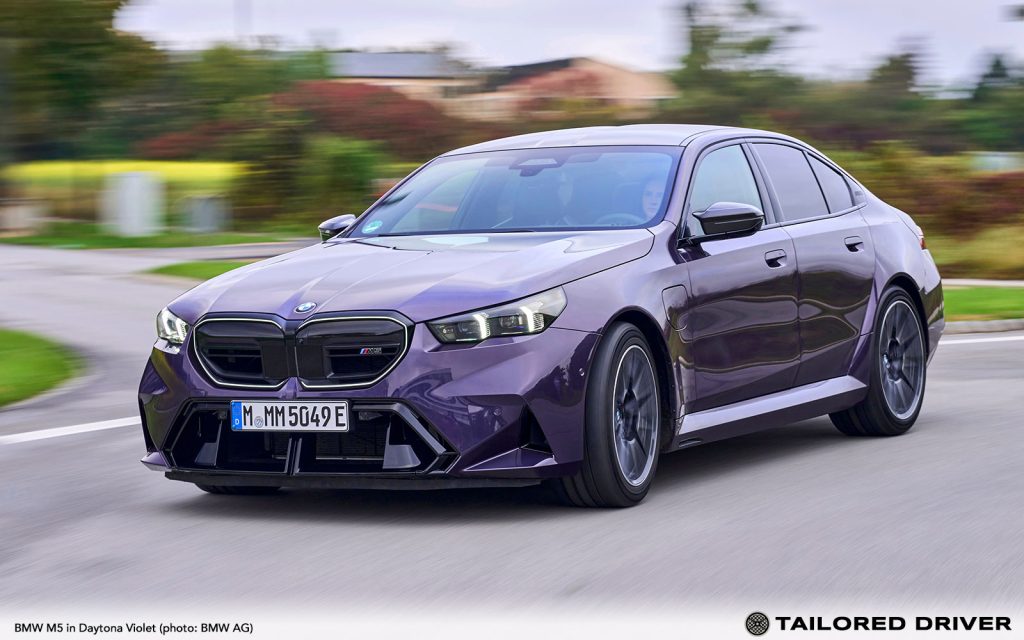
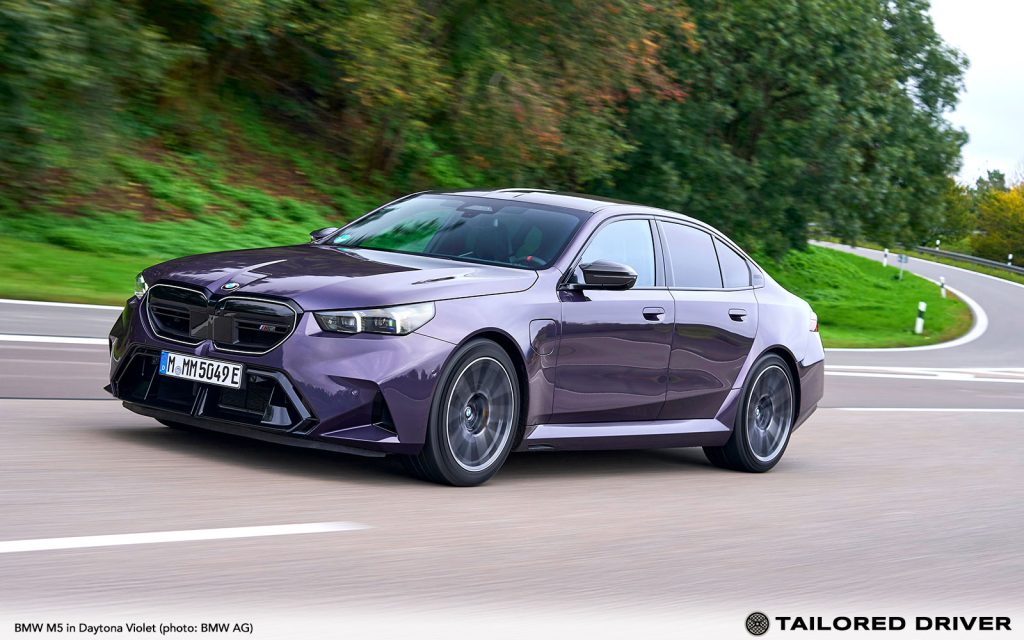
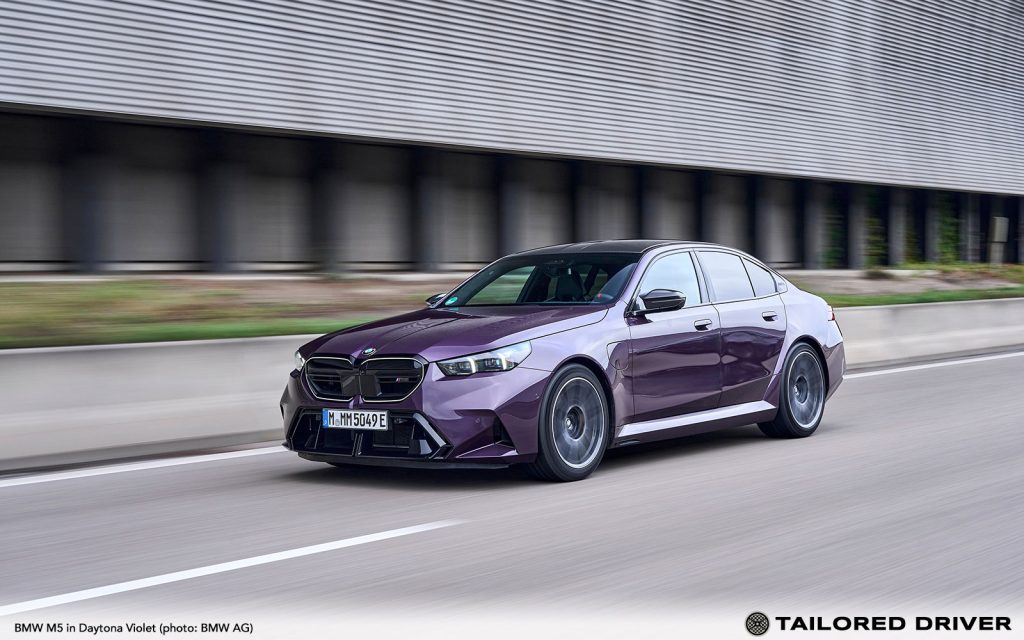
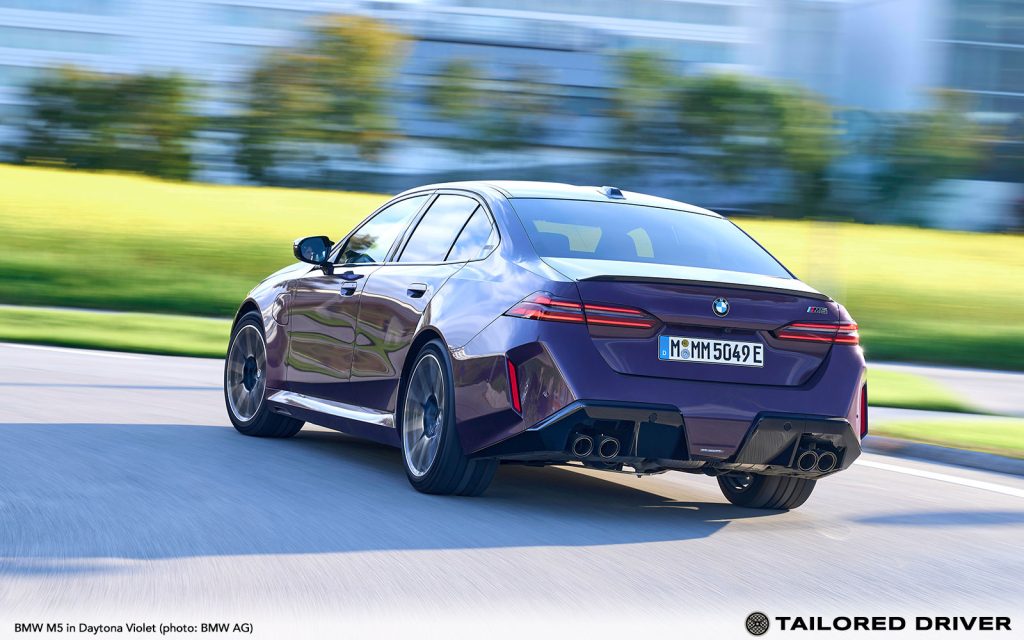
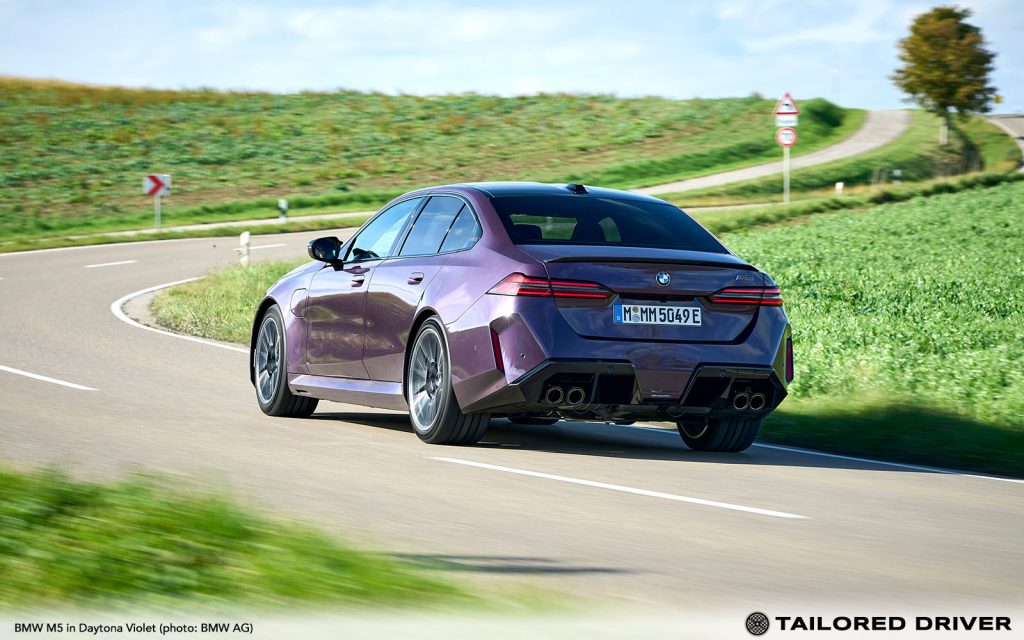
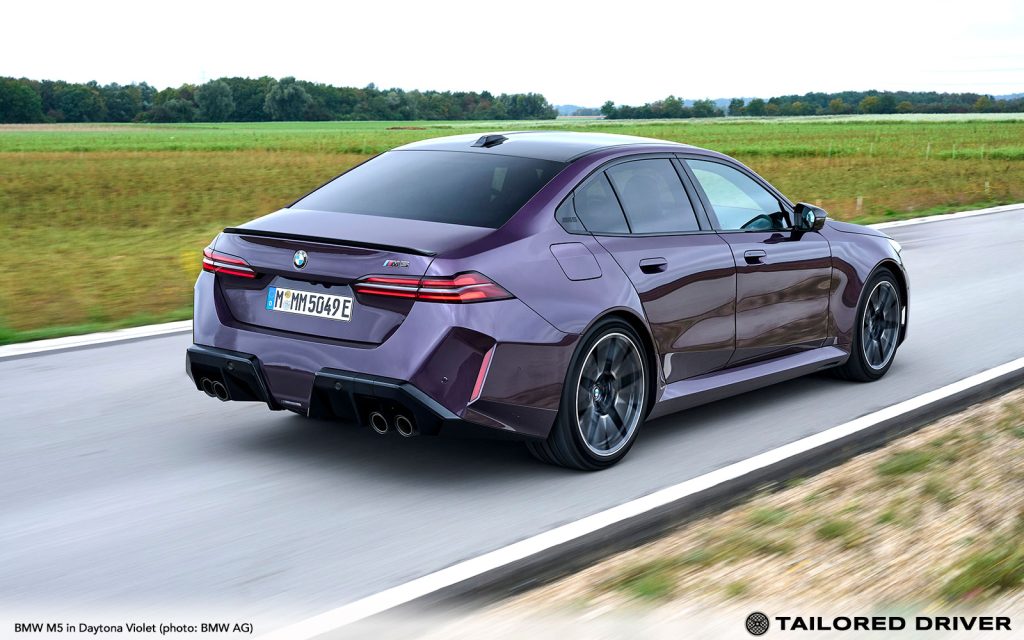
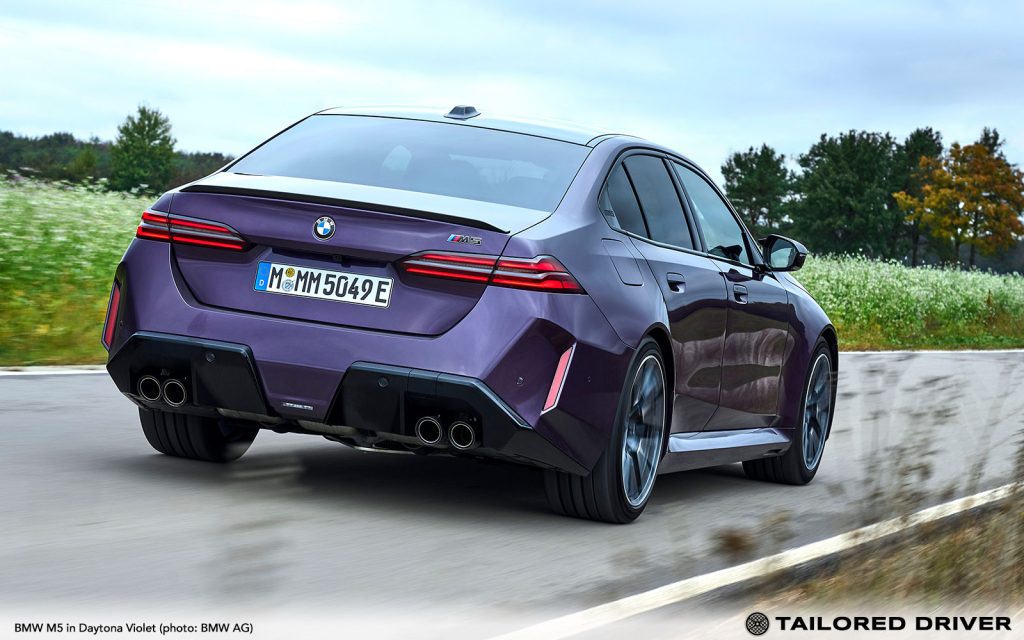
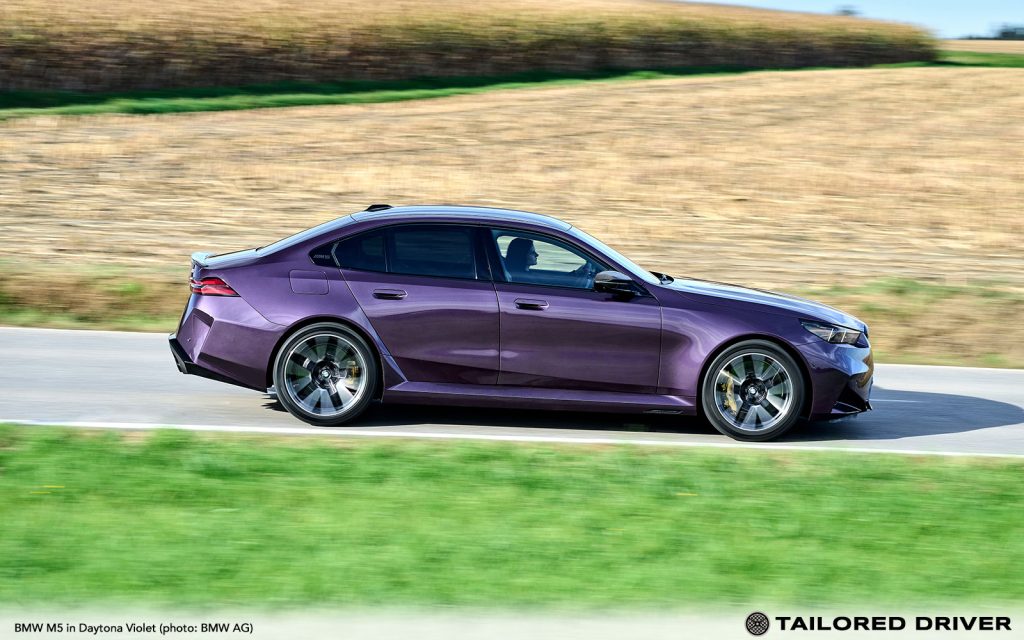
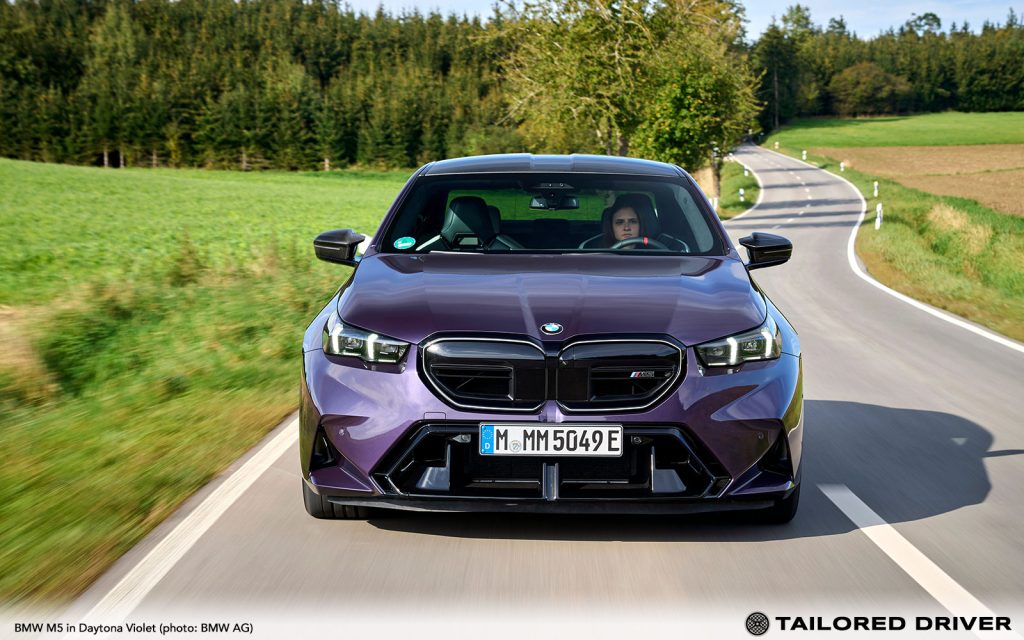
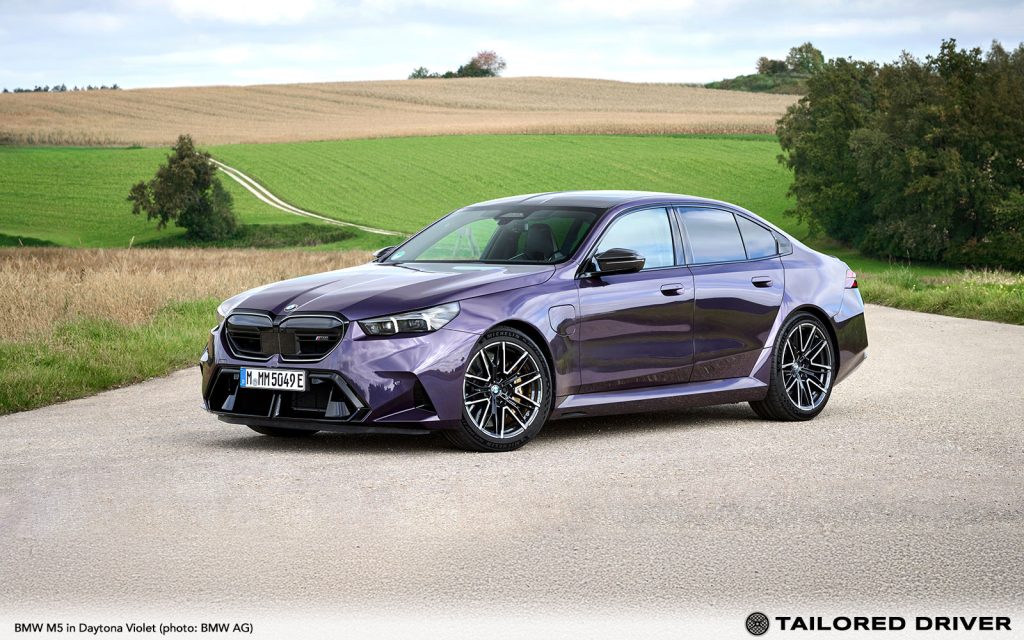
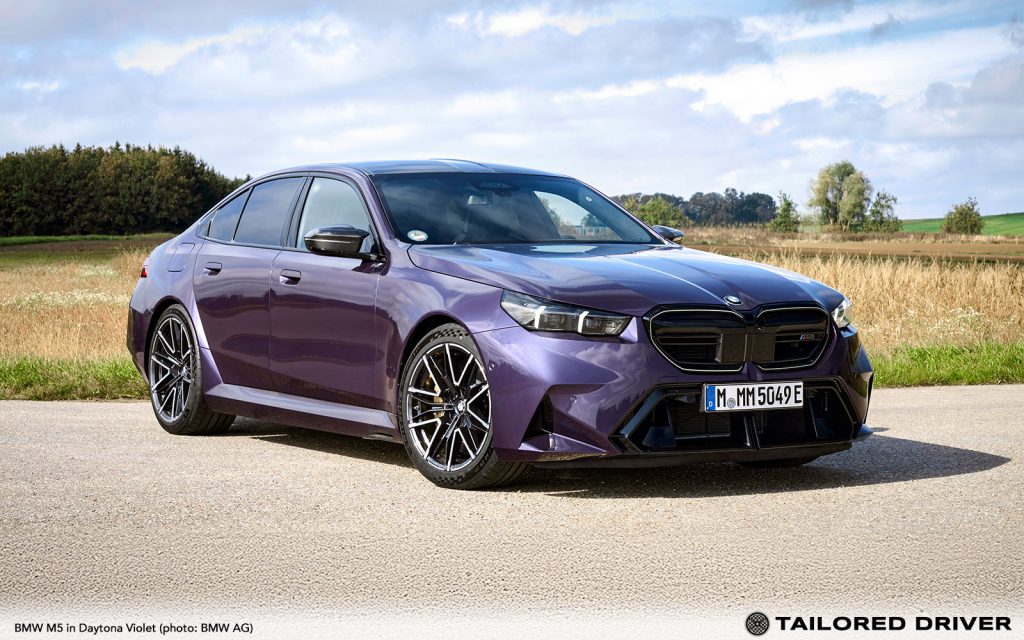
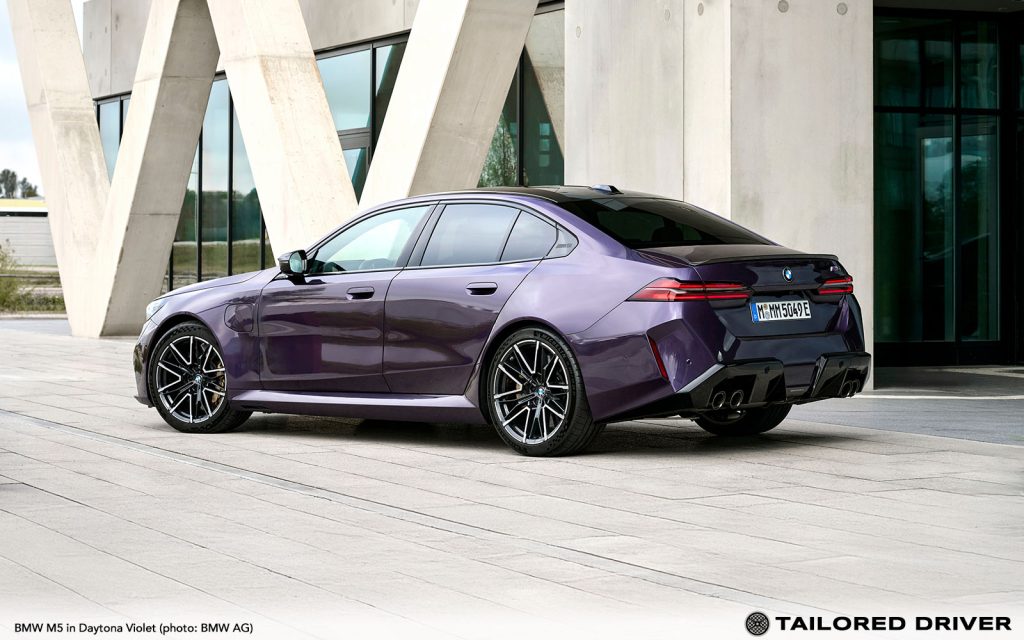
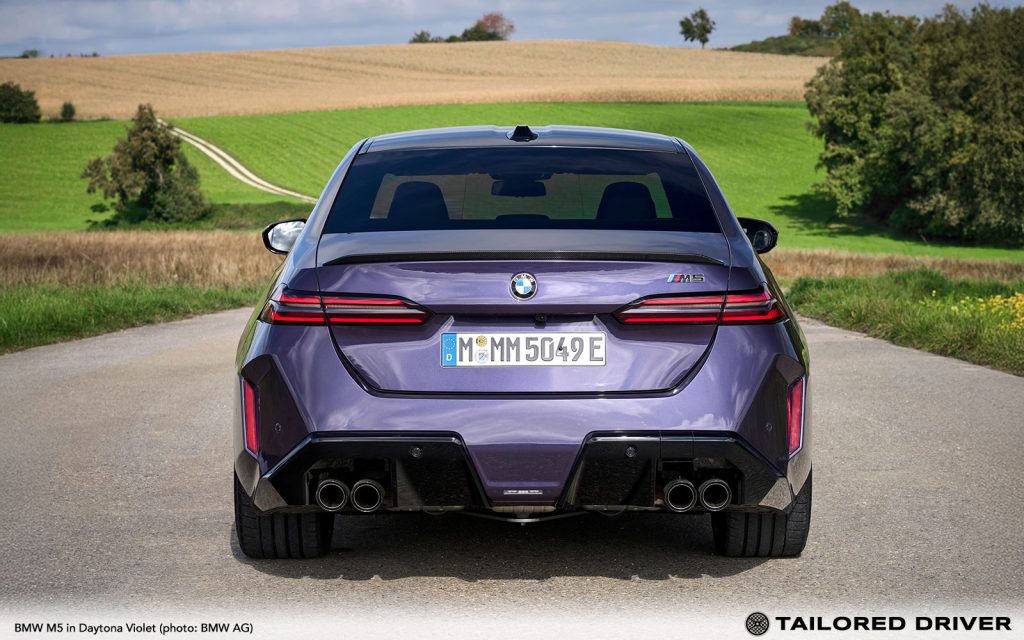
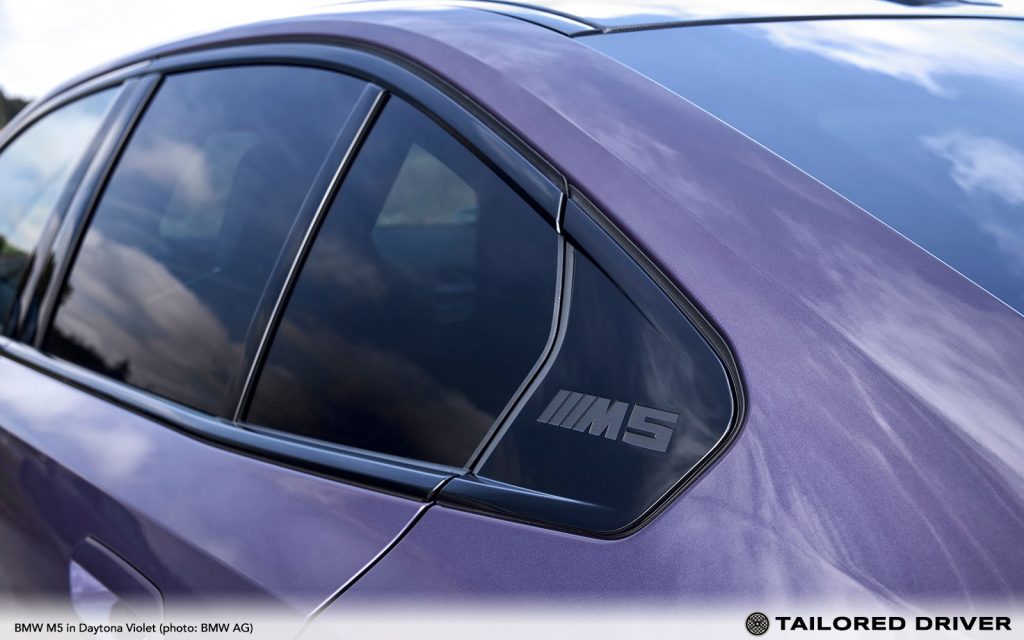
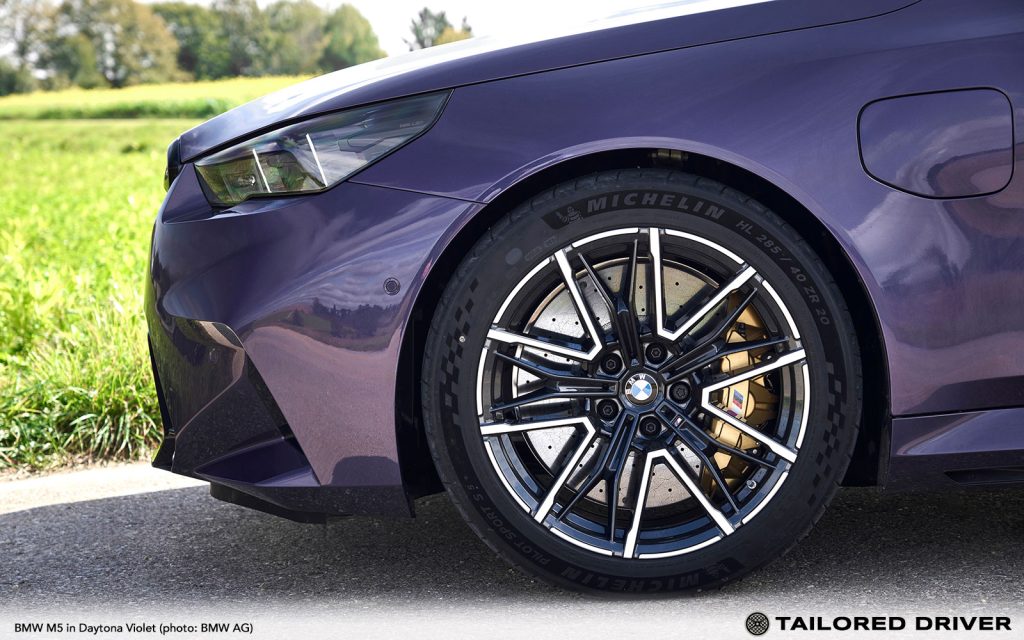
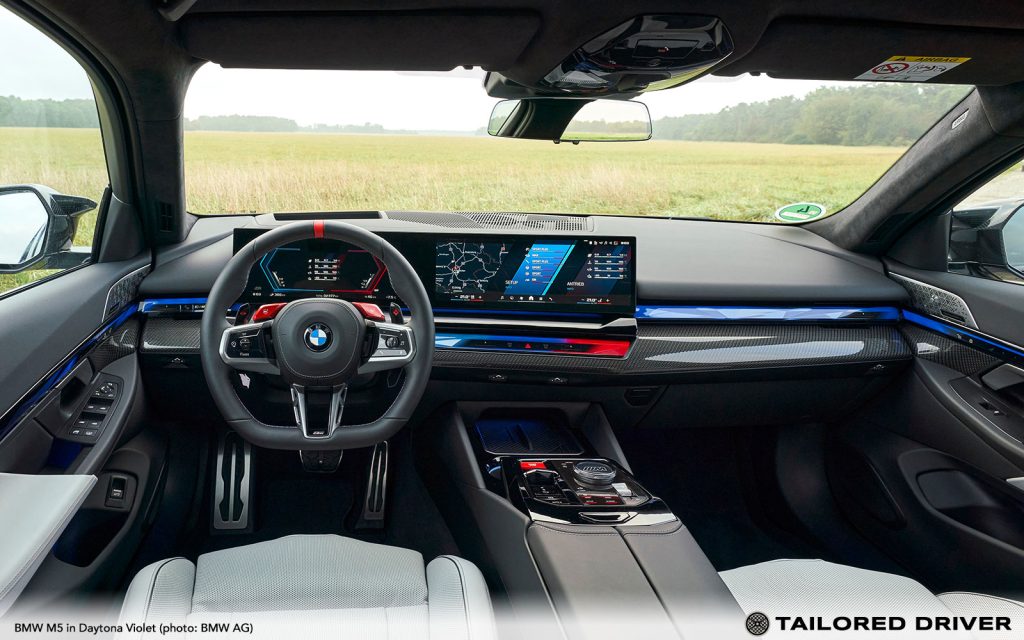
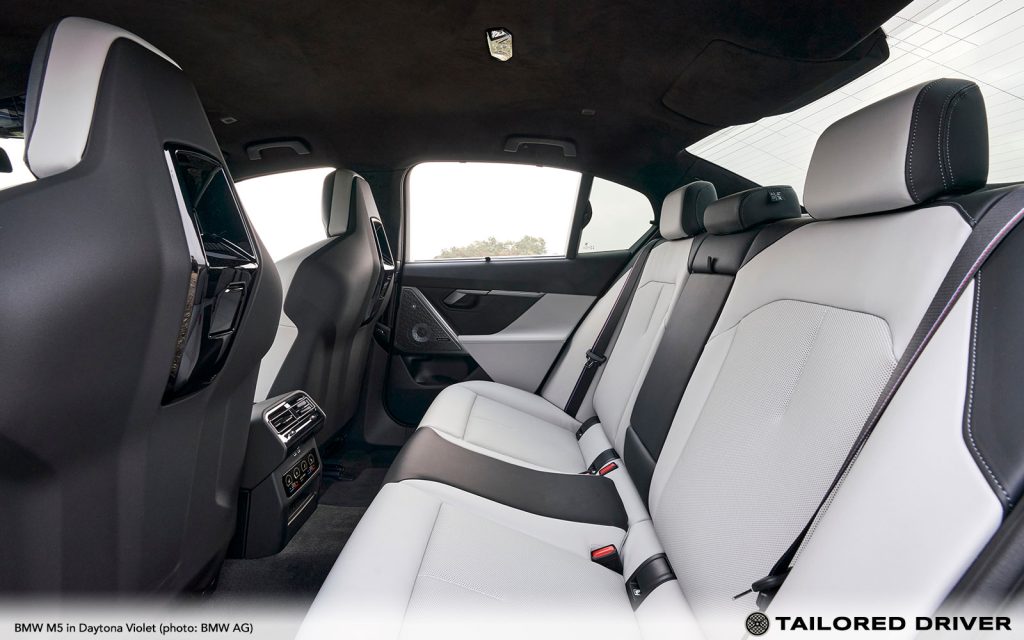
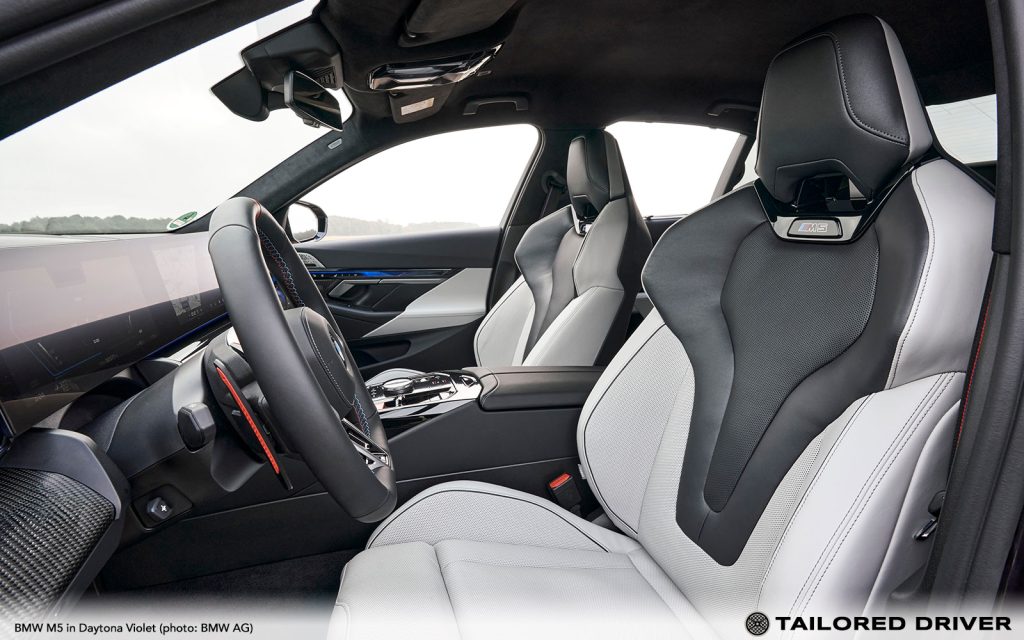
As part of a recent drop of fresh photo assets of its latest (G90) M5 sedan, BMW has included mixes of the car in rare and eye-catching colors. One color is a notable purple from BMW Individual – Daytona Violet Metallic (daytonaviolett; metallic; 283; BMW).
In addition to photos, BMW also released footage of the same car. We’ve added them to our YouTube channel and will embed them here as well. Below these, you’ll find the full gallery of shots dropped by BMW in this latest round.
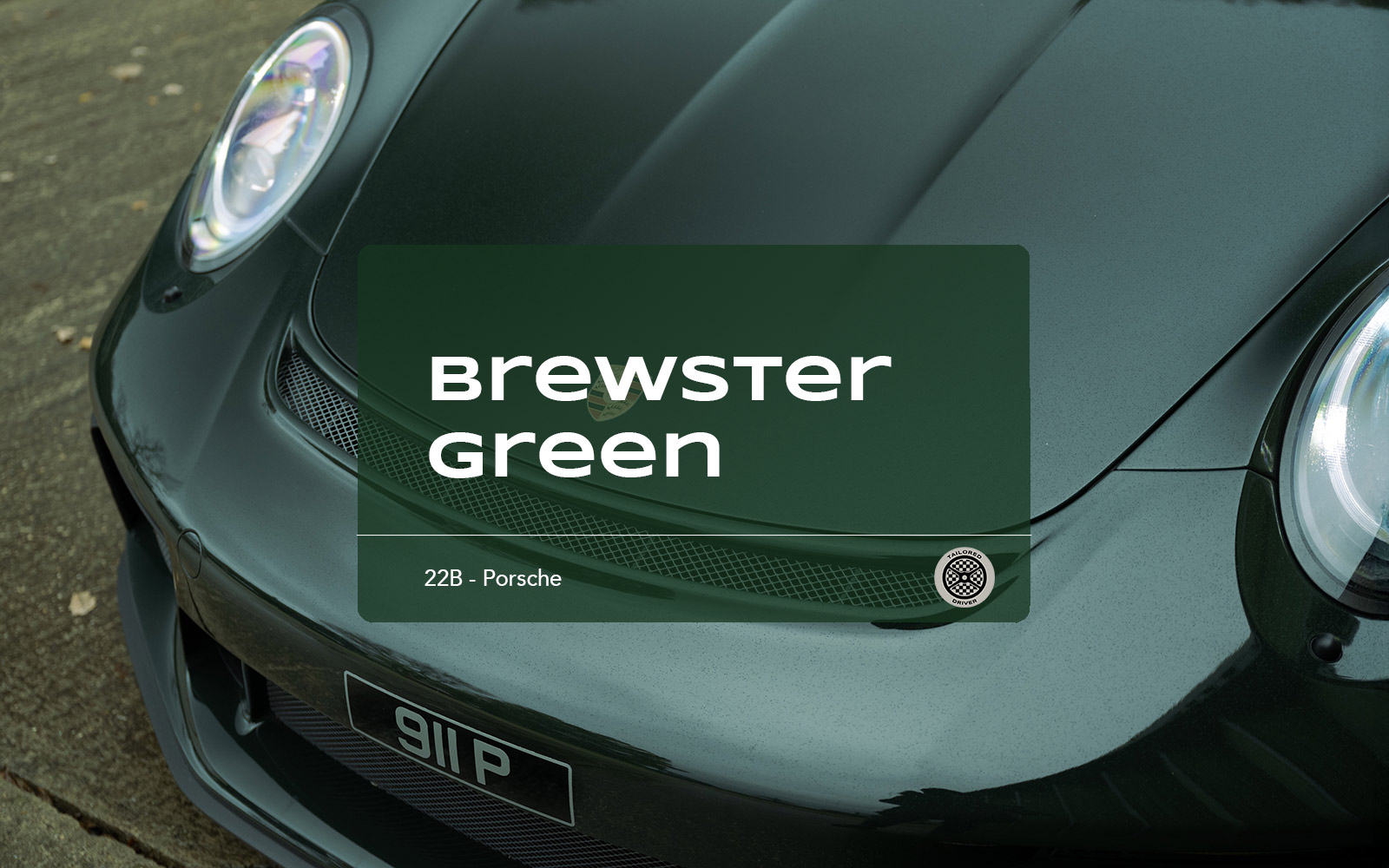
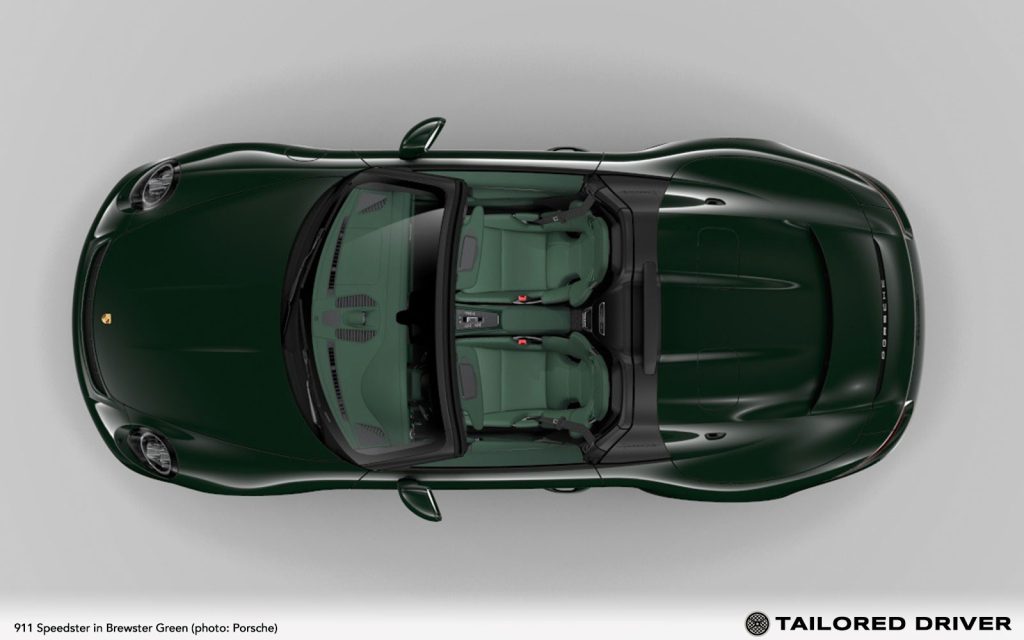
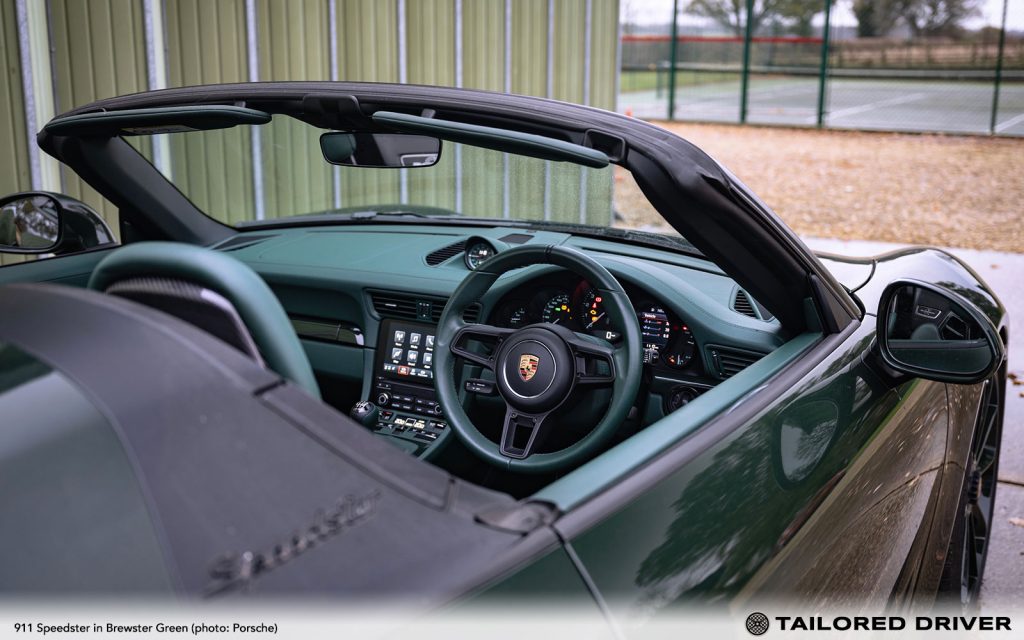
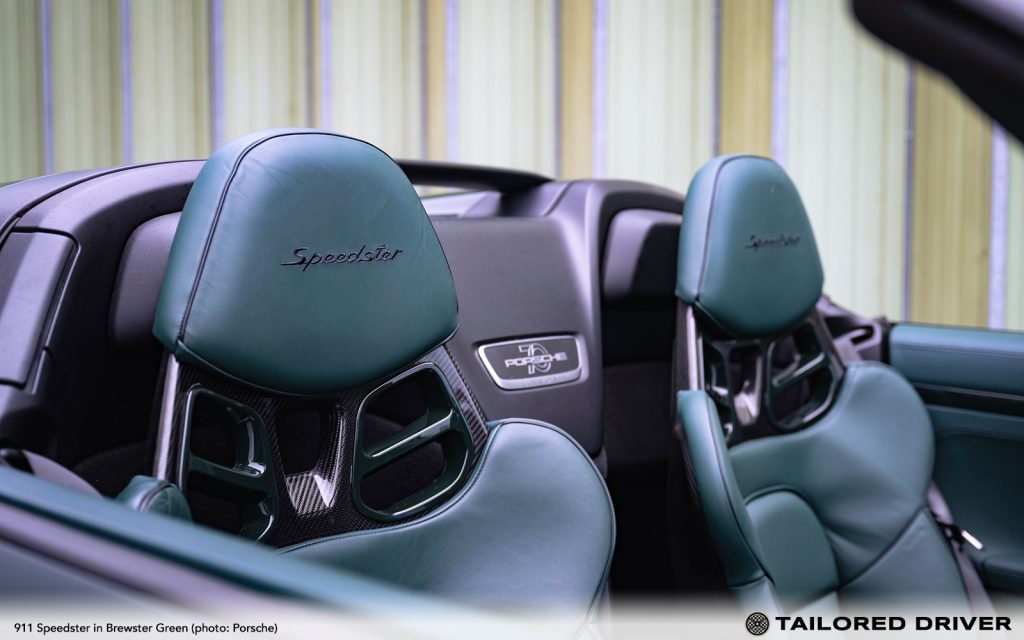
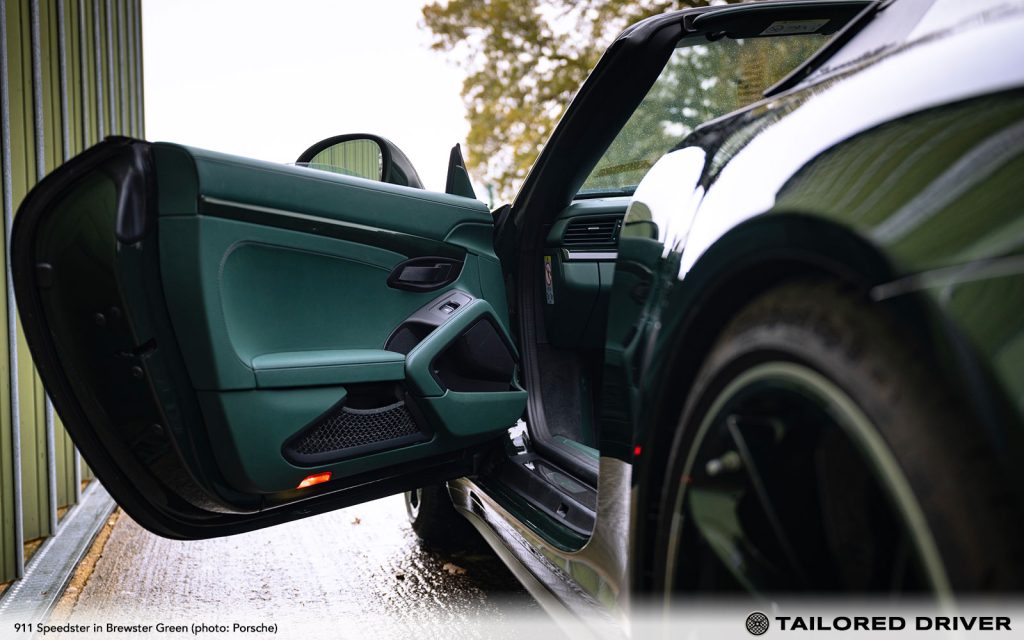
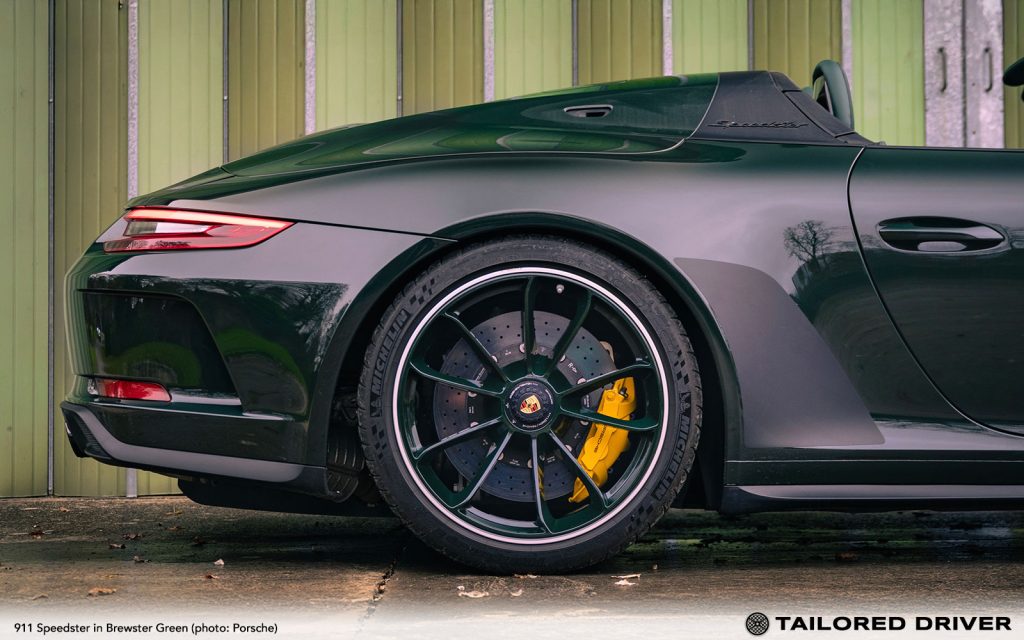
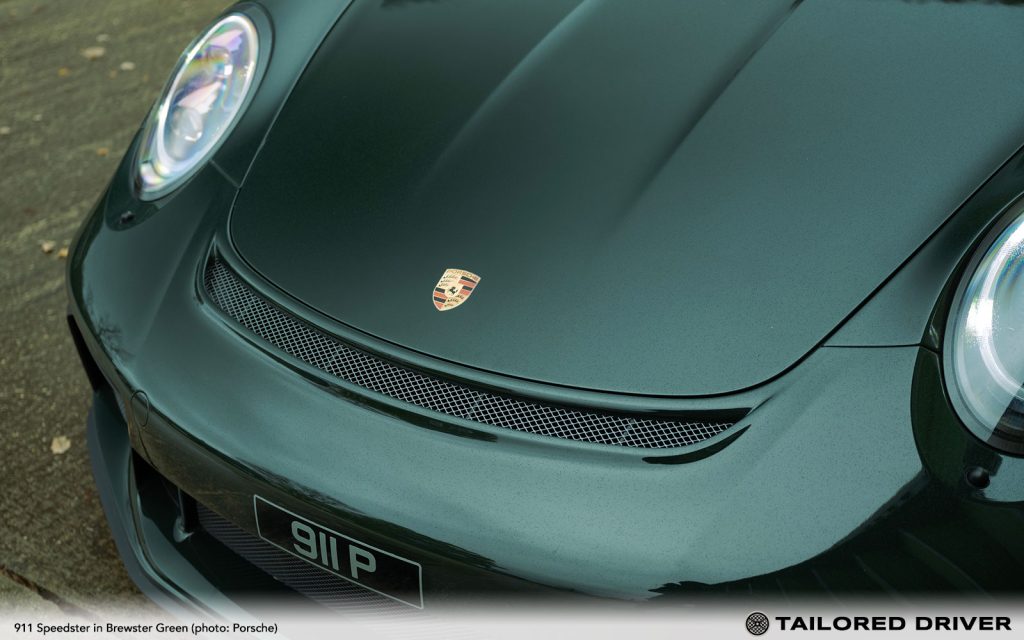
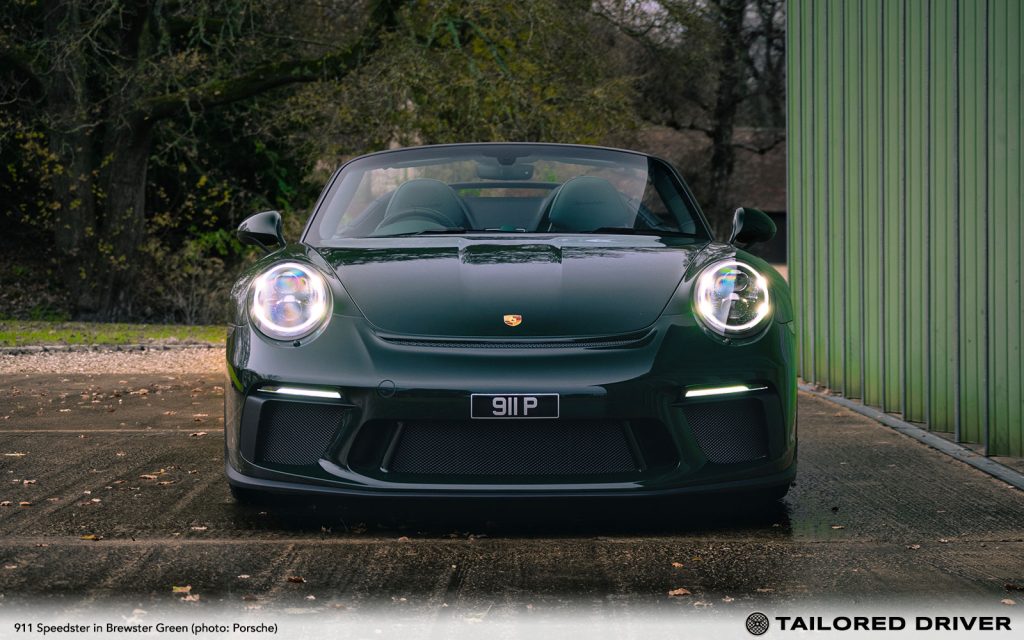
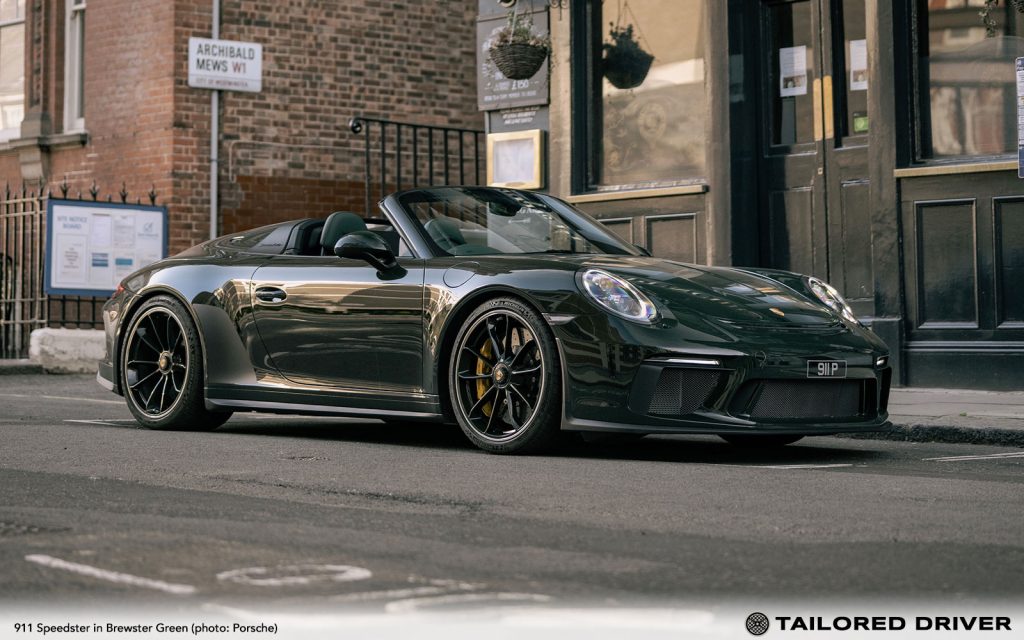
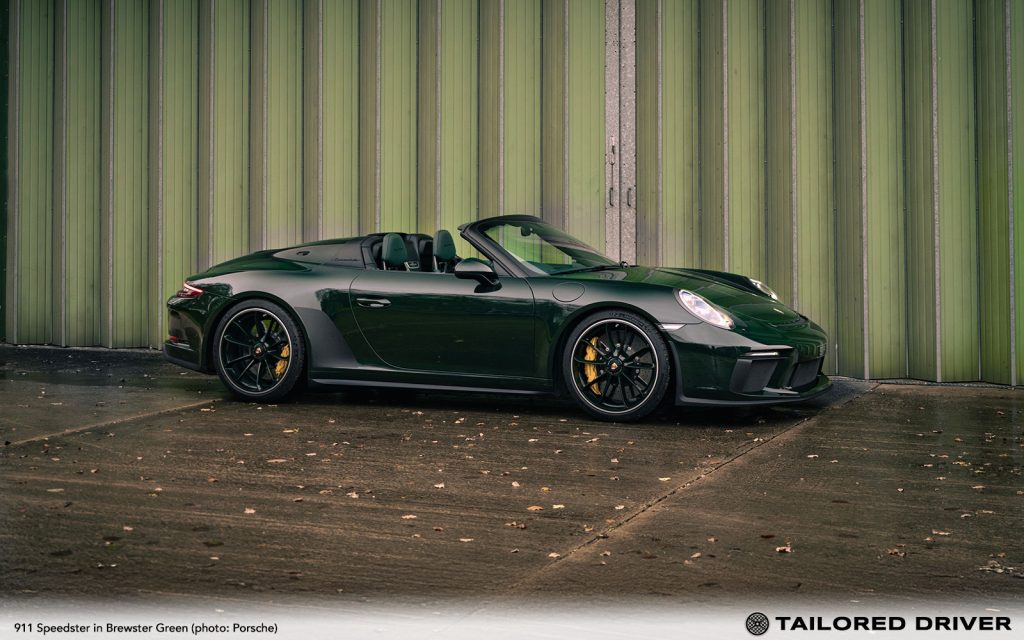
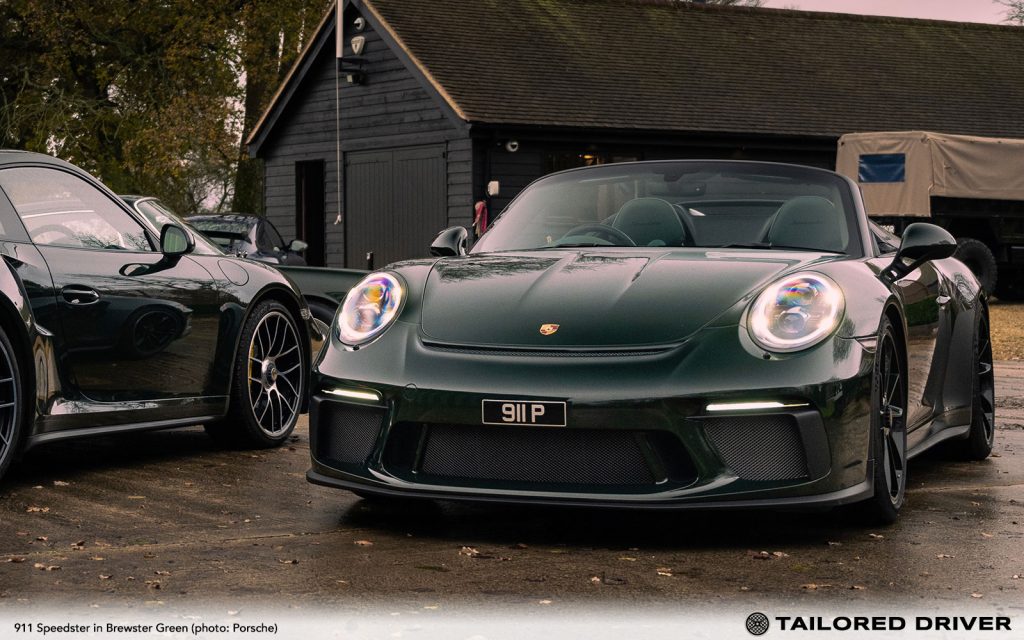
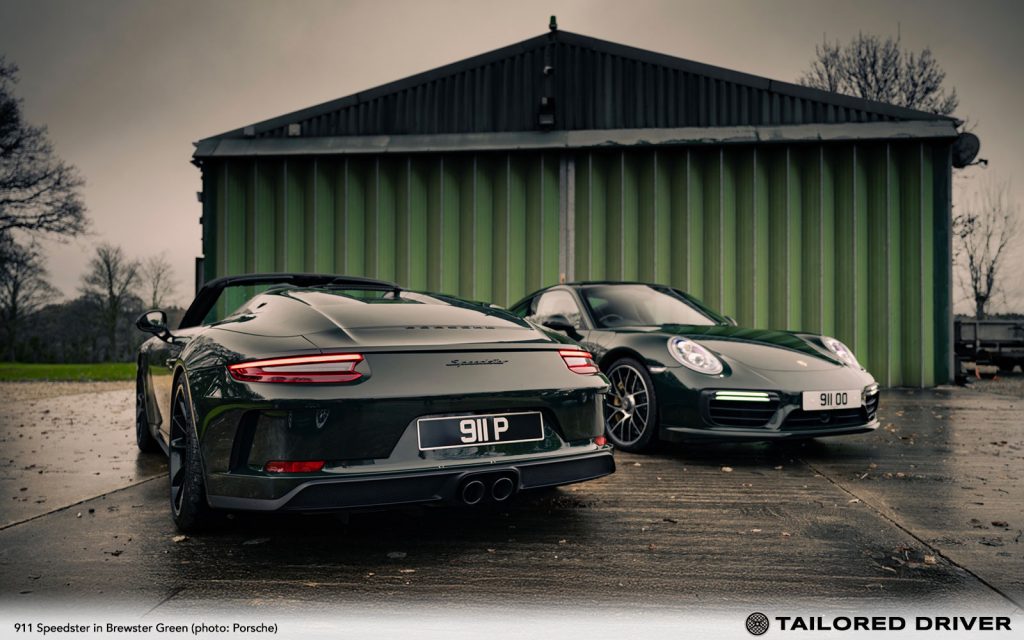
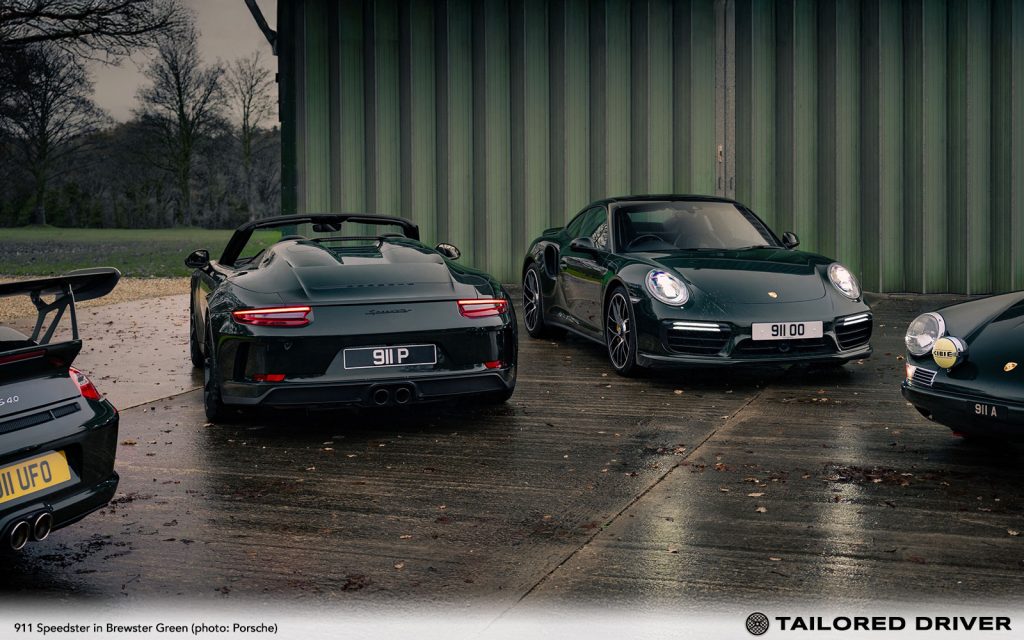
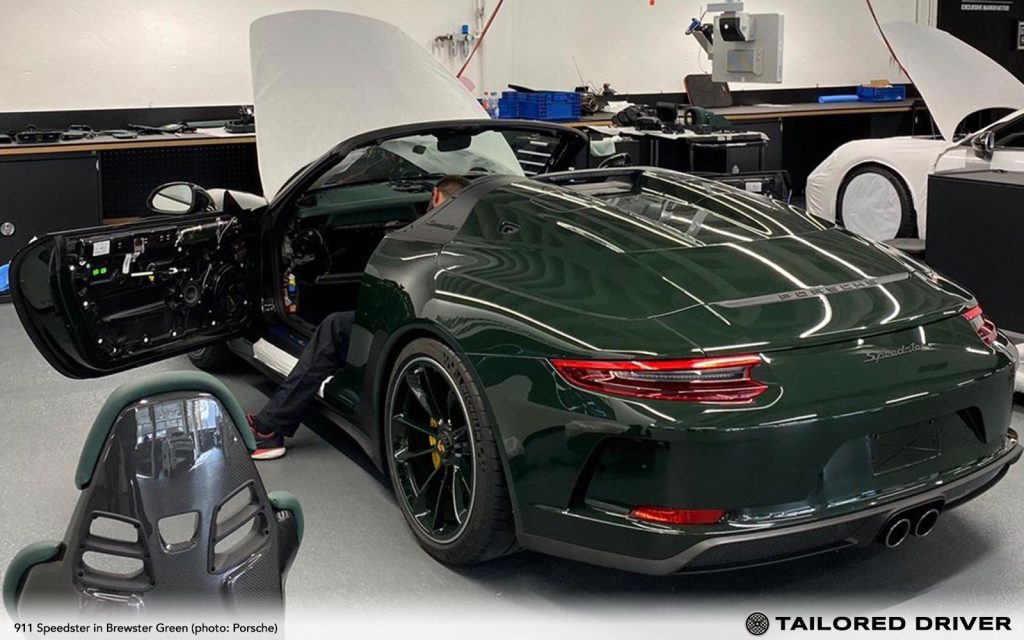
SUMMARY: Some say Porsche’s non-metallic Brewster Green (brewstergrün; nonmetallic UNI; 22B; Porsche) is Stuttgart’s take on British Racing Green. However, we’d suggest it’s just another shade by Stuttgart of England’s original national racing color. Where Irish Green goes just a bight lighter than a lot of traditional British Racing Greens, Brewster Green goes a bit darker. In lower light it can sometimes even look black, though under direct light the green hue and the relationship to the British national racing color is undeniable.
Brewster Green was a favorite of Ferdinand “Ferry” Porsche and other Porsche family members like Wolfgang Porsche for their own personal cars. As a result, it’s been a popular choice over the years, occasionally offered as a standard color and regularly chosen for Paint to Sample specifications.
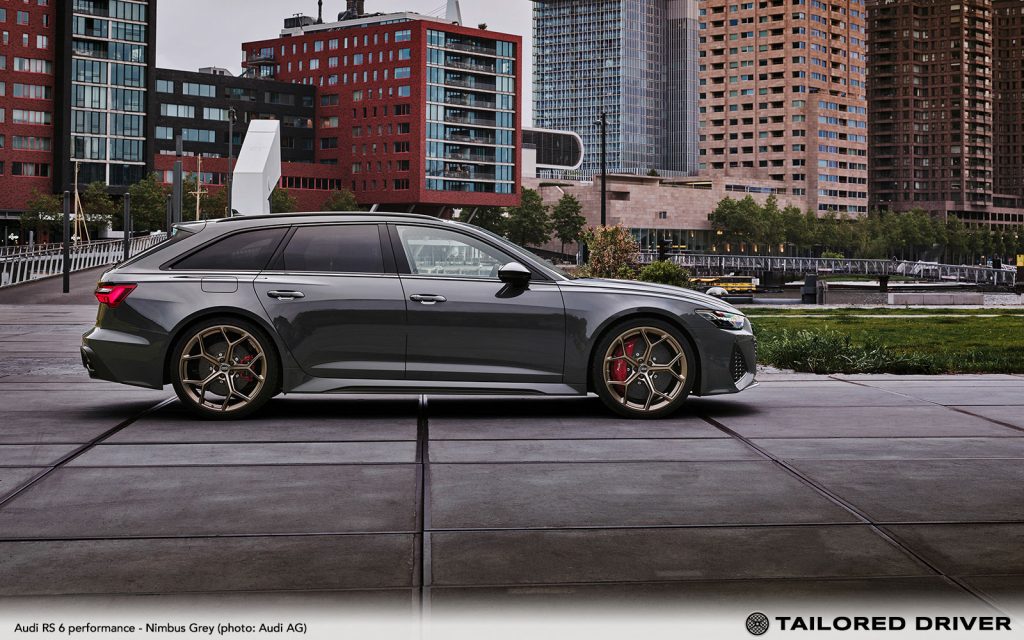
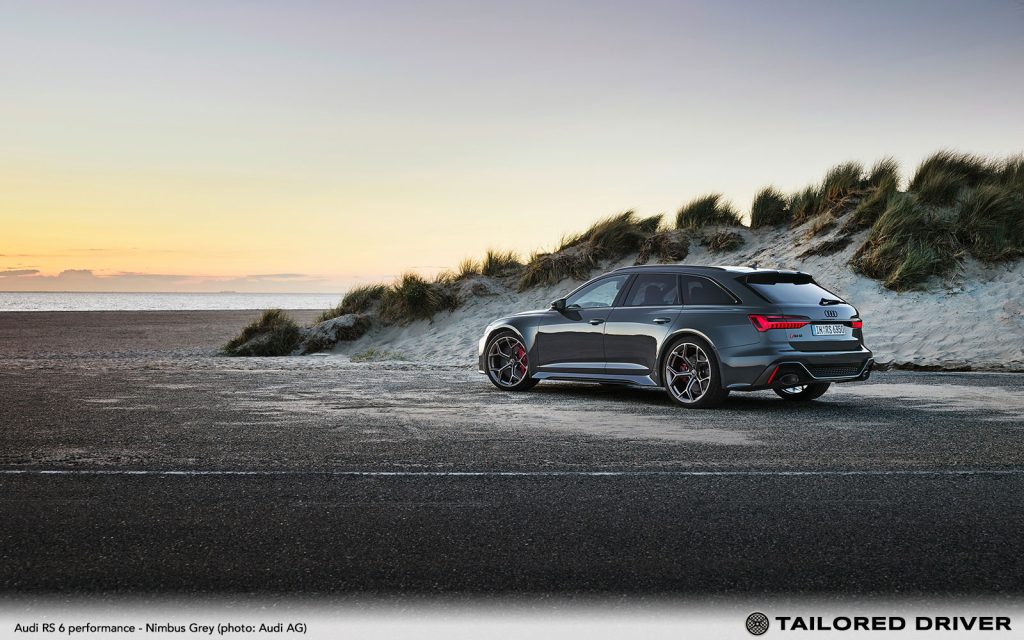
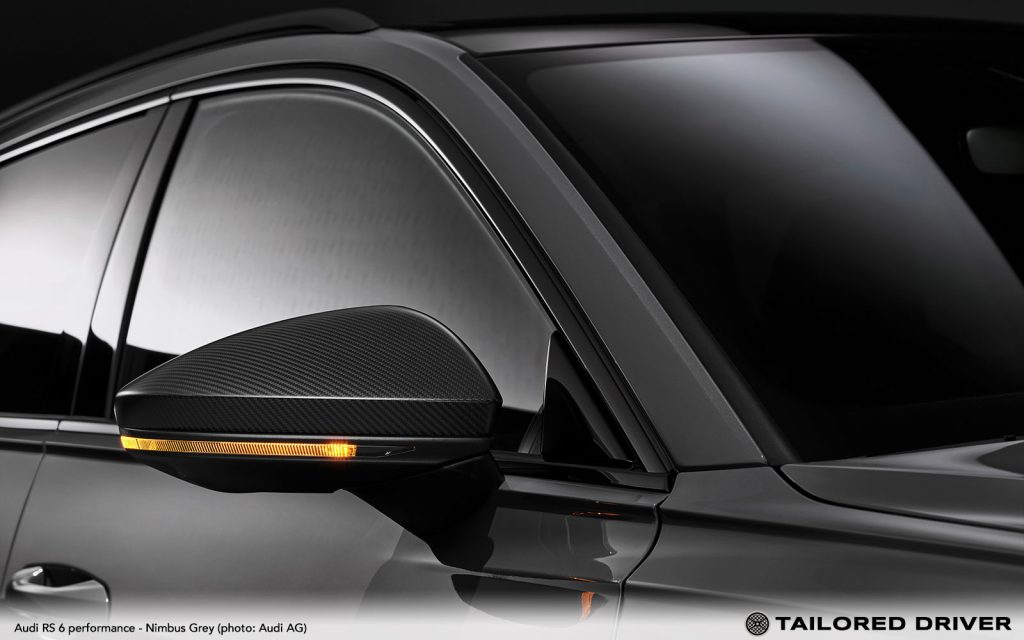
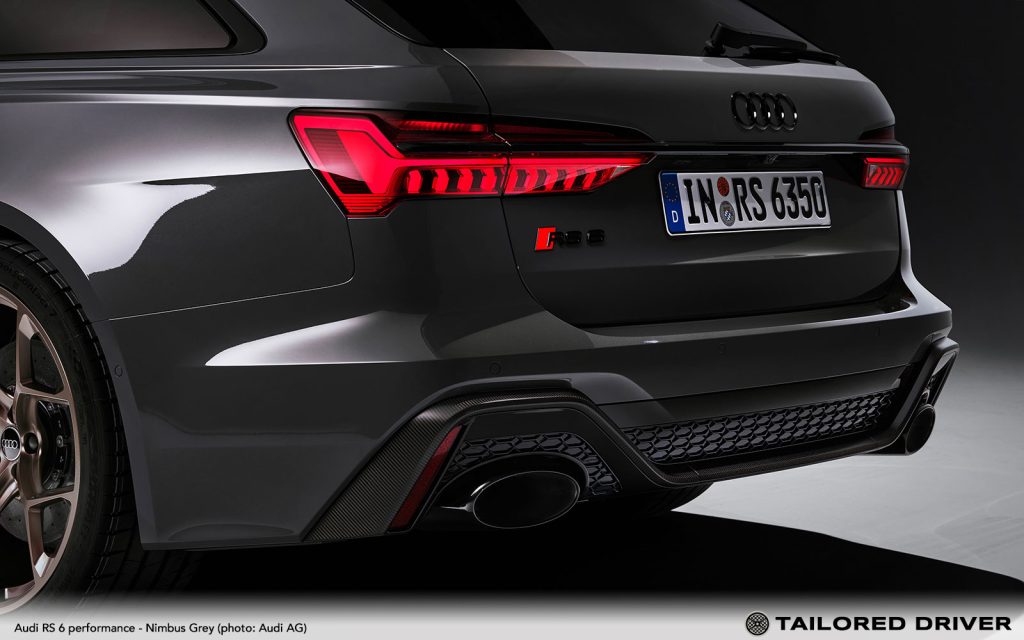
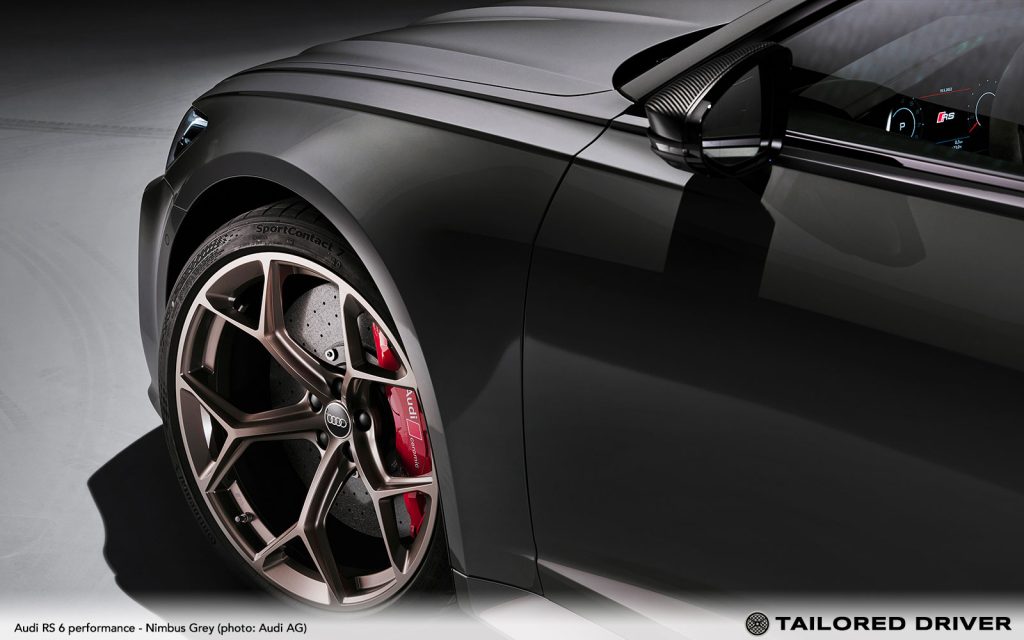
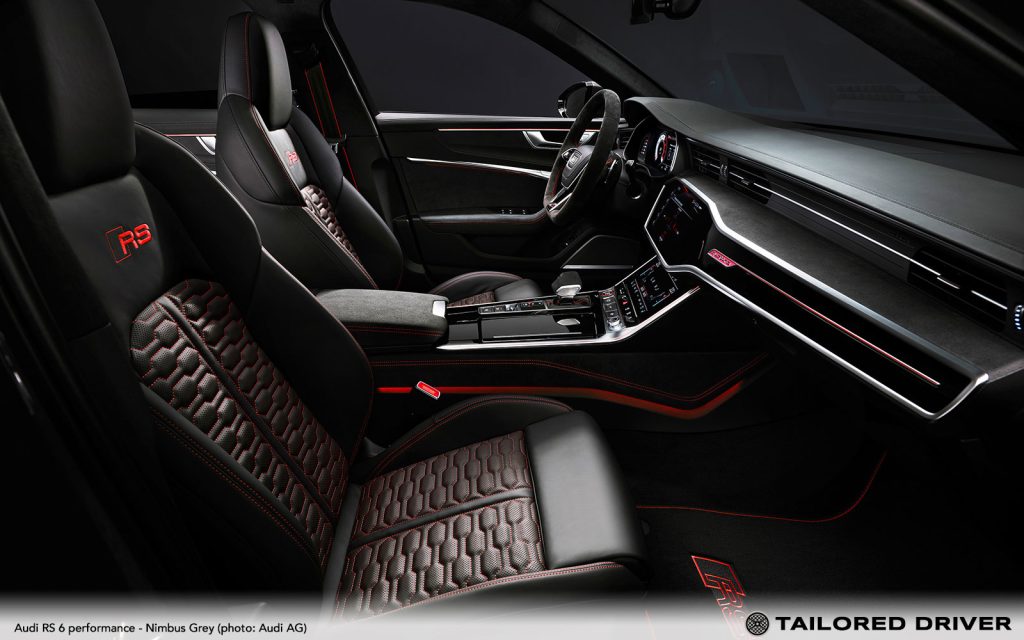
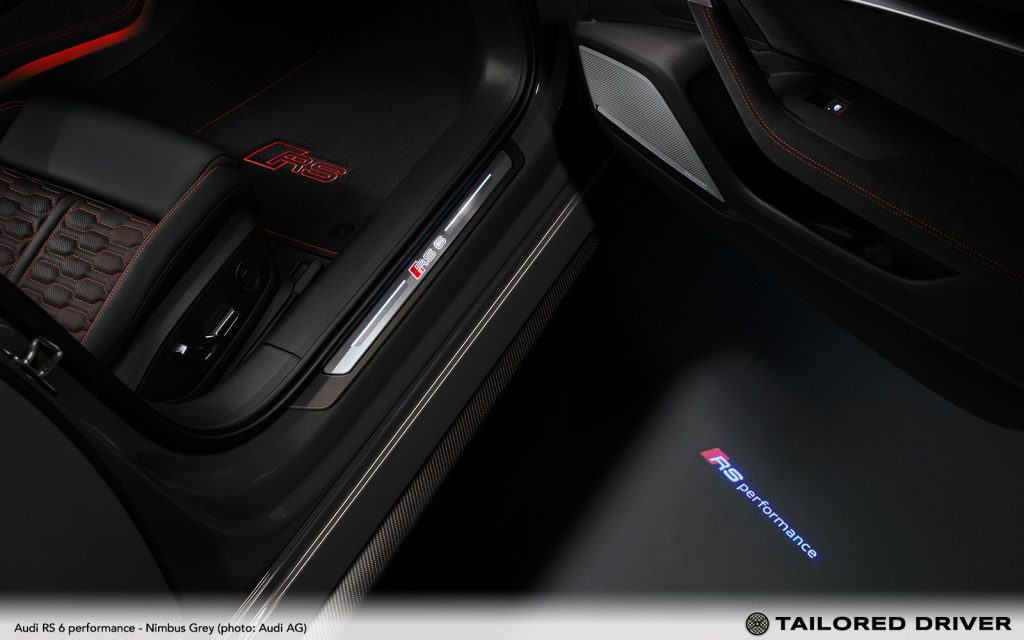
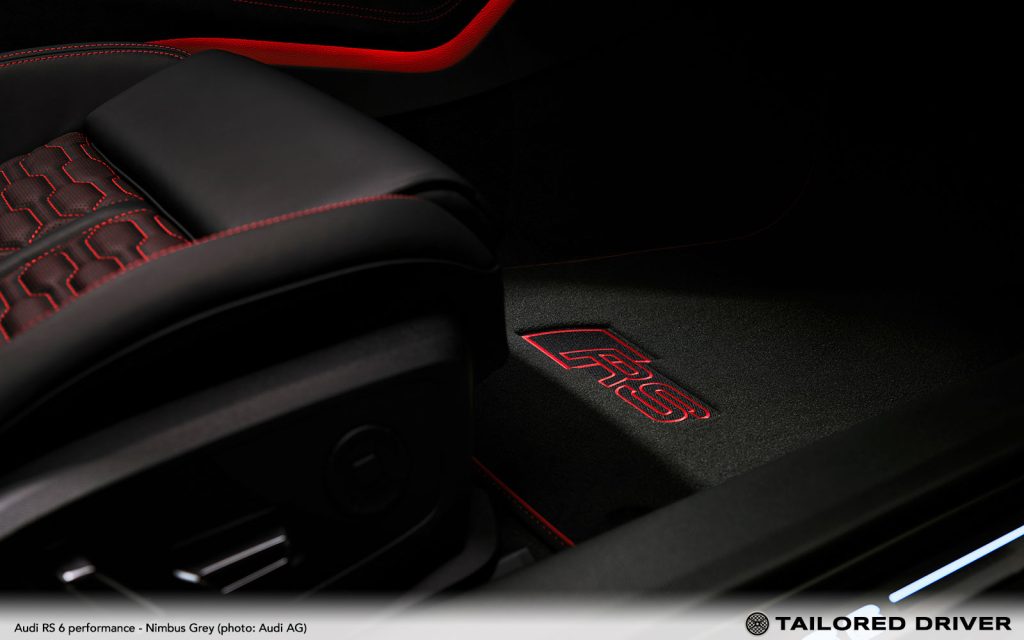
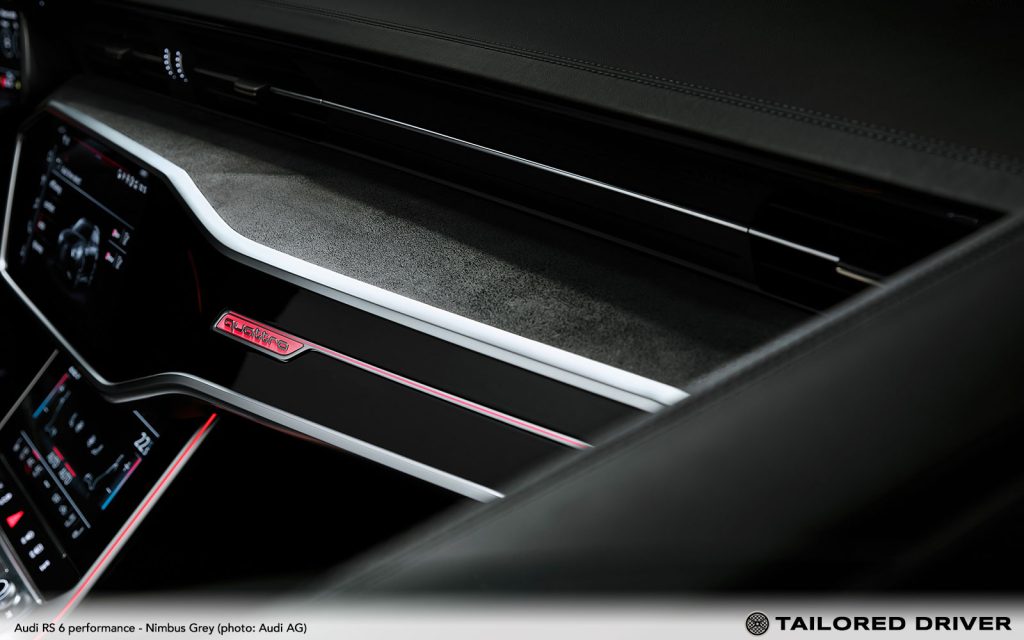
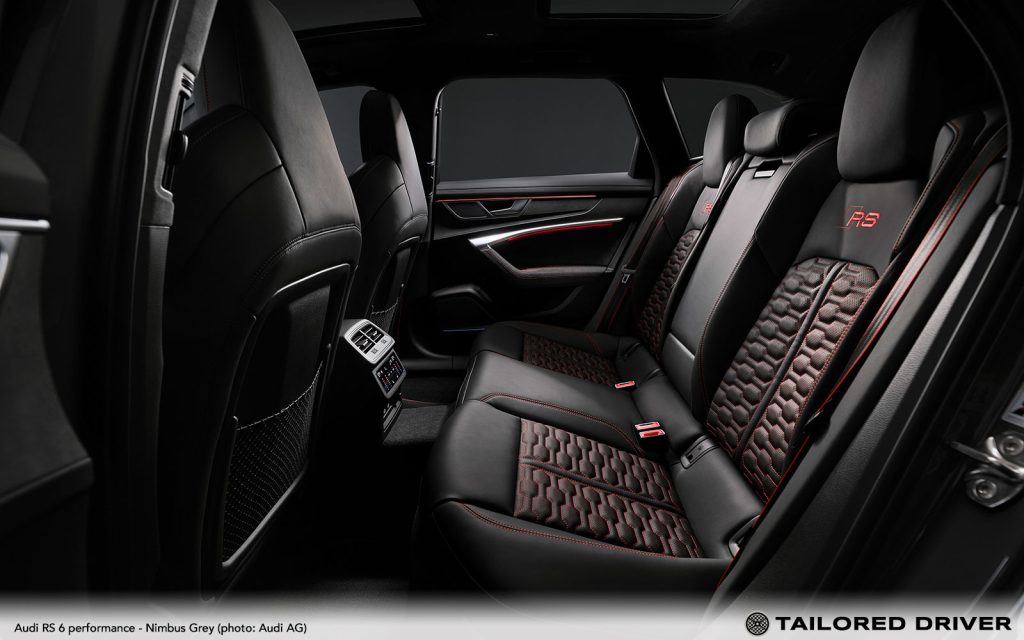
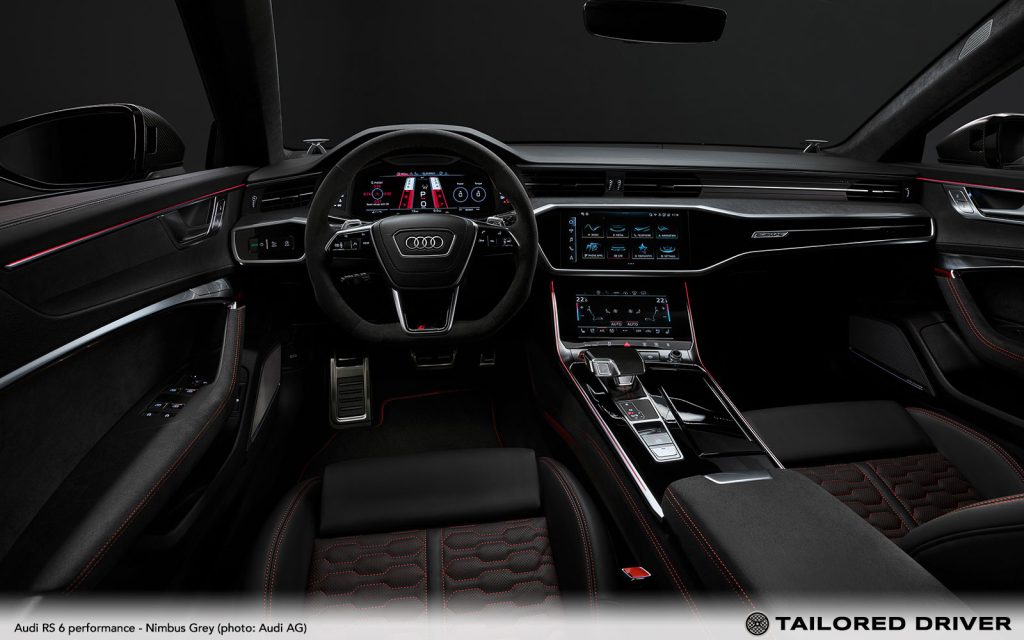
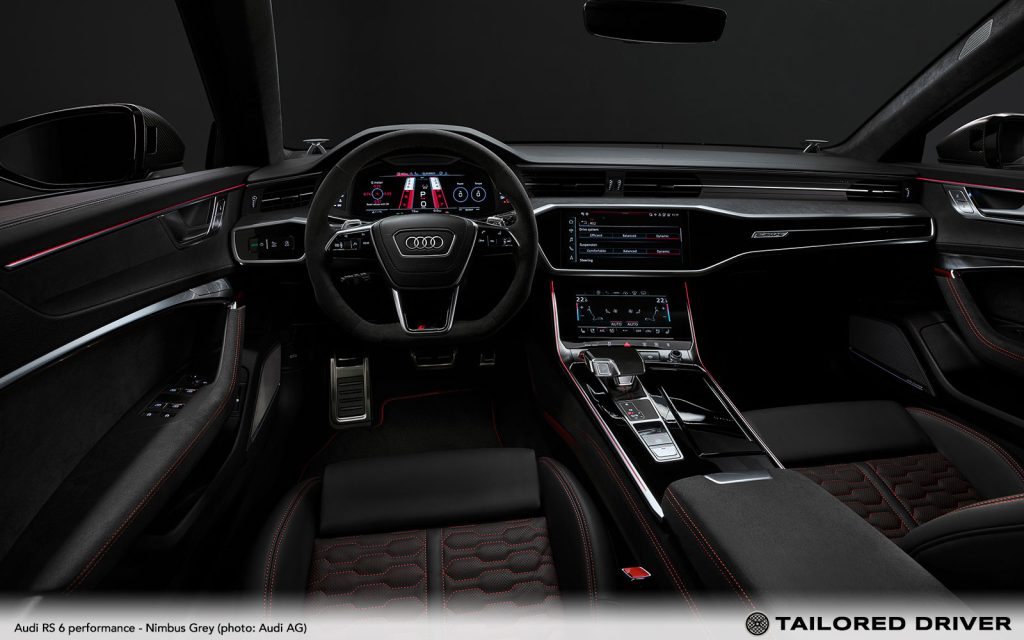
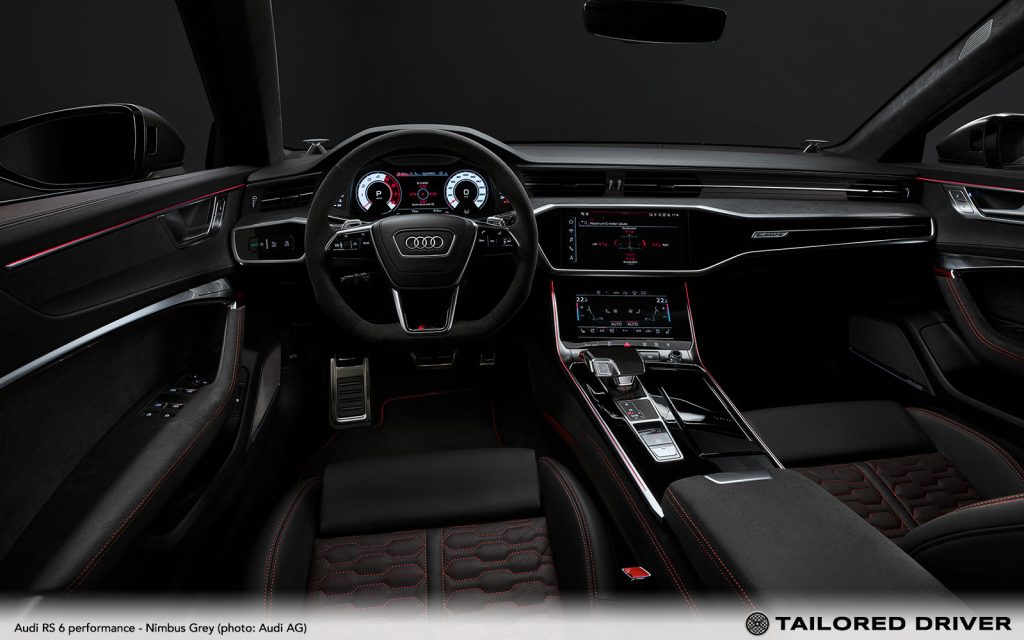
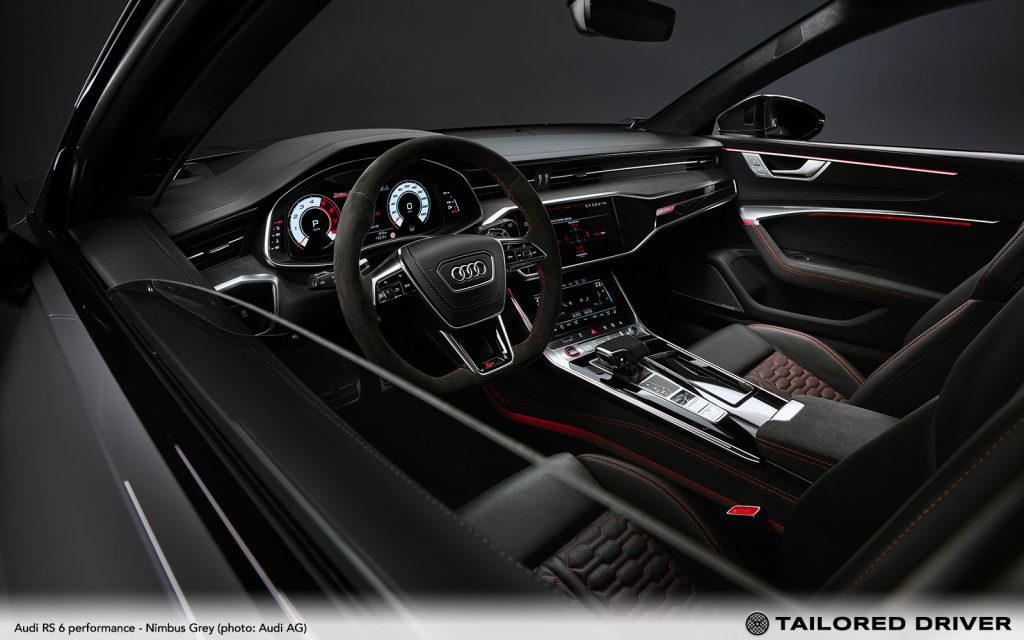
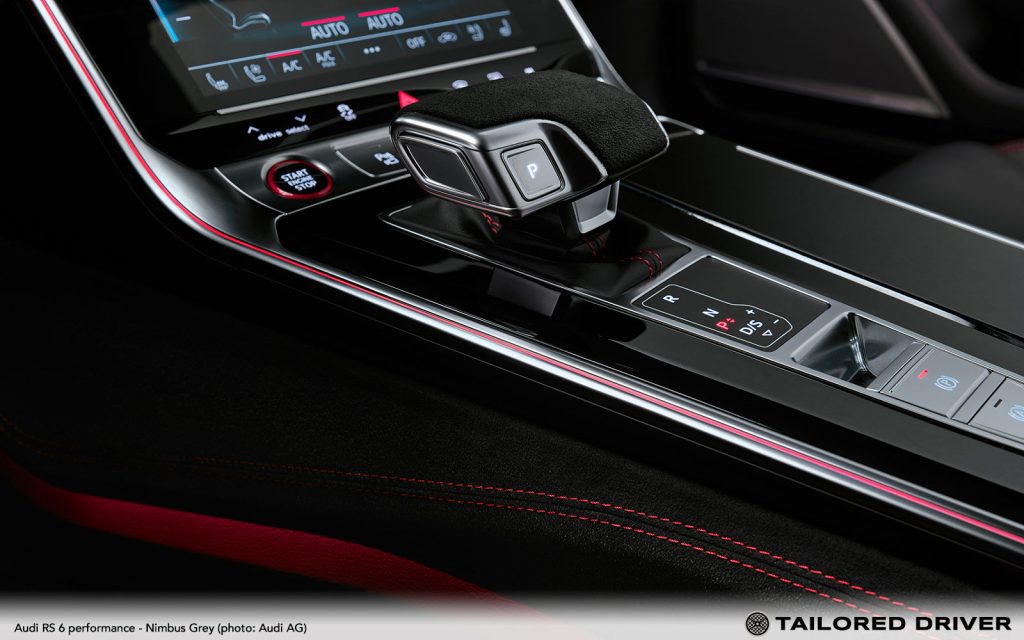
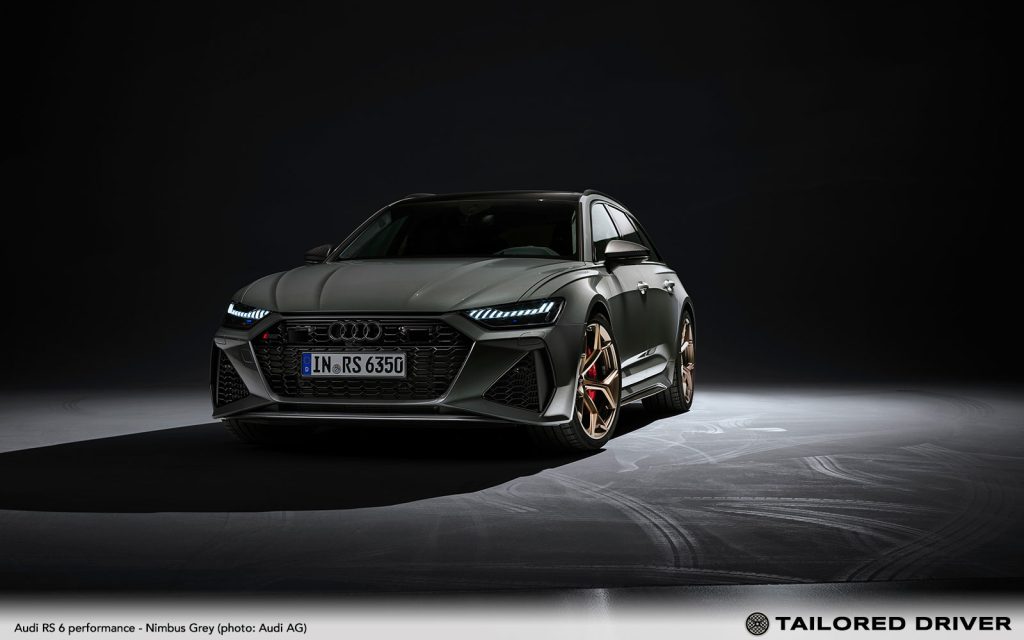
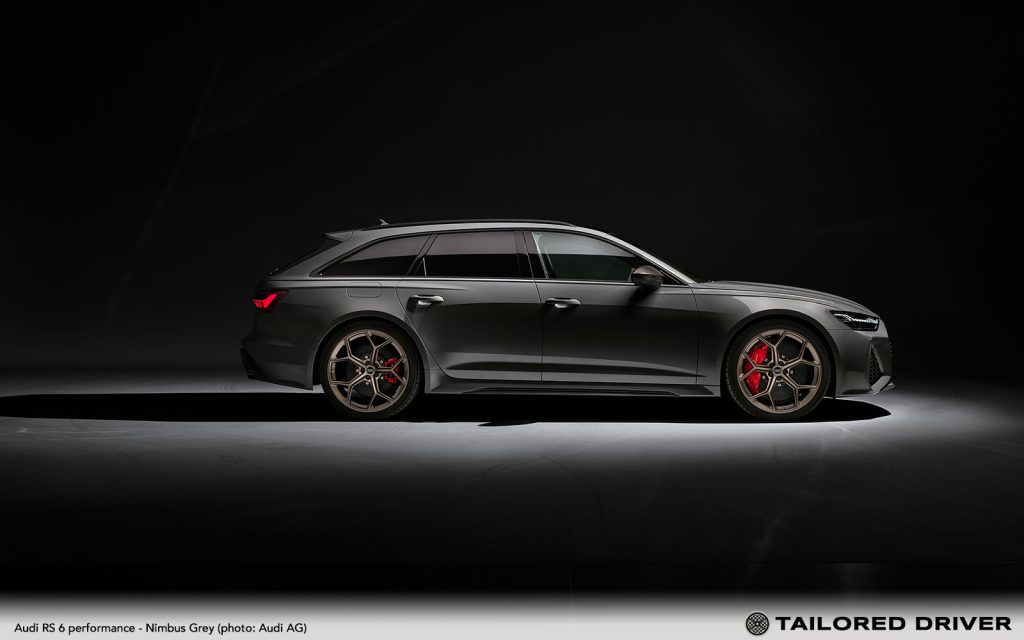
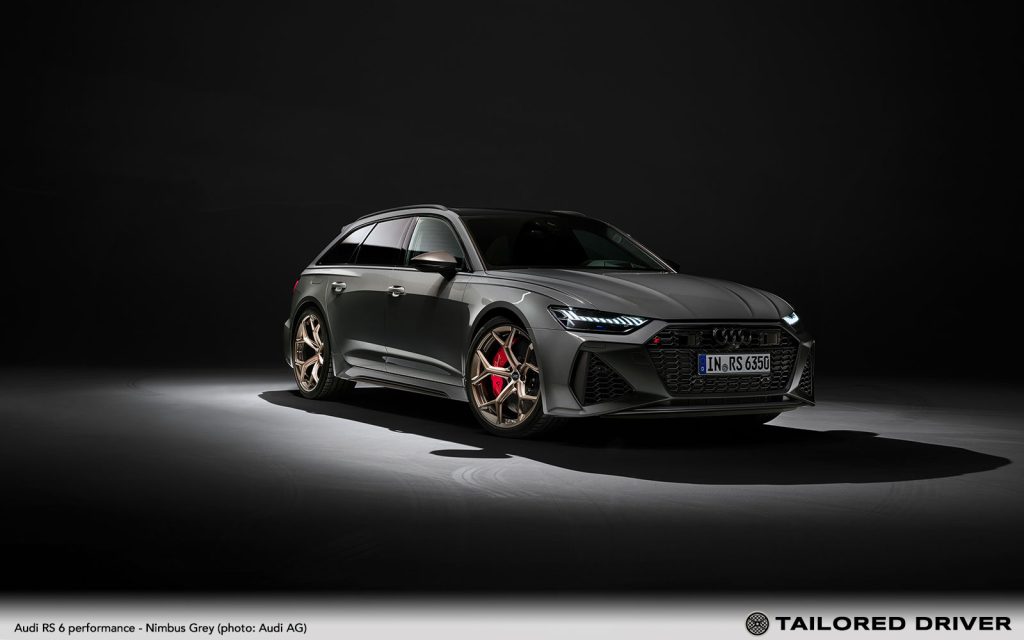
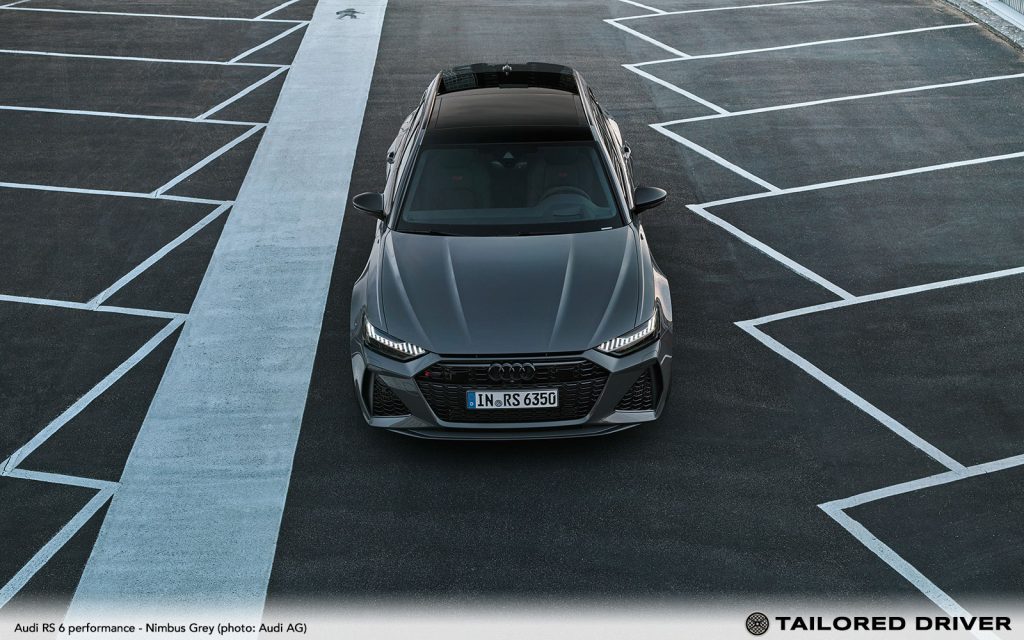
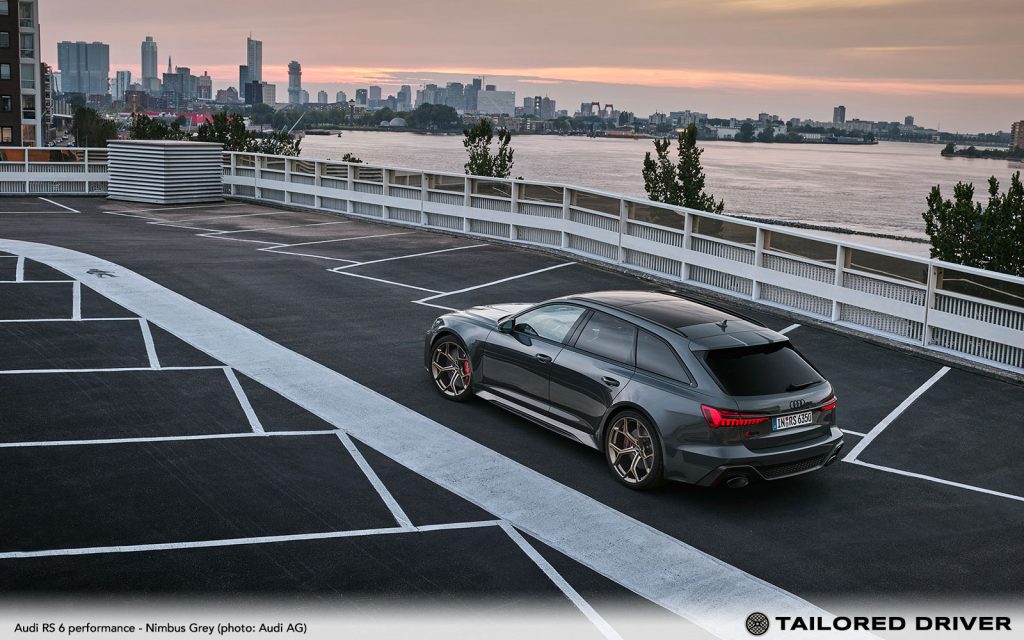
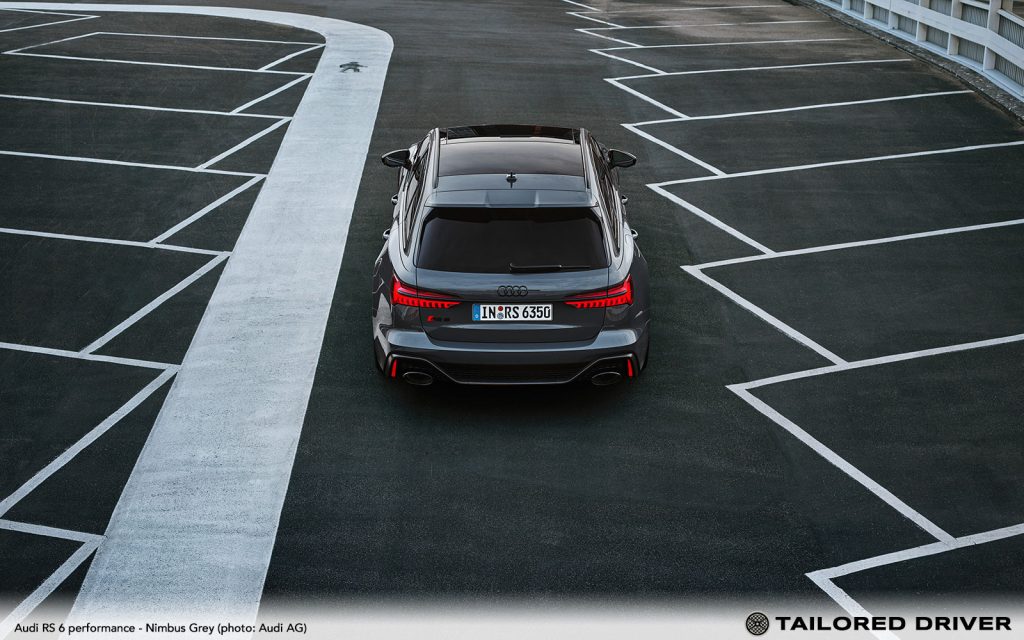
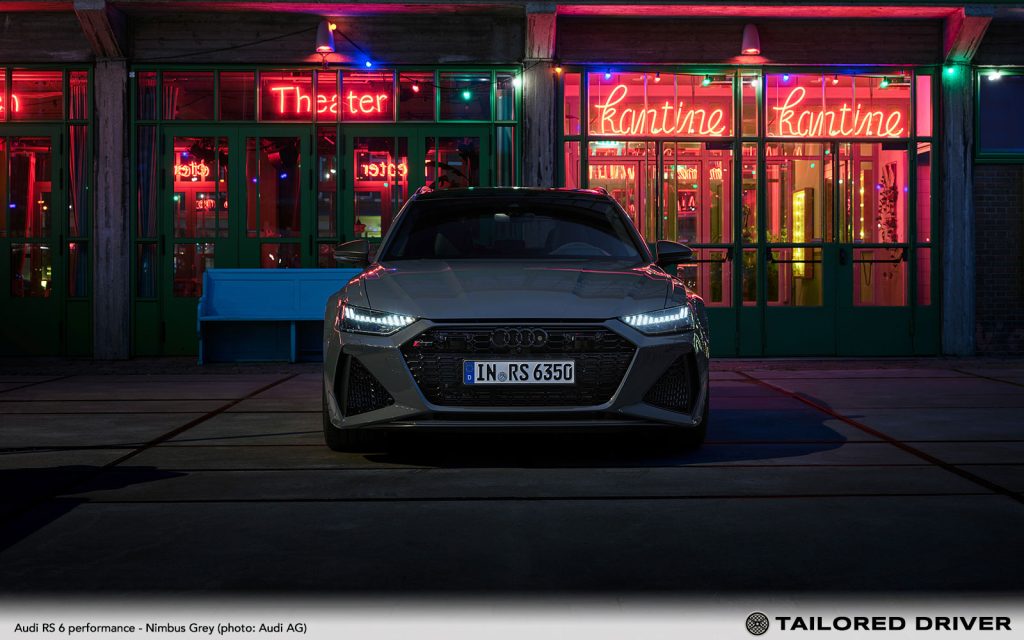
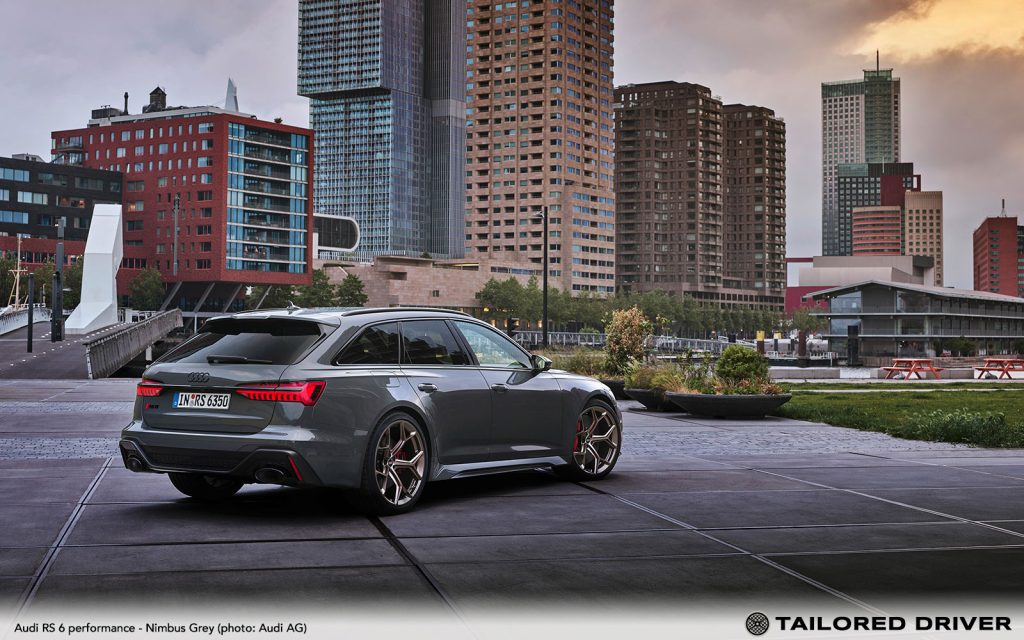
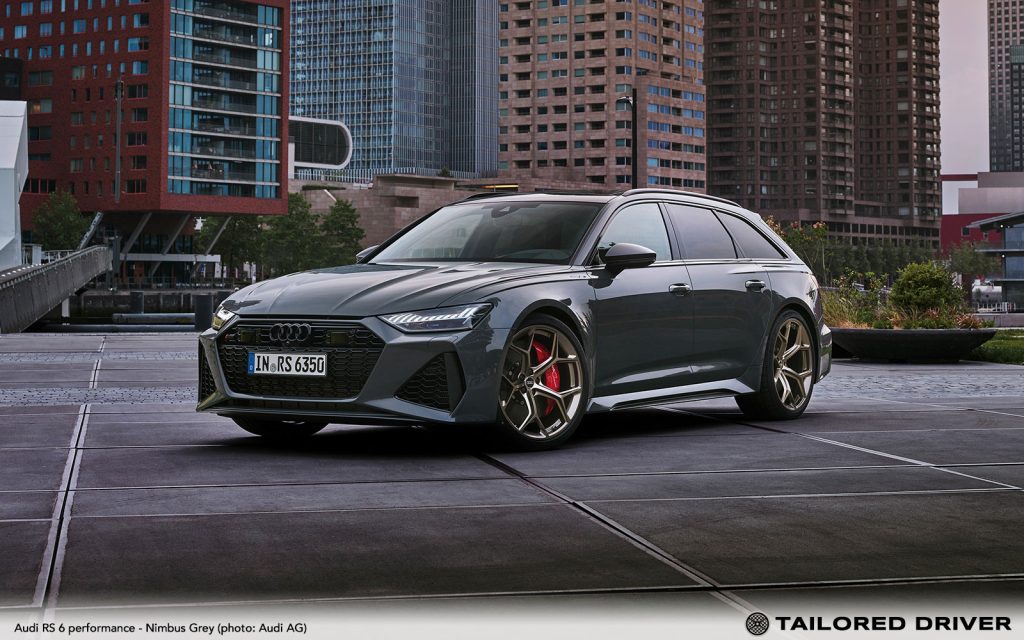
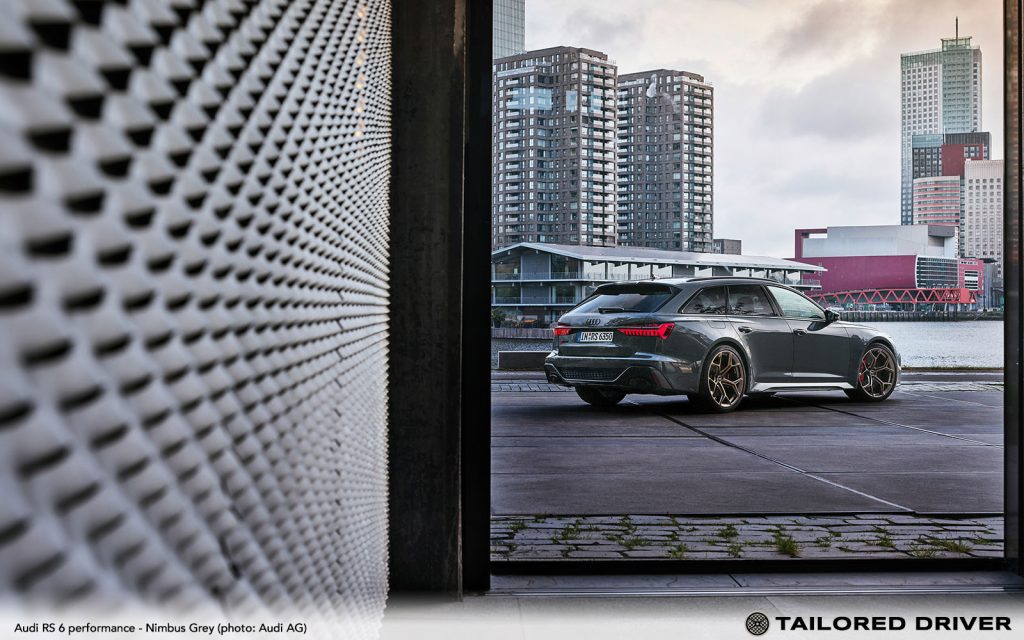
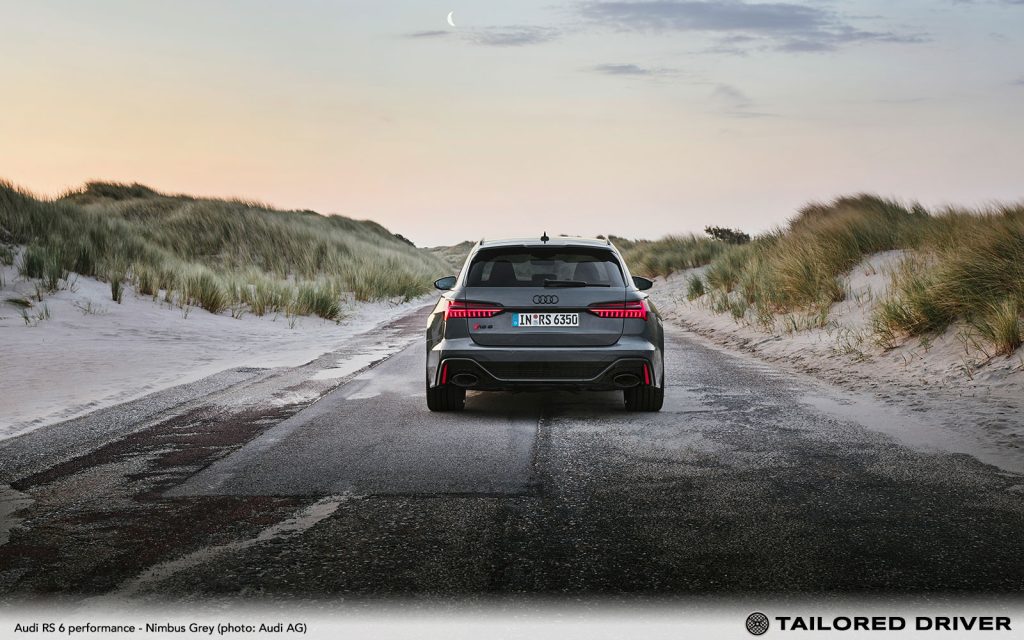
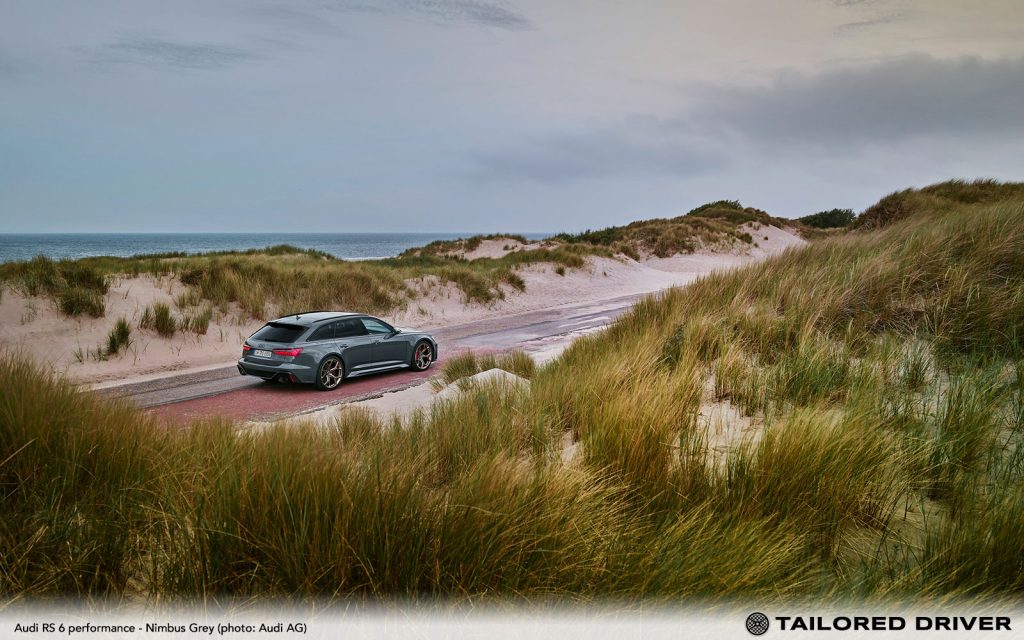
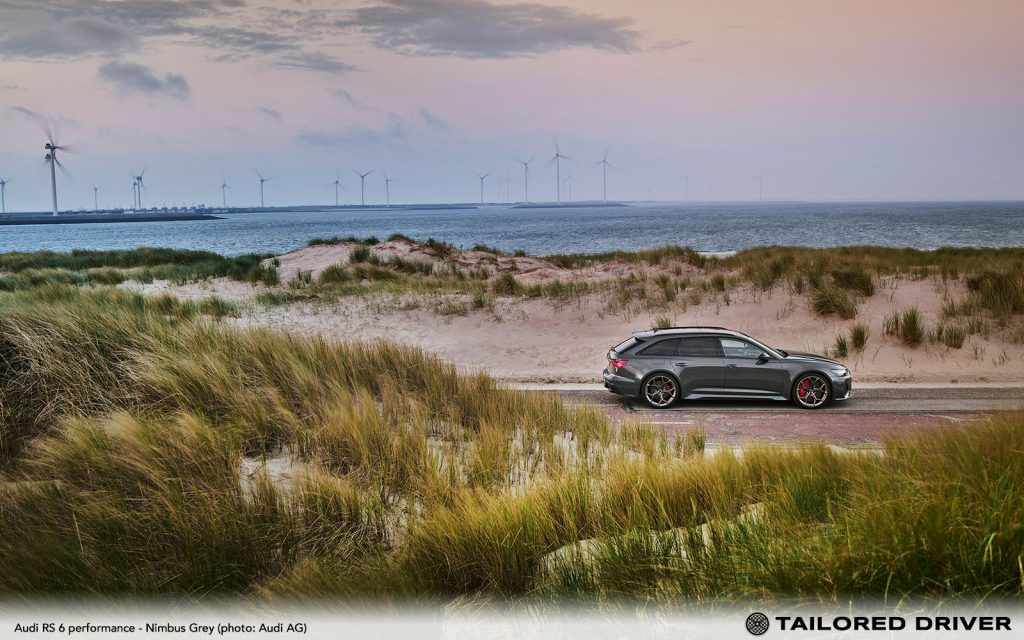
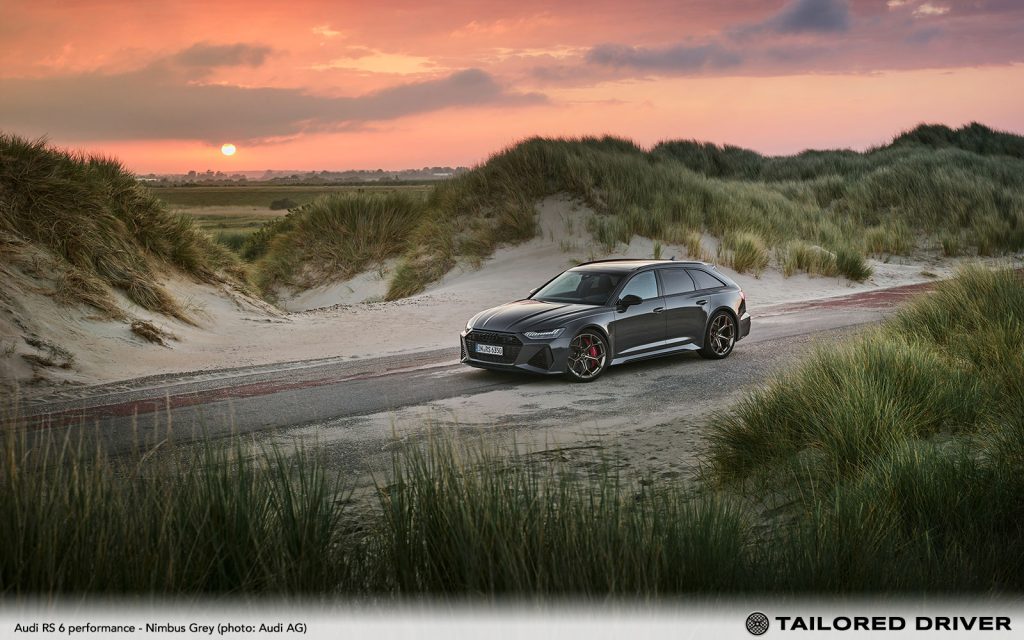
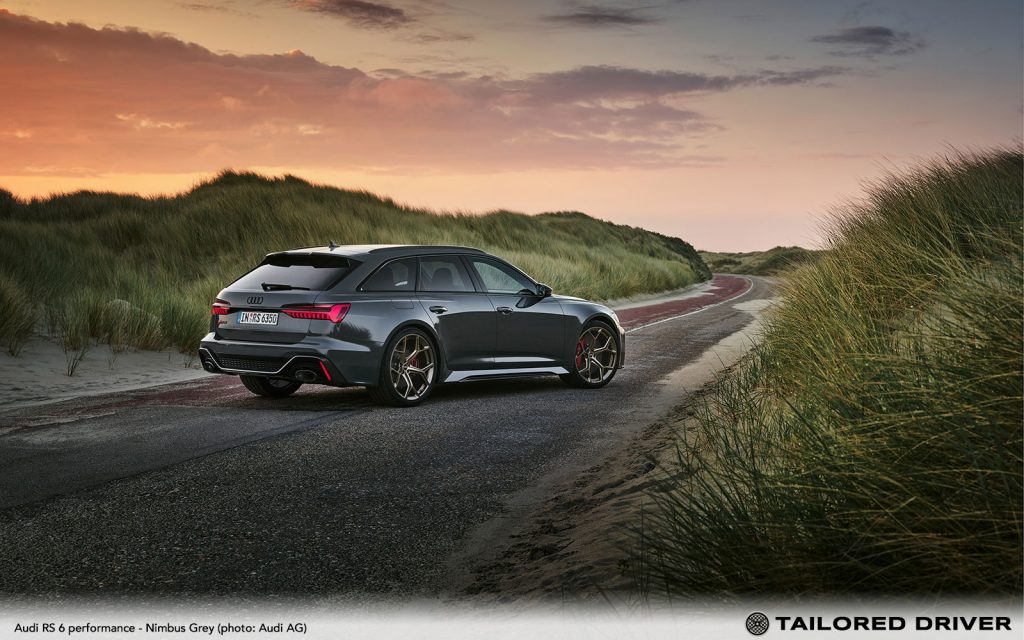
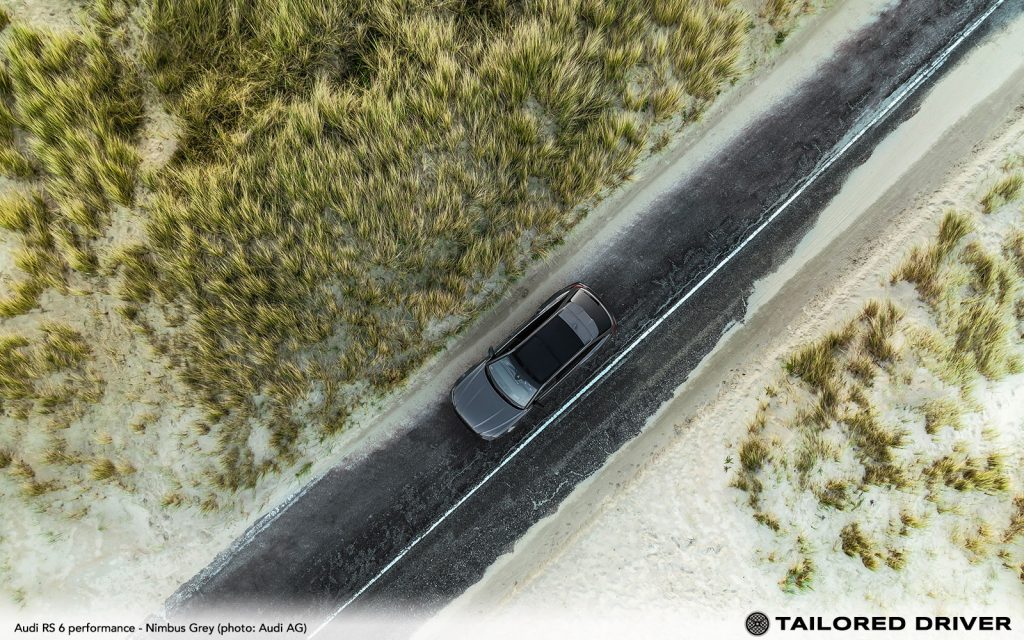
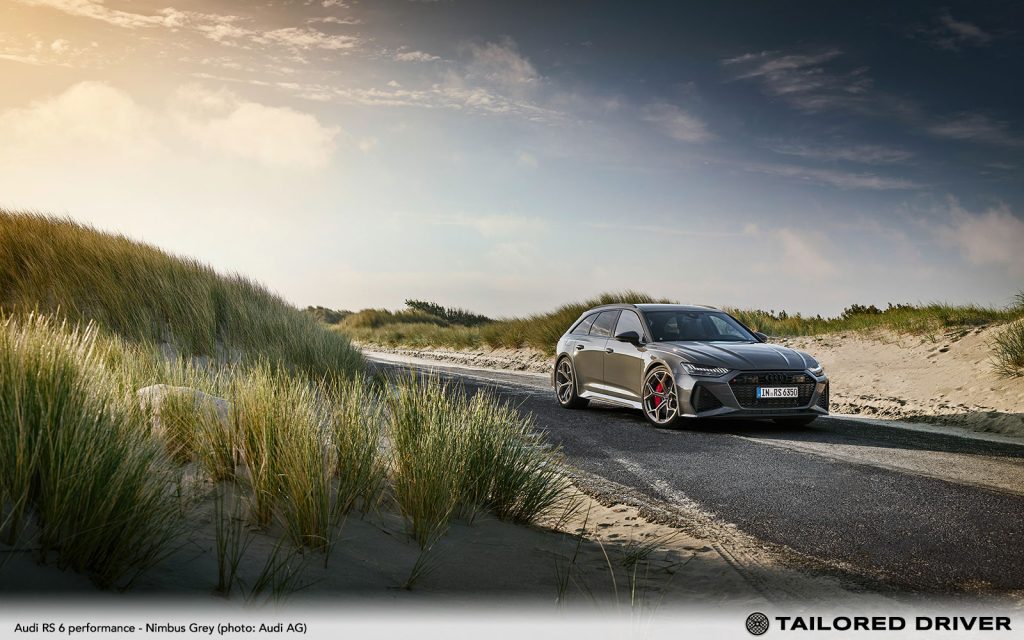
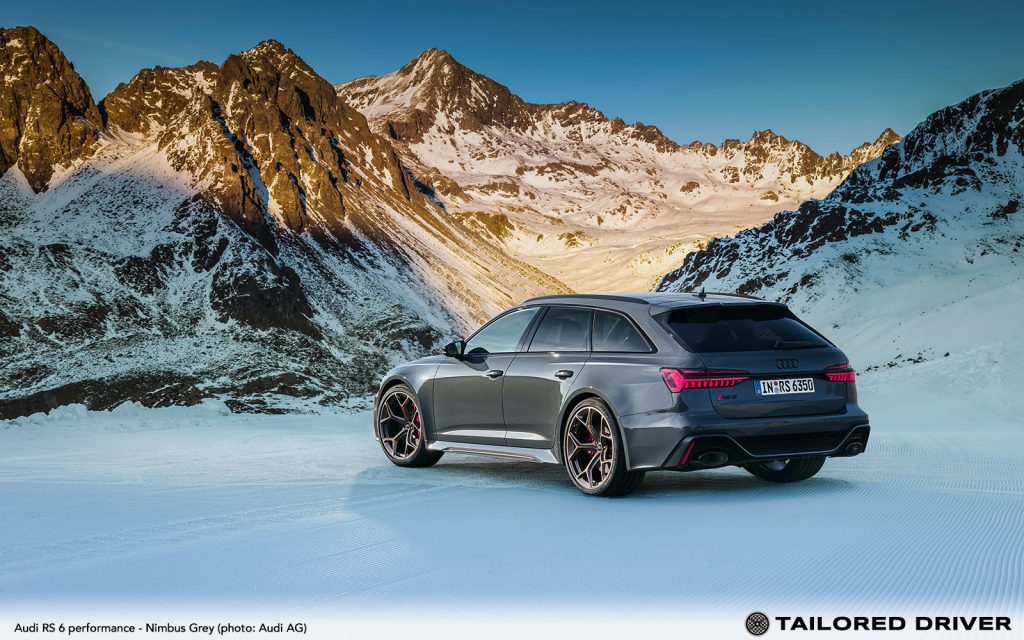
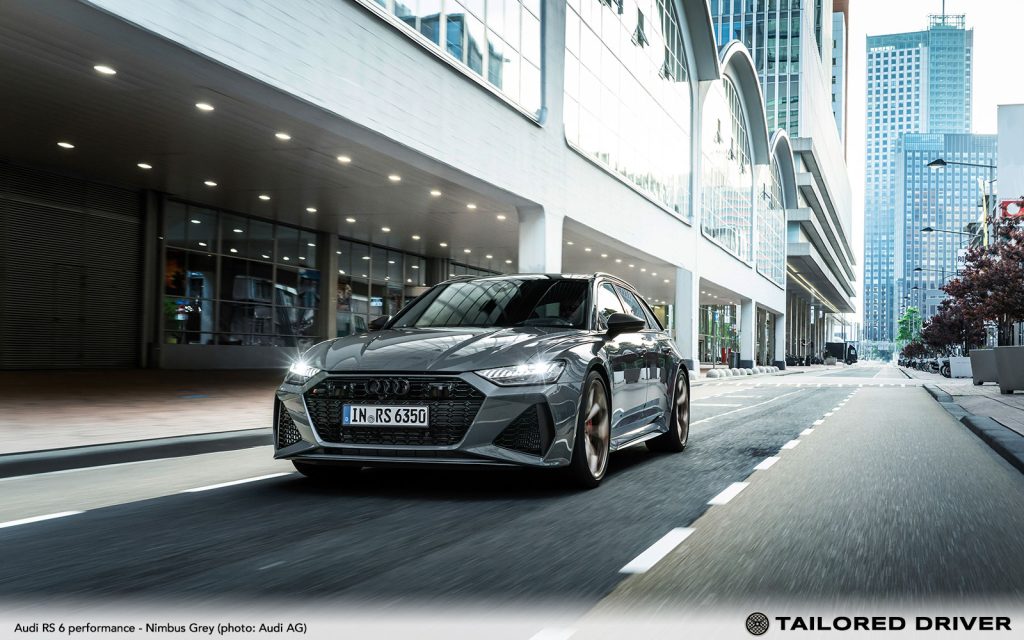
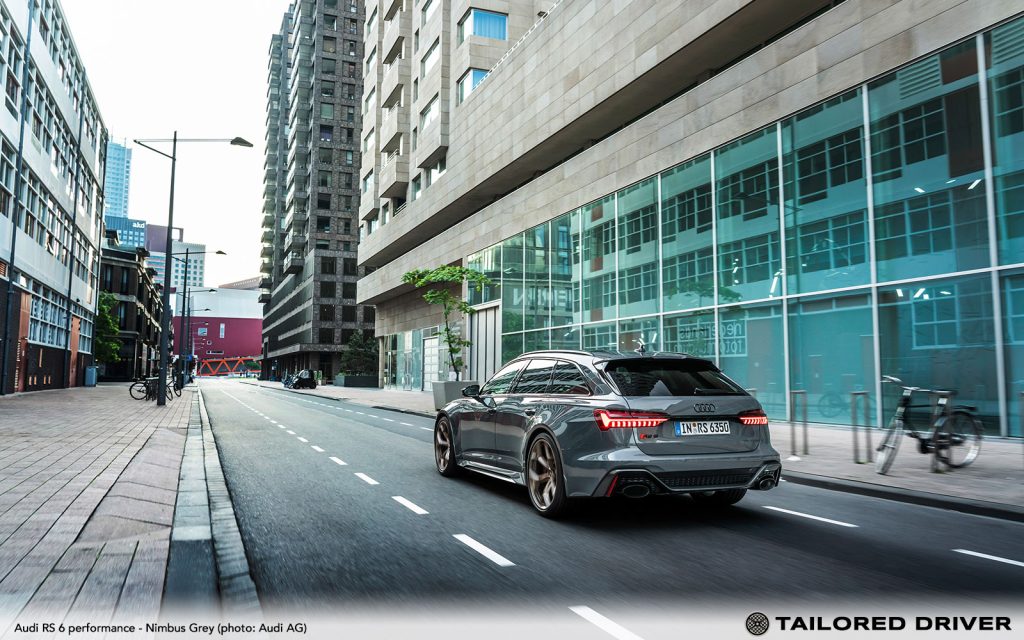
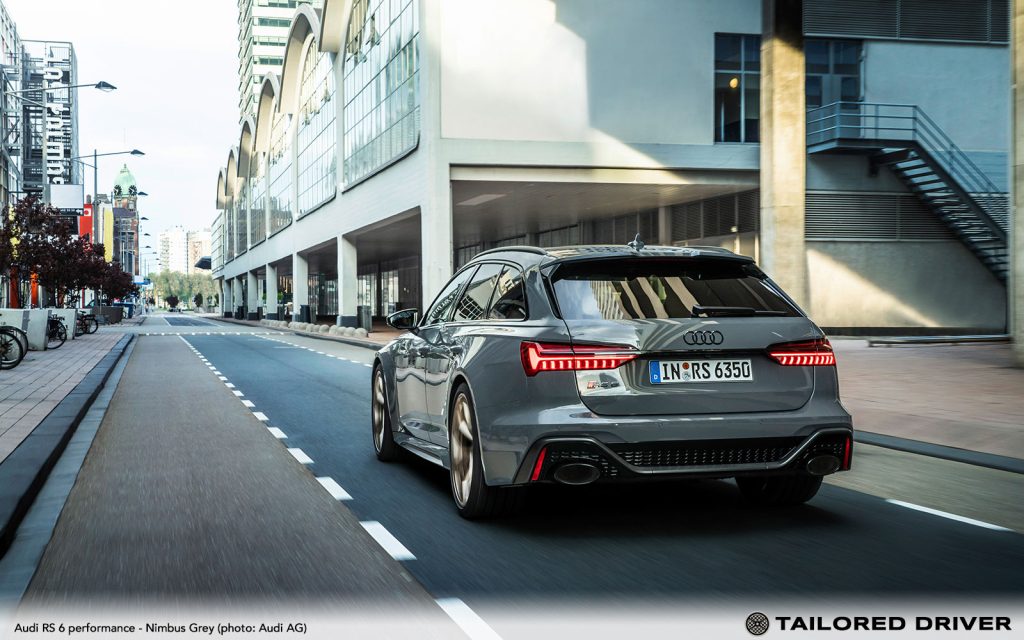
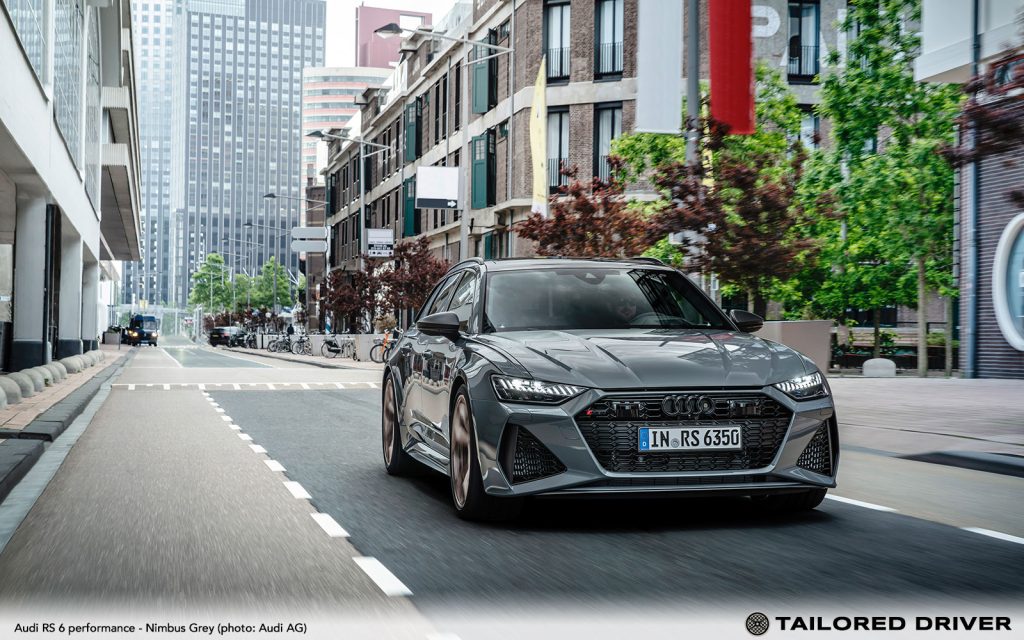
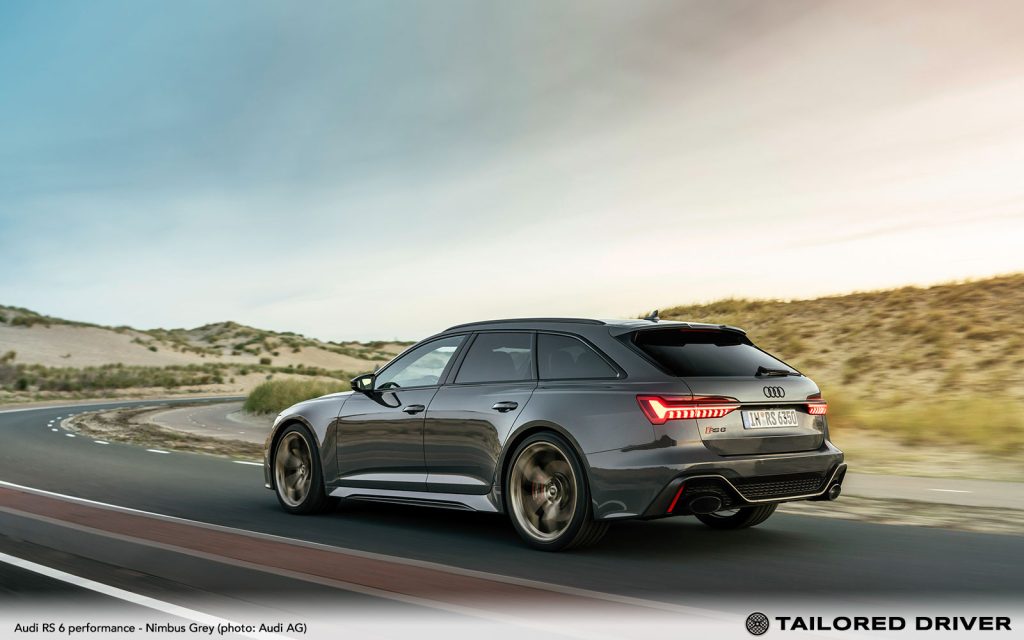
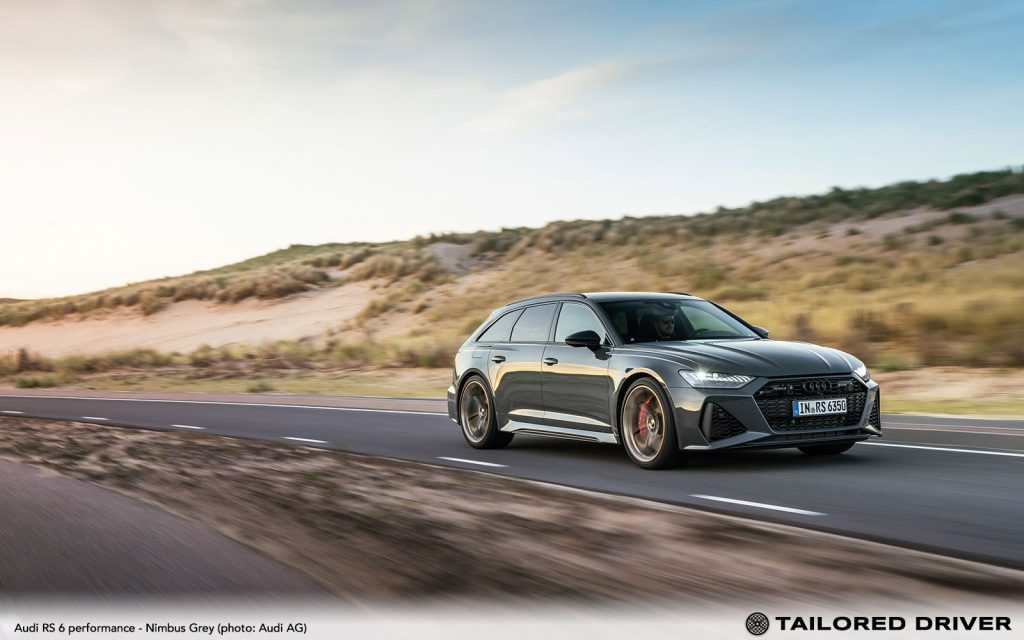
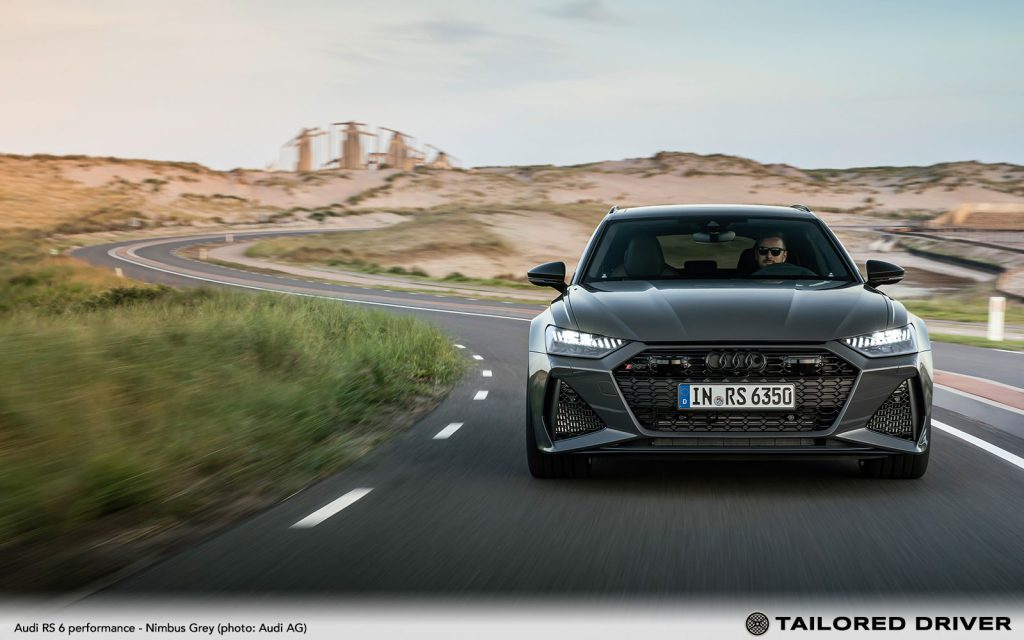
With Audi having most unfortunately ended production on all of its coupe, the TT, R8 and now A4 and all their variants now cut from the lineups, the brand is getting a bit short on cars that represent in-your-face passion over sensible upright people movers. We’d wager the Avant embodies some place in between – sensible yet passion-inspiring when built to the right specification… like say… an RS 6 performance in an Audi exclusive color.
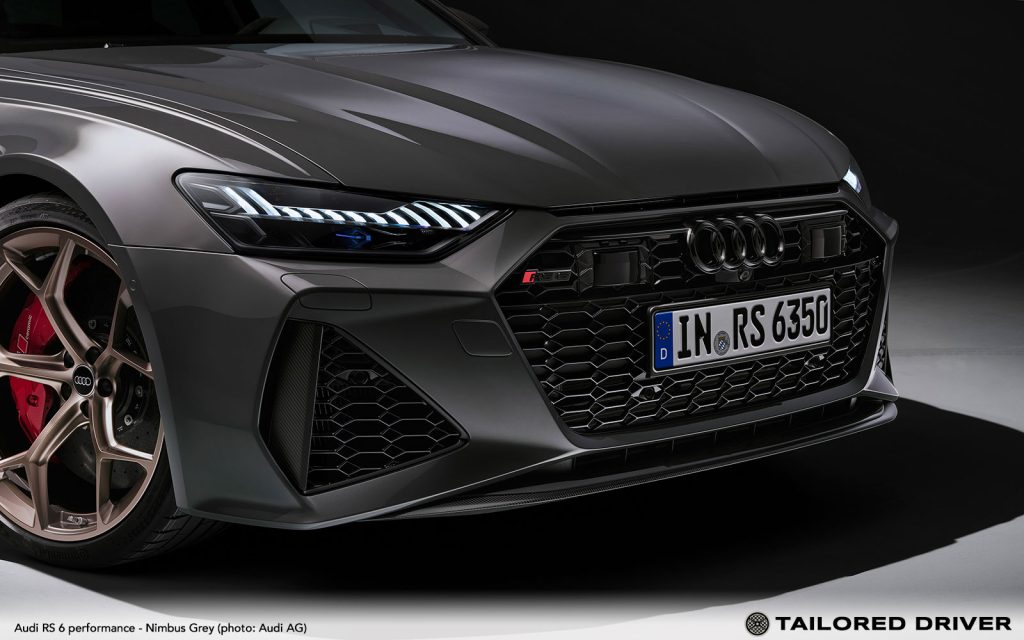
What you see here is a mix of public relations photos dropped by Audi in Germany of the current RS 6 performance model, but here painted in Nimbus Grey (nimbusgrau; pearlescent UNI; Z7X; Audi exclusive), a paint that is a throwback to the earliest days of the TT, and has paired that with wheels in neodym gold finish. Those wheels reveal a new facet to the decades old and familiar Nimbus Grey Pearl paint that we really appreciate.
Back in Audi Sport’s Le Mans era, factory drivers would get their choice of company car and virtually all of them chose the RS 6 Avant. Even back then with the R8, TT RS or RS 5 to distract them, most preferred the have-it-all mentality of an RS 6 Avant. Several would order Audi exclusive colors like Lucas di Grassi who’d ordered Vegas Yellow as a hat tip to his Brazilian Heritage. However, that year, we most appreciated Andrea Lotterer’s choice – Nimbus Grey Pearl. That would have been the full previous generation RS 6 (C7), so we have to credit Andrea for having the idea to pair a classic TT color with the RS 6 Avant. We’ll take it though, and we’d encourage anyone ordering a new RS 6 Avant to consider doing the same.
A thoroughly reengineered Jaguar C-X75, created by CALLUM, takes the car to its ultimate road-going conclusion
Bespoke commission blends customer’s wishes with the original designer’s aim, producing a capable, refined and elegant supercar
All-new interior, enhanced powertrain and active aero result in a driver-focussed machine, engineered to enjoy every day
[source: CALLUM Designs]
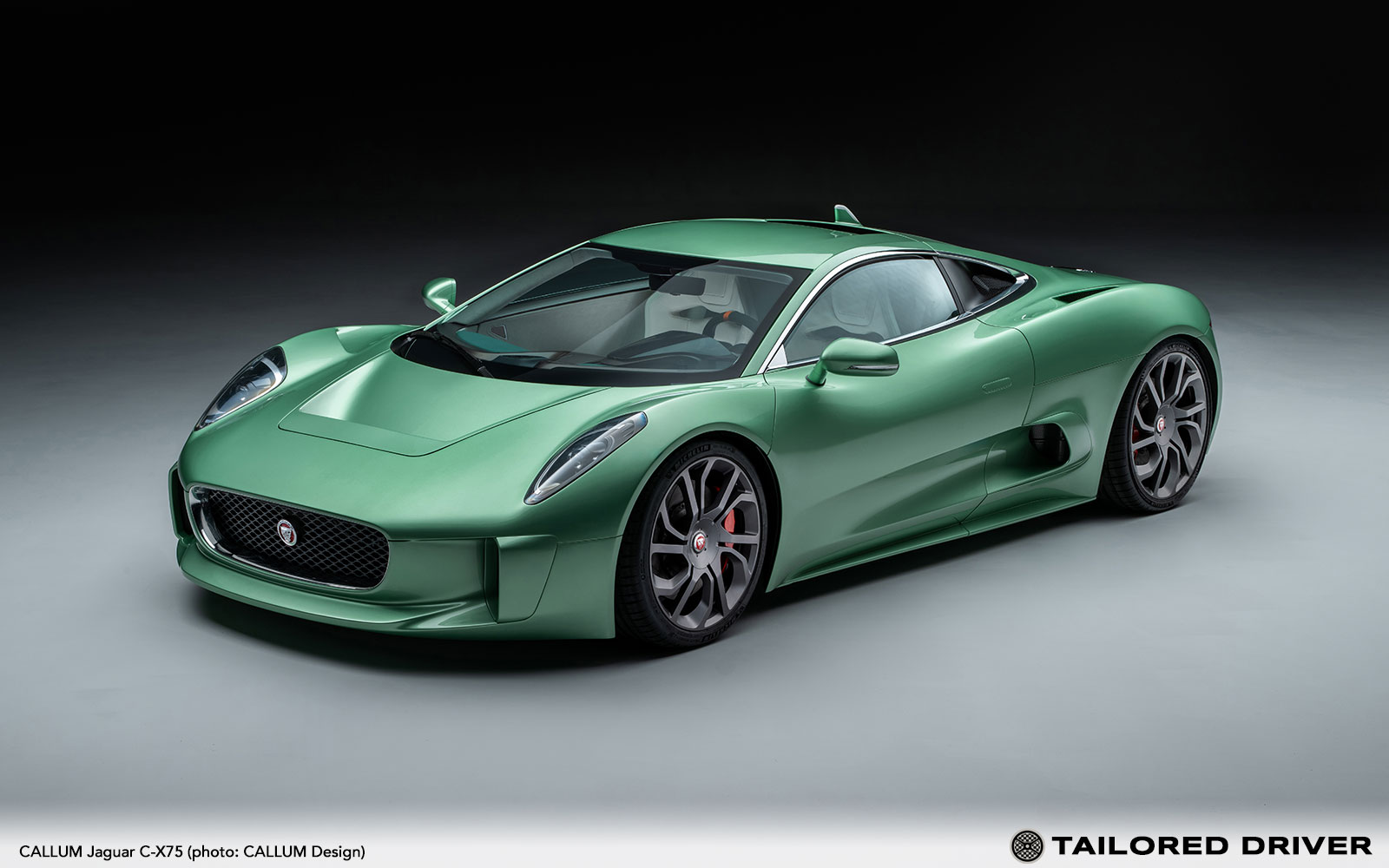
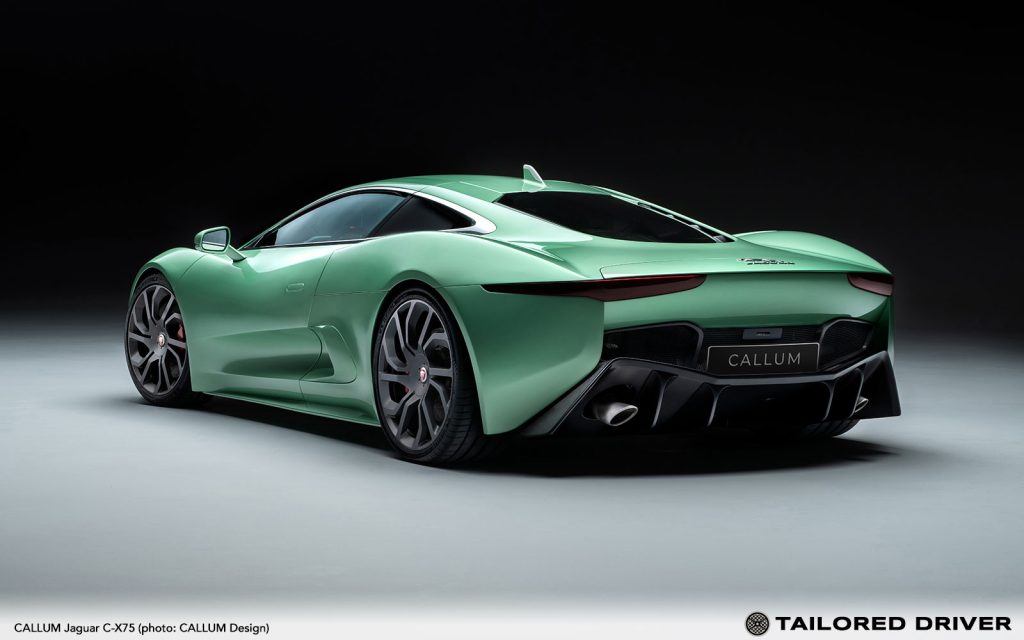
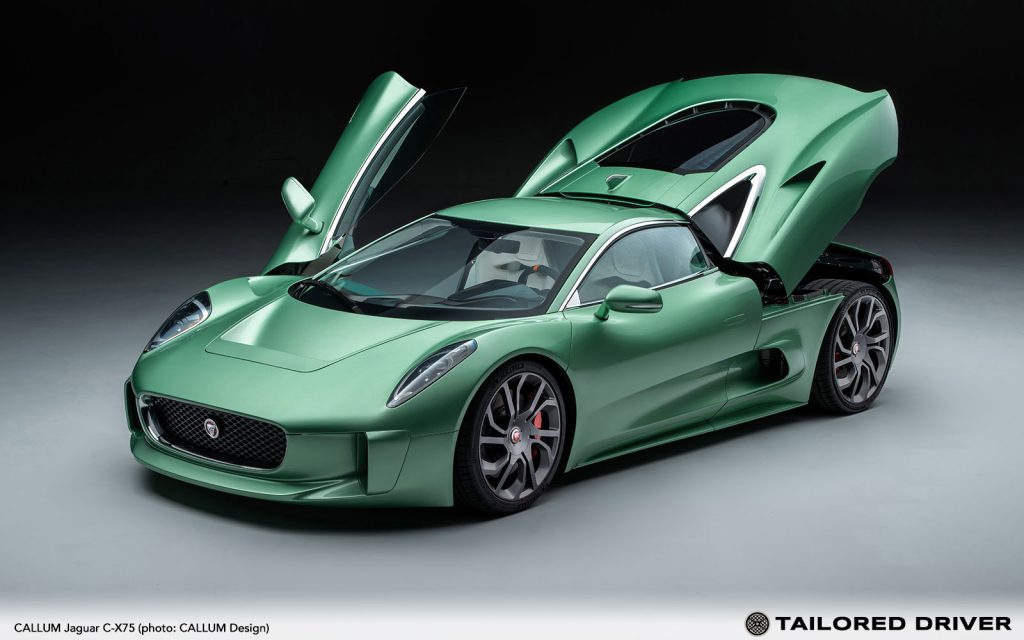
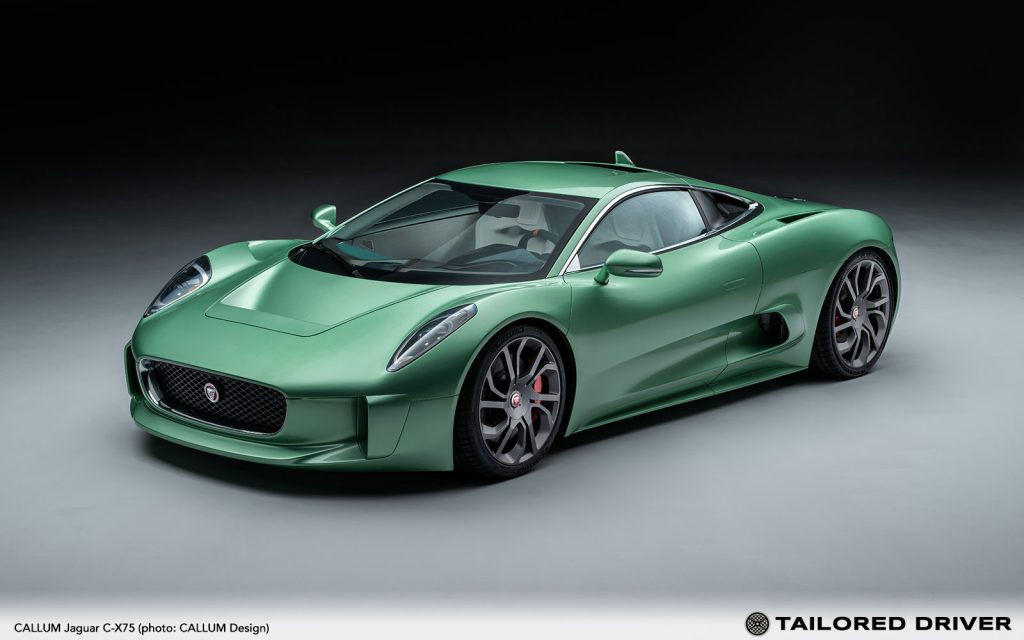
CALLUM has completed a second customer commission of the Jaguar C-X75, meticulously addressing every element to deliver the most refined iteration of the iconic supercar. Truly bespoke, it follows CALLUM’s earlier transformation of one of the four stunt cars used in the James Bond film Spectre. This time, CALLUM has gone beyond the core practicalities of readying C-X75 for the road by engineering performance, comfort and convenience into the essence of the car. Fulfilling the customer’s wish for a C-X75 that realises the promise of the original concept, the result is a thrilling, engaging and very personal commission of a much admired car.
Working in close collaboration with the owner of the C-X75, CALLUM ensured that each request – no matter how detailed or complex – was expertly integrated into the final build. Drawing on CALLUM’s previous experience transforming stunt car 007 for road use, this new commission using Car 001 goes far beyond the hundreds of standard modifications necessary for achieving Individual Vehicle Approval (IVA) certification. Car 001 now features a reengineered drivetrain, active aero and an exquisite and contemporary interior that dramatically enhance the driving experience.
“C-X75 was ‘the one that got away’ – a car brimming with unfulfilled potential,” says Ian Callum, who led the team that created the car in 2010 and is now design director and co-founder of CALLUM. “We’ve combined the customer’s wishes with carefully engineered solutions to bring C-X75 to the thoroughly satisfying conclusion it always deserved.”
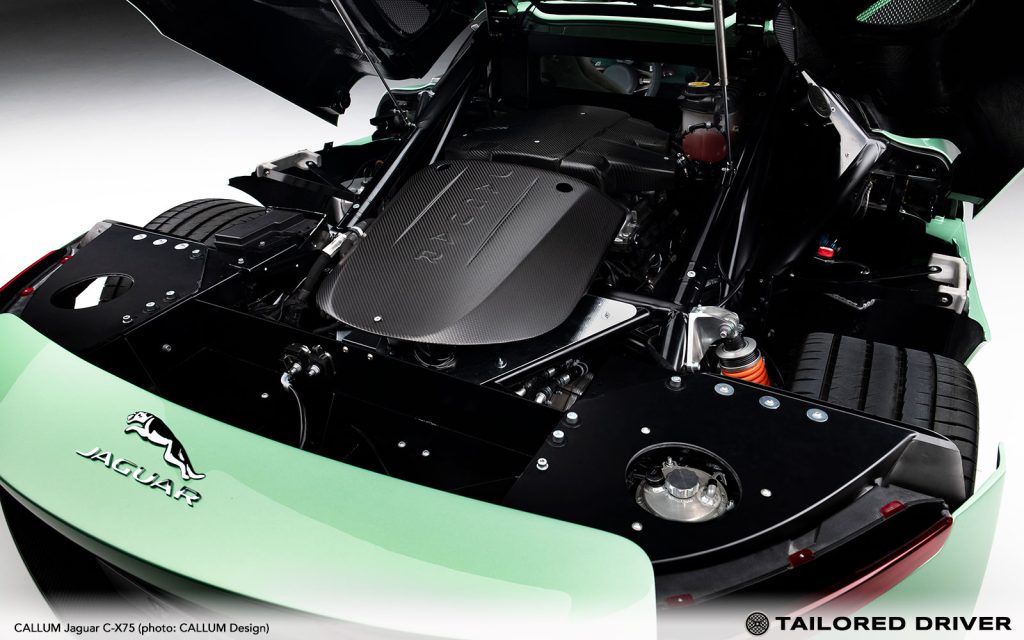
The supercharged V8 engine is now mated to a seven-speed dual clutch transmission. Thanks to CALLUM’s in-house software and proprietary body and comfort electronics, C-X75 now offers the ability to perform as a usable road car or, when desired, switch into a dynamic sporting mode. On command, gear shifts become sharper, throttle response is more immediate and the exhaust system, tuned by an acoustic expert, enhances the experience with its exhilarating soundtrack.
To complement the increased performance, CALLUM’s engineers developed an advanced active aero package. At speeds above 60km/h it provides additional downforce to increase stability and deliver confidence-inspiring handling. An air brake function bleeds in added control during hard braking. For urban driving, a hydraulic front lift suspension offers enhanced practicality. Through extensive testing, CALLUM honed its road-focused setup, resulting in neutral, predictable balance through sweeping turns and arrow-straight stability where higher speeds are legally possible. The original front 20” and rear 21” wheels are wrapped in Michelin’s acclaimed Pilot Sport 4S tyres – ideal for road and occasional track use.
CALLUM’s designers seized the opportunity to take the exterior to the next level whilst retaining the much-admired form. Over 1,000 hours of craftsmanship went into perfecting the car’s bodywork, including precise panel alignment and a lustrous deep paint finish in Willow Green. Combining earthy tones with a hint of yellow, this gentle and natural shade is inspired by the soft muted hues of the willow tree’s delicate leaves. Distinctive touches – such as machined-from-solid, brushed aluminium finish window surrounds, bespoke filler cap and visual carbon fibre accents for the quarter light intakes and diffuser, along with the polished metal grille – contribute to the car’s striking presence. Further subtle exterior details include an etched C-X75 emblem on the exhaust tailpipe and enhanced light diffusion from the rear lights.
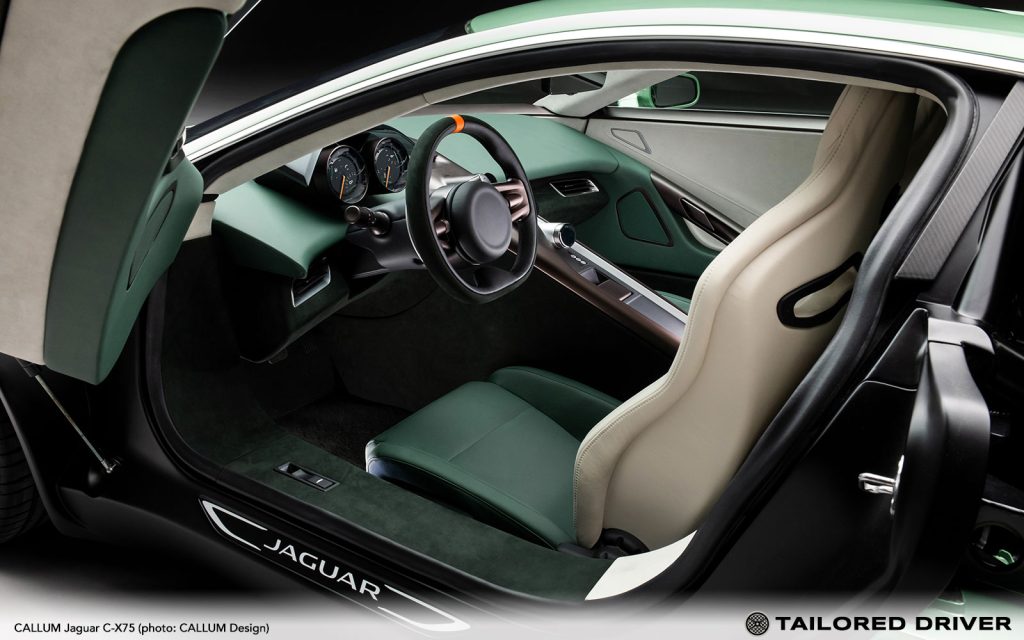
Inside, the transformation is more dramatic. The stunt car’s functional cockpit is replaced with a driver-centric, premium environment. The interior features a sophisticated blend of dark green and cream tones, split by a bold and dynamic 40-degree-angled “waterline” that runs through the cabin. “Sporting cars typically feature darker interiors, while comfort is often associated with lighter shades,” explains CALLUM’s head of design, Aleck Jones. “We wanted to fuse those elements in a dynamic way to reflect the dual nature of this car.”
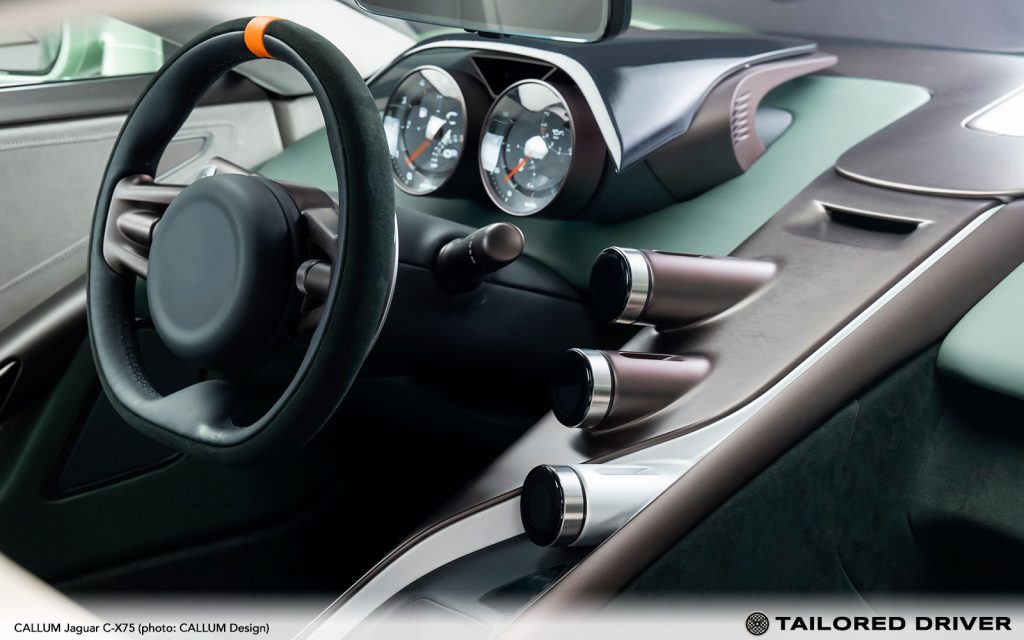
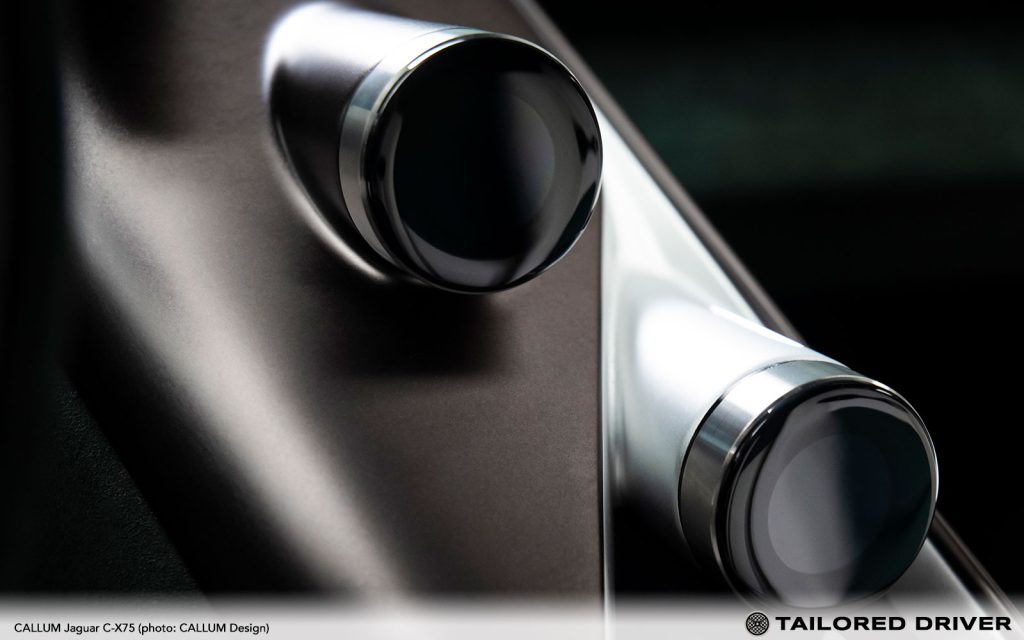
Interior surfaces span a variety of leather textures, accentuated by a prominent metal “Arrowhead Necklace” feature that encircles the cockpit before plunging down the centre console. Three tactile rotary controls, all angled toward the driver, each with integrated touchscreens, continue the theme of clean lines. A wireless charging pad and Apple CarPlay offer an intuitive user interface and seamlessly connect with a powerful, bespoke sound system featuring punchy subwoofers and a crisp-sounding centre speaker concealed behind CALLUM’s signature deconstructed tartan.
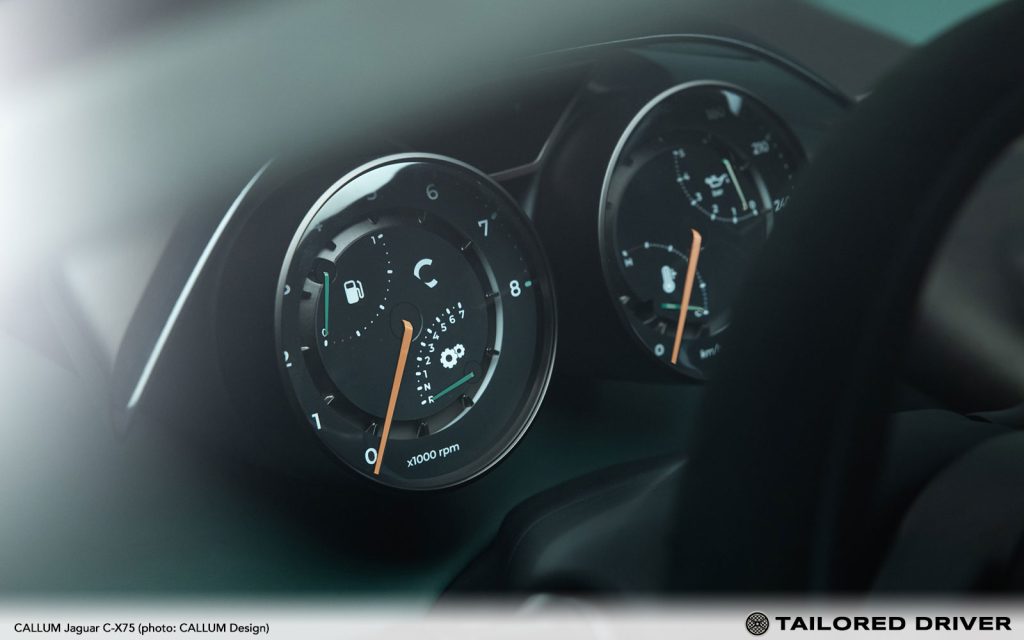
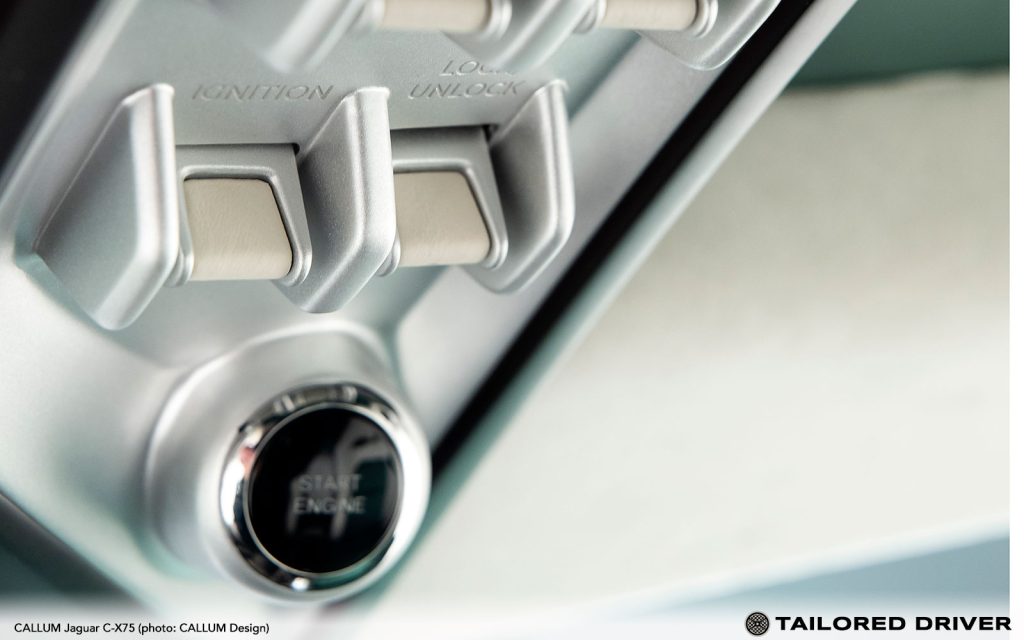
The minimalist cockpit is crowned by an acrylic cowl that covers the digital instrument cluster, while all other controls, including the start button, are in a roof-mounted console – a nod to aircraft design whilst ensuring the pure cabin lines are retained. “Clean and beautiful, the interior is simple, not simplistic,” adds Jones. The seats, chosen specifically by the customer for optimal support, are upholstered in supple Bridge of Weir leather and complemented by three-point seat belts for added convenience. The steering wheel is custom-machined from solid billet to the customer’s exact specifications. A digital rear-view mirror, an electronic park brake integrated with the transmission and an immobiliser with ‘blipper’ key are further examples of the lengths CALLUM has gone to transform the stunt car.
“While engineering a raw stunt car into a refined modern supercar with all the expected attributes presented significant challenges, finding the right solutions excited us all,” says CALLUM’s engineering director, Adam Donfrancesco. “Integrating features including aircon and premium audio whilst also balancing the NVH, refinement and hygiene factors such as engineering the door seals to keep the elements out, all whilst ensuring it still sounded mega, was a formidable but thrilling challenge and the results speak for themselves.”
As well as pushing the envelope of C-X75’s performance and refinement, CALLUM’s engineers also embraced advanced additive manufacturing with partner Stratasys. Innovations in materials and processes enabled CALLUM to create complex forms, unlocking more elegant design solutions previously not possible. Applications include a substantial number of the interior elements, such as the sill trim that ingeniously incorporates cup holders, highlighting CALLUM’s ability to blend functionality with form.
This refined C-X75 is the latest in a growing list of ‘bespoke’ one-of-one projects that CALLUM is delivering from its Warwick, UK, headquarters. “Through the reengineering of this one-off supercar along with the electrification and validation of a lightweight sportscar, the limited production run of our own CALLUM Vanquish 25, as well as low volume interior design and manufacture programmes for cars such as the Prodrive P25, CALLUM is demonstrating its prowess at bringing a vision to an on-road reality,” adds CALLUM’s managing director, David Fairbairn.
About CALLUM CALLUM is a design and engineering business that creates and crafts its own bespoke and limited-edition products, and provides consultancy and services to partners and third parties. Combining progressive design with engineering that pushes boundaries, CALLUM’s products and services span automotive, lifestyle, and travel.
Nimble and agile, CALLUM operates from its 20,000ft2 facility in Warwick, UK, that houses the latest technology to deliver: design; 3D modelling, printing and scanning; colour, materials and finishes development; whole vehicle engineering; vehicle development and homologation testing; prototyping; machining, and trim services.
CALLUM takes a collaborative approach: bringing together a team of 20+ talented individuals with experience across art, audio, automotive, fashion and motorsport, as well as embracing opportunities to collaborate with other businesses. Striving to build a legacy through innovative design and engineering, CALLUM takes on projects that intrigue and excite, creating stories that stir the imagination.
Established in July 2019, CALLUM’s founding members include British designer Ian Callum CBE, admired for his prolific automotive work that includes the Aston Martin Vanquish. Through its Next Generation initiative, CALLUM strives to support and nurture young minds and talent, fostering an environment that encourages peer-to-peer learning to ensure CALLUM remains relevant, progressive, and true to its roots.
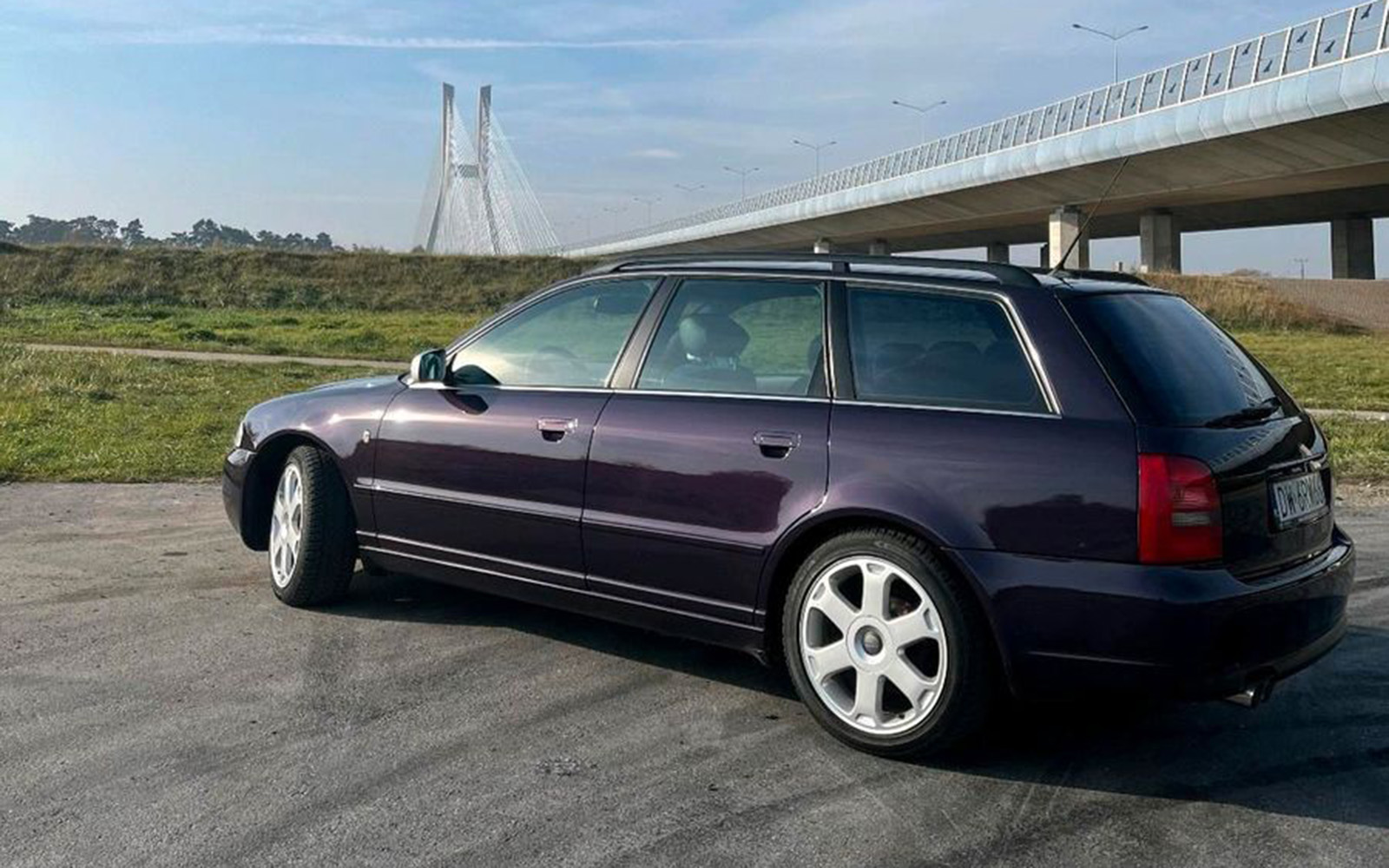
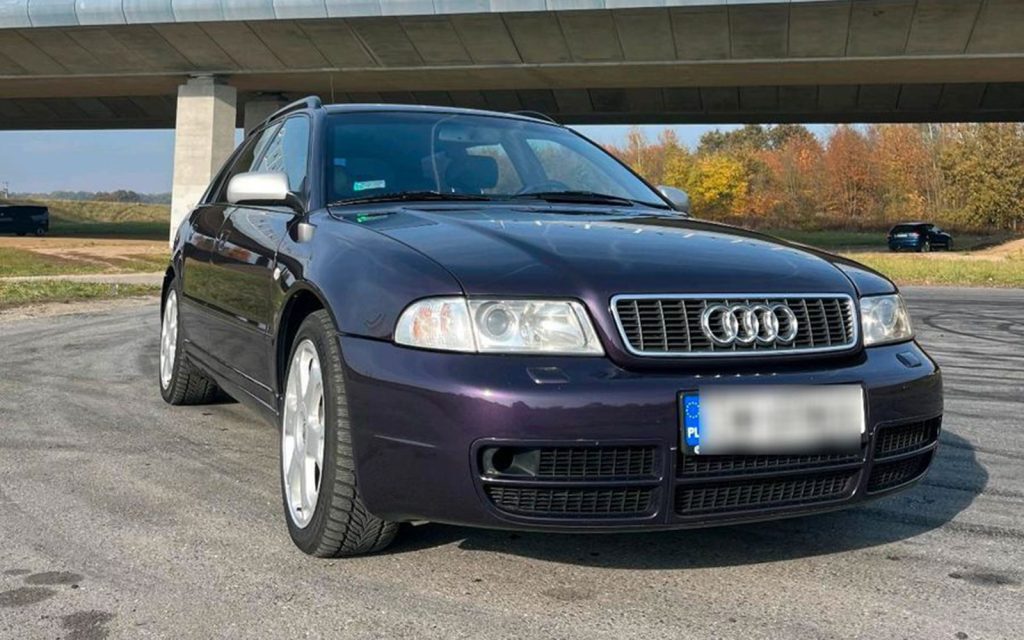
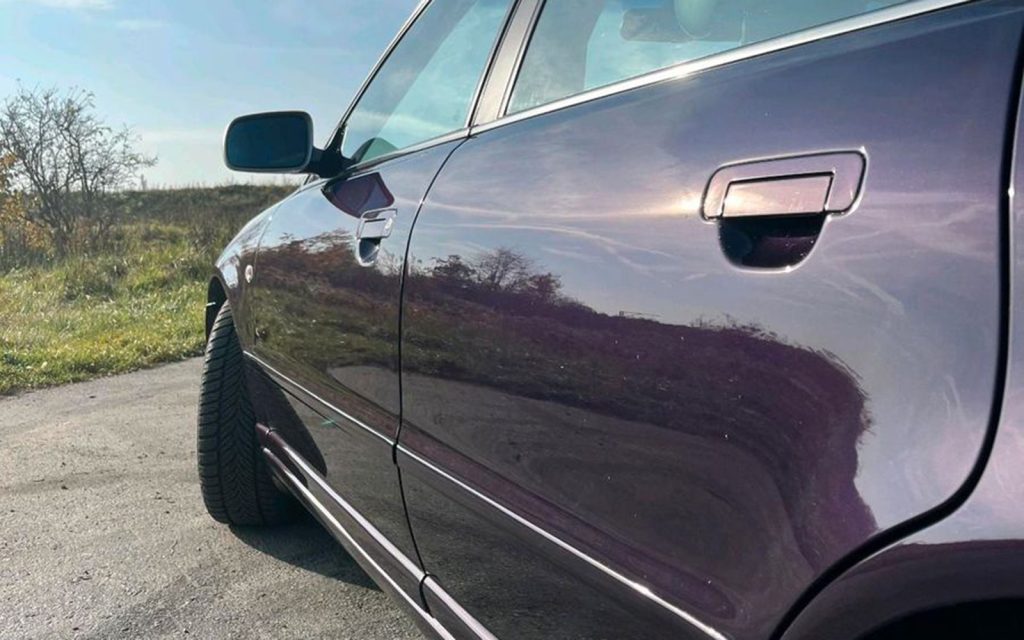
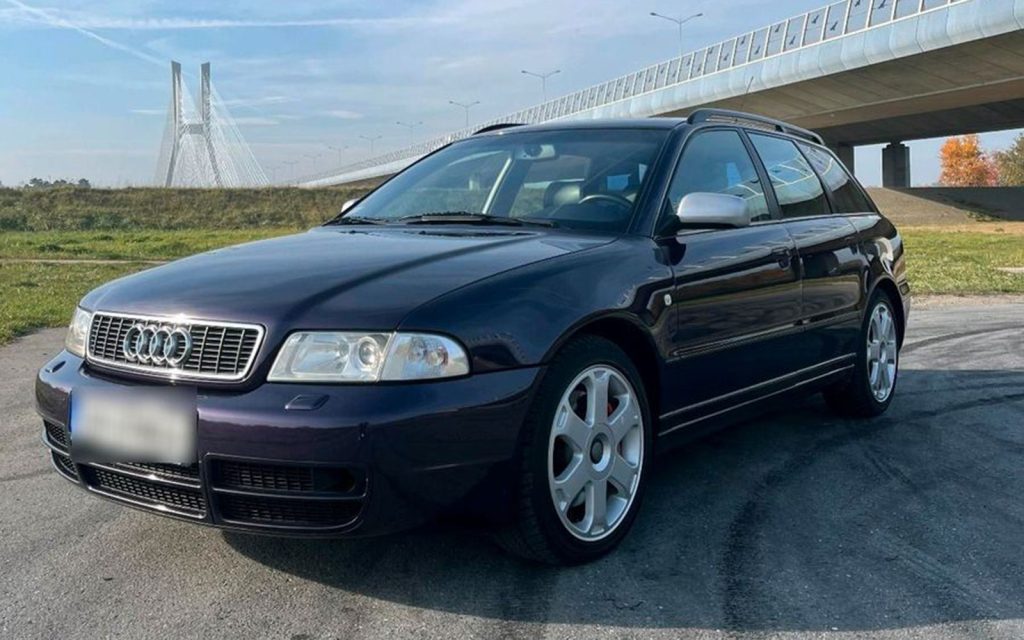
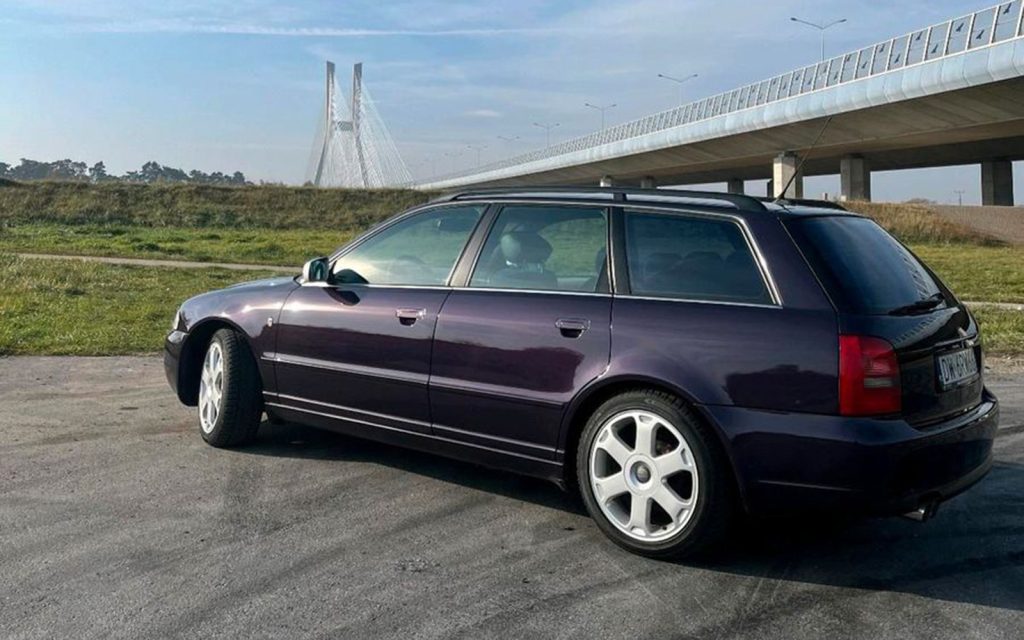
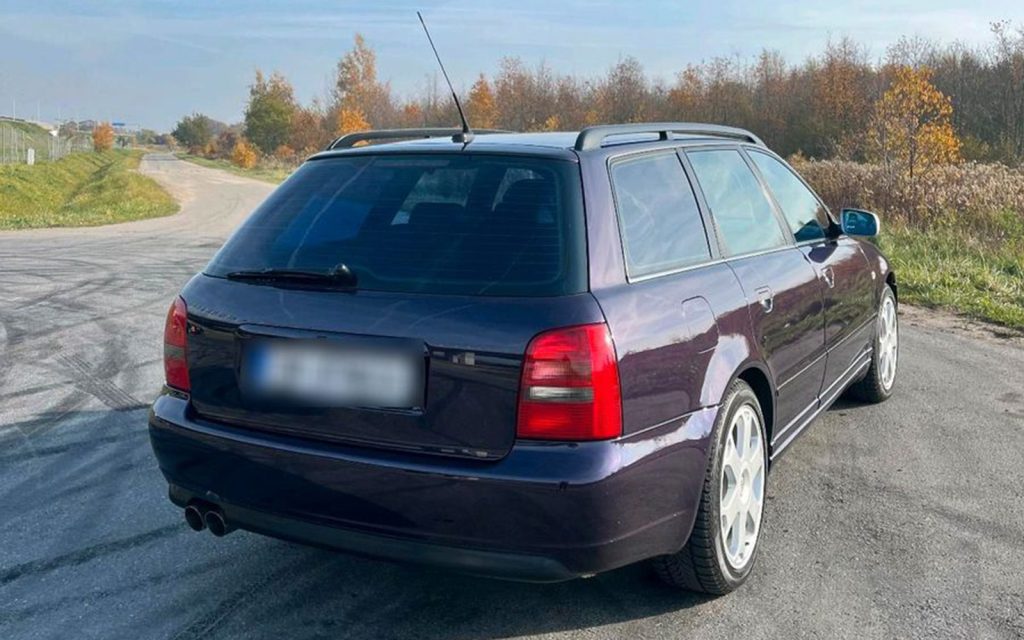
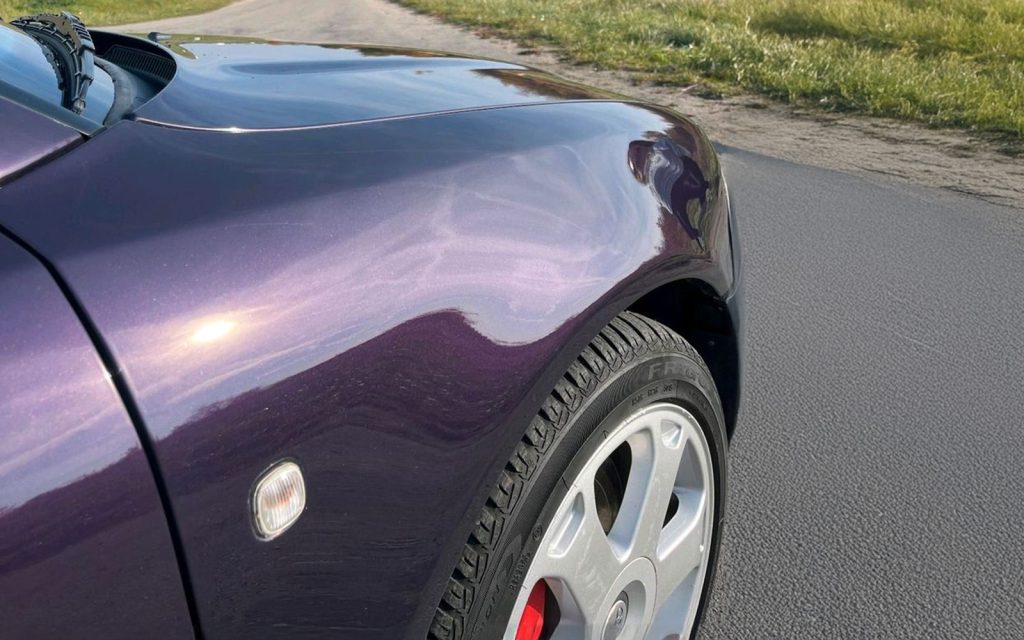
There’ve been specially painted Audi models probably since there’s been an Audi brand, but the arrival of Audi exclusive as a factory tailor service and resulting availability in the market of these unique specification cars only really dates back to the 1990s. It’s rare that we actually find cars from this period, so when we do we tend to celebrate it. When we find one that’s a truly collectible or sought after specification, well we go weak in the knees.
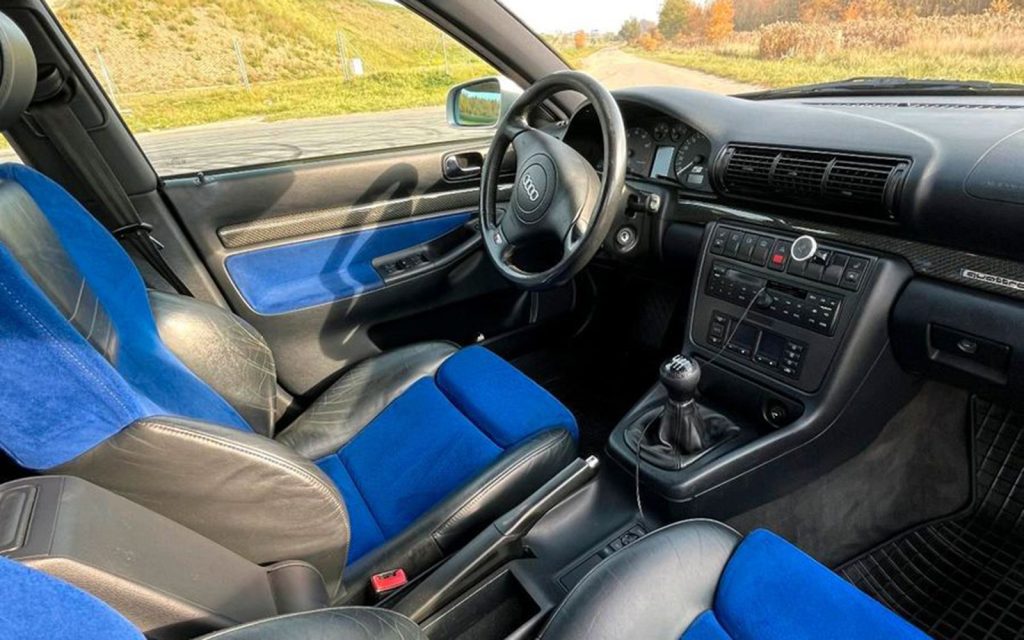
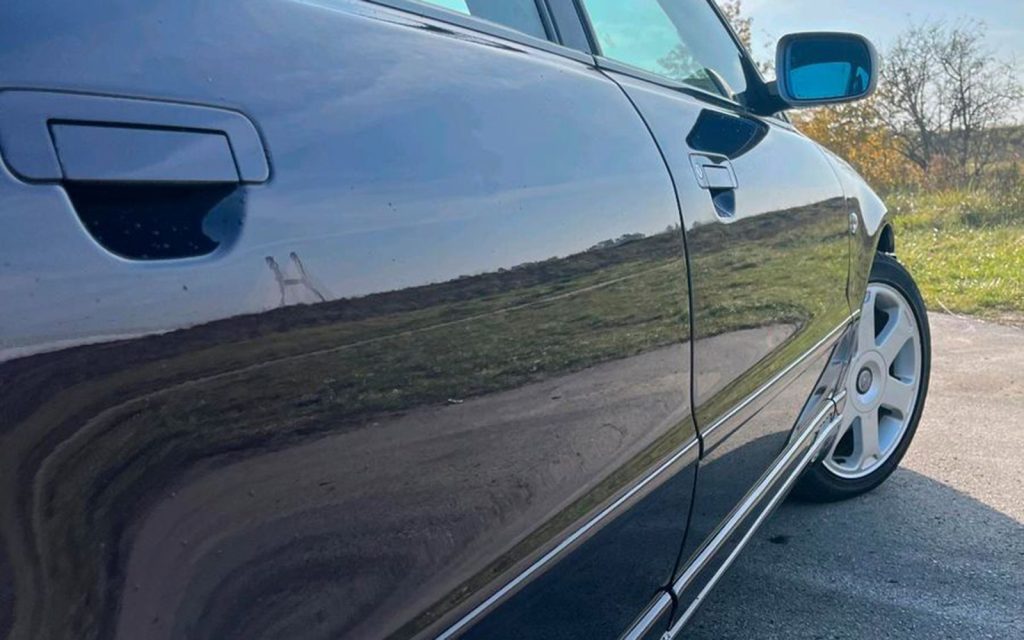
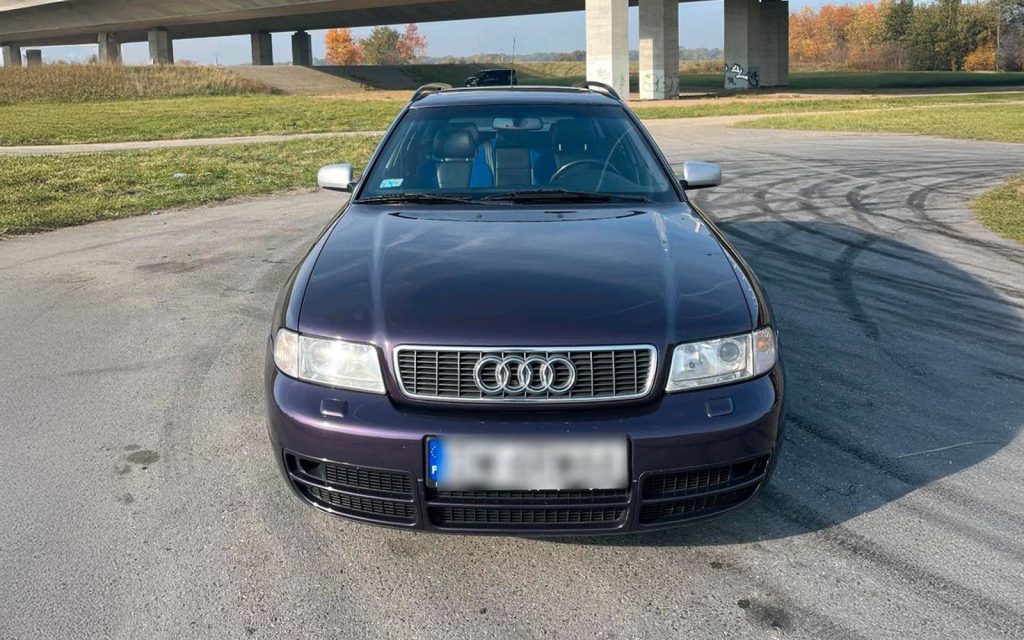
Given all of that, you probably wouldn’t be surprised to hear our jaws hit the floor when this listing was shared around the Tailored Driver team group chat. The B5 S4 holds a special place in enthusiasts’ heart, much less a well preserved manual transmission Avant. Now throw in Merlin Purple Pearl (merlin purple; pearl effect; 4B / LZ3W / Z3W; Audi) paint paired with blue Alcantara segmentation on its black leather interior and we’d argue it elevates a very well-preserved survivor to a pretty strong case for collector status.
On the downside, this car is located in Germany. On the upside, it was first registered in 1998 so a relatively easy import into the USA via contract services from the likes of Orchid Euro. That it’s European does suggest a few more complexities for acquisition, but its EU specification production also means it’s got EU specification options like that Audi exclusive paint or optional Recaro sport seats that were standard in the B5 RS 4 and we didn’t get in the U.S.A. until the B6 era.
Mileage is in kilometers, so it’s worth noting that 234,000 km equates to 145,000 miles. And while that’s not museum piece mileage, it is exceedingly low for this age of car. That the Avant looks largely unmodified also makes a strong case for its collectability.
So, is it worth buying and importing? We’d say yes. We’d also say that you better hurry, because you’re probably not the only people dropping the car’s current owner a message upon seeing these photos. We suspect you’ll be competing with many others to make a deal happen… maybe including us.
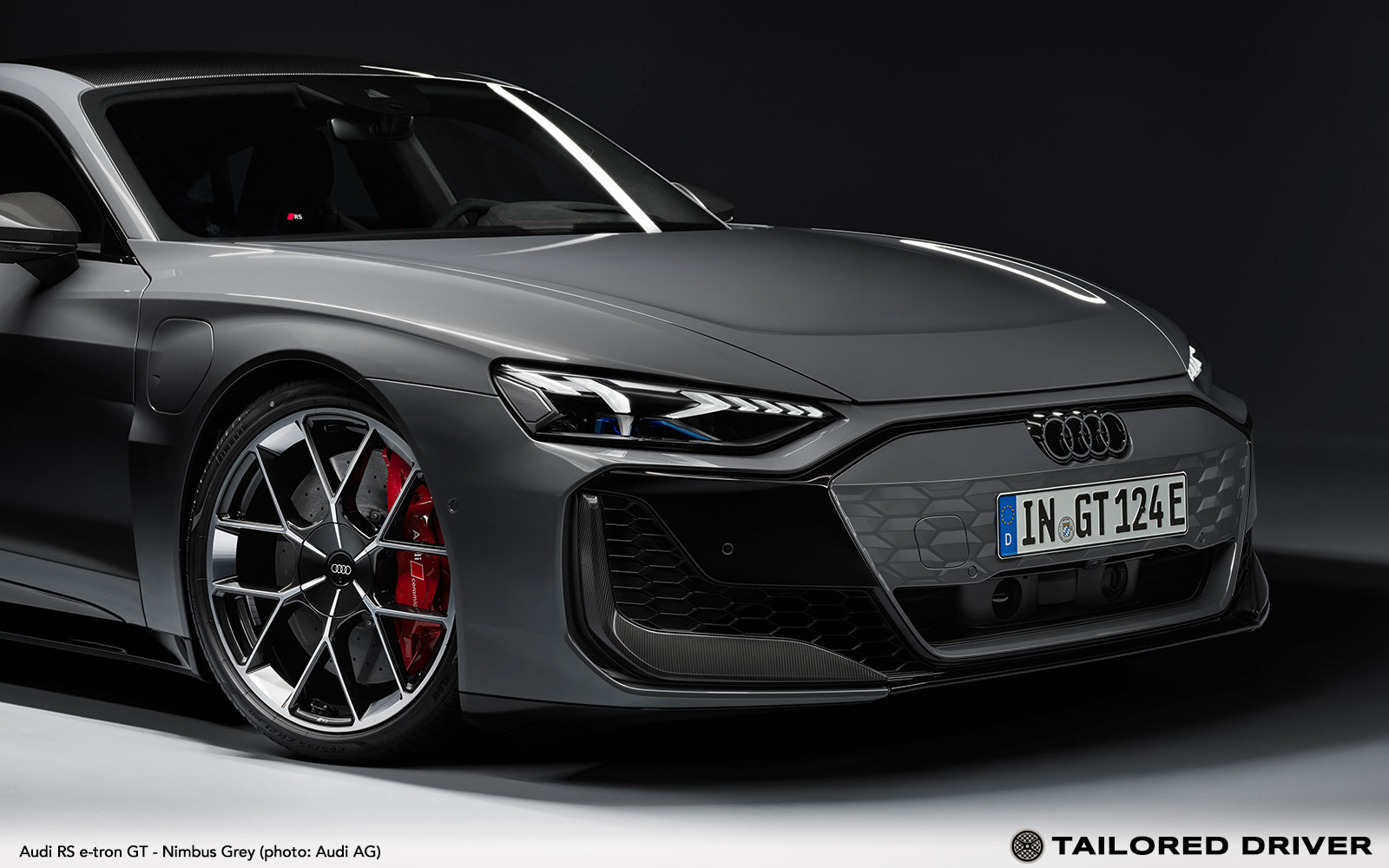
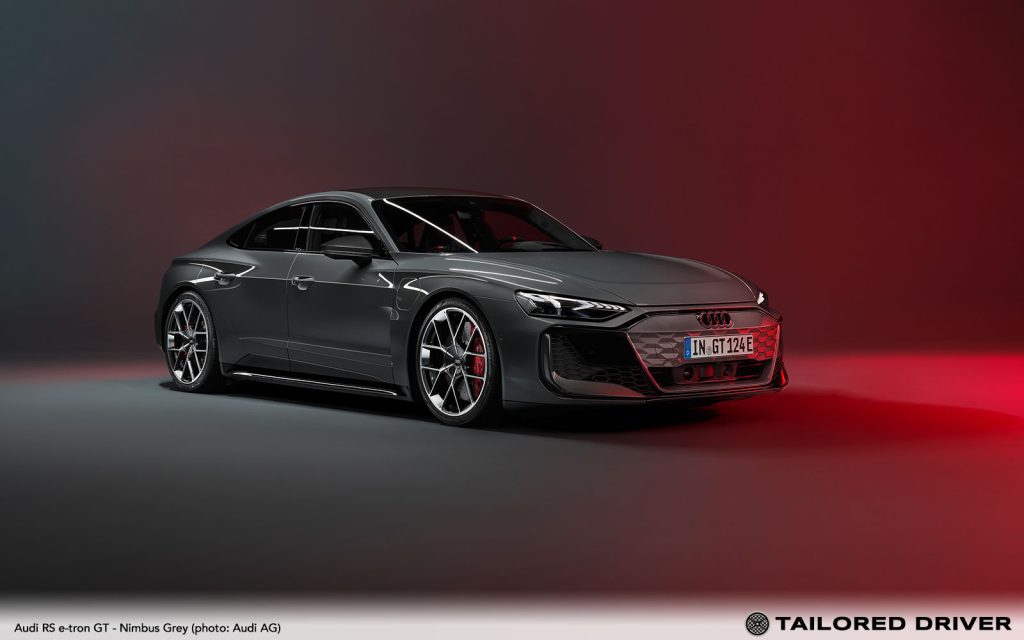
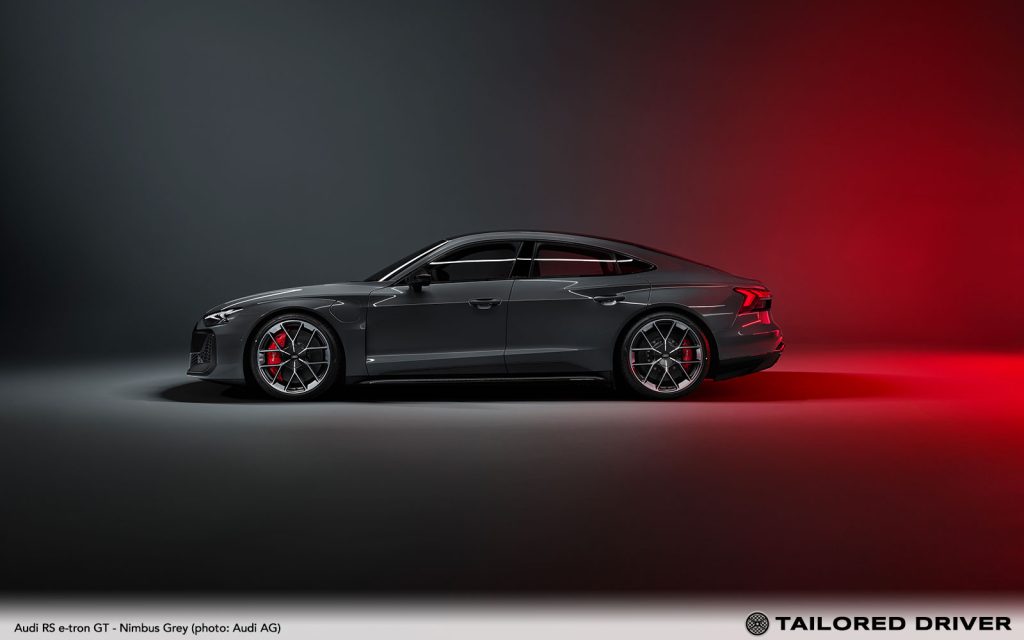
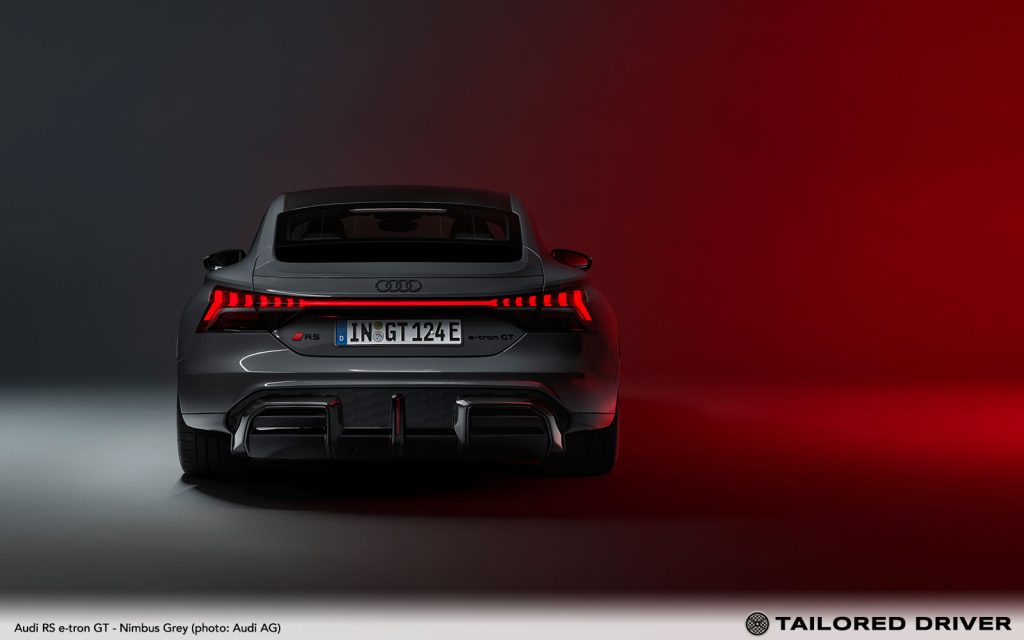
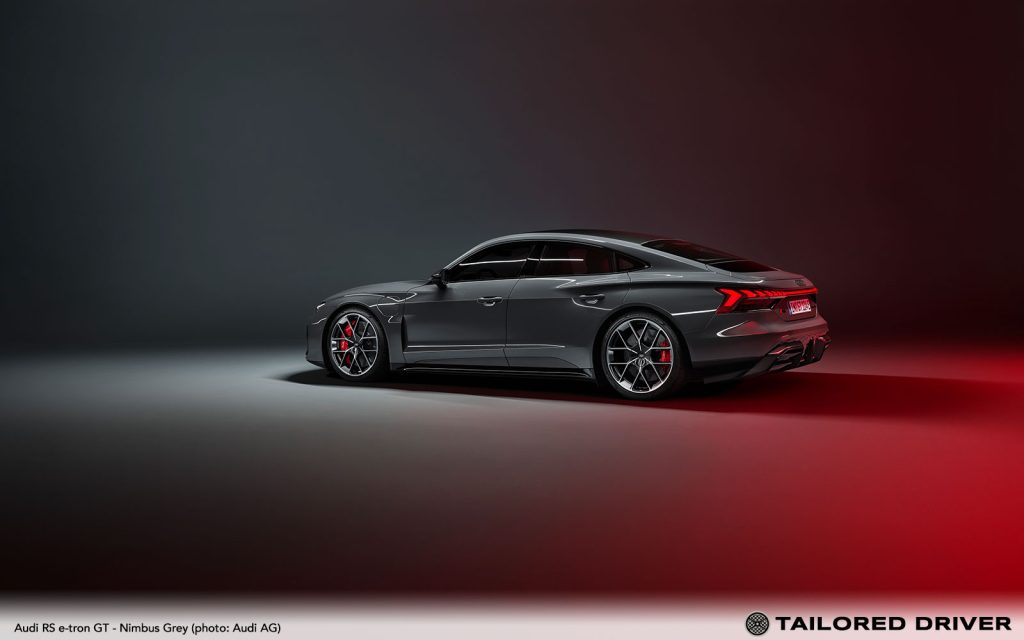
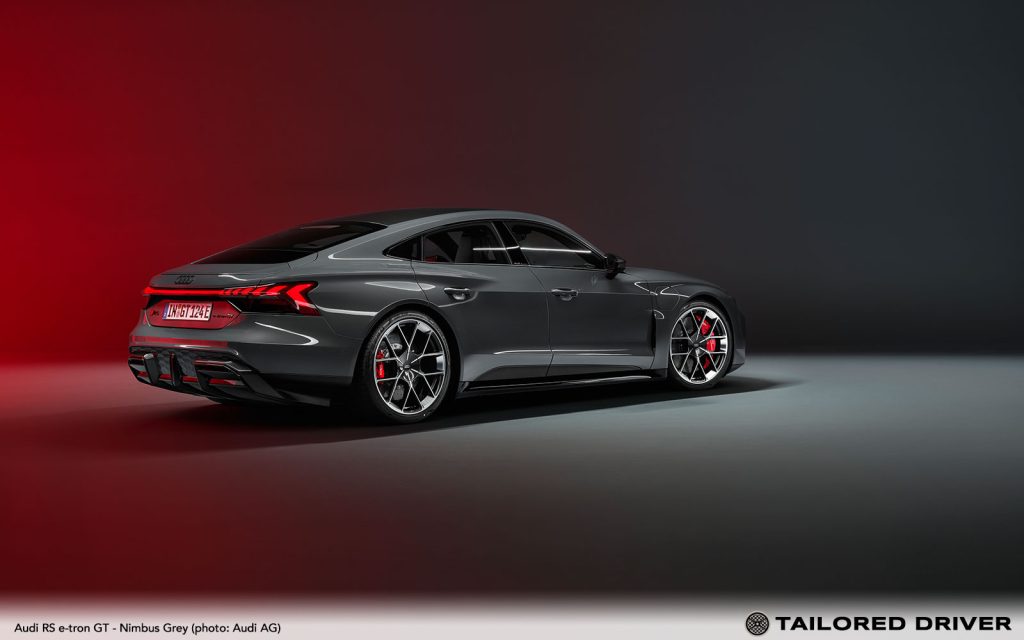
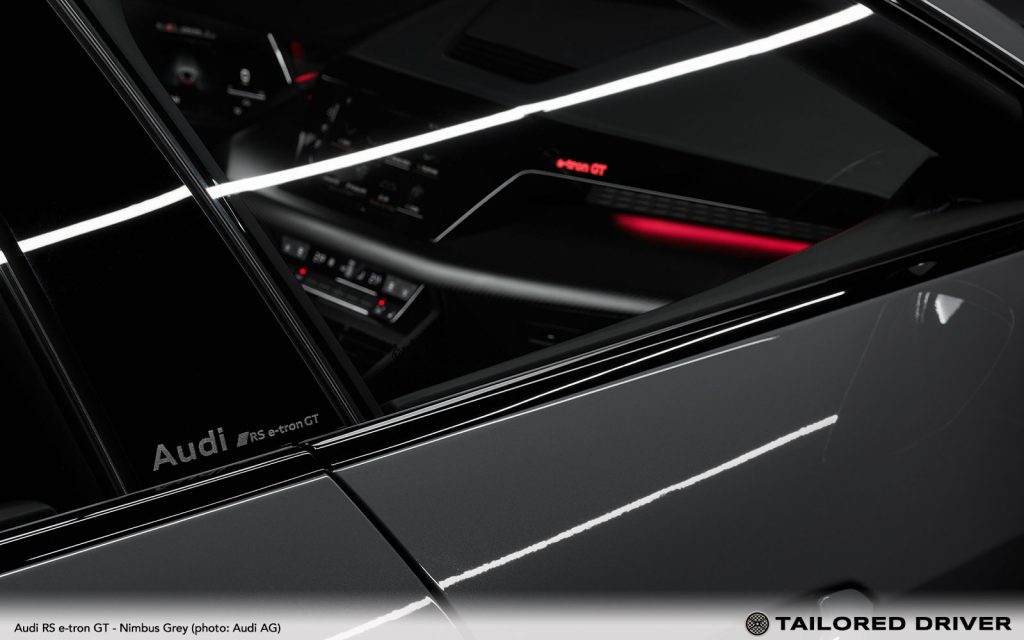
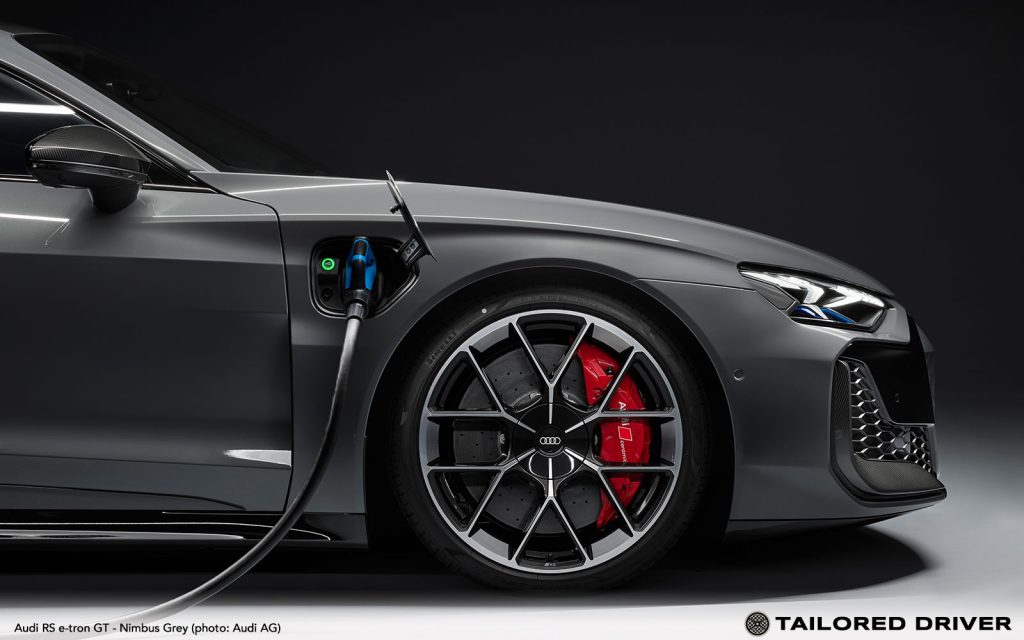
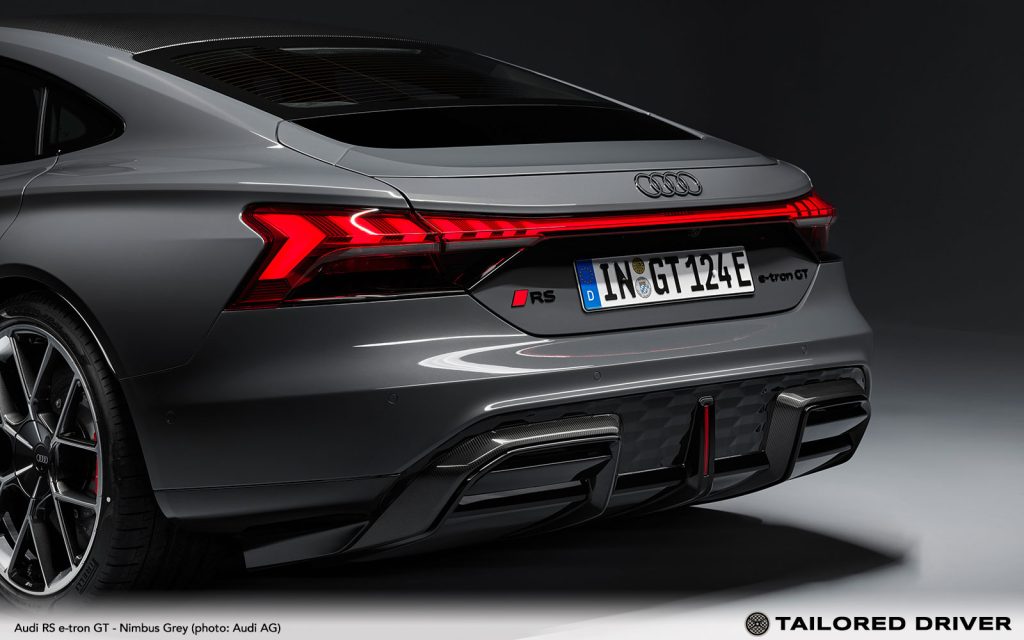
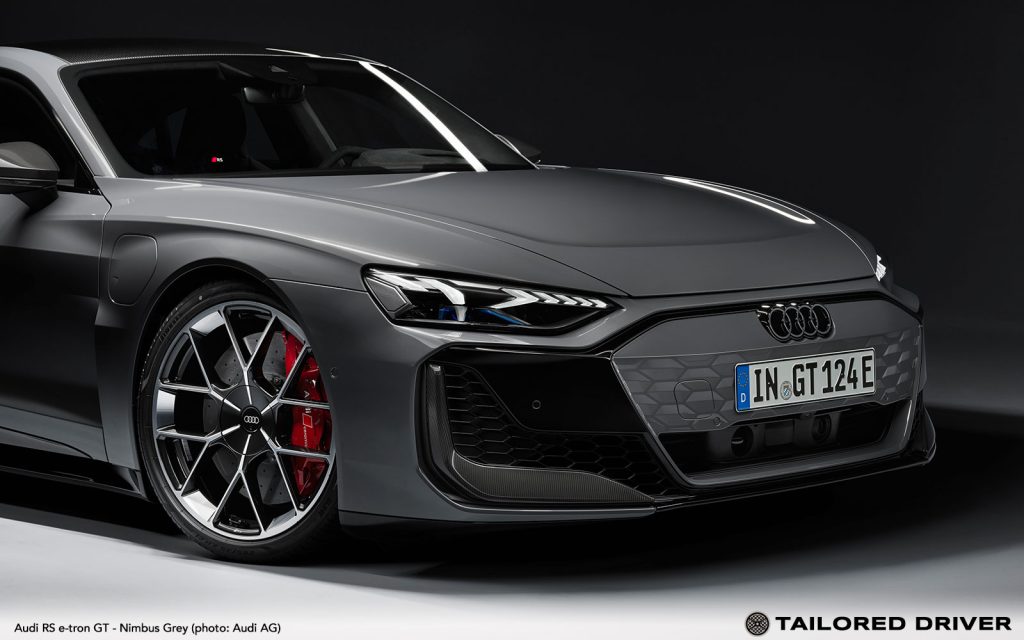
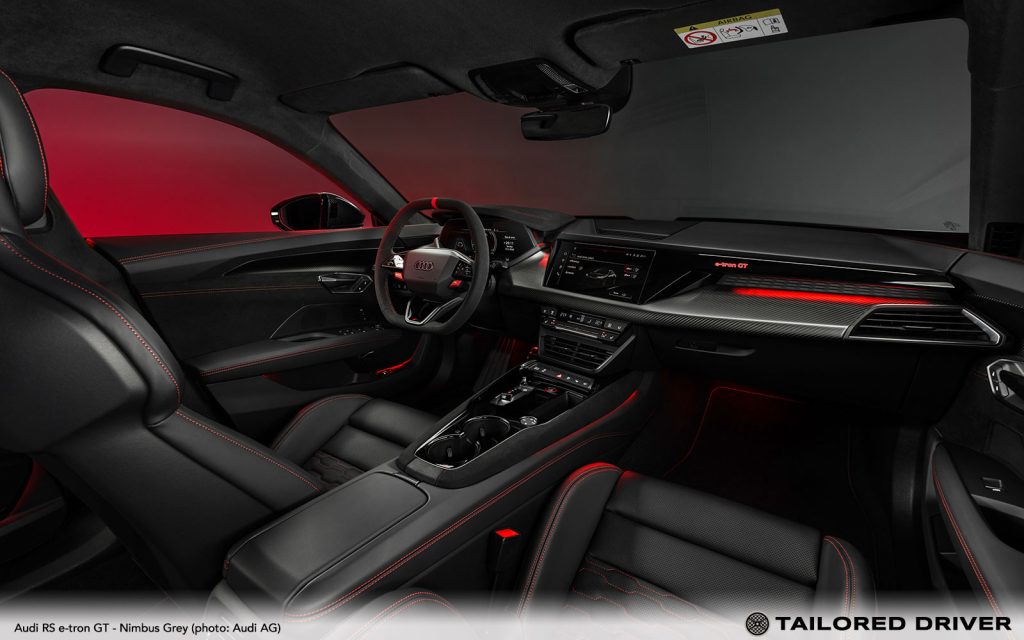
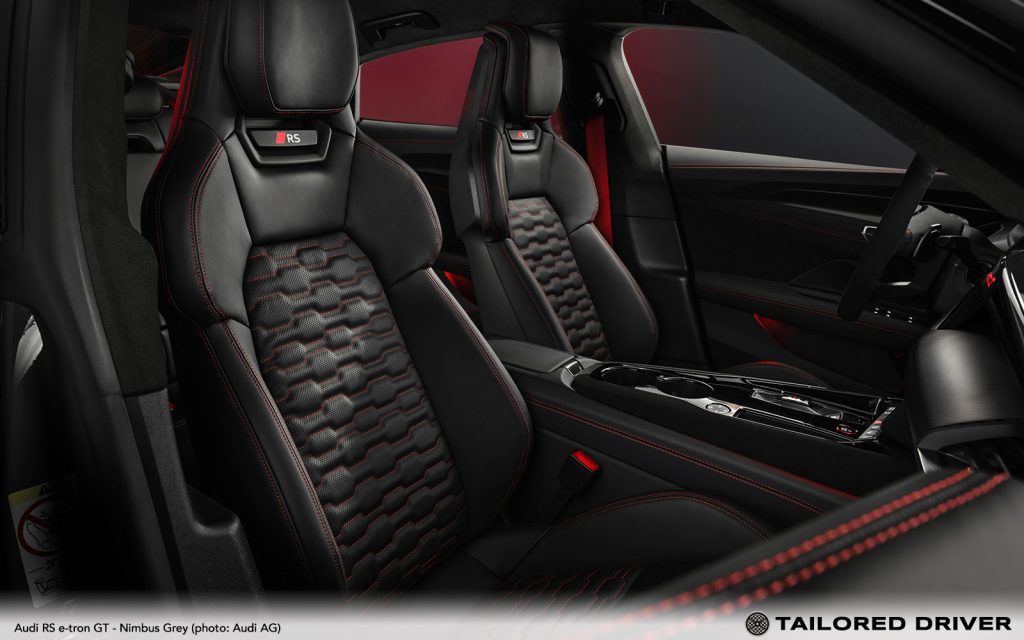
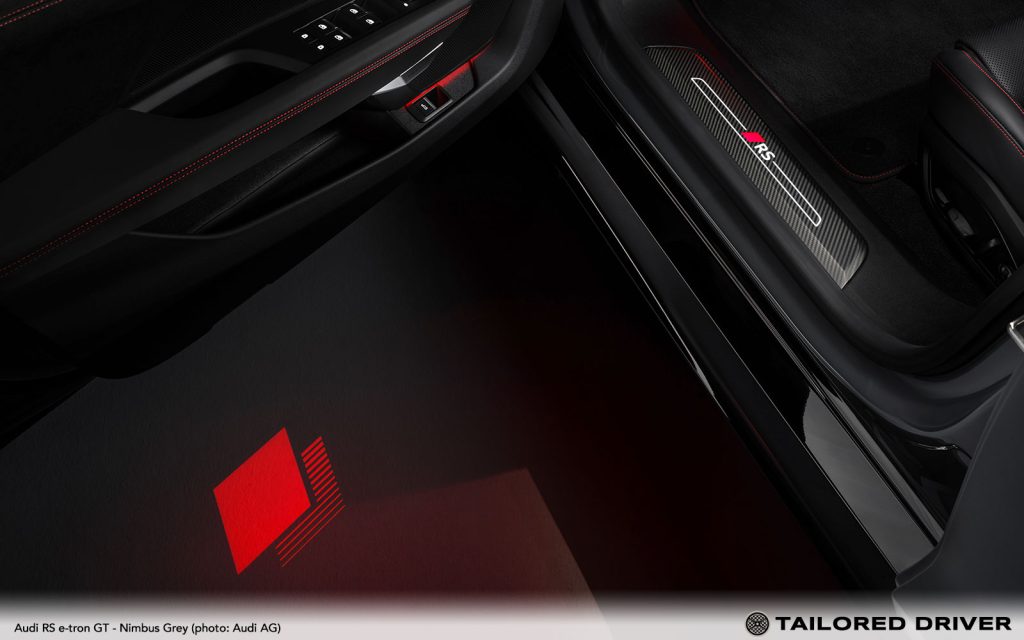
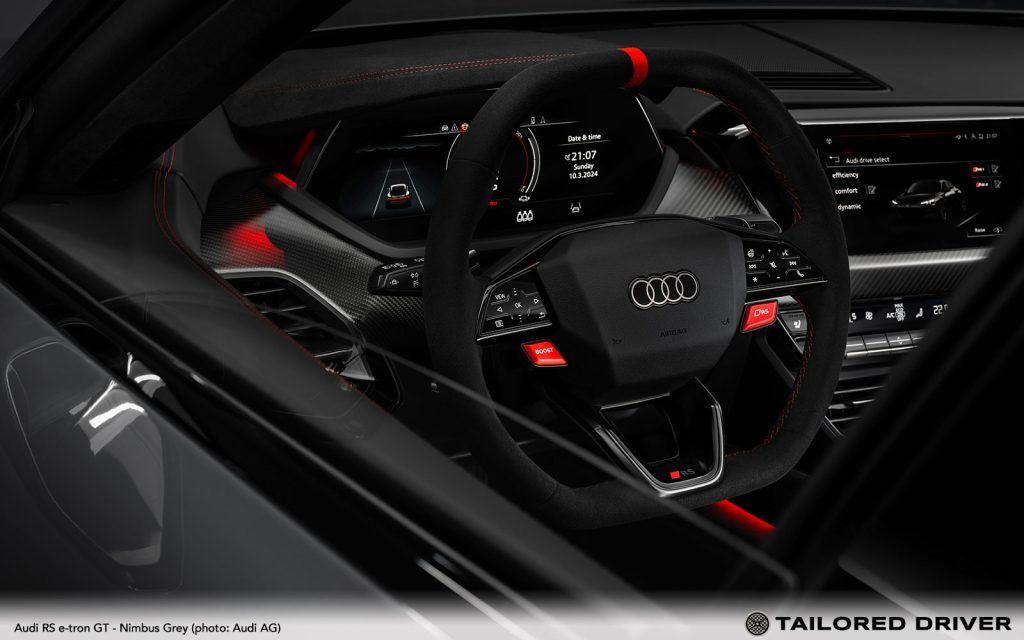
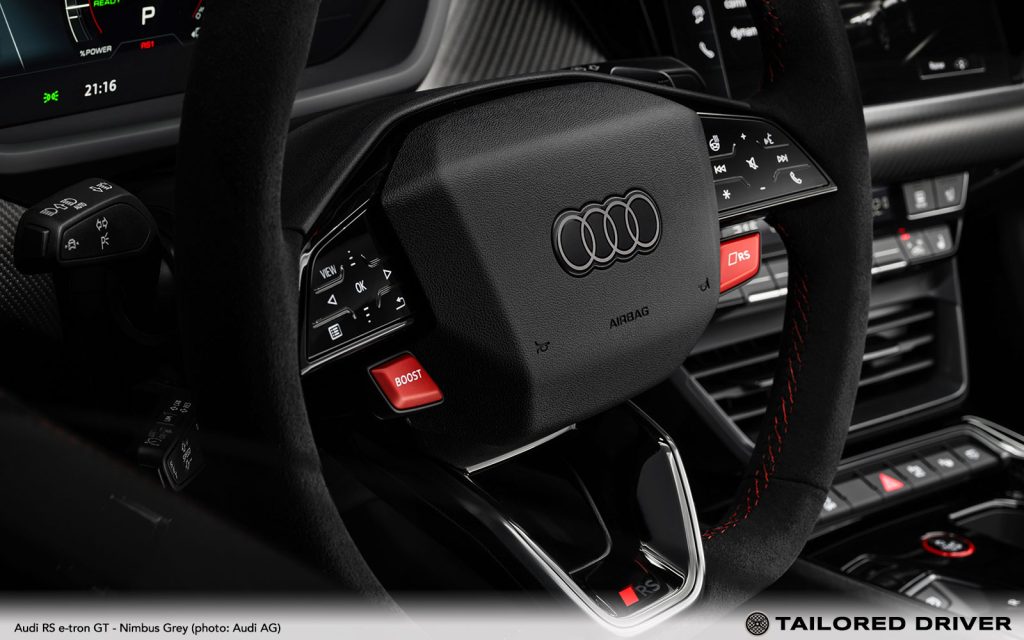
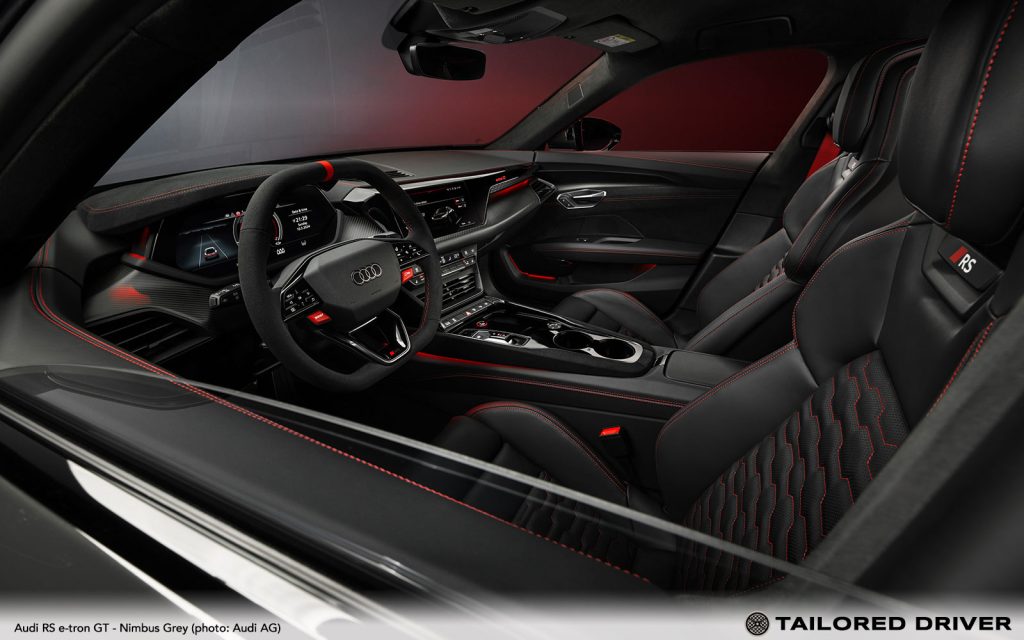
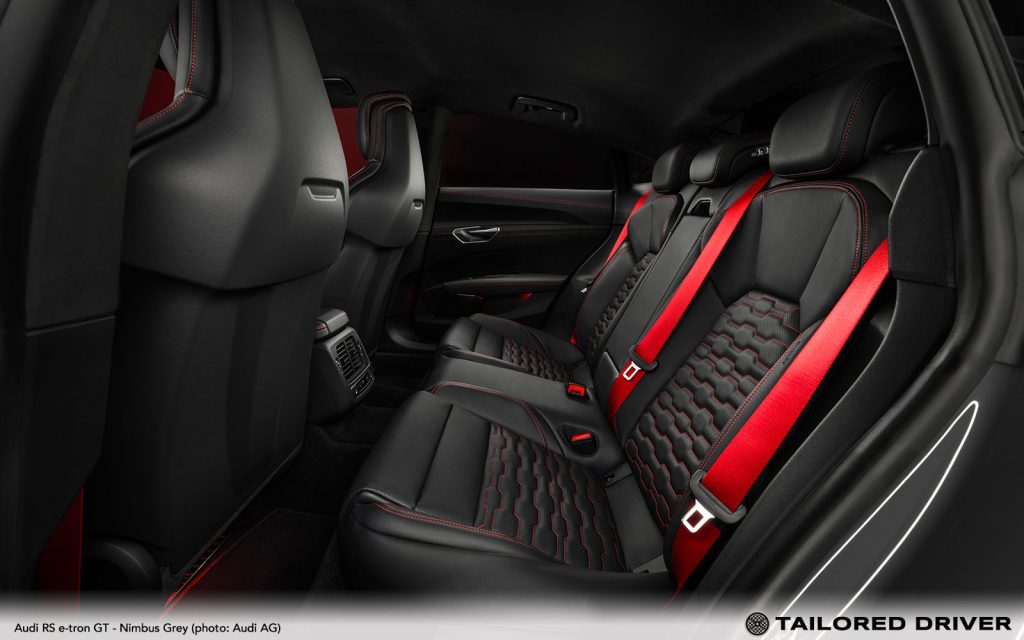
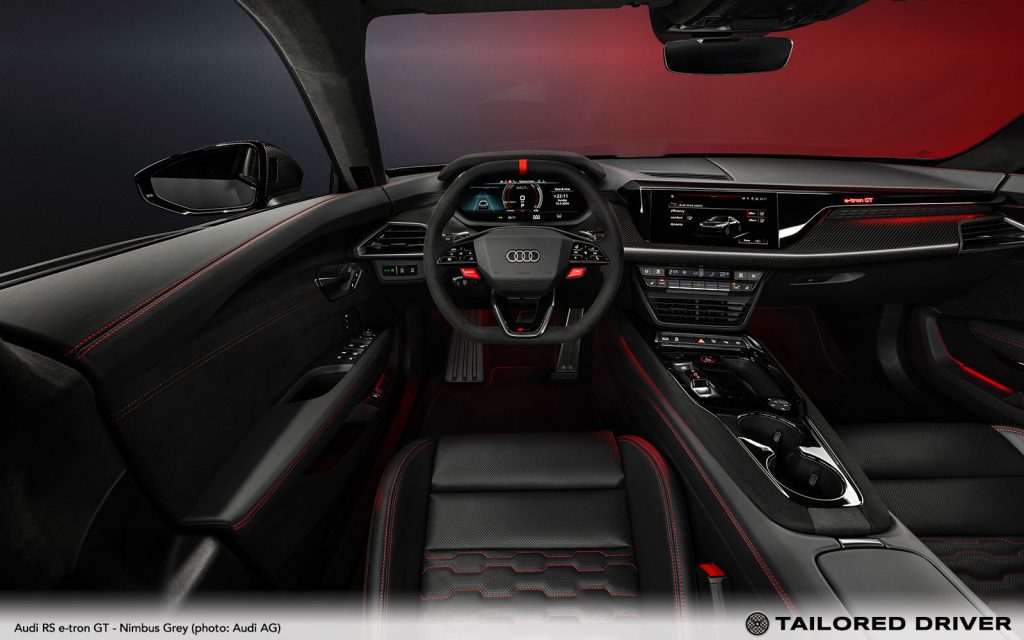
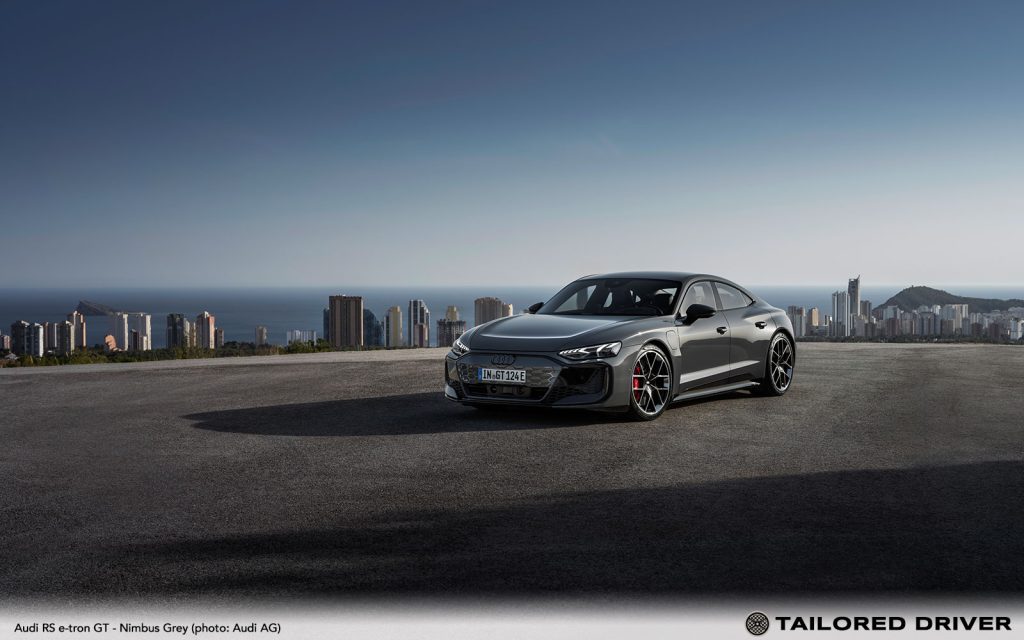
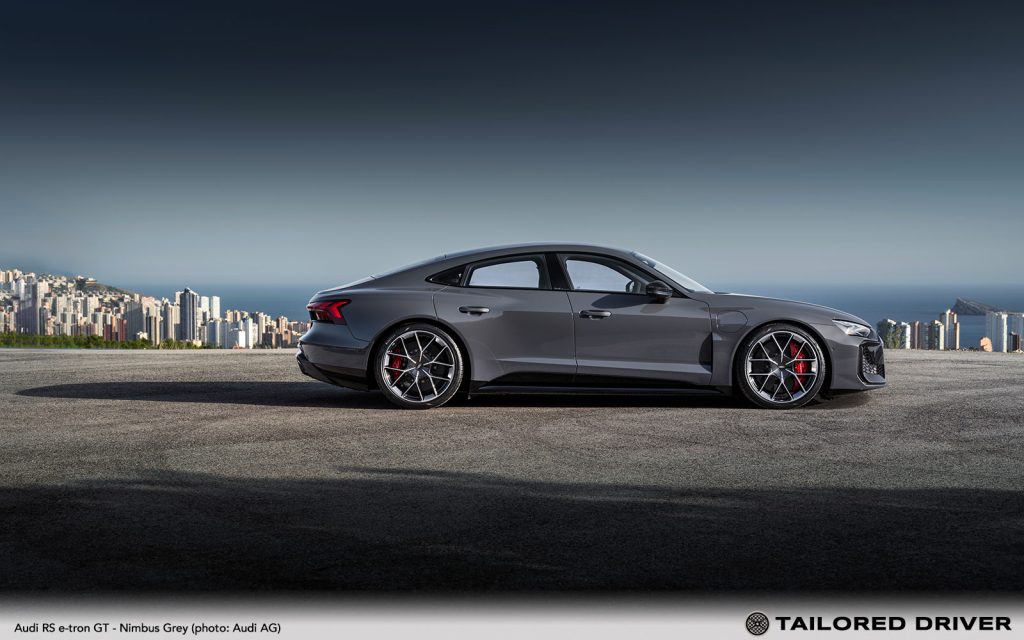
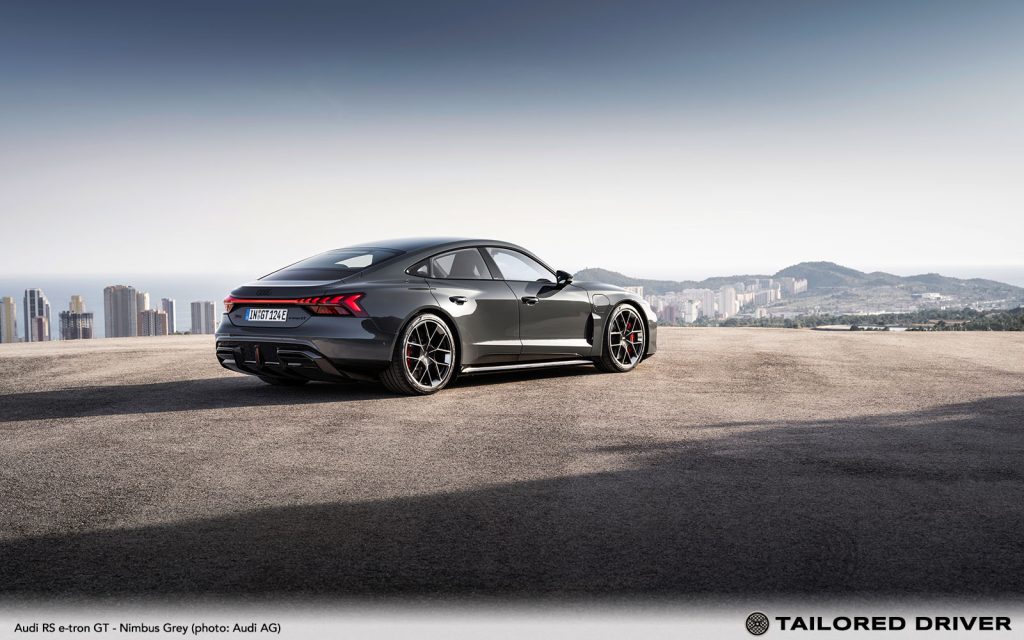
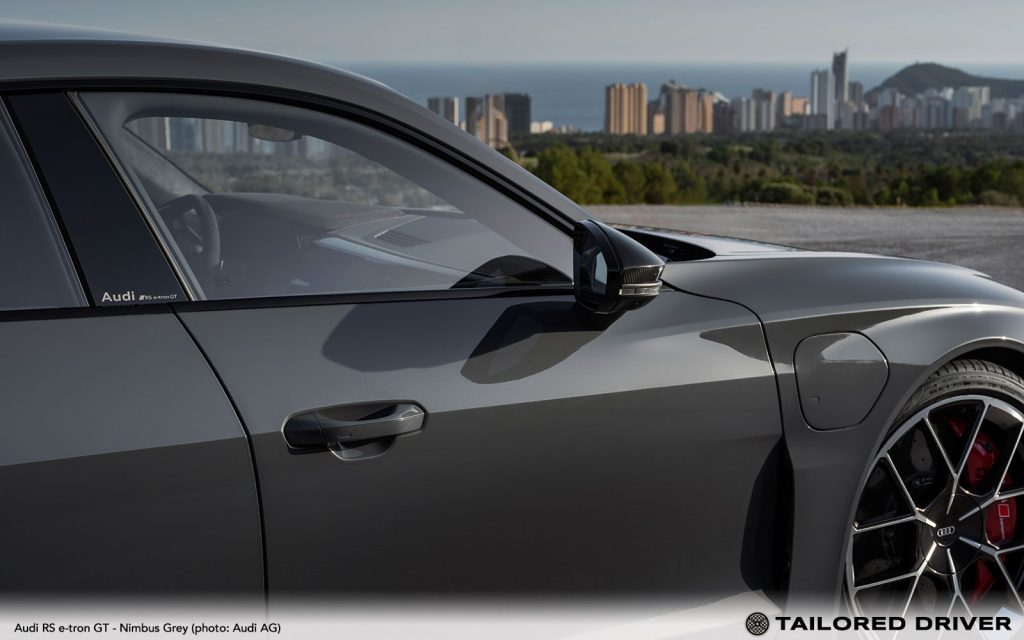
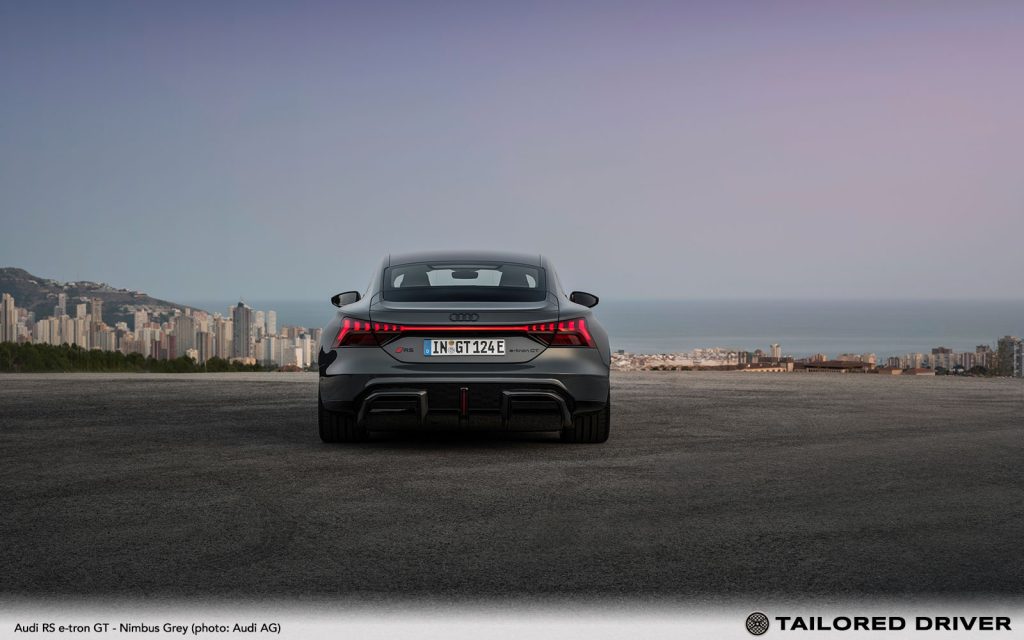
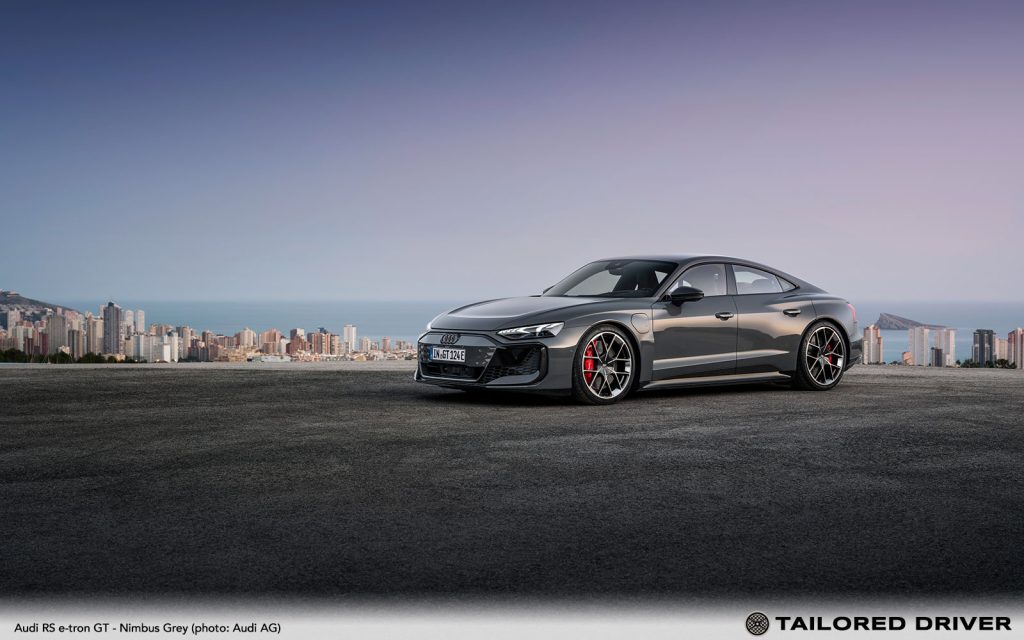
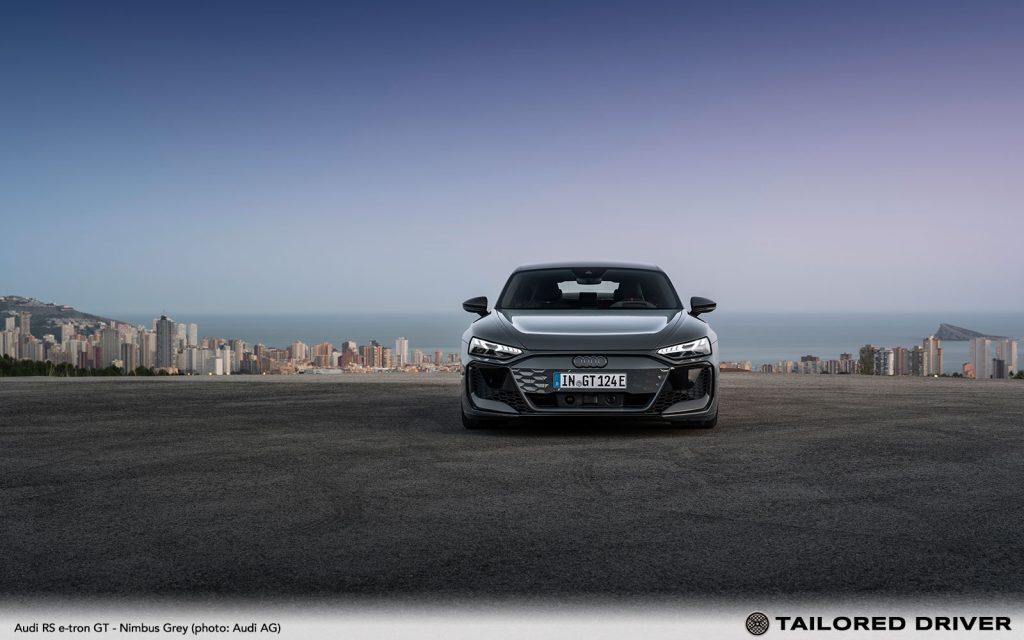
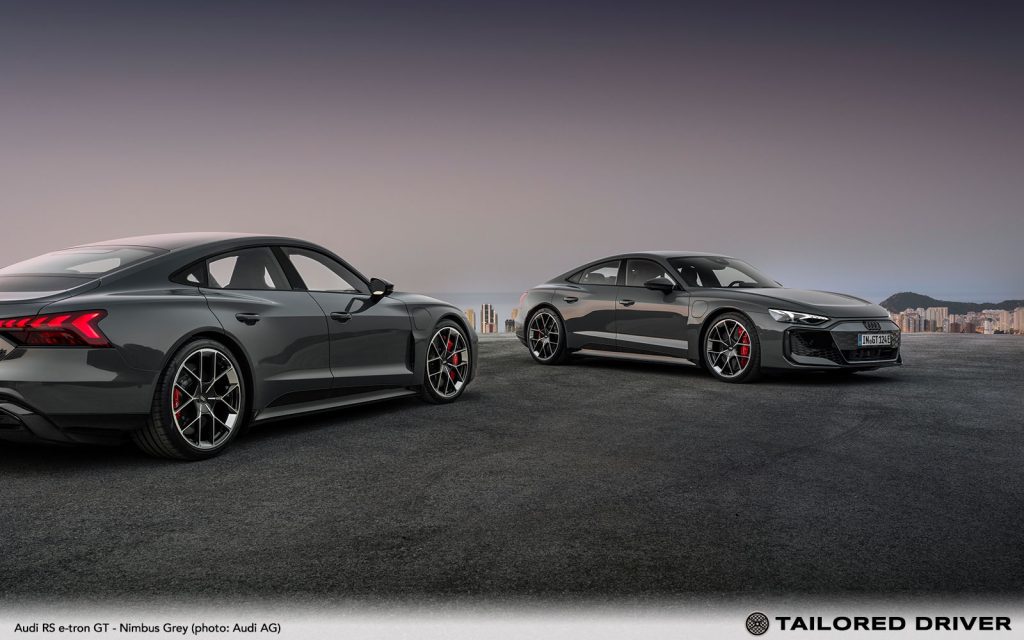
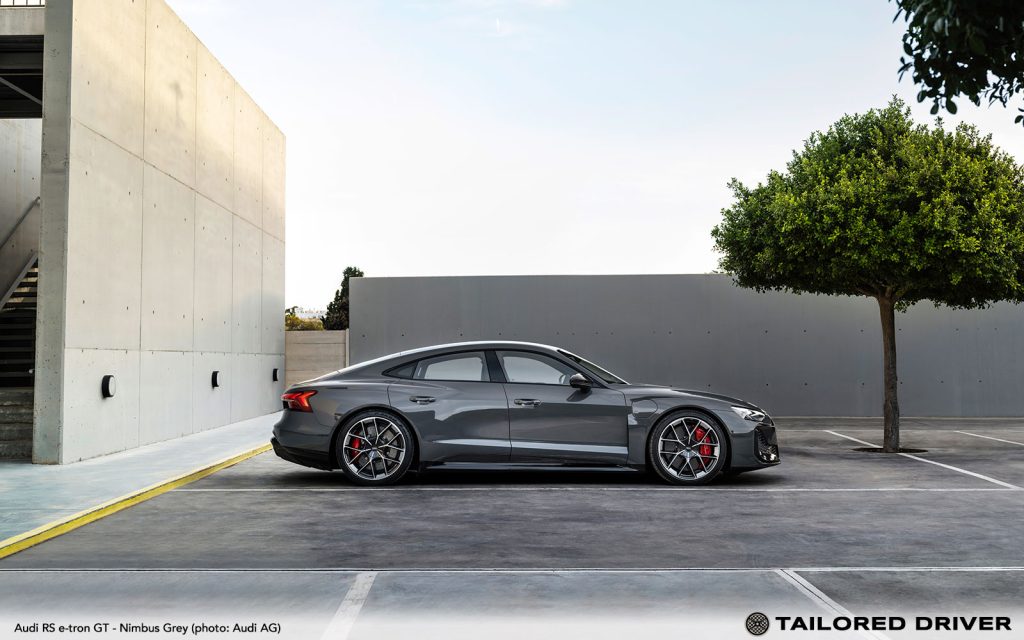
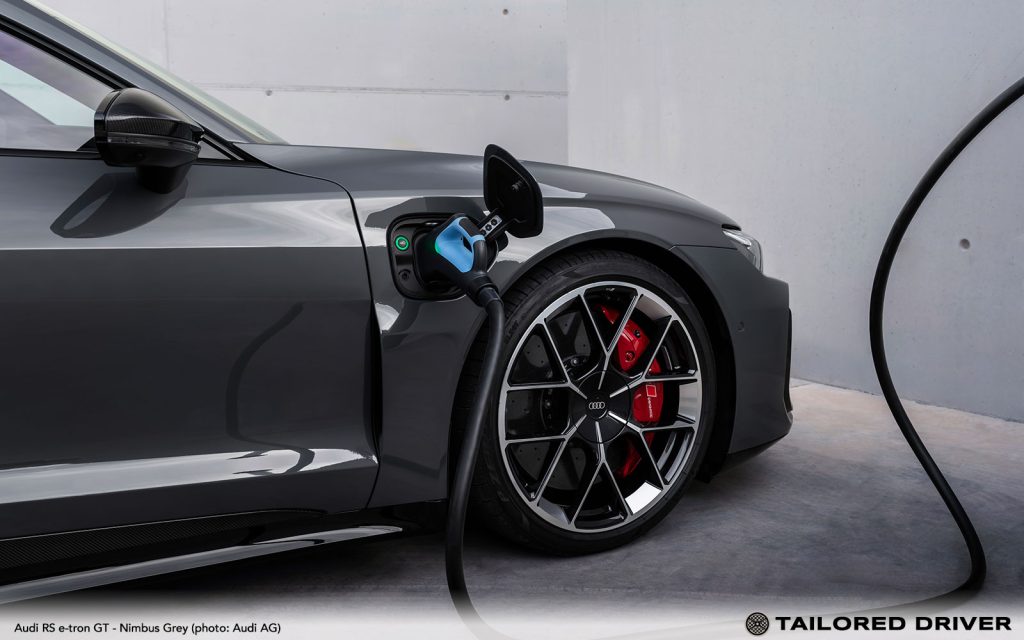
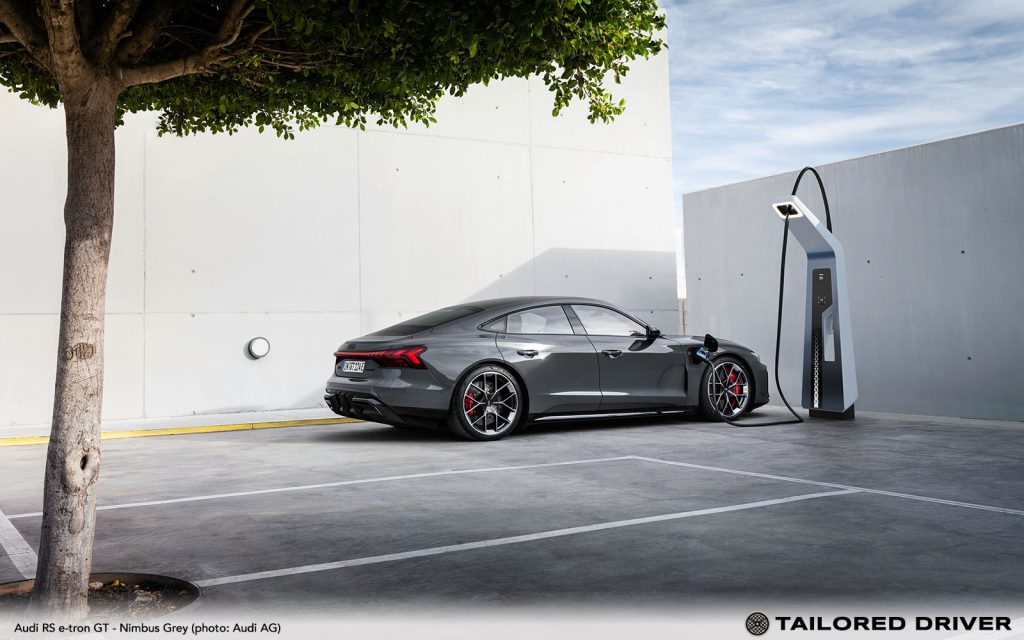
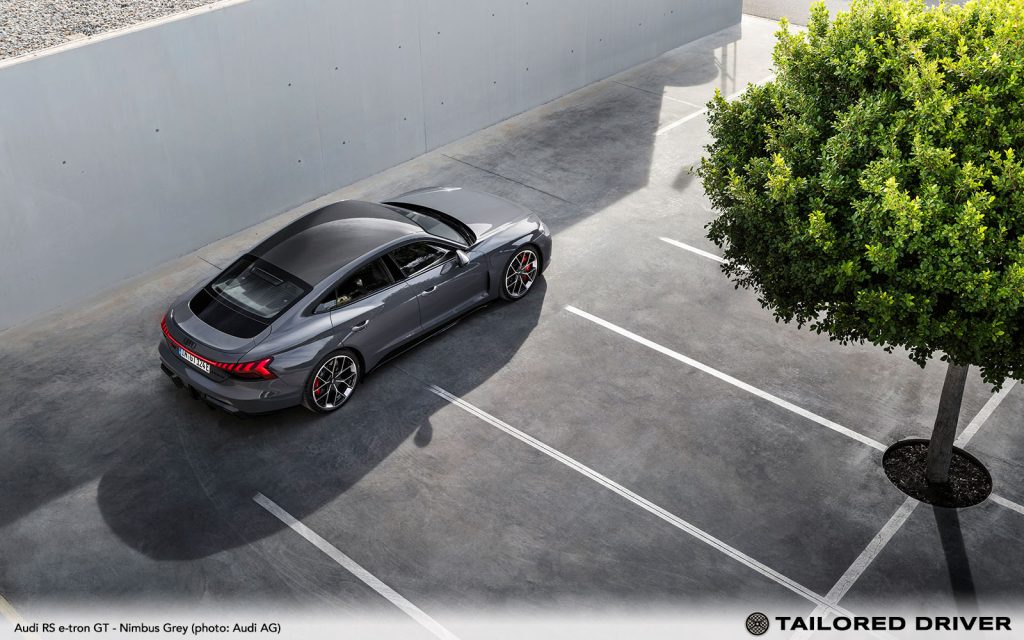
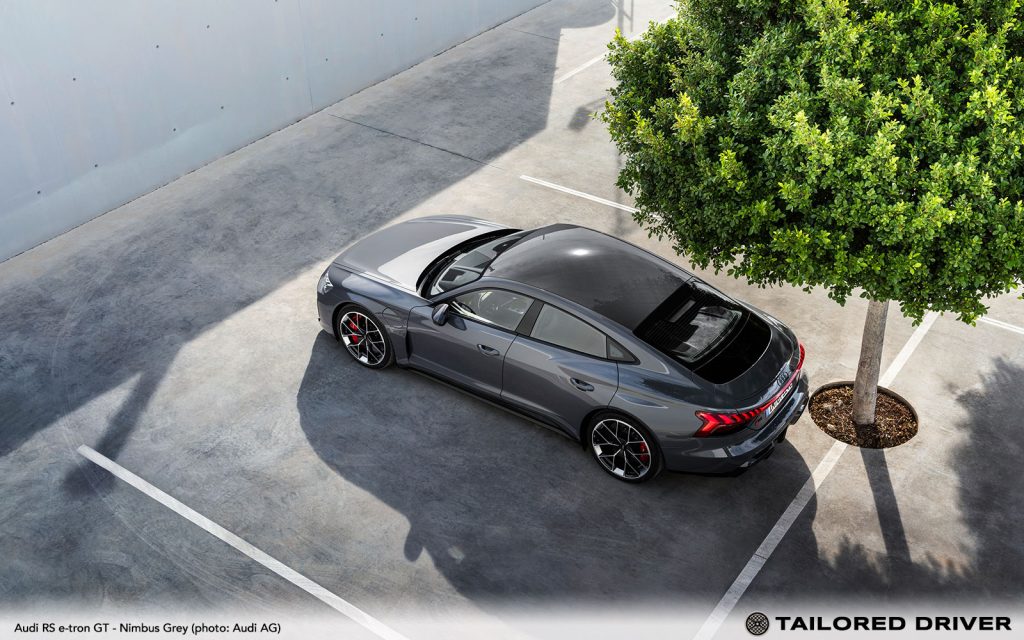
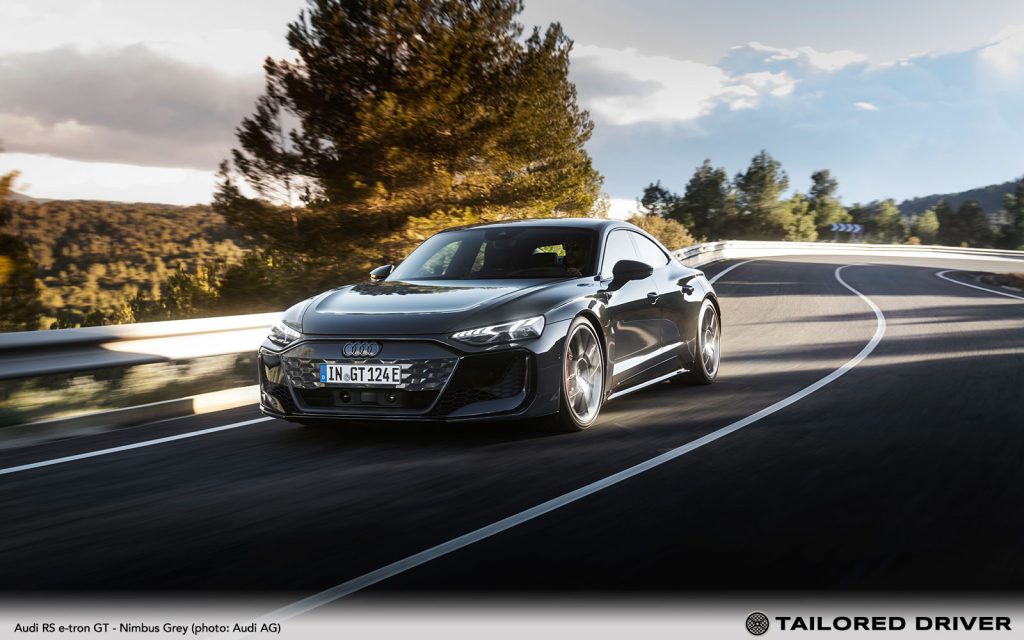
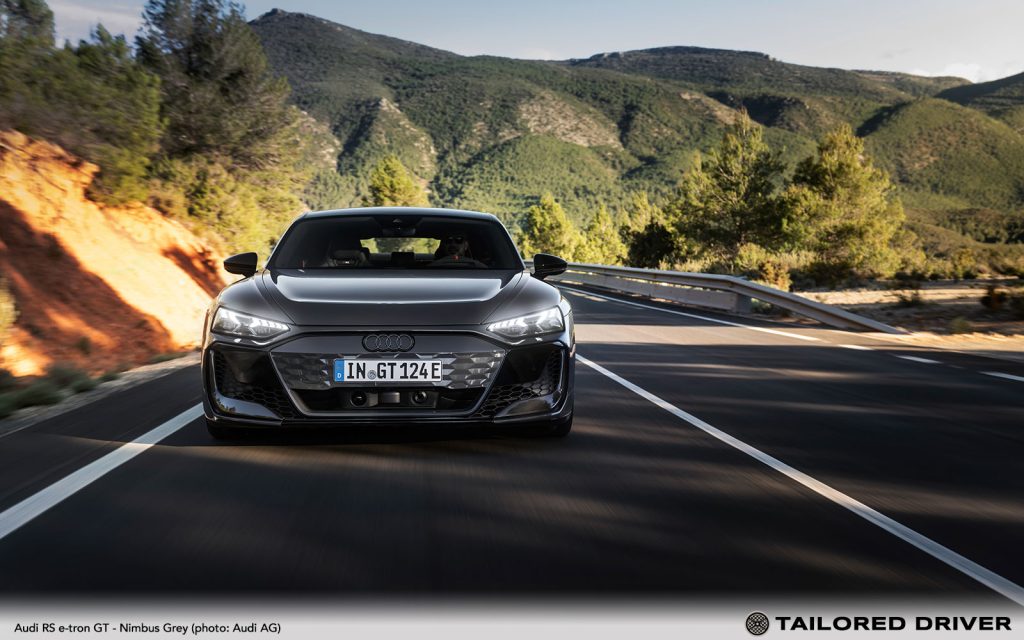
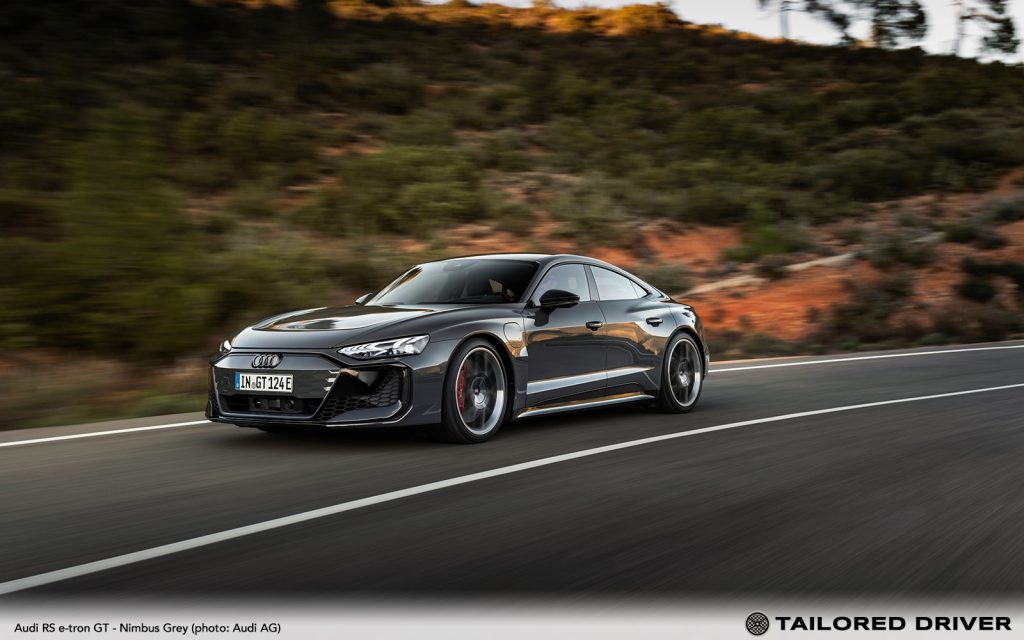
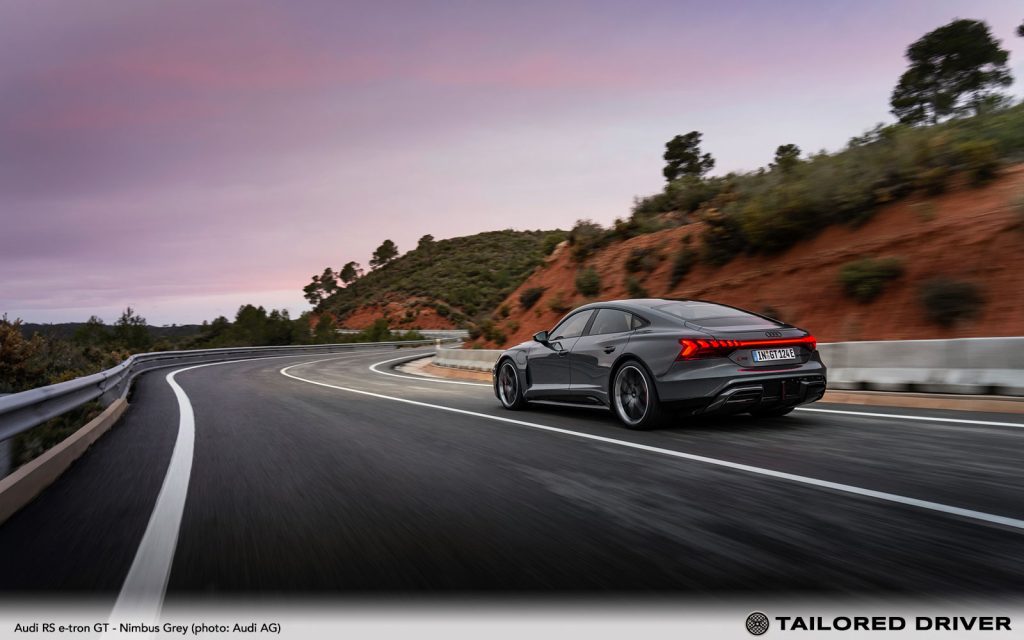
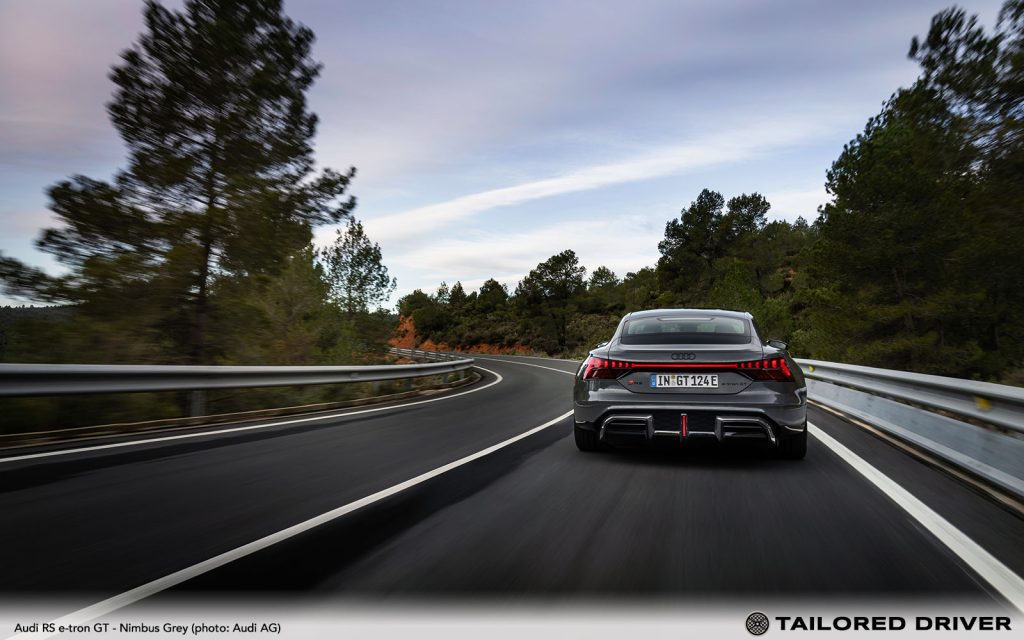
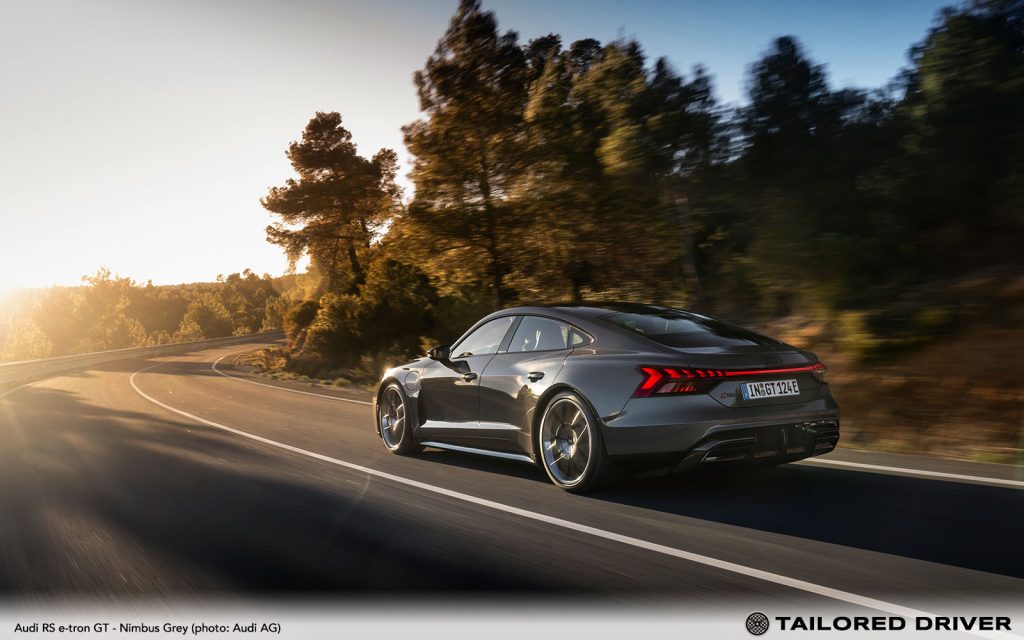
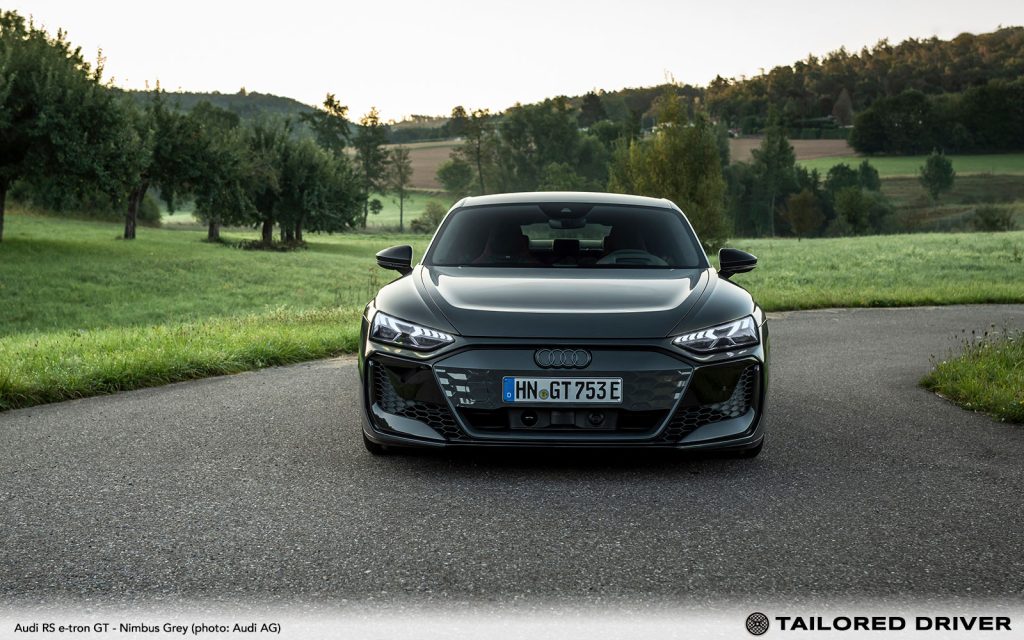
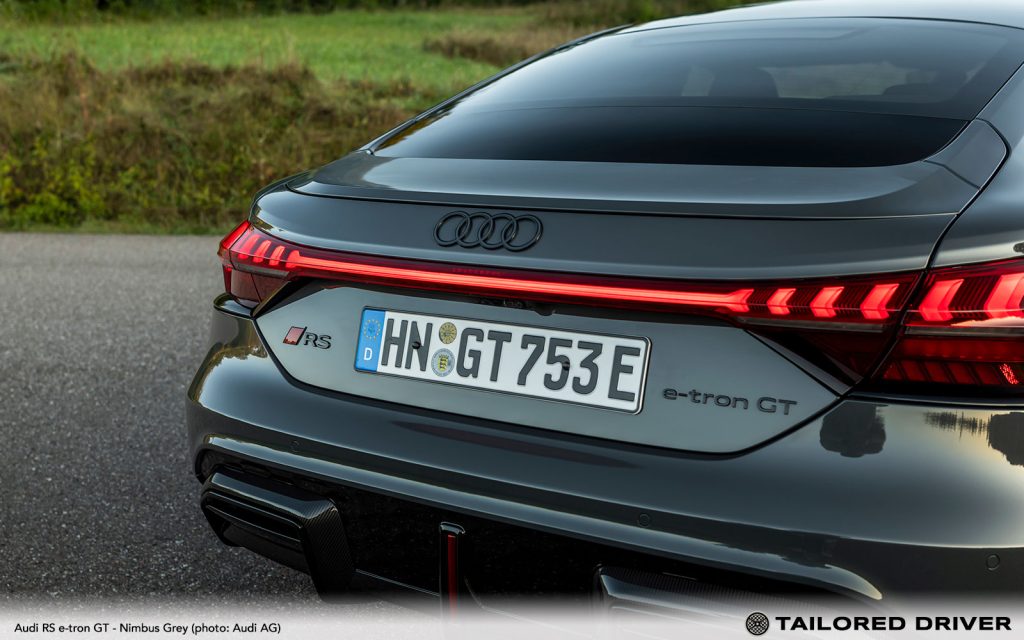
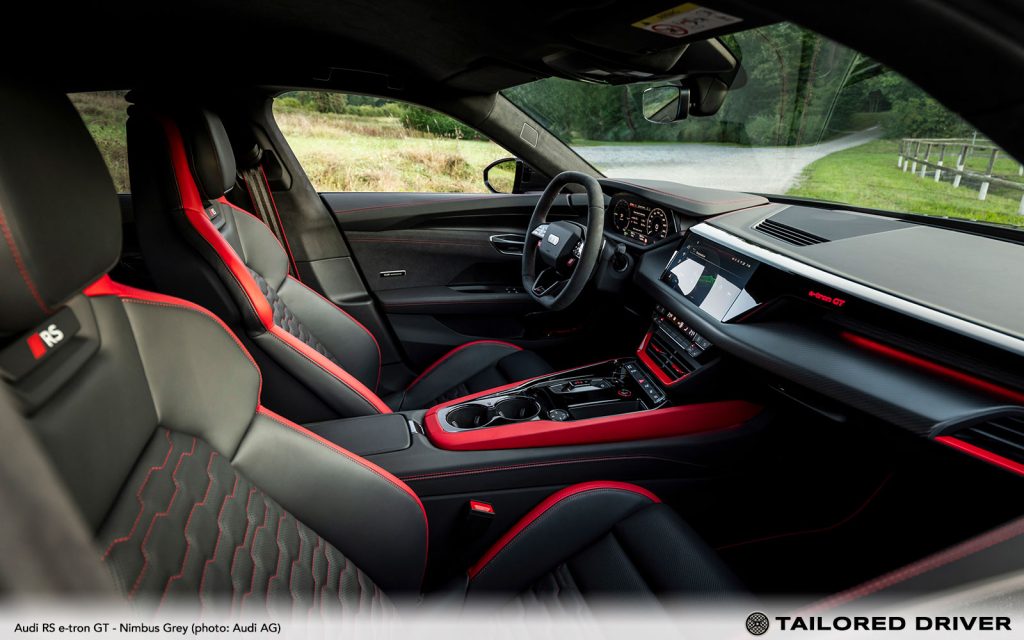
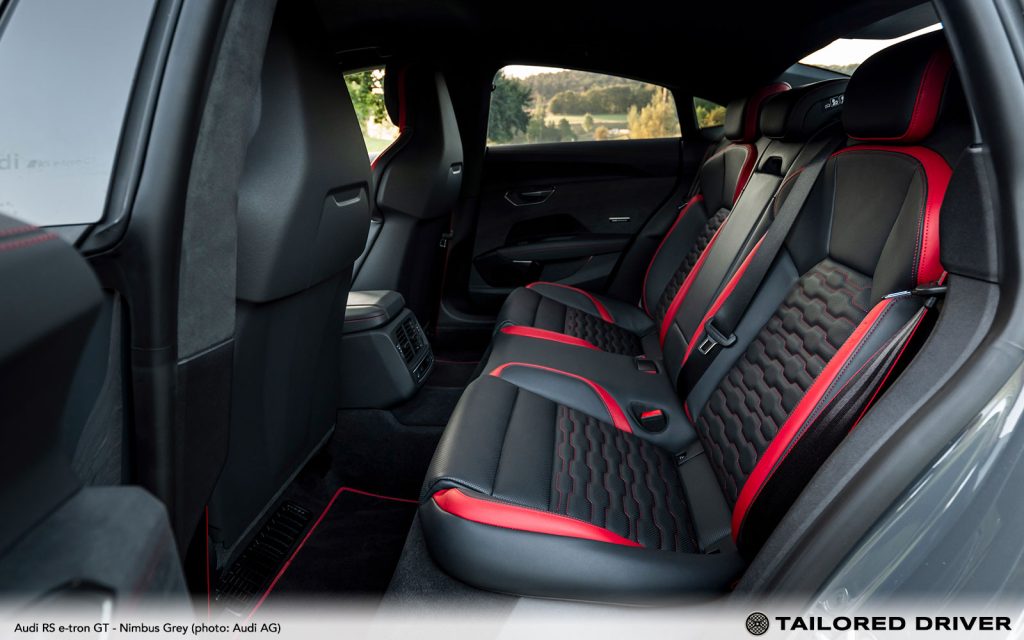
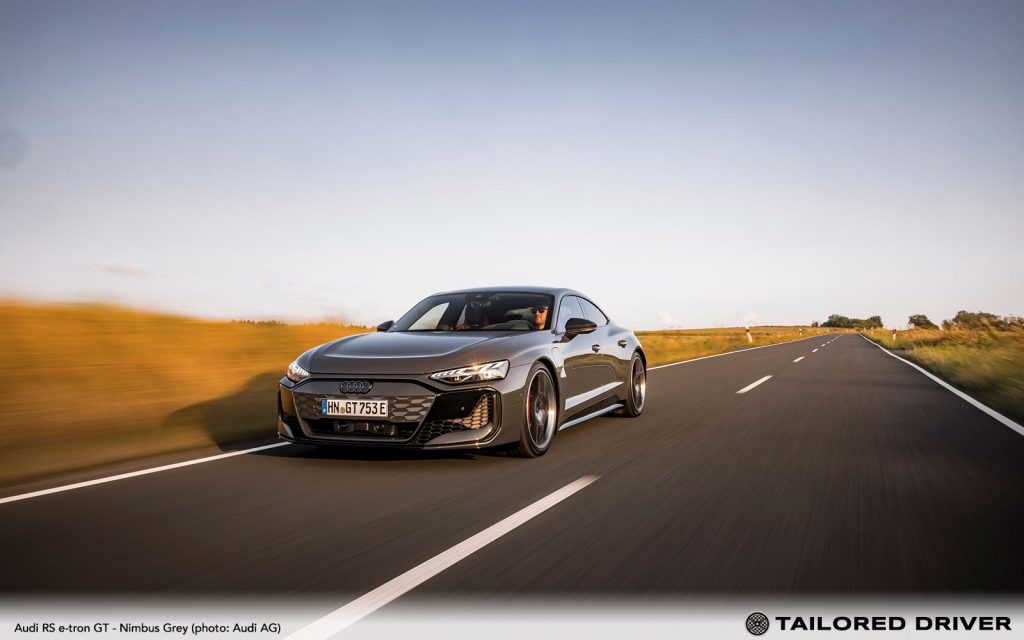
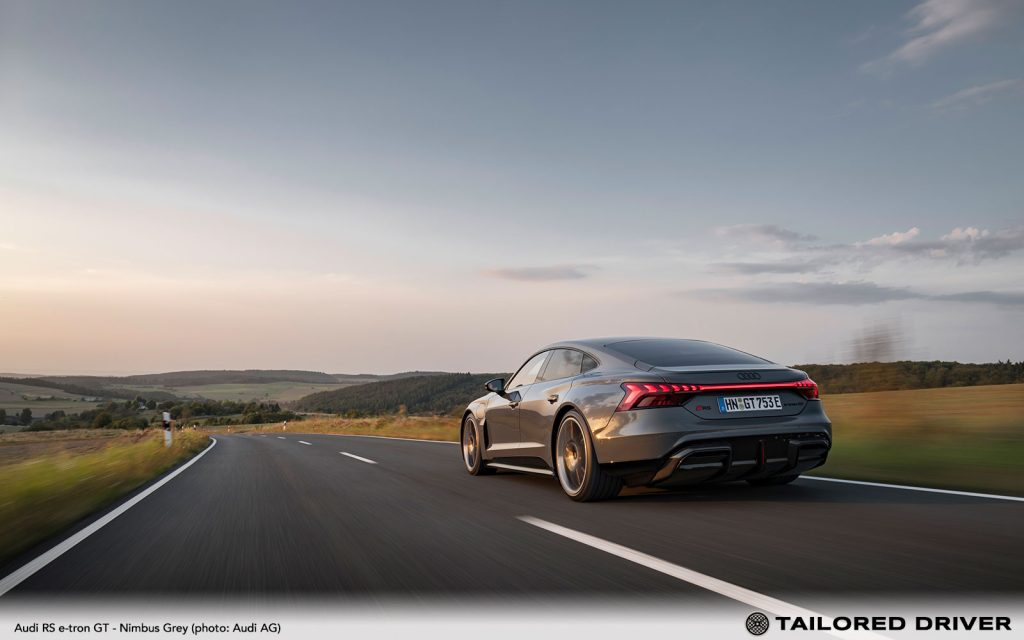
Though the updated RS e-tron GT is a fully forward-facing modern EV, the paint chosen for these launch photos of Audi’s updated electric autobahn stormer is a bit of a throwback. You see, Audi’s Nimbus Grey Pearl (nimbusgrau; pearlescent UNI; Z7X; Audi exclusive) first debuted back in 1995.
It’s subtle color to be sure, a medium grey with an equally low-key pearl undertone that won’t sear out eyes or cause jaws to drop at the local Cars & Coffee, but it is handsome, teutonic and will draw an nod of appreciation from knowing Audi aficionados.
So, when Audi chose to paint a new RS e-tron GT in this color, many may have been hard pressed to recognize a difference from the ubiquitous Daytona Grey already offered on the pre-facelift model. However, there is a difference and we certainly appreciate it both for its most excellent appearance and its draw to Audi’s rich color heritage.
Audi released video of this car that we’ve also added to our YouTube channel. We’ll embed both that video and the photos below.
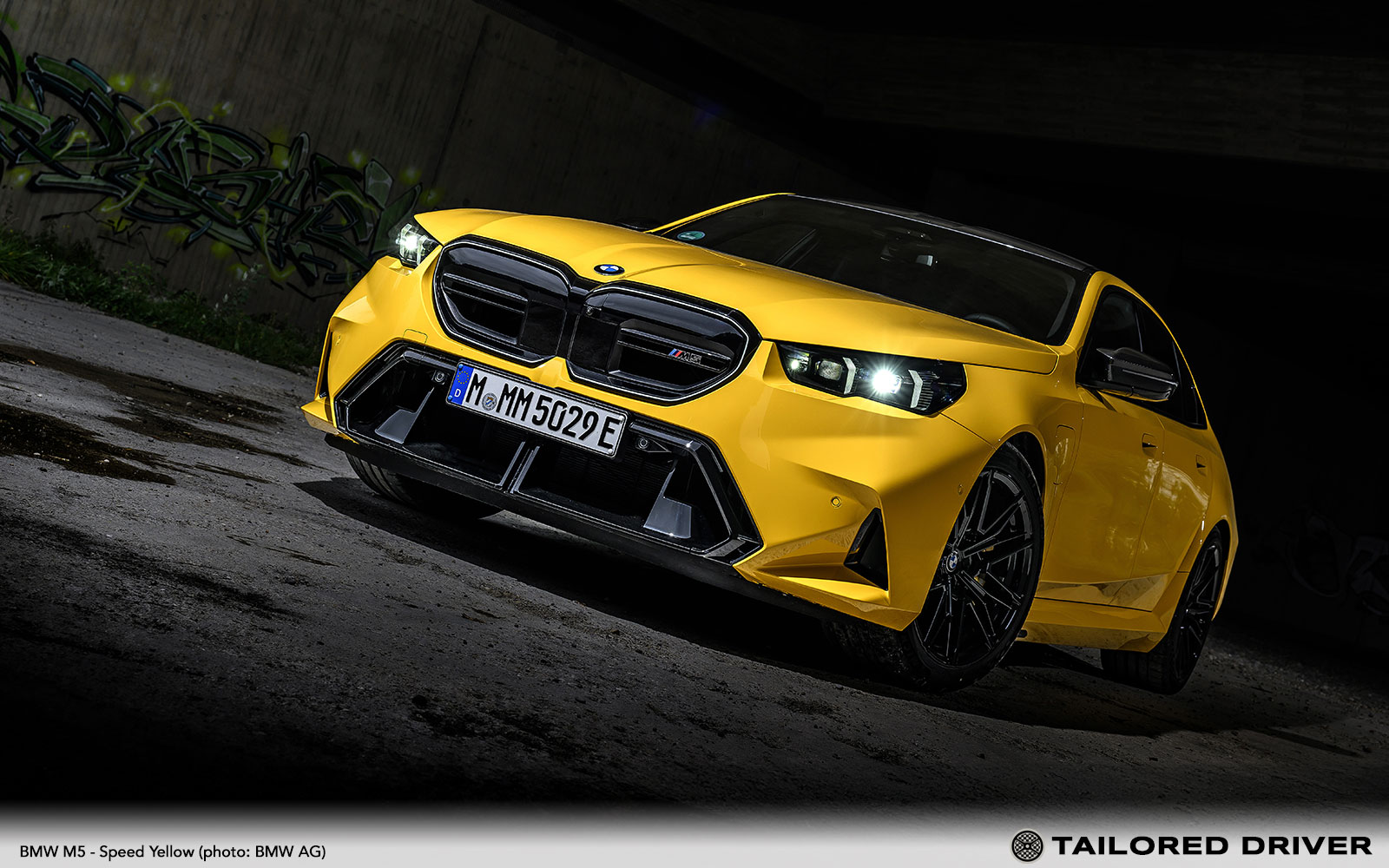
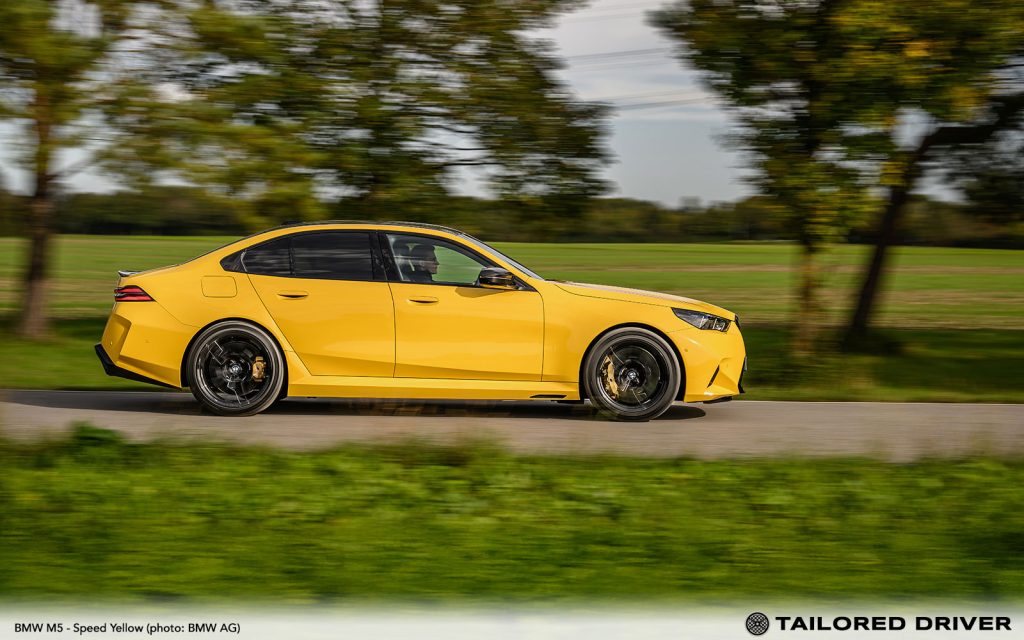
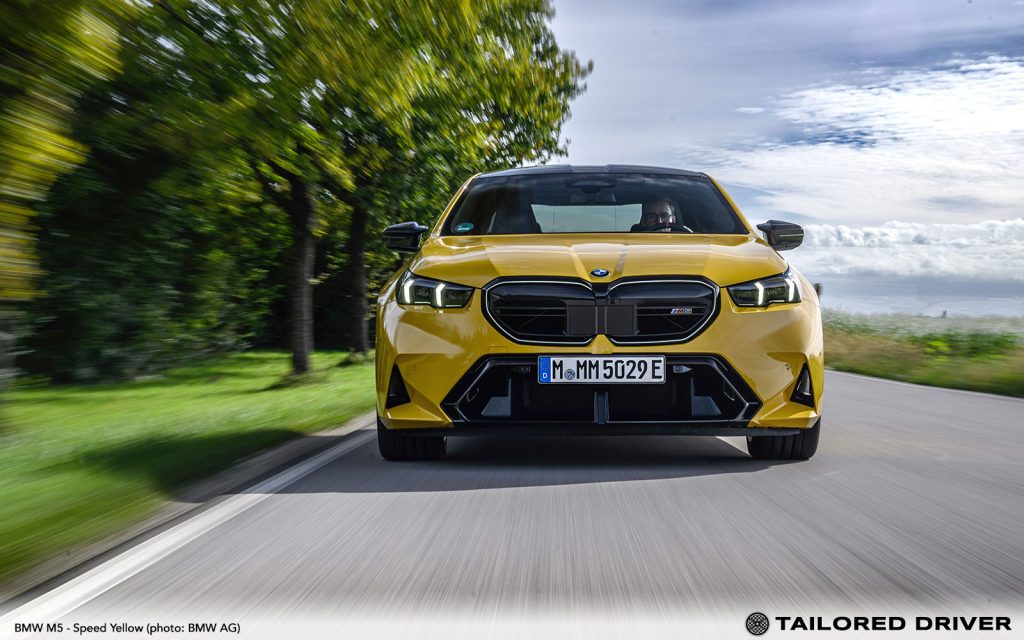
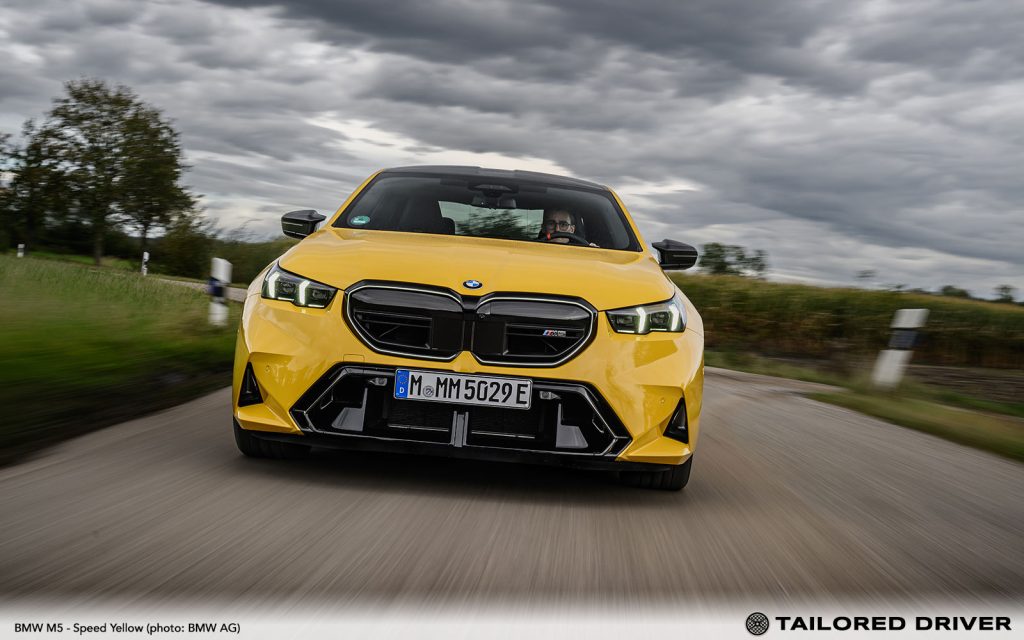
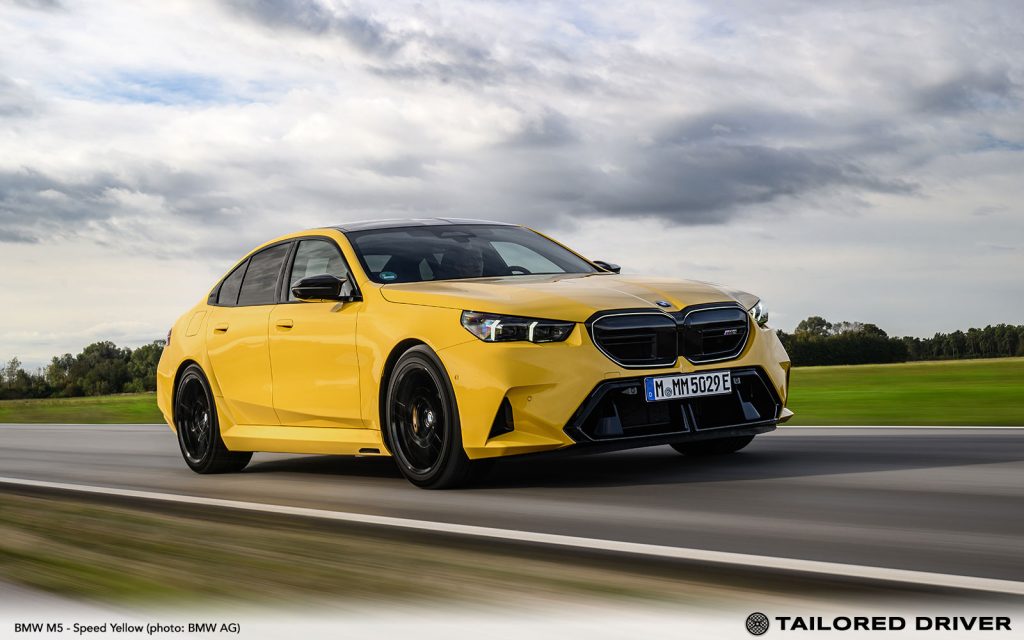
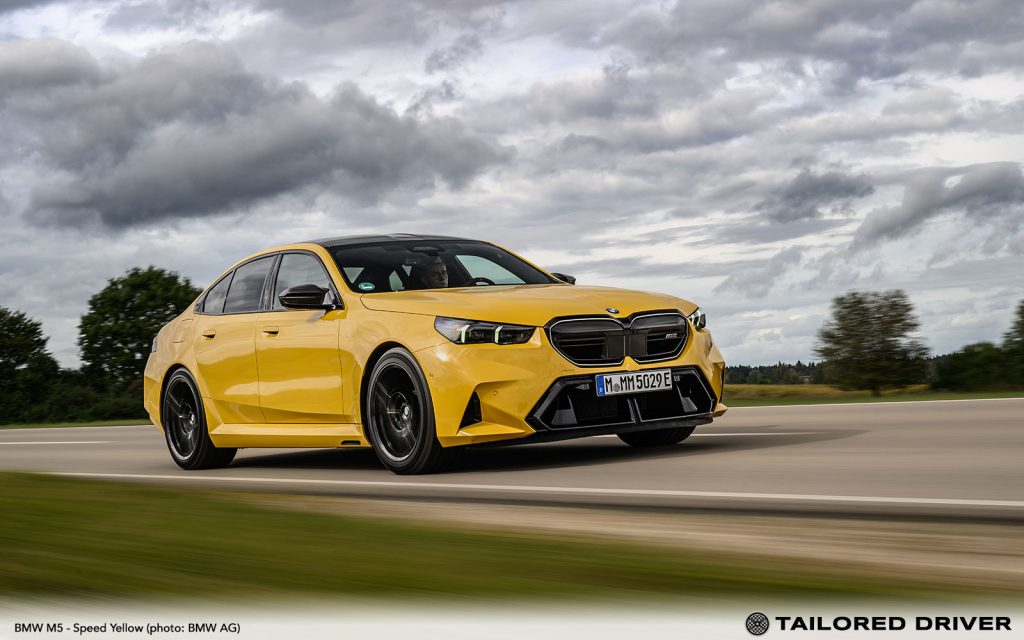
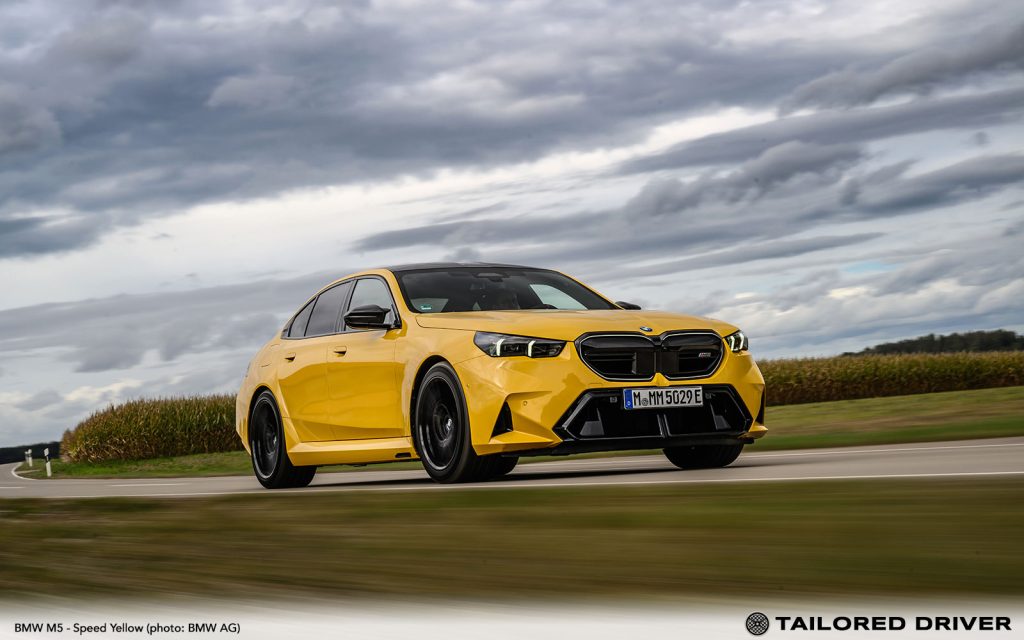
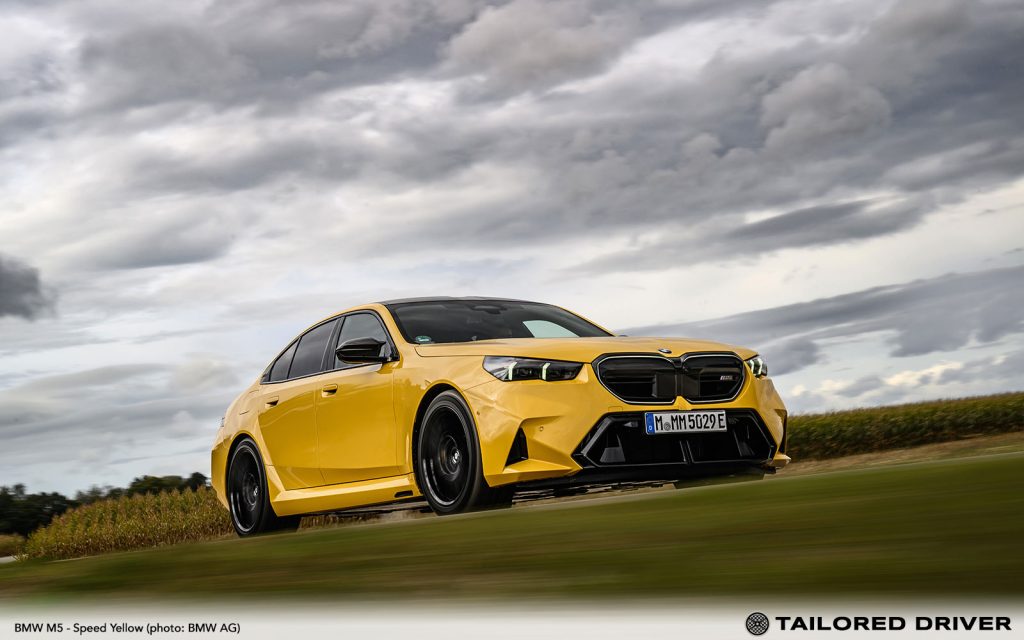
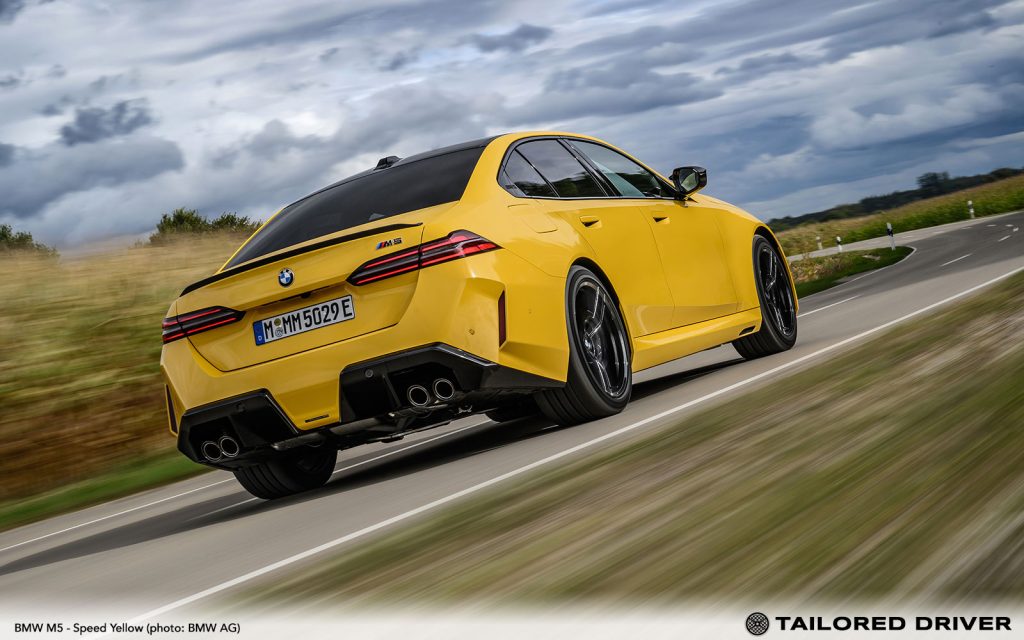
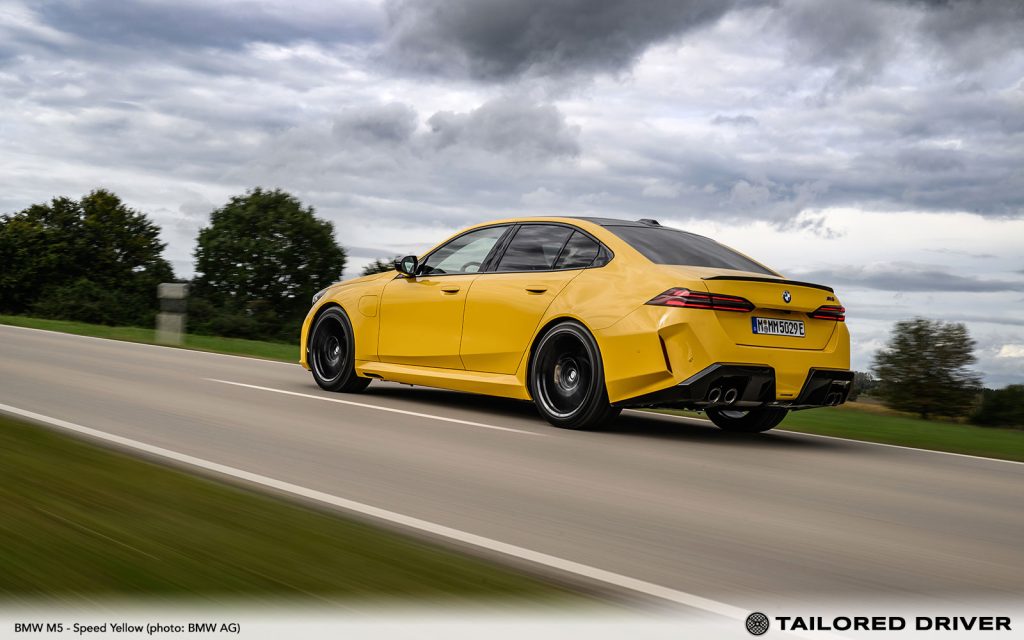
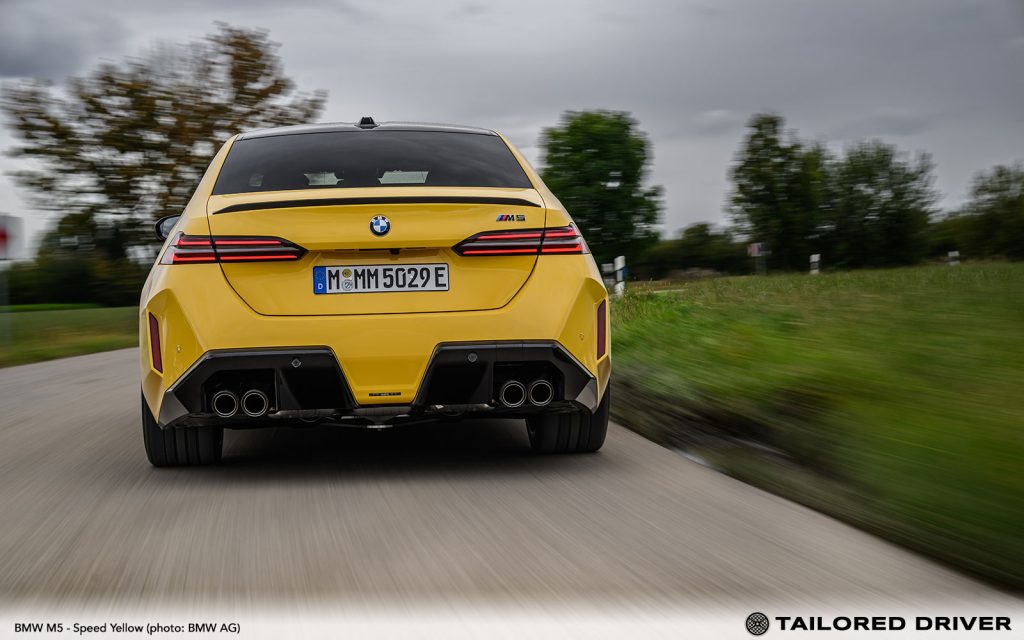
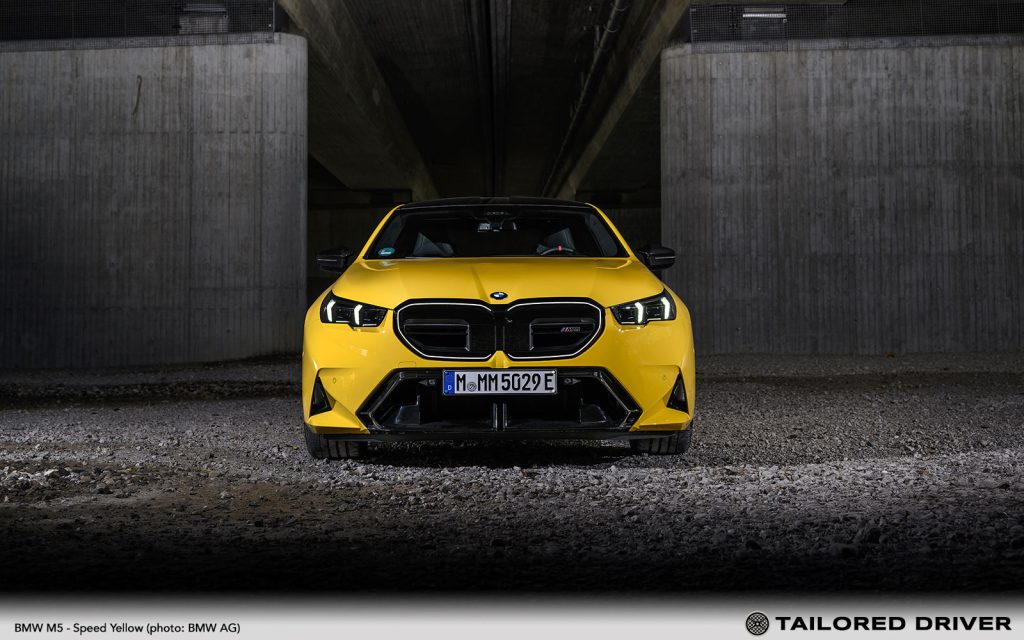
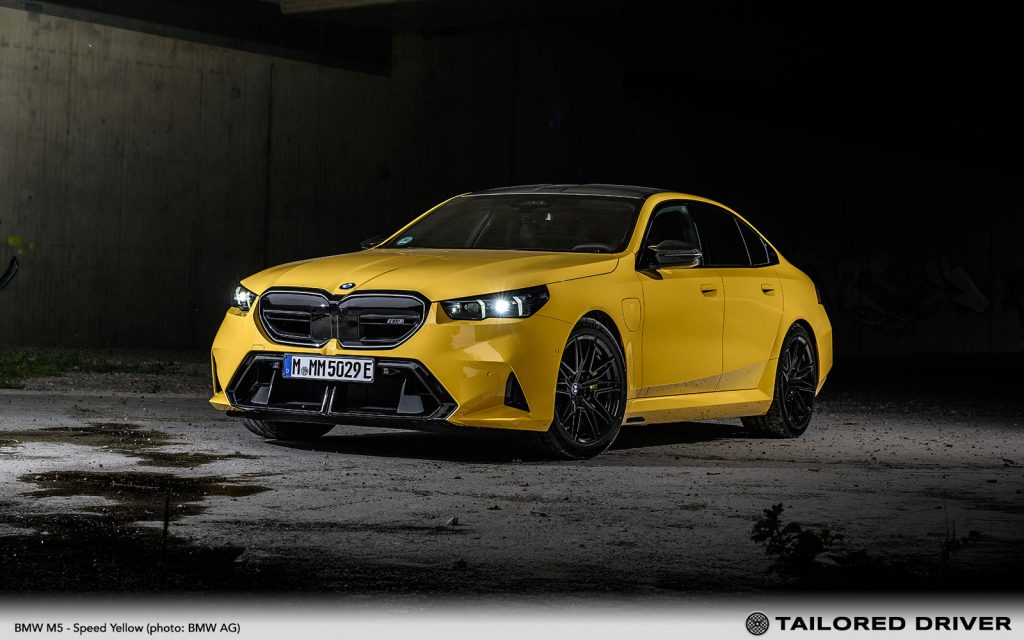
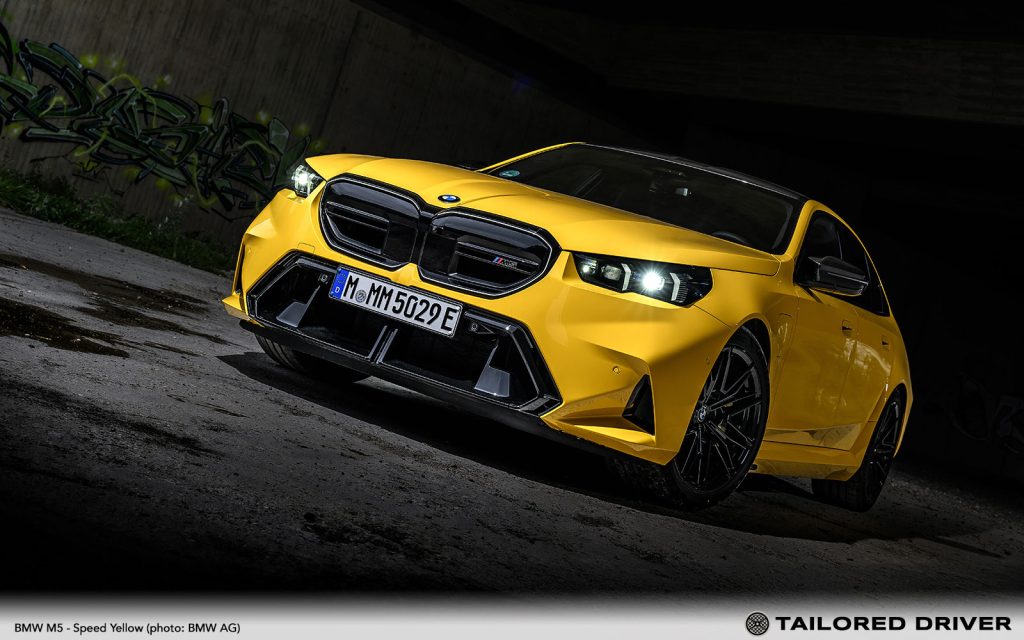
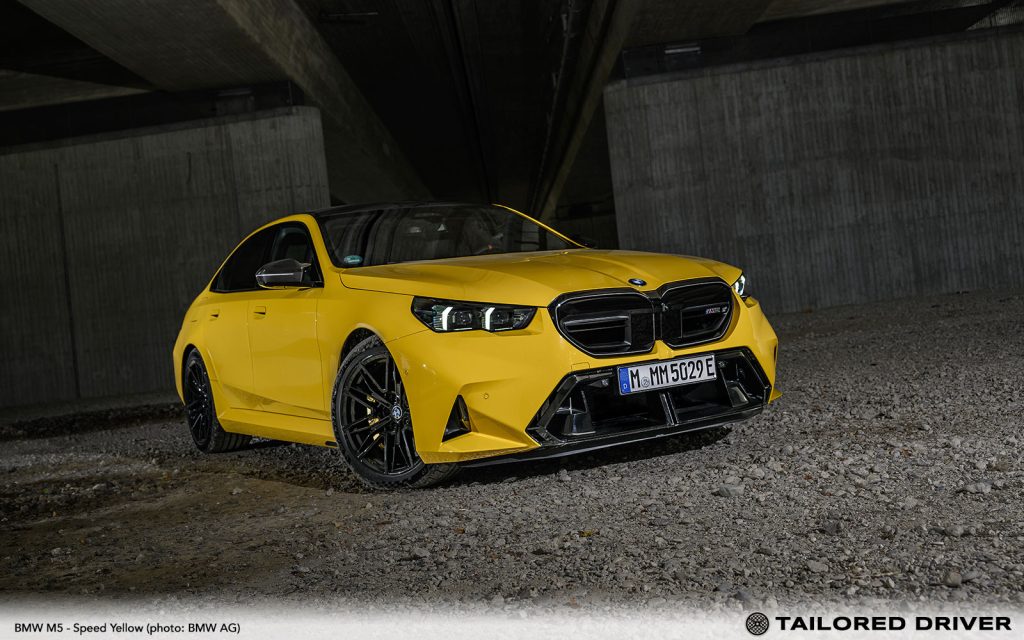
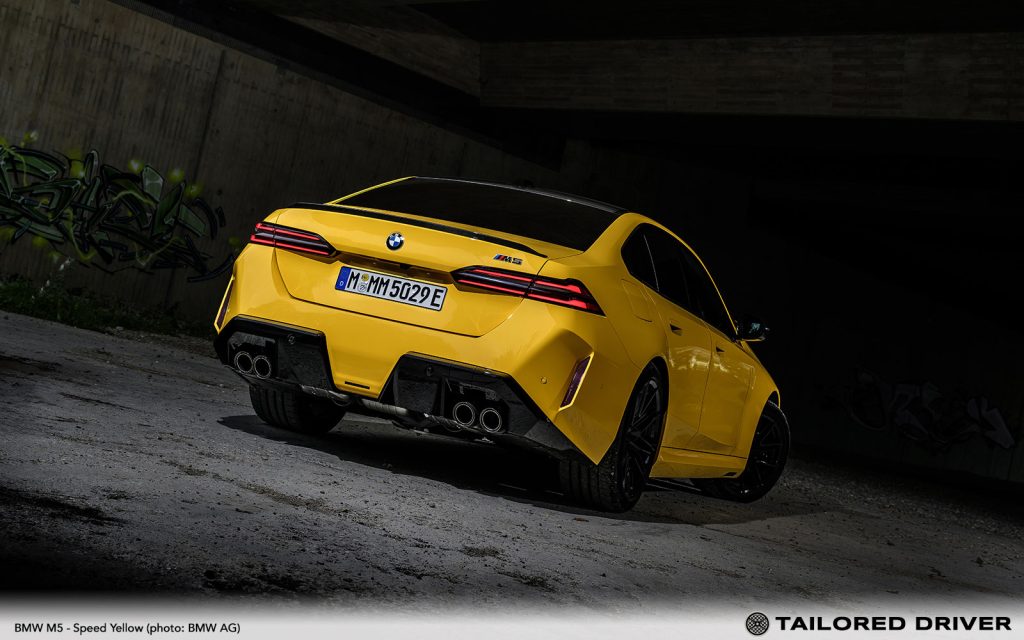
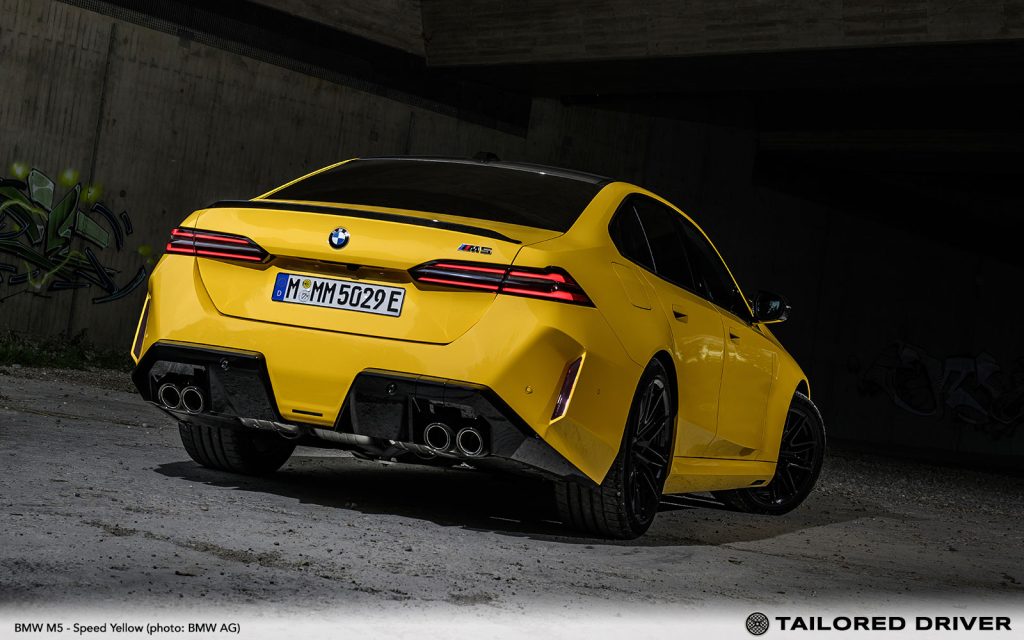
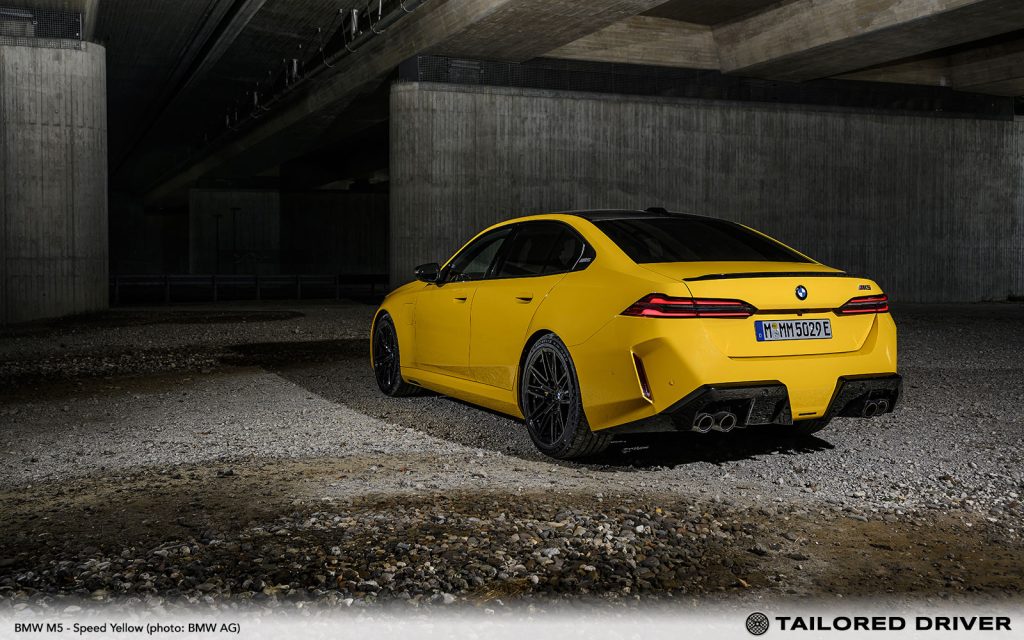
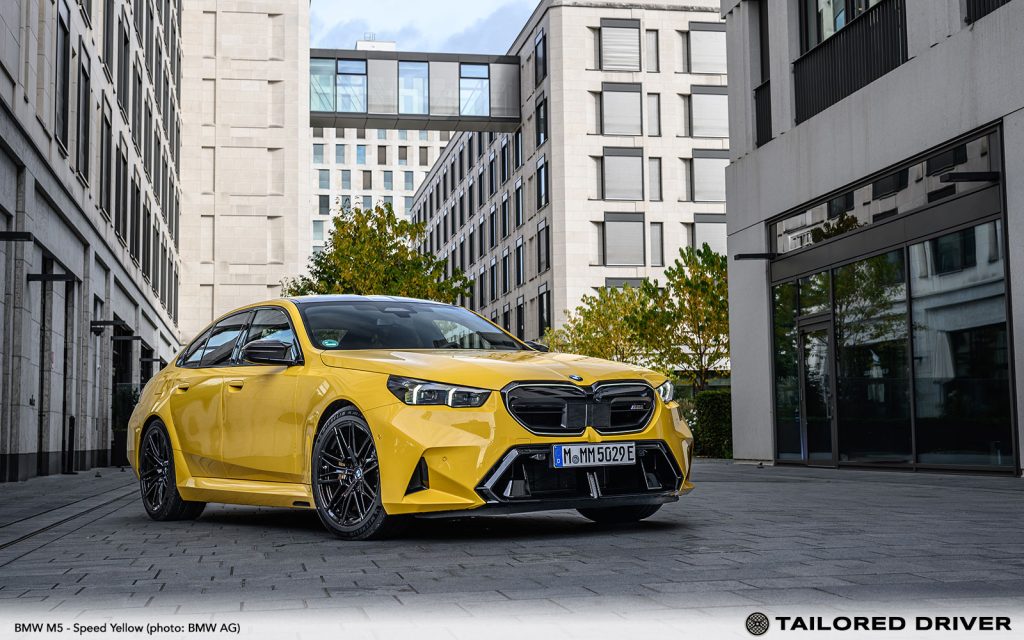
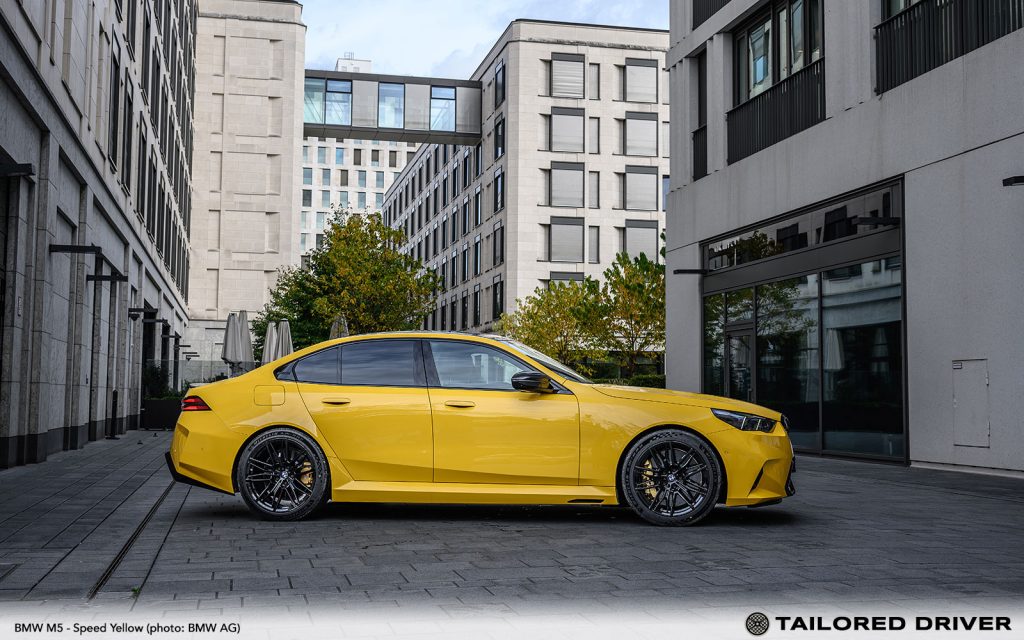
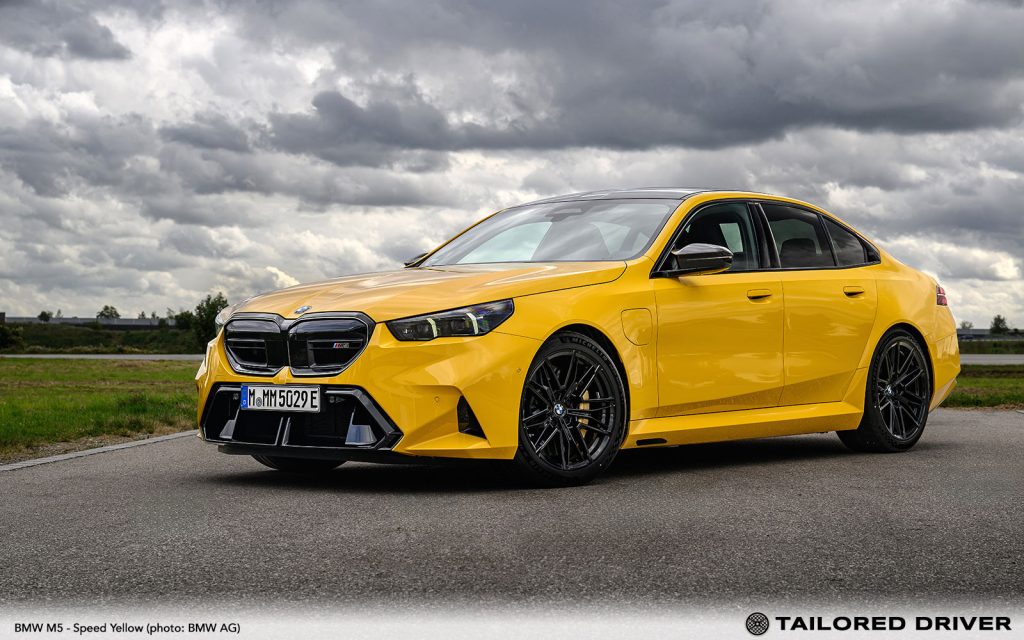
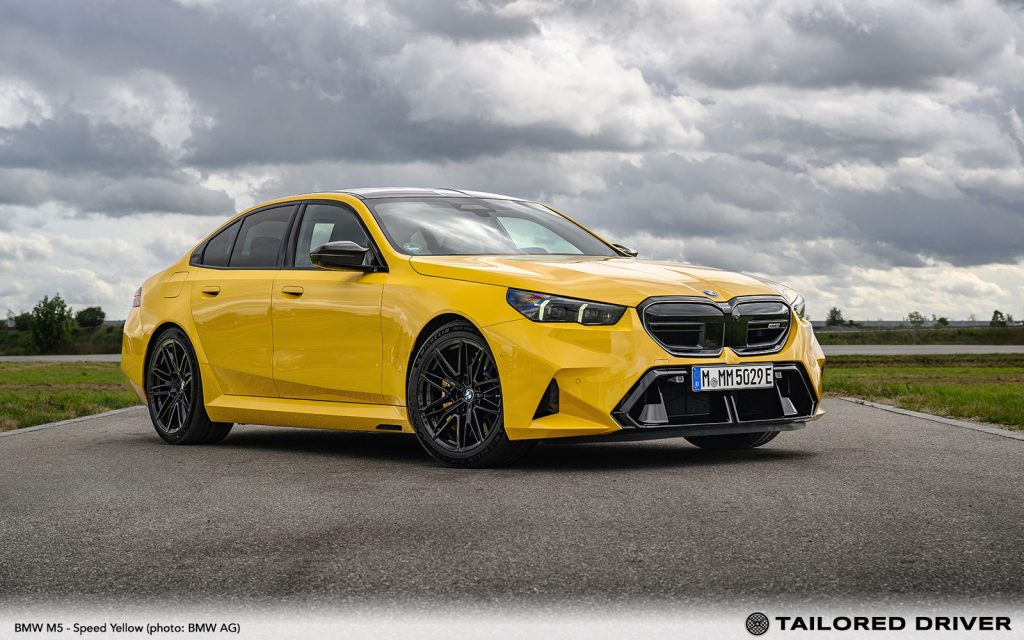
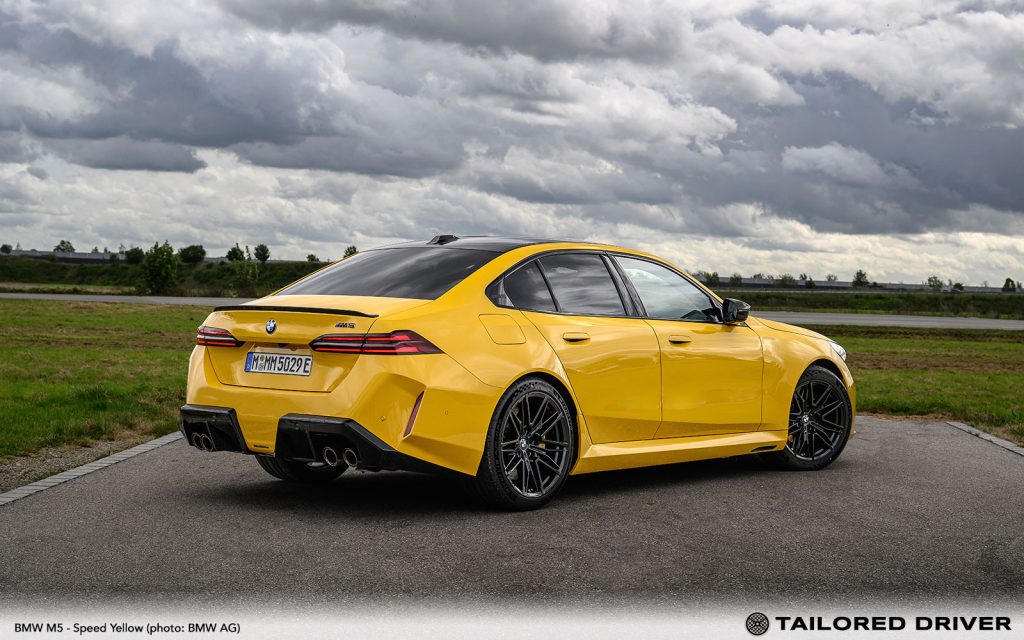
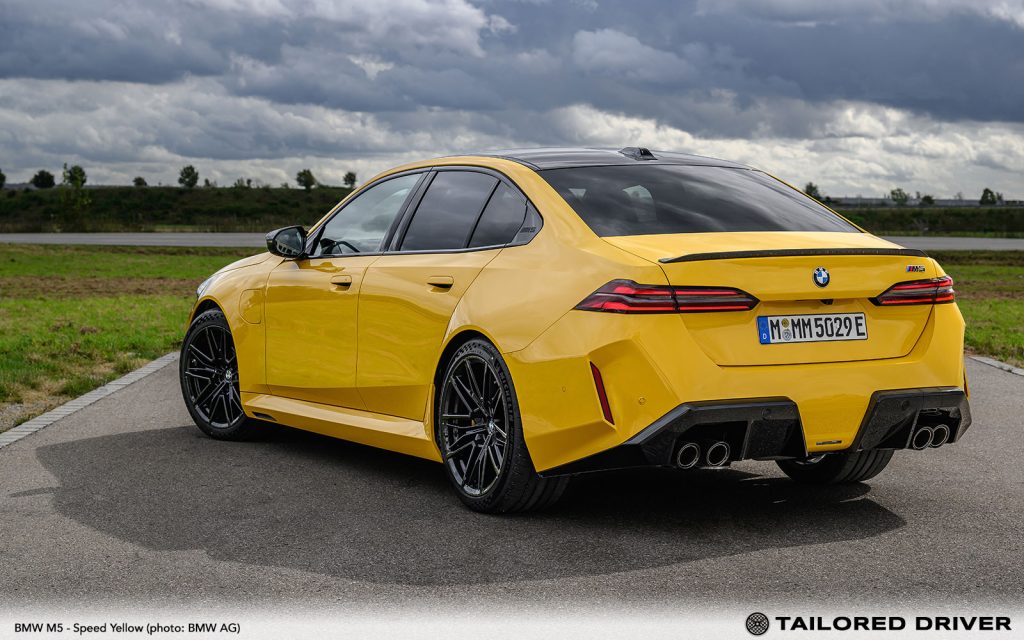
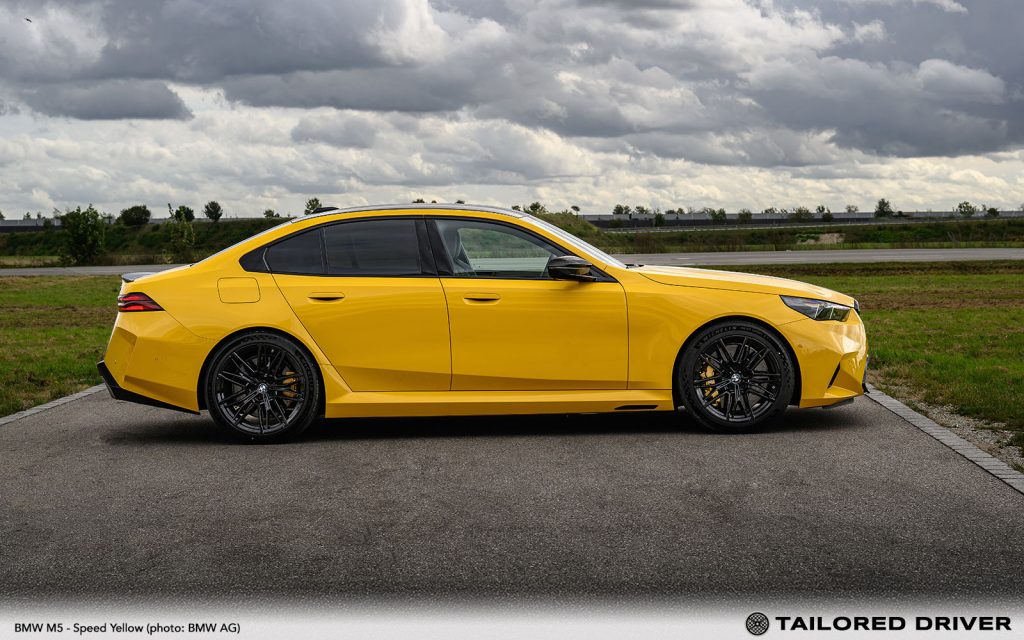
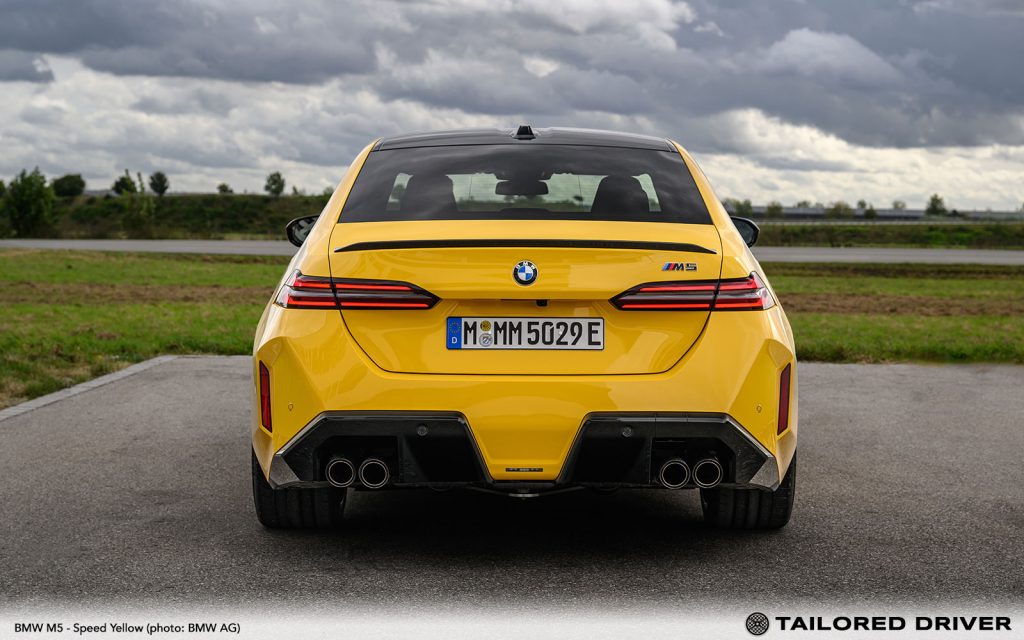
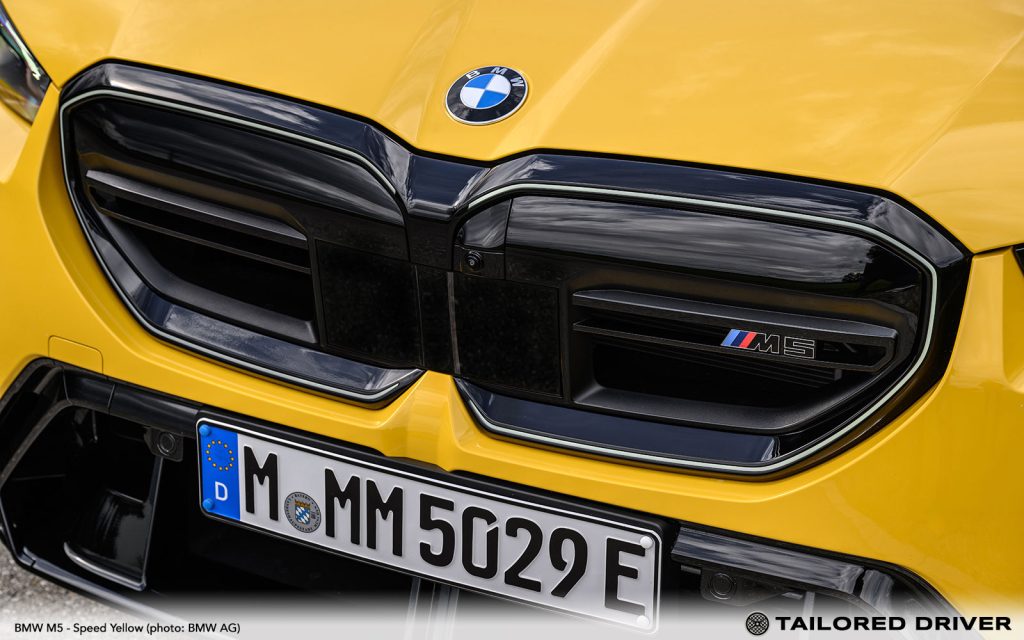
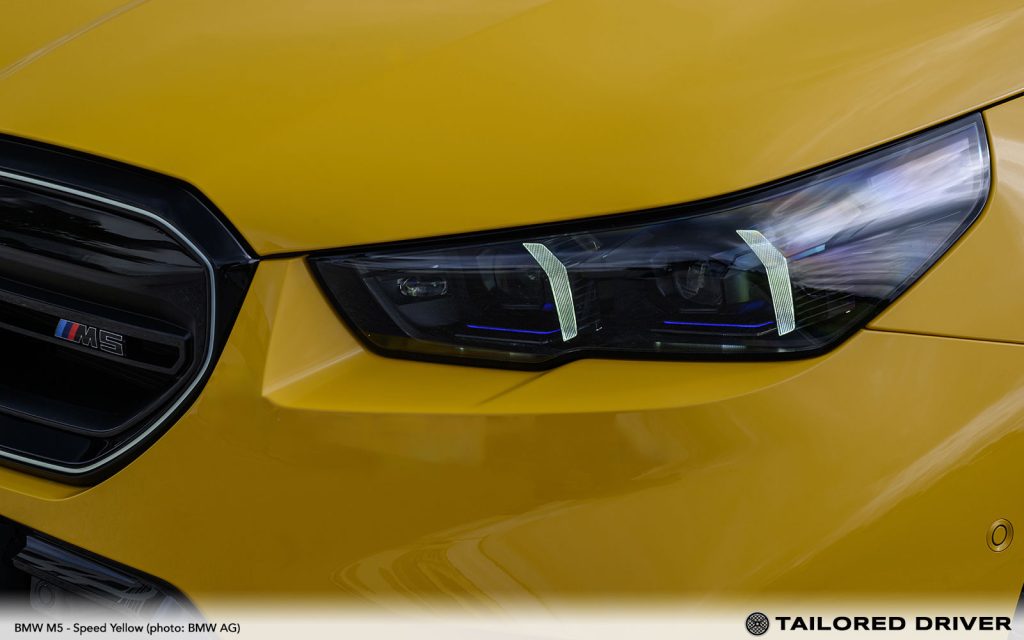
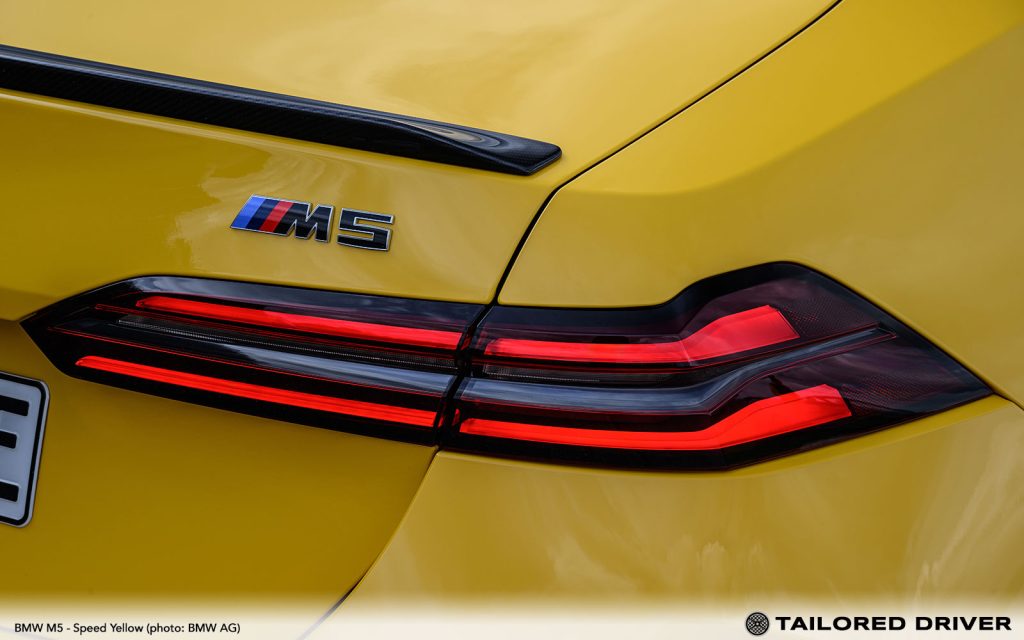
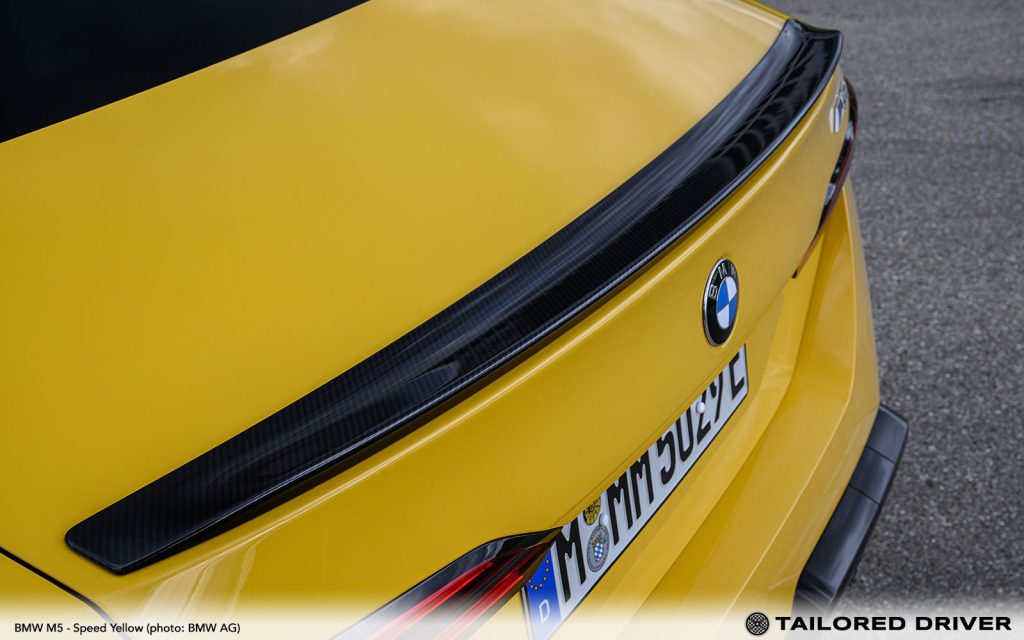
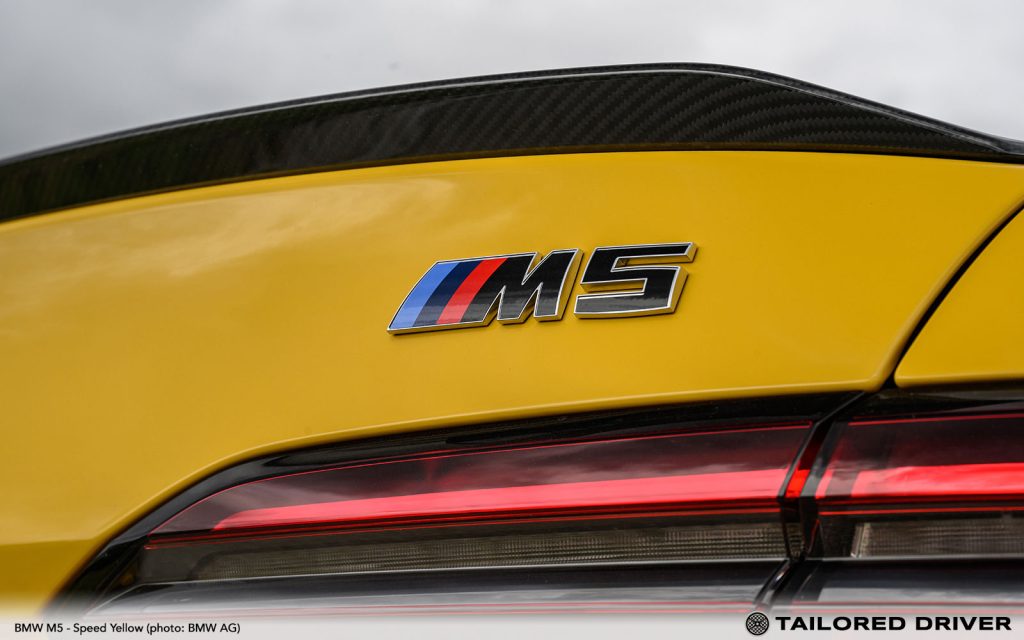
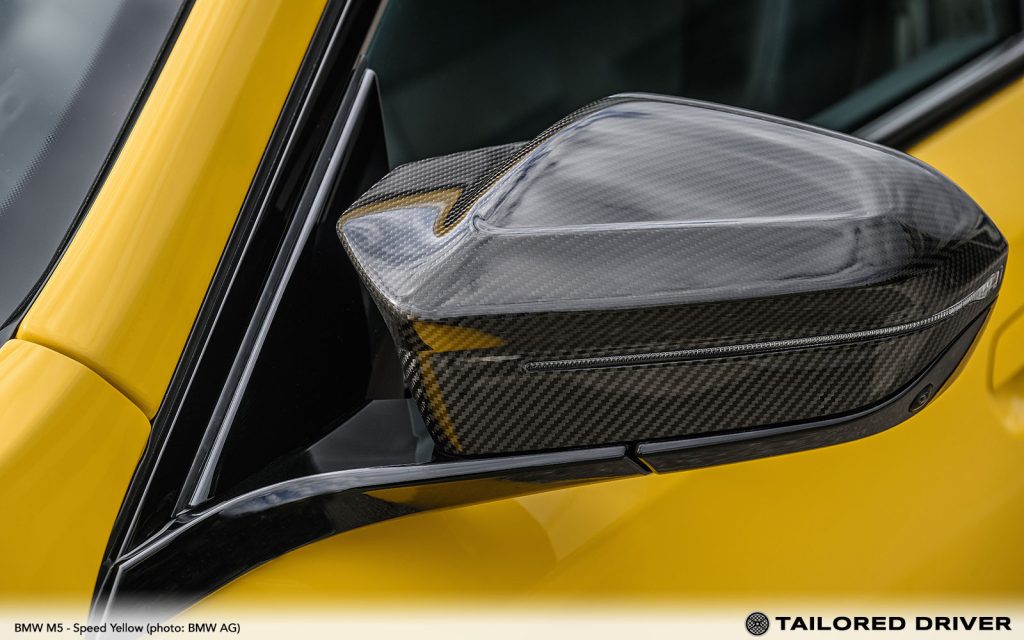
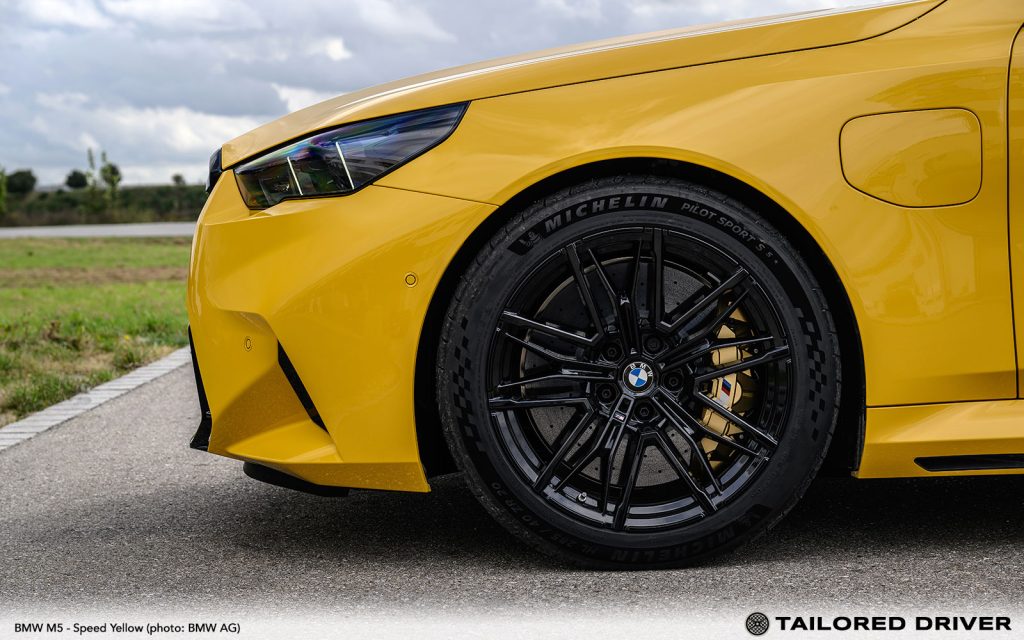
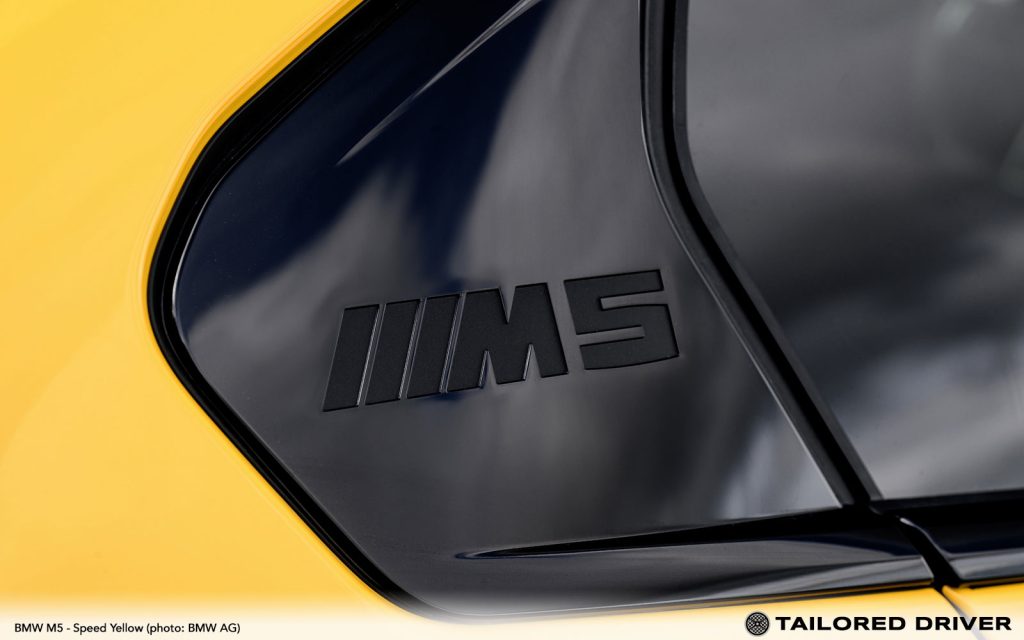
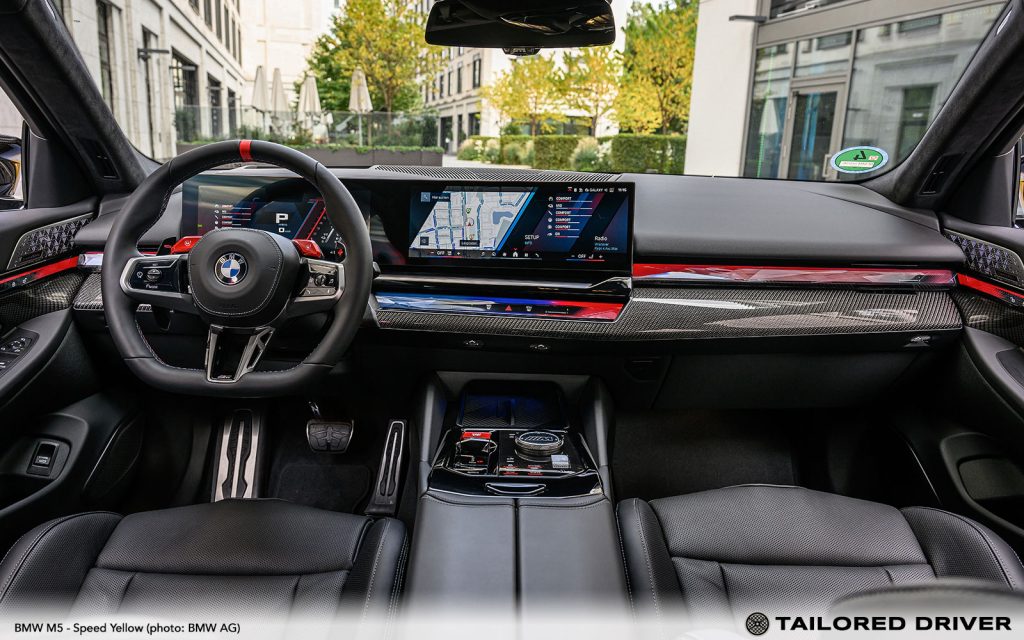
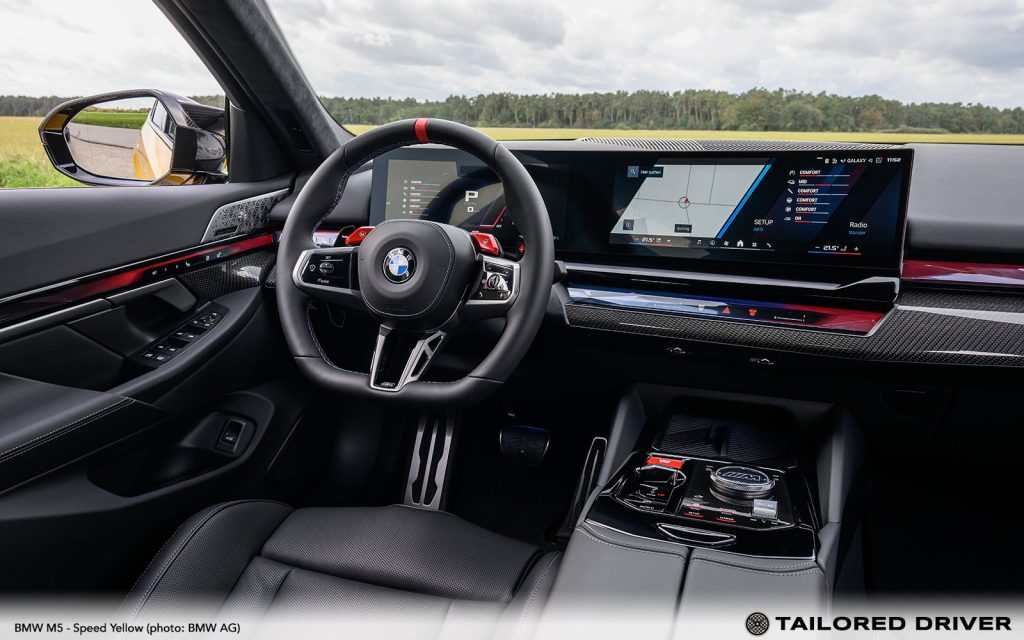
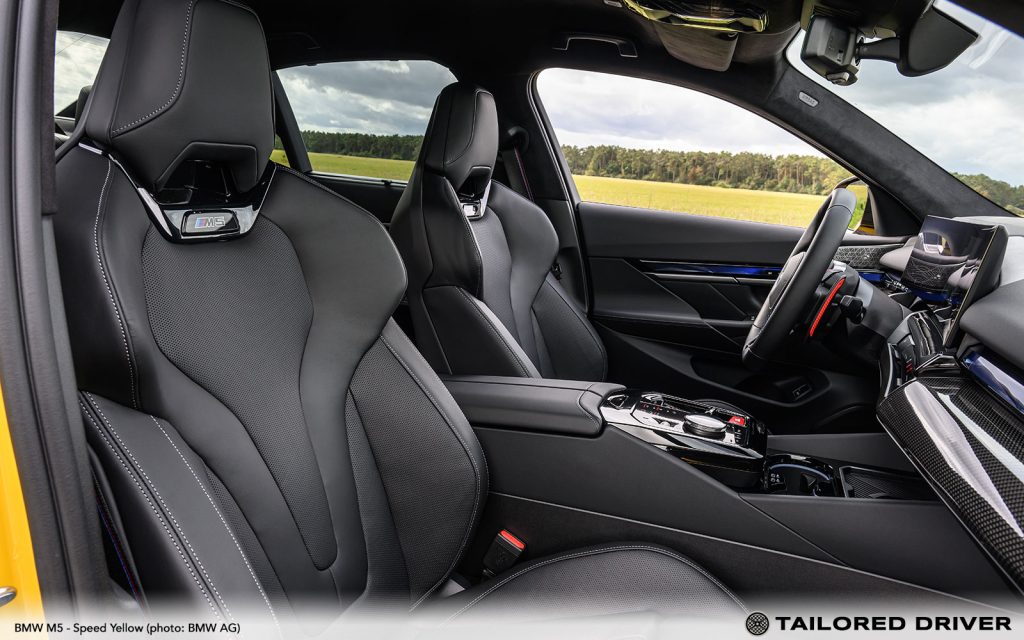
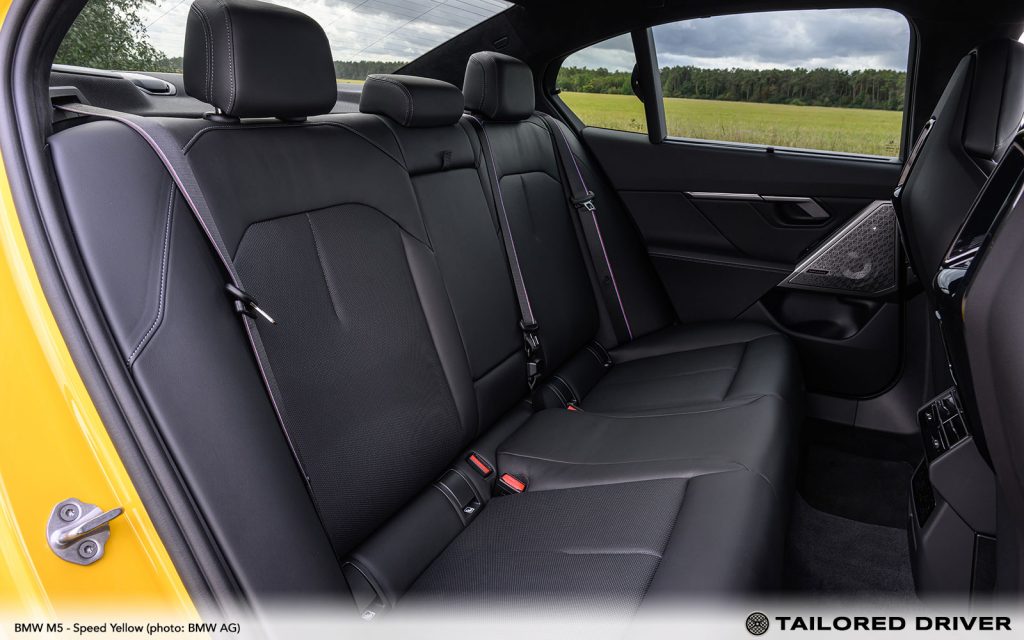
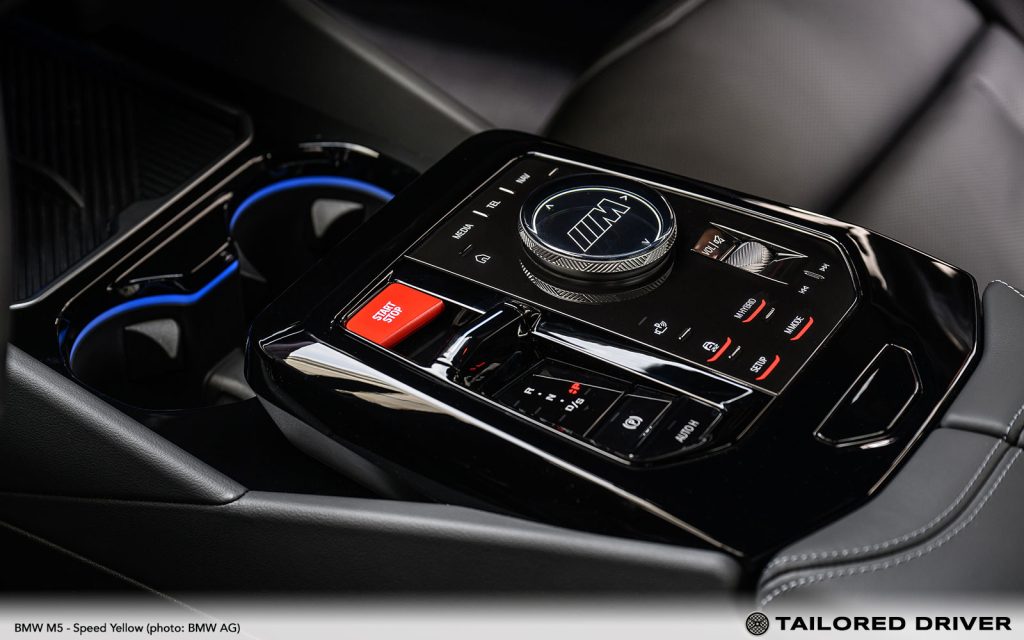
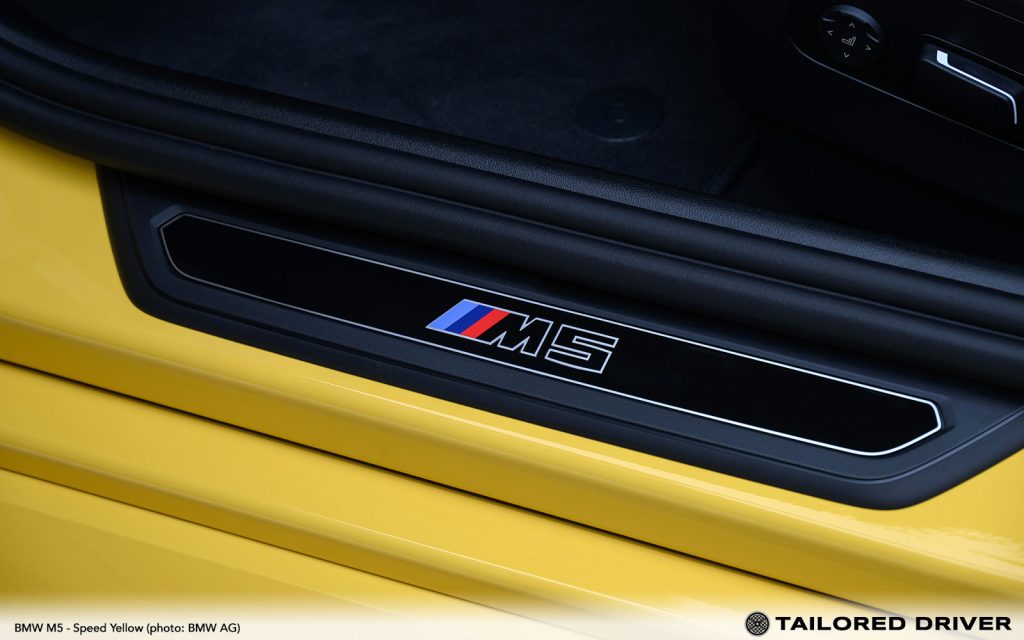
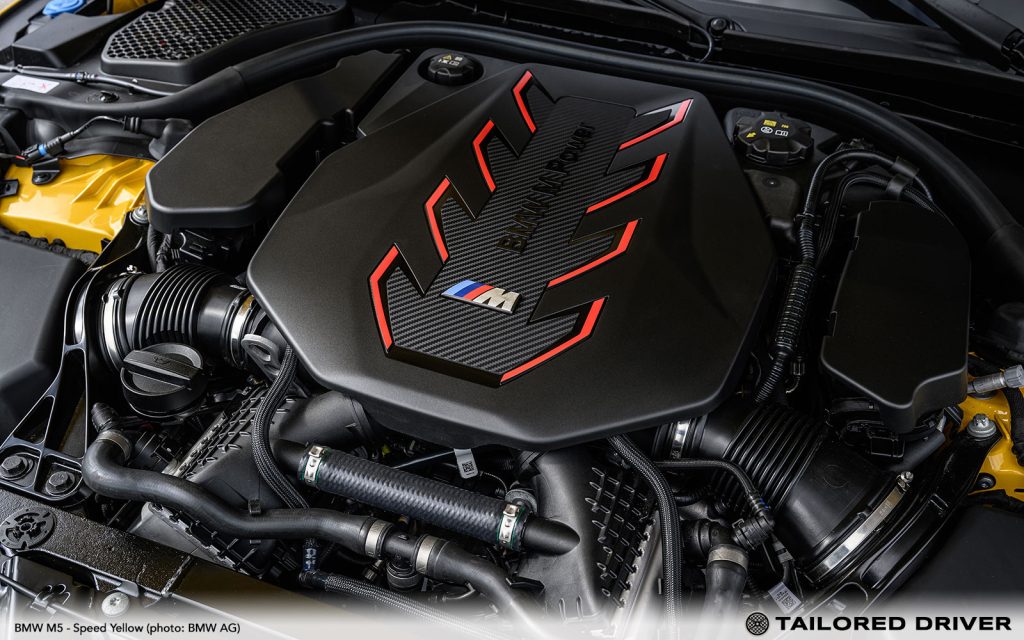
BMW has dropped fresh photo assets of its latest (G90) M5 sedan, including mixes of the car in rare and eye-catching colors. One of those colors is a popular BMW Individual offering – Speed Yellow (speedgelb; nonmetallic UNI; U96; BMW Individual).
In addition to photos, BMW also released footage of the same car. We’ve added them to our YouTube channel and will embed them here as well. Below these, you’ll find the full gallery of shots dropped by BMW in this latest round.
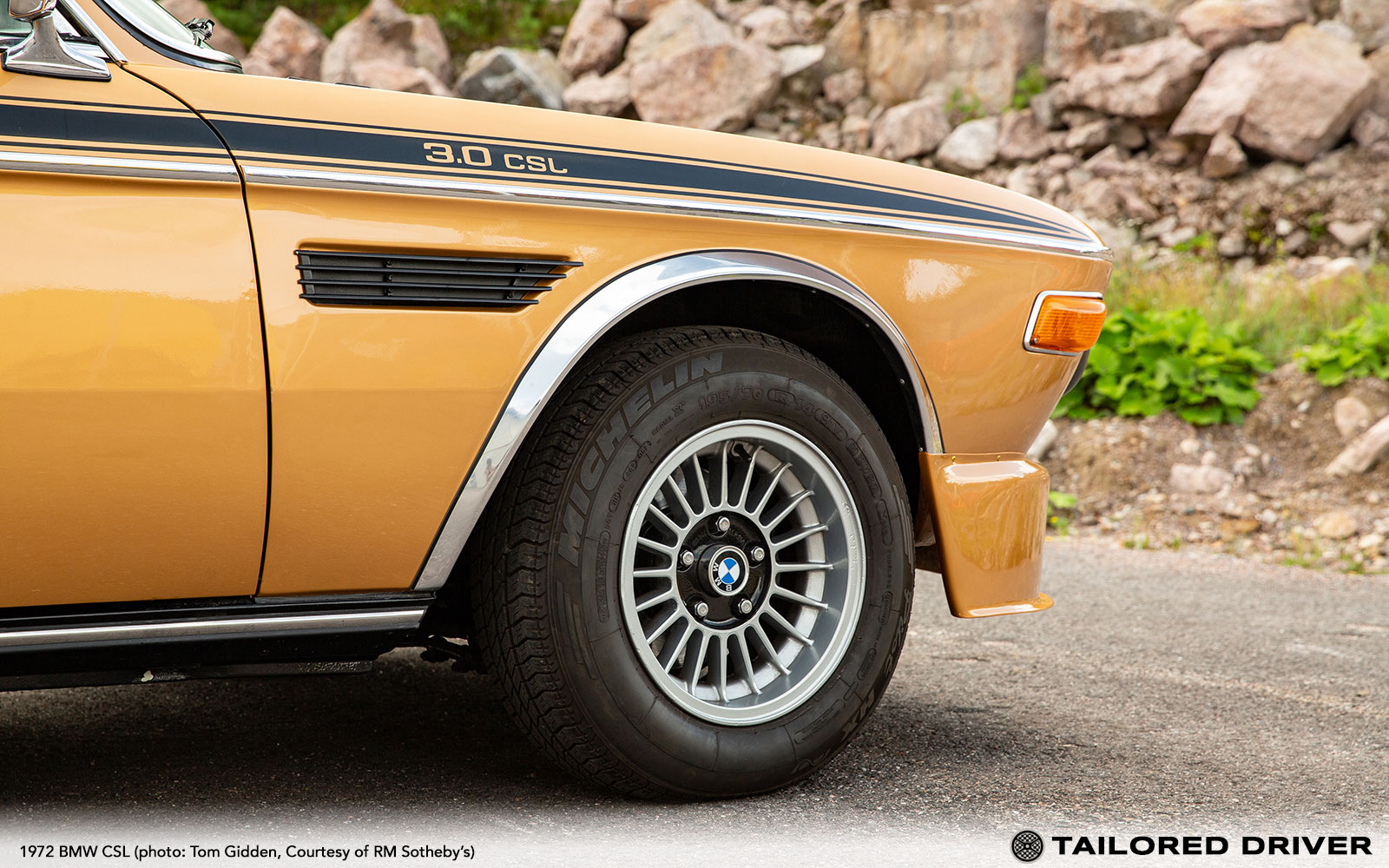
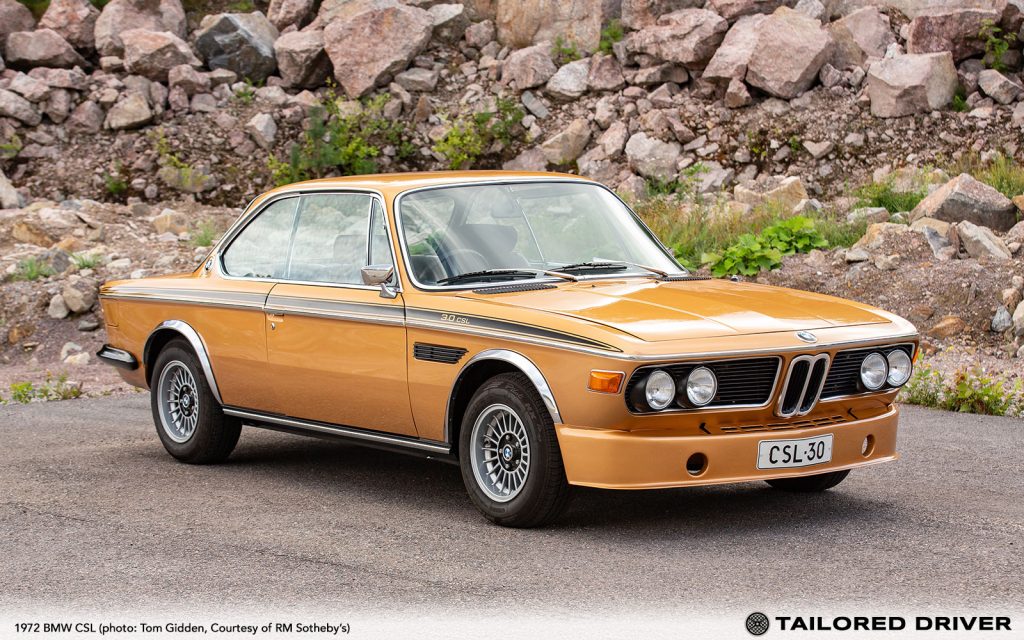
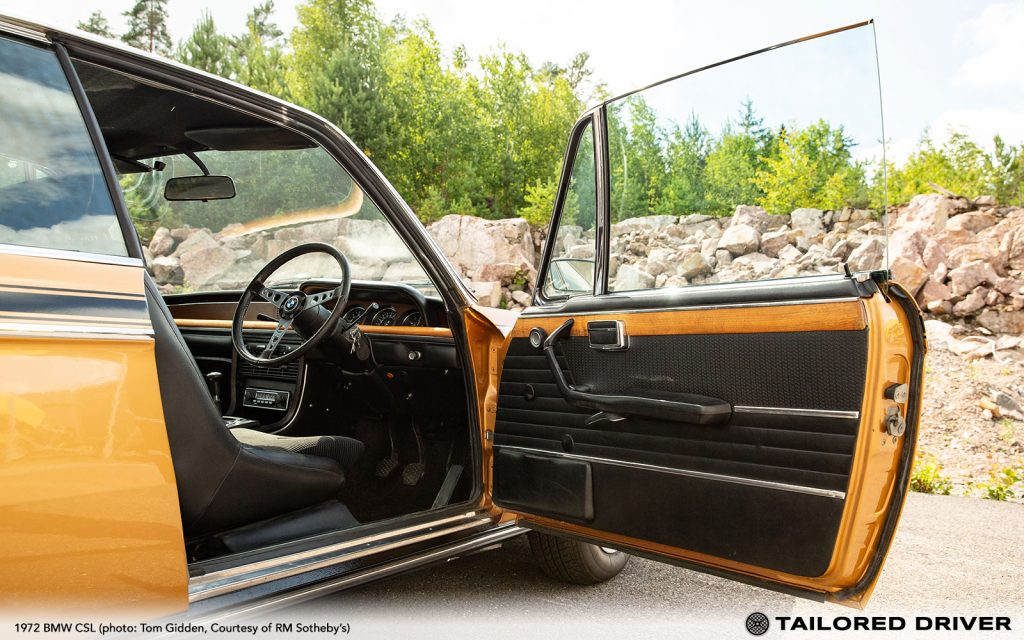
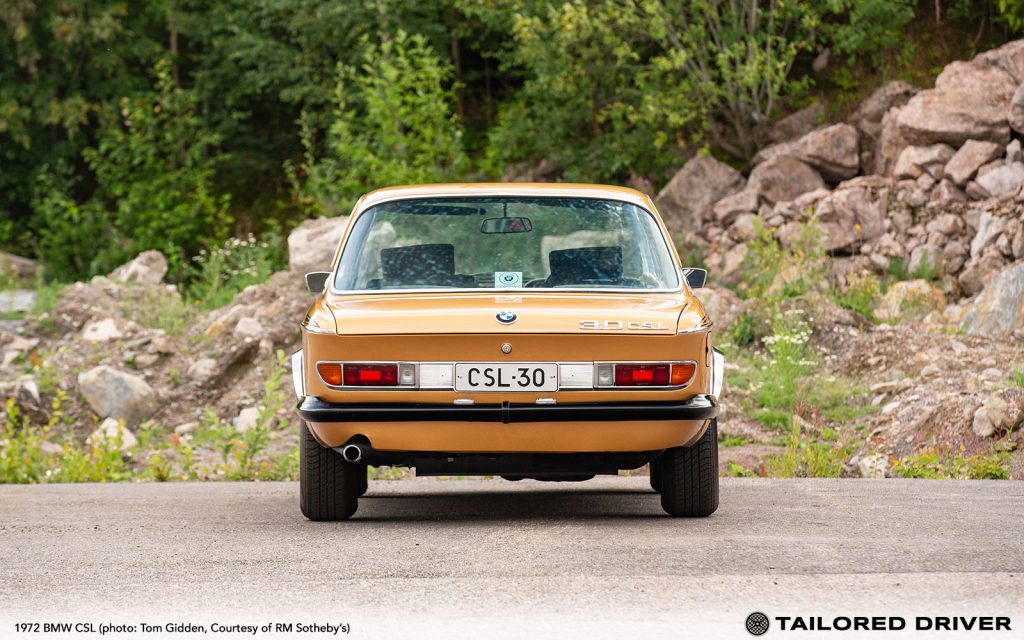
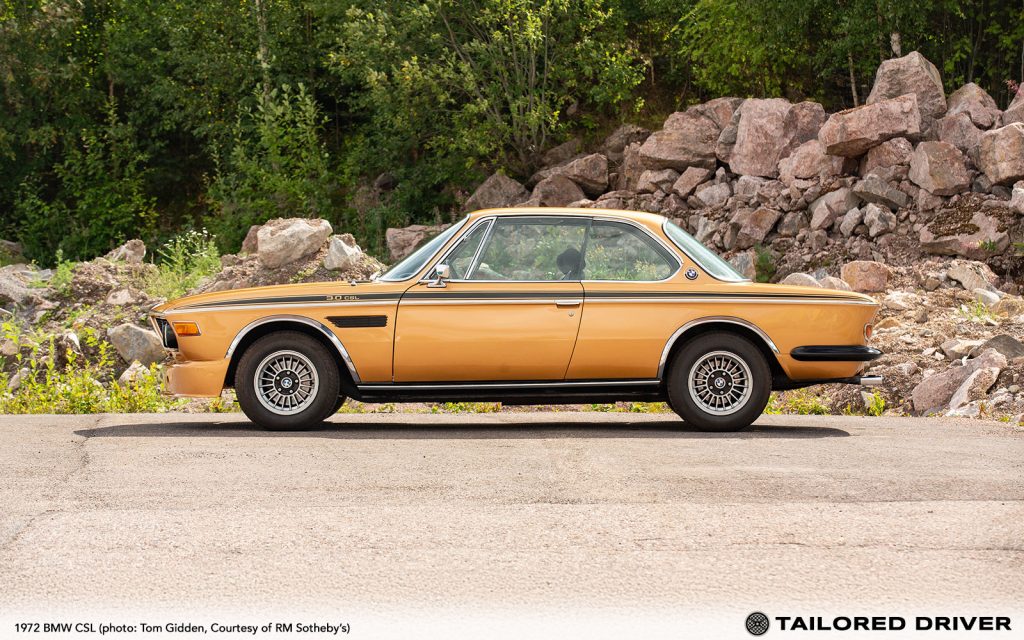
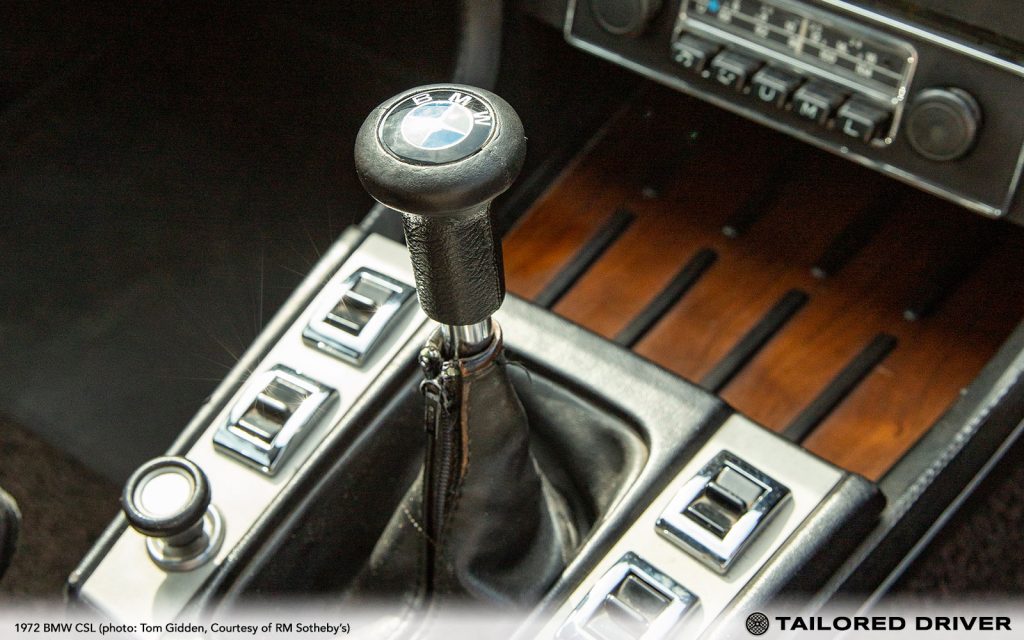
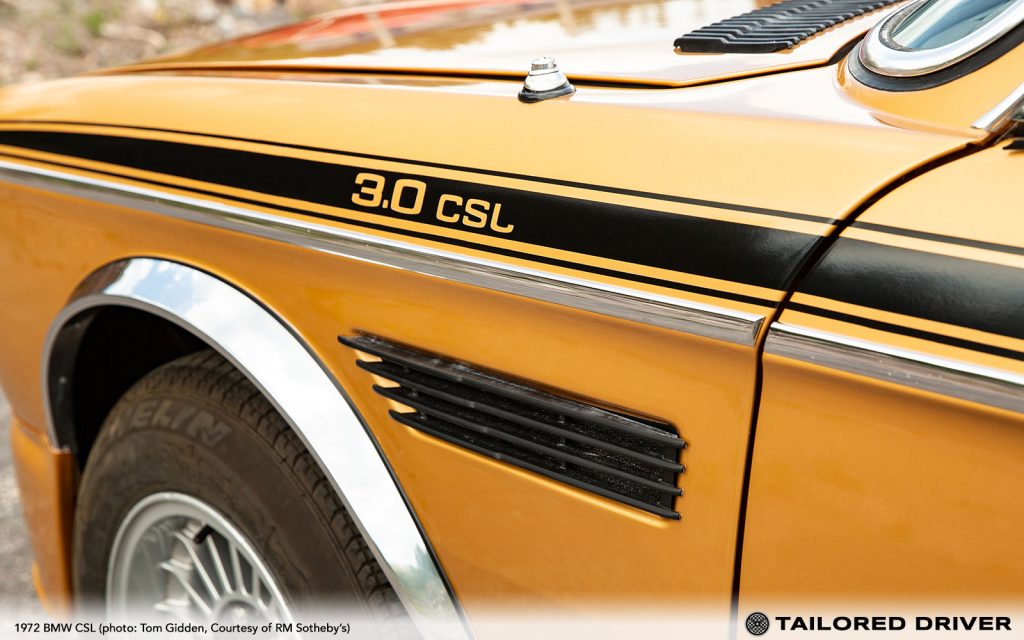
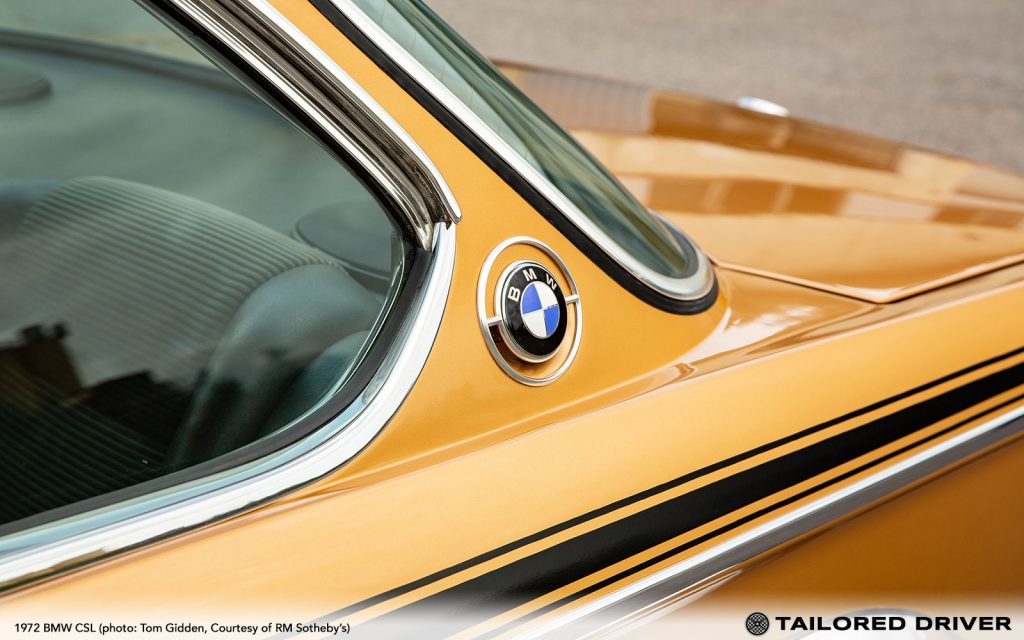
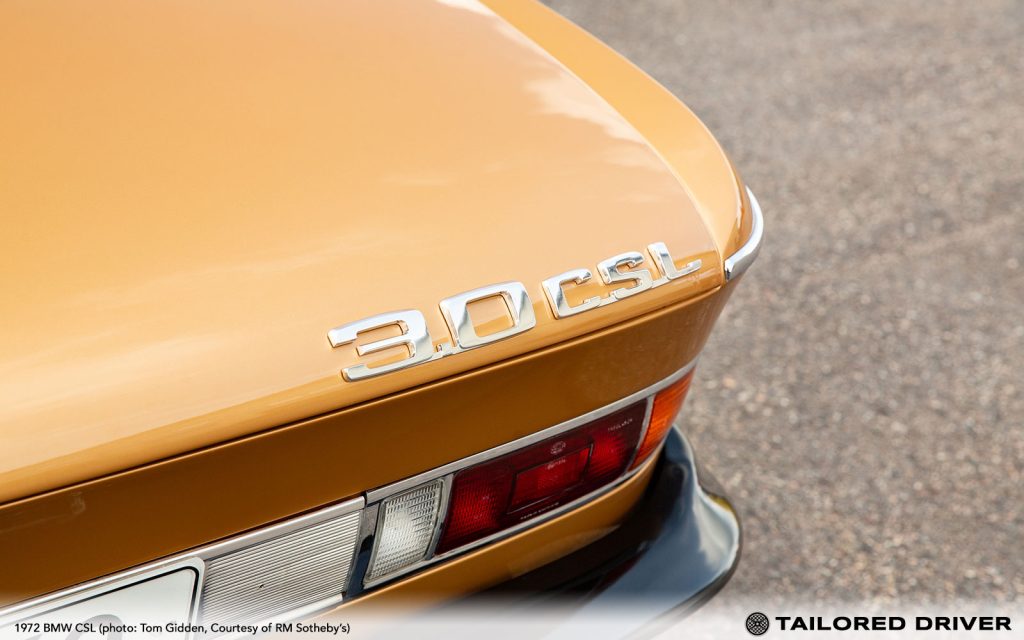
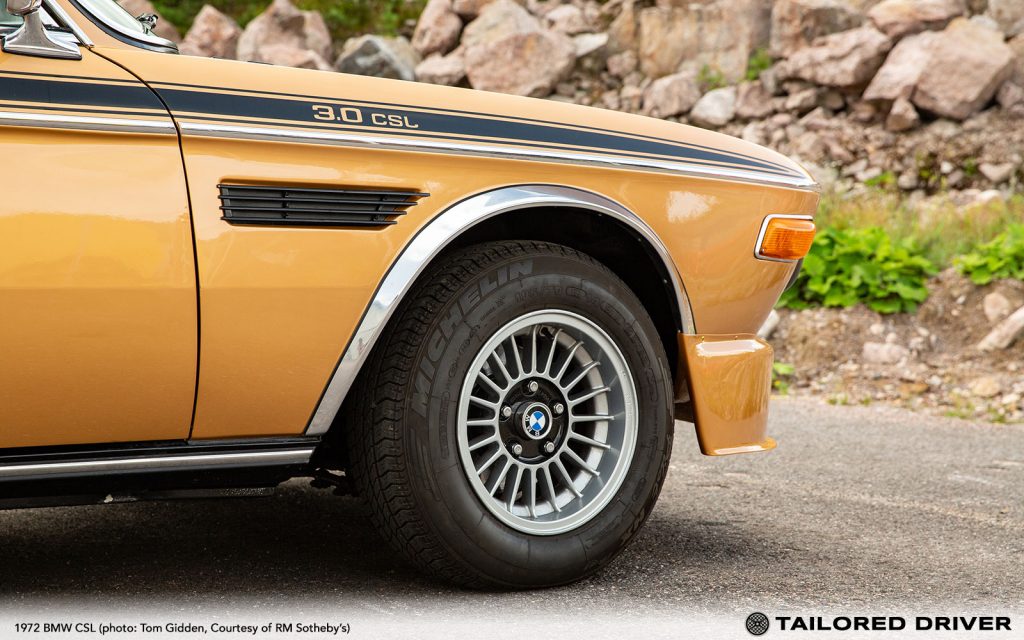
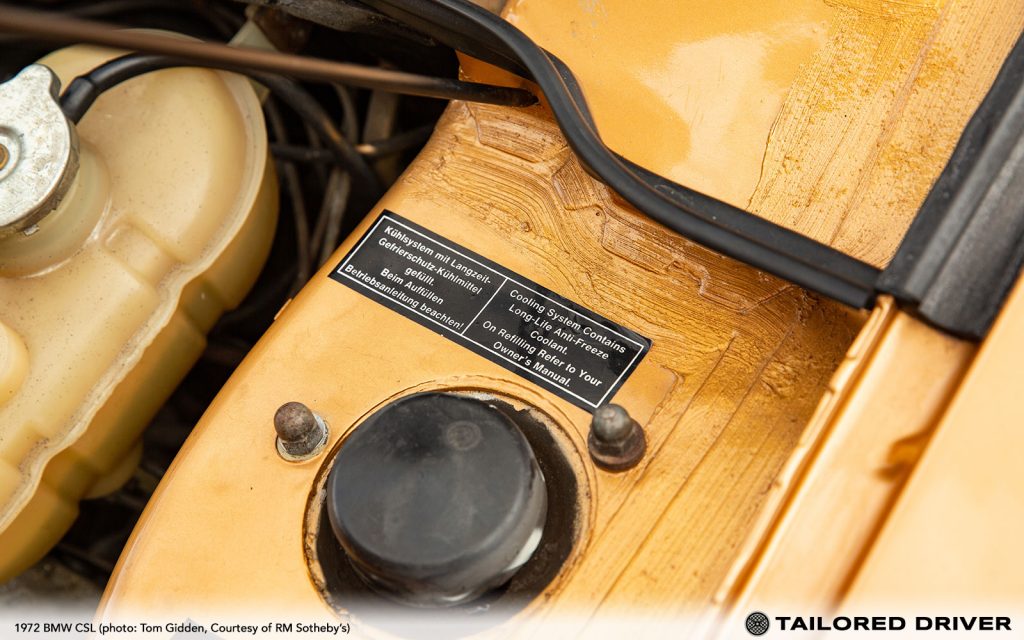
The BMW 3.0 CSL is one of the most collectible vintage BMWs going, a rare and highly sought-after iteration of the brand’s E9-based coupé. Like its period motorsport competitor the Porsche 911 Carrera RS 2.7, few CSLs were built and the collector market tends to keep close track of where they are and when they’re coming on the market. It’s notable then when RM Sotheby’s plans to sell one in their upcoming Münich based auction.
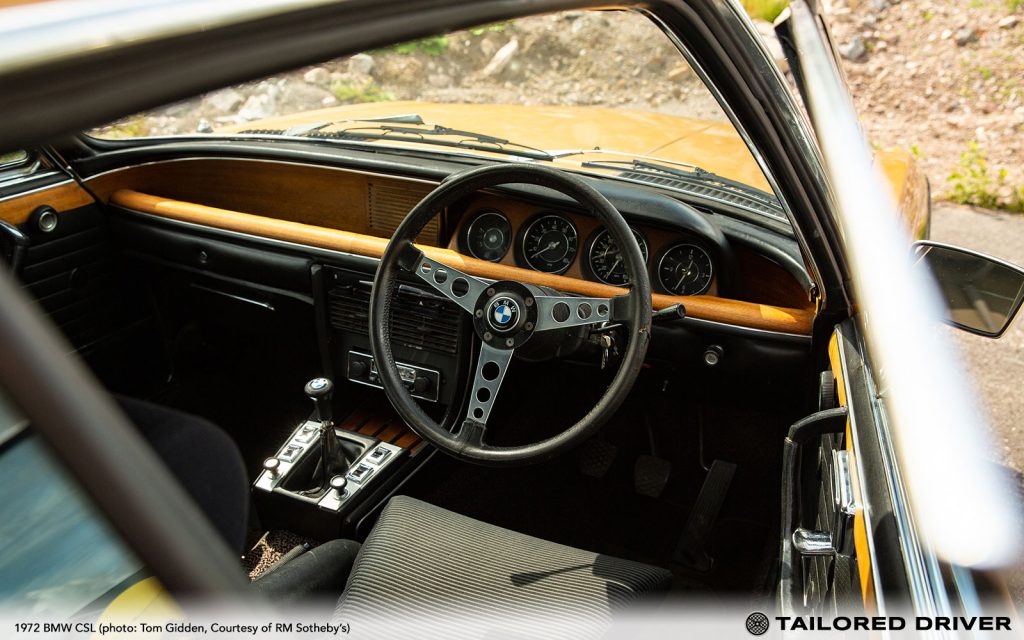
Motorsport intentions were always the plan with the CSL, and to accomplish that BMW engineer set about light weighting it via generous use of aluminum in the doors, hood, and trunk lid. These and other measures helped aid its shedding some 440 lbs. BMW built just 1,265 unites, of them just 500 were built as right-hand drive like this one. Racecars derived from these roadgoing homologation specials would net six European Touring Car championship titles from 1973 to 1979.
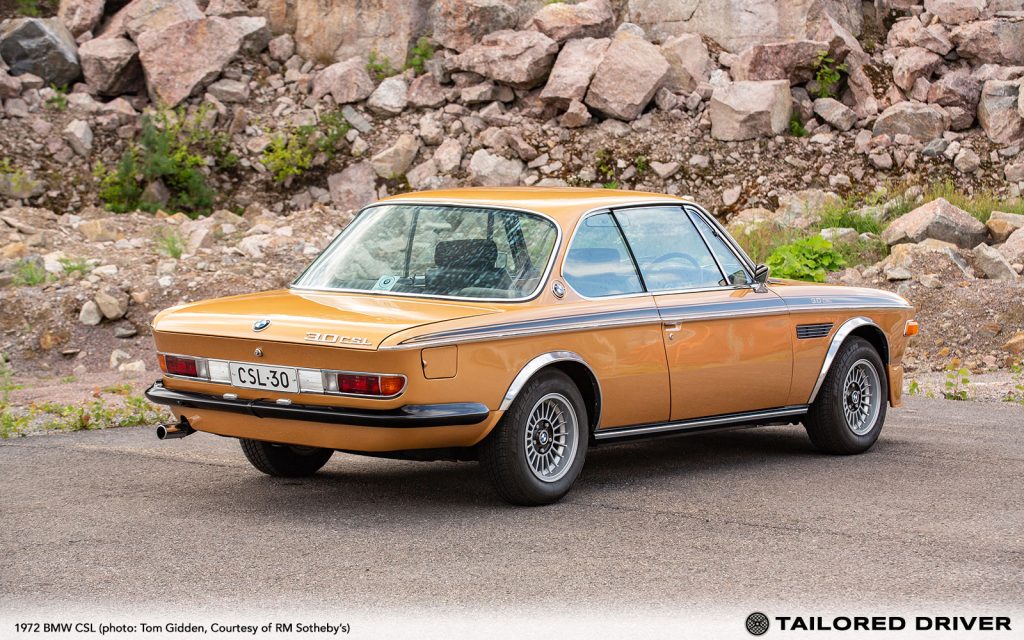
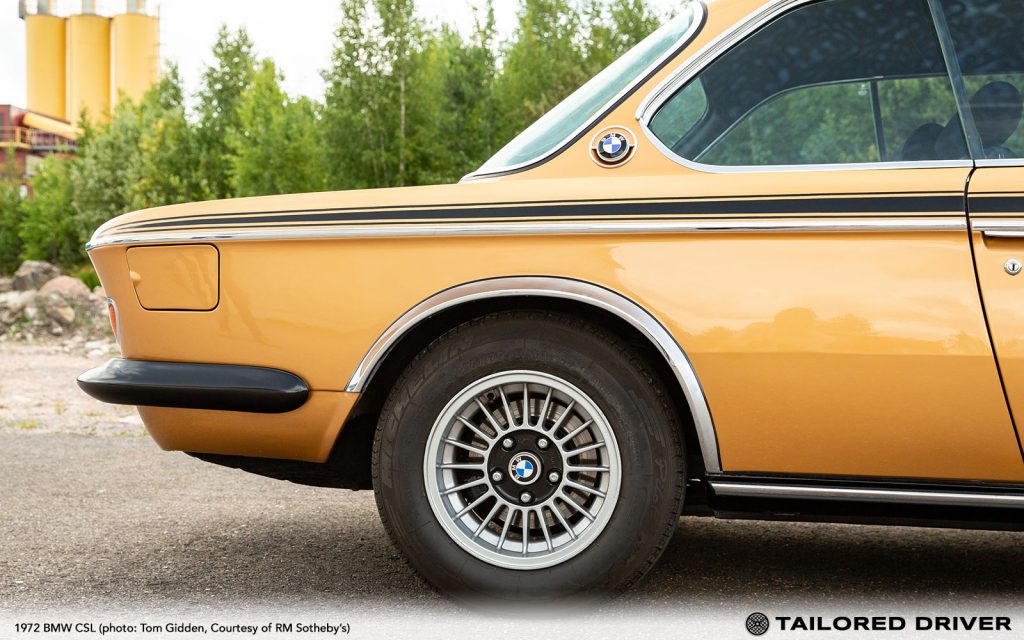
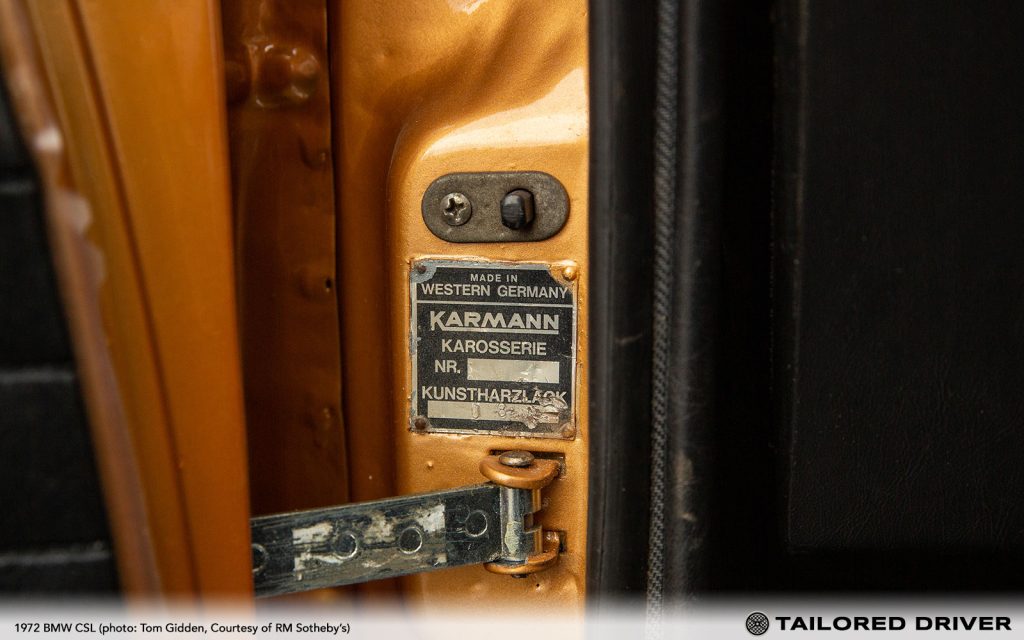
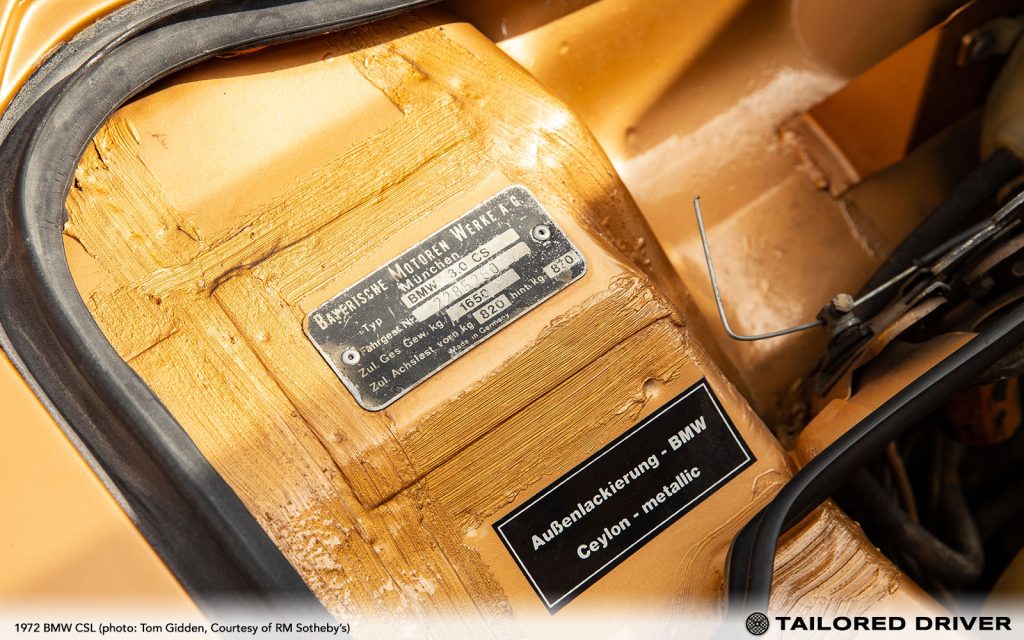
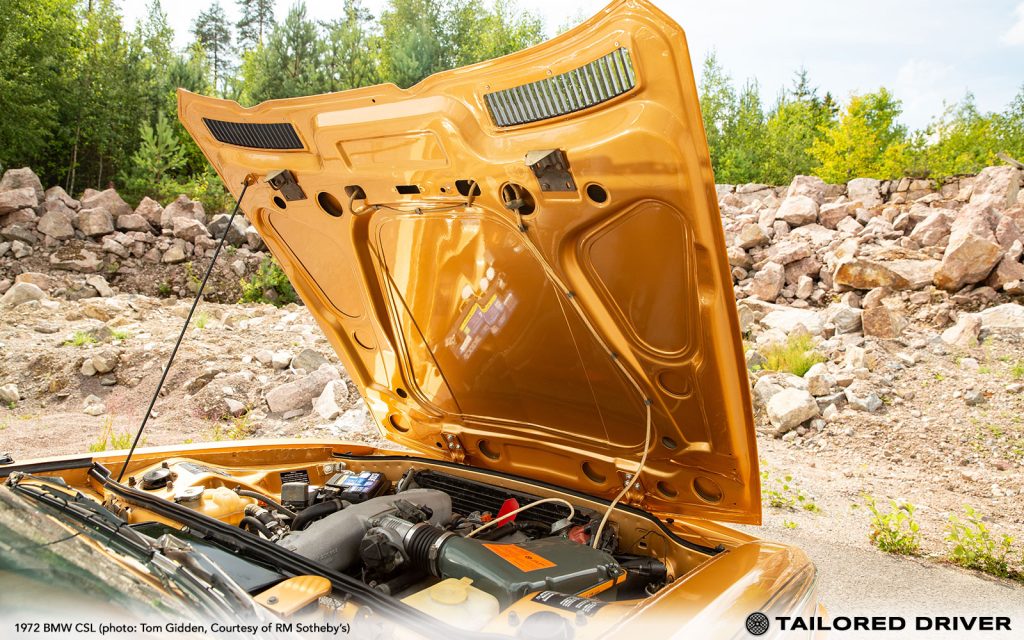
The 1972 3.0 CSL in question (Vin: 2285250) is a a peculiar build both in configuration and specification in that it’s both right hand drive and painted Ceylon Metallic (ceylon; metallic UNI; 008; BMW). And though its lot description from RM denotes a likely replacement engine, it still expected to fetch anywhere from €120,000 – €160,000 Euros. Compared to a 911 Carrera RS 2.7, that’s a relative bargain.
Below is the full lot description of the car and gallery. To see the full lot listing including associated documents, as well as registration to bid, check out the RM Sotheby’s website HERE.
[source: RM Sothebys]
One of just 500 right-hand-drive examples of the revered CSL homologation special; fitted with a fuel-injected 3,003-cc engine making 200 PS
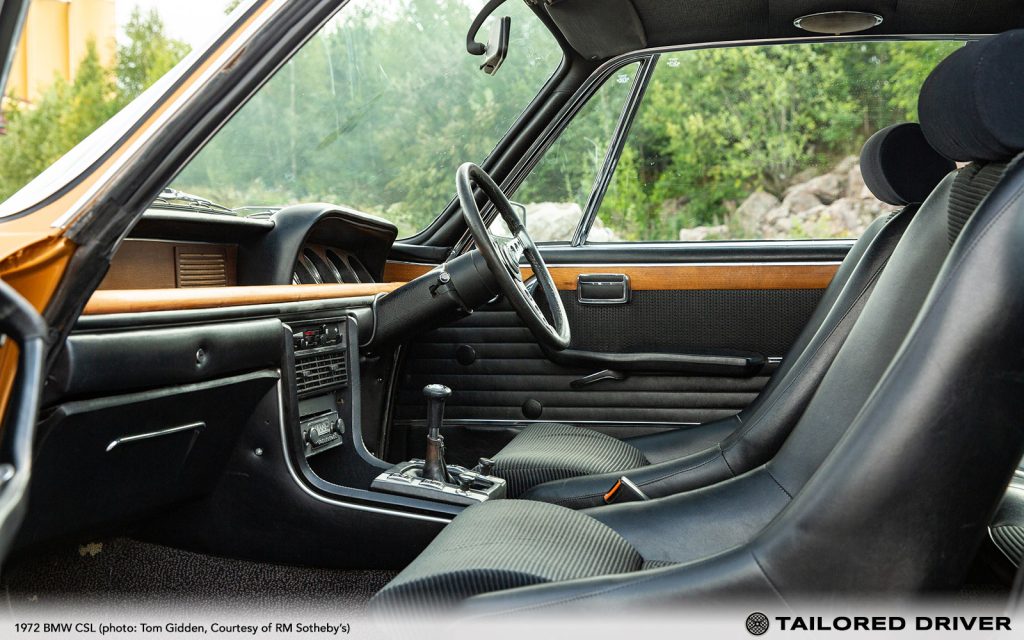
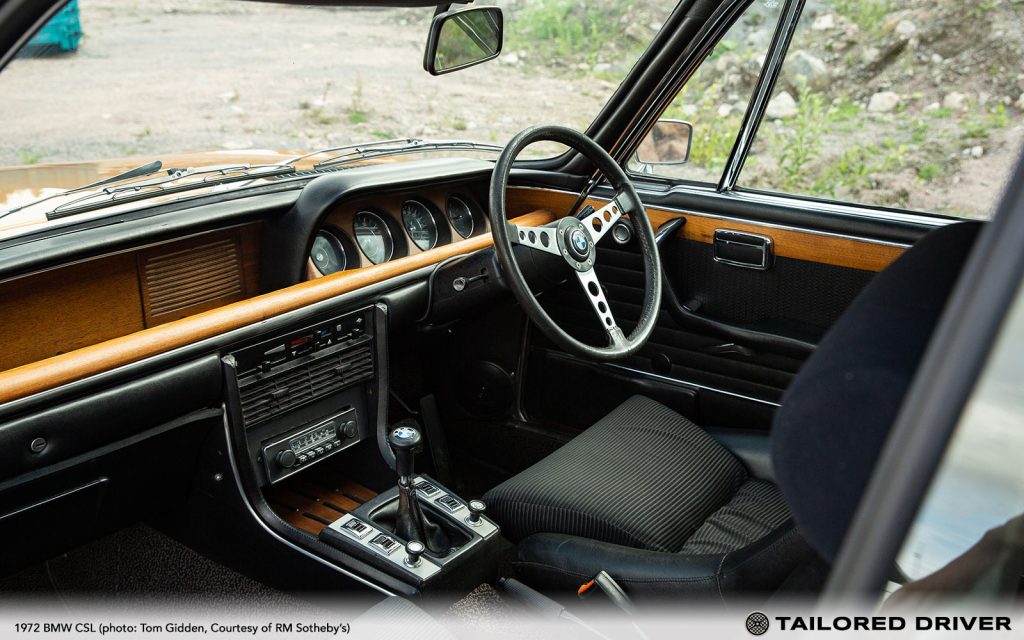
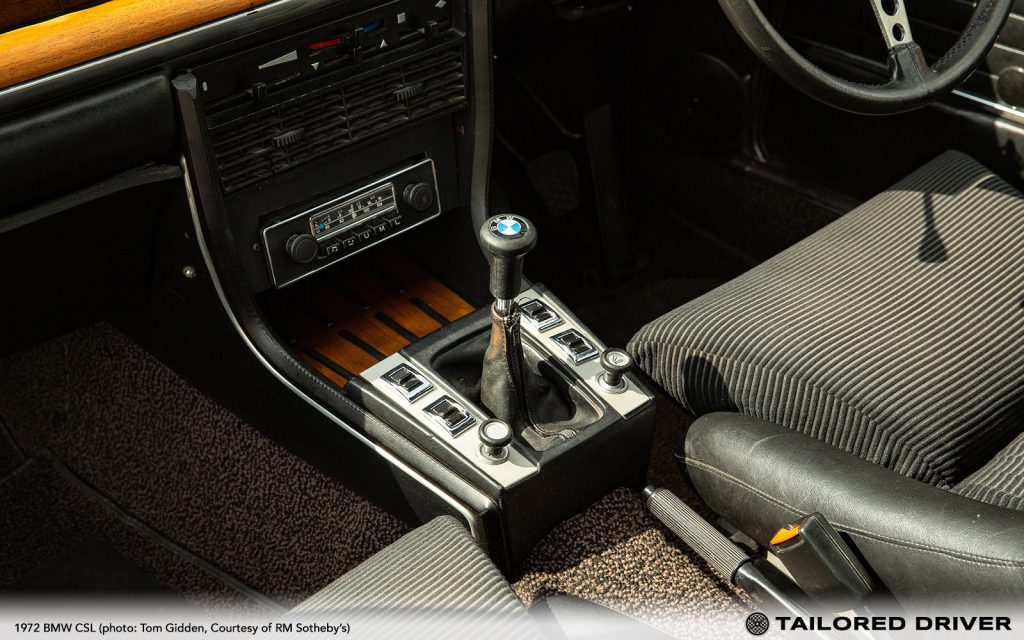
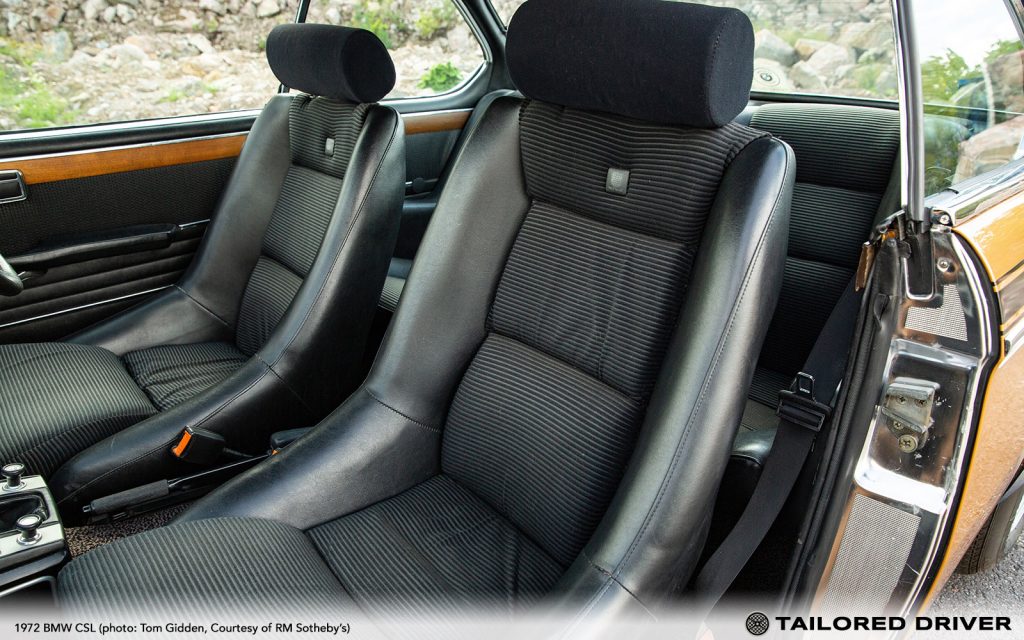
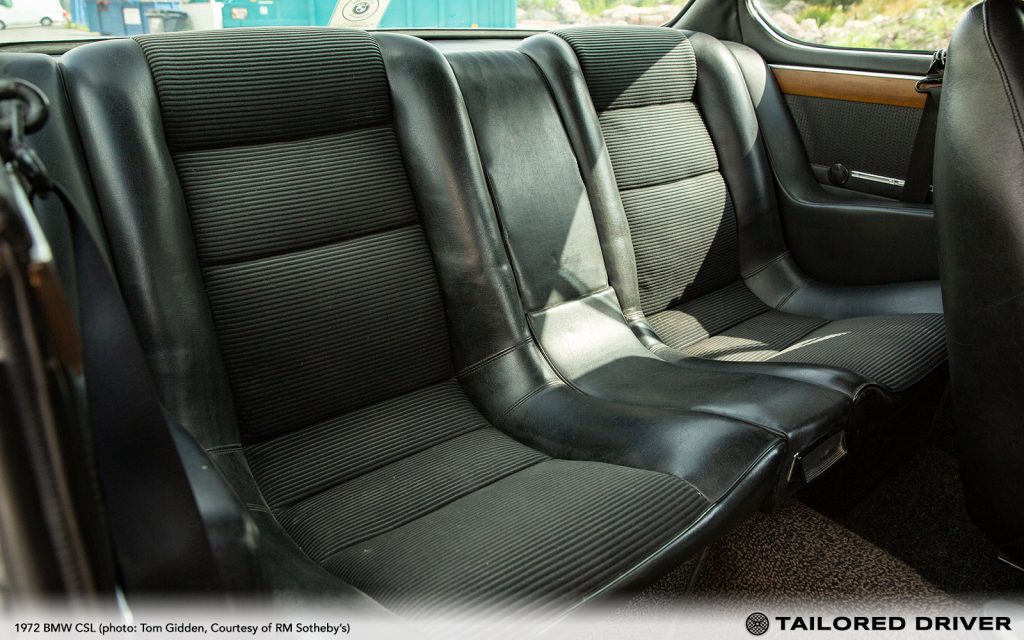
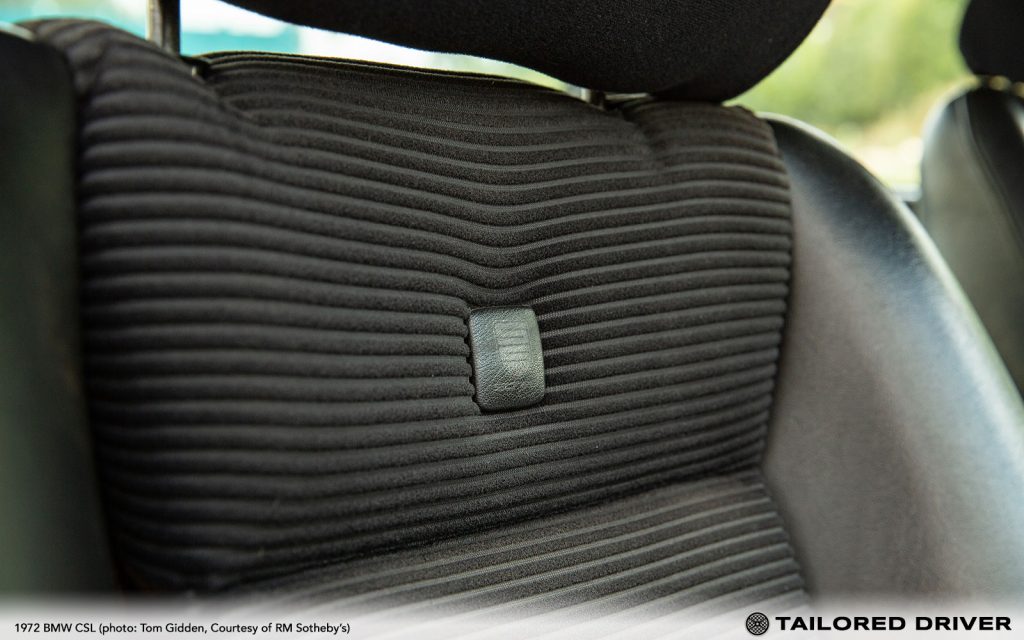
Finished in rare Ceylon Metallic; features period-correct and desirable Scheel sports seats, Petri three-spoke steering wheel, plus electric rear windows
Bought by The Munich Masterpieces Collection in 1999; benefits from an older restoration
Accompanied by a history file, owner’s manual, tool kit, jack, and spare wheel
The rarest and most sought-after variant of the beautiful E9 coupé, the 3.0 CSL arrived with aluminium doors, bonnet, and boot lid to help shed some 200 kilograms. Building 1,265 units allowed BMW to homologate race cars that would notch no fewer than six European Touring Car titles between 1973 and 1979.
Just 500 CSLs were configured in right-hand drive, including this example that was completed by the factory in December 1972. Equipped with the potent Bosch D-Jetronic fuel injection system, the sonorous straight-six produced 200 PS. Please note that this car is fitted with what is believed to be a non-stamped factory replacement engine.
The consigning owner, intent on finding a rare Ceylon Metallic car, imported chassis 2285250 to Finland in June 1999. The following year, a restoration and repaint was commissioned. Today, complete with the desirable Scheel sports seats, Petri three-spoke steering wheel, 14-inch CSL alloys, and electric rear windows, as well as being offered with a Birth Certificate by BMW Classic, this example would be a superb addition to any marque or motorsport-themed collection.
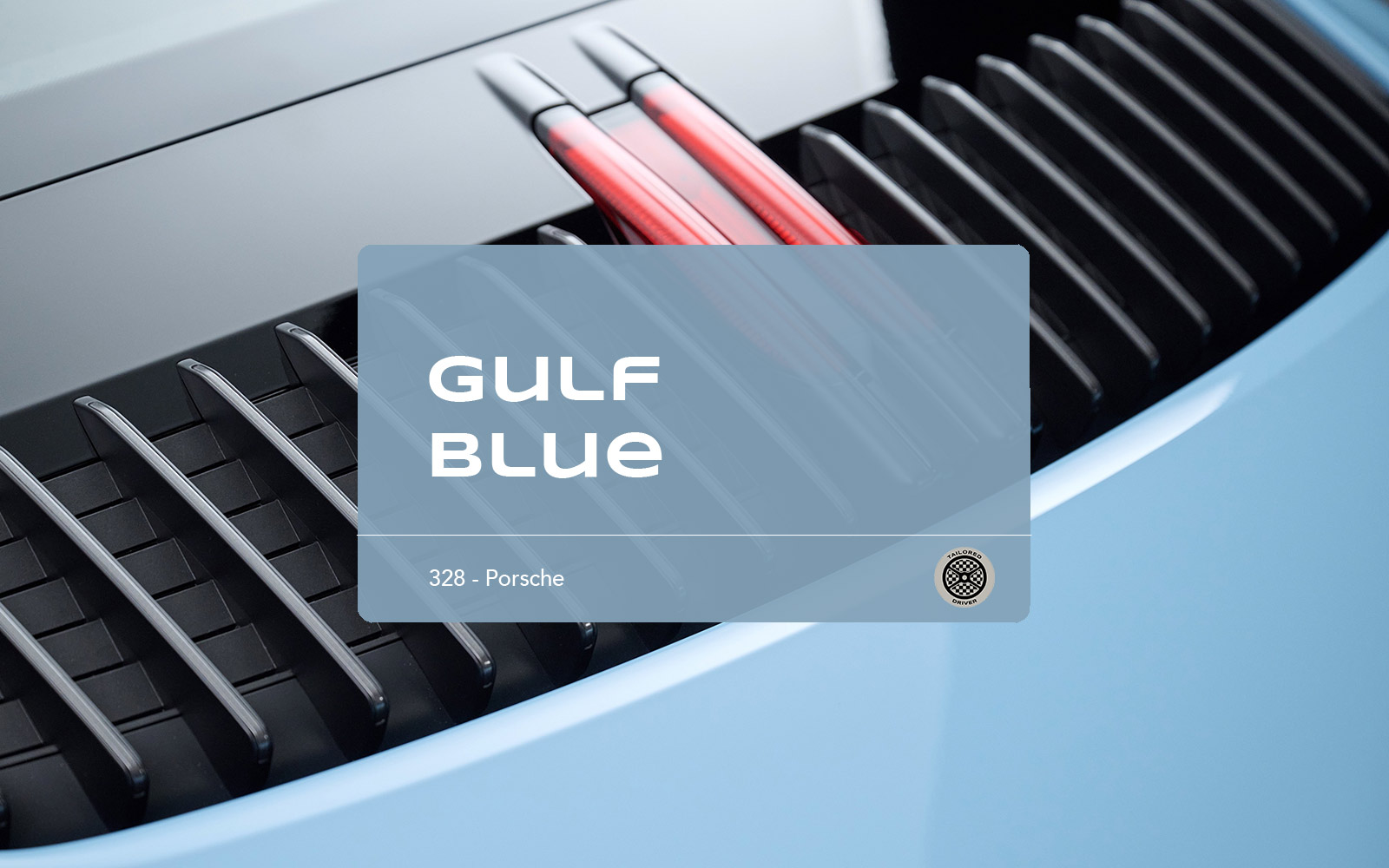
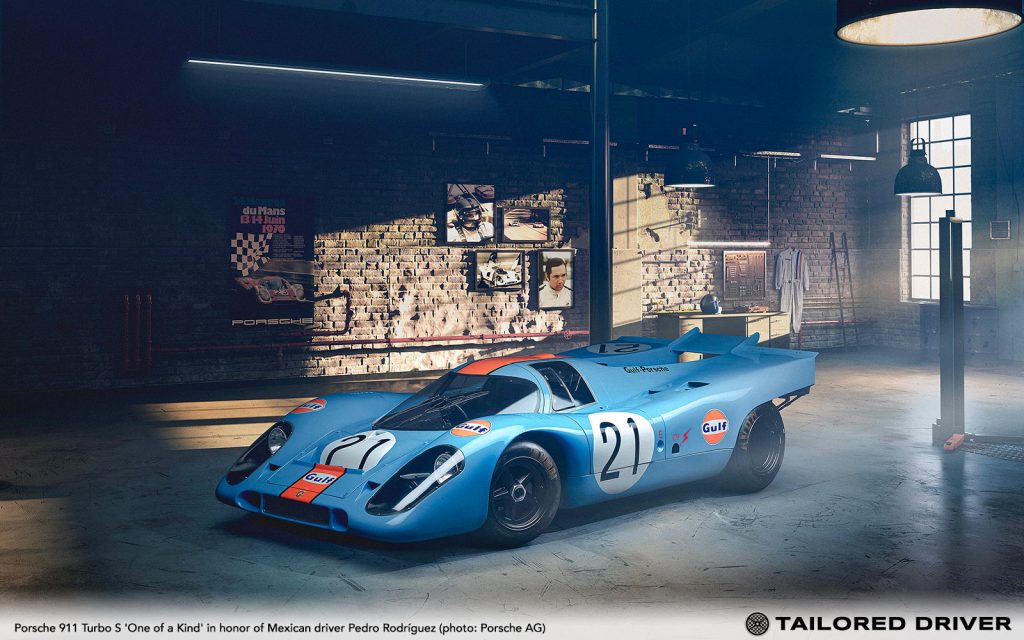
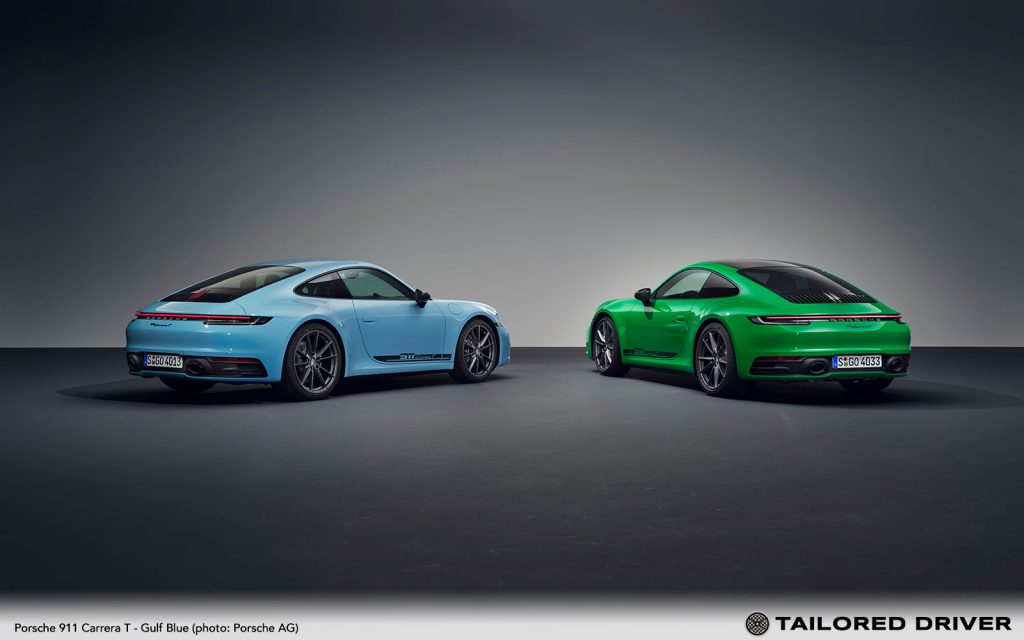
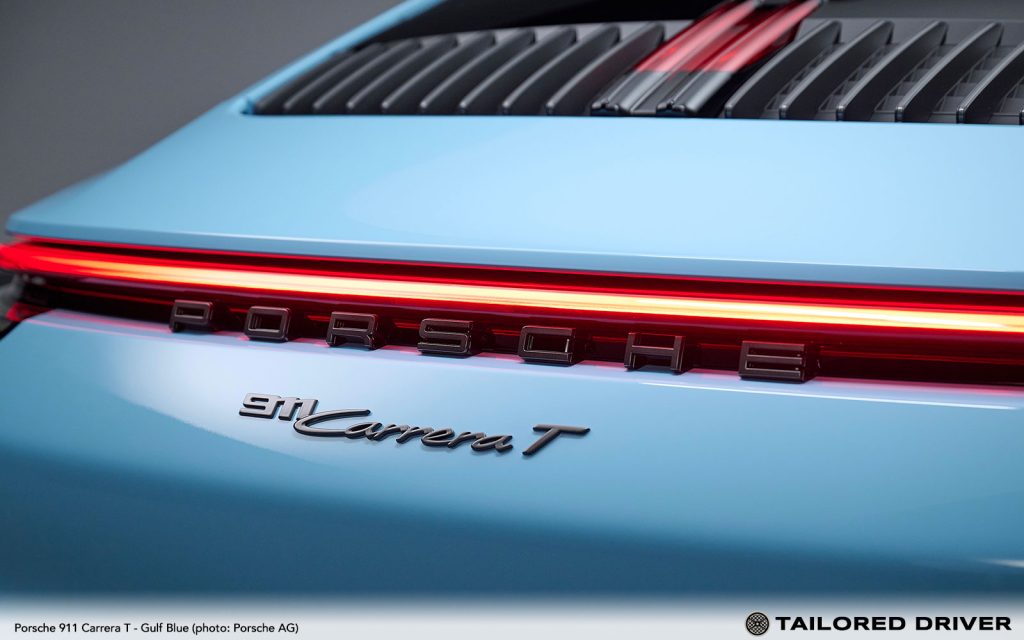
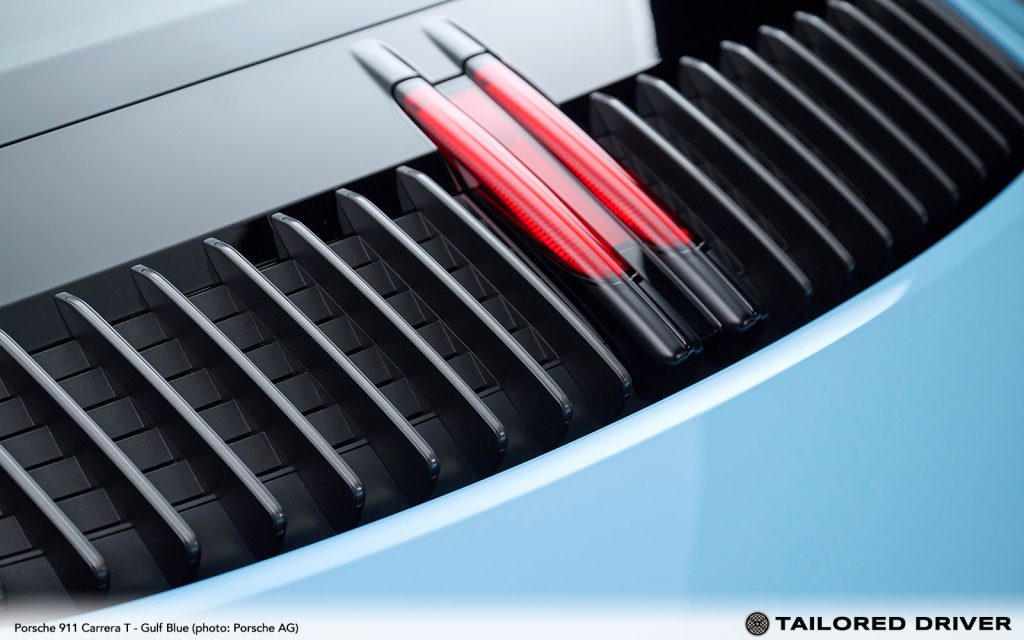
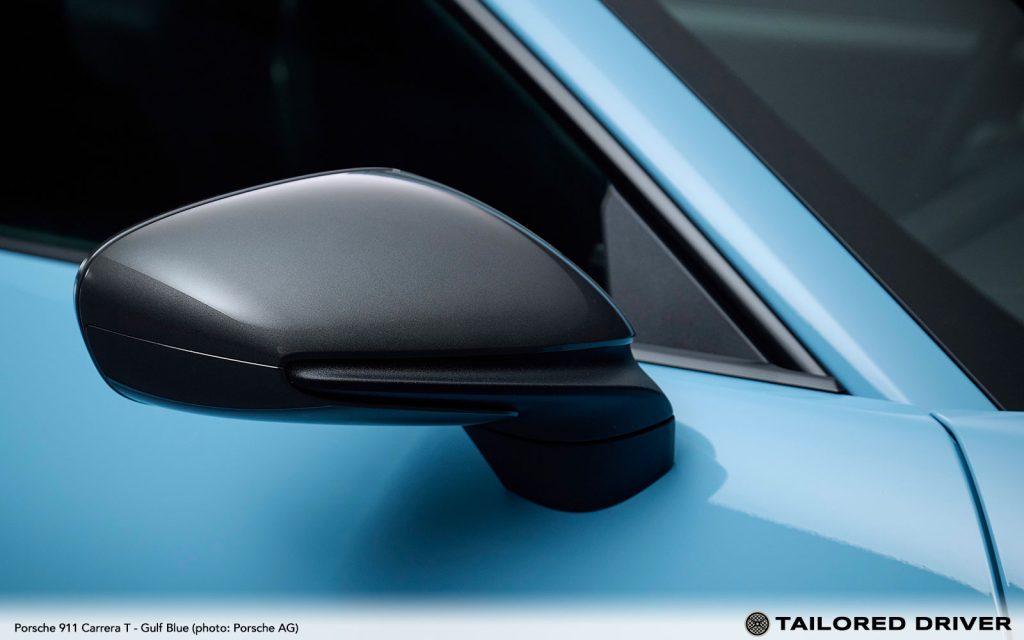
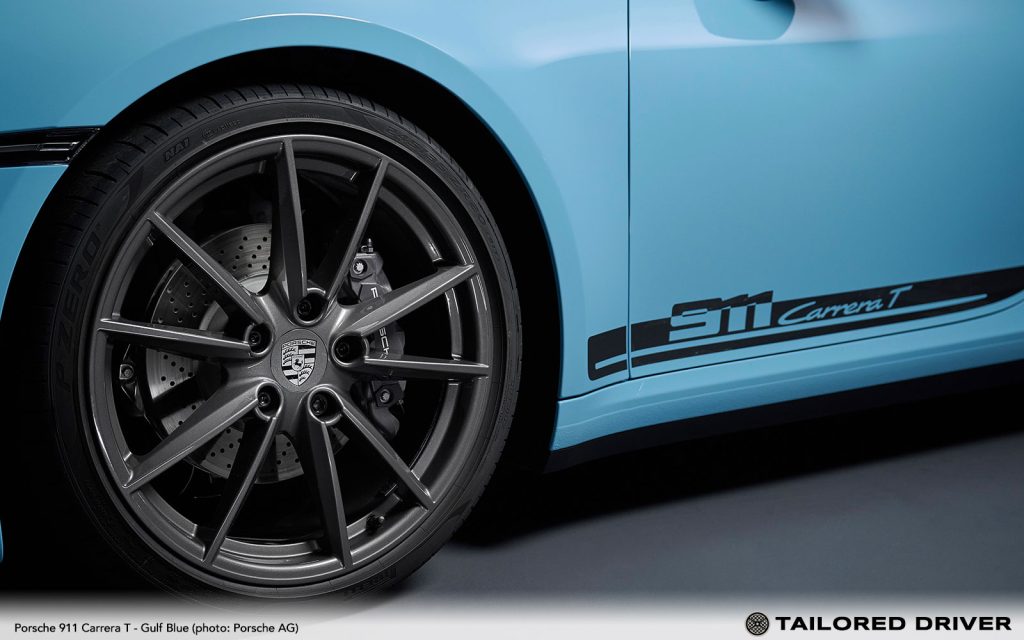
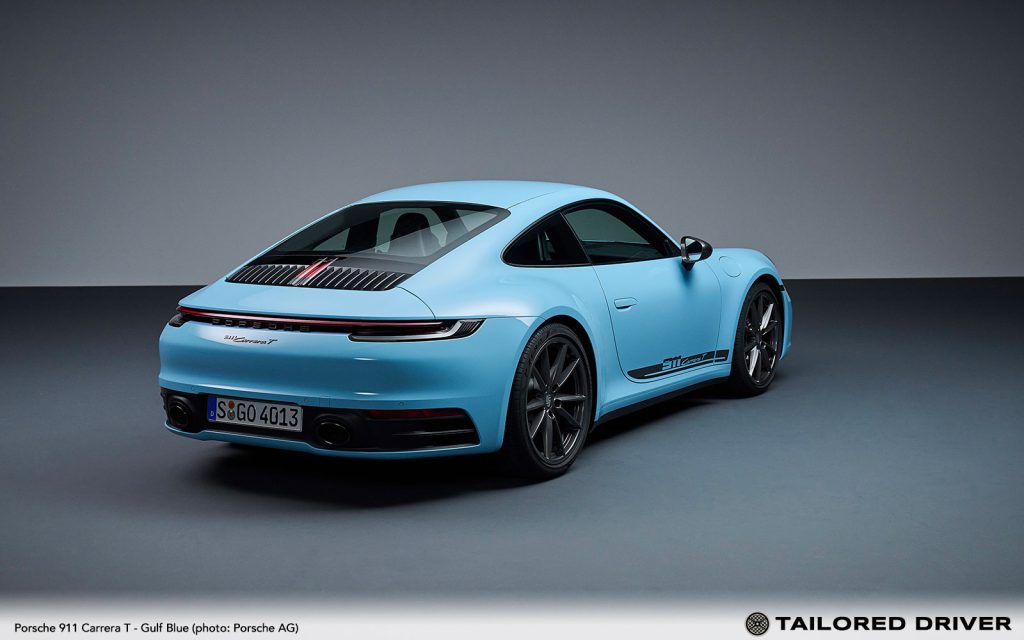
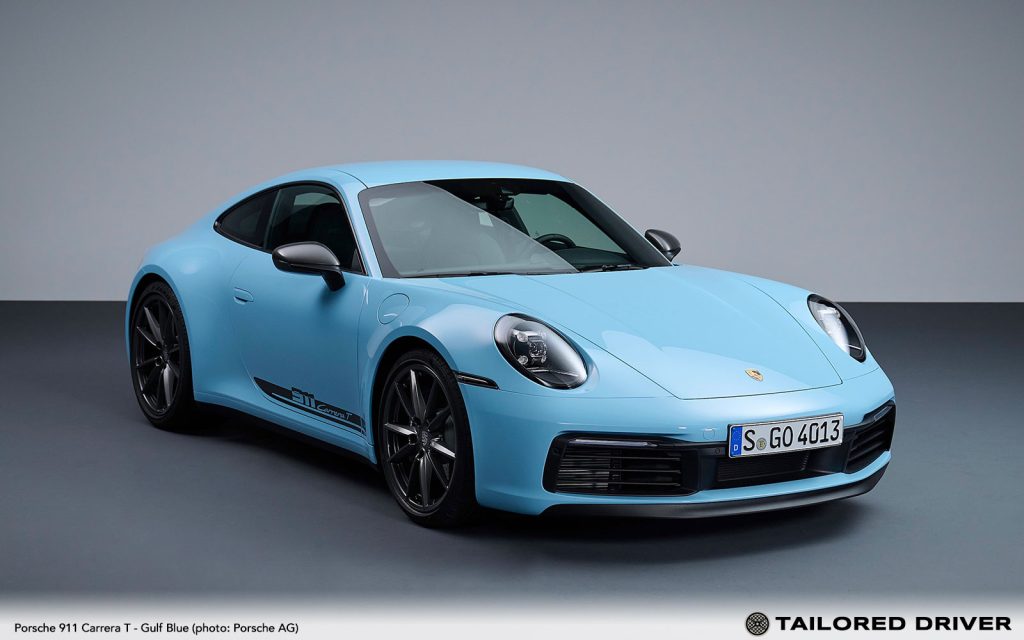
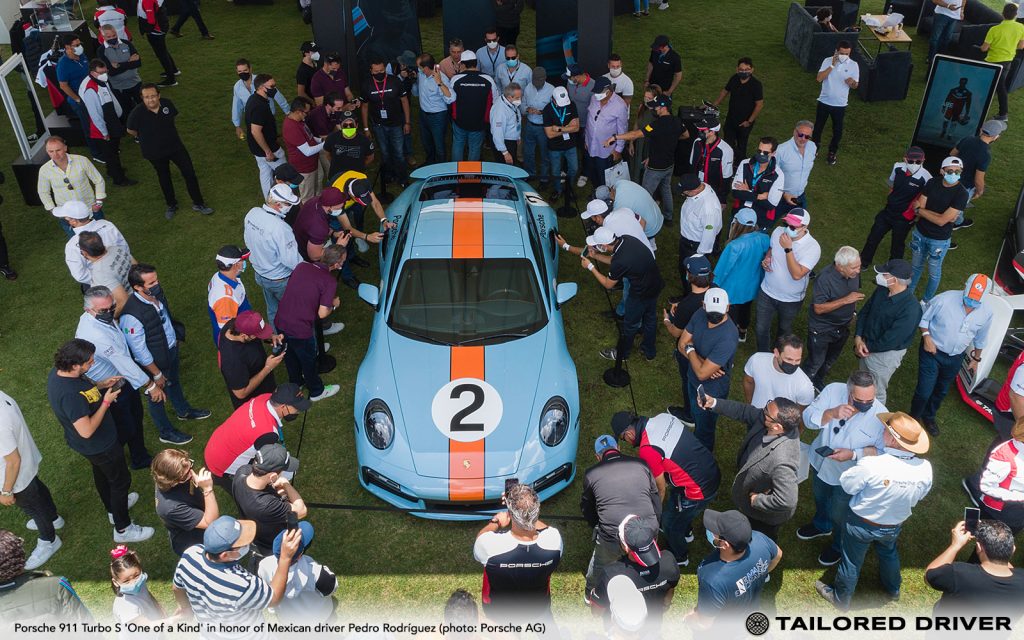
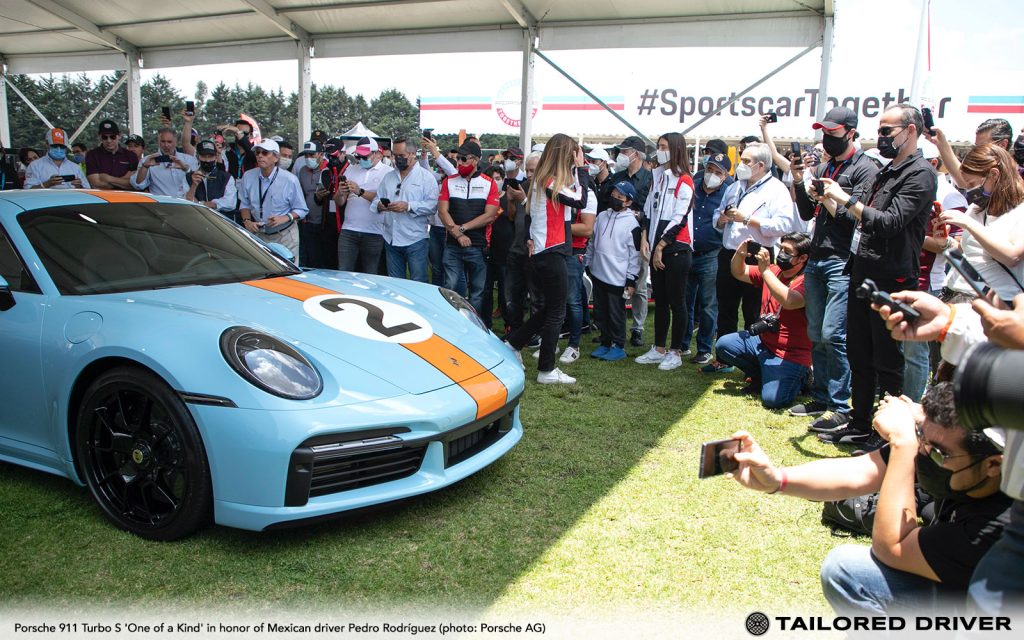
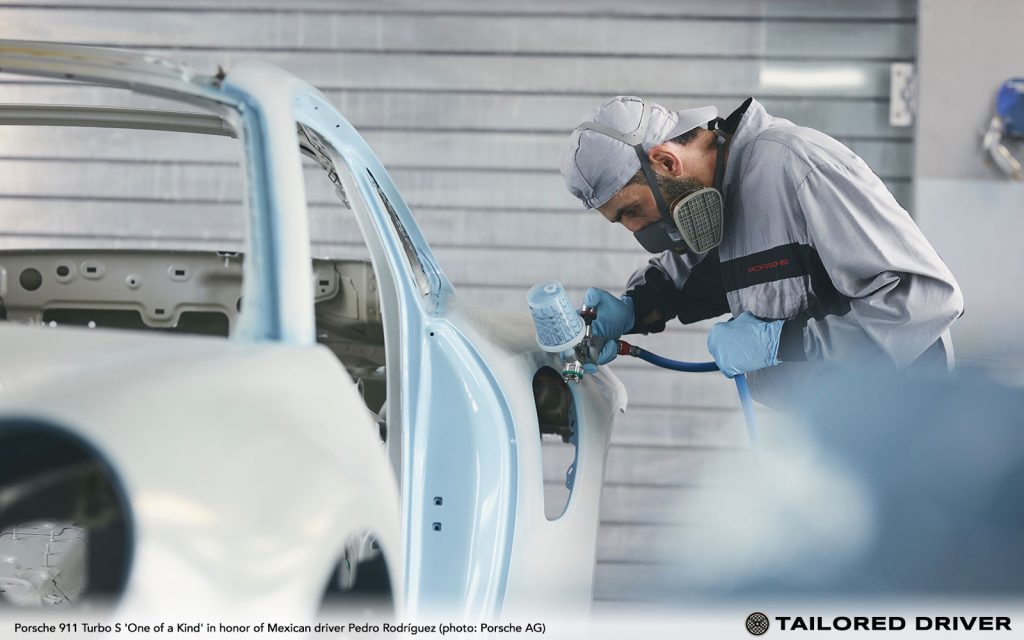
SUMMARY: The term “icon” may be loaded. For starters, the word itself is used far too often, in a way that waters down the value of the label. And, in the case of a truly iconic color such as Gulf Blue (gulfblau; non-metallic / non-metallic UNI; 328; Porsche), the color also tends to get over-used by Paint to Sample clients seeking the obvious Porsche motorsport heritage play. And what a play it is.
Gulf Blue gets is name from the petroleum company bearing its name. Gulf Oil has been a longtime sponsor of racing. Its trademark livery with its blue and orange color schemes have adorned race cars from far more brands than simply Porsche. Lore suggests Gulf colors used as racing livery began in 1967, with the brand’s first major win at the 24 Hours of Le Mans painted to a Ford GT40 a year later in 1968, and then again in 1969. For 1970, Gulf shifted to Porsche and adorned the 917K. That same year, Steve McQueen and his Solar Productions crew showed up in Le Mans to film the movie by the same name Le Mans. The latter catapulted the blue and orange into the consciousness of automobile and racing fans around the world, and it kicked off a long association between Gulf and Porsche.
Gulf Blue is a non-metallic light blue, almost a powder blue and not far off from what American college football fans would call a Carolina Blue. It’s quite common in the Paint to Sample Porsche space, and often paired with other race livery colors such as navy blue and orange (a.k.a. Gulf Orange, but that’s a color for another Color Focus).