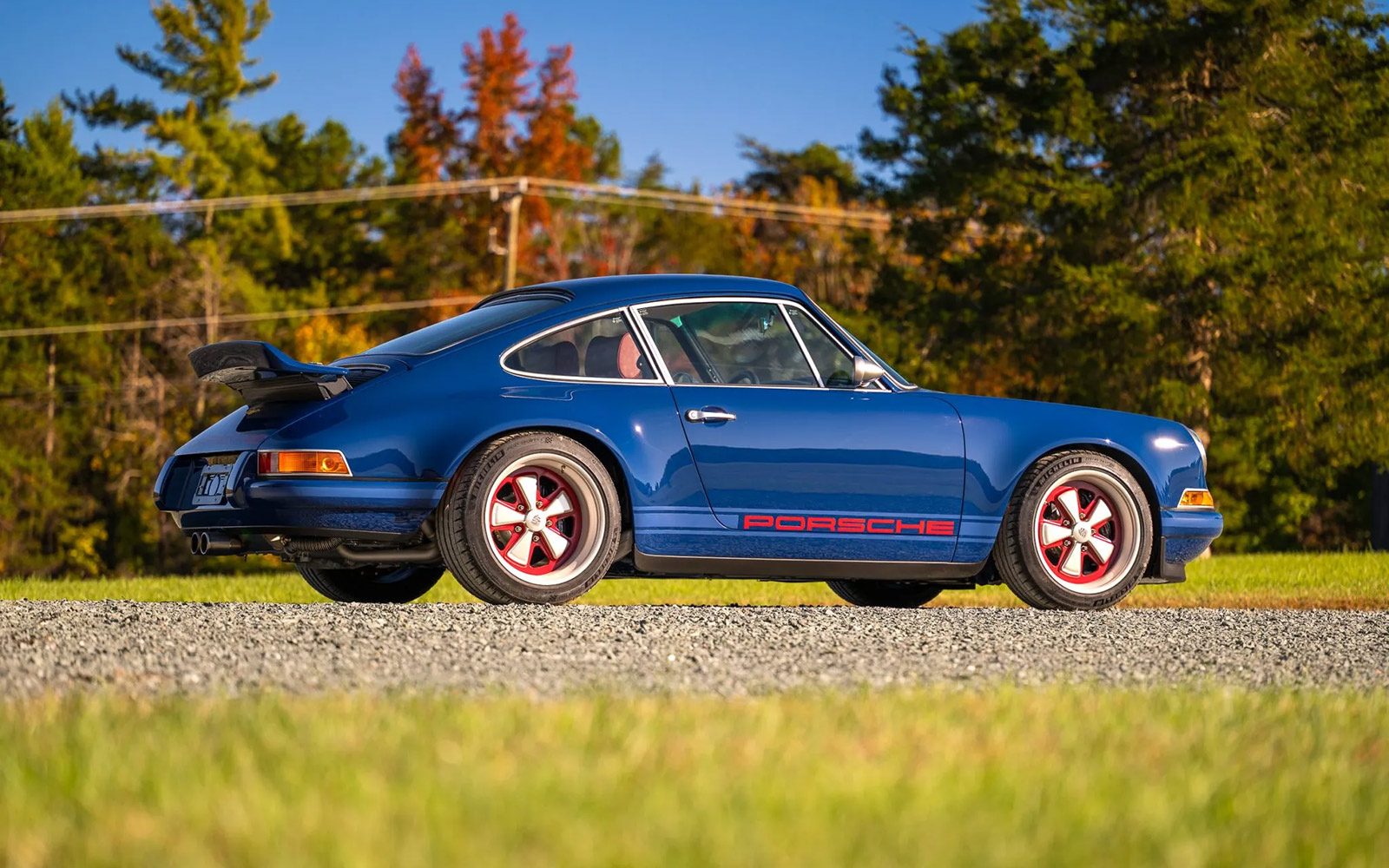
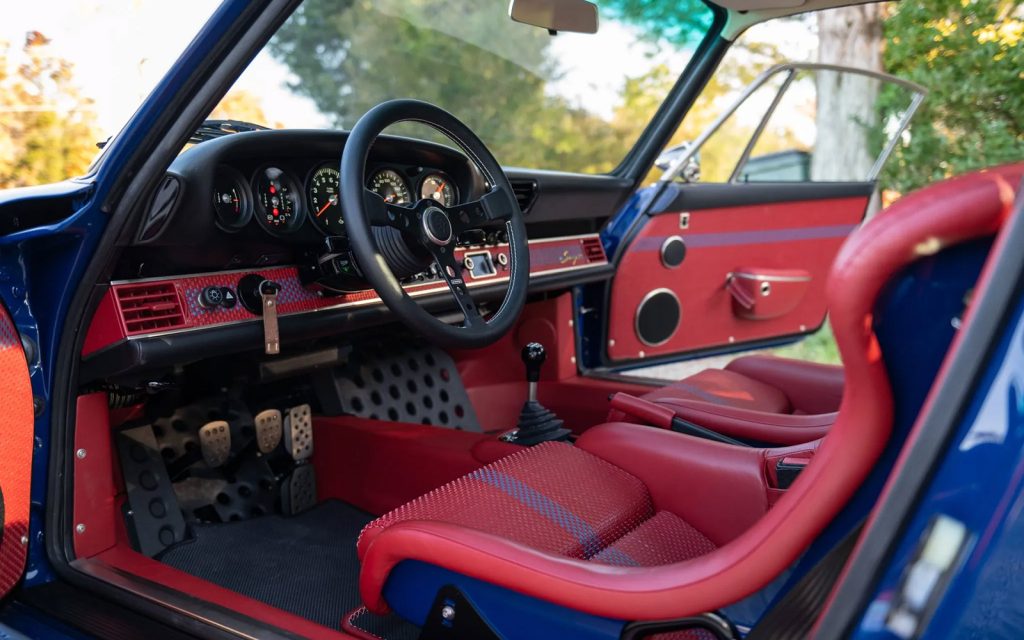
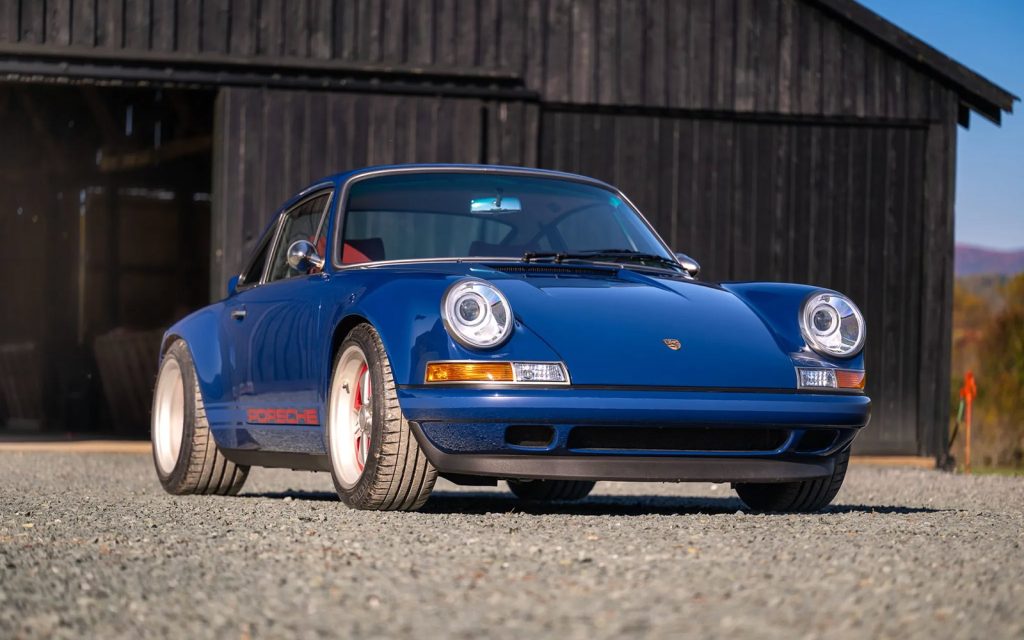
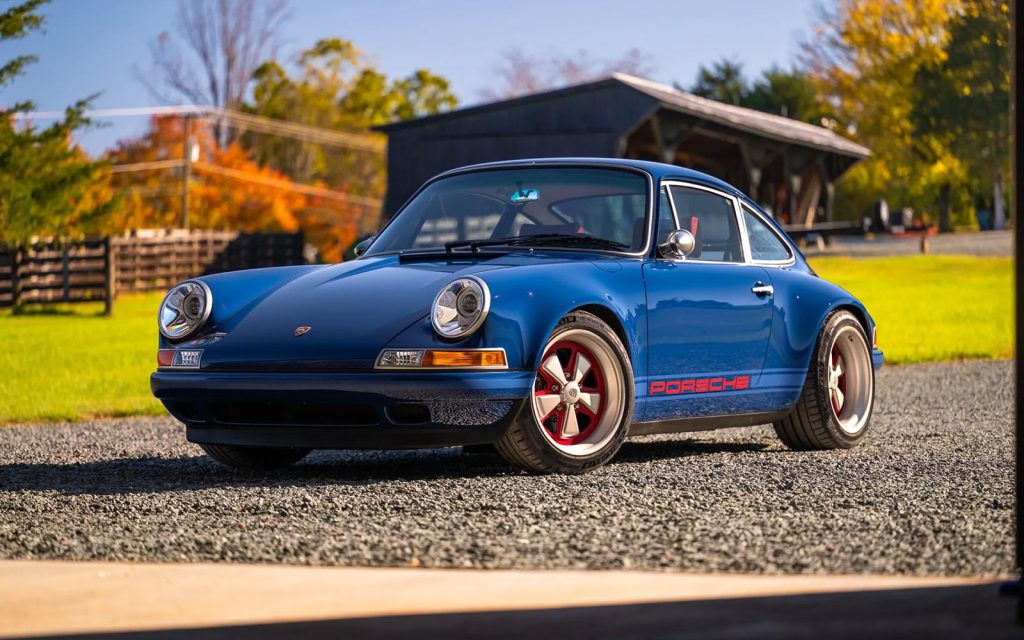
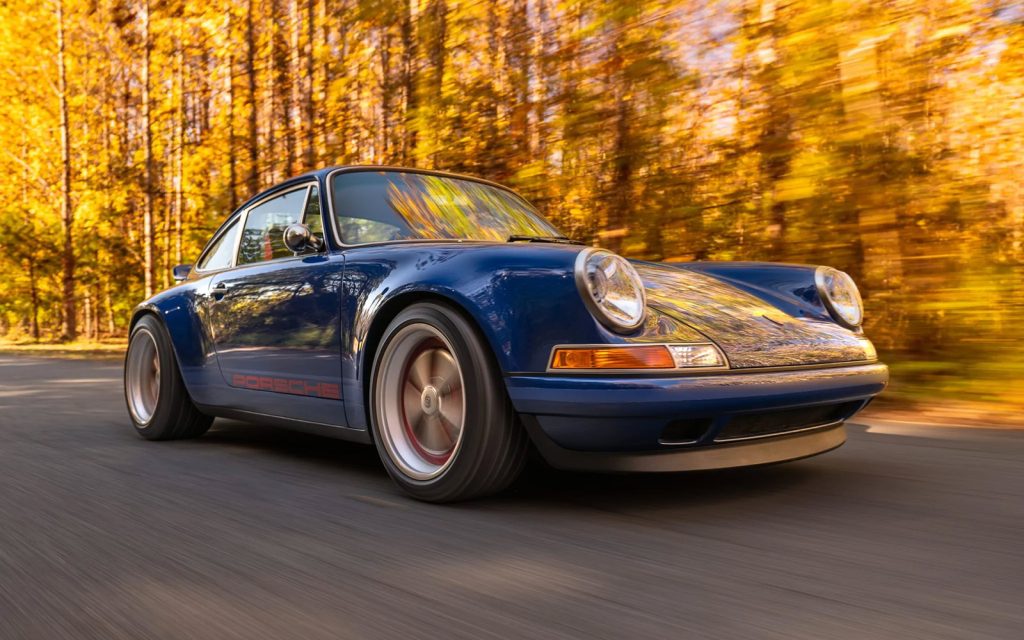
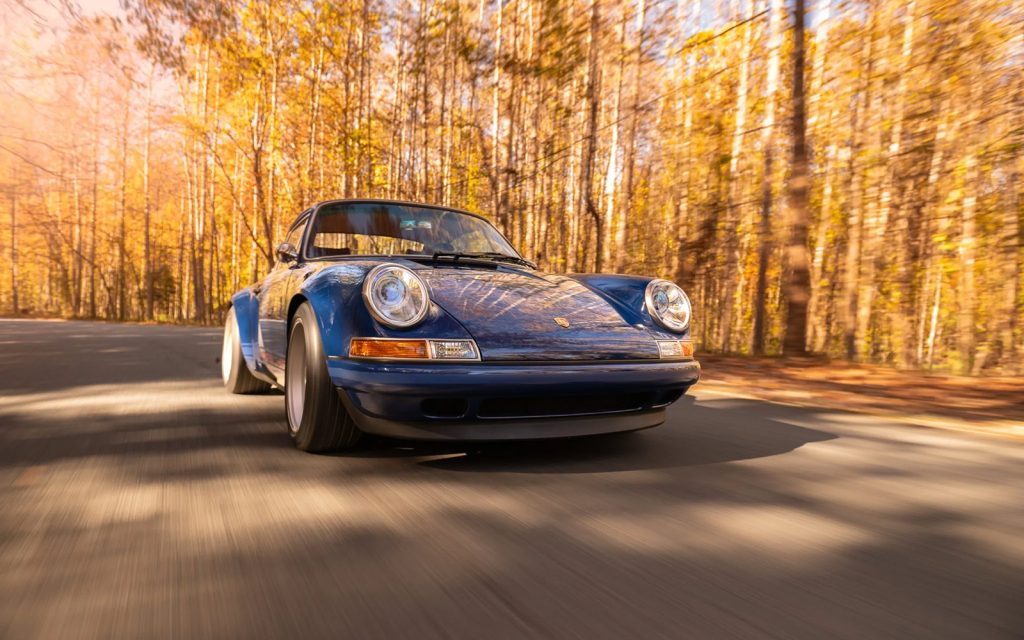
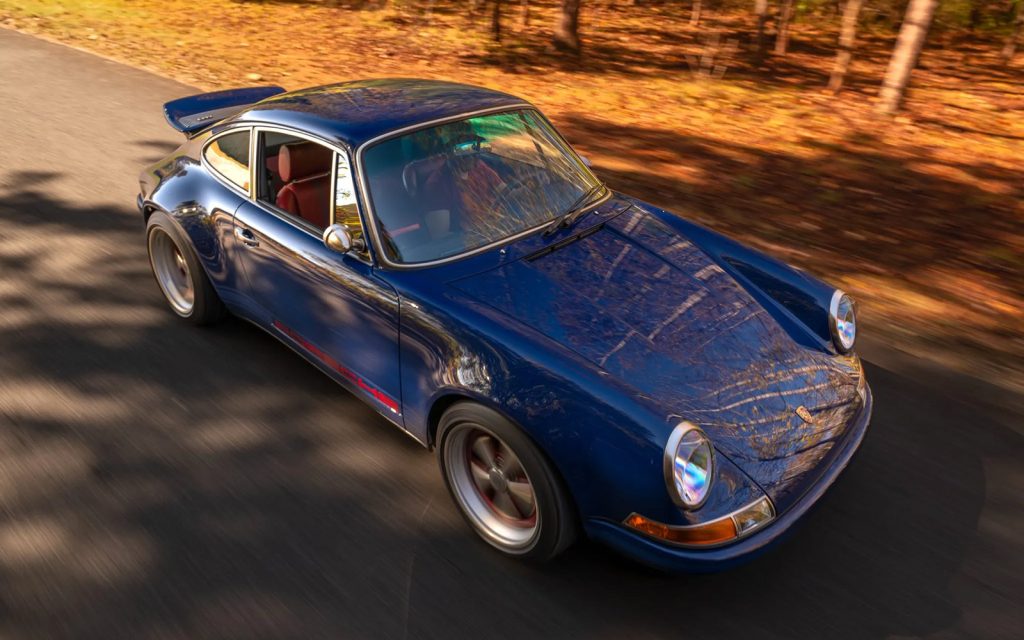
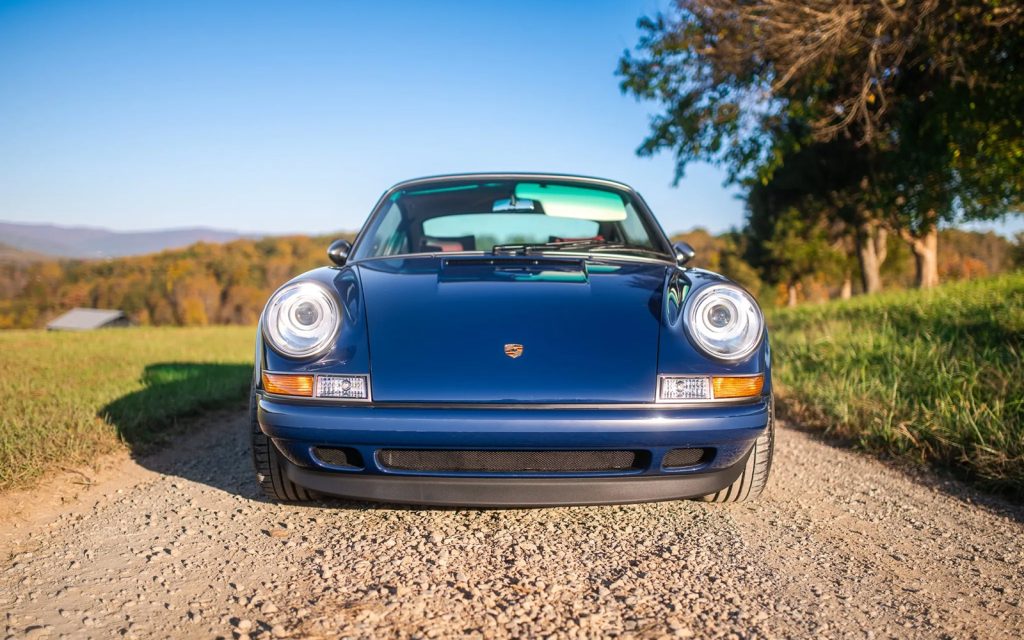
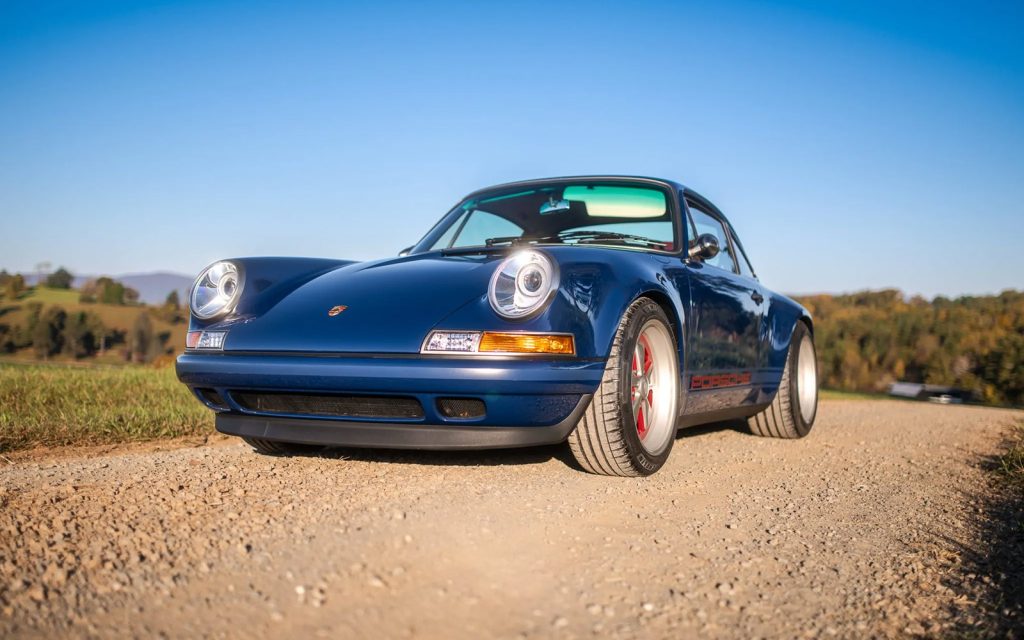
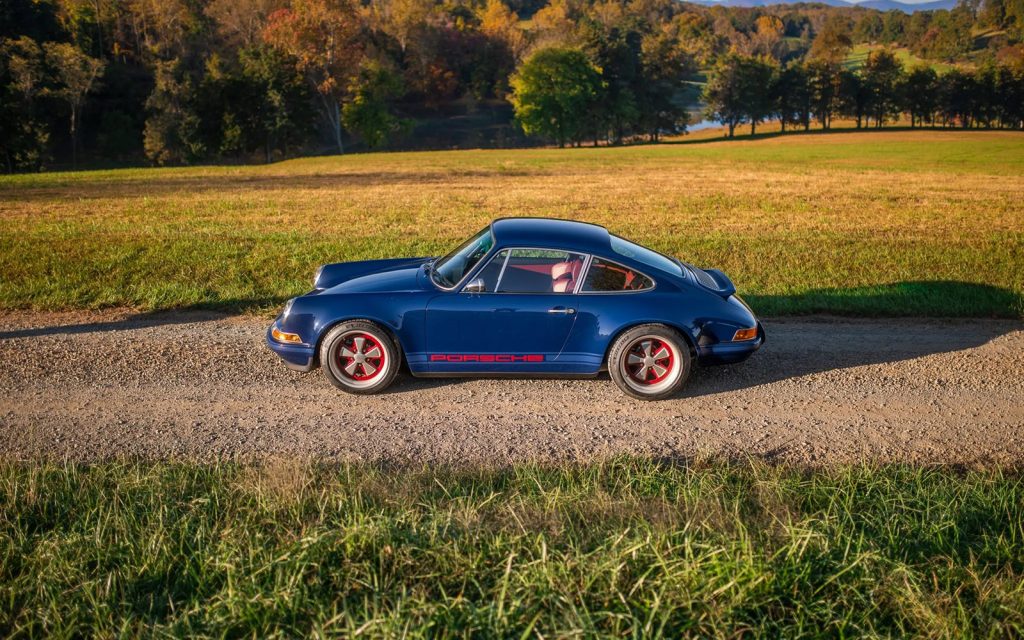
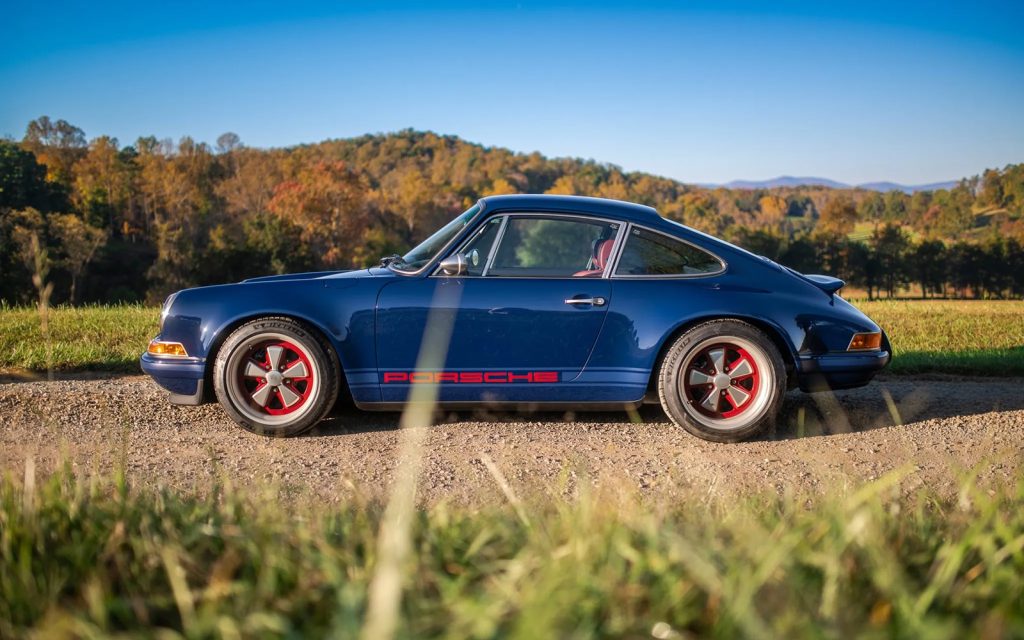
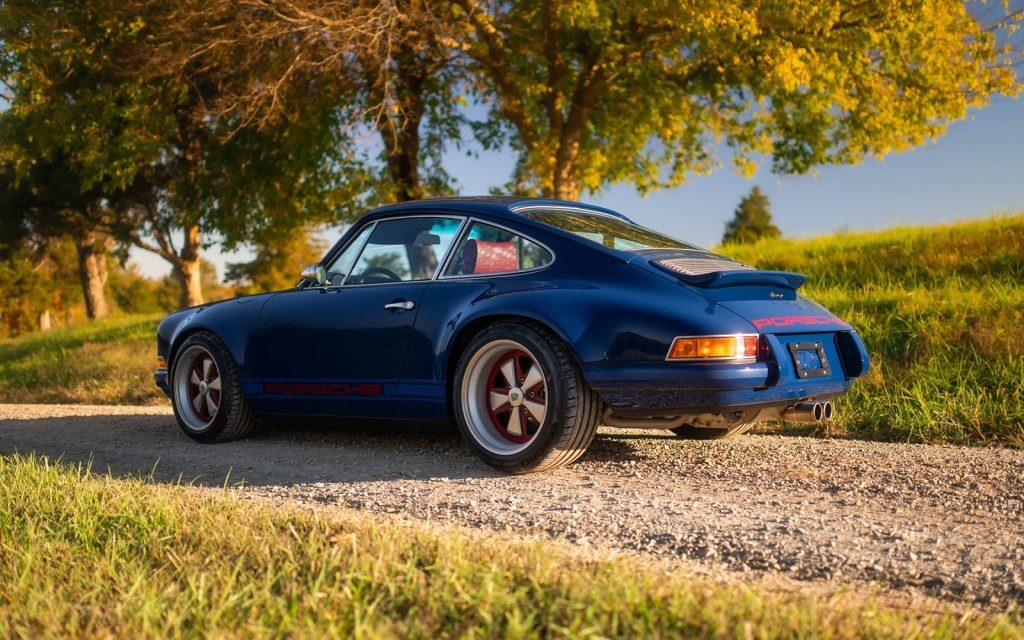
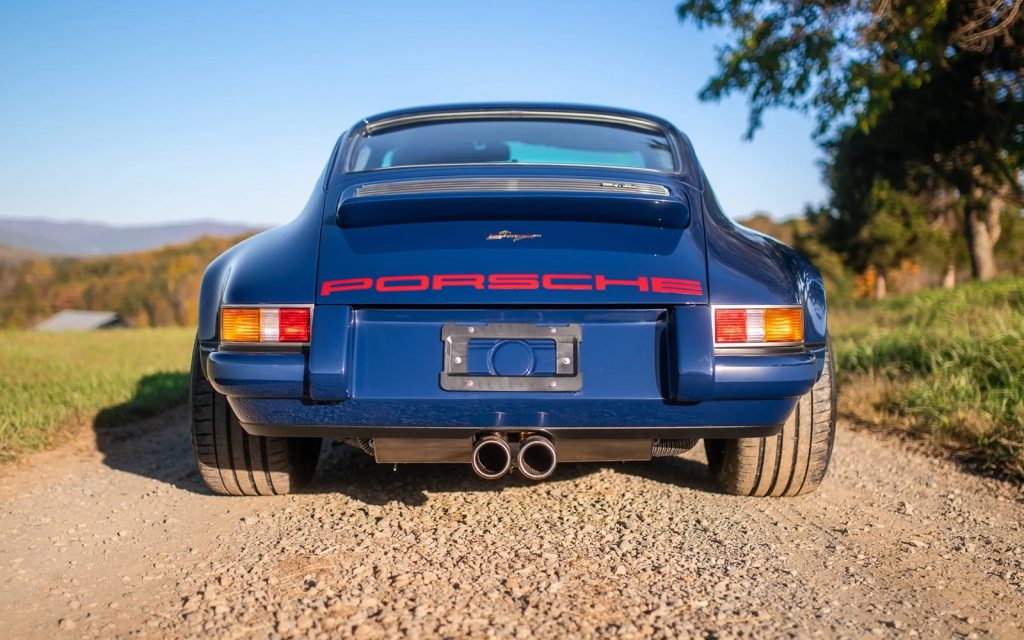
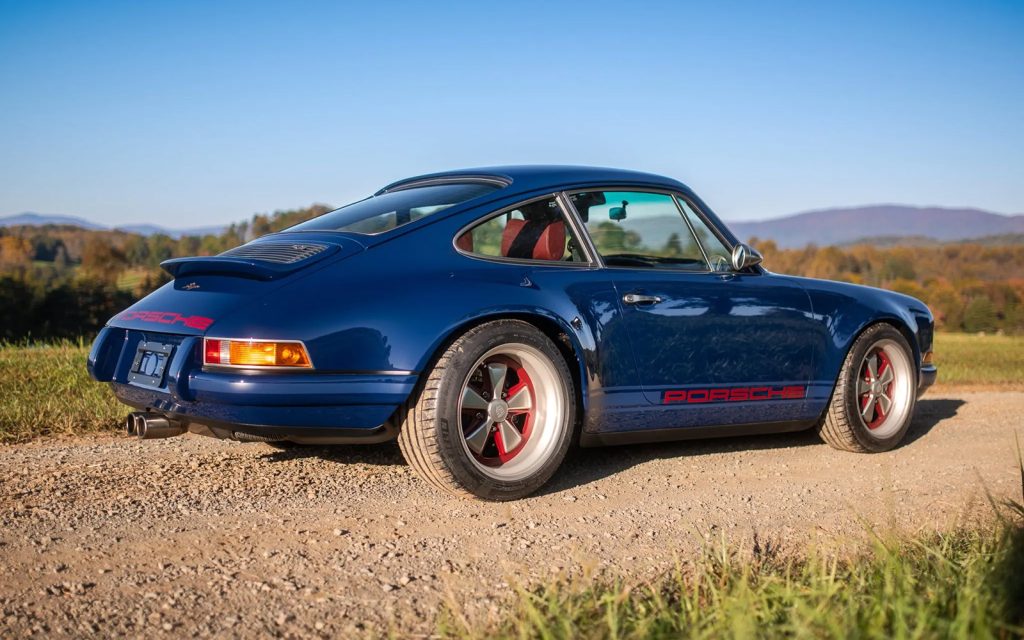
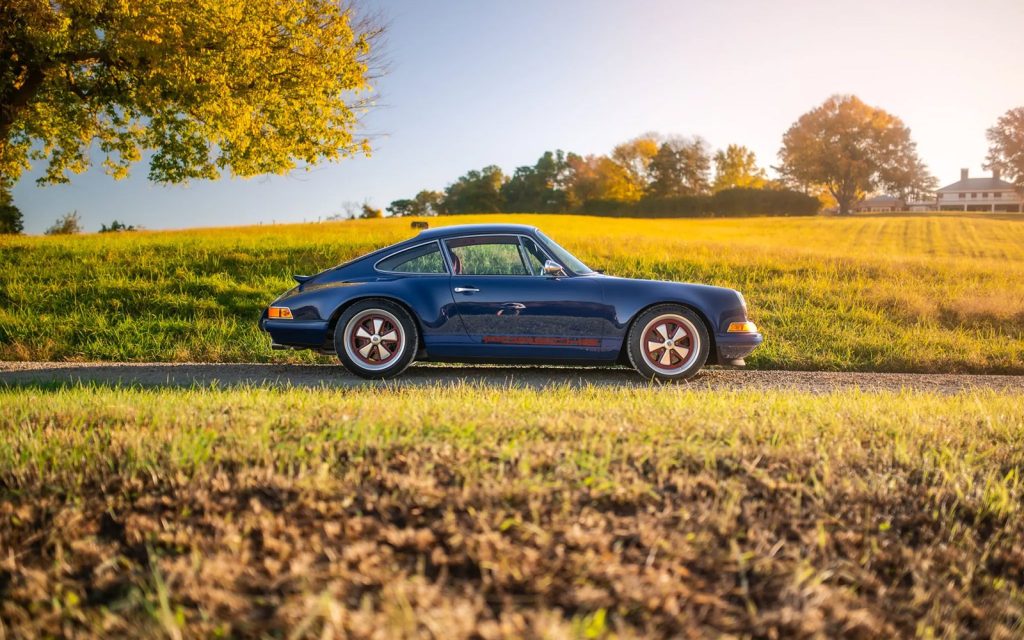
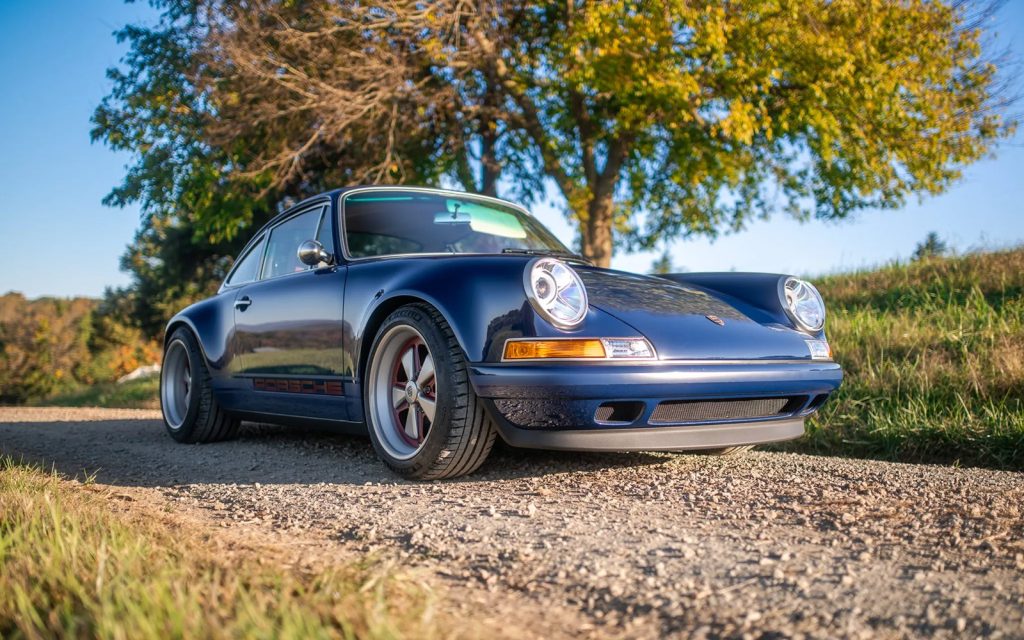
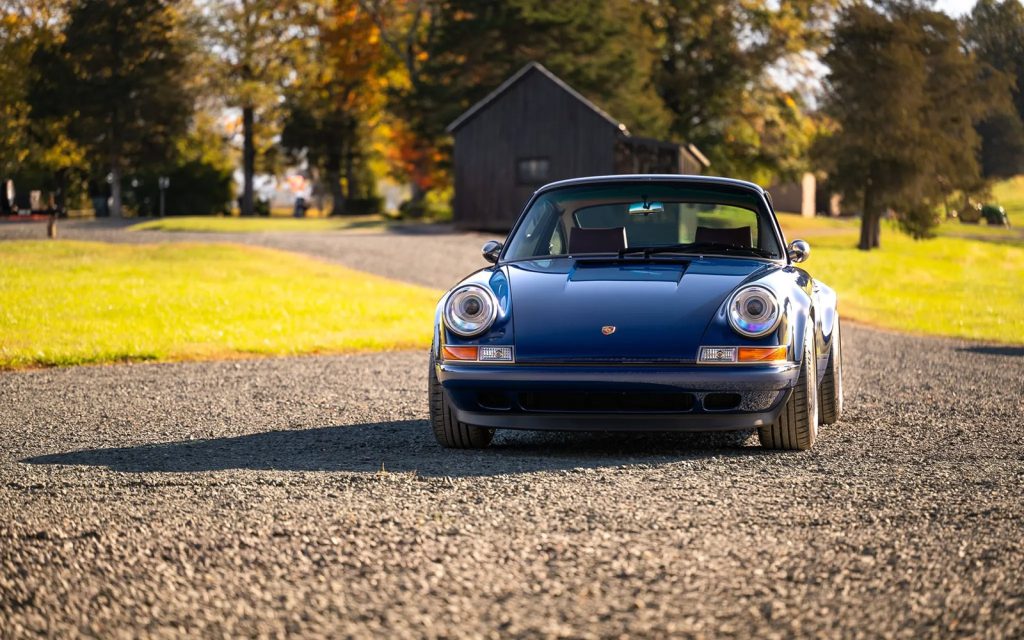
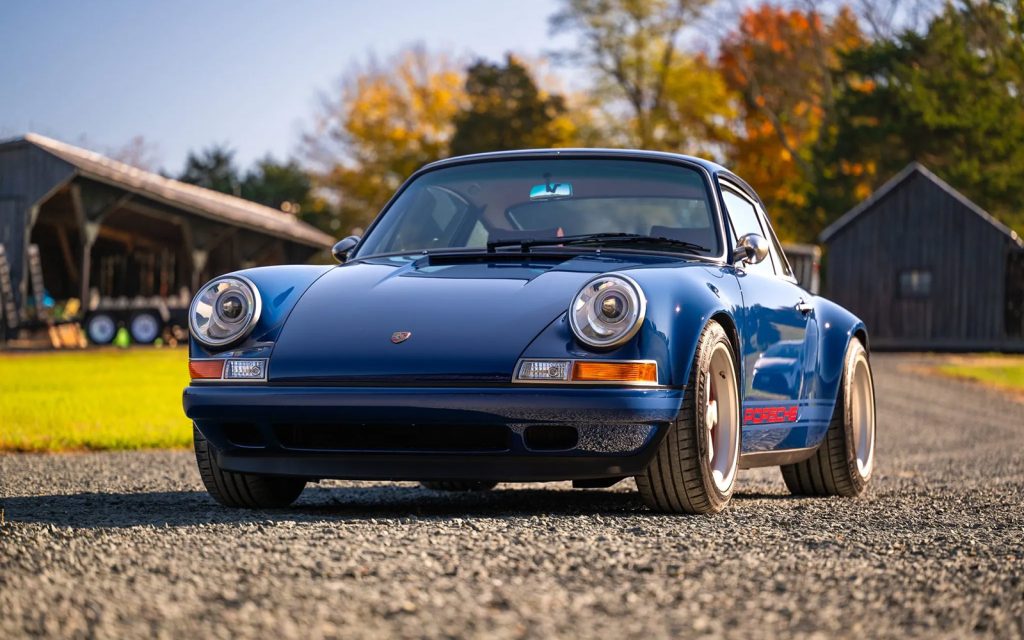
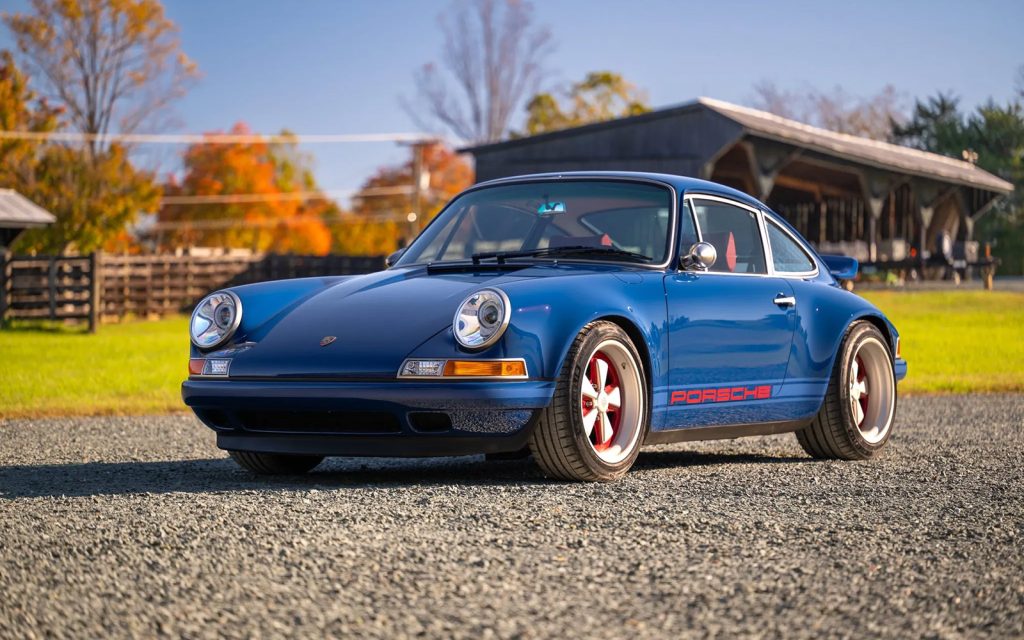
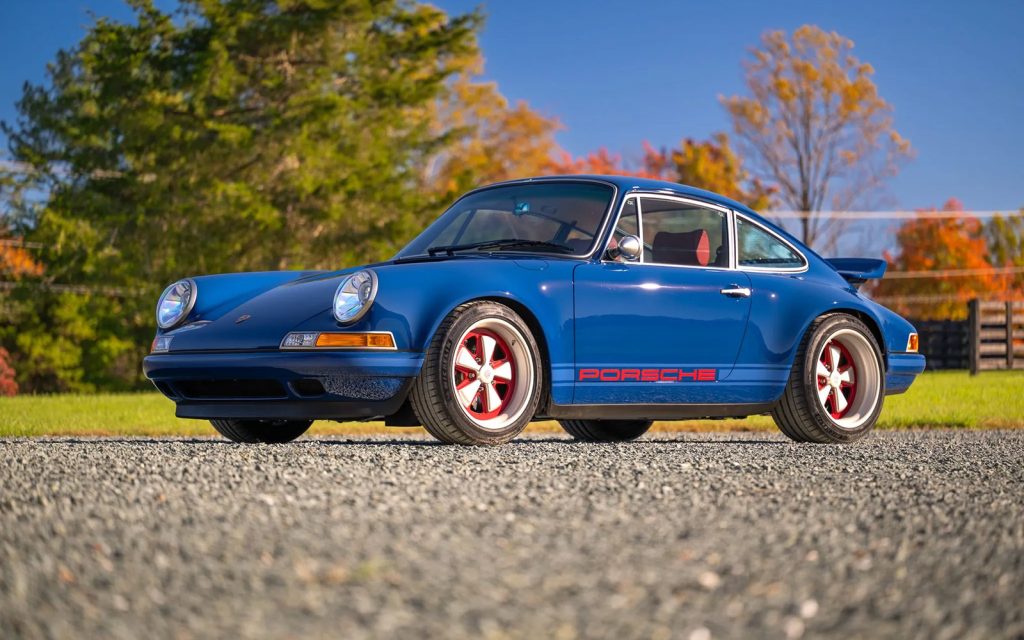
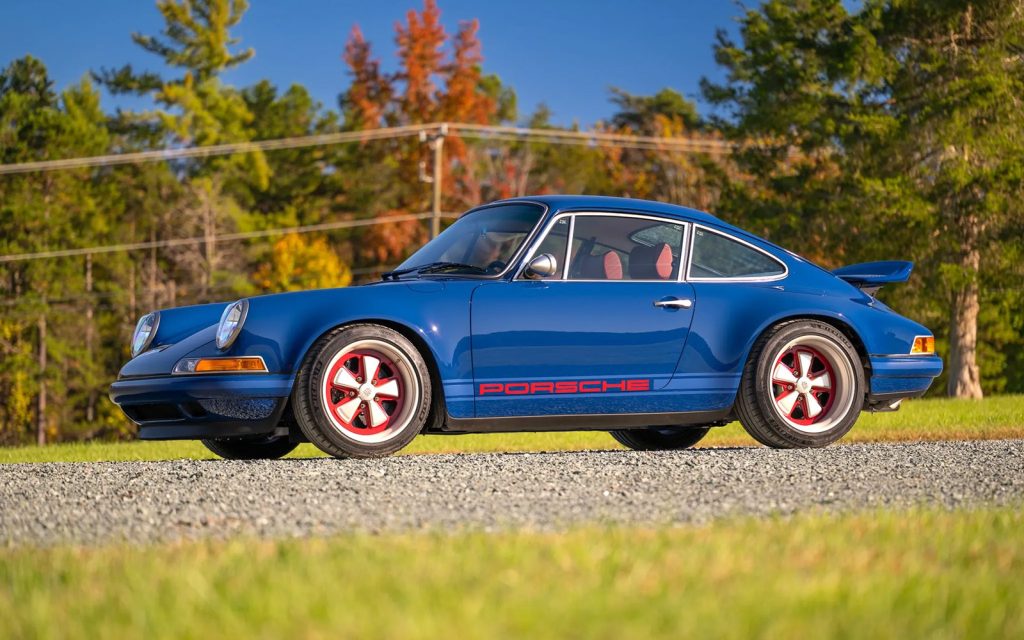
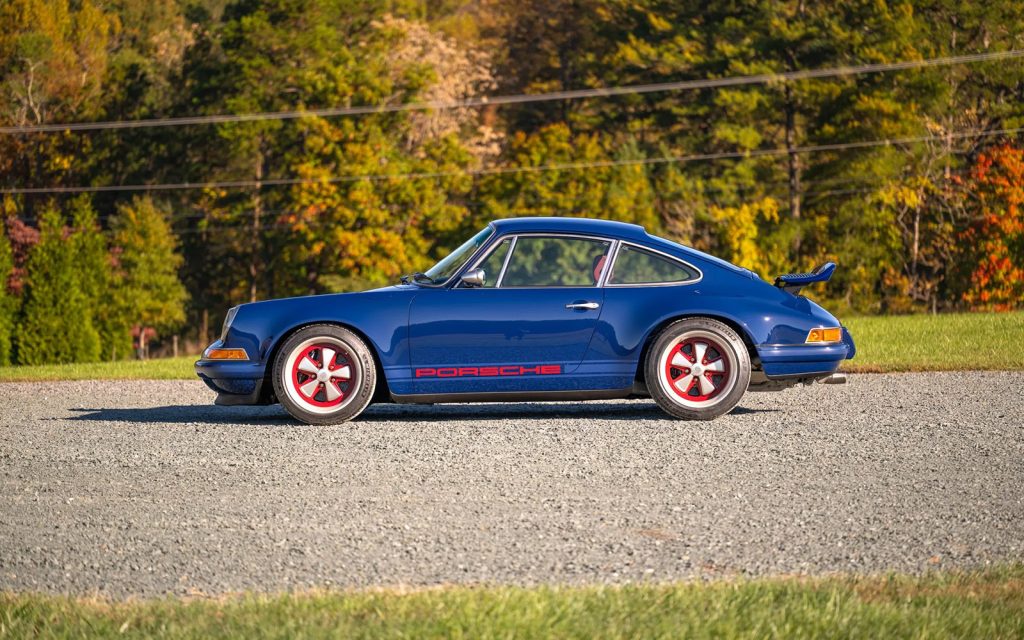
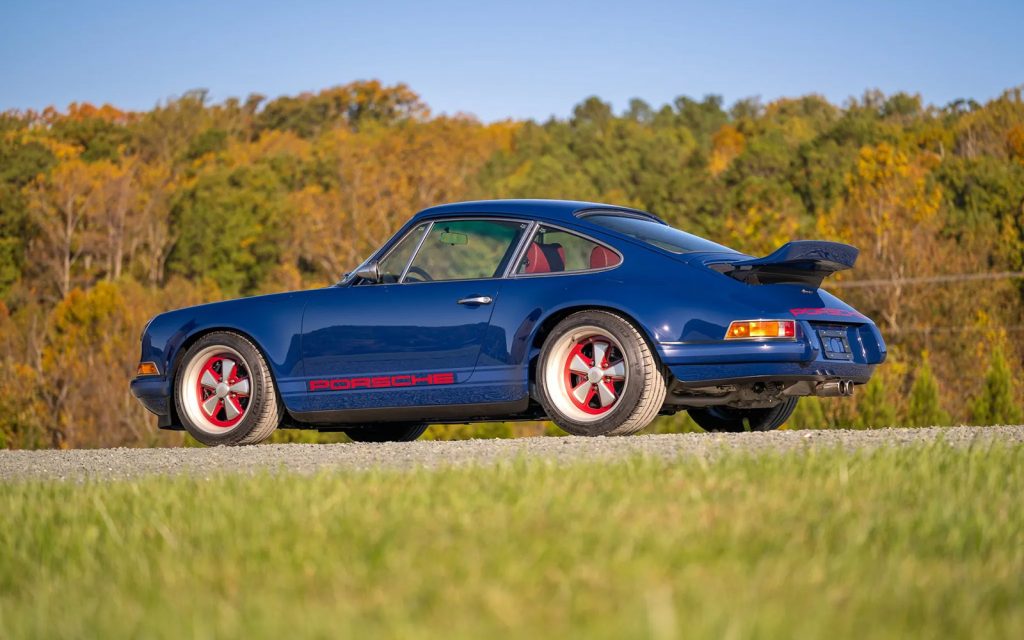
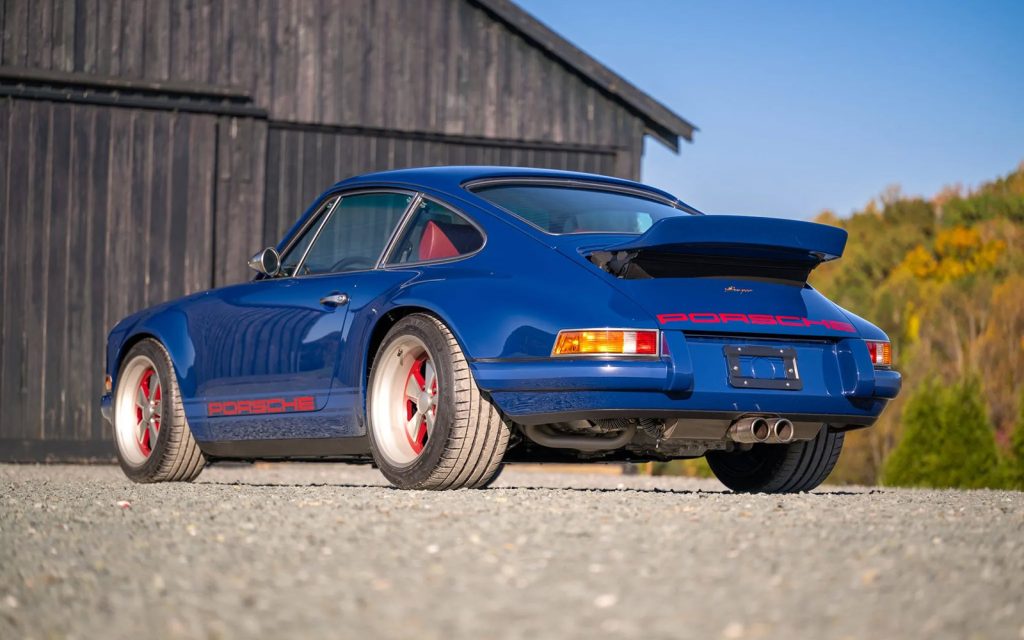
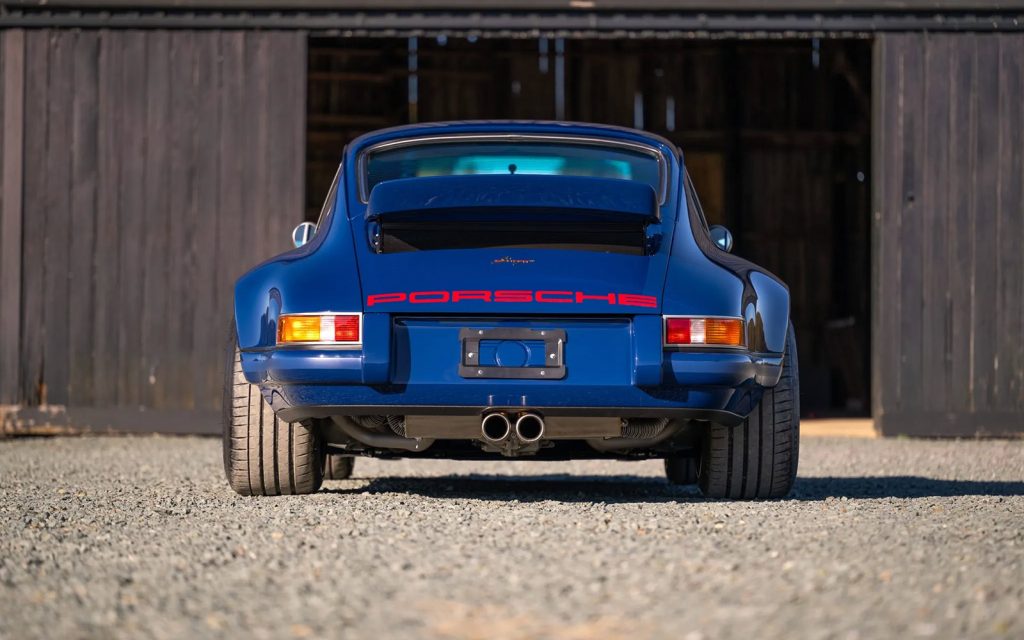
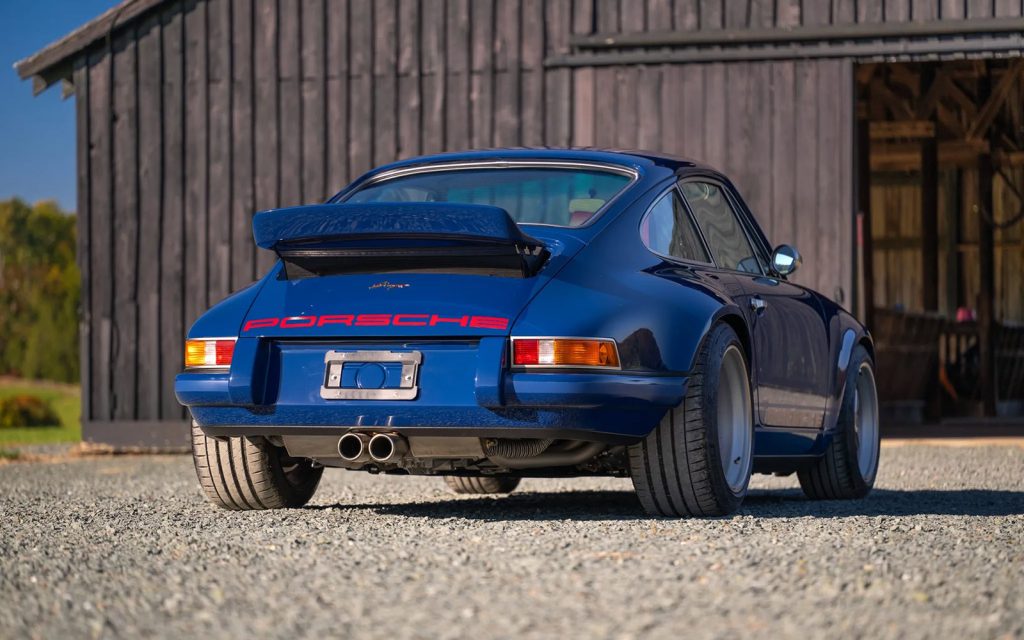
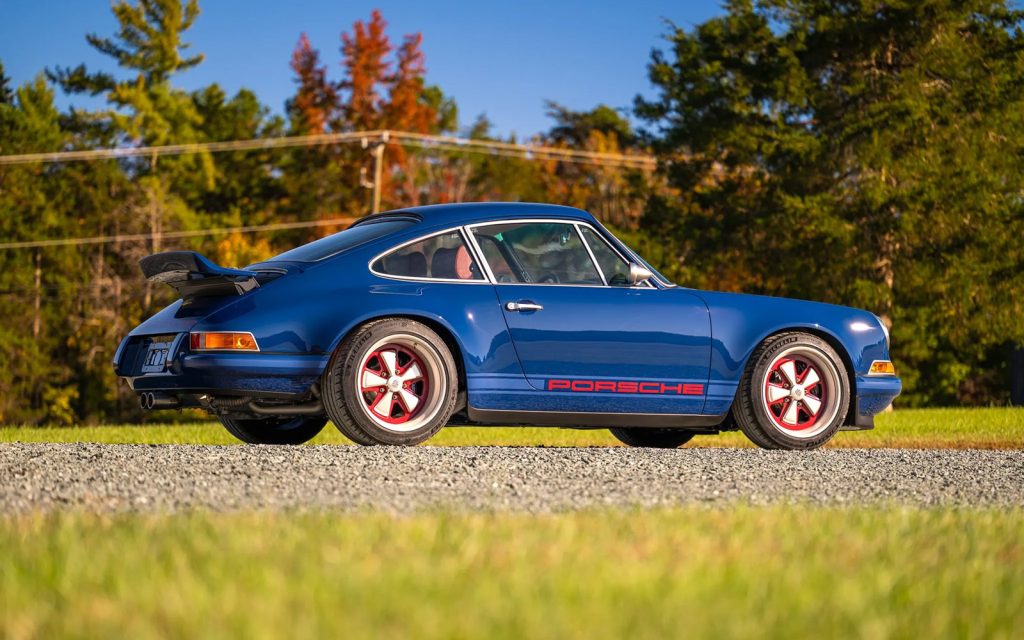
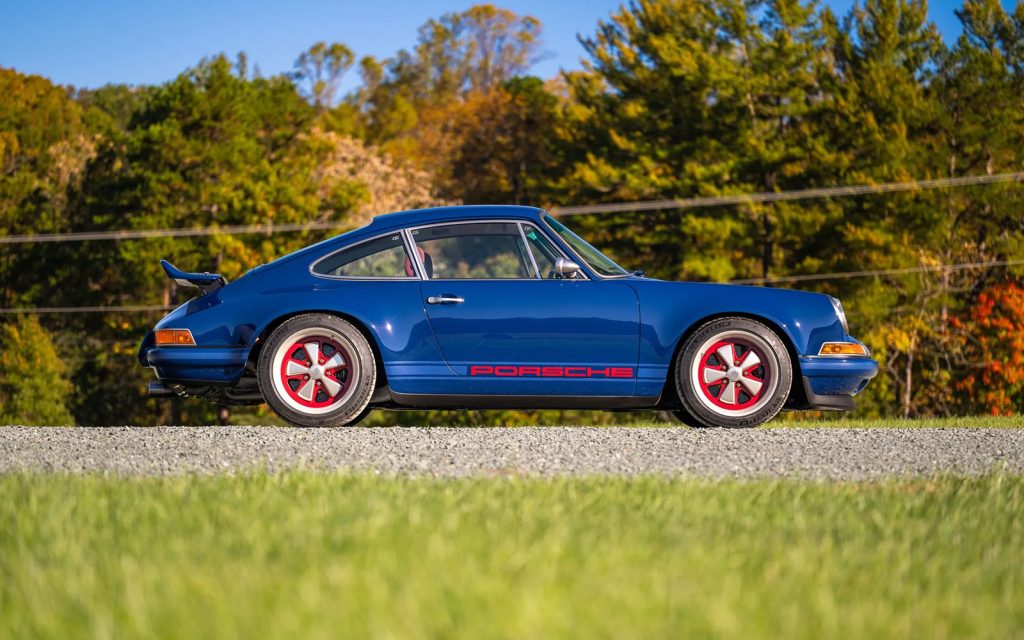
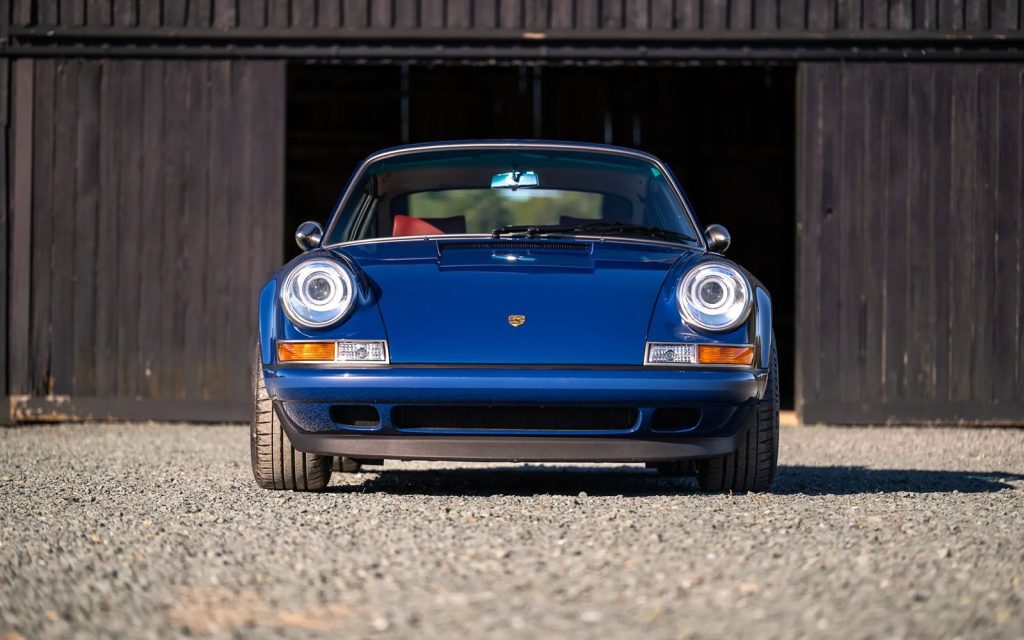
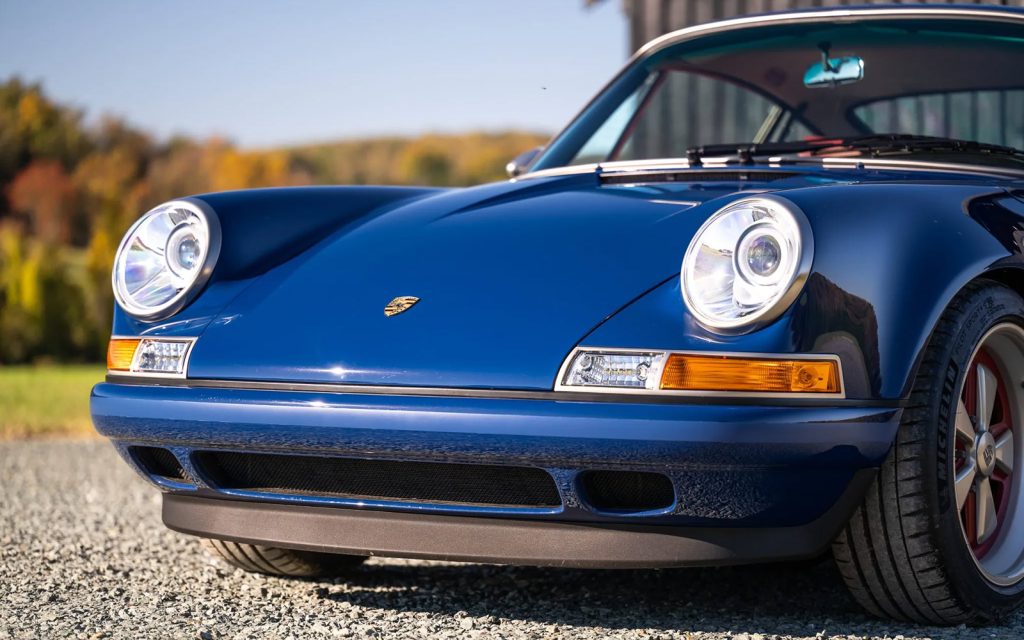
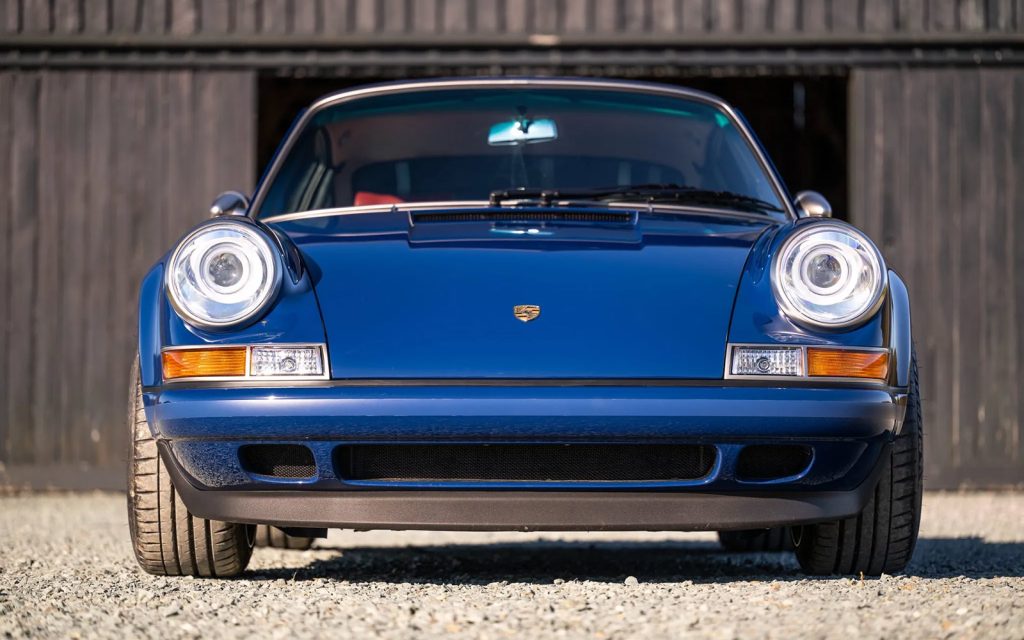
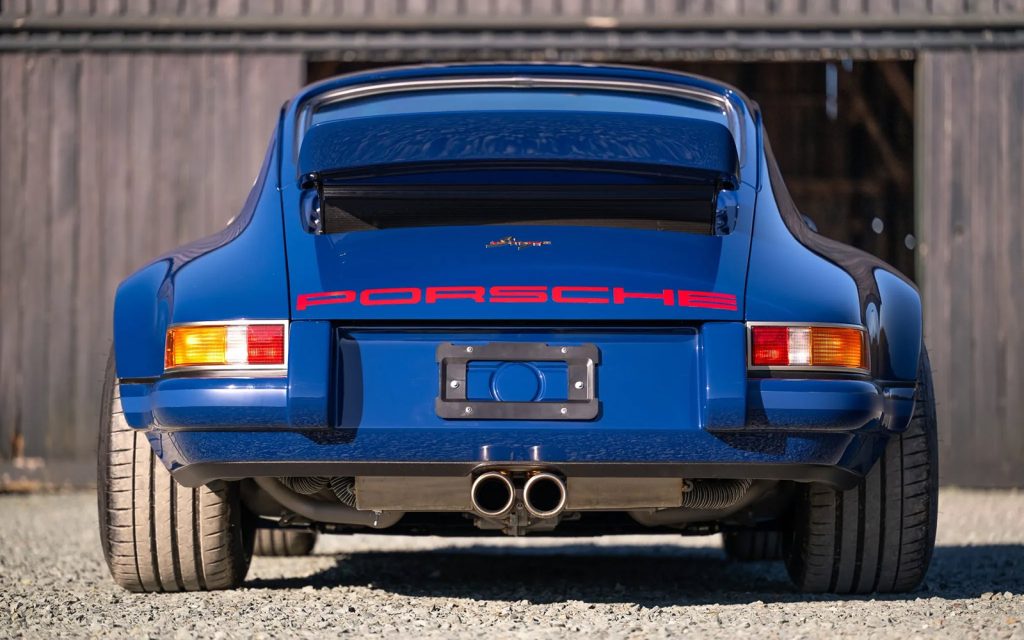
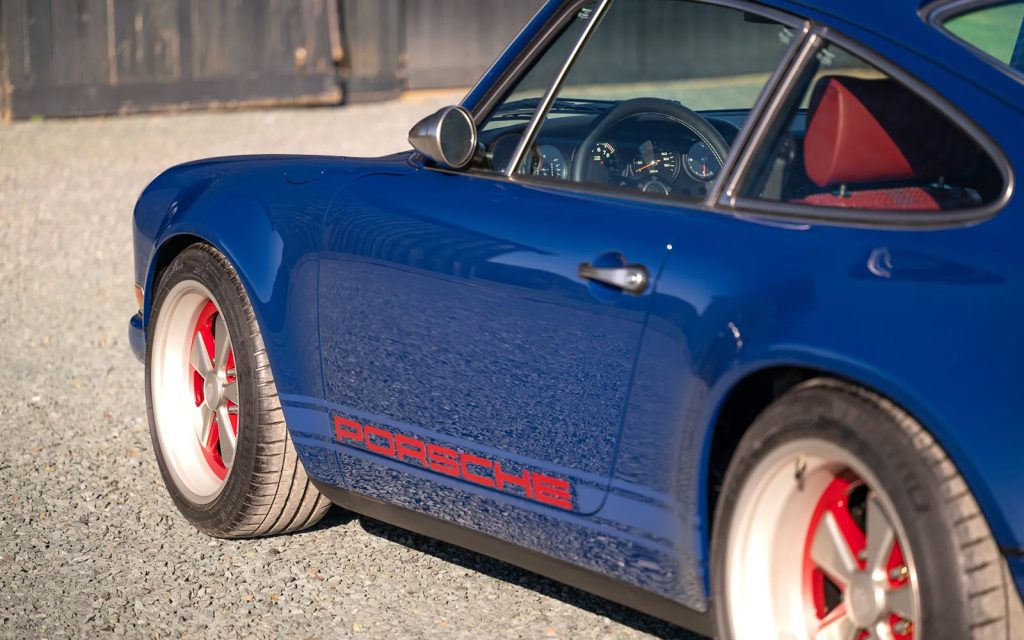
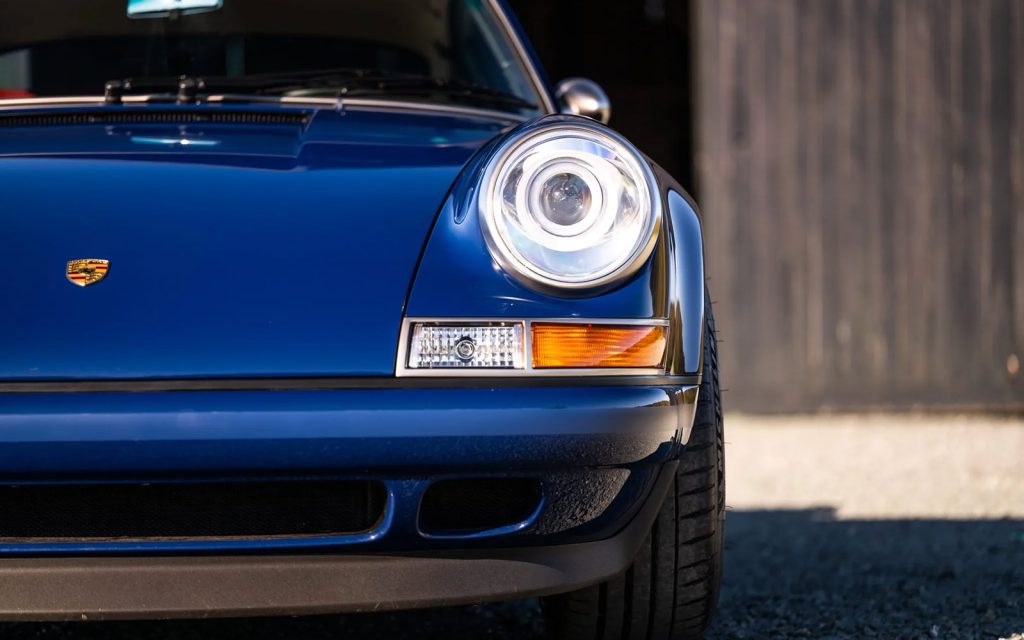
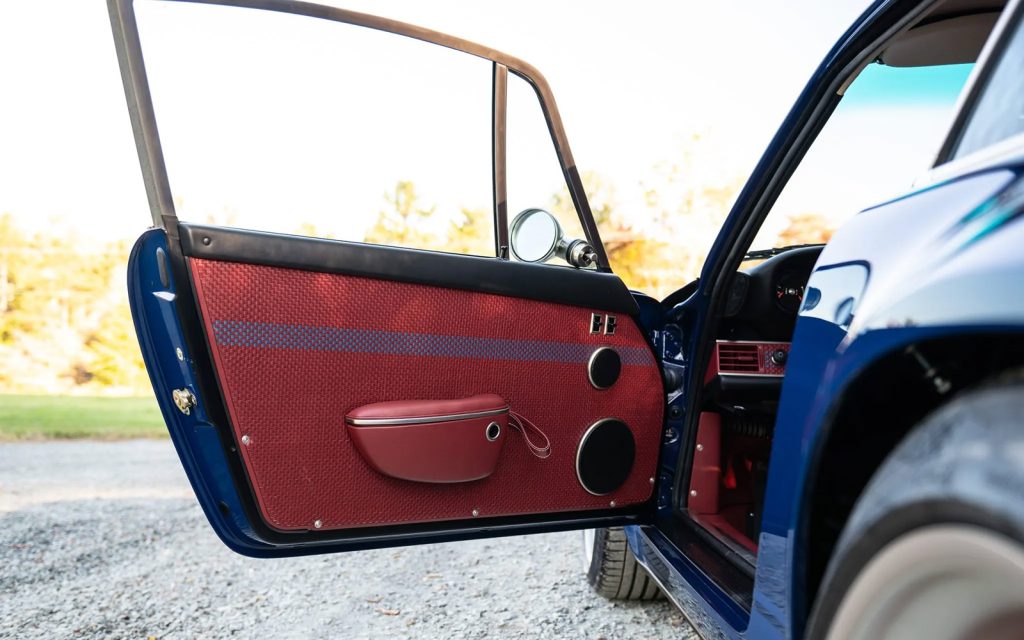
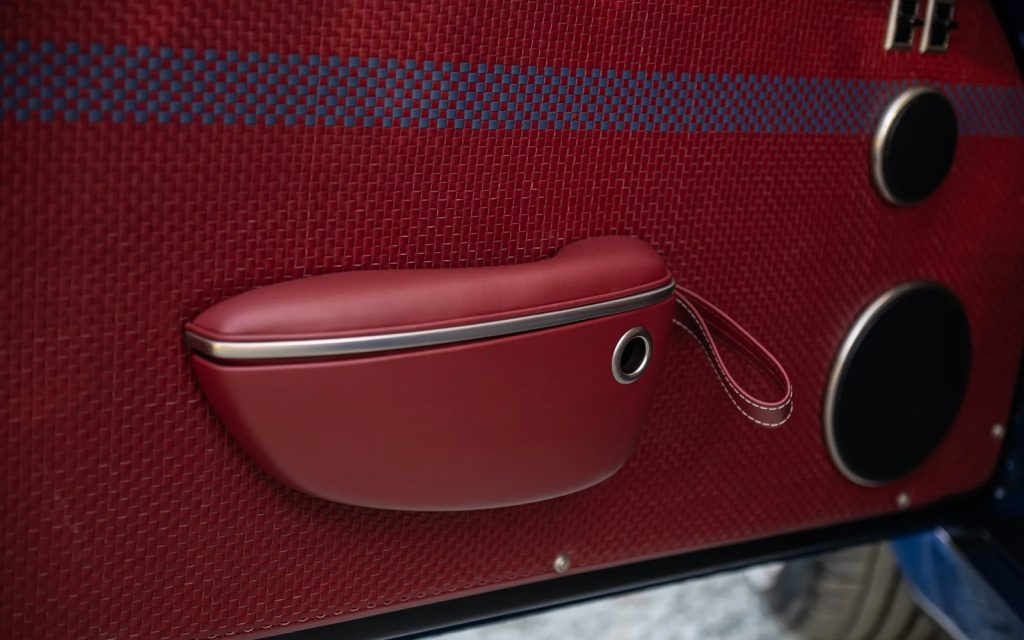
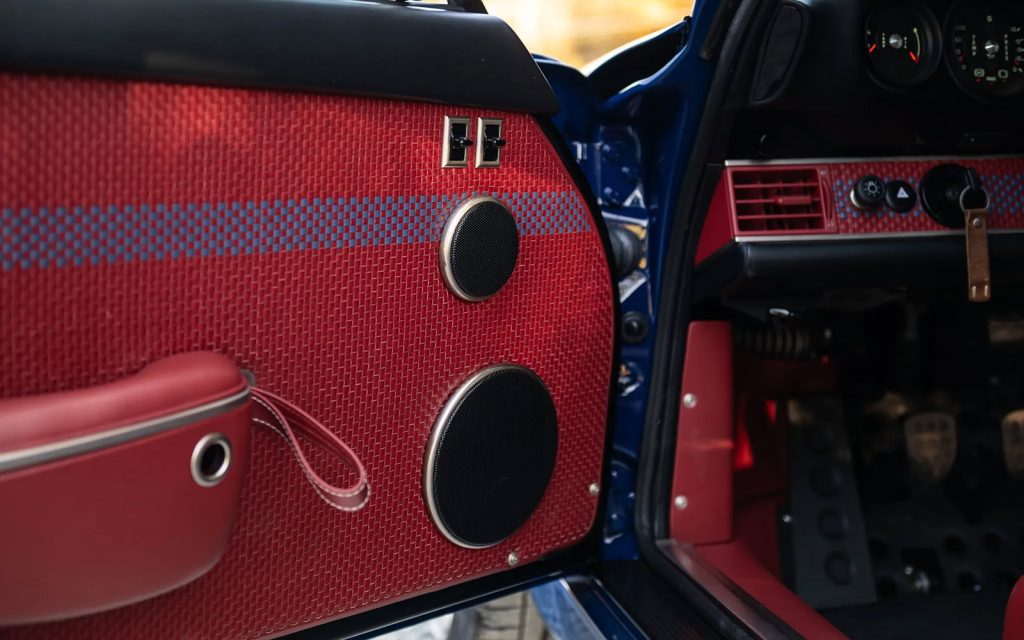
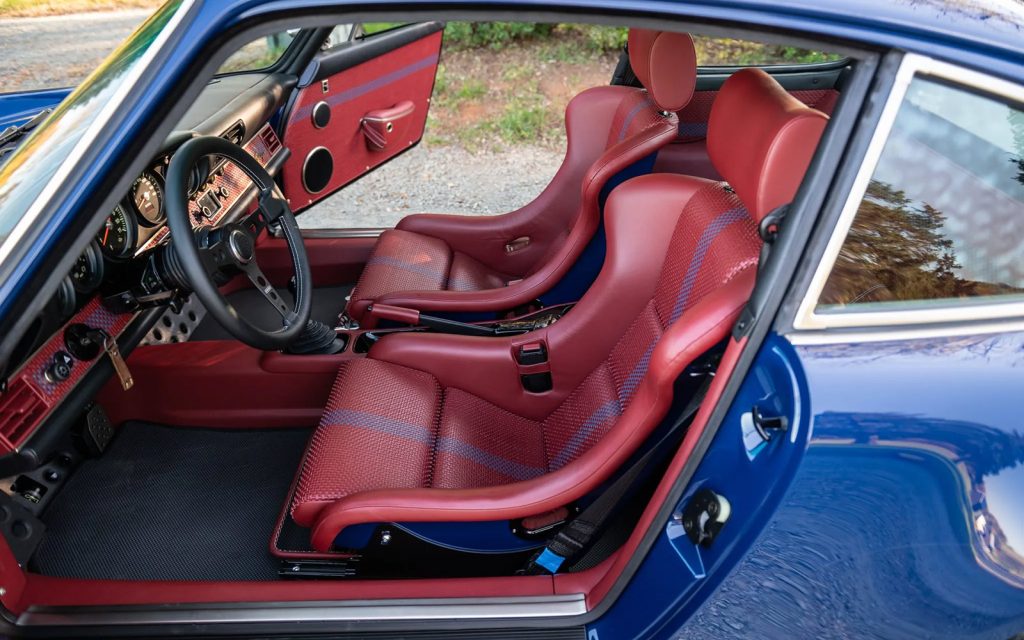
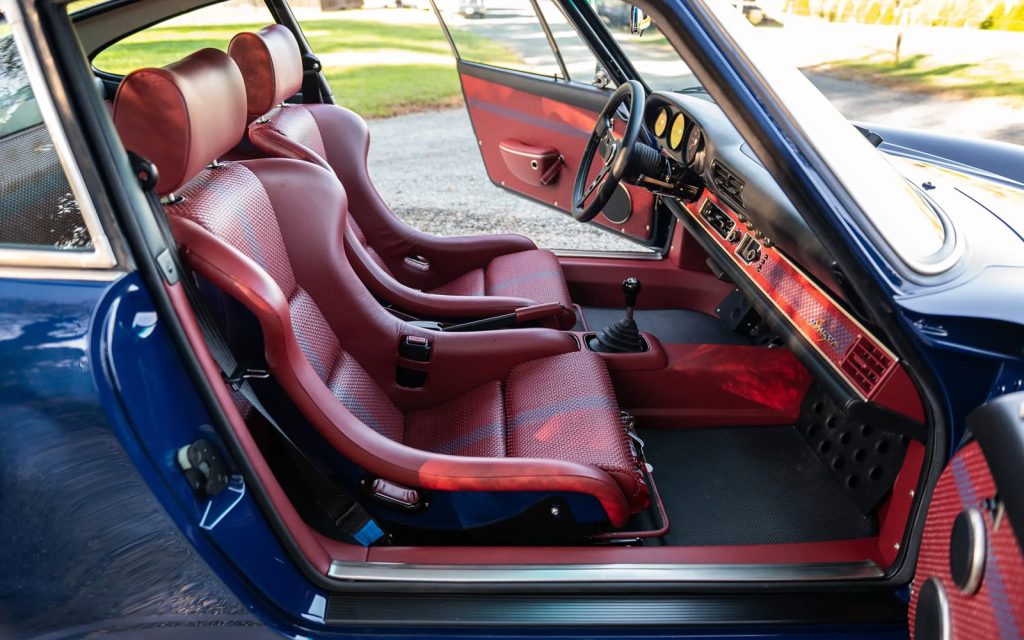
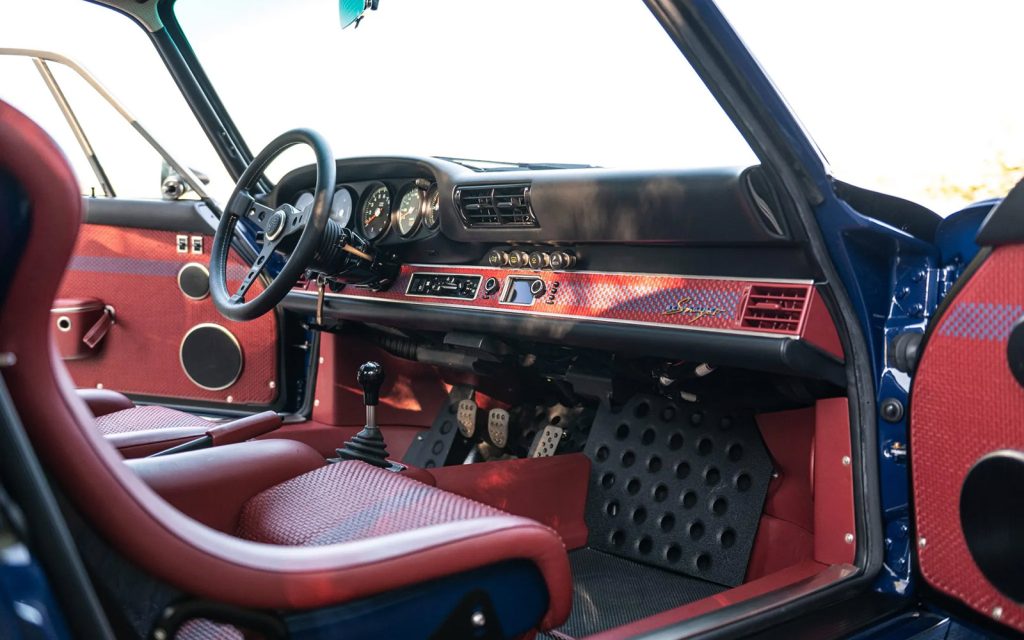
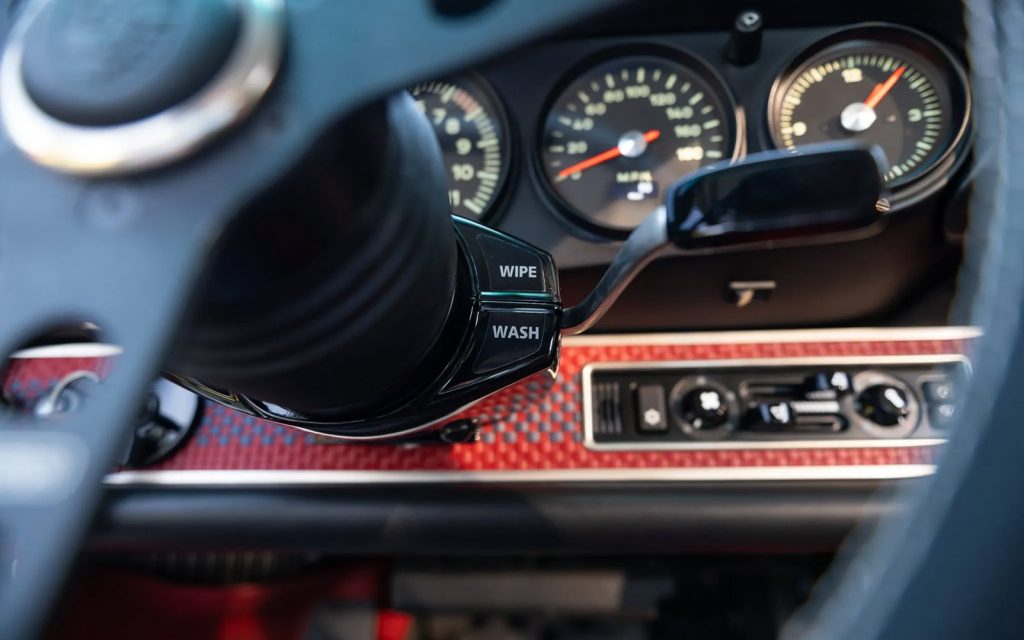
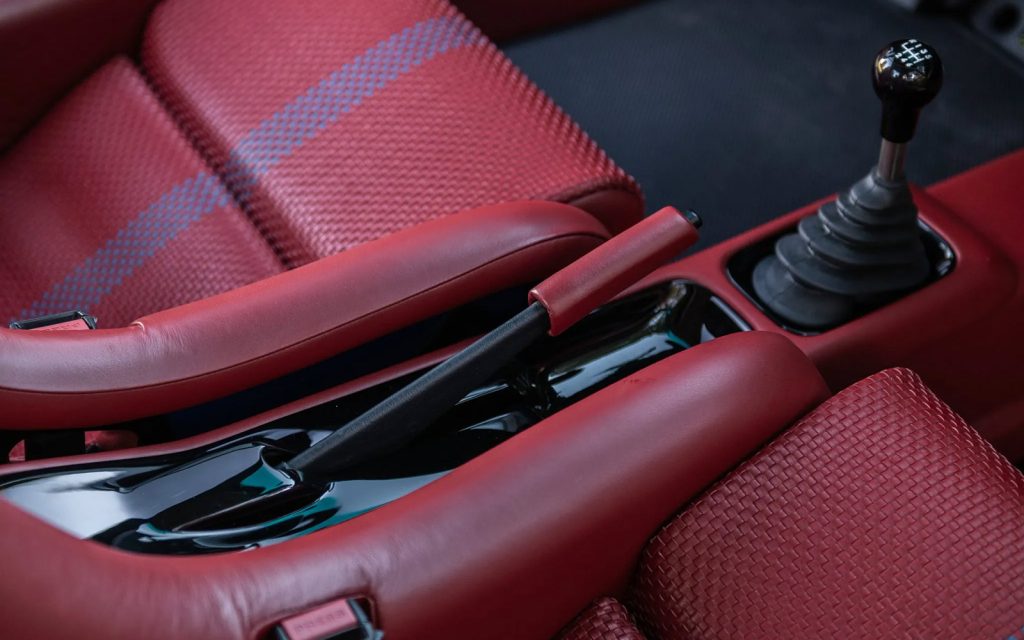
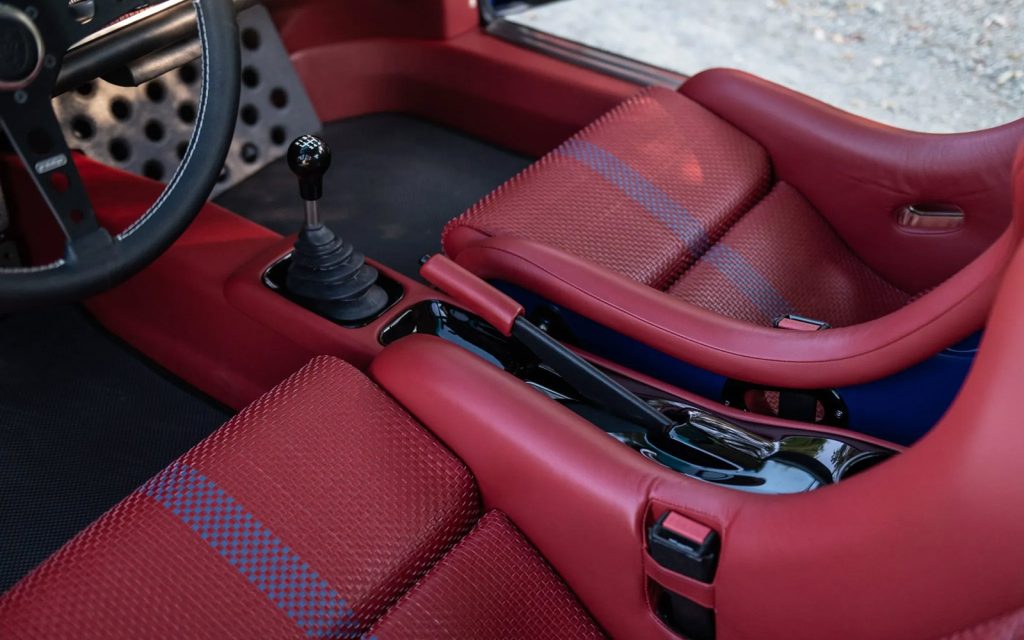
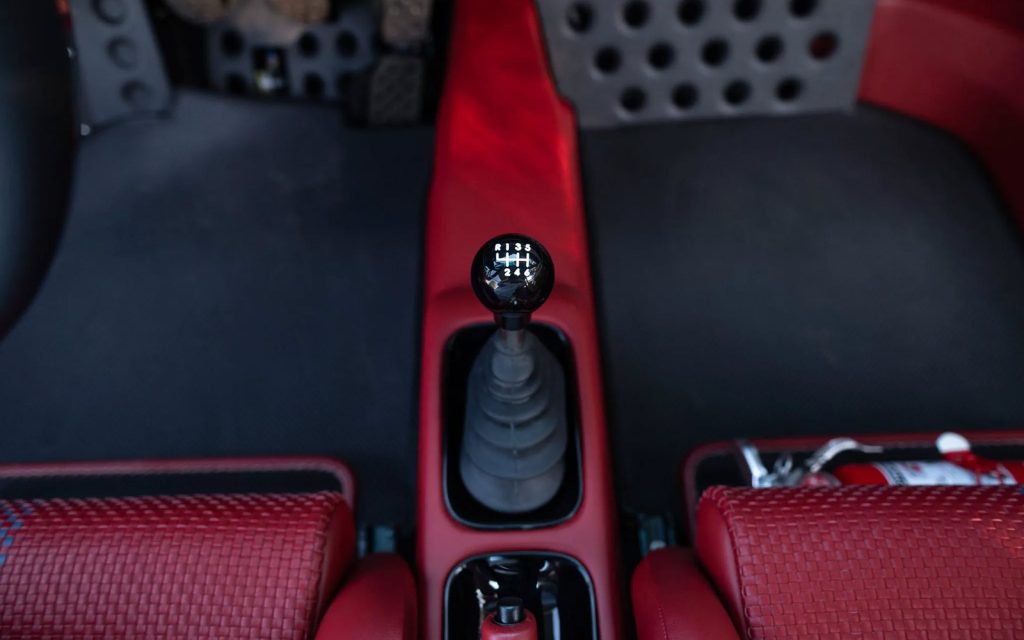
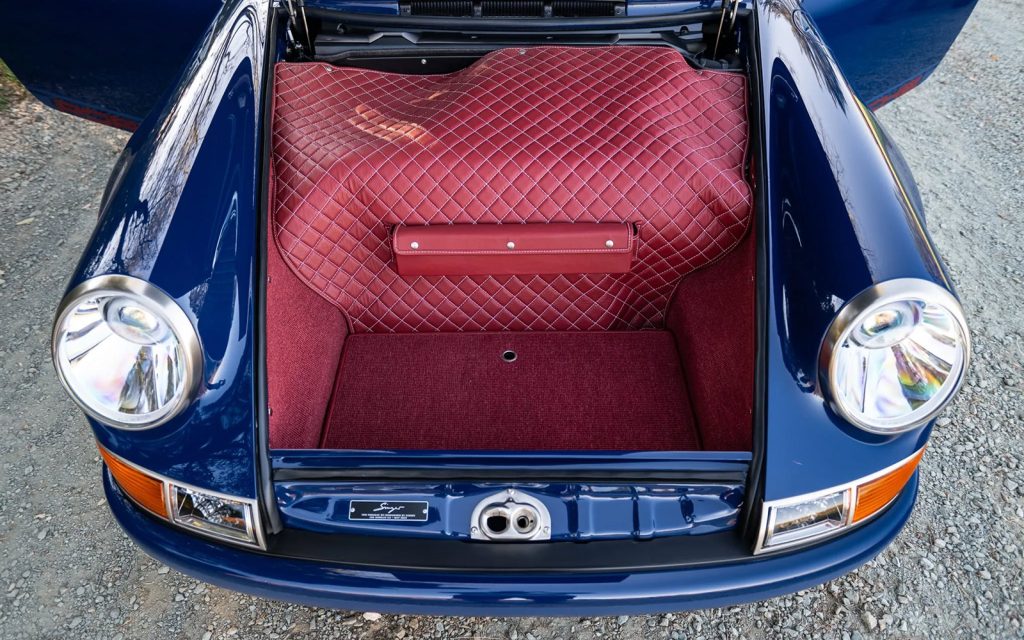
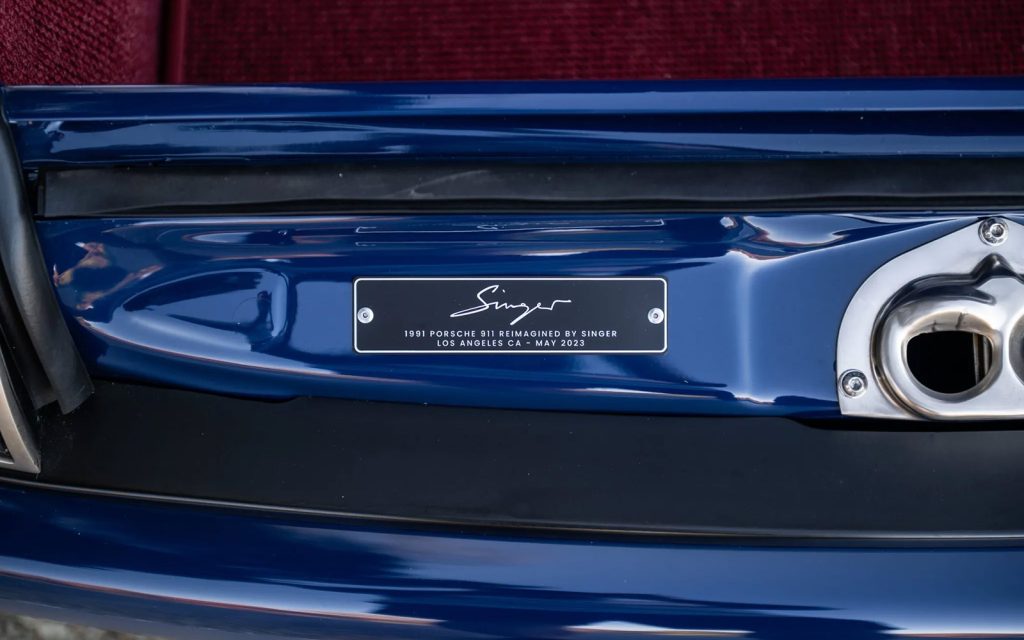
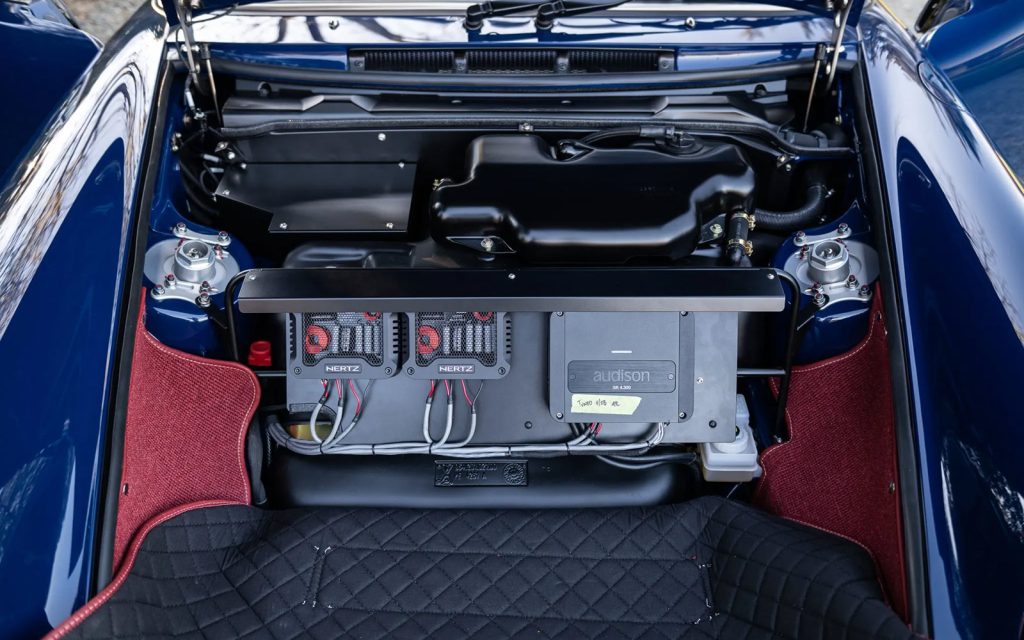
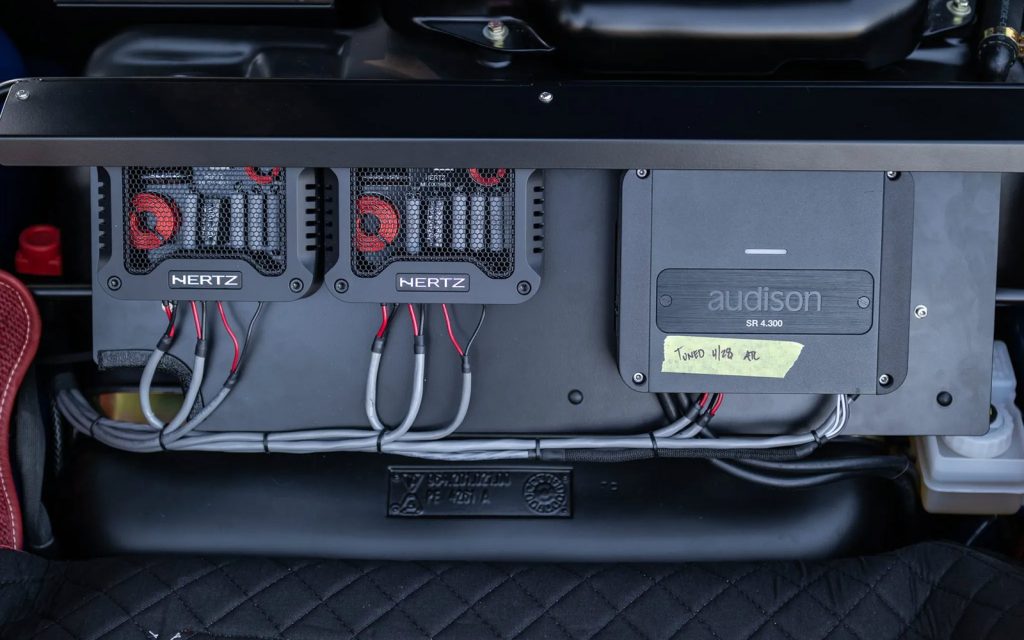
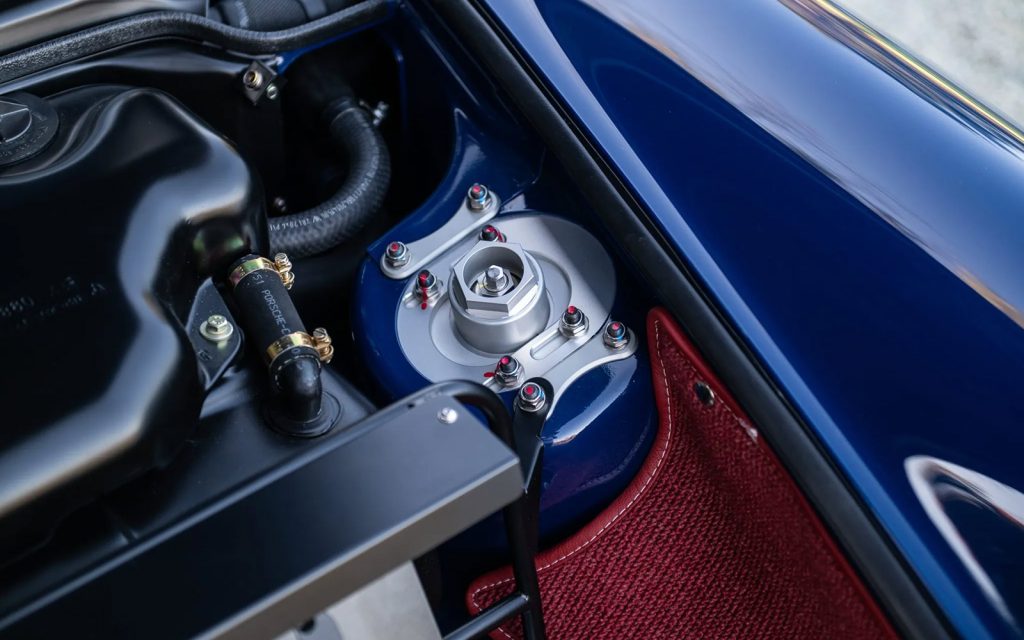
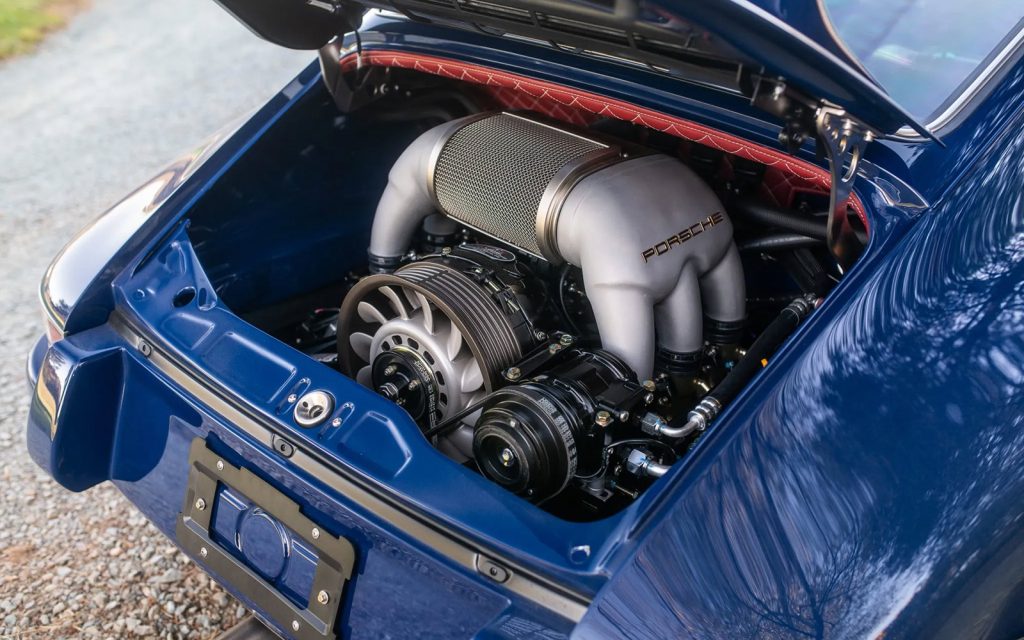
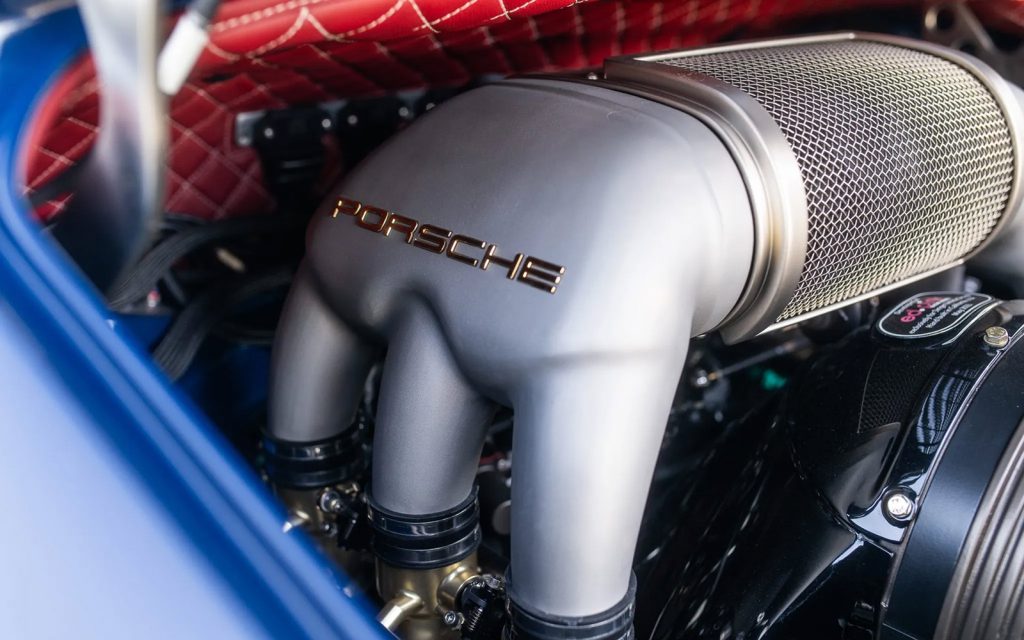
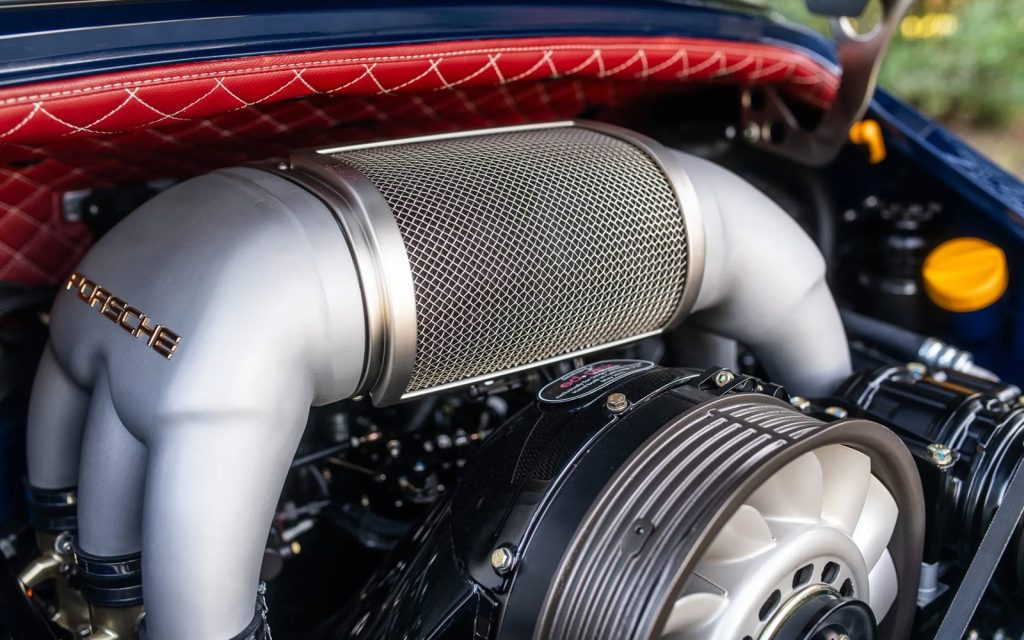
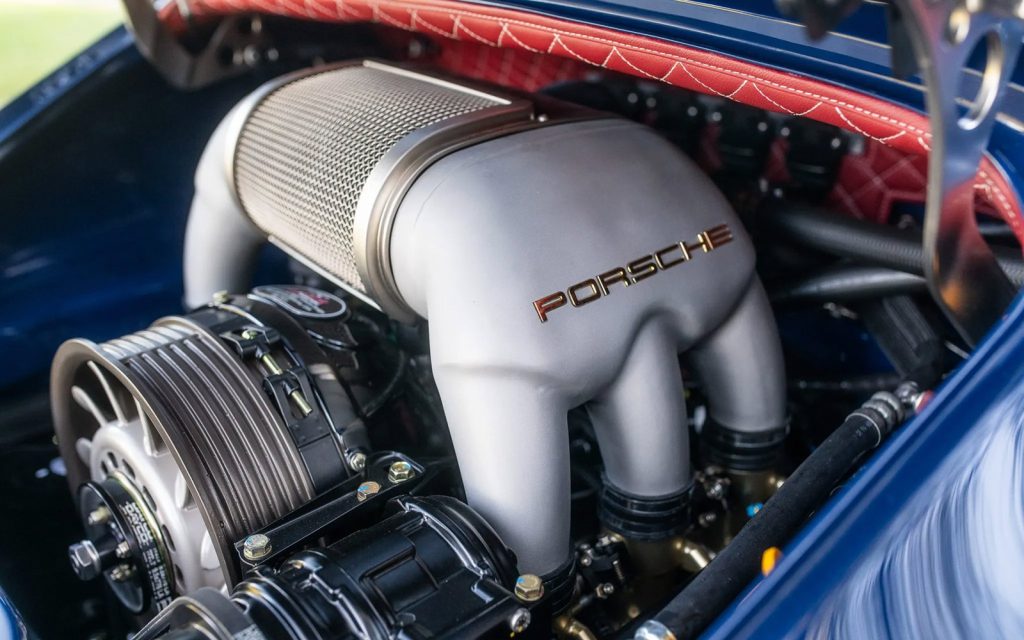
What: 1991 Porsche 911 Carrera 2 Color: “Paint to Sample Blue” (unknown) VIN: WP0AB2966MS411379 Mileage: 68 miles on Build Price at Time of this Writing: $550,000 with 11 days left of auction CarFax:Link Window Sticker: N/A Location: Charlottesville, VA Auction Listing:Link
Why we love it:
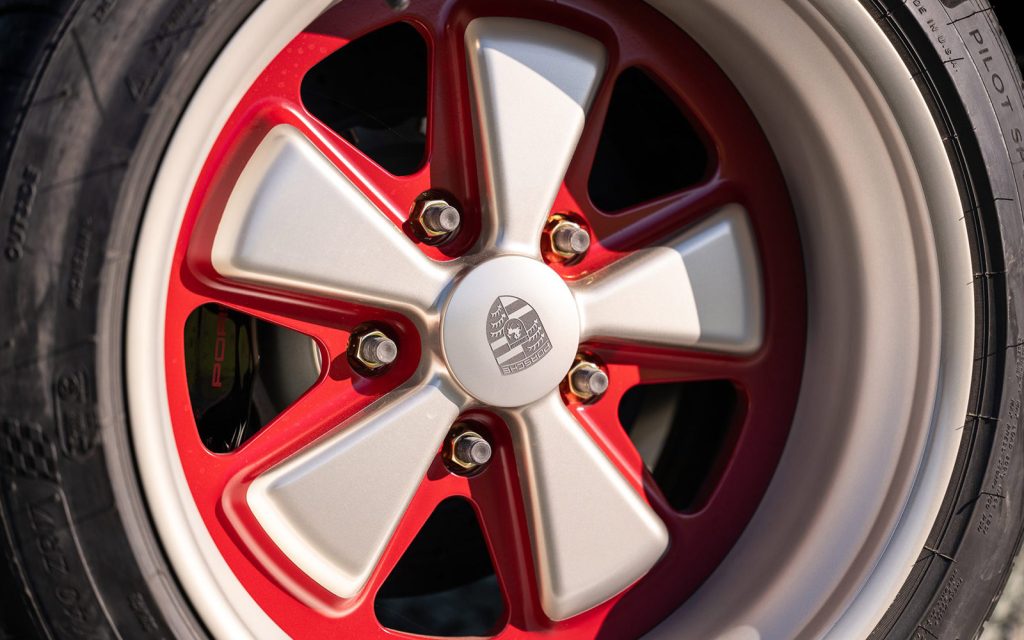
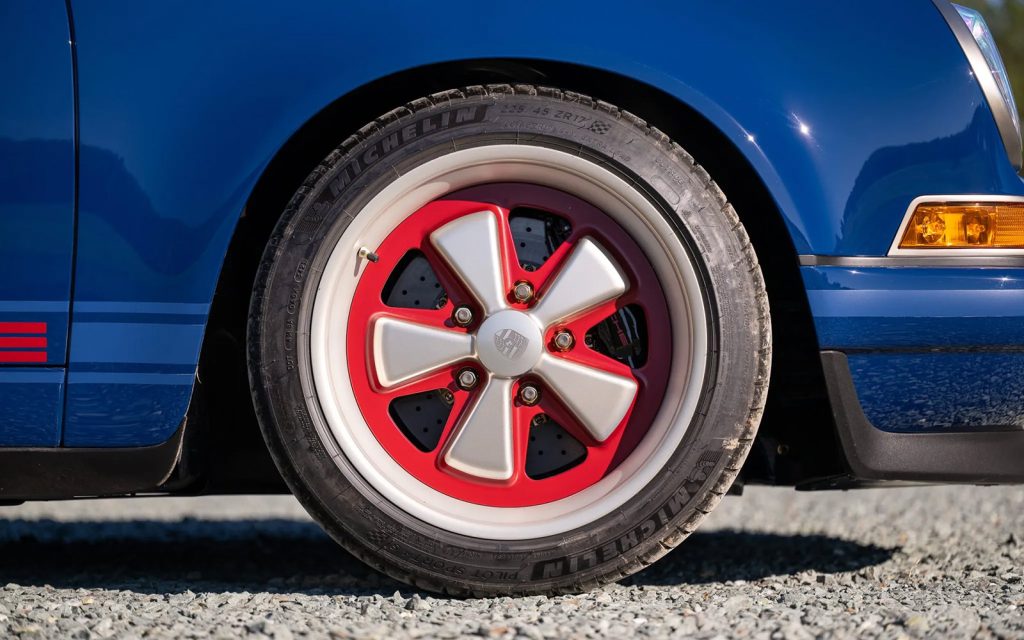
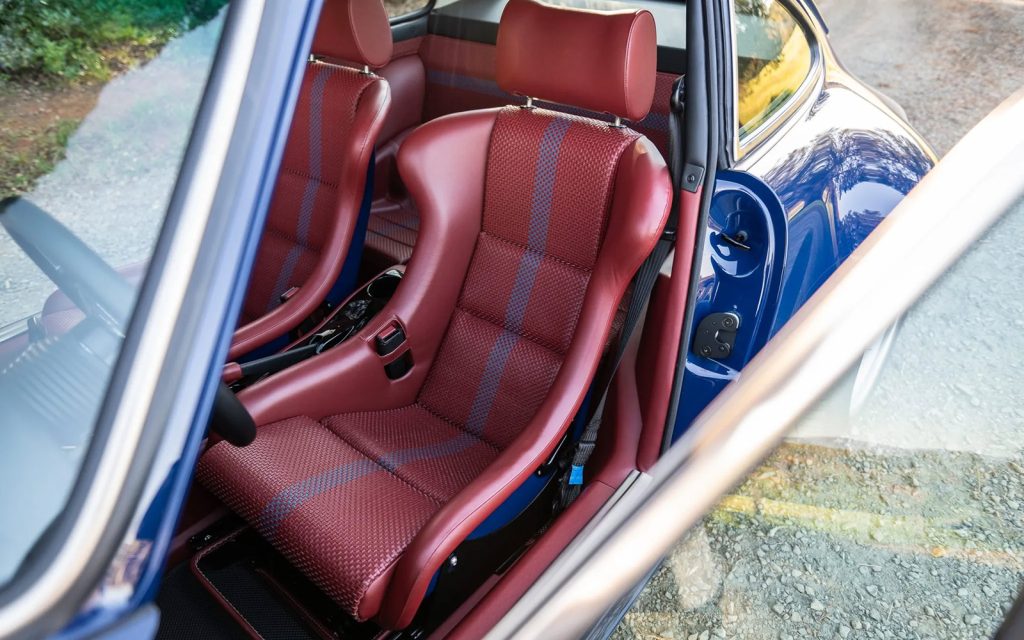
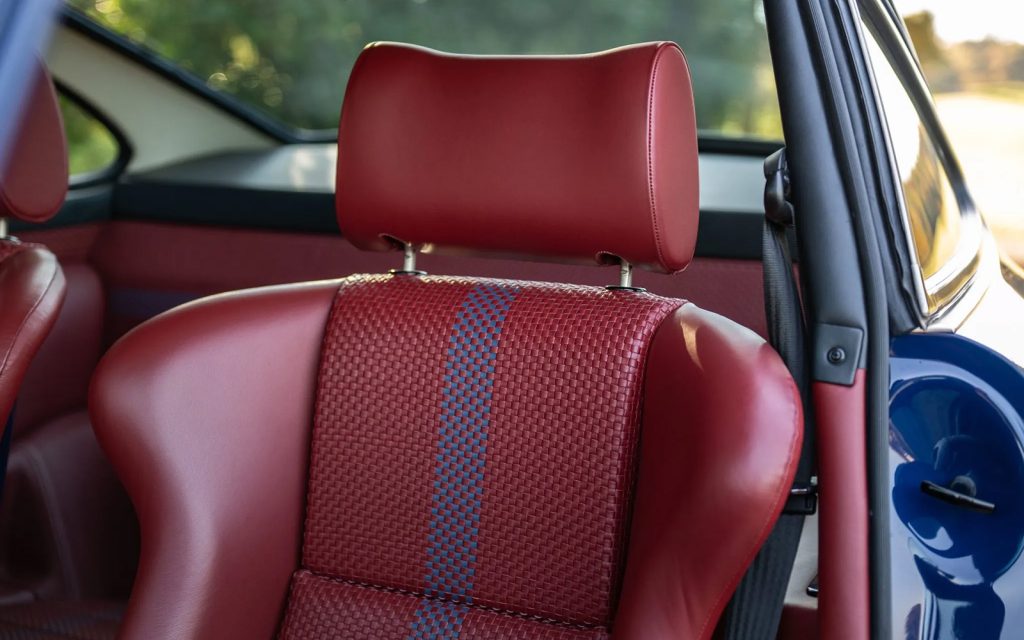
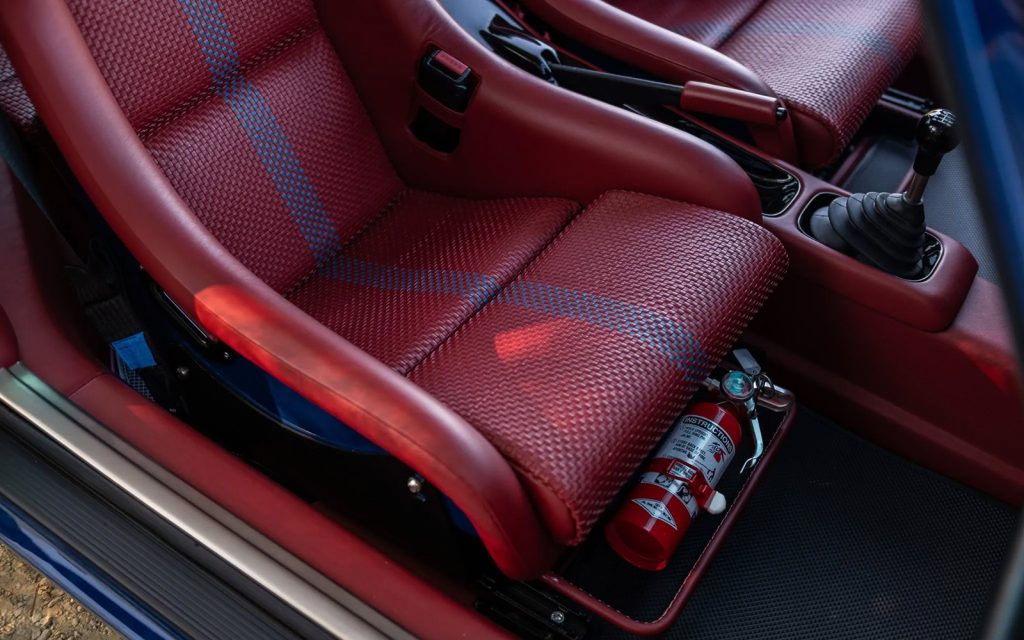
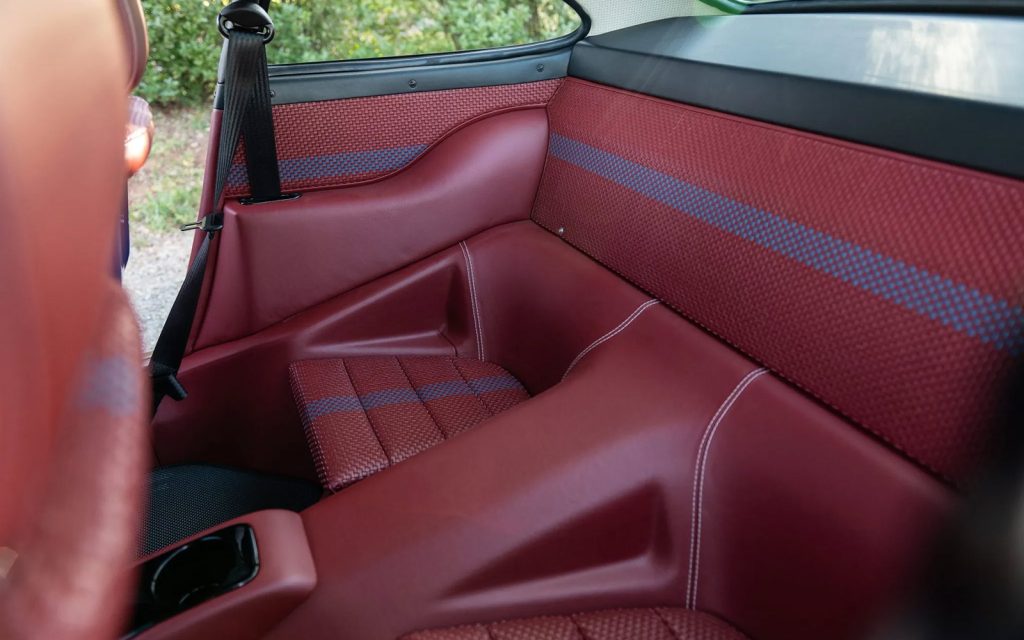
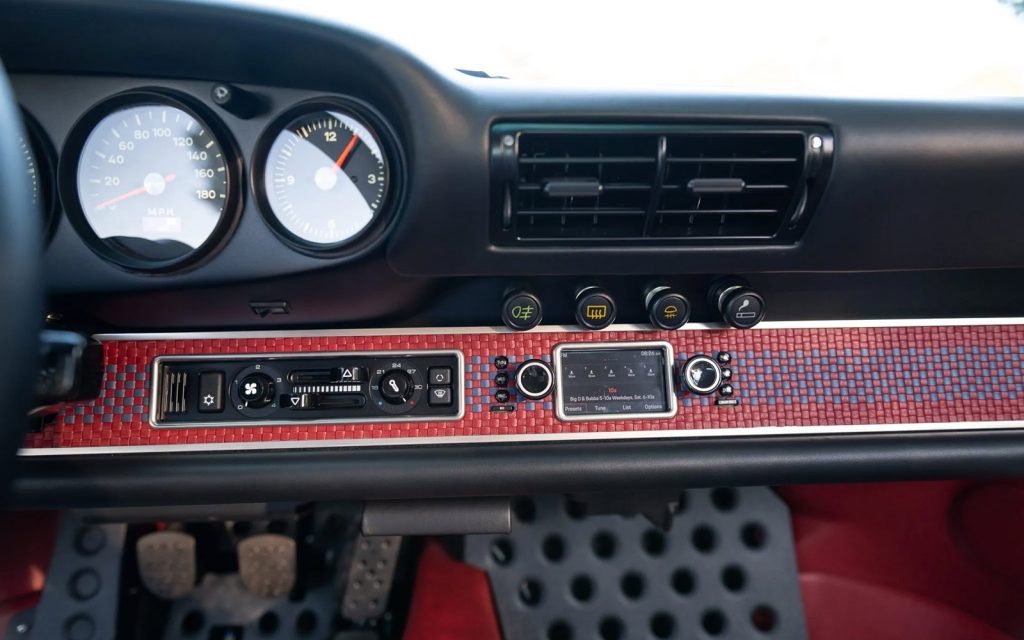
Frankly, we’re going to love any Singer, though the “Step on It” Commission is pretty unique. The color is simply stated as “paint to sample blue” so unspecified, but appears to be close to Porsche’s Albert Blue. The car is tastefully appointed, with red accents though the red wheels may be polarizing to certain buyers.
Another interesting point worth noting is that the CarFax lists the car as a Carrera 4, though the auction description states a Carrera 2 and with a limited slip differential. Perhaps it was converted.
Another interesting quality on this car is the mileage. The CarFax shows 84,000 logged since new, but a surprisingly low 68 miles since the build was completed. If you don’t want to wait in line but want a well appointed and practically new Singer Classic build, this car demands a closer look.
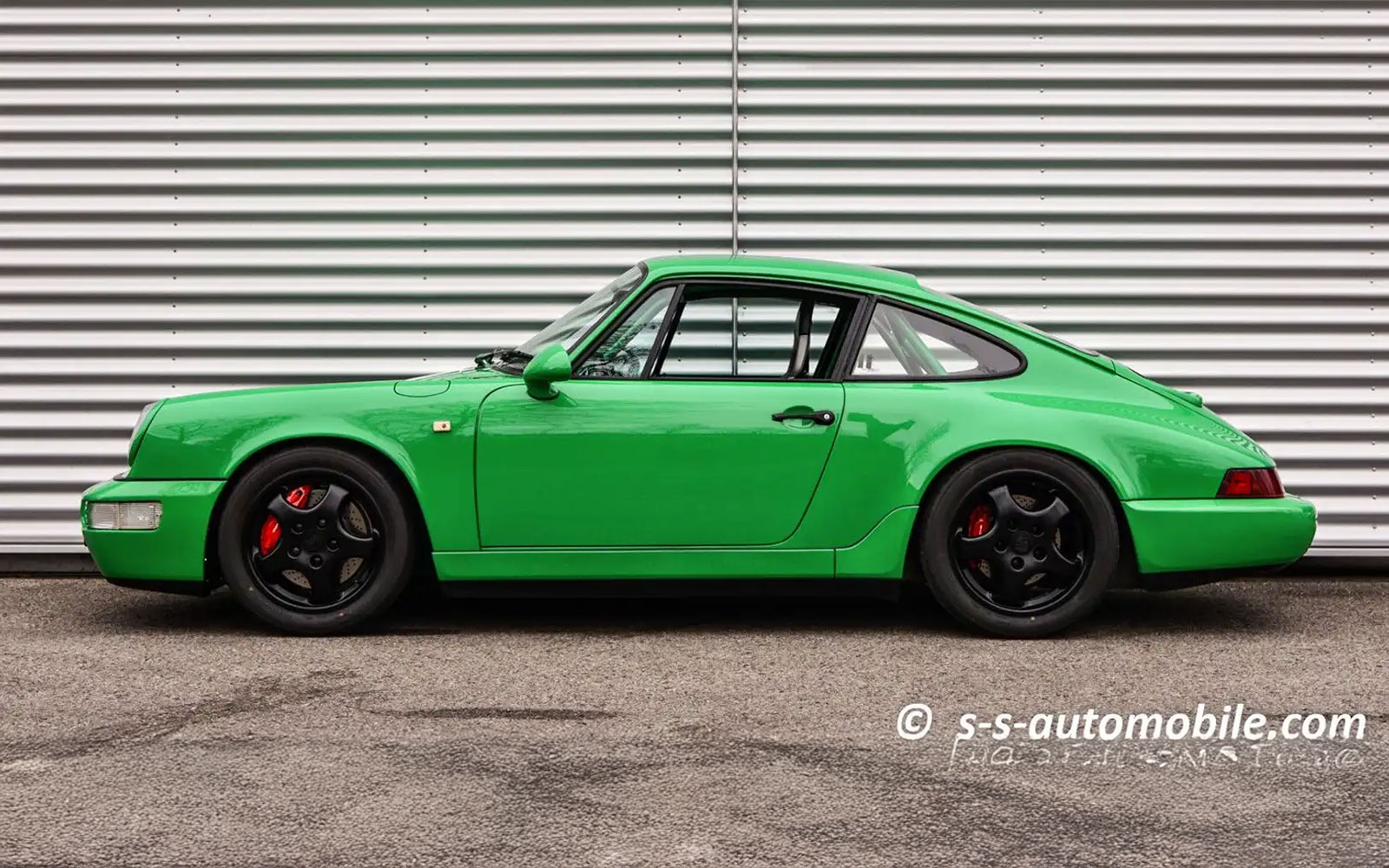
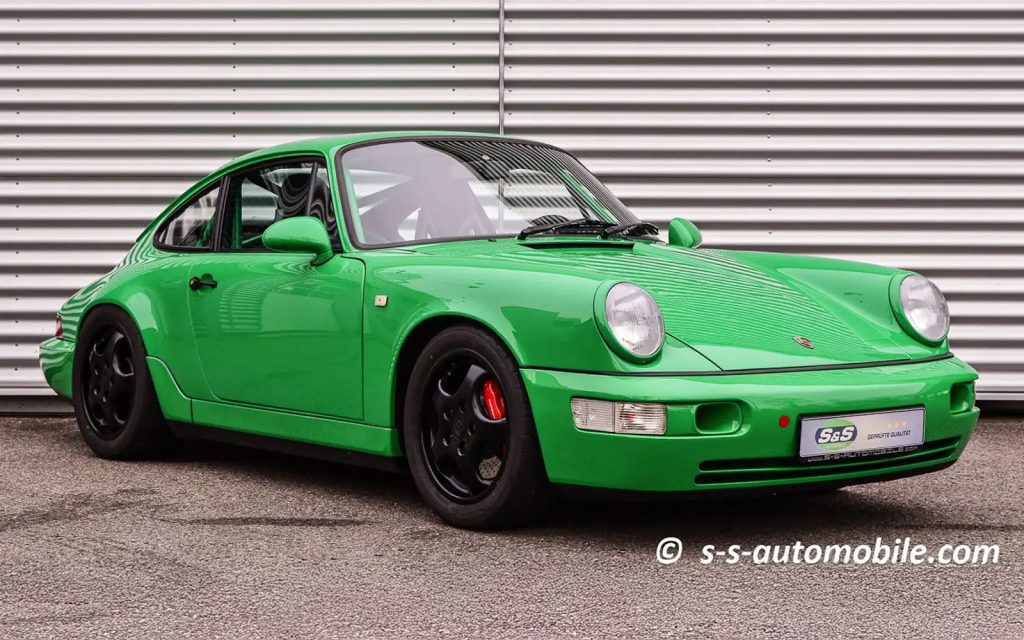
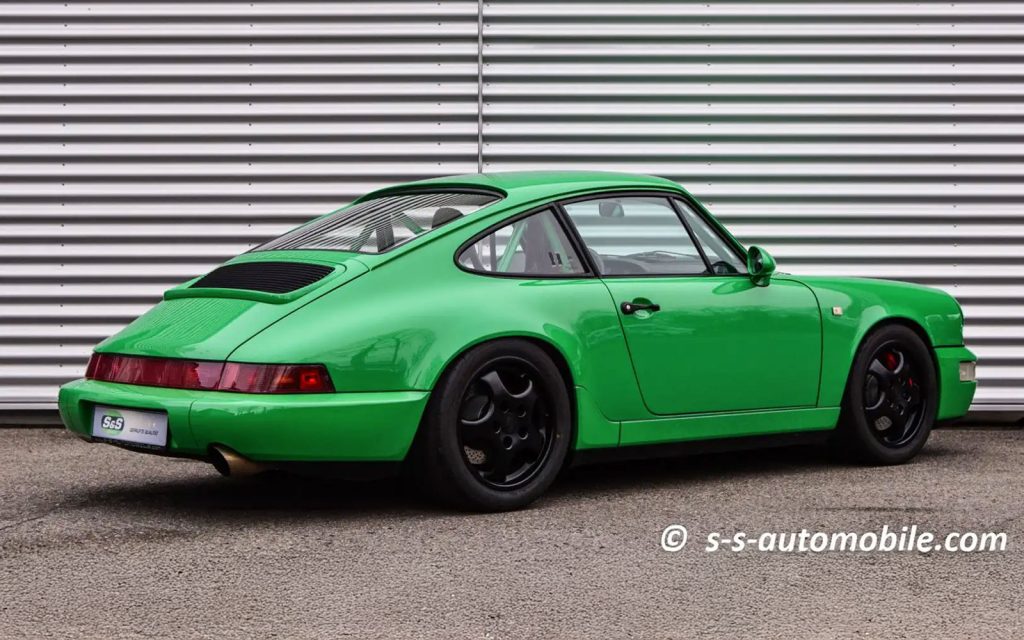
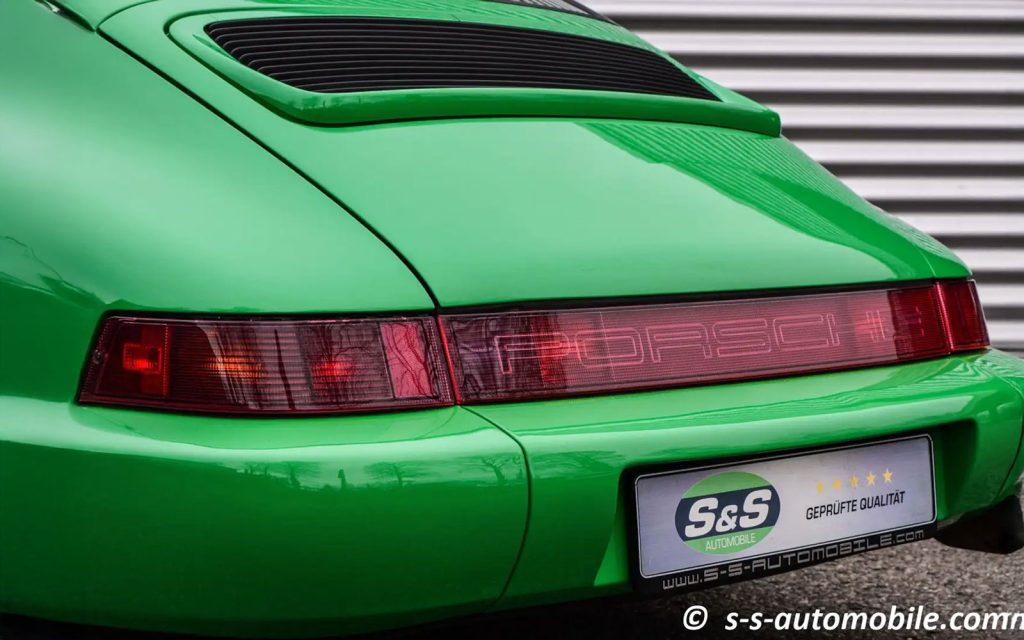
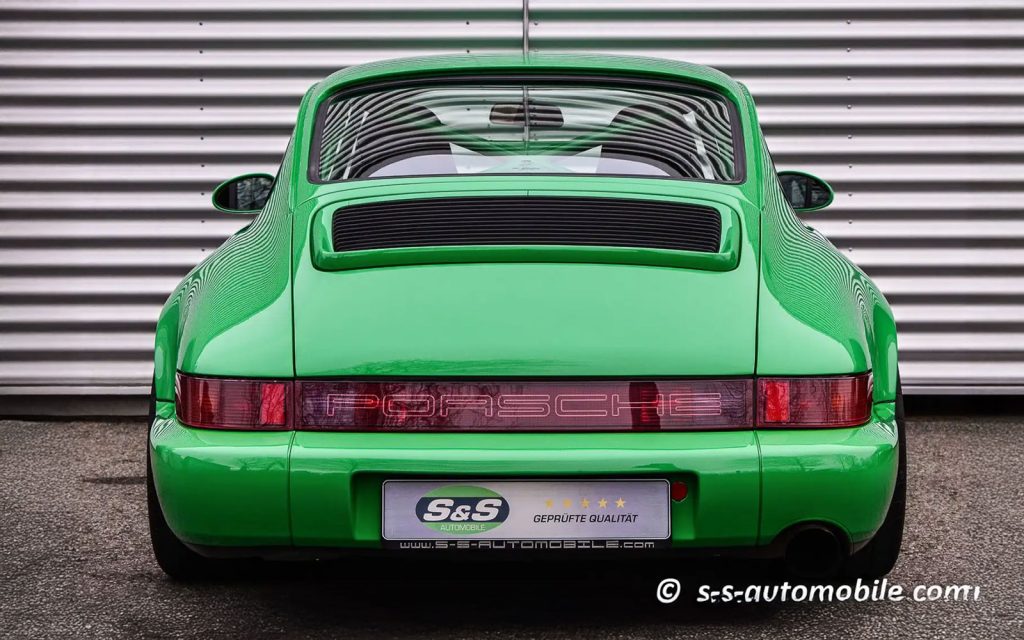
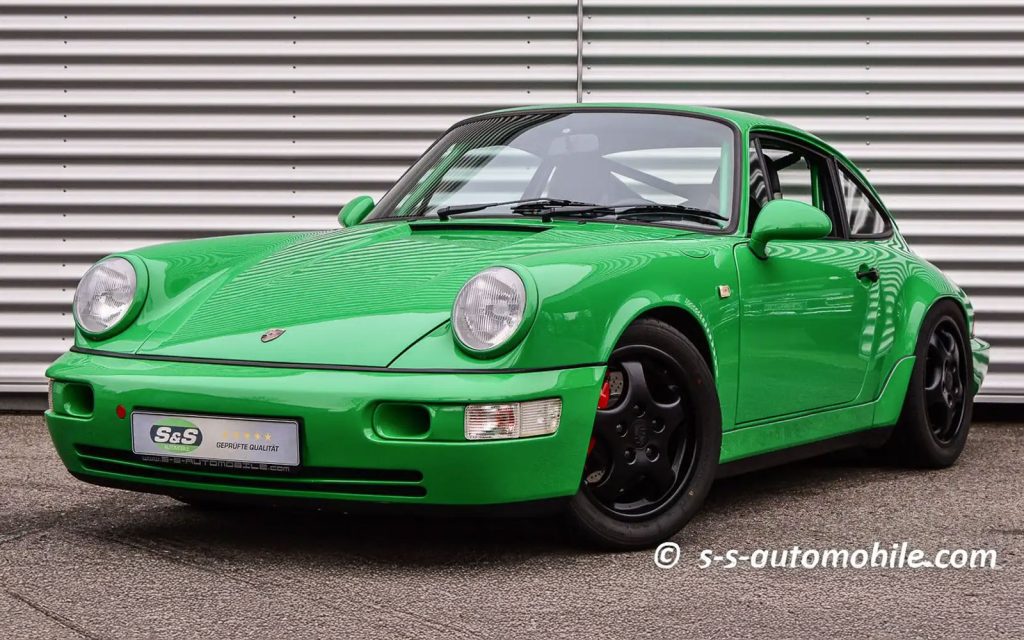
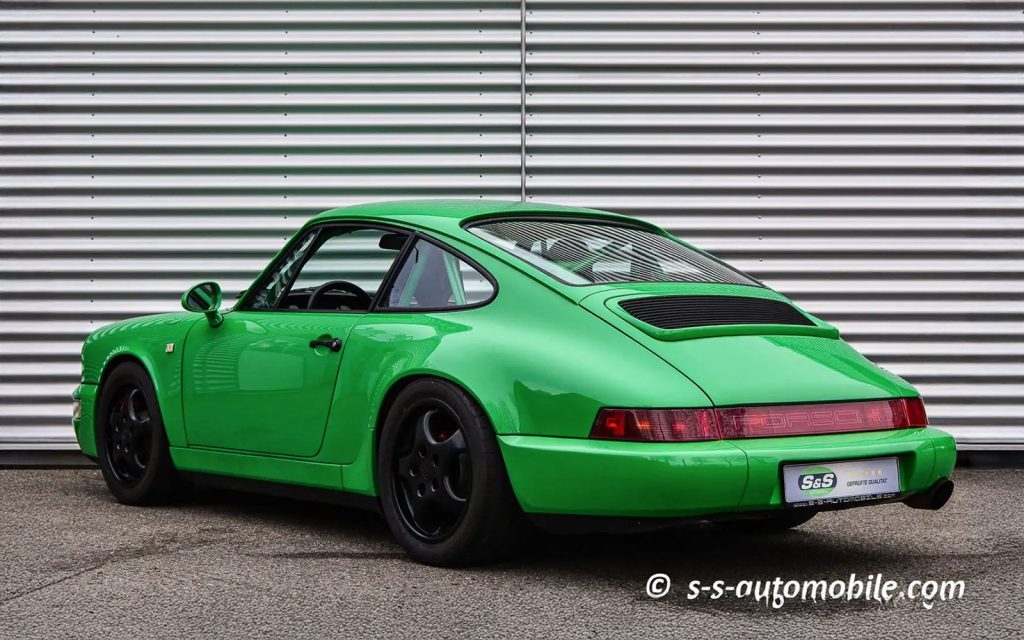
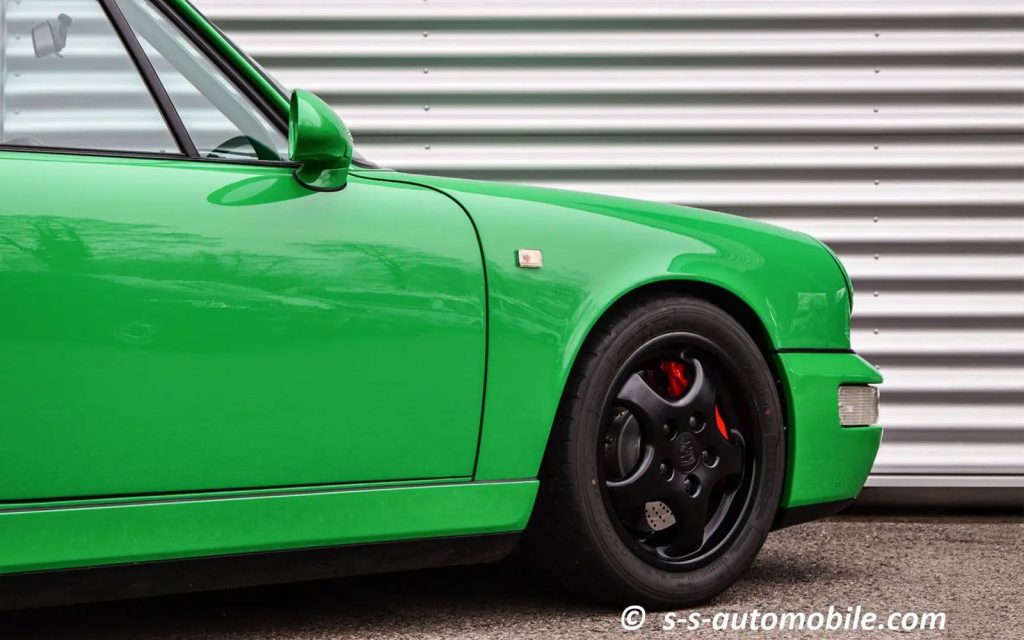
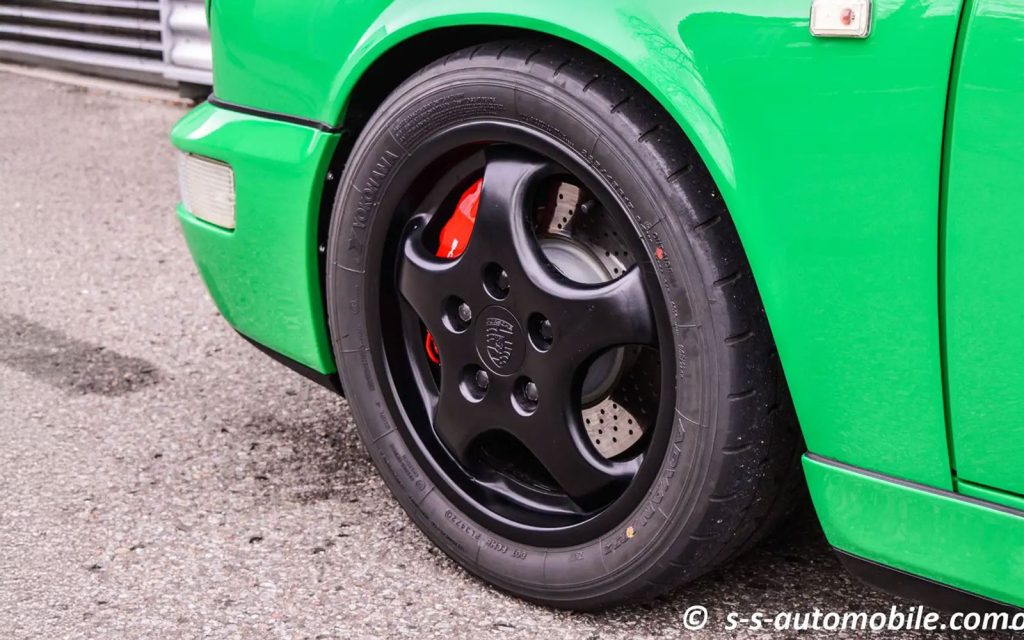
What: 1989 Porsche 911 Carrera 2 Color: Signal Green (signalgrün; non-metallic UNI; 22S; Porsche) Chassis Number: N/A Mileage: 9,347 km, 5,807 miles Price at Time of this Writing: €128,000 CarFax: N/A Window Sticker: N/A Location: Stowasser & Schmalzried, Weinstadt, Germany Dealer listing:Link
Why we love it:
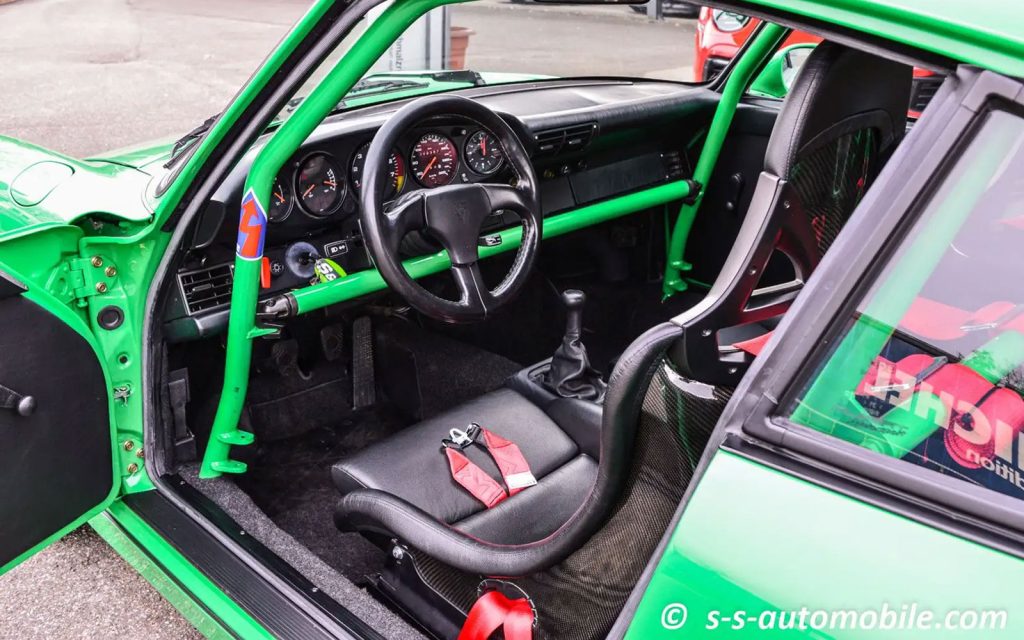
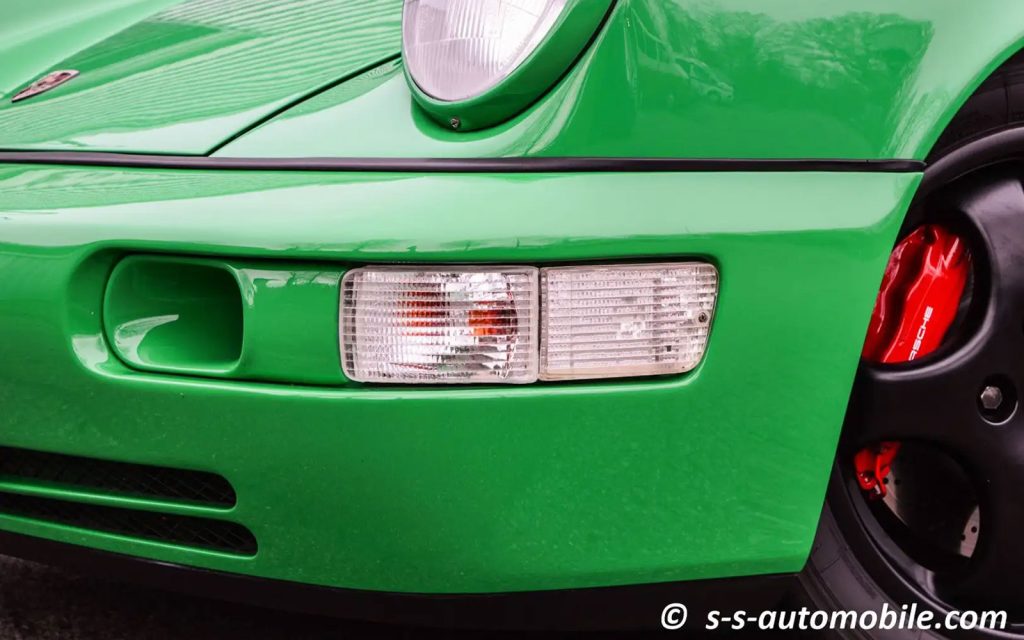
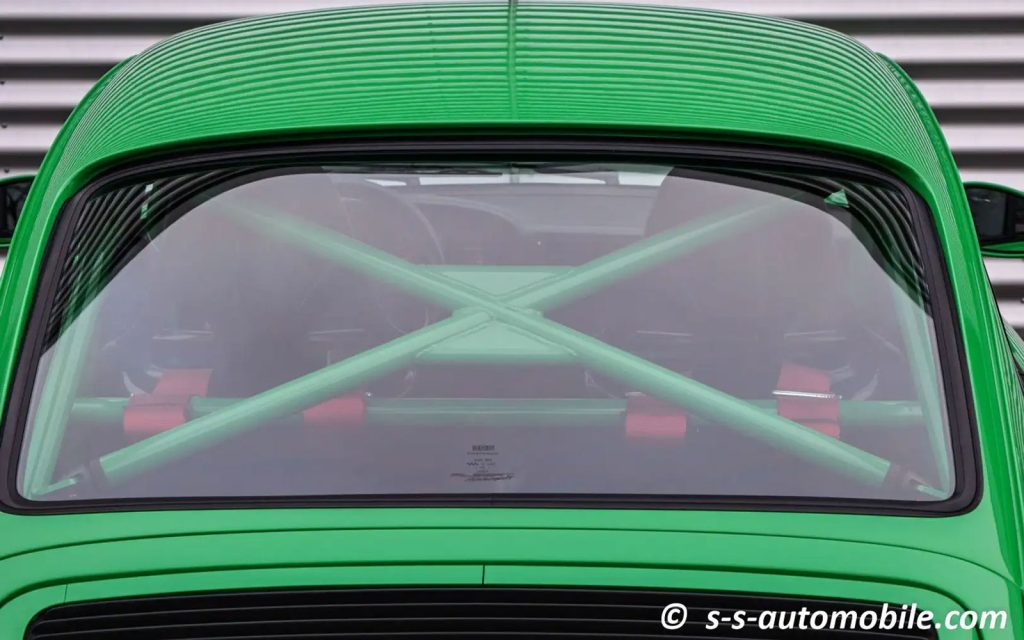
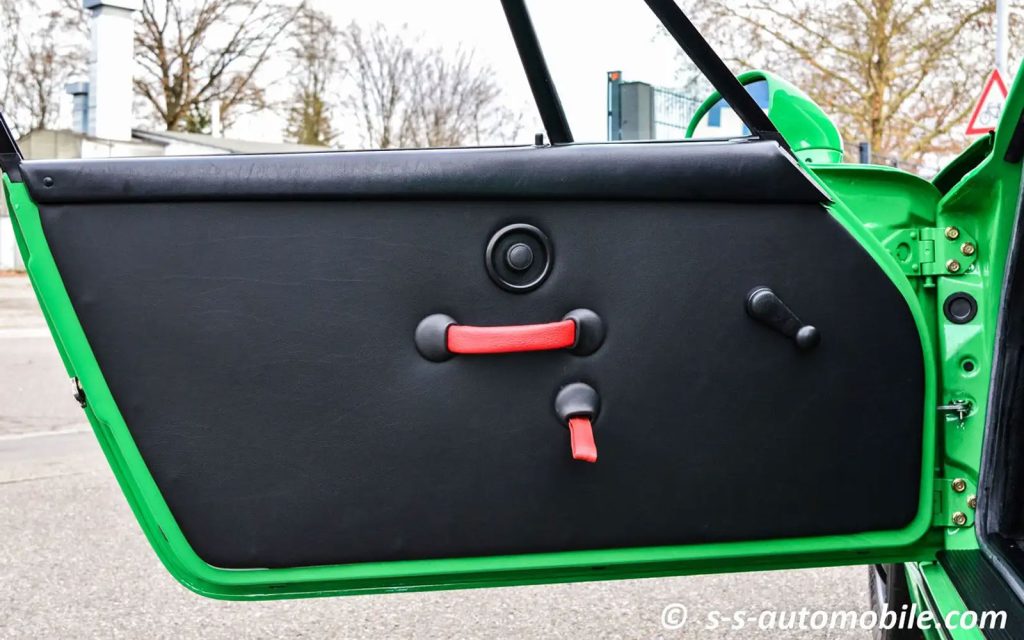
This isn’t a pristine collector 964-era 911. Like a lot of European market 911s, this very early 964 (July 1989 first registration) has been loosely cloned to look like a 964 Carrera RS / N/GT or Cup including Cup 1 wheels, Recaro Pole Position seats and a few other things. Like a lot of these early 964s that became RS clones, some liberties were taken like black paint on the Cup 1 wheels, fitting later brakes that appear to be OEM, (a.k.a. “big reds”) and a few other things a real RS wouldn’t have. It may have also been track weaponized given the suggestion of a 3.8 engine rebuild and that color-matched cage. It’s intriguing for someone looking for a driver or track car, though likely red flags for a purist collector.
There are a few other things we note here. For starters, it’s not clearly stated that it’s a Carrera 2, though we’re guessing it is because C2s were available for Europe for 1989 even if they didn’t arrive in the USA until 1990. It’s also got some significant upgrades we found in the general marketplace site listing but not on the dealer site.
There’s another oddity. The listing translates that it was restored around 2010/2011. That’s likely when it received all of the modifications. However, its mileage logged is quite low, so it’s unclear whether the chassis has very low mileage or more likely that it has logged so very few miles since being restored and built.
Our next question is whether the Signal Green paint is factory Paint to Sample or a respray during the aforementioned restoration. Signal Green was a Carrera Cup color and the so cars in that color did happen on occasion. The dealer doesn’t list details here, and since it’s a European listing the inclusion of a VIN number for reference isn’t common. That’d be something worth checking for anyone thinking seriously on this car.
All that said, we’d still argue this car is worth the premium. For starters, a 964 Carrera 2 Coupé in decent shape will already run you into six figures. You’d never be able to build this car for that number, and the 3.8 and other mechanical upgrades suggests it’s more than just the usual basic RS clone bolt-ons. For someone seeking to make a more convincing RS clone, it wouldn’t take much more than removing that cage, respraying the wheels in either silver or signal green and getting some replica leather seat covers for those Pole Positions. No, it wouldn’t be real, but you’d be having an outlawed RS experience for about half the price of a similar condition Carrera RS. And, given it’s a clone and the price, you could drive it without too much concern over mile-ing up something as rare and collectible as a real RS.
And what of that green paint? Well, if it’s real and those miles are accurate then it’s still probably worth putting it back to factory specifications. That’d be a hell of a specimen for those purist collectors. And if it’s not, you still have a very unique thing. Unlike Maritime Blue or Rubystar that are more common in this era, Signal Green is decidedly rare. The actor James Spader was known to have one that he used in and around Los Angeles, which is great trivia to know if you own it. Also, real deal Signal Green 964s are anything but common.
This is one of our Euro market finds, so the usual caveats apply for our primarily North American readership. For Europe and other markets, we focus on cars older than 25 years, meaning a relatively easy import into the USA. This is often done by working with firms such as our friends at Orchid Euro, you can have the car purchased, transported to port, shipped to America and cleared through customs for clients seeking this sort of service.