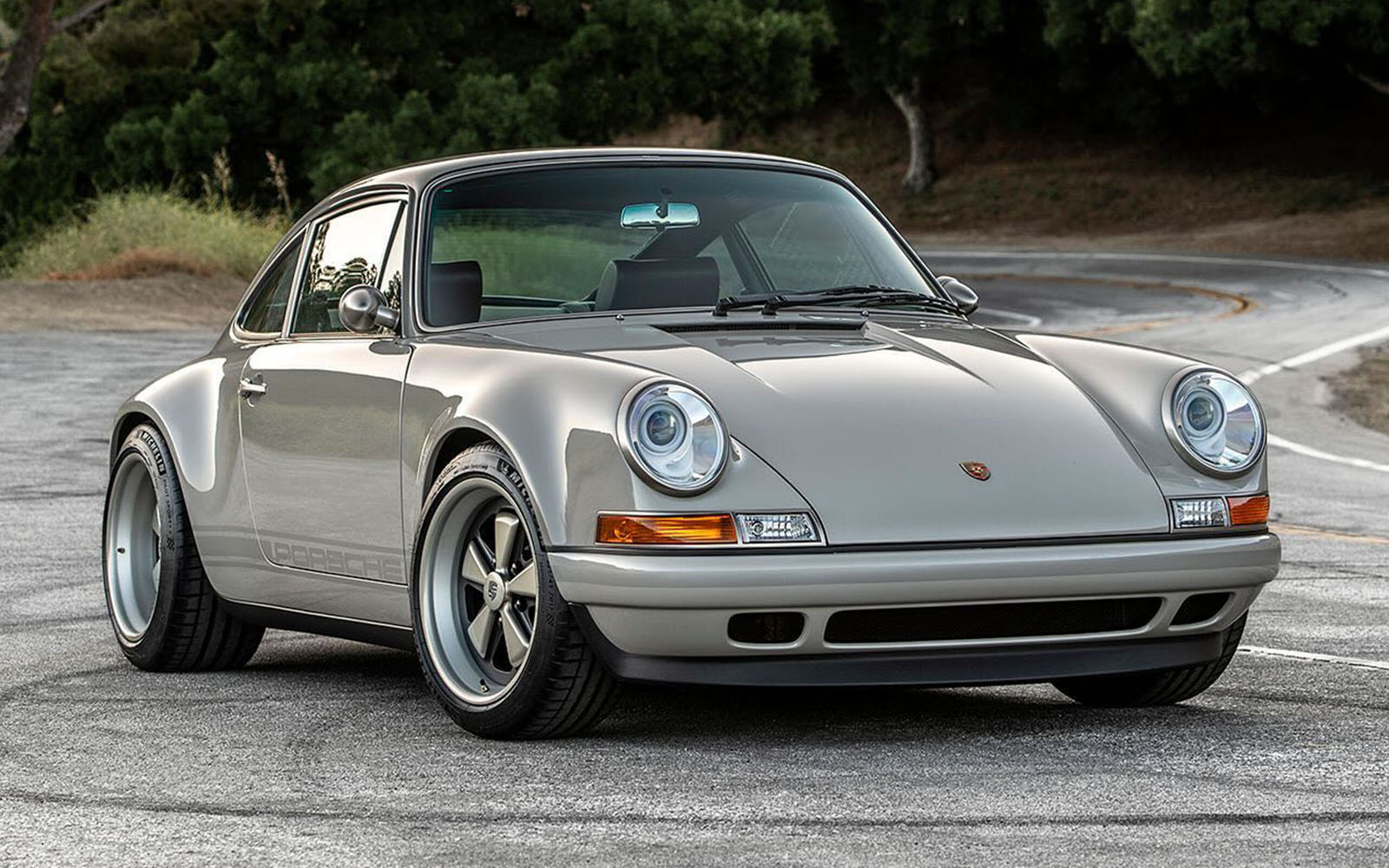
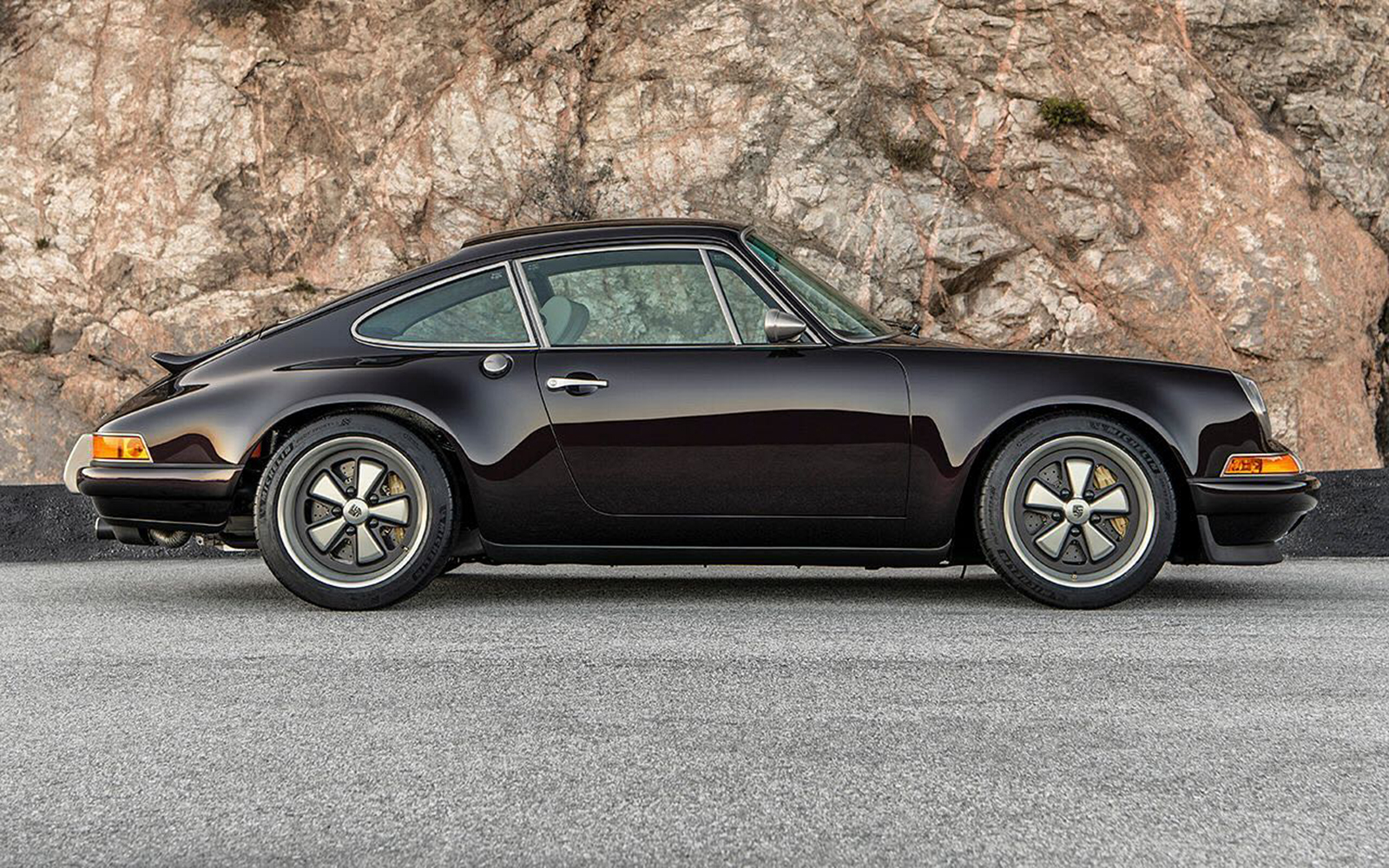
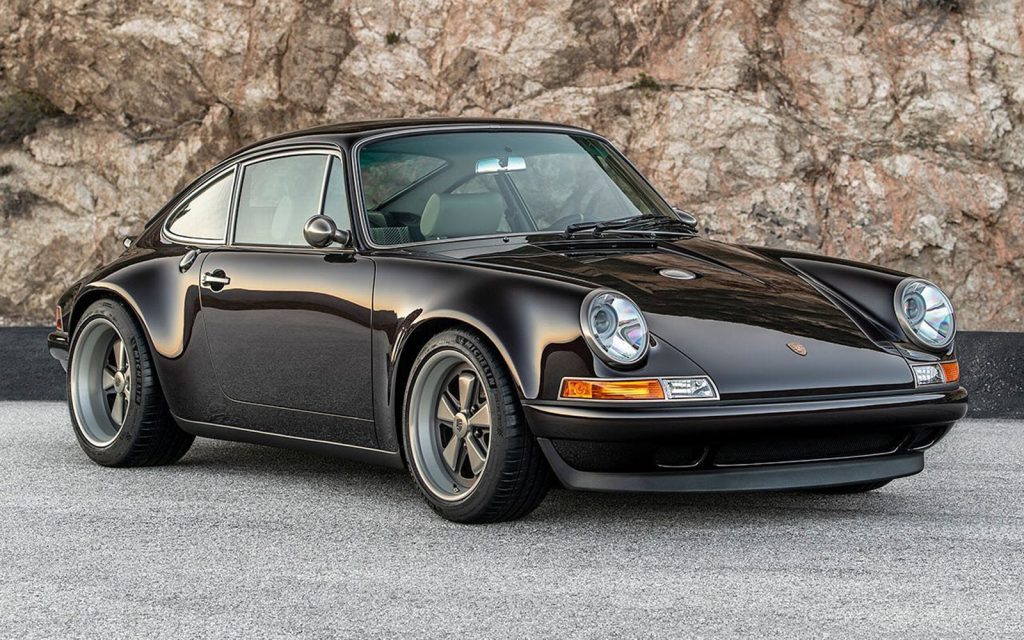
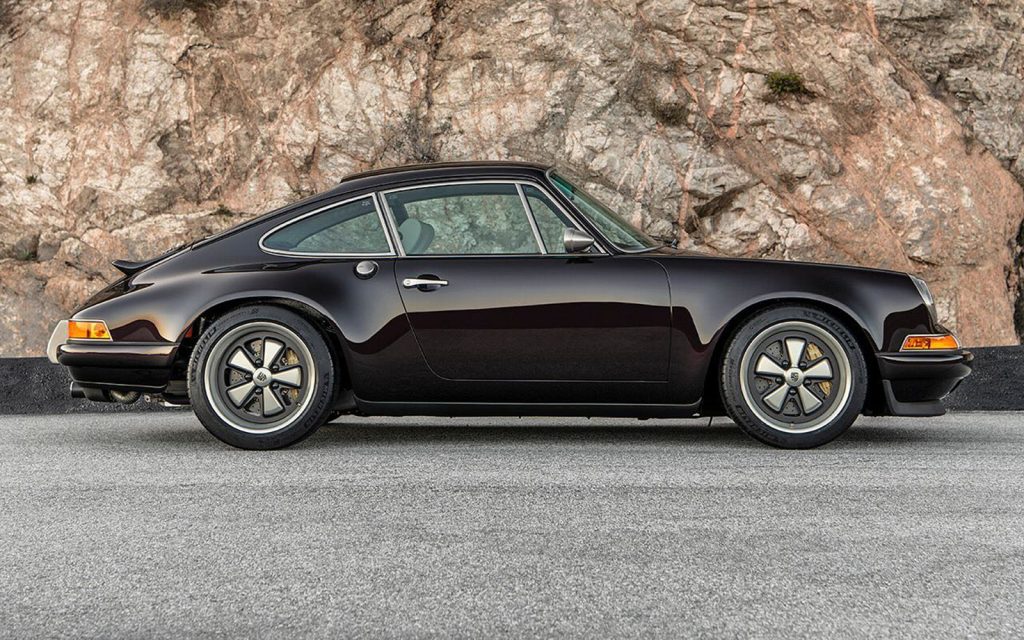
Singer has shown photos of its latest classic reimagined Porsche 911 and the understated specification does not disappoint. The confirmed name is “Nine One Six commission”, and the basic details and photos were posted to the company’s Facebook and Instagram pages..
As per the post, Nine One Six is painted paint-to-sample Fashion Grey. The name is the same and the color appears the same as the light grey that first dropped with the Porsche 911 Sport Classic (type 997.2).
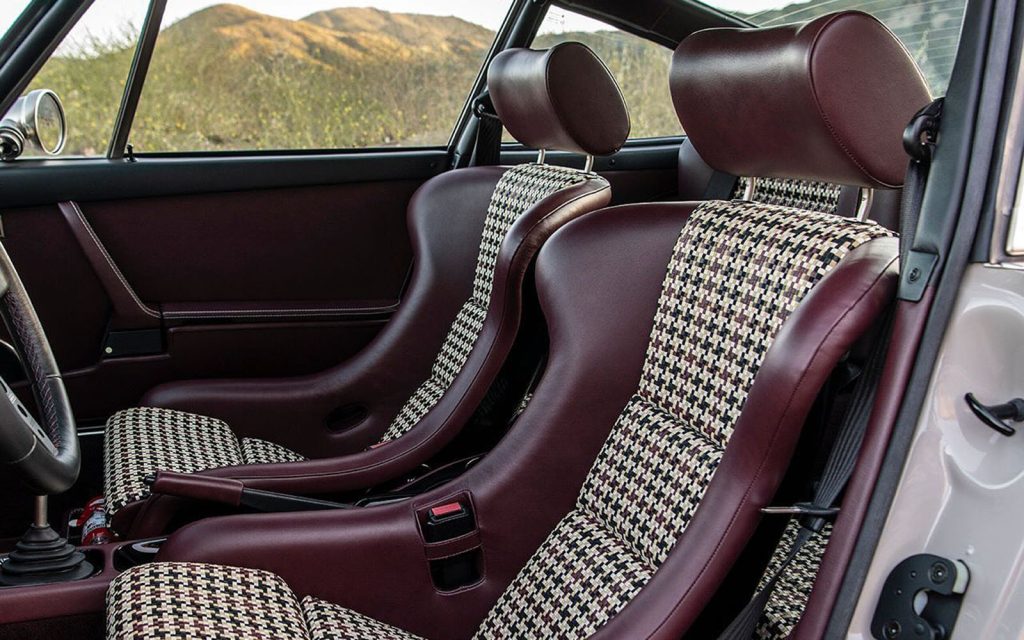
Fashion Grey is a great color, and one we’ve always wondered if Porsche didn’t miss the mark pairing with a colored-leather such as red, blue or green. The client who commissioned Nine One Six may have been wondering the same, because Burgundy leather plays a major part in the interior seen here. Also seemingly in a nod to the Sport Classic that saw the modern production return of Pepita a.k.a. Houndstooth cloth, the owner of Nine One Six also specced the signature woven leather Singer is known for in a pattern that echoes bicolor houndstooth of some Porsche seating back in the day. Very tasteful.
You can also check out the Facebook post on Nine One Six HERE.
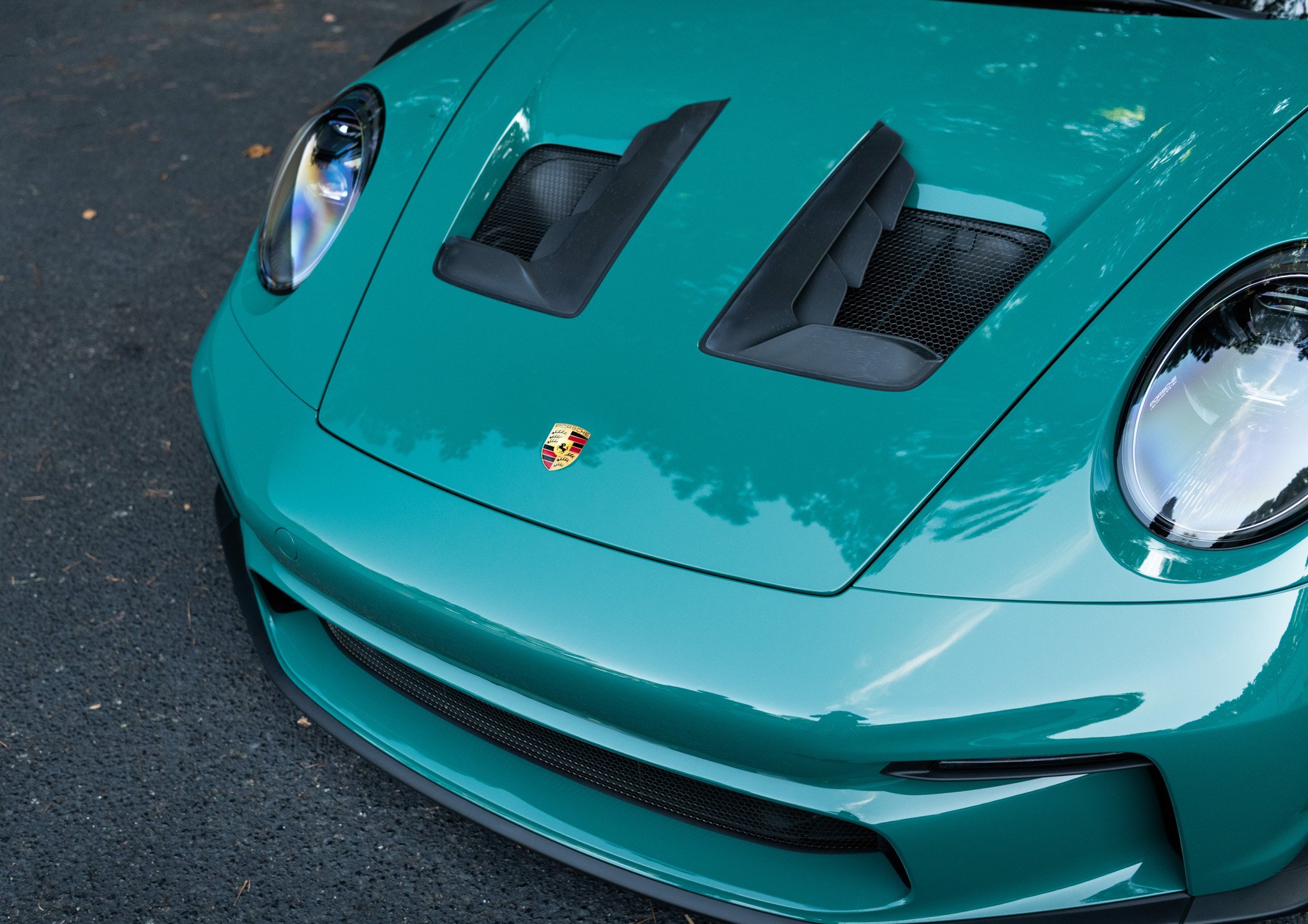
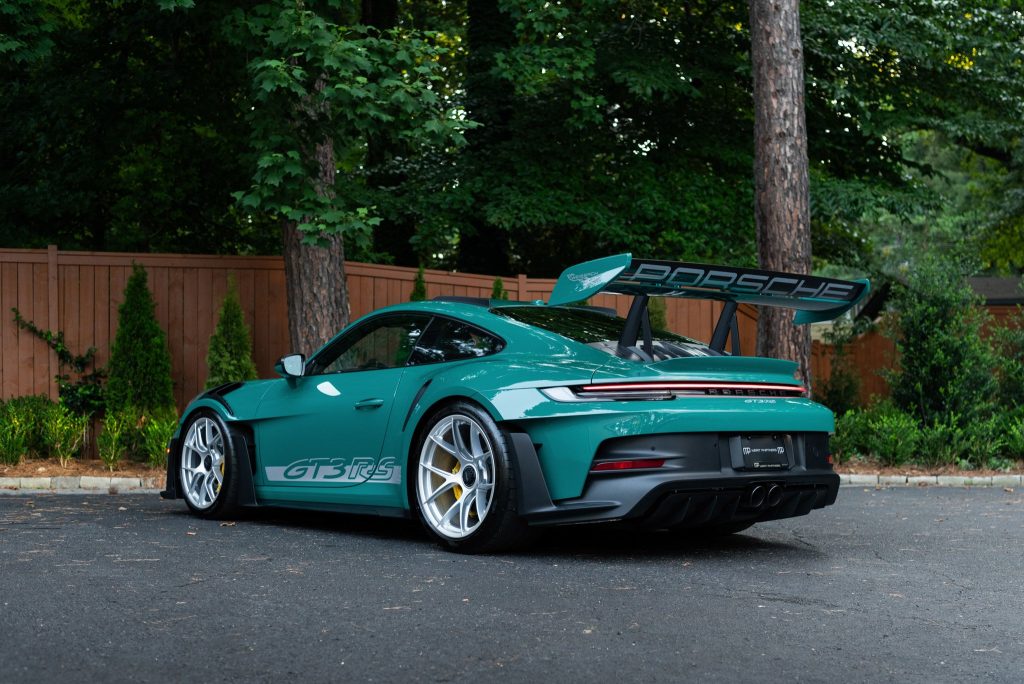
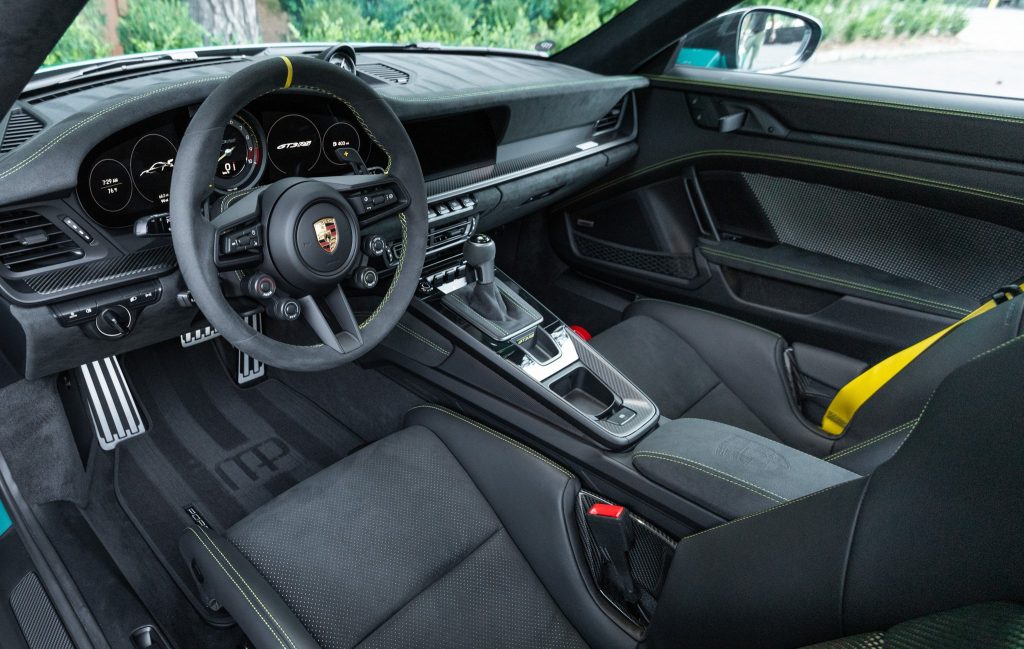
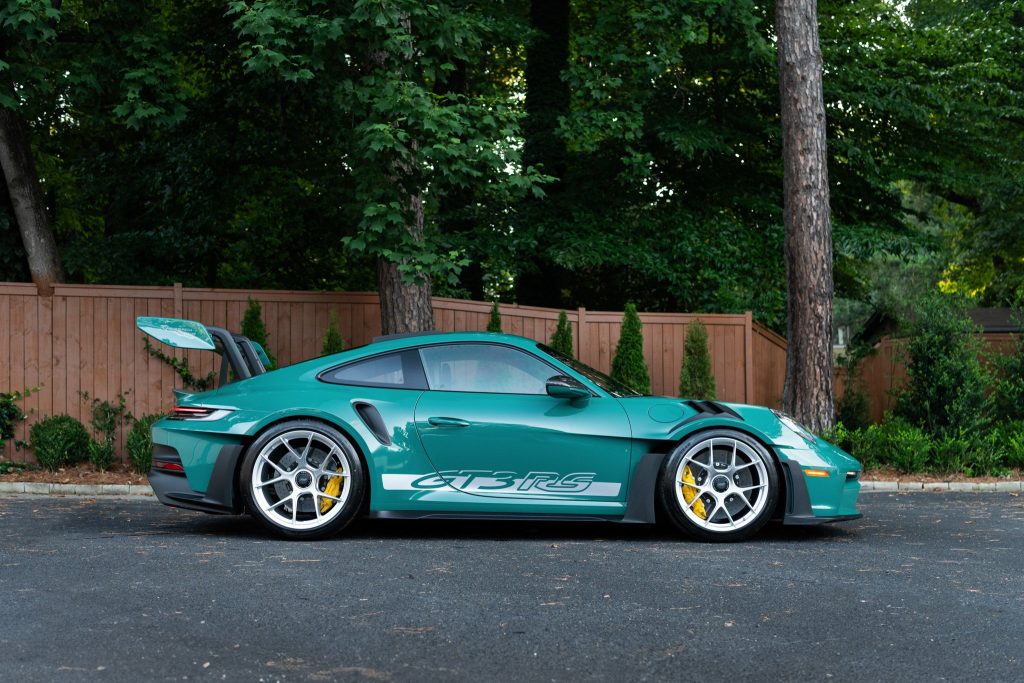
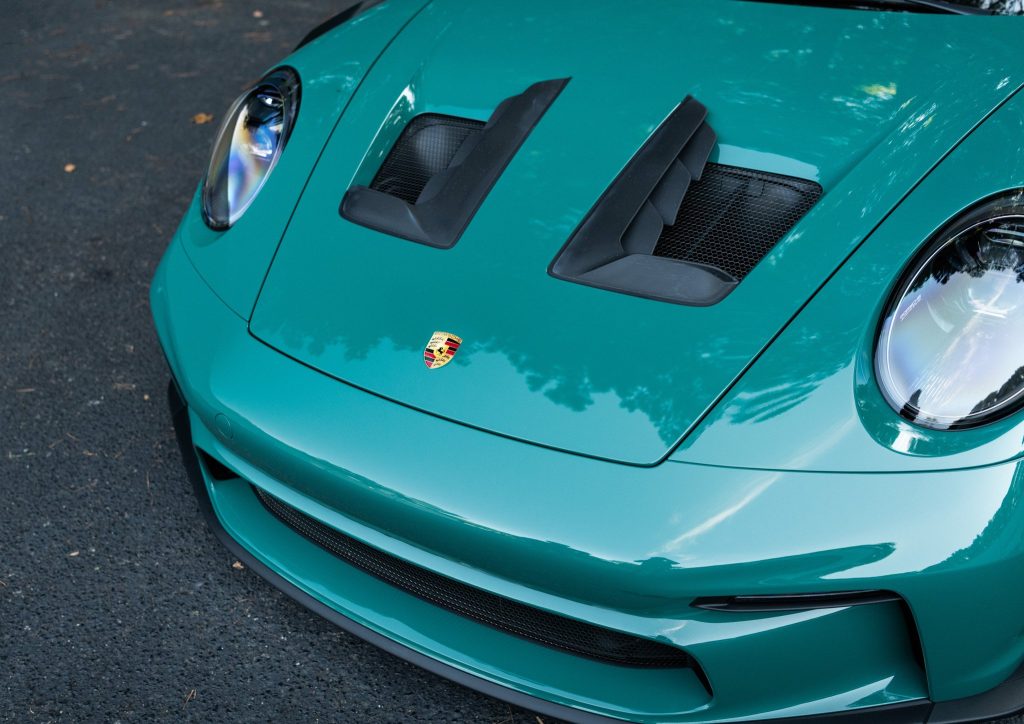
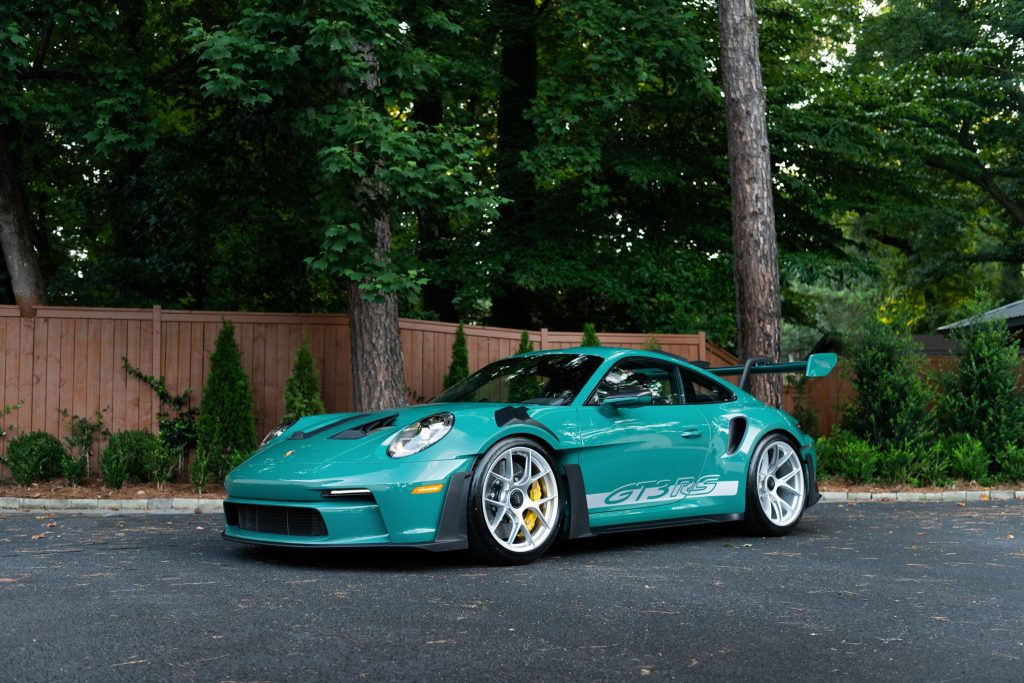
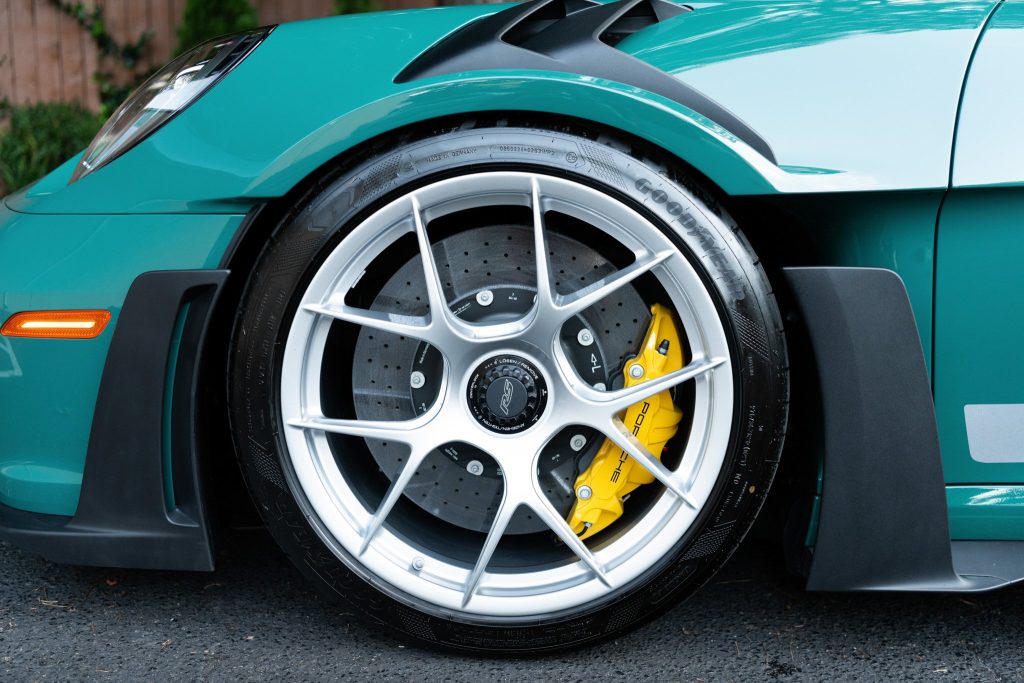
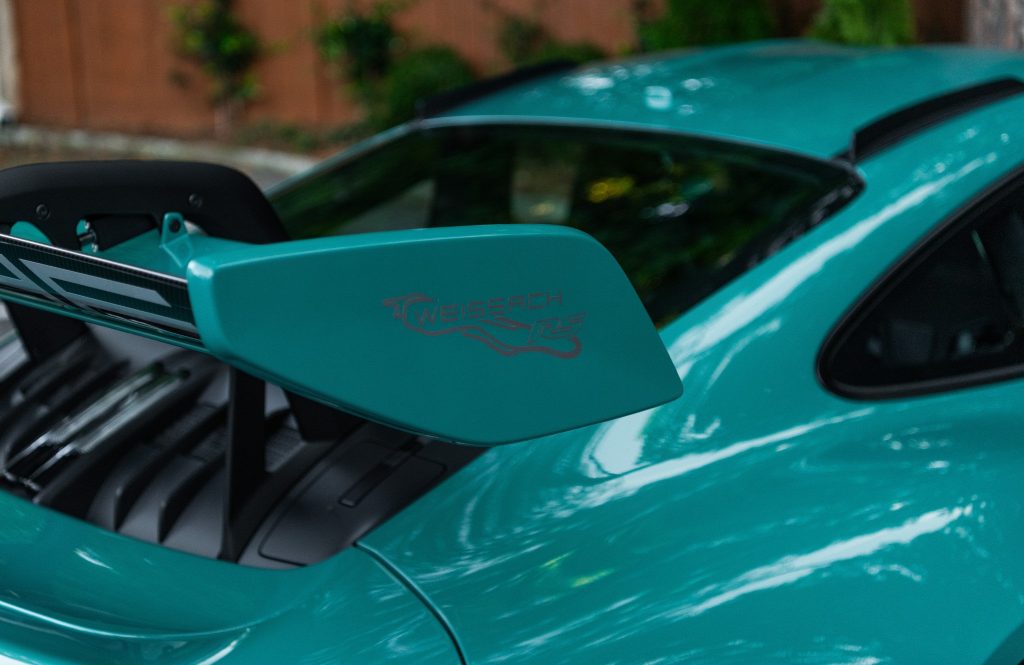
Originally available on the 356, Porsche’s Smyrna Green (smyrnagrün; non-metallic UNI; Z33; Porsche) is one of the more underutilized shades of Stuttgart’s rainbow. But for me, it represents somewhat of a generational conversation. Much like asking “what show is Uncle Jessie from?” to folks of differing ages will get an answer which varies between Full House and Dukes of Hazzard, you wouldn’t be shocked to hear Millennials and Gen X swear this is actually Evergreen from BMW’s M roadster and coupe.
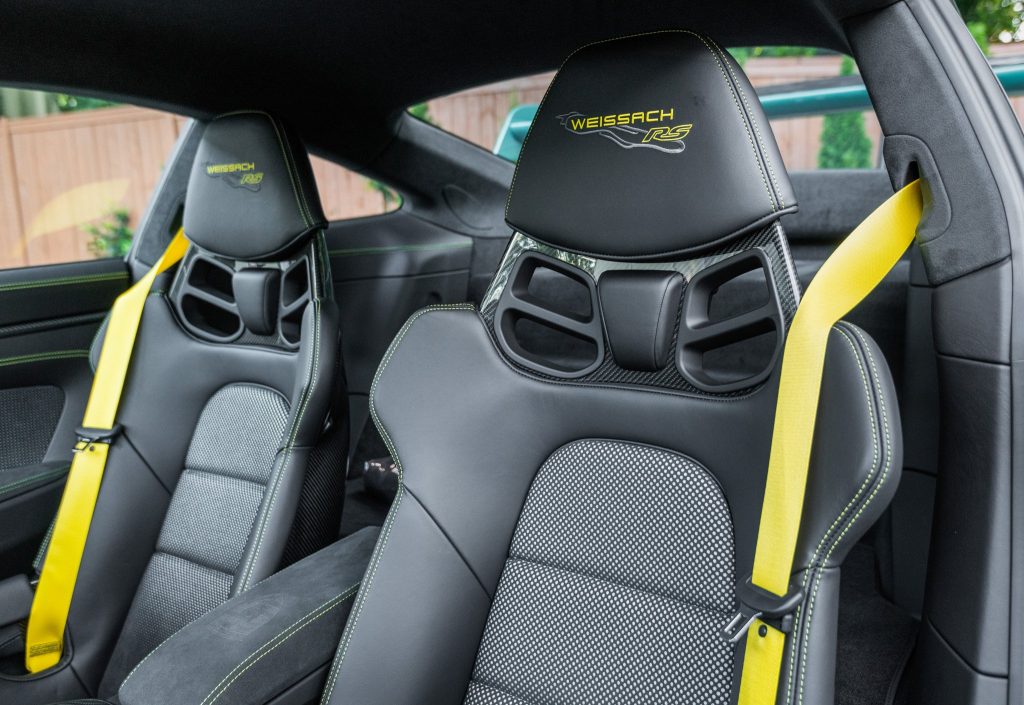
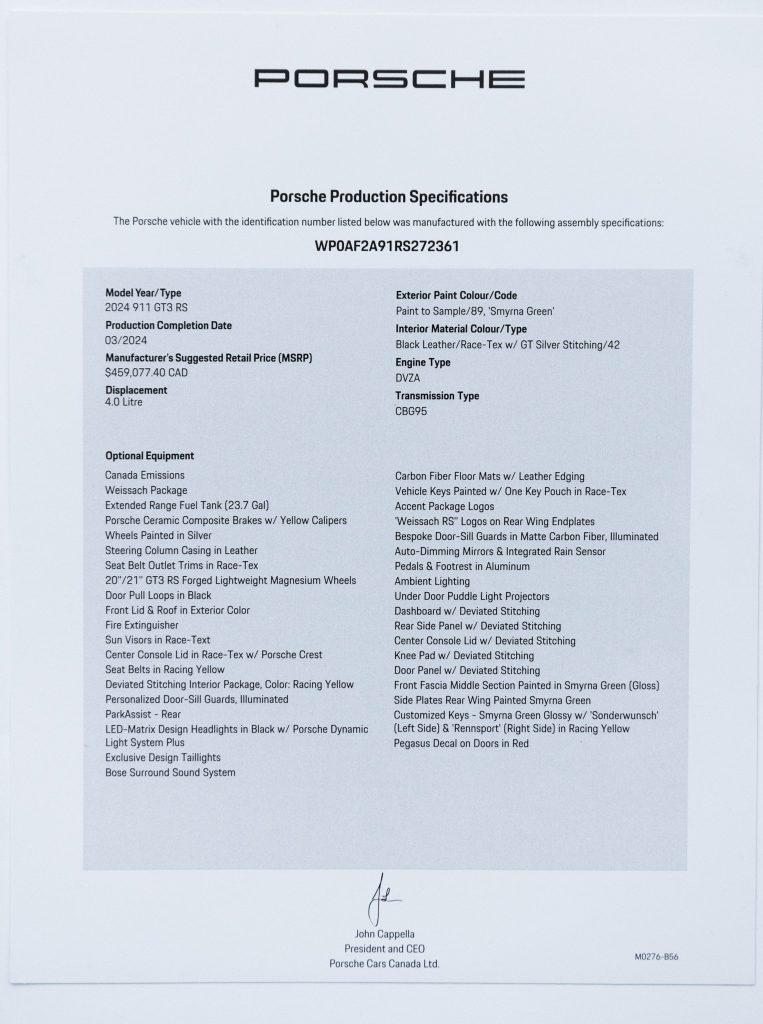
Whichever way you lean, this Porsche GT3 RS (VIN: WP0AF2A91RS272361) represents a display for forceful restraint. Beyond the obvious, you’ll find a long list of options including the Weissach Package, yellow deviated stitching throughout, numerous surfaces covered in Race-Tex, and the extended range fuel tank among others.
Currently on offer at Merit Partners, this GT3 RS has covered just 92(!) miles since new, and pricing is available upon request. If you have the means, we highly recommend picking this Tailored Driver up.
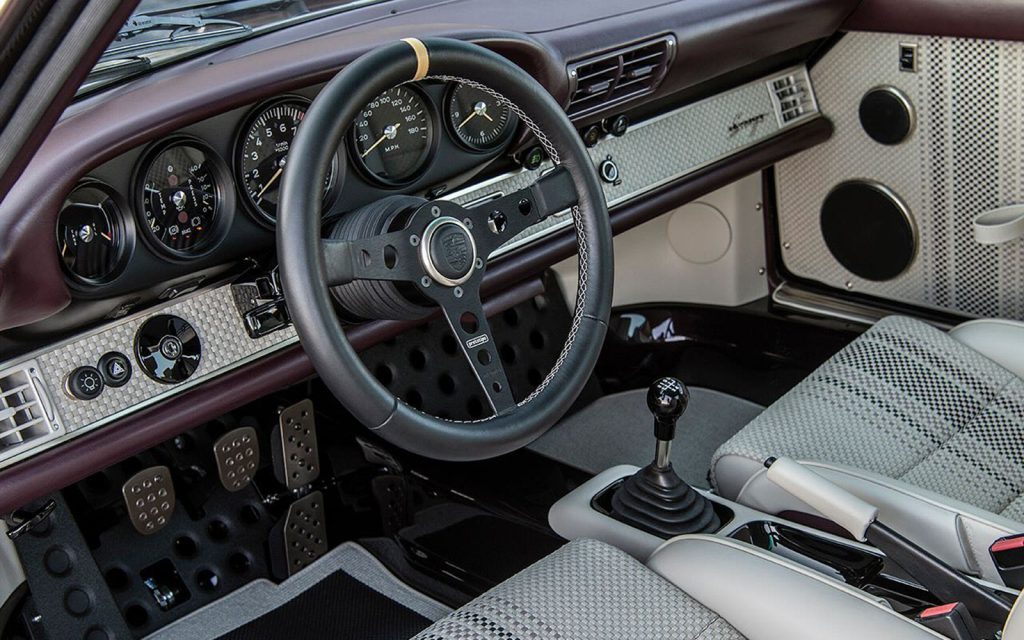
This week on Singer’s social media channels, the California-based re-imagineer of Porsche 911s shared photos of the Austin Commission. The car is one of their so-called Classic builds and it’s painted “Aubergine” that appears to be one in the same as the classic dark purple hue more common on Porsches of the late 1960s and 1970s.
Singer shares that, in addition to paint-to-sample Aubergine, the owner also specified electrically adjustable touring seats trimmed in Platero and featuring an asymmetric leather weave design. To our eye, their off-center striping seems to hark the striped seats of the 991.2 GT3 interior, though in a distinctly more classic Singer way.
Check out more on the Austin Commission plus the social media post with these photos HERE.
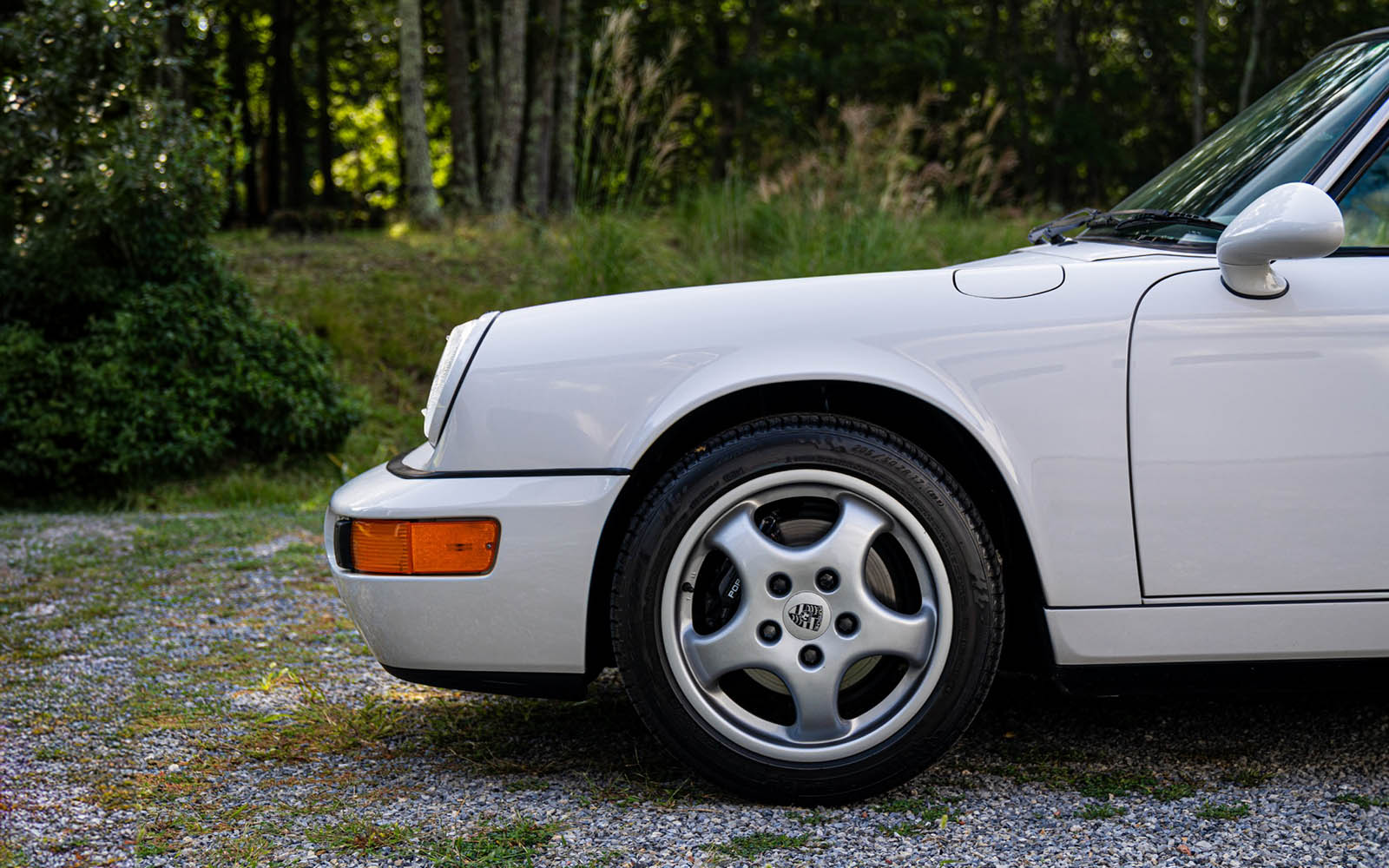
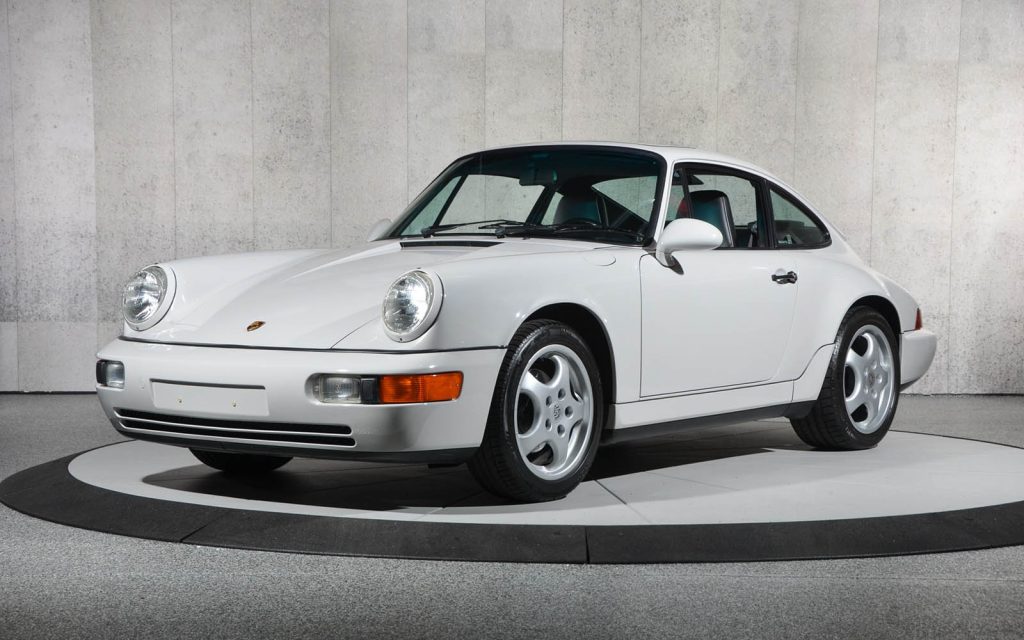
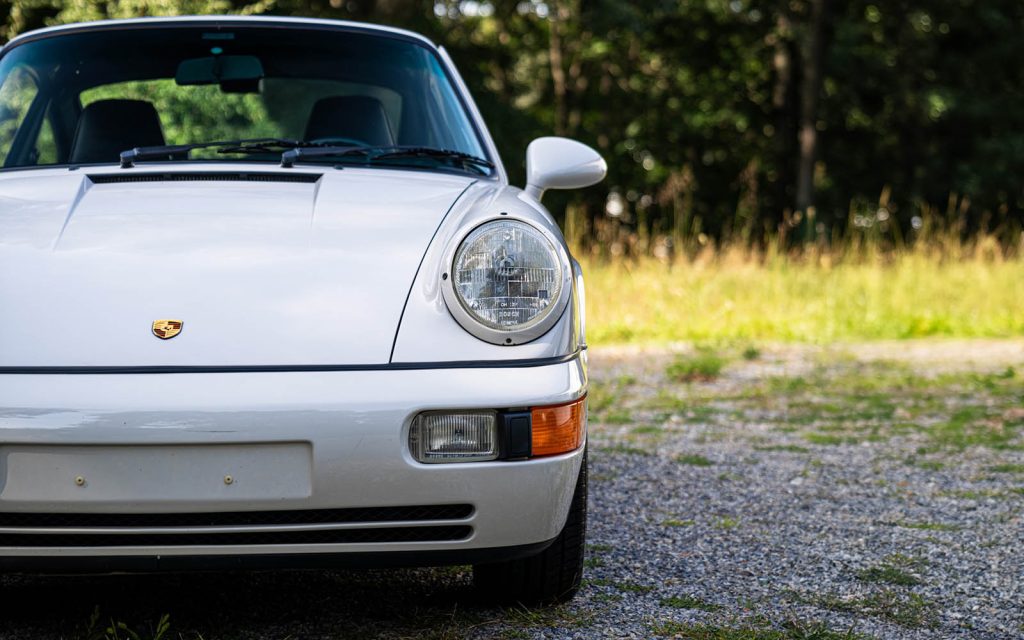
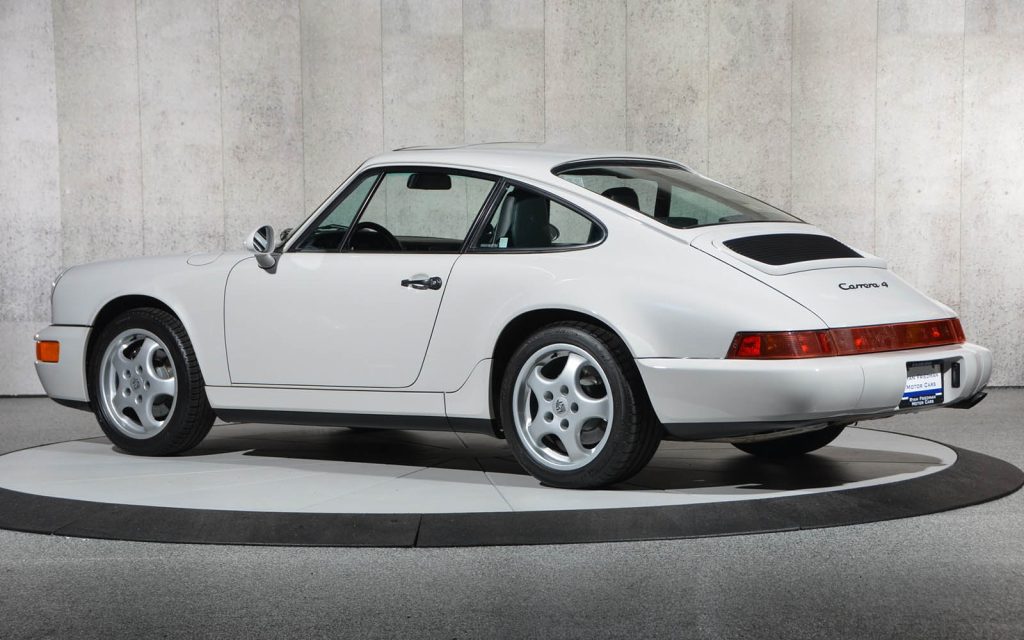
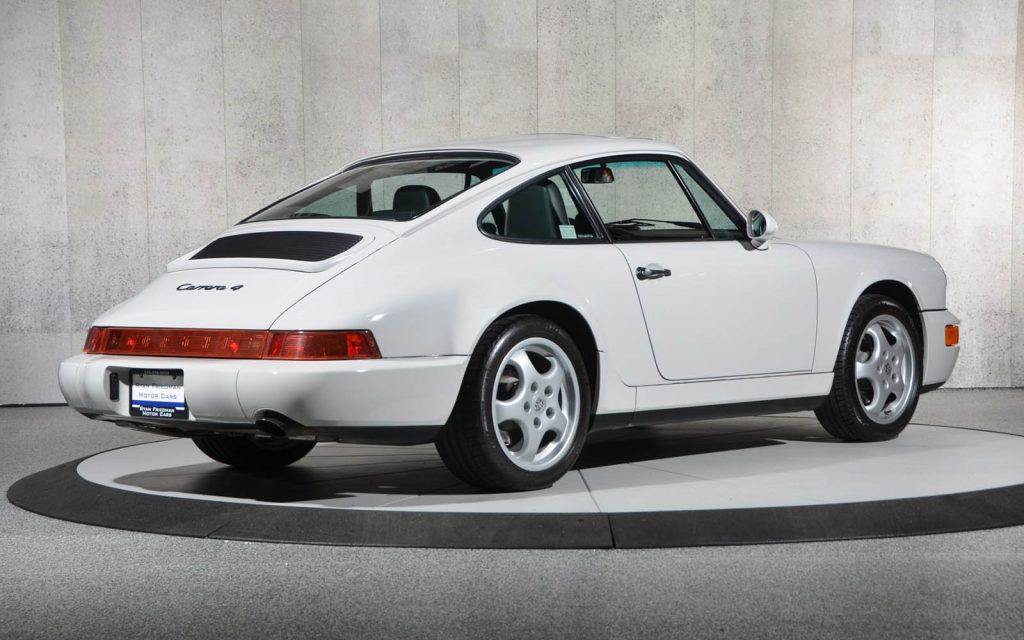
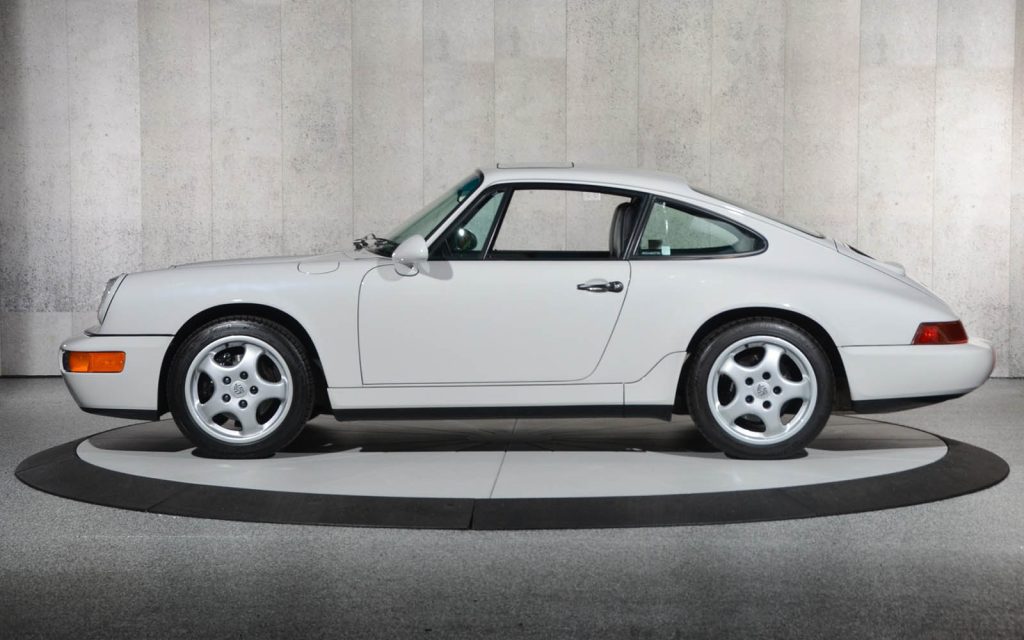
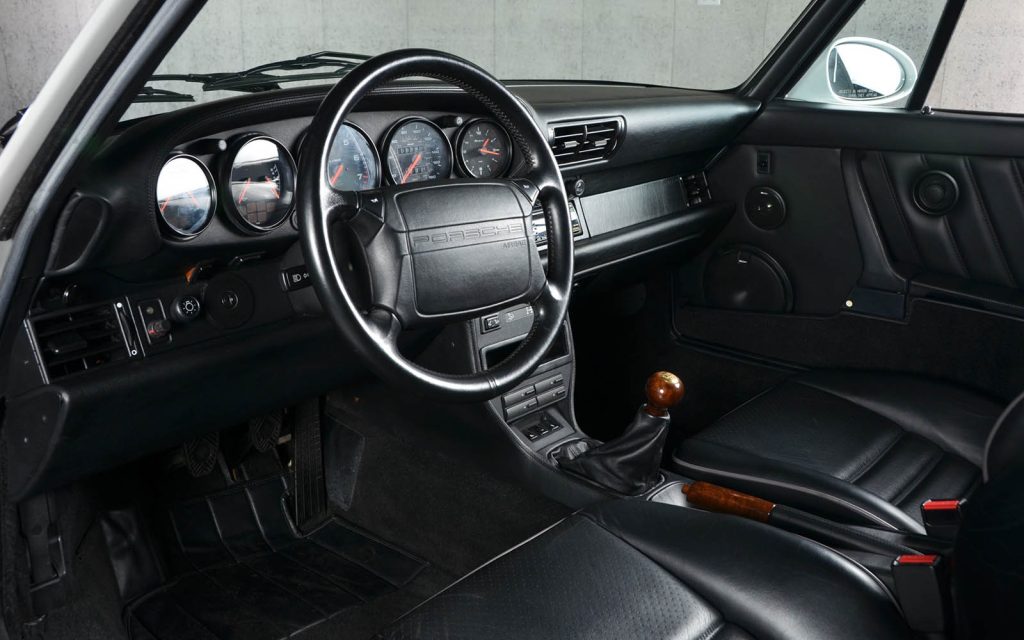
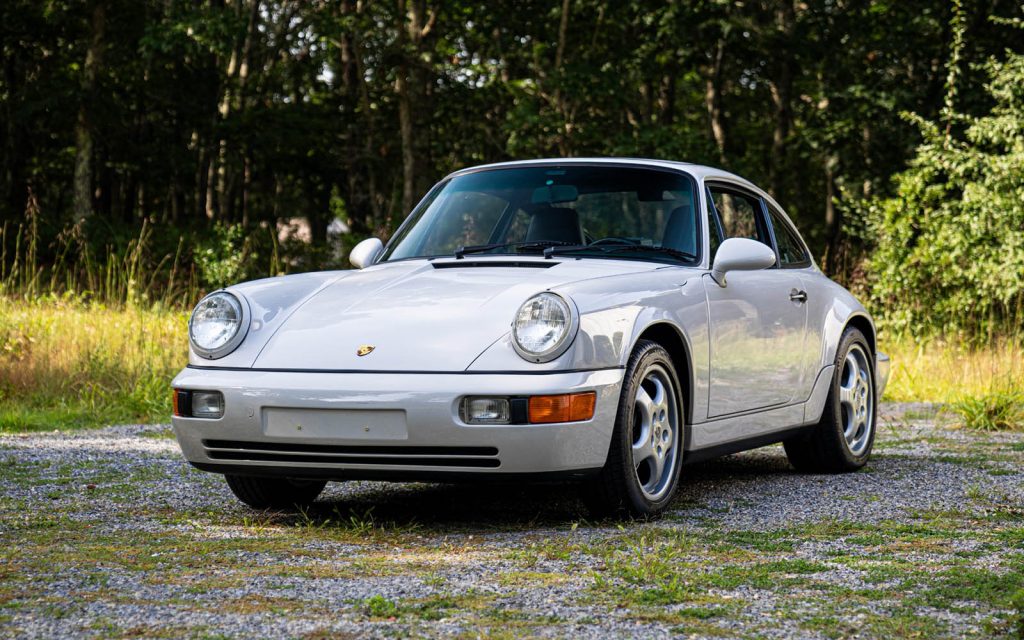
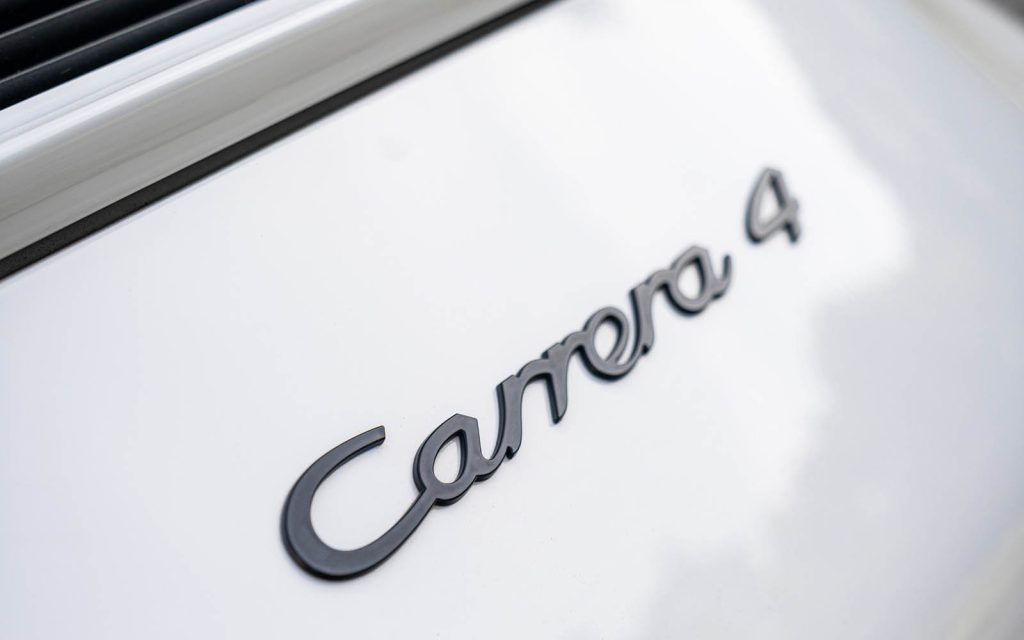
With so many 964 era Porsche 911s getting snapped up for bespoke builds from the likes of Singer, RWB and more, clean examples of coupes are becoming harder and harder to find. Make them later production years (1992-1994) when Porsche was on the ropes, low mileage or laden with exclusive paint or interior trim and you have something extra special. You have cars like this Marble Grey example found over at Ryan Friedman Motor Cars in Glen Cove, NY.
This is a one-owner Carrera 4 (all-wheel drive) example (VIN# WP0AB2969NS420563), with desirable 5-speed manual transmission and with just 38,149 miles logged. It’s the further specification from the factory though that really grabs our attention.
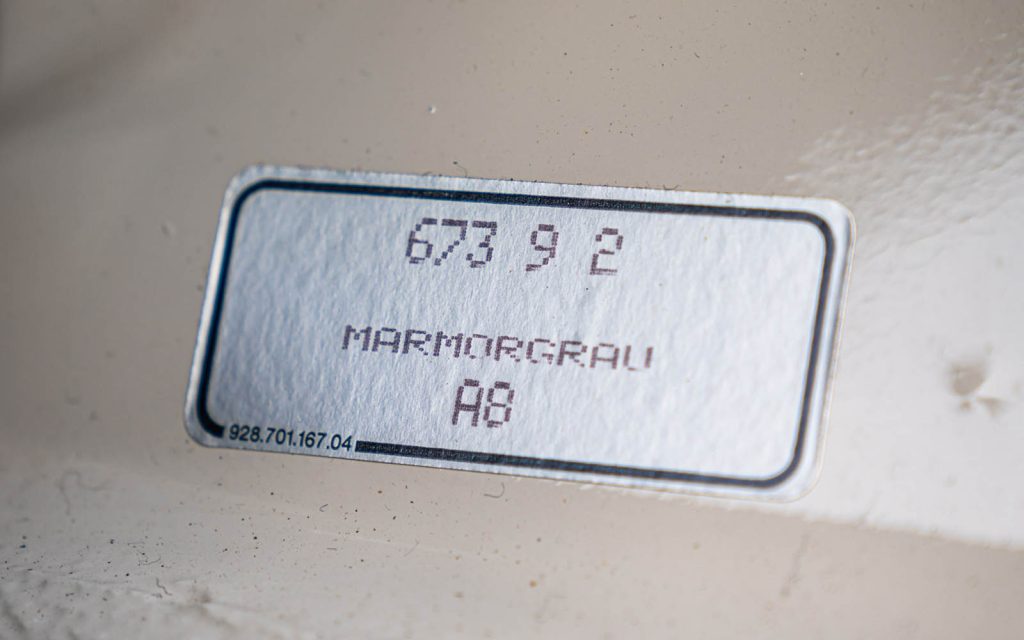
That Paint to Sample Marble Grey almost seems to harken more modern Porsche uber light grey colors like Chalk, Crayon or Fashion Grey. It’s reportedly the only car of its kind to leave the factory in this shade.
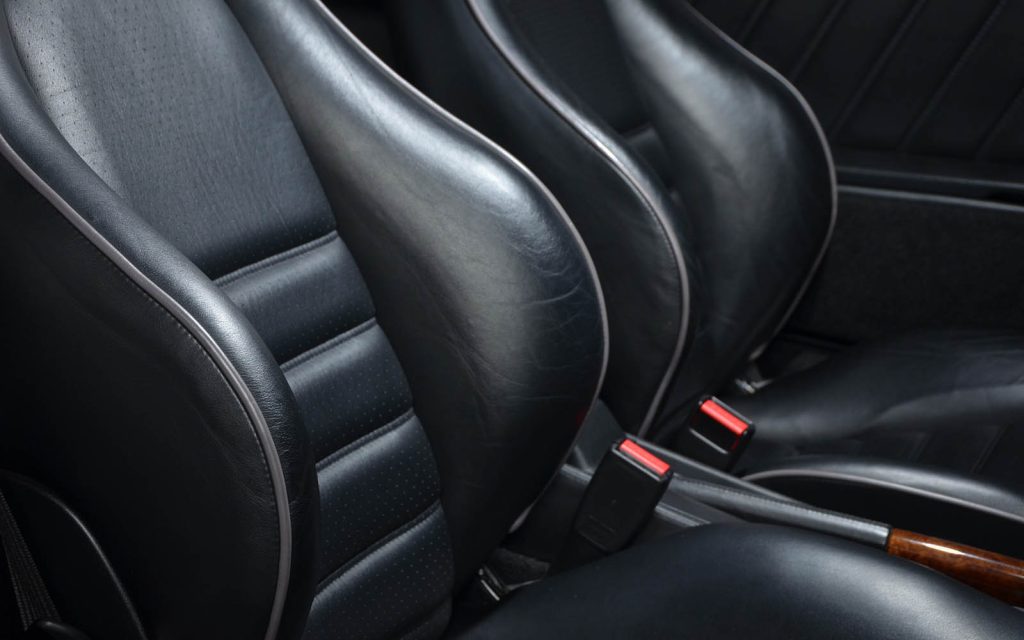
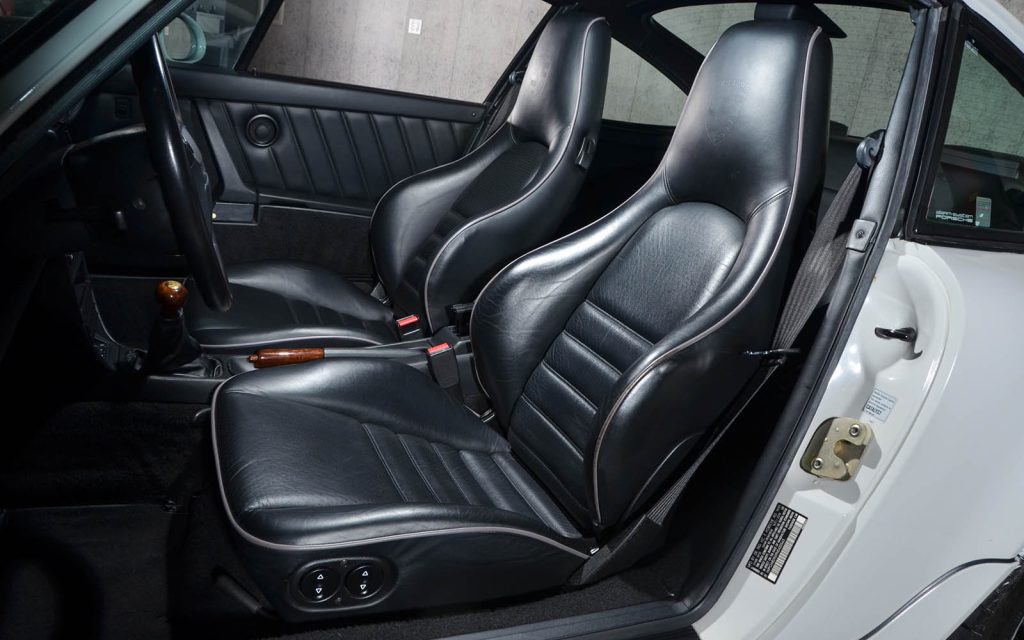
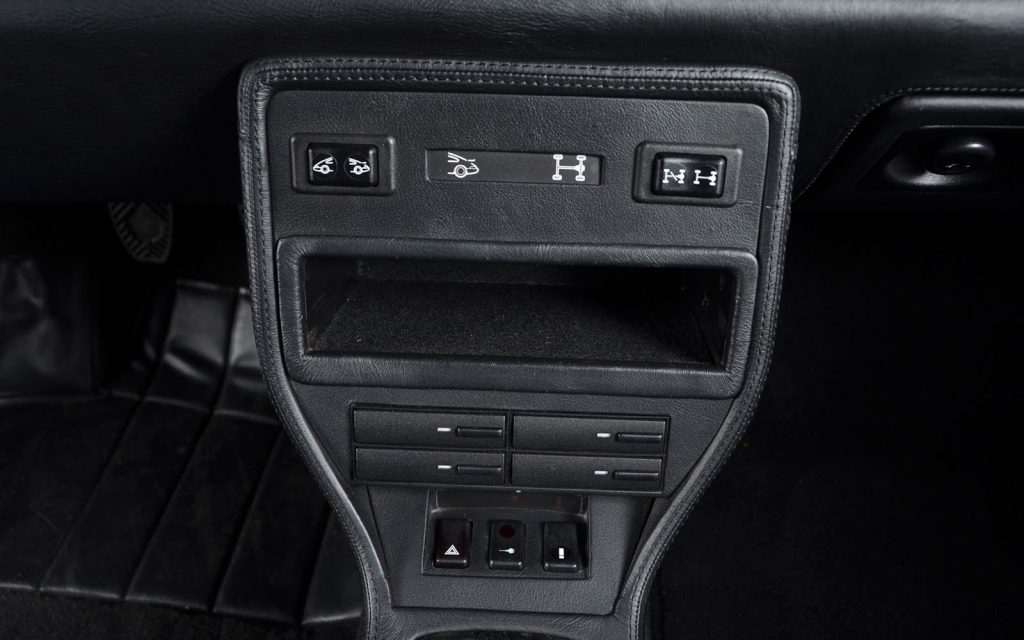
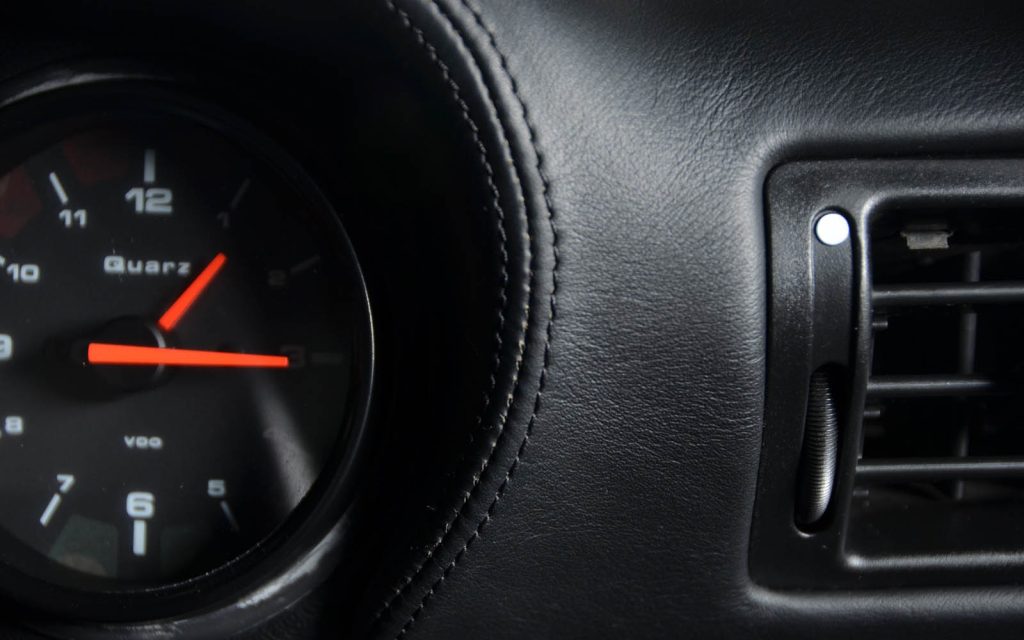
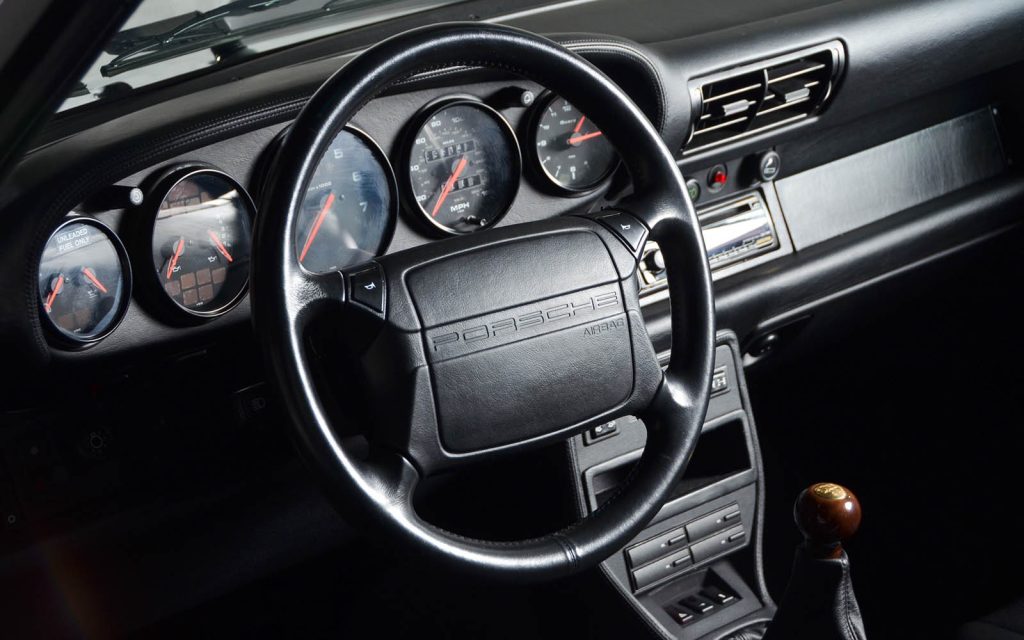
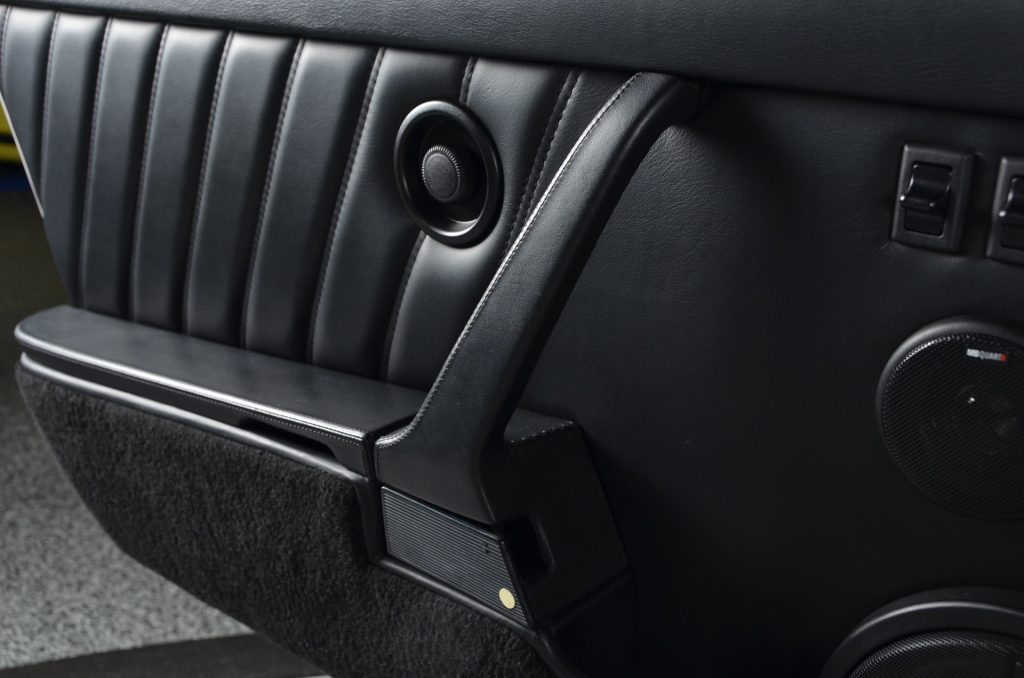
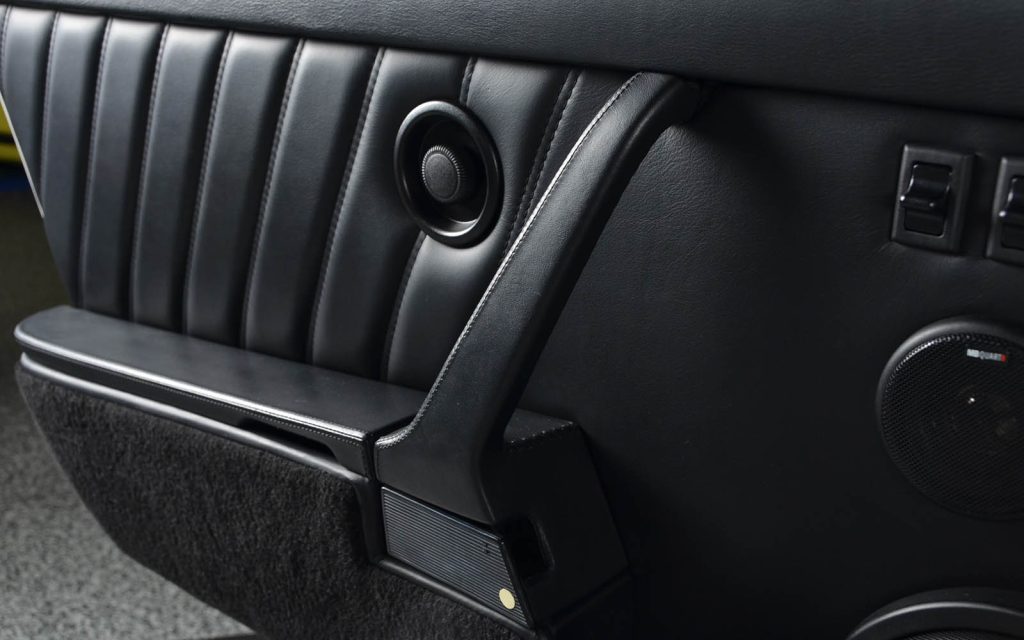
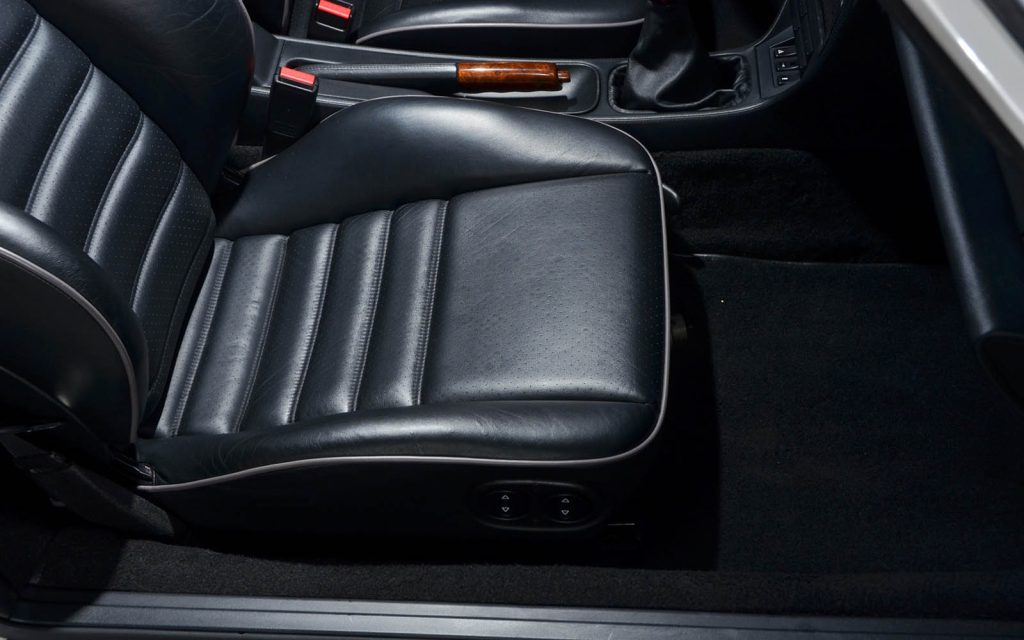
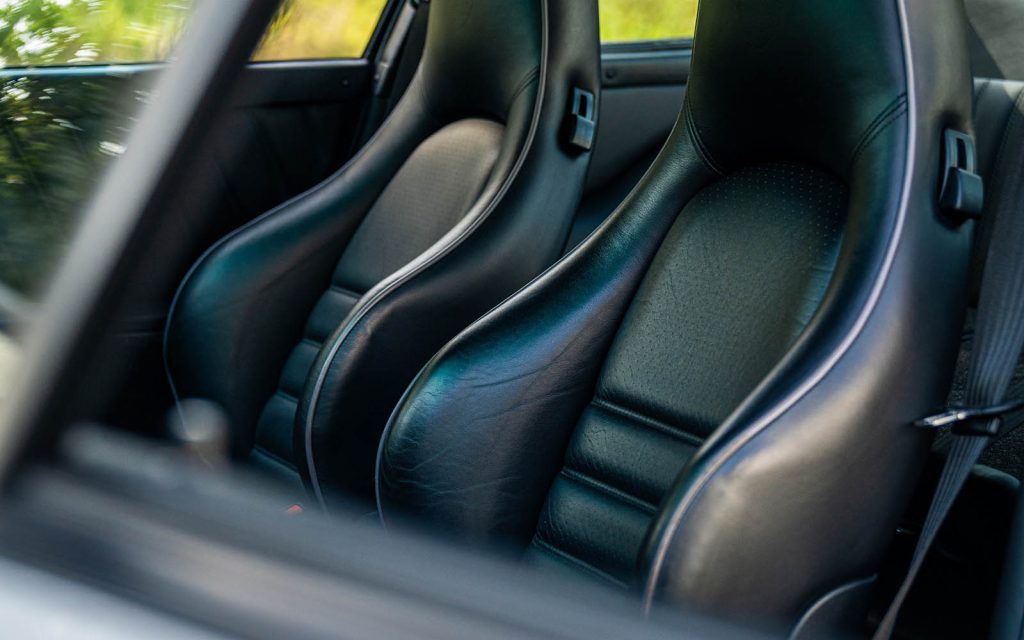
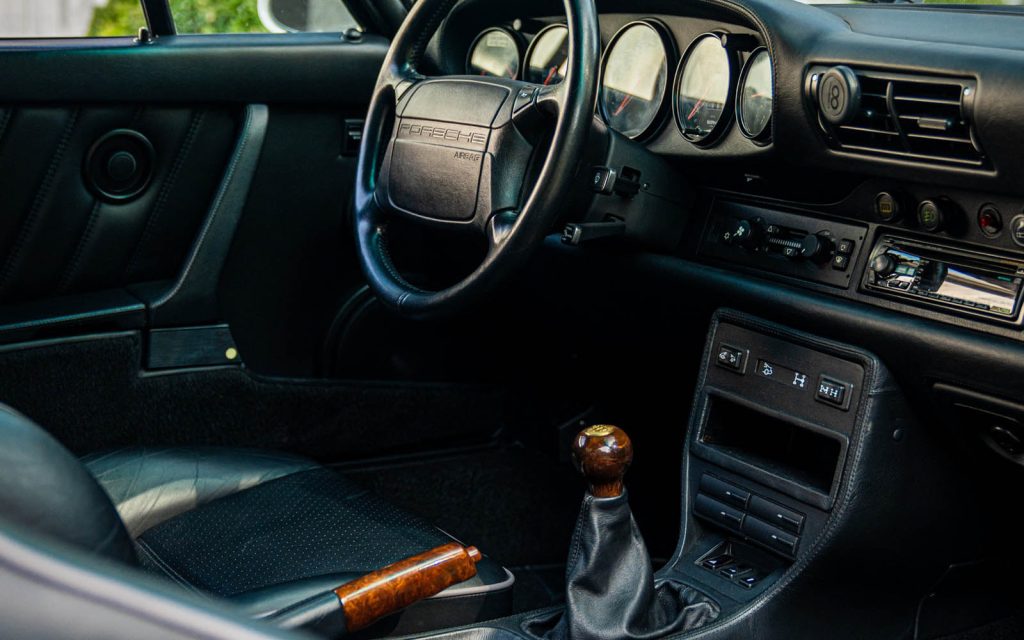
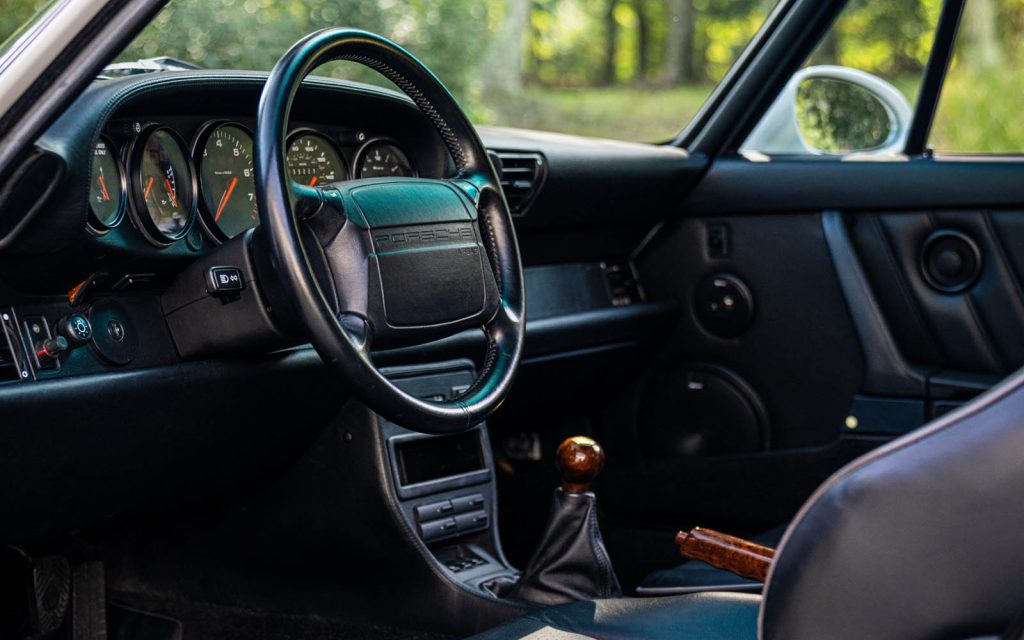
The original owner didn’t just stop at a unique paint color though. Subtle touches enrich the cabin, including matching Marble Grey piping around the black leather seats. It also gets additional leather trreatment on the doors, dashboard and center console, plus a wooden shift knob and e-brake handle that would have otherwise been leather as standard from the factory.
Ryan Friedman Motorcars shares the full build list, so we’ve included it here:
Featured equipment/factory-ordered options: L998 – paint to sample (Marble Grey); VD – black; C02 – US Standard Emissions; XC9 – Dark Rootwood Shift Knob; XD4 – Wheel caps with colored Porsche crest; XF6 – Leather covered panel of the center console (under handbrake lever); XF7 – Leather covered tray behind parking brake; X09 – Special center console; X32 – Dark Rootwood parking brake lever; 331 – Cassette-radio Becker Porsche CR-1; 383 – Sports seat, left, electrical height adjustment; 387 – Sports seat, right, electrical height adjustment; 454 – Automatic speed control; 494 Amplifier; 650 – Sun-moon-roof.
Want to learn more about the car or see more photos? Check out the listing on the dealer’s website HERE.
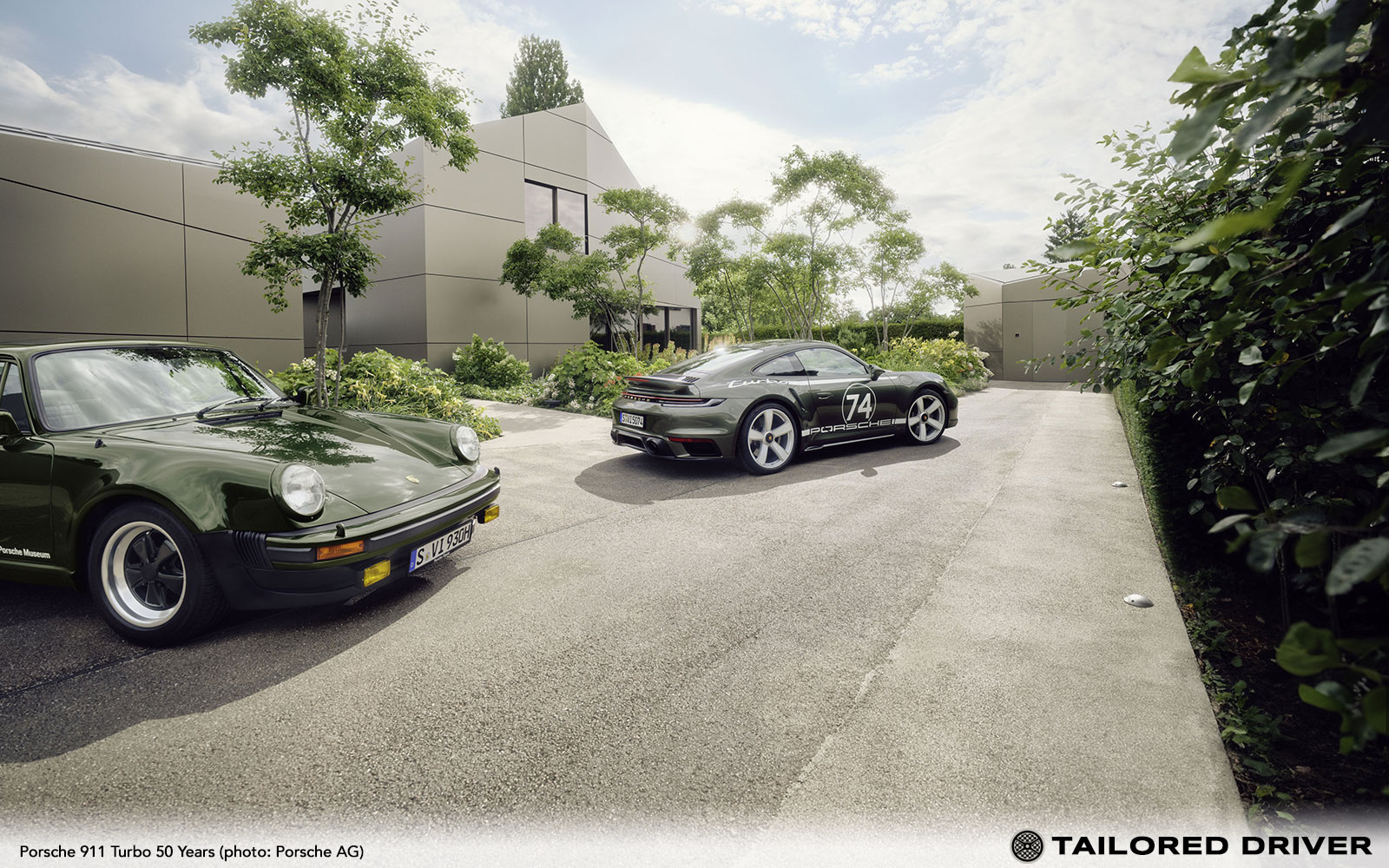
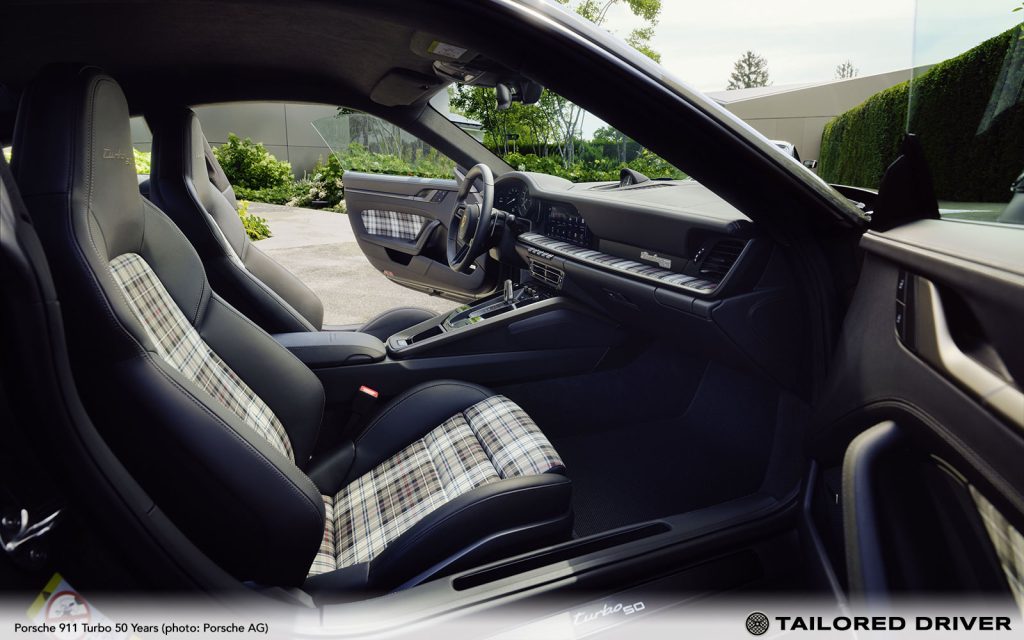
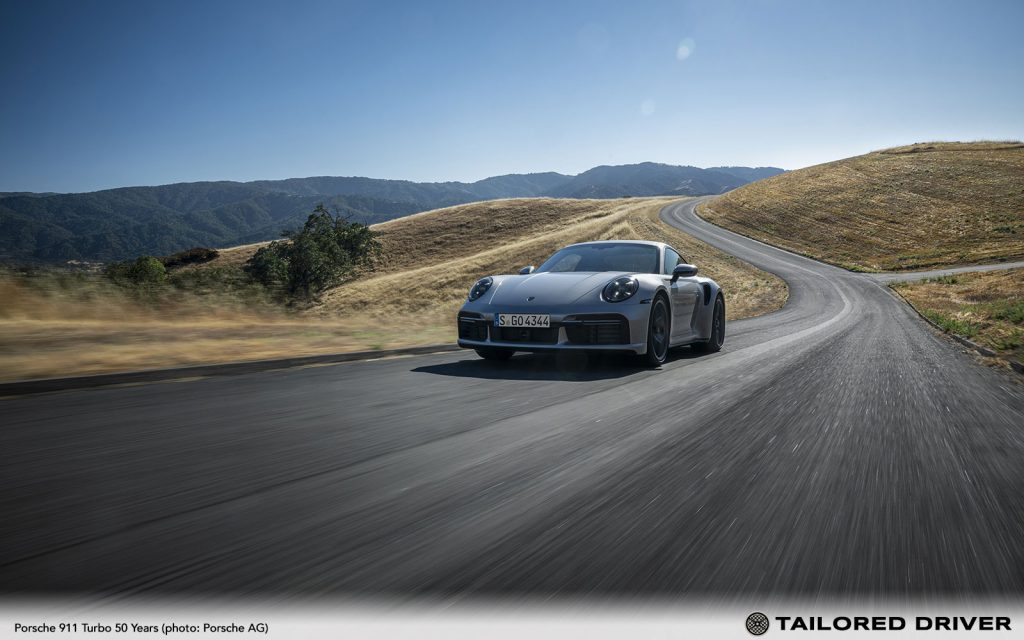
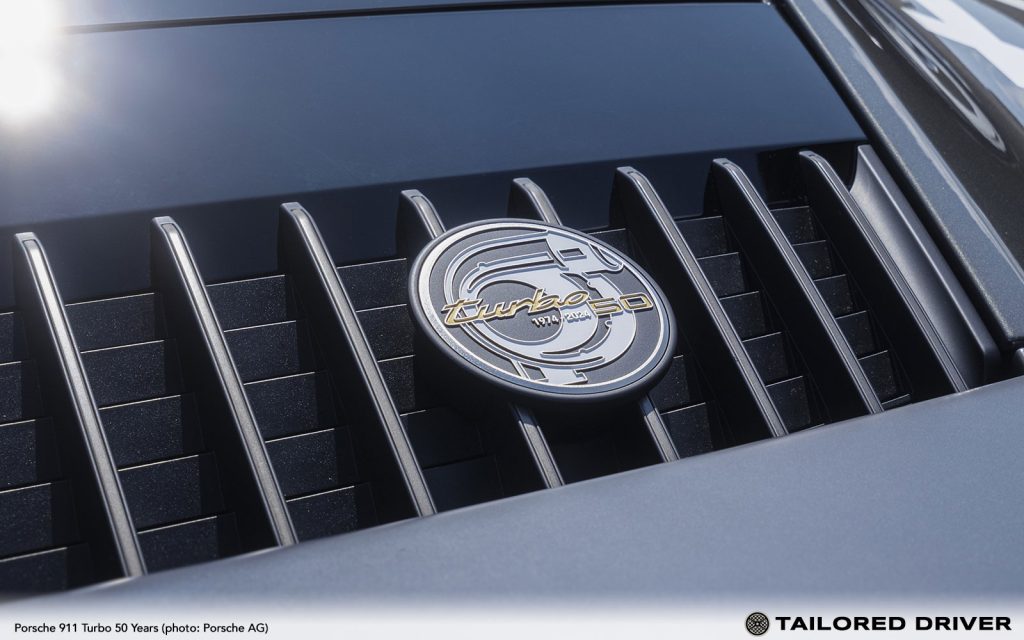
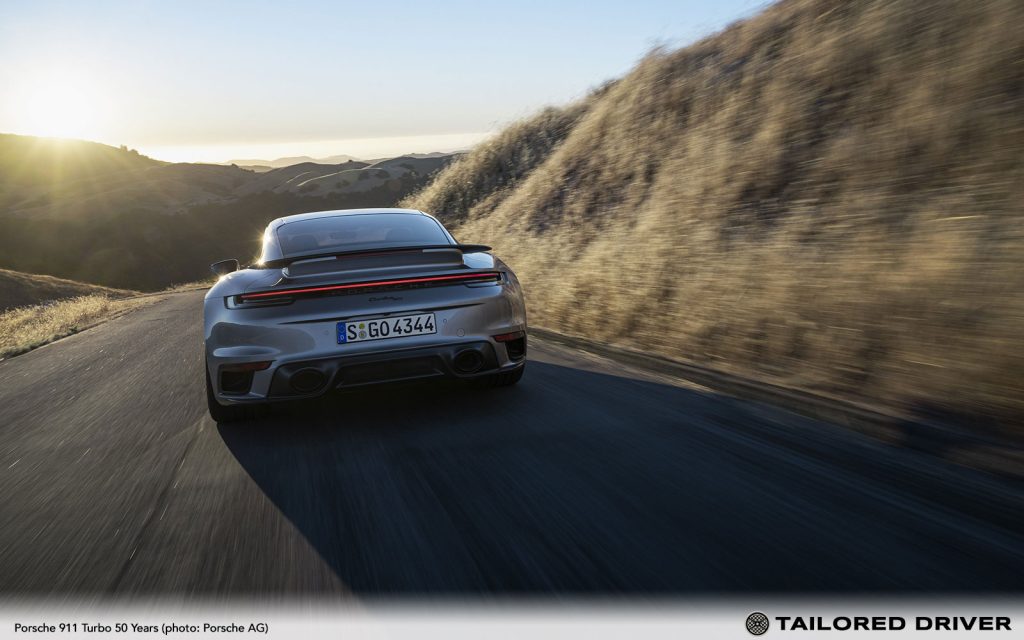
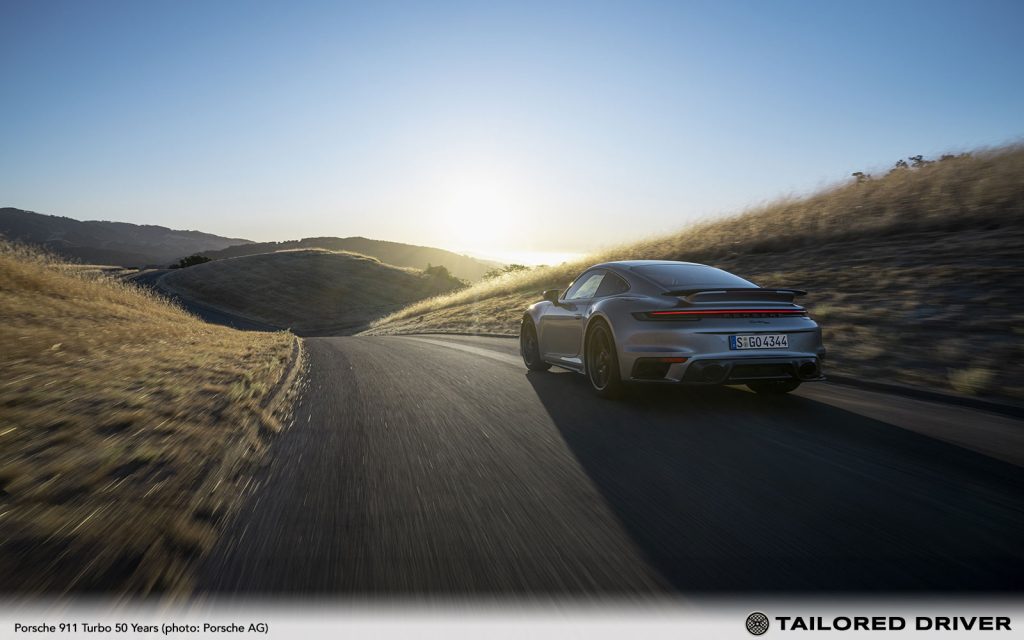
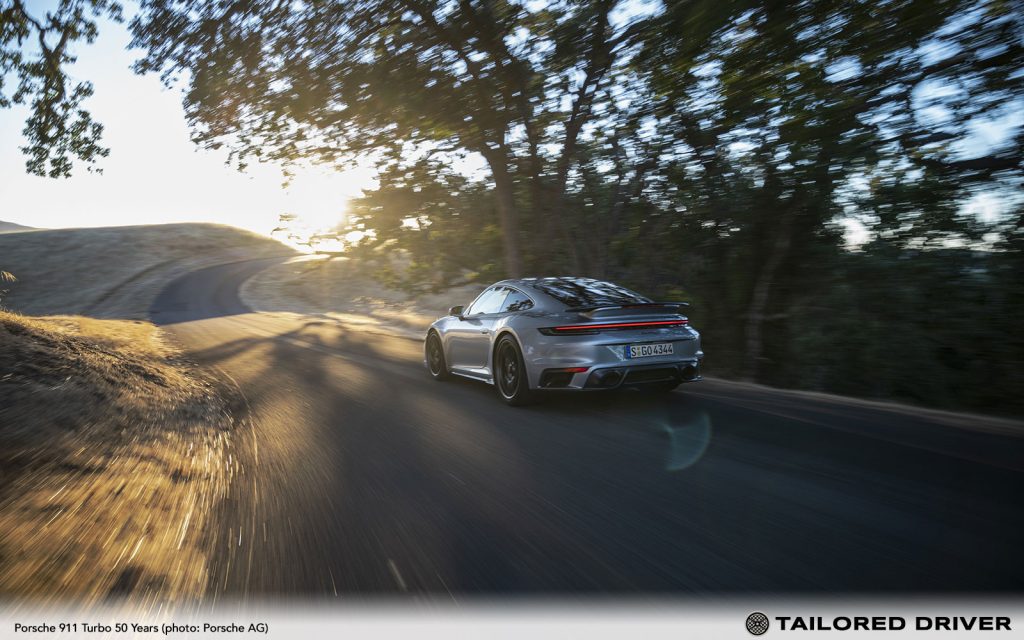
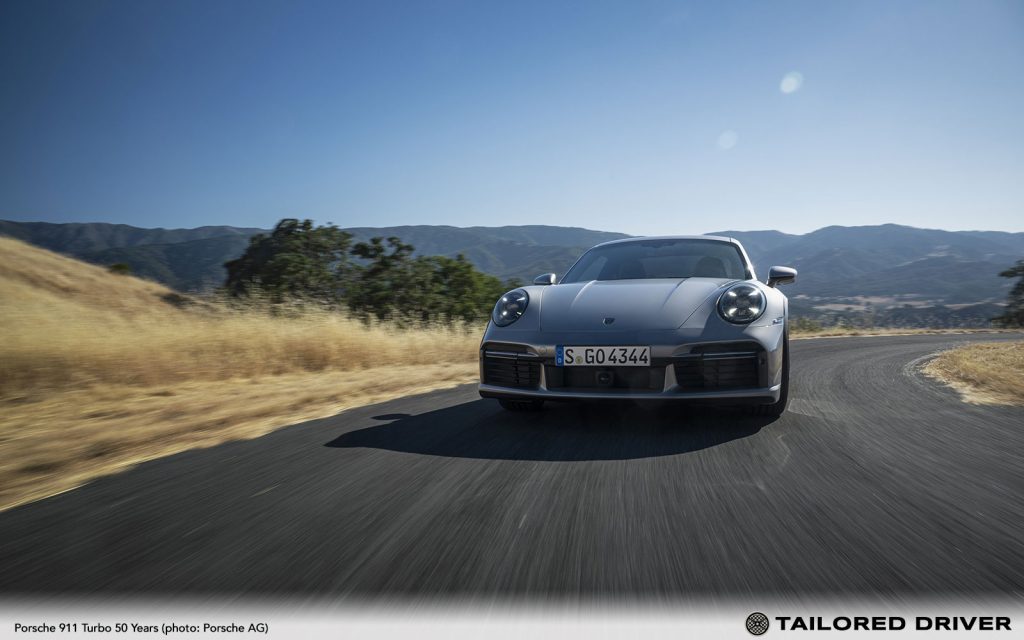
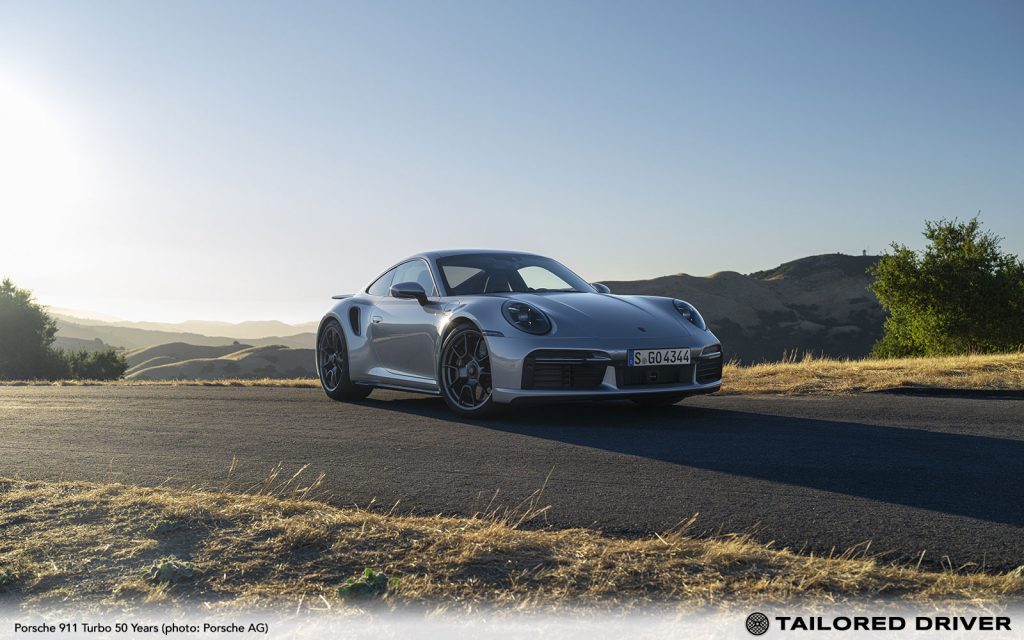
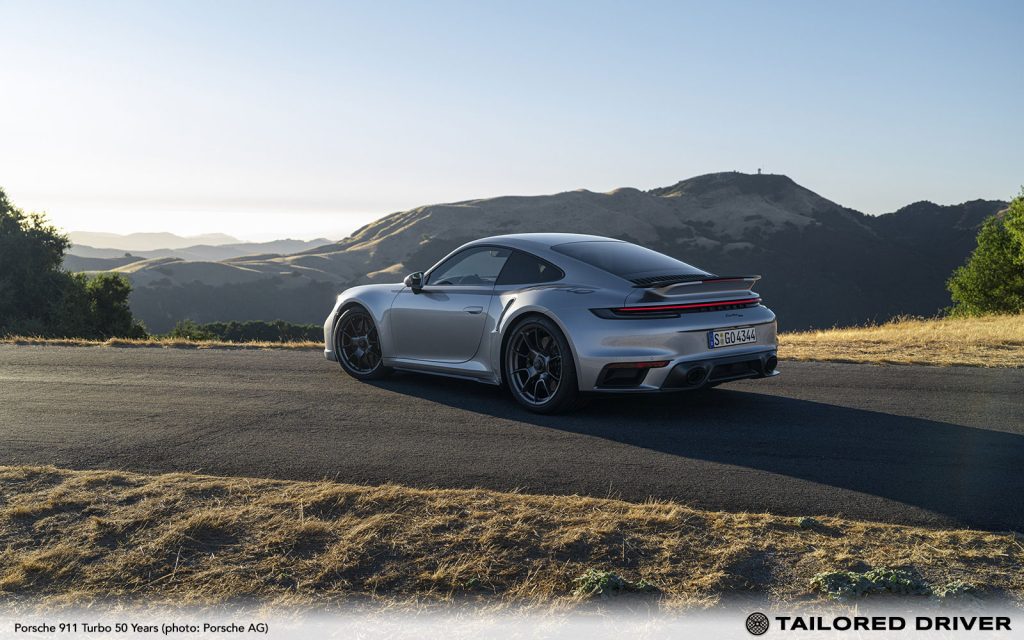
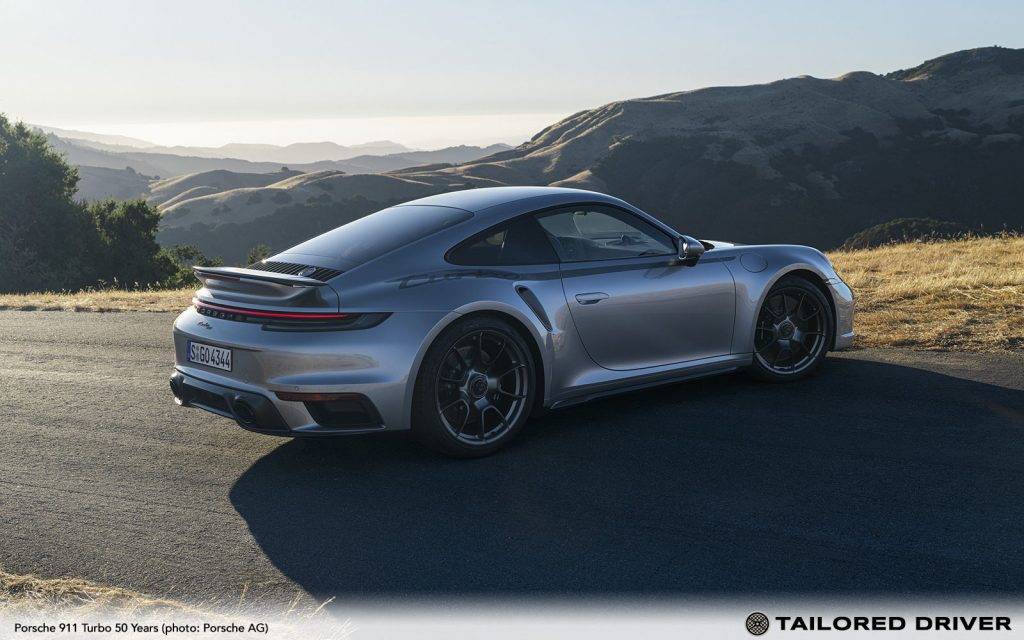
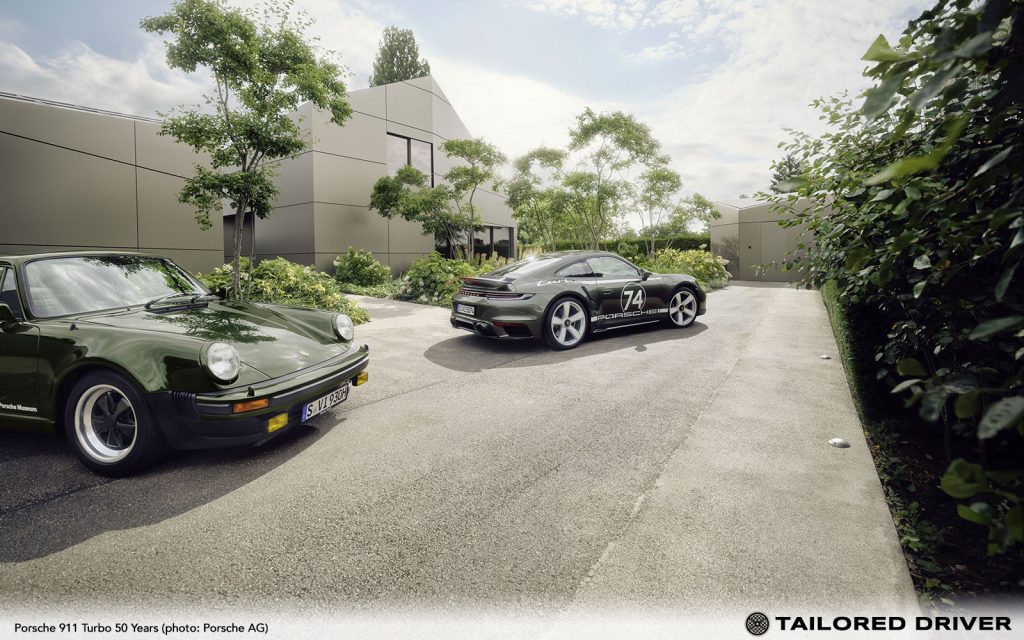
Stuttgart. To mark the 50th anniversary of the 911 Turbo, Porsche is launching an exclusive anniversary model of its iconic sports car. The 911 Turbo 50 Years combines outstanding performance and the finest materials with exclusive design elements. The interior and exterior evoke historic 911 Turbo models, complemented by timelessly elegant and contemporary styling elements. An optional Heritage Design Package further refines the aesthetics of the anniversary model. Porsche has limited the 911 Turbo 50 Years, which is based on the last-generation 911 Turbo S, to 1,974 units in honour of the year in which the first 911 Turbo made its debut.
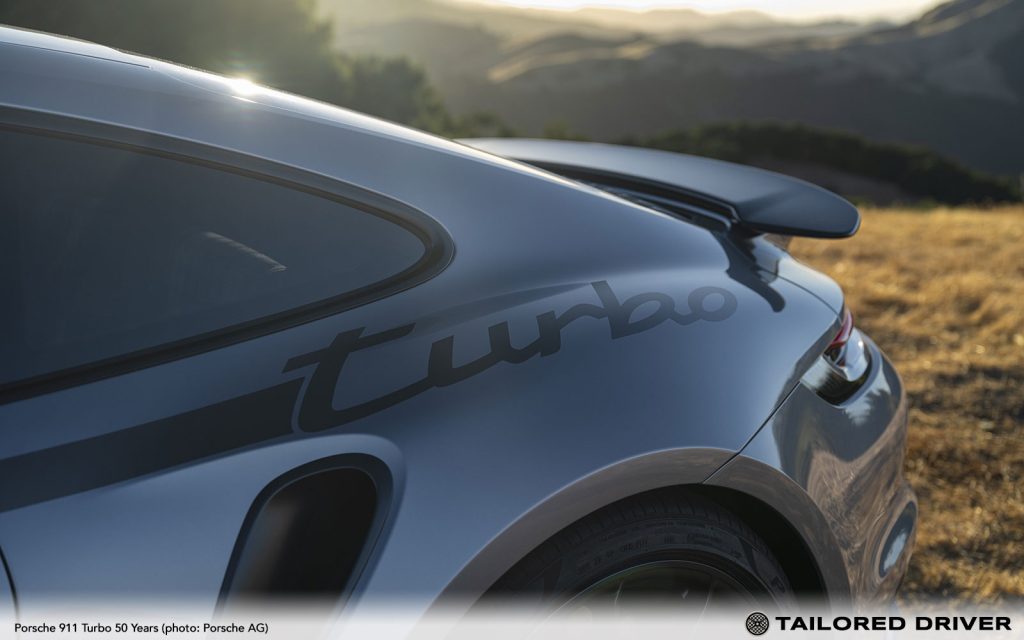
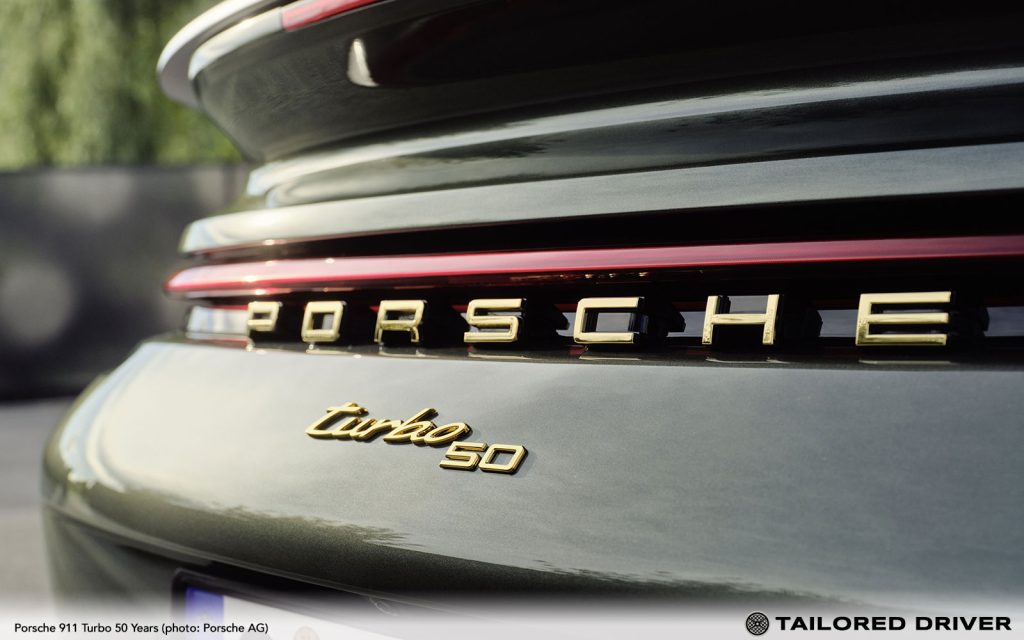
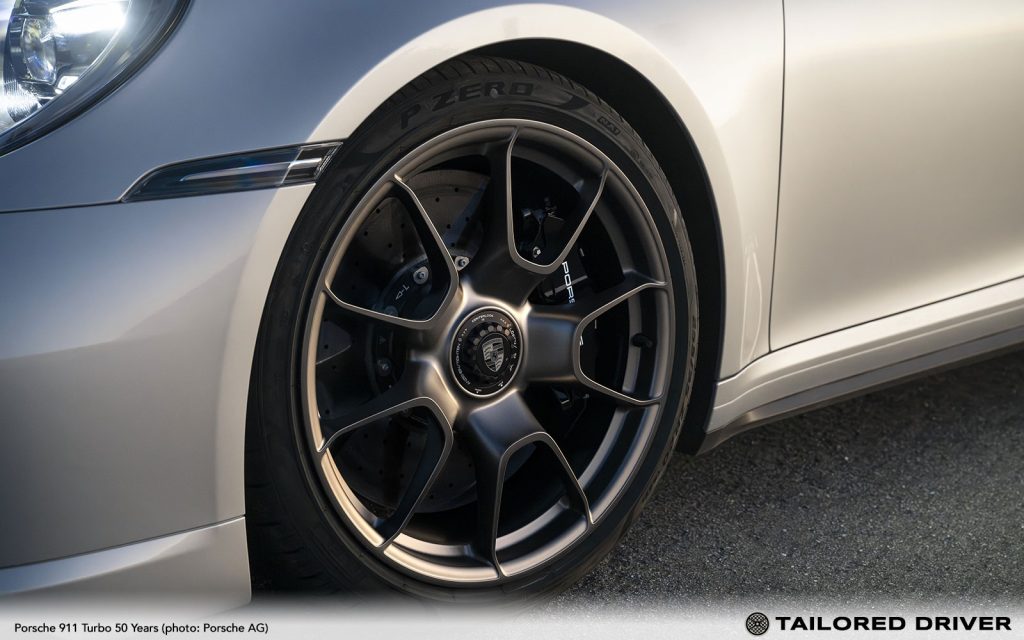
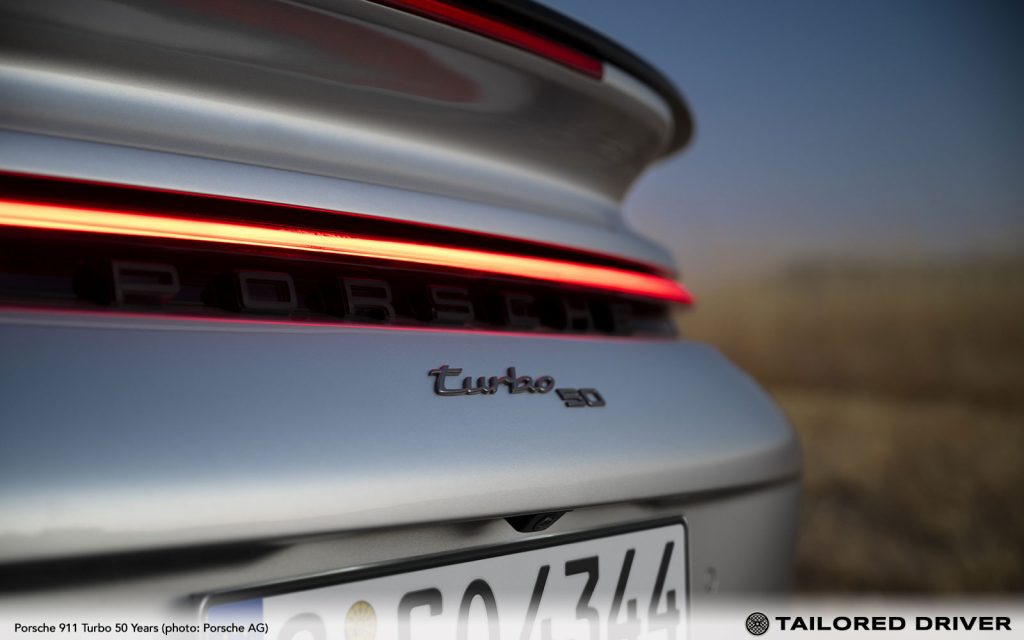
Unique anniversary model with Turbo feel and design When it was introduced in 1974, the Type 930 Porsche 911 Turbo shifted the boundaries of what was possible. It brought the benchmark turbo technology from the 917/10 and 917/30 racing cars into a production sports car with superior performance and combined it with a unique design and unprecedented day-to-day usability. The 911 Turbo 50 Years anniversary model – based on the 911 Turbo S introduced in 2019 – both pays tribute to and reinterprets this heritage. The standard side vinyl graphics are a nod to the historic livery of the Porsche 911 RSR Turbo presented at the Frankfurt Motor Show in 1973, itself a forerunner of the 911 Turbo. It features the current Porsche Turbo-exclusive colour Turbonite, which here makes its first appearance on a 911. Turbonite is also used on inlays in the rear engine cover, the fuel tank cap and in the Porsche crest. It is also being used as a contrasting colour in the Turbo 50 model logo. Another historical reference is the use of Anthracite Grey on the rear wing blade, rear apron, mirror base and air intake trims. A badge on the rear engine cover grille features a turbocharger icon and the years 1974–2024. When the door is open, the LED door projector projects the image of a turbocharger onto the ground next to the car. The 911 Turbo 50 Years comes with the 911 Turbo S Exclusive Design wheels in Turbonite as standard.
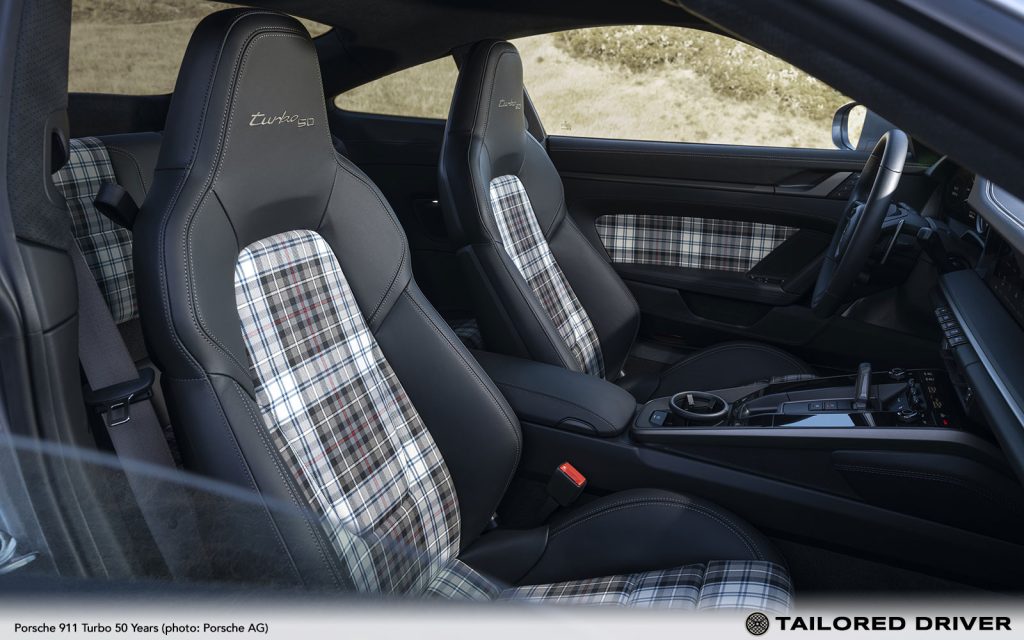
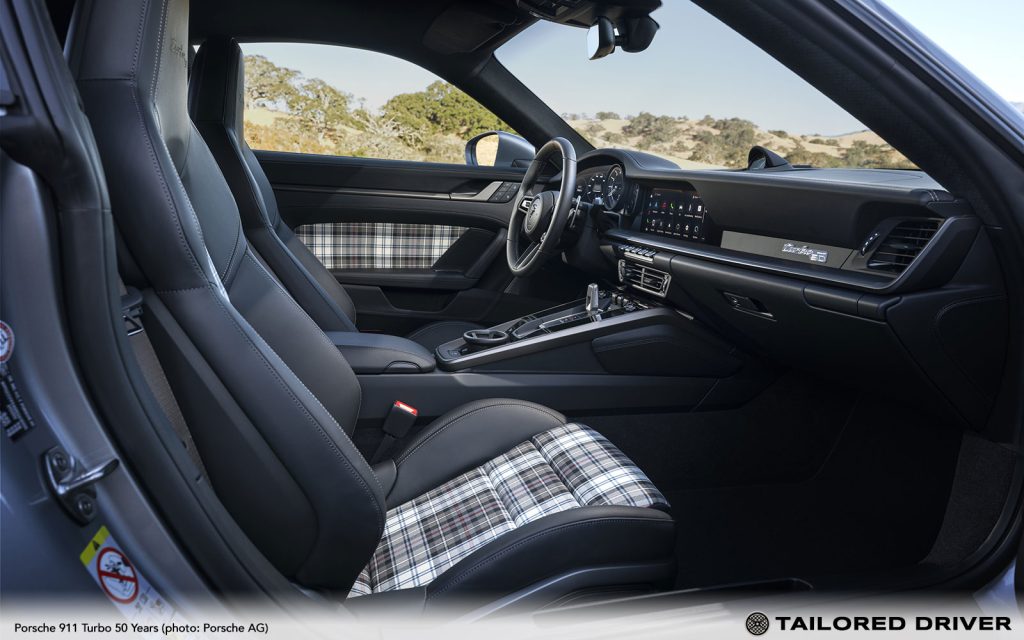
Interior recalls the zeitgeist of the 1970s The interior of the 911 Turbo 50 Years is also redolent of Turbo history. As an exclusive tribute to the early Porsche 911 Turbo models, the iconic McKenzie tartan adorns the centre panels of the seat covers and the interior door panels. Additional contrasts in Turbonite further differentiate the car from the regular 911 Turbo S series-production model. These Turbonite accents include the seat belts, controls, decorative stitching, trim strips with decorative inlays in black leather and the Porsche crest on the GT sports steering wheel. An illuminated Turbo 50 logo, meanwhile, features on the door kick plates, which are finished in black brushed aluminium. The logo is embroidered into the headrests of the Adaptive Sports Seats Plus. There is also a Turbo 50 logo on the back of the left rear seat. Above the glove compartment is an anniversary plaque in aluminium, which bears both the Turbo 50 logo and the individual limited-edition number of the sports car. The A-pillar, sun visors and roof lining are upholstered in perforated Race-Tex. An analogue Porsche Design Subsecond clock with a special Turbo 50 design adorns the dashboard.
Even more history with Heritage Design package The historically inspired, optionally available 50 Years of Turbo Heritage Design Package complements the anniversary model with numerous additional exclusive design and equipment features that hark back to the 911 Turbo models of the 1970s. The base colour of the Heritage Design Package is provided by the Aventurine Green Metallic paintwork. Alternatively, both the standard 911 colours and Paint to Sample programme colours are also available. One component of the Heritage Design Package is a high-quality decorative graphic in White (satin finish) consisting of three elements: the lollipop with individually selectable car numbers between 0 and 99, the 50 years of Turbo logo and a Porsche logo. Those who prefer a minimalistic look can dispense with some or all of the graphic elements. The historic Porsche crest from 1964 is used on the front bonnet as well as on the centre caps of the Sport Classic wheels, painted in Brilliant Silver and White (satin finish). The Turbo 50 and Porsche logos on the rear are in Gold. In the interior, additional leather features and additional tartan design elements round off the anniversary model. The dashboard trim, glove box and seat backrest inlays are covered with the classic pattern. The historic Porsche crest is mounted on the steering wheel, while the centre console storage compartment bears the Porsche Exclusive Manufaktur logo embossed in the leather. The dials in the instrument cluster and the Sport Chrono clock in the Heritage Design Package are finished in green.
Outstanding in performance, style and history Technically, the Porsche 911 Turbo 50 Years is based on the 911 Turbo S that has been in production since 2019. Its 3.7-litre boxer engine with variable turbine geometry (VTG) twin turbocharging delivers 478 kW (650 PS) and 800 Newton metres of torque. With a kerb weight of 1,640 kilograms, the result is a power-to-weight ratio of 2.52 kg/PS. The 911 Turbo 50 needs just 2.7 seconds for the sprint from 0 to 100 km/h and hits 200 km/h in a mere 8.9 seconds. Power is transmitted to the wheels by the 8-speed dual-clutch transmission (PDK) and the active all-wheel-drive Porsche Traction Management (PTM) with Porsche Torque Vectoring Plus (PTV Plus), including the electronically controlled rear differential lock with fully variable torque distribution. A sports exhaust system with black tailpipes comes as standard. The 10 millimetre-lower Porsche Active Suspension Management (PASM) sports suspension and the lift system on the front axle are also included as standard, as are the LED matrix headlights, including the Porsche Dynamic Light System Plus. The brake callipers of the standard PCCB brake system feature a black finish.
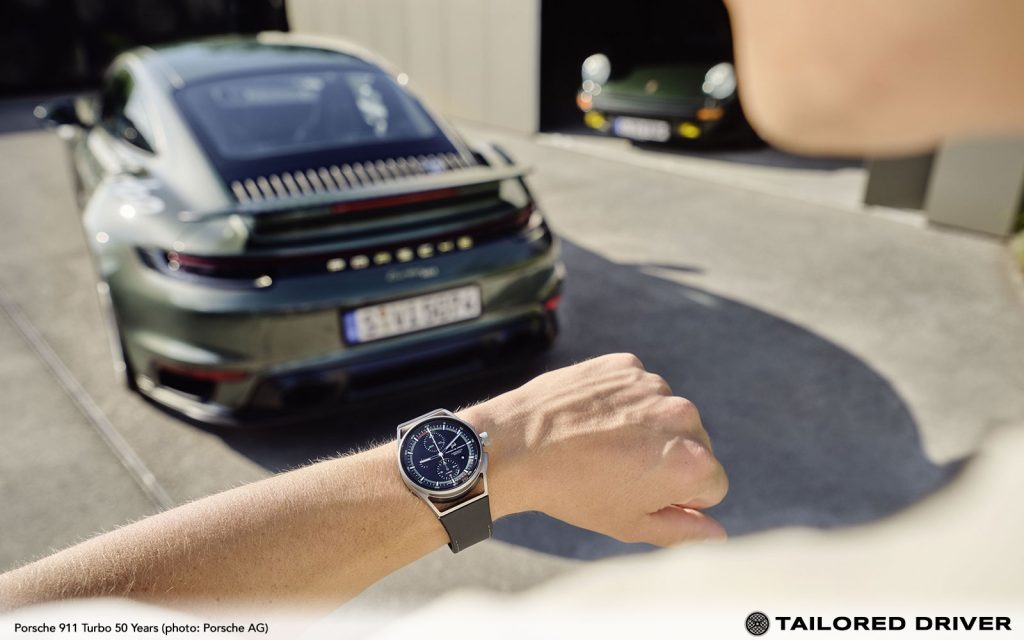
Exclusive Chronograph for a timeless sports car Exclusively for the owners of the 911 Turbo 50 Years, Porsche Design Timepieces is releasing a special timepiece as an homage to the anniversary model. The 911 Turbo 50 Years chronograph is equipped with the COSC-certified Porsche Design WERK 01.200 movement with flyback function. Like the vehicle, the watch is limited to 1,974 units and combines classic design with modern technology. Its black dial with elements in Turbonite is a perfect likeness of the timepiece on the dashboard. The strap, made of black vehicle leather with decorative stitching in Turbonite, features a folding clasp. The transparent case offers a view of the winding rotor in the same style as the wheels of the 911 Turbo 50. The limited-edition number engraved on the titanium housing corresponds to the limited-edition number of the vehicle. The chronograph is also available in a special version in conjunction with the Heritage Design Package.
Ready for immediate order The limited-edition 911 Turbo 50 Years anniversary model can be ordered now at prices starting from € 274,000 including VAT and country-specific equipment. Deliveries will start in autumn 2024. It can already be seen in the ongoing Beyond Performance – 50 Years of Porsche Turbo special exhibition at the Porsche Museum in Stuttgart-Zuffenhausen.
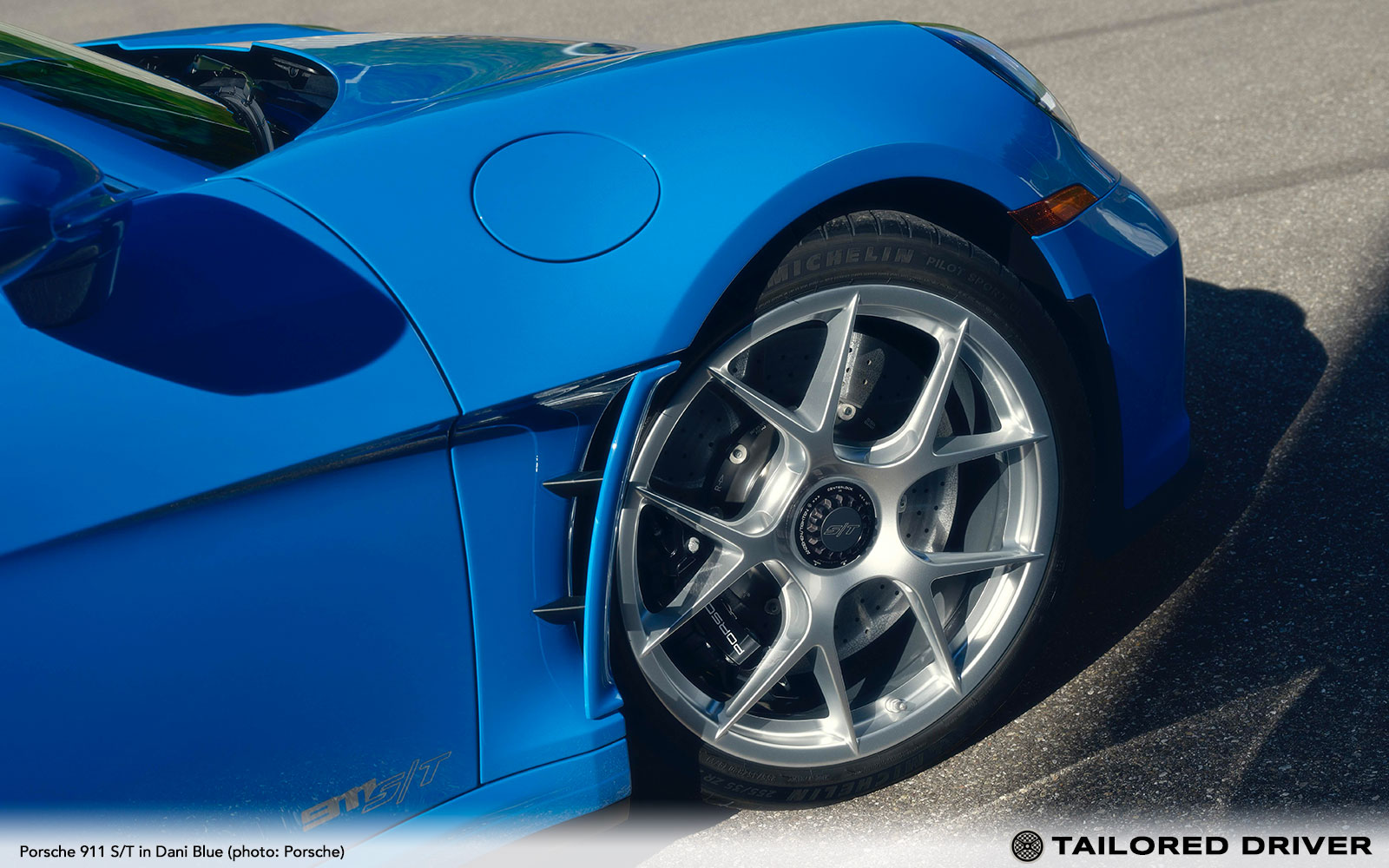
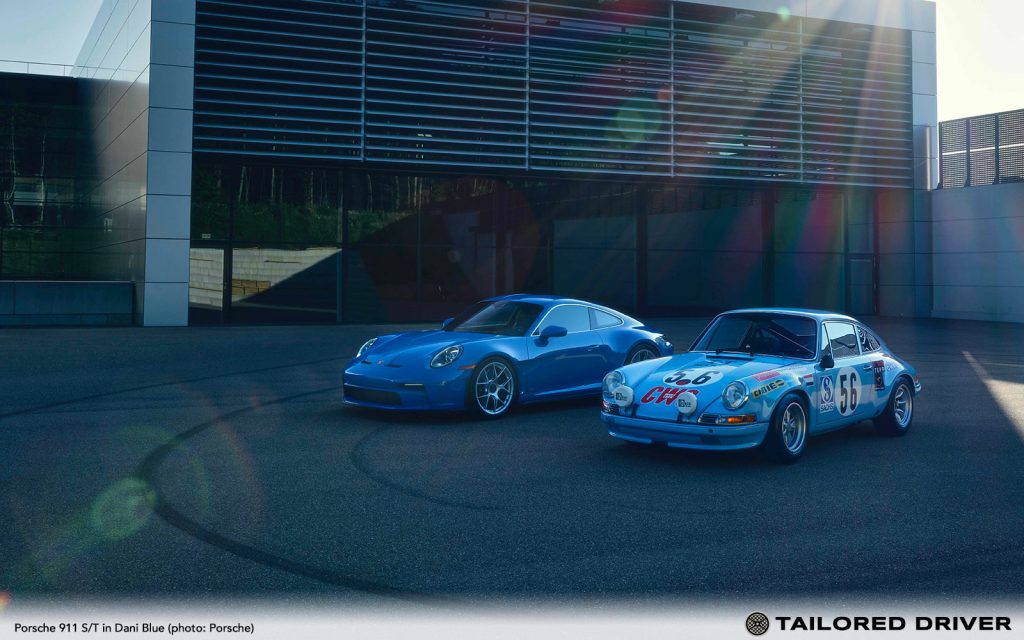
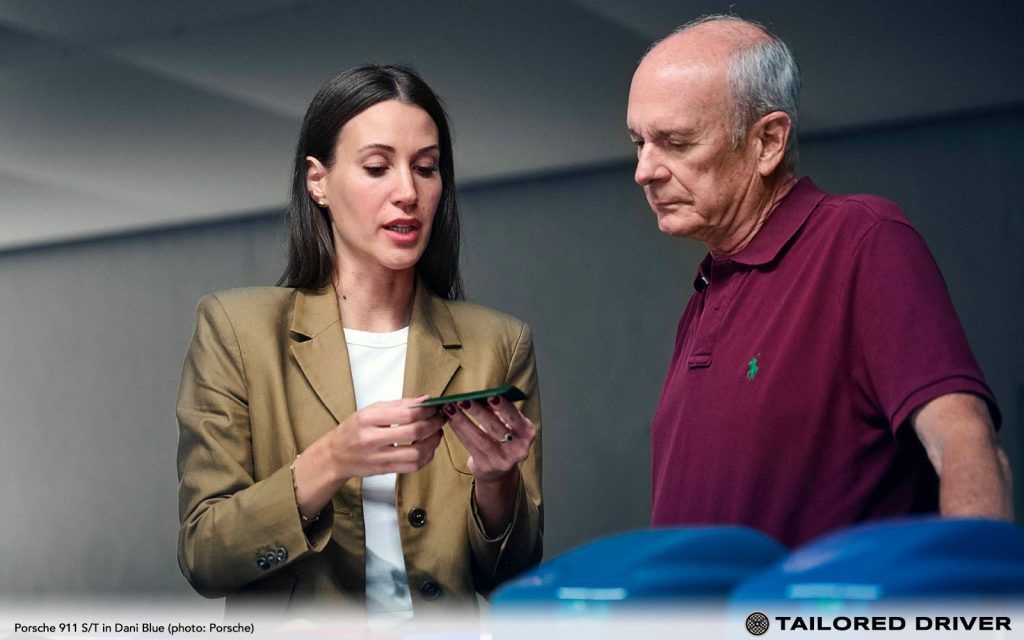
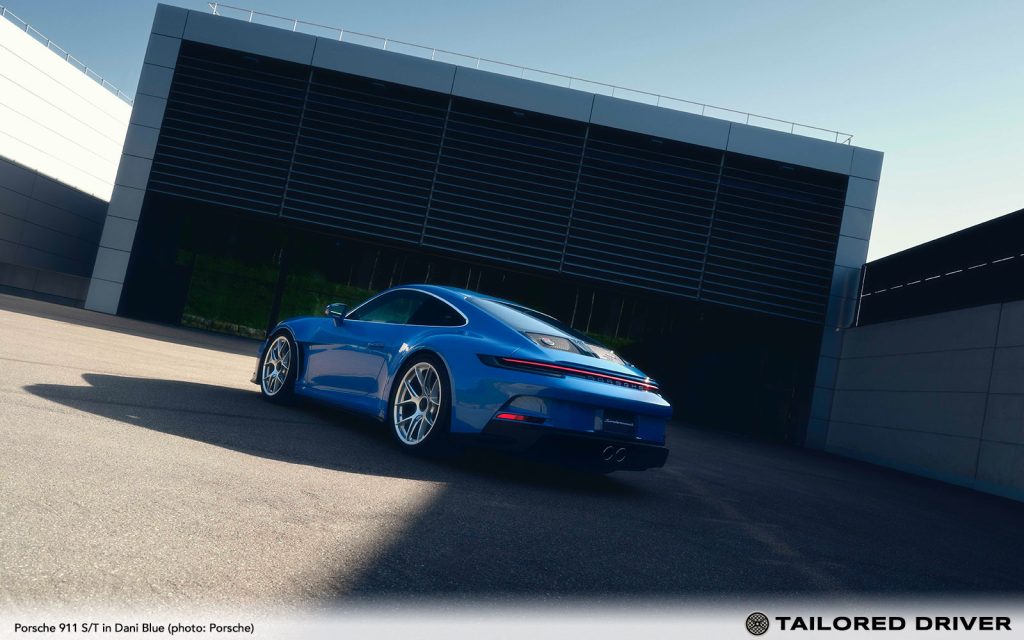
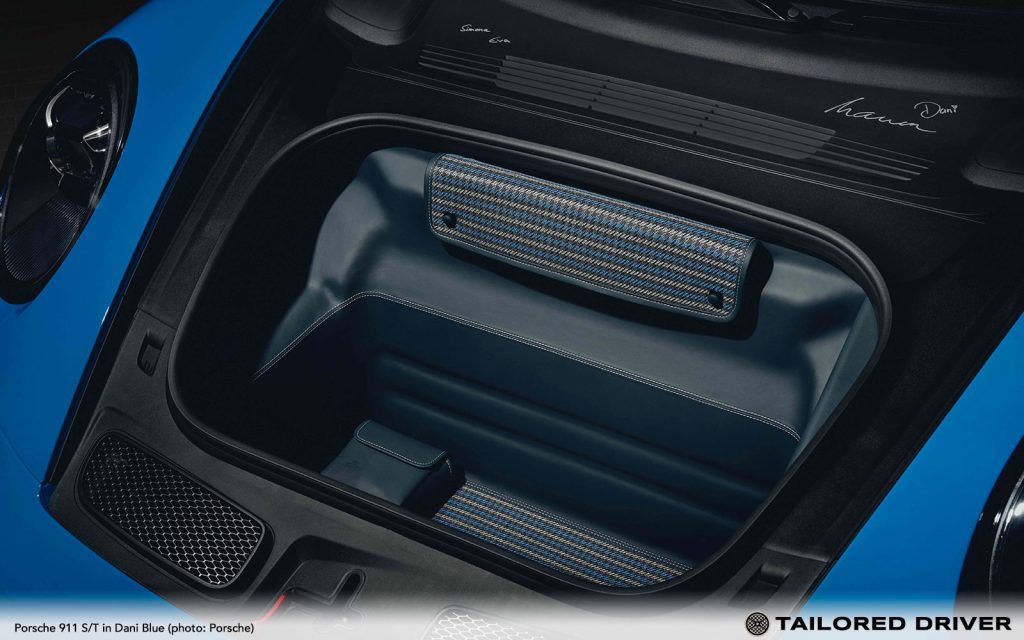
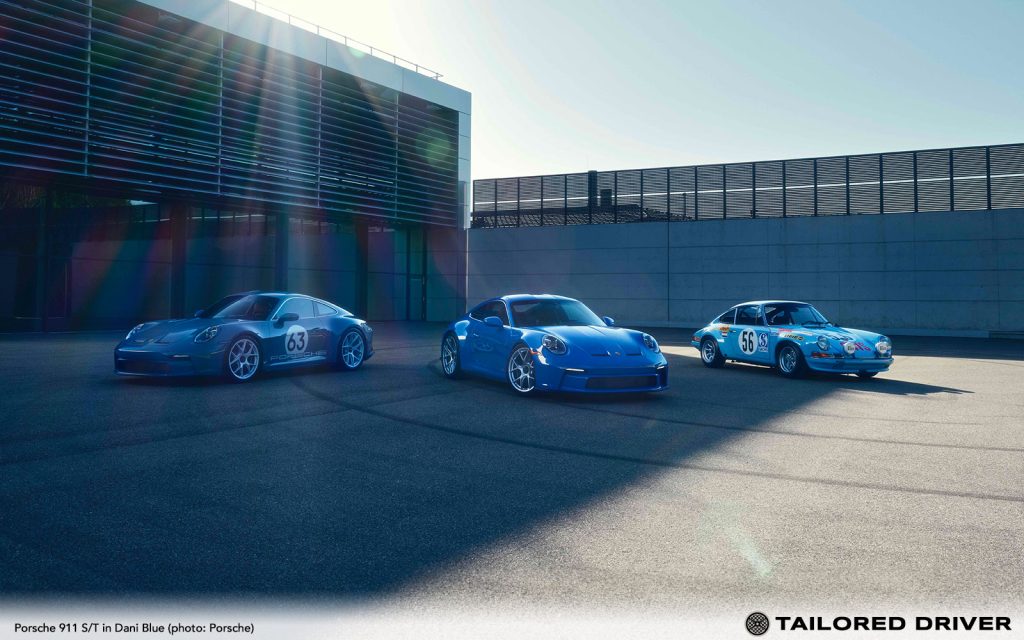
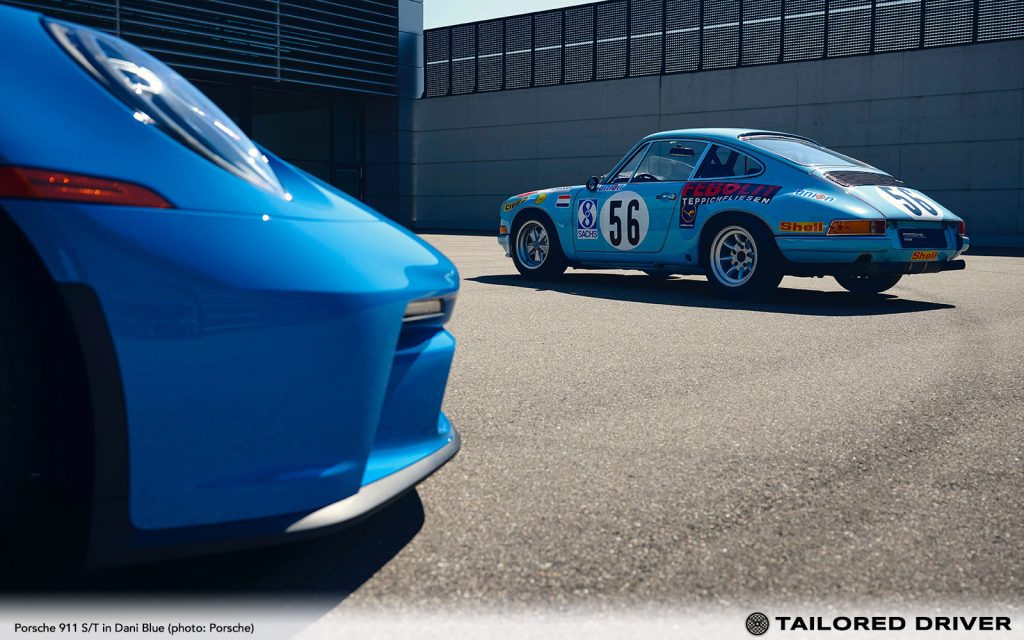
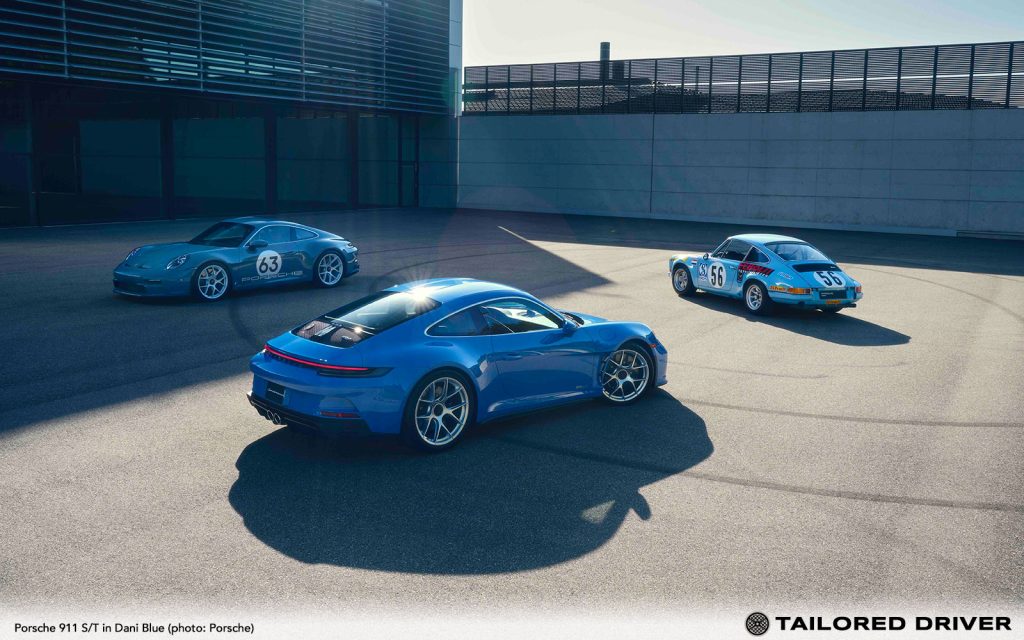
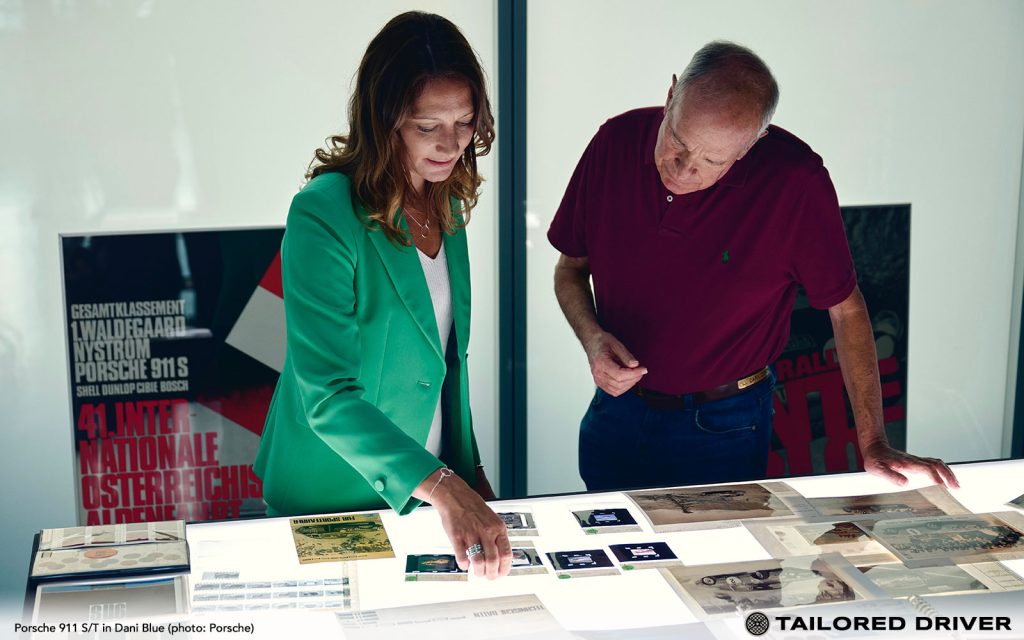
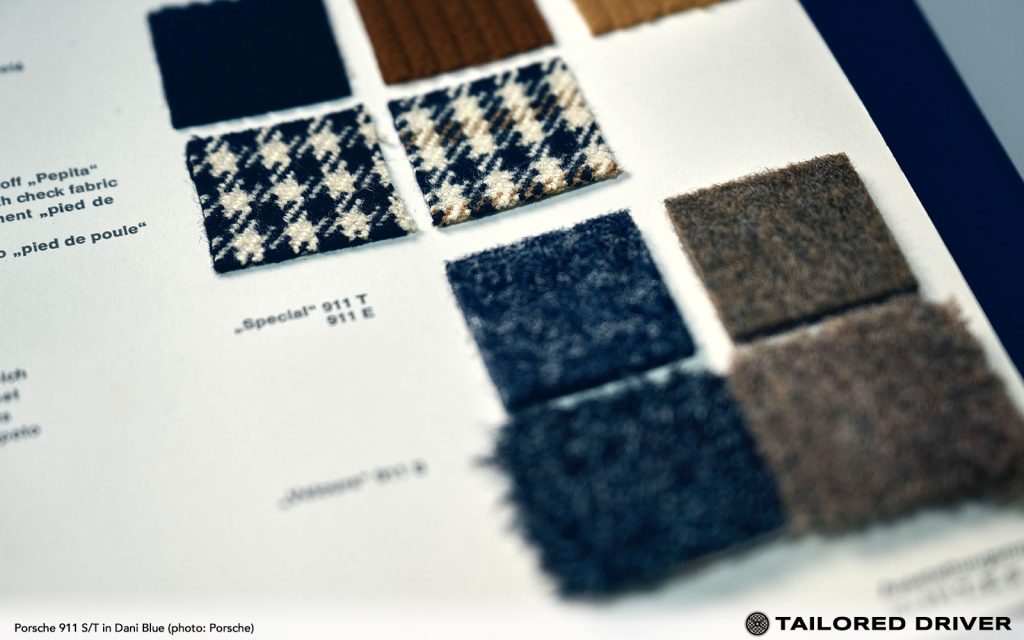
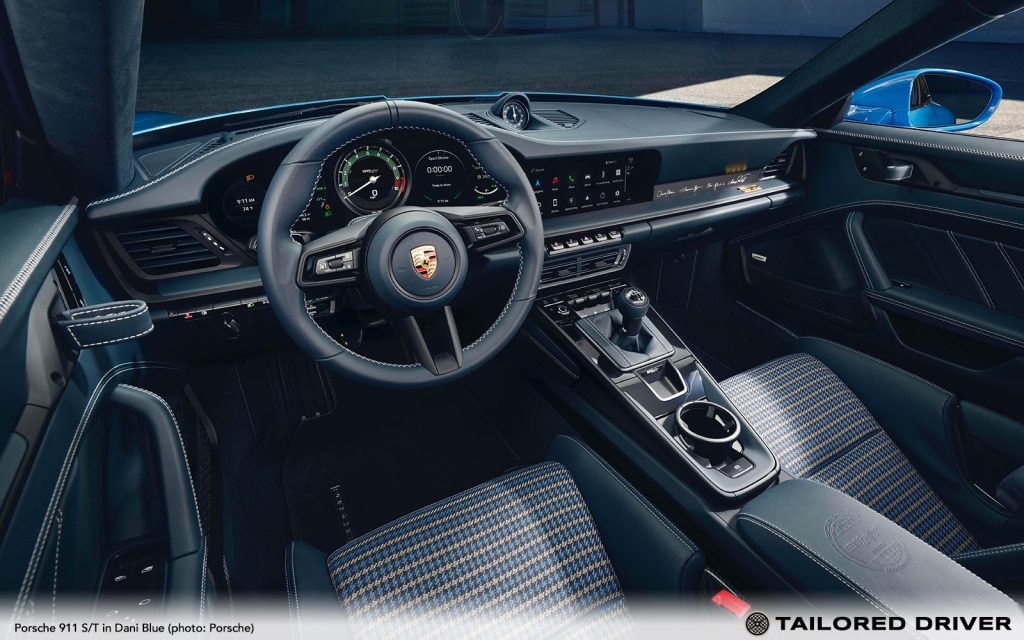
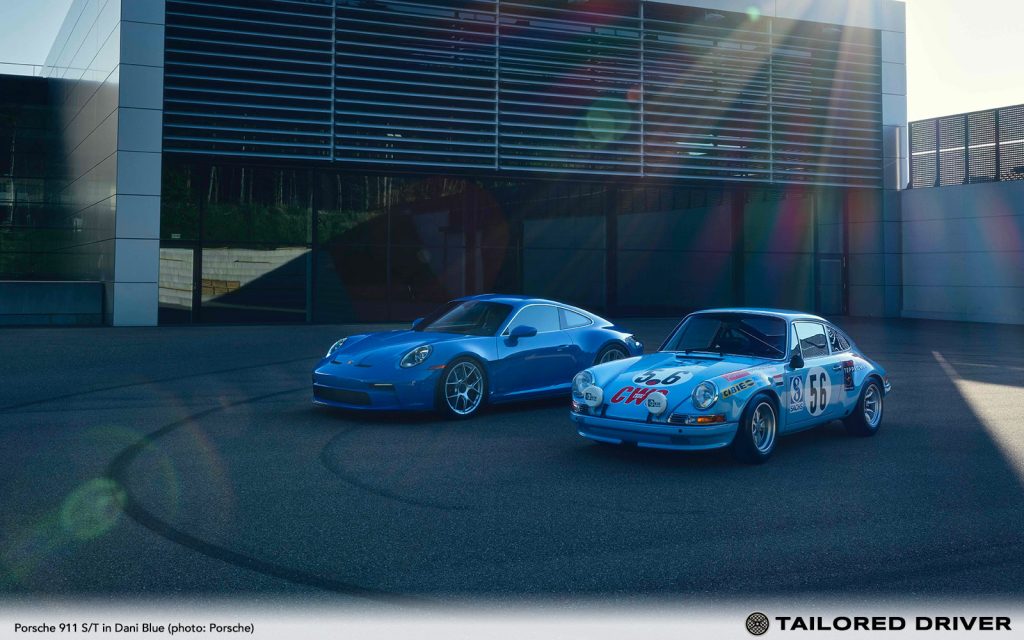
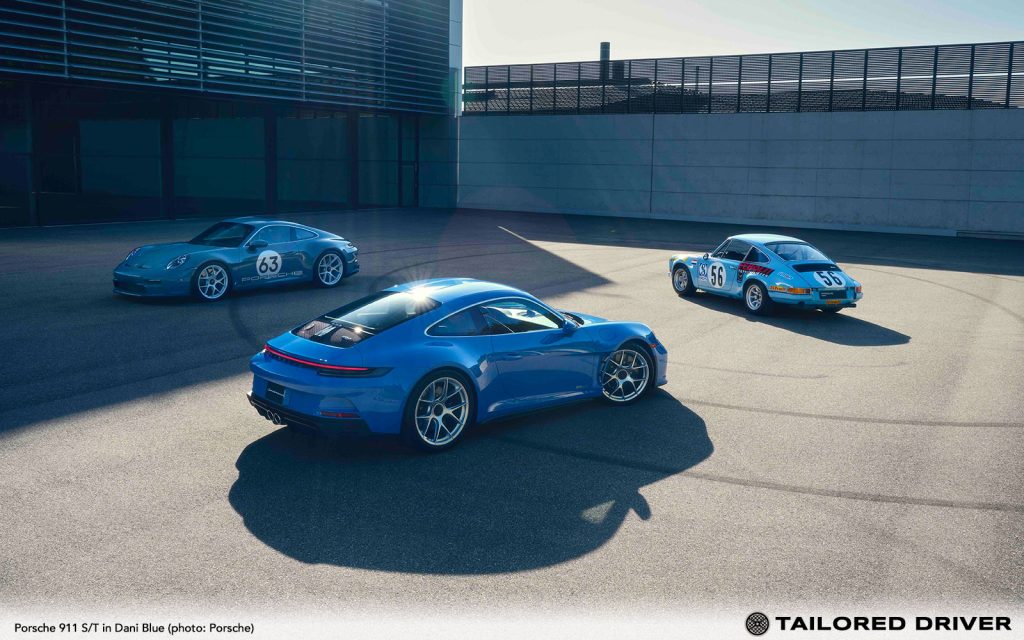
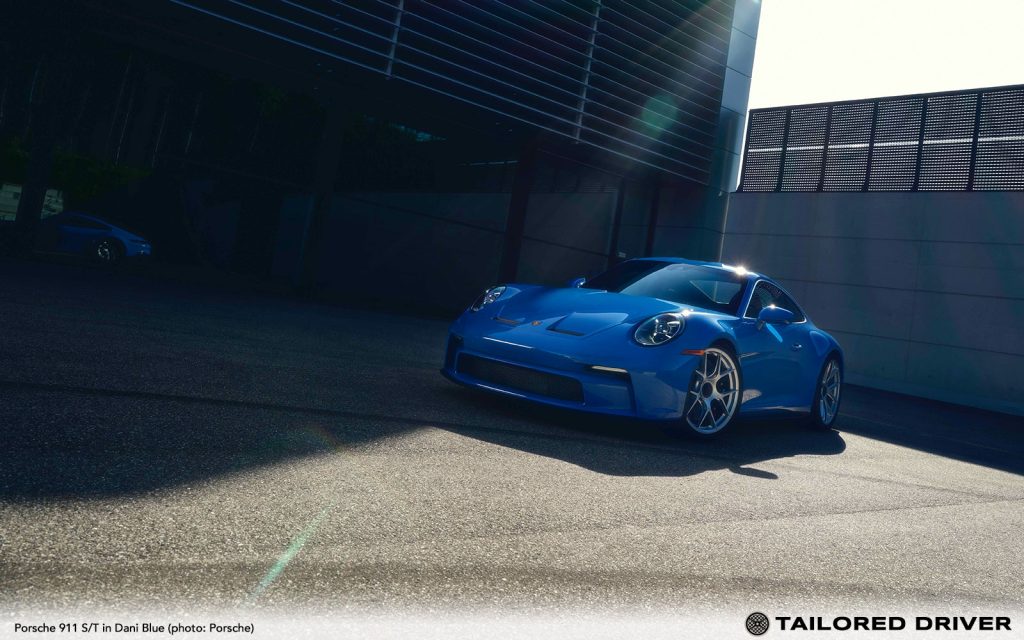
Porsche enthusiast and horse breeder Jorge Carnicero will soon have a new unique specimen in his stable. As part of the Porsche Sonderwunsch program, a comprehensively customized 911 S/T in Dani Blue has been created. The Kentucky-based sports car collector named the color after Color & Trim designer Daniela Milošević, who developed the shade of paint special for this car. One striking feature of the interior is the tricolor pepita pattern on the seat centers. Like the extensive leather upholstery in Graphite Blue, the pattern complements the blue color of the exterior paintwork. The 911 S/T in Dani Blue will be a featured highlight for Porsche this year at Monterey Car Week.
The sports car collector from the US state of Kentucky named the colour exclusively developed for him after Colour & Trim designer Daniela Milošević. One striking feature of the interior is the tricoloured pepita houndstooth pattern on the seat centres. Like the extensive leather upholstery in Graphite Blue, the pattern runs with the blue colour of the exterior paintwork. The 911 S/T in Dani Blue will be one of the highlights of the Monterey Car Week (15 to 17 August 2024) before Porsche hands the car over to its long-standing customer.
“Blue has always been my colour. I was never a fan of green,” Jorge Carnicero already revealed during one of his previous projects with Porsche. That highly individual 911 GT3 Touring was based on the millionth 911, which had rolled off the line in Irish Green in 2017. Despite Carnicero’s preference, this model from four years ago ended up green after all – British Racing Green.
[source: Porsche]
Atlanta. During the configuration of a 911 S/T, the sports car collector Jorge Carnicero asked the color experts at Porsche to create a special blue that would suit the sporty, pure character of the limited anniversary model. With its ‘Paint to Sample Plus’ program, Porsche lets customers develop colors based entirely on their own ideas. It is rare for the designers at Style Porsche to be involved in the configuration process of a single vehicle, but they were in this case.
Elaborate development of Dani Blue in ‘Paint to Sample Plus’
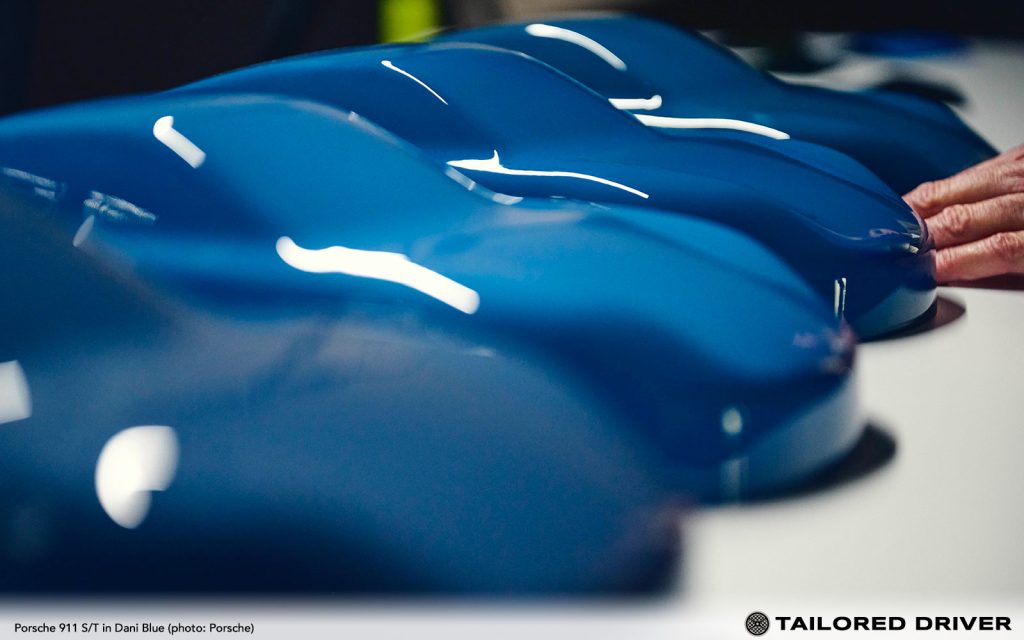
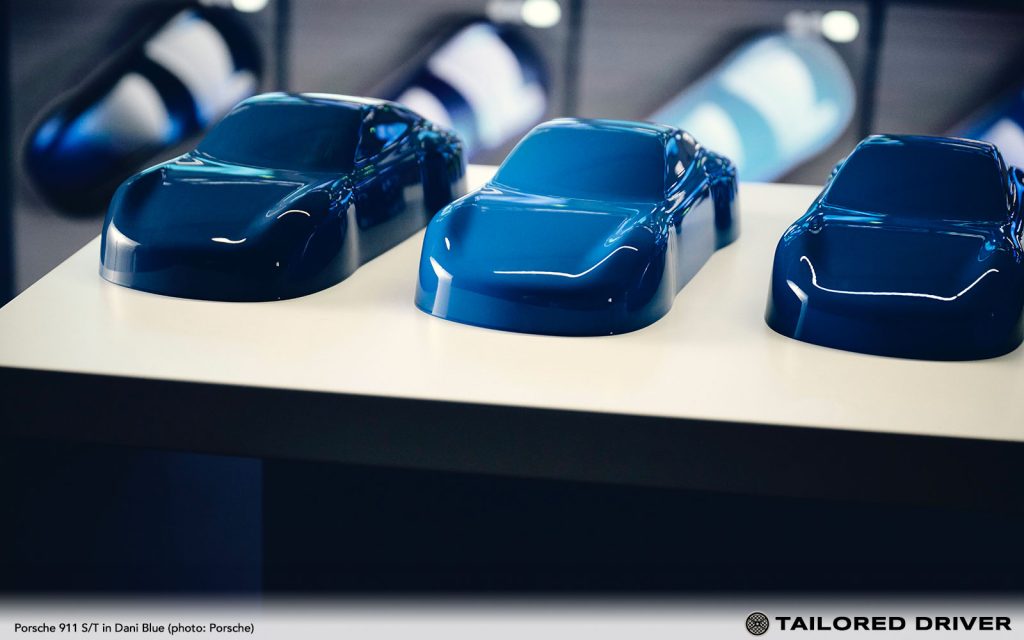
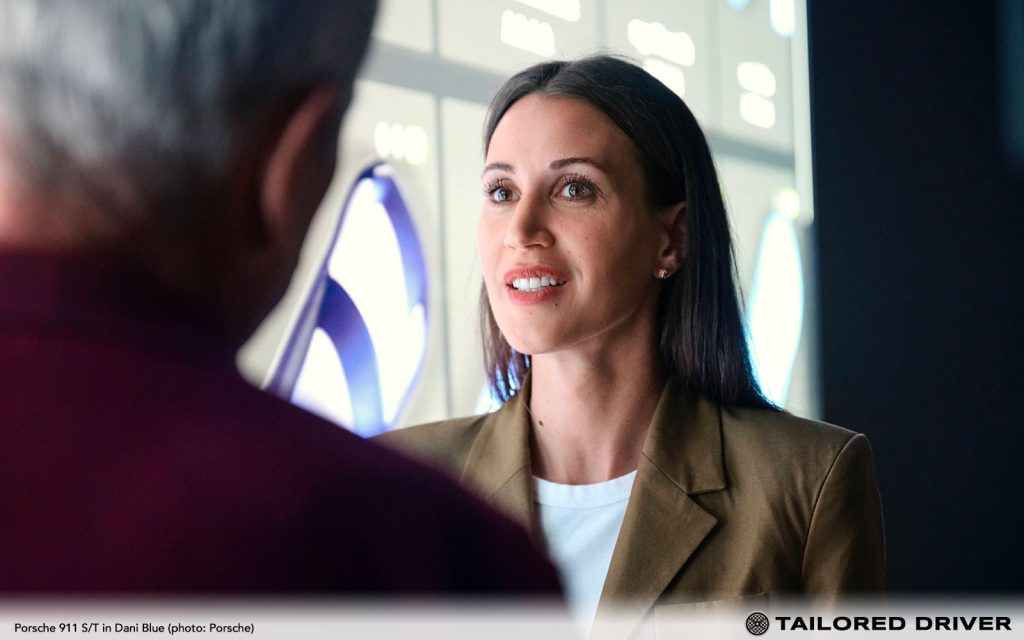
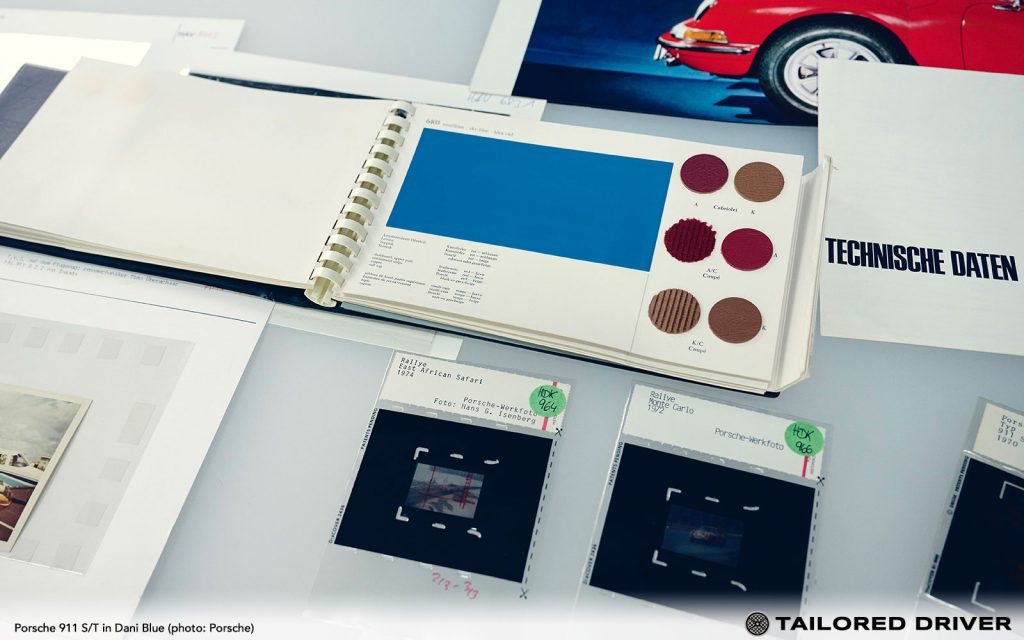
“Before getting started, we had four “paint frogs” painted in iconic blue colors,” Color & Trim designer Daniela Milošević said, recalling the beginning of this Sonderwunsch project. Paint frogs are miniature cars in the form of a current 911 that enable the effect of colors on a larger 3D body to be better assessed. Enamel Blue soon emerged as the general favorite. This was the color of the Porsche 901 sports coupé from 1964.
Milošević and her colleagues further developed Enamel Blue, adapting it to the current era. During this process, the tone became “a little more colorful, more intense and darker, but not too loud”, she said. She interpreted Carnicero’s taste perfectly, leading him to name the color after her; ‘Dani Blue.’
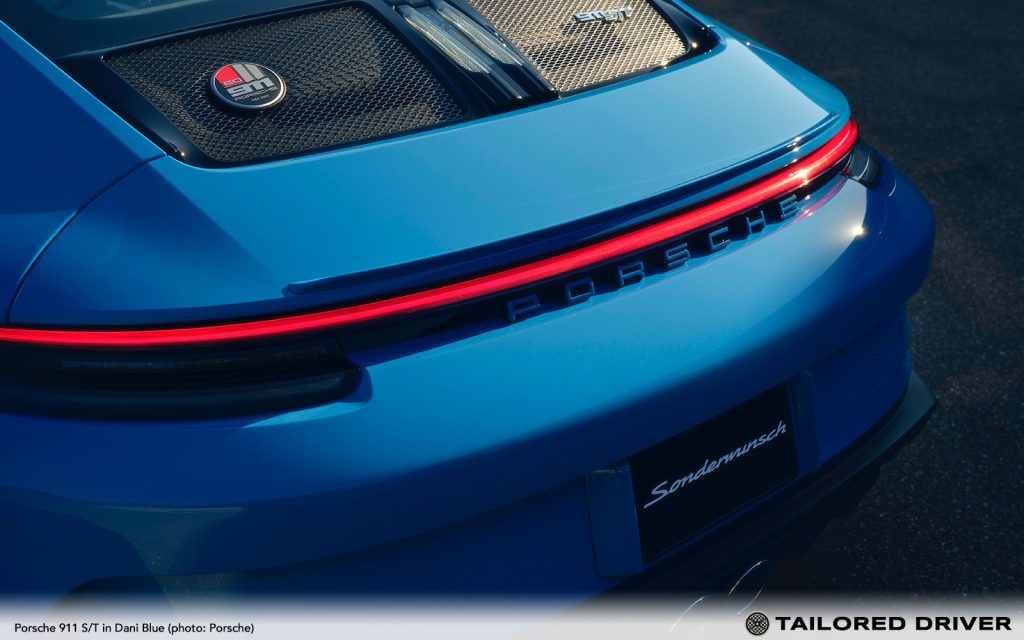
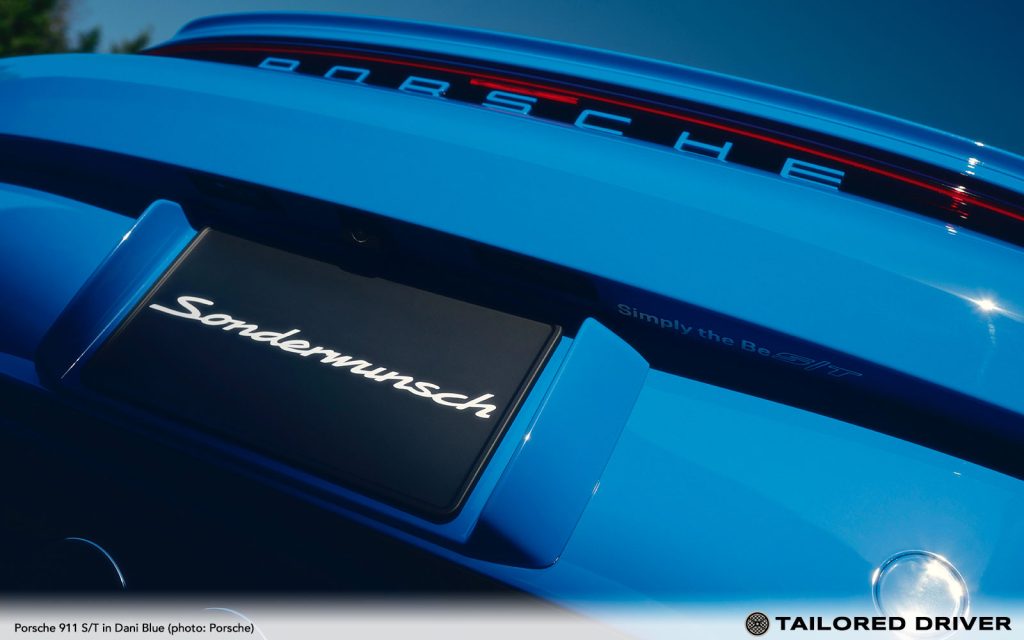
Even the Gurney flap on the rear and the PORSCHE script are painted in this exclusive color on Carnicero’s 911 S/T. Dani Blue’s exceptional brilliance, particularly in daylight, is a result of its sophisticated coating cycle. Of the four coats of clear lacquer in total, the first was additionally sanded. This also enabled the 911 S/T logos painted in contrasting Brilliant Silver to be embedded flush with the surface.
The customer as a member of the Sonderwunsch family
“Giving the paint my nickname is an overwhelming sign of gratitude for me and my work,” says Daniela Milošević. It’s also the highlight of the customer’s very appreciative attitude towards the Porsche employees, who found working with him very inspiring and motivating.
Carnicero happily returns the compliment: “Porsche doesn’t just create unique cars in the Sonderwunsch program. What’s special for me is the journey itself, the extraordinary team feeling, the people behind it all. Everyone is committed to making a personal dream come true, and for this I cannot thank Porsche enough.” With its Sonderwunsch program, Porsche offers its customers individualizations of the highest quality.
“Jorge Carnicero is a highly valued Porsche customer of many years’ standing and a member of the Sonderwunsch family. We’re so happy that he really appreciates the Manufaktur philosophy,” says Alexander Fabig, Vice President Individualization and Classic. “For some reason, a Porsche in his dream color has never worked out until now. Probably the 911 S/T had to come along, the car that this new color suits so perfectly.”
Harmonious overall concept with attention to detail
The classic look that is a feature of all of Jorge Carnicero’s Porsche cars is created by the combination of Dani Blue with Brilliant Silver on the lightweight magnesium wheels, the borders of the side windows (Daylight Opening), and the 911 S/T logos painted in Brilliant Silver behind the front wheel arches. The high-quality overall impression is also underlined by the mirror attachment pieces and the frame of the engine cover around the air intake grille being painted in high-gloss Black.
There’s also a special Easter egg on the exterior: the motto ‘Simply the Best’ on the underside of the rear bumper. Befitting for the derivative, the letters S and T in this motto are typographically emphasized using the design of the model logo.
Comprehensive leather interior upholstery and seats with exclusive pepita pattern
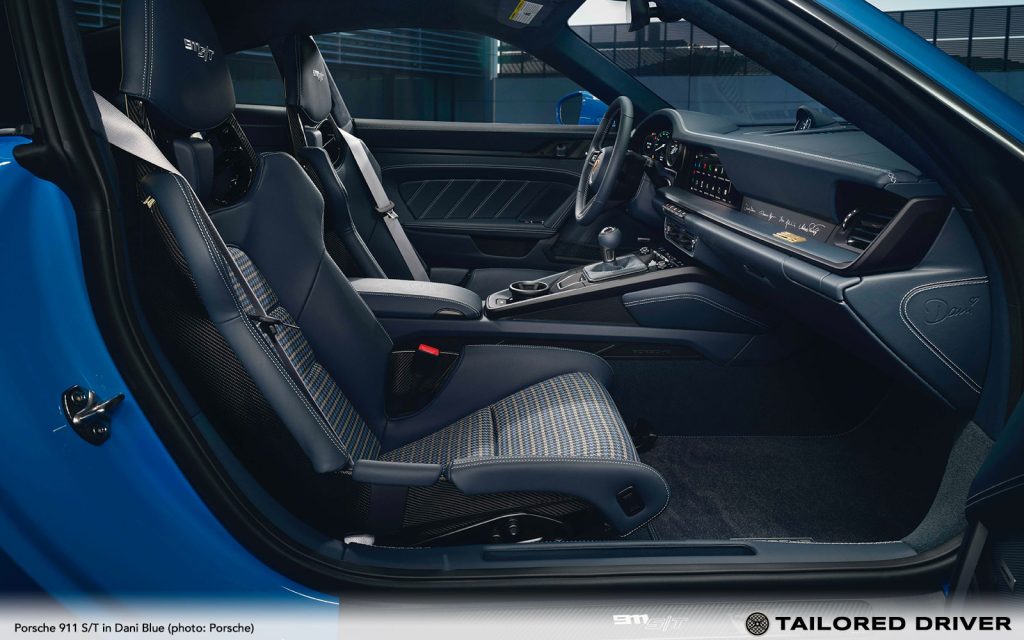
The exterior color concept carries over to the interior. The most striking feature is the tricolor pepita pattern on the seat centers. The iconic check pattern, which first adorned the seats of the Porsche 356 at the start of the 1960s, is composed in this case of threads in Graphite Blue, Chalk and Blue.
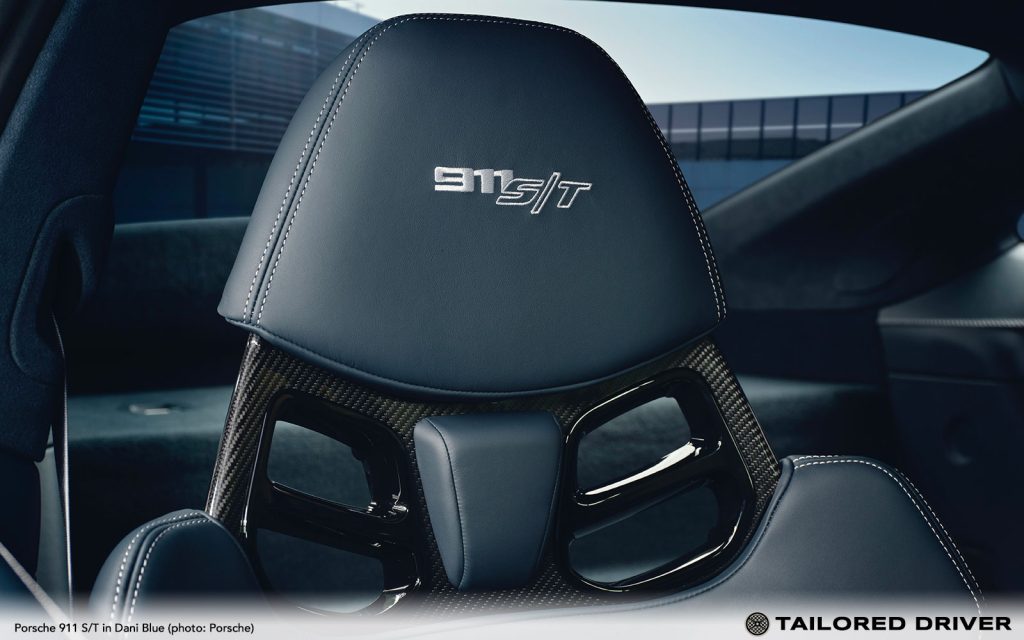
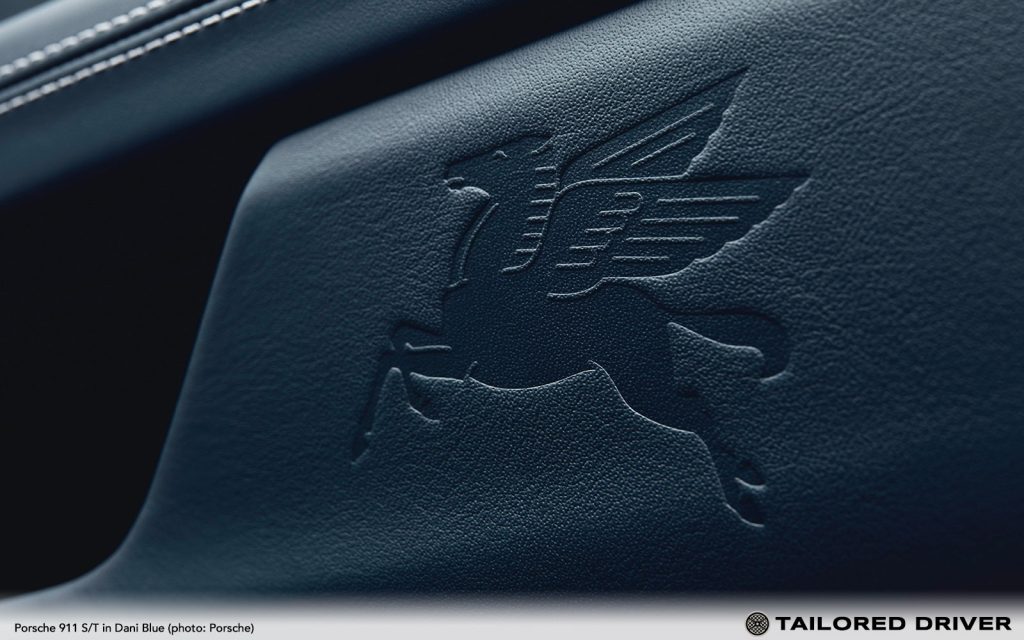
The interior also decorated with cross-stitching in GT Silver along the dashboard trim and the upper door panel trim. Each cross stitch is done carefully by hand by the experts at the Porsche Exclusive Manufaktur saddlery. The interior of this special 911 S/T is generously upholstered in leather in Graphite Blue, with the natural material also being used for the knee pad and the trim on the A-pillars. Even the air vents are bordered in Graphite Blue leather, which is also used for the door opening loops. The entire roof lining is in Race-Tex of the same color. An eye for high-quality details is also evident in the high-gloss Black belt passages of the carbon fiber full bucket seats. The headrests feature the 911 S/T logo in GT Silver.
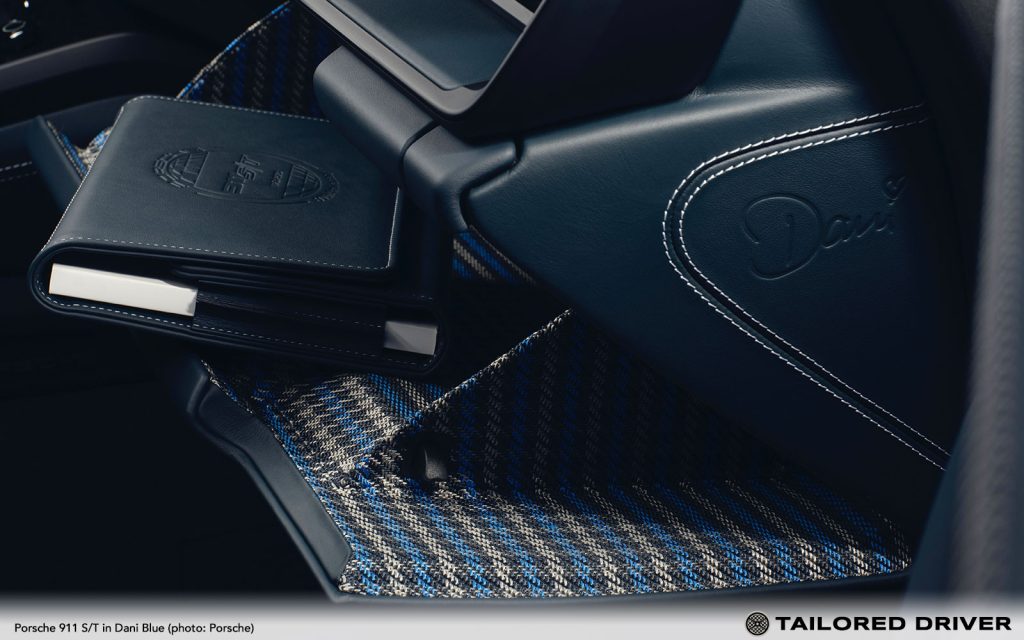
Several members of the project team have signed the collector model on the passenger-side dashboard trim. Another Easter egg is to be found in the interior. The lateral ends of the dashboard, which can only be seen when the doors are open, bear an embossed ‘Dani’ signature from Daniela Milošević – a surprise and acknowledgement from the customer to the designer.
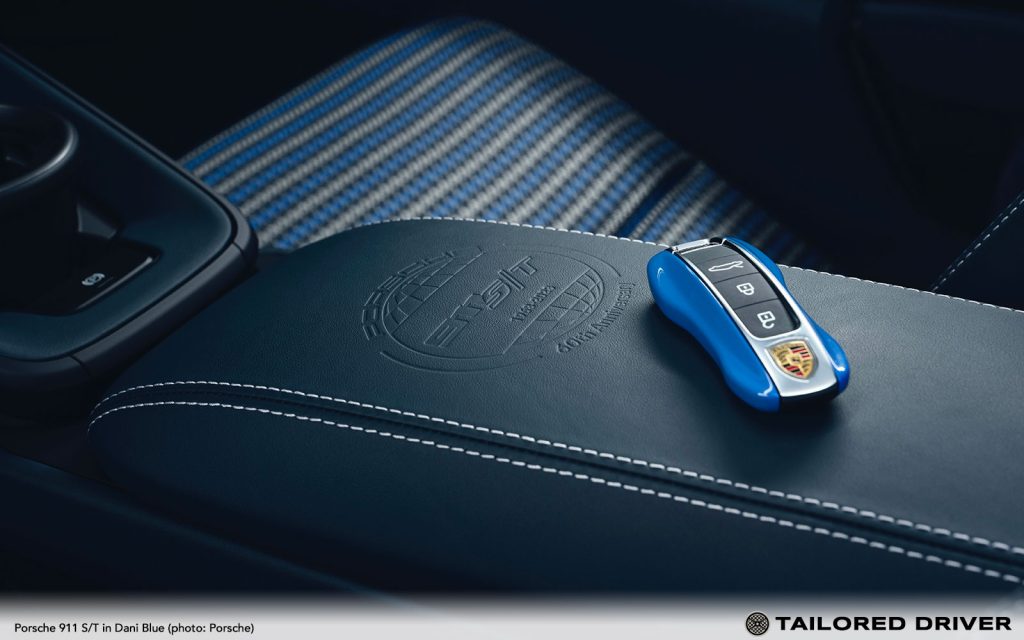
One further detail with a personal note: a logo designed especially for Carnicero’s one-off car is embossed on the cover of the center console and on the vehicle document folder. It combines the 911 S/T logo with the current World Champion titles from Porsche. Everything comes full circle here, as a Metallic Silver 911 S from 1971 that carried the iconic ‘Porsche Manufacturers’ World Champion 69, 70, 71’ sticker in the side window was Carnicero’s first Porsche. Thus, with the support of Sonderwunsch Manufaktur, he also had a memento of his first great Porsche love attached to this latest Sonderwunsch project.
As with the car, the luggage compartment has also been extensively customized. It is upholstered in Graphite Blue leather, and the exclusive pepita houndstooth pattern is also used here. The trunk mat and the bag for the roadside warning triangle are made of the tricolor textile that is a hallmark of Porsche.
A special blue car cover with the 911 S/T logo and the 60th anniversary logo in contrasting grey round off the car’s exclusive look. And finally, the vehicle key is painted in Dani Blue.
About the Porsche 911 S/T
The Sonderwunsch model is based on the 911 S/T with which Porsche celebrates the 60th anniversary of the 911. This special edition, limited to 1,963 units, offers a one-of-a-kind combination of agility and driving dynamics. It combines the naturally aspirated, 518 hp 4.0-liter flat-six engine from the 911 GT3 RS with a close-ratio manual transmission. This is complemented by resolutely lightweight construction down to the tiniest detail and a running-gear setup optimized for agility and drivability. The name identifies the new 911 S/T as the descendant of a particularly performance-focused version of the first 911 generation. Starting in 1969, Porsche offered a special racing version of the 911 S. Internally, these vehicles were called 911 ST.
About the Porsche Sonderwunsch program
In the spirit of truly luxury, the Porsche Sonderwunsch program provides bespoke customization services for unique sports cars with a combination of skilled craftsmanship and attention to detail. The sports car manufacturer thus reinterprets its legendary Sonderwunsch program from the late 1970s to enable individualized, one-off cars – co-created by the customer and professionally produced by Porsche.
The range of services encompasses individual customer color and material requests directly in production, as well as subsequent modification after the car is delivered to the customer. Practically speaking, everything complying with local regulatory requirements is possible, from new colors and equipment for existing cars to the creation of individual one-off cars at the customer’s request.
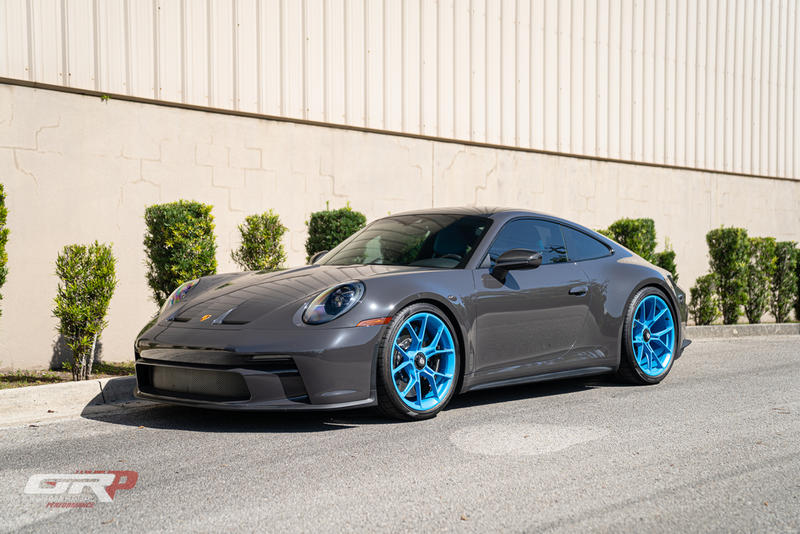
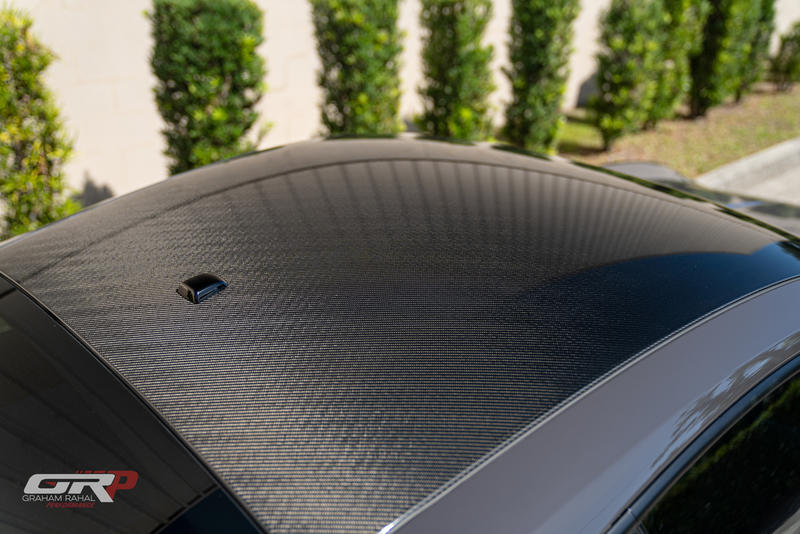
Taking direct inspiration from the incredibly sought-after 997.2 GT3 RS, this Porsche Paint to Sample Grey Black 992 gen GT3 Touring is simply wild.
Currently on offer at Graham Rahal Performance, this GT3 Touring merges the subtle with the flashy by pairing the decidedly understated Grey Black paint with exposed carbon on the mirrors and roof, with wheels finished in Riviera Blue.
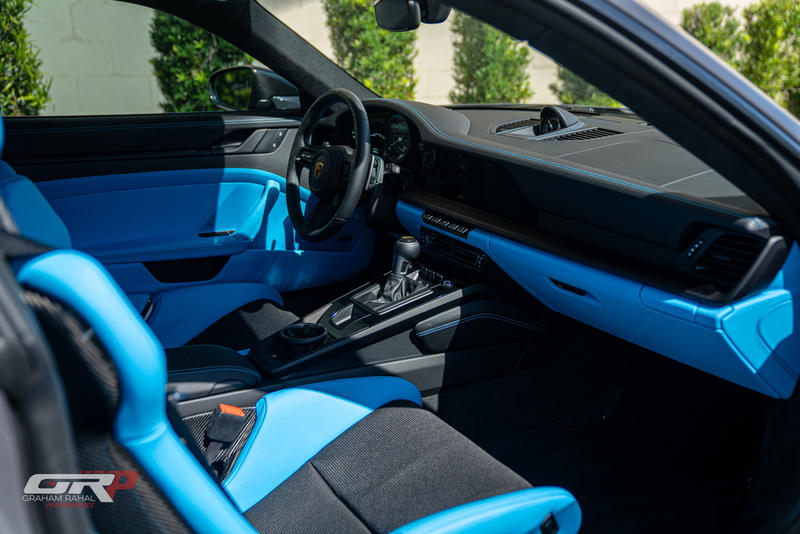
The blue accents continue into the cabin with bright blue leather on the bottom of the dashboard, the door cards, and bucket seats, as well as in the deviated stitching featured throughout.
This Paint to Sample 992 GT3 Touring is currently available at Graham Rahal Performance for $329,999. See additional info, here.
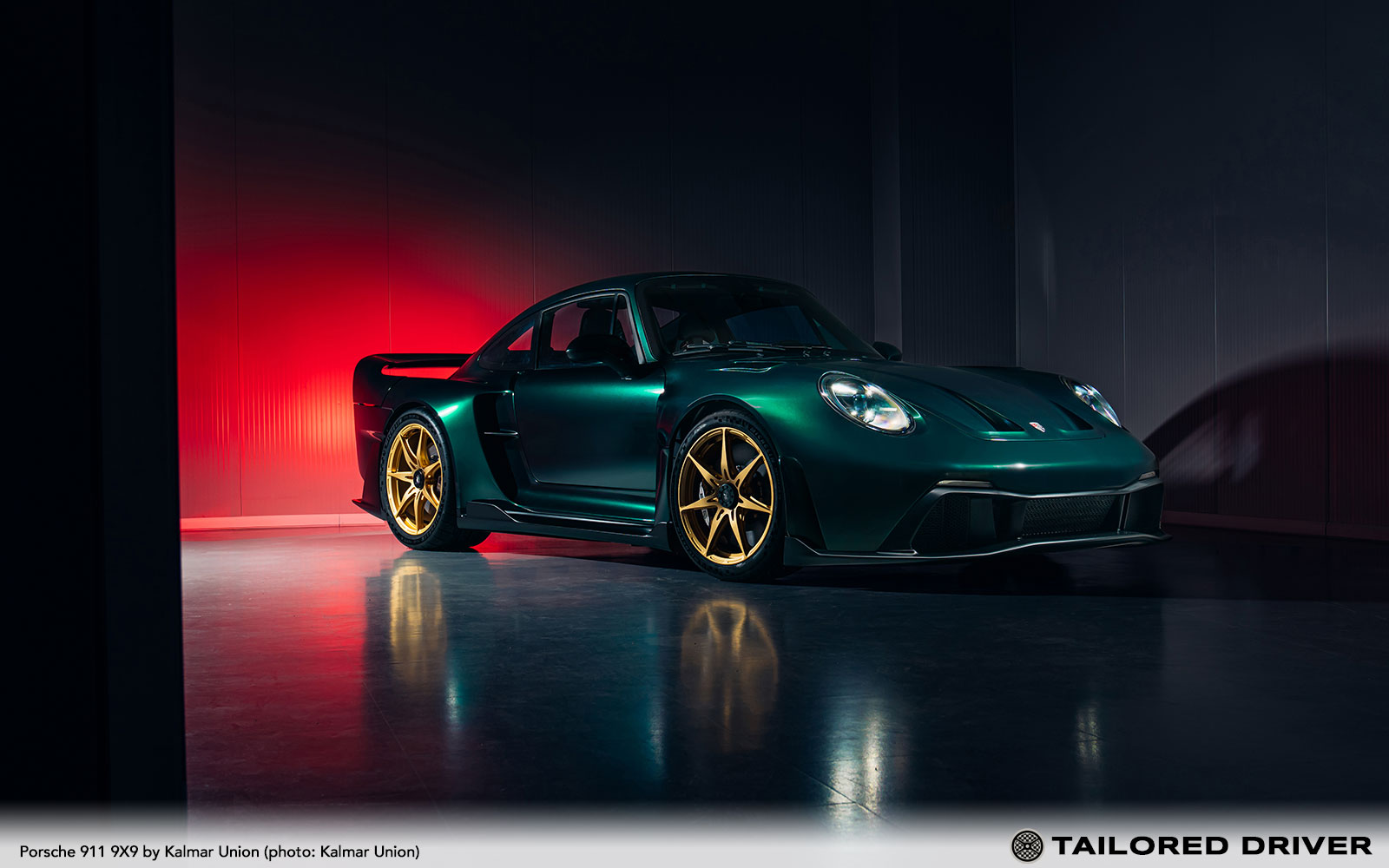
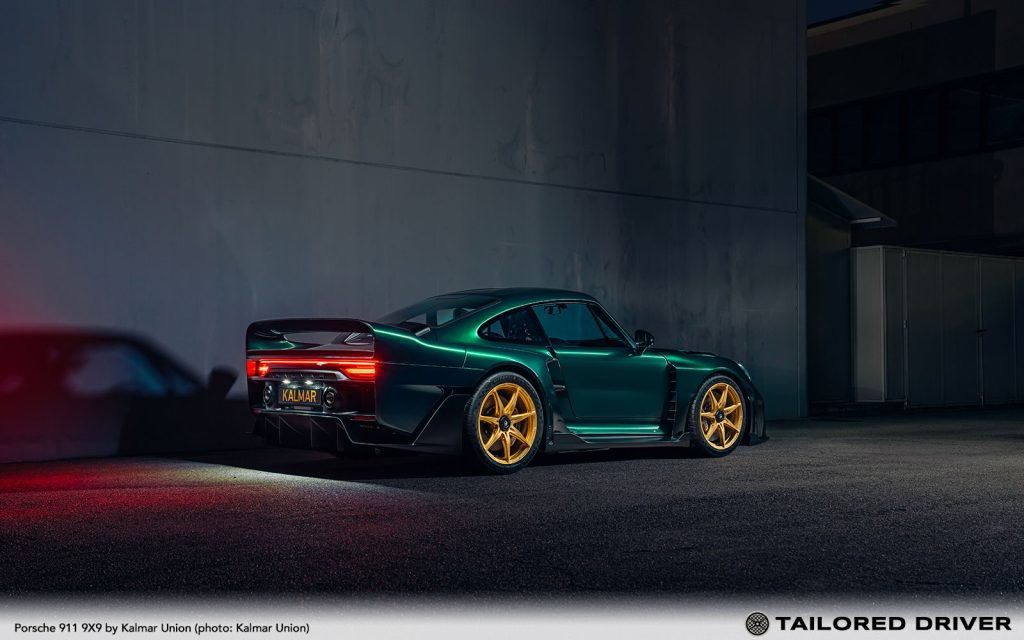
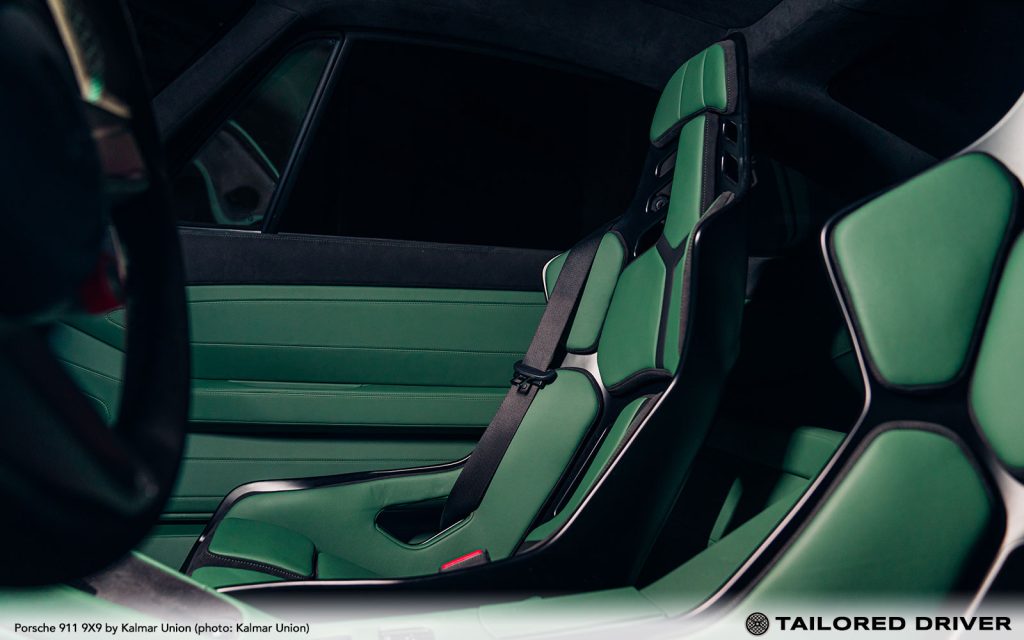
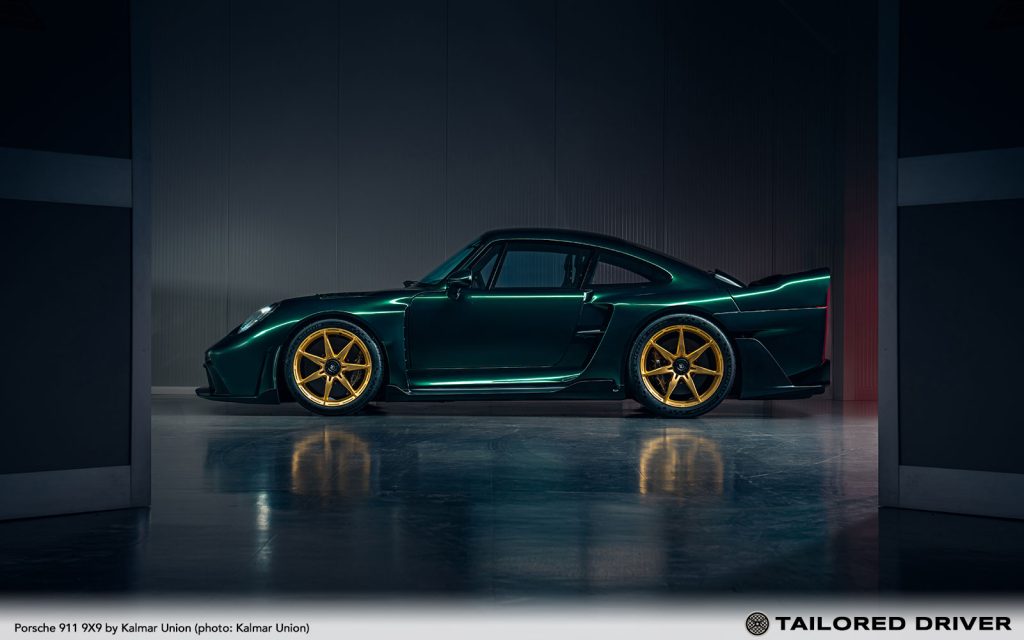
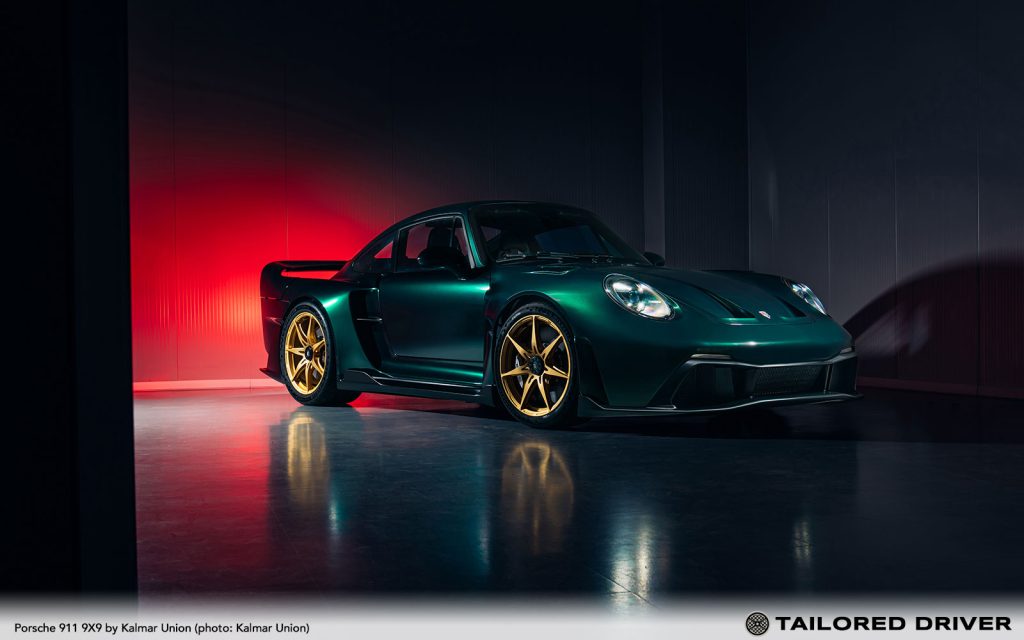
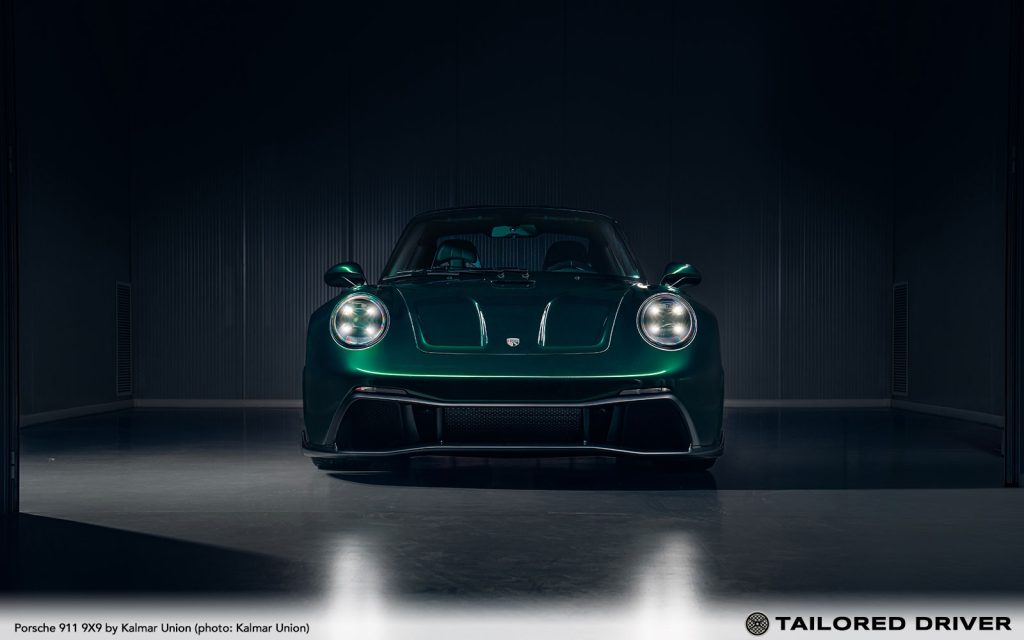
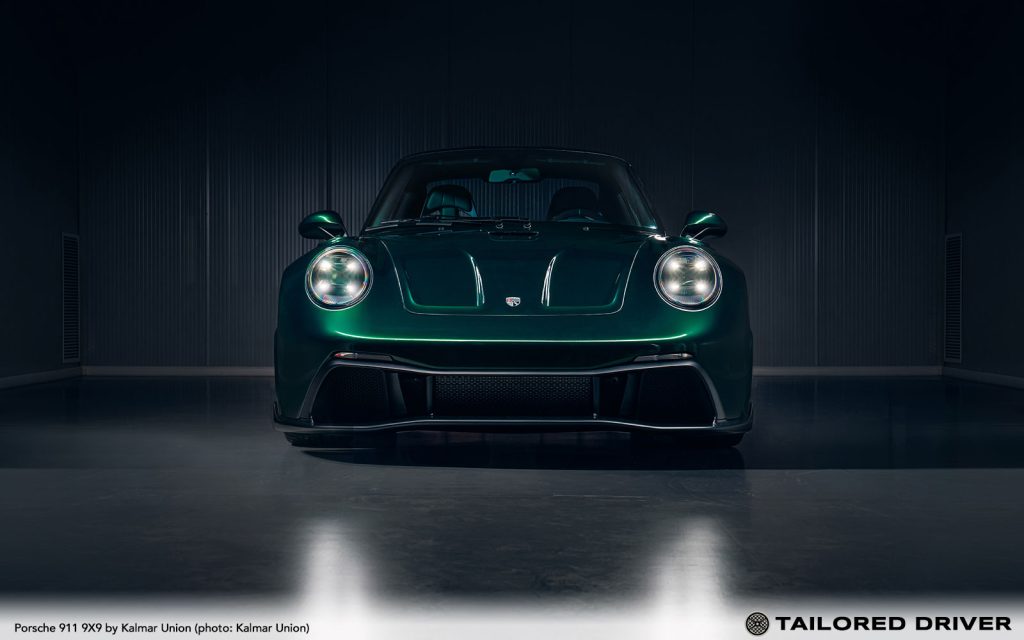
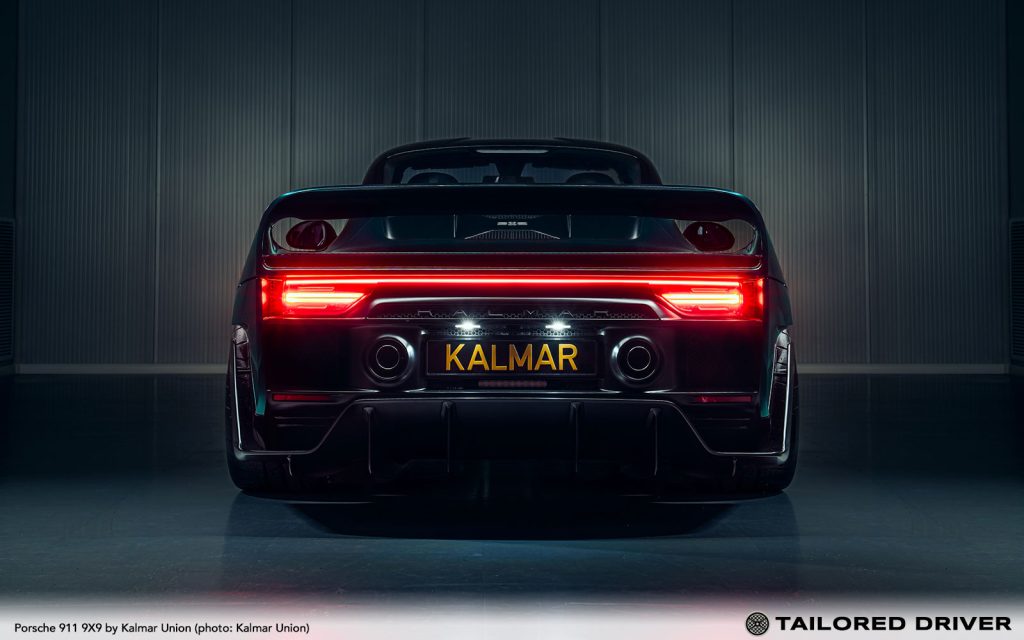
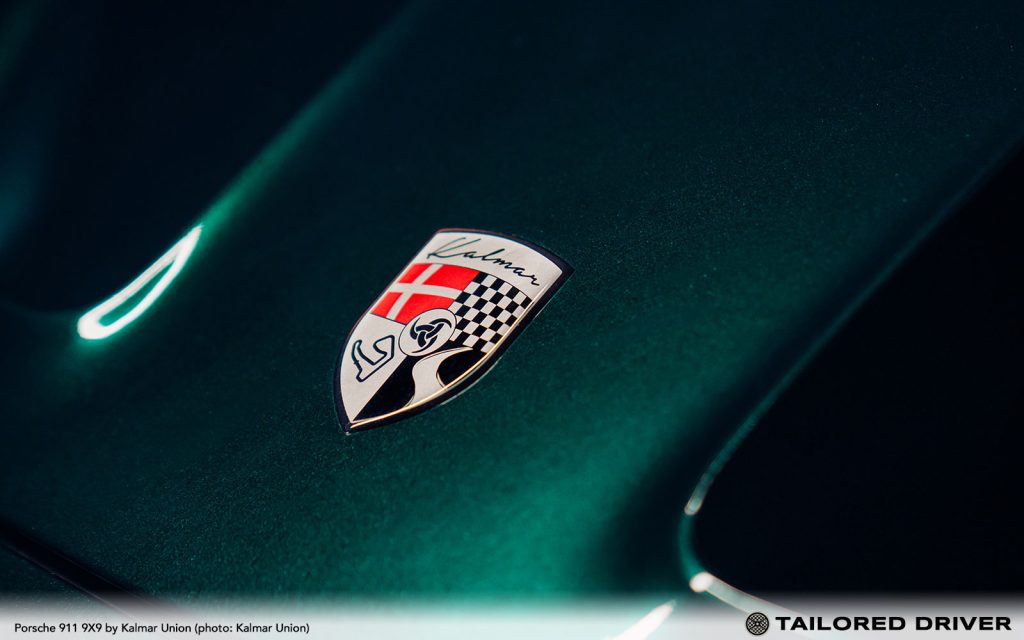
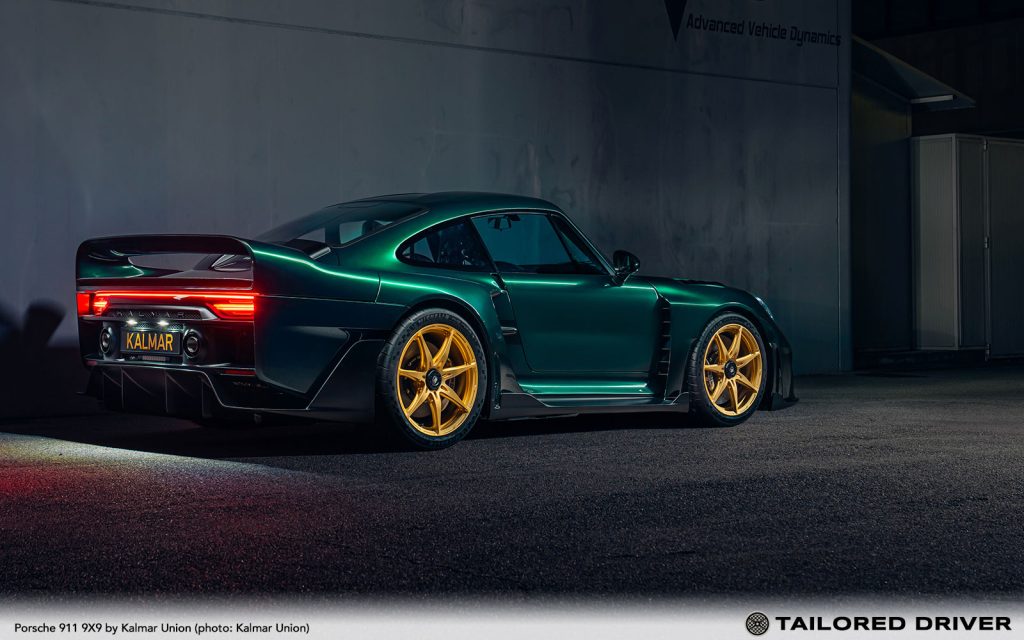
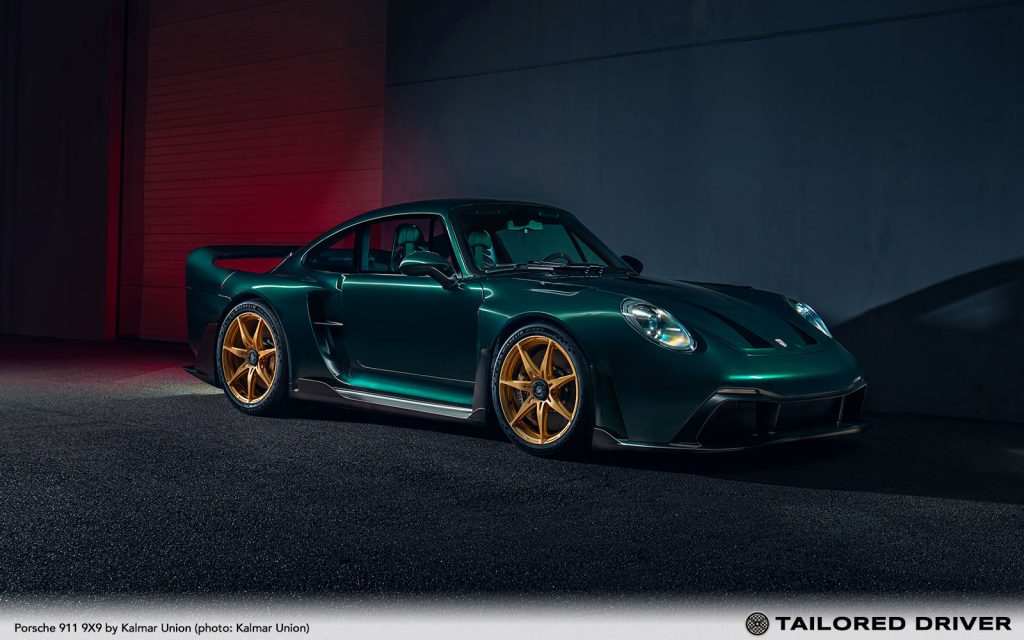
MONTEREY, CALIFORNIA (August 16, 2024) – Inspired by creating tributes to the greatest cars the world has ever seen, modern-day coachbuilder Kalmar Automotive presents the global debut of the Kalmar 9X9, daring to call it the “world’s first retro hypercar”. Kalmar Automotive calls their approach “Automotive haute couture”, which will be on full display with the world premiere of the Kalmar 9X9 alongside the Nordic company’s U.S. introduction of the Kalmar 7-97 “C1”, Kalmar’s pioneering project. Both the 9X9 and 7-97 will introduce many enthusiasts to how Kalmar Automotive delivers tip of the spear innovation and performance joined with classic styling. Kalmar Automotive’s take on modern coachbuilding means each conversion is completely unique to the client who will be involved throughout the entire design process.
A company founded by true car lovers with racing heritage driven by their Nordic traditions, the Kalmar Automotive 9X9 and 7-97 premiere on Friday, August 16th at The Quail, A Motorsports Gathering and will be hosted by company Founder Jan Kalmar and exclusive U.S. dealer Bruce Canepa of the Canepa Group, Inc. With vehicles demanding to be seen by the naked eye in order to fully understand the exacting level of detail and quality, Kalmar Automotive creates one-of-a-kind conversions made to be driven and enjoyed for decades to come with the best of the analog past made reality by the digital present.
Featuring technologies usually only present in large OEM auto manufacturers, the Kalmar Automotive 9X9 shown in Monterey features a well-proven 3.8L turbo engine producing 930 horsepower paired with an industry best double clutch transmission linked together by a sophisticated active all-wheel drive system transferring power to the ground via the adaptive suspension and rear-wheel steering. Active engine mounts control the 3.8L turbo engine’s power, while optimized intake and cooling systems and the use of ceramic bearings demonstrate Kalmar Automotive’s commitment to innovation. A lightweight inconel exhaust system is also on board to provide a remarkable engine note. With all of the power under the foot of the driver, significant downforce was demanded throughout the more than 3-year development period. The end result is 1450 kg at peak and current full-size simulations indicate a Nürburgring lap time of 7 minutes flat.
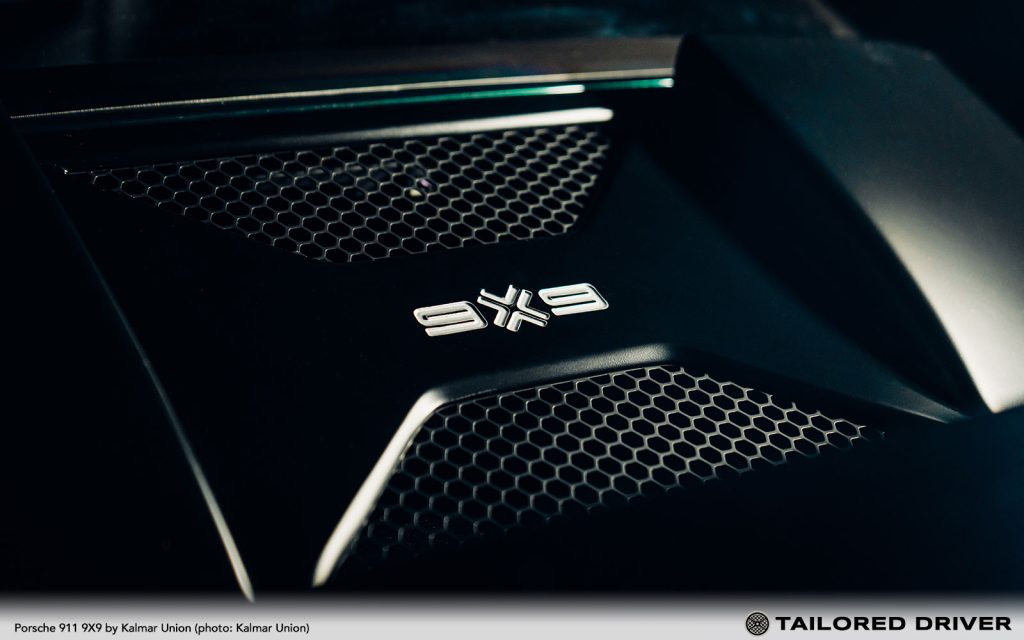
“The 9X9 is Kalmar Automotive’s tribute to one of the greatest road-going sports cars of the millennia, enhanced to the highest possible degree that technology today allows. The result is our creation of a brand-new class of vehicle, the retro hypercar,” comments Jan Kalmar, Founder of Kalmar Automotive. “We quietly teased the 9X9 on competing 24 Hour of Le Mans cars for the last two years with our 9X9 logo on the rear spoiler. Succinctly put, we are not posh, our tradition is in engineering and technology excellence. It is a privilege and an honor to bring the 9X9 as an automotive dream to life. Those who understand will surely appreciate the 9X9.”
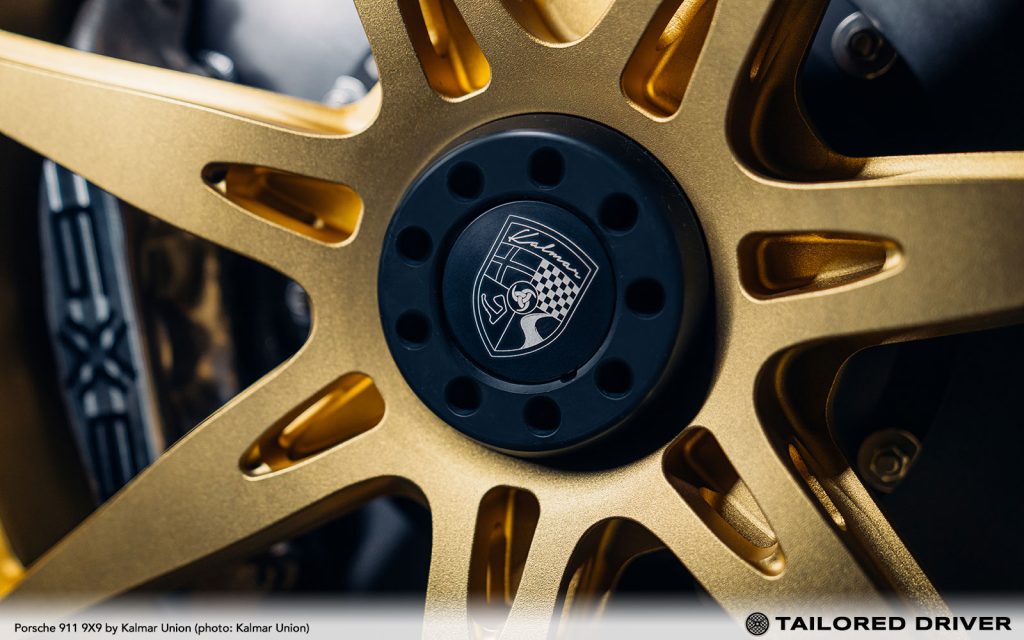
A fully bespoke double-wishbone pushrod front-axle suspension designed by Danisi Engineering in Italy allows for both rear and all-wheel-drive 9X9 setups. Shock absorbers from Tractive with adaptive valving, variable length and speed-dependent 3rd shock absorber unit are all designed to precisely manage the contact between car and road, putting power down through superlight magnesium rims and Michelin tires.
Kalmar Automotive’s brake partner CarboBrake has developed 3D-printed lightweight titanium brake calipers to provide the required stopping power while simultaneously creating an extremely low unsprung mass. These calipers are paired with ceramic brake discs, while driving systems such as stability management, traction control, and ABS are all retained for modern, reliable on-road performance.
While many vintage road-going sports cars featured low drag and no downforce aiming for high-speed capabilities only, Kalmar had other plans for the 9X9. All bodywork on the Kalmar 9X9 was extensively CFD tested by Aerotak for drag and downforce optimization including internal and external flow maps prior to the creation of the final full carbon fiber body. The entire 9X9 bodywork weighs less than 100 kg and consists of over 100 parts.
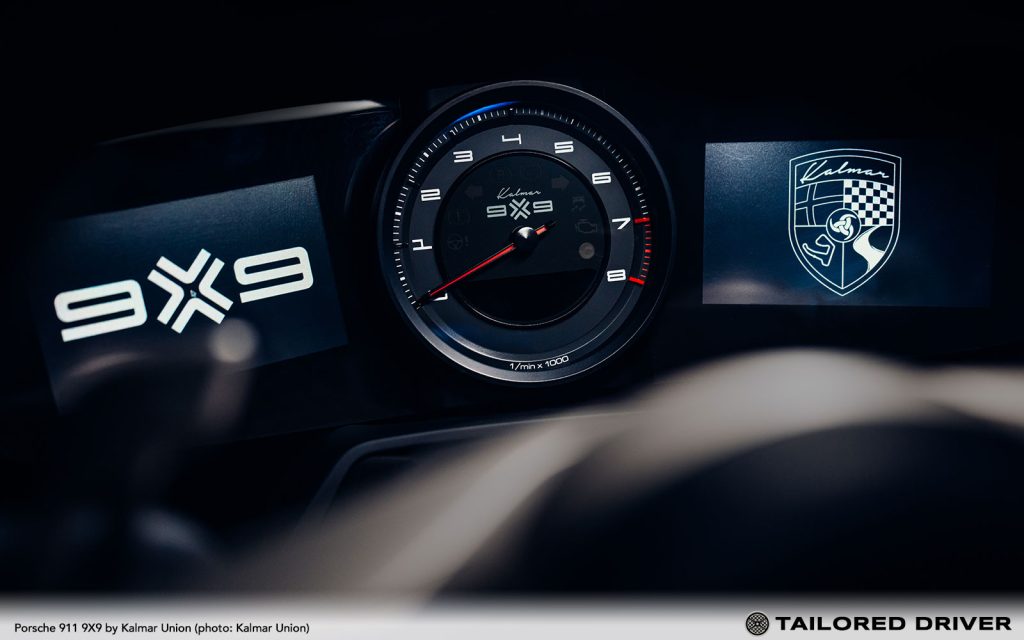
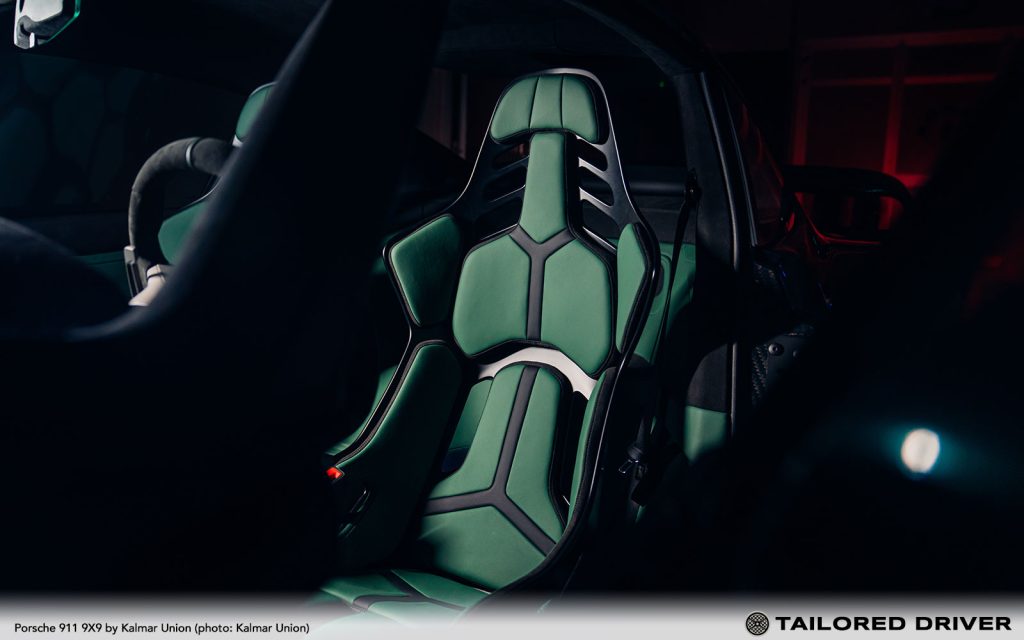
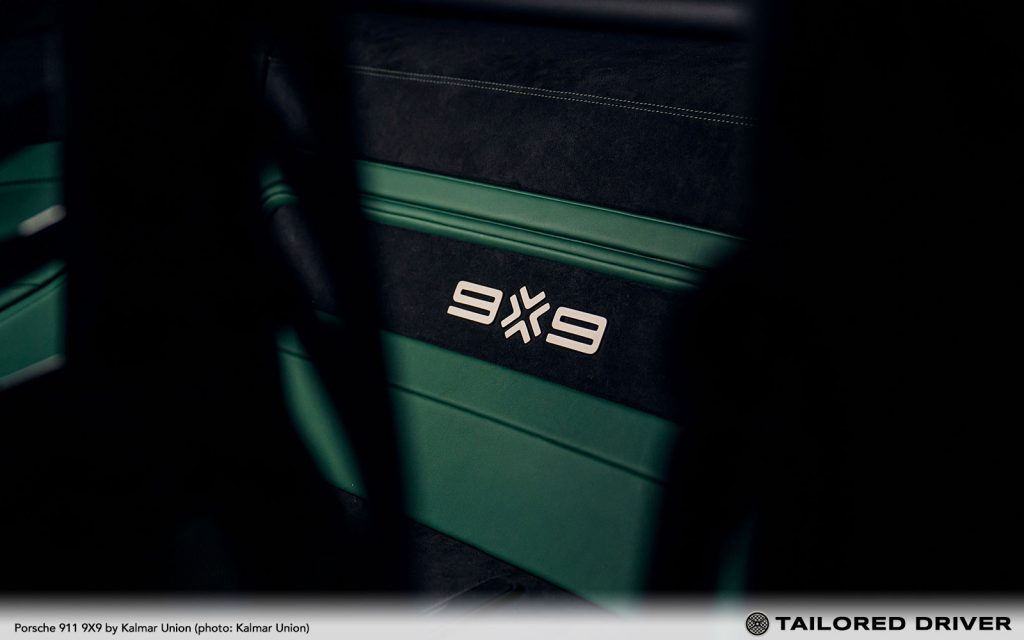
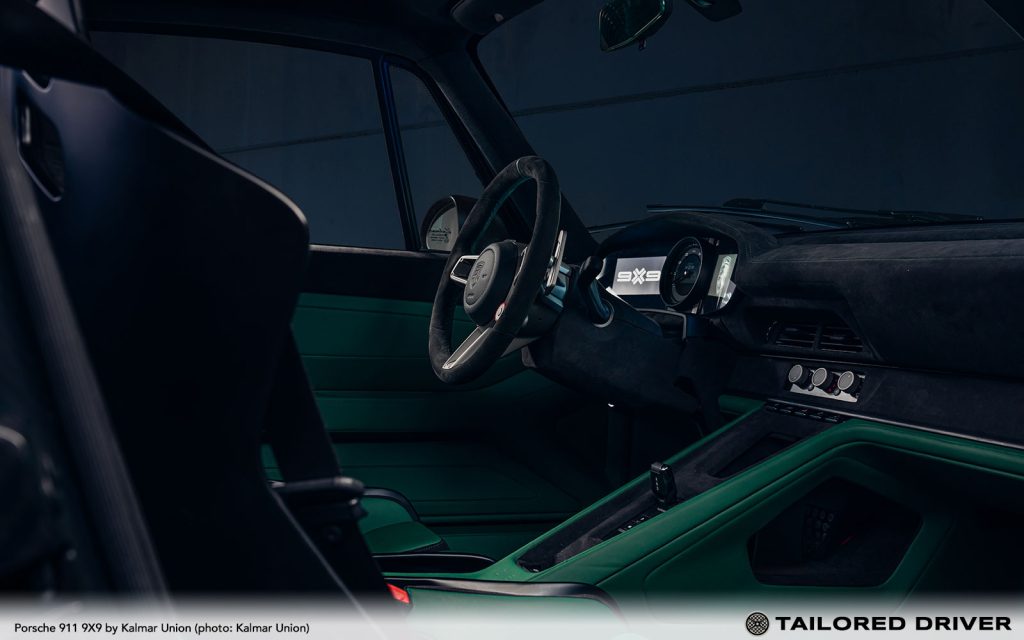
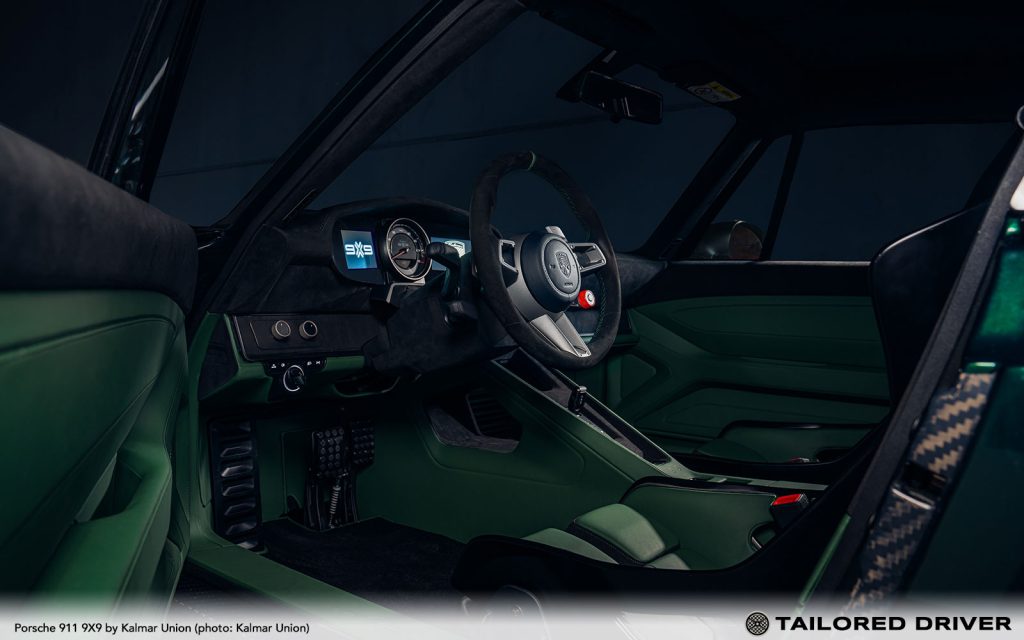
For each new 9X9 build, Kalmar Automotive emphasizes a minimalist interior package with the joy of driving always present in mind. The 9X9 seamlessly mixes the traditional analog rev counter with LCD screens to provide all necessary information. No navigation system or radio have found their way into the cabin, as Bluetooth capabilities allow either driver or passenger to discreetly connect from any modern device. Precisely built with a maximum of two individuals in mind, each lightweight seat is personalized to ensure both driver and passenger are one with their Kalmar 9X9. With the goal of being a high-performance road car, the Kalmar 9X9 features a hidden roll cage acting as a full space frame concept and implemented for added safety and stiffness.
The Kalmar 9X9 will be introduced in 3 versions, all ready for sale: 9X9, 9X9 Sport, and 9X9 Leichtbau. The 3 offered Kalmar 9X9 configurations yield distinct driving experiences. The 9X9 model emphasizes road-going power with a super powerful but still GT-oriented driving experience made with lengthy excursions and grand touring in mind. This is mainly due to the double clutch transmission and all-wheel drive system, transferring more than 900 horsepower safely to the ground. The 9X9 “Sport” version offers more driver involvement with a 3.0L 650-horsepower turbocharged engine and introducing a 7-speed manual transmission also linked to a variable all-wheel drive system. More direct suspension components and lighter weight adds to the more driver focused driving experience. The Kalmar 9X9 Leichtbau (Lightweight) version implements a naturally-aspirated high revving 4.0L engine with a six-speed manual gearbox powering only the rear wheels. Built with automotive purists in mind so all comfort equipment has been removed to reach a weight of only 1250 kg. The 9X9 Leichtbau offers the ultimate driver experience far beyond any current comparable car on the market.
“Kalmar Automotive created the 9X9 to invite a car that we all admired in the past into the present by creating an absolutely peerless road car. The 9X9 features countless bespoke parts that we and our partners created and manufactured, we went to extremes in terms of weight reduction and weight distribution and proudly can state numbers far below industry standards,” continues Kalmar. “Many automotive firsts and innovations are realized in our commitment to lightweight engineering. The 9X9 is over engineered to an obsessive degree. The car enthusiast will appreciate the 9X9 even more when they realize how much they can influence their own version. We bring automotive dreams to life.”
Each Kalmar Automotive conversion is made to customer specifications. No two vehicles ever will have the same design or exact same driving characteristics. First unveiled at The Quail, A Motorsports Gathering, during Monterey Car Week 2024, Kalmar Automotive is set to deliver their first customized 9X9 to customers by July 2025. Kalmar Automotive 9X9 and 7-97’s are now available to order in the U.S. through Canepa Group, Inc.
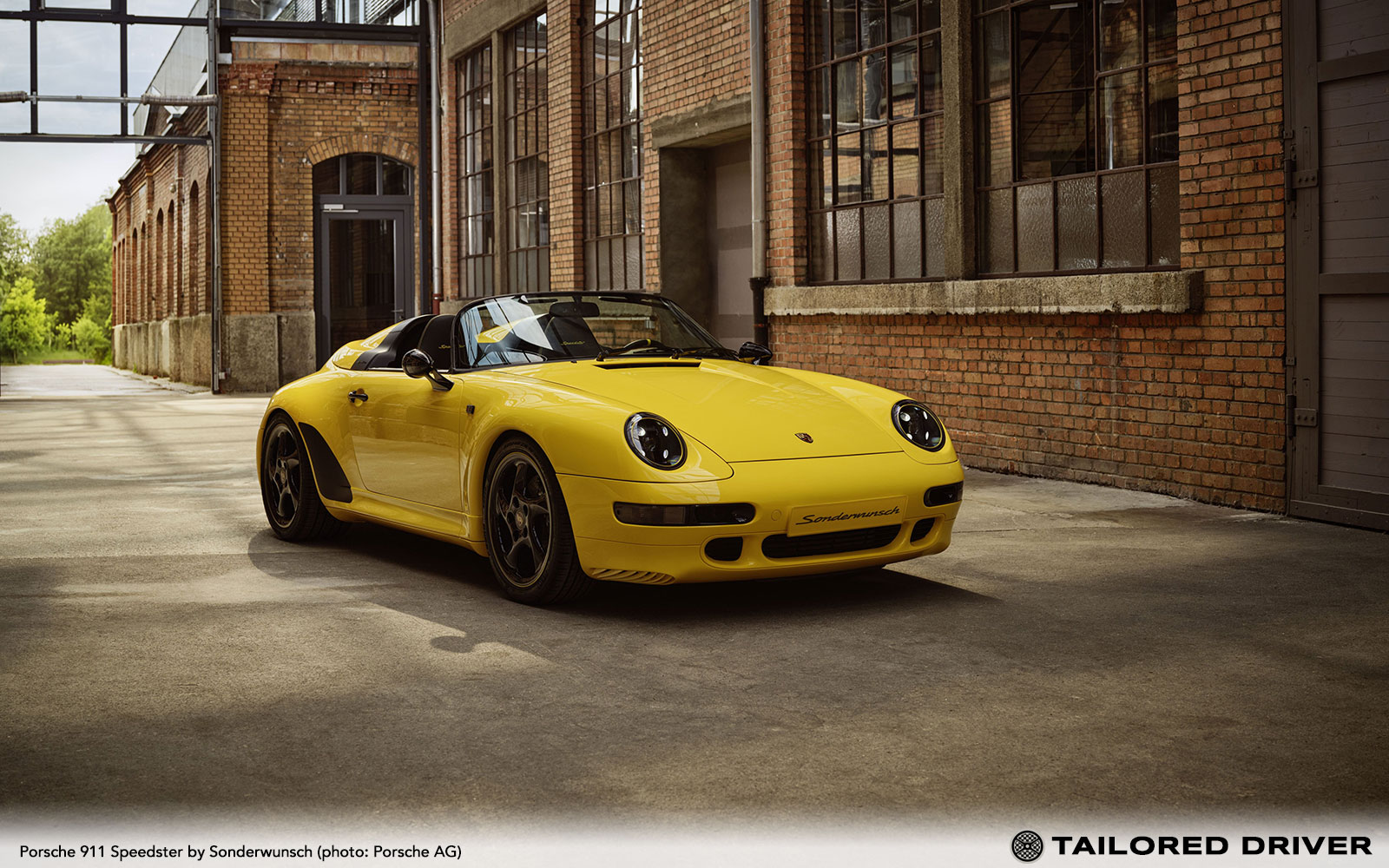
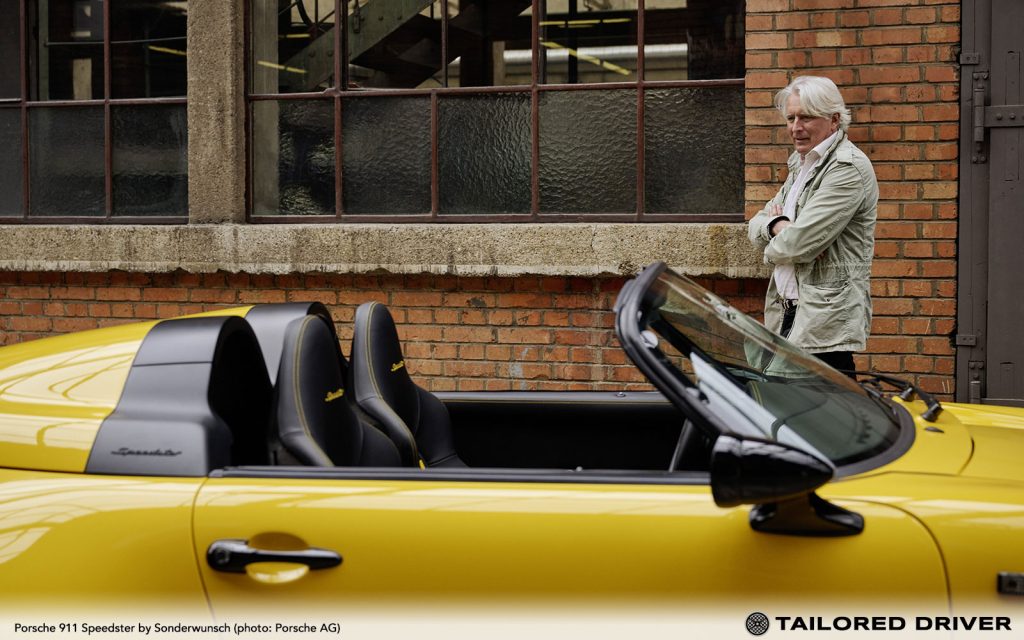
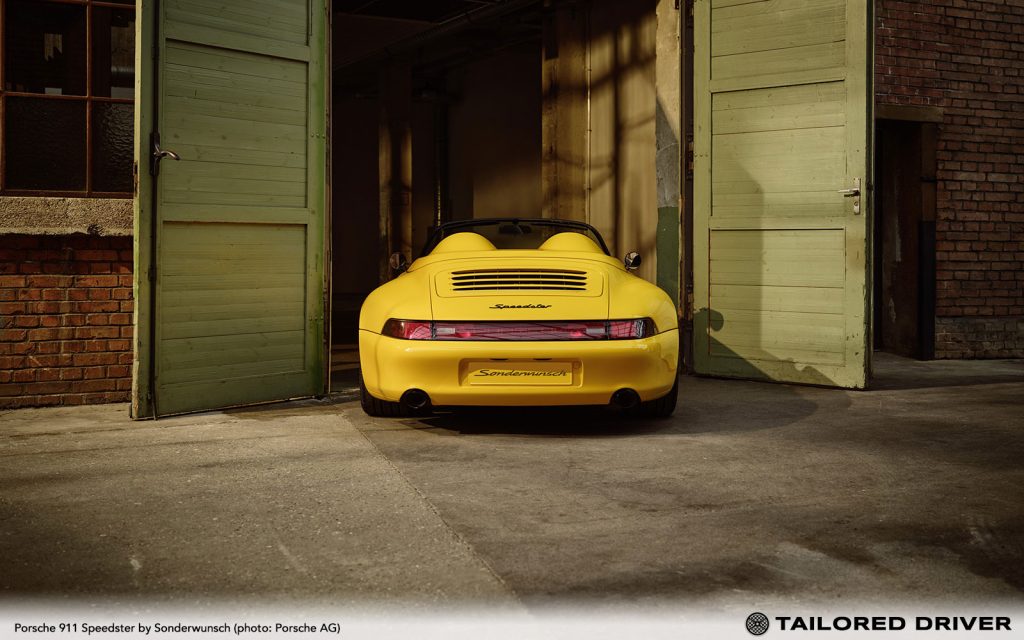
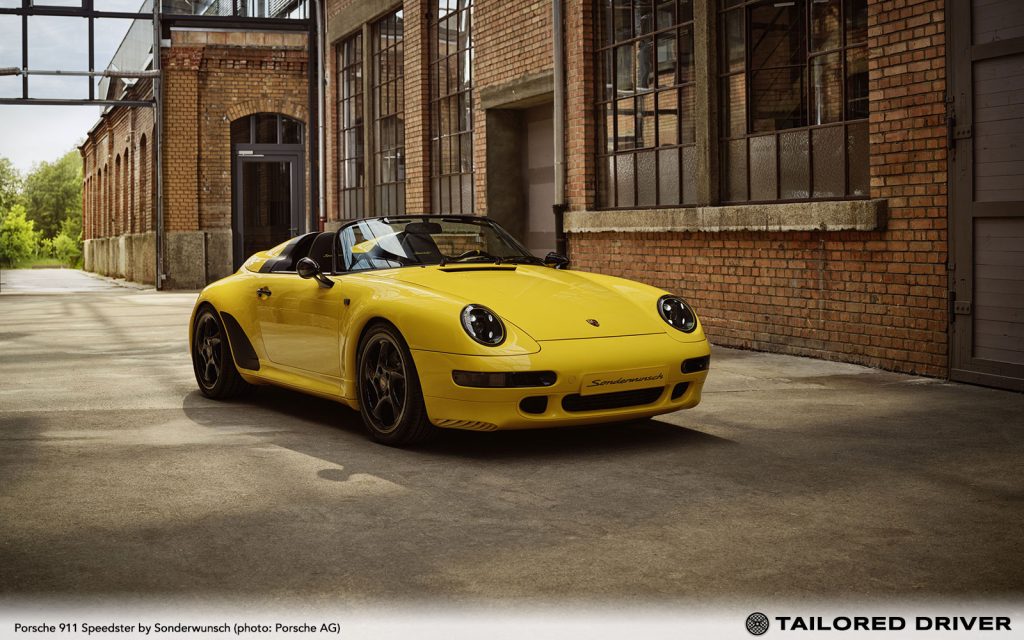
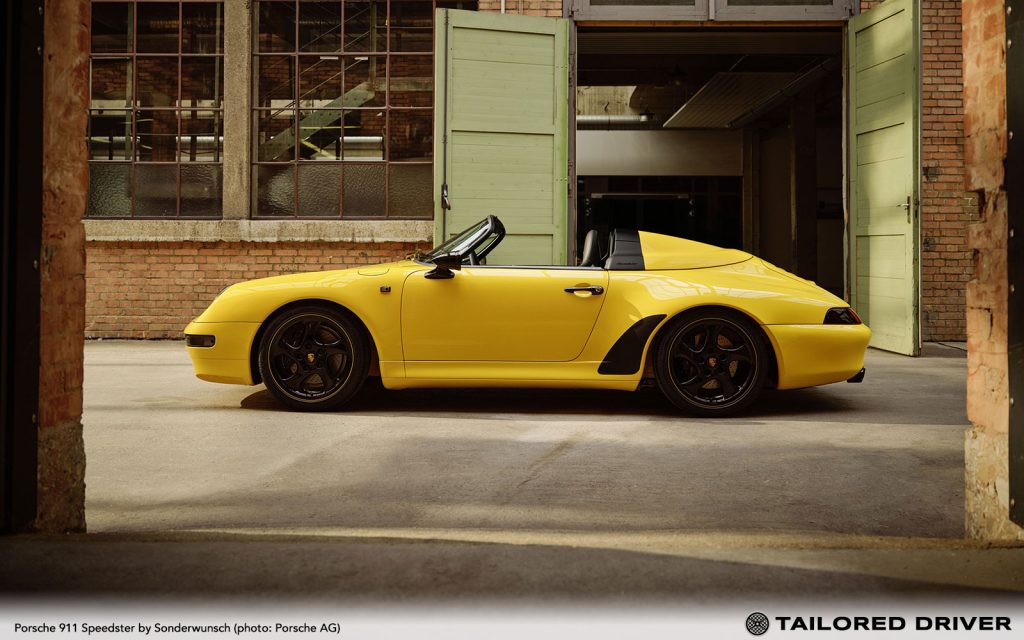
Since 1954, Speedster variants have been part of the Porsche company history. They combine open driving pleasure with particularly expressive driving dynamics. The car is characterized by a two-seat layout, a unique cowl and shortened windshield. But there is a gap in the model history of the 911. Porsche offered 911 Speedster variants of the G-Series (second generation) and Type 964 (third generation), but with the exception of two one-offs and, much later, a model rebuilt as part of a factory restoration, there was no Speedster from the fourth generation of the 911, the Type 993, in the regular model program. So, Porsche enthusiast, designer and Speedster collector Luca Trazzi realized his dream of a Type 993 911 Speedster with help from the Sonderwunsch program. The result is a one-off car based entirely on the personal vision of the designer.
[source: Porsche AG]
Monterey, California. “At the start I looked around but couldn’t find the car of my dreams. So, I decided to build it myself.” Luca Trazzi has made this legendary statement from Ferry Porsche his own. And the successful designer from Milan didn’t just dream – he, too, took action. A 993-generation 911 Speedster was missing from the Porsche enthusiast’s extensive Speedster collection.
Luca Trazzi turned to the Sonderwunsch team at Porsche to realize his project. With their help, he made his dream car a reality. It took more than three years to create his one-off car based on a 1994 911 Carrera Cabriolet (Type 993). The two-seater with the characteristic rear cowl makes its world premiere this year at The Quail, A Motorsports Gathering.
The creation process: A customer and designer working together
“As a young boy, I fell head over heels in love with the puristic Porsche Speedster. I had to work very hard to be able to afford my first Porsche, a Speedster 1600 Super from 1955. Ever since, I’ve managed to live my passion, or more precisely, my Speedster-mania,” says Luca Trazzi. “My dream was to complete my collection with a 911 Speedster of Type 993. Out of passion, I designed what this model might look like. I wanted the project to unify the stylistic elements of all previous Speedster models. Because although this body version has always continued to develop throughout its history, it preserved the elegance of its predecessors and stayed true to its beginnings.”
“In this form, and with this vast range of modifications, the 911 Speedster is our first Factory One-Off for a customer,” says Alexander Fabig, Vice President Individualization & Classic at Porsche. “This one-off car shows what’s possible with our Sonderwunsch program – based on a classic Porsche 911 (Type 993) from 1994.” The project team even built a true to scale design model of the Speedster.
“Having a designer as a customer was an exciting experience for me. Because Luca and I speak the same language, our collaboration was creative and focused,” says Grant Larson, Director of Special Projects Design. “He was also intensively involved in the project with very specific suggestions.”
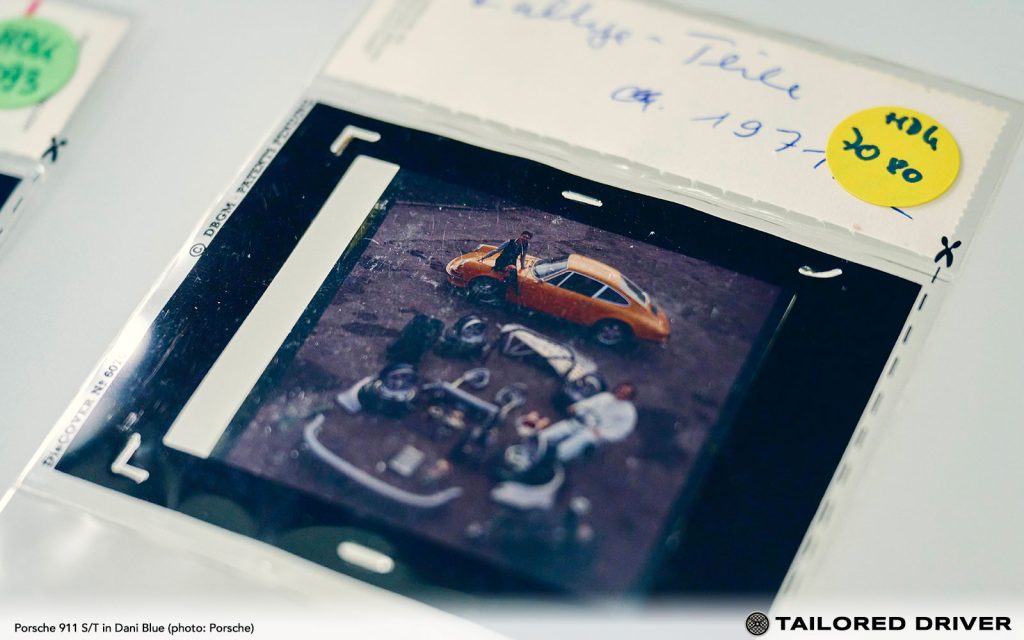
The project began with a visit to the company archive to take a deep dive into the history of the Speedster and generate additional ideas. Luca Trazzi arrived at this first meeting with his own project book full of drafts and sketches and with a very clear and defined project idea on how he wanted to create his individual Speedster. This matched the philosophy of the Factory One-Off, namely that before the one-off car is finished, the focus is on the joint, creative car development process. The customer becomes an active part of the project team, closely following the implementation of their idea from the perspective of a project manager.
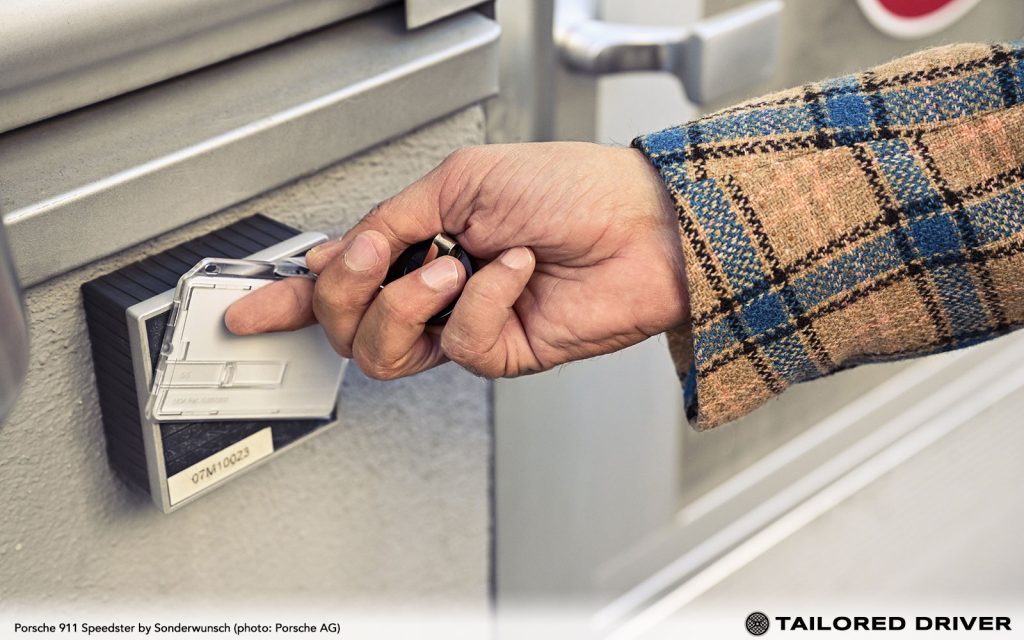
During the project, Luca Trazzi visited Porsche multiple times, making good use of the company ID issued to him for the project. Among other things, he witnessed his Speedster taking a bath in the cathodic dip-painting at the factory paint shop. This procedure is otherwise reserved for new cars undergoing the regular production process. Then began the complete manual coating cycle. The luminous yellow paint was not just developed as a color specifically for the customer – its name was also very personal, coming as it did from the customer’s own dog, Otto. During a meeting, the designer spontaneously named the paint after his four-legged companion, and ‘Otto Yellow’ was born.
“The rear lid with its concave and convex forms required a lot of work in the design, conception and production phases,” recalls Philipp Setter, Manager Sonderwunsch Customer Consulting. “But even here we managed to harmonize Luca Trazzi’s design visions with the Porsche processes and quality standards. After all, our Sonderwunsch credo is ‘You dream it. We build it.’”
Exterior and interior: Stylistic Speedster elements reinterpreted
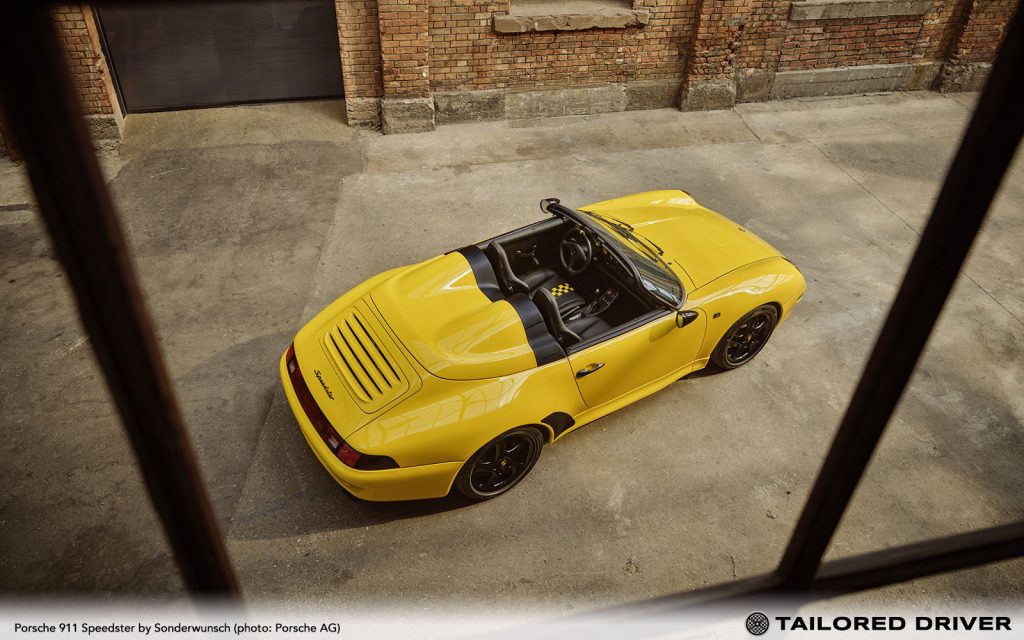
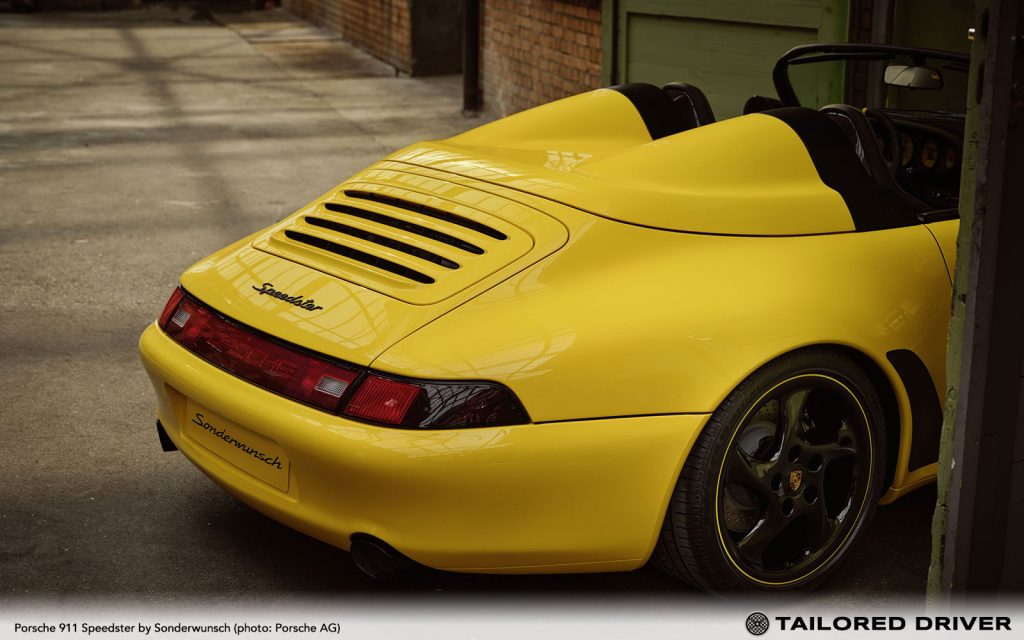
The rear cover and the windshield follow design cues from existing Porsche Speedster models. They are bordered only by a thin black frame that intensifies their effect. Further striking exterior features include the black, conical exterior mirrors in the classic design of sports cars from the 1960s and the four-point daytime running light of modern Porsche models. Trazzi redesigned the bodywork line for the rear lid.
The 18-inch light alloy wheels in Turbo design are painted black, with the pinstripe in contrasting yellow. The black stone chip protection sheets in front of the rear wheels are functional design elements and striking features from other Speedster generations. They harmonize with the black door handles and the air intakes in the front spoiler. The Factory One-Off has a sporty look, with the Sonderwunsch experts taking the front spoiler, side skirts and rear quarter panels of the 911 Turbo (Type 993) as inspiration. The design of the indicators, taillights and light strip has been reinterpreted.
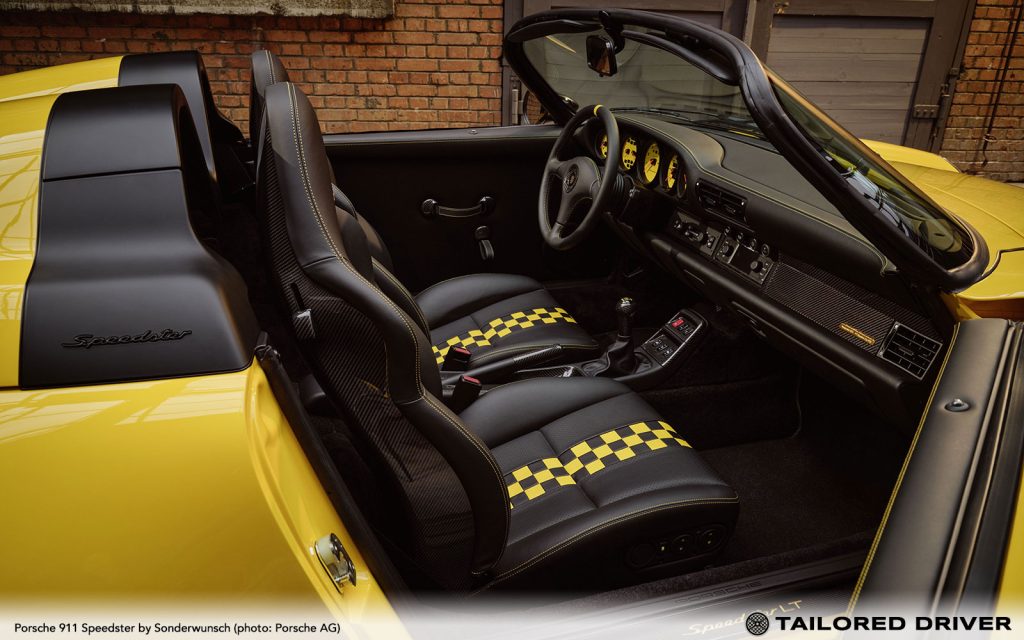
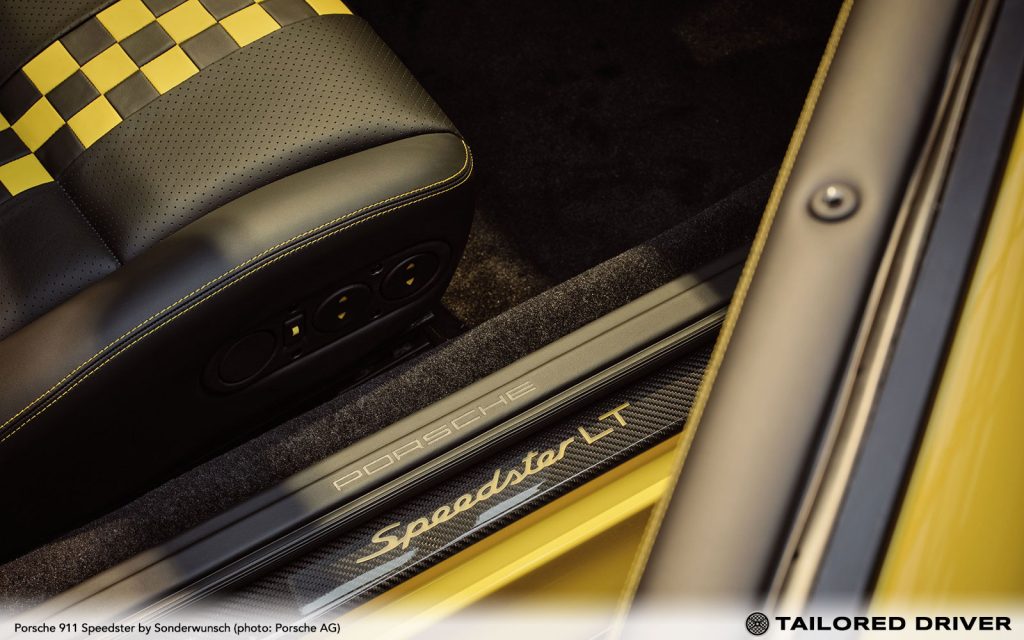
The interior is dominated by black leather with decorative stitching in yellow. The headrests feature an embroidered Speedster logo. The seat centers, which bear a checkered design in yellow and black, provide a visual highlight for the interior. It is a masterpiece of craftsmanship, with every check being tailored and sewn by hand. The same pattern appears in the leather-upholstered front luggage compartment, on the car cover, and on a matching touring bag. Carbon fiber elements on the dashboard, center console, handbrake, and gear lever further individualize the interior. The seatbacks are also made of carbon fiber. For the first time in a Type 993 Porsche 911, the carbon door sill trims are illuminated – in ‘Otto Yellow’, of course – and carry an individual logo.
State-of-the-art infotainment with navigation and Apple CarPlay is on board in the form of the Porsche Classic Communication Management (PCCM). These retrofitted devices extend the digital world to vintage and contemporary cars of the brand. The start screen is also personalized.
The switches for the power windows also underline the attention to detail, with the symbols redesigned to show the typical Speedster silhouette. A gilded ‘One-off’ badge on the dashboard bears witness to the car’s uniqueness.
The drivetrain: More power
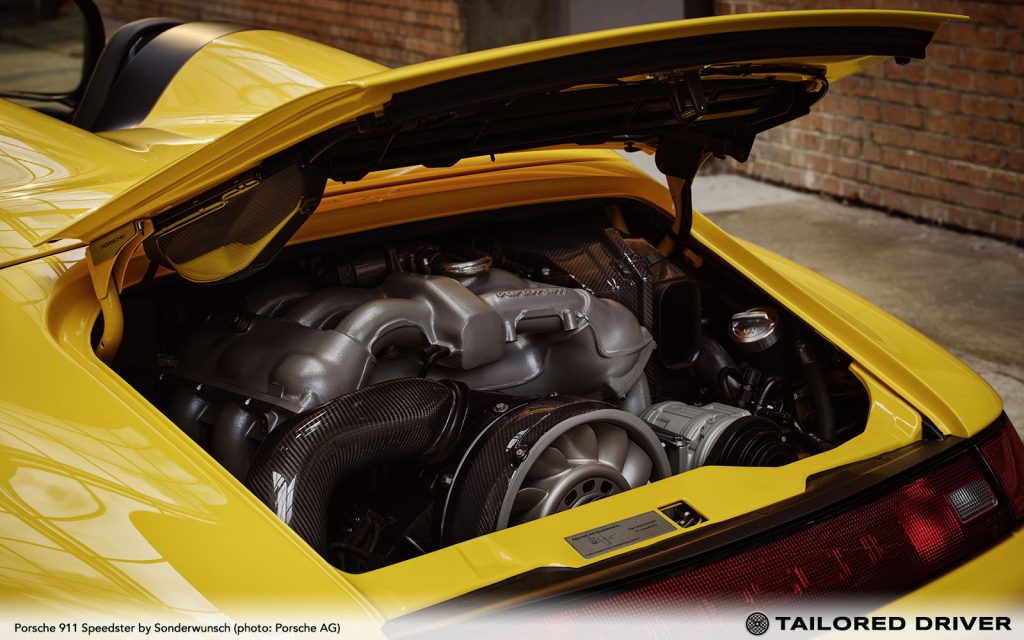
The engine, chassis, steering and brake system are from the 911 Carrera RS (Type 993). At that time, the air-cooled six-cylinder boxer was the most powerful engine from Porsche, with a displacement of 3.8 liters generating around 300 hp.
To date, there are precisely two units of the 911 Carrera Speedster based on the 993 generation. The first was developed in 1995 by the Exclusive department especially for Ferdinand Alexander Porsche. The car is green with 17-inch light alloy wheels and a Tiptronic gearbox and is based on the Carrera body. This unit found its way back to the factory museum, on loan from the family. A second 911 Speedster (Type 993) – a silver Turbo-width 4S model with 18-inch wheels – was built in 2001 for a private customer based on one of the last 993 Cabriolets from 1998.
The Speedster presented here not only has a different origin story but is also differentiated from its predecessors by its unique design and its technical components. Following its premiere during Monterey Car Week, the car will return to Europe for final customer delivery.
The Factory One-Off: The most exclusive format of the Sonderwunsch program
Porsche is reinterpreting its legendary Sonderwunsch program from the late 1970s to enable individualized, one-off cars co-designed by the customer and realized professionally by Porsche. This individualization option is possible for street legal Porsche cars from any model year. Depending on the car, the work itself is carried out by either Porsche Exclusive Manufaktur or Porsche Classic experts.
There are three decisive milestones in the process of building a Sonderwunsch Factory One-Off as the ultimate format. The process begins with the customer’s idea, which they communicate to a Sonderwunsch customer consultant via their Porsche Center. If Porsche considers the idea to be feasible after an initial assessment, the customer attends a project meeting. In the concept phase, specifications are drawn up in collaboration with designers and experts from various departments within the company. In the end, the customer decides whether they will or won’t proceed with the project.
In the third phase, the components are developed, and the car is built. The design, engineering and development departments work closely with the mechanics, body builders and paint specialists at the relevant Porsche production facilities. If required, specialists from the Development Center in Weissach or other areas of the company can also be called upon, and test facilities such as engine dynos can be used. The dream car takes shape through manual craftsmanship with the constant involvement of the customer.
About Luca Trazzi
Luca Trazzi, an architect and industrial designer, was born in Verona in 1962. Awarded the Carlo Scarpa prize at a young age, he worked for 15 years alongside Aldo Rossi, of whom he was a close collaborator and assistant. Today he works in Milan and China. He is also one of the founders of designboom.com and designs for the most prestigious international brands. Luca Trazzi loves to draw objects that do not follow fashion. “Objects that are easy to use, to understand, beautiful to look at. Objects with simple, captivating shapes, lines that never go out of fashion”, explains Luca Trazzi. “Attention to detail is the characteristic that can be seen in my work. In parallel with design, I interpret places in an artistic way, through installations that represent the ‘staging’, almost in an open-air theatre, or my visions and thoughts.”
About Porsche Cars North America, Inc. | One Porsche Drive, Atlanta, GA 30354 USA
Established in 1984, Porsche Cars North America, Inc. (PCNA) is the exclusive U.S. importer of the Porsche 911, 718 Boxster, 718 Cayman, Macan, Cayenne, Panamera and Taycan. Headquartered in Atlanta, Georgia, since 1998, PCNA is home to the first Porsche Experience Center in North America, which features two module-based 1.6 mile driver development tracks, a business center and Restaurant 356. The campus is also home to the U.S. headquarters of Porsche Classic. The company operates a second Porsche Experience Center near Los Angeles. That complex features a driver development track with eight educational modules totaling 4.1 miles, a business center, Restaurant 917 and the headquarters of Porsche Motorsport North America. PCNA supports 201 independently owned and operated Porsche dealerships in the U.S., three Porsche studios and six satellite stores in the U.S., including supplying parts, service, marketing, and training. They, in turn, work to provide Porsche customers with a best-in-class experience that is in keeping with the Porsche brand’s 75-year history of leadership in the advancement of vehicle performance, safety, and efficiency. PCNA is an indirect wholly owned subsidiary of Porsche AG, which is headquartered in Stuttgart, Germany.
At the core of this success is Porsche’s proud racing heritage that boasts some 30,000-plus motorsport wins to date.
UK’s leading high-performance automotive engineering company celebrates 40 years of engineering excellence and motorsport success
Products include an all-new track day car; a super high-performance battery pack; a Le Mans Hypercar-inspired Porsche 911-based road car; and a heritage SuperClassic Aston Martin V8
The four launches, one to mark each decade, are the first from RML Group’s four new dedicated divisions: Motorsport; Engineering; Power; and Bespoke
[source: RML Group]
Wellingborough, Northampton, UK – RML Group Ltd, the UK’s leading high-performance automotive engineering specialist, today marks its 40th year of engineering excellence with the unveiling of four new innovative products.
The first, from the Motorsport division, builds on all of the company’s multi-championship winning experience to create an all-new track day car. Codenamed P40, the ultra-lightweight, super-safe race car uses Formula 1-inspired aerodynamic technology to reach new levels of speed and handling for track-day cars.
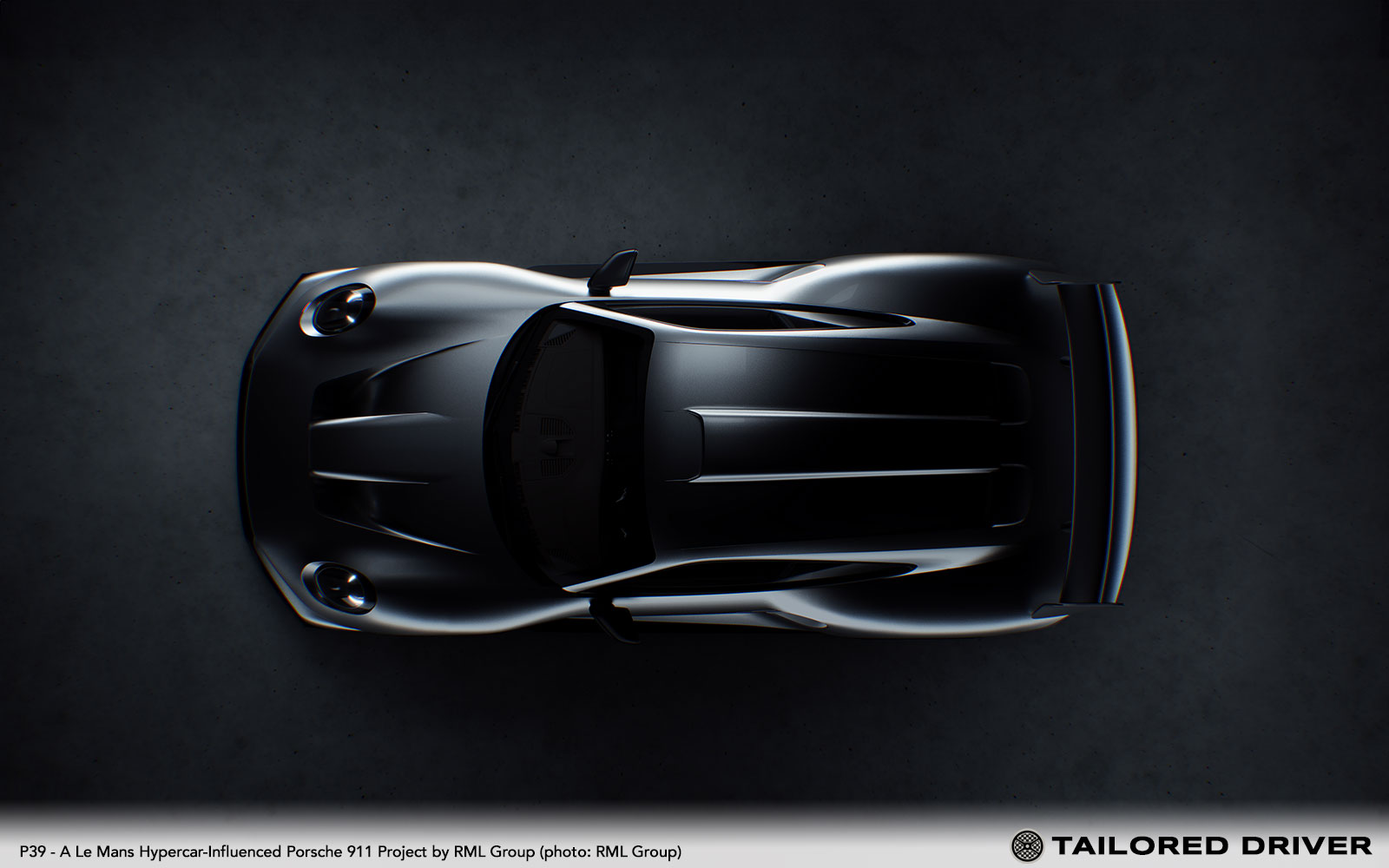
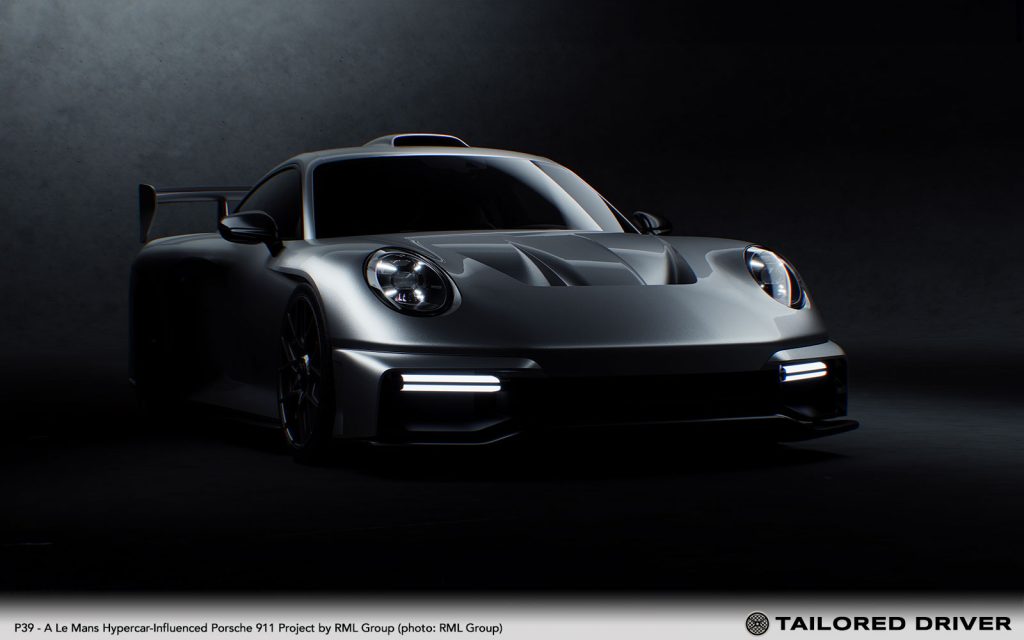
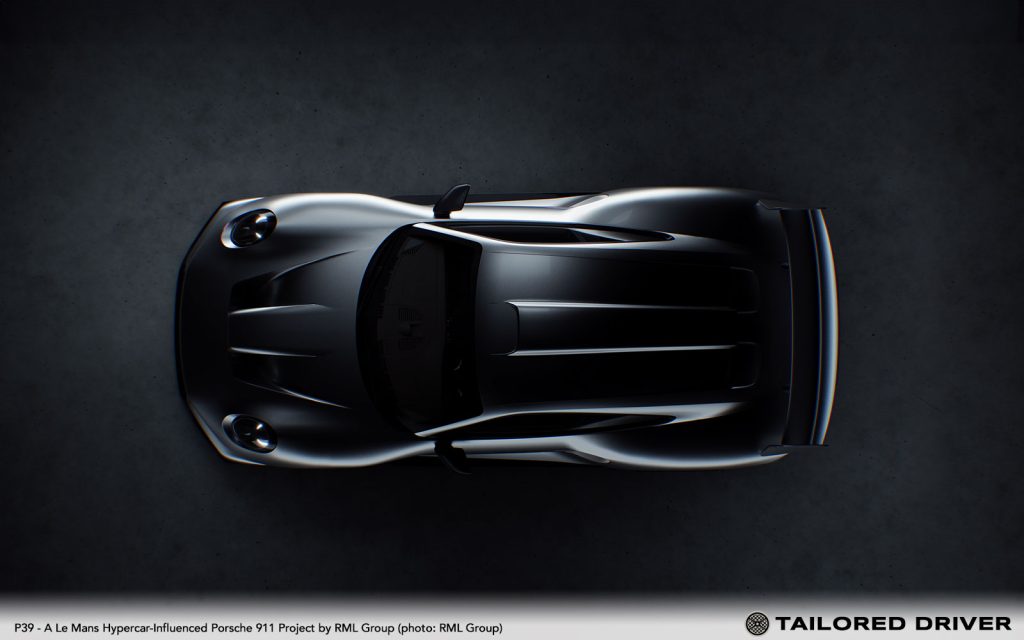
The second, produced by RML Group’s Engineering department, is a Le Mans Hypercar-influenced Porsche 911-based project that will extend the car’s speed and handling capabilities well beyond standard, while maintaining full reliability. Known internally at RML as P39, the upgrade package is designed to work across the 911 range and includes a list of options to enhance both engine and aero performance.
Third on the list, from the company’s Power division, is RML’s high-performance VarEVolt battery module. Having proven itself around the Nurburgring, the proprietary battery technology is now being installed as a key component in a number of supercars, including a current Goodwood FoS record holder.
Rounding off the Group’s 40th anniversary product portfolio, the Bespoke department has drawn heavily on both its storied road and race history with Aston Martin to create a SuperClassic version of the original V8 Vantage. The carbon-bodied car retains all of the original’s muscular design cues but pairs them with 21st century mechanicals to create one of the world’s finest and most capable grand tourers.
“RML Group has achieved an enormous amount in the previous 40 years, we are still focused squarely on the future as these product launches show,” said third-generation CEO, Michael Mallock. “I am excited to bring all of these new high-performance products to market. They are just the beginning of a long product pipeline for us. I look forward to sharing more details on each soon.”
RML Group was founded in 1984 by Michael Mallock’s father, Ray, a successful single-seater and sportscar racer. Under his leadership the business specialised in championship-winning motorsport and precision automotive engineering.
Today, RML Group has expanded to meet the diverse needs of the automotive industry, having recently announced the appointment of former Lotus and Bentley senior executive, Paul Dickinson, to lead operations and drive growth.
From short-run manufacturing projects to continuation cars, from innovative mould-breaking racing cars to cutting-edge ultra-performance battery packs, the company has never strayed from its founding principle of Engineering Excellence.