Tag: Bentley Heritage Collection

  • Final Mulsanne Adds a Royal Touch to Bentley Heritage Collection

    Final Mulsanne Adds a Royal Touch to Bentley Heritage Collection

    • The last Mulsanne to be built comes home to Crewe, after service with Her late Majesty Queen Elizabeth II
    • Mulsanne Extended Wheelbase commissioned by the Queen, in Barnato paint with a Twine and Cumbrian Green interior
    • Joins Bentley’s Heritage Collection, to live alongside the second production Mulsanne built (2010) and pinnacle Mulsanne Speed (2019)
    • Unique interior features – including a custom cubby for a handbag – define a cherished vehicle
    • The Heritage Collection now comprises 45 cars spanning the company’s 104-year history

    [source: Bentley]

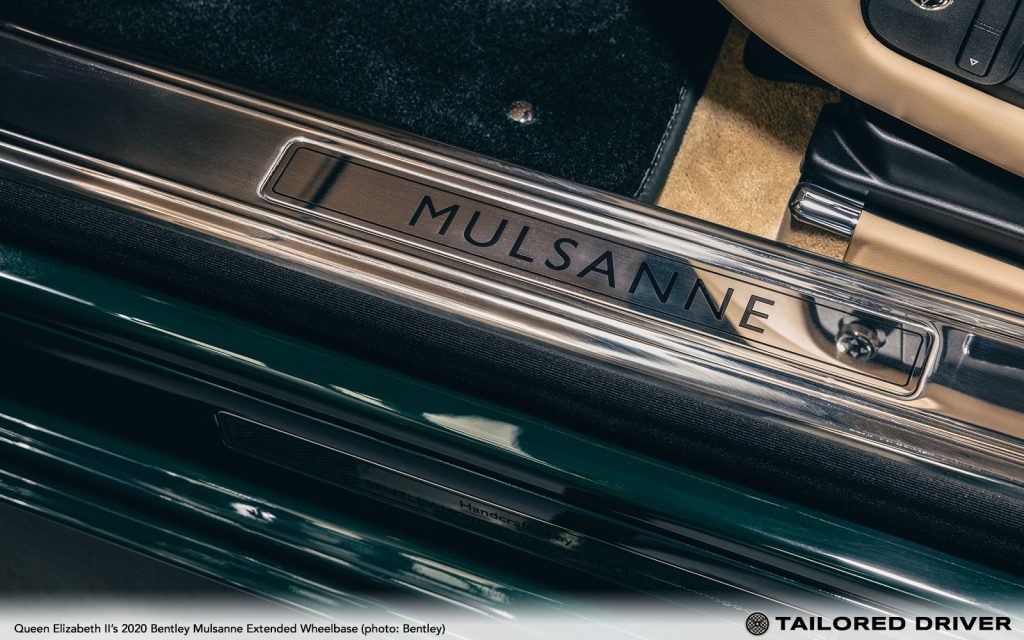
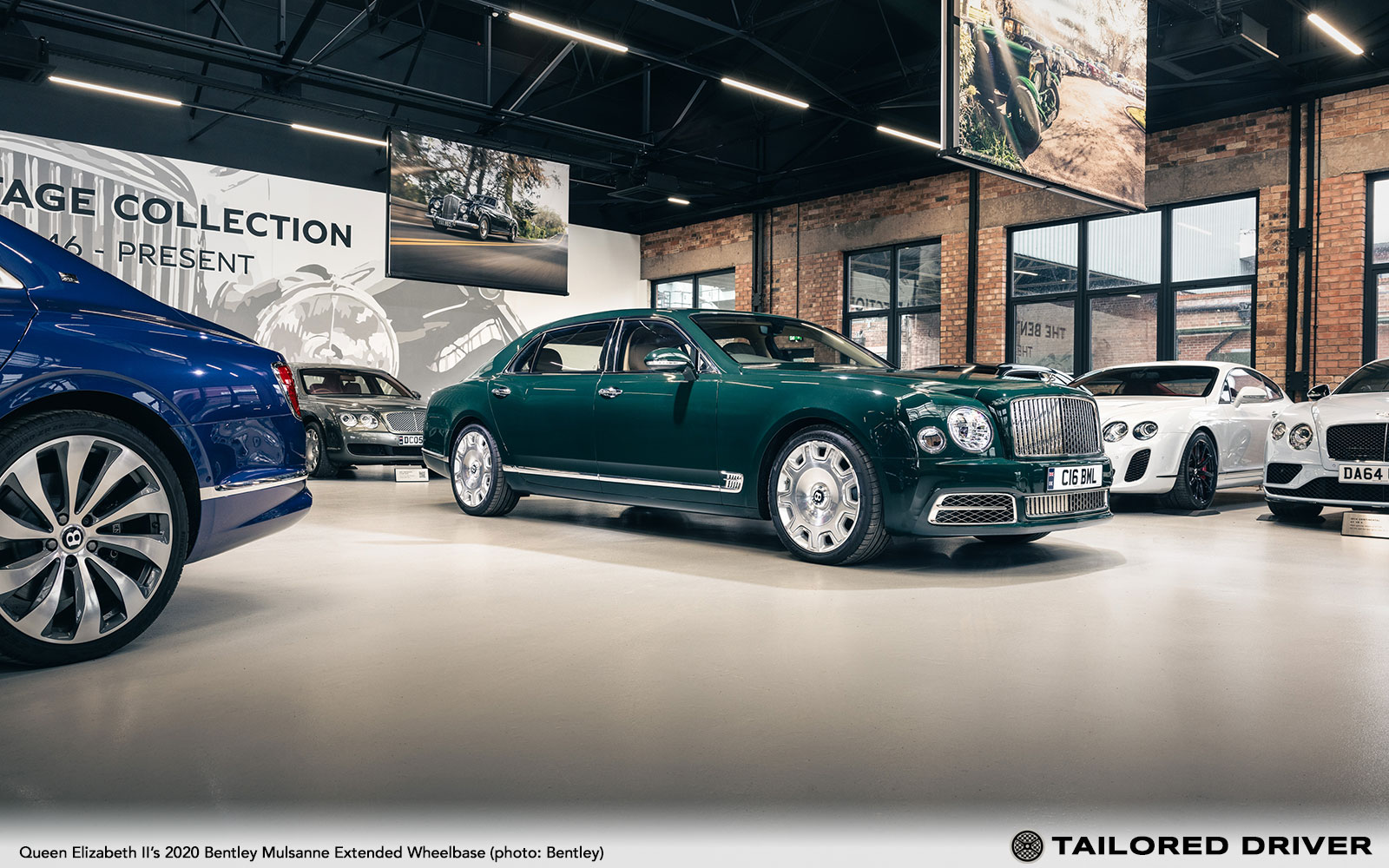
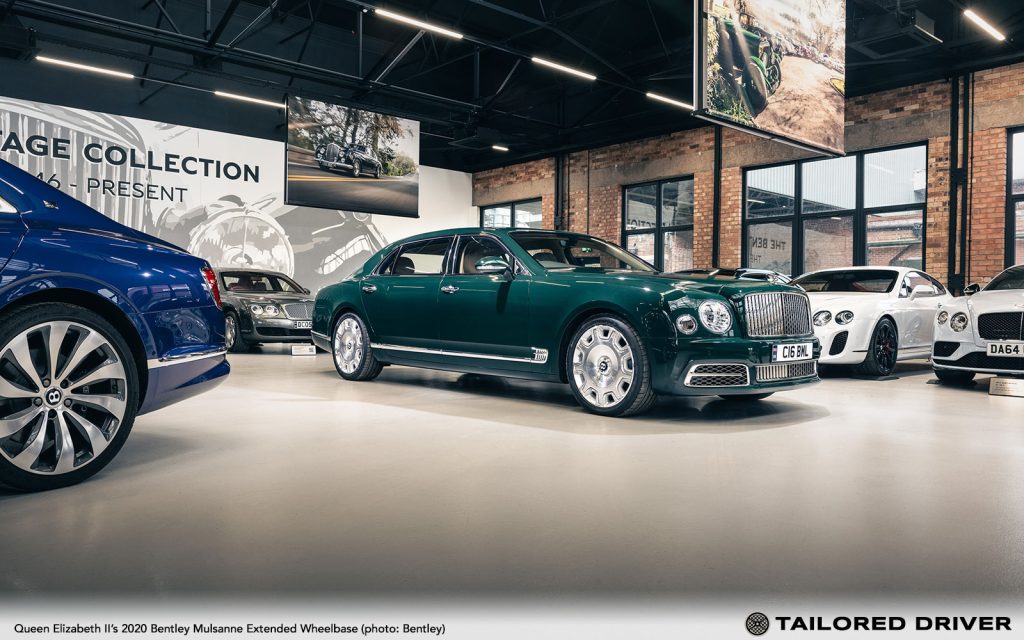
    Crewe, England –  Bentley Motors today announces the most recent and prestigious addition to its rejuvenated Heritage Collection – a bespoke 2020 Mulsanne Extended Wheelbase, the final example of the Mulsanne handcrafted at Bentley’s Dream Factory in Crewe, which has now returned home after service with the Royal household.
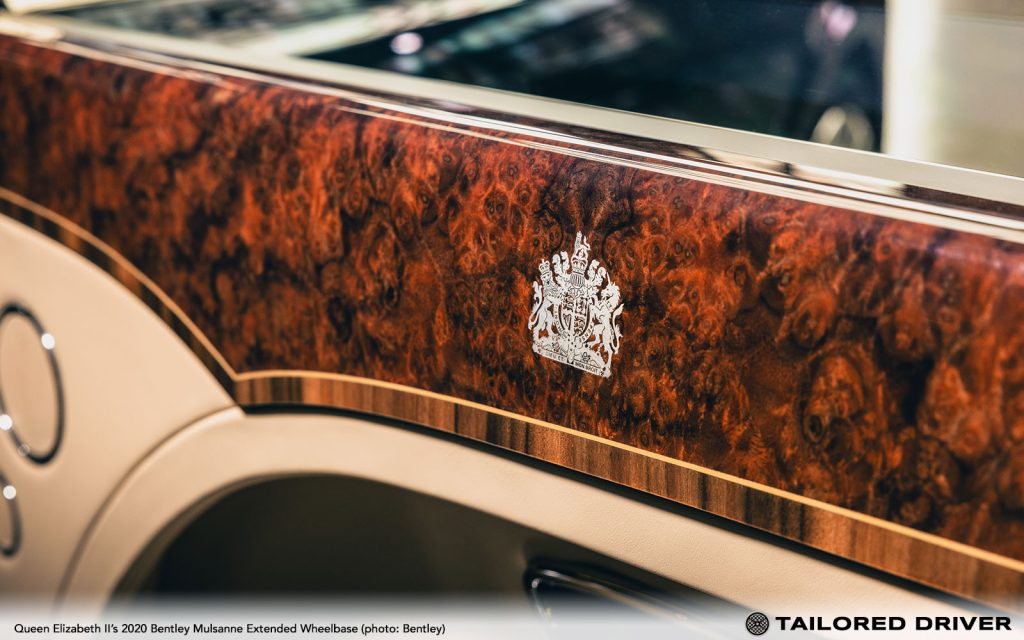
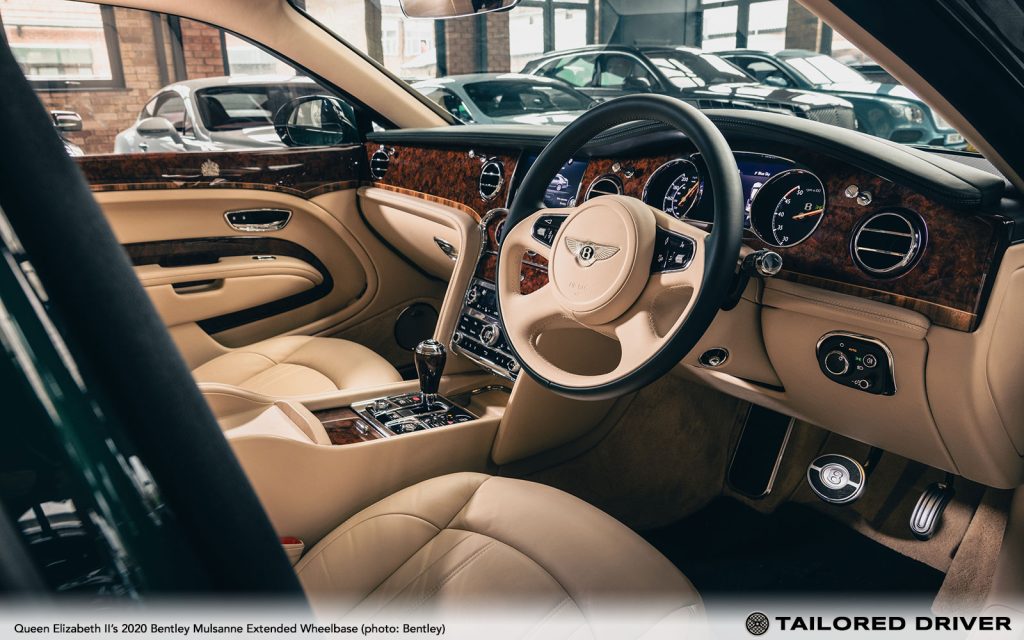
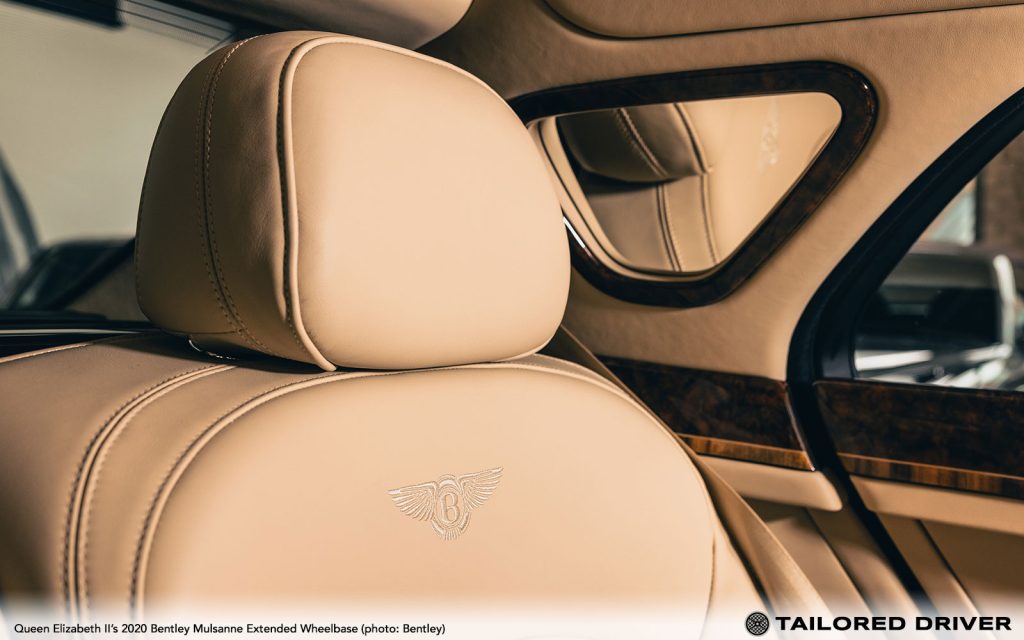
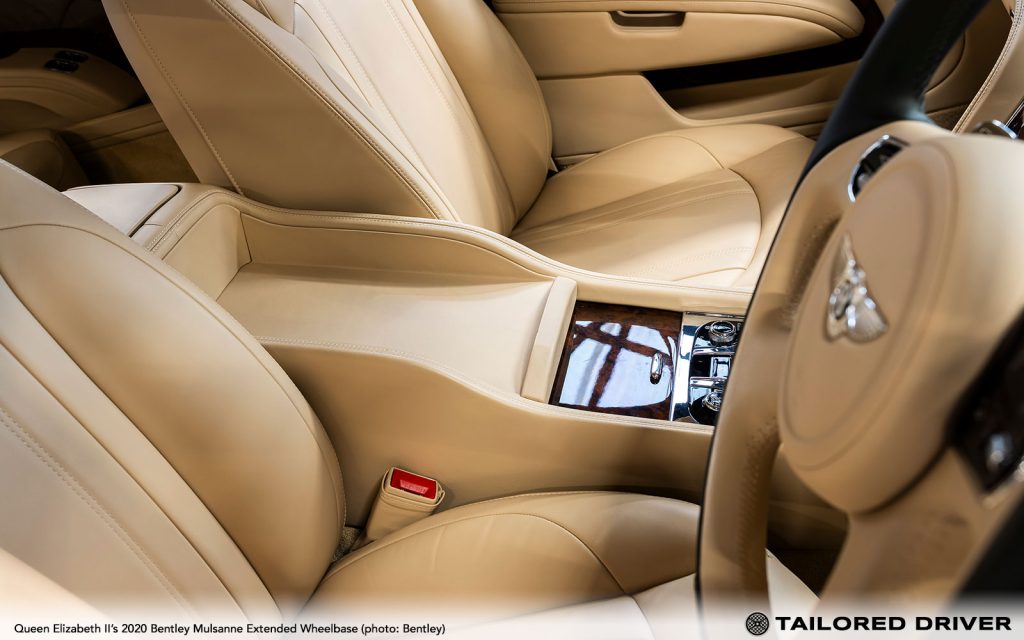
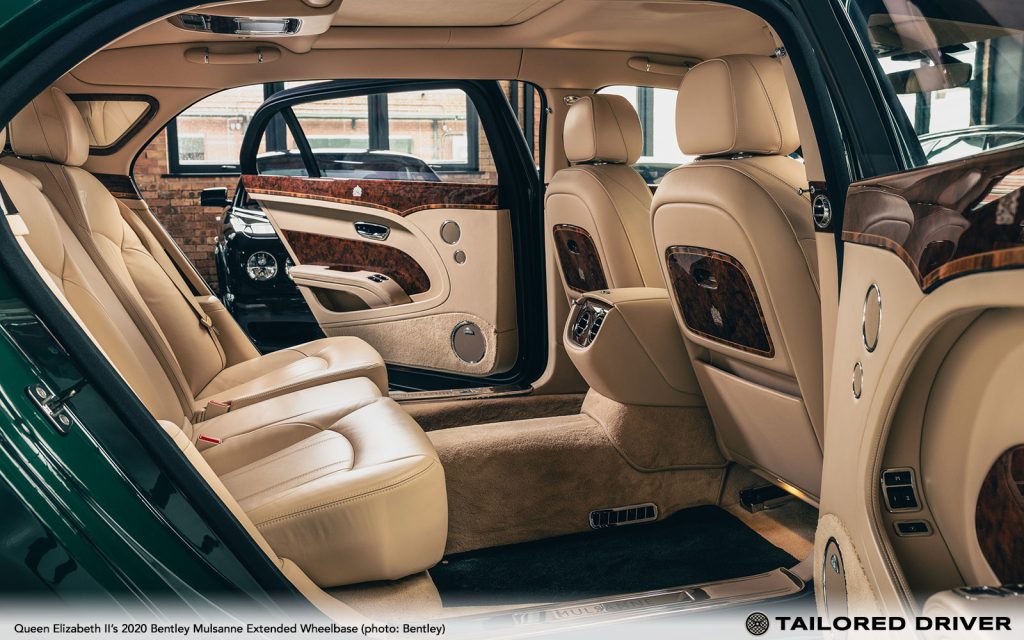
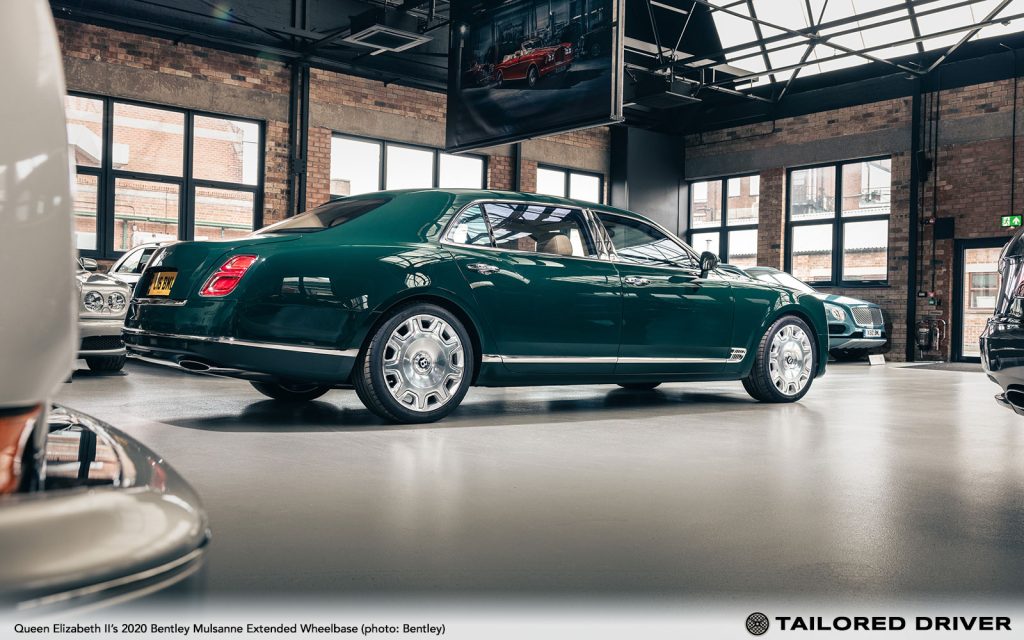
    The last Mulsanne was commissioned by, and built for, Her late Majesty Queen Elizabeth II, and includes a range of bespoke features to ensure the car was fit for royal duties. The starting point was an exterior in solid Barnato green (barnatogreen; metallic UNI; 6602 / 9561028 / LK6A; Bentley), paired with an interior in Twine and Cumbrian hide, Burr Walnut wood veneers and deep lambswool carpets. To this, the specification added rear privacy curtains and the Royal coat of arms of the United Kingdom inlaid into the door waistrails, while the front centre armrests were removed in lieu of a custom-sized tray to accommodate the Queen’s handbag. 

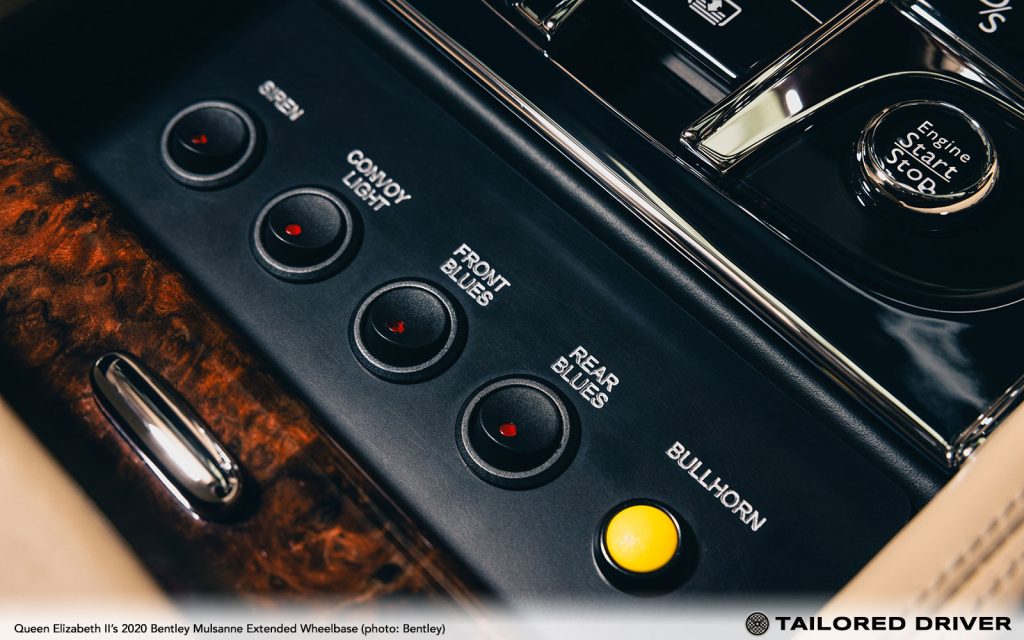
    Discretely concealed blue police lights, a siren and a bullhorn were also installed, with a dedicated switch panel hidden beneath a walnut-veneered door behind the gear lever. 

    Bentley’s famous 537PS 6.75-litre V8 engine, 21” alloy wheels and chrome brightware for the grille and front wing vents and the iconic Flying B complete the car, which will be retained as the third and final Mulsanne in Bentley’s Heritage Collection. It will join the second Mulsanne ever built, VIN 0002 from 2010, and a 2019 Mulsanne Speed that previously saw service on Bentley’s press fleet. The three Mulsannes are part of an expanded 45-car Collection, 2.5 years into a three-year programme to completely rebuild a family of cars that together explain and describe Bentley’s 104-year history.
    A History of Mulsanne

    Launched at Pebble Beach in 2009, the Mulsanne was developed from scratch, housing a new variant of Bentley’s 6.75-litre V8 engine, a new chassis, as well as new exterior and interior designs.

    In 2016, a new Mulsanne was launched at the Geneva Motor Show, with the car further raising the standards of luxury with a redesigned interior – featuring new seats, door trims, armrests, navigation technology and a brand new infotainment system. The front end of the car was also upgraded with new grilles, lights and a new bonnet.

    Alongside the new Mulsanne in 2016, Bentley also launched the Mulsanne Extended Wheelbase, with a 250 mm extension of the Mulsanne’s footprint enabling space for an ornate folding table, centre console, electronic leg-rests and privacy curtains to deliver the best in class luxury experience for the rear-seat passengers.

    Bidding farewell to the Mulsanne in 2020, the final 30 series production cars formed the unique ‘6.75 Edition by Mulliner’, with the name derived from the car’s legendary 6.75-litre engine – which also came to the end of production alongside the Mulsanne after more than 60 years.

    The Mulsanne was in production for over a decade, with each of the 7,300 cars handcrafted at Bentley’s factory in Crewe.
    The Bentley Heritage Collection

    Bentley’s Heritage Collection now consists of 45 cars, from the oldest Bentley in the world (the 1919 3-Litre EXP2) through to the 2021 Continental GT Speed, with some of the most extraordinary Bentleys ever made representing every decade of the company’s 104-year history. 37 road registered, road legal cars describe the development of the Bentley model range over the same period, bolstered by eight of the most famous motorsport and record-breaking vehicles – including three Speed 8s, both generations of Continental GT3, and Pikes Peak and Ice Speed Record cars.

    All of the cars in the Heritage Collection are maintained and on display at Bentley’s carbon neutral Dream Factory in Crewe, England. Customers, VIPs, media guests and Bentley colleagues are all able to view the company’s history through the Collection as part of the factory tour experience.
  • Speed Six Continuation Series Debuts at Goodwood Festival of Speed

    Speed Six Continuation Series Debuts at Goodwood Festival of Speed

    • The first car in the Speed Six Continuation Series makes its global debut at the Goodwood Festival of Speed
    • ‘Speed Six Car Zero’ is the engineering development car for the programme, and will be retained by Bentley
    • Continuation Series by Mulliner based on original drawings and mechanic’s notes drawn from the archive
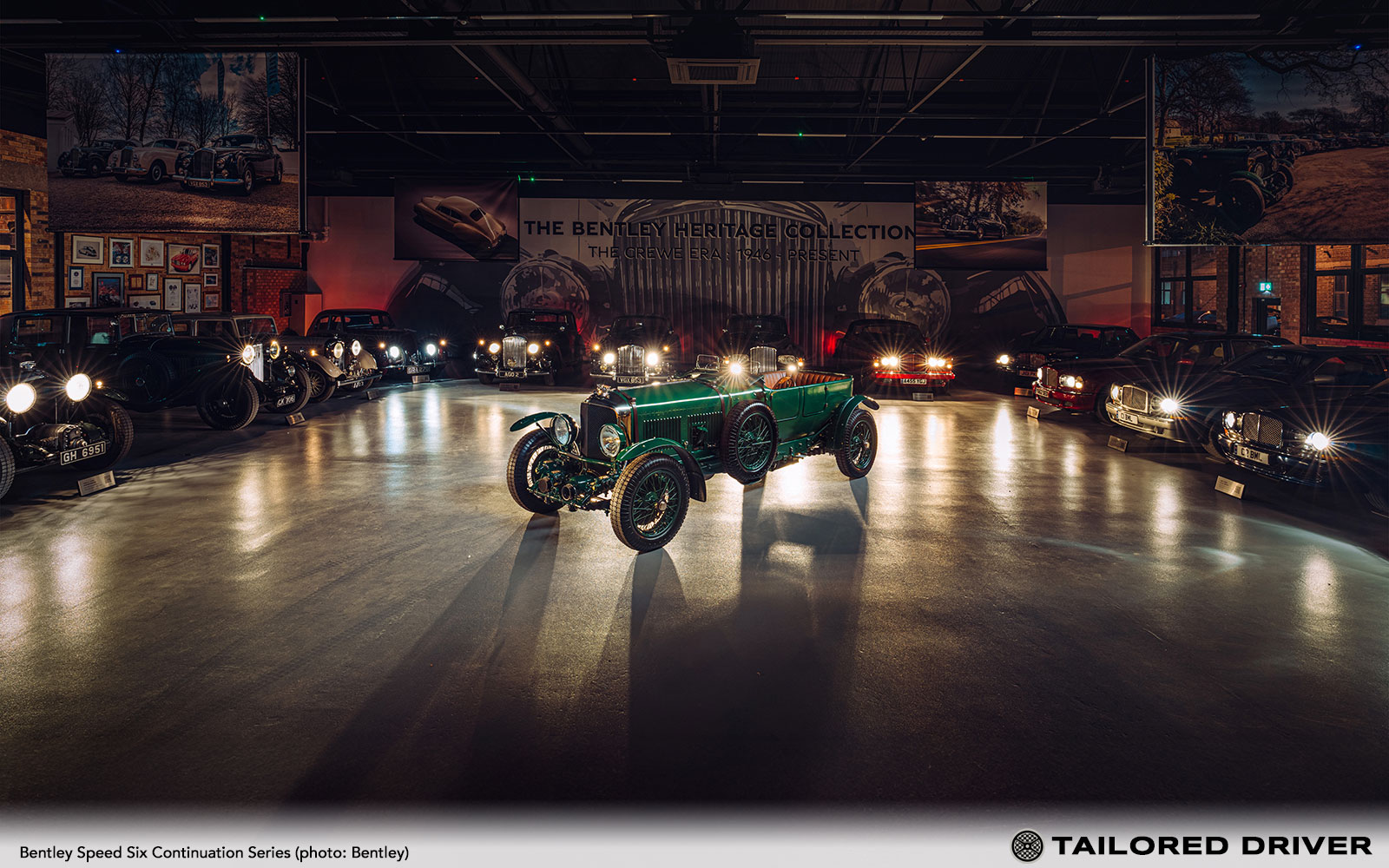
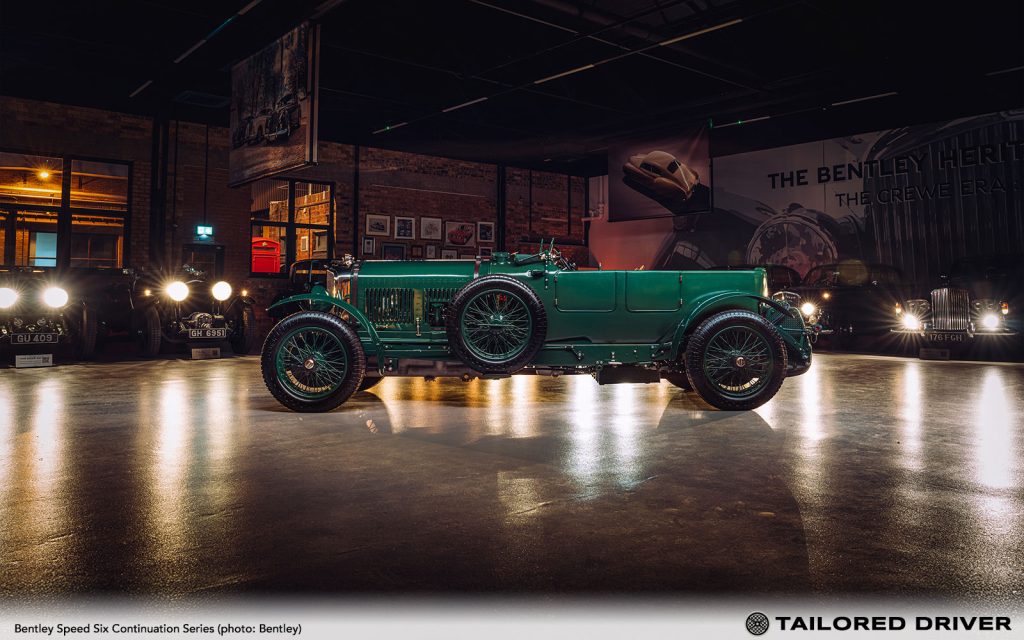
    • 1930 24 Hours of Le Mans competitor ‘Old Number 3’ and Bentley’s own Speed Six (GU409) provide real-world references
    • Finished design includes race improvements found between the 1929 and 1930 iterations of the 24 Hours of Le Mans
    • 600+ new components comprise 6½-litre six-cylinder race-spec engine
    • Initial engine tests indicate peak power of 205 bhp, within 5 bhp of original Le Mans spec engine of 1929 and 1930
    • One ‘Factory Works’ car and 12 pre-sold customer cars to follow, with each customer offered a personal fitting service for their car
    • Every single car handcrafted from scratch in the Mulliner workshop in Crewe, with each taking 10 months to complete

    [source: Bentley]

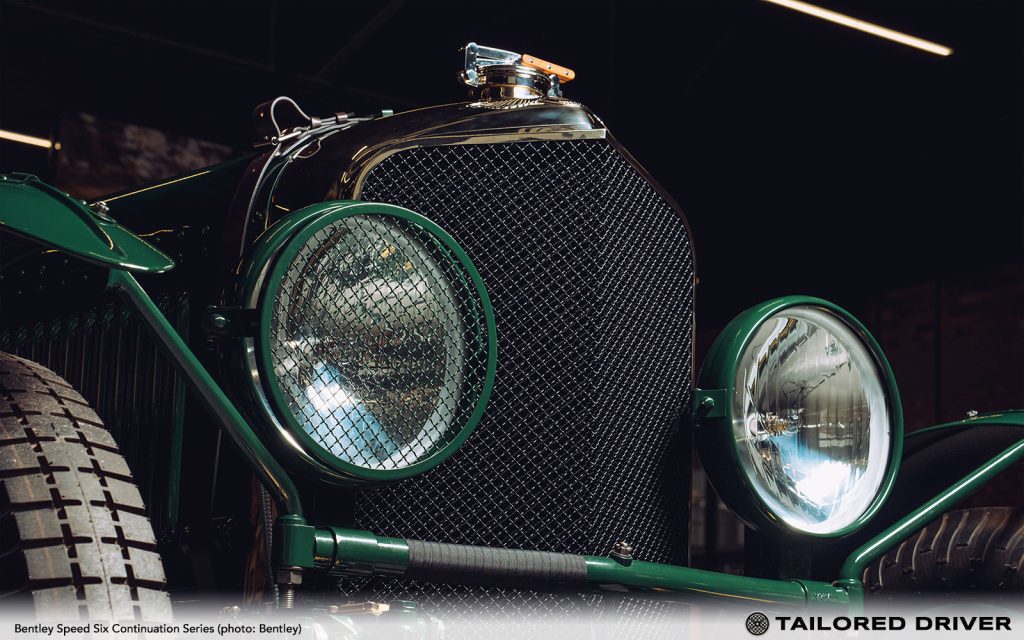
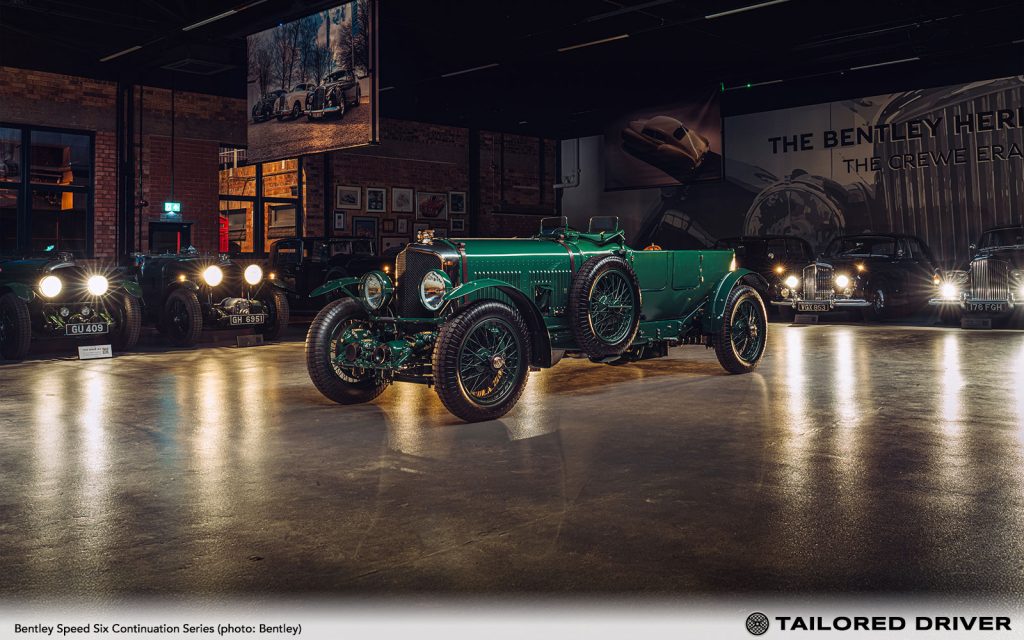
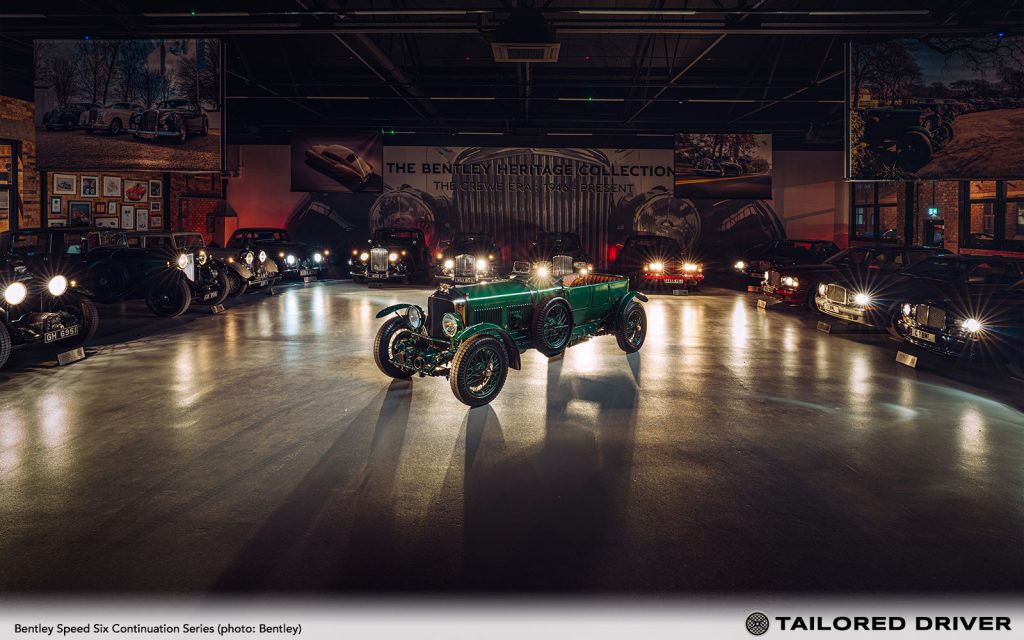
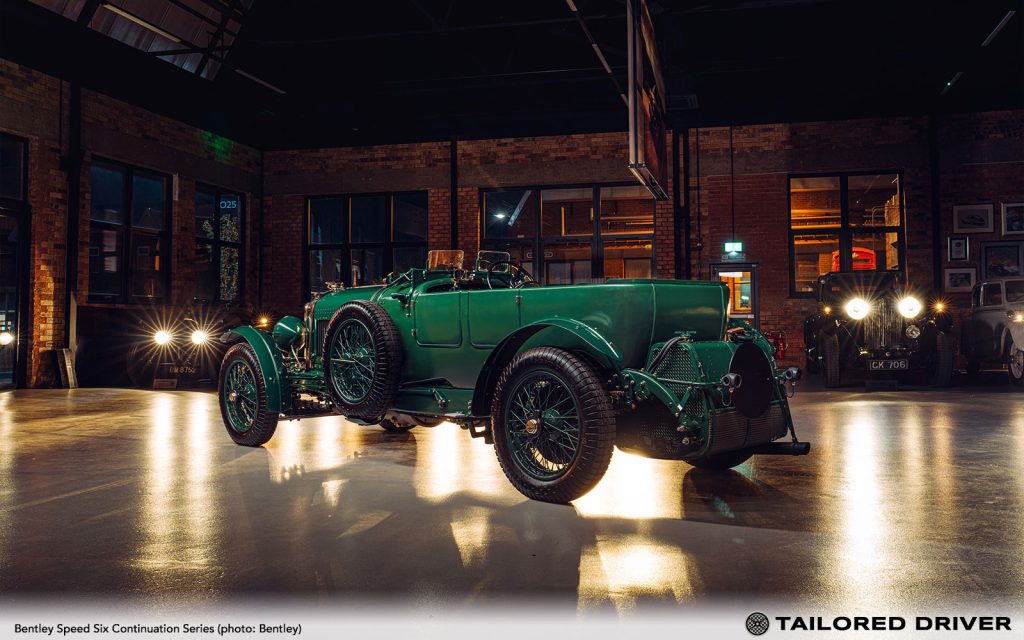
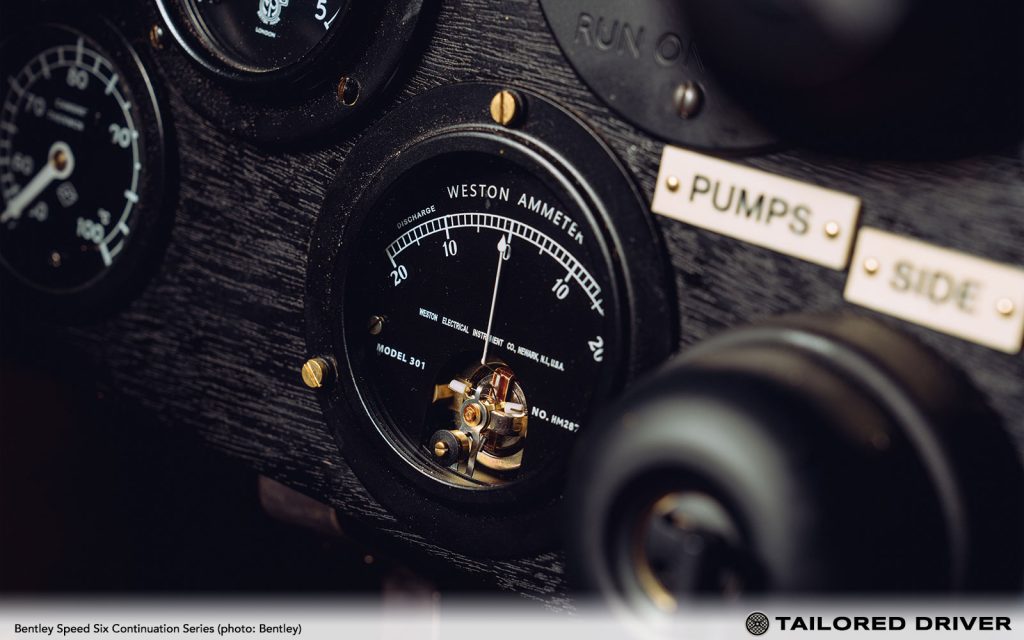
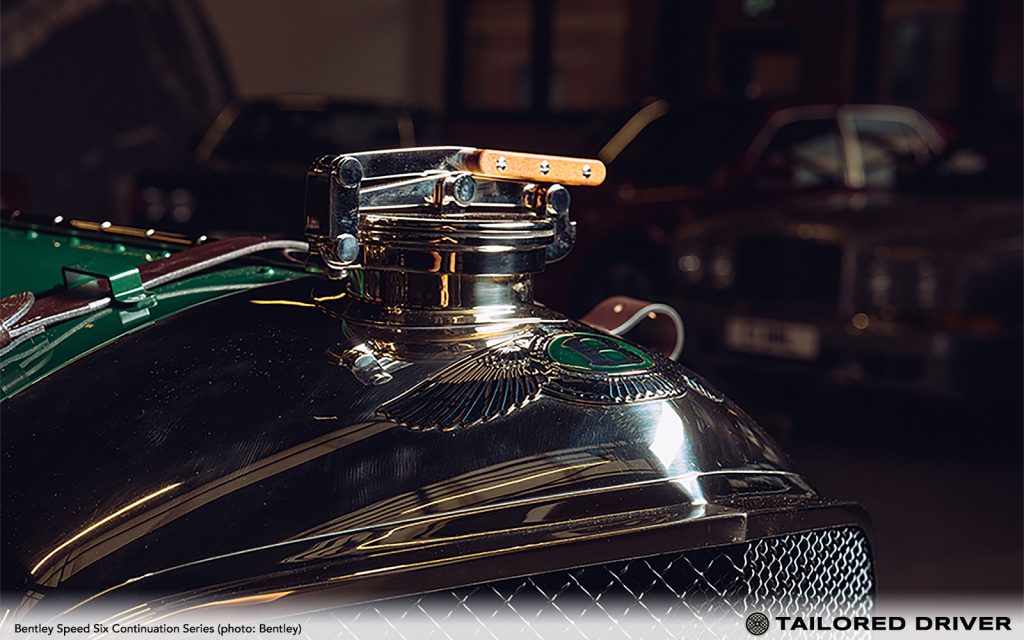
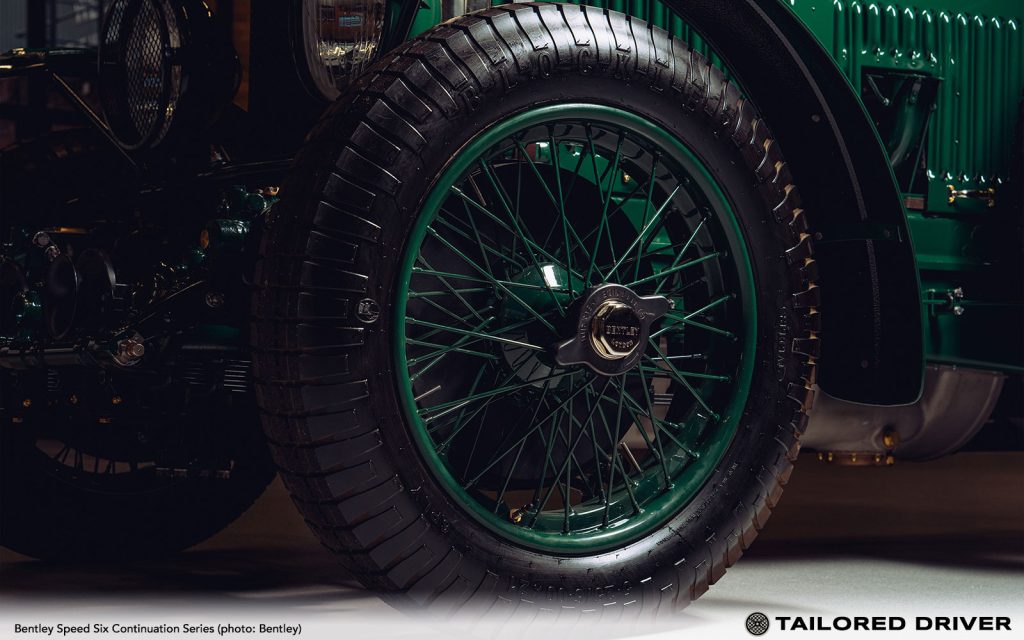
    Crewe, England – The first new Speed Six in 93 years will makes its global debut at this year’s Goodwood Festival of Speed. The most successful Bentley racing car ever, the Speed Six is regarded as one of the most important Bentleys in history. The newest Speed Six – Car Zero – will be used in a development programme consisting of real-world durability and track based testing, before being retained by Bentley ahead of the build of 12 customer cars – all of which are already sold. 

    So much more than a replica, a continuation car is built to the same designs, using the same processes, as the original car that inspires the series. The Speed Six is the second pre-war Continuation Series by Mulliner, Bentley’s bespoke and coachbuilding division, following the Blower Continuation Series which itself was the first pre-war continuation ever created.

    Extensive research has been undertaken to ensure the content of the Speed Six is correct and authentic, with particular focus on the specification and setup of the original cars for the 1930 24 Hours of Le Mans. As many original drawings have been used as possible; with 80% of the originals found via the WO Bentley Memorial Foundation. The drawings have been supplemented by original mechanic’s notes that detailed the changes between the 1929 and 1930 races, alongside data taken from the 1930 Speed Six in the Bentley Heritage Collection and an original 1930 Le Mans racer, known as Old Number 3.

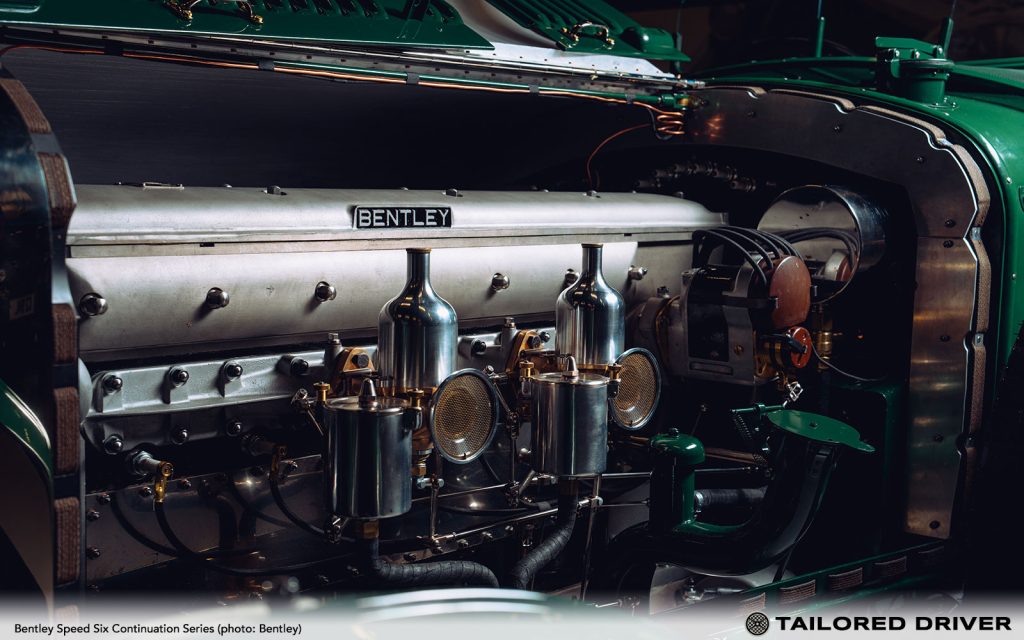
    In excess of 600 individual new parts have been required for the creation of the new 6½-litre six-cylinder race spec engine. Initial dyno testing has shown the first engines to develop 205 bhp at their peak, within 5 bhp of that documented for the original race-tuned engines in 1930.

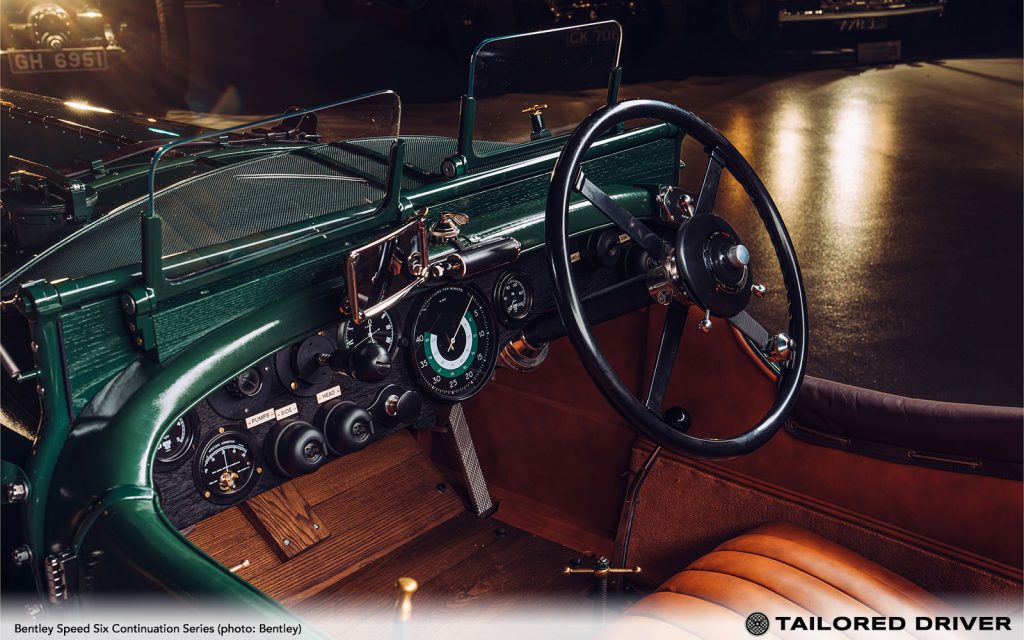
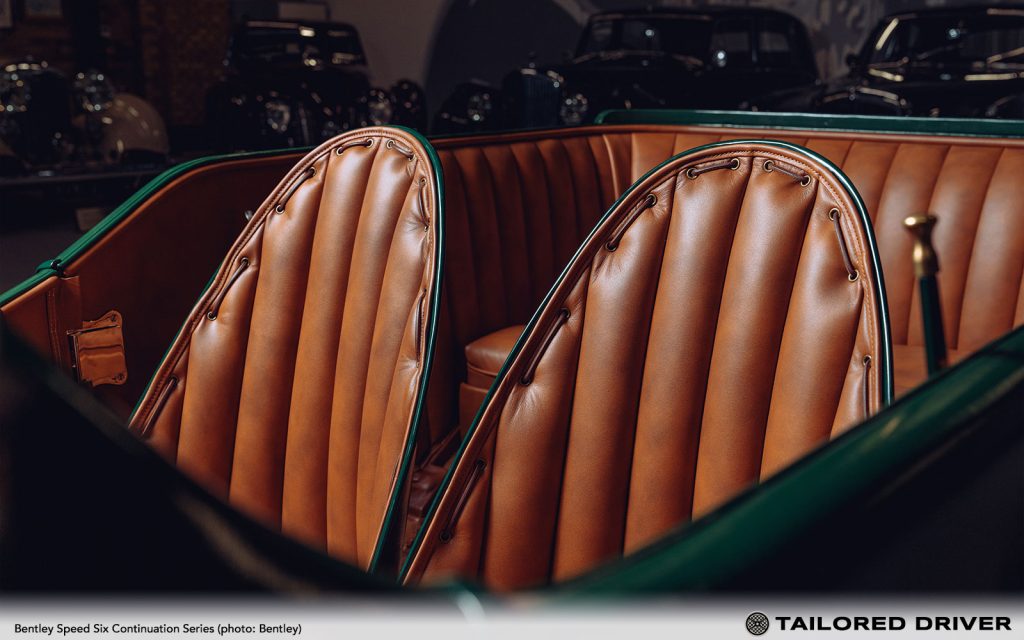
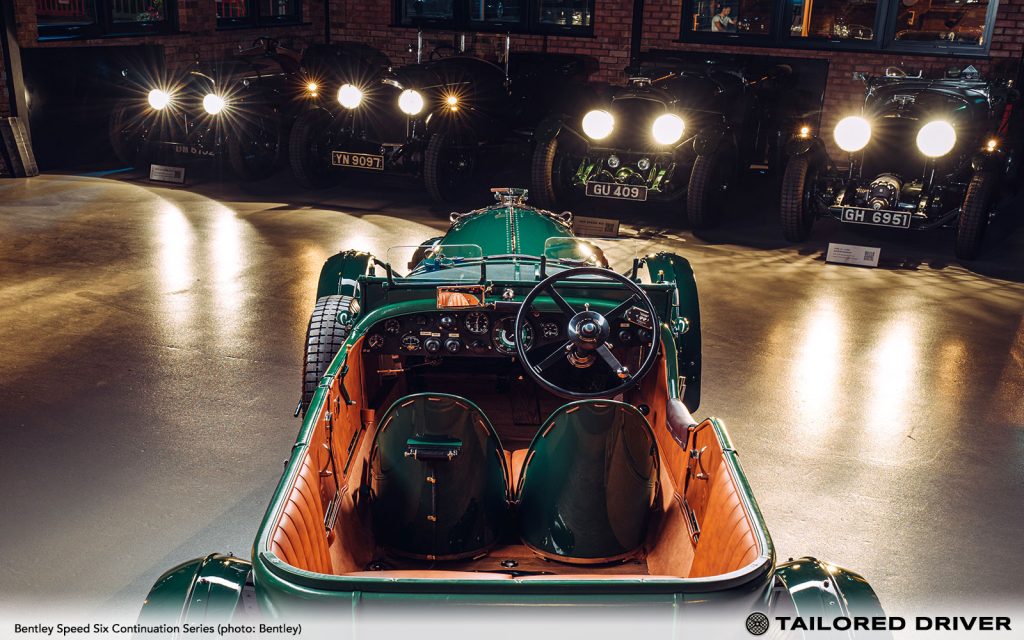
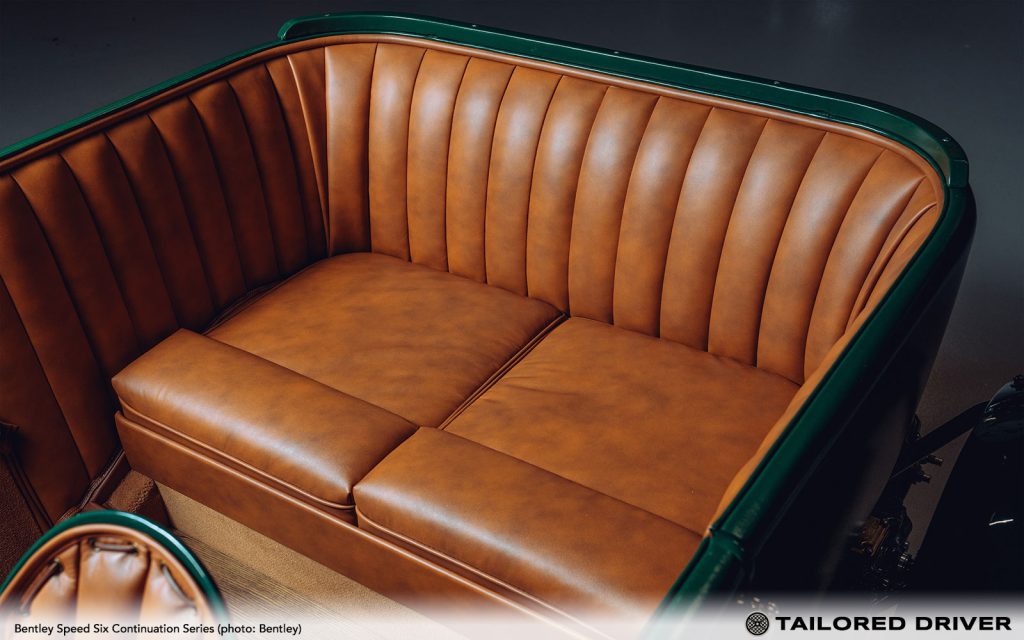
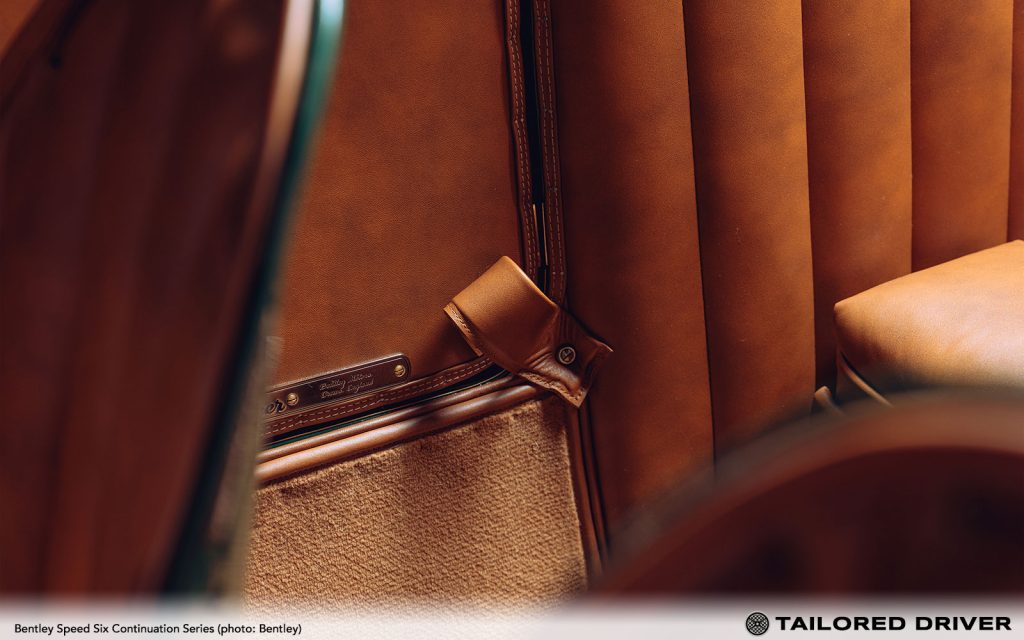
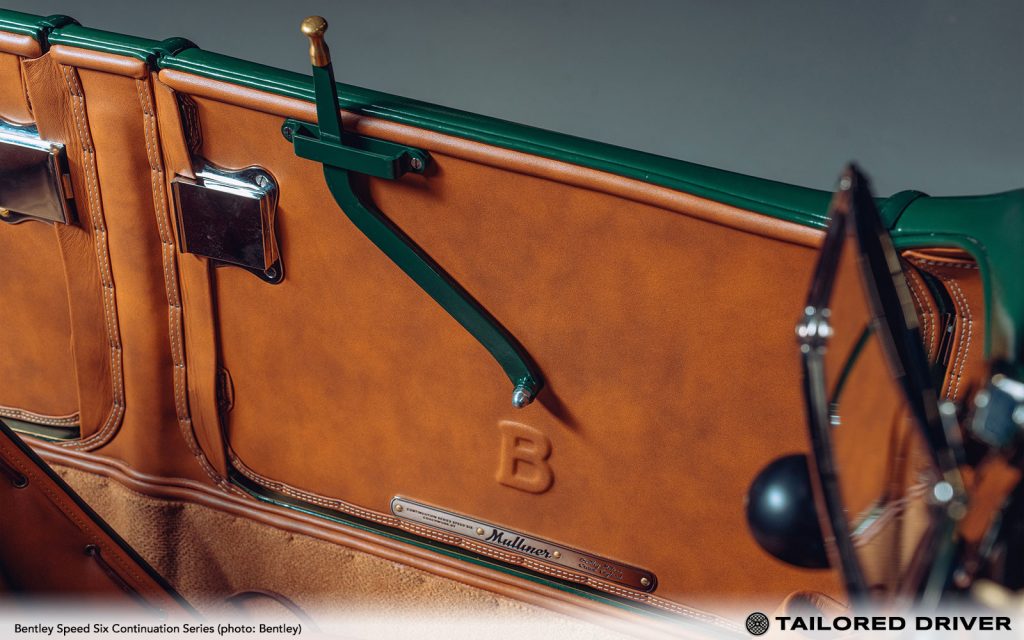
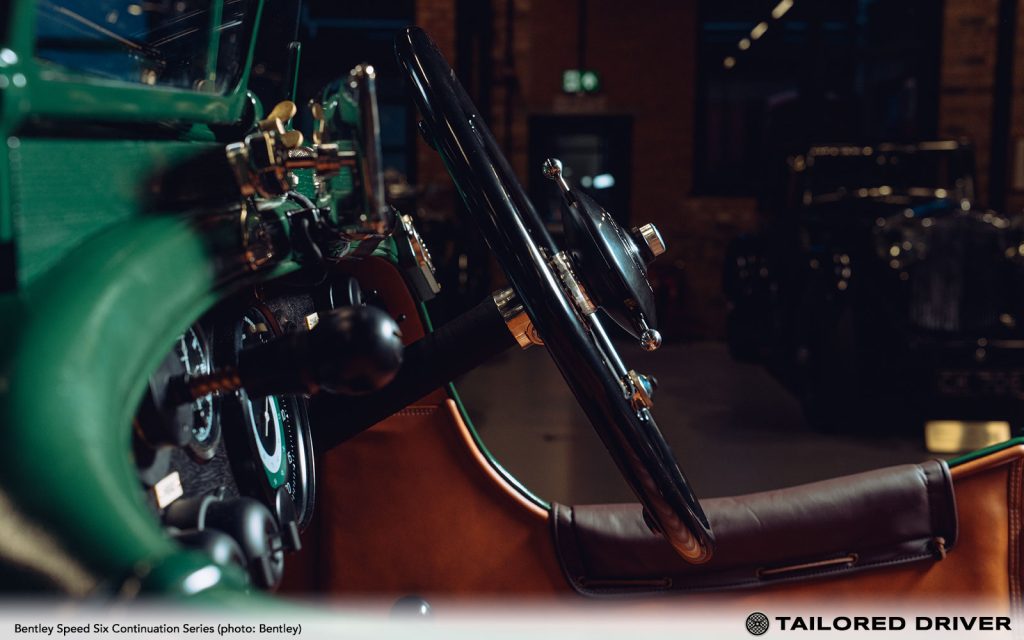
    Many of the authentic materials used on the Blower Continuation Series have also been utilised for the Speed Six, particularly on a number of the trimmed elements. Mulliner team members revisited the archives at the National Motor Museum in Beaulieu, Hampshire in order to offer five authentic period Parsons exterior paints. Speed Six Car Zero is finished in Parsons Napier Green, with an interior in Tan leather.

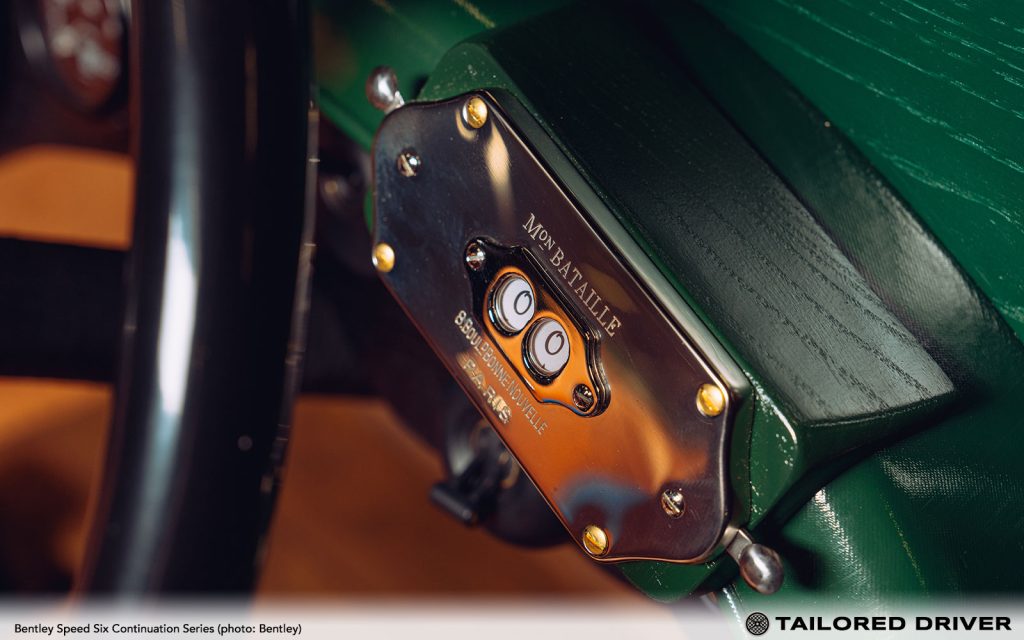
    Speed Six Car Zero has been built over the last ten months by an exceptionally skilled team of Mulliner artisans and specialists. As with the Blower Continuation Series, a major driver of the Speed Six programme is the development and retention of modern and traditional coachbuilding skills, and the build has seen craftspeople with decades of experience working alongside the younger generation so that skills are passed on. The finished car is a work of art, having been built and trimmed entirely in the Mulliner workshop at Bentley’s Dream Factory in Crewe.

    Over the next six months customers will have chance to discuss their specifications in further detail in personal commissioning sessions. Customers will be offered a personal fitting service in the second development car, known as Speed Six Factory Works, to ensure each car is built to each individual customer’s comfort needs.

    The validation programme for Speed Six Car Zero is comparable to that for  Blower Car Zero, and will include real world mileage accumulation and two race simulations.

    The History Of The Speed Six

    The Speed Six became the most successful racing Bentley in history, as a high-performance version of the 6½ Litre, and won Le Mans in 1929 and 1930 at the hands of Woolf Barnato, Sir Henry ‘Tim’ Birkin and Glen Kidston.

    W.O. Bentley believed that the best way to increase power was to increase capacity, as opposed to Tim Birkin’s faith in supercharging. He therefore developed a new, larger engine to succeed the 4½-litre. With a bore of 100 mm and a stroke of 140 mm, his new straight six had a capacity of almost 6.6 litres. In base form, with a single Smiths five-jet carburettor, twin magnetos and a compression ratio of 4.4:1, the 6½ Litre delivered 147 bhp at 3500 rpm. 362 examples were built at Bentley’s factory in Cricklewood, North London, on a variety of chassis of different lengths depending on the body style requirements of individual customers. 

    The Speed Six chassis was introduced in 1928 as a more sporting version of the 6½ Litre. The engine was modified to liberate more power, with twin SU carburettors, a higher compression ratio and a high-performance camshaft, responsible for an increase to 180 bhp. The Speed Six chassis was available to customers with wheelbases of 138 inches (3,505 mm), 140.5 inches (3,569 mm), and 152.5 inches (3,874 mm), with the short chassis being the most popular. 182 Speed Six models were built between 1928 and 1930, and the factory race cars were built on a 134 inch (11’2”) chassis frame.

    The racing version of the Speed Six had a further-developed engine running a compression ratio of 6.1:1 and producing 200 bhp. Two wins at Le Mans in 1929 and 1930 cemented the Speed Six’s place in Bentley history, with the 1929 victory setting a new benchmark for dominance at the race. Driven by Woolf Barnato and Sir Henry ‘Tim’ Birkin, a Speed Six led from the first lap until the chequered flag, followed by a procession of three other Bentleys. A new lap record of 7:21 had been set by Birkin, taking 46 seconds off the previous best and requiring an average speed of 83 mph, and in covering a 2,844 km distance, a further record was also attained. Such a dominant performance by one manufacturer was not seen again at Le Mans for nearly 30 years.

    Real Life Endurance 

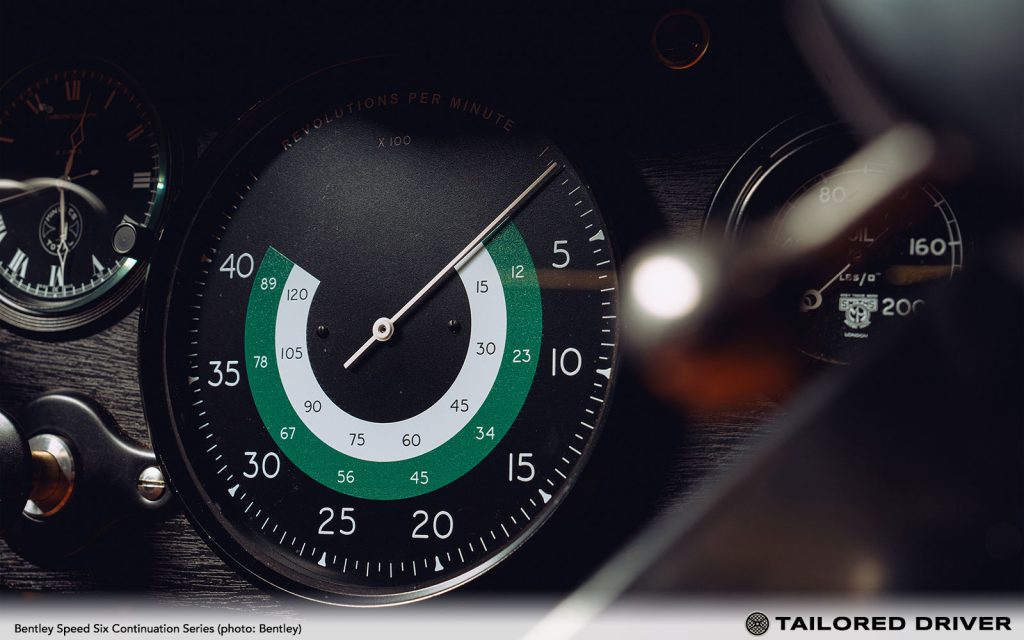
    Speed Six Car Zero, which will be displayed at this year’s Goodwood Festival of Speed, will show further instrumentation that will not be fitted to customer cars.  This has been added to the car to support the validation process and record many different aspects of data during the next six months.

    With the build of Car Zero now complete, a programme of real-world durability testing will begin. The test programme is designed to achieve the equivalent of 35,000 kilometres of real-world driving across 8,000 kilometres of track driving. Intervals of gradually increasing duration and speed will check functionality and durability under the most challenging conditions; giving confidence in future customer cars. 

    The first customer car will start build in October of this year, and the series of 12 customer cars is due to be completed by the end of 2025, with each car taking 10 months to complete.

  • 70th Birthday of Famous Heritage Car Celebrated with Modern Interpretation

    70th Birthday of Famous Heritage Car Celebrated with Modern Interpretation

    • Iconic 1953 Grand Tourer inspires one-off Continental GT Azure
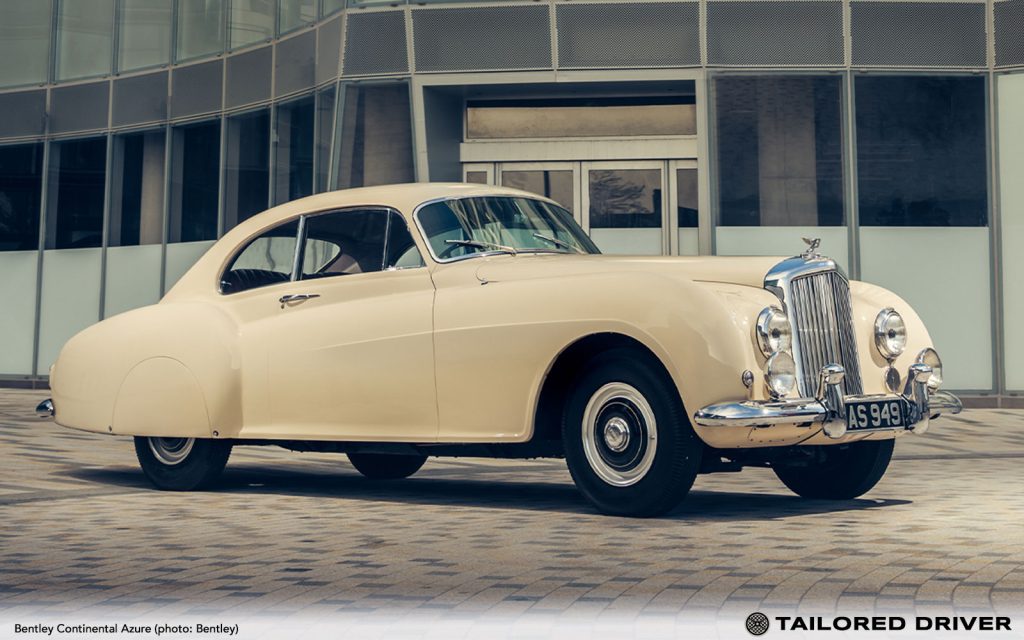
    • Historic specification based on Bentley’s own R-Type Continental – JAS 949 – on its 70th birthday
    • Recreated through the use of Mulliner’s Personal Commissioning Guide – the doorway for unlimited personalisation
    • Heritage paint, luxurious rich interior and finished with unique crafted cross banding and bespoke inlays
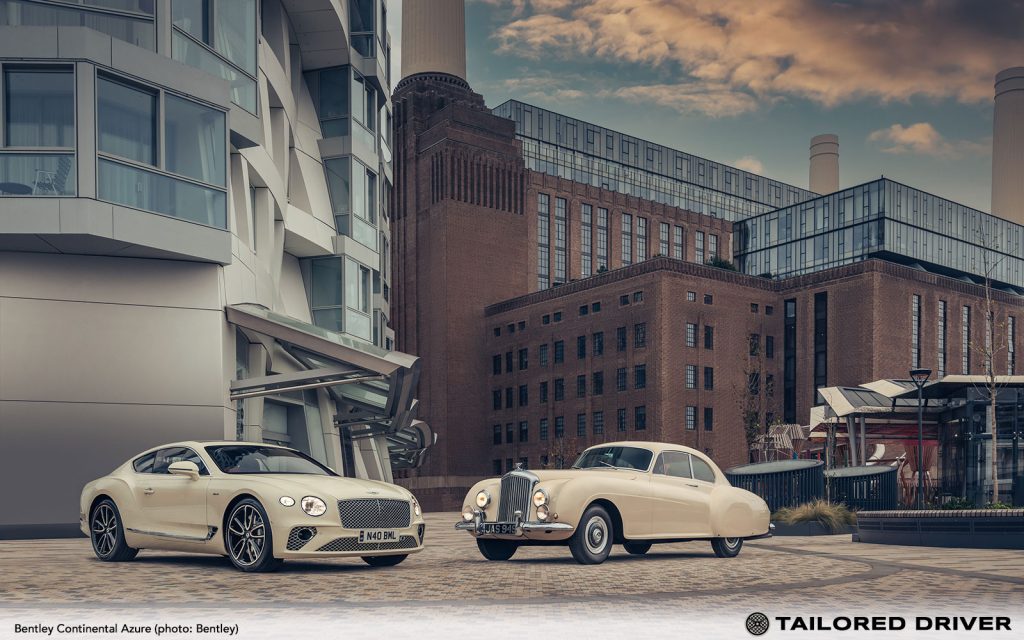
    • 70 years of craftsmanship, design and innovation span the two coupés
    • Continental GT Azure offers wellness and comfort to provide a modern magic carpet
    • New model joins Bentley’s UK press fleet
    • Iconic Grand Tourer photographed at an iconic location

    [source: Bentley]

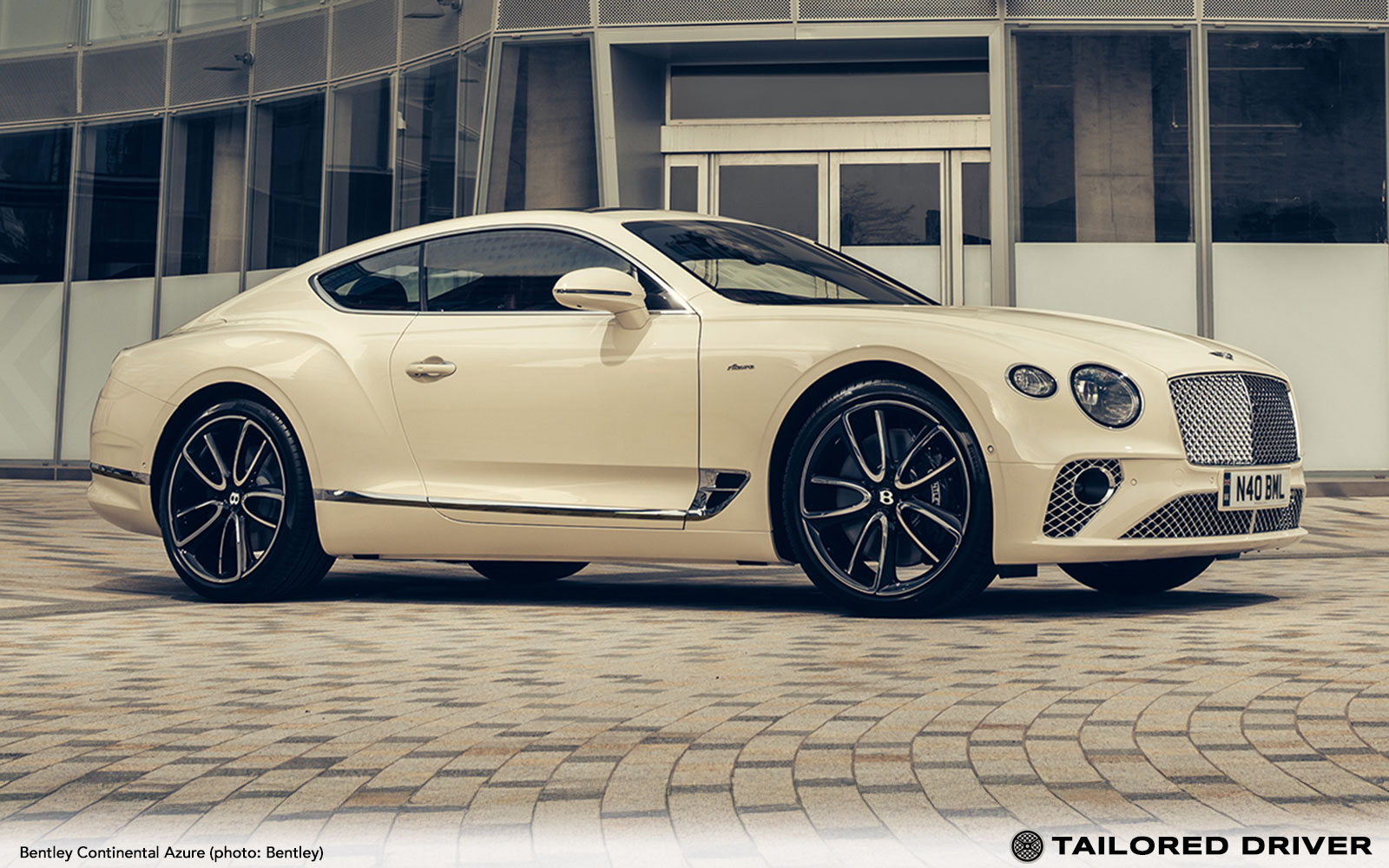
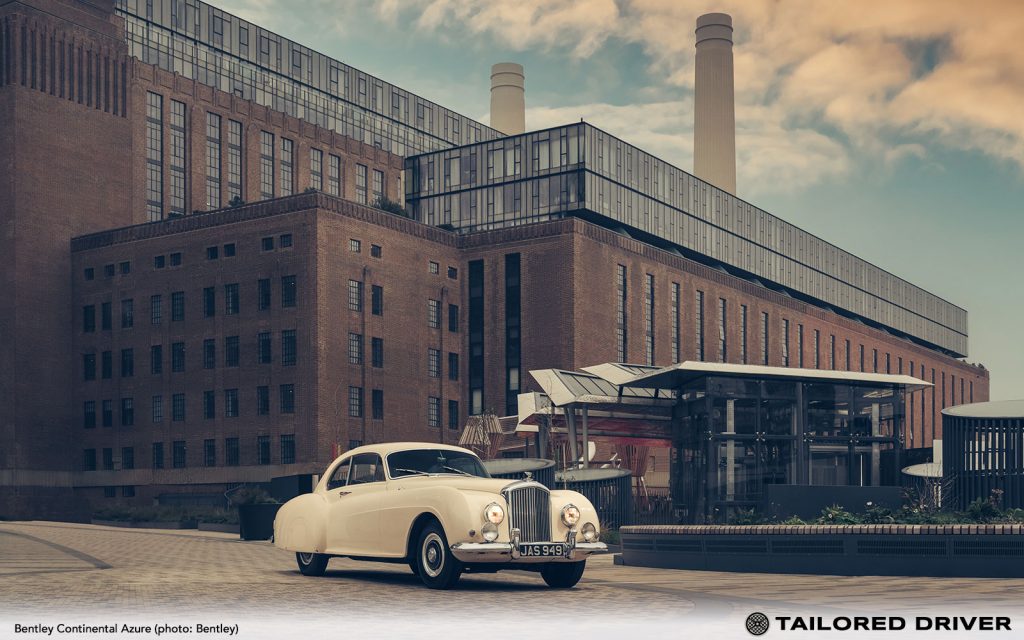
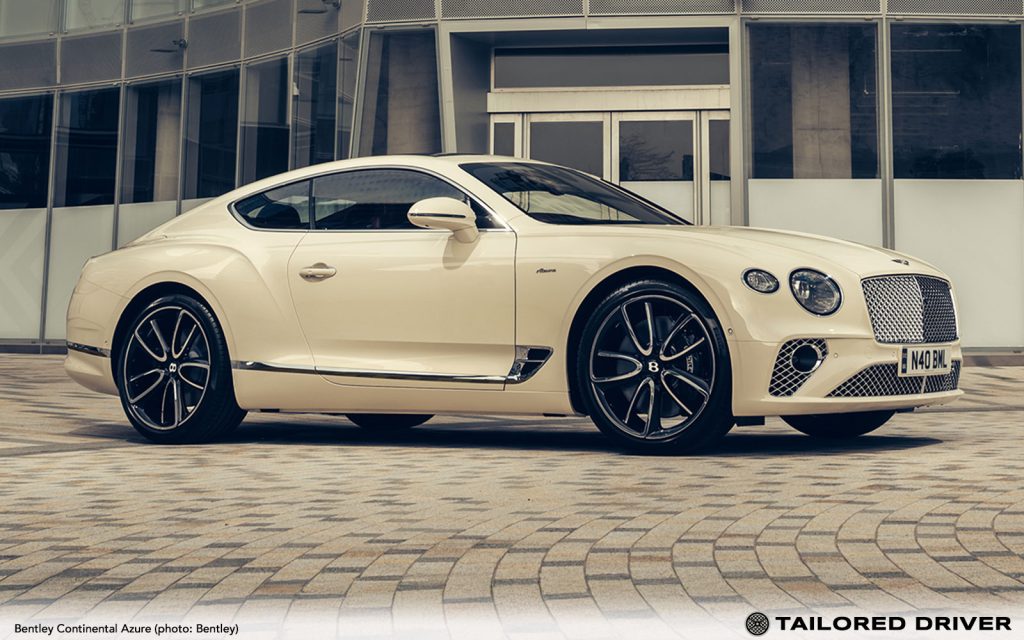
    Crewe, England – Bentley Motors has handcrafted a unique and one-off Continental GT Azure, inspired by Bentley’s retained example of the iconic R-Type Continental, JAS 949. The new Continental GT is in honour of JAS 949’s 70th birthday, celebrating one of the important style icons in Bentley’s history. JAS 949 is one of only 208 examples of the R Type Continental ever built – but the car had a greater impact than the limited numbers suggest. The beautiful Bentleys old and new have been photographed at an equally spectacular London landmark that is itself a 21st century reinvention of a 1950s icon – Battersea Power Station in south London.

    Quoted as ‘a modern magic carpet which annihilates great distances’ the R-Type Continental was the fastest four-seat luxury saloon in the world when launched in 1952. The three key design lines of the car – the power line from the front wheel, the rear haunch and the roofline – were the inspiration for the first generation Continental GT in 2003 and every Continental GT since. The latest Azure members of the Continental GT family continue to celebrate elegance and timeless design, directly descended from the R-Type Continental, while adding a focus on wellbeing behind the wheel.
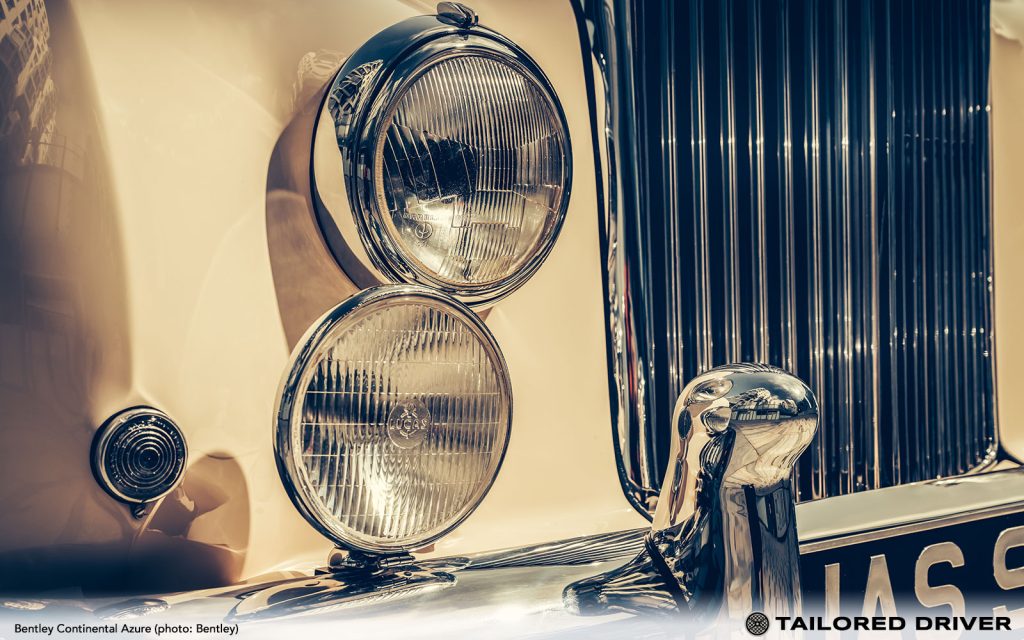
    Using Mulliner’s Personal Commissioning Guide, the new Continental GT Azure has been curated in homage to one of the most iconic members of Bentley’s 43-car Heritage Collection. JAS 949 is Bentley’s own R-Type Continental, and resides in the newly opened Heritage Garage at Bentley’s carbon-neutral campus in Crewe. Bentley acquired JAS 949 in 2001 and has maintained it in excellent mechanical order while sympathetically preserving its patina. The car is driven on the road on a regular basis.

    JAS 949 was delivered to its first owner, Dr Rowland Guenin of Switzerland, in December 1953. It was ordered in Ivory with a Red interior and a manual gearbox, a specification it retains today along with the original 4.6-litre engine. 

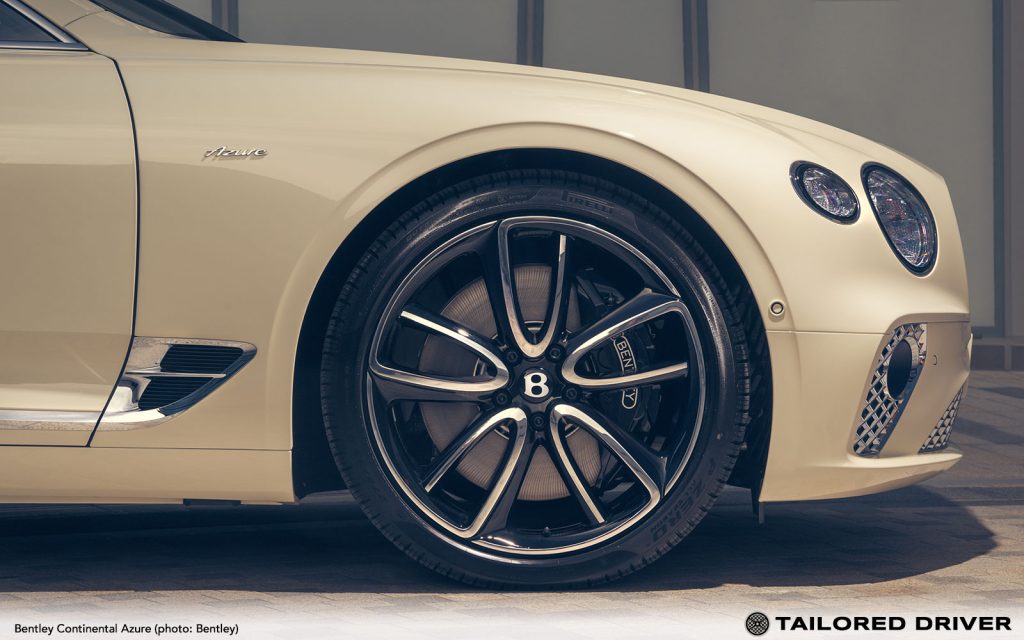
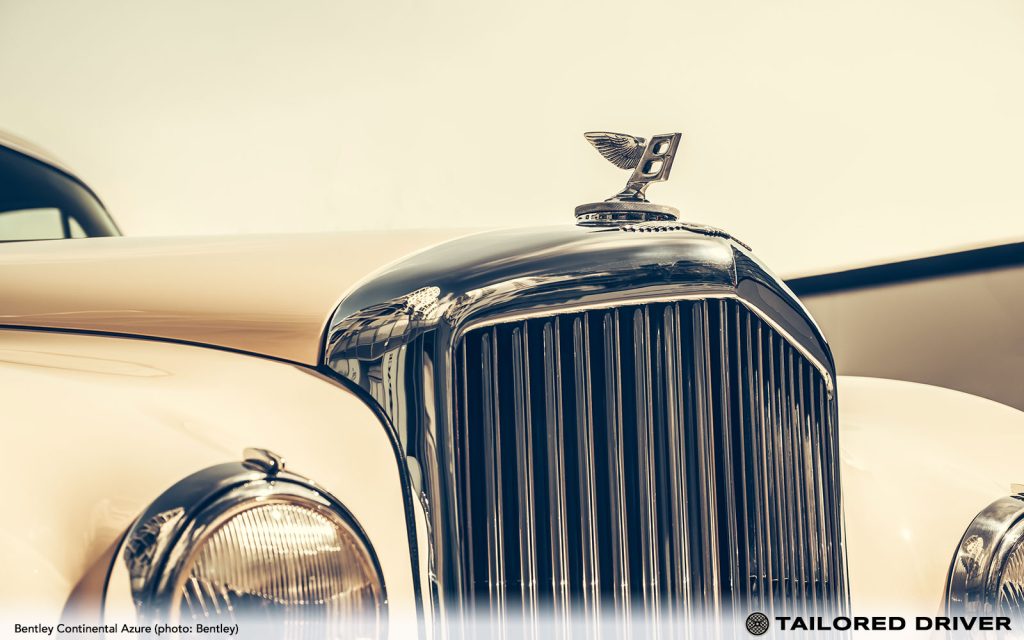
    To recreate the closest specification for the modern interpretation of JAS 949, a new Continental GT V8 Azure has been hand painted in Old English White (oldenglishwhite; non-metallic; 6964 / 9561066; Bentley) – a faithful re-creation of the heritage paint colour that dates back to the 1950s. As per the muse, the Continental GT is fitted with bright chrome (including the matrix grille). While JAS 949 rides on 16” wheels, the newer version runs on 22” hand-finished wheels, in a black and polished finish as per the original.

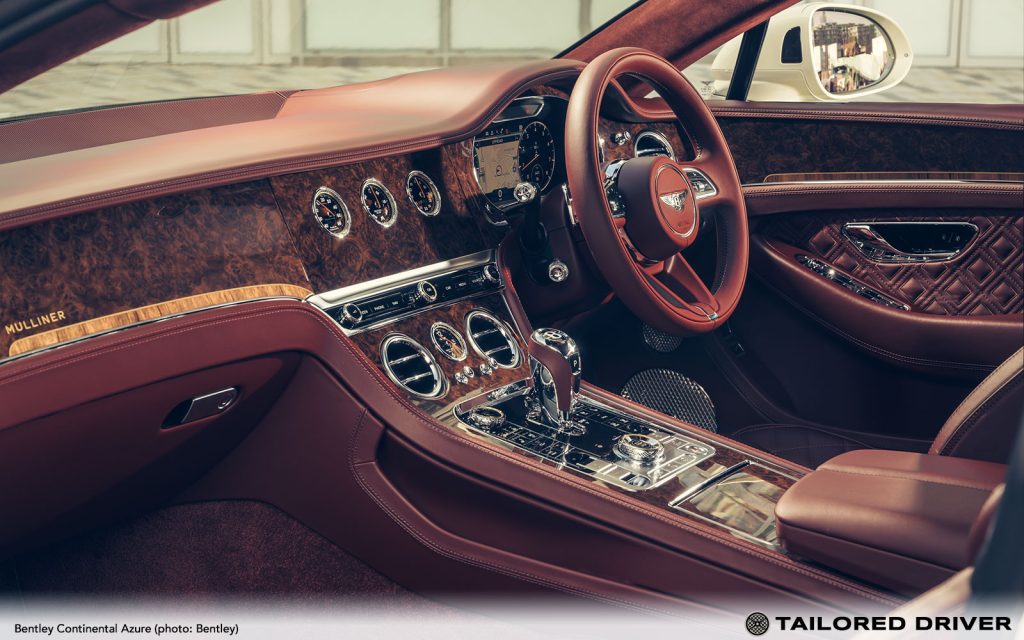
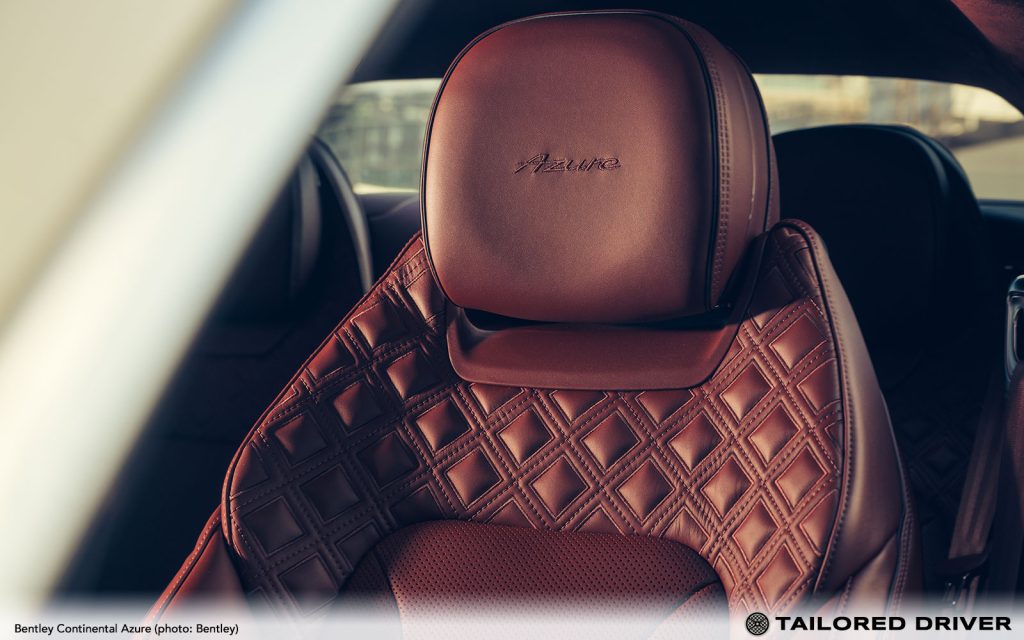
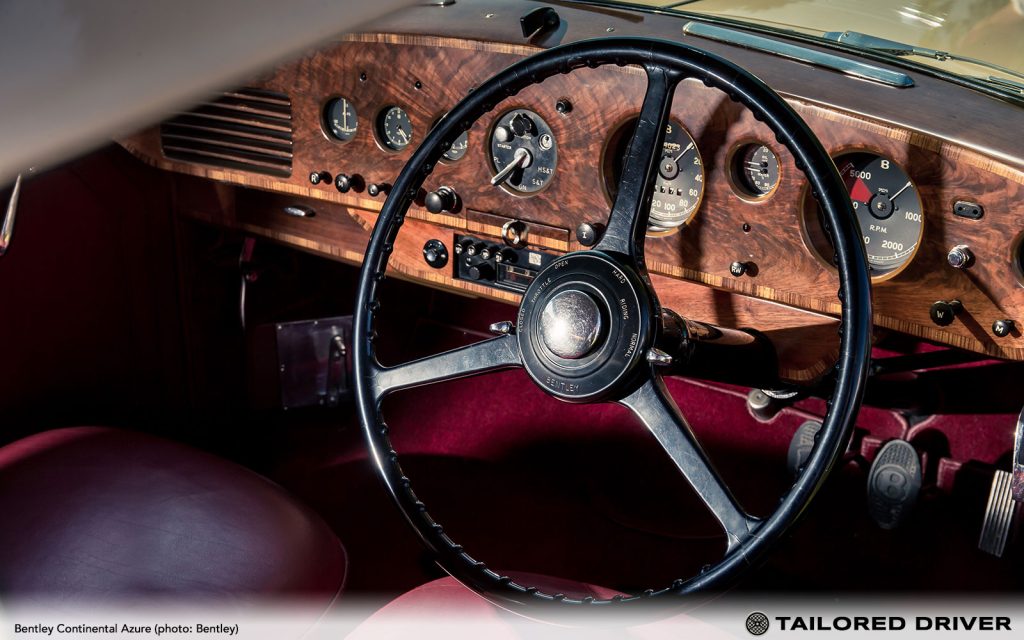
    Inside the beautiful cabin, Cricket Ball leather can be seen throughout providing a cosseting, deep and rich heritage feel for the driver and passengers and mirroring the hide colour of JAS 949. To provide contrast and to preserve the design lines of the cabin, hand-applied piping in Beluga leather brings accents to the seats. 

    Adding a contemporary aspect, the Burr Walnut veneer has been left as open pore, providing a closer texture to the patinated finish in JAS 949. Selected from only the very best, most figured stock available, open-pore veneer is painted with just three ultra-thin layers of lacquer, together totalling only 0.1 mm in thickness. By comparison, Bentley’s High Gloss lacquer coating is 0.5 mm thick and has a glossy, smooth finish. Each layer is applied by hand and sanded between applications, ensuring the lacquer sticks to the natural grooves of the wood. The resulting finish is wax-like and perfectly highlights the authentic, natural colour and texture of the wood species.

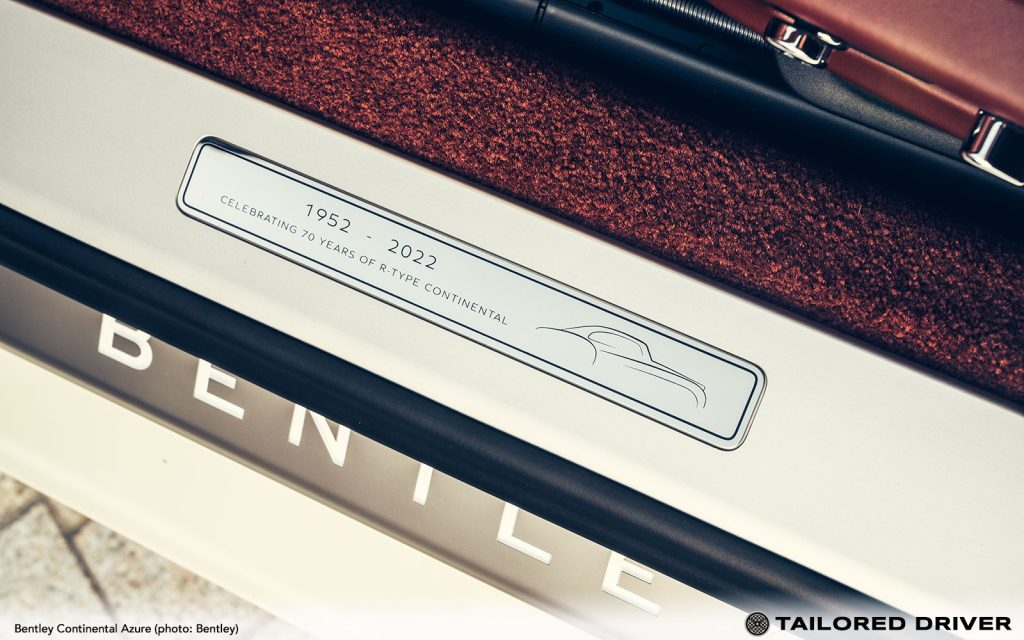
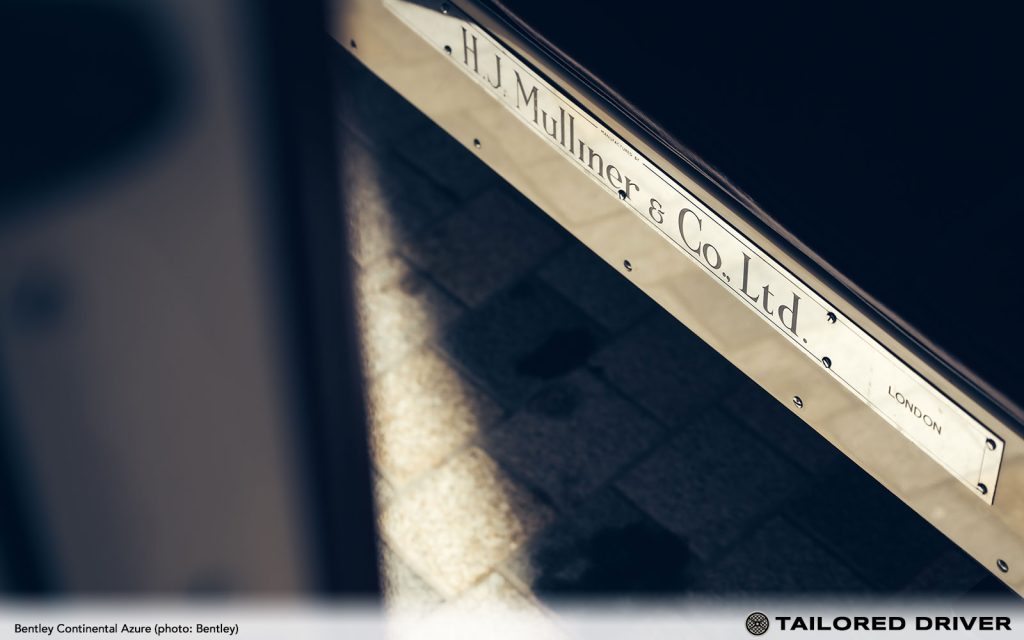
    Through Bentley’s revered craftsmanship, cross banding inlays are still available today. Reflecting the interior details of JAS 949, the cross banding of the new Continental GT Azure uses Australian straight grain veneer with a boxwood inlay, enhanced with a Bentley Mulliner overlay in a rich gold. The finishing touches of the silhouette of the R-Type Continental have been added to the fascia veneer and interior treadplates to complete the cabin.

    The Development Of The Original R-Type Continental

    The brainchild of Chief Projects Engineer Ivan Evernden and Chief Stylist John Blatchley, the R-Type Continental set a template that continues to inspire Bentley designers. 

    Two pre-war coachbuilt specials, the ‘Embiricos’ Bentley and Corniche, had shown the advantages of improved aerodynamics. In the early 1950s, Ivan Evernden took inspiration from these one-off creations to create a sleek coupé based on the R Type Bentley saloon. 

    The power of the 4,566cc, six-cylinder in-line engine was raised from 140 to 153 bhp, and the transmission featured a higher final drive ratio. The prototype – OLG 490, nicknamed Olga – averaged 118.75 mph over five laps (with a best lap of just under 120 mph) at the banked Montlhèry track near Paris.

    To keep down to the target weight, coachbuilders HJ Mulliner crafted the bodywork, window frames, windscreen surround, backlight, seat frames and bumpers in aluminium. Even at a pared-down weight, tyre choice was critical; no standard road tyre existed which could carry a two-ton car at speeds in excess of 115 mph, and Dunlop Medium Distance Track tyres were specified.

    The first production model was delivered to its owner in June 1952 and by the time production ended in 1955, 208 R Type Continentals had been made. Of these, 193 were bodied by HJ Mulliner. Others included Park Ward (four dropheads and two coupés), Franay (five), Graber (three) and Farina (one).

    Re-creating A Modern Magic Carpet

    The new Continental GT Azure is designed to enhance the wellbeing and comfort of the vehicle’s occupants, making every journey a relaxing experience regardless of distance. 
    Seating is the foundation for driving comfort and control, and all Bentley Azures feature the Front Seat Comfort Specification as standard. This includes a massage function with six programmable settings which promotes the constant micro-adjustments in muscle and posture that are so vital in preventing fatigue, adjustable side bolsters, electric seatbelt adjustment and comfort headrests.

    Another key element of the Continental GT Azure is Bentley Dynamic Ride, Bentley’s 48V active anti-roll control system that enhances ride comfort and limits roll for smoother, more relaxing journeys. The system cushions driver and passengers from excessive movement by electronically decoupling the anti-roll bars when appropriate to smooth the ride, then applying up to 1300 Nm of anti-roll torque in 0.3 seconds when cornering to keep the body flat and stable.
    The Continental GT Azure also features as standard, the Touring Specification which includes driver assistance systems, imbuing the driver with a sense of confidence and relaxed control whatever the traffic or weather conditions. Adaptive Cruise Control* maintains a set distance from the vehicle in front, slowing down (to a halt if necessary) when the vehicle in front does so and resuming the set speed once the lane is clear. Together with Lane Assist*, Traffic Assist* and Bentley Safeguard, the Bentley’s suite of on-board radar and camera systems constantly monitor the surrounding traffic and roads and can intervene if necessary to prevent or avoid an accident. 
    The relaxing and re-energising environment of the Azure cabin, that reduces driver fatigue, through its multisensory and science-informed design, can only help to enhance the safety of the car. Studies have shown that in 20 per cent of all road collisions, tiredness has played a role.

    The driver’s sense of relaxed control is further enhanced by the Head-up Display, providing directions and navigation directly in the line of sight, and by Night Vision, which uses infra-red cameras to identify pedestrians, cyclists and fauna outside the beam of the LED headlights.

    A History Of Refinement

    Bentley is remarkable among automotive brands in that it has always spanned the extremes of performance and refinement. Even in the company’s early days, when the Bentley Boys were racing and winning at Brooklands and Le Mans in their thunderous racing green machines, founder W.O. Bentley was obsessive in his pursuit of smoothness and refinement. “I have put up with a lot of noise in my time, but I don’t like it,” he wrote in his autobiography, adding, “I hate noise for the sake of noise. To me 70 mph in silence is far more creditable than a noisy 80 mph.” Today’s Bentley’s Azures are quieter at 150 miles an hour than anything W.O. Bentley would have experienced at 70.

    The new Continental GT Azure now joins Bentley’s UK press fleet, where it will be available for media loans along with the opportunity to drive JAS 949.
     

     R-Type Continental – JAS 949Continental GT Azure
    Date Produced19532023
    BodyTwo-door, four-seat grand tourer made by HJ Mulliner in aluminium over a steel frame.Steel and aluminium monocoque, superformed aluminium exterior panels.
    Engine4566 cc 6-cylinder in-line with pushrod overhead inlet, side exhaust valve. Cast iron block, aluminium cylinder head. Zenith downdraft carburettor.3996 cc V8 TSI, two twin-scroll turbochargers, direct injection, 32 valves with cylinder deactivation. Aluminium block and heads.
    Power153 bhp (114 kW) @ 4000 rpm.542 bhp (404kW) @ 6000 rpm.
    TransmissionRear wheel drive, 4-speed close-ratio gearbox.ZF eight-speed dual-clutch gearbox, active all-wheel drive.
    ChassisIndependent front suspension with coil springs, wishbones and anti-roll bar. Rear suspension live axle with semi-elliptic leaf springs. Double-acting lever arm dampers; ride control on rear.Aluminium front double wishbones, aluminium multi-link rear design, 48V active anti-roll bars, three-chamber air suspension, Continuous Damping Control.
    DimensionsWheelbase 304.8cm (120in); length 524.51cm (206.5in); width 181.61cm (71.5in). 
    Weight 1700kg (3739lb).
    Wheelbase 285.1cm (112.2in); length 485cm (190.9in); width 218.7cm (86.1in). 
    Weight 2165kg (4773b).
    Performance115 mph. 0-62 mph 13.6 secs.198 mph. 0-62 mph 4.0 secs.

    An Iconic Photography Location for an Iconic Grand Tourer

    Battersea Power Station has been an iconic London landmark for over 90 years. Work began at the site in the late 1920s, and in 1955 the second half of the Power Station, Power Station B, and the landmark’s fourth and final chimney were completed, enabling the station to supply a fifth of London’s electricity at its peak. Bentley Motors too had grown and developed in this timeframe – building from success at Le Mans in the 1920s, and with an established factory in Crewe, the 1950’s saw the introduction of the iconic R Type Continental.

    Battersea Power Station was decommissioned in 1983, and sat dormant for nearly 30 years, before a consortium of Malaysian companies purchased the site in 2012 to bring this legendary London landmark and the surrounding area back to life as one of the most exciting and innovative mixed use neighbourhoods in the world. Today, Battersea Power Station is a new neighbourhood for all with a vibrant mix of shops, bars, restaurants, leisure experiences, residences and public realm, with more to come.

    The neighbourhood was the perfect place to photograph the new Continental GT Azure and JAS 949 together – with both the cars and the location reflecting the best of the 1950s and the present day.