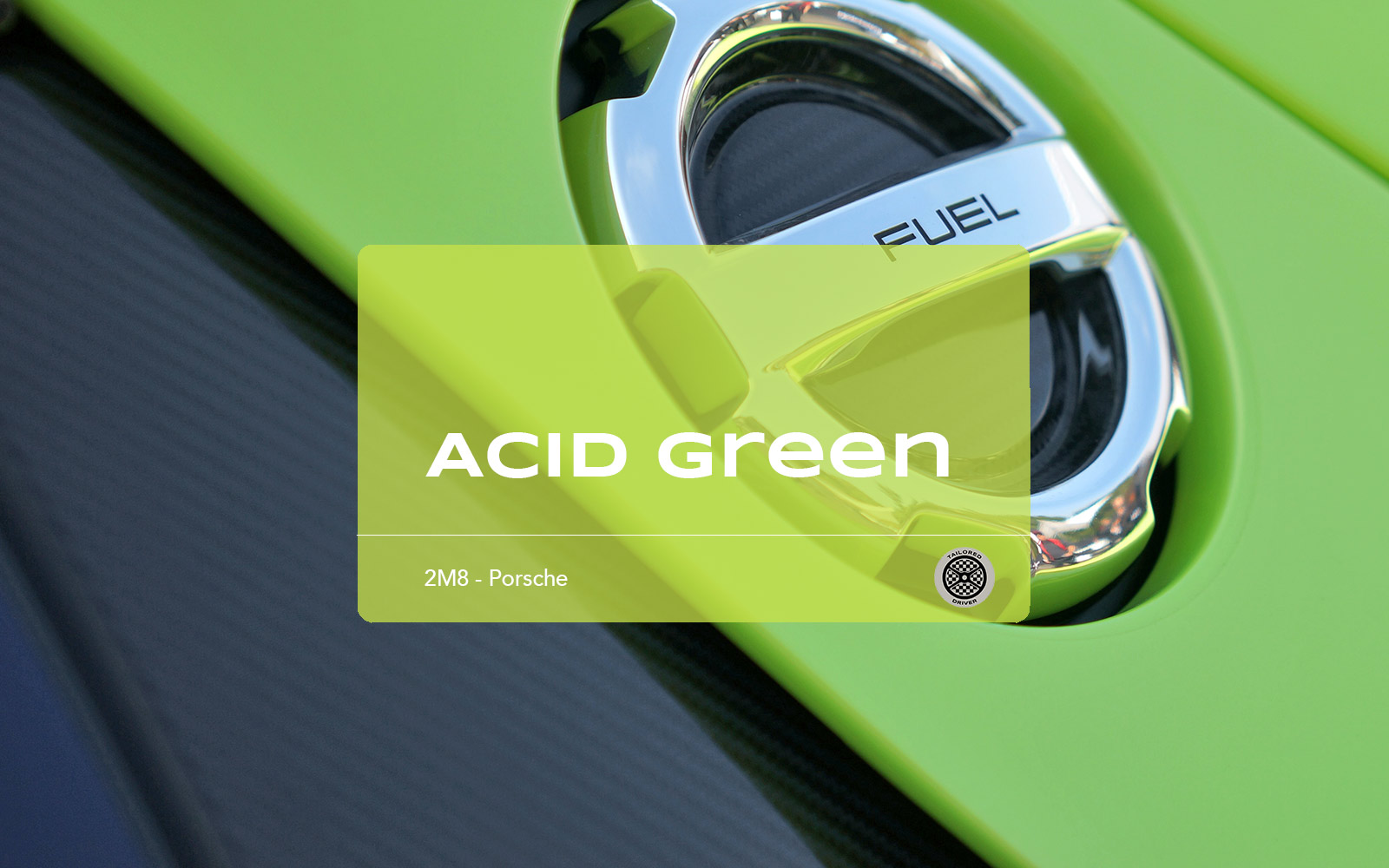
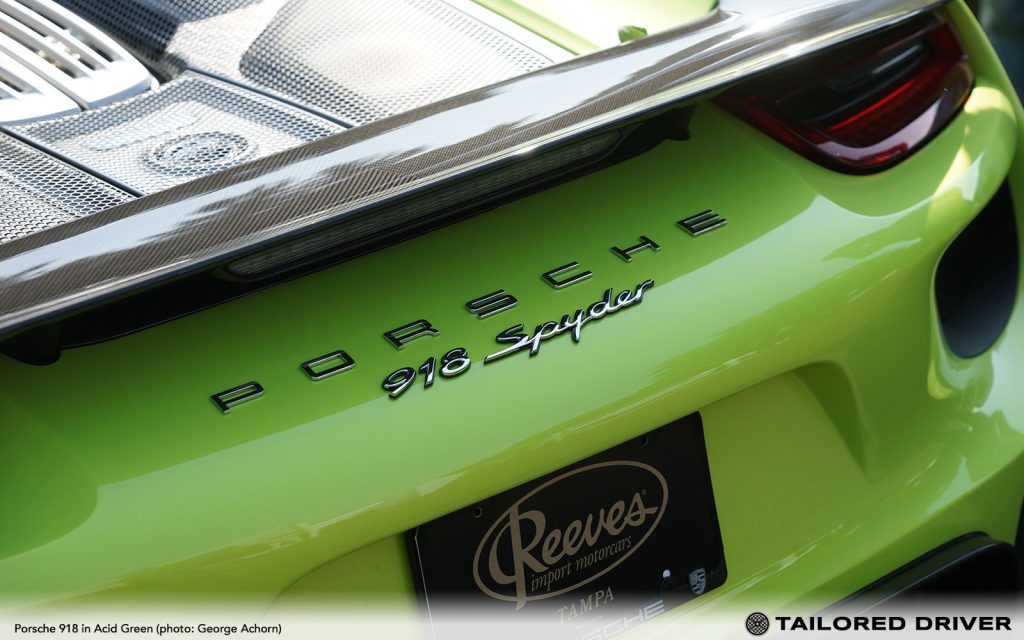
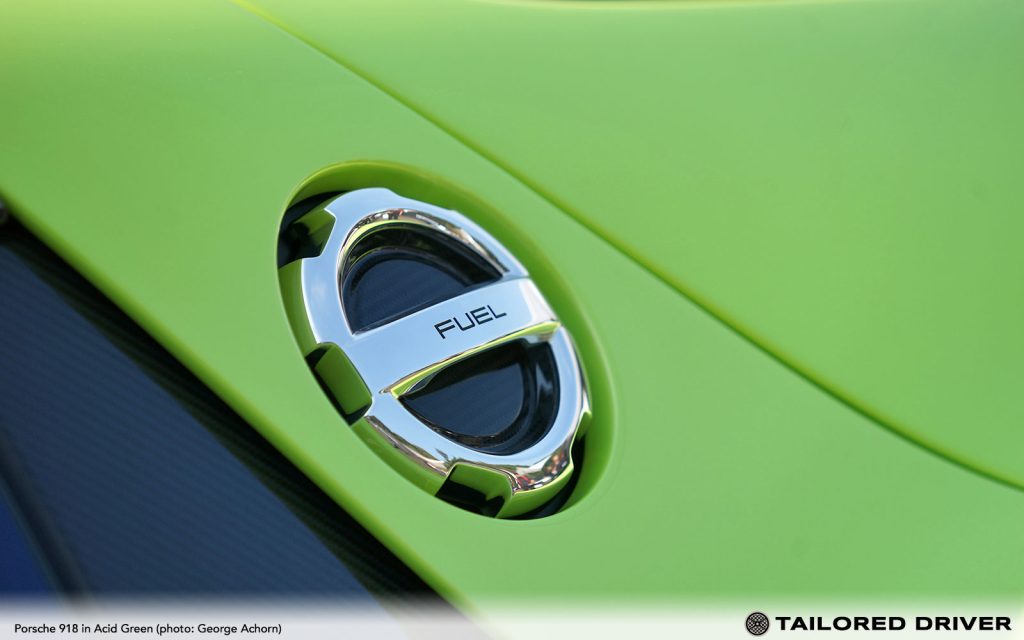
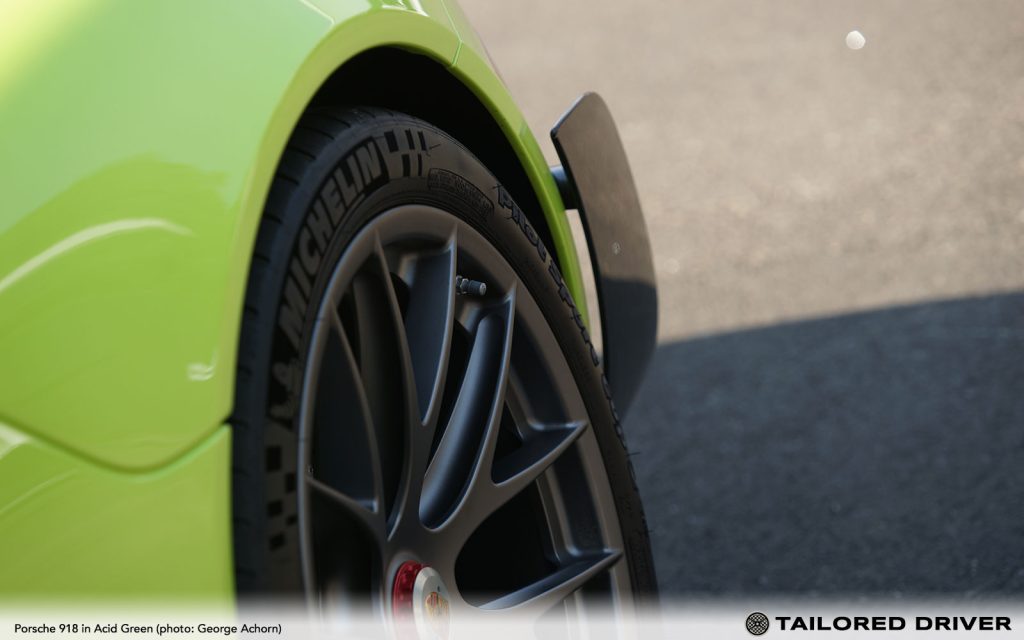
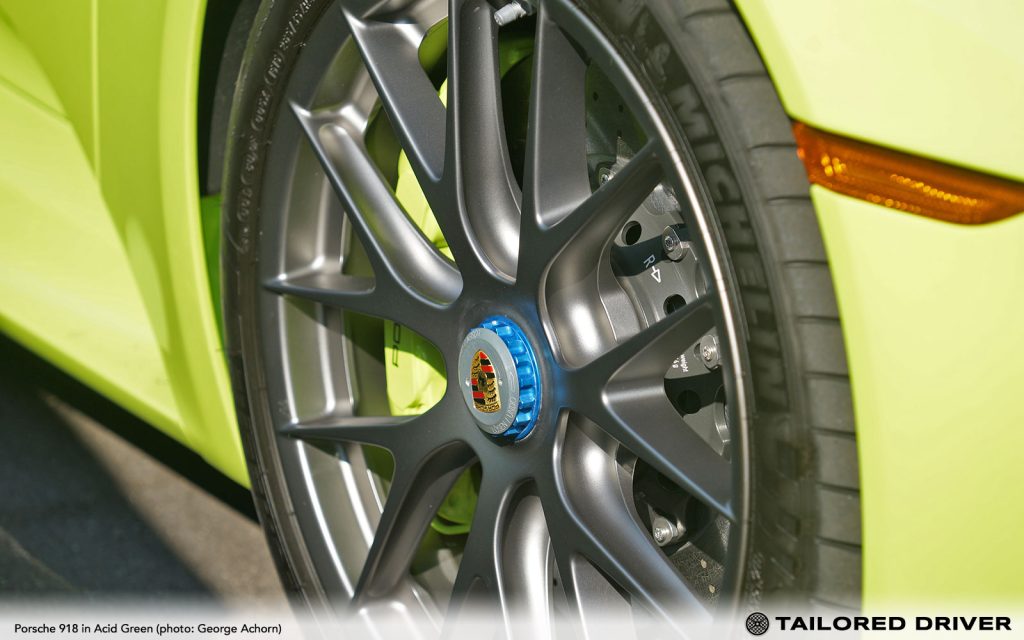
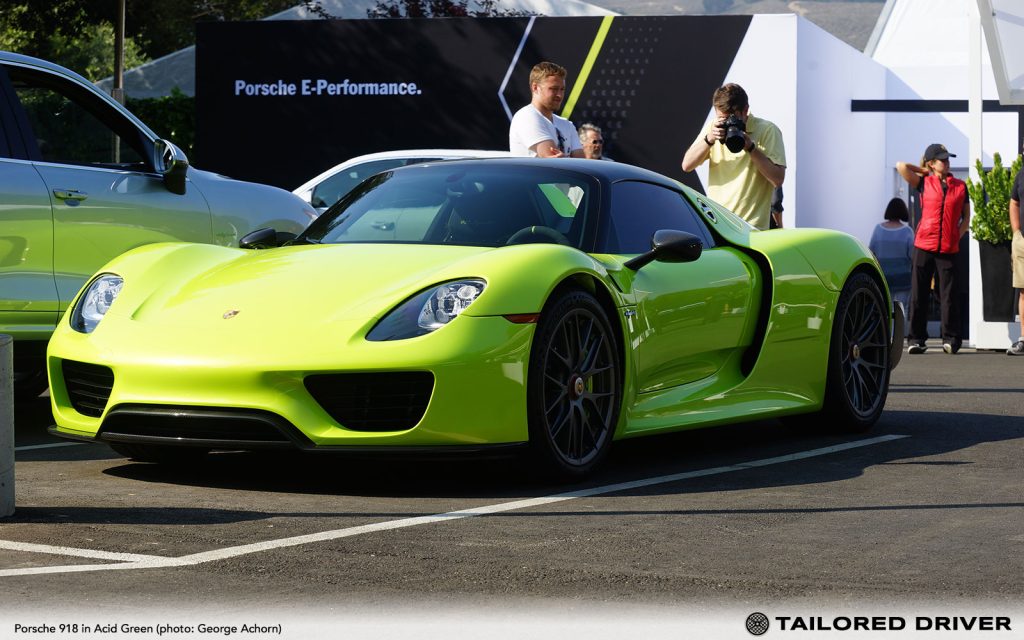
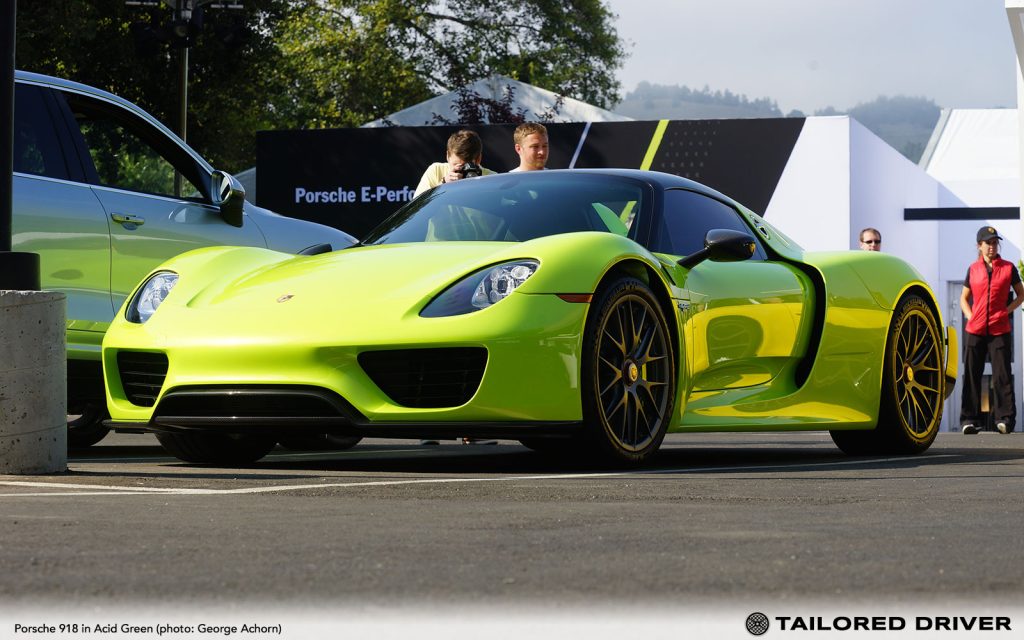
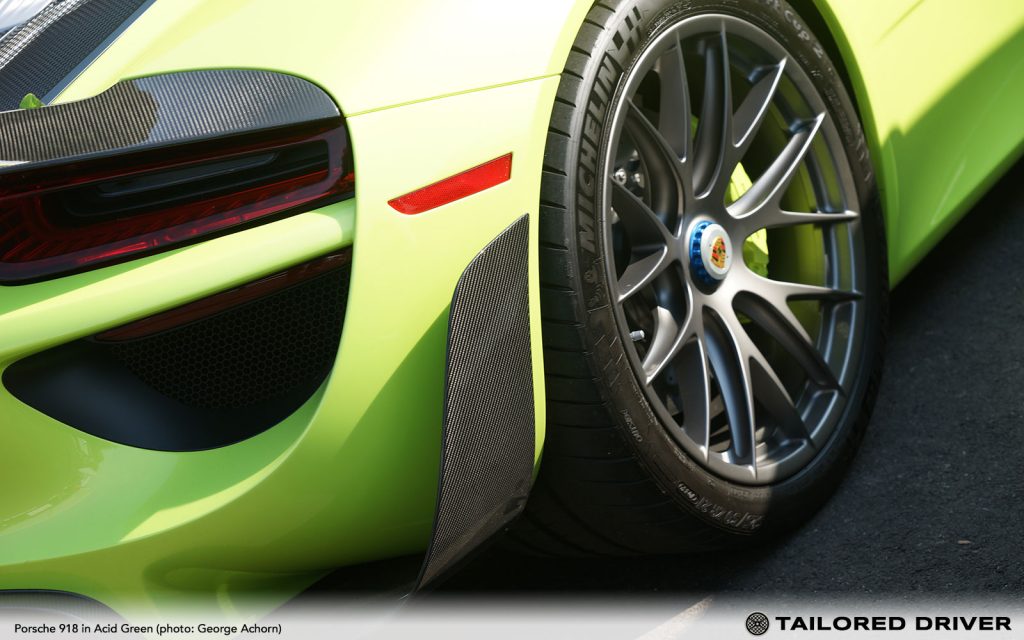
According to Porsche Club of America’s Rennbow website, Acid Green (acidgrün; non-metallic Uni; 2M8; Porsche) first came available in 2011 on the 911. Where it really took hold though was as a presence in the 918 program that would launch a few years later. The 918, of course, was a hybrid and pushing the “green” nature of Porsche’s hyridized and models like the Cayenne Hybrid made it the perfect attention-getting accent for these vehicles.
Acid green seems to hark 70s era neon green colors, though is considerably more saturated and thus intense. By contrast, it makes 70s era neon greens almost look washed out. To this day, it remains a fairly regularly seen offering within Porsche’s Paint to Sample program.
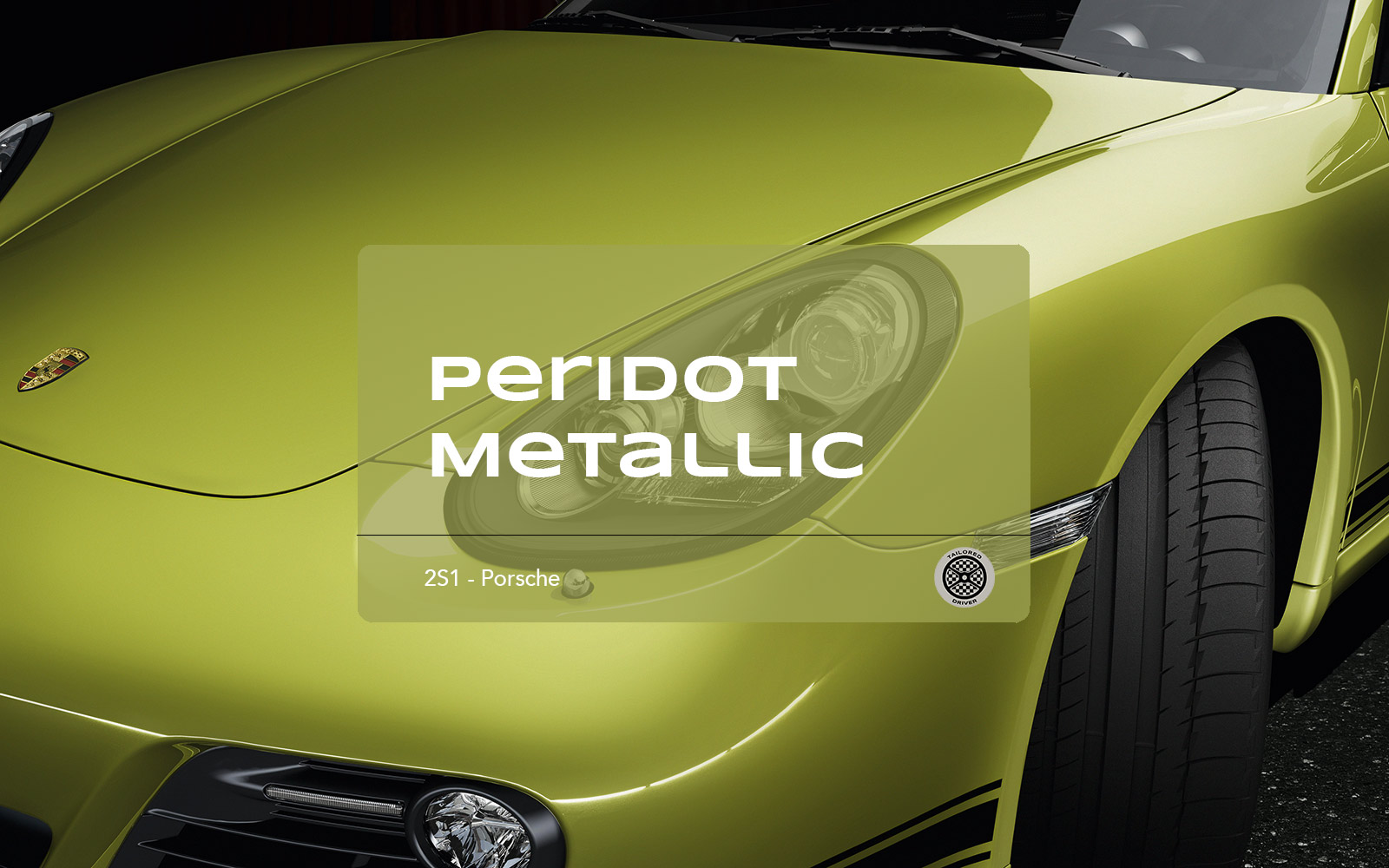
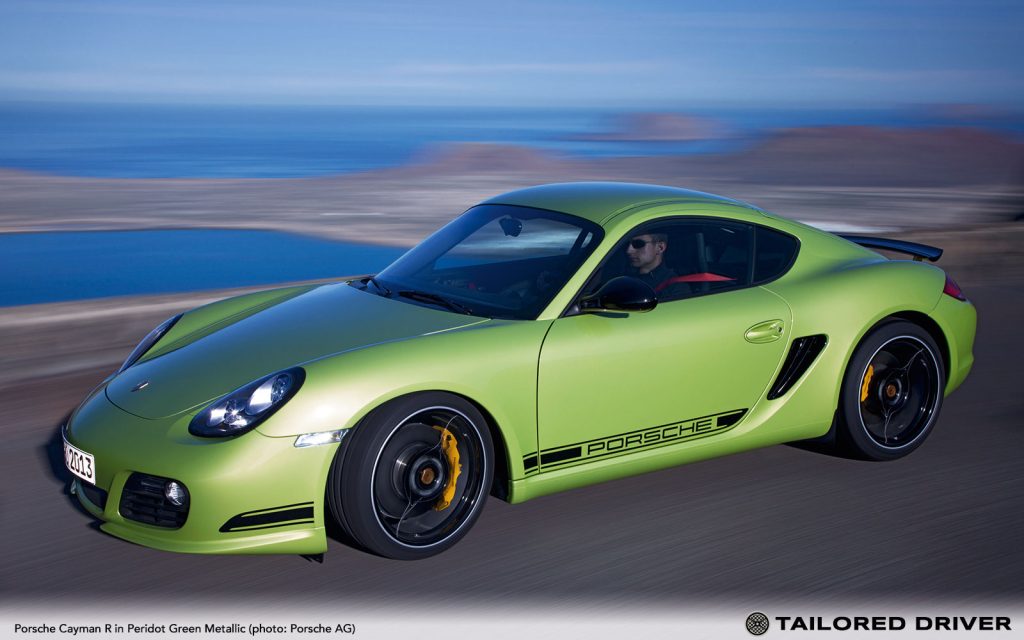
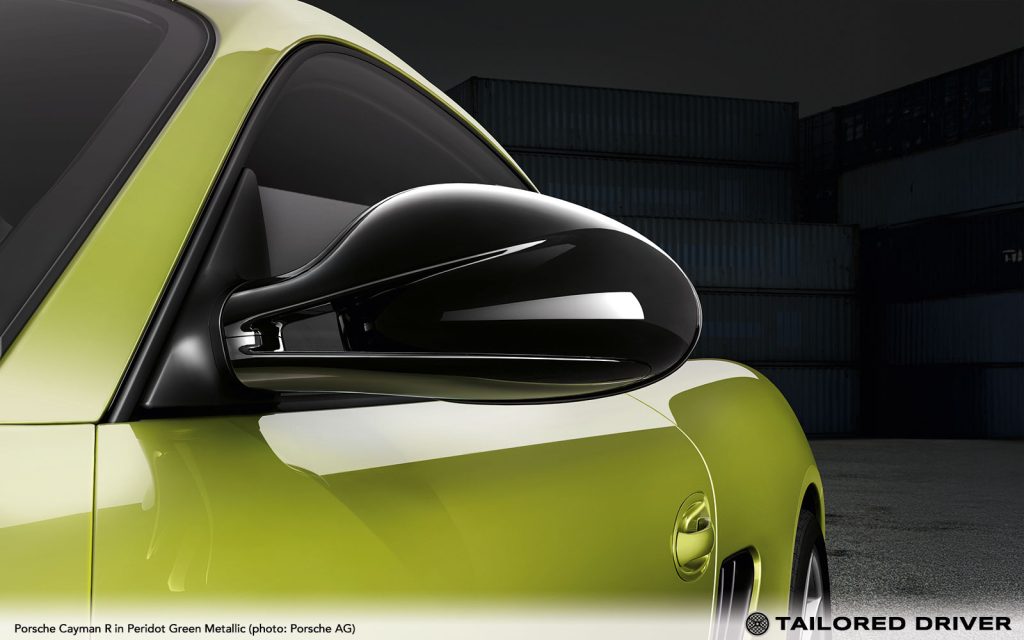
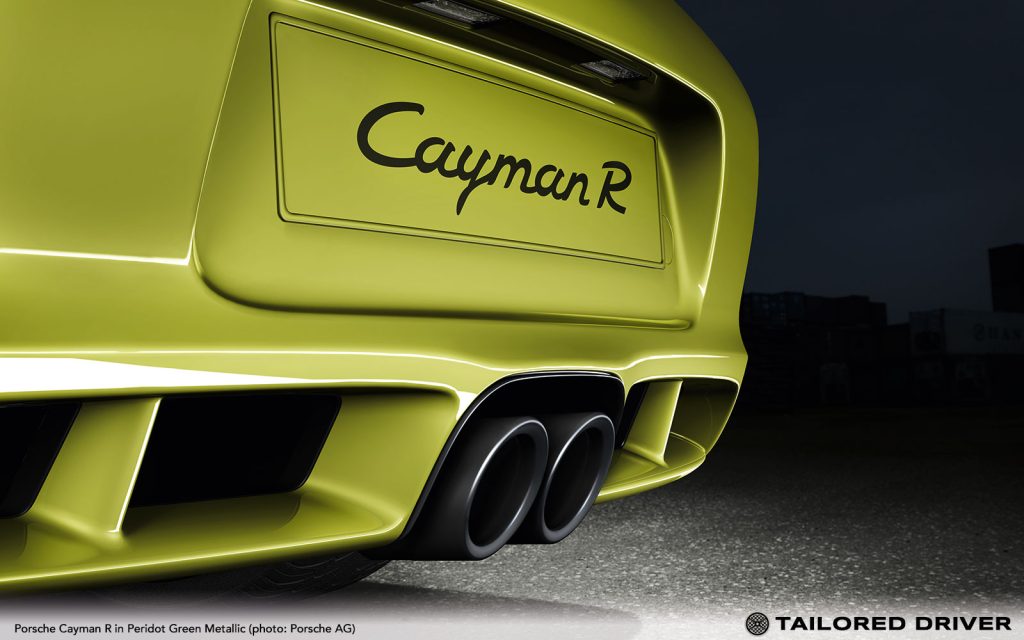
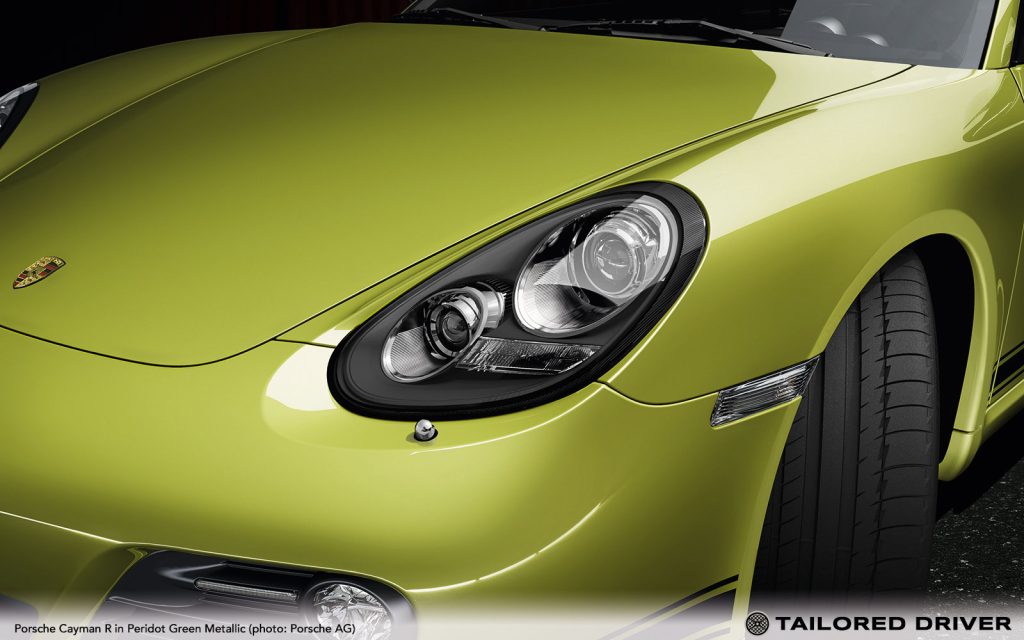
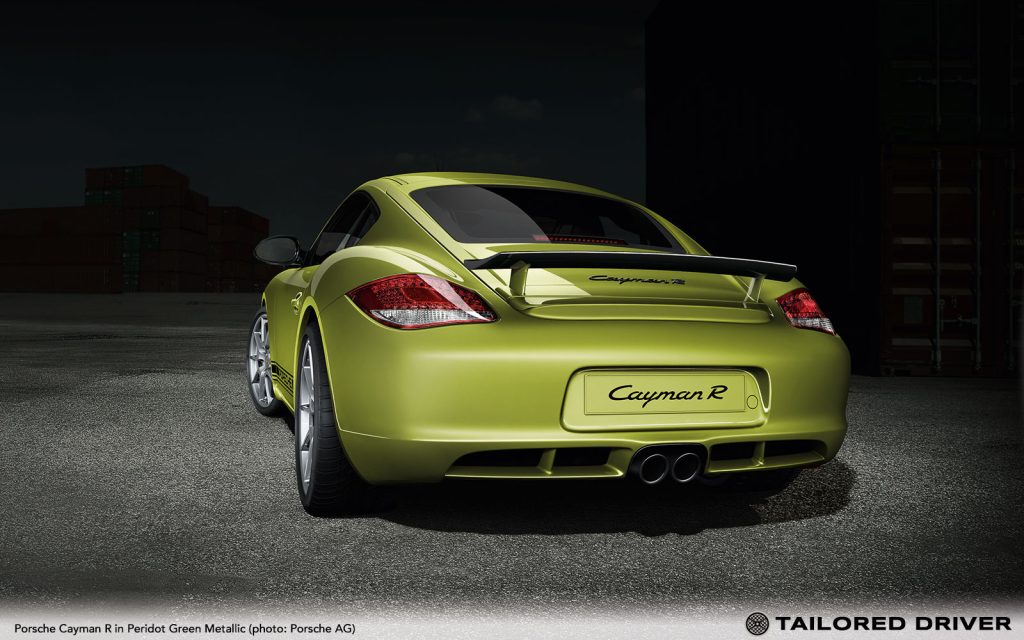
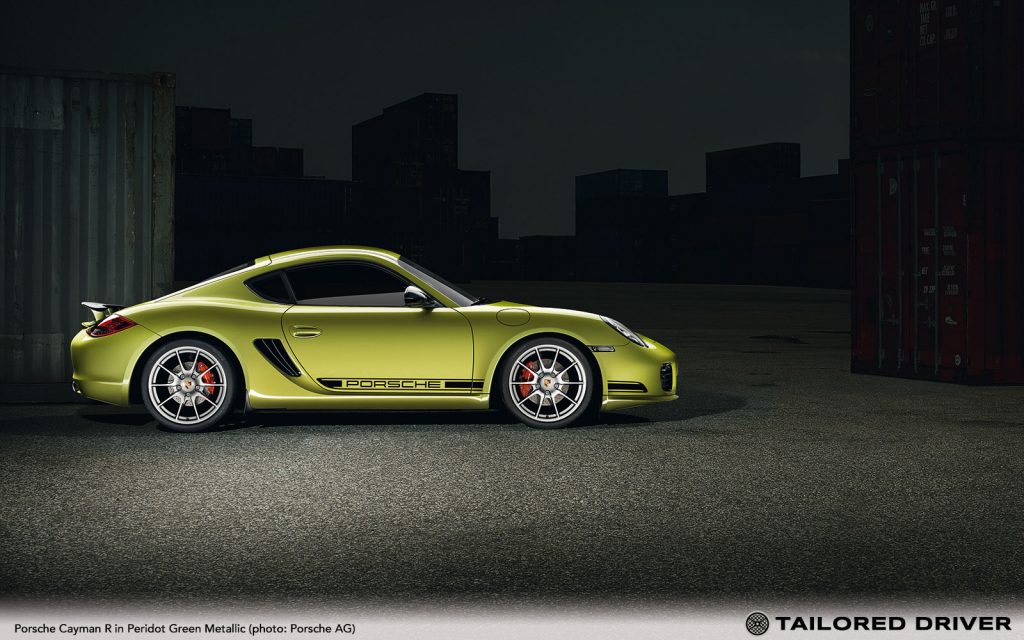
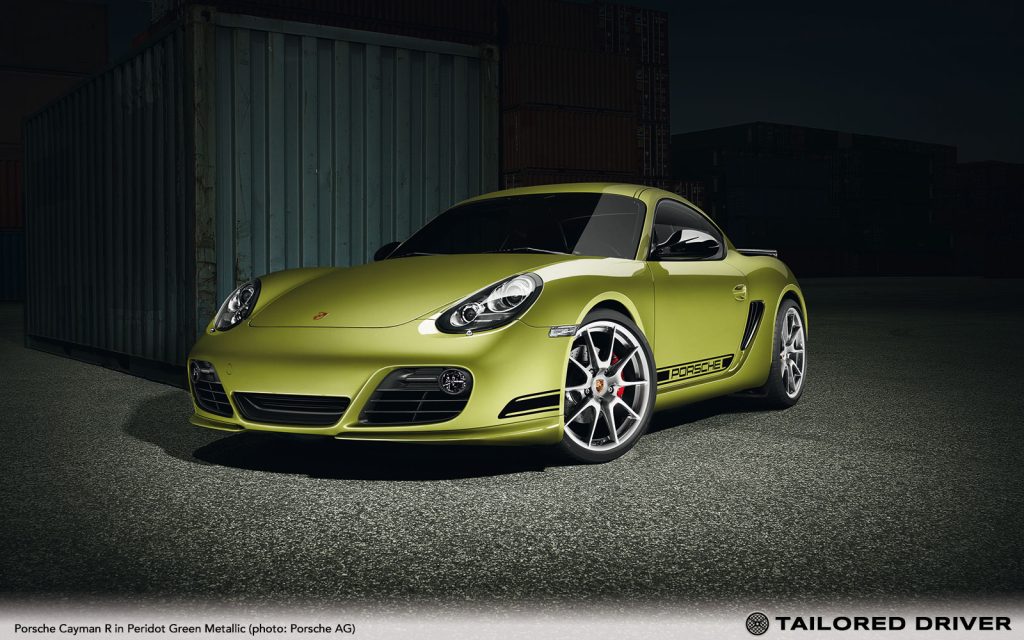
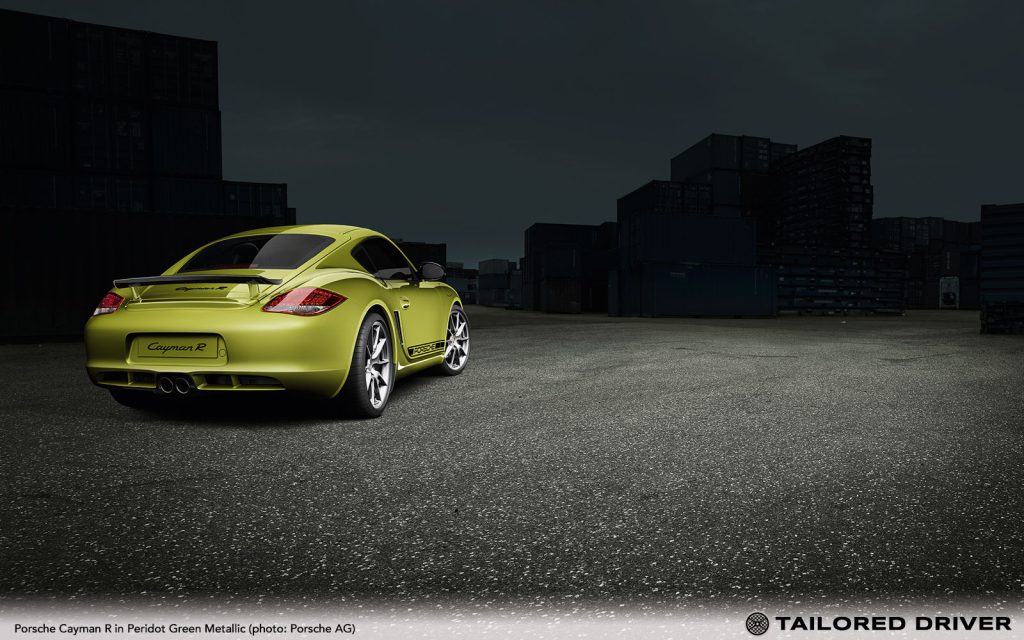
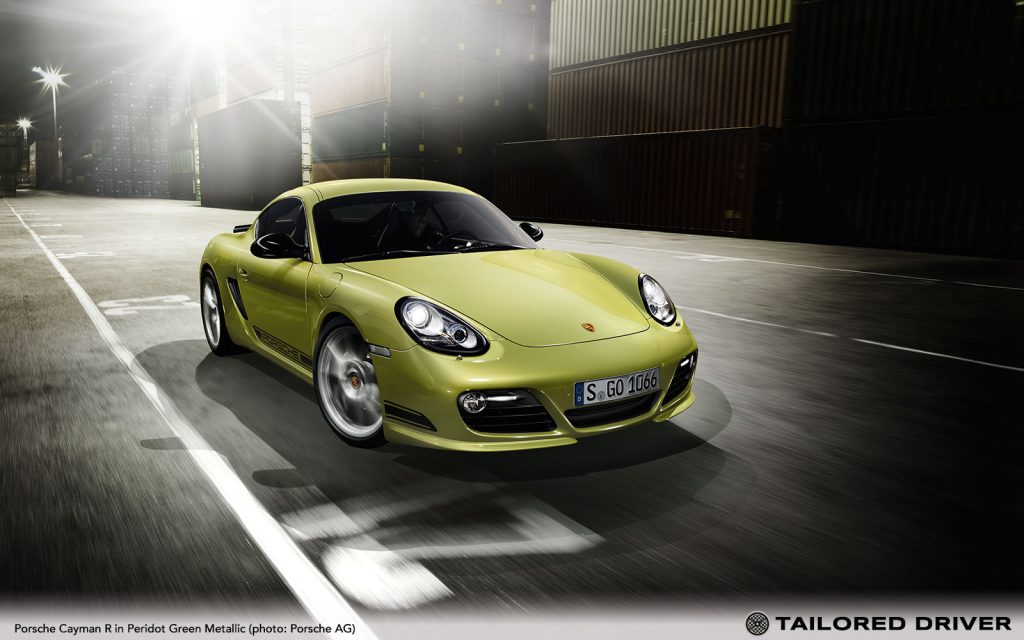
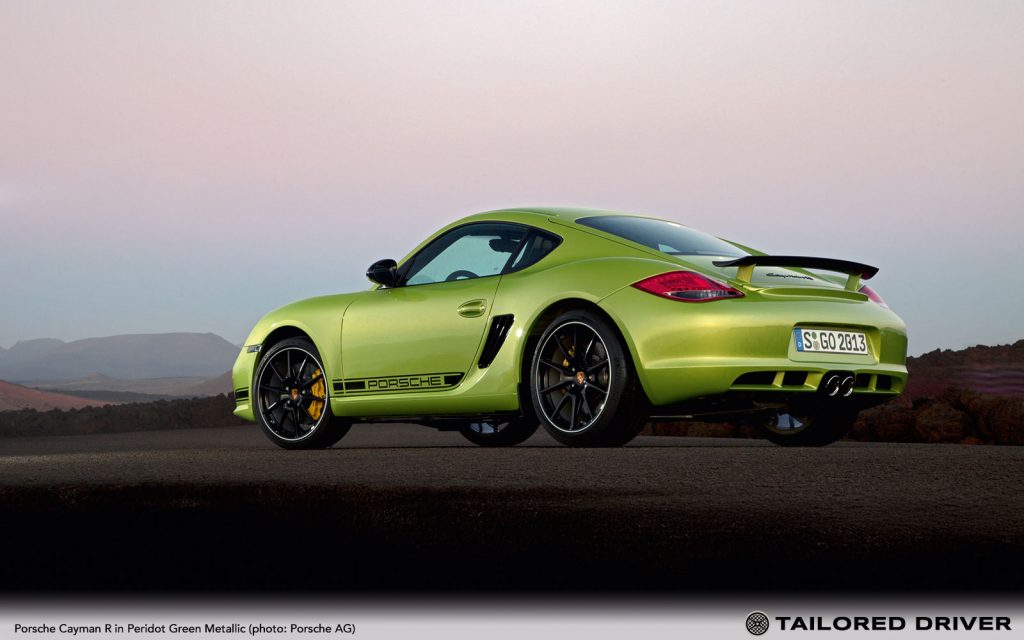
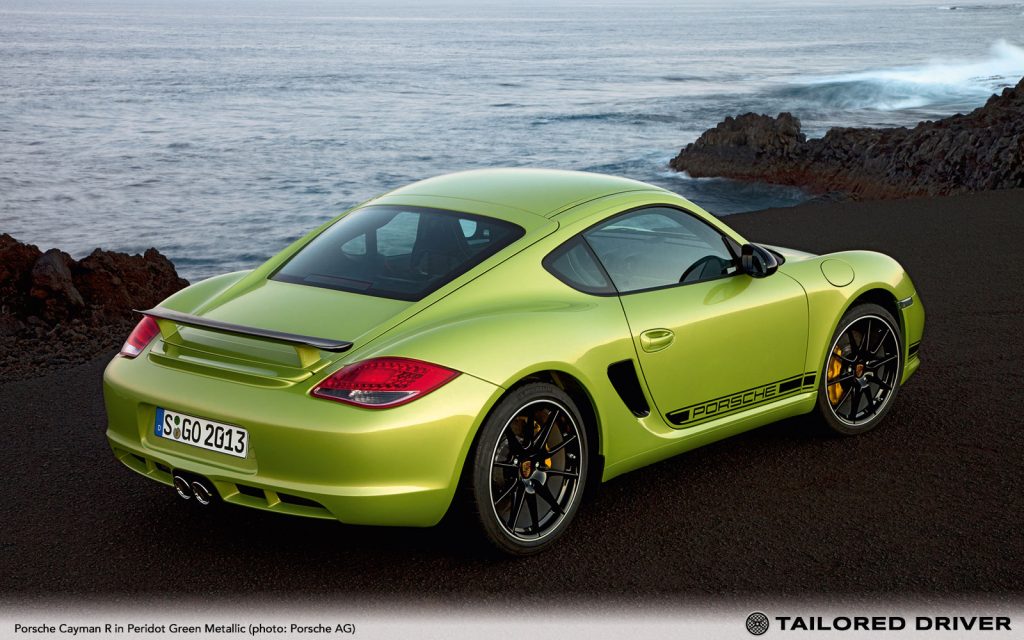
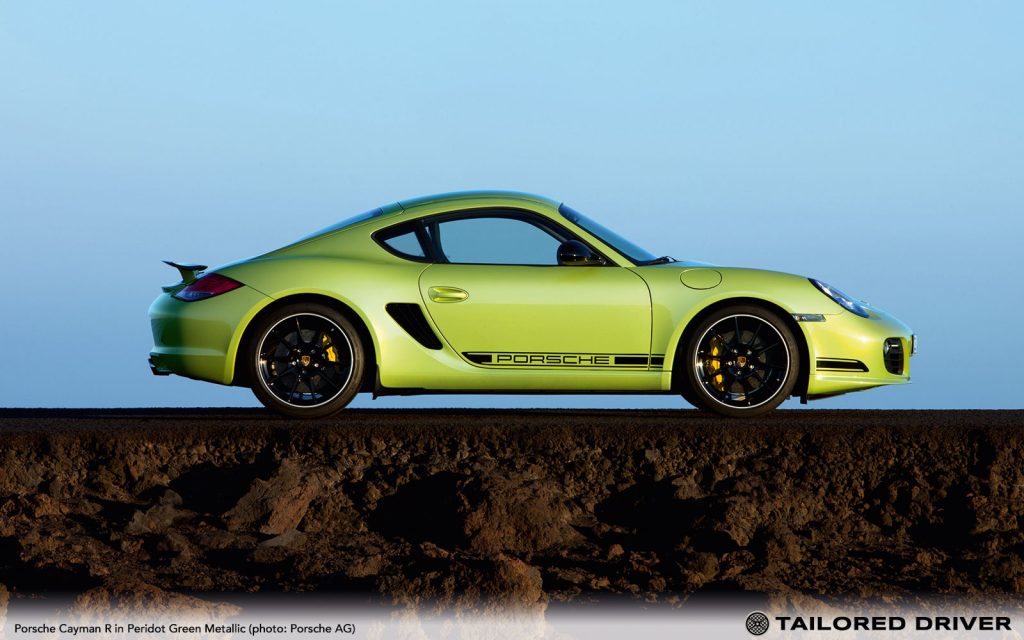
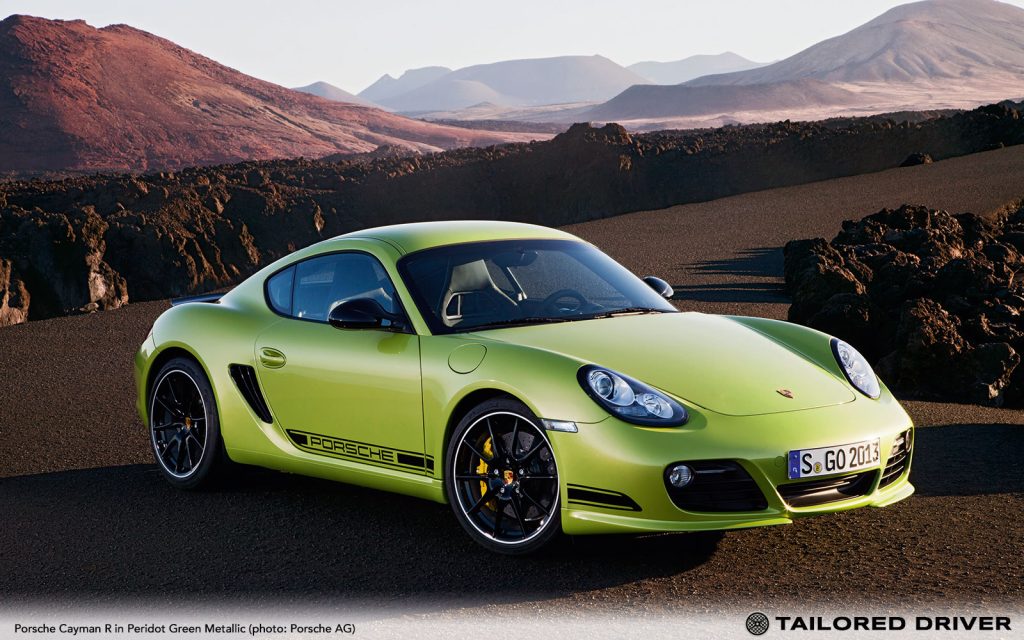
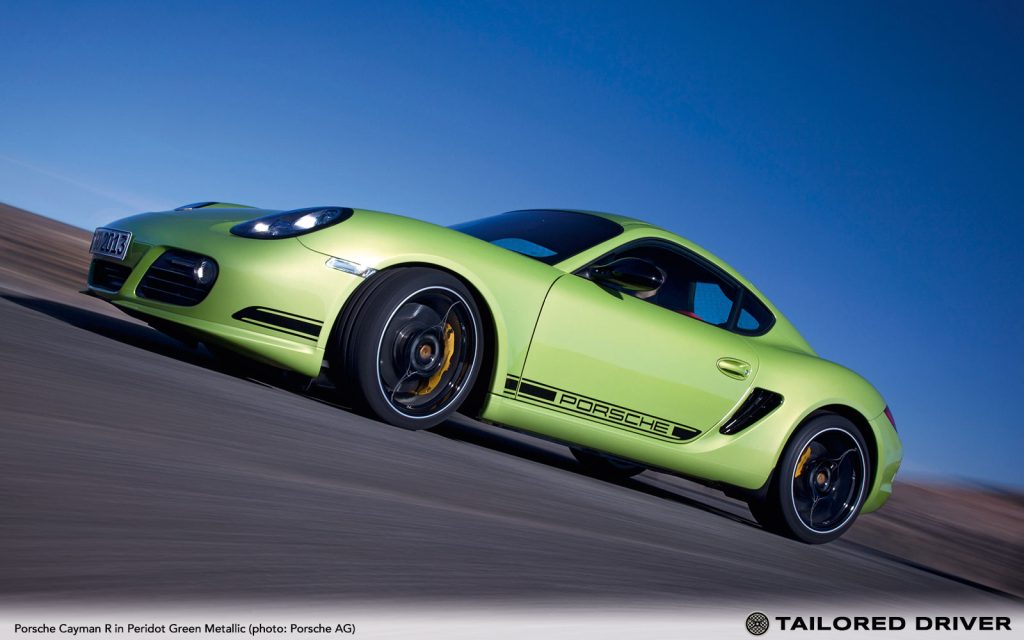
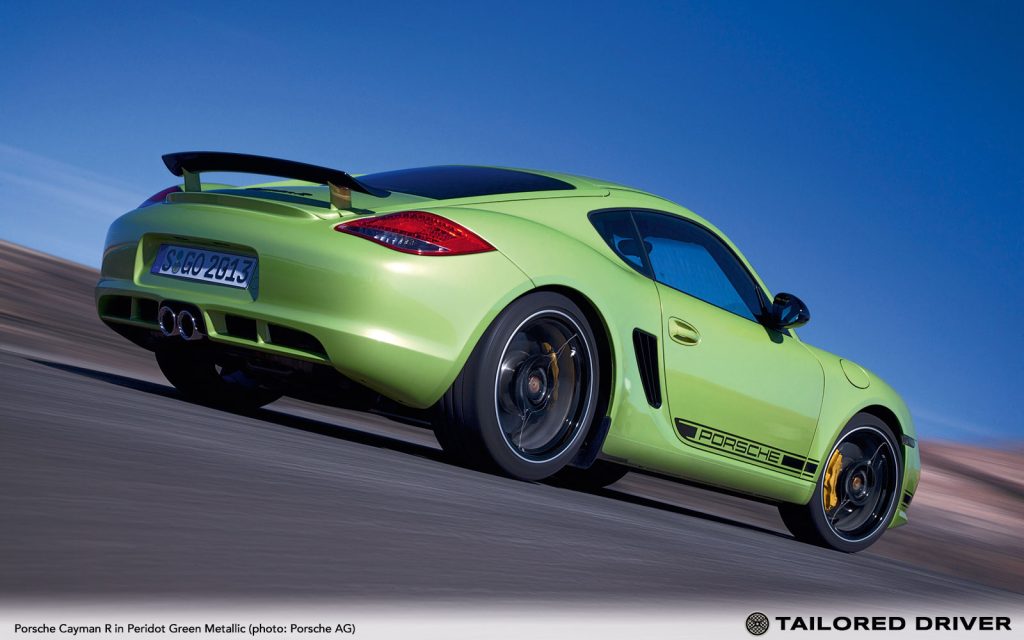
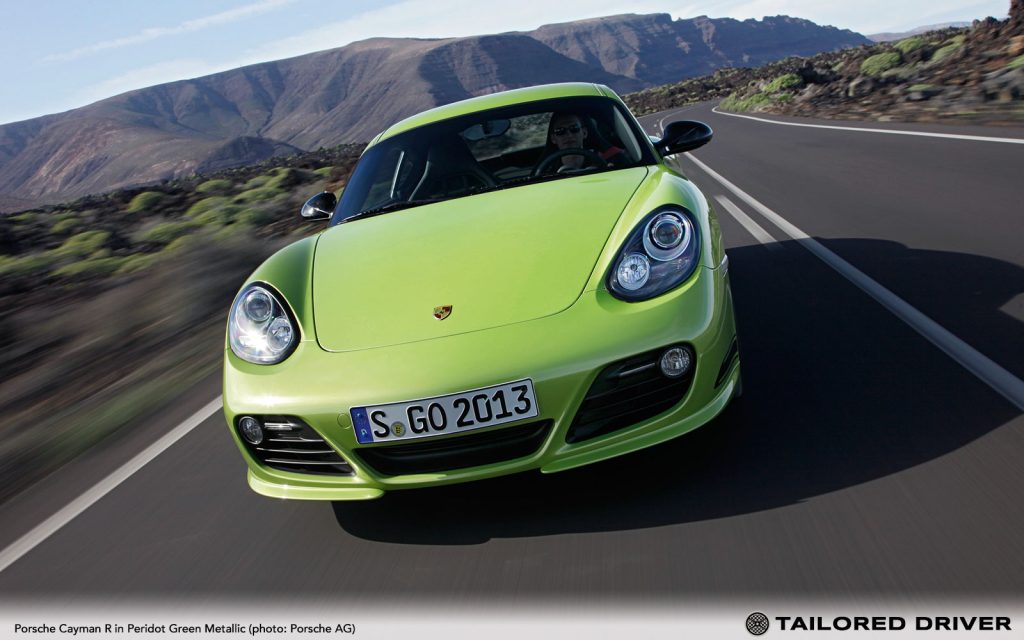
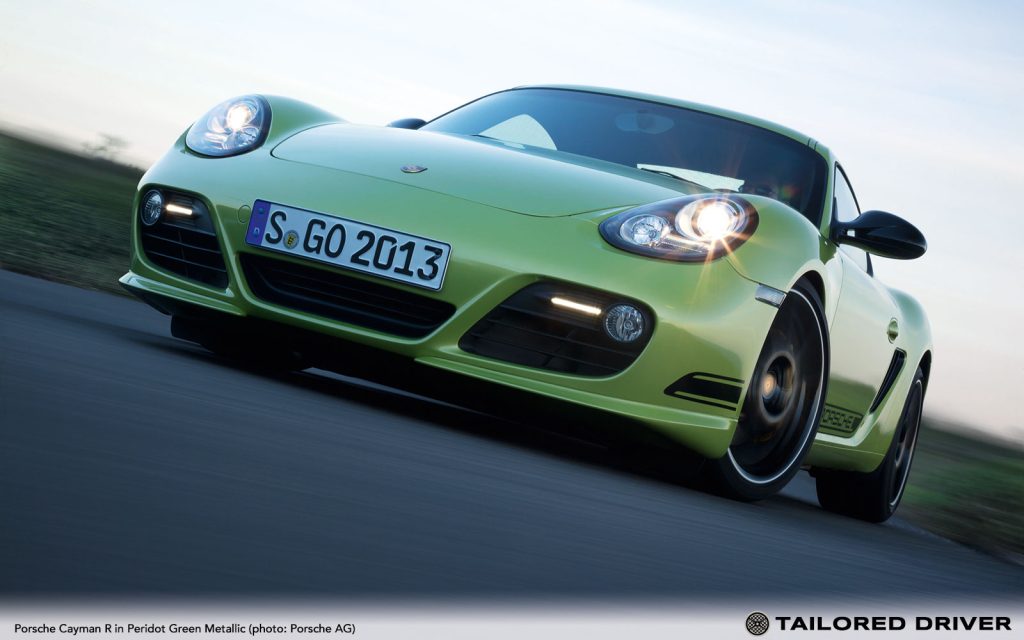
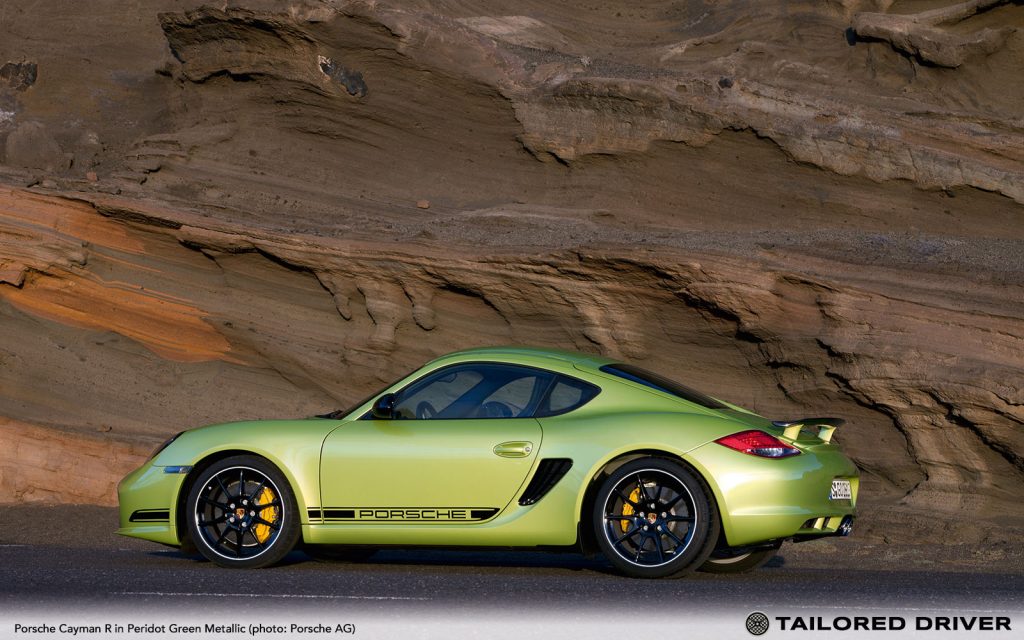
Launched most memorably on the original Porsche Cayman R (987) in 2012, Peridot Metallic (peridotmetallic; metallic UNI; 2S1; Porsche) has seen regular use since that time. This citrus green/yellow metallic harkens the neon-like colors from Porsche during the 1970s, shades like Linden Green. In the case of Peridot Metallic though, it is a thoroughly modern metallic.
Peridot takes its name from the semi-precious stone of similar color that is common in olivine deep within the earth’s crust and is brought to the surface by volcanic activity. In Hawaiian lore, peridot symbolized the tears of Pele, the volcano goddess of fire who controls the flow of lava.
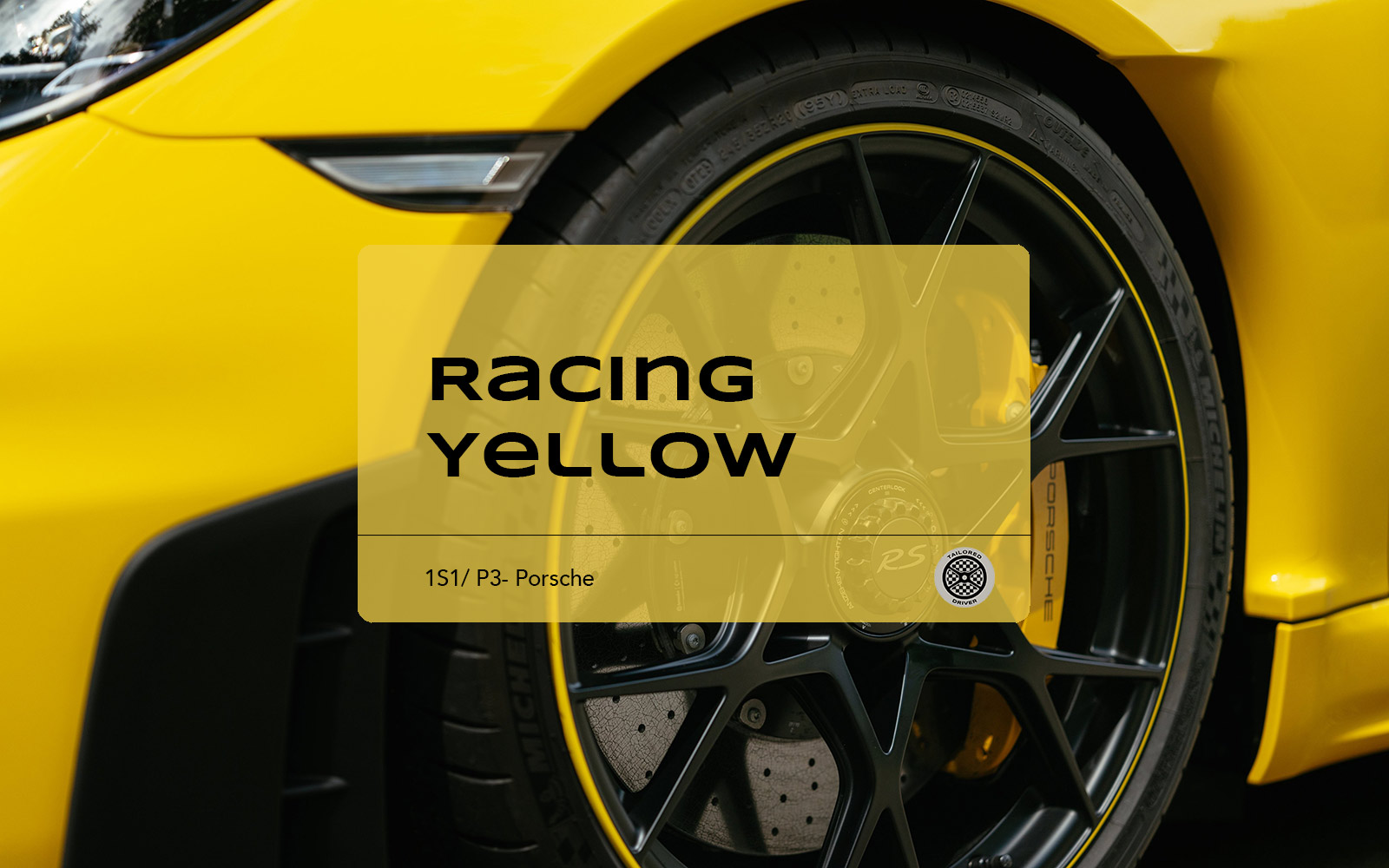
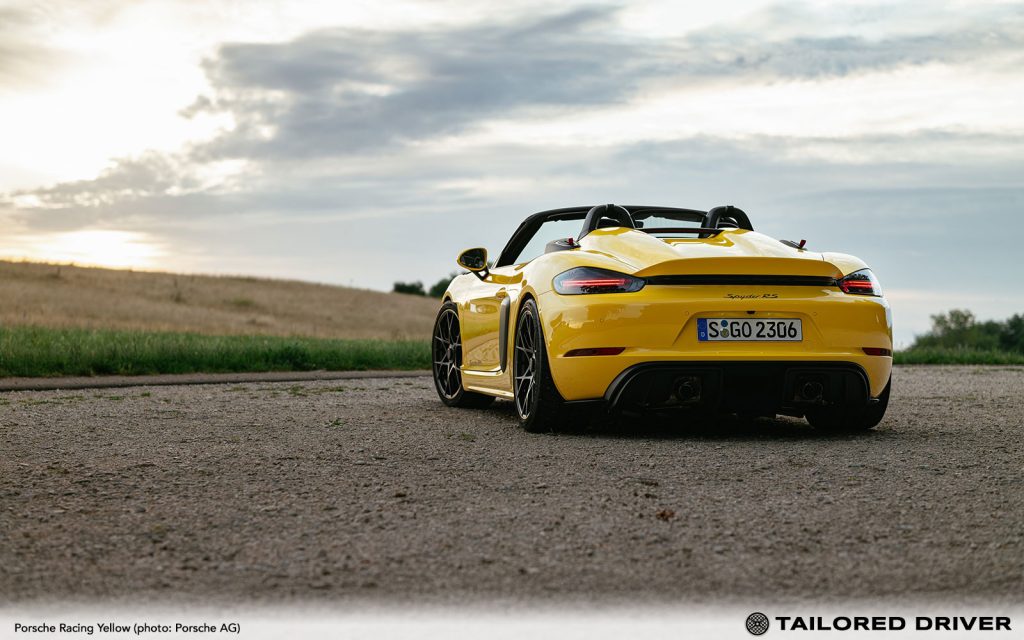
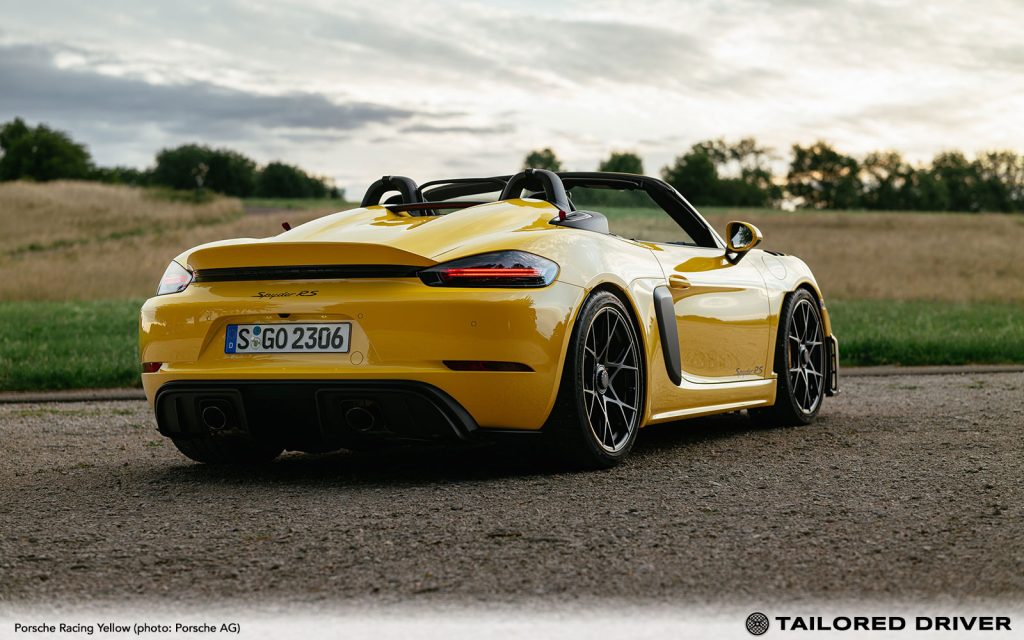
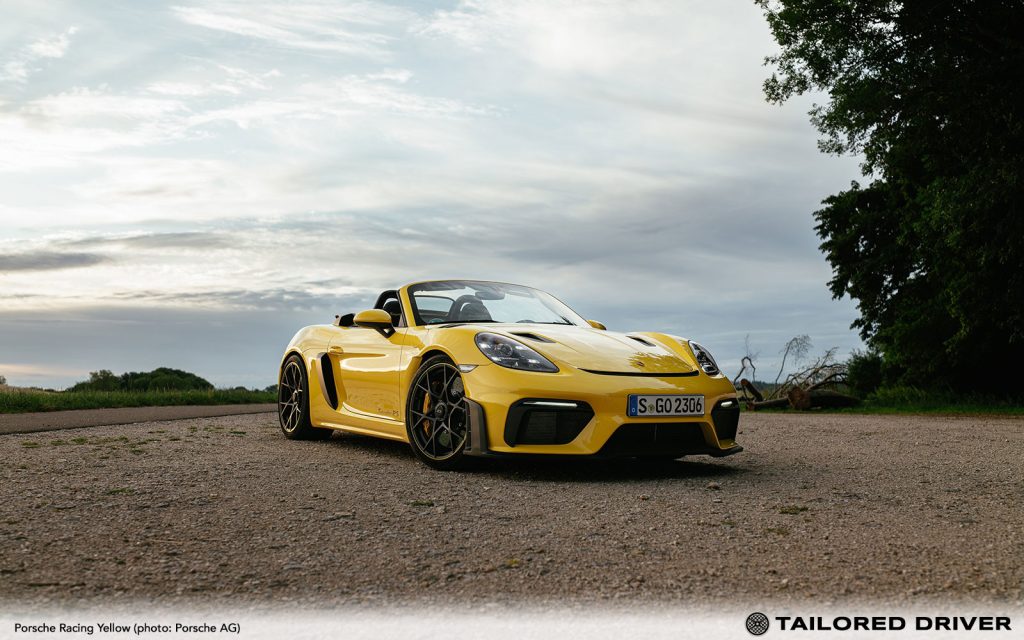
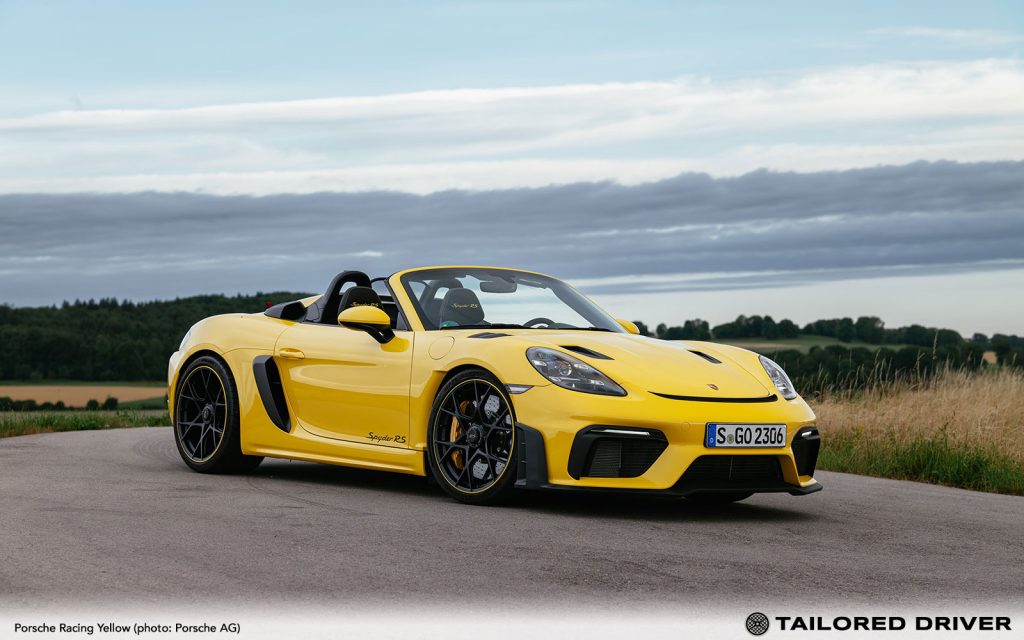
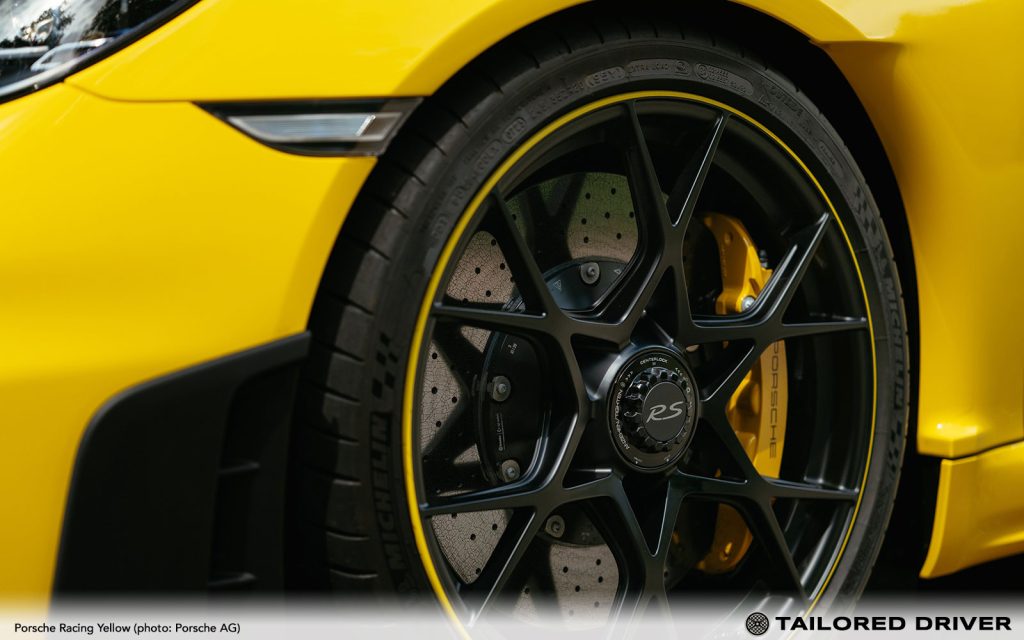
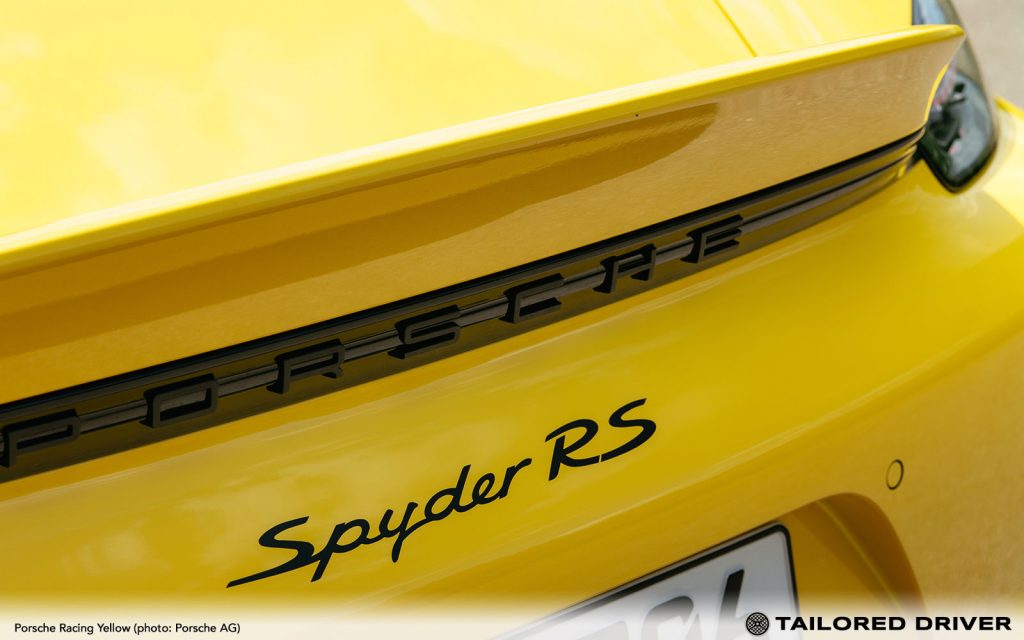
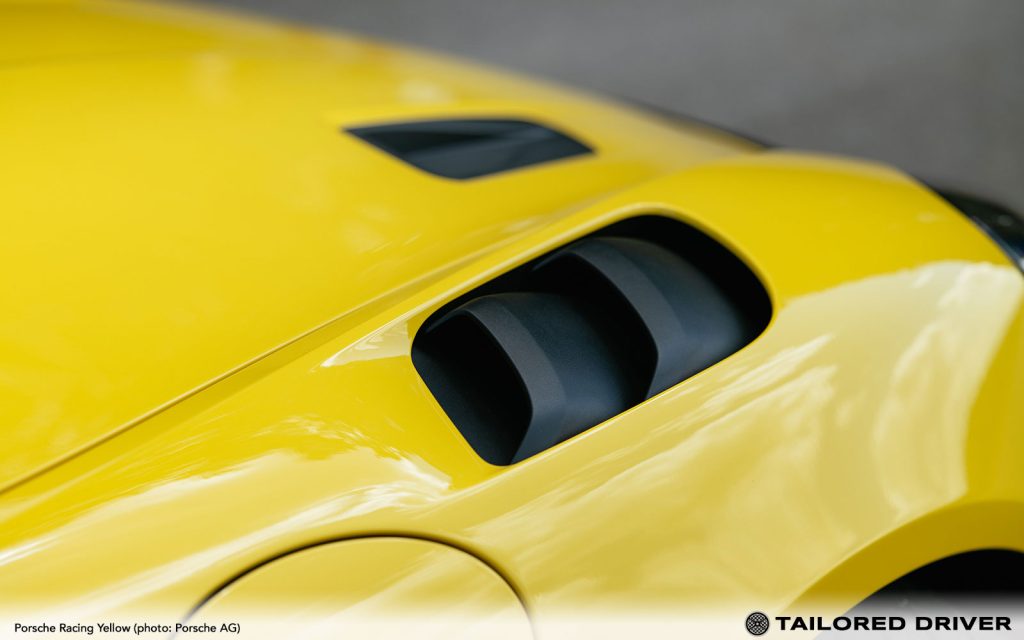
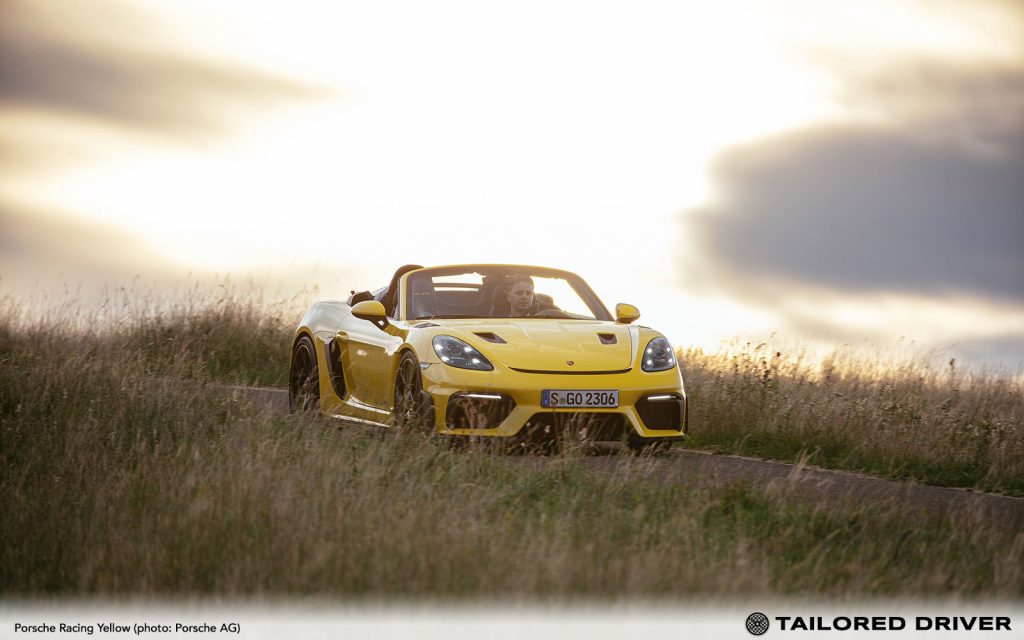
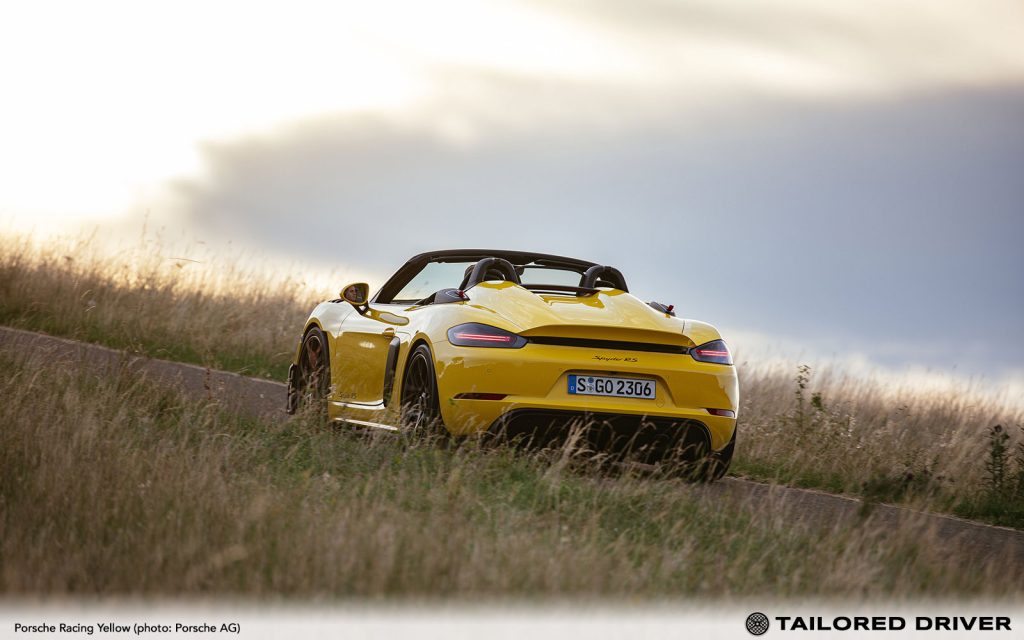
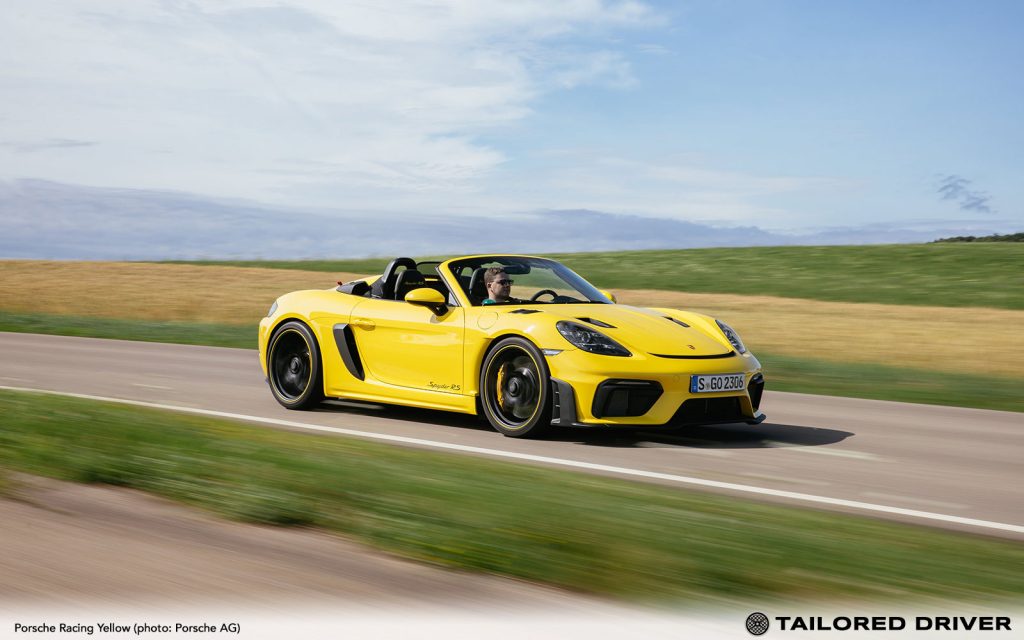
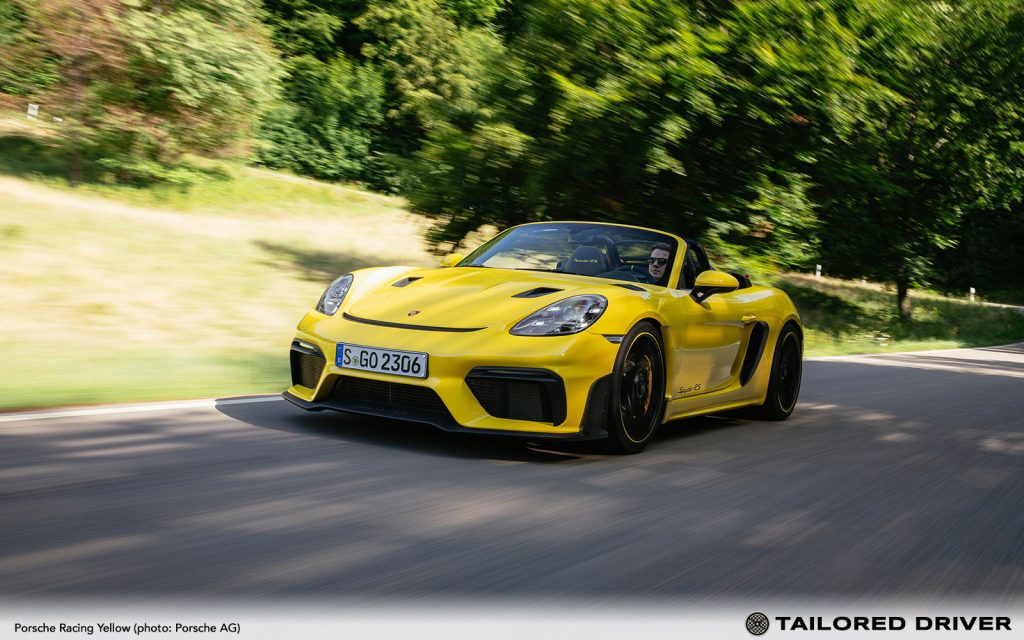
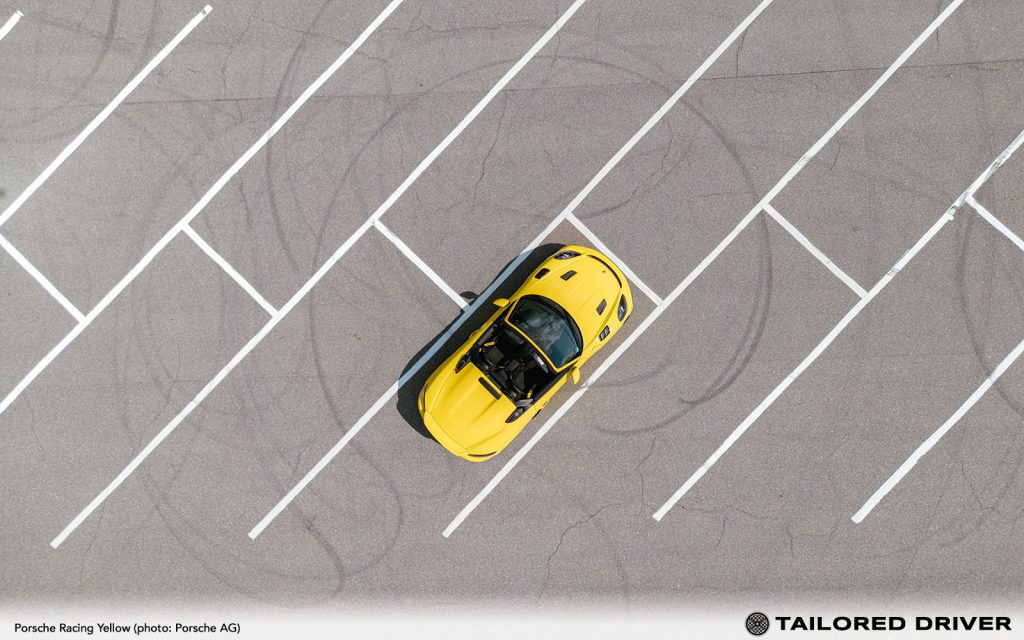
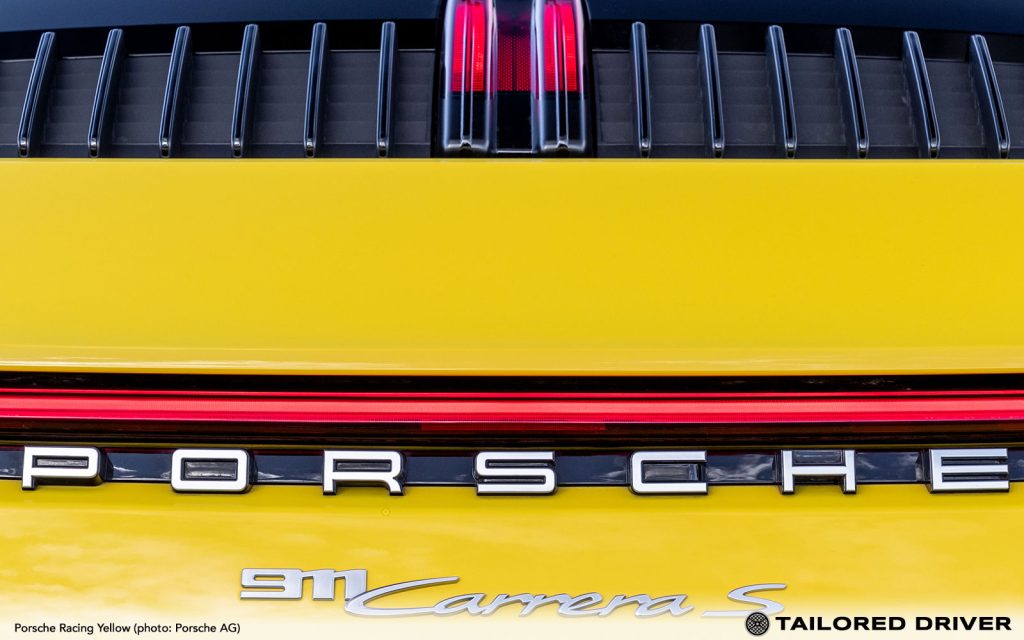
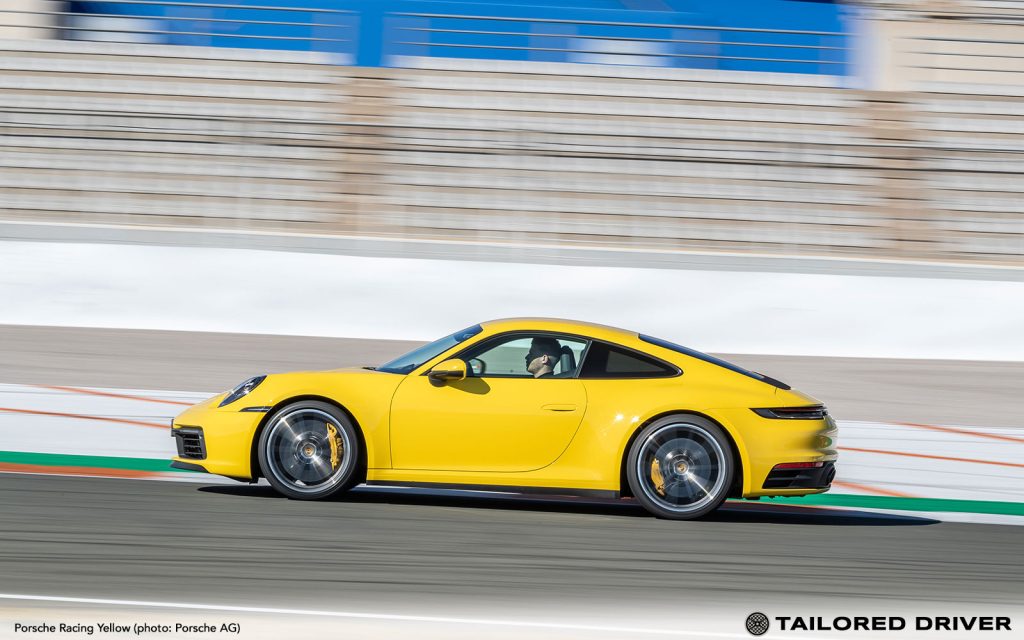
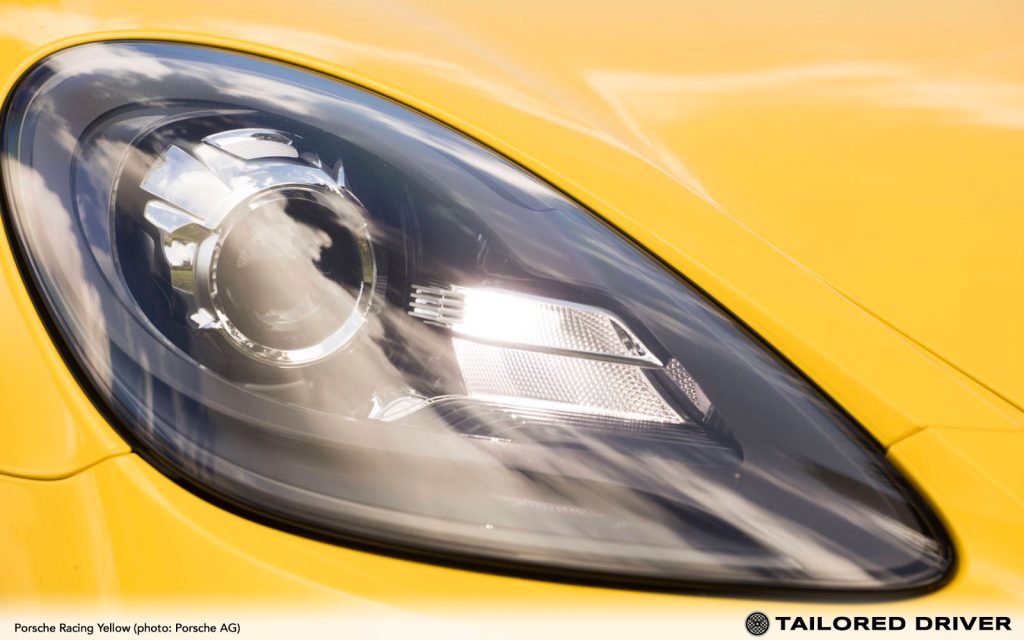
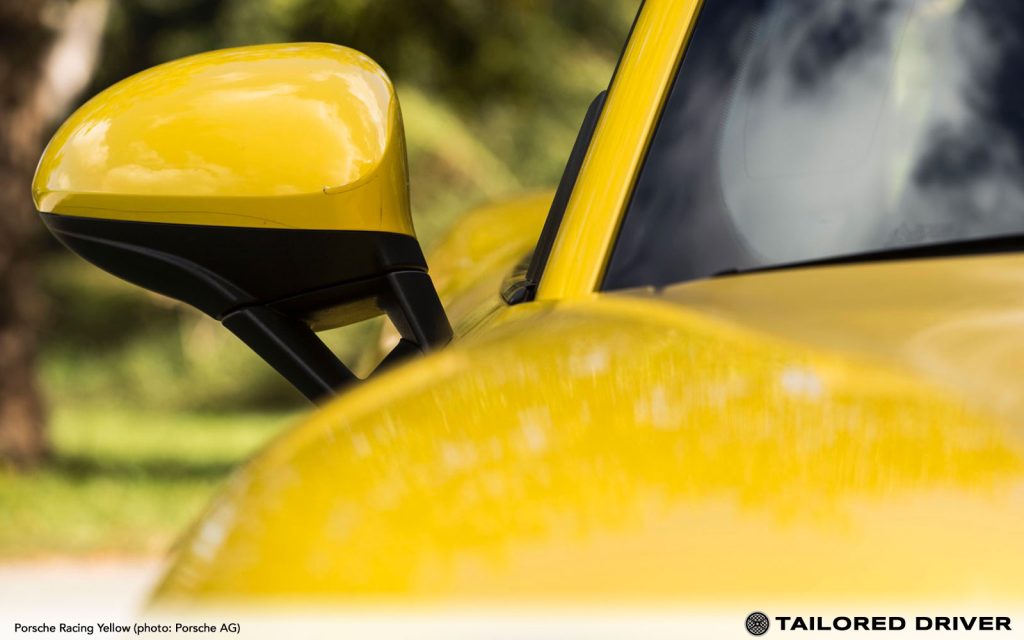
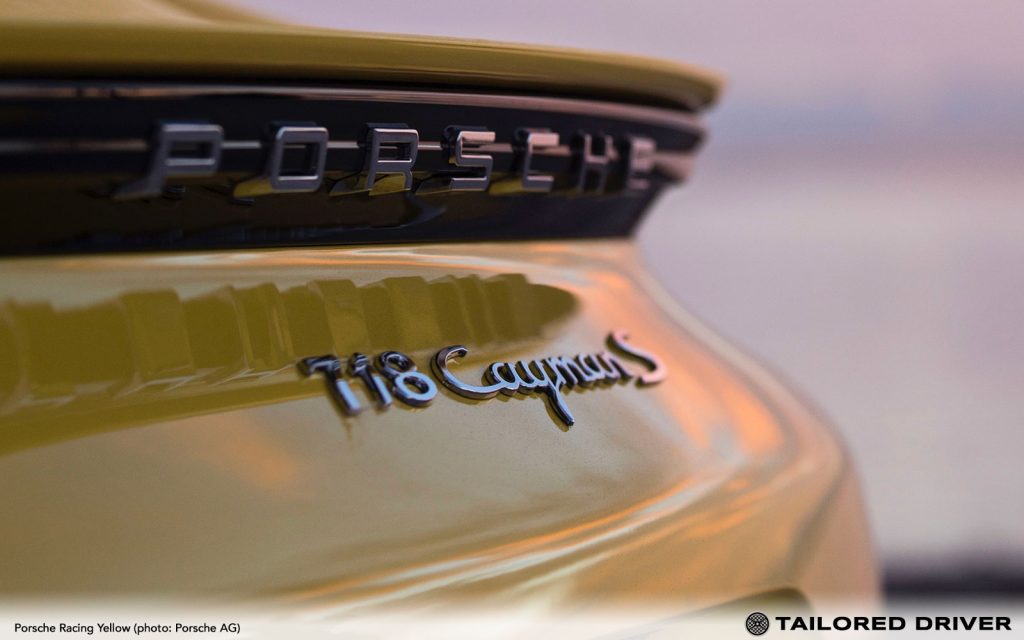
According to Porsche Club of America’s Rennbow color index, Racing Yellow (renngelb; non-metallic UNI; 1S1 / P3; Porsche) replaced Speed Yellow as the go-to yellow of choice when Porsche includes a yellow in its modern models. Rennbow also shares that, in person, Racing Yellow is a touch more green than Speed Yellow. Given its commonality as a standard offering, this isn’t an extremely rare color.
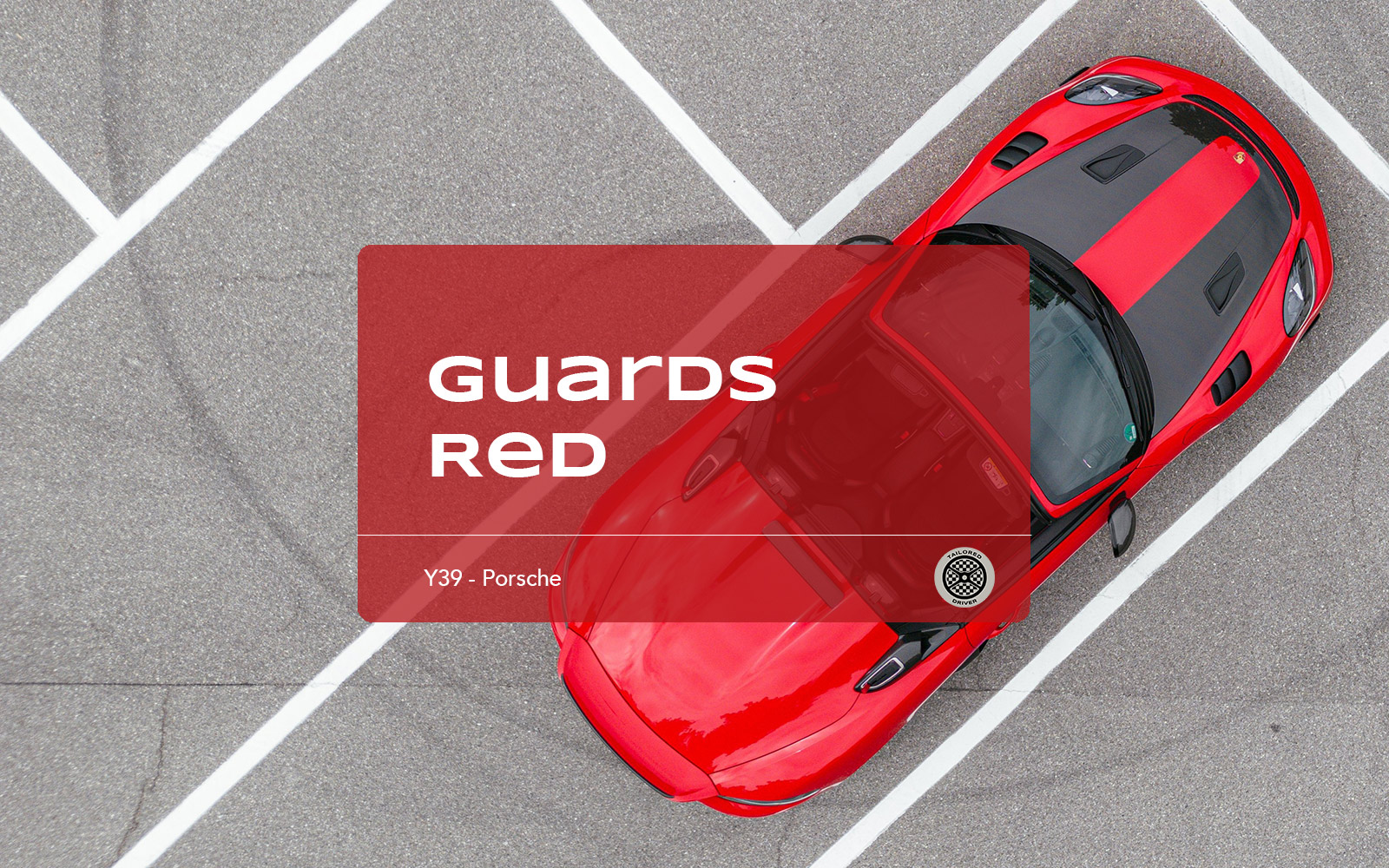
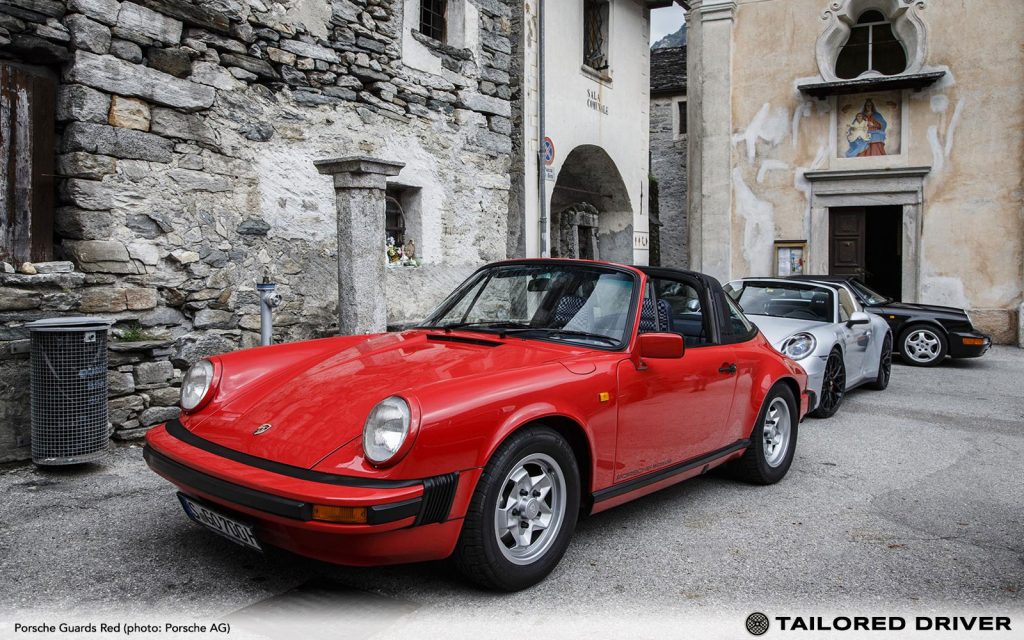
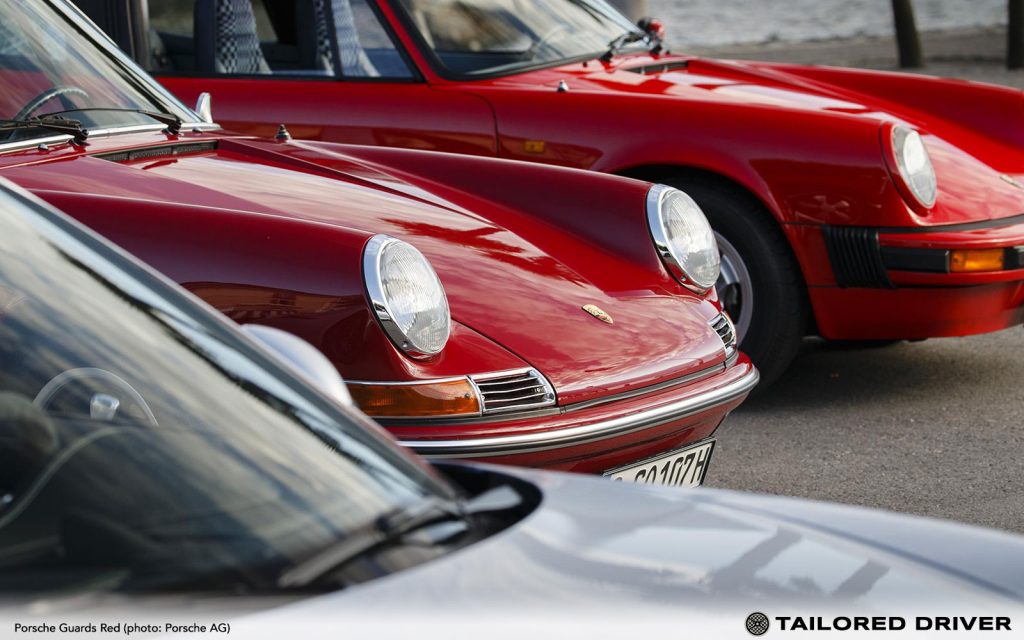
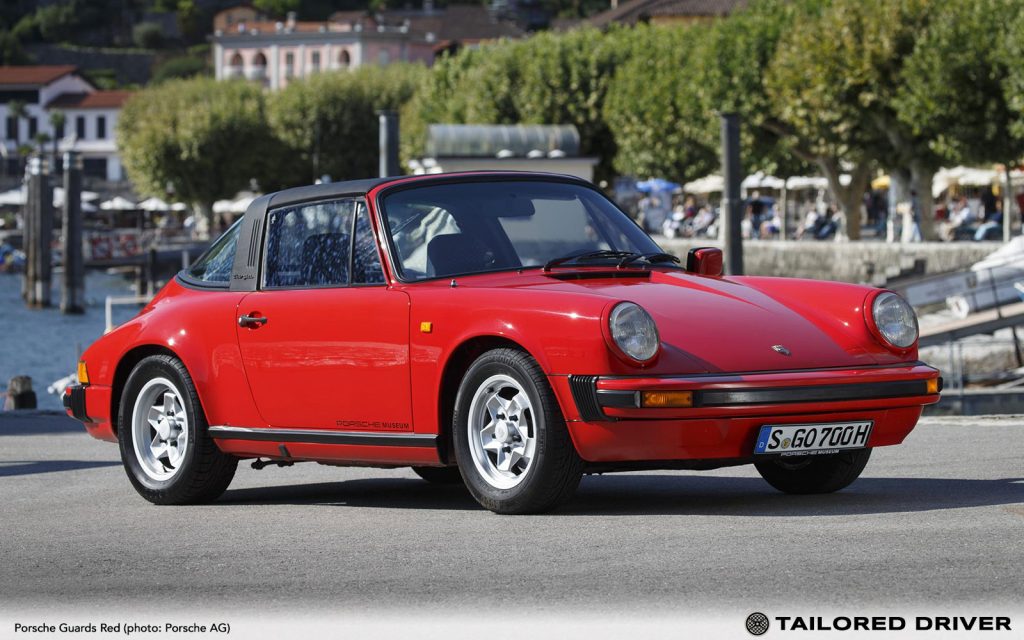
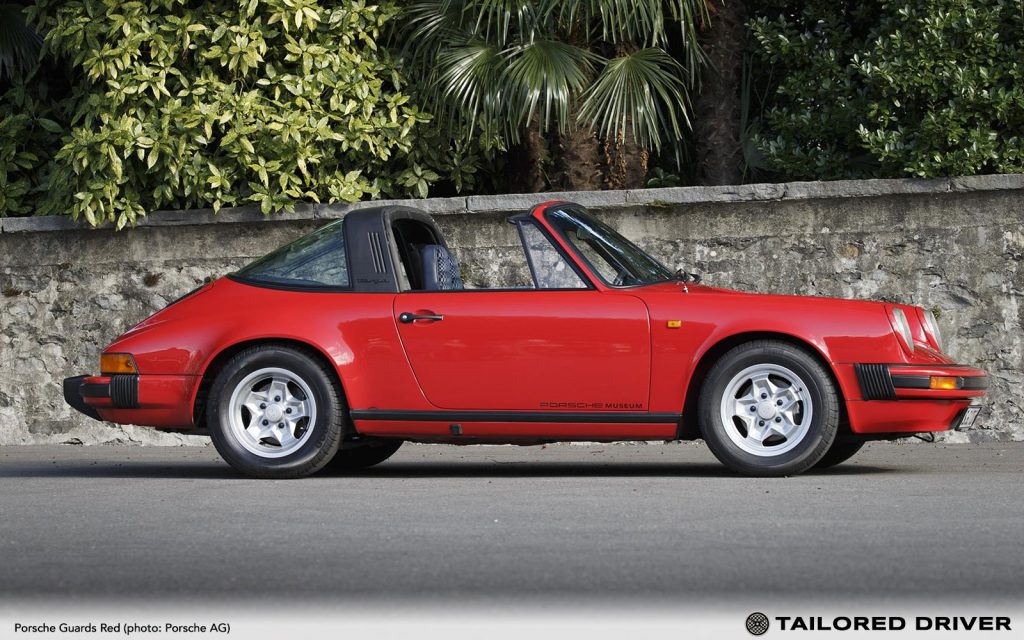
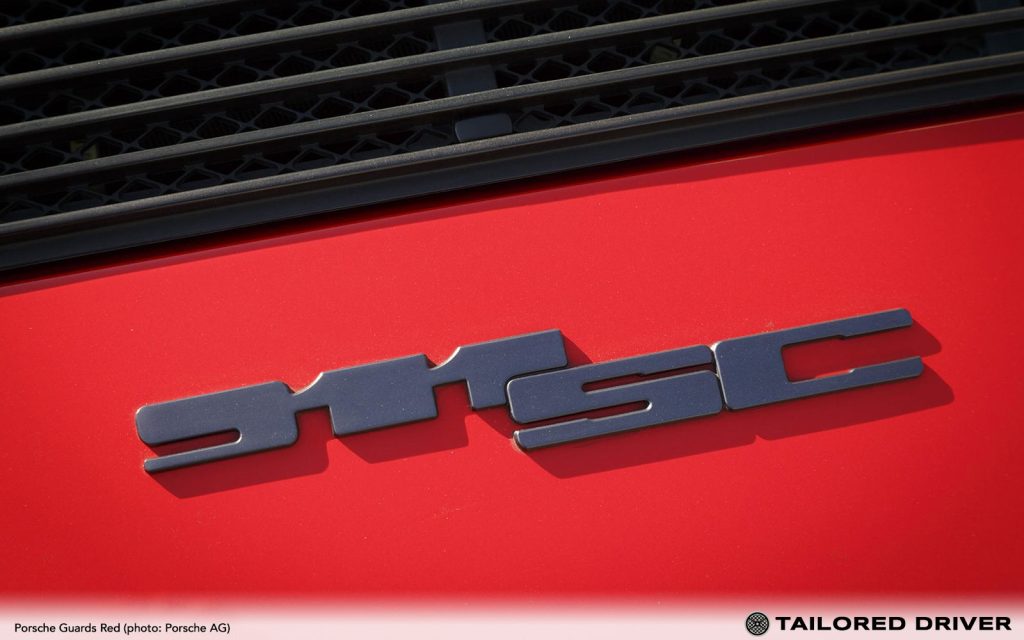
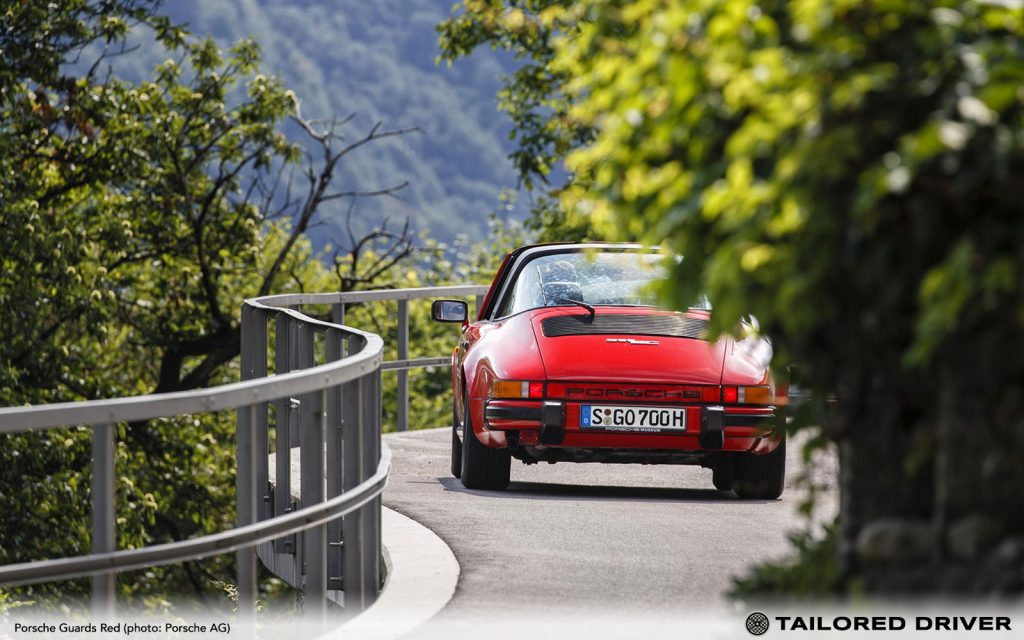
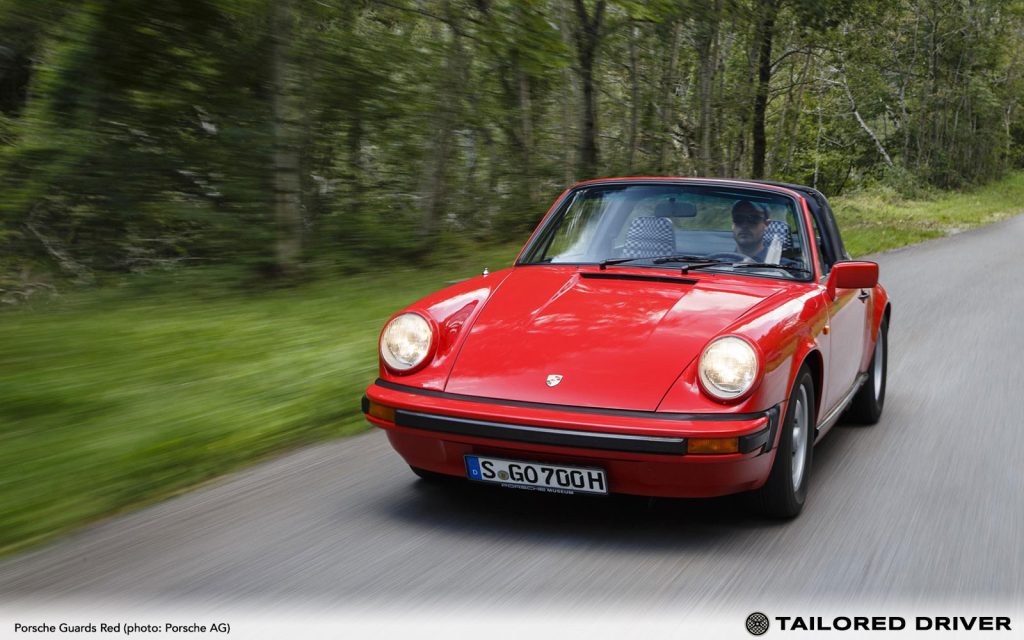
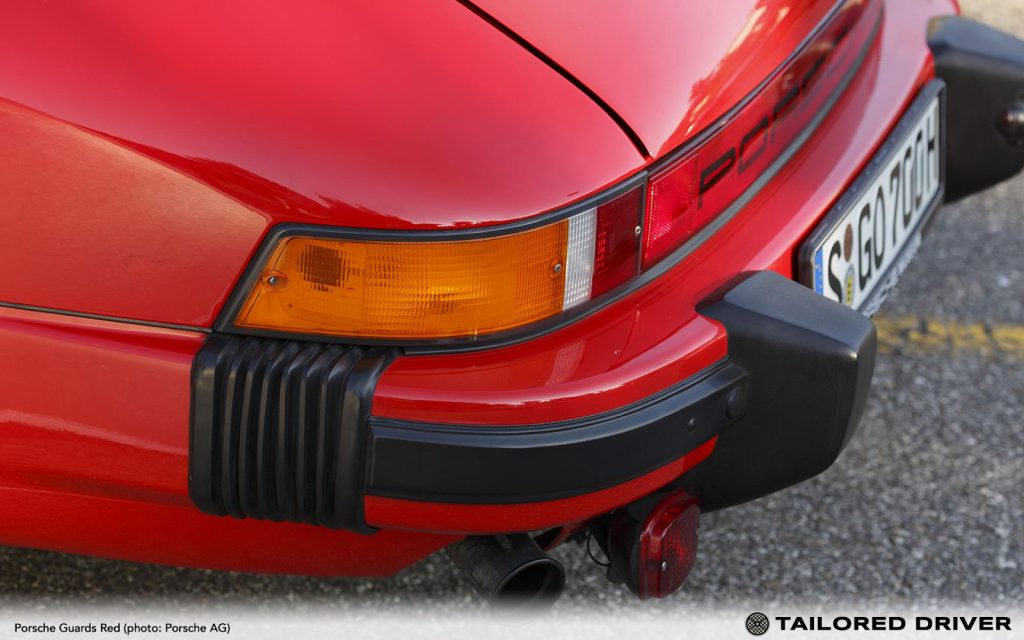
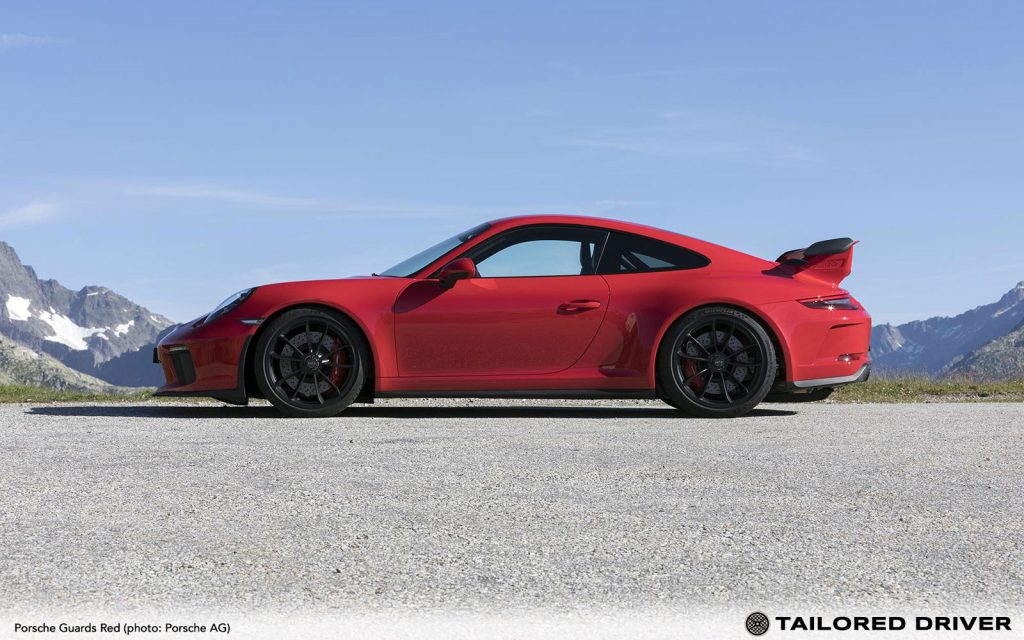
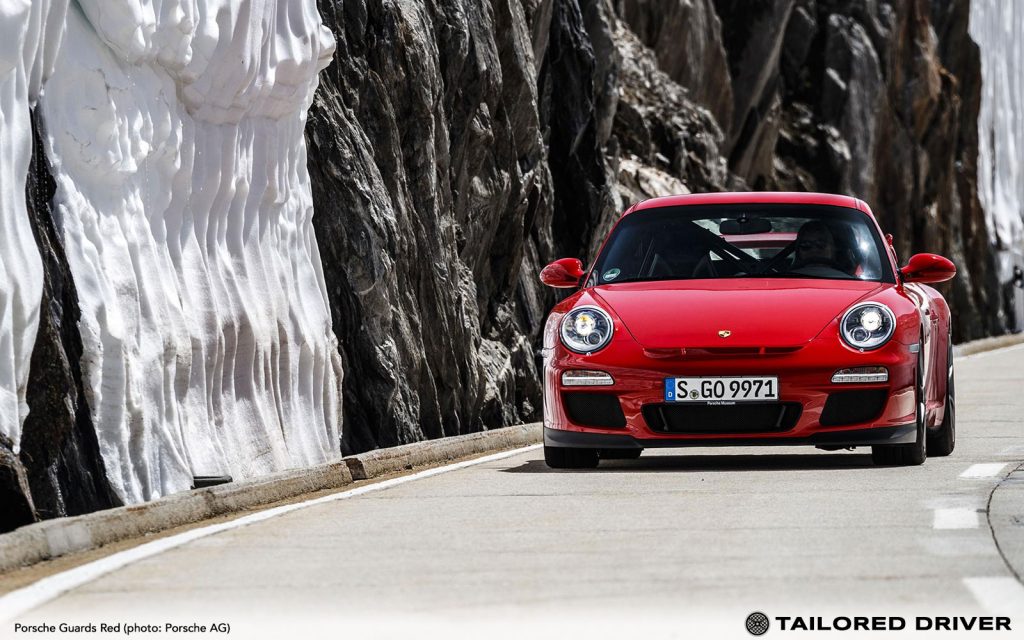
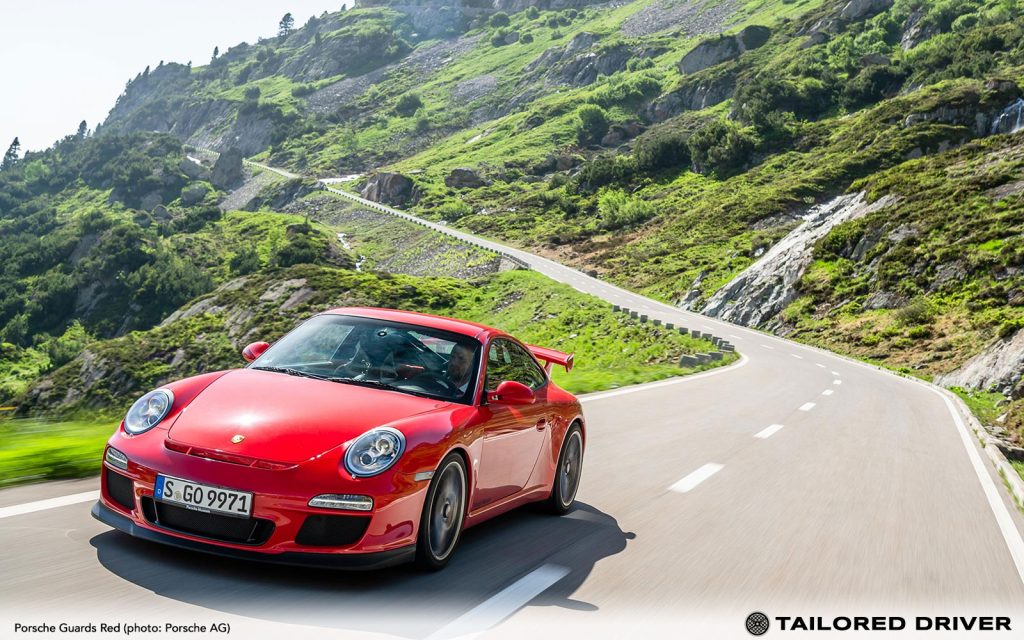
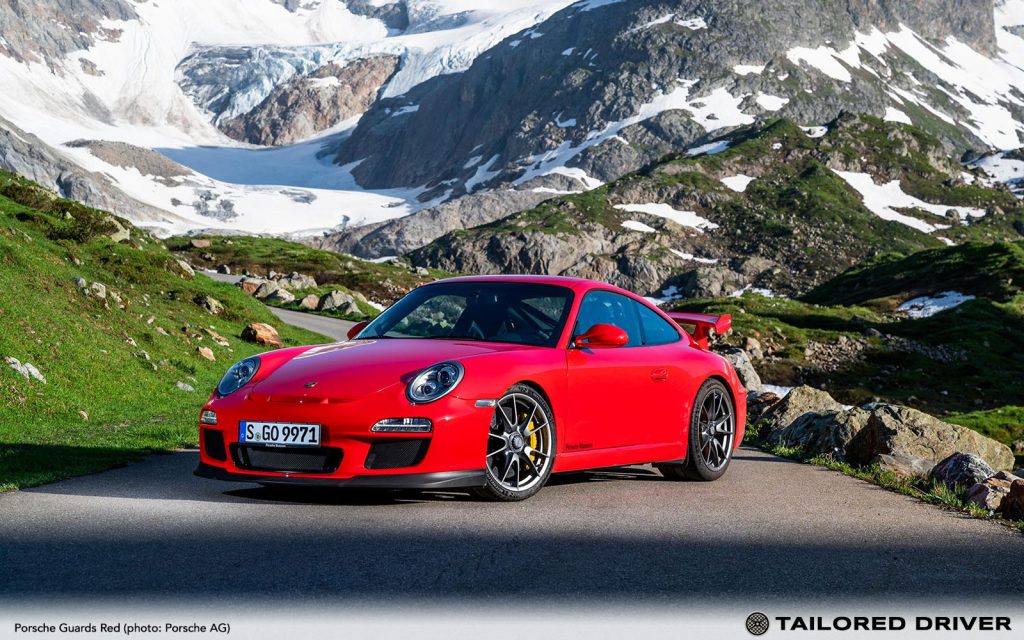
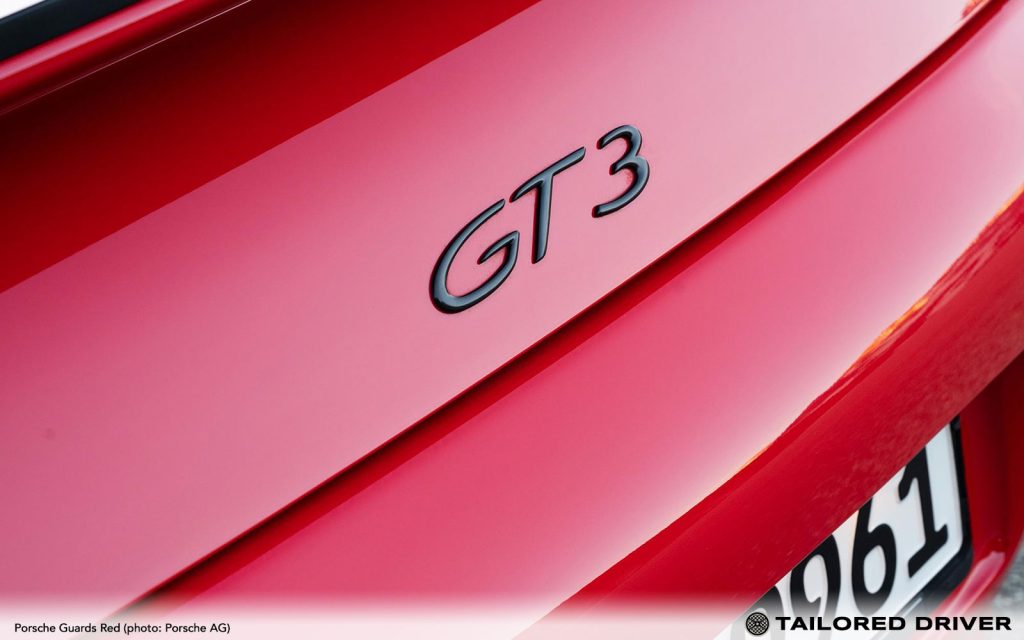
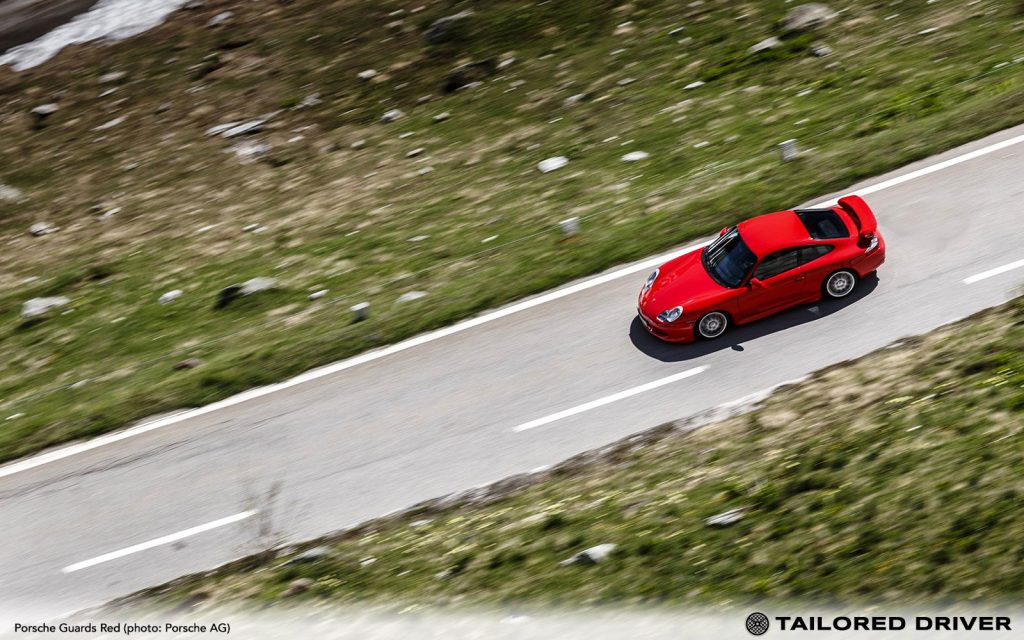
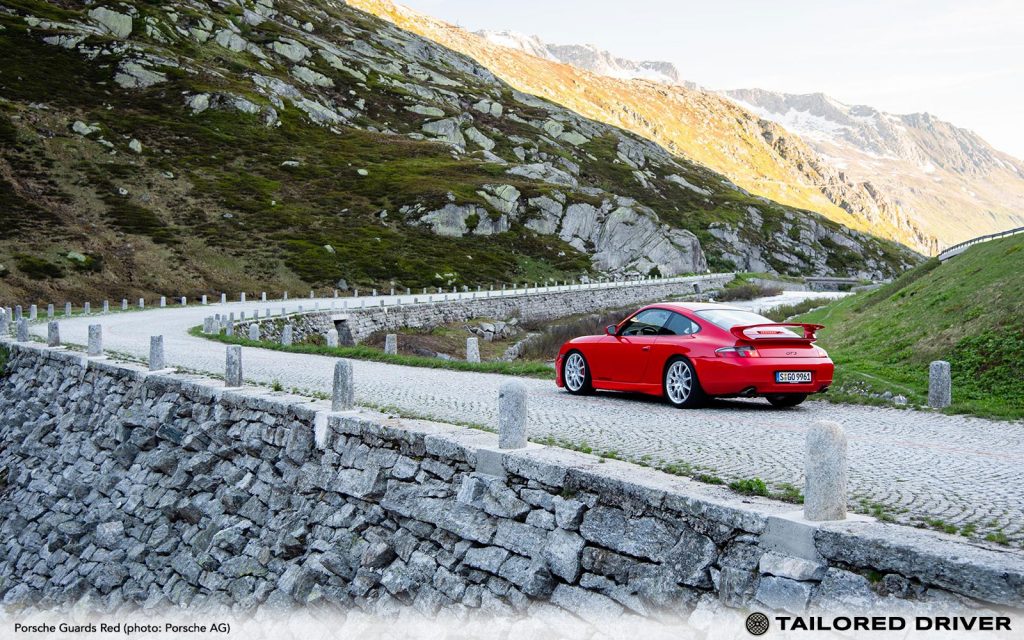
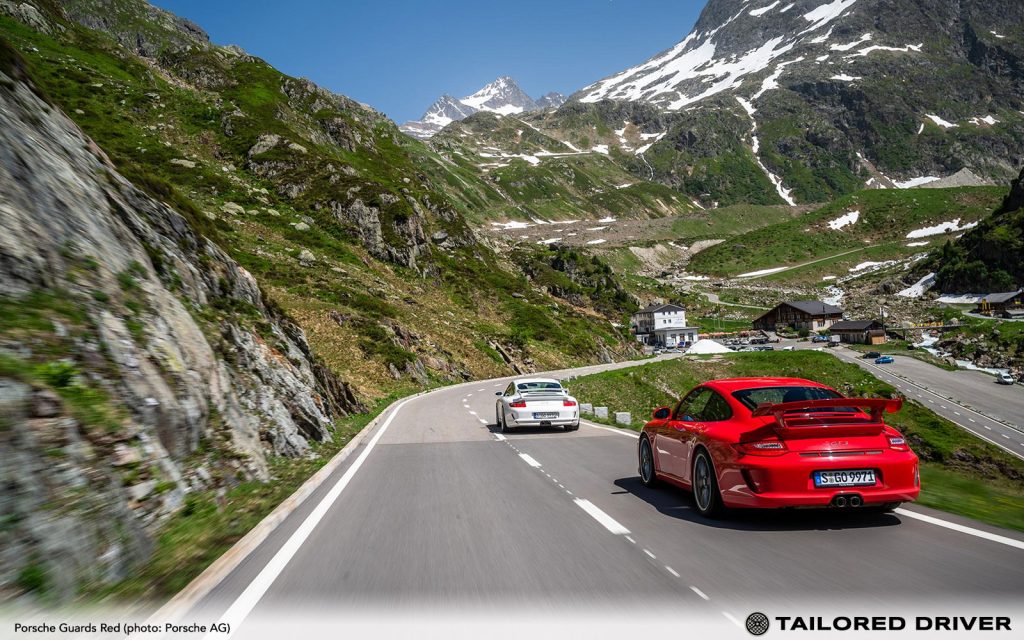
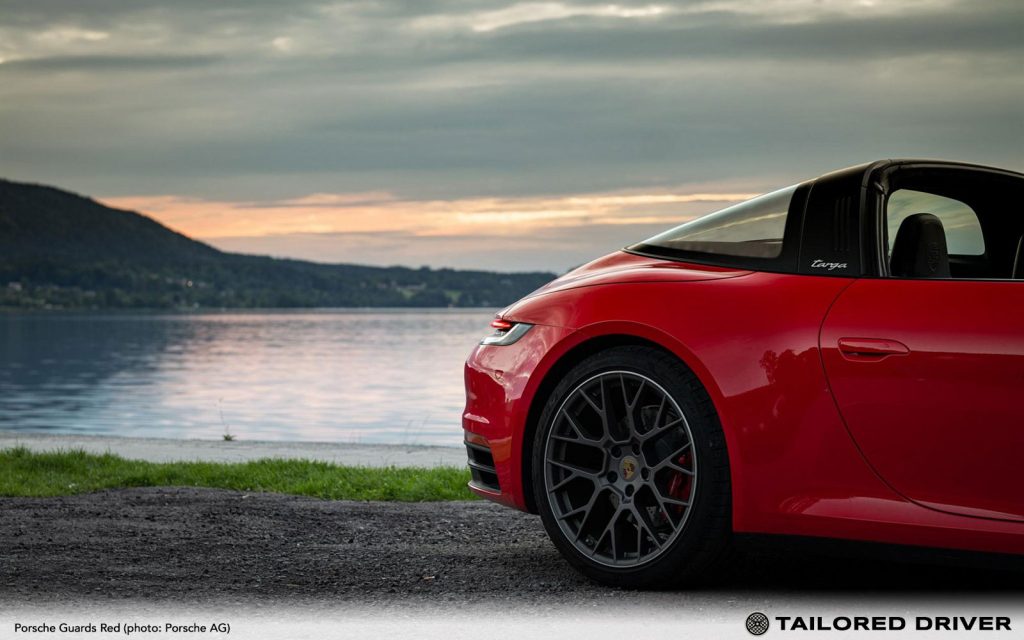
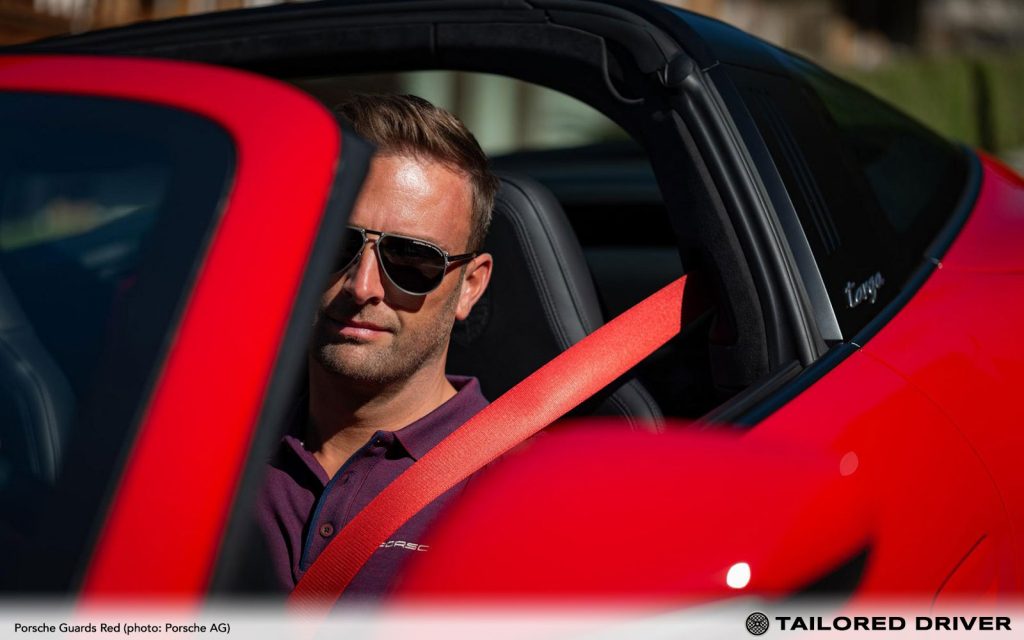
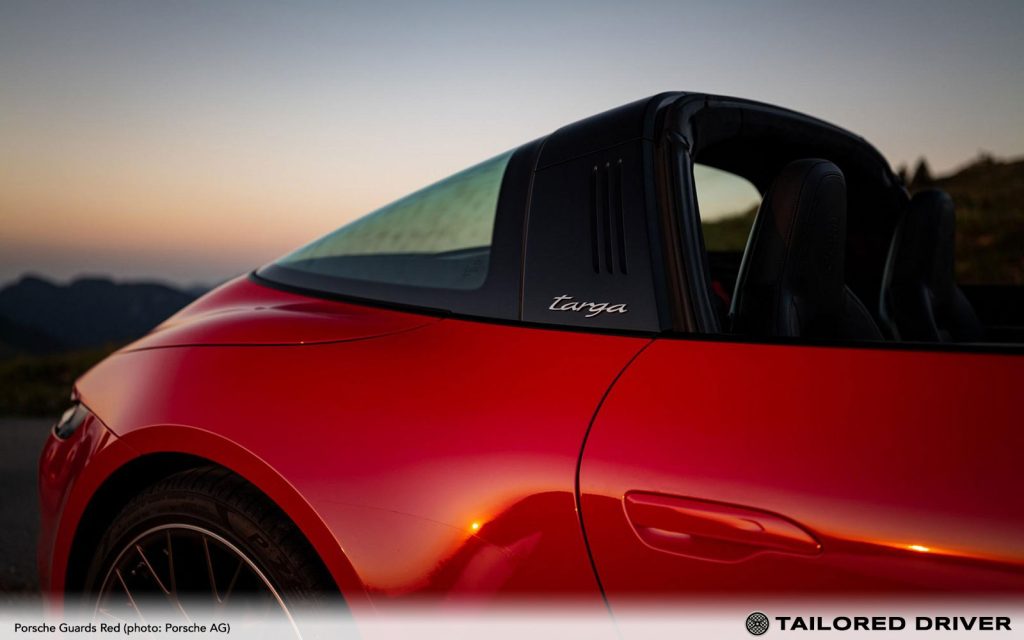
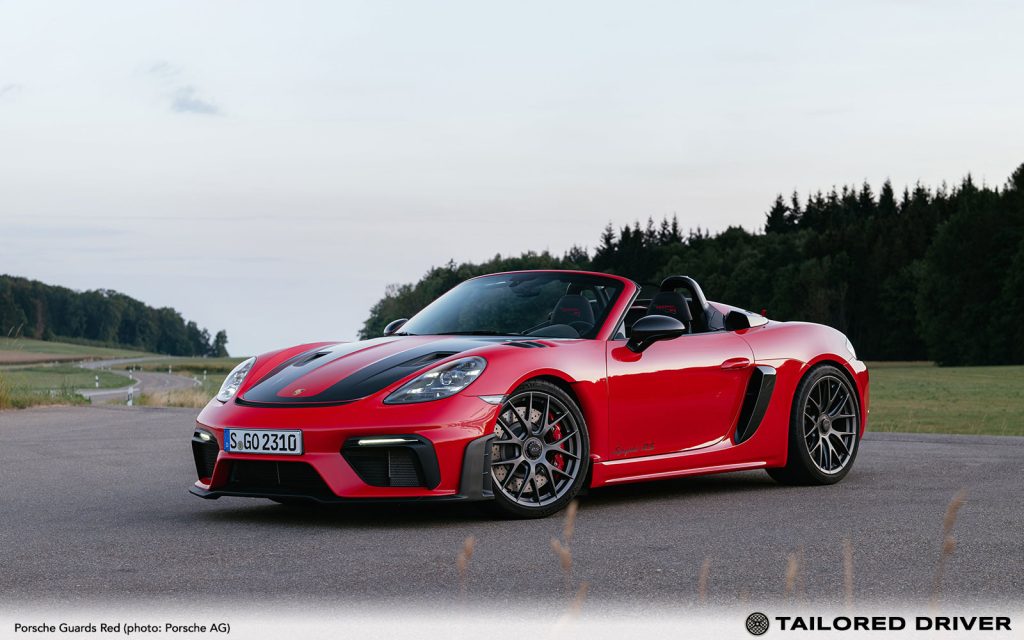
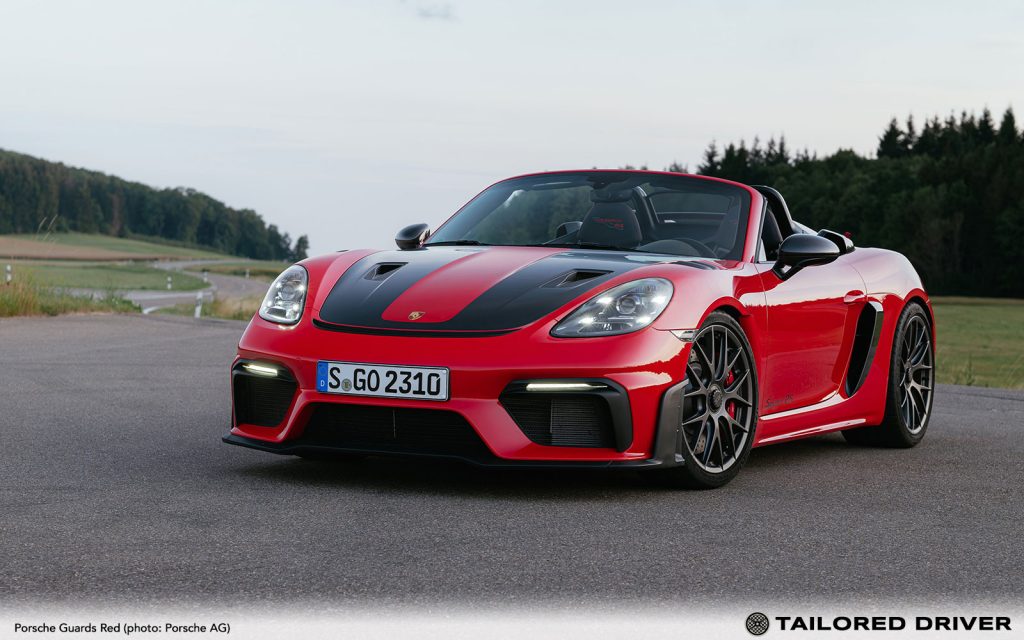
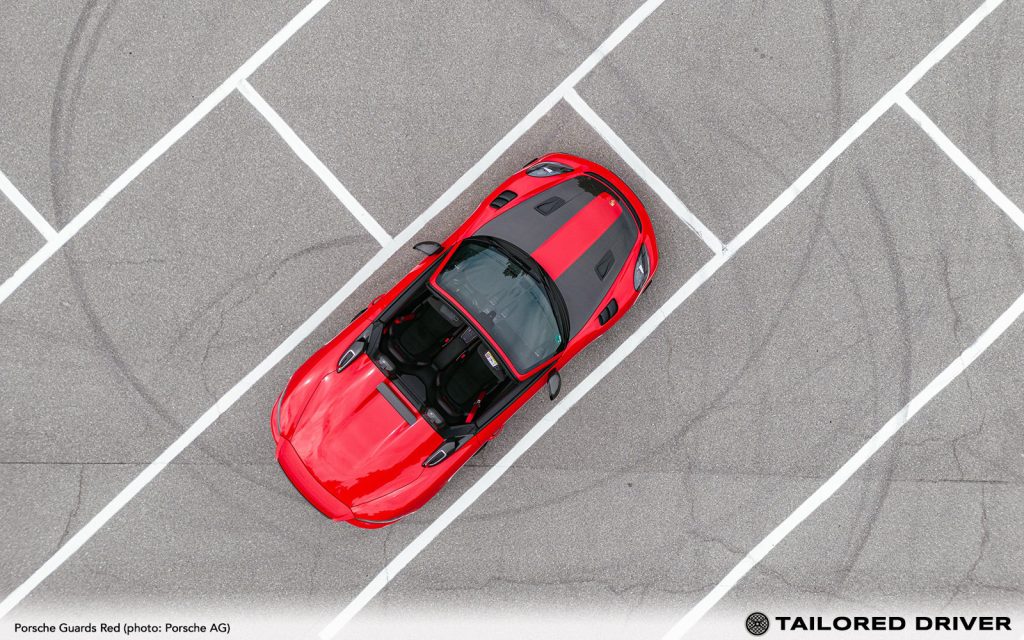
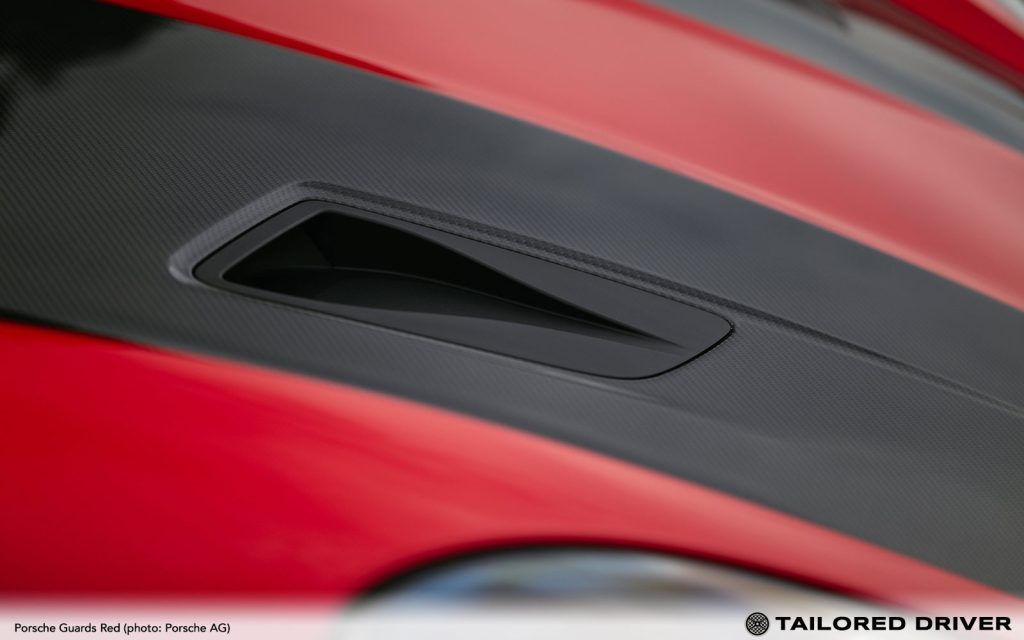
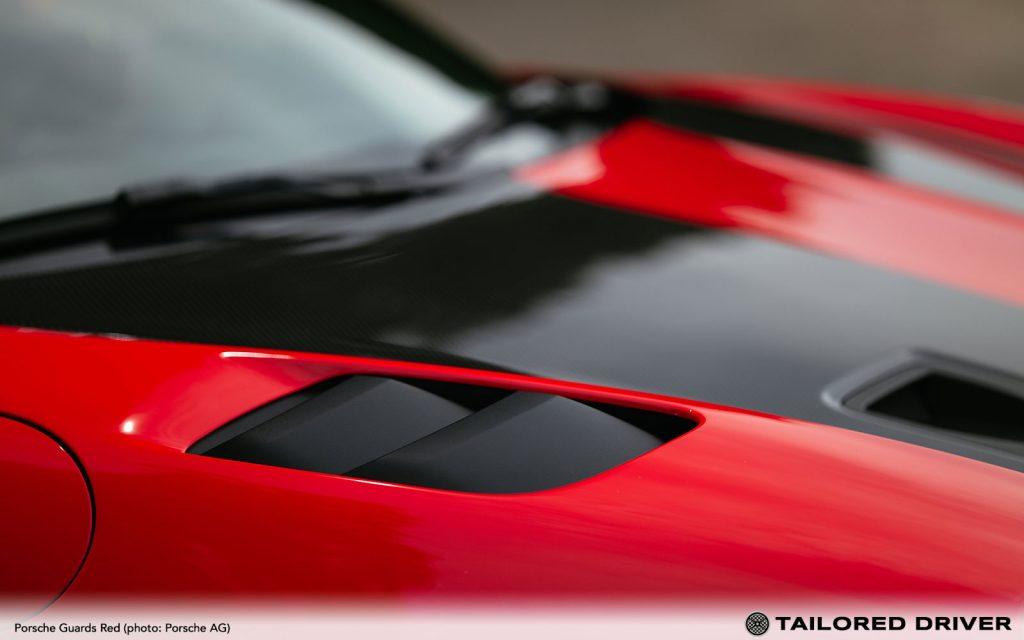
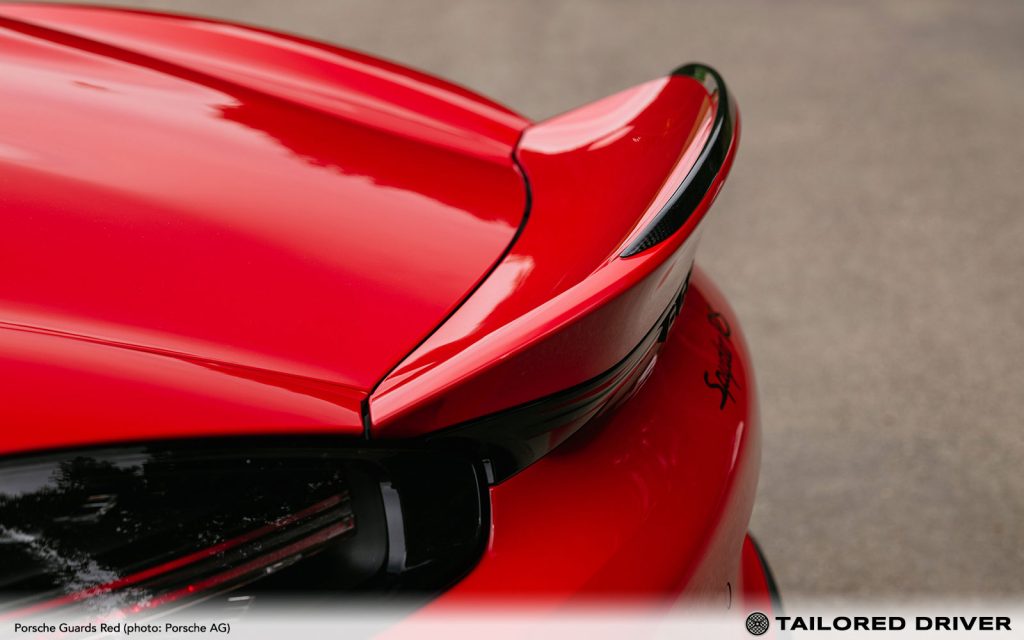
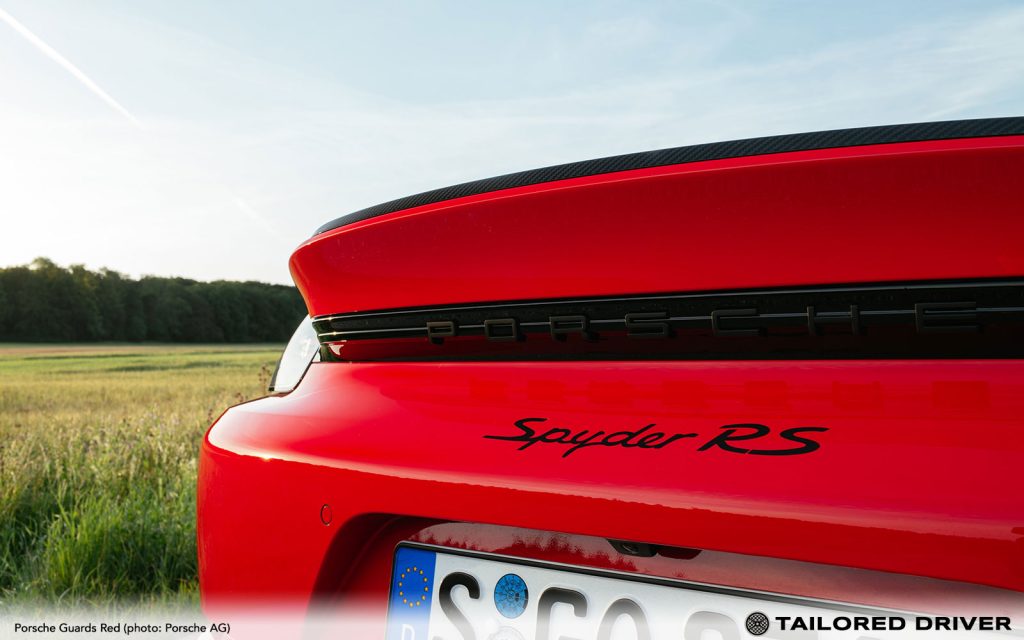
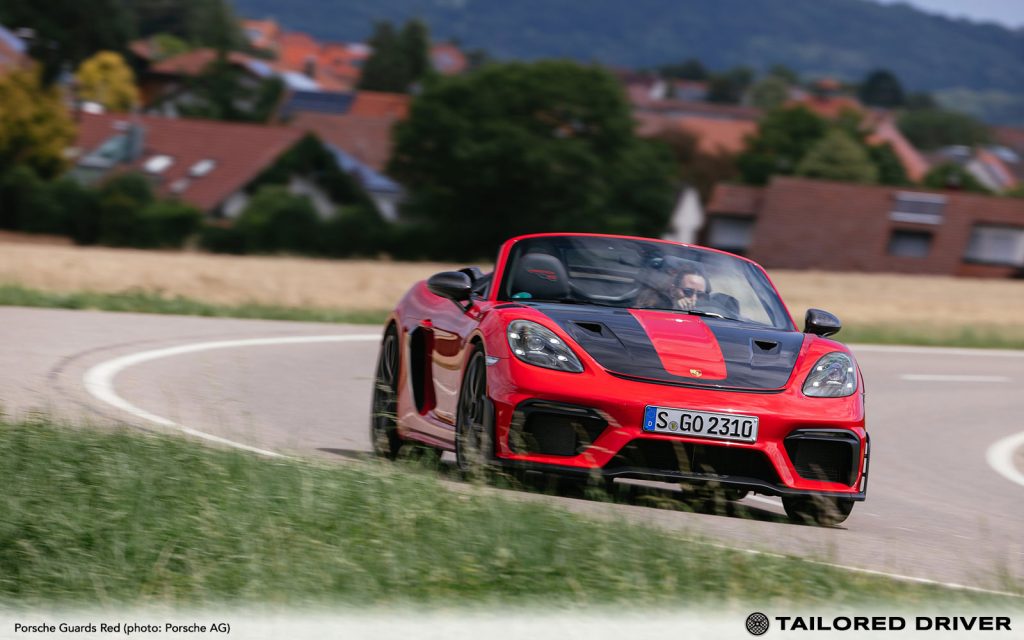
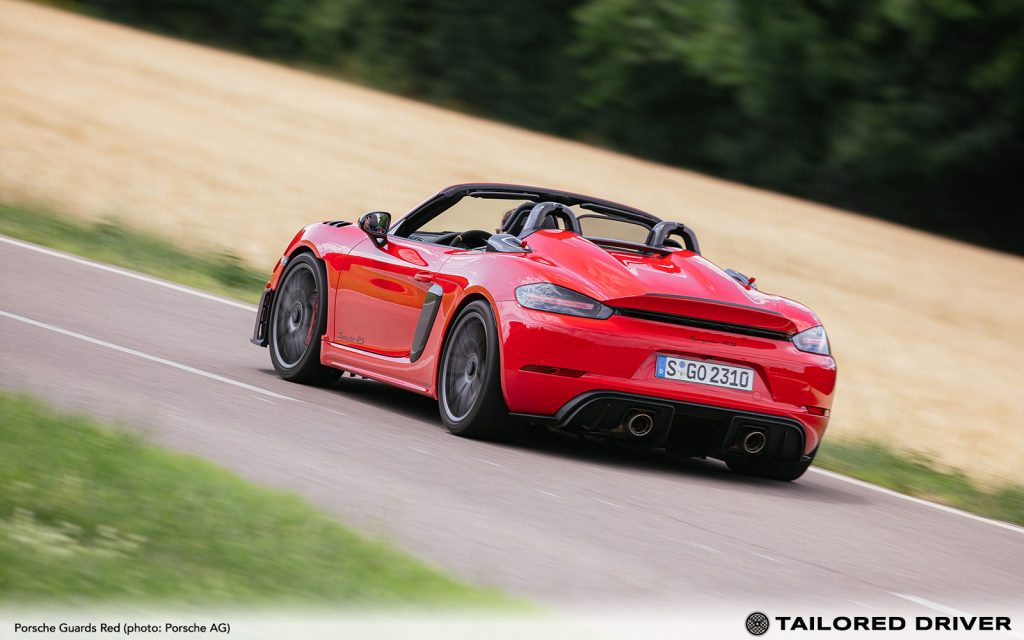
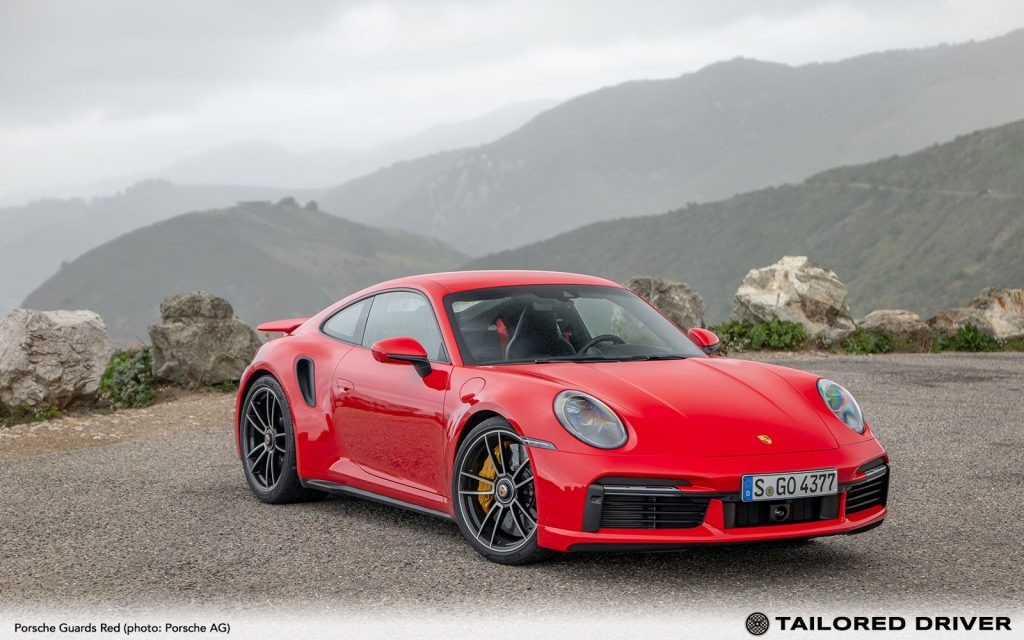
Guards Red (indischrot; non-metallic UNI; Y39; Porsche) a.k.a. “India Red” is maybe the most Porsche of Porsche colors. No, it’s not a quirky shade nor has it got “Signal” in the name, but it is perhaps the most ubiquitous. It seems like half the Porsches delivered in the 1980s could have been Guards Red, a time when it was not uncommon for owners of less desirably colored Porsches to respray their non-red Porsche to fit in.
Near as we can tell, Guards Red begins around 1974 on the 911 and never really stops from that point on. Porsche’s official color configurator lists the color code as Y39, though many other codes have been assigned to Guards Red over the years, including: 027, G1, 84A, 80K, M3A, LM3A and L80K.
Beyond ubiquitousness, Guards Red was also significant on track and also the silver screen. Originally India Red, the color was one of the initial 15 colors to be painted on the iconic Porsche 911 RSRs run in the 1973-1974 IROC series. More on the pop culture side of the Porsche cultural spectrum are movie cars, including a Guards Red Porsche 911 Cabriolet in Against all Odds and an early 944 that starred in Sixteen Candles.
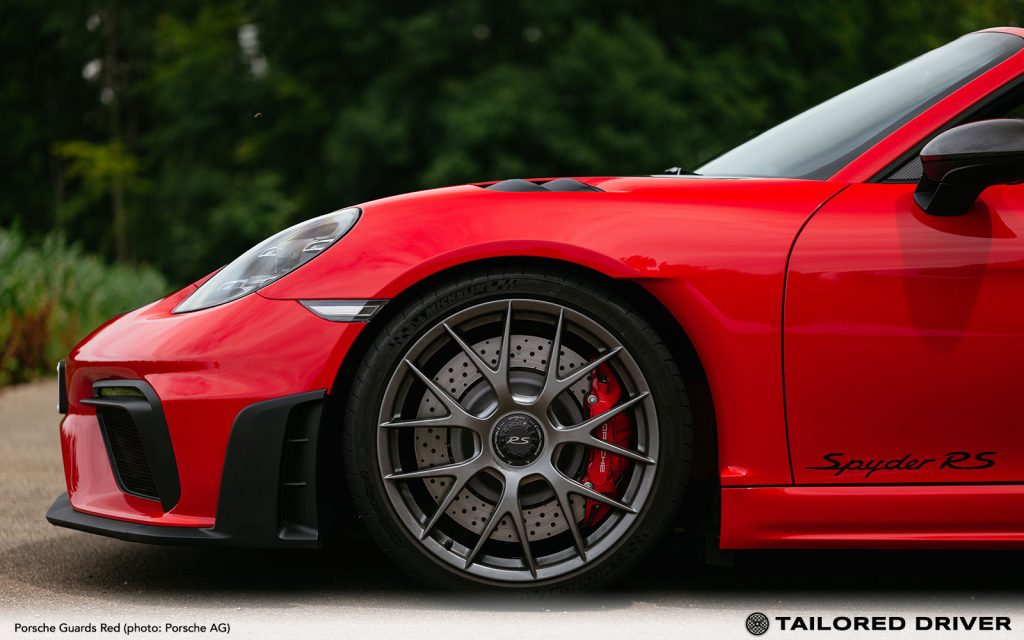
Guards Red isn’t exactly a primary red, which may explain why it didn’t get a name like “Signal Red”. It tends to be a bit more orange than primary, and perhaps just a tad darker. However it’s been tuned to deviate with a basic primary red, the formula has proven not just to be winning, but so beloved that its presence in the Porsche lineup near seems to end.
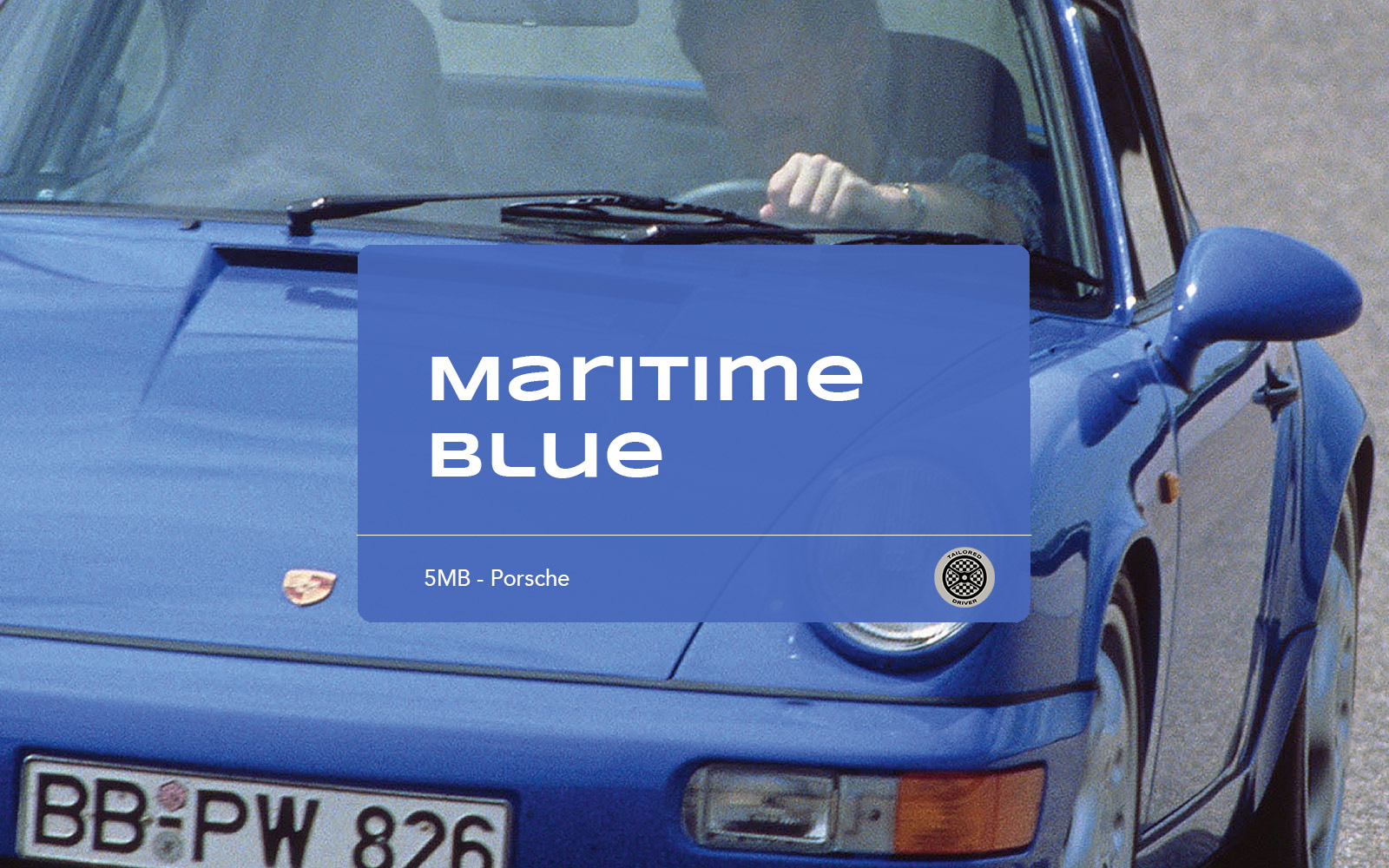
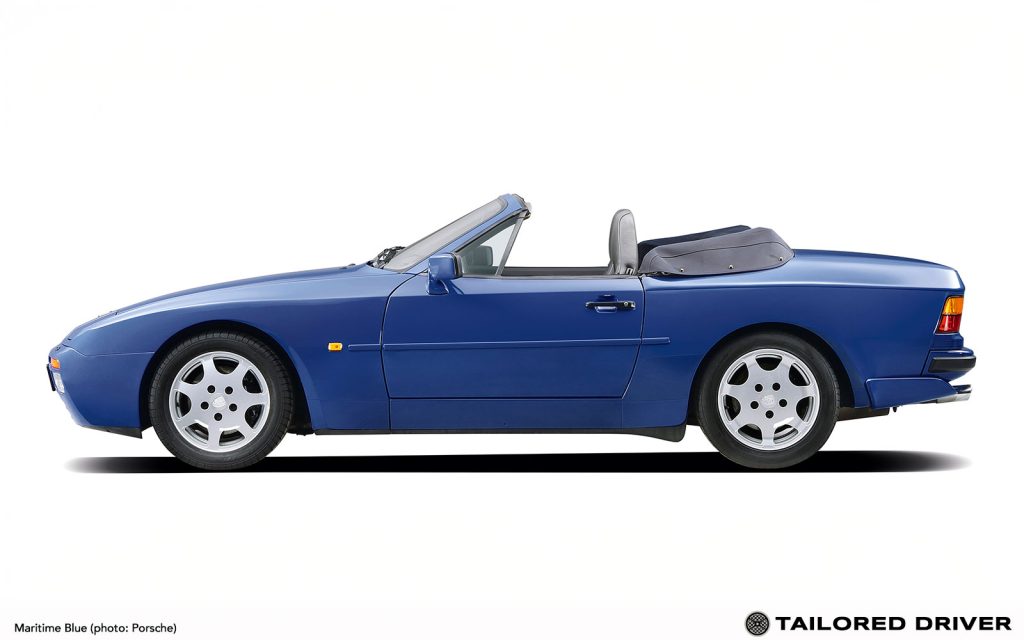
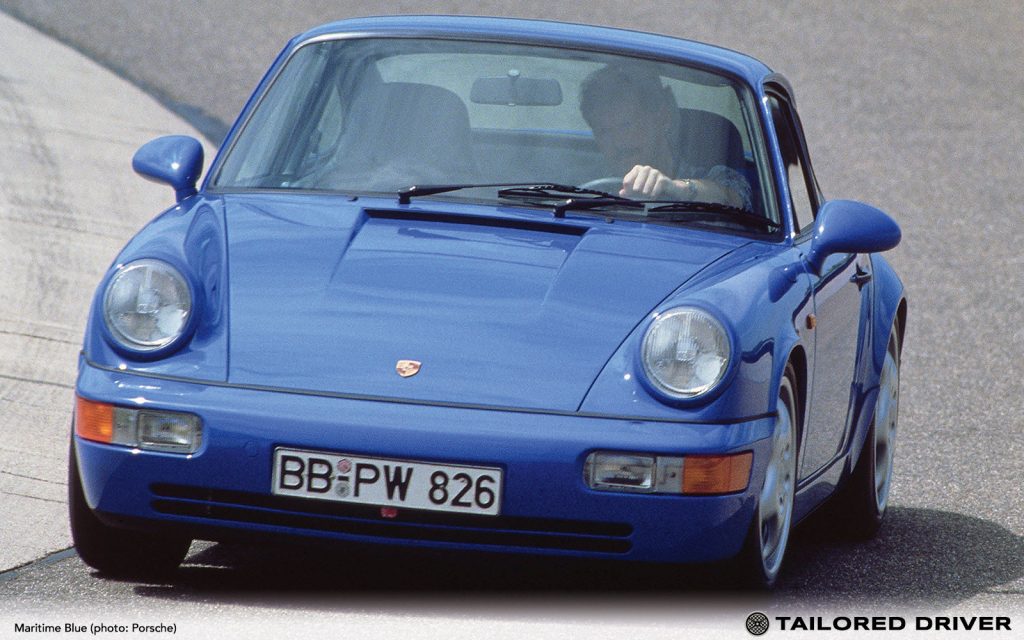
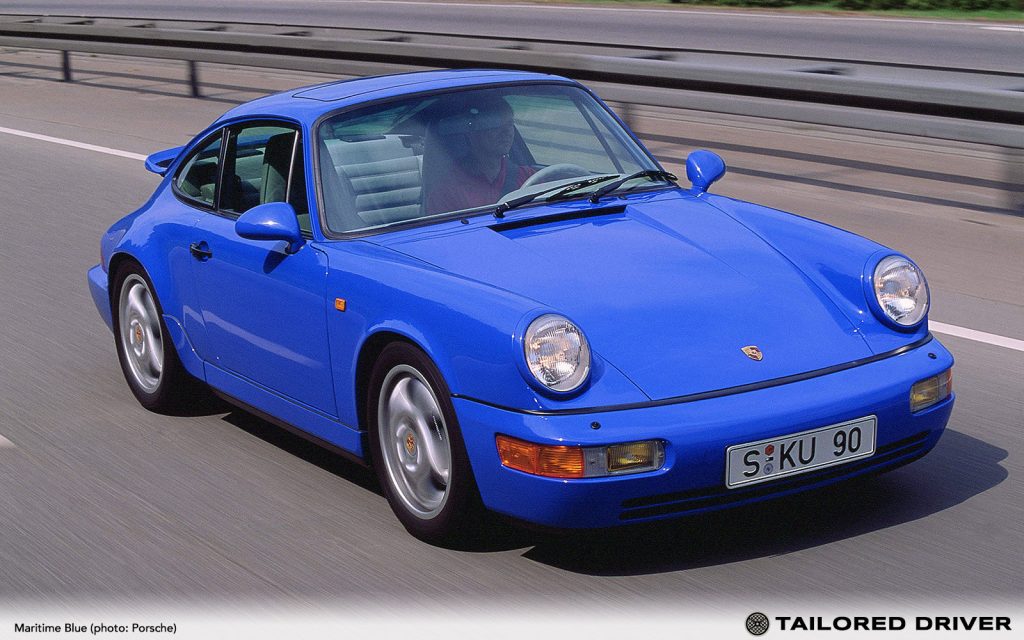
SUMMARY: Near as we can tell, Maritime Blue (maritimblau; non-metallic UNI; 5MB; Porsche) as a color was introduced or at least popularized during the 964 era. Porsche Club’s Rennbow website lists it as mainly available from 1991 to about 1995 with a few exceptions since and potentially in 1979 on the Carrera SC. They also suggest it may have evolved from early Porsche Enamel Blue. Whatever the case, the idea is simple enough – a practically primary blue that harks early national racing colors of France, often referred to as French Blue and popularized in those early pre-war racing years by Bugatti.
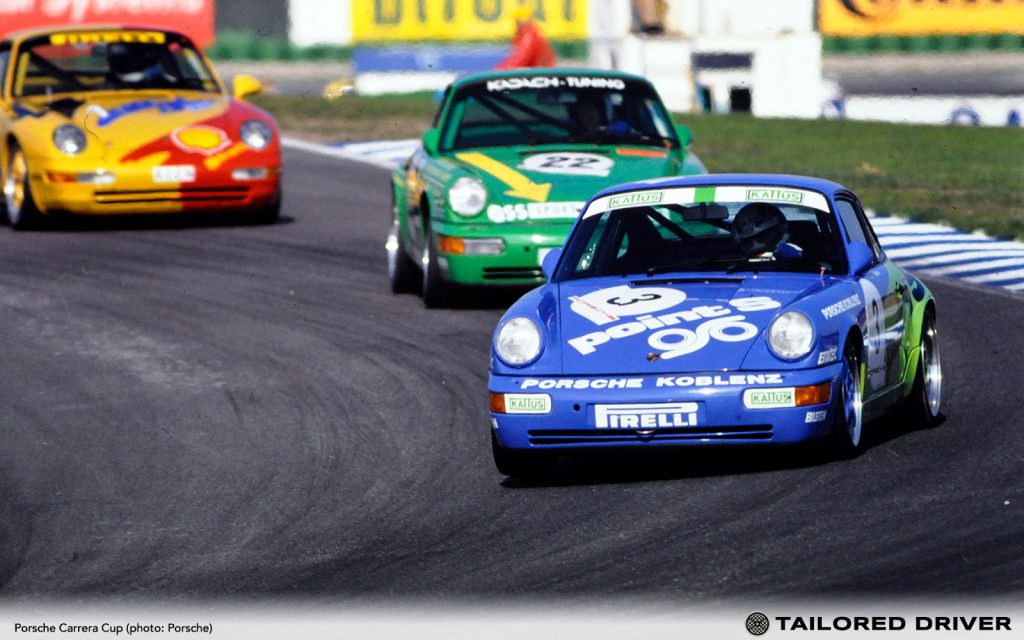
By the 964 era, the boring tones and colors (or ubiquity of Guards Red) of the 1980s were about to give way to a return to more avant-garde hues. While just colorful and envelope-pushing as were the 1960s and 1970s, the 1990s had their own unique feel. Its in this timeframe that Maritime Blue drops, alongside other colors like Rubystar and Mint Green, and quickly made even more sought after thanks to an association with the just-launched 911 Carrera Cup.
Some will mistake Maritime Blue for Audi’s Nogaro Blue. That’s not surprising given they are both very close to each other in tone, and Nogaro Blue traces its own roots to the Porsche-developed Audi RS2 Avant that came to market during the 964 era. Even still, they’re not the same and that becomes evident on the rare occasions each of these colors find themselves parked next to each other. Worth noting, Nogaro Blue is also a pearlescent paint whereas Maritime Blue is not.
Given its history with the Porsche brand and the much-loved 964 era in particular, Maritime Blue remains a popular Paint to Sample color to this day.
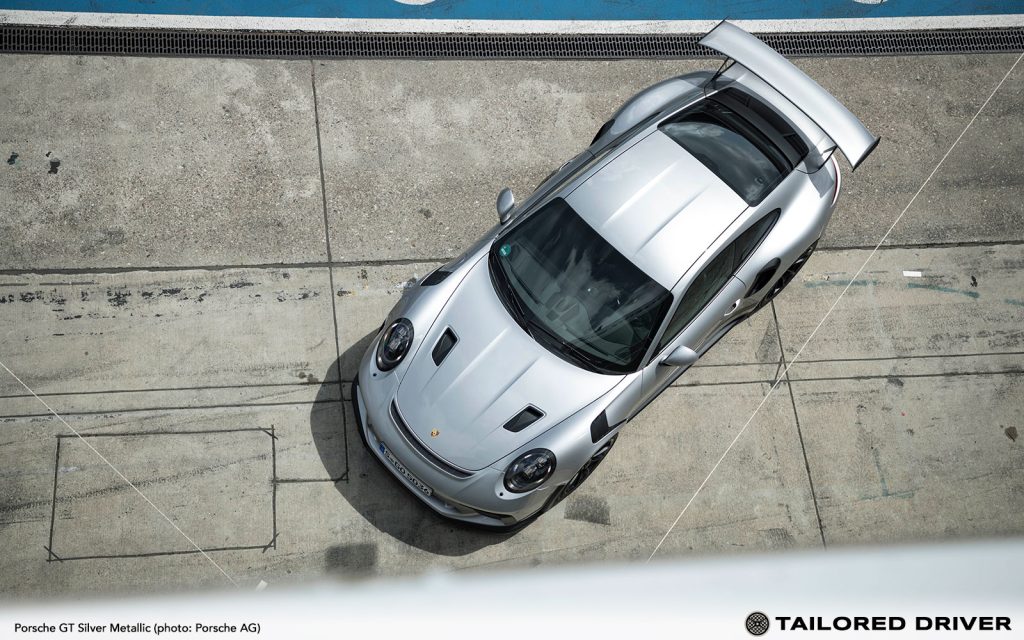
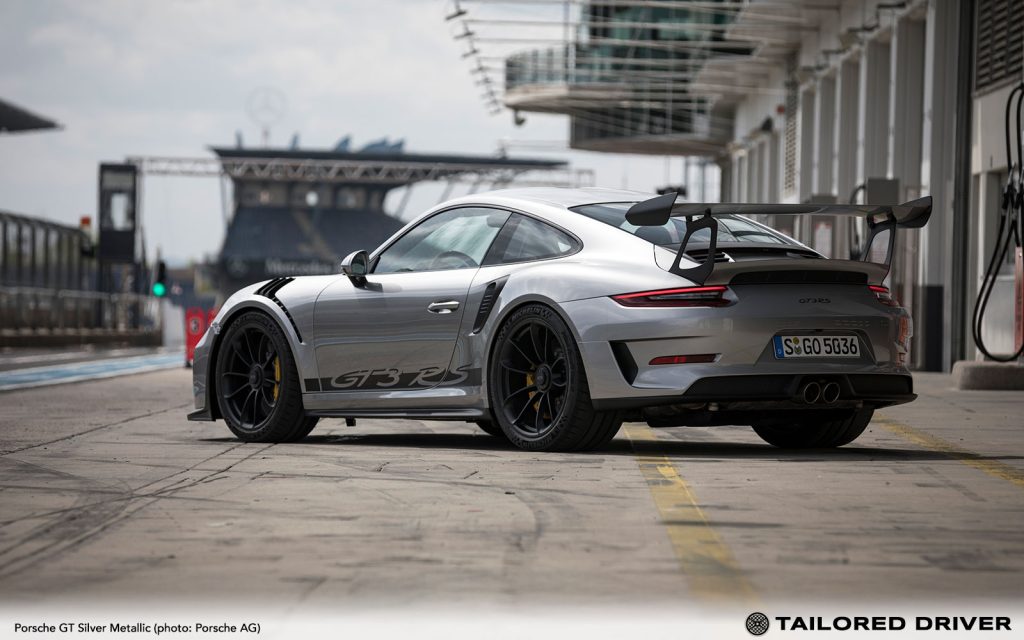
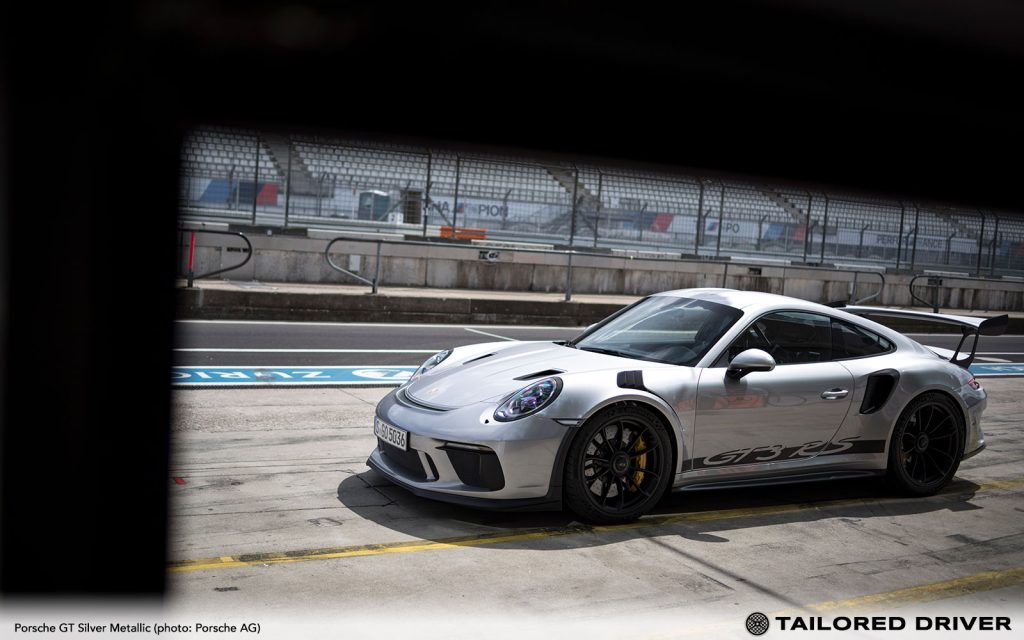
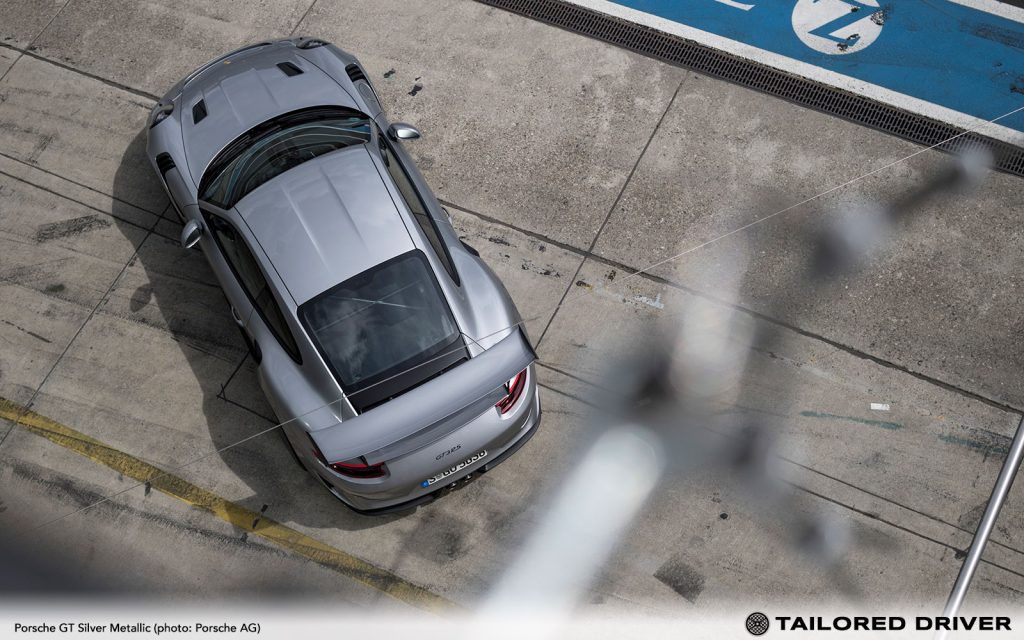
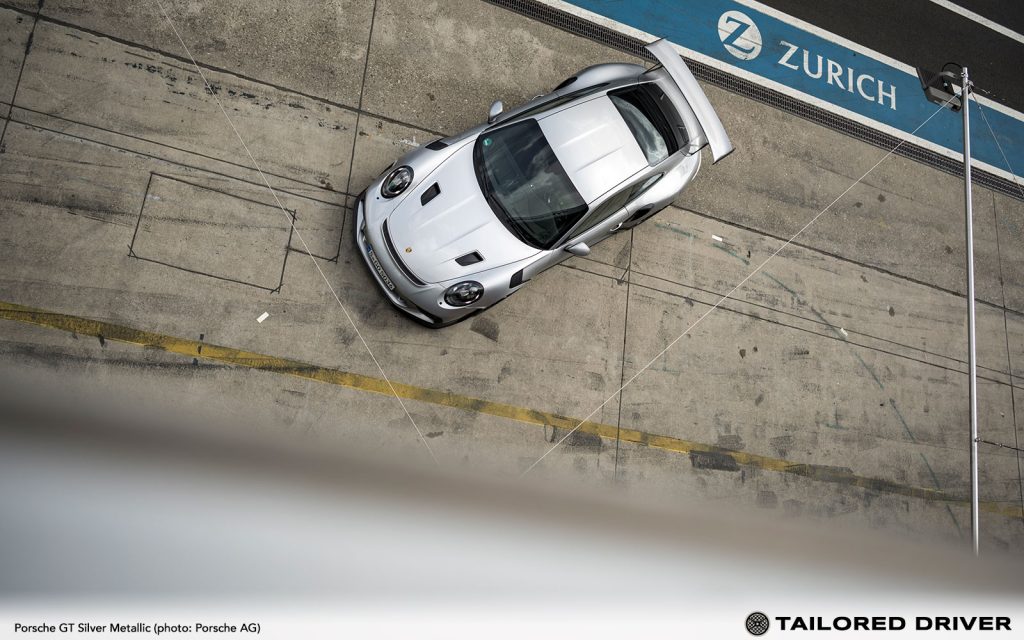
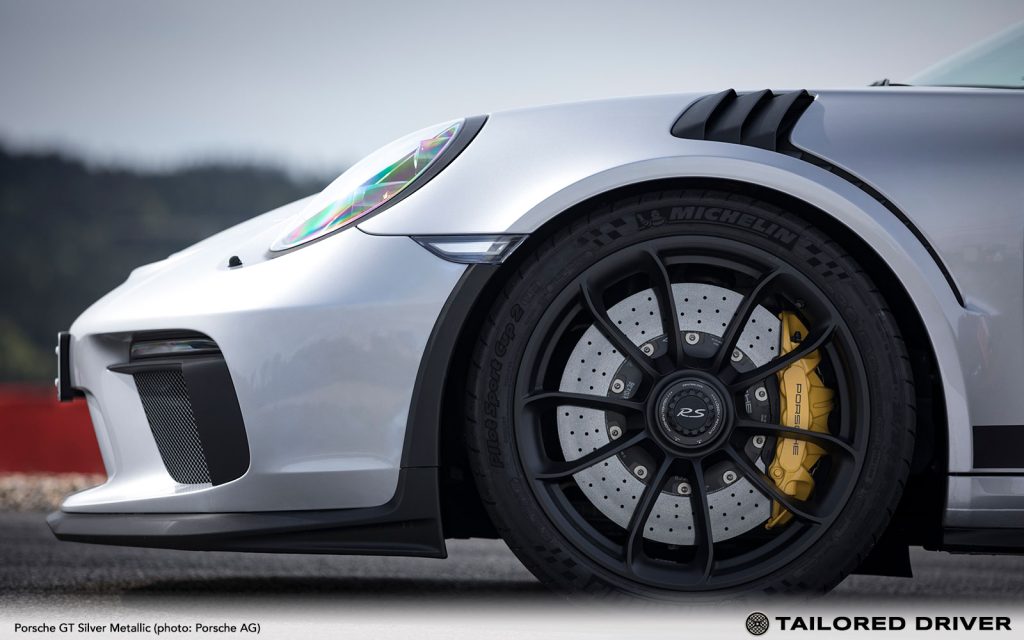
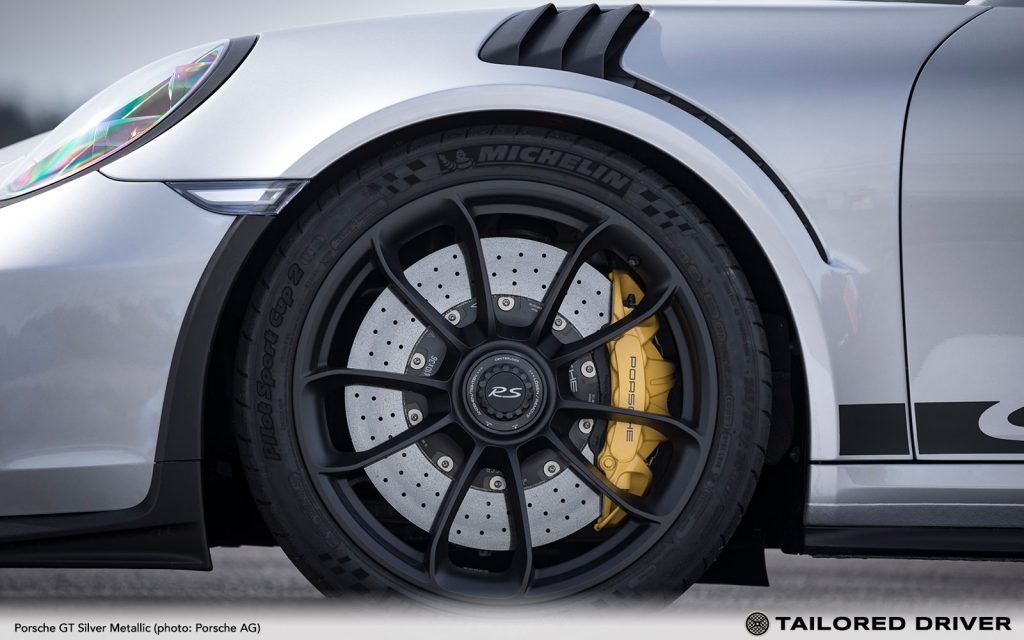
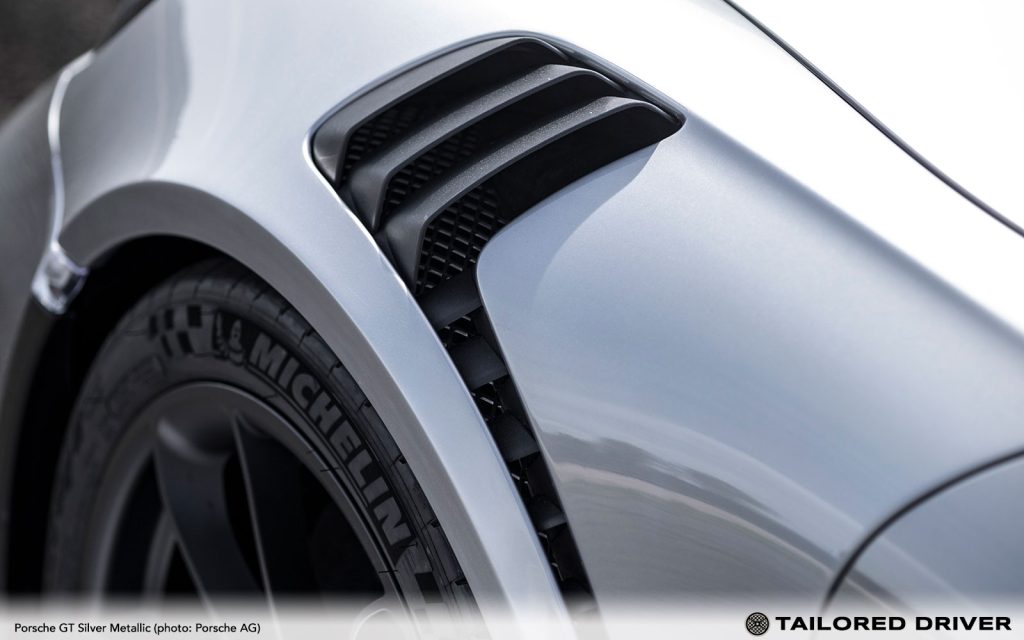
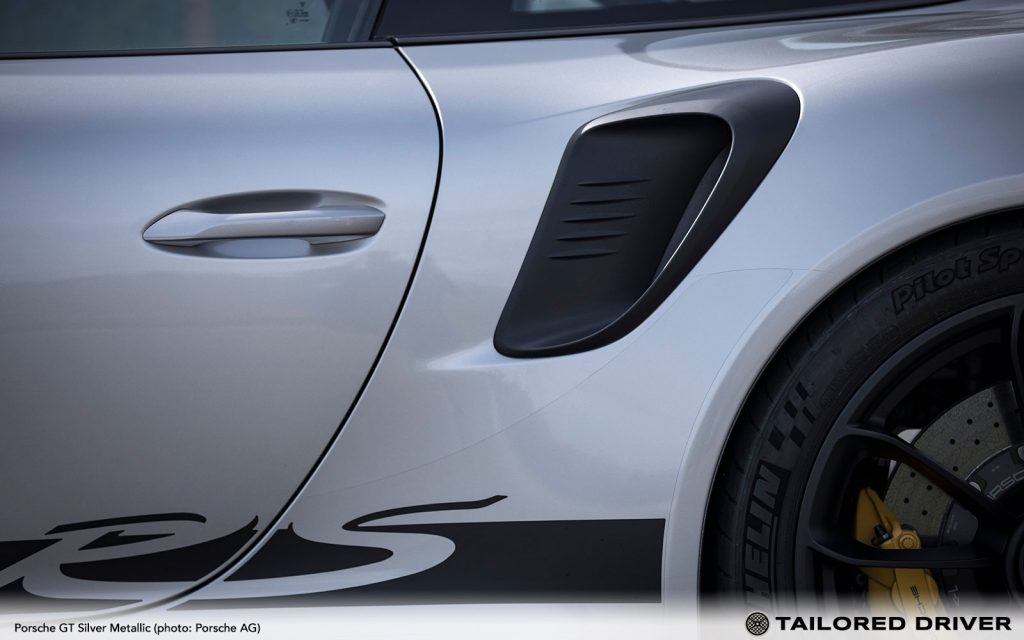
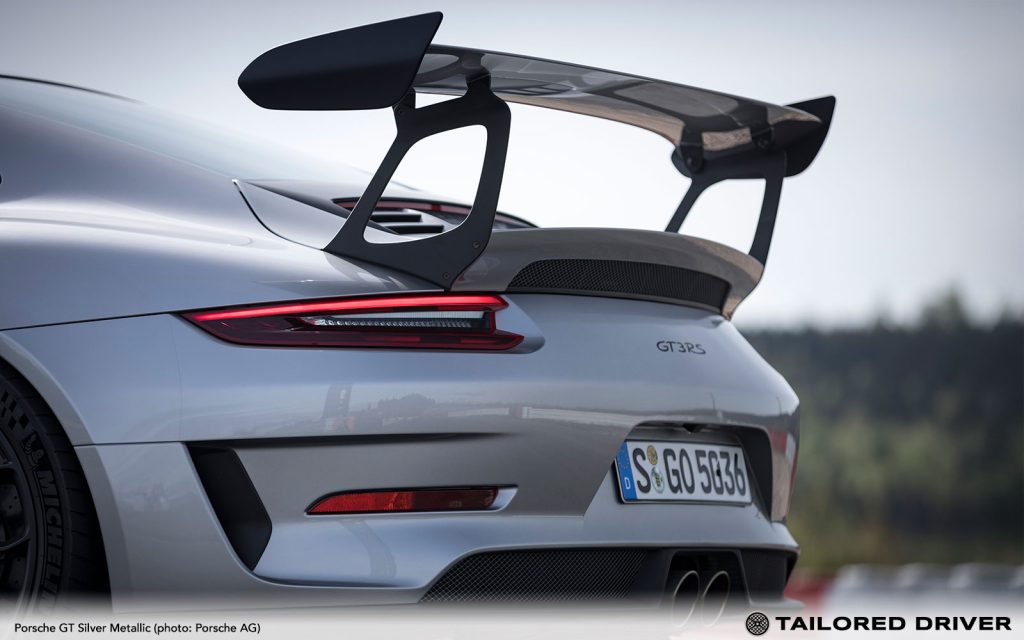
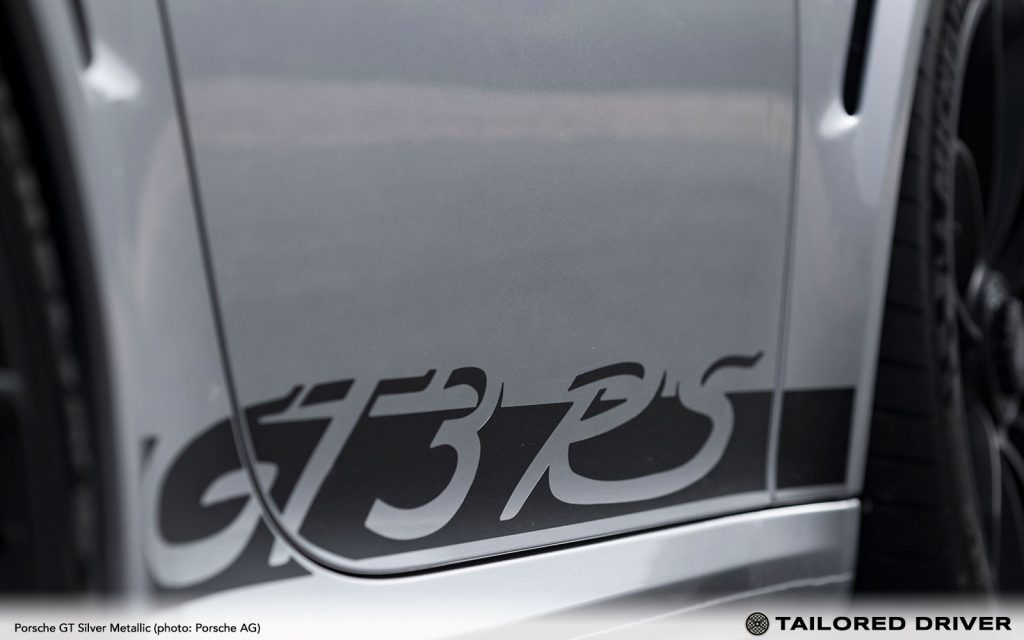
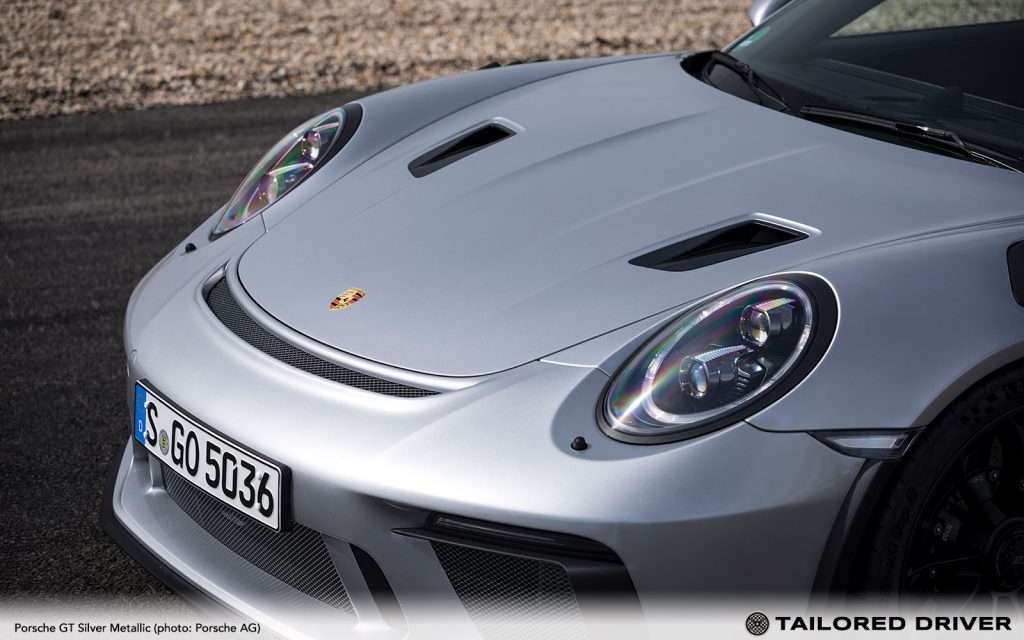
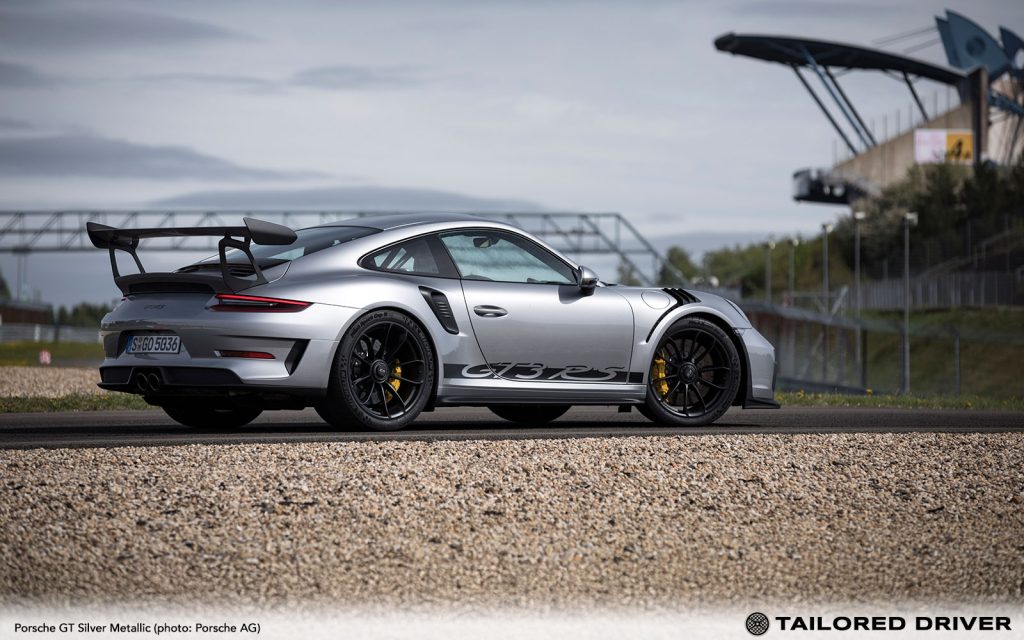
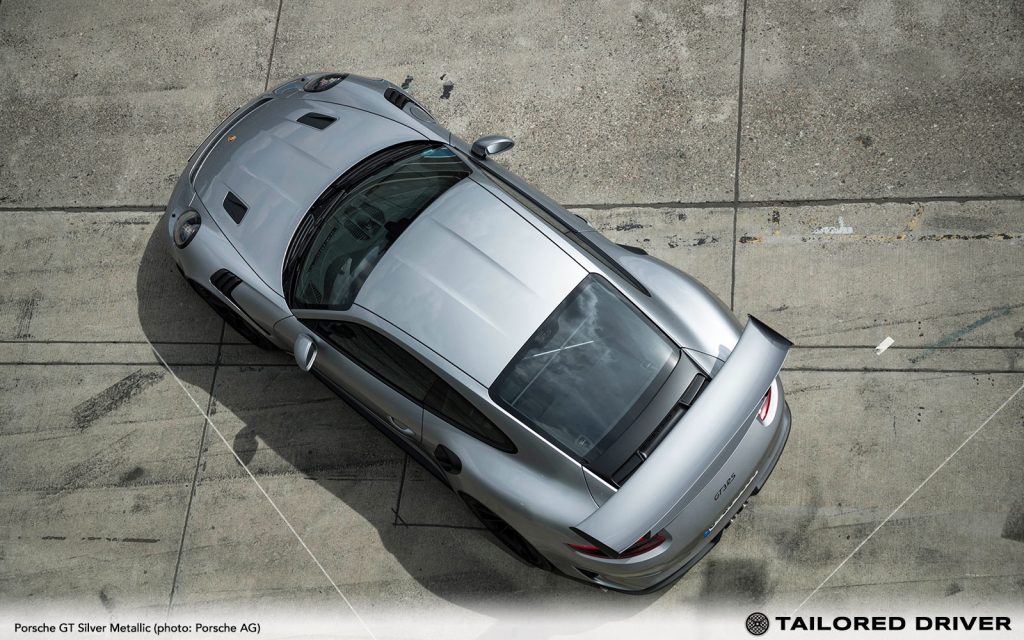
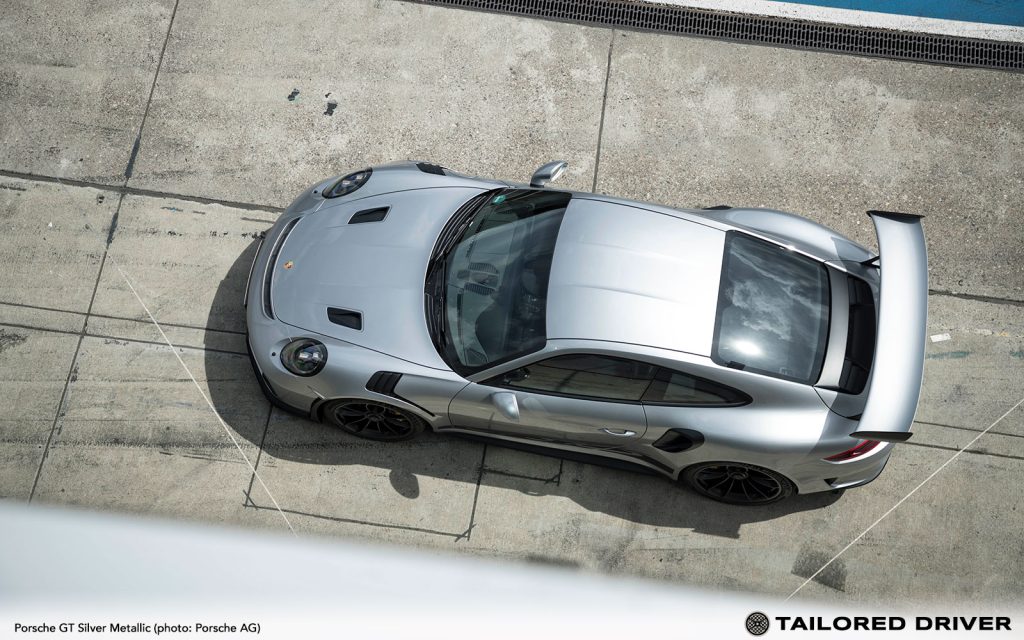
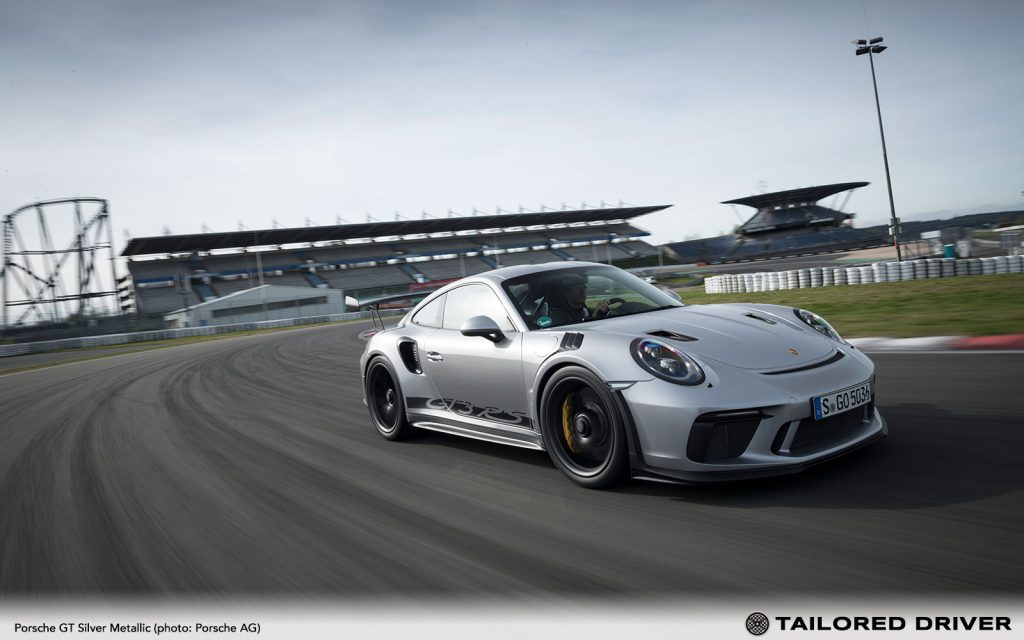
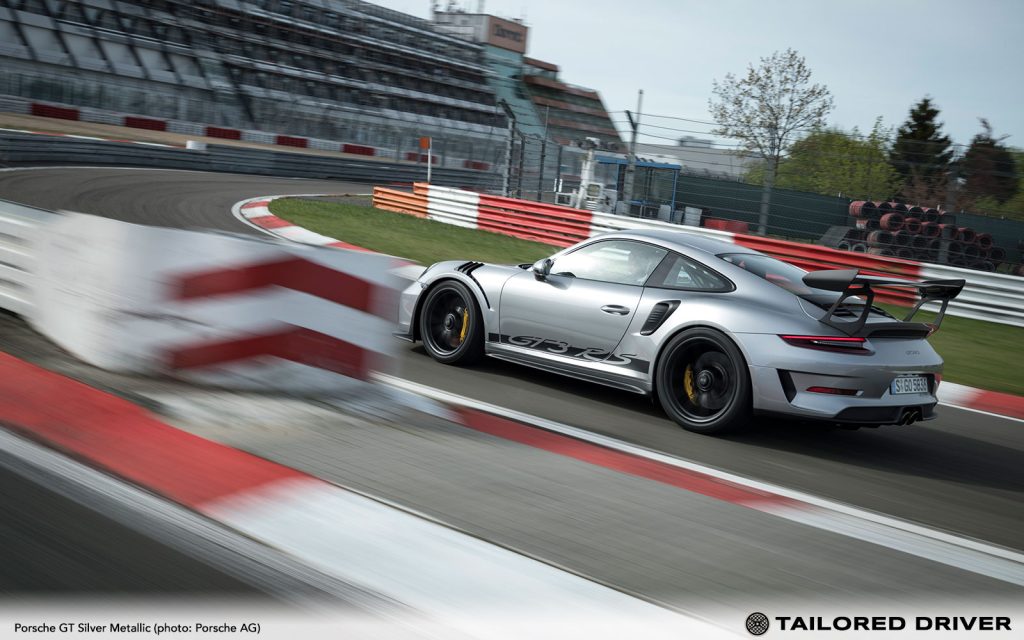
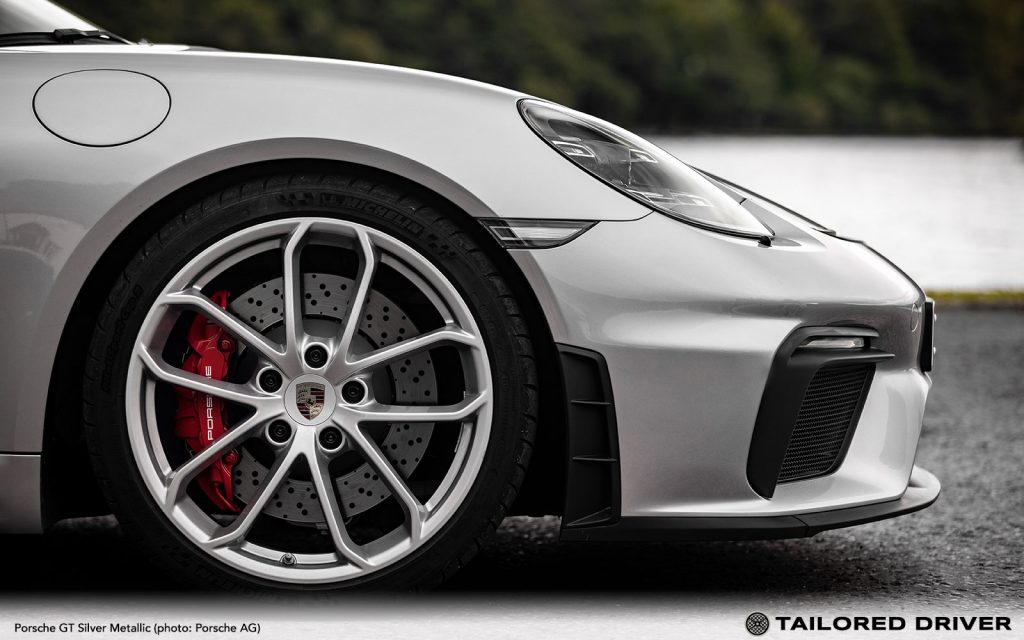
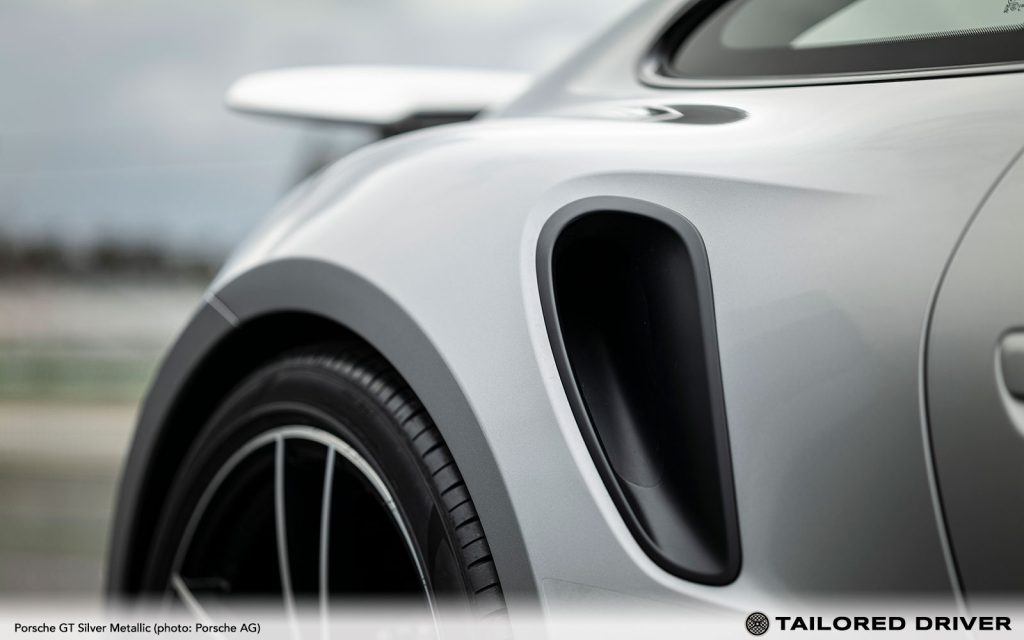
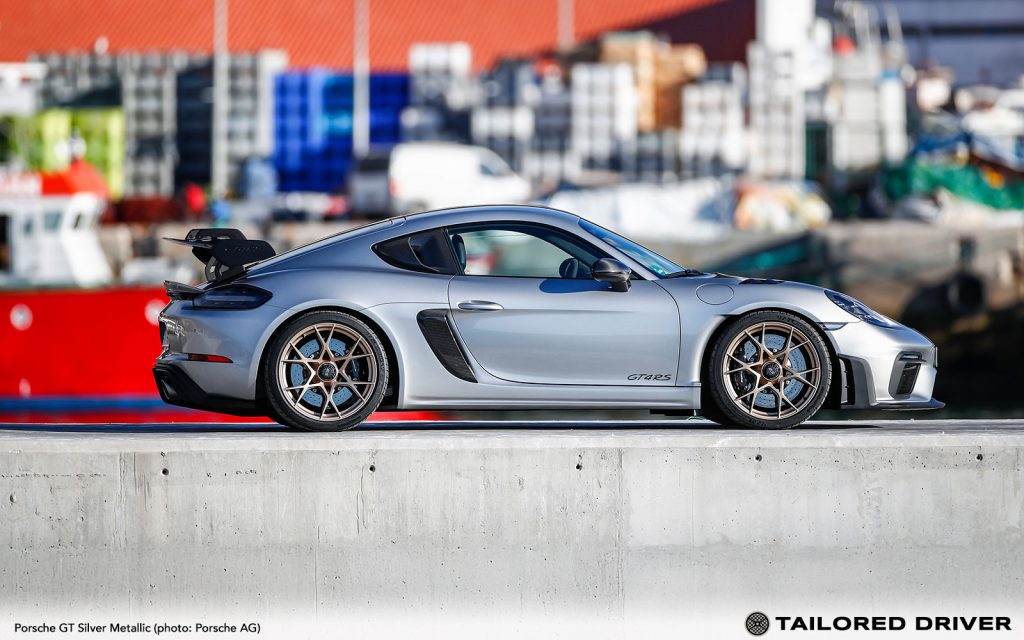
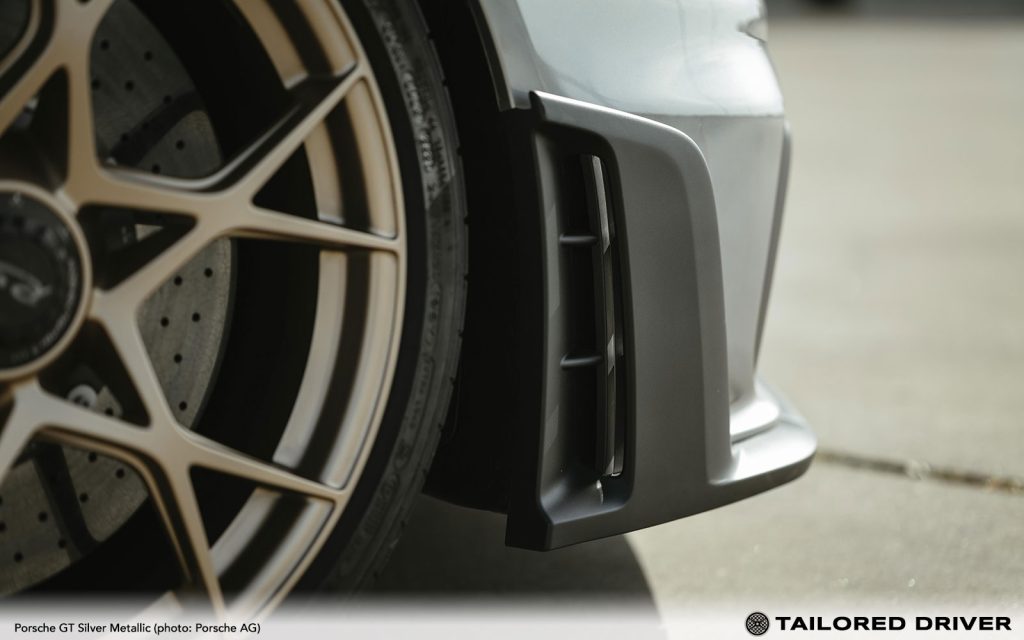
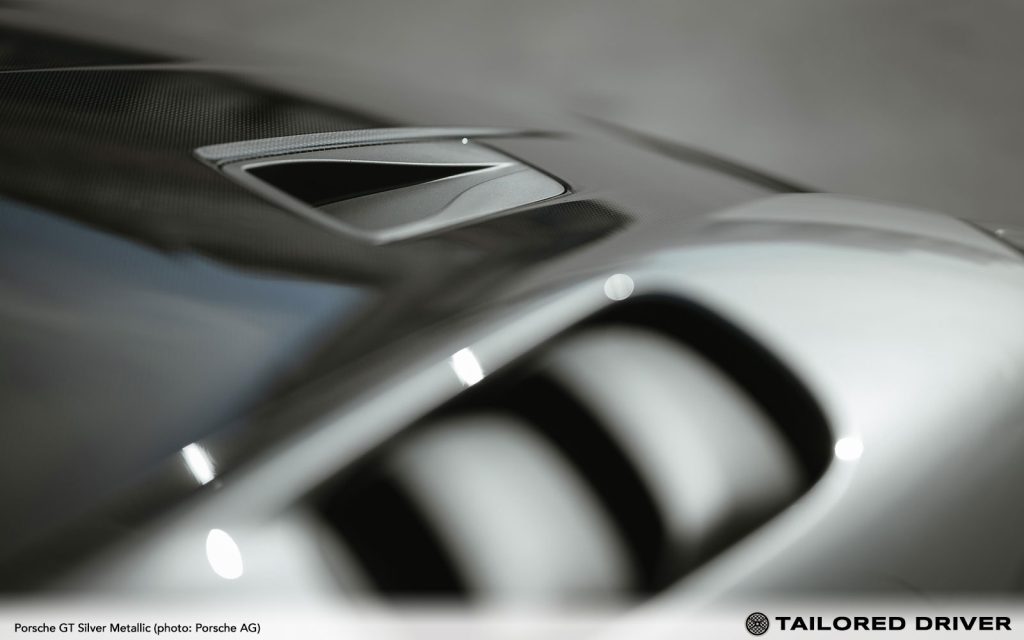
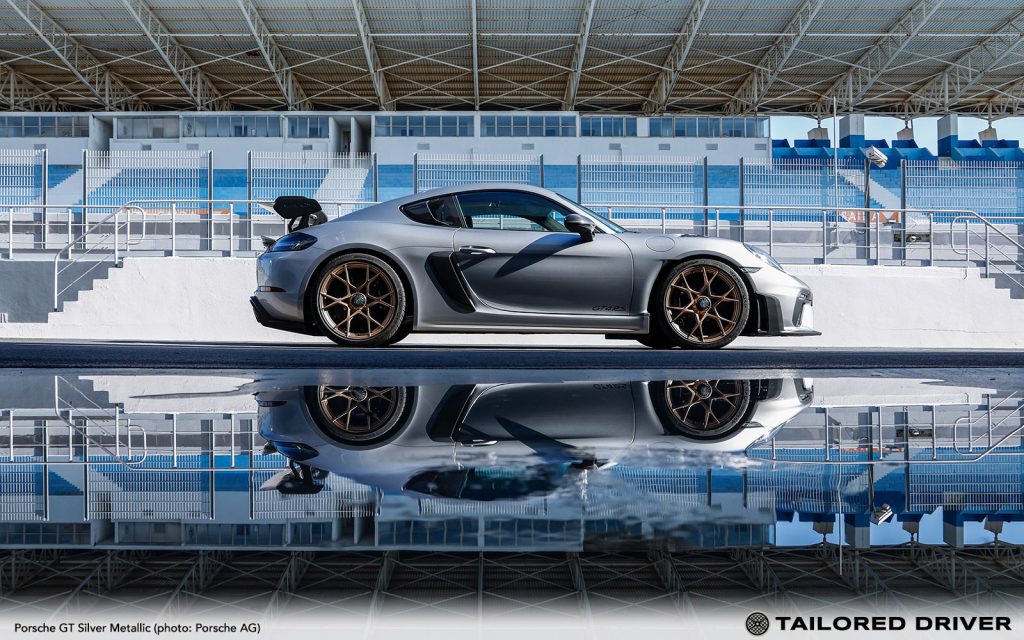
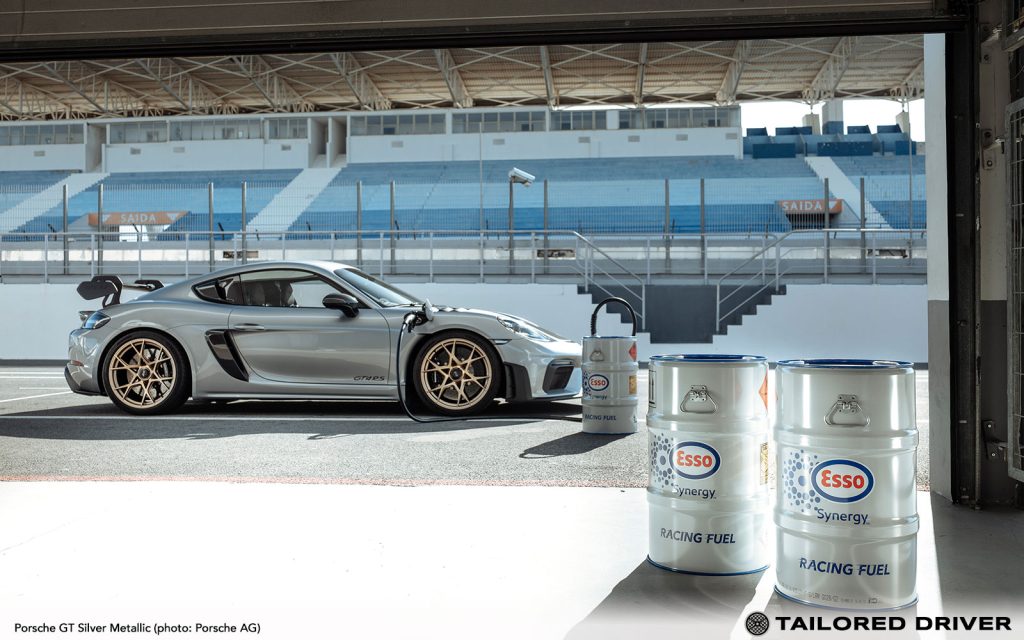
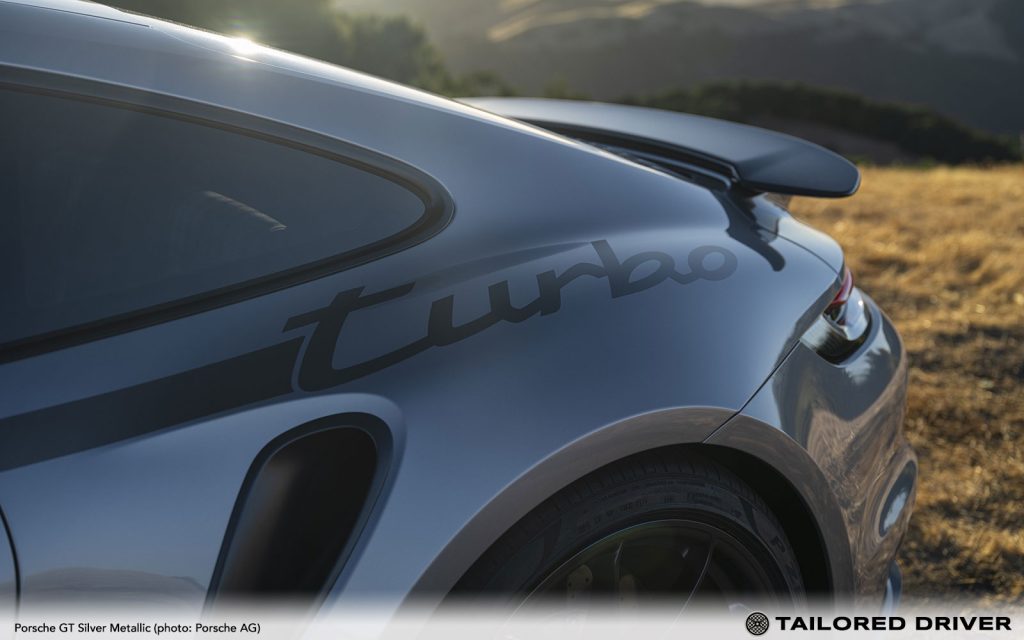
SUMMARY: When it comes to core racing colors, silver and Germany go hand-in-hand since the pre-war Silver Arrows days of Mercedes-Benz and Auto Union. And though Porsche tends to lean towards the original german racing color of white in more recent years, there’s no doubt that its classic 1950s racers predominantly went silver. And one of the most popular modern Porsche silver colors is GT Silver Metallic (gtsilbermetallic; metallic UNI; M7Z / U2; Porsche).
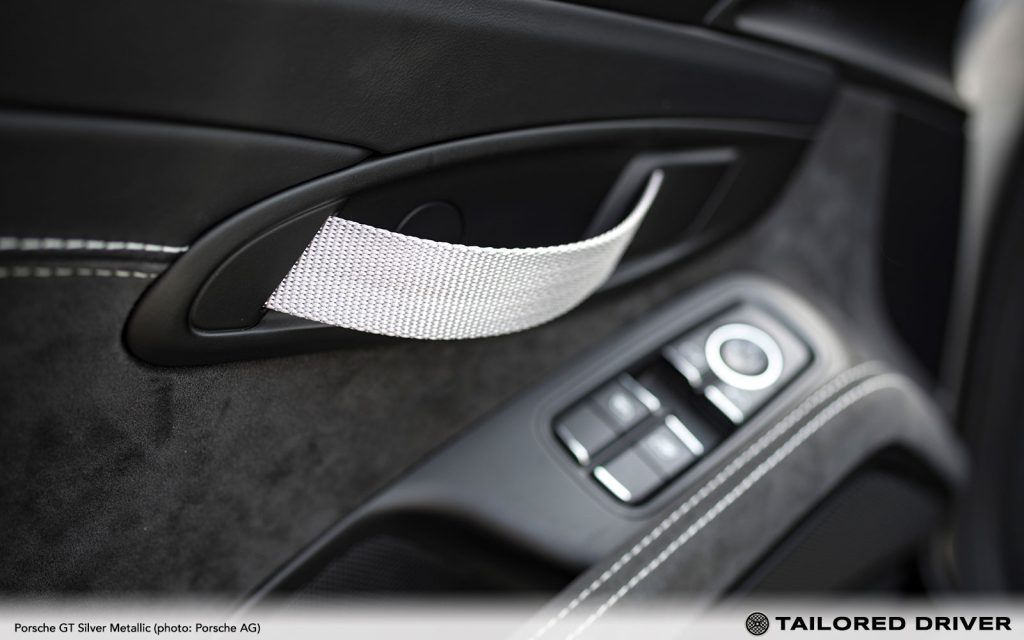
GT Silver is a fairly ubiquitous color offered on the standard palette for a plethora of Porsche automobiles, so you’re unlikely to see it as a Paint to Sample special. Even still, it’s an excellent and classic base for special Manufaktur or Sonderwunsch builds where more bold interior colors are paired with a neutral exterior in order to grab more attention.
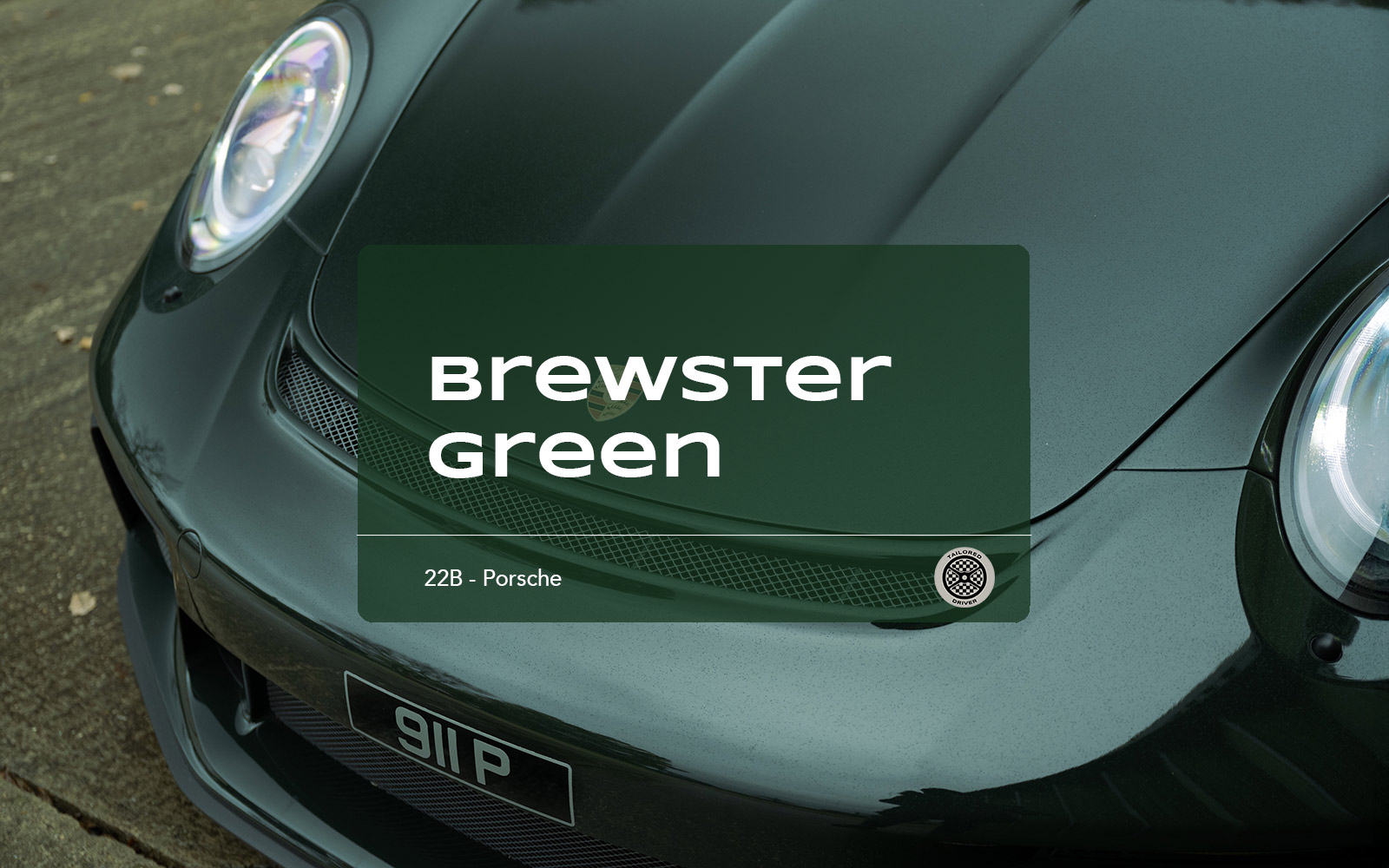
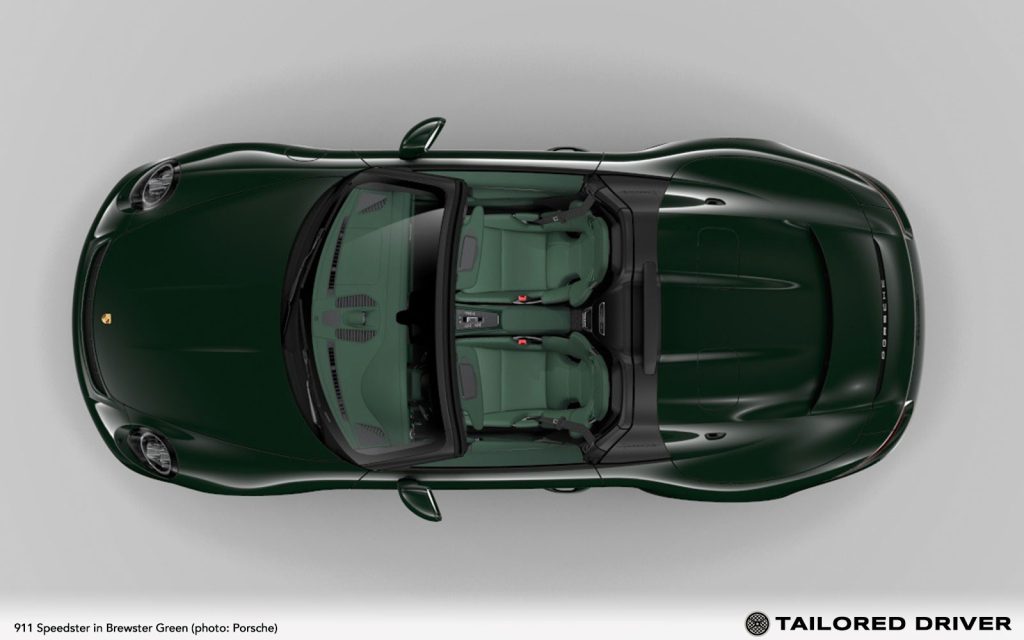
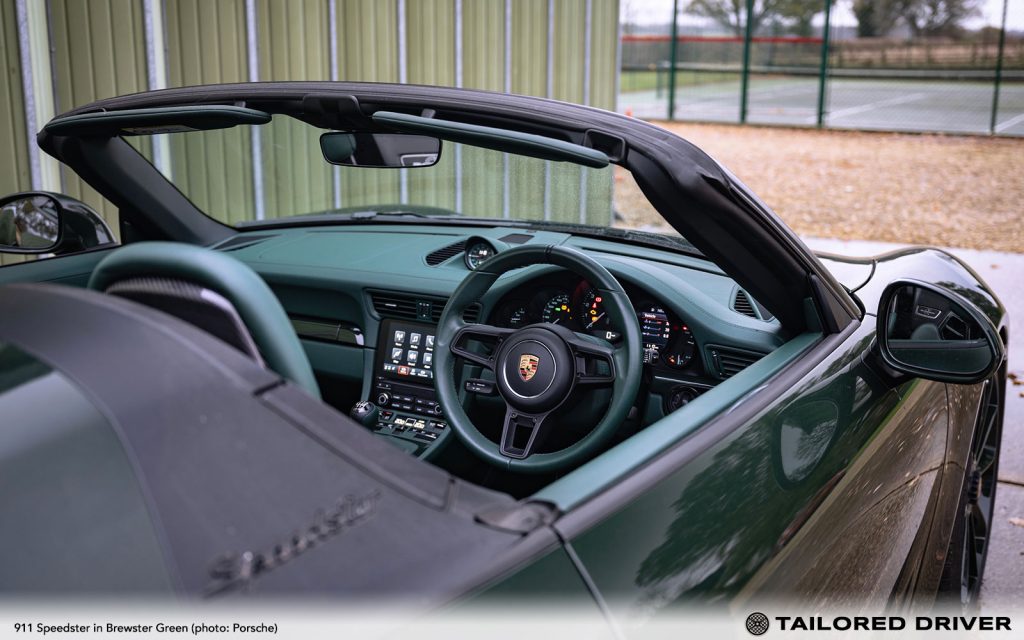
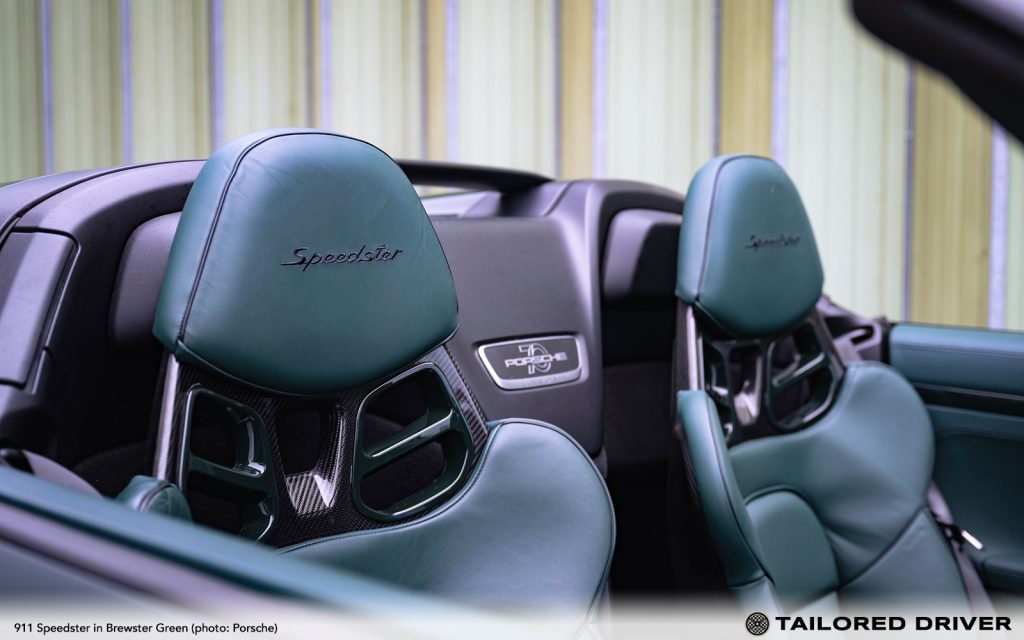
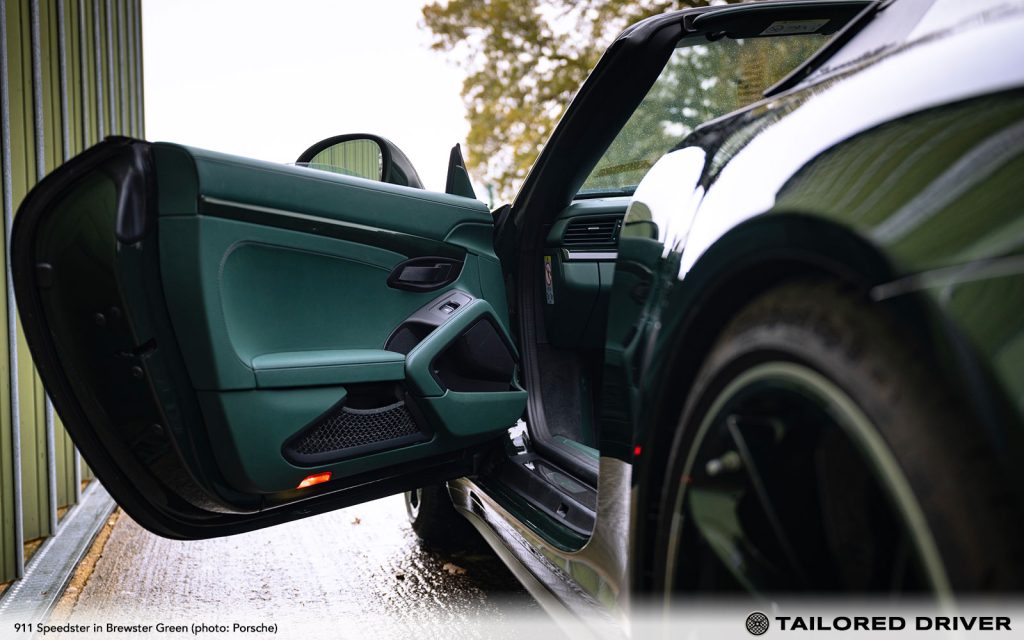
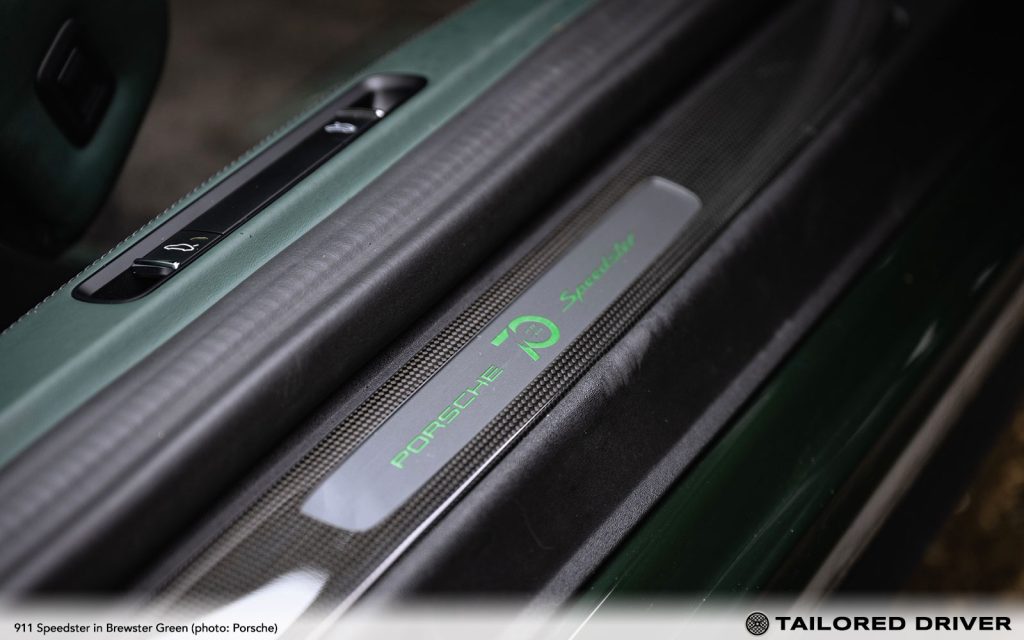
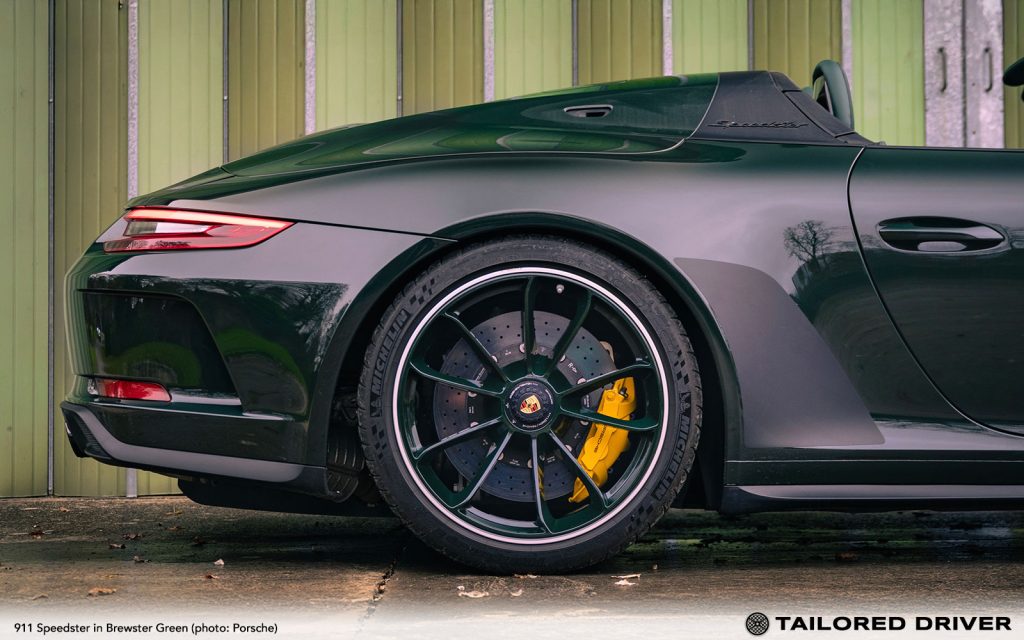
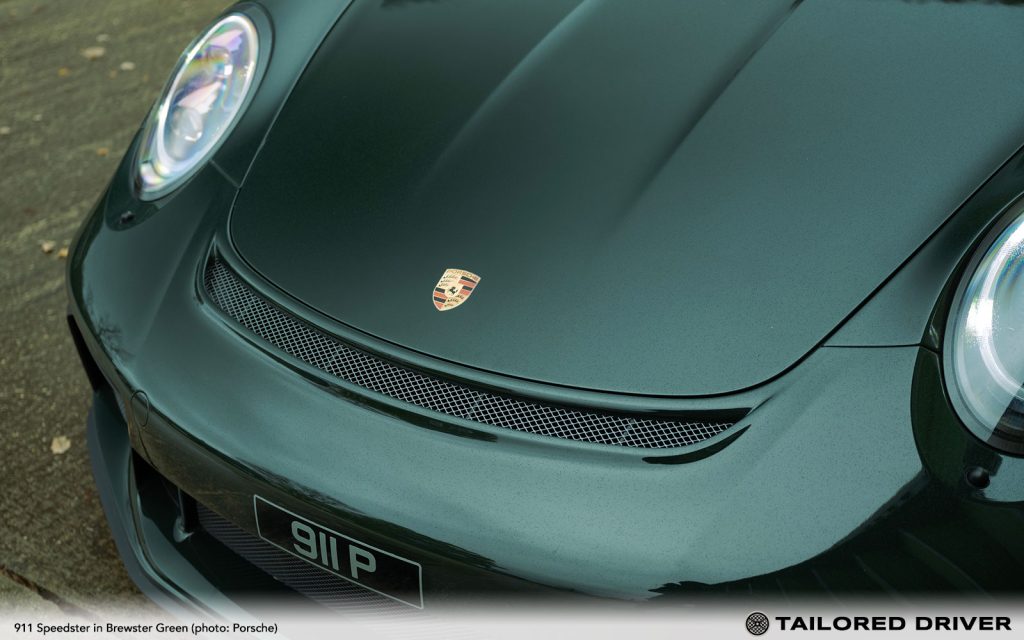
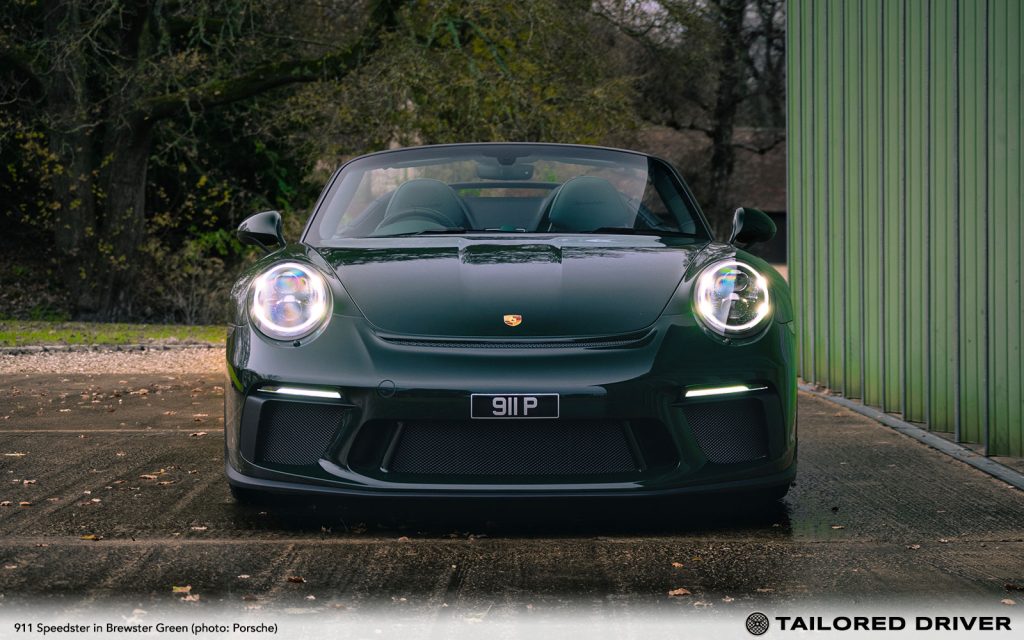
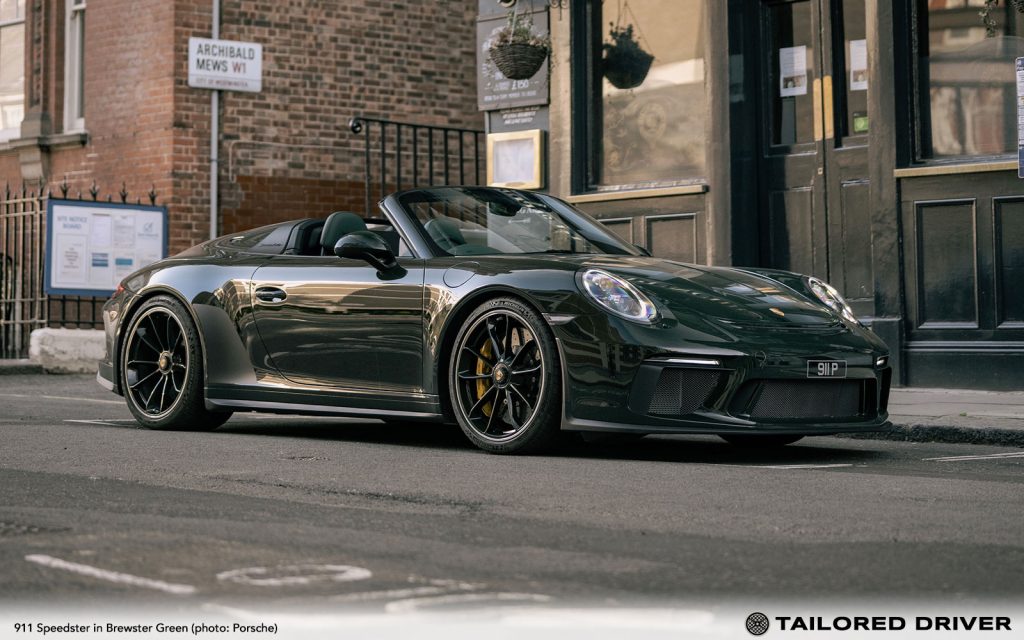
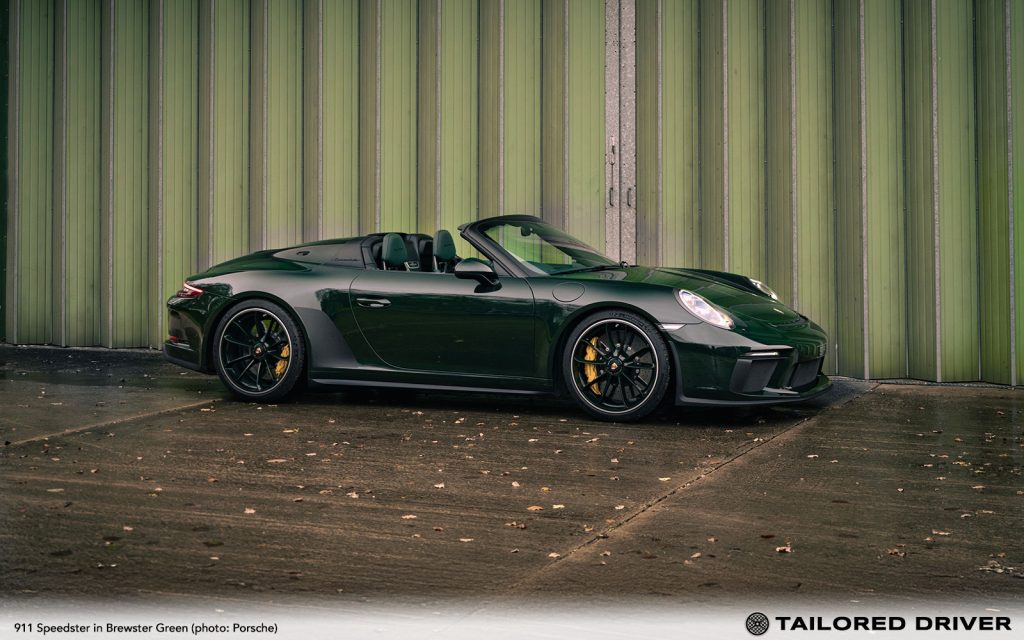
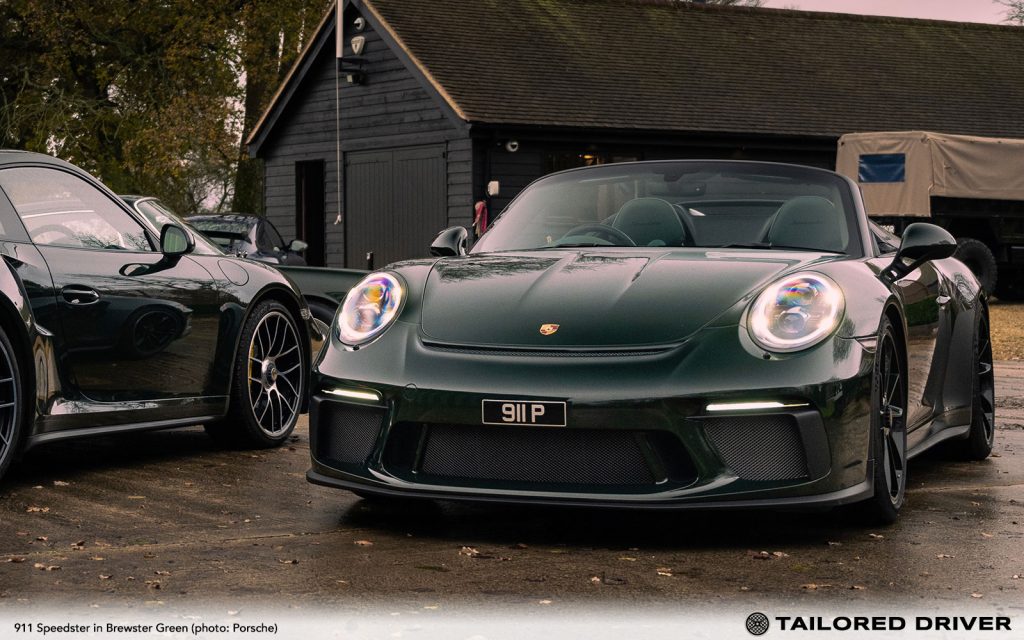
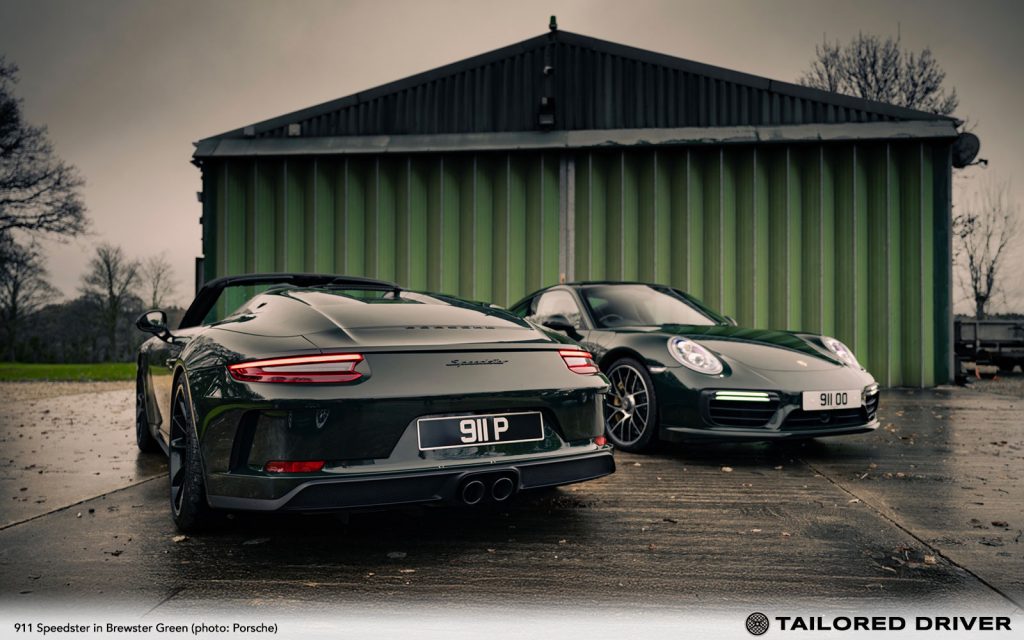
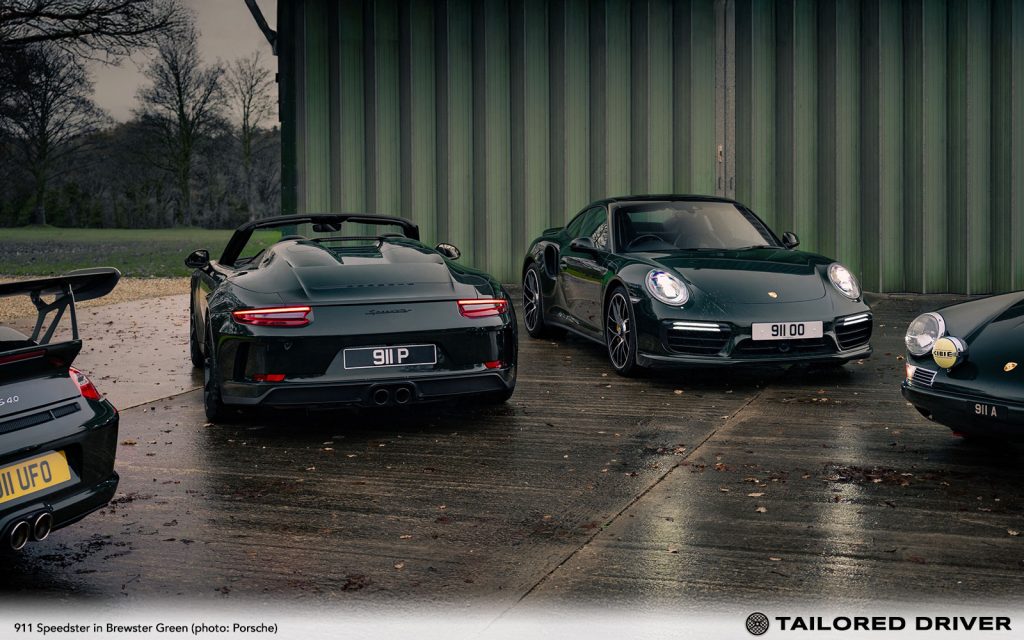
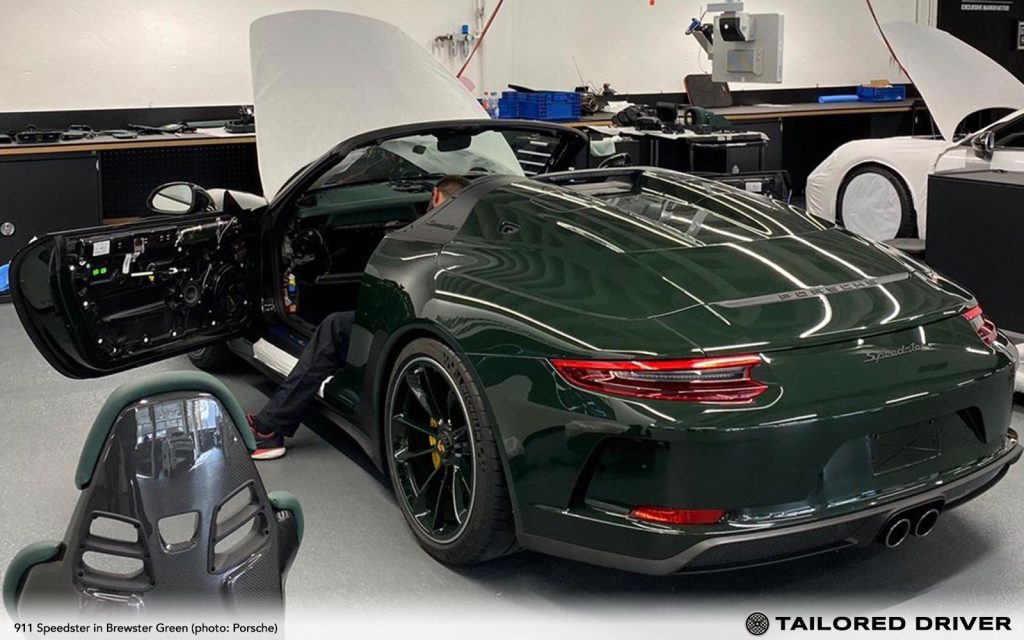
SUMMARY: Some say Porsche’s non-metallic Brewster Green (brewstergrün; nonmetallic UNI; 22B; Porsche) is Stuttgart’s take on British Racing Green. However, we’d suggest it’s just another shade by Stuttgart of England’s original national racing color. Where Irish Green goes just a bight lighter than a lot of traditional British Racing Greens, Brewster Green goes a bit darker. In lower light it can sometimes even look black, though under direct light the green hue and the relationship to the British national racing color is undeniable.
Brewster Green was a favorite of Ferdinand “Ferry” Porsche and other Porsche family members like Wolfgang Porsche for their own personal cars. As a result, it’s been a popular choice over the years, occasionally offered as a standard color and regularly chosen for Paint to Sample specifications.
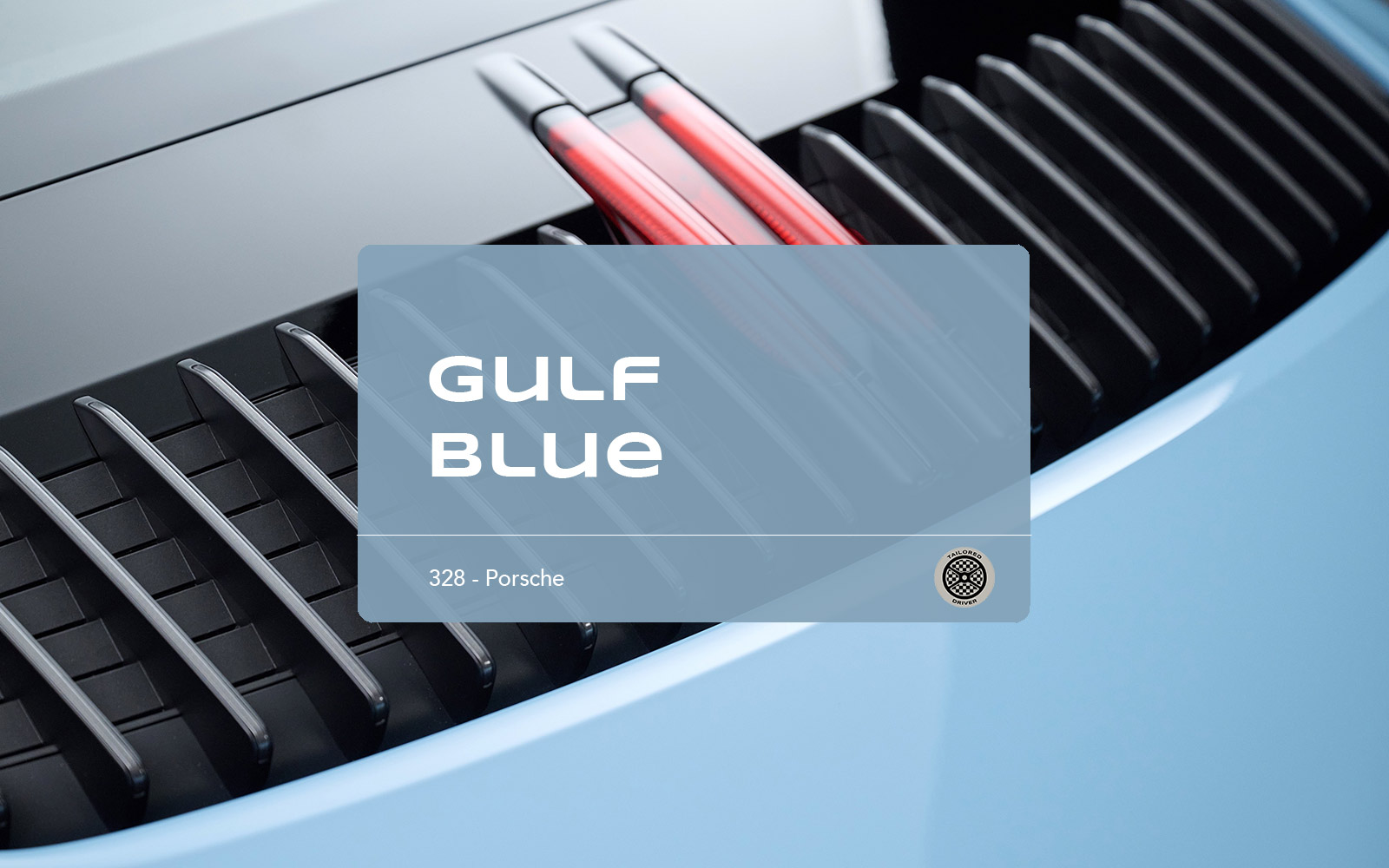
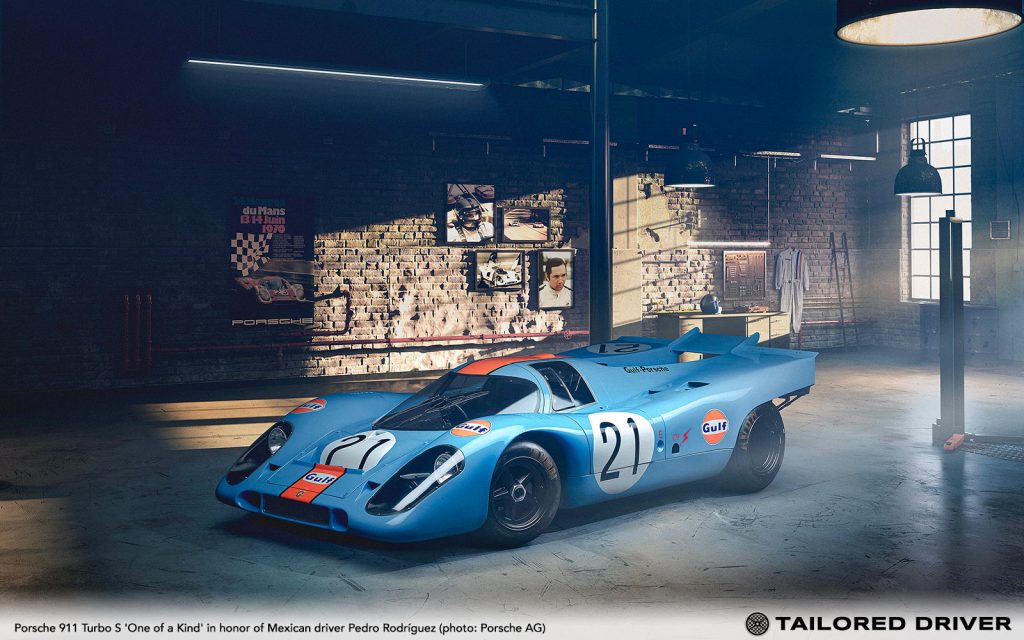
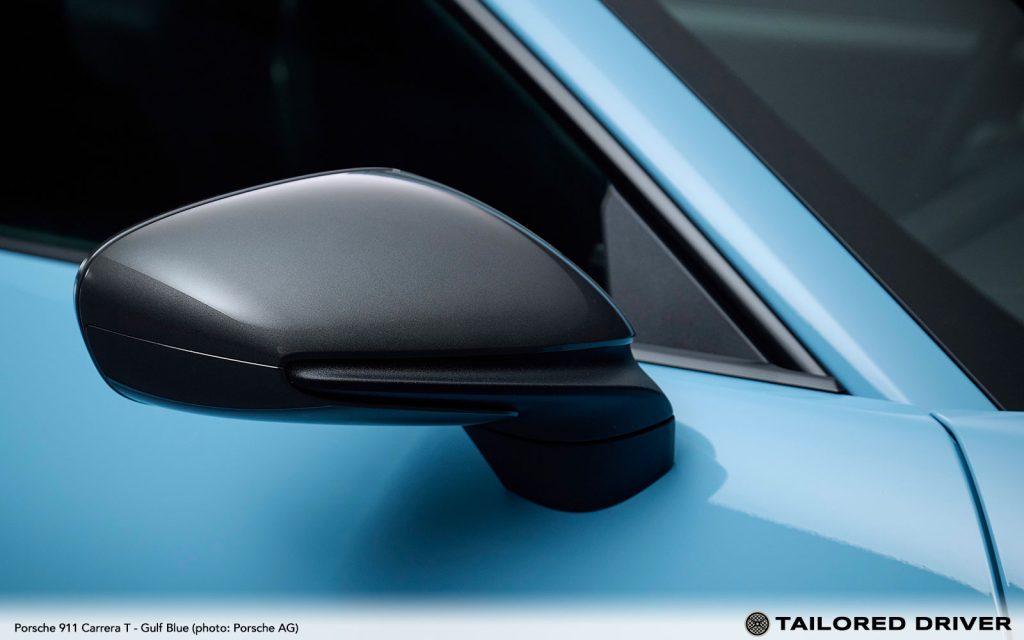
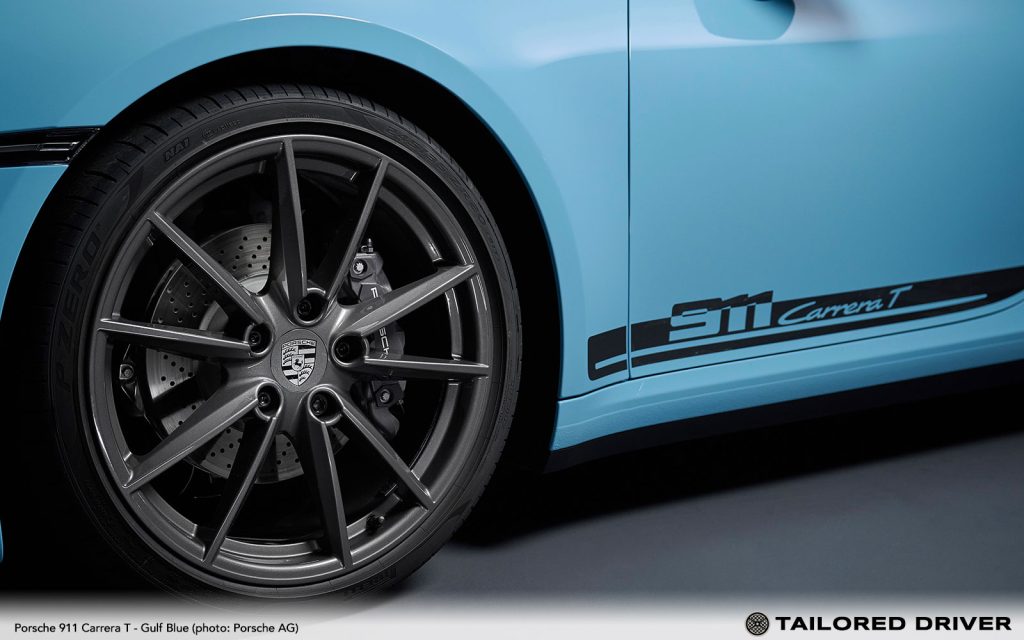
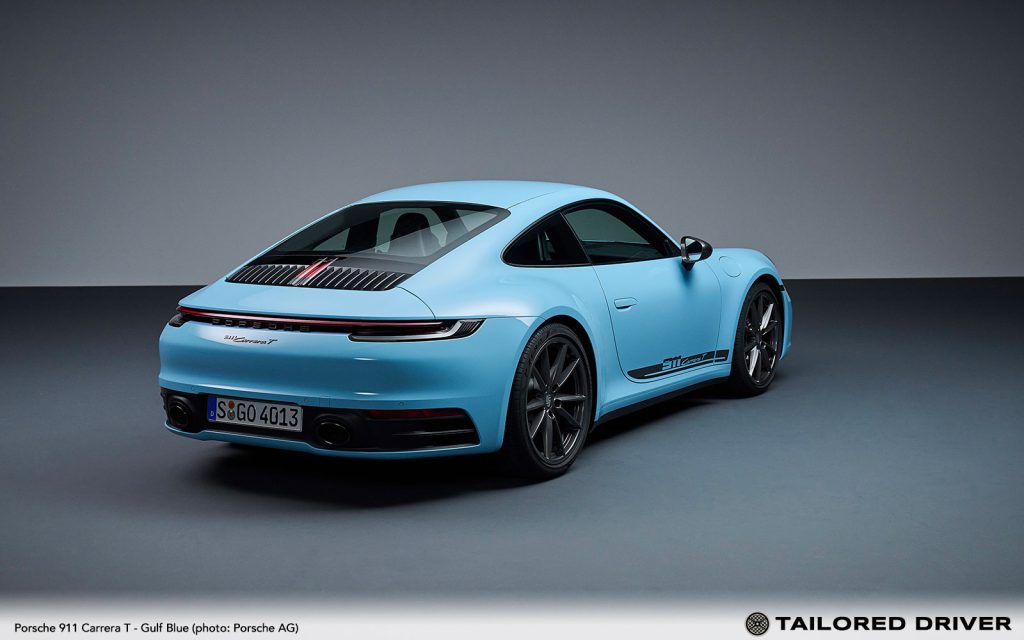
SUMMARY: The term “icon” may be loaded. For starters, the word itself is used far too often, in a way that waters down the value of the label. And, in the case of a truly iconic color such as Gulf Blue (gulfblau; non-metallic / non-metallic UNI; 328; Porsche), the color also tends to get over-used by Paint to Sample clients seeking the obvious Porsche motorsport heritage play. And what a play it is.
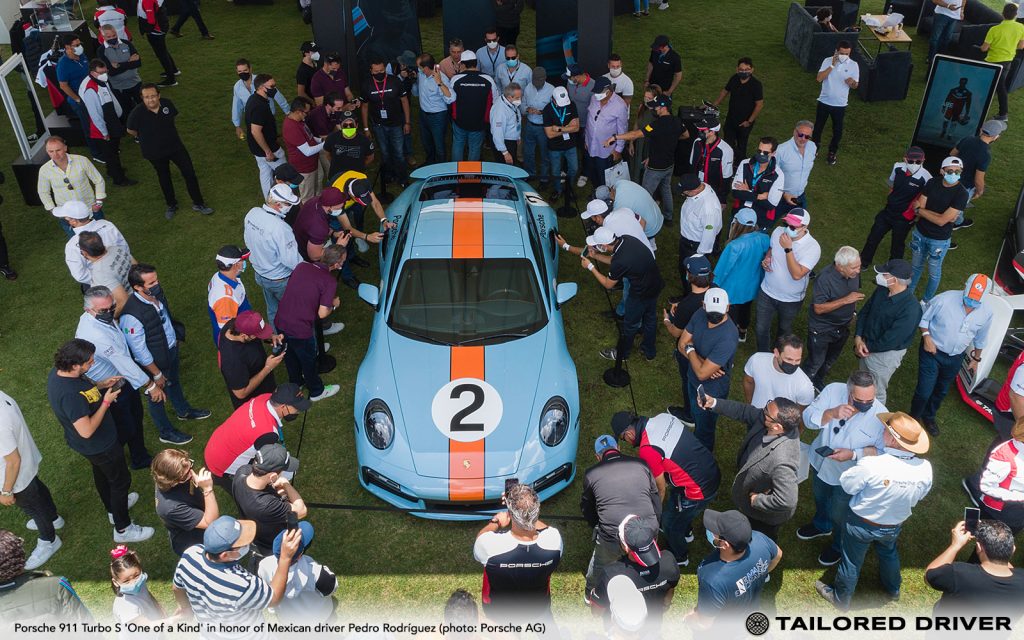
Gulf Blue gets is name from the petroleum company bearing its name. Gulf Oil has been a longtime sponsor of racing. Its trademark livery with its blue and orange color schemes have adorned race cars from far more brands than simply Porsche. Lore suggests Gulf colors used as racing livery began in 1967, with the brand’s first major win at the 24 Hours of Le Mans painted to a Ford GT40 a year later in 1968, and then again in 1969. For 1970, Gulf shifted to Porsche and adorned the 917K. That same year, Steve McQueen and his Solar Productions crew showed up in Le Mans to film the movie by the same name Le Mans. The latter catapulted the blue and orange into the consciousness of automobile and racing fans around the world, and it kicked off a long association between Gulf and Porsche.
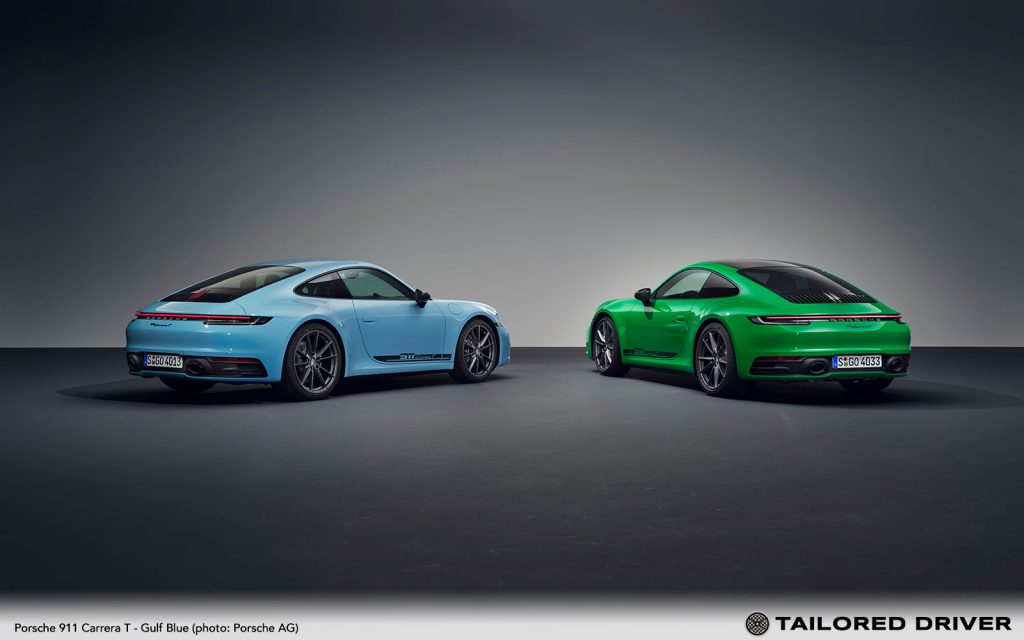
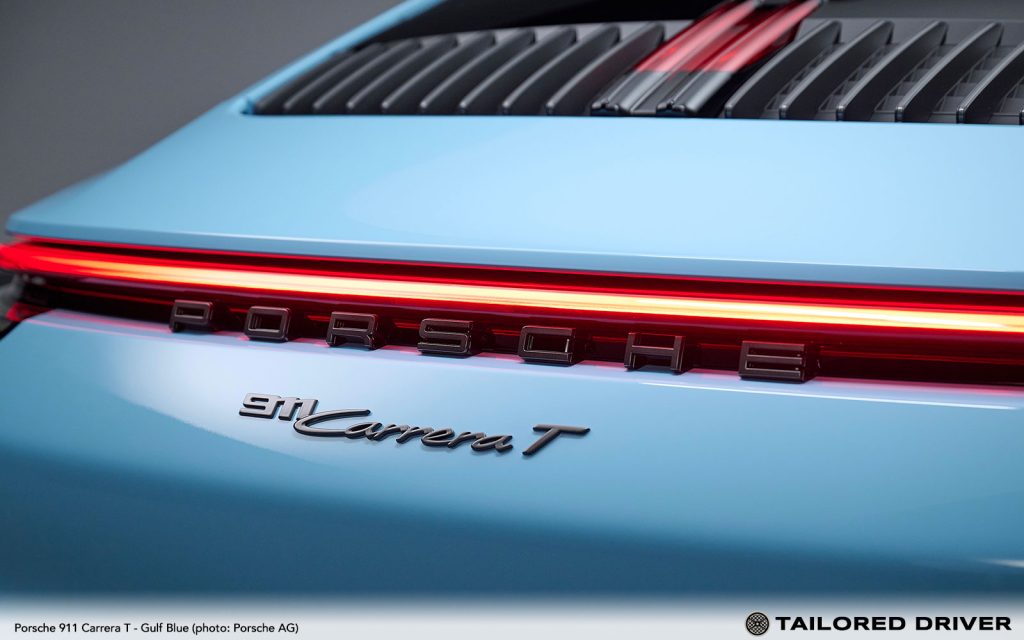
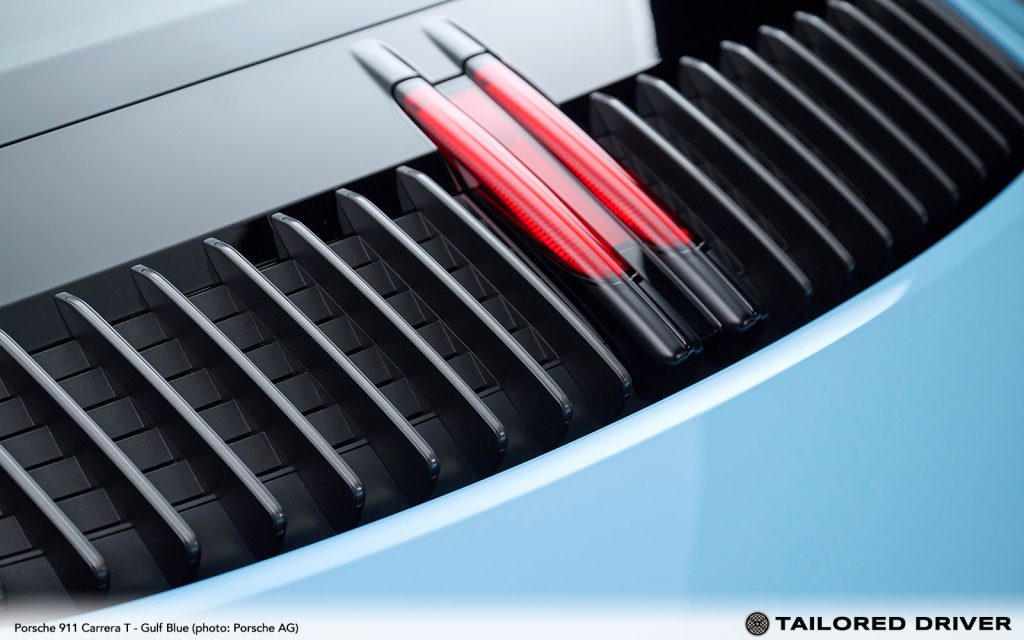
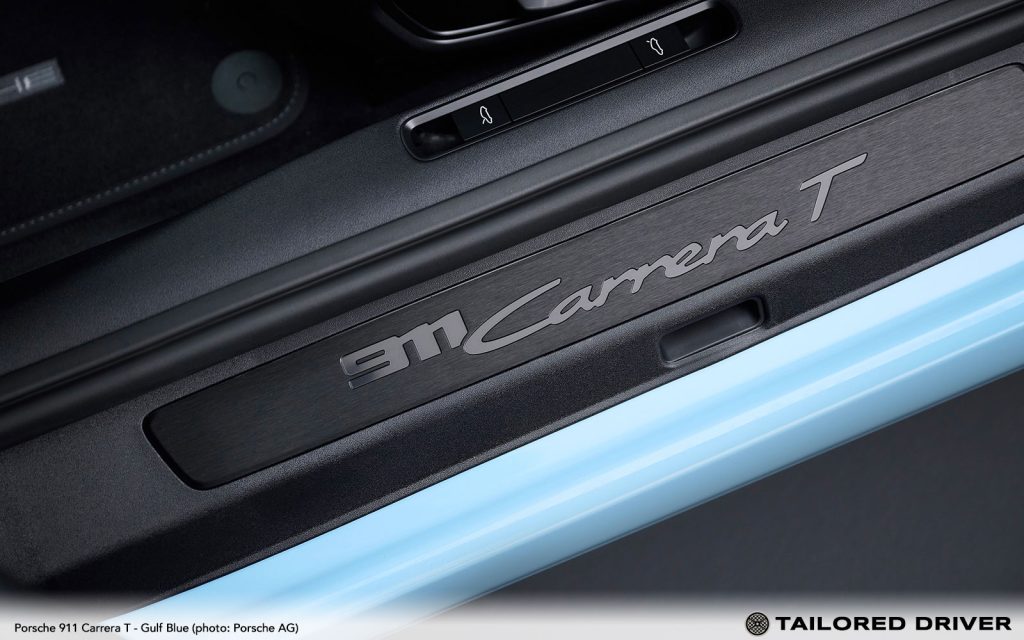
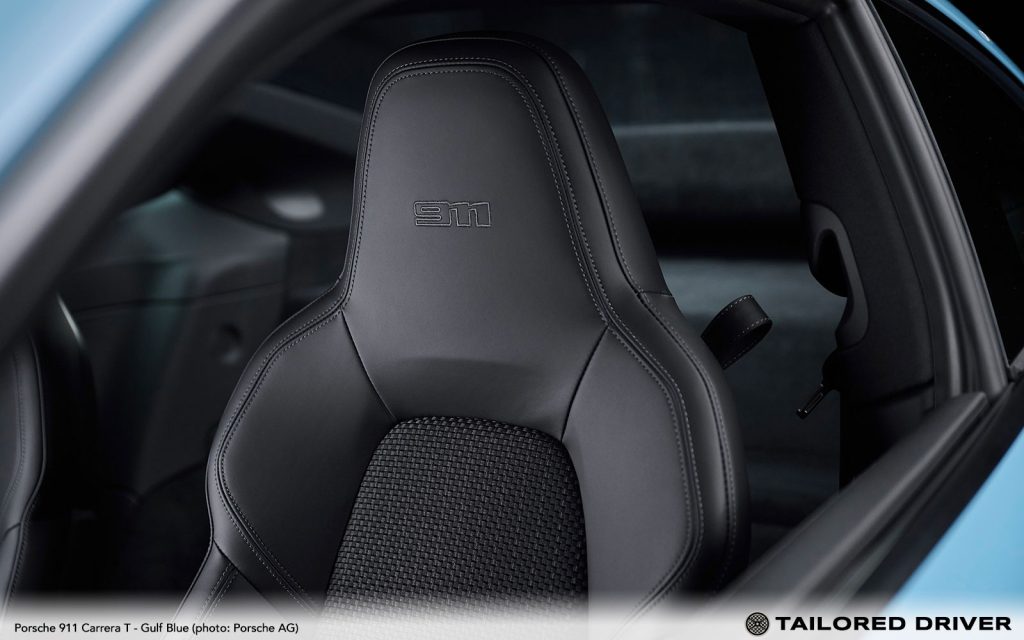
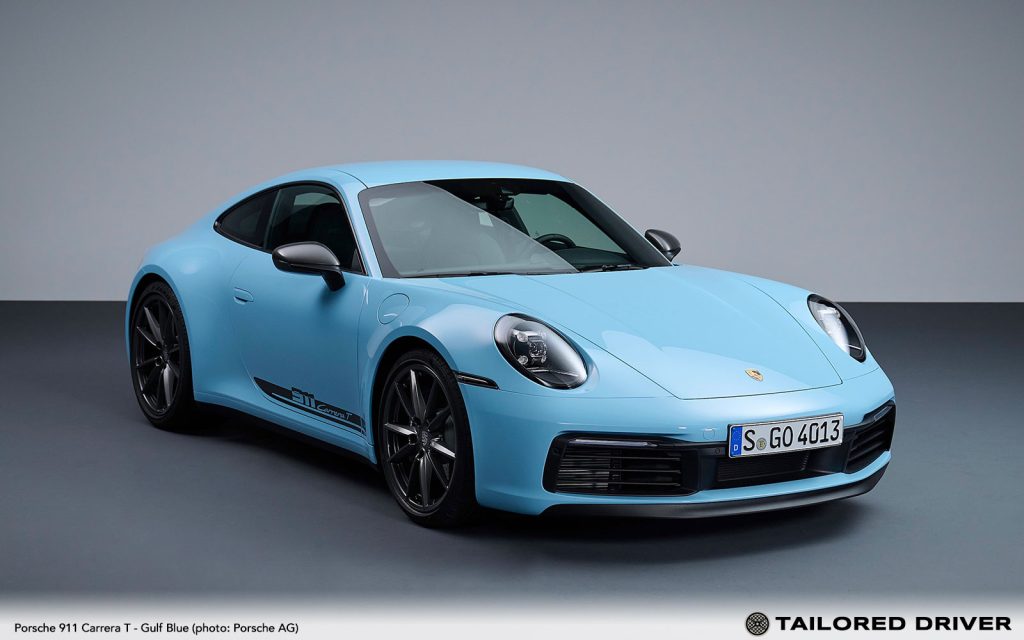
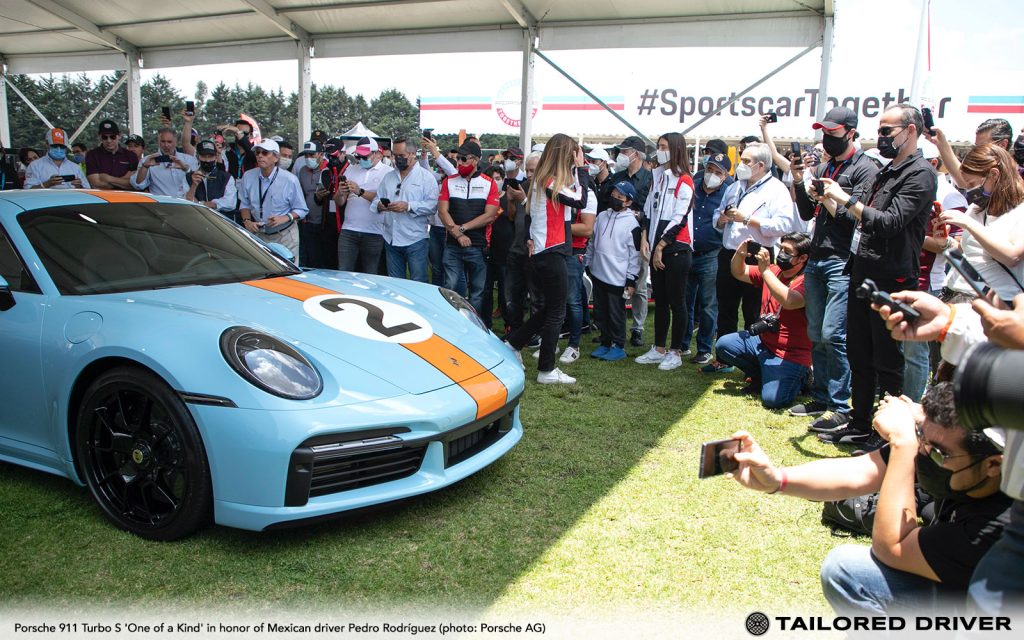
Gulf Blue is a non-metallic light blue, almost a powder blue and not far off from what American college football fans would call a Carolina Blue. It’s quite common in the Paint to Sample Porsche space, and often paired with other race livery colors such as navy blue and orange (a.k.a. Gulf Orange, but that’s a color for another Color Focus).
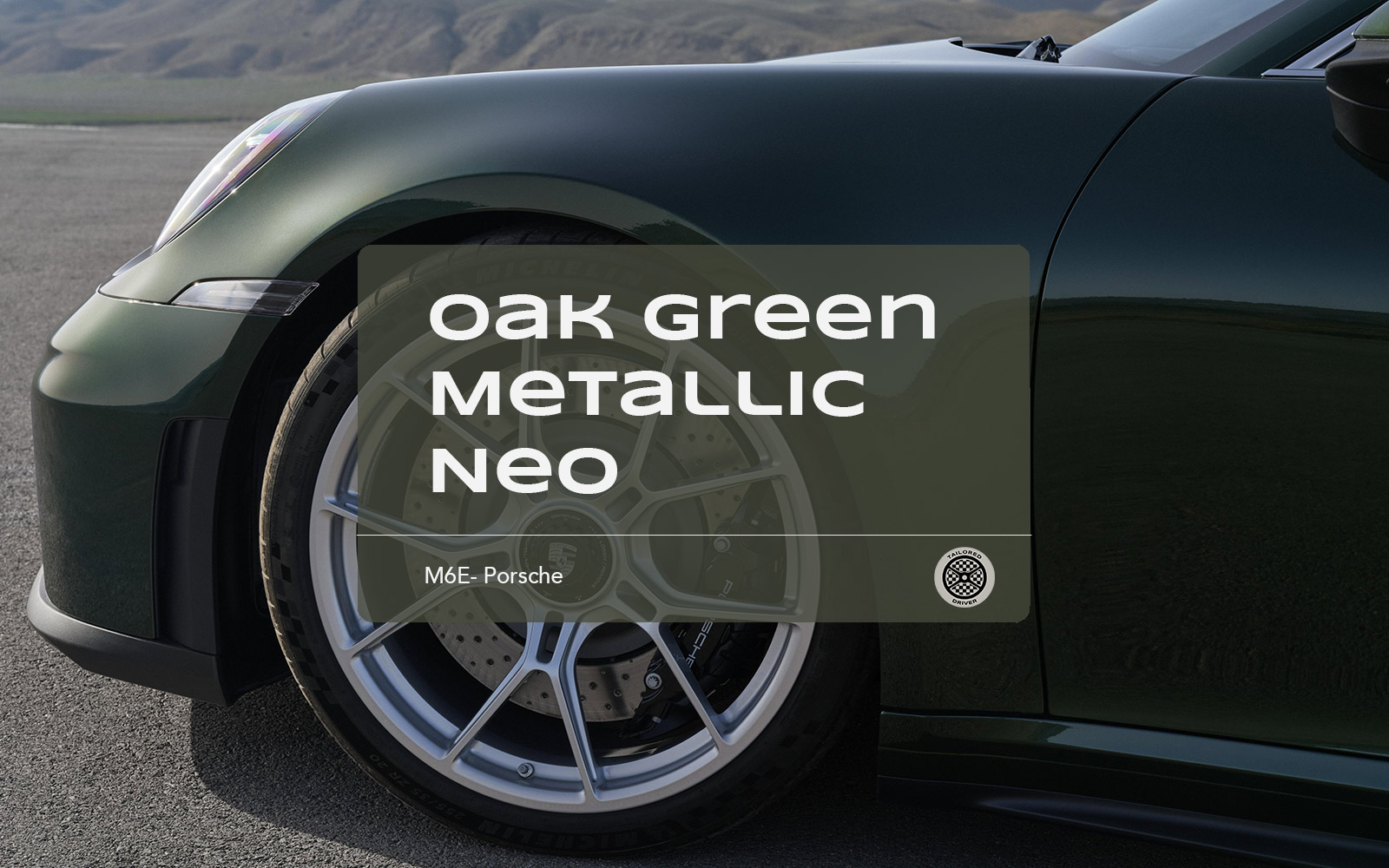
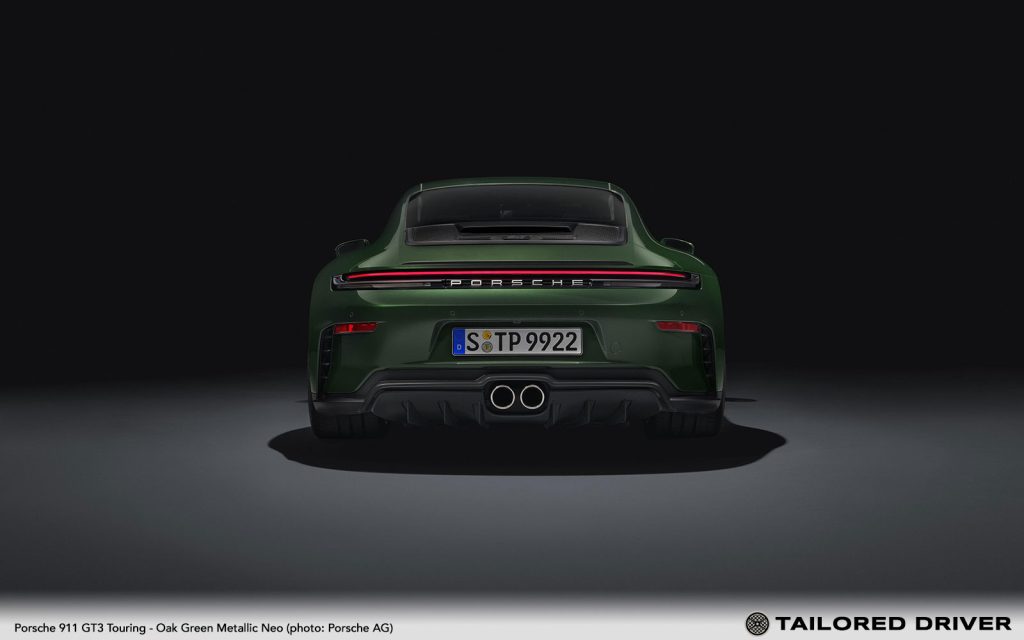
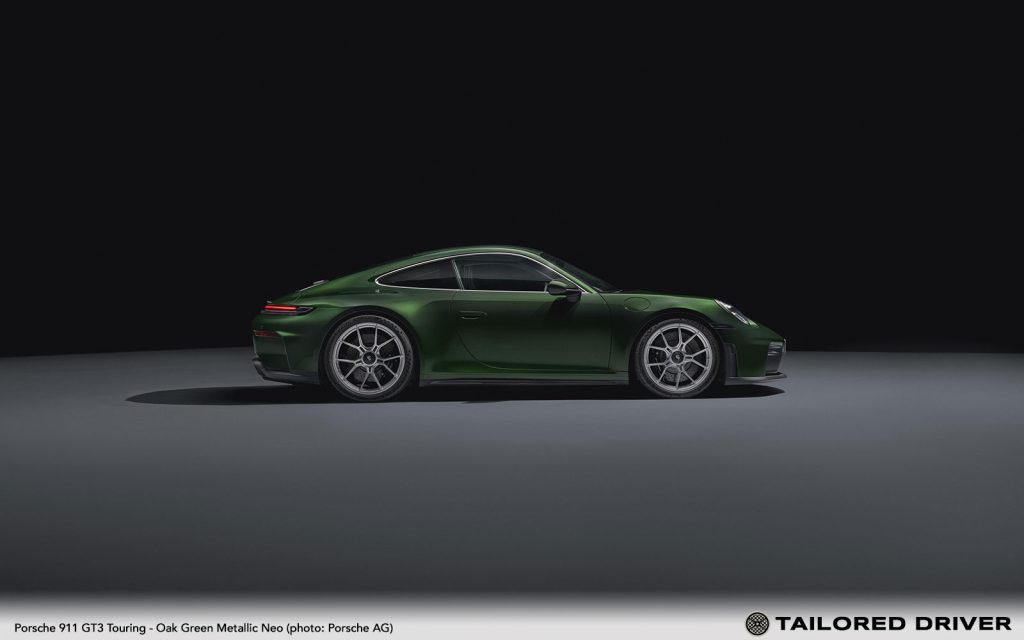
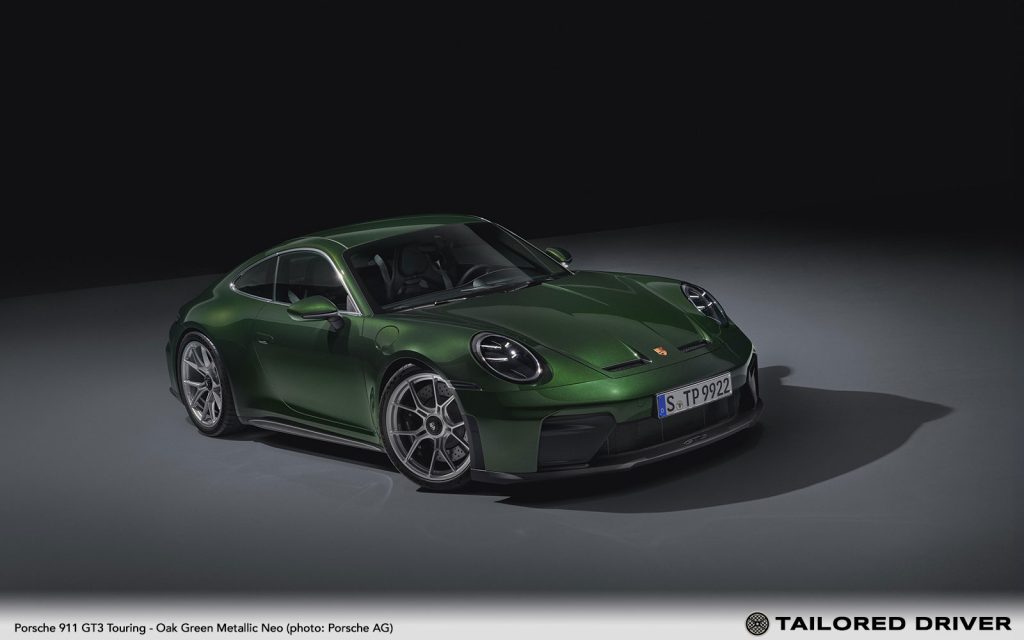
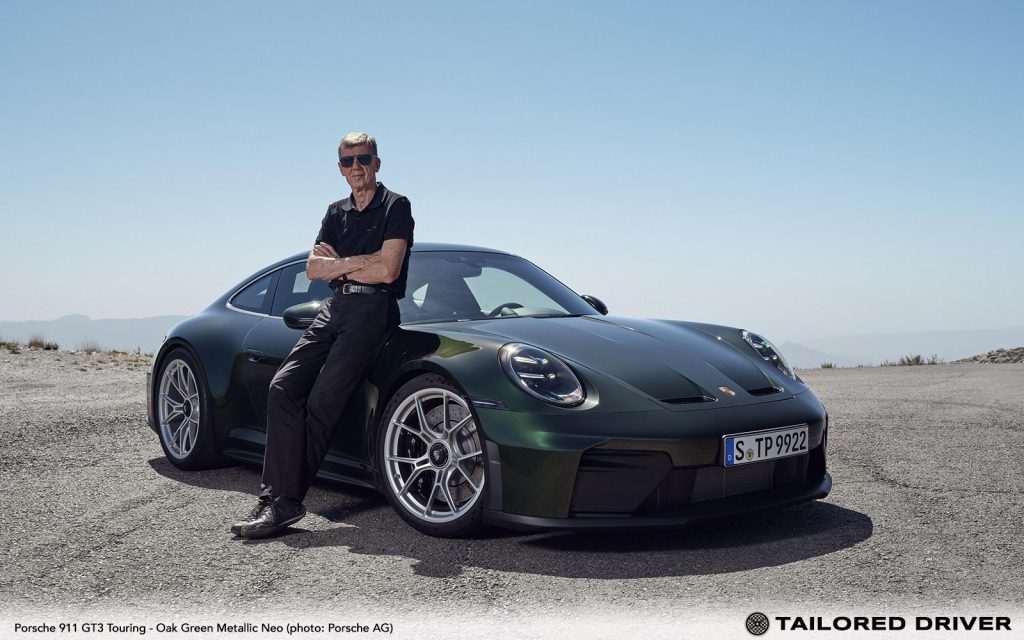
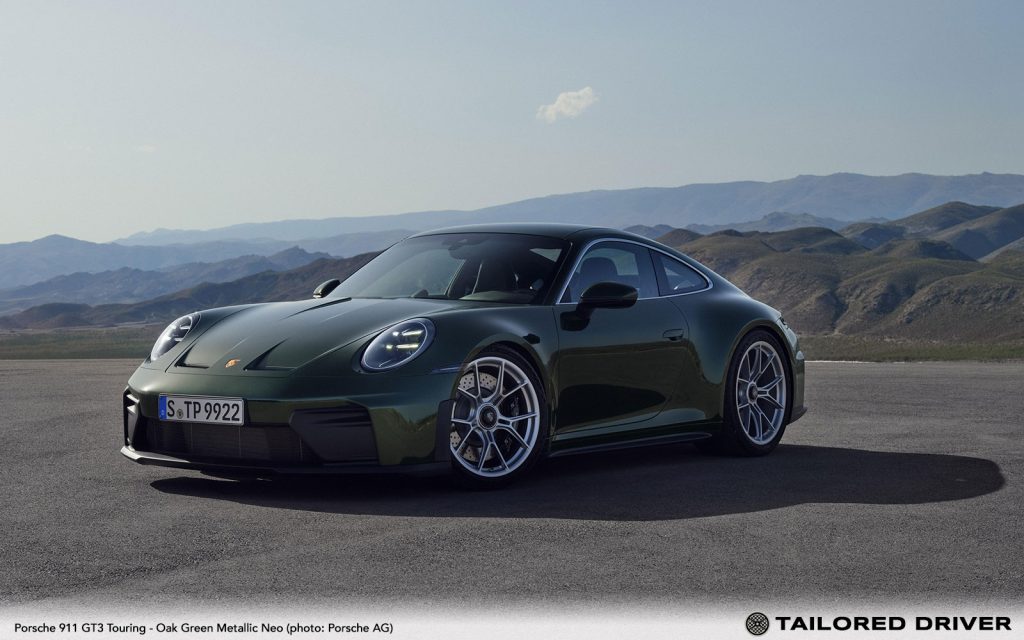
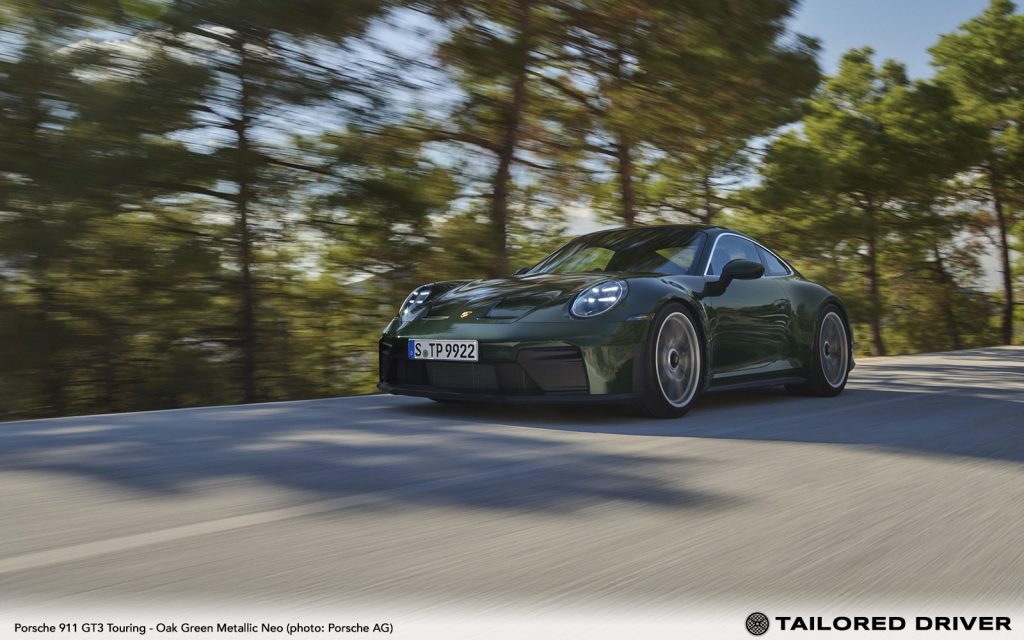
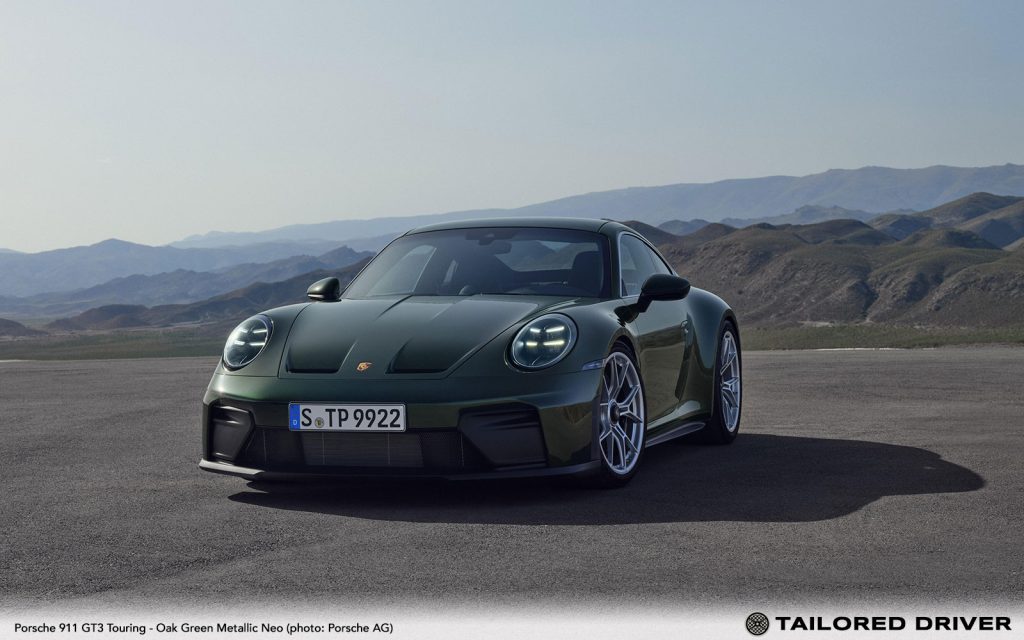
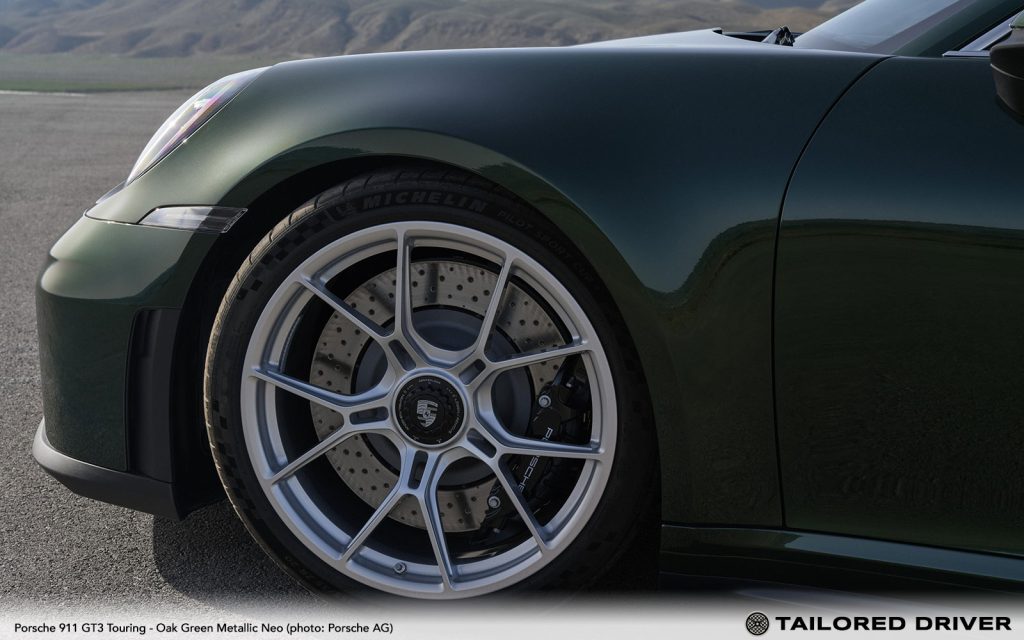
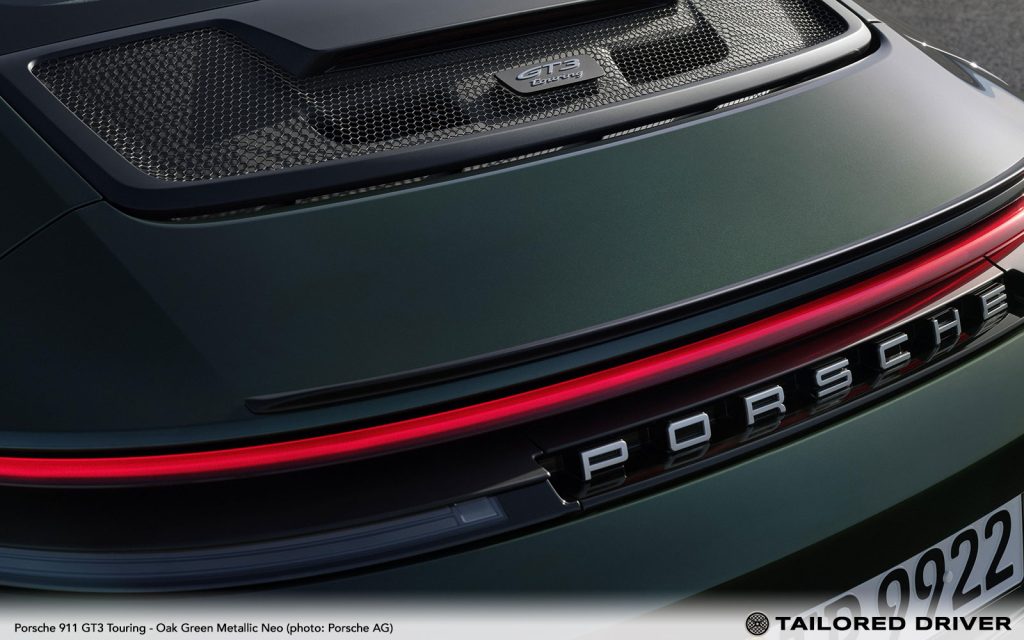
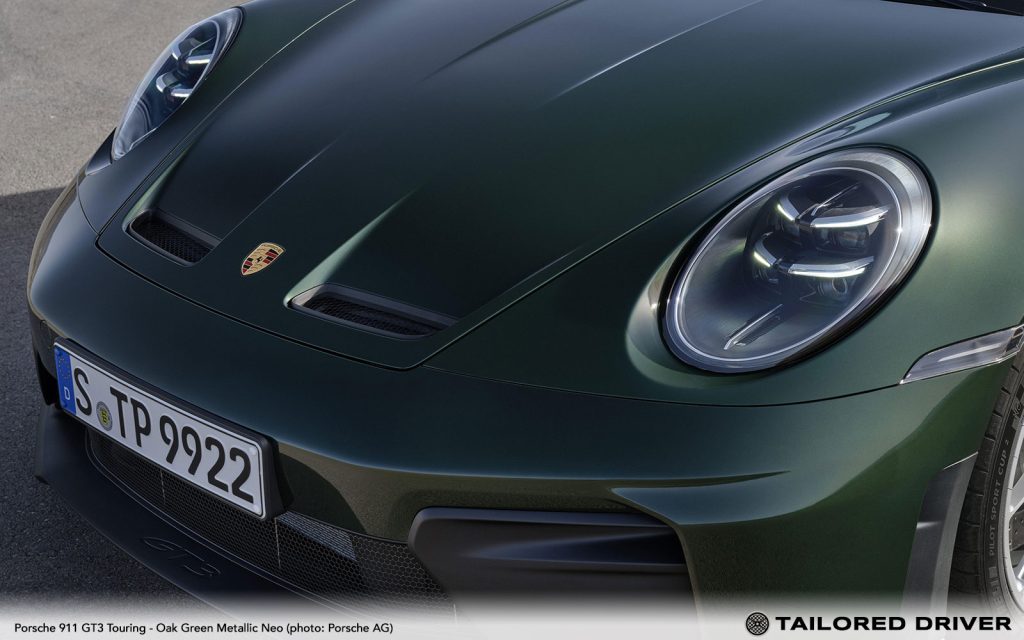
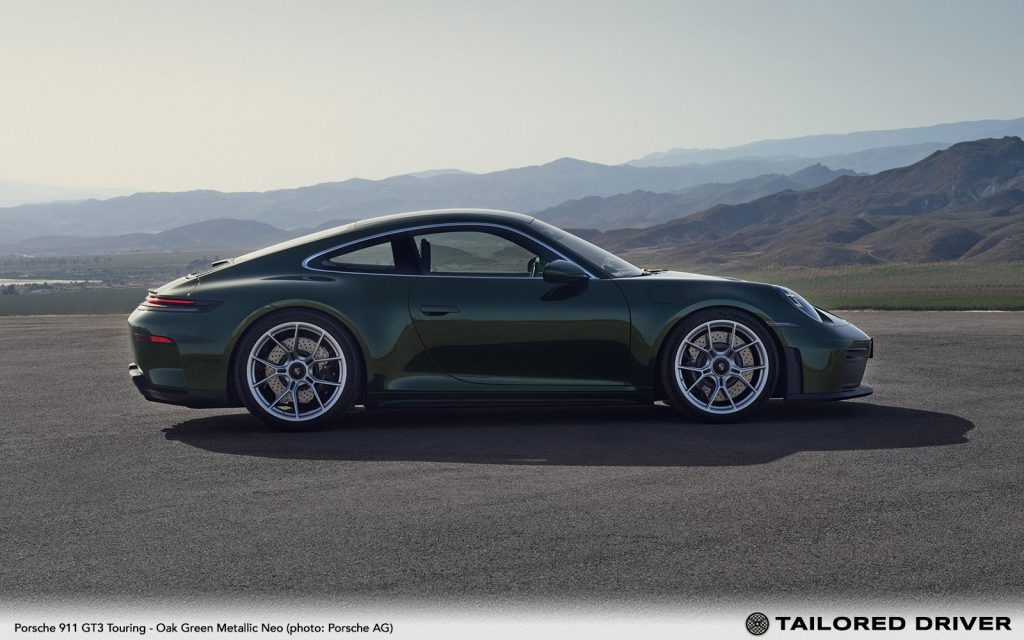
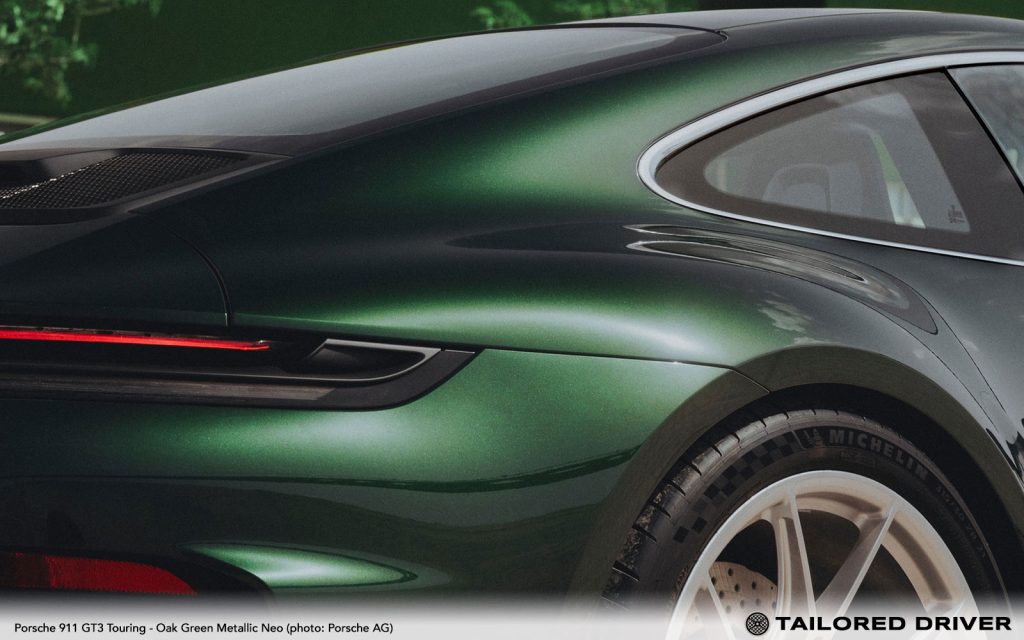
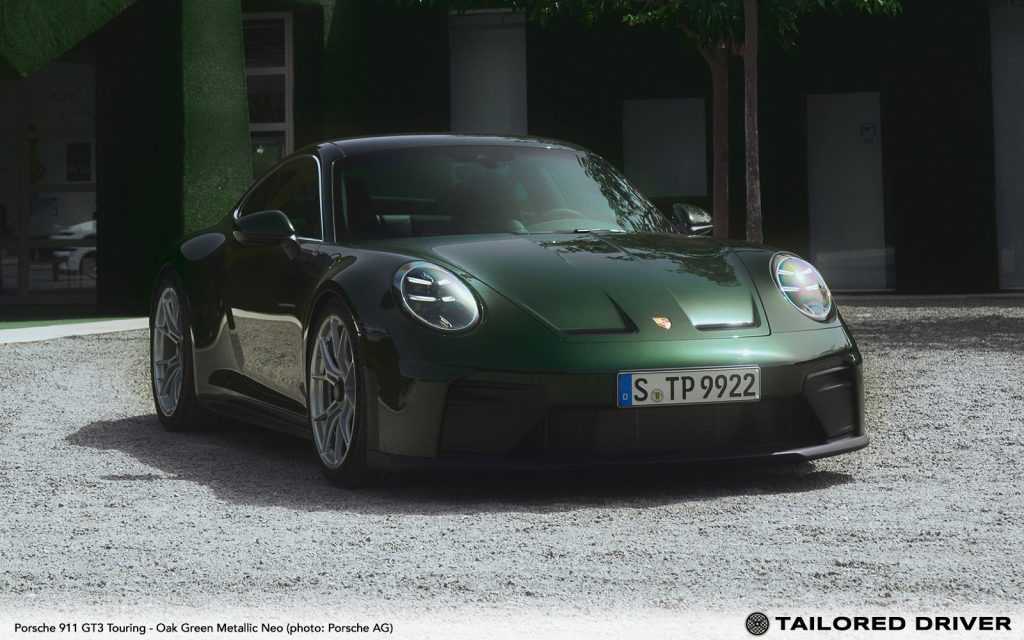
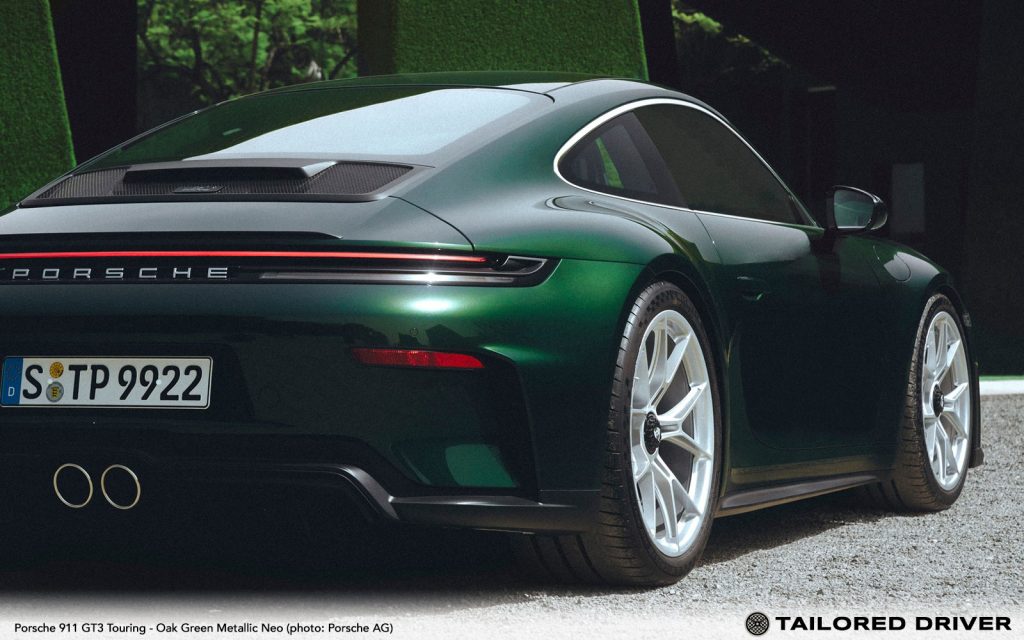
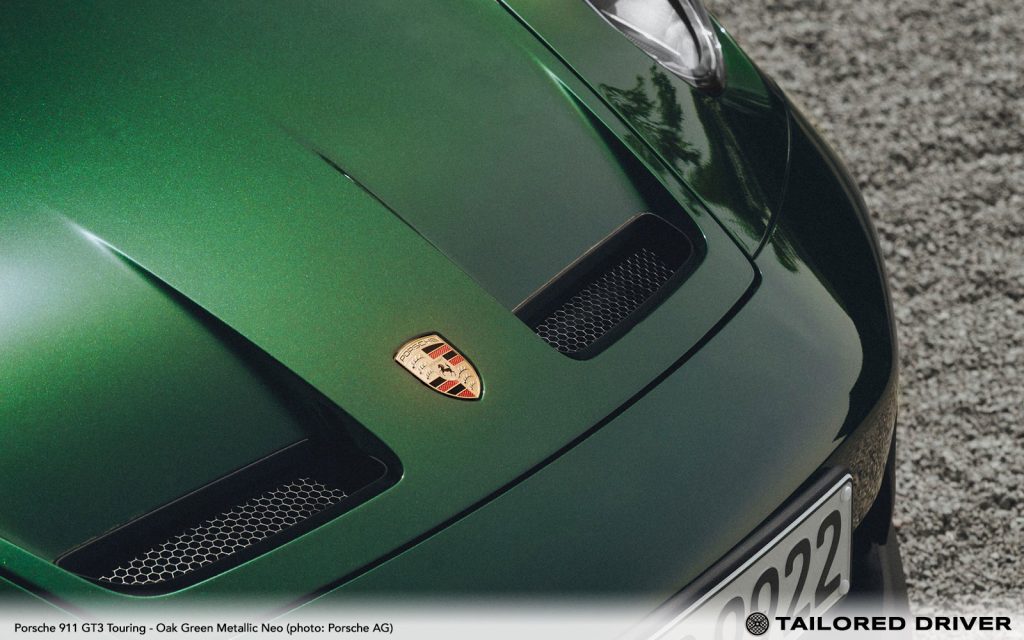
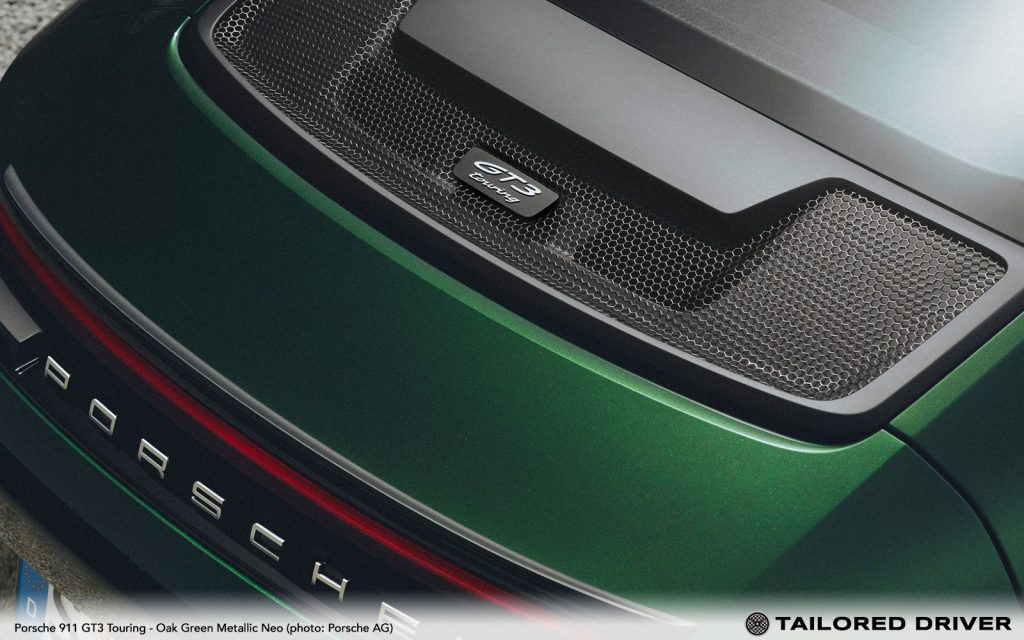
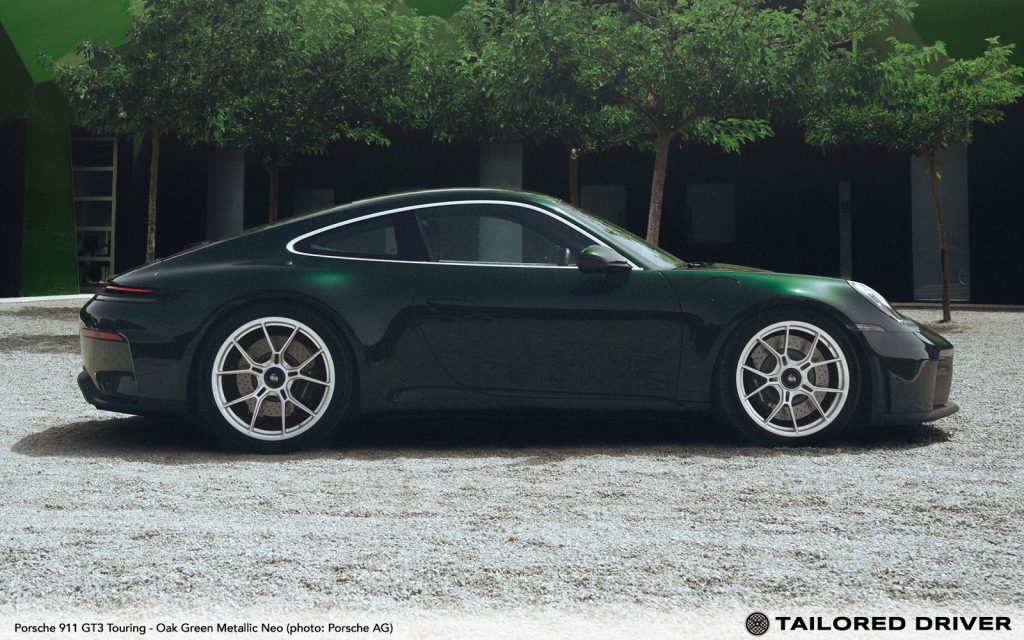
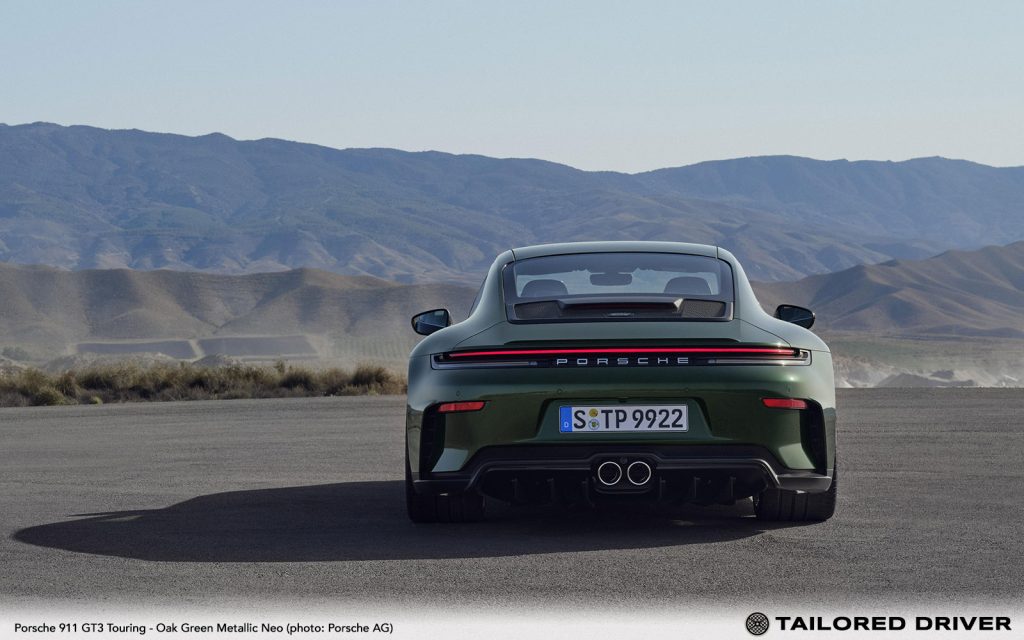
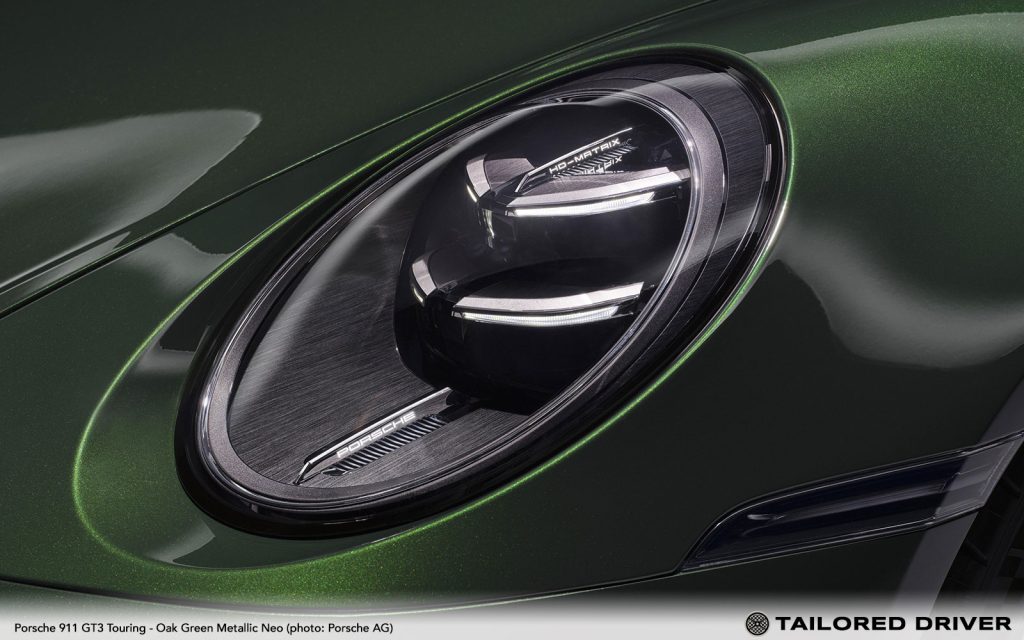
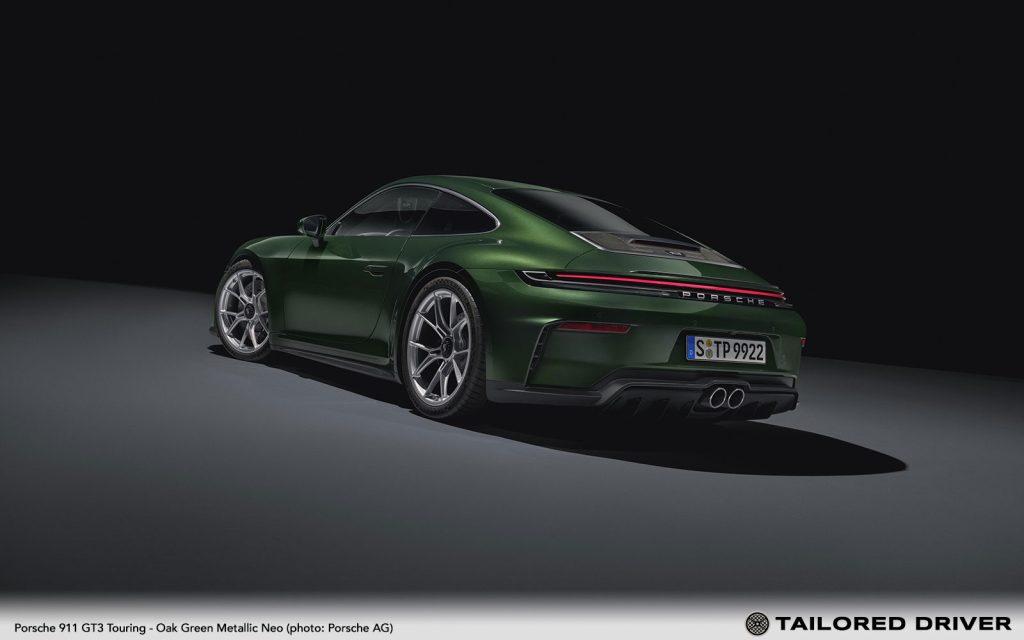
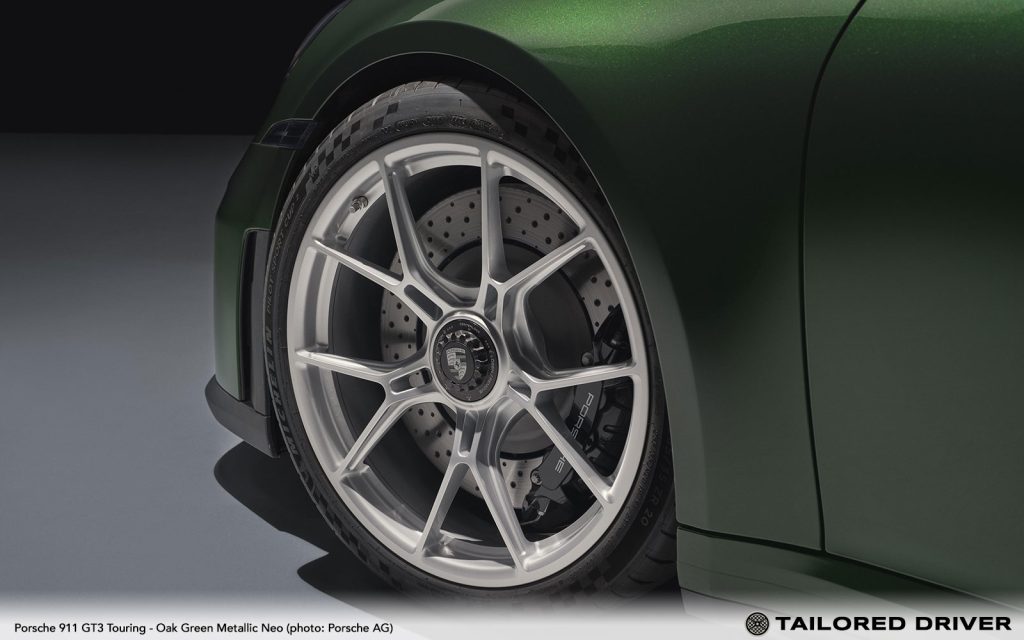
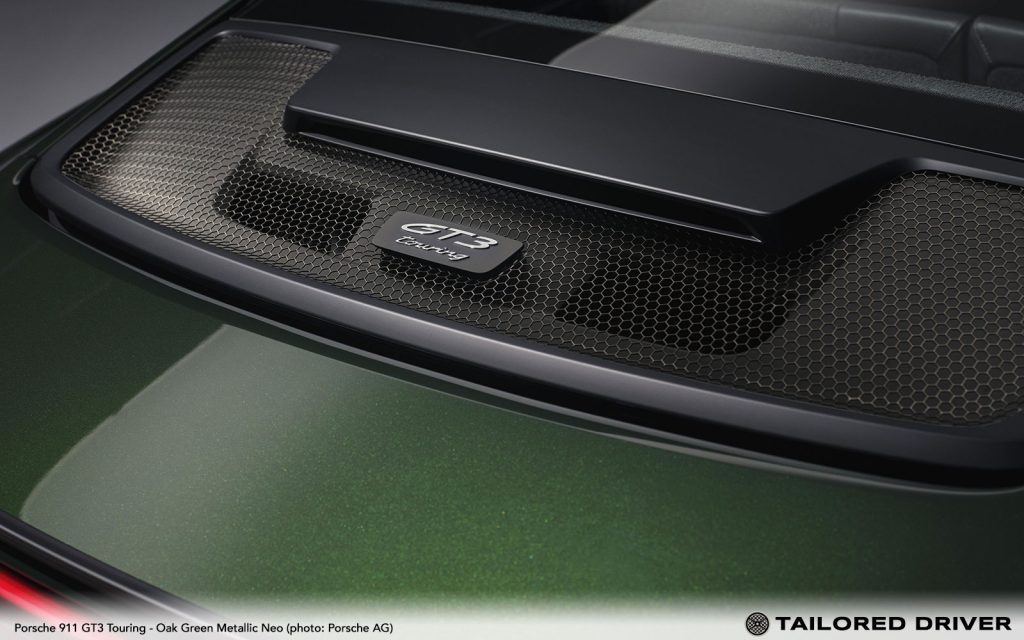
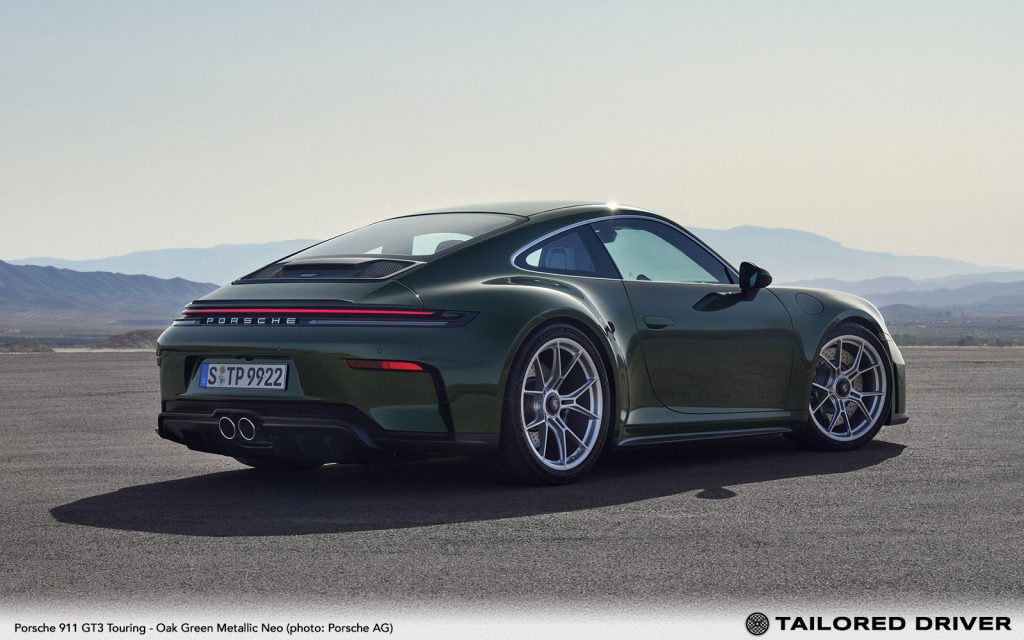
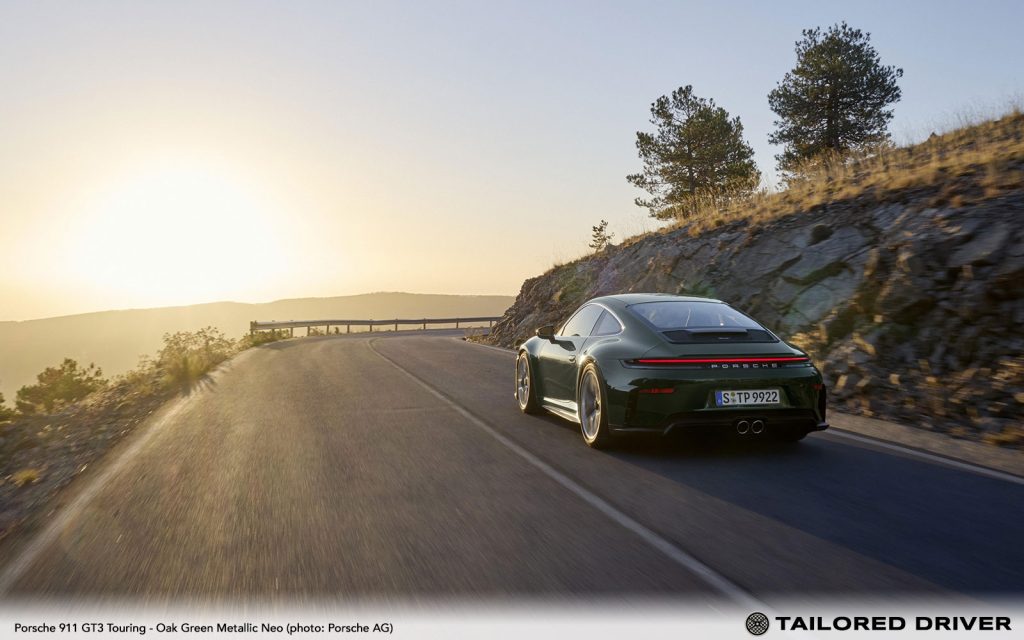
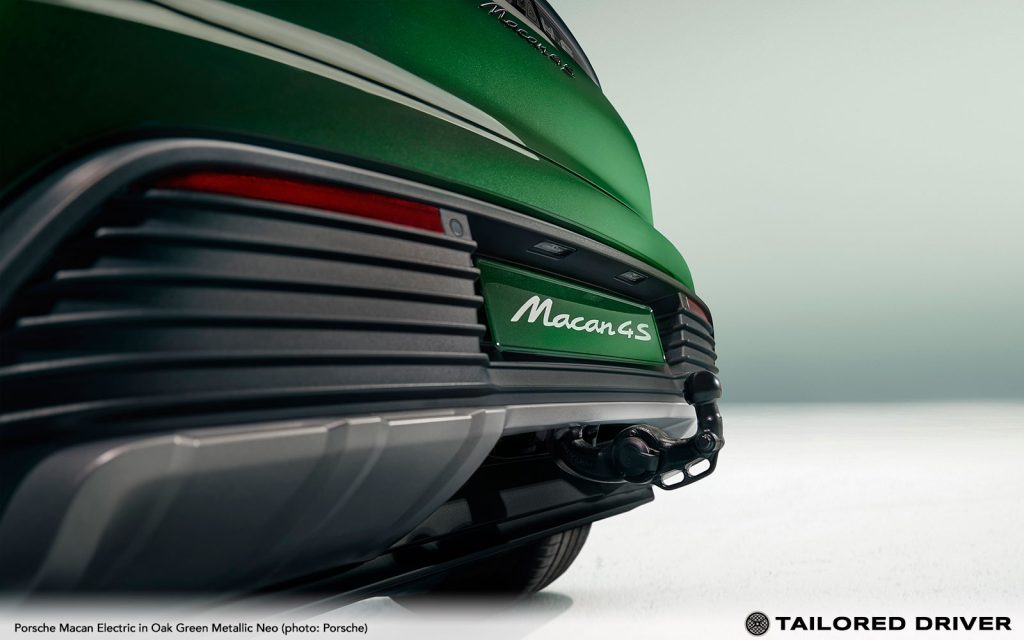
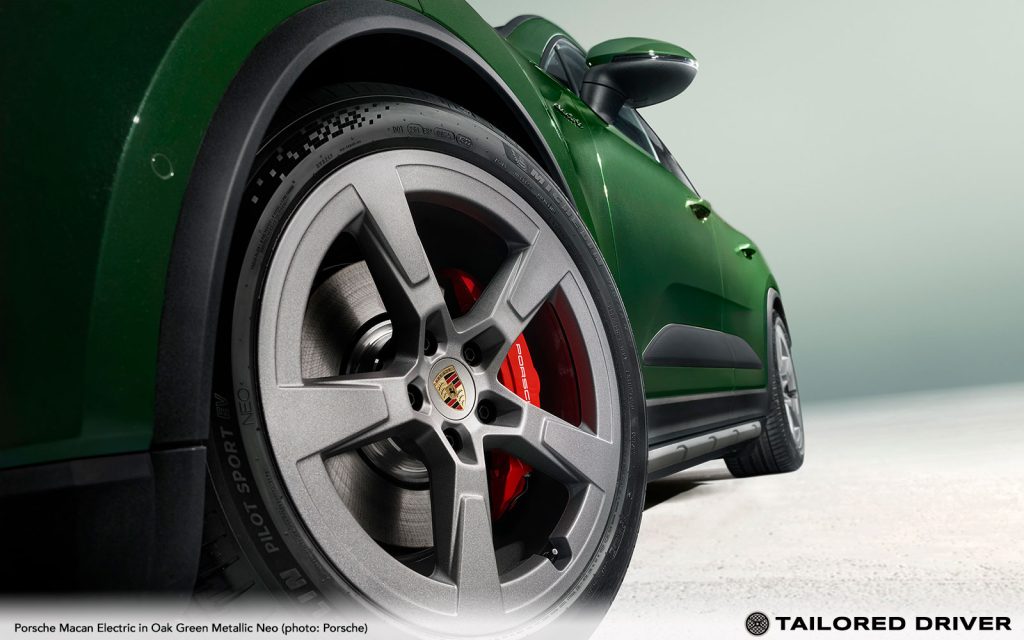
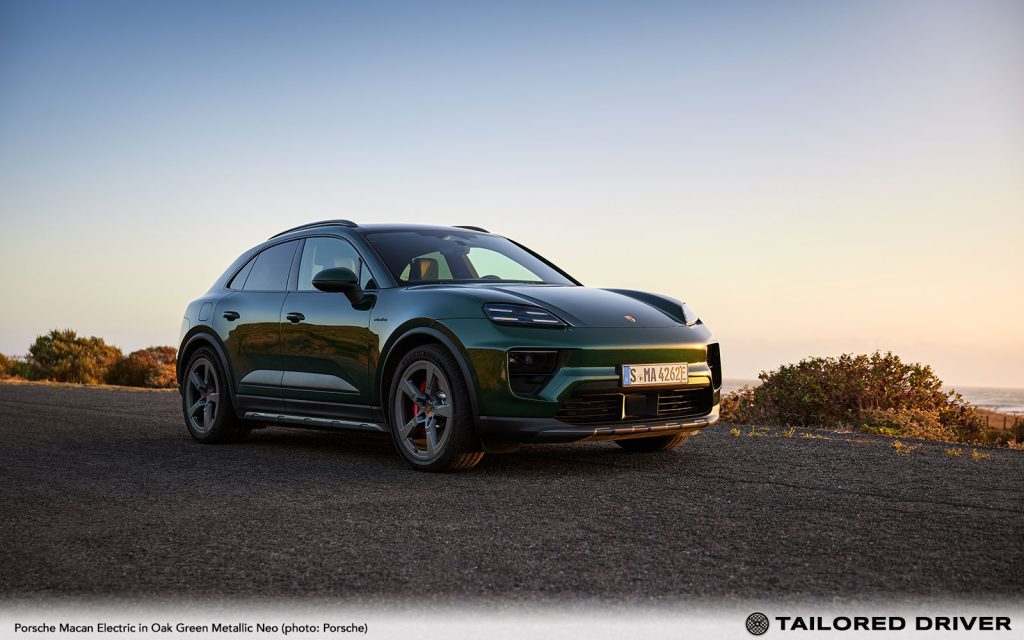
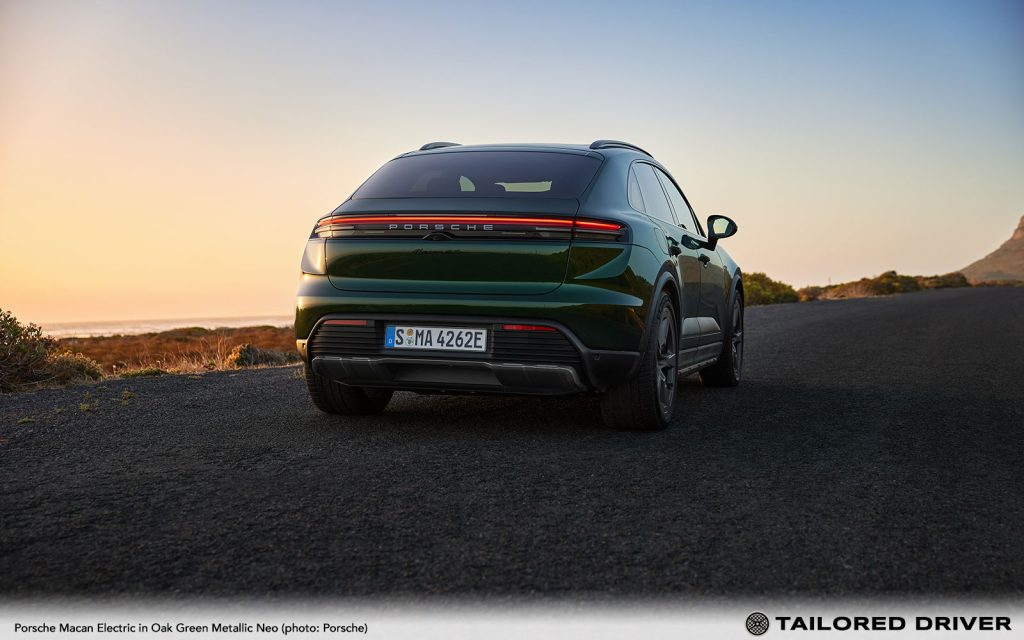
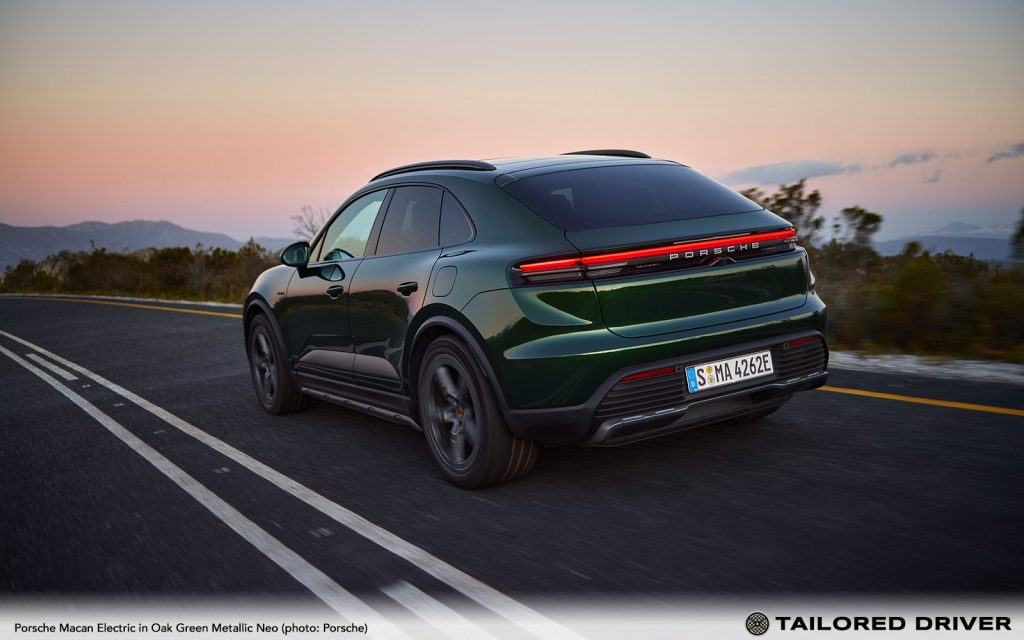
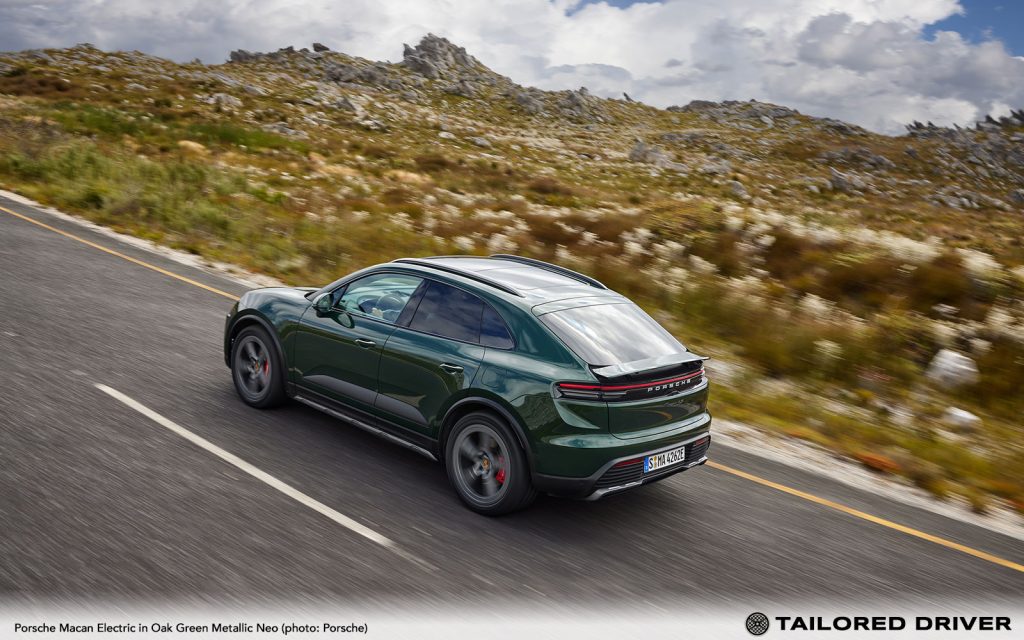
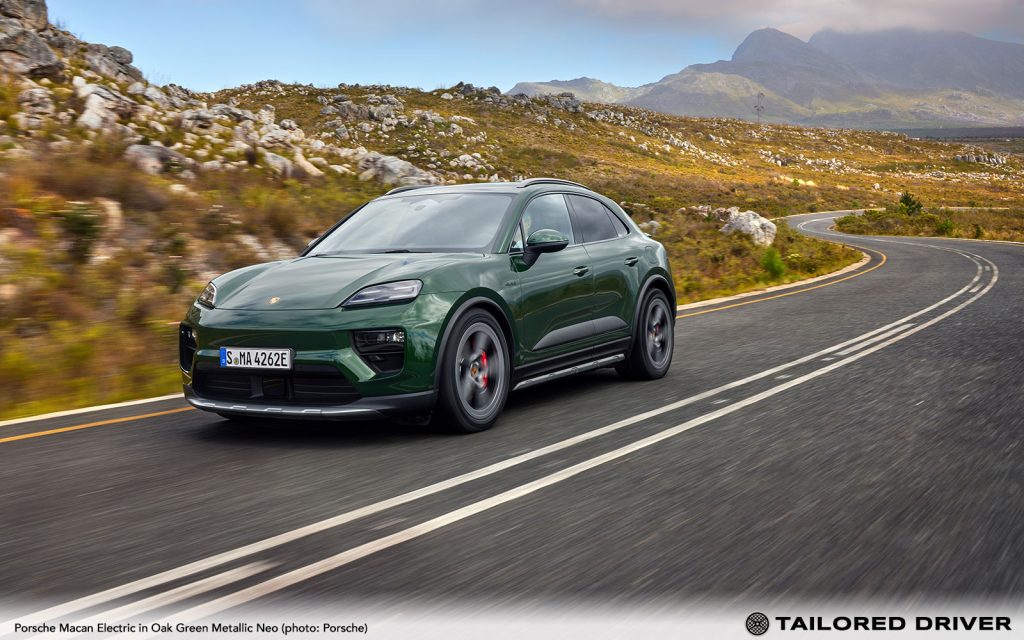
SUMMARY: A modern reformulation of a classic color, Oak Green Metallic Neo (oakgrünneo; metallic; M6E; Porsche) harks Porsche’s Oak Green Metallic of the 80s and 90s that was offered in that period as a standard though remained rare. Today’s reformulation, thus the “Neo” in Porsche parlance, appears to be close but not exact. It was a standard launch color for the Porsche Macan Electric and the launch photo spec for the 992.2 GT3 Touring, so not widely seen in person at the time of this writing. Those familiar with the original who have seen it in person report it has a bit less gold tones and metallic flake than the original.
RELATED LINKS:
None at this time.
VIDEO REFERENCE:
PHOTOGRAPHIC REFERENCE:
Below is a gallery of several cars painted Porsche Oak Green Metallic Neo.