Tag: gold

  • New Porsche Panamera: Personalization

    New Porsche Panamera: Personalization

    Porsche Exclusive Manufaktur

    [source: Porsche AG]

    Individuality is at the core of the Porsche brand. There is therefore a large number of options already available for the new Panamera in the configurator to meet the customisation requirements of customers in this segment. In addition, Porsche’s overlapping customisation programmes Paint to Sample, Paint to Sample Plus and Sonderwunsch further broaden the already extensive standard range. Paint to Sample includes more than 50 predefined, technically approved colours for the Panamera. With the Paint to Sample Plus option, the paintwork can be chosen almost without restriction. This includes an extensive feasibility study.

    Porsche Exclusive Manufaktur has developed a number of directly configurable options for the new Panamera. These include the SportDesign package including sill trims in Black or Turbonite as well as the SportDesign package in Carbon Fibre + Aerokit and special 21-inch wheels. Six shades are available for each of the Exclusive Design and Sport Design wheels. In addition, there are tinted HD matrix LED headlights and tail lights with both departure and welcome-home animation. A special Sports exhaust system with tailpipes in dark bronze rounds off the exterior options for the new Panamera from the Porsche Exclusive Manufaktur.

    Porsche Exclusive Manufaktur will also upgrade the interior on request. Interior packages in matt carbon with contrasts in Neodyme, Carmine Red or Ceramica can be configured directly. In addition, there are extended leather options, for example on the handles, the luggage compartment lid or the seat consoles. The leather-free finishes include the option of colour-coded decorative stitching and matching seat belts. The dial of the SportChrono cockpit watch can be configured in a matching Night Green on a Kalahari grey background. The GT sports steering wheel can be specified with a carbon trim on request. Even for vehicle keys and floor mats, Porsche Exclusive Manufaktur offers particularly high-quality options.

    Panamera joins the Sonderwunsch programme

    Beyond the directly configurable options, Porsche pursues a systematic approach to customisation. The Sonderwunsch programme from Porsche Exclusive Manufaktur combines the maximum individuality of a custom workshop with the uncompromising perfection of a large car manufacturer. Porsche has now brought the eponymous 1970s programme to the present day. It enables customer-created, personalised one-offs professionally implemented by Porsche.

    The Sonderwunsch programme, which was restarted at the beginning of 2022, is comprised of three strands. First, customer-specific colour and material requirements in the interior and exterior can be integrated directly into the production run. The second strand is Factory Re-Commissioning. Here, it is possible to retrofit previously manufactured vehicles with new colour and material options according to special requirements. This is also possible after several years and in collaboration with Porsche Classic for classic Porsche vehicles. The third strand is the Factory One-Off option. At Porsche, this term describes cars that are not only customised or revised in terms of appearance, but also in terms of technology, at the customer’s request. The options range from a complete restoration to new technical developments. Depending on the vehicle’s age, the technical experts at Porsche Exclusive Manufaktur or Porsche Classic take care of implementation.

    The implementation of special requests for the Porsche Panamera is carried out via Factory Re-Commissioning. The customer can become a co-project manager and work out their special wishes in close cooperation with Porsche designers and developers. They check the customer’s ideas for feasibility and work out the details with them, including technical certification. This ensures that the result meets all Porsche quality standards in every detail. The implementation takes place either directly after the production of the car or at a later stage – as desired.

    Panamera Turbo ‘Sonderwunsch’ demonstrates the potential of the Sonderwunsch programme

    Porsche demonstrated the almost unlimited options of the Sonderwunsch programme during the world premiere of the new Panamera. The Panamera Turbo ‘Sonderwunsch’ show car illustrates a number of possibilities. Specially created colour tones, individual accents and planning down to the last detail demonstrate the all-encompassing nature of the Sonderwunsch programme from Porsche Exclusive Manufaktur.

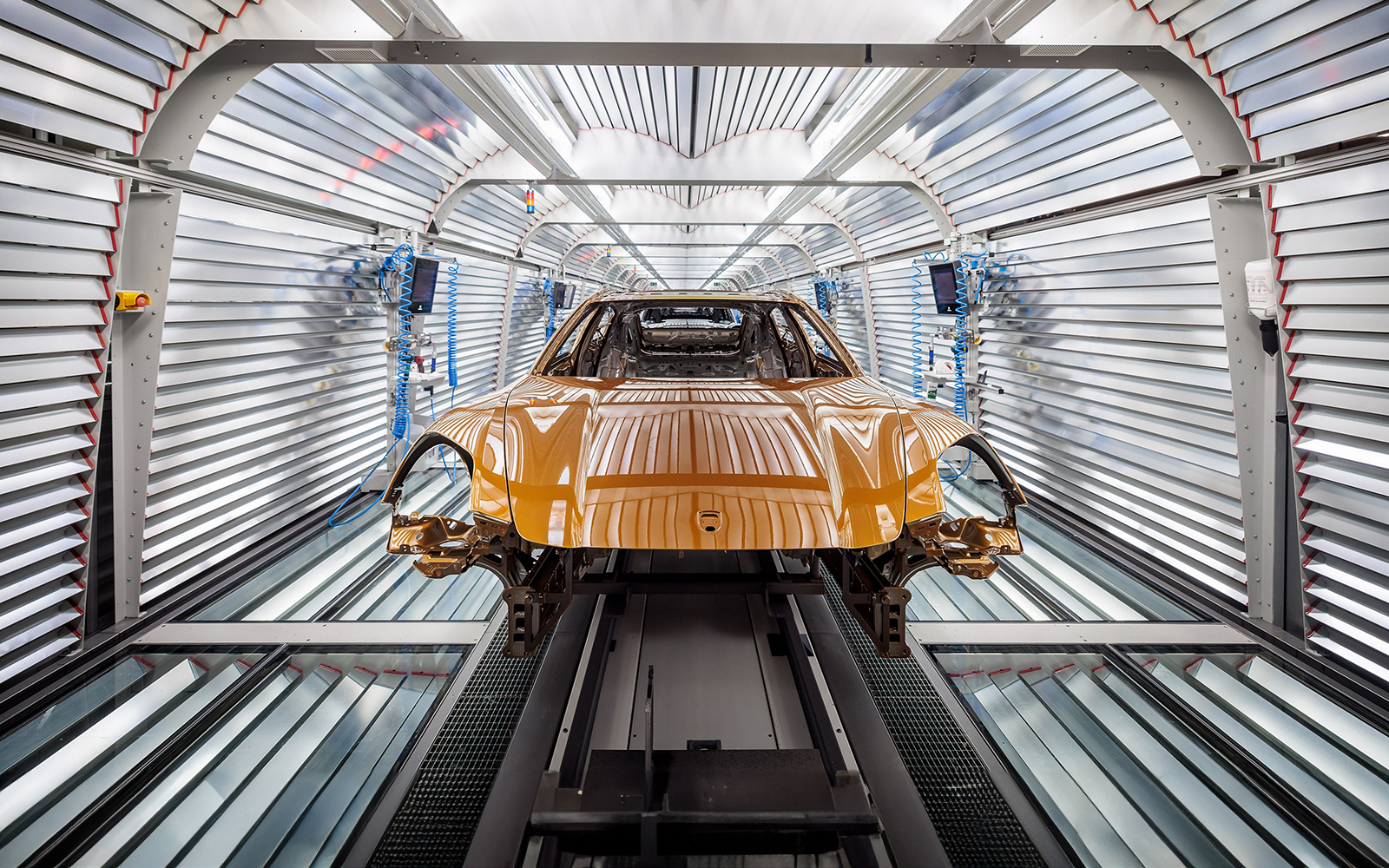
    The demonstration model, customised by Porsche Exclusive Manufaktur, was given a two-tone colour scheme in the specially mixed shade of Leblon Violet Metallic. This is a chestnut shade with a violet note. In an elaborate painting technique, the colour fades into a solid black in the lower third of the car. The door sills and front and rear spoiler lips are in solid black. The darkened headlights, tail lights and windows are perfectly matched, and the tailpipes were designed by Porsche Exclusive Manufaktur designers in Black. They also mixed real gold flakes into the car’s clear lacquer coating, creating a spectacular glitter effect.

    The exterior of the Panamera Turbo ‘Sonderwunsch’ also features pinstripes in Avium Metallic with an integrated ‘Sonderwunsch’ logo. Porsche Exclusive Manufaktur also lacquered the face of the 21-inch centre-lock wheel rims and the frames of the side windows in this colour. In contrast, the rim base features the main shade of Leblon Violet Metallic.

  • Ferrari KC23: Maranello’s New One-Off Based on 488 EVO 2020

    Ferrari KC23: Maranello’s New One-Off Based on 488 EVO 2020

    • The wraps are off the KC23, Ferrari’s latest One-Off, bespoke-designed around a brief from one of the marque’s most passionate collectors
    • A futuristic track car based on the architecture of the 488 GT3 Evo 2020 which has triumphed on the world’s leading circuits
    • Two different configurations underscore its elegance and formal purity on the one hand, and its signature Ferrari sporty racing character on the other

    [source: Ferrari]

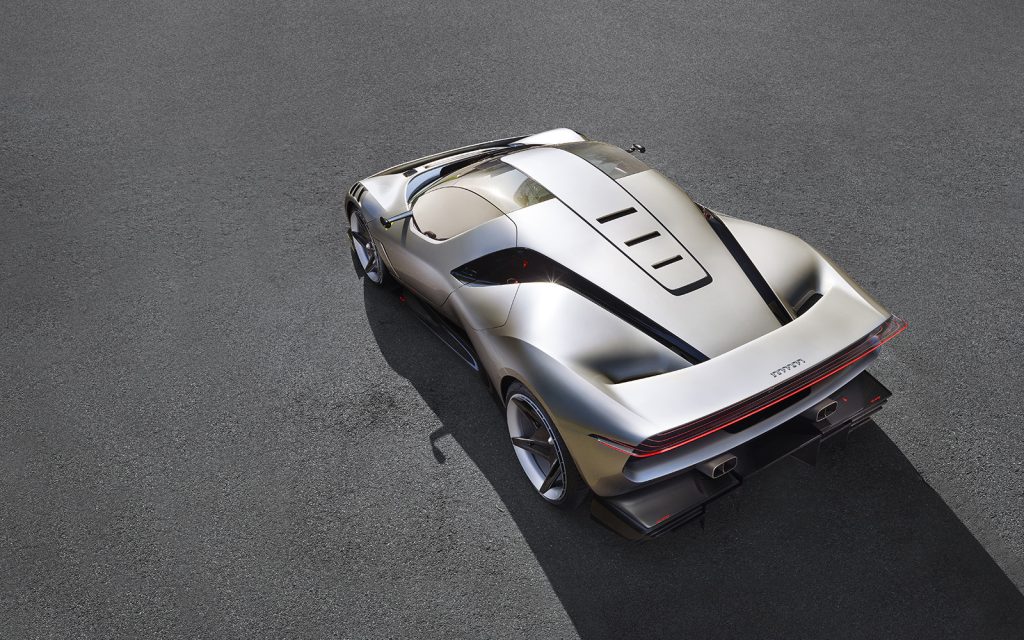
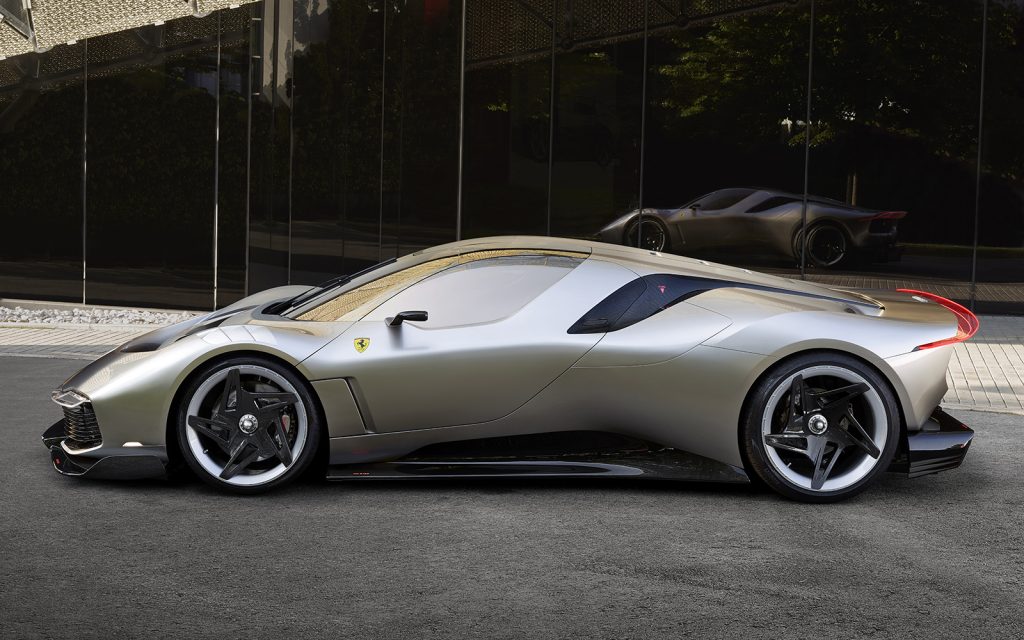
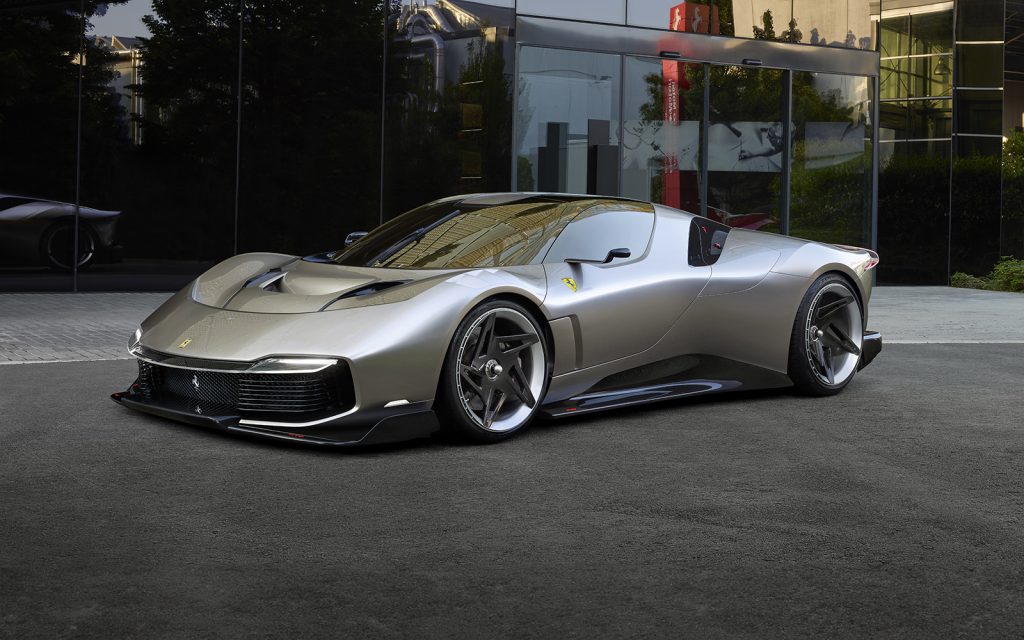
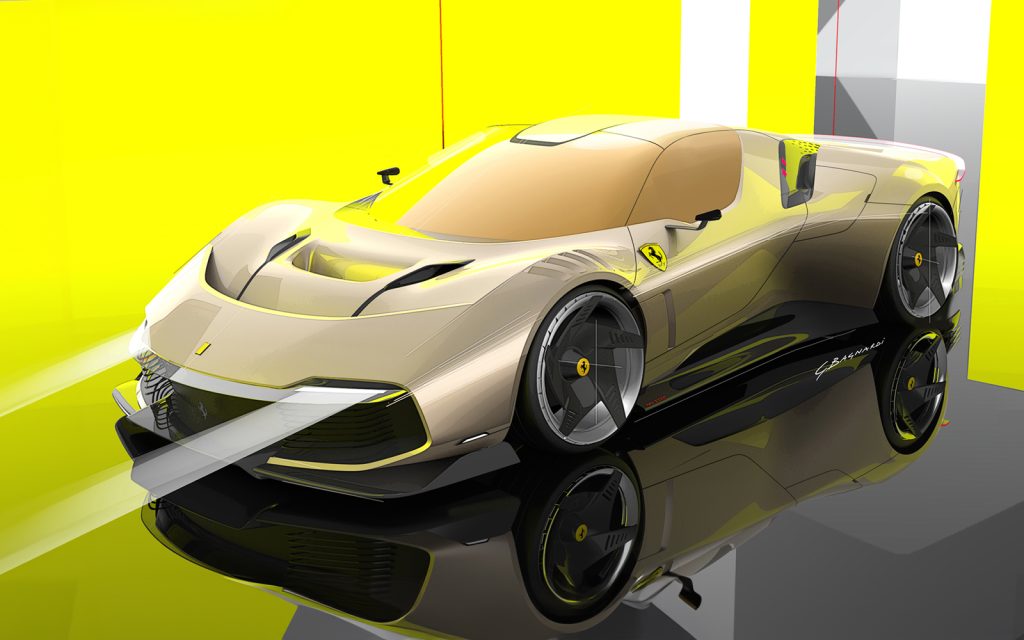
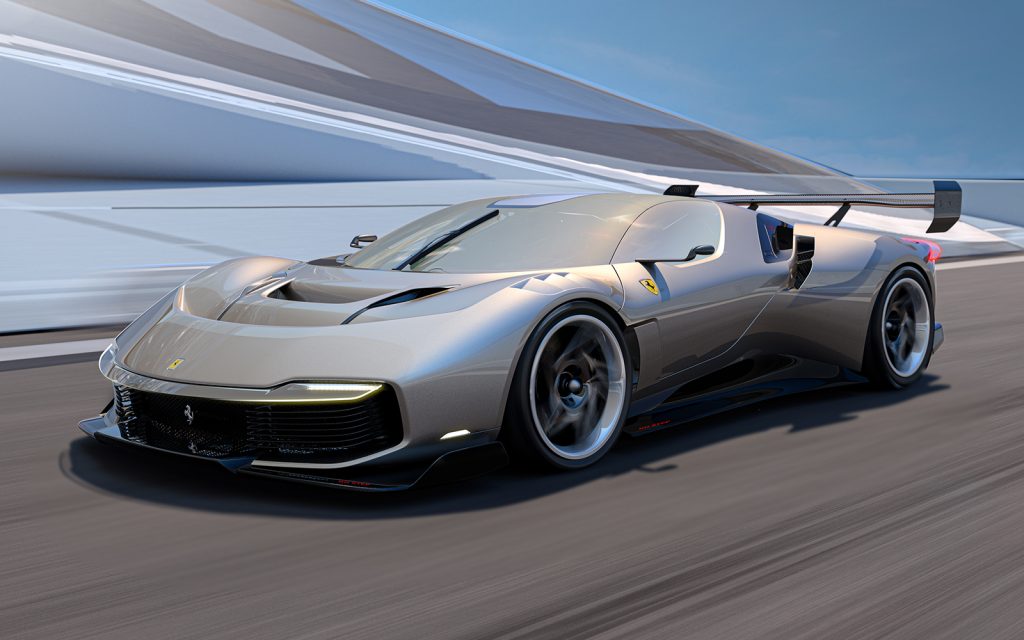
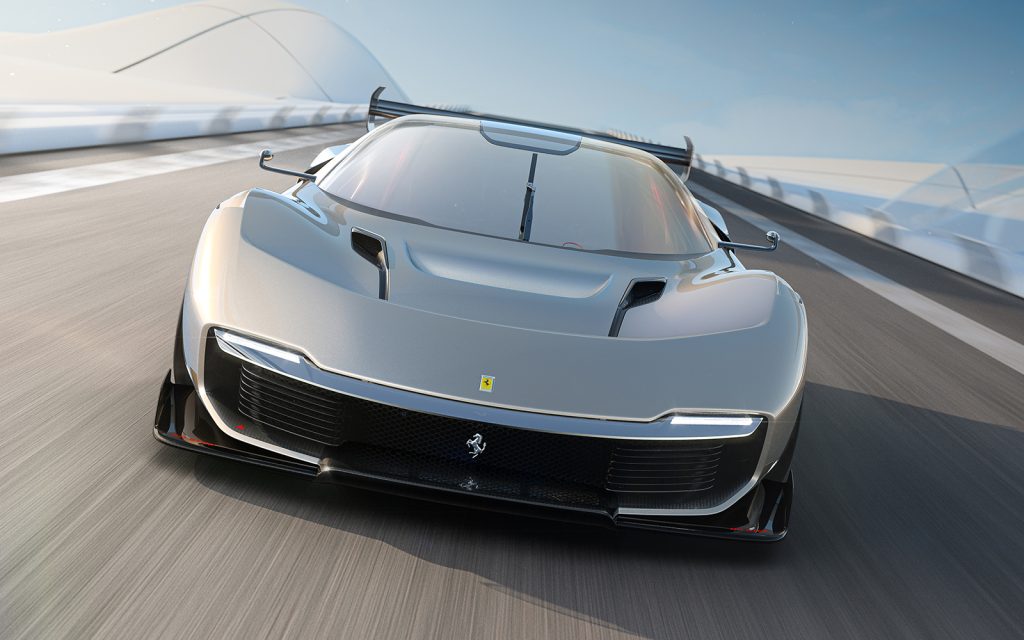
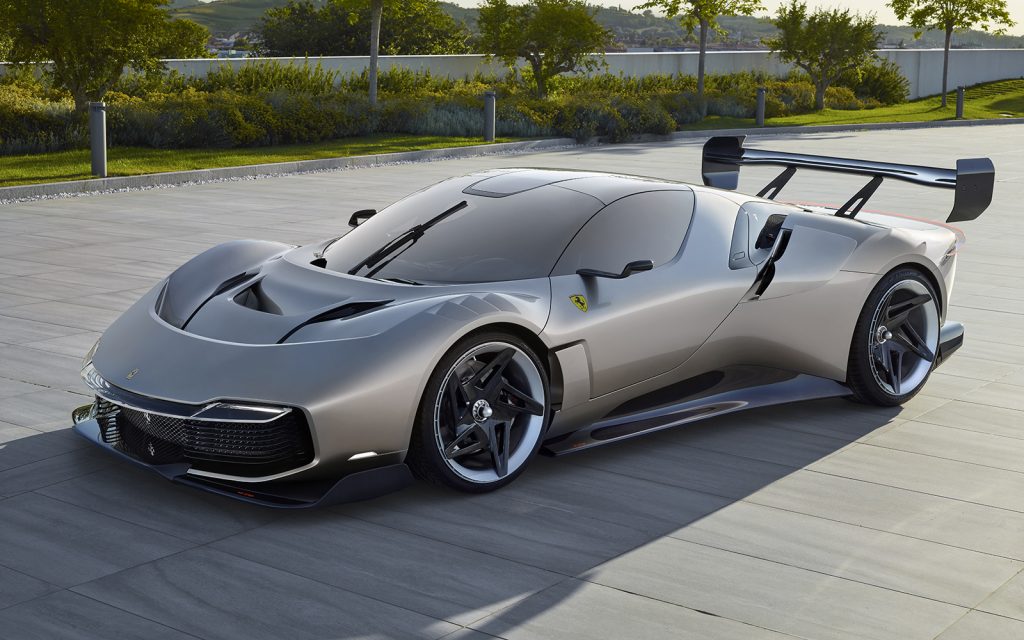
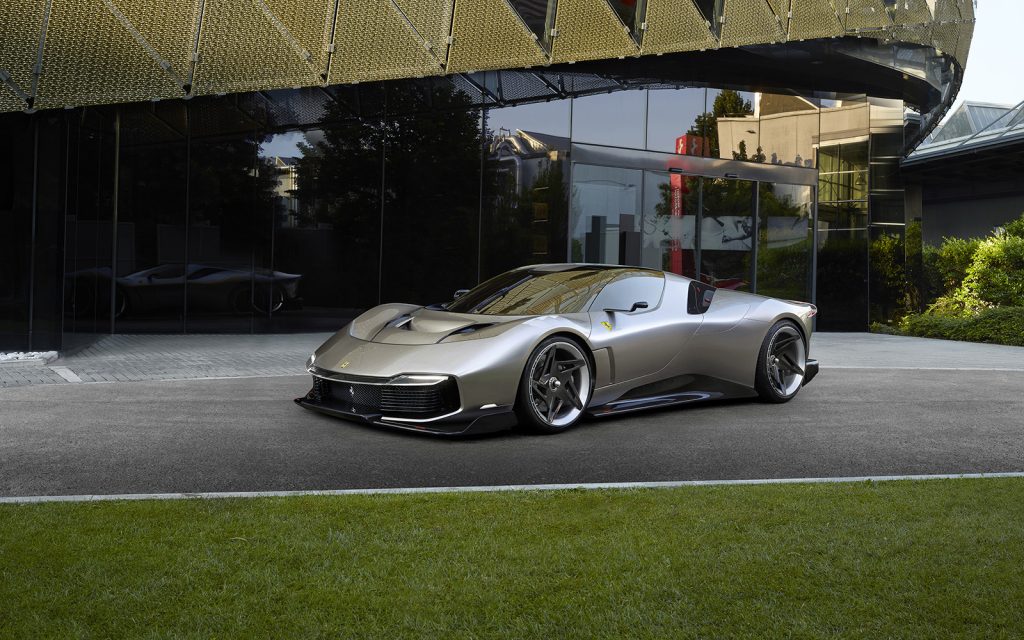
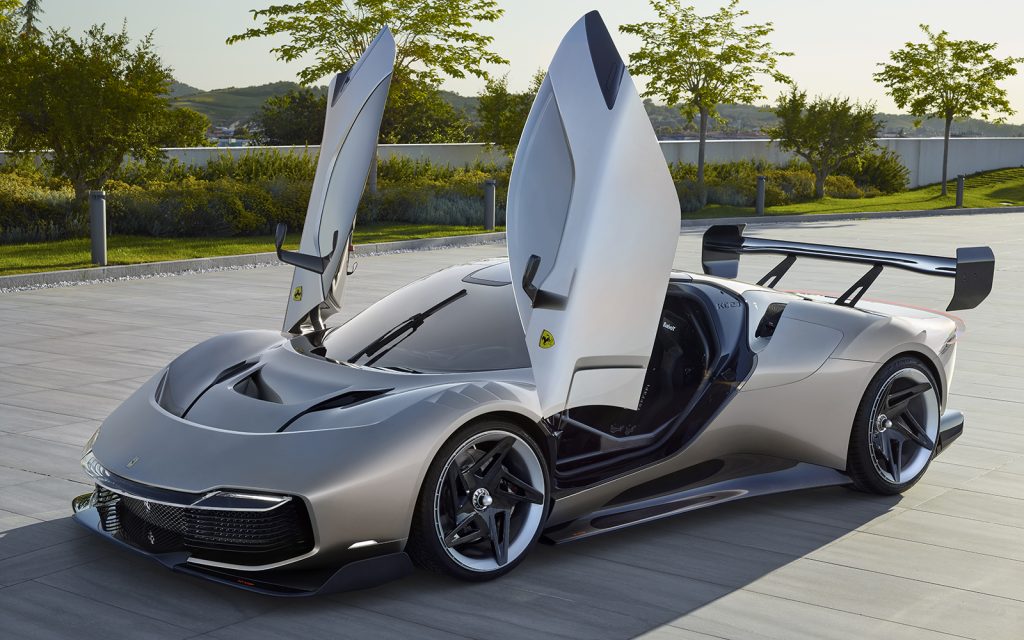
    Maranello, Italy – Ferrari today unveiled the latest addition to its One-Off series, the Ferrari KC23. The latest in the marque’s Special Projects programme, it was commissioned by one of the Prancing Horse’s leading collectors. The KC23 one-off is a bold and extreme vision of what the closed wheel racing of the future may look like. A superlative new take on the most successful track car in Maranello’s 76-year history, the 488 GT3 in its ‘Evo 2020’ version, it pulls off the incredible feat of exuding elegance when at a standstill and thrilling the viewer once on the move, thanks to ground-breaking aerodynamic solutions, such as motorised air intake vents and an imposing rear wing.
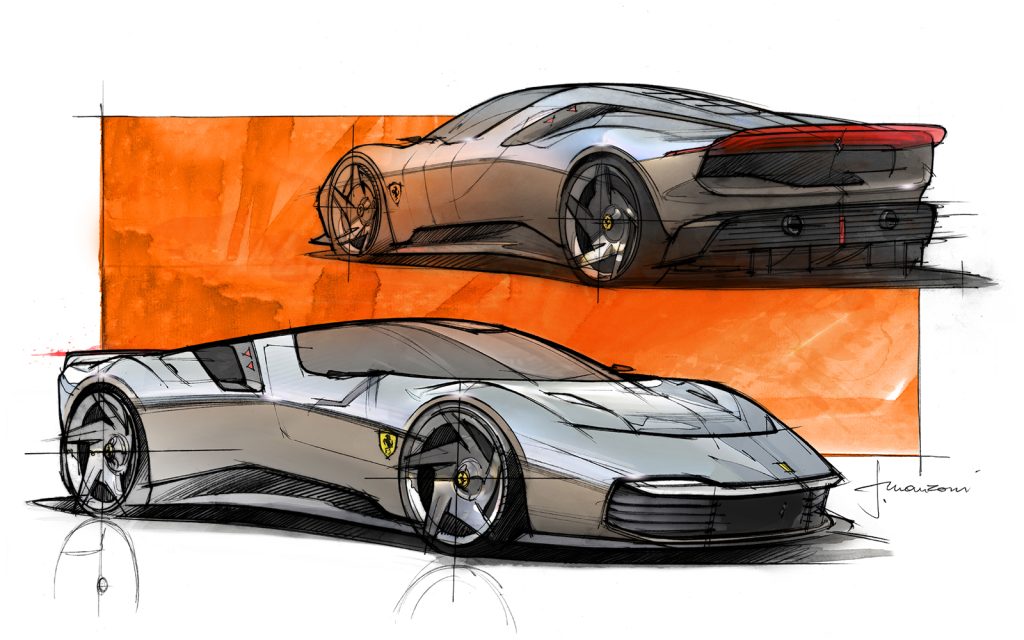
    Designed by the Ferrari Styling Centre led by Flavio Manzoni, the KC23 is based on the 488 GT3 Evo 2020 platform from which it inherits its layout, chassis and engine. The base for the project was very special indeed: the 488 GT3 has been racing since 2016 and to date, it has triumphed in the world’s most prestigious endurance races, racking up over 530 victories and winning more than 119 championships, making it the most successful racing Ferrari in history.

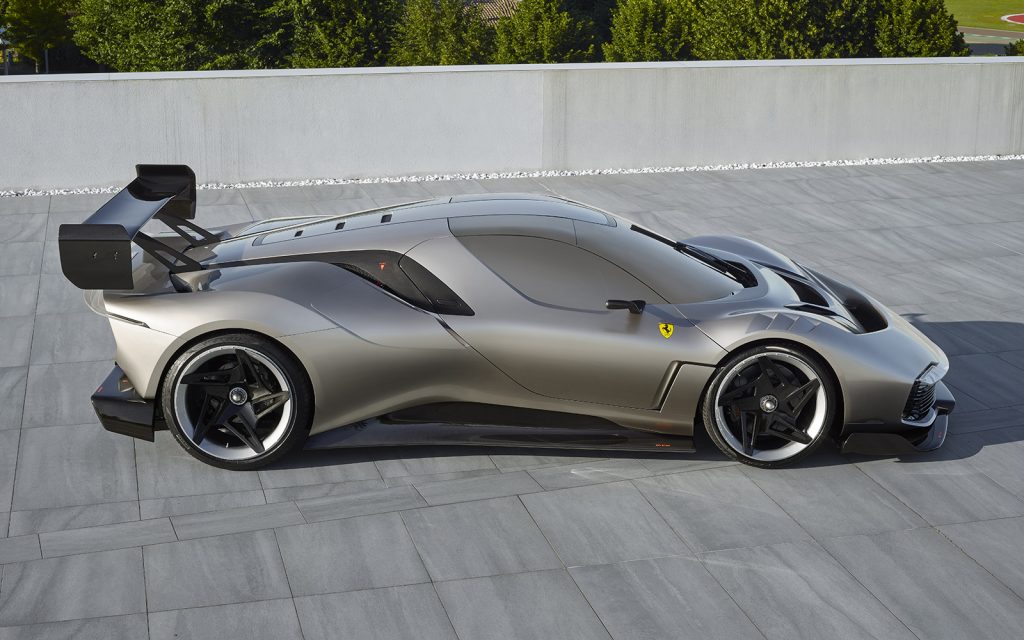
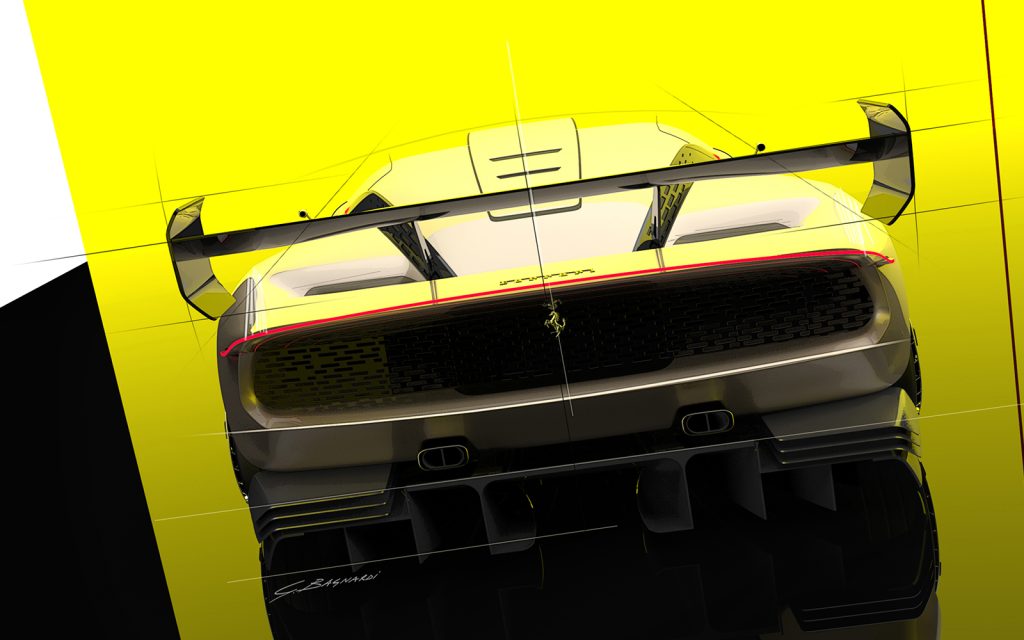
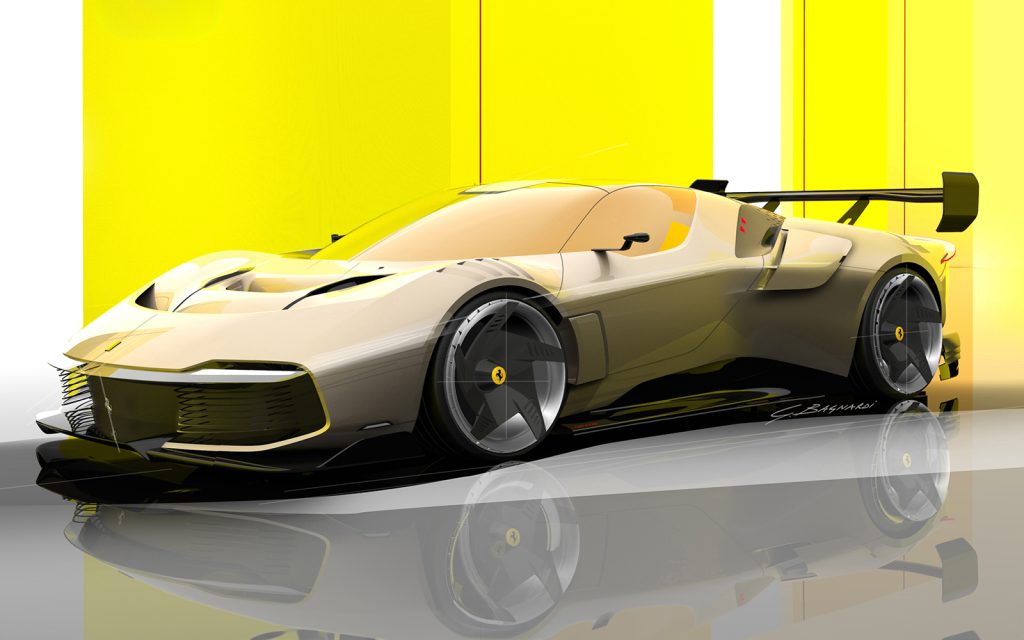
    Given the extreme nature of its engine, chassis and suspension set-up, the KC23 was designed exclusively for non-competitive track use. Its most unusual feature is its dual configuration. At a standstill, the car’s layout showcases its clean, sleek, sinuous forms, but once it hits the track its visual stance is dominated by its impressive air intakes, which open automatically, and its imposing rear wing.

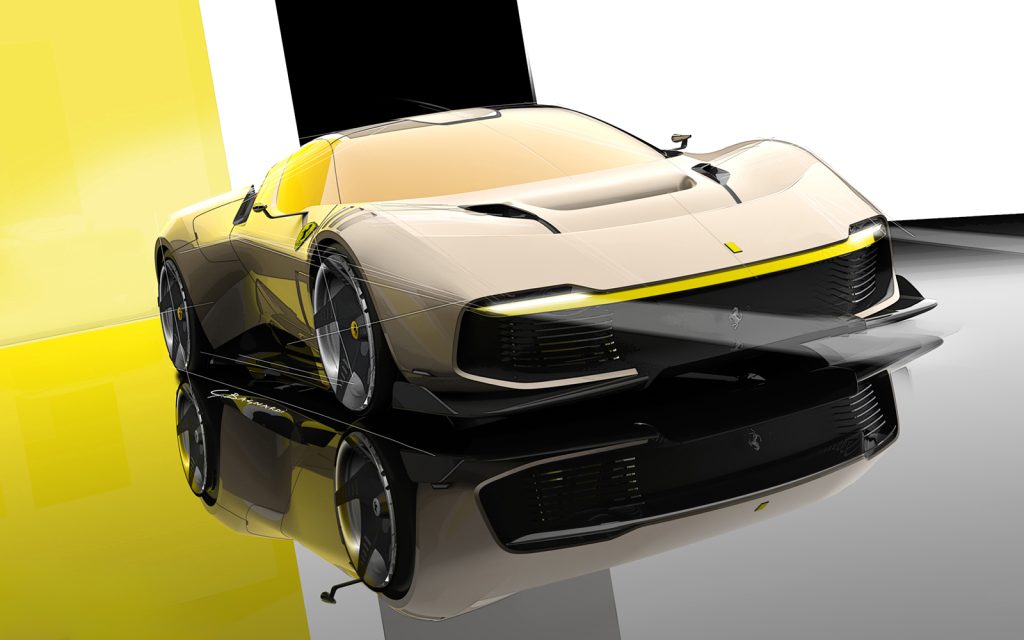
    From the very earliest days of the project and in agreement with the client, the Ferrari Styling Centre focused on creating a radical one-off car completely free of homologation constraints and clothed in the kind of timeless lines that would make an instant classic whilst also providing a tantalising glimpse of the future of supercars. That challenging goal demanded that every single one of the 488 GT3 Evo 2020’s lines being redesigned, glass surfaces and light clusters included.

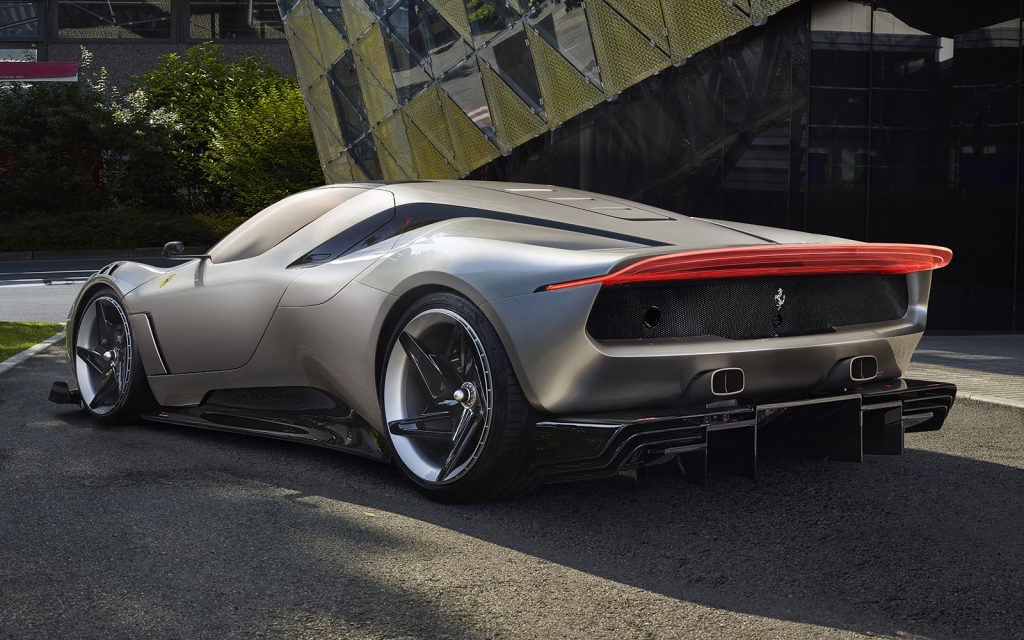
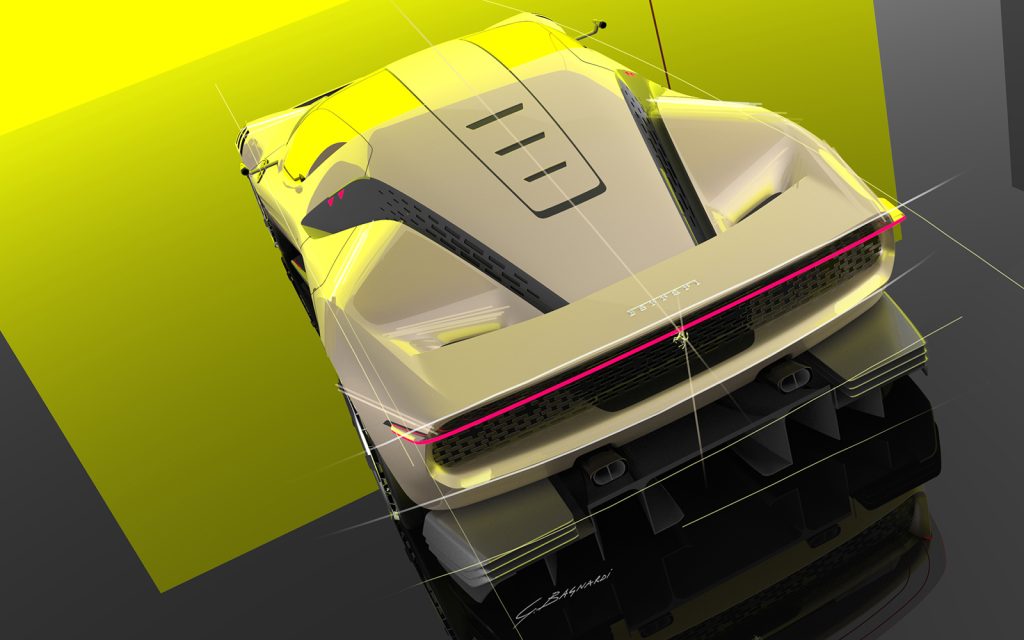
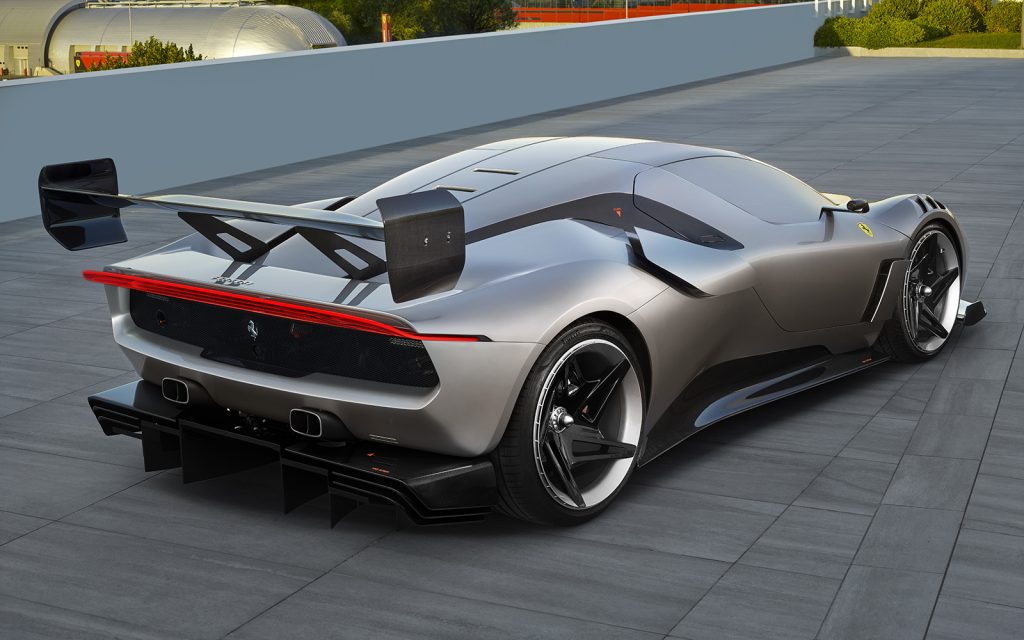
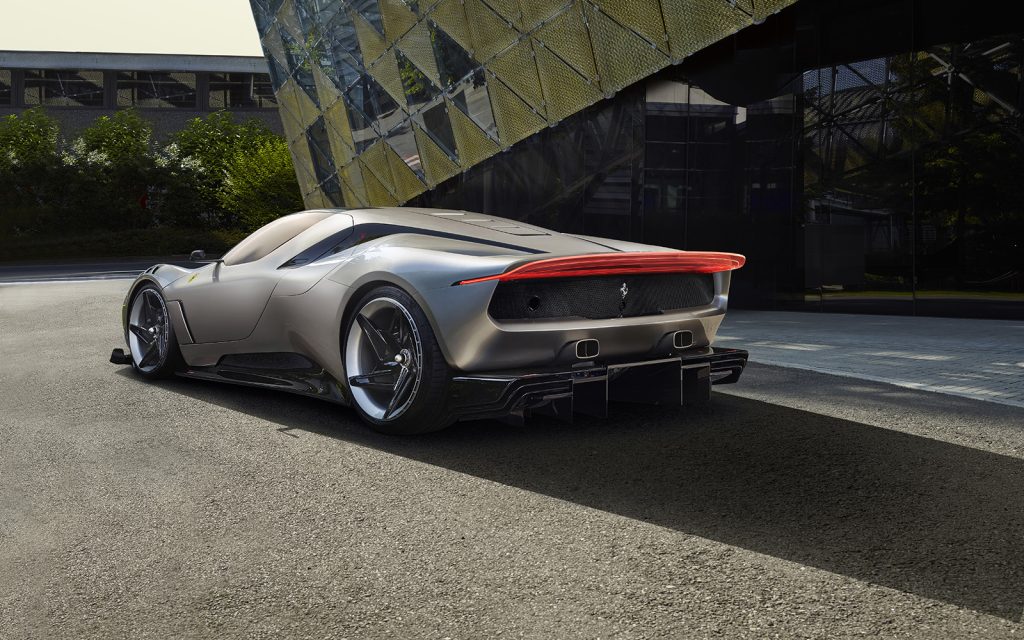
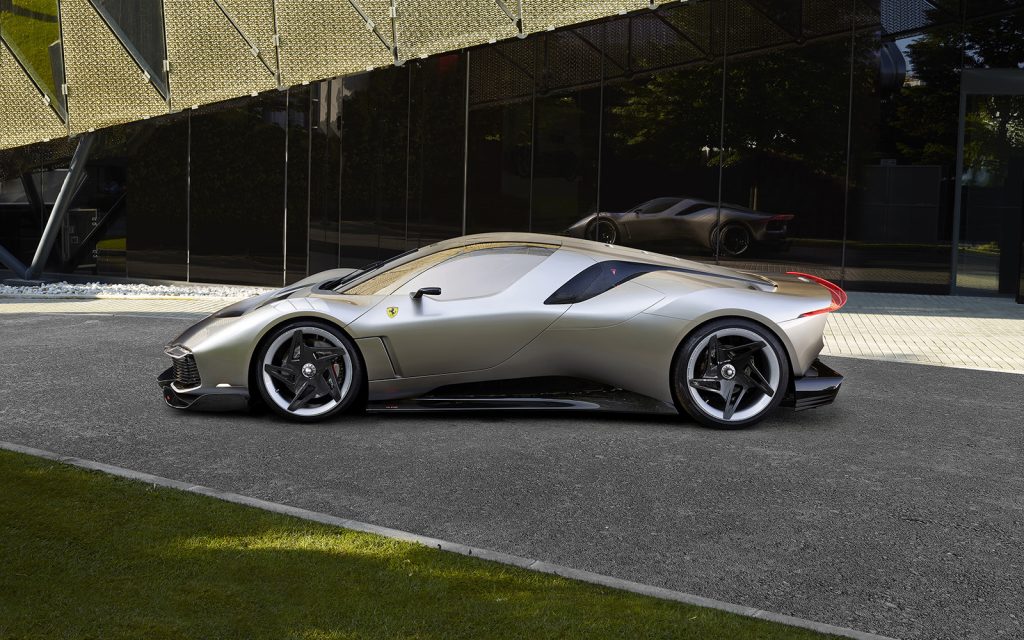
    The result is that the car has a monolithic beauty, as if it were sculpted from a single block of metal. The design also hides several of the car’s technical functions, particularly the side air intakes, which open automatically when the mid-rear V8 twin turbo is turned on. This gives the KC23 an almost lifelike look, as its shape changes depending on what it is being used for. The rear wing is also removable to underline its clean, formal lines when not on the track.

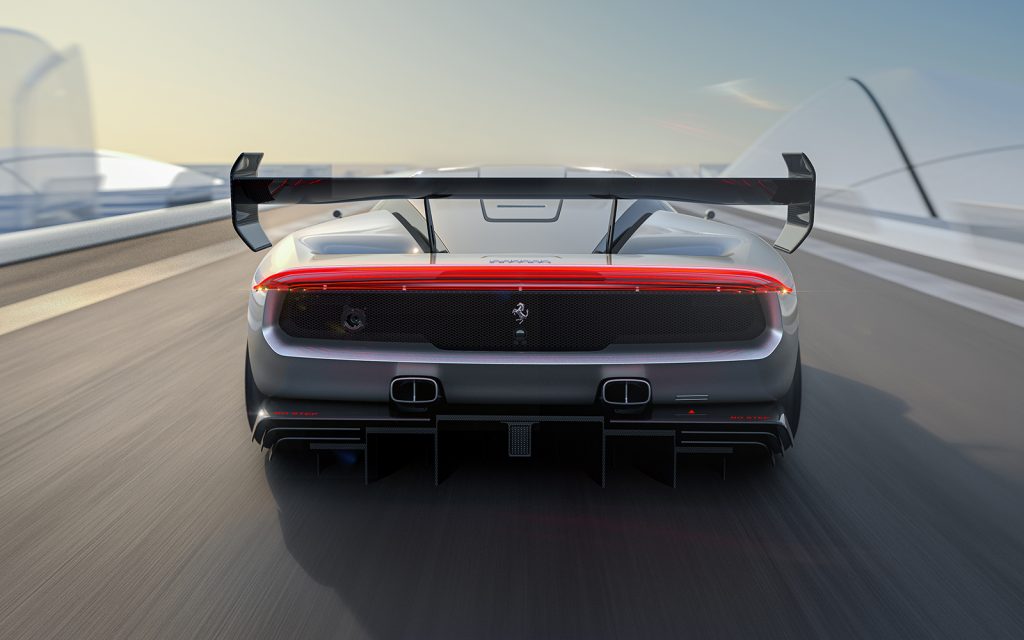
    The surface treatment is smooth and seamless, with sharp angles reduced to an absolute minimum to underscore the KC23’s spare, sinuous purity in the pursuit of an iconic, futuristic design that will stand the test of time. When the driver turns on the engine before taking it out on the track, the KC23 undergoes a radical transformation, its racing stance and aggression suddenly very much to the fore. It is impossible to ignore its imposing rear wing, which marks it out as a racing car designed to scythe through the corners and unleash every single horsepower the V8 can generate.

    In terms of downforce and cooling, the designers worked hard to retain the performance of the donor car despite the fact that the KC23 has a completely different silhouette. Panels were developed with custom kinematics that activate automatically when the engine is turned on: the one behind the front wheel reveals a fence, which boosts front downforce to balance the car aerodynamically. The panel at the rear provides the correct amount of intake air to the intercoolers and auxiliary components, as well as to the engine.

    The KC23’s butterfly doors open vertically on single front hinges, an architectural solution it shares with another iconic supercar, the LaFerrari. No changes were required to the greenhouse or the car structurally to incorporate this feature. The clam-shell bonnet has a simple opening system – just two pins need to be removed to allow the front to be inspected and maintenance work to be done. Both headlights and rear lights have been redesigned, with the most radical change to the rear lights where striking methacrylate light blades, inspired by the Ferrari Vision Gran Turismo, spring to dazzling life when the engine is turned on.

    Even the car’s glass surfaces were influenced by the design philosophy underpinning the KC23: they are seamlessly integrated with the bodywork, with no visible pillars, frames or seals, creating a clearly aeronautics-derived dome effect. Their metallic finish melds seamlessly for maximum styling continuity, creating a strikingly futuristic result.

    Another distinctive feature is the KC23’s Gold Mercury livery, courtesy of a specially-developed, four-layer aluminium paint. The liquid metal in the paint gives it an astonishingly luminous gleam in sunlight and the colour itself seems to change constantly depending on the type and angle of the light striking it, giving an extraordinarily captivating effect.

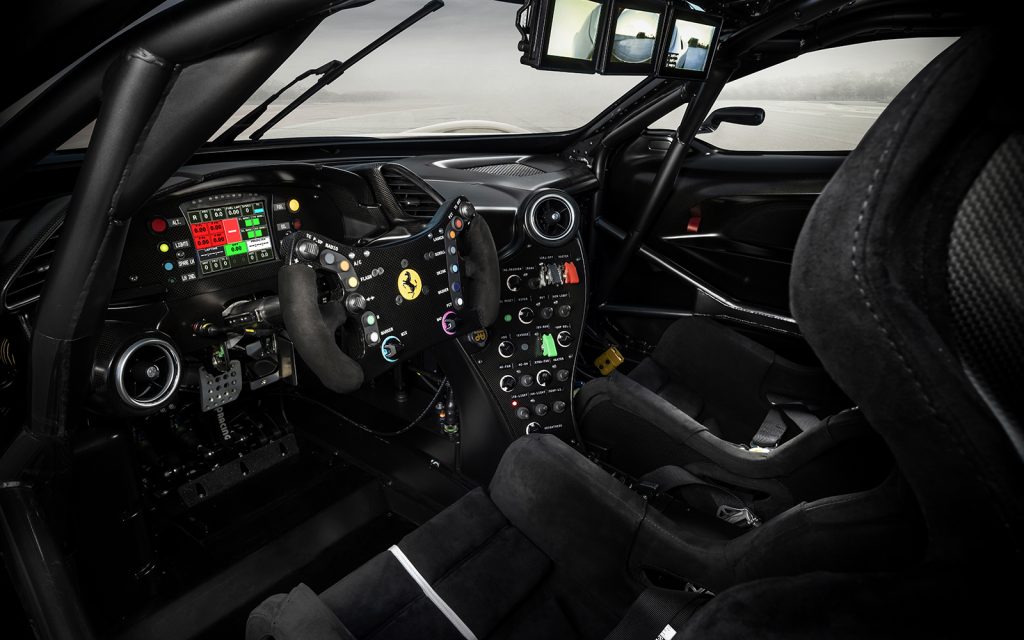
    The cabin has been kept as pared-back and similar to the 488 GT3 Evo 2020 as possible, with the exception of the door panels and dashboard finish on the passenger side. The KC23’s specific seats, trimmed in Alcantara® with an electro-welded logo, lend the cabin an elegance that is perfectly in tune with the exterior. Rearward visibility is ensured by a video camera system that also had a beneficial impact on the car’s aerodynamics, as the traditional wing mirrors could be removed and the line of the flanks left unsullied.

    The car has two sets of specifically designed wheels: 18” wheels will allow the KC23 to dazzle on the world’s circuits while 21” wheels at the front and 22” wheels at the rear will captivate the public when it is displayed in its static configuration.

    The new arrival took over three years to develop and now joins the most exclusive group in the Prancing Horse’s range: bespoke cars crafted to the specifications of a client, making them the very pinnacle of Ferrari’s personalisation strategy. It will be making its first public appearance between July 13th and 16th at the Goodwood Festival of Speed, one of the UK’s most important motorsports events. From August 1st to October 2nd, it will be on display at the Ferrari Museum in Maranello, much to the delight of all of the enthusiasts eager to admire its extraordinary formal and engineering solutions at first hand.

    SPECIAL PROJECTS

    The Special Projects programme is aimed at creating unique Ferraris (the so-called “One-Offs”) characterised by an exclusive design crafted to the requirements of the client, who thus becomes the owner of a one-of-a-kind model. Each project originates from an idea put forward by the client and is developed hand-in-glove with a team of designers from Ferrari’s Styling Centre. Once the car’s proportion and forms have been defined, detailed design blueprints and a styling buck are produced before the manufacturing process for the new One-Off begins. The entire process takes around two years on average, during which time the client is closely involved in assessing the design and verification phases. The result? A unique Ferrari sporting the Prancing Horse logo and engineered to the same standards of excellence that characterise all of Maranello’s cars.

  • Extensive MANUFAKTUR Offering for the EQS

    Extensive MANUFAKTUR Offering for the EQS

    • Additional exclusivity for the electric saloons from Mercedes‑EQ and Mercedes‑AMG
    • Selected materials are partly processed by hand
    • MANUFAKTUR Interior Package with five exclusive colours in nappa leather with diamond quilting

    [source: Mercedes-Benz]

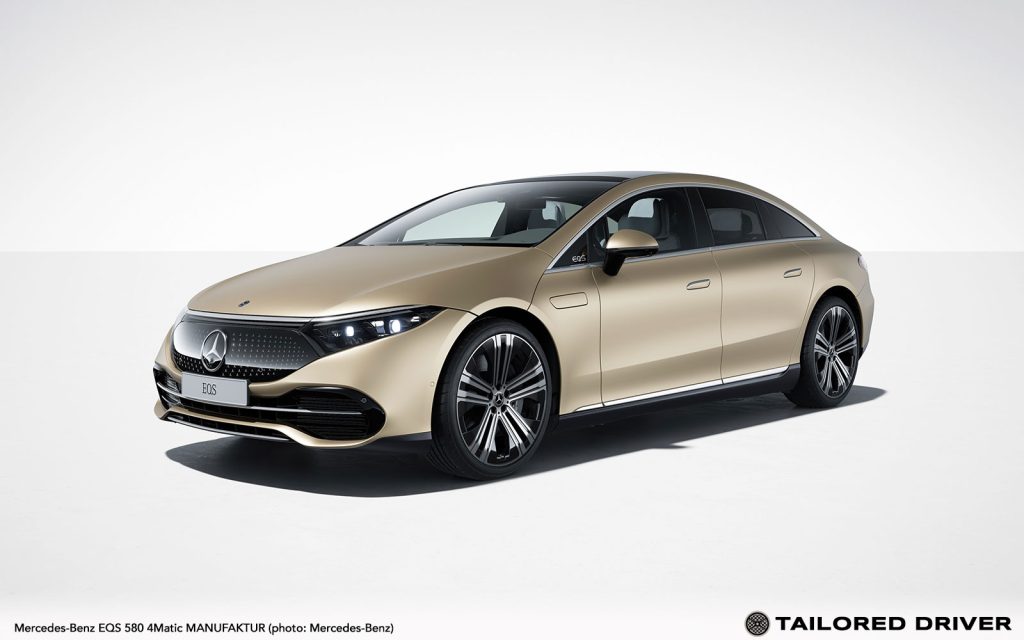
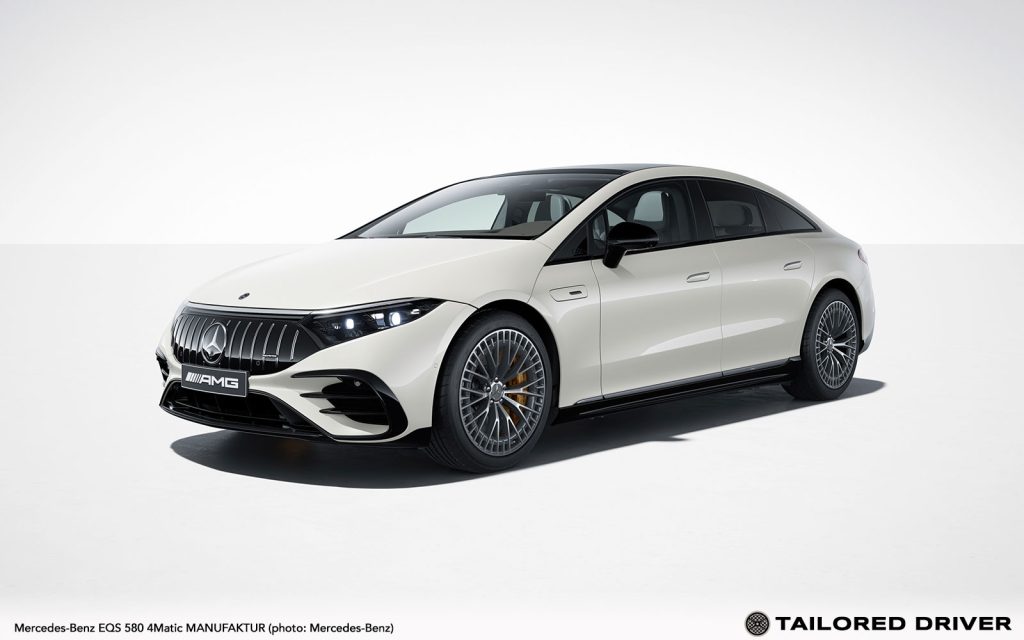
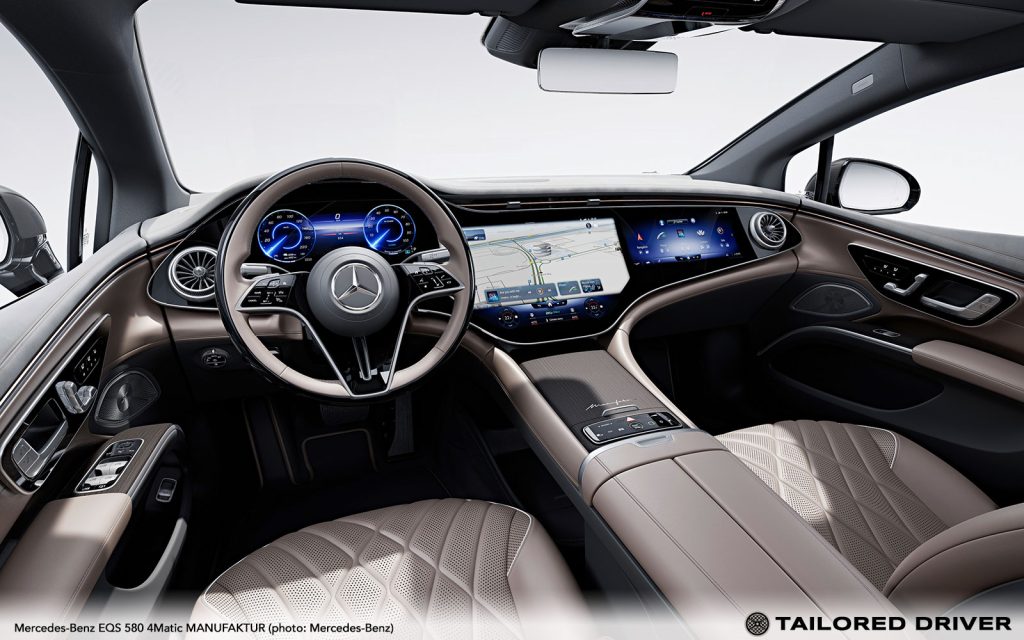
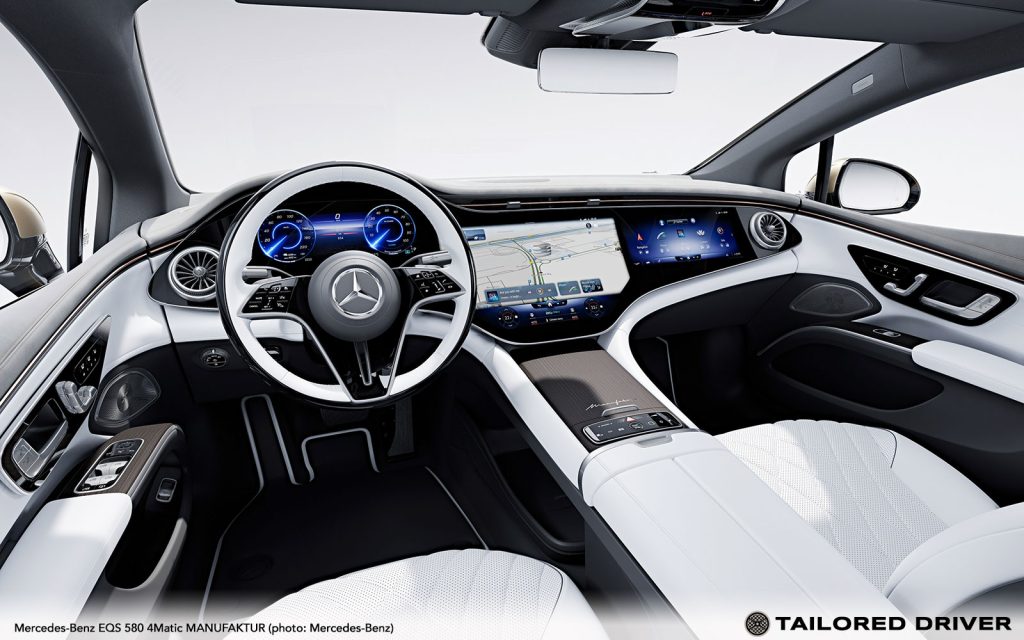
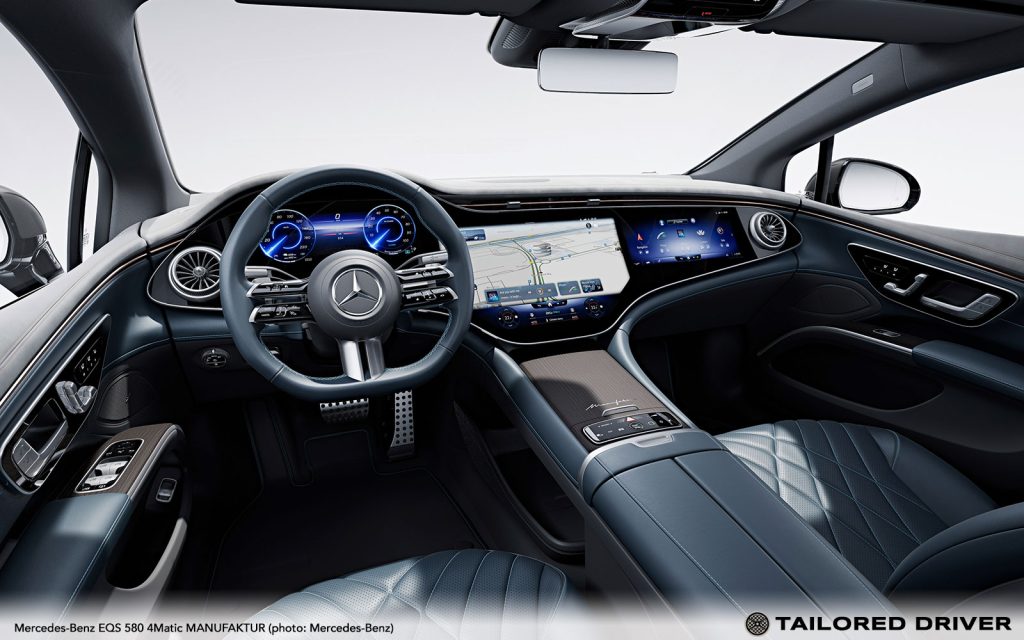
    A good year ago, Mercedes‑Benz presented the MANUFAKTUR range. It was launched in exclusive model series such as the Mercedes‑AMG GT 4‑Door Coupé, the Mercedes‑Benz S‑Class long-wheelbase version, the Mercedes‑Maybach S‑Class and the G‑Class. The new individualisation range has been very well received by customers. Recently, the EQS, the first fully electric luxury saloon from Mercedes and Mercedes‑AMG, can also be individualised with the help of the MANUFAKTUR range.

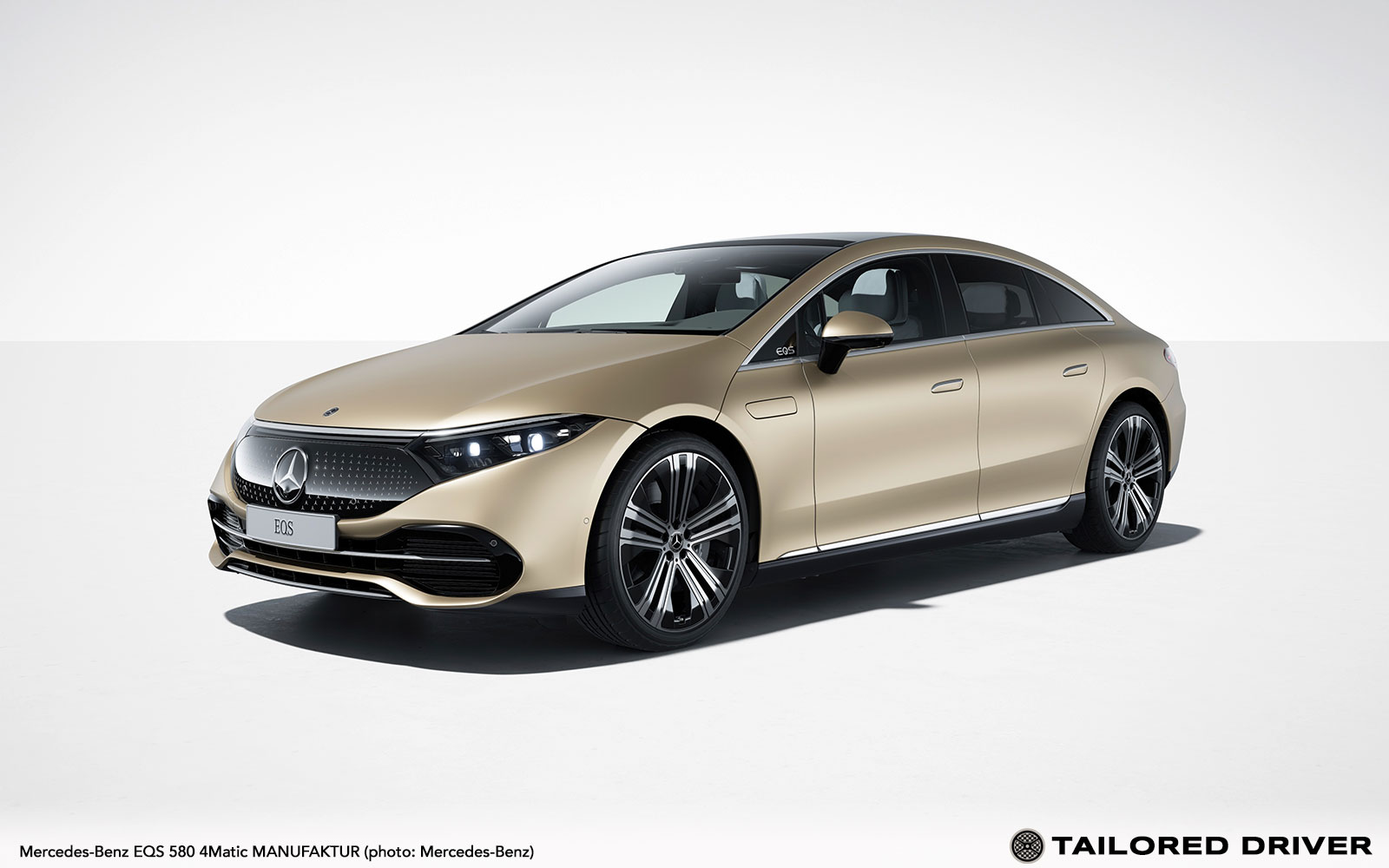
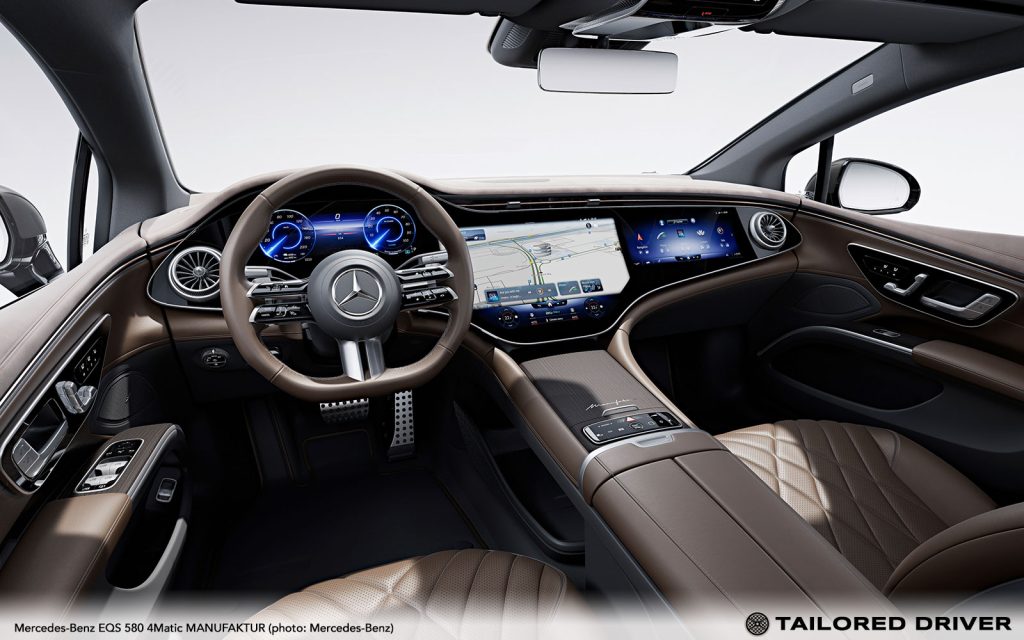
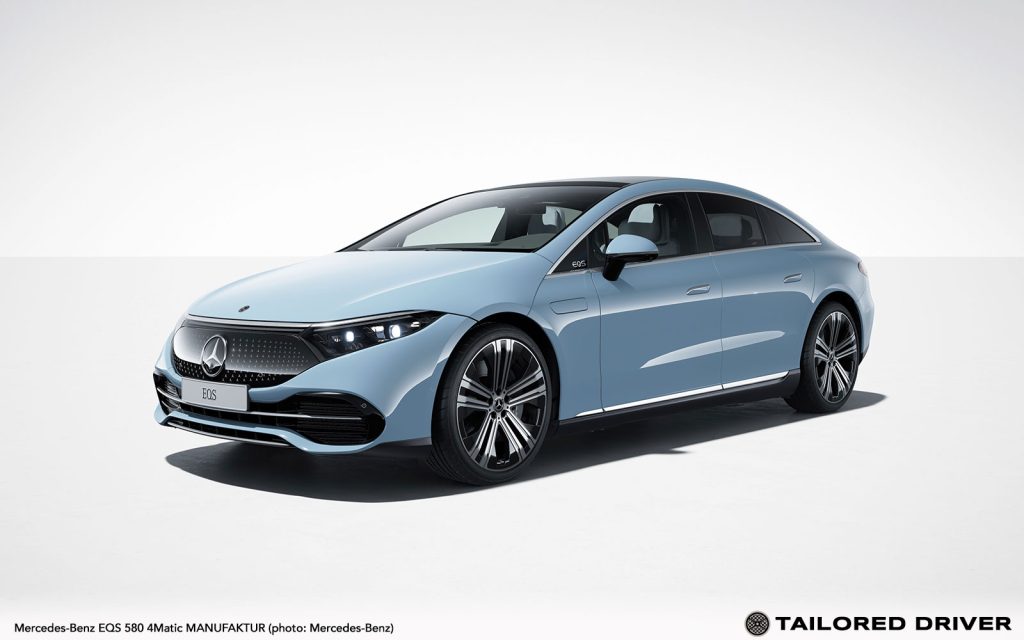
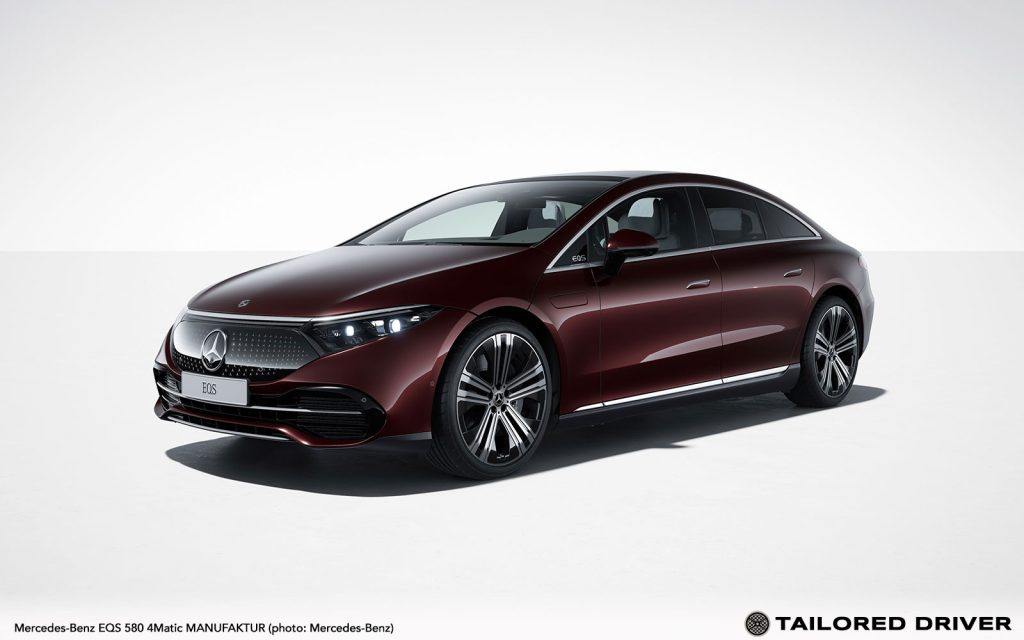
    Special paint finishes and high-quality interior refinements expand the possibilities for putting together an EQS to suit your personal taste. Below are some examples from the MANUFAKTUR range for the EQS:

    • A total of nine MANUFAKTUR paints are available, including those familiar from the S‑Class such as MANUFAKTUR vintage blue non‑metallic or MANUFAKTUR kalahari gold magno (€7,021.00 each[1]).
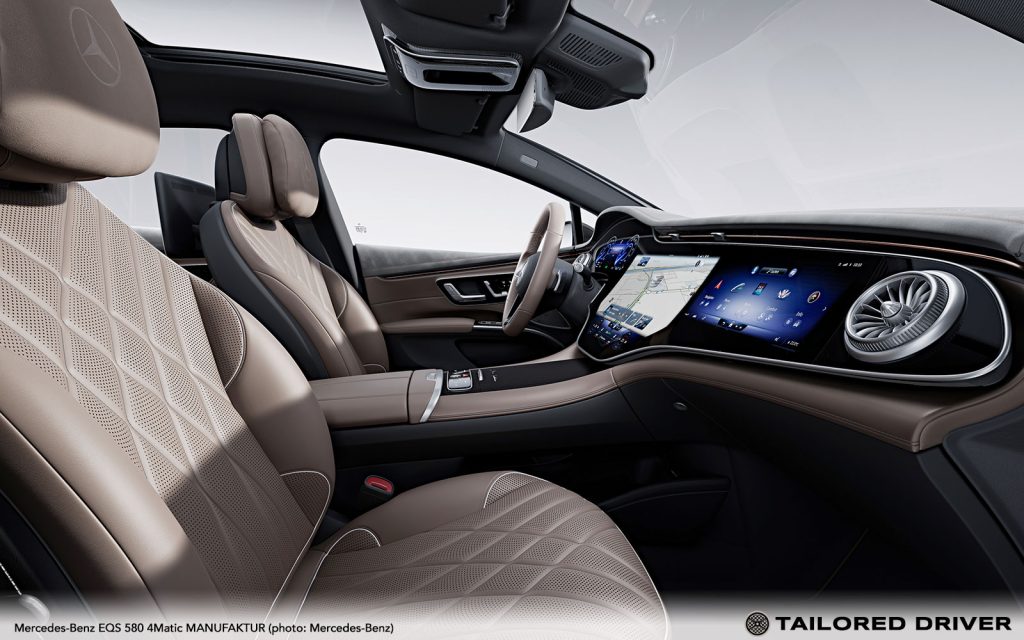
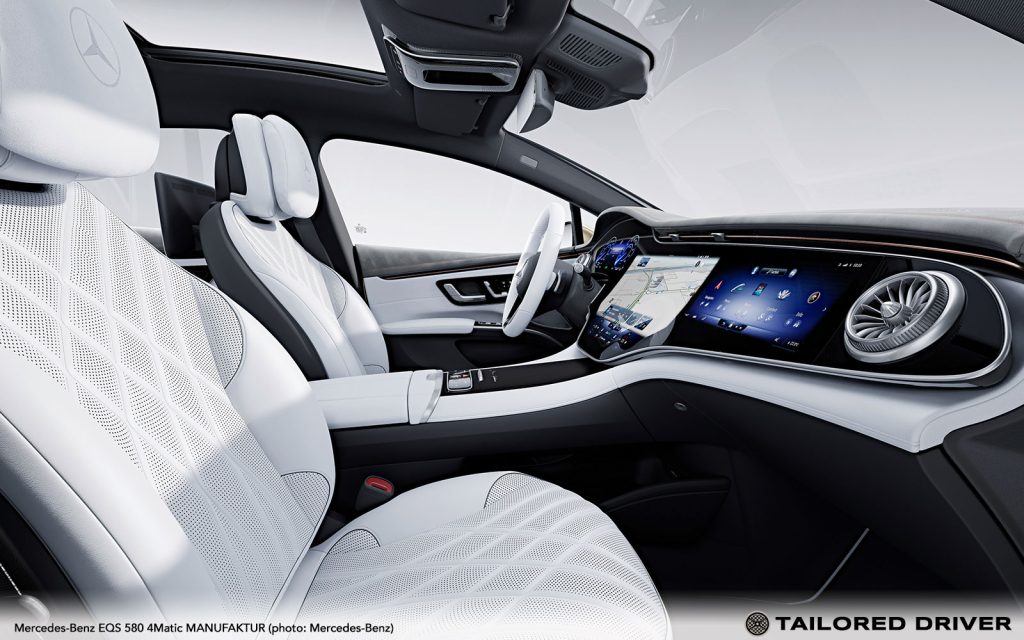
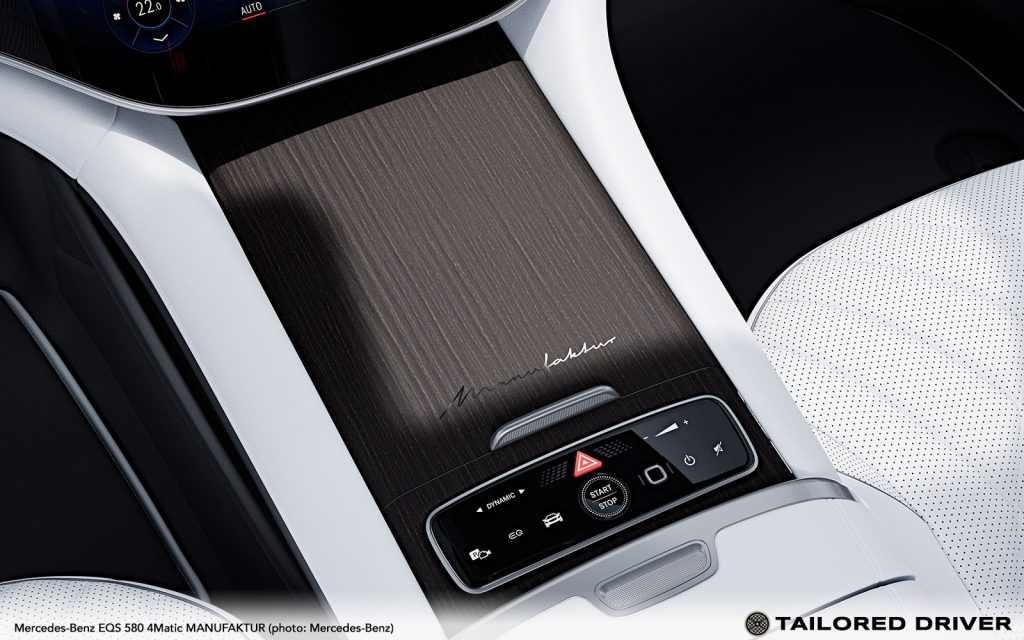
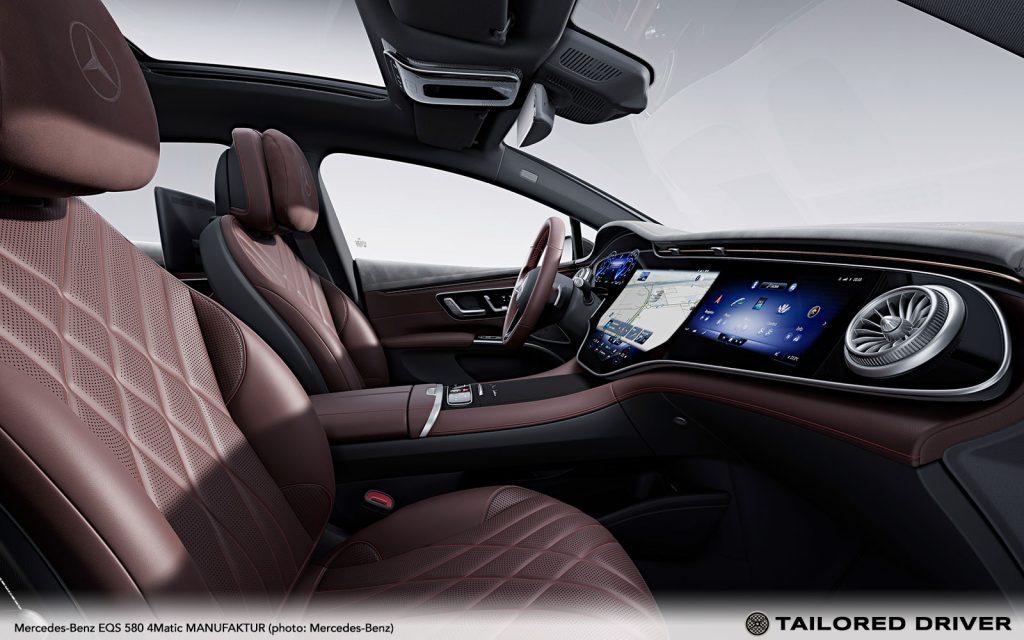
    • As with the S‑Class, there is the MANUFAKTUR Interior Package[2] (from 11,007.50 euros1). It is available for the EQS from Mercedes, also in combination with AMG Line interior, as well as the EQS from Mercedes‑AMG. The front and rear seats are finished in nappa leather and feature intricate diamond quilting. Nappa leather in a MANUFAKTUR colour is also used for the armrests in the doors, the centre console and the lower section of the instrument panel. The MANUFAKTUR colours tobacco brown, mystic red and rosé grey are new. Another highlight is the MANUFAKTUR steering wheel covered by hand in nappa leather, colour-coordinated with the respective interior colour. The high-pile floor mats are edged in nappa leather. The floor mats and head restraint cushions are embroidered with the Mercedes‑Benz star or the Mercedes‑AMG logo. The illuminated door sill trims bear the lettering of the respective brand and a MANUFAKTUR exclusive pattern. The centre console is adorned with MANUFAKTUR lettering in a high-sheen chrome look. Executed in cursive script, it testifies to the label’s claim to quality craftsmanship.
    • The Emblem Package[3] (from €1,487.50[4]) is available for the standard interior with black seat upholstery and black carpet. High-pile floor mats and head restrain cushions are embroidered with the Mercedes-Benz star ton-in tone.

    [1]Recommended retail price in Germany including 19% VAT.
    [2] Available in combination with comfort suspension seats; availability depends on market.
    [3] Not in combination with AMG Line interior and not for Mercedes-AMG models; availability depends on market.
    [4] Recommended retail price in Germany including 19% VAT.

  • 3D Printed Gold Process Used in Bentley Batur*

    3D Printed Gold Process Used in Bentley Batur*

    • Bentley steps up high-tech ‘additive manufacturing’ capability with industry-first application of 3D printed gold
    • Up to 210 grams of solid yellow gold available in W12-engined Batur – the most powerful Bentley in history
    • Breath-taking two-door coupe limited to just 18 exquisite examples
    • 18ct parts include centrepiece Charisma Dial and Bentley’s iconic Organ Stop vent controls
    • Gold sourced from historic Jewellery Quarter in Birmingham – a centuries-old centre of craftsmanship
    • Process uses 100 per cent recycled jewellery ground to fine powder for 3D printing 
    • Innovative advancement supports Bentley’s sustainable and forward-focused Beyond100 strategy.
    • Batur Grand Tourer heralds start of a design revolution at Bentley

    [source: Bentley]

    Crewe, England – Bentley Motors has introduced 3D printed solid gold in the exclusive Batur by Mulliner – the first time such a ground-breaking process is believed to have been used in the automotive industry. The ‘additive manufacturing’ (AM) technique will add up to 210 grams of 18ct yellow gold to the coachbuilt coupe, the fastest Bentley in the company’s 103-year history.

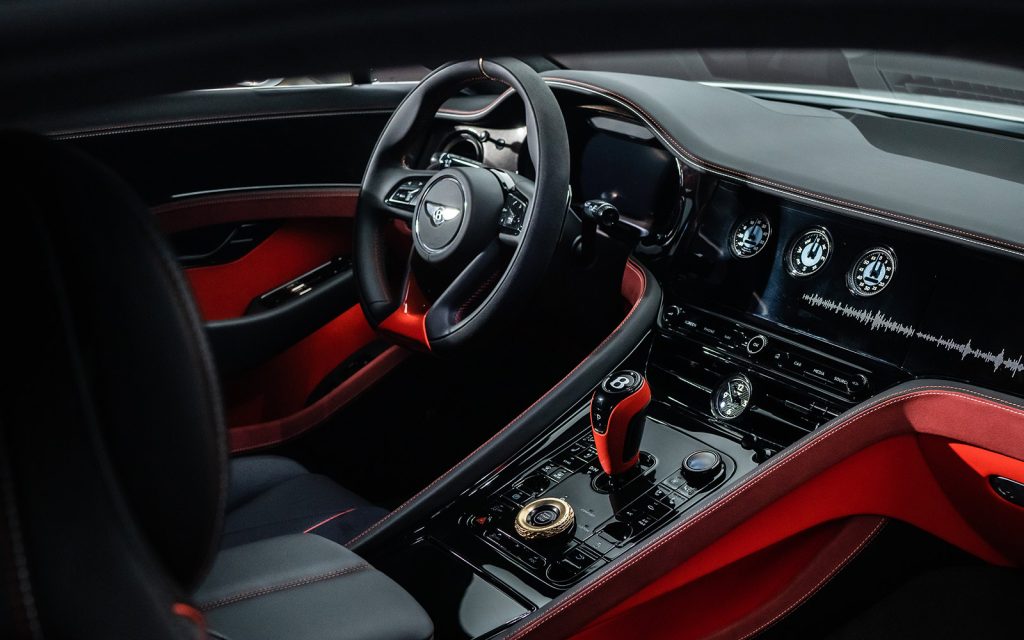
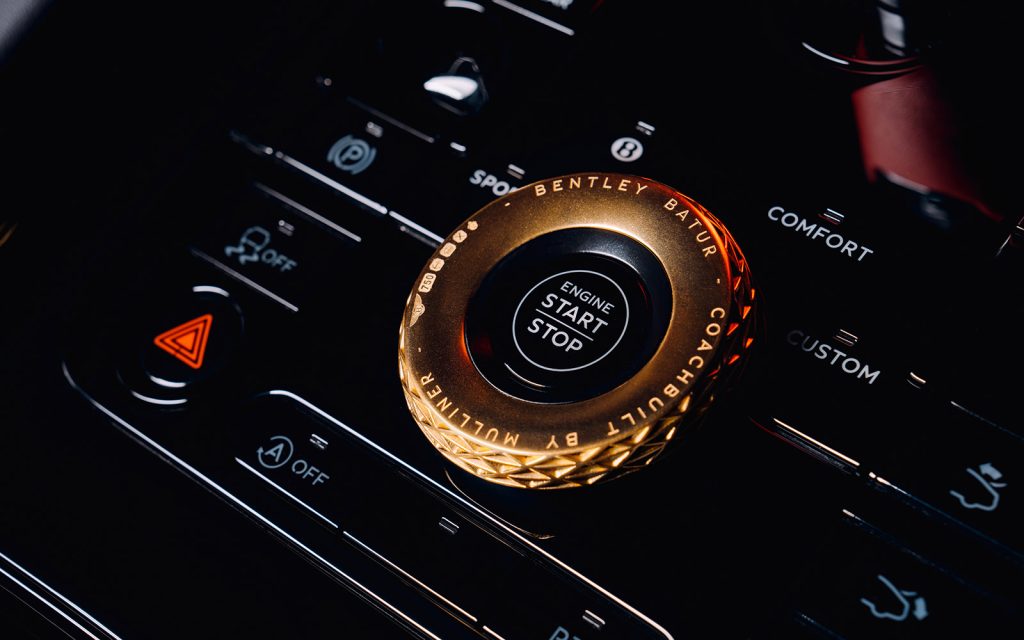
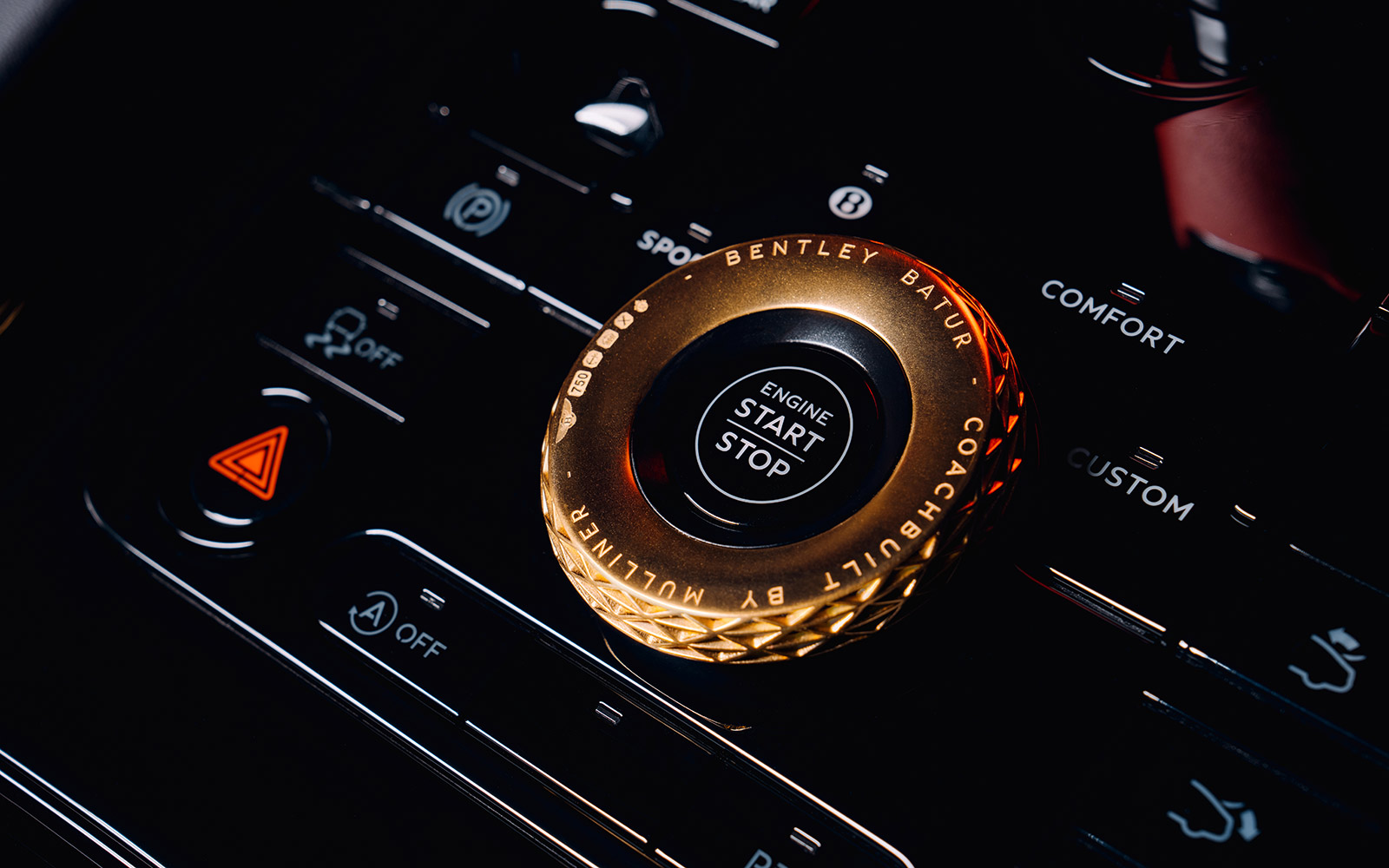
    The W12-engined Batur is restricted to just 18 examples, all of which have already been sold to Mulliner clients at £1.65m each (excluding taxes and options). The optional, 3D printed gold includes key driver touch points, such as the Charisma Dial, encircling the start/stop button and used to change driver modes. The centrepiece of an exquisite cabin, the dial complements the design of the Batur front grille. Gold is also applied to Bentley’s iconic Organ Stop vent controls on the dashboard, as well as a gold insert marker on the steering wheel itself.

    Bentley Mulliner has worked with renowned goldsmiths Cooksongold to craft the unique Batur parts. A member of the Heirmerle + Meule Group, Cooksongold is based in the historic Jewellery Quarter of Birmingham, England, where jewellery has been made for centuries. The special collaboration highlights Bentley’s ability to combine new, advanced manufacturing technologies with more traditional materials and finishing techniques.

    All the sustainably sourced gold is 100 per cent recycled from old jewellery, ground into a fine powder needed for the 3D printing technique. Recycling ensures there is no environmental impact from mining for new precious metals. It also reflects Bentley’s commitment to a more sustainable future and is in line with the company’s Beyond100 strategy, to be end-to-end carbon neutral by 2030.    

    Every 3D gold part in the Batur is digitally designed using CAD models, before a printing process with laser melting printers. Each is then hand finished by skilled artisan jewellers, using traditional techniques to achieve the polish and quality that is synonymous with a Bentley.    

    All parts produced for the Batur are hallmarked in Birmingham’s Jewellery Quarter as a sign of having solid material authenticity. Additionally, any parts manufactured in 2022 also receive the Jubilee hallmark, celebrating the late Queen Elizabeth II’s Platinum Jubilee year.    

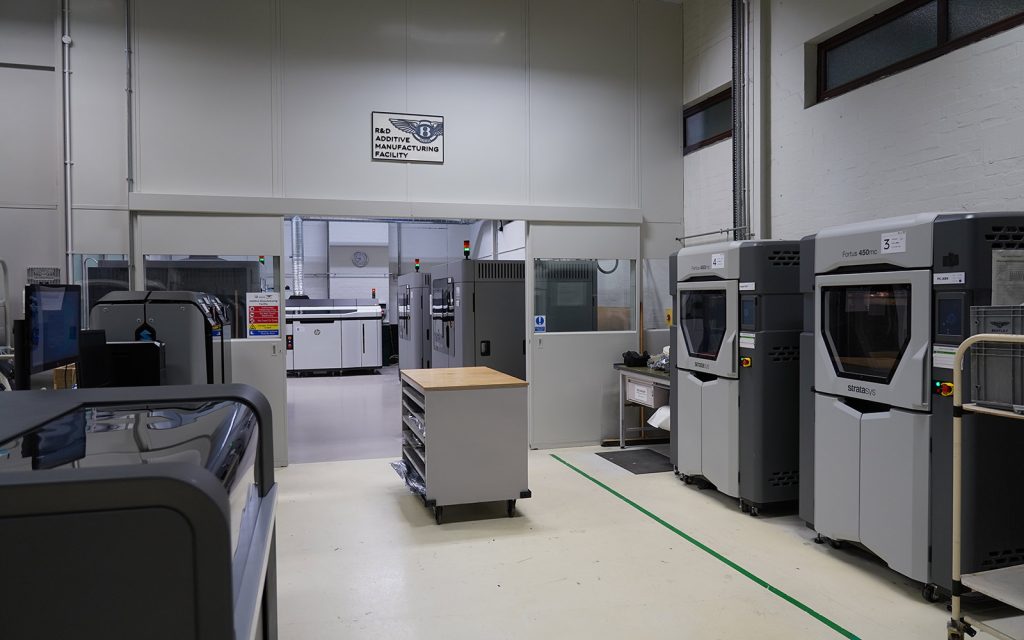
    In February, Bentley committed a further £3 million investment to double AM capacity at the Crewe factory, converting 3D CAD models into physical parts. Future applications will facilitate more low volume manufacturing components and bespoke customer personalisation – including the pioneering use of 3D printed gold in a range of new generation models.

    Bentley’s legendary 6.0-litre, twin-turbocharged W12 engine generates more than 740 PS in the Batur, with chassis technology that includes eLSD, four-wheel steering and 48V electric active anti-roll bars to match the performance. The coupe offers an endless array of options, including parts crafted in titanium, sustainable Natural Fibre composites and even low-carbon leather sourced from Scotland. The coupe’s new design DNA also shows the direction for future Bentley BEVs (battery electric vehicles).

    Dr. Matthias Rabe, Member of the Board for Research and Development at Bentley Motors, said:

    “Bentley’s approach to additive manufacturing is industry leading, evident through our pioneering use of a luxury metal in the design and development process of the Batur. One of the key benefits is that it is efficiency led, cutting down on the cost and complexity of a myriad of jobs but maintaining the value of a rare resource.

    “As Bentley embraces an exciting future, we see huge potential in advanced, innovative technologies. Processes such as 3D printed gold will be a springboard that allows our customers an even greater ability to personalise, further enhancing the individualisation programme offered on every car.”