Tag: Speed Six

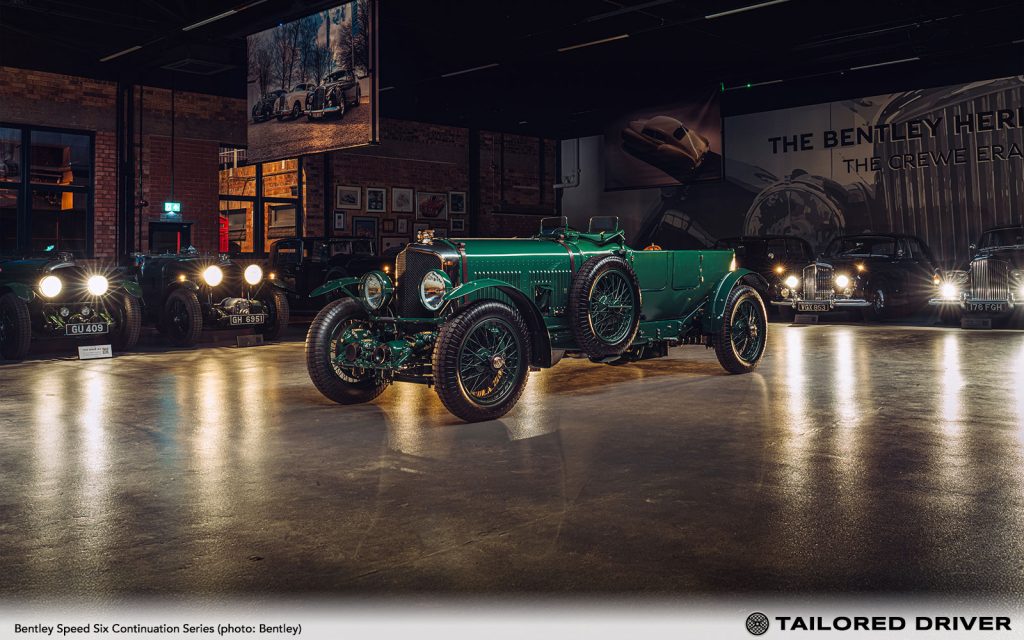
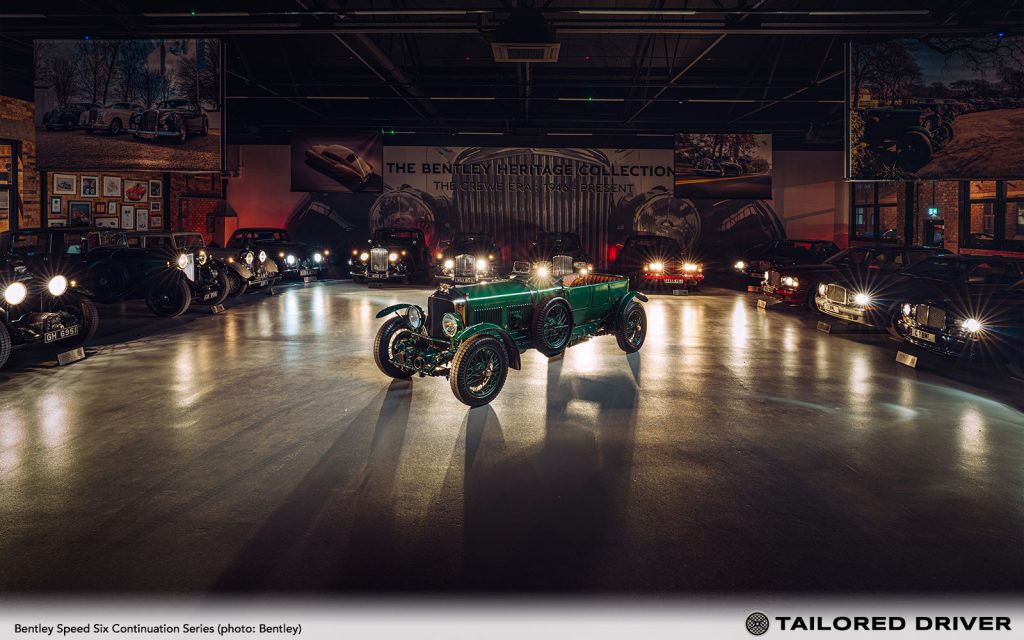
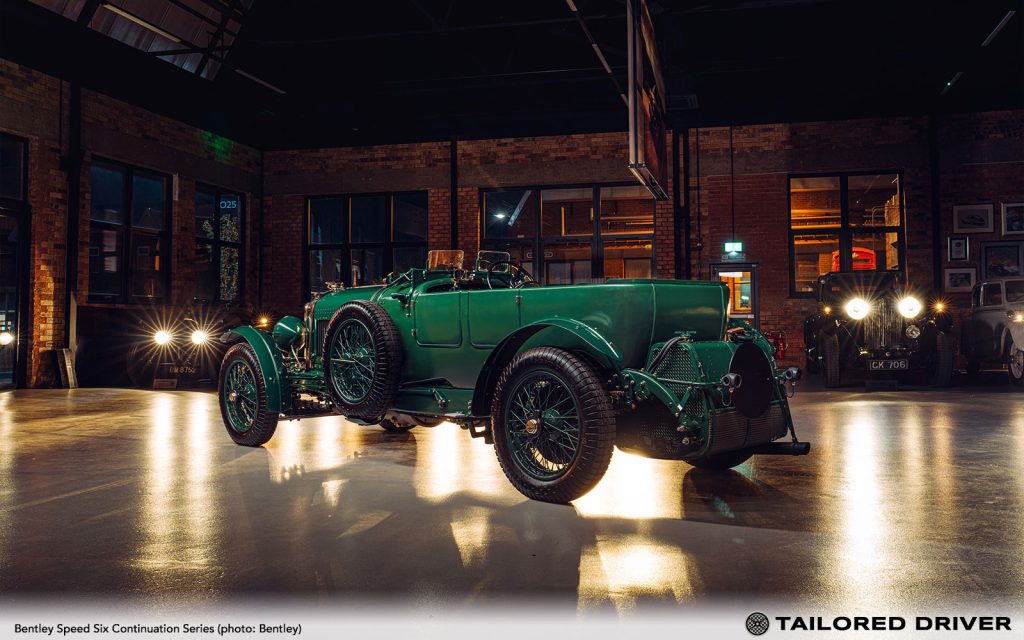
  • Bentley Speed Six Continuation Series #3 Presented to Owner

    Bentley Speed Six Continuation Series #3 Presented to Owner

    • Created by hand in the Mulliner workshops over eight months
    • Culmination of a boyhood dream, inspired by a child’s toy
    • Unique specification has personal significance to owner and family
    • Special green ‘Embelo’ finish named for their three daughters
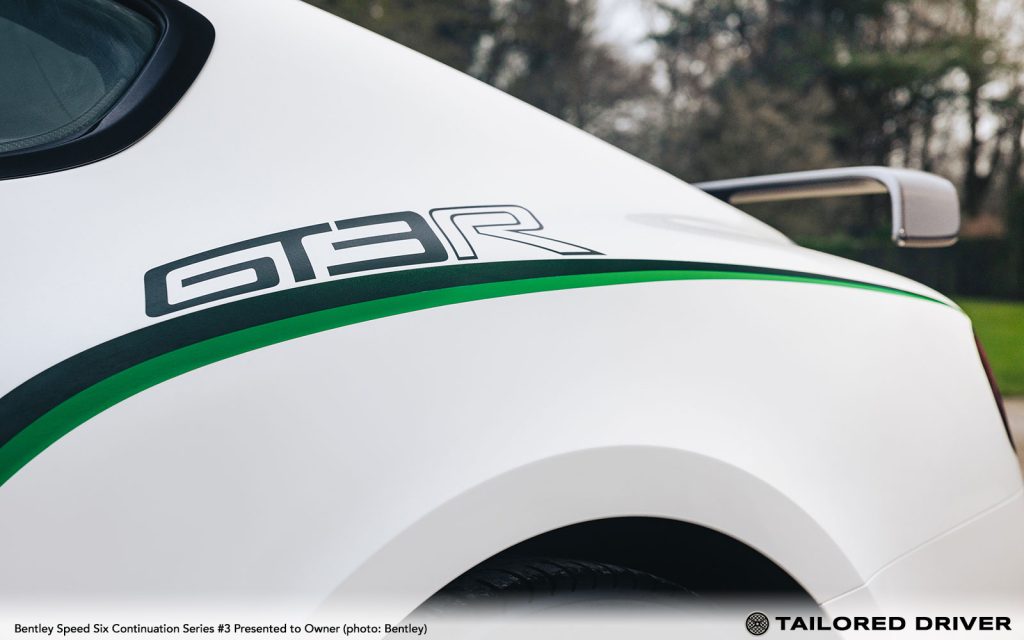
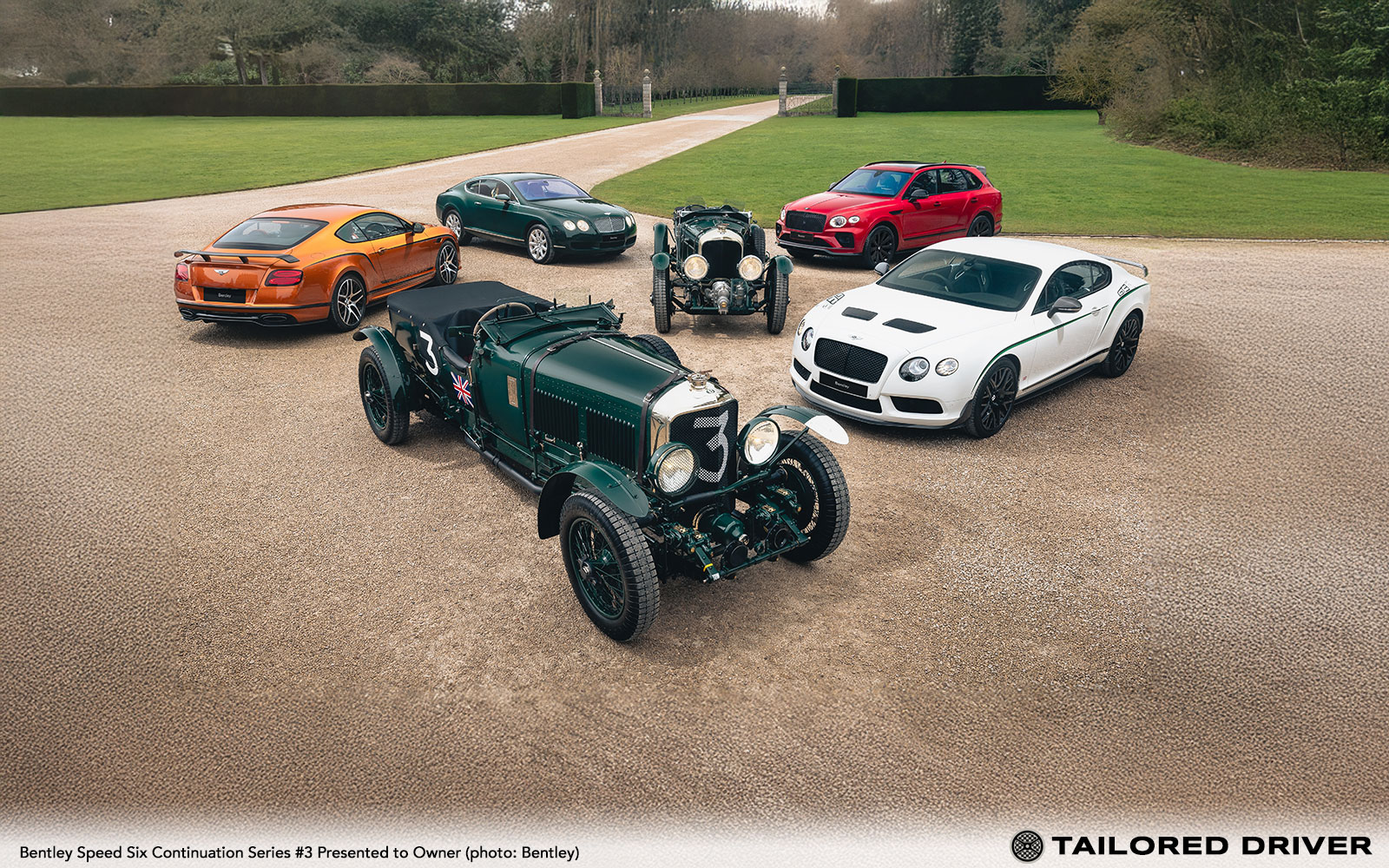
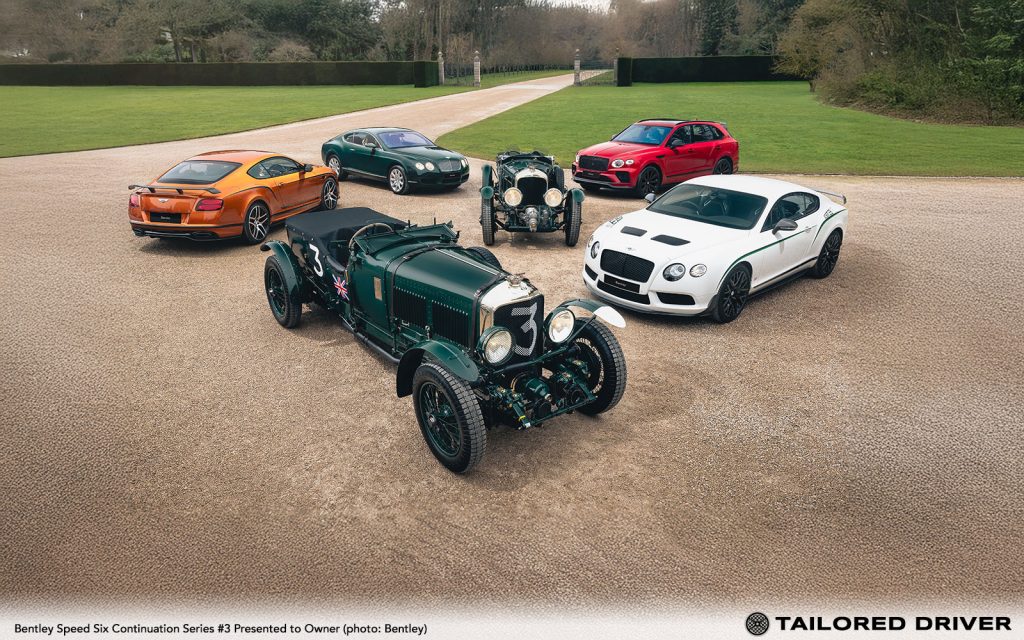
    • Owner’s garage includes Continuation Series Blower, a first generation Continental GT, rare Continental GT3R, Supersports and Bentayga
    • Handover took place at Cliveden House, Berkshire.

    [source: Bentley]

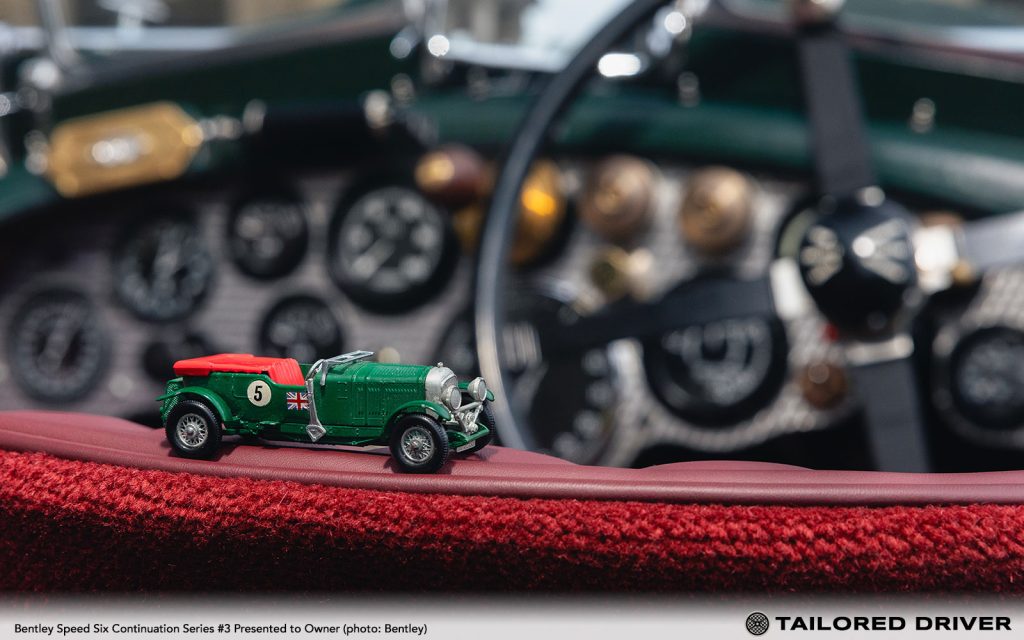
    Crewe, England – Many a Bentley owner’s love of the marque begins in childhood, and the owner of the third of twelve Speed Six Continuation Series is no exception. In his case, it was a ‘Models of Yesteryear’ scale model Blower Bentley, given to him by his uncle, that sparked a lifelong fascination with the pre-war Bentley racing cars.

    The owner and his wife enjoy a stable of Crewe-built Bentleys, including a first-generation Continental GT, a motorsports-inspired Continental GT3R, second-generation Continental Supersports and First Edition Bentayga. Pride of place however goes to his Continuation Series ‘Blower’ 4½ Litre Supercharged and the latest addition, a Continuation Series Speed Six. Not only has he kept that cherished scale model ‘Blower’ to this day, but it also provided the visual inspiration for his two Bentley Continuation Series cars.     

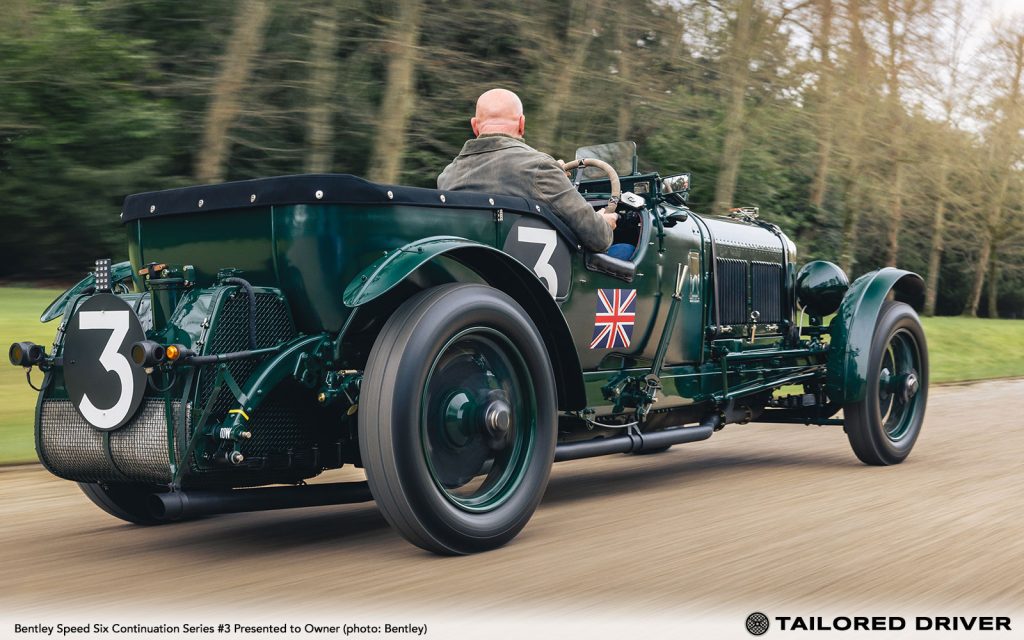
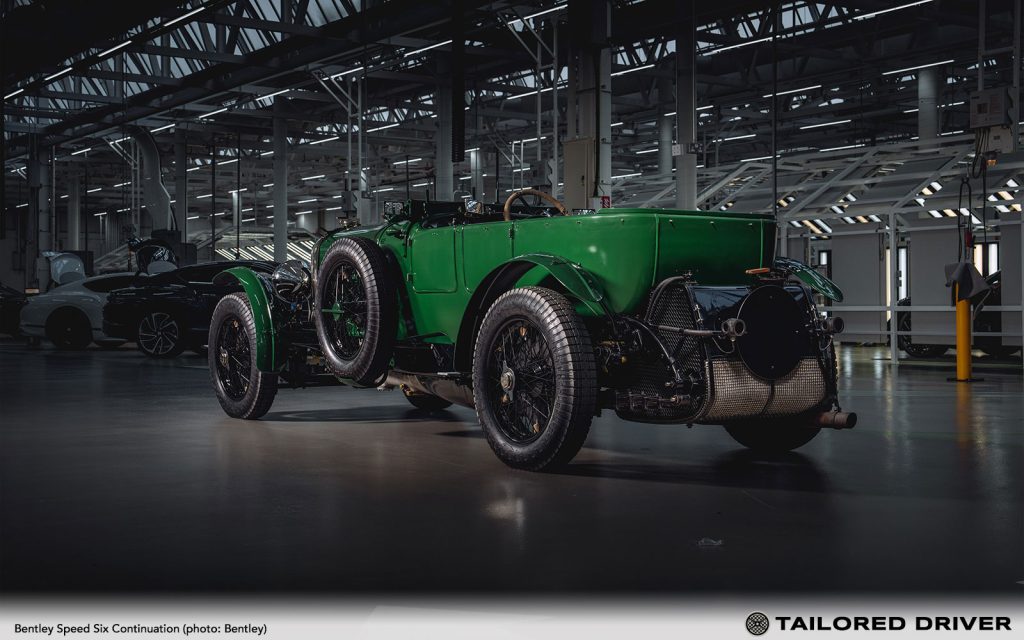
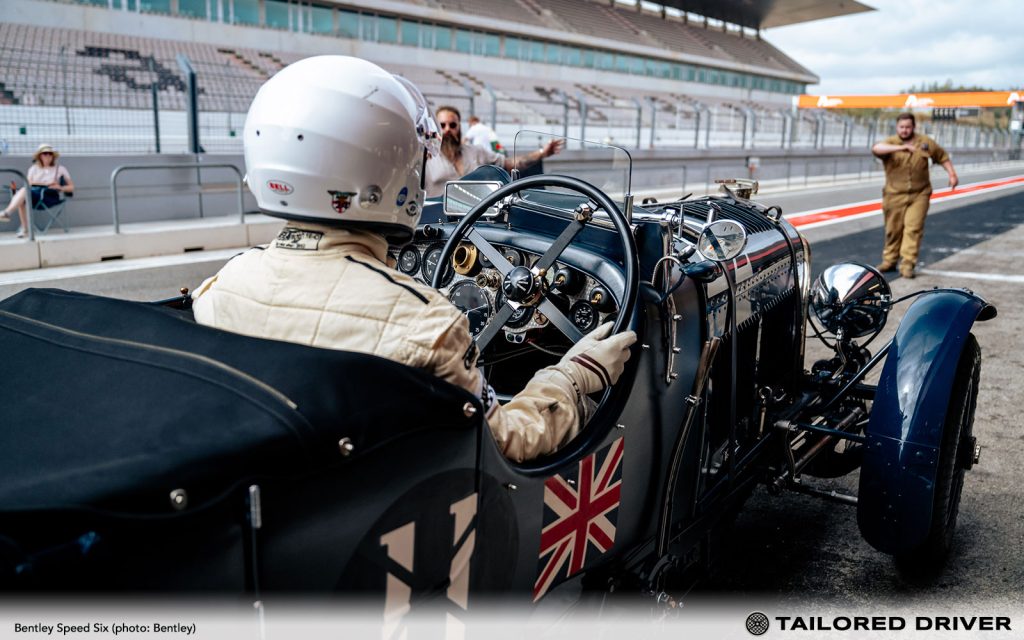
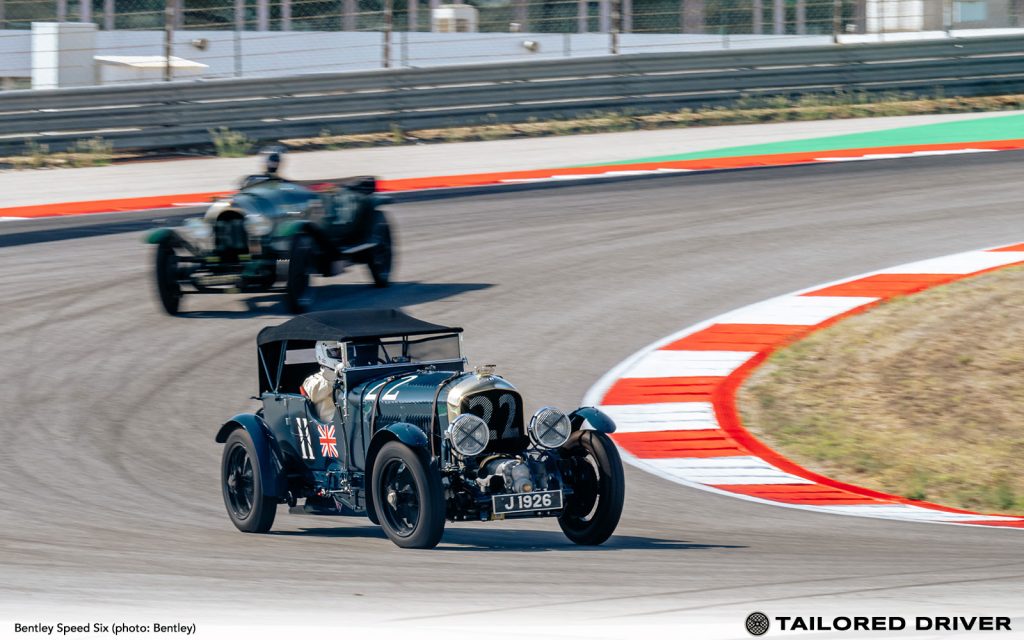
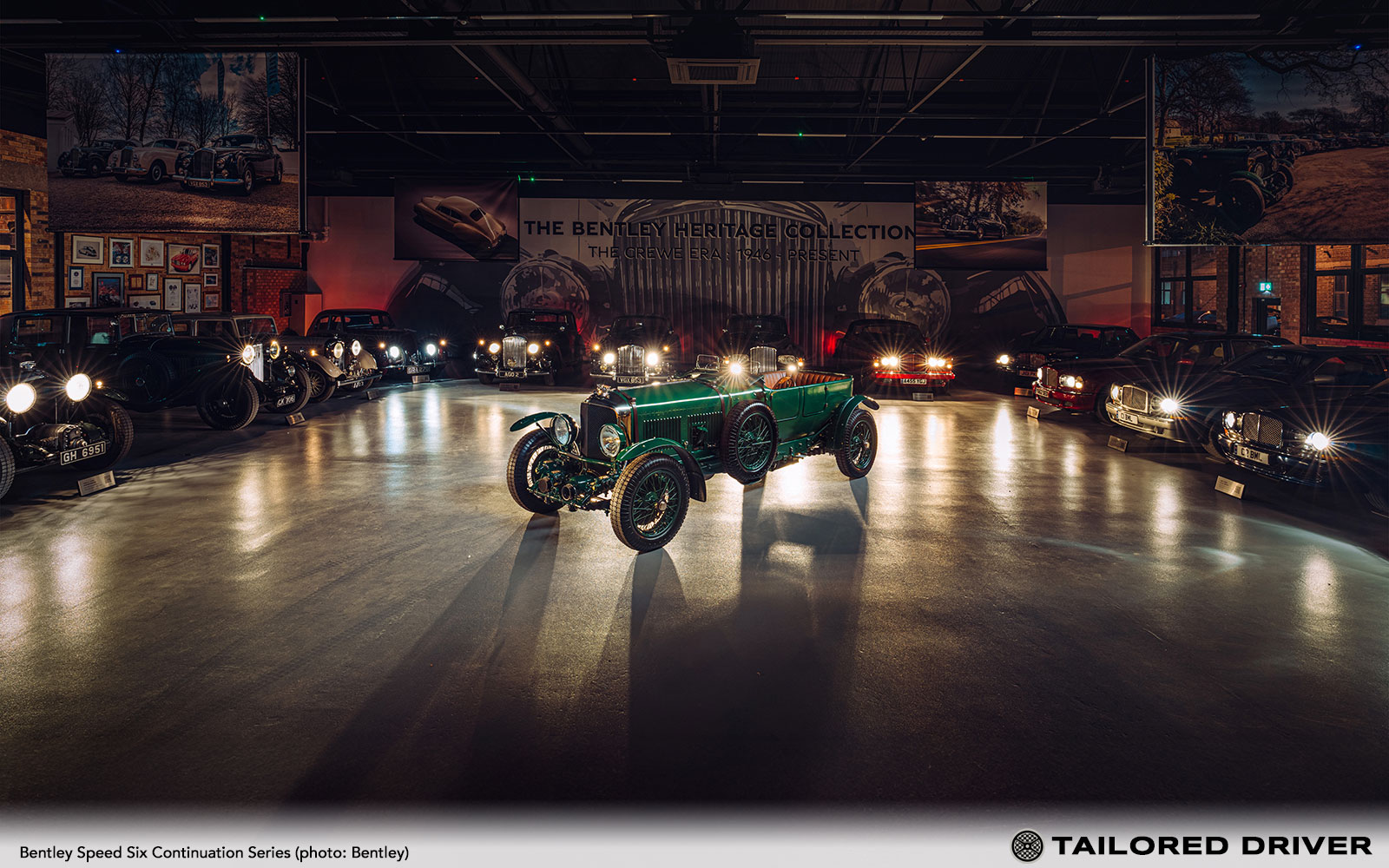
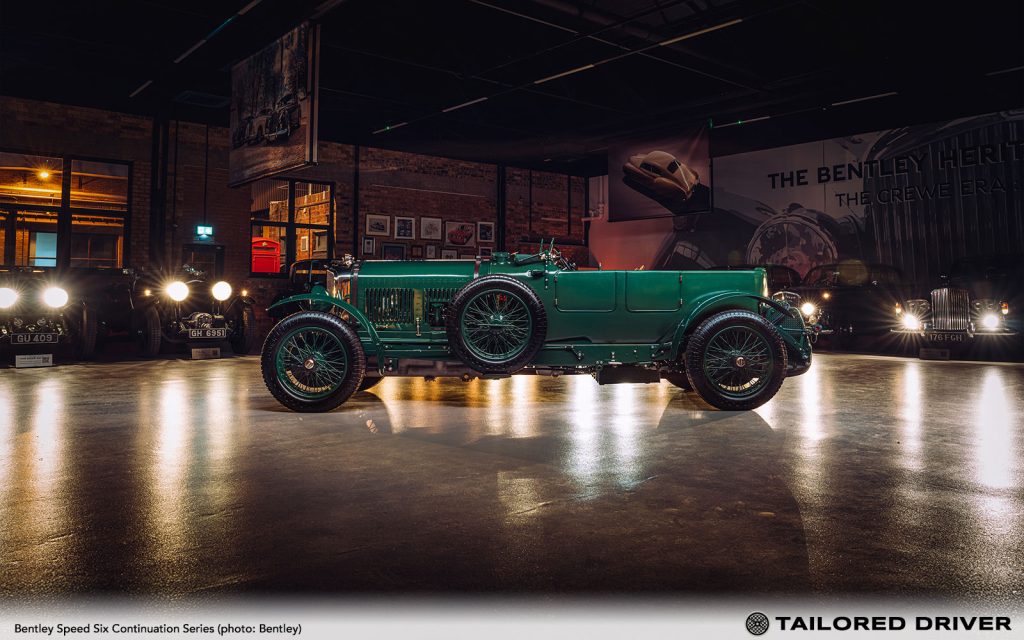
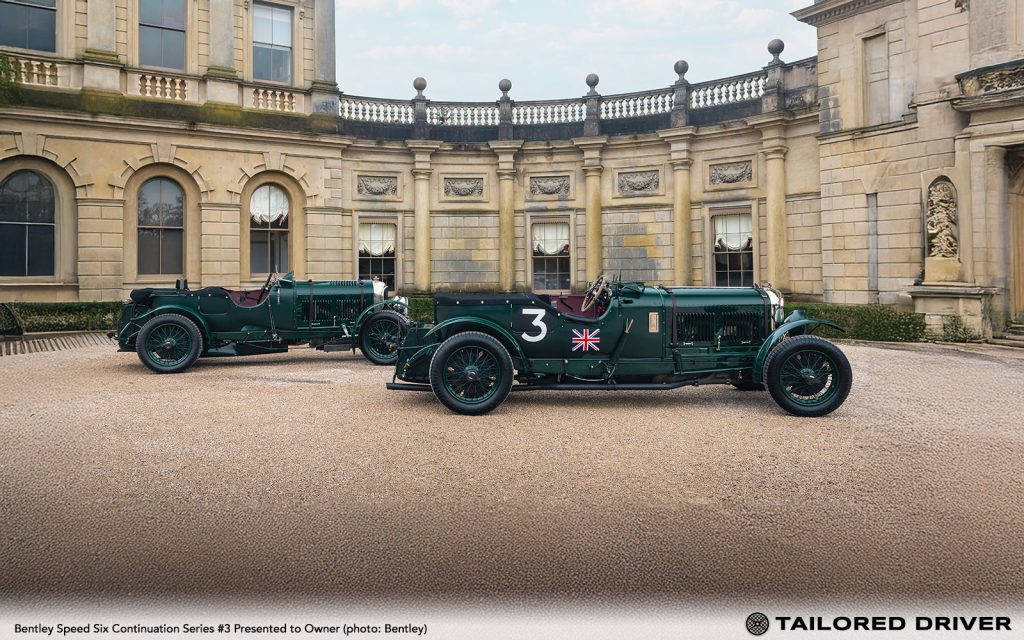
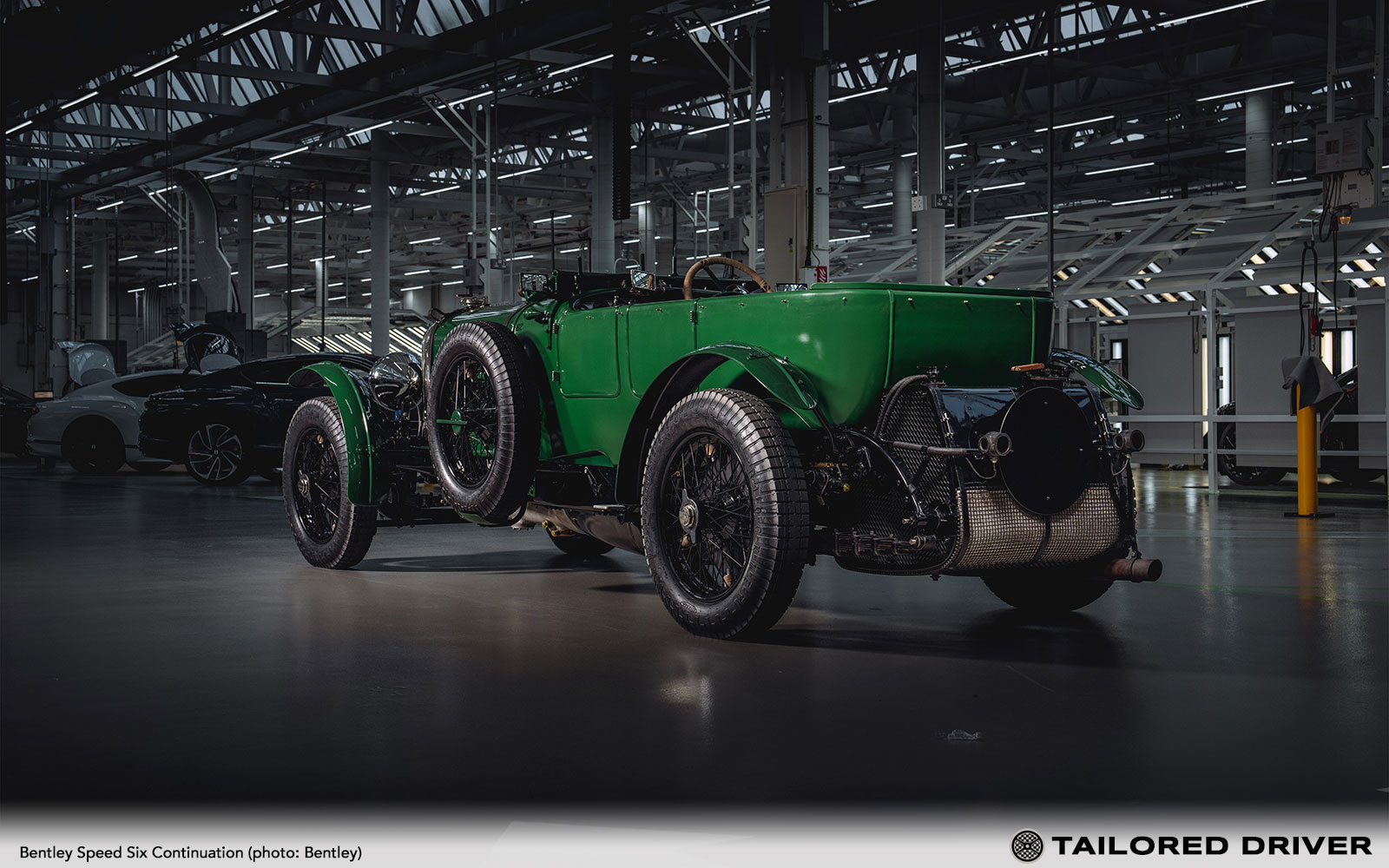
    At the workshops of Mulliner Classic, realising a customer’s dreams is both their calling and their pride. Continuation Speed Six #3 (of 12) is a case in point; created with meticulous attention to detail to be identical in every respect to the original 1930s works racer, it also features several personal touches in its specification that make it truly individual, from the one-off paint finish to the racing number 3 that it carries on its flank and radiator.
    Personal memories and family associations
    Both the Continuation Series Speed Six and the Continuation Series Blower are the third of twelve in their series, and the Speed Six also carries the racing number 3. The number that has fond associations for the owner, who played rugby to semi-pro standard as a tighthead prop, wearing the number 3 jersey, for many years.

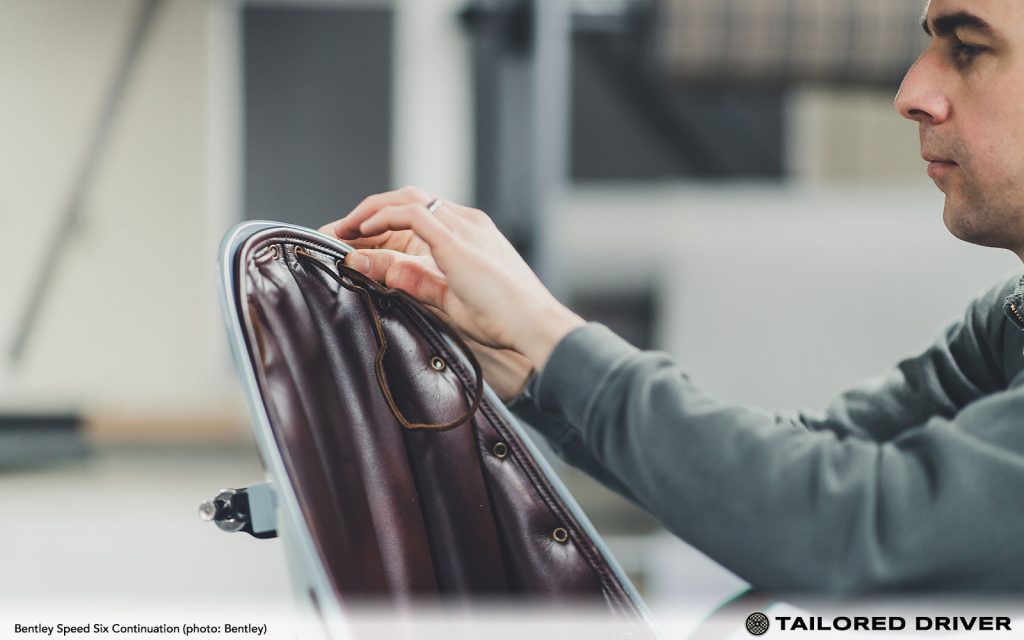
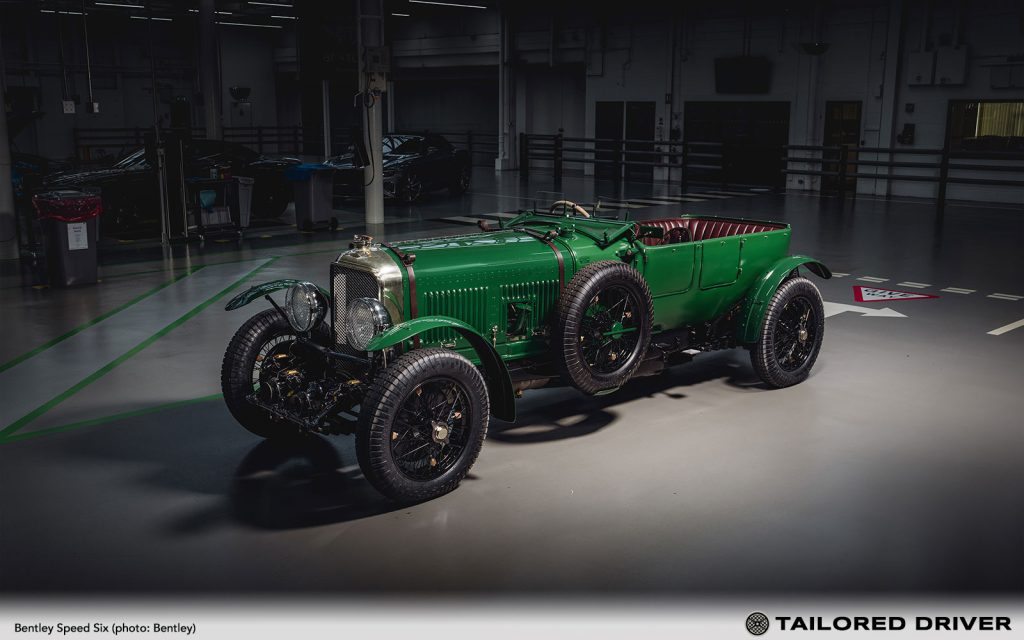
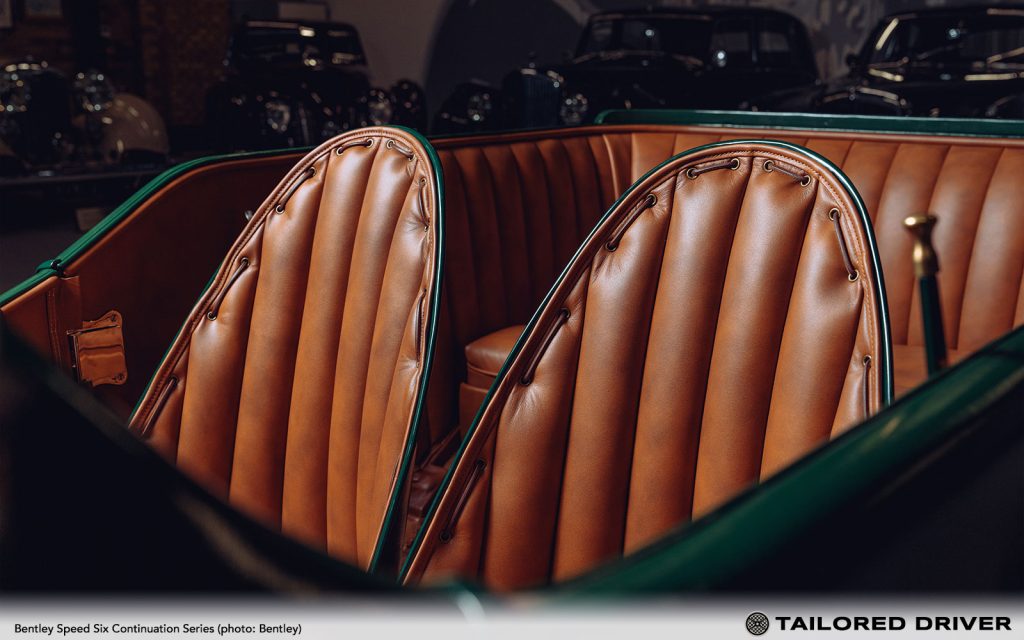
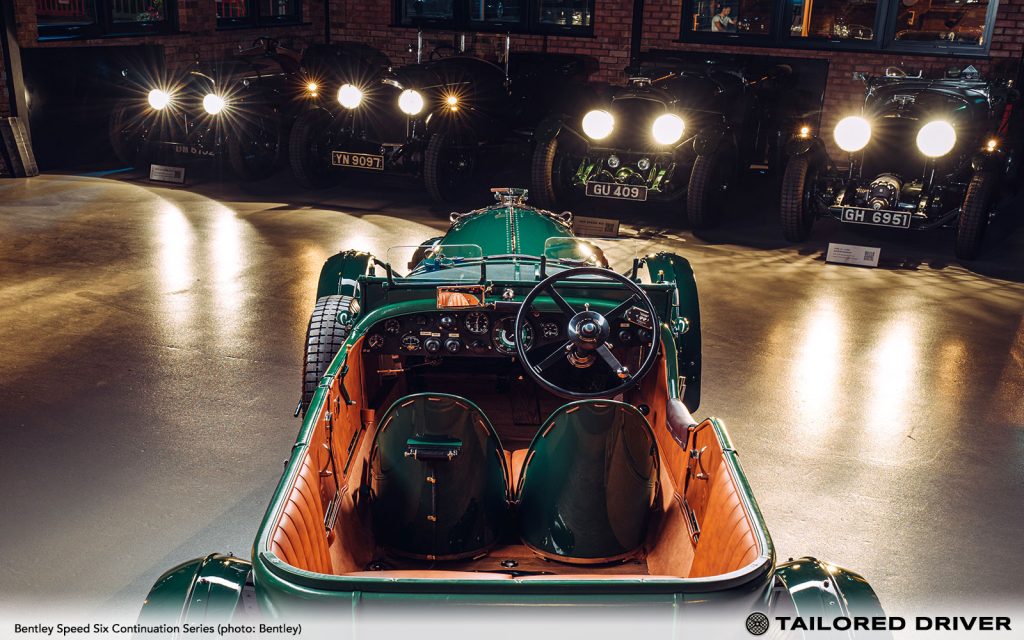
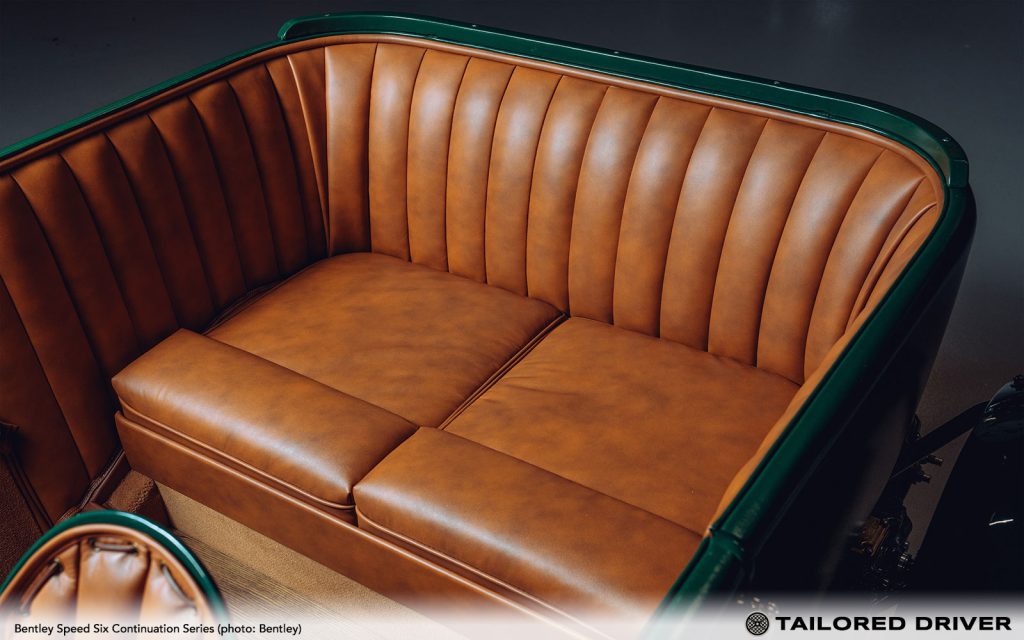
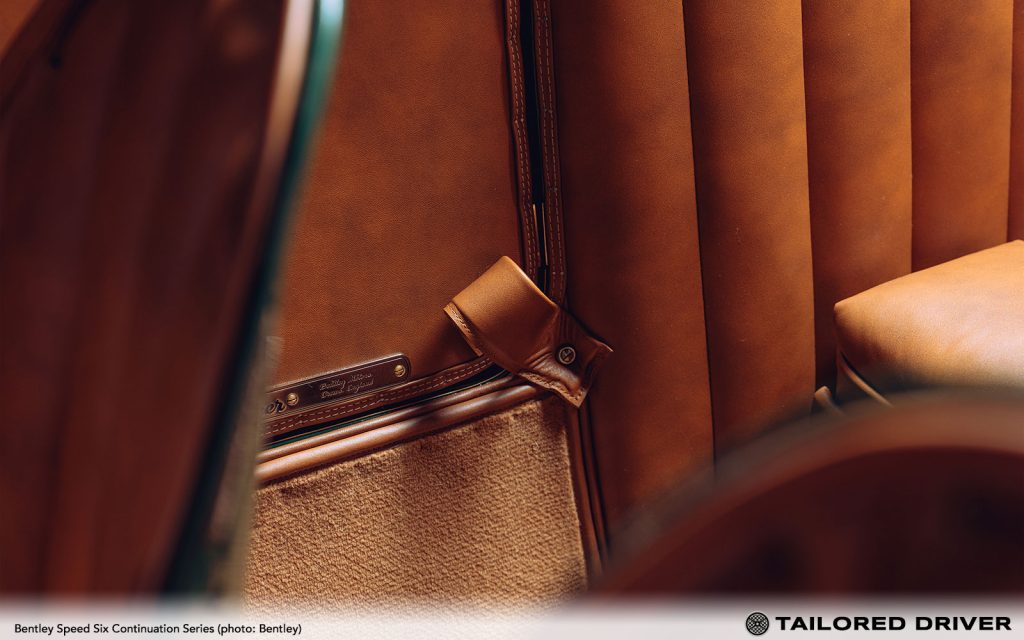
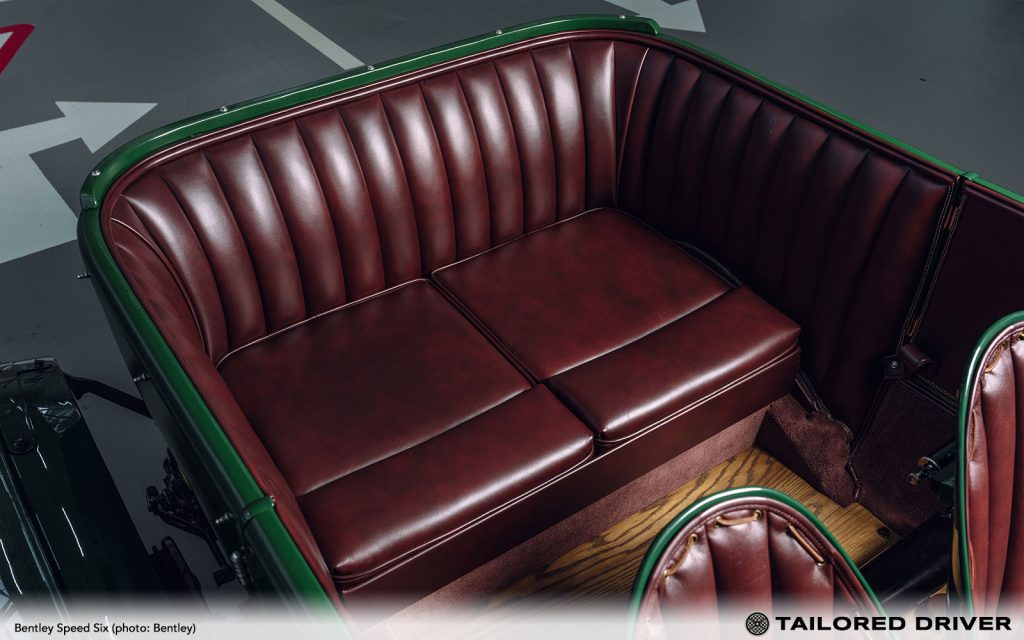
    Both the Blower and the Speed Six are finished in the same specially blended shade of green, chosen after careful consideration to be mid-way between the light green of the owner’s scale model and traditional British Racing Green. The shade was christened ‘Embelo Green’, taking the first letters of the couple’s three daughters. Like the owner’s scale model Bentley, his Speed Six Continuation Series’ interior is upholstered in red, though the couple chose a more muted shade than that of the toy.

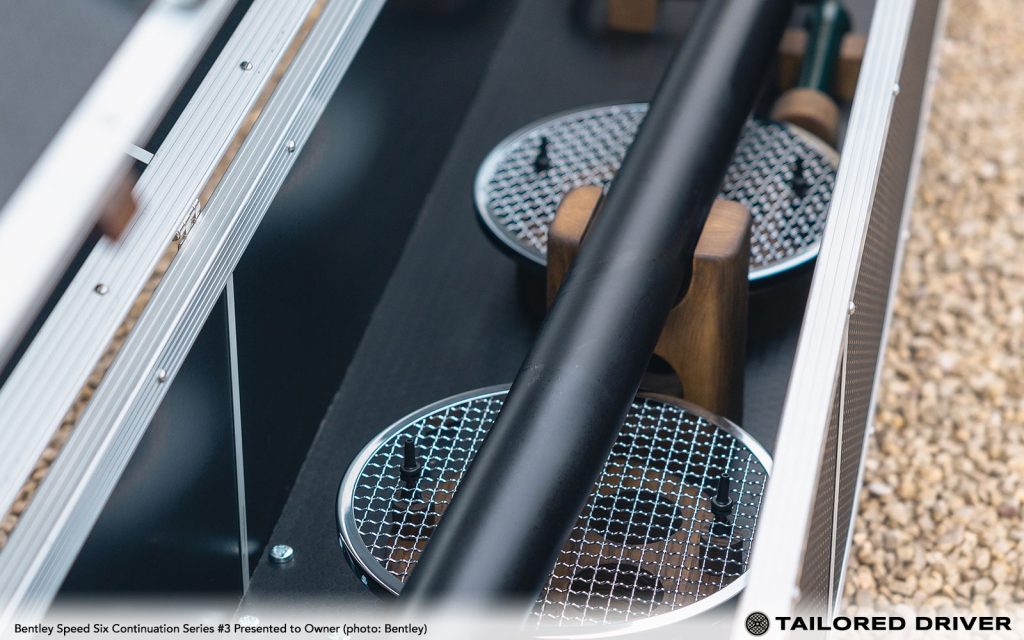
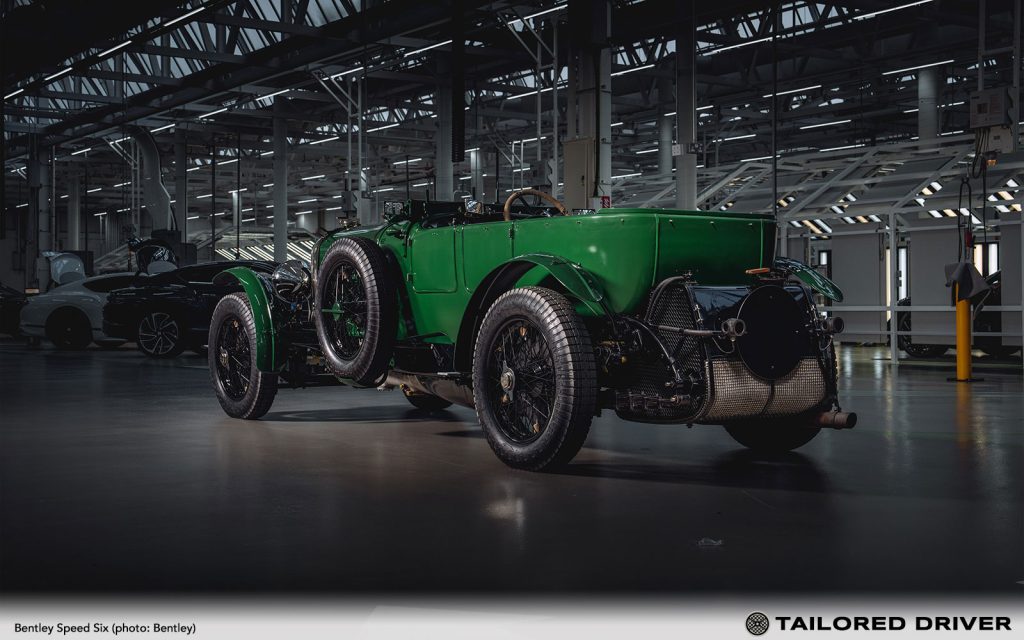
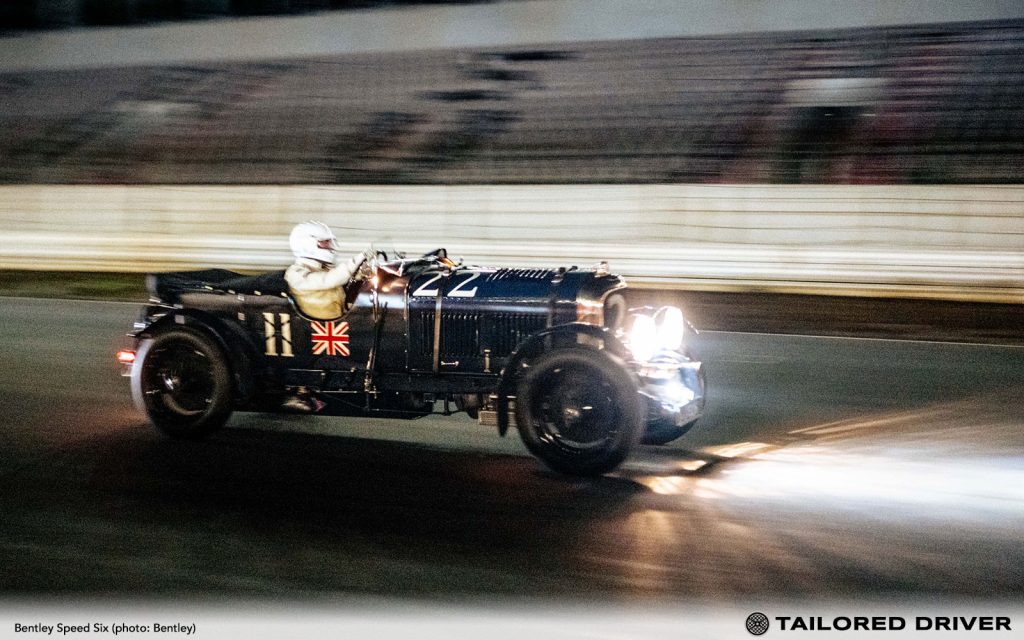
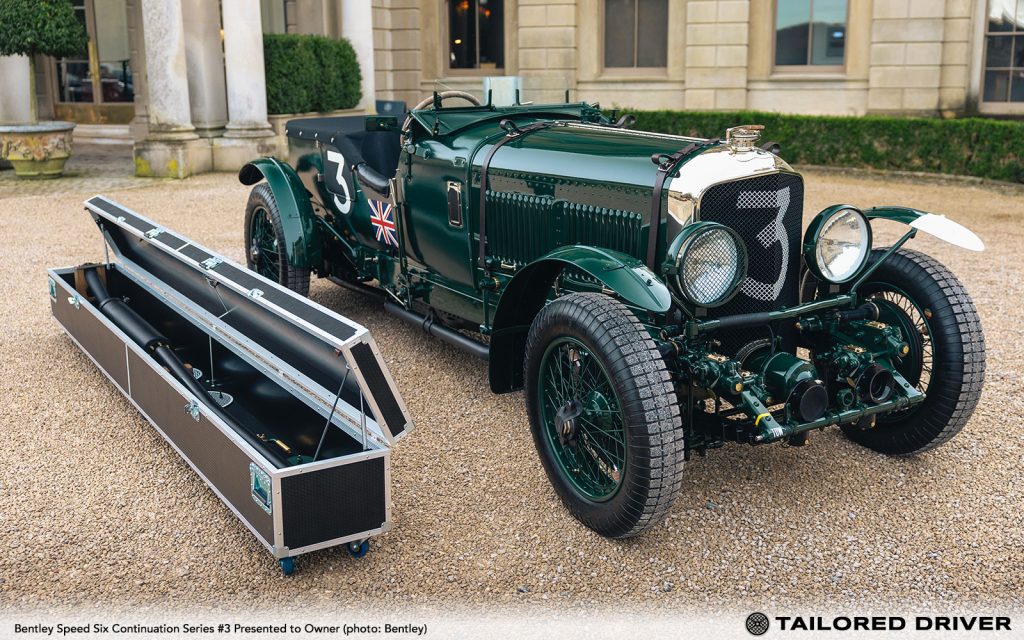
    As with all this owner’s Bentleys, the Speed Six will be regularly and enthusiastically driven. Accordingly, another special request was for the Mulliner team to provide two exhaust systems with the Speed Six: one unsilenced as the original Speed Six specification, and the other with a silencer for circuits where noise restrictions are required.  Bentley Mulliner engineering developed this silencer specifically for the Speed Six Continuation series. Finishing touches include a white patch on the leading edge of the nearside front fender for easier identification when coming into the pits and a hand-painted Union Flag on the driver’s side of the car. 
    A hands-on experience
    Commissioning a Continuation Series Bentley is a highly personal process and, like many Mulliner Classic customers, the owner of the #3 Speed Six became a familiar figure in the Crewe workshops. A highly capable craftsman in his own right, he even spent a day working as part of the Mulliner team to fit the period-correct Rexine fabric of his Blower’s Weymann-style bodywork. While work commitments meant he was unable to do the same for his Speed Six, he fully intends to use it as W.O. Bentley intended – fast, reliable and capable of impressive performance.
    The legendary Speed Six
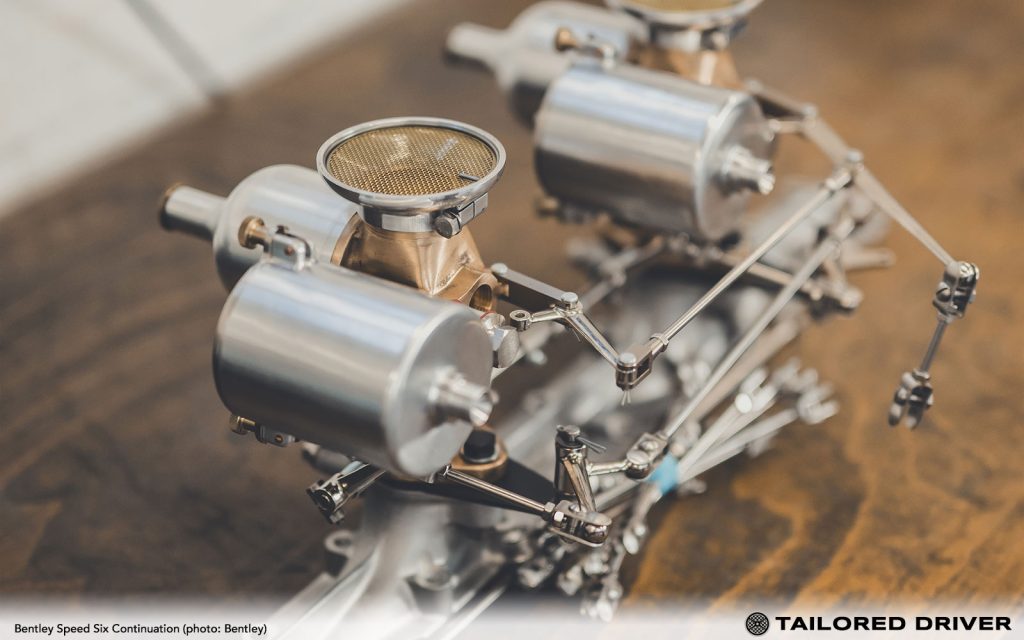
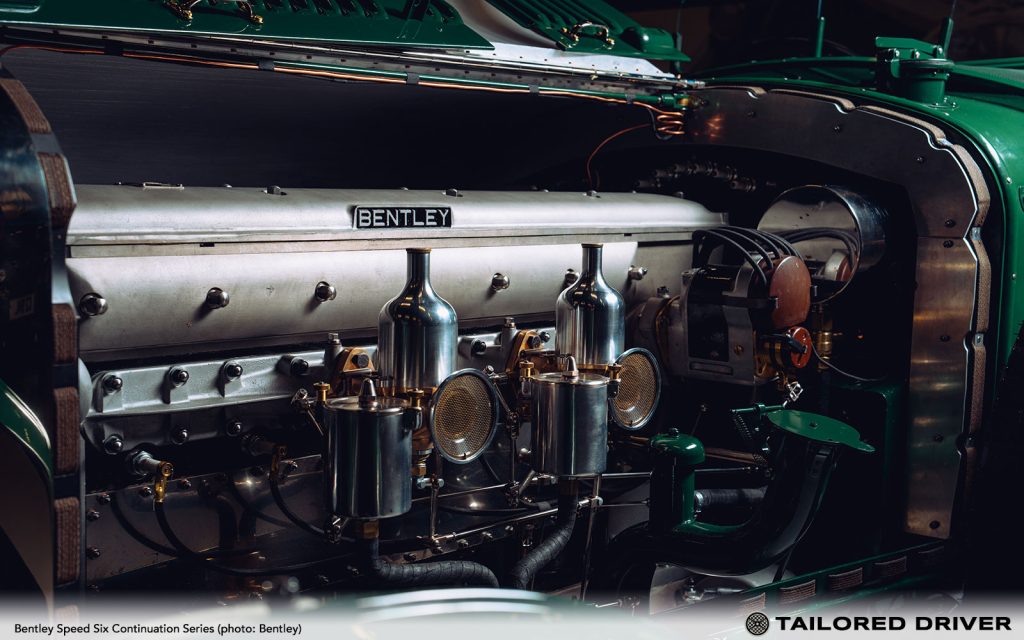
    The Speed Six was introduced in 1928 as a more sporting version of the Bentley 6½ Litre. The engine was modified to liberate more power, with twin SU carburettors, a higher compression ratio and a high-performance camshaft.

    182 Speed Six models were built between 1928 and 1930. Two wins at the Le Mans 24 Hour race, in 1929 and 1930, cemented the Speed Six’s pre-eminent place in Bentley racing history.

    For the Continuation Series Speed Six, Mulliner Classic took two original Speed Sixes as its template: the company’s own Speed Six, GU409, and ‘Old Number 3’, a works Speed Six driven in the 1930 Le Mans 24 Hour race by Sammy Davis and Clive Dunfee. The latter was generously loaned by its owner and gave the Mulliner team invaluable data on dimensions, materials, and components. The Mulliner Classic team is also indebted to the W.O. Bentley Memorial Foundation, which provided 80% of the original drawings and notes used by the team.  
    About Bentley Motors
    Bentley Motors is the most sought-after luxury car brand in the world. The company’s headquarters in Crewe is home to all of its operations including design, R&D, engineering, Mulliner and production of the company’s five model lines, Continental GT, Continental GT Convertible, Flying Spur, Bentayga and Bentayga EWB. The combination of fine craftsmanship, using skills that have been handed down through generations, alongside engineering expertise and cutting-edge technology is unique to UK luxury car brands such as Bentley. It is also an example of high-value British manufacturing at its best. Bentley employs around 4,000 people at Crewe.
  • Speed Six Continuation and Continental GTC to Debut at Retromobile Classic Event

    Speed Six Continuation and Continental GTC to Debut at Retromobile Classic Event

    • Continuation of the Speed Six, the most successful Bentley race car in history, with two Le Mans wins in 1929 and 1930
    • Every car handcrafted from scratch using period-correct tools, fixings and techniques – over a process of 10 months from start to finish
    • Continental GTC with the all-new 782 PS, 1000 Nm ‘Ultra Performance Hybrid’ powertrain
    • 81 km of electric range, and CO2 emissions of 29 g/km*

    [source: Bentley]

    Munich, Germany –  Bentley Motors will showcase the Bentley Speed Six Continuation Series following the successful completion of twelve Bentley 4½ Litre Supercharged ‘Blower’ Continuation models, the world’s first pre-war continuation series. The build of each car will take a total of ten months from start to finish.

    The Continuation Series Speed Six takes two original Speed Sixes as its template: the company’s own Speed Six, GU409, and ‘Old Number 3’, a works Speed Six driven in the 1930 Le Mans 24 Hour race by Sammy Davis and Clive Dunfee. The latter was generously loaned by its owner and gave the Mulliner team invaluable data on dimensions, materials, and components.

    The Speed Six was introduced in 1928 as a more sporting version of the Bentley 6½ Litre. The engine was modified to liberate more power, with twin SU carburettors, a higher compression ratio and a high-performance camshaft. A contemporary road test in The Morning Post concluded, “I consider this car to be one of the most remarkable engineering achievements of the century, the balance of speed, silence and flexibility having been maintained in a unique manner.”

    182 Speed Six models were built between 1928 and 1930. Two wins at the Le Mans 24 Hour race, in 1929 and 1930, cemented the Speed Six’s pre-eminent place in Bentley racing history. 

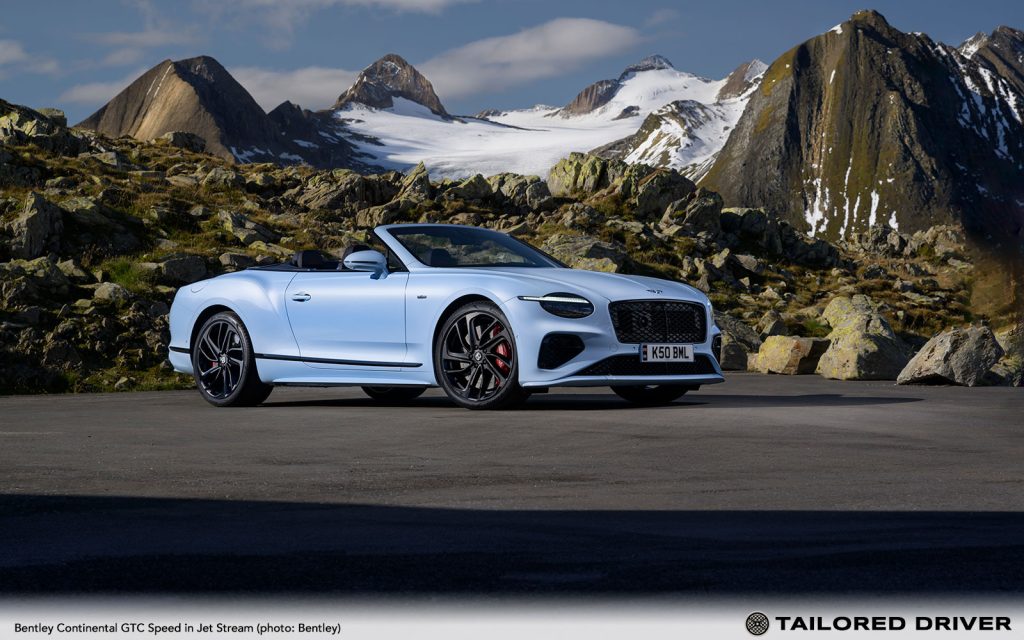
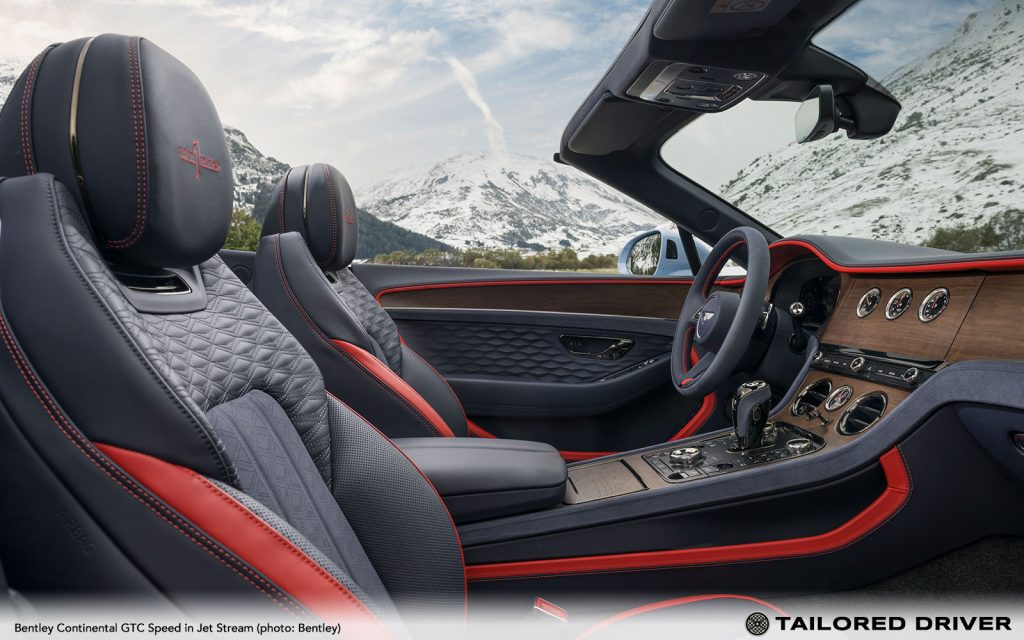
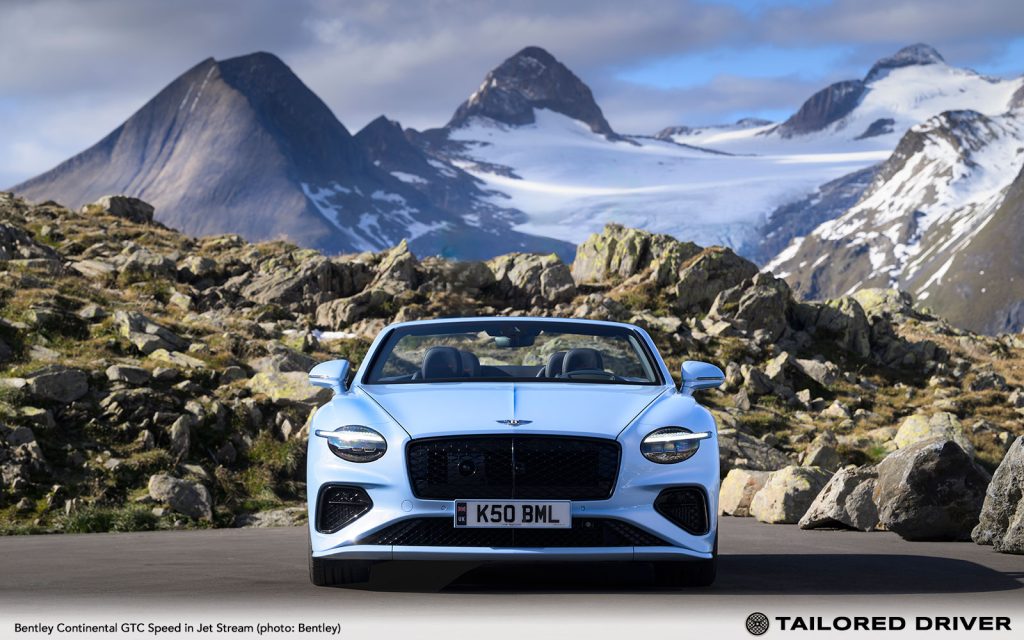
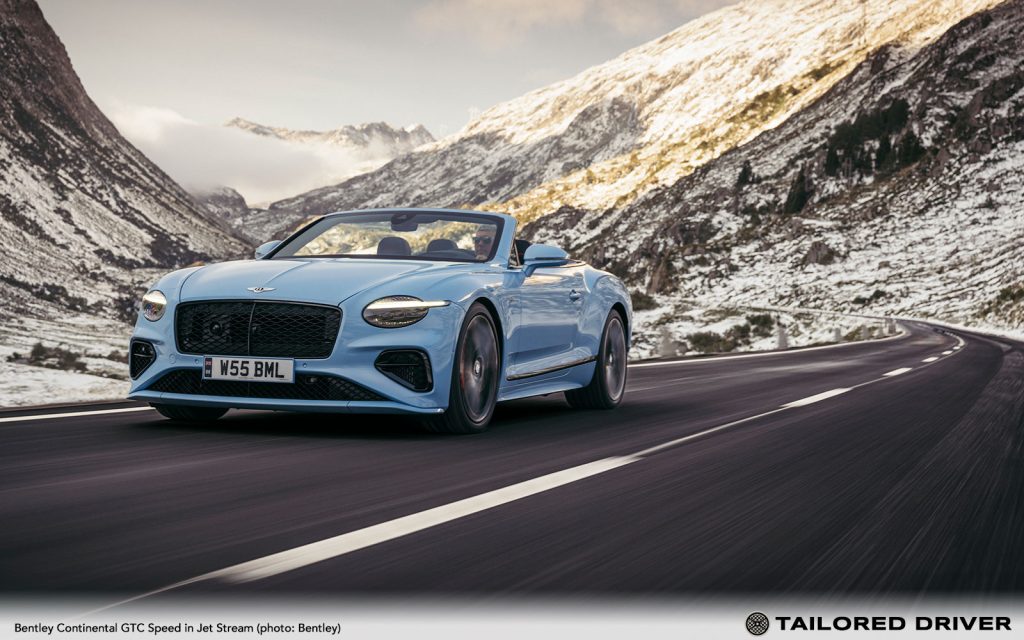
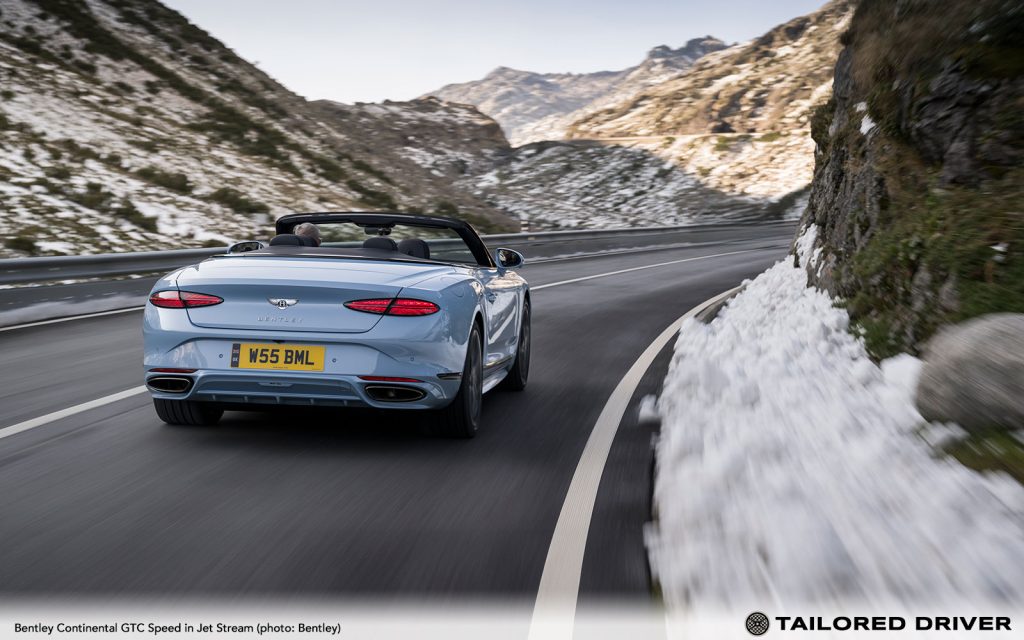
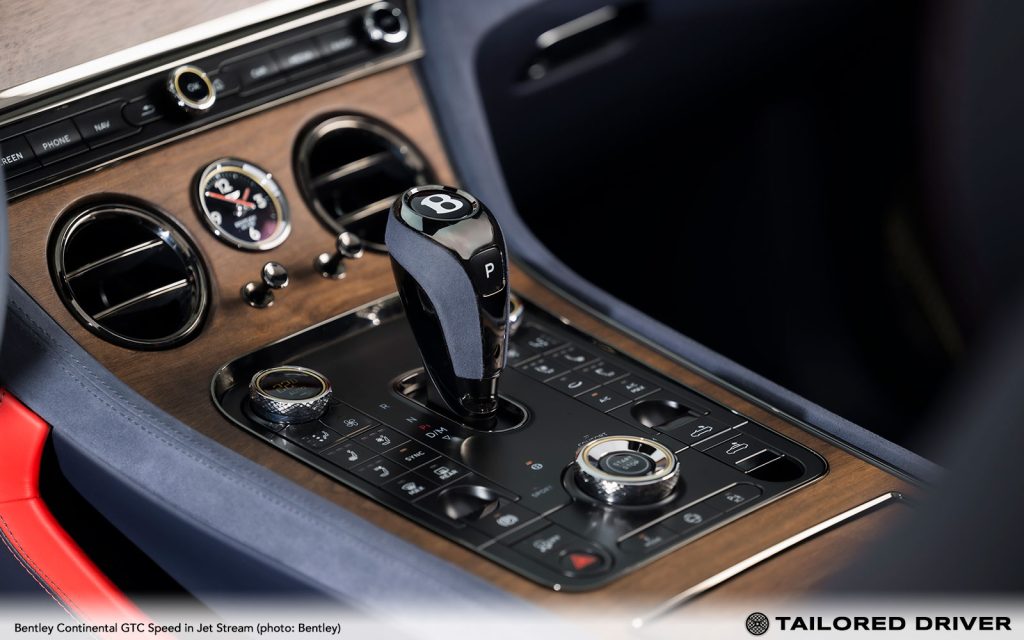
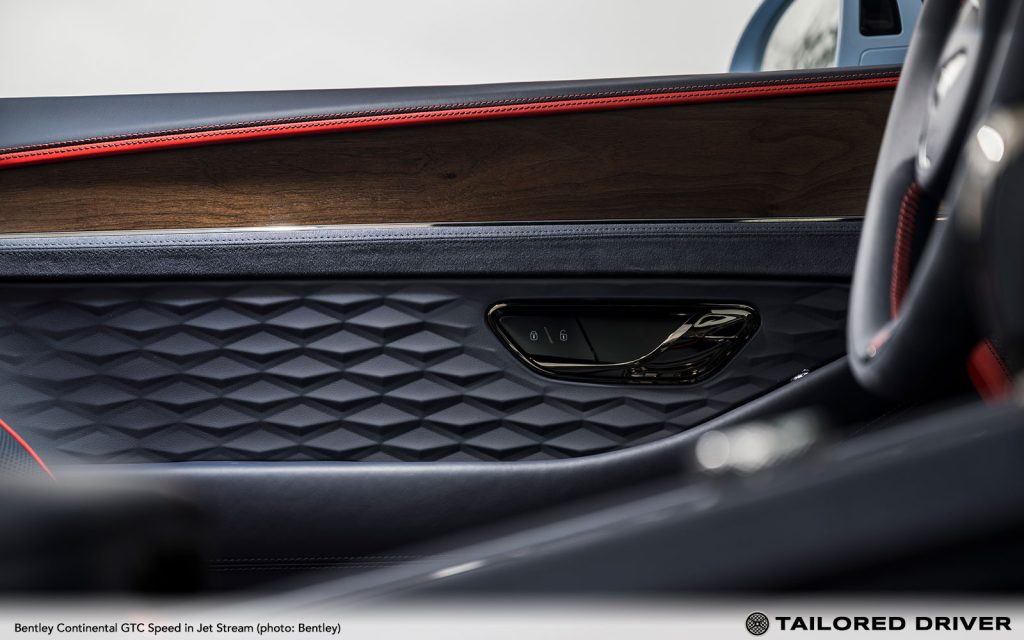
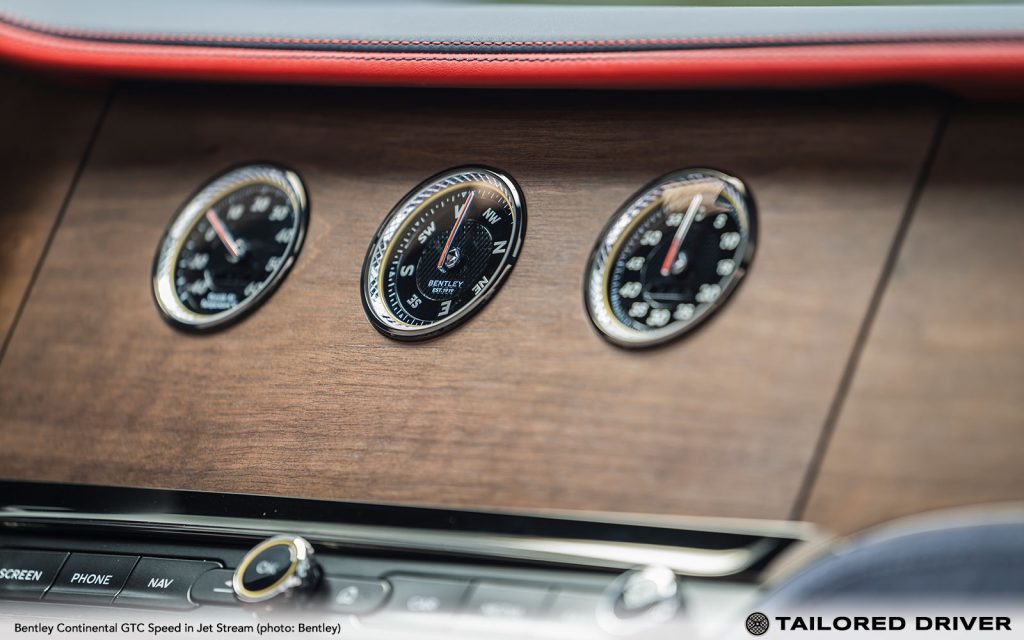
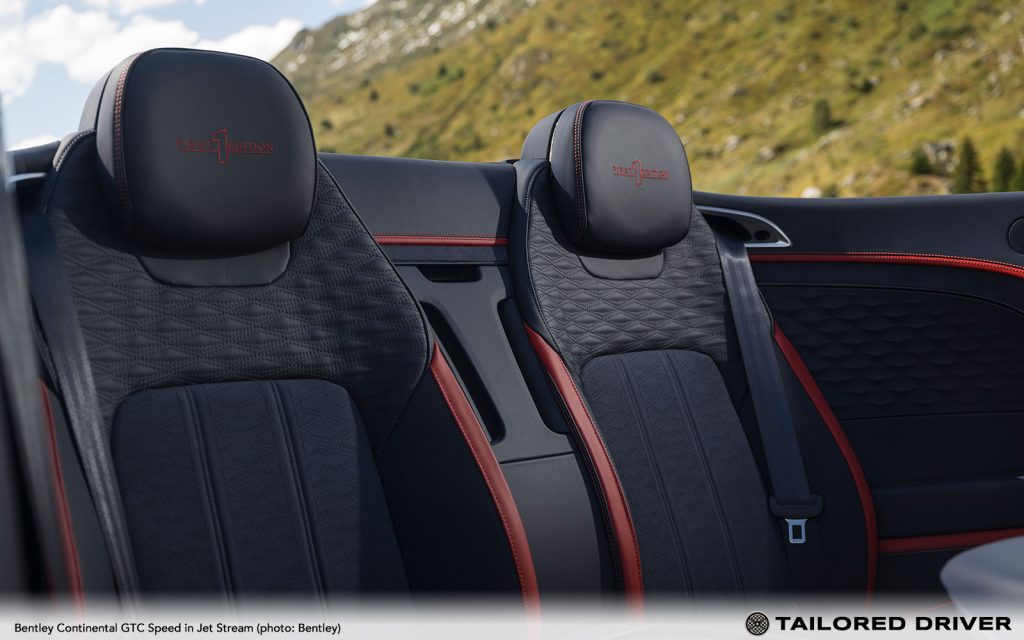
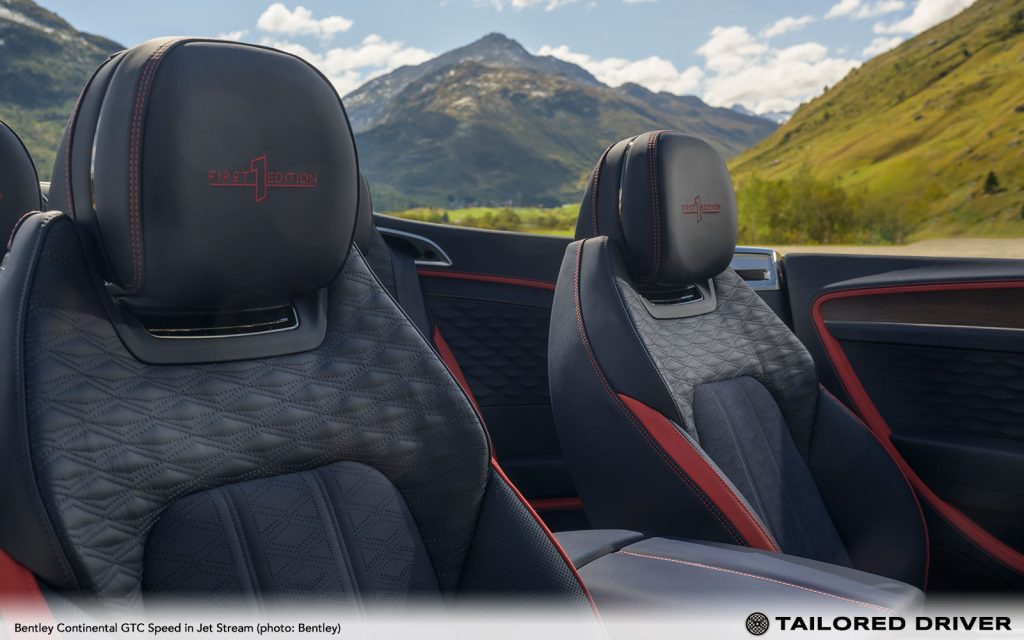
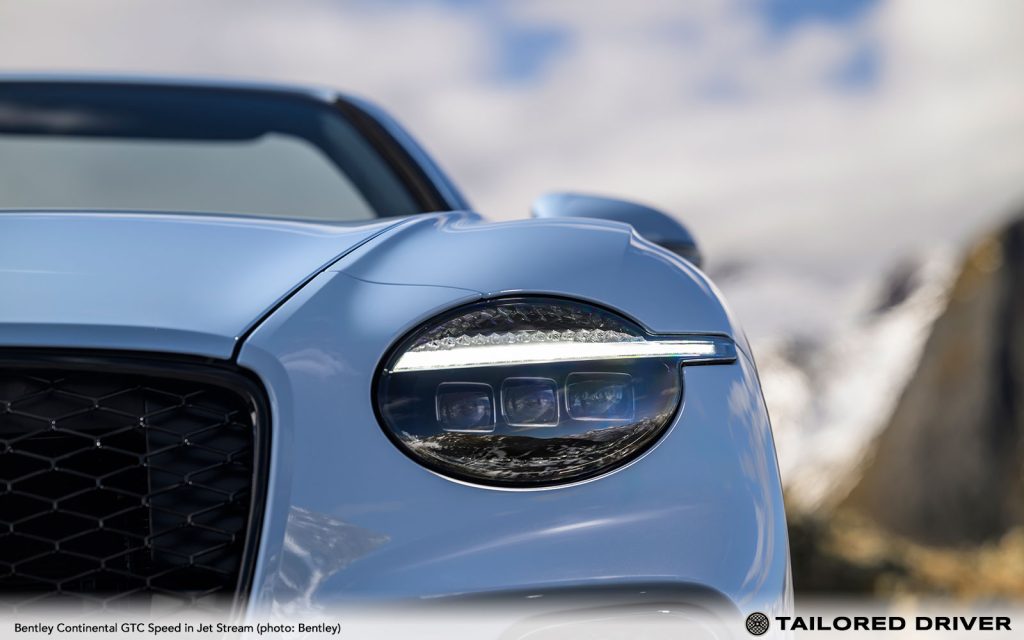
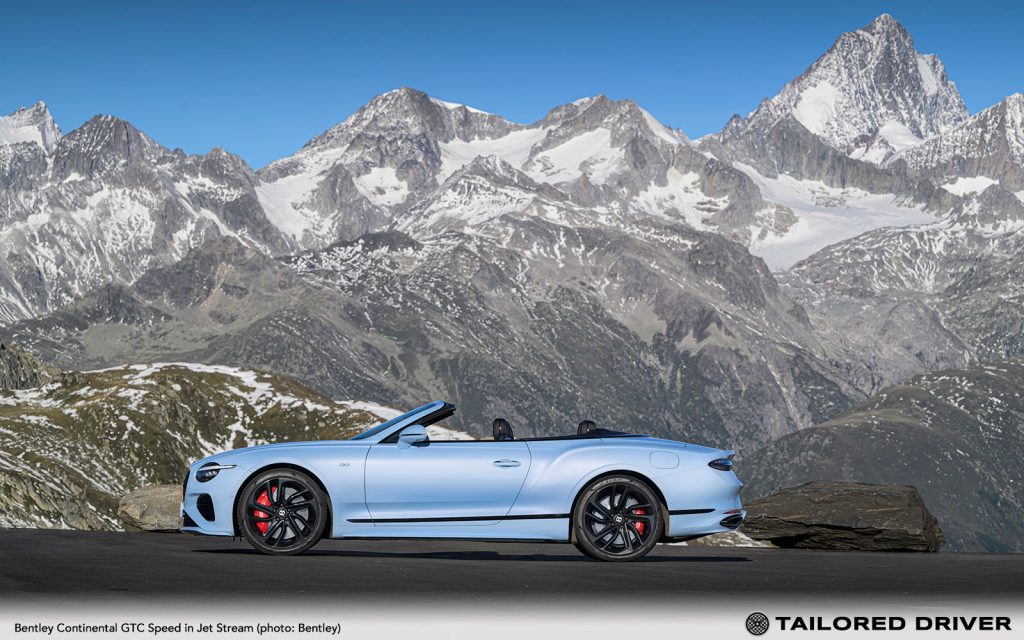
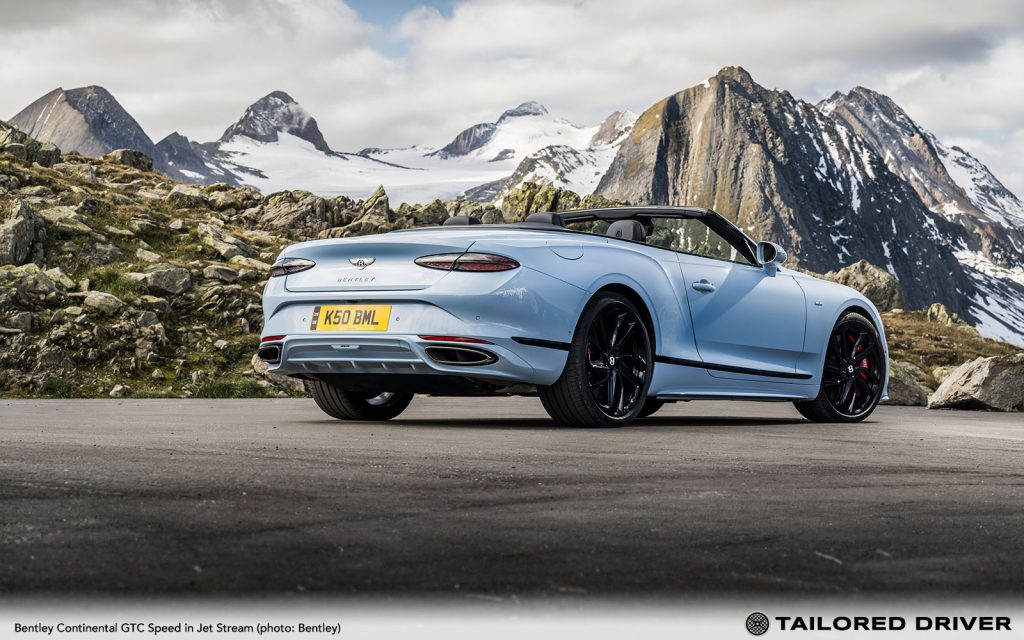
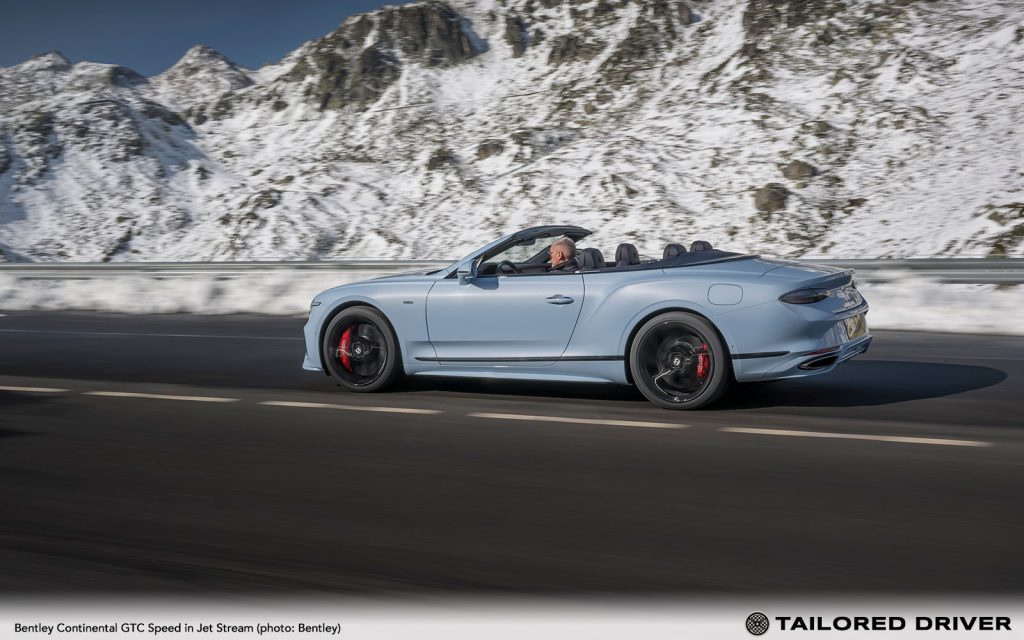
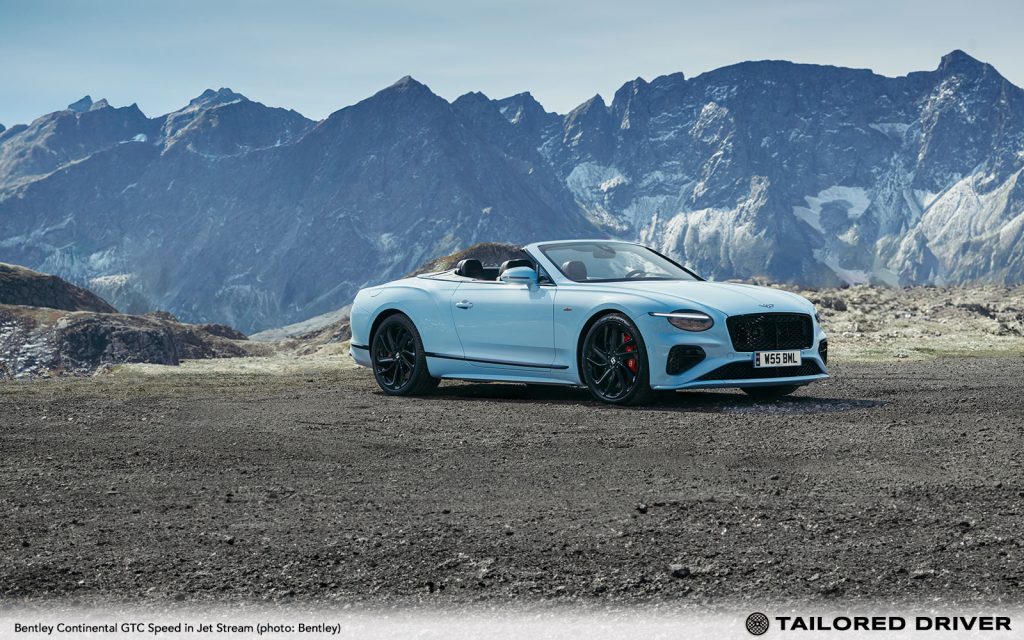
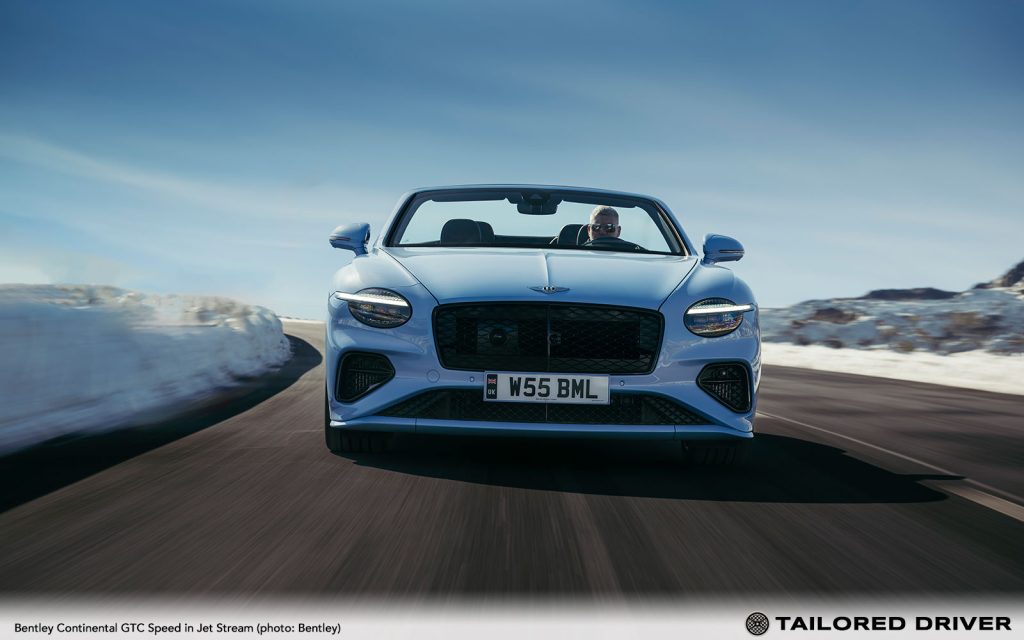
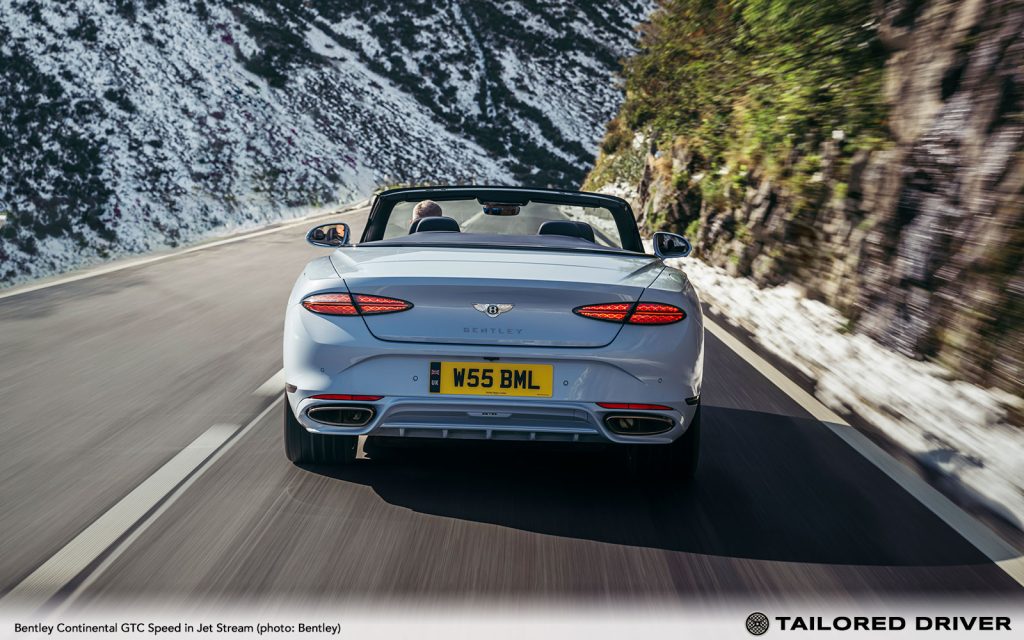
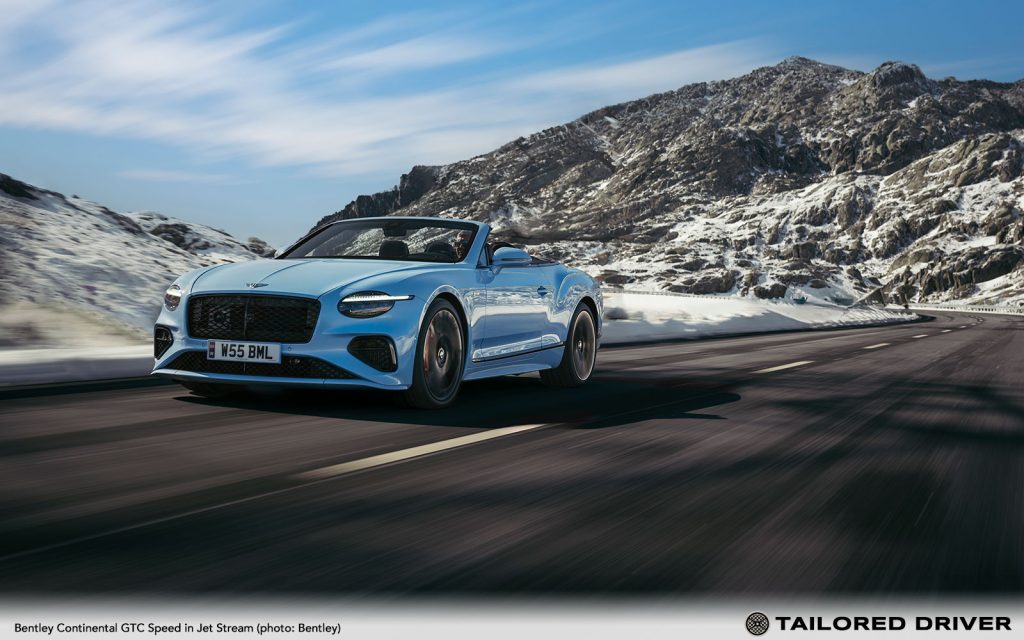
    Bentley Motors is also proud to reveal the fourth generation Continental GTC Speed in Jetstream, following in the 21-year tradition of the Continental GT family by redefining the ultimate blend of supercar performance, handcrafted luxury and everyday usability.

    For the new Continental GTC Speed, a brand-new Ultra Performance Hybrid powertrain has been developed. The new powertrain combines a new 4.0 litre V8 engine capable of producing 600 PS (584 bhp) with a 190 PS (187 bhp) electric motor. Performance of the Continental GTC Speed is breath-taking for an open-air Grand Tourer. 

    The Convertible features Bentley’s seven-bow fabric roof system, available in a range of seven exterior colours (including tweed) and deployable in 19 seconds at speeds up to 48 km/h. With a  completely new 400-volt electrical architecture enables the most advanced suite of powertrain technology to be offered by a luxury automotive brand today, delivering emissions of 29 g/km of CO2 and an electric range of 80 km on the WLTP drive cycle.

    Bentley location at Retromobile: Hall 1 H084

  • First Bentley Speed Six Delivery in 94 Years, as a Blower Finishes a 24 Hour Race

    First Bentley Speed Six Delivery in 94 Years, as a Blower Finishes a 24 Hour Race

    • First Speed Six customer car since 1930 leaves the Mulliner workshop
    • The first of 12 Speed Six Continuation Series cars, each handcrafted over the course of eight months
    • Follows completion of development programme in July
    • Destined for an existing Blower Continuation Series customer in the USA, and curated in a classic Parsons Napier Green specification
    • Meanwhile, a Blower Continuation Series customer car completes a 24 hour endurance race at Portimão as part of the ‘Benjafield’s 24’
    • The achievement marks the first time a factory-built Bentley Blower has ever finished a 24-hour race

    [source: Bentley]

    Crewe, England – The first customer Speed Six Continuation Series car has been completed, and is soon to be dispatched to the USA – marking the first delivery of a new Bentley Speed Six since 1930. Existing Mulliner customer John Breslow will be the first person to receive his Speed Six as a racing companion to his Blower Continuation Series. 

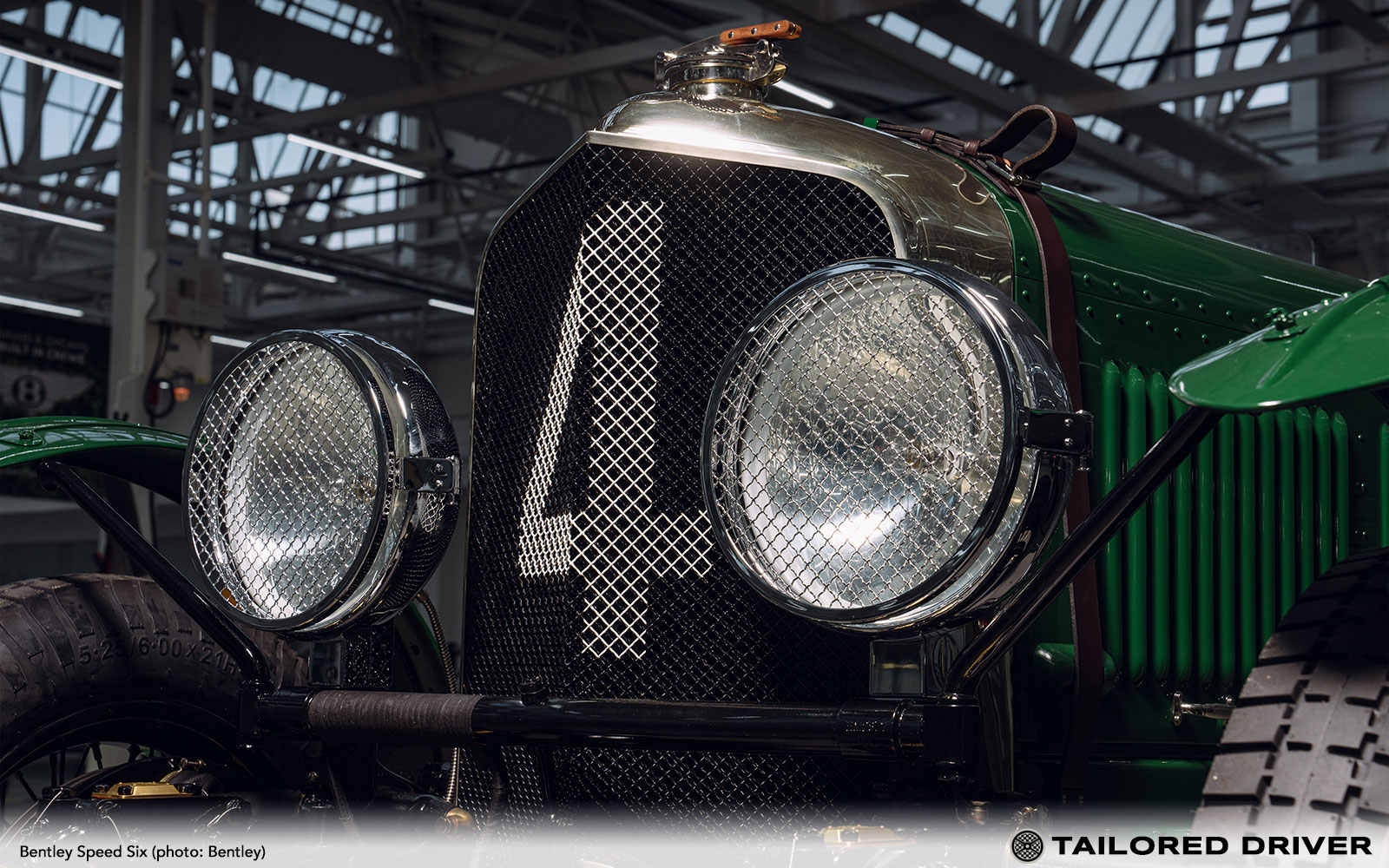
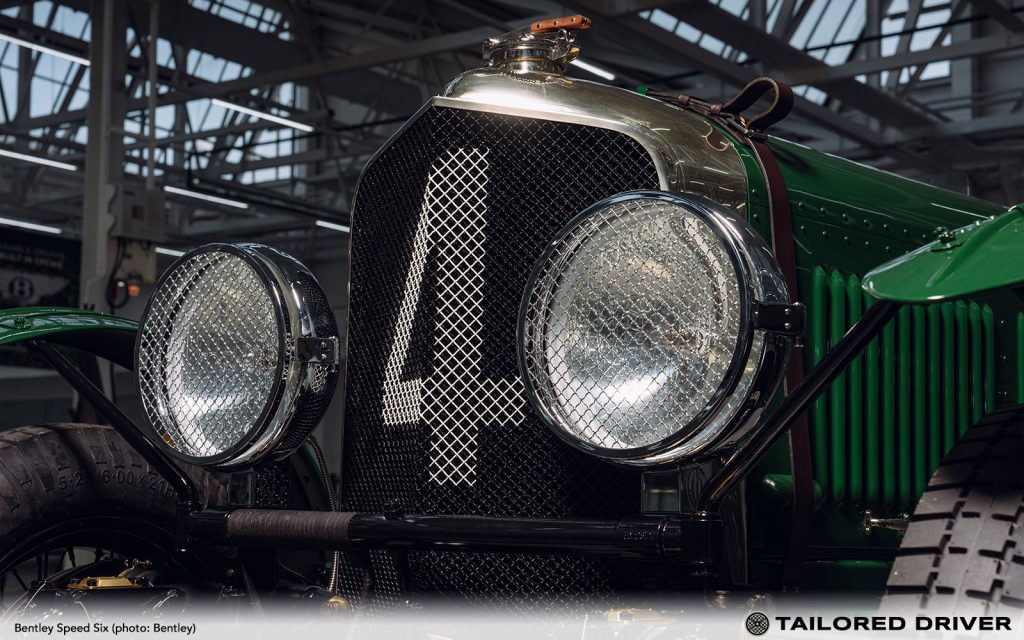
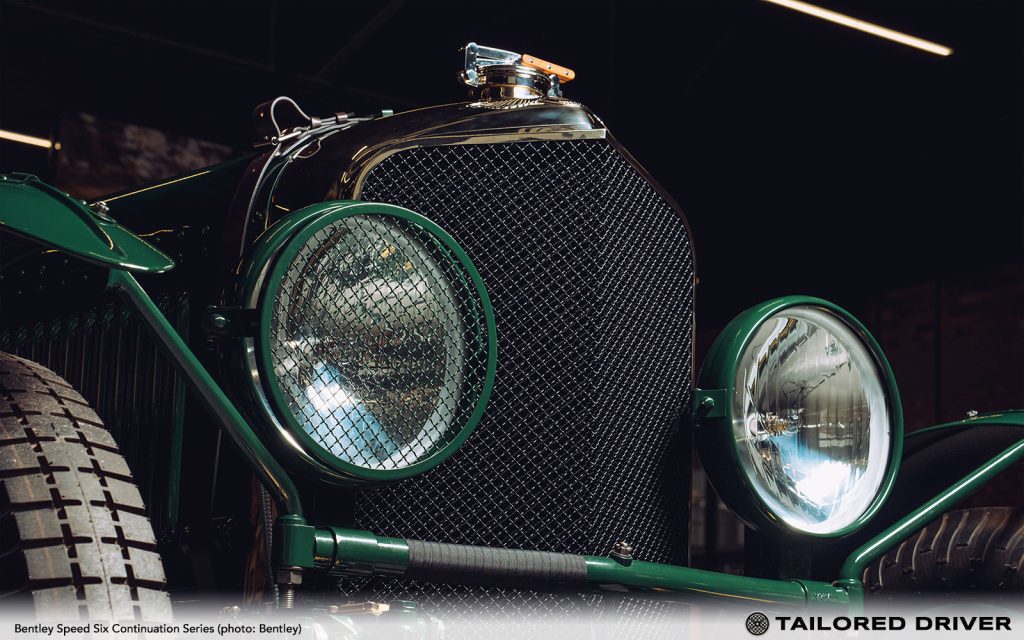
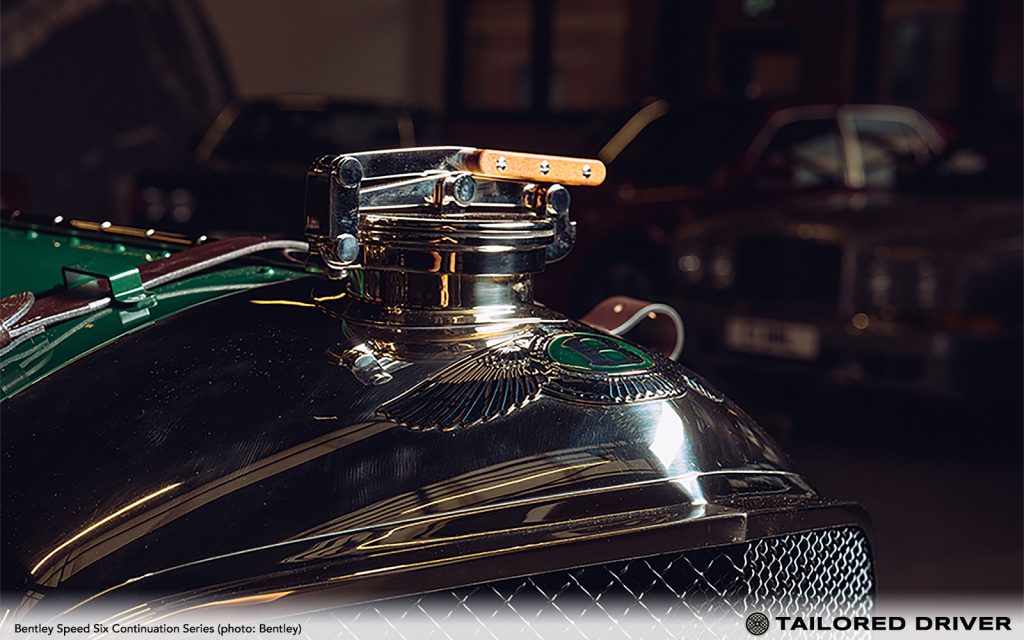
    Commissioned just over 12 months ago, the classically curated Speed Six is resplendent in Parsons Napier Green bodywork on top of a black-painted chassis. The iconic face of the Speed Six is dominated by the twin round headlamps, finished in Chrome with a protective mesh and separated by a large number ‘4’ on the radiator.

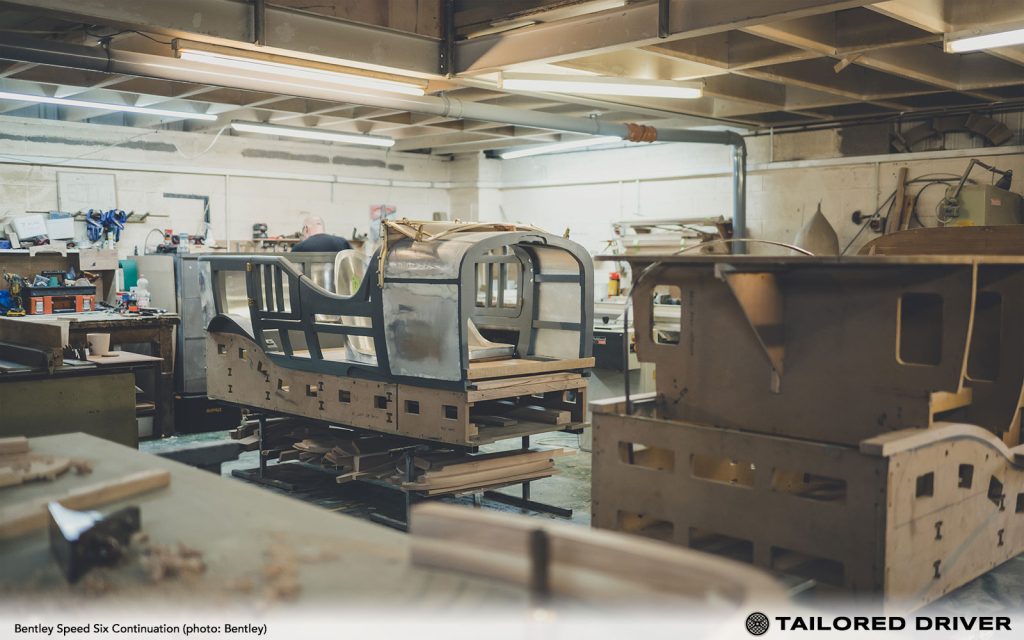
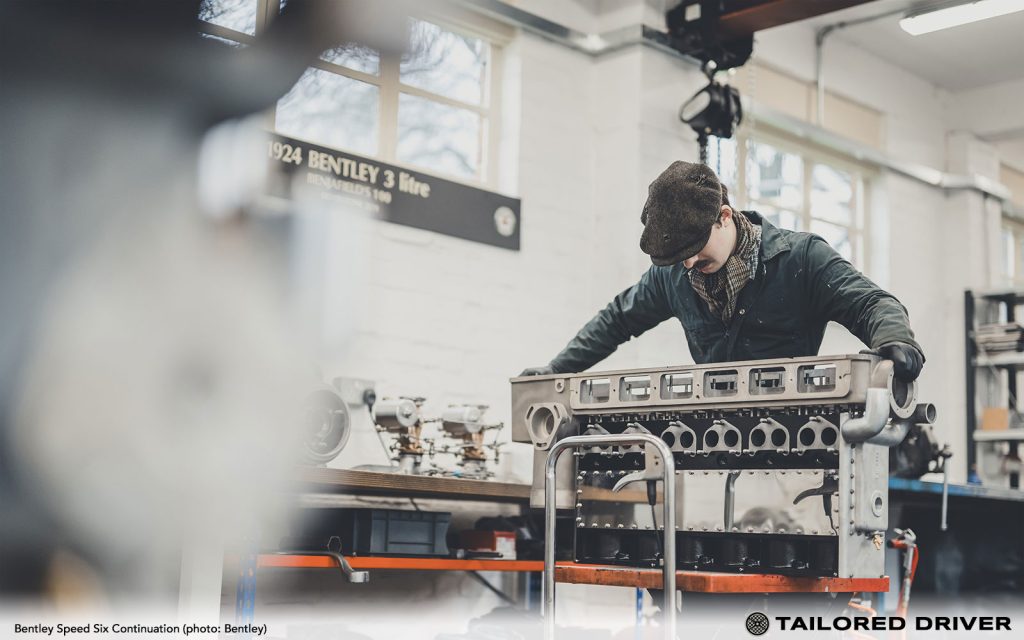
    Crafted by hand from scratch, each car takes eight months to complete, with the expert team of Mulliner technicians and artisans working closely with a network of specialist suppliers across the UK to recreate every detail of the original Speed Six with exactitude. 

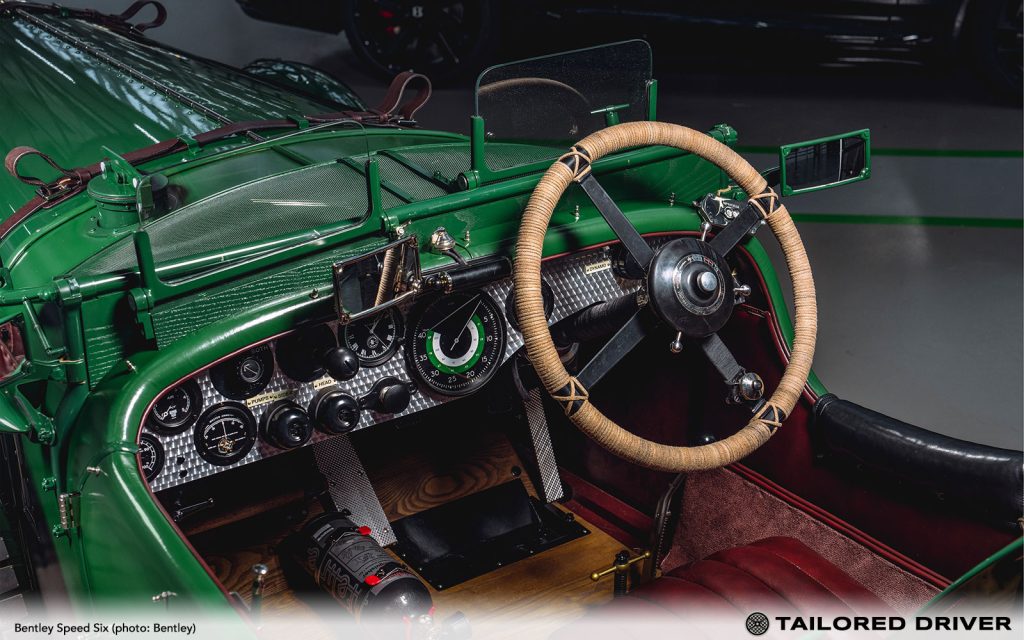
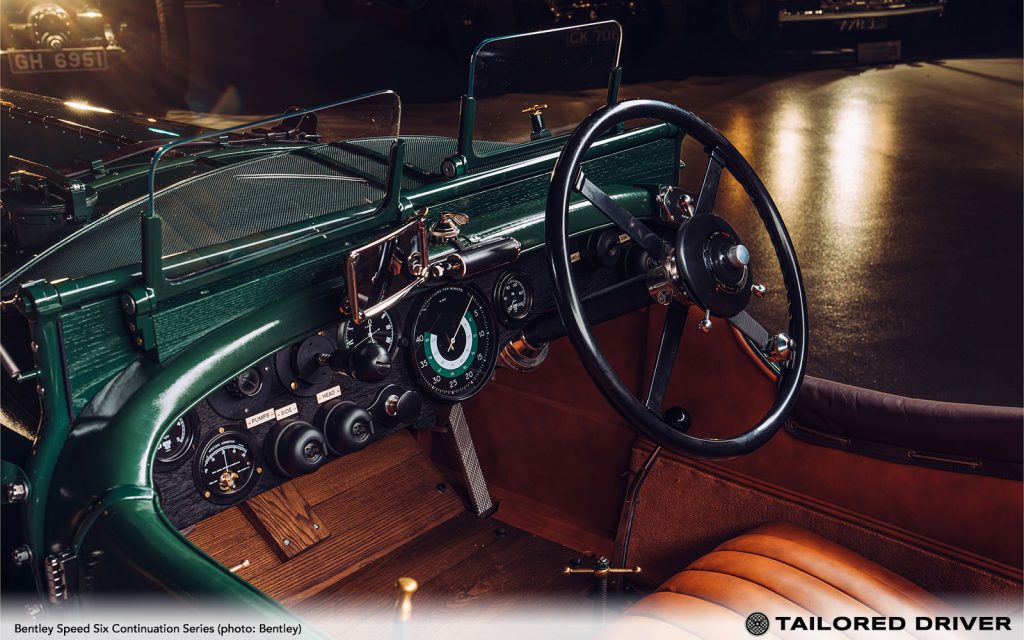
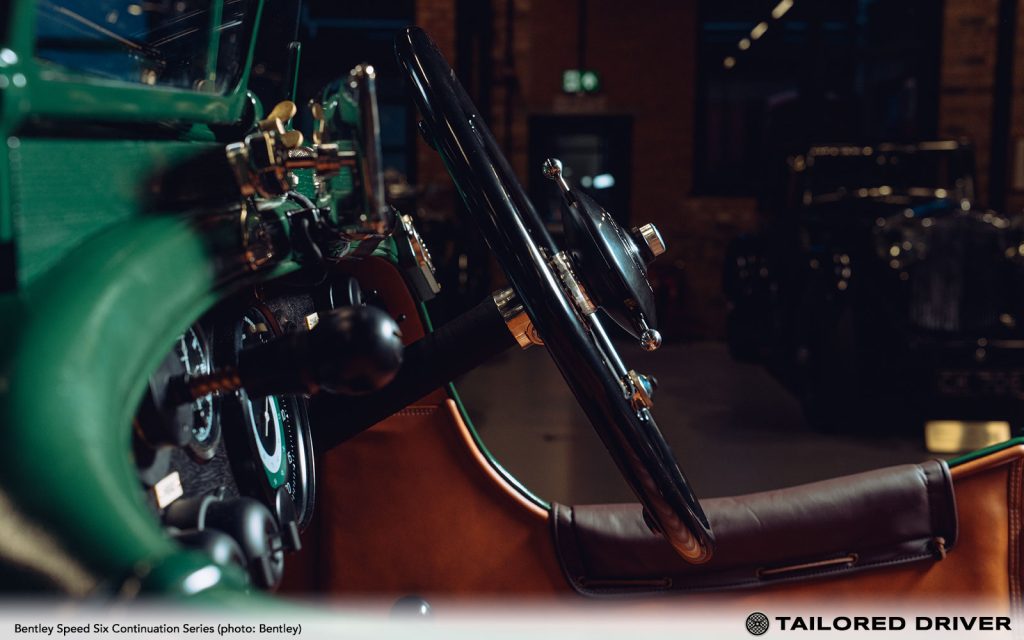
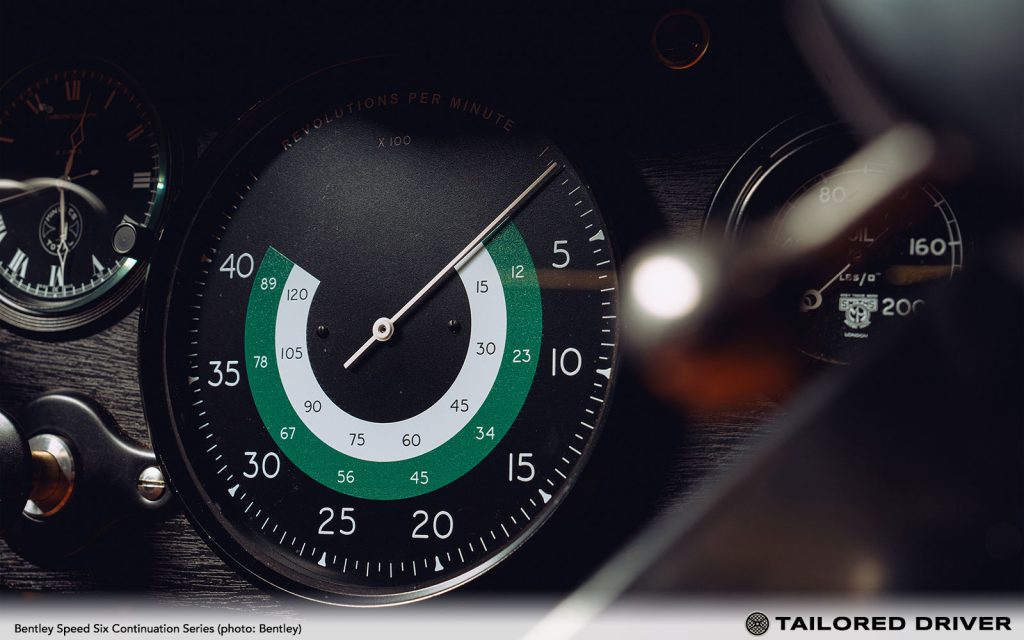
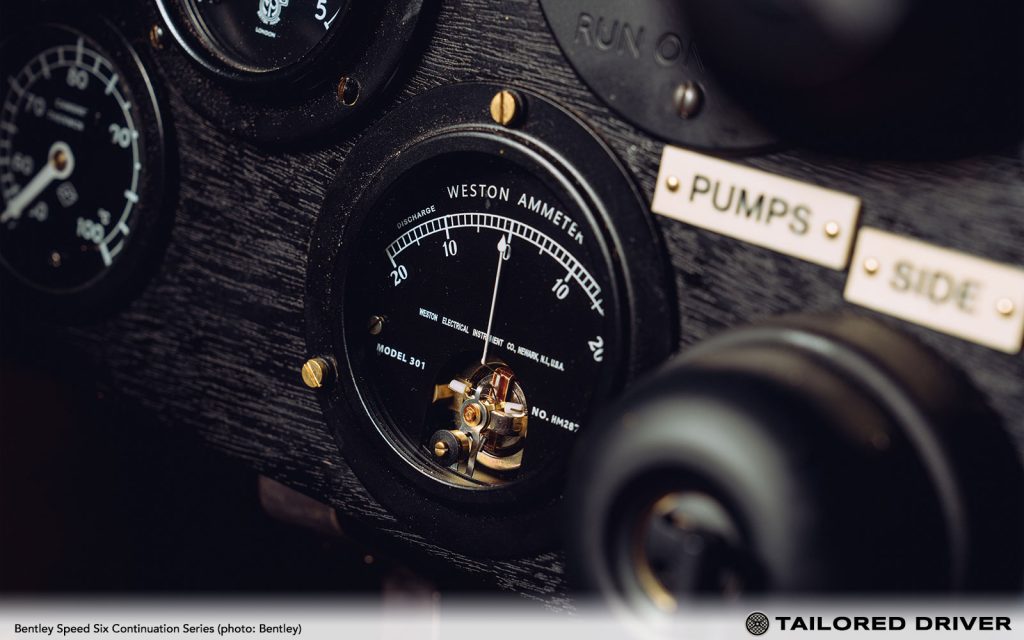
    The cockpit is as authentic as the exterior, with every gauge, switch and control exactly as per the specification of the Speed Sixes that raced at – and won – Le Mans in 1930. Leather trimmed in a rich deep brown with dominant red tones, the Rust leather and carpet pair seamlessly with the Parsons Napier Green to the exterior. 

    At the start of the project, the Mulliner Classic team visited the National Motor Museum in Beaulieu, Hampshire, to verify the five authentic period Parsons Paints that are available to customers. Over 600 individual new parts, including a new engine block casting, were fabricated for the new 6½ Litre race spec engine, which at the time developed 200 bhp. Dyno testing has shown the Continuation Series engines to develop 205 bhp; while higher outputs have been achievable with the aid of modern engineering materials (as many classic racing teams do), the aim of the Continuation Series team was to create a Bentley exactly as it would have looked and performed in 1930.

    The Speed Six is regarded as one of the most important Bentleys in history, being the most successful Bentley racing car ever produced. Using the same manufacturing processes as the original car from the late 1920’s, the Speed Six is the second pre-war Continuation Series by Mulliner, Bentley’s bespoke and coachbuilding division.

    The Blower Continuation Series was the first pre-war continuation series ever created, and has been built by hand using a combination of modern laser-scanned data and original drawings. Both the blueprints and the 3D data were taken from the 1929 4½-litre supercharged Team Car #2 – the most famous Bentley in the world, and one of the icons of the Bentley Heritage Collection.

    Famous for pushing Bentley’s main competitor Mercedes-Benz to the point of breakdown in the Le Man 24 hour in 1930, the Bentley Blower was known for outright pace – at the sake of reliability – whereas the Speed Six was known for its dependable performance.

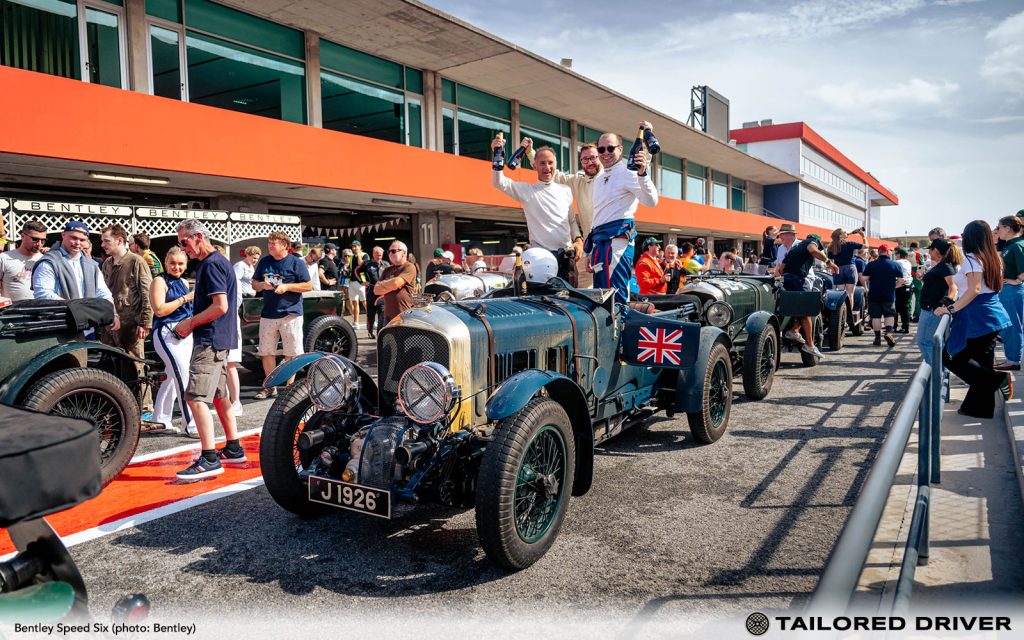
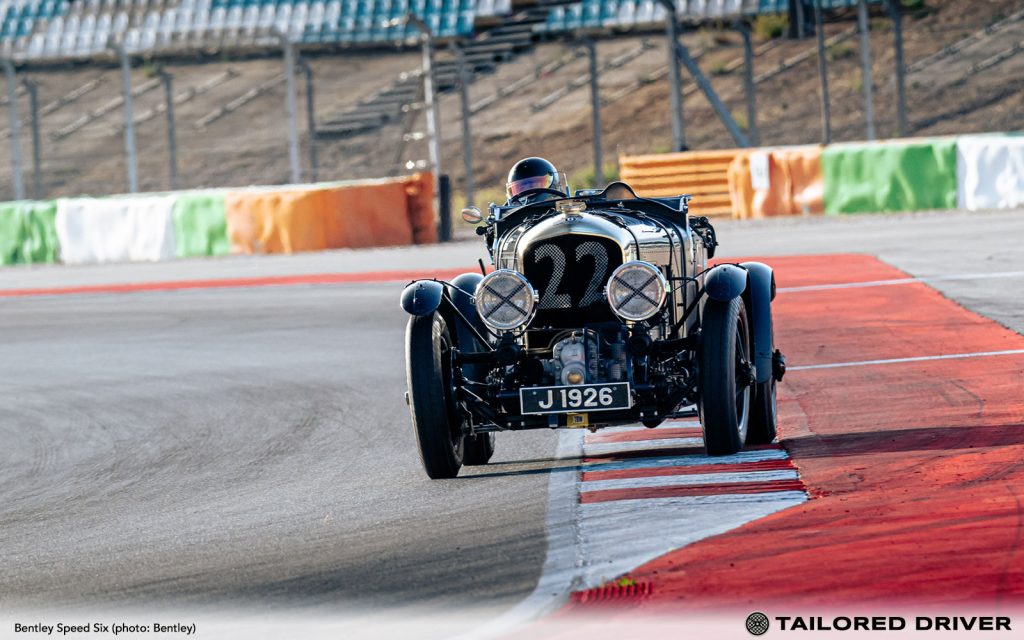
    To celebrate Bentley’s first ever win at the Le Mans in 1924, the Benjafield Racing Club hosted a 24 hour endurance event at the famous Algarve circuit of Portimão. The event consisted of 25 period Bentleys, piloted by 87 club members, with one of the competitors being a Blower Continuation Series customer car, entered into the event by its dedicated owner. In a defining moment for the Blower family and of the Continuation Series, the car completed the race – becoming the first factory built Blower to ever finish a 24-hour event, and highlighting the quality of engineering behind the world’s first pre-war continuation series. 

    For any further enquiries or product information, the Mulliner team can be contacted via the following email address, mullinercoachbuilt@bentley.co.uk.

  • Speed Six Continuation Series Debuts at Goodwood Festival of Speed

    Speed Six Continuation Series Debuts at Goodwood Festival of Speed

    • The first car in the Speed Six Continuation Series makes its global debut at the Goodwood Festival of Speed
    • ‘Speed Six Car Zero’ is the engineering development car for the programme, and will be retained by Bentley
    • Continuation Series by Mulliner based on original drawings and mechanic’s notes drawn from the archive
    • 1930 24 Hours of Le Mans competitor ‘Old Number 3’ and Bentley’s own Speed Six (GU409) provide real-world references
    • Finished design includes race improvements found between the 1929 and 1930 iterations of the 24 Hours of Le Mans
    • 600+ new components comprise 6½-litre six-cylinder race-spec engine
    • Initial engine tests indicate peak power of 205 bhp, within 5 bhp of original Le Mans spec engine of 1929 and 1930
    • One ‘Factory Works’ car and 12 pre-sold customer cars to follow, with each customer offered a personal fitting service for their car
    • Every single car handcrafted from scratch in the Mulliner workshop in Crewe, with each taking 10 months to complete

    [source: Bentley]

    Crewe, England – The first new Speed Six in 93 years will makes its global debut at this year’s Goodwood Festival of Speed. The most successful Bentley racing car ever, the Speed Six is regarded as one of the most important Bentleys in history. The newest Speed Six – Car Zero – will be used in a development programme consisting of real-world durability and track based testing, before being retained by Bentley ahead of the build of 12 customer cars – all of which are already sold. 

    So much more than a replica, a continuation car is built to the same designs, using the same processes, as the original car that inspires the series. The Speed Six is the second pre-war Continuation Series by Mulliner, Bentley’s bespoke and coachbuilding division, following the Blower Continuation Series which itself was the first pre-war continuation ever created.

    Extensive research has been undertaken to ensure the content of the Speed Six is correct and authentic, with particular focus on the specification and setup of the original cars for the 1930 24 Hours of Le Mans. As many original drawings have been used as possible; with 80% of the originals found via the WO Bentley Memorial Foundation. The drawings have been supplemented by original mechanic’s notes that detailed the changes between the 1929 and 1930 races, alongside data taken from the 1930 Speed Six in the Bentley Heritage Collection and an original 1930 Le Mans racer, known as Old Number 3.

    In excess of 600 individual new parts have been required for the creation of the new 6½-litre six-cylinder race spec engine. Initial dyno testing has shown the first engines to develop 205 bhp at their peak, within 5 bhp of that documented for the original race-tuned engines in 1930.

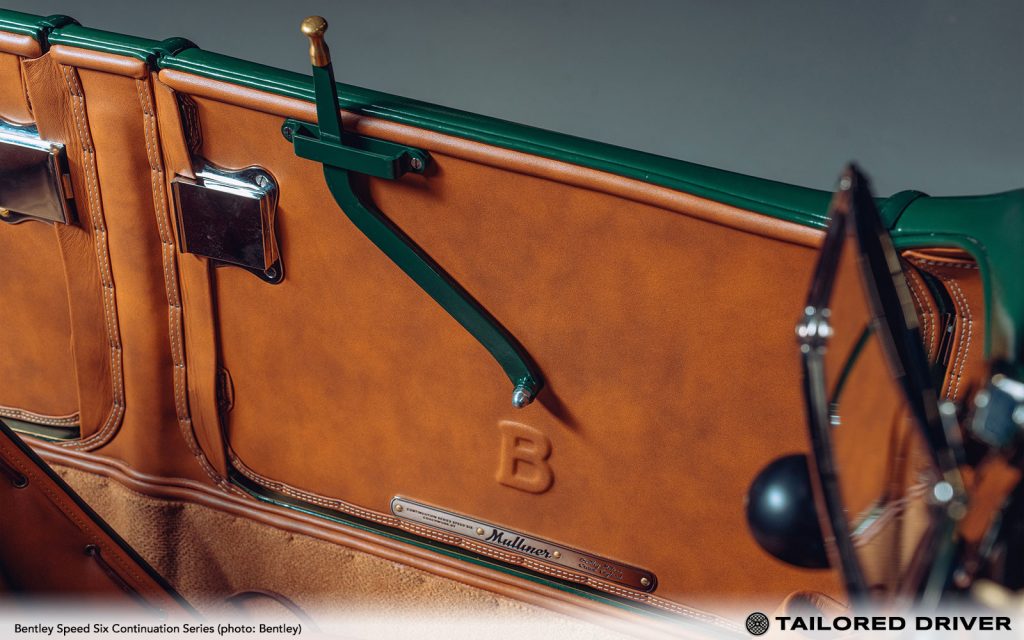
    Many of the authentic materials used on the Blower Continuation Series have also been utilised for the Speed Six, particularly on a number of the trimmed elements. Mulliner team members revisited the archives at the National Motor Museum in Beaulieu, Hampshire in order to offer five authentic period Parsons exterior paints. Speed Six Car Zero is finished in Parsons Napier Green, with an interior in Tan leather.

    Speed Six Car Zero has been built over the last ten months by an exceptionally skilled team of Mulliner artisans and specialists. As with the Blower Continuation Series, a major driver of the Speed Six programme is the development and retention of modern and traditional coachbuilding skills, and the build has seen craftspeople with decades of experience working alongside the younger generation so that skills are passed on. The finished car is a work of art, having been built and trimmed entirely in the Mulliner workshop at Bentley’s Dream Factory in Crewe.
    Over the next six months customers will have chance to discuss their specifications in further detail in personal commissioning sessions. Customers will be offered a personal fitting service in the second development car, known as Speed Six Factory Works, to ensure each car is built to each individual customer’s comfort needs.

    The validation programme for Speed Six Car Zero is comparable to that for  Blower Car Zero, and will include real world mileage accumulation and two race simulations.

    The History Of The Speed Six

    The Speed Six became the most successful racing Bentley in history, as a high-performance version of the 6½ Litre, and won Le Mans in 1929 and 1930 at the hands of Woolf Barnato, Sir Henry ‘Tim’ Birkin and Glen Kidston.

    W.O. Bentley believed that the best way to increase power was to increase capacity, as opposed to Tim Birkin’s faith in supercharging. He therefore developed a new, larger engine to succeed the 4½-litre. With a bore of 100 mm and a stroke of 140 mm, his new straight six had a capacity of almost 6.6 litres. In base form, with a single Smiths five-jet carburettor, twin magnetos and a compression ratio of 4.4:1, the 6½ Litre delivered 147 bhp at 3500 rpm. 362 examples were built at Bentley’s factory in Cricklewood, North London, on a variety of chassis of different lengths depending on the body style requirements of individual customers. 
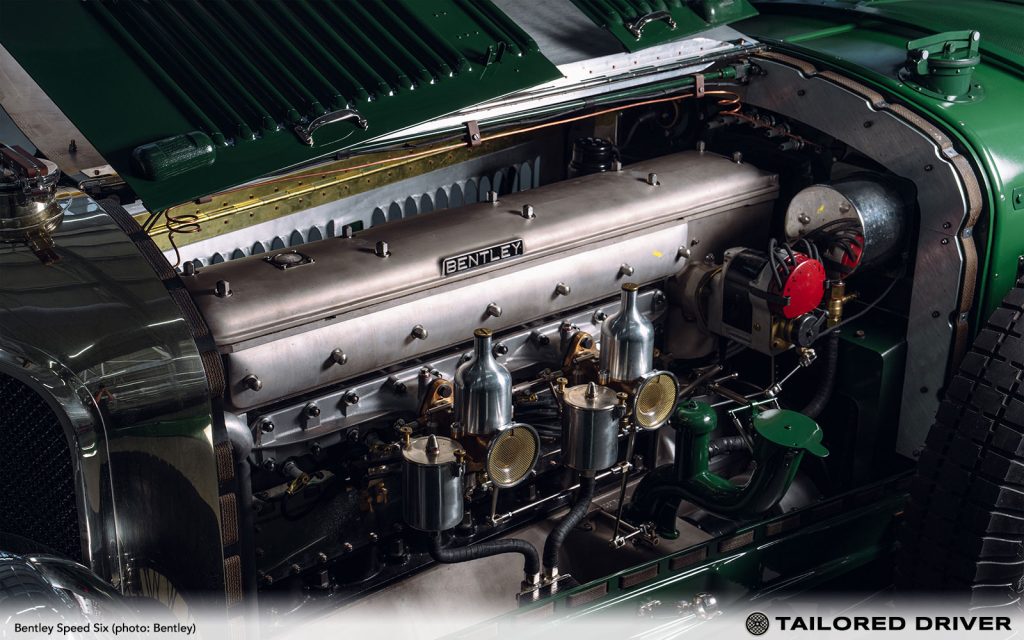
    The Speed Six chassis was introduced in 1928 as a more sporting version of the 6½ Litre. The engine was modified to liberate more power, with twin SU carburettors, a higher compression ratio and a high-performance camshaft, responsible for an increase to 180 bhp. The Speed Six chassis was available to customers with wheelbases of 138 inches (3,505 mm), 140.5 inches (3,569 mm), and 152.5 inches (3,874 mm), with the short chassis being the most popular. 182 Speed Six models were built between 1928 and 1930, and the factory race cars were built on a 134 inch (11’2”) chassis frame.

    The racing version of the Speed Six had a further-developed engine running a compression ratio of 6.1:1 and producing 200 bhp. Two wins at Le Mans in 1929 and 1930 cemented the Speed Six’s place in Bentley history, with the 1929 victory setting a new benchmark for dominance at the race. Driven by Woolf Barnato and Sir Henry ‘Tim’ Birkin, a Speed Six led from the first lap until the chequered flag, followed by a procession of three other Bentleys. A new lap record of 7:21 had been set by Birkin, taking 46 seconds off the previous best and requiring an average speed of 83 mph, and in covering a 2,844 km distance, a further record was also attained. Such a dominant performance by one manufacturer was not seen again at Le Mans for nearly 30 years.

    Real Life Endurance 

    Speed Six Car Zero, which will be displayed at this year’s Goodwood Festival of Speed, will show further instrumentation that will not be fitted to customer cars.  This has been added to the car to support the validation process and record many different aspects of data during the next six months.

    With the build of Car Zero now complete, a programme of real-world durability testing will begin. The test programme is designed to achieve the equivalent of 35,000 kilometres of real-world driving across 8,000 kilometres of track driving. Intervals of gradually increasing duration and speed will check functionality and durability under the most challenging conditions; giving confidence in future customer cars. 

    The first customer car will start build in October of this year, and the series of 12 customer cars is due to be completed by the end of 2025, with each car taking 10 months to complete.