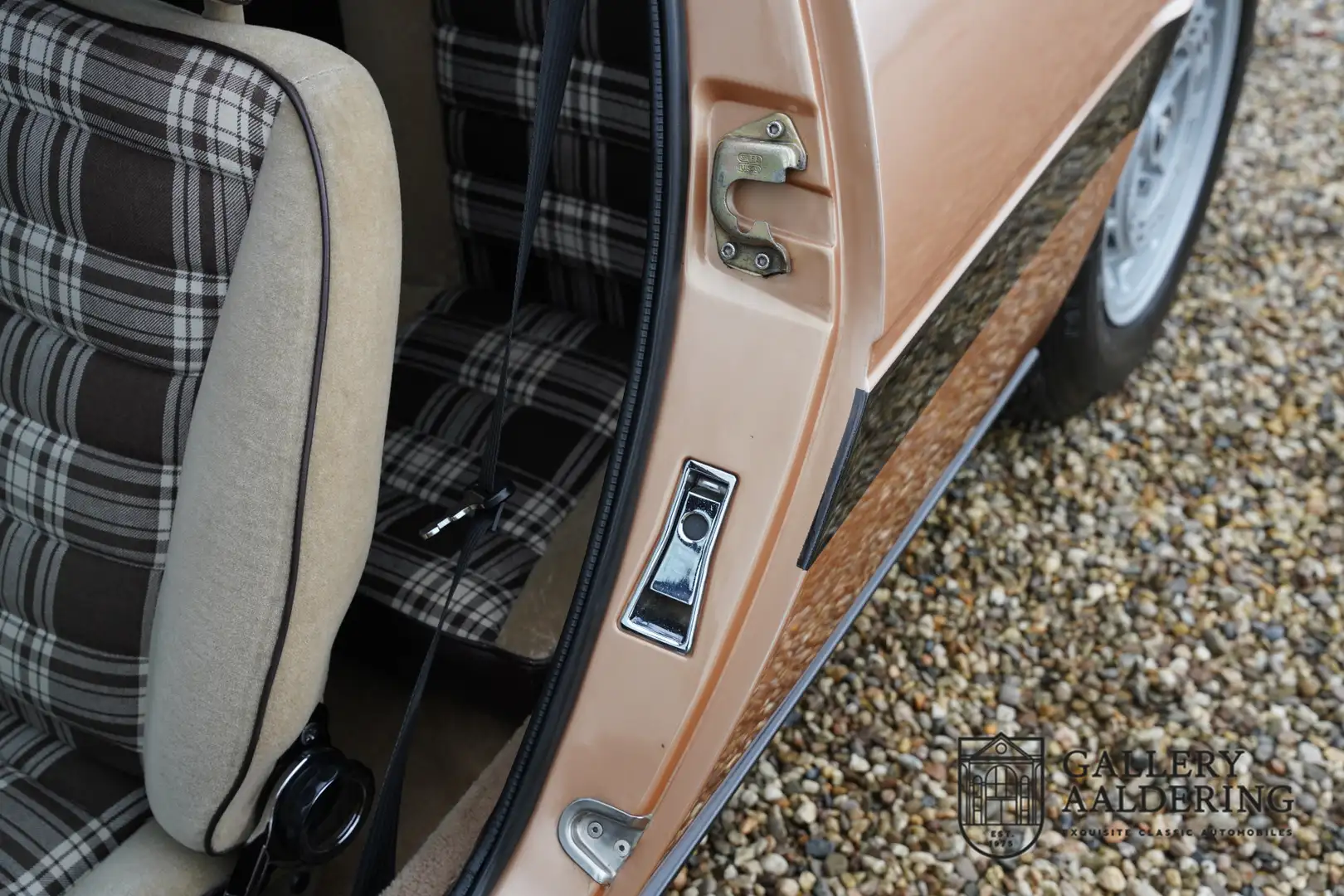
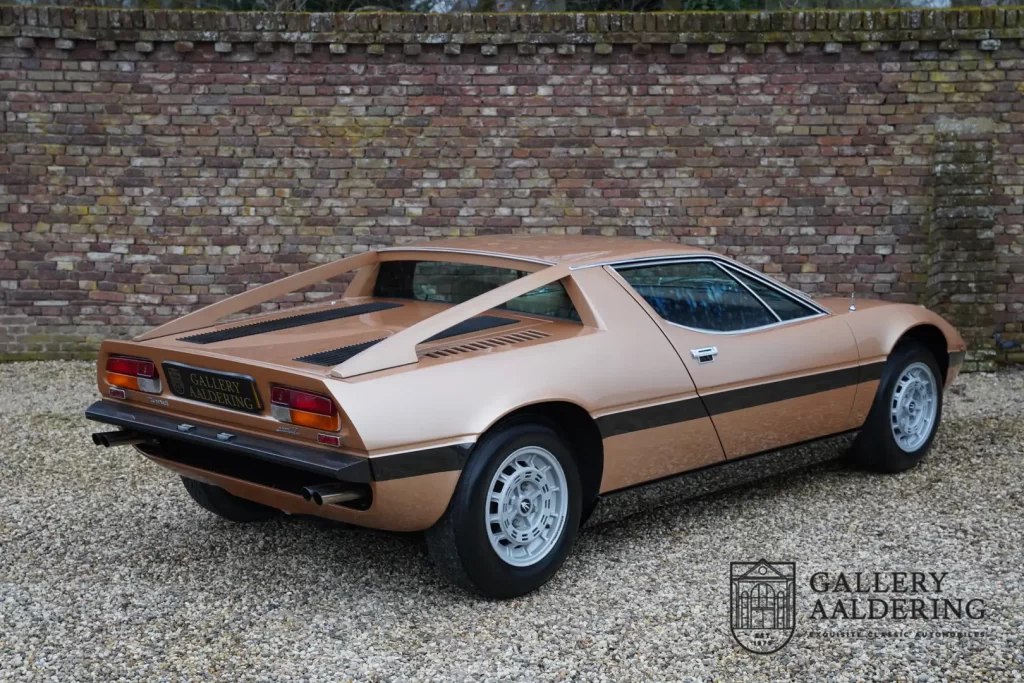
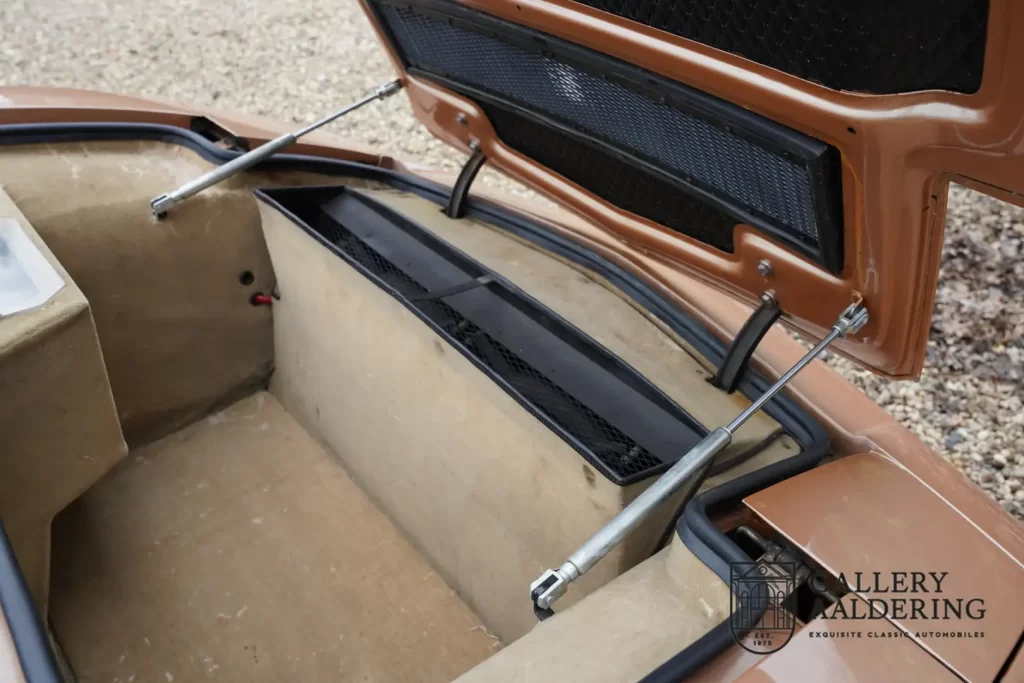
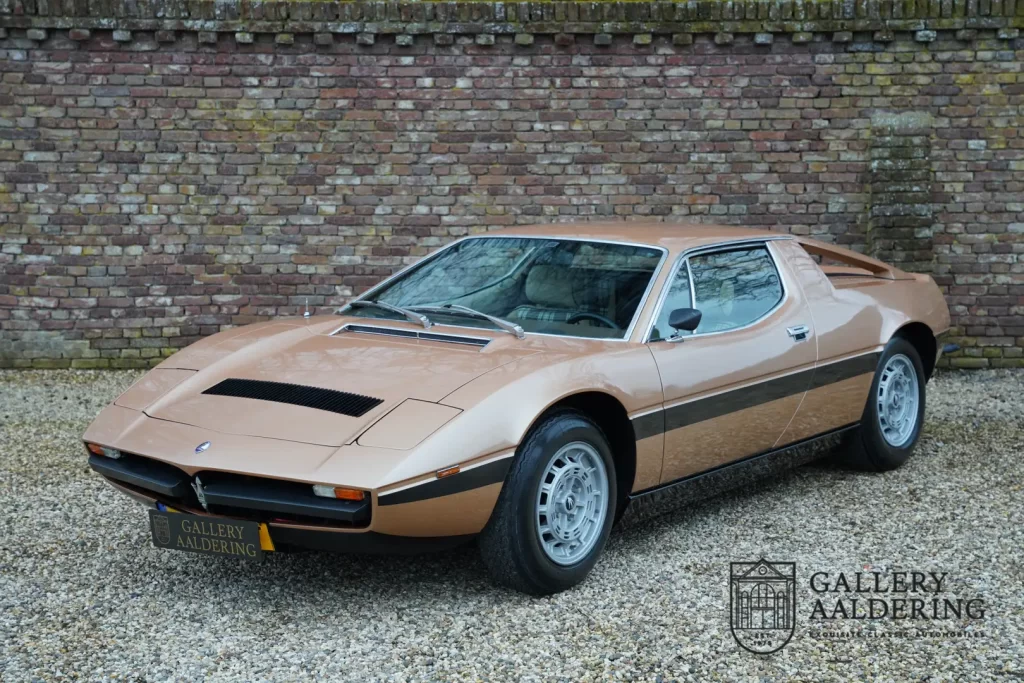
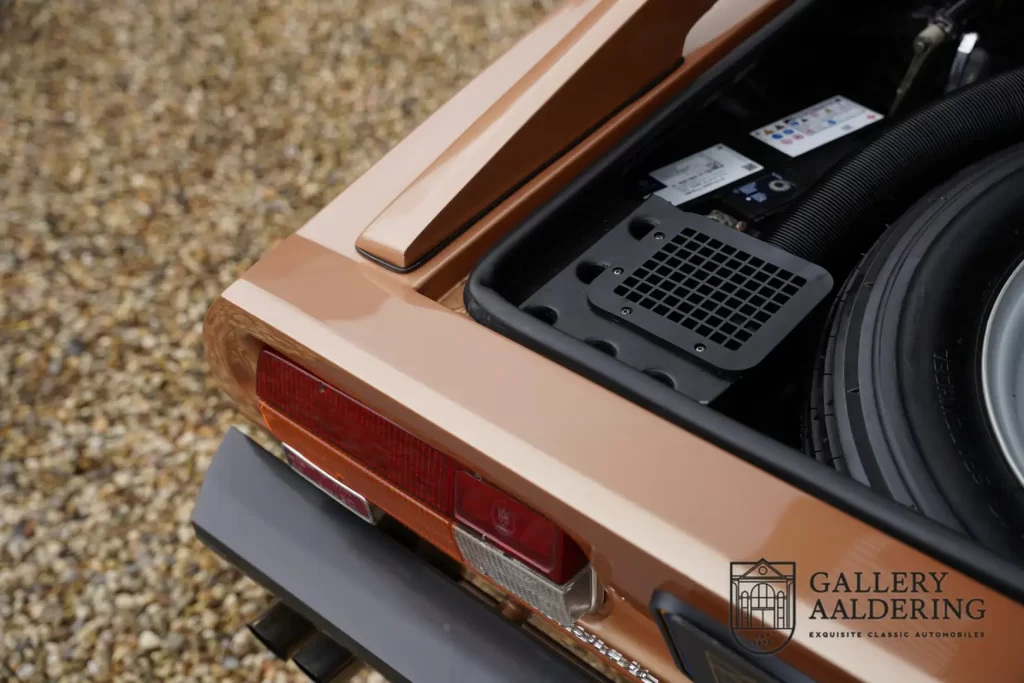
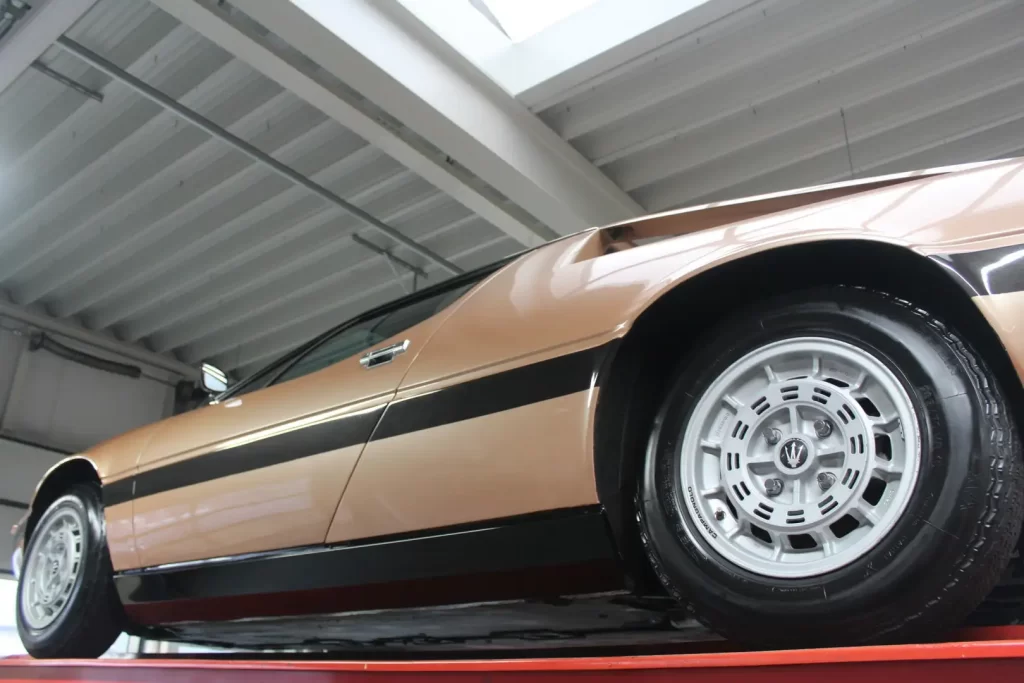
We’re pushing the boundaries with this particular market find. We suspect it’s a specification straight out of the 1981 order book. We can’t confirm the color name or code. And, it’s in Europe, meaning our primarily North American audience would have to import it. Luckily enough, its 1981 model year makes it an easy import. Its excellent specification and remarkably preserved condition also makes it easy on the eyes.
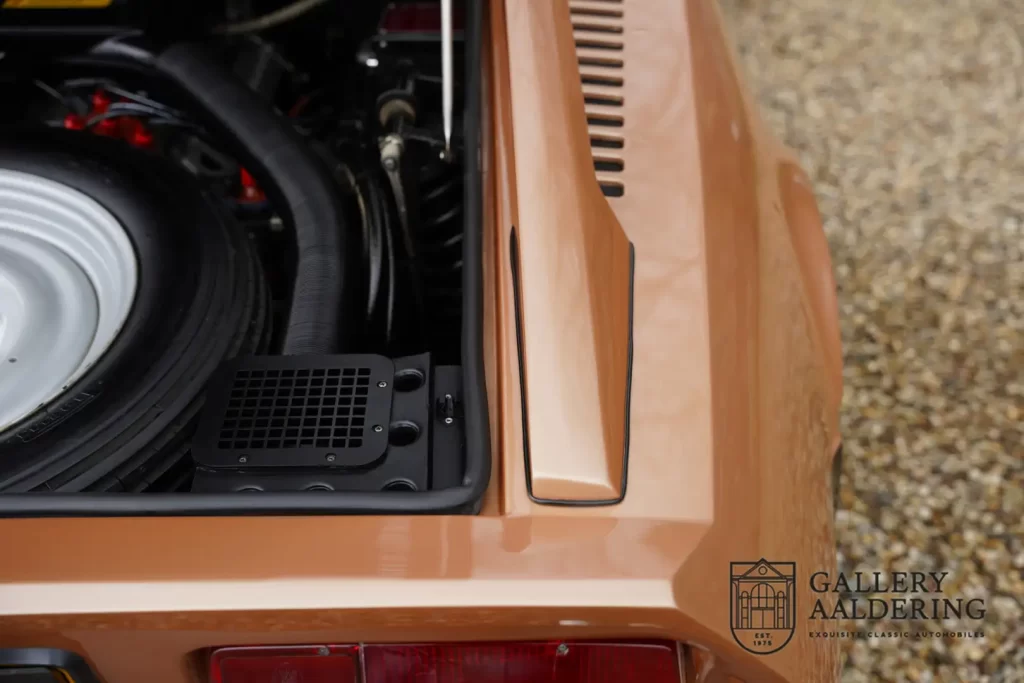
For those not familiar with the Maserati Merak, it’s a mid-engine Italian sportscar from the 1970s and into the 1980s, a halcyon era of that genre. Penned by Giorgetto Giugiaro, it has all of the exotic feel of more known 70s/80s mid-engine Italian offerings from Ferrari or Lamborghini, but we’d argue it’s just as exotic a look… especially when built to an exquisite specification.
Regarding specification, drivetrain may be arguably not exotic in 2000 GT form. Maserati launched the 2000 GT in 1977 almost exclusively for the Italian market. The Merak 2000 GT was built to avoid Italian customers from being penalized with a Value Added Tax (VAT) of 19% for any cars over 2-liters of displacement. That tax was deflating enough to Italian car manufacturer sales that brands began to specially make 2-liter examples of their entry-level models. Ferrari launched its 208 GTB, Lamborghini introduced the Urraco P200 and Maserati added the Merak 2000 GT.
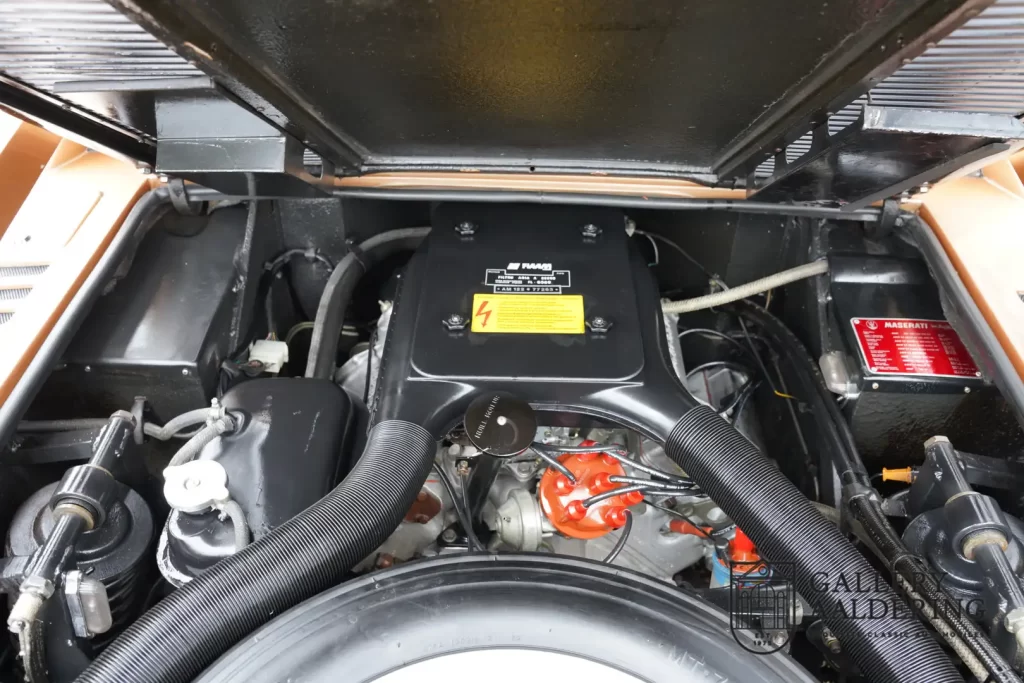
Unlike today where Maserati and Ferrari can largely pull from the same corporate parts bin, the brand was owned by Citroën at that time. In as much, Maserati developers turned to the French manufacturer to source a workable engine, and for this it replaced the Merak SS’s 2.9-liter V6 derived from Citroën SM’s 2.7-liter V6 with a smaller 2.0-liter V6 also from the SM.
Visually, the 2000 GT is most easily identified for its black side stripes that run horizontally down the mid-section of the body. Over time, a lot of 2000 GTs had their stripes removed to look higher dollar, though its likely that cars still sporting the original stripes as this one does are probably worth more today.
The Merak 2000 GT was offered in just two colors, a metallic blue or this other metallic that is often referred to as “gold”, though we’d argue is a bit more of a light brown. We’re not 100% sure of the name though as we were unable to dig up any confirmation of the paint colors or codes, despite ample searching and the dealer’s own detailed listing. If you know the color or code, drop us a note in the comments below.
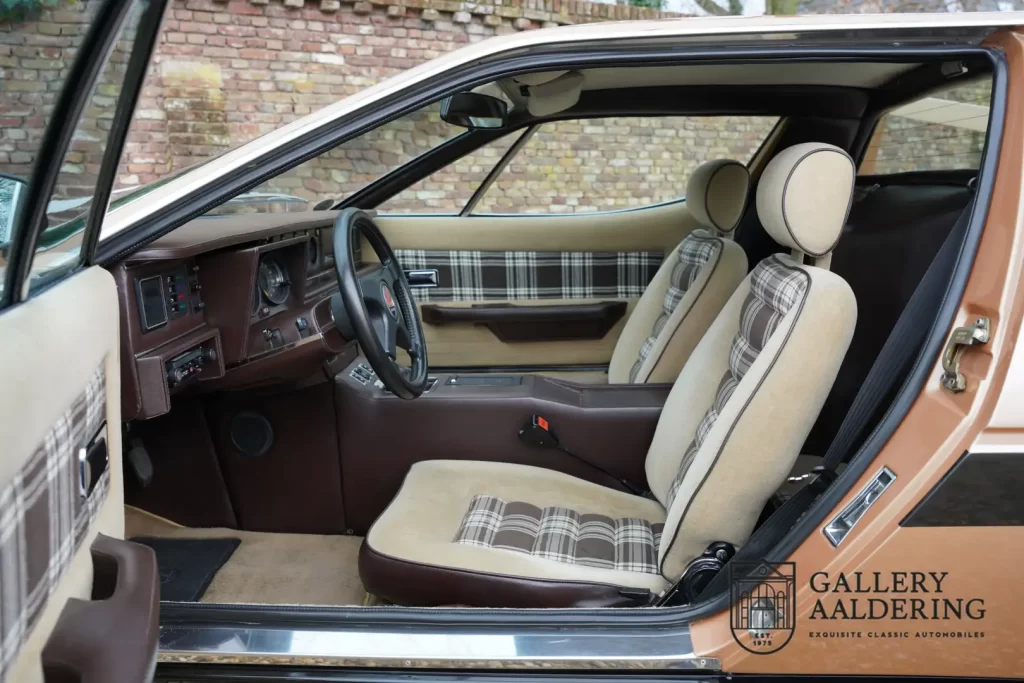
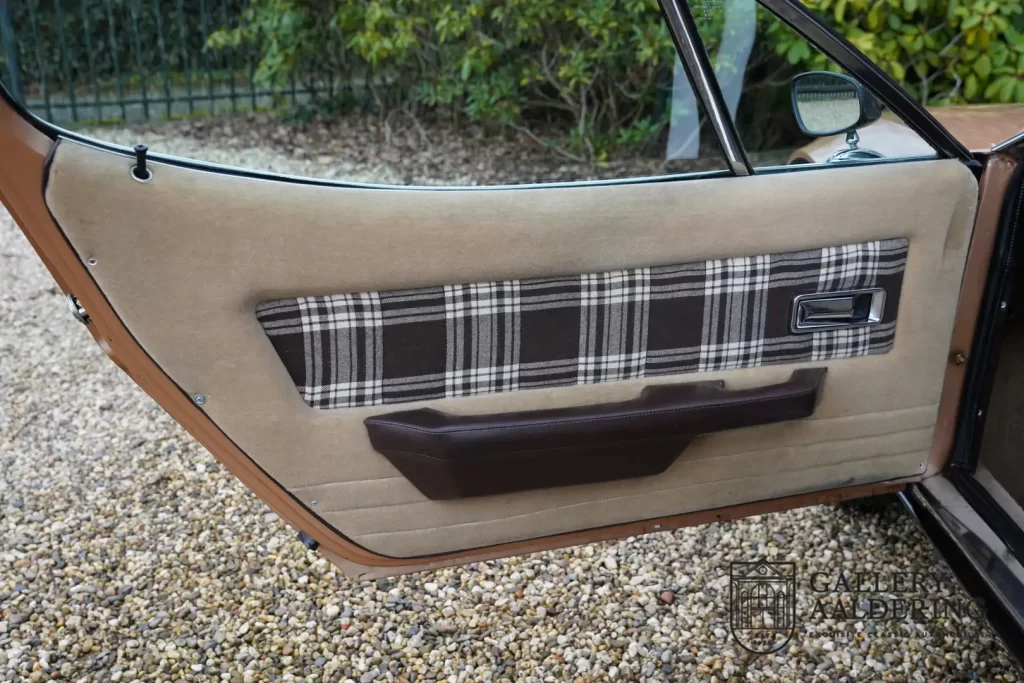
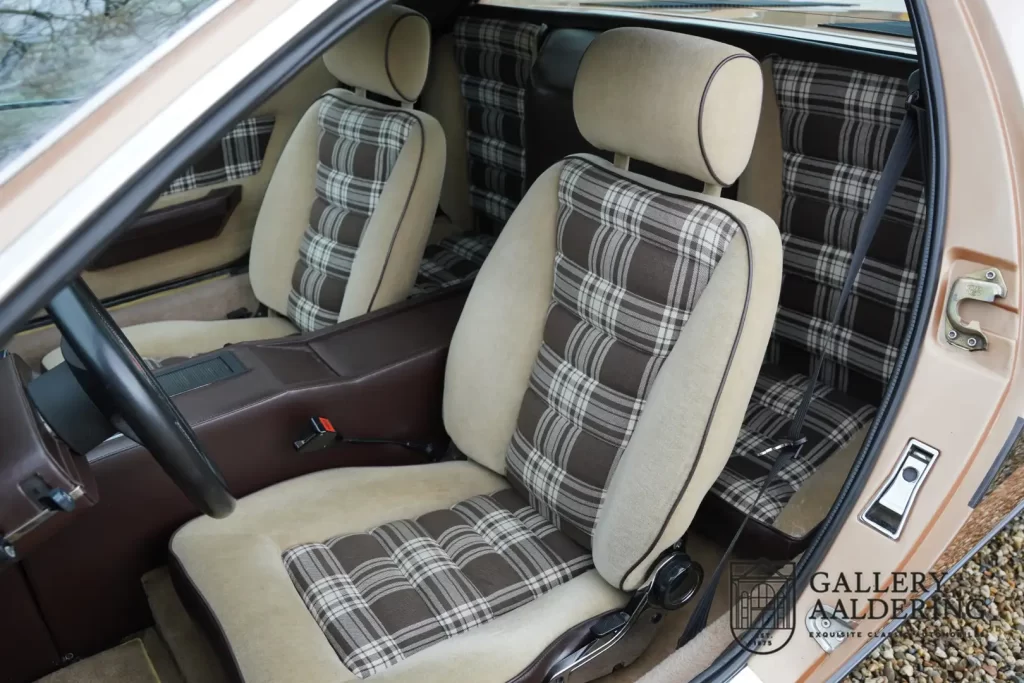
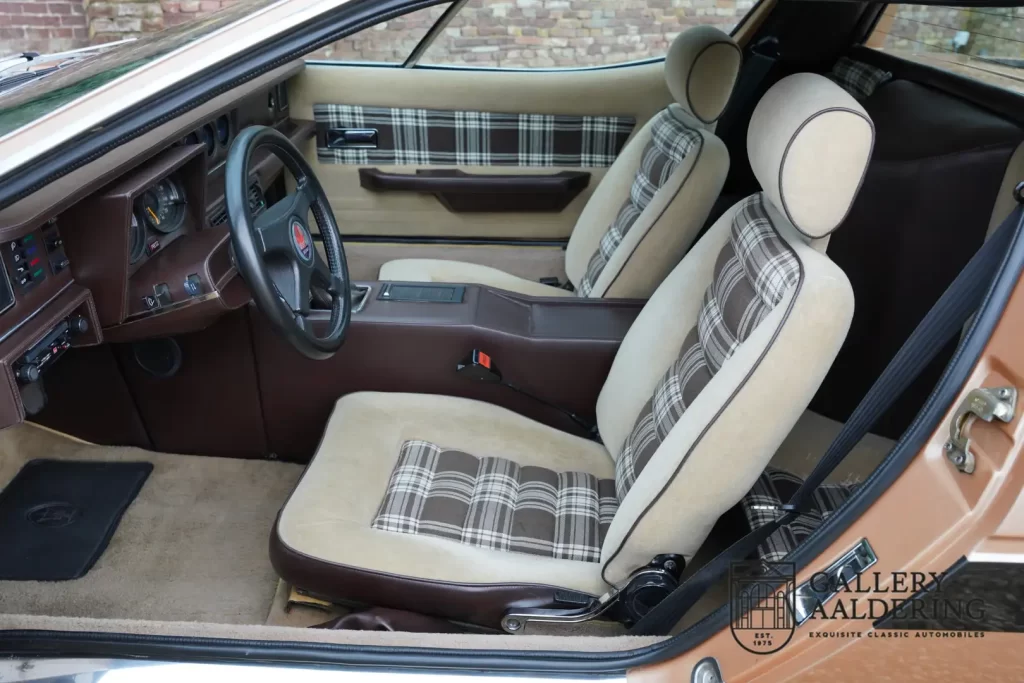
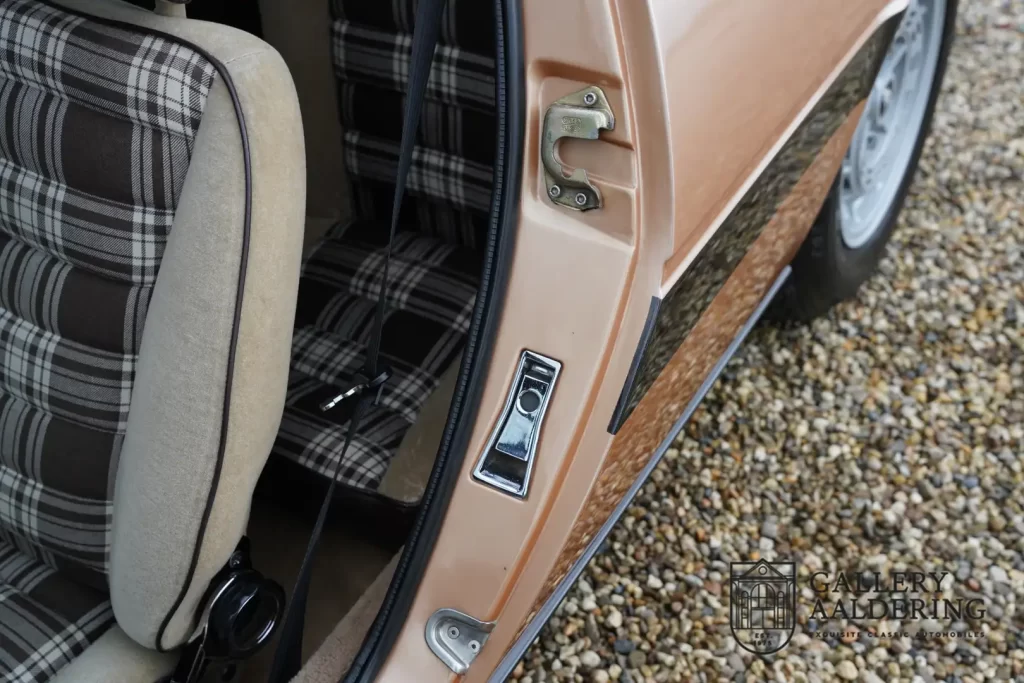
Whatever the case of the name, the look of the color is very unique. Browns were popular in that time period though typically fell out of vogue, and certainly weren’t the more usual reds or blues the mass market tends to prefer. In our eyes, that makes it more unique, and it also makes it incredibly paired with the particular highly preserved tartan interior of this car.
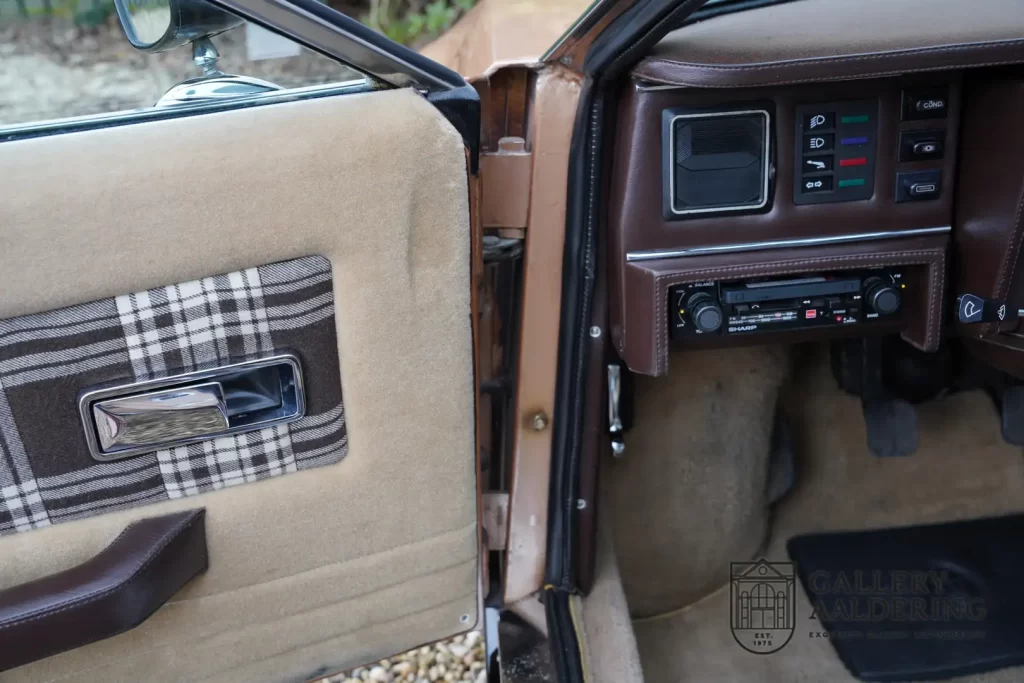
Inside, brown leather helps elevate the feel of quality of an era of dashboard and center console that’s not always the most robust. Here, it looks well-kept and well-paired with tan fabric seats and brown and tan tartan seat centers. Whereas the 2000 GT may not be the most preferable drivetrain, this interior makes this car incredibly attractive despite its power deficiencies.
This Merak 200 GT is listed for sale at Gallery Aaldering in Brummen, NL. Yes, that means you’ll have to import it if you want it. It’s logged just 14,925 km (9,273 miles), so it’s practically new by that count.
If you’re interested in seeing more of the car, you can check it out HERE.
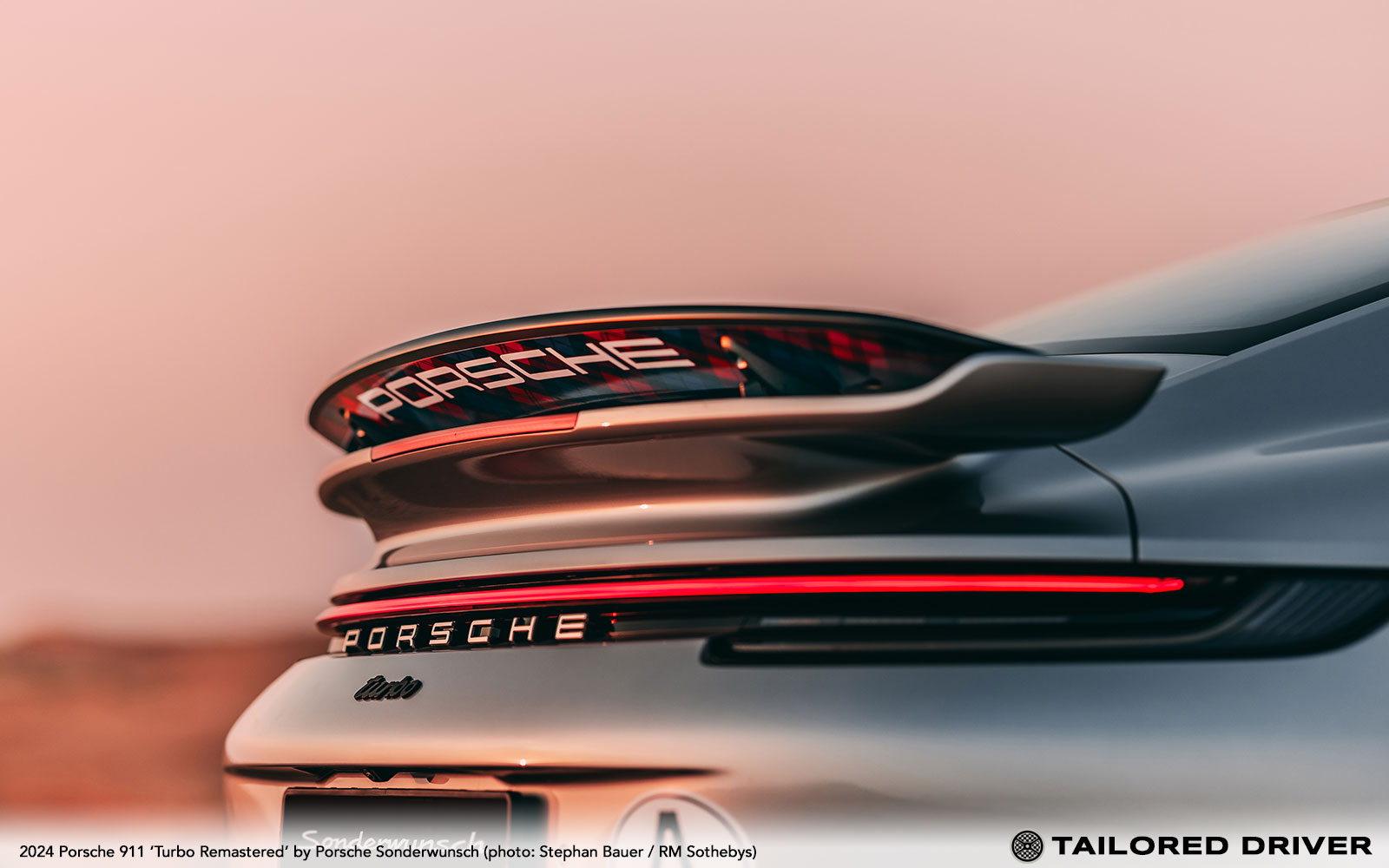
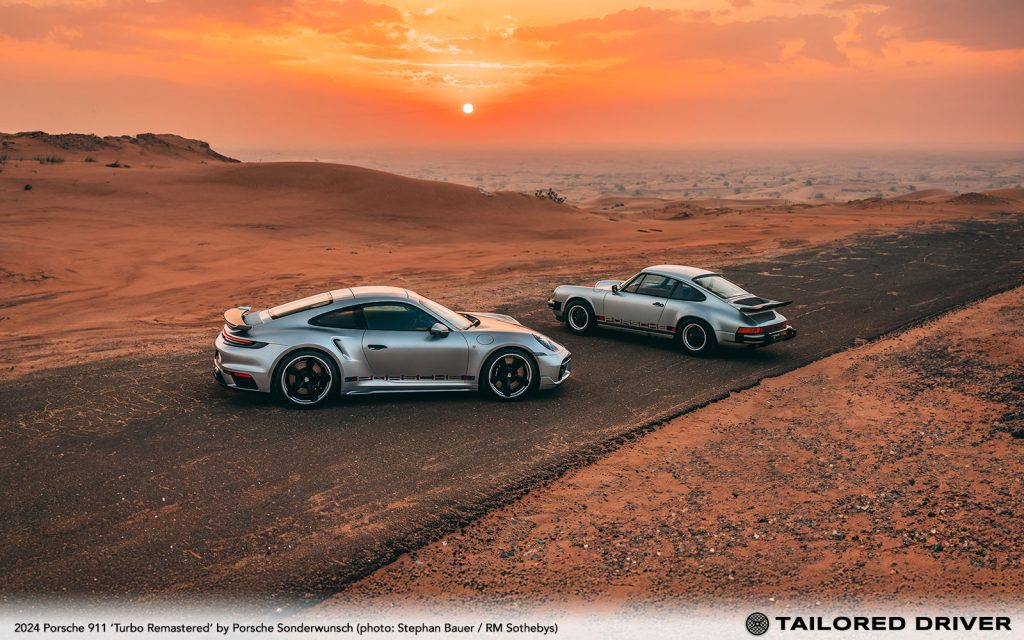
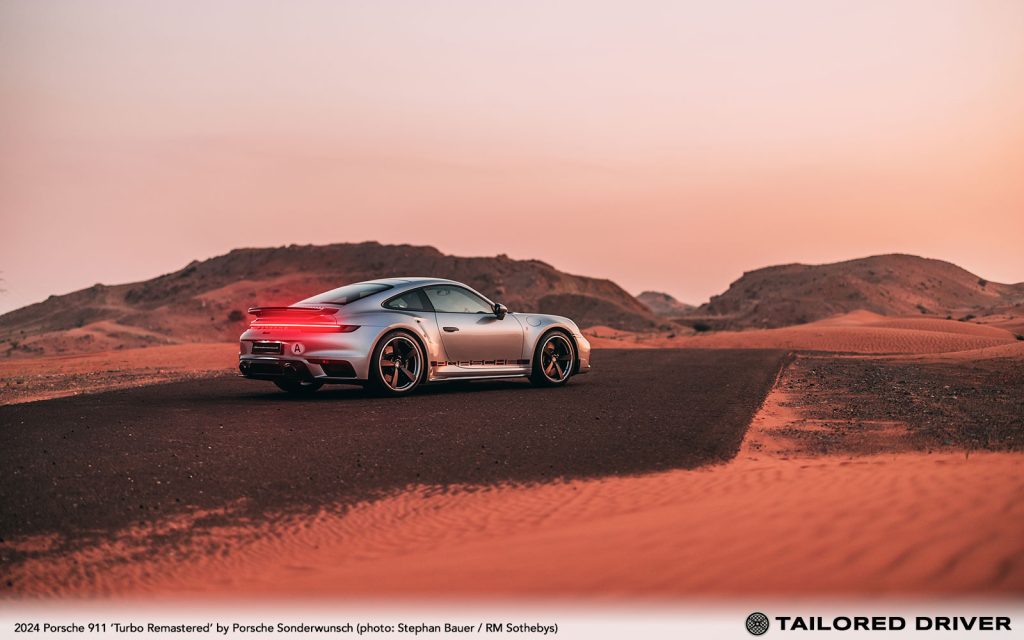
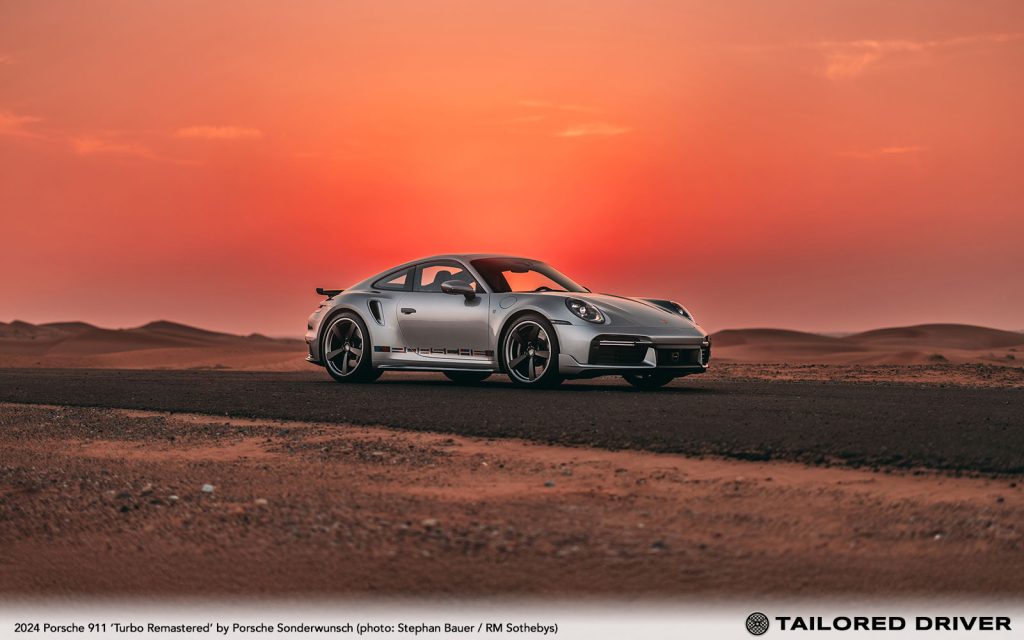
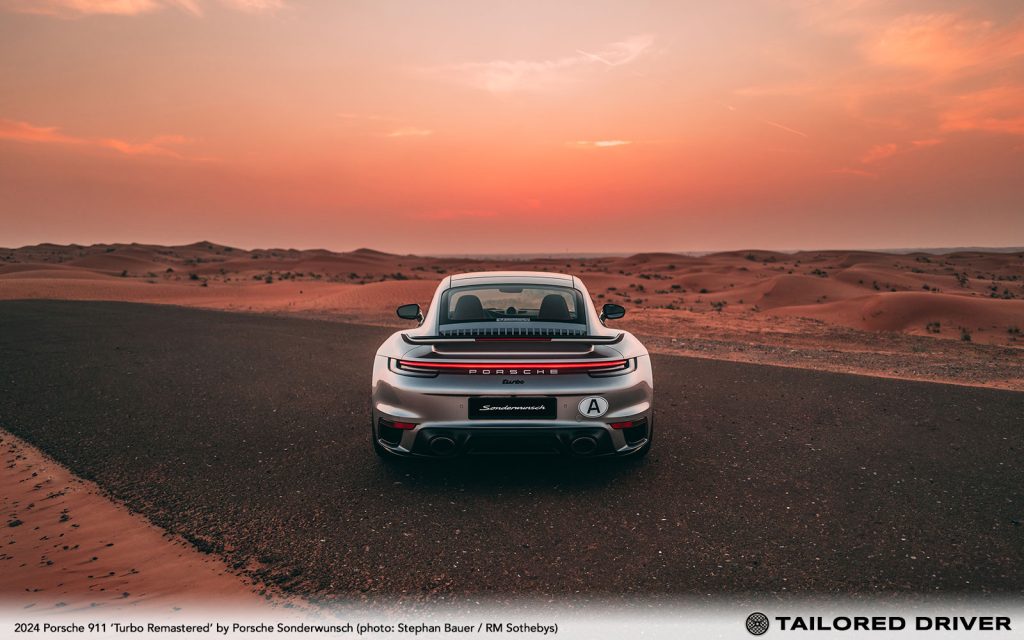
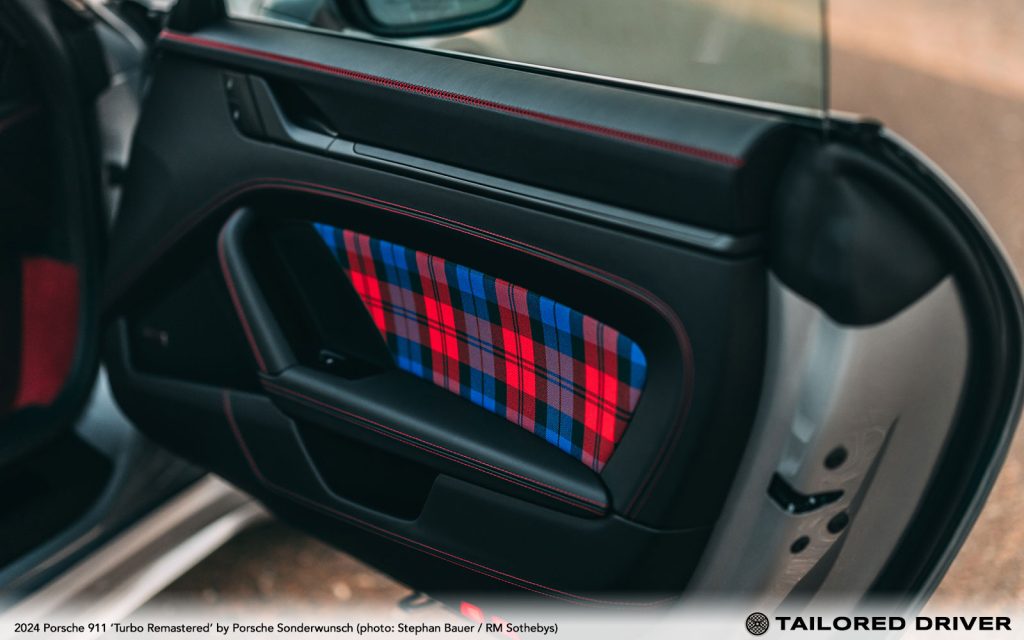
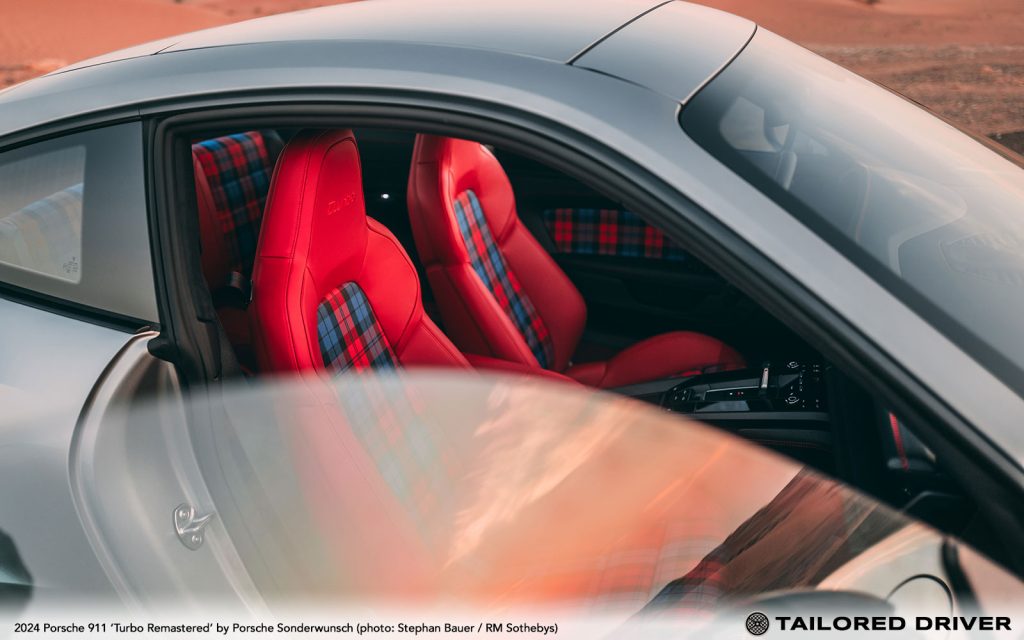
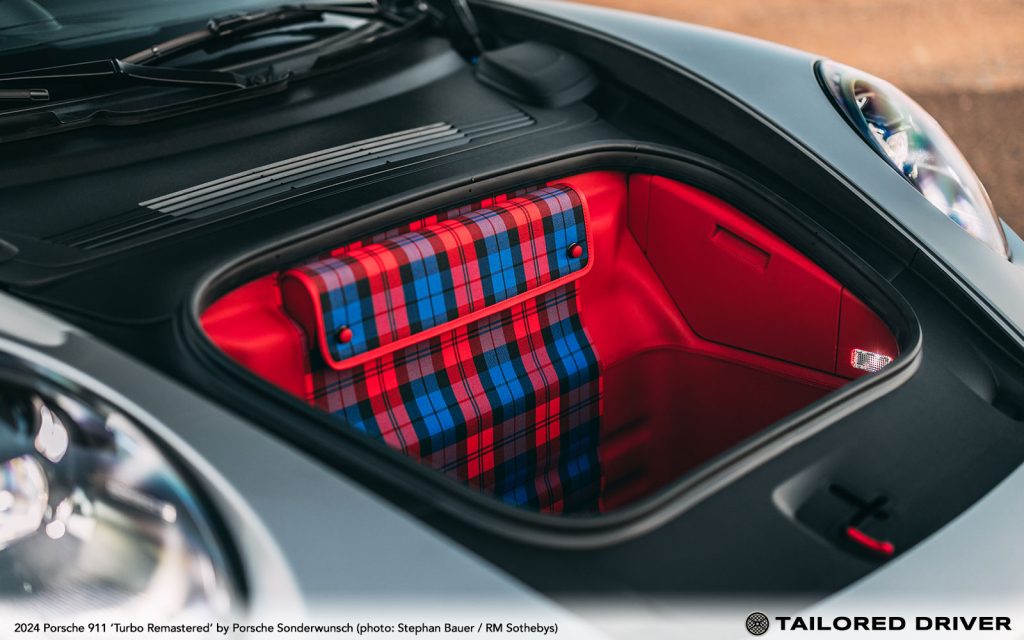
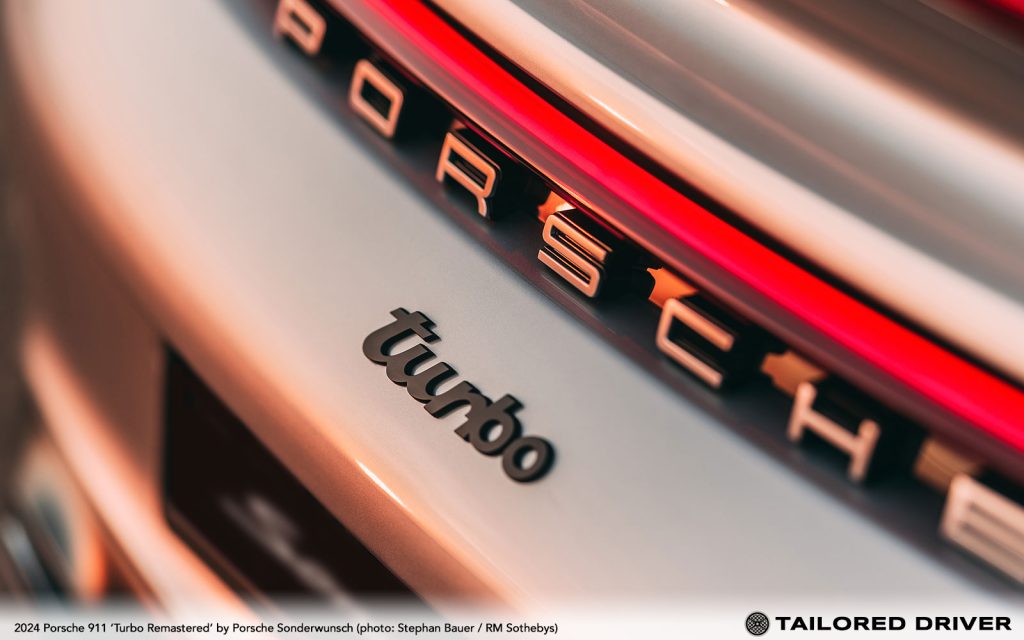
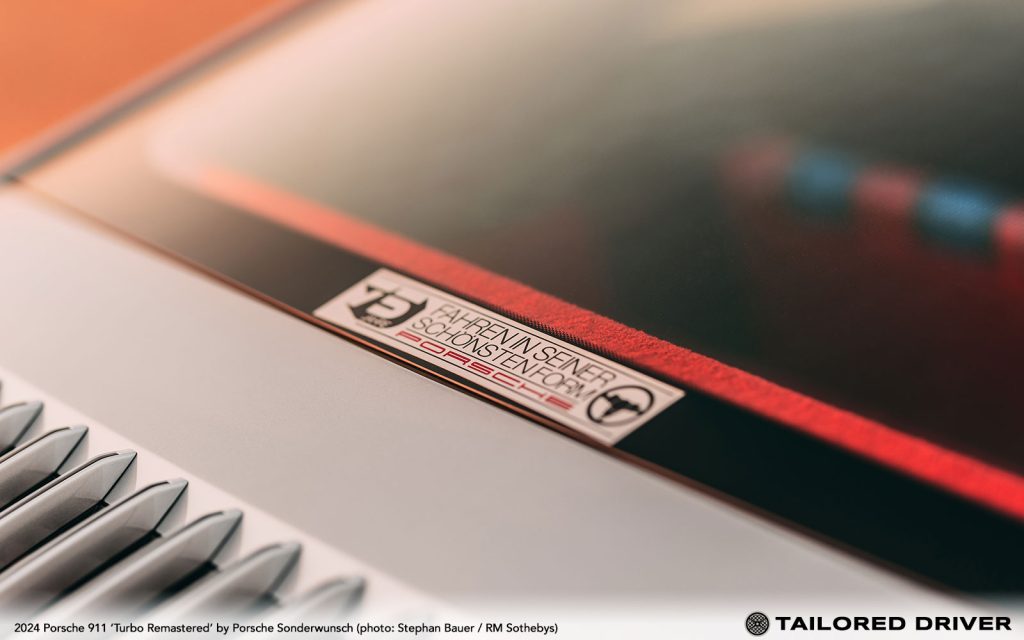
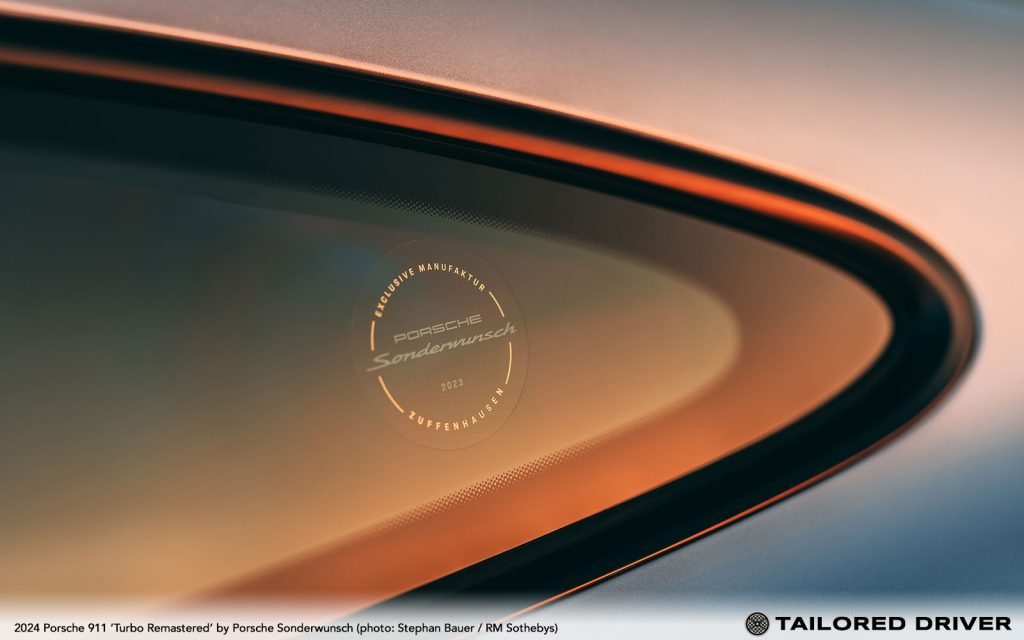
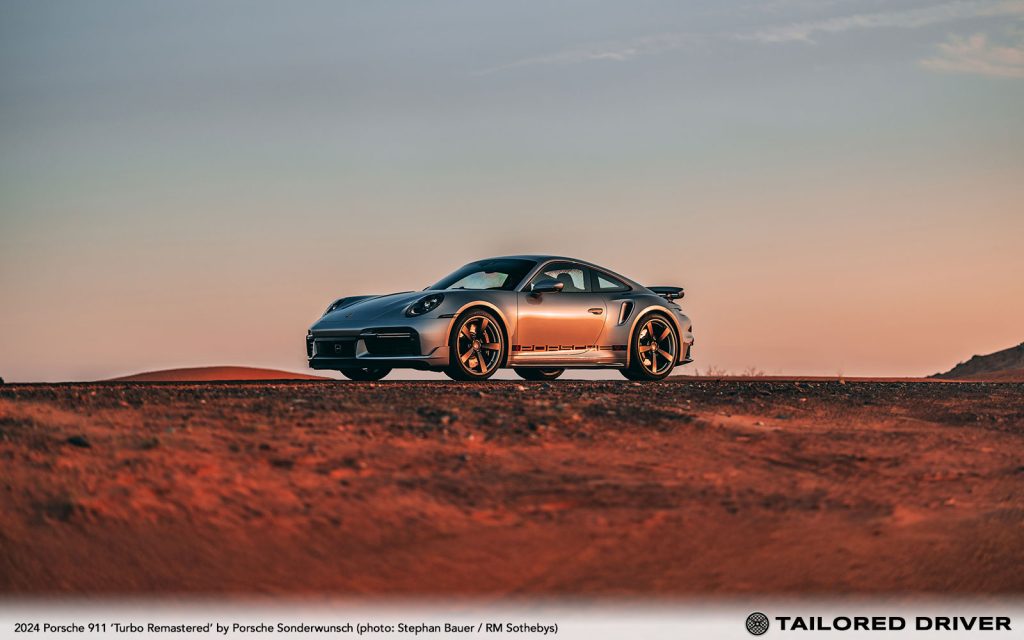
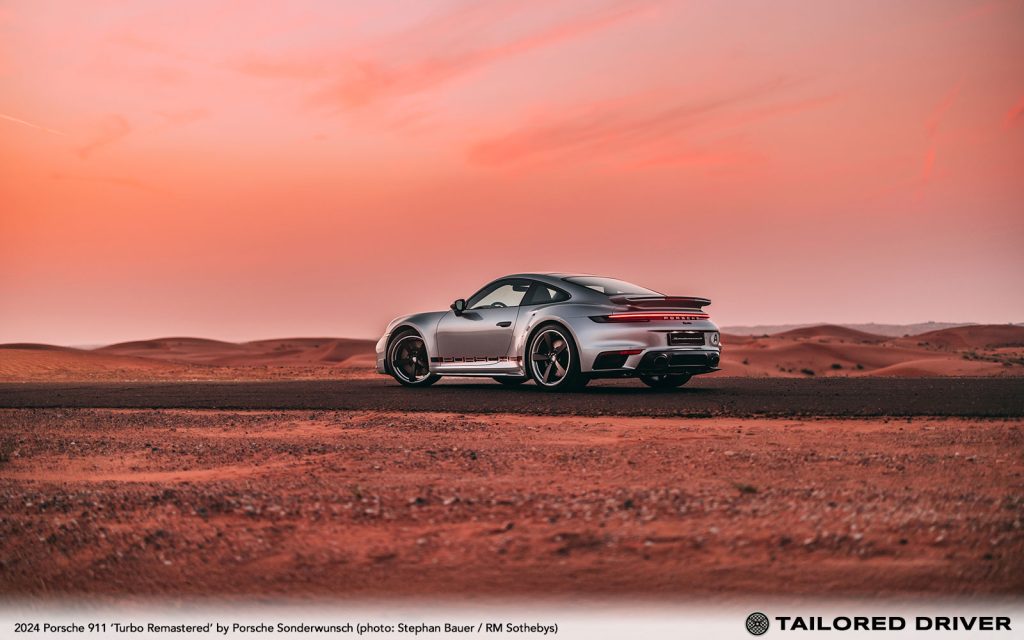
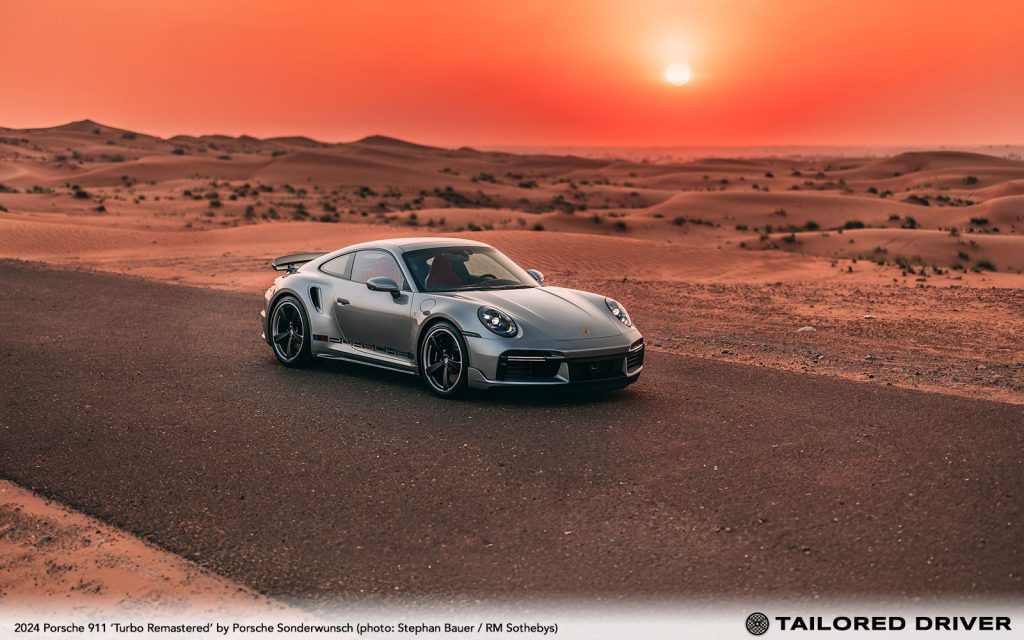
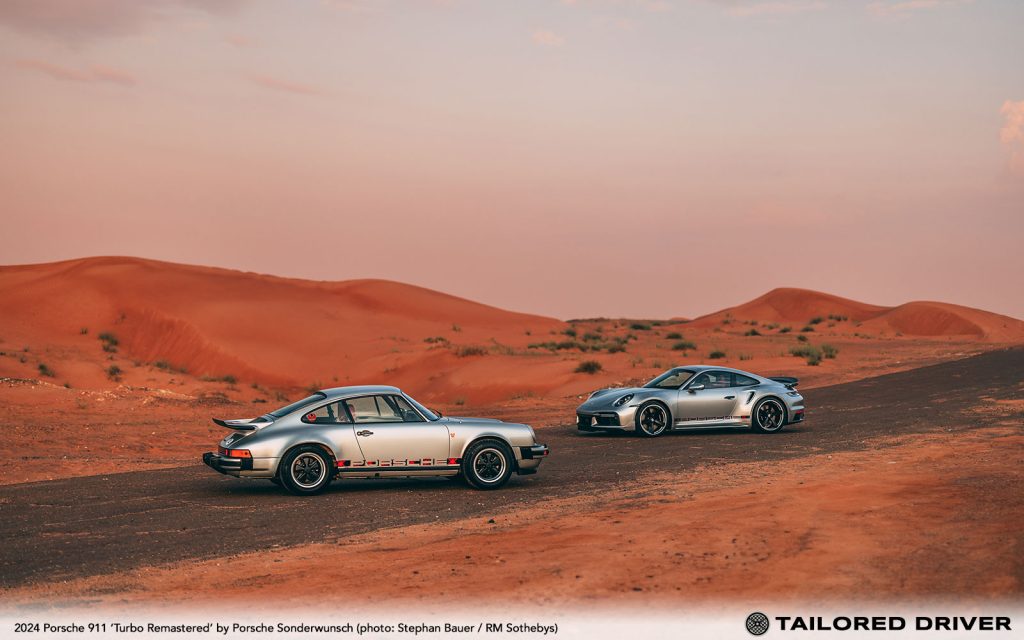
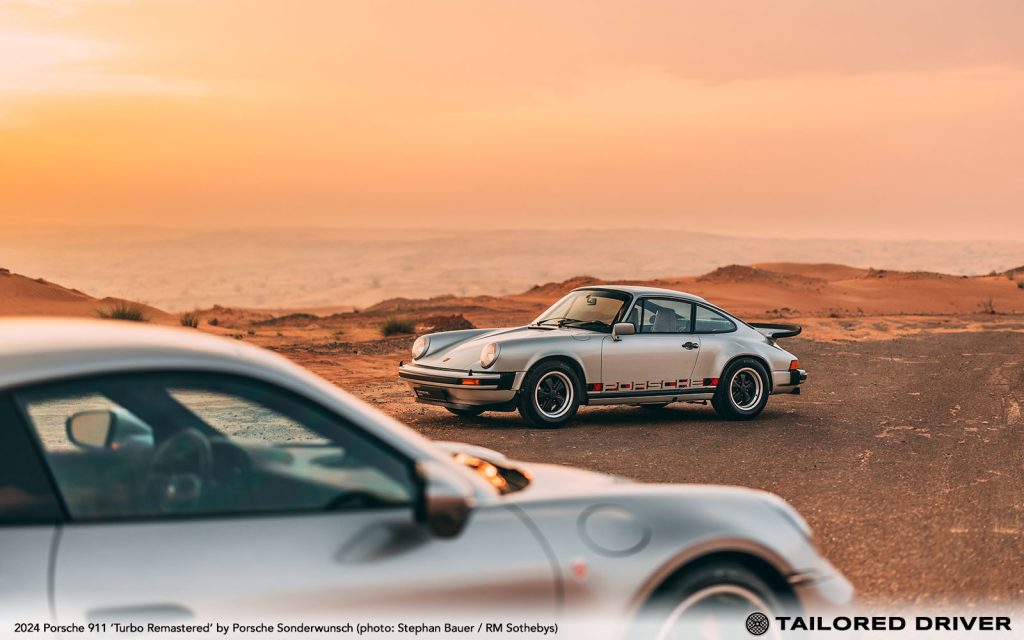
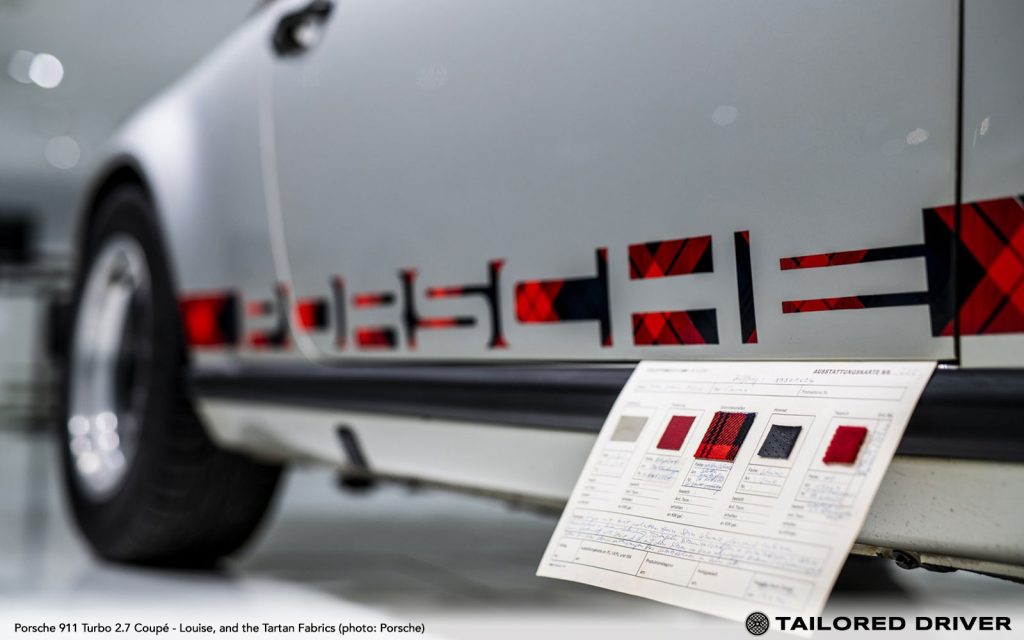
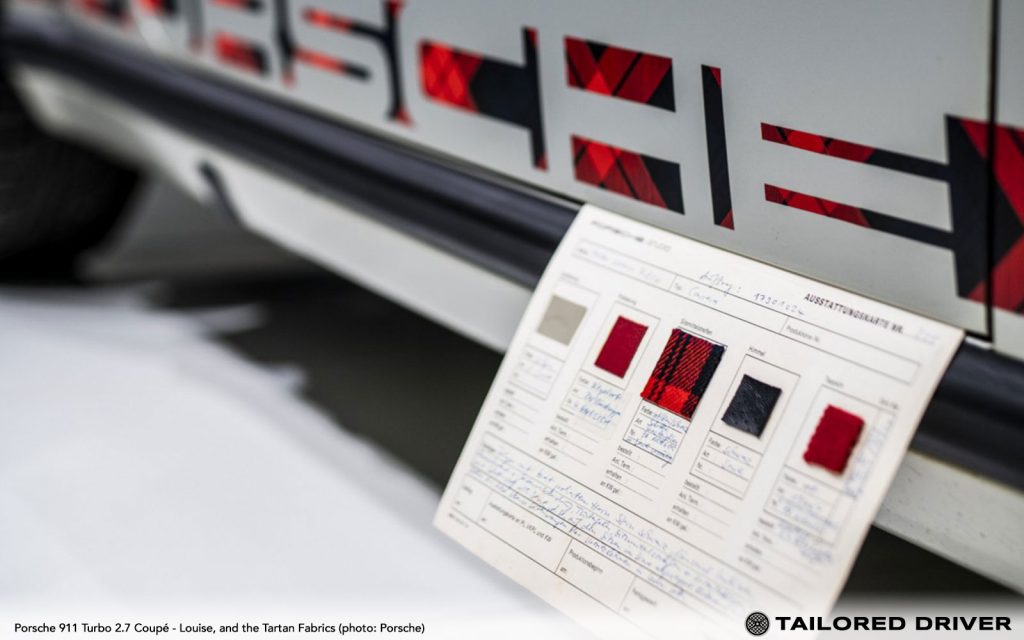
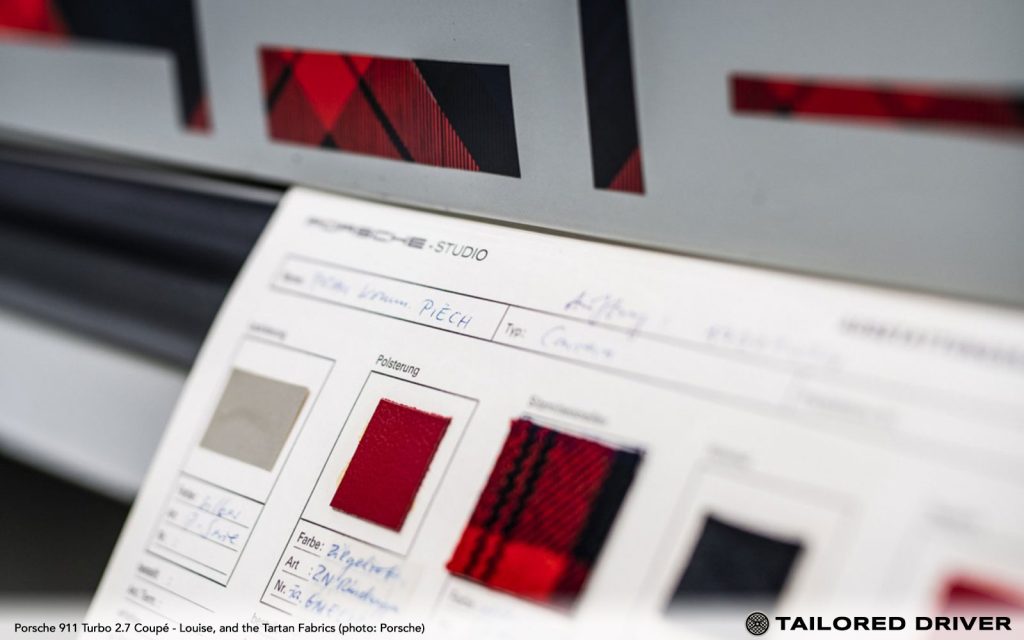
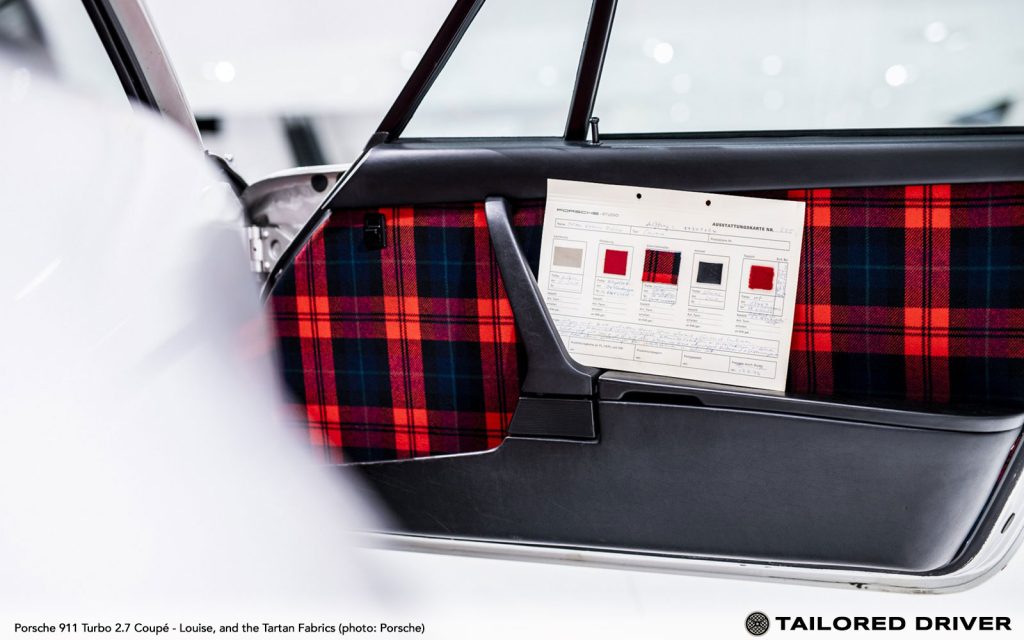
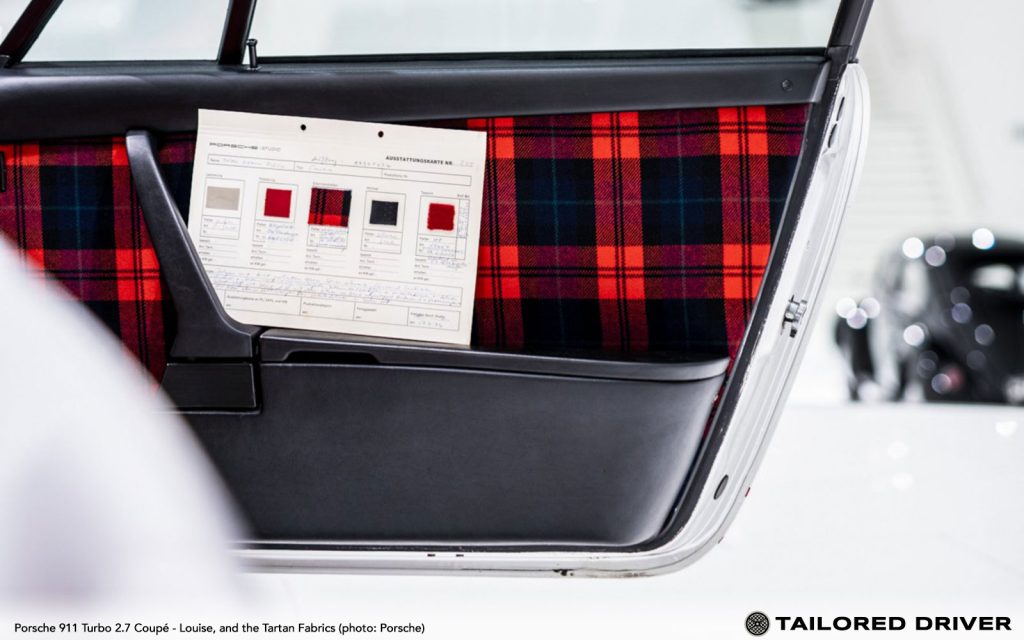
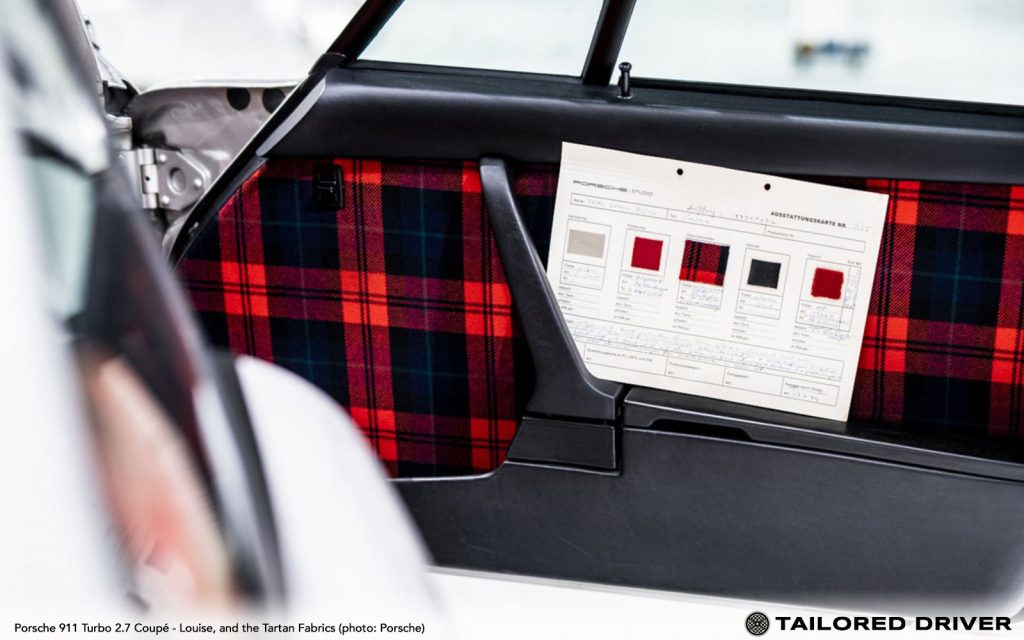
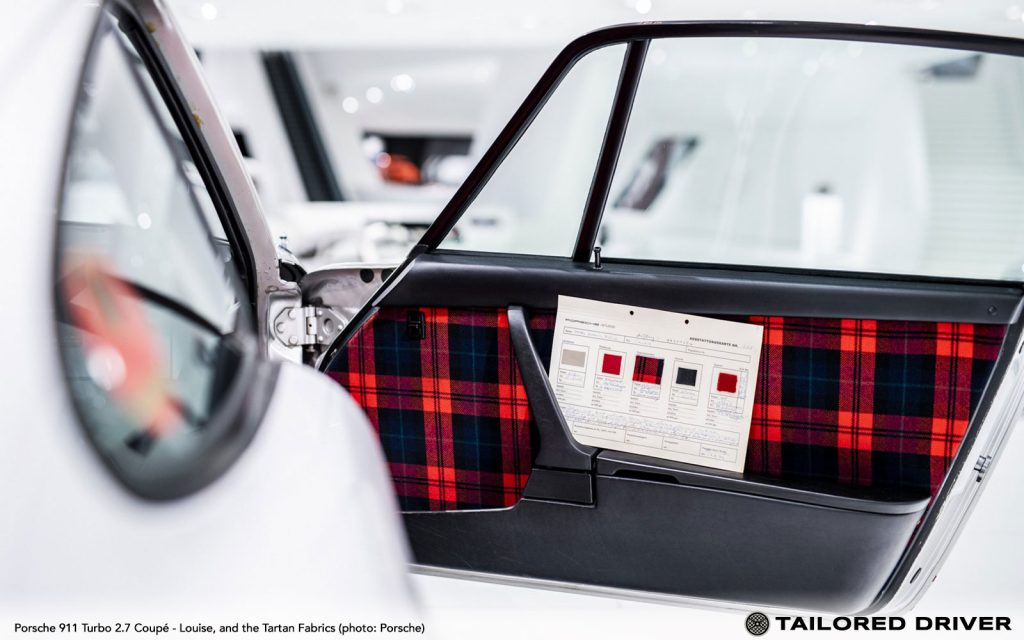
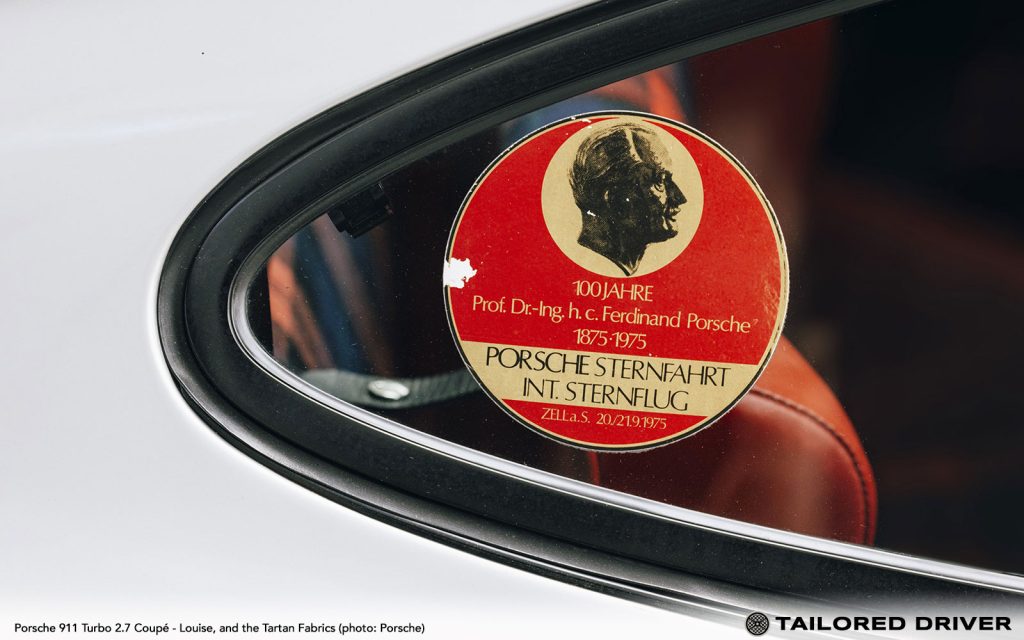
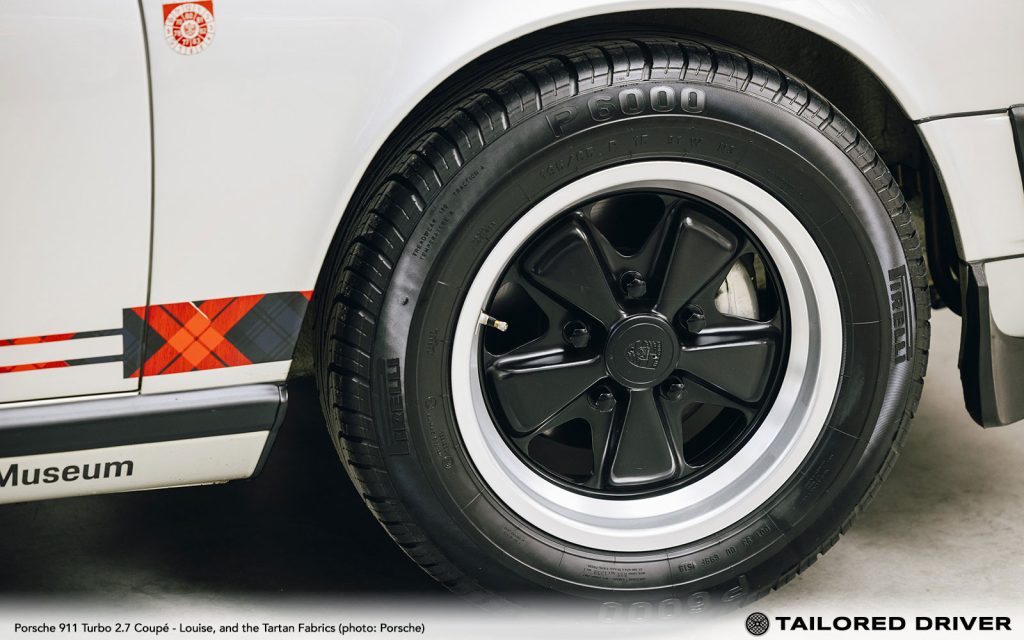
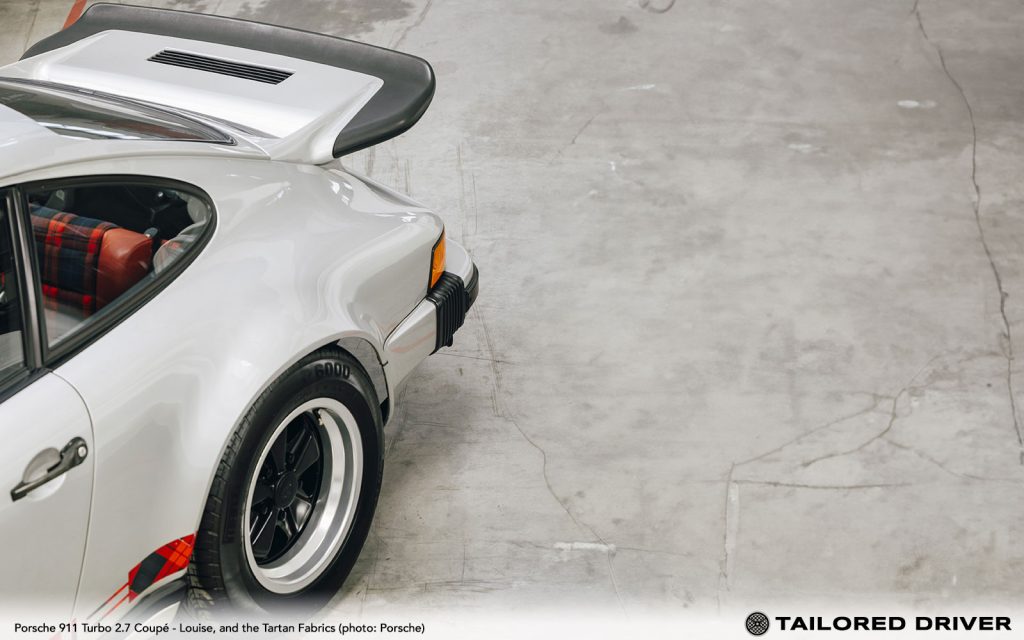
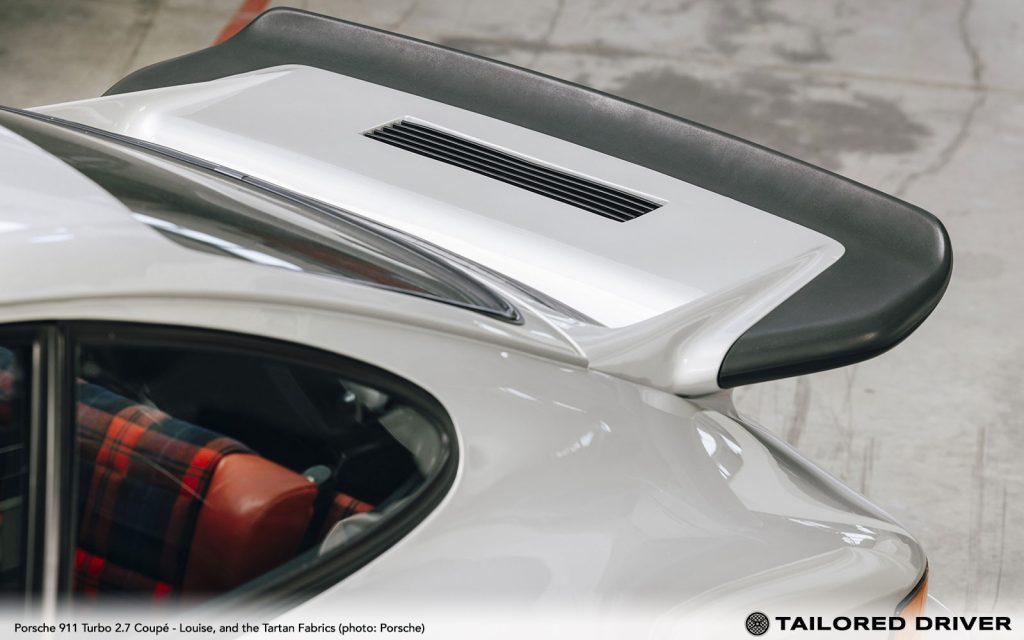
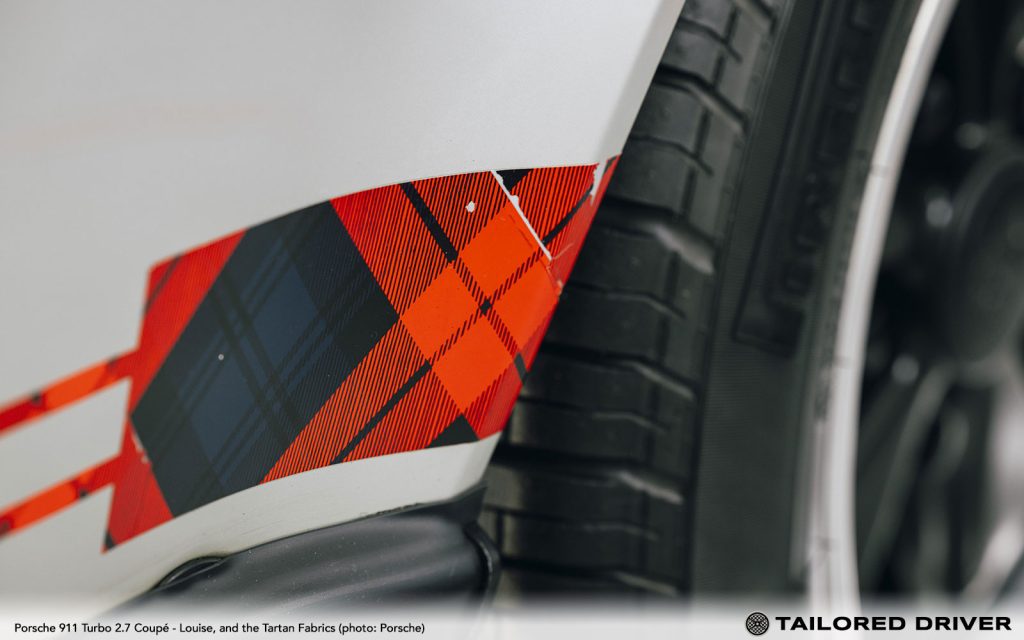
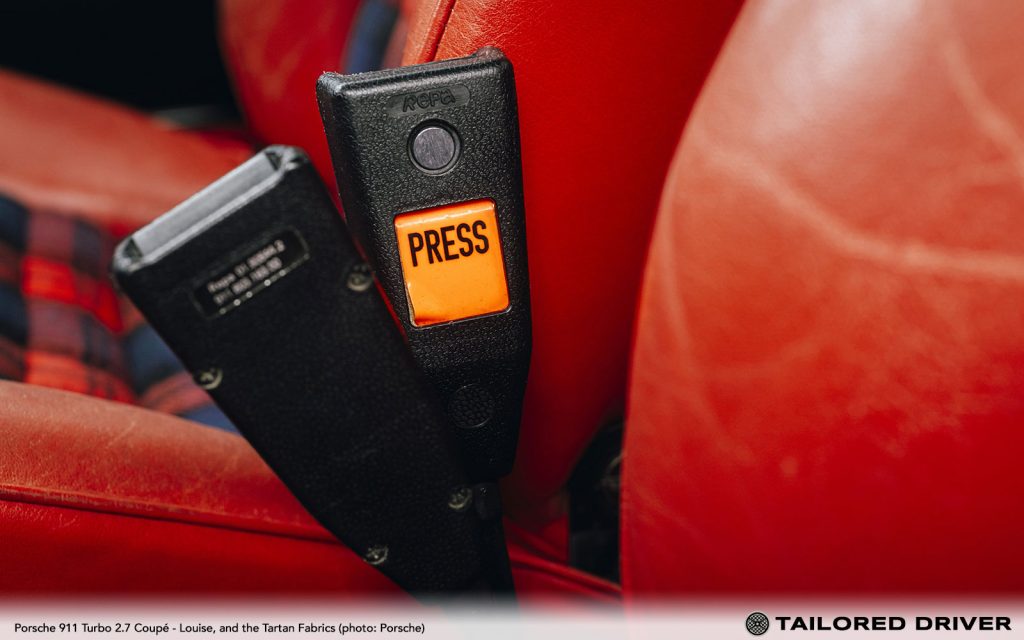
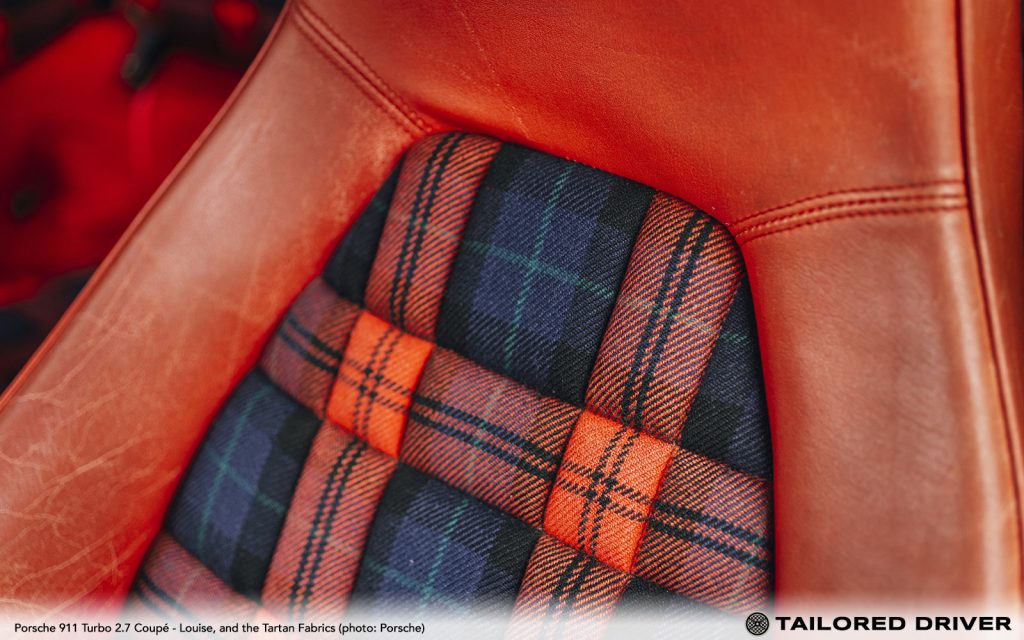
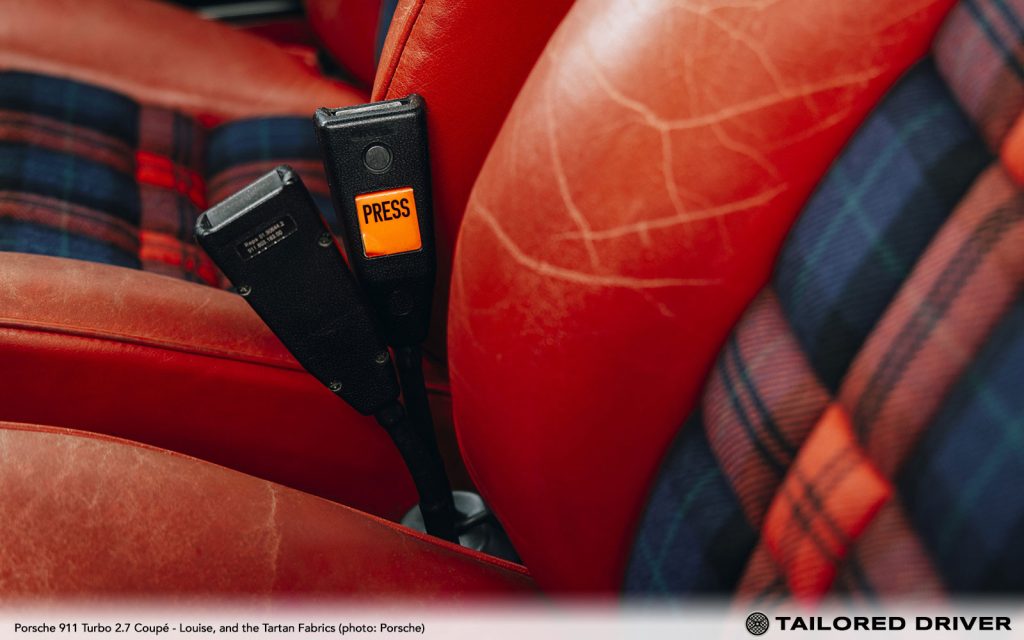
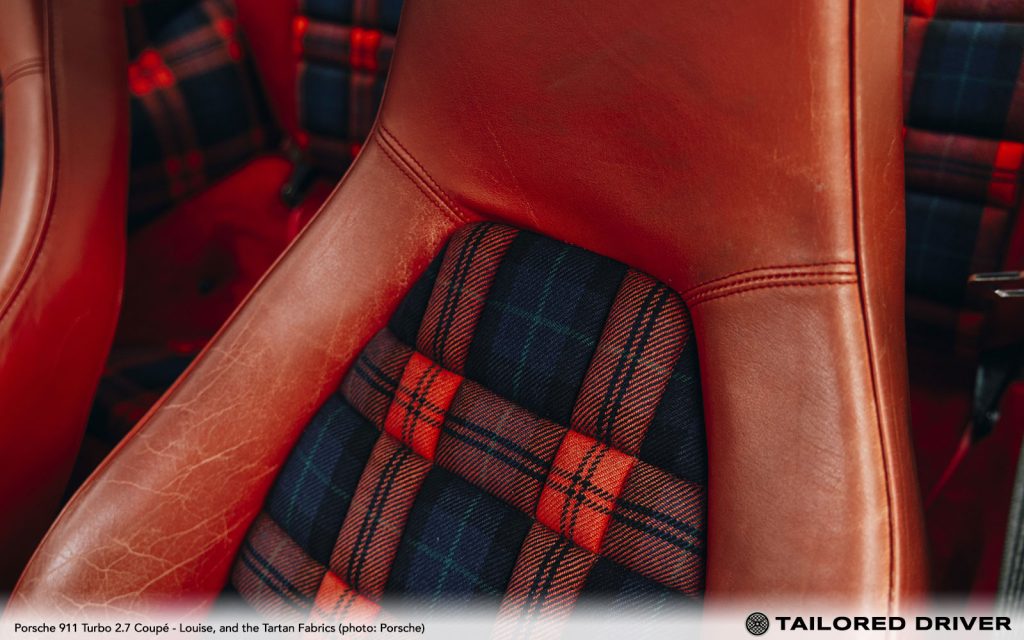
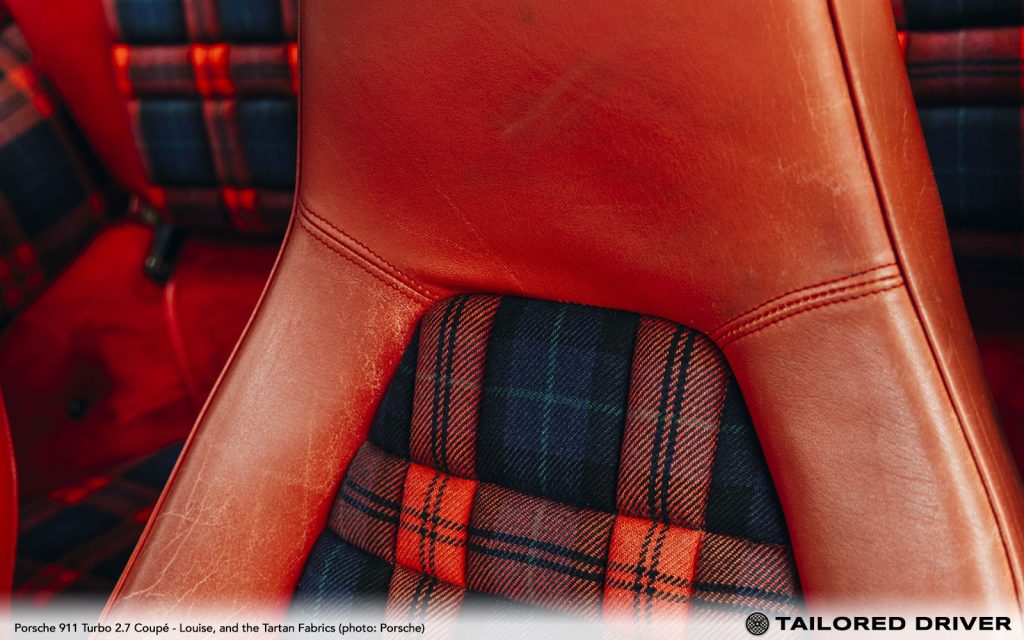
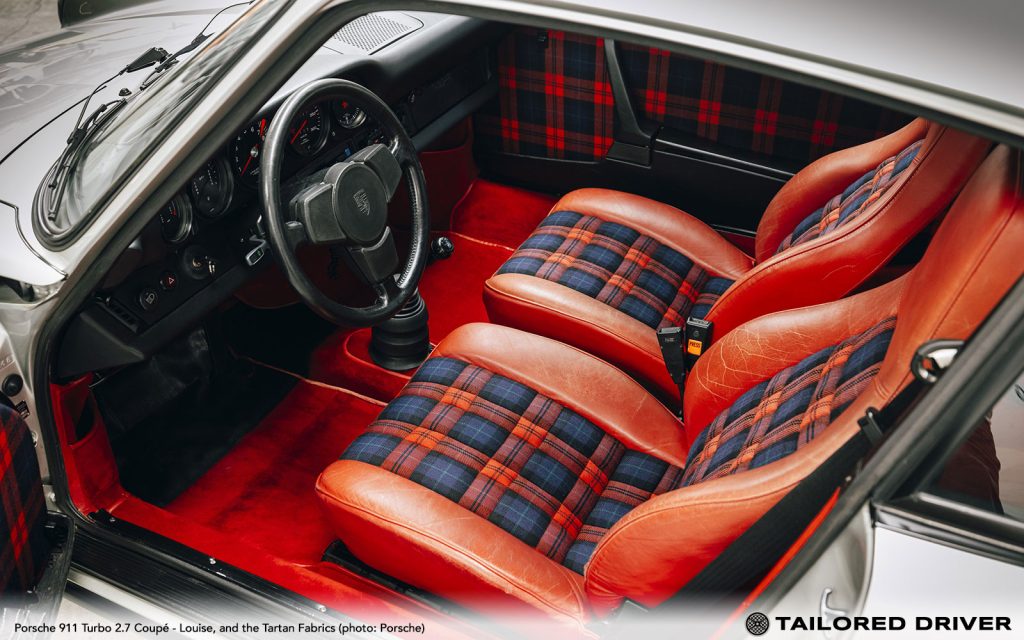
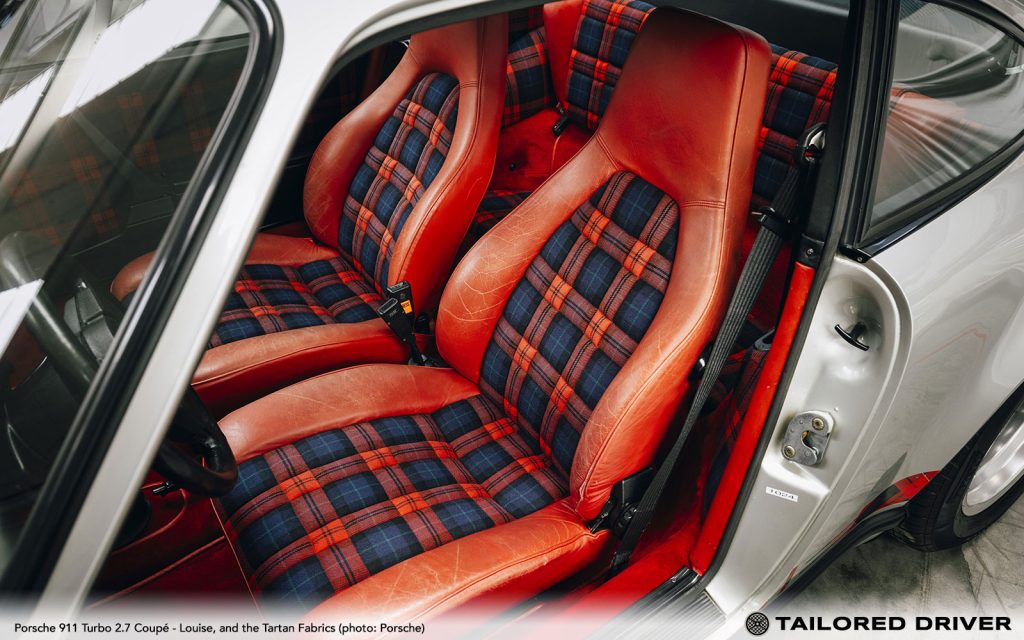
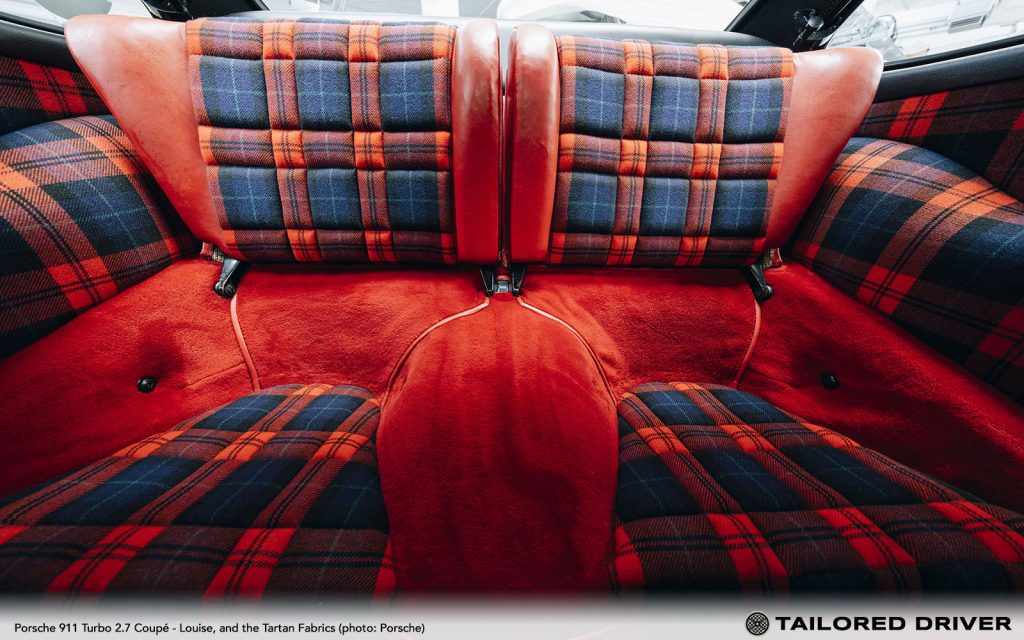
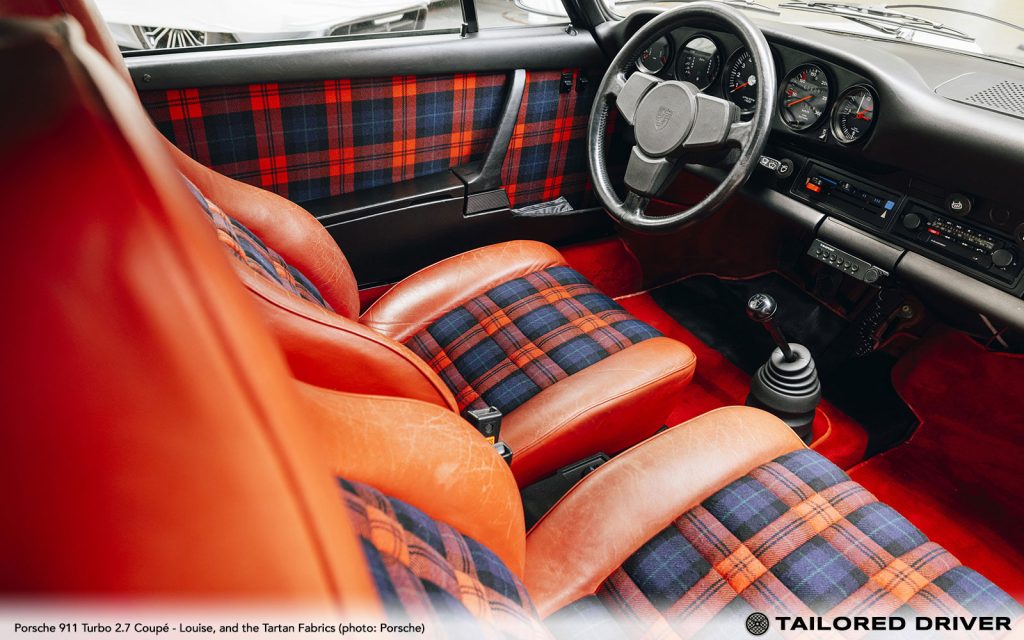
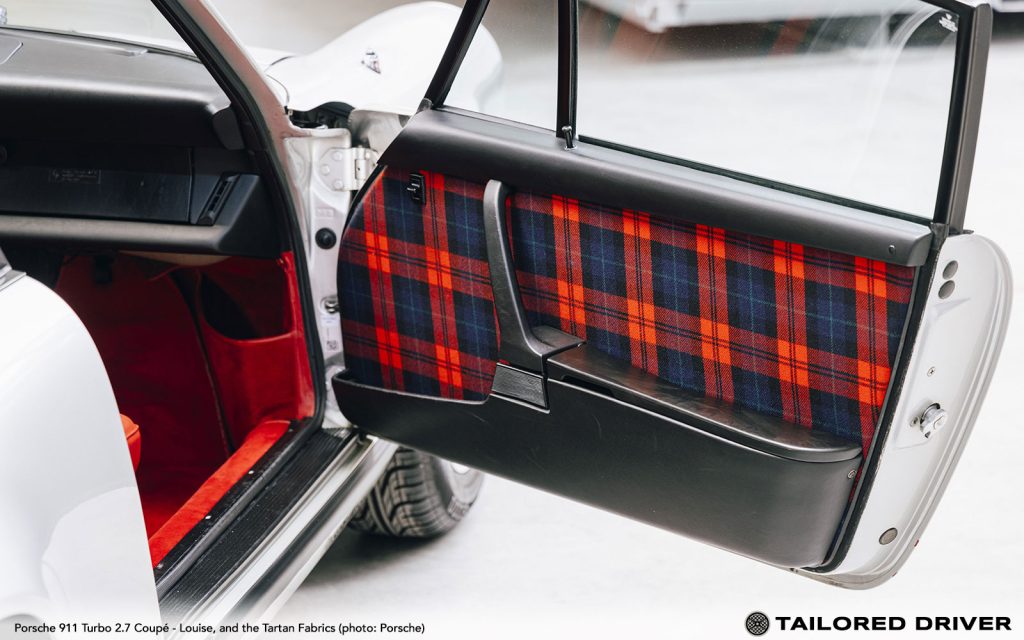
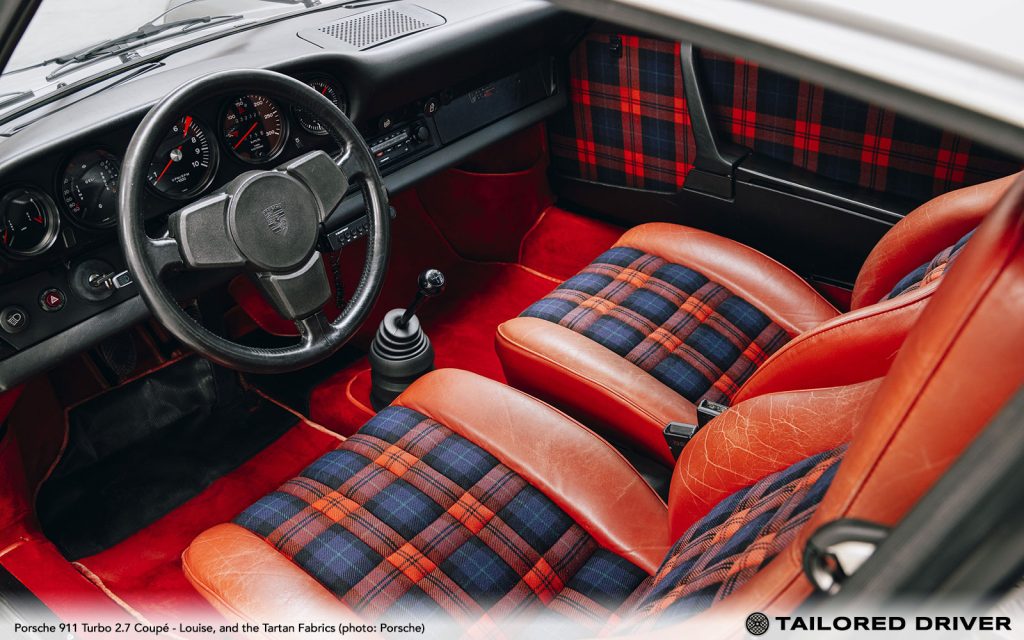
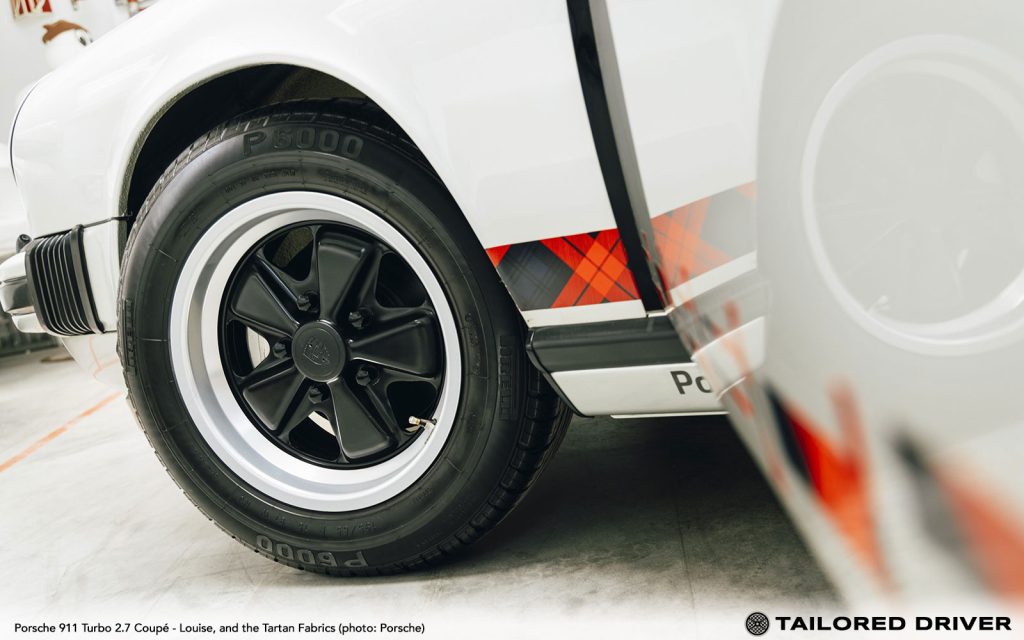
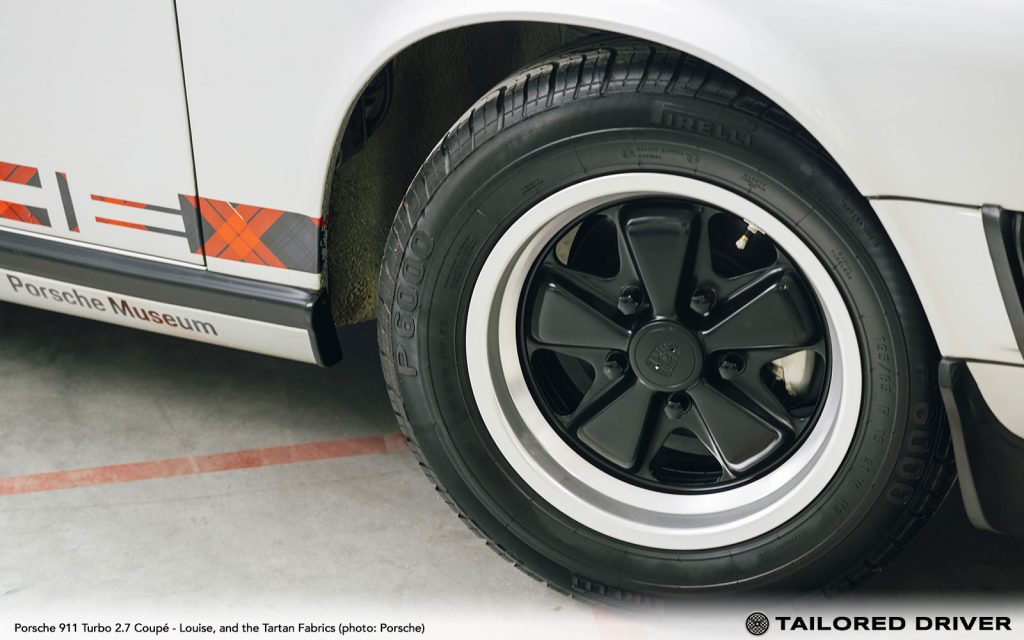
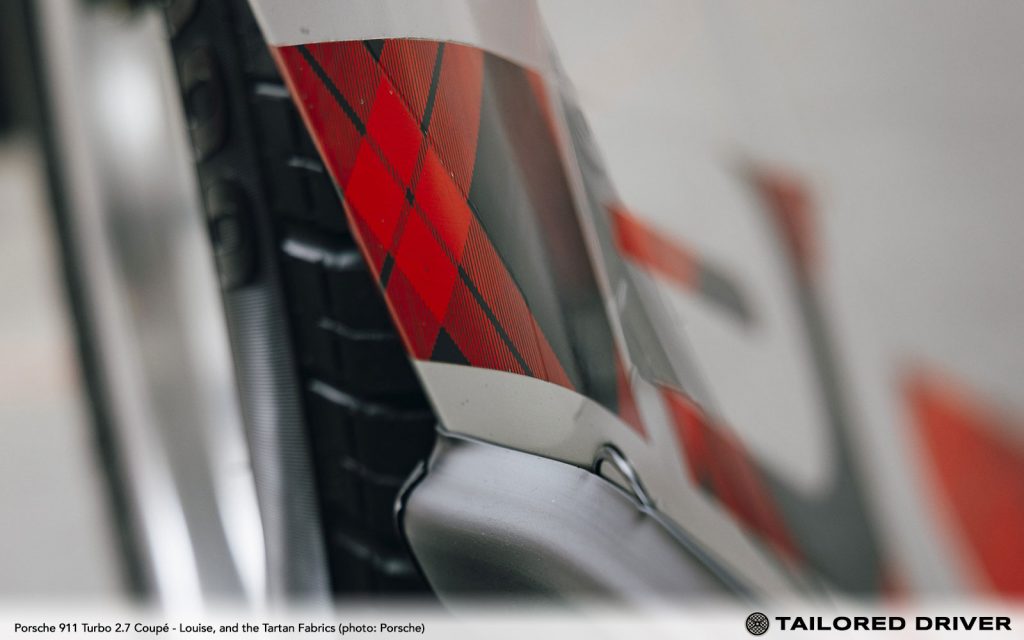
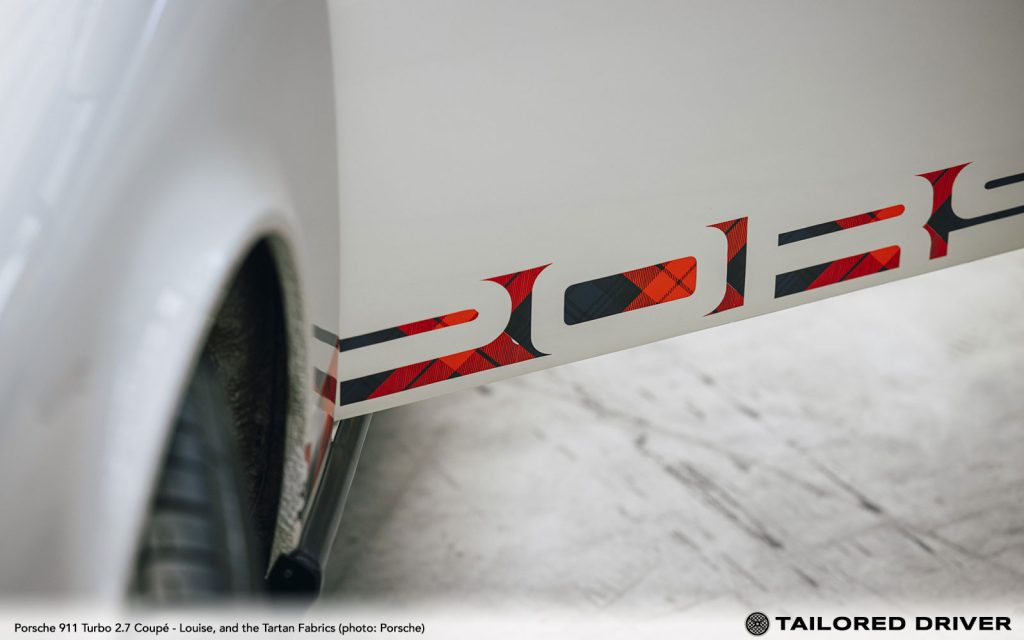
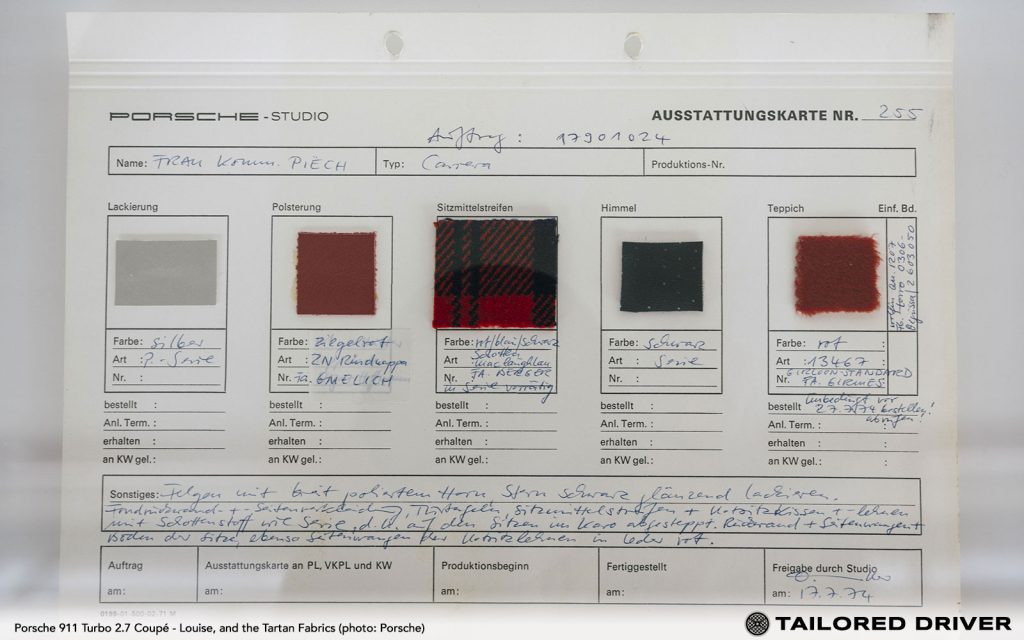
If you’re a super aficionado of Porsche Sonderwunsch and seeking something highly unique, we think this 2024 Porsche 911 Turbo out of Dubai and going up for auction by RM Sotheby’s should definitely grab your attention. The car was conceptualized as a tribute to Louise Piëch’s 1974 911 Turbo prototype with distinctive tartan seats and matching tartan graphics that’s a regular fixture at the Porsche Museum in Stuttgart. The car is the result of a collaboration between Style Porsche, Porsche Exclusive Manufaktur, Porsche Middle East and Africa FZE, intended as a showcase of the wide capabilities of Porsche’s Sonderwunsch special wishes program.
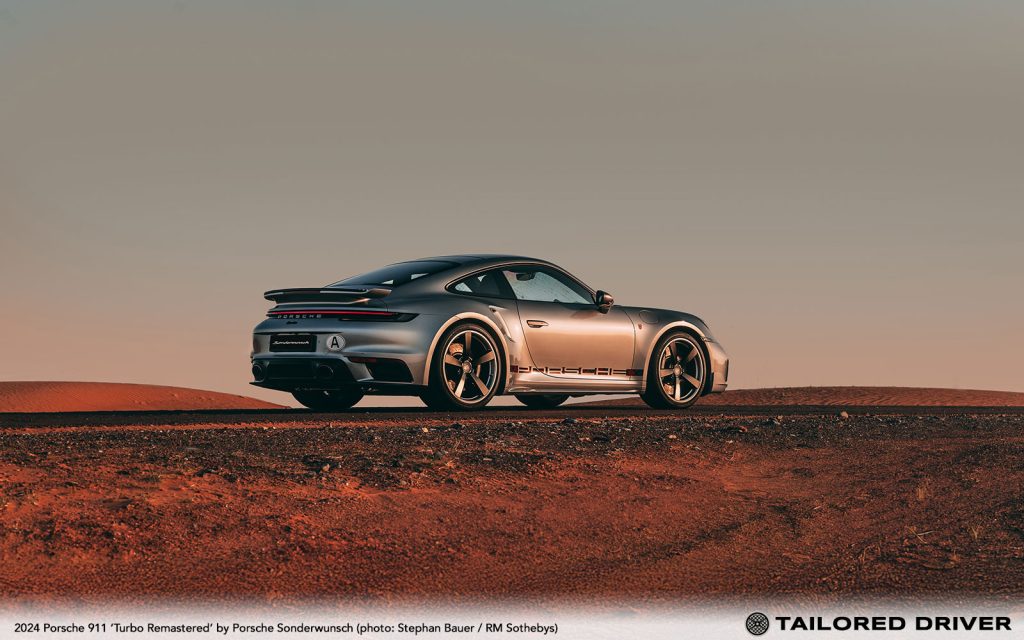
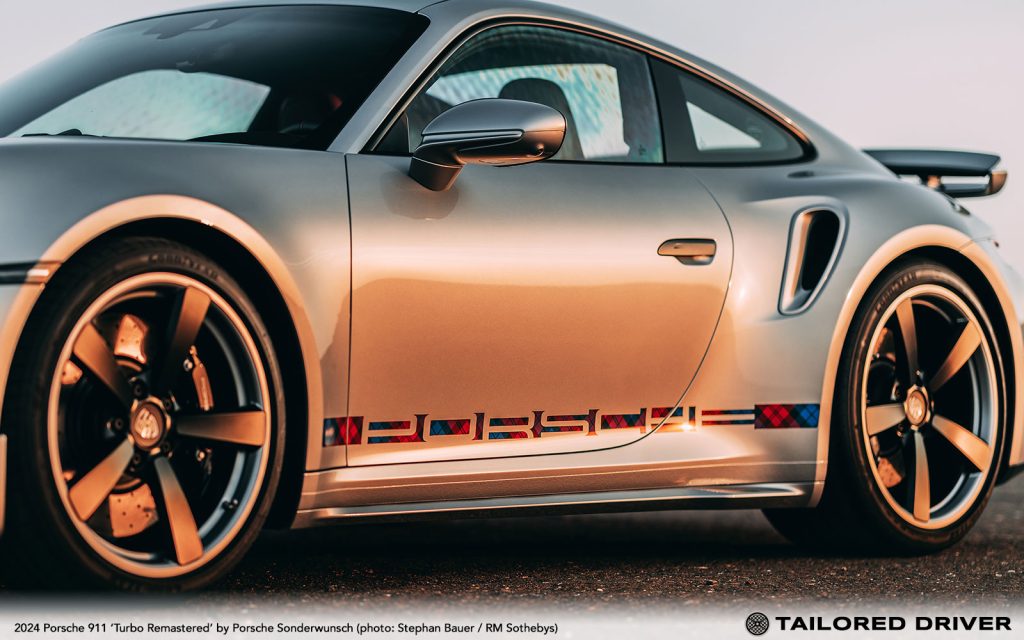
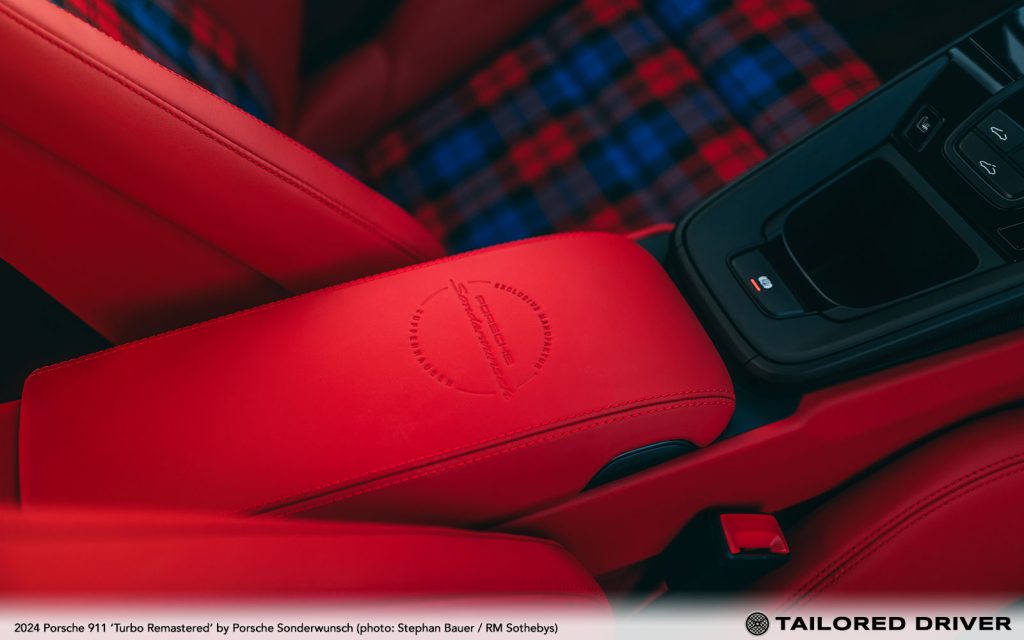
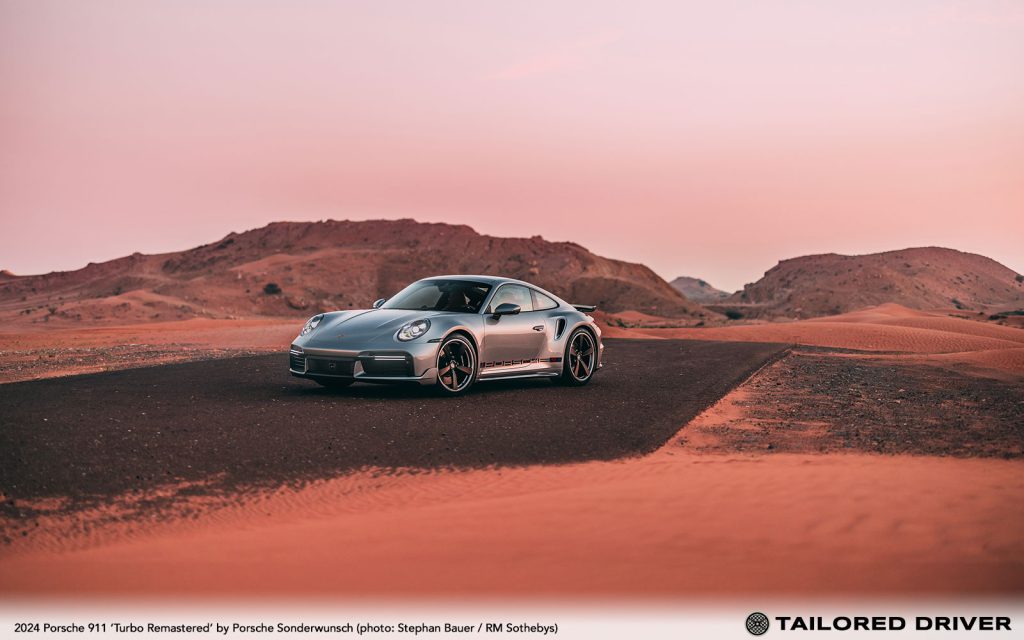
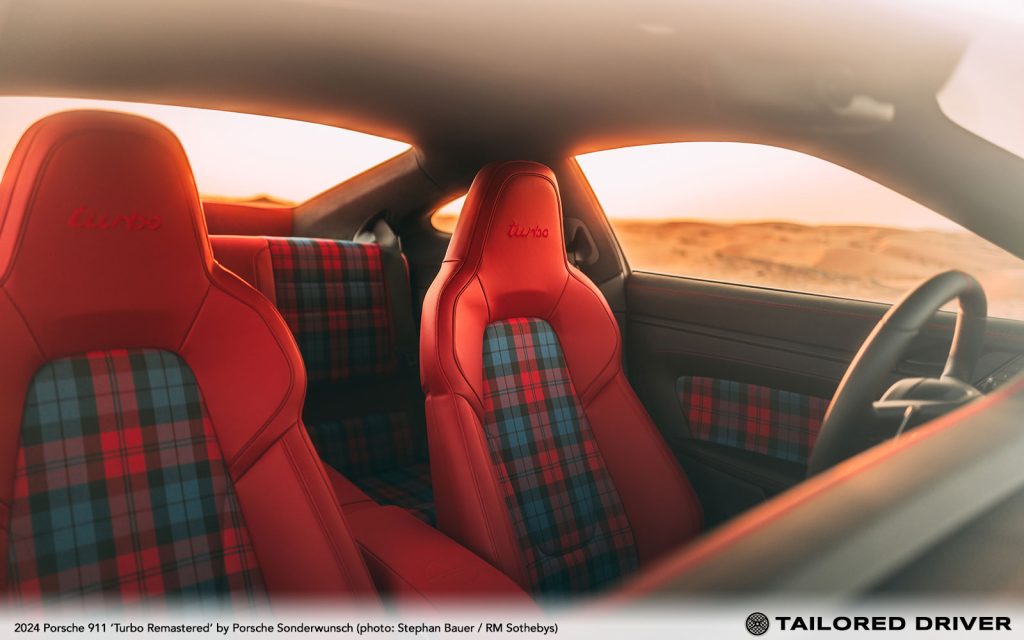
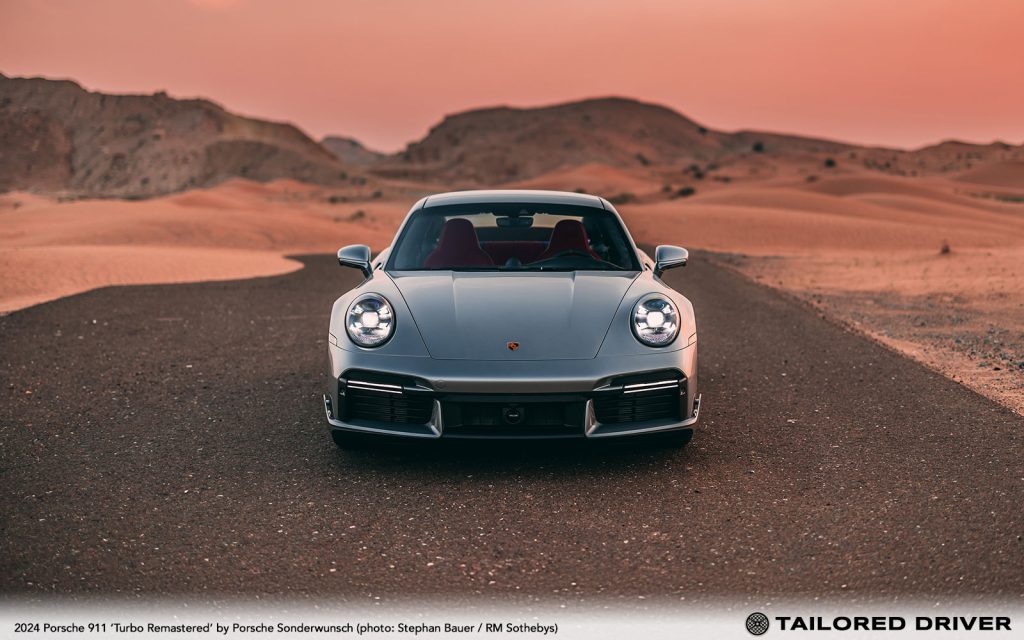
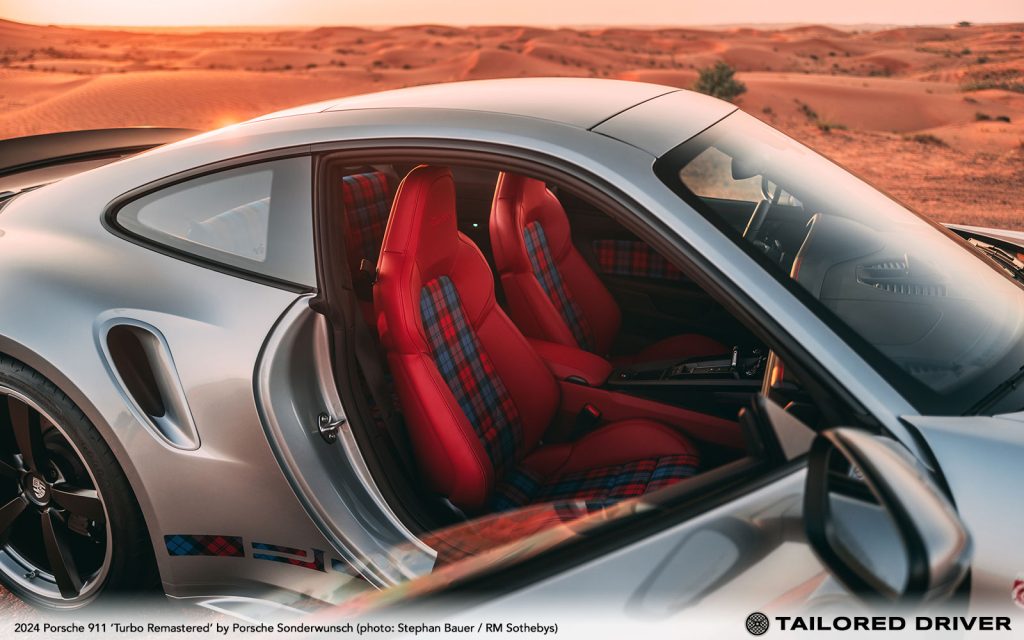
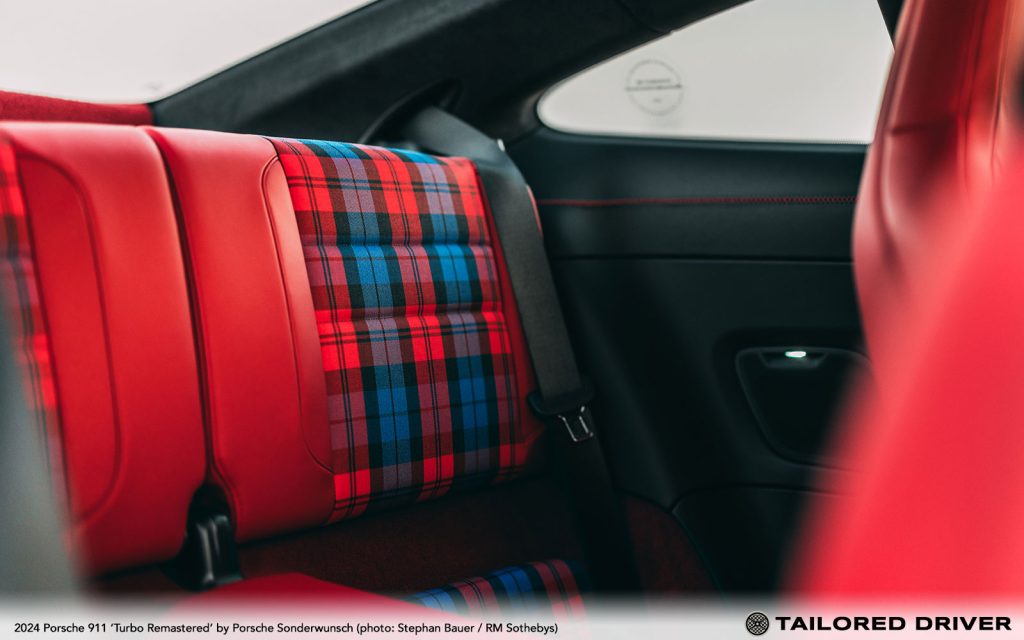
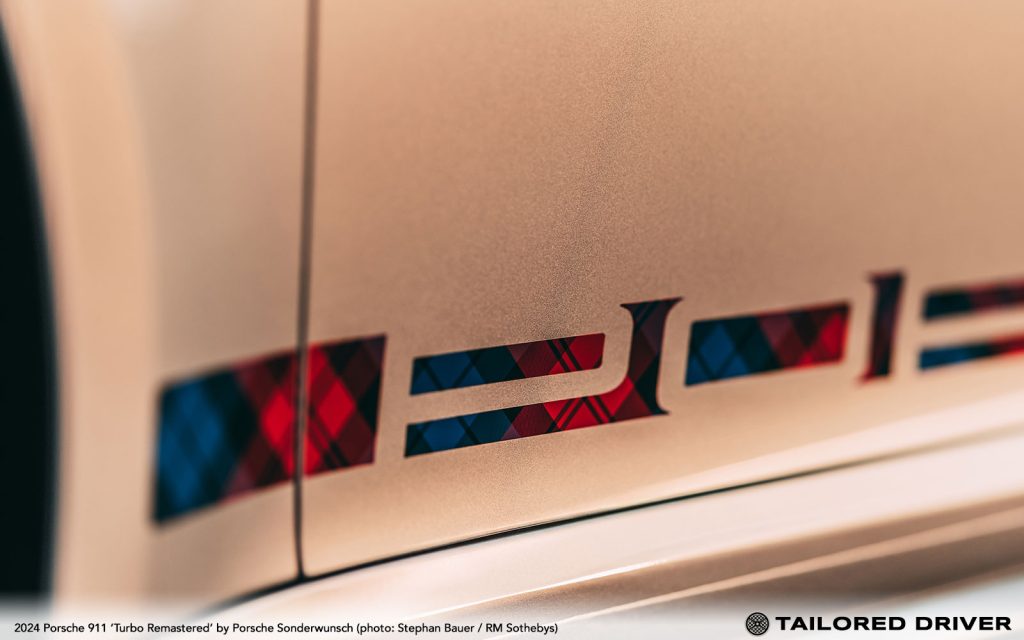
The base car is painted GT Silver (gtsilbermetallic; metallic UNI; M7Z / U2; Porsche), including custom exterior decals matching an interior fitted with two-tone Lipstick Red and black with red and blue tartan fabric trim.
Below is the full item description provided by RM Sotheby’s. Below that is a full gallery of the car. Check out more information HERE.
2024 Porsche 911 ‘Turbo Remastered’ by Porsche Sonderwunsch
ADDENDUM
Please note this car is offered without registration papers, bidders should satisfy themselves as to registration requirements in their own jurisdiction.Please note that this lot is subject to VAT on the full purchase price (both on the Hammer Price and Buyer’s Premium).
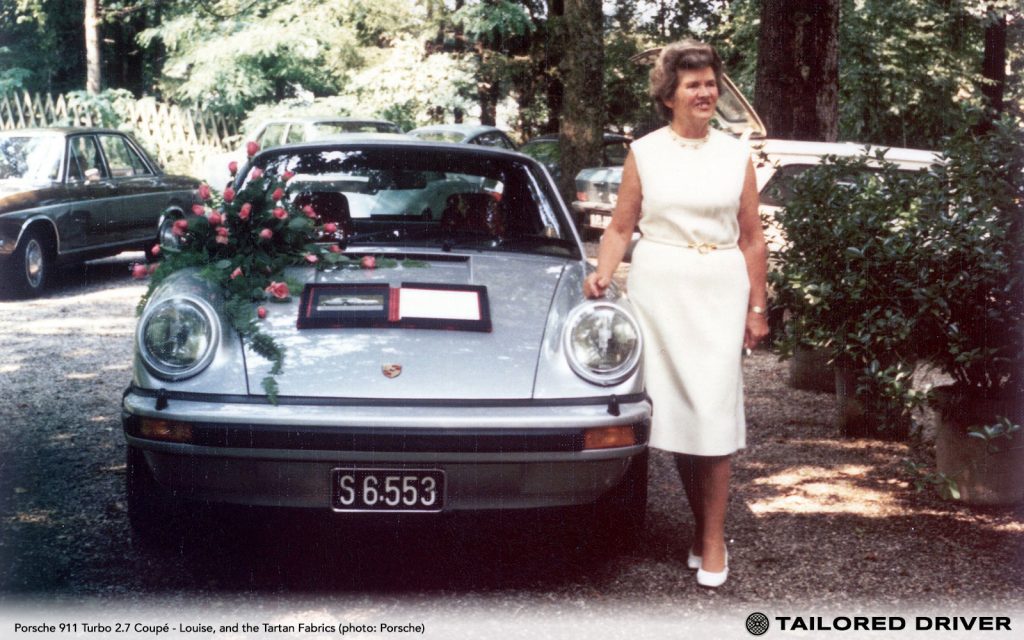
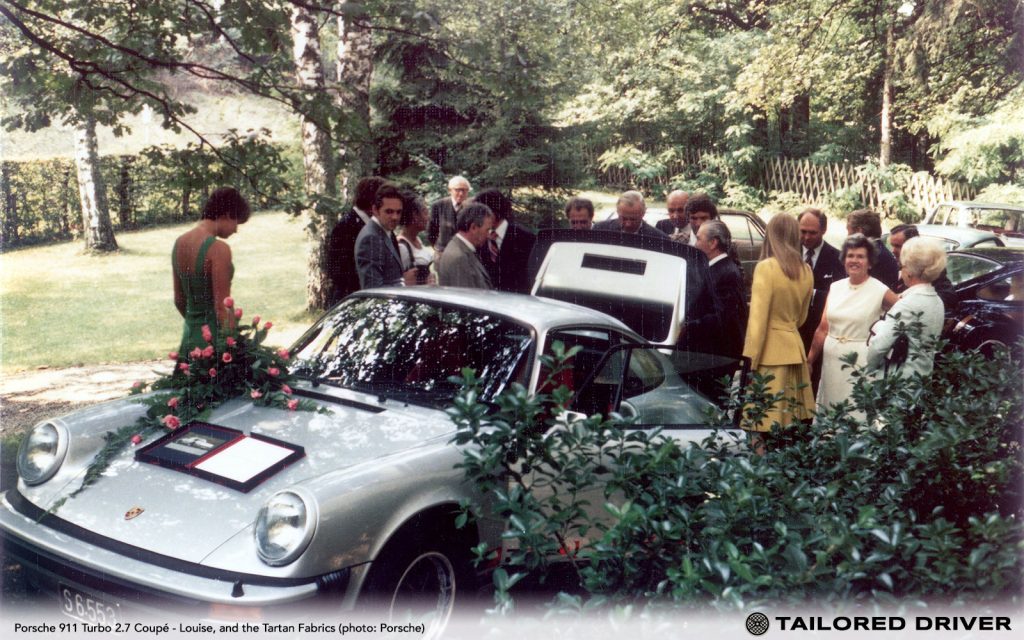
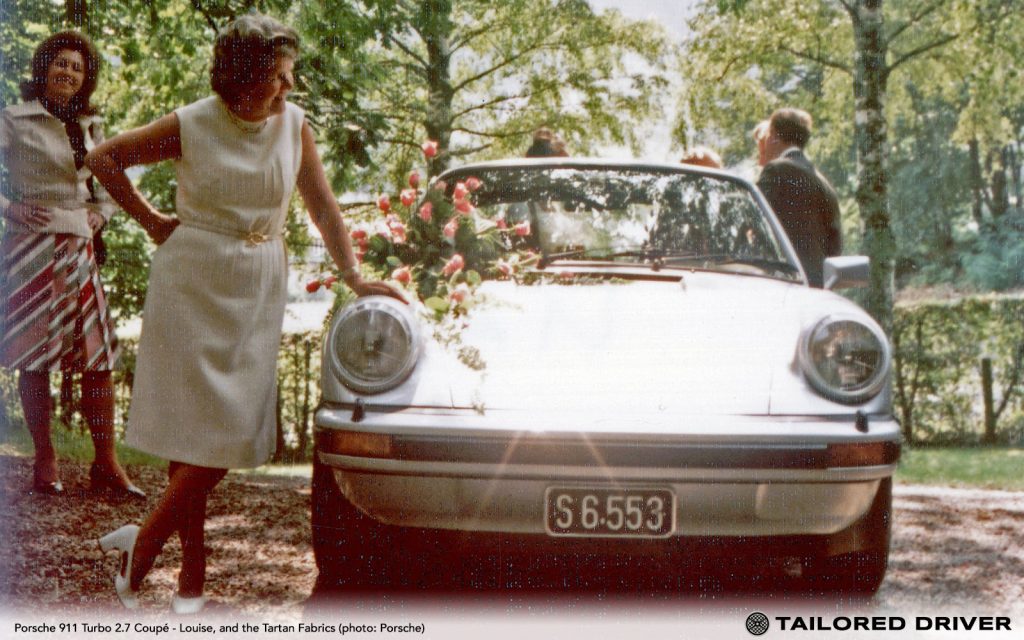
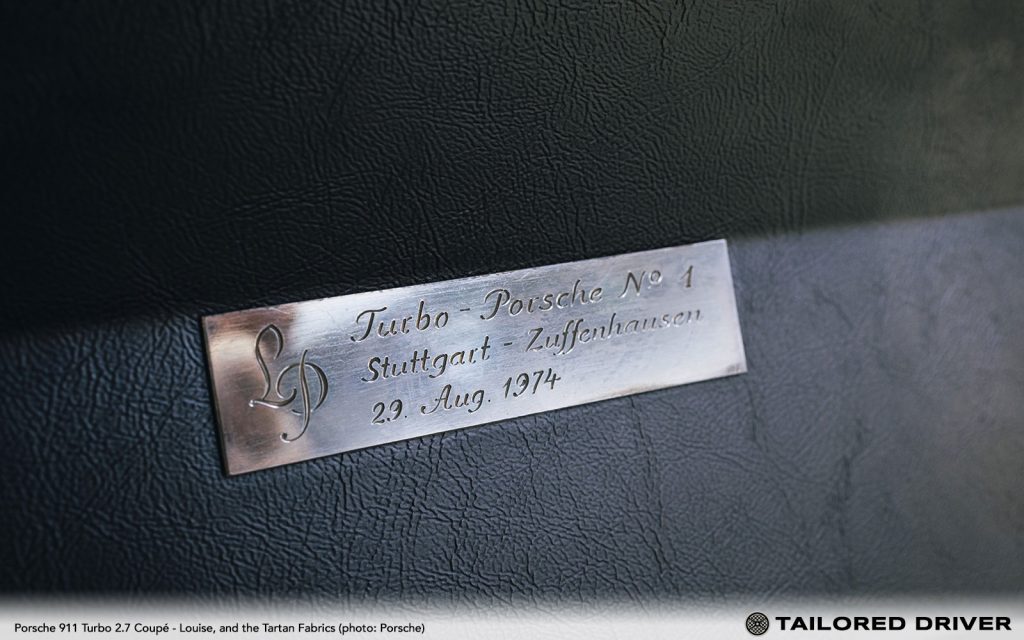
Porsche lined up a particularly special 70th birthday present for Louise Piëch, daughter of company founder Ferdinand Porsche. To mark the occasion, on 29 August 1974, the factory gifted her a 911 Turbo prototype (chassis 9115600042). Even more special, this example of the first road-going 911 to feature forced induction was quite different from the final model that would enter production the following year. For starters, it was based around a narrow Carrera chassis rather than gaining the full-fat Turbo’s eventual and distinctive wide stance. In addition, a turbocharged 2.7-litre flat-six was initially installed rather than a 3-litre powerplant, plus the tachometer showed an ambitious red line of 10,000 rpm.
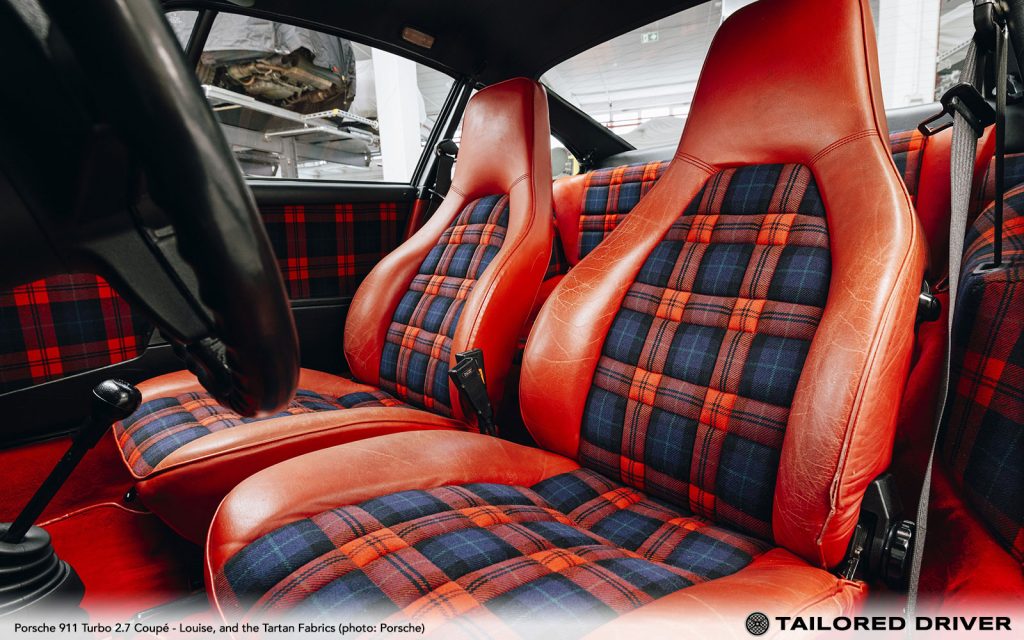
Finished in silver over a tartan interior, as chosen by Mrs Piëch, the prototype was completed at the Zuffenhausen factory on 17 July 1974. She evidently enjoyed driving “911 Turbo No. 1” greatly. Upon handing the car over to the Porsche Museum four years later, the odometer recorded nearly 32,000 kilometres from Mrs Piëch’s touring of continental motorways.
With 2024 marking 50 years since the original 930-generation 911 Turbo was revealed to the public at the Paris Motor Show in October 1974, Porsche fittingly commissioned the one-off ‘911 Turbo Exclusive Manufaktur’ offered here. Presented in GT Silver, this car is a loving modern-day interpretation of Mrs Piëch’s personal prototype. The stunning homage comes as a result of a collaboration between Style Porsche, Porsche Exclusive Manufaktur, and Porsche Middle East and Africa FZE in an exercise showcasing the Sonderwunsch request program, which provides bespoke customisation services to create unique special editions.
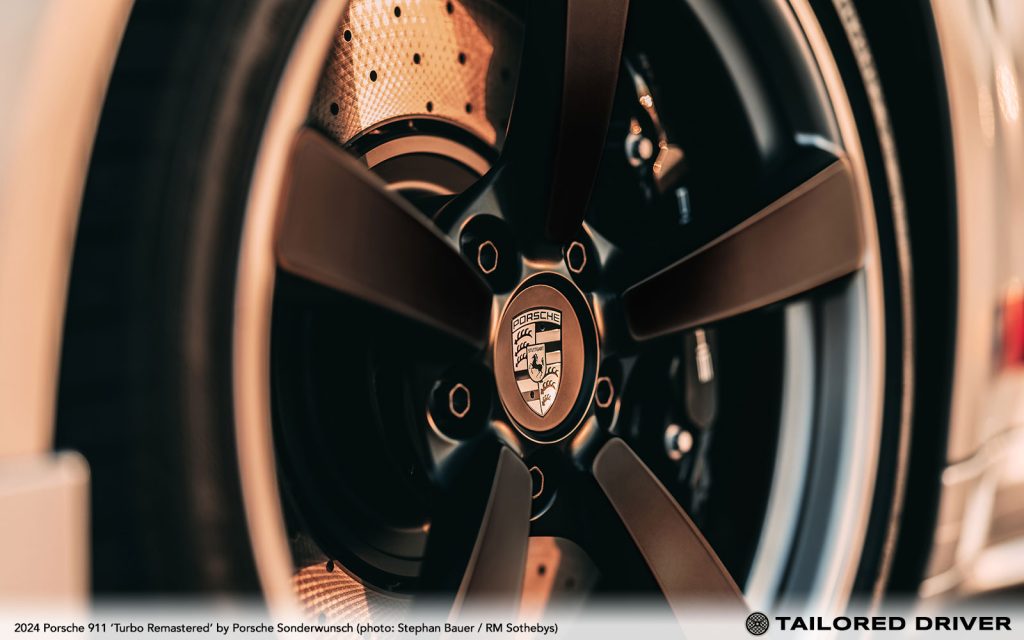
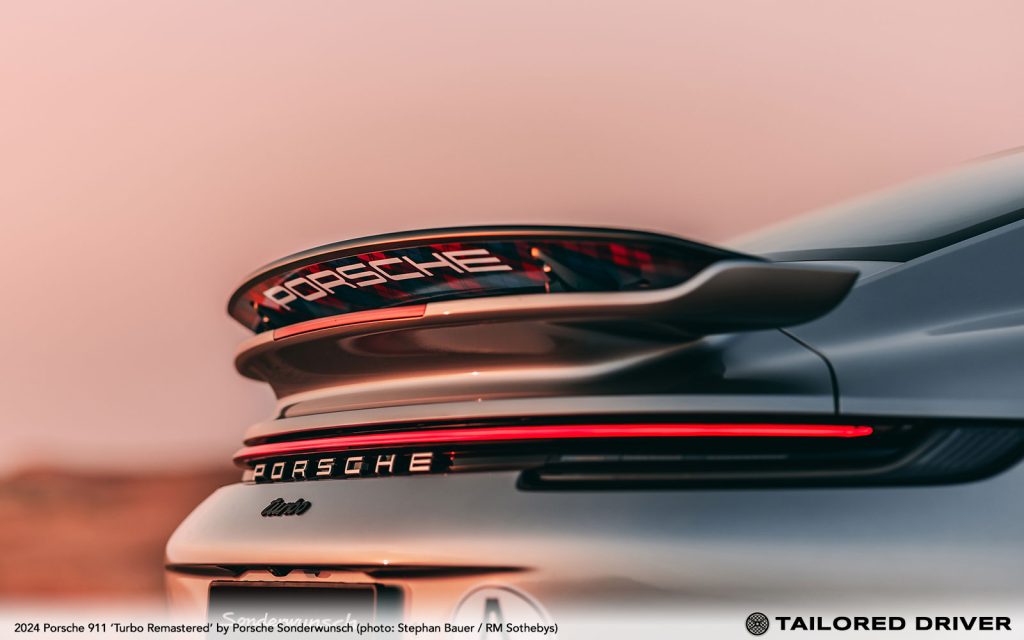
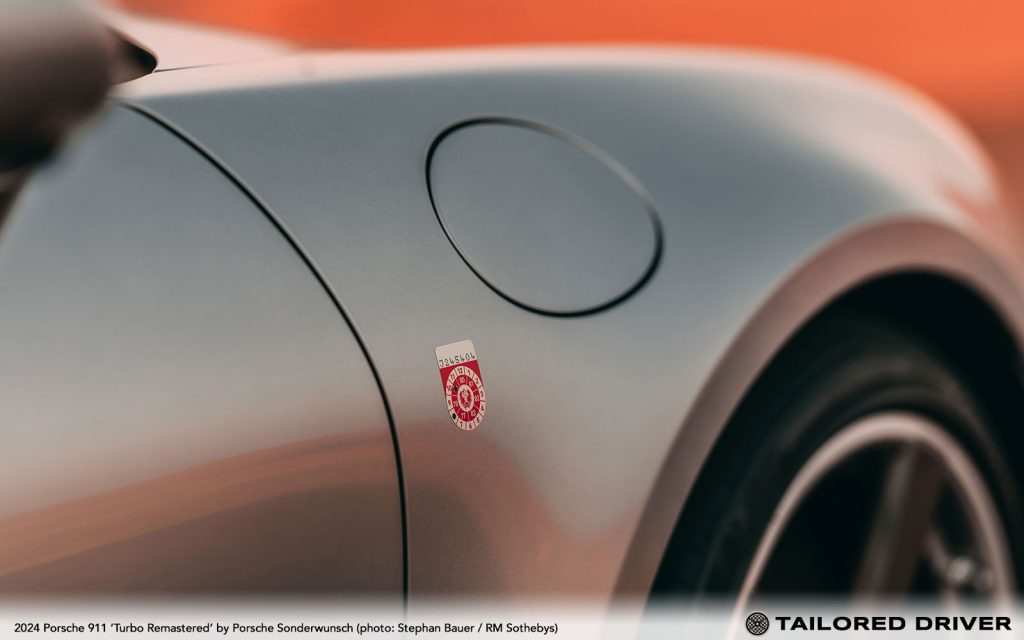
Unveiled at the Icons of Porsche festival held in Dubai in November 2023, this car is fitted with a host of Exclusive Manufaktur options. These include the Sport Design Package, which notably adds upturned tips for the rear wing, more pronounced side sills, and an aggressive restyling of the extended front bumper. Meanwhile, the side strakes and mirrors are painted to match the body colour. To authentically recreate the look of Mrs Piëch’s 1974 prototype, Style Porsche designers in Weissach have added the Austrian autobahn decal on the right-front wing. Porsche Classic also provided special permission for the script from the first-ever production 911 Turbo to be reused for the rear badge. The exterior configuration is capped off by black five-spoke wheels that hark back to the famous Fuchs alloy design.
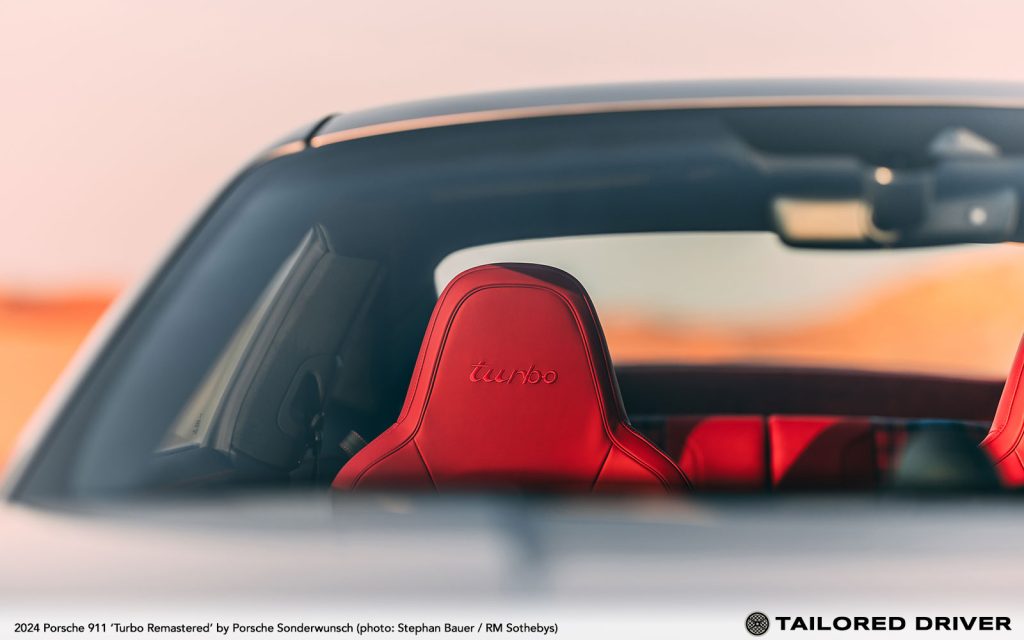
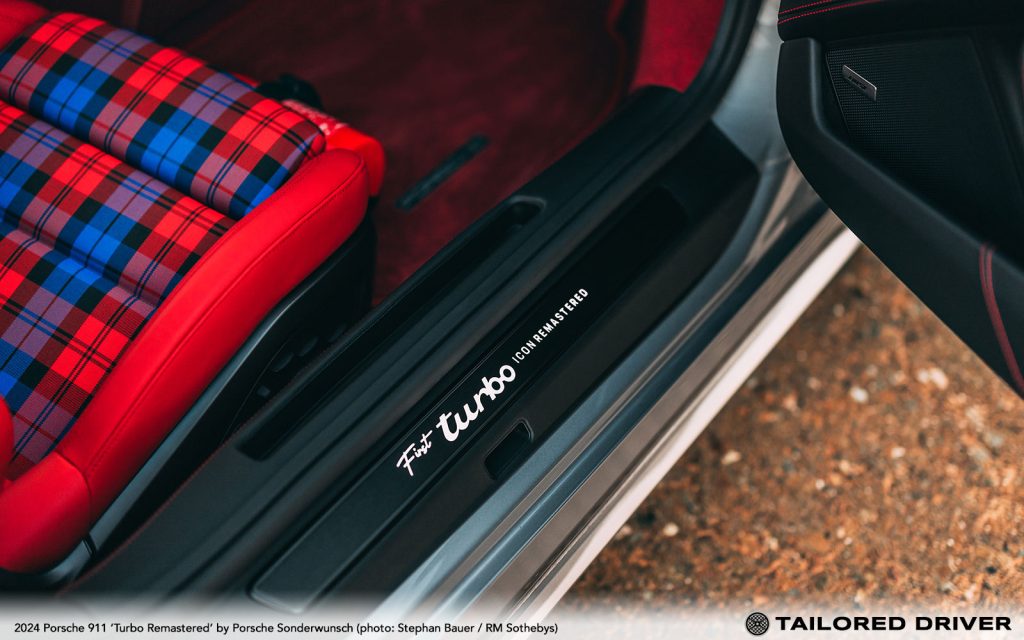
With the Heritage Design Classic package selected, the interior features retro-style green illuminated dials for the tachometer and Sport Chrono dial. The upholstery for the remastered Turbo compromises two-tone Lipstick Red and black, while the seat centres and door cards are trimmed with red and blue tartan trim just as Mrs Piëch originally requested. Like the rear badging, the seats are capped off with original Turbo lettering embroidered into the headrest.
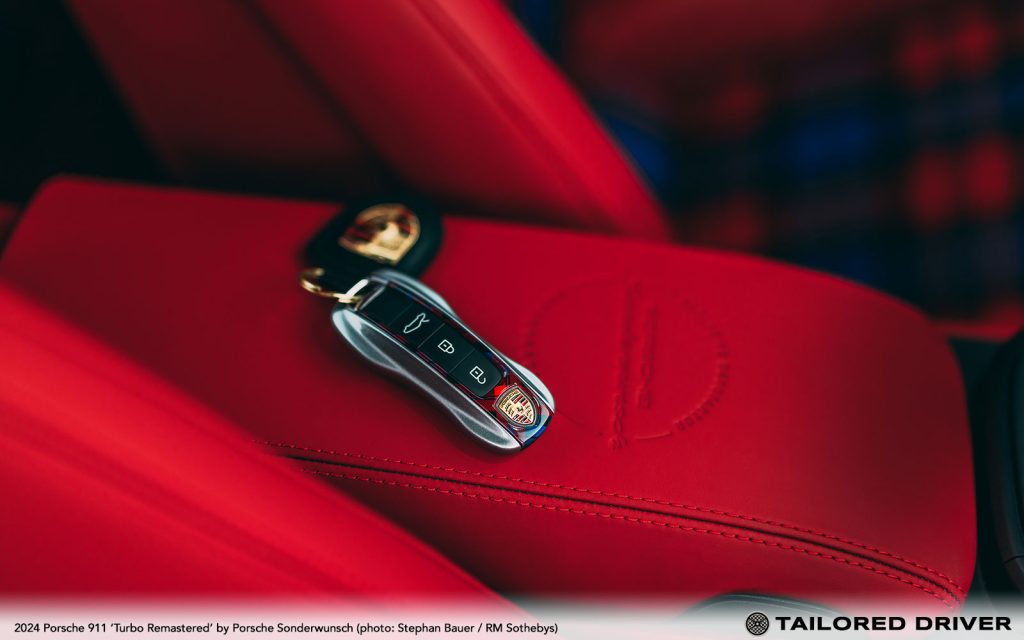
While the appearance is a clear tribute to Porsche’s past, the dynamics are at the leading edge. As a 992-generation 911 Turbo, the car boasts a 3,745-cc six-cylinder boxer engine enhanced by symmetrical turbochargers to deliver 580 PS. With that power transmitted to all four wheels via an eight-speed PDK transmission featuring an aluminium gear selector, the sprint to 100 km/h takes just 2.8 seconds while the top speed is 320 km/h. That considerable performance is accessed by unlocking the car with a bespoke dual-finish key that features the tartan pattern and GT Silver colours.
Registered in the United Arab Emirates and showing delivery use only, with the odometer displaying just 35 kilometres at the time of cataloguing, the sale of this 911 Turbo ‘Exclusive Manufaktur’ is particularly special. A seldom-offered opportunity to become the first owner of a one-off Porsche that celebrates 50 years of the manufacturer’s forced-induction flagship, here is an opportunity for marque enthusiasts and supercar collectors alike that’s not to be missed.
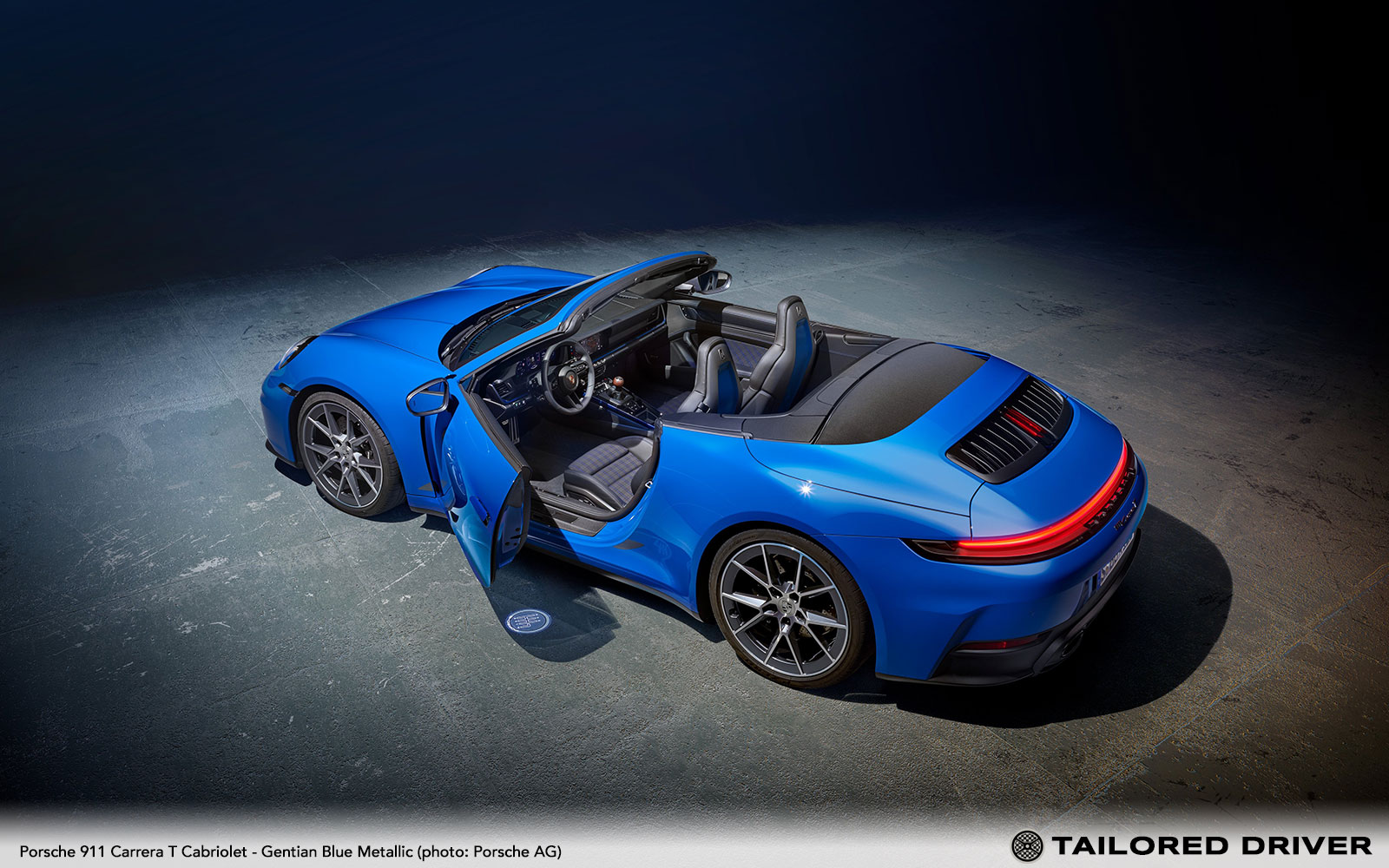
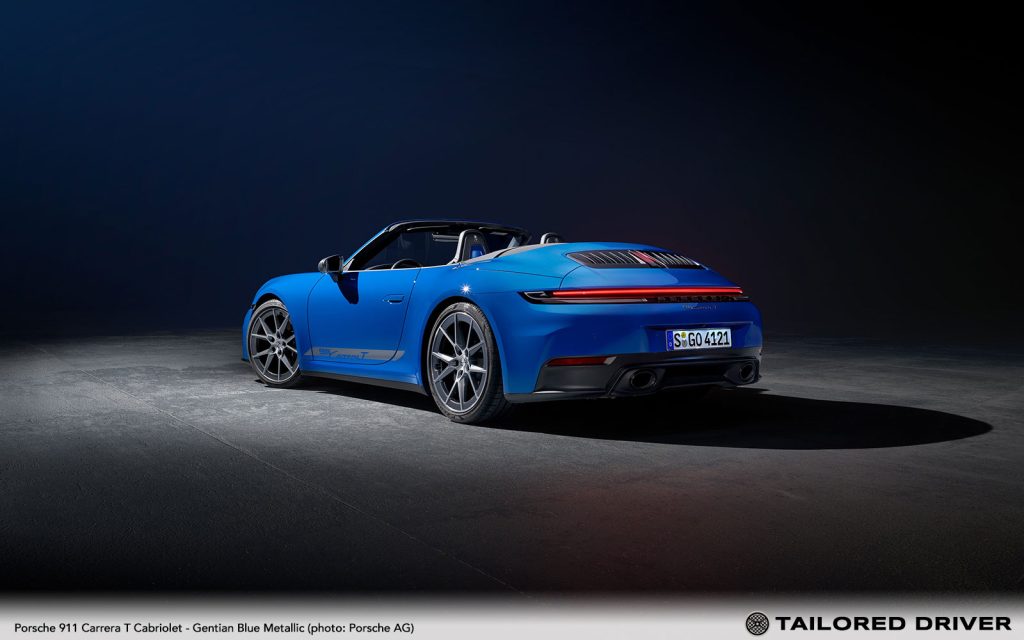
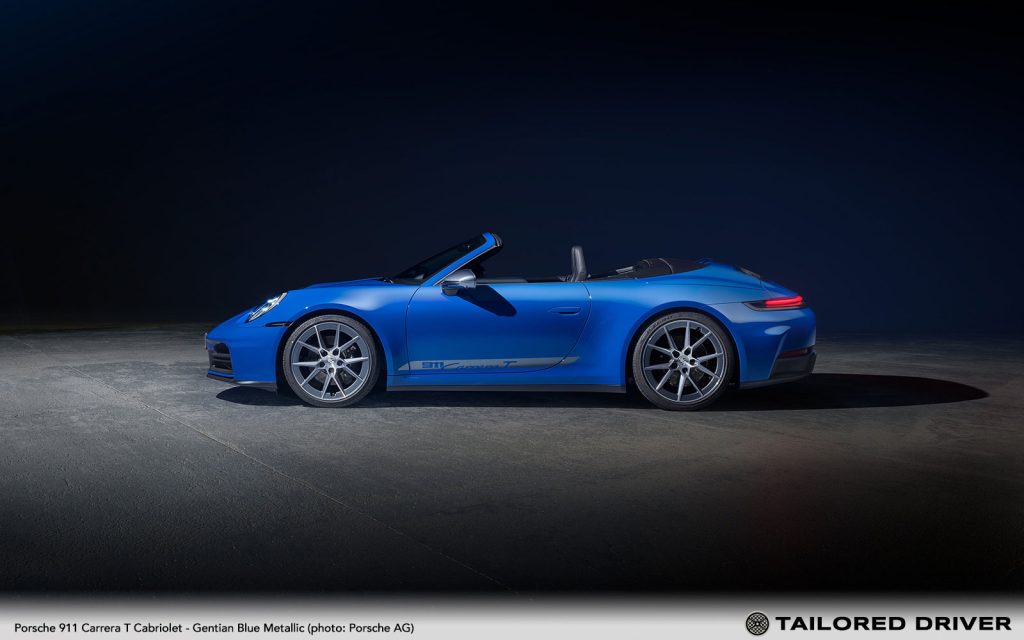
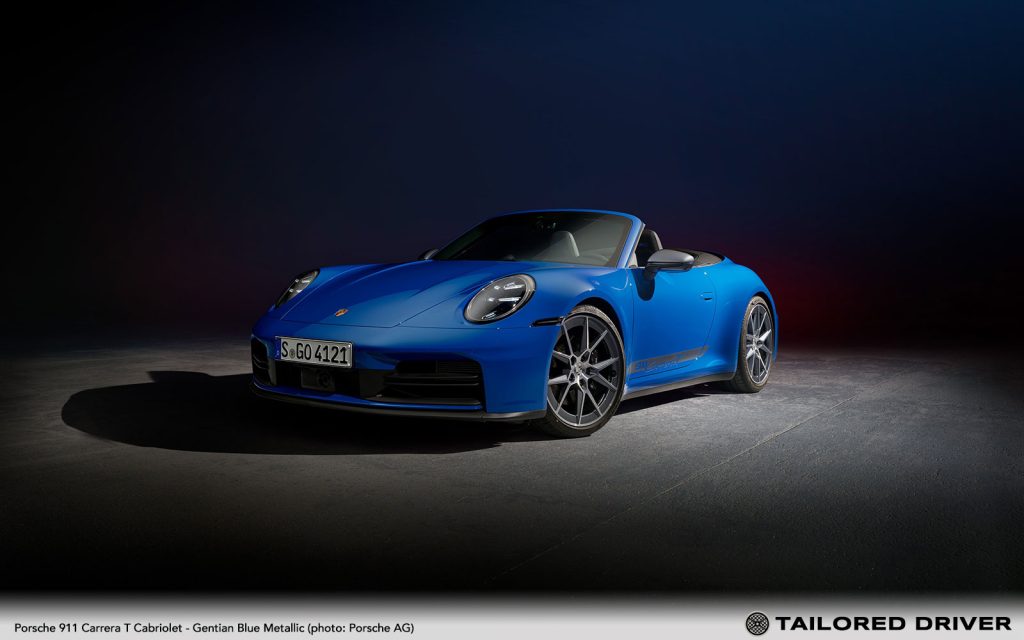
The latest 992.2-generation Porsche 911 just dropped this morning and it’s the Carrera T. Not only that, but some great new T specification equipment was revealed, along with a whole new model – the 911 Carrera T Cabriolet.
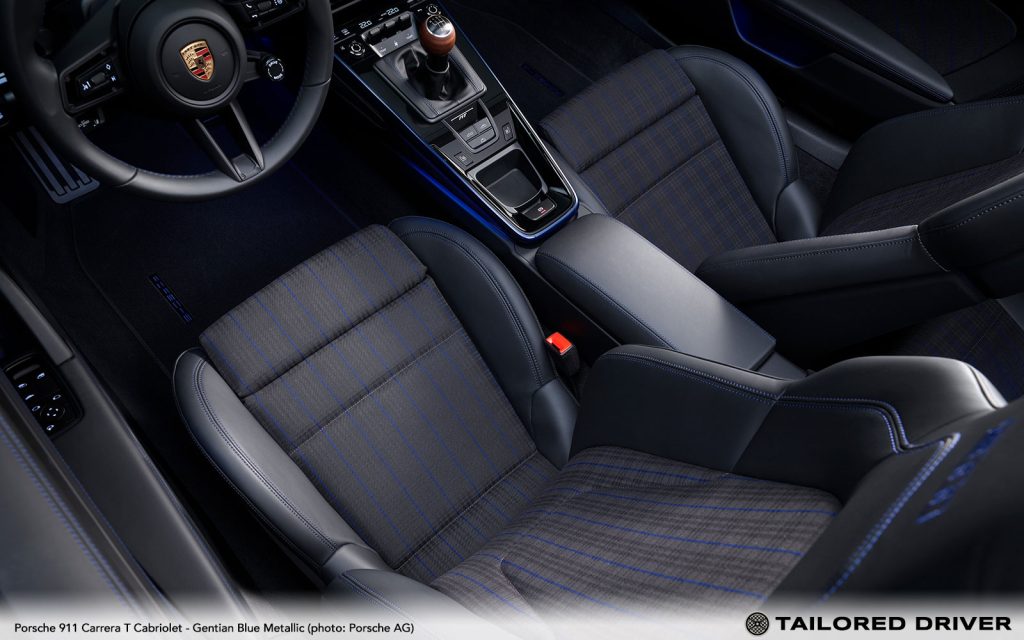
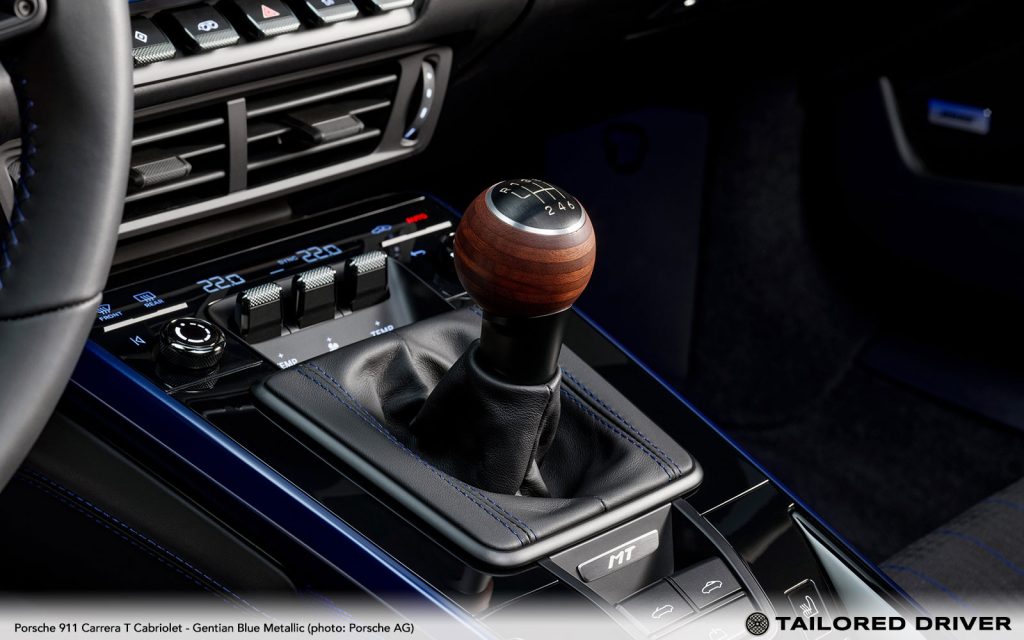
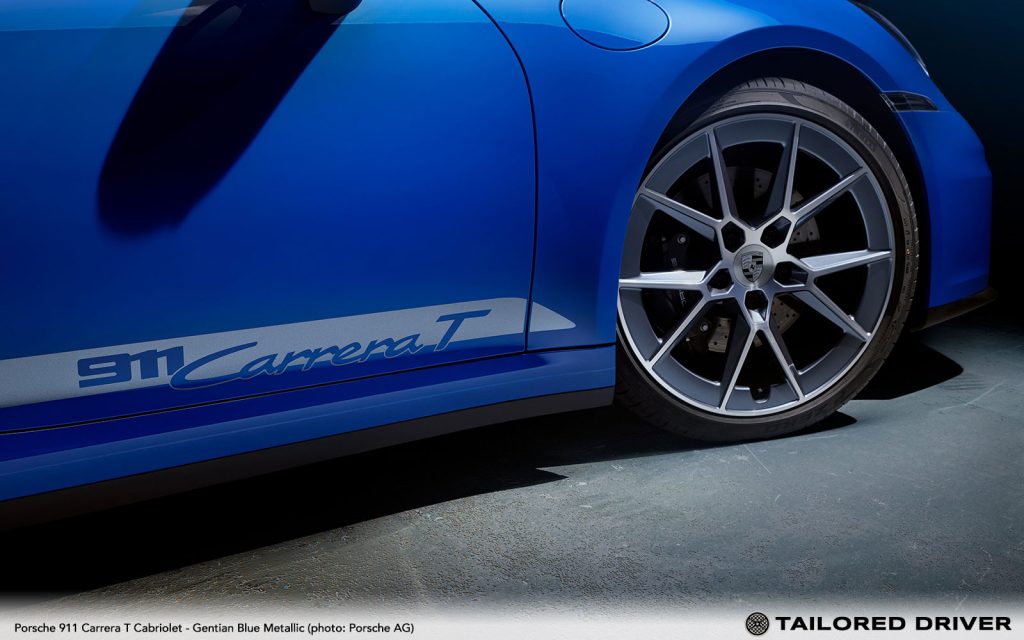
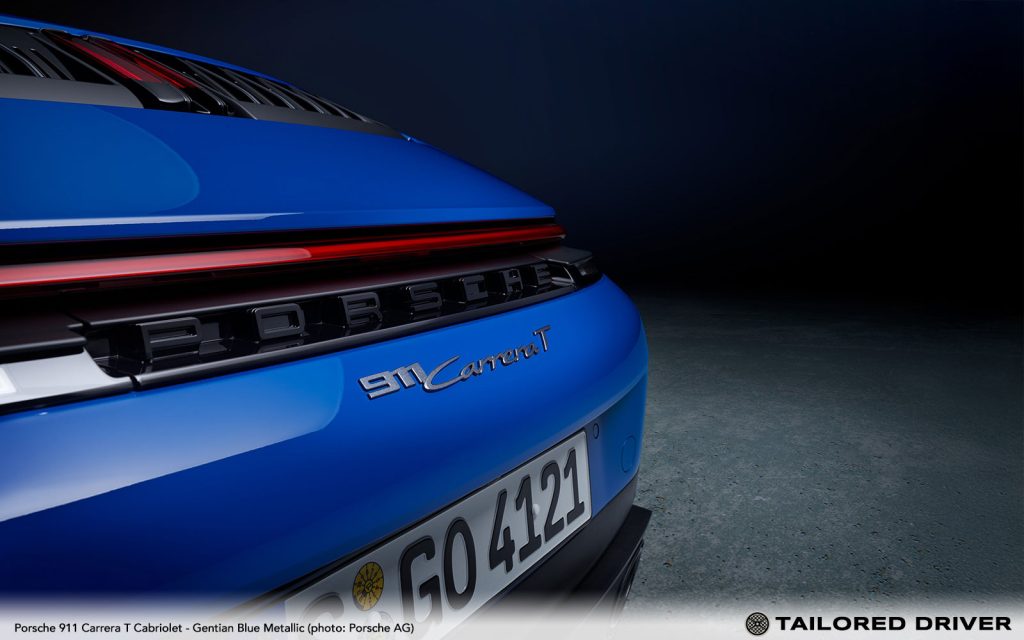
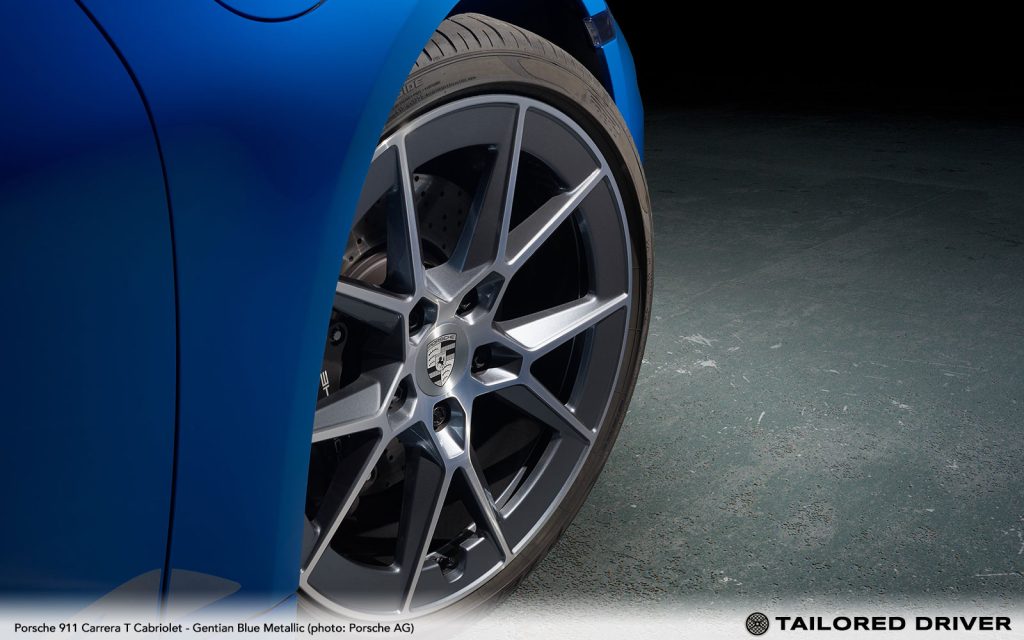
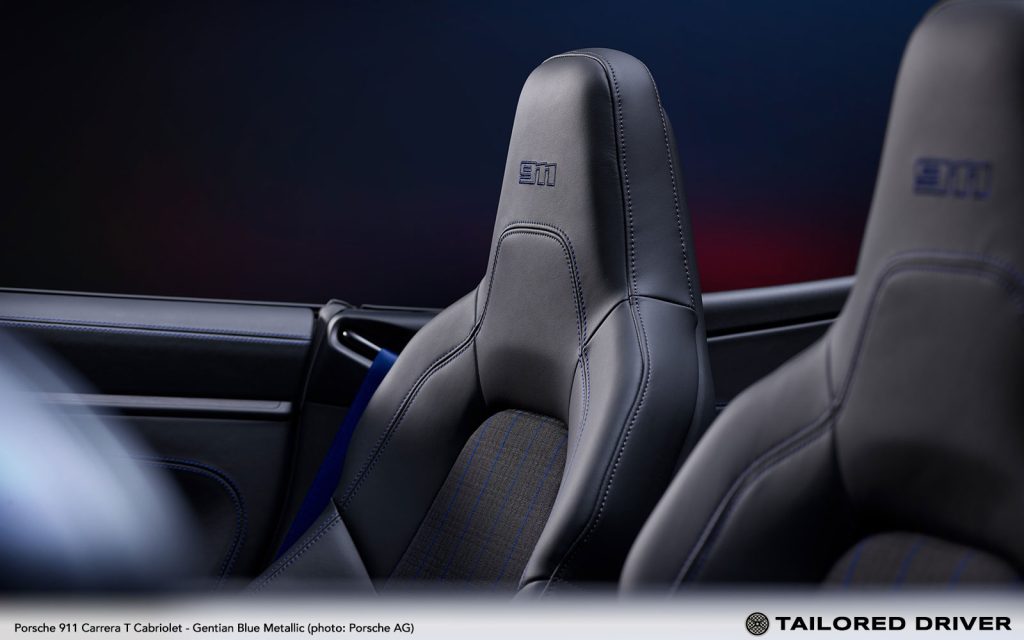
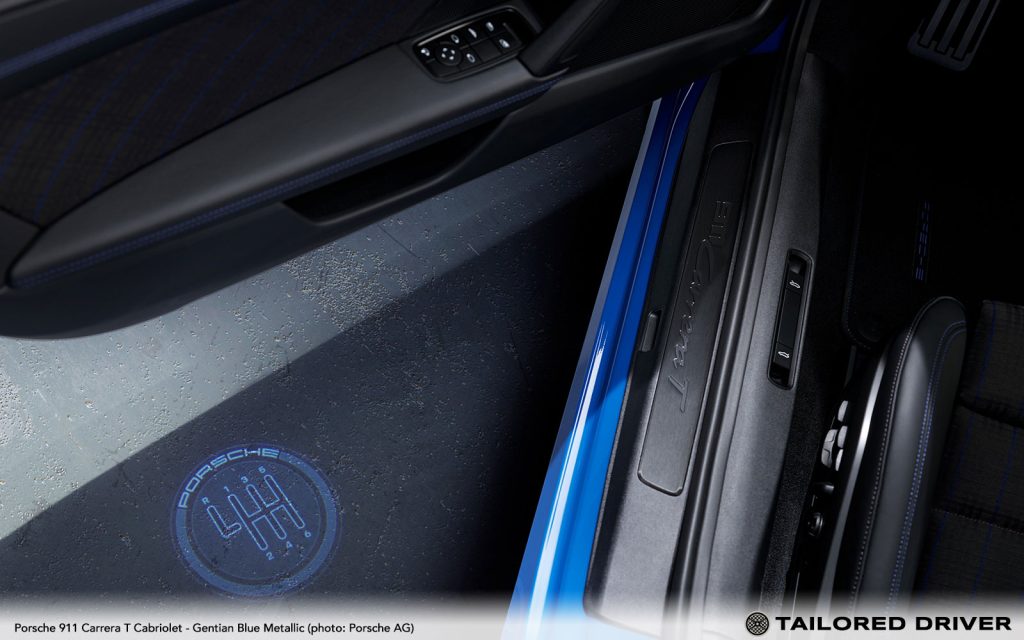
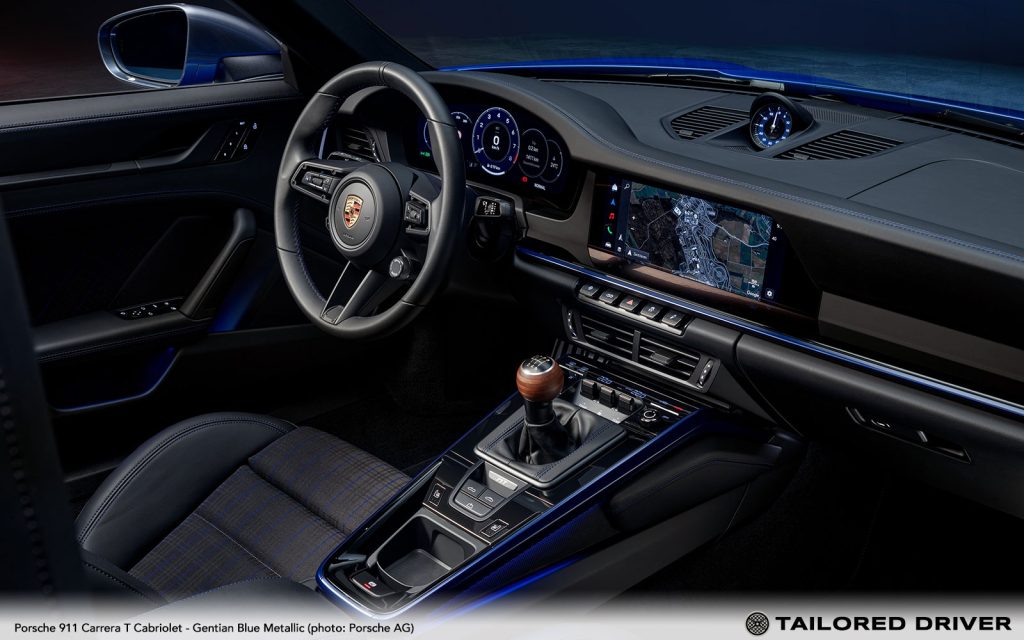
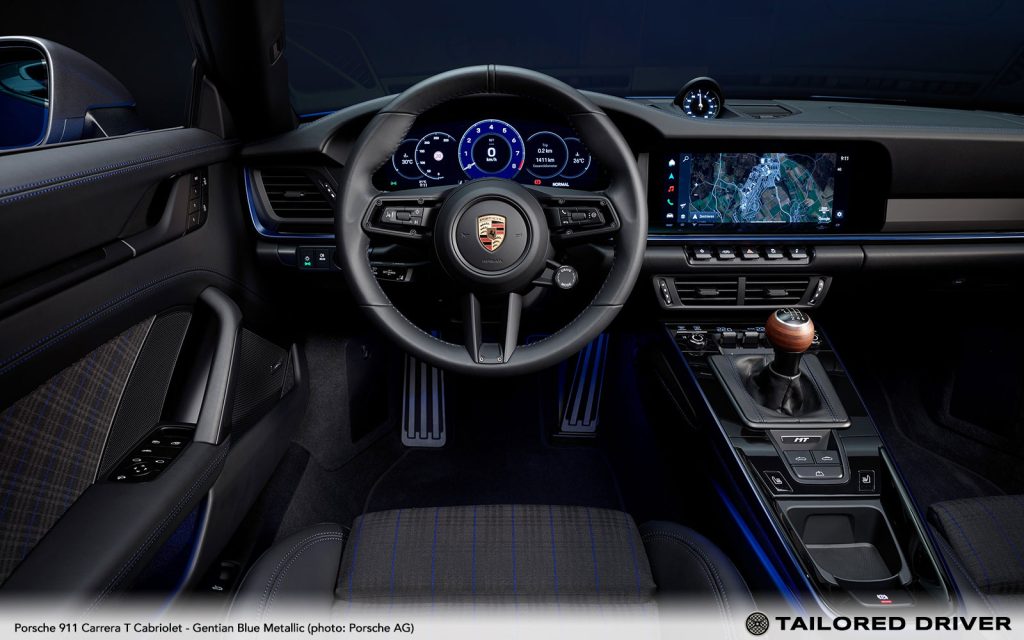
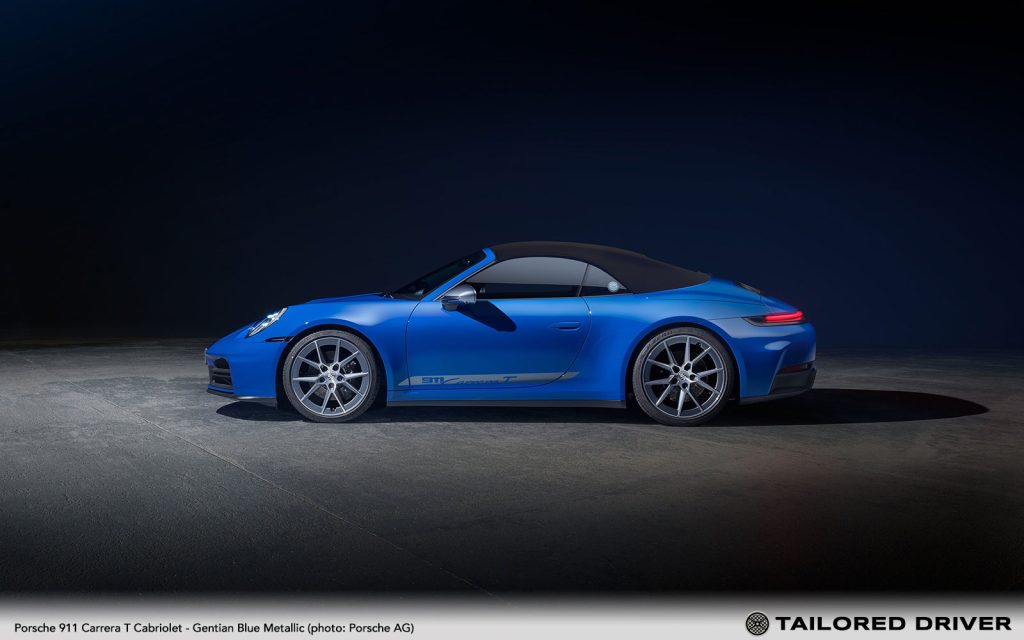
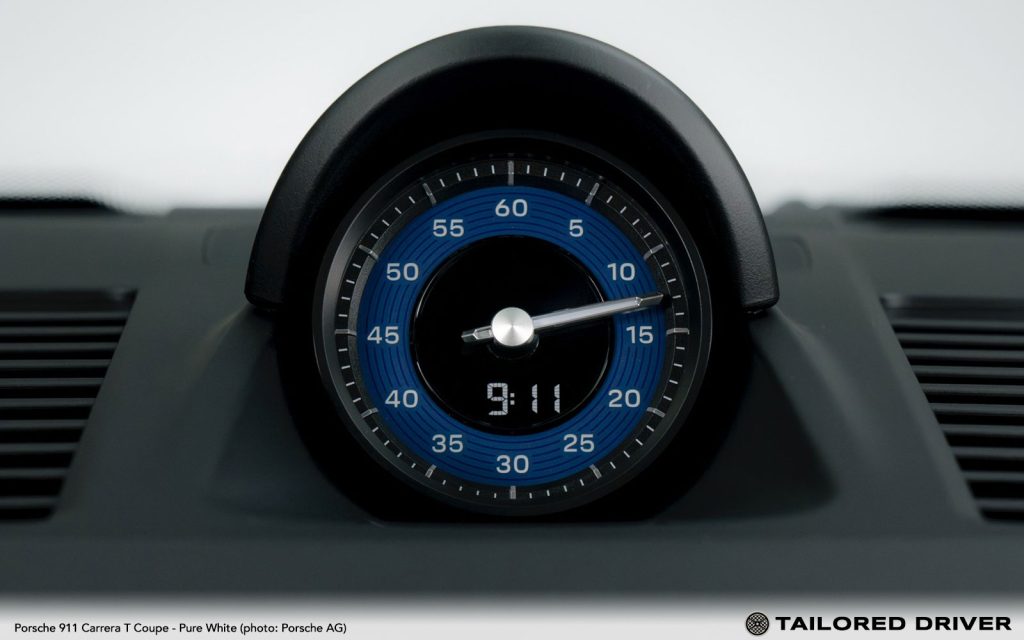
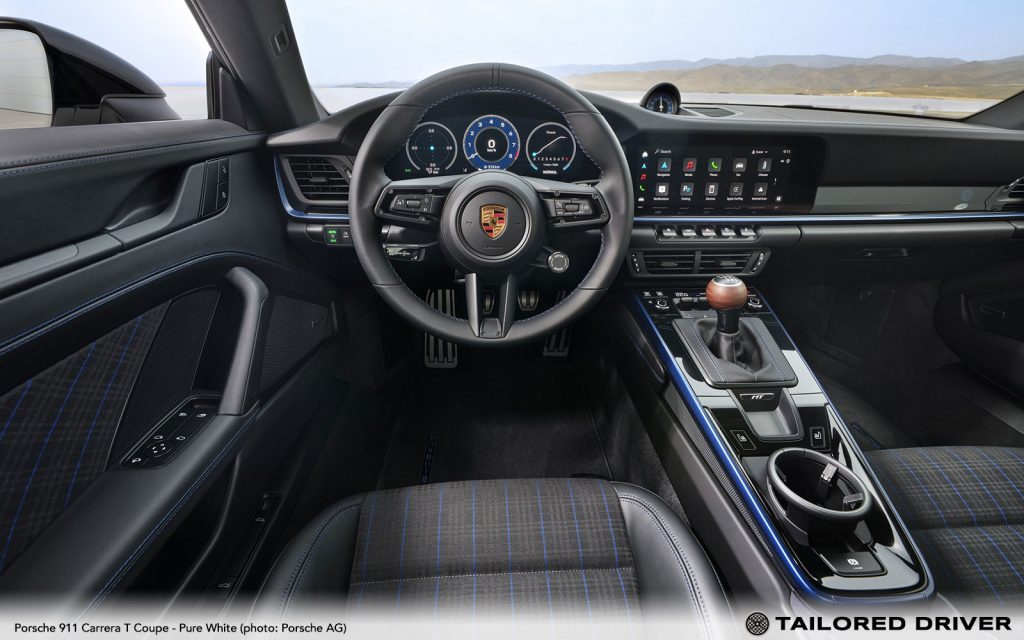
Let’s focus on the specification first. We already dug into the color-matched blue graphics and wheels on the Pure White 911 Carrera T Coupe we featured just moments ago (HERE), and this Gentian Blue Metallic (enzianblaumetallic; metallic UNI; W96; Porsche) launch specification Cabriolet appears to adopt many of the same bits minus the blue exterior accents. The same handsome tartan seat surfaces, deviated stitching, colored dials and wooden shift knob carry over, making for a much richer Carrera T experience.
The biggest news is the addition of the 911 Carrera T Cabriolet. No doubt there’s market demand for this new model, but we’ll admit we’re a little perplexed. The heavier Cabriolet doesn’t really lend itself to the lightweight driver’s concept that is the Coupe. It’s more hardcore, and less weekend cruiser for towns with “Palm” in the name – looking at you Palm Beach and Palm Springs retirees. Maybe you want something edgy too though, and we have no doubt the Carrera T Cabriolet fits the bill. We just wish it was a 911 Speedster T.
BEGIN PRESS RELEASE:
The new 911 Carrera T as a coupé or a cabriolet
Exclusively with six-speed manual transmission
Up to 42 kilograms lighter than the 911 Carrera
Available as a cabriolet for the first time
Rear-axle steering as standard and particularly agile tuning
The Porsche 911 Carrera T is about concentrating on the essentials. The focus on agility, lightweight construction and an emotive soundscape, as well as its six-speed manual transmission, make this the ideal Carrera for purists. Equipment packages specially tailored to the Carrera T offer stylish individuality. For the first time, the new version of the Carrera T is also available as a cabriolet.Stuttgart. Porsche is extending the model range of the new 911 with the addition of the light, dynamic 911 Carrera T. Weight-reduction measures, dynamic tuning and a six-speed manual transmission make this a puristic Carrera for superlative driving pleasure. With its lightweight windows, reduced insulation and six-speed manual transmission, the lightest configuration of the new 911 Carrera T, with full bucket seats, weighs just 1,478 kilograms. Equipped like that, the car is more than 40 kg lighter than the current 911 Carrera. For the first time, the 911 Carrera T is also available as a cabriolet.
The ‘T’ stands for Touring, and at Porsche this goes all the way back to the homologation of the 911 T as a touring car in 1968. The first 911 T was produced up to 1973. Since 2017, the 911 Carrera T has been back in the model range, positioned between the Carrera and the Carrera S. Pure driving pleasure, agile handling, emotive sound and a focus on the essentials are the distinguishing features of this rear-wheel drive sports car.
Powertrain: manual transmission and six-cylinder twin-turbo boxer The 911 Carrera T is driven by the 3.0-litre six-cylinder twin-turbo boxer engine of the 911 Carrera. It delivers 290 kW (394 PS) and develops torque of up to 450 Nm. A standard six-speed manual transmission transfers the drive power to the rear axle. When shifting down, an intermediate throttle function (auto-blip) can be selected to automatically and specifically compensate speed differences between the engine and the gearbox. With the standard Sport Chrono Package, the Carrera T Coupé sprints to 100 km/h in 4.5 seconds (Cabriolet: 4.7 seconds). Its top speed is 295 km/h (Cabriolet: 293 km/h). In line with its increased power compared to its predecessor, the Carrera has a bigger braking system with an all-round brake disc diameter of 350 millimetres and six-piston fixed callipers at the front. In combination with the reduced interior insulation and the auto-blip function, the standard sports exhaust system makes for a particularly emotive soundscape.
Chassis and tuning: development exclusively for this model As always, the Sport Chrono Package, which includes the Track Precision App, is part of the standard equipment of the 911 Carrera T. Additionally, for the first time Porsche is equipping the model with rear-axle steering as standard in combination with a more direct steering ratio on the front axle, thus significantly optimising handling. Lateral acceleration is generated faster and the steering responds more directly, while stability is simultaneously increased. The tuning of the rear-axle steering was developed specifically for the 911 Carrera T.
The PASM adaptive sports suspension, which is lowered by 10 mm, is also standard and has been given model-specific, sporty tuning to make the Carrera T even better, and even more agile, to drive. The standard rear-axle steering and an aerodynamic balance optimised exclusively for the 911 Carrera T have enabled the anti-roll bars on the front and rear axles to be tuned for neutral handling. The 911 Carrera T has 20/21-inch Carrera S light alloy wheels. The front tyres are 245/35 ZR20 and the rears are 305/30 ZR21.
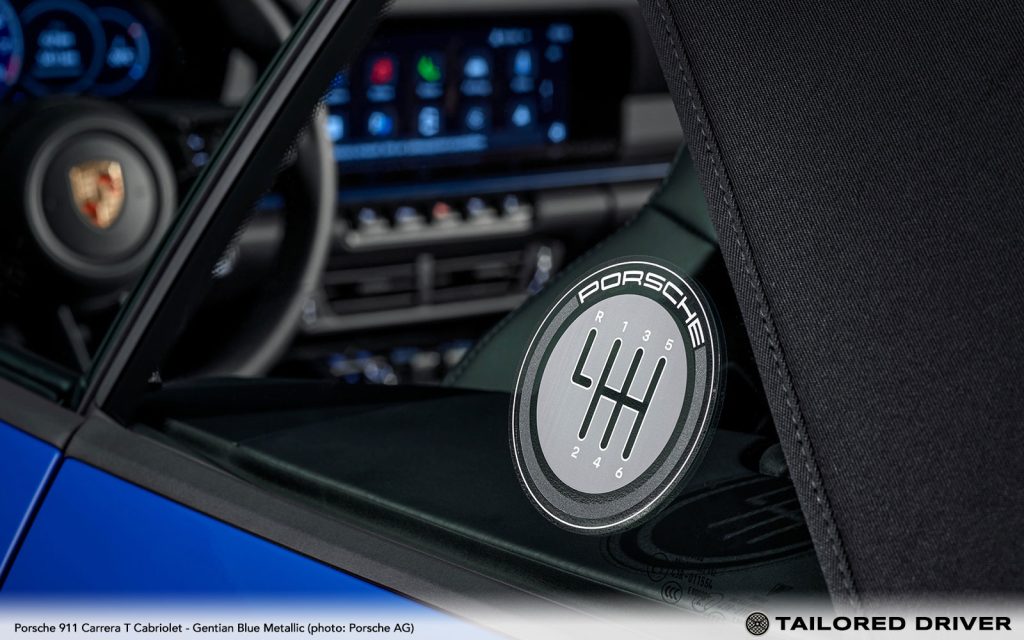
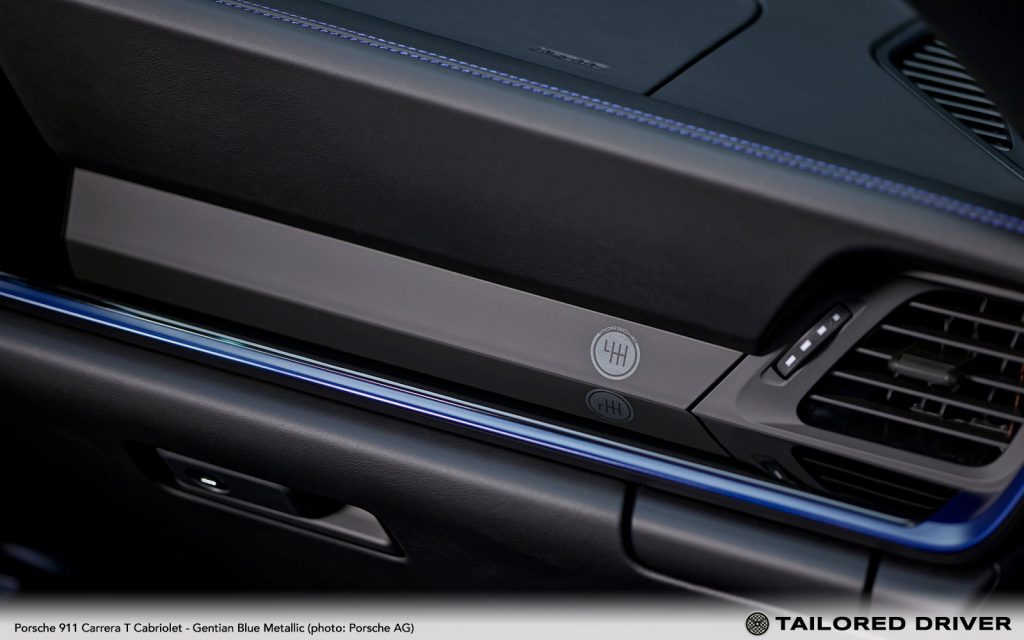
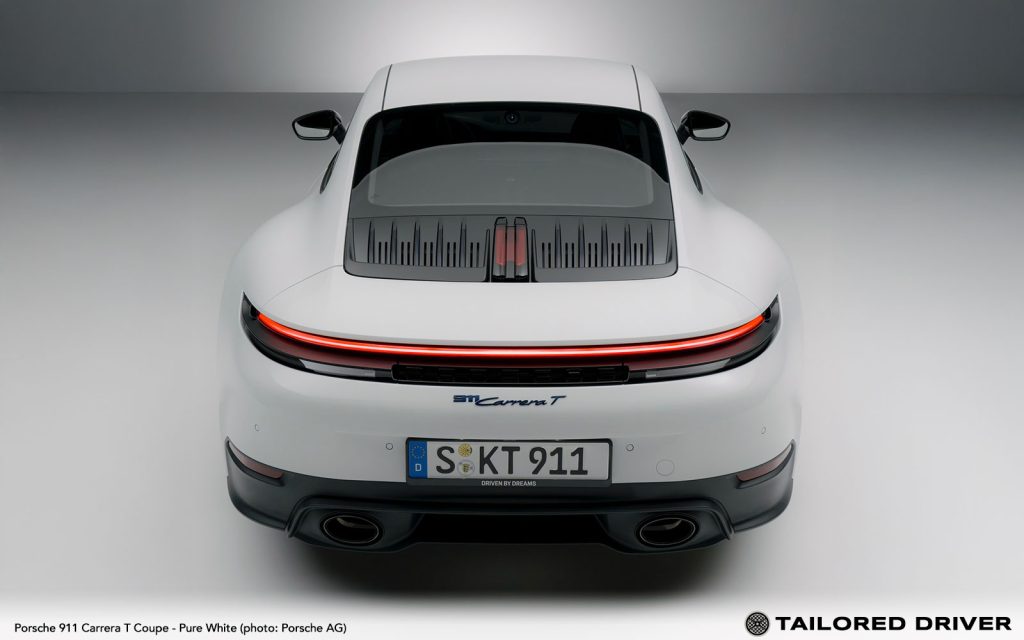
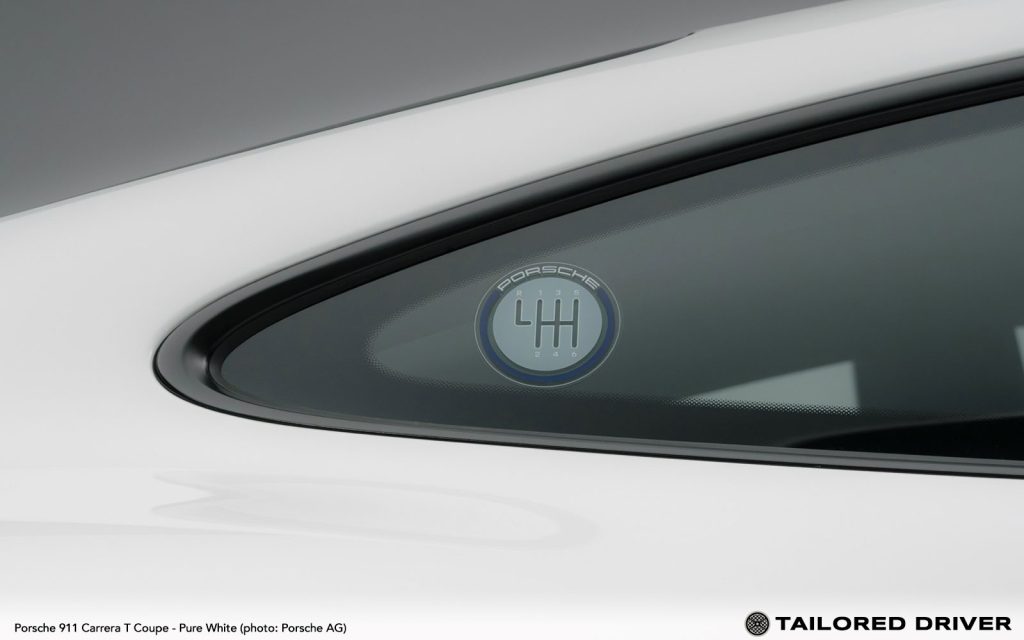
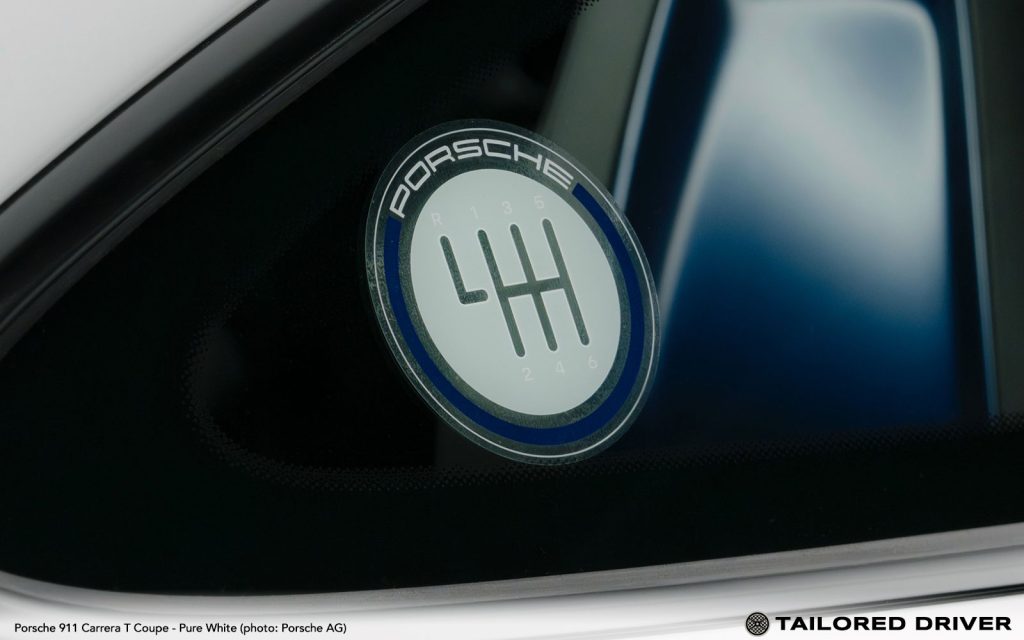
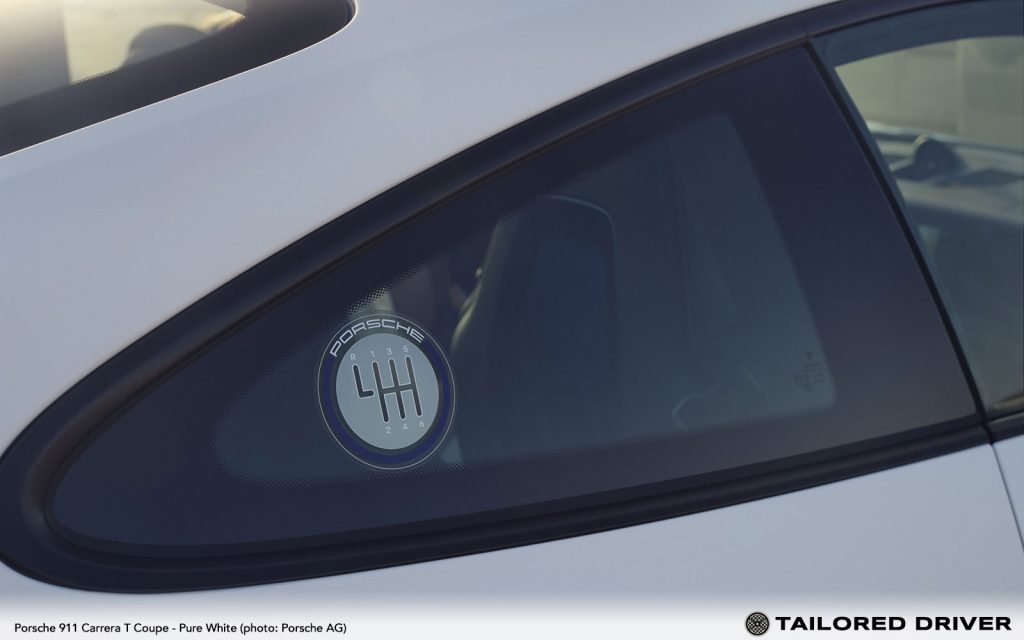
Exterior and interior Numerous features distinguish the Carrera T from other models in the series. A sticker with the shift pattern logo on each of the triangular rear windows identify it as a manually-shifting and particularly purist representative of the model line. The model designations on the rear are in a contrasting colour, Vanadium Grey. The inlays on the rear lid grille, the upper and lower trim of the exterior mirrors, and the machine-polished light alloy wheels are painted in matching Vanadium Grey Metallic. Another feature of the Carrera T is the aerodynamically optimised spoiler lip taken from the 911 Carrera GTS.
For the Porsche Carrera T, the Legends colour scheme offers the body colours of Shade Green Metallic, Crayon, and Slate Grey Neo, while the Dreams colour scheme comprises Guards Red, Lugano Blue, Gentian Blue Metallic and Cartagena Yellow Metallic. The Shades colour scheme offers a choice of the more muted Jet Black Metallic, GT Silver Metallic and Ice Grey Metallic. Contrasts offers the solid Black and White colours. Further body colours are available via the Paint to Sample and Paint to Sample Plus programmes. The top of the 911 T Cabriolet is optionally available in the colours Black, Red, Blue and Brown.
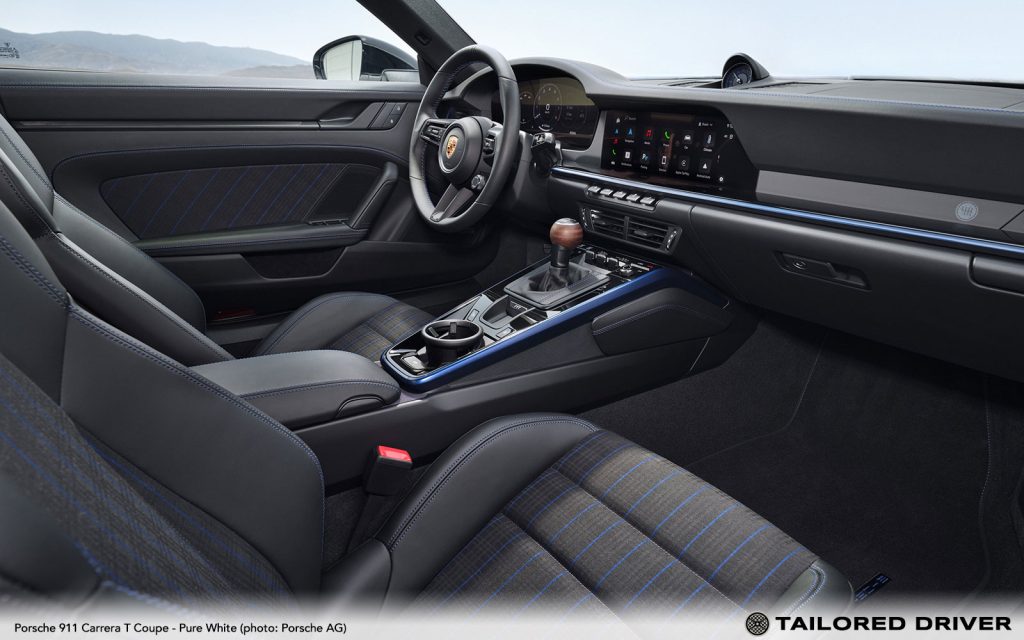
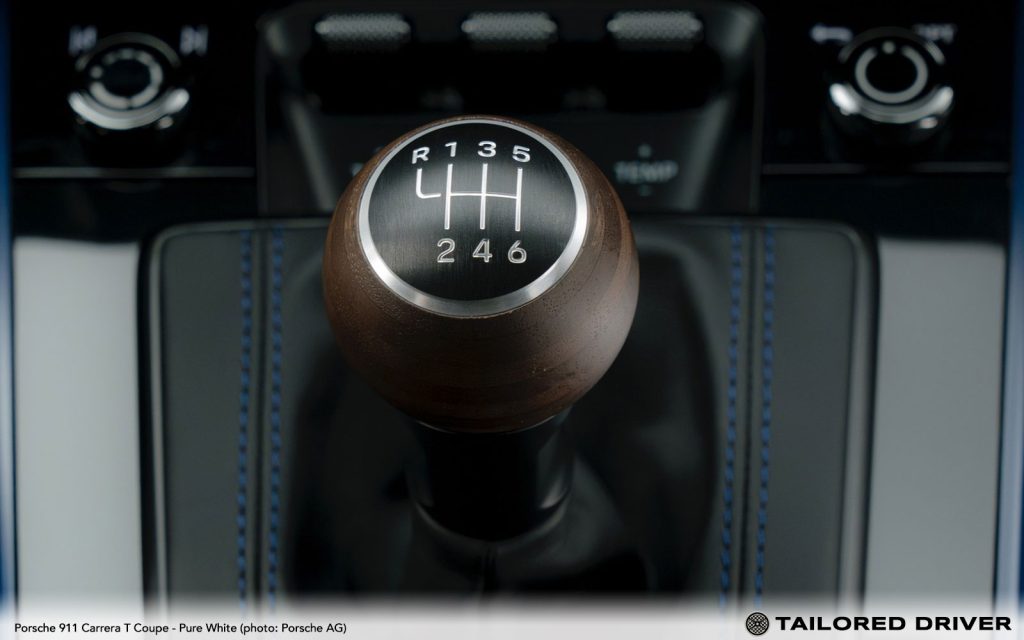
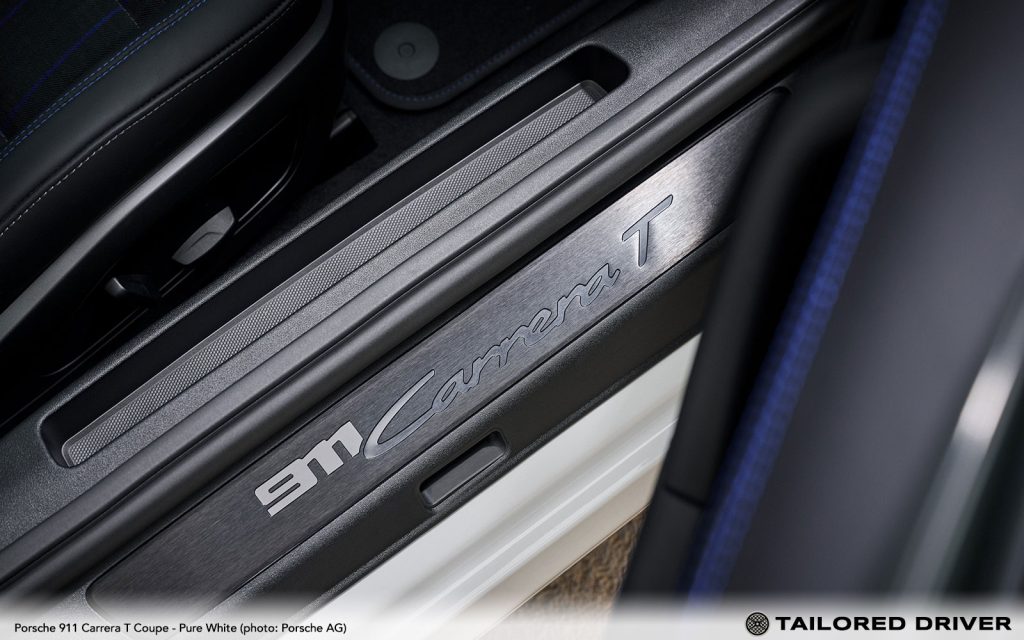
Sporty and black, with contrasting stitching on request, Porsche has given the interior of the Carrera T an emphatically purist look that’s typical of the T-model. The eye-catching stopwatch in the standard Sport Chrono Package is prominent on the dashboard. A number of special details emphasise the exclusivity of the 911 Carrera T as a manual sports car: the shortened gear lever is topped with an open-pore walnut laminated wood gear knob, which offers a special visual and tactile experience. In front of the gear lever is a badge with the ‘MT’ (Manual Transmission) logo. The shift pattern logo is printed on the passenger side of the dashboard. The list of standard equipment also includes the leather-upholstered and heated GT sports steering wheel, fitted with a mode switch. Alternatively, a Race-Tex steering wheel is also available. The decorative inlays in the dashboard and the centre console are Vanadium Grey, with the door panel inlays being black brushed aluminium.
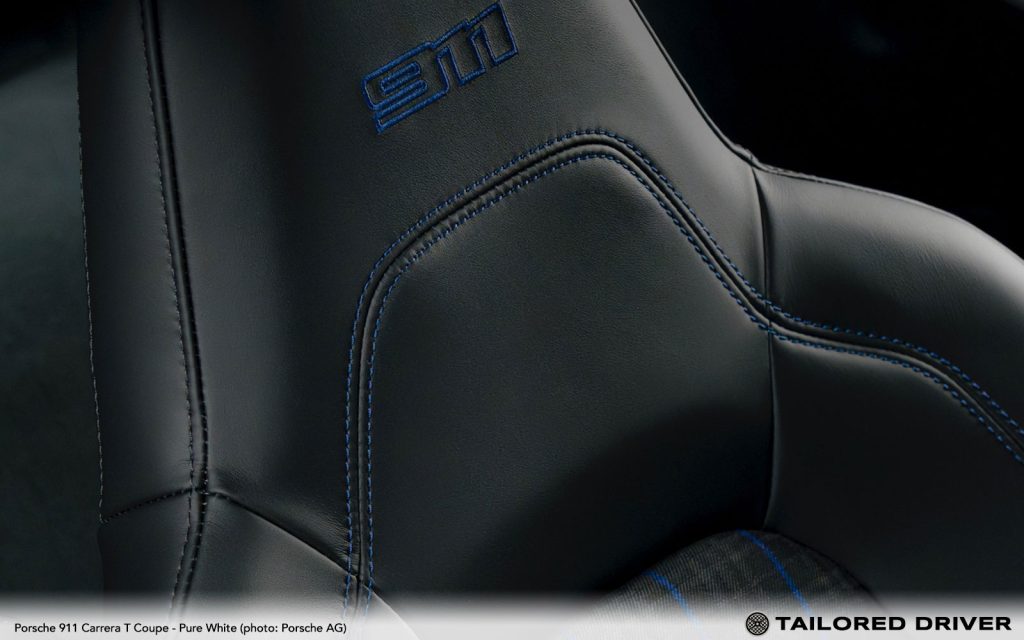
Befitting the sporty character of its interior, the Carrera T has black, four-way electrically adjustable sports seats with Sport-Tex seat centres as standard. The tartan fabric pattern of the interior is exclusively reserved for the 911 Carrera T. The 911 logo is stitched into the headrests. Customers can order the Adaptive Sports Seats Plus (18-way adjustable) or particularly light full bucket seats as options.
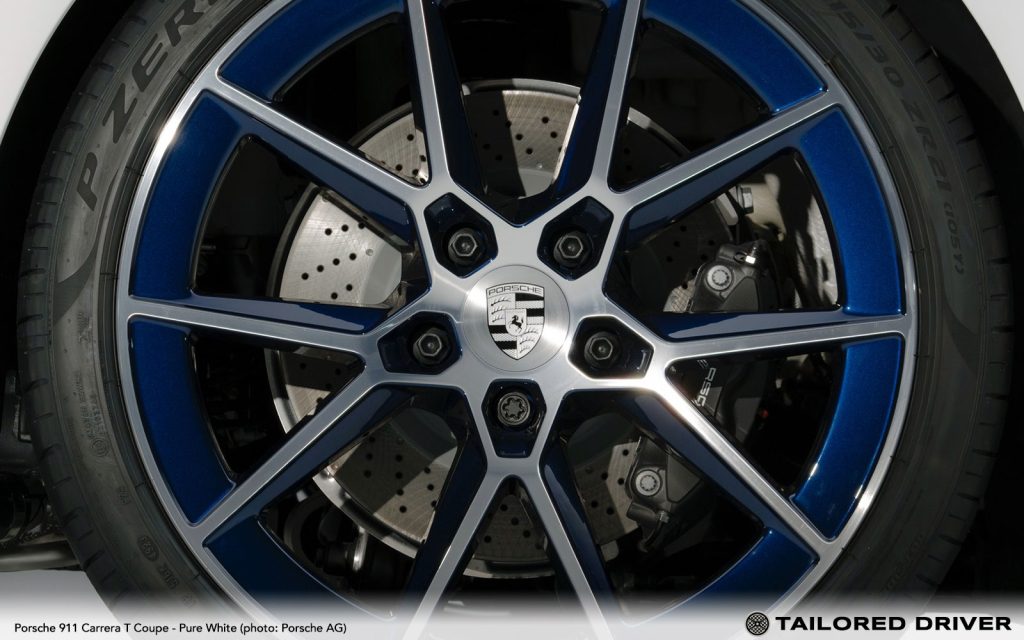
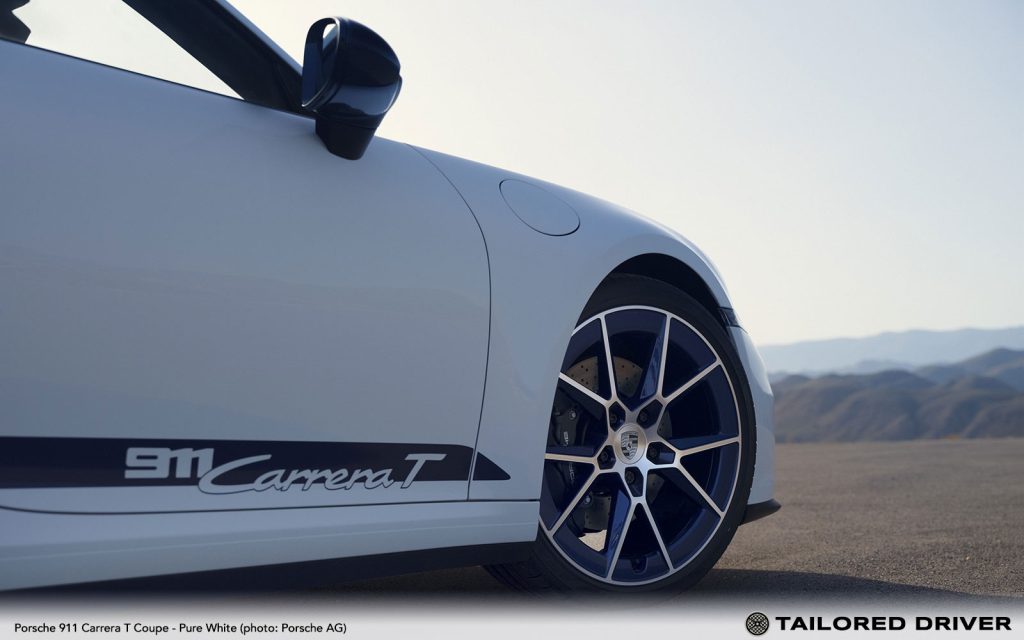
Carrera T packages for exterior and interior The exclusivity of the 911 Carrera T is further enhanced by the Carrera T design packages for the exterior and the interior. These come in the classic Porsche colour Gentian Blue to create a striking colour contrast. On the exterior of the car, the inlays in the rear lid, the Carrera T decals on the front and rear lids and doors, the MT stickers, and the light alloy wheels with a gloss-lathed front face come in this colour. The upper shells of the exterior mirrors are in Black. Contrast stitching in Gentian Blue, instead of the standard black stitching, enhances the interior and the seats also come with Gentian Blue contrast stripes. The same colour also adorns the seat belts, the trim of the centre console and the door panels, as well as the contrast inlays and the stitched 911 logos on the headrests.
Ready for immediate order The new Porsche 911 Carrera T can be ordered now, with prices starting at 141,700 euros including VAT and country-specific equipment. The 911 Carrera T Cabriolet costs 155,800 euros.
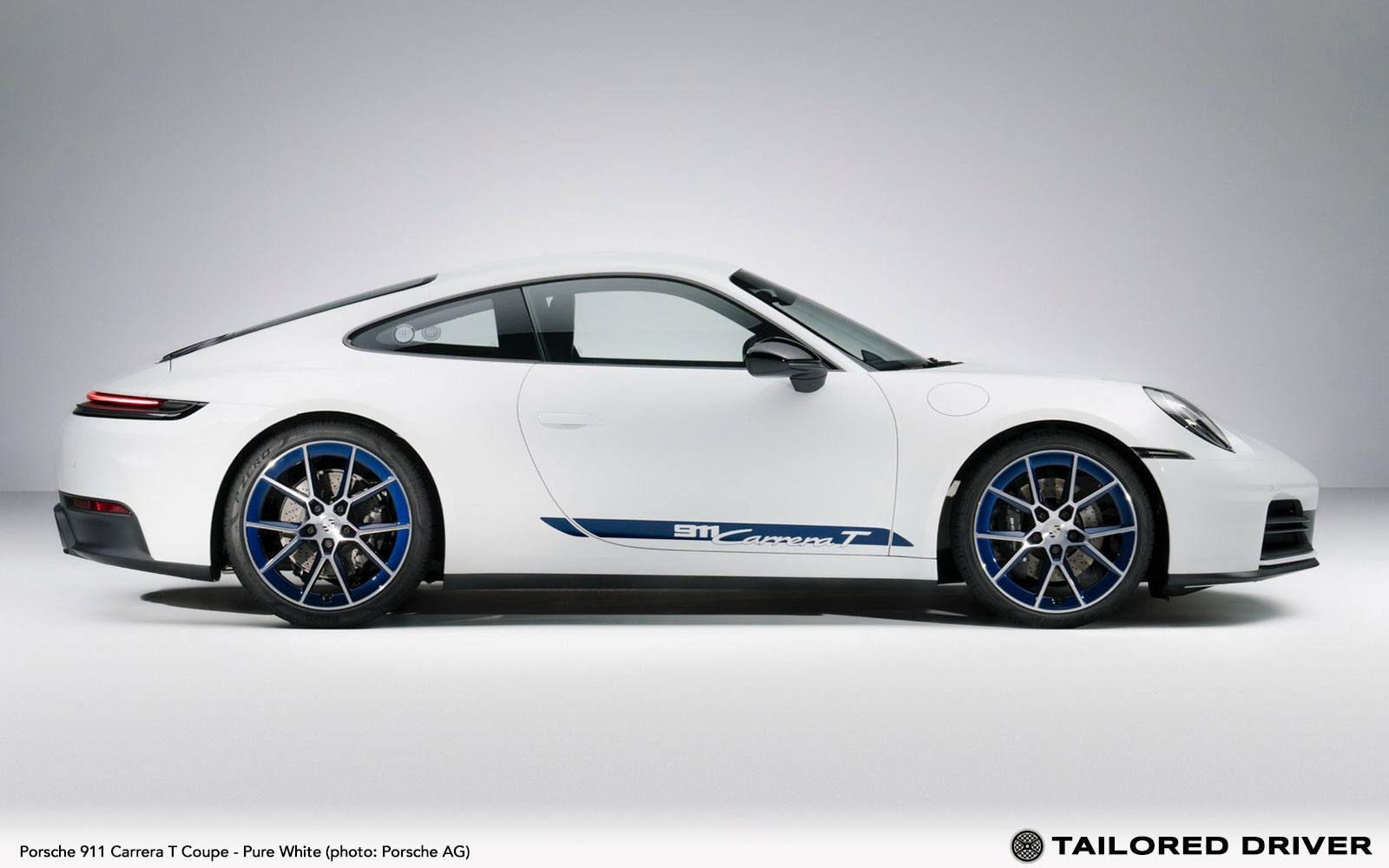
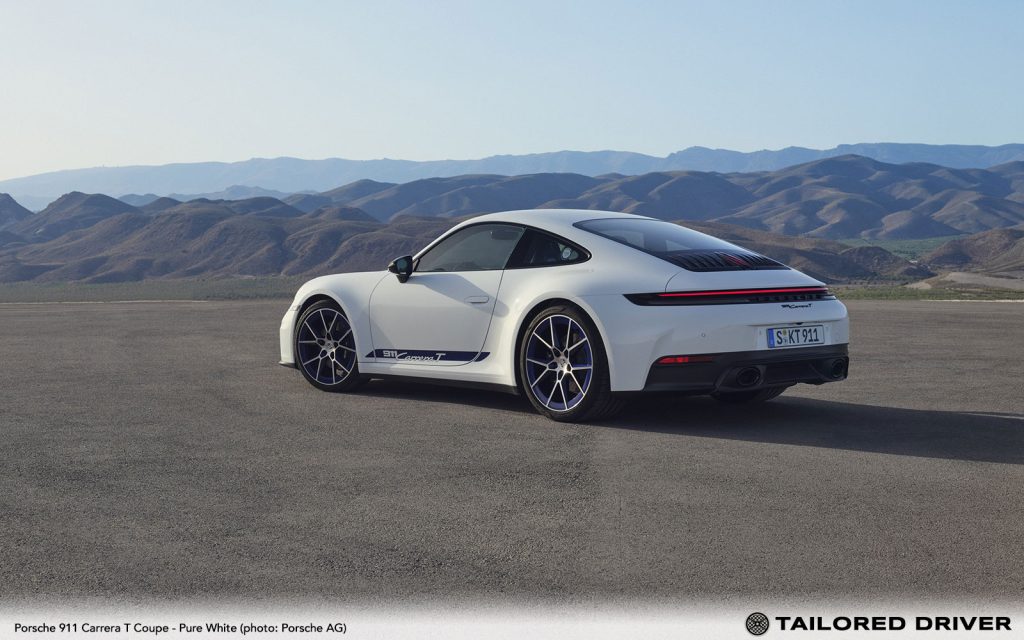
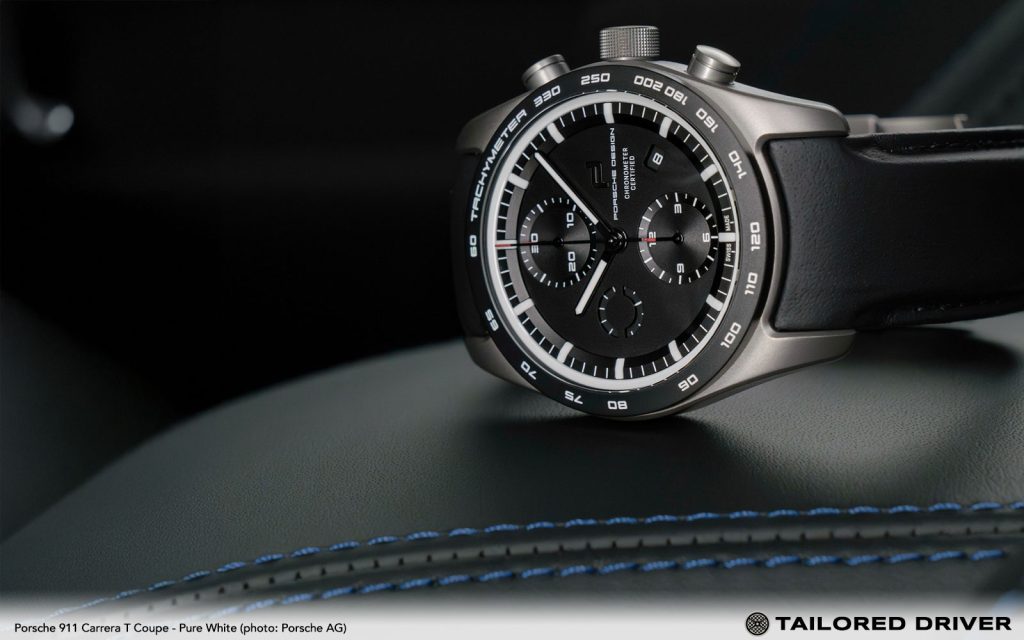
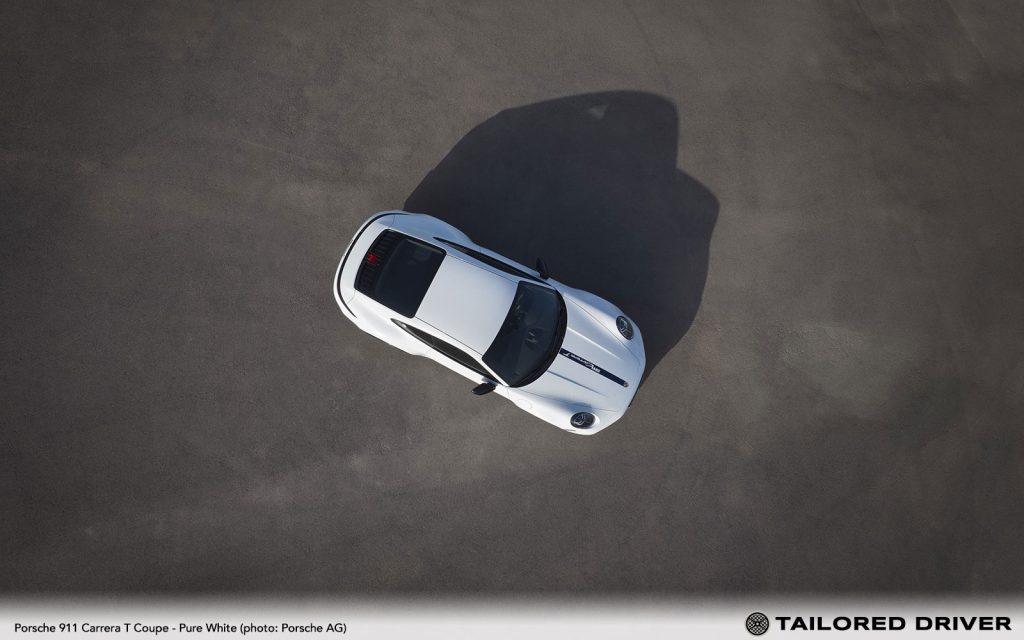
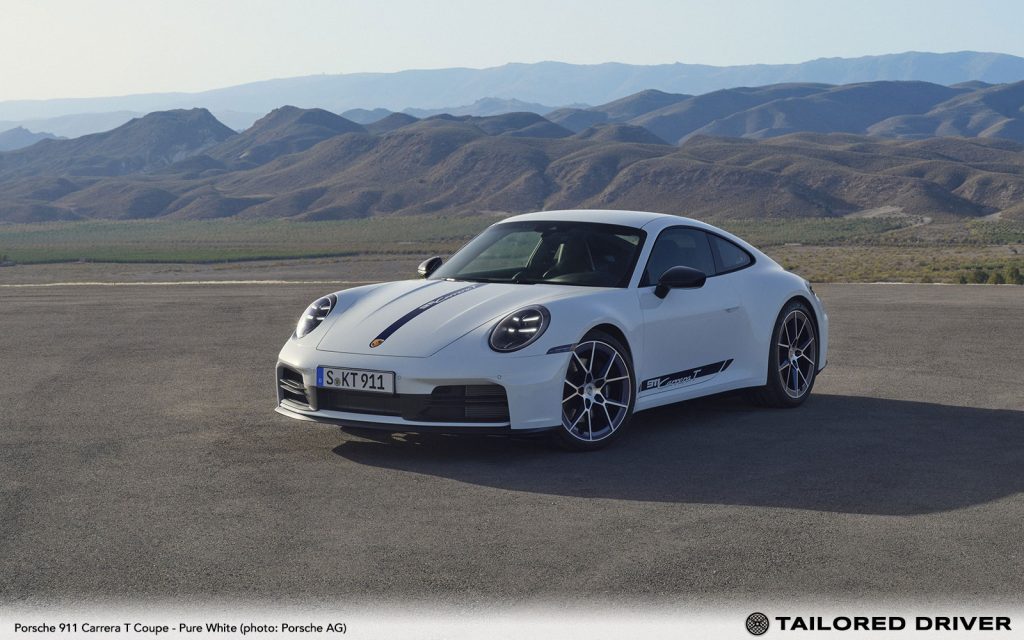
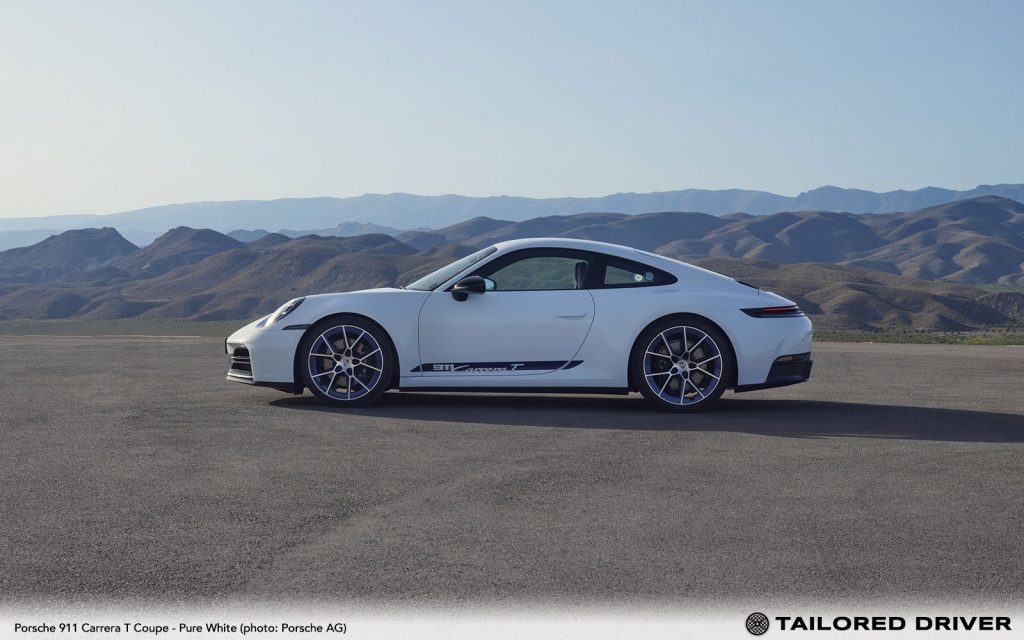
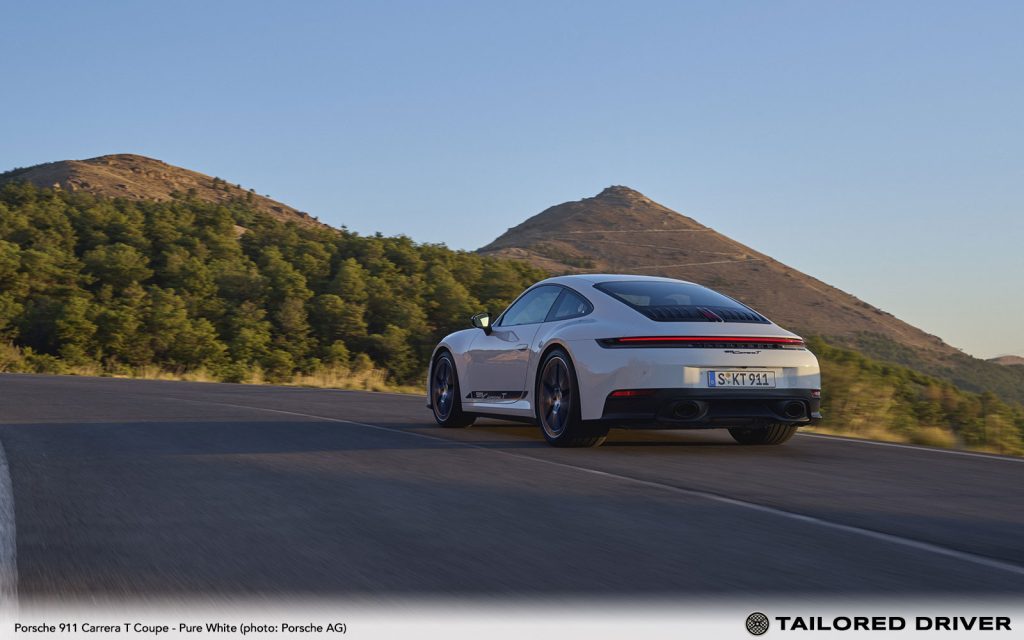
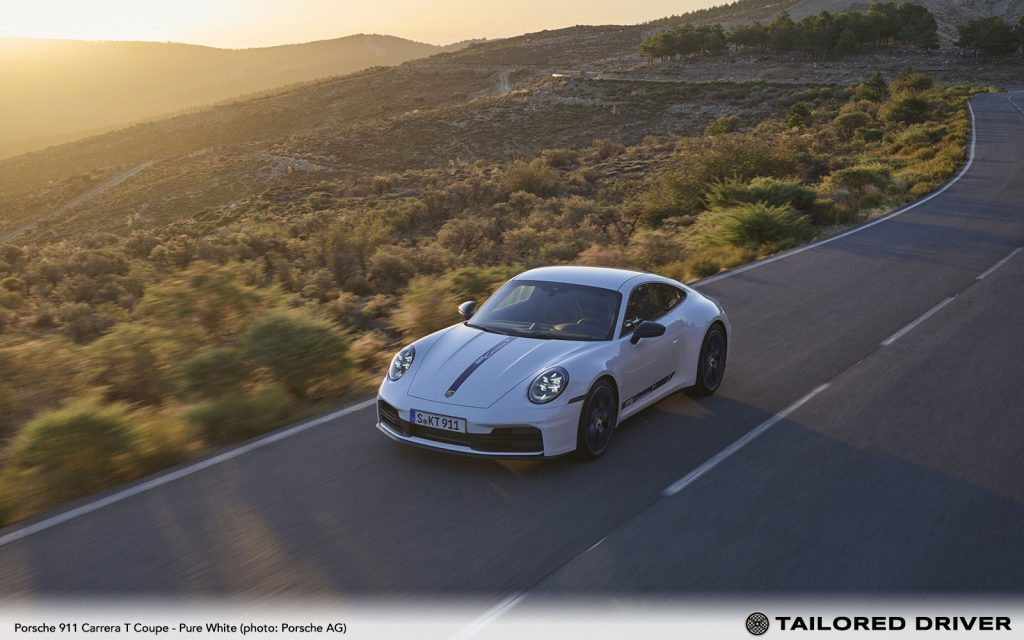
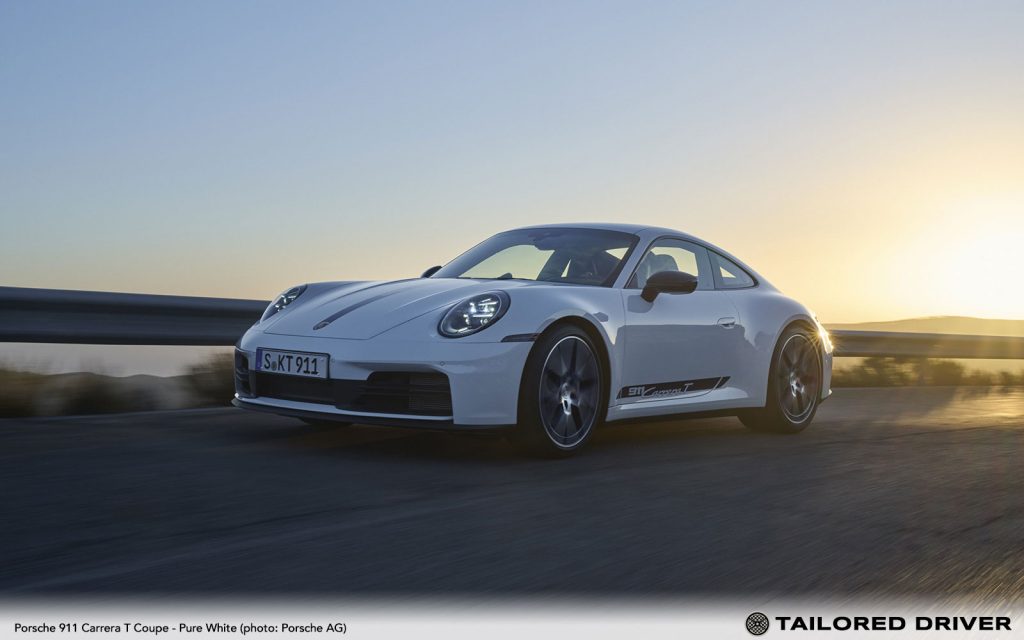
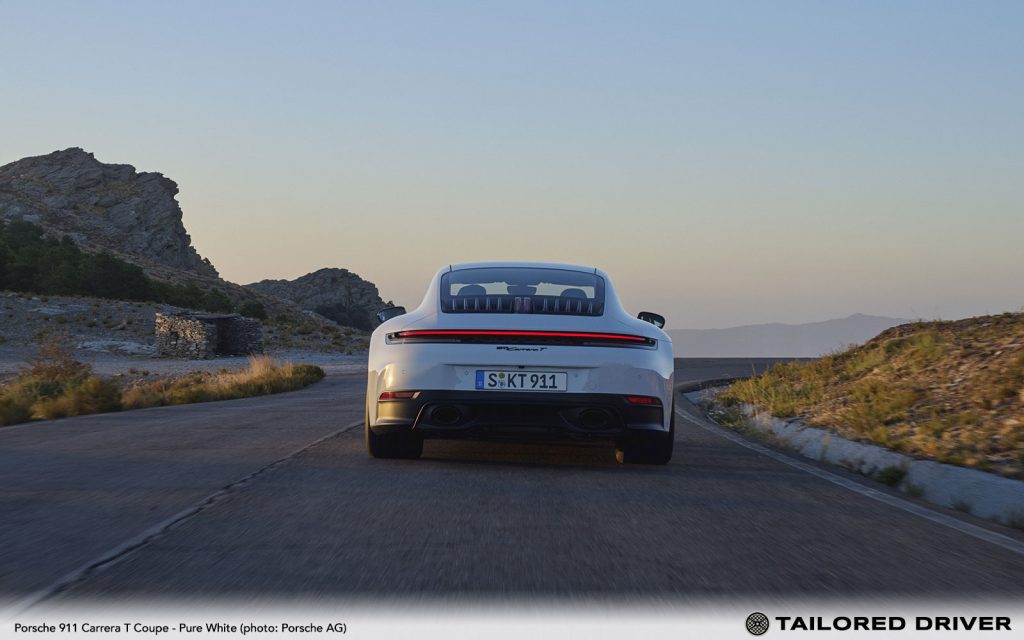
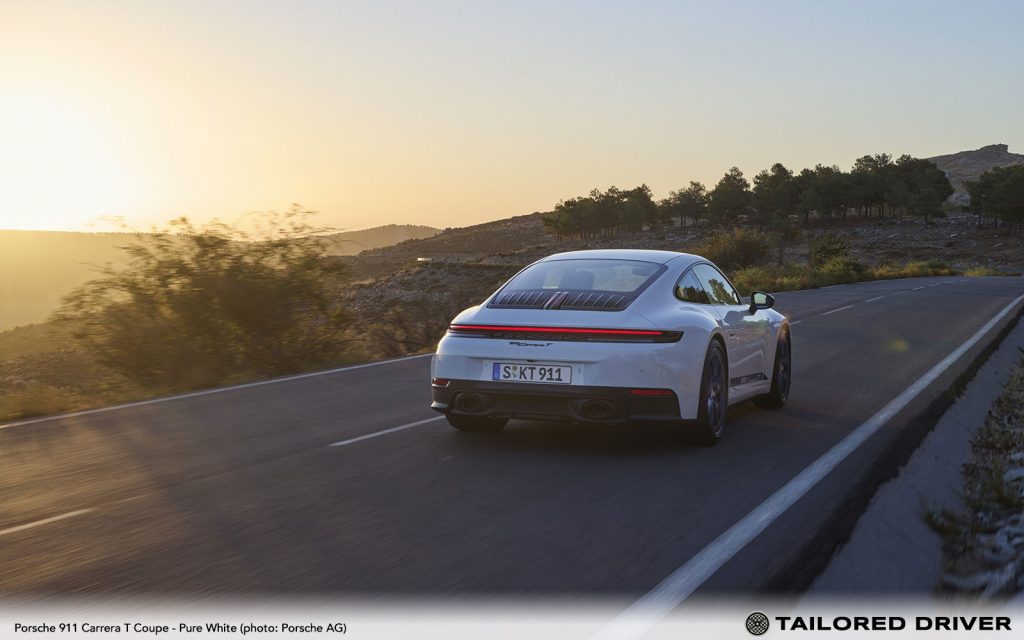
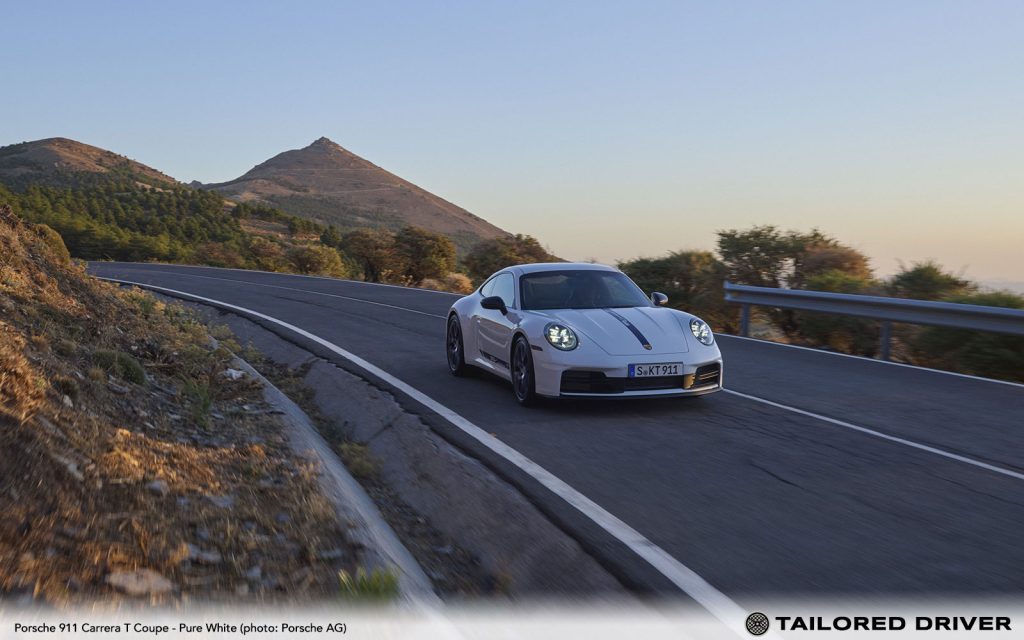
The latest updated Porsche 911 of the 992.2 generation has dropped and it’s the Carrera T. And while the biggest news is likely the addition of a Carrera T Cabriolet (more on that in our next post), our focus is always the specification. Yes, this Carrera T is standard launch spec and about as blank canvas a paint as they come – Pure White (purweiß; nonmetallic UNI; Z99; Porsche), it’s the detail work that grabs our attention with the car.
The Carrera T has always been thick on value and driving experience within the 911 range, making it a strong contender for a 911 buyer seeking an entry-level GT car. From a specification standpoint though, it’s always been a bit bland and limited to a few stickers and its own wheel design that didn’t exactly draw attention. And while we’re not here to criticize the idea of a sleeper, the old Carrera T left us wanting a bit more. It seems that designers and product planners at Porsche seemed to agree, as the new car has some great unique and/or color-coded details such as dials, tartan seats, wood shift knoib, deviated stitching and even wheels.
With these changes, the new Carrera T really sets itself apart from the standard Porsche 911 Carrera and Carrera S. That’s not just important for Carrera T buyers, as it also likely ups the ideas and options for buyers of other 911s as they consider what sort of special wishes to ask of Porsche’s Sonderwunsch department.
Check out the full press release below including details on the Cabriolet, and check our blog for photos of the convertible version as we’re going to make a separate post about it. Regarding the Pure White launch specification coupe, we’ve gone ahead and formatted all available press photos and a few marketing shots dropped on social media channels in order to give you the best mix of images through which to see all these new OEM details. See that gallery at the bottom of this post.
BEGIN PRESS RELEASE:
The new 911 Carrera T as a coupé or a cabriolet
Exclusively with six-speed manual transmission
Up to 42 kilograms lighter than the 911 Carrera
Available as a cabriolet for the first time
Rear-axle steering as standard and particularly agile tuning
The Porsche 911 Carrera T is about concentrating on the essentials. The focus on agility, lightweight construction and an emotive soundscape, as well as its six-speed manual transmission, make this the ideal Carrera for purists. Equipment packages specially tailored to the Carrera T offer stylish individuality. For the first time, the new version of the Carrera T is also available as a cabriolet.Stuttgart. Porsche is extending the model range of the new 911 with the addition of the light, dynamic 911 Carrera T. Weight-reduction measures, dynamic tuning and a six-speed manual transmission make this a puristic Carrera for superlative driving pleasure. With its lightweight windows, reduced insulation and six-speed manual transmission, the lightest configuration of the new 911 Carrera T, with full bucket seats, weighs just 1,478 kilograms. Equipped like that, the car is more than 40 kg lighter than the current 911 Carrera. For the first time, the 911 Carrera T is also available as a cabriolet.
The ‘T’ stands for Touring, and at Porsche this goes all the way back to the homologation of the 911 T as a touring car in 1968. The first 911 T was produced up to 1973. Since 2017, the 911 Carrera T has been back in the model range, positioned between the Carrera and the Carrera S. Pure driving pleasure, agile handling, emotive sound and a focus on the essentials are the distinguishing features of this rear-wheel drive sports car.
Powertrain: manual transmission and six-cylinder twin-turbo boxer The 911 Carrera T is driven by the 3.0-litre six-cylinder twin-turbo boxer engine of the 911 Carrera. It delivers 290 kW (394 PS) and develops torque of up to 450 Nm. A standard six-speed manual transmission transfers the drive power to the rear axle. When shifting down, an intermediate throttle function (auto-blip) can be selected to automatically and specifically compensate speed differences between the engine and the gearbox. With the standard Sport Chrono Package, the Carrera T Coupé sprints to 100 km/h in 4.5 seconds (Cabriolet: 4.7 seconds). Its top speed is 295 km/h (Cabriolet: 293 km/h). In line with its increased power compared to its predecessor, the Carrera has a bigger braking system with an all-round brake disc diameter of 350 millimetres and six-piston fixed callipers at the front. In combination with the reduced interior insulation and the auto-blip function, the standard sports exhaust system makes for a particularly emotive soundscape.
Chassis and tuning: development exclusively for this model As always, the Sport Chrono Package, which includes the Track Precision App, is part of the standard equipment of the 911 Carrera T. Additionally, for the first time Porsche is equipping the model with rear-axle steering as standard in combination with a more direct steering ratio on the front axle, thus significantly optimising handling. Lateral acceleration is generated faster and the steering responds more directly, while stability is simultaneously increased. The tuning of the rear-axle steering was developed specifically for the 911 Carrera T.
The PASM adaptive sports suspension, which is lowered by 10 mm, is also standard and has been given model-specific, sporty tuning to make the Carrera T even better, and even more agile, to drive. The standard rear-axle steering and an aerodynamic balance optimised exclusively for the 911 Carrera T have enabled the anti-roll bars on the front and rear axles to be tuned for neutral handling. The 911 Carrera T has 20/21-inch Carrera S light alloy wheels. The front tyres are 245/35 ZR20 and the rears are 305/30 ZR21.
Exterior and interior Numerous features distinguish the Carrera T from other models in the series. A sticker with the shift pattern logo on each of the triangular rear windows identify it as a manually-shifting and particularly purist representative of the model line. The model designations on the rear are in a contrasting colour, Vanadium Grey. The inlays on the rear lid grille, the upper and lower trim of the exterior mirrors, and the machine-polished light alloy wheels are painted in matching Vanadium Grey Metallic. Another feature of the Carrera T is the aerodynamically optimised spoiler lip taken from the 911 Carrera GTS.
For the Porsche Carrera T, the Legends colour scheme offers the body colours of Shade Green Metallic, Crayon, and Slate Grey Neo, while the Dreams colour scheme comprises Guards Red, Lugano Blue, Gentian Blue Metallic and Cartagena Yellow Metallic. The Shades colour scheme offers a choice of the more muted Jet Black Metallic, GT Silver Metallic and Ice Grey Metallic. Contrasts offers the solid Black and White colours. Further body colours are available via the Paint to Sample and Paint to Sample Plus programmes. The top of the 911 T Cabriolet is optionally available in the colours Black, Red, Blue and Brown.
Sporty and black, with contrasting stitching on request, Porsche has given the interior of the Carrera T an emphatically purist look that’s typical of the T-model. The eye-catching stopwatch in the standard Sport Chrono Package is prominent on the dashboard. A number of special details emphasise the exclusivity of the 911 Carrera T as a manual sports car: the shortened gear lever is topped with an open-pore walnut laminated wood gear knob, which offers a special visual and tactile experience. In front of the gear lever is a badge with the ‘MT’ (Manual Transmission) logo. The shift pattern logo is printed on the passenger side of the dashboard. The list of standard equipment also includes the leather-upholstered and heated GT sports steering wheel, fitted with a mode switch. Alternatively, a Race-Tex steering wheel is also available. The decorative inlays in the dashboard and the centre console are Vanadium Grey, with the door panel inlays being black brushed aluminium.
Befitting the sporty character of its interior, the Carrera T has black, four-way electrically adjustable sports seats with Sport-Tex seat centres as standard. The tartan fabric pattern of the interior is exclusively reserved for the 911 Carrera T. The 911 logo is stitched into the headrests. Customers can order the Adaptive Sports Seats Plus (18-way adjustable) or particularly light full bucket seats as options.
Carrera T packages for exterior and interior The exclusivity of the 911 Carrera T is further enhanced by the Carrera T design packages for the exterior and the interior. These come in the classic Porsche colour Gentian Blue to create a striking colour contrast. On the exterior of the car, the inlays in the rear lid, the Carrera T decals on the front and rear lids and doors, the MT stickers, and the light alloy wheels with a gloss-lathed front face come in this colour. The upper shells of the exterior mirrors are in Black. Contrast stitching in Gentian Blue, instead of the standard black stitching, enhances the interior and the seats also come with Gentian Blue contrast stripes. The same colour also adorns the seat belts, the trim of the centre console and the door panels, as well as the contrast inlays and the stitched 911 logos on the headrests.
Ready for immediate order The new Porsche 911 Carrera T can be ordered now, with prices starting at 141,700 euros including VAT and country-specific equipment. The 911 Carrera T Cabriolet costs 155,800 euros.
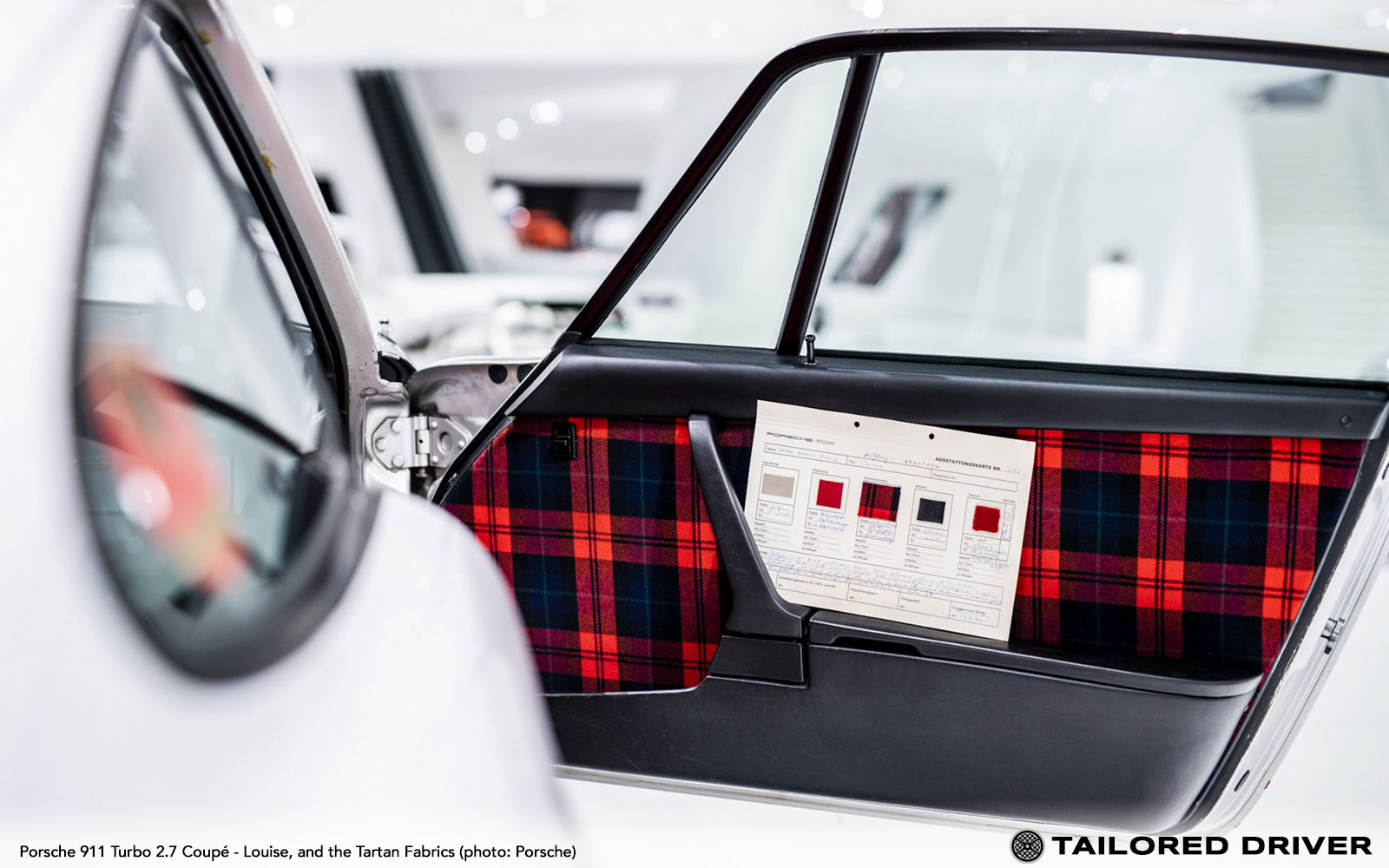
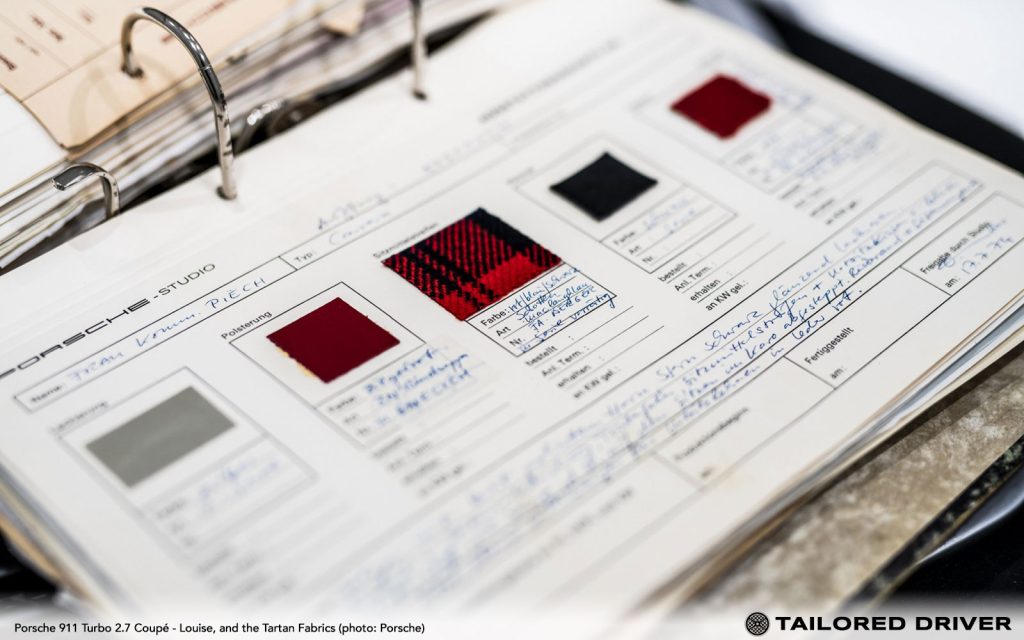
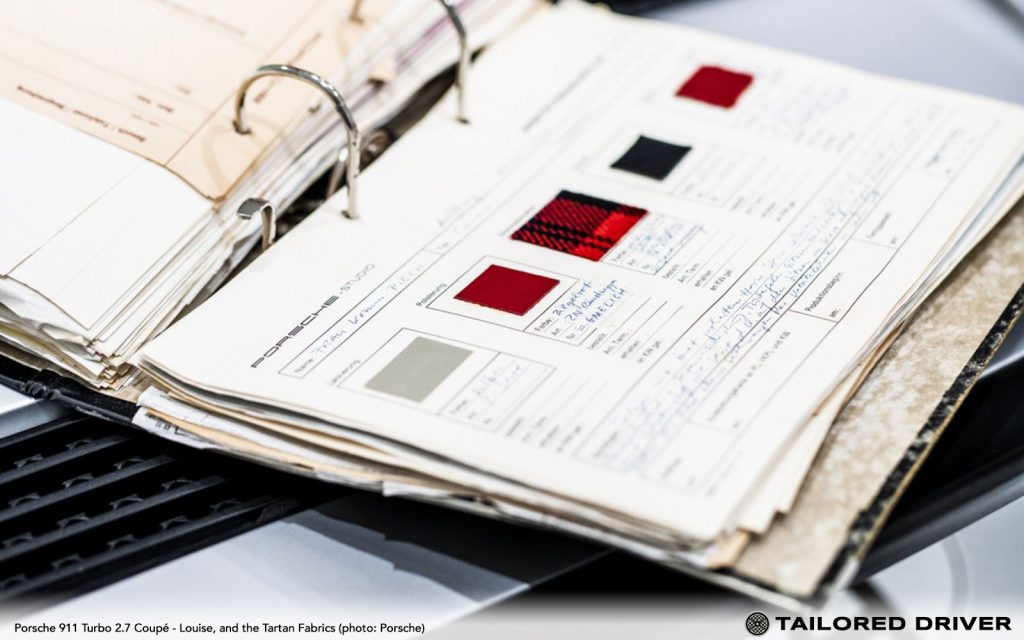
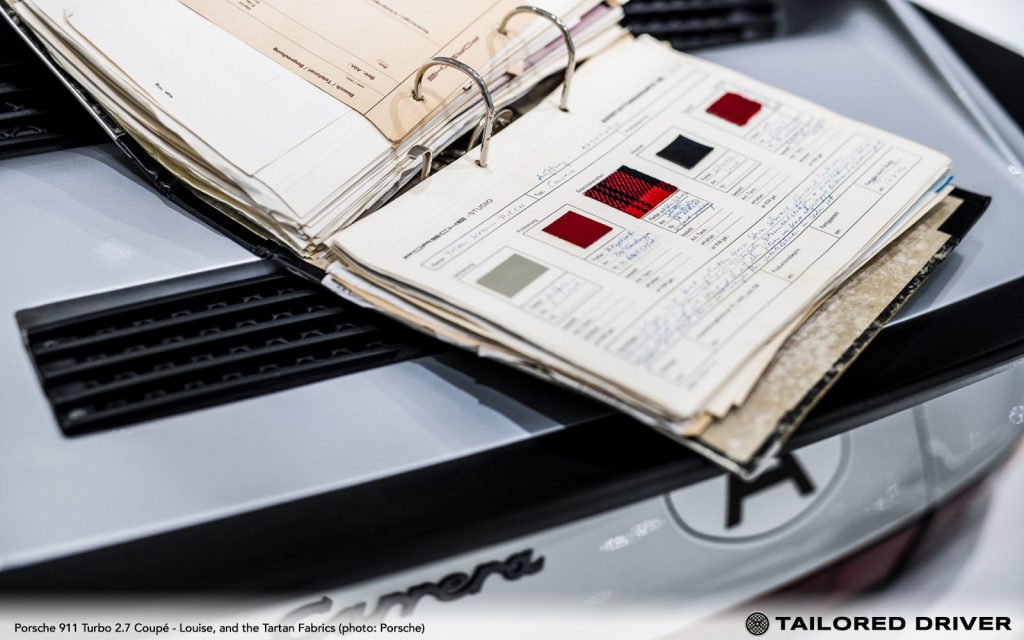
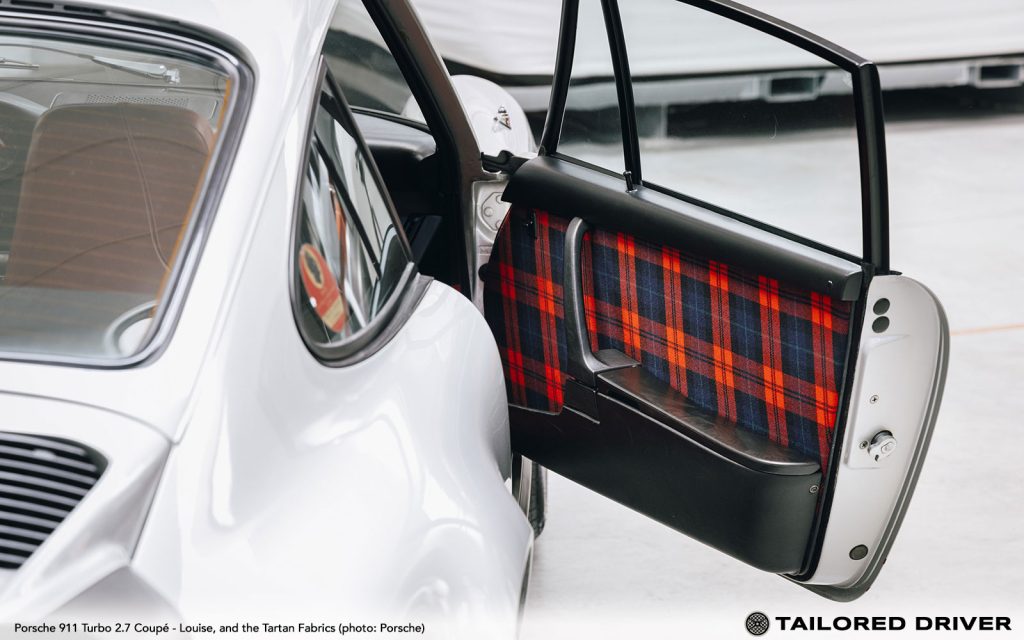
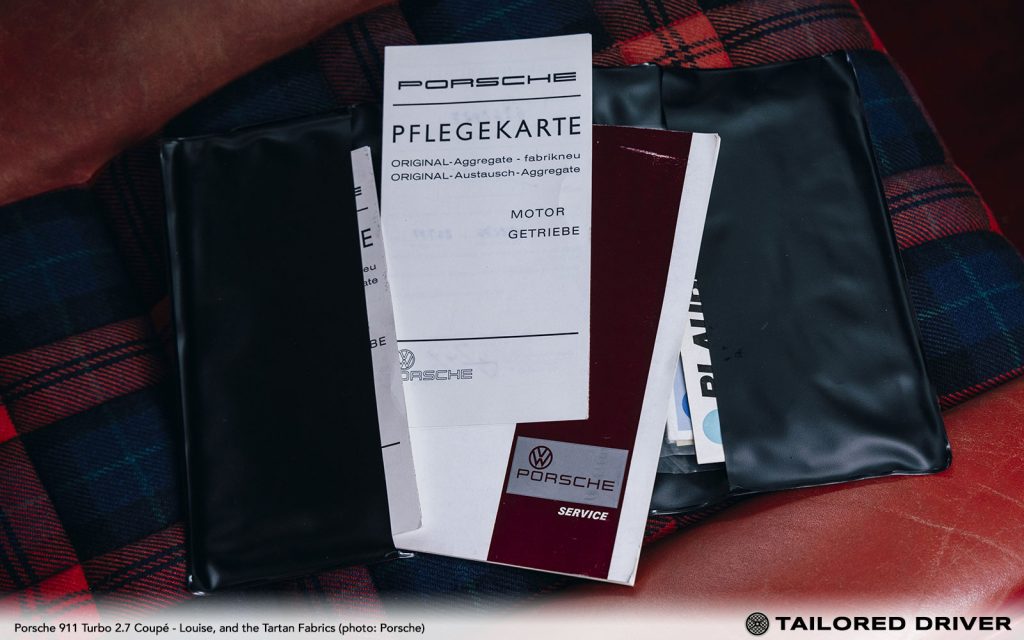
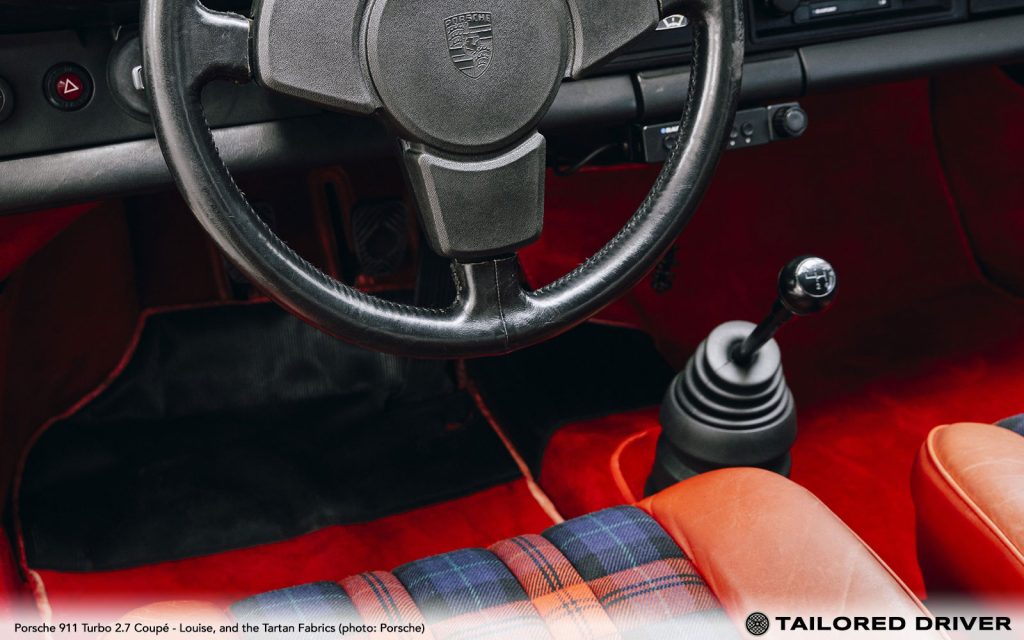
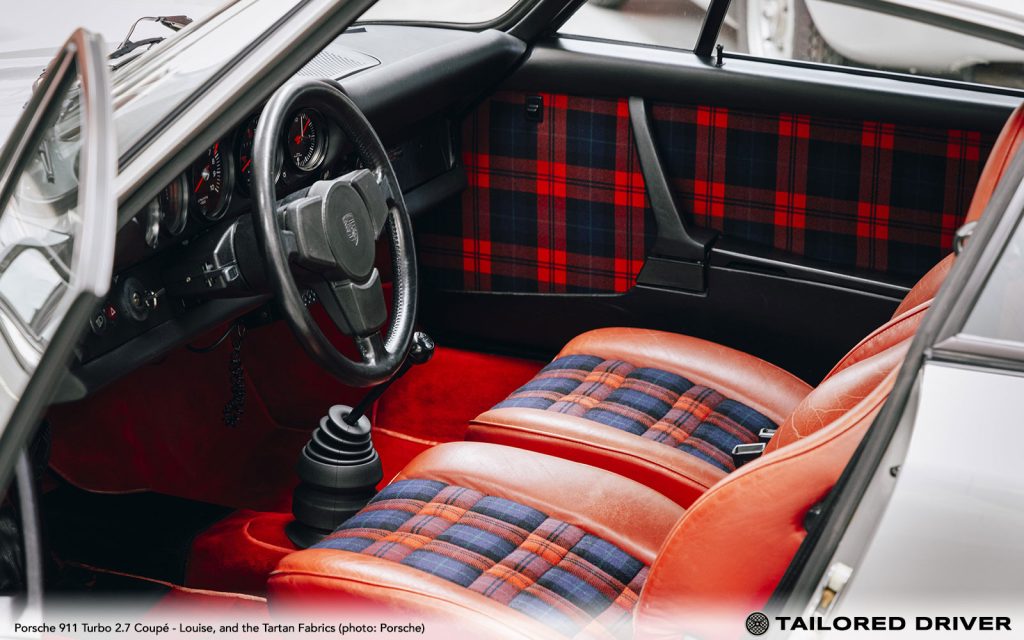
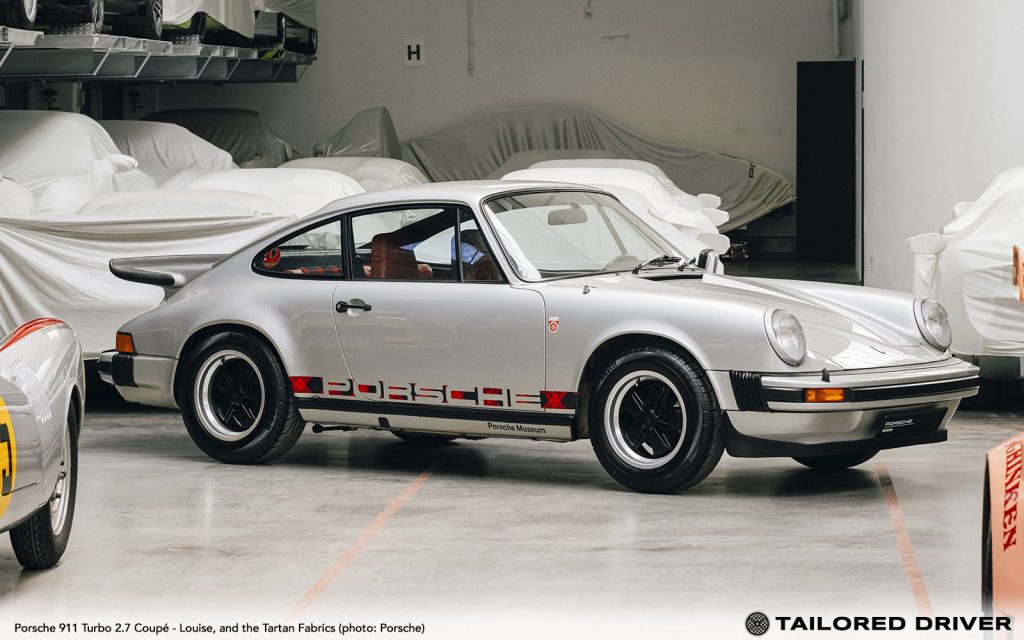
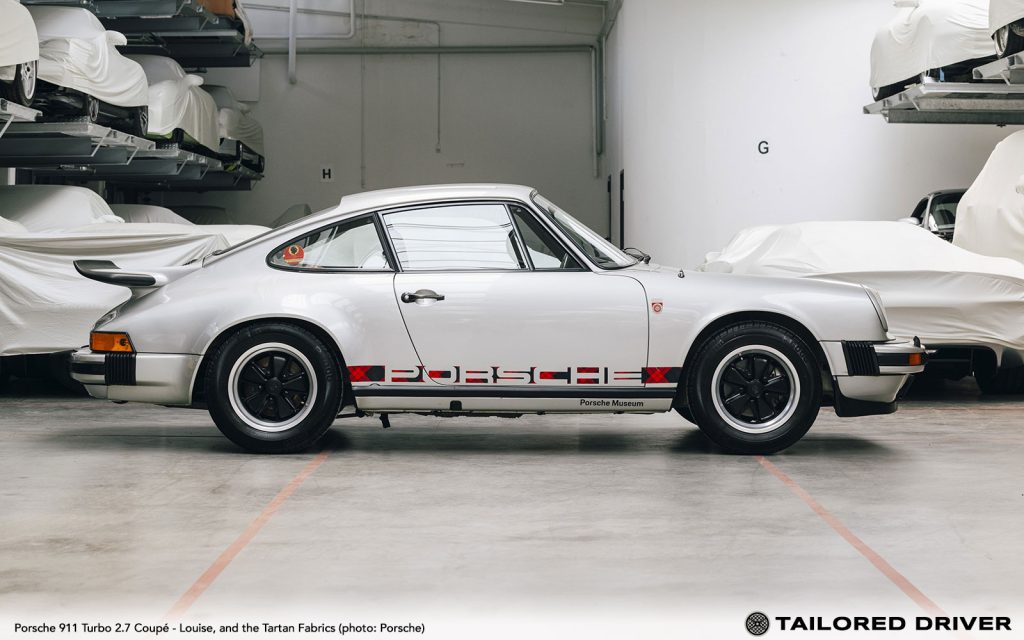
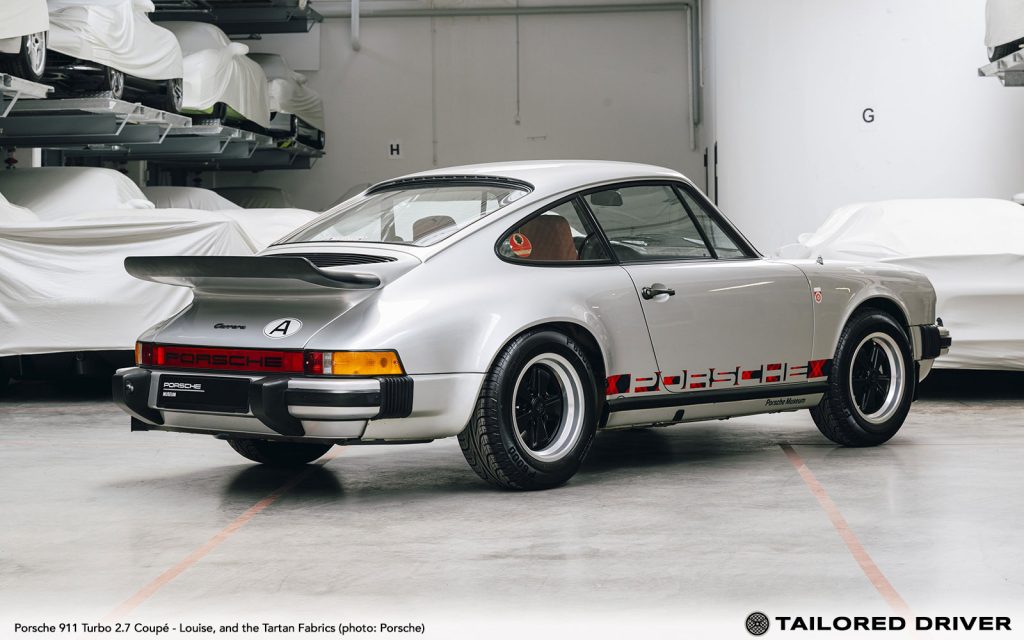
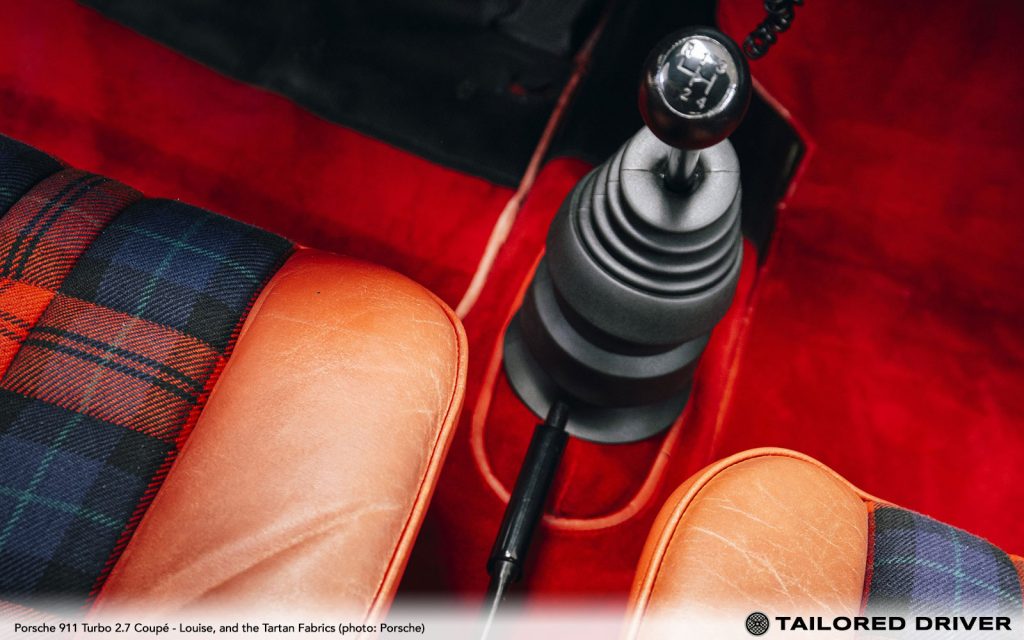
Tartan fabrics symbolise tradition and craftsmanship, belonging and confidence. Exactly 50 years ago, three tartans could be found on the options list exclusively for the Porsche 911 Turbo. It wasn’t until the 1976 model year that they appeared in the 911. To this day, this check pattern classic remains timeless and stylish – on the catwalk and in the sports car.
[source: Porsche]
The day that Anatole Lapine woke up and decided to wear a pair of tartan trousers would be the day on which the chief designer and his team would decide to include tartan fabrics in the interior programme. Dorothea Müller-Goodwyn worked as a stylist at Porsche from 1970 to 1975, and again from 1978 to 2003. “We had a Scottish colleague in our team who recommended two traditional tartan fabric makers from his homeland to me,” recalls Müller-Goodwyn, who then contacted them both. “Unfortunately, they were unable to supply us with fabrics with the qualities that we required for the interior of the sports cars: [they had to be] lightfast and abrasion-resistant.” She finally found a supplier 50 kilometres from Weissach, in Dettingen unter Teck, on the border of the Swabian Mountains. The town is home to the Berger company, which capable of weaving series-production-quality fabrics for the Porsche Style team.
Historical background: tartan as a symbol of identity
Tartans typically have a crisscross pattern that is created when threads of different colours are woven together. Traditional natives of Scotland, home of the iconic fabric, wear only the tartans of their clan, thereby identifying the family line to which they belong. However, according to the Scottish law of heraldic arms, it is not forbidden to wear the tartans of other clans.
Three Scottish patterns for the options list
Lapine’s trousers had a blue, green and black pattern inspired by the colours of Black Watch tartan. At the 1973 International Motor Show (IAA) in Frankfurt, Porsche presented the 911 RSR Turbo concept with seat centres and side bolsters in Black Watch tartan. A year later, Louise Piëch was given the 911 Turbo ‘No. 1’ (Vin: 9115600042), with silver bodywork and an interior upholstered in brick-red cowhide leather, the seat centre in McLaughlin tartan and the Porsche logo on a background of the same tartan pattern. The name of the clan with this red and blue Scottish tartan can also be written ‘MacLachlan’. In 1974, chief designer Lapine and his team added Mackenzie – featuring beige, red, blue, white and olive green – to the trio of tartans. “Following the success of the exclusive tartans in the Turbo, in the next model year we also used them in the 911,” explains Müller-Goodwyn. To this day, it is a tradition at Porsche to reinterpret classic design elements and deploy them in cars with state-of-the-art sports car technology. This is a joint endeavour of Porsche Exclusive Manufaktur and the Style Porsche design department. As part of the Heritage Design strategy, special models are created in the Lifestyle area, which are equipped with iconographic elements. These models stem from the product strategy for highly emotive concepts with a historical connection. These concepts are often based on style-defining textiles that evoke long-forgotten times while also carrying the values of the brand into the future.
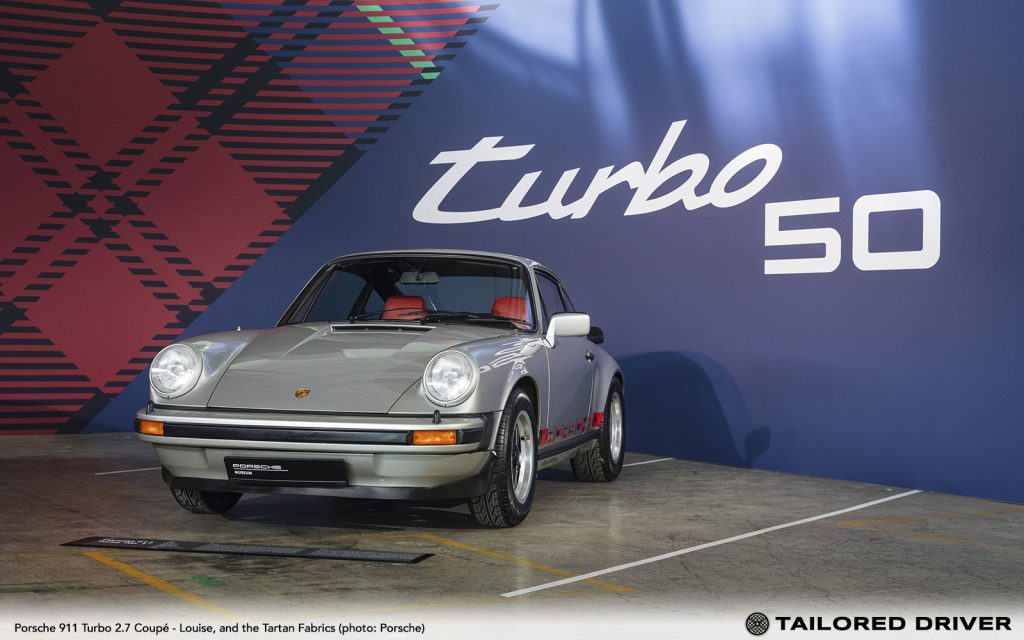
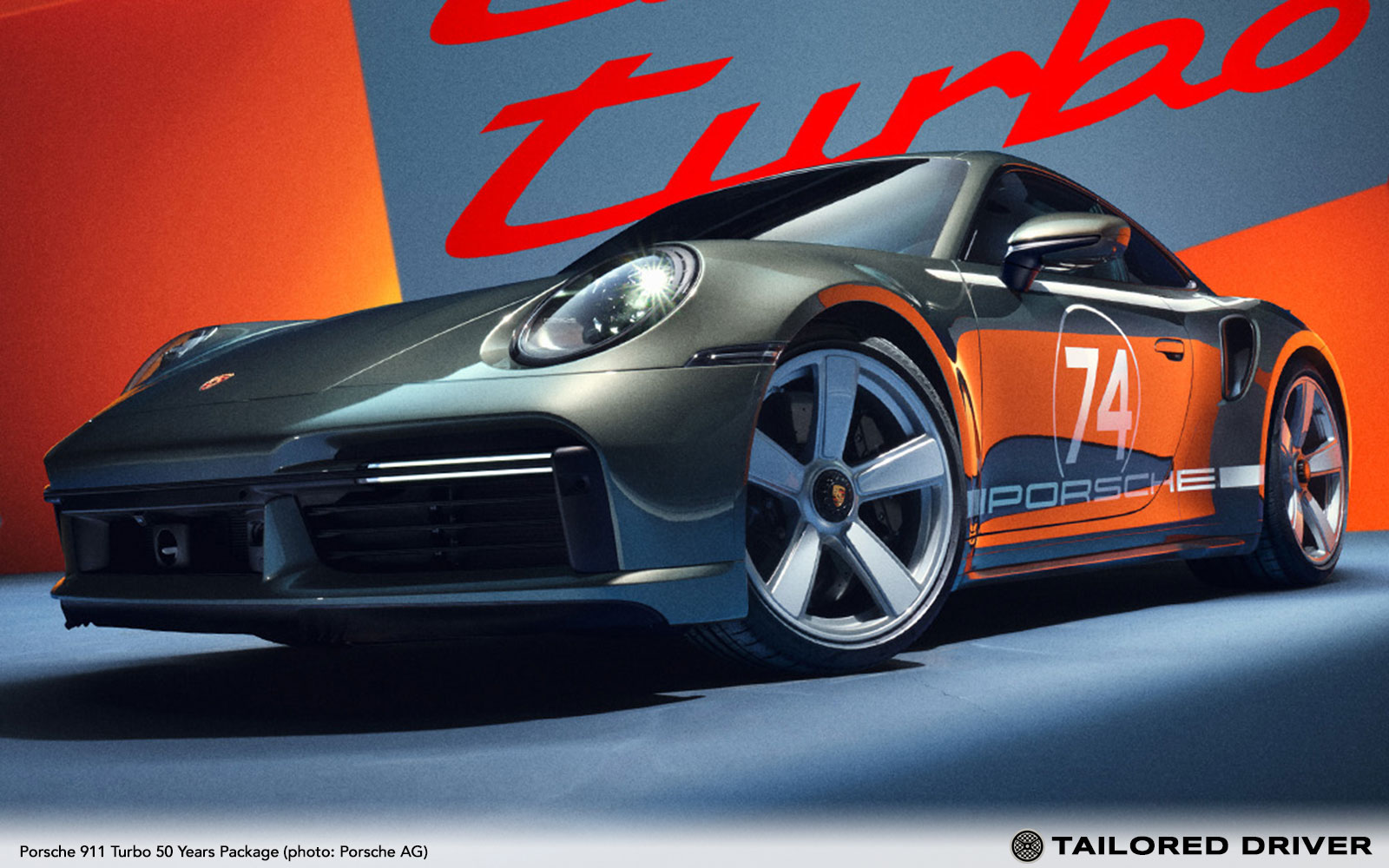
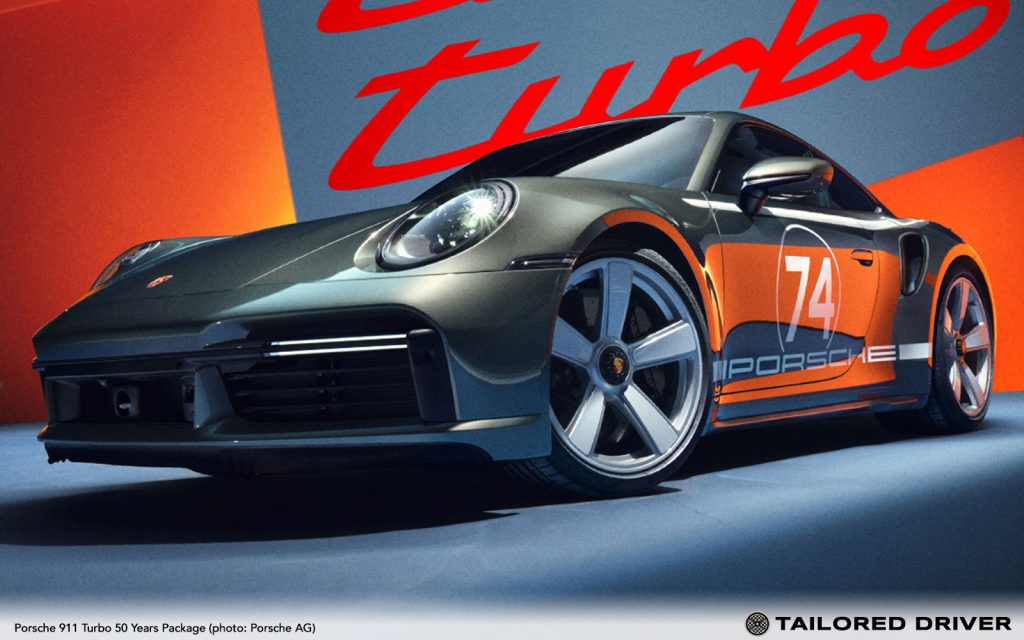
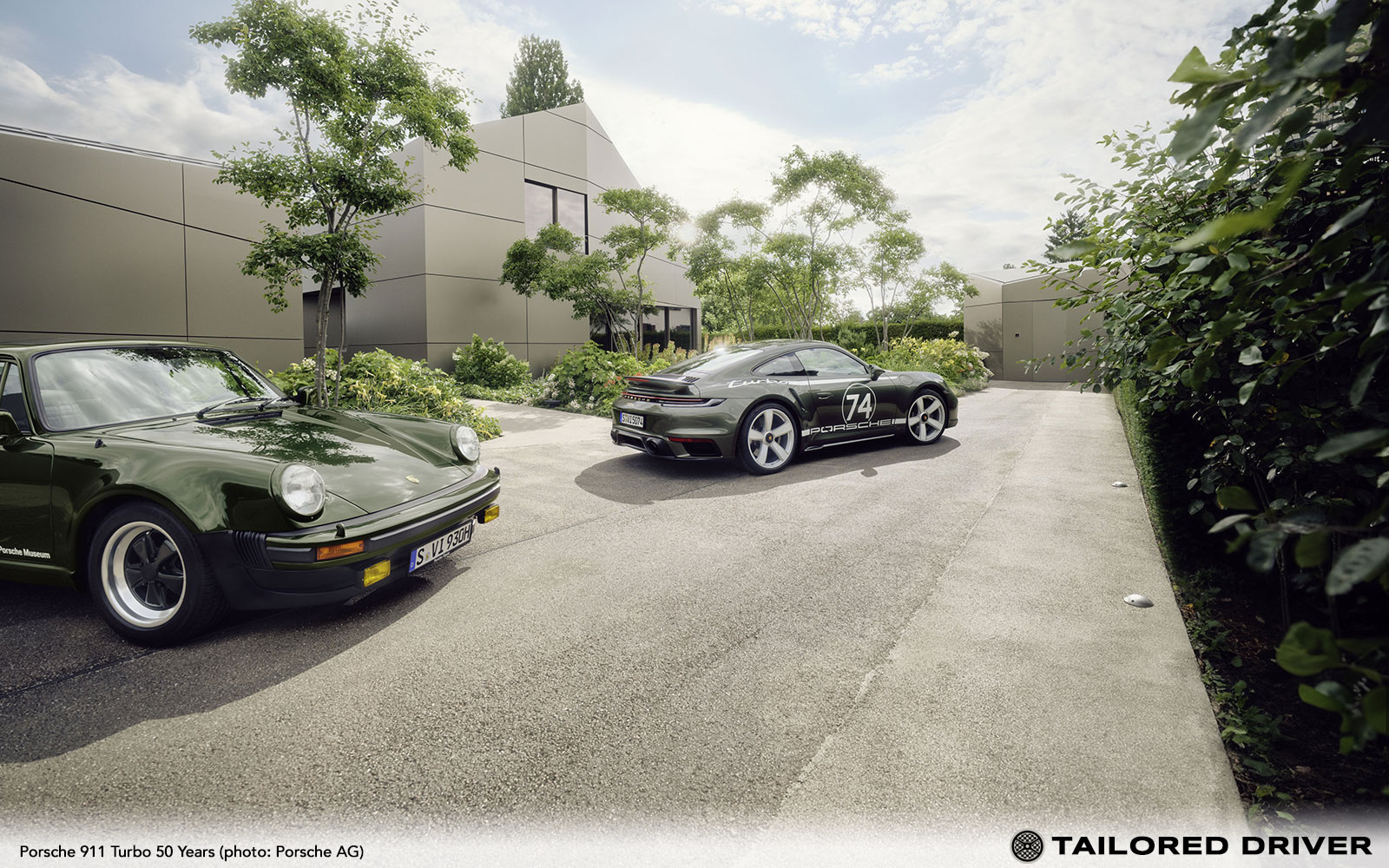
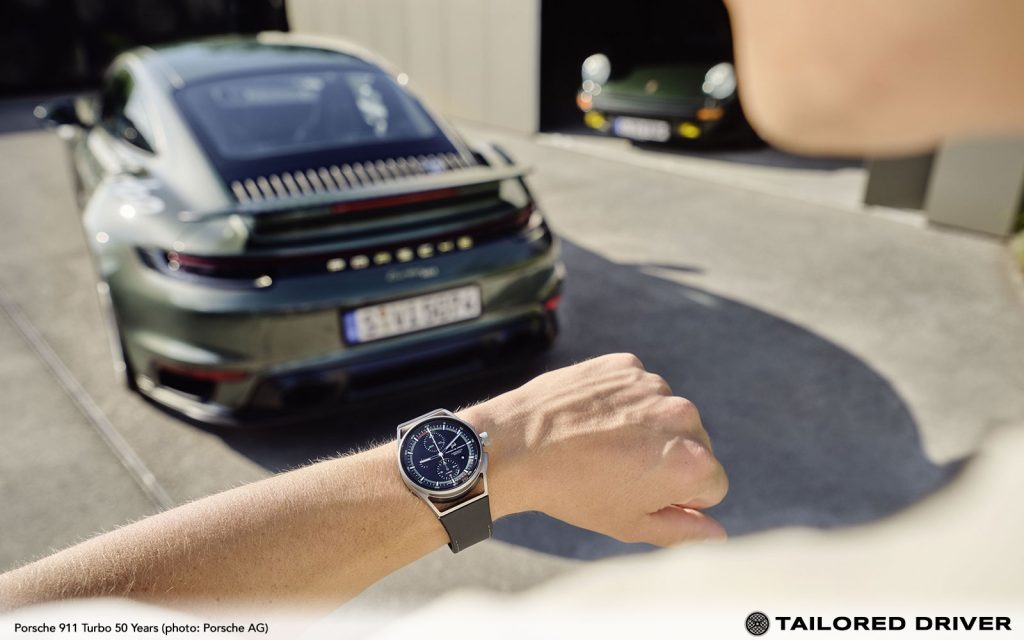
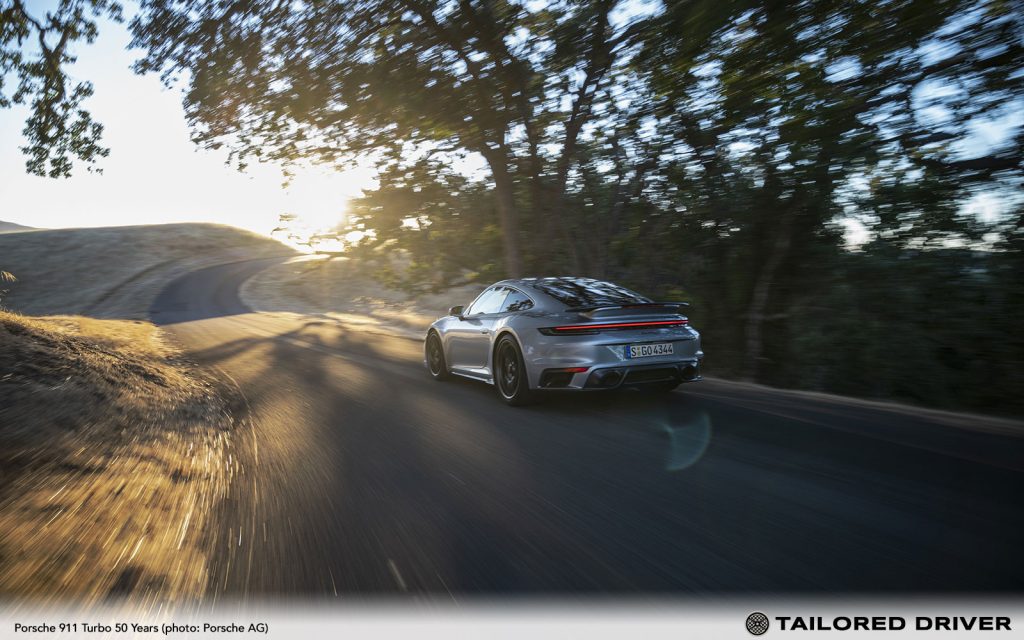
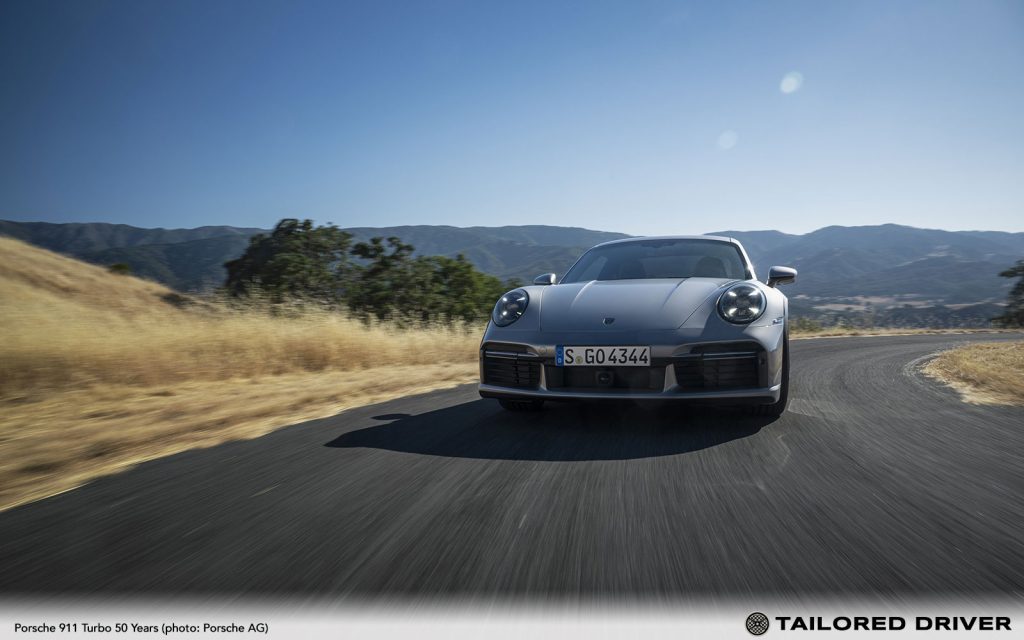
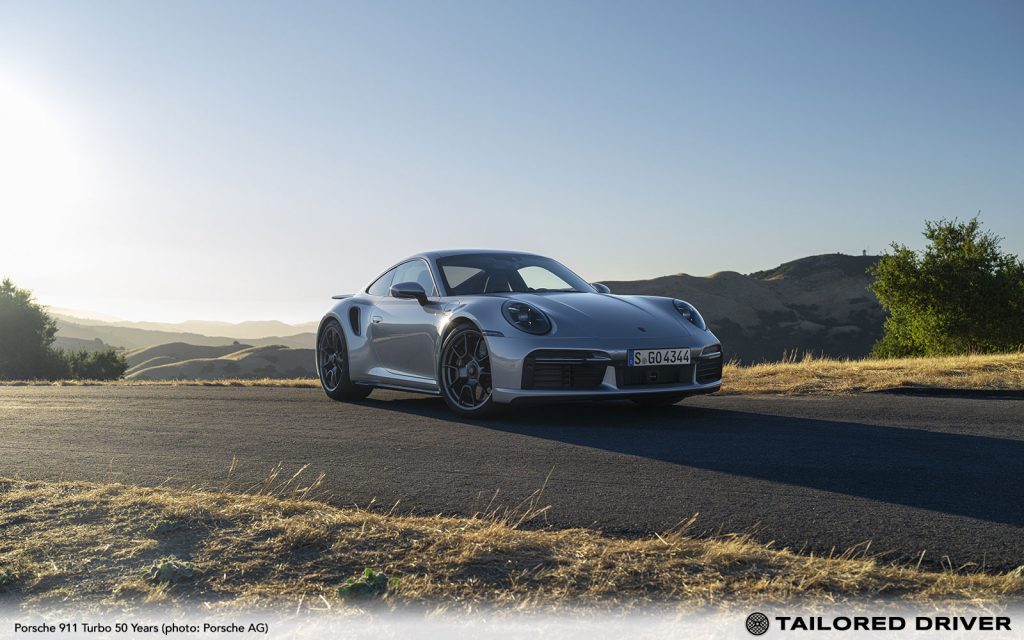
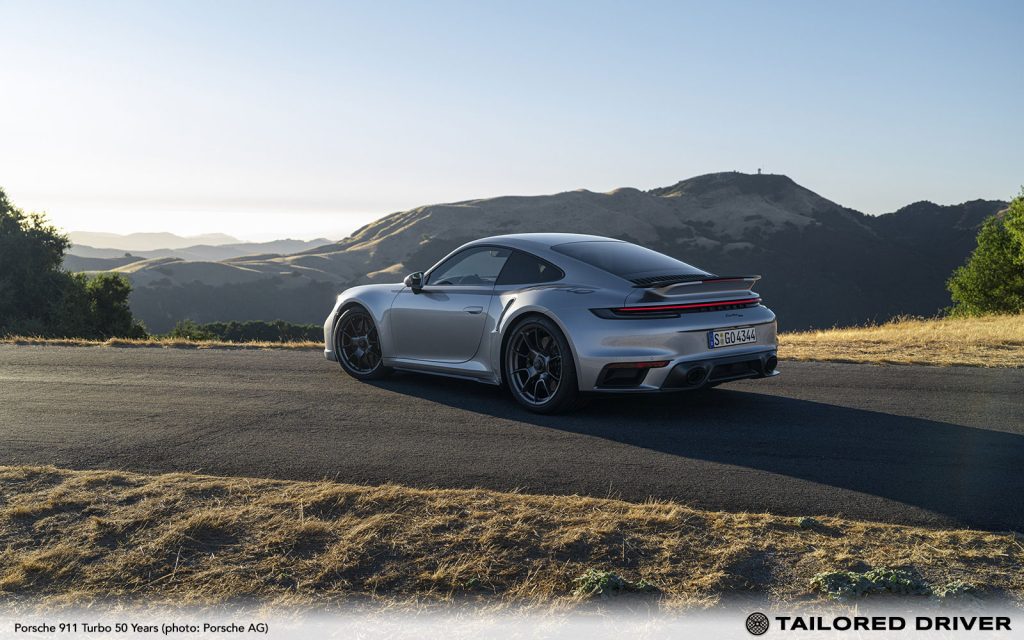
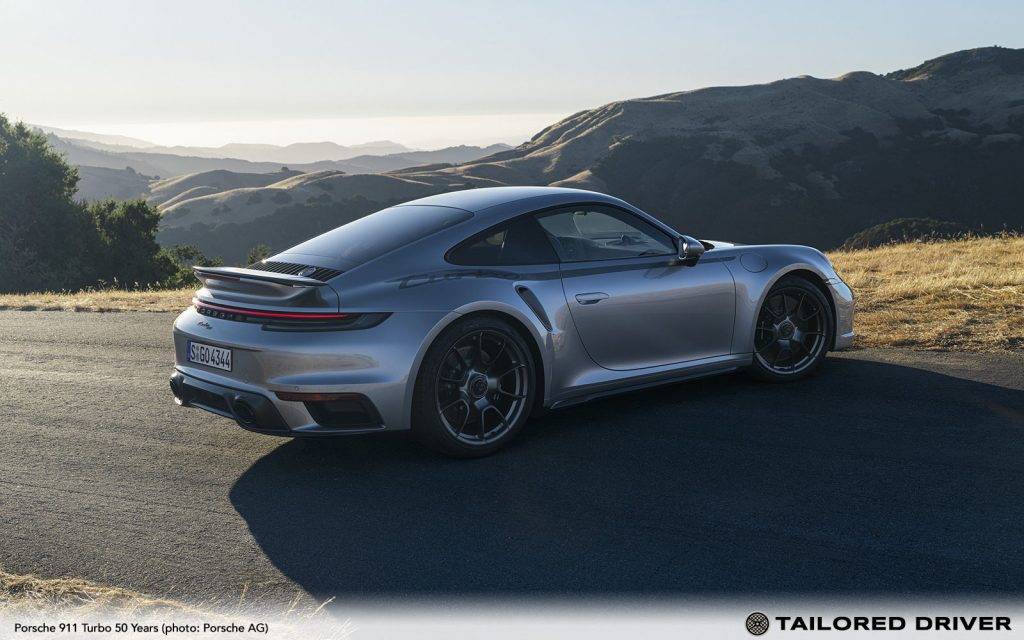
Maybe you caught it at The Quail during Monterey Car Week, or perhaps you’ve been cruising the Porsche configurator and building your own. We find it hard to ignore when Porsche throws their internal product creative teams at styling modern Porsche models with iconic design cues all wrapped up in a timeless way… ways like the 911 Turbo 50 Years package.
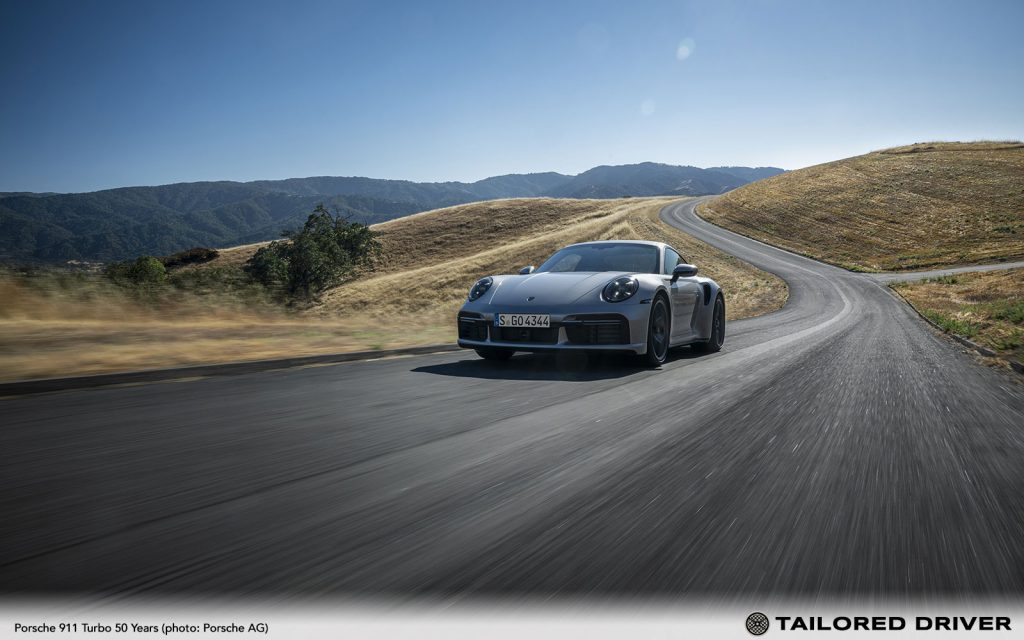
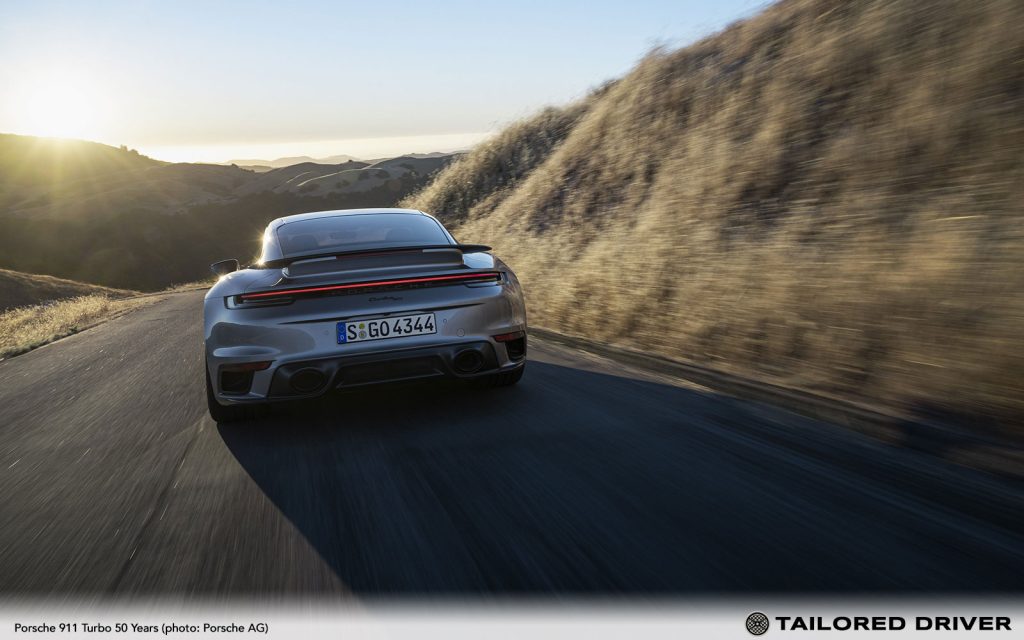
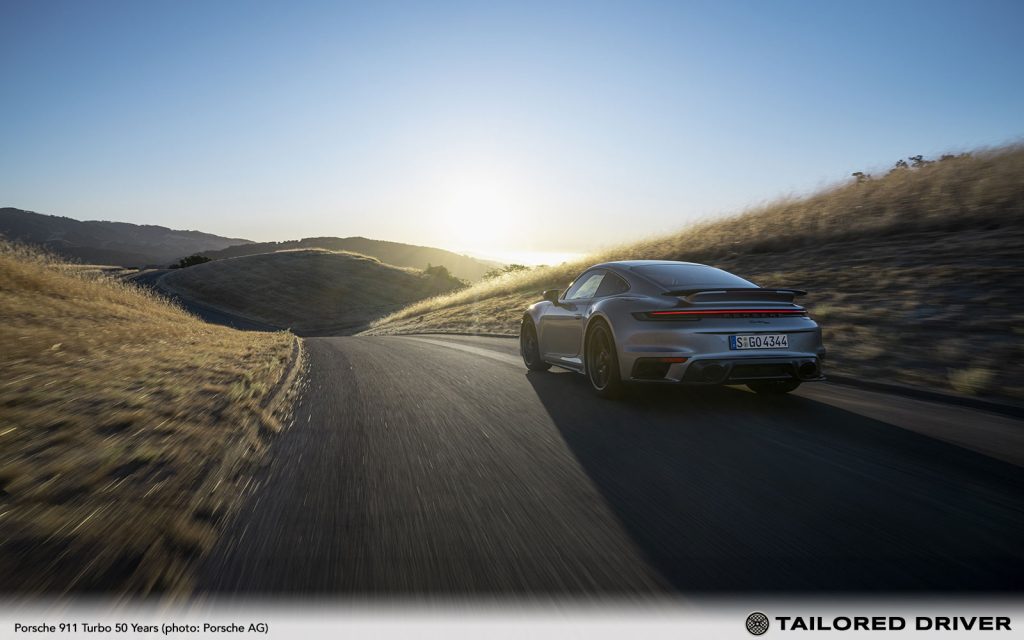
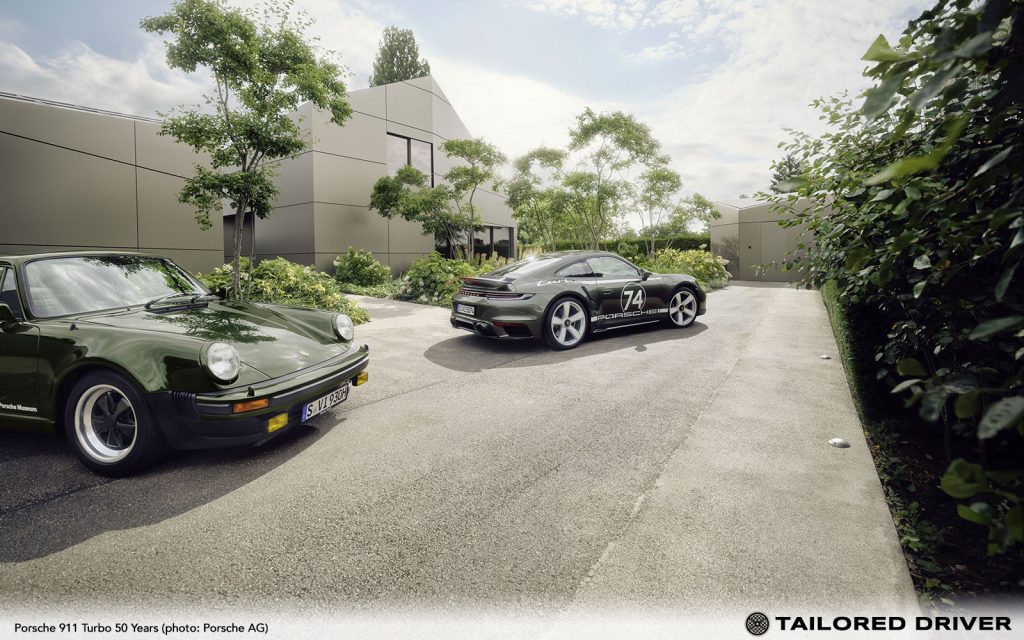
We noticed Porsche added some great official marketing shots of the car to their social media platforms recently. The marketing specification is great-looking Aventurine Green that’s almost a grey at times… when seen either in these shots or live at Monterey Car Week.
If you want to see the post in question, check it out HERE and give them a follow. And, if you want to build your own, HERE is a link to the car in their U.S. configurator tool.
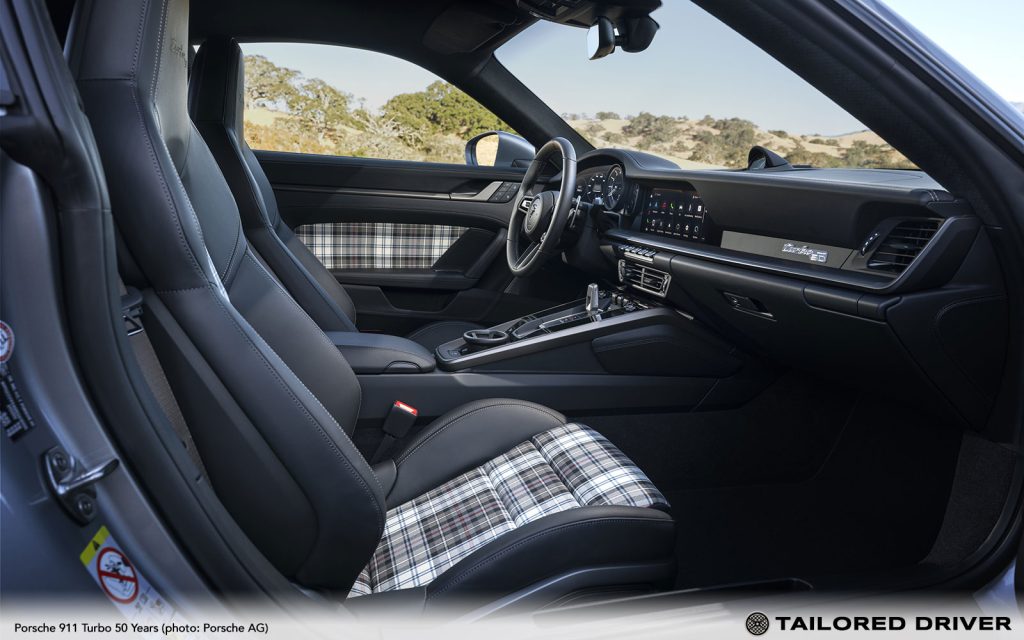
Stuttgart. To mark the 50th anniversary of the 911 Turbo, Porsche is launching an exclusive anniversary model of its iconic sports car. The 911 Turbo 50 Years combines outstanding performance and the finest materials with exclusive design elements. The interior and exterior evoke historic 911 Turbo models, complemented by timelessly elegant and contemporary styling elements. An optional Heritage Design Package further refines the aesthetics of the anniversary model. Porsche has limited the 911 Turbo 50 Years, which is based on the last-generation 911 Turbo S, to 1,974 units in honour of the year in which the first 911 Turbo made its debut.
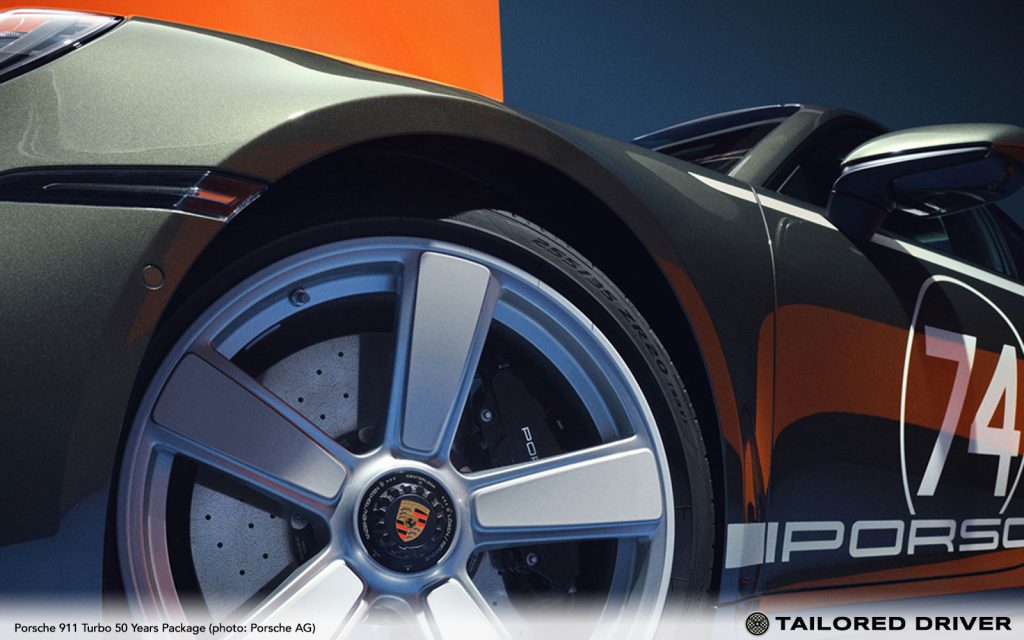
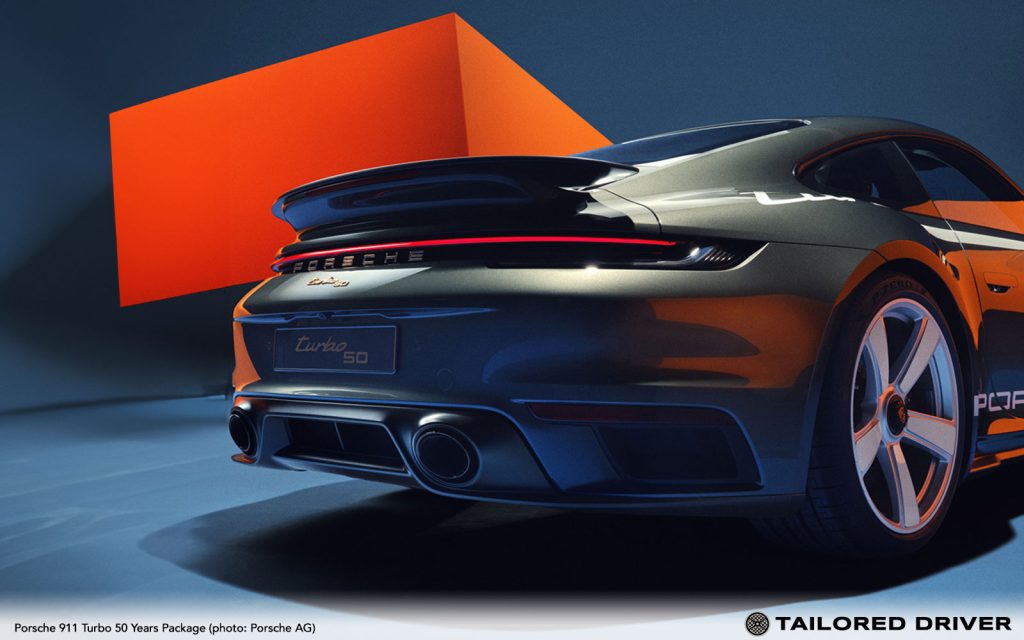
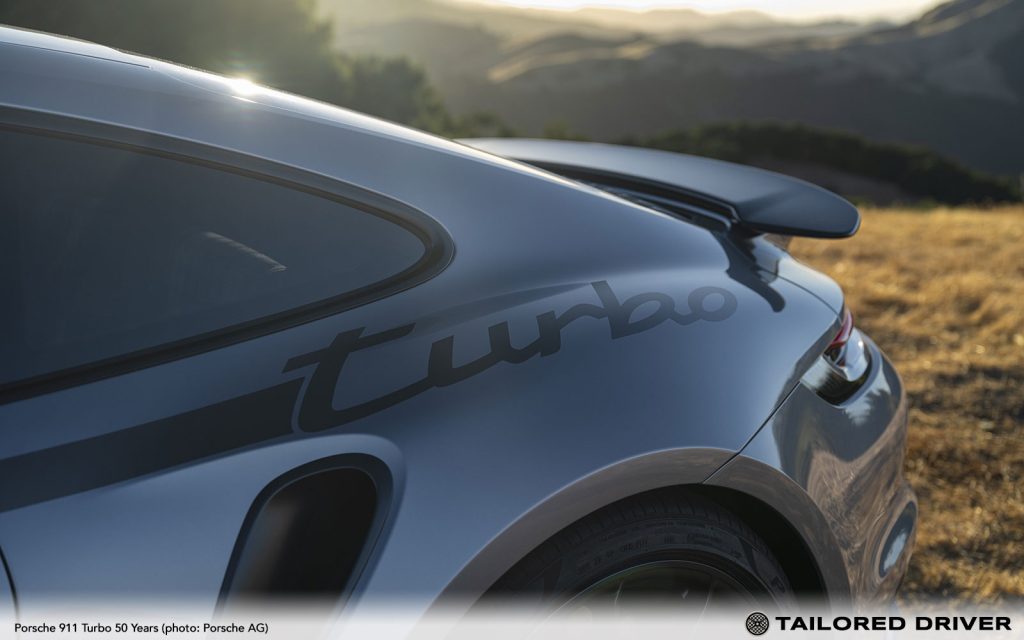
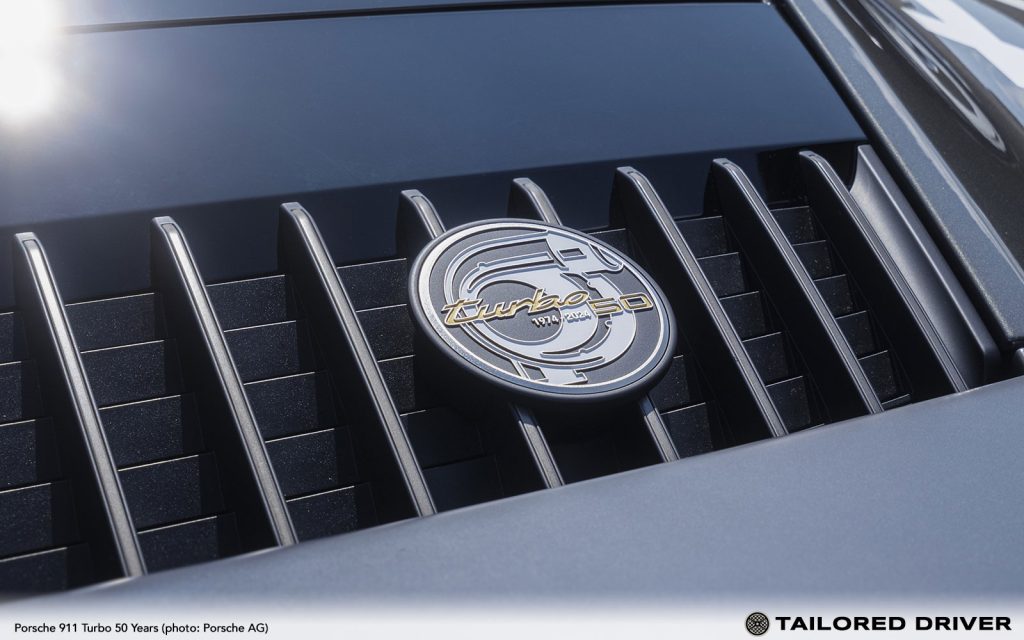
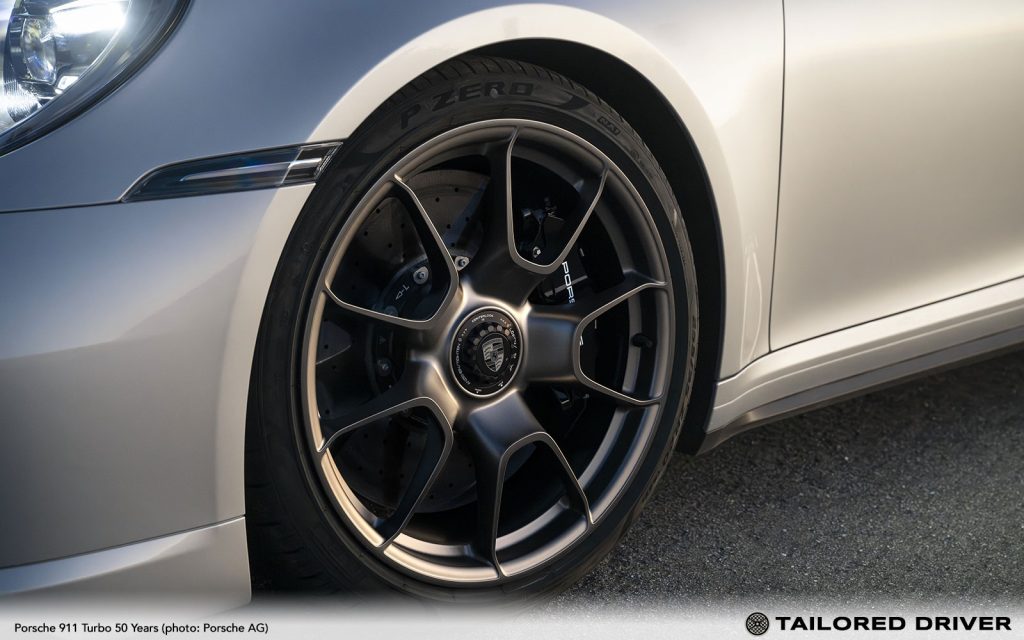
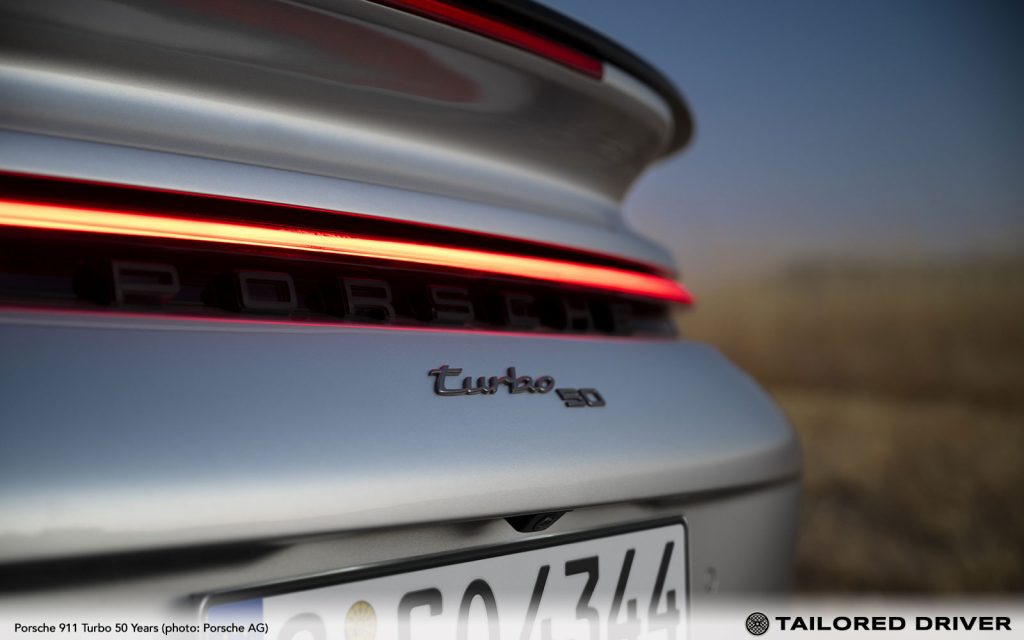
Unique anniversary model with Turbo feel and design When it was introduced in 1974, the Type 930 Porsche 911 Turbo shifted the boundaries of what was possible. It brought the benchmark turbo technology from the 917/10 and 917/30 racing cars into a production sports car with superior performance and combined it with a unique design and unprecedented day-to-day usability. The 911 Turbo 50 Years anniversary model – based on the 911 Turbo S introduced in 2019 – both pays tribute to and reinterprets this heritage. The standard side vinyl graphics are a nod to the historic livery of the Porsche 911 RSR Turbo presented at the Frankfurt Motor Show in 1973, itself a forerunner of the 911 Turbo. It features the current Porsche Turbo-exclusive colour Turbonite, which here makes its first appearance on a 911. Turbonite is also used on inlays in the rear engine cover, the fuel tank cap and in the Porsche crest. It is also being used as a contrasting colour in the Turbo 50 model logo. Another historical reference is the use of Anthracite Grey on the rear wing blade, rear apron, mirror base and air intake trims. A badge on the rear engine cover grille features a turbocharger icon and the years 1974–2024. When the door is open, the LED door projector projects the image of a turbocharger onto the ground next to the car. The 911 Turbo 50 Years comes with the 911 Turbo S Exclusive Design wheels in Turbonite as standard.
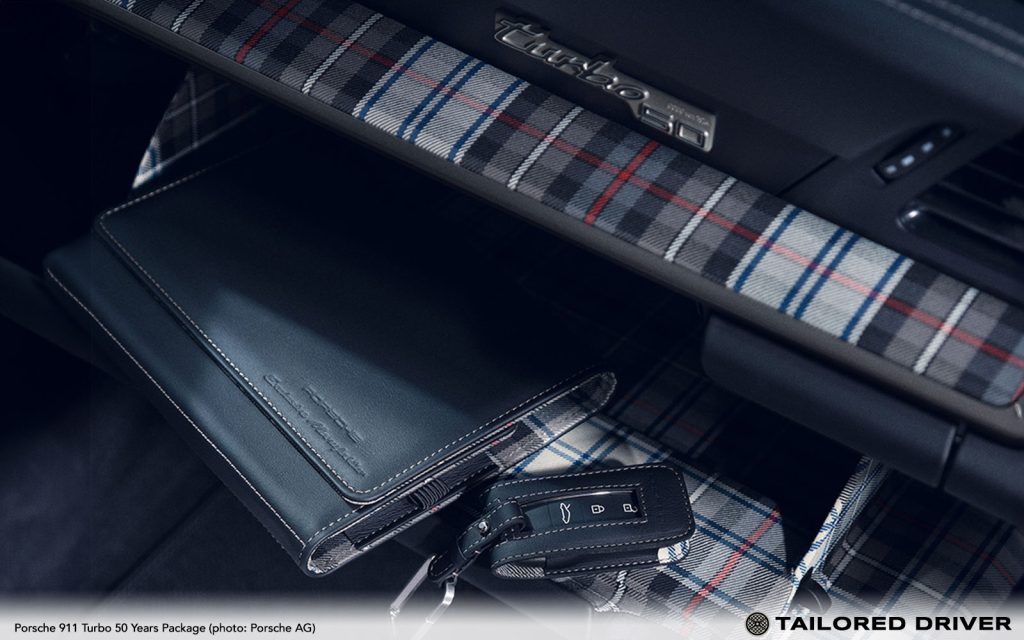
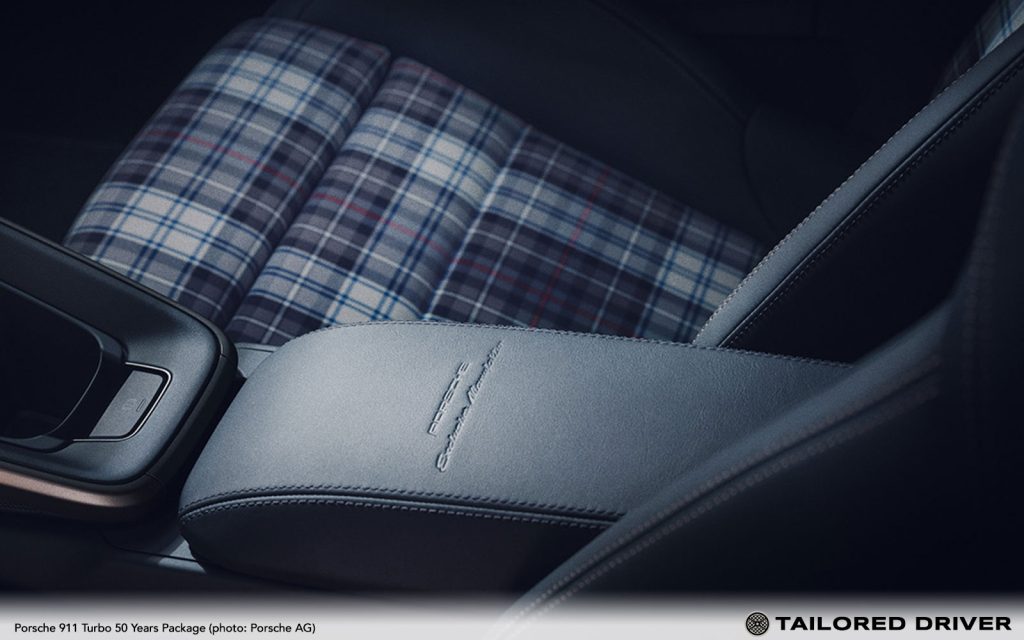
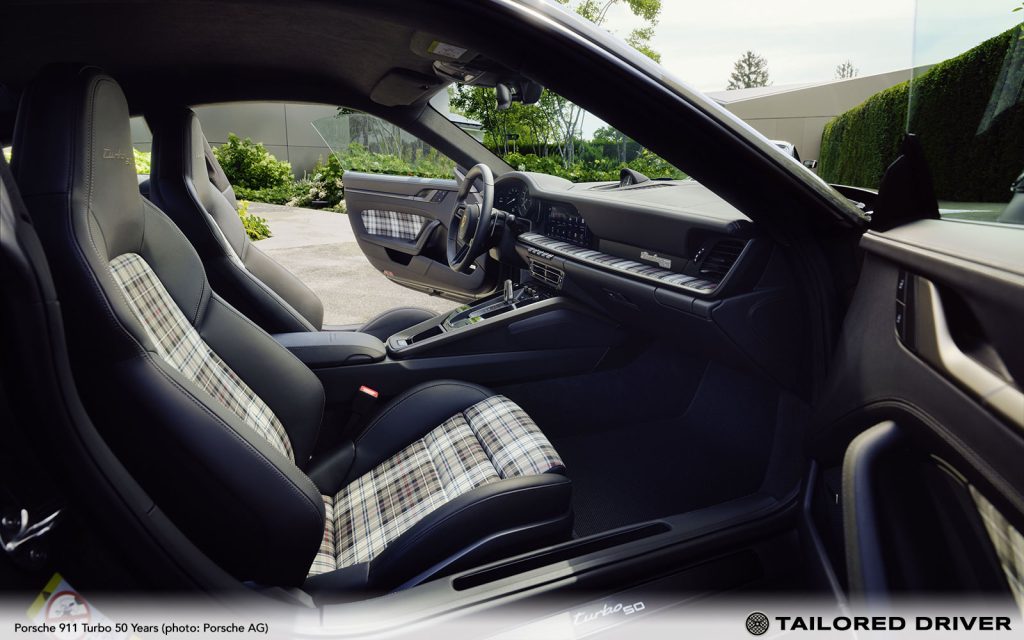
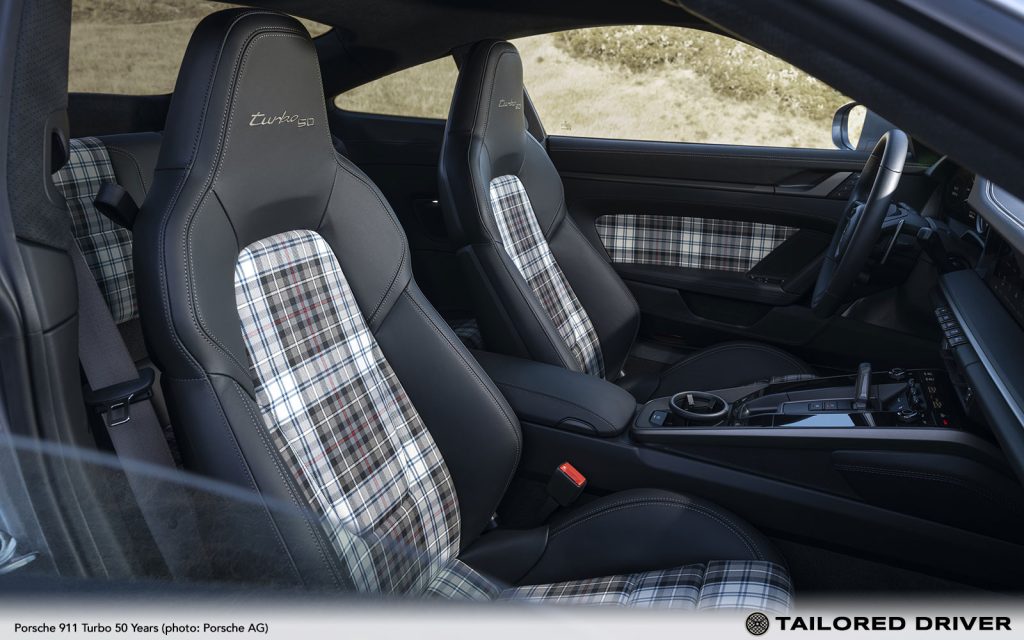
Interior recalls the zeitgeist of the 1970s The interior of the 911 Turbo 50 Years is also redolent of Turbo history. As an exclusive tribute to the early Porsche 911 Turbo models, the iconic McKenzie tartan adorns the centre panels of the seat covers and the interior door panels. Additional contrasts in Turbonite further differentiate the car from the regular 911 Turbo S series-production model. These Turbonite accents include the seat belts, controls, decorative stitching, trim strips with decorative inlays in black leather and the Porsche crest on the GT sports steering wheel. An illuminated Turbo 50 logo, meanwhile, features on the door kick plates, which are finished in black brushed aluminium. The logo is embroidered into the headrests of the Adaptive Sports Seats Plus. There is also a Turbo 50 logo on the back of the left rear seat. Above the glove compartment is an anniversary plaque in aluminium, which bears both the Turbo 50 logo and the individual limited-edition number of the sports car. The A-pillar, sun visors and roof lining are upholstered in perforated Race-Tex. An analogue Porsche Design Subsecond clock with a special Turbo 50 design adorns the dashboard.
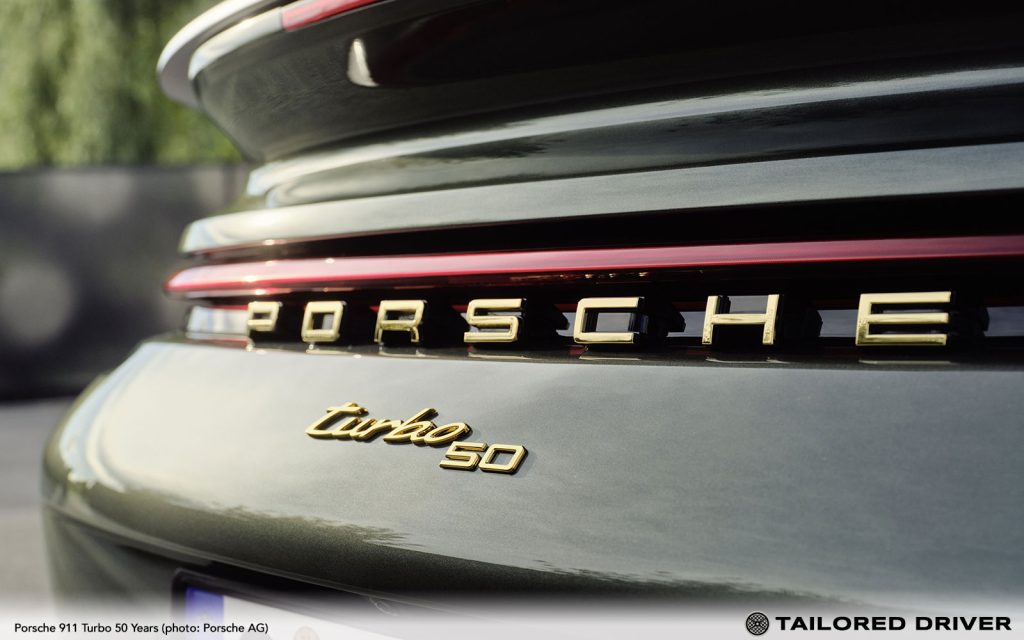
Even more history with Heritage Design package The historically inspired, optionally available 50 Years of Turbo Heritage Design Package complements the anniversary model with numerous additional exclusive design and equipment features that hark back to the 911 Turbo models of the 1970s. The base colour of the Heritage Design Package is provided by the Aventurine Green Metallic paintwork. Alternatively, both the standard 911 colours and Paint to Sample programme colours are also available. One component of the Heritage Design Package is a high-quality decorative graphic in White (satin finish) consisting of three elements: the lollipop with individually selectable car numbers between 0 and 99, the 50 years of Turbo logo and a Porsche logo. Those who prefer a minimalistic look can dispense with some or all of the graphic elements. The historic Porsche crest from 1964 is used on the front bonnet as well as on the centre caps of the Sport Classic wheels, painted in Brilliant Silver and White (satin finish). The Turbo 50 and Porsche logos on the rear are in Gold. In the interior, additional leather features and additional tartan design elements round off the anniversary model. The dashboard trim, glove box and seat backrest inlays are covered with the classic pattern. The historic Porsche crest is mounted on the steering wheel, while the centre console storage compartment bears the Porsche Exclusive Manufaktur logo embossed in the leather. The dials in the instrument cluster and the Sport Chrono clock in the Heritage Design Package are finished in green.
Outstanding in performance, style and history Technically, the Porsche 911 Turbo 50 Years is based on the 911 Turbo S that has been in production since 2019. Its 3.7-litre boxer engine with variable turbine geometry (VTG) twin turbocharging delivers 478 kW (650 PS) and 800 Newton metres of torque. With a kerb weight of 1,640 kilograms, the result is a power-to-weight ratio of 2.52 kg/PS. The 911 Turbo 50 needs just 2.7 seconds for the sprint from 0 to 100 km/h and hits 200 km/h in a mere 8.9 seconds. Power is transmitted to the wheels by the 8-speed dual-clutch transmission (PDK) and the active all-wheel-drive Porsche Traction Management (PTM) with Porsche Torque Vectoring Plus (PTV Plus), including the electronically controlled rear differential lock with fully variable torque distribution. A sports exhaust system with black tailpipes comes as standard. The 10 millimetre-lower Porsche Active Suspension Management (PASM) sports suspension and the lift system on the front axle are also included as standard, as are the LED matrix headlights, including the Porsche Dynamic Light System Plus. The brake callipers of the standard PCCB brake system feature a black finish.
Exclusive Chronograph for a timeless sports car Exclusively for the owners of the 911 Turbo 50 Years, Porsche Design Timepieces is releasing a special timepiece as an homage to the anniversary model. The 911 Turbo 50 Years chronograph is equipped with the COSC-certified Porsche Design WERK 01.200 movement with flyback function. Like the vehicle, the watch is limited to 1,974 units and combines classic design with modern technology. Its black dial with elements in Turbonite is a perfect likeness of the timepiece on the dashboard. The strap, made of black vehicle leather with decorative stitching in Turbonite, features a folding clasp. The transparent case offers a view of the winding rotor in the same style as the wheels of the 911 Turbo 50. The limited-edition number engraved on the titanium housing corresponds to the limited-edition number of the vehicle. The chronograph is also available in a special version in conjunction with the Heritage Design Package.
Ready for immediate order The limited-edition 911 Turbo 50 Years anniversary model can be ordered now at prices starting from € 274,000 including VAT and country-specific equipment. Deliveries will start in autumn 2024. It can already be seen in the ongoing Beyond Performance – 50 Years of Porsche Turbo special exhibition at the Porsche Museum in Stuttgart-Zuffenhausen.
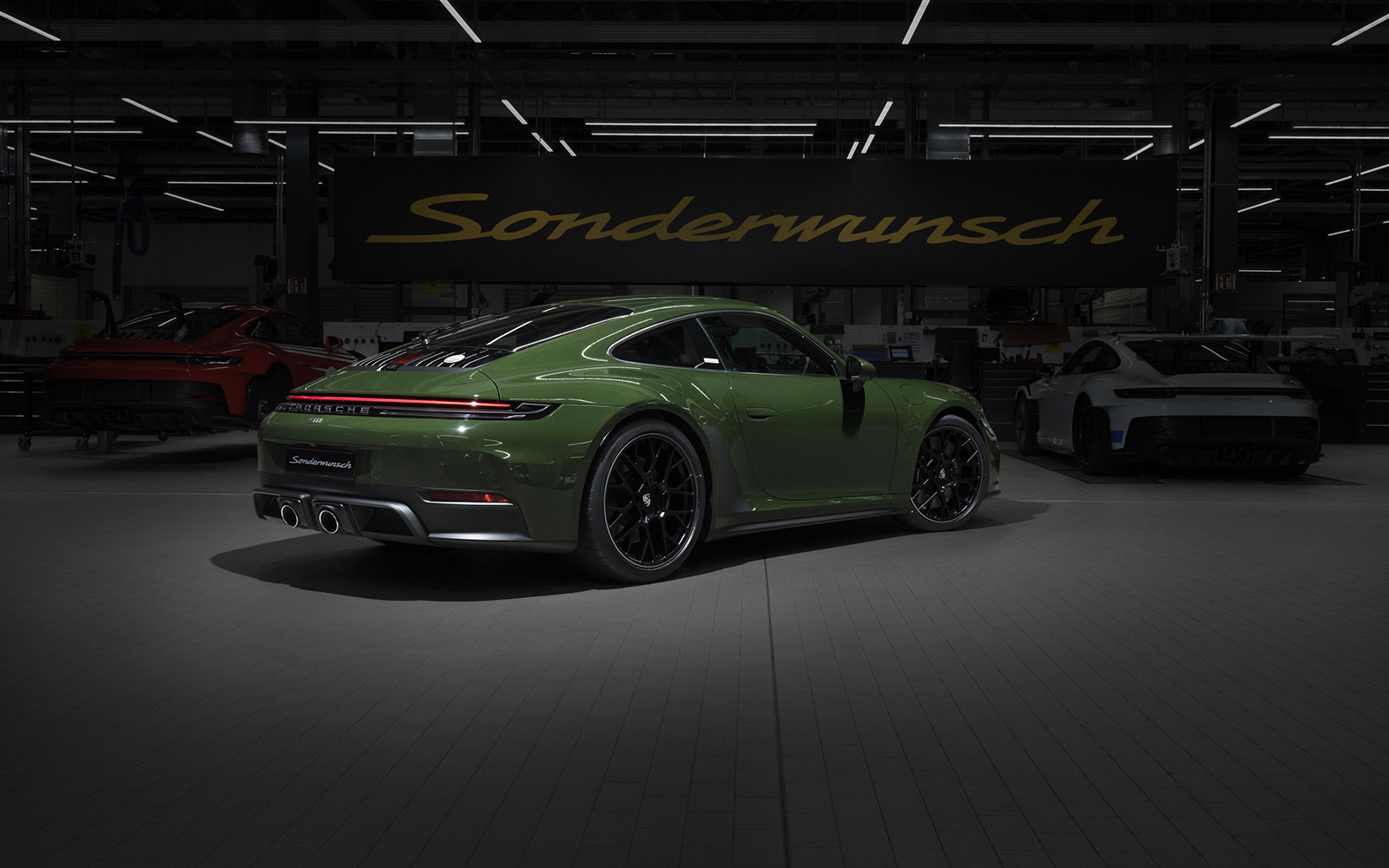
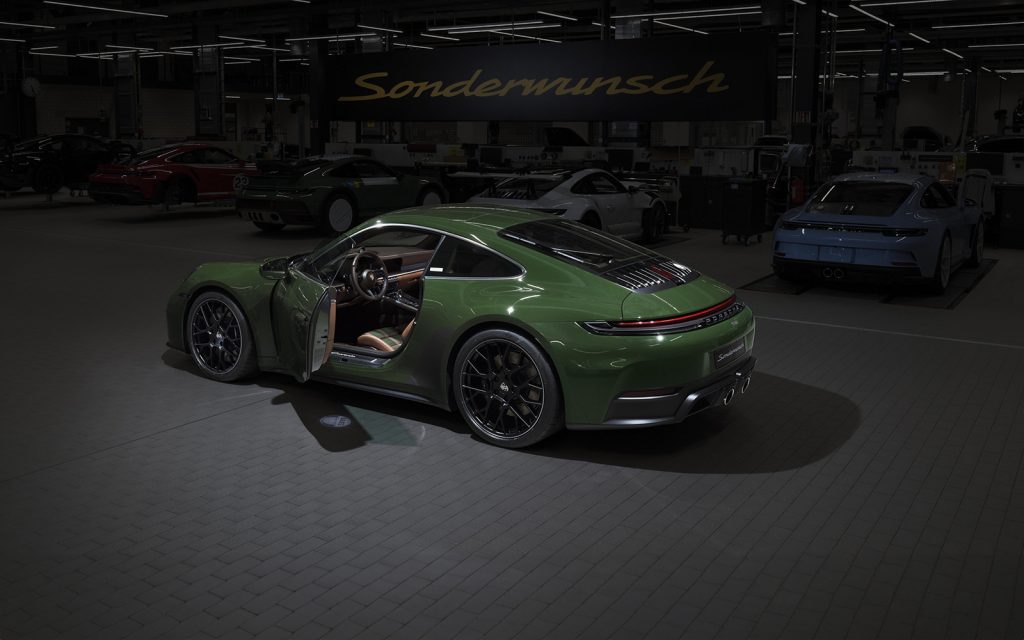
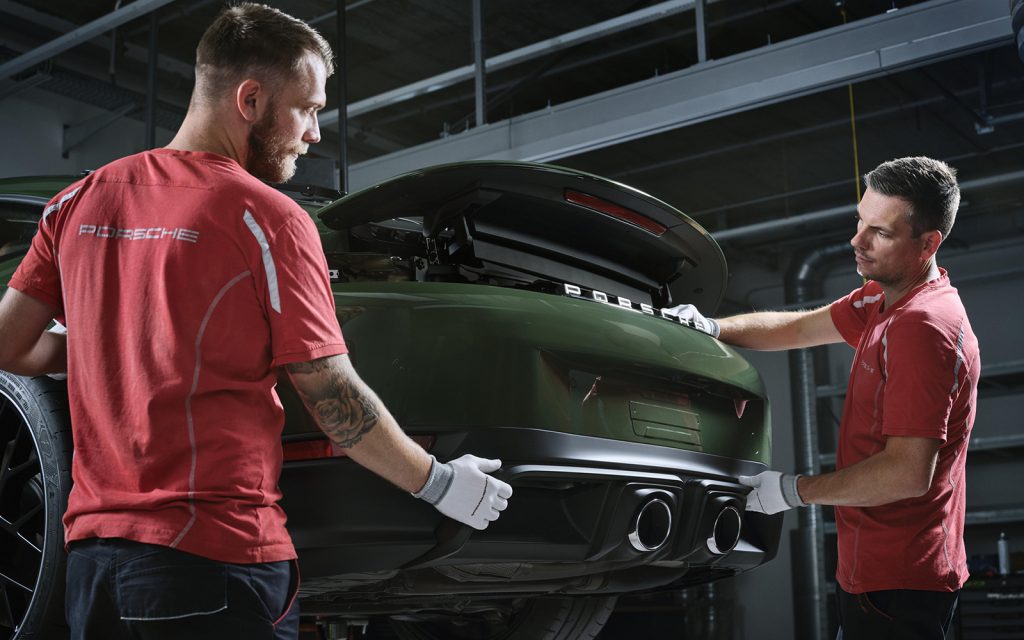
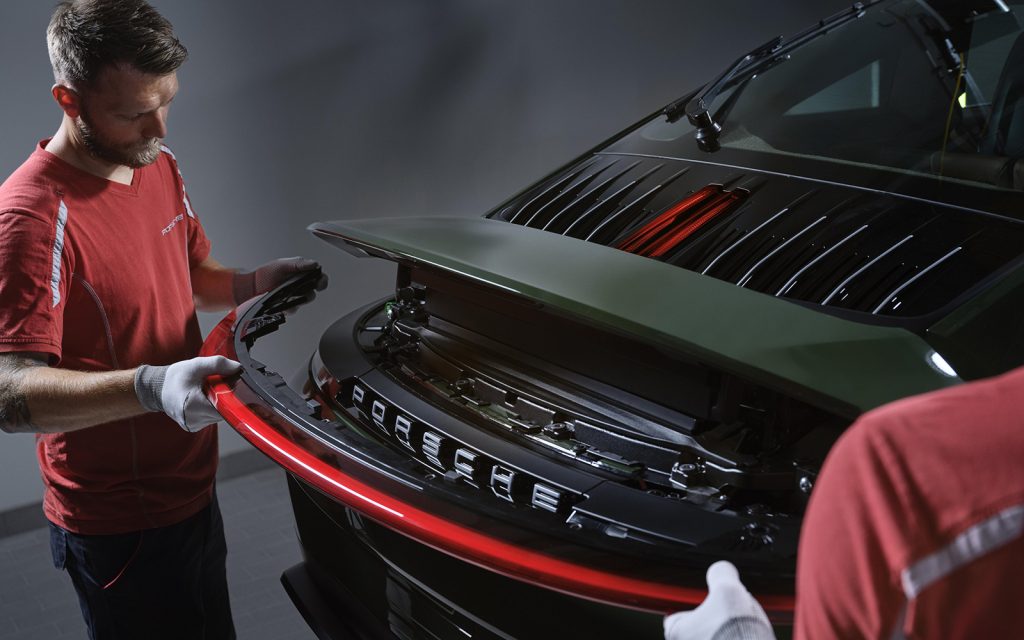
To mark its 40th anniversary, the subsidiary Porsche Ibérica has unveiled the Cuarenta Edition. It features a unique combination of exterior and interior colours and finishes, as well as exclusive logos inspired by Iberian history and culture. The creation of this 911 edition brought together experts from the market Porsche Ibérica, Style Porsche and the Sonderwunsch Team in Zuffenhausen.
[source: Porsche]
In 1984, Porsche transitioned from being represented in Spain by an importer to being a subsidiary, initially called Porsche España, S.A. This milestone not only reflects the brand’s strong bond with its Iberian enthusiasts but also marks the beginning of a new chapter in the company’s history. To commemorate these four decades and to honour the customers who have made them possible, Porsche is presenting an exclusive and highly individualised edition of the iconic 911. The limited market edition is distinguished by its meticulously crafted design and the exclusivity that defines contemporary Porsche luxury. With carefully selected colours, materials, and finishes, each car in this collection is a work of art in motion, compiled by Porsche Ibérica to fulfil the dreams of a small group of future owners.
“The arrival of Porsche as a subsidiary in Spain and Portugal, taking over from the importer at the time, was a turning point for the brand,” says Tomás Villén, Managing Director of Porsche Ibérica. “We are very proud of the work we have done in these forty years, and what better way to celebrate than with an exclusive model of the company’s icon, the 911, for our market. At Porsche Ibérica, we will keep one unit, which we will use and preserve as a jewel to showcase our heritage.”
Inspired by the Iberian culture and tradition
The idea behind the Cuarenta Edition was to create a 911 that would have been ordered by a Spanish or Portuguese customer 40 years ago and that is still fashionable and desirable today,” says Alexander Fabig, Vice President Individualisation & Classic at Porsche. “In this Sonderwunsch project, the collaboration with our Spanish and Portuguese colleagues was very creative. We learnt a lot about Iberian culture and tradition as well as anecdotes from the founding period of Porsche Ibérica in the 1980s.”
In addition to the various anniversary activities planned throughout the year, Porsche Ibérica wanted to create a special version based on the iconic 911 that would be reminiscent of the founding phase in the 1980s. Porsche Ibérica turned to the Sonderwunsch programme to begin the creation process, together with the specialists of this department. The Sonderwunsch programme takes individualisation, attention to detail and skilled craftmanship to the next level. The result is the integration of Individual design elements that go far beyond the existing catalogue for the 911.
A team travelled to Porsche’s headquarter in Zuffenhausen to create together the details for this market edition. The entire process was undertaken ahead of the launch of the new evolution of the 911. The base version chosen was the new Carrera GTS Coupé, the first new model to be marketed by the Spanish subsidiary 40 years ago. The timeless sporty style and technical sophistication of the 911 GTS were refined with selected Sonderwunsch touches to create a tailor-made concept for the Spanish and Portuguese customers.
In this second phase of the 911 series, the Carrera GTS version is equipped with the new T-Hybrid drive system. It combines an electric motor integrated into the turbocharger, a lightweight high-voltage battery, and an electric motor coupled to the eight-speed PDK gearbox. The six-cylinder boxer now has a displacement of 3.6 litres. With a system output of 398 kW (541 PS, 911 Carrera GTS: Fuel consumption* combined (WLTP) 11.0 – 10.5 l/100 km, CO₂ emissions* combined (WLTP) 251 – 239 g/km, CO2 class G ), it can accelerate from 0 to 100 km/h in 3.0 seconds and reach a top speed of 312 km/h (194 mph). Standard equipment includes rear-wheel steering, and Porsche Active Suspension Management (PASM) with 10 millimetres lower ground clearance.
The Porsche Driver Experience control concept focuses on the driver’s axis for intuitive and faster operation. Key controls have been positioned directly on or around the steering wheel. For the first time in a 911, there is a start button, naturally to the left of the steering wheel, and the instrument panel is fully digital.
Exterior Design
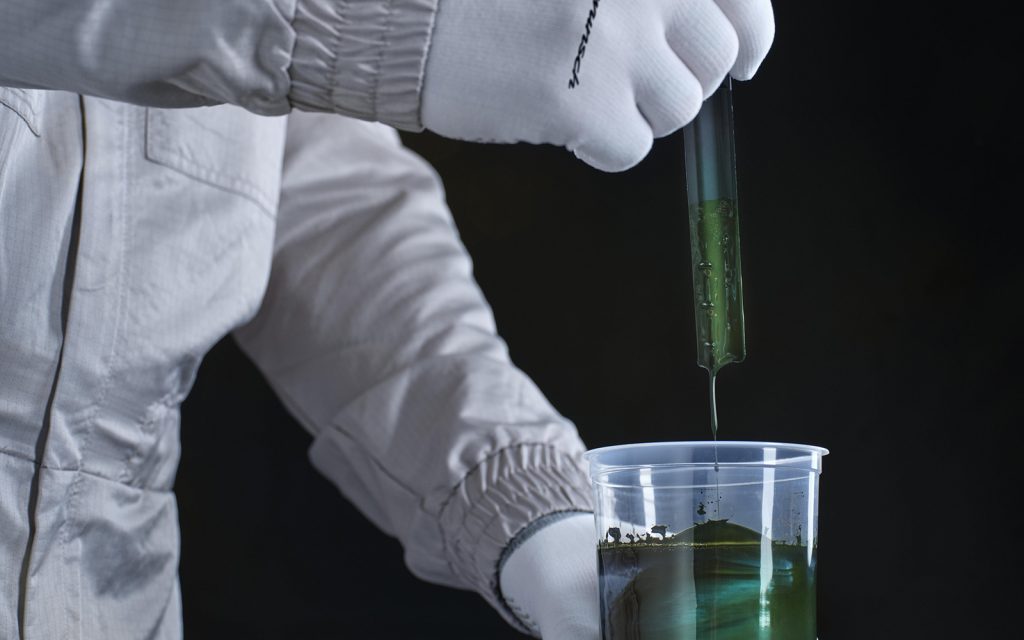
For the Cuarenta Edition, a bespoke exterior colour has been created: Quercusverde reminds of the very particular shade that holm oak leaves have. This green colour is characteristic of the typical landscape of Spain and Portugal, with its fields of holm oaks, oak trees, and cork oaks. Quercusverde was developed via the Paint to Sample Plus offer. Offered through Porsche Exclusive Manufaktur, the Paint to Sample Plus programme makes it possible to create individual colours based on customer specifications.
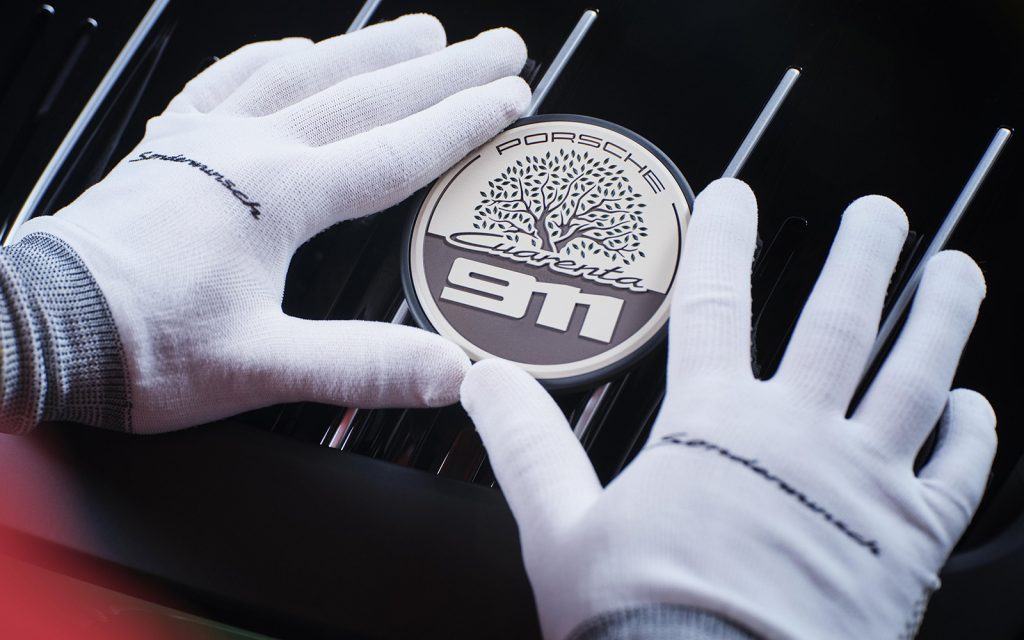
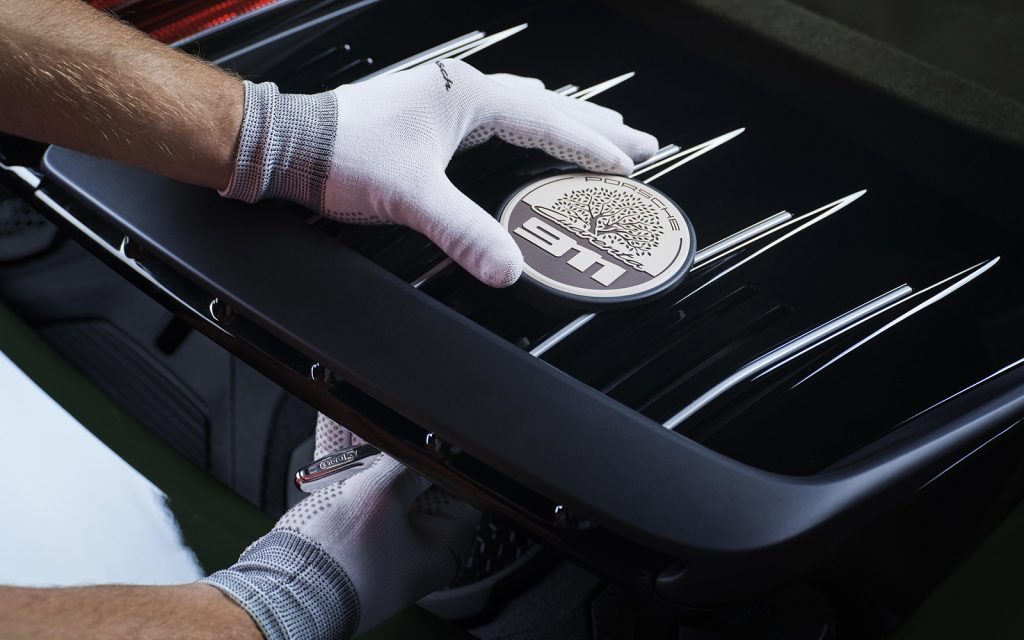
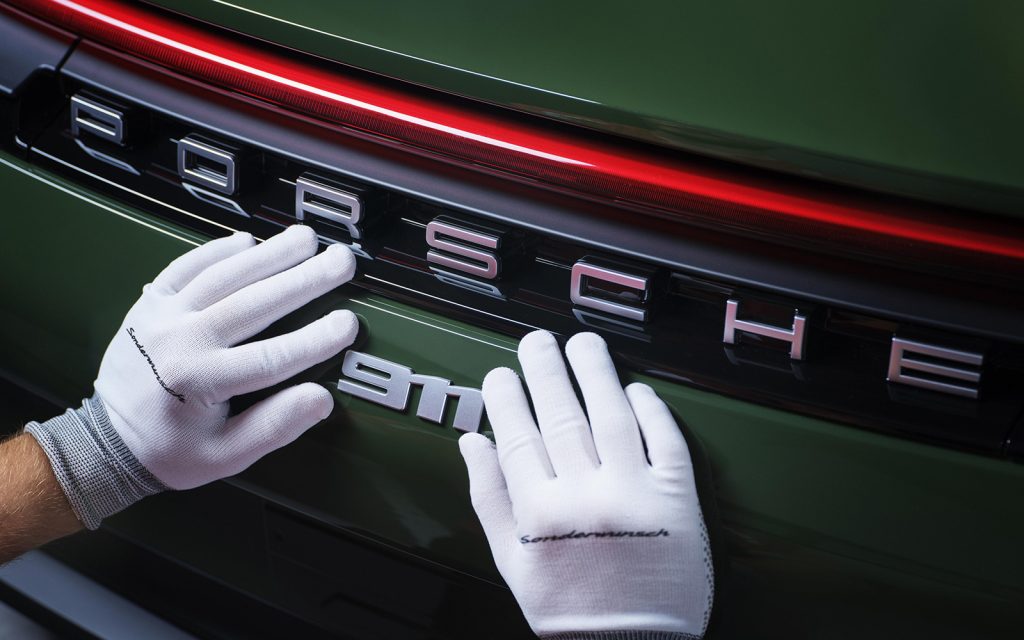
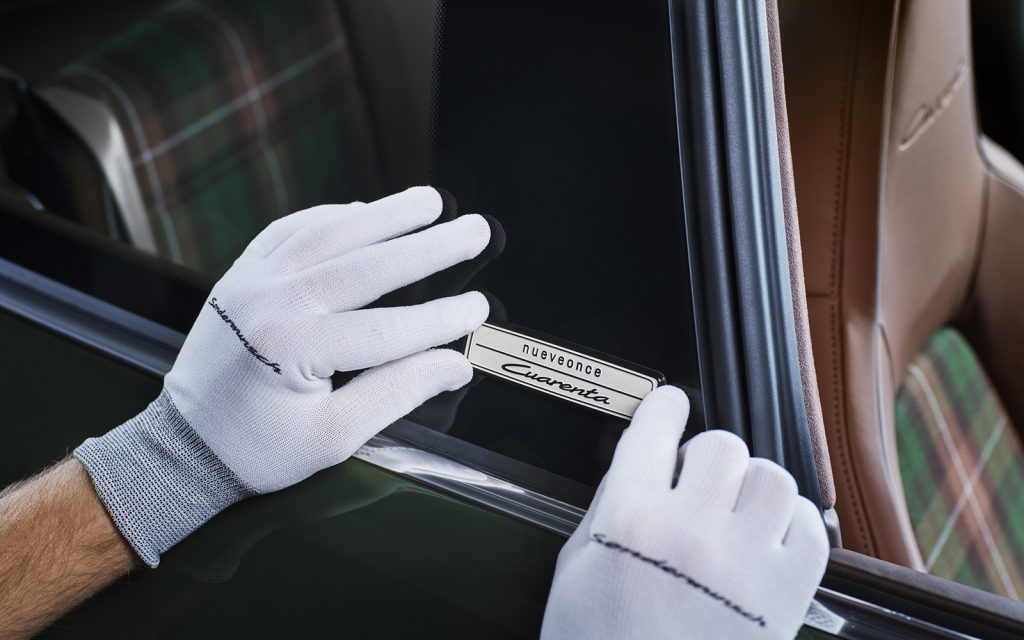
The Quercus tree is also used in the anniversary logo. It is hand-painted and placed on the rear lid grille of the car. Additionally, fidentifying elements include the nueveonce/Cuarenta (“911 40”) logo on the B-pillar in Cremewhite, the Porsche and 911 logo at the rear in Silver, the side window trims in Aluminium, the fender flares in stone guard film in Black Satin and the rear lights and strip in Red.
The stone guard film is a functional and stylistic nod to the popular option of 911s in the 80ies. The modern 911 Carrera GTS Cuarenta Edition brings this element back. A stone guard film was specially designed in the shape of the protective film used on a 911 back in the days as well. In Black Satin, it is placed on each Cuarenta Edition.
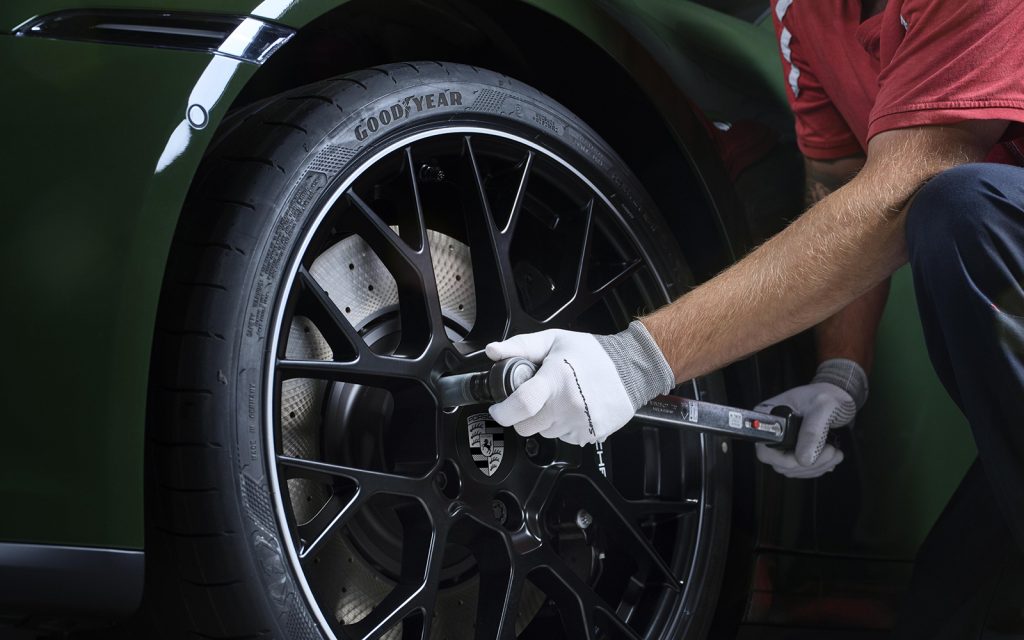
The wheels are RS Spyder Design in Black Satin with a rim painted in Brilliant Silver and wheel centre caps in Black Satin with Porsche crest monochrome. This is an homage to the colour combination to be found on the 911 wheels in the 1980’s.
Interior concept
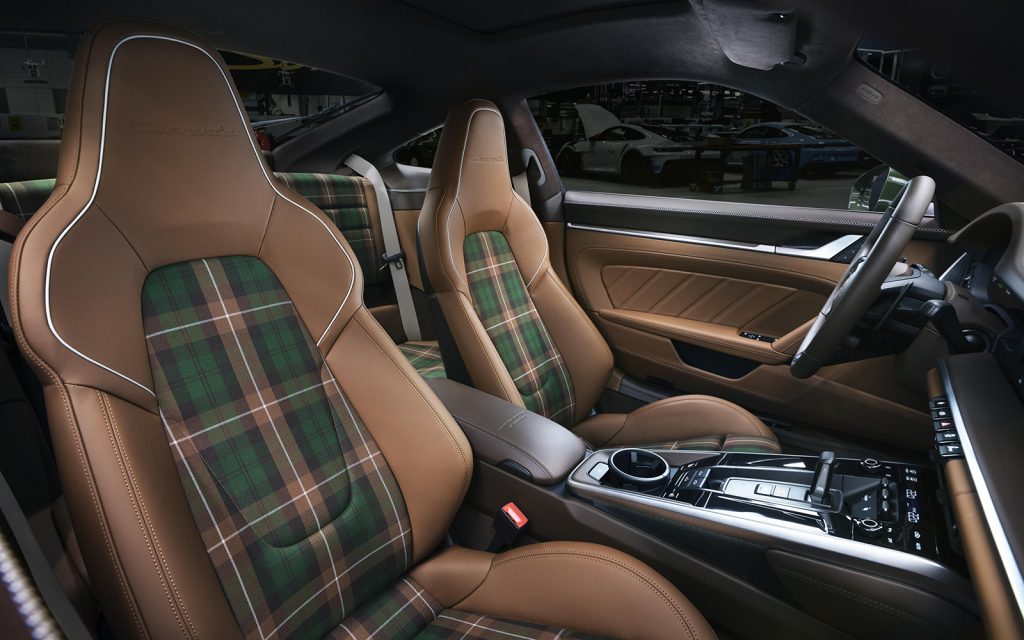
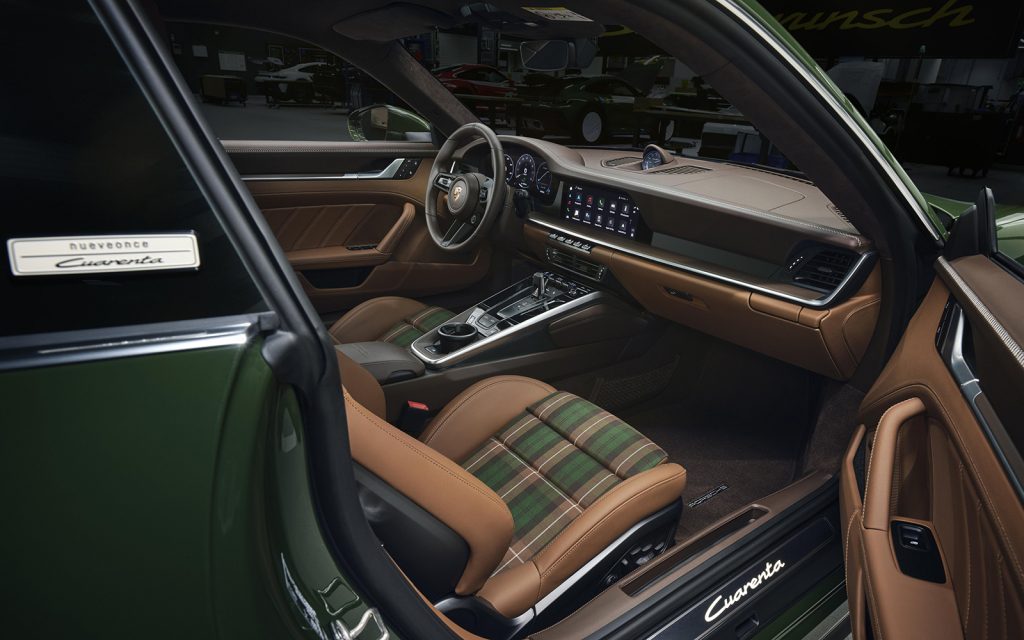
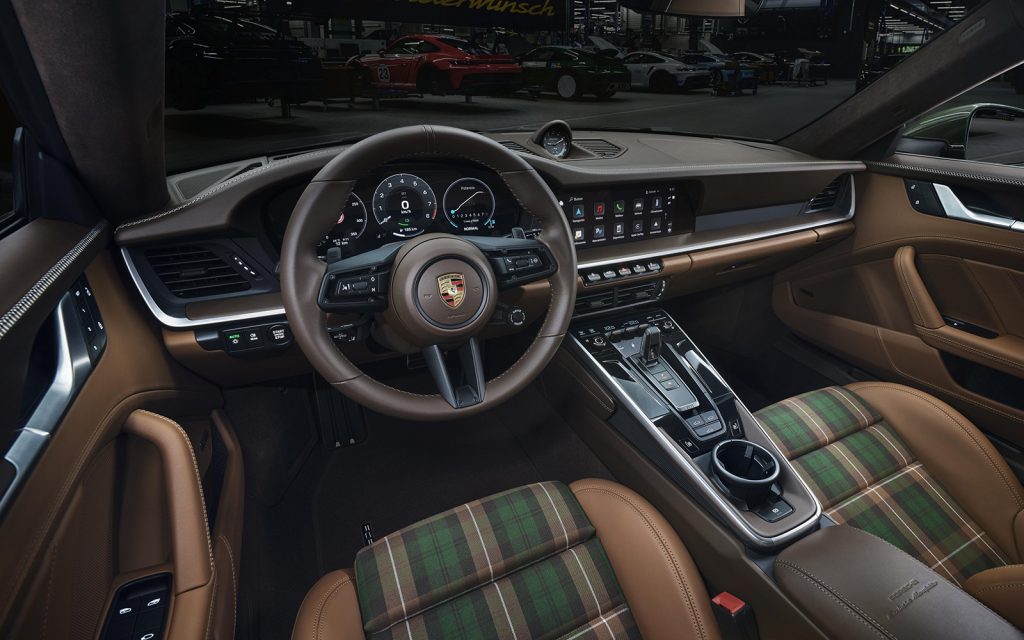
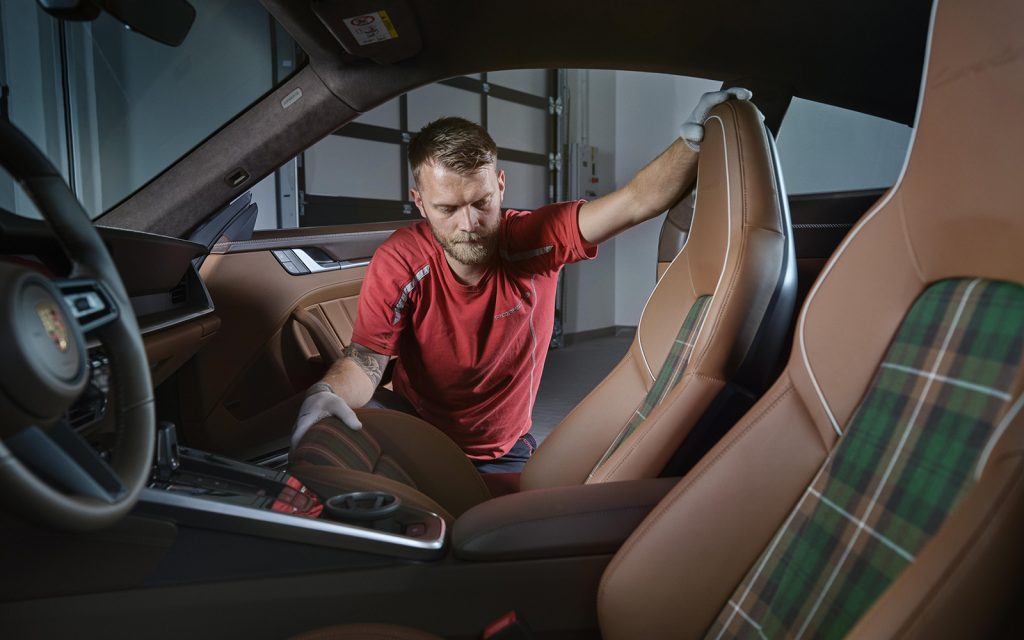
The interior is designed in a two-tone Truffle Brown and Cohiba Brown leather combination. The darker brown shade is applied on the instrument panel and lower surfaces. The lighter is applied on the trim surfaces. The brown tones refer to the artisanal work of the guarnicioneros (the craftsmen who work in saddlery, which is considered nearly an art in the Iberian Peninsula).
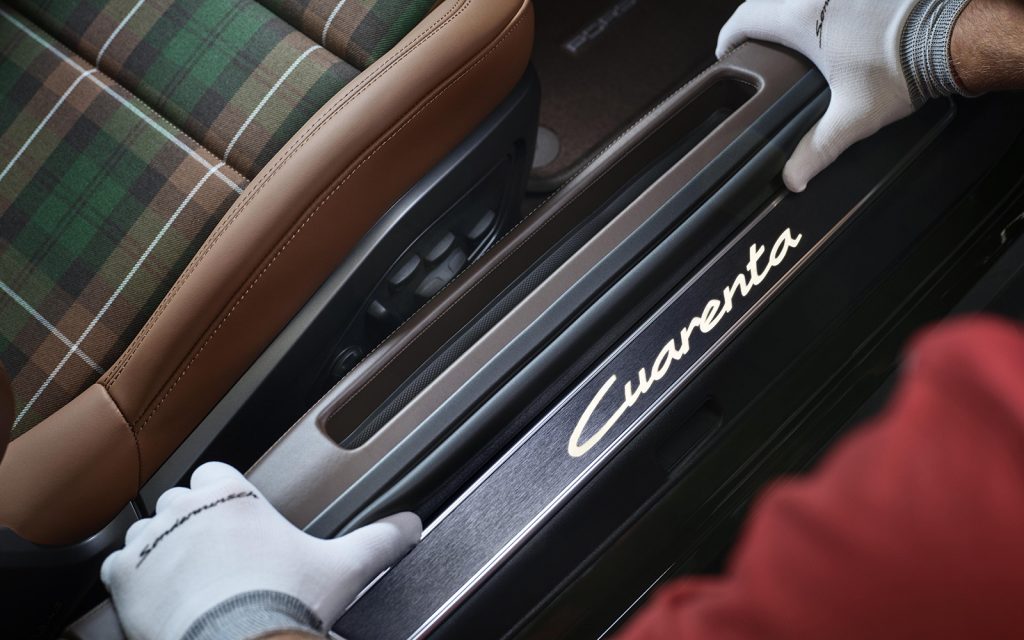
Remarkable eye catcher and bespoke to this car is the Tartan textile on the seat centre inlays in a specially developed colour scheme: Truffle Brown, Cohiba Brown, Crayon and a nuance of Quercusverde appear in a checkered pattern.
For the Cuarenta Edition, an elegant cross-stitching is applied in Crayon and Truffle Brown along the dashboard trim and upper door panel. Cross-stitching is a highly manual process. Experts in the saddlery sew every stitch carefully by hand. The detail underlines the luxurious interior concept of the car. Adaptive Sports seats Plus (18-way) and rear seats are upholstered in Cohiba Brown leather with seat centres in the new Tartan textile. Elegant piping in Crayon is manufactured on front and rear, emphasizing the luxurious interior concept of this market edition. Front seats are additionally finished with Cuarenta embossing on the headrests.
In a subtle way, the passenger trim in leather Truffle Brown shows the high-quality embossing Cuarenta emphasizing the individualised interior. Further individualised is the storage lid on the centre console with “Porsche Exclusive Manufaktur” lettering embossed.
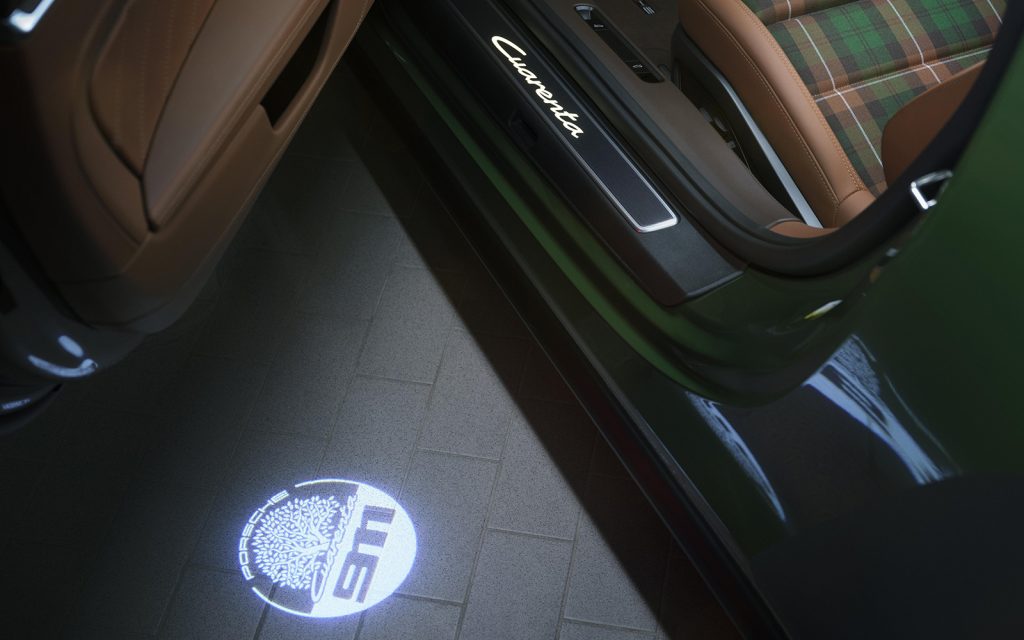
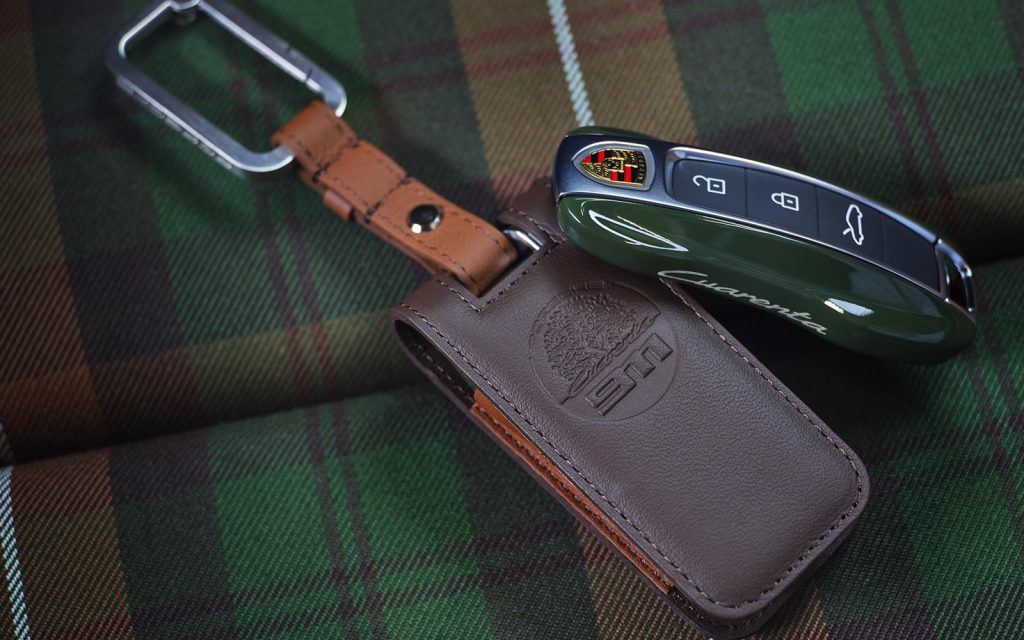
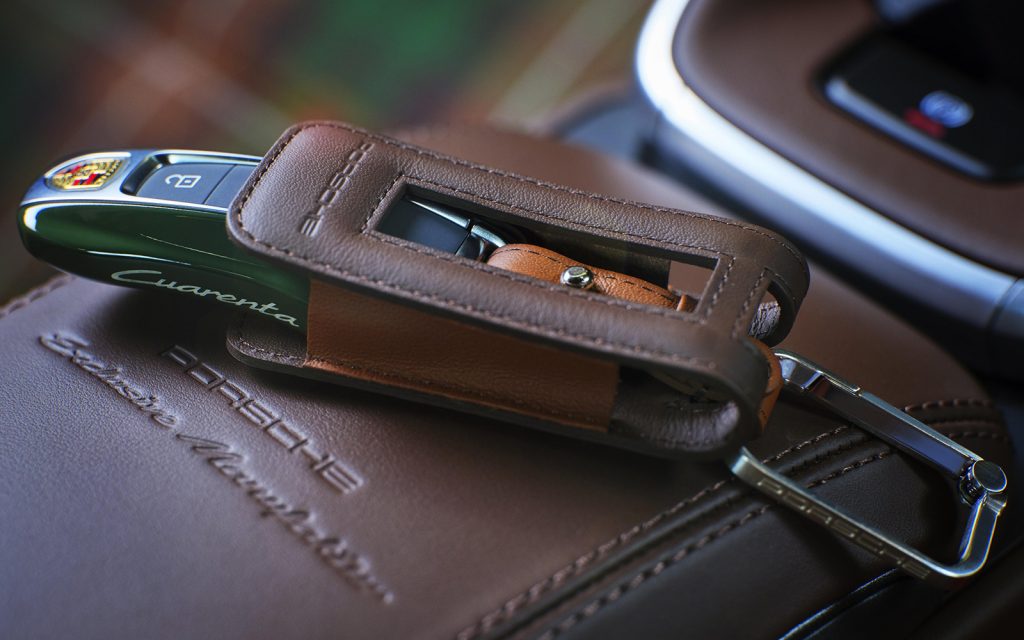
When entering the vehicle, customers will see the door sill guards in Aluminium Darksilver with customized Cuarenta lettering illuminated in Cremewhite. In addition, the individualised LED door courtesy lights display the special “Quercus tree logo” on the ground. Attention to detail can also be found on the driver’s key, which is painted in Quercusverde and features a Cuarenta lettering in Silver. It is handed over to the customer in a special two-tone Truffle Brown and Cohiba Brown leather key pouch – matching the interior. The key pouch also shows an embossing of the Quercus tree logo.
Customers will also receive an indoor car cover custom-made for the Cuarenta Edition. Executed in Quercusverde, it features a Porsche Exclusive Manufaktur logo on front, Cuarenta Edition lettering on sides in Cremewhite and badge on the rear.