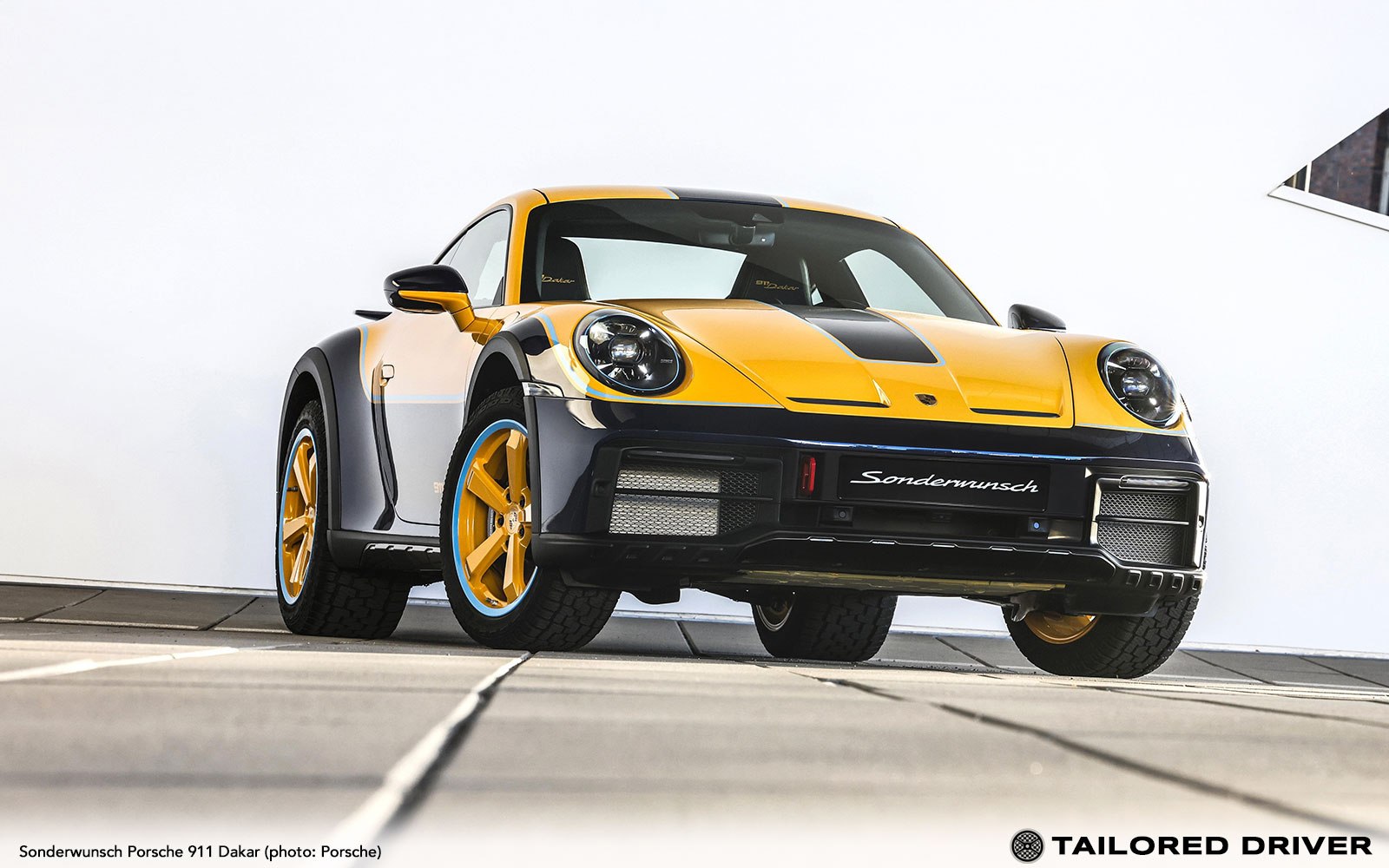
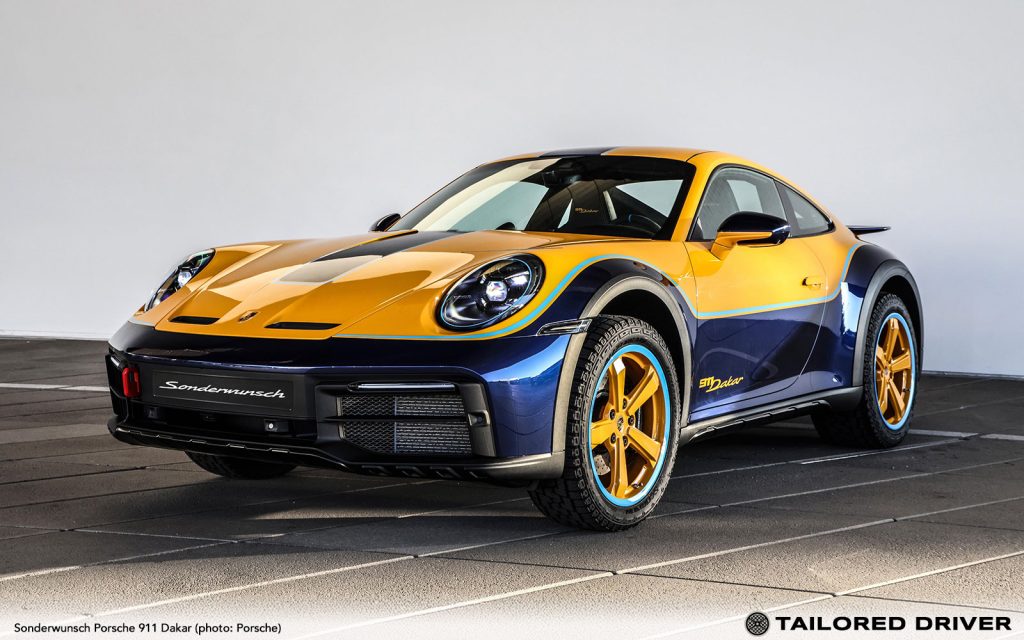
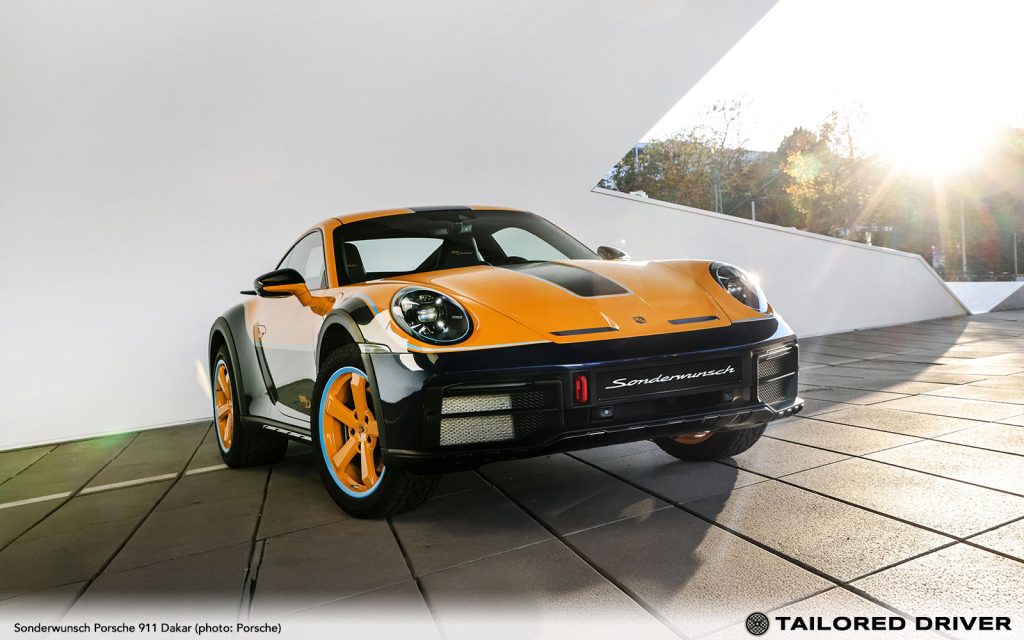
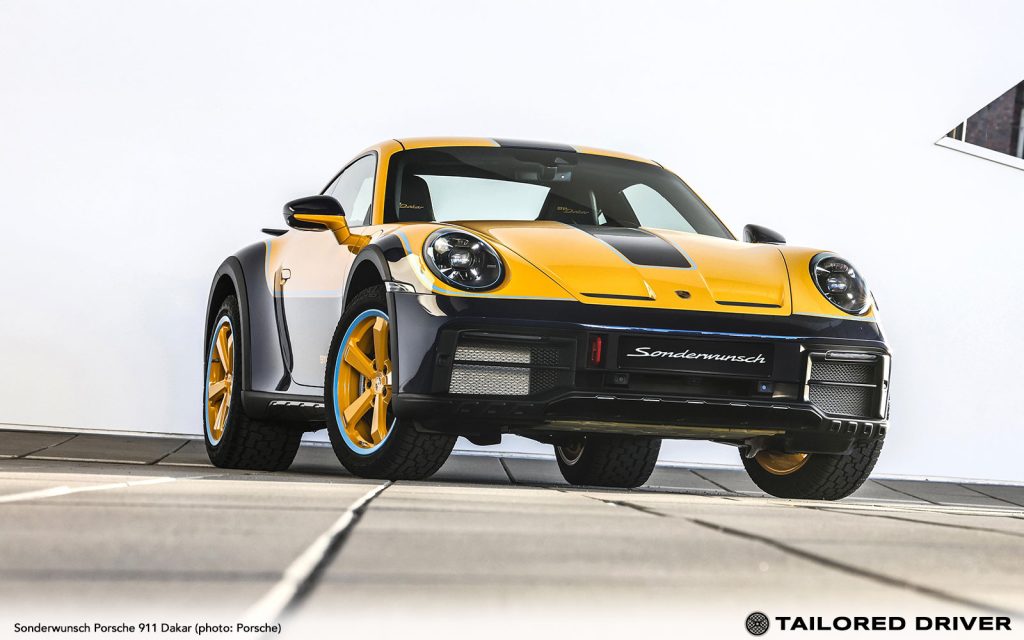
After building 2,500 examples, Porsche has celebrated the end of the 911 Dakar model with the handover of a Sonderwunsch special at the Porsche plant in Zuffenhausen. Extensively customised and refined, this Sonderwunsch 911 Dakar was commissioned for an Italian collector of sports cars.
[source: Porsche AG]
Porsche introduced the 911 Dakar, a sports car equally at home off-road as it is on country routes, in November 2022. The car’s standard ground clearance is approximately 50 millimetres higher than that of a 911 Carrera with sports suspension. Off-road-specific details include red, forged aluminium recovery eyelets at the front and rear, as well as widened wheel arches and sills. The three-litre twin-turbo six-cylinder engine producing 480 PS (353 kW) and a maximum torque of 570 Nm delivers impressive performance with a distinctive and emotive boxer sound.
To the final of the model: customised three-tone paintwork
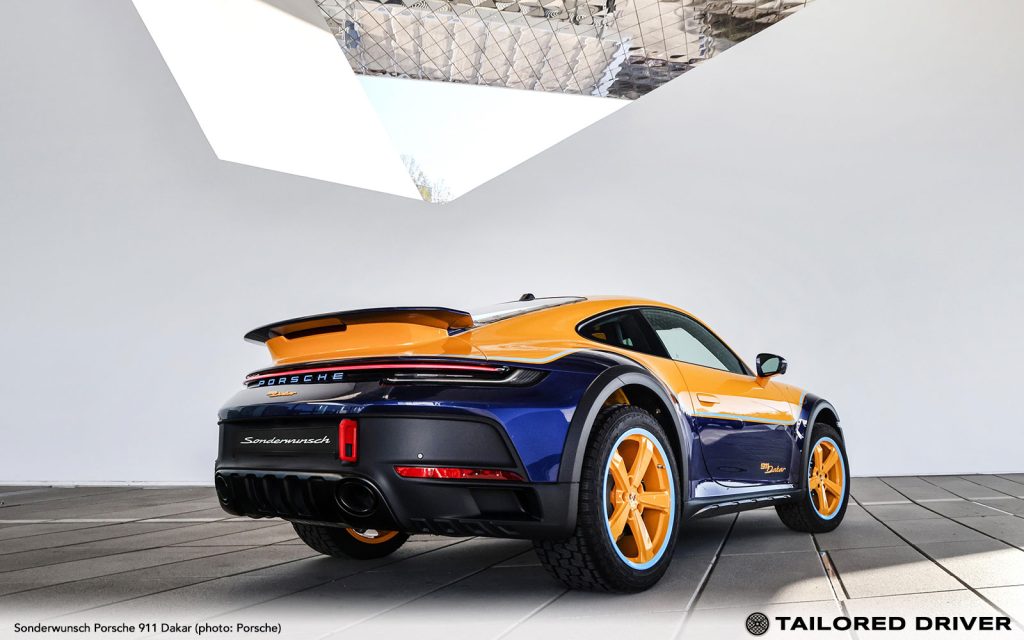
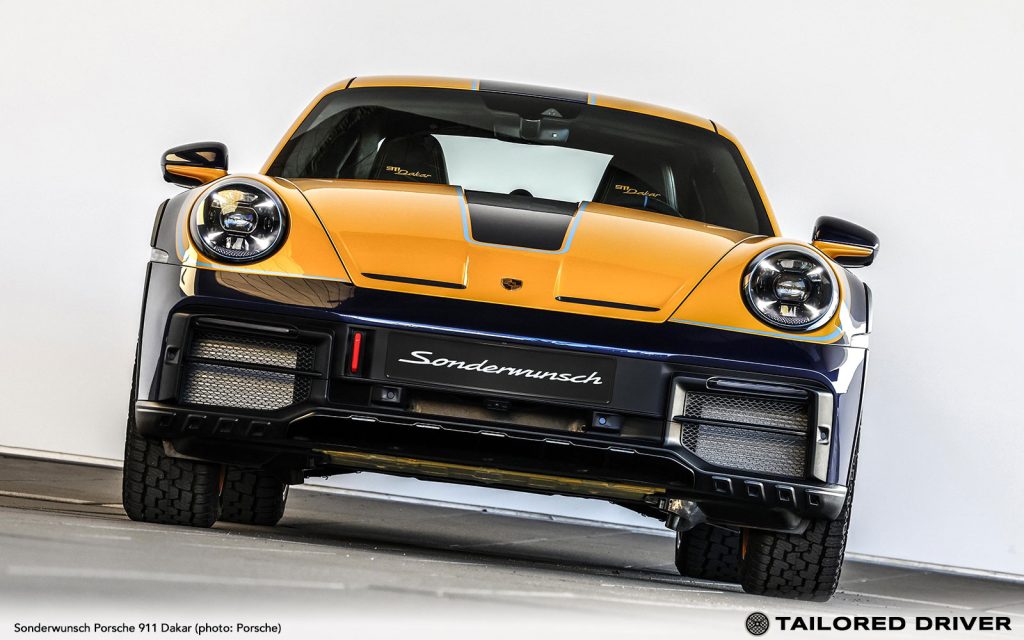
Now, a special example of this limited-run model has been handed over in the Porsche Museum – but not before getting the full Sonderwunsch treatment, including a unique three-tone paint job. Signalyellow (signalgelb; nonmetallic UNI; 1YH; Porsche) and Gentianbluemetallic (enzianblaumetallic; metallic UNI; W96; Porsche) tie neatly into the Rallye Design Package, echoing the look of the winning vehicle from the 1984 Paris-Dakar Rally, while a painted blue line between the two larger coloured areas completes the trio. The shade, which has been named Lampedusablue after the Italian Mediterranean island, was created in collaboration with the new owner of the car.
The spokes of this one-off car’s alloy wheels are also painted in Signalyellow, while the rim edge features Lampedusablue. The livery was done entirely by hand and in close co-operation between the customer and Porsche designers. The LED Matrix headlights are individualised with a Lampedusa-coloured accent ring, and the stainless steel protective elements on the front, rear, and sills are black.
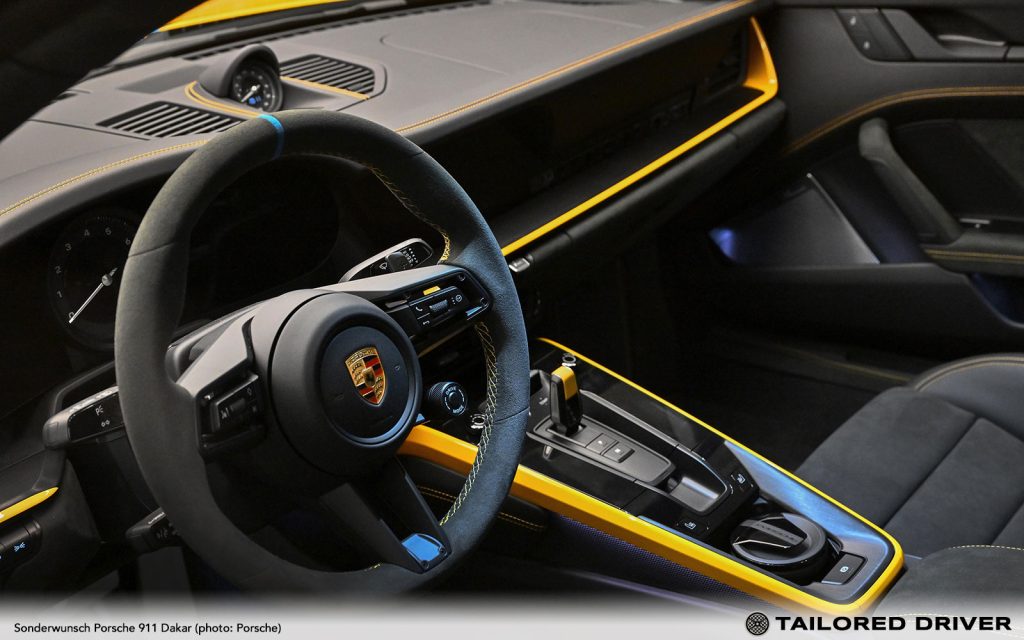
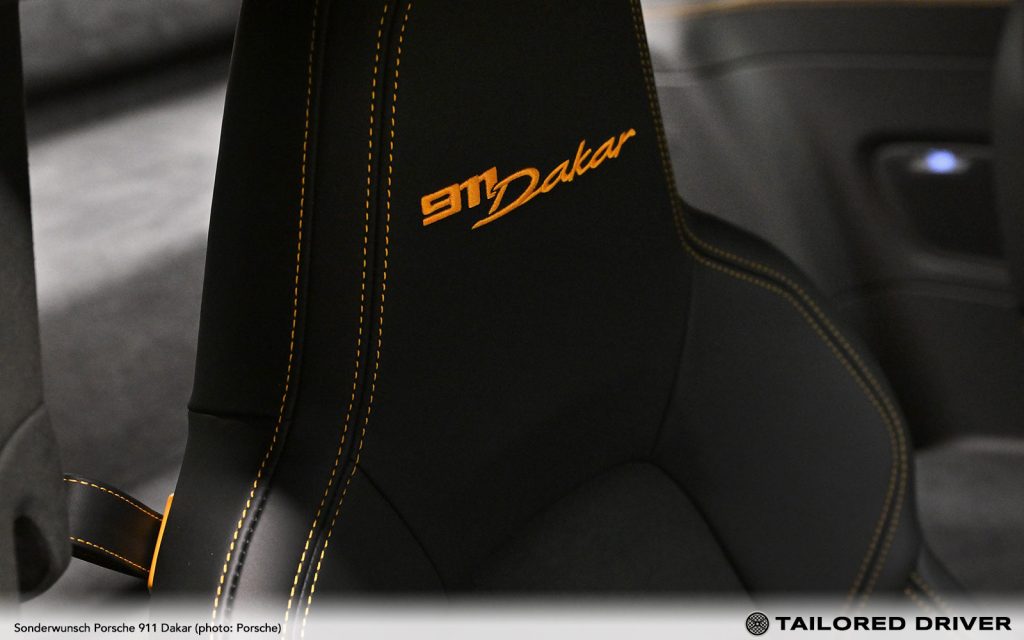
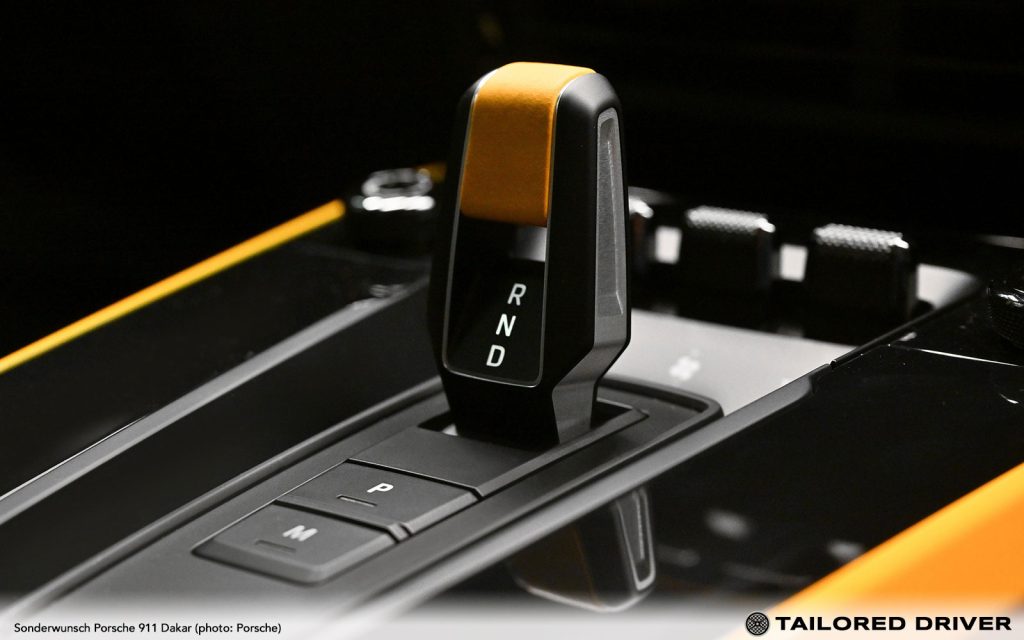
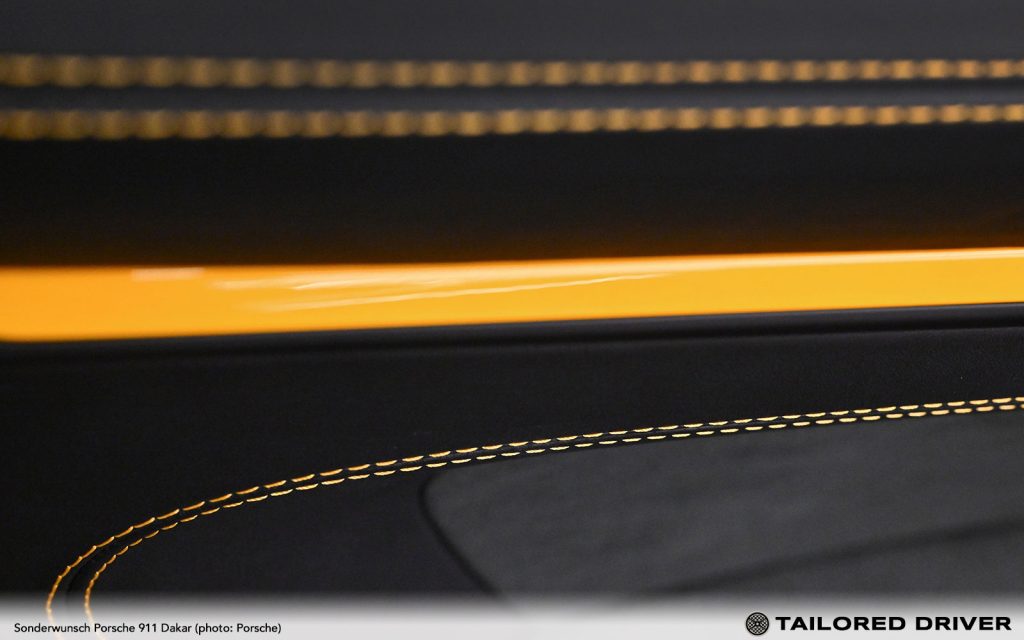
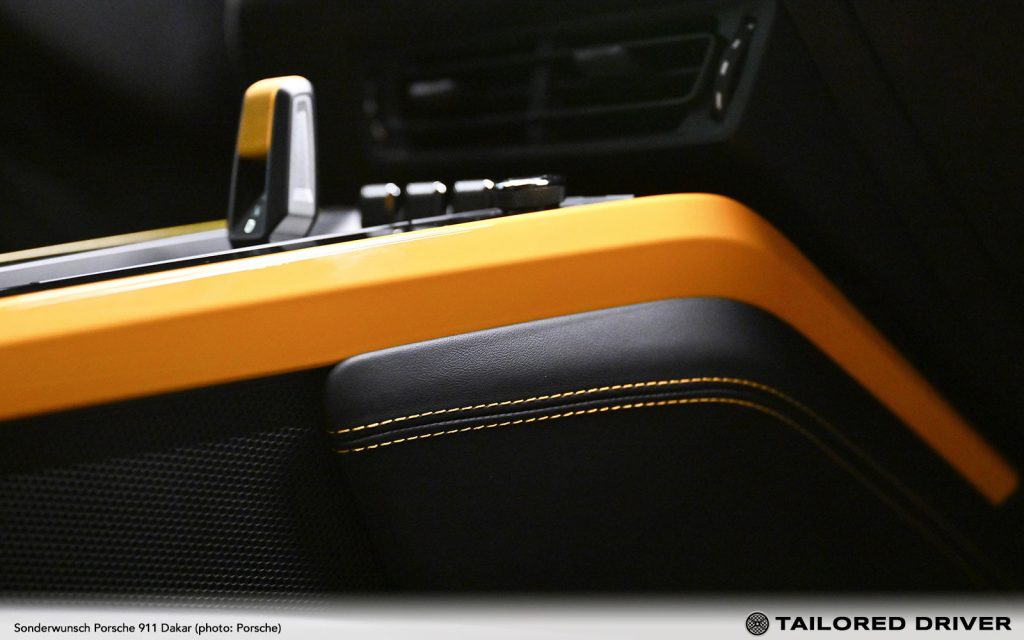
Inside, more yellow appears against the contrasting black, such as in the stitching and trim strips on the dashboard, centre console, and door panels. The ‘911 Dakar’ lettering is also embroidered in Speedyellow thread on the headrests of the Sports Seats Plus, and the gear selector of the eight-speed PDK is enhanced with a Speedyellow leather insert. When the doors are opened, LED projectors cast the Sonderwunsch logo onto the ground. The extensive customisation ensured that this 911 Dakar of type 992 was refined right up to the end in the Sonderwunsch manufactory.
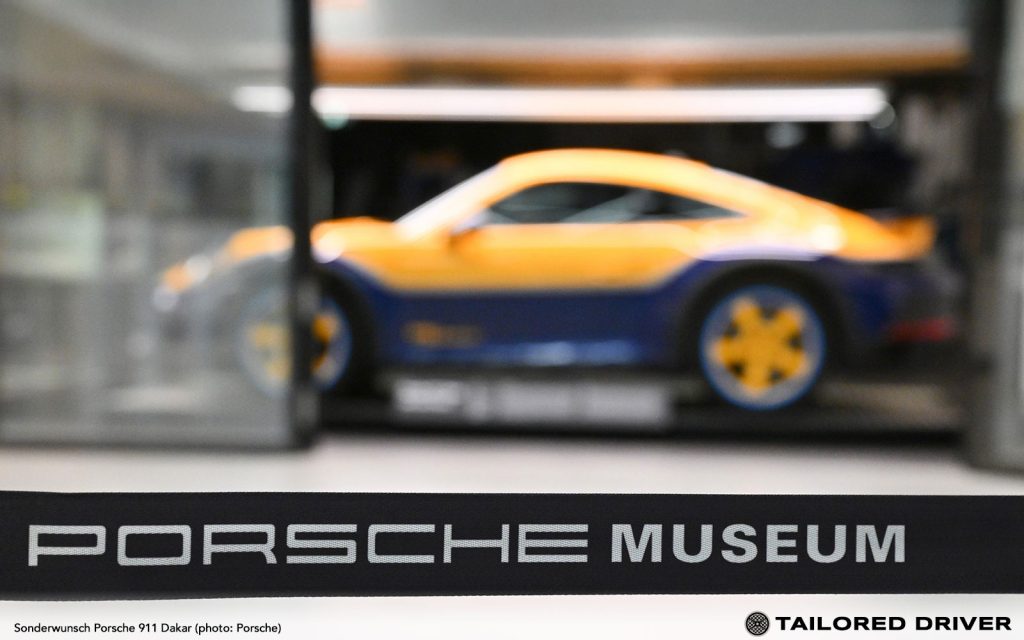
Before the car makes its way to its new home, visitors to the Porsche Museum can catch a ‘last’ glimpse of this special model. Sitting alongside other unique derivatives of well-known limited series, it will be on display in the museum’s foyer.
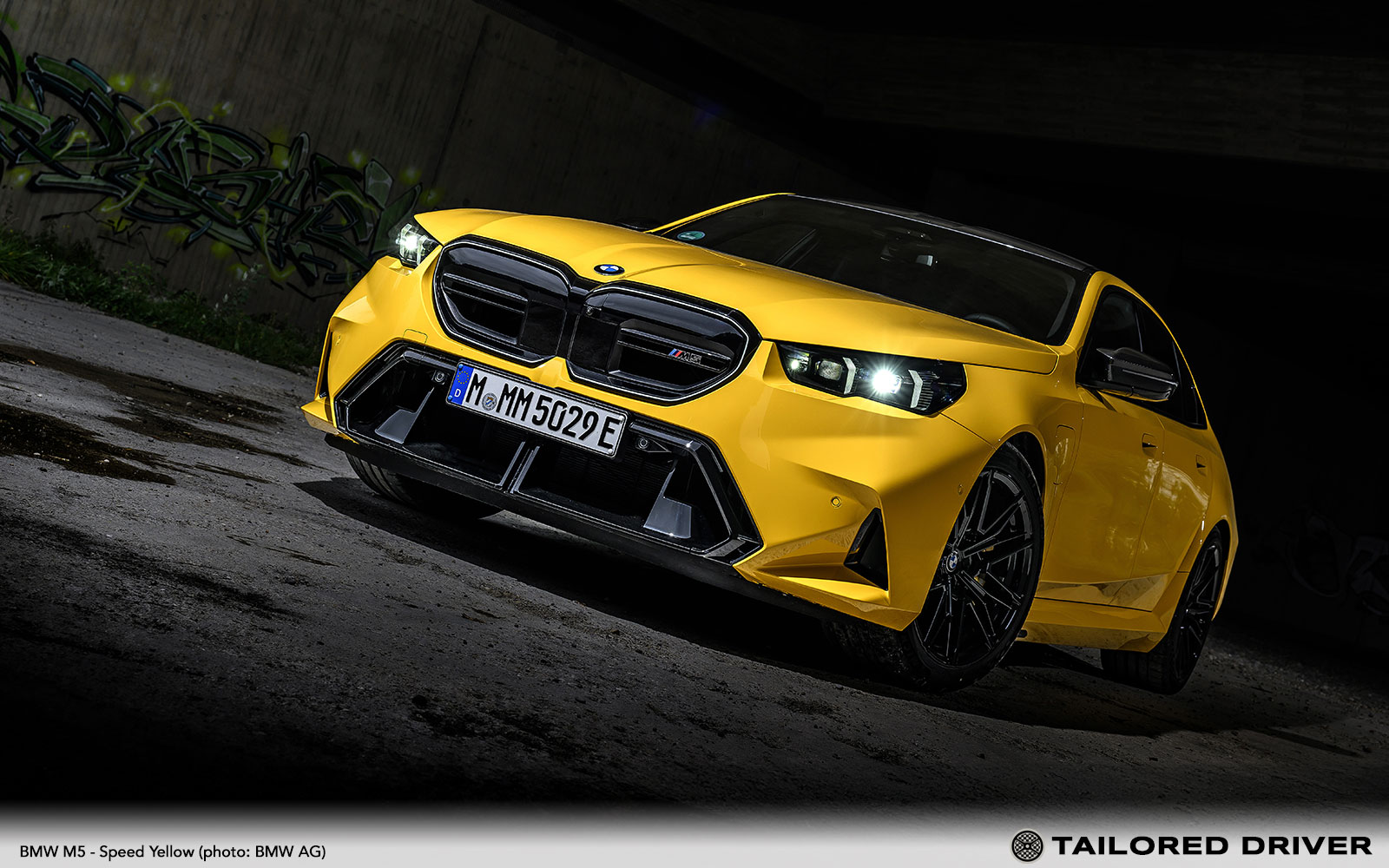
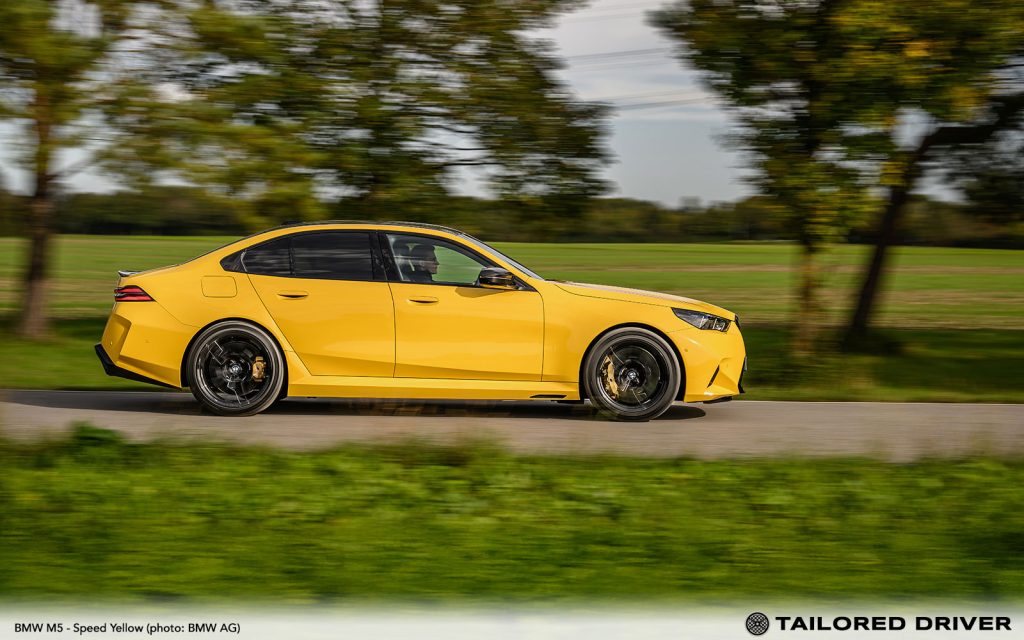
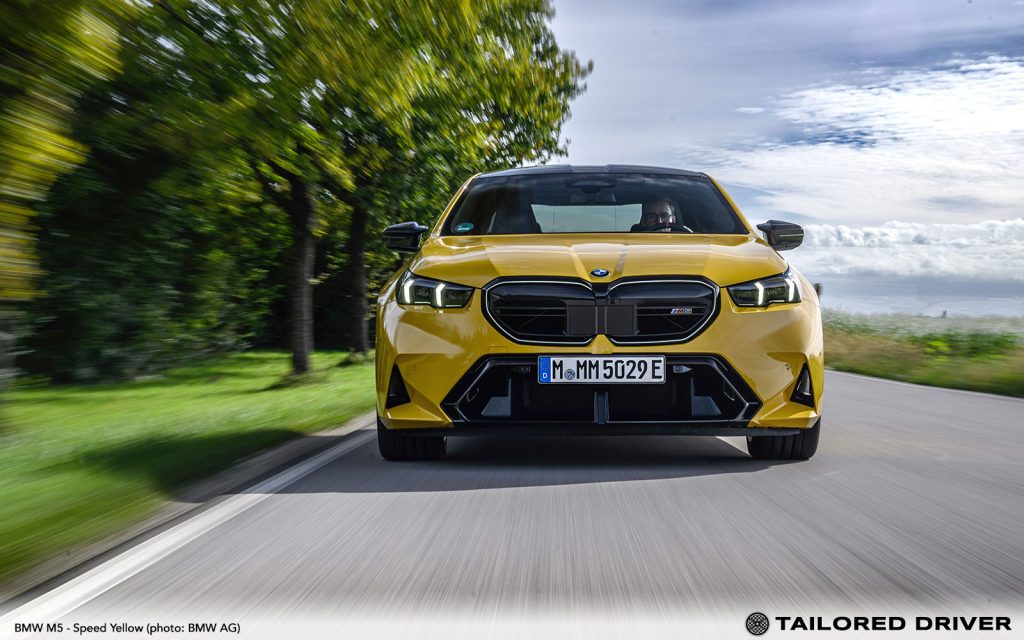
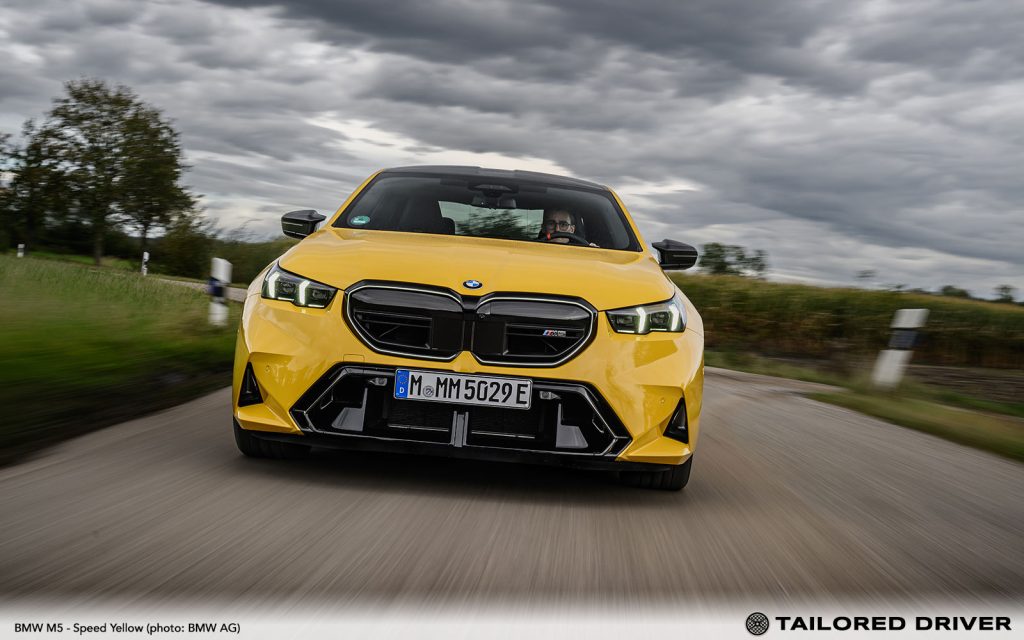
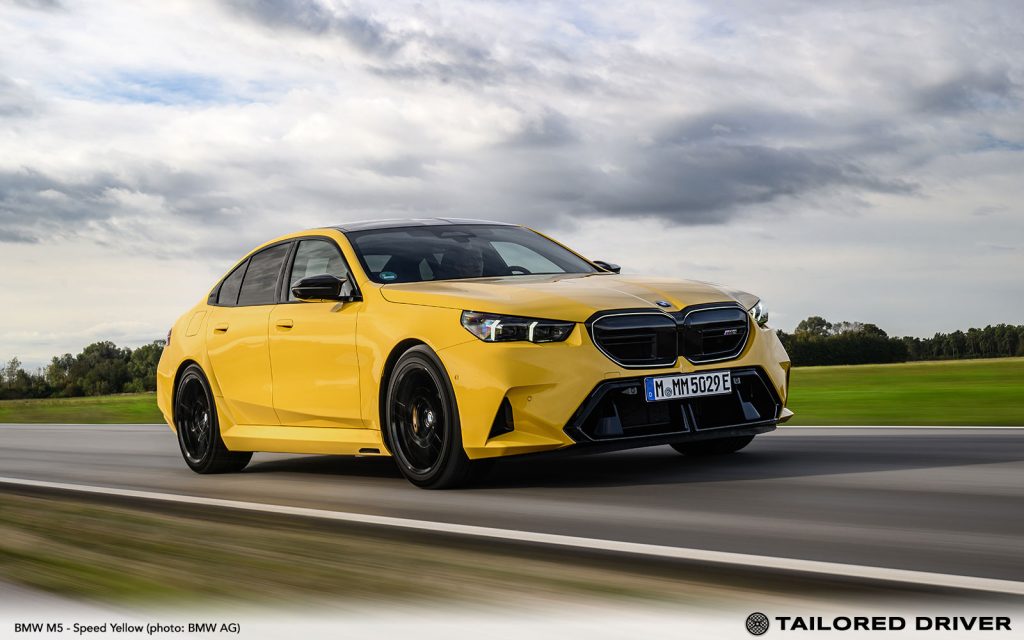
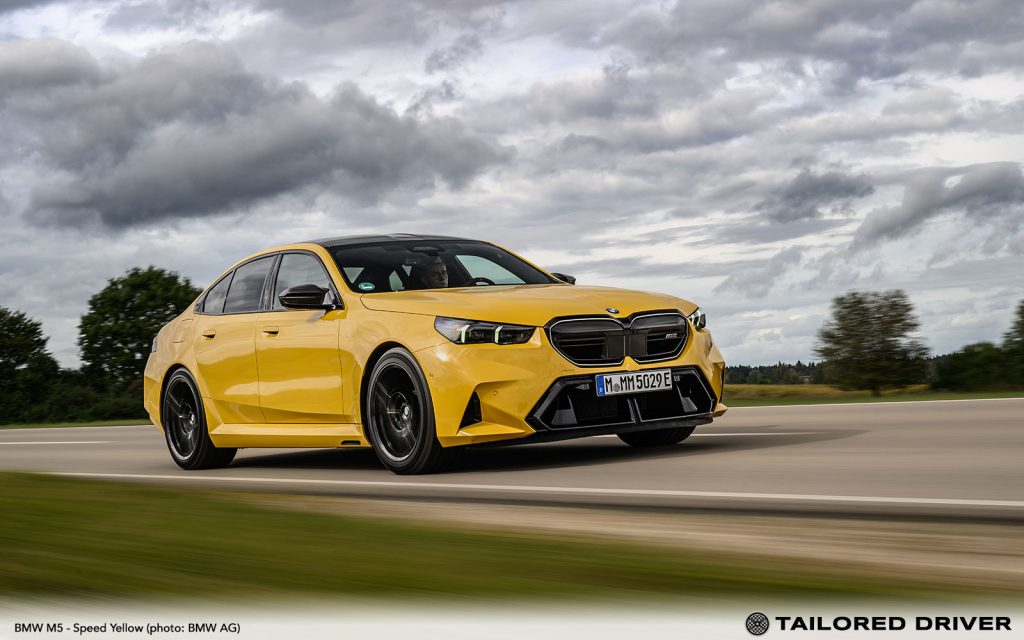
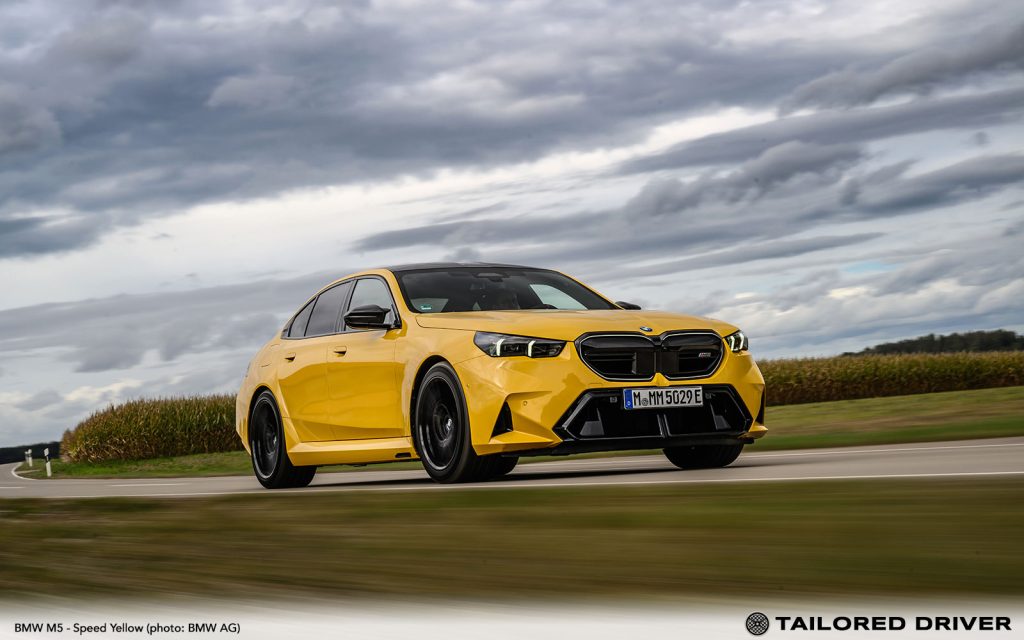
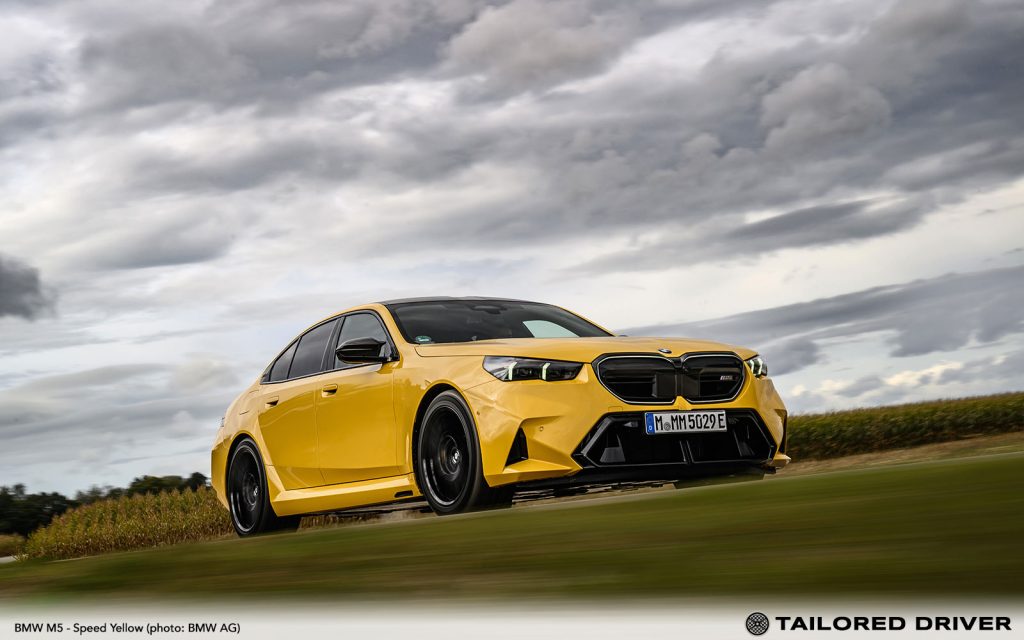
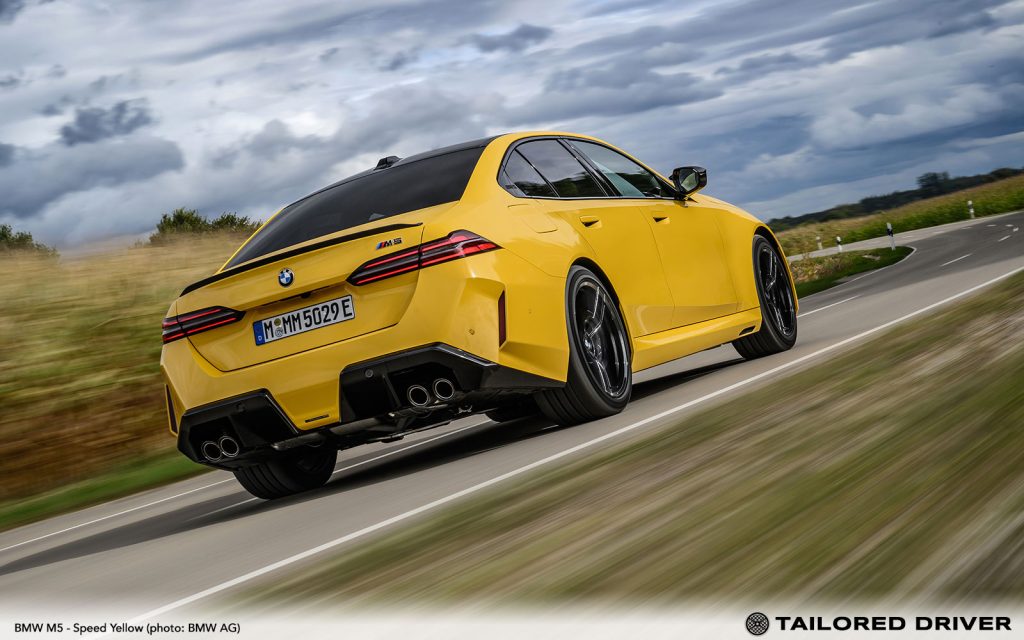
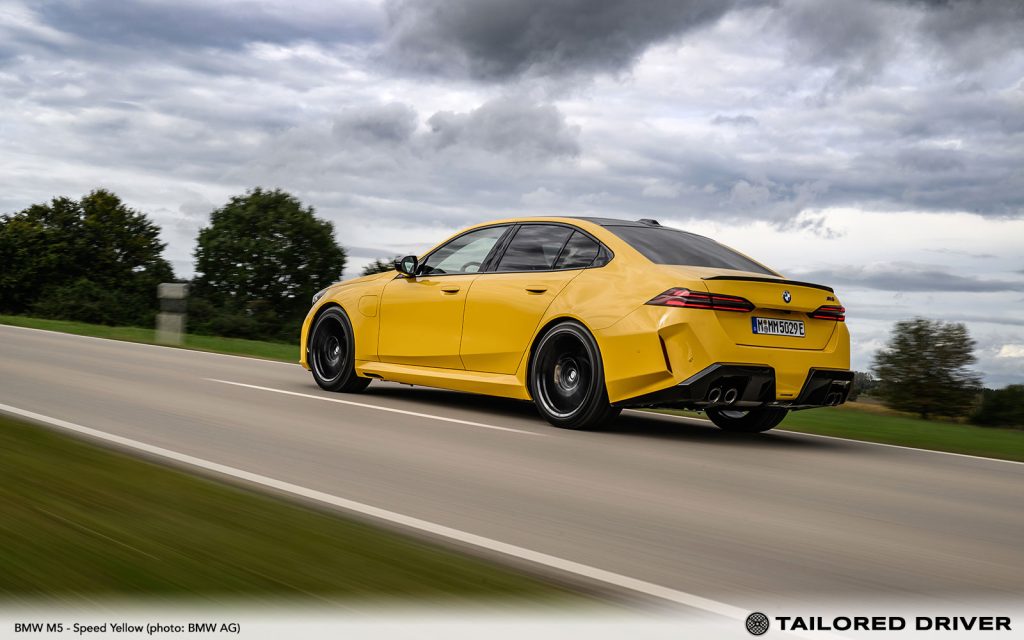
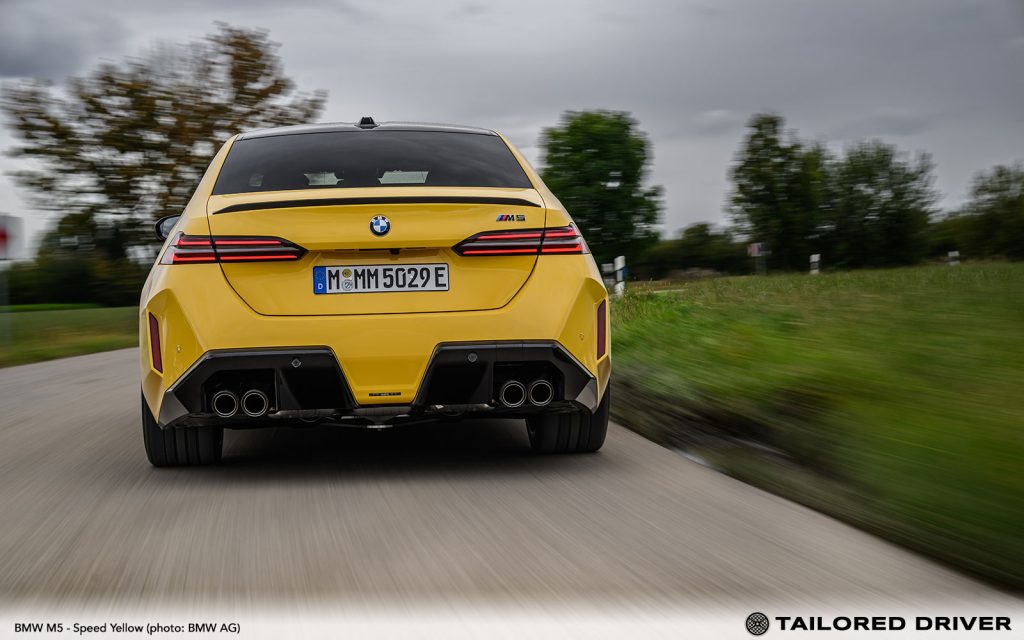
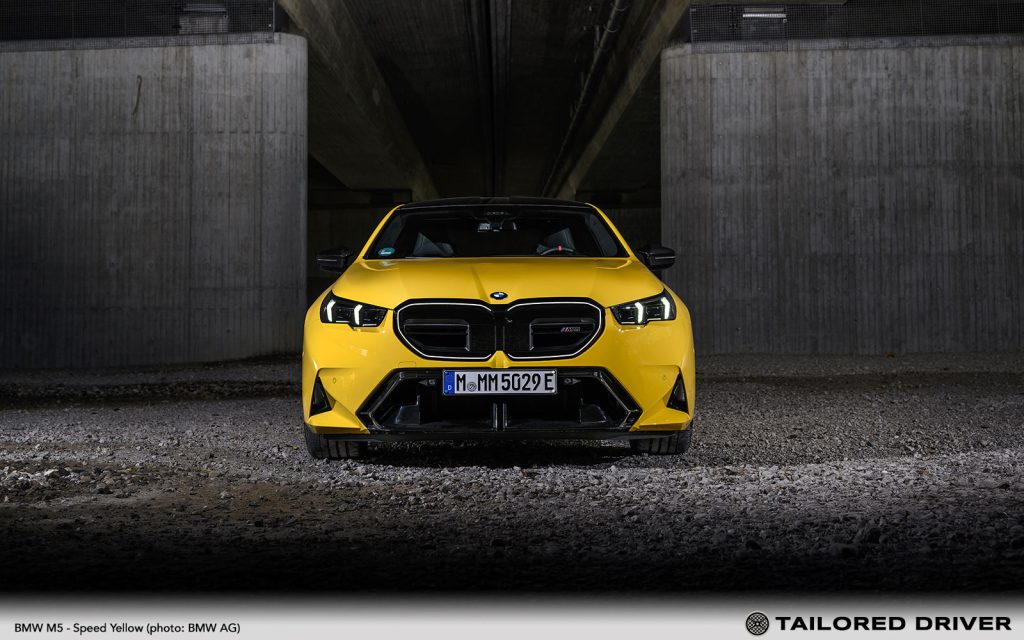
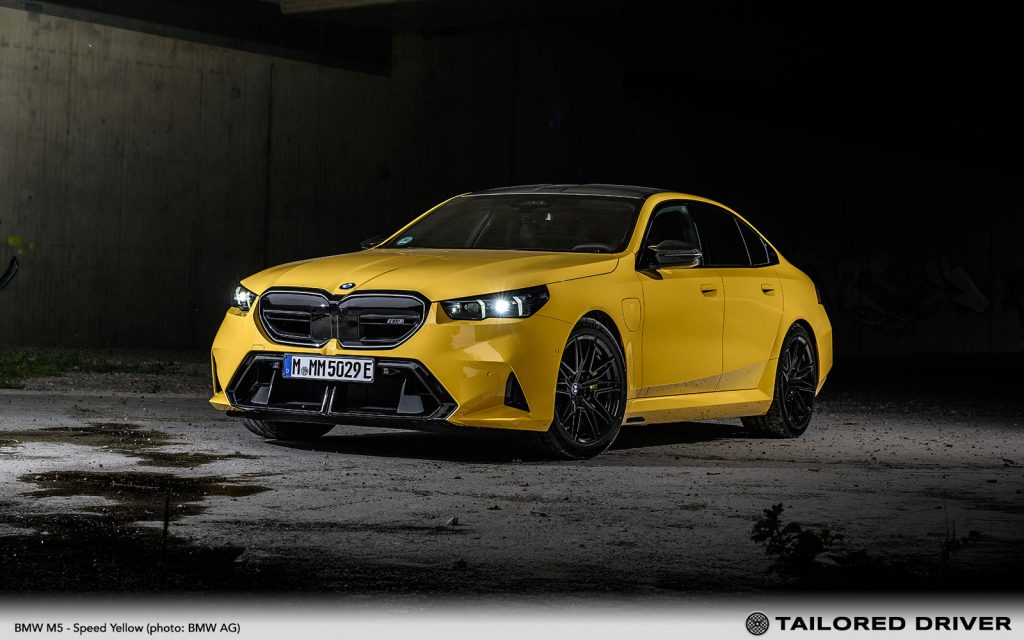
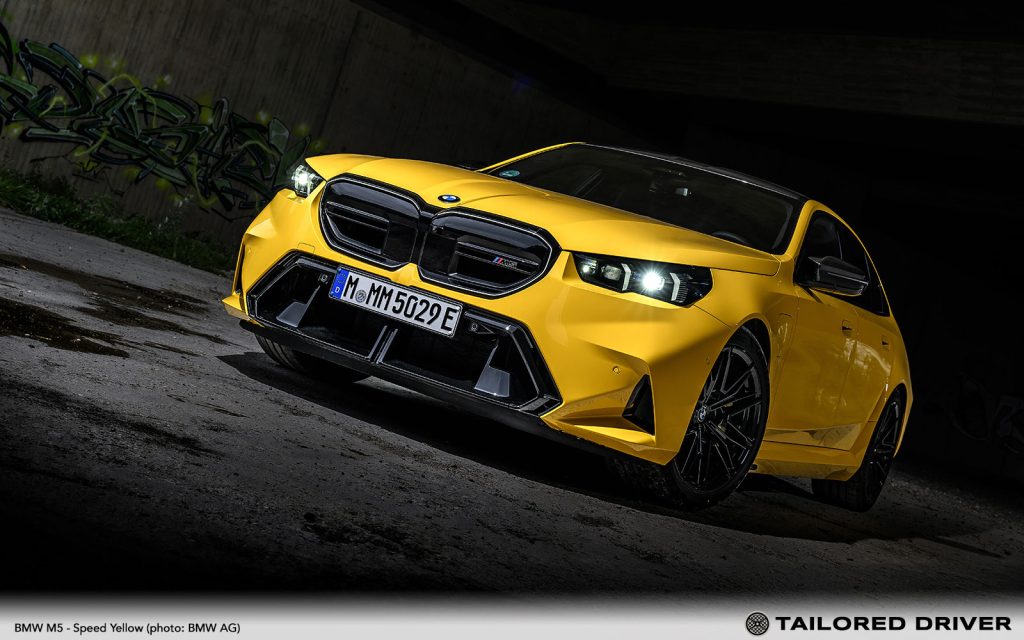
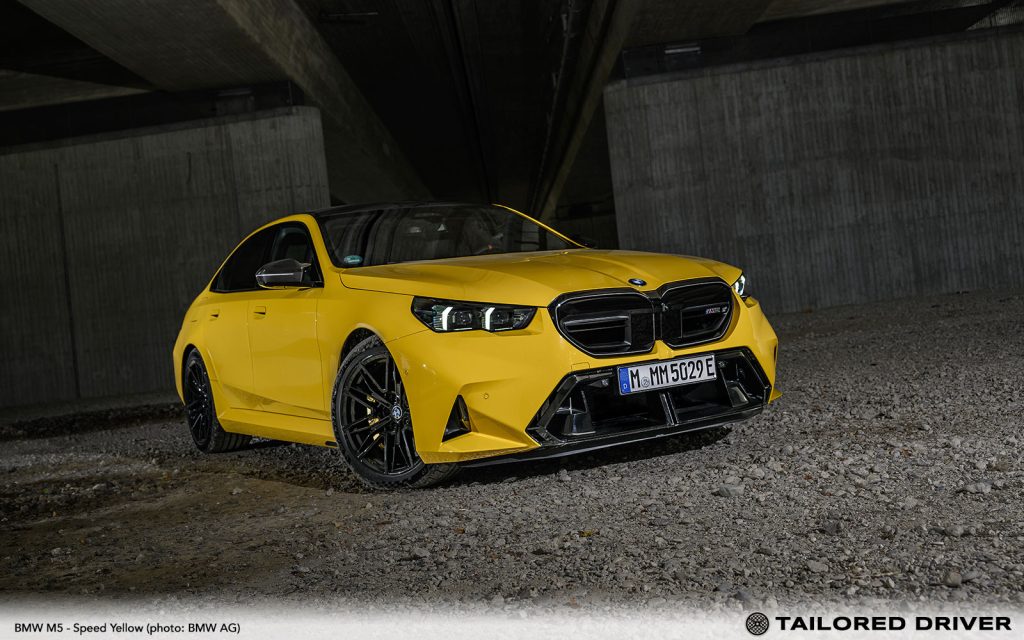
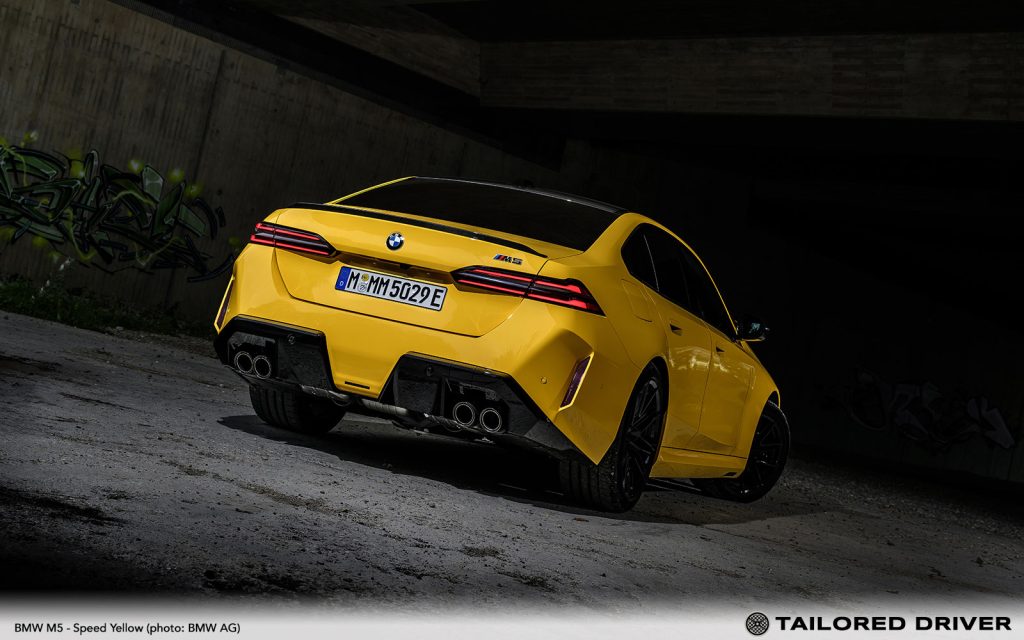
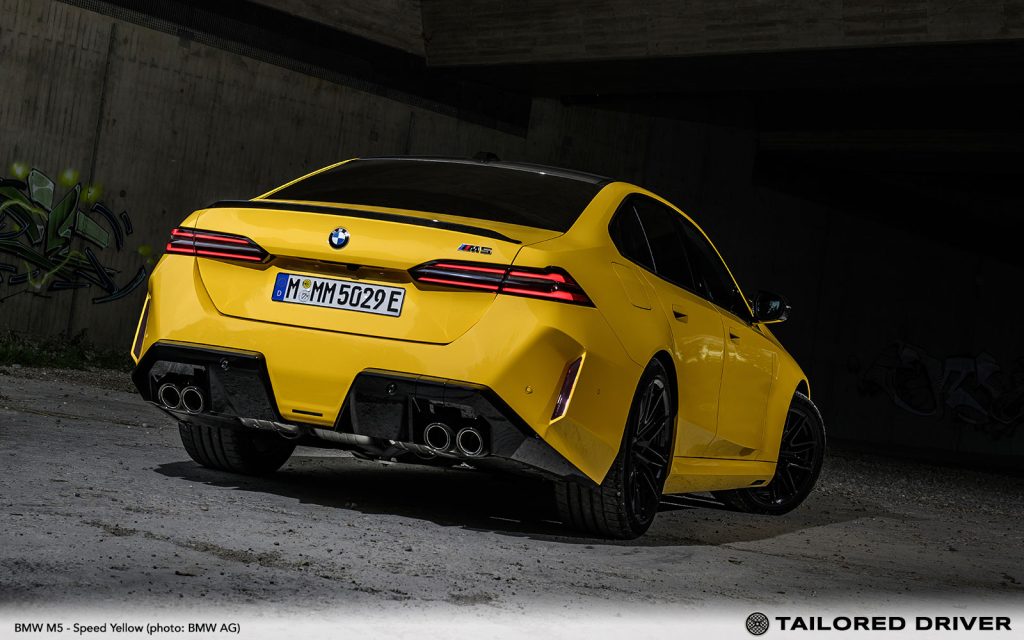
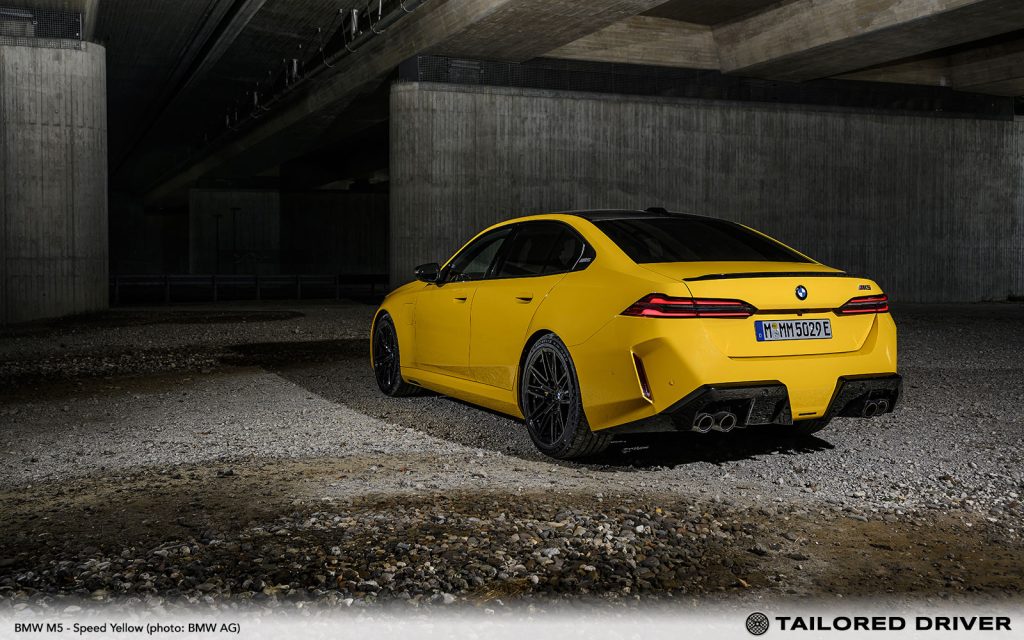
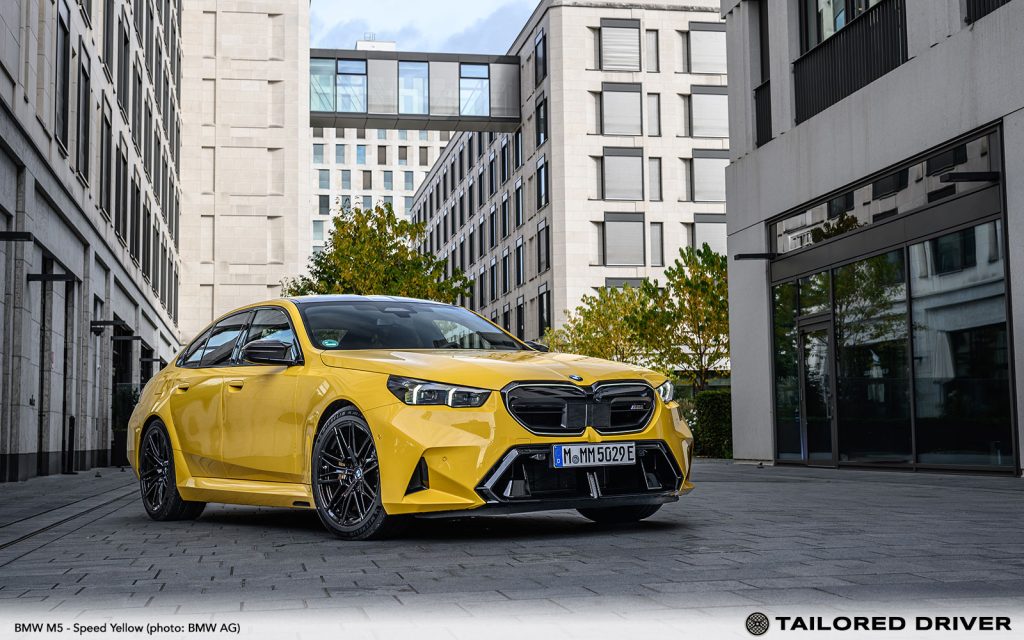
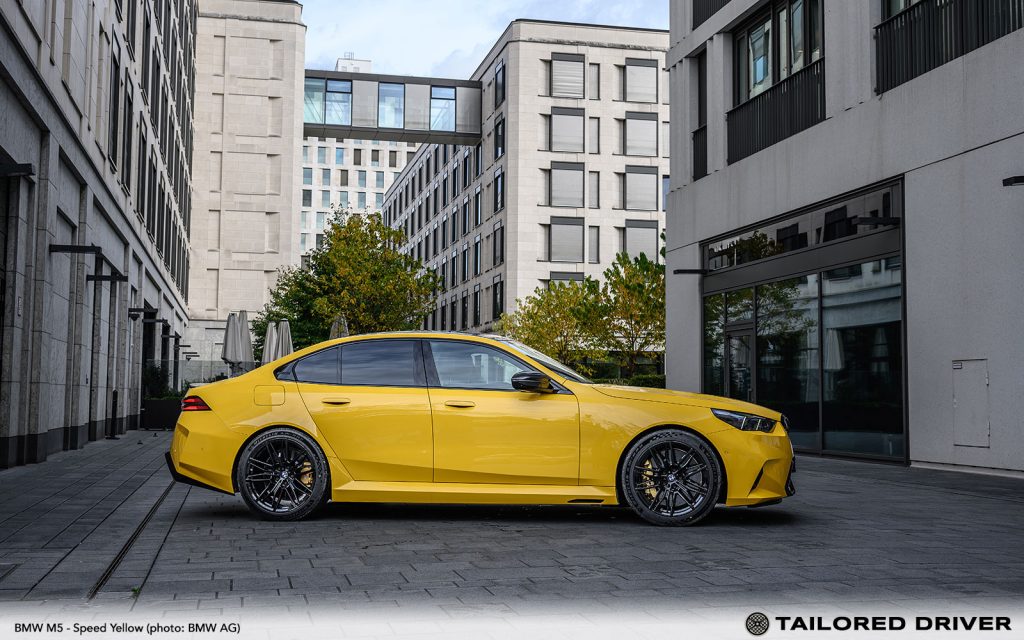
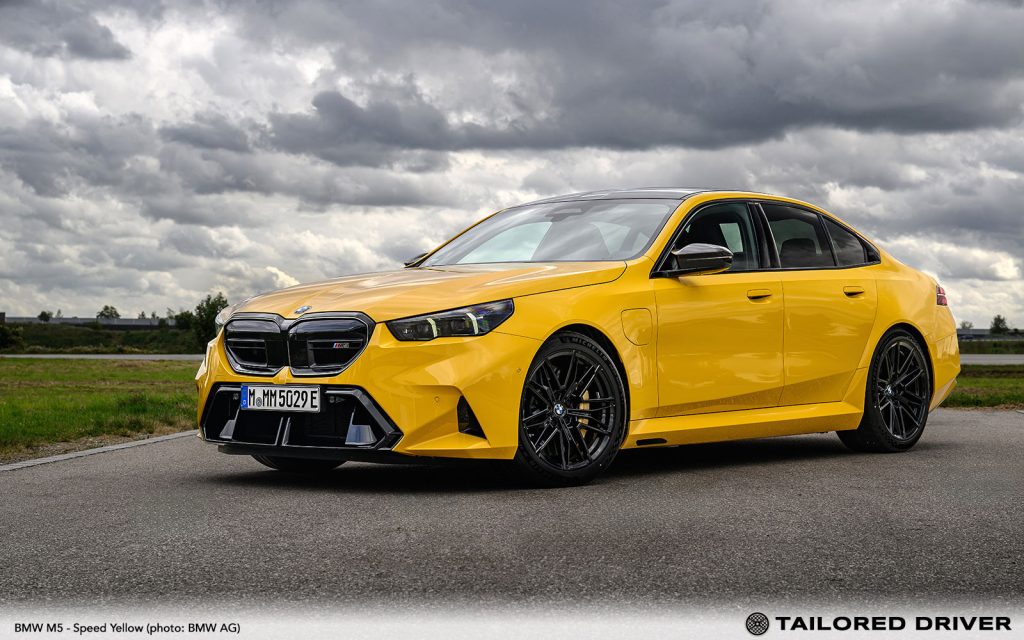
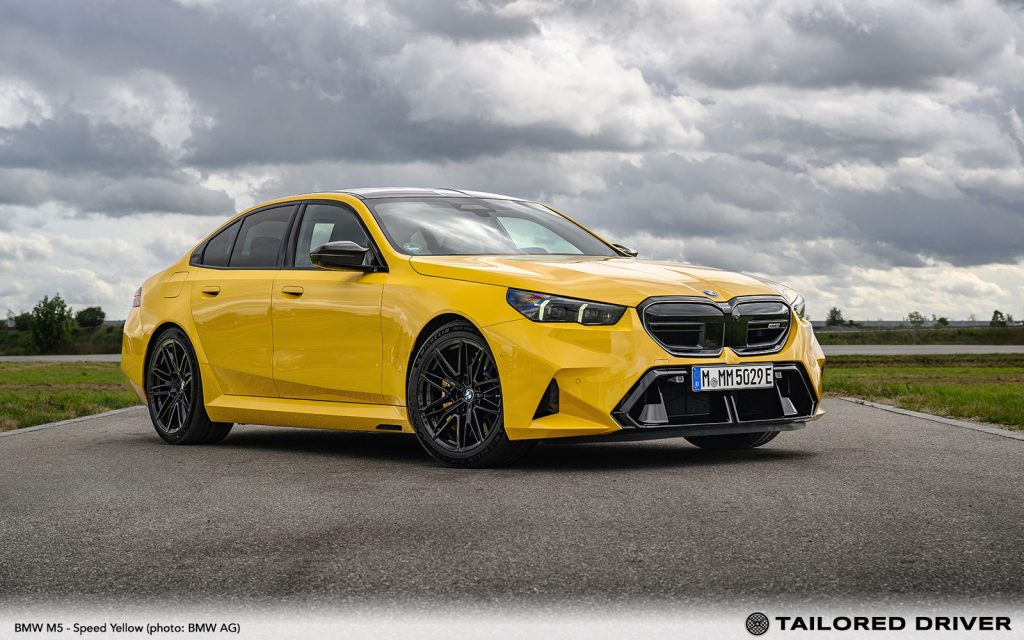
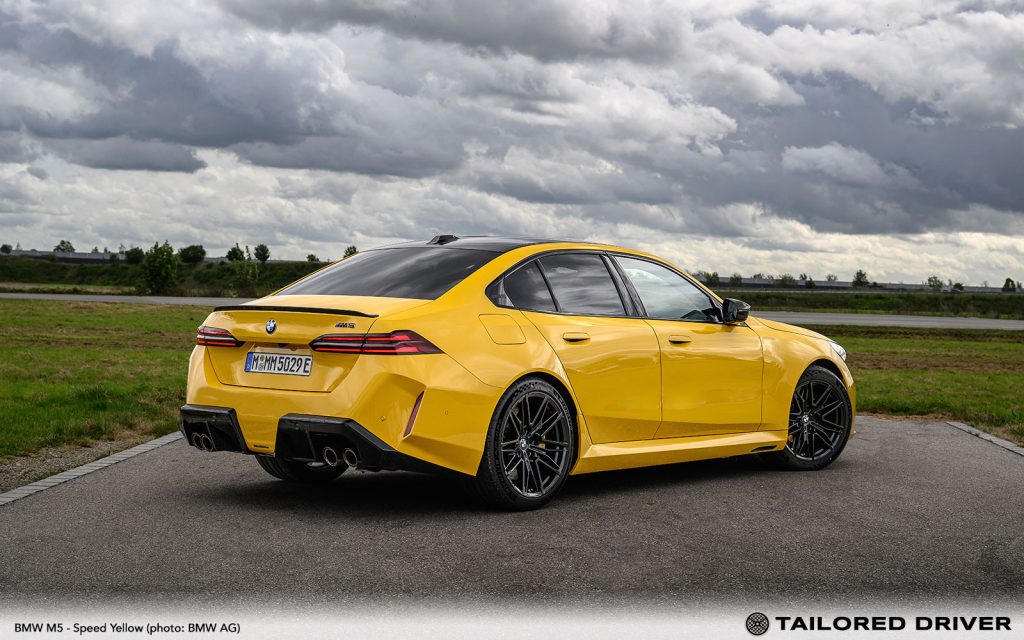
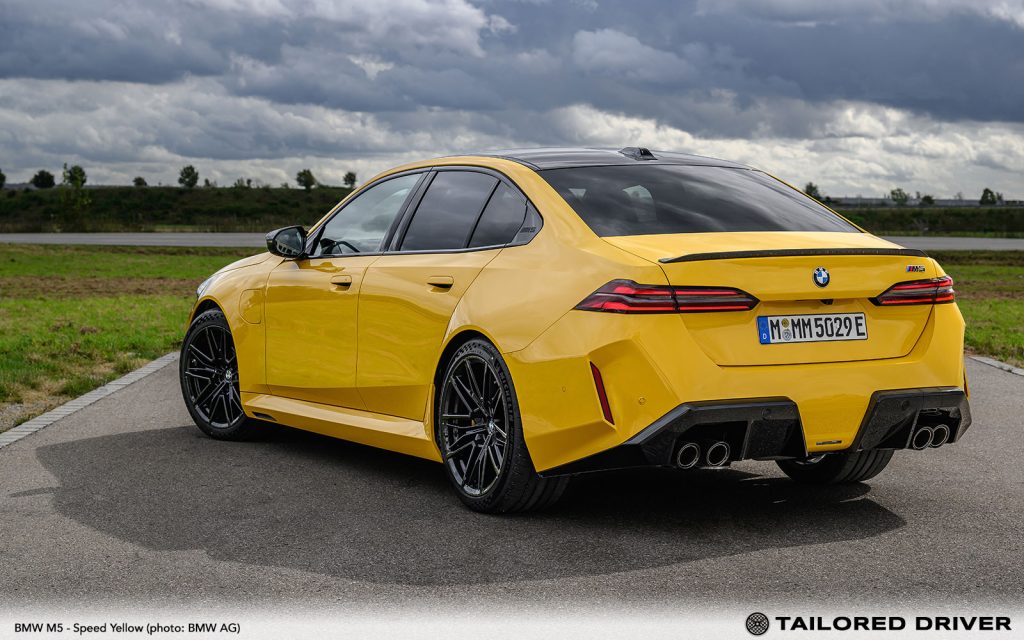
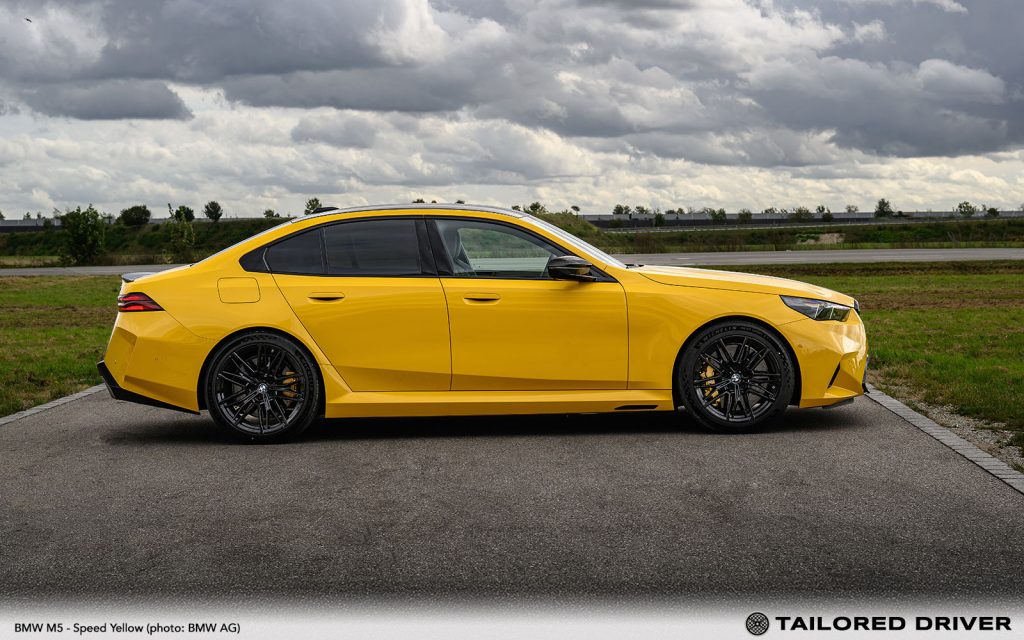
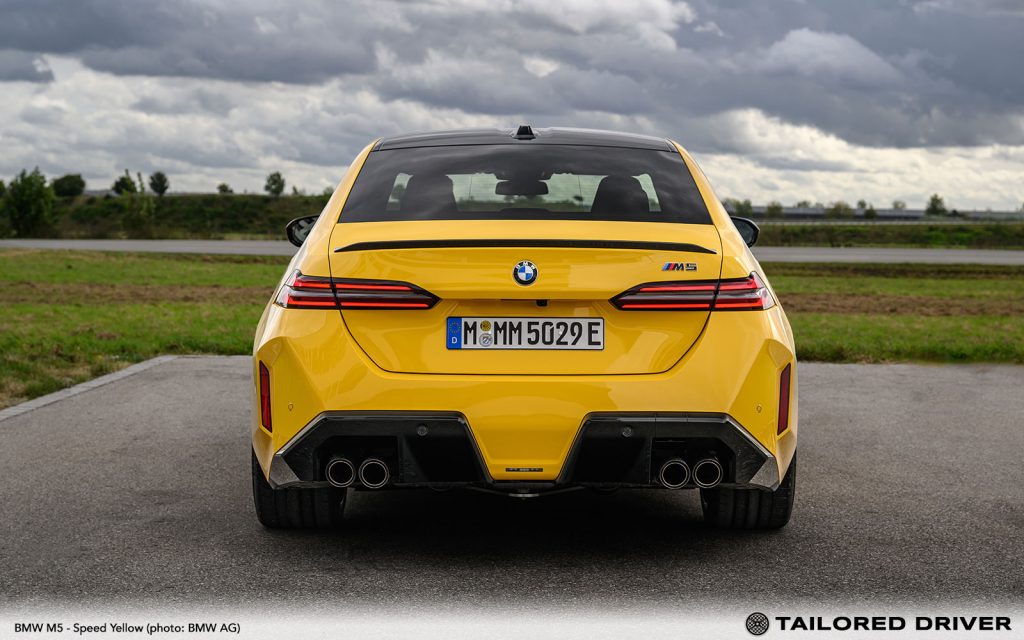
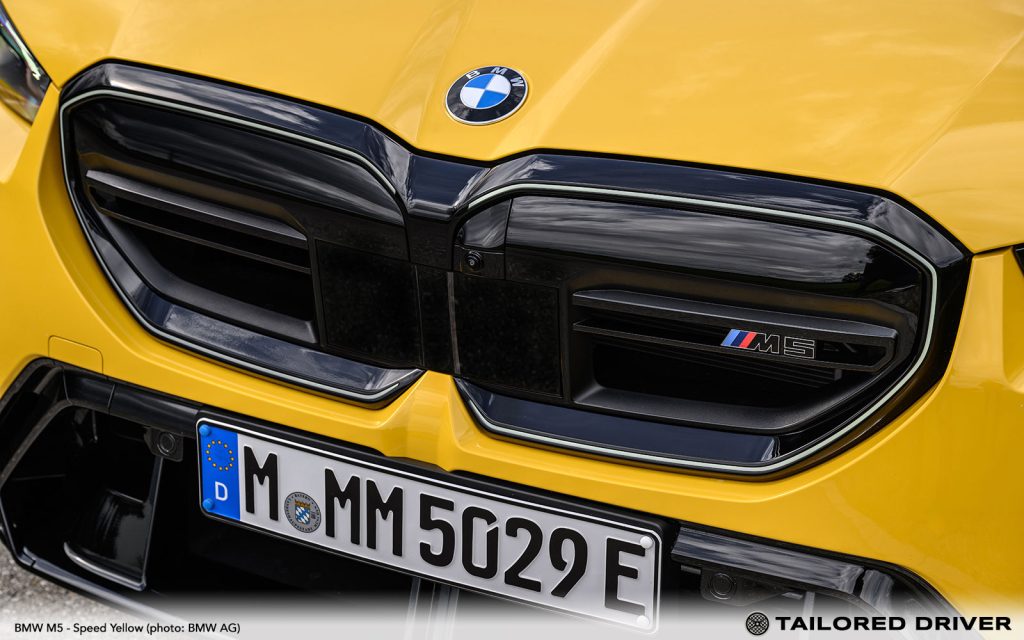
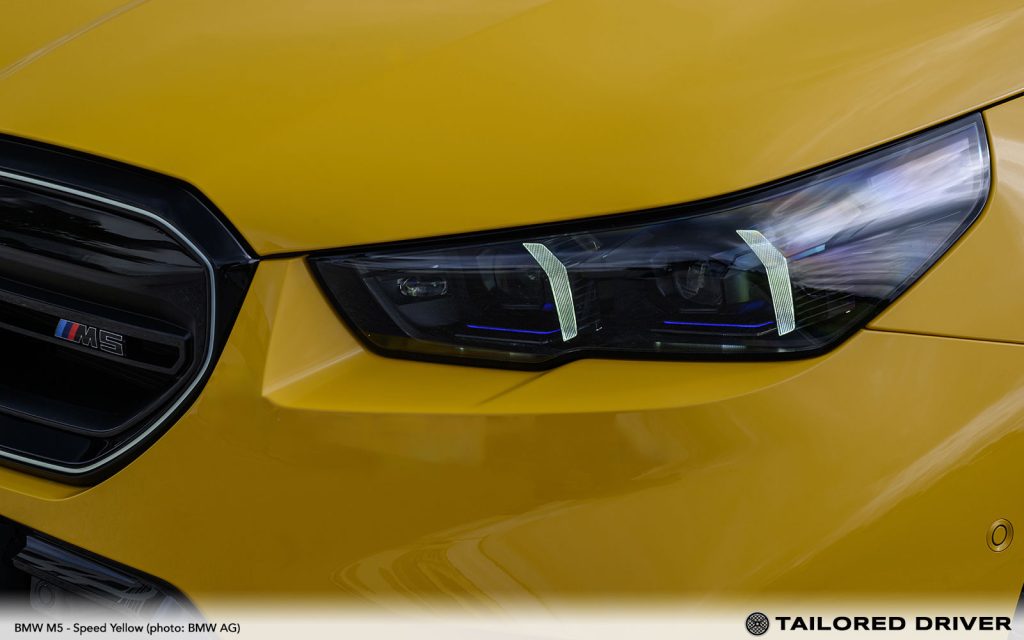
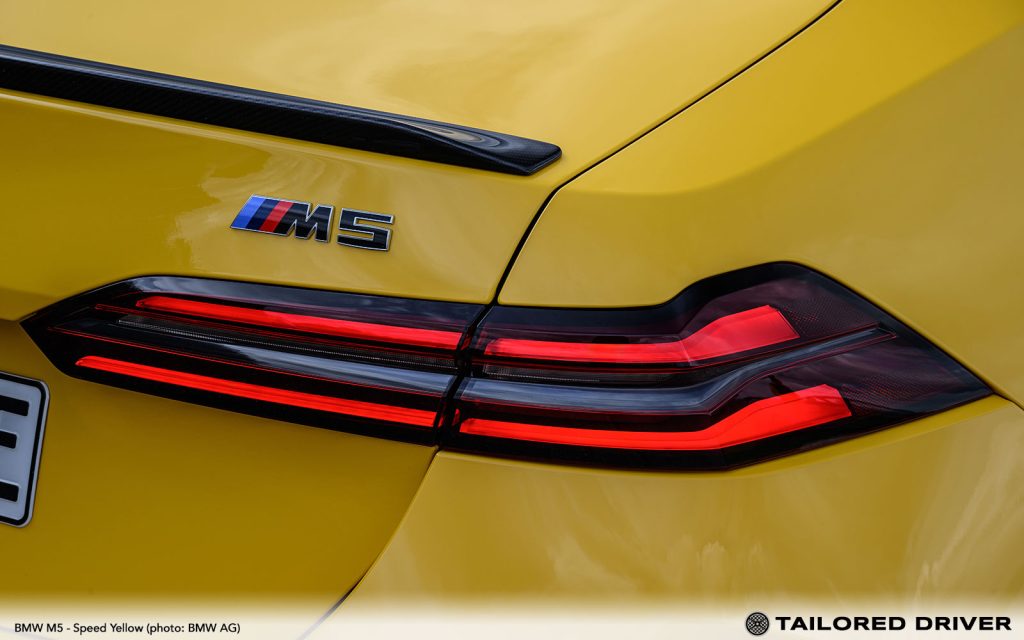
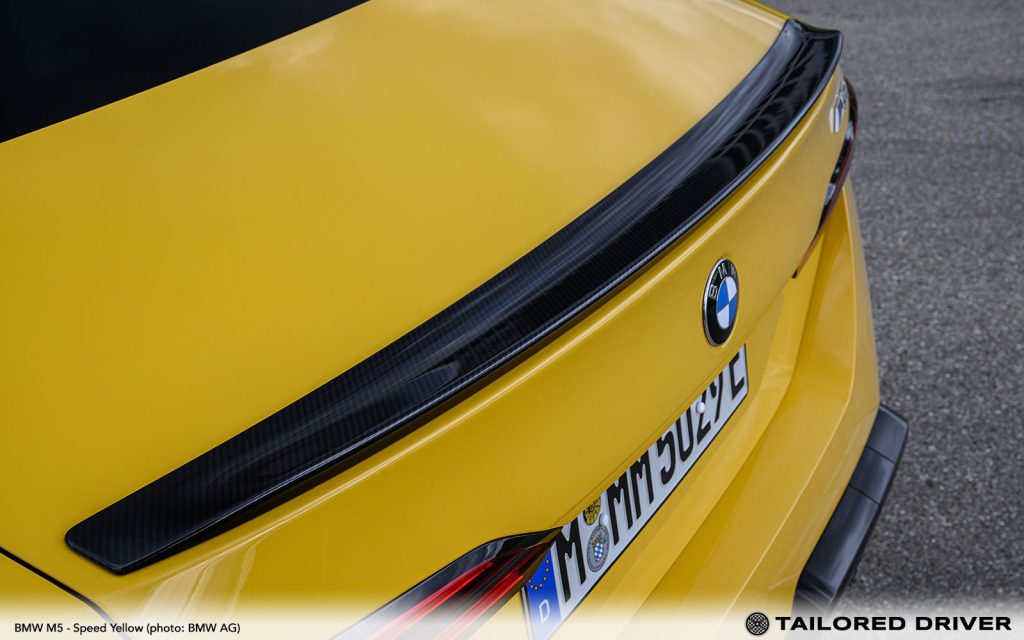
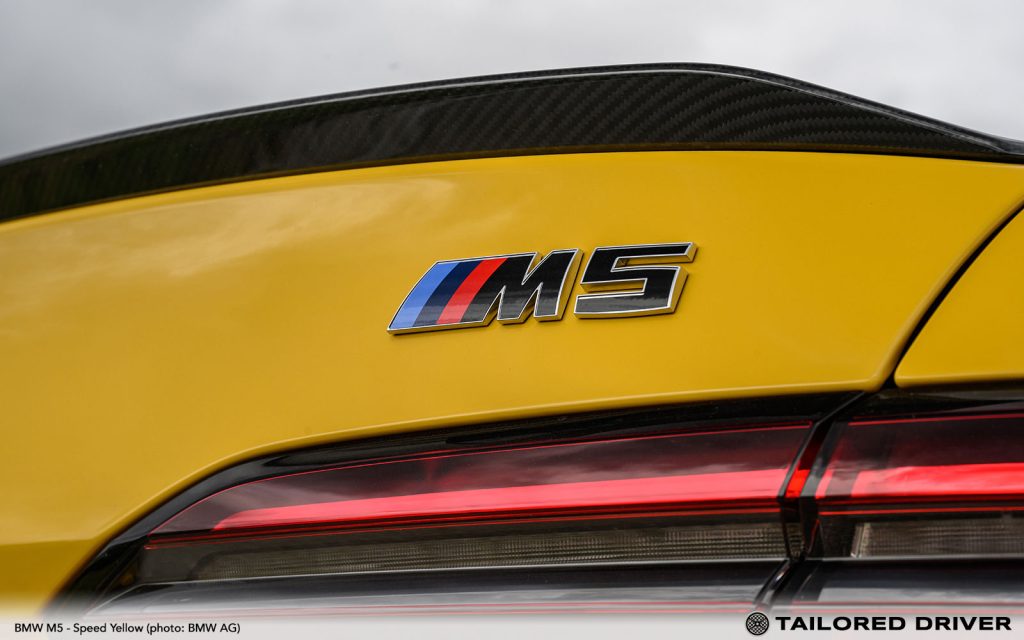
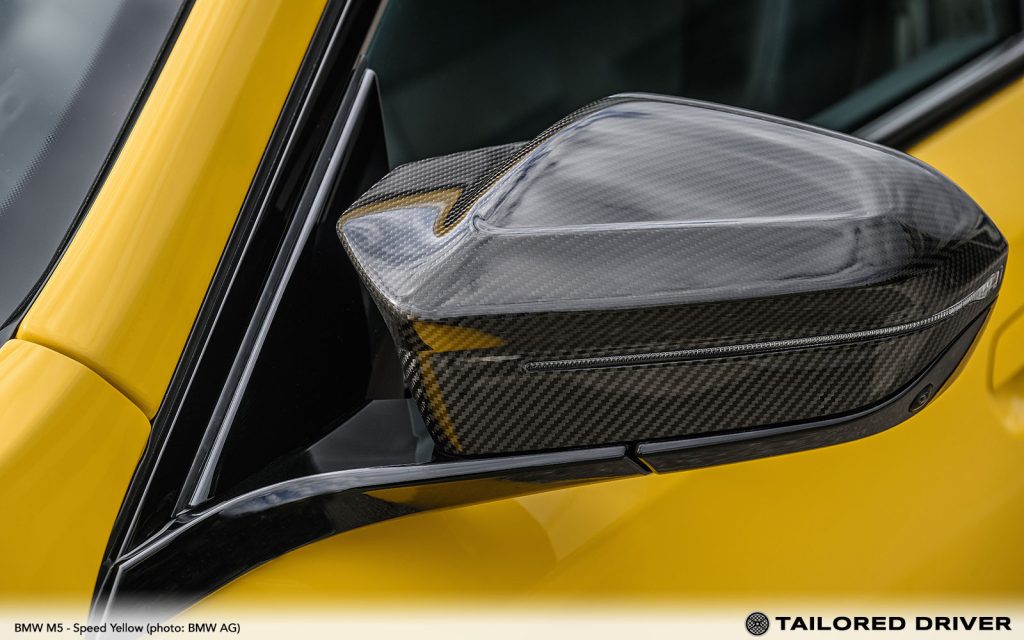
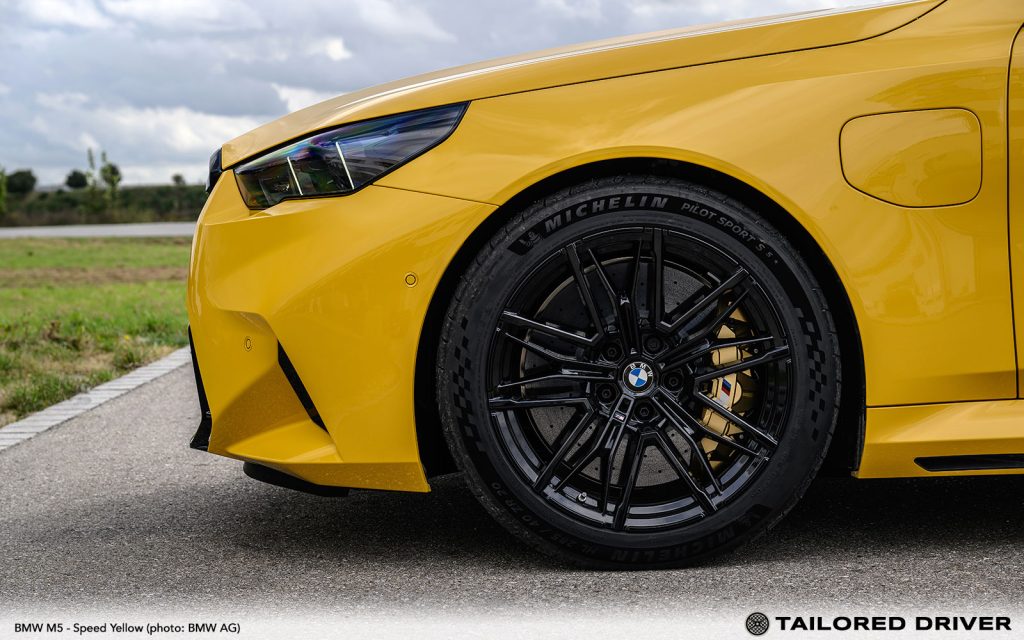
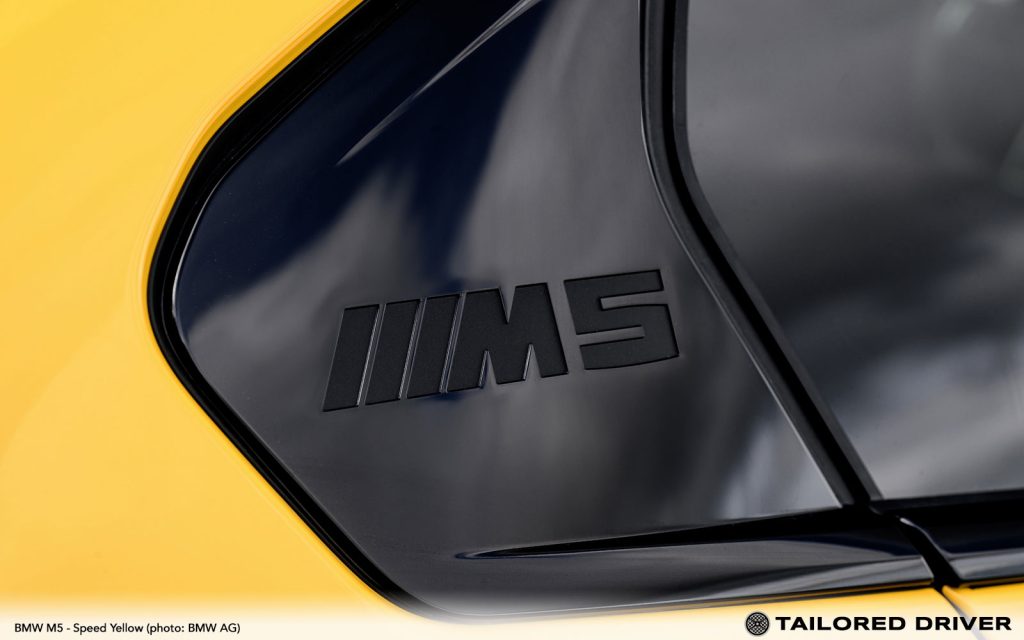
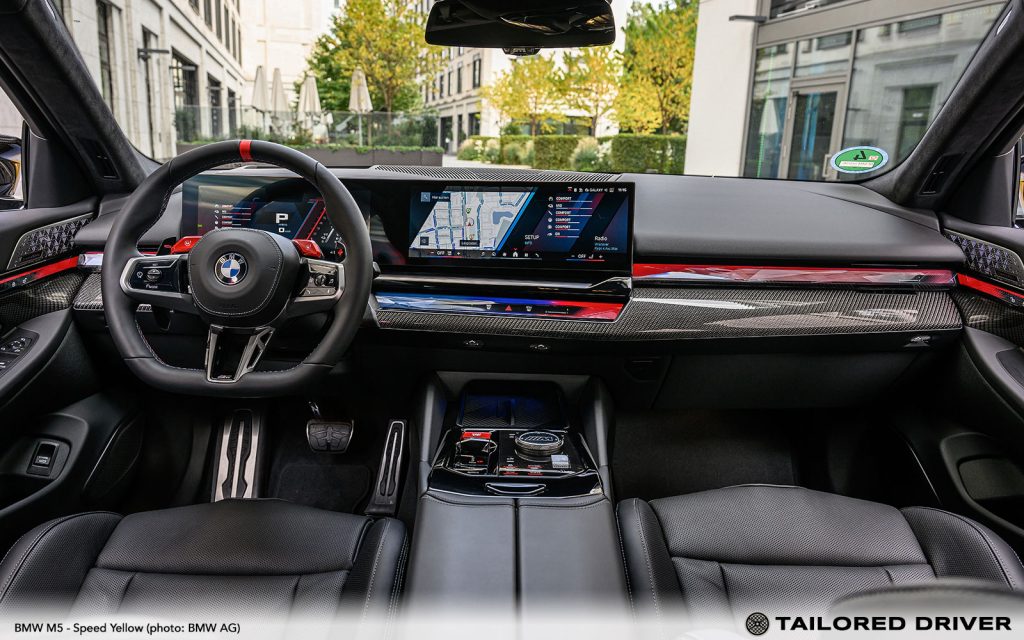
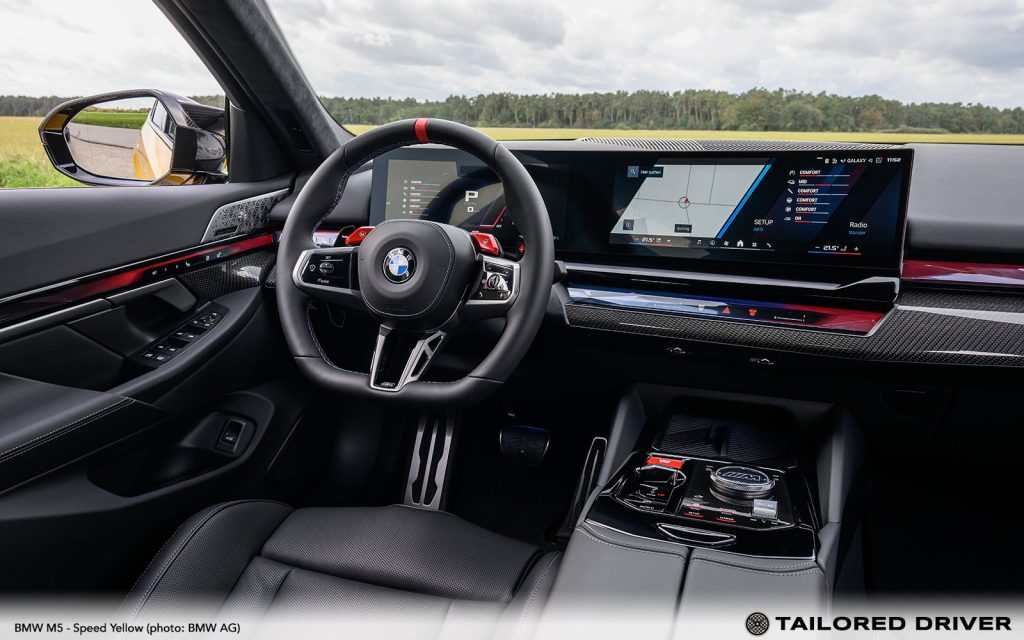
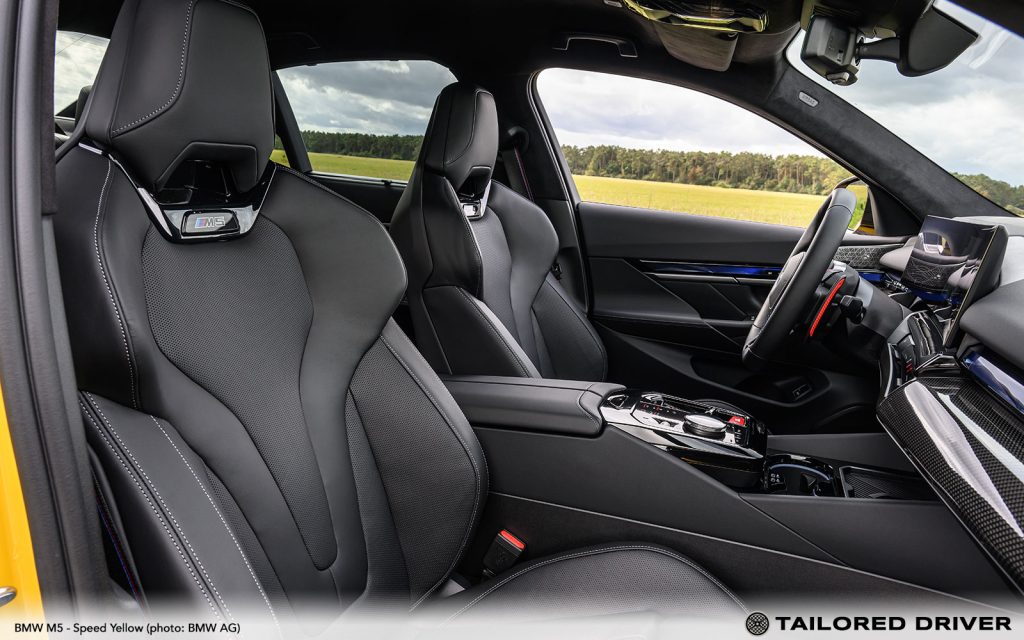
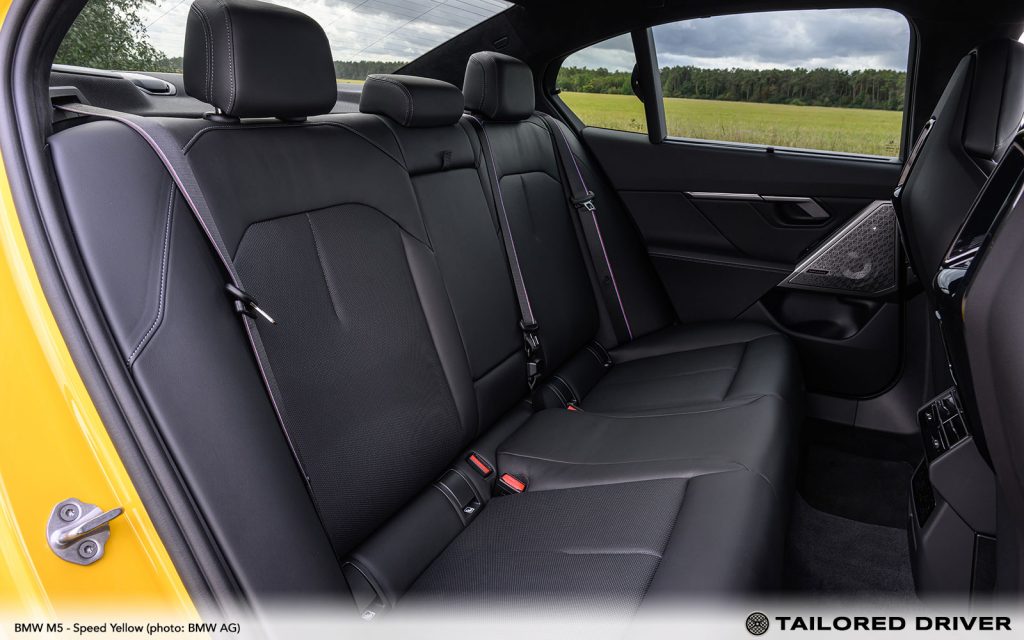
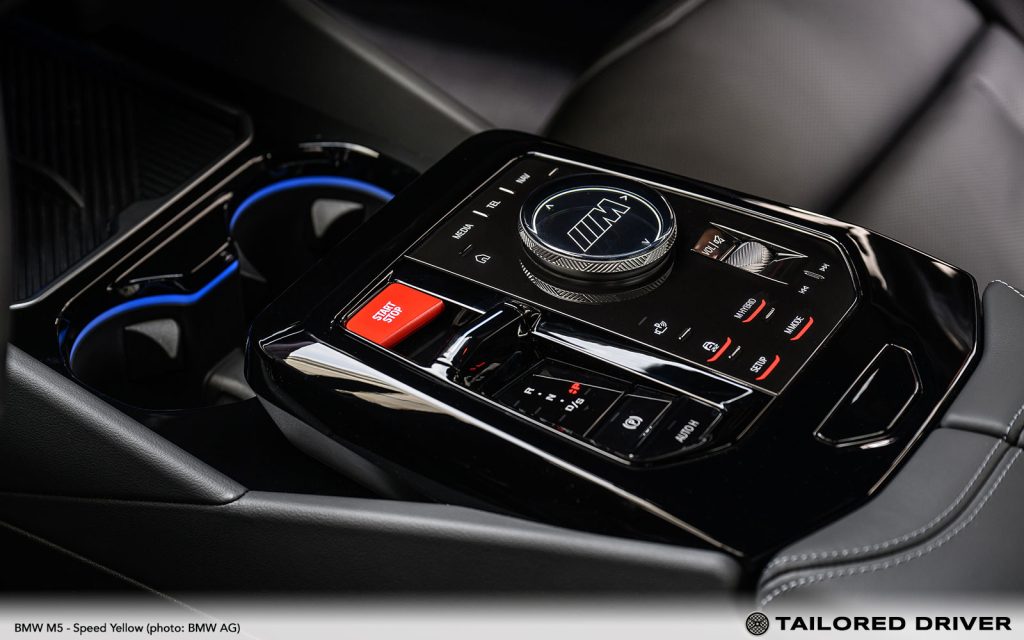
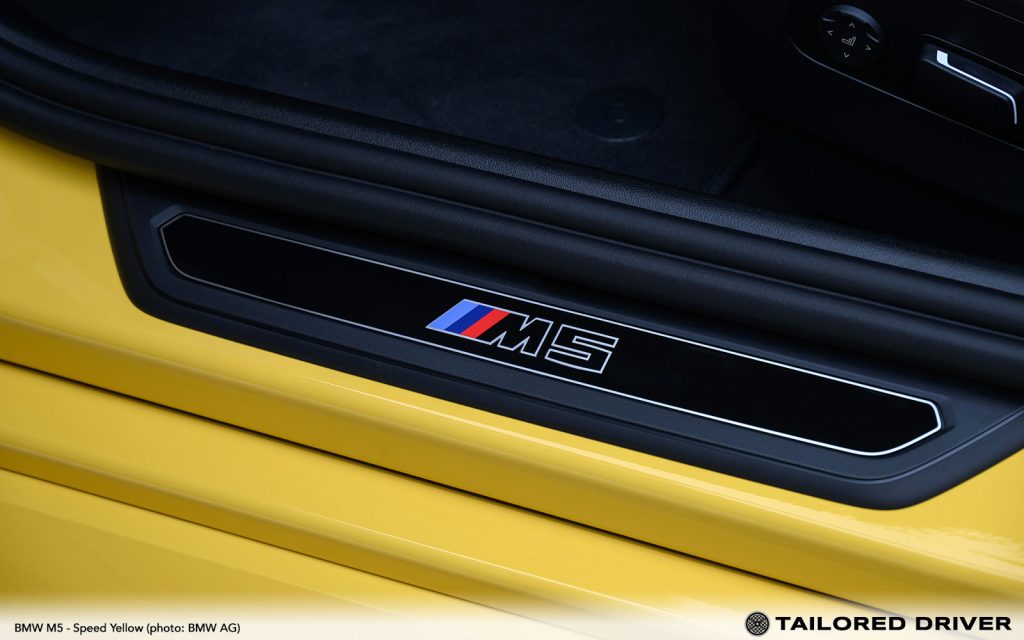
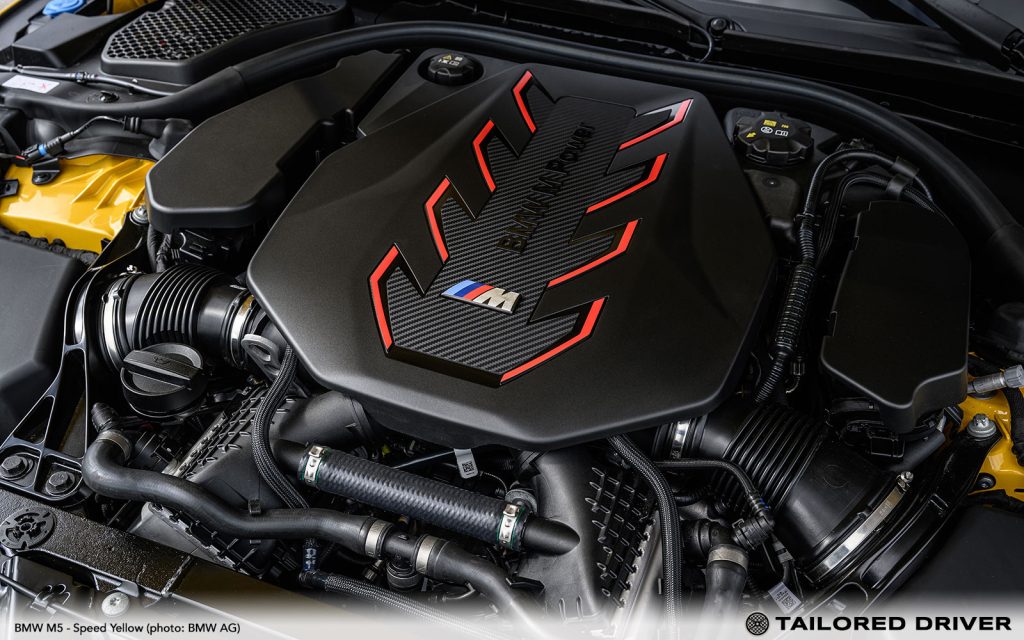
BMW has dropped fresh photo assets of its latest (G90) M5 sedan, including mixes of the car in rare and eye-catching colors. One of those colors is a popular BMW Individual offering – Speed Yellow (speedgelb; nonmetallic UNI; U96; BMW Individual).
In addition to photos, BMW also released footage of the same car. We’ve added them to our YouTube channel and will embed them here as well. Below these, you’ll find the full gallery of shots dropped by BMW in this latest round.
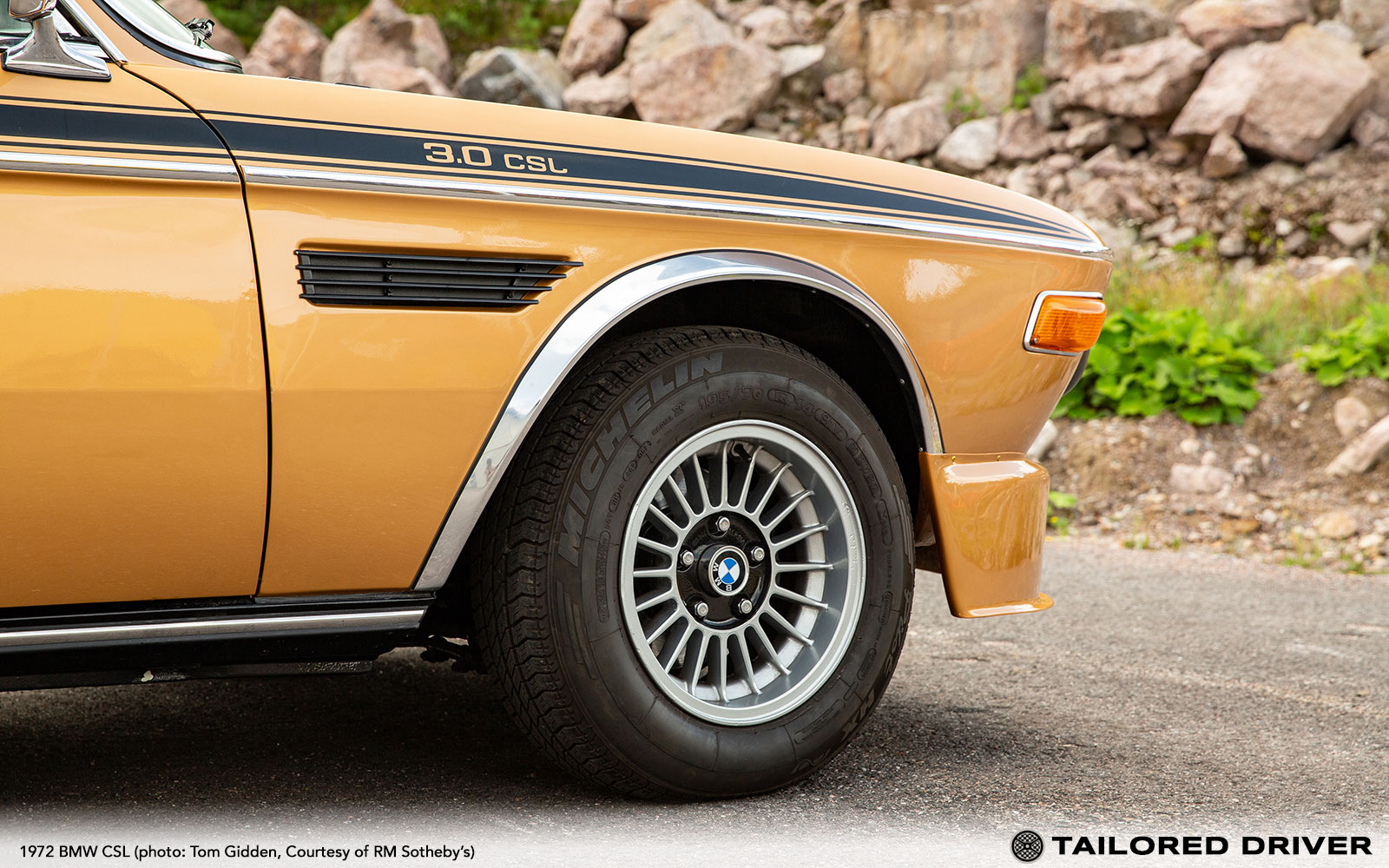
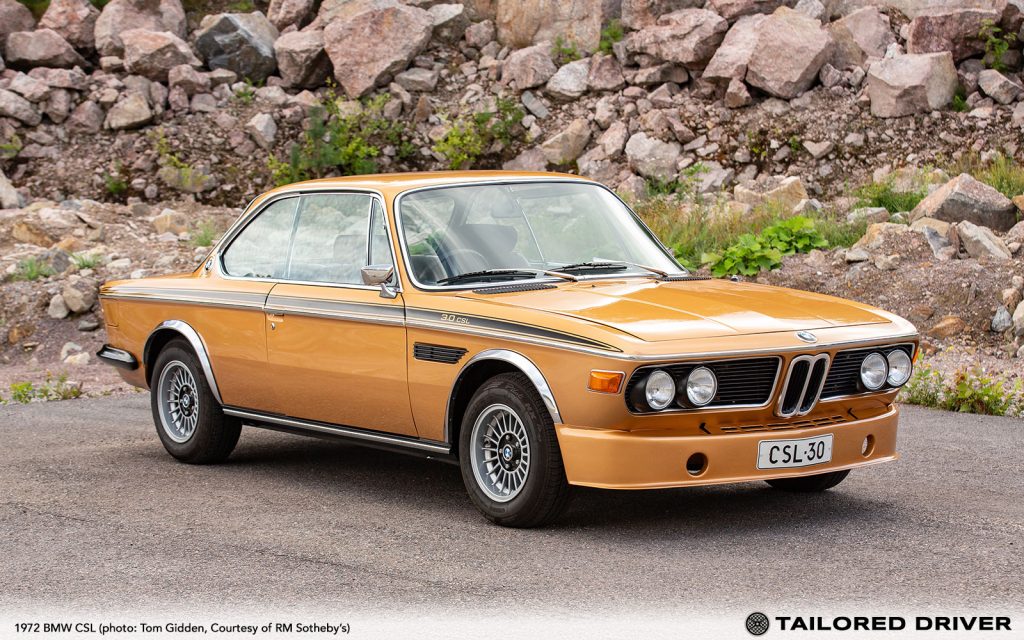
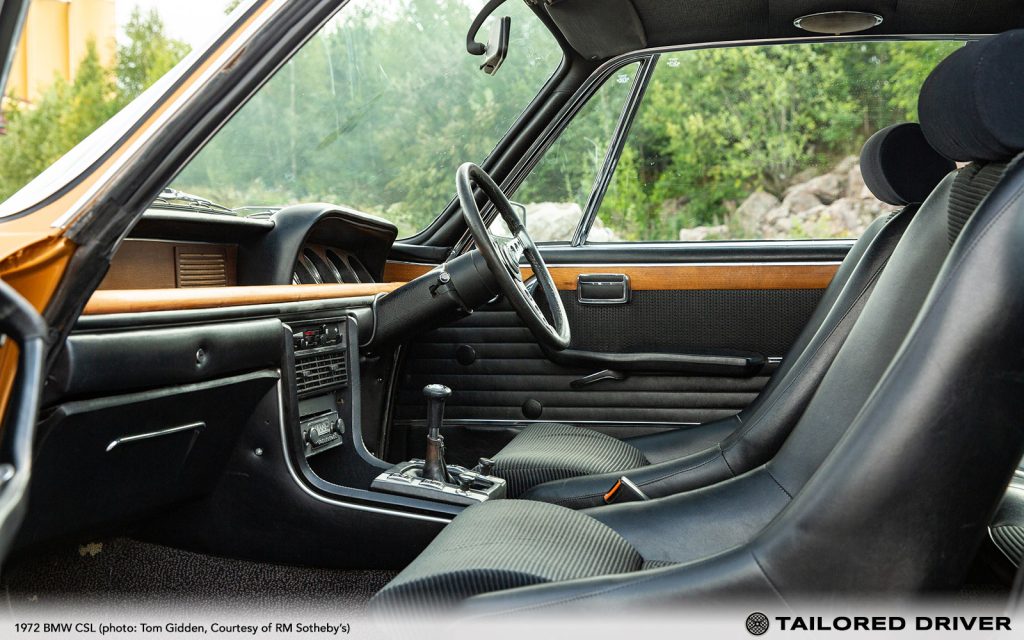
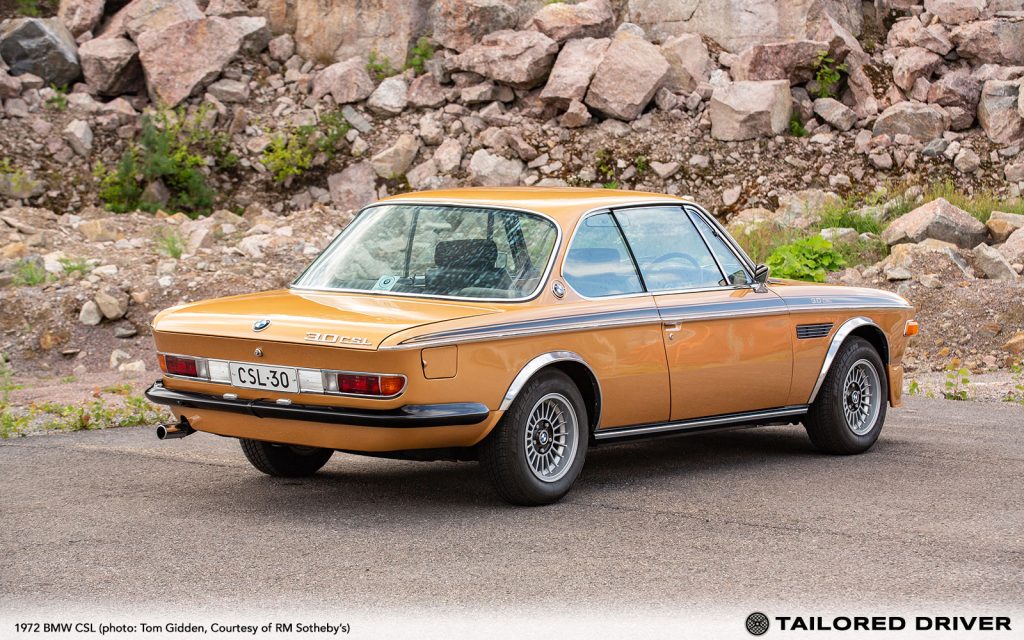
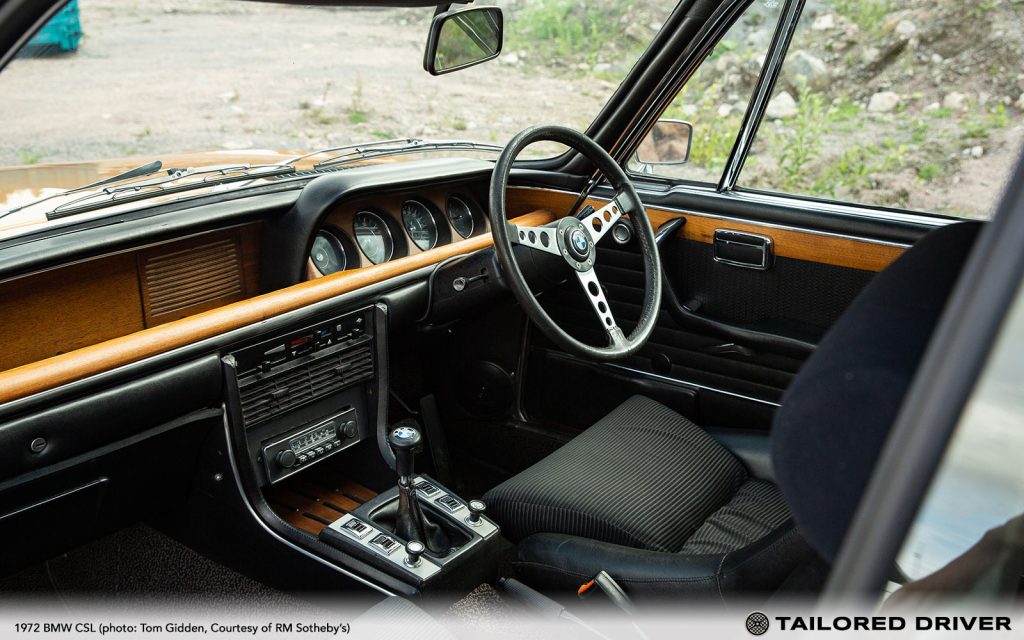
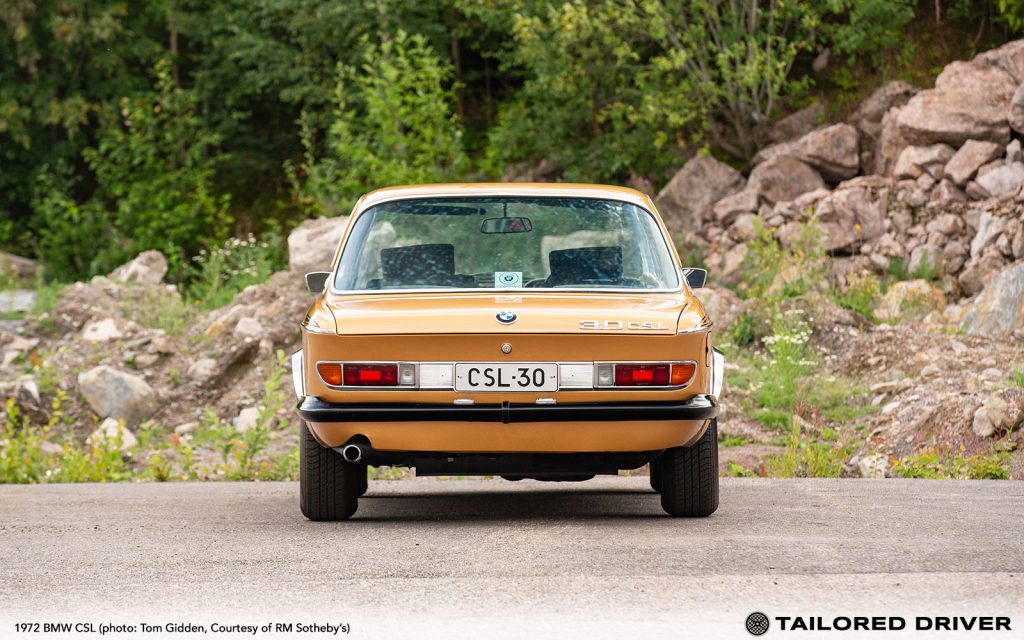
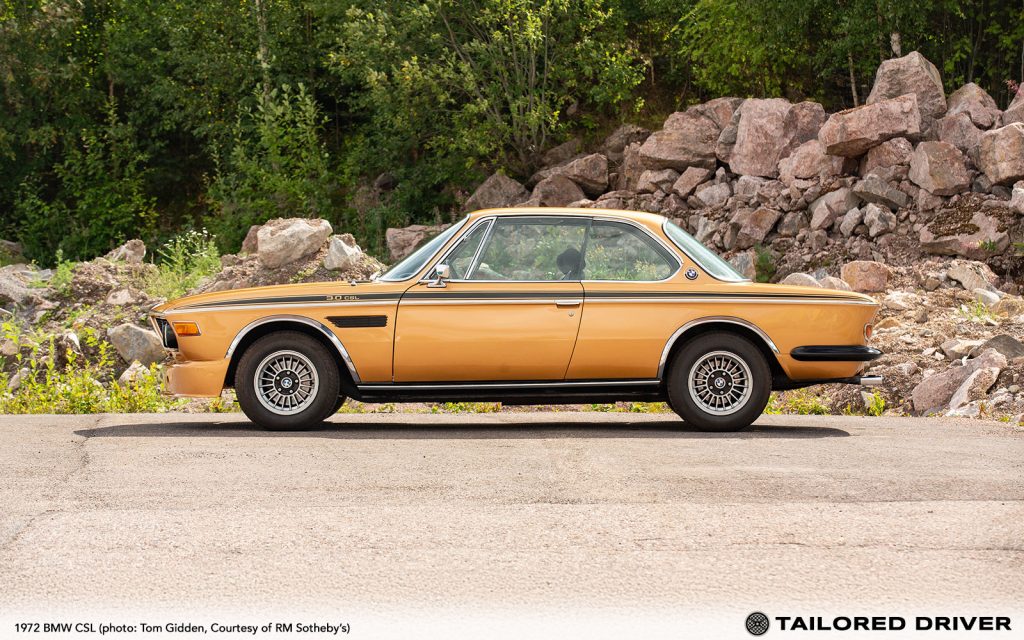
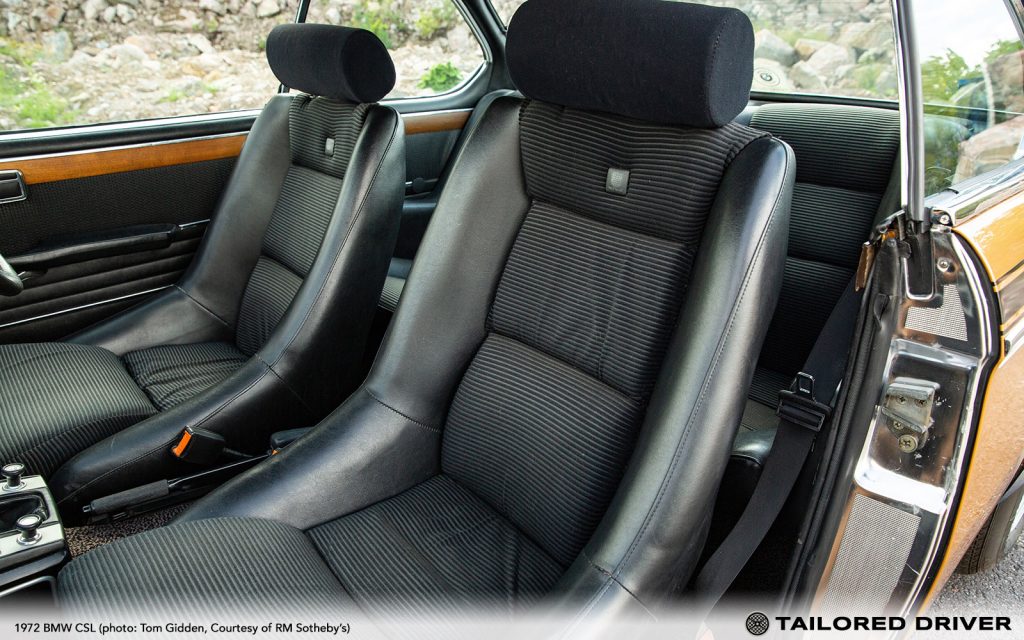
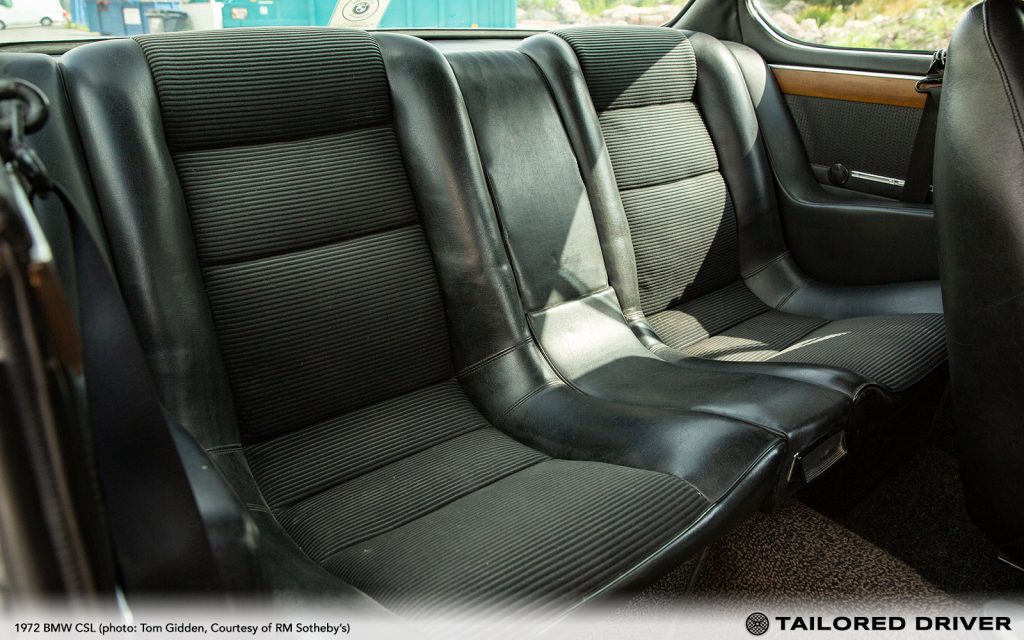
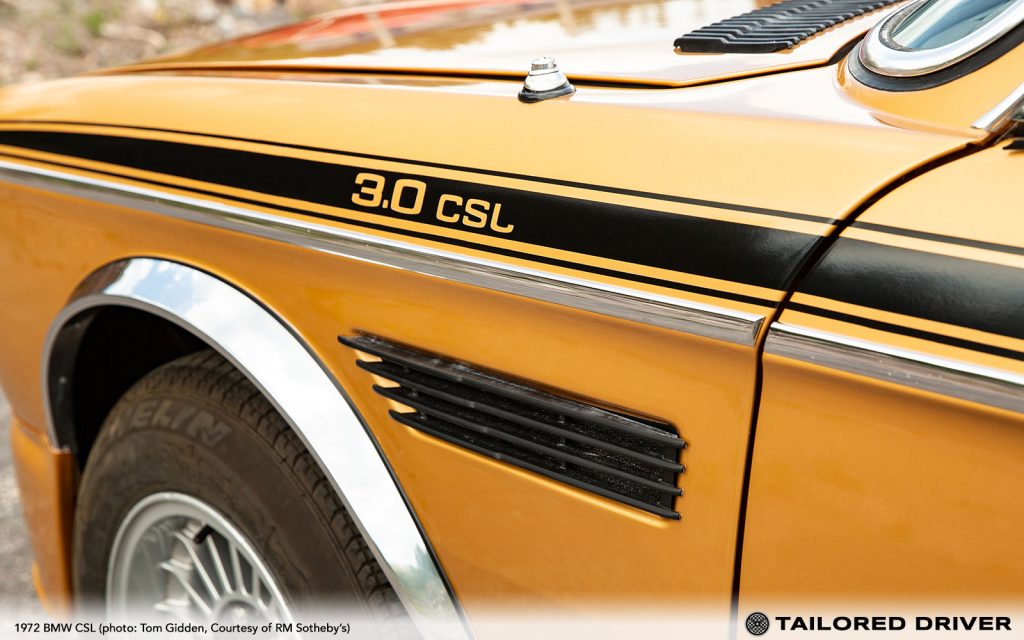
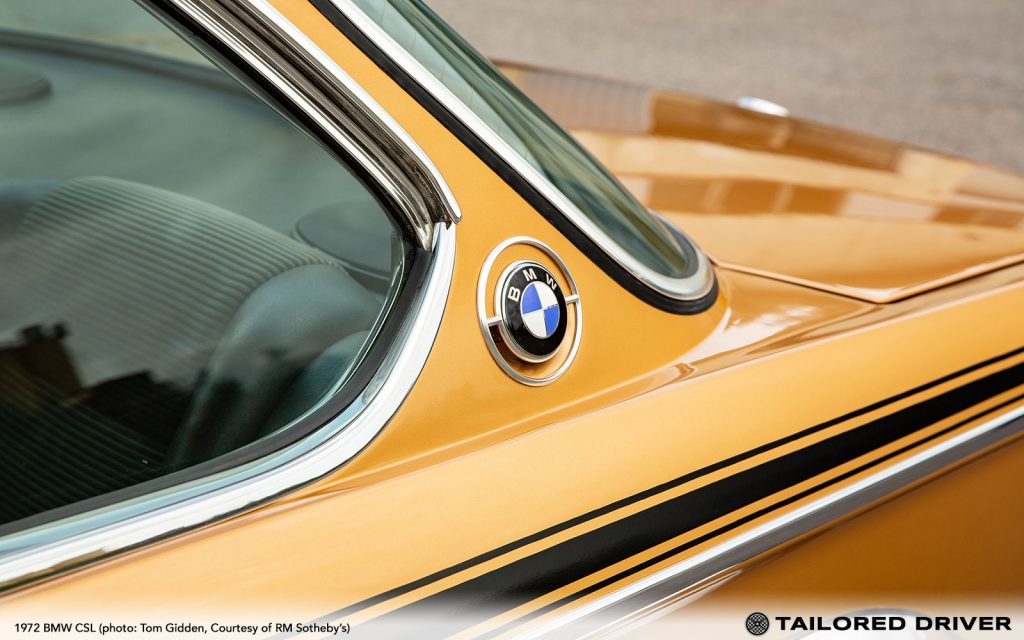
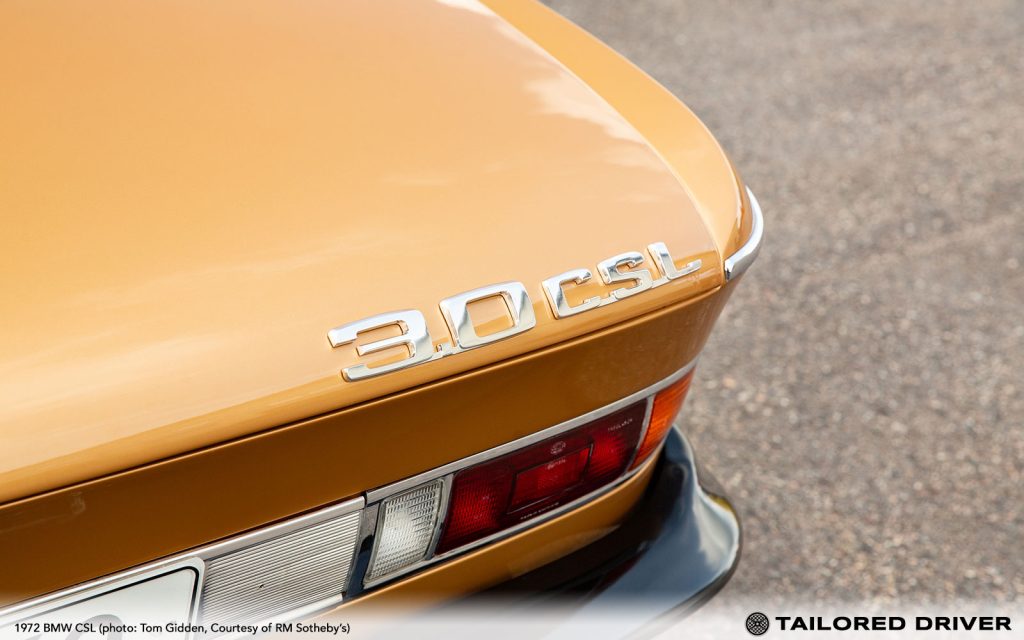
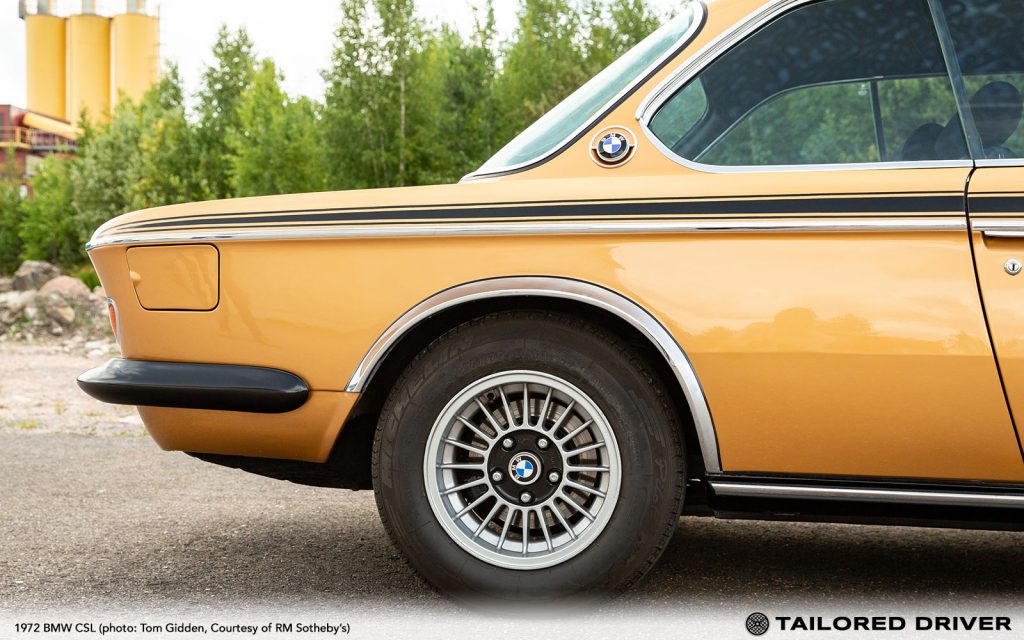
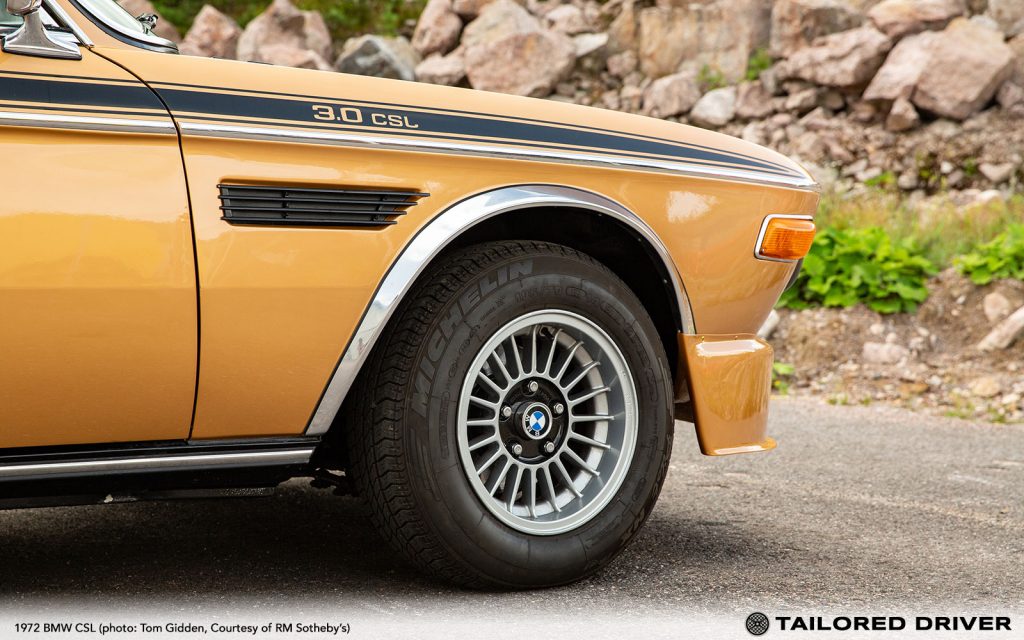
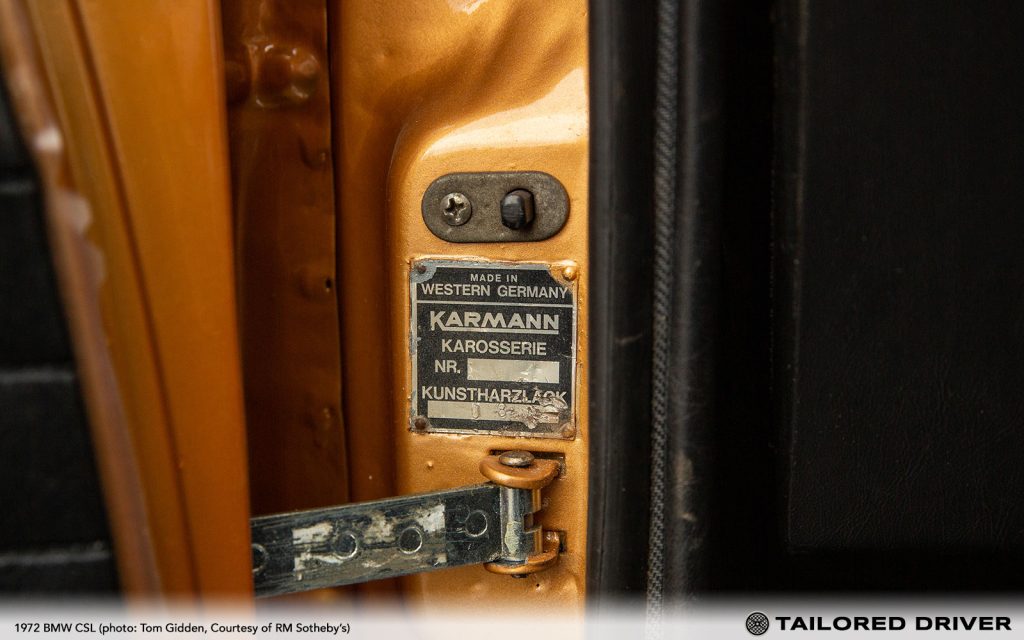
The BMW 3.0 CSL is one of the most collectible vintage BMWs going, a rare and highly sought-after iteration of the brand’s E9-based coupé. Like its period motorsport competitor the Porsche 911 Carrera RS 2.7, few CSLs were built and the collector market tends to keep close track of where they are and when they’re coming on the market. It’s notable then when RM Sotheby’s plans to sell one in their upcoming Münich based auction.
Motorsport intentions were always the plan with the CSL, and to accomplish that BMW engineer set about light weighting it via generous use of aluminum in the doors, hood, and trunk lid. These and other measures helped aid its shedding some 440 lbs. BMW built just 1,265 unites, of them just 500 were built as right-hand drive like this one. Racecars derived from these roadgoing homologation specials would net six European Touring Car championship titles from 1973 to 1979.
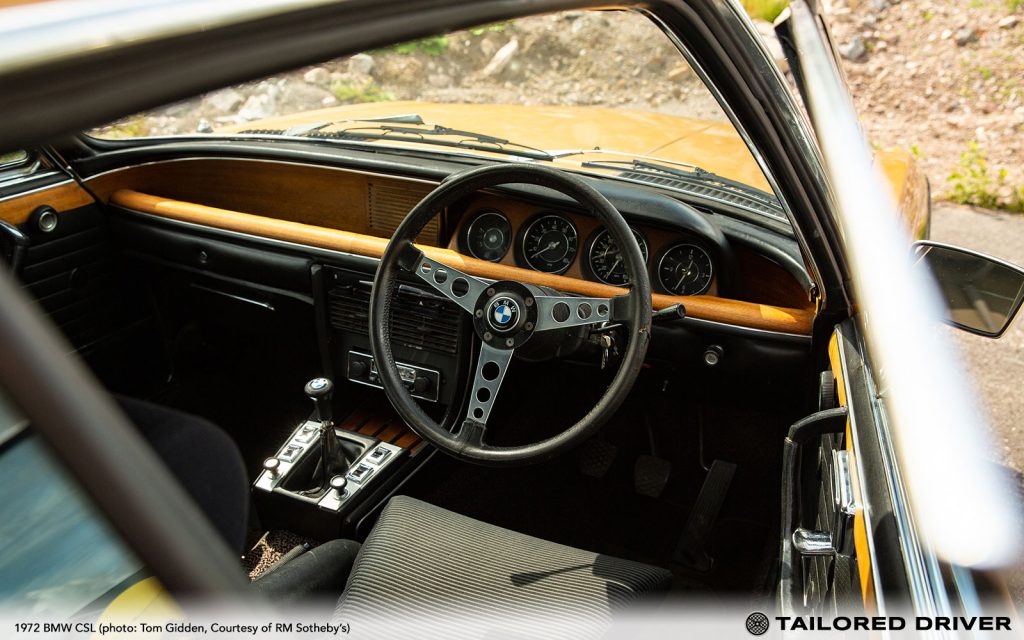
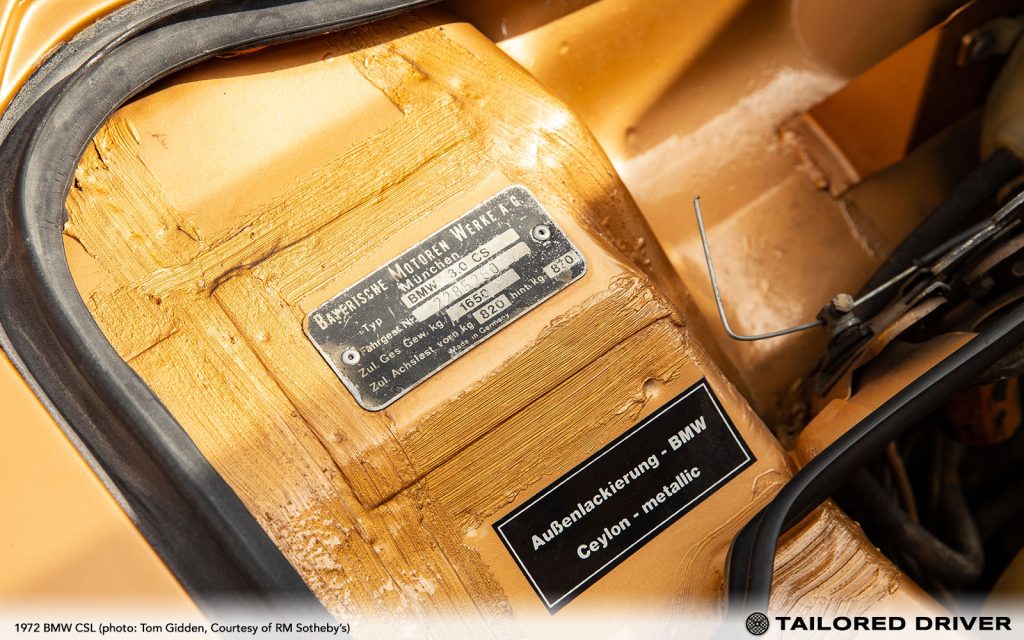
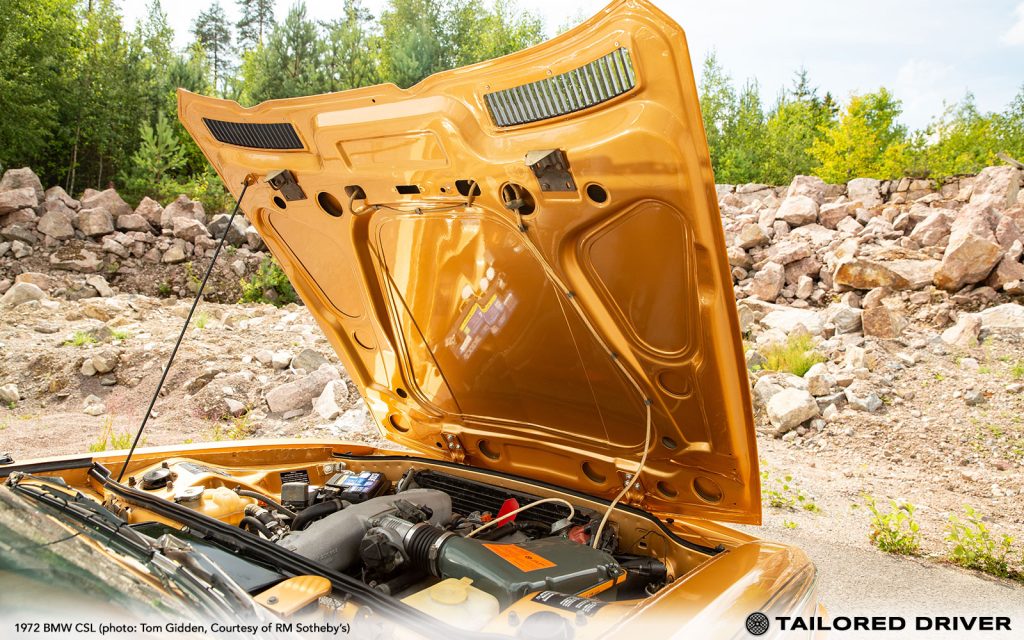
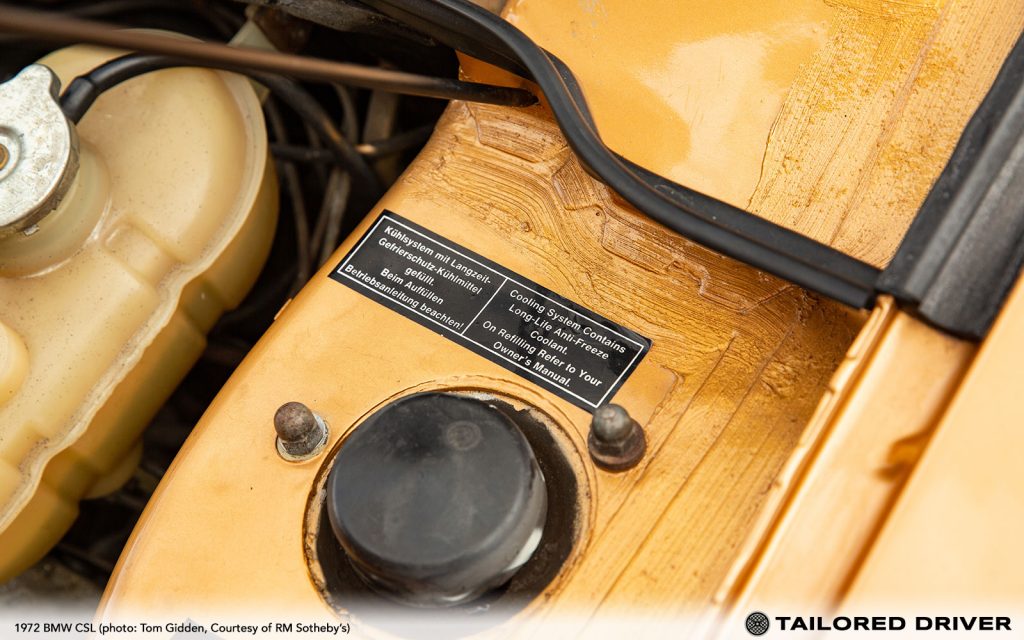
The 1972 3.0 CSL in question (Vin: 2285250) is a a peculiar build both in configuration and specification in that it’s both right hand drive and painted Ceylon Metallic (ceylon; metallic UNI; 008; BMW). And though its lot description from RM denotes a likely replacement engine, it still expected to fetch anywhere from €120,000 – €160,000 Euros. Compared to a 911 Carrera RS 2.7, that’s a relative bargain.
Below is the full lot description of the car and gallery. To see the full lot listing including associated documents, as well as registration to bid, check out the RM Sotheby’s website HERE.
[source: RM Sothebys]
One of just 500 right-hand-drive examples of the revered CSL homologation special; fitted with a fuel-injected 3,003-cc engine making 200 PS
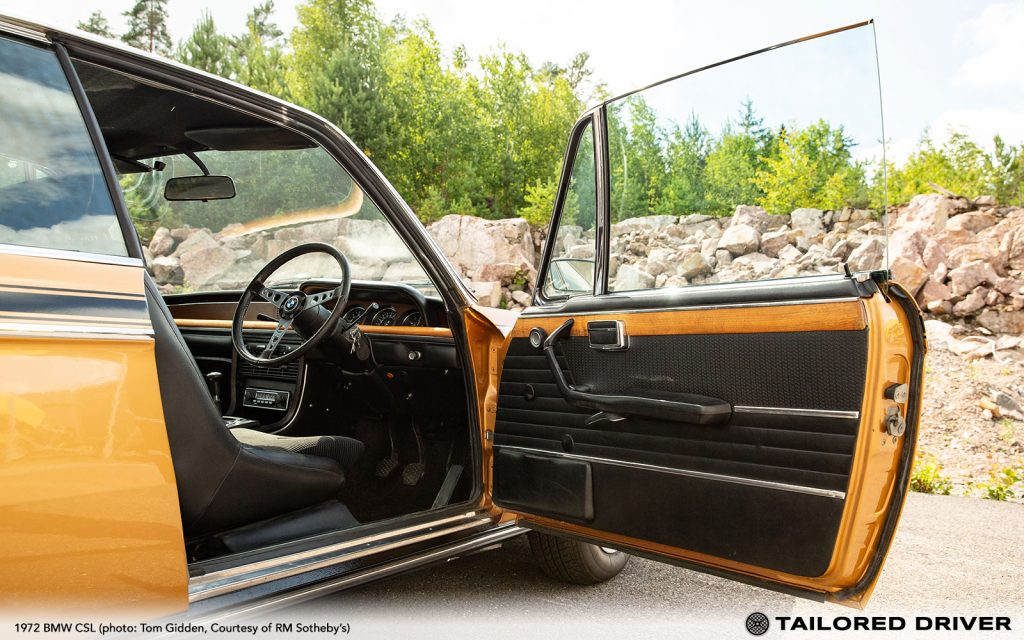
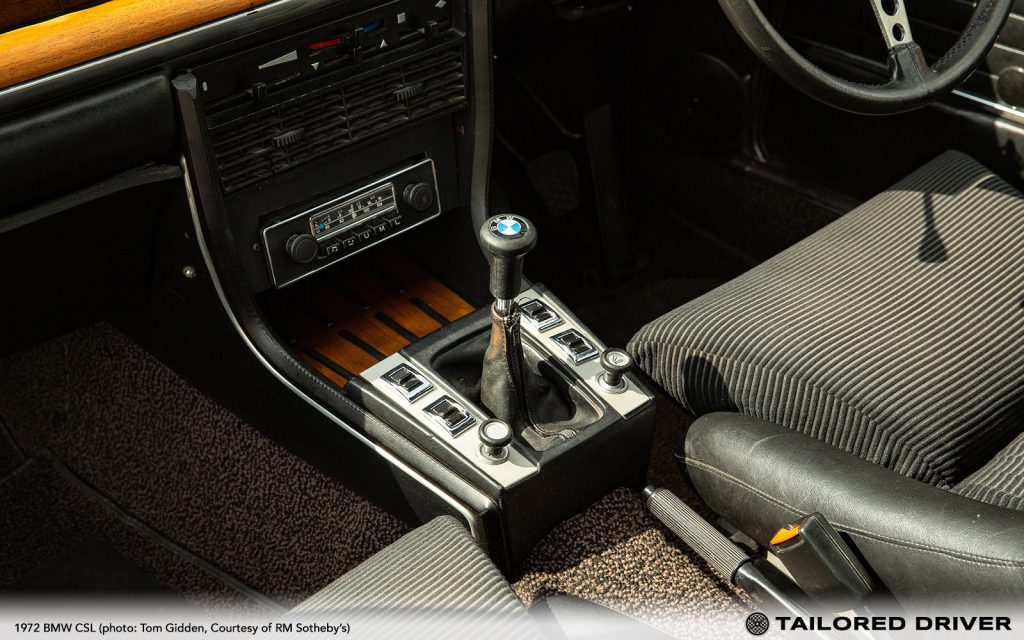
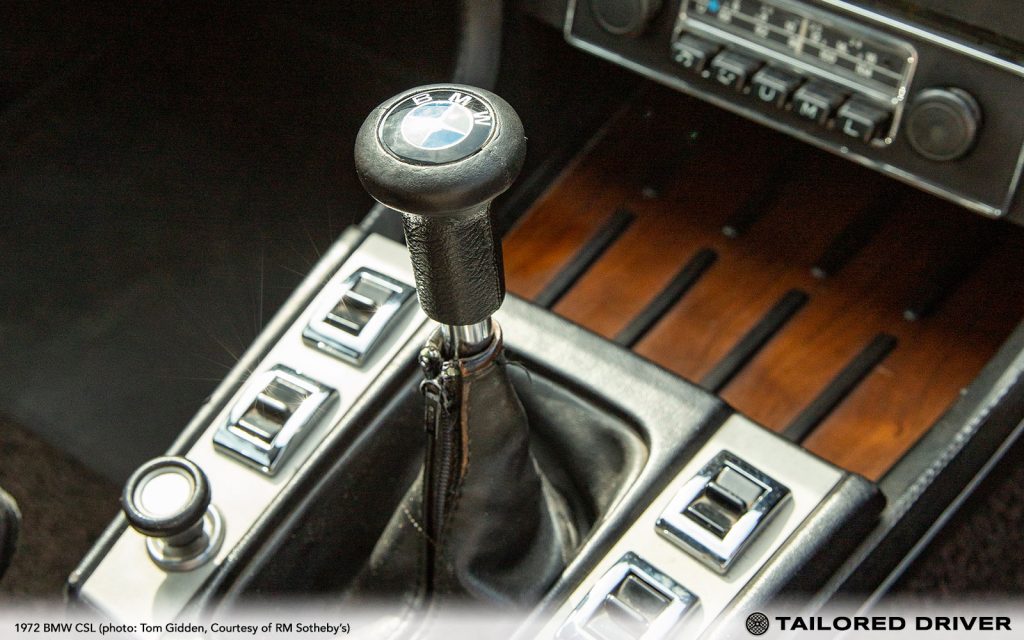
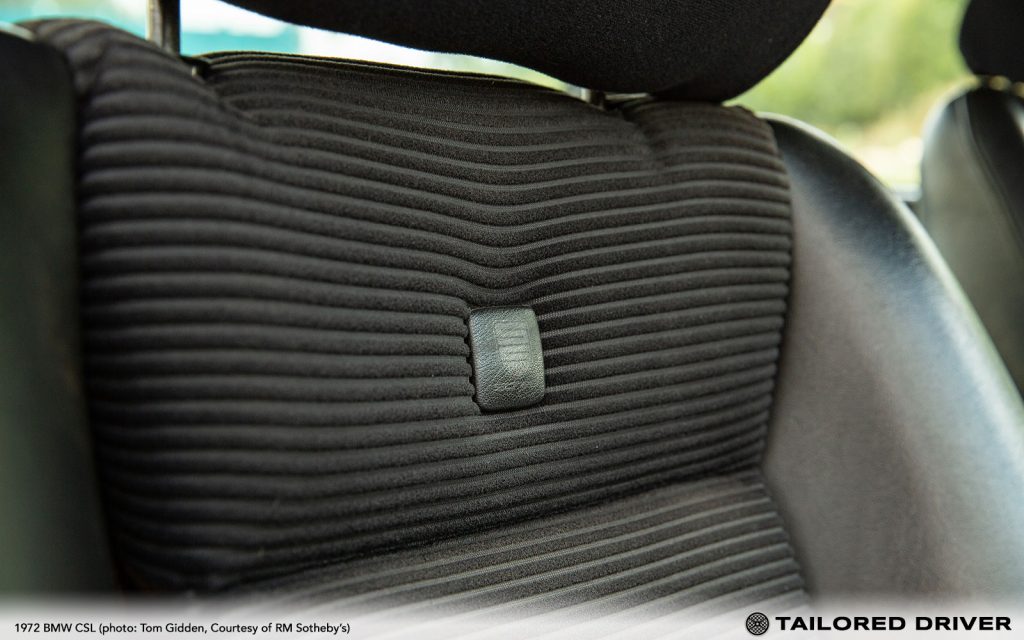
Finished in rare Ceylon Metallic; features period-correct and desirable Scheel sports seats, Petri three-spoke steering wheel, plus electric rear windows
Bought by The Munich Masterpieces Collection in 1999; benefits from an older restoration
Accompanied by a history file, owner’s manual, tool kit, jack, and spare wheel
The rarest and most sought-after variant of the beautiful E9 coupé, the 3.0 CSL arrived with aluminium doors, bonnet, and boot lid to help shed some 200 kilograms. Building 1,265 units allowed BMW to homologate race cars that would notch no fewer than six European Touring Car titles between 1973 and 1979.
Just 500 CSLs were configured in right-hand drive, including this example that was completed by the factory in December 1972. Equipped with the potent Bosch D-Jetronic fuel injection system, the sonorous straight-six produced 200 PS. Please note that this car is fitted with what is believed to be a non-stamped factory replacement engine.
The consigning owner, intent on finding a rare Ceylon Metallic car, imported chassis 2285250 to Finland in June 1999. The following year, a restoration and repaint was commissioned. Today, complete with the desirable Scheel sports seats, Petri three-spoke steering wheel, 14-inch CSL alloys, and electric rear windows, as well as being offered with a Birth Certificate by BMW Classic, this example would be a superb addition to any marque or motorsport-themed collection.
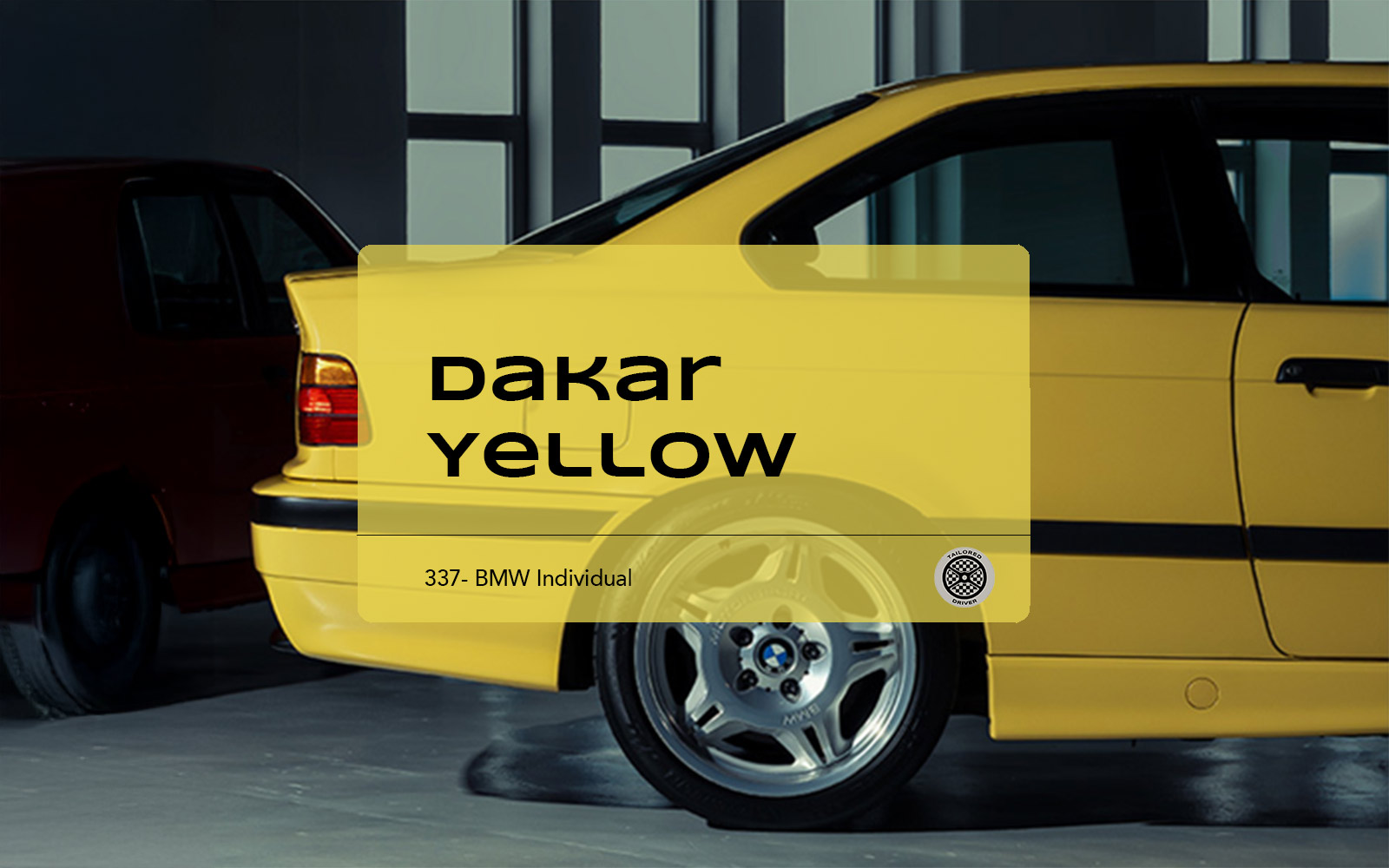
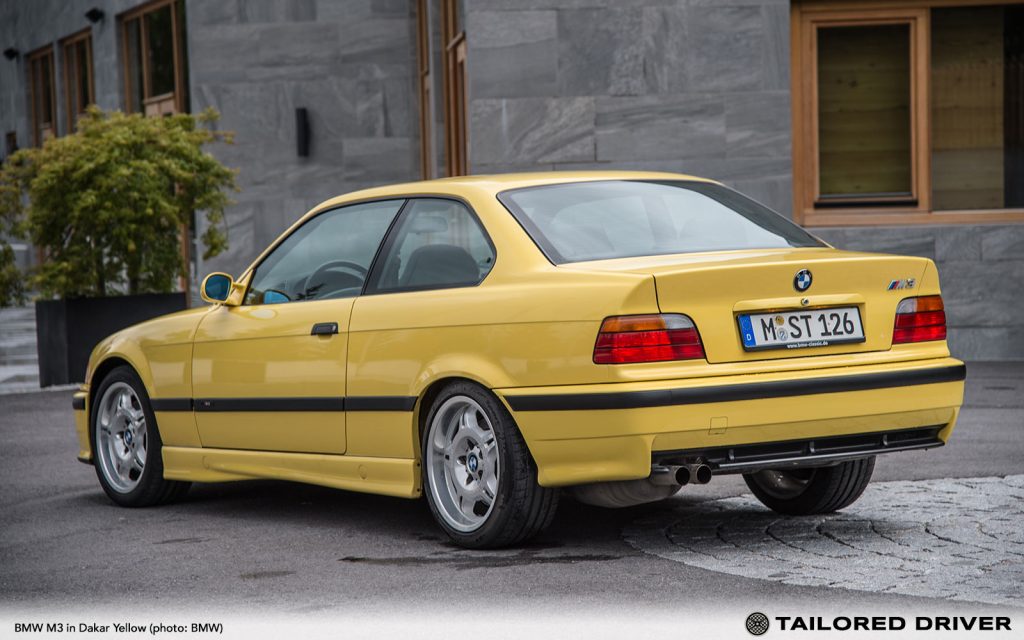
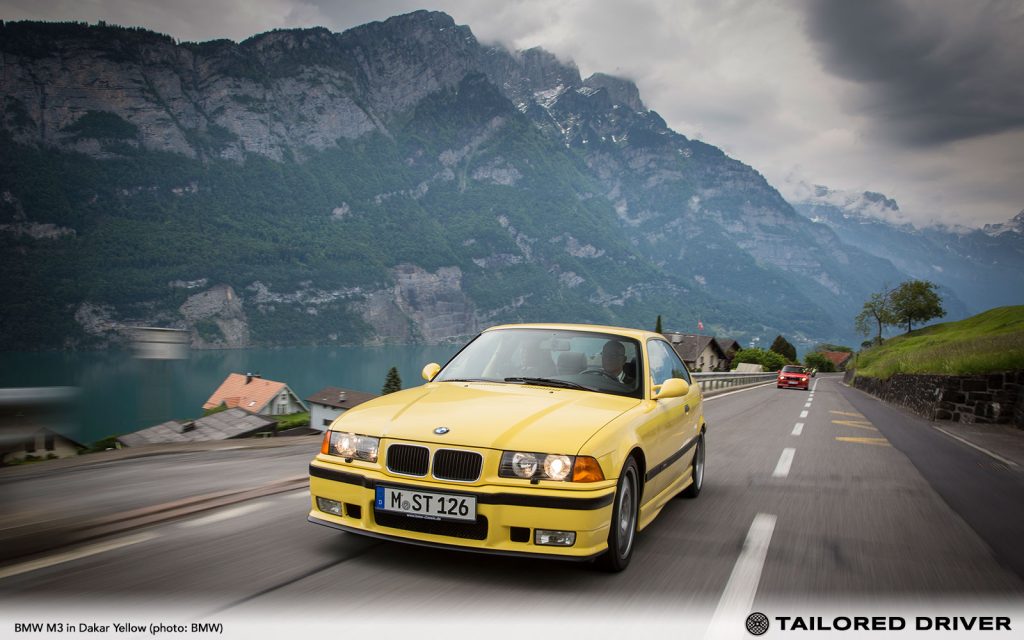
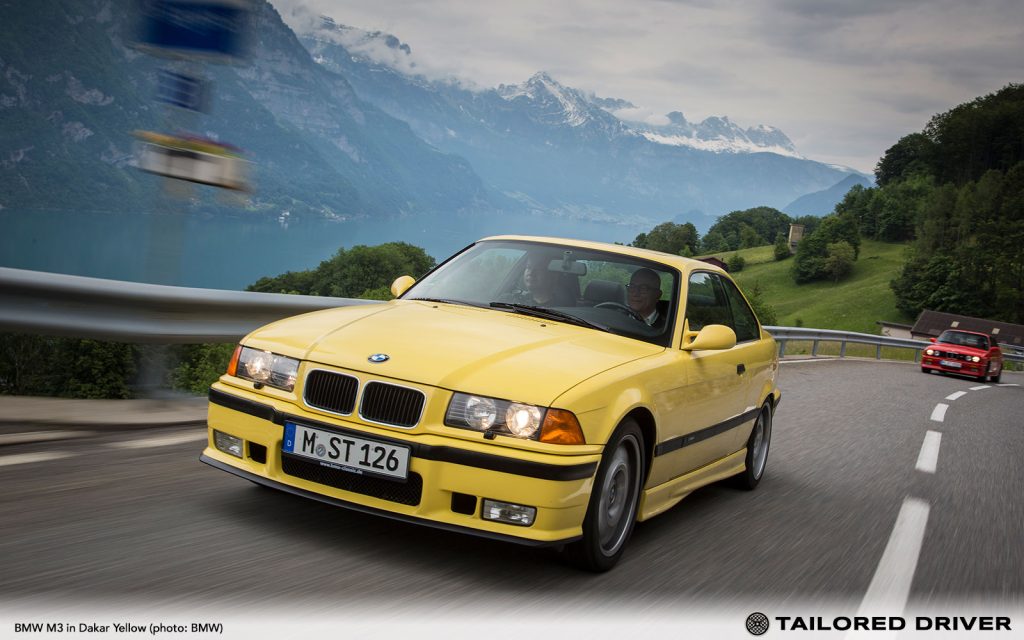
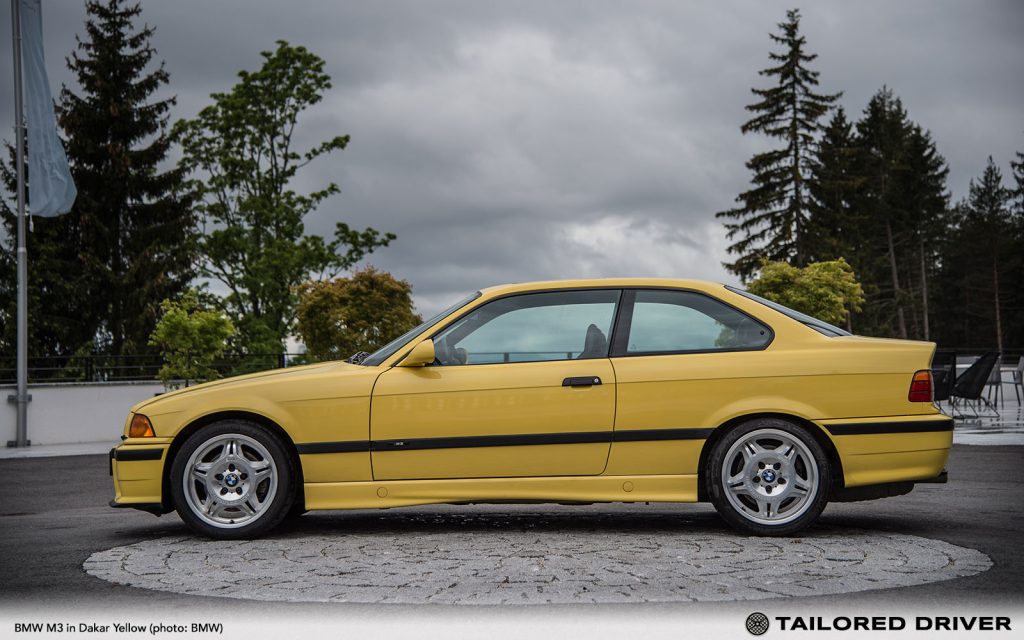
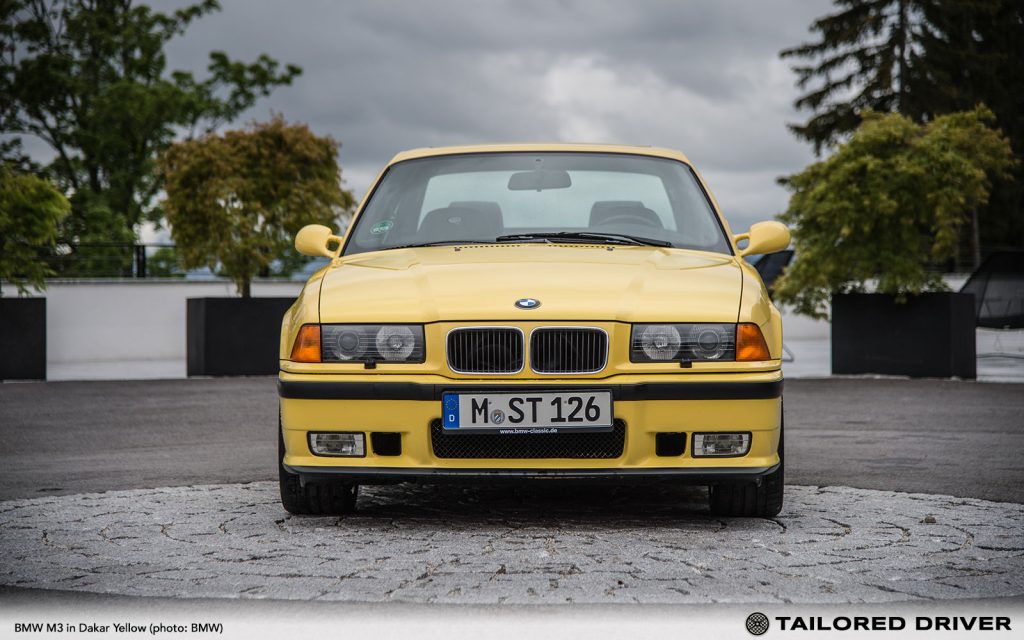
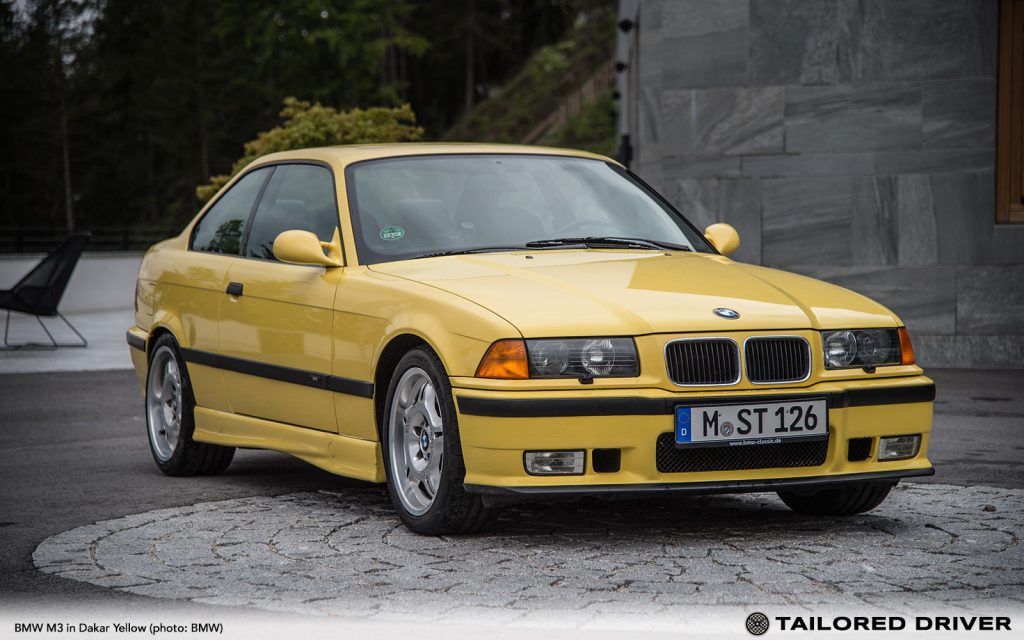
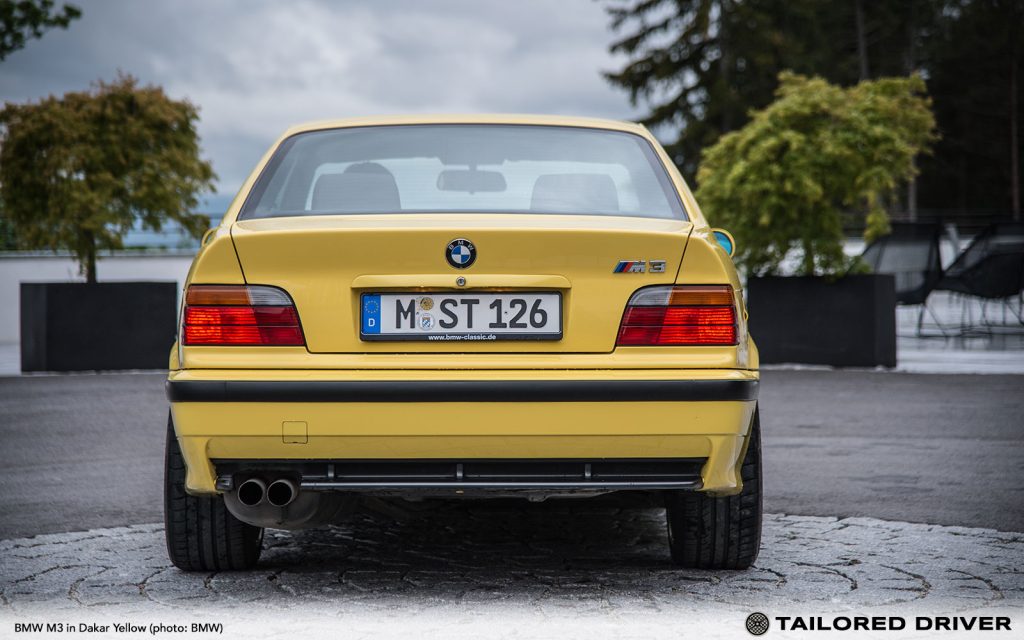
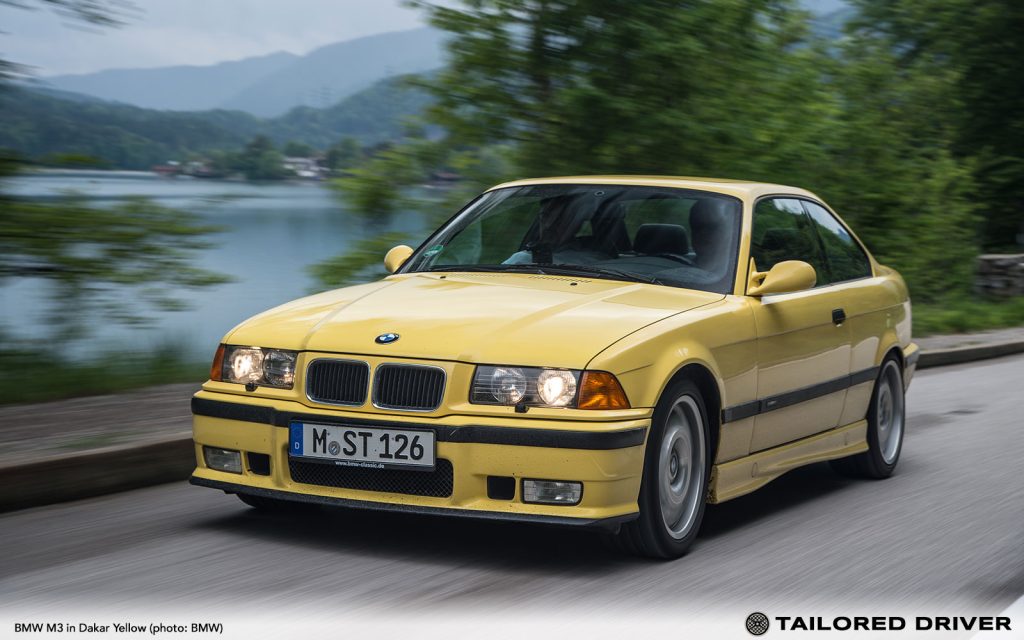
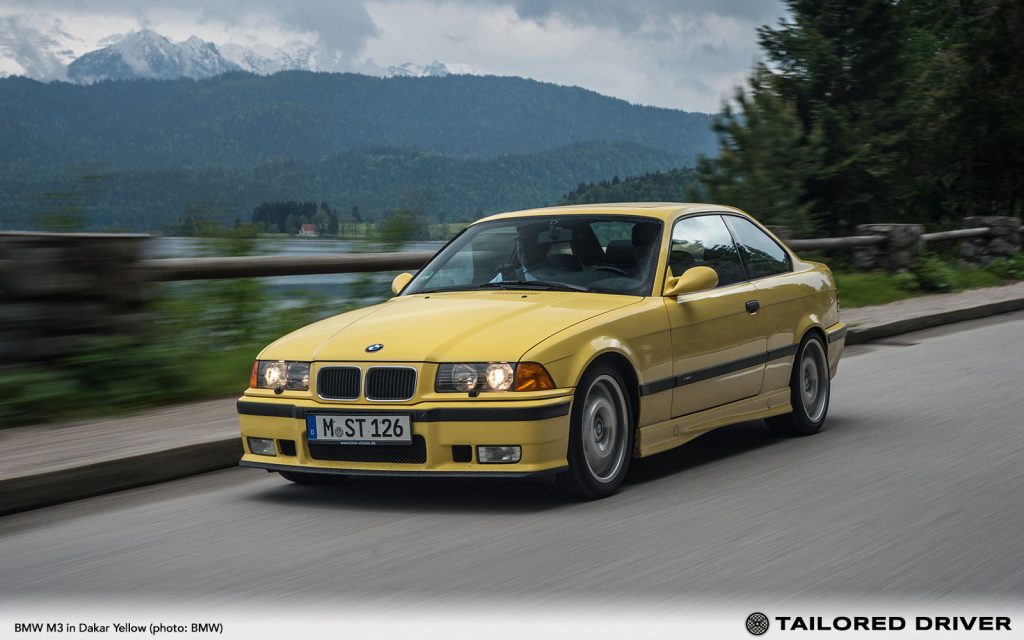
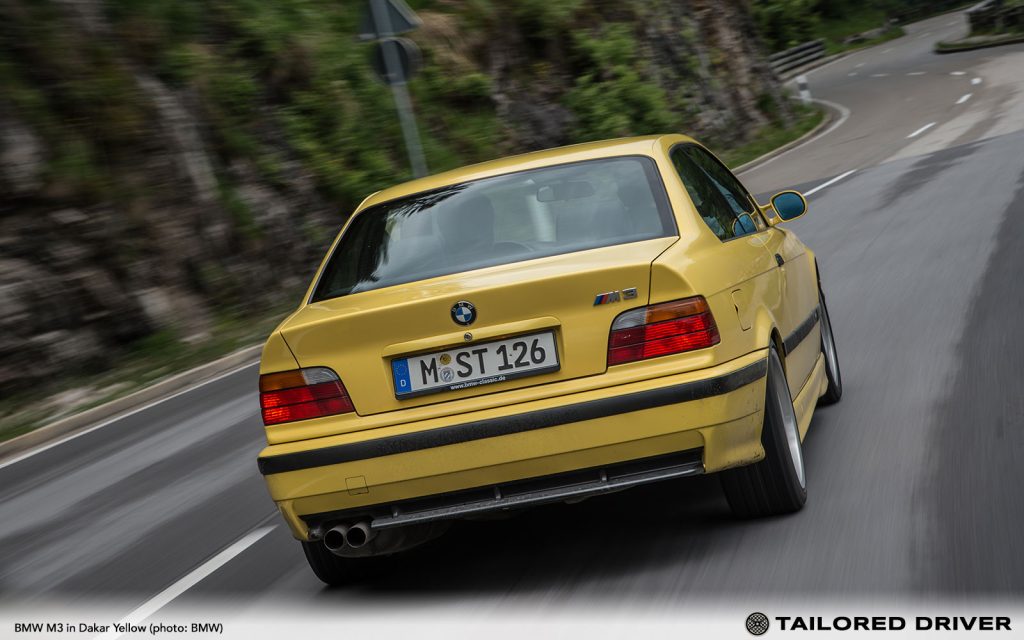
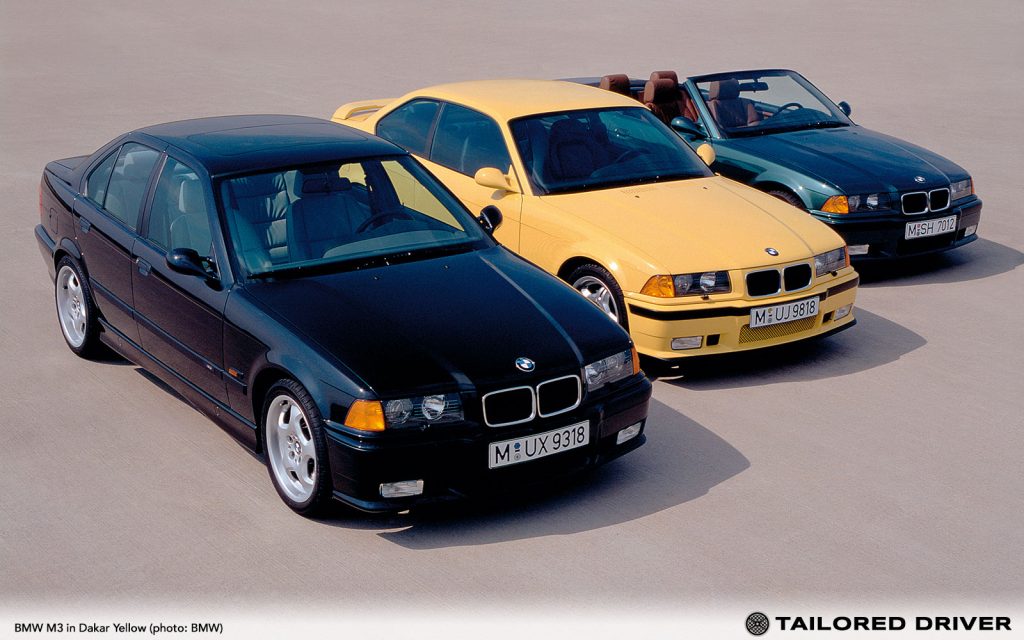
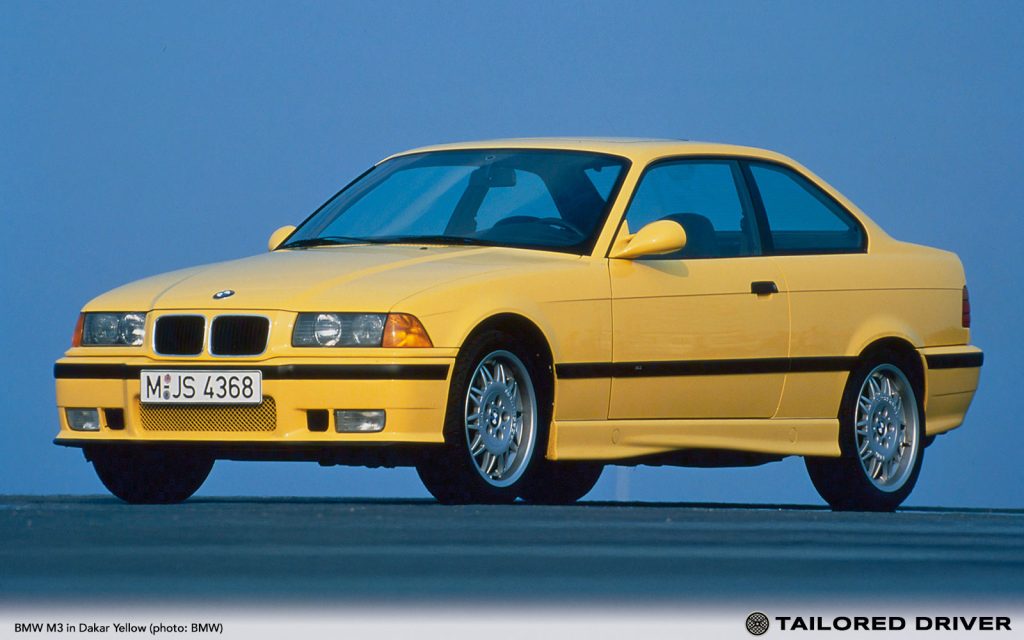
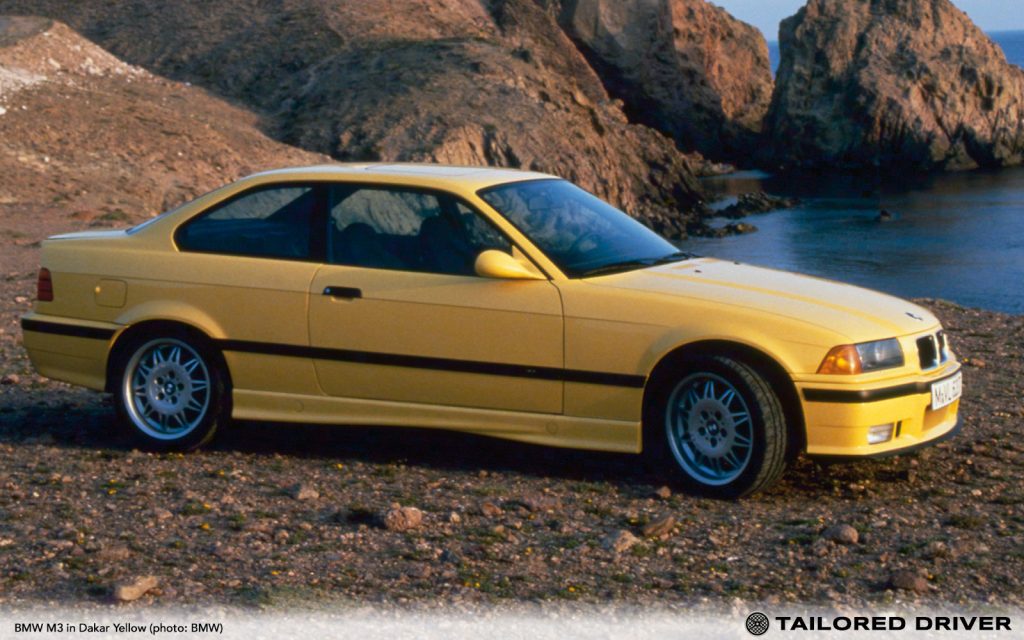
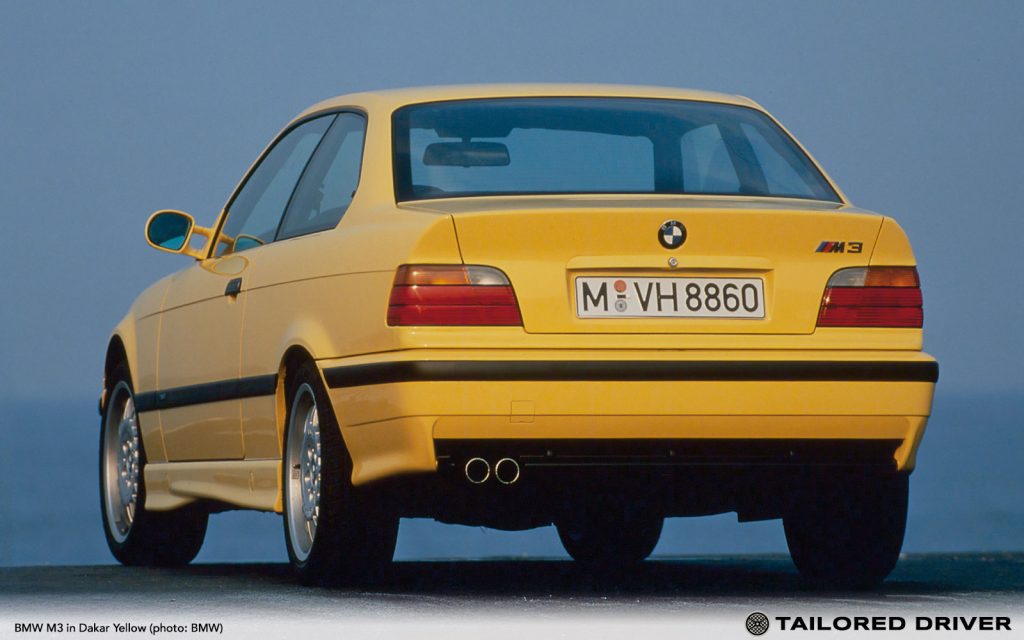
SUMMARY: BMW named this yellow hue after the iconic Dakar Rally, the ultimate rally raid style endurance race that originally trekked from Paris to Dakar, though presently is now held in Saudi Arabia. Though BMW automobiles has never competed as a factory at Dakar, BMW Motorrad won the motorcycle class of the Dakar Rally six times, including its first victory in 1981 when Hubert Auriol won on the R80 G/S. Though we don’t know for sure, it’s a safe guess that these victories are quite likely the inspiration for the name of this almost buttery shade of yellow BMW used to debut the BMW M3 type E36.
Dakar Yellow (dakargelbii; non-metallic uni; 337; BMW) is considered one of BMW Individual’s most iconic colors, and has been a popular choice through BMW Individual since that E36 era. Worth noting, there is also a color known as Dakar Yellow II, though it shares the same 337 color code with the main difference noted by enthusiasts as simply Dakar Yellow with a UNI clear coat.
Rolls-Royce Phantom Goldfinger, a one-of-one masterpiece
Incorporates some of the most extensively engineered and hand-crafted Bespoke features ever produced
Celebrates sixty years of the 1964 James Bond film Goldfinger
References Auric Goldfinger’s 1937 Phantom III Sedanca de Ville
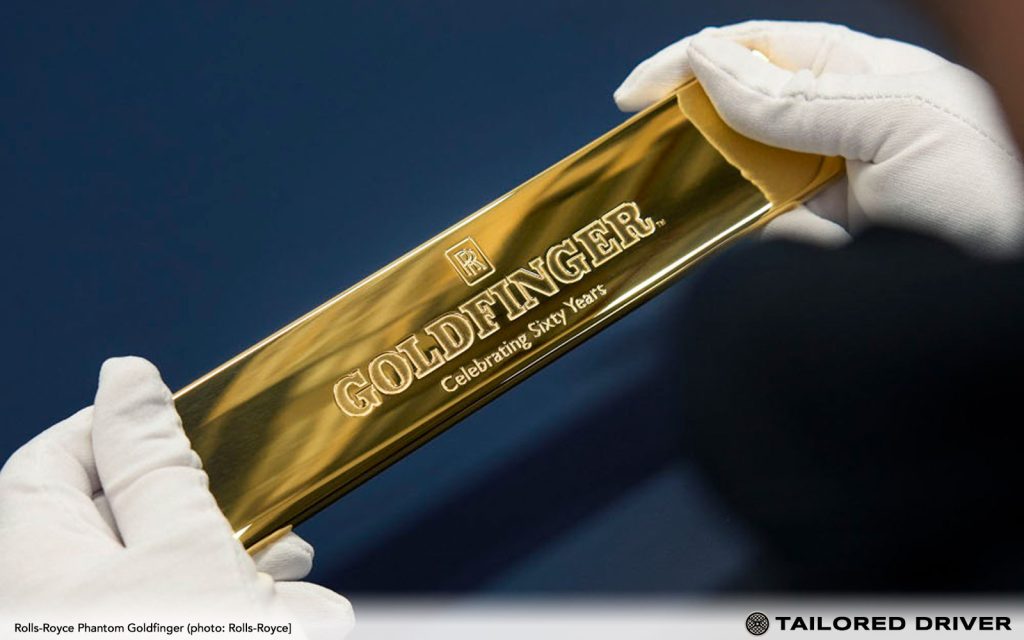
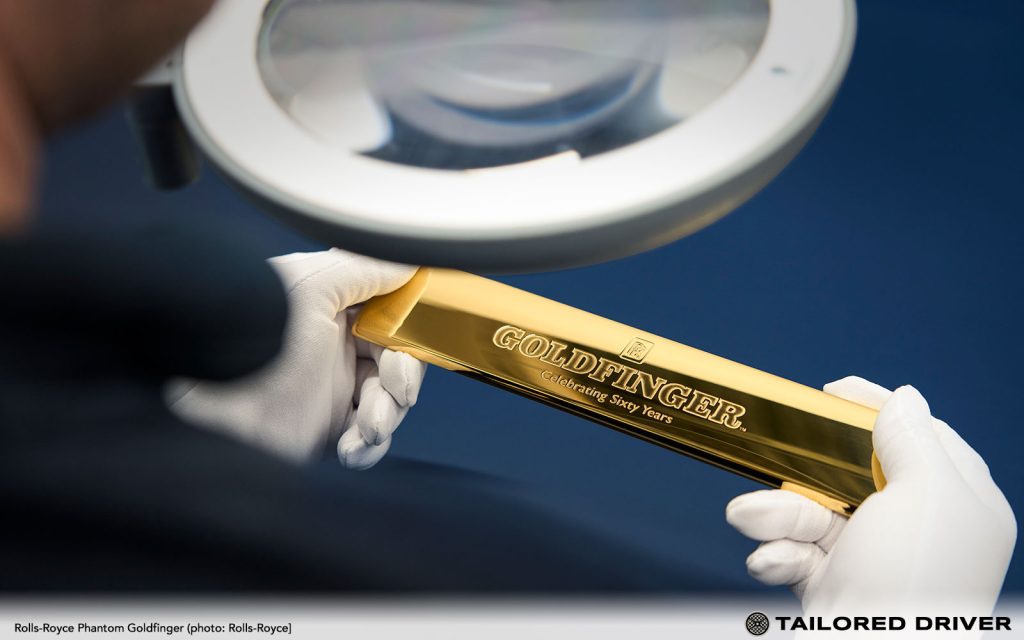
Solid 18-carat gold bar in the shape of a ‘Speedform’ exhibited in centre console
Picnic tables include fictional map of Fort Knox bullion reserve in 22-carat gold inlay
Three-dimensional steel and gold Gallery incorporates isoline map of legendary Furka Pass
Starlight Headliner matches constellation above Furka during filming of scene in 1964
Gold golf club fitted to boot lid, referencing 007 and Auric Goldfinger’s first encounter
Harlequin umbrellas and 007 logo projector reference key film moments
[source: Rolls-Royce]
“At Rolls-Royce, we are dedicated to crafting deeply personal masterpieces that reshape the boundaries of possibility and truly define the essence of luxury. Each creation is a reflection of our commitment to producing extraordinary, unique motor cars that consistently delight and exceed the expectations of our clients. This particular project really invigorated our team of creatives, giving them the freedom to explore the reaches of their imagination. The final creation is a testament to the power of collaboration and the extraordinary ability of our designers, craftspeople, and engineers.” Chris Brownridge, Chief Executive, Rolls-Royce Motor Cars
“Witnessing how our Bespoke Collective seized upon the idea of celebrating 60 years of the film has been truly remarkable; this fantastic story has been masterfully explored in Phantom Goldfinger’s exquisite design. The creativity extended far beyond the making of the motor car, as we curated extraordinary experiences for the client and their family, all while staying true to the spirit of the Goldfinger theme. It is this exceptional ability to engage our clients and create lasting impressions that defines us as a true House of Luxury.” Boris Weletzky, Regional Director, United Kingdom, Europe and Central Asia, Rolls-Royce Motor Cars
“This is gold, Mr. Bond. All my life, I’ve been in love with its colour, its brilliance, its divine heaviness.” Auric Goldfinger, Auric Enterprises
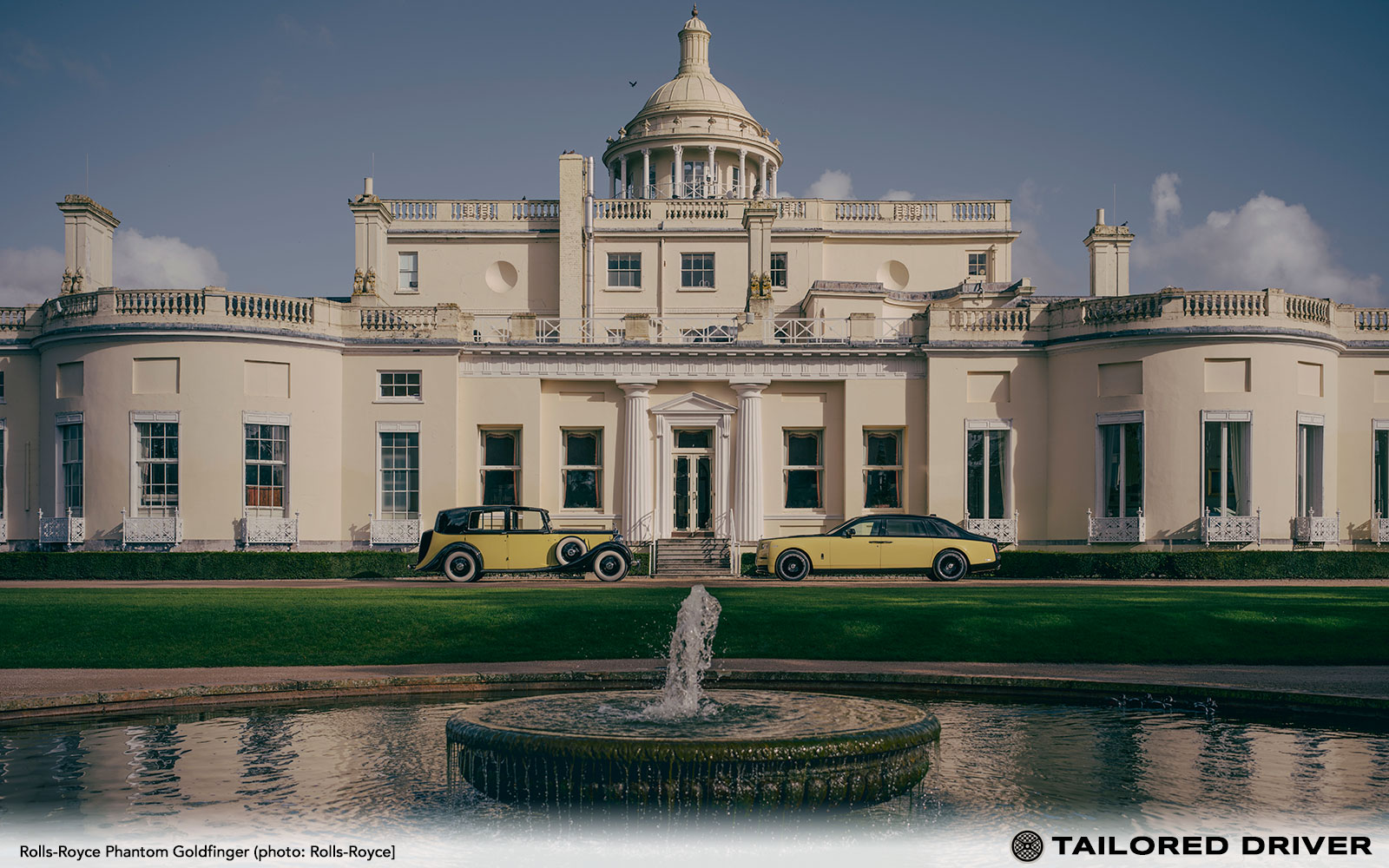
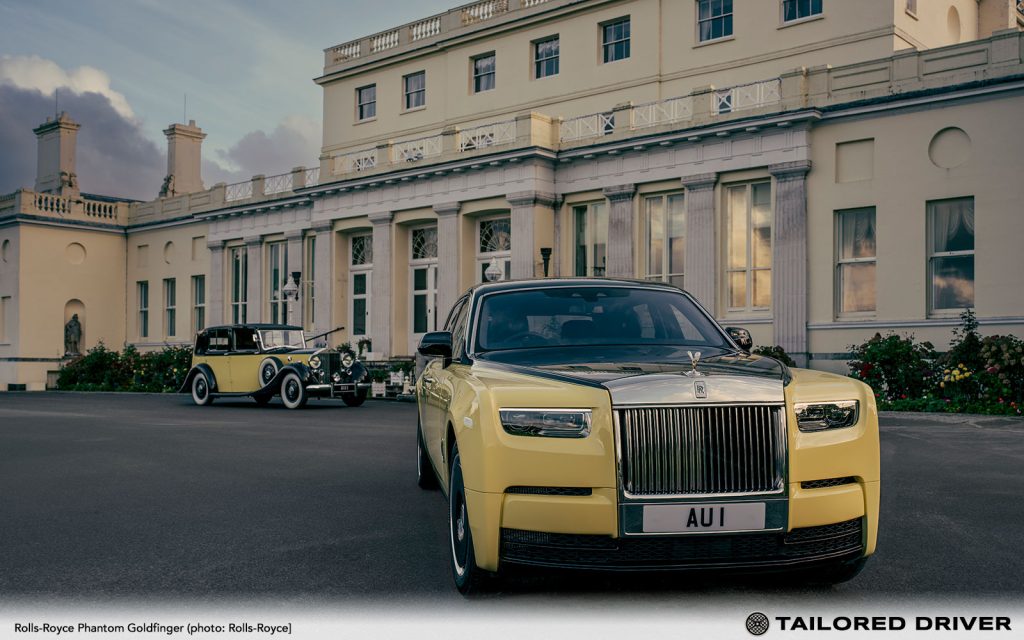
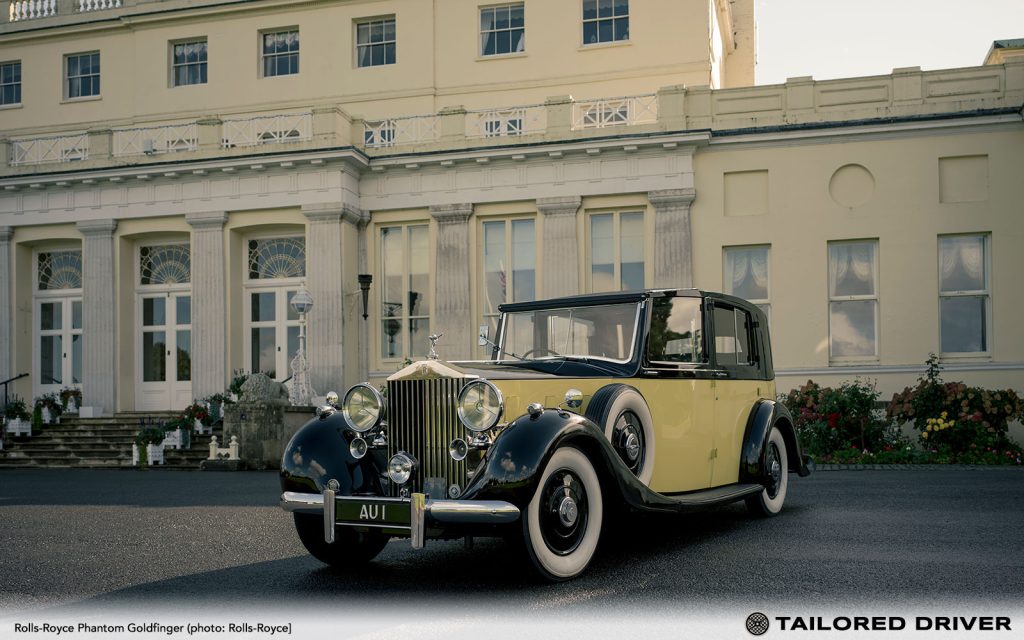
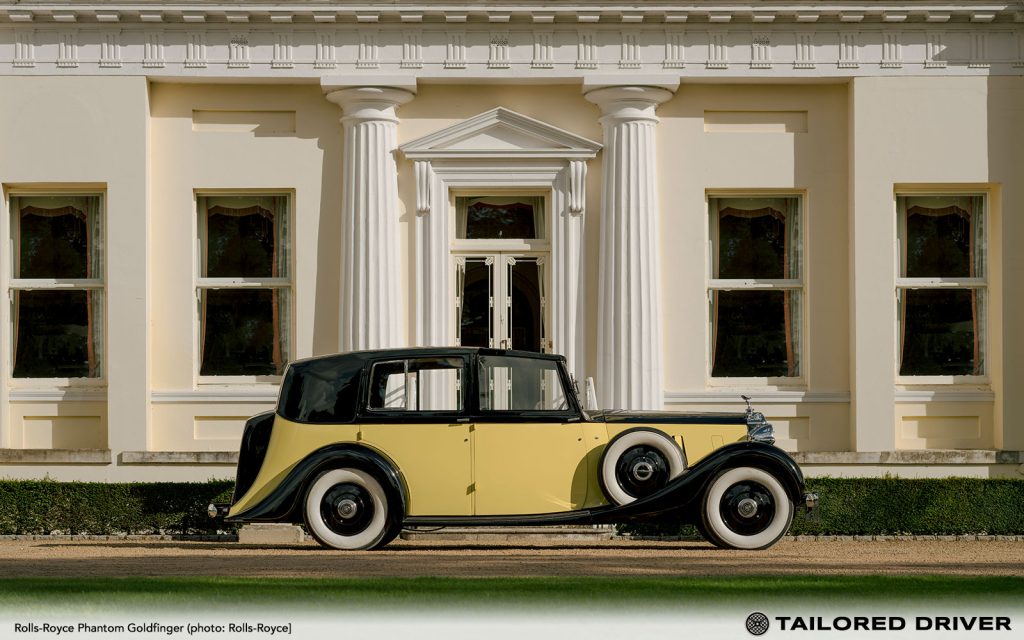
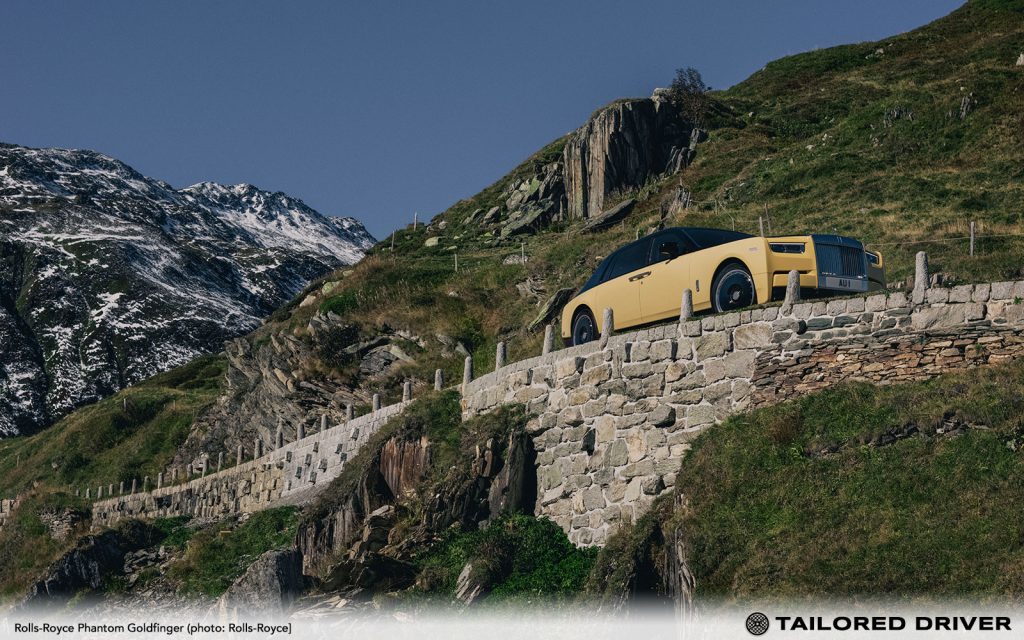
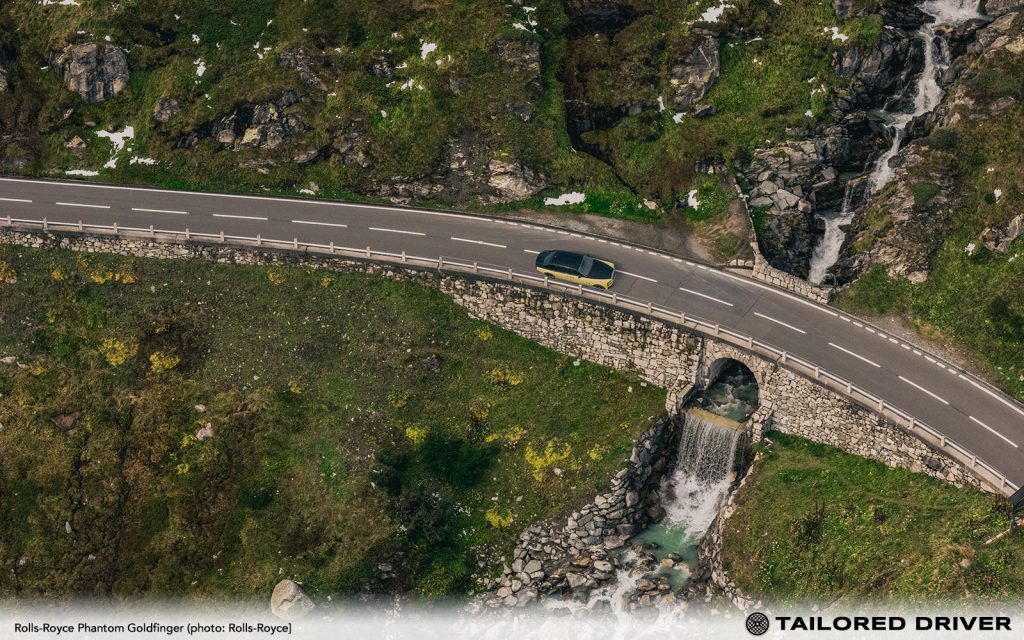
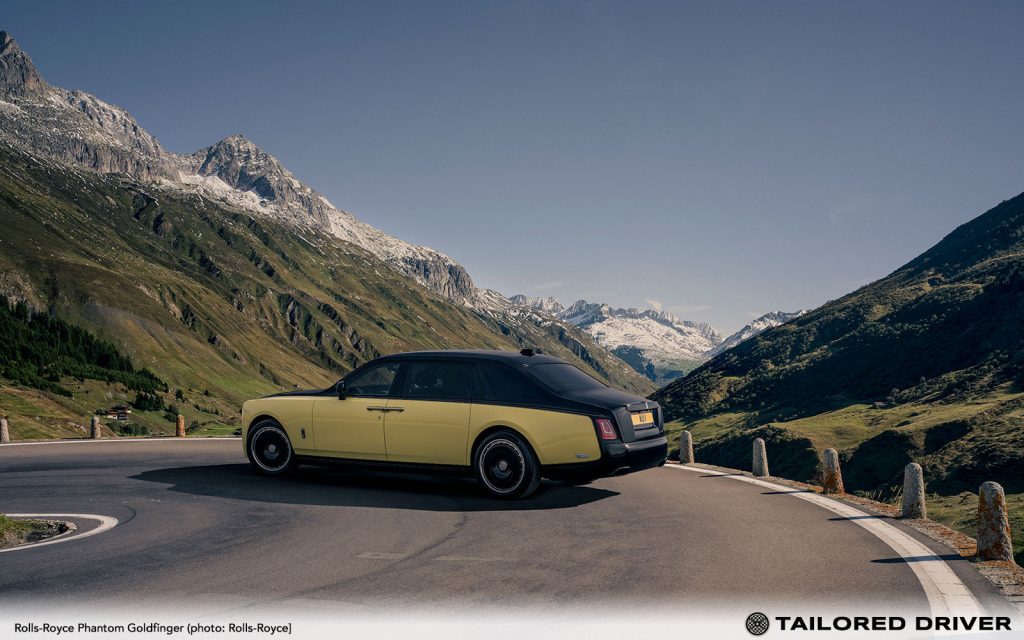
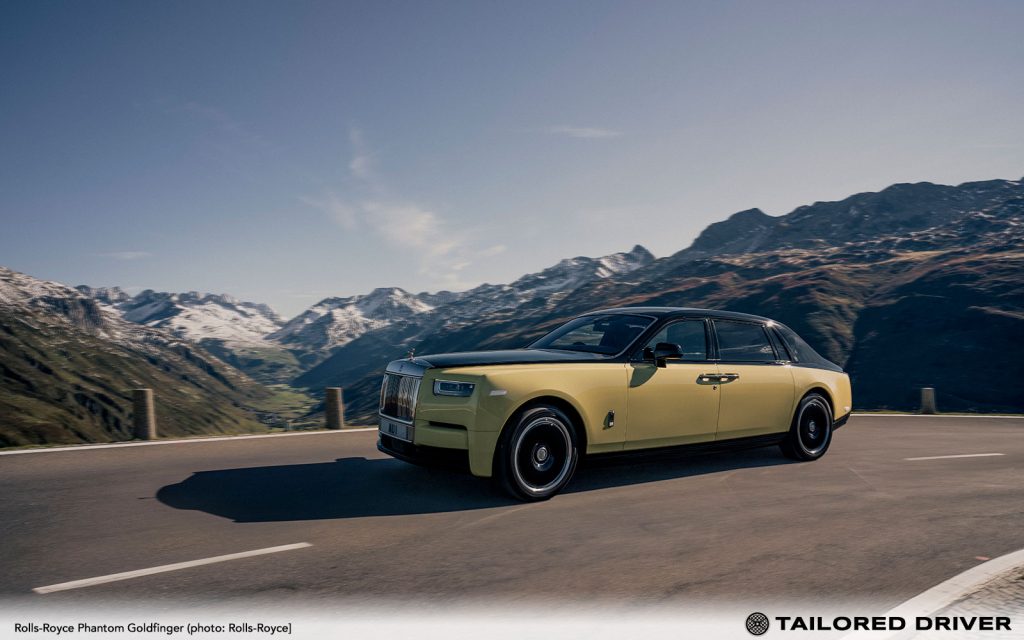
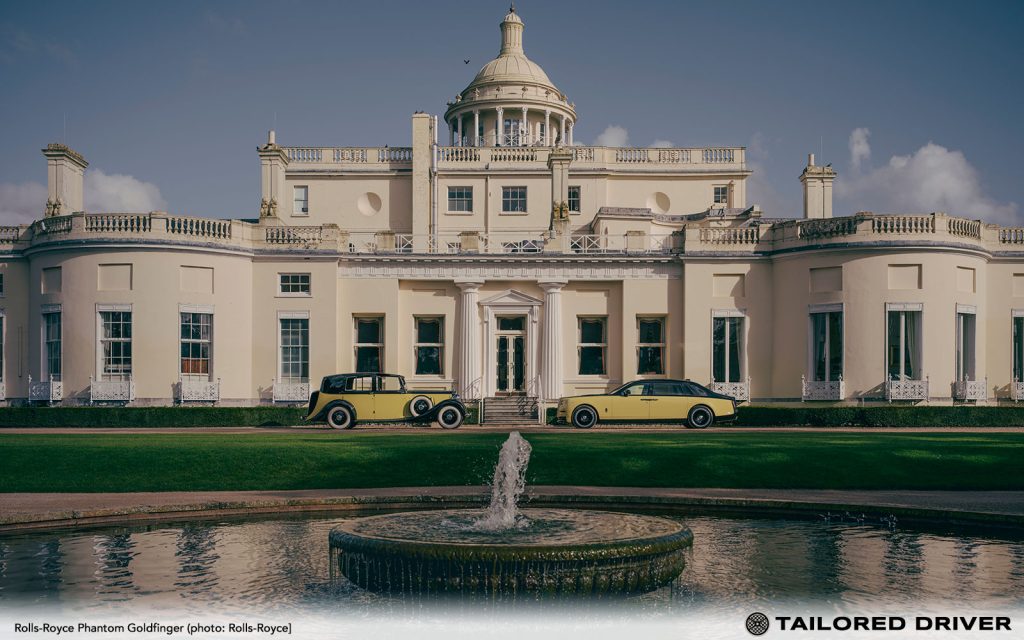
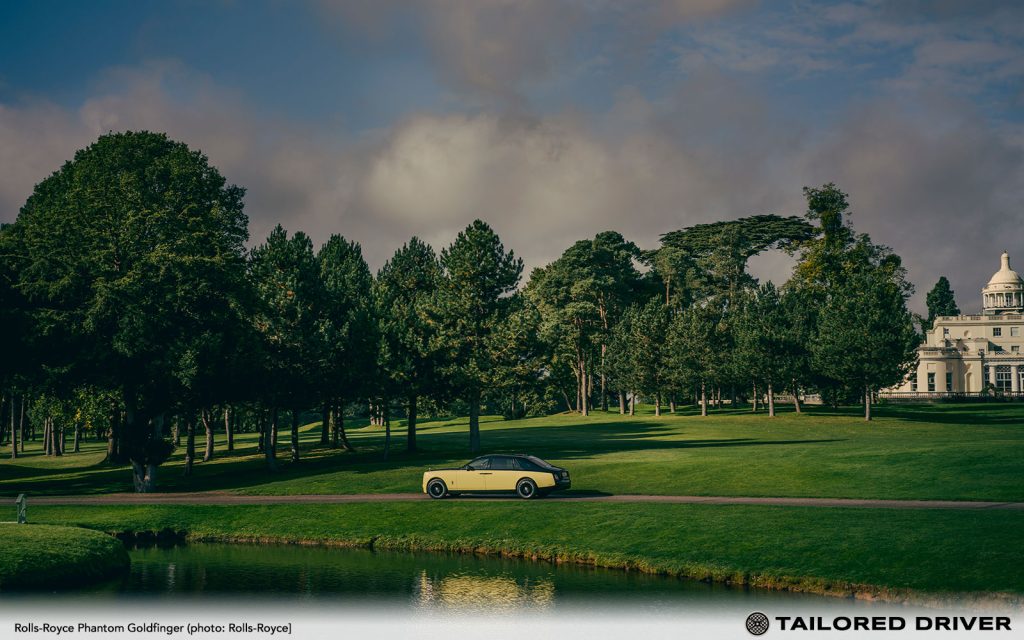
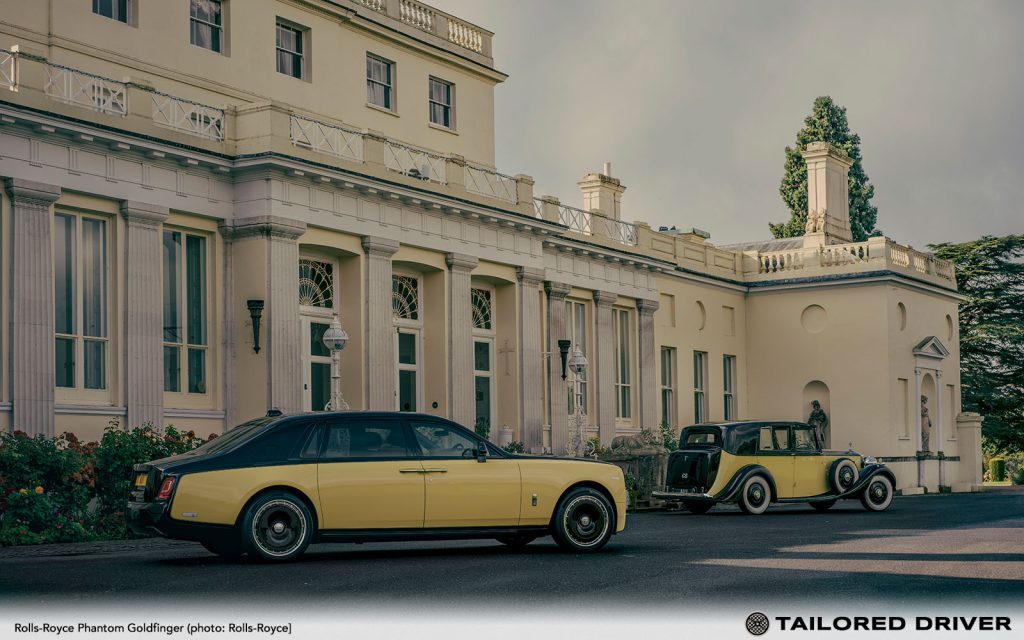
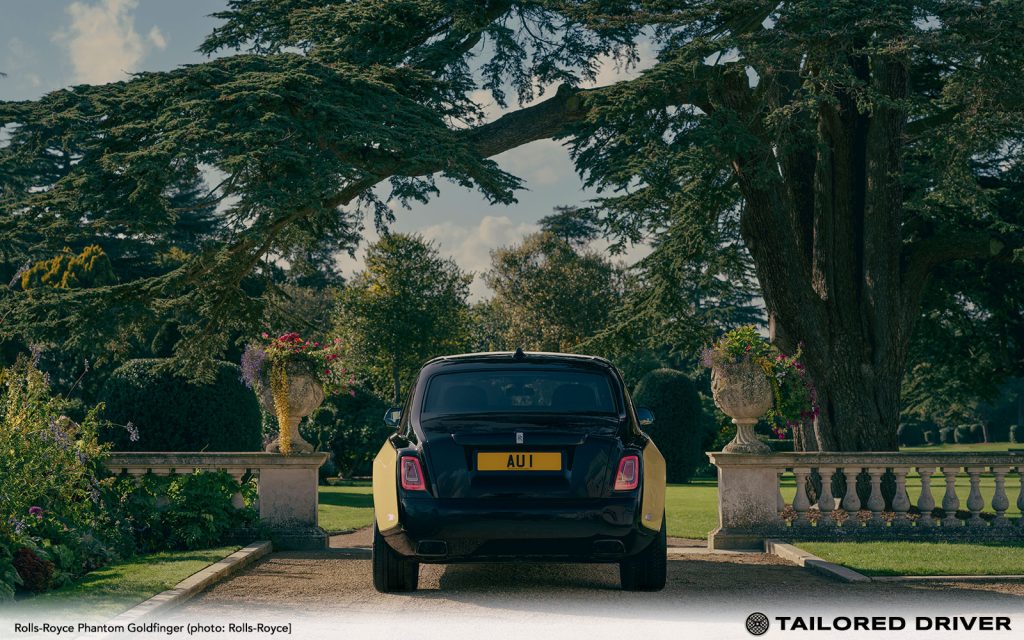
Rolls-Royce Motor Cars has unveiled a one-of-one Phantom Extended that pays homage to the 1964 James Bond film, Goldfinger – one of twelve Rolls-Royce appearances in the 007 film franchise. Revealed in the film’s 60th anniversary year, it takes inspiration from the 1937 Phantom III Sedanca de Ville owned by theeponymous villain, Auric Goldfinger. This story is masterfully explored in Phantom Goldfinger, with exquisite and ingenious Bespoke features linking to the plot and iconography of this enduring film.
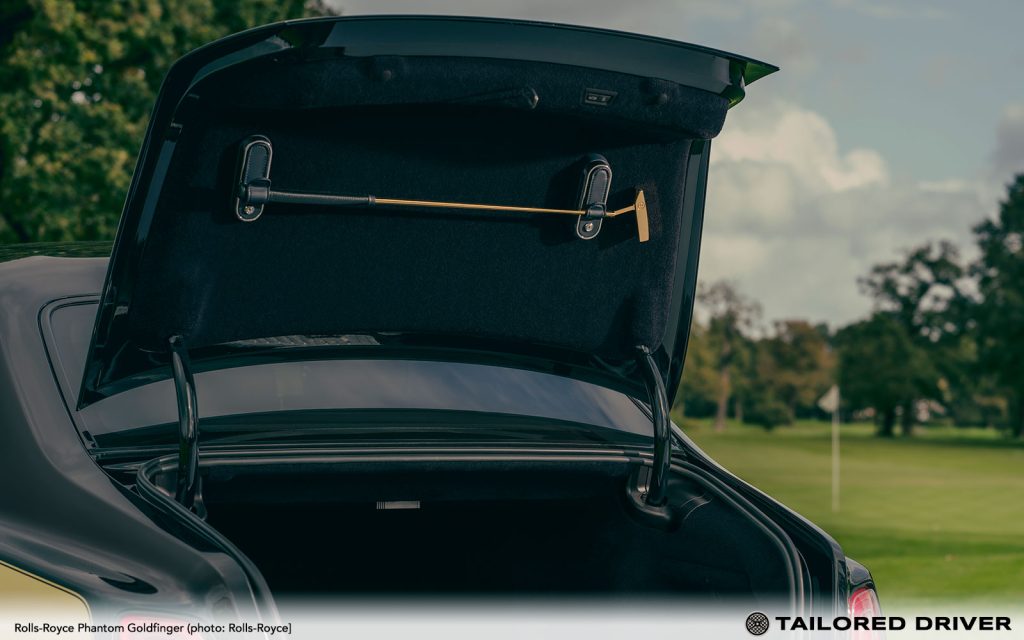
Phantom Goldfinger incorporates some of the most extensively engineered Bespoke features applied to a one-of-one motor car in Rolls-Royce history, each linking to the Goldfinger film plot. A total of three years of continuous development was required to bring each of these elegant and playful Bespoke features to life – from a complex sculptural Gallery, inspired by the famous scene filmed on the Furka Pass, to a gold golf putter mounted to the inside of the motor car’s boot, recalling the club used by Auric Goldfinger during his first encounter with James Bond.
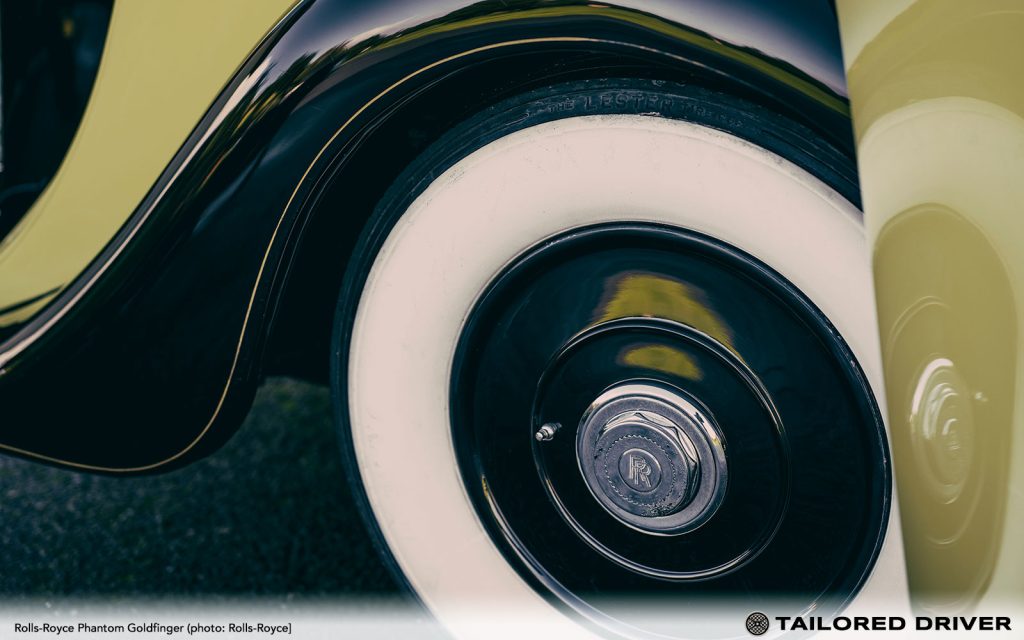
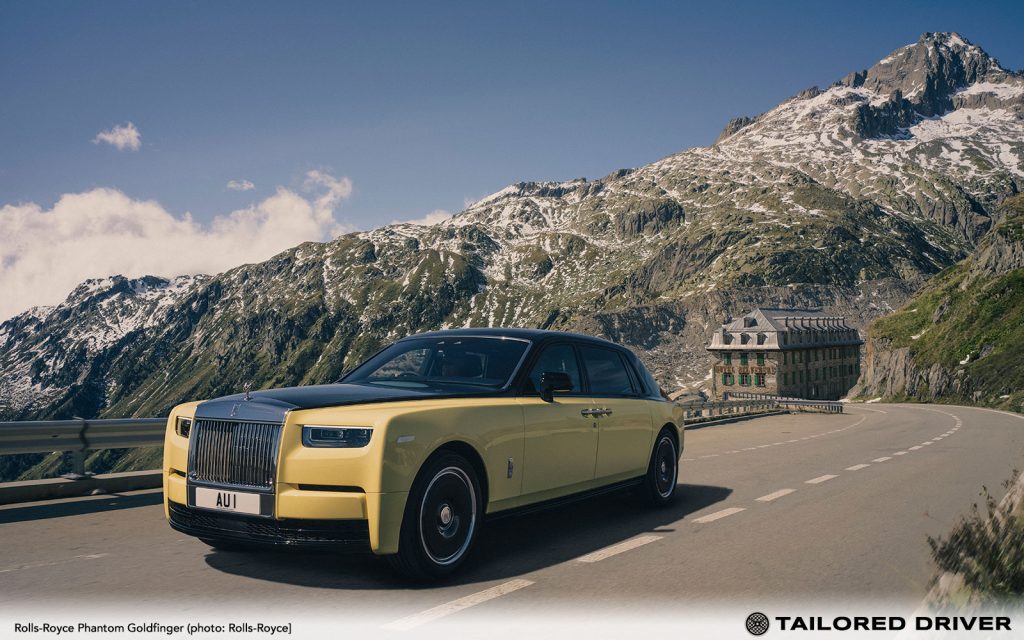
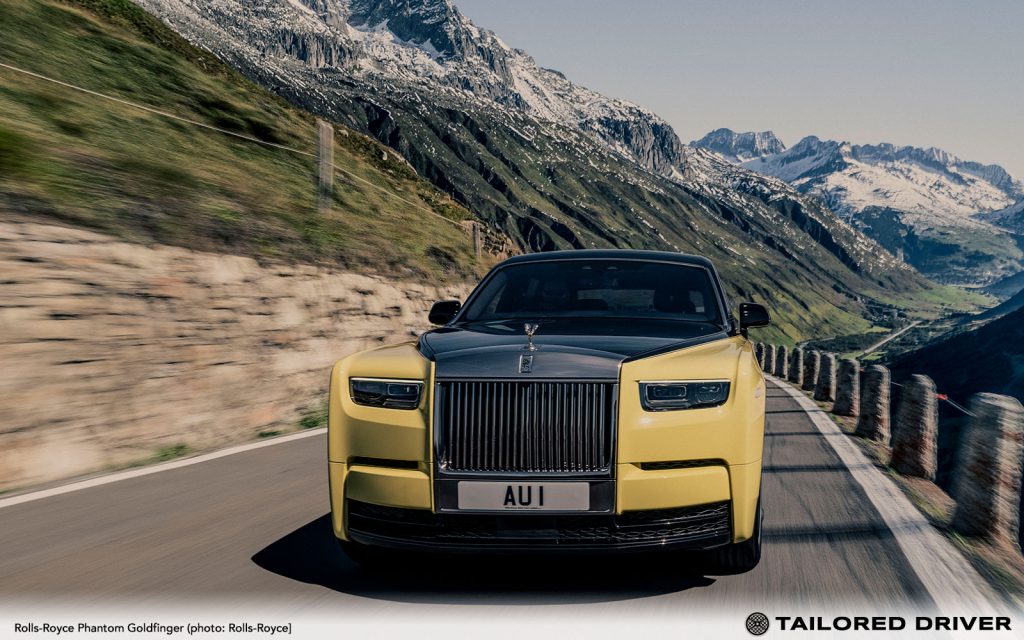
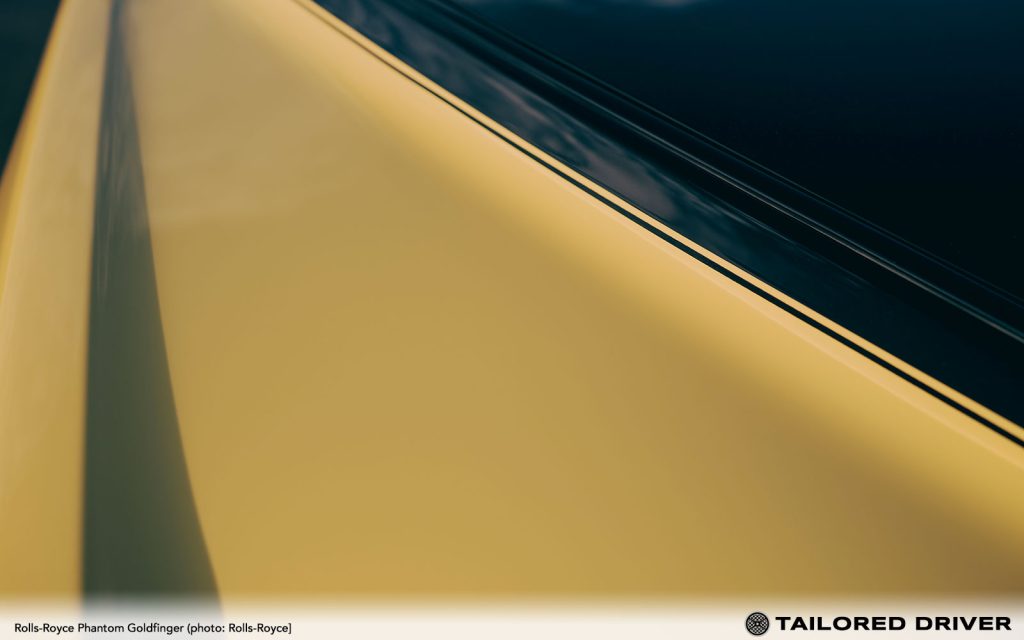
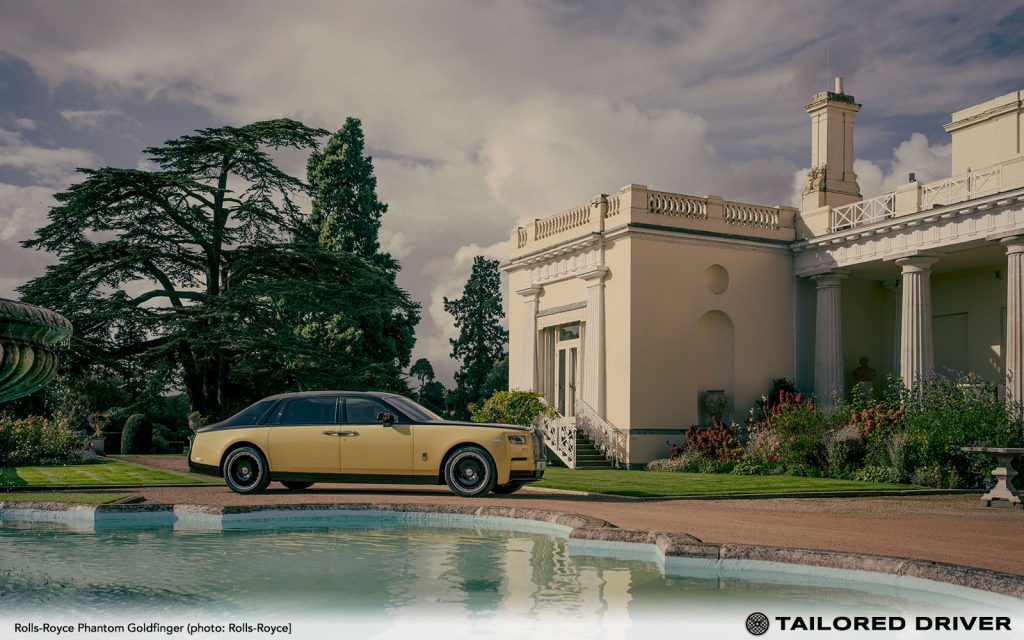
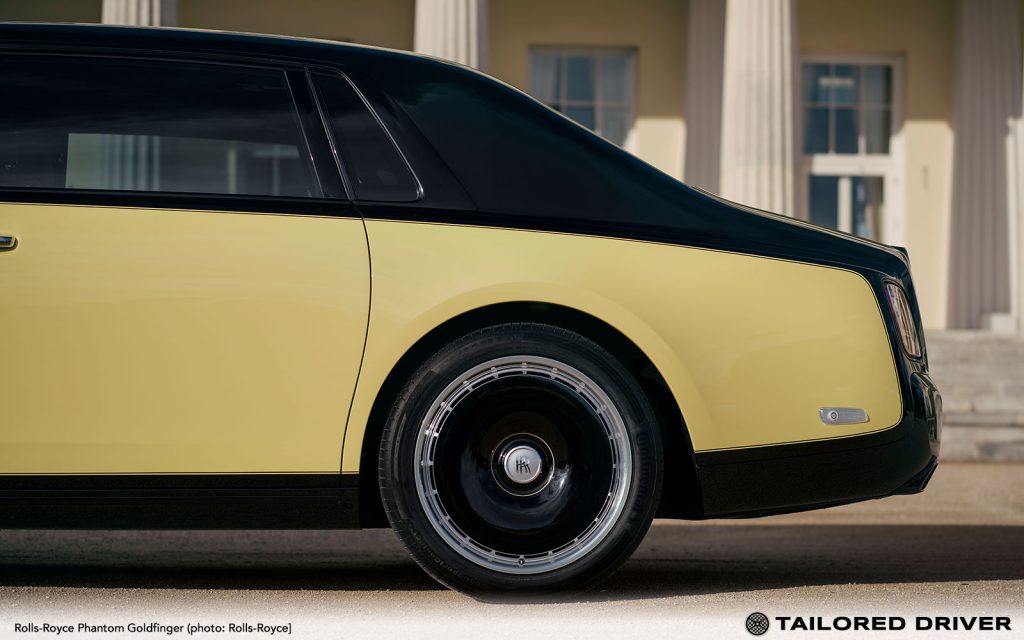
2024 PHANTOM EXTENDED ‘GOLDFINGER’: EXTERIOR For the exterior of this contemporary tribute to Goldfinger’s motor car, Rolls-Royce paint specialists precisely matched the exterior yellow hue to the original 1937 Phantom III Sedanca de Ville used in the film. A unique ‘long-side’ two-tone design was developed in which the black finish wraps around the motor car’s generous coachwork as a single, uninterrupted graphic. The 21-inch disc wheels are finished in Black with silver ‘floating’ hubcaps, creating a tone-on-tone effect that recalls the wheel design of the 1937 motor car as seen in the film.
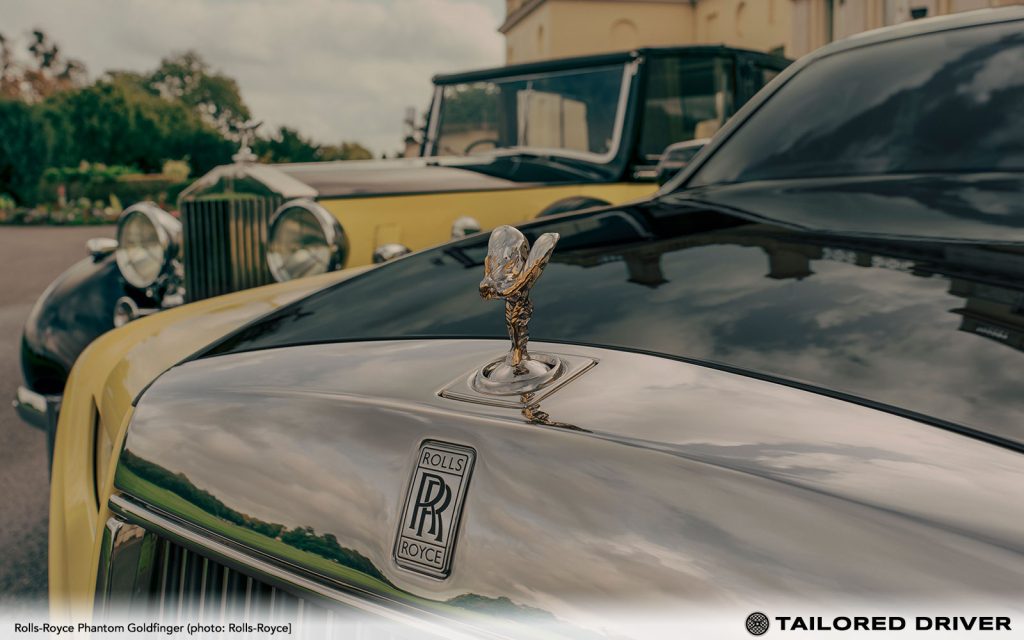
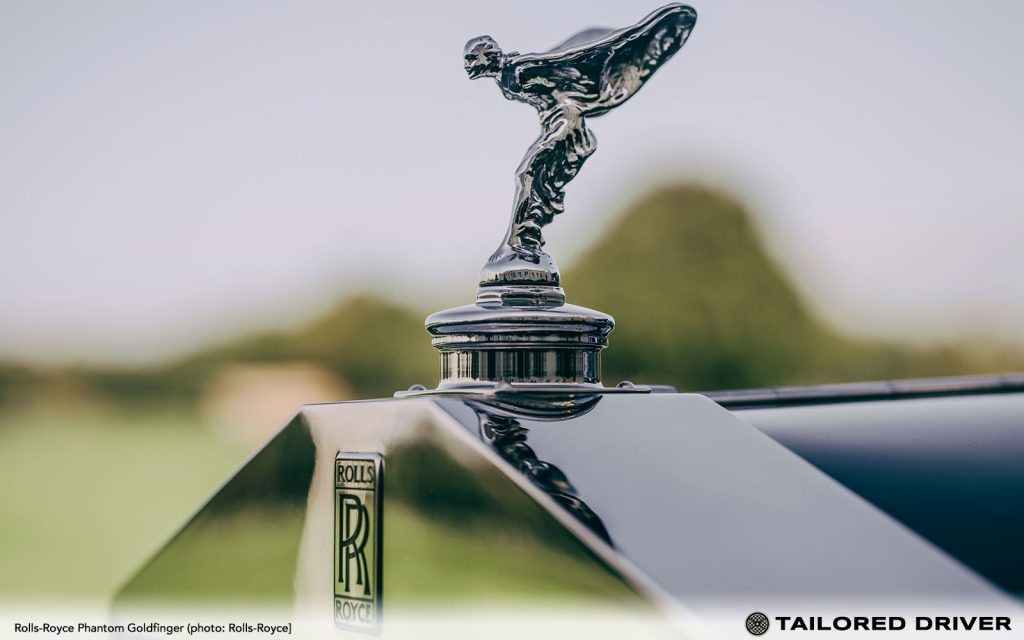
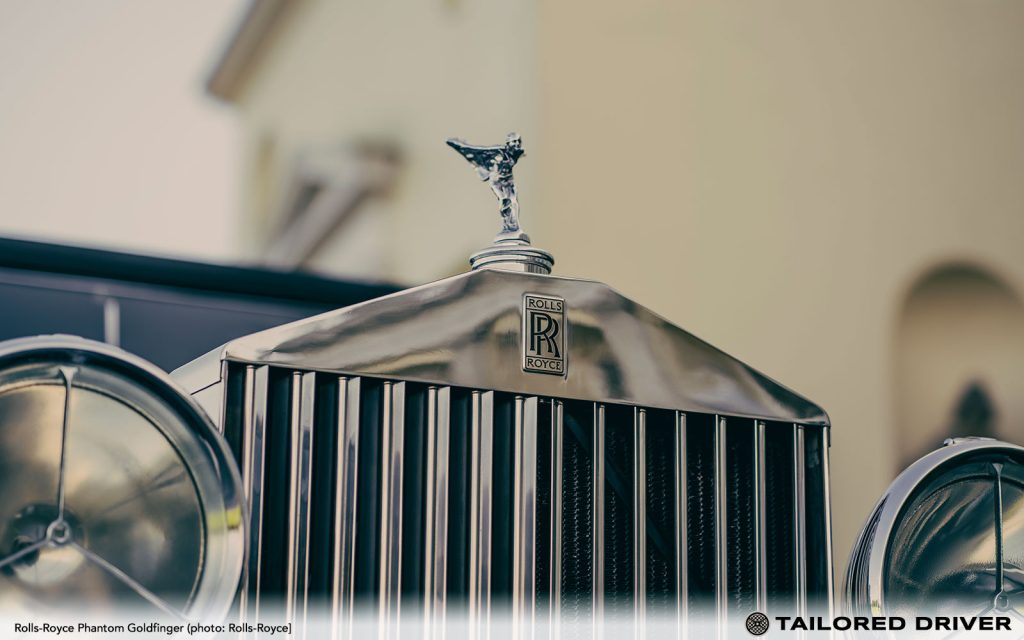
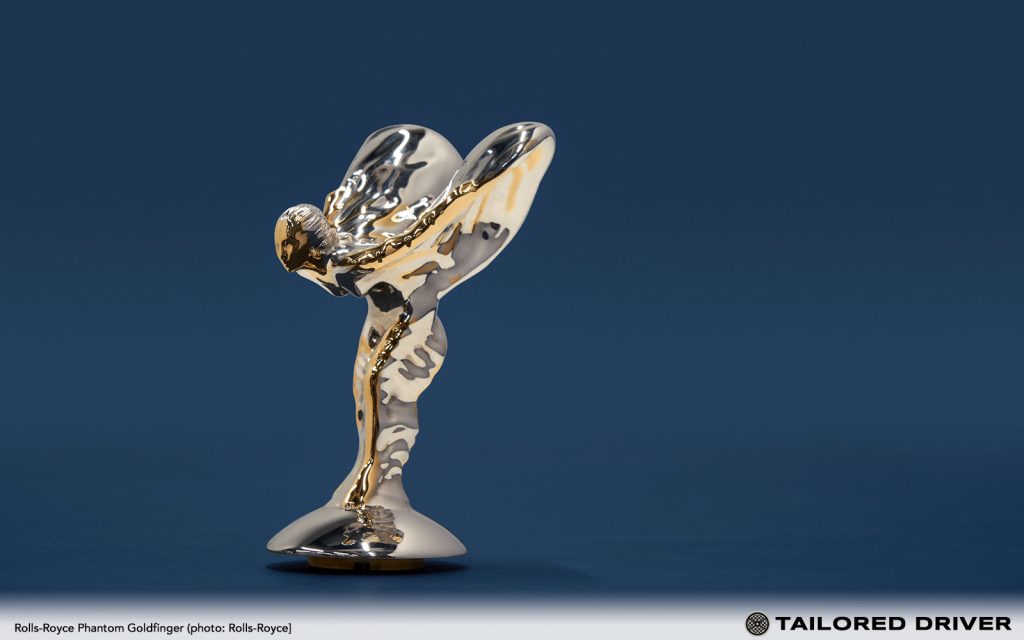
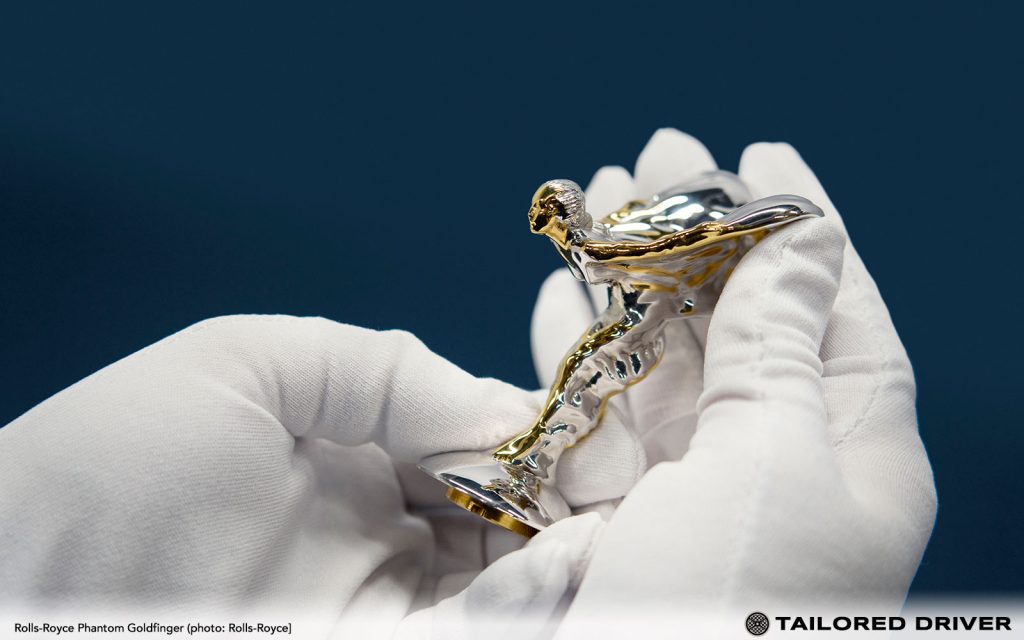
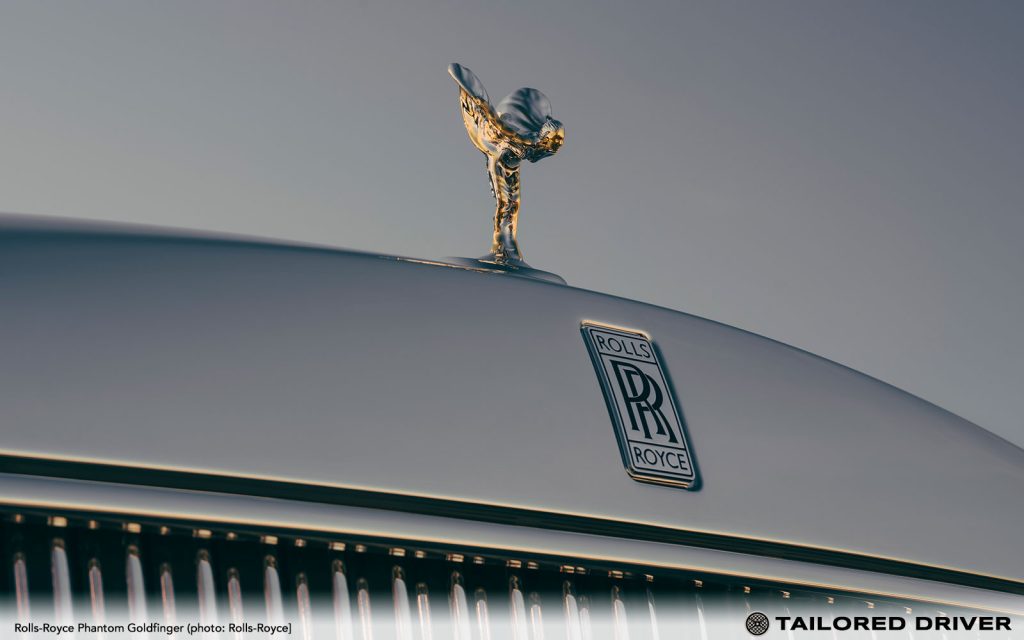
The Spirit of Ecstasy at the prow of Phantom Goldfinger has been given a unique finish, subtly referencing the motion picture’s plot. In the film, the villain Auric Goldfinger was smuggling gold in body panels of his Phantom. As a nod to this concept, sections of the figurine appear to reveal gold underneath, suggesting it is made of solid gold, concealed with a silver coat. Since it is not possible to silver-plate gold, Rolls-Royce specialists used a solid silver Spirit of Ecstasy and skilfully gold-plated it with 18-carat gold to achieve the ‘gold reveal’ effect.
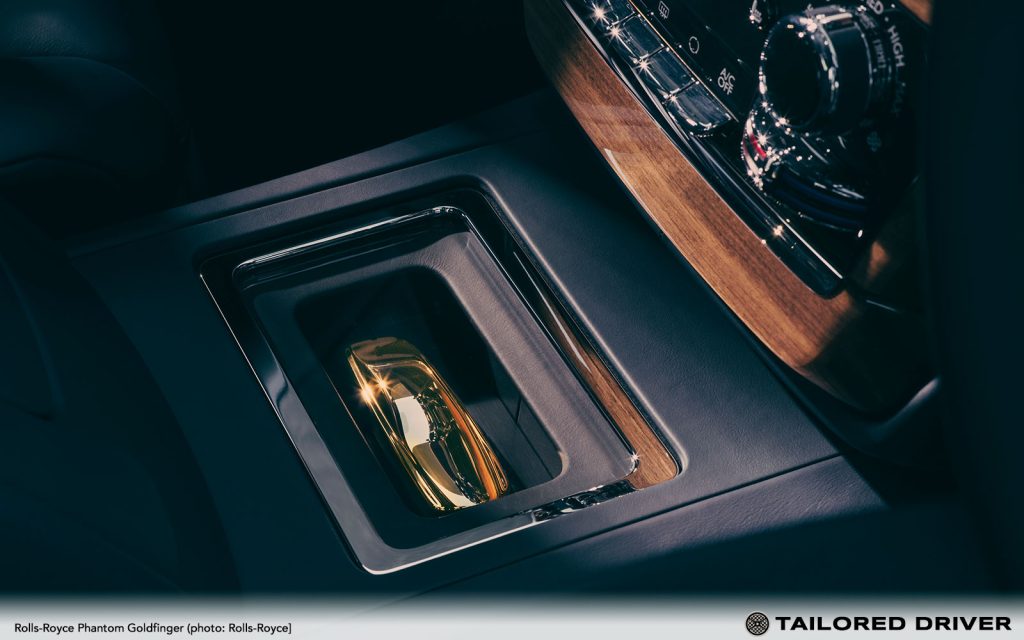
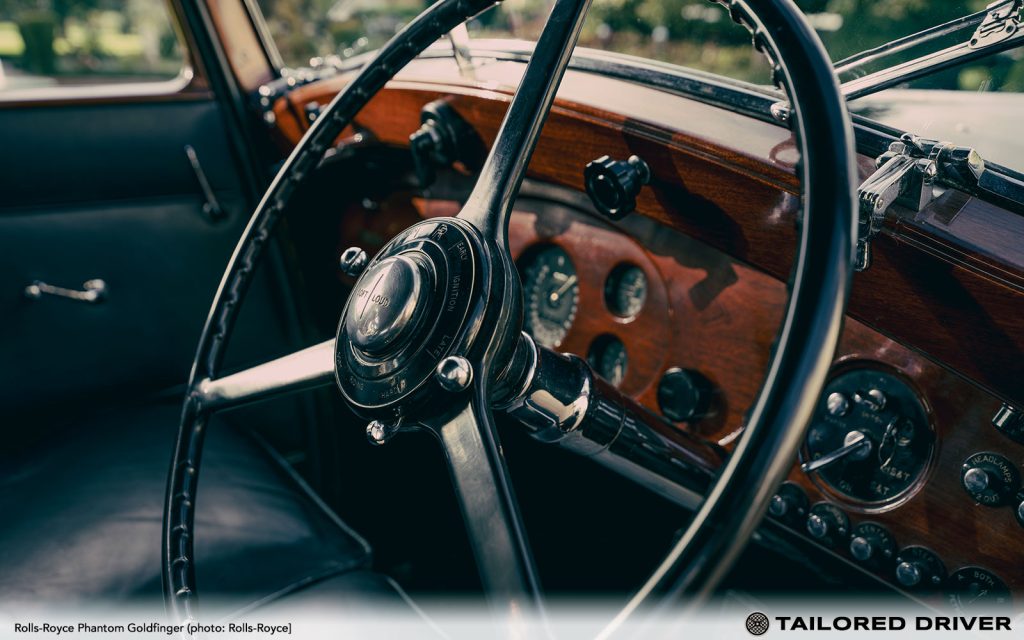
INTERIOR: HIDDEN GOLD In honour of the Goldfinger film, the Bespoke Collective of designers, engineers, and artisans within Rolls-Royce developed several highly complex details and features that incorporate 18- and 24-carat gold. One such feat is the hidden vault created in the centre console between the front seats. The area was re-engineered to house an illuminated solid 18-carat gold bar, shaped as a Phantom ‘Speedform’ – a stylised representation of the motor car’s design in miniature.
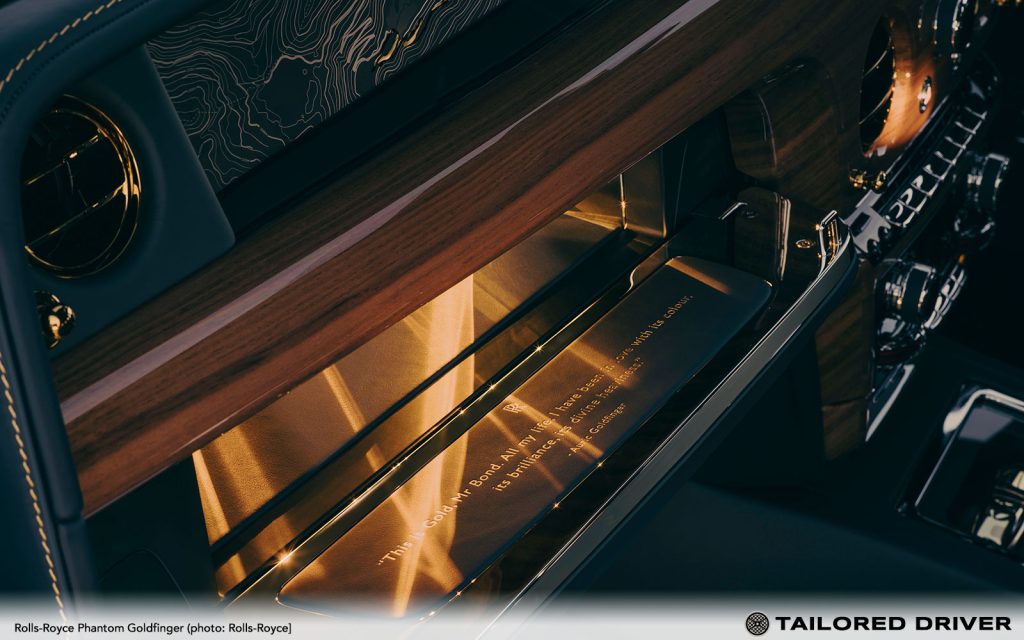
The base of the front and rear centre consoles is also lined with an exquisite gold finish, as is the inside of the glovebox. The inner lid of the glovebox is also debossed with Goldfinger’s iconic quote: “This is Gold, Mr. Bond. All my life, I have been in love with its colour, its brilliance, its divine heaviness.”
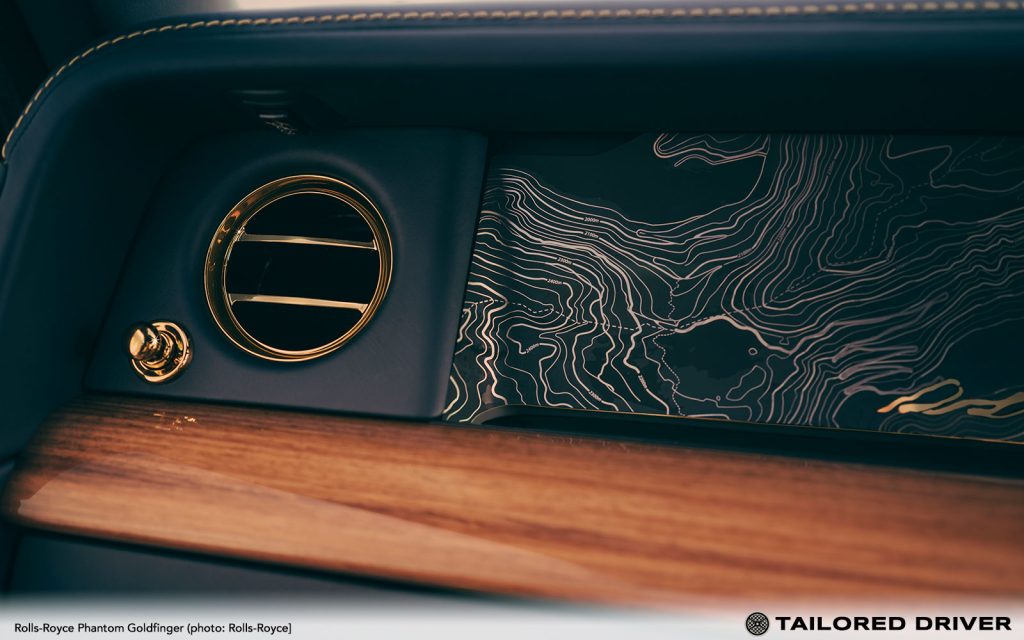
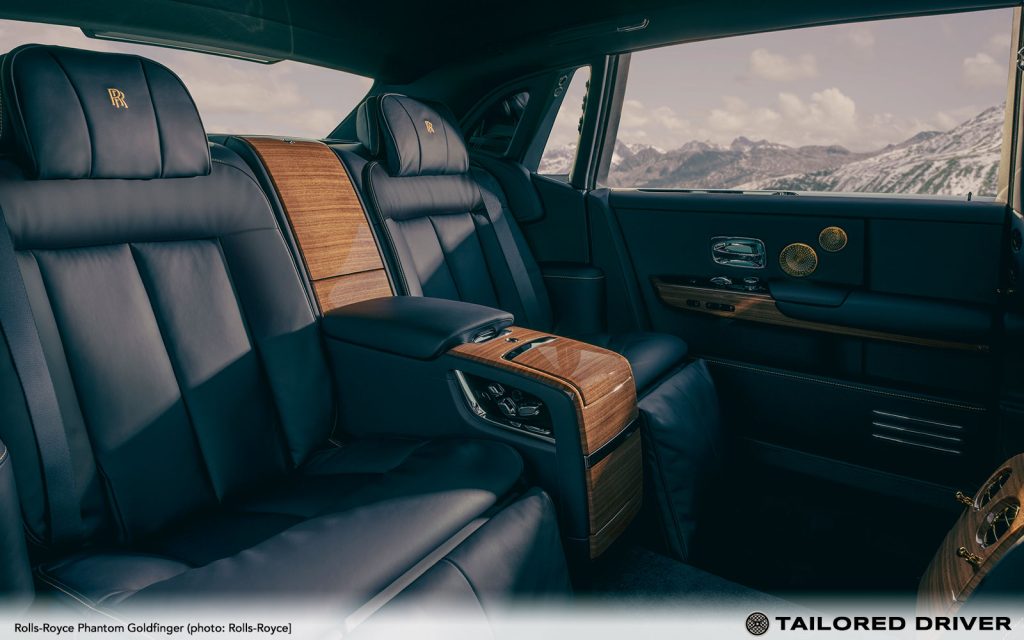
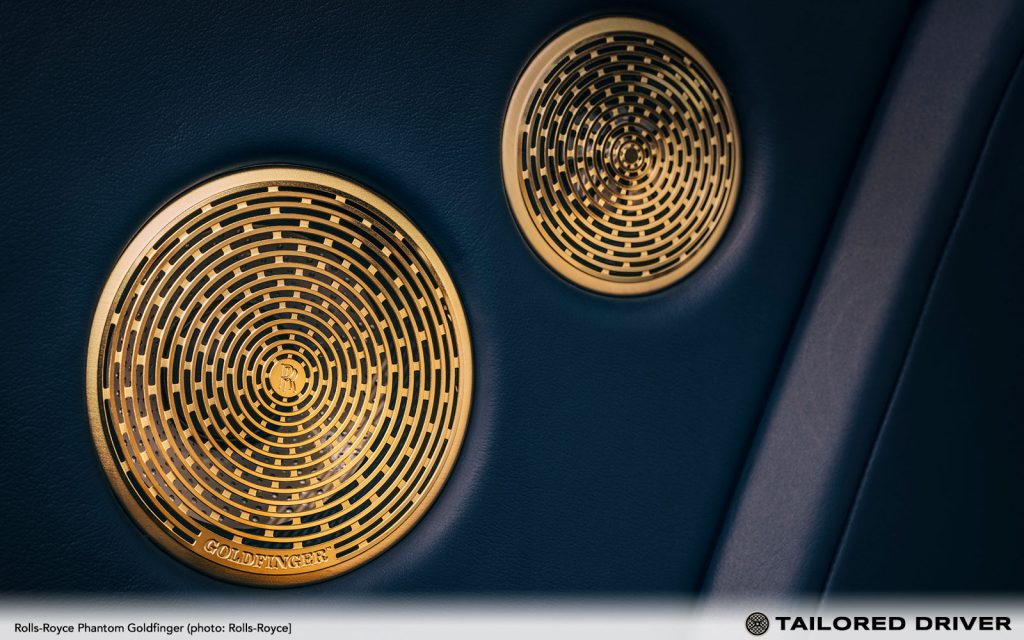
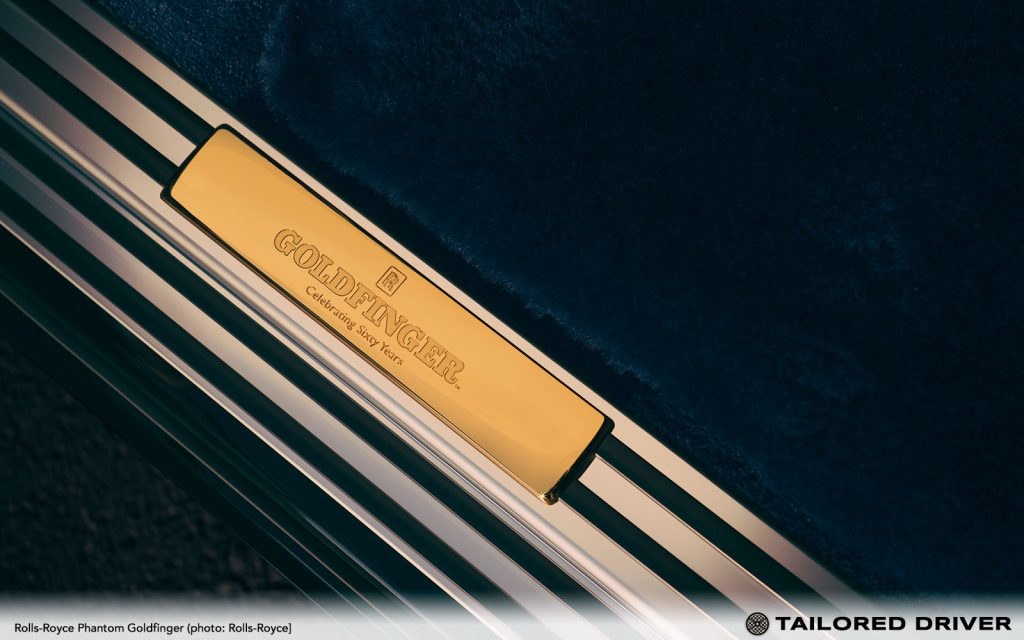
The air vents and ‘organ stops’ throughout the motor car also have a lustrous gold finish. The speaker frets are given the same finish and inscribed with the film’s title treatment. The treadplates, designed to look like the gold bars that feature Goldfinger, are gold-plated and embossed using the same font developed for the film in 1964. The 24-carat gold-plated VIN plaque is engraved with a specially obtained vehicle identification number, which ends in 007.
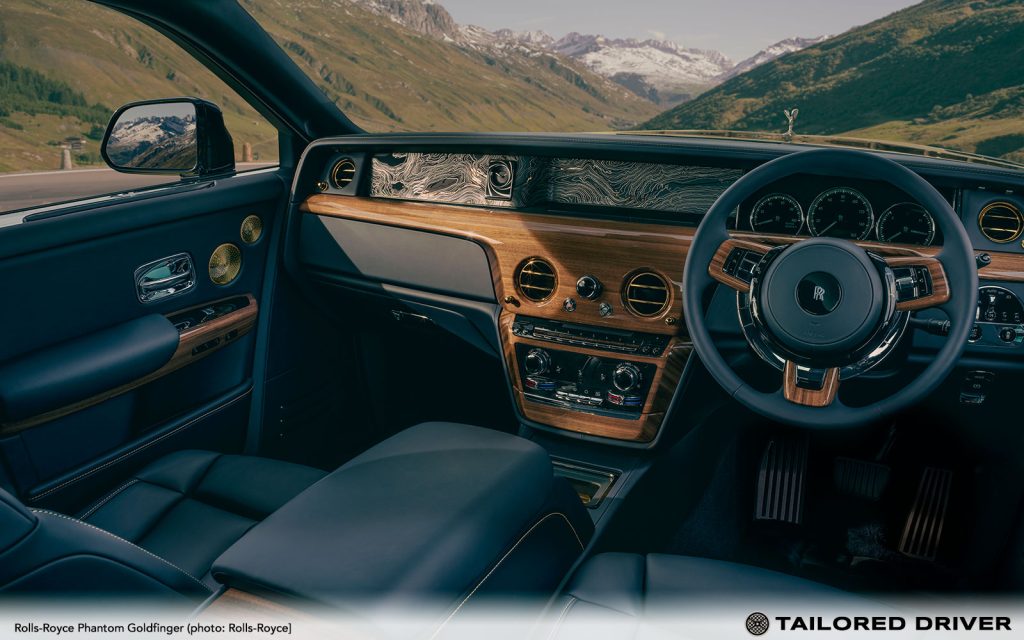
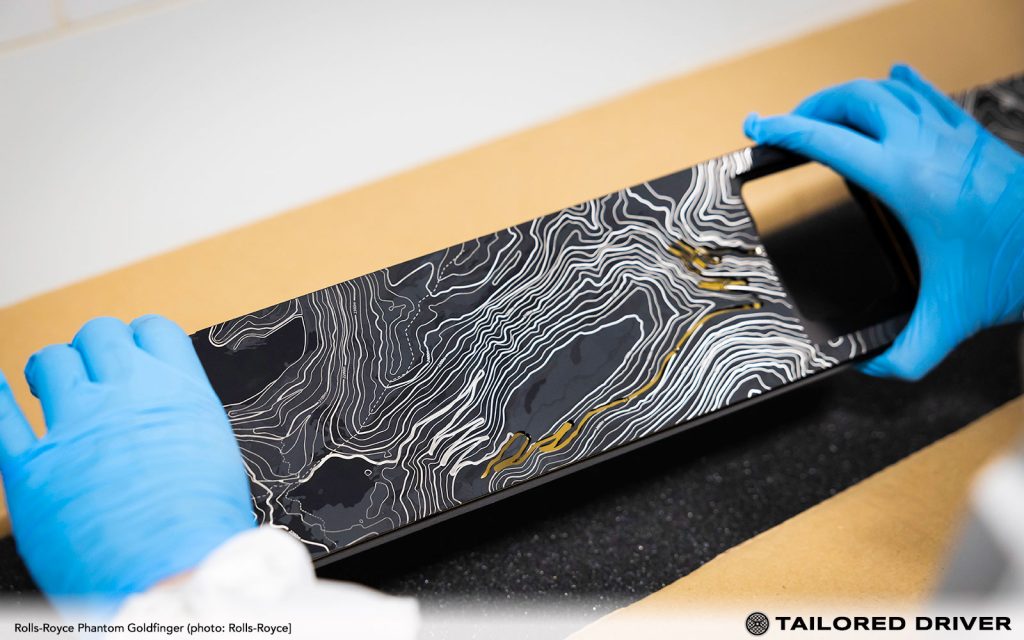
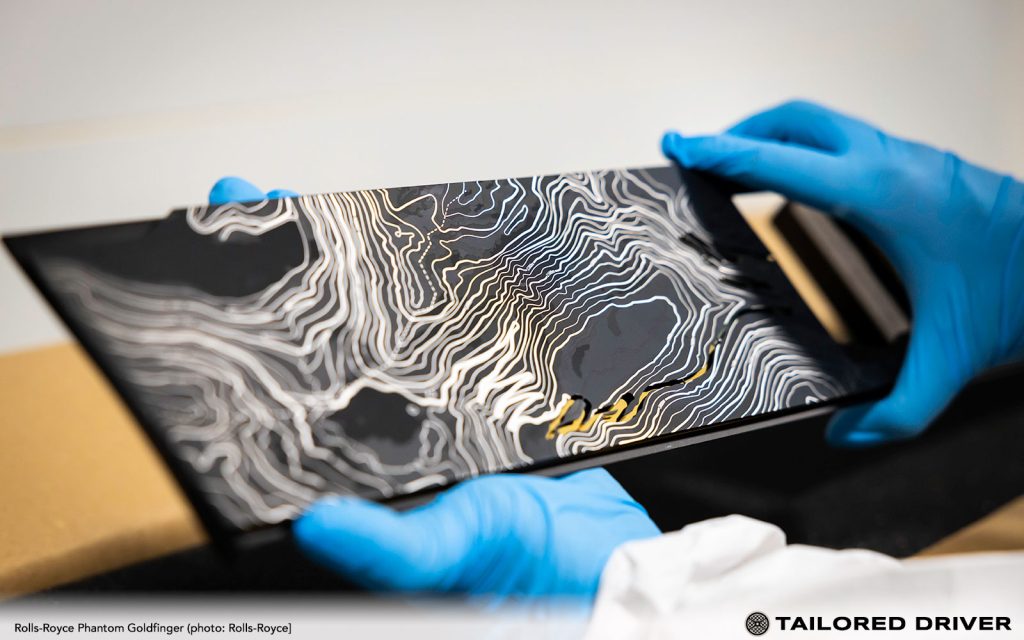
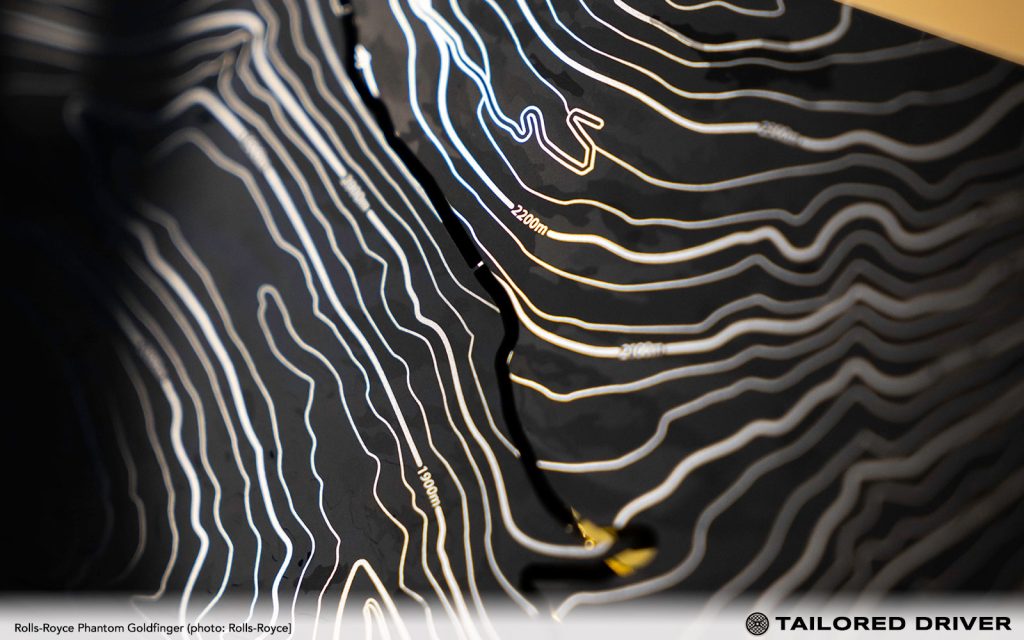
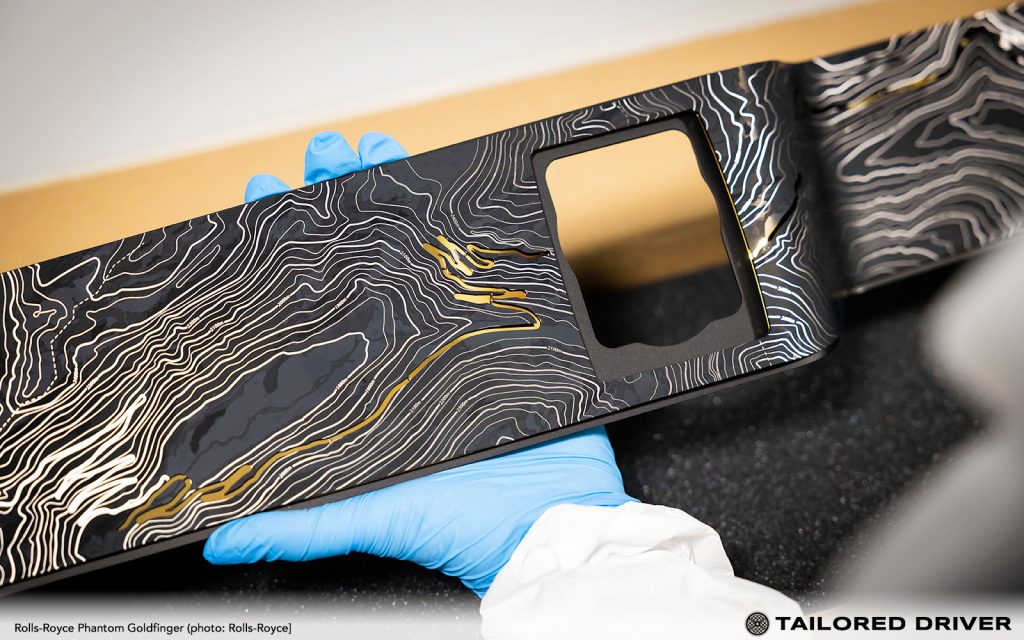
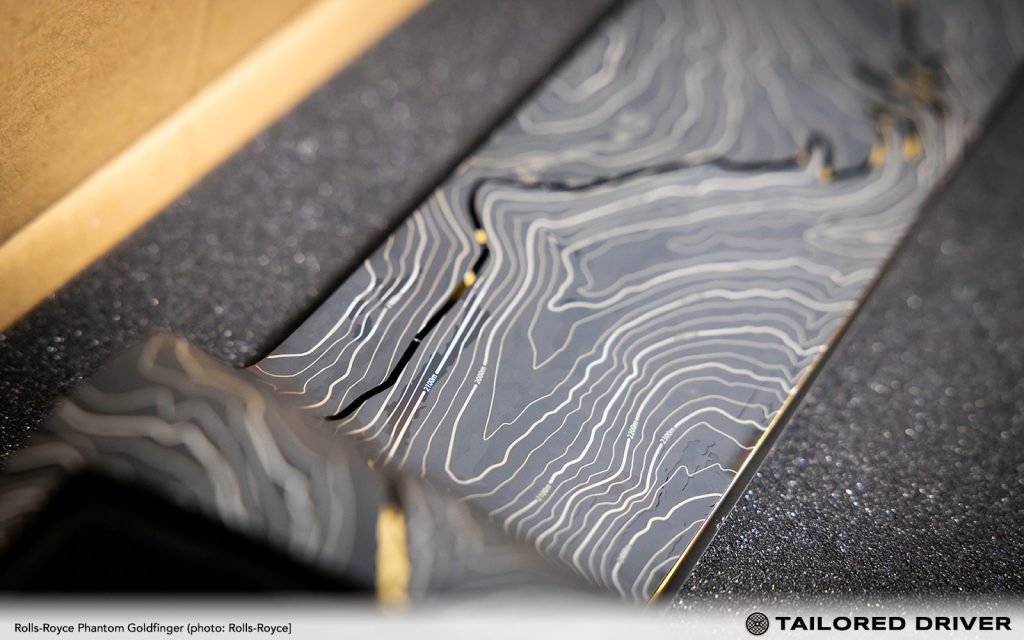
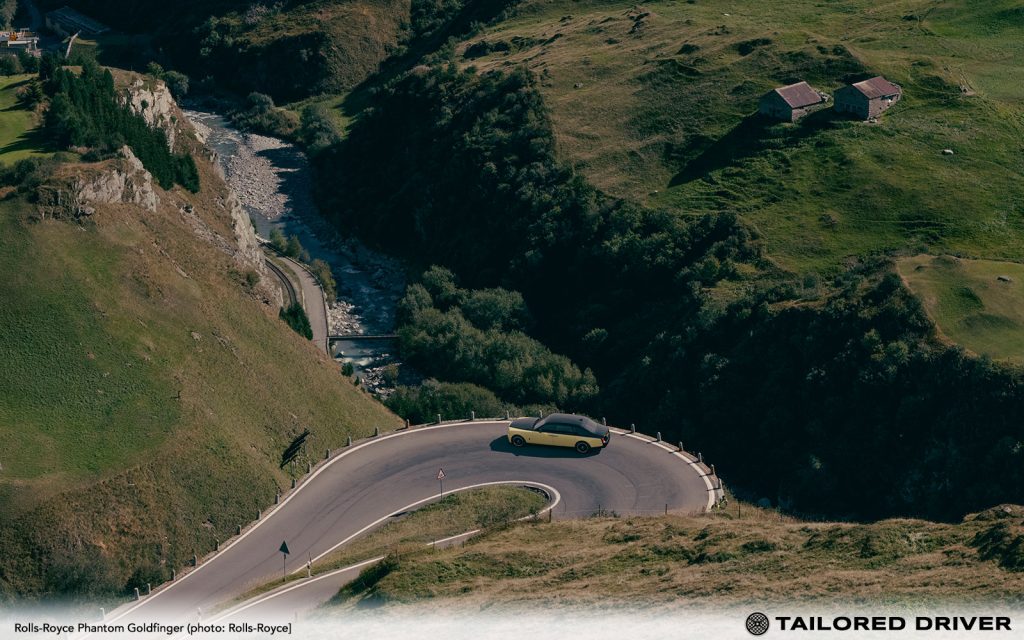
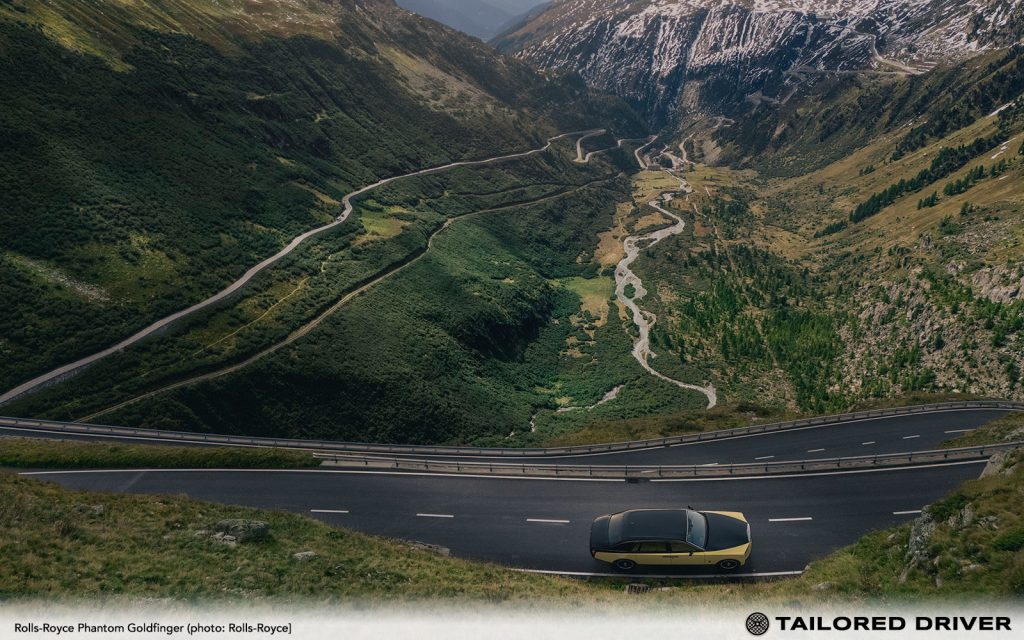
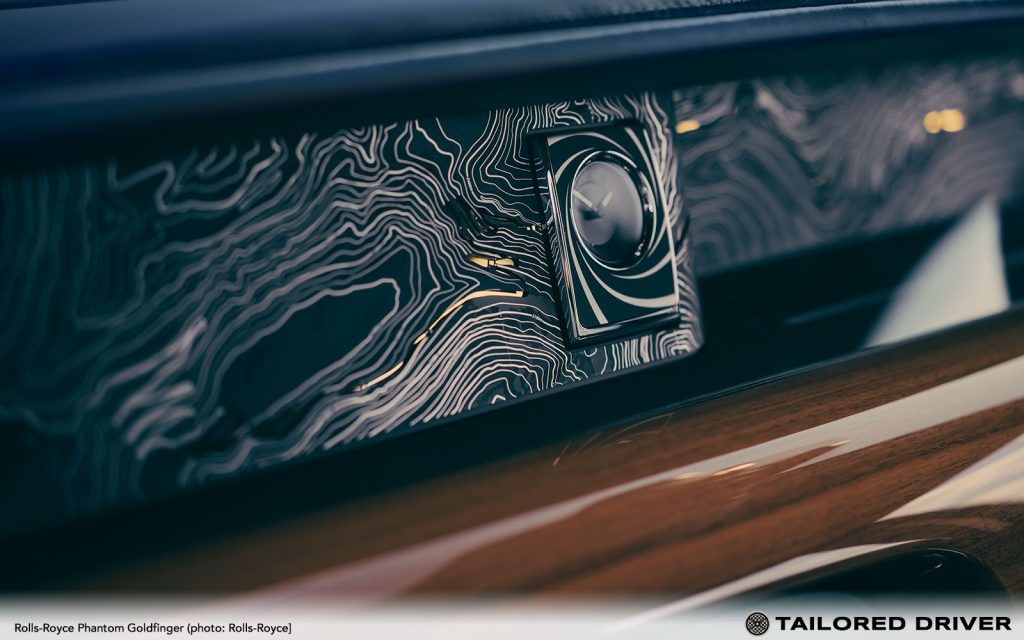
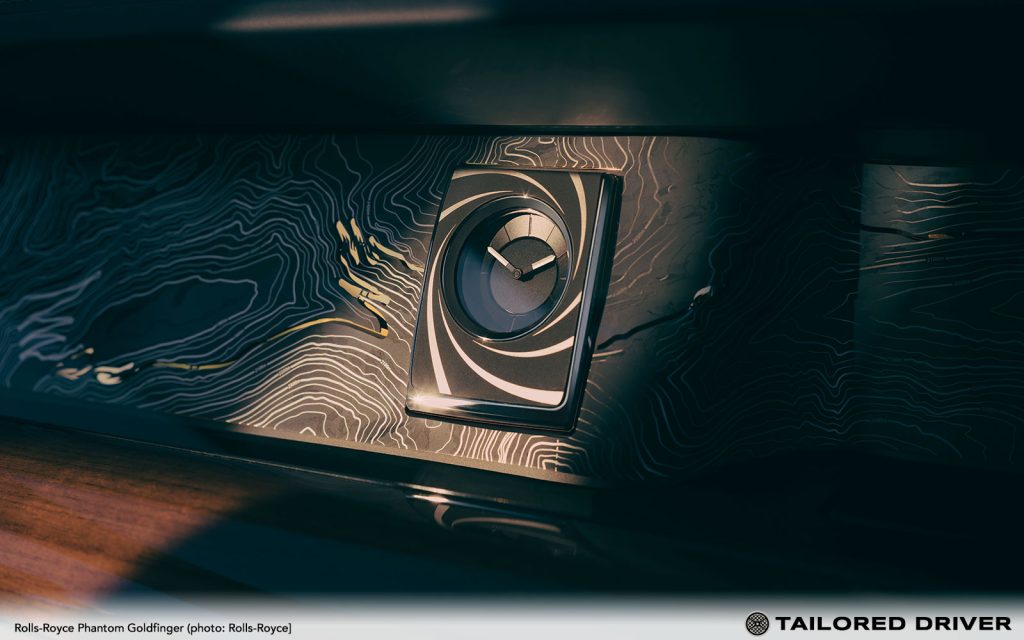
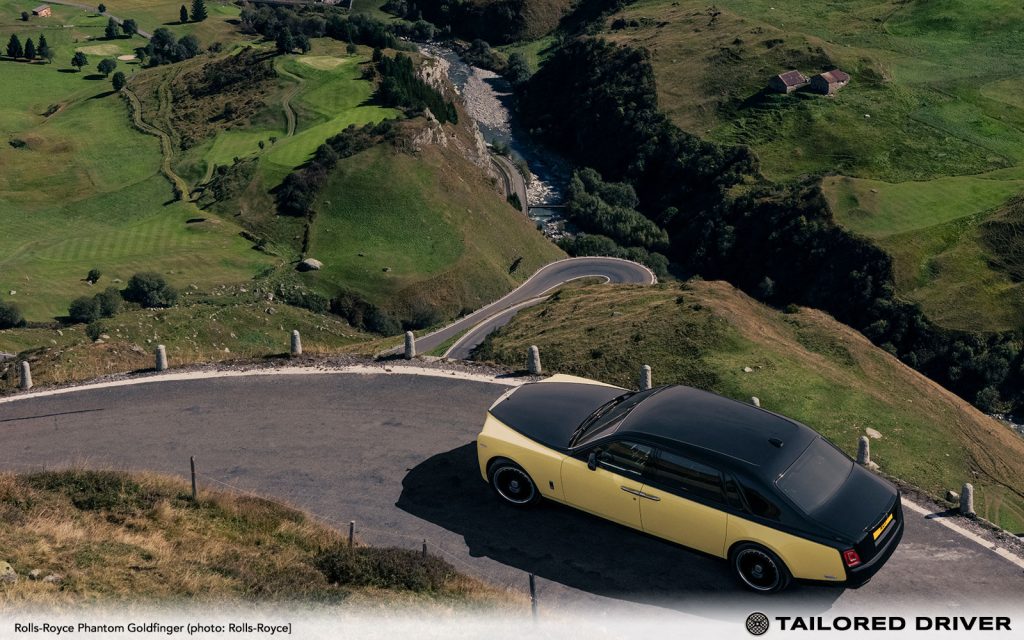
FURKA PASS GALLERY The Bespoke artwork installed in Phantom’s Gallery, which runs the full width of the front fascia, is the true centrepiece of the motor car. The three-dimensional design, which was hand-drawn, is a precise yet artistic isoline map that shows the contours of the Furka Pass; in the film 007 is seen on this legendary road, discreetly following Auric Goldfinger to his smelting plant in the Swiss Alps. The stainless steel used to construct the piece was darkened using a method named physical vapour deposition. Contour lines and elevation figures are engraved into the dark substrate, exposing the bright metal beneath. The Furka Pass is cut out from the stainless-steel layer, revealing a gilded surface underneath.
This highly complex feature required a year of painstaking development, in which the Bespoke Collective produced ten complete prototypes to perfect the design. The Bespoke clock surround at the centre of the artwork is inspired by the instantly recognisable ‘gun barrel’ sequence which has been featured in every James Bond film since Dr. No (1962).
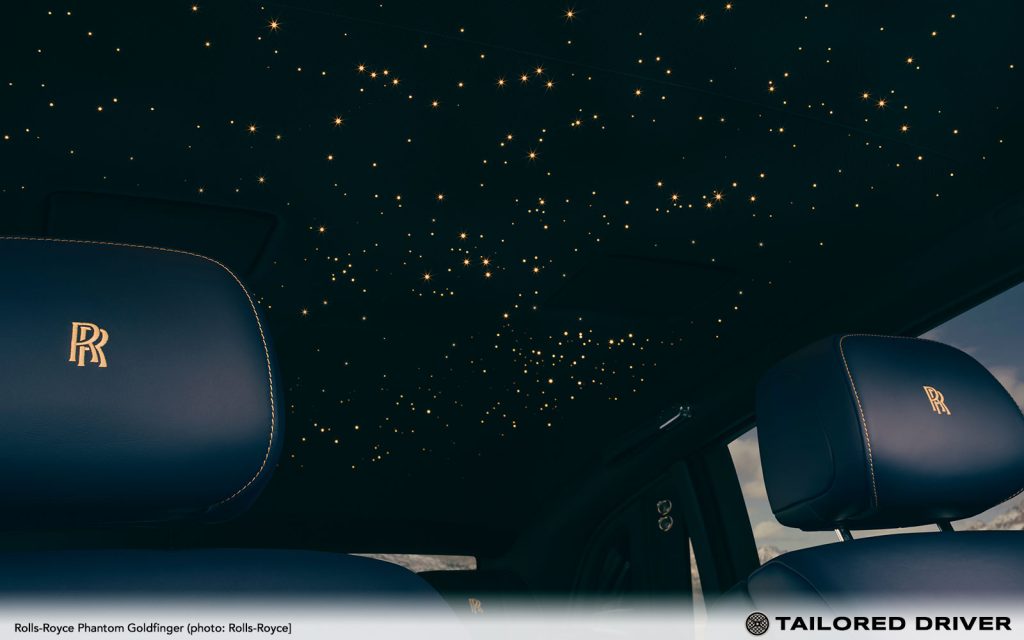
FURKA PASS STARLIGHT HEADLINER The motor car pays another subtle tribute to the memorable Furka Pass scene. The marque’s Bespoke Collective designed the Starlight Headliner of Phantom Goldfinger to perfectly reflect the constellations as they were positioned over the Furka Pass on 11 July 1964 – the last day of filming the scene in Switzerland. 719 ‘stars’, which glow with a subtle gold hue, are surrounded by a further eight ‘shooting stars’ – all individually placed by hand.
PICNIC TABLE INLAY: THE MAP TO GOLD RESERVES The Royal Walnut picnic tables are adorned with a 22-carat gold inlay with a depth of only 0.1 mm, which feature a fictional map of Fort Knox, the bullion depository where the United States’ gold reserves are stored. The design, which took six months to finalise and was developed over three prototypes, incorporates key locations including Gold Vault Road, Bullion Boulevard, and the Bullion Depository that Goldfinger plans to attack in ‘Operation Grand Slam’.
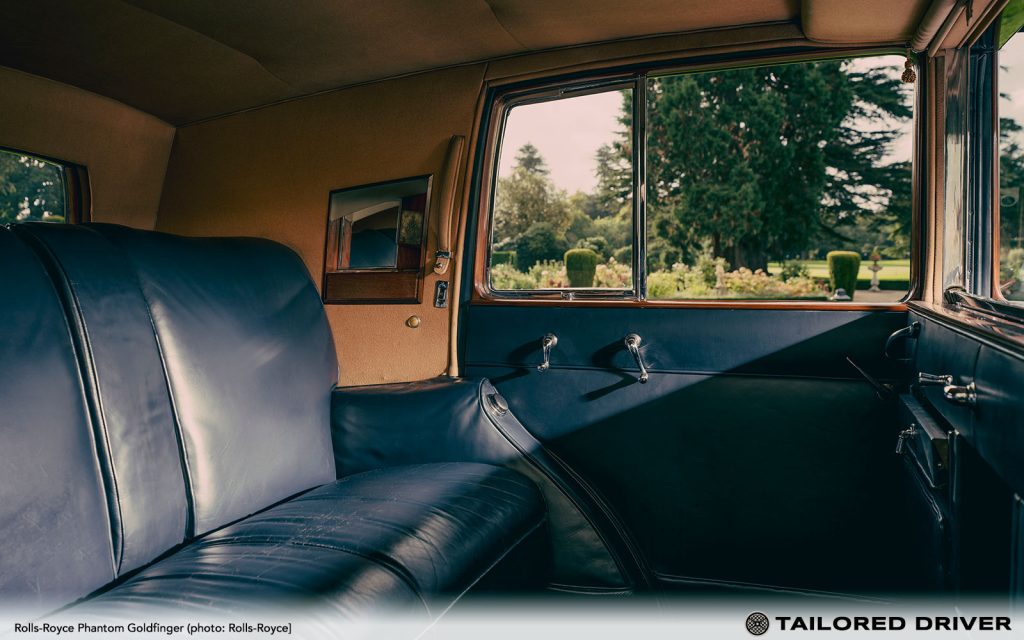
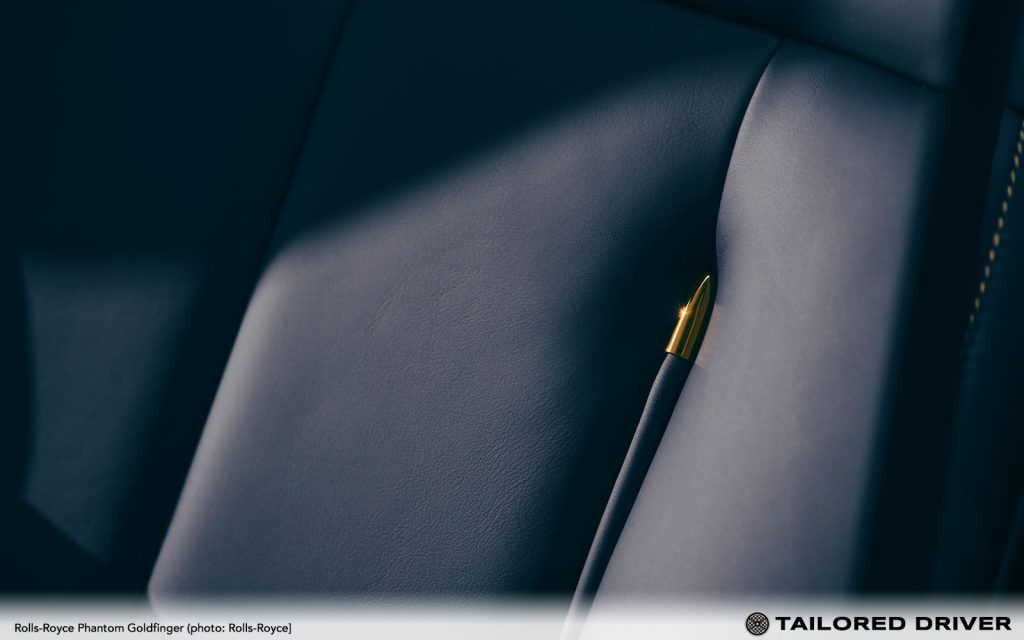
INTERIOR COLOURWAY: GOLD STANDARD Phantom Goldfinger is finished in Navy leather and Royal Walnut veneer, selected as an elegant and refined canvas to showcase the gold detailing, inspired by the interior colourway of the original motor car. The seating, which includes reclining Serenity Seating in the rear suite, is subtly elevated with gold stitching, gold-coloured ‘bullets’ to cap the seat piping sections, and headrests that incorporate gold ‘RR’ monograms.
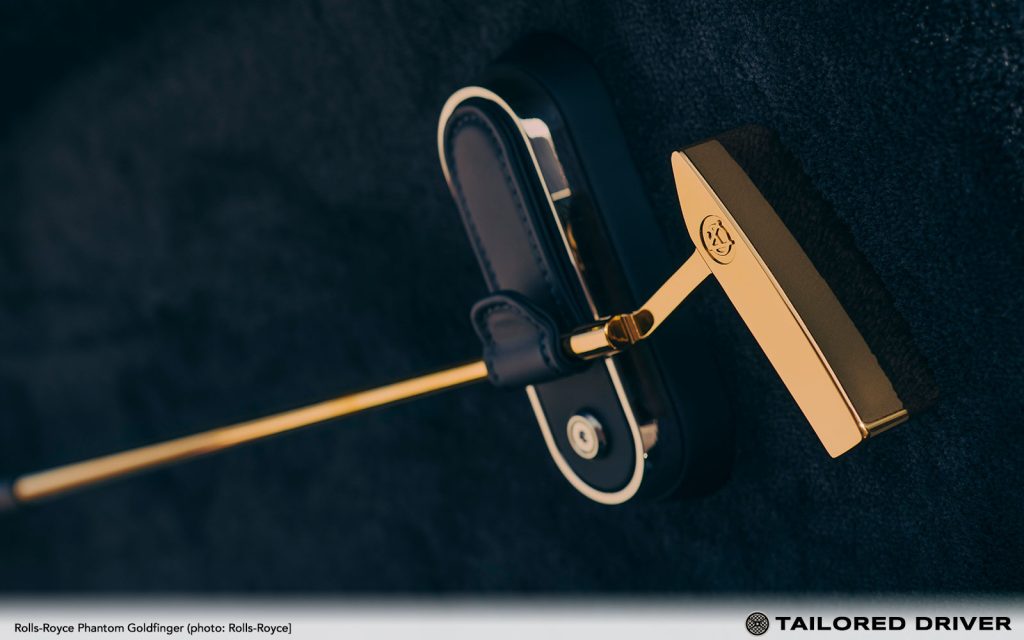
EXQUISITE DETAILS James Bond’s initial encounter with Goldfinger takes place at Stoke Park in Buckinghamshire, UK, where 007 challenges him to a round of golf. Goldfinger uses a gold putter, which is safely guarded by his henchman, Oddjob. For the 2024 Phantom Goldfinger, the gold-plated putter has been recreated and mounted on the underside of the boot lid. The club is adorned with a specially designed ‘AG’ monogram, inspired by the engraving on the signet ring worn by Goldfinger on-screen.
Later, while alone with Goldfinger’s Phantom III, Bond places a Q Branch-issued tracking device on the motor car, which he uses to follow the villain across Europe. To acknowledge this, the Bespoke Collective developed a device, inspired by the original gadget, that subtly projects the 007 logo onto the carpet of the luggage compartment floor whenever the lid is opened.
During the Stoke Park scene, Bond is nearly caught interfering with the Phantom III by Oddjob, who loads Goldfinger’s golf clubs and a harlequin umbrella into the boot. For the 2024 Phantom Goldfinger, the umbrellas that fit into the motor car’s rear doors have been finished in the same red, blue, green, and yellow colours.
As a finishing touch, the prized British numberplate ‘AU 1’, which graced the Goldfinger Phantom III in the film, has been secured — a reference to the chemical symbol for gold on the periodic table of elements. This will remain with Phantom Goldfinger, which has now been delivered to a significant Rolls-Royce client and collector based in England.
“Bringing Phantom Goldfinger into being was one of the Bespoke Collective’s greatest creative journeys to date. The elegant and whimsical features that reference the film’s most memorable moments are an exquisite demonstration of the power of Bespoke in adding a new chapter to an existing story. It was a privilege to be a part of the creative team that brought this highly sought-after collector’s piece to life.” Nick Rhodes, Bespoke Designer, Rolls-Royce Motor Cars
BACKGROUND INFORMATION: AURIC GOLDFINGER AND HIS 1937 ROLLS-ROYCE PHANTOM III Rolls-Royce motor cars have featured in a dozen James Bond films throughout the film franchise’s history. However, the marque’s most enduring and memorable role is in the 007 film, Goldfinger.
The film sees eponymous villain, Auric Goldfinger, driven across Europe by his henchman, Oddjob, in an exquisite 1937 Rolls-Royce Phantom III Sedanca de Ville. The coachwork of this imperious motor car holds a secret – it is made from two tonnes of solid 18-carat gold, which Goldfinger is smuggling from England, across the continent and over the challenging Furka Pass into Switzerland. Once safely installed in Auric Enterprises, he uses his alpine smelting plant to disassemble his Rolls-Royce, melting down the body panels into gold bars. With the original coachwork replaced, he returns his motor car to England and repeats this nefarious crossing.
Goldfinger’s ultimate master plan, named ‘Operation Grand Slam’, is far more ambitious; he plans to irradiate the gold stored in the Fort Knox Bullion Depository with an atomic device, rendering it worthless, thereby driving the value of his own reserves into the stratosphere.
TECHNICAL INFORMATION Phantom Extended: NEDCcorr (combined): CO2 emissions: 345 g/km; Fuel consumption: 15.1 ltr/100 km / 18.7 mpg. WLTP (combined): CO2emissions: 362-348 g/km; Fuel consumption: 15.9-15.2 ltr/100 km / 17.7-18.6 mpg. Further information: https://bit.ly/3XtQW7q
ABOUT ROLLS-ROYCE Rolls-Royce Motor Cars is a true luxury house, creating the world’s most recognised, revered and desirable handcrafted Bespoke products for its international clientele.
There are over 2,500 people working at the Home of Rolls-Royce at Goodwood, West Sussex. This comprises both its global headquarters and Centre of Luxury Manufacturing Excellence – the only place in the world where Rolls-Royce motor cars are designed, engineered and meticulously built by hand. An independent study by the London School of Economics & Political Science confirms that since the company first launched at Goodwood in 2003, it has contributed more than £4 billion to the UK economy and adds more than £500 million in economic value every year.
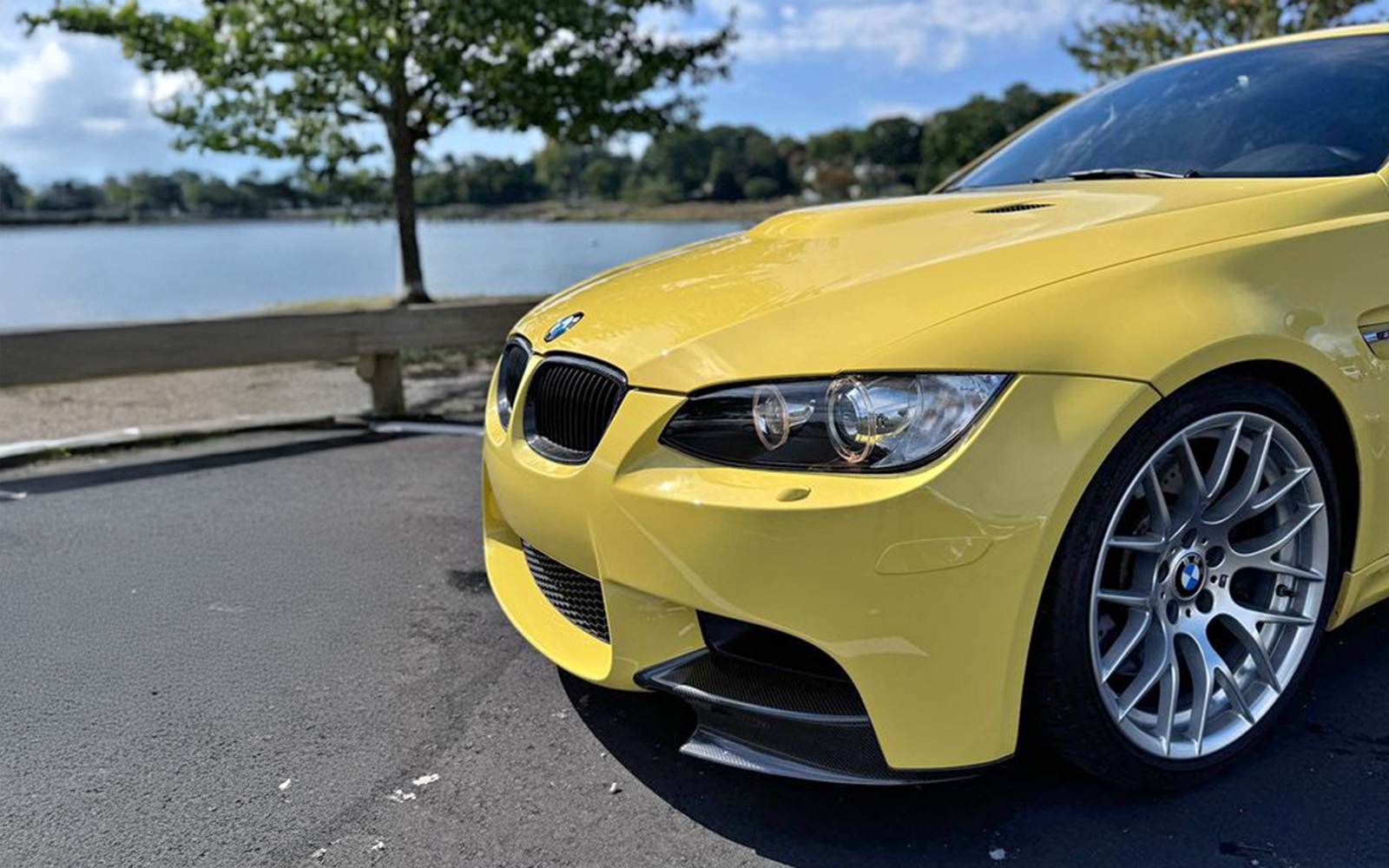
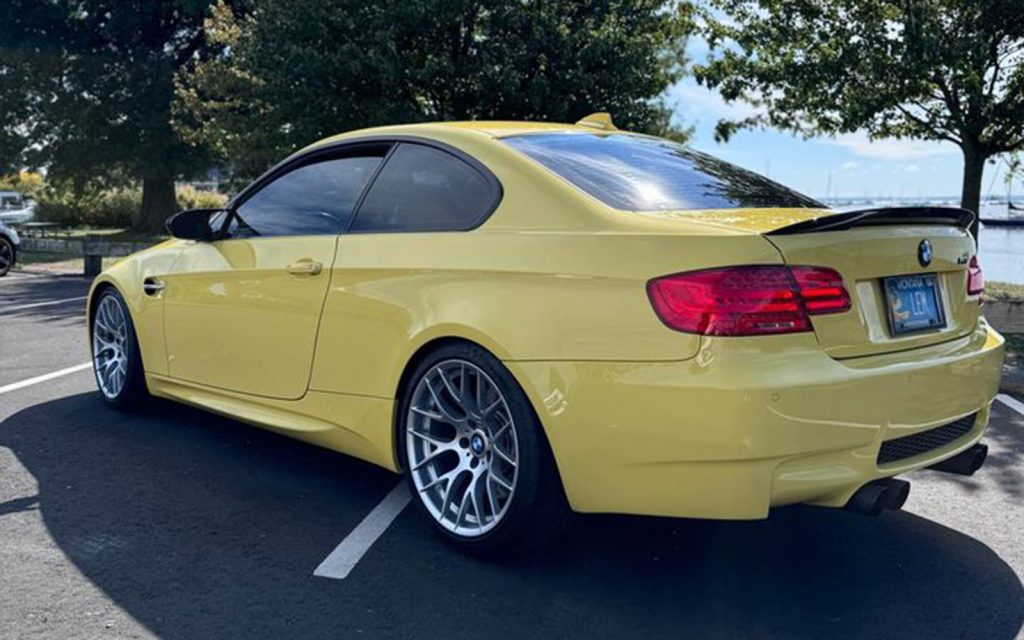
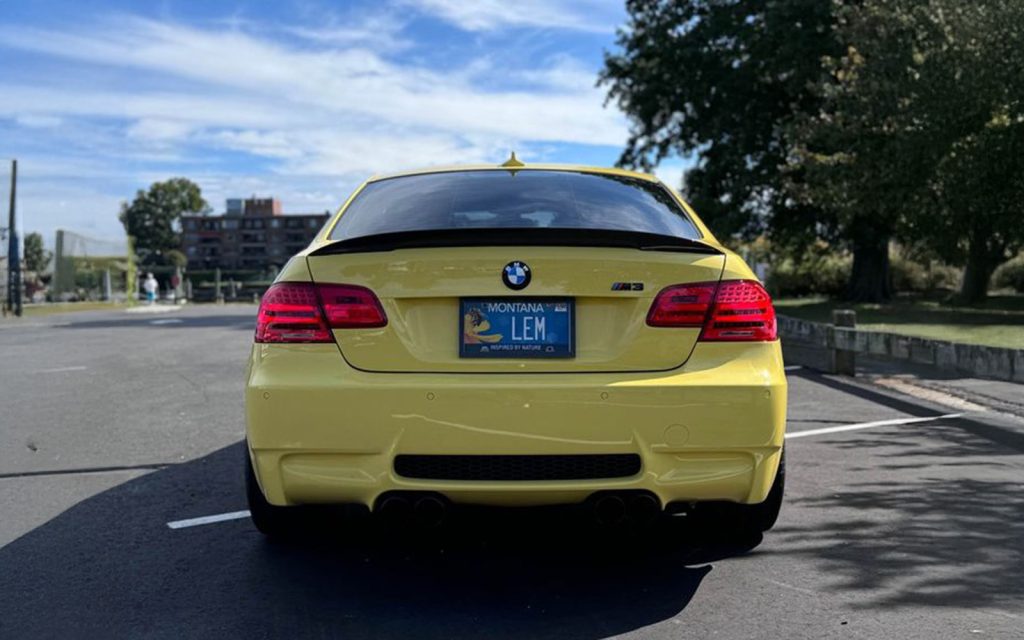
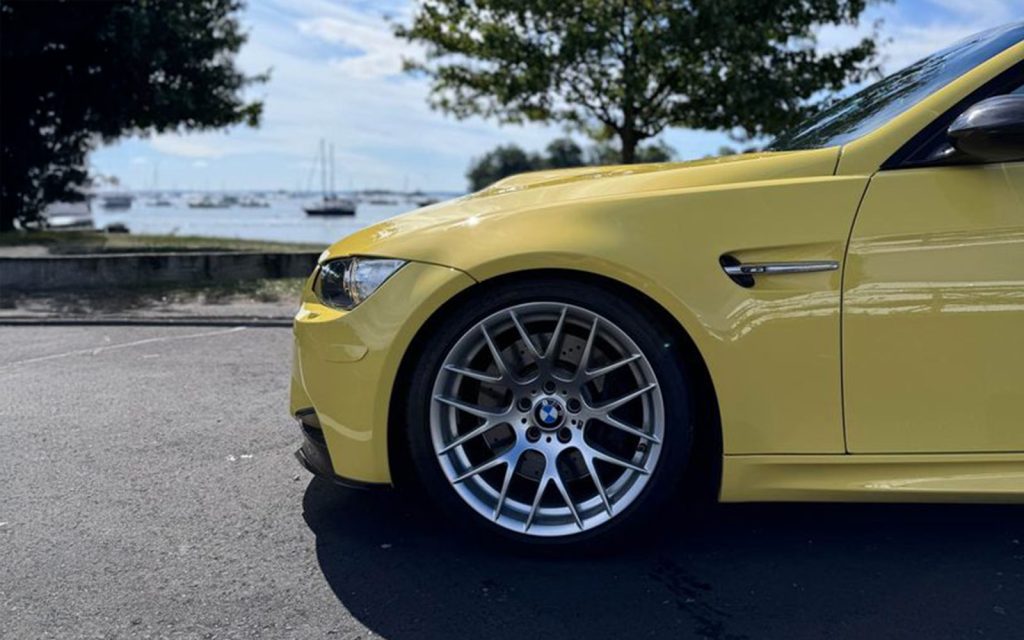
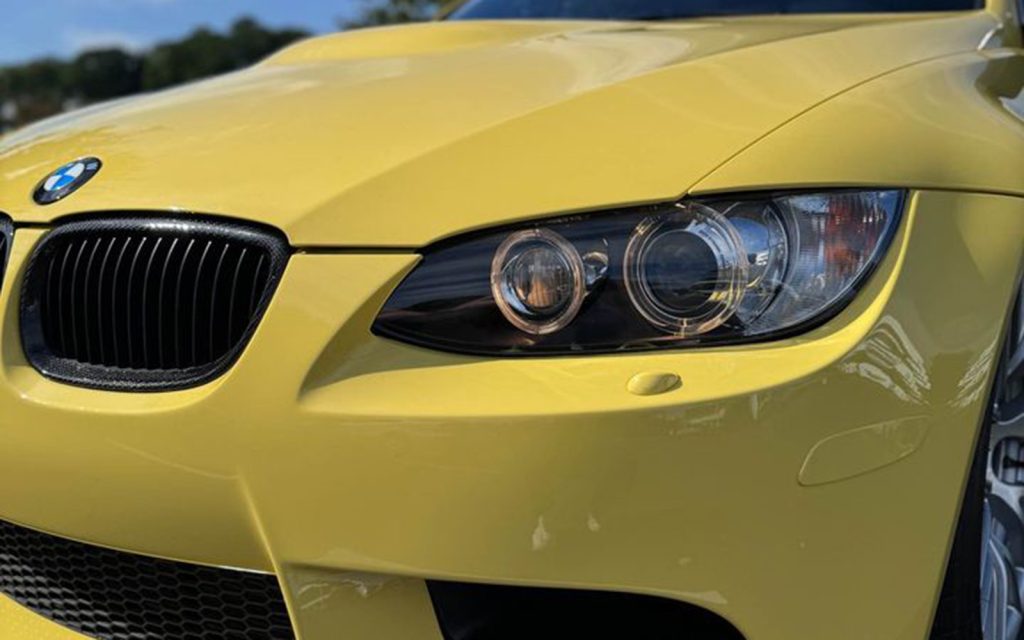
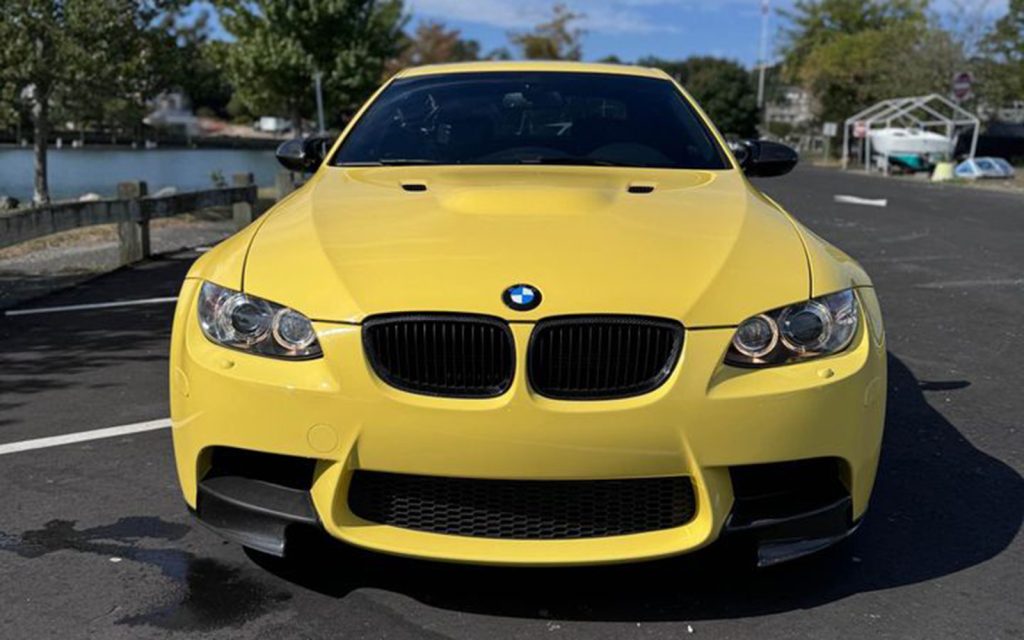
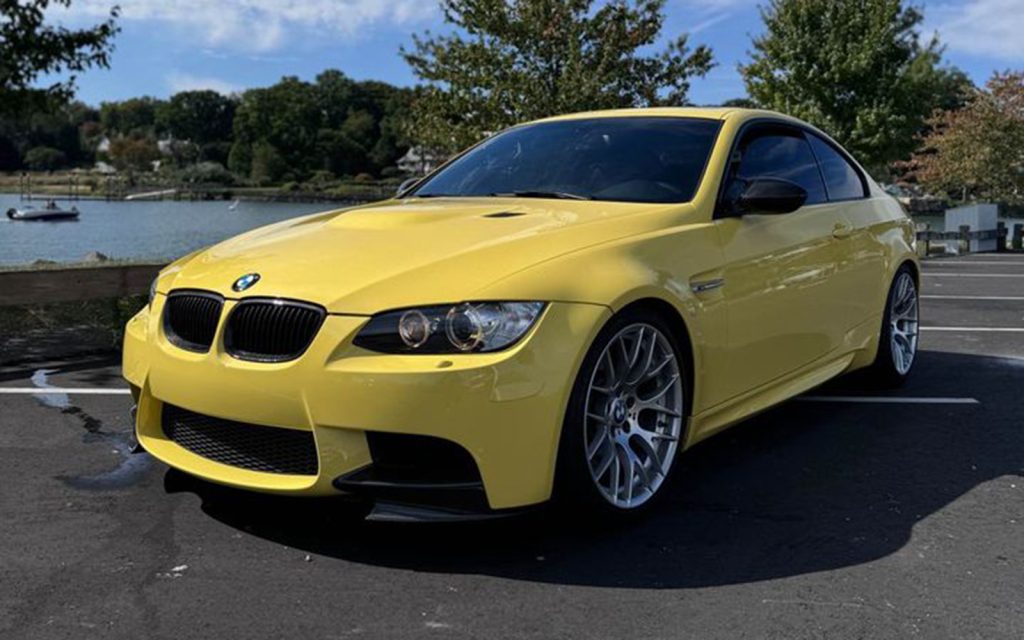
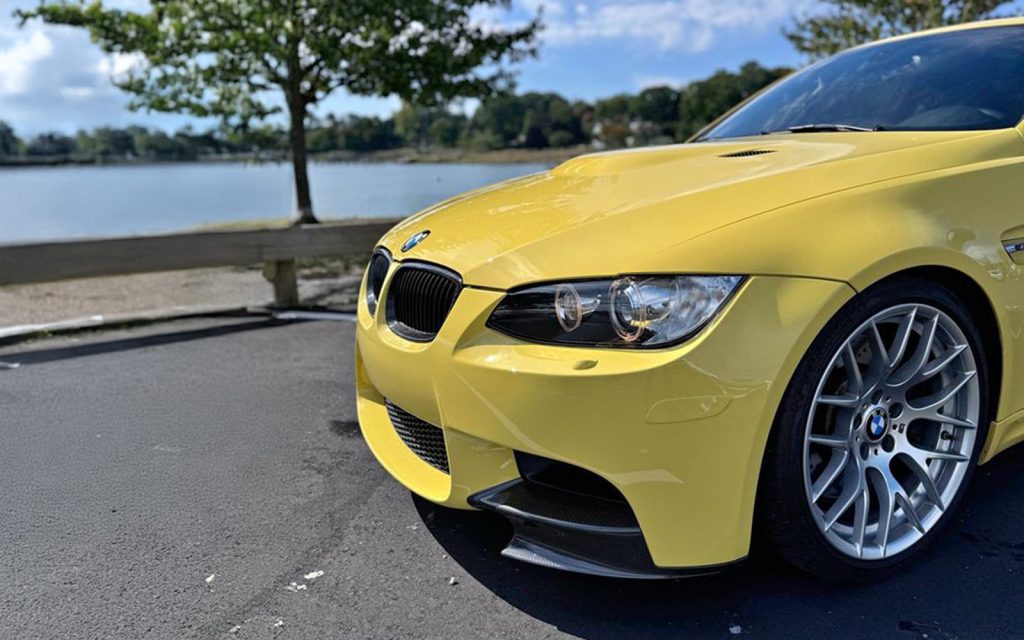
If you’re nostalgic for the 90s era of BMWs (looking at you E36), then you know your way around Dakar Yellow (dakargelbii; non-metallic uni; 337; BMW). The hue was a standard and much beloved color on that era M3, and it remains one of the most revered BMW Individual paint colors as a result. So, when we find another generation M3 Coupe painted the same color from the factory, we take notice. Take for instance this 39,000 mile 2011 E92 M3 Competition Coupe in New Rochelle, NY that we’ve found on Facebook Marketplace.
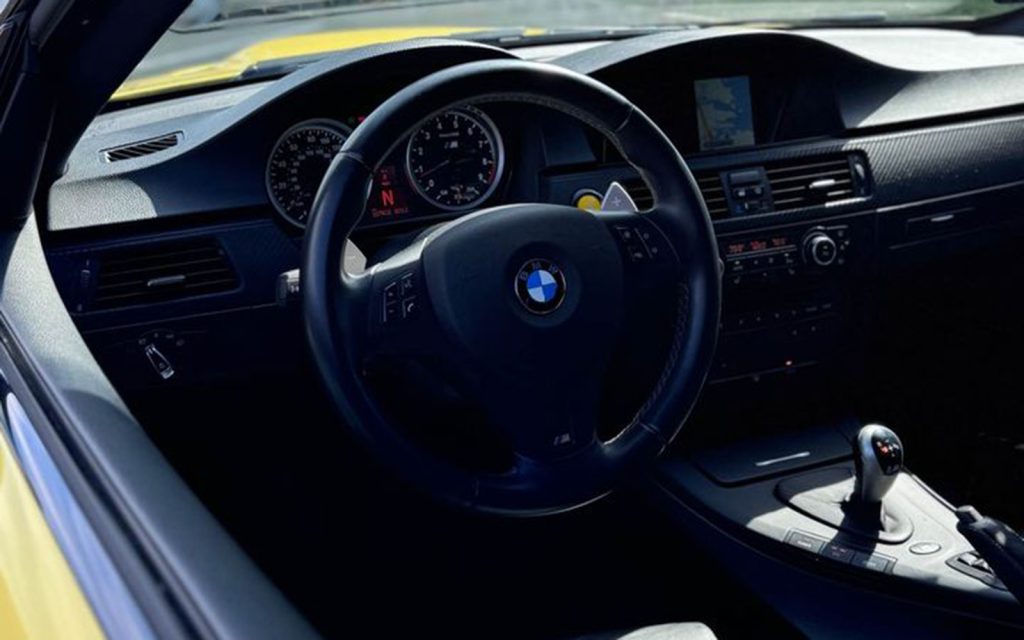
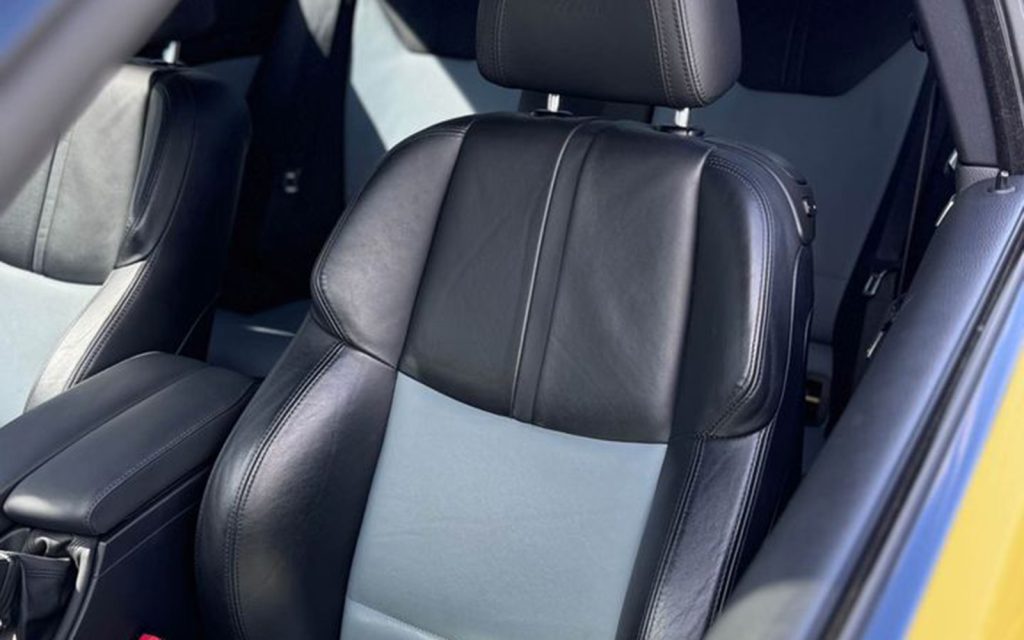
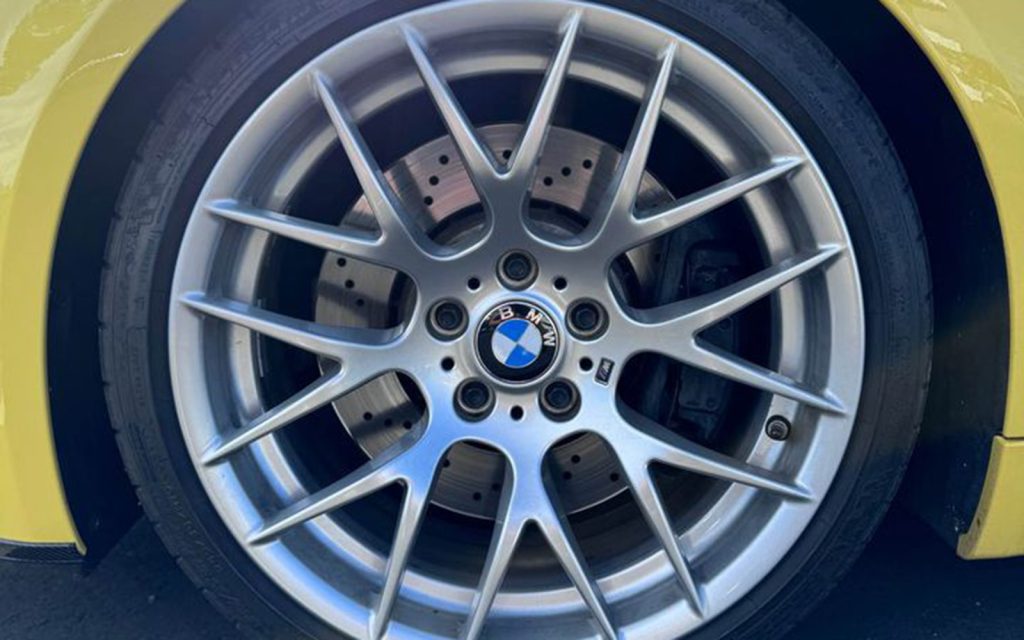
The car’s a Competition with V8, so already rare and sought-after. The owner reports it is “likely” one of one in the USA thanks to that color. We have not verified the claim with BMW and it sounds like the owner may not be entirely certain, but it’s definitely rare (Editor’s Note: Check below for more information on the rarity). The color is listed as Dakar Yellow II (dakargelb; non-metallic; 337; BMW Individual), with two-tone Palladium and Black Novillo leather. Other options beyond the BMW Individual paint include Style 359 M wheels, Sunroof, iDrive Navigation and DCT dual clutch automatic.
It’s got a few modifications, but nothing extreme. These include KW V3 coilover suspension and an Eisenmann exhaust.
The owner also states that it’s been featured on YouTube, so we’ve embedded that video in this story.
UPDATE#1: The difference between Dakar Yellow and Dakar Yellow II is the addition of a clear coat.
UPDATE #2: David, a commenter below, added this reference information in regards to the rarity of a Dakar Yellow E92 Competition. In it he stated:
Worldwide, 140 E92 M3s left the factory in this colour. – 40 for North America (28 for USA, 12 for Canada) – 30 for the Rest of the World in LHD – 70 for the Rest of the World in RHD
19 of the 28 USA examples came with the Competition Pack.
This particular car was No.14 of the 28 USA cars to be made and the only one of the 28 to come paired with the Palladium Silver & Black Novillo Leather interior leather.
Manufactured on 30-June-2011 it was originally supplied by Winslow BMW of Colorado Springs on 12-August-2011.
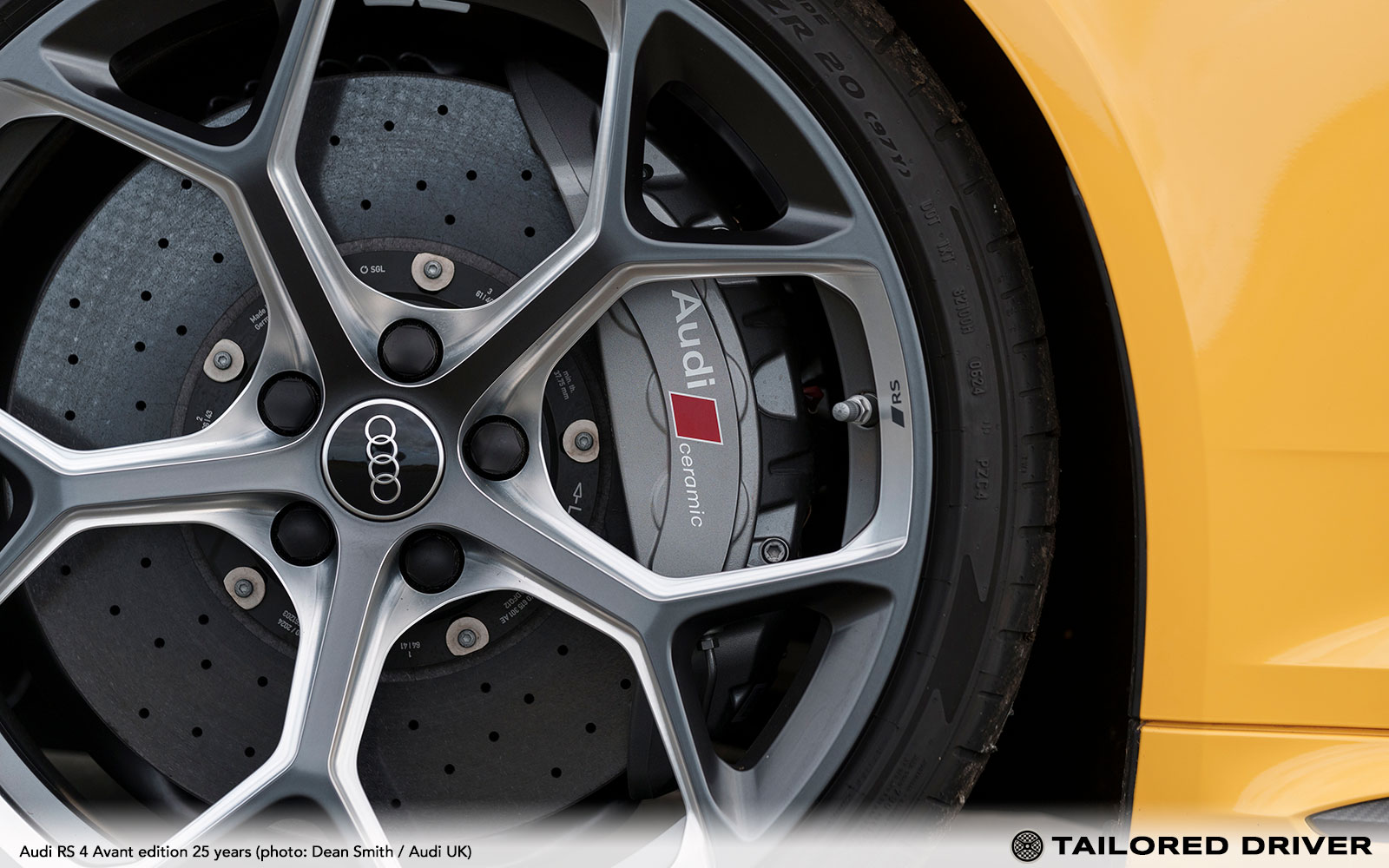
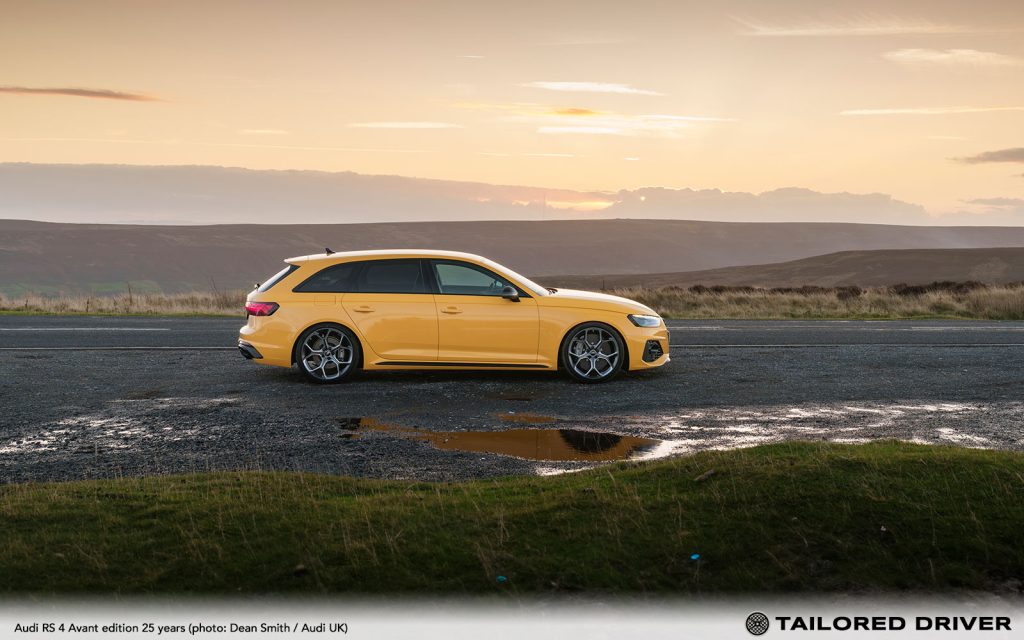
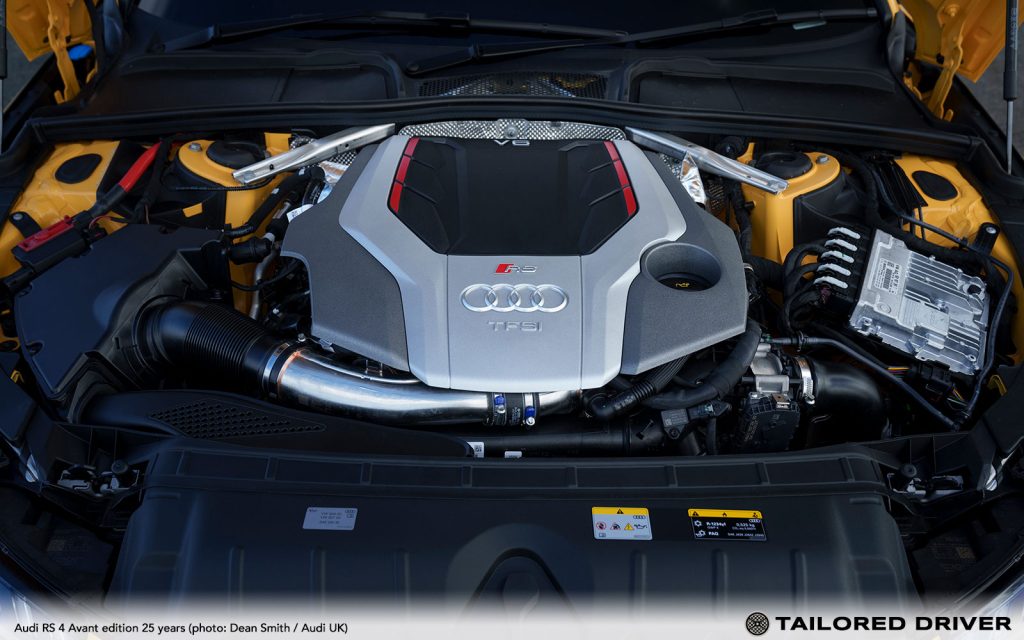
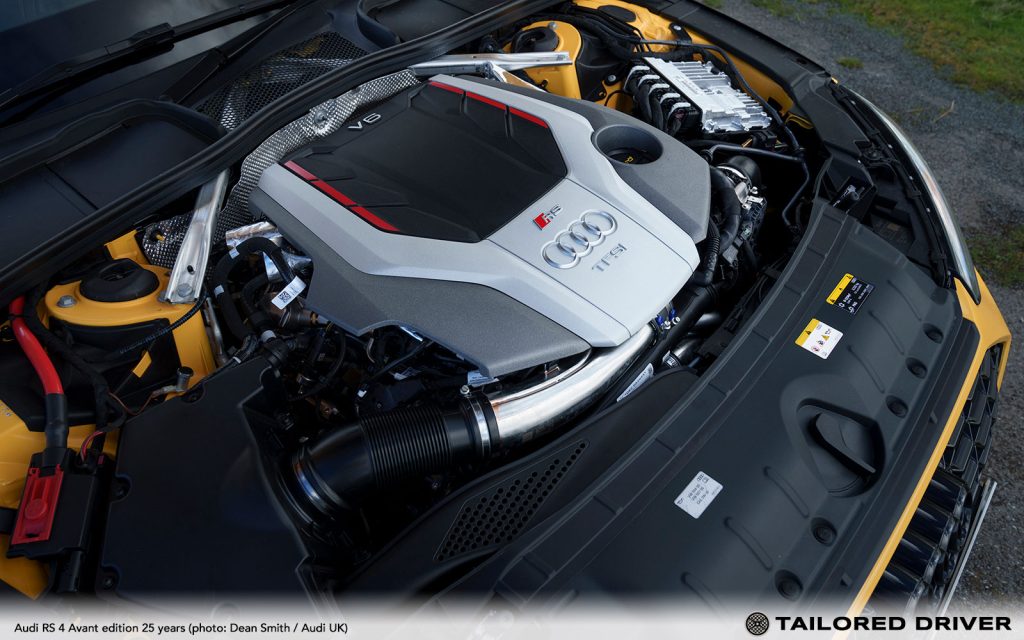
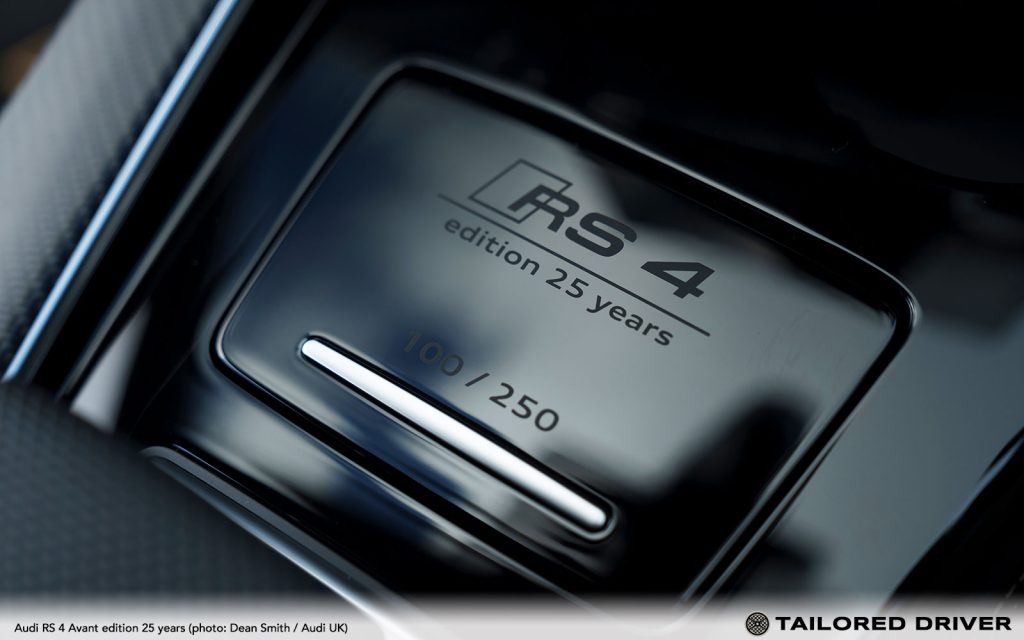
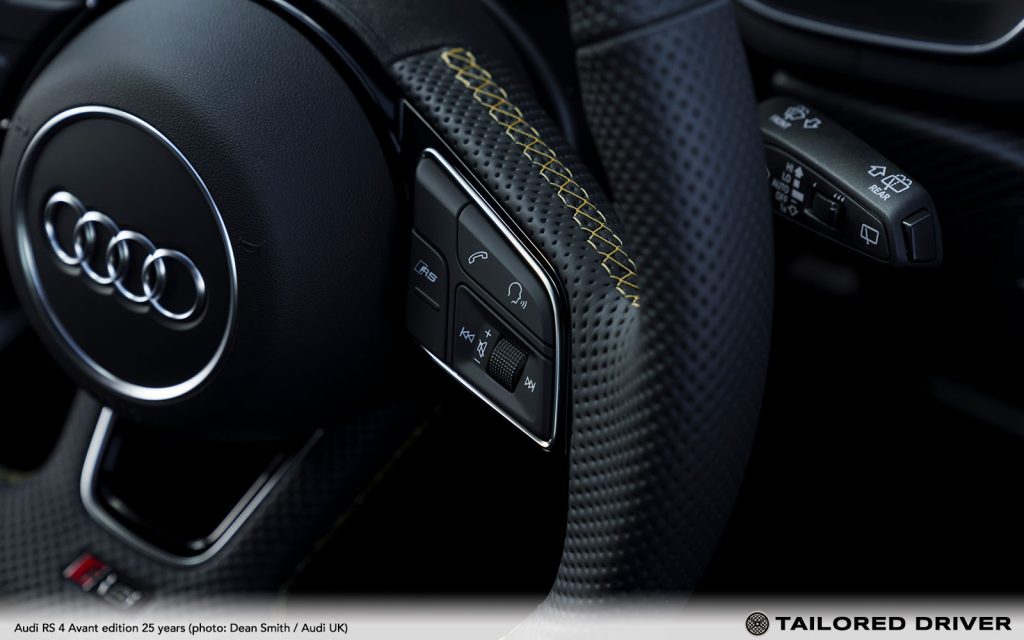
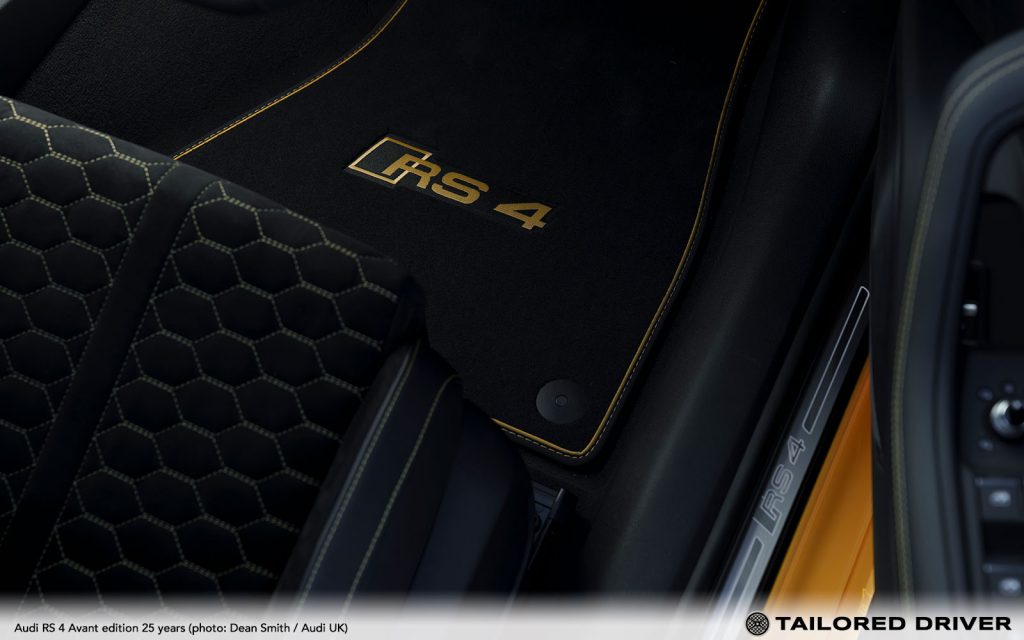
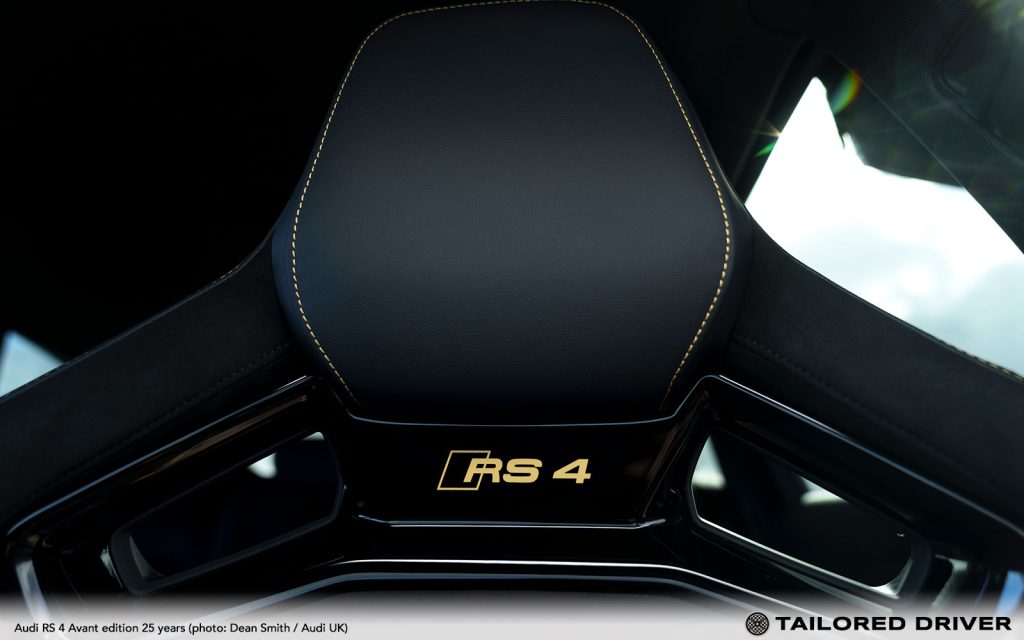
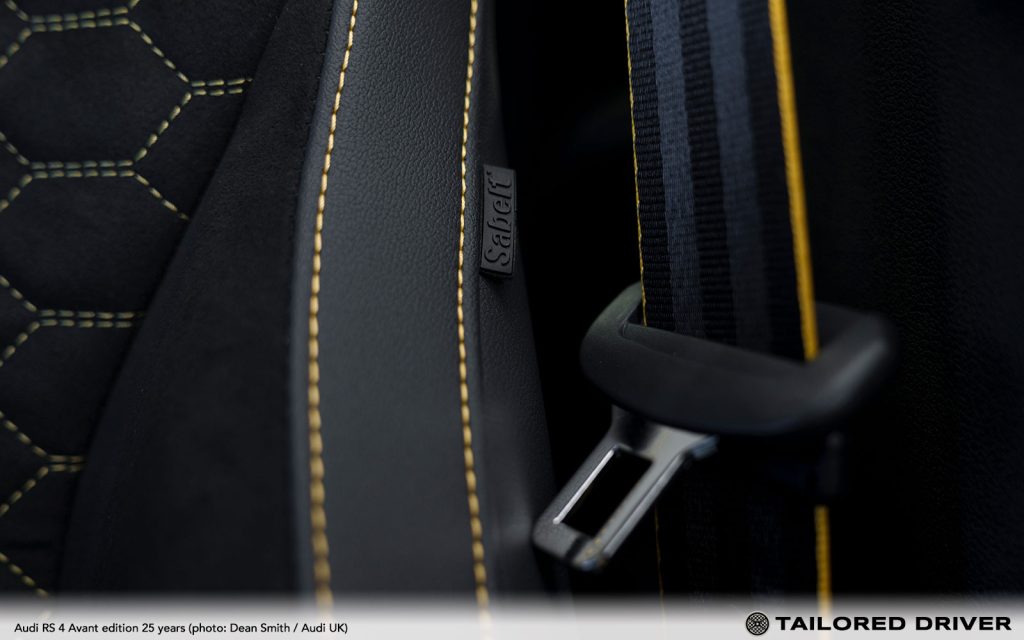
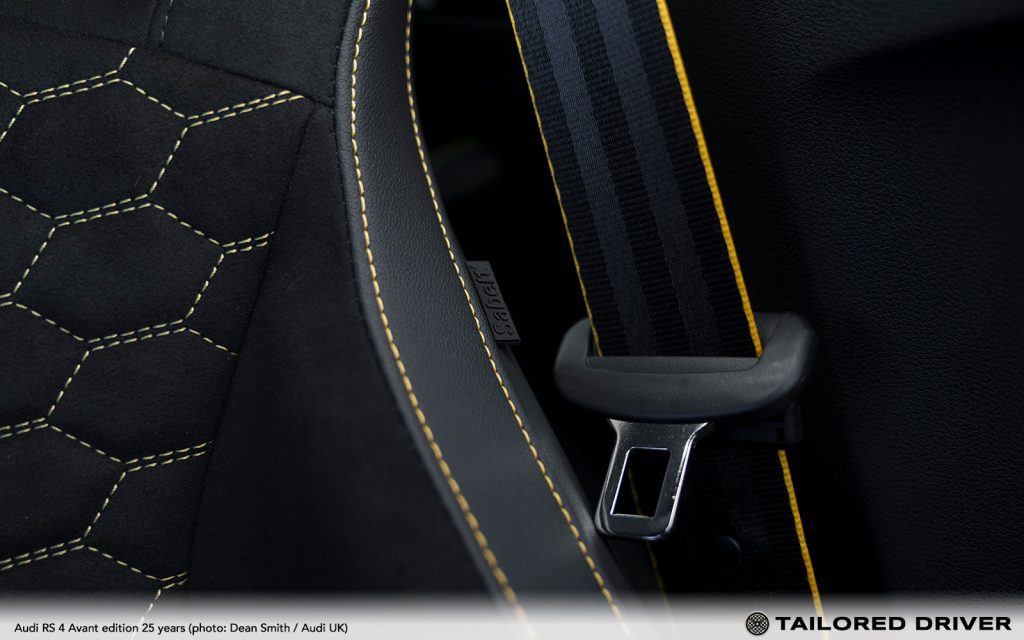
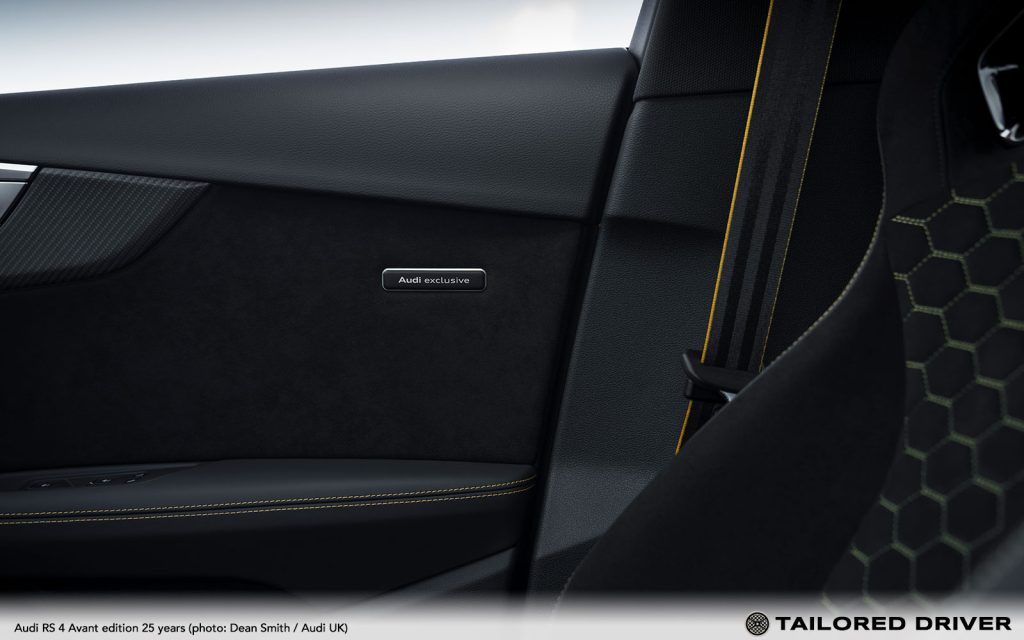
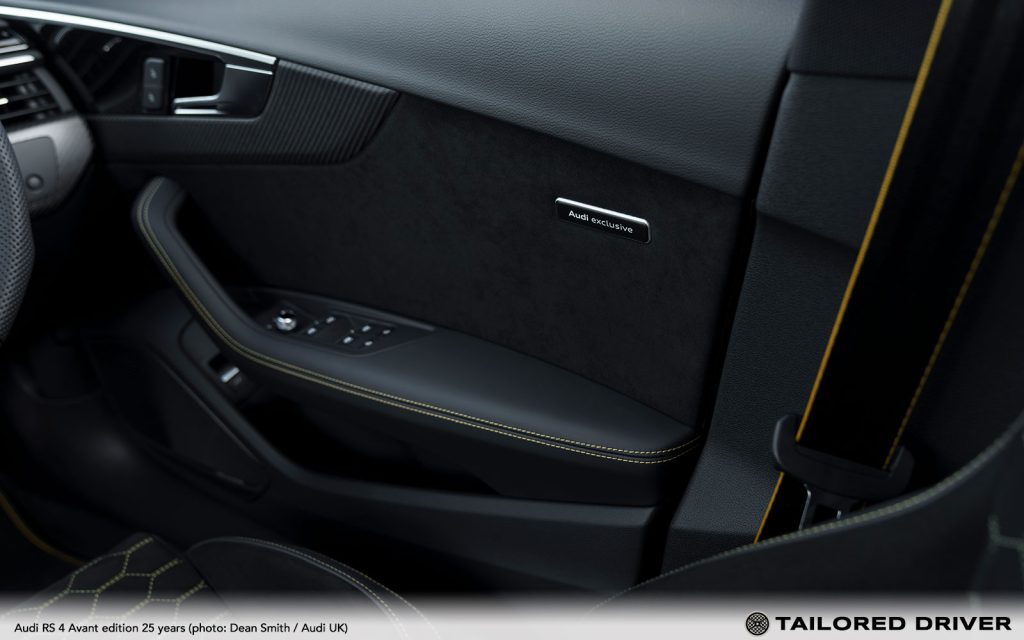
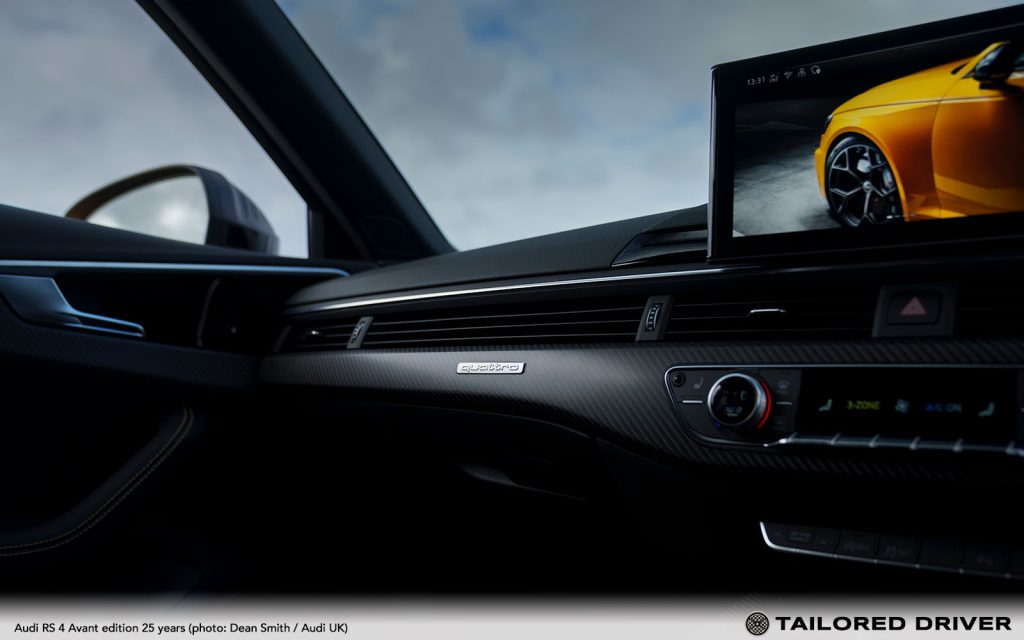
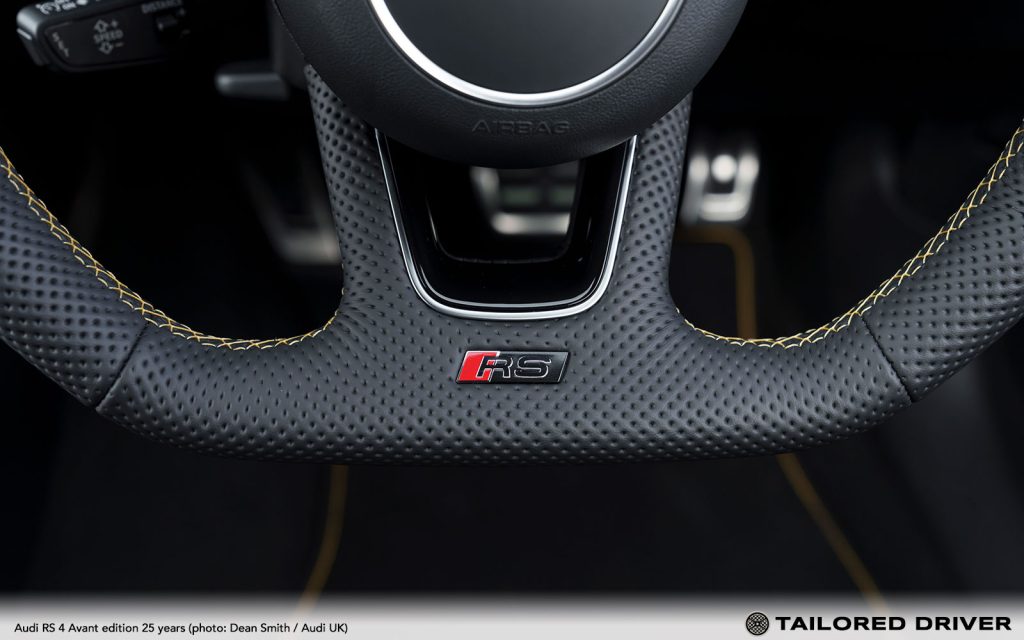
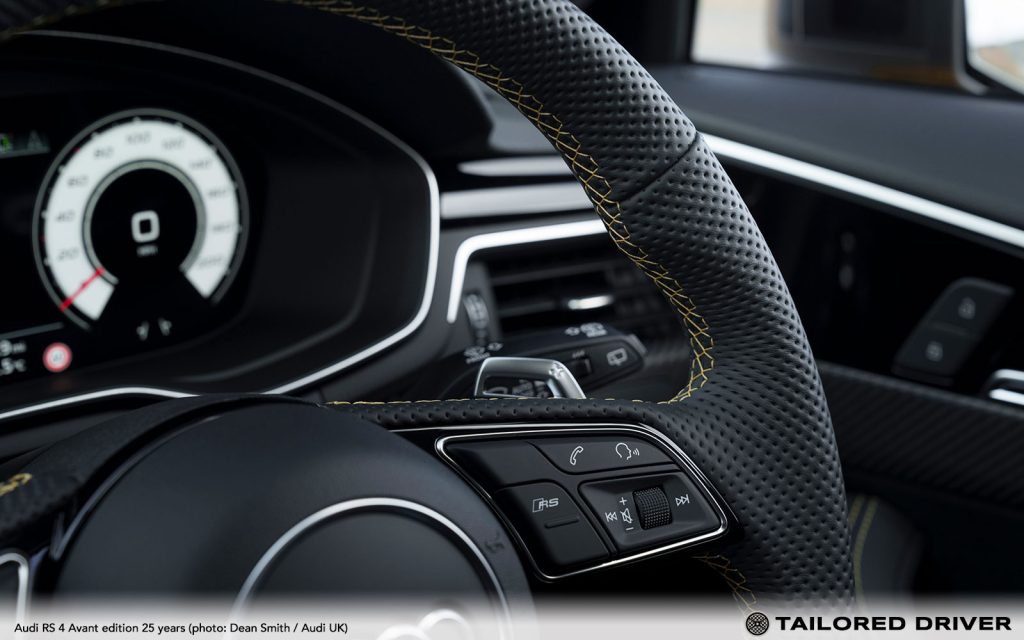
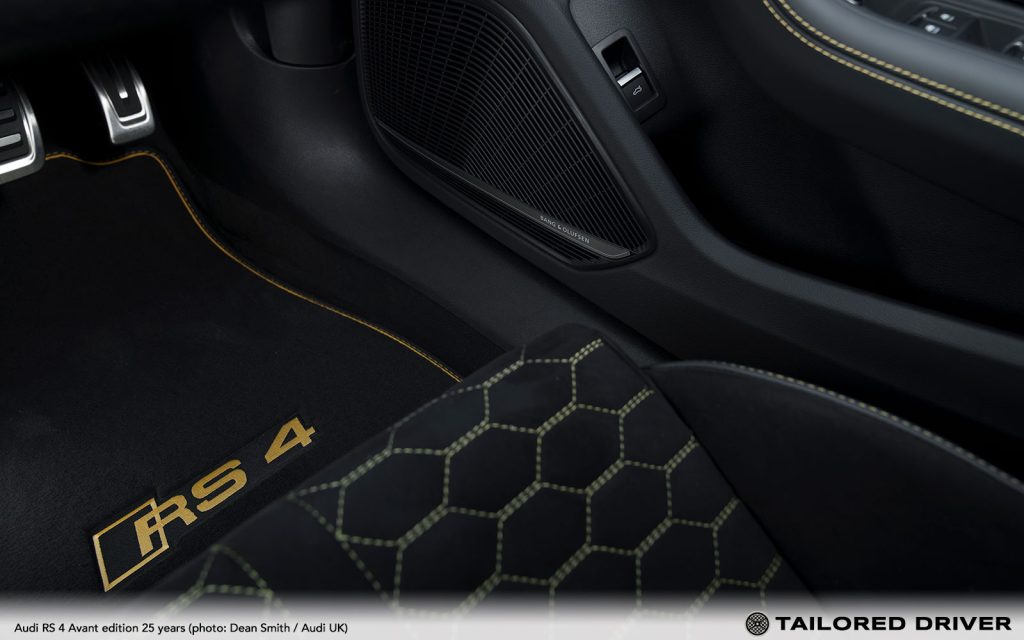
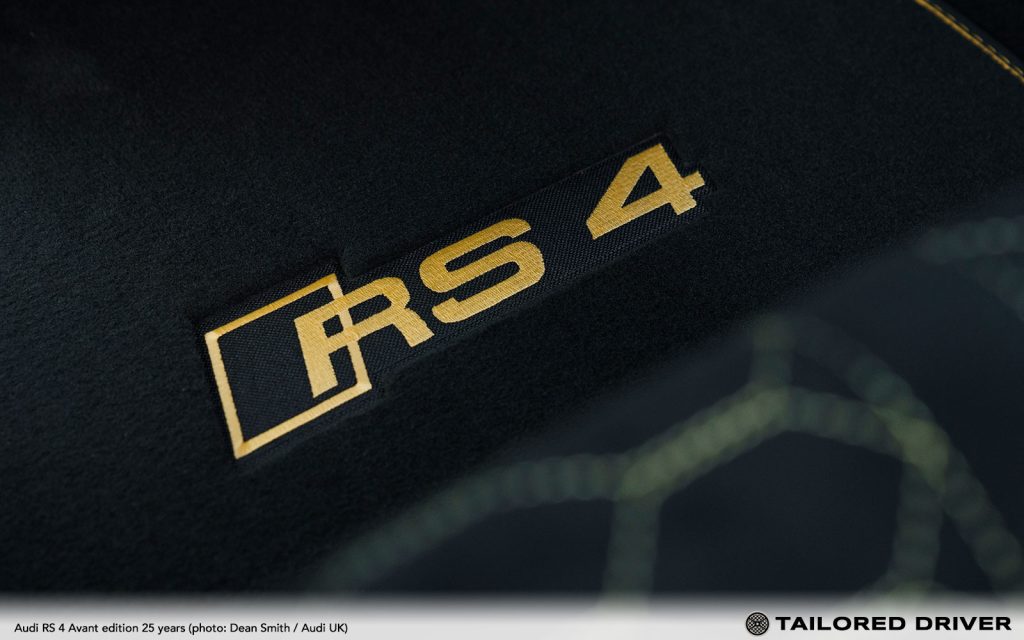
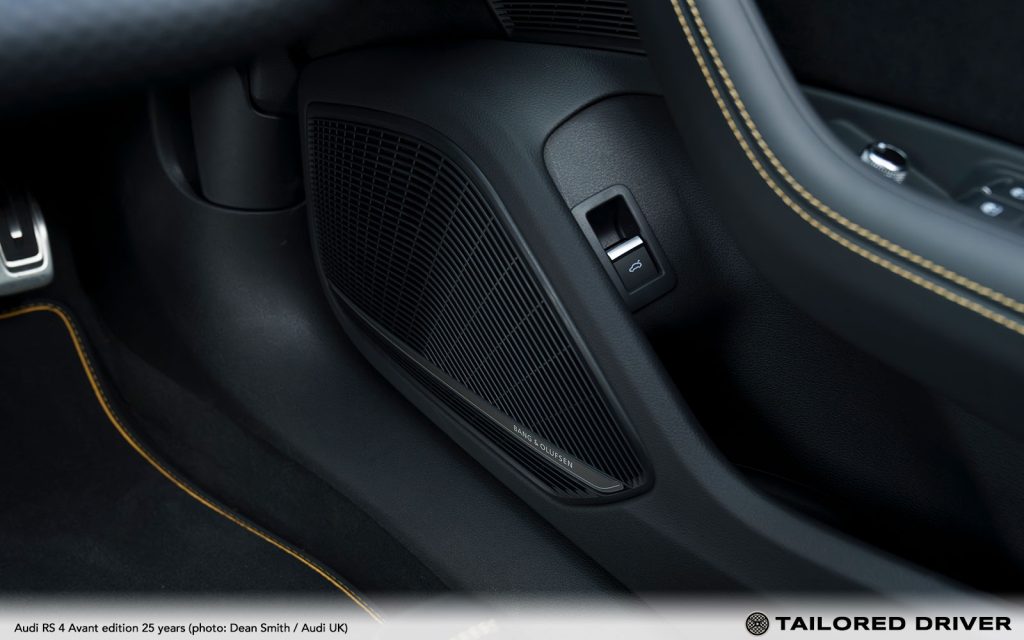
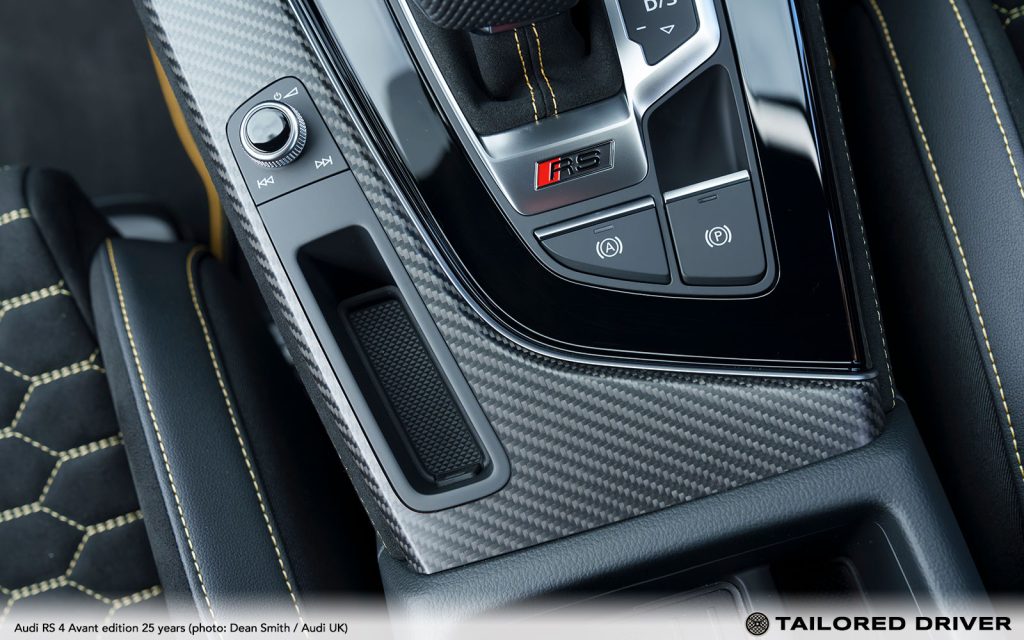
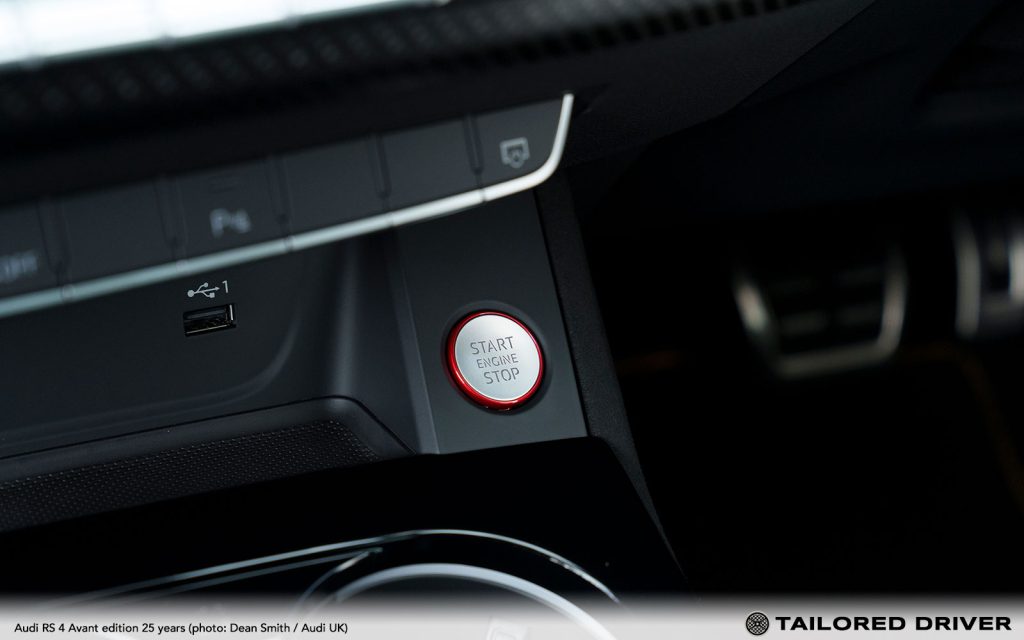
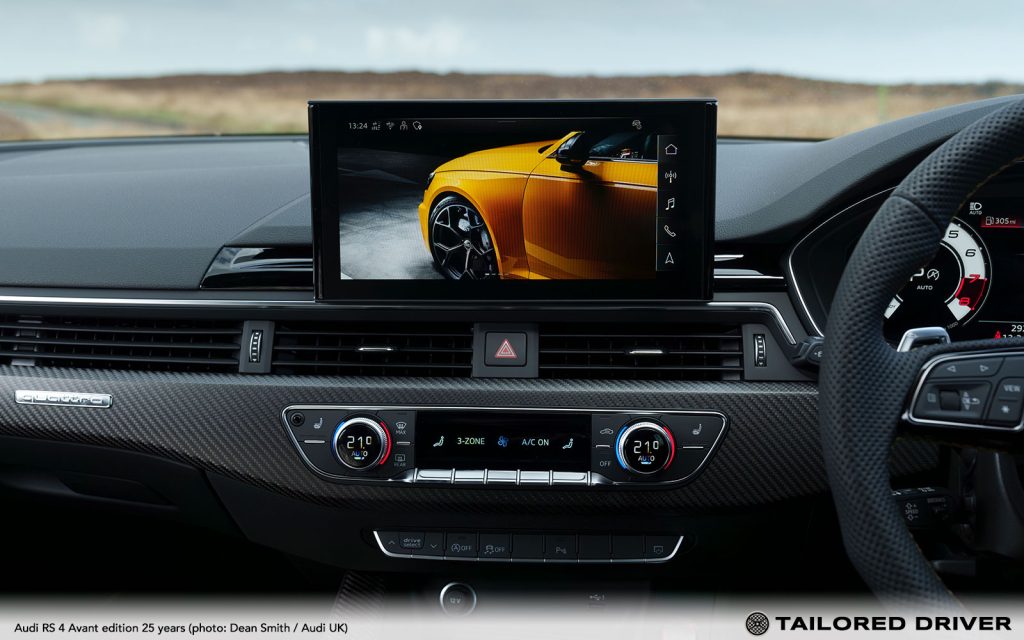
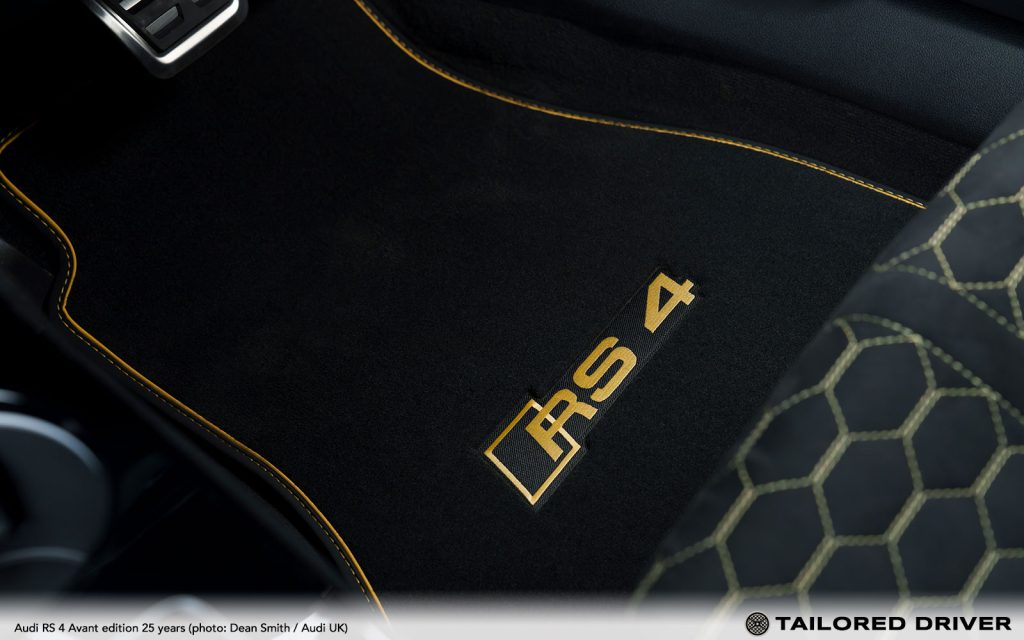
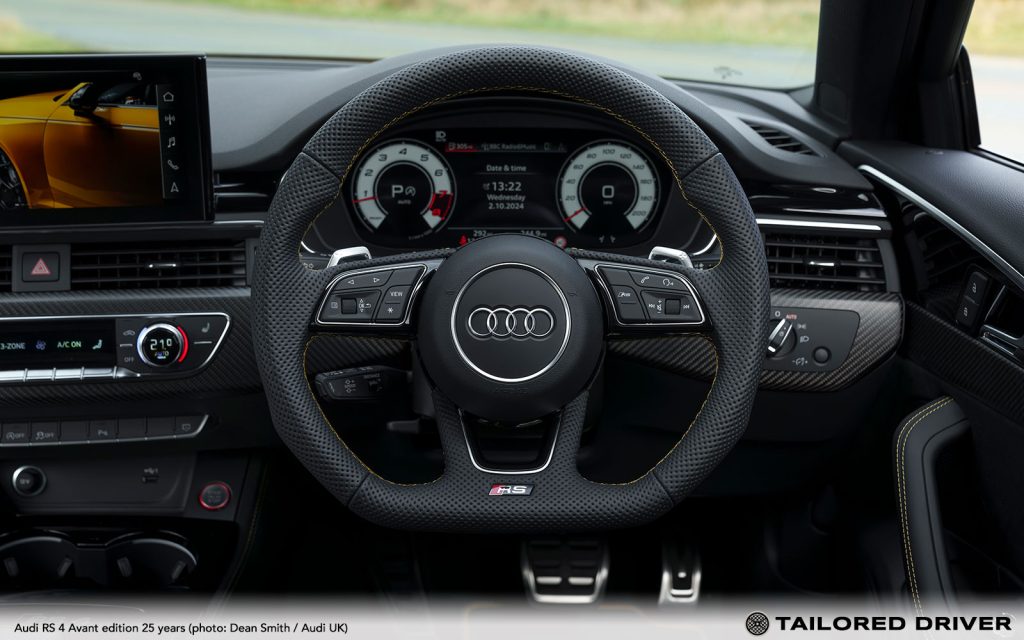
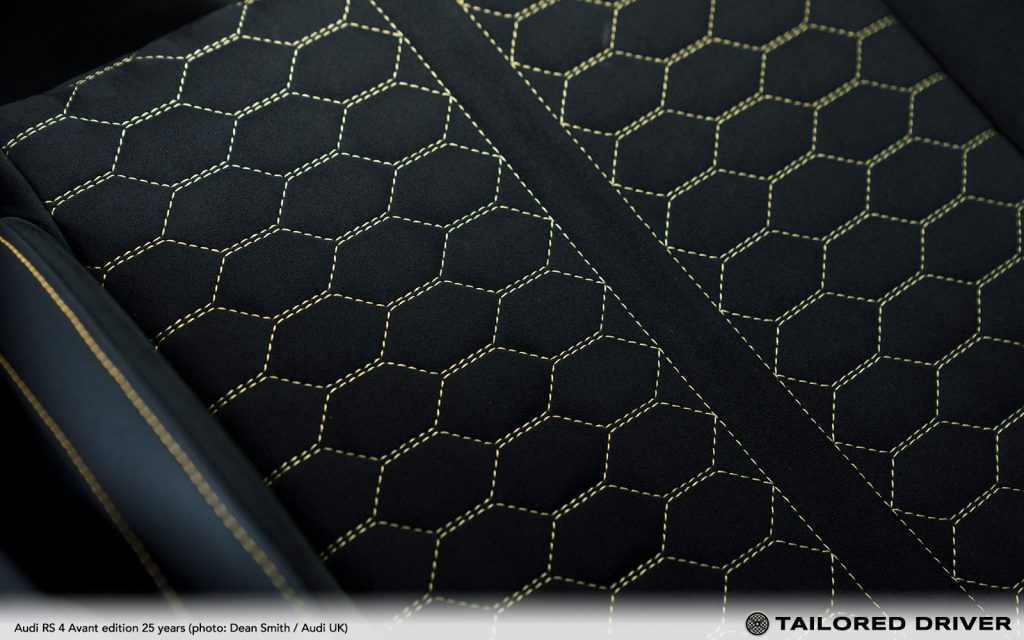
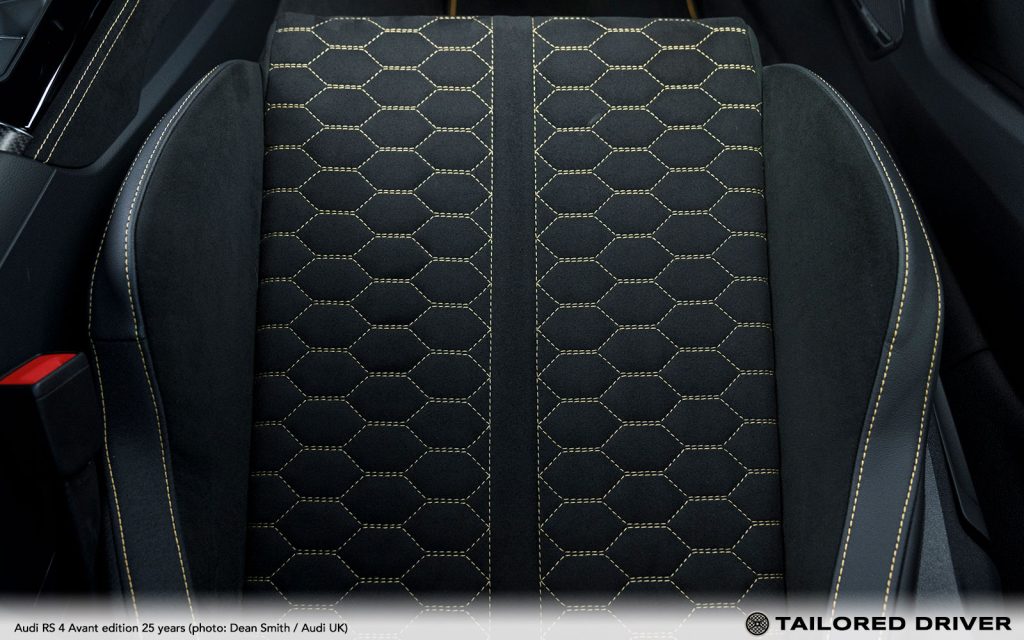
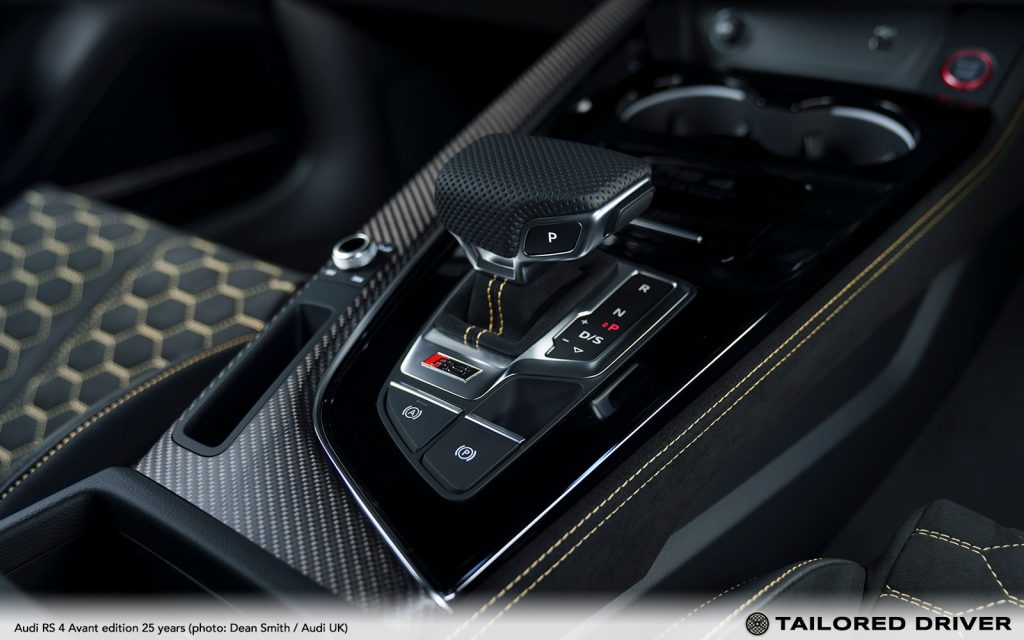
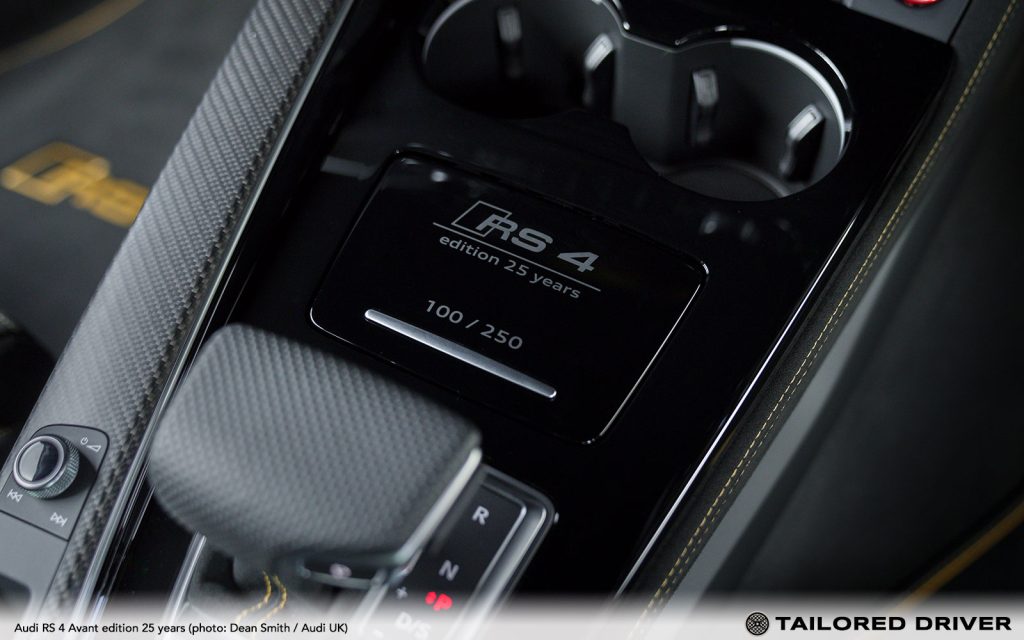
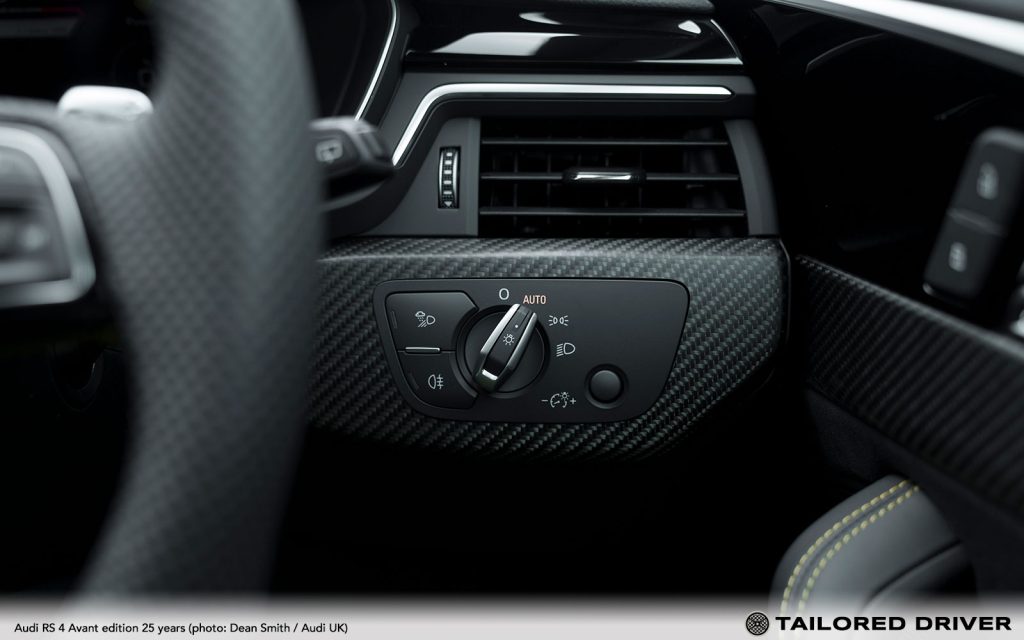
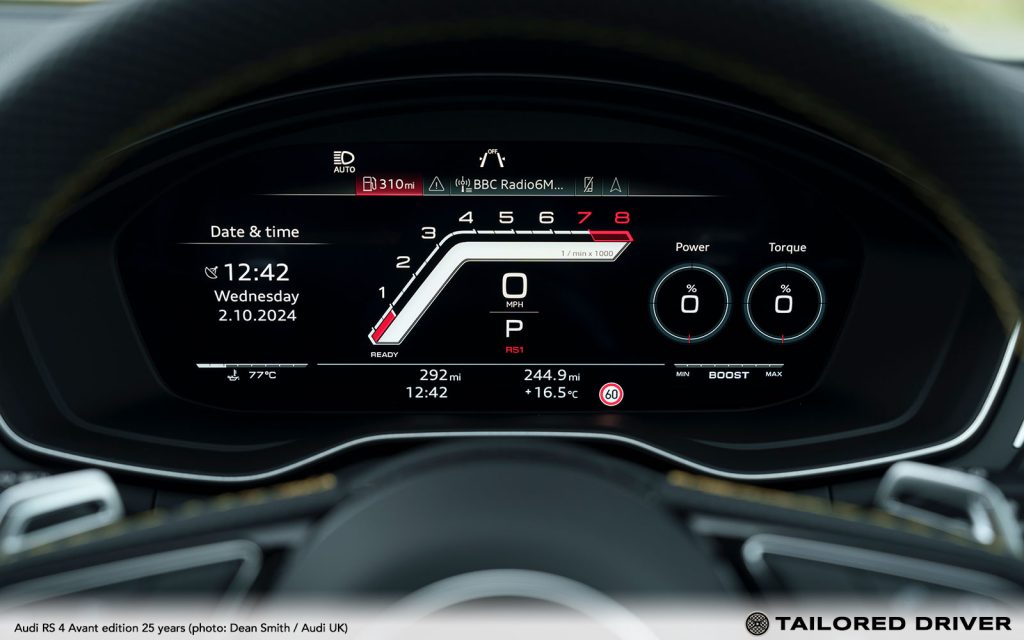
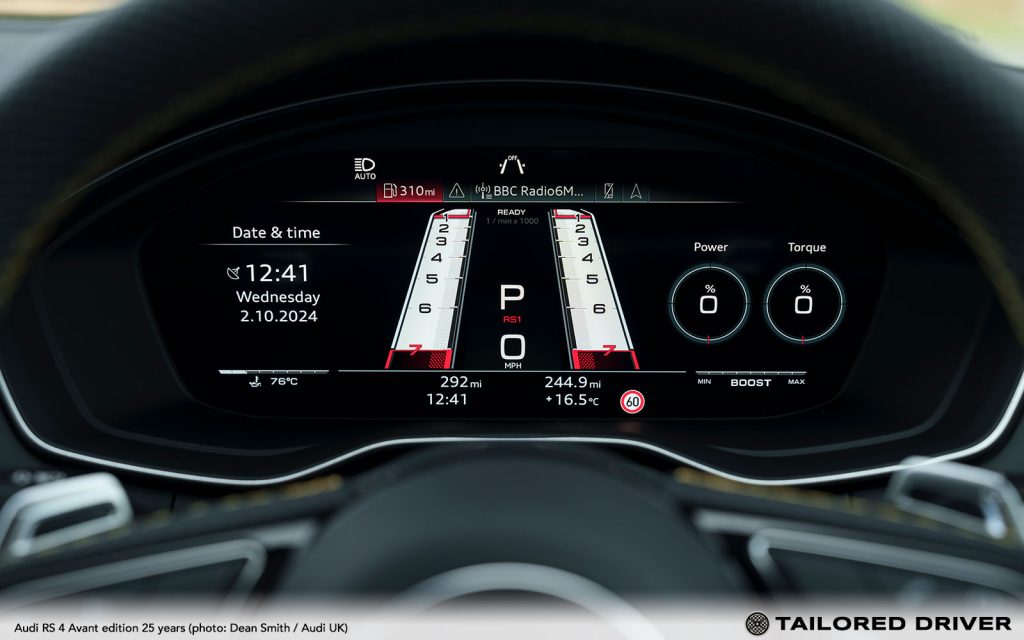
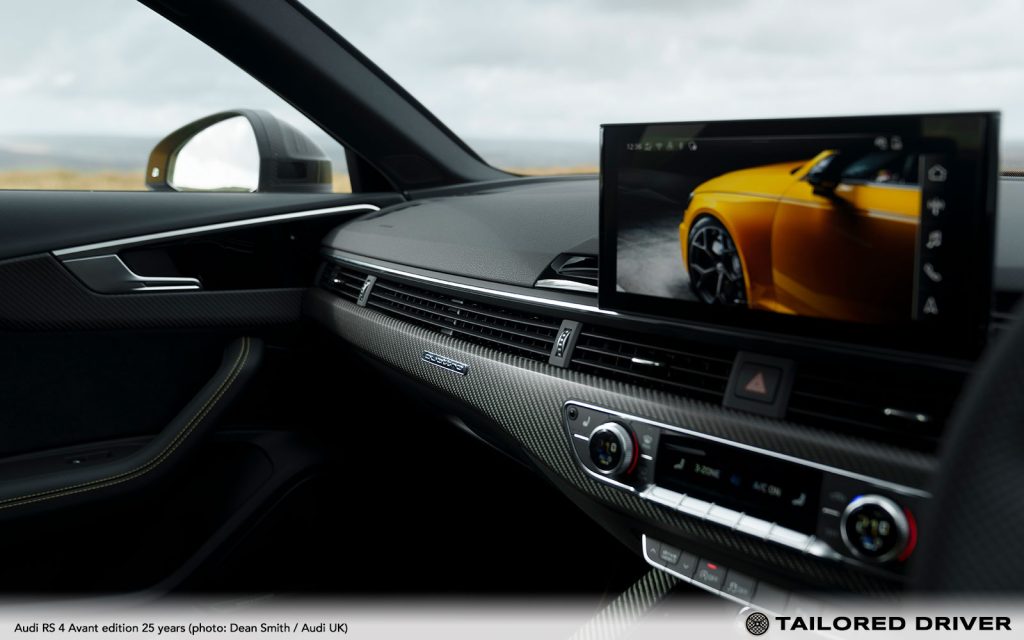
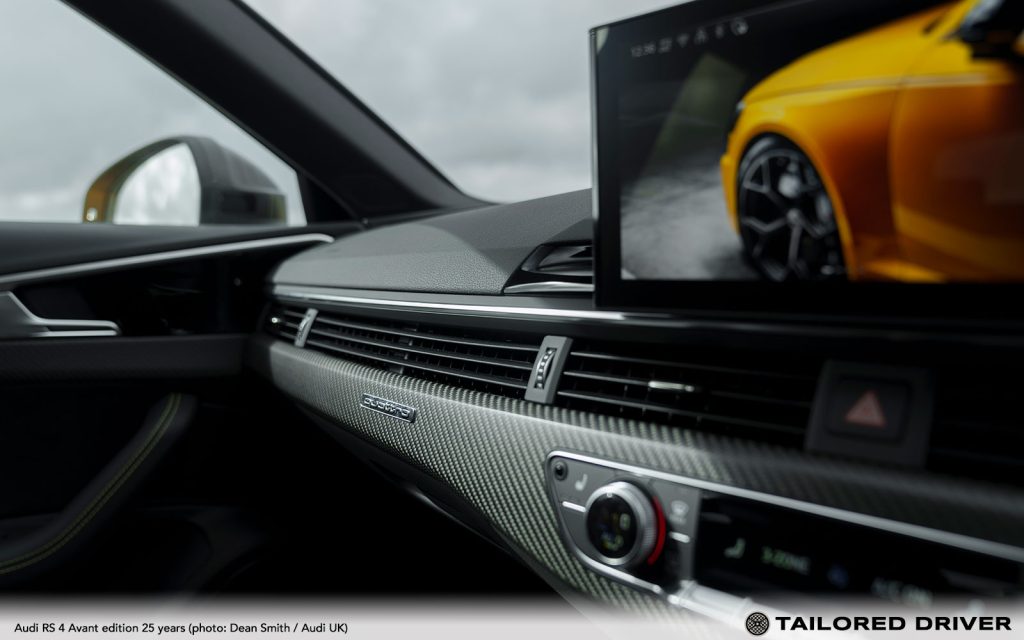
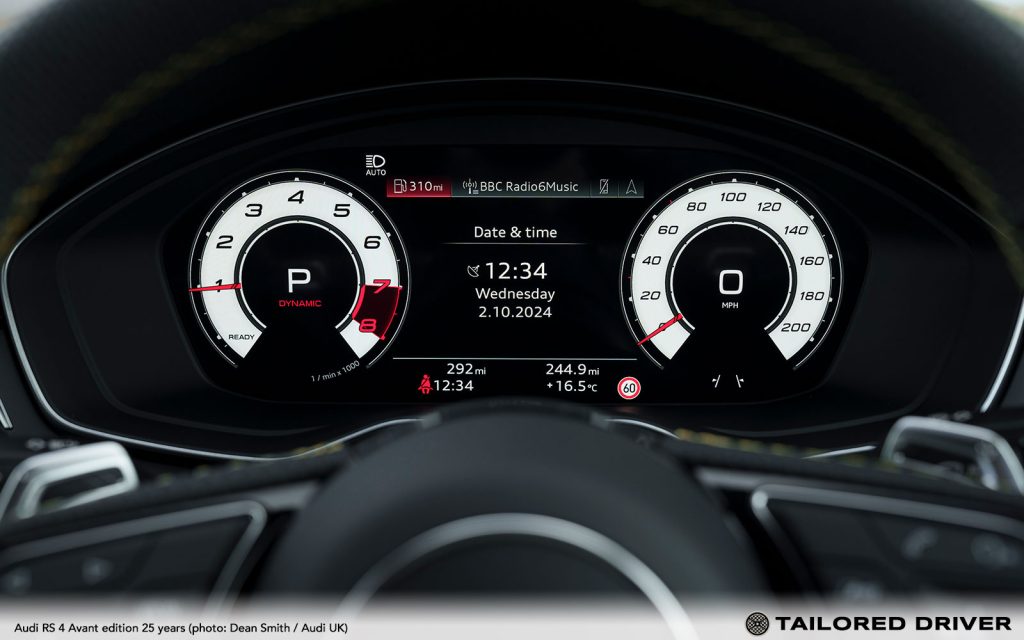
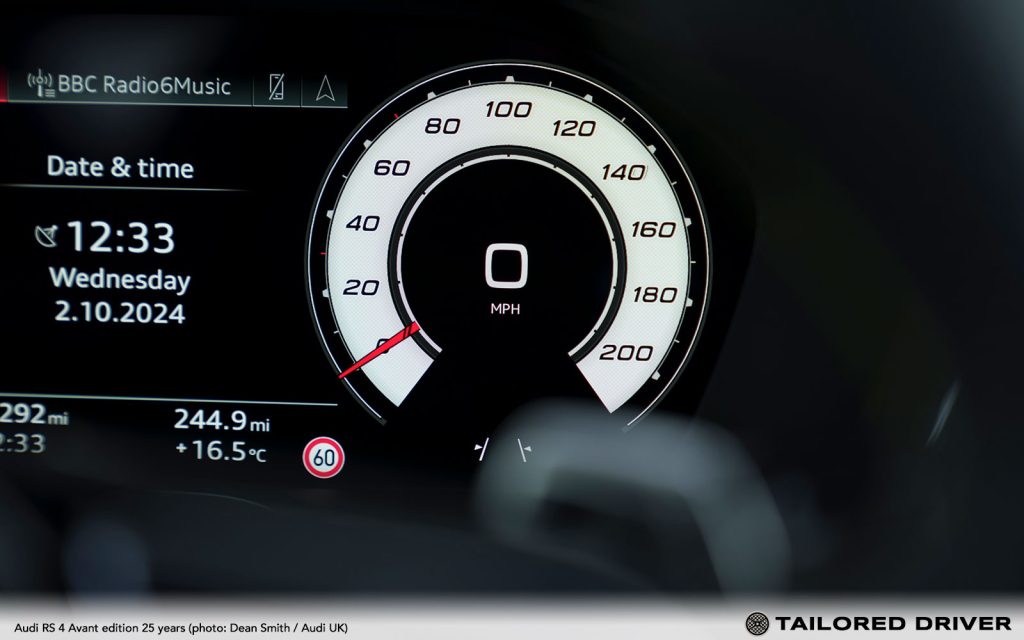
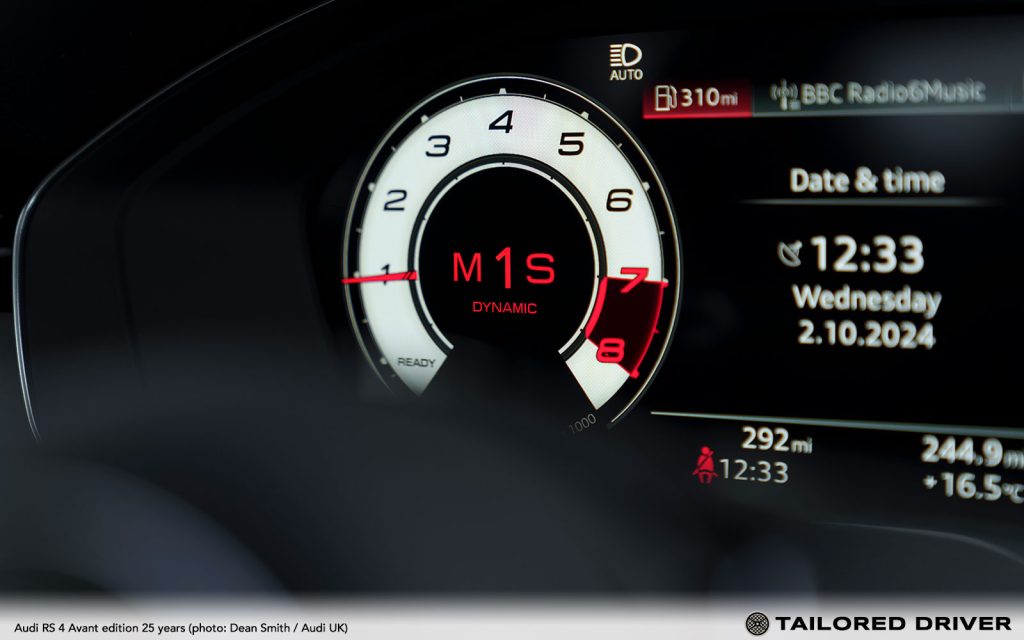
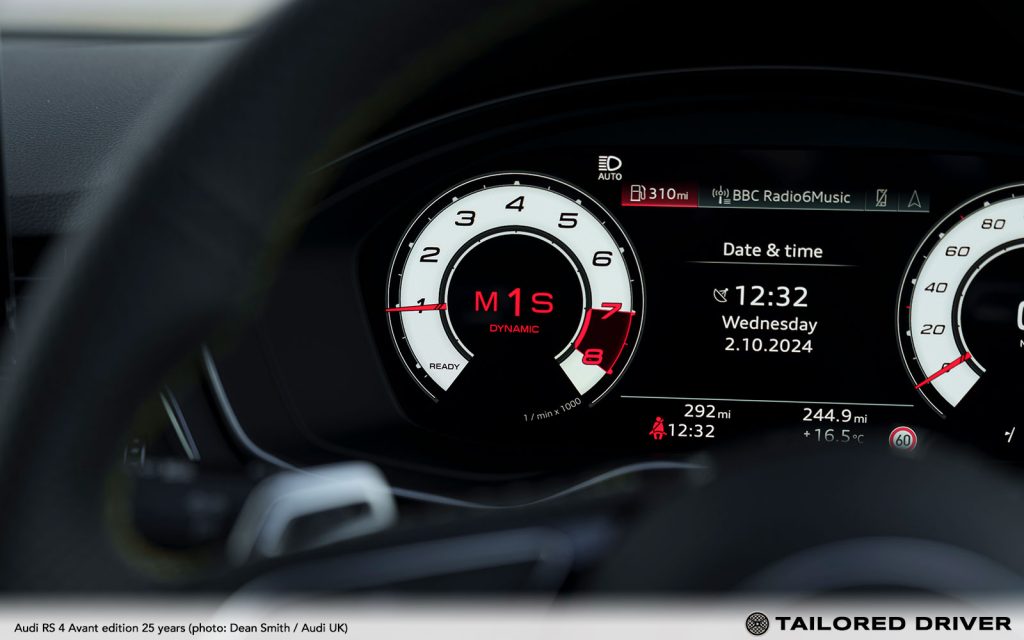
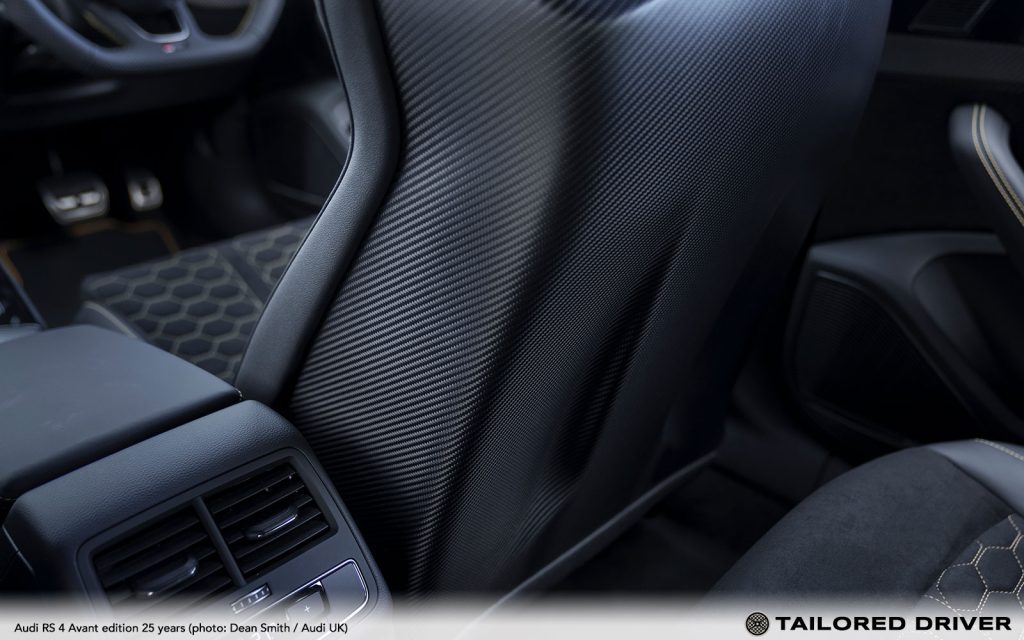
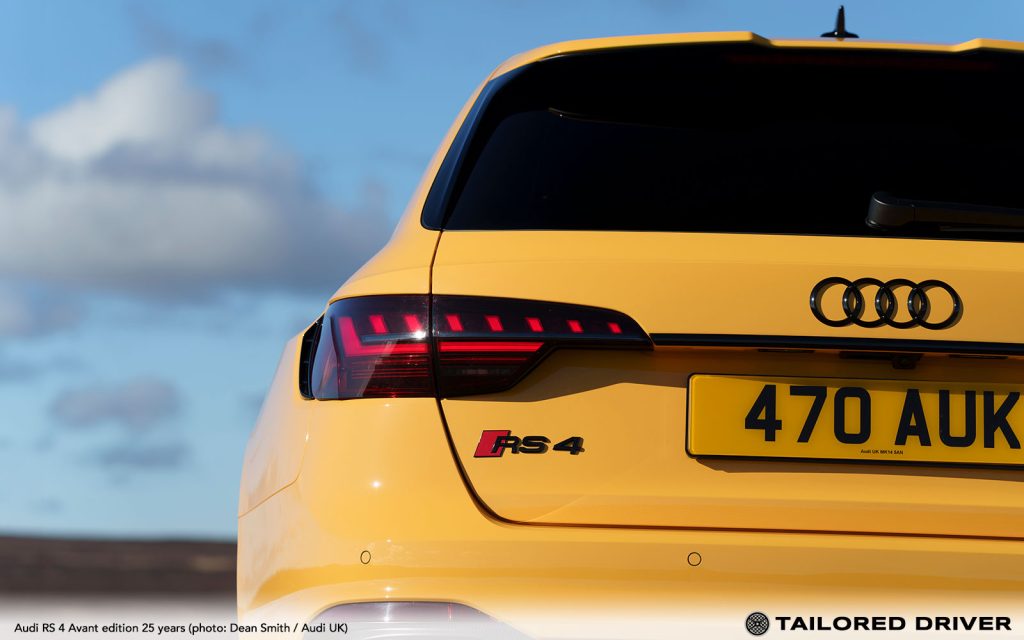
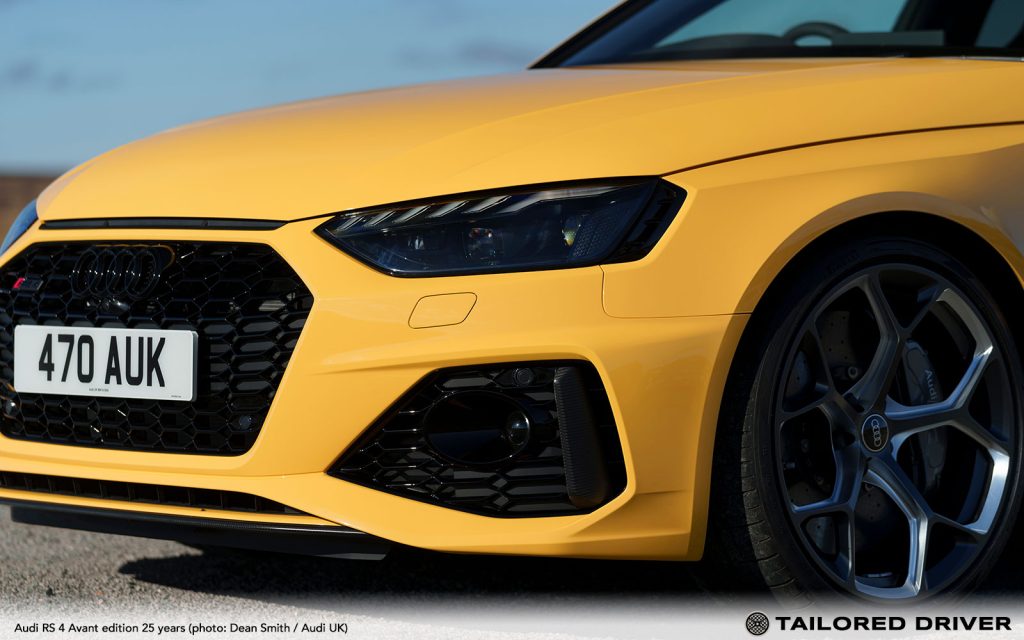
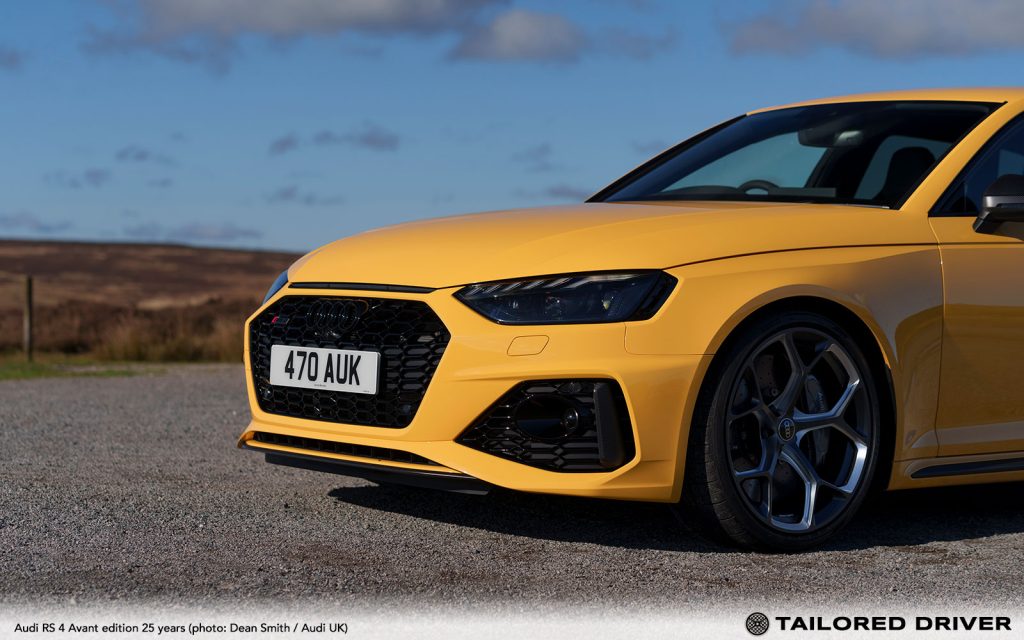
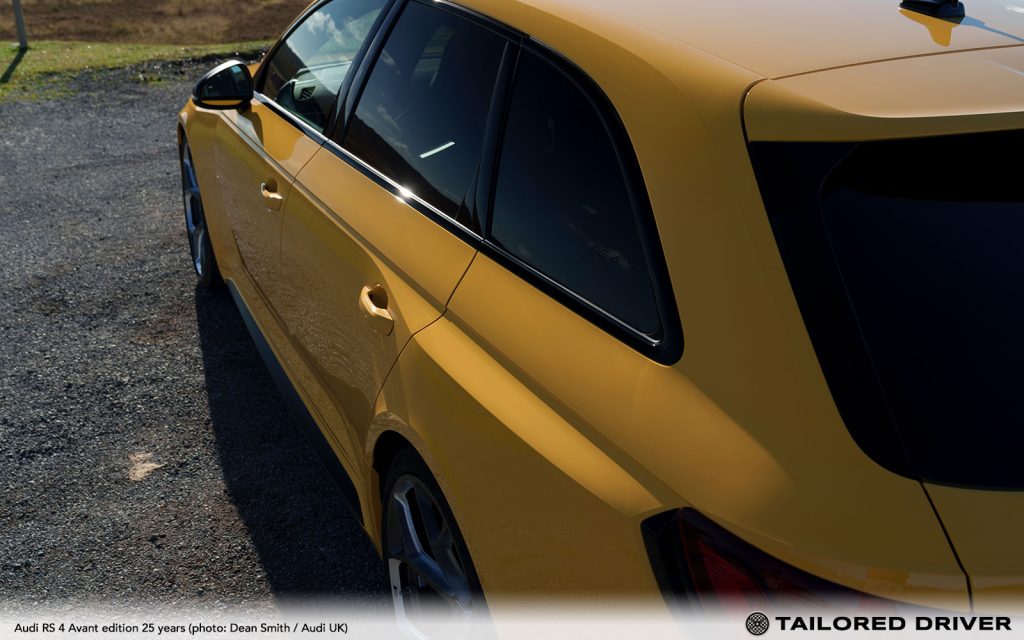
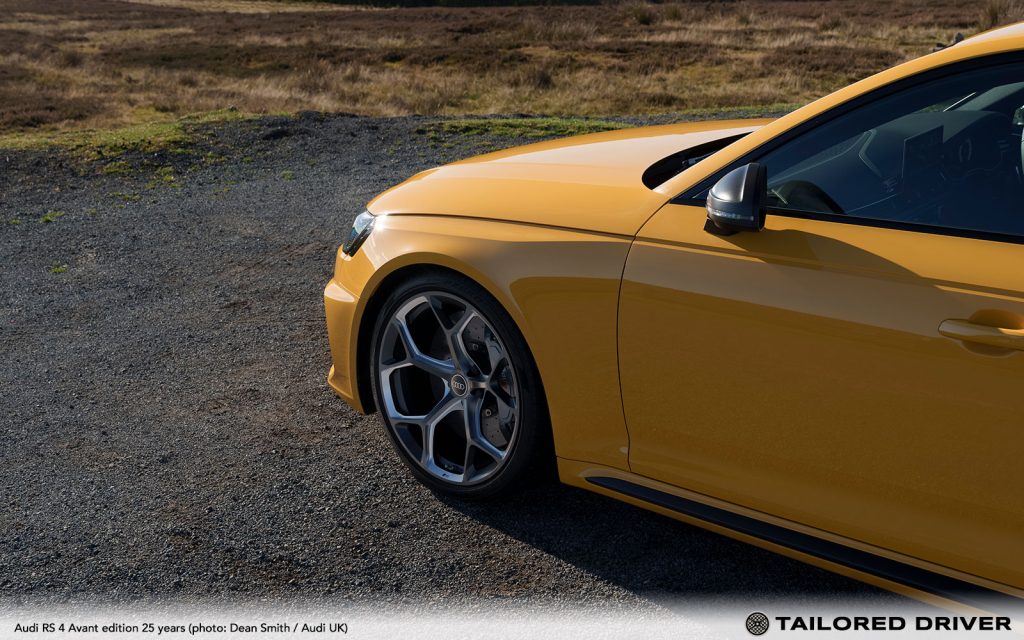
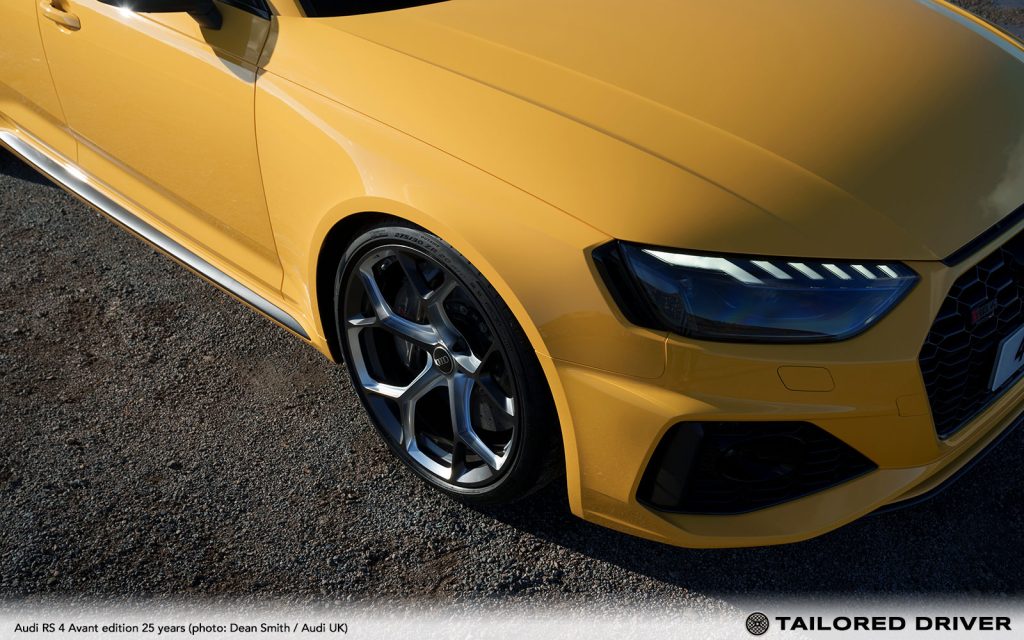
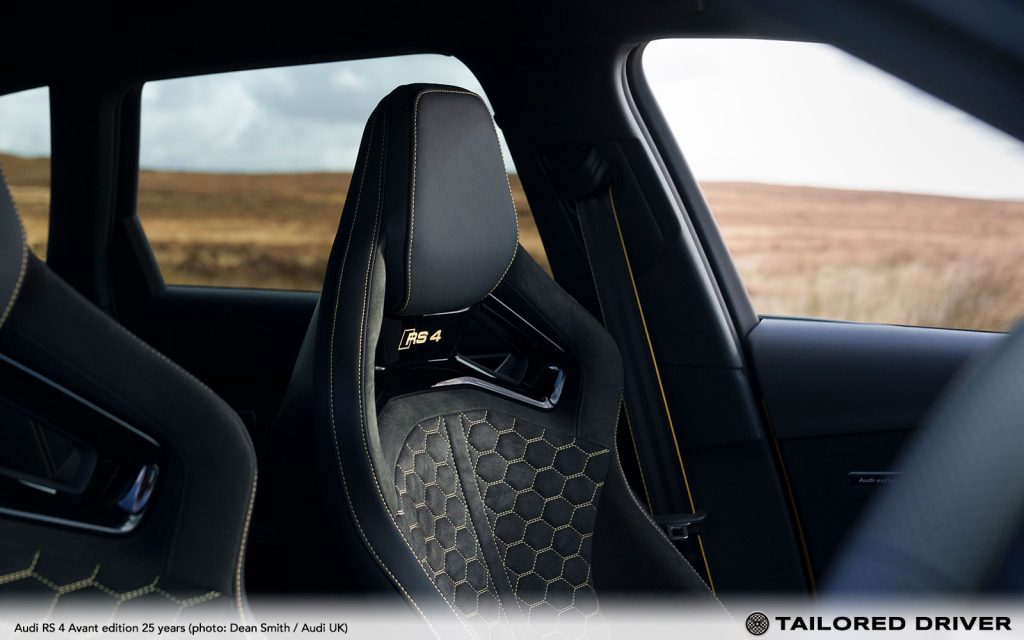
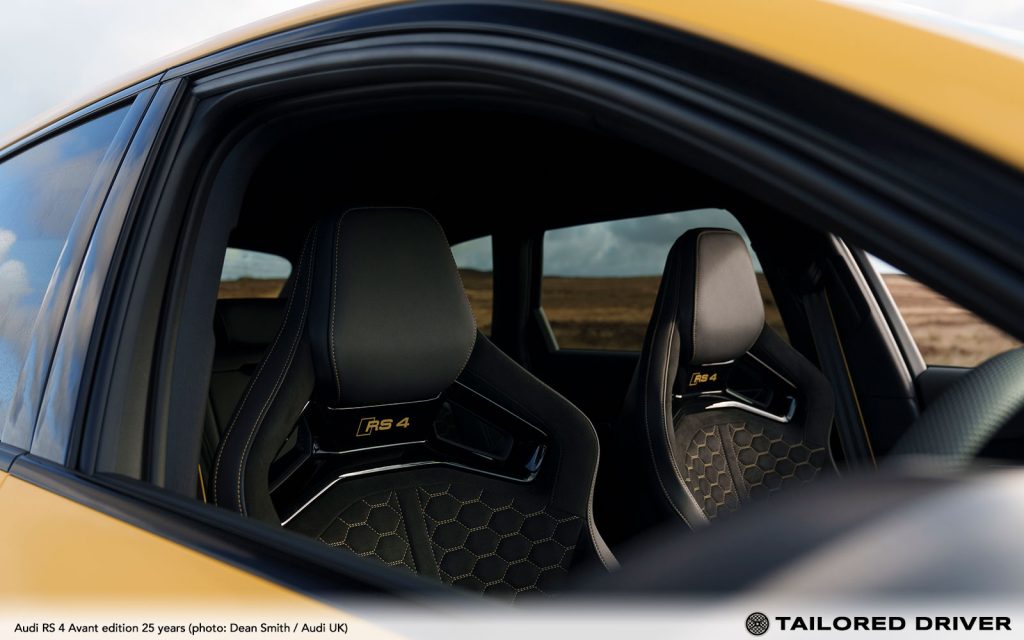
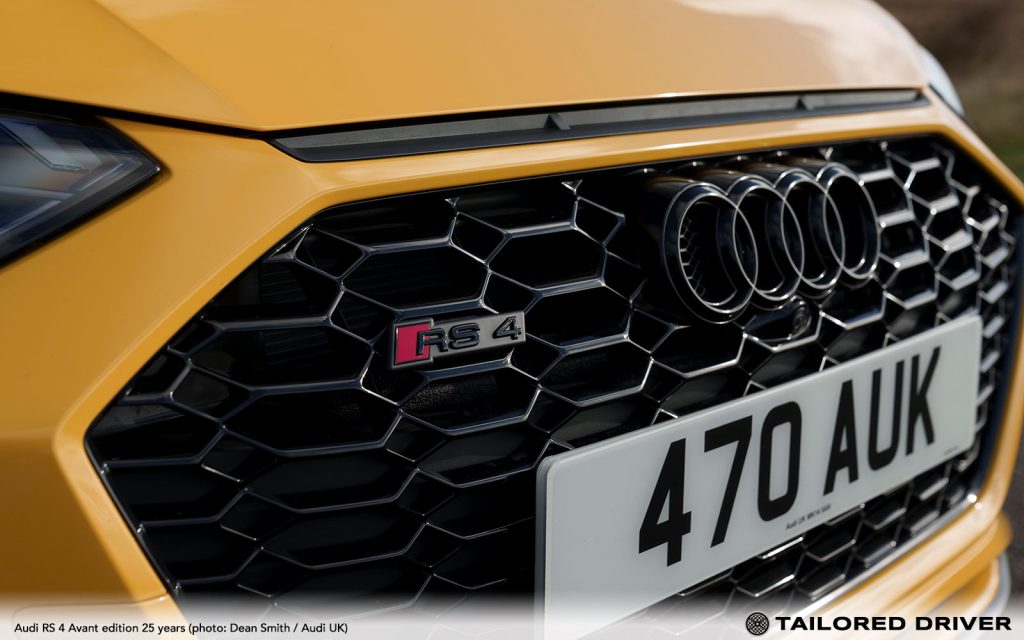
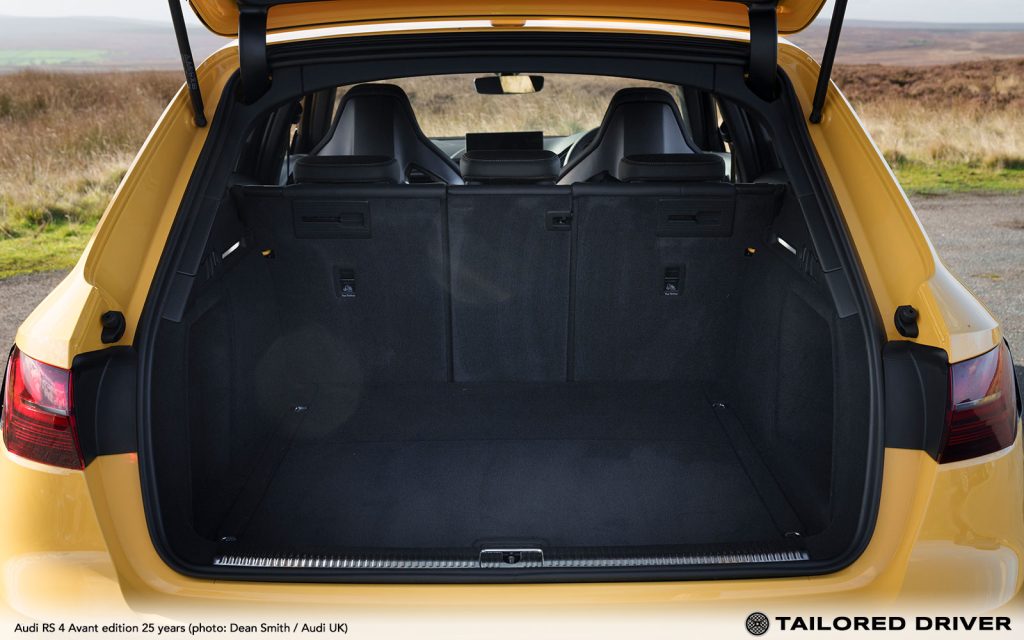
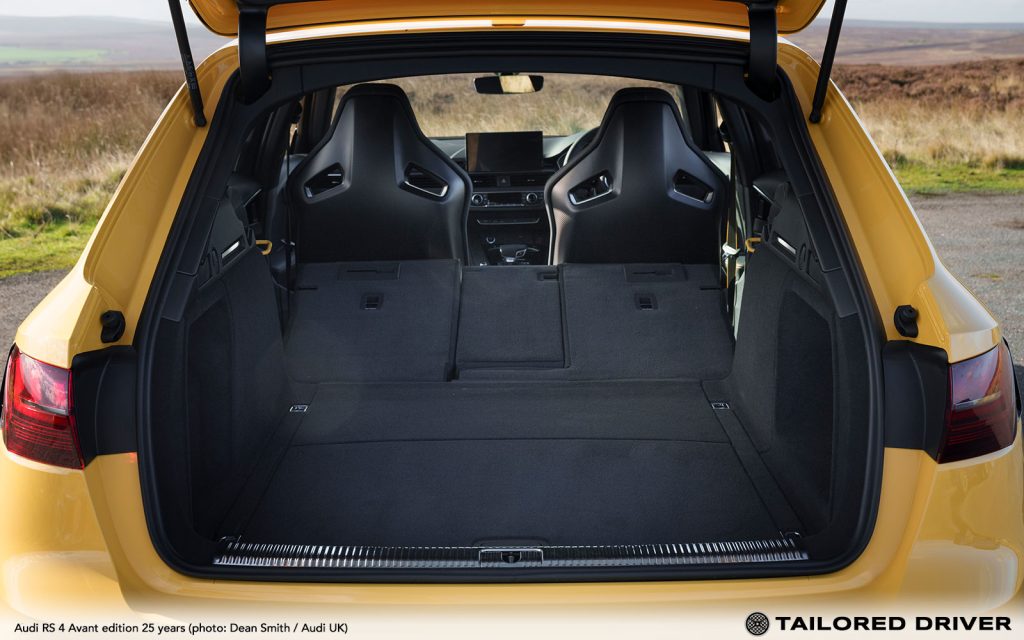
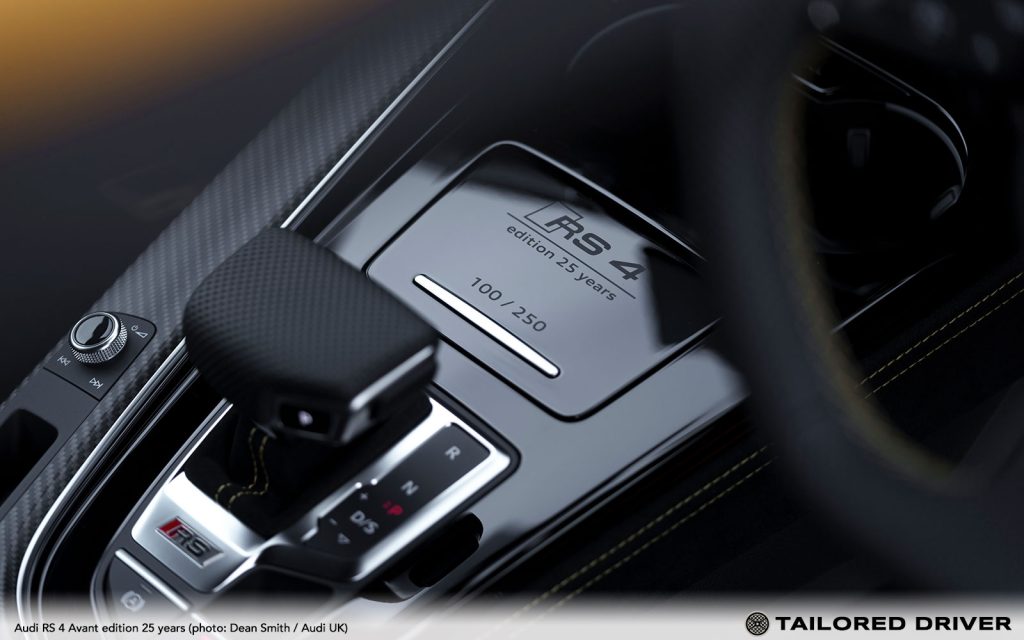
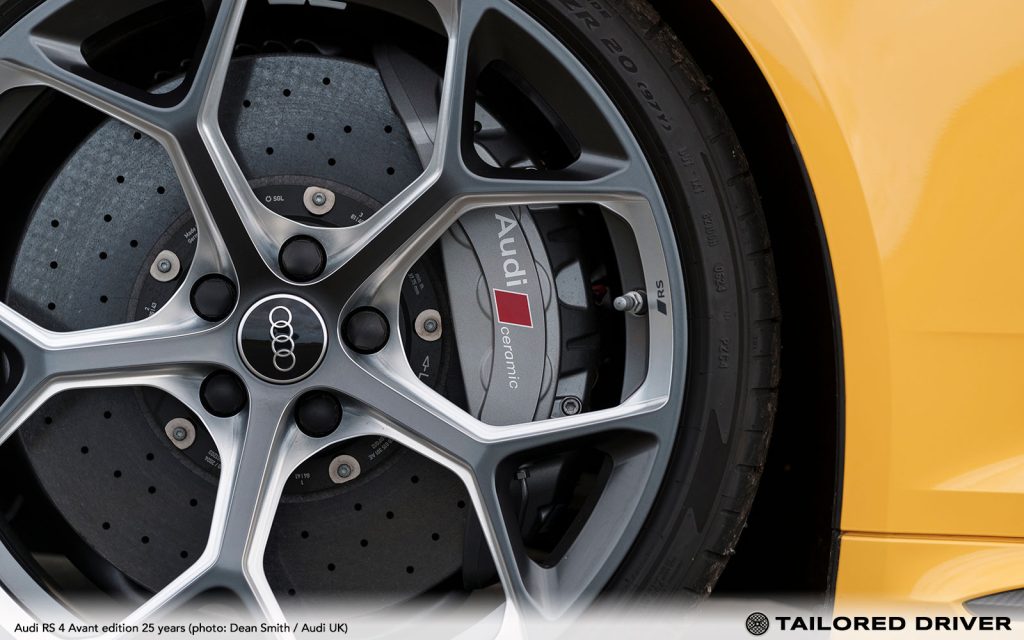
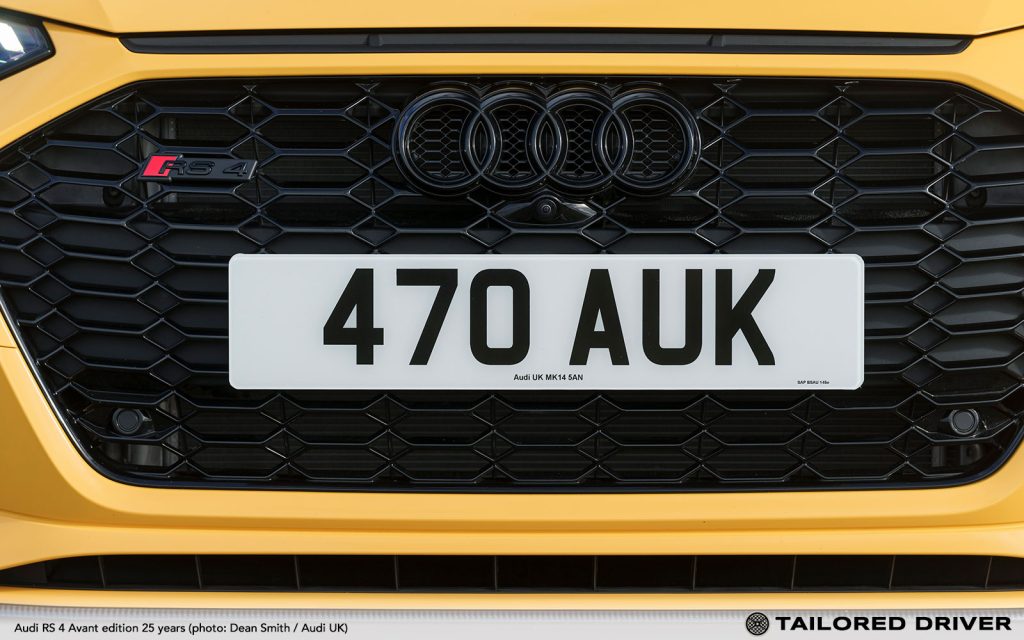
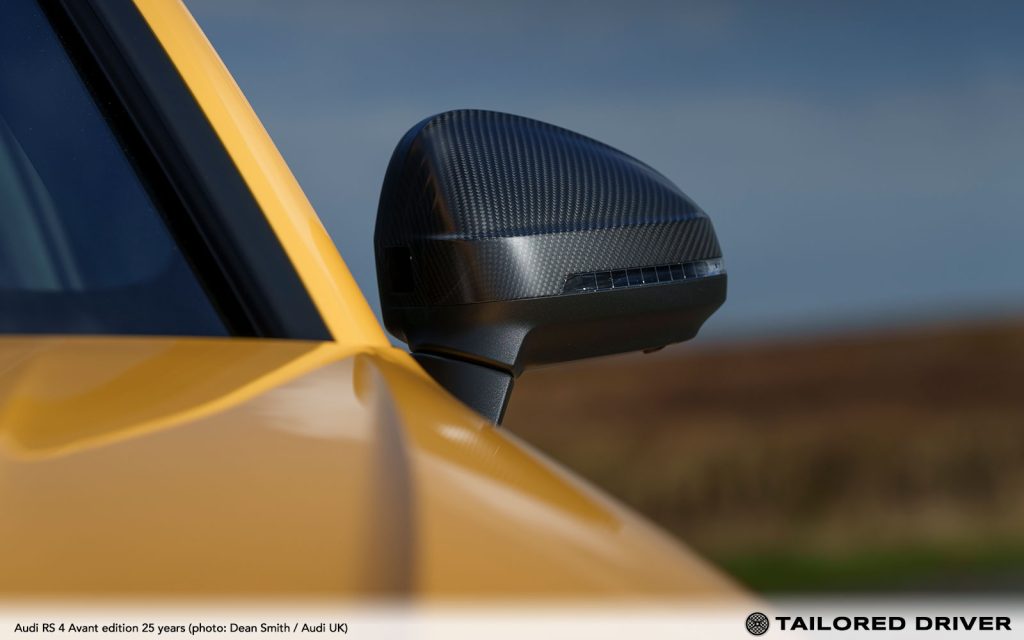
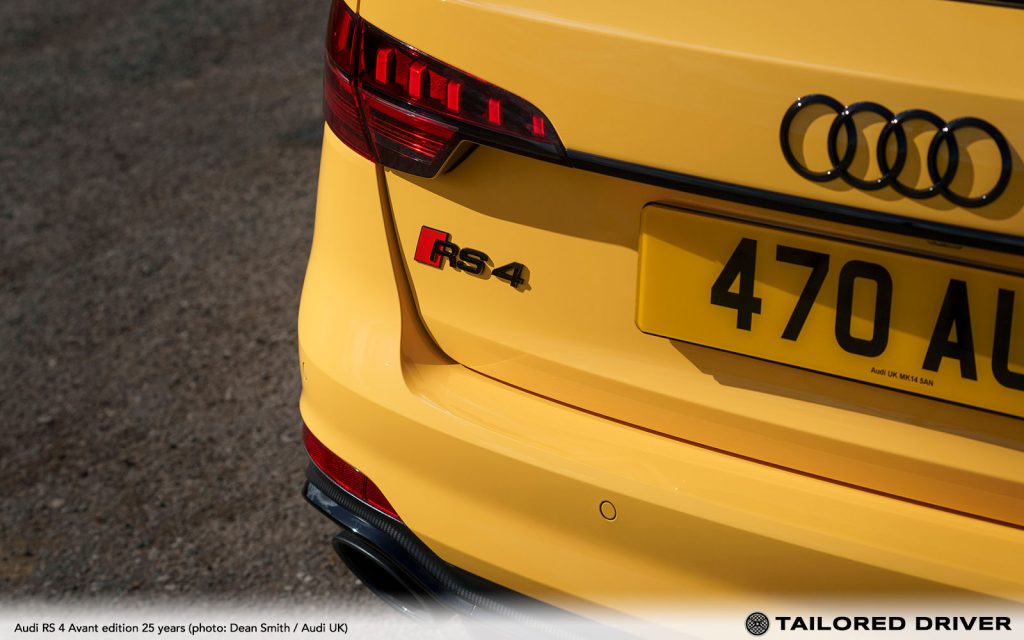
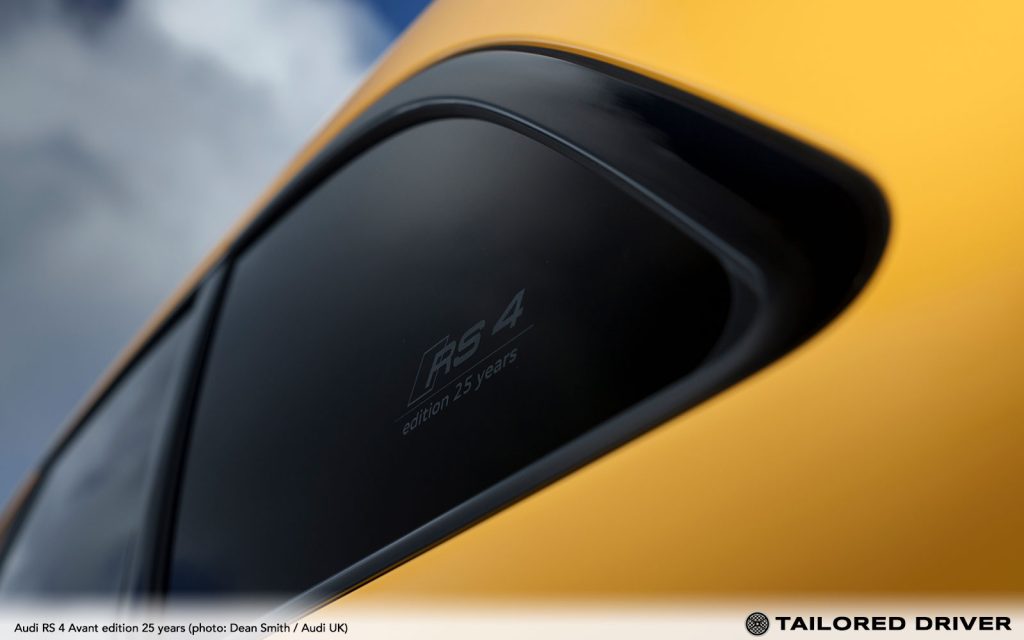
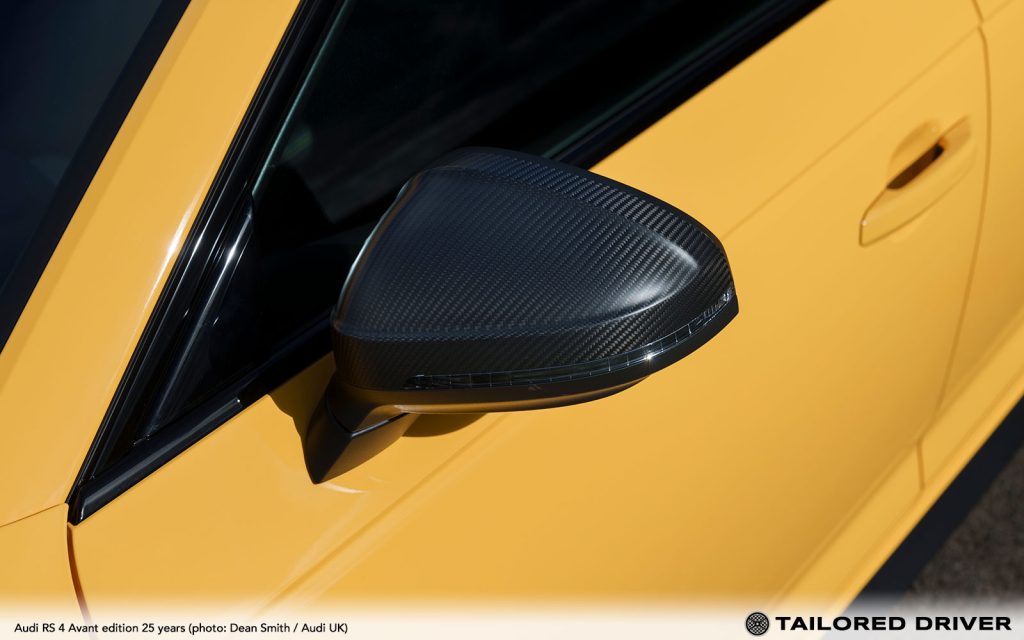
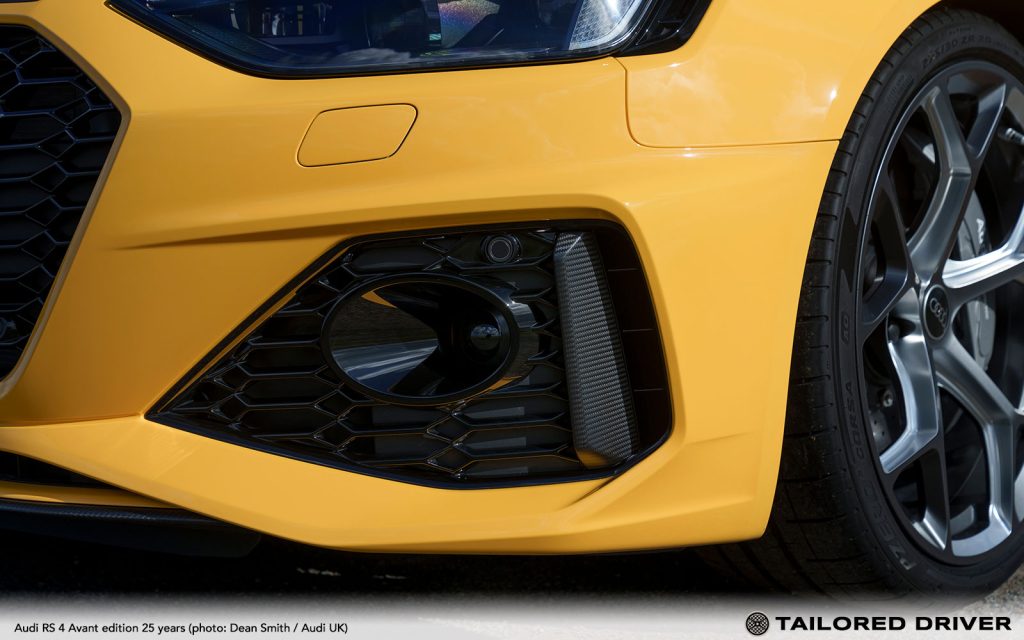
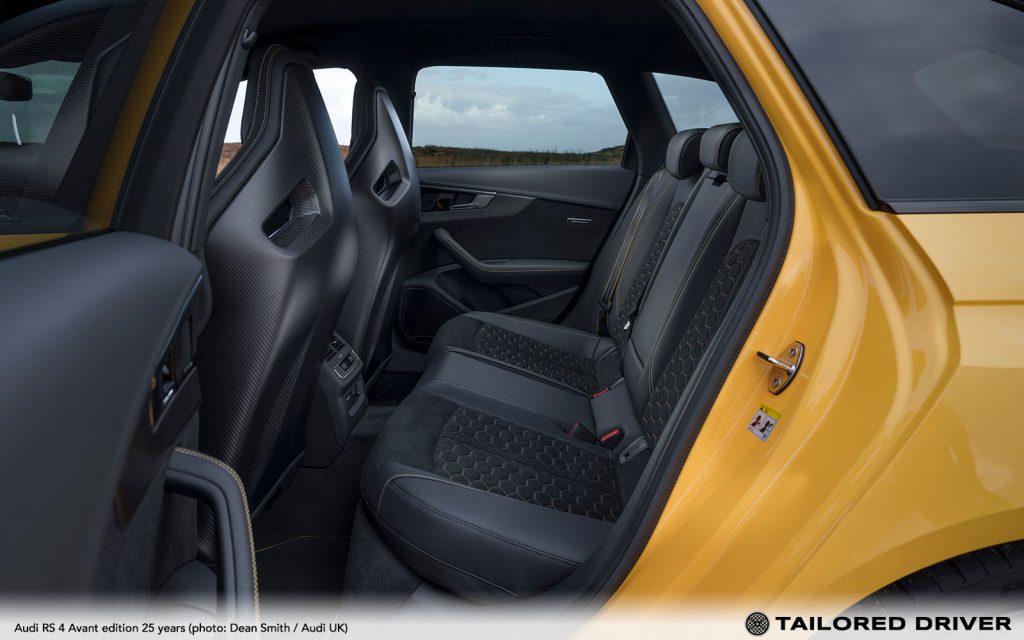
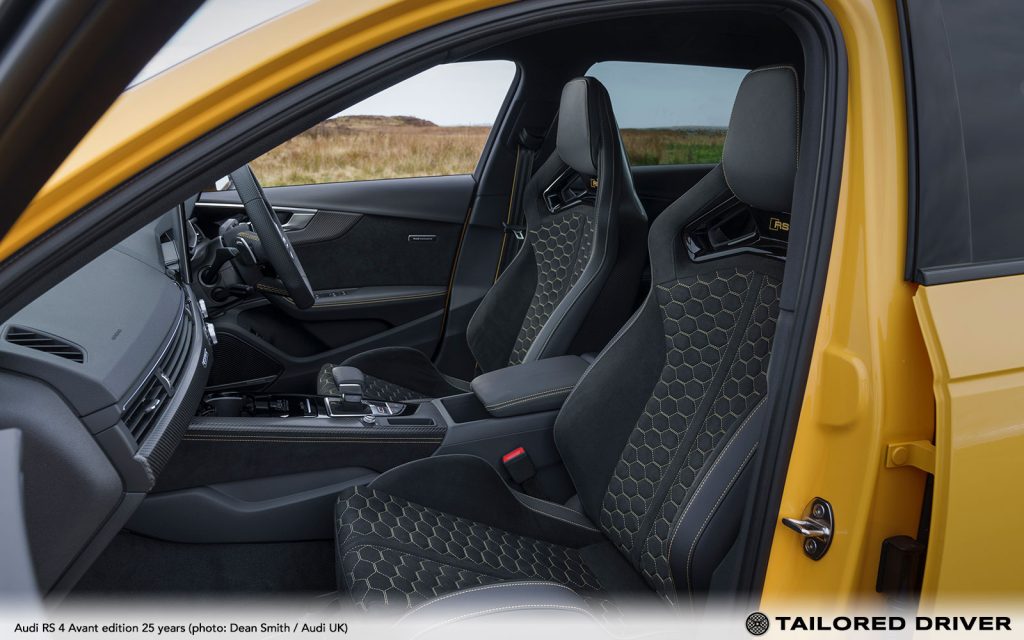
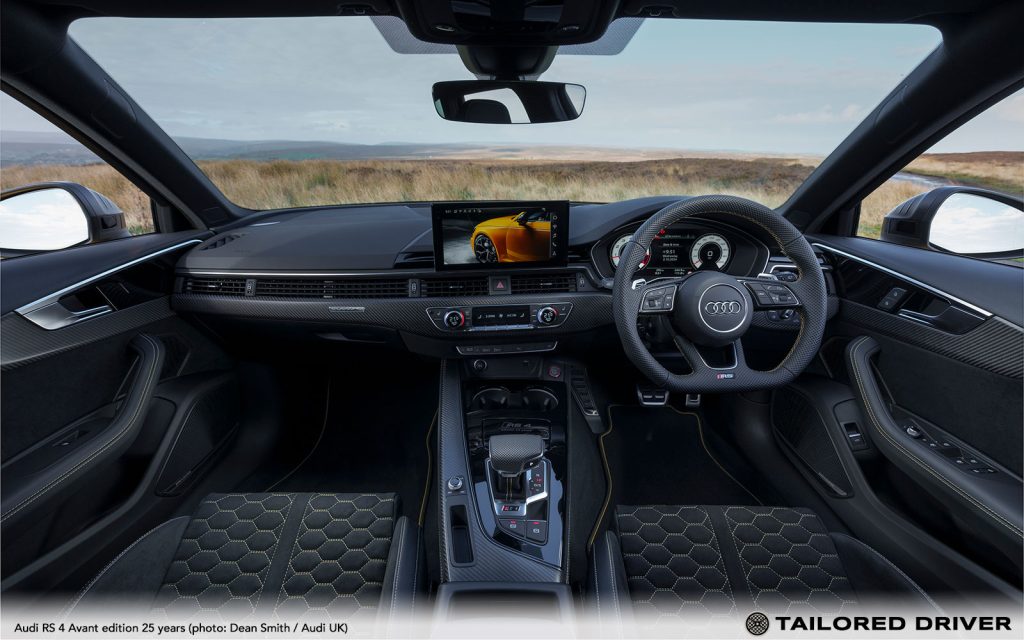
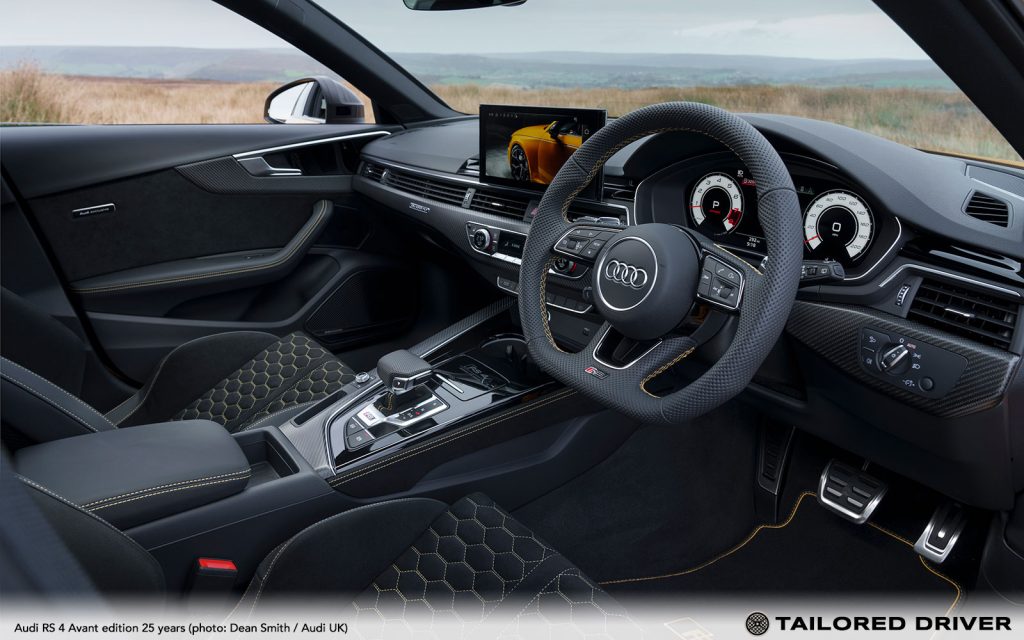
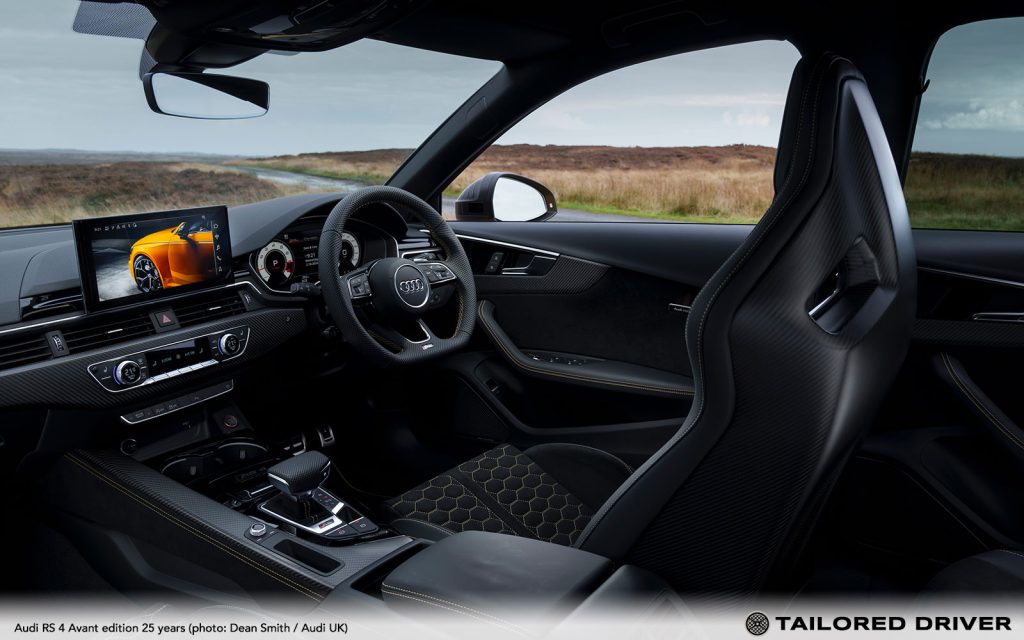
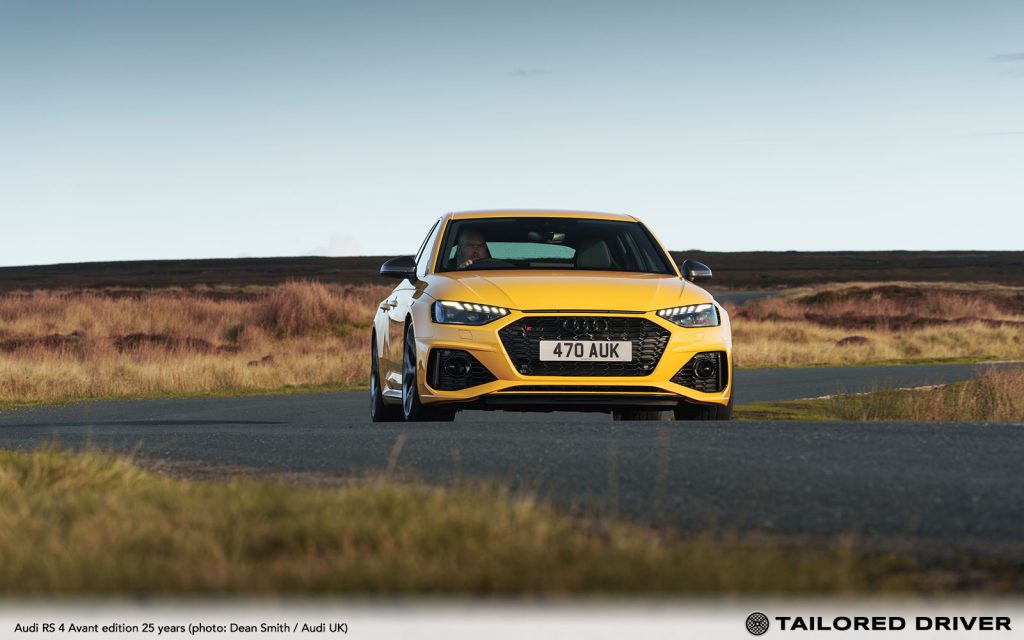
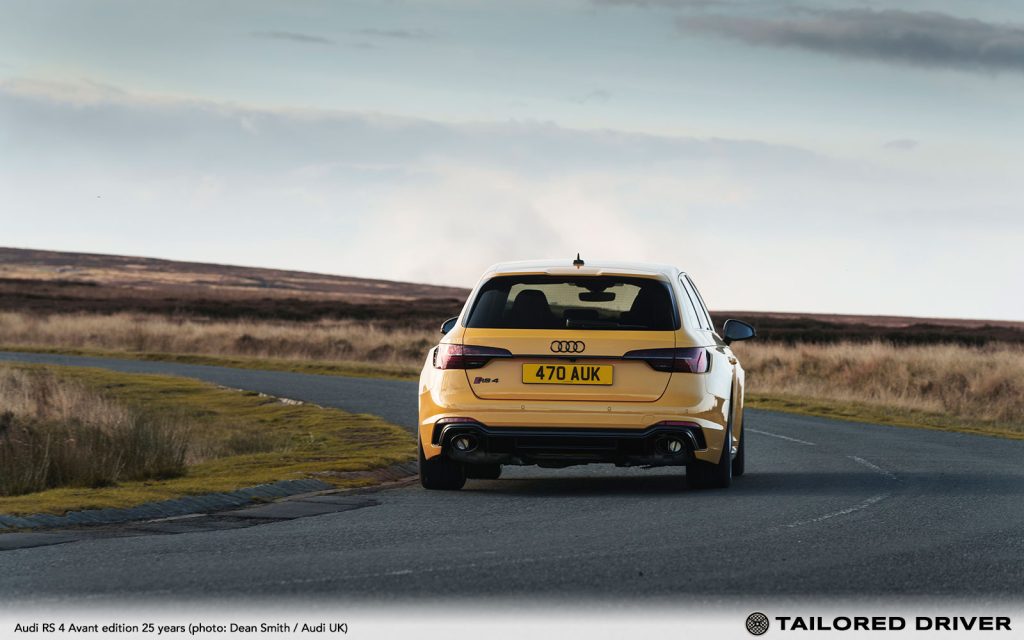
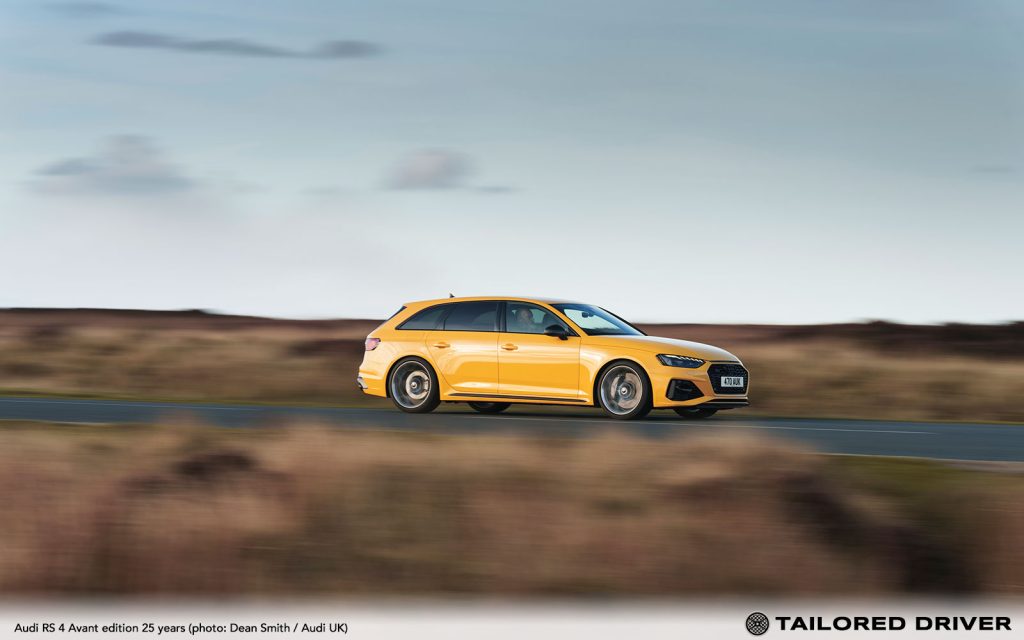
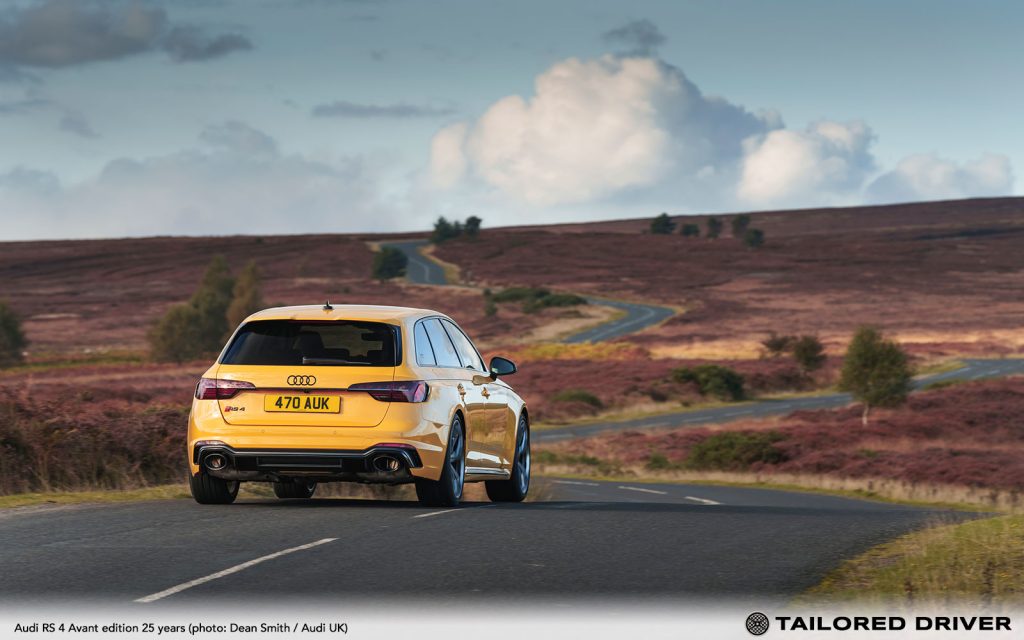
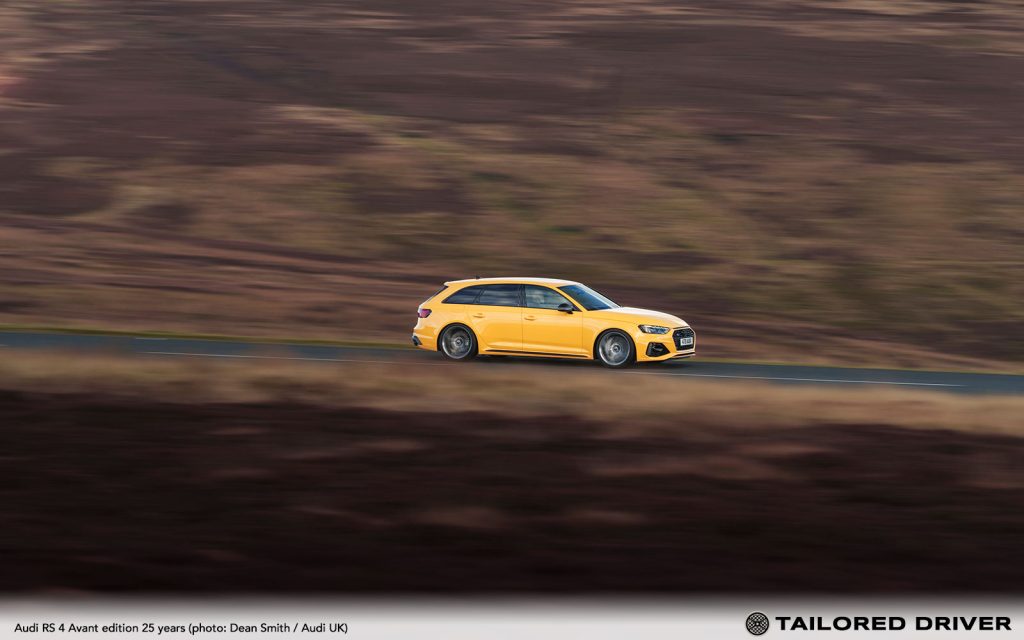
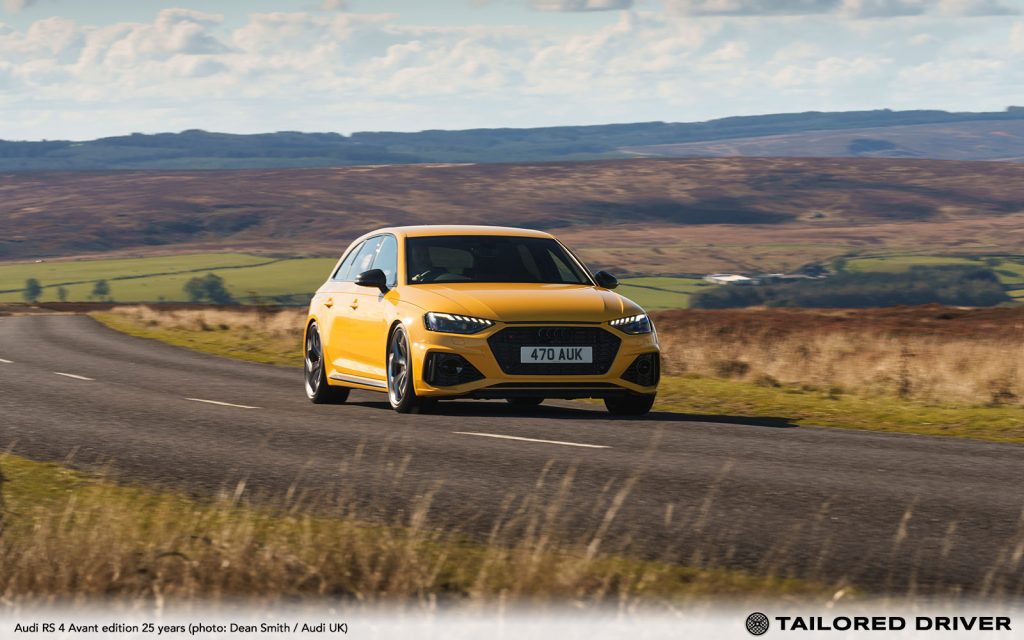
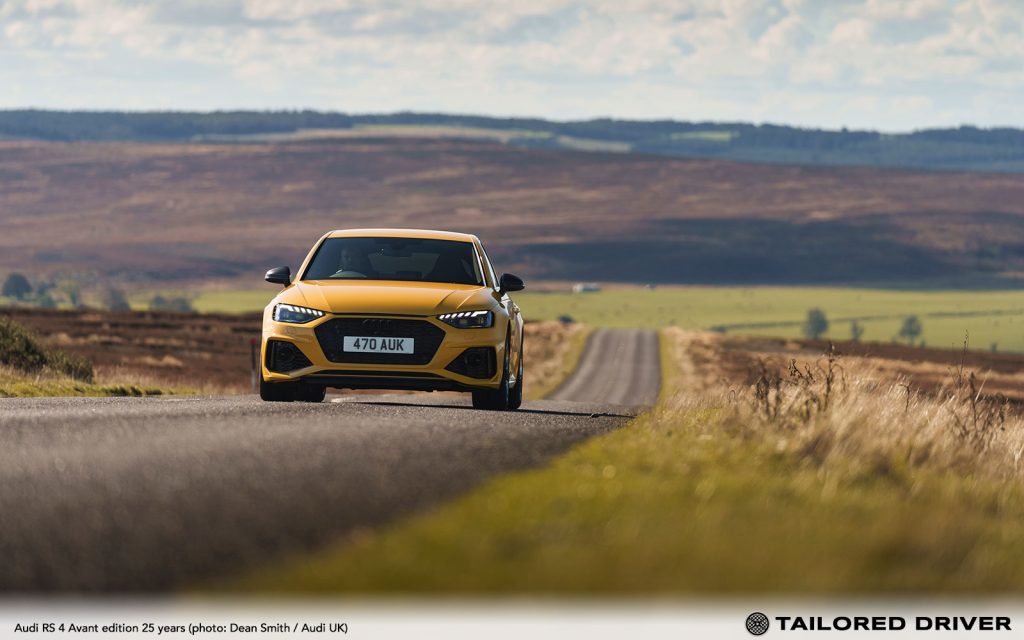
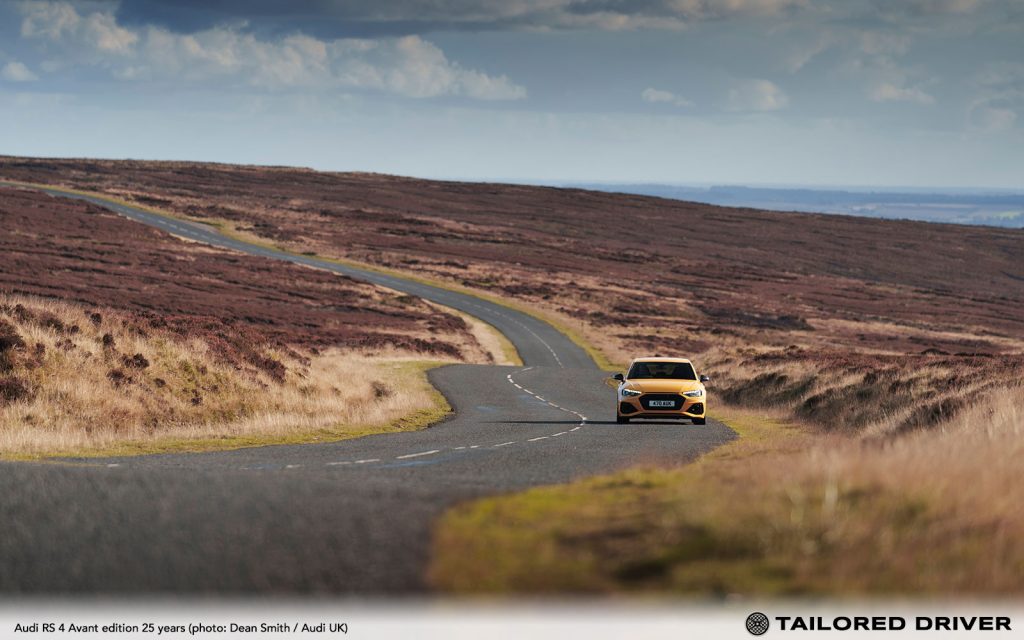
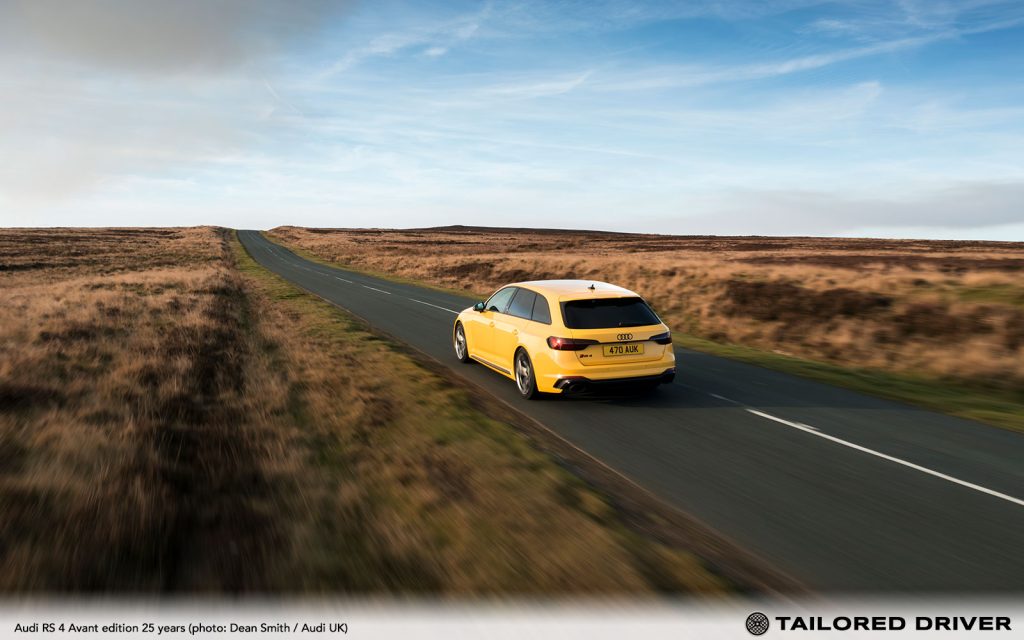
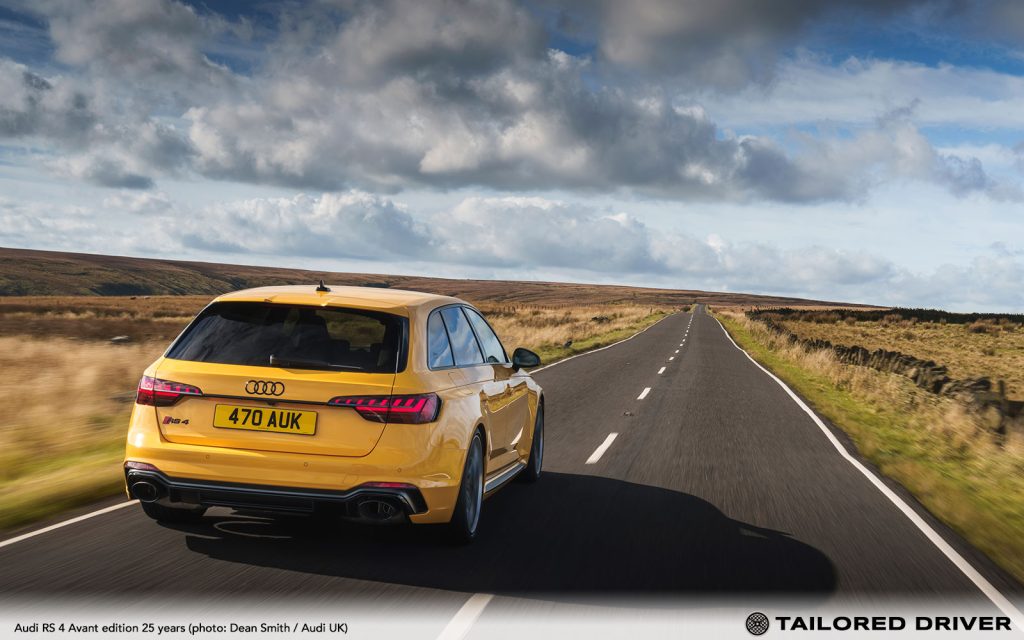
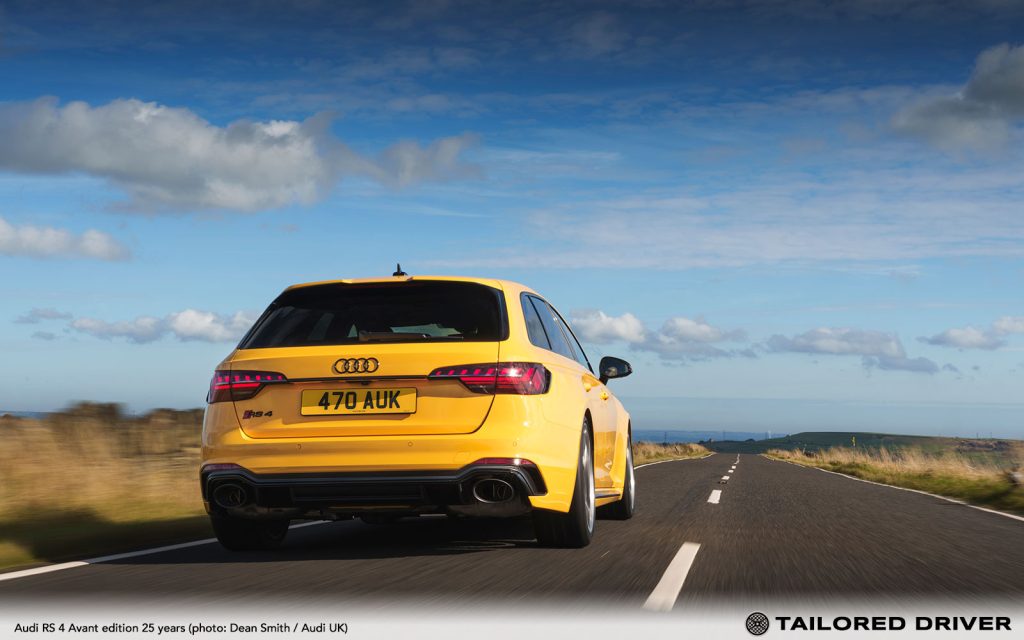
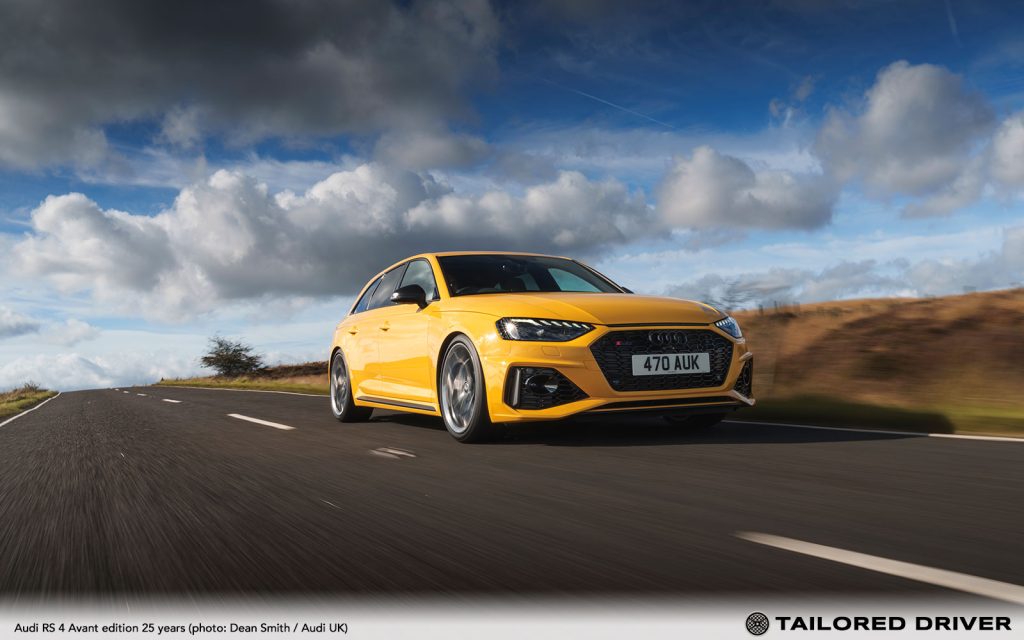
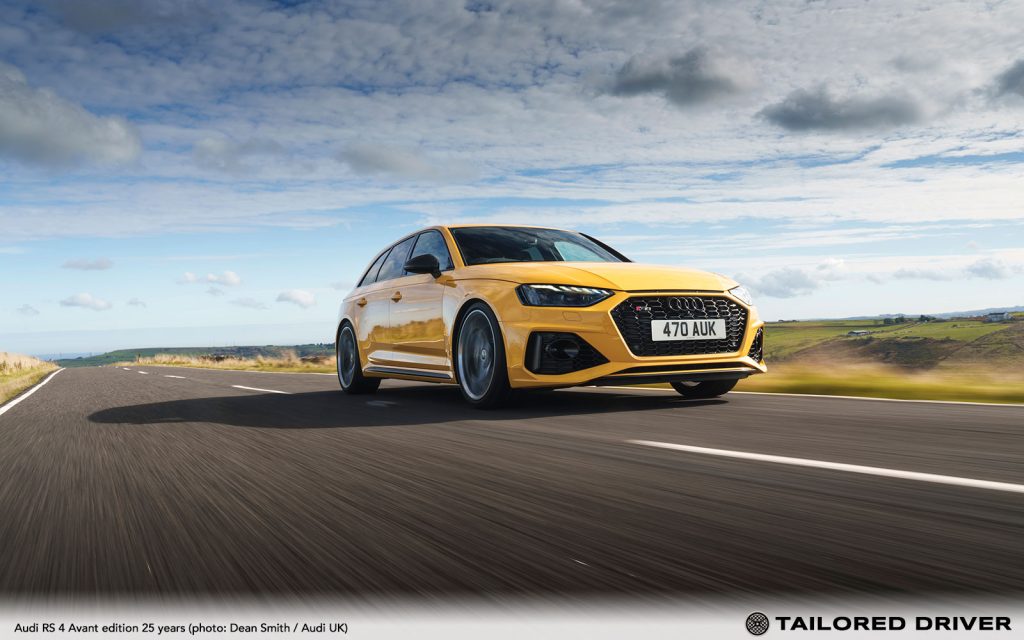
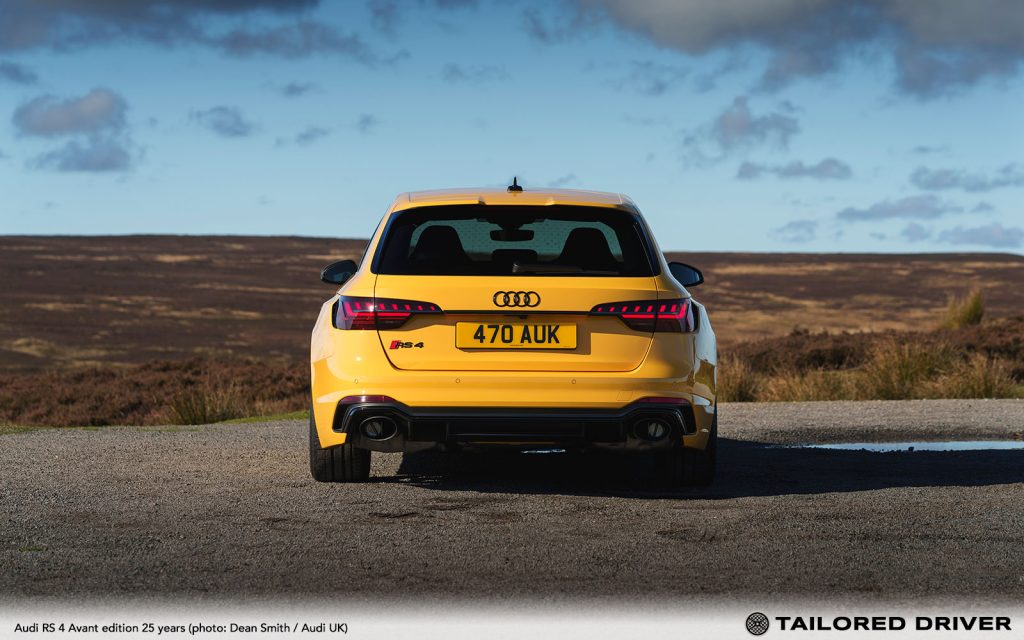
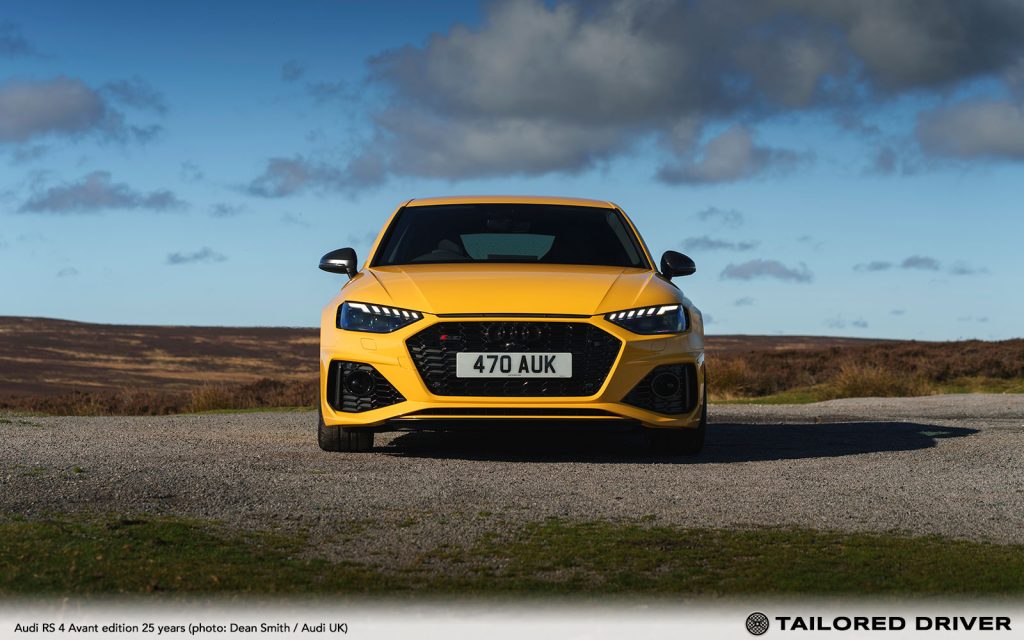
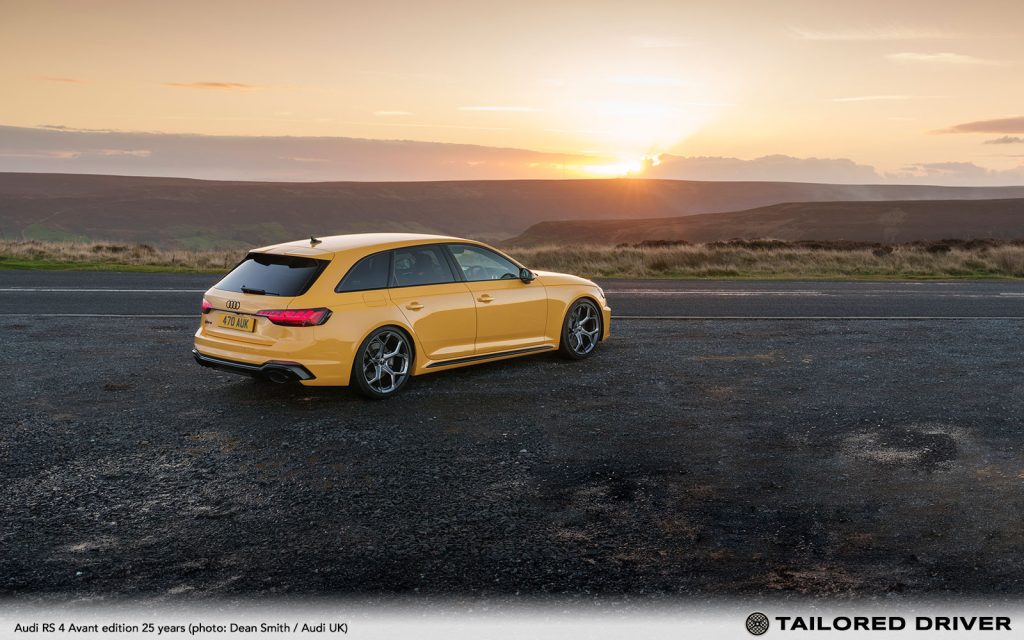
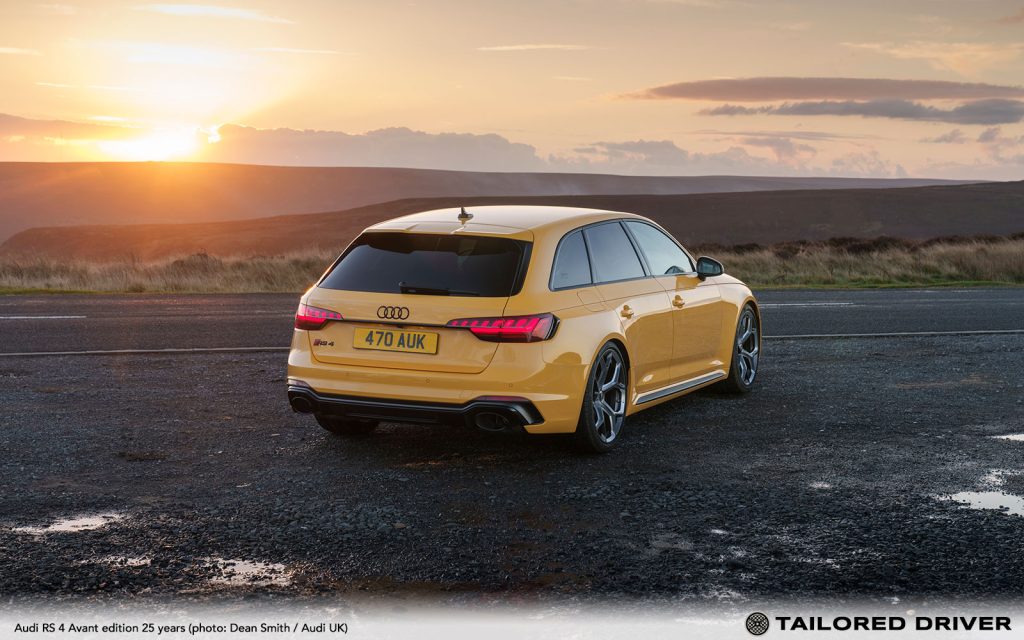
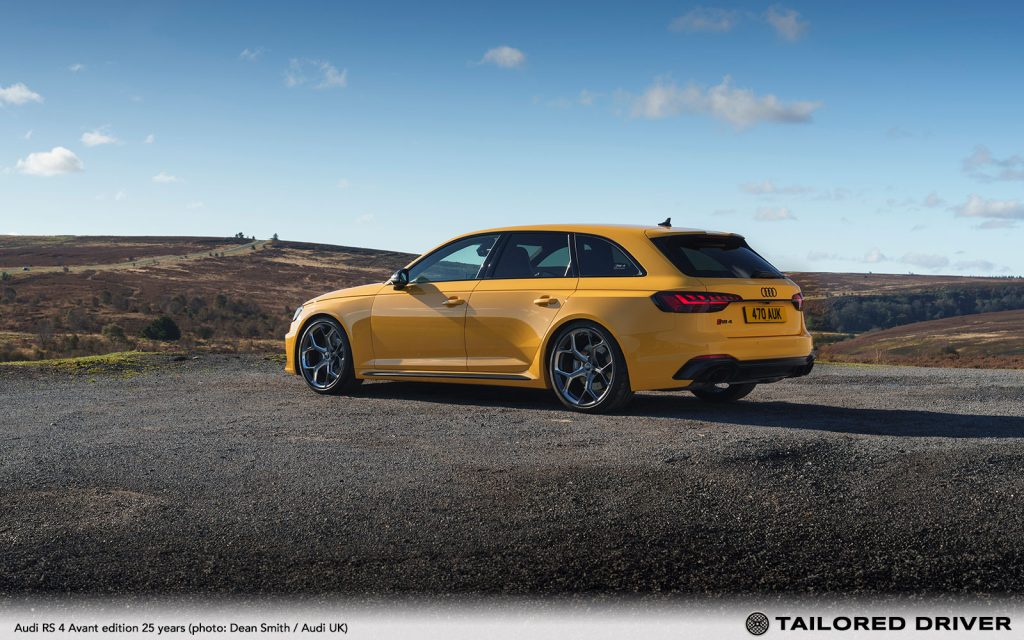
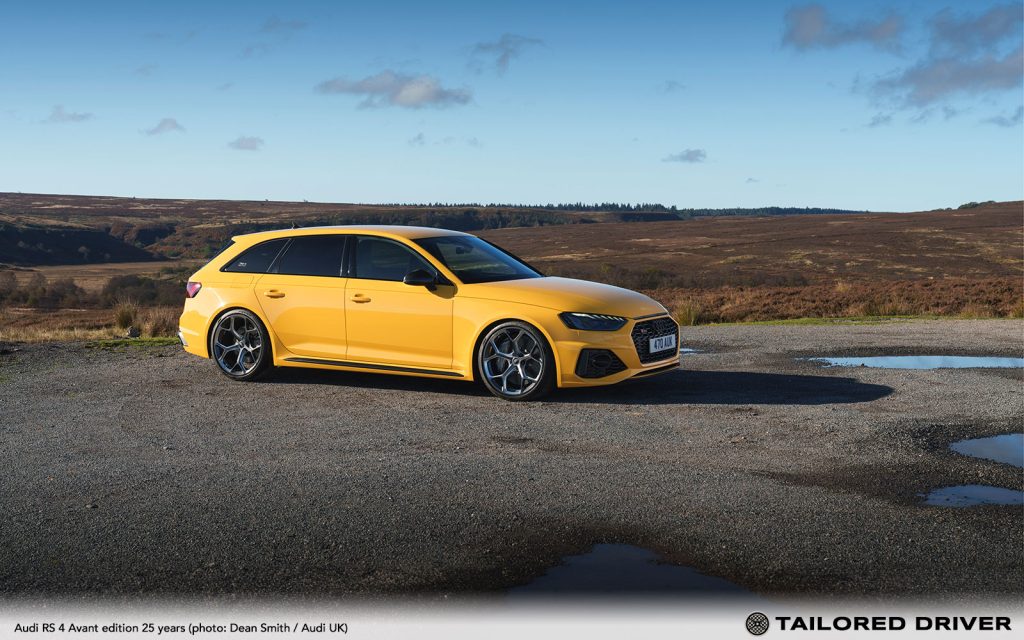
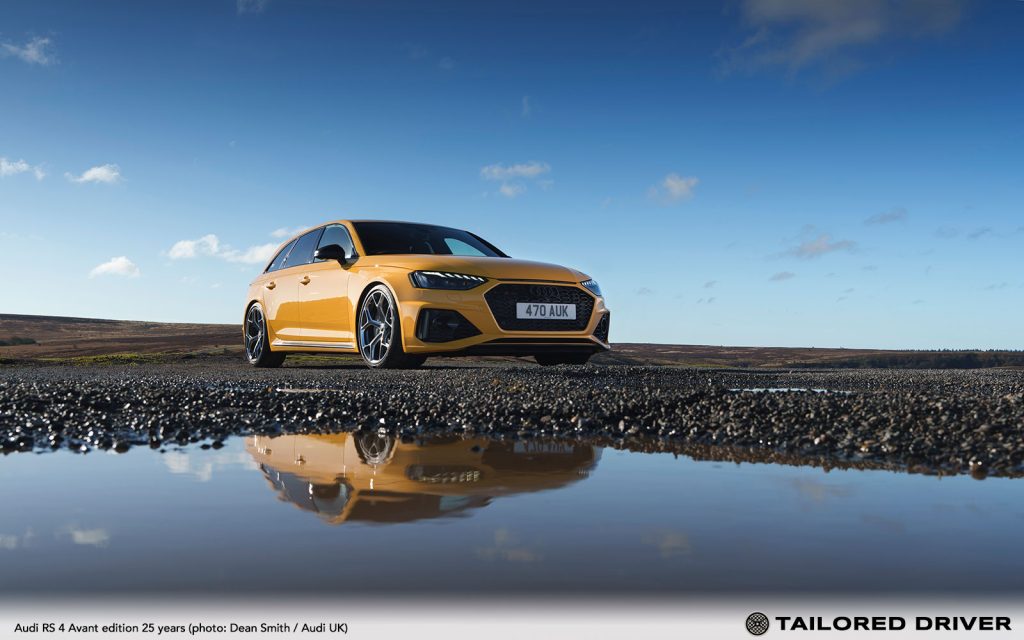
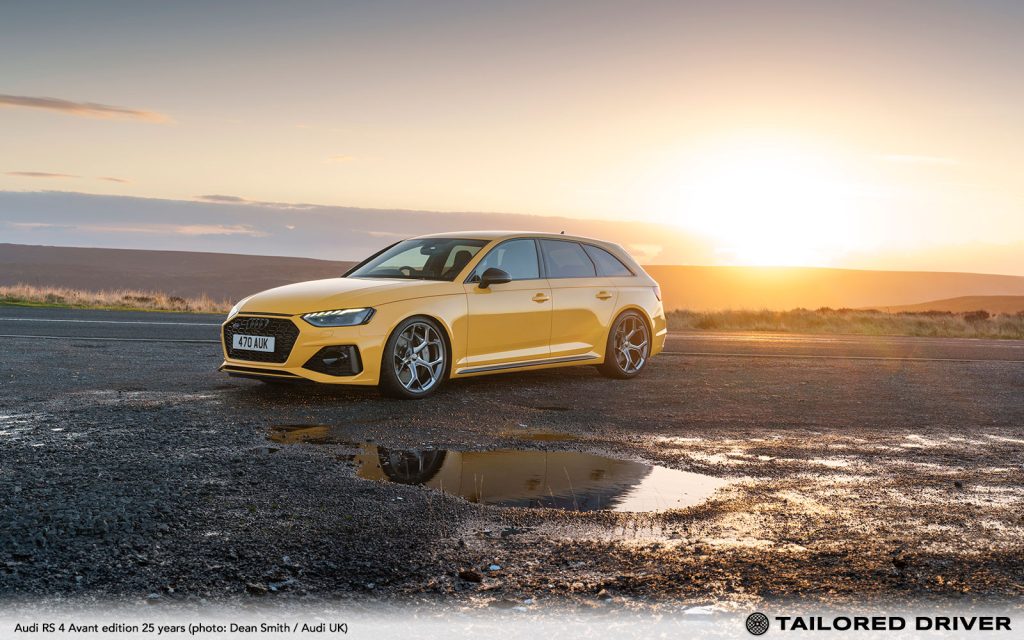
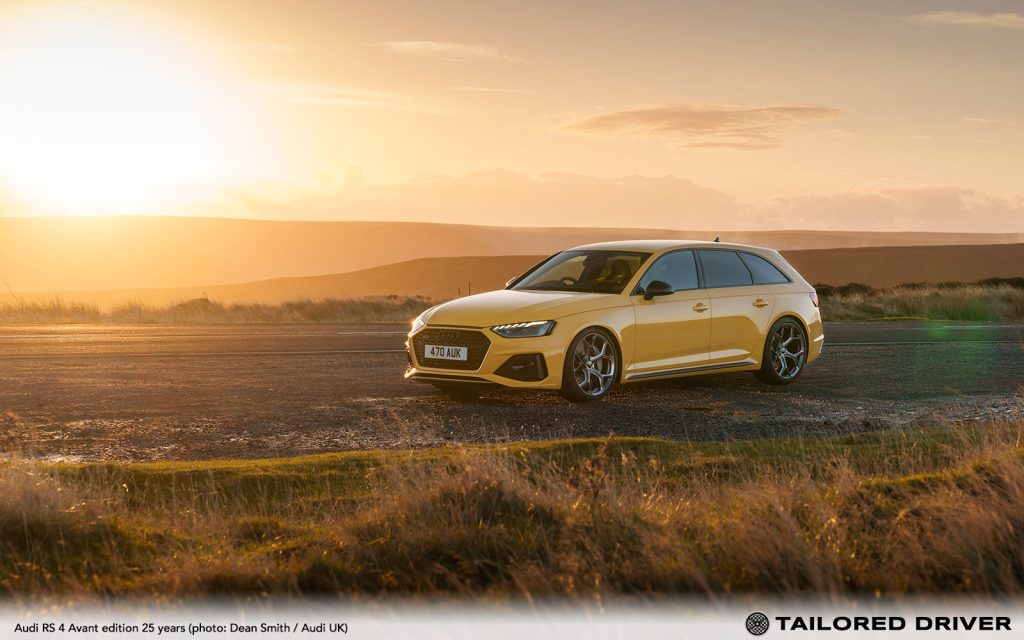
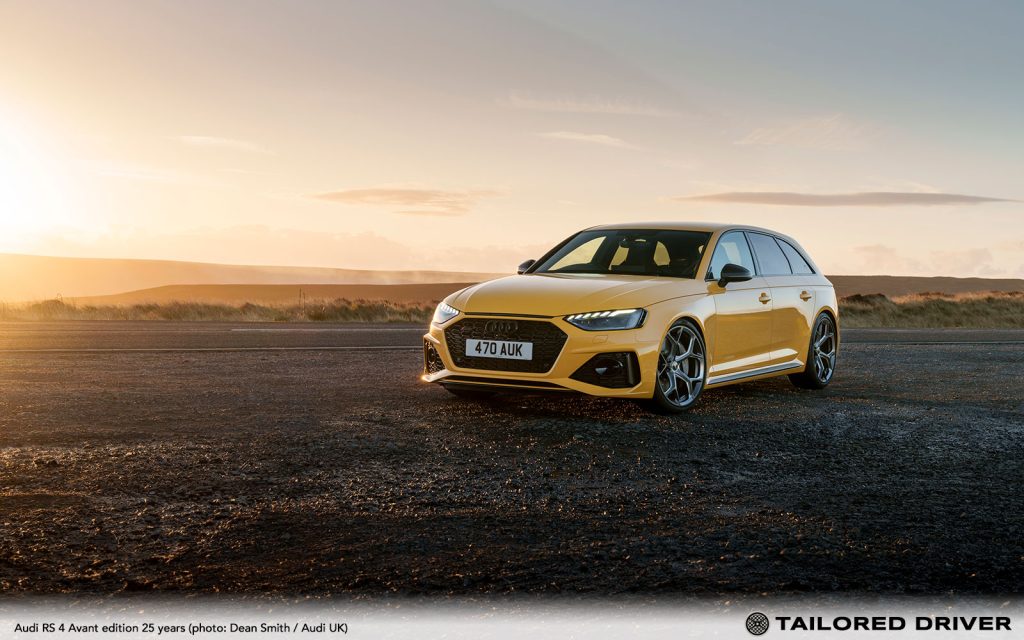
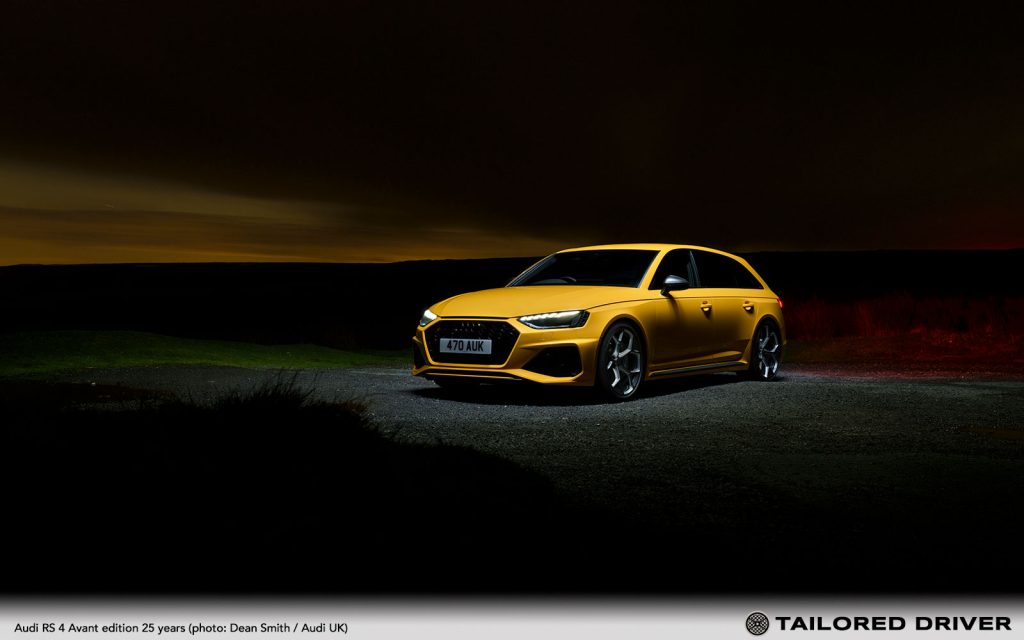
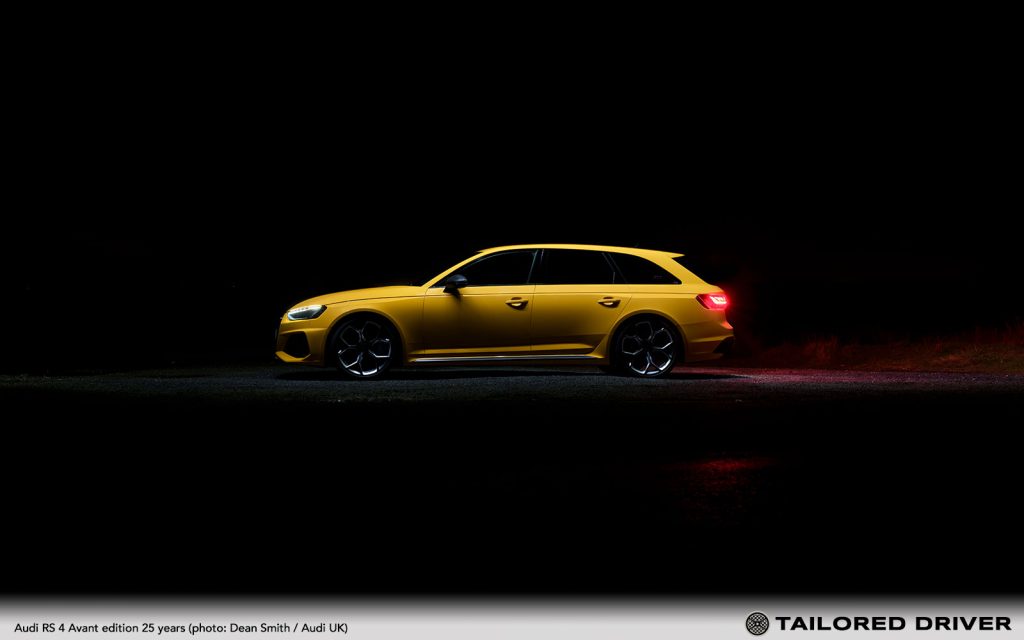
Near as we can tell, Imola Yellow first hit the market on the B5 S4, continuing as a regular standard color on S4 and RS 4 variants into the early B8 era of that Audi platform. Audi’s Vegas Yellow has taken the position as the leading standard sport color palette yellow and even go-to Audi exclusive yellow since then, leaving the once popular Imola a seldom seen hue in the modern era. Then Audi dropped its throwback tribute RS 4 Avant edition 25 years and Imola Yellow was back… at least on a very few RS 4 Avants.
If you’re one of our North American readers, you can chalk this one up to “forbidden fruit” status. The RS 4 Avant isn’t sold in the U.S. or Canada, and Audi’s North American importers didn’t do an in-kind RS 5 Sportback before either recently ceased production as the factory shifts to B10 production. Even still, it’s great to see Imola on a modern car.
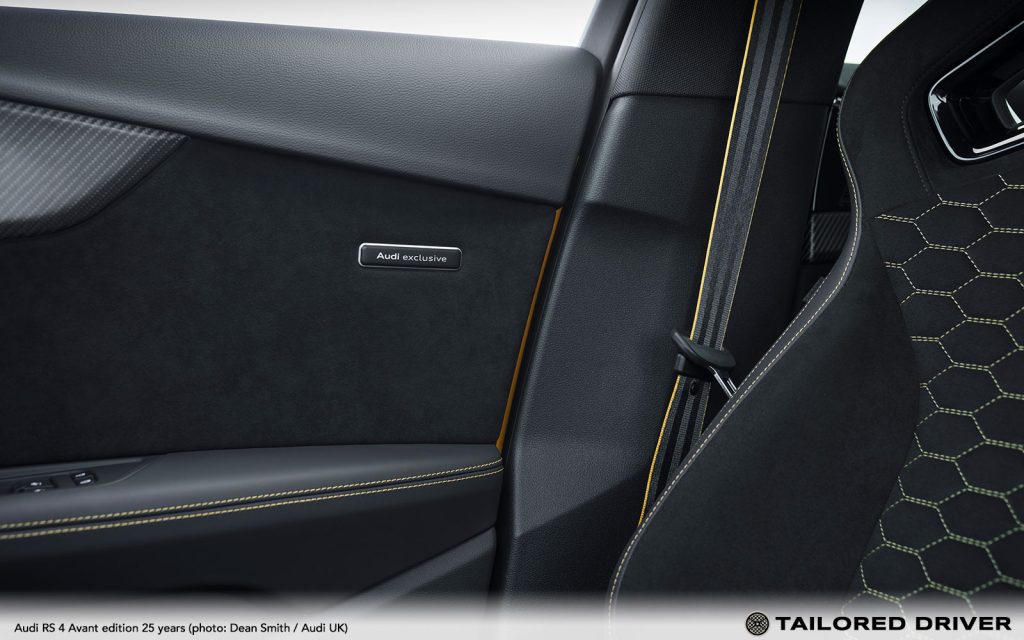
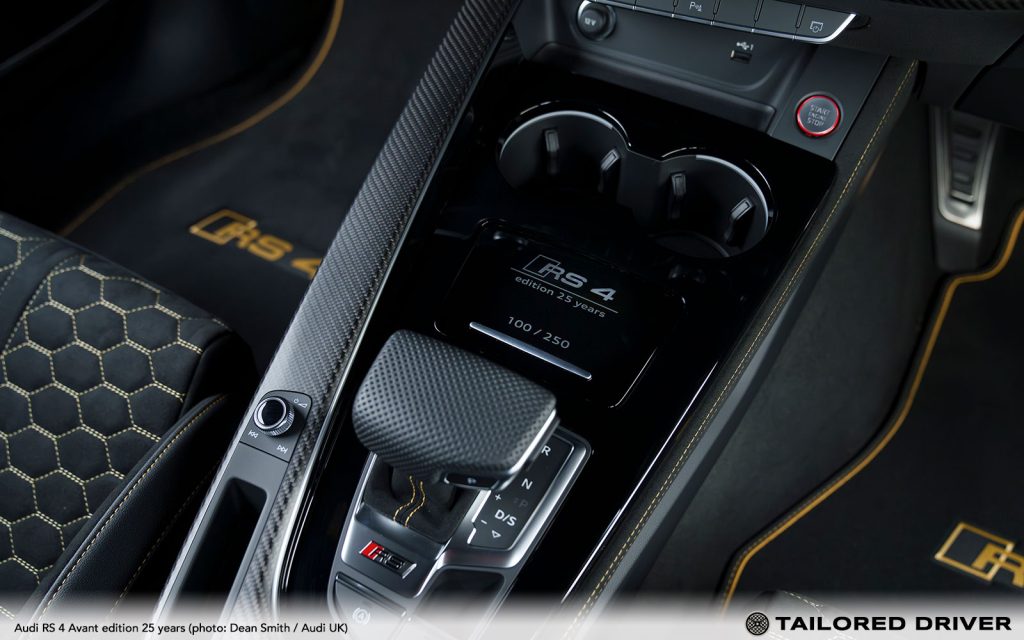
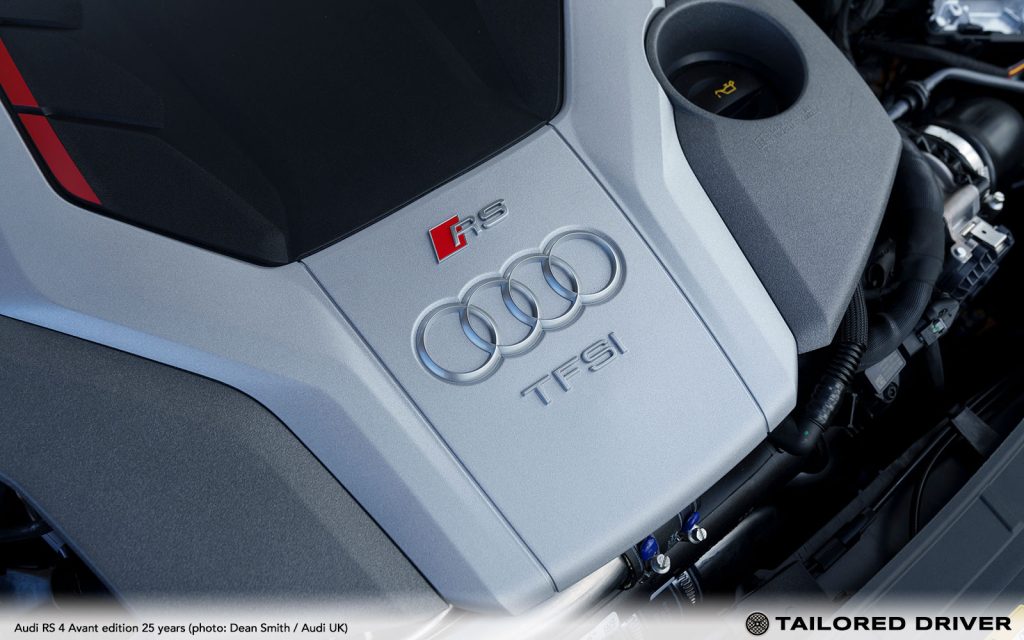
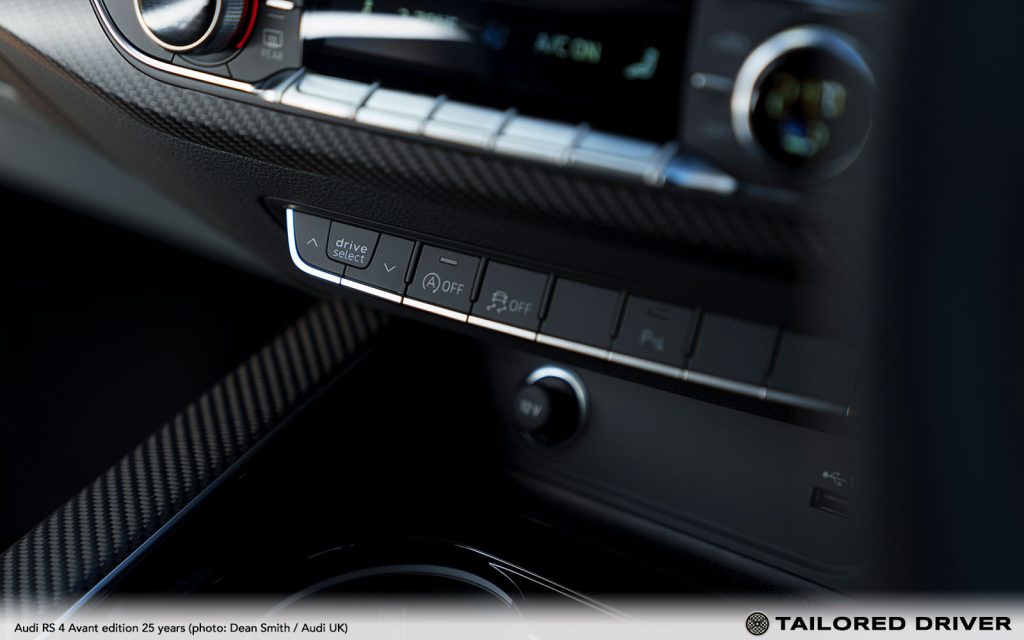
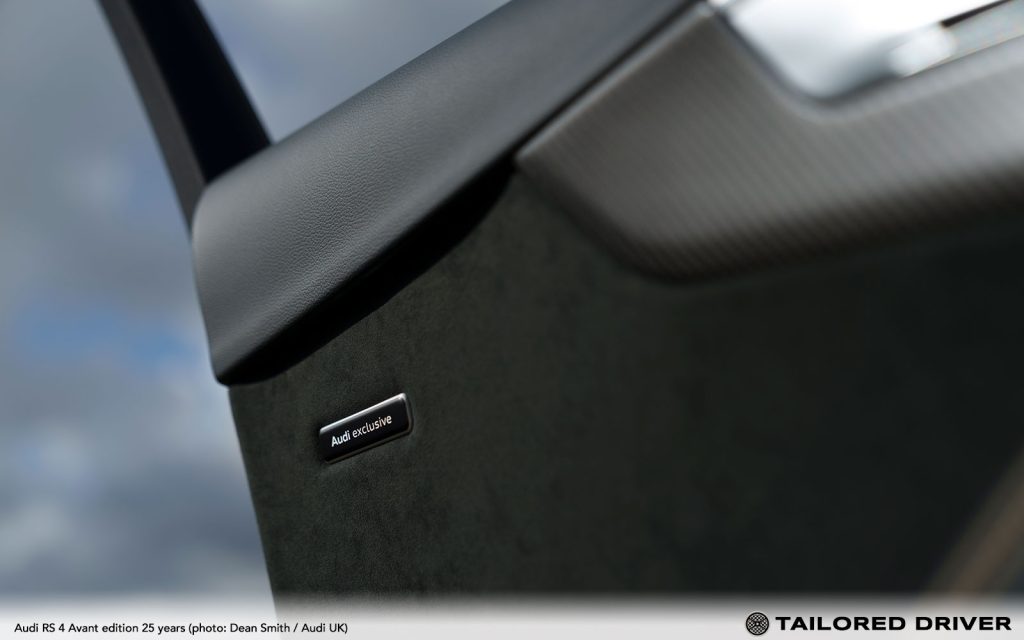
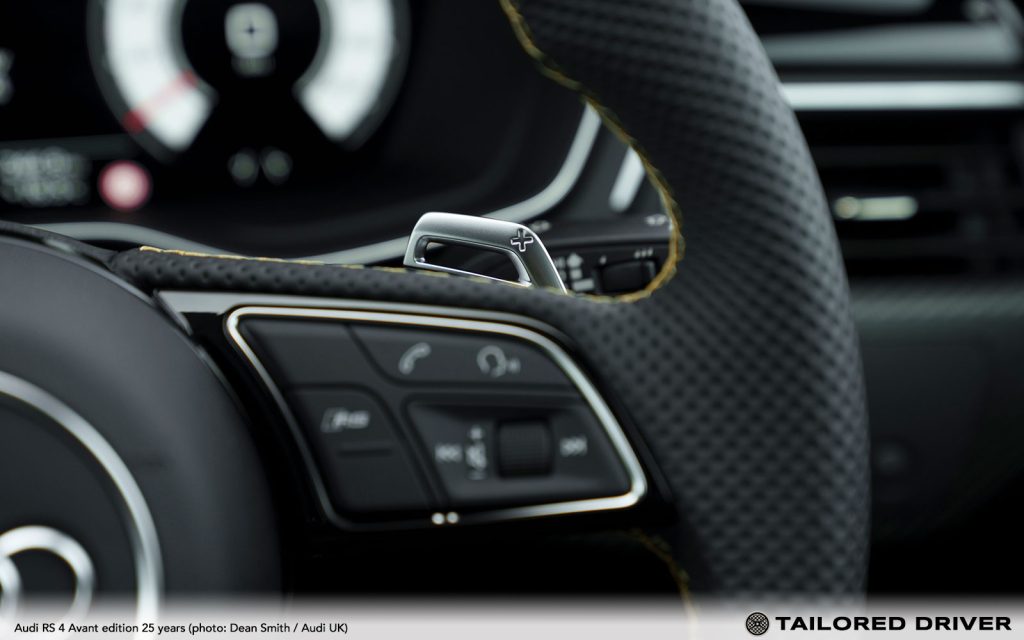
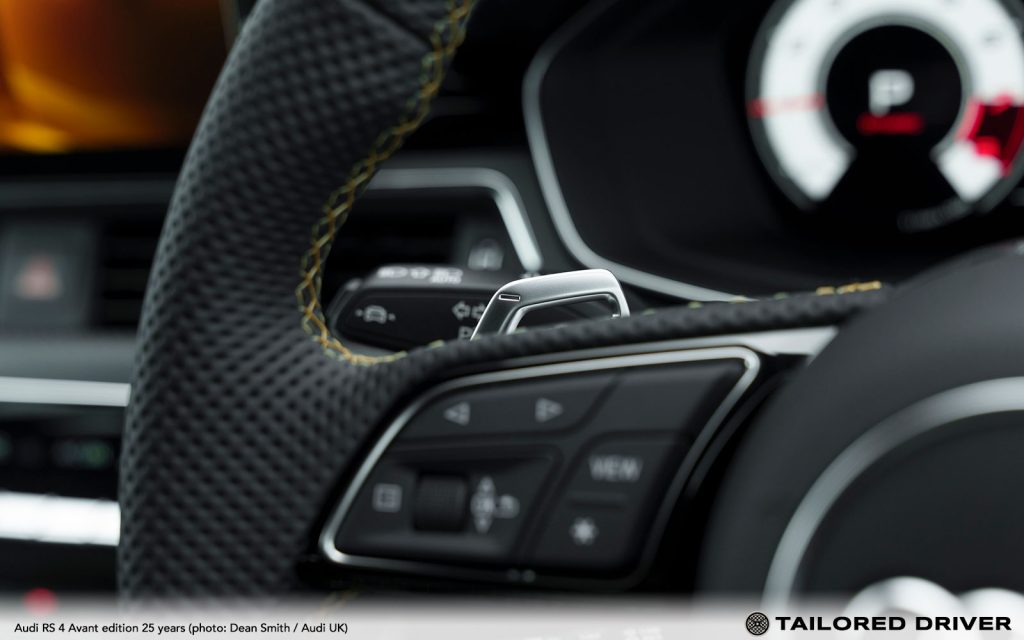
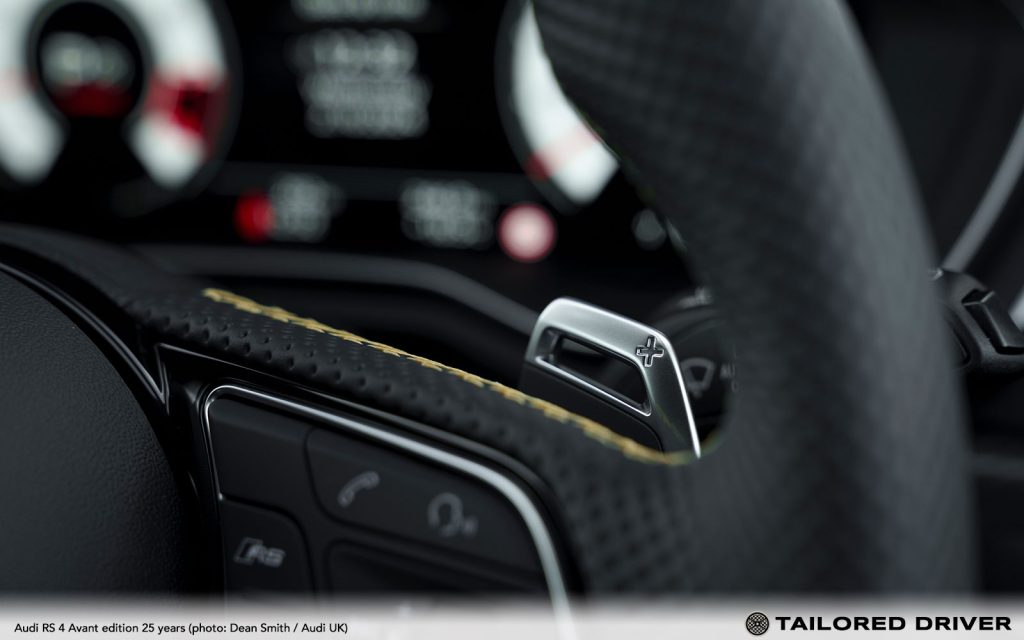
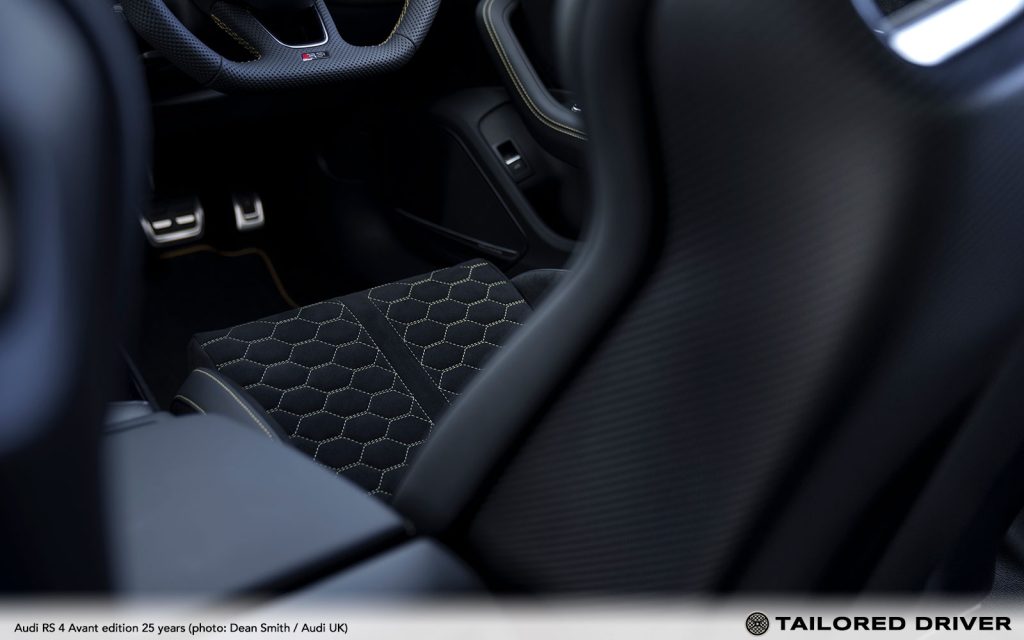
Another thing we like about these sorts of shoots is that the subsequent detailed photography we see here from Audi UK is also great for those keeping close track of partsbin components. Yes, the bulk of our focus are the factory tailors, however drilling down on those who love to comb through other market offerings for key component upgrades in the OEM+ genre of car modification are also close to our hearts. We’ve been known to partake in this practice when car companies don’t make such components available in their own right.
We’ve covered the RS 4 Avant edition 25 years before (check the tag cloud below this story), but we’re still running these. Besides the aforementioned OEM+ part considerations, real world photos are always a great way to gauge a color, and detailed shoots like this are also inspirational when you consider more open book tailored orders.
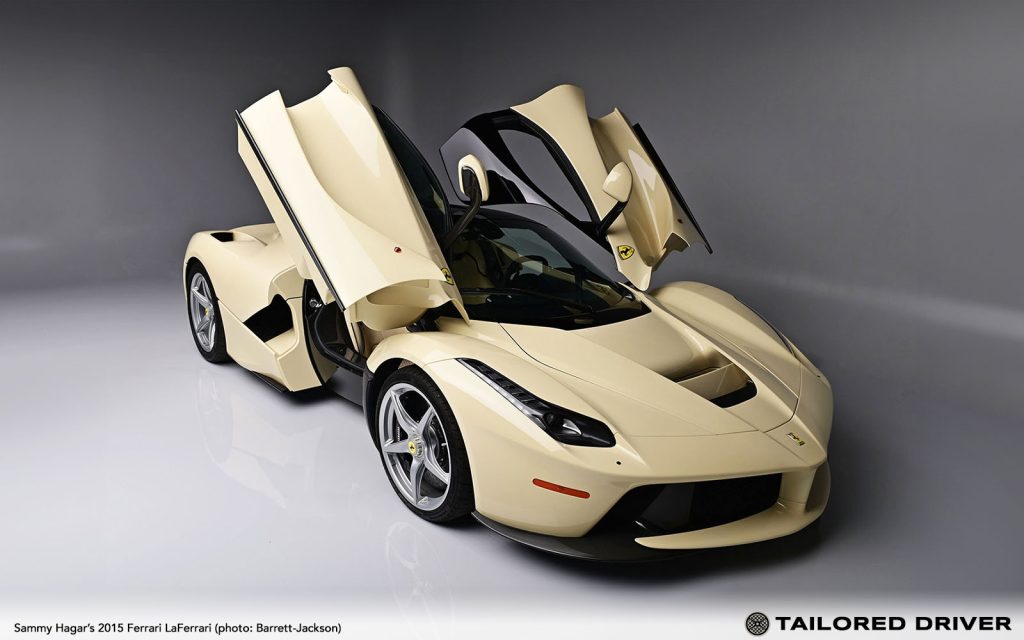
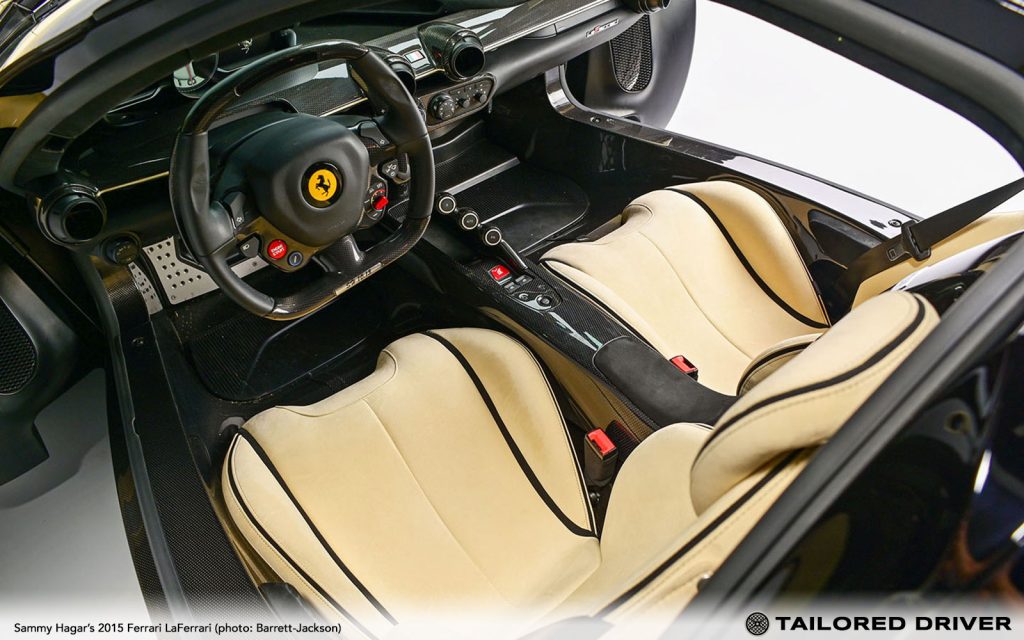
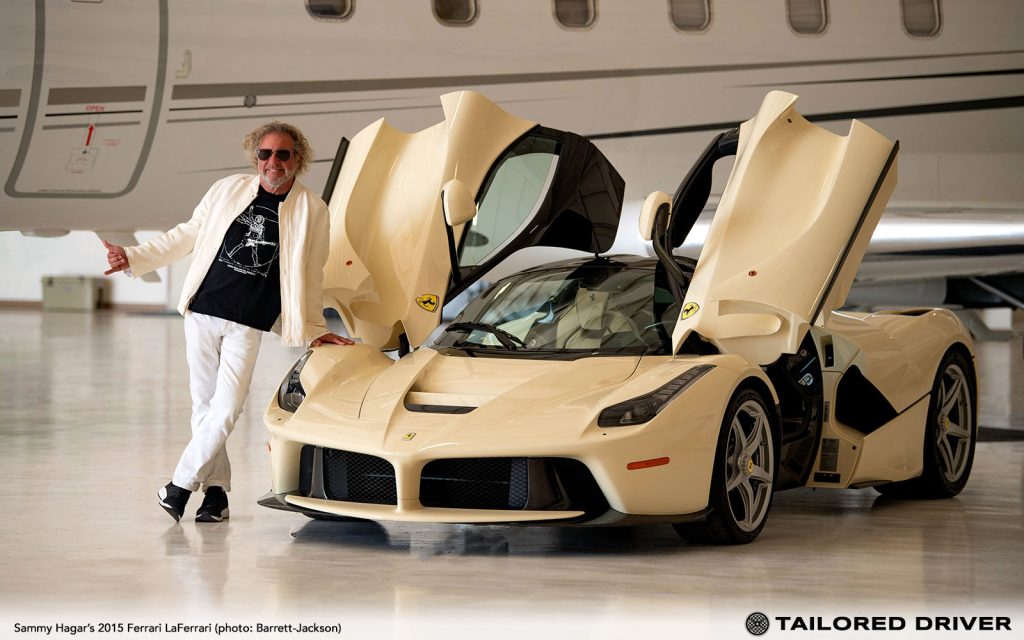
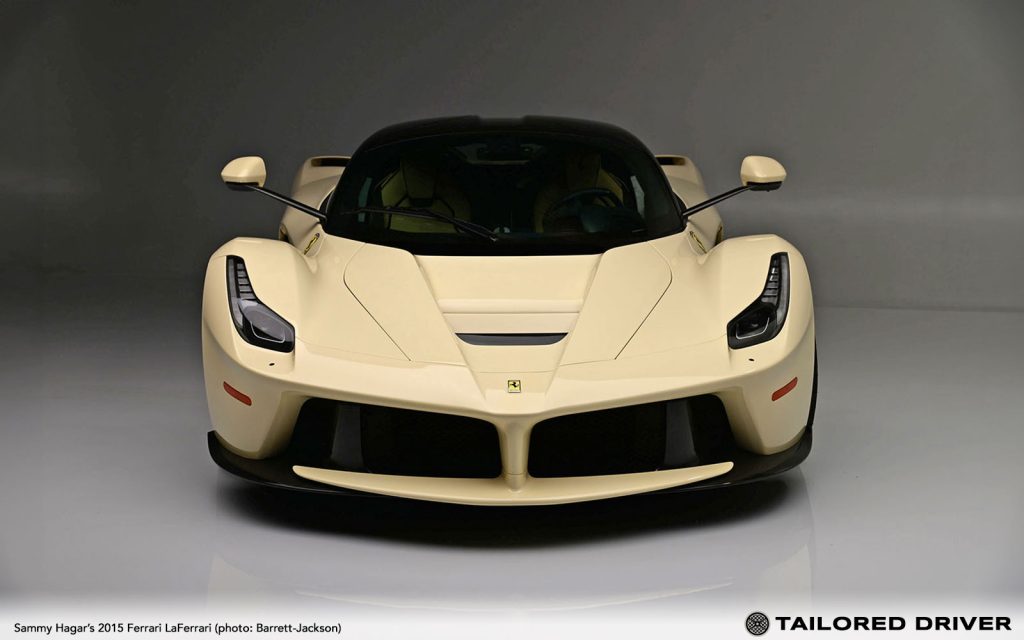
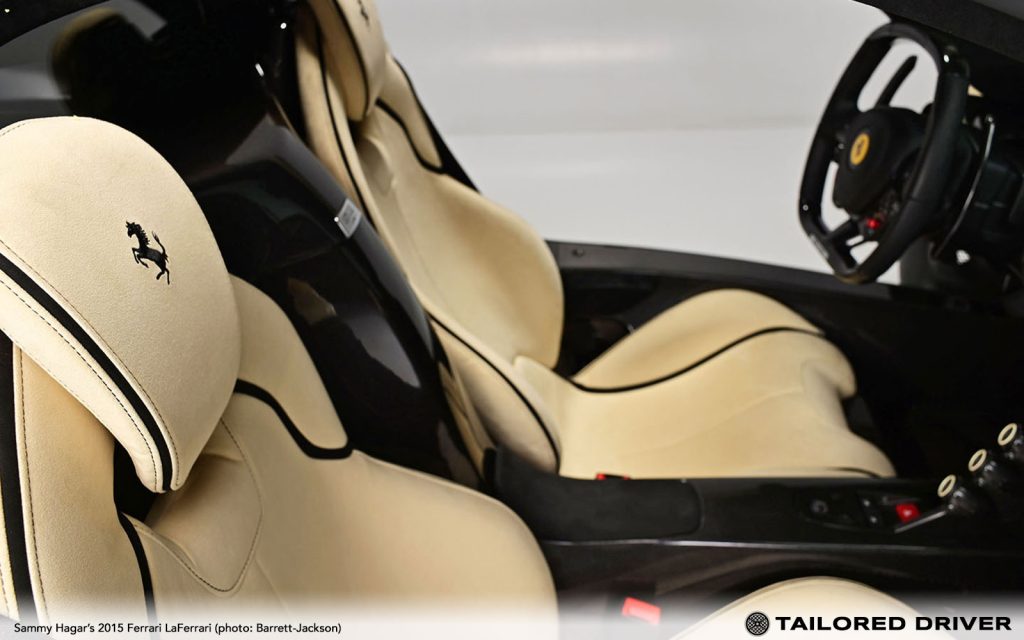
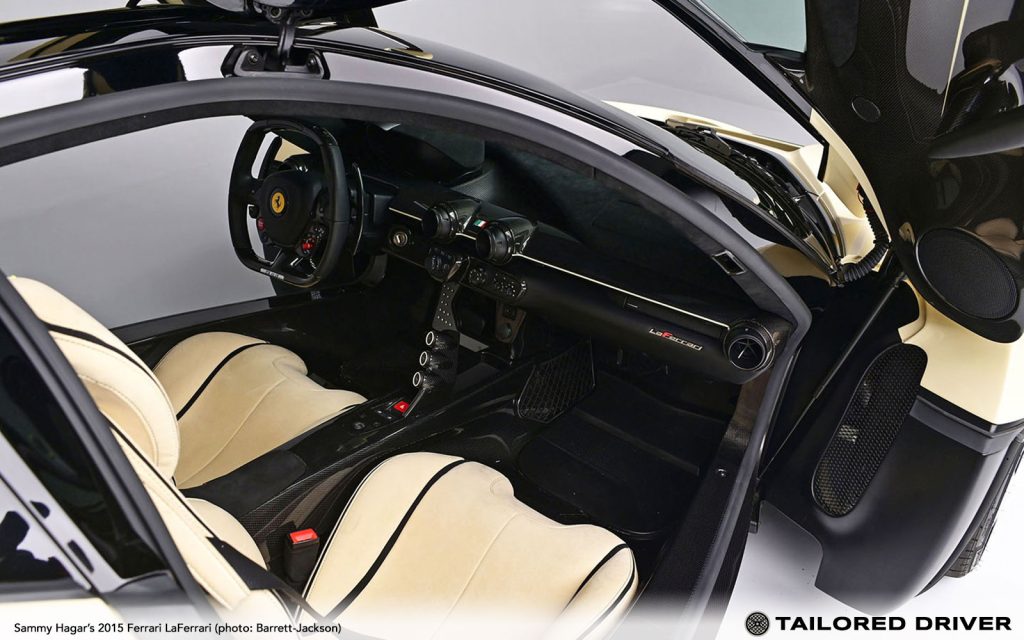
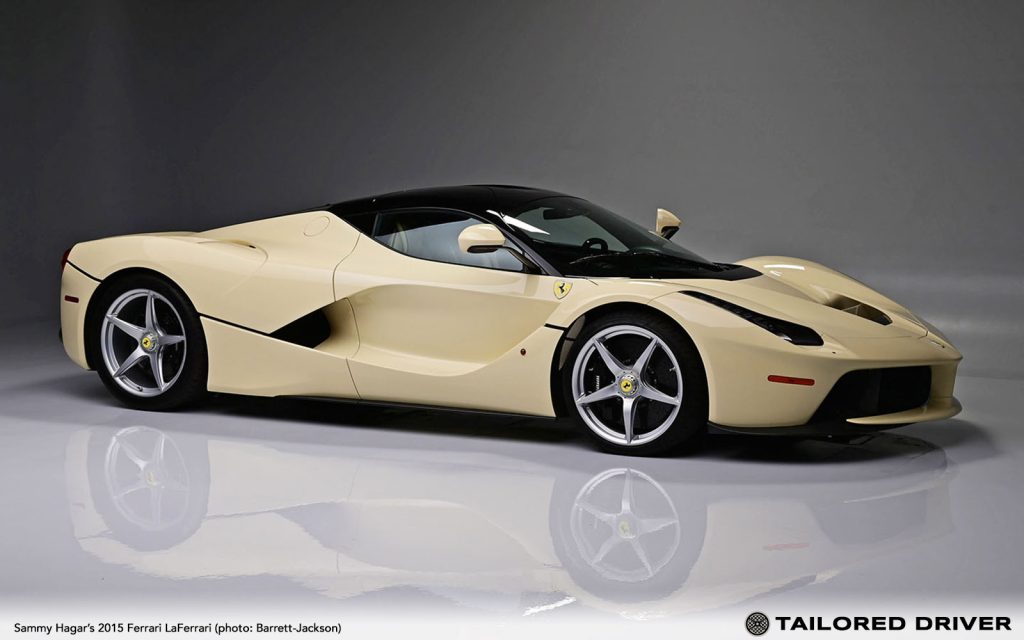
Former Van Halen front man and rocker in his own right Sammy Hagar just sold his unique Ferrari LaFerrari (VIN: ZFF76ZFA2F0212166) via Barrett Jackson’s Fall 2024 sale, setting a new world record price for this particular model of Ferrari. Notably, the car was custom built to Sammy’s specification in Cream over Cream.
Looking over the Hagar LaFerrari, we’re guessing he built it via the Ferrari Tailor-Made program where discerning clients get a wide spectrum of freedom as they specify exterior color(s), interior color(s) and other details within the specification.
We’re a little confused on the final price. The Barrett-Jackson social media post (below) lists it as $4.25 million, though the Barrett-Jackson Fall Sale results on their website (HERE) list the price as $4.675M.
In this case, the colors of the Hagar LaFerrari listed by Barrett Jackson are simply Cream exterior and Cream interior. Sammy reportedly chose the combination to match the color of a 1960s Ferrari he saw pictured on the wall at Ferrari’s Maranello factory during his visit in 2014 presumably to order this car. The color combination also contrasts beautifully with carbon fiber and black accents.
Also included with the car is a special replica model that was given to Hagar as a gift by Ferrari, a book of the build process and plaque signed by Hagar from when the car was displayed at The Quail during the 2016 Monterey Car Week.
“I’m so excited that my LaFerrari, the most beautiful one on the planet, is headed back to Scottsdale this fall,” said Hagar in a Barrett-Jackson Press Release. “This car has a new high-voltage battery straight from the factory, so it’s even better than the original. It’s going to be an extra-rocking time because it’s crossing the block on Oct. 12, the day before my birthday. In fact, the winning bidder had better bring a passport, because I’m taking you to Cabo to help celebrate my birthday on October 13. This is going to be a wild ride and I can’t wait to see everyone there.”
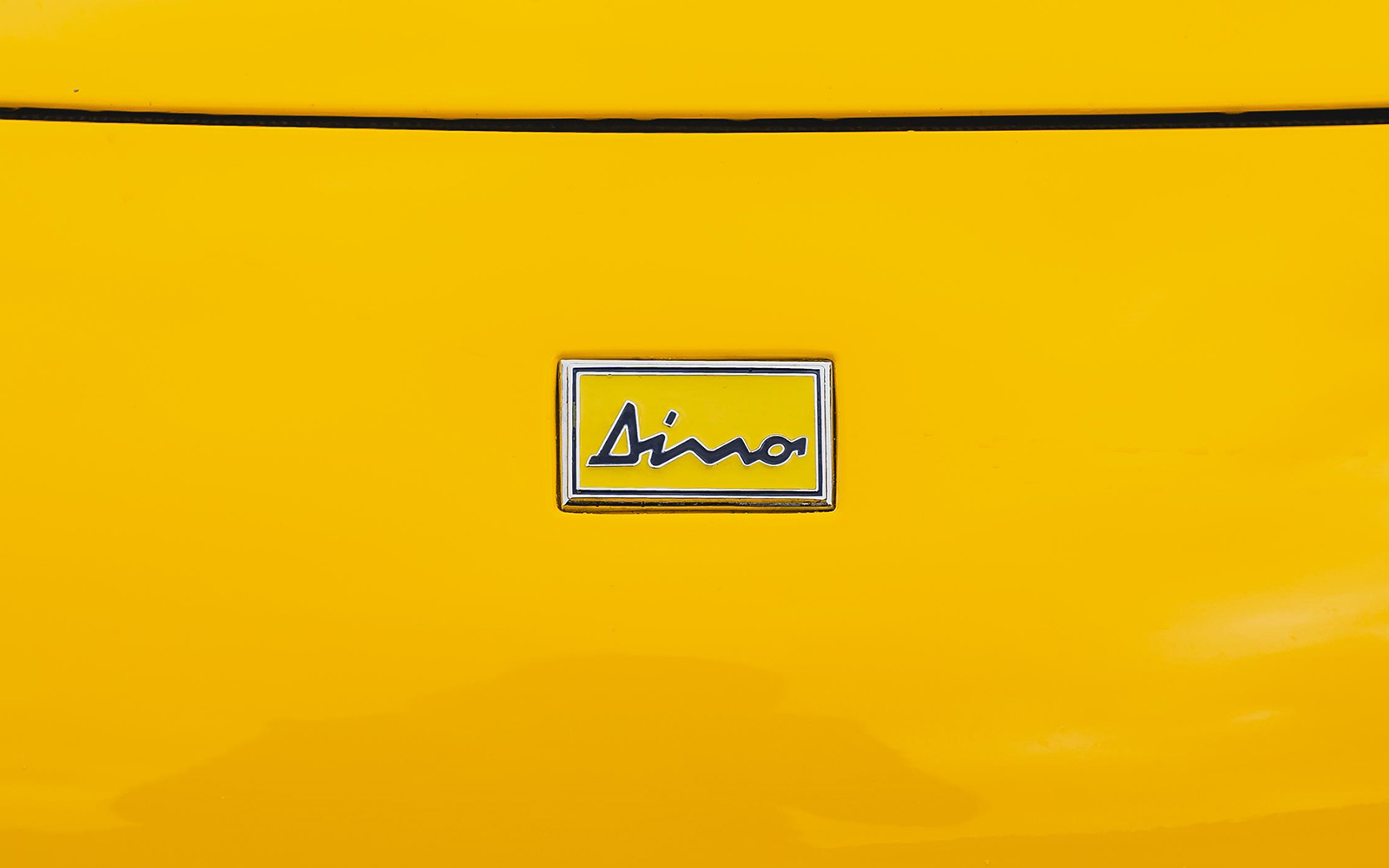
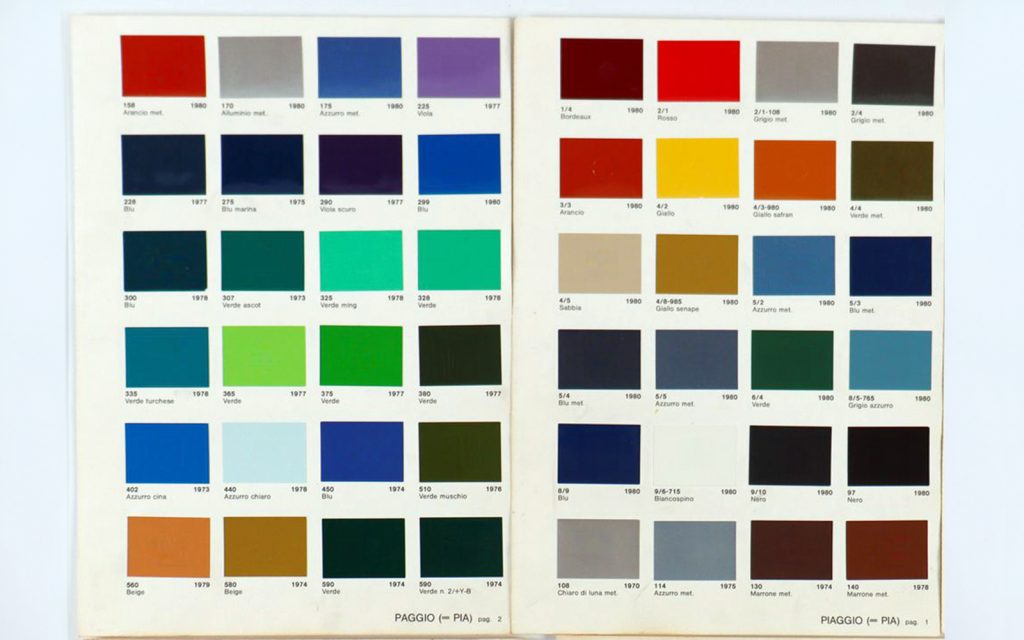
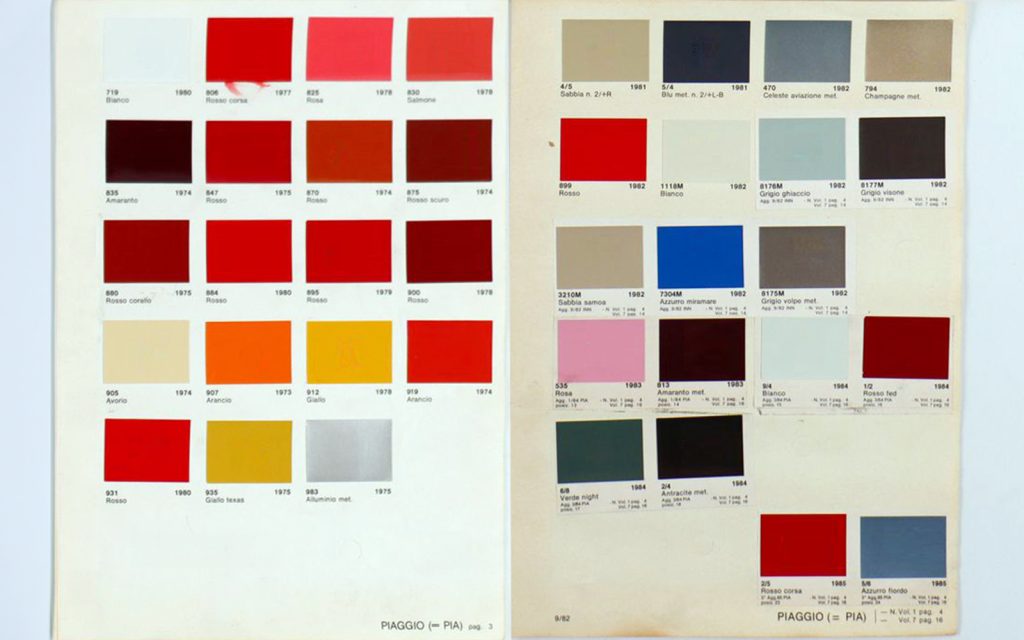
Researching a Market Find 1974 Ferrari Dino GT4, we dug into period correct hues from Maranello and ran across this color chart from Piaggio Paint. It was identified as 1974 to 1985, and includes many different colors. From there, we think we have the Dino identified.
For now, we’ve done our best to normalize the shading on the pages and added them into our Color Chart series for overall reference. With 86 colors on the sheet, prepare for a ton of color tags entered into our system at the bottom.
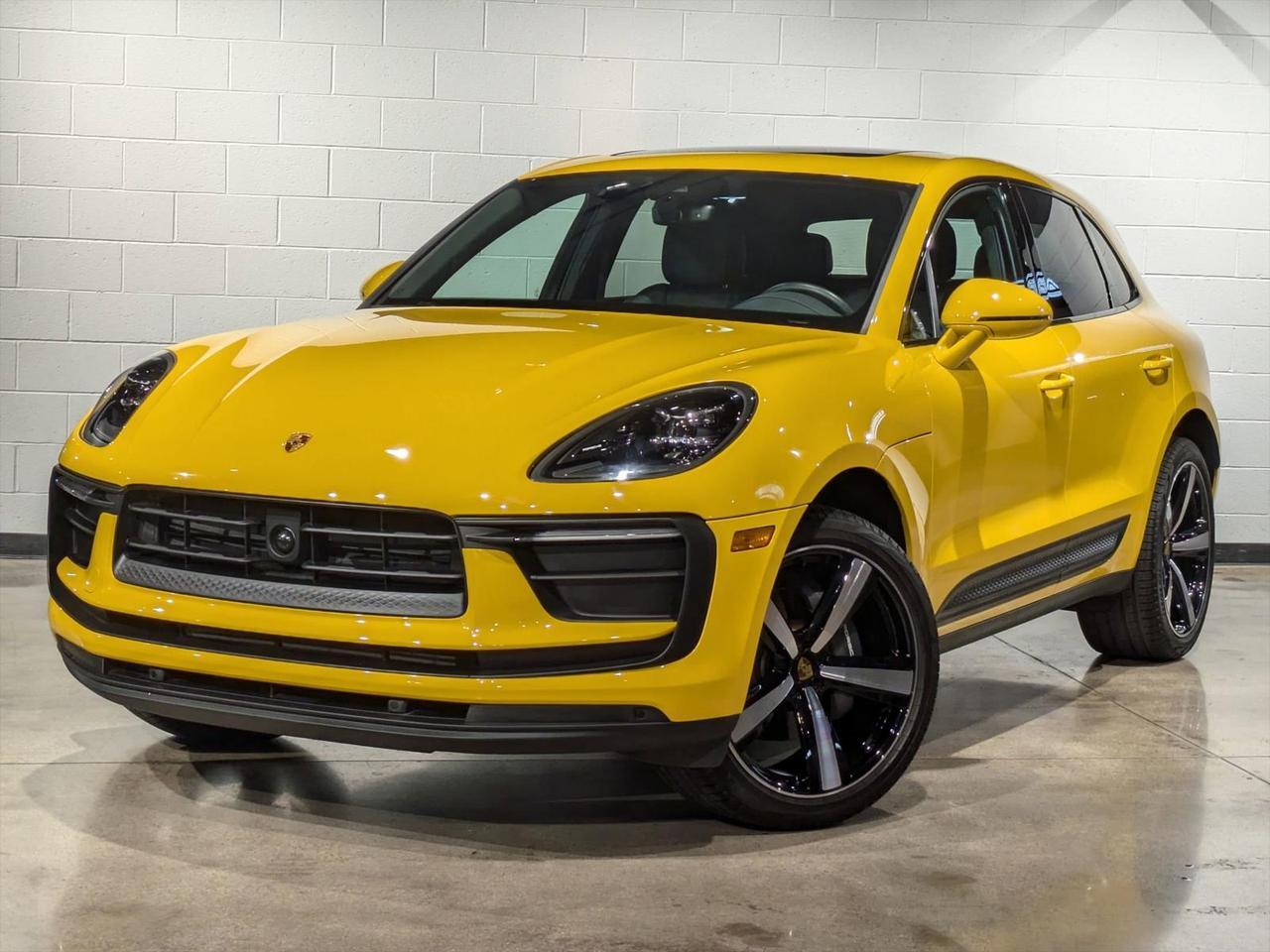
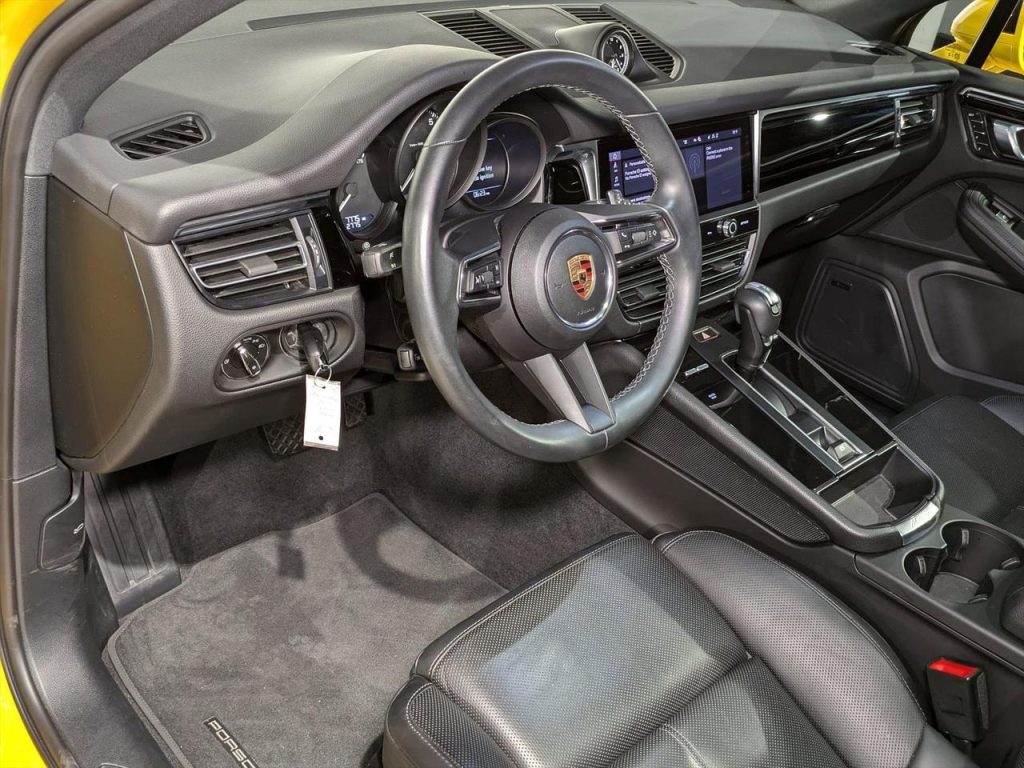
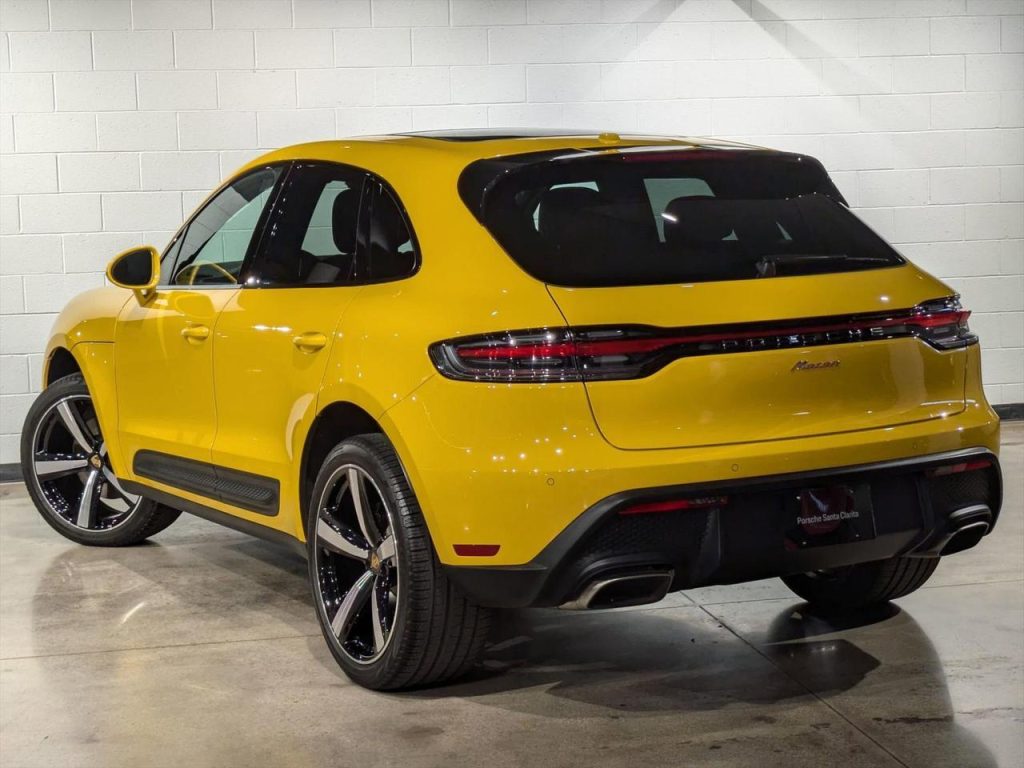
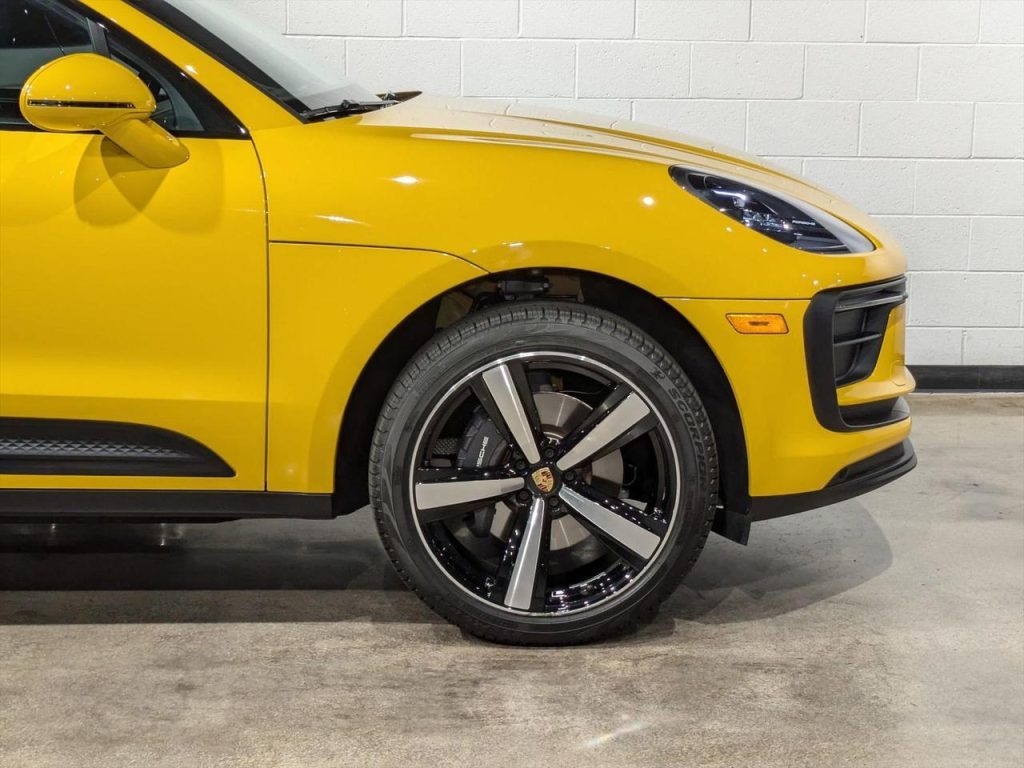
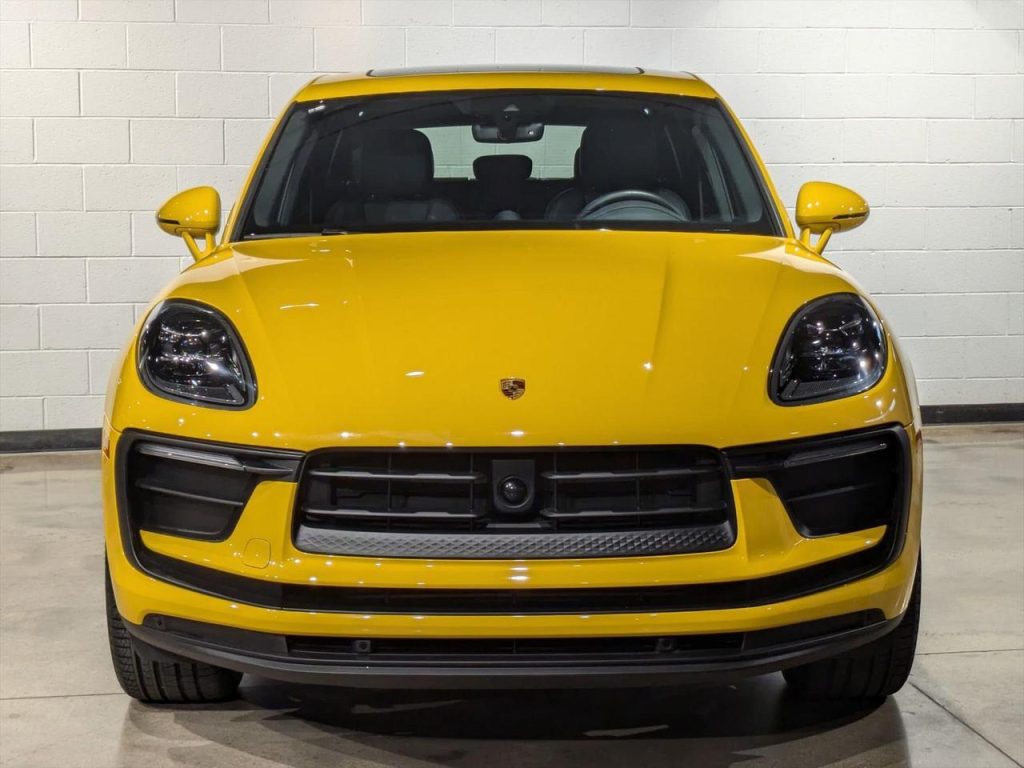
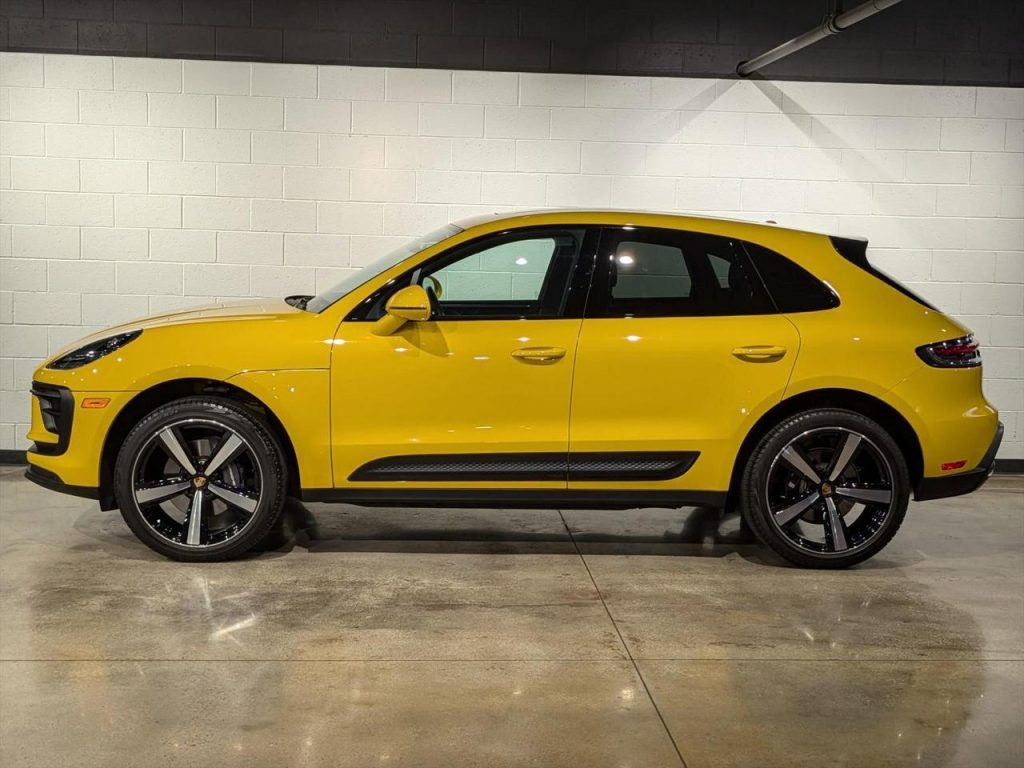
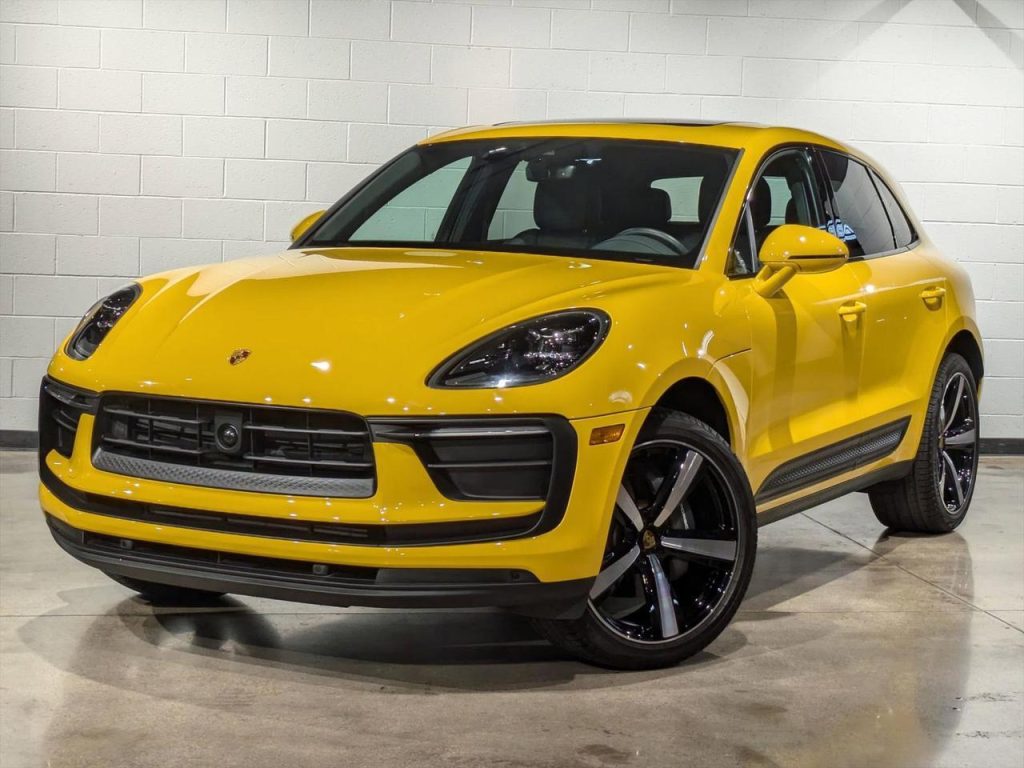
While we could opine as to why exactly Porsche’s Macan seems to be the least ran when it comes to their Paint to Sample program despite being one of their ‘volume’ models, we’d prefer to take the middle ground and simply call it a shame. We’re fans of the Porsche Macan for a number of reasons, and one of our founders uses his for daily duty with great pleasure. So when a Macan pops on our radar having been graced by the Paint to Sample treatment, we’re happy to feature it here on Tailored Driver.
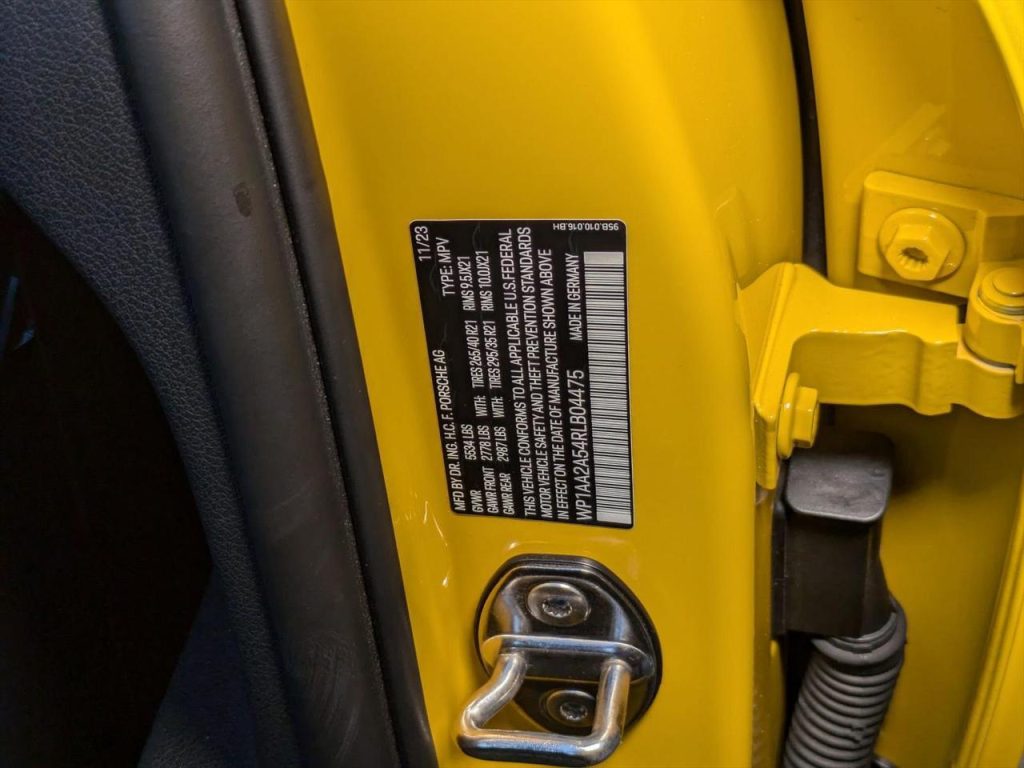
This particular Paint to Sample Speed Yellow Porsche Macan (VIN: WP1AA2A54RLB04475) provides a striking contrast from the grey, white, or black examples we usually see. One has to wonder if it was ordered as a companion piece to a different Speed Yellow Porsche in the original Tailor’s fleet- perhaps an older 911, or maybe even a 968 Clubsport.
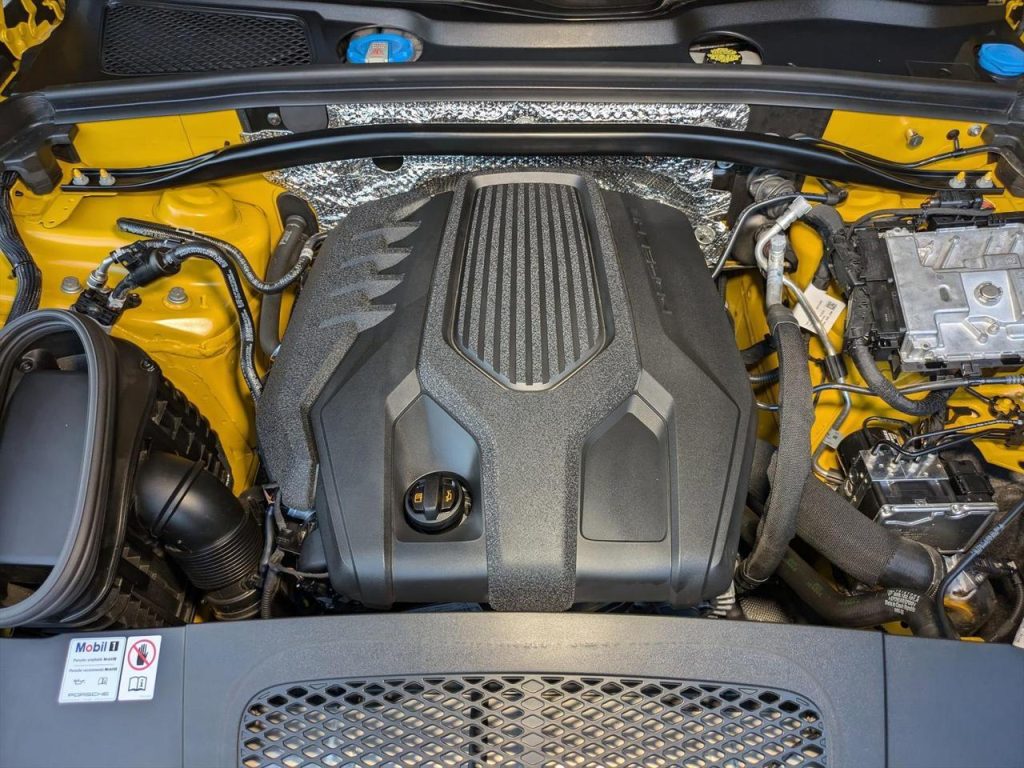
Having covered just 7,744 miles and being a 2024 model year, it’s clear however that this was more of a Macan for the moment as opposed to a tenured companion. With the all-new EV Macan making it’s way through US dealers, we sure hope the replacement for this Tailored Driver shares an equally bold hue. Find more information about this Paint to Sample Speed Yellow Porsche Macan on Porsche Santa Clarita’s website, here.